Visual abstracts
New randomized trials and meta-analyses from leading journals at a glance: who was studied, what was compared, and what was found. Every paper is free to read in full.
All specialtiesCardiology 4765Oncology 4048Gastroenterology & Hepatology 1906Infectious Disease 3759Neurology 1874Psychiatry & Mental Health 2217Pulmonology 2046Critical Care 1323Endocrinology & Diabetes 2545Pediatrics 2891Surgery 2482Orthopedics & Sports Medicine 917Neurosurgery 526Cardiothoracic & Vascular Surgery 657Plastic & Reconstructive Surgery 574Nephrology 1108Rheumatology 810Hematology 1090Dermatology 611Ophthalmology 532Obstetrics & Gynecology 1646Public & Global Health 1037Radiology & Imaging 620Anesthesiology 958Urology 745ENT (Otolaryngology) 494Emergency Medicine 481Allergy & Immunology 309Geriatrics 973Family Medicine & Primary Care 534Medical Genetics & Genomics 659Pathology & Laboratory Medicine 156Physical Medicine & Rehabilitation 736Palliative Care 421Nutrition 1561Digital Health & AI 2136General Medicine 316
Experimental studies of paranoid thinking in clinical and nonclinical populations: a systematic review and meta-analysis
Systematic review and meta-analysisBenefit found
Can experimental paradigms induce or manipulate psychometrically assessed paranoia?
Who
3898
Clinical and nonclinical populations
Compared
Experimental paradigms
Control
Main outcome
Psychometrically assessed paranoia
Result: Hedge's g 0.51 (95% confidence interval 0.37-0.66)
Bottom line: Experimental paradigms have a medium effect on inducing paranoia in clinical and nonclinical populations.
Psychol Med · 2023-07-10 · Save PNG

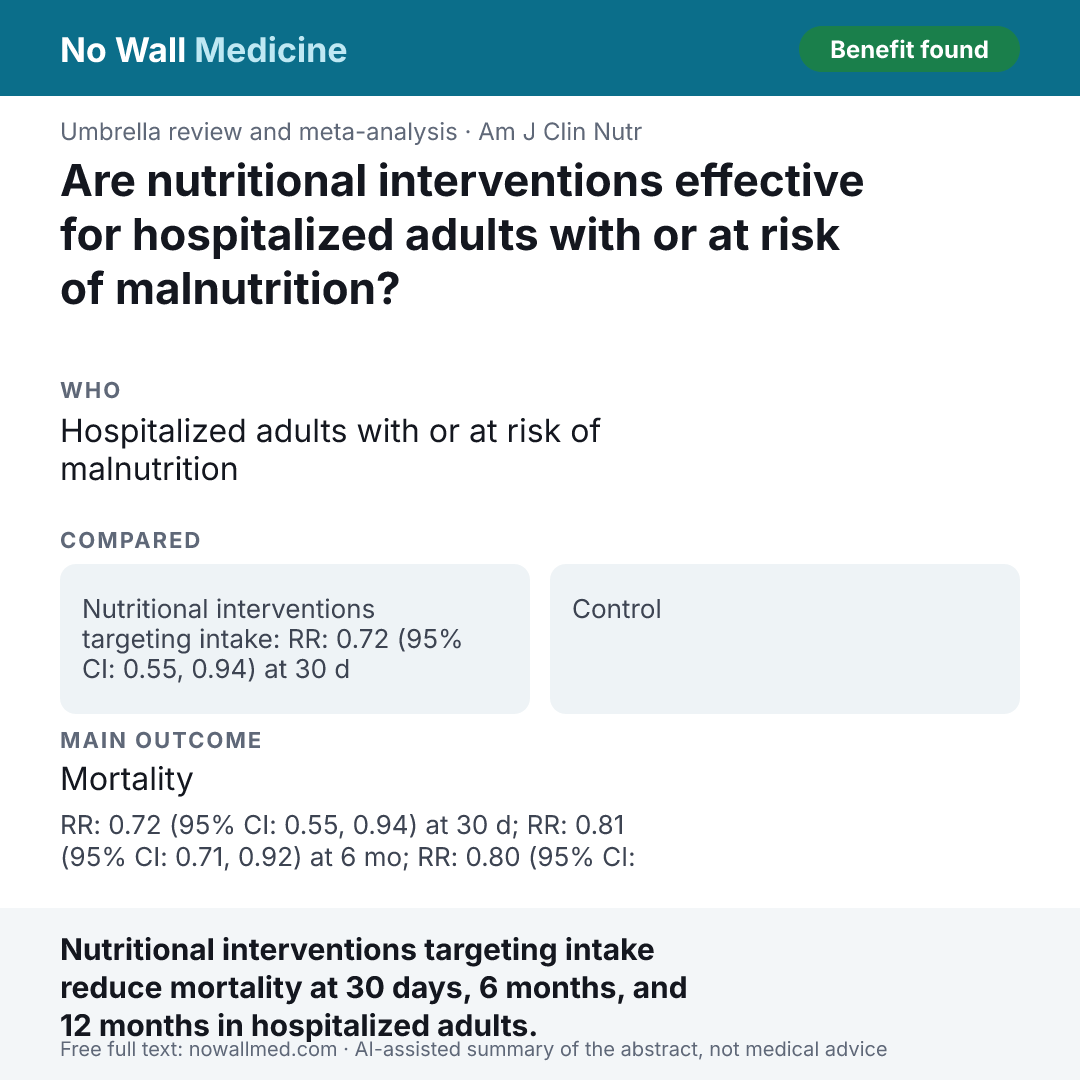
An Umbrella Review and Meta-analysis of Interventions, Excluding Enteral and Parenteral Nutrition, Initiated in the Hospital for Adults with or at Risk of Malnutrition
Umbrella review and meta-analysisBenefit found
Are nutritional interventions effective for hospitalized adults with or at risk of malnutrition?
Who
Hospitalized adults with or at risk of malnutrition
Compared
Nutritional interventions targeting intake: RR: 0.72 (95% CI: 0.55, 0.94) at 30 d
Control
Main outcome
Mortality
Result: RR: 0.72 (95% CI: 0.55, 0.94) at 30 d; RR: 0.81 (95% CI: 0.71, 0.92) at 6 mo; RR: 0.80 (95% CI: 0.67, 0.95) at 12 mo
Bottom line: Nutritional interventions targeting intake reduce mortality at 30 days, 6 months, and 12 months in hospitalized adults.
Limitation: Most clinical outcomes were discordant with variable effect sizes in both directions.
Am J Clin Nutr · 2023-07-10 · Save PNG
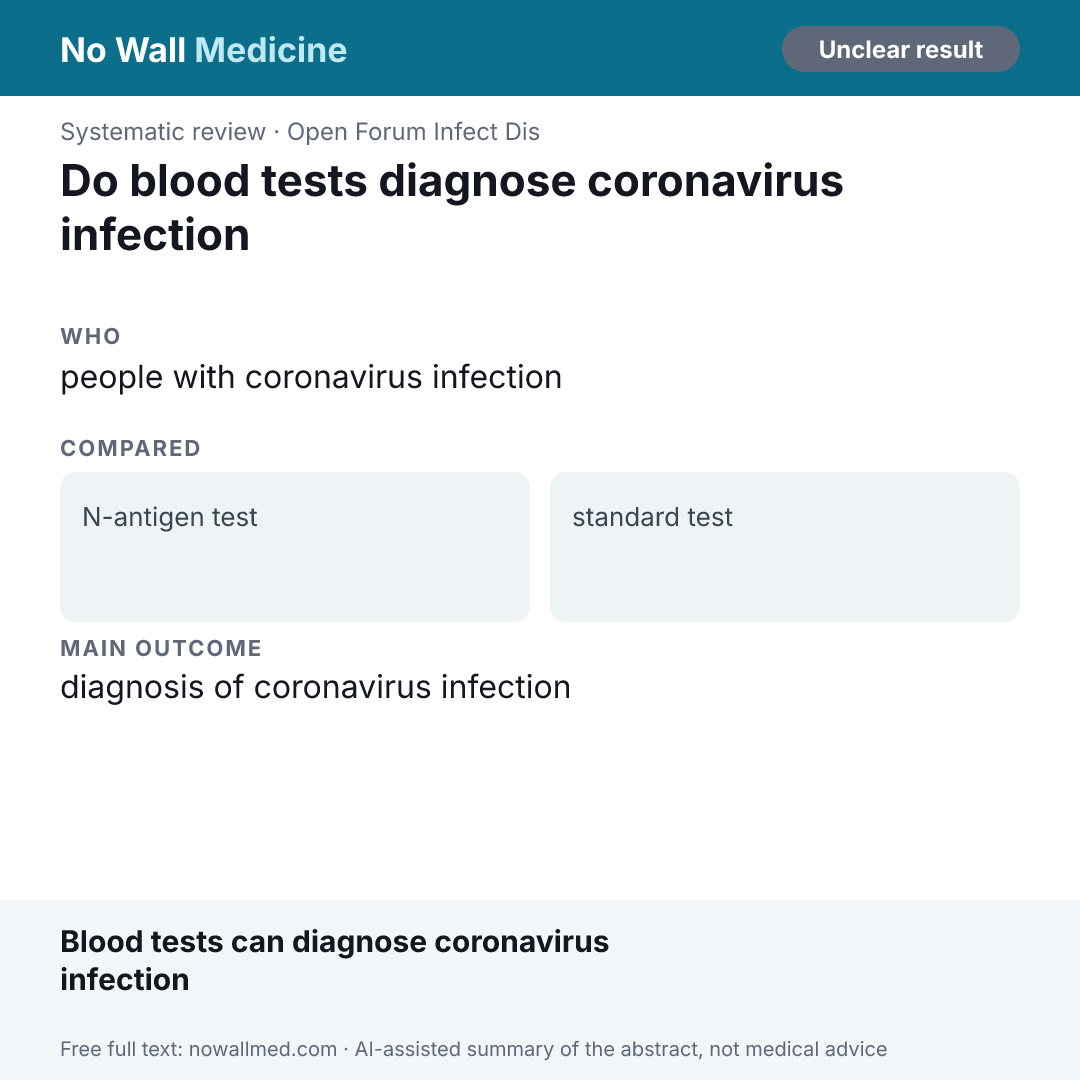
Performance of Blood-Based Nucleocapsid Antigen Tests for Diagnosis of Severe Acute Respiratory Syndrome Coronavirus 2 Infection and Infectious Viral Shedding: A Systematic Review
Systematic reviewUnclear result
Do blood tests diagnose coronavirus infection
Who
people with coronavirus infection
Compared
N-antigen test
standard test
Main outcome
diagnosis of coronavirus infection
Bottom line: Blood tests can diagnose coronavirus infection
Limitation: limited data available
Open Forum Infect Dis · 2023-07-10 · Save PNG
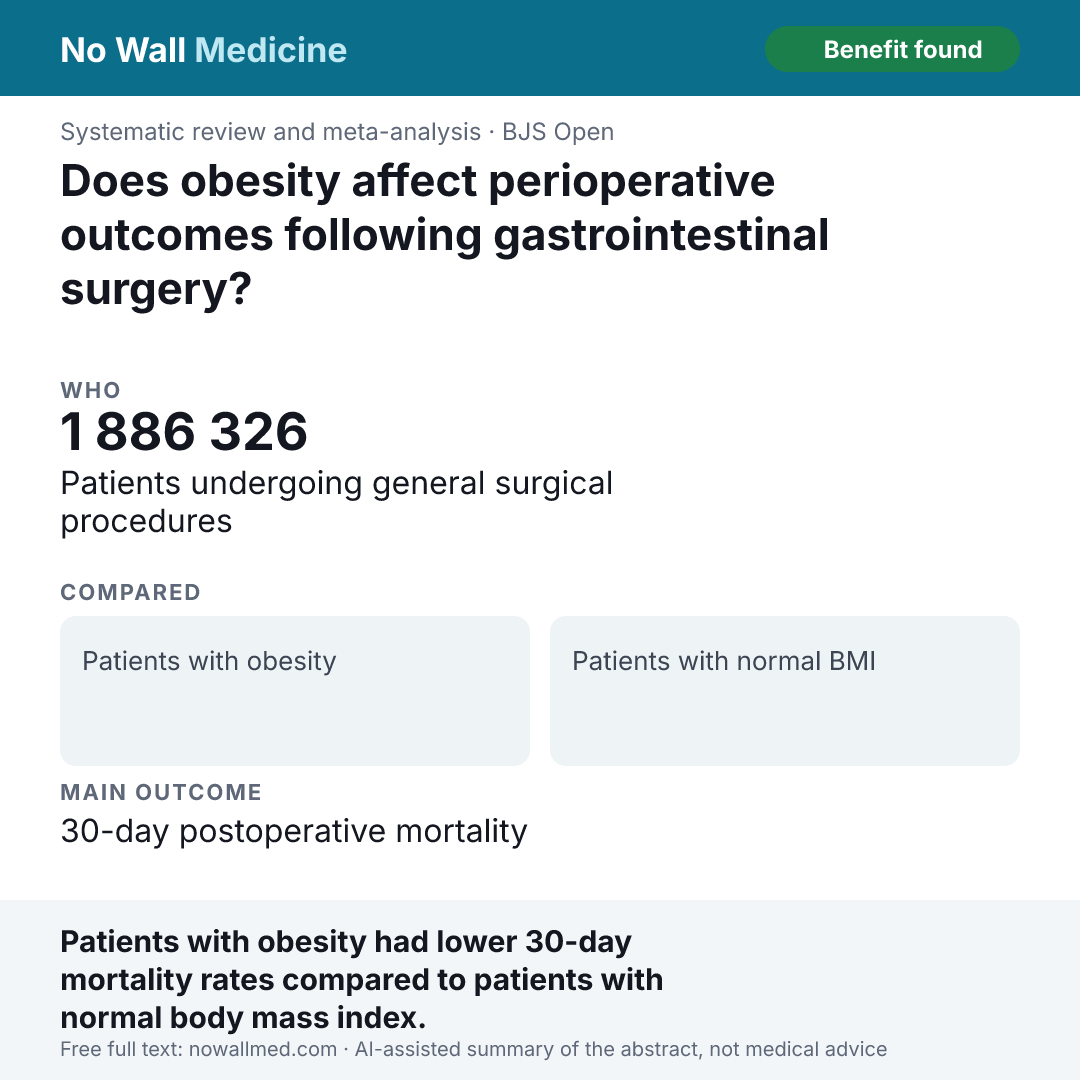
Effect of obesity on perioperative outcomes following gastrointestinal surgery: meta-analysis
Systematic review and meta-analysisBenefit found
Does obesity affect perioperative outcomes following gastrointestinal surgery?
Who
1 886 326
Patients undergoing general surgical procedures
Compared
Patients with obesity
Patients with normal BMI
Main outcome
30-day postoperative mortality
Result: odds ratio 0.75 (95 per cent c.i. 0.66 to 0.86)
Bottom line: Patients with obesity had lower 30-day mortality rates compared to patients with normal body mass index.
BJS Open · 2023-07-10 · Save PNG
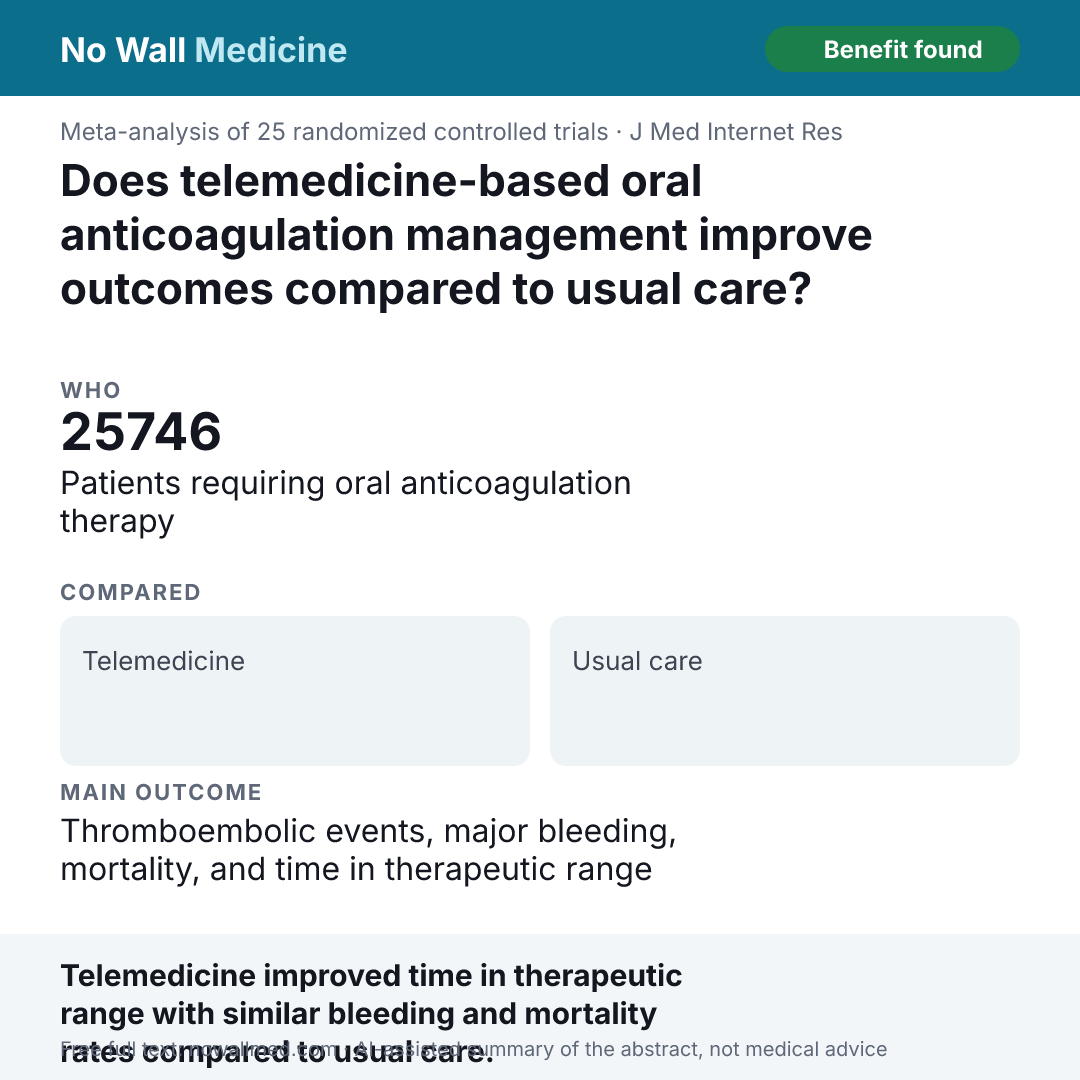
Telemedicine-Based Management of Oral Anticoagulation Therapy: Systematic Review and Meta-analysis
Meta-analysis of 25 randomized controlled trialsBenefit found
Does telemedicine-based oral anticoagulation management improve outcomes compared to usual care?
Who
25746
Patients requiring oral anticoagulation therapy
Compared
Telemedicine
Usual care
Main outcome
Thromboembolic events, major bleeding, mortality, and time in therapeutic range
Result: mean difference 3.38 (95% CI 1.12-5.65) for time in therapeutic range
Bottom line: Telemedicine improved time in therapeutic range with similar bleeding and mortality rates compared to usual care.
Limitation: Need for higher-quality evidence focusing on hard clinical outcomes, cost-effectiveness, and quality of life.
J Med Internet Res · 2023-07-10 · Save PNG
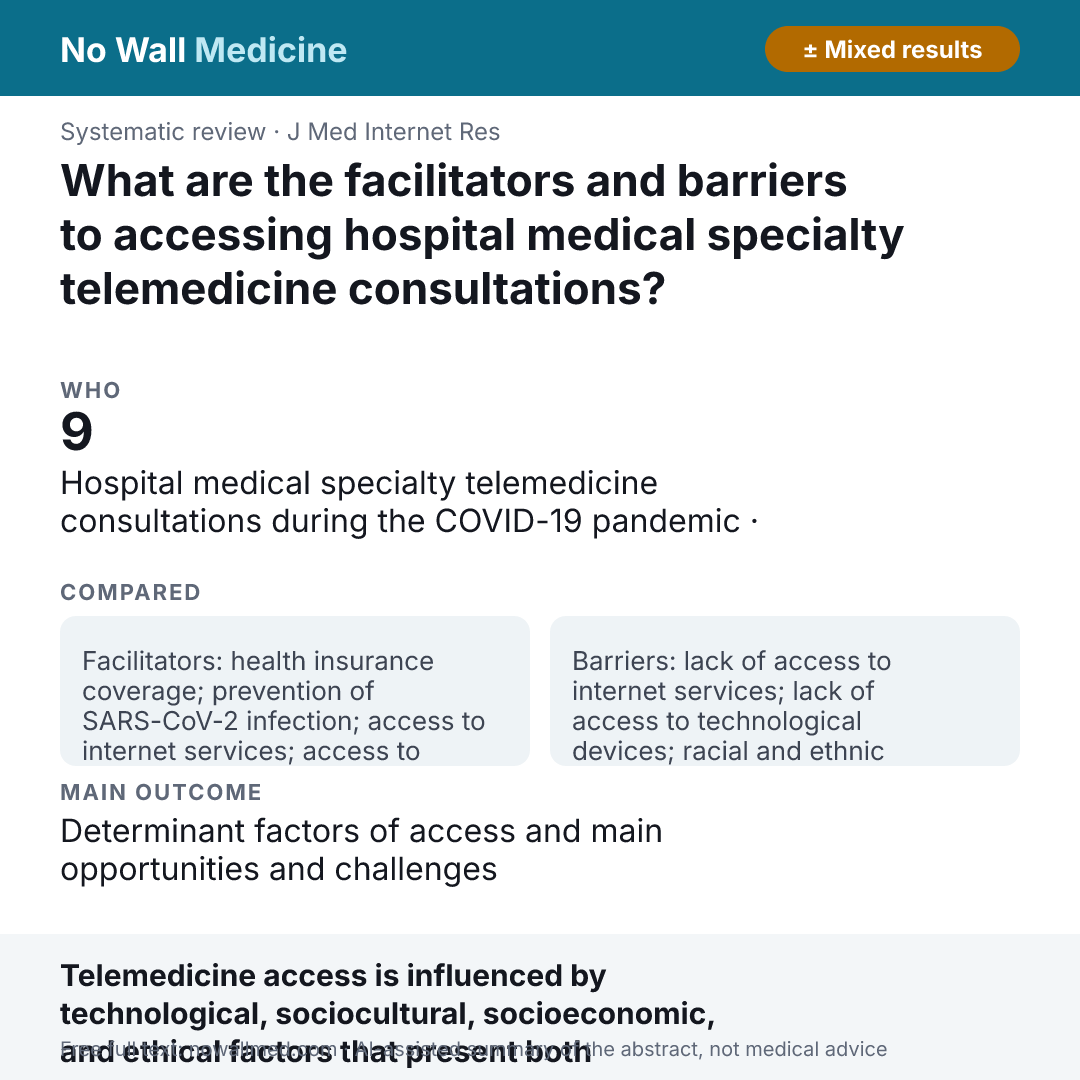
Facilitators of and Barriers to Accessing Hospital Medical Specialty Telemedicine Consultations During the COVID-19 Pandemic: Systematic Review
Systematic reviewMixed results
What are the facilitators and barriers to accessing hospital medical specialty telemedicine consultations?
Who
9
Hospital medical specialty telemedicine consultations during the COVID-19 pandemic · United States
Compared
Facilitators: health insurance coverage; prevention of SARS-CoV-2 infection; access to internet services; access to technological devices; better management of work-life balance; and savings in travel costs
Barriers: lack of access to internet services; lack of access to technological devices; racial and ethnic disparities; low digital literacy; low income; age; language barriers; health insurance coverage; concerns about data privacy and confidentiality; geographic disparities; and the need for complementary diagnostic tests
Main outcome
Determinant factors of access and main opportunities and challenges
Bottom line: Telemedicine access is influenced by technological, sociocultural, socioeconomic, and ethical factors that present both opportunities and significant challenges.
J Med Internet Res · 2023-07-10 · Save PNG
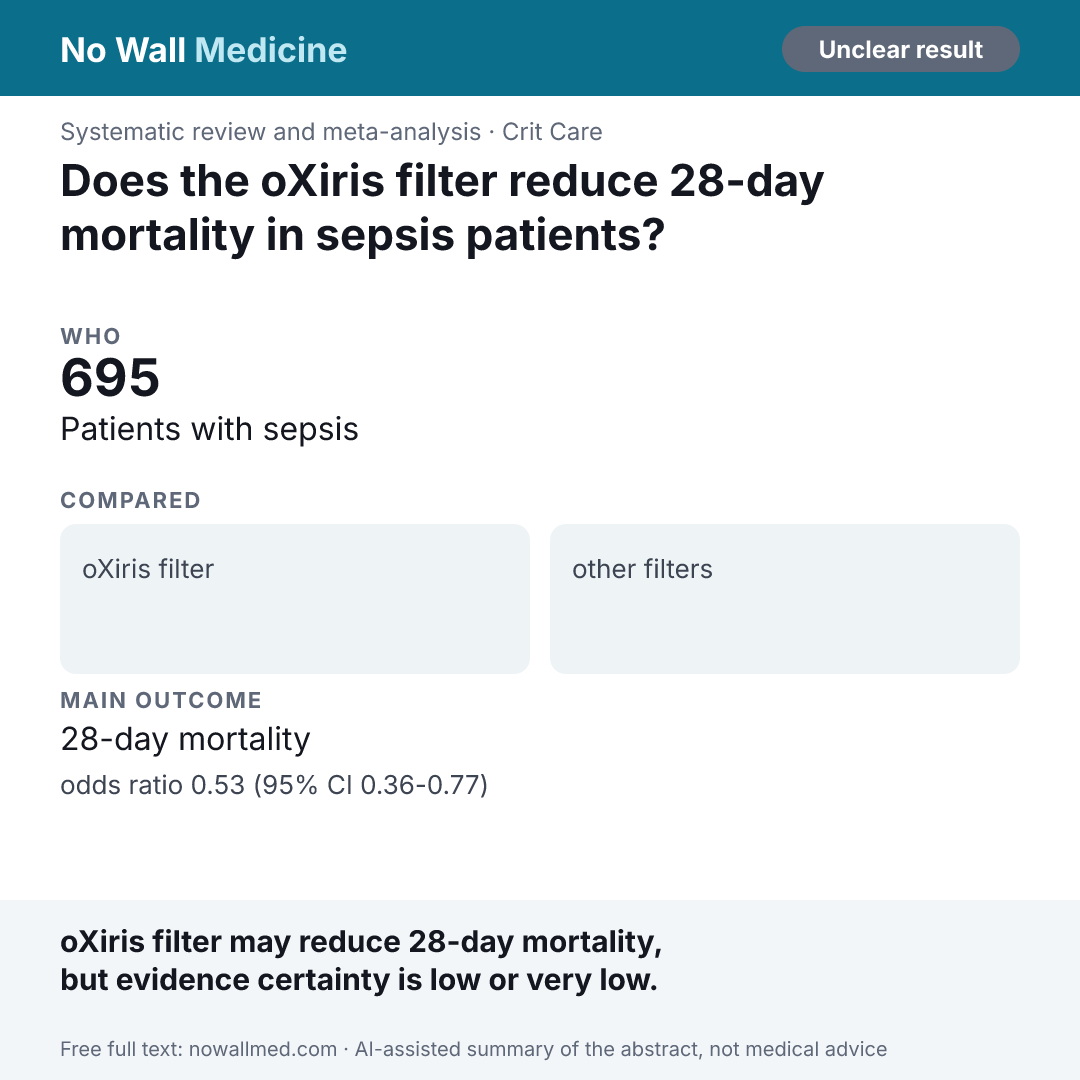
Continuous renal replacement therapy with the adsorptive oXiris filter may be associated with the lower 28-day mortality in sepsis: a systematic review and meta-analysis
Systematic review and meta-analysisUnclear result
Does the oXiris filter reduce 28-day mortality in sepsis patients?
Who
695
Patients with sepsis
Compared
oXiris filter
other filters
Main outcome
28-day mortality
Result: odds ratio 0.53 (95% CI 0.36-0.77)
Bottom line: oXiris filter may reduce 28-day mortality, but evidence certainty is low or very low.
Limitation: Mainly observational studies and randomized controlled trials had unclear risk of bias and small sample size.
Crit Care · 2023-07-09 · Save PNG
An evidence-base for the implementation of hospital-based palliative care programs in routine cancer practice: A systematic review
Systematic reviewUnclear result
How to implement palliative care in cancer care
Who
adults with cancer · hospitals
Compared
with framework
without framework
Main outcome
successful integration
Bottom line: Frameworks aid integration of palliative care
Palliat Med · 2023-07-08 · Save PNG
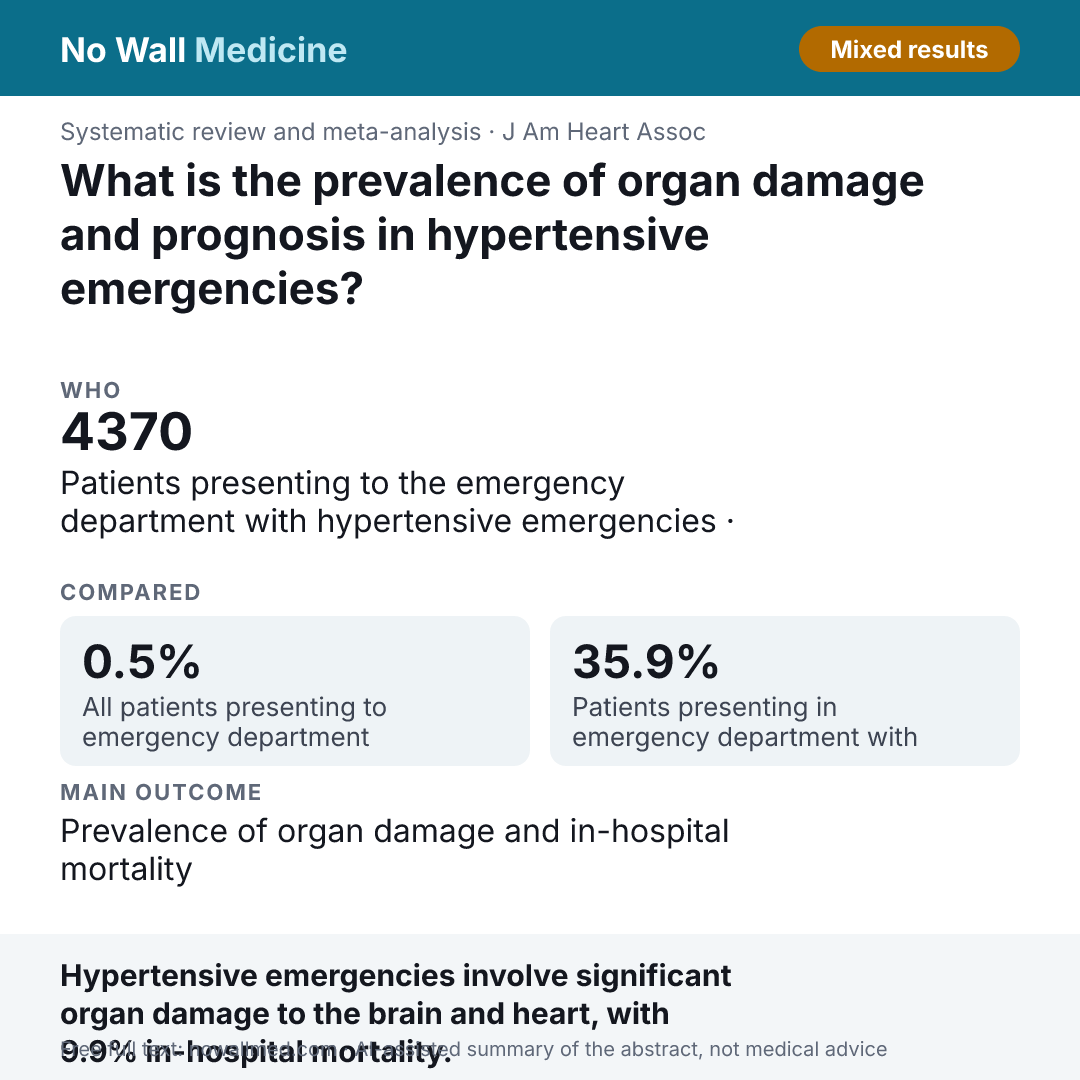
Clinical Outcomes in Hypertensive Emergency: A Systematic Review and Meta-Analysis
Systematic review and meta-analysisMixed results
What is the prevalence of organ damage and prognosis in hypertensive emergencies?
Who
4370
Patients presenting to the emergency department with hypertensive emergencies · Emergency department
Compared
0.5%All patients presenting to emergency department (95% CI, 0.40%-0.70%)
35.9%Patients presenting in emergency department with hypertensive crisis (95% CI, 26.7%-45.5%)
Main outcome
Prevalence of organ damage and in-hospital mortality
Bottom line: Hypertensive emergencies involve significant organ damage to the brain and heart, with 9.9% in-hospital mortality.
J Am Heart Assoc · 2023-07-08 · Save PNG
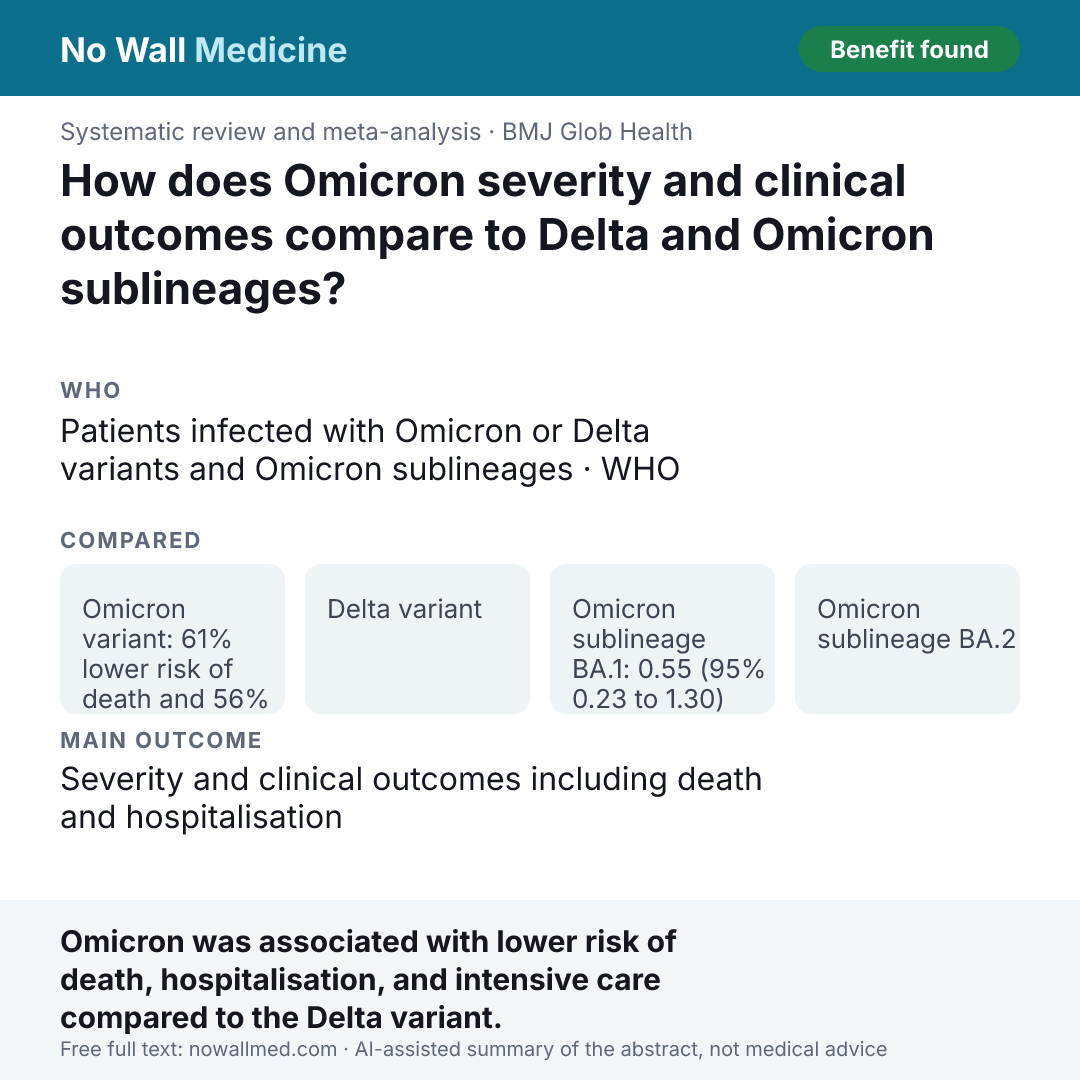
Severity and outcomes of Omicron variant of SARS-CoV-2 compared to Delta variant and severity of Omicron sublineages: a systematic review and metanalysis
Systematic review and meta-analysisBenefit found
How does Omicron severity and clinical outcomes compare to Delta and Omicron sublineages?
Who
Patients infected with Omicron or Delta variants and Omicron sublineages · WHO COVID-19 Research database
Compared
Omicron variant: 61% lower risk of death and 56% lower risk of hospitalisation
Delta variant
Omicron sublineage BA.1: 0.55 (95% 0.23 to 1.30) risk ratio for hospitalisation
Omicron sublineage BA.2
Main outcome
Severity and clinical outcomes including death and hospitalisation
Result: relative risk 0.39 (95% CI 0.33 to 0.46) for death
Bottom line: Omicron was associated with lower risk of death, hospitalisation, and intensive care compared to the Delta variant.
Limitation: Eleven studies were published as preprints.
BMJ Glob Health · 2023-07-08 · Save PNG
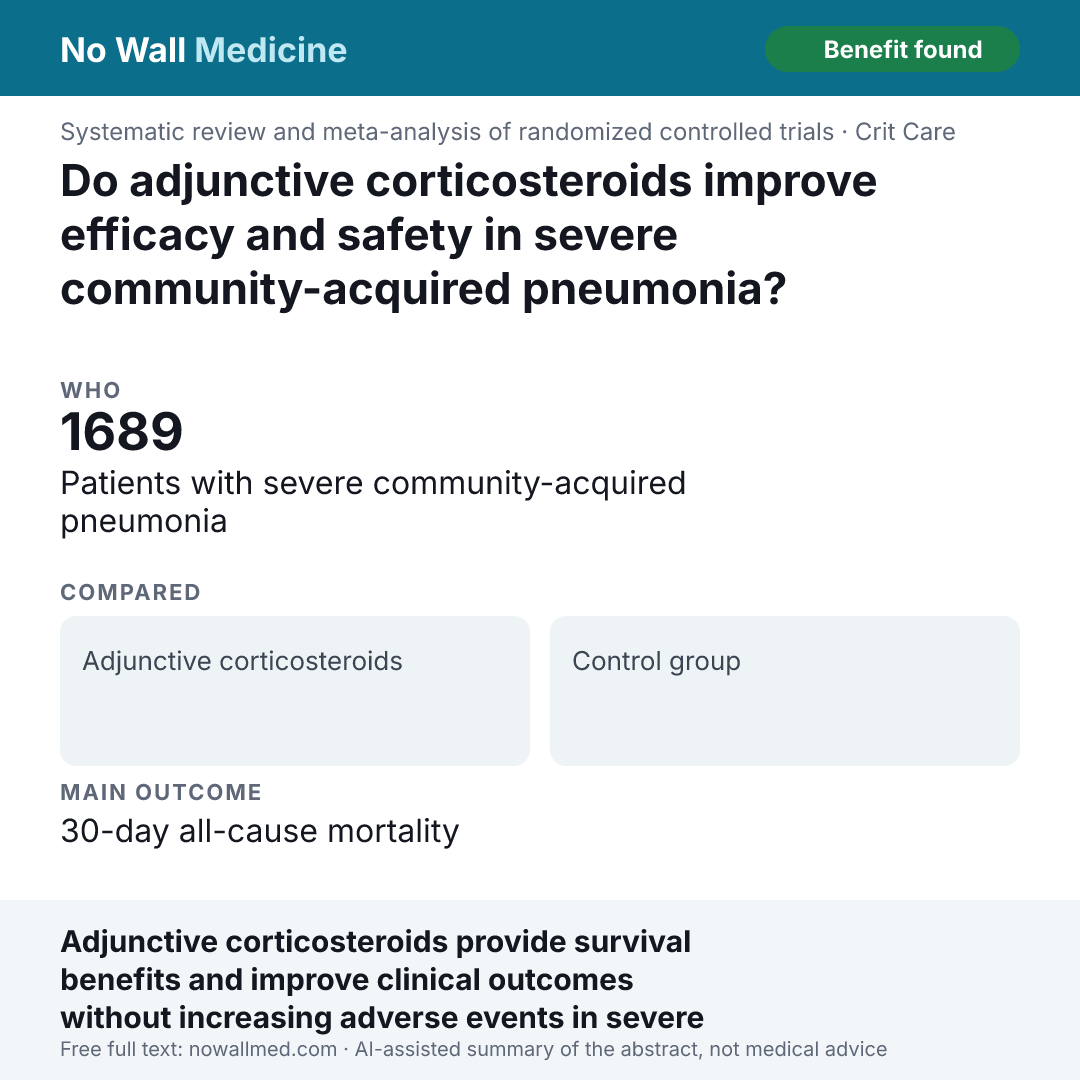
Efficacy and safety of adjunctive corticosteroids in the treatment of severe community-acquired pneumonia: a systematic review and meta-analysis of randomized controlled trials
Systematic review and meta-analysis of randomized controlled trialsBenefit found
Do adjunctive corticosteroids improve efficacy and safety in severe community-acquired pneumonia?
Who
1689
Patients with severe community-acquired pneumonia
Compared
Adjunctive corticosteroids
Control group
Main outcome
30-day all-cause mortality
Result: risk ratio 0.61 (95% CI 0.44 to 0.85)
Bottom line: Adjunctive corticosteroids provide survival benefits and improve clinical outcomes without increasing adverse events in severe community-acquired pneumonia.
Limitation: The pooled evidence remains inconclusive, requiring further studies.
Crit Care · 2023-07-08 · Save PNG
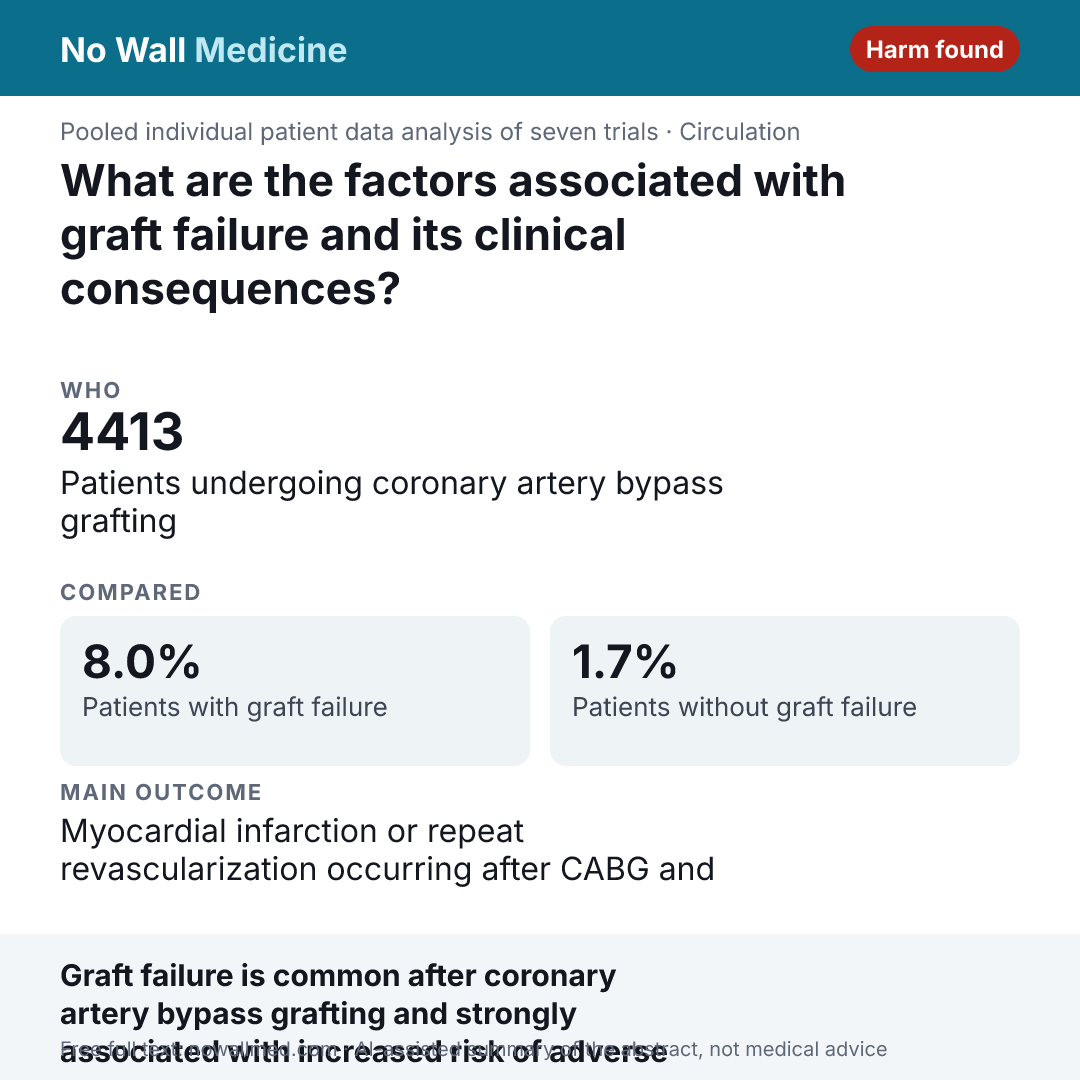
Graft Failure After Coronary Artery Bypass Grafting and Its Association With Patient Characteristics and Clinical Events: A Pooled Individual Patient Data Analysis of Clinical Trials With Imaging Follow-Up
Pooled individual patient data analysis of seven trialsHarm found
What are the factors associated with graft failure and its clinical consequences?
Who
4413
Patients undergoing coronary artery bypass grafting
Compared
8.0%Patients with graft failure
1.7%Patients without graft failure
Main outcome
Myocardial infarction or repeat revascularization occurring after CABG and before imaging
Result: adjusted odds ratio 3.98 (95% CI 3.54 to 4.47)
Bottom line: Graft failure is common after coronary artery bypass grafting and strongly associated with increased risk of adverse cardiac events.
Circulation · 2023-07-07 · Save PNG
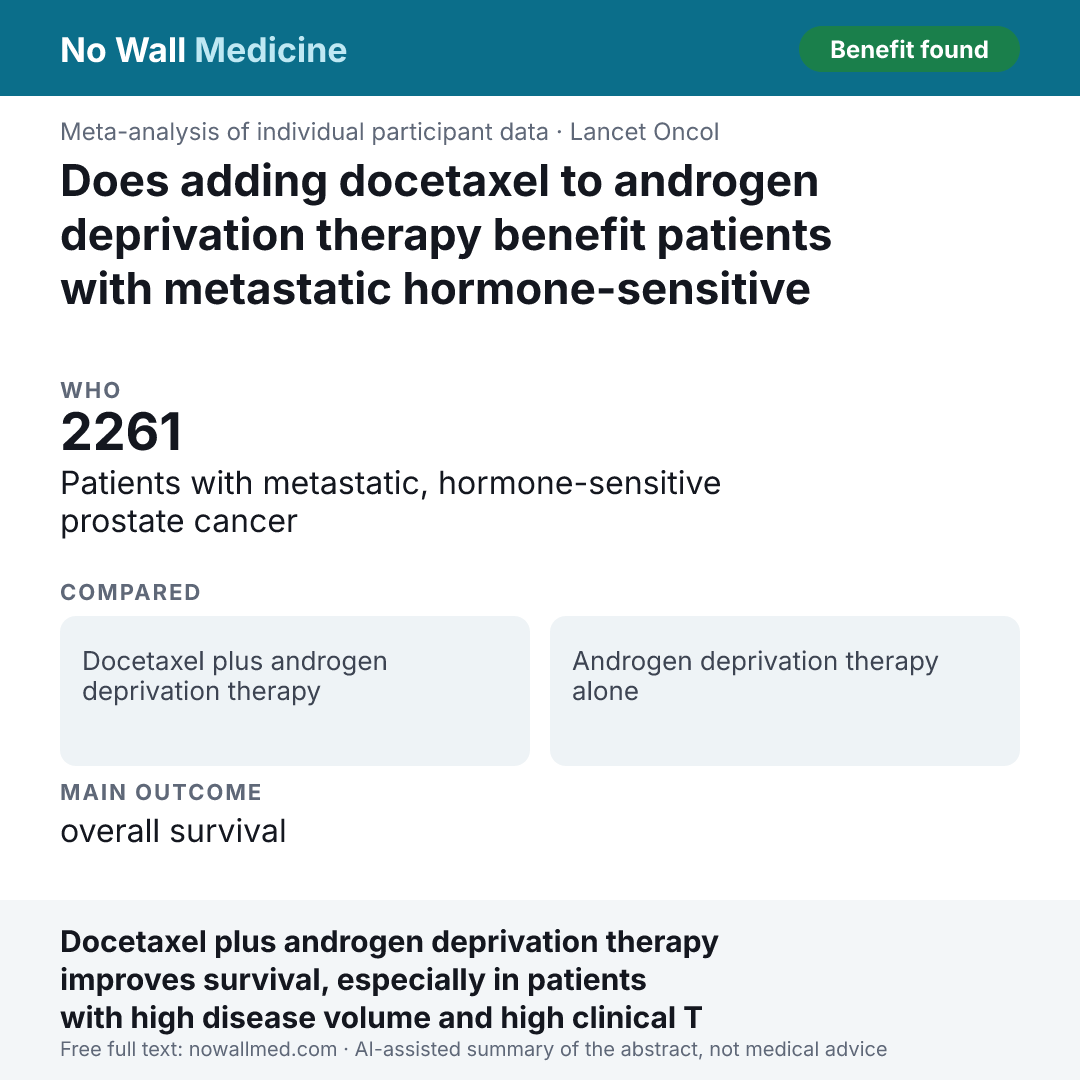
Which patients with metastatic hormone-sensitive prostate cancer benefit from docetaxel: a systematic review and meta-analysis of individual participant data from randomised trials
Meta-analysis of individual participant dataBenefit found
Does adding docetaxel to androgen deprivation therapy benefit patients with metastatic hormone-sensitive prostate cancer?
Who
2261
Patients with metastatic, hormone-sensitive prostate cancer
Compared
Docetaxel plus androgen deprivation therapy
Androgen deprivation therapy alone
Main outcome
overall survival
Result: hazard ratio 0·79, 95% CI 0·70 to 0·88
Bottom line: Docetaxel plus androgen deprivation therapy improves survival, especially in patients with high disease volume and high clinical T stage.
Limitation: Individual participant data were not obtained from two additional small trials.
Lancet Oncol · 2023-07-07 · Save PNG
Giant cell arteritis-related cerebrovascular ischemic events: a French retrospective study of 271 patients, systematic review of the literature and meta-analysis
Meta-analysis of 14 studiesUnclear result
Giant cell arteritis cerebrovascular events prevalence
Who
3553
Giant cell arteritis patients · France and others
Compared
4%GCA patients (95% CI 3-6)
Control
Main outcome
Cerebrovascular ischemic events
Result: pooled prevalence 4% (95% CI 3-6)
Bottom line: GCA-related cerebrovascular events occur in 4% of patients
Arthritis Res Ther · 2023-07-07 · Save PNG

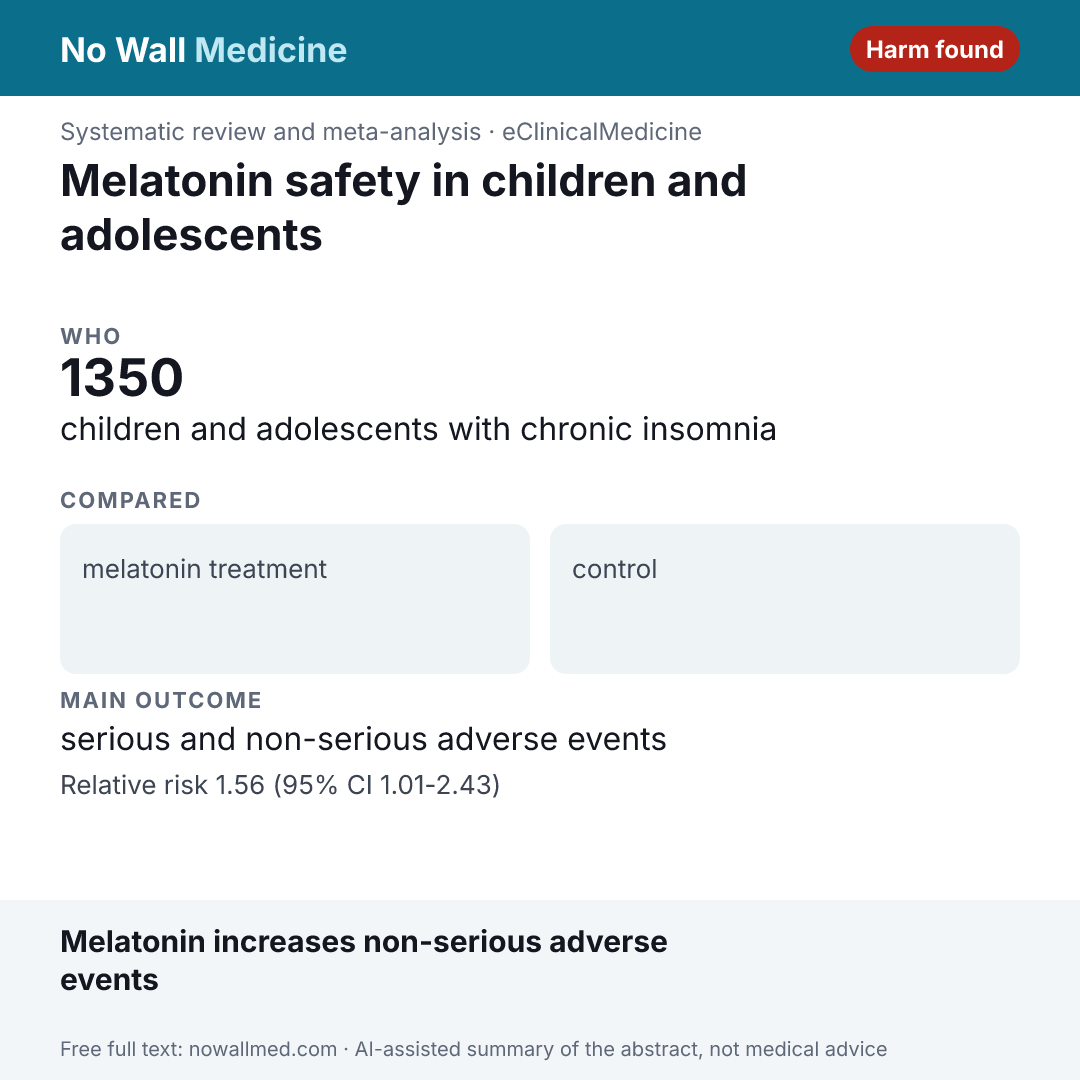
The short-term and long-term adverse effects of melatonin treatment in children and adolescents: a systematic review and GRADE assessment
Systematic review and meta-analysisHarm found
Melatonin safety in children and adolescents
Who
1350
children and adolescents with chronic insomnia
Compared
melatonin treatment
control
Main outcome
serious and non-serious adverse events
Result: Relative risk 1.56 (95% CI 1.01-2.43)
Bottom line: Melatonin increases non-serious adverse events
Limitation: methodological limitations
Funded by: Danish Health Authority and Oak Foundation
eClinicalMedicine · 2023-07-06 · Save PNG
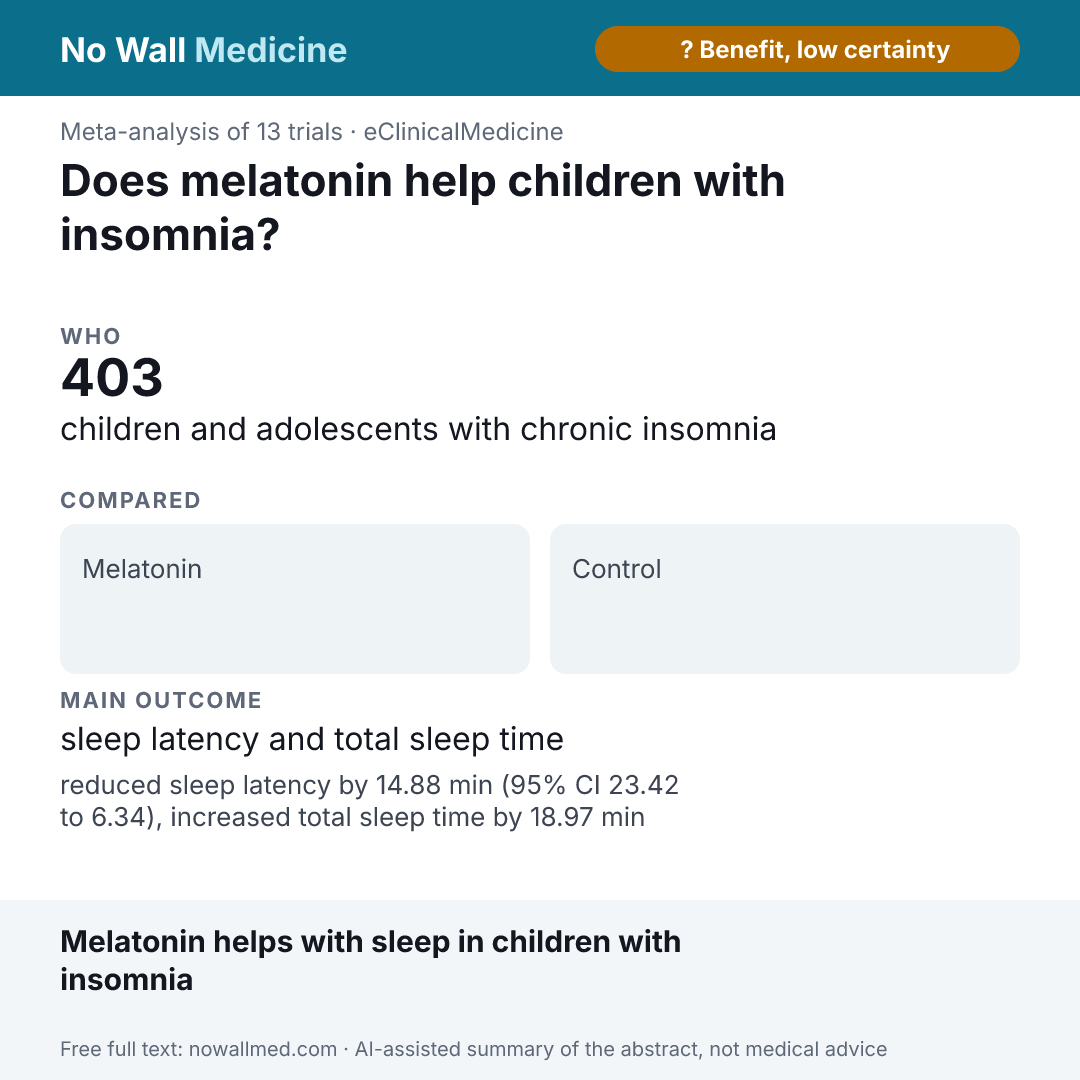
Use of melatonin for children and adolescents with chronic insomnia attributable to disorders beyond indication: a systematic review, meta-analysis and clinical recommendation
Meta-analysis of 13 trialsBenefit, low certainty
Does melatonin help children with insomnia?
Who
403
children and adolescents with chronic insomnia
Compared
Melatonin
Control
Main outcome
sleep latency and total sleep time
Result: reduced sleep latency by 14.88 min (95% CI 23.42 to 6.34), increased total sleep time by 18.97 min (95% CI 0.37 to 37.57)
Bottom line: Melatonin helps with sleep in children with insomnia
Limitation: low certainty evidence
Funded by: Danish Health Authority, Oak Foundation
eClinicalMedicine · 2023-07-06 · Save PNG
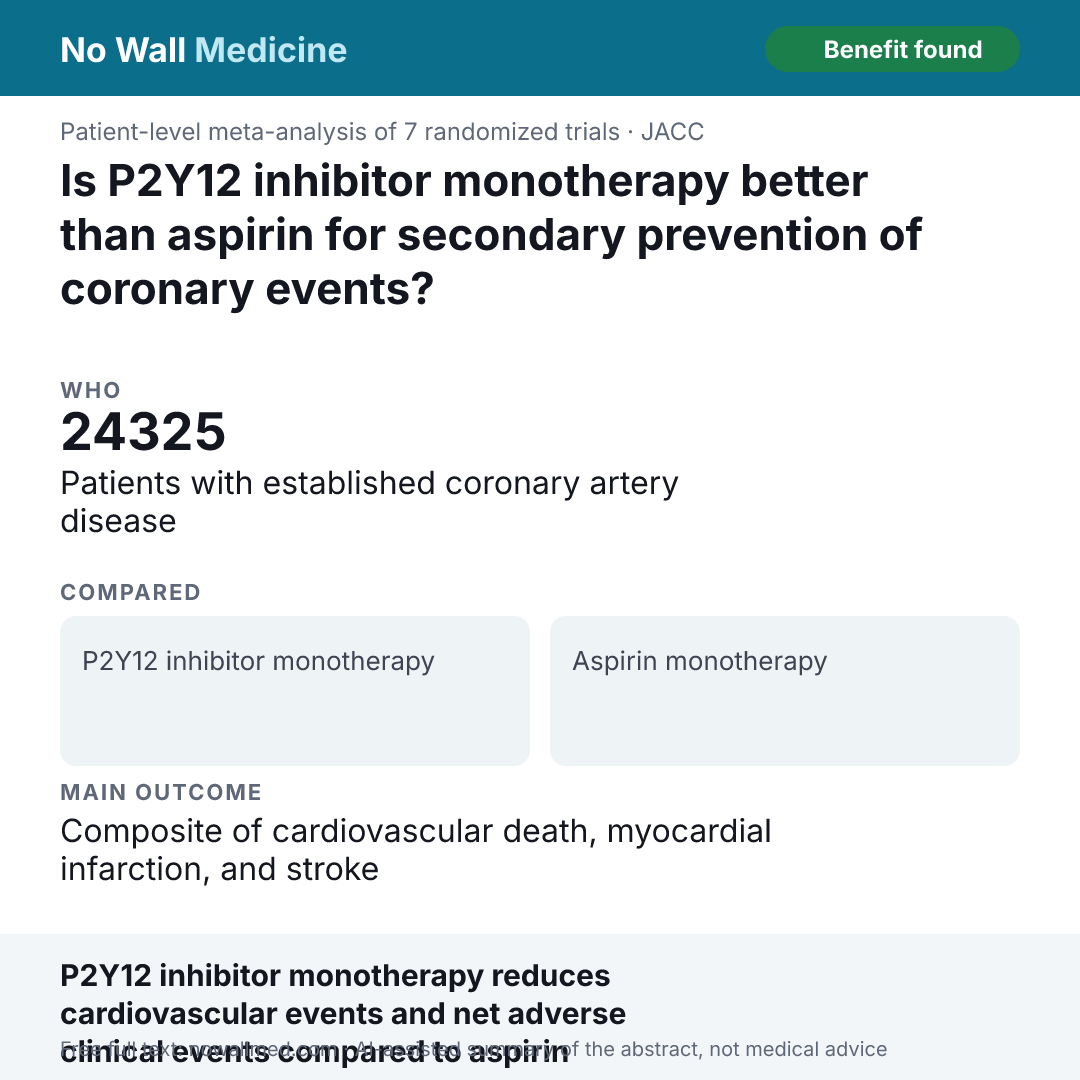
P2Y12 Inhibitor or Aspirin Monotherapy for Secondary Prevention of Coronary Events
Patient-level meta-analysis of 7 randomized trialsBenefit found
Is P2Y12 inhibitor monotherapy better than aspirin for secondary prevention of coronary events?
Who
24325
Patients with established coronary artery disease
Compared
P2Y12 inhibitor monotherapy
Aspirin monotherapy
Main outcome
Composite of cardiovascular death, myocardial infarction, and stroke
Result: hazard ratio 0.88 (95% CI 0.79-0.97)
Bottom line: P2Y12 inhibitor monotherapy reduces cardiovascular events and net adverse clinical events compared to aspirin monotherapy.
JACC · 2023-07-06 · Save PNG
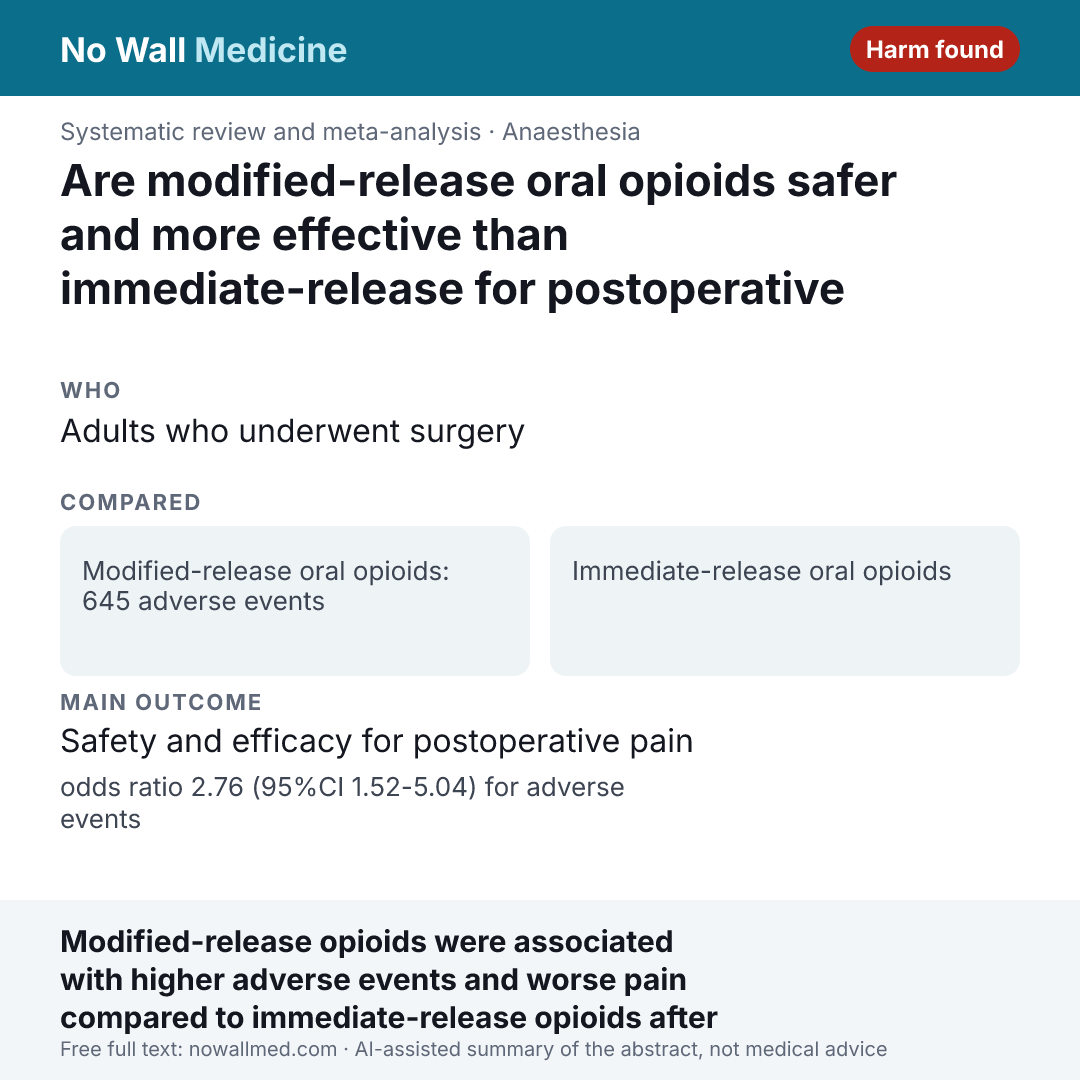
Risks and benefits of oral modified-release compared with oral immediate-release opioid use after surgery: a systematic review and meta-analysis
Systematic review and meta-analysisHarm found
Are modified-release oral opioids safer and more effective than immediate-release for postoperative pain?
Who
Adults who underwent surgery
Compared
Modified-release oral opioids: 645 adverse events
Immediate-release oral opioids
Main outcome
Safety and efficacy for postoperative pain
Result: odds ratio 2.76 (95%CI 1.52-5.04) for adverse events
Bottom line: Modified-release opioids were associated with higher adverse events and worse pain compared to immediate-release opioids after surgery.
Anaesthesia · 2023-07-06 · Save PNG
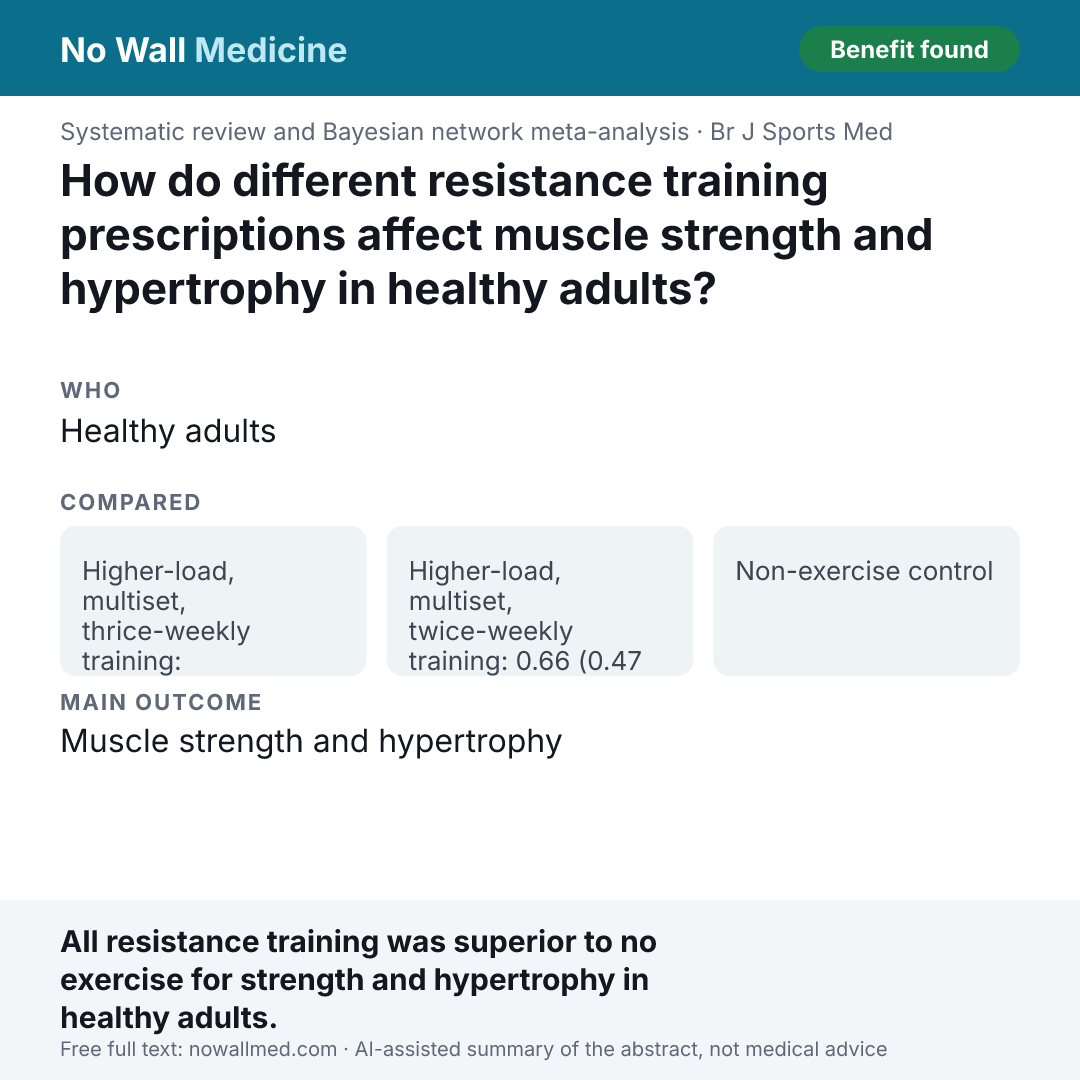
Resistance training prescription for muscle strength and hypertrophy in healthy adults: a systematic review and Bayesian network meta-analysis
Systematic review and Bayesian network meta-analysisBenefit found
How do different resistance training prescriptions affect muscle strength and hypertrophy in healthy adults?
Who
Healthy adults
Compared
Higher-load, multiset, thrice-weekly training: standardised mean difference 1.60 (95% credible interval 1.38 to 1.82) vs CTRL
Higher-load, multiset, twice-weekly training: 0.66 (0.47 to 0.85) vs CTRL
Non-exercise control
Main outcome
Muscle strength and hypertrophy
Bottom line: All resistance training was superior to no exercise for strength and hypertrophy in healthy adults.
Br J Sports Med · 2023-07-06 · Save PNG
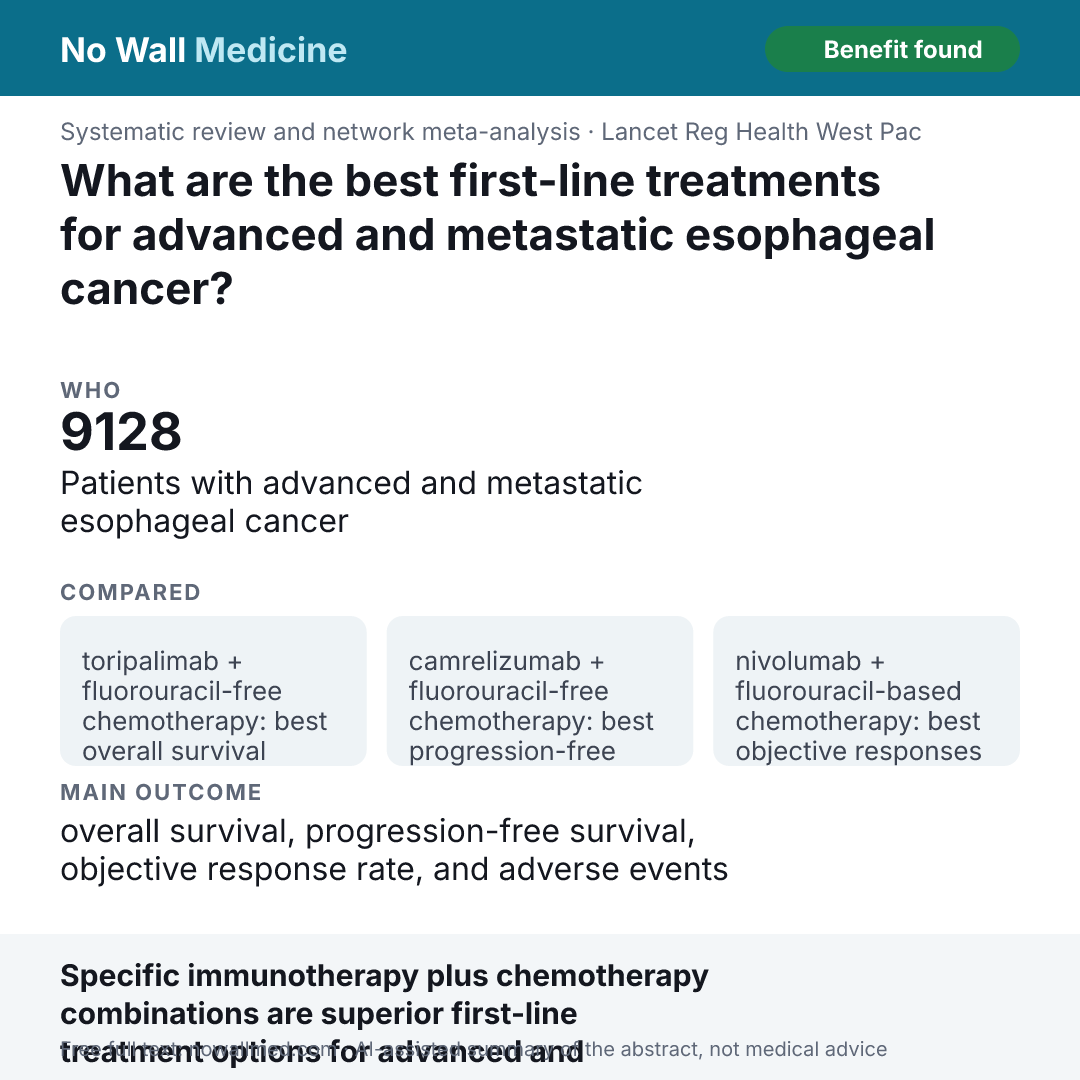
Efficacy and safety of immunochemotherapy, immunotherapy, chemotherapy, and targeted therapy as first-line treatment for advanced and metastatic esophageal cancer: a systematic review and network meta-analysis
Systematic review and network meta-analysisBenefit found
What are the best first-line treatments for advanced and metastatic esophageal cancer?
Who
9128
Patients with advanced and metastatic esophageal cancer
Compared
toripalimab + fluorouracil-free chemotherapy: best overall survival advantages
camrelizumab + fluorouracil-free chemotherapy: best progression-free survival advantages
nivolumab + fluorouracil-based chemotherapy: best objective responses
Main outcome
overall survival, progression-free survival, objective response rate, and adverse events
Bottom line: Specific immunotherapy plus chemotherapy combinations are superior first-line treatment options for advanced and metastatic esophageal cancer.
Funded by: Science and Technology Program of Guangzhou; Natural Science Foundation of Guangdong Province
Lancet Reg Health West Pac · 2023-07-06 · Save PNG