Visual abstracts
New randomized trials and meta-analyses from leading journals at a glance: who was studied, what was compared, and what was found. Every paper is free to read in full.
All specialtiesCardiology 1367Oncology 1224Gastroenterology & Hepatology 493Infectious Disease 893Neurology 567Psychiatry & Mental Health 682Pulmonology 589Critical Care 404Endocrinology & Diabetes 754Pediatrics 819Surgery 648Orthopedics & Sports Medicine 261Neurosurgery 186Cardiothoracic & Vascular Surgery 155Plastic & Reconstructive Surgery 215Nephrology 289Rheumatology 183Hematology 286Dermatology 144Ophthalmology 156Obstetrics & Gynecology 433Public & Global Health 270Radiology & Imaging 176Anesthesiology 264Urology 255ENT (Otolaryngology) 187Emergency Medicine 152Allergy & Immunology 91Geriatrics 287Family Medicine & Primary Care 174Medical Genetics & Genomics 144Pathology & Laboratory Medicine 42Physical Medicine & Rehabilitation 242Palliative Care 123Nutrition 359Digital Health & AI 713General Medicine 123
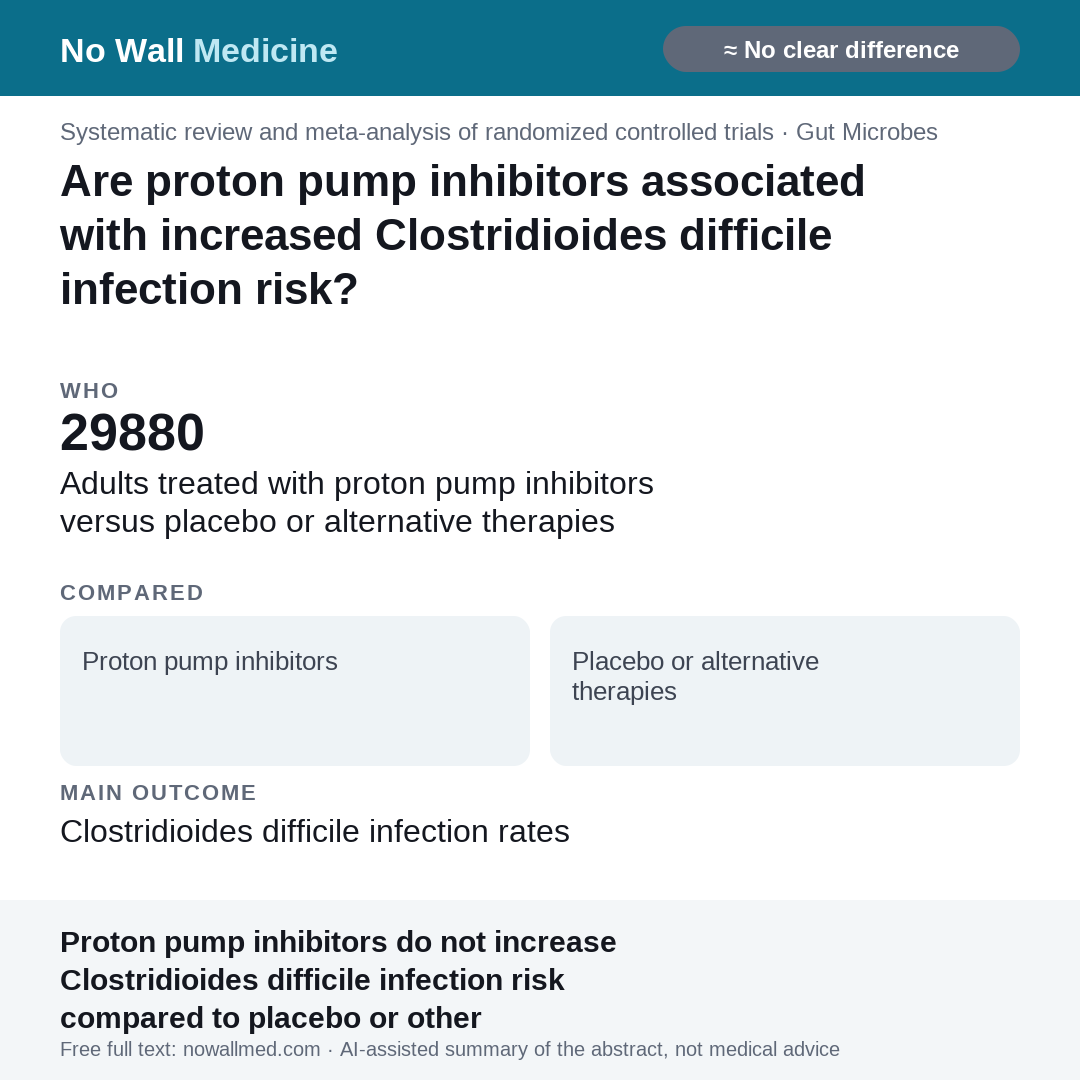
Proton pump inhibitors are not associated with an increased risk of Clostridioides difficile infection: a systematic review and meta-analysis of randomized controlled trials
Systematic review and meta-analysis of randomized controlled trialsNo clear difference
Are proton pump inhibitors associated with increased Clostridioides difficile infection risk?
Who
29880
Adults treated with proton pump inhibitors versus placebo or alternative therapies
Compared
Proton pump inhibitors
Placebo or alternative therapies
Main outcome
Clostridioides difficile infection rates
Result: risk ratio 1.19 (95% CI 0.75 to 1.89)
Bottom line: Proton pump inhibitors do not increase Clostridioides difficile infection risk compared to placebo or other acid-suppressive medications.
Gut Microbes · 2025-10-05Download image
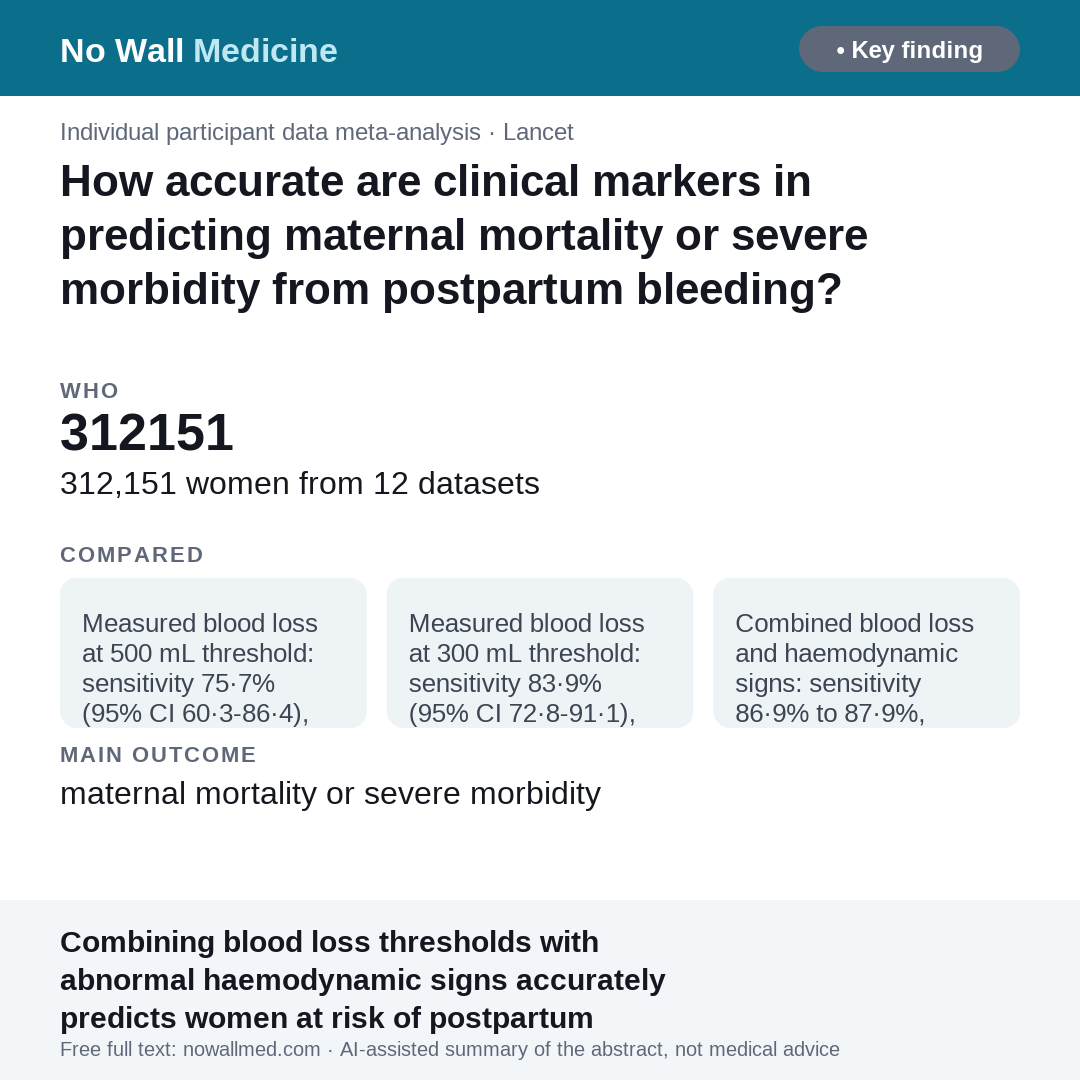
Prognostic accuracy of clinical markers of postpartum bleeding in predicting maternal mortality or severe morbidity: a WHO individual participant data meta-analysis
Individual participant data meta-analysisBenefit found
How accurate are clinical markers in predicting maternal mortality or severe morbidity from postpartum bleeding?
Who
312151
312,151 women from 12 datasets
Compared
Measured blood loss at 500 mL threshold: sensitivity 75·7% (95% CI 60·3-86·4), specificity 81·4% (95% CI 70·7-88·8)
Measured blood loss at 300 mL threshold: sensitivity 83·9% (95% CI 72·8-91·1), specificity 54·8% (95% CI 38·0-70·5)
Combined blood loss and haemodynamic signs: sensitivity 86·9% to 87·9%, specificity 66·6% to 76·1%
Main outcome
maternal mortality or severe morbidity
Bottom line: Combining blood loss thresholds with abnormal haemodynamic signs accurately predicts women at risk of postpartum bleeding complications.
Funded by: Gates Foundation and WHO Special Programme
Lancet · 2025-10-04Download image
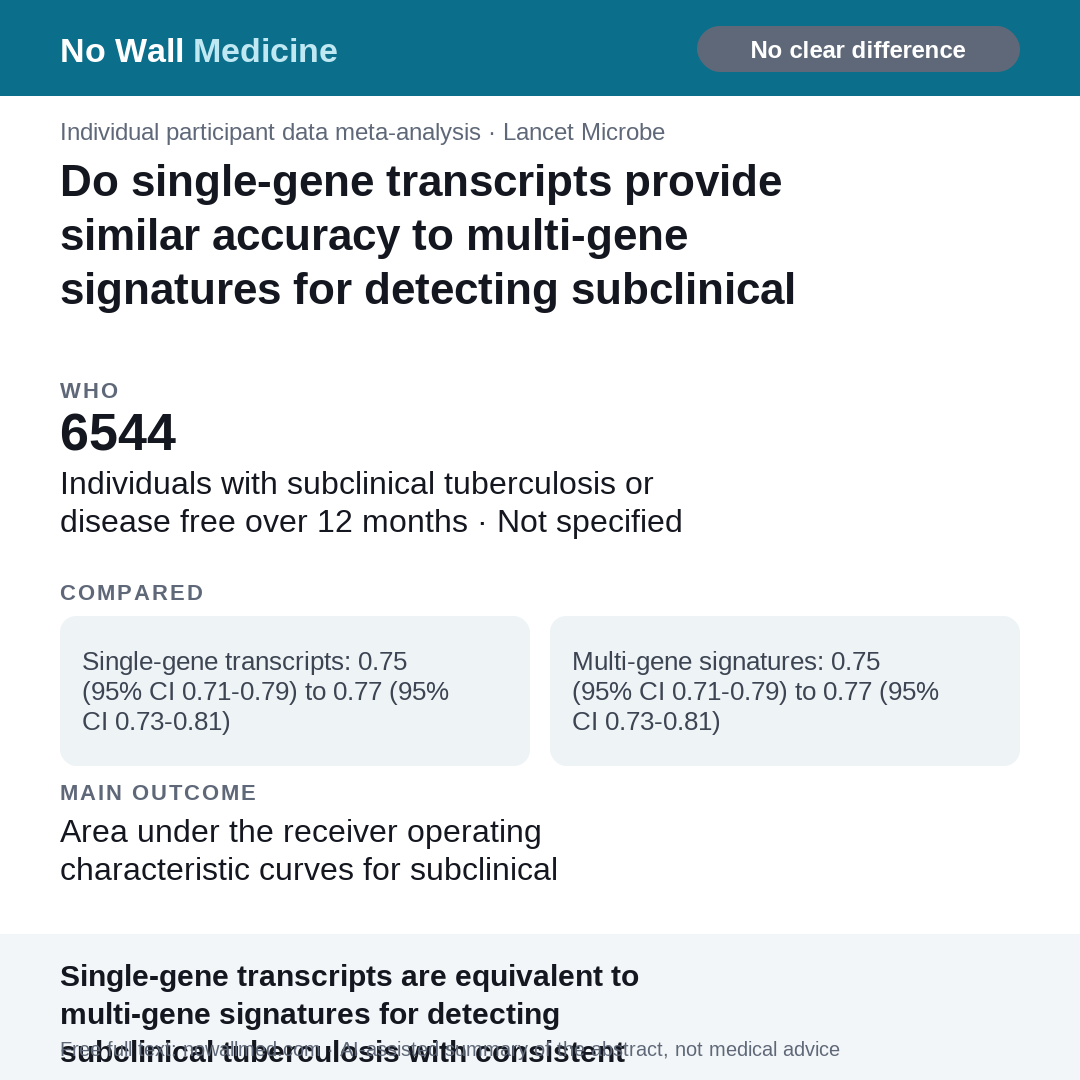
Single-gene transcripts for subclinical tuberculosis: an individual participant data meta-analysis
Individual participant data meta-analysisNo clear difference
Do single-gene transcripts provide similar accuracy to multi-gene signatures for detecting subclinical tuberculosis?
Who
6544
Individuals with subclinical tuberculosis or disease free over 12 months · Not specified
Compared
Single-gene transcripts: 0.75 (95% CI 0.71-0.79) to 0.77 (95% CI 0.73-0.81)
Multi-gene signatures: 0.75 (95% CI 0.71-0.79) to 0.77 (95% CI 0.73-0.81)
Main outcome
Area under the receiver operating characteristic curves for subclinical tuberculosis
Bottom line: Single-gene transcripts are equivalent to multi-gene signatures for detecting subclinical tuberculosis with consistent performance across settings.
Funded by: National Institute for Health Research, Wellcome Trust
Lancet Microbe · 2025-10-03Download image
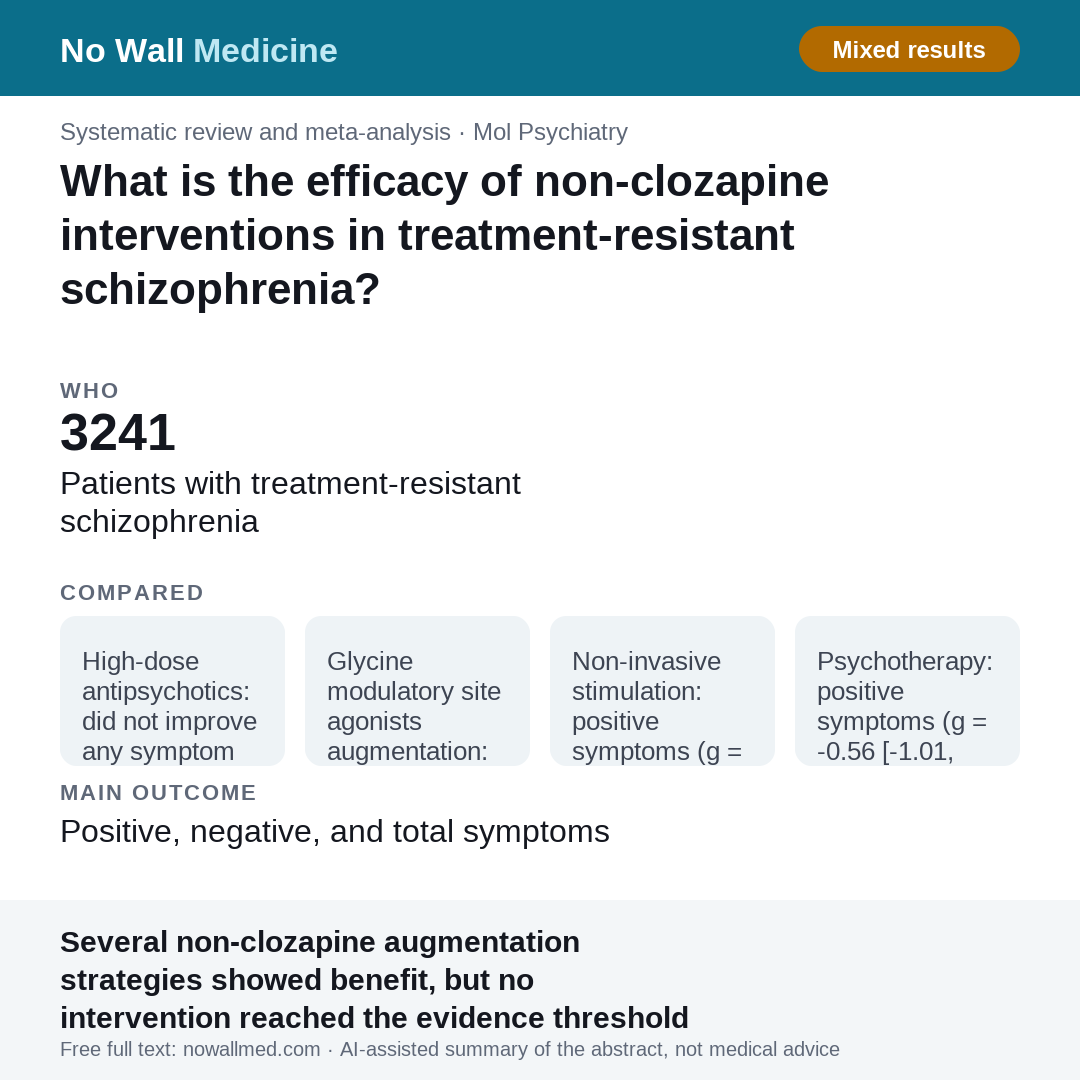
Non-Clozapine interventions in treatment-resistant schizophrenia: a systematic review and meta-analysis
Systematic review and meta-analysisMixed results
What is the efficacy of non-clozapine interventions in treatment-resistant schizophrenia?
Who
3241
Patients with treatment-resistant schizophrenia
Compared
High-dose antipsychotics: did not improve any symptom domain
Glycine modulatory site agonists augmentation: positive (g = -0.56 [-0.81, -0.31]), negative (g = -1.18 [-1.49, -0.87]), total (g = -1.17 [-1.75, -0.59])
Non-invasive stimulation: positive symptoms (g = -0.42 [-0.65, -0.18])
Psychotherapy: positive symptoms (g = -0.56 [-1.01, -0.10])
Main outcome
Positive, negative, and total symptoms
Bottom line: Several non-clozapine augmentation strategies showed benefit, but no intervention reached the evidence threshold for routine recommendation.
Limitation: Small sample sizes and apparent publication bias for non-invasive stimulation studies.
Mol Psychiatry · 2025-10-03Download image
Videolaryngoscopy versus direct laryngoscopy for paediatric tracheal intubation: a systematic review with meta-analysis and trial sequential analysis
Systematic review and meta-analysisNo clear difference
Is videolaryngoscopy better than direct laryngoscopy for paediatric tracheal intubation?
Who
4887
Paediatric patients under 16 years of age
Compared
Videolaryngoscopy
Direct laryngoscopy
Main outcome
First-attempt tracheal intubation success rate
Result: risk ratio 1.03 (95% CI 0.99-1.07)
Bottom line: Videolaryngoscopy and direct laryngoscopy show comparable first-attempt tracheal intubation success rates in paediatric patients.
Br J Anaesth · 2025-10-03Download image

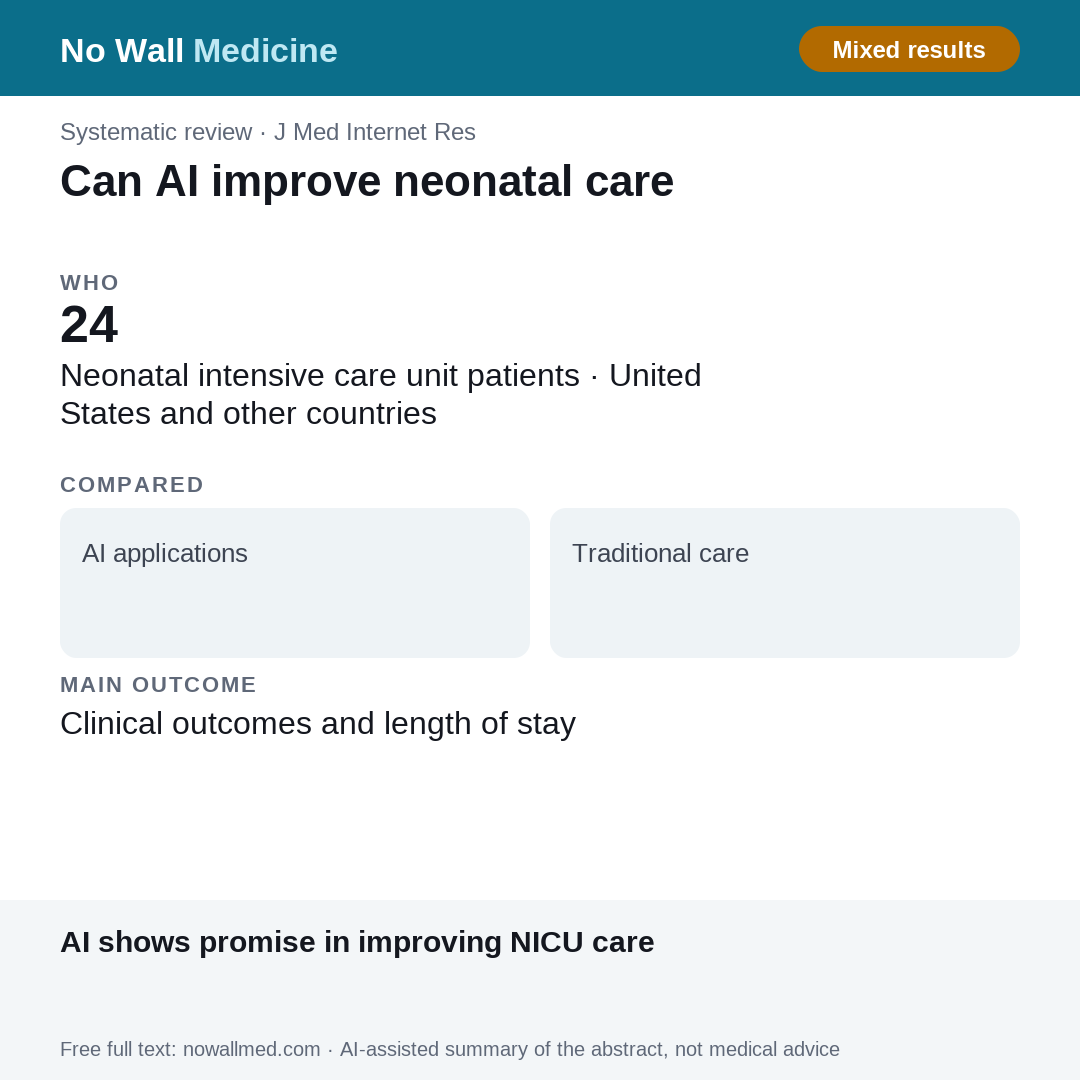
Opportunities and Challenges of Using Artificial Intelligence in Predicting Clinical Outcomes and Length of Stay in Neonatal Intensive Care Units: Systematic Review
Systematic reviewMixed results
Can AI improve neonatal care
Who
24
Neonatal intensive care unit patients · United States and other countries
Compared
AI applications
Traditional care
Main outcome
Clinical outcomes and length of stay
Bottom line: AI shows promise in improving NICU care
Limitation: Methodological variability and small sample sizes
J Med Internet Res · 2025-10-03Download image
Deep Learning Algorithms in the Diagnosis of Basal Cell Carcinoma Using Dermatoscopy: Systematic Review and Meta-Analysis
Systematic review and meta-analysisBenefit found
What is the diagnostic performance of deep learning algorithms for detecting basal cell carcinoma?
Who
Patients or images with basal cell carcinoma
Compared
Deep learning algorithms: AUC 0.99 (95% CI 0.98-1.00)
Dermatologists: AUC 0.96 (95% CI 0.94-0.98)
Main outcome
Diagnostic performance for detecting basal cell carcinoma
Result: AUC 0.99 (95% CI 0.98-1.00) for deep learning
Bottom line: Deep learning algorithms show strong diagnostic performance for detecting basal cell carcinoma, potentially outperforming dermatologists in internal validation datasets.
Limitation: Retrospective design of many studies and variations in reference standards may restrict generalizability.
J Med Internet Res · 2025-10-03Download image

Silent crisis on the frontlines: a systematic review of suicidal behaviors among disaster responders - epidemiology, risk pathways, and evidence-based interventions
Meta-analysis of 24 studiesHarm found
Suicidal behaviors among disaster responders
Who
disaster responders including paramedics and firefighters · global contexts
Compared
firefighters and EMS
other responders
Main outcome
suicidal behaviors
Bottom line: Disaster responders have elevated suicide risk
Scand J Trauma Resusc Emerg Med · 2025-10-03Download image

Survival and cost-effectiveness of helicopter versus ground emergency medical services: a systematic review and meta-analysis with meta-regression and trial sequential analysis
Systematic review and meta-analysisNo clear difference
Does helicopter emergency medical services improve survival compared to ground emergency medical services?
Who
2,618,483
Patients in emergency conditions
Compared
Helicopter emergency medical services: relative risk of mortality 1.13
Ground emergency medical services
Main outcome
mortality
Result: relative risk 1.13 (95% CI 0.96-1.34)
Bottom line: Helicopter emergency medical services did not improve survival compared with ground emergency medical services.
Limitation: Very low-quality evidence due to high heterogeneity and potential confounding from registry-based enrolment.
Scand J Trauma Resusc Emerg Med · 2025-10-03Download image

A systematic review and meta-analysis of the efficacy and safety of pharmacological treatments for obesity in adults
Systematic review and network meta-analysisBenefit found
What is the efficacy and safety of pharmacological treatments for obesity in adults?
Who
60307
Adults with obesity
Compared
Obesity management medications: significantly greater percentage of total body weight loss versus placebo
Placebo
Main outcome
percentage of total body weight loss
Bottom line: Obesity management medications significantly increase weight loss compared to placebo, with specific benefits for semaglutide and tirzepatide.
Nat Med · 2025-10-02Download image

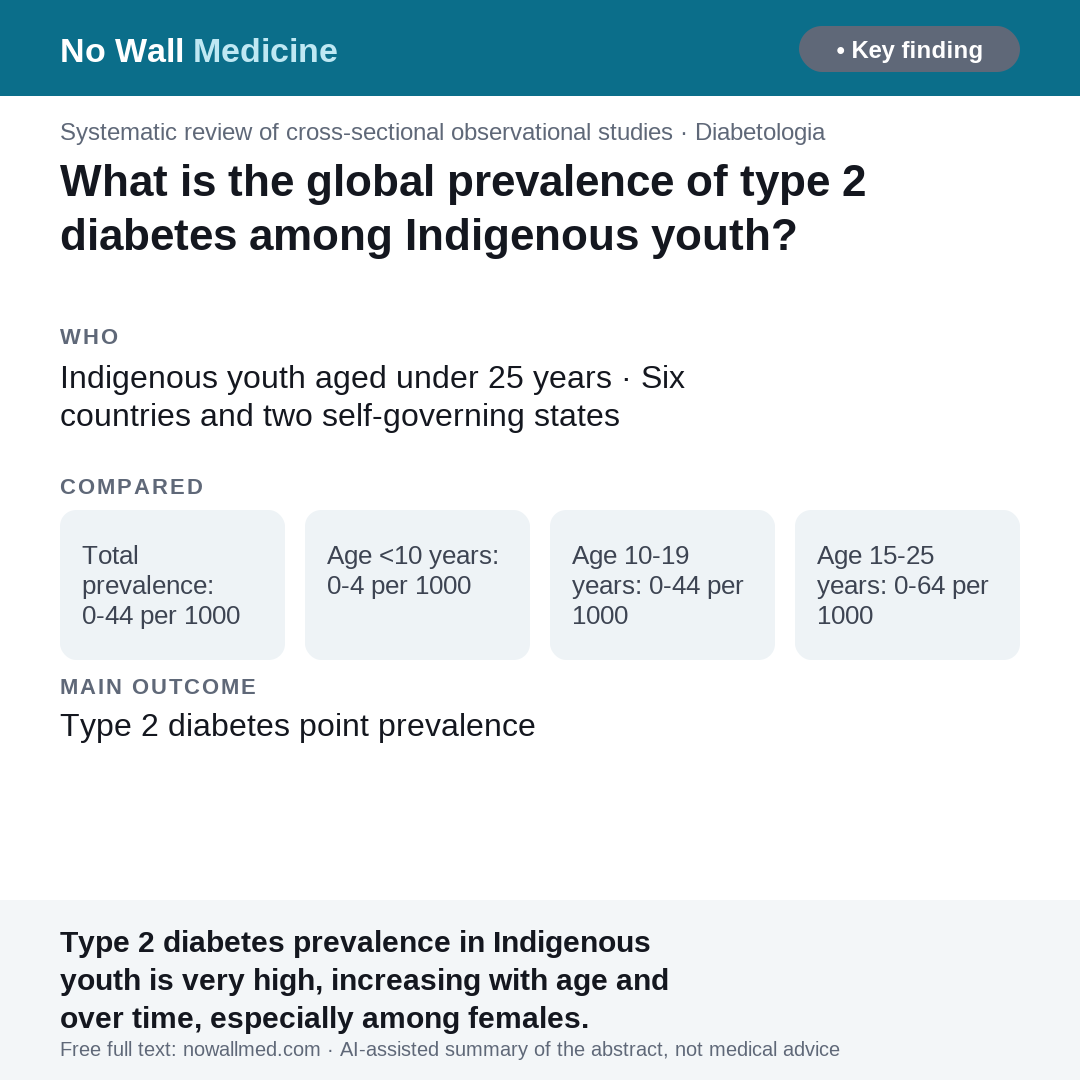
Prevalence of youth type 2 diabetes in global Indigenous populations: a systematic review
Systematic review of cross-sectional observational studiesHarm found
What is the global prevalence of type 2 diabetes among Indigenous youth?
Who
Indigenous youth aged under 25 years · Six countries and two self-governing states
Compared
Total prevalence: 0-44 per 1000
Age <10 years: 0-4 per 1000
Age 10-19 years: 0-44 per 1000
Age 15-25 years: 0-64 per 1000
Main outcome
Type 2 diabetes point prevalence
Bottom line: Type 2 diabetes prevalence in Indigenous youth is very high, increasing with age and over time, especially among females.
Diabetologia · 2025-10-02Download image
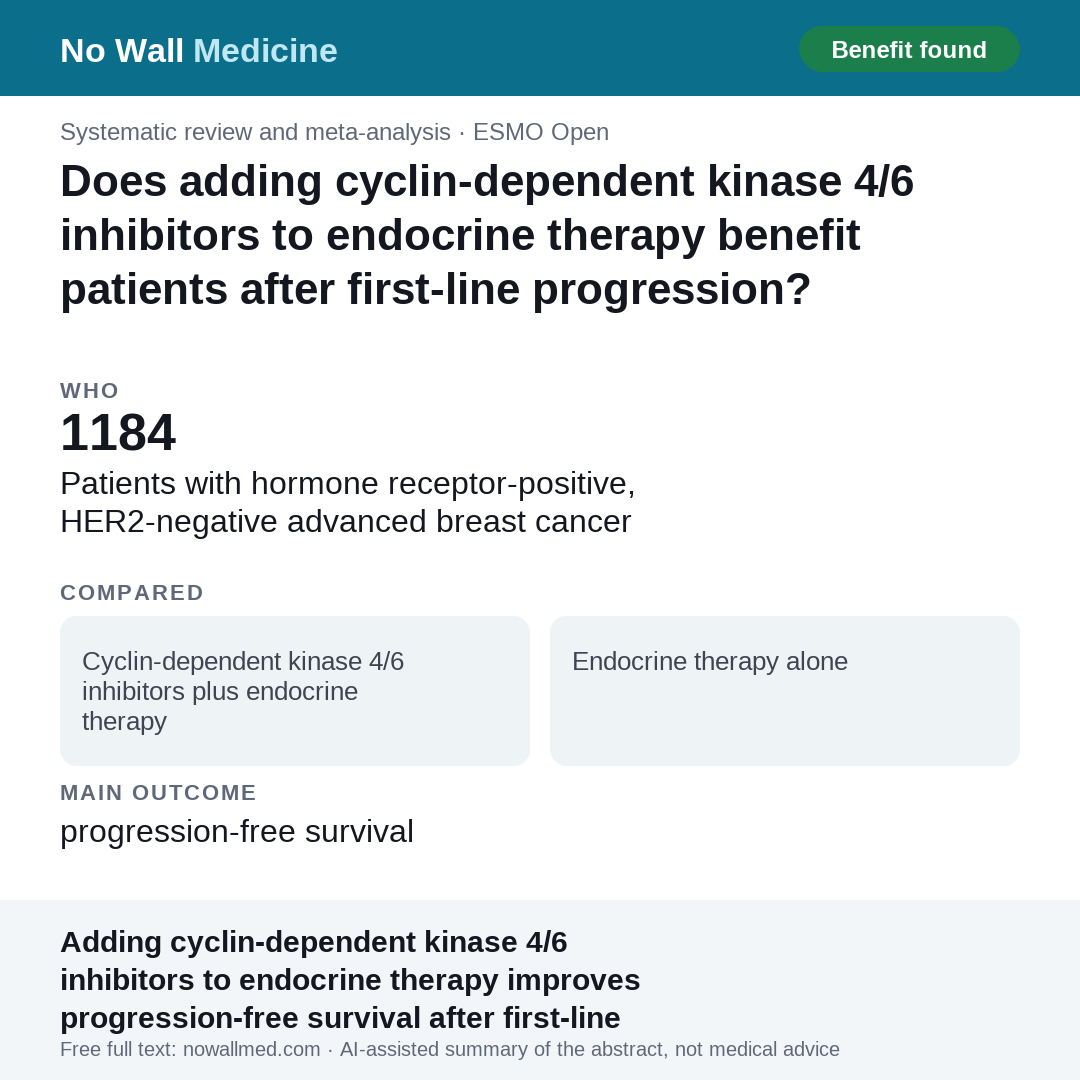
Cyclin-dependent kinase 4/6 inhibitors beyond progression in hormone receptor-positive, HER2-negative advanced breast cancer: a systematic review and meta-analysis (REIGNITE study)
Systematic review and meta-analysisBenefit found
Does adding cyclin-dependent kinase 4/6 inhibitors to endocrine therapy benefit patients after first-line progression?
Who
1184
Patients with hormone receptor-positive, HER2-negative advanced breast cancer
Compared
Cyclin-dependent kinase 4/6 inhibitors plus endocrine therapy
Endocrine therapy alone
Main outcome
progression-free survival
Result: hazard ratio 0.73 (95% CI 0.56-0.94)
Bottom line: Adding cyclin-dependent kinase 4/6 inhibitors to endocrine therapy improves progression-free survival after first-line progression.
ESMO Open · 2025-10-02Download image
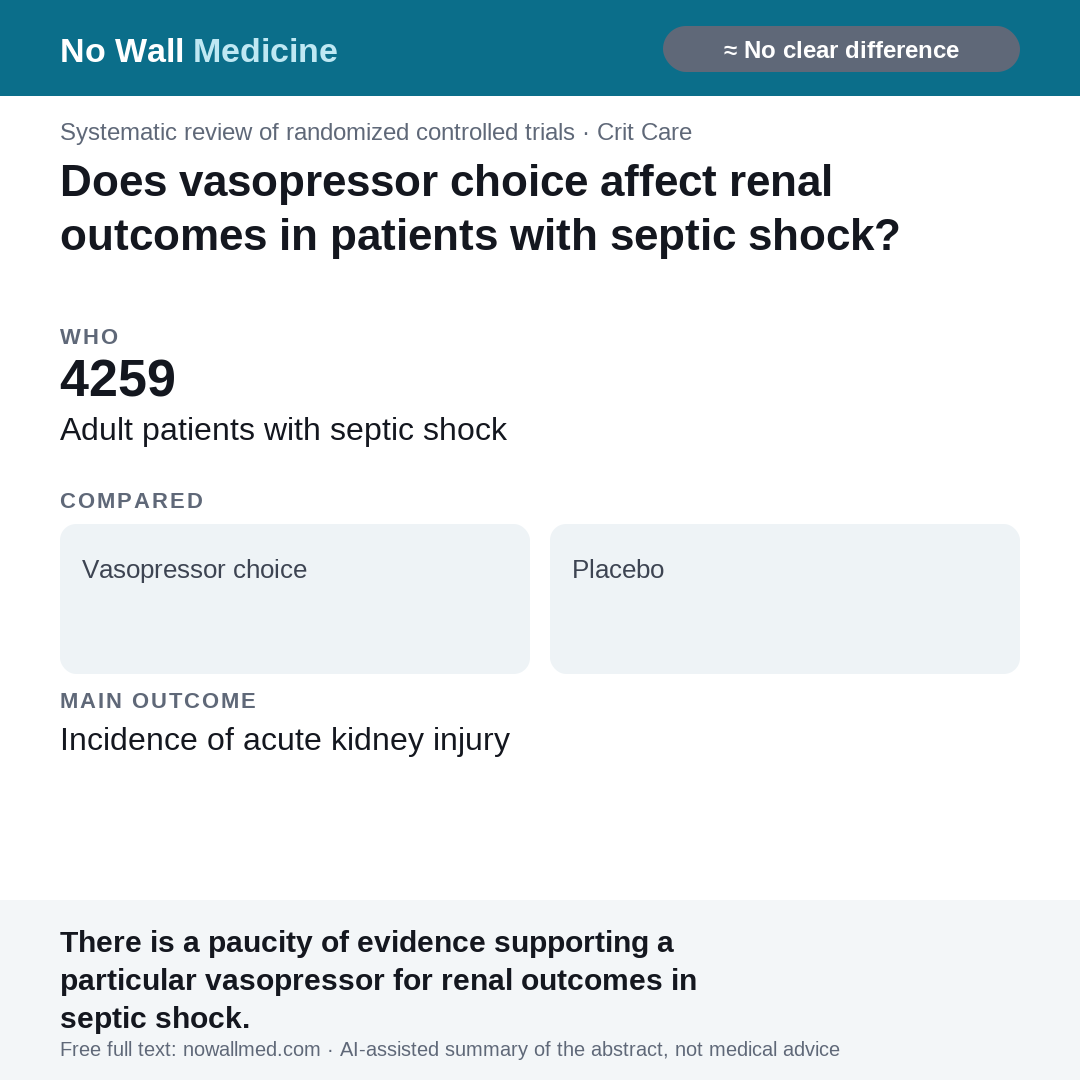
The effects of vasopressor choice on renal outcomes in septic shock: a systematic review of randomised trials as a guide for future research
Systematic review of randomized controlled trialsNo clear difference
Does vasopressor choice affect renal outcomes in patients with septic shock?
Who
4259
Adult patients with septic shock
Compared
Vasopressor choice
Placebo
Main outcome
Incidence of acute kidney injury
Bottom line: There is a paucity of evidence supporting a particular vasopressor for renal outcomes in septic shock.
Limitation: Population and study heterogeneity and focus on renal replacement therapy as a proxy.
Crit Care · 2025-10-02Download image
Nerve Repair for Erectile Dysfunction After Radical Prostatectomy: A Systematic Review of Outcomes
Systematic reviewUnclear result
Is nerve grafting effective for erectile dysfunction after radical prostatectomy?
Who
Patients with erectile dysfunction after radical prostatectomy · PubMed, MEDLINE, and Embase databases
Compared
Bilateral sural nerve grafting: up to 71%
Controls
Main outcome
regaining erectile function sufficient for intercourse
Bottom line: Bilateral sural nerve grafting shows promise, but overall efficacy remains uncertain due to inconsistent findings.
Limitation: Inconsistent findings and variability in donor nerve choice, surgical expertise, and patient characteristics.
Plast Reconstr Surg Glob Open · 2025-10-02Download image

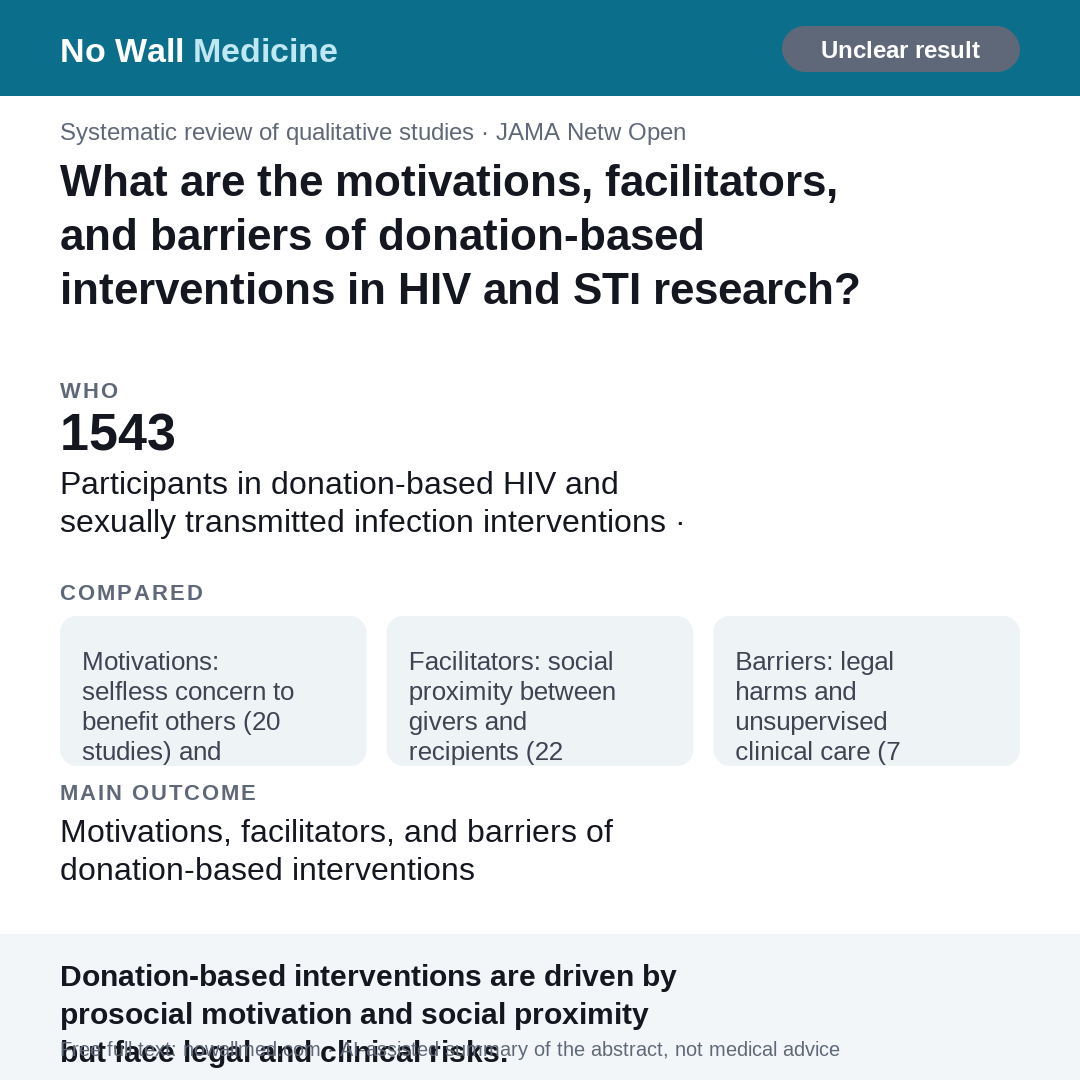
Motivations, Facilitators, and Barriers of Donation-Based Interventions in HIV and Sexually Transmitted Infection Research: A Systematic Review
Systematic review of qualitative studiesUnclear result
What are the motivations, facilitators, and barriers of donation-based interventions in HIV and STI research?
Who
1543
Participants in donation-based HIV and sexually transmitted infection interventions · Low, middle, and high-income countries
Compared
Motivations: selfless concern to benefit others (20 studies) and prosocial identity (20 studies)
Facilitators: social proximity between givers and recipients (22 studies)
Barriers: legal harms and unsupervised clinical care (7 studies)
Main outcome
Motivations, facilitators, and barriers of donation-based interventions
Bottom line: Donation-based interventions are driven by prosocial motivation and social proximity but face legal and clinical risks.
JAMA Netw Open · 2025-10-01Download image
Use of AI in Identification of Sexually Transmitted Infections and Anogenital Dermatoses: A Systematic Review and Meta-Analysis
Systematic review and meta-analysisBenefit found
How well do artificial intelligence algorithms detect sexually transmitted infections and anogenital dermatoses from clinical images?
Who
140
Clinical images of anogenital skin conditions
Compared
Mpox: sensitivity 0.96, specificity 0.98
Herpes simplex: sensitivity 0.91, specificity 0.97
Genital warts: sensitivity 0.87, specificity 0.98
Psoriasis: sensitivity 0.90, specificity 0.98
Main outcome
Pooled sensitivity and specificity of artificial intelligence applications
Bottom line: Artificial intelligence shows promise in identifying sexually transmitted infections and anogenital dermatoses, though research gaps and bias exist.
Limitation: High risk of bias in population selection, reference standards, and index tests; most studies lacked external validation.
JAMA Netw Open · 2025-10-01Download image

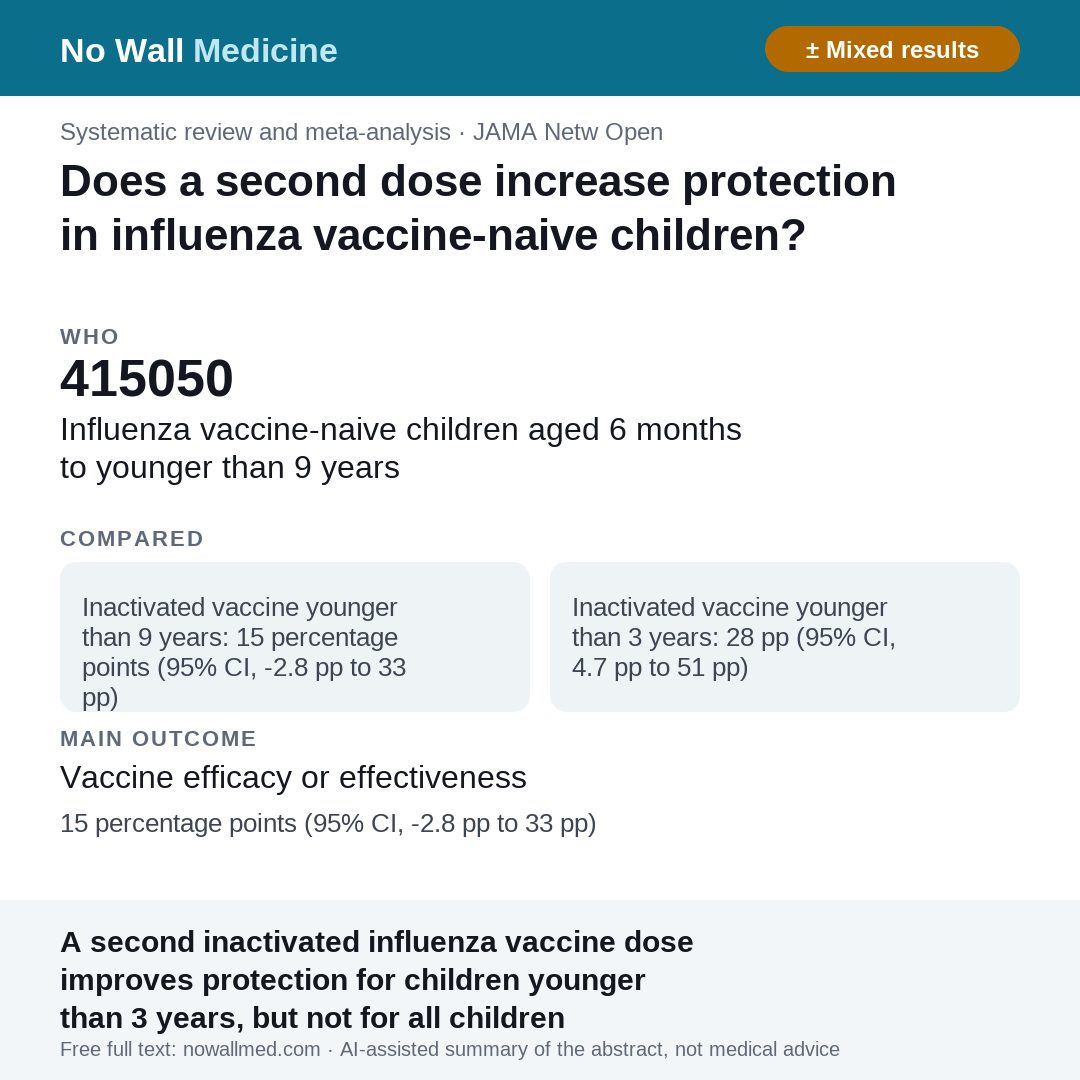
Comparison of 2 Doses vs 1 Dose in the First Season Children Are Vaccinated Against Influenza: A Systematic Review and Meta-Analysis
Systematic review and meta-analysisMixed results
Does a second dose increase protection in influenza vaccine-naive children?
Who
415050
Influenza vaccine-naive children aged 6 months to younger than 9 years
Compared
Inactivated vaccine younger than 9 years: 15 percentage points (95% CI, -2.8 pp to 33 pp)
Inactivated vaccine younger than 3 years: 28 pp (95% CI, 4.7 pp to 51 pp)
Main outcome
Vaccine efficacy or effectiveness
Result: 15 percentage points (95% CI, -2.8 pp to 33 pp)
Bottom line: A second inactivated influenza vaccine dose improves protection for children younger than 3 years, but not for all children younger than 9.
Limitation: Insufficient estimates were available to assess the incremental benefit of live attenuated influenza vaccines.
JAMA Netw Open · 2025-10-01Download image
Incomplete Evidence of Bone Density Normalization Following Long-Term Reproductive Hormone Treatment in Men With Hypogonadotropic Hypogonadism
Systematic review and meta-analysisMixed results
Does reproductive hormone treatment normalize bone mineral density in men with hypogonadotropic hypogonadism?
Who
625
Men with hypogonadotropic hypogonadism
Compared
Men with hypogonadotropic hypogonadism: lower lumbar spine bone mineral density
Healthy controls
Main outcome
Lumbar spine bone mineral density
Result: standardized mean difference -5.98 (95% CI -11.5 to -0.47)
Bottom line: Bone mineral density improves with hormone treatment but may not fully normalize, especially in congenital hypogonadotropic hypogonadism.
Limitation: Based on several small, observational studies.
J Clin Endocrinol Metab · 2025-10-01Download image

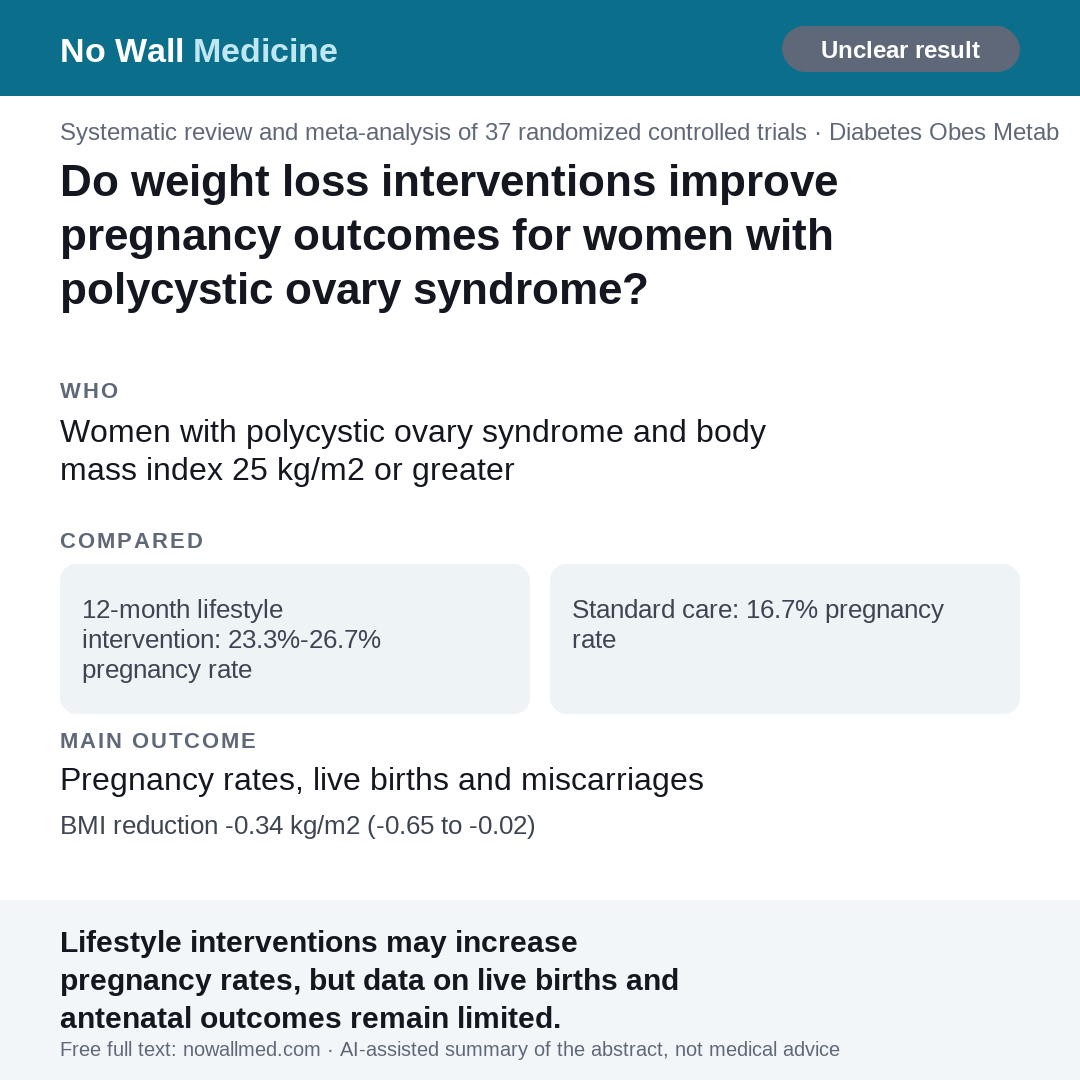
Pre-conception weight loss interventions in women with polycystic ovary syndrome and the effect on perinatal outcomes: A quantitative synthesis of surrogate outcomes
Systematic review and meta-analysis of 37 randomized controlled trialsUnclear result
Do weight loss interventions improve pregnancy outcomes for women with polycystic ovary syndrome?
Who
Women with polycystic ovary syndrome and body mass index 25 kg/m2 or greater
Compared
12-month lifestyle intervention: 23.3%-26.7% pregnancy rate
Standard care: 16.7% pregnancy rate
Main outcome
Pregnancy rates, live births and miscarriages
Result: BMI reduction -0.34 kg/m2 (-0.65 to -0.02)
Bottom line: Lifestyle interventions may increase pregnancy rates, but data on live births and antenatal outcomes remain limited.
Limitation: Outcome measure heterogeneity, intervention heterogeneity, inconsistent definitions and low use of core outcome sets.
Diabetes Obes Metab · 2025-10-01Download image
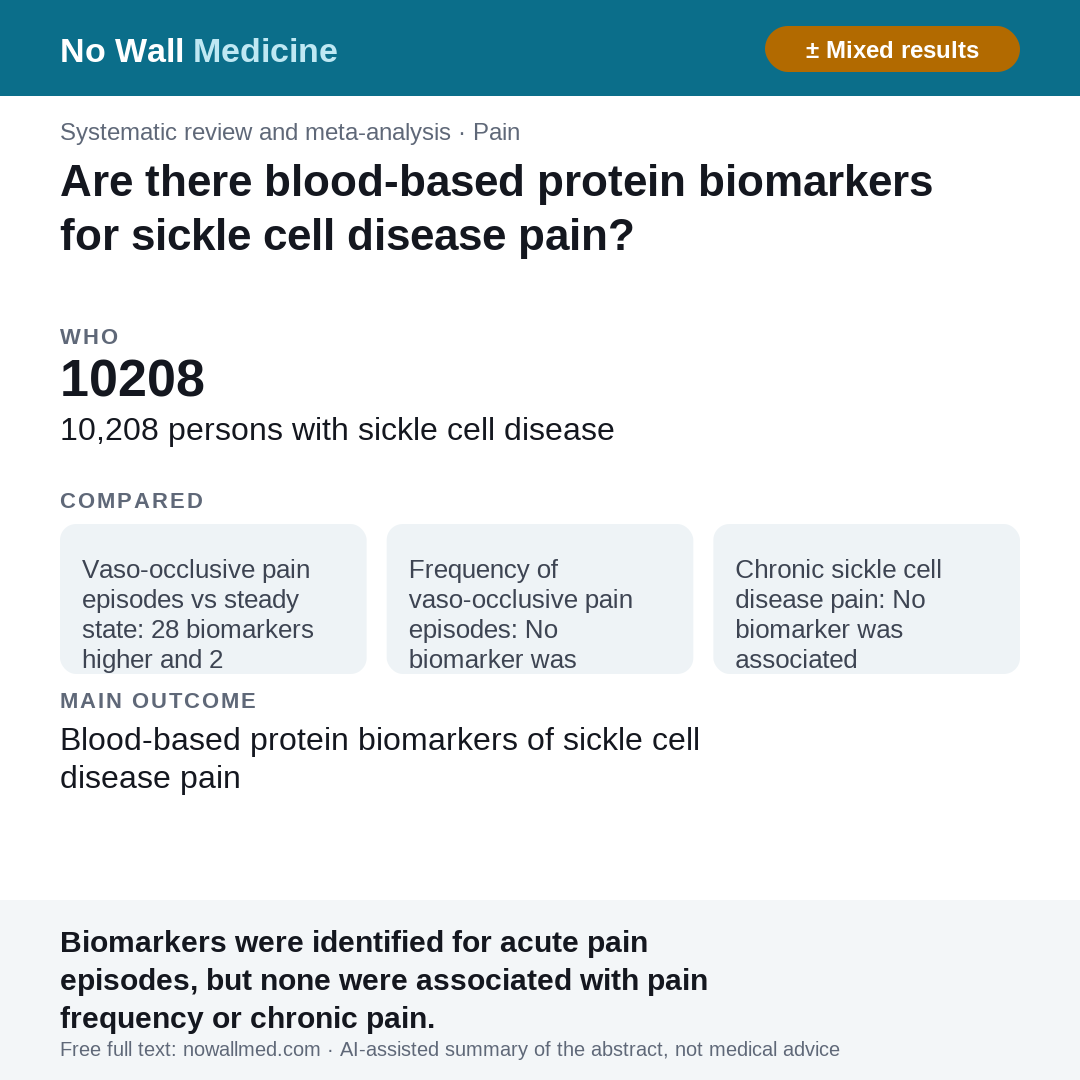
Blood-based protein biomarkers of sickle cell disease pain: a systematic review and meta-analysis
Systematic review and meta-analysisMixed results
Are there blood-based protein biomarkers for sickle cell disease pain?
Who
10208
10,208 persons with sickle cell disease
Compared
Vaso-occlusive pain episodes vs steady state: 28 biomarkers higher and 2 biomarkers lower
Frequency of vaso-occlusive pain episodes: No biomarker was associated
Chronic sickle cell disease pain: No biomarker was associated
Main outcome
Blood-based protein biomarkers of sickle cell disease pain
Bottom line: Biomarkers were identified for acute pain episodes, but none were associated with pain frequency or chronic pain.
Limitation: Current approaches and gaps in scientific literature require unbiased proteomic platform-based approaches.
Pain · 2025-10-01Download image