Visual abstracts
New randomized trials and meta-analyses from leading journals at a glance: who was studied, what was compared, and what was found. Every paper is free to read in full.
All specialtiesCardiology 322Oncology 244Gastroenterology & Hepatology 139Infectious Disease 252Neurology 146Psychiatry & Mental Health 213Pulmonology 145Critical Care 97Endocrinology & Diabetes 191Pediatrics 143Surgery 95Orthopedics & Sports Medicine 64Neurosurgery 19Cardiothoracic & Vascular Surgery 34Plastic & Reconstructive Surgery 64Nephrology 65Rheumatology 64Hematology 75Dermatology 32Ophthalmology 56Obstetrics & Gynecology 93Public & Global Health 96Radiology & Imaging 26Anesthesiology 55Urology 74ENT (Otolaryngology) 40Emergency Medicine 31Allergy & Immunology 31Geriatrics 92Family Medicine & Primary Care 50Medical Genetics & Genomics 30Pathology & Laboratory Medicine 5Physical Medicine & Rehabilitation 82Palliative Care 47Nutrition 112Digital Health & AI 277General Medicine 41
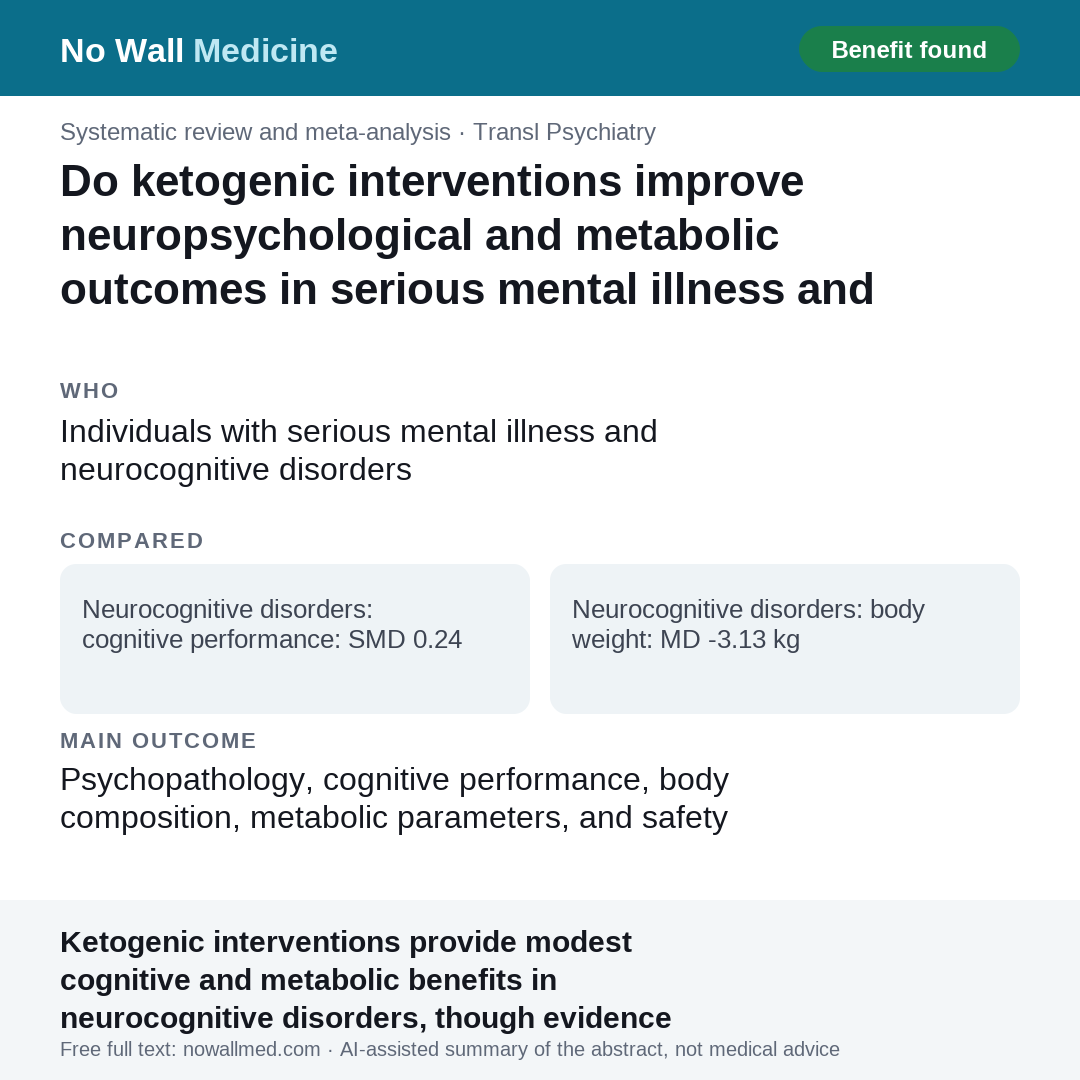
The efficacy of ketogenic interventions on neuropsychological & metabolic outcomes in serious mental illness & neurocognitive disorders: a systematic review & meta-analysis
Systematic review and meta-analysisBenefit found
Do ketogenic interventions improve neuropsychological and metabolic outcomes in serious mental illness and neurocognitive disorders?
Who
Individuals with serious mental illness and neurocognitive disorders
Compared
Neurocognitive disorders: cognitive performance: SMD 0.24
Neurocognitive disorders: body weight: MD -3.13 kg
Main outcome
Psychopathology, cognitive performance, body composition, metabolic parameters, and safety
Result: SMD 0.24 (95% CI 0.06 to 0.43) for cognitive performance
Bottom line: Ketogenic interventions provide modest cognitive and metabolic benefits in neurocognitive disorders, though evidence for serious mental illness is preliminary.
Limitation: Evidence in serious mental illness was largely limited to case reports and single-arm trials.
Transl Psychiatry · 2026-08-27Download image
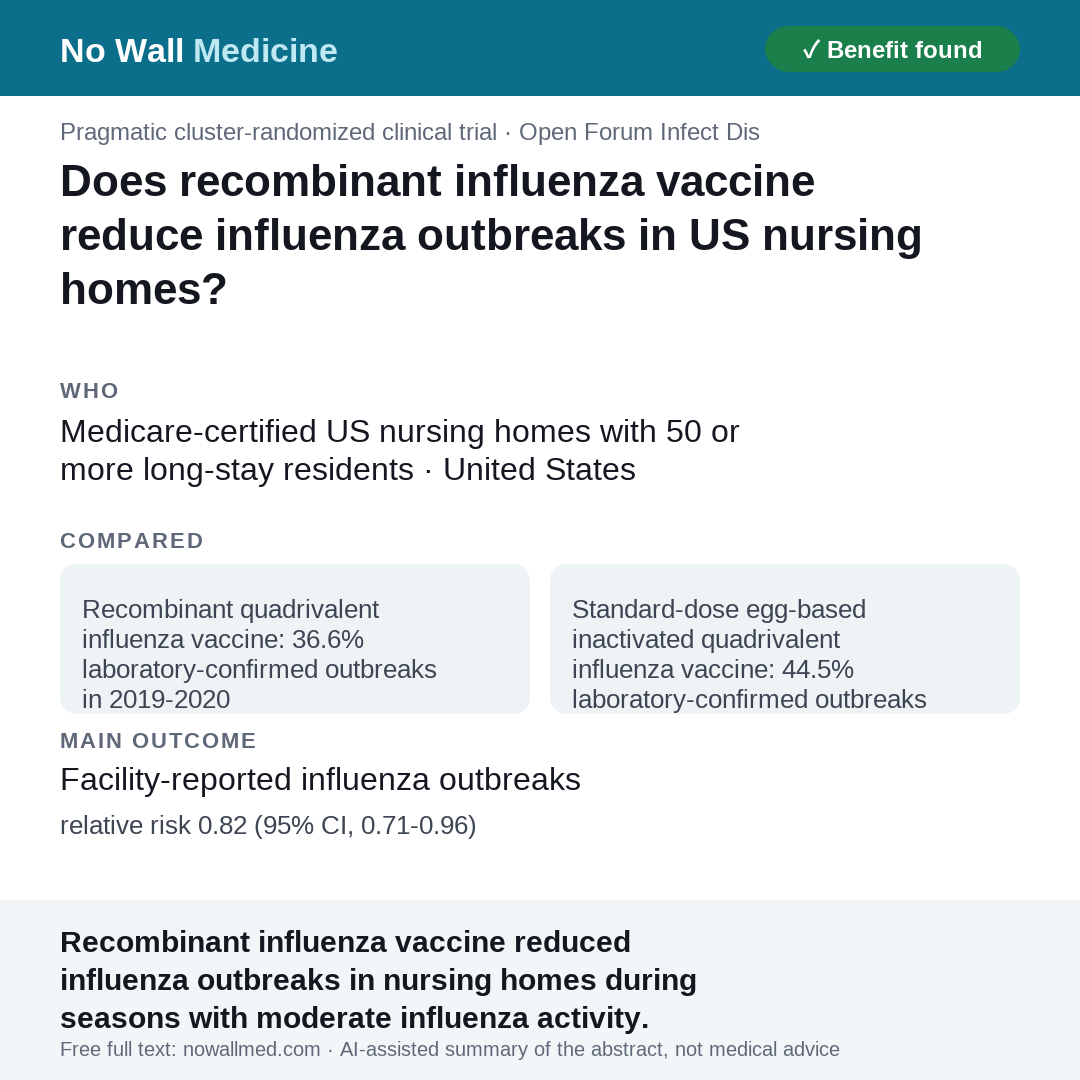
Recombinant Influenza Vaccine and Influenza Outbreaks in US Nursing Homes: Results From a Pragmatic Cluster-Randomized Clinical Trial
Pragmatic cluster-randomized clinical trialBenefit found
Does recombinant influenza vaccine reduce influenza outbreaks in US nursing homes?
Who
Medicare-certified US nursing homes with 50 or more long-stay residents · United States nursing homes
Compared
Recombinant quadrivalent influenza vaccine: 36.6% laboratory-confirmed outbreaks in 2019-2020
Standard-dose egg-based inactivated quadrivalent influenza vaccine: 44.5% laboratory-confirmed outbreaks in 2019-2020
Main outcome
Facility-reported influenza outbreaks
Result: relative risk 0.82 (95% CI, 0.71-0.96)
Bottom line: Recombinant influenza vaccine reduced influenza outbreaks in nursing homes during seasons with moderate influenza activity.
Limitation: No significant differences were observed during the low-circulation 2020-2021 season.
Open Forum Infect Dis · 2026-08-27Download image
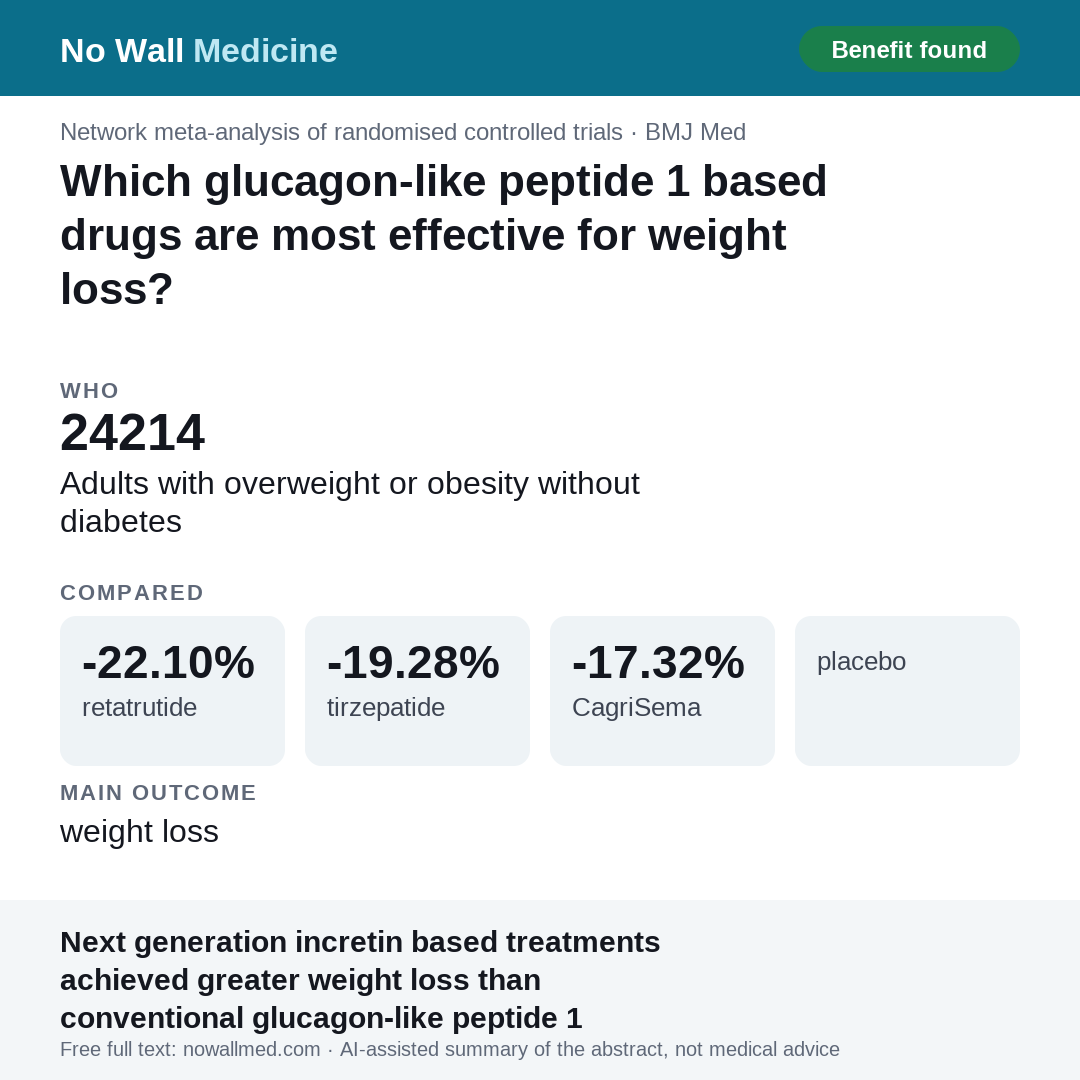
Comparative efficacy and safety of glucagon-like peptide 1 based drugs for weight loss in adults with overweight or obesity without diabetes: network meta-analysis of randomised controlled trials
Network meta-analysis of randomised controlled trialsBenefit found
Which glucagon-like peptide 1 based drugs are most effective for weight loss?
Who
24214
Adults with overweight or obesity without diabetes
Compared
-22.10%retatrutide (95% confidence interval -25.60% to -18.60%)
-19.28%tirzepatide (-20.39% to -18.16%)
-17.32%CagriSema (-19.32% to -15.32%)
placebo
Main outcome
weight loss
Bottom line: Next generation incretin based treatments achieved greater weight loss than conventional glucagon-like peptide 1 receptor agonists.
Limitation: Differences in tolerability, limited head-to-head evidence, and residual uncertainty.
BMJ Med · 2026-08-27Download image
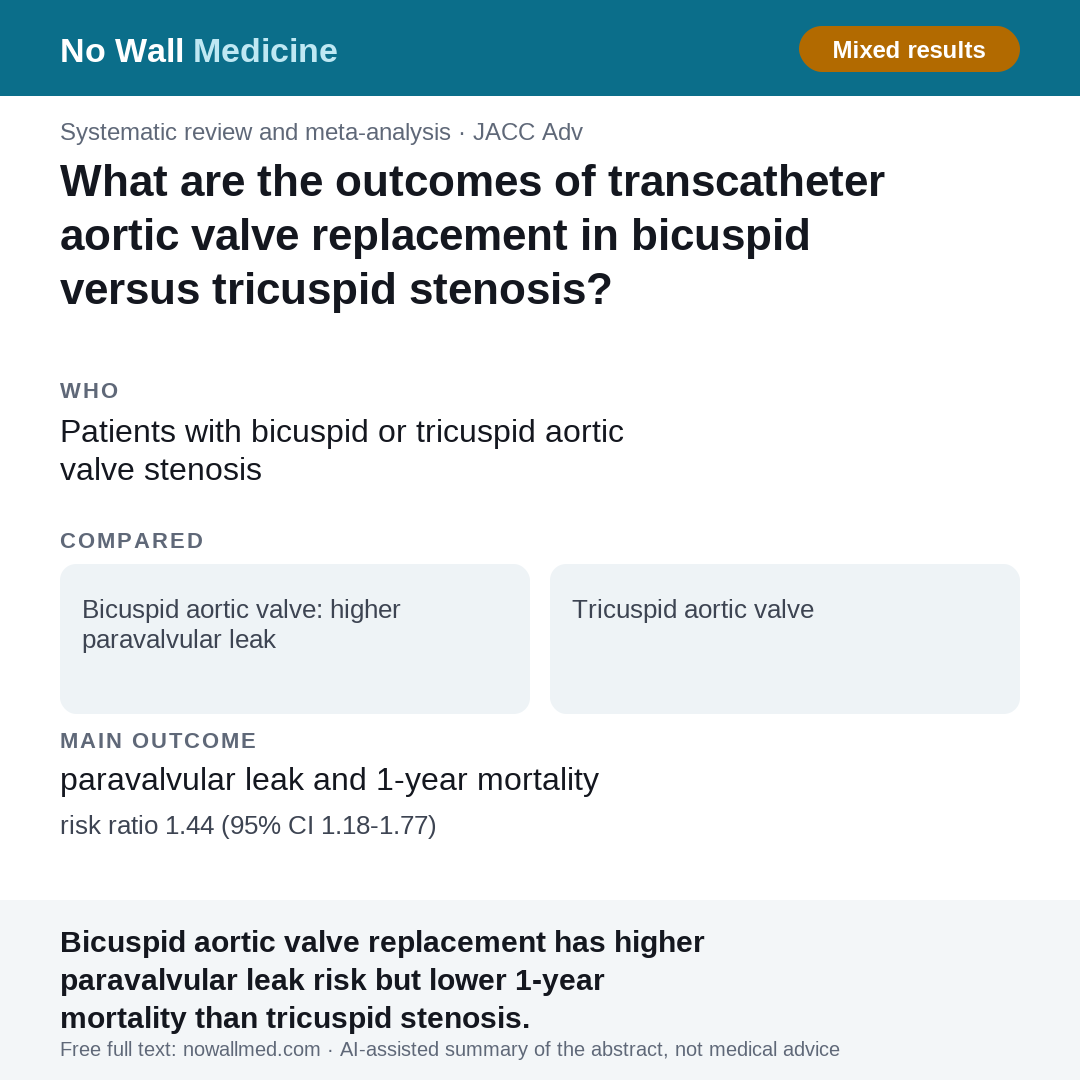
Transcatheter Aortic Valve Replacement for Severe Bicuspid Aortic Valve Stenosis: A Systematic Review and Meta-Analysis
Systematic review and meta-analysisMixed results
What are the outcomes of transcatheter aortic valve replacement in bicuspid versus tricuspid aortic valve stenosis?
Who
Patients with bicuspid or tricuspid aortic valve stenosis
Compared
Bicuspid aortic valve: higher paravalvular leak (RR: 1.44; 95% CI: 1.18-1.77)
Tricuspid aortic valve
Main outcome
paravalvular leak, aortic root injury, stroke, and mortality
Result: RR: 1.44 (95% CI: 1.18-1.77) for paravalvular leak
Bottom line: Bicuspid aortic valve replacement has higher procedural risks but lower 1-year mortality compared to tricuspid aortic valve replacement.
JACC Adv · 2026-08-27Download image
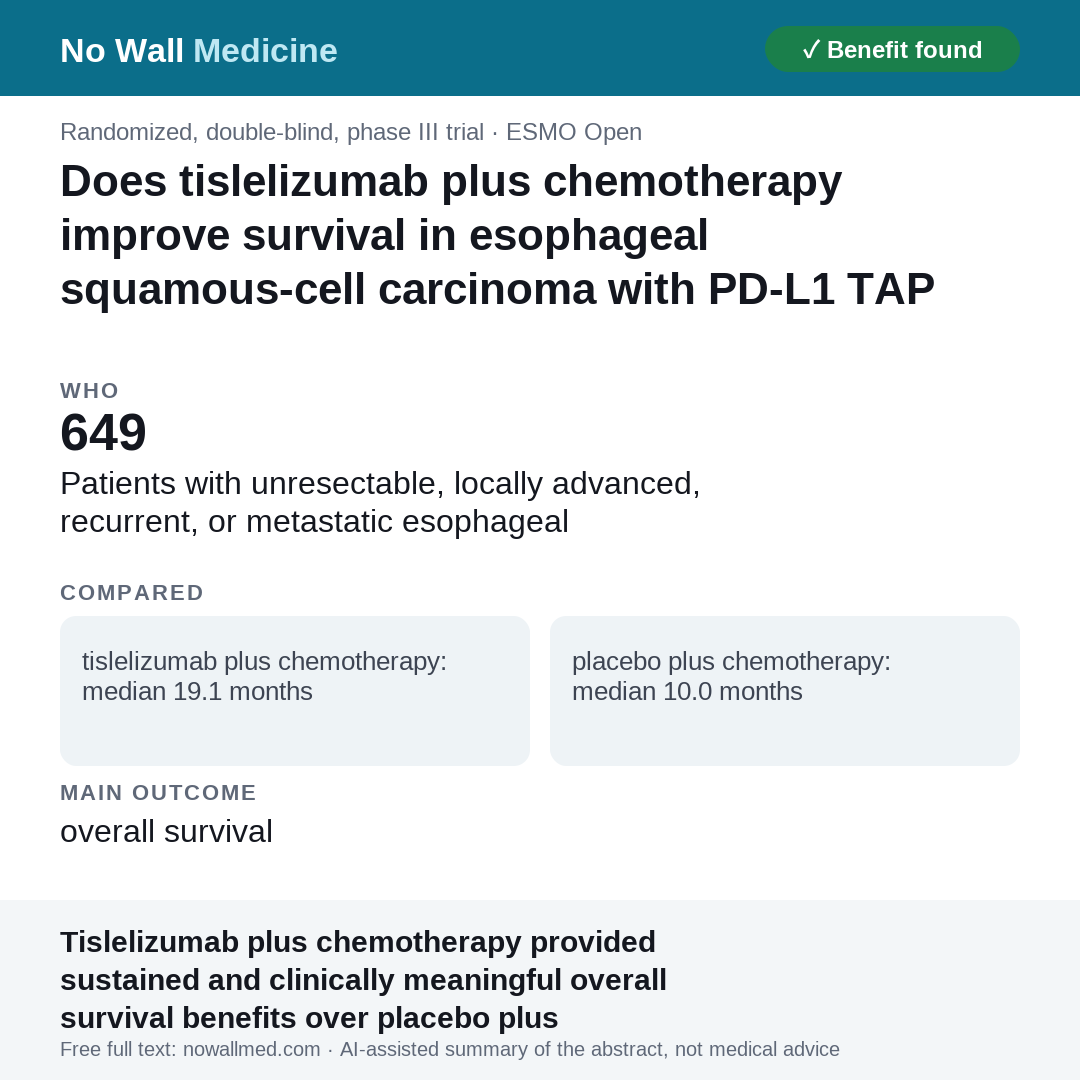
Tislelizumab plus chemotherapy for advanced or metastatic esophageal squamous-cell carcinoma in patients with PD-L1 Tumor Area Positivity score ≥5%: a post hoc, exploratory, long-term follow-up of RATIONALE-306☆
Randomized, double-blind, phase III trialBenefit found
Does tislelizumab plus chemotherapy improve survival in esophageal squamous-cell carcinoma with PD-L1 TAP score ≥5%?
Who
649
Patients with unresectable, locally advanced, recurrent, or metastatic esophageal squamous-cell carcinoma
Compared
tislelizumab plus chemotherapy: median 19.1 months
placebo plus chemotherapy: median 10.0 months
Main outcome
overall survival
Result: hazard ratio 0.61
Bottom line: Tislelizumab plus chemotherapy provided sustained and clinically meaningful overall survival benefits over placebo plus chemotherapy.
ESMO Open · 2026-08-27Download image
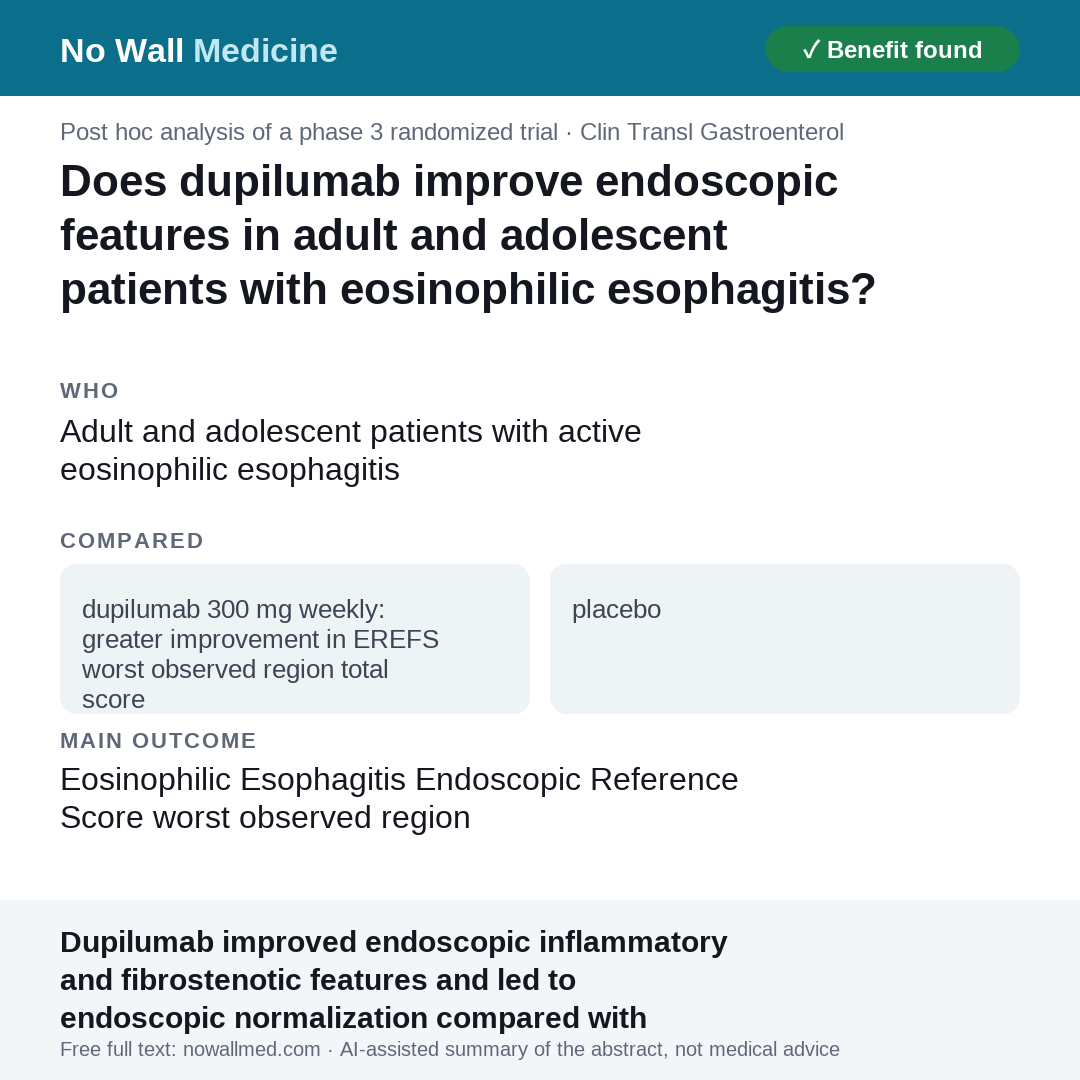
Dupilumab Improves Endoscopic Features in Adult and Adolescent Patients with Eosinophilic Esophagitis: Post Hoc Analysis of LIBERTY EoE TREET Study
Post hoc analysis of a phase 3 randomized trialBenefit found
Does dupilumab improve endoscopic features in adult and adolescent patients with eosinophilic esophagitis?
Who
Adult and adolescent patients with active eosinophilic esophagitis
Compared
dupilumab 300 mg weekly: greater improvement in EREFS worst observed region total score
placebo
Main outcome
Eosinophilic Esophagitis Endoscopic Reference Score worst observed region
Result: least squares mean difference -2.17 (95% CI -2.59 to -1.75)
Bottom line: Dupilumab improved endoscopic inflammatory and fibrostenotic features and led to endoscopic normalization compared with placebo.
Clin Transl Gastroenterol · 2026-08-27Download image
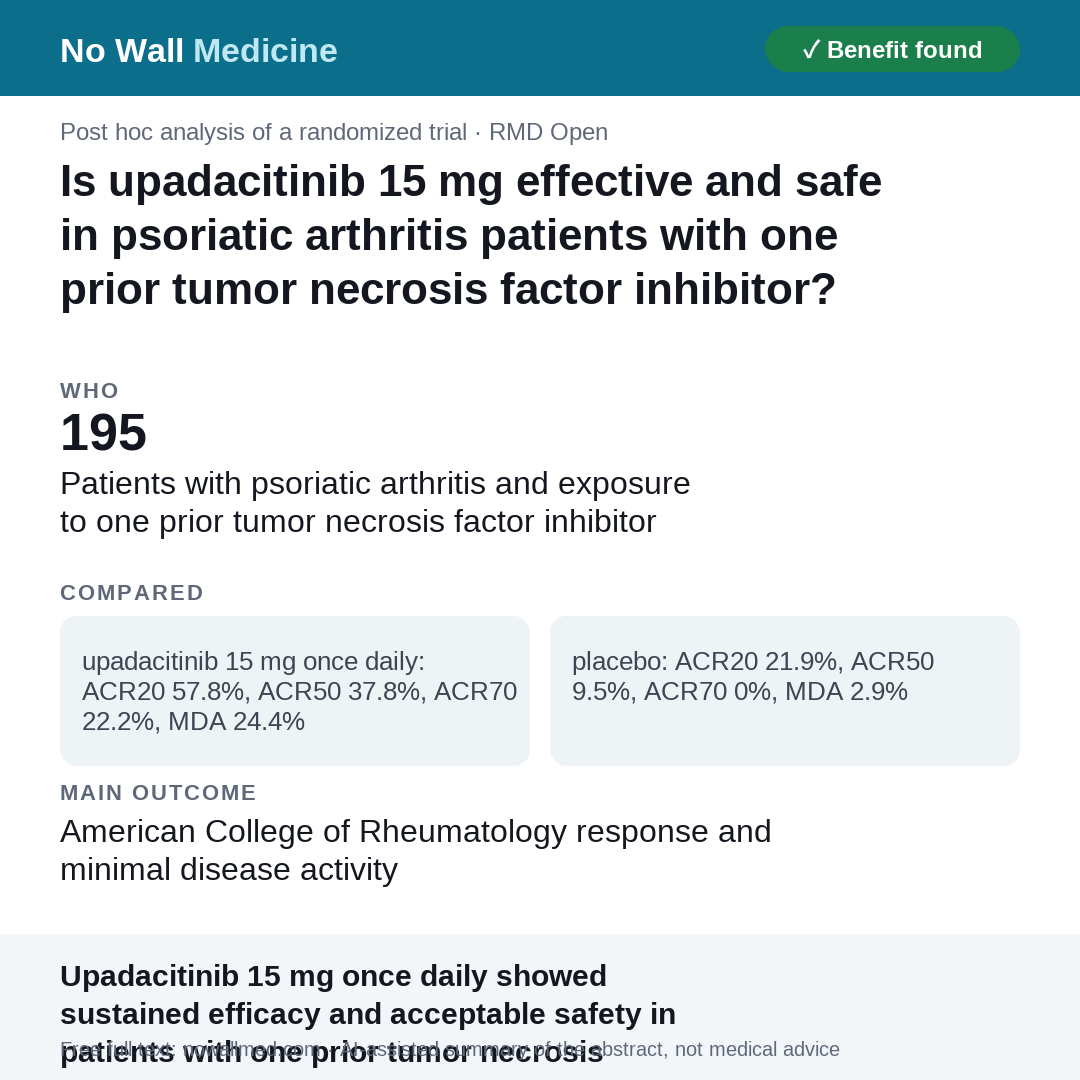
Efficacy and safety of upadacitinib in patients with psoriatic arthritis and exposure to one anti-TNF: post hoc analysis of SELECT-PsA 2
Post hoc analysis of a randomized trialBenefit found
Is upadacitinib 15 mg effective and safe in psoriatic arthritis patients with one prior tumor necrosis factor inhibitor?
Who
195
Patients with psoriatic arthritis and exposure to one prior tumor necrosis factor inhibitor
Compared
upadacitinib 15 mg once daily: ACR20 57.8%, ACR50 37.8%, ACR70 22.2%, MDA 24.4%
placebo: ACR20 21.9%, ACR50 9.5%, ACR70 0%, MDA 2.9%
Main outcome
American College of Rheumatology response and minimal disease activity
Bottom line: Upadacitinib 15 mg once daily showed sustained efficacy and acceptable safety in patients with one prior tumor necrosis factor inhibitor.
RMD Open · 2026-08-27Download image
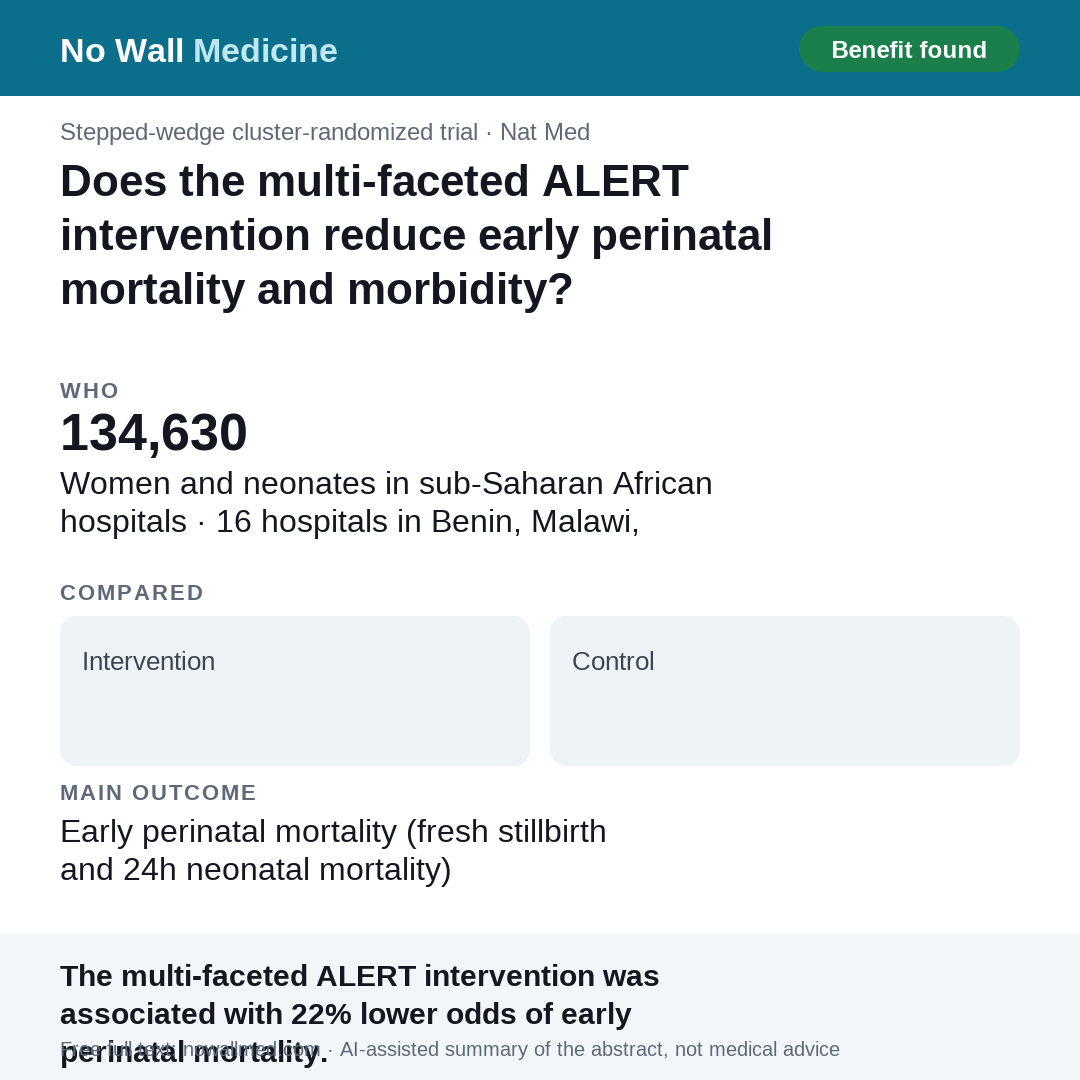
A multi-faceted hospital-based intervention for intrapartum care in sub-Saharan Africa: a stepped-wedge cluster-randomized trial
Stepped-wedge cluster-randomized trialBenefit found
Does the multi-faceted ALERT intervention reduce early perinatal mortality and morbidity?
Who
134,630
Women and neonates in sub-Saharan African hospitals · 16 hospitals in Benin, Malawi, Tanzania and Uganda
Compared
Intervention
Control
Main outcome
Early perinatal mortality (fresh stillbirth and 24h neonatal mortality)
Result: adjusted odds ratio 0.78 (95% confidence interval 0.65-0.94)
Bottom line: The multi-faceted ALERT intervention was associated with 22% lower odds of early perinatal mortality.
Limitation: The study only included 16 hospitals.
Nat Med · 2026-08-26Download image
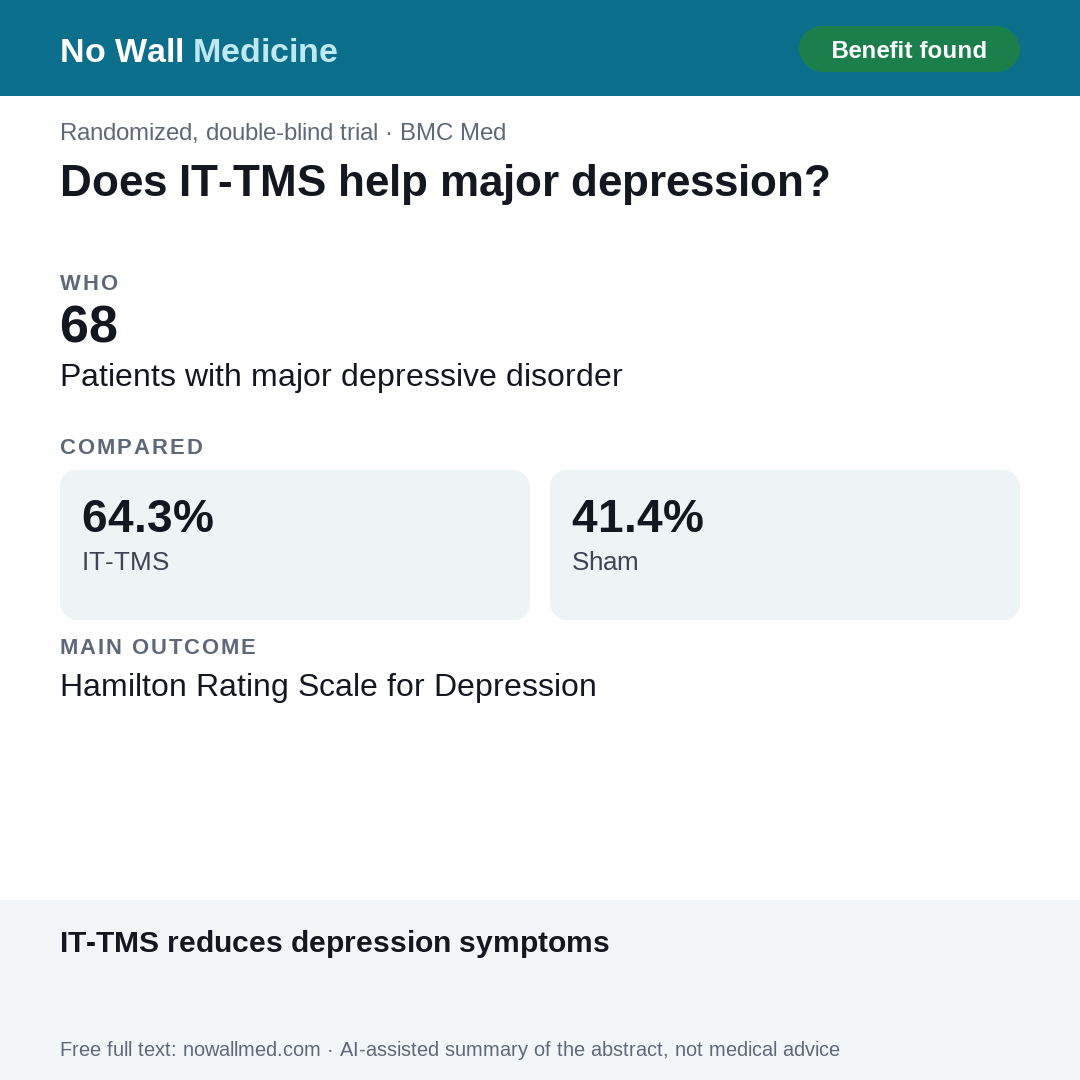
Safety and efficacy of individualized target transcranial magnetic stimulation for major depressive disorder based on DLPFC-pgACC functional connectivity: a randomized, sham-controlled clinical trial
Randomized, double-blind trialBenefit found
Does IT-TMS help major depression?
Who
68
Patients with major depressive disorder
Compared
64.3%IT-TMS (95% CI: 55.9-72.7)
41.4%Sham (95% CI: 33.9-48.8)
Main outcome
Hamilton Rating Scale for Depression
Bottom line: IT-TMS reduces depression symptoms
BMC Med · 2026-08-26Download image
Secondary prevention of cancer therapy-induced thrombocytopenia with hetrombopag in breast cancer: a multicenter, randomized, exploratory phase II trial
Multicenter, randomized, exploratory phase II trialBenefit found
Is hetrombopag effective for managing and preventing cancer therapy-induced thrombocytopenia in breast cancer?
Who
66
Breast cancer patients with platelet counts < 50 × 10⁹/L · Multicenter
Compared
87.9%hetrombopag (29/33)
81.8%subcutaneous recombinant human thrombopoietin (27/33)
Main outcome
Response rate during the thrombocytopenia treatment phase
Bottom line: Hetrombopag is a promising and well-tolerated strategy for managing cancer therapy-induced thrombocytopenia in breast cancer patients.
BMC Med · 2026-08-26Download image

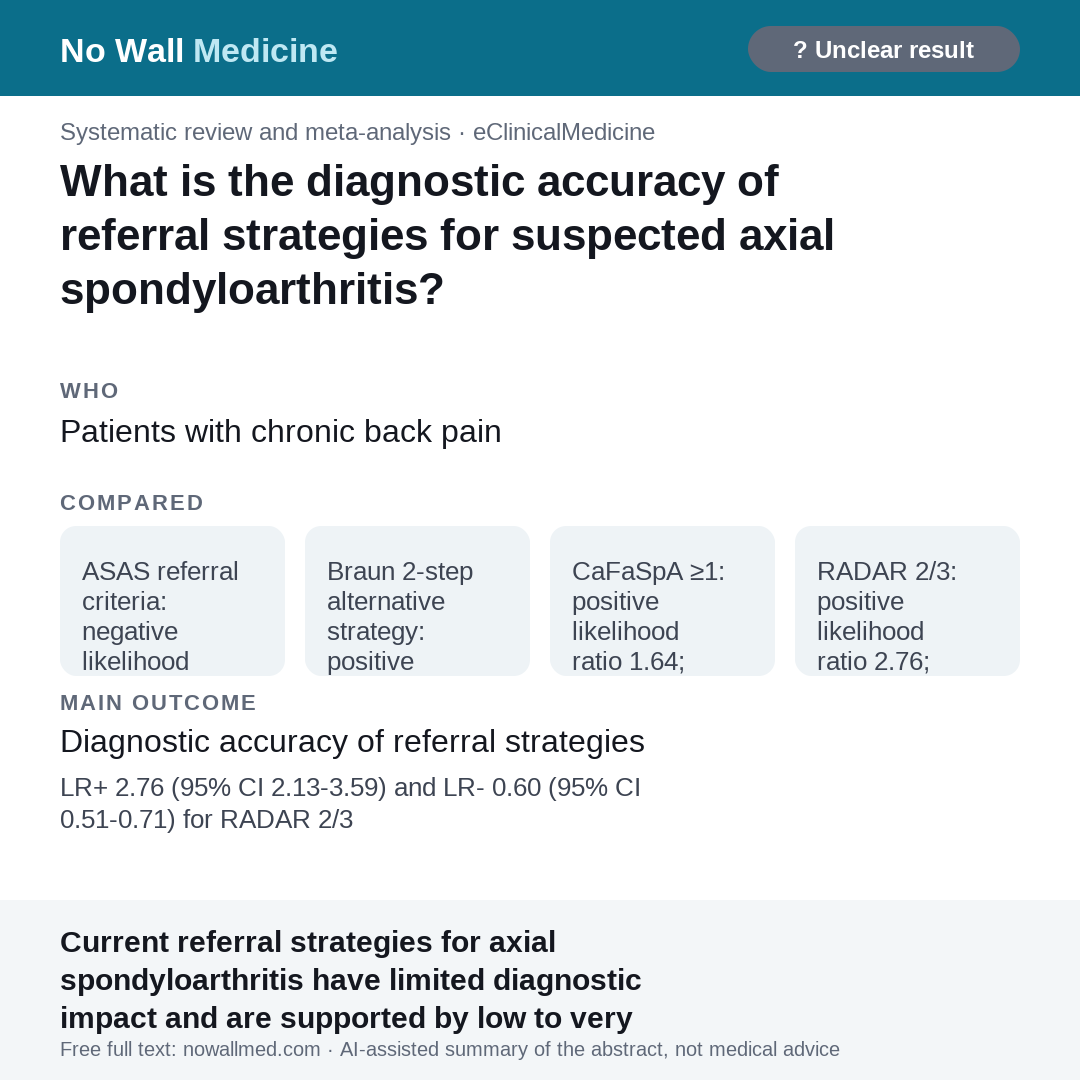
Performance of referral strategies for patients with suspected axial spondyloarthritis: a systematic review with meta-analysis
Systematic review and meta-analysisUnclear result
What is the diagnostic accuracy of referral strategies for suspected axial spondyloarthritis?
Who
Patients with chronic back pain
Compared
ASAS referral criteria: negative likelihood ratio 0.18
Braun 2-step alternative strategy: positive likelihood ratio 2.02; negative likelihood ratio 0.38
CaFaSpA ≥1: positive likelihood ratio 1.64; negative likelihood ratio 0.43
RADAR 2/3: positive likelihood ratio 2.76; negative likelihood ratio 0.60
Main outcome
Diagnostic accuracy of referral strategies
Result: LR+ 2.76 (95% CI 2.13-3.59) and LR- 0.60 (95% CI 0.51-0.71) for RADAR 2/3
Bottom line: Current referral strategies for axial spondyloarthritis have limited diagnostic impact and are supported by low to very low-certainty evidence.
Limitation: Risk of bias was high across all strategies, resulting in low to very low certainty of evidence.
eClinicalMedicine · 2026-08-26Download image
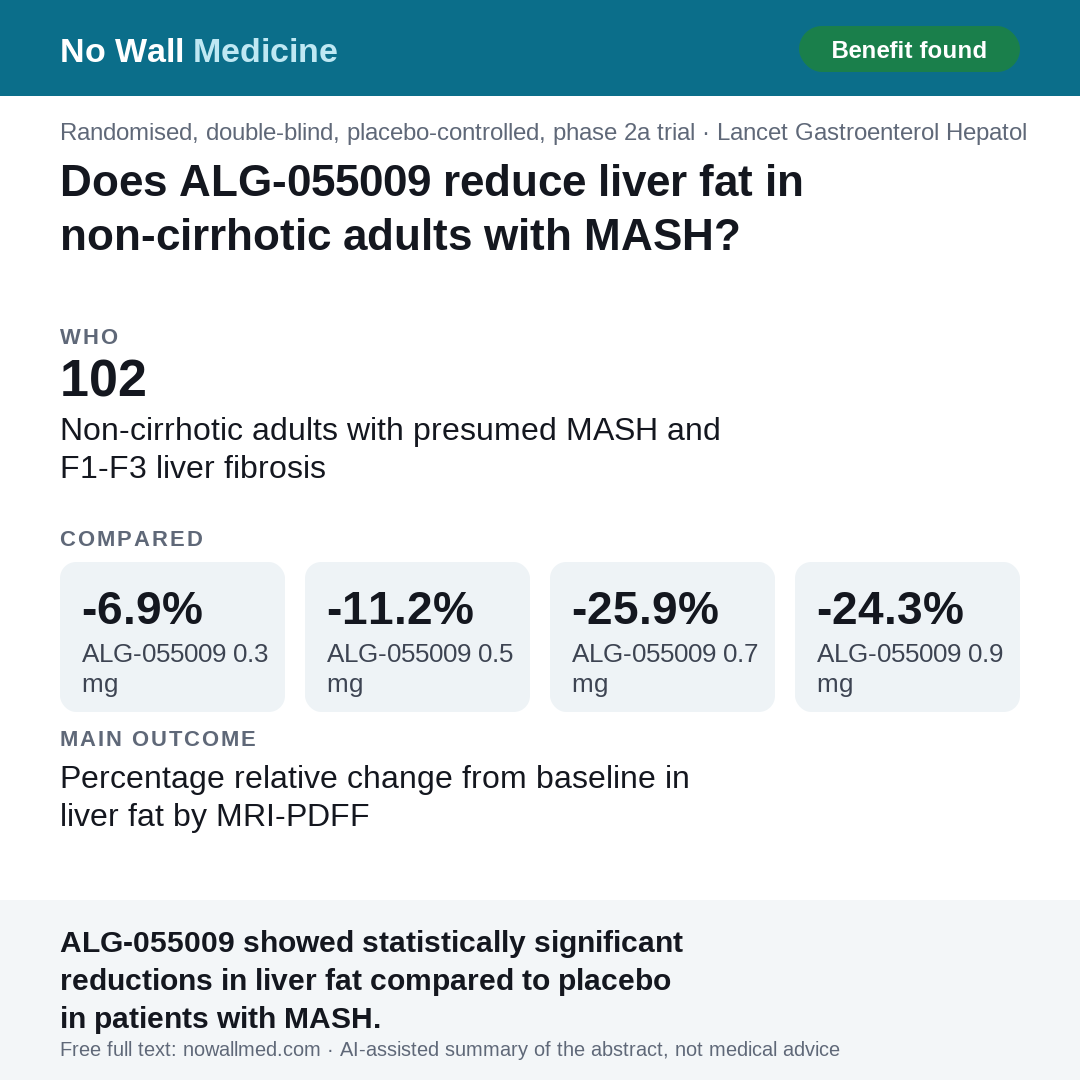
ALG-055009 in non-cirrhotic adults with metabolic dysfunction-associated steatohepatitis (HERALD): a randomised, double-blind, placebo-controlled, phase 2a trial
Randomised, double-blind, placebo-controlled, phase 2a trialBenefit found
Does ALG-055009 reduce liver fat in non-cirrhotic adults with MASH?
Who
102
Non-cirrhotic adults with presumed MASH and F1-F3 liver fibrosis
Compared
-6.9%ALG-055009 0.3 mg
-11.2%ALG-055009 0.5 mg
-25.9%ALG-055009 0.7 mg
-24.3%ALG-055009 0.9 mg
Main outcome
Percentage relative change from baseline in liver fat by MRI-proton density fat fraction
Bottom line: ALG-055009 significantly reduced liver fat in patients with MASH, particularly at the 0.7 mg and 0.9 mg doses.
Funded by: Aligos Therapeutics
Lancet Gastroenterol Hepatol · 2026-08-26Download image
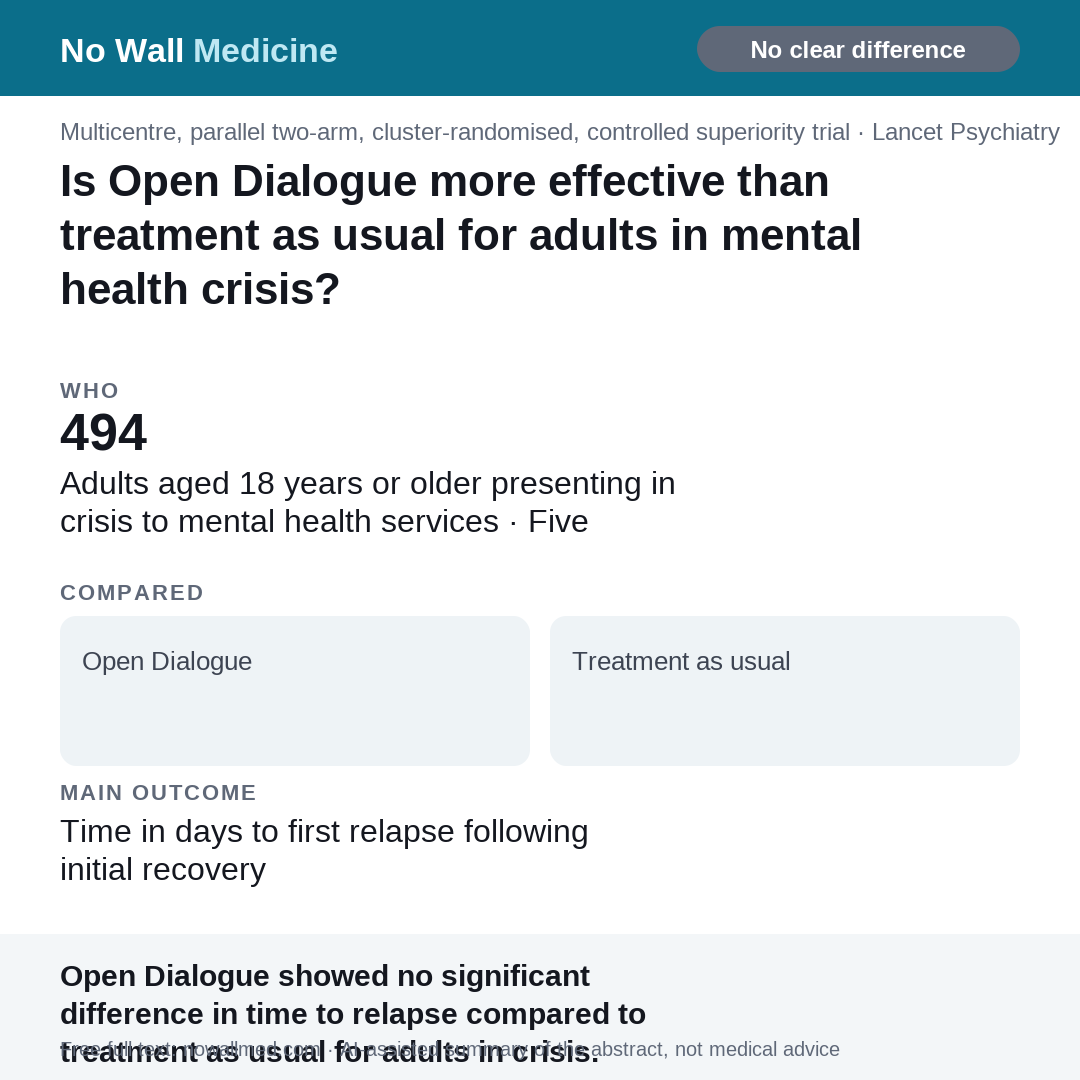
Open Dialogue versus treatment as usual for adults presenting in crisis to mental health services in England (the ODDESSI Trial): a multisite cluster-randomised trial
Multicentre, parallel two-arm, cluster-randomised, controlled superiority trialNo clear difference
Is Open Dialogue more effective than treatment as usual for adults in mental health crisis?
Who
494
Adults aged 18 years or older presenting in crisis to mental health services · Five National Health Service trusts in London and South England
Compared
Open Dialogue
Treatment as usual
Main outcome
Time in days to first relapse following initial recovery
Result: marginal hazard ratio 0·95 (95% CI 0·67-1·32)
Bottom line: Open Dialogue showed no significant difference in time to relapse compared to treatment as usual for adults in crisis.
Lancet Psychiatry · 2026-08-26Download image
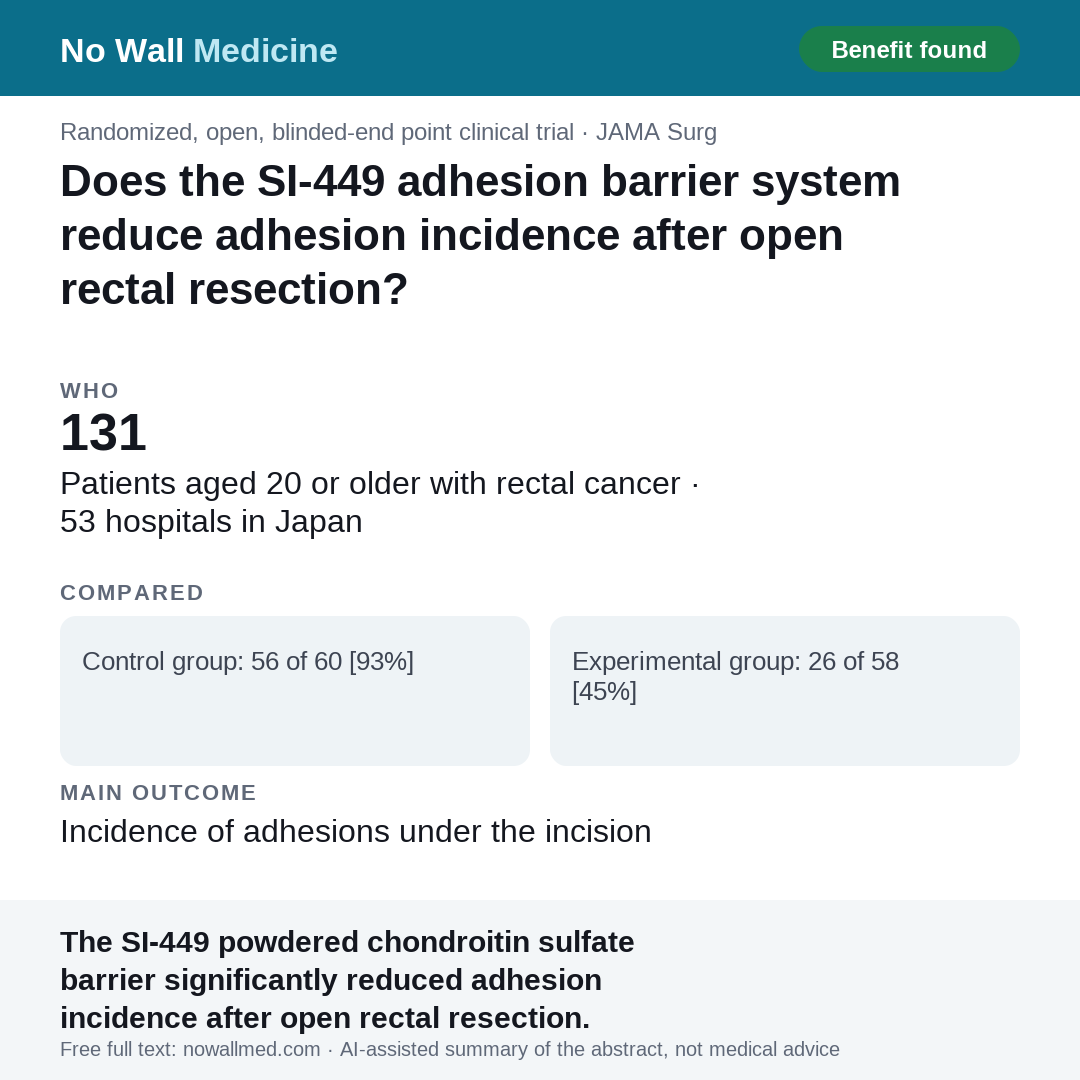
Cross-Linked Chondroitin Sulfate Adhesion Barrier System in Open Rectal Resection: A Randomized Clinical Trial
Randomized, open, blinded-end point clinical trialBenefit found
Does the SI-449 adhesion barrier system reduce adhesion incidence after open rectal resection?
Who
131
Patients aged 20 or older with rectal cancer · 53 hospitals in Japan
Compared
Control group: 56 of 60 [93%]
Experimental group: 26 of 58 [45%]
Main outcome
Incidence of adhesions under the incision
Bottom line: The SI-449 powdered chondroitin sulfate barrier significantly reduced adhesion incidence after open rectal resection.
JAMA Surg · 2026-08-26Download image
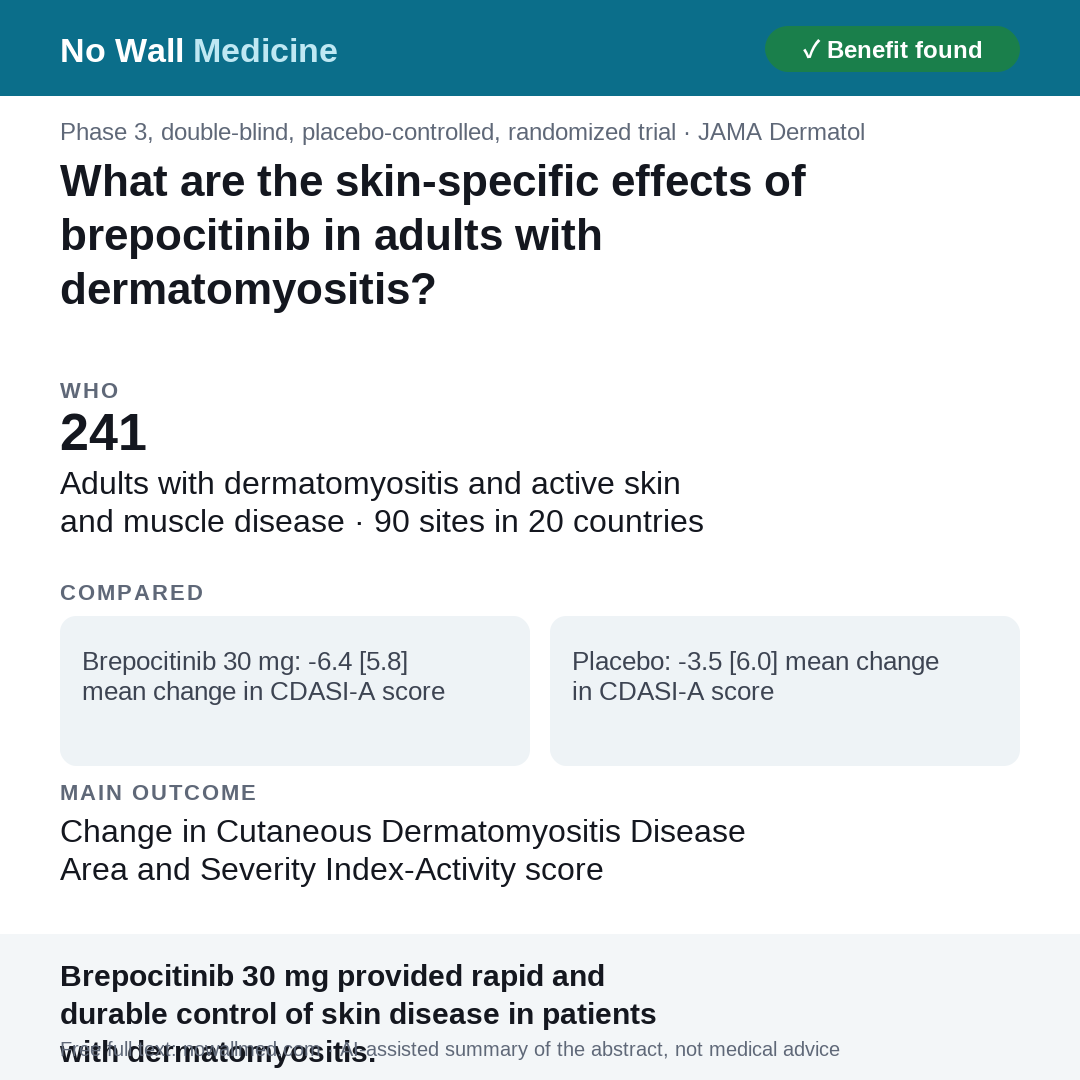
Skin-Specific Outcomes of Brepocitinib in Patients With Dermatomyositis: Secondary Analysis of a Phase 3 Randomized Clinical Trial
Phase 3, double-blind, placebo-controlled, randomized trialBenefit found
What are the skin-specific effects of brepocitinib in adults with dermatomyositis?
Who
241
Adults with dermatomyositis and active skin and muscle disease · 90 sites in 20 countries
Compared
Brepocitinib 30 mg: -6.4 [5.8] mean change in CDASI-A score
Placebo: -3.5 [6.0] mean change in CDASI-A score
Main outcome
Change in Cutaneous Dermatomyositis Disease Area and Severity Index-Activity score
Result: difference, -3.0; 95% CI, -4.6 to -1.4
Bottom line: Brepocitinib 30 mg provided rapid and durable control of skin disease in patients with dermatomyositis.
JAMA Dermatol · 2026-08-26Download image
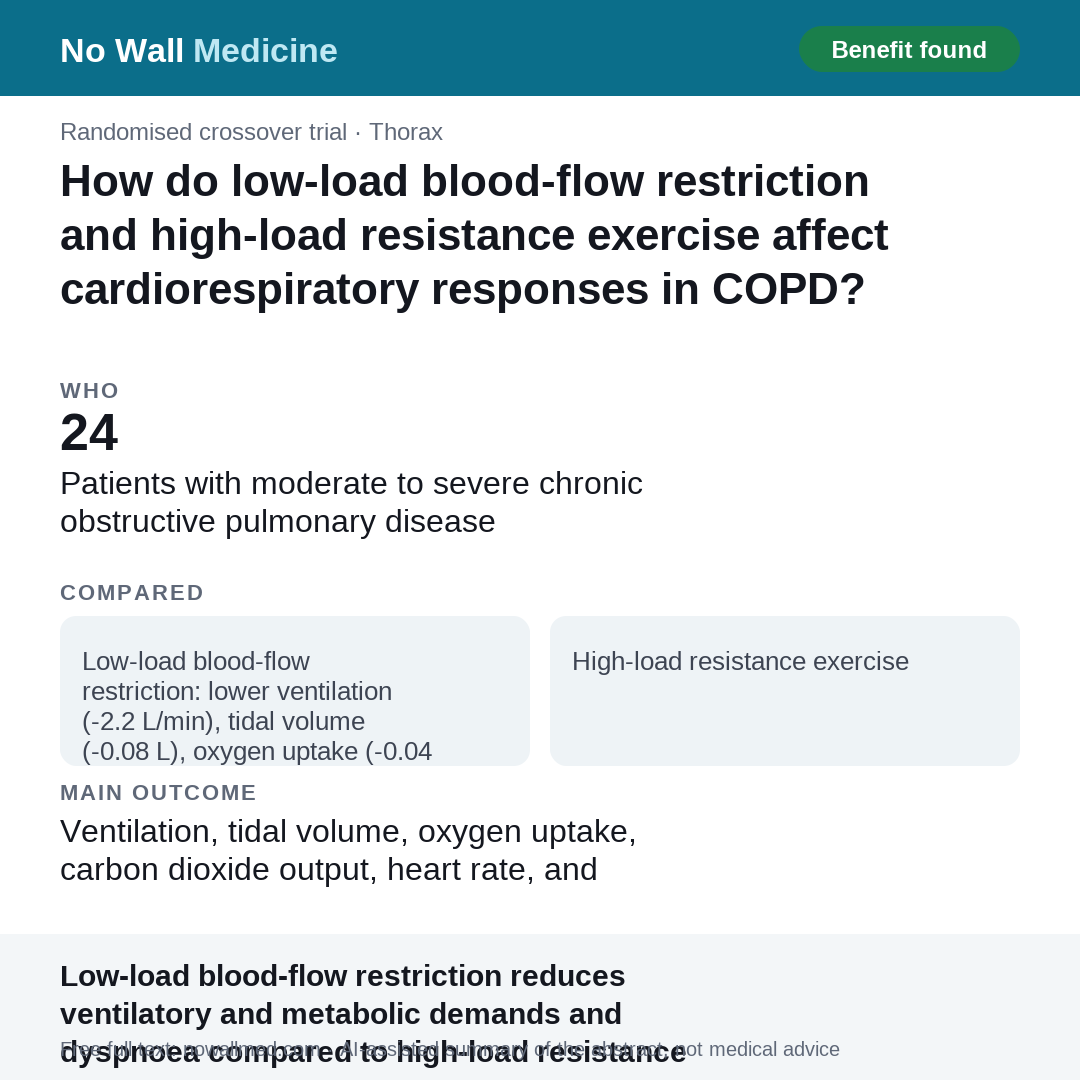
Acute cardiorespiratory responses to low-load blood-flow restriction vs high-load resistance exercise in COPD: a randomised crossover trial
Randomised crossover trialBenefit found
How do low-load blood-flow restriction and high-load resistance exercise affect cardiorespiratory responses in COPD?
Who
24
Patients with moderate to severe chronic obstructive pulmonary disease
Compared
Low-load blood-flow restriction: lower ventilation (-2.2 L/min), tidal volume (-0.08 L), oxygen uptake (-0.04 L/min), carbon dioxide output (-0.07 L/min), lower dyspnoea (RPE -0.7), higher leg effort (RPE +0.7)
High-load resistance exercise
Main outcome
Ventilation, tidal volume, oxygen uptake, carbon dioxide output, heart rate, and perceived exertion
Bottom line: Low-load blood-flow restriction reduces ventilatory and metabolic demands and dyspnoea compared to high-load resistance exercise in COPD.
Thorax · 2026-08-26Download image
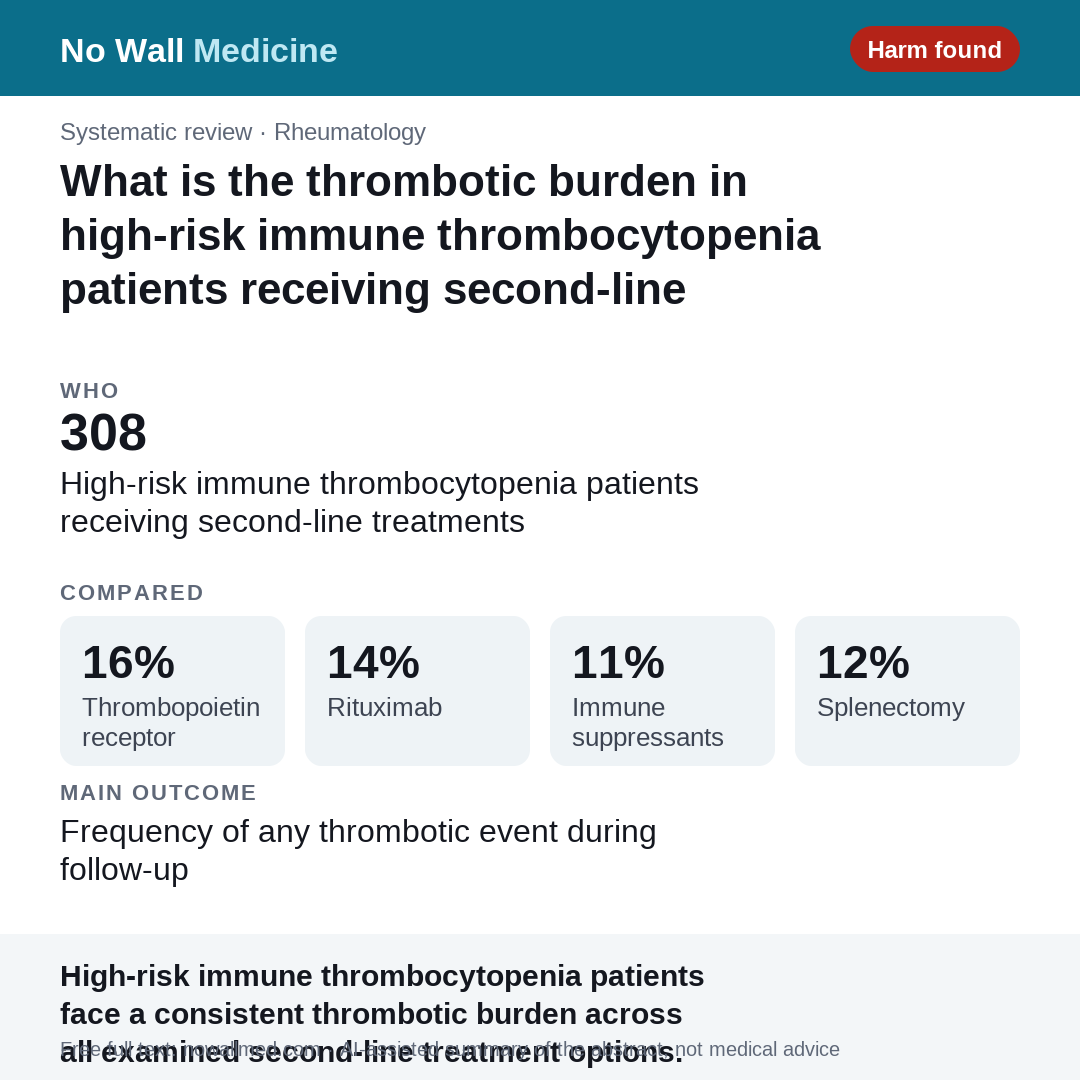
The thrombotic burden of high-risk immune thrombocytopenia patients receiving second-line treatments: a systematic review
Systematic reviewHarm found
What is the thrombotic burden in high-risk immune thrombocytopenia patients receiving second-line treatments?
Who
308
High-risk immune thrombocytopenia patients receiving second-line treatments
Compared
16%Thrombopoietin receptor agonists (95% CI 11-22)
14%Rituximab (95% CI 3-35)
11%Immune suppressants (95% CI 2-28)
12%Splenectomy (95% CI 4-24)
Main outcome
Frequency of any thrombotic event during follow-up
Result: 10% (95% CI 5-19)
Bottom line: High-risk immune thrombocytopenia patients face a consistent thrombotic burden across all examined second-line treatment options.
Rheumatology · 2026-08-26Download image
Classification of videolaryngoscopy: a systematic review
Systematic reviewUnclear result
What is the accuracy, performance, and reliability of existing videolaryngoscopy classification tools?
Who
Adults and children undergoing videolaryngoscopic tracheal intubation
Compared
Cormack-Lehane classification: limited performance
VIDIAC and PeDiAC scores: accuracy or performance metrics reported
Main outcome
Accuracy, performance, concordance, and reliability of classification tools
Bottom line: Evidence regarding the accuracy and clinical utility of most videolaryngoscopy classification tools remains uncertain and limited.
Limitation: High risk of bias regarding reference standard, flow, timing, and substantial applicability concerns.
Anaesthesia · 2026-08-26Download image
Family members' experiences of death and organ donation in intensive and critical care units: a qualitative systematic review with thematic synthesis
Qualitative systematic review with thematic synthesisMixed results
What are family members' experiences of death determination and organ donation in intensive care?
Who
Family members of patients in intensive and critical care units · 14 countries
Compared
Donation after brain death: navigated the sensory dissonance of a physiologically supported yet neurologically dead loved one
Donation after circulatory death: faced temporal compression and the moral weight of perceived involvement
Main outcome
Family members' experiences of death determination and organ donation
Bottom line: Family experiences differ between donation pathways, involving themes of constructing death, the contested body, and relational meaning-making.
Crit Care · 2026-08-26Download image
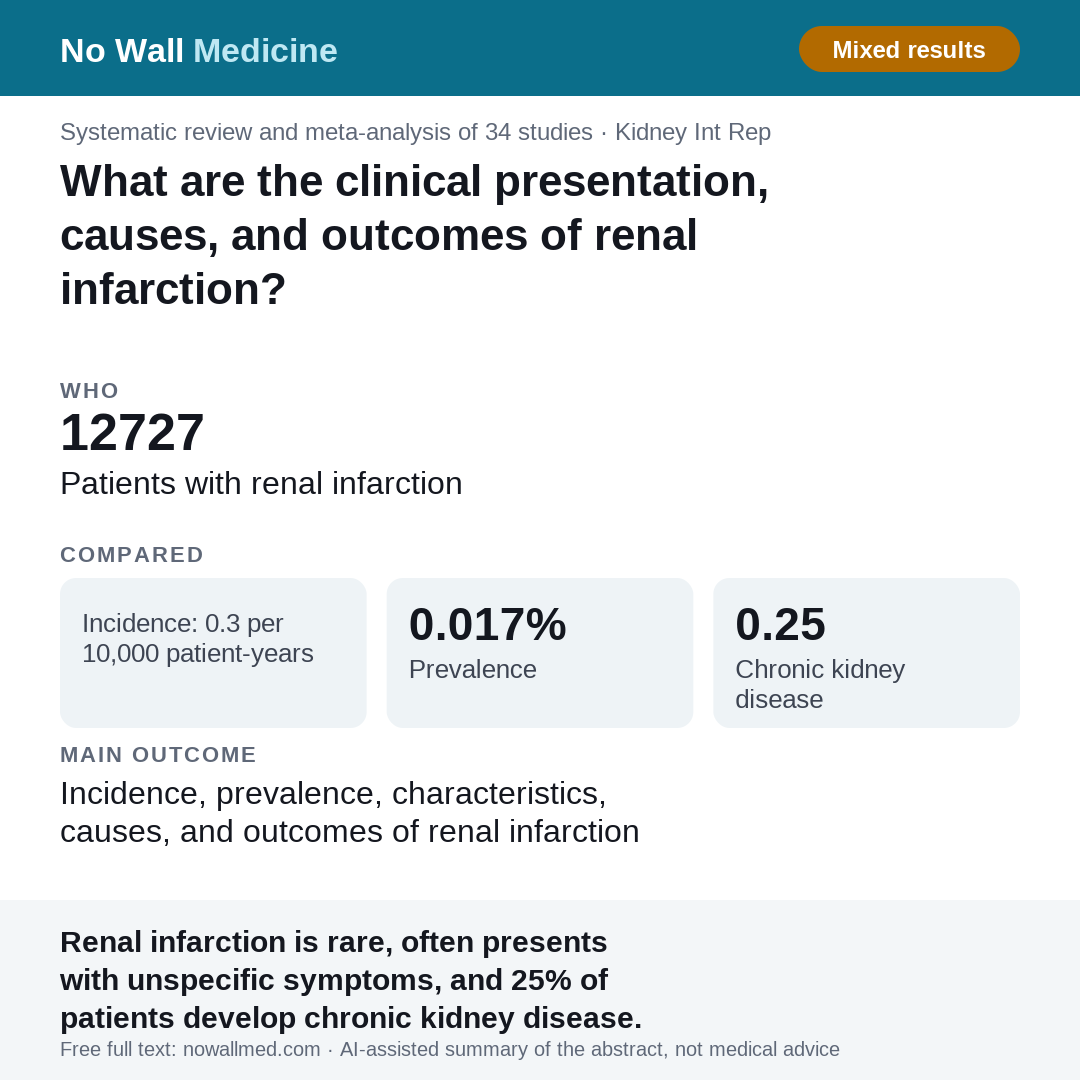
Systematic Review of Renal Infarction Clinical Presentation, Causes, and Outcomes
Systematic review and meta-analysis of 34 studiesMixed results
What are the clinical presentation, causes, and outcomes of renal infarction?
Who
12727
Patients with renal infarction
Compared
Incidence: 0.3 per 10,000 patient-years
0.017%Prevalence
0.25Chronic kidney disease
Main outcome
Incidence, prevalence, characteristics, causes, and outcomes of renal infarction
Bottom line: Renal infarction is rare, often presents with unspecific symptoms, and 25% of patients develop chronic kidney disease.
Kidney Int Rep · 2026-08-26Download image