Visual abstracts
New randomized trials and meta-analyses from leading journals at a glance: who was studied, what was compared, and what was found. Every paper is free to read in full.
All specialtiesCardiology 1648Oncology 1436Gastroenterology & Hepatology 615Infectious Disease 1050Neurology 677Psychiatry & Mental Health 824Pulmonology 715Critical Care 485Endocrinology & Diabetes 902Pediatrics 974Surgery 824Orthopedics & Sports Medicine 310Neurosurgery 208Cardiothoracic & Vascular Surgery 189Plastic & Reconstructive Surgery 258Nephrology 342Rheumatology 225Hematology 357Dermatology 180Ophthalmology 193Obstetrics & Gynecology 534Public & Global Health 318Radiology & Imaging 223Anesthesiology 331Urology 297ENT (Otolaryngology) 224Emergency Medicine 187Allergy & Immunology 107Geriatrics 359Family Medicine & Primary Care 203Medical Genetics & Genomics 178Pathology & Laboratory Medicine 53Physical Medicine & Rehabilitation 287Palliative Care 147Nutrition 443Digital Health & AI 871General Medicine 133
Natural, unnatural, and cause-specific mortality among current psychiatric inpatients: a systematic review and meta-analysis
Systematic review and meta-analysisMixed results
What are the natural, unnatural, and cause-specific mortality rates among current psychiatric inpatients?
Who
Current psychiatric inpatients · Diverse geographic settings
Compared
81.6%Natural causes (95% CI 75.7-86.3%)
4.8%Suicides (95% CI 3.0-7.7%)
3.3%Accidents (2.3-4.7%)
Main outcome
Percentage of deaths by cause
Bottom line: Most psychiatric inpatient deaths are due to natural causes, though overall mortality rates have been falling over time.
eClinicalMedicine · 2025-11-14Download image

The Disease Burden of Helicobacter pylori Beyond Gastric Cancer: Quantifying the Forgotten Potential Benefits of Mass Eradication
Systematic literature searchBenefit found
What is the disease burden attributable to Helicobacter pylori beyond gastric cancer?
Who
Global population and specific countries · Global, including United States and South Korea
Compared
57%Peptic ulcer disease (44%-68%)
7%Dyspepsia (2%-13%)
33%Gastric lymphomas (12%-53%)
Main outcome
Population attributable fraction for various diseases
Bottom line: Mass eradication of Helicobacter pylori can prevent millions of cases of peptic ulcer disease and dyspepsia globally.
Limitation: Benefit depends on whether Helicobacter pylori triggers an irreversible disease pathway early in life.
Gastroenterology · 2025-11-14Download image

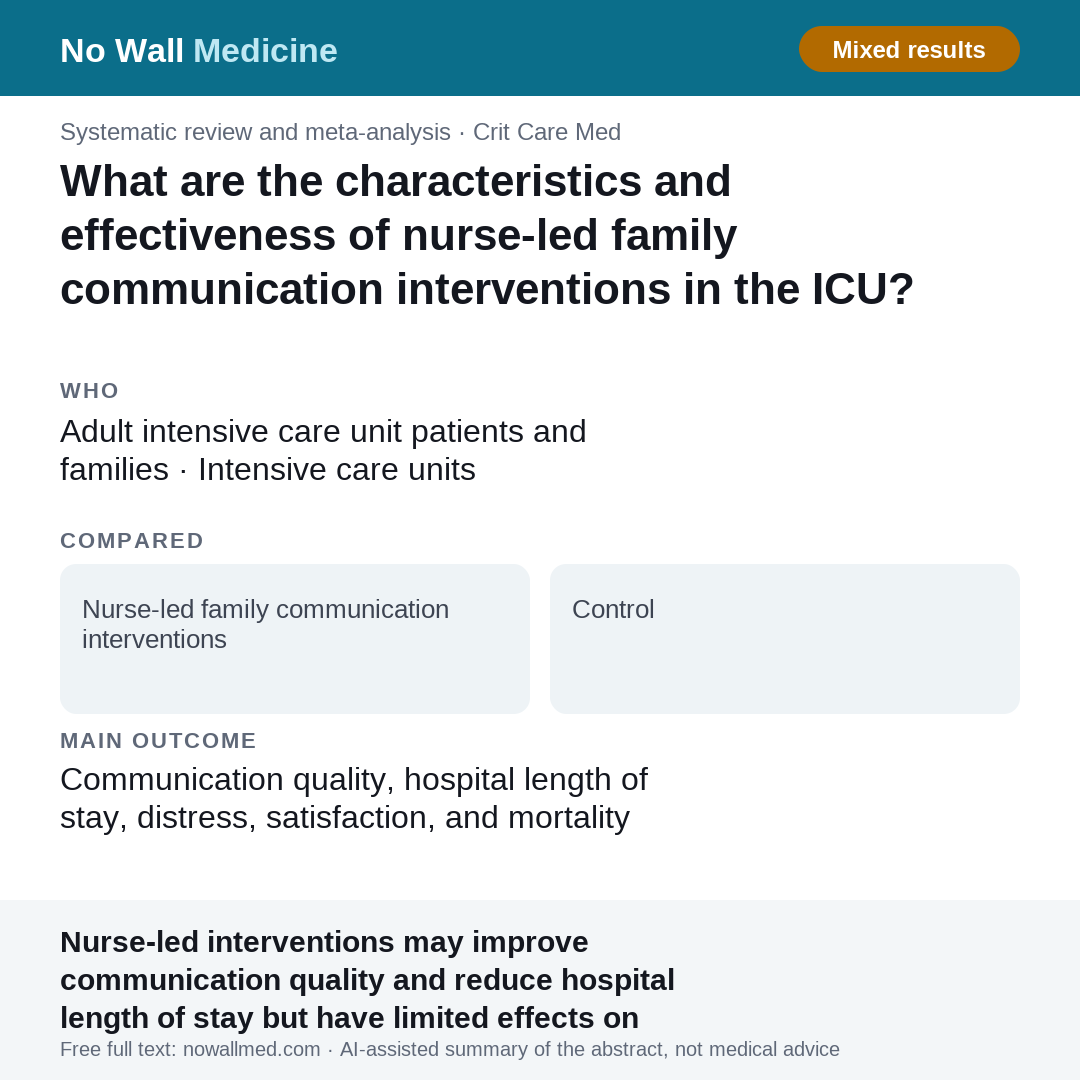
Characteristics and Effectiveness of Nurse-Led Family Communication Interventions in the ICU: A Systematic Review and Meta-Analysis
Systematic review and meta-analysisMixed results
What are the characteristics and effectiveness of nurse-led family communication interventions in the ICU?
Who
Adult intensive care unit patients and families · Intensive care units
Compared
Nurse-led family communication interventions
Control
Main outcome
Communication quality, hospital length of stay, distress, satisfaction, and mortality
Result: standardized mean differences 0.26 for communication quality; mean differences -3.87 d for length of stay
Bottom line: Nurse-led interventions may improve communication quality and reduce hospital length of stay but have limited effects on distress or mortality.
Limitation: Considerable heterogeneity in intervention intensity, implementer profiles, and adaptation descriptions.
Crit Care Med · 2025-11-14Download image
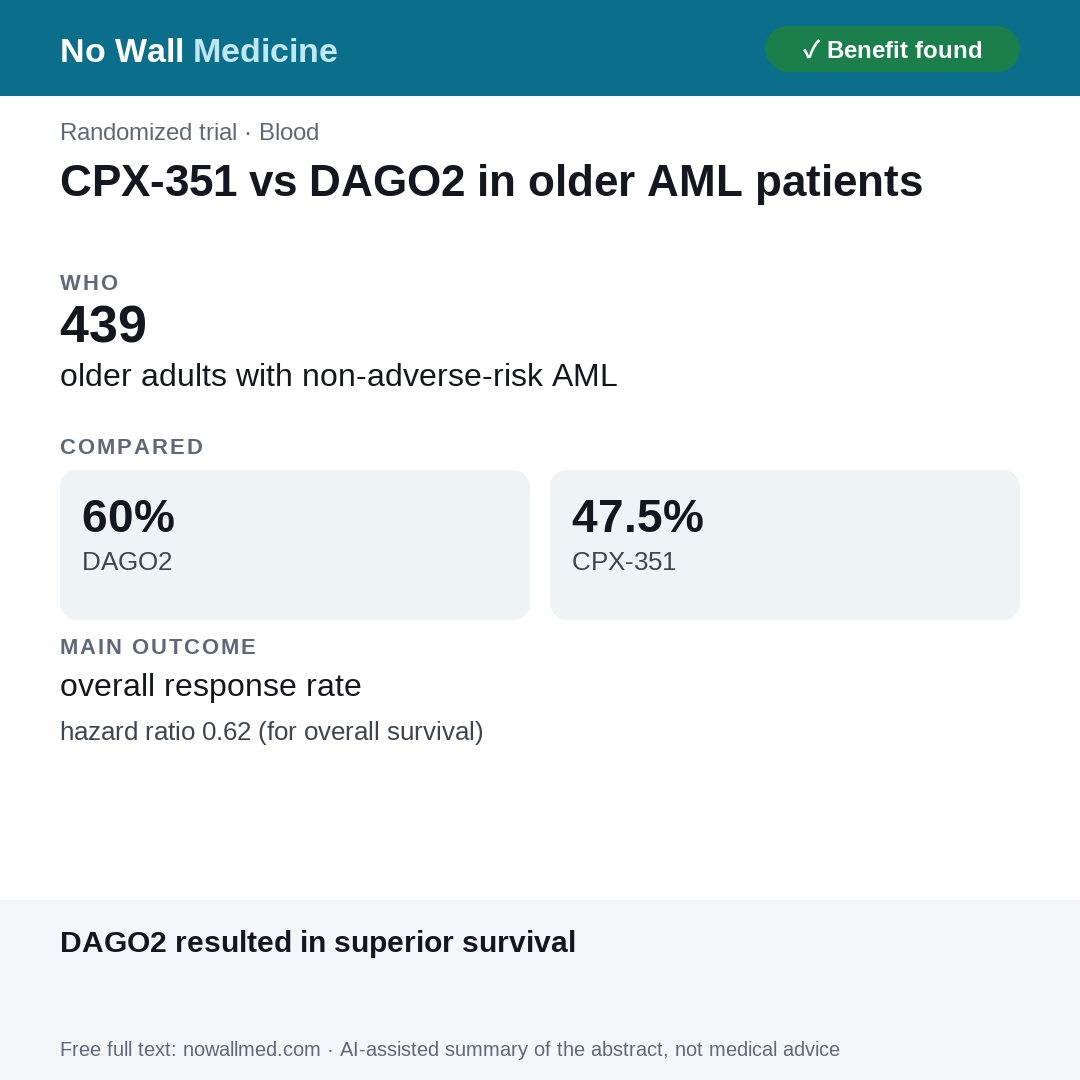
CPX-351 vs daunorubicin, cytarabine, and gemtuzumab ozogamicin in older adults with non-adverse-risk AML: the NCRI AML18 trial
Randomized trialBenefit found
CPX-351 vs DAGO2 in older AML patients
Who
439
older adults with non-adverse-risk AML
Compared
60%DAGO2
47.5%CPX-351
Main outcome
overall response rate
Result: hazard ratio 0.62 (for overall survival)
Bottom line: DAGO2 resulted in superior survival
Blood · 2025-11-14Download image
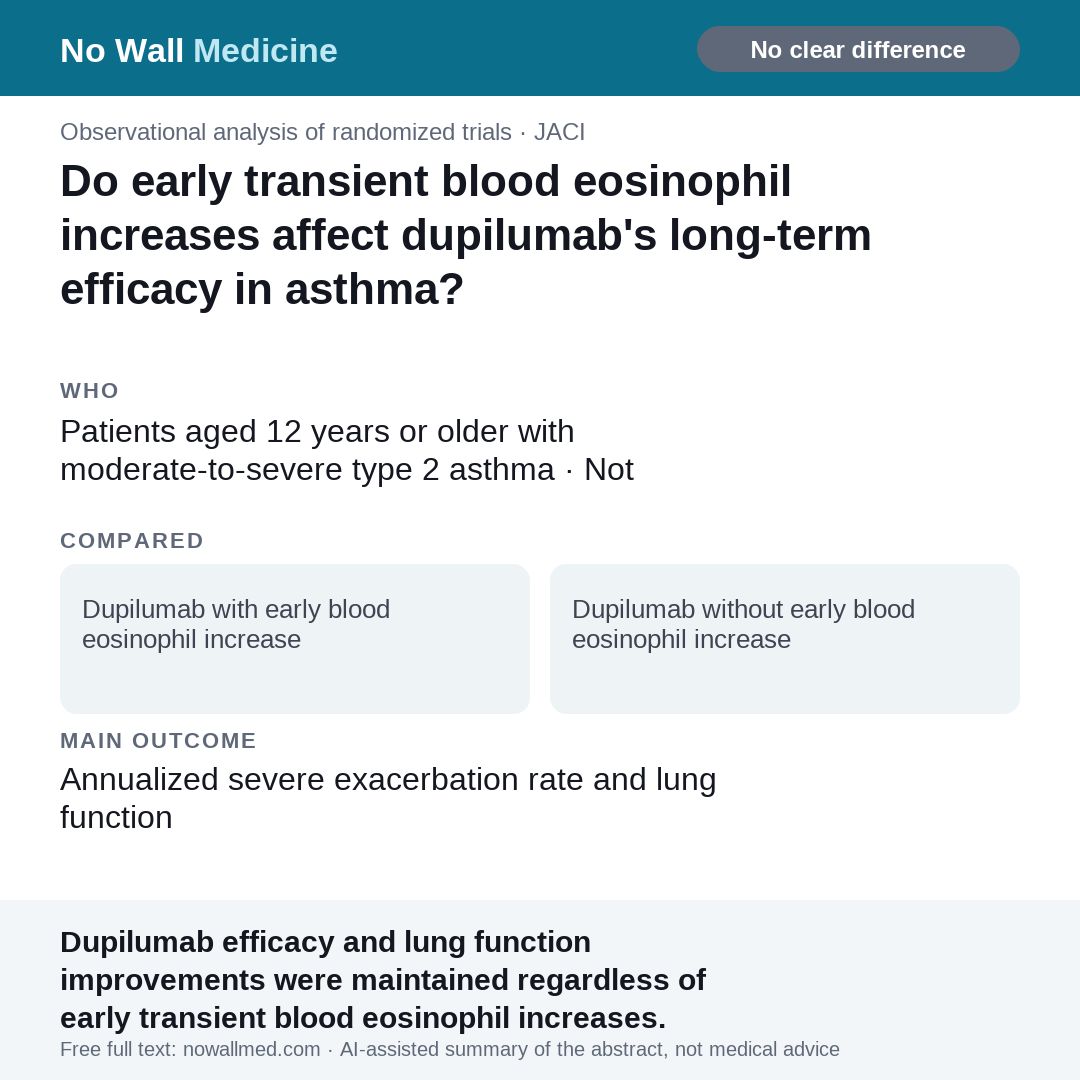
Transient early blood eosinophil increases do not affect dupilumab's long-term efficacy in patients with moderate-to-severe asthma
Observational analysis of randomized trialsNo clear difference
Do early transient blood eosinophil increases affect dupilumab's long-term efficacy in asthma?
Who
Patients aged 12 years or older with moderate-to-severe type 2 asthma · Not specified
Compared
Dupilumab with early blood eosinophil increase
Dupilumab without early blood eosinophil increase
Main outcome
Annualized severe exacerbation rate and lung function
Bottom line: Dupilumab efficacy and lung function improvements were maintained regardless of early transient blood eosinophil increases.
JACI · 2025-11-14Download image
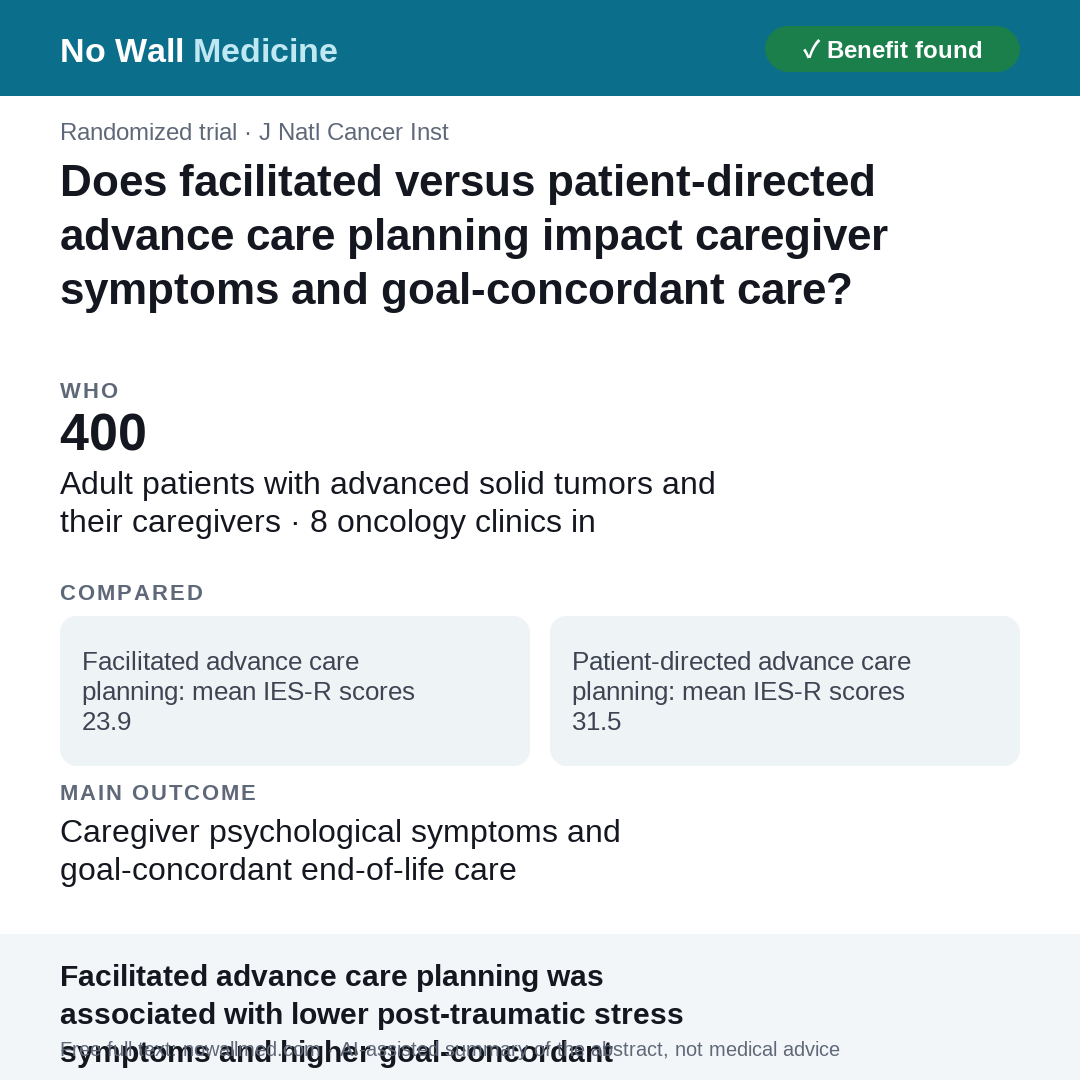
Advance care planning impact on caregivers and end-of-life care in advanced cancer
Randomized trialBenefit found
Does facilitated versus patient-directed advance care planning impact caregiver symptoms and goal-concordant care?
Who
400
Adult patients with advanced solid tumors and their caregivers · 8 oncology clinics in western Pennsylvania
Compared
Facilitated advance care planning: mean IES-R scores 23.9
Patient-directed advance care planning: mean IES-R scores 31.5
Main outcome
Caregiver psychological symptoms and goal-concordant end-of-life care
Bottom line: Facilitated advance care planning was associated with lower post-traumatic stress symptoms and higher goal-concordant end-of-life care.
J Natl Cancer Inst · 2025-11-14Download image
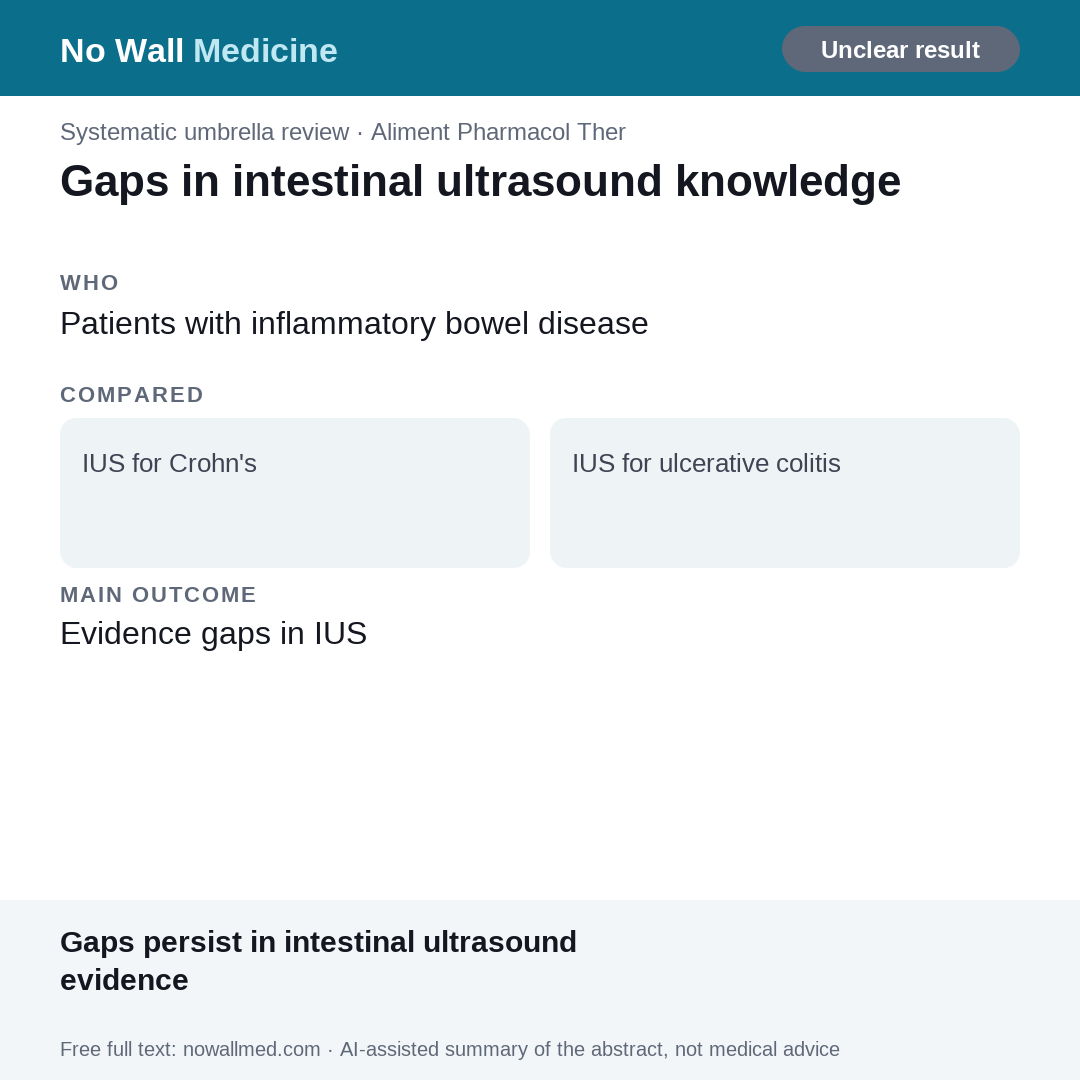
Review Article: Extending the Frontiers of Intestinal Ultrasound Knowledge, Performance and Expansion
Systematic umbrella reviewUnclear result
Gaps in intestinal ultrasound knowledge
Who
Patients with inflammatory bowel disease
Compared
IUS for Crohn's
IUS for ulcerative colitis
Main outcome
Evidence gaps in IUS
Bottom line: Gaps persist in intestinal ultrasound evidence
Limitation: Small sample sizes, heterogeneous designs
Aliment Pharmacol Ther · 2025-11-14Download image
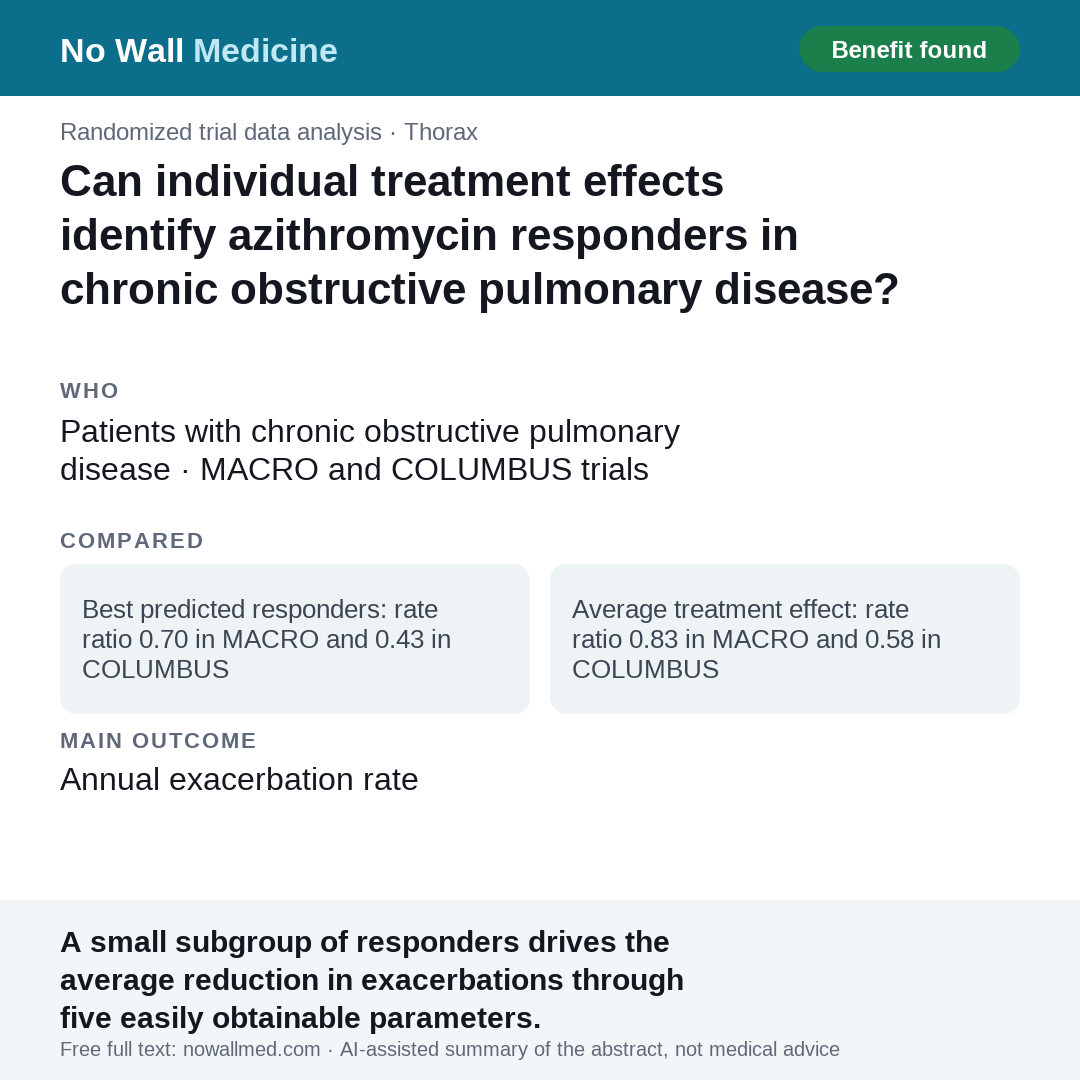
Identifying azithromycin responders with an individual treatment effect model in COPD
Randomized trial data analysisBenefit found
Can individual treatment effects identify azithromycin responders in chronic obstructive pulmonary disease?
Who
Patients with chronic obstructive pulmonary disease · MACRO and COLUMBUS trials
Compared
Best predicted responders: rate ratio 0.70 in MACRO and 0.43 in COLUMBUS
Average treatment effect: rate ratio 0.83 in MACRO and 0.58 in COLUMBUS
Main outcome
Annual exacerbation rate
Bottom line: A small subgroup of responders drives the average reduction in exacerbations through five easily obtainable parameters.
Thorax · 2025-11-14Download image
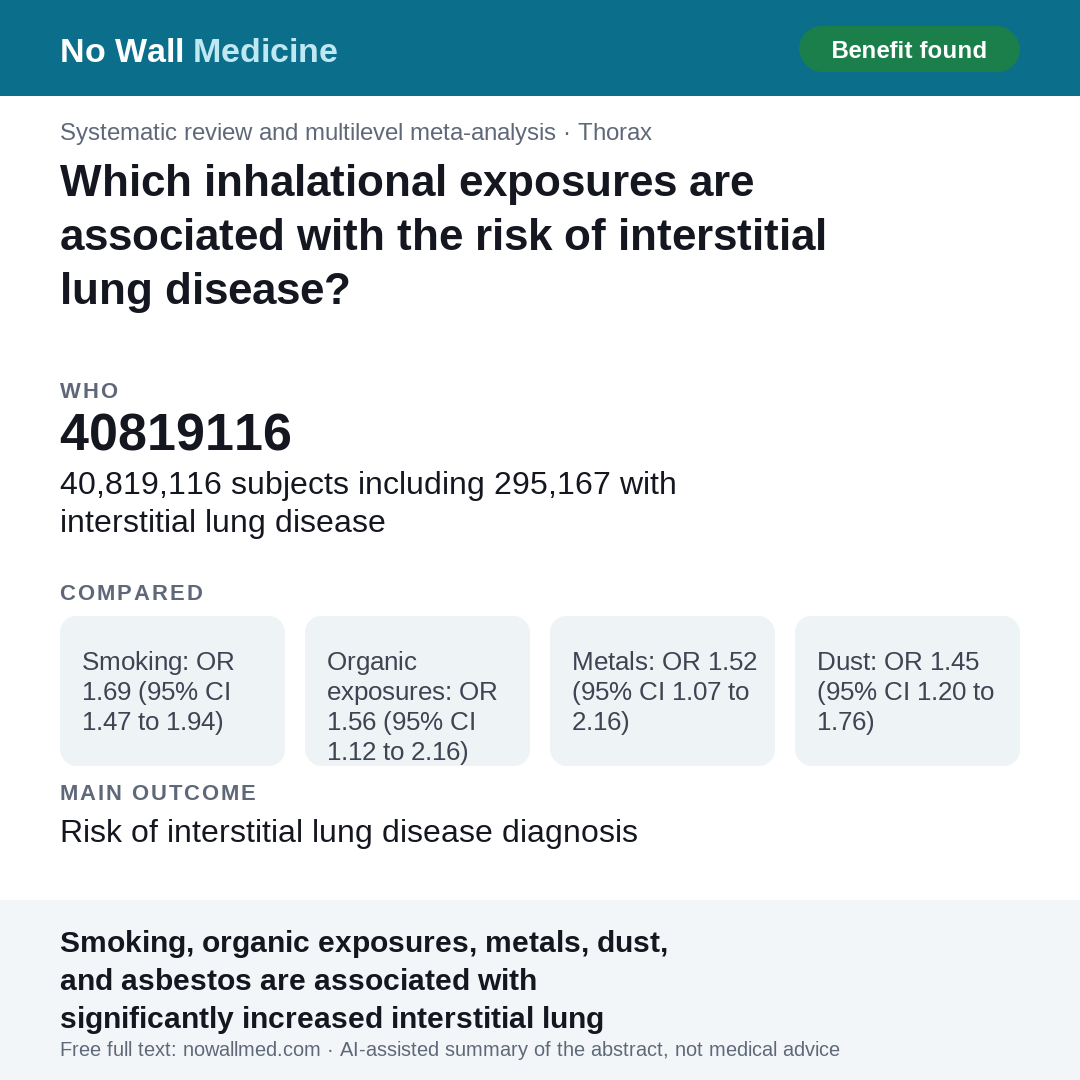
Inhalational exposures associated with risk of interstitial lung disease: a systematic review and meta-analysis
Systematic review and multilevel meta-analysisBenefit found
Which inhalational exposures are associated with the risk of interstitial lung disease?
Who
40819116
40,819,116 subjects including 295,167 with interstitial lung disease
Compared
Smoking: OR 1.69 (95% CI 1.47 to 1.94)
Organic exposures: OR 1.56 (95% CI 1.12 to 2.16)
Metals: OR 1.52 (95% CI 1.07 to 2.16)
Dust: OR 1.45 (95% CI 1.20 to 1.76)
Main outcome
Risk of interstitial lung disease diagnosis
Bottom line: Smoking, organic exposures, metals, dust, and asbestos are associated with significantly increased interstitial lung disease risk.
Limitation: Silica and fumes had positive associations that trended towards significance but were not significant.
Thorax · 2025-11-14Download image
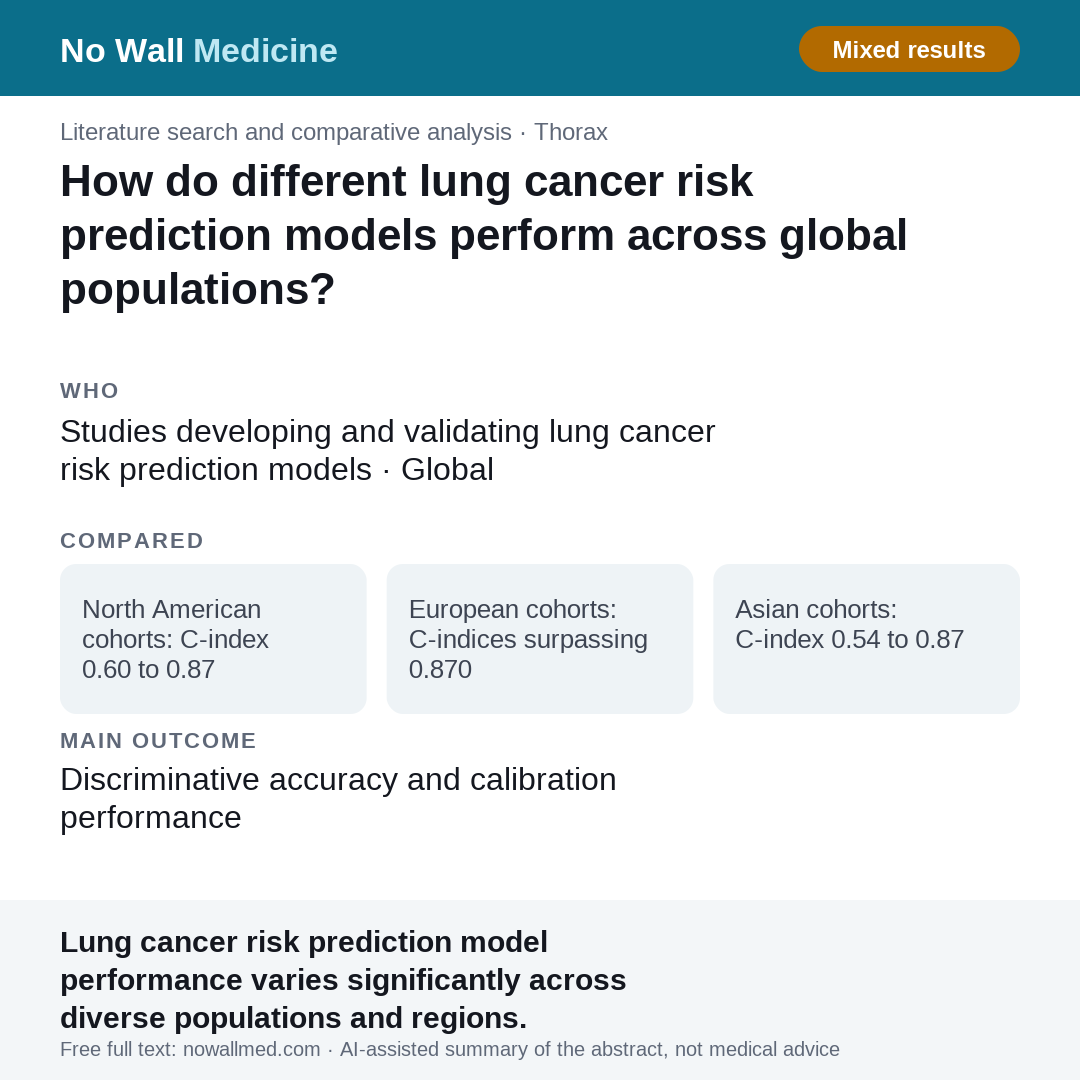
Lung cancer risk assessment by prediction model: a global perspective
Literature search and comparative analysisMixed results
How do different lung cancer risk prediction models perform across global populations?
Who
Studies developing and validating lung cancer risk prediction models · Global
Compared
North American cohorts: C-index 0.60 to 0.87
European cohorts: C-indices surpassing 0.870
Asian cohorts: C-index 0.54 to 0.87
Main outcome
Discriminative accuracy and calibration performance
Bottom line: Lung cancer risk prediction model performance varies significantly across diverse populations and regions.
Thorax · 2025-11-14Download image
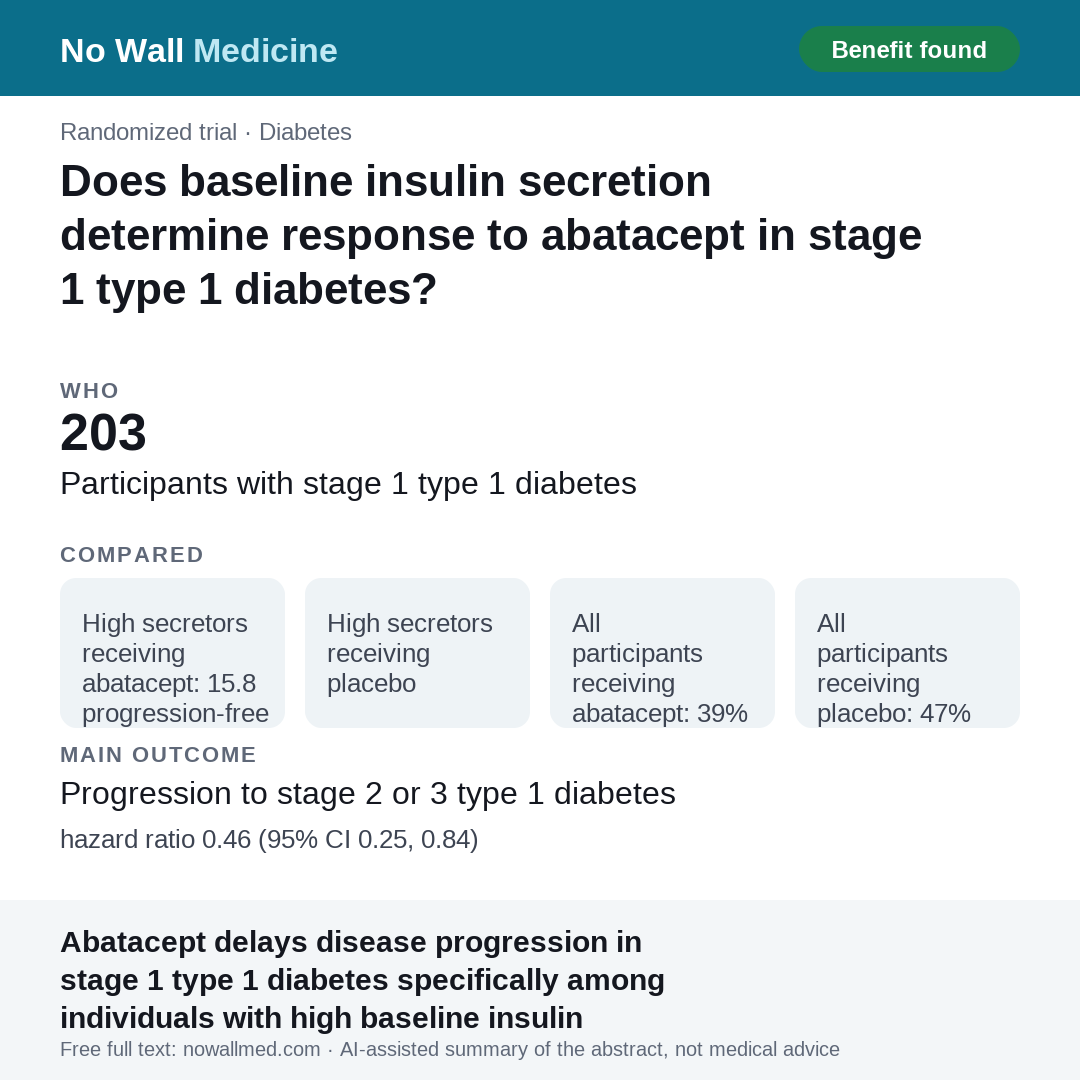
Baseline Insulin Secretion Determines Response to Abatacept in Stage 1 Type 1 Diabetes
Randomized trialBenefit found
Does baseline insulin secretion determine response to abatacept in stage 1 type 1 diabetes?
Who
203
Participants with stage 1 type 1 diabetes
Compared
High secretors receiving abatacept: 15.8 progression-free months (95% CI 4.85, 26.68)
High secretors receiving placebo
All participants receiving abatacept: 39% experienced progression
All participants receiving placebo: 47% experienced progression
Main outcome
Progression to stage 2 or 3 type 1 diabetes
Result: hazard ratio 0.46 (95% CI 0.25, 0.84)
Bottom line: Abatacept delays disease progression in stage 1 type 1 diabetes specifically among individuals with high baseline insulin secretion.
Diabetes · 2025-11-14Download image
Lobeglitazone improves glycaemic control as add-on therapy to empagliflozin plus metformin in patients with type 2 diabetes mellitus: A double-blind, randomised, placebo-controlled trial
Double-blind, randomised, placebo-controlled trialBenefit found
Does lobeglitazone improve glycaemic control as add-on therapy to empagliflozin plus metformin?
Who
Patients with type 2 diabetes mellitus inadequately controlled with metformin and empagliflozin · Multicentre
Compared
Lobeglitazone 0.5 mg/day: -0.71% (Study 1) and -0.62% (Study 2)
Placebo
Main outcome
Change from baseline in glycated haemoglobin at 24 weeks
Bottom line: Lobeglitazone significantly improved glycaemic control when added to empagliflozin and metformin in type 2 diabetes patients.
Diabetes Obes Metab · 2025-11-14Download image

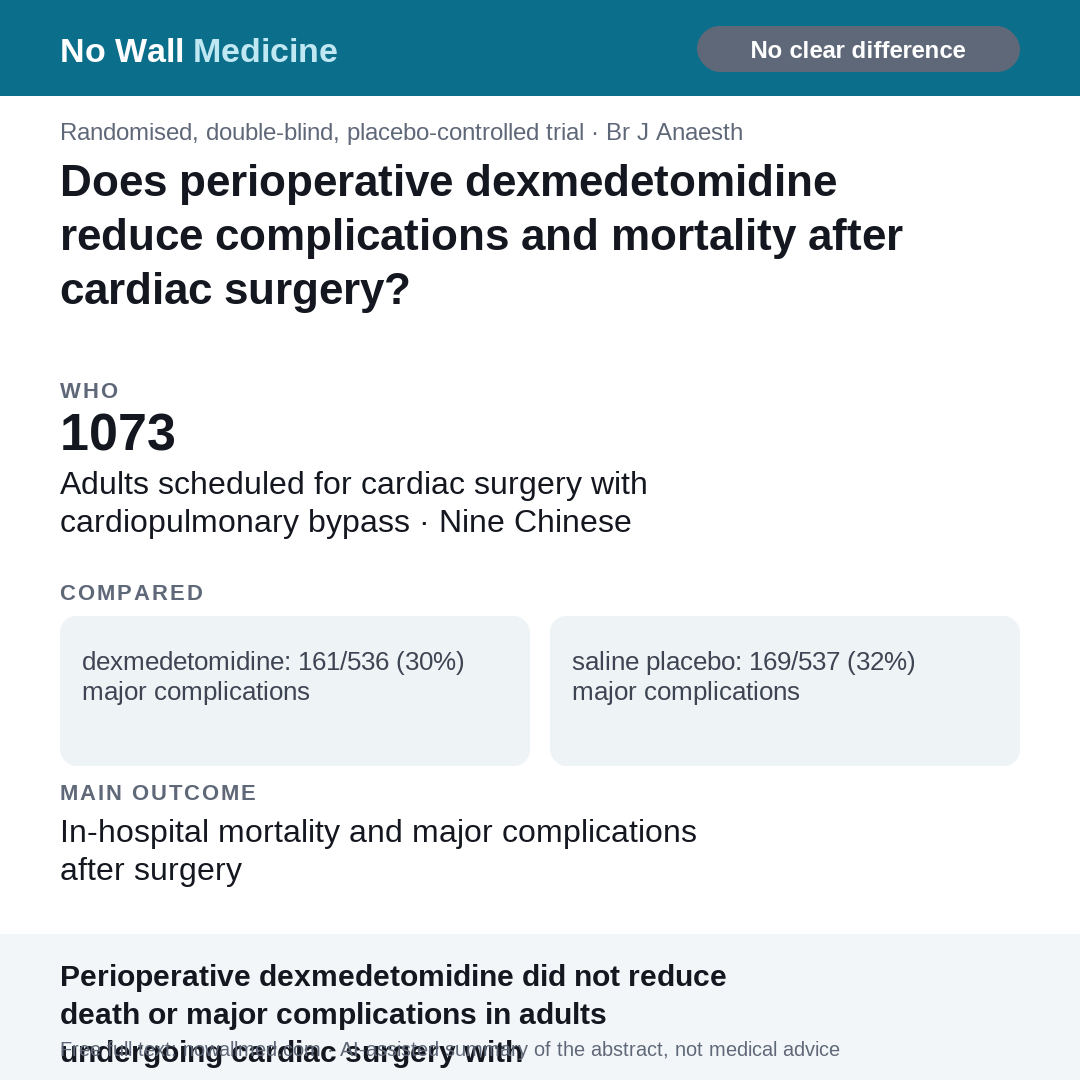
Effects of Dexmedetomidine on Outcomes After Cardiac Surgery (DOCS): a randomised double-blind, placebo-controlled trial
Randomised, double-blind, placebo-controlled trialNo clear difference
Does perioperative dexmedetomidine reduce complications and mortality after cardiac surgery?
Who
1073
Adults scheduled for cardiac surgery with cardiopulmonary bypass · Nine Chinese hospitals
Compared
dexmedetomidine: 161/536 (30%) major complications
saline placebo: 169/537 (32%) major complications
Main outcome
In-hospital mortality and major complications after surgery
Result: relative risk 0.93 (95% confidence interval 0.72-1.21)
Bottom line: Perioperative dexmedetomidine did not reduce death or major complications in adults undergoing cardiac surgery with cardiopulmonary bypass.
Br J Anaesth · 2025-11-14Download image
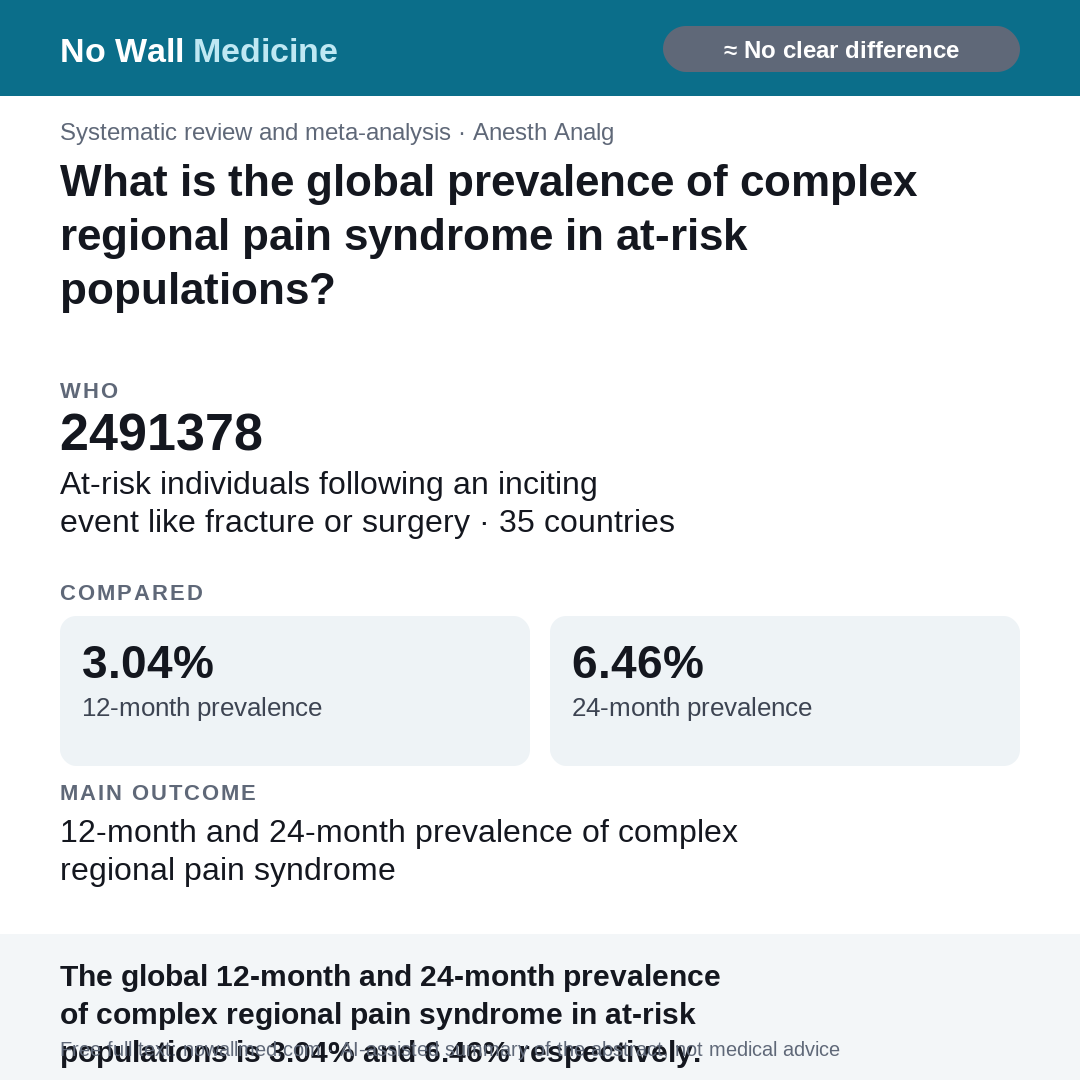
Global Burden of Complex Regional Pain Syndrome in At-Risk Populations: Estimates of Prevalence From 35 Countries Between 1993 and 2023
Systematic review and meta-analysisNo clear difference
What is the global prevalence of complex regional pain syndrome in at-risk populations?
Who
2491378
At-risk individuals following an inciting event like fracture or surgery · 35 countries
Compared
3.04%12-month prevalence (95% CI, 2.64-3.48)
6.46%24-month prevalence (95% CI, 5.46-7.53)
Main outcome
12-month and 24-month prevalence of complex regional pain syndrome
Bottom line: The global 12-month and 24-month prevalence of complex regional pain syndrome in at-risk populations is 3.04% and 6.46% respectively.
Anesth Analg · 2025-11-14Download image
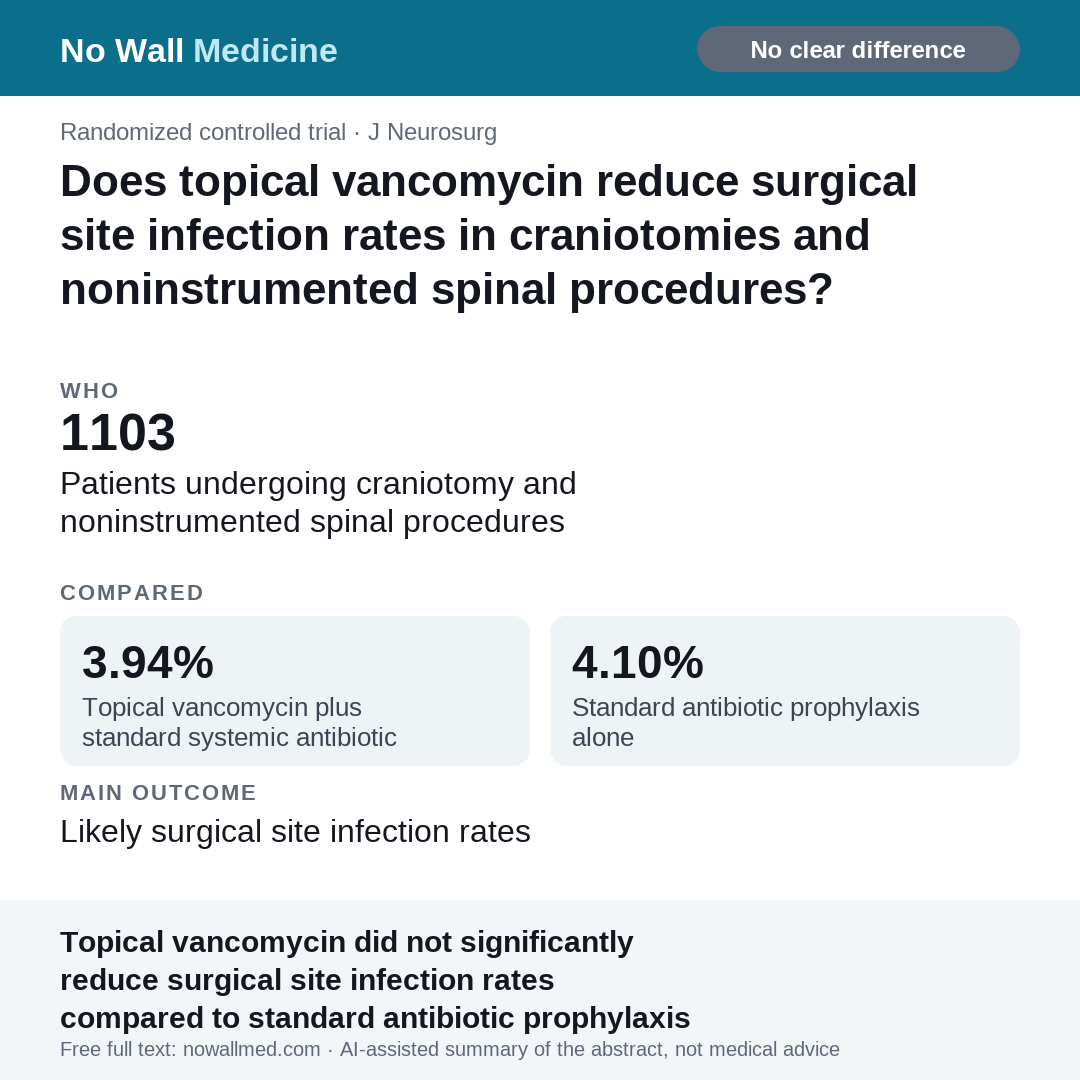
Topical vancomycin for surgical site infection prophylaxis in craniotomies and noninstrumented spinal procedures: a randomized controlled trial
Randomized controlled trialNo clear difference
Does topical vancomycin reduce surgical site infection rates in craniotomies and noninstrumented spinal procedures?
Who
1103
Patients undergoing craniotomy and noninstrumented spinal procedures
Compared
3.94%Topical vancomycin plus standard systemic antibiotic prophylaxis
4.10%Standard antibiotic prophylaxis alone
Main outcome
Likely surgical site infection rates
Result: risk difference -0.0016 (95% CI -0.027 to 0.024)
Bottom line: Topical vancomycin did not significantly reduce surgical site infection rates compared to standard antibiotic prophylaxis alone.
J Neurosurg · 2025-11-14Download image
Transcranial Direct Current Stimulation for Naming Disorders in Poststroke Aphasia: A Meta-analysis of Randomized Controlled Trials
Meta-analysis of randomized controlled trialsBenefit found
Does transcranial direct current stimulation improve naming disorders in poststroke aphasia?
Who
400
Patients with poststroke aphasia
Compared
Transcranial direct current stimulation
Control
Main outcome
Naming ability
Result: standardized mean difference 0.25 (95% CI 0.05 to 0.45)
Bottom line: Transcranial direct current stimulation significantly improves naming abilities in poststroke aphasia, especially in chronic stroke patients.
Limitation: Methodological limitations of the included studies.
Arch Phys Med Rehabil · 2025-11-14Download image

A Systematic Review of Applications, Challenges, and Future Trajectories of Artificial Intelligence in Cosmetic Surgery
Systematic reviewMixed results
AI in cosmetic surgery effectiveness
Who
cosmetic surgery patients
Compared
AI applications
traditional methods
Main outcome
precision and objectivity
Bottom line: AI shows potential in cosmetic surgery
Limitation: limited external validation
Aesthet Surg J · 2025-11-14Download image

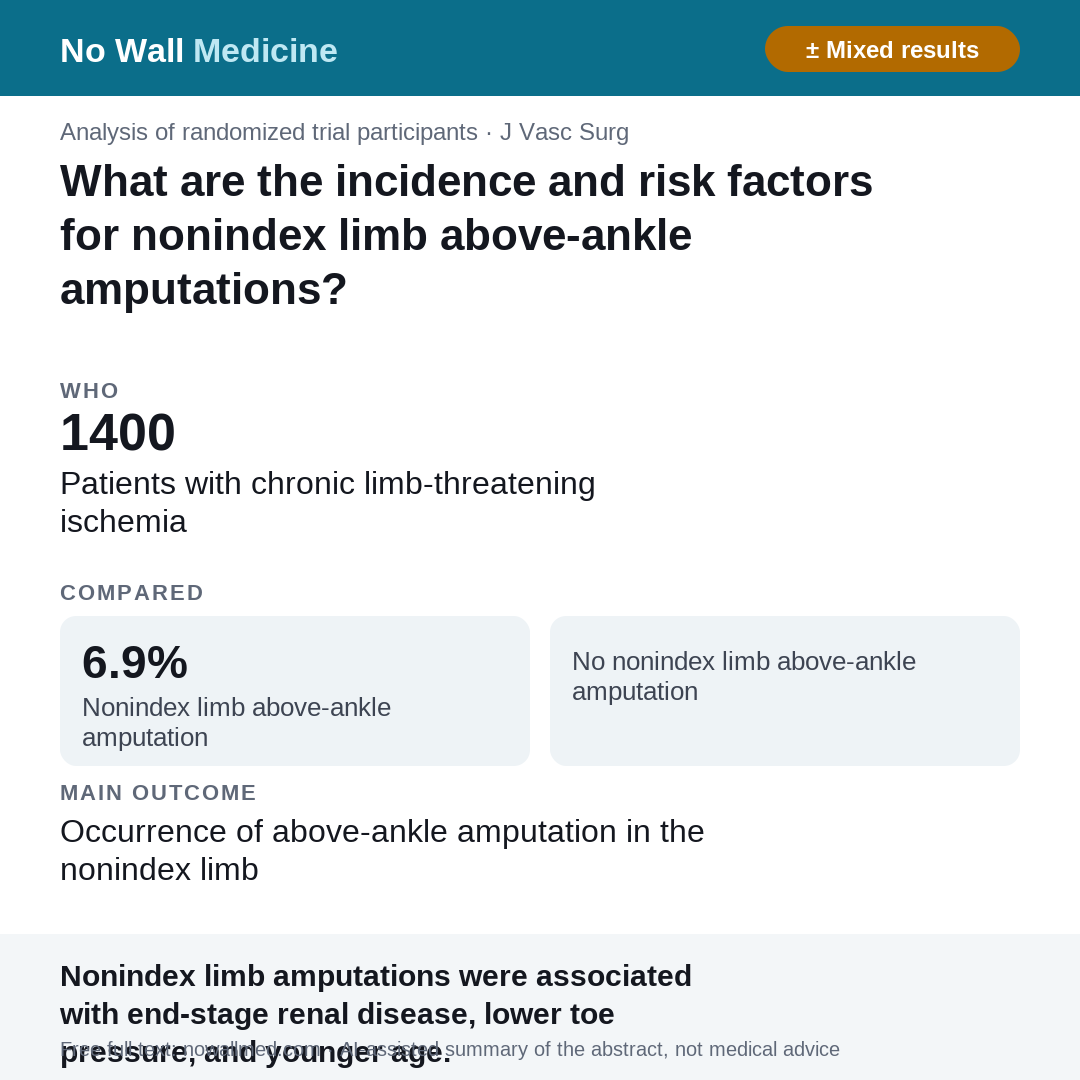
High rates of nonindex limb amputation in the Best Endovascular versus Best Surgical Therapy in Patients with Critical Limb Ischemia (BEST-CLI) trial
Analysis of randomized trial participantsMixed results
What are the incidence and risk factors for nonindex limb above-ankle amputations?
Who
1400
Patients with chronic limb-threatening ischemia
Compared
6.9%Nonindex limb above-ankle amputation
No nonindex limb above-ankle amputation
Main outcome
Occurrence of above-ankle amputation in the nonindex limb
Bottom line: Nonindex limb amputations were associated with end-stage renal disease, lower toe pressure, and younger age.
J Vasc Surg · 2025-11-14Download image
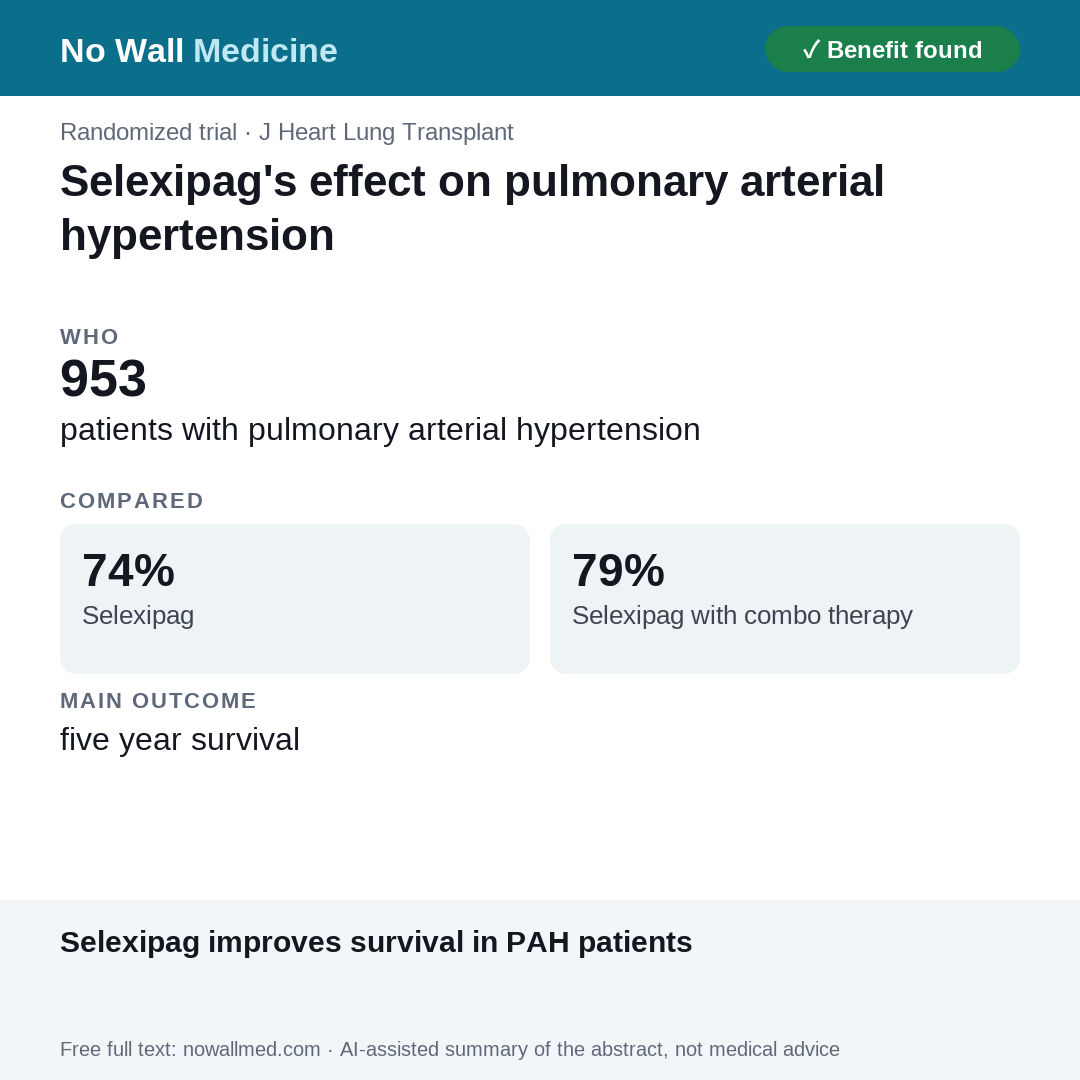
Evaluating oral selexipag in pulmonary arterial hypertension: Insights on survival, safety, and dosing patterns from the complete observation period of GRIPHON and its open-label extension
Randomized trialBenefit found
Selexipag's effect on pulmonary arterial hypertension
Who
953
patients with pulmonary arterial hypertension
Compared
74%Selexipag (69-78)
79%Selexipag with combo therapy (67-87)
Main outcome
five year survival
Bottom line: Selexipag improves survival in PAH patients
J Heart Lung Transplant · 2025-11-14Download image
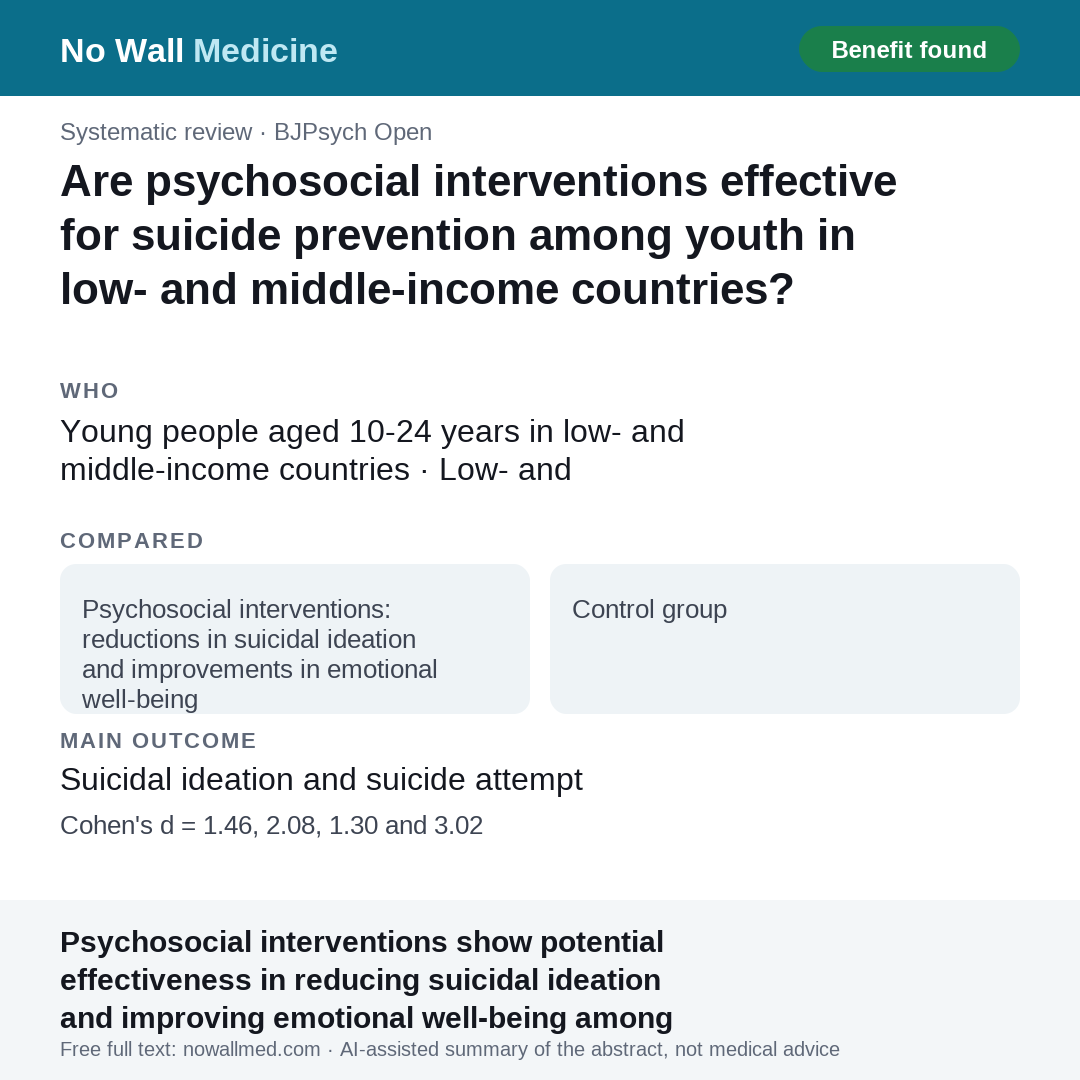
Suicide prevention psychosocial interventions for youth in low- and middle-income countries: systematic review
Systematic reviewBenefit found
Are psychosocial interventions effective for suicide prevention among youth in low- and middle-income countries?
Who
Young people aged 10-24 years in low- and middle-income countries · Low- and middle-income countries
Compared
Psychosocial interventions: reductions in suicidal ideation and improvements in emotional well-being
Control group
Main outcome
Suicidal ideation and suicide attempt
Result: Cohen's d = 1.46, 2.08, 1.30 and 3.02
Bottom line: Psychosocial interventions show potential effectiveness in reducing suicidal ideation and improving emotional well-being among youth in low- and middle-income countries.
Limitation: Interpretation is limited by small samples and inconsistent methods, reducing comparability with high-income data.
BJPsych Open · 2025-11-14Download image