Visual abstracts
New randomized trials and meta-analyses from leading journals at a glance: who was studied, what was compared, and what was found. Every paper is free to read in full.
All specialtiesCardiology 1742Oncology 1499Gastroenterology & Hepatology 645Infectious Disease 1099Neurology 719Psychiatry & Mental Health 857Pulmonology 742Critical Care 503Endocrinology & Diabetes 939Pediatrics 1028Surgery 853Orthopedics & Sports Medicine 324Neurosurgery 220Cardiothoracic & Vascular Surgery 194Plastic & Reconstructive Surgery 272Nephrology 359Rheumatology 236Hematology 383Dermatology 190Ophthalmology 207Obstetrics & Gynecology 564Public & Global Health 337Radiology & Imaging 235Anesthesiology 348Urology 308ENT (Otolaryngology) 233Emergency Medicine 195Allergy & Immunology 112Geriatrics 373Family Medicine & Primary Care 211Medical Genetics & Genomics 186Pathology & Laboratory Medicine 55Physical Medicine & Rehabilitation 306Palliative Care 154Nutrition 462Digital Health & AI 924General Medicine 135
Charting the evolution of artificial intelligence mental health chatbots from rule-based systems to large language models: a systematic review
Systematic review of 160 studiesUnclear result
How have artificial intelligence mental health chatbots evolved and how are they evaluated?
Who
160
Artificial intelligence mental health chatbots
Compared
All studies: 47% focused on clinical efficacy testing
Large language model studies: 16% underwent clinical efficacy testing
Main outcome
Chatbot architecture evolution and evaluation rigor
Bottom line: Large language model chatbots are increasing but lack sufficient clinical efficacy testing and robust validation.
Limitation: Discrepancies exist between marketed claims and actual artificial intelligence architectures used.
World Psychiatry · 2025-09-15Download image

All-cause and cause-specific mortality in people with depression: a large-scale systematic review and meta-analysis of relative risk and aggravating or attenuating factors, including antidepressant treatment
Meta-analysis of 268 studiesHarm found
Mortality risk in people with depression
Who
10842094
people with depression and control subjects
Compared
depression
no depression
Main outcome
all-cause mortality
Result: relative risk 2.10 (95% CI 1.87 to 2.35)
Bottom line: Depression doubles mortality risk
World Psychiatry · 2025-09-15Download image

Brain structure and function in adult survivors of developmental trauma with psychosis: A systematic review
Systematic reviewMixed results
Brain structure in trauma survivors with psychosis
Who
1761
adult survivors of developmental trauma with psychosis
Compared
trauma survivors
healthy controls
Main outcome
brain structure and function
Bottom line: Trauma associated with brain differences
Psychol Med · 2025-09-15Download image

Systematic review and meta-analysis of the efficacy of biologic and targeted synthetic therapies in sarcoidosis
Systematic review and meta-analysisBenefit found
What is the efficacy of biologic and targeted synthetic therapies in sarcoidosis?
Who
Patients with multisystem sarcoidosis
Compared
Biologic and targeted synthetic therapies: mean change 4.79% (95% CI 1.22 to 8.35)
5.70%Anti-TNF trials (95% CI 1.61 to 9.78)
Main outcome
percent-predicted forced vital capacity mean change from baseline
Result: mean change 4.79% (95% CI 1.22 to 8.35)
Bottom line: Biologic and targeted synthetic therapies show modest improvement in lung function for sarcoidosis patients.
Limitation: Small sample sizes and substantial heterogeneity in study design and population.
Thorax · 2025-09-15Download image

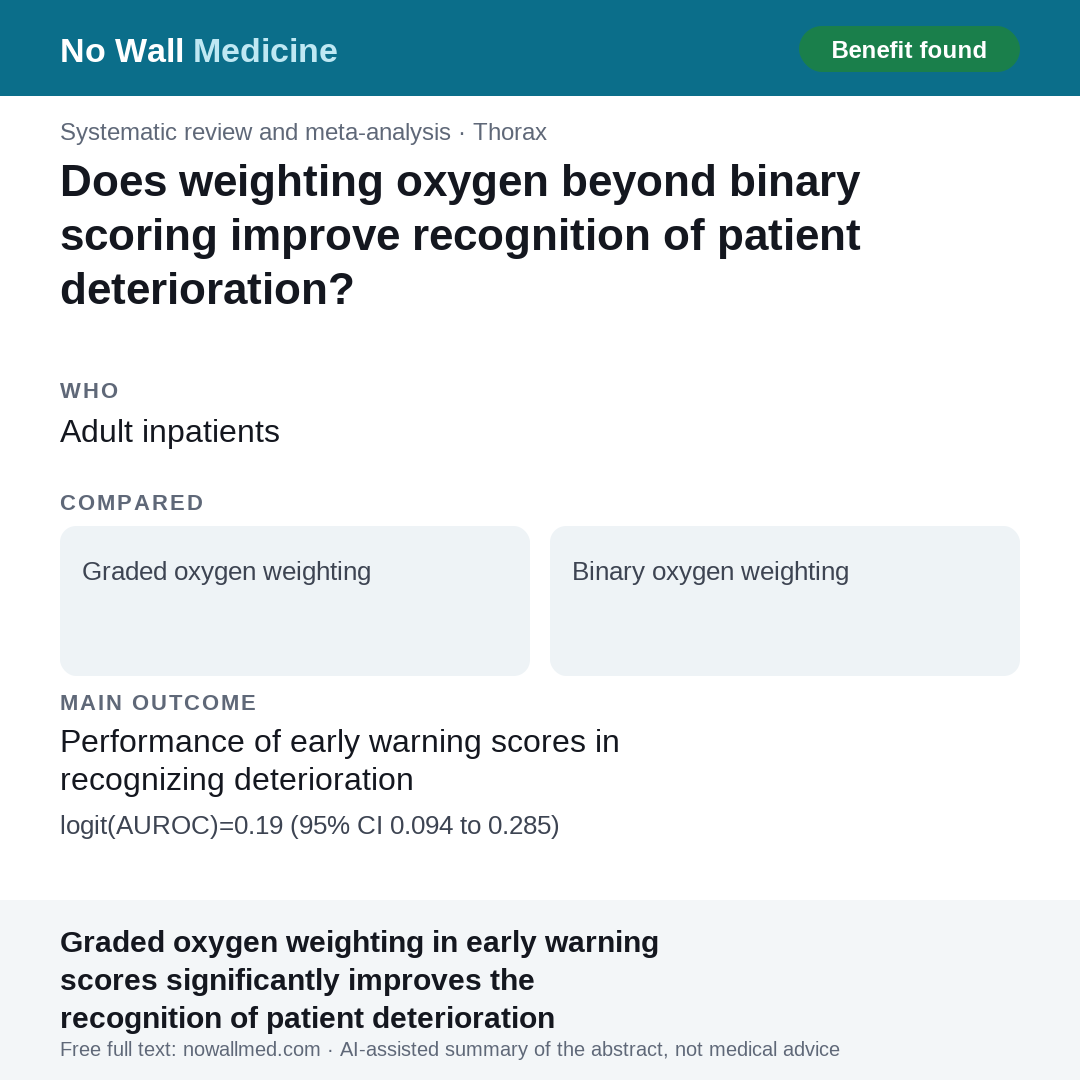
Oxygen therapy in early warning scores: a systematic review and meta-analysis
Systematic review and meta-analysisBenefit found
Does weighting oxygen beyond binary scoring improve recognition of patient deterioration?
Who
Adult inpatients
Compared
Graded oxygen weighting
Binary oxygen weighting
Main outcome
Performance of early warning scores in recognizing deterioration
Result: logit(AUROC)=0.19 (95% CI 0.094 to 0.285)
Bottom line: Graded oxygen weighting in early warning scores significantly improves the recognition of patient deterioration compared to binary scoring.
Limitation: 15 of 16 models were at high risk of bias.
Thorax · 2025-09-15Download image
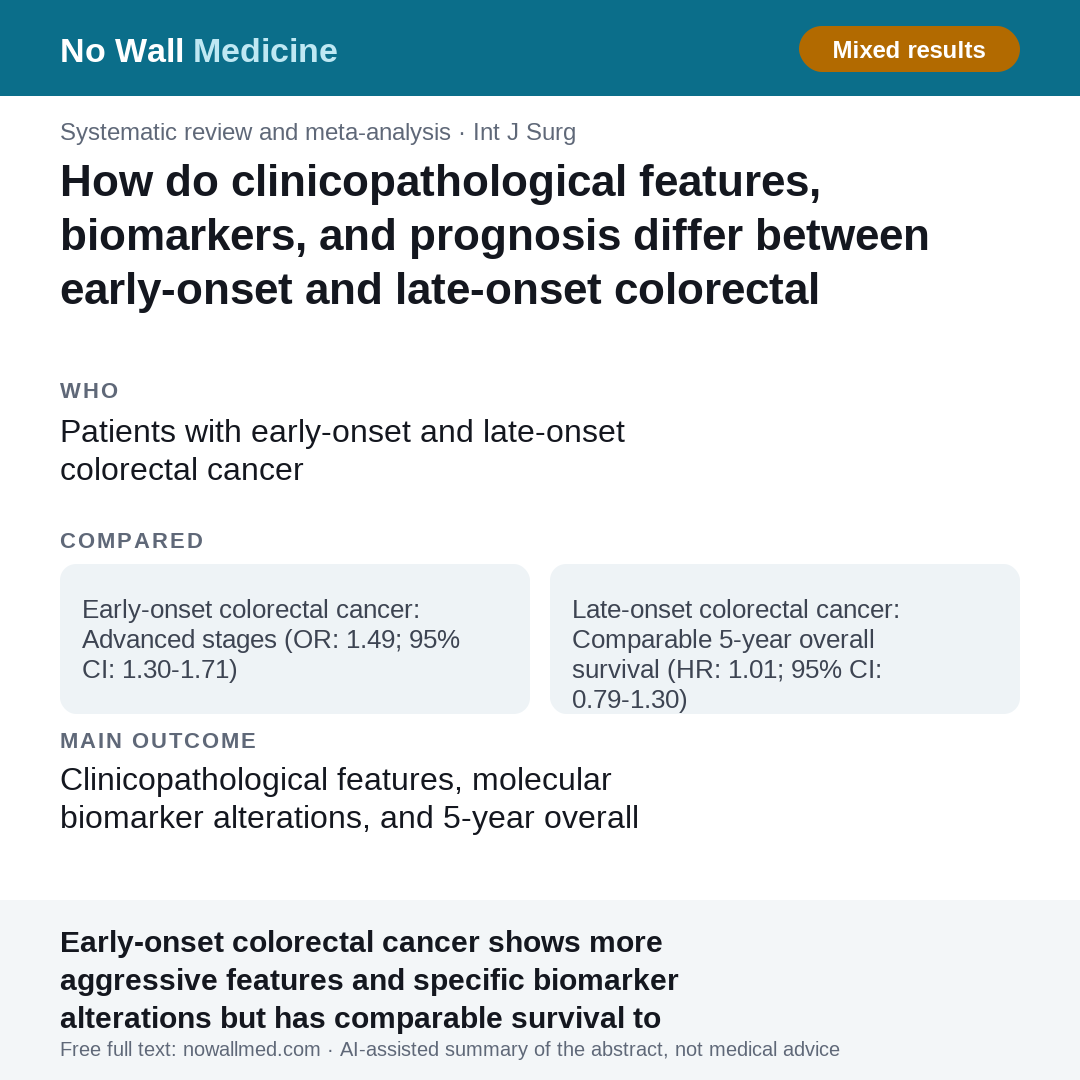
Clinicopathological characteristics and biomarker alterations in early-onset vs. late-onset colorectal cancer: a systematic review and meta-analysis
Systematic review and meta-analysisMixed results
How do clinicopathological features, biomarkers, and prognosis differ between early-onset and late-onset colorectal cancer?
Who
Patients with early-onset and late-onset colorectal cancer
Compared
Early-onset colorectal cancer: Advanced stages (OR: 1.49; 95% CI: 1.30-1.71)
Late-onset colorectal cancer: Comparable 5-year overall survival (HR: 1.01; 95% CI: 0.79-1.30)
Main outcome
Clinicopathological features, molecular biomarker alterations, and 5-year overall survival
Result: hazard ratio 1.01 (95% CI 0.79-1.30) for 5-year overall survival
Bottom line: Early-onset colorectal cancer shows more aggressive features and specific biomarker alterations but has comparable survival to late-onset cancer.
Int J Surg · 2025-09-15Download image
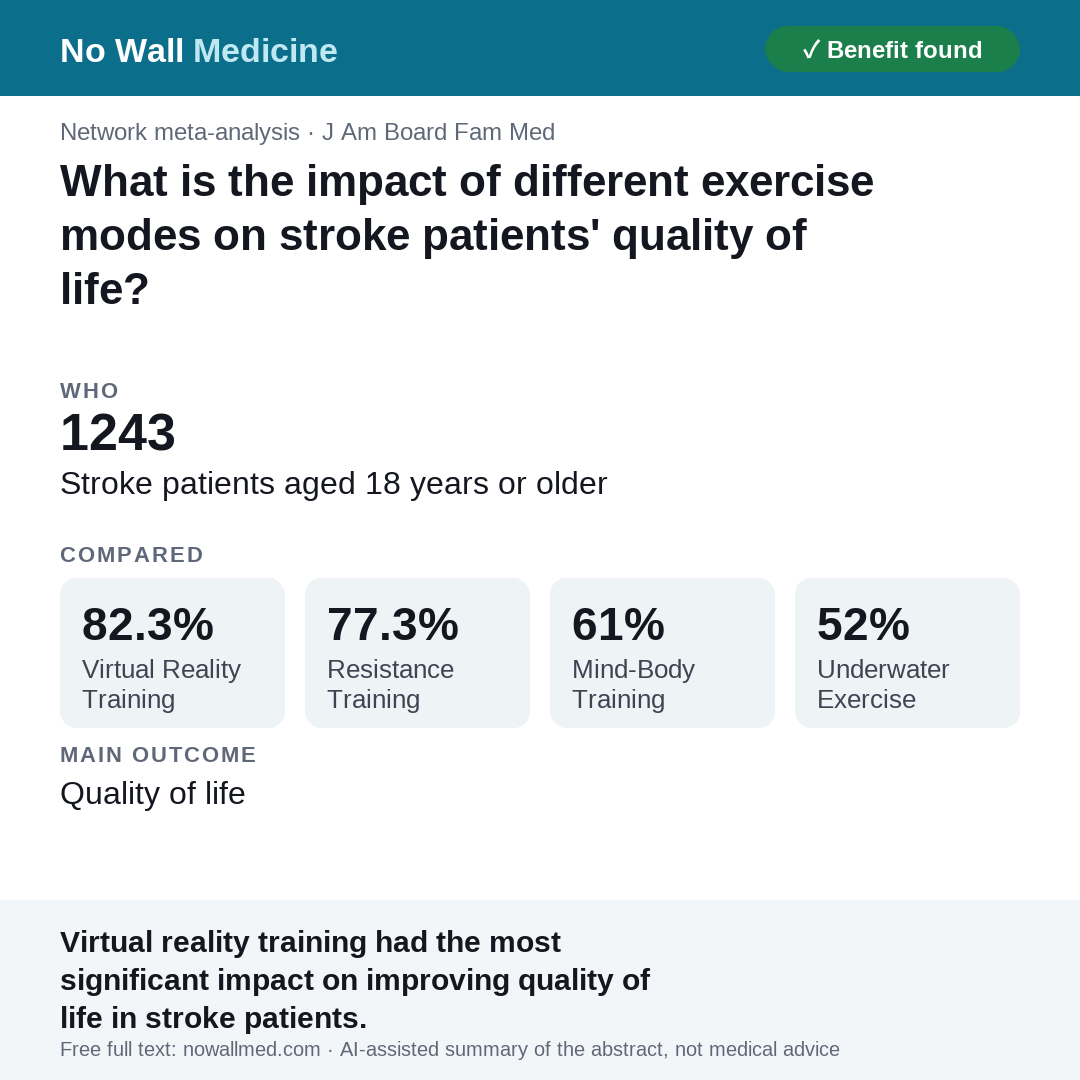
The Impact of Multiple Exercise Modes on the Quality of Life of Stroke Patients: A Network Meta-Analysis
Network meta-analysisBenefit found
What is the impact of different exercise modes on stroke patients' quality of life?
Who
1243
Stroke patients aged 18 years or older
Compared
82.3%Virtual Reality Training
77.3%Resistance Training
61%Mind-Body Training
52%Underwater Exercise
Main outcome
Quality of life
Bottom line: Virtual reality training had the most significant impact on improving quality of life in stroke patients.
J Am Board Fam Med · 2025-09-15Download image
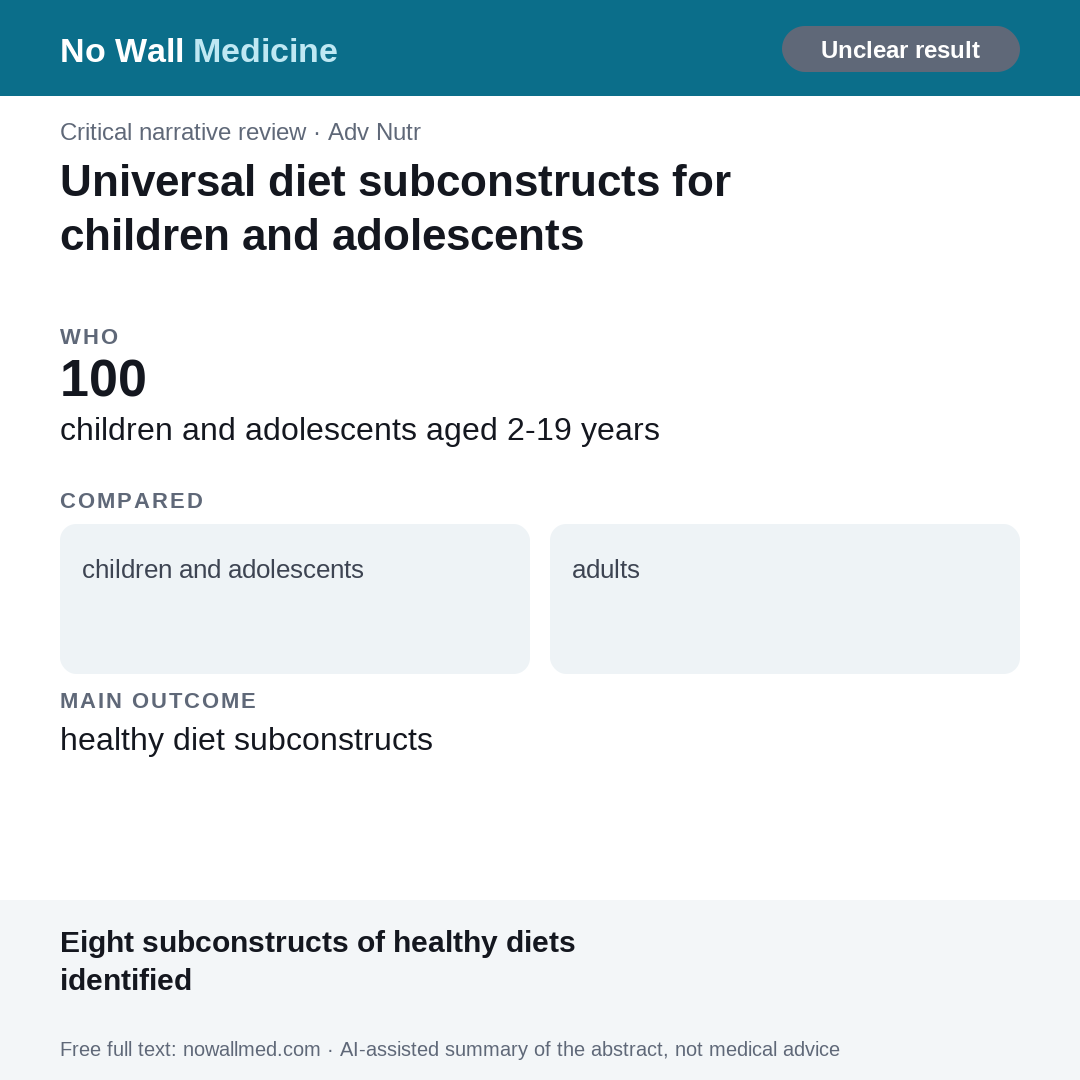
Universal Subconstructs of a Healthy Diet for Children and Adolescents: A Critical Review
Critical narrative reviewUnclear result
Universal diet subconstructs for children and adolescents
Who
100
children and adolescents aged 2-19 years
Compared
children and adolescents
adults
Main outcome
healthy diet subconstructs
Bottom line: Eight subconstructs of healthy diets identified
Adv Nutr · 2025-09-15Download image
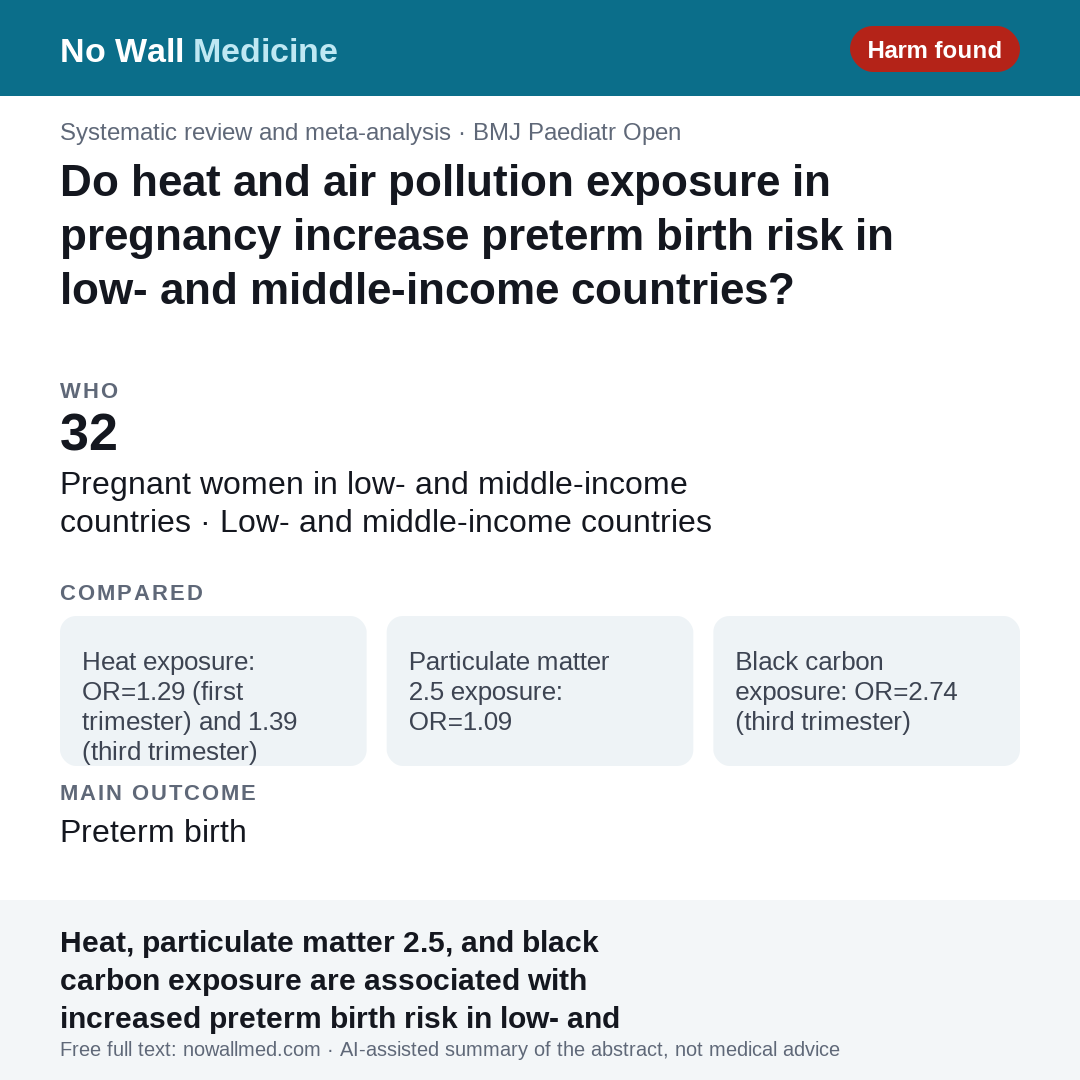
Association between heat and air pollution (PM2.5 and black carbon) exposure in pregnancy and preterm birth in low- and middle-income countries: a systematic review and meta-analysis
Systematic review and meta-analysisHarm found
Do heat and air pollution exposure in pregnancy increase preterm birth risk in low- and middle-income countries?
Who
32
Pregnant women in low- and middle-income countries · Low- and middle-income countries
Compared
Heat exposure: OR=1.29 (first trimester) and 1.39 (third trimester)
Particulate matter 2.5 exposure: OR=1.09
Black carbon exposure: OR=2.74 (third trimester)
Main outcome
Preterm birth
Bottom line: Heat, particulate matter 2.5, and black carbon exposure are associated with increased preterm birth risk in low- and middle-income countries.
Limitation: Few studies investigated the impact of combined exposures and there is a dearth of representative data.
BMJ Paediatr Open · 2025-09-14Download image
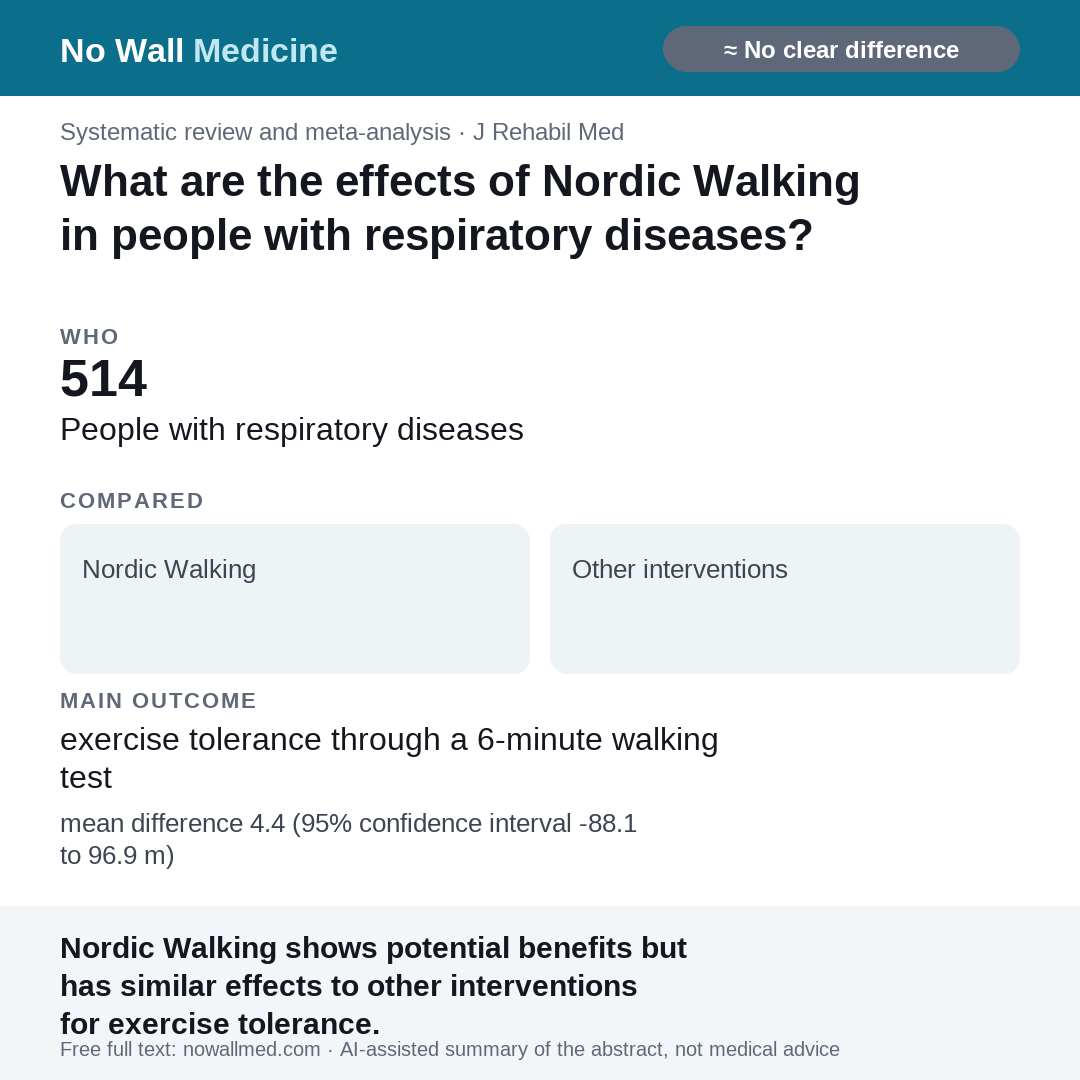
Effects of Nordic Walking in people with respiratory diseases: a systematic review and meta-analysis
Systematic review and meta-analysisNo clear difference
What are the effects of Nordic Walking in people with respiratory diseases?
Who
514
People with respiratory diseases
Compared
Nordic Walking
Other interventions
Main outcome
exercise tolerance through a 6-minute walking test
Result: mean difference 4.4 (95% confidence interval -88.1 to 96.9 m)
Bottom line: Nordic Walking shows potential benefits but has similar effects to other interventions for exercise tolerance.
J Rehabil Med · 2025-09-14Download image
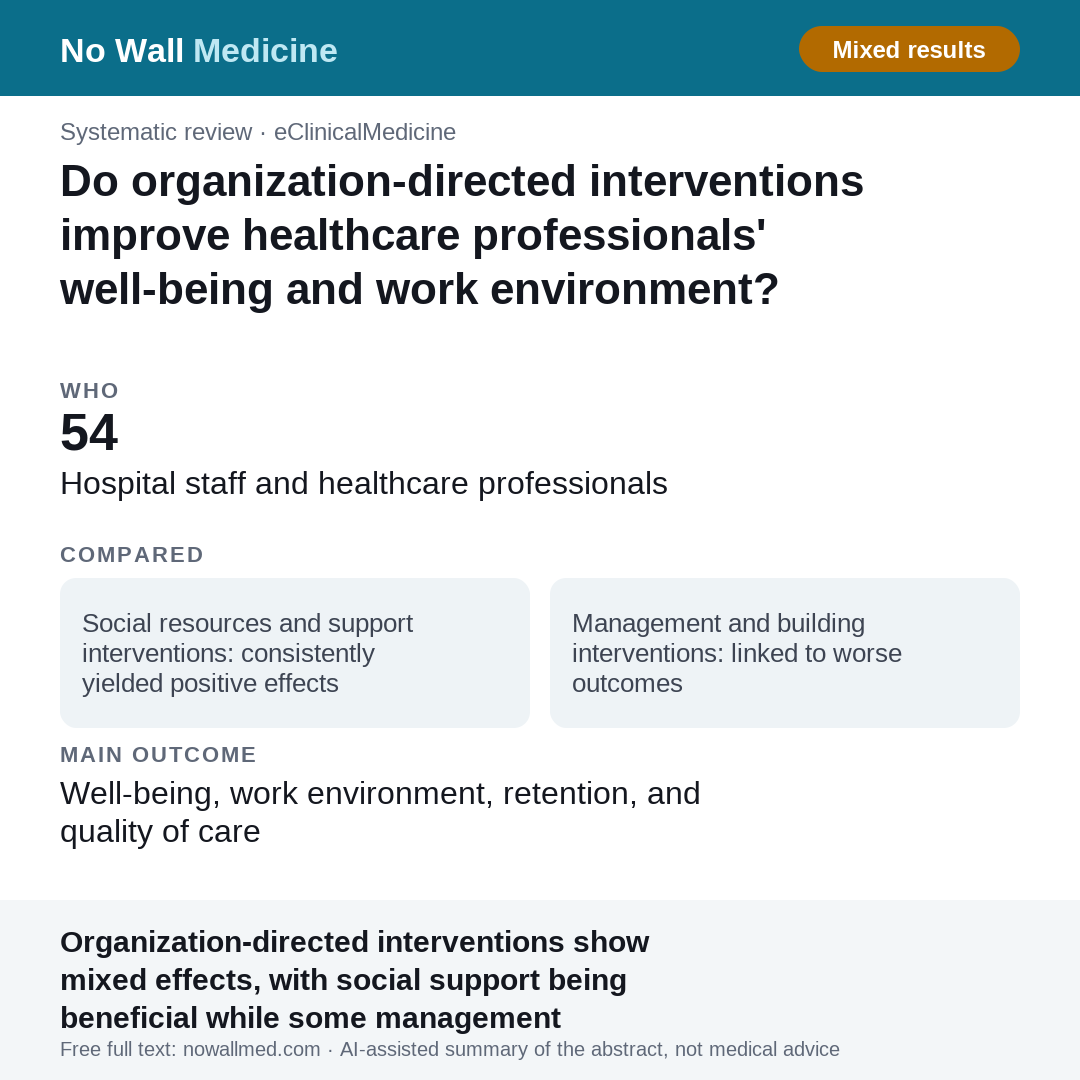
Effectiveness of organization-directed interventions on healthcare professionals' well-being: a systematic review
Systematic reviewMixed results
Do organization-directed interventions improve healthcare professionals' well-being and work environment?
Who
54
Hospital staff and healthcare professionals
Compared
Social resources and support interventions: consistently yielded positive effects
Management and building interventions: linked to worse outcomes
Main outcome
Well-being, work environment, retention, and quality of care
Result: standardized mean differences ranging from -3.28 to 3.56
Bottom line: Organization-directed interventions show mixed effects, with social support being beneficial while some management interventions may be detrimental.
Limitation: Overall certainty of evidence was rated very low and most studies showed some risk of bias.
Funded by: NFU and ZIN
eClinicalMedicine · 2025-09-13Download image
Carbohydrate-restricted diet types and macronutrient replacements for metabolic health in adults: A meta-analysis of randomized trials
Meta-analysis of 149 randomized controlled trialsBenefit found
Do carbohydrate-restricted diets improve metabolic health-related biomarkers in adults?
Who
9104
9104 adults · 28 countries
Compared
Carbohydrate-restricted diets: SMD = -2.94 mg/dL for glucose
Control
Main outcome
metabolic health-related biomarkers
Result: glucose: SMD = -2.94 mg/dL, 95 % CI: -4.19, -1.68
Bottom line: Carbohydrate-restricted diets, especially low and moderate carbohydrate types, significantly improve glycemic, hepatic, renal, and adipokine biomarkers.
Clin Nutr · 2025-09-13Download image
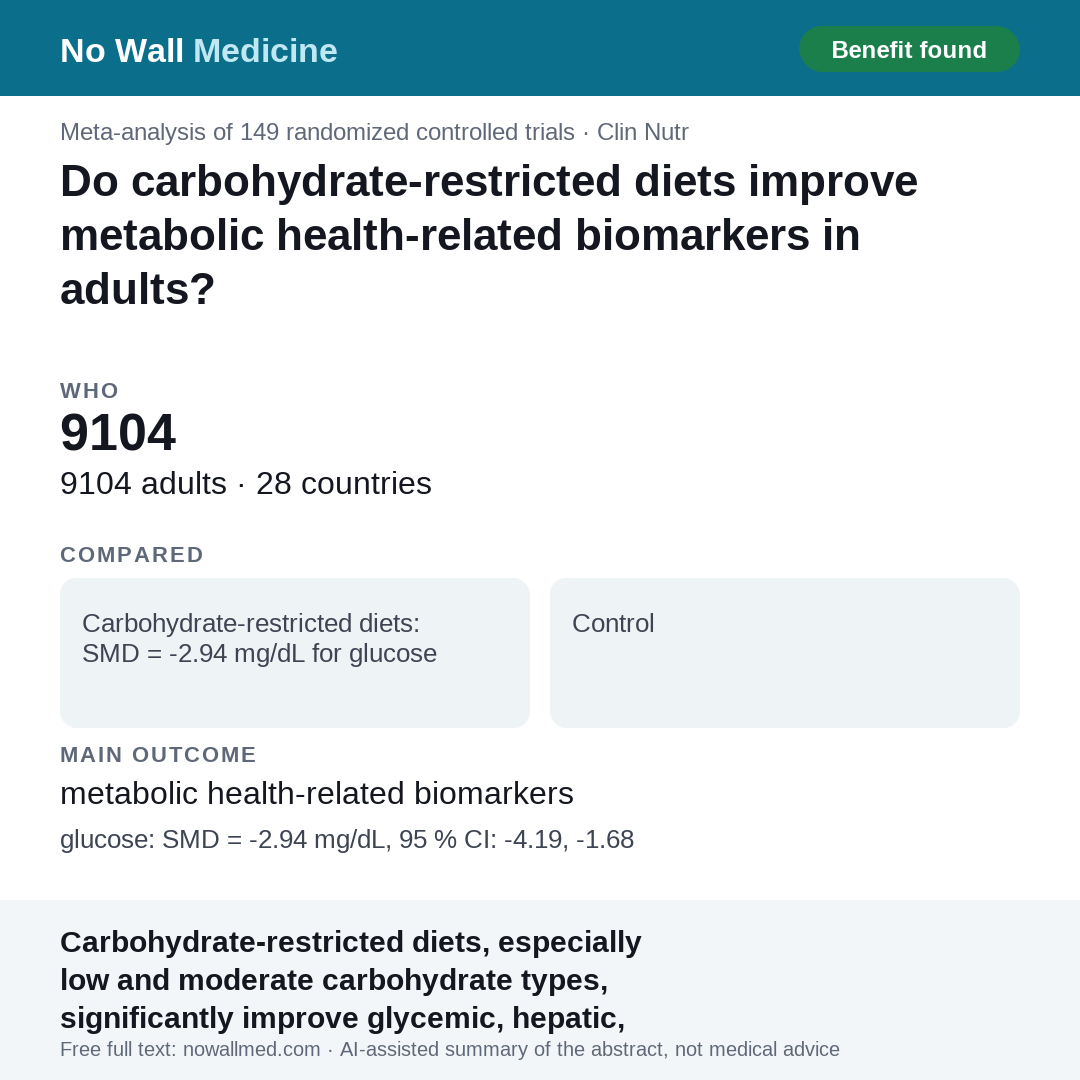
Horizontal versus vertical scapular free flap reconstructions in total maxillectomies without orbital exenteration-A systematic review and clinical case series
Systematic review and clinical case seriesBenefit found
Is horizontal or vertical scapular free flap better for total maxillectomy reconstructions?
Who
44
Patients undergoing total maxillectomy without orbital exenteration · Tertiary care center in Sweden
Compared
Vertically orientated scapulas: fewer complications
Horizontally orientated scapulas
Main outcome
Postoperative complications related to ocular and palato-maxillary outcomes
Result: p = 0.04
Bottom line: Vertically orientated scapula with an osteotomized fragment for orbital floor reconstruction may offer a single flap solution.
Limitation: No universally optimal technique exists for reconstructing the total maxillectomy without orbital exenteration.
JPRAS Open · 2025-09-13Download image
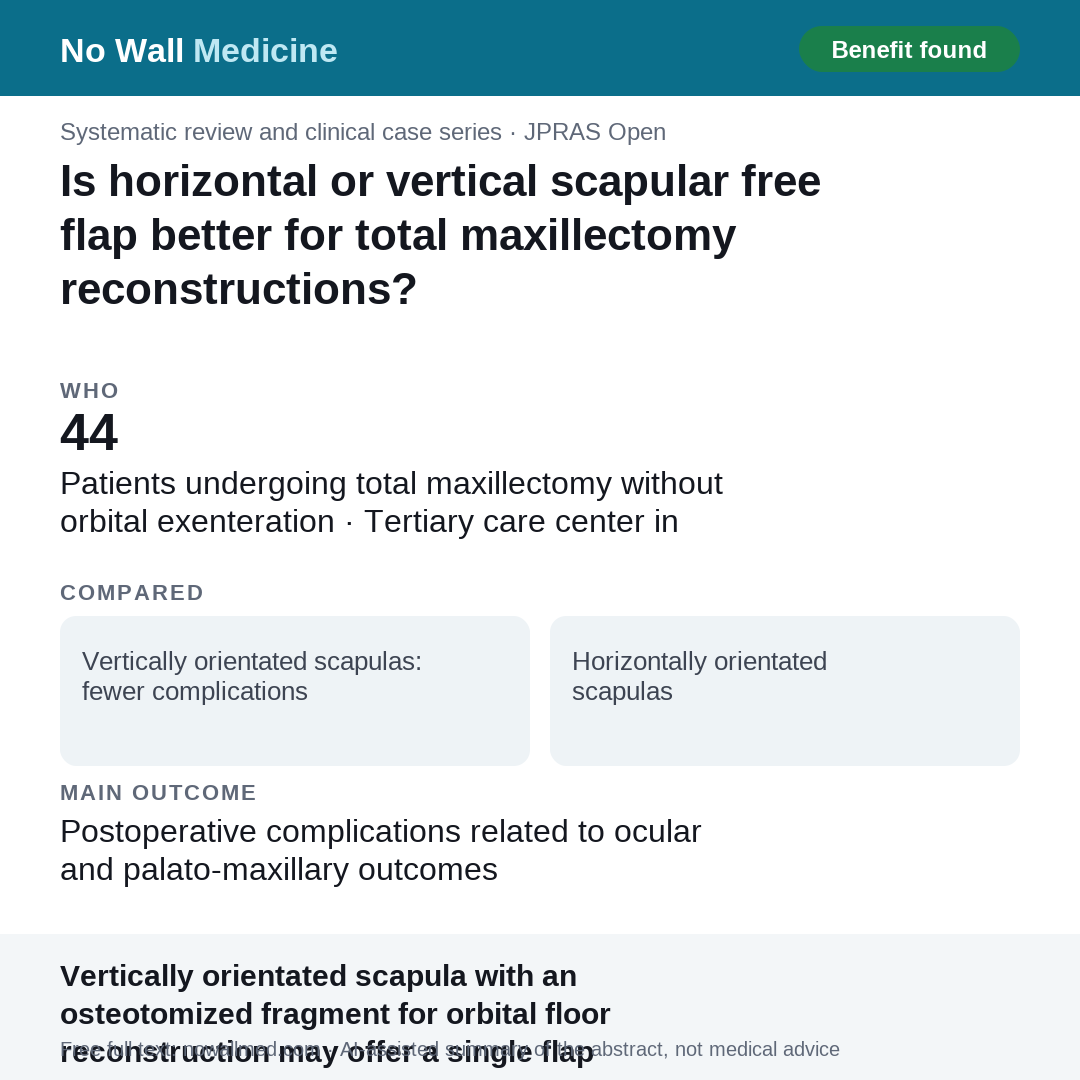
The timing of cranioplasty and the risk of postoperative complications: a systematic review and meta-analysis
Systematic review and meta-analysisNo clear difference
Does the timing of cranioplasty affect the risk of postoperative complications?
Who
Patients undergoing cranioplasty following decompressive craniectomy
Compared
Cranioplasty within 1 month
Cranioplasty beyond 1 month
Main outcome
Risk of postoperative complications
Result: OR 0.62 (95% CI 0.35-1.09)
Bottom line: Cranioplasty within one month may reduce complication risk, but results were not statistically significant.
Funded by: President Foundation of ZhuJiang Hospital and others
eClinicalMedicine · 2025-09-12Download image
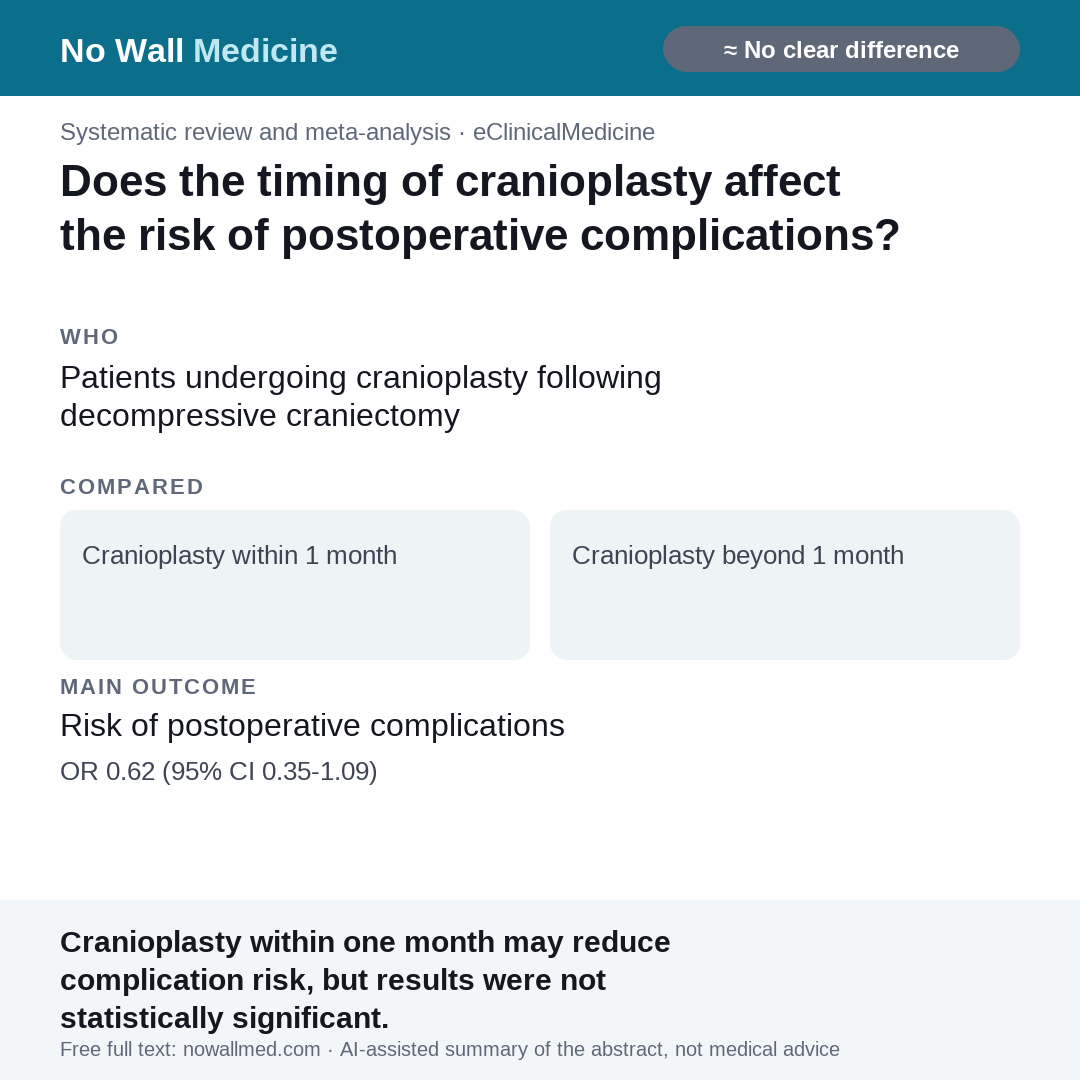
Prevention of cardiovascular events in heart failure with mildly reduced or preserved ejection fraction: a comprehensive network meta-analysis of eight randomized controlled trials using reconstructed individual patient's data
Network meta-analysis of eight randomized controlled trialsBenefit found
What are the most effective cardiometabolic therapies for preventing cardiovascular events in heart failure patients?
Who
25440
Patients with heart failure with mildly reduced or preserved ejection fraction
Compared
Combination of MRA, SGLT2i, and GLP-1 RA: 58% reduction (HR 0.42 [0.31-0.56])
Placebo
Main outcome
Composite of time to cardiovascular death or heart failure hospitalization
Result: hazard ratio 0.42 (95% CI 0.31 to 0.56)
Bottom line: Combining mineralocorticoid receptor antagonists, sodium glucose cotransporter 2 inhibitors, and glucagon-like peptide 1 receptor agonists reduces cardiovascular events.
Limitation: Large-scale randomized combination therapies with extended follow-up are needed to confirm these findings.
eClinicalMedicine · 2025-09-12Download image
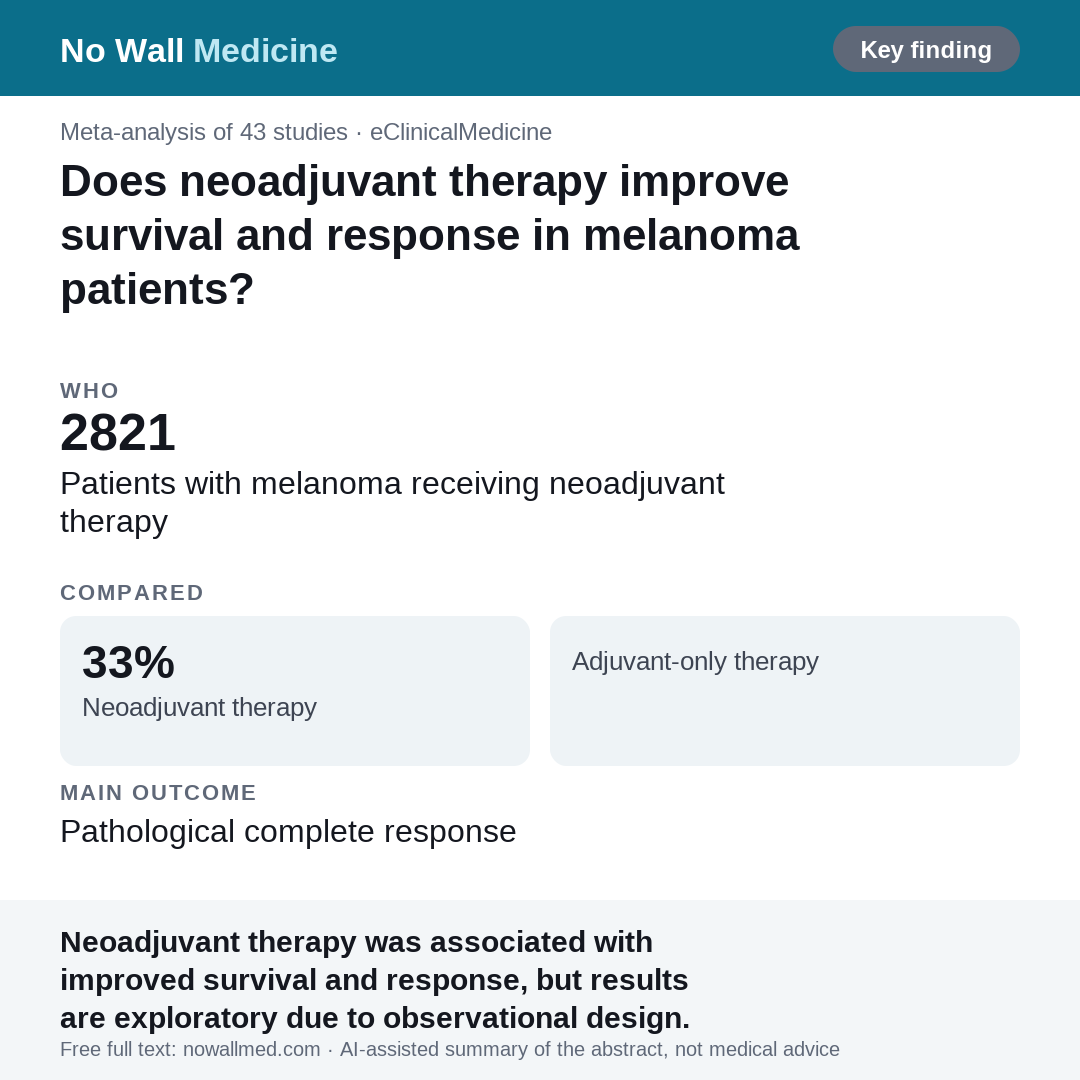
Effect of neoadjuvant therapy on survival outcomes in patients with melanoma: a systematic review and meta-analysis
Systematic review and meta-analysisBenefit found
What are the efficacy and safety of neoadjuvant therapy in melanoma patients?
Who
2821
Patients with melanoma receiving neoadjuvant therapy
Compared
Neoadjuvant therapy
Adjuvant-only therapy
Main outcome
Pathological complete response, radiological complete response, survival, and adverse events
Result: hazard ratio 0.58 (95% CI 0.39-0.87) for progression-free survival; hazard ratio 0.64 (95% CI 0.41-0.99) for overall survival
Bottom line: Neoadjuvant therapy shows promising survival benefits and favorable complete response rates compared to adjuvant-only therapy in melanoma.
Limitation: The majority of included studies are single-arm or observational studies.
eClinicalMedicine · 2025-09-12Download image
Effectiveness and safety of assisted vaginal birth and second-stage cesarean section: a systematic review and meta-analysis of real-world contemporary data
Systematic review and meta-analysisBenefit found
What are the effectiveness and safety of assisted vaginal birth and second-stage cesarean section?
Who
751,242
Women undergoing operative procedures in the second stage of labor
Compared
Assisted vaginal birth
Second-stage cesarean section: 17.18% neonatal intensive care unit admission
Main outcome
Effectiveness and maternal and neonatal adverse outcomes
Bottom line: Assisted vaginal birth may offer advantages over emergency second-stage cesarean section, particularly regarding neonatal outcomes.
AJOG · 2025-09-12Download image

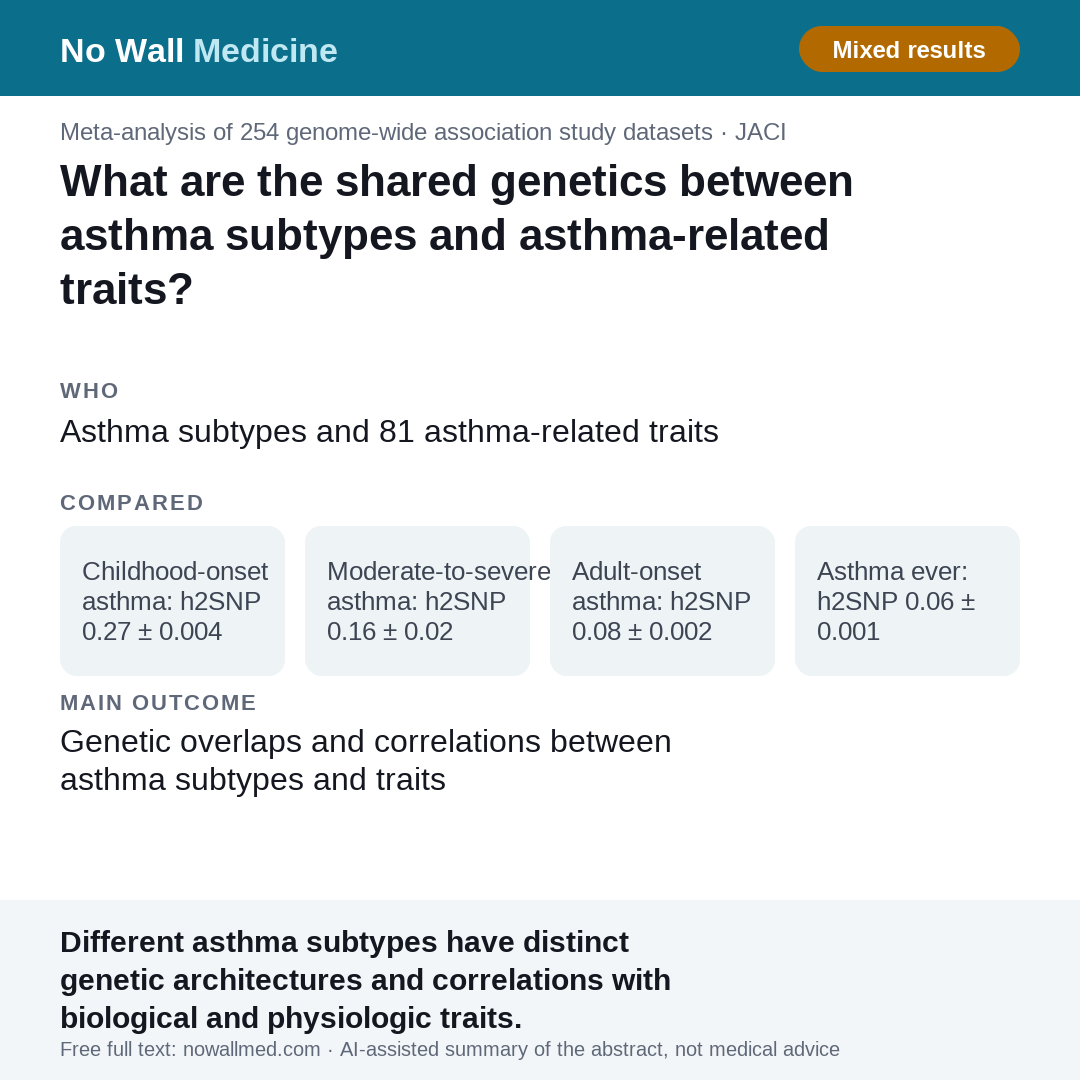
Unraveling shared genetics across asthma subtypes and 81 asthma-related traits
Meta-analysis of 254 genome-wide association study datasetsMixed results
What are the shared genetics between asthma subtypes and asthma-related traits?
Who
Asthma subtypes and 81 asthma-related traits
Compared
Childhood-onset asthma: h2SNP 0.27 ± 0.004
Moderate-to-severe asthma: h2SNP 0.16 ± 0.02
Adult-onset asthma: h2SNP 0.08 ± 0.002
Asthma ever: h2SNP 0.06 ± 0.001
Main outcome
Genetic overlaps and correlations between asthma subtypes and traits
Bottom line: Different asthma subtypes have distinct genetic architectures and correlations with biological and physiologic traits.
JACI · 2025-09-12Download image
Unveiling the genetic overlap and causal links between gastroesophageal reflux disease and asthma
Mendelian randomization and cross-trait meta-analysisBenefit found
What are the genetic overlap and causal links between gastroesophageal reflux disease and asthma?
Who
Individuals from genome-wide association studies for gastroesophageal reflux disease and asthma
Compared
Gastroesophageal reflux disease: odds ratio 1.22
Asthma
Main outcome
Genetic correlation and causal relationship
Result: odds ratio 1.22, P = 1.54 × 10 -5
Bottom line: Gastroesophageal reflux disease has a significant causal effect on asthma with shared genetic loci and genes identified.
Int J Surg · 2025-09-12Download image

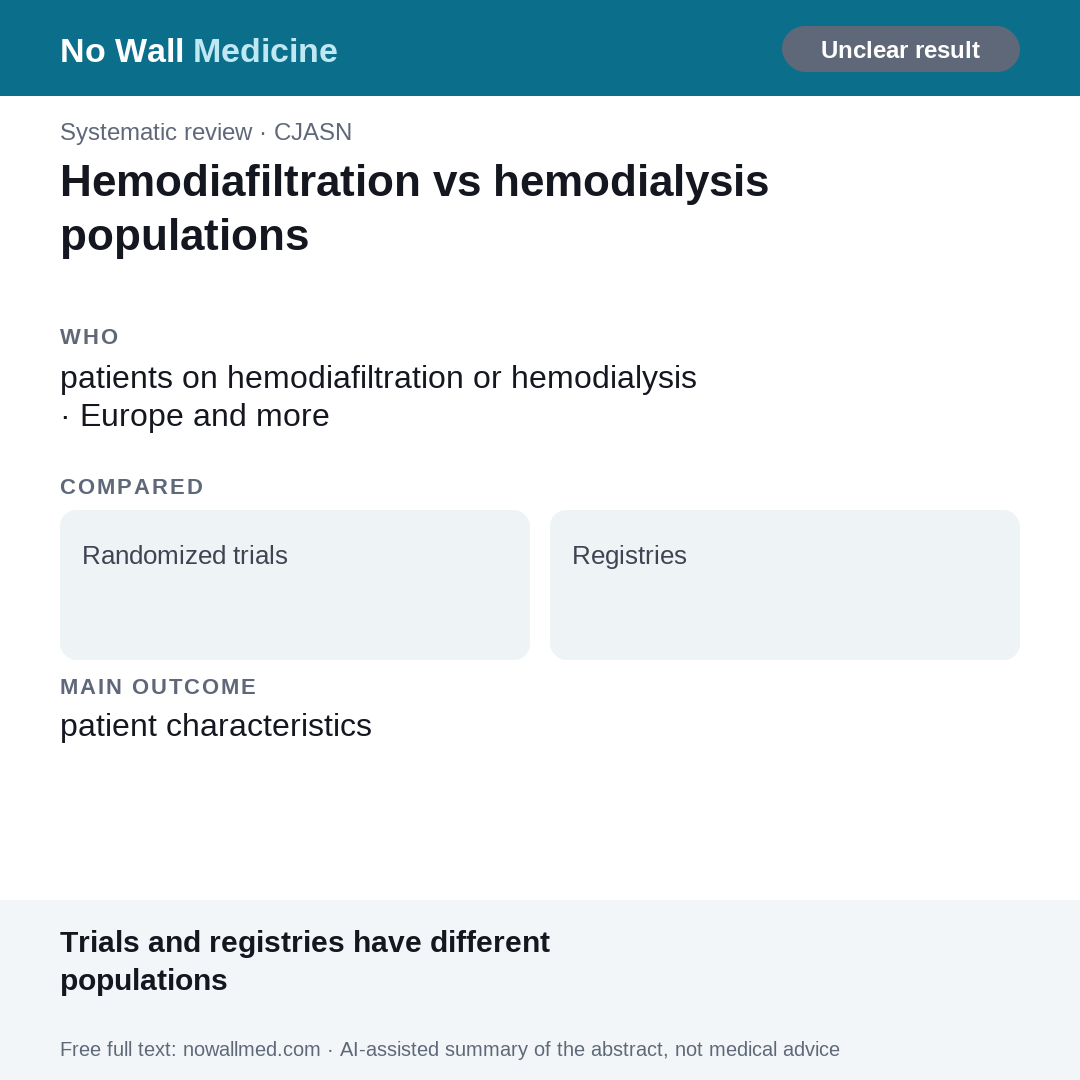
Characteristics of Populations Included in Randomized Controlled Trials of Hemodiafiltration and Registry Real-Life Populations: A Systematic Review
Systematic reviewUnclear result
Hemodiafiltration vs hemodialysis populations
Who
patients on hemodiafiltration or hemodialysis · Europe and more
Compared
Randomized trials
Registries
Main outcome
patient characteristics
Bottom line: Trials and registries have different populations
Limitation: incomplete patient characteristics
CJASN · 2025-09-12Download image