Visual abstracts
New randomized trials and meta-analyses from leading journals at a glance: who was studied, what was compared, and what was found. Every paper is free to read in full.
All specialtiesCardiology 1690Oncology 1466Gastroenterology & Hepatology 628Infectious Disease 1079Neurology 699Psychiatry & Mental Health 846Pulmonology 731Critical Care 496Endocrinology & Diabetes 919Pediatrics 1000Surgery 838Orthopedics & Sports Medicine 316Neurosurgery 214Cardiothoracic & Vascular Surgery 192Plastic & Reconstructive Surgery 269Nephrology 346Rheumatology 232Hematology 375Dermatology 185Ophthalmology 202Obstetrics & Gynecology 553Public & Global Health 328Radiology & Imaging 231Anesthesiology 340Urology 303ENT (Otolaryngology) 227Emergency Medicine 194Allergy & Immunology 110Geriatrics 366Family Medicine & Primary Care 209Medical Genetics & Genomics 182Pathology & Laboratory Medicine 53Physical Medicine & Rehabilitation 302Palliative Care 152Nutrition 450Digital Health & AI 899General Medicine 135
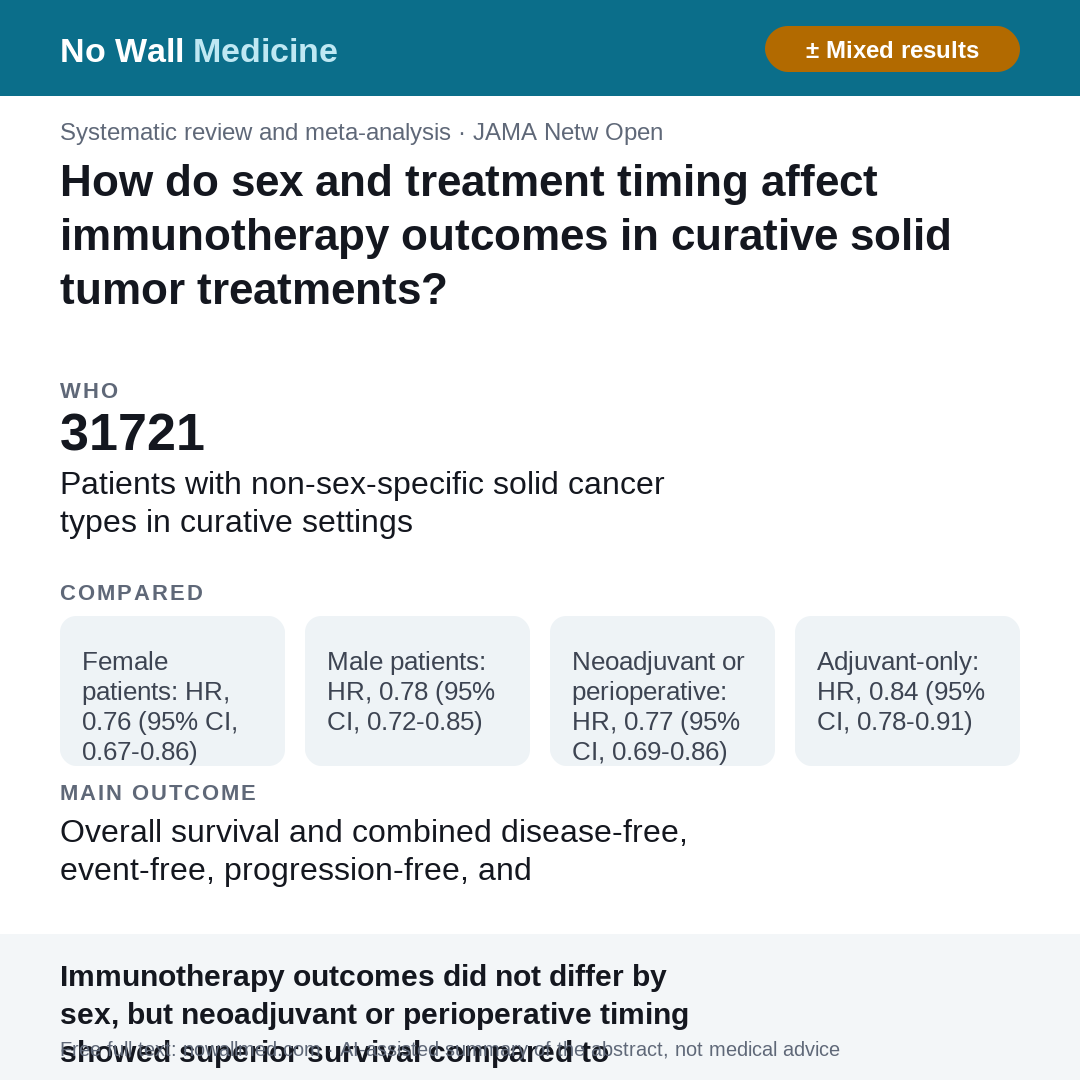
Sex, Timing, and Outcomes of Curative-Intent Immunotherapy: A Systematic Review and Meta-Analysis
Systematic review and meta-analysisMixed results
How do sex and treatment timing affect immunotherapy outcomes in curative solid tumor treatments?
Who
31721
Patients with non-sex-specific solid cancer types in curative settings
Compared
Female patients: HR, 0.76 (95% CI, 0.67-0.86)
Male patients: HR, 0.78 (95% CI, 0.72-0.85)
Neoadjuvant or perioperative: HR, 0.77 (95% CI, 0.69-0.86)
Adjuvant-only: HR, 0.84 (95% CI, 0.78-0.91)
Main outcome
Overall survival and combined disease-free, event-free, progression-free, and recurrence-free survival
Result: hazard ratio 0.83 (95% CI, 0.79-0.89) for overall survival
Bottom line: Immunotherapy outcomes did not differ by sex, but neoadjuvant or perioperative timing showed superior survival compared to adjuvant-only use.
JAMA Netw Open · 2026-09-01Download image
Cognitive Behavioral Therapy vs Media Literacy for Prevention of Gaming Disorder and Unspecified Internet Use Disorder: A Randomized Clinical Trial
Randomized clinical trialMixed results
Is cognitive behavioral therapy more effective than media literacy for preventing gaming and internet use disorders?
Who
1793
Students in secondary schools · 44 secondary schools in Baden-Württemberg, Germany
Compared
Cognitive behavioral therapy training: 8.8 [8.3]
Media literacy info: 9.4 [8.4]
Main outcome
Gaming disorder and unspecified internet use disorder symptom severity
Result: between-group Cohen d -0.07 (95% CI, -0.16 to 0.01)
Bottom line: Cognitive behavioral therapy was more effective than media literacy for high-risk adolescents but showed no difference in the total sample.
JAMA Netw Open · 2026-09-01Download image

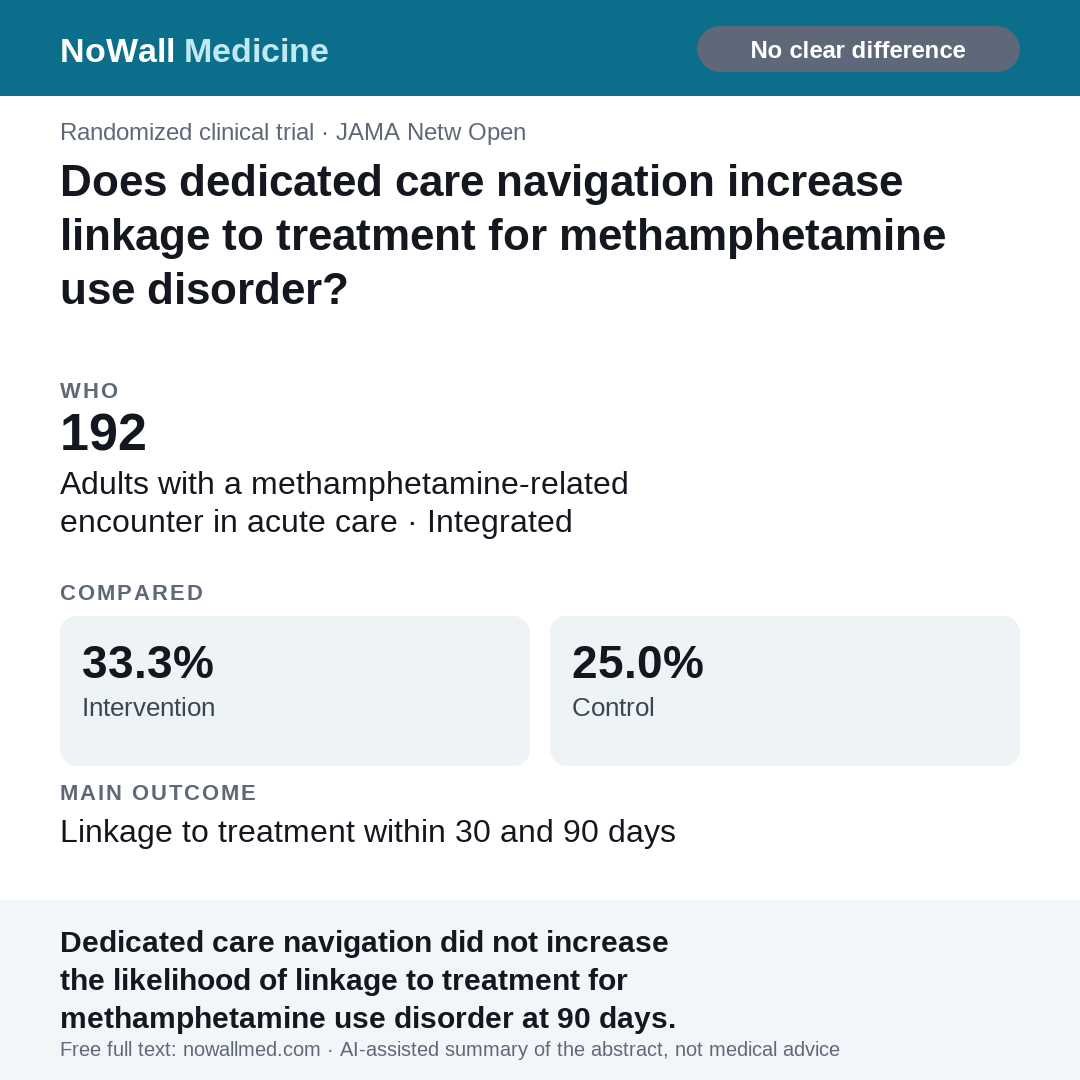
Care Navigation for Methamphetamine Use Disorder: A Randomized Clinical Trial
Randomized clinical trialNo clear difference
Does dedicated care navigation increase linkage to treatment for methamphetamine use disorder?
Who
192
Adults with a methamphetamine-related encounter in acute care · Integrated safety-net health system in Denver, Colorado
Compared
33.3%Intervention
25.0%Control
Main outcome
Linkage to treatment within 30 and 90 days
Result: risk ratio 1.33 (95% CI 0.85 to 2.09)
Bottom line: Dedicated care navigation did not increase the likelihood of linkage to treatment for methamphetamine use disorder at 90 days.
JAMA Netw Open · 2026-09-01Download image
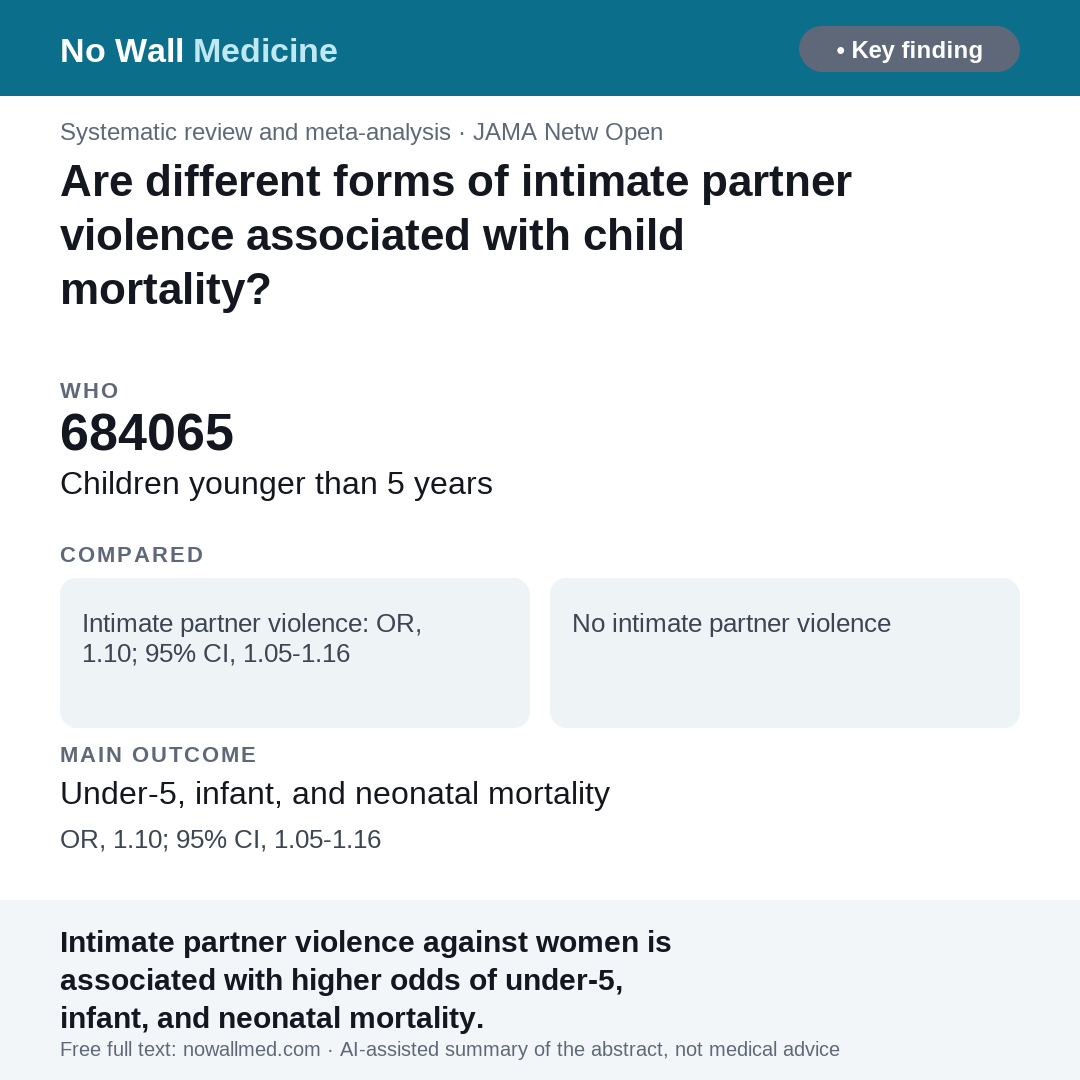
Intimate Partner Violence Against Women and Mortality Among Children Younger Than 5 Years: A Systematic Review and Meta-Analysis
Systematic review and meta-analysisHarm found
Are different forms of intimate partner violence associated with child mortality?
Who
684065
Children younger than 5 years
Compared
Intimate partner violence: OR, 1.10; 95% CI, 1.05-1.16
No intimate partner violence
Main outcome
Under-5, infant, and neonatal mortality
Result: OR, 1.10; 95% CI, 1.05-1.16
Bottom line: Intimate partner violence against women is associated with higher odds of under-5, infant, and neonatal mortality.
JAMA Netw Open · 2026-09-01Download image
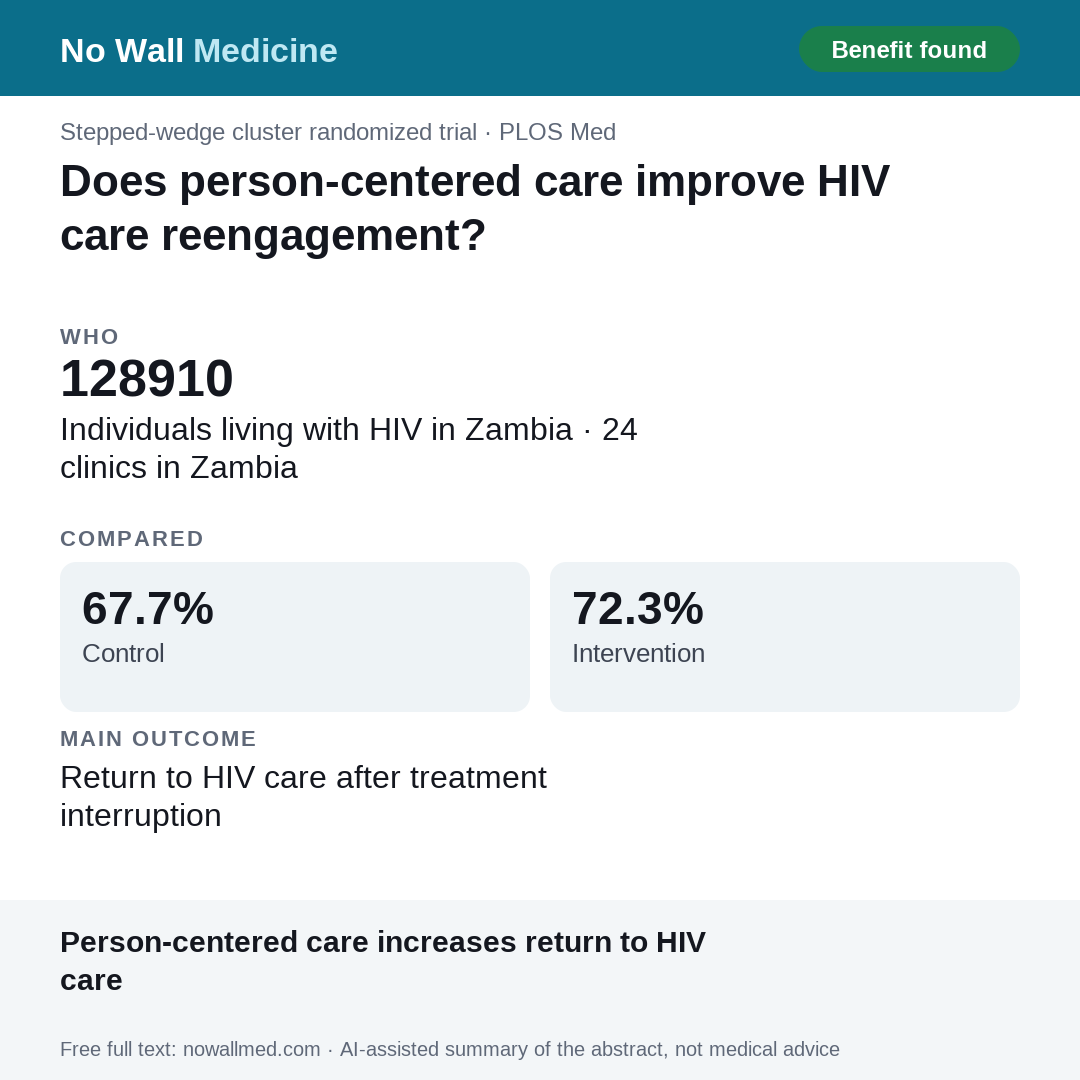
Effect of a person-centered care intervention on return and sustained reengagement after treatment interruptions from HIV care in Zambia: A post-hoc analysis of a stepped-wedged cluster randomized trial
Stepped-wedge cluster randomized trialBenefit found
Does person-centered care improve HIV care reengagement?
Who
128910
Individuals living with HIV in Zambia · 24 clinics in Zambia
Compared
67.7%Control
72.3%Intervention
Main outcome
Return to HIV care after treatment interruption
Result: Adjusted hazard ratio 1.16 (CI 1.12,1.20)
Bottom line: Person-centered care increases return to HIV care
Limitation: Post-hoc analysis and stepped-wedge design limitations
PLOS Med · 2026-09-01Download image
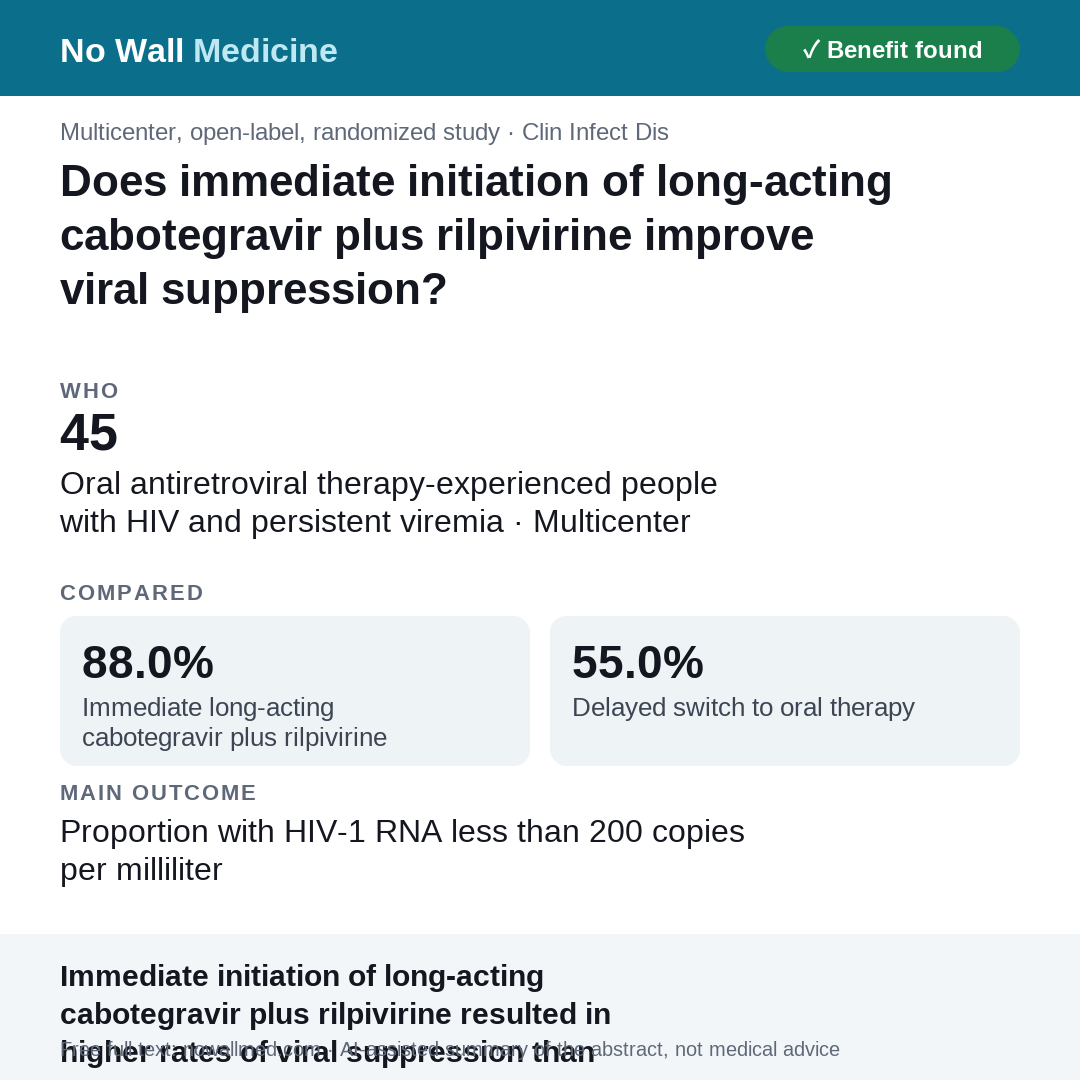
Direct Initiation of Long-Acting Cabotegravir Plus Rilpivirine in People with HIV and Suboptimal Virologic Suppression: A Randomized Trial
Multicenter, open-label, randomized studyBenefit found
Does immediate initiation of long-acting cabotegravir plus rilpivirine improve viral suppression?
Who
45
Oral antiretroviral therapy-experienced people with HIV and persistent viremia · Multicenter
Compared
88.0%Immediate long-acting cabotegravir plus rilpivirine (22/25)
55.0%Delayed switch to oral therapy (11/20)
Main outcome
Proportion with HIV-1 RNA less than 200 copies per milliliter
Result: relative risk for failure 0.27 (95% CI 0.08-0.86)
Bottom line: Immediate initiation of long-acting cabotegravir plus rilpivirine resulted in higher rates of viral suppression than continued oral therapy.
Clin Infect Dis · 2026-09-01Download image
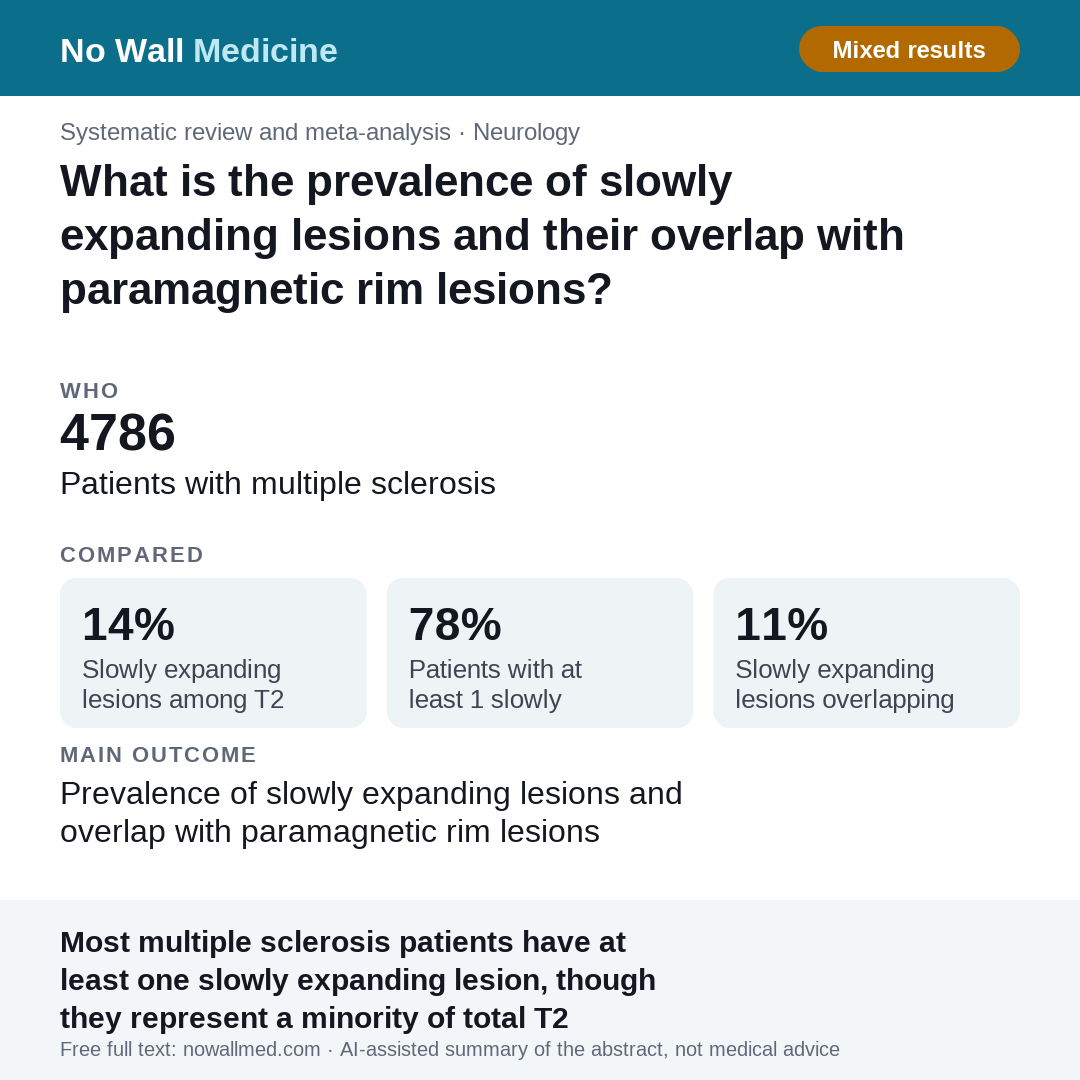
Prevalence of Slowly Expanding Lesions in Patients With Multiple Sclerosis: A Systematic Review and Meta-Analysis
Systematic review and meta-analysisMixed results
What is the prevalence of slowly expanding lesions and their overlap with paramagnetic rim lesions?
Who
4786
Patients with multiple sclerosis
Compared
14%Slowly expanding lesions among T2 lesions (95% CI 10-21)
78%Patients with at least 1 slowly expanding lesion (67-85)
11%Slowly expanding lesions overlapping with paramagnetic rim lesions (6-20)
Main outcome
Prevalence of slowly expanding lesions and overlap with paramagnetic rim lesions
Bottom line: Most multiple sclerosis patients have at least one slowly expanding lesion, though they represent a minority of total T2 lesions.
Limitation: Possible publication bias, high unexplained heterogeneity, and differences in identification methods or MRI timing.
Neurology · 2026-09-01Download image
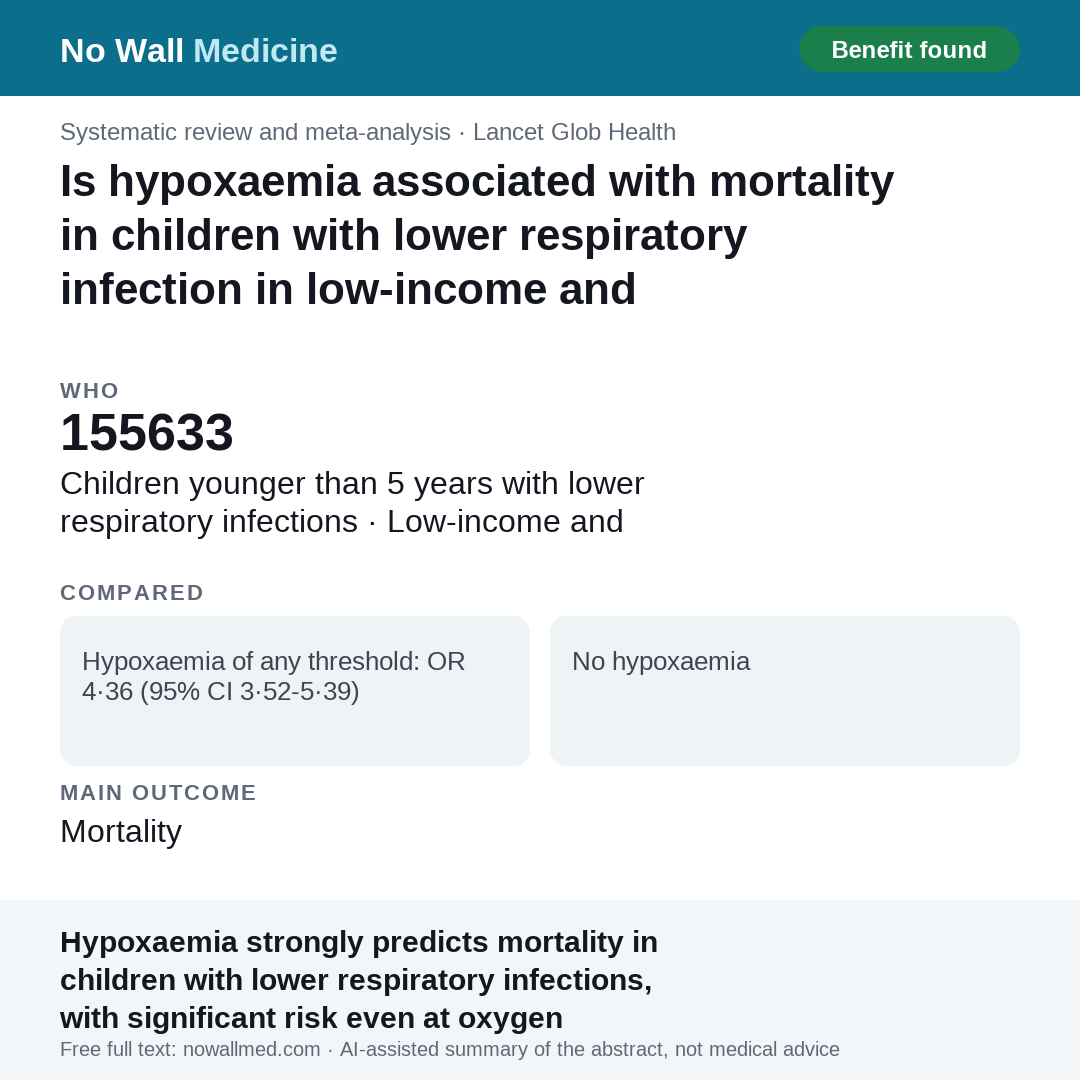
Hypoxaemia and mortality in children with lower respiratory infection in low-income and middle-income countries: systematic review and meta-analysis
Systematic review and meta-analysisBenefit found
Is hypoxaemia associated with mortality in children with lower respiratory infection in low-income and middle-income countries?
Who
155633
Children younger than 5 years with lower respiratory infections · Low-income and middle-income countries, primarily Africa and Asia
Compared
Hypoxaemia of any threshold: OR 4·36 (95% CI 3·52-5·39)
No hypoxaemia
Main outcome
Mortality
Result: OR 4·36 (95% CI 3·52-5·39)
Bottom line: Hypoxaemia strongly predicts mortality in children with lower respiratory infections, with significant risk even at oxygen saturation levels of 90-94%.
Limitation: Substantial heterogeneity and eight studies had a high overall risk of bias.
Lancet Glob Health · 2026-09-01Download image
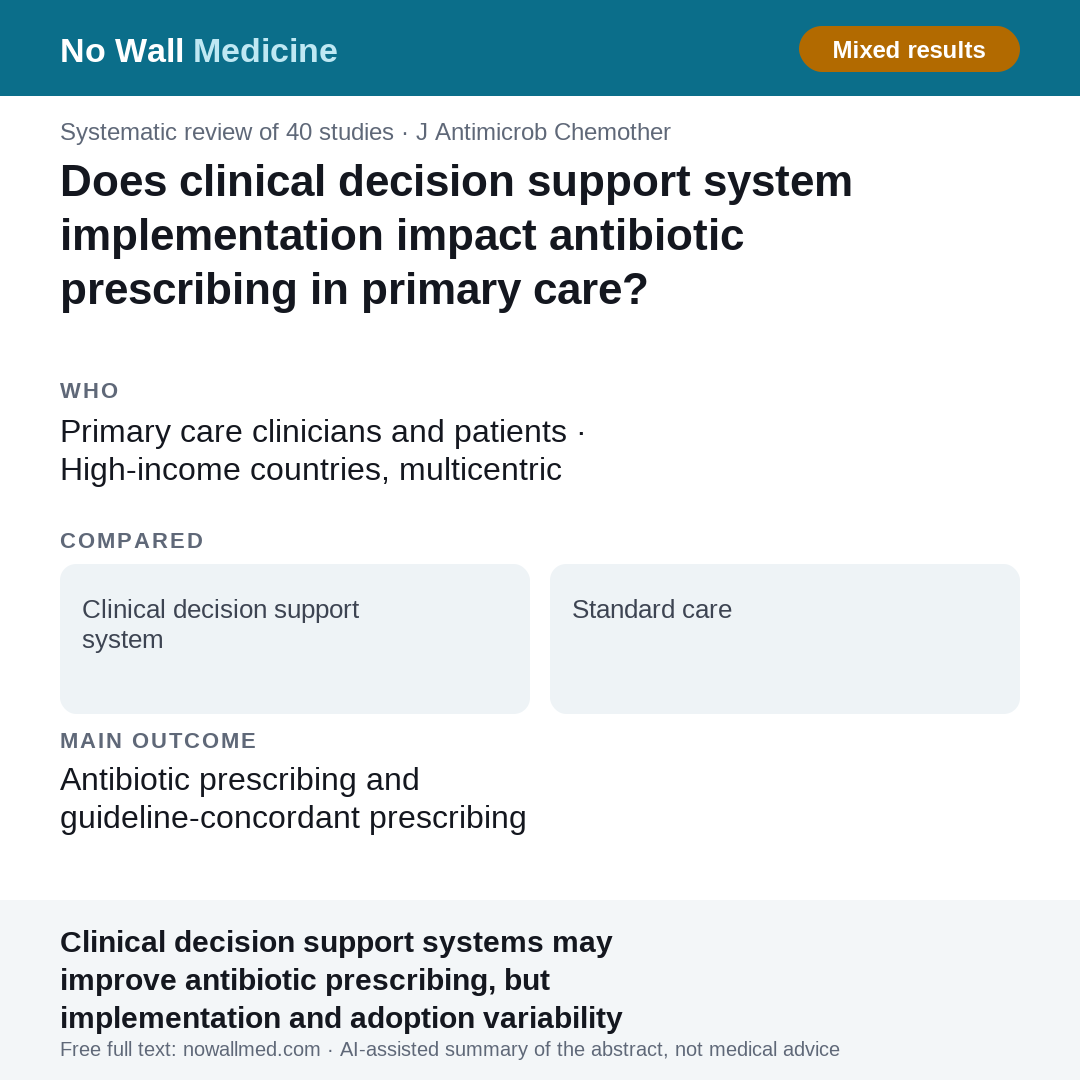
Gut microbiome-derived metabolites as prognostic biomarkers in heart failure: a systematic review and meta-analysis
Systematic review and meta-analysisBenefit found
Are gut microbiome-derived metabolites prognostic biomarkers in heart failure?
Who
17,715
Patients with heart failure
Compared
Elevated trimethylamine-N-oxide: hazard ratio 1.72 (95%CI 1.42-2.08)
Elevated phenylacetylglutamine: hazard ratio 1.60 (95%CI 1.33-1.94)
Main outcome
all-cause mortality and major adverse cardiac events
Result: hazard ratio 1.72 (95%CI 1.42-2.08)
Bottom line: Elevated trimethylamine-N-oxide and phenylacetylglutamine are consistently associated with increased mortality and major adverse cardiac events in heart failure.
Eur J Heart Fail · 2026-09-01Download image
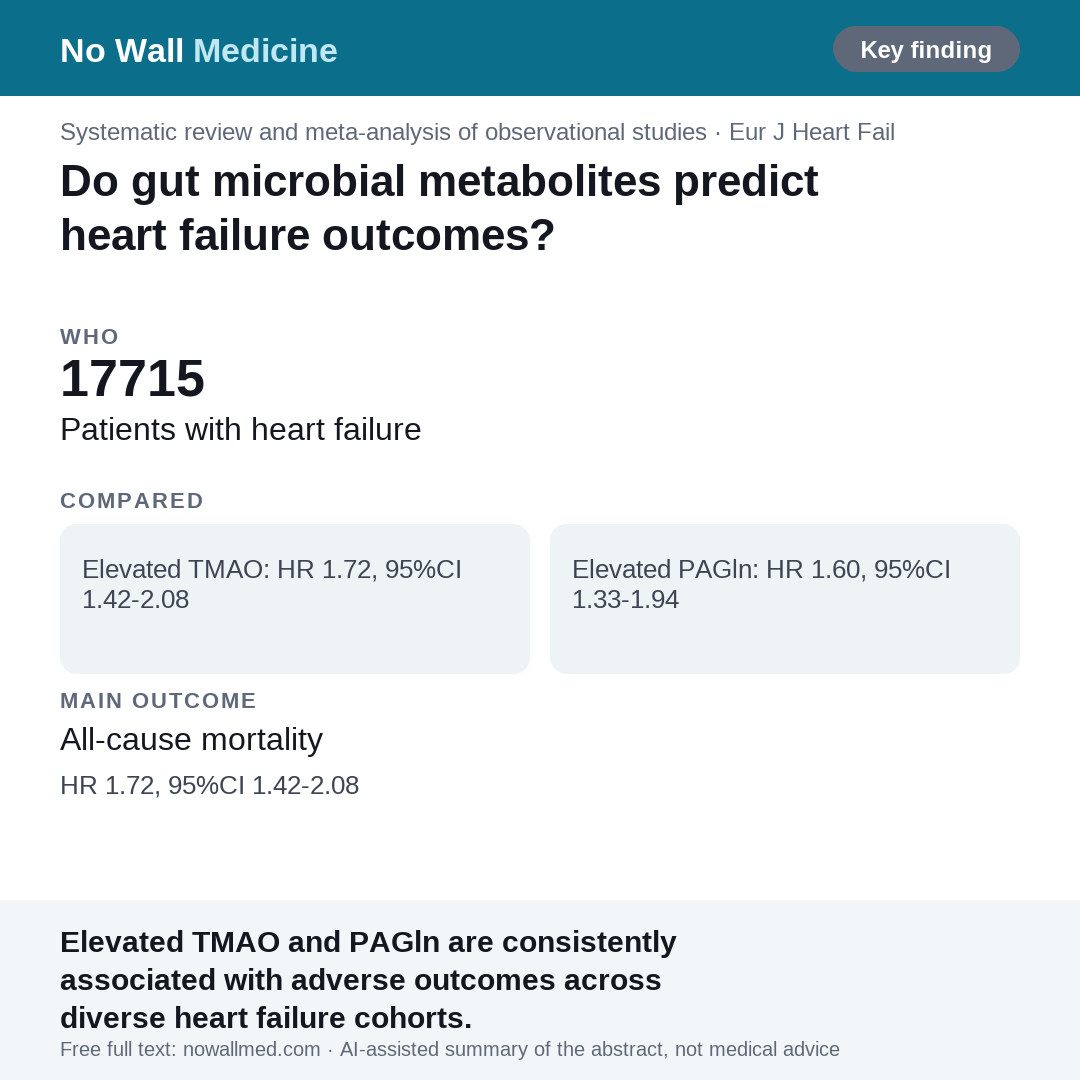
Blood Metabolomic Signatures of 1-Hour Glucose Predict Cardiometabolic Risk
Prospective investigation and dietary intervention trialBenefit found
Do fasting blood metabolomic signatures predicting 1-hour glucose predict cardiometabolic risk?
Who
Participants from OmniCarb, POUNDS Lost, and Nurses' Health Study
Compared
Top 20% metabolomic risk score: relative risk 3.80 (95% CI, 2.22-6.51) for type 2 diabetes
Lowest 20% metabolomic risk score
Main outcome
Risk of incident type 2 diabetes and coronary heart disease
Result: relative risk 3.80 (95% CI, 2.22-6.51) for type 2 diabetes
Bottom line: Fasting blood metabolomic signatures predicting 1-hour glucose reflect disease pathophysiology and could target prevention of cardiometabolic disease.
Circ Res · 2026-09-01Download image
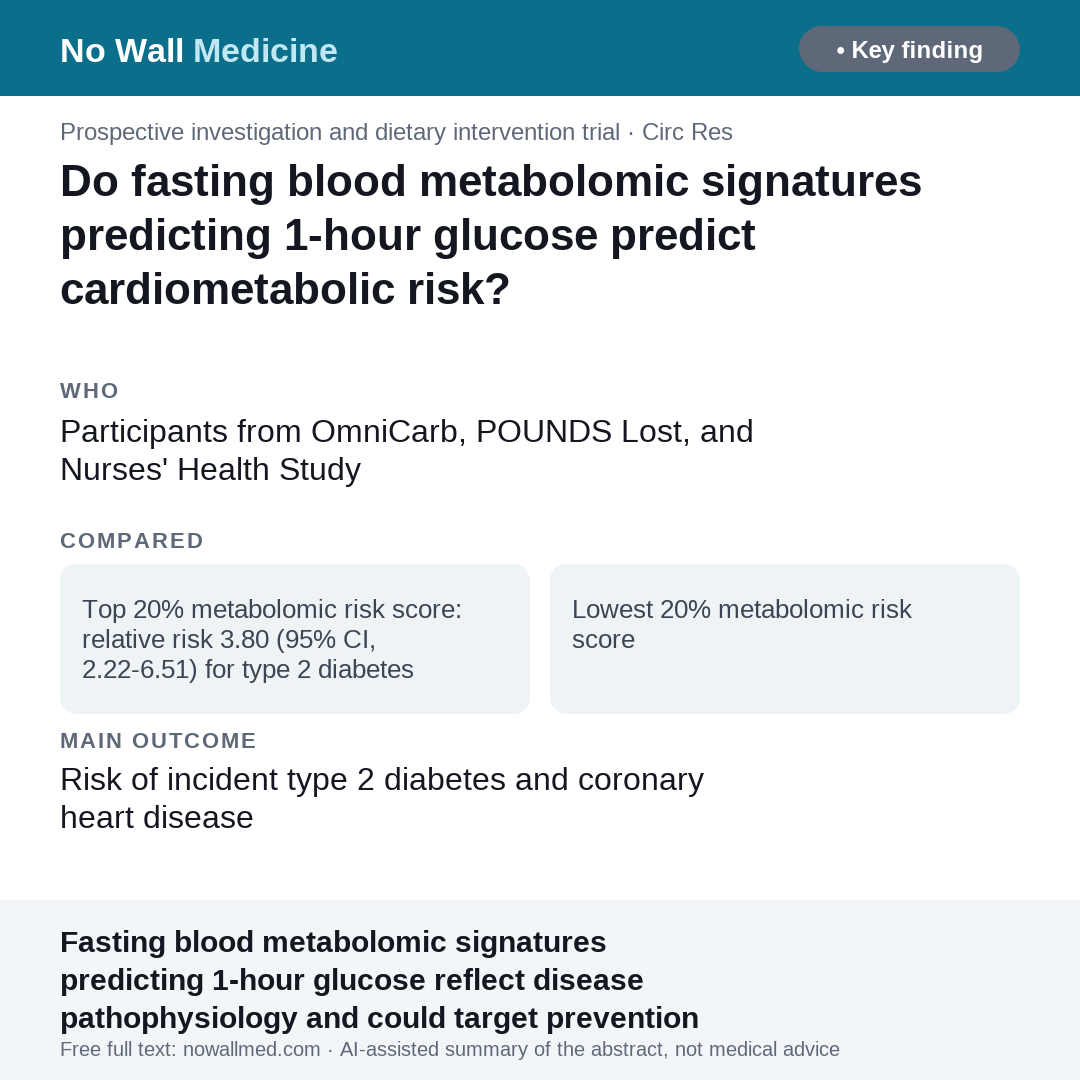
Prevalence and Progression of Subtypes of Gastric Premalignant Lesions: A Systematic Review and Meta-Analysis
Systematic review and meta-analysisMixed results
What are the global prevalence and progression rates of gastric premalignant lesion subtypes?
Who
Individuals undergoing endoscopy
Compared
11%Complete intestinal metaplasia (95% CI, 8%-15%)
10%Incomplete intestinal metaplasia (95% CI, 6%-14%)
12%Limited intestinal metaplasia (95% CI, 8%-17%)
5%Extensive intestinal metaplasia (95% CI, 4%-8%)
Main outcome
Prevalence and progression rates to gastric cancer
Bottom line: Different gastric lesion subtypes show varying prevalence and progression rates, supporting risk stratification in clinical management.
Limitation: Substantial heterogeneity was observed for all estimates.
Clin Gastroenterol Hepatol · 2026-09-01Download image
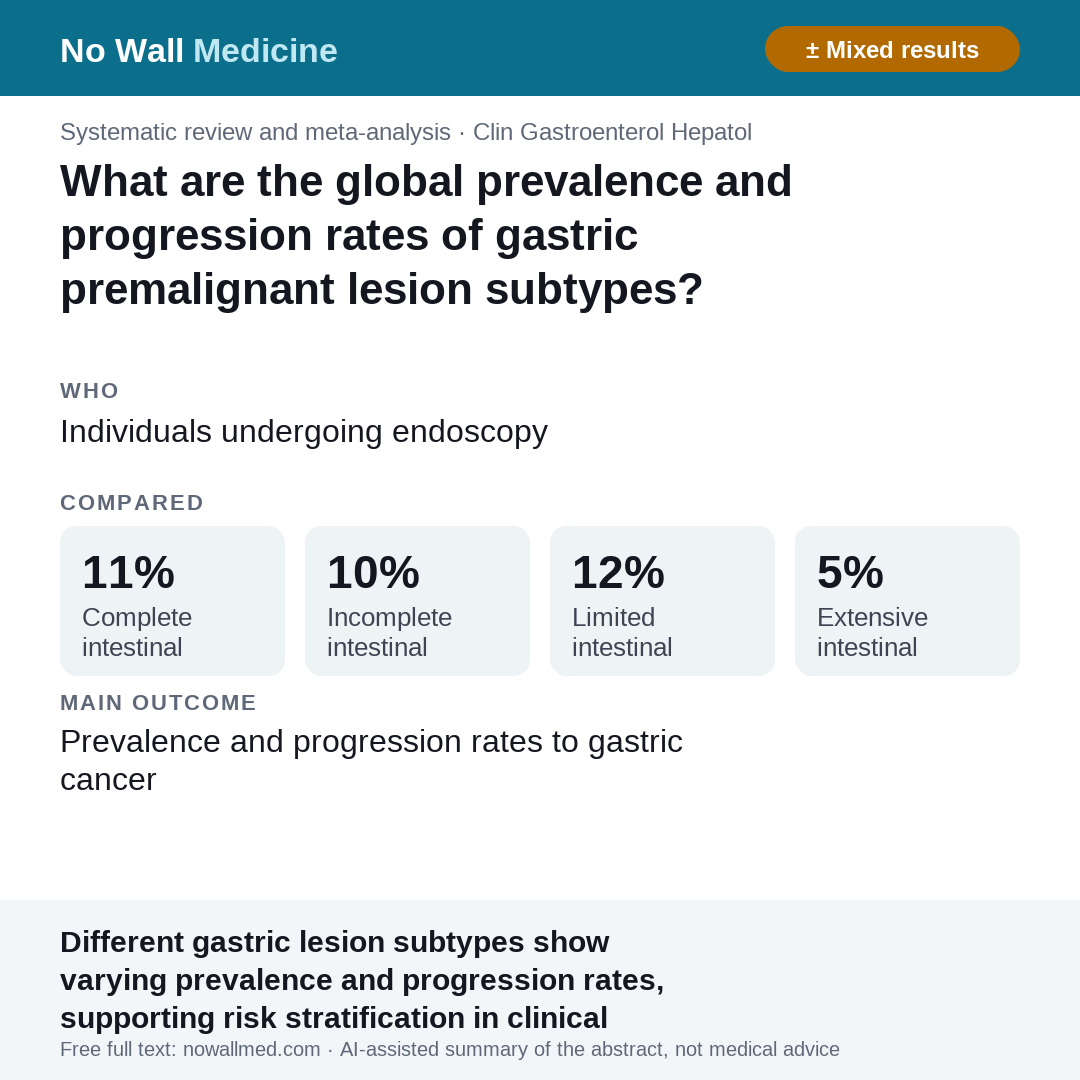
Implementation, adoption and impact of clinical decision support system for antibiotic prescribing in primary care: a systematic review
Systematic review of 40 studiesMixed results
Does clinical decision support system implementation impact antibiotic prescribing in primary care?
Who
Primary care clinicians and patients · High-income countries, multicentric
Compared
Clinical decision support system
Standard care
Main outcome
Antibiotic prescribing and guideline-concordant prescribing
Bottom line: Clinical decision support systems may improve antibiotic prescribing, but implementation and adoption variability limits scalability.
Limitation: Wide variability in implementation and real-world adoption limits generalizability and scalability.
J Antimicrob Chemother · 2026-09-01Download image
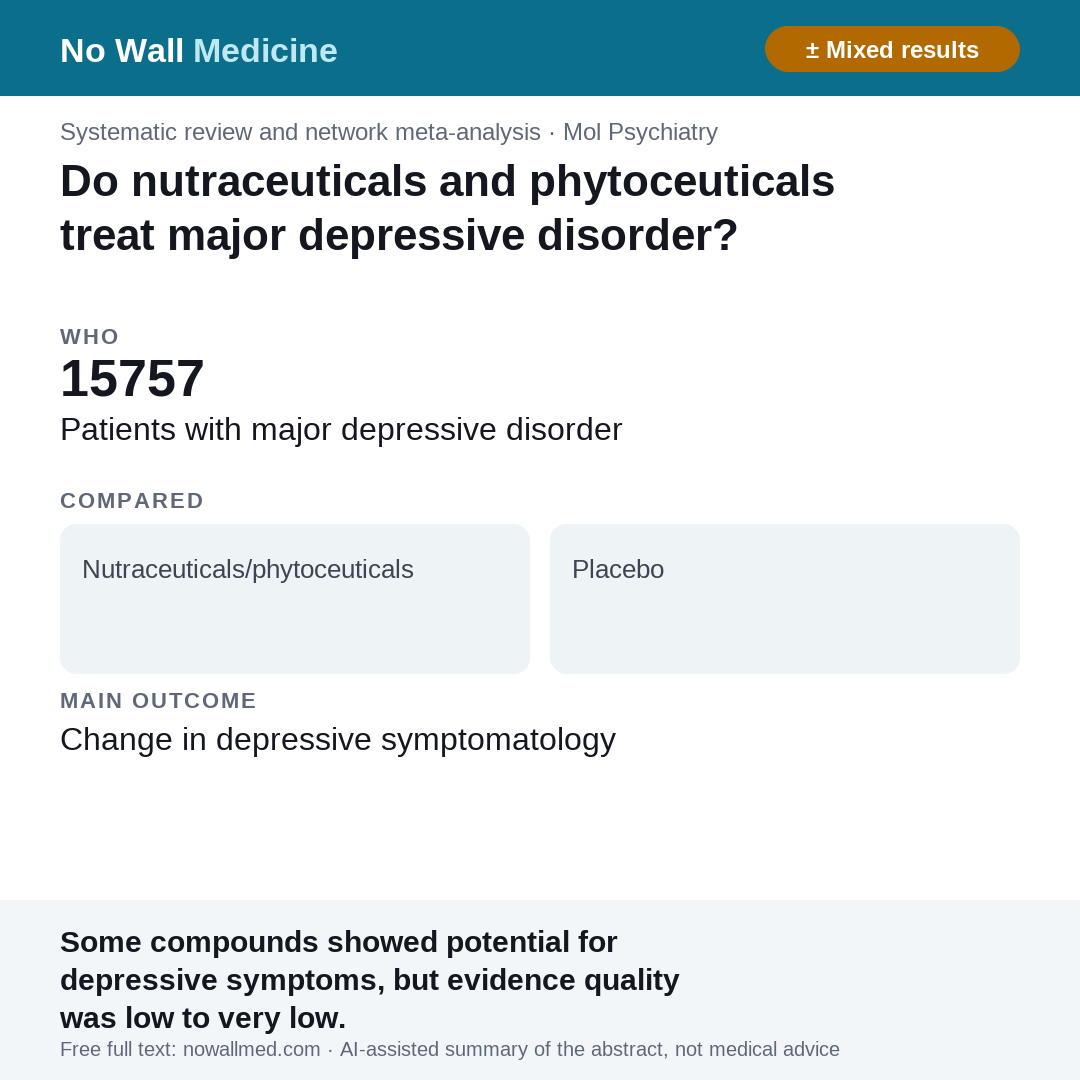
Nutraceuticals and phytoceuticals for the treatment of major depressive disorder: a systematic review and network meta-analysis
Systematic review and network meta-analysisMixed results
Do nutraceuticals and phytoceuticals treat major depressive disorder?
Who
15757
Patients with major depressive disorder
Compared
Nutraceuticals/phytoceuticals
Placebo
Main outcome
Change in depressive symptomatology
Bottom line: Some compounds showed potential for depressive symptoms, but evidence quality was low to very low.
Limitation: Larger effect sizes were associated with lower study quality and substantial heterogeneity emerged.
Mol Psychiatry · 2026-09-01Download image
Selection bias introduced in a randomized clinical trial due to employee instigated deletion of newborn resuscitation videos
Randomized clinical trial analysisHarm found
Did employee instigated video deletion introduce selection bias in the NeoBeat trial?
Who
10362
Newborns of gestational age 34 weeks or more · Stavanger University Hospital, Norway
Compared
Before anonymous opt-out solution: 171 cases
After anonymous opt-out solution: 66 cases
Main outcome
Proxies for severity of birth asphyxia
Bottom line: Anonymous video deletion requests caused systematic differences in included newborns, suggesting significant selection bias.
Limitation: The trial was terminated halfway without power to conclude on outcomes.
Resuscitation · 2026-09-01Download image

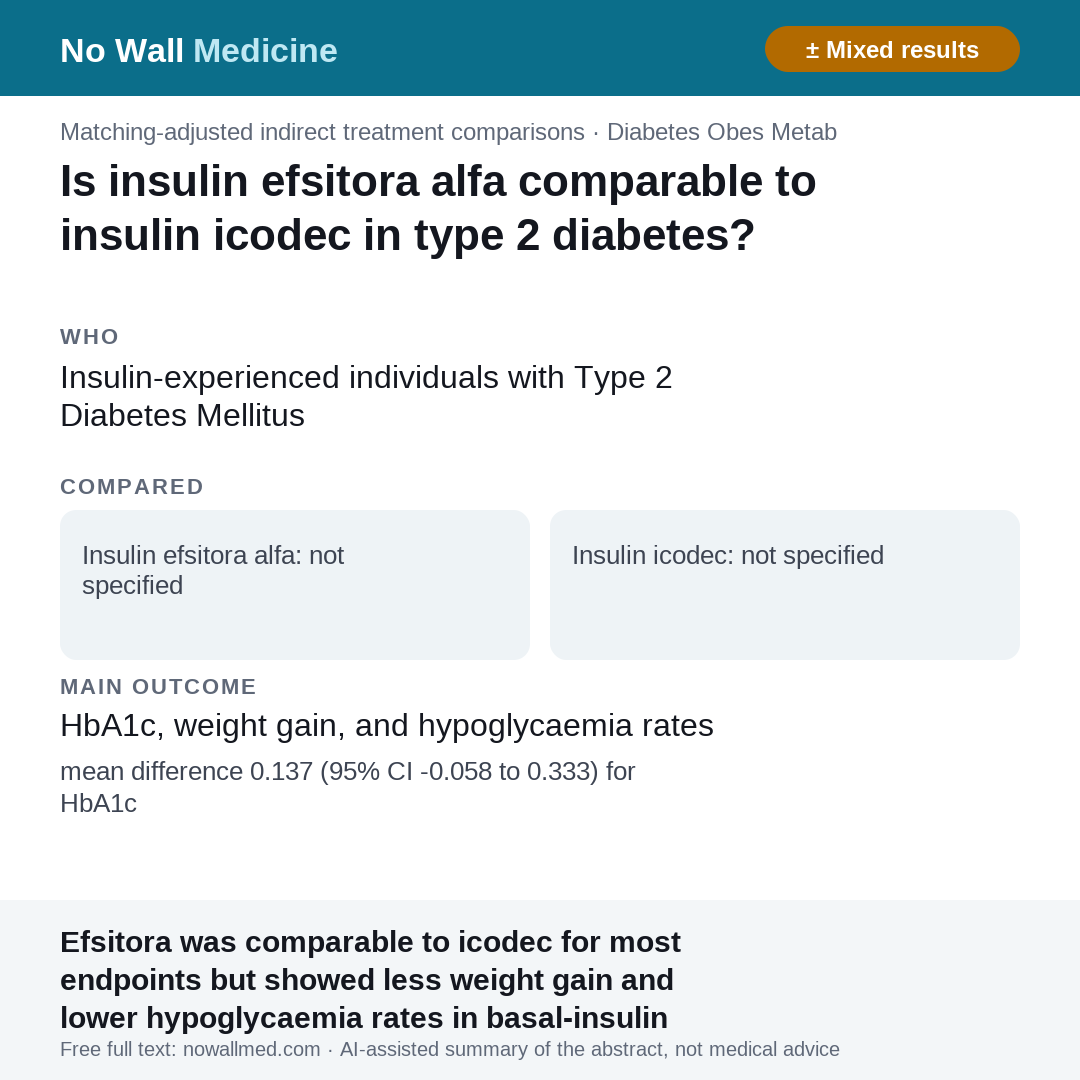
Insulin Efsitora Demonstrates Similar Efficacy and Safety Profiles to Insulin Icodec in Insulin-Experienced Individuals With Type 2 Diabetes Mellitus: Matching-Adjusted Indirect Comparisons of QWINT-3 Versus ONWARDS 2, and QWINT-4 Versus ONWARDS 4
Matching-adjusted indirect treatment comparisonsMixed results
Is insulin efsitora alfa comparable to insulin icodec in type 2 diabetes?
Who
Insulin-experienced individuals with Type 2 Diabetes Mellitus
Compared
Insulin efsitora alfa: not specified
Insulin icodec: not specified
Main outcome
HbA1c, weight gain, and hypoglycaemia rates
Result: mean difference 0.137 (95% CI -0.058 to 0.333) for HbA1c
Bottom line: Efsitora was comparable to icodec for most endpoints but showed less weight gain and lower hypoglycaemia rates in basal-insulin experienced participants.
Diabetes Obes Metab · 2026-09-01Download image
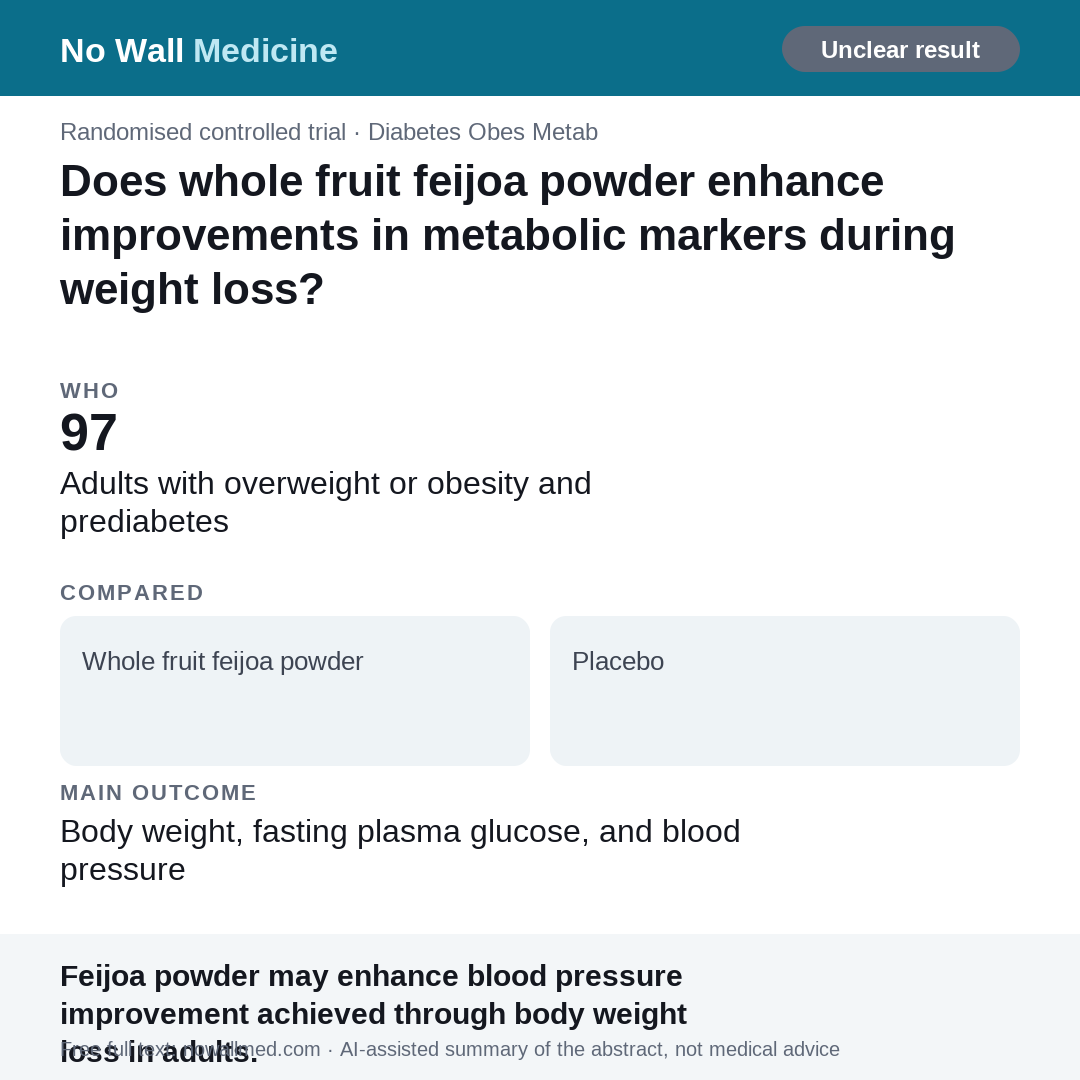
Evaluating Whole Fruit Feijoa Powder for Type 2 Diabetes Risk Prevention: A Randomised Controlled Trial
Randomised controlled trialMixed results
Does whole fruit feijoa powder enhance improvements in diabetes risk biomarkers during weight loss?
Who
97
Adults with overweight or obesity and prediabetes
Compared
Whole fruit feijoa powder
Placebo
Main outcome
Body weight, fasting plasma glucose, and blood pressure
Bottom line: Feijoa powder may enhance systolic blood pressure improvement but did not affect body weight or fasting plasma glucose.
Diabetes Obes Metab · 2026-09-01Download image
From polycystic ovary syndrome to polyendocrine metabolic ovarian syndrome: a systematic search and historical account of the renaming of polycystic ovary syndrome
Systematic search and historical accountBenefit found
Why was polycystic ovary syndrome renamed to polyendocrine metabolic ovarian syndrome?
Who
Women with polycystic ovary syndrome · Global
Compared
Polycystic ovary syndrome
Polyendocrine metabolic ovarian syndrome: 97% consensus
Main outcome
Nomenclature change and consensus on new name
Bottom line: A global, patient-co-led process achieved 97% consensus to rename polycystic ovary syndrome to polyendocrine metabolic ovarian syndrome.
Fertil Steril · 2026-09-01Download image

Effectiveness of digital health technologies for post-discharge follow-up and management in older adults: a systematic review
Systematic reviewMixed results
Are digital health technologies effective for post-discharge follow-up and management in older adults?
Who
Older adults aged 65 years or older · Not specified
Compared
Digital health technologies
Traditional care
Main outcome
Rehospitalisation, quality of life, mental health, adherence, and patient satisfaction
Bottom line: Digital interventions are feasible and well-received, but show mixed findings for rehospitalisation and mental health outcomes.
Lancet Healthy Longev · 2026-09-01Download image

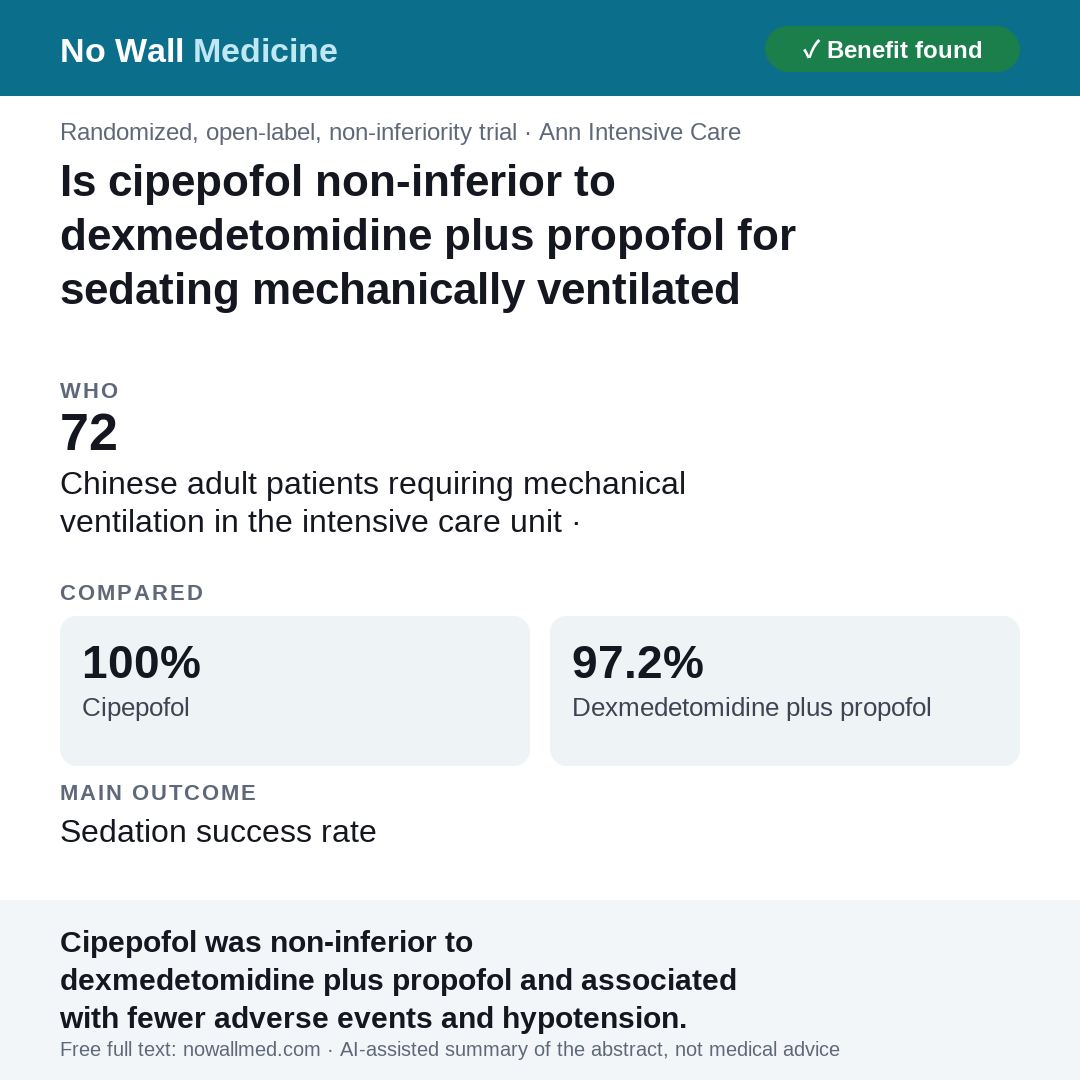
Efficacy and safety of sedation induced with cipepofol alone versus a dexmedetomidine plus propofol regimen for patients requiring mechanical ventilation: a randomized, open-label, non-inferiority trial
Randomized, open-label, non-inferiority trialBenefit found
Is cipepofol non-inferior to dexmedetomidine plus propofol for sedating mechanically ventilated patients?
Who
72
Chinese adult patients requiring mechanical ventilation in the intensive care unit · Single-center study
Compared
100%Cipepofol
97.2%Dexmedetomidine plus propofol
Main outcome
Sedation success rate
Result: -1.34% (95% CI for ITT analysis)
Bottom line: Cipepofol was non-inferior to dexmedetomidine plus propofol and associated with fewer adverse events and hypotension.
Ann Intensive Care · 2026-09-01Download image
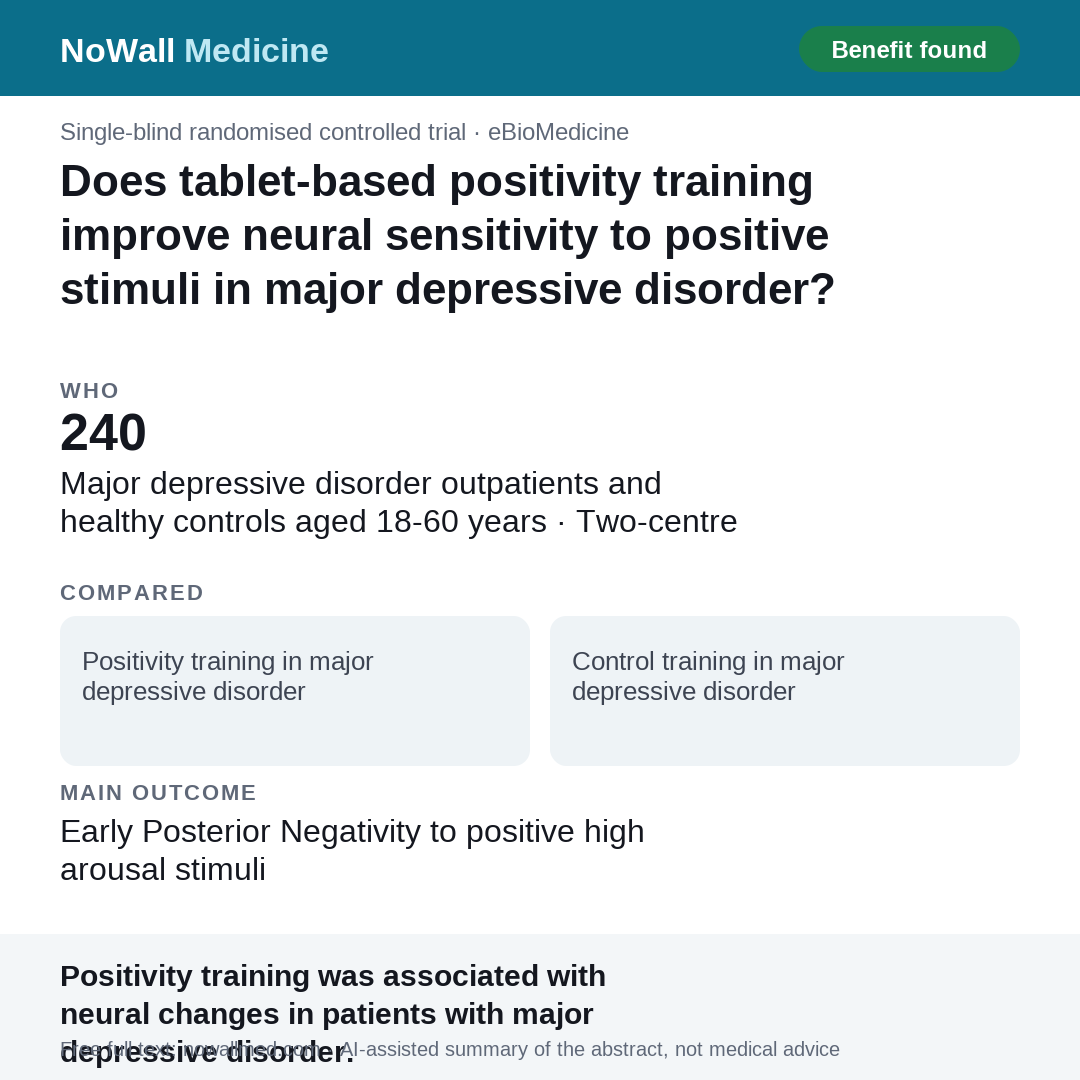
A tablet-based attentional cognitive bias modification intervention for positive emotion processing in major depressive disorder: a single-blind randomised controlled two-centre trial
Single-blind randomised controlled trialBenefit found
Does tablet-based positivity training improve neural sensitivity to positive stimuli in major depressive disorder?
Who
240
Major depressive disorder outpatients and healthy controls aged 18-60 years · Two-centre trial
Compared
Positivity training in major depressive disorder: 1.65 μV
Control training in major depressive disorder
Main outcome
Early Posterior Negativity EEG-derived neural sensitivity to positive stimuli
Result: 1.65 μV, 95% CI [0.19, 3.11]
Bottom line: Positivity training was associated with neural changes in patients with major depressive disorder regarding positive emotion processing.
Limitation: Further EEG follow-up and higher stimulus contrasts may clarify clinical relevance.
Funded by: DFG
eBioMedicine · 2026-09-01Download image