Visual abstracts
New randomized trials and meta-analyses from leading journals at a glance: who was studied, what was compared, and what was found. Every paper is free to read in full.
All specialtiesCardiology 1997Oncology 1721Gastroenterology & Hepatology 762Infectious Disease 1268Neurology 824Psychiatry & Mental Health 984Pulmonology 854Critical Care 568Endocrinology & Diabetes 1068Pediatrics 1186Surgery 1016Orthopedics & Sports Medicine 375Neurosurgery 251Cardiothoracic & Vascular Surgery 215Plastic & Reconstructive Surgery 307Nephrology 414Rheumatology 284Hematology 436Dermatology 225Ophthalmology 232Obstetrics & Gynecology 650Public & Global Health 388Radiology & Imaging 276Anesthesiology 402Urology 350ENT (Otolaryngology) 268Emergency Medicine 220Allergy & Immunology 127Geriatrics 429Family Medicine & Primary Care 236Medical Genetics & Genomics 217Pathology & Laboratory Medicine 66Physical Medicine & Rehabilitation 348Palliative Care 174Nutrition 537Digital Health & AI 1046General Medicine 155
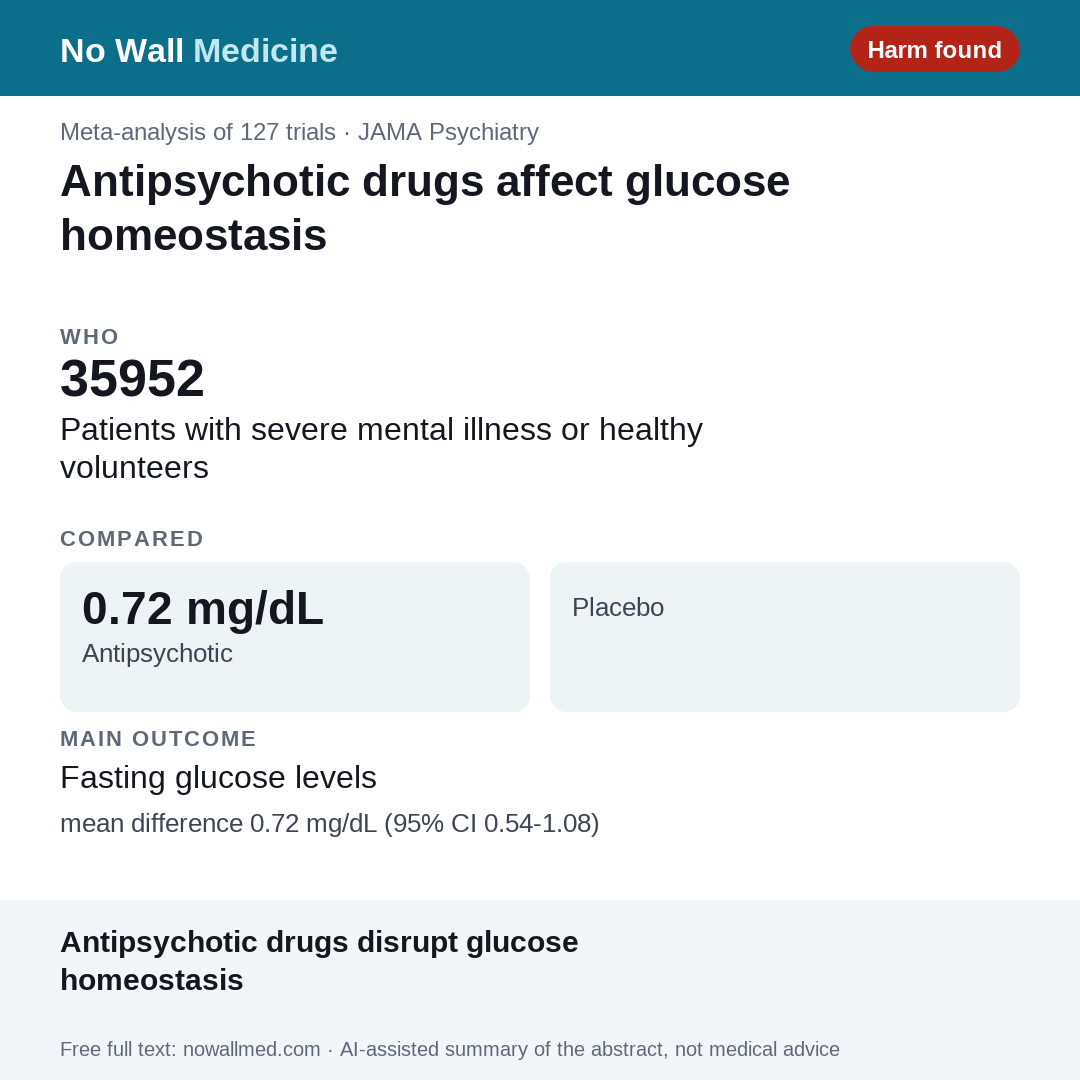
Antipsychotic Drugs and Dysregulated Glucose Homeostasis: A Systematic Review and Meta-Analysis
Meta-analysis of 127 trialsHarm found
Antipsychotic drugs affect glucose homeostasis
Who
35952
Patients with severe mental illness or healthy volunteers
Compared
0.72 mg/dLAntipsychotic
Placebo
Main outcome
Fasting glucose levels
Result: mean difference 0.72 mg/dL (95% CI 0.54-1.08)
Bottom line: Antipsychotic drugs disrupt glucose homeostasis
JAMA Psychiatry · 2025-08-29Download image
Comparison of hypoglossal nerve transfer and hypoglossal jump nerve graft techniques for facial reanimation: A systematic review
Systematic reviewMixed results
How do hypoglossal nerve transfer and hypoglossal jump nerve graft compare for facial reanimation?
Who
1008
Adults with facial paralysis
Compared
Hypoglossal nerve transfer: HB II-III recovery in 78-86% (end-to-side)
Hypoglossal jump nerve graft: HB II-III recovery in 62.5-91.6%
Main outcome
Facial movement recovery and complication rates
Bottom line: Both techniques are effective, but hypoglossal jump nerve graft minimizes complications compared to hypoglossal nerve transfer.
Limitation: Future comparative studies using standardized outcome measures are needed.
J Plast Reconstr Aesthet Surg · 2025-08-29Download image

Defining the Learning Curve in Minimally Invasive Cardiac Surgery: A Systematic Review and Meta-Analysis
Systematic review and meta-analysisMixed results
What is the learning curve in minimally invasive cardiac surgery?
Who
13,257
Patients undergoing minimally invasive cardiac surgery
Compared
Minimally invasive mitral valve surgery: mean, 39 cases [for repair] and 78 [for replacement]
Minimally invasive aortic valve replacement: mean, 93 cases
Minimally invasive coronary artery bypass grafting: mean, 40 cases
Main outcome
Surgical times and clinical outcomes
Bottom line: A learning curve exists in surgical processes, but stable morbidity and mortality rates indicate safe adoption with training.
Limitation: Significant heterogeneity across studies prevents precise learning curve characterization.
Ann Thorac Surg · 2025-08-29Download image

Adherence to Lipid-Lowering Therapies and Cardiovascular Outcomes in Patients With Atherosclerotic Cardiovascular Disease: A Systematic Review and Meta-Analysis
Systematic review and meta-analysisBenefit found
Does adherence to lipid-lowering therapy reduce cardiovascular outcomes in patients with atherosclerotic cardiovascular disease?
Who
Adults with clinical atherosclerotic cardiovascular disease
Compared
Adherence to lipid-lowering therapy ≥80%: reduced risk of death, major adverse cardiovascular events, and myocardial infarction
Lower adherence
Main outcome
death, cardiovascular death, and major adverse cardiovascular events
Result: hazard ratio 0.77 (95% CI 0.68 to 0.86) for major adverse cardiovascular events
Bottom line: Adherence to lipid-lowering therapy at 80% or more is associated with reduced cardiovascular event risks.
Limitation: Most studies only reported adherence to statins and used proportion of days covered.
J Am Heart Assoc · 2025-08-29Download image

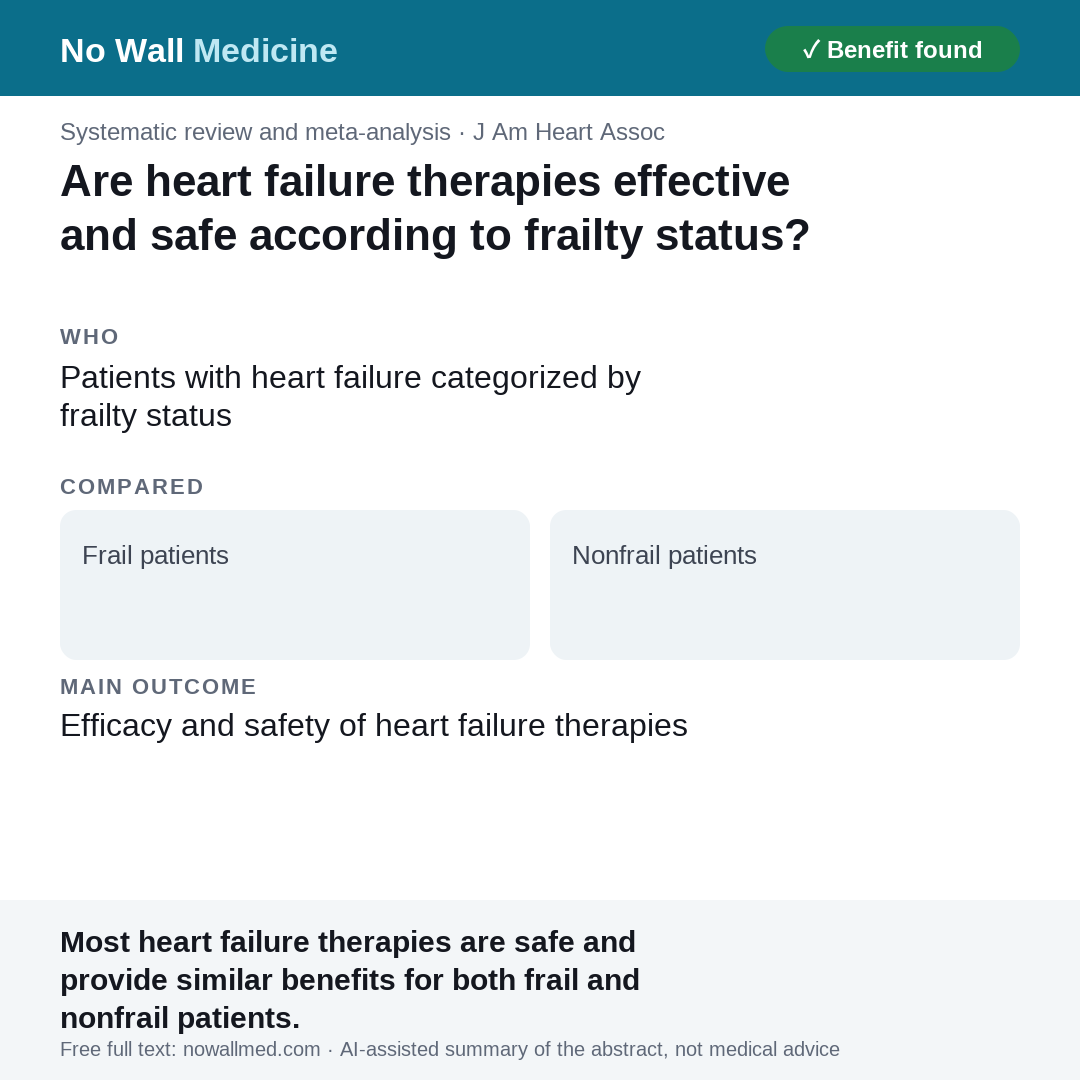
Efficacy and Safety of Heart Failure Treatment According to Frailty Status: A Systematic Review
Systematic review and meta-analysisBenefit found
Are heart failure therapies effective and safe according to frailty status?
Who
Patients with heart failure categorized by frailty status
Compared
Frail patients
Nonfrail patients
Main outcome
Efficacy and safety of heart failure therapies
Bottom line: Most heart failure therapies are safe and provide similar benefits for both frail and nonfrail patients.
J Am Heart Assoc · 2025-08-29Download image
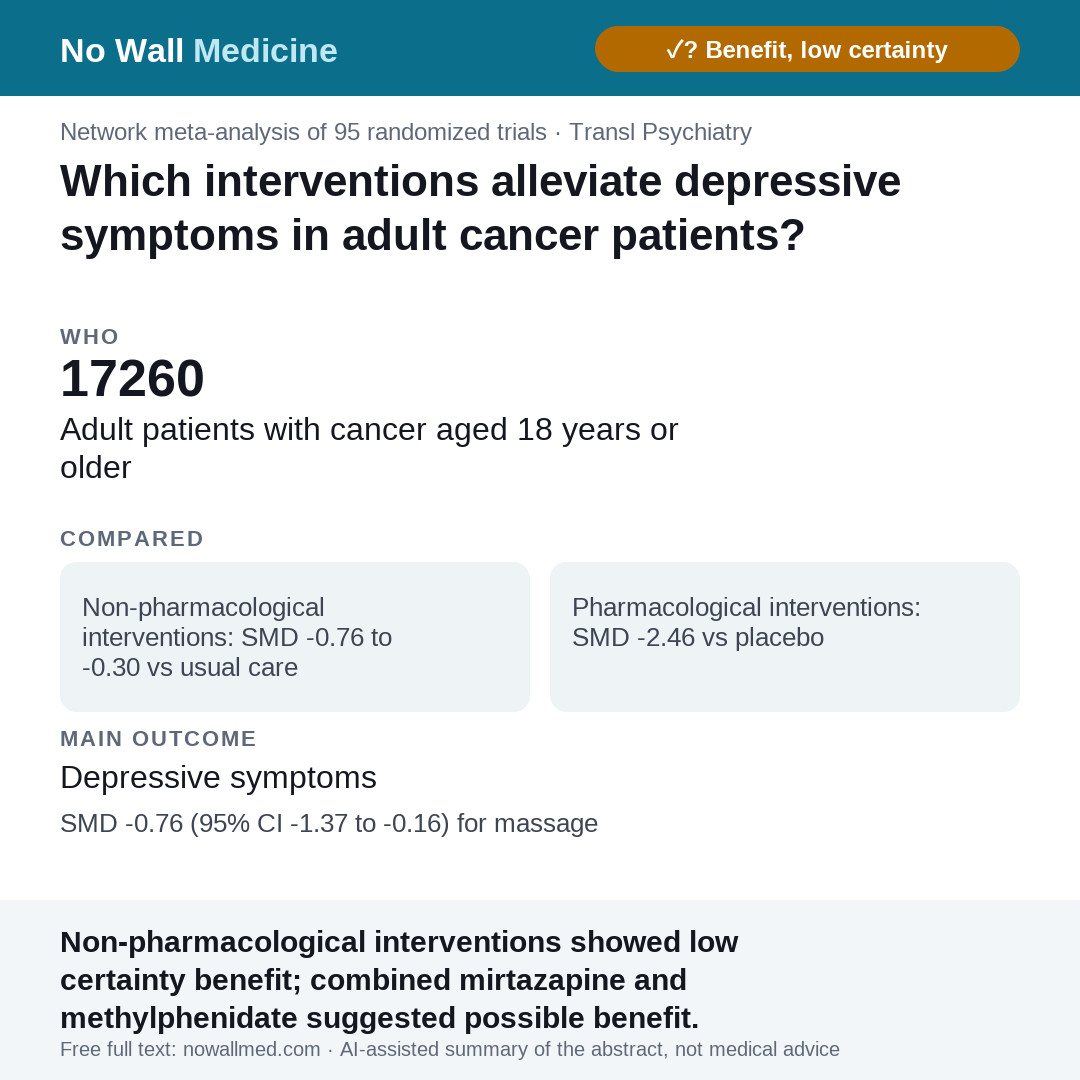
Treatments of depressive symptoms in cancer patients: A systematic review and network meta-analysis
Systematic review and network meta-analysisBenefit found
What are the most effective pharmacological and non-pharmacological interventions for depressive symptoms in cancer patients?
Who
17,260
Adult cancer patients aged 18 years or older
Compared
Massage and touch therapy: SMD -0.76 (95% CI -1.37 to -0.16)
Relaxation therapy: SMD -0.59 (95% CI -1.06 to -0.11)
Psychotherapy: SMD -0.43 (95% CI -0.56 to -0.30)
Mirtazapine and methylphenidate vs placebo: SMD -2.46 (95% CI -4.24 to -0.70)
Main outcome
Alleviation of depressive symptoms
Bottom line: Non-pharmacological interventions and combined mirtazapine and methylphenidate show promise in alleviating depressive symptoms in cancer patients.
Limitation: Overall evidence quality was low, reflecting substantial variability and limited data.
Transl Psychiatry · 2025-08-29Download image
Prevalence and Risk of Dementia Among Adults Who Have Experienced Homelessness, a Meta-Analysis
Systematic review and meta-analysisMixed results
What is the prevalence and risk of dementia among adults experiencing homelessness?
Who
504,766
Adults aged 18 years or older experiencing homelessness
Compared
Homeless individuals: 6.81% prevalence
Housed individuals
Main outcome
Prevalence, risk, and incidence of dementia
Result: risk ratio 1.03 (95% CI 0.52, 2.03)
Bottom line: Homeless individuals have a 6.81% dementia prevalence, higher than the under 3% seen in housed adults.
J Am Geriatr Soc · 2025-08-28Download image

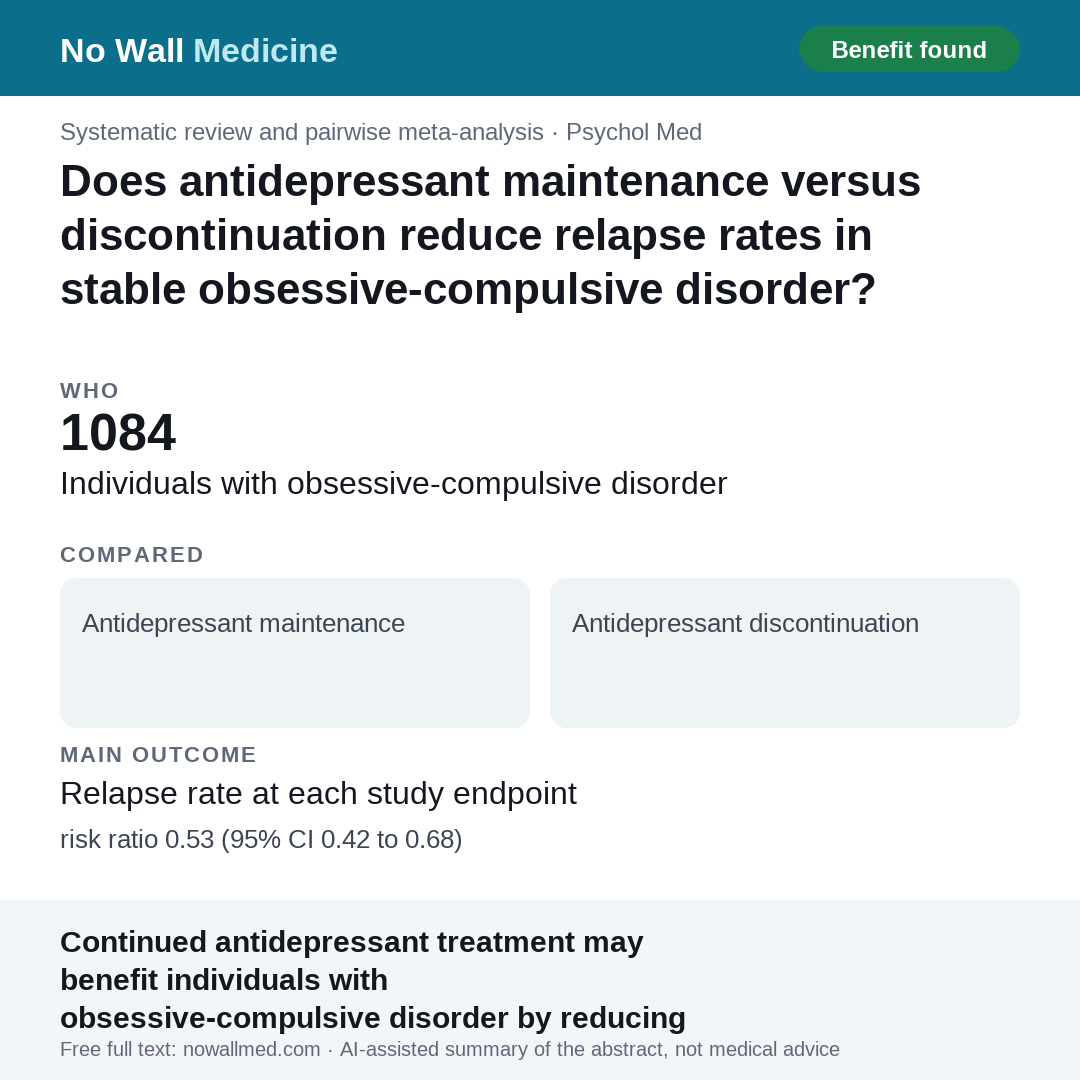
Relapse rates in stable obsessive-compulsive disorder after antidepressant discontinuation versus maintenance: A systematic review and meta-analysis
Systematic review and pairwise meta-analysisBenefit found
Does antidepressant maintenance versus discontinuation reduce relapse rates in stable obsessive-compulsive disorder?
Who
1084
Individuals with obsessive-compulsive disorder
Compared
Antidepressant maintenance
Antidepressant discontinuation
Main outcome
Relapse rate at each study endpoint
Result: risk ratio 0.53 (95% CI 0.42 to 0.68)
Bottom line: Continued antidepressant treatment may benefit individuals with obsessive-compulsive disorder by reducing relapse rates.
Psychol Med · 2025-08-28Download image
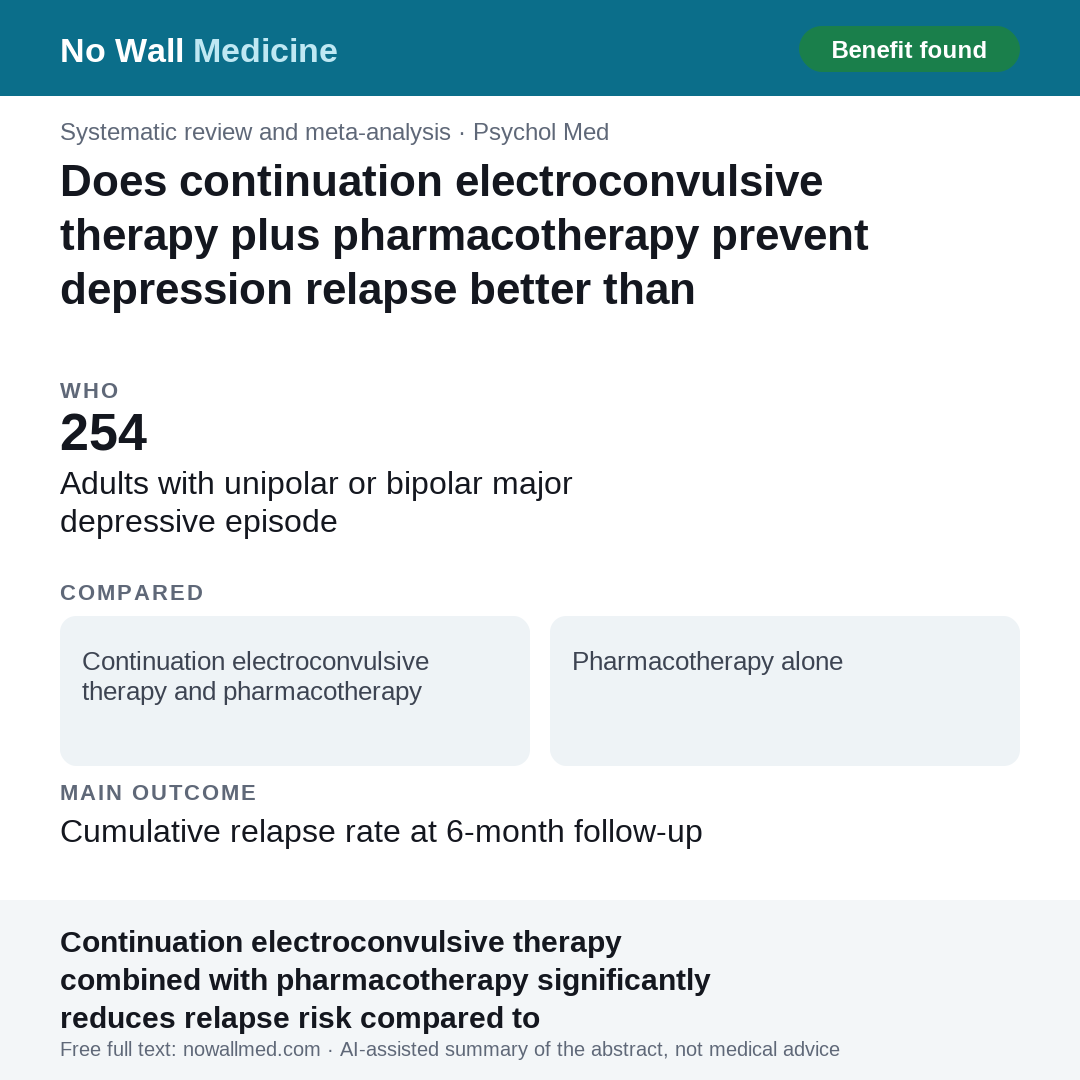
Continuation electroconvulsive therapy combined with pharmacotherapy for depression relapse prevention: A systematic review and meta-analysis
Systematic review and meta-analysisBenefit found
Does continuation electroconvulsive therapy plus pharmacotherapy prevent depression relapse better than pharmacotherapy alone?
Who
254
Adults with unipolar or bipolar major depressive episode
Compared
Continuation electroconvulsive therapy and pharmacotherapy
Pharmacotherapy alone
Main outcome
Cumulative relapse rate at 6-month follow-up
Result: relative risk 0.57 (95% CI 0.37-0.88)
Bottom line: Continuation electroconvulsive therapy combined with pharmacotherapy significantly reduces relapse risk compared to pharmacotherapy alone.
Psychol Med · 2025-08-28Download image
Political Polarization During Disease Outbreaks: A Meta-Analysis of Archival Survey Data From Polio to COVID-19
Meta-analysis of archival survey dataHarm found
How does political polarization during COVID-19 compare with past disease outbreaks?
Who
United States public opinion polls · United States
Compared
COVID-19: 20.23 additional percentage points concern about infection
Non-COVID-19 outbreaks
Main outcome
Political polarization regarding infection concern and vaccine hesitancy
Result: 20.23 (95% CI 12.30, 28.17) and 25.89 (95% CI 6.63, 45.16) additional percentage points
Bottom line: Political polarization during COVID-19 was substantially higher than in any other historical disease outbreak.
Am J Public Health · 2025-08-28Download image

Features of successful medication review and deprescribing interventions for fall prevention in residential aged care facilities: an intervention component analysis of an updated systematic review
Intervention component analysis of a systematic reviewBenefit found
What features make medication review and deprescribing successful for fall prevention in residential aged care?
Who
People in residential aged care facilities · Six countries
Compared
100%Successful trials (3/3)
20%Unsuccessful trials (2/10)
Main outcome
Reduction in falls
Bottom line: Successful interventions used a decision tool, involved usual care prescribers, and reviewed medications at least every six months.
Age Ageing · 2025-08-28Download image

Understanding access to sexual and reproductive health in general practice using an adapted Candidacy Framework: a systematic review and qualitative evidence synthesis
Systematic reviewMixed results
Access to sexual health in general practice
Who
42
individuals in countries with universal health care · countries with universal health care
Compared
lower socioeconomic communities
minoritised ethnic groups
Main outcome
access to sexual and reproductive health care
Result: multiple barriers
Bottom line: Barriers to access exist for vulnerable groups
Limitation: limited inclusion of demographics
Br J Gen Pract · 2025-08-28Download image

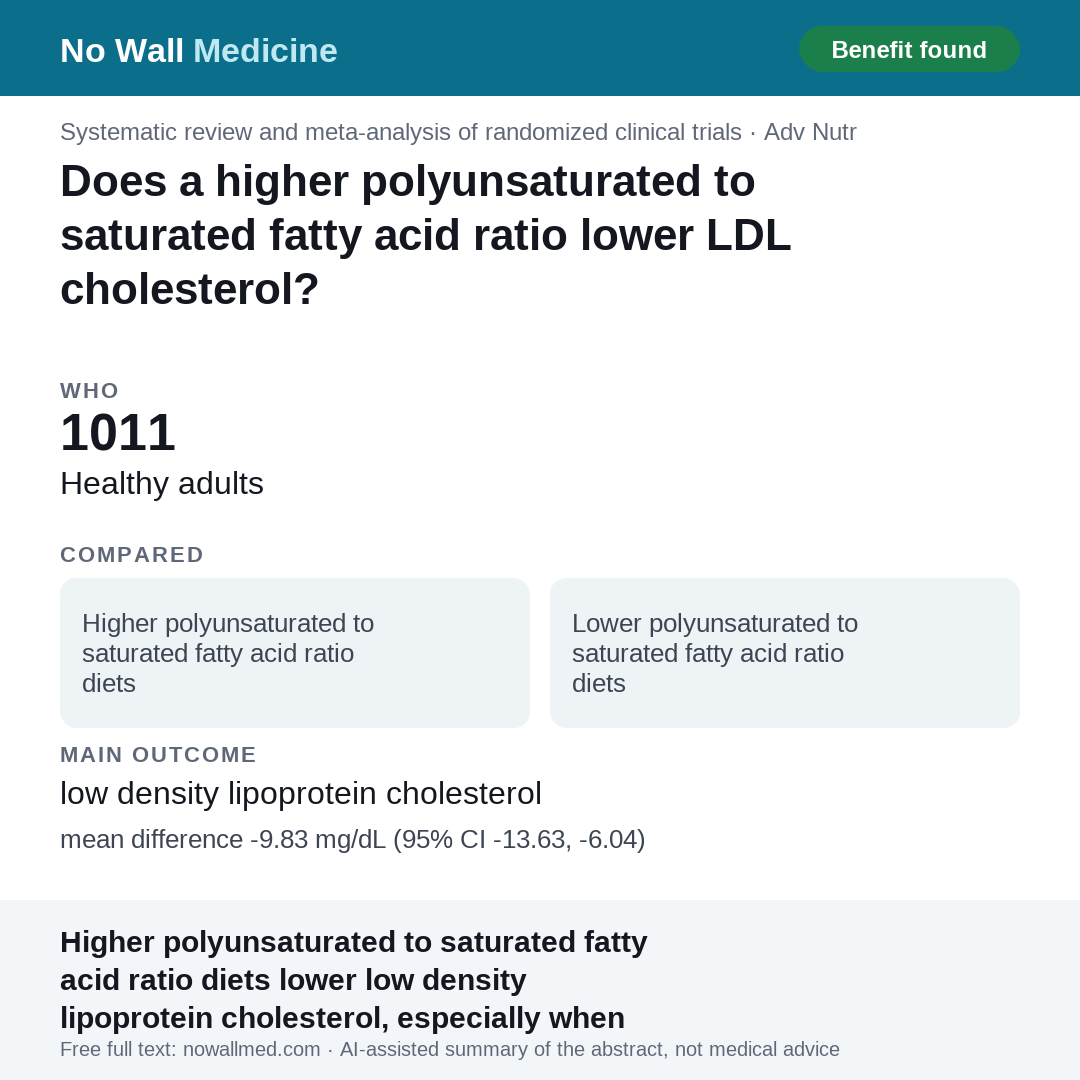
Dietary Polyunsaturated to Saturated Fatty Acid Ratio as an Indicator for LDL Cholesterol Response: A Systematic Review and Meta-Analysis of Randomized Clinical Trials
Systematic review and meta-analysis of randomized clinical trialsBenefit found
Does a higher polyunsaturated to saturated fatty acid ratio lower LDL cholesterol?
Who
1011
Healthy adults
Compared
Higher polyunsaturated to saturated fatty acid ratio diets
Lower polyunsaturated to saturated fatty acid ratio diets
Main outcome
low density lipoprotein cholesterol
Result: mean difference -9.83 mg/dL (95% CI -13.63, -6.04)
Bottom line: Higher polyunsaturated to saturated fatty acid ratio diets lower low density lipoprotein cholesterol, especially when polyunsaturated fatty acids replace saturated fatty acids.
Adv Nutr · 2025-08-28Download image
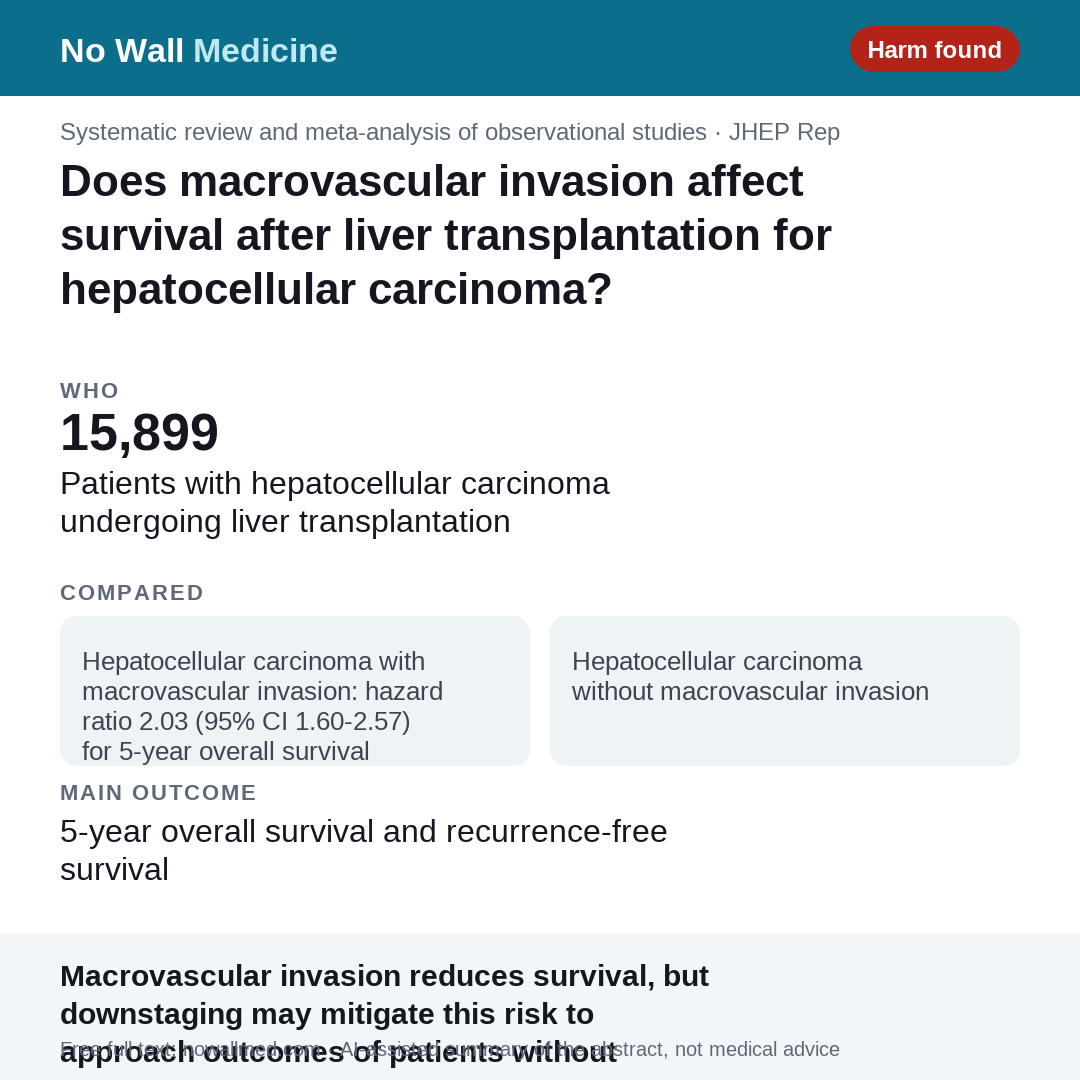
Liver transplantation for HCC with macrovascular invasion: A systematic review and meta-analysis of observational studies
Systematic review and meta-analysis of observational studiesHarm found
Does macrovascular invasion affect survival after liver transplantation for hepatocellular carcinoma?
Who
15,899
Patients with hepatocellular carcinoma undergoing liver transplantation
Compared
Hepatocellular carcinoma with macrovascular invasion: hazard ratio 2.03 (95% CI 1.60-2.57) for 5-year overall survival
Hepatocellular carcinoma without macrovascular invasion
Main outcome
5-year overall survival and recurrence-free survival
Result: hazard ratio 2.03 (95% CI 1.60-2.57) for 5-year overall survival
Bottom line: Macrovascular invasion reduces survival, but downstaging may mitigate this risk to approach outcomes of patients without invasion.
Limitation: Further studies are essential to validate findings and clarify which downstaging approaches confer benefit.
JHEP Rep · 2025-08-28Download image
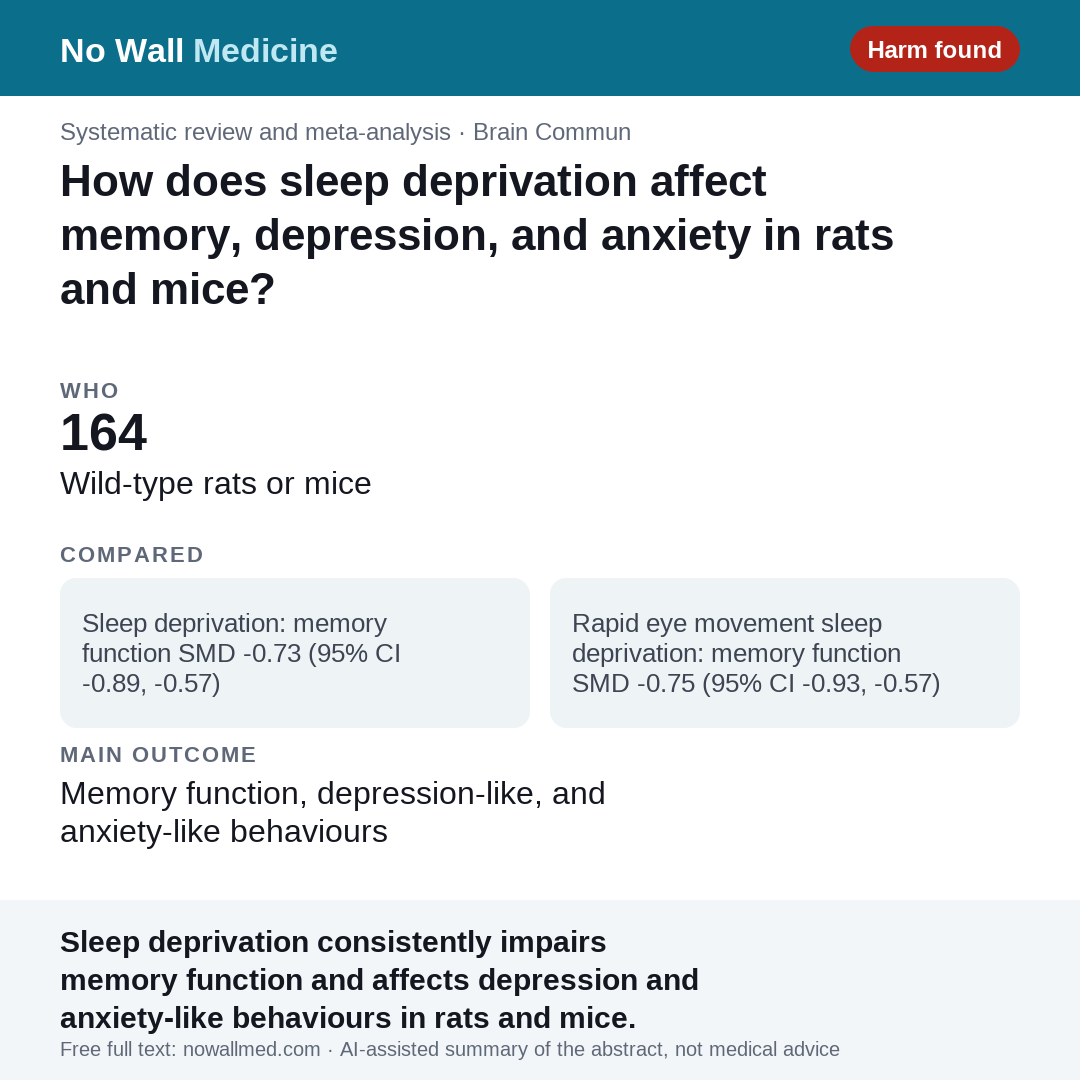
Sleep deprivation affects memory function, depression and anxiety-like behaviours in rats and mice: a systematic review and meta-analysis
Systematic review and meta-analysisHarm found
How does sleep deprivation affect memory, depression, and anxiety in rats and mice?
Who
164
Wild-type rats or mice
Compared
Sleep deprivation: memory function SMD -0.73 (95% CI -0.89, -0.57)
Rapid eye movement sleep deprivation: memory function SMD -0.75 (95% CI -0.93, -0.57)
Main outcome
Memory function, depression-like, and anxiety-like behaviours
Result: SMD -0.73 (95% CI -0.89, -0.57) for memory function
Bottom line: Sleep deprivation consistently impairs memory function and affects depression and anxiety-like behaviours in rats and mice.
Limitation: Impact on anxiety-like behaviours was more variable depending on species and duration.
Brain Commun · 2025-08-28Download image
Mapping the brain's fatigue network: a transdiagnostic systematic review and meta-analysis on functional correlates of mental fatigue
Activation likelihood estimation meta-analysisBenefit found
What is the transdiagnostic functional brain network associated with mental fatigue?
Who
2603
Individuals with medical conditions exhibiting higher fatigue than healthy controls
Compared
Patients with medical conditions
Healthy controls
Main outcome
Functional brain network correlates of mental fatigue
Bottom line: Mental fatigue is associated with a widespread cortical-subcortical network involving frontal, limbic, basal ganglia and parietal structures.
Limitation: Quality analysis indicated a moderate risk of bias in the majority of included studies.
Brain Commun · 2025-08-28Download image

Criminal minds in dementia: A systematic review and quantitative meta-analysis
Systematic review and quantitative meta-analysisMixed results
What is the prevalence of criminal risk behavior across different neurodegenerative syndromes?
Who
236,360
Persons with various neurodegenerative syndromes · Multiple countries including U.S.A., Sweden, Finland, Germany, and Japan
Compared
behavioral variant frontotemporal dementia: >50%
40%semantic variant primary progressive aphasia
15%vascular dementia and Huntington's disease
10%Alzheimer's disease
Main outcome
Prevalence of criminal risk behavior
Bottom line: Criminal risk behavior prevalence varies significantly by dementia type, being highest in behavioral variant frontotemporal dementia.
Transl Psychiatry · 2025-08-28Download image

Digital therapeutics for insomnia: an umbrella review and meta-meta-analysis
Umbrella review and meta-meta-analysisBenefit found
Are digital therapeutics effective for treating insomnia?
Who
118,970
Participants in systematic reviews and meta-analyses
Compared
Digital therapeutics: SMD = -0.42
Control
Main outcome
Insomnia Severity Index
Result: SMD = -0.42, p < 0.01
Bottom line: Digital therapeutics significantly improve insomnia severity, especially when used under therapist guidance and during follow-up.
NPJ Digit Med · 2025-08-28Download image

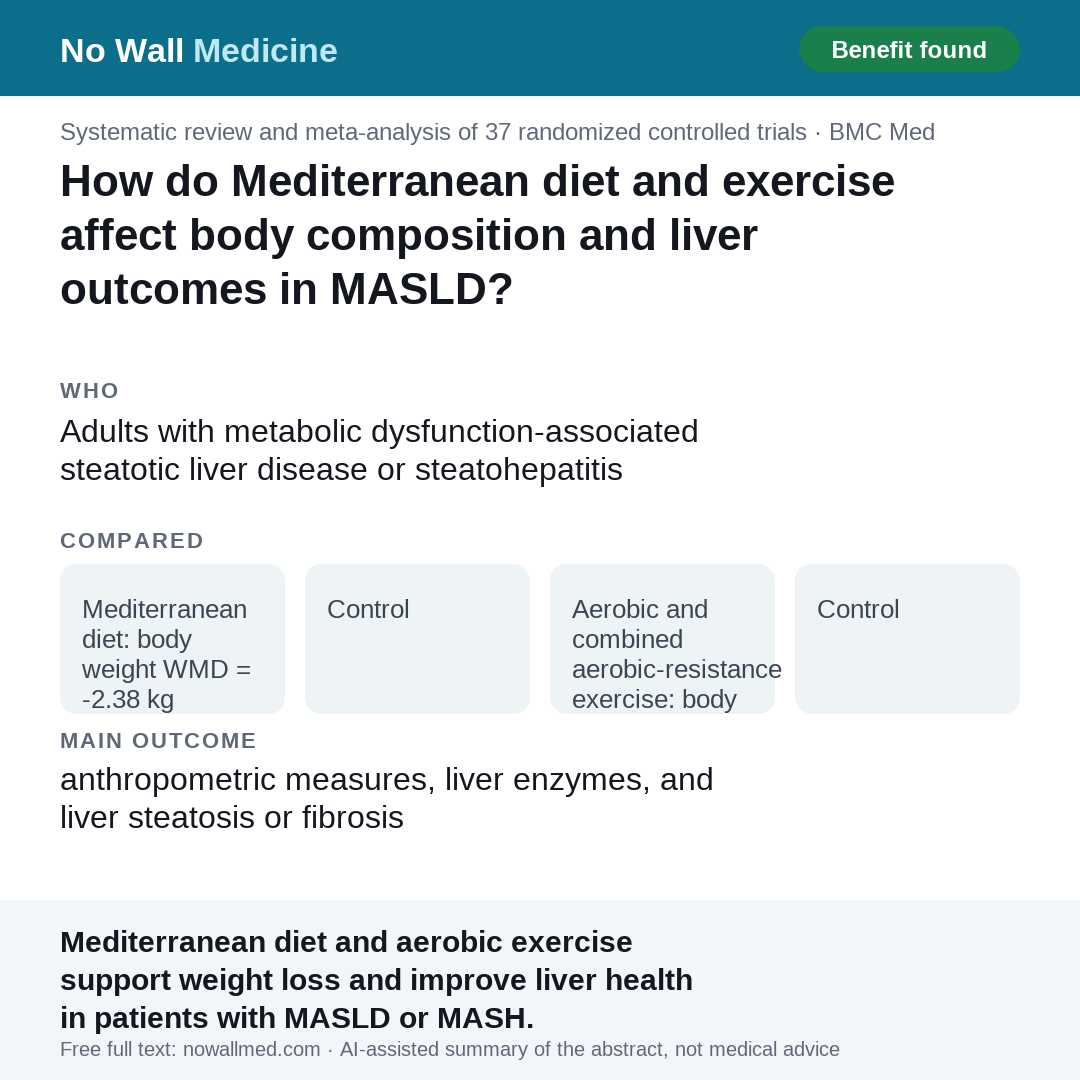
Effects of Mediterranean diet, exercise, and their combination on body composition and liver outcomes in metabolic dysfunction-associated steatotic liver disease: a systematic review and meta-analysis of randomized controlled trials
Systematic review and meta-analysis of 37 randomized controlled trialsBenefit found
How do Mediterranean diet and exercise affect body composition and liver outcomes in MASLD?
Who
Adults with metabolic dysfunction-associated steatotic liver disease or steatohepatitis
Compared
Mediterranean diet: body weight WMD = -2.38 kg
Control
Aerobic and combined aerobic-resistance exercise: body weight WMD = -1.56 kg to -1.90 kg
Control
Main outcome
anthropometric measures, liver enzymes, and liver steatosis or fibrosis
Bottom line: Mediterranean diet and aerobic exercise support weight loss and improve liver health in patients with MASLD or MASH.
Limitation: Standardized methods for measuring and reporting outcomes are essential to build robust evidence.
BMC Med · 2025-08-27Download image
Cardiovascular Effects and Tolerability of GLP-1 Receptor Agonists: A Systematic Review and Meta-Analysis of 99,599 Patients
Meta-analysis of 21 randomized controlled trialsMixed results
What are the cardiovascular effects and tolerability of glucagon-like peptide-1 receptor agonists?
Who
99599
99,599 patients across diverse populations
Compared
Glucagon-like peptide-1 receptor agonists
Controls or placebo
Main outcome
Mortality, major adverse cardiovascular events, and serious adverse events
Result: incidence rate ratio 0.88 (95% CI: 0.84-0.92) for all-cause death
Bottom line: Glucagon-like peptide-1 receptor agonists reduce mortality and major adverse cardiovascular events but increase gastrointestinal and gallbladder disorders.
Limitation: Analysis by receptor agonist type revealed potential differences in efficacy and safety profiles.
JACC · 2025-08-27Download image