Visual abstracts
New randomized trials and meta-analyses from leading journals at a glance: who was studied, what was compared, and what was found. Every paper is free to read in full.
All specialtiesCardiology 2031Oncology 1758Gastroenterology & Hepatology 769Infectious Disease 1291Neurology 838Psychiatry & Mental Health 1002Pulmonology 872Critical Care 579Endocrinology & Diabetes 1088Pediatrics 1206Surgery 1033Orthopedics & Sports Medicine 380Neurosurgery 254Cardiothoracic & Vascular Surgery 219Plastic & Reconstructive Surgery 312Nephrology 428Rheumatology 287Hematology 448Dermatology 233Ophthalmology 235Obstetrics & Gynecology 669Public & Global Health 391Radiology & Imaging 282Anesthesiology 408Urology 361ENT (Otolaryngology) 271Emergency Medicine 225Allergy & Immunology 129Geriatrics 437Family Medicine & Primary Care 239Medical Genetics & Genomics 221Pathology & Laboratory Medicine 67Physical Medicine & Rehabilitation 359Palliative Care 176Nutrition 558Digital Health & AI 1061General Medicine 155
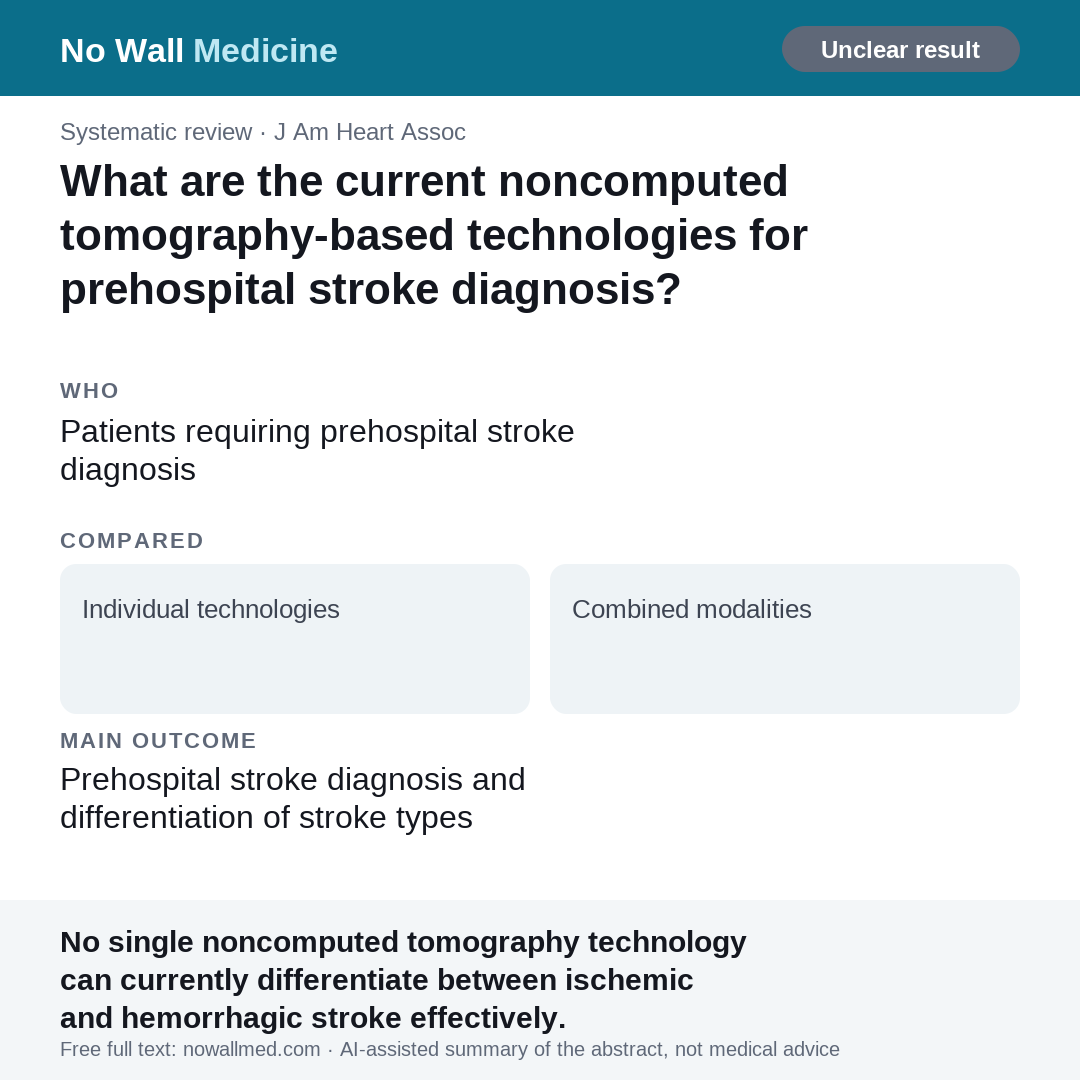
Systematic Review on Noncomputed Tomography-Based Technologies for Prehospital Stroke Diagnosis
Systematic reviewUnclear result
What are the current noncomputed tomography-based technologies for prehospital stroke diagnosis?
Who
Patients requiring prehospital stroke diagnosis
Compared
Individual technologies
Combined modalities
Main outcome
Prehospital stroke diagnosis and differentiation of stroke types
Bottom line: No single noncomputed tomography technology can currently differentiate between ischemic and hemorrhagic stroke effectively.
Limitation: No single technology provides capabilities similar to computed tomography for stroke differentiation.
J Am Heart Assoc · 2026-08-20Download image
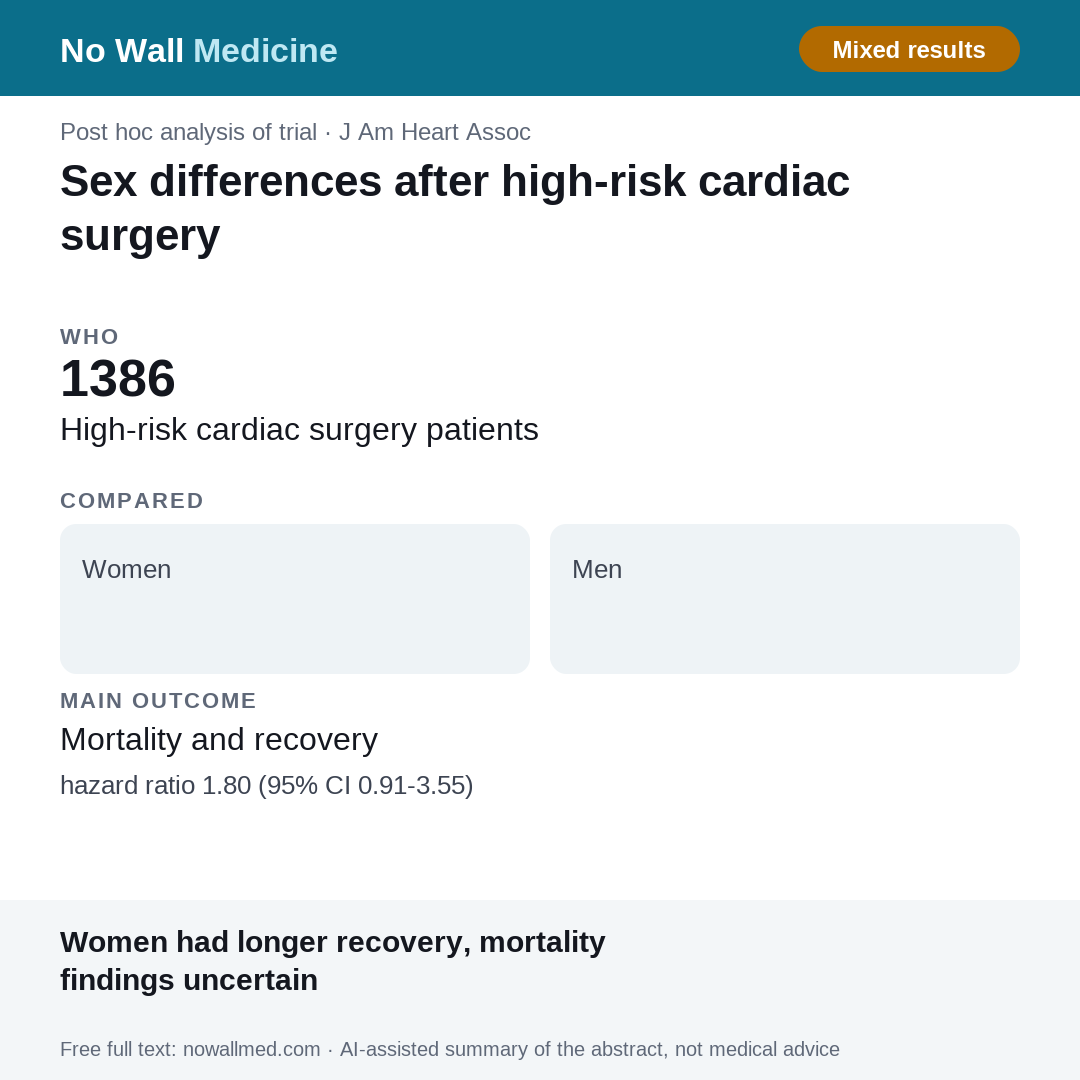
Sex Differences in Postoperative Recovery and Mortality After High-Risk Cardiac Surgery: A Propensity Score-Matched Post Hoc Analysis of the SUSTAIN-CSX Trial
Post hoc analysis of trialMixed results
Sex differences after high-risk cardiac surgery
Who
1386
High-risk cardiac surgery patients
Compared
Women
Men
Main outcome
Mortality and recovery
Result: hazard ratio 1.80 (95% CI 0.91-3.55)
Bottom line: Women had longer recovery, mortality findings uncertain
J Am Heart Assoc · 2026-08-20Download image
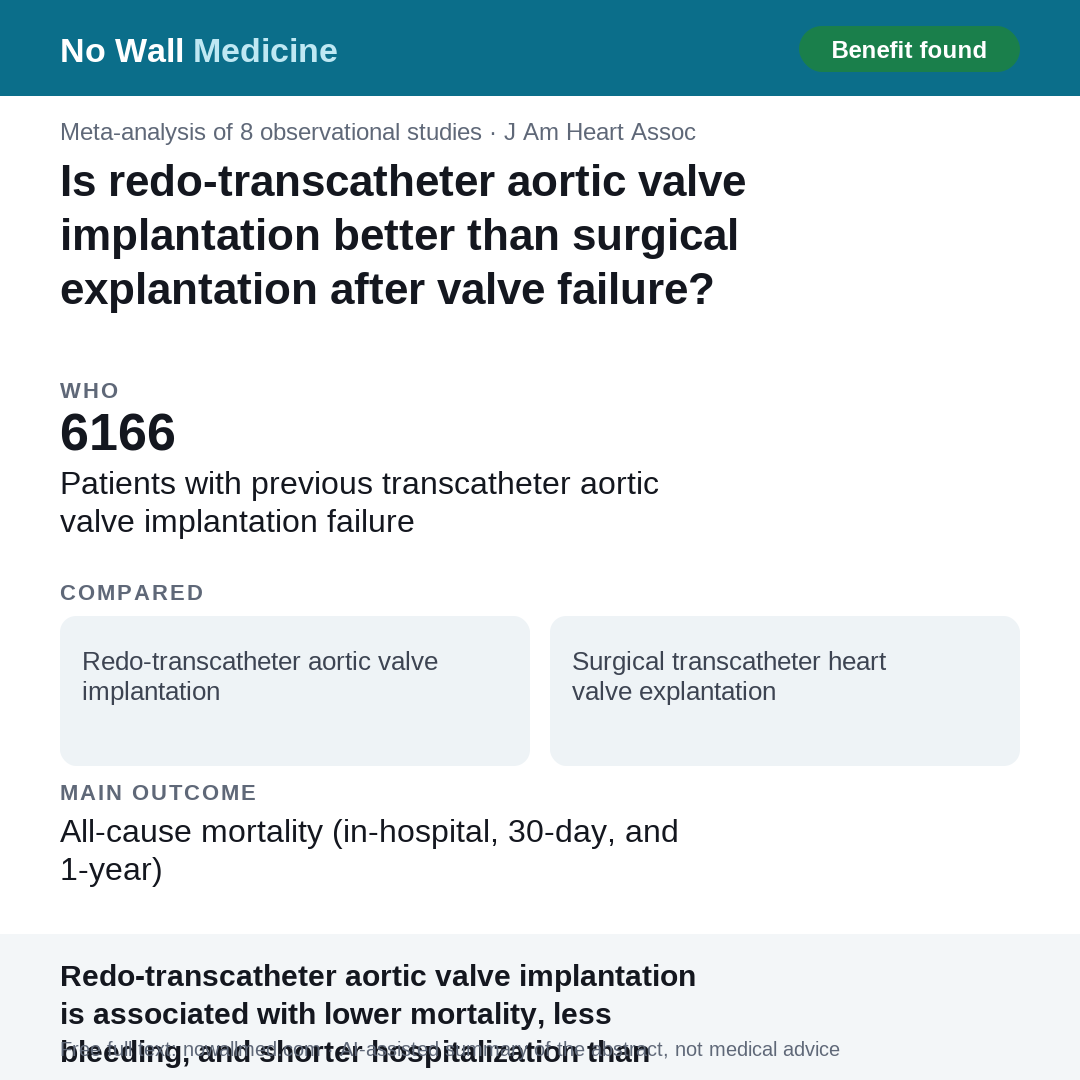
Redo-Transcatheter Aortic Valve Implantation Versus Surgical Explantation in Patients With Previous Transcatheter Aortic Valve Implantation: A Systematic Review and Meta-Analysis
Meta-analysis of 8 observational studiesBenefit found
Is redo-transcatheter aortic valve implantation better than surgical explantation after valve failure?
Who
6166
Patients with previous transcatheter aortic valve implantation failure
Compared
Redo-transcatheter aortic valve implantation
Surgical transcatheter heart valve explantation
Main outcome
All-cause mortality (in-hospital, 30-day, and 1-year)
Result: 1-year mortality odds ratio 0.70 (95% CI 0.62-0.80)
Bottom line: Redo-transcatheter aortic valve implantation is associated with lower mortality, less bleeding, and shorter hospitalization than surgical explantation.
J Am Heart Assoc · 2026-08-20Download image
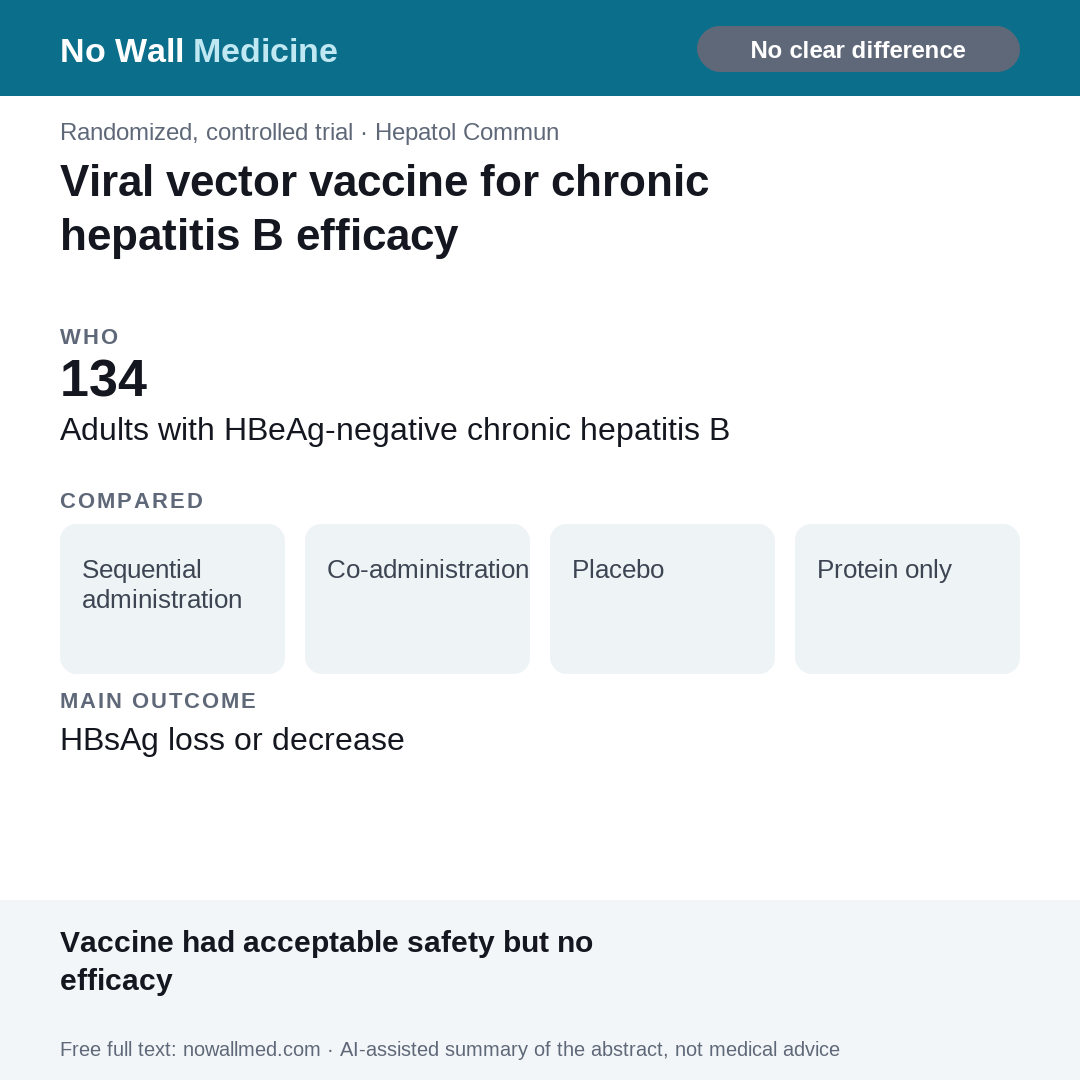
A randomized trial of viral vector and adjuvanted protein HBV therapeutic vaccine in people with chronic hepatitis B on nucleos(t)ide analogs
Randomized, controlled trialNo clear difference
Viral vector vaccine for chronic hepatitis B efficacy
Who
134
Adults with HBeAg-negative chronic hepatitis B
Compared
Sequential administration
Co-administration
Placebo
Protein only
Main outcome
HBsAg loss or decrease
Bottom line: Vaccine had acceptable safety but no efficacy
Hepatol Commun · 2026-08-20Download image
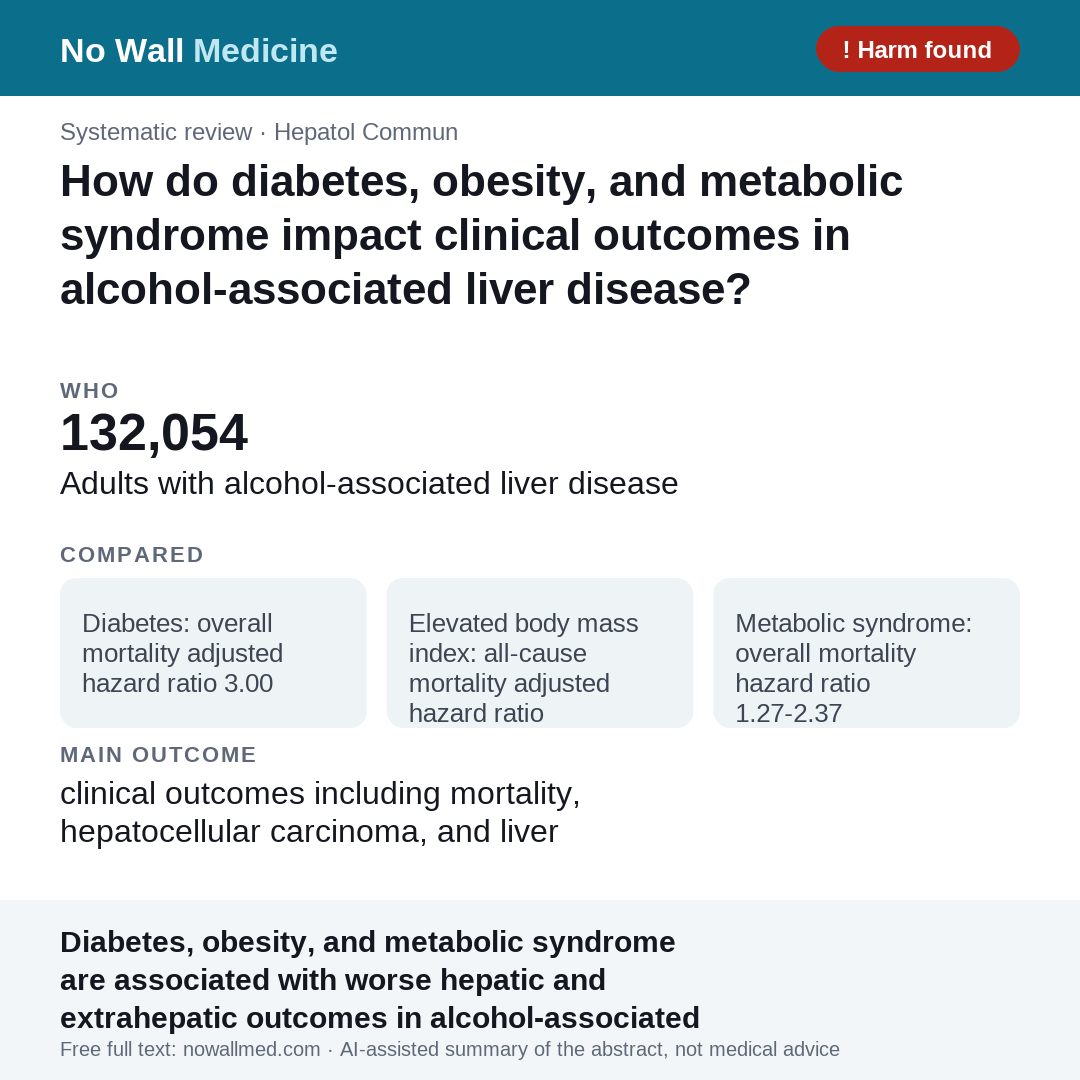
Effects of diabetes, obesity, and metabolic syndrome on alcohol-associated liver disease: A systematic review
Systematic reviewHarm found
How do diabetes, obesity, and metabolic syndrome impact clinical outcomes in alcohol-associated liver disease?
Who
132,054
Adults with alcohol-associated liver disease
Compared
Diabetes: overall mortality adjusted hazard ratio 3.00
Elevated body mass index: all-cause mortality adjusted hazard ratio 1.16-1.58
Metabolic syndrome: overall mortality hazard ratio 1.27-2.37
Main outcome
clinical outcomes including mortality, hepatocellular carcinoma, and liver transplantation
Bottom line: Diabetes, obesity, and metabolic syndrome are associated with worse hepatic and extrahepatic outcomes in alcohol-associated liver disease.
Hepatol Commun · 2026-08-20Download image
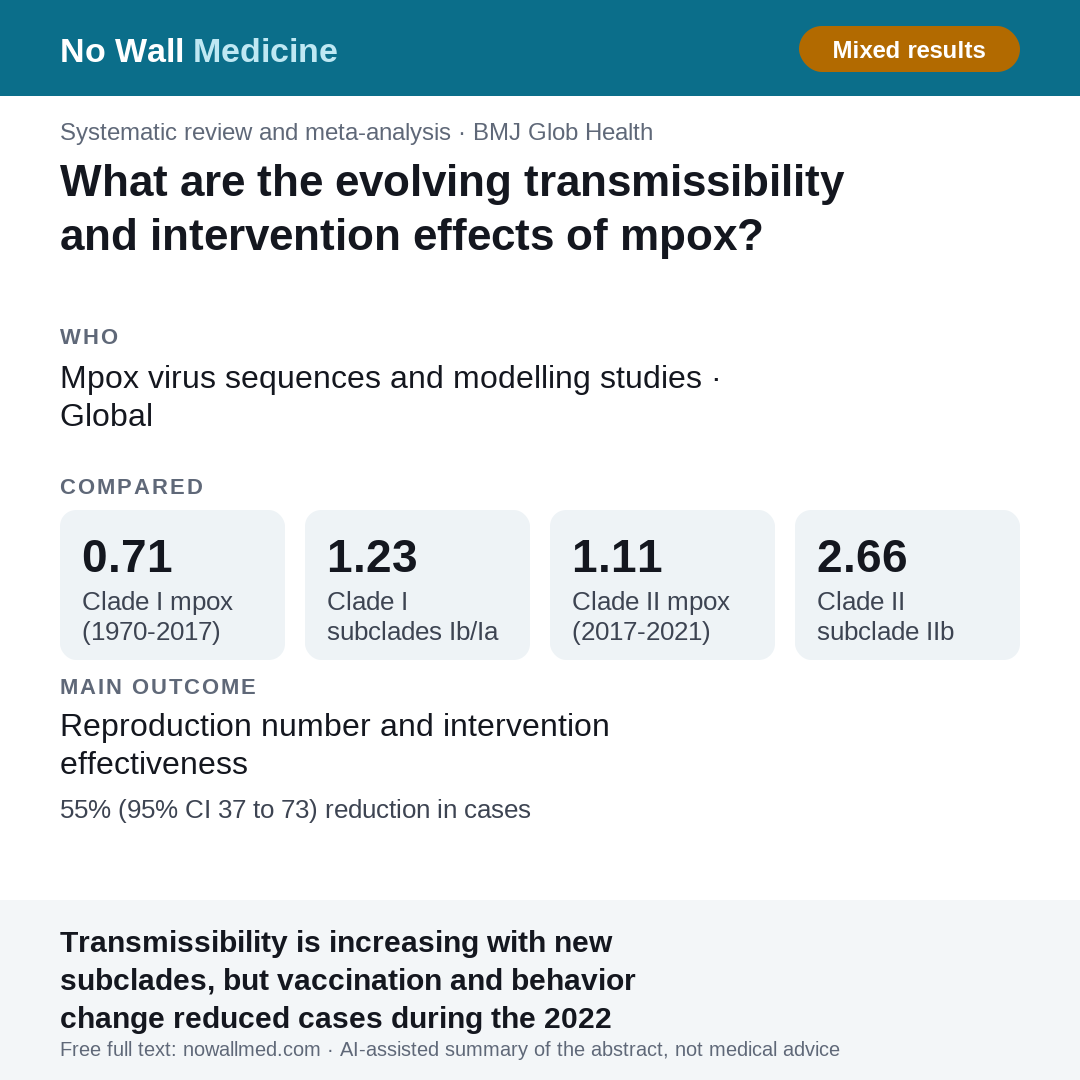
Dynamics of global mpox epidemics, 1970-2025: a systematic review and meta-analysis of evolving transmissibility and intervention effects
Systematic review and meta-analysisMixed results
What are the evolving transmissibility and intervention effects of mpox?
Who
Mpox virus sequences and modelling studies · Global
Compared
0.71Clade I mpox (1970-2017) (95% CI 0.26 to 1.17)
1.23Clade I subclades Ib/Ia (after 2023) (1.12-1.33)
1.11Clade II mpox (2017-2021) (0.90-1.32)
2.66Clade II subclade IIb (2022-2023) (2.31-3.00)
Main outcome
Reproduction number and intervention effectiveness
Result: 55% (95% CI 37 to 73) reduction in cases
Bottom line: Transmissibility is increasing with new subclades, but vaccination and behavior change reduced cases during the 2022 outbreak.
Limitation: Effect sizes varied across settings according to behavior change and vaccine rollout timing.
BMJ Glob Health · 2026-08-20Download image
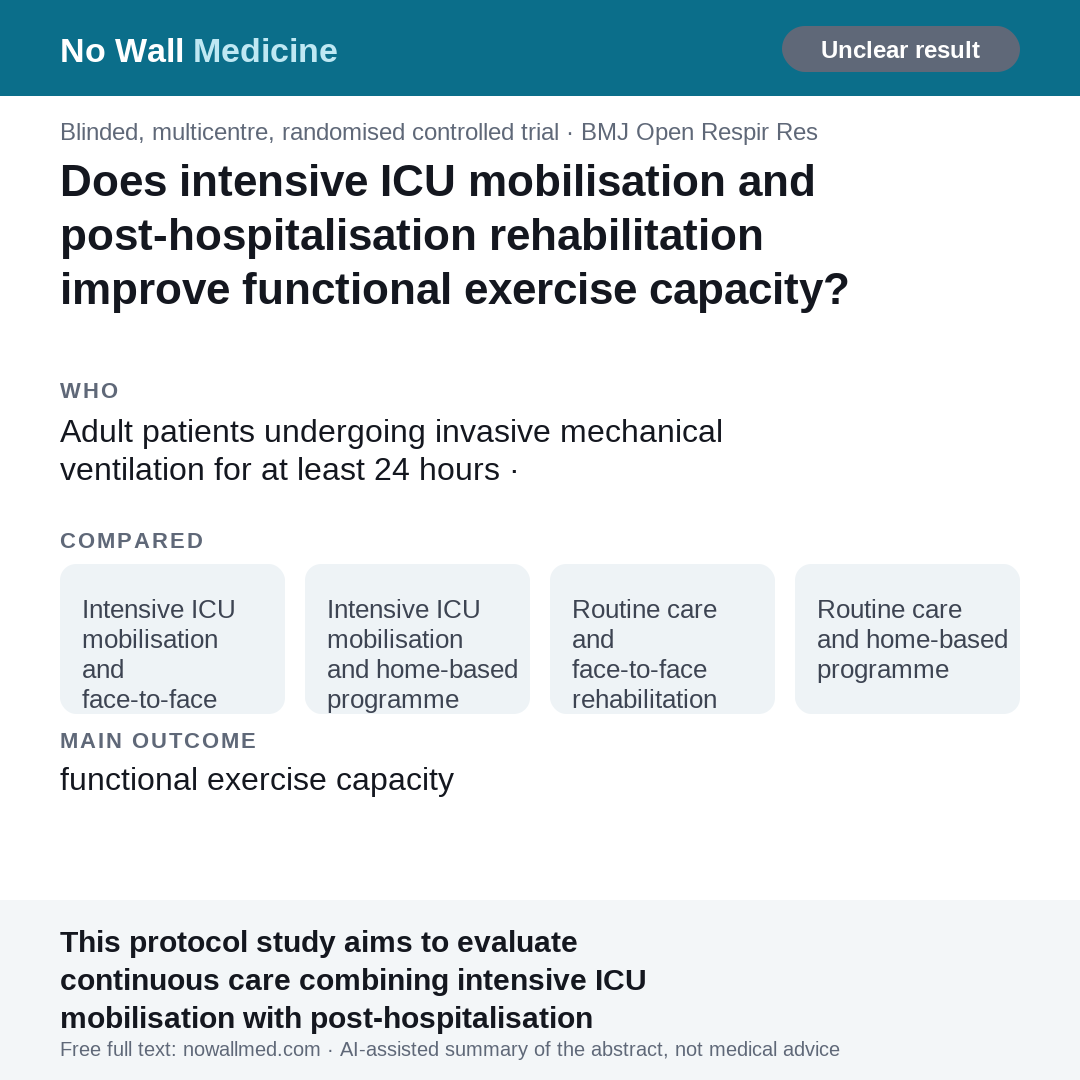
A protocol for the rehabilitation of patients undergoing mechanical ventilation from the ICU to the post-hospital phase: the MOVE-ICUtoHOME, a multicentre randomised controlled trial
Blinded, multicentre, randomised controlled trialUnclear result
Does intensive ICU mobilisation and post-hospitalisation rehabilitation improve functional exercise capacity?
Who
Adult patients undergoing invasive mechanical ventilation for at least 24 hours · Multicentre
Compared
Intensive ICU mobilisation and face-to-face rehabilitation
Intensive ICU mobilisation and home-based programme
Routine care and face-to-face rehabilitation
Routine care and home-based programme
Main outcome
functional exercise capacity
Bottom line: This protocol study aims to evaluate continuous care combining intensive ICU mobilisation with post-hospitalisation rehabilitation.
BMJ Open Respir Res · 2026-08-20Download image
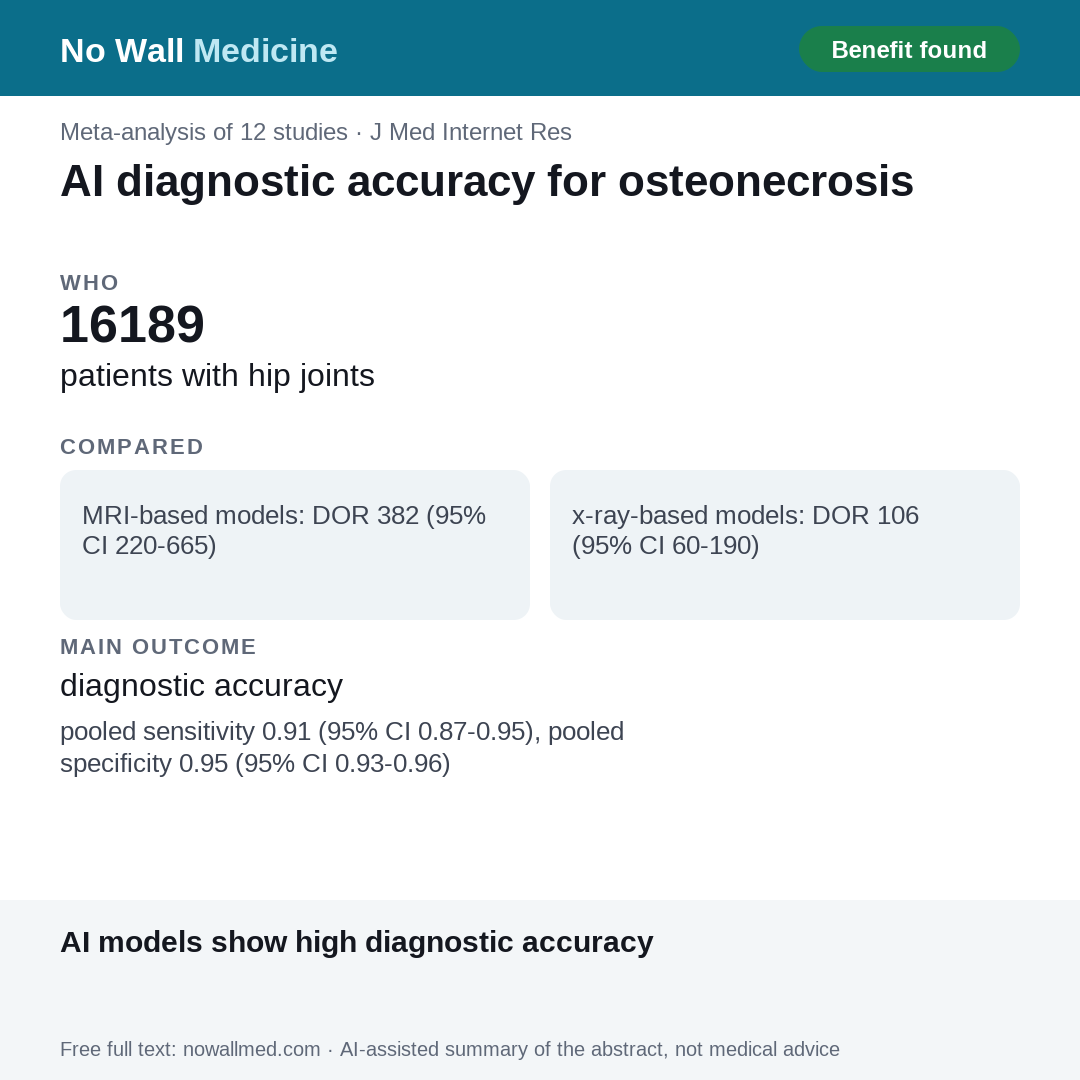
Exploring possibilities towards PeRsonalIsed MEdicine in Rheumatoid Arthritis (PRIMERA): tailored modifications to standard treat-to-target management-a multicentre, randomised, open-label trial
Multicentre, open-label randomised controlled trialNo clear difference
Does a stratified tailor-made approach improve outcomes in early rheumatoid arthritis?
Who
308
Adults with disease-modifying antirheumatic drug-naïve rheumatoid arthritis · Multicentre
Compared
tailor-made approach: 21% targeted synthetic or biologic disease-modifying antirheumatic drug use
routine care: 17% targeted synthetic or biologic disease-modifying antirheumatic drug use
Main outcome
targeted synthetic or biologic disease-modifying antirheumatic drug use
Bottom line: A stratified tailor-made approach did not result in superior clinical outcomes compared to routine care.
RMD Open · 2026-08-20Download image
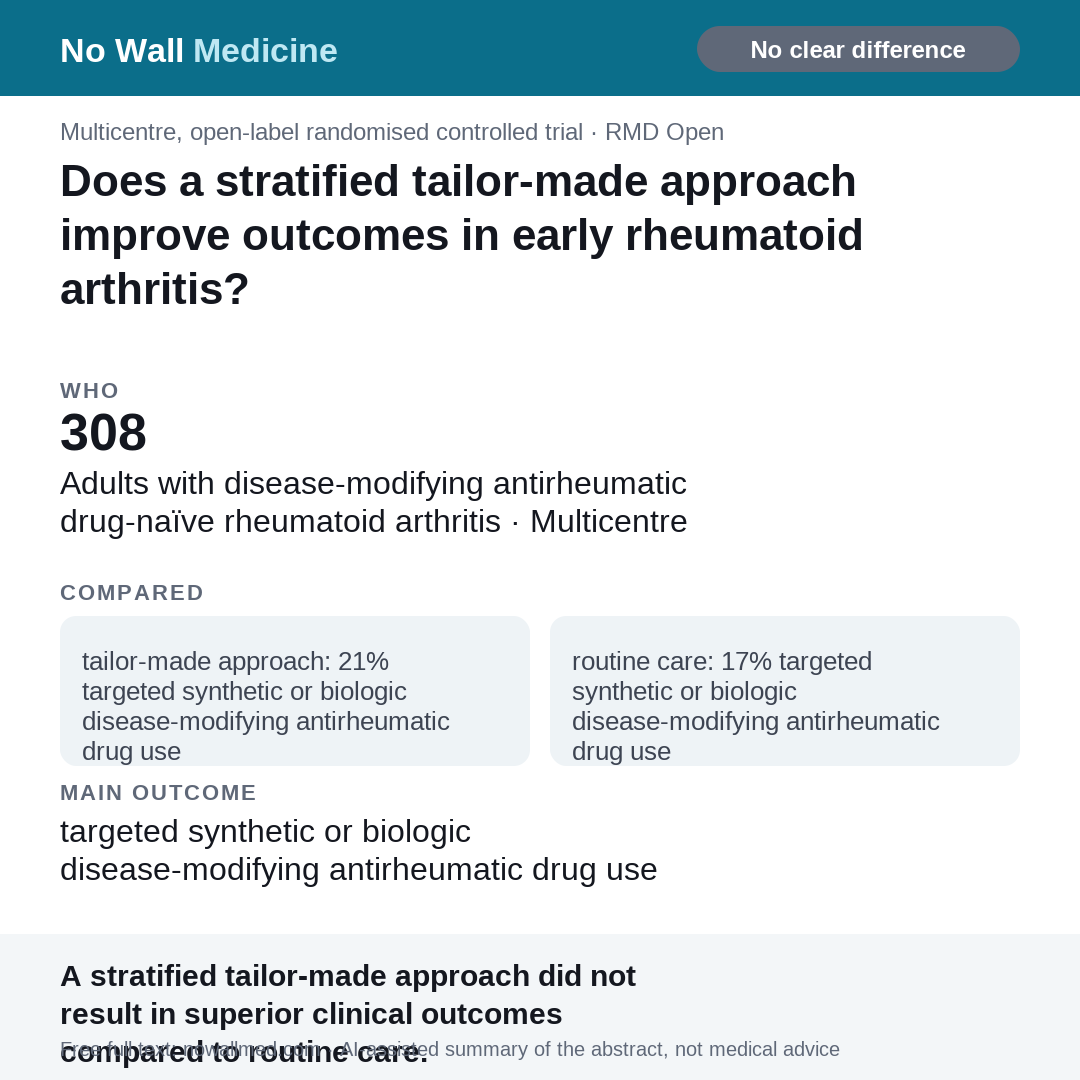
Long-term microbiome and clinical effects of a microbiome-guided personalized diet versus low-FODMAP diet in irritable bowel syndrome: A 12-month follow-up randomized controlled trial
Multicenter, open-label randomized controlled trialBenefit found
Are microbiome-guided personalized diets more effective long-term than low-FODMAP diets for IBS?
Who
Adults meeting Rome IV criteria for irritable bowel syndrome · Multicenter
Compared
Microbiome-guided personalized diet: -78.3 points from baseline
Low-FODMAP diet: +29.3 points from baseline
Main outcome
IBS Severity Scoring System scores
Result: absolute risk difference +28.0%, 95% CI 4.2-47.7
Bottom line: Microbiome-guided personalized diets provided more durable symptom improvement and higher responder rates than the low-FODMAP diet at 12 months.
Gut Microbes · 2026-08-20Download image
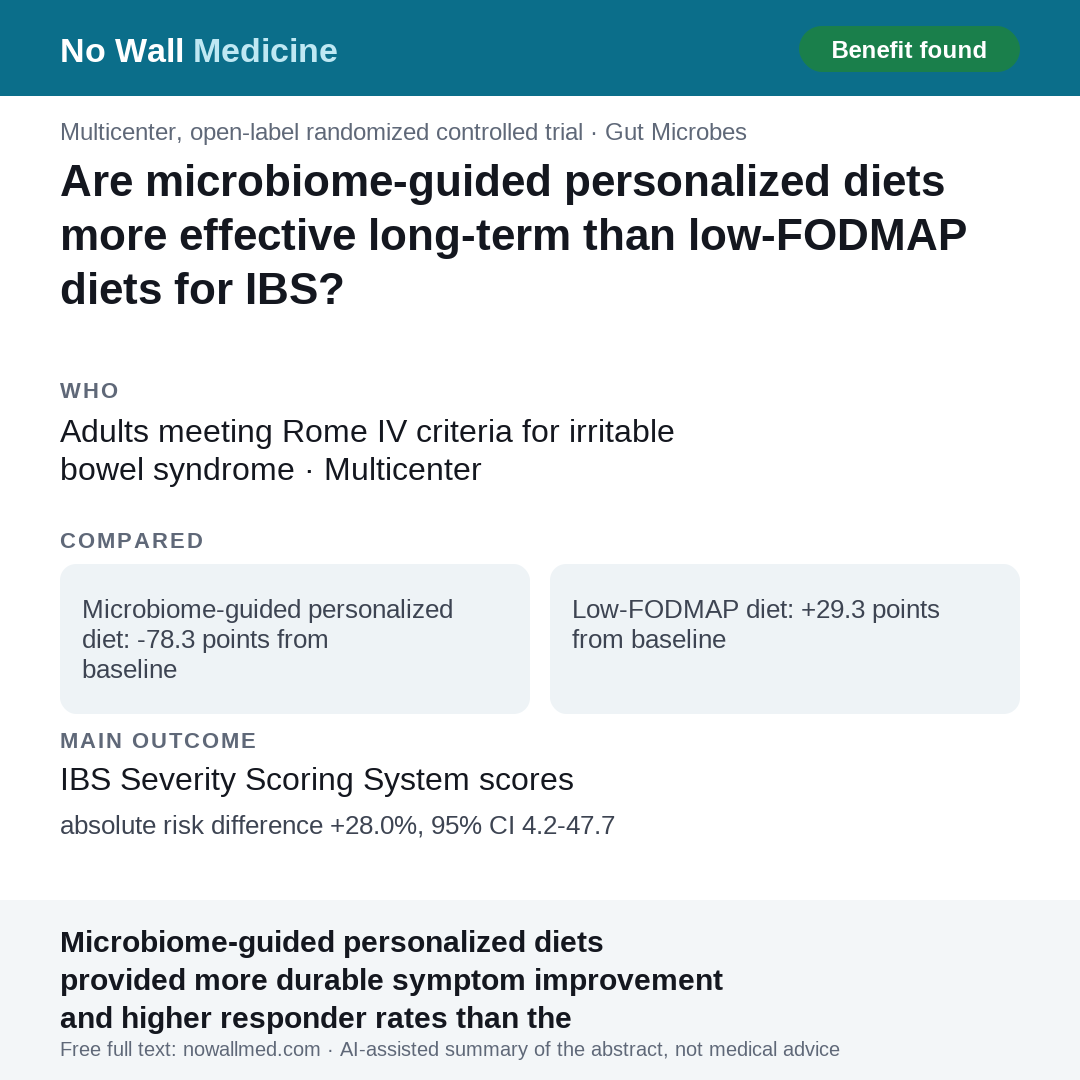
AI Models for Predicting Acute Kidney Injury (AKI) and Post-AKI Mortality: Systematic Review and Meta-Analysis
Systematic review and meta-analysisBenefit found
How well do machine learning models predict acute kidney injury and post-injury mortality?
Who
7343170
Participants in studies developing or validating machine learning prediction models
Compared
0.834Acute kidney injury occurrence (95% CI 0.821-0.846)
0.830Post-acute kidney injury mortality (95% CI 0.807-0.851)
Main outcome
Area under the receiver operating characteristic curve
Bottom line: Machine learning models show high discrimination for predicting acute kidney injury and post-injury mortality.
Limitation: High heterogeneity, limited external or prospective validation, and inconsistent reporting of calibration and clinical utility.
J Med Internet Res · 2026-08-20Download image
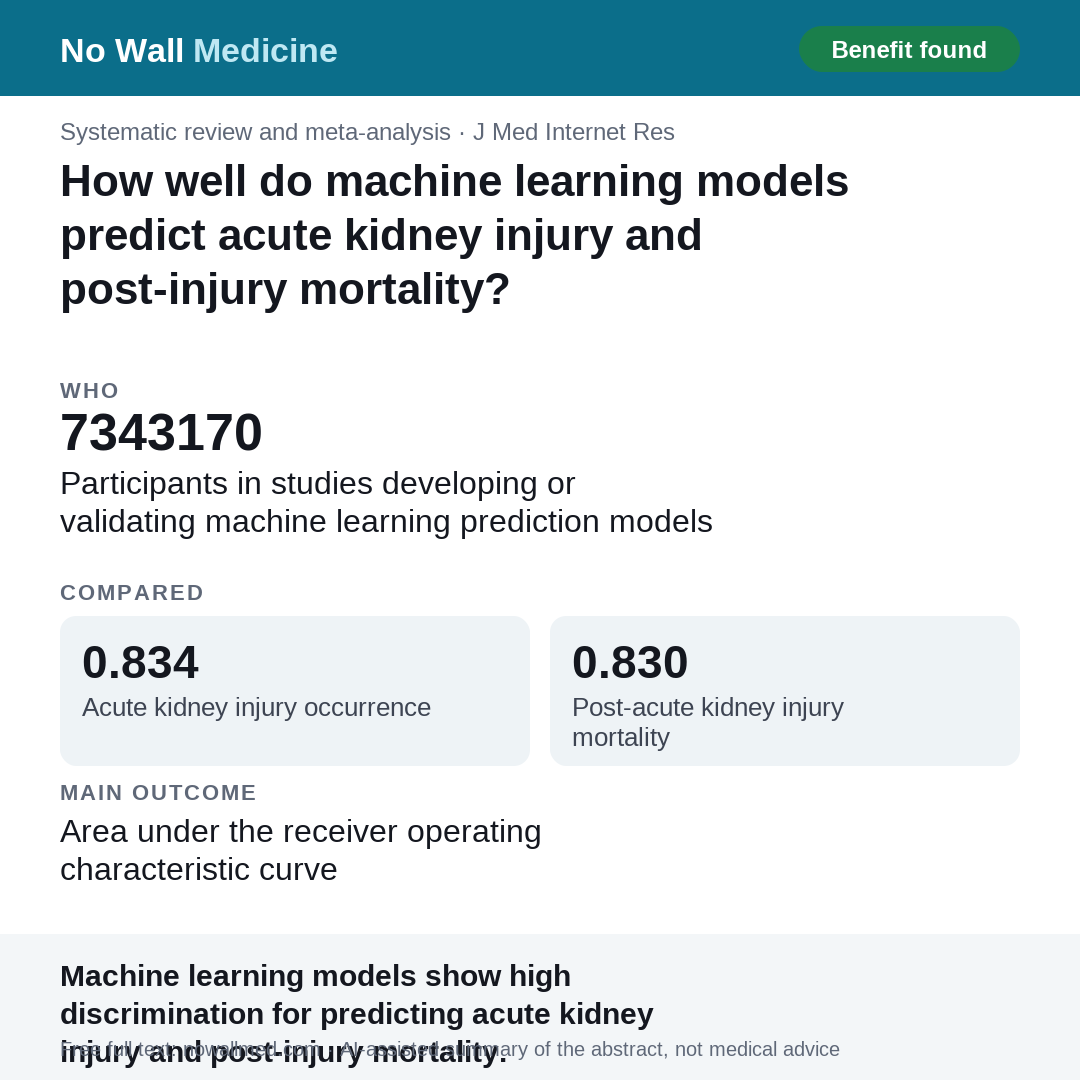
Diagnostic Accuracy of Medical Imaging-Based Artificial Intelligence for Osteonecrosis of the Femoral Head: Systematic Review and Meta-Analysis
Meta-analysis of 12 studiesBenefit found
AI diagnostic accuracy for osteonecrosis
Who
16189
patients with hip joints
Compared
MRI-based models: DOR 382 (95% CI 220-665)
x-ray-based models: DOR 106 (95% CI 60-190)
Main outcome
diagnostic accuracy
Result: pooled sensitivity 0.91 (95% CI 0.87-0.95), pooled specificity 0.95 (95% CI 0.93-0.96)
Bottom line: AI models show high diagnostic accuracy
Limitation: limited studies and retrospective designs
J Med Internet Res · 2026-08-20Download image
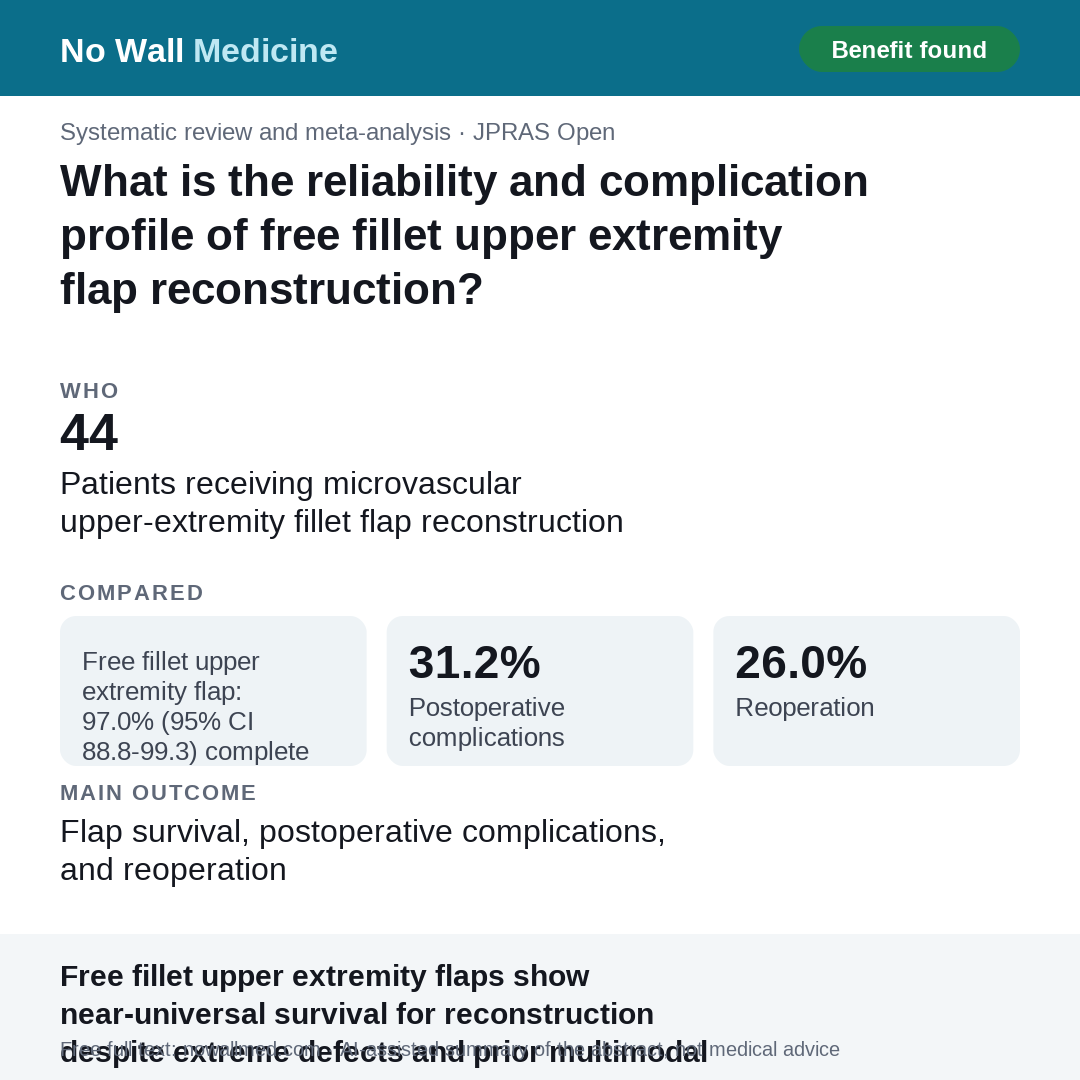
Free fillet upper extremity flap reconstruction after forequarter amputation: A systematic review and meta-analysis
Systematic review and meta-analysisBenefit found
What is the reliability and complication profile of free fillet upper extremity flap reconstruction?
Who
44
Patients receiving microvascular upper-extremity fillet flap reconstruction
Compared
Free fillet upper extremity flap: 97.0% (95% CI 88.8-99.3) complete flap survival
31.2%Postoperative complications (95% CI 18.7-47.3)
26.0%Reoperation (95% CI 14.6-42.0)
Main outcome
Flap survival, postoperative complications, and reoperation
Bottom line: Free fillet upper extremity flaps show near-universal survival for reconstruction despite extreme defects and prior multimodal therapy.
Limitation: Substantial heterogeneity and limited evidence from small series and case reports.
JPRAS Open · 2026-08-20Download image
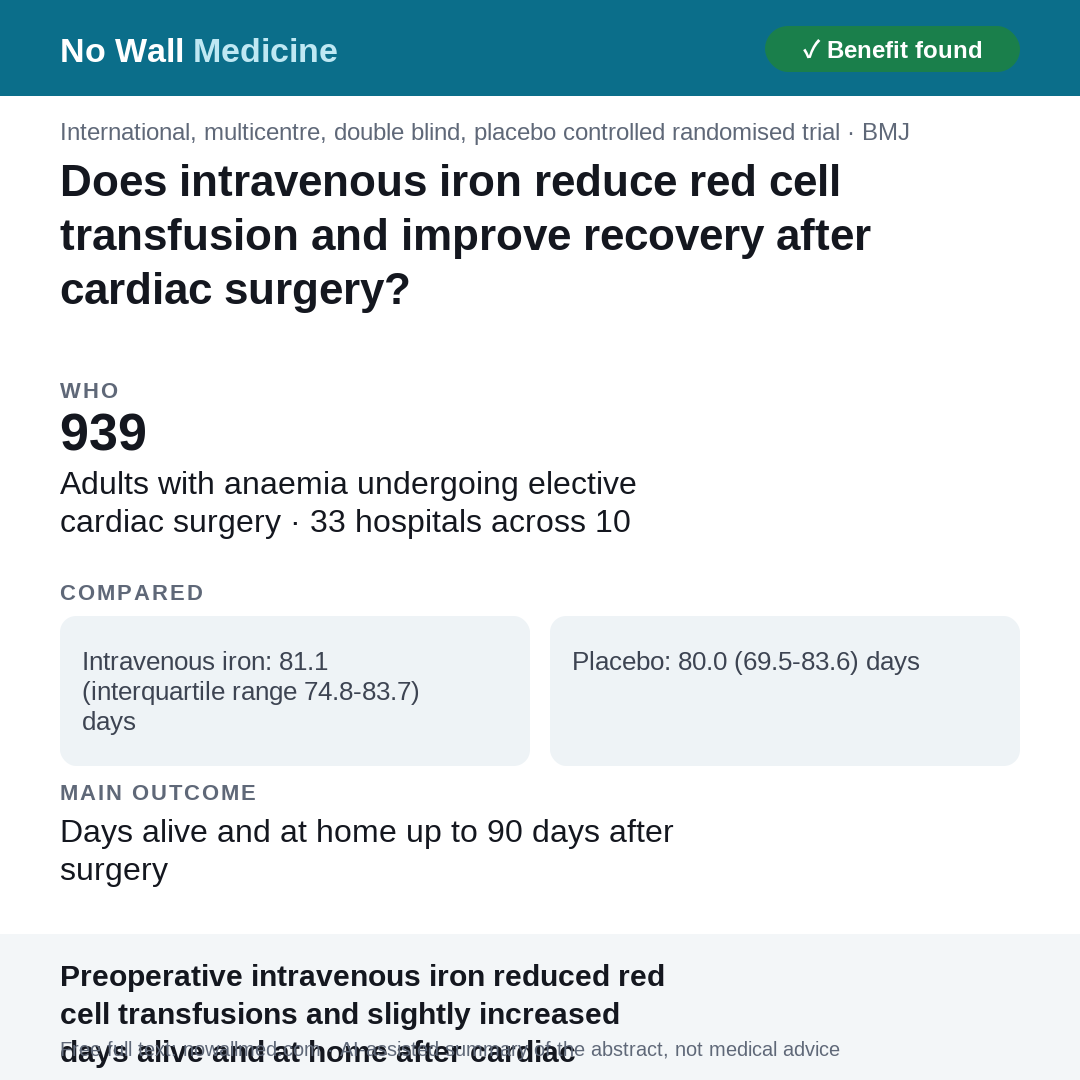
Intravenous iron to treat anaemia before cardiac surgery (ITACS): international, double blind, placebo controlled randomised trial
International, multicentre, double blind, placebo controlled randomised trialBenefit found
Does intravenous iron reduce red cell transfusion and improve recovery after cardiac surgery?
Who
939
Adults with anaemia undergoing elective cardiac surgery · 33 hospitals across 10 countries
Compared
Intravenous iron: 81.1 (interquartile range 74.8-83.7) days
Placebo: 80.0 (69.5-83.6) days
Main outcome
Days alive and at home up to 90 days after surgery
Result: adjusted median difference 1.0 day, 95.4% confidence interval 0.0 to 2.1 days
Bottom line: Preoperative intravenous iron reduced red cell transfusions and slightly increased days alive and at home after cardiac surgery.
BMJ · 2026-08-19Download image
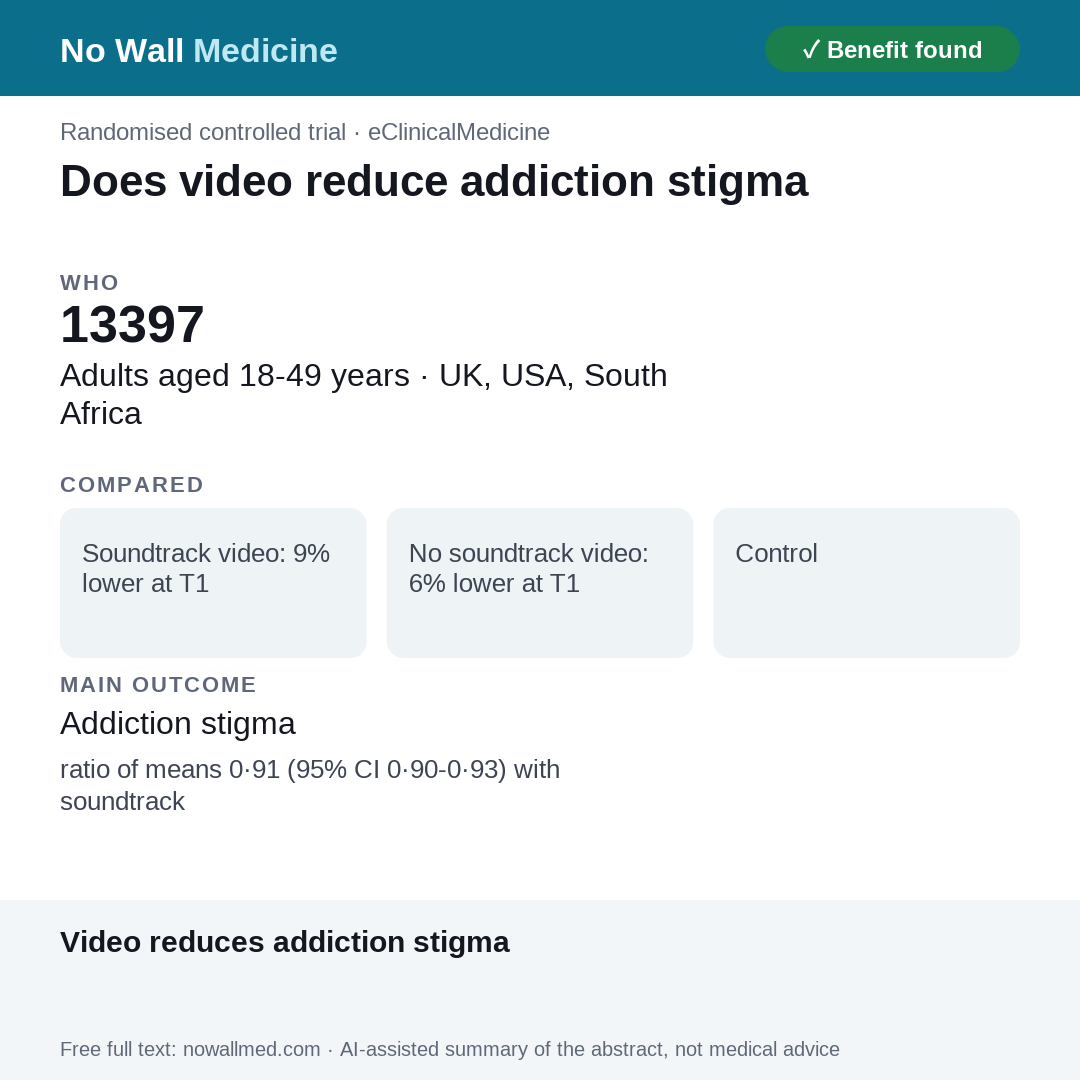
Short, animated storytelling social contact videos reduce addiction stigma in the UK, USA, and South Africa: a randomised controlled trial of 13,397 participants
Randomised controlled trialBenefit found
Does video reduce addiction stigma
Who
13397
Adults aged 18-49 years · UK, USA, South Africa
Compared
Soundtrack video: 9% lower at T1
No soundtrack video: 6% lower at T1
Control
Main outcome
Addiction stigma
Result: ratio of means 0·91 (95% CI 0·90-0·93) with soundtrack
Bottom line: Video reduces addiction stigma
Funded by: Heidelberg Institute for Global Health
eClinicalMedicine · 2026-08-19Download image
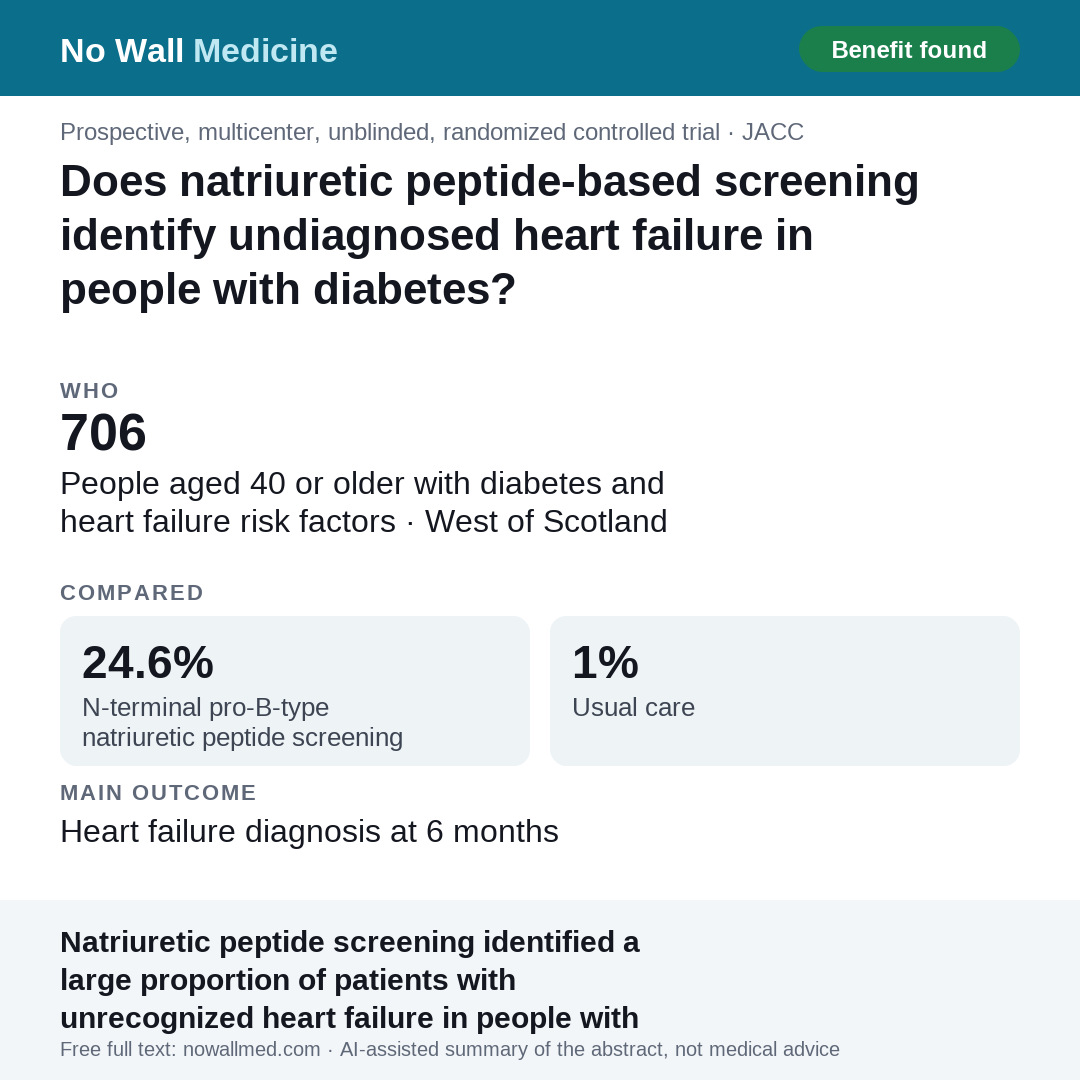
Targeted Assessment in High-Risk Patients With Diabetes to Identify Undiagnosed Heart Failure (TARTAN-HF)
Prospective, multicenter, unblinded, randomized controlled trialBenefit found
Does natriuretic peptide-based screening identify undiagnosed heart failure in people with diabetes?
Who
706
People aged 40 or older with diabetes and heart failure risk factors · West of Scotland
Compared
24.6%N-terminal pro-B-type natriuretic peptide screening
1%Usual care
Main outcome
Heart failure diagnosis at 6 months
Result: OR: 58 (95% CI: 14-236)
Bottom line: Natriuretic peptide screening identified a large proportion of patients with unrecognized heart failure in people with diabetes.
JACC · 2026-08-19Download image
Epidemiological impact of a dual-action insecticidal coating applied to Aedes aegypti breeding sites on dengue transmission in Colombia: a cluster-randomised trial
Cluster-randomised trialBenefit found
Does a dual-action insecticidal coating on water containers reduce dengue transmission?
Who
20 community clusters in metropolitan Cúcuta, Colombia · Metropolitan Cúcuta, Colombia
Compared
Intervention: 337·1 cases per 100 000 population
Control: 528·5 cases per 100 000 population
Main outcome
Change in annual dengue incidence
Result: incidence rate ratio 0·55 (95% CI 0·45-0·68)
Bottom line: A dual-action insecticidal coating on water containers reduced dengue incidence and Aedes aegypti infestation in Colombia.
Lancet Infect Dis · 2026-08-19Download image

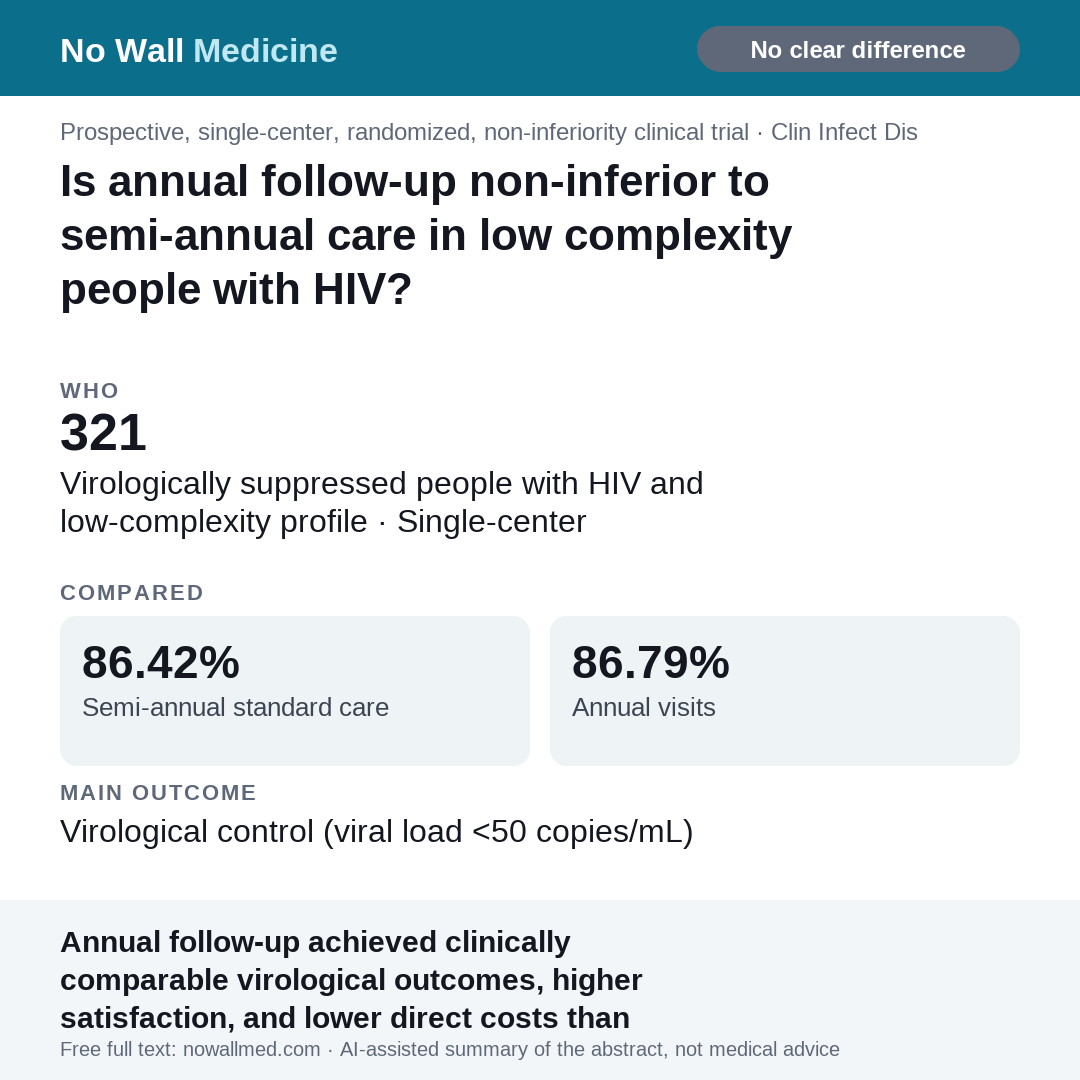
Annual vs semi-annual follow-up in low complexity virologically suppressed people with HIV: a randomized interventional trial
Prospective, single-center, randomized, non-inferiority clinical trialNo clear difference
Is annual follow-up non-inferior to semi-annual care in low complexity people with HIV?
Who
321
Virologically suppressed people with HIV and low-complexity profile · Single-center
Compared
86.42%Semi-annual standard care (ITT)
86.79%Annual visits (ITT)
Main outcome
Virological control (viral load <50 copies/mL)
Bottom line: Annual follow-up achieved clinically comparable virological outcomes, higher satisfaction, and lower direct costs than semi-annual care.
Clin Infect Dis · 2026-08-19Download image
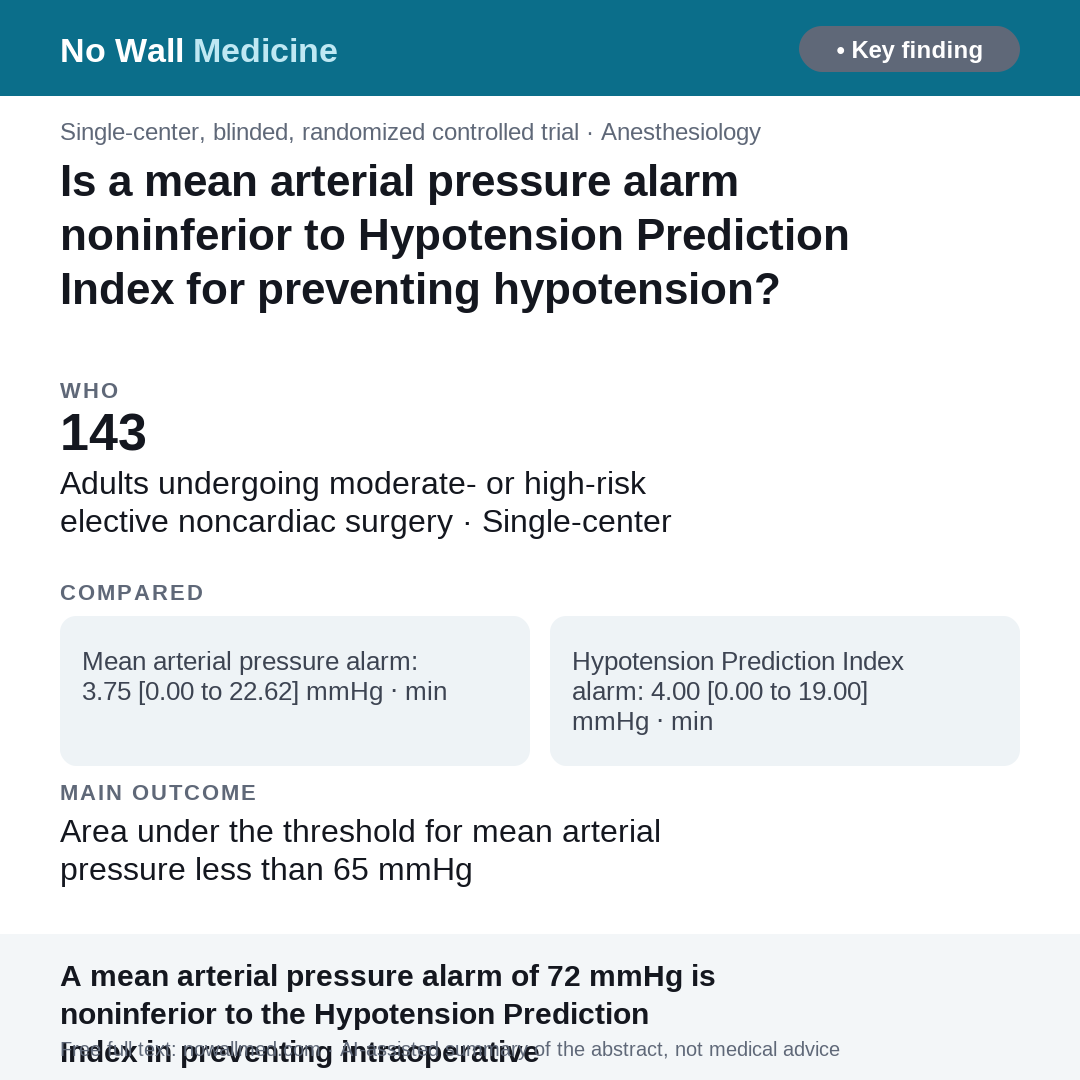
Hypotension Prediction Index versus Mean Arterial Pressure Alarm for Preventing Intraoperative Hypotension in Elective Noncardiac Surgery: A Randomized Controlled Trial
Single-center, blinded, randomized controlled trialBenefit found
Is a mean arterial pressure alarm noninferior to Hypotension Prediction Index for preventing hypotension?
Who
143
Adults undergoing moderate- or high-risk elective noncardiac surgery · Single-center
Compared
Mean arterial pressure alarm: 3.75 [0.00 to 22.62] mmHg ⋅ min
Hypotension Prediction Index alarm: 4.00 [0.00 to 19.00] mmHg ⋅ min
Main outcome
Area under the threshold for mean arterial pressure less than 65 mmHg
Result: mean difference 0.03 (95% CI, -0.24 to 0.29)
Bottom line: A mean arterial pressure alarm of 72 mmHg is noninferior to the Hypotension Prediction Index in preventing intraoperative hypotension.
Anesthesiology · 2026-08-19Download image
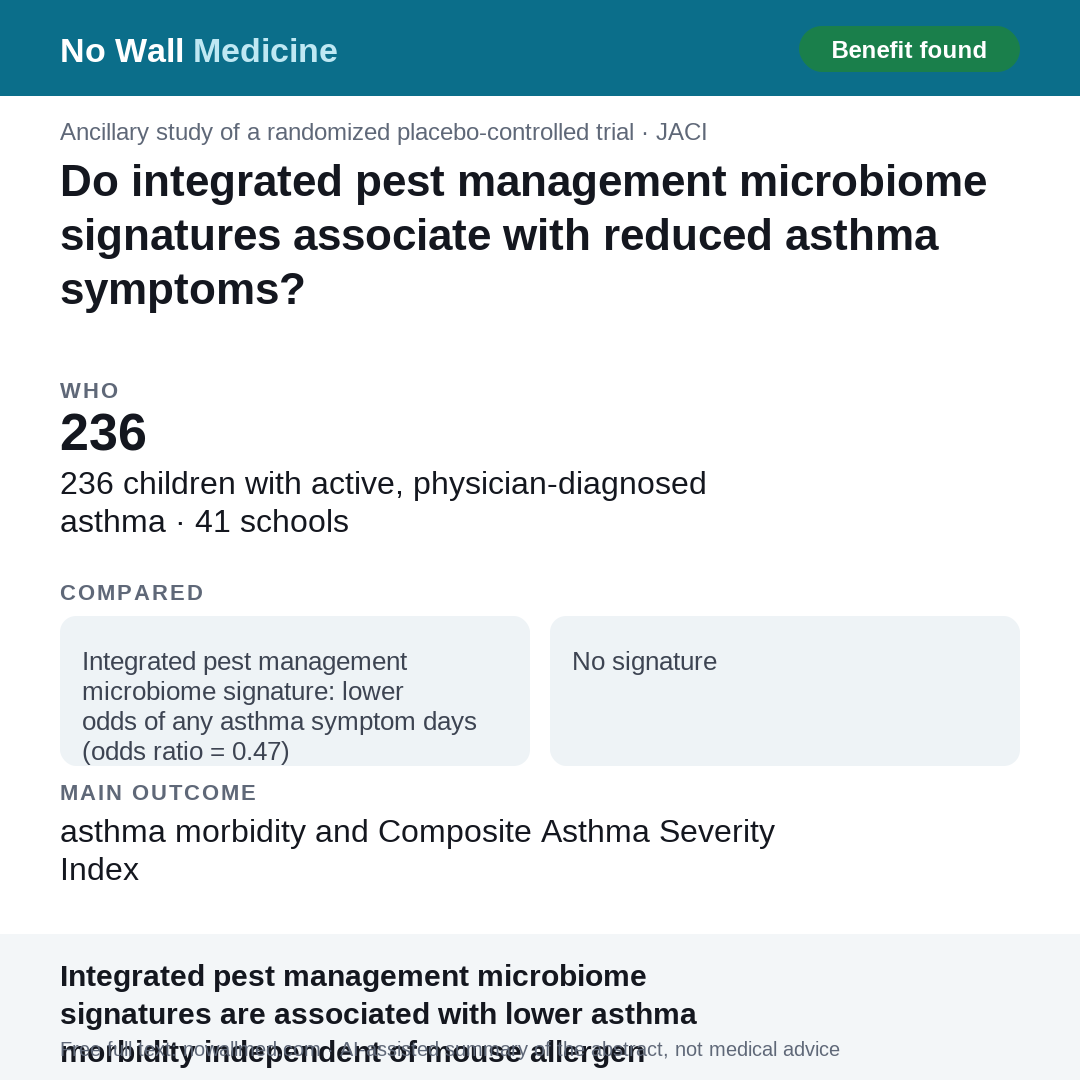
Classroom microbiome signatures of pest management associate with reduced asthma symptoms
Ancillary study of a randomized placebo-controlled trialBenefit found
Do integrated pest management microbiome signatures associate with reduced asthma symptoms?
Who
236
236 children with active, physician-diagnosed asthma · 41 schools
Compared
Integrated pest management microbiome signature: lower odds of any asthma symptom days (odds ratio = 0.47)
No signature
Main outcome
asthma morbidity and Composite Asthma Severity Index
Result: odds ratio = 0.47 (95% confidence interval, 0.22, 0.97)
Bottom line: Integrated pest management microbiome signatures are associated with lower asthma morbidity independent of mouse allergen exposure.
JACI · 2026-08-19Download image
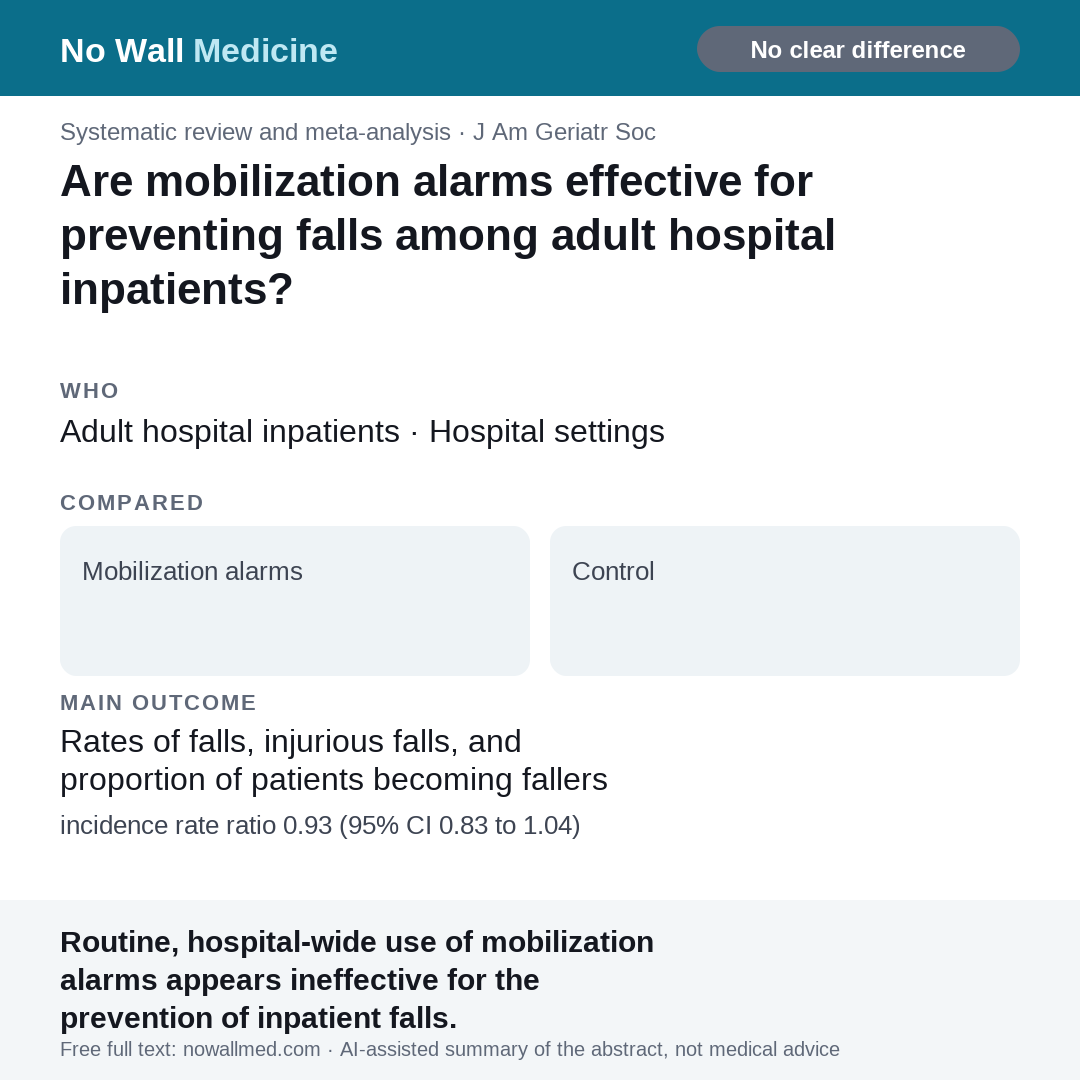
Systematic Review and Meta-Analyses of Mobilization Alarms for Prevention of Falls in Hospital
Systematic review and meta-analysisNo clear difference
Are mobilization alarms effective for preventing falls among adult hospital inpatients?
Who
Adult hospital inpatients · Hospital settings
Compared
Mobilization alarms
Control
Main outcome
Rates of falls, injurious falls, and proportion of patients becoming fallers
Result: incidence rate ratio 0.93 (95% CI 0.83 to 1.04)
Bottom line: Routine, hospital-wide use of mobilization alarms appears ineffective for the prevention of inpatient falls.
Limitation: Prospective registration was the most protective factor against studies reporting over-optimistic results.
J Am Geriatr Soc · 2026-08-19Download image