Visual abstracts
New randomized trials and meta-analyses from leading journals at a glance: who was studied, what was compared, and what was found. Every paper is free to read in full.
All specialtiesCardiology 289Oncology 226Gastroenterology & Hepatology 126Infectious Disease 234Neurology 135Psychiatry & Mental Health 200Pulmonology 133Critical Care 87Endocrinology & Diabetes 179Pediatrics 136Surgery 87Orthopedics & Sports Medicine 57Neurosurgery 17Cardiothoracic & Vascular Surgery 32Plastic & Reconstructive Surgery 61Nephrology 60Rheumatology 58Hematology 72Dermatology 29Ophthalmology 51Obstetrics & Gynecology 87Public & Global Health 91Radiology & Imaging 24Anesthesiology 49Urology 65ENT (Otolaryngology) 39Emergency Medicine 29Allergy & Immunology 30Geriatrics 88Family Medicine & Primary Care 46Medical Genetics & Genomics 28Pathology & Laboratory Medicine 5Physical Medicine & Rehabilitation 74Palliative Care 43Nutrition 105Digital Health & AI 254General Medicine 40
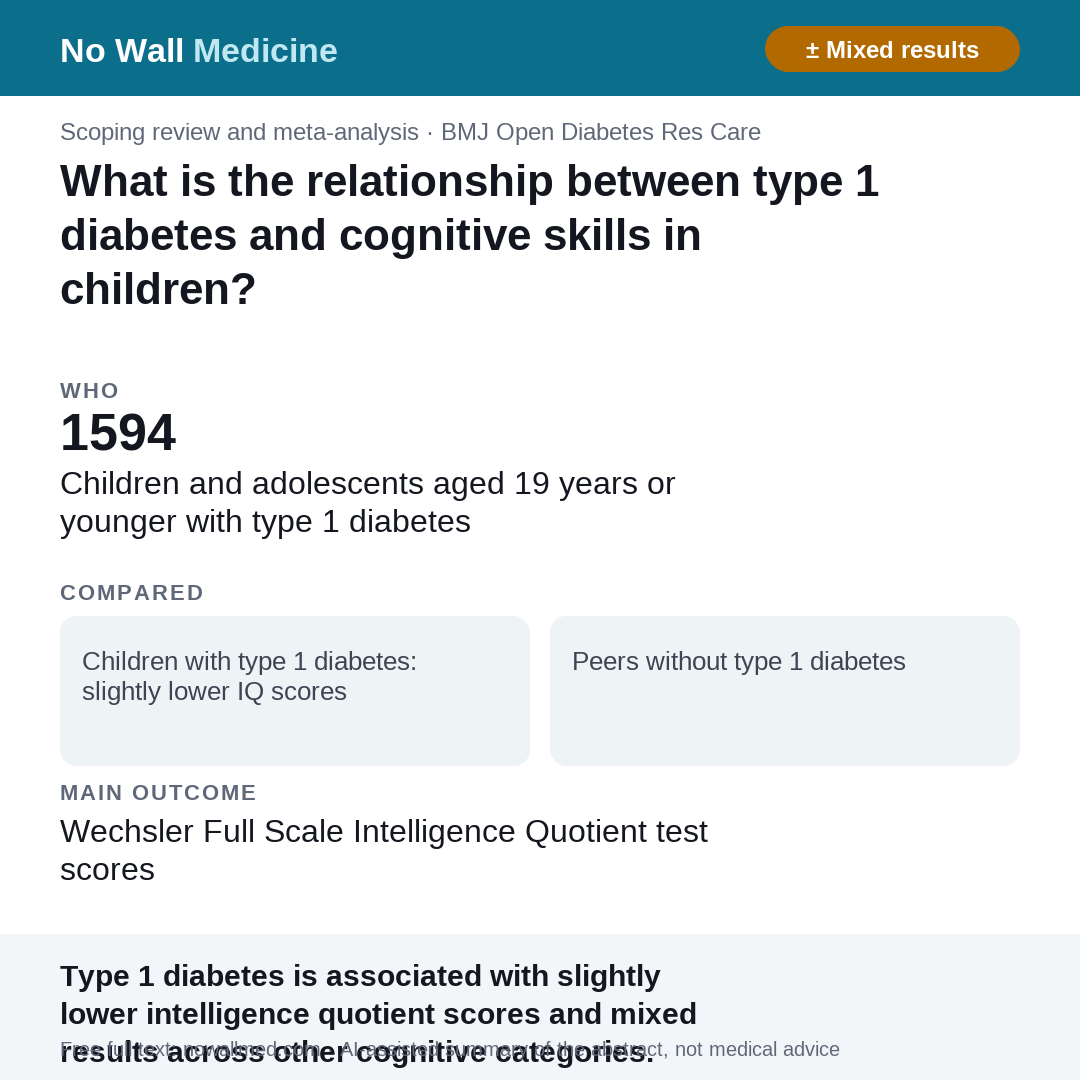
Cognitive skills in children and adolescents with type 1 diabetes: a scoping review and meta-analysis
Scoping review and meta-analysisMixed results
What is the relationship between type 1 diabetes and cognitive skills in children?
Who
1594
Children and adolescents aged 19 years or younger with type 1 diabetes
Compared
Children with type 1 diabetes: slightly lower IQ scores
Peers without type 1 diabetes
Main outcome
Wechsler Full Scale Intelligence Quotient test scores
Result: mean difference -3.49 (95% CI -6.16 to -0.82)
Bottom line: Type 1 diabetes is associated with slightly lower intelligence quotient scores and mixed results across other cognitive categories.
BMJ Open Diabetes Res Care · 2026-04-28Download image
Media Exposure and Its Association With Vaccine Attitudes, Intentions, and Hesitancy: Systematic Review
Systematic reviewBenefit found
How do communication channels associate with vaccine hesitancy and adherence?
Who
Adults in peer-reviewed studies · Global
Compared
Adaptive public health campaigns: 8% weekly increase in uptake
Controls
Main outcome
Vaccine hesitancy and adherence
Result: relative risk 1.08 (95% CI 1.01-1.15)
Bottom line: Tailored communication via radio, web, and social media can significantly improve vaccine acceptance and adherence.
Limitation: The review advocates for longitudinal research to establish definitive causal links.
J Med Internet Res · 2026-04-28Download image

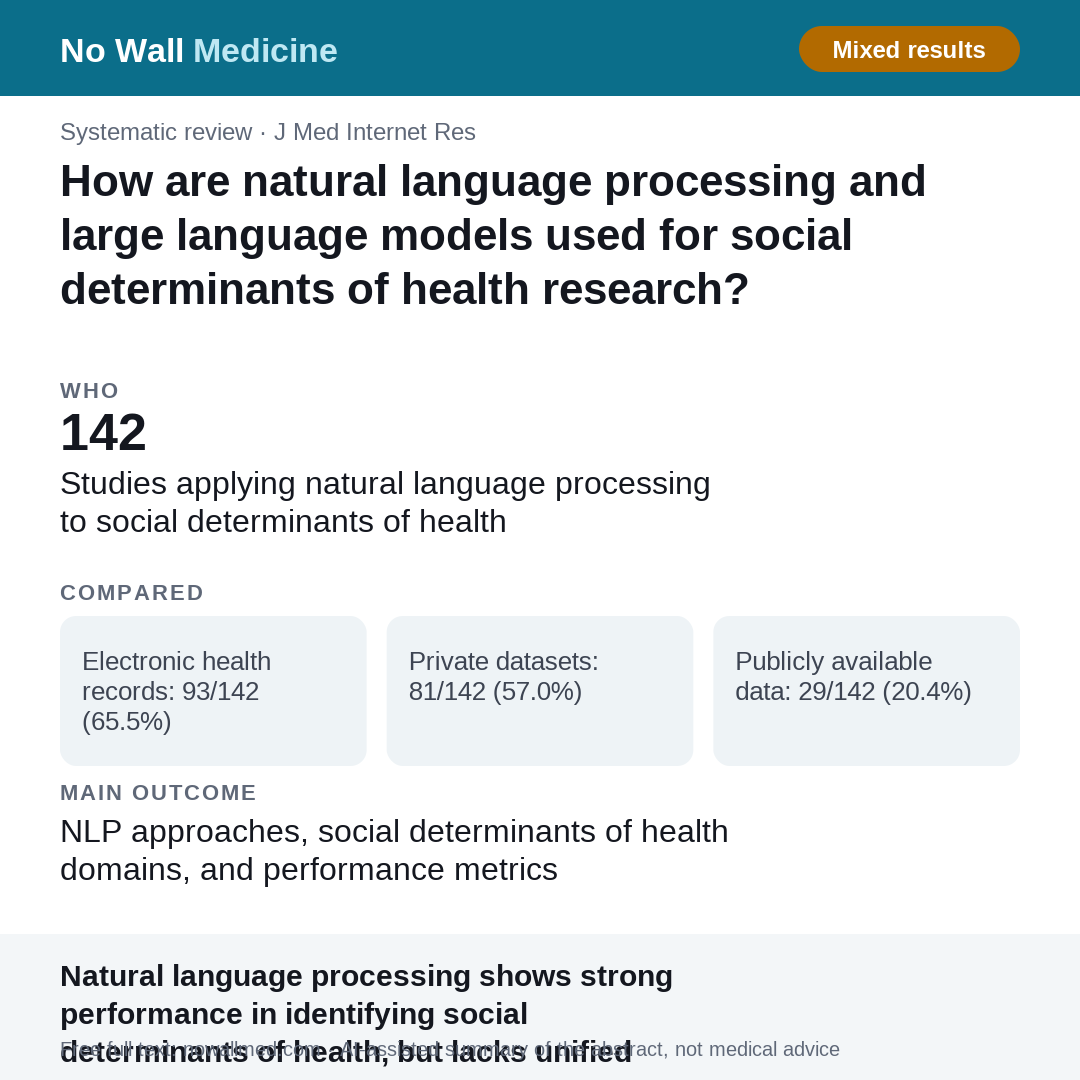
Applications of Natural Language Processing and Large Language Models for Social Determinants of Health: Systematic Review
Systematic reviewMixed results
How are natural language processing and large language models used for social determinants of health research?
Who
142
Studies applying natural language processing to social determinants of health
Compared
Electronic health records: 93/142 (65.5%)
Private datasets: 81/142 (57.0%)
Publicly available data: 29/142 (20.4%)
Main outcome
NLP approaches, social determinants of health domains, and performance metrics
Bottom line: Natural language processing shows strong performance in identifying social determinants of health, but lacks unified frameworks and public benchmarks.
Limitation: Methodological heterogeneity, limited code sharing, and unclear model interpretability or reproducibility practices.
J Med Internet Res · 2026-04-28Download image
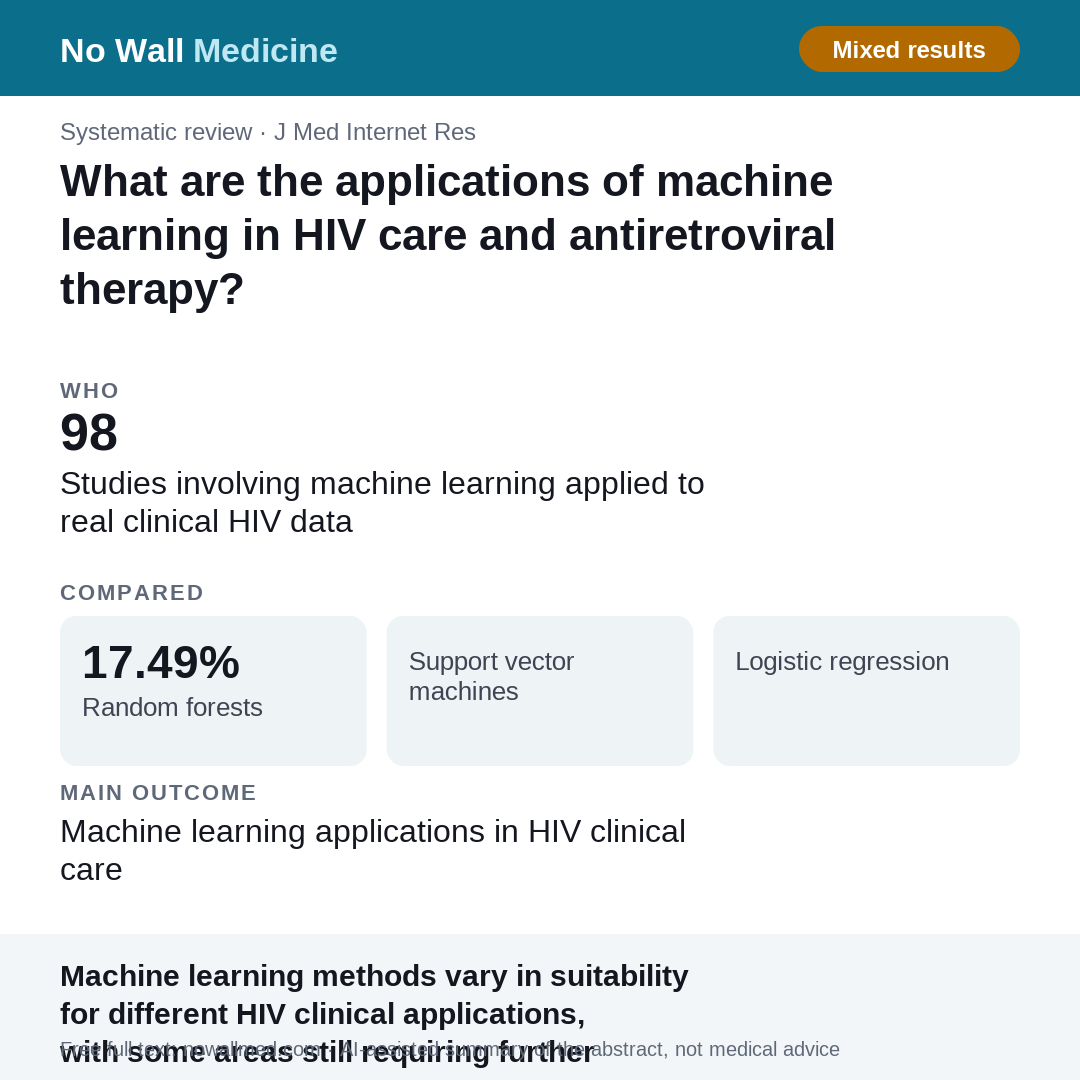
Machine Learning in HIV Care and Antiretroviral Therapy: Systematic Review
Systematic reviewMixed results
What are the applications of machine learning in HIV care and antiretroviral therapy?
Who
98
Studies involving machine learning applied to real clinical HIV data
Compared
17.49%Random forests (43/247)
Support vector machines
Logistic regression
Main outcome
Machine learning applications in HIV clinical care
Bottom line: Machine learning methods vary in suitability for different HIV clinical applications, with some areas still requiring further exploration.
Limitation: Some areas like treatment recommendations and adherence still lack artificial intelligence algorithms.
J Med Internet Res · 2026-04-28Download image
Unpacking cerumen impaction: a systematic review of clinical practice guidelines to support the development of the world health organization package of ear and hearing care interventions
Systematic reviewUnclear result
Cerumen impaction management guidelines
Who
Global population
Compared
AAO-HNS guideline
NICE guideline
Main outcome
Cerumen impaction management
Bottom line: Guidelines have consistent recommendations
BMC Prim Care · 2026-04-28Download image

Deprescribing decisions in palliative care: a qualitative meta-synthesis of multi-stakeholder experiences and influencing factors
Meta-synthesis of qualitative studiesUnclear result
Deprescribing in palliative care
Who
patients, family caregivers, healthcare professionals · four countries
Compared
patients
healthcare professionals
Main outcome
deprescribing decisions
Bottom line: Communication is critical for deprescribing
BMC Palliat Care · 2026-04-28Download image

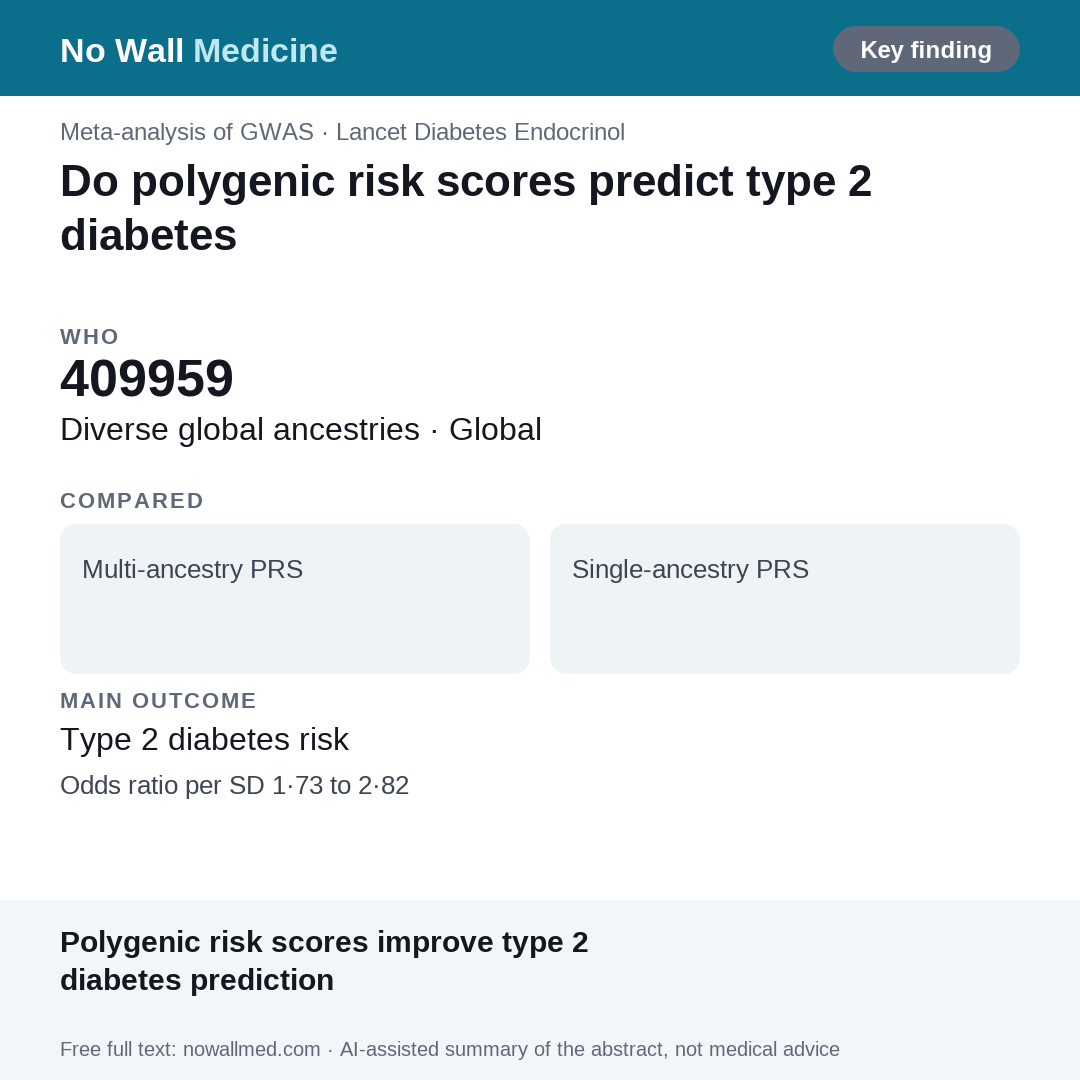
Multi-ancestry polygenic risk scores for the prediction of type 2 diabetes and complications in diverse ancestries
Meta-analysis of GWASBenefit found
Do polygenic risk scores predict type 2 diabetes
Who
409959
Diverse global ancestries · Global
Compared
Multi-ancestry PRS
Single-ancestry PRS
Main outcome
Type 2 diabetes risk
Result: Odds ratio per SD 1·73 to 2·82
Bottom line: Polygenic risk scores improve type 2 diabetes prediction
Limitation: Poor performance in non-European populations
Funded by: National Human Genome Research Institute
Lancet Diabetes Endocrinol · 2026-04-27Download image
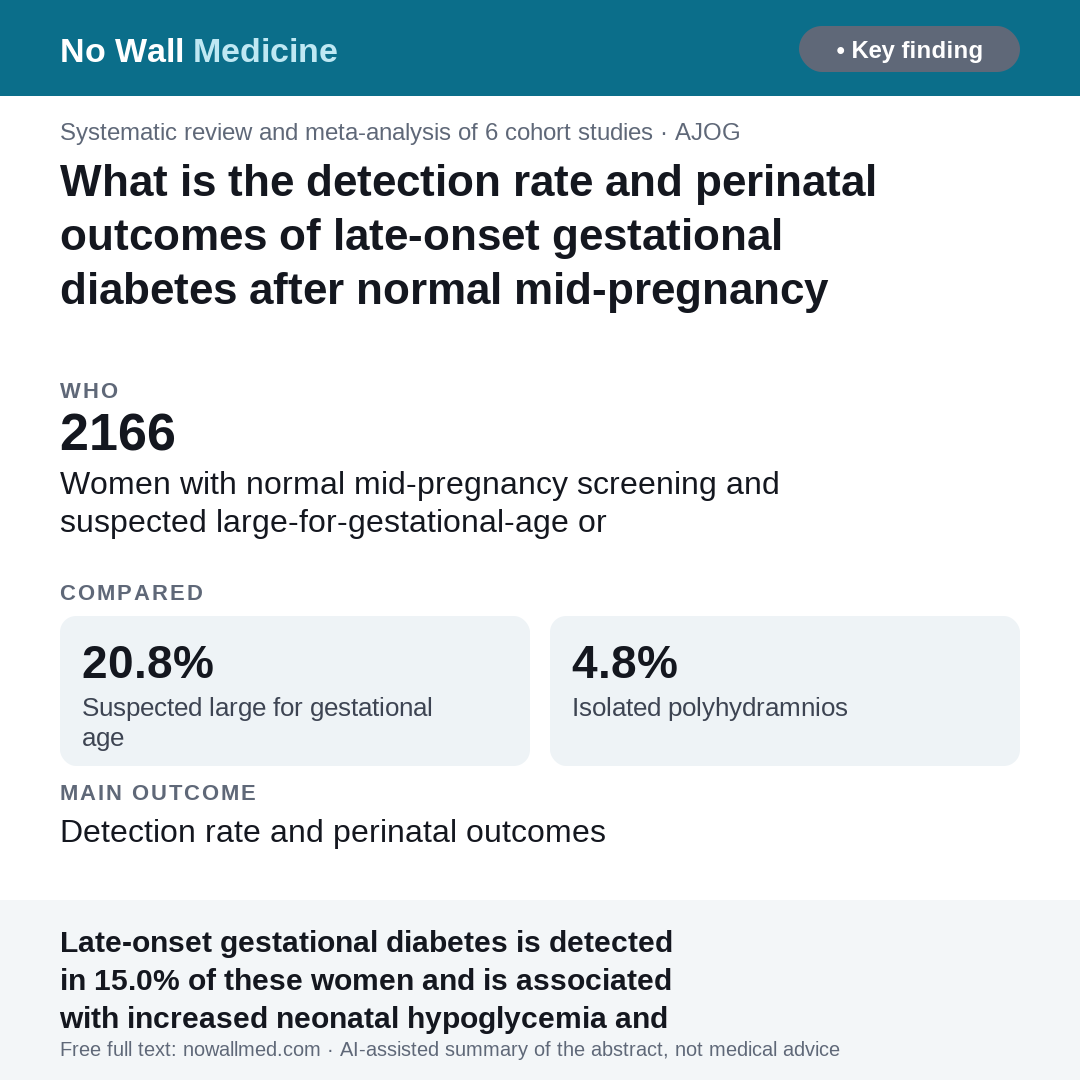
Late-onset diagnosis of gestational diabetes after normal mid-pregnancy screening in women with large for gestational age or polyhydramnios: a systematic review and meta-analysis
Systematic review and meta-analysis of 6 cohort studiesHarm found
What is the detection rate and perinatal outcomes of late-onset gestational diabetes after normal mid-pregnancy screening?
Who
2166
Women with normal mid-pregnancy screening and suspected large-for-gestational-age or polyhydramnios
Compared
20.8%Suspected large for gestational age (95% confidence interval, 17.4%-24.6%)
4.8%Isolated polyhydramnios (95% confidence interval, 2.0%-10.8%)
Main outcome
Detection rate and perinatal outcomes
Result: pooled detection rate 15.0% (95% confidence interval, 9.9%-21.0%)
Bottom line: Late-onset gestational diabetes is detected in 15.0% of these women and is associated with increased neonatal hypoglycemia and cesarean delivery.
AJOG · 2026-04-27Download image
Intrinsic regional brain activity differences and its relationship with neurotransmitter and gene expression in postpartum depression: a voxel-based meta-analysis
Meta-analysis of 12 studiesMixed results
Brain activity in postpartum depression
Who
475, 504
postpartum depression patients and healthy controls
Compared
PPD patients
healthy controls
Main outcome
regional brain activity
Bottom line: Brain activity differs in postpartum depression
Psychol Med · 2026-04-27Download image
Cognitive performance in offspring of parents with severe mental illness: a meta-analysis
Meta-analysis of 109 studiesHarm found
Does parental severe mental illness associate with offspring cognitive and academic performance?
Who
1,586,339
Offspring of parents with schizophrenia, bipolar disorder, or major depressive disorder
Compared
Offspring of parents with severe mental illnesses
Controls
Main outcome
Cognitive and academic performance
Bottom line: Offspring of parents with schizophrenia or bipolar disorder are at increased risk of cognitive difficulties.
Psychol Med · 2026-04-27Download image

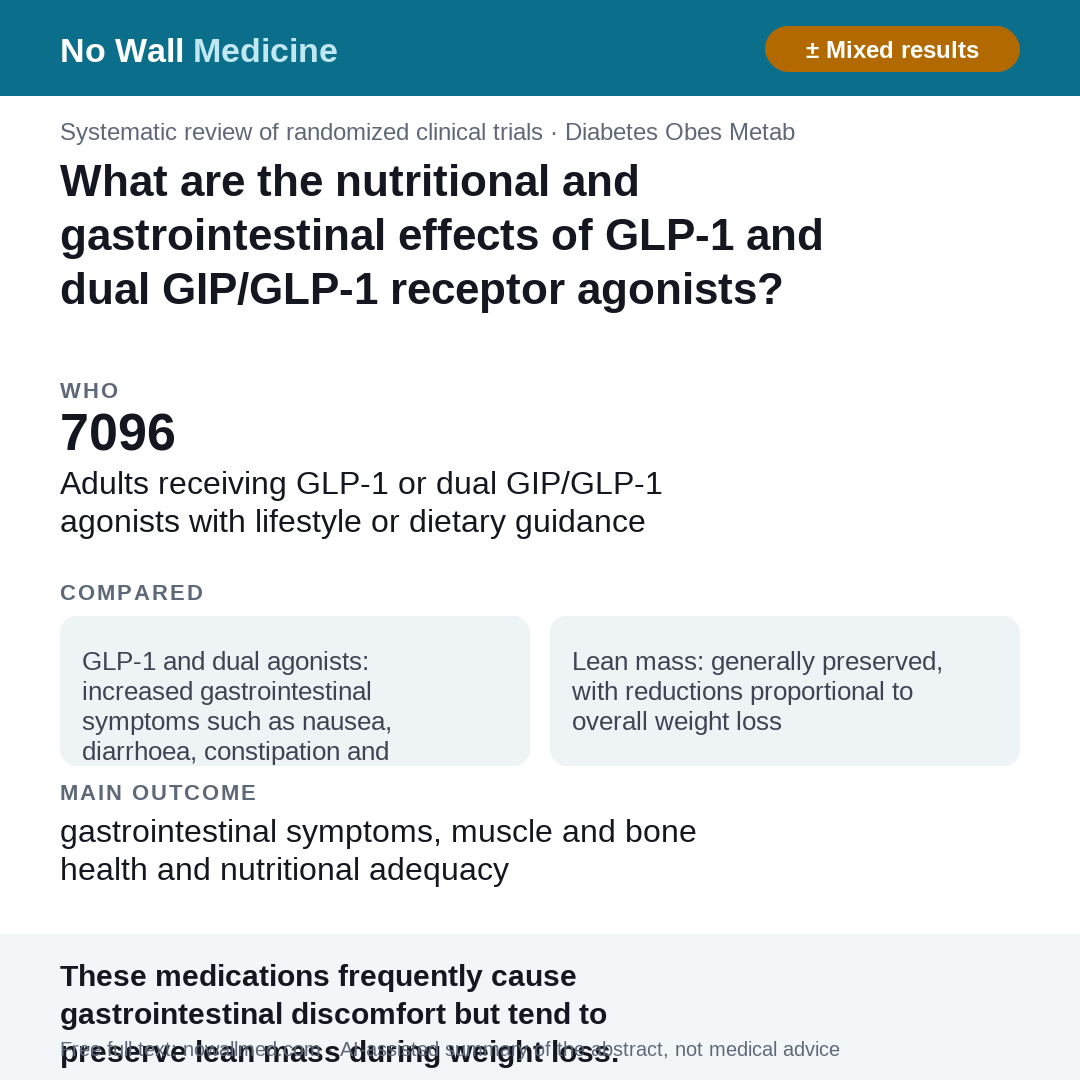
Dietary Strategies and Nutritional Management in Patients Receiving GLP-1 and Dual GIP/GLP-1 Receptor Agonists as Adjuncts to Lifestyle Interventions: A Systematic Review of Randomised Clinical Trials
Systematic review of randomized clinical trialsMixed results
What are the nutritional and gastrointestinal effects of GLP-1 and dual GIP/GLP-1 receptor agonists?
Who
7096
Adults receiving GLP-1 or dual GIP/GLP-1 agonists with lifestyle or dietary guidance
Compared
GLP-1 and dual agonists: increased gastrointestinal symptoms such as nausea, diarrhoea, constipation and vomiting
Lean mass: generally preserved, with reductions proportional to overall weight loss
Main outcome
gastrointestinal symptoms, muscle and bone health and nutritional adequacy
Bottom line: These medications frequently cause gastrointestinal discomfort but tend to preserve lean mass during weight loss.
Limitation: Evidence on optimal nutritional approaches remains limited and no study directly assessed bone health.
Diabetes Obes Metab · 2026-04-27Download image
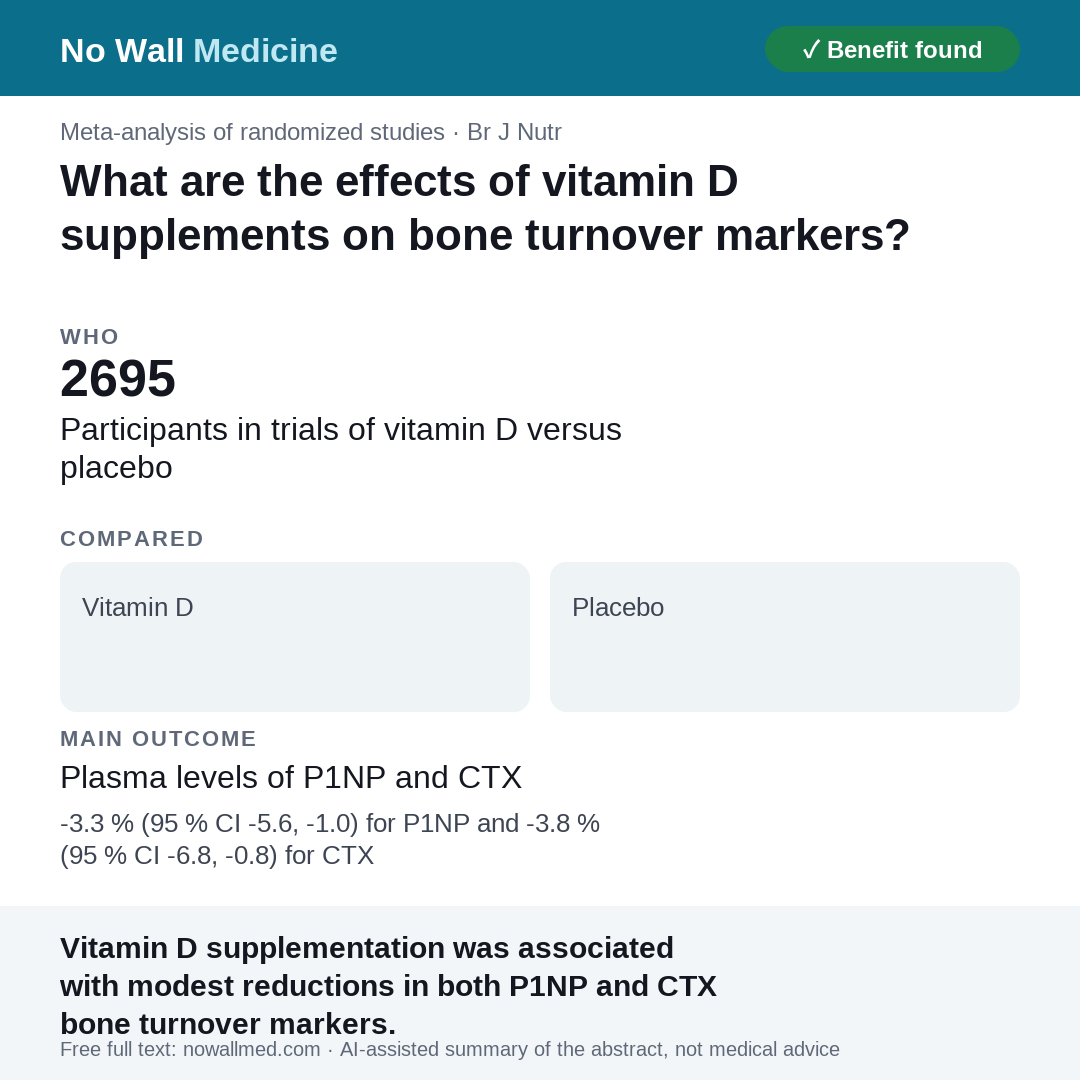
Effects of vitamin D on biochemical markers of osteoporosis: a meta-analysis of randomised trials
Meta-analysis of randomized trialsBenefit found
What are the effects of vitamin D supplements on bone turnover markers?
Who
2695
Participants in trials of vitamin D versus placebo
Compared
Vitamin D
Placebo
Main outcome
Plasma levels of P1NP and CTX
Result: -3.3 % (95 % CI -5.6, -1.0) for P1NP and -3.8 % (95 % CI -6.8, -0.8) for CTX
Bottom line: Vitamin D supplementation was associated with modest reductions in both P1NP and CTX bone turnover markers.
Br J Nutr · 2026-04-27Download image
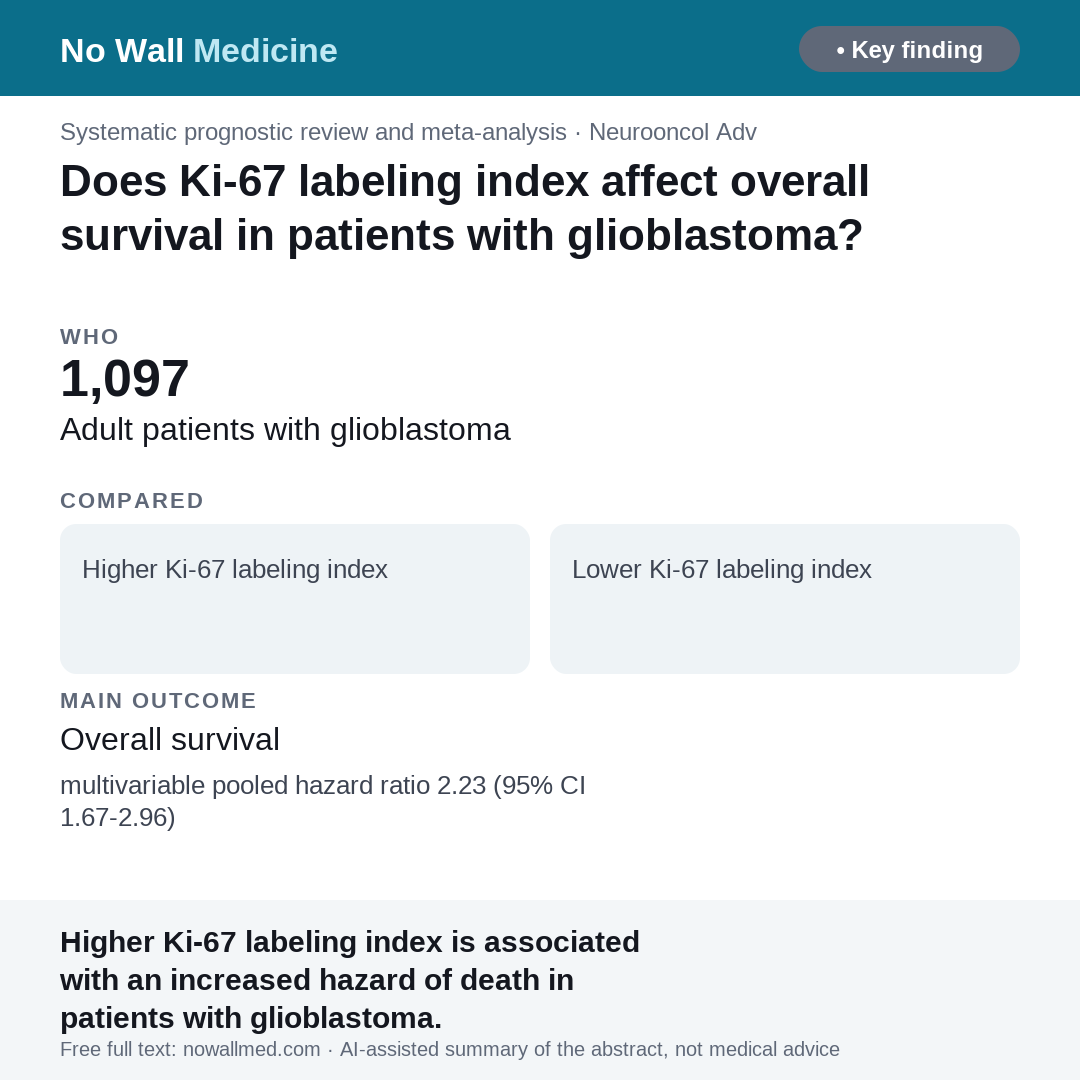
Ki-67 and overall survival in patients with glioblastoma: A systematic prognostic review and meta-analysis
Systematic prognostic review and meta-analysisHarm found
Does Ki-67 labeling index affect overall survival in patients with glioblastoma?
Who
1,097
Adult patients with glioblastoma
Compared
Higher Ki-67 labeling index
Lower Ki-67 labeling index
Main outcome
Overall survival
Result: multivariable pooled hazard ratio 2.23 (95% CI 1.67-2.96)
Bottom line: Higher Ki-67 labeling index is associated with an increased hazard of death in patients with glioblastoma.
Limitation: Concerns for selective study participation and heterogeneous Ki-67 cutoffs.
Neurooncol Adv · 2026-04-27Download image
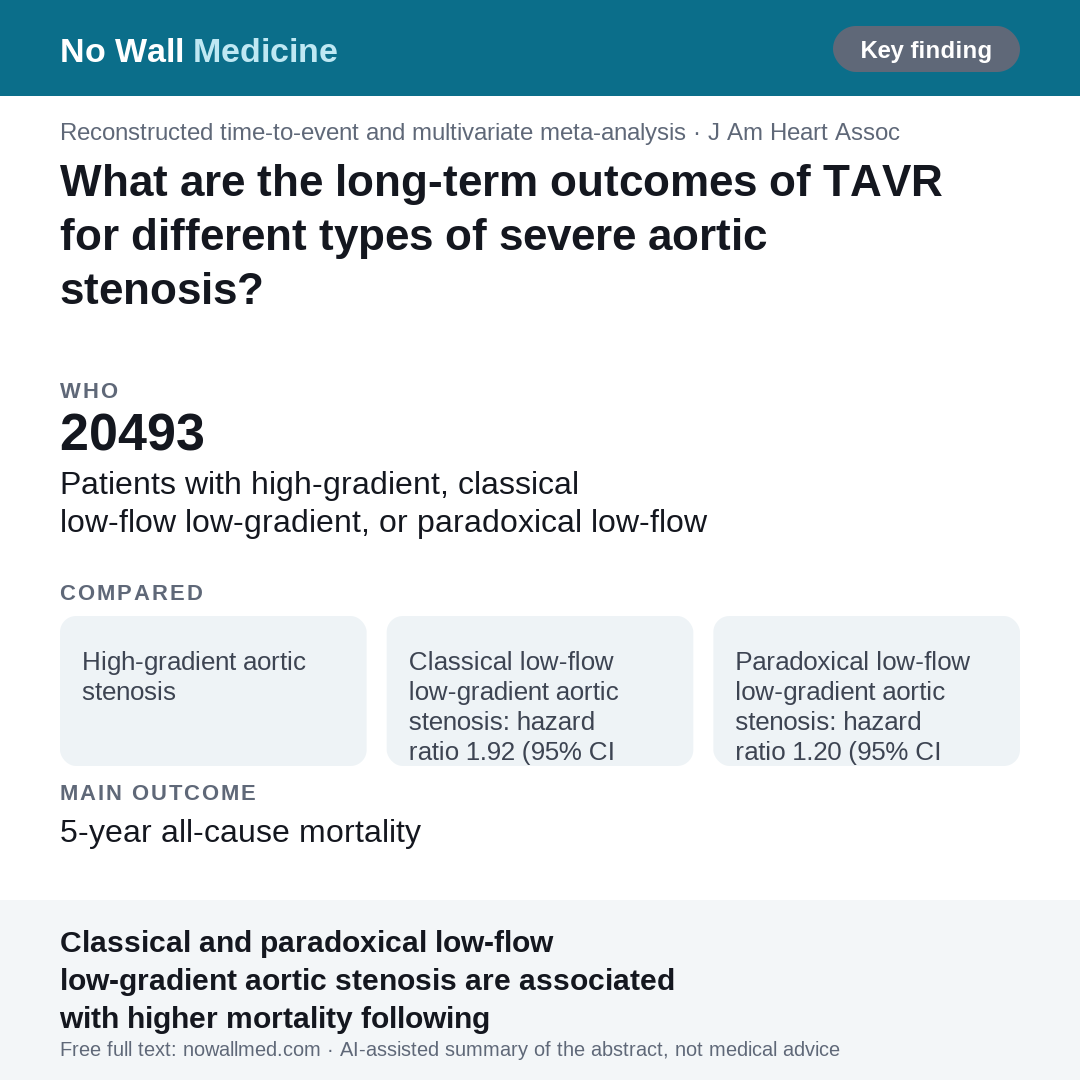
Long-Term Outcomes of Transcatheter Aortic Valve Replacement in Low-Flow Low-Gradient Aortic Stenosis: A Reconstructed Time-to-Event and Multivariate Meta-Analysis
Reconstructed time-to-event and multivariate meta-analysisHarm found
What are the long-term outcomes of TAVR for different types of severe aortic stenosis?
Who
20493
Patients with high-gradient, classical low-flow low-gradient, or paradoxical low-flow low-gradient aortic stenosis
Compared
High-gradient aortic stenosis
Classical low-flow low-gradient aortic stenosis: hazard ratio 1.92 (95% CI 1.62-2.27)
Paradoxical low-flow low-gradient aortic stenosis: hazard ratio 1.20 (95% CI 1.07-1.34)
Main outcome
5-year all-cause mortality
Result: hazard ratio 1.92 (95% CI 1.62-2.27) for classical and 1.20 (95% CI 1.07-1.34) for paradoxical
Bottom line: Classical and paradoxical low-flow low-gradient aortic stenosis are associated with higher mortality following transcatheter aortic valve replacement.
J Am Heart Assoc · 2026-04-27Download image
Home-based rehabilitation in interstitial lung disease: picturing the present and drawing the future through a systematic review of the literature
Systematic review of randomized controlled trialsUnclear result
What is the effectiveness of tele-rehabilitation in patients with interstitial lung diseases?
Who
Patients with interstitial lung diseases
Compared
Tele-rehabilitation
Control
Main outcome
Physical and functional measures
Bottom line: A systematic review of four small, heterogeneous trials could not perform a meta-analysis.
ERJ Open Res · 2026-04-27Download image
The past, present and future of control architectures in lower-limb cable-driven robots for gait rehabilitation
Systematic reviewMixed results
What are the control strategies for lower-limb cable-driven rehabilitation robots?
Who
70
Lower-limb cable-driven rehabilitation robots
Compared
Traditional classical control
Personalized adaptive and learning-based methods
Main outcome
Control strategies and their evolution
Bottom line: Control strategies are evolving from traditional classical methods toward personalized, adaptive, and intention-driven frameworks.
J Neuroeng Rehabil · 2026-04-27Download image
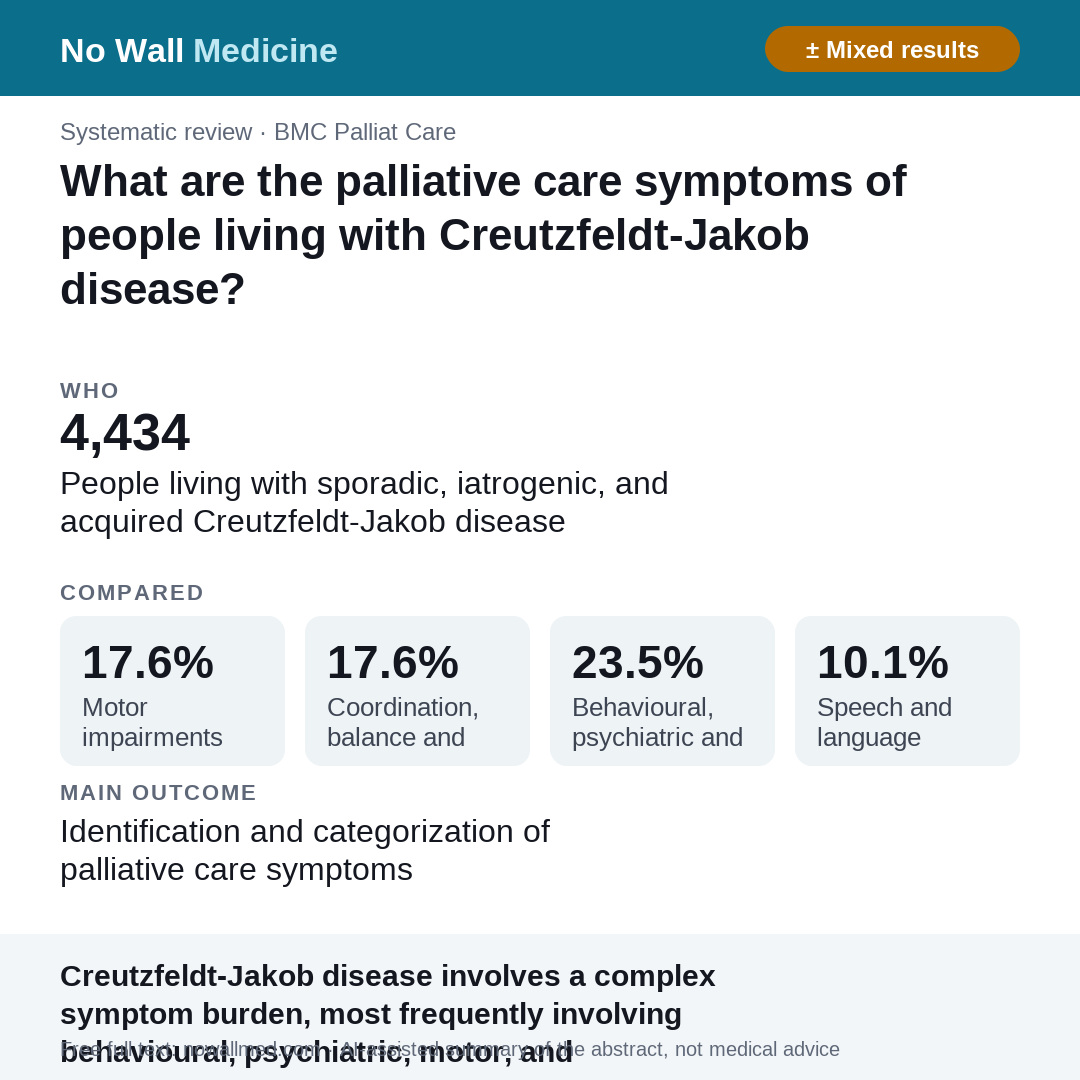
Palliative care symptoms of people living with rapidly progressive prion diseases: a systematic review
Systematic reviewMixed results
What are the palliative care symptoms of people living with Creutzfeldt-Jakob disease?
Who
4,434
People living with sporadic, iatrogenic, and acquired Creutzfeldt-Jakob disease
Compared
17.6%Motor impairments
17.6%Coordination, balance and vestibular issues
23.5%Behavioural, psychiatric and emotional symptoms
10.1%Speech and language disorders
Main outcome
Identification and categorization of palliative care symptoms
Bottom line: Creutzfeldt-Jakob disease involves a complex symptom burden, most frequently involving behavioural, psychiatric, motor, and coordination impairments.
Limitation: Limited evidence regarding social or spiritual symptoms, quality of life, or symptom progression.
BMC Palliat Care · 2026-04-27Download image
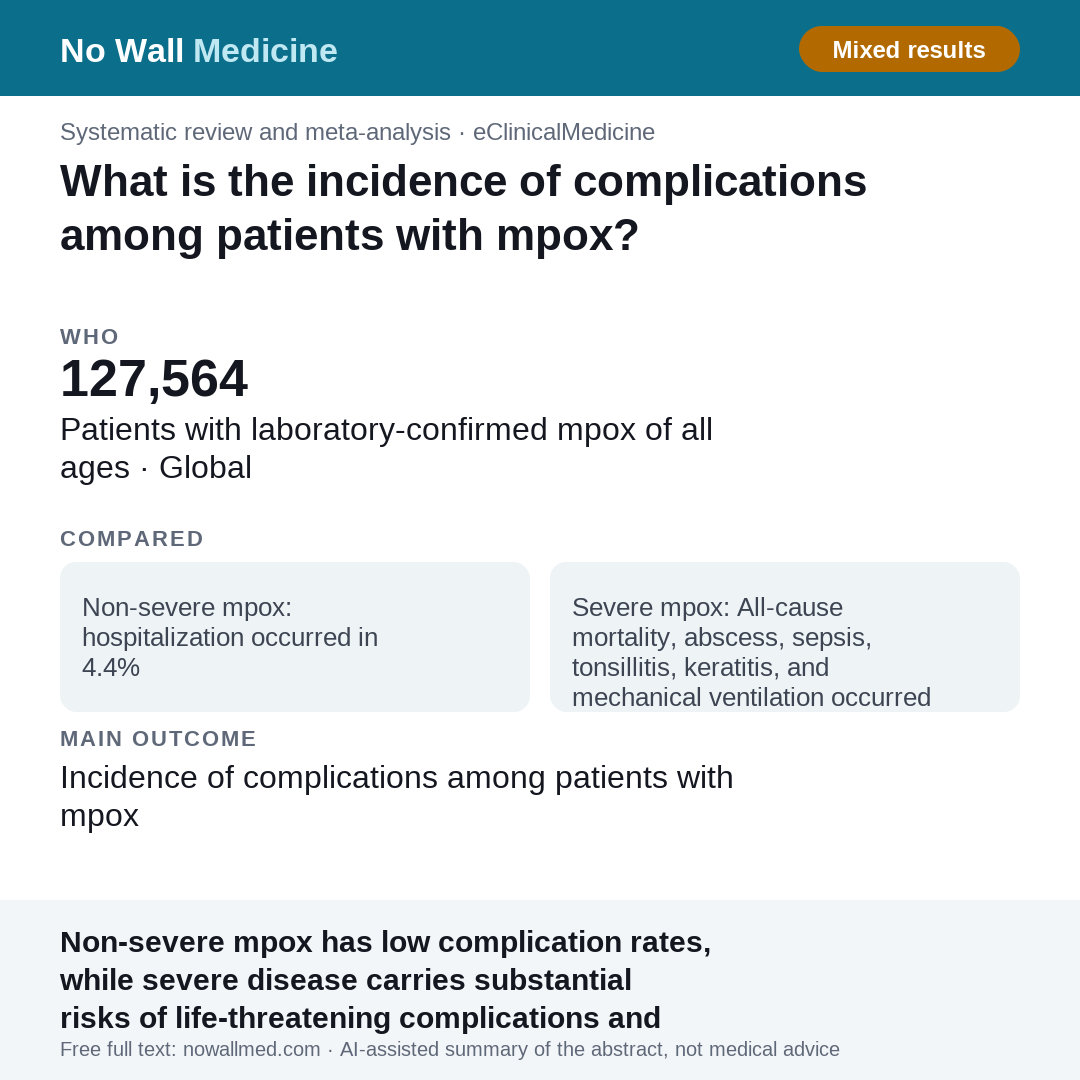
Global complications among patients with mpox: a systematic review and meta-analysis
Systematic review and meta-analysisMixed results
What is the incidence of complications among patients with mpox?
Who
127,564
Patients with laboratory-confirmed mpox of all ages · Global
Compared
Non-severe mpox: hospitalization occurred in 4.4%
Severe mpox: All-cause mortality, abscess, sepsis, tonsillitis, keratitis, and mechanical ventilation occurred in 2.5%-5.5%
Main outcome
Incidence of complications among patients with mpox
Bottom line: Non-severe mpox has low complication rates, while severe disease carries substantial risks of life-threatening complications and death.
Limitation: low certainty evidence for hospitalization rates
Funded by: World Health Organization
eClinicalMedicine · 2026-04-25Download image
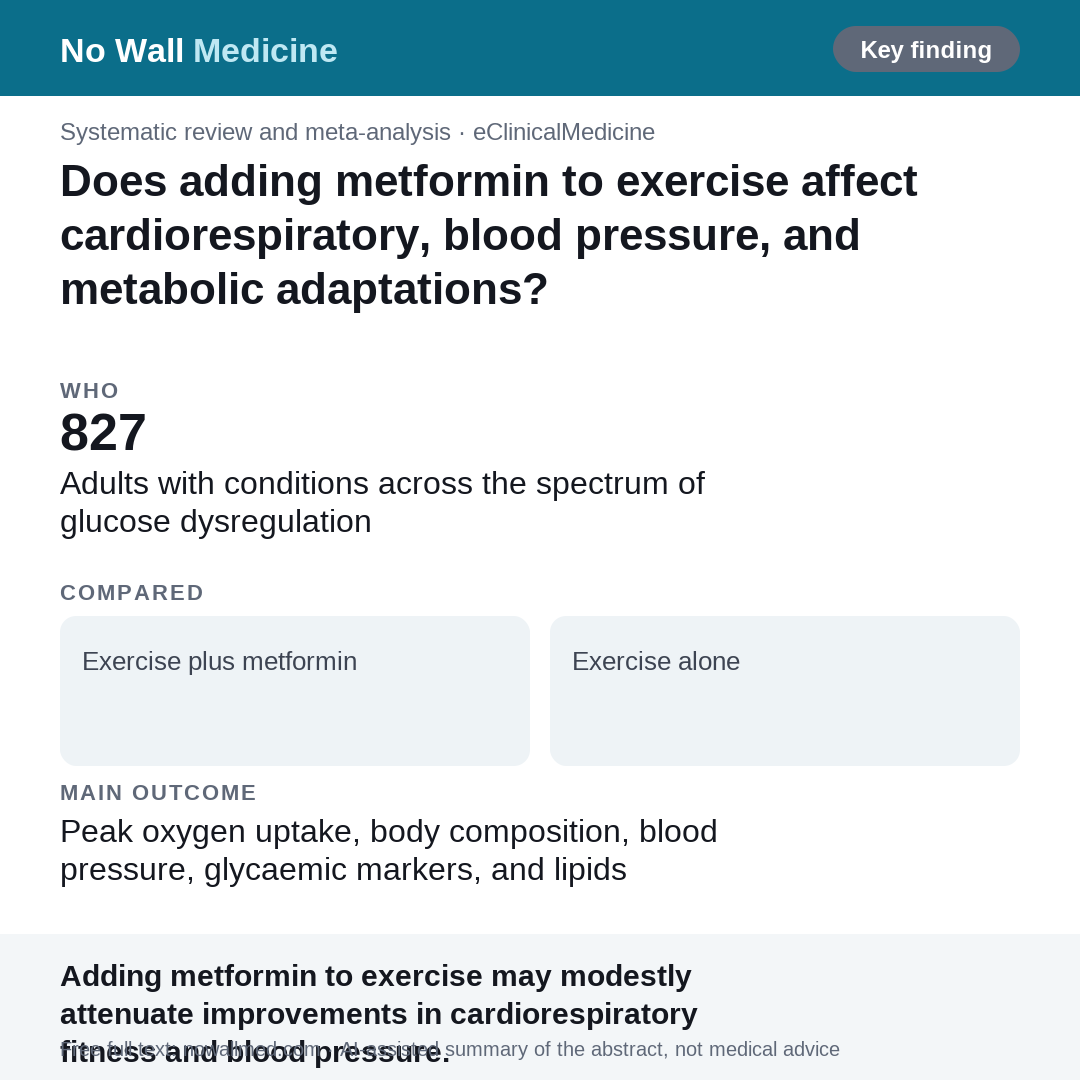
The effects of metformin and exercise training on cardiorespiratory, blood pressure, and metabolic adaptations across the spectrum of glucose dysregulation: a systematic review and meta-analysis
Systematic review and meta-analysisHarm found
Does adding metformin to exercise affect cardiorespiratory, blood pressure, and metabolic adaptations?
Who
827
Adults with conditions across the spectrum of glucose dysregulation
Compared
Exercise plus metformin
Exercise alone
Main outcome
Peak oxygen uptake, body composition, blood pressure, glycaemic markers, and lipids
Result: mean difference -1.19 (95% CI -2.33 to -0.04) for VO2peak
Bottom line: Adding metformin to exercise may modestly attenuate improvements in cardiorespiratory fitness and blood pressure.
Limitation: Certainty of evidence was low to very low for most glycaemic and lipid markers.
eClinicalMedicine · 2026-04-25Download image
Multi-Factorial and Multi-Component Fall Prevention Interventions Initiated From the Emergency Department: A Systemic Review and Meta-Analysis
Systematic review and meta-analysisNo clear difference
Are emergency department based fall prevention interventions effective for older patients?
Who
Older patients aged 60 years or older · Emergency department and outpatient settings
Compared
Interventions
Control
Main outcome
Risk of falls and recurrent healthcare use
Result: risk difference 0.05 95% CI [0.00; 0.09] at 3 months
Bottom line: Emergency department based fall prevention interventions did not decrease falls or recurrent healthcare use in older adults.
Limitation: Comparisons are limited by heterogeneity in intervention types, compliance, and timing of outcomes.
Acad Emerg Med · 2026-04-25Download image