Visual abstracts
New randomized trials and meta-analyses from leading journals at a glance: who was studied, what was compared, and what was found. Every paper is free to read in full.
All specialtiesCardiology 4763Oncology 4042Gastroenterology & Hepatology 1902Infectious Disease 3756Neurology 1872Psychiatry & Mental Health 2214Pulmonology 2042Critical Care 1319Endocrinology & Diabetes 2544Pediatrics 2889Surgery 2479Orthopedics & Sports Medicine 917Neurosurgery 525Cardiothoracic & Vascular Surgery 656Plastic & Reconstructive Surgery 574Nephrology 1107Rheumatology 810Hematology 1090Dermatology 611Ophthalmology 532Obstetrics & Gynecology 1645Public & Global Health 1037Radiology & Imaging 617Anesthesiology 957Urology 745ENT (Otolaryngology) 494Emergency Medicine 481Allergy & Immunology 309Geriatrics 972Family Medicine & Primary Care 533Medical Genetics & Genomics 659Pathology & Laboratory Medicine 156Physical Medicine & Rehabilitation 734Palliative Care 421Nutrition 1560Digital Health & AI 2133General Medicine 318
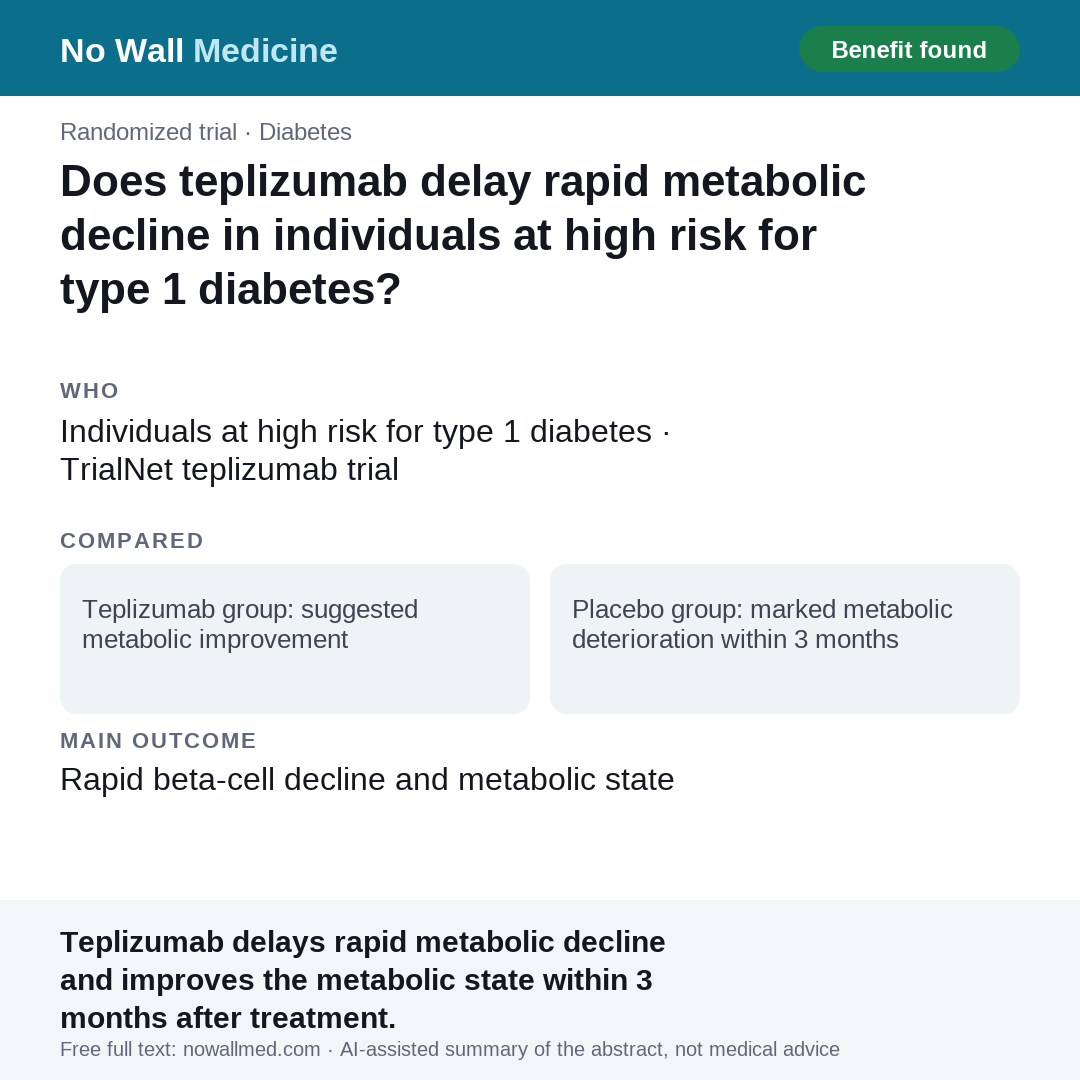
The Deterrence of Rapid Metabolic Decline Within 3 Months After Teplizumab Treatment in Individuals at High Risk for Type 1 Diabetes
Randomized trialBenefit found
Does teplizumab delay rapid metabolic decline in individuals at high risk for type 1 diabetes?
Who
Individuals at high risk for type 1 diabetes · TrialNet teplizumab trial
Compared
Teplizumab group: suggested metabolic improvement
Placebo group: marked metabolic deterioration within 3 months
Main outcome
Rapid beta-cell decline and metabolic state
Bottom line: Teplizumab delays rapid metabolic decline and improves the metabolic state within 3 months after treatment.
Diabetes · 2021-09-22Download image
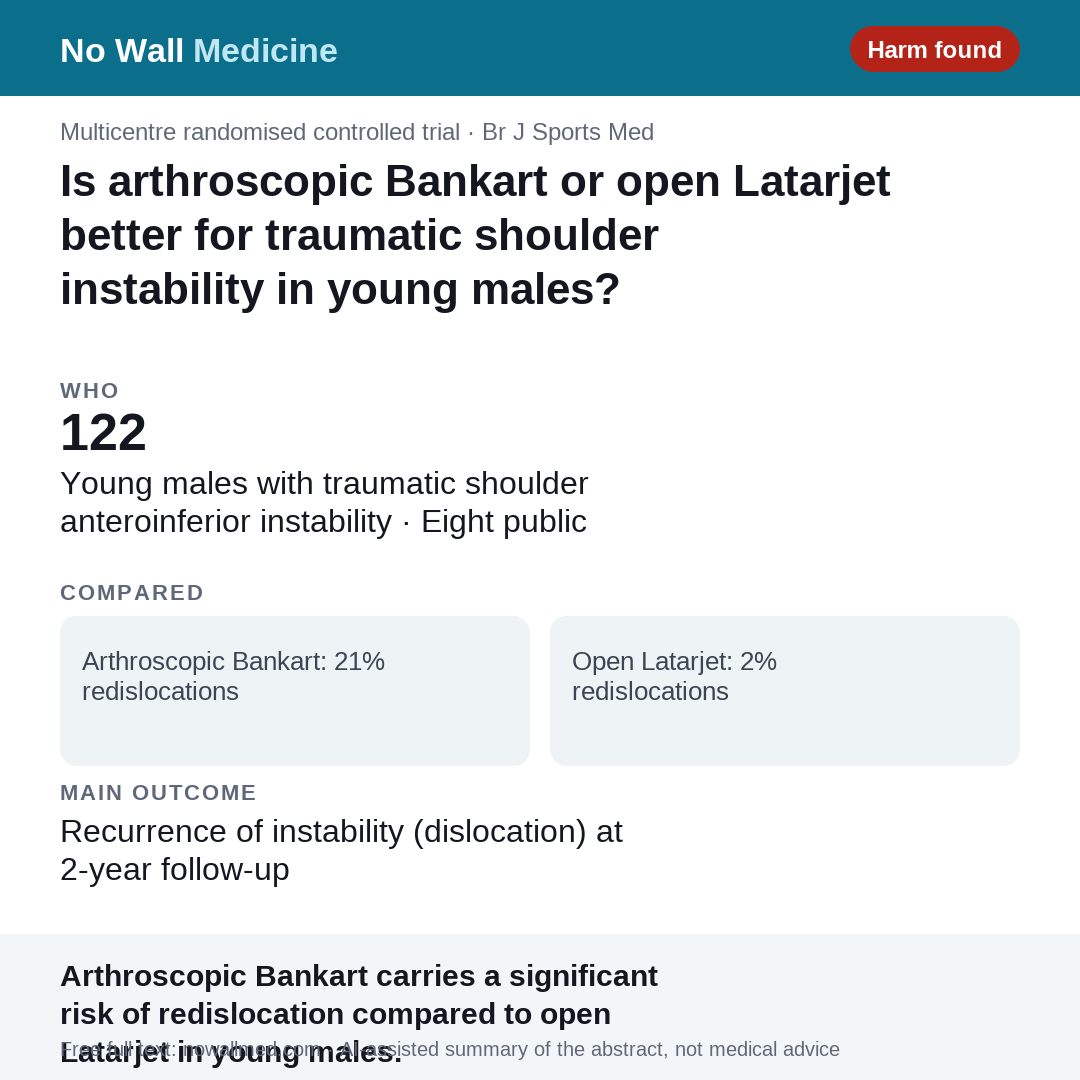
Arthroscopic Bankart versus open Latarjet as a primary operative treatment for traumatic anteroinferior instability in young males: a randomised controlled trial with 2-year follow-up
Multicentre randomised controlled trialHarm found
Is arthroscopic Bankart or open Latarjet better for traumatic shoulder instability in young males?
Who
122
Young males with traumatic shoulder anteroinferior instability · Eight public hospitals in Finland
Compared
Arthroscopic Bankart: 21% redislocations
Open Latarjet: 2% redislocations
Main outcome
Recurrence of instability (dislocation) at 2-year follow-up
Bottom line: Arthroscopic Bankart carries a significant risk of redislocation compared to open Latarjet in young males.
Br J Sports Med · 2021-09-22Download image
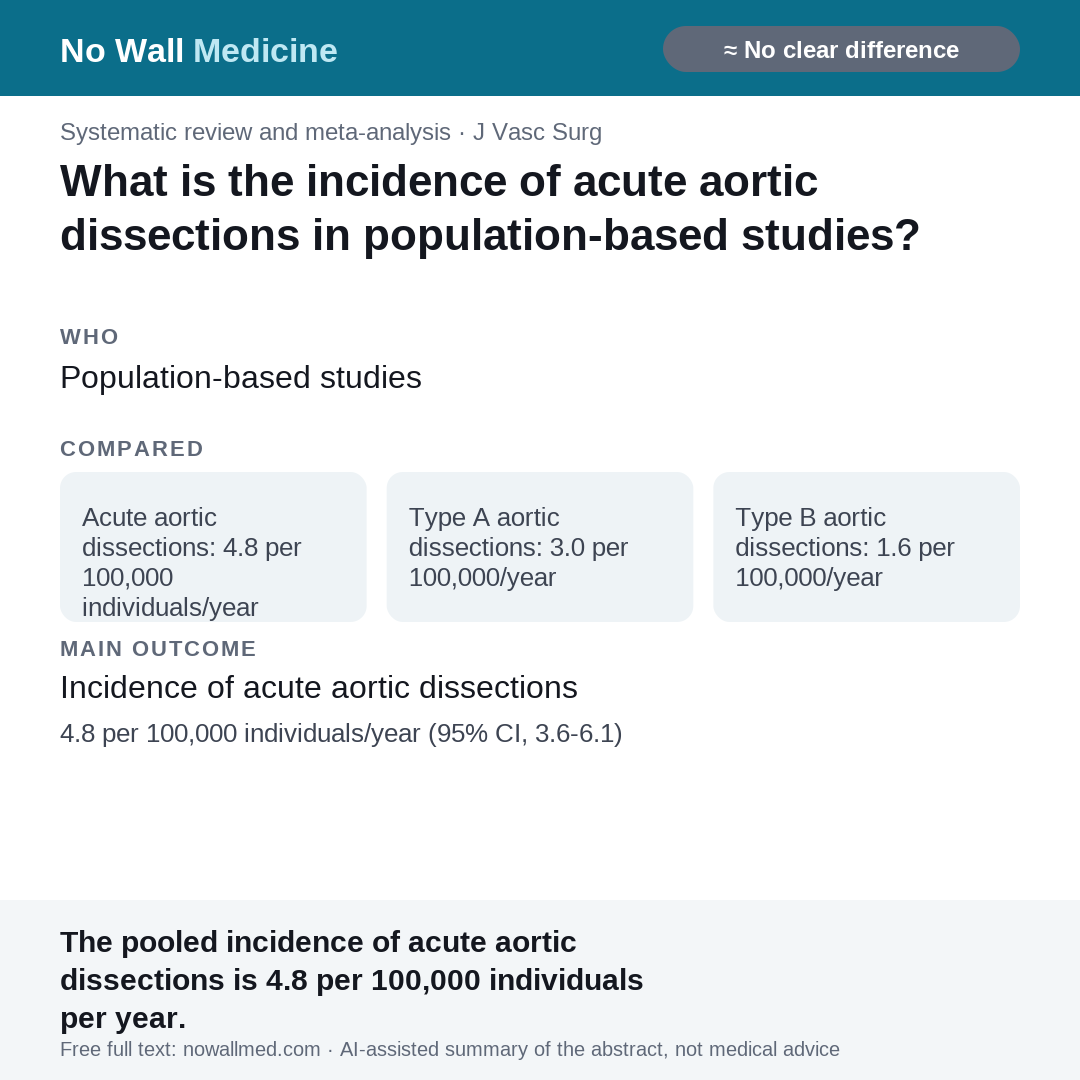
A systematic review and meta-analysis of the incidence of acute aortic dissections in population-based studies
Systematic review and meta-analysisNo clear difference
What is the incidence of acute aortic dissections in population-based studies?
Who
Population-based studies
Compared
Acute aortic dissections: 4.8 per 100,000 individuals/year
Type A aortic dissections: 3.0 per 100,000/year
Type B aortic dissections: 1.6 per 100,000/year
Main outcome
Incidence of acute aortic dissections
Result: 4.8 per 100,000 individuals/year (95% CI, 3.6-6.1)
Bottom line: The pooled incidence of acute aortic dissections is 4.8 per 100,000 individuals per year.
J Vasc Surg · 2021-09-22Download image
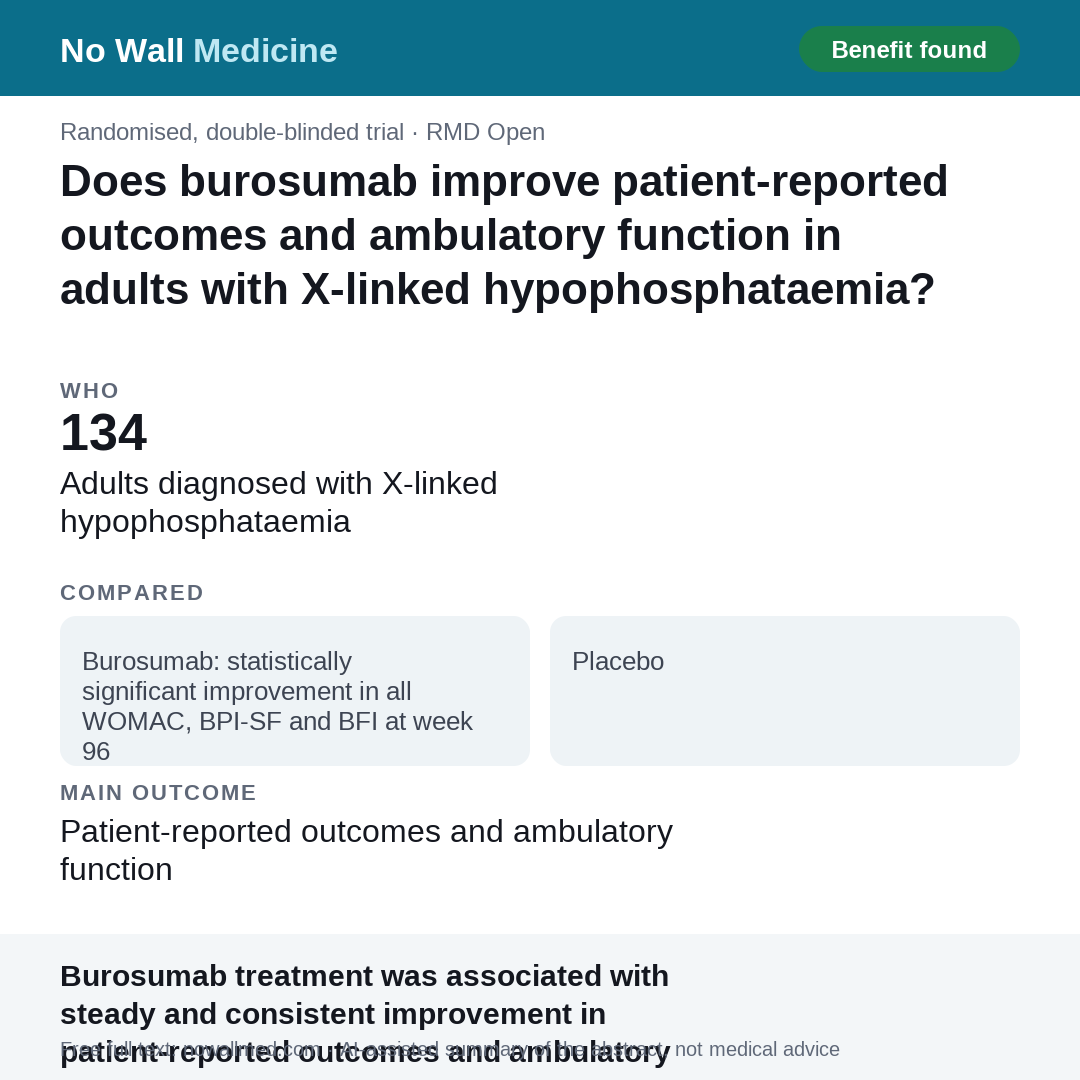
Burosumab treatment in adults with X-linked hypophosphataemia: 96-week patient-reported outcomes and ambulatory function from a randomised phase 3 trial and open-label extension
Randomised, double-blinded trialBenefit found
Does burosumab improve patient-reported outcomes and ambulatory function in adults with X-linked hypophosphataemia?
Who
134
Adults diagnosed with X-linked hypophosphataemia
Compared
Burosumab: statistically significant improvement in all WOMAC, BPI-SF and BFI at week 96
Placebo
Main outcome
Patient-reported outcomes and ambulatory function
Bottom line: Burosumab treatment was associated with steady and consistent improvement in patient-reported outcomes and ambulatory function.
RMD Open · 2021-09-22Download image
A systematic review of the association between anti-β-2 glycoprotein I antibodies and APS manifestations
Systematic reviewUnclear result
Is immunoglobulin G anti-B2GPI positivity independently associated with antiphospholipid syndrome manifestations?
Who
Patients with antiphospholipid syndrome
Compared
anti-B2GPI positive
anti-B2GPI negative
Main outcome
Thrombotic and obstetric manifestations of antiphospholipid syndrome
Bottom line: Clinical evidence is lacking with very low-quality data to support a strong association between anti-B2GPI and manifestations.
Blood Adv · 2021-09-22Download image

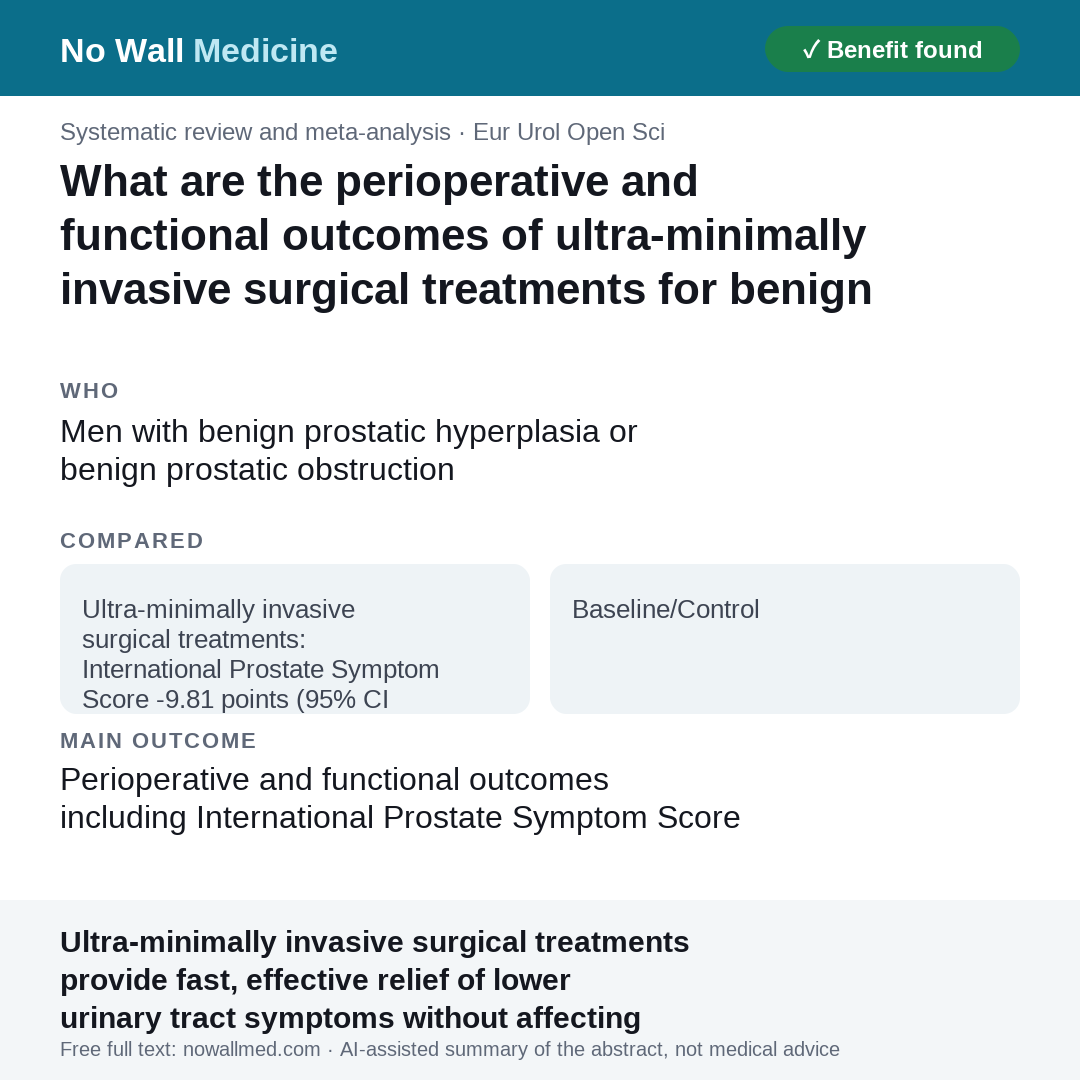
New Ultra-minimally Invasive Surgical Treatment for Benign Prostatic Hyperplasia: A Systematic Review and Analysis of Comparative Outcomes
Systematic review and meta-analysisBenefit found
What are the perioperative and functional outcomes of ultra-minimally invasive surgical treatments for benign prostatic hyperplasia?
Who
Men with benign prostatic hyperplasia or benign prostatic obstruction
Compared
Ultra-minimally invasive surgical treatments: International Prostate Symptom Score -9.81 points (95% CI -11.37 to -8.25) at 1 month
Baseline/Control
Main outcome
Perioperative and functional outcomes including International Prostate Symptom Score
Result: International Prostate Symptom Score -9.81 points (95% CI -11.37 to -8.25) at 1 month
Bottom line: Ultra-minimally invasive surgical treatments provide fast, effective relief of lower urinary tract symptoms without affecting quality of life.
Eur Urol Open Sci · 2021-09-22Download image
Facilitator Contact, Discussion Boards, and Virtual Badges as Adherence Enhancements to a Web-Based, Self-guided, Positive Psychological Intervention for Depression: Randomized Controlled Trial
Randomized controlled trialMixed results
Do facilitator contact, discussion boards, and virtual badges improve adherence to web-based depression interventions?
Who
602
People recruited through web-based sources with depression
Compared
Intervention alone
Virtual badges and facilitator contact: significantly more skills
Emotion reporting control
Main outcome
Number of skills accessed
Bottom line: Combining virtual badges and facilitator contact increased adherence to a self-guided web-based depression intervention.
J Med Internet Res · 2021-09-22Download image

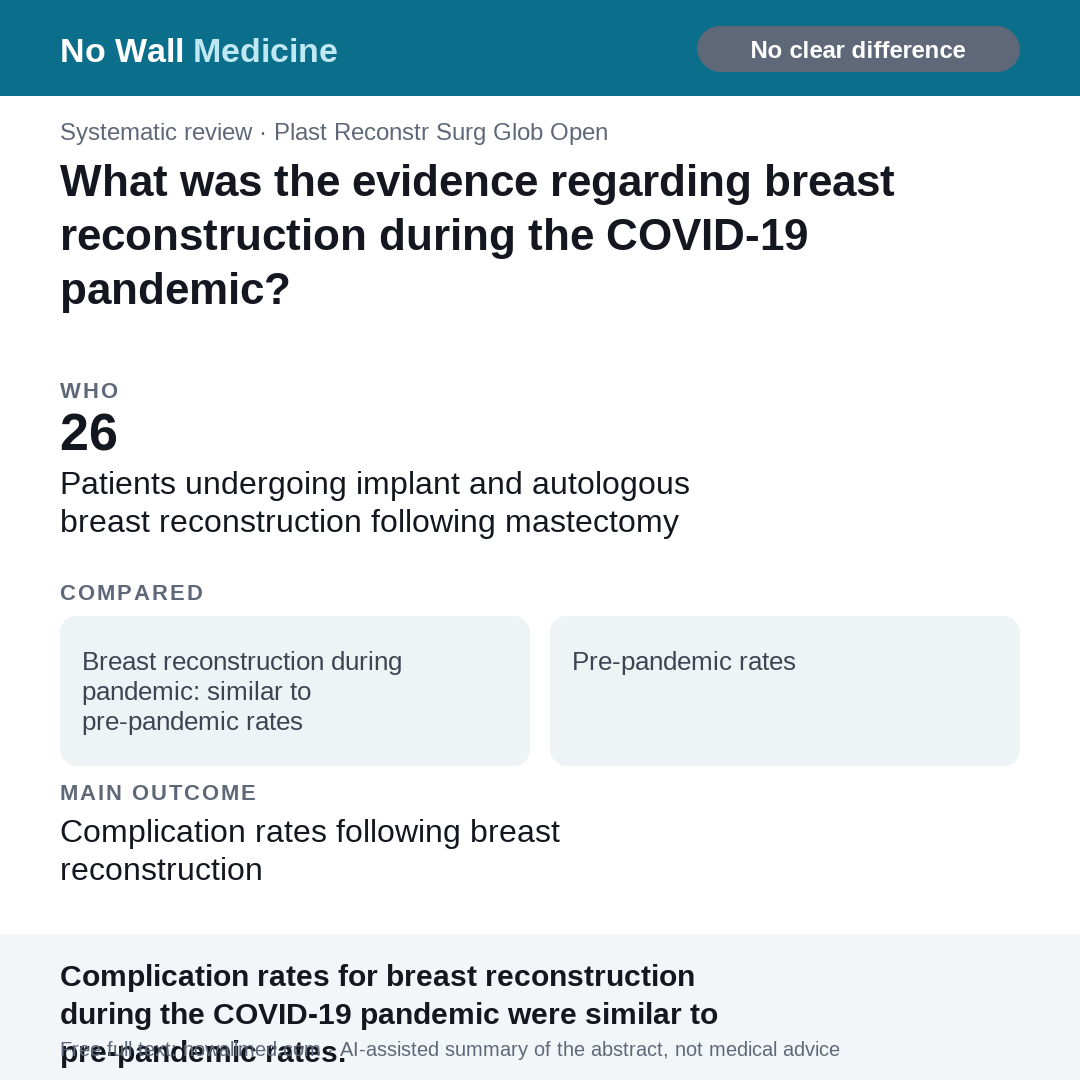
Breast Reconstruction during the COVID-19 Pandemic: A Systematic Review
Systematic reviewNo clear difference
What was the evidence regarding breast reconstruction during the COVID-19 pandemic?
Who
26
Patients undergoing implant and autologous breast reconstruction following mastectomy
Compared
Breast reconstruction during pandemic: similar to pre-pandemic rates
Pre-pandemic rates
Main outcome
Complication rates following breast reconstruction
Bottom line: Complication rates for breast reconstruction during the COVID-19 pandemic were similar to pre-pandemic rates.
Plast Reconstr Surg Glob Open · 2021-09-22Download image
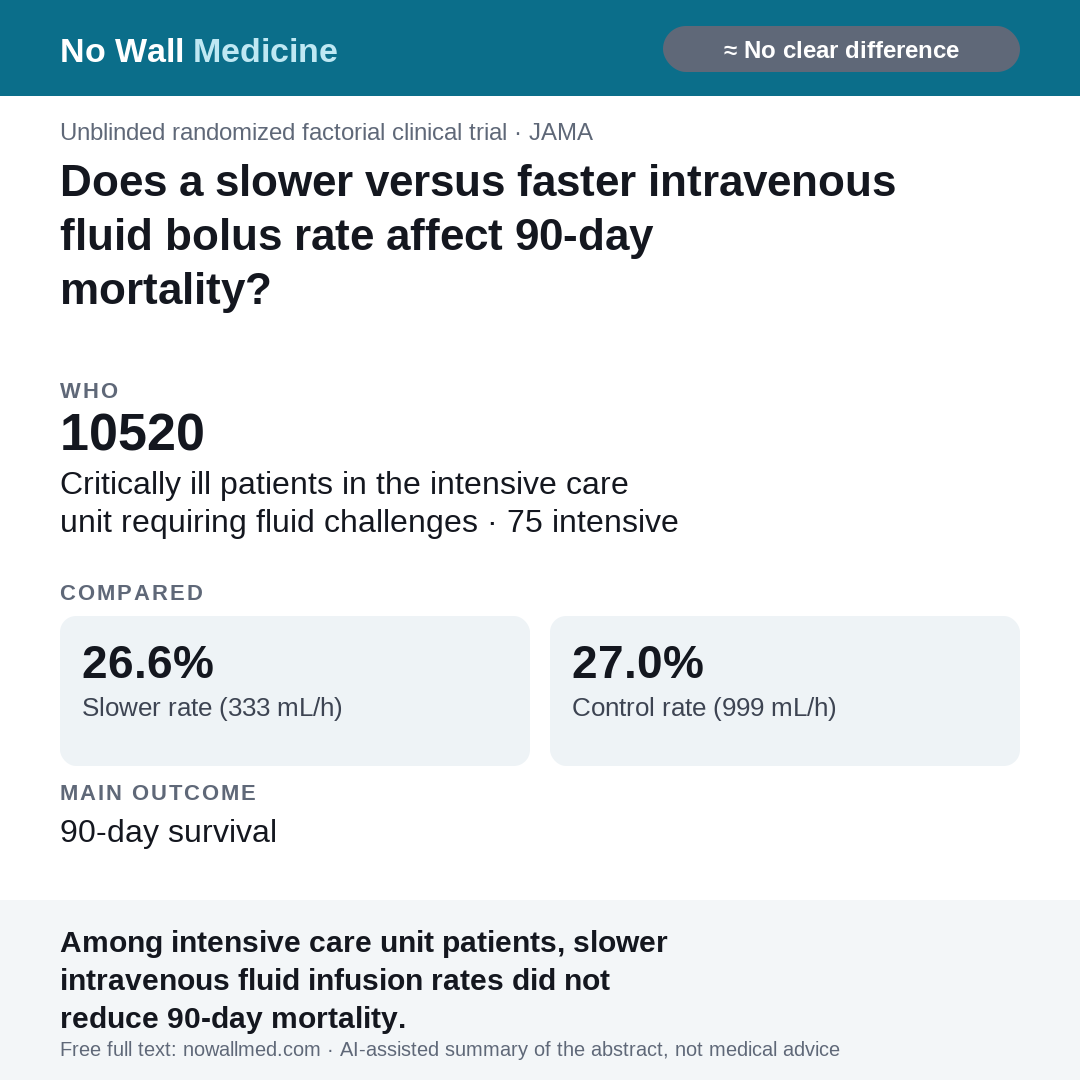
Effect of Slower vs Faster Intravenous Fluid Bolus Rates on Mortality in Critically Ill Patients: The BaSICS Randomized Clinical Trial
Unblinded randomized factorial clinical trialNo clear difference
Does a slower versus faster intravenous fluid bolus rate affect 90-day mortality?
Who
10520
Critically ill patients in the intensive care unit requiring fluid challenges · 75 intensive care units in Brazil
Compared
26.6%Slower rate (333 mL/h) (1406/5276)
27.0%Control rate (999 mL/h) (1414/5244)
Main outcome
90-day survival
Result: adjusted hazard ratio 1.03 (95% CI 0.96-1.11)
Bottom line: Among intensive care unit patients, slower intravenous fluid infusion rates did not reduce 90-day mortality.
JAMA · 2021-09-21Download image
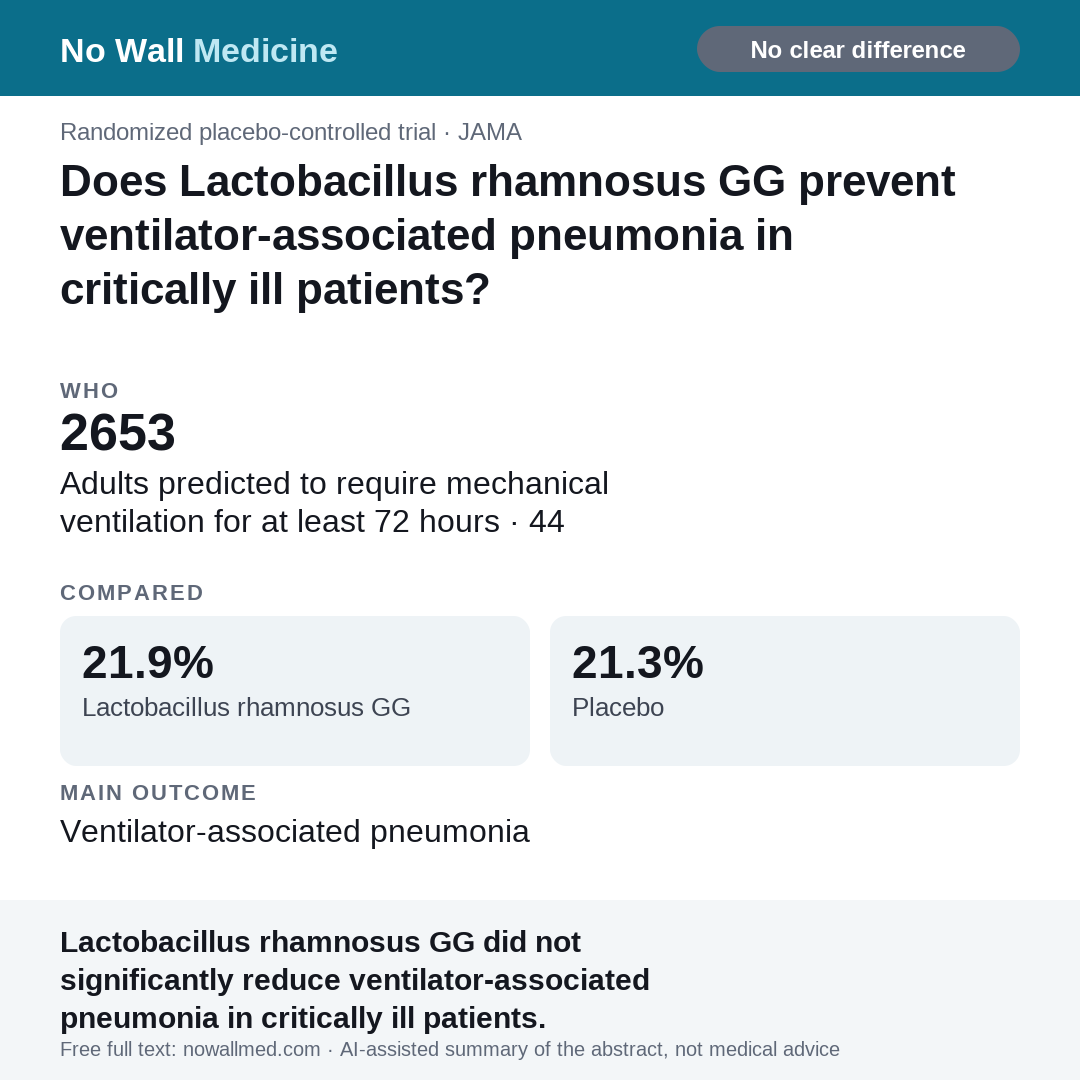
Effect of Probiotics on Incident Ventilator-Associated Pneumonia in Critically Ill Patients: A Randomized Clinical Trial
Randomized placebo-controlled trialNo clear difference
Does Lactobacillus rhamnosus GG prevent ventilator-associated pneumonia in critically ill patients?
Who
2653
Adults predicted to require mechanical ventilation for at least 72 hours · 44 intensive care units in Canada, United States, and Saudi Arabia
Compared
21.9%Lactobacillus rhamnosus GG
21.3%Placebo
Main outcome
Ventilator-associated pneumonia
Result: hazard ratio 1.03 (95% CI, 0.87-1.22)
Bottom line: Lactobacillus rhamnosus GG did not significantly reduce ventilator-associated pneumonia in critically ill patients.
JAMA · 2021-09-21Download image
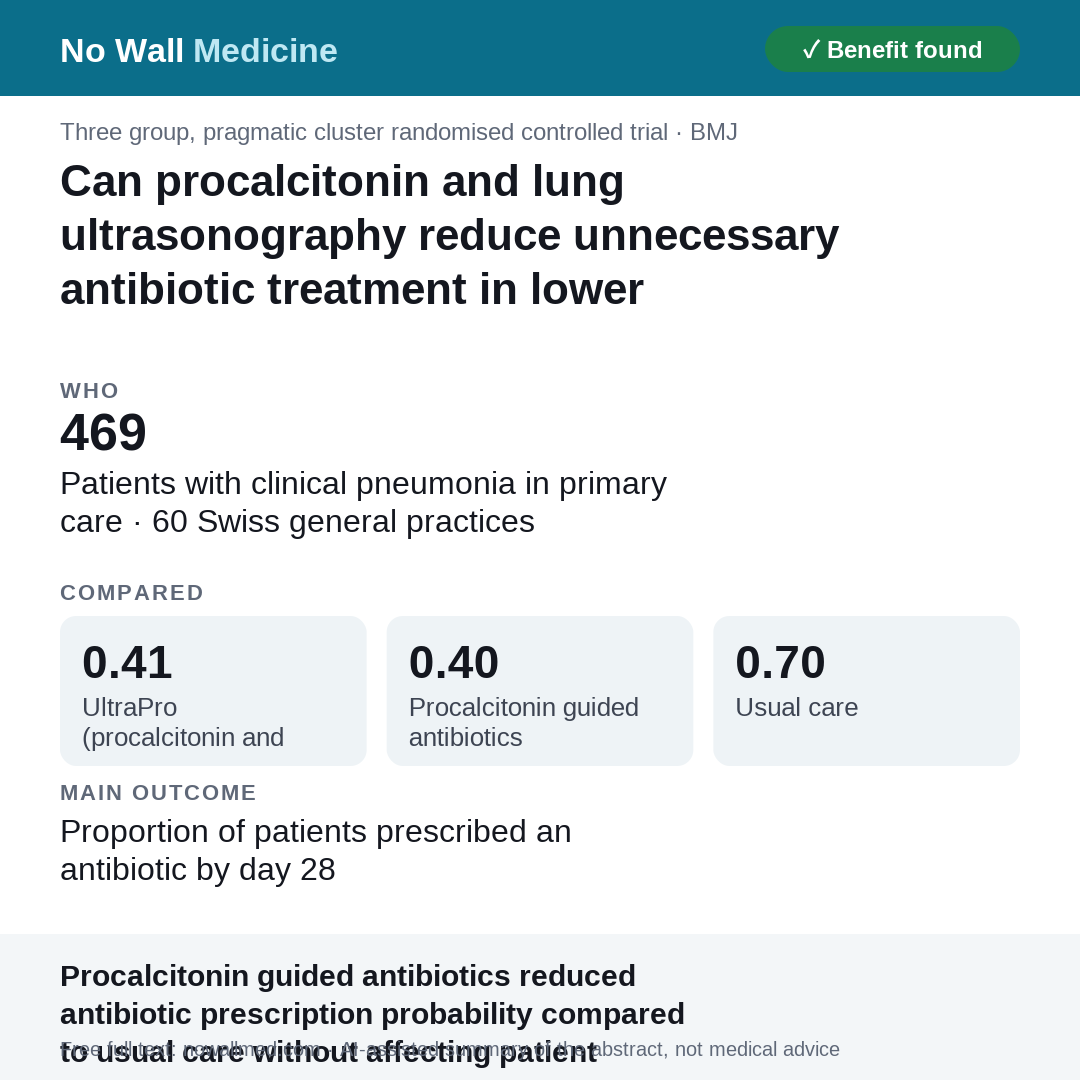
Procalcitonin and lung ultrasonography point-of-care testing to determine antibiotic prescription in patients with lower respiratory tract infection in primary care: pragmatic cluster randomised trial
Three group, pragmatic cluster randomised controlled trialBenefit found
Can procalcitonin and lung ultrasonography reduce unnecessary antibiotic treatment in lower respiratory tract infections?
Who
469
Patients with clinical pneumonia in primary care · 60 Swiss general practices
Compared
0.41UltraPro (procalcitonin and lung ultrasonography)
0.40Procalcitonin guided antibiotics
0.70Usual care
Main outcome
Proportion of patients prescribed an antibiotic by day 28
Result: cluster corrected difference -0.26 (95% confidence interval -0.41 to -0.10)
Bottom line: Procalcitonin guided antibiotics reduced antibiotic prescription probability compared to usual care without affecting patient safety.
BMJ · 2021-09-21Download image
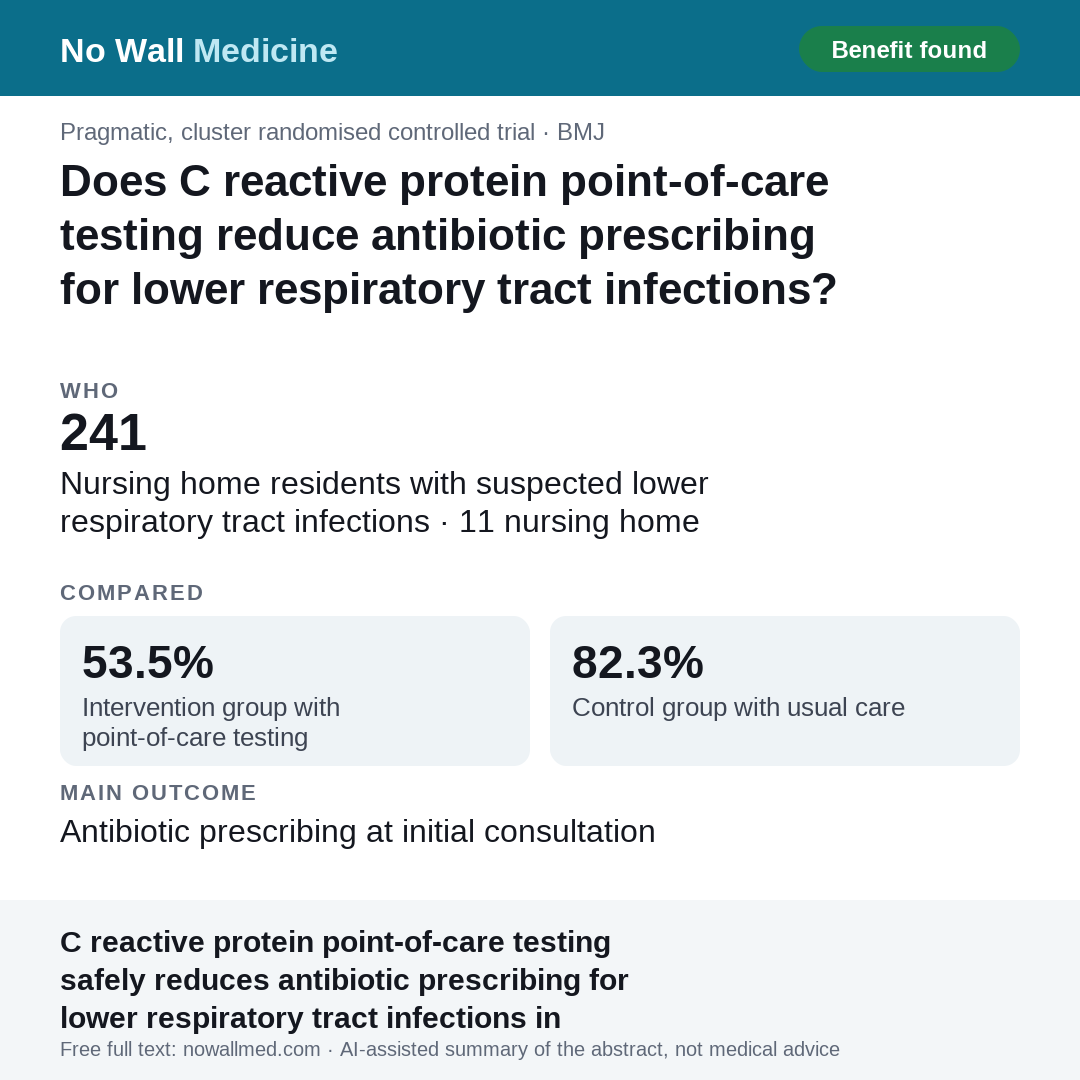
Effect of C reactive protein point-of-care testing on antibiotic prescribing for lower respiratory tract infections in nursing home residents: cluster randomised controlled trial
Pragmatic, cluster randomised controlled trialBenefit found
Does C reactive protein point-of-care testing reduce antibiotic prescribing for lower respiratory tract infections?
Who
241
Nursing home residents with suspected lower respiratory tract infections · 11 nursing home organisations in the Netherlands
Compared
53.5%Intervention group with point-of-care testing
82.3%Control group with usual care
Main outcome
Antibiotic prescribing at initial consultation
Result: 4.93 higher odds (95% confidence interval 1.91 to 12.73)
Bottom line: C reactive protein point-of-care testing safely reduces antibiotic prescribing for lower respiratory tract infections in nursing home residents.
BMJ · 2021-09-21Download image
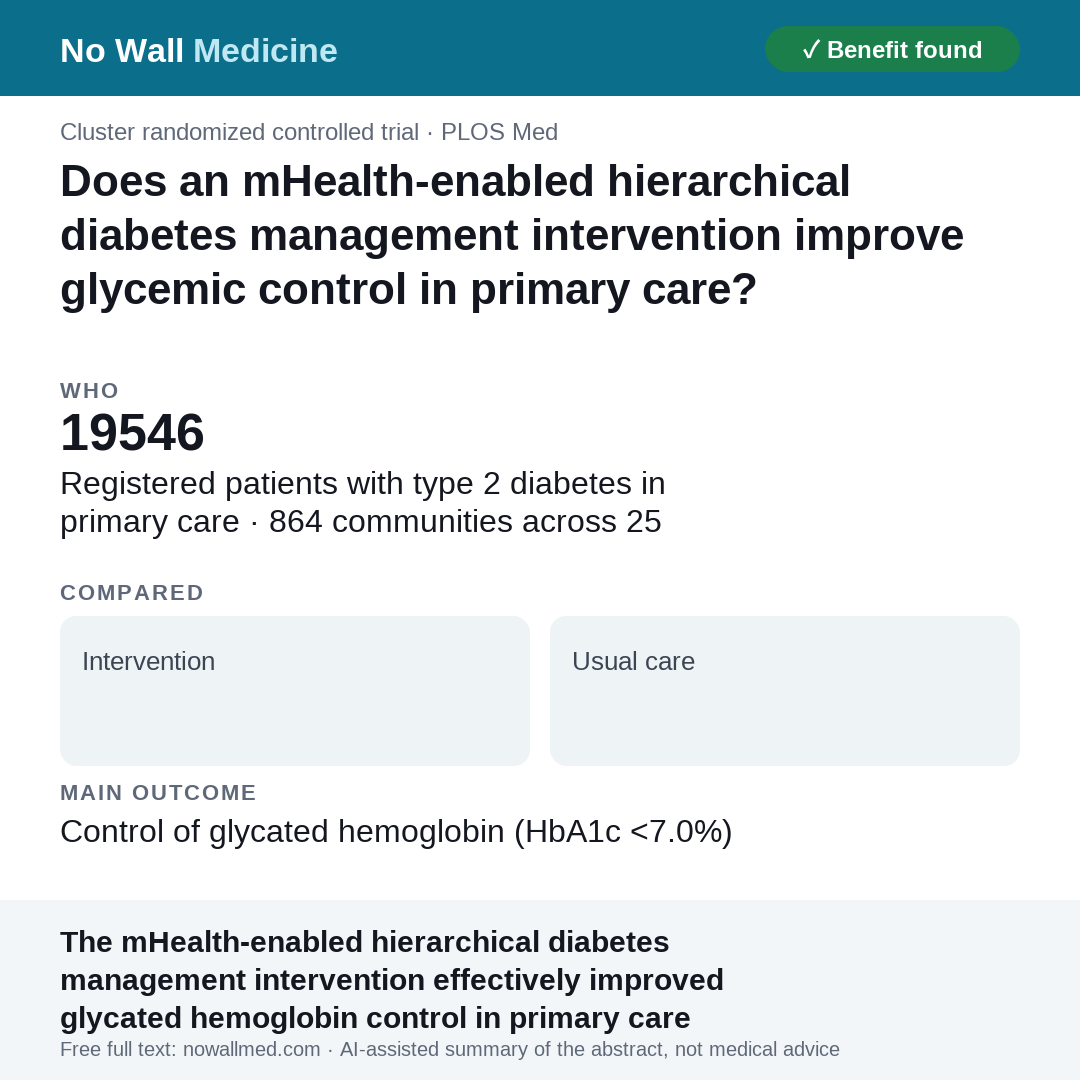
Evaluation of an mHealth-enabled hierarchical diabetes management intervention in primary care in China (ROADMAP): A cluster randomized trial
Cluster randomized controlled trialBenefit found
Does an mHealth-enabled hierarchical diabetes management intervention improve glycemic control in primary care?
Who
19546
Registered patients with type 2 diabetes in primary care · 864 communities across 25 provinces in China
Compared
Intervention
Usual care
Main outcome
Control of glycated hemoglobin (HbA1c <7.0%)
Result: relative risk 1.186 (95% CI 1.105 to 1.267)
Bottom line: The mHealth-enabled hierarchical diabetes management intervention effectively improved glycated hemoglobin control in primary care settings in China.
Limitation: Noncentralized laboratory tests except for glycated hemoglobin and limited extrapolation to non-registered patients.
PLOS Med · 2021-09-21Download image
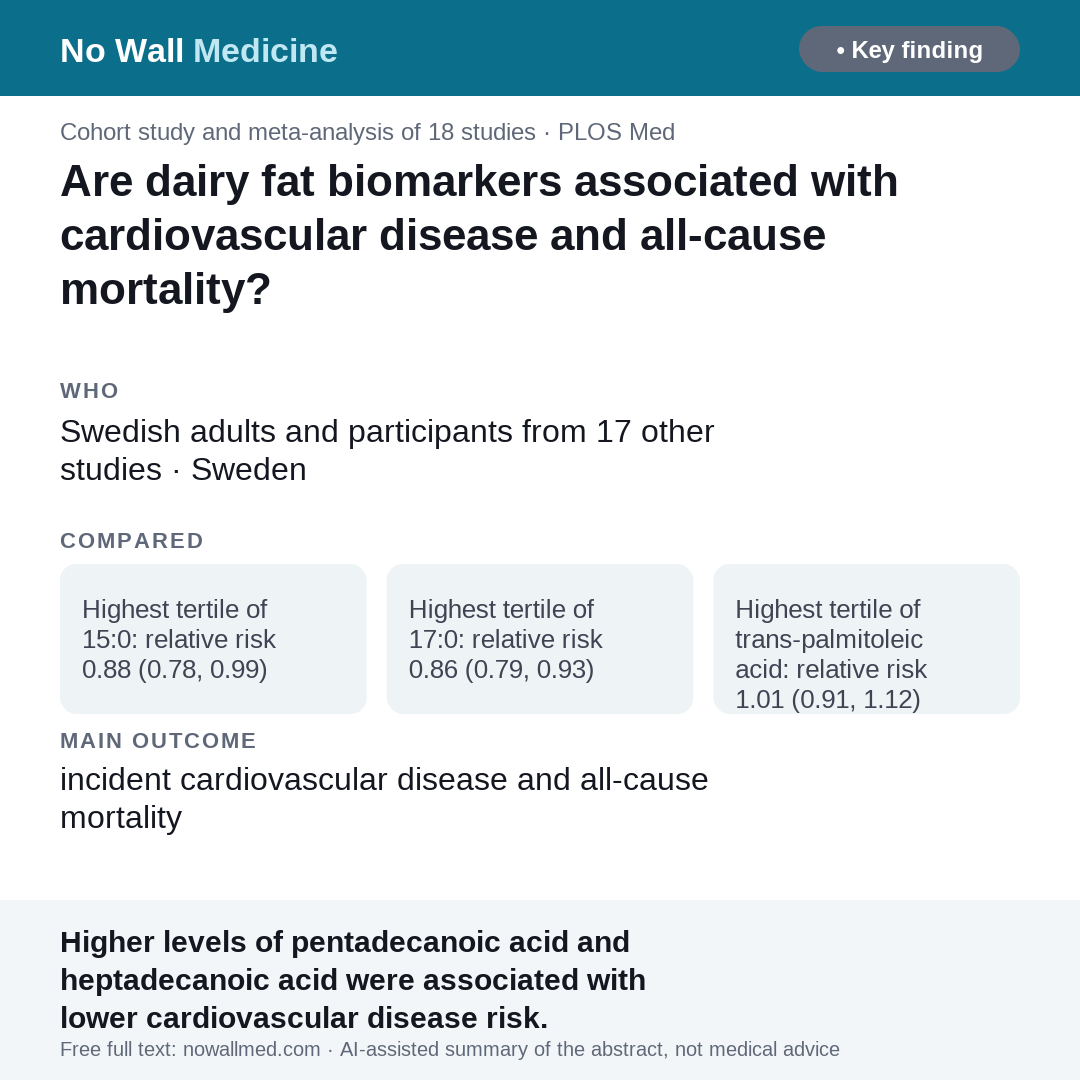
Biomarkers of dairy fat intake, incident cardiovascular disease, and all-cause mortality: A cohort study, systematic review, and meta-analysis
Cohort study and meta-analysis of 18 studiesKey finding
Are dairy fat biomarkers associated with cardiovascular disease and all-cause mortality?
Who
Swedish adults and participants from 17 other studies · Sweden
Compared
Highest tertile of 15:0: relative risk 0.88 (0.78, 0.99)
Highest tertile of 17:0: relative risk 0.86 (0.79, 0.93)
Highest tertile of trans-palmitoleic acid: relative risk 1.01 (0.91, 1.12)
Main outcome
incident cardiovascular disease and all-cause mortality
Result: relative risk 0.88 (0.78, 0.99) for 15:0
Bottom line: Higher levels of pentadecanoic acid and heptadecanoic acid were associated with lower cardiovascular disease risk.
Limitation: Biomarkers cannot distinguish different dairy foods and baseline assessment may increase exposure misclassification risk.
PLOS Med · 2021-09-21Download image
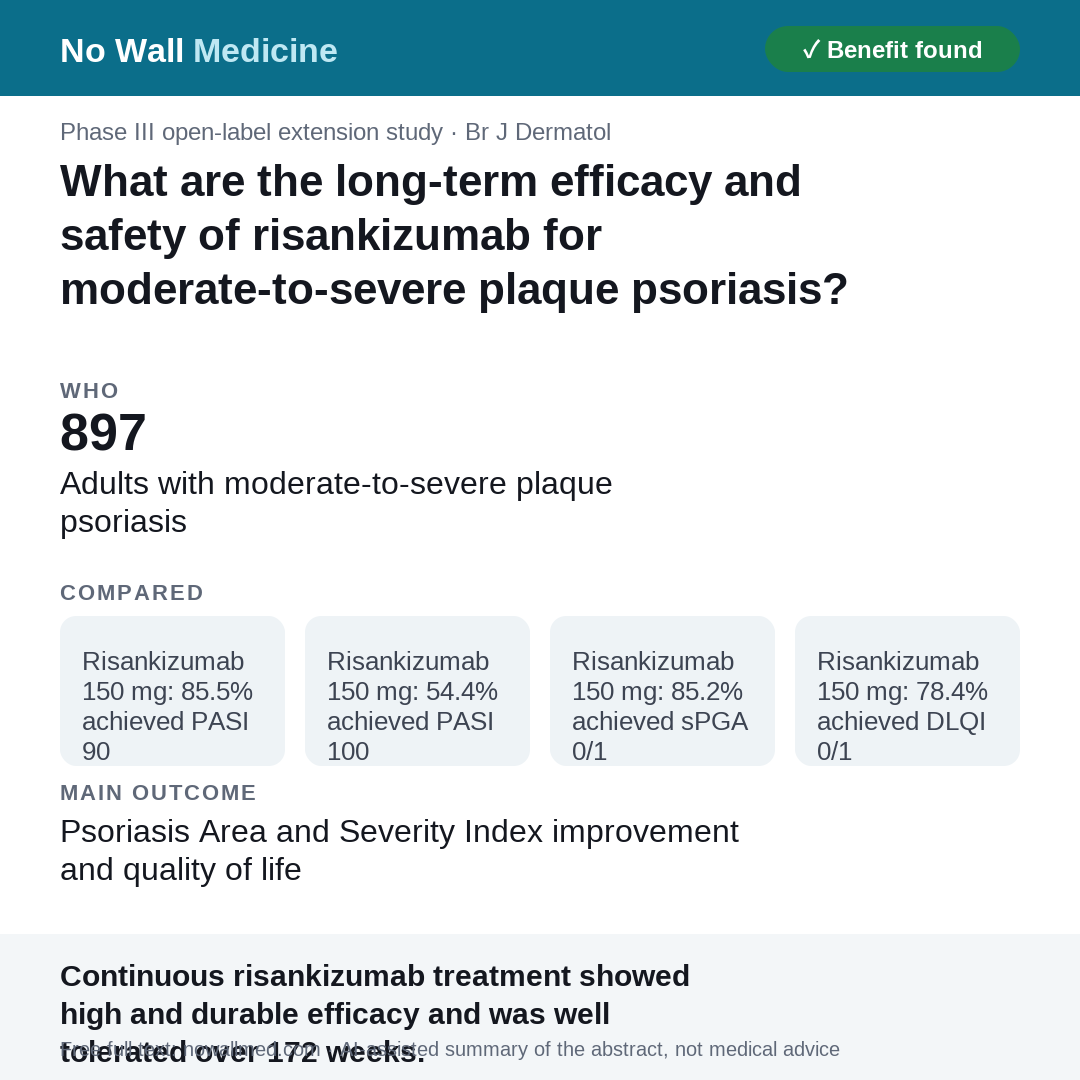
Long-term efficacy and safety of risankizumab for the treatment of moderate-to-severe plaque psoriasis: interim analysis of the LIMMitless open-label extension trial beyond 3 years of follow-up
Phase III open-label extension studyBenefit found
What are the long-term efficacy and safety of risankizumab for moderate-to-severe plaque psoriasis?
Who
897
Adults with moderate-to-severe plaque psoriasis
Compared
Risankizumab 150 mg: 85.5% achieved PASI 90
Risankizumab 150 mg: 54.4% achieved PASI 100
Risankizumab 150 mg: 85.2% achieved sPGA 0/1
Risankizumab 150 mg: 78.4% achieved DLQI 0/1
Main outcome
Psoriasis Area and Severity Index improvement and quality of life
Bottom line: Continuous risankizumab treatment showed high and durable efficacy and was well tolerated over 172 weeks.
Br J Dermatol · 2021-09-21Download image
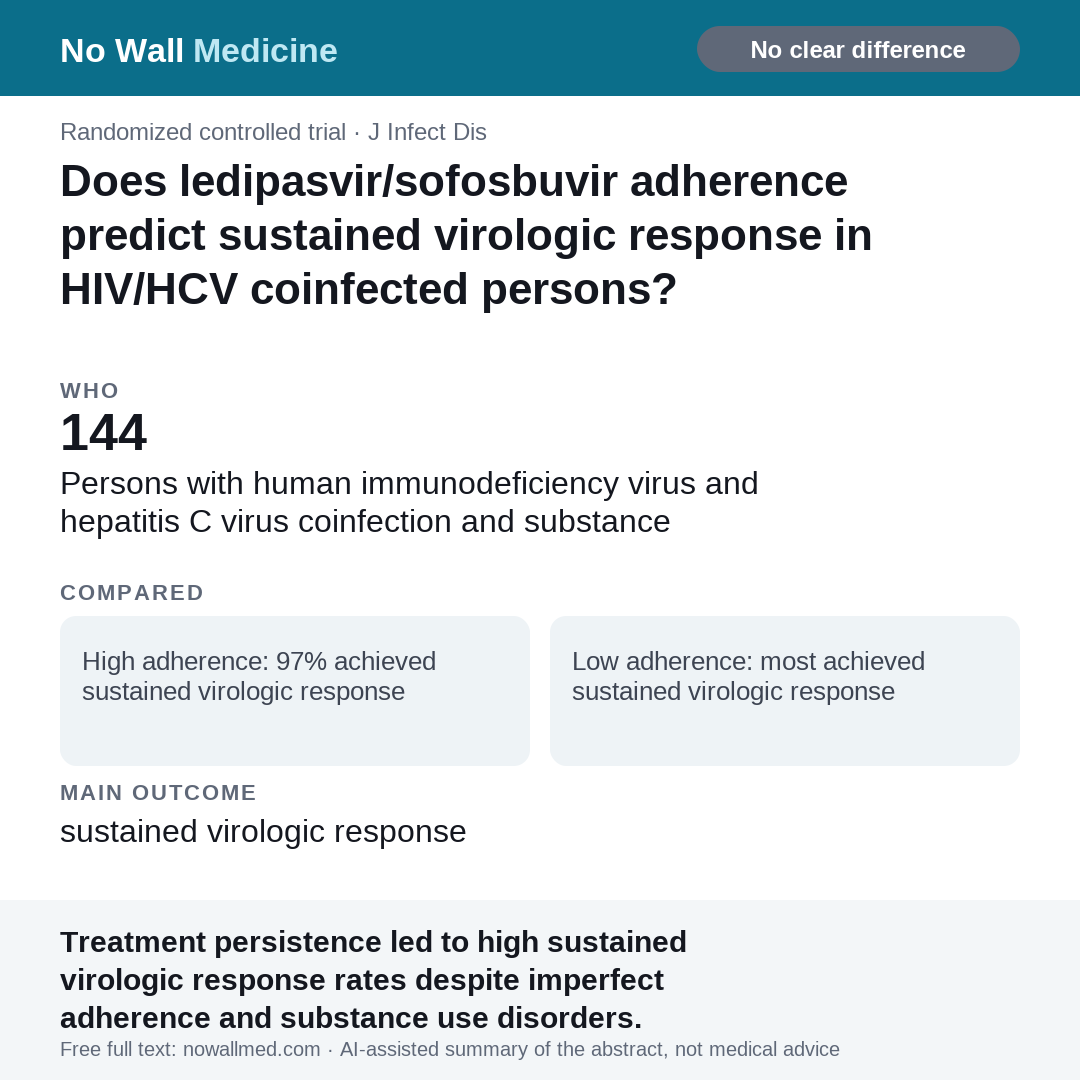
Nonadherence to Ledipasvir/Sofosbuvir Did Not Predict Sustained Virologic Response in a Randomized Controlled Trial of Human Immunodeficiency Virus/Hepatitis C Virus Coinfected Persons Who Use Drugs
Randomized controlled trialNo clear difference
Does ledipasvir/sofosbuvir adherence predict sustained virologic response in HIV/HCV coinfected persons?
Who
144
Persons with human immunodeficiency virus and hepatitis C virus coinfection and substance use disorders
Compared
High adherence: 97% achieved sustained virologic response
Low adherence: most achieved sustained virologic response
Main outcome
sustained virologic response
Bottom line: Treatment persistence led to high sustained virologic response rates despite imperfect adherence and substance use disorders.
J Infect Dis · 2021-09-21Download image
Waning Immunity After Receipt of Pertussis, Diphtheria, Tetanus, and Polio-Related Vaccines: A Systematic Review and Meta-analysis
Systematic review and meta-analysisMixed results
What is the duration of protective immunity after pertussis, diphtheria, tetanus, and polio vaccination?
Who
Individuals receiving pertussis, diphtheria, tetanus, and polio vaccines
Compared
Pertussis and diphtheria: waning postvaccination immunity
Tetanus and polio: sustained protection
Main outcome
immunological and clinical outcomes of vaccine-preventable diseases
Bottom line: Immunity wanes for pertussis and diphtheria, but tetanus and polio vaccines provide sustained protection.
J Infect Dis · 2021-09-21Download image

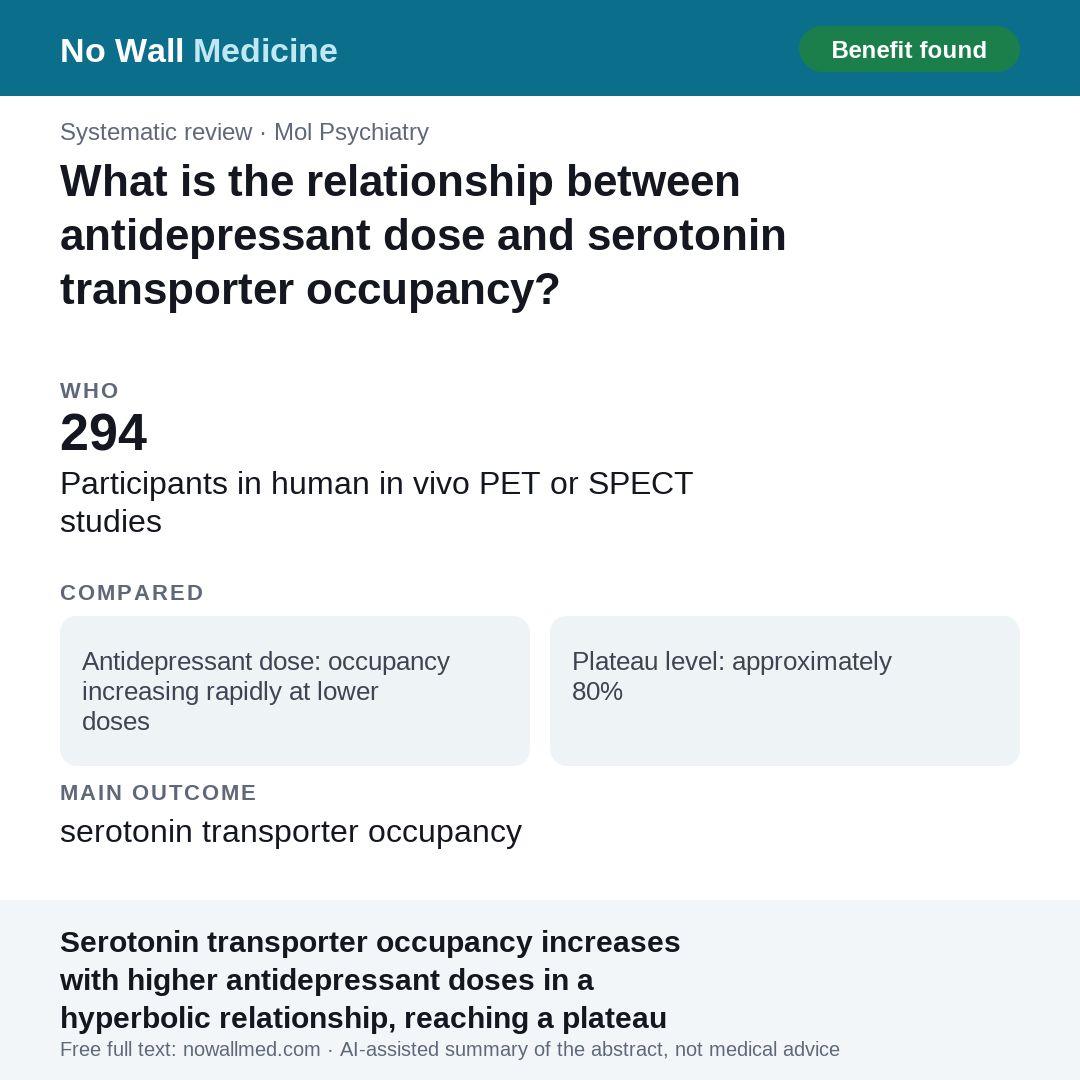
The relationship between dose and serotonin transporter occupancy of antidepressants-a systematic review
Systematic reviewBenefit found
What is the relationship between antidepressant dose and serotonin transporter occupancy?
Who
294
Participants in human in vivo PET or SPECT studies
Compared
Antidepressant dose: occupancy increasing rapidly at lower doses
Plateau level: approximately 80%
Main outcome
serotonin transporter occupancy
Bottom line: Serotonin transporter occupancy increases with higher antidepressant doses in a hyperbolic relationship, reaching a plateau at approximately 80%.
Limitation: Non-transparent reporting, lack of standardized methods, small sample sizes, and short treatment duration.
Mol Psychiatry · 2021-09-21Download image
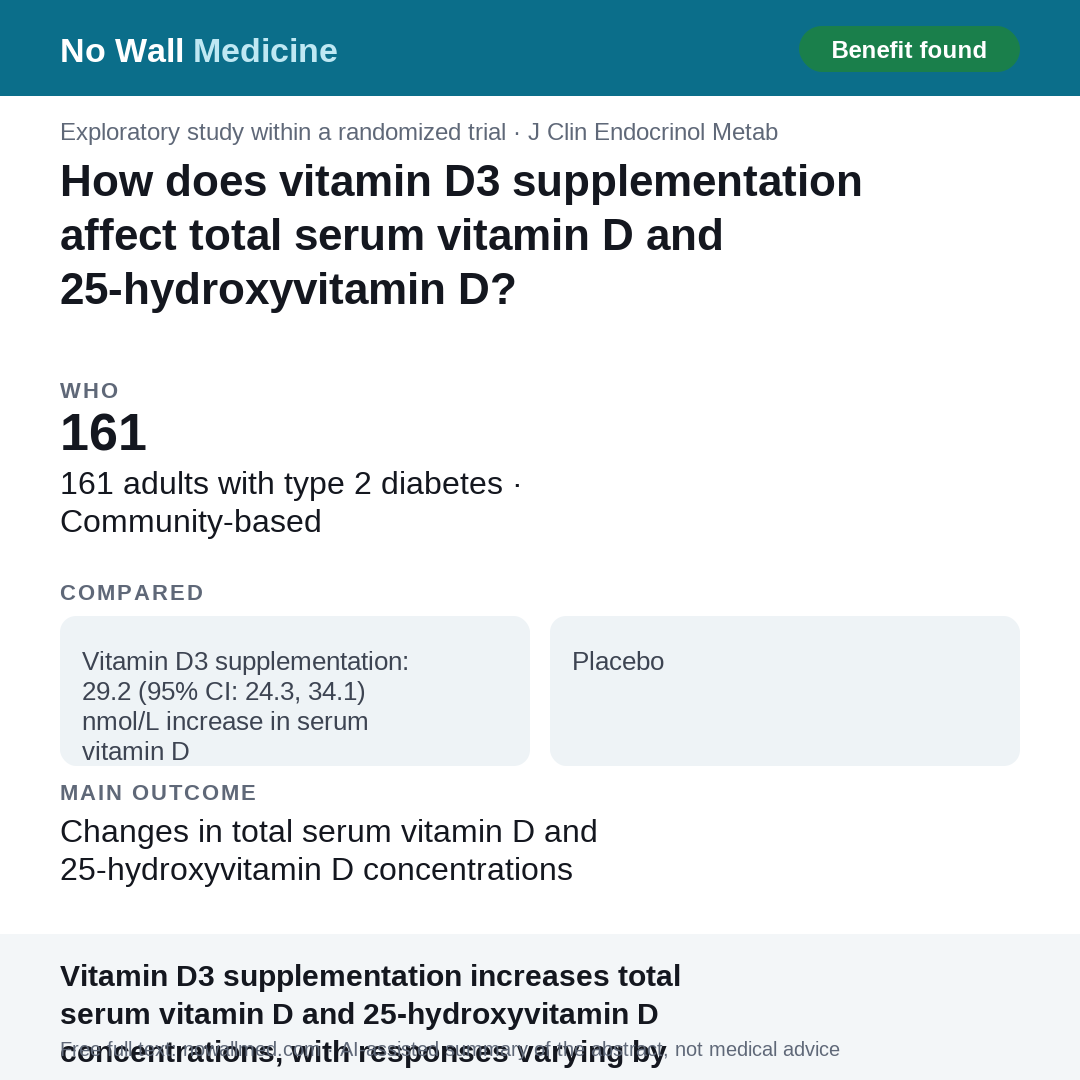
Serum Vitamin D: Correlates of Baseline Concentration and Response to Supplementation in VITAL-DKD
Exploratory study within a randomized trialBenefit found
How does vitamin D3 supplementation affect total serum vitamin D and 25-hydroxyvitamin D?
Who
161
161 adults with type 2 diabetes · Community-based
Compared
Vitamin D3 supplementation: 29.2 (95% CI: 24.3, 34.1) nmol/L increase in serum vitamin D
Placebo
Main outcome
Changes in total serum vitamin D and 25-hydroxyvitamin D concentrations
Result: 29.2 (95% CI: 24.3, 34.1) nmol/L increase in serum vitamin D
Bottom line: Vitamin D3 supplementation increases total serum vitamin D and 25-hydroxyvitamin D concentrations, with responses varying by baseline levels.
J Clin Endocrinol Metab · 2021-09-21Download image
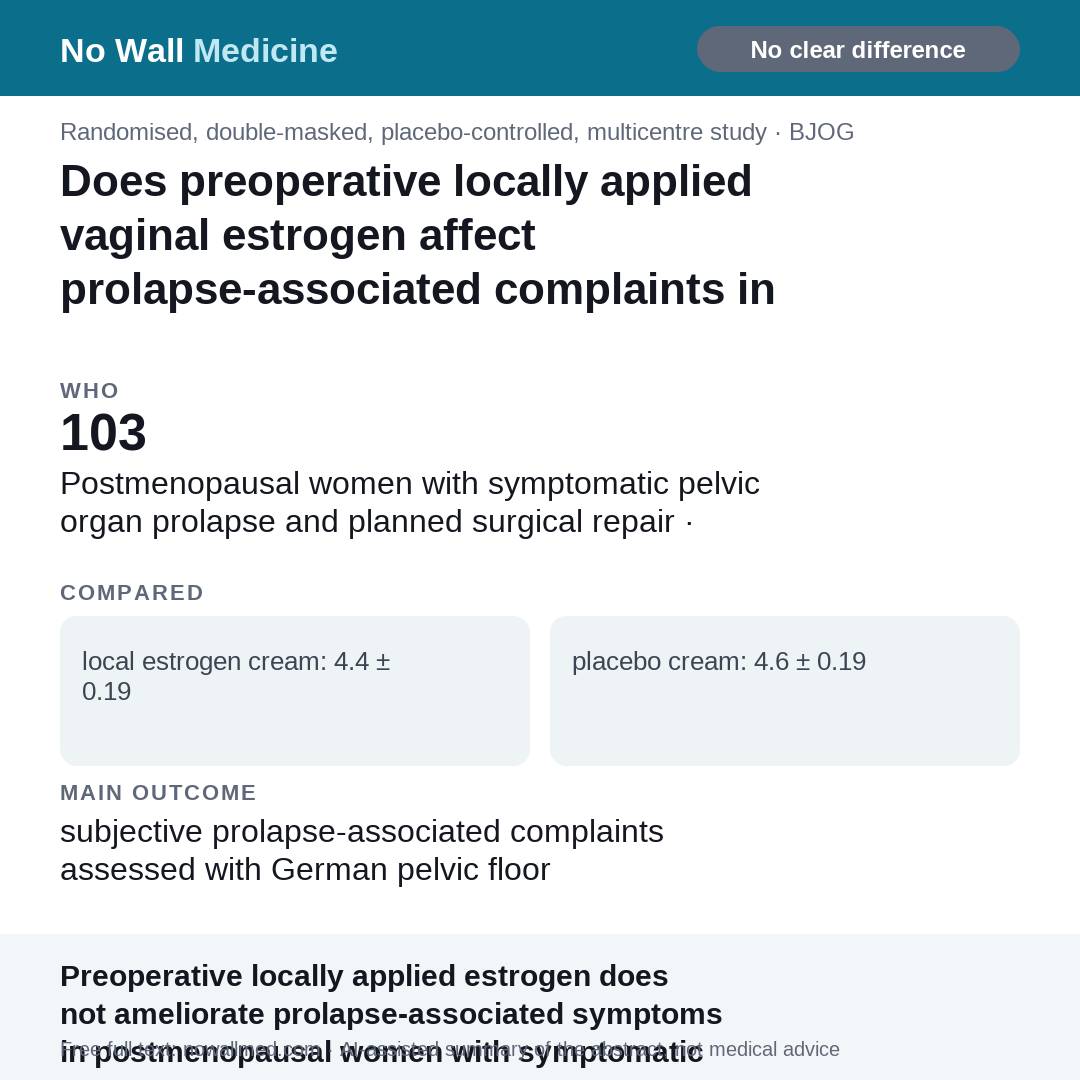
Does preoperative locally applied estrogen treatment facilitate prolapse-associated symptoms in postmenopausal women with symptomatic pelvic organ prolapse? A randomised controlled double-masked, placebo-controlled, multicentre study
Randomised, double-masked, placebo-controlled, multicentre studyNo clear difference
Does preoperative locally applied vaginal estrogen affect prolapse-associated complaints in postmenopausal women?
Who
103
Postmenopausal women with symptomatic pelvic organ prolapse and planned surgical repair · Austria, two medical university hospitals
Compared
local estrogen cream: 4.4 ± 0.19
placebo cream: 4.6 ± 0.19
Main outcome
subjective prolapse-associated complaints assessed with German pelvic floor questionnaire
Result: mean difference -0.21 (95% CI -0.74 to 0.33)
Bottom line: Preoperative locally applied estrogen does not ameliorate prolapse-associated symptoms in postmenopausal women with symptomatic pelvic organ prolapse.
BJOG · 2021-09-21Download image