Visual abstracts
New randomized trials and meta-analyses from leading journals at a glance: who was studied, what was compared, and what was found. Every paper is free to read in full.
All specialtiesCardiology 4832Oncology 4114Gastroenterology & Hepatology 1934Infectious Disease 3824Neurology 1899Psychiatry & Mental Health 2256Pulmonology 2082Critical Care 1345Endocrinology & Diabetes 2572Pediatrics 2940Surgery 2525Orthopedics & Sports Medicine 926Neurosurgery 534Cardiothoracic & Vascular Surgery 671Plastic & Reconstructive Surgery 591Nephrology 1124Rheumatology 823Hematology 1104Dermatology 620Ophthalmology 543Obstetrics & Gynecology 1684Public & Global Health 1056Radiology & Imaging 641Anesthesiology 962Urology 754ENT (Otolaryngology) 503Emergency Medicine 489Allergy & Immunology 313Geriatrics 981Family Medicine & Primary Care 541Medical Genetics & Genomics 675Pathology & Laboratory Medicine 157Physical Medicine & Rehabilitation 751Palliative Care 424Nutrition 1580Digital Health & AI 2195General Medicine 321
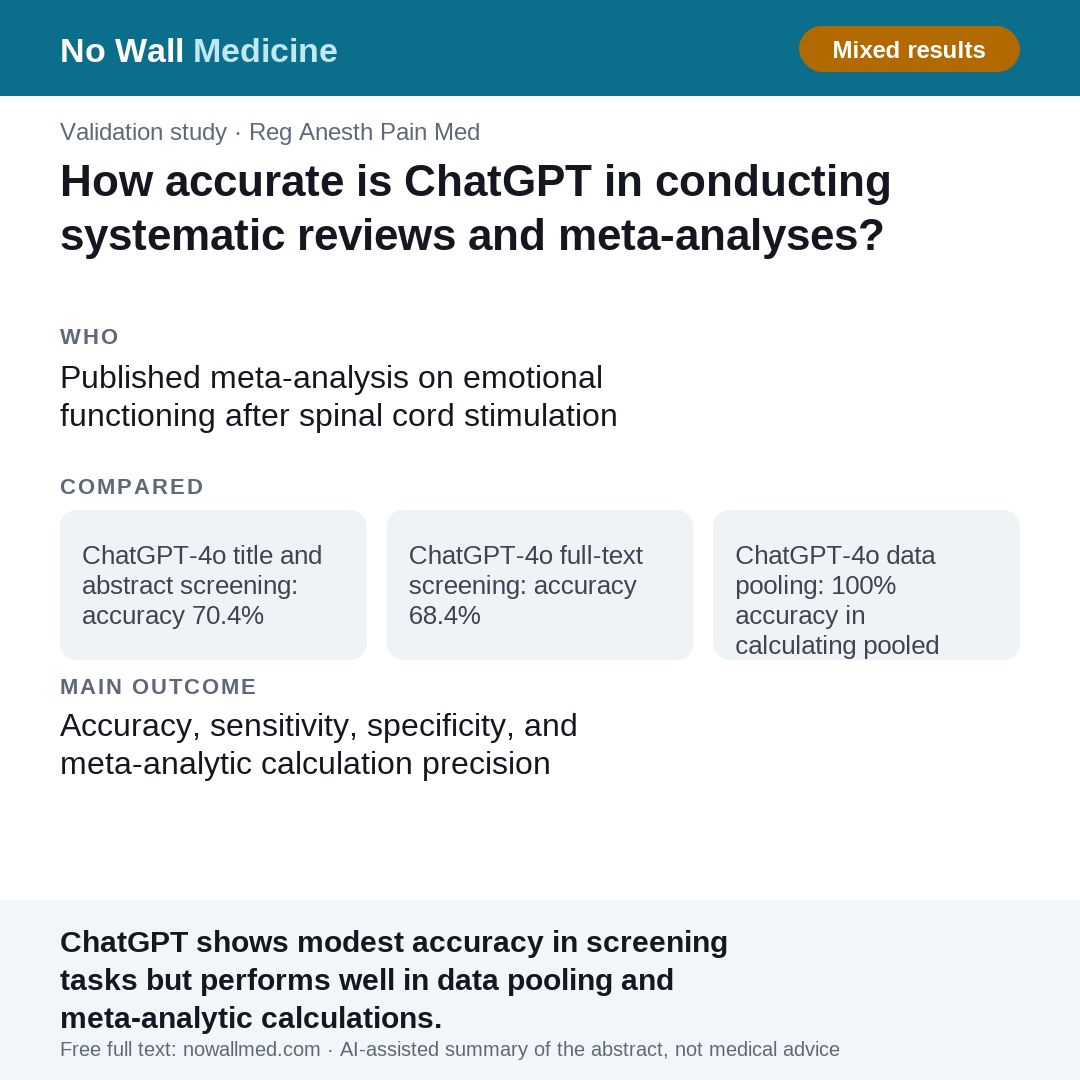
Human versus artificial intelligence: evaluating ChatGPT's performance in conducting published systematic reviews with meta-analysis in chronic pain research
Validation studyMixed results
How accurate is ChatGPT in conducting systematic reviews and meta-analyses?
Who
Published meta-analysis on emotional functioning after spinal cord stimulation
Compared
ChatGPT-4o title and abstract screening: accuracy 70.4%
ChatGPT-4o full-text screening: accuracy 68.4%
ChatGPT-4o data pooling: 100% accuracy in calculating pooled mean differences
Main outcome
Accuracy, sensitivity, specificity, and meta-analytic calculation precision
Bottom line: ChatGPT shows modest accuracy in screening tasks but performs well in data pooling and meta-analytic calculations.
Reg Anesth Pain Med · 2026-04-02Download image
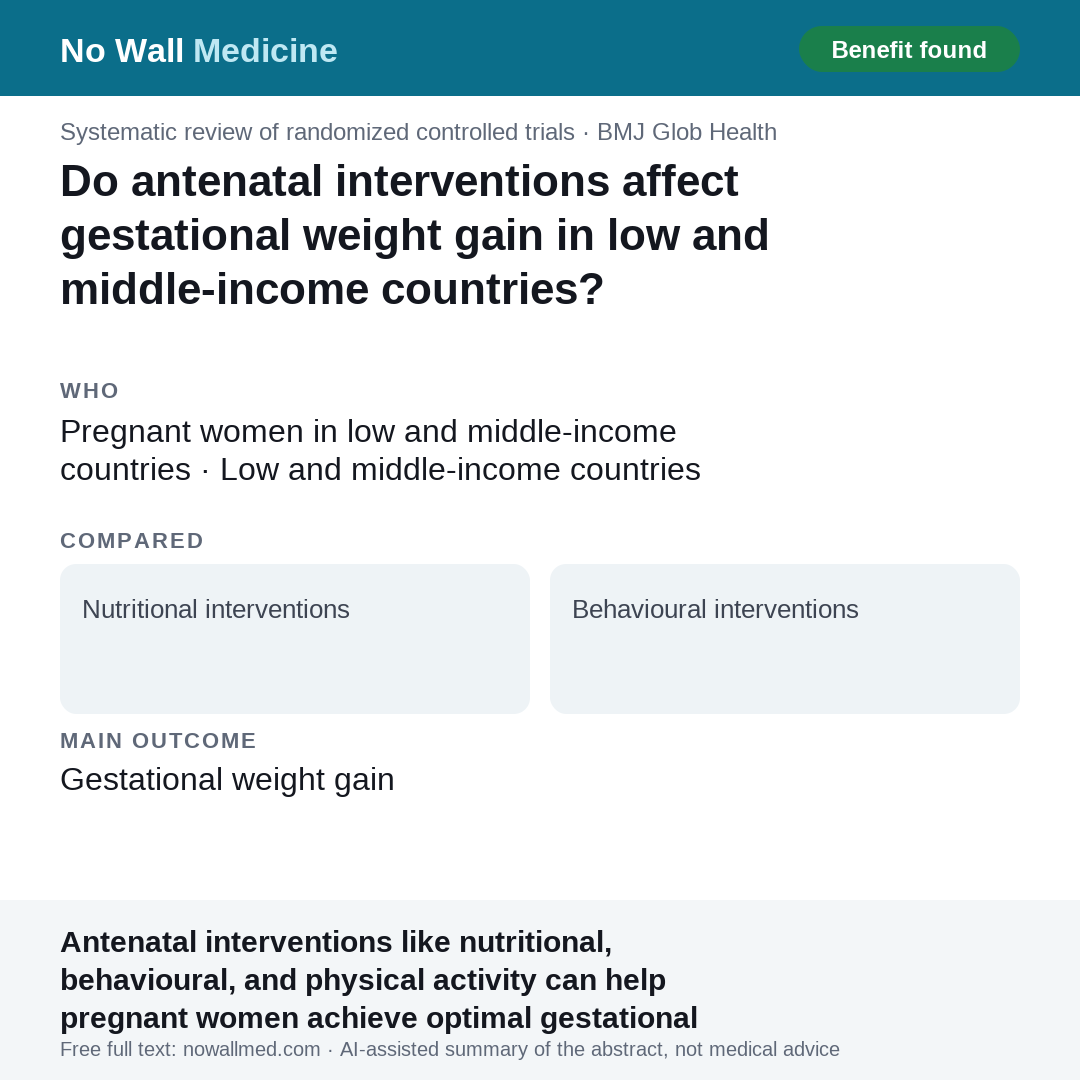
The effects of antenatal interventions on gestational weight gain in low and middle-income countries: a systematic review
Systematic review of randomized controlled trialsBenefit found
Do antenatal interventions affect gestational weight gain in low and middle-income countries?
Who
Pregnant women in low and middle-income countries · Low and middle-income countries
Compared
Nutritional interventions
Behavioural interventions
Main outcome
Gestational weight gain
Bottom line: Antenatal interventions like nutritional, behavioural, and physical activity can help pregnant women achieve optimal gestational weight gain.
BMJ Glob Health · 2026-04-02Download image
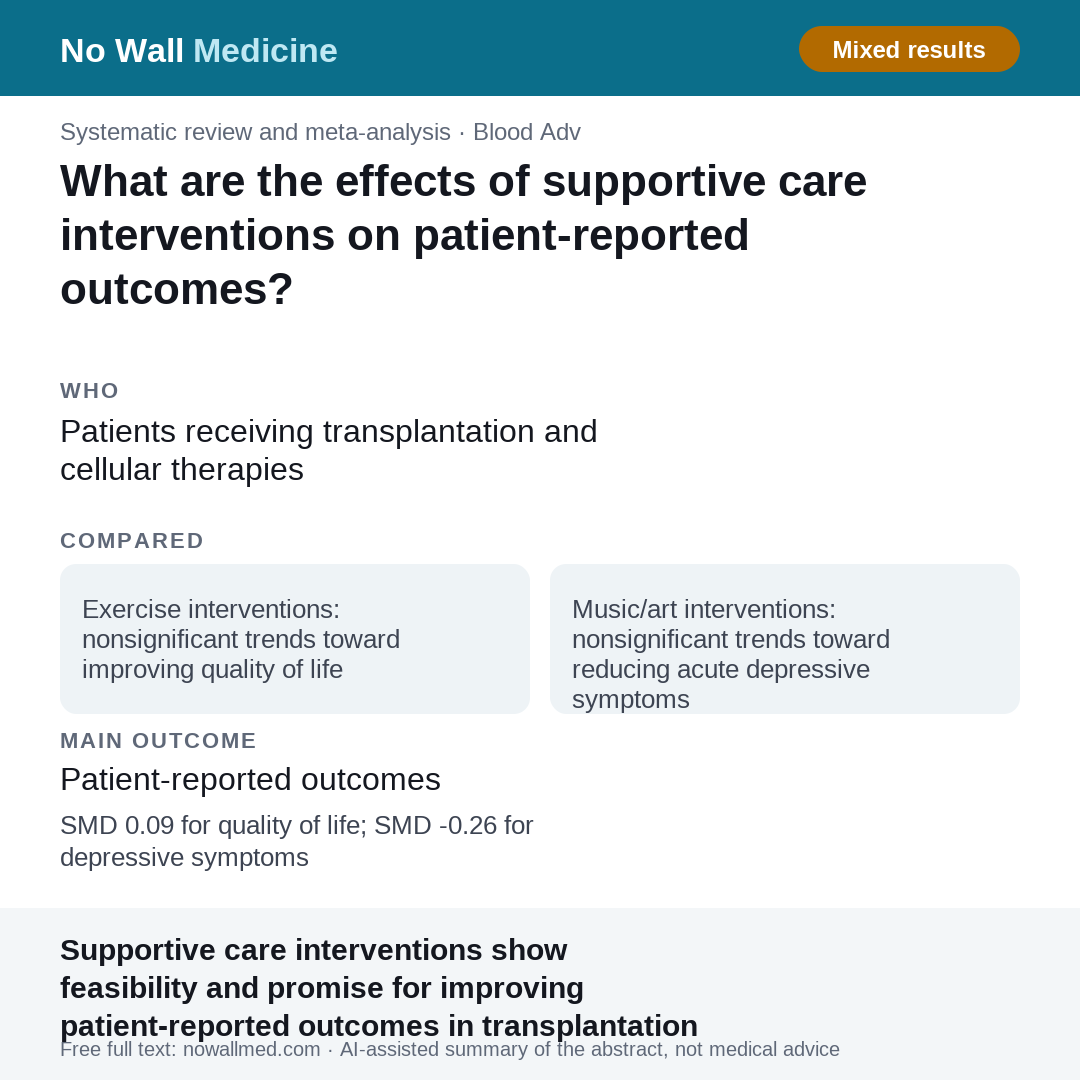
Supportive care interventions in hematopoietic stem cell transplantation: a systematic review and meta-analysis
Systematic review and meta-analysisMixed results
What are the effects of supportive care interventions on patient-reported outcomes?
Who
Patients receiving transplantation and cellular therapies
Compared
Exercise interventions: nonsignificant trends toward improving quality of life
Music/art interventions: nonsignificant trends toward reducing acute depressive symptoms
Main outcome
Patient-reported outcomes
Result: SMD 0.09 for quality of life; SMD -0.26 for depressive symptoms
Bottom line: Supportive care interventions show feasibility and promise for improving patient-reported outcomes in transplantation recipients.
Limitation: Larger, rigorously designed randomized controlled trials using standardized measures are needed.
Blood Adv · 2026-04-02Download image
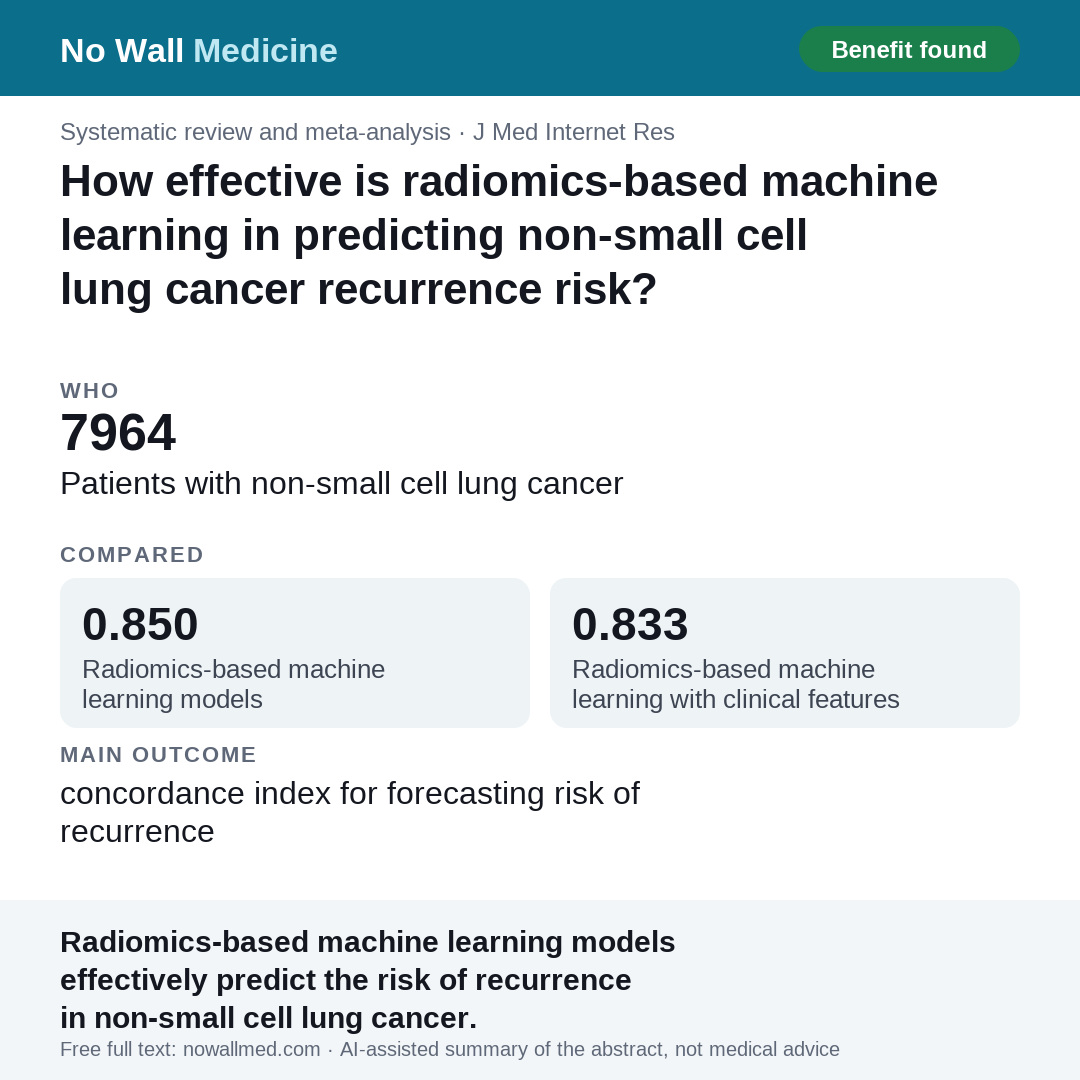
Accuracy of Radiomics-Based Machine Learning for Predicting Risk of Recurrence in Non-Small Cell Lung Cancer: Systematic Review and Meta-Analysis
Systematic review and meta-analysisBenefit found
How effective is radiomics-based machine learning in predicting non-small cell lung cancer recurrence risk?
Who
7964
Patients with non-small cell lung cancer
Compared
0.850Radiomics-based machine learning models (95% CI 0.834-0.866, 95% prediction interval 0.623-1.004)
0.833Radiomics-based machine learning with clinical features (95% CI 0.822-0.854, 95% prediction interval 0.717-0.945)
Main outcome
concordance index for forecasting risk of recurrence
Result: c-index 0.850 (95% CI 0.834-0.866)
Bottom line: Radiomics-based machine learning models effectively predict the risk of recurrence in non-small cell lung cancer.
Limitation: Methodological limitations and an absence of standardization were revealed by the average Radiomics Quality Score.
J Med Internet Res · 2026-04-02Download image
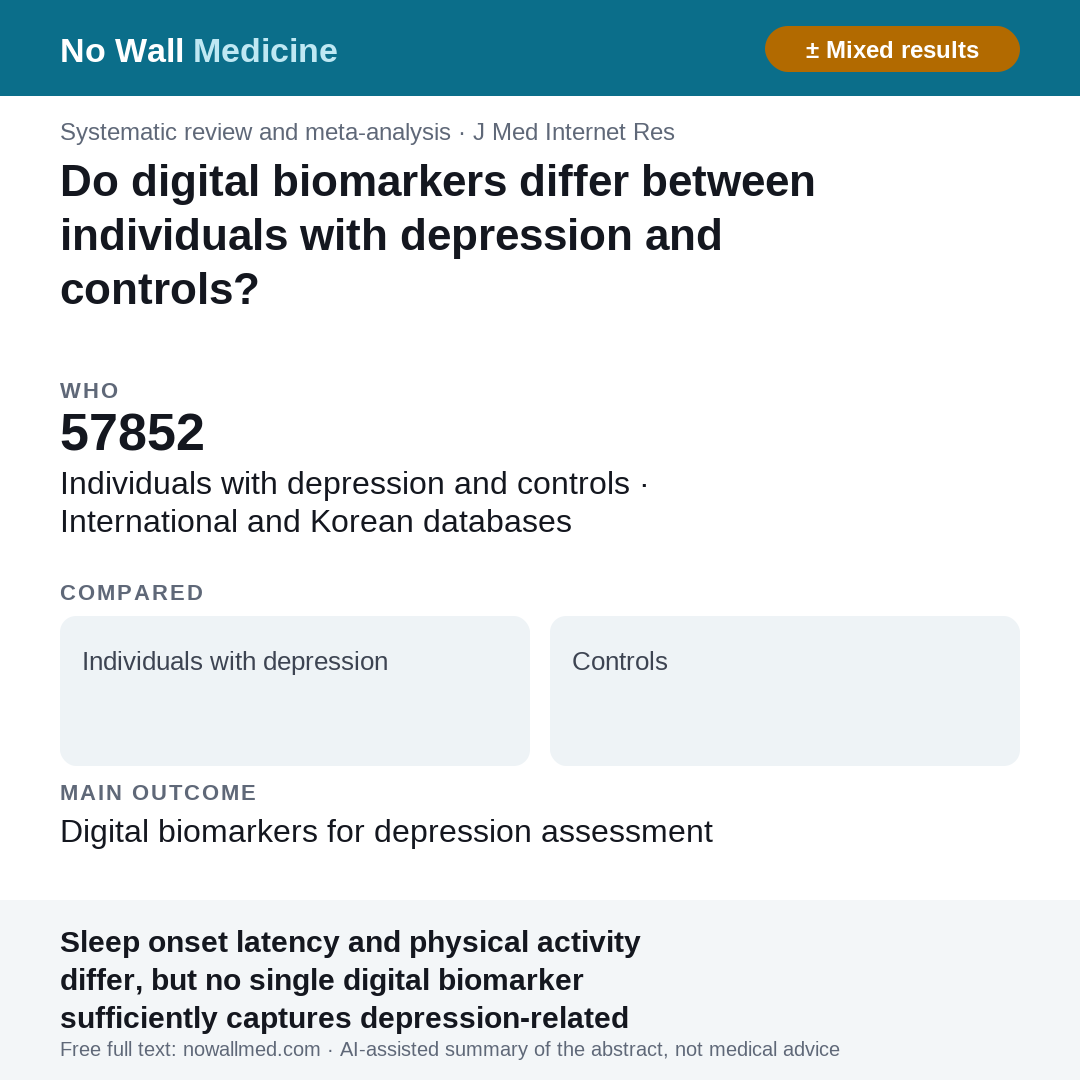
The Role of Digital Biomarkers in Physiological Signal-Based Depression Assessment: Systematic Review and Meta-Analysis
Systematic review and meta-analysisMixed results
Do digital biomarkers differ between individuals with depression and controls?
Who
57852
Individuals with depression and controls · International and Korean databases
Compared
Individuals with depression
Controls
Main outcome
Digital biomarkers for depression assessment
Bottom line: Sleep onset latency and physical activity differ, but no single digital biomarker sufficiently captures depression-related changes.
Limitation: Lack of standardized data collection protocols and high clinical heterogeneity across studies.
J Med Internet Res · 2026-04-02Download image
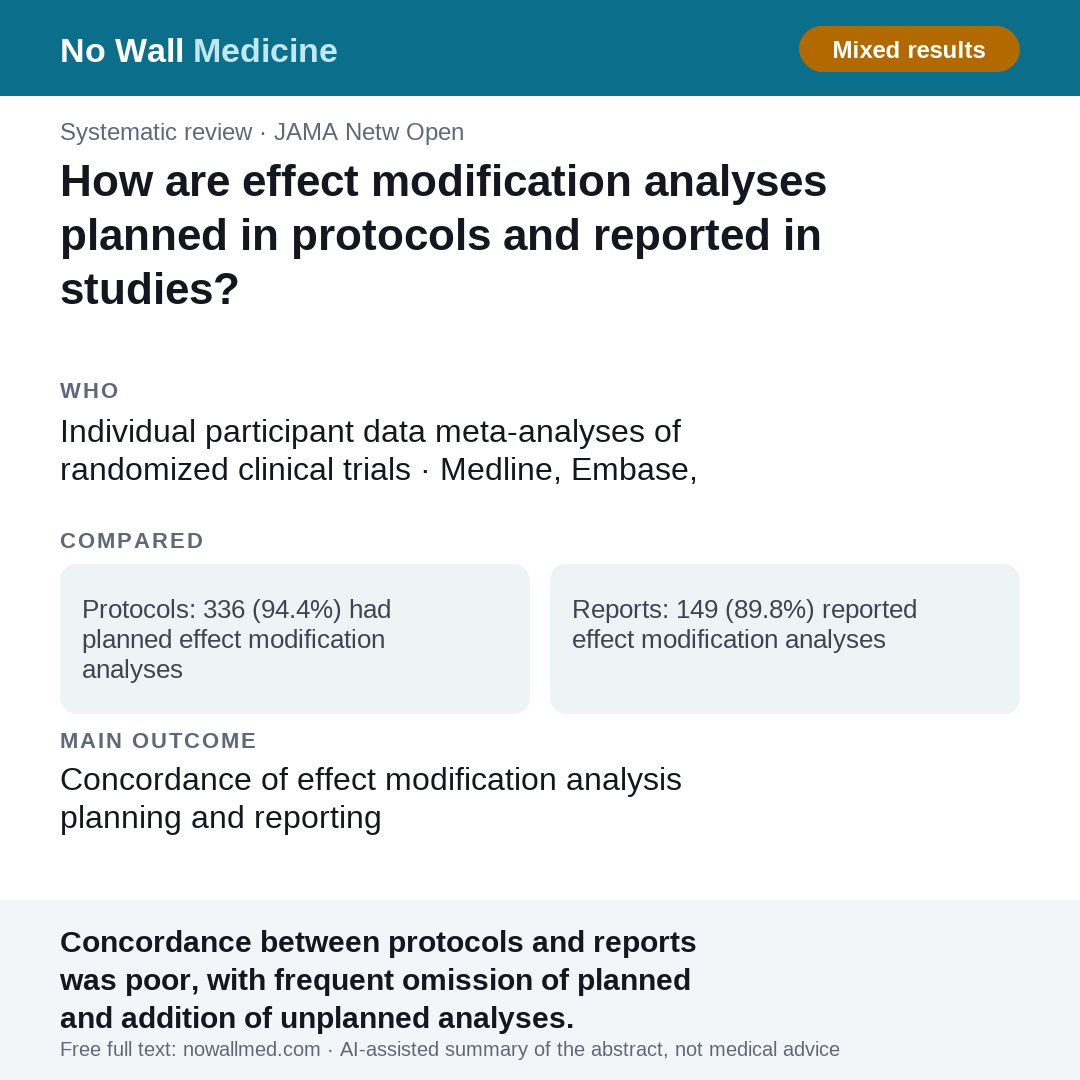
Effect Modification Analyses in Individual Participant Data Meta-Analyses: A Systematic Review
Systematic reviewMixed results
How are effect modification analyses planned in protocols and reported in studies?
Who
Individual participant data meta-analyses of randomized clinical trials · Medline, Embase, Cochrane Database, and PROSPERO
Compared
Protocols: 336 (94.4%) had planned effect modification analyses
Reports: 149 (89.8%) reported effect modification analyses
Main outcome
Concordance of effect modification analysis planning and reporting
Bottom line: Concordance between protocols and reports was poor, with frequent omission of planned and addition of unplanned analyses.
JAMA Netw Open · 2026-04-01Download image
First-Line Chemotherapy Regimens for Unresectable Locally Advanced or Metastatic Biliary Tract Cancer: A Systematic Review and Bayesian Network Meta-Analysis
Systematic review and Bayesian network meta-analysisBenefit found
What are the best first-line chemotherapy regimens for unresectable or metastatic biliary tract cancer?
Who
7303
Patients with unresectable, locally advanced, or metastatic biliary tract cancer
Compared
Gemcitabine plus cisplatin
Gemcitabine plus cisplatin plus sintilimab plus anlotinib: hazard ratio 0.47 (95% CI 0.28-0.80)
Gemcitabine plus cisplatin plus S-1: hazard ratio 0.75 (95% CI 0.59-0.97)
Gemcitabine plus cisplatin plus durvalumab: hazard ratio 0.80 (95% CI 0.66-0.97)
Main outcome
Progression-free survival and overall survival
Result: hazard ratio 0.47 (95% CI 0.28-0.80)
Bottom line: Gemcitabine plus durvalumab and gemcitabine plus S-1 are potential leading first-line options for advanced biliary tract cancer.
JAMA Netw Open · 2026-04-01Download image

Estimating the prevalence of visual impairment in the Netherlands, with forecasts up to 2050: a meta-analysis of national databases
Meta-analysis of eight national databasesMixed results
What is the prevalence of visual impairment among Dutch adults and its forecast to 2050?
Who
1,814,716
Dutch adults · Netherlands
Compared
0.28%Visual acuity (95% CI: 0.11-0.73)
0.51%International Classification of Primary Care codes (95% CI: 0.50-0.52)
3.21%Self-report: any vision difficulties (95% CI: 2.15-4.77)
Main outcome
Prevalence of visual impairment
Bottom line: Visual impairment prevalence in the Netherlands varies by definition and is projected to increase by 2050 due to ageing.
Limitation: Substantial heterogeneity and databases mostly containing self-reported data on visual functioning.
Funded by: Dutch Eye Foundation (Oogfonds)
eClinicalMedicine · 2026-04-01Download image

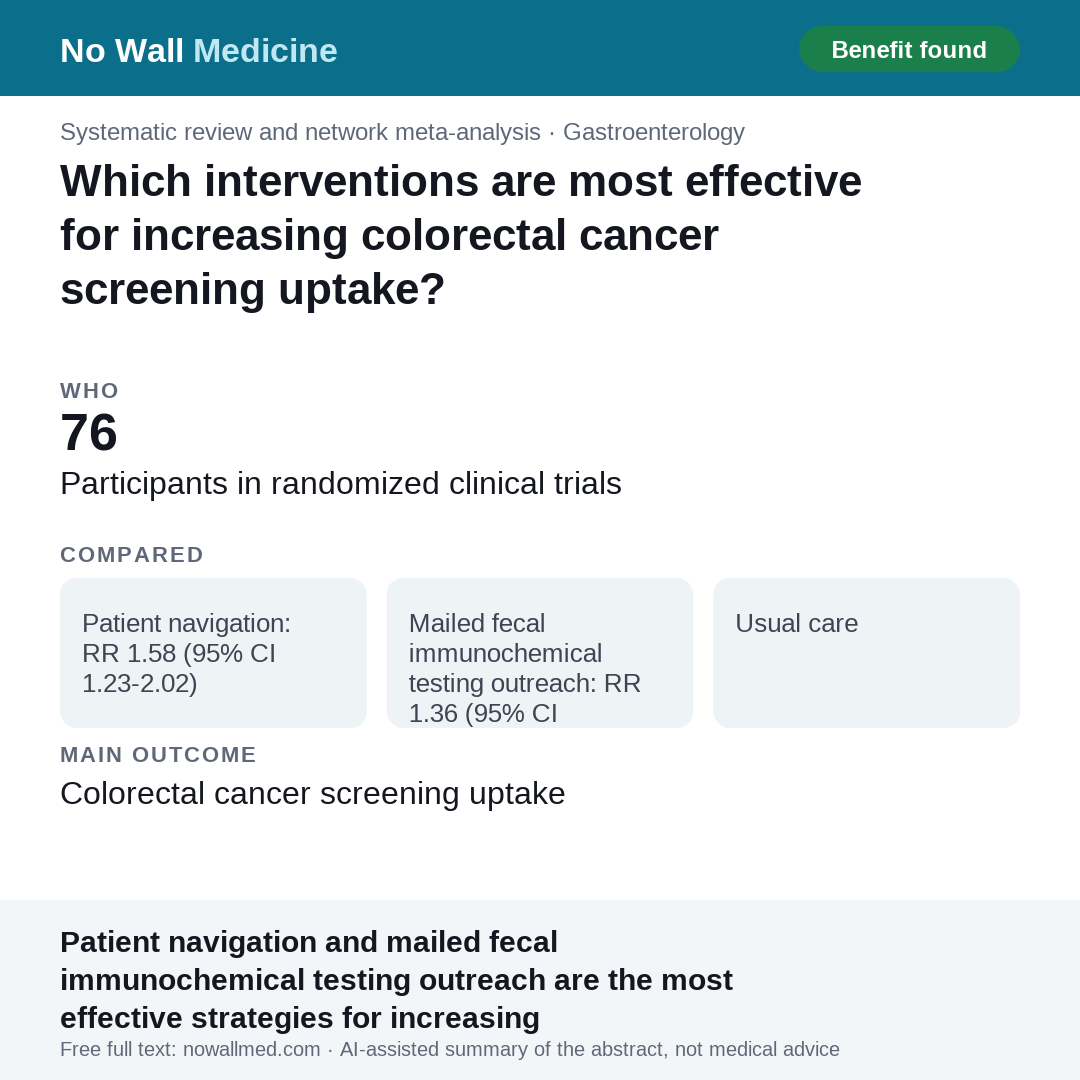
Interventions for Increasing Colorectal Cancer Screening Uptake: A Systematic Review and Network Meta-Analysis
Systematic review and network meta-analysisBenefit found
Which interventions are most effective for increasing colorectal cancer screening uptake?
Who
76
Participants in randomized clinical trials
Compared
Patient navigation: RR 1.58 (95% CI 1.23-2.02)
Mailed fecal immunochemical testing outreach: RR 1.36 (95% CI 1.07-1.74)
Usual care
Main outcome
Colorectal cancer screening uptake
Bottom line: Patient navigation and mailed fecal immunochemical testing outreach are the most effective strategies for increasing colorectal cancer screening uptake.
Limitation: The certainty of evidence mostly ranged from moderate to low.
Gastroenterology · 2026-04-01Download image
Paclitaxel Coated Balloons for Haemodialysis Vascular Access Stenosis: A Systematic Review and Meta-analysis of Randomised Controlled Trials
Systematic review and meta-analysis of randomized controlled trialsBenefit found
Are paclitaxel coated balloons effective compared with plain balloon angioplasty for vascular access stenosis?
Who
2930
Patients with haemodialysis vascular access stenosis
Compared
Paclitaxel coated balloons
Plain balloon angioplasty
Main outcome
Loss of primary patency at 12 months
Result: odds ratio 0.54 (95% CI 0.44 - 0.66)
Bottom line: Paclitaxel coated balloon angioplasty reduces the odds of primary patency loss at one year compared with plain balloon angioplasty.
Limitation: Certainty of evidence was low for vascular access thrombosis and abandonment.
Eur J Vasc Endovasc Surg · 2026-04-01Download image

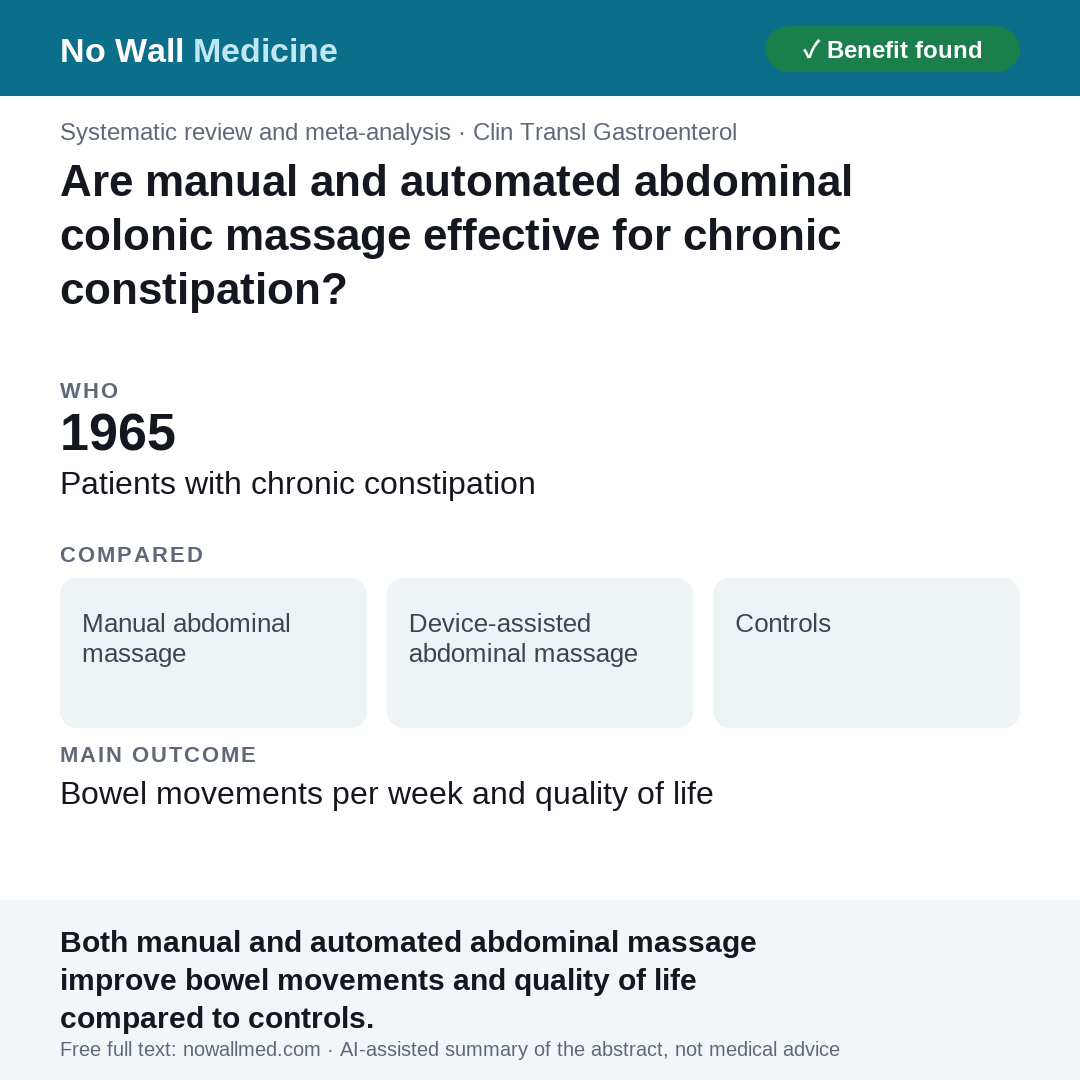
Safety and Efficacy of Manual and Automated Abdominal Colonic Massage for Chronic Constipation: A Systematic Review and Meta-Analysis
Systematic review and meta-analysisBenefit found
Are manual and automated abdominal colonic massage effective for chronic constipation?
Who
1965
Patients with chronic constipation
Compared
Manual abdominal massage
Device-assisted abdominal massage
Controls
Main outcome
Bowel movements per week and quality of life
Bottom line: Both manual and automated abdominal massage improve bowel movements and quality of life compared to controls.
Limitation: Meta-analysis for neurogenic bowel dysfunction was not feasible due to limited studies.
Clin Transl Gastroenterol · 2026-04-01Download image
Technology-Based Interventions for Prevention of Type 2 Diabetes Following Gestational Diabetes: Systematic Review and Meta-Analysis
Systematic review and meta-analysis of 15 studiesMixed results
Do technology-based interventions improve outcomes for preventing type 2 diabetes after gestational diabetes?
Who
1257
Women with a previous diagnosis of gestational diabetes
Compared
Technology-based interventions
Control
Main outcome
Weight loss, BMI, glycemic control, and psychological outcomes
Result: mean difference -1.01, SE 0.35, 95% CI -1.86 to -0.16 kg
Bottom line: Technology-based interventions showed significantly greater weight loss, but evidence certainty for all pooled outcomes was very low.
Limitation: Substantial heterogeneity, significant risk of bias, and very low certainty in the evidence.
J Med Internet Res · 2026-04-01Download image

Association of Coffee Intake With Risk of Gastroesophageal Reflux Disease and Complications: A Systematic Review and Meta-Analysis
Systematic review and meta-analysisHarm found
Is coffee intake associated with risk of gastroesophageal reflux disease and complications?
Who
122074
Patients in 40 studies
Compared
coffee drinkers: 34.9% [CI: 28.5-41.8]
nondrinkers: 30.7% [CI: 25.2-36.7]
Main outcome
gastroesophageal reflux disease
Result: OR: 1.18 [CI: 1.03-1.36]
Bottom line: Coffee use was associated with a small, statistically significant increased rate of gastroesophageal reflux disease, but not Barrett's esophagus.
Limitation: The magnitude of this effect is of unclear clinical significance.
Clin Transl Gastroenterol · 2026-04-01Download image

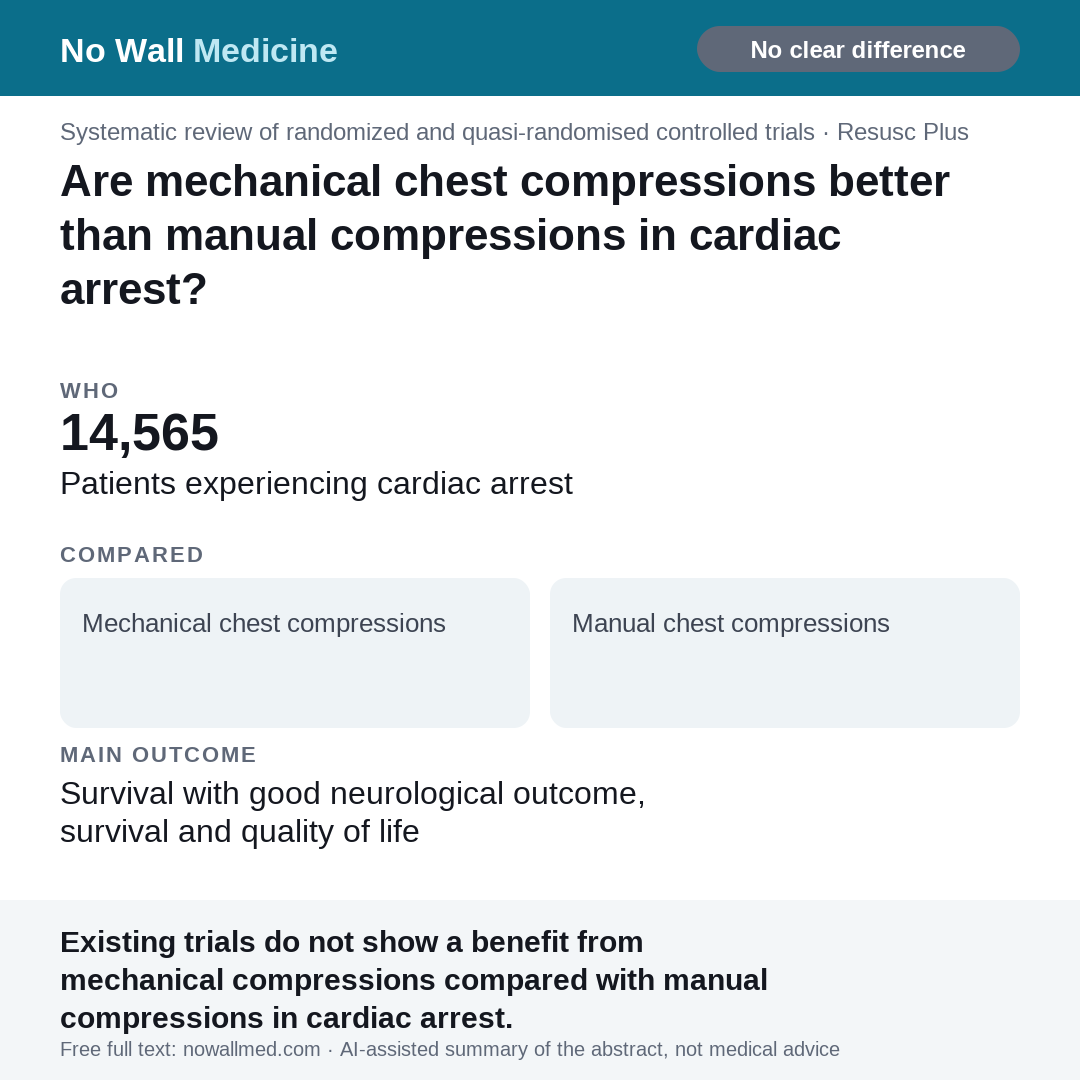
Mechanical versus manual chest compression in cardiac arrest: a systematic review
Systematic review of randomized and quasi-randomised controlled trialsNo clear difference
Are mechanical chest compressions better than manual compressions in cardiac arrest?
Who
14,565
Patients experiencing cardiac arrest
Compared
Mechanical chest compressions
Manual chest compressions
Main outcome
Survival with good neurological outcome, survival and quality of life
Bottom line: Existing trials do not show a benefit from mechanical compressions compared with manual compressions in cardiac arrest.
Limitation: Substantial methodological and clinical heterogeneity between the studies precluded meta-analysis.
Resusc Plus · 2026-04-01Download image
Quality-of-life impact of lymphovenous anastomosis in breast cancer-related lymphedema: A systematic review and meta-analysis
Systematic review and meta-analysisMixed results
Does lymphovenous anastomosis improve quality of life in breast cancer-related lymphedema?
Who
Patients with breast cancer-related lymphedema
Compared
Immediate lymphatic reconstruction plus axillary lymph node dissection: SMD 0.77 (95% CI -1.17 to 2.70)
Axillary lymph node dissection only
Therapeutic lymphovenous anastomosis for established lymphedema: SMD 0.86 (95% CI 0.62-1.10)
Main outcome
Quality of life
Result: SMD 0.86 (95% CI 0.62-1.10) for therapeutic lymphovenous anastomosis
Bottom line: Therapeutic lymphovenous anastomosis improves quality of life, but evidence for prophylactic reconstruction remains insufficient.
Limitation: Few studies, substantial heterogeneity, and inclusion of all axillary lymph node dissection patients.
J Plast Reconstr Aesthet Surg · 2026-03-31Download image

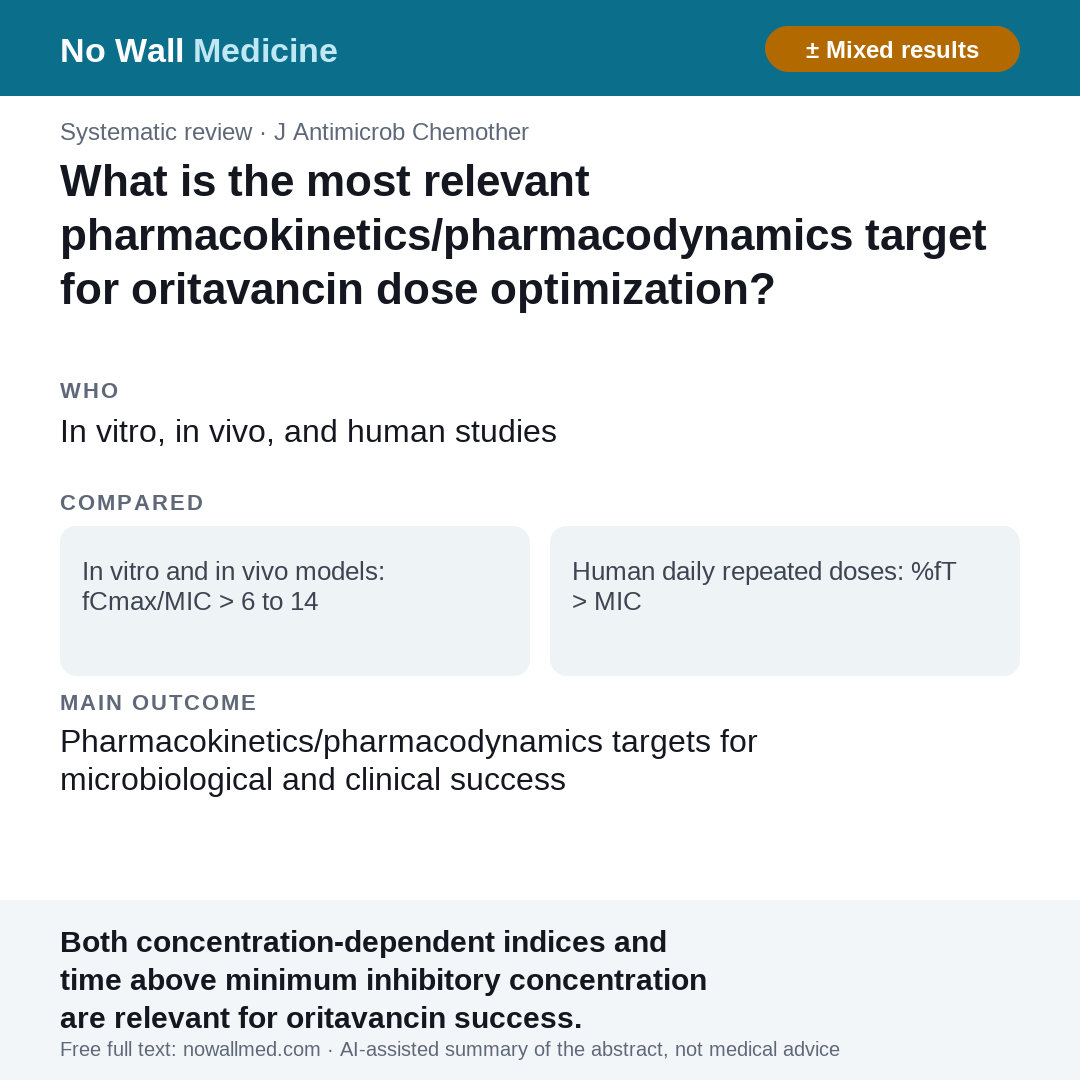
Extrapolation of oritavancin PK/PD targets to inform therapeutic drug monitoring: a systematic review
Systematic reviewMixed results
What is the most relevant pharmacokinetics/pharmacodynamics target for oritavancin dose optimization?
Who
In vitro, in vivo, and human studies
Compared
In vitro and in vivo models: fCmax/MIC > 6 to 14
Human daily repeated doses: %fT > MIC
Main outcome
Pharmacokinetics/pharmacodynamics targets for microbiological and clinical success
Bottom line: Both concentration-dependent indices and time above minimum inhibitory concentration are relevant for oritavancin success.
Limitation: Only one identified human daily repeated doses study was available.
J Antimicrob Chemother · 2026-03-31Download image
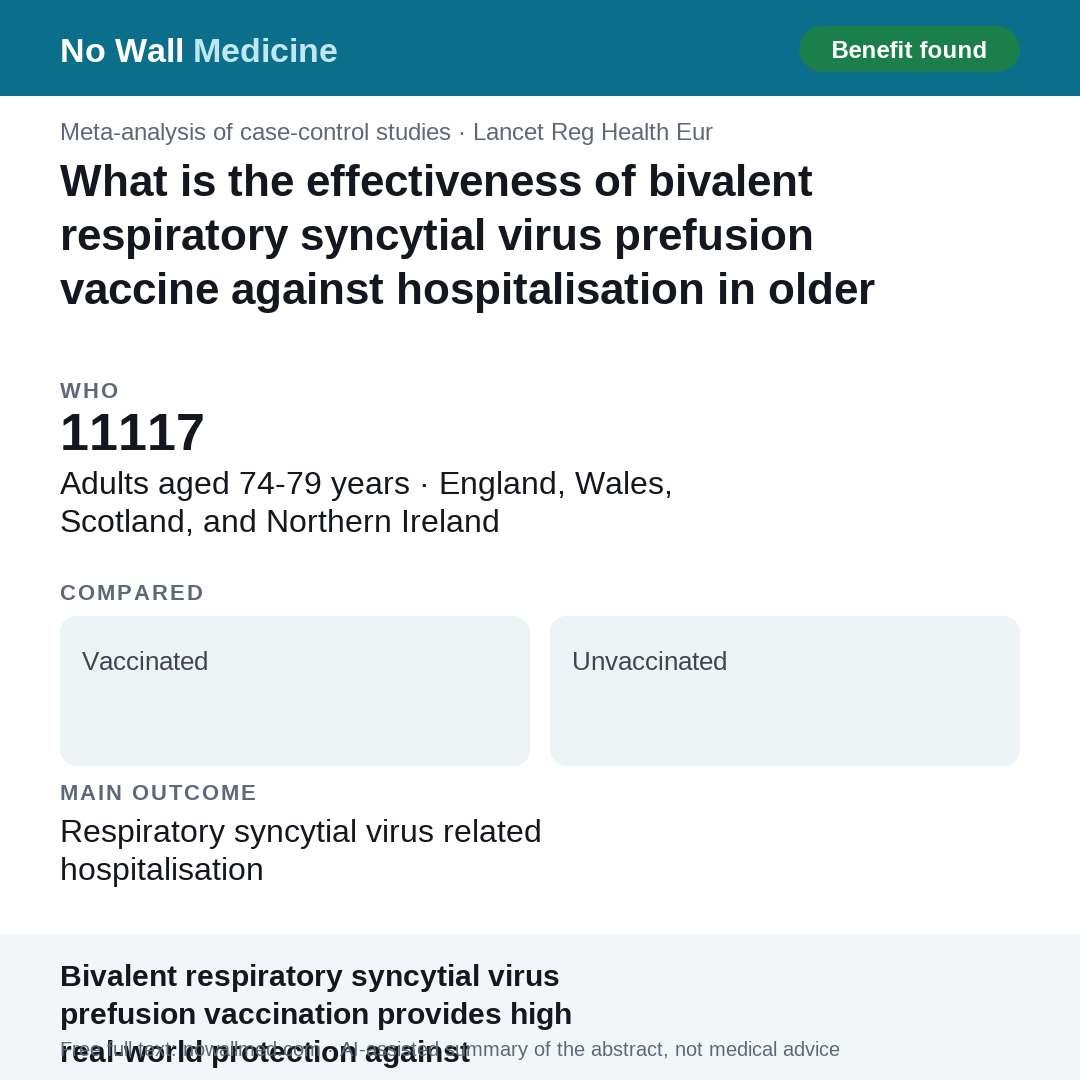
Bivalent RSV prefusion vaccine effectiveness against hospitalisation in older adults: meta-analysis of case-control studies in England, Wales, Scotland, and Northern Ireland
Meta-analysis of case-control studiesBenefit found
What is the effectiveness of bivalent respiratory syncytial virus prefusion vaccine against hospitalisation in older adults?
Who
11117
Adults aged 74-79 years · England, Wales, Scotland, and Northern Ireland
Compared
Vaccinated
Unvaccinated
Main outcome
Respiratory syncytial virus related hospitalisation
Result: 75% (95% CI 69-80)
Bottom line: Bivalent respiratory syncytial virus prefusion vaccination provides high real-world protection against hospitalisation in older adults.
Lancet Reg Health Eur · 2026-03-31Download image
Identification of suicide brain transcriptomic signatures using meta-analysis of multiple cohorts
Meta-analysis of 16 cohortsUnclear result
What are the brain transcriptomic signatures associated with suicide?
Who
Postmortem brain transcriptomic datasets and a domestic cohort · Gene Expression Omnibus repository and domestic cohort
Compared
Suicide: upregulated P2RY12, CX3CR1, and GPR34; downregulated SOX9 and PMP2
Control
Main outcome
Differential gene expression in brain regions
Bottom line: Meta-analysis identified several genes with altered expression in suicide, suggesting involvement of microglia, astrocytes, and immune responses.
Transl Psychiatry · 2026-03-31Download image

Subgenual anterior cingulate cortex in major depression: a systematic review and meta-analysis of MRI studies with patients and healthy controls
Systematic review and meta-analysisMixed results
Are there anatomical and functional MRI differences in the subgenual anterior cingulate cortex in major depression?
Who
Medication-free patients with major depressive disorder and healthy controls
Compared
Major depressive disorder
Healthy controls
Main outcome
Subgenual anterior cingulate cortex gray matter volume, activity, and network coherence
Bottom line: Major depression shows non-uniform gray matter volume, activity, and network coherence patterns in the subgenual anterior cingulate cortex.
Transl Psychiatry · 2026-03-31Download image

Ultrasound assessment of muscle atrophy and its association with functional outcomes in critically ill patients: a systematic review and meta-analysis
Systematic review and meta-analysisBenefit found
Does ultrasound detect muscle atrophy and predict functional outcomes in critically ill patients?
Who
Critically ill adults · Intensive Care Units
Compared
Patients with ICU-acquired weakness: mean difference: − 3.58%
Patients without ICU-acquired weakness
Main outcome
Rectus femoris cross-sectional area changes
Result: mean difference: − 3.58% (95% CI − 5.95 to − 1.22)
Bottom line: Ultrasound detects rapid muscle wasting and early changes associated with ICU-acquired weakness in critically ill adults.
Limitation: Very low certainty of evidence due to heterogeneity and methodological limitations.
Crit Care · 2026-03-31Download image