Visual abstracts
New randomized trials and meta-analyses from leading journals at a glance: who was studied, what was compared, and what was found. Every paper is free to read in full.
All specialtiesCardiology 3180Oncology 2710Gastroenterology & Hepatology 1242Infectious Disease 2122Neurology 1272Psychiatry & Mental Health 1510Pulmonology 1338Critical Care 892Endocrinology & Diabetes 1601Pediatrics 1897Surgery 1689Orthopedics & Sports Medicine 567Neurosurgery 375Cardiothoracic & Vascular Surgery 371Plastic & Reconstructive Surgery 457Nephrology 671Rheumatology 496Hematology 705Dermatology 383Ophthalmology 353Obstetrics & Gynecology 1058Public & Global Health 599Radiology & Imaging 450Anesthesiology 654Urology 542ENT (Otolaryngology) 349Emergency Medicine 351Allergy & Immunology 198Geriatrics 667Family Medicine & Primary Care 363Medical Genetics & Genomics 385Pathology & Laboratory Medicine 105Physical Medicine & Rehabilitation 501Palliative Care 280Nutrition 905Digital Health & AI 1521General Medicine 221
The effect of enteral glycine on plasma glycine and muscle structure, size, and function in the critically ill: A randomized controlled trial
Parallel group, blinded, randomized clinical trialMixed results
Does enteral glycine affect plasma glycine and muscle structure in critically ill patients?
Who
29
Mechanically ventilated patients
Compared
Placebo
Low-dose glycine
High-dose glycine
Main outcome
plasma glycine availability
Result: Mean difference AUC240 high-dose glycine vs placebo: 759.40 μmol/L.min; 95 % CI 219.27, 1299.54
Bottom line: High-dose glycine increases plasma and muscle glycine concentrations, but effects on muscle loss require further evaluation in larger studies.
Limitation: The effect of glycine on muscle loss warrants further evaluation in larger studies.
Clin Nutr · 2025-10-10Download image

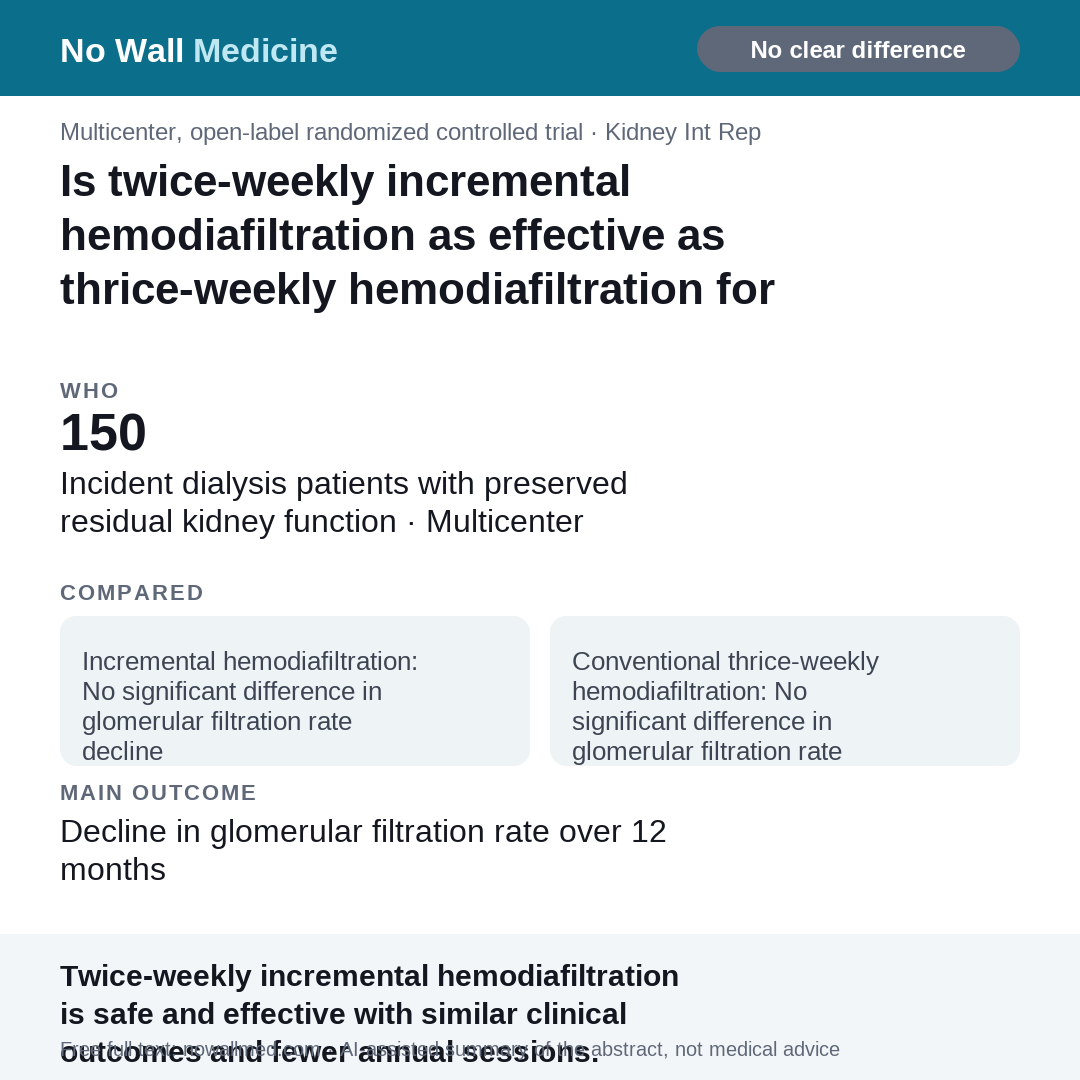
Randomized Trial of Twice-Weekly Versus Thrice-Weekly Hemodiafiltration for Initiation of Renal Replacement Therapy
Multicenter, open-label randomized controlled trialNo clear difference
Is twice-weekly incremental hemodiafiltration as effective as thrice-weekly hemodiafiltration for dialysis initiation?
Who
150
Incident dialysis patients with preserved residual kidney function · Multicenter
Compared
Incremental hemodiafiltration: No significant difference in glomerular filtration rate decline
Conventional thrice-weekly hemodiafiltration: No significant difference in glomerular filtration rate decline
Main outcome
Decline in glomerular filtration rate over 12 months
Bottom line: Twice-weekly incremental hemodiafiltration is safe and effective with similar clinical outcomes and fewer annual sessions.
Kidney Int Rep · 2025-10-10Download image
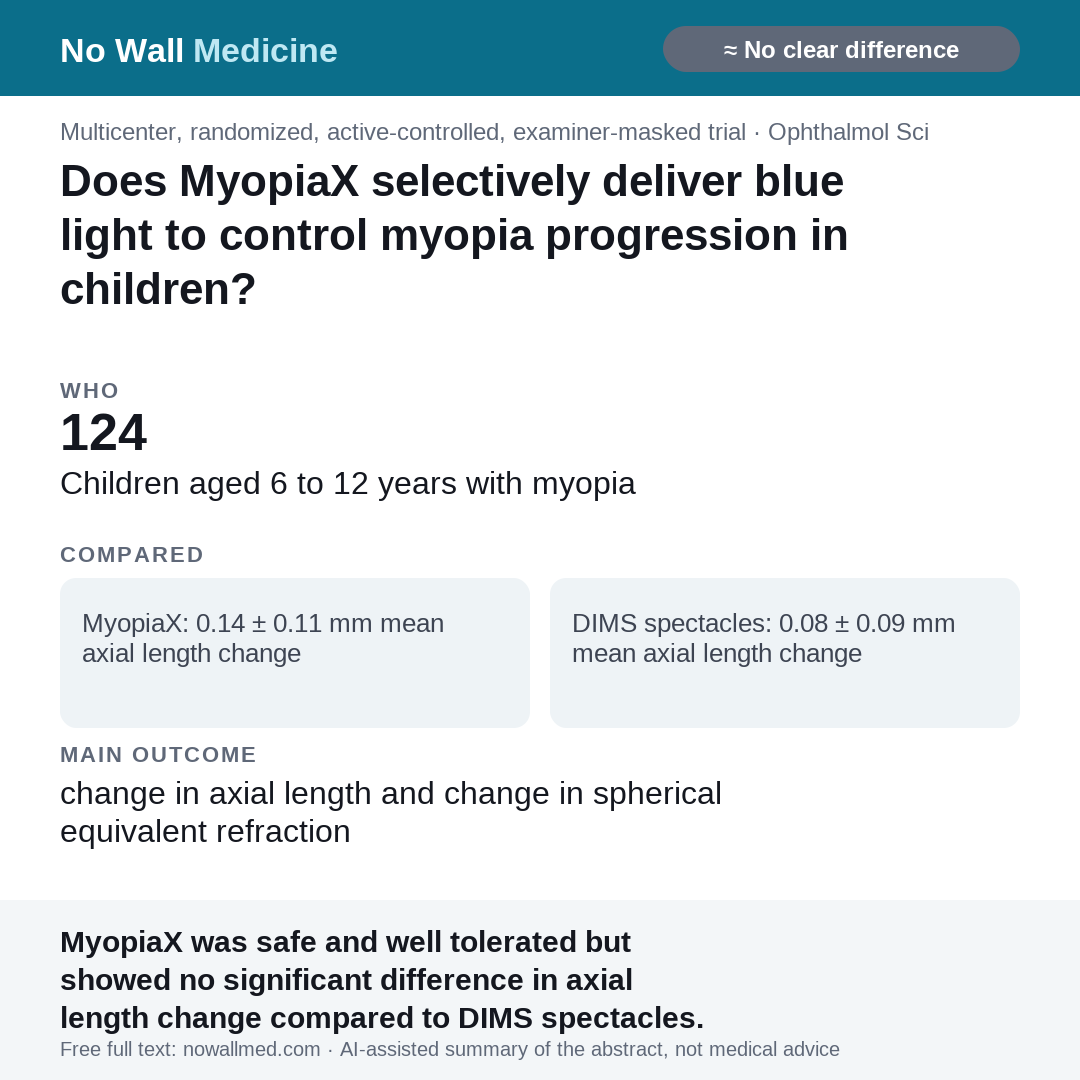
MyopiaX-1 Safety and Efficacy of a Novel Approach to Slow Juvenile Myopia Progression: A Multicenter, Randomized, Controlled Trial
Multicenter, randomized, active-controlled, examiner-masked trialNo clear difference
Does MyopiaX selectively deliver blue light to control myopia progression in children?
Who
124
Children aged 6 to 12 years with myopia
Compared
MyopiaX: 0.14 ± 0.11 mm mean axial length change
DIMS spectacles: 0.08 ± 0.09 mm mean axial length change
Main outcome
change in axial length and change in spherical equivalent refraction
Bottom line: MyopiaX was safe and well tolerated but showed no significant difference in axial length change compared to DIMS spectacles.
Ophthalmol Sci · 2025-10-10Download image
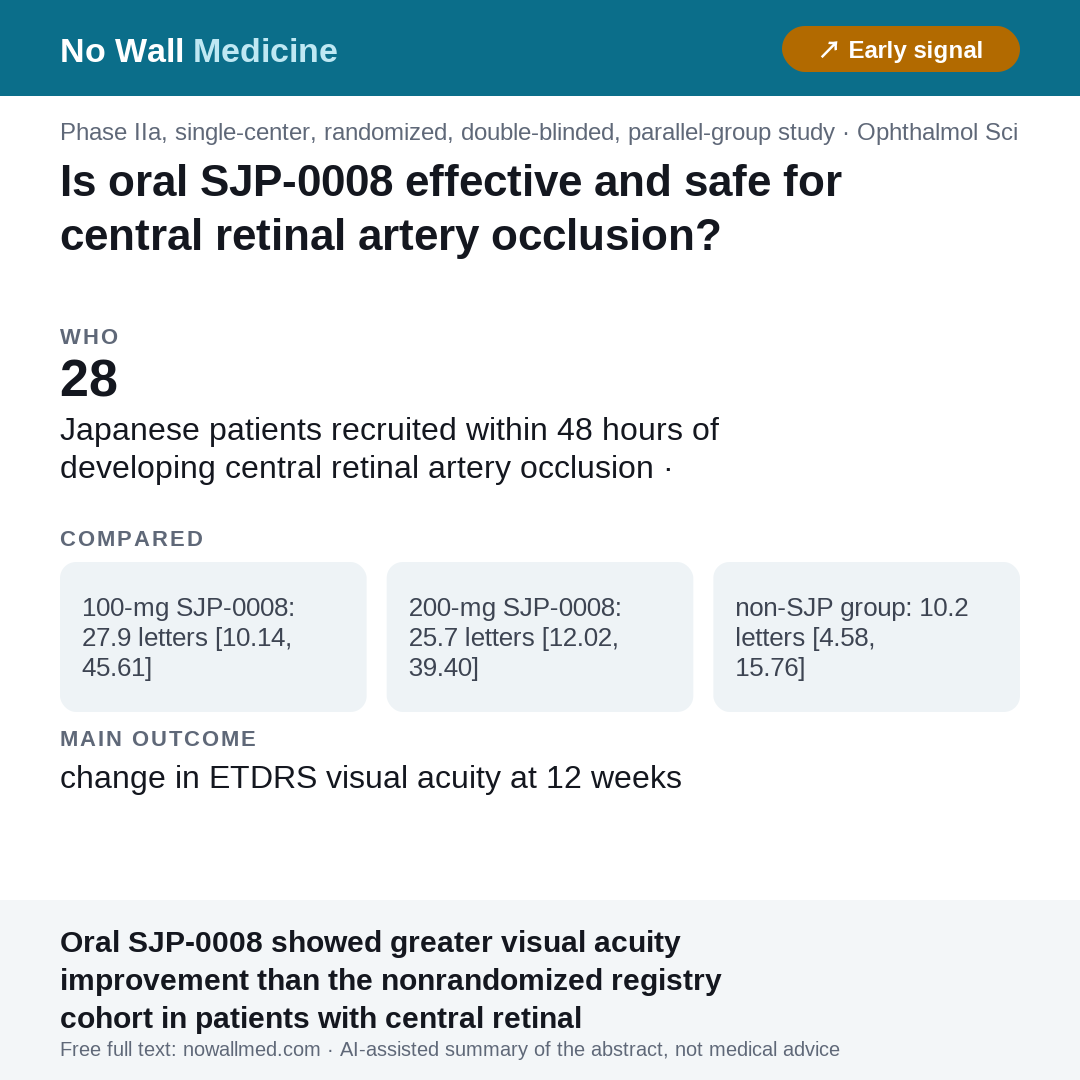
Safety and Efficacy of Orally Administered SJP-0008 in Central Retinal Artery Occlusion: A Phase IIa Randomized Clinical Trial
Phase IIa, single-center, randomized, double-blinded, parallel-group studyBenefit found
Is oral SJP-0008 effective and safe for central retinal artery occlusion?
Who
28
Japanese patients recruited within 48 hours of developing central retinal artery occlusion · single-center
Compared
100-mg SJP-0008: 27.9 letters [10.14, 45.61]
200-mg SJP-0008: 25.7 letters [12.02, 39.40]
non-SJP group: 10.2 letters [4.58, 15.76]
Main outcome
change in ETDRS visual acuity at 12 weeks
Bottom line: Oral SJP-0008 showed greater visual acuity improvement than the nonrandomized registry cohort in patients with central retinal artery occlusion.
Limitation: large-scale, multicenter randomized controlled trials are warranted to validate the findings
Ophthalmol Sci · 2025-10-10Download image
Interaction between tumor-infiltrating lymphocytes and BMI in early HER2-positive breast cancer: analysis of the ShortHER trial
Analysis of a randomized trialMixed results
How does body mass index modulate the prognostic role of tumor-infiltrating lymphocytes?
Who
1213
Patients with early human epidermal growth factor receptor 2-positive breast cancer
Compared
Lean patients with tumor-infiltrating lymphocytes <20%: higher cumulative incidence of locoregional relapse (P = 0.001)
Lean patients with tumor-infiltrating lymphocytes ≥20%: improved DFS (P = 0.007), RFS (P = 0.002) and DDFS (P = 0.027)
Overweight or obese patients with tumor-infiltrating lymphocytes <20%: higher cumulative incidence of distant relapse (P = 0.005)
Main outcome
Disease-free survival, recurrence-free survival, distant disease-free survival, and overall survival
Bottom line: Body mass index may impair the local protective effect of tumor-infiltrating lymphocytes in overweight or obese patients.
ESMO Open · 2025-10-10Download image

Health professional education in autism and intellectual disability: systematic review
Systematic review of 34 studiesBenefit found
Do educational interventions improve care for autism and intellectual disability?
Who
Health and mental health professionals
Compared
Educational interventions
Control
Main outcome
Health professionals' knowledge and skills
Bottom line: Educational interventions have positive effects
Limitation: Limited evidence and heterogeneity of measures
BJPsych Open · 2025-10-10Download image

The translational potential of salvinorin A: systematic review and meta-analysis of preclinical studies
Systematic review and meta-analysis of preclinical studiesMixed results
What is the therapeutic potential and toxicity of salvinorin A in preclinical models?
Who
Animal models of neurological and psychiatric disorders
Compared
Salvinorin A
Control
Main outcome
Therapeutic potential, toxic effects, and pharmacokinetic characteristics
Bottom line: Salvinorin A shows potential for pain, addiction, and stroke, but side effects may limit clinical use.
Limitation: Findings on depression were inconsistent, with both antidepressant and depressogenic outcomes reported.
Transl Psychiatry · 2025-10-10Download image

Magnitude and predictors of mild cognitive impairment among older populations in Africa: a systematic review and meta-analysis
Meta-analysisMixed results
Mild cognitive impairment in older Africans
Who
older populations in Africa · Africa
Compared
29.39%with mild cognitive impairment (95% CI:24.73, 34.04)
without mild cognitive impairment
Main outcome
mild cognitive impairment
Bottom line: Mild cognitive impairment is significant in older Africans
Transl Psychiatry · 2025-10-10Download image

Viral infections and the risk of neurodegenerative diseases: a comprehensive meta-analysis and systematic review
Meta-analysis and systematic reviewMixed results
Do viral infections increase the risk of neurodegenerative diseases?
Who
Observational studies on viral infections and neurodegenerative diseases
Compared
Alzheimer's disease risk: cytomegalovirus OR 1.41 (95% CI 1.03, 1.93)
Alzheimer's disease risk: severe acute respiratory syndrome coronavirus 2 OR 1.88 (95% CI 1.53, 2.32)
Alzheimer's disease risk: hepatitis C virus OR 1.39 (95% CI 1.14, 1.69)
Alzheimer's disease risk: human herpesvirus OR 1.24 (95% CI 1.02, 1.51)
Main outcome
Risk of Alzheimer's disease, Parkinson's disease, and amyotrophic lateral sclerosis
Bottom line: Select viral infections are associated with increased Alzheimer's and Parkinson's disease risk, but no association was found with amyotrophic lateral sclerosis.
Limitation: Need for further large, multicenter, and longitudinal studies to confirm causality.
Transl Psychiatry · 2025-10-10Download image

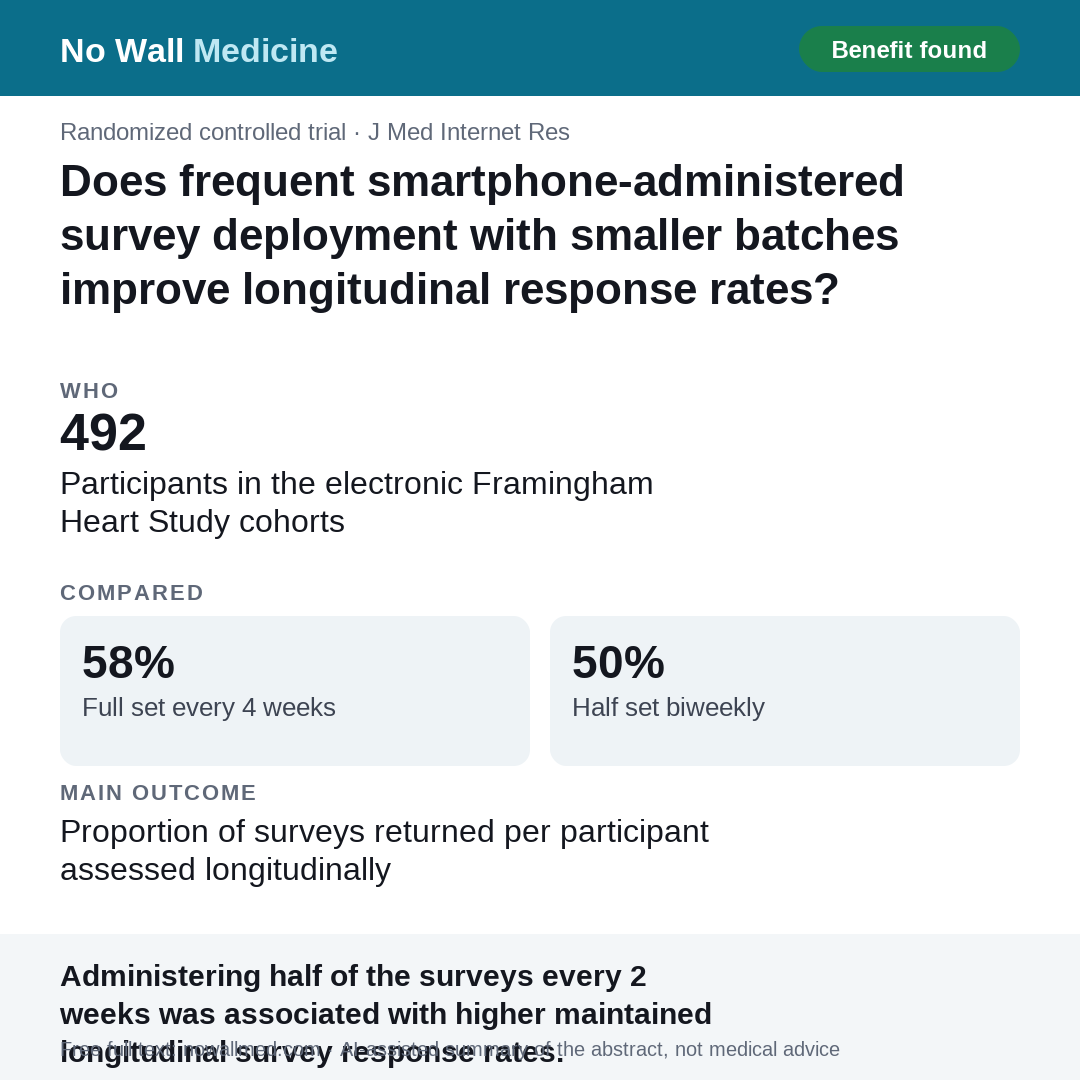
Sputum colour charts to guide antibiotic self-treatment of acute exacerbation of chronic obstructive pulmonary disease: the Colour-COPD RCT
Randomized trialNo clear difference
Do sputum colour charts guide antibiotic use?
Who
115
Severe chronic obstructive pulmonary disease patients · UK primary care
Compared
32%Colour chart
16%Usual care
Main outcome
Hospital admission for exacerbation
Result: Relative risk 1.95 (0.92-4.18)
Bottom line: Sputum colour charts unlikely to be useful
Limitation: Under-recruitment
BMJ Open Respir Res · 2025-10-10Download image
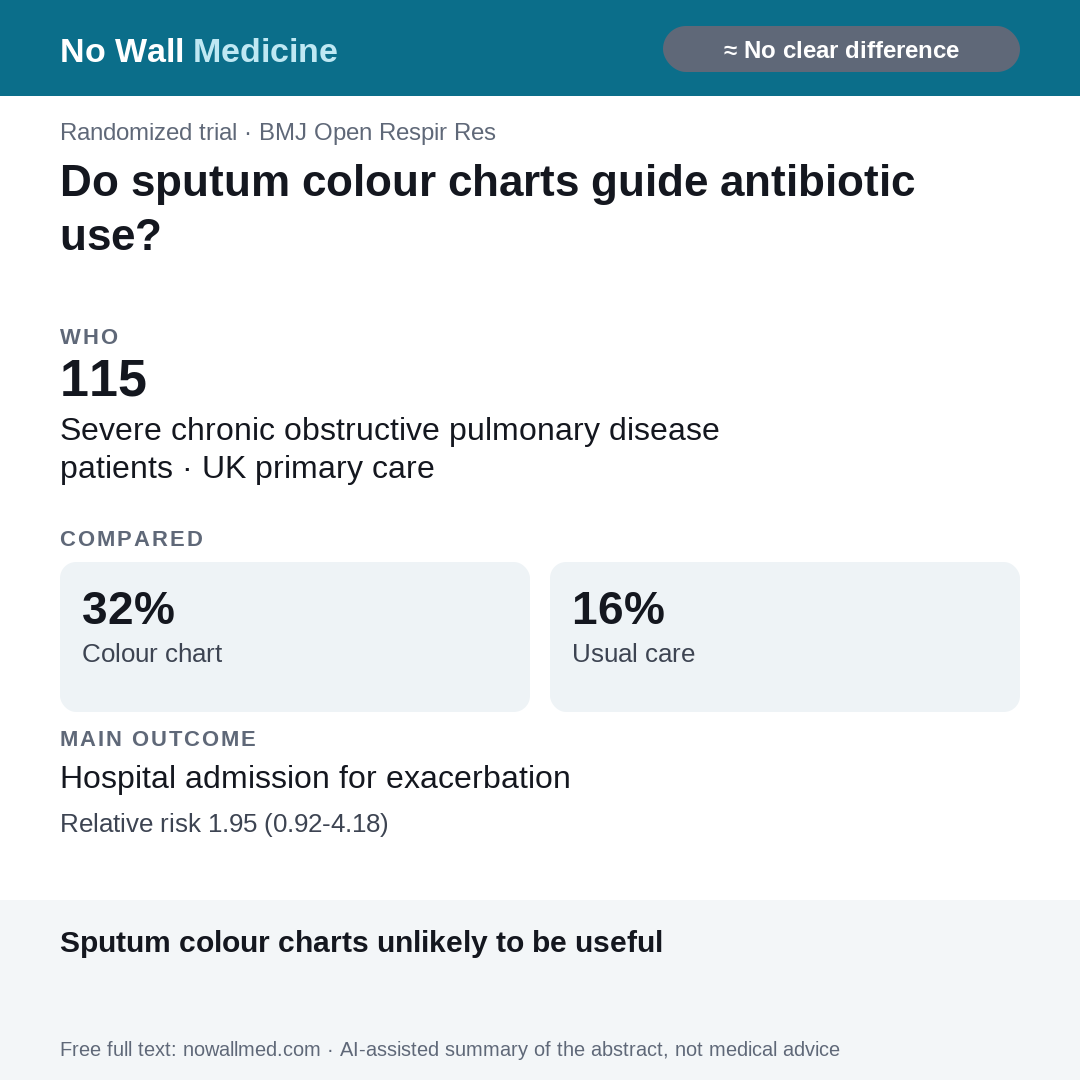
Effects of pulmonary arterial hypertension therapies on arterial oxygenation in patients with pulmonary hypertension associated with lung disease: a systematic review and meta-analysis
Systematic review and meta-analysis of randomized clinical trialsNo clear difference
Do pulmonary arterial hypertension therapies affect arterial oxygenation in patients with lung disease?
Who
827
Patients with pulmonary hypertension associated with lung disease
Compared
Intervention group: SMD -0.00 (95% CI -0.17 to 0.18)
Control group
Main outcome
Overall oxygenation (partial pressure of arterial oxygen or arterial oxygen saturation)
Result: standard mean difference -0.00 (95% CI -0.17 to 0.18)
Bottom line: Pulmonary arterial hypertension therapies do not appear to have a deleterious effect on arterial oxygenation in these patients.
BMJ Open Respir Res · 2025-10-10Download image
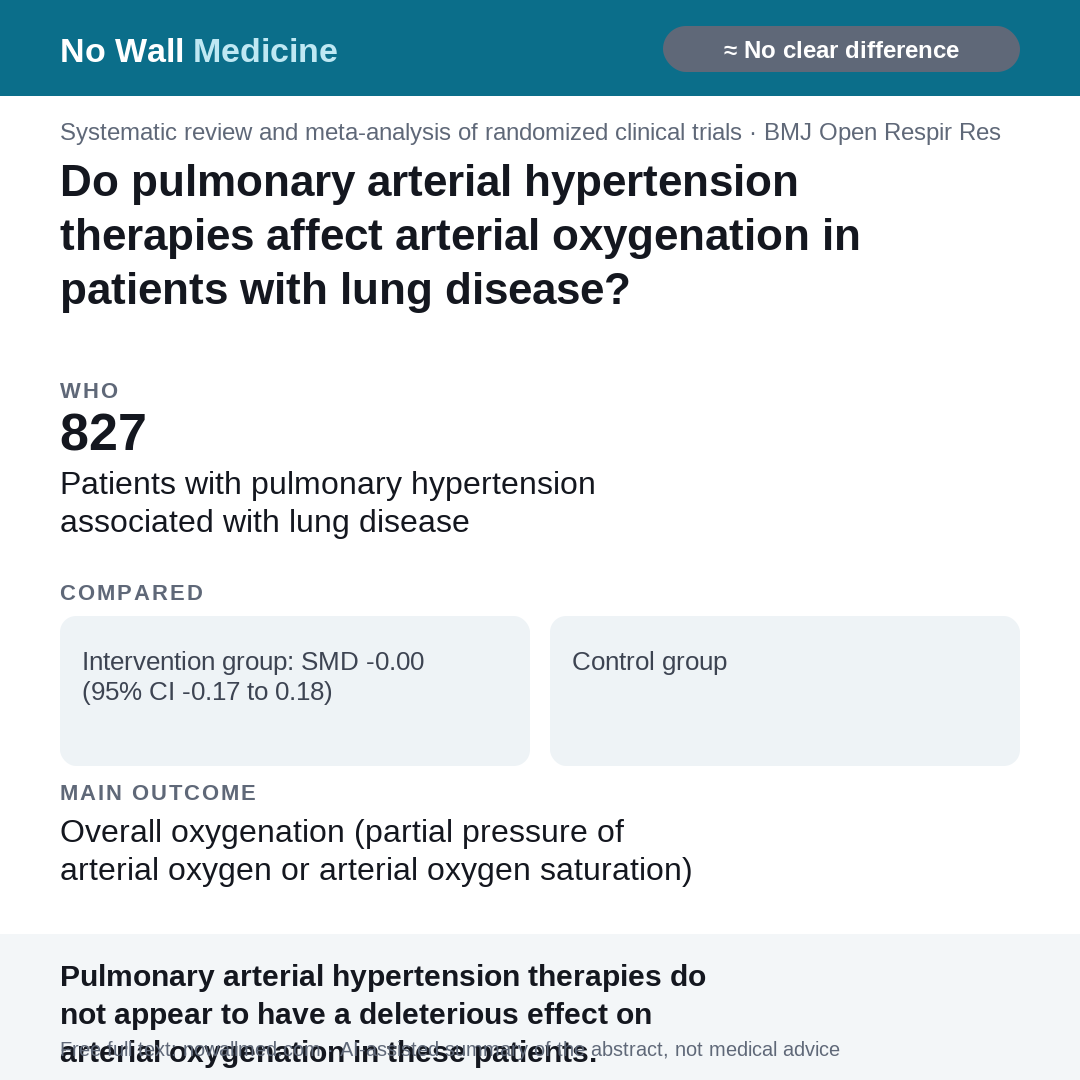
Primary and secondary stroke prophylaxis in children with sickle cell anemia: a meta-analysis
Meta-analysisBenefit found
How effective are various interventions for primary and secondary stroke prevention in children with sickle cell anemia?
Who
Children with sickle cell anemia
Compared
No therapy: 10.7 per 100 person-year for primary stroke
Hydroxyurea: 1.0 per 100 person-year for primary stroke
Chronic blood transfusion: 1.0 per 100 person-year for primary stroke
Main outcome
Stroke rates per 100 person-years
Bottom line: Hydroxyurea and chronic blood transfusion effectively reduce primary and secondary stroke rates in children with sickle cell anemia.
Blood Adv · 2025-10-10Download image
Prevalence of Dropout and Influencing Factors in Digital Psychosocial Intervention Trials for Adult Illicit Substance Users: Systematic Review and Meta-Analysis
Systematic review and meta-analysisNo clear difference
What is the dropout rate in digital psychosocial interventions for adult illicit substance users?
Who
9693
Adult illicit drug users
Compared
22%Intervention group (95% CI 0.13-0.36)
26%Control group (95% CI 0.16-0.39)
Main outcome
Dropout rate during treatment and longest follow-up
Bottom line: Dropout rates in digital psychosocial interventions were comparable to control groups, with various demographic and clinical factors influencing attrition.
Limitation: High heterogeneity was observed between studies.
J Med Internet Res · 2025-10-10Download image

Combined Immersive and Nonimmersive Virtual Reality With Mirror Therapy for Patients With Stroke: Systematic Review and Meta-Analysis of Randomized Controlled Trials
Systematic review and meta-analysis of randomized controlled trialsMixed results
Does combined virtual reality and mirror therapy improve stroke rehabilitation?
Who
475
Patients with stroke
Compared
Combined virtual reality and mirror therapy
Control
Main outcome
Upper extremity motor function and hand dexterity
Result: mean difference 3.50 (95% CI 1.47 to 5.53)
Bottom line: Combined virtual reality and mirror therapy improves upper extremity function, but may not reach minimal clinically important difference.
Limitation: The pooled Fugl-Meyer Assessment-Upper Extremity improvement did not consistently exceed the minimal clinically important difference.
J Med Internet Res · 2025-10-10Download image

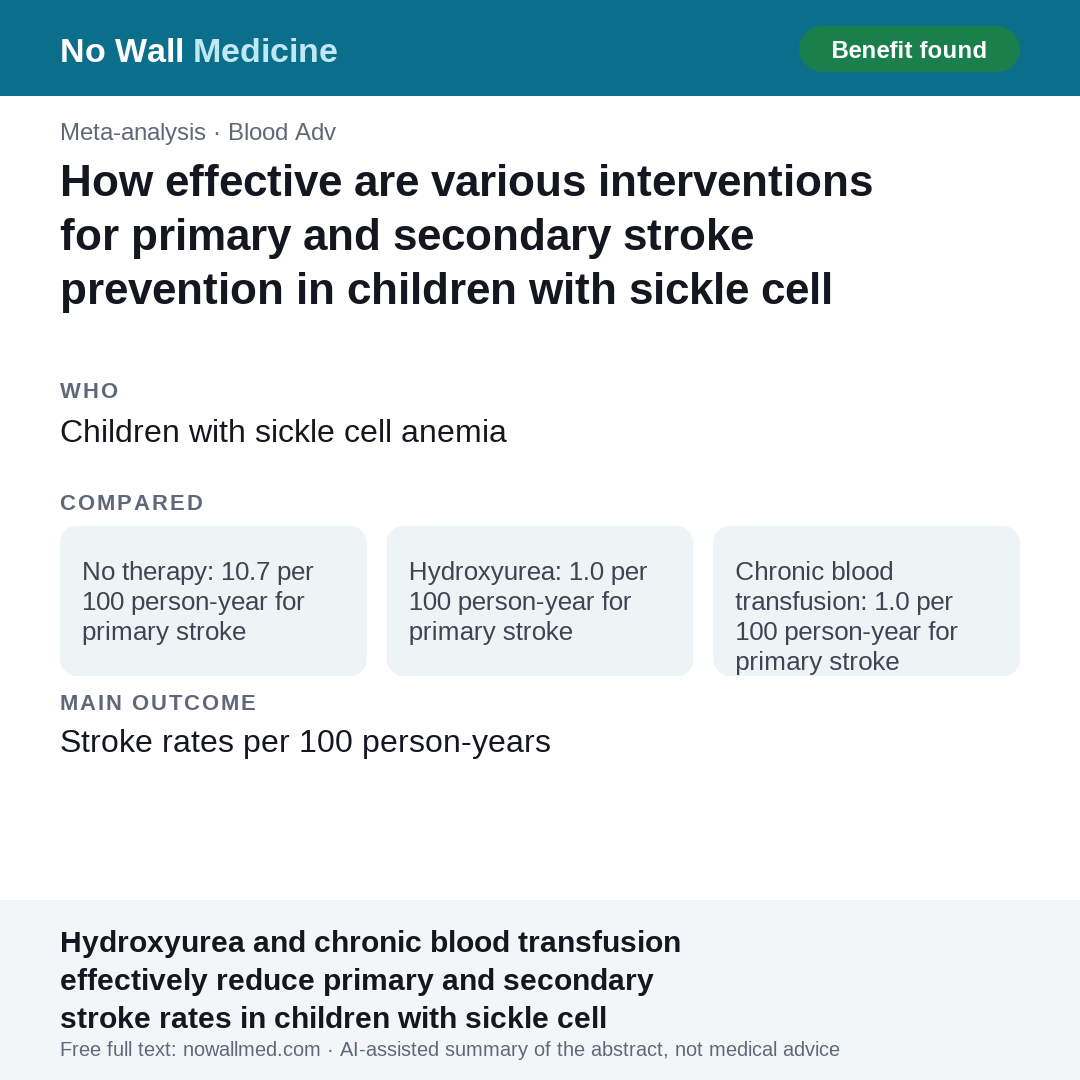
Smartphone App-Based Survey Deployment Patterns and Longitudinal Response Rate: Randomized Controlled Trial
Randomized controlled trialBenefit found
Does frequent smartphone-administered survey deployment with smaller batches improve longitudinal response rates?
Who
492
Participants in the electronic Framingham Heart Study cohorts
Compared
58%Full set every 4 weeks (wk 24-32)
50%Half set biweekly (wk 24-32)
Main outcome
Proportion of surveys returned per participant assessed longitudinally
Bottom line: Administering half of the surveys every 2 weeks was associated with higher maintained longitudinal survey response rates.
J Med Internet Res · 2025-10-10Download image
The effectiveness and perceived value of feedback used in cardiac arrest simulation education: a mixed-method systematic review
Mixed-method systematic reviewBenefit found
How effective and valuable is feedback in cardiac arrest simulation education?
Who
Healthcare, nursing, and medical students and professionals
Compared
All feedback methods: improves performance
Device-based feedback: is preferred
Main outcome
Effectiveness and perceived value of feedback methods
Bottom line: All feedback improves performance, but objective device-based feedback is preferred in cardiac arrest simulation education.
Limitation: Limited research on non-technical aspects and qualitative explorations of participant experiences.
Scand J Trauma Resusc Emerg Med · 2025-10-10Download image

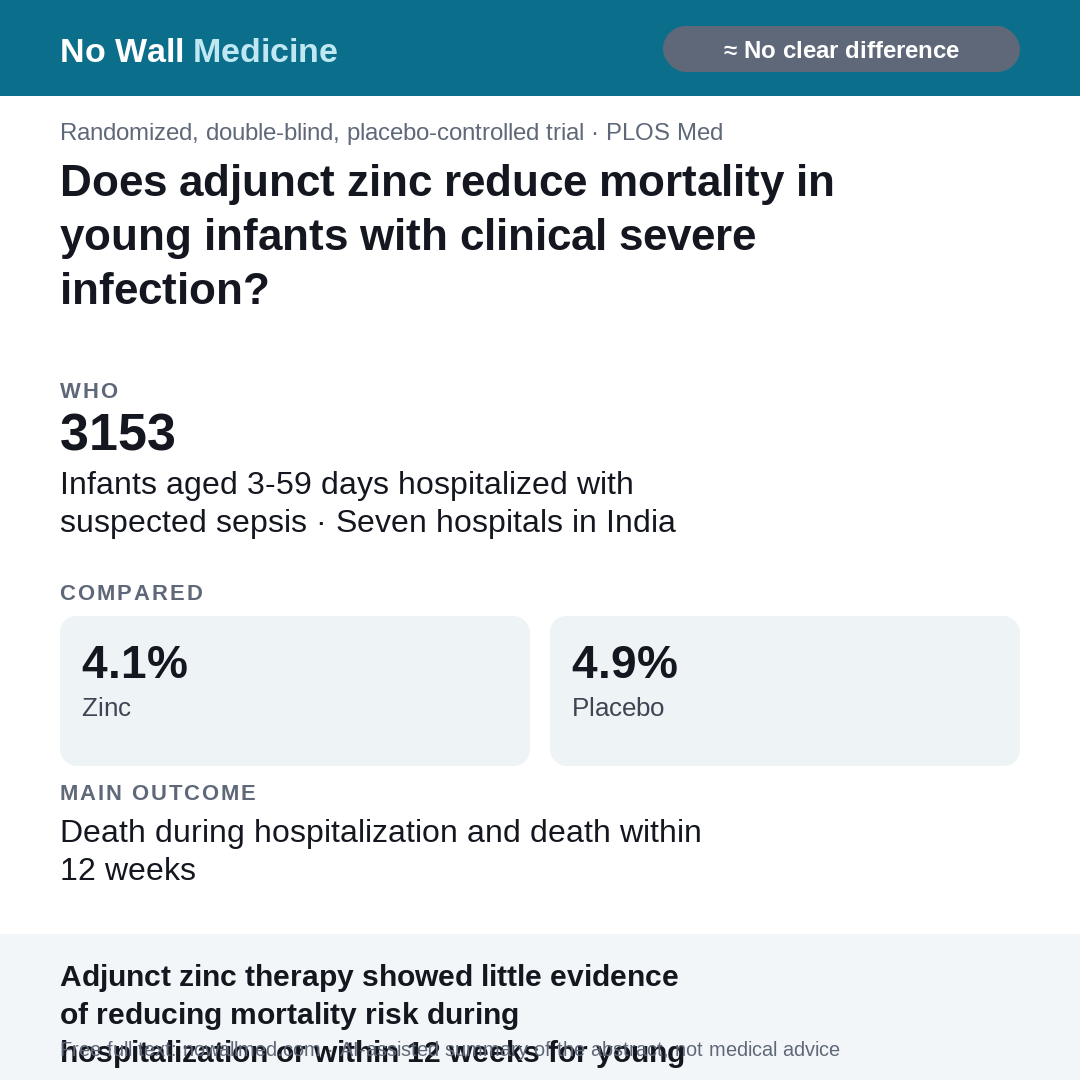
Zinc as adjunct treatment for clinical severe infection in young infants: A randomized double-blind placebo-controlled trial in India and Nepal
Randomized, double-blind, placebo-controlled trialNo clear difference
Does adjunct zinc reduce mortality in young infants with clinical severe infection?
Who
3153
Infants aged 3-59 days hospitalized with suspected sepsis · Seven hospitals in India and Nepal
Compared
4.1%Zinc
4.9%Placebo
Main outcome
Death during hospitalization and death within 12 weeks
Result: relative risk 0.83 (95% CI 0.60 to 1.15)
Bottom line: Adjunct zinc therapy showed little evidence of reducing mortality risk during hospitalization or within 12 weeks for young infants.
Limitation: Underpowered due to lower-than-anticipated event rates and a shortfall in achieved sample size.
PLOS Med · 2025-10-09Download image
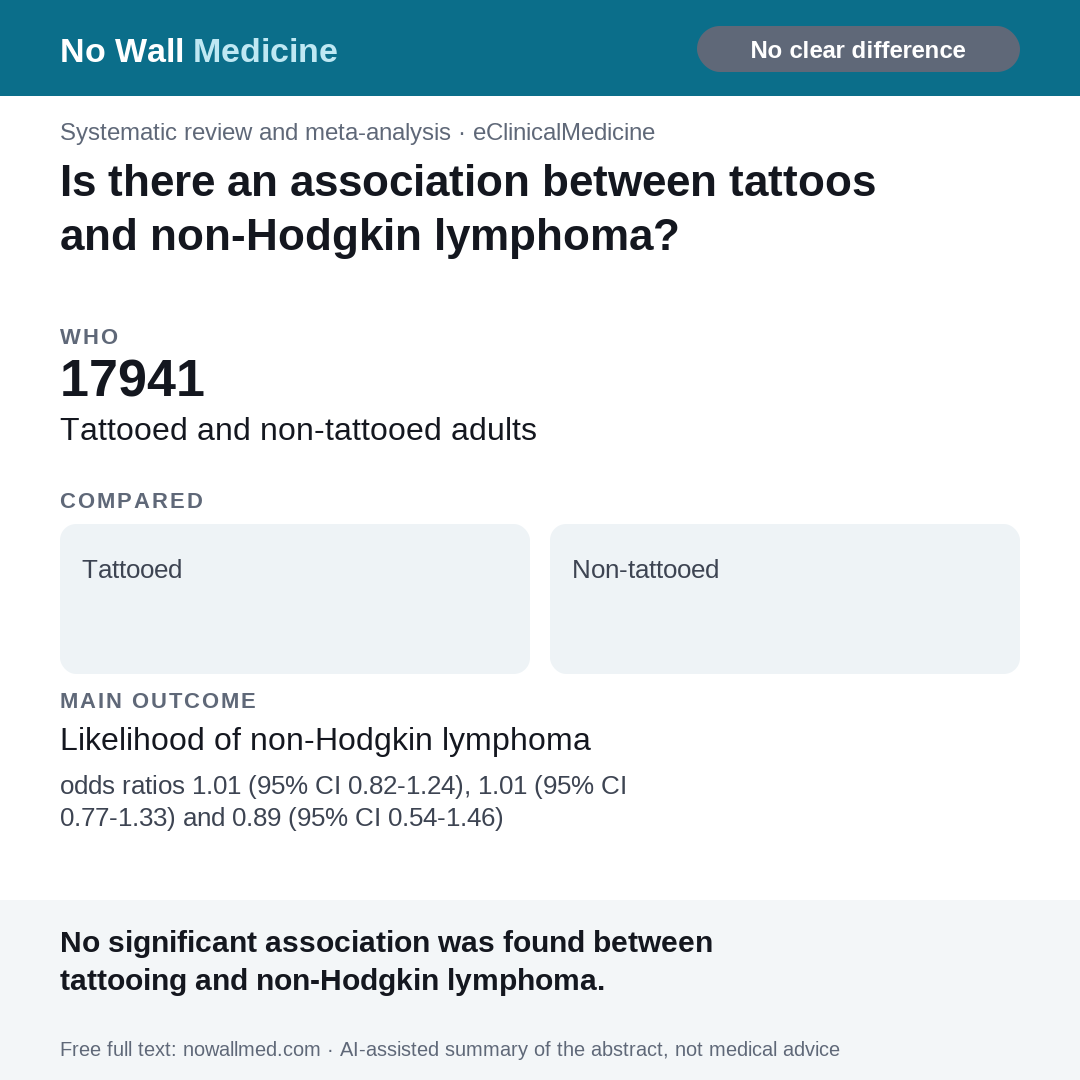
Investigating the potential association between tattoos and lymphoma: an exploratory systematic review and meta-analysis
Systematic review and meta-analysisNo clear difference
Is there an association between tattoos and non-Hodgkin lymphoma?
Who
17941
Tattooed and non-tattooed adults
Compared
Tattooed
Non-tattooed
Main outcome
Likelihood of non-Hodgkin lymphoma
Result: odds ratios 1.01 (95% CI 0.82-1.24), 1.01 (95% CI 0.77-1.33) and 0.89 (95% CI 0.54-1.46)
Bottom line: No significant association was found between tattooing and non-Hodgkin lymphoma.
Limitation: Low certainty of evidence due to lack of high-quality studies with similar methodologies.
eClinicalMedicine · 2025-10-09Download image
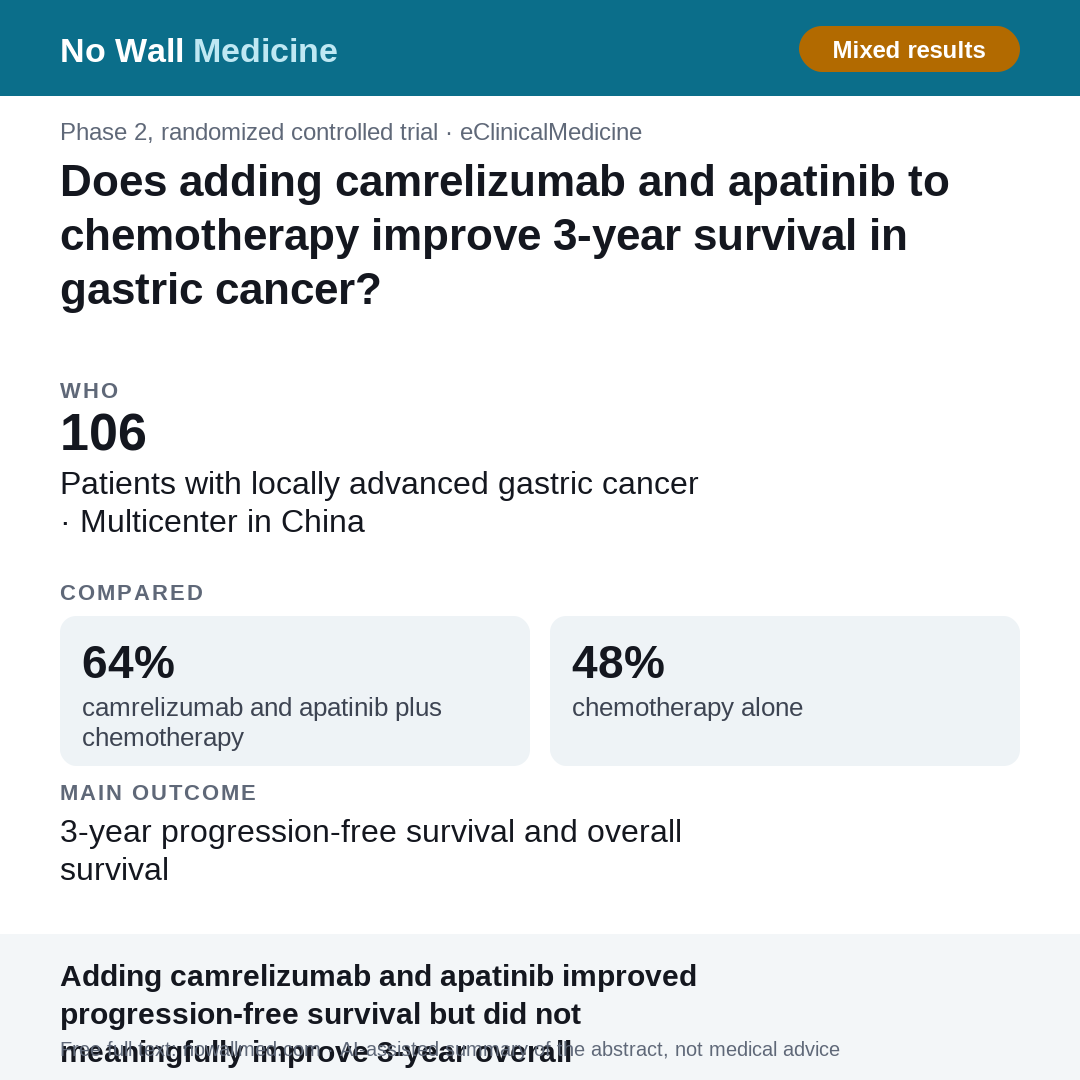
Perioperative camrelizumab and apatinib combined with chemotherapy for locally advanced gastric cancer in China: three-year survival outcomes of phase 2 randomized controlled trial
Phase 2, randomized controlled trialMixed results
Does adding camrelizumab and apatinib to chemotherapy improve 3-year survival in gastric cancer?
Who
106
Patients with locally advanced gastric cancer · Multicenter in China
Compared
64%camrelizumab and apatinib plus chemotherapy (95% CI: 52%-79%)
48%chemotherapy alone (95% CI: 36%-64%)
Main outcome
3-year progression-free survival and overall survival
Result: adjusted hazard ratio 0.512 (95% CI: 0.263-0.998)
Bottom line: Adding camrelizumab and apatinib improved progression-free survival but did not meaningfully improve 3-year overall survival.
Funded by: Construction Funds for High-level Hospitals and Clinical Specialties of Fujian Province
eClinicalMedicine · 2025-10-09Download image
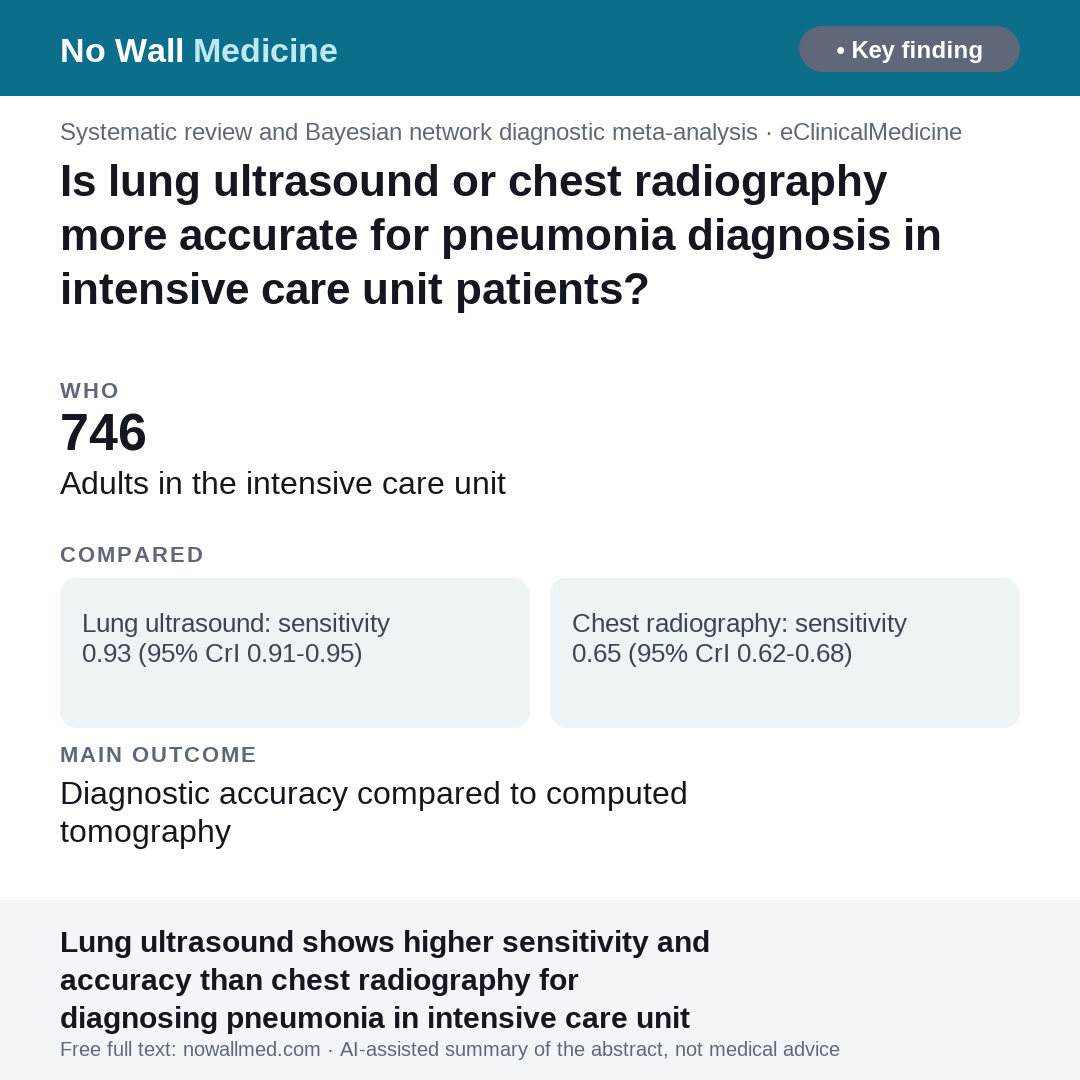
Lung ultrasound vs chest radiography for pneumonia diagnosis in critically ill patients in the intensive care unit: a systematic review and Bayesian network diagnostic meta-analysis
Systematic review and Bayesian network diagnostic meta-analysisBenefit found
Is lung ultrasound or chest radiography more accurate for pneumonia diagnosis in intensive care unit patients?
Who
746
Adults in the intensive care unit
Compared
Lung ultrasound: sensitivity 0.93 (95% CrI 0.91-0.95)
Chest radiography: sensitivity 0.65 (95% CrI 0.62-0.68)
Main outcome
Diagnostic accuracy compared to computed tomography
Result: AUC 0.88 (95% CrI 0.77-0.95) for lung ultrasound vs 0.76 (95% CrI 0.60-0.88) for chest radiography
Bottom line: Lung ultrasound shows higher sensitivity and accuracy than chest radiography for diagnosing pneumonia in intensive care unit patients.
Limitation: High risk of bias for index test blinding and moderate specificity.
eClinicalMedicine · 2025-10-09Download image