Visual abstracts
New randomized trials and meta-analyses from leading journals at a glance: who was studied, what was compared, and what was found. Every paper is free to read in full.
All specialtiesCardiology 4763Oncology 4043Gastroenterology & Hepatology 1903Infectious Disease 3756Neurology 1872Psychiatry & Mental Health 2216Pulmonology 2044Critical Care 1319Endocrinology & Diabetes 2544Pediatrics 2889Surgery 2480Orthopedics & Sports Medicine 917Neurosurgery 525Cardiothoracic & Vascular Surgery 656Plastic & Reconstructive Surgery 574Nephrology 1107Rheumatology 810Hematology 1090Dermatology 611Ophthalmology 532Obstetrics & Gynecology 1645Public & Global Health 1037Radiology & Imaging 619Anesthesiology 958Urology 745ENT (Otolaryngology) 494Emergency Medicine 481Allergy & Immunology 309Geriatrics 972Family Medicine & Primary Care 534Medical Genetics & Genomics 659Pathology & Laboratory Medicine 156Physical Medicine & Rehabilitation 734Palliative Care 421Nutrition 1560Digital Health & AI 2137General Medicine 318
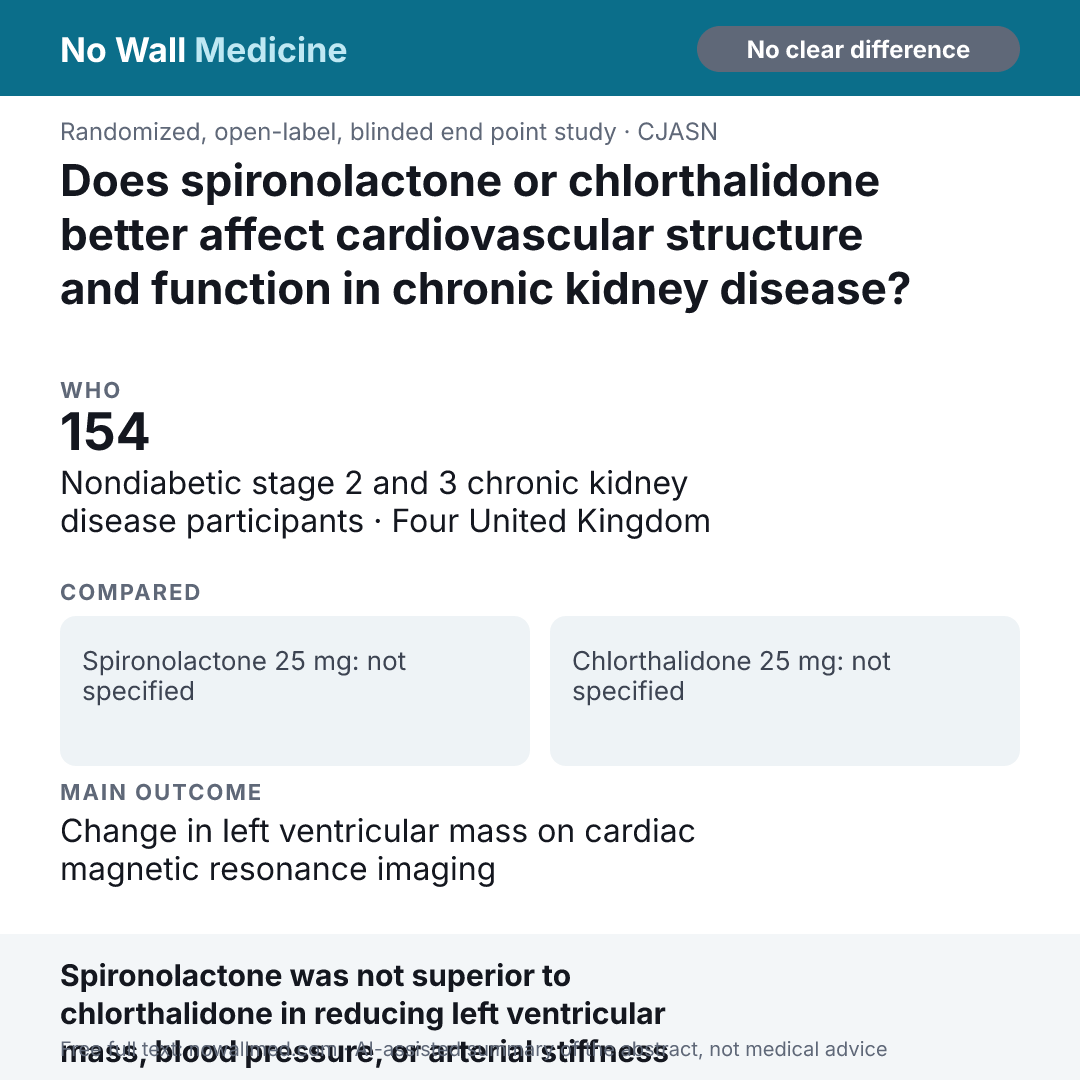
Effects of Spironolactone and Chlorthalidone on Cardiovascular Structure and Function in Chronic Kidney Disease: A Randomized, Open-Label Trial
Randomized, open-label, blinded end point studyNo clear difference
Does spironolactone or chlorthalidone better affect cardiovascular structure and function in chronic kidney disease?
Who
154
Nondiabetic stage 2 and 3 chronic kidney disease participants · Four United Kingdom centers
Compared
Spironolactone 25 mg: not specified
Chlorthalidone 25 mg: not specified
Main outcome
Change in left ventricular mass on cardiac magnetic resonance imaging
Result: -3.8 g (95% confidence interval, -8.1 to 0.5 g)
Bottom line: Spironolactone was not superior to chlorthalidone in reducing left ventricular mass, blood pressure, or arterial stiffness in nondiabetic chronic kidney disease.
CJASN · 2021-08-30 · Save PNG
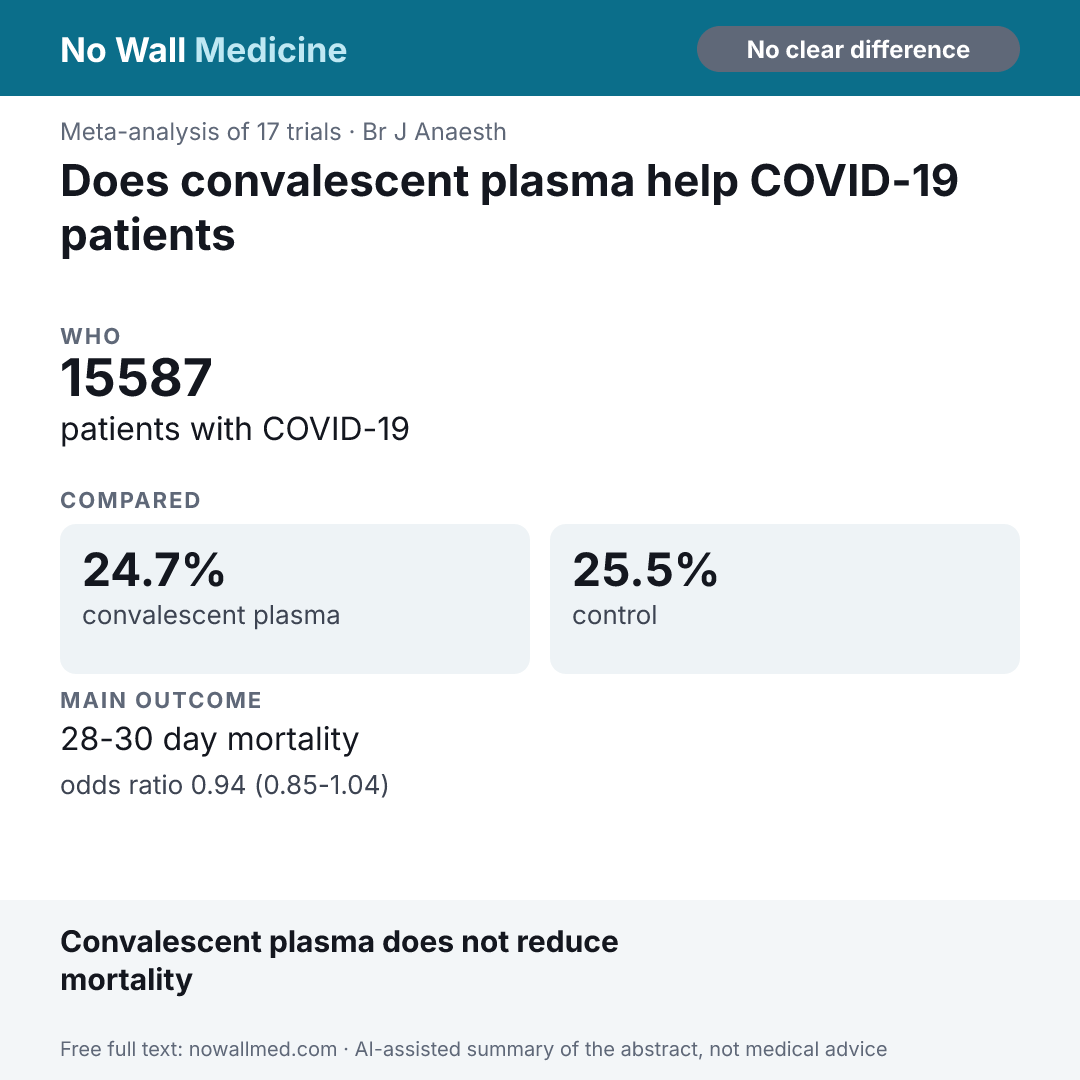
Convalescent plasma for COVID-19: a meta-analysis, trial sequential analysis, and meta-regression
Meta-analysis of 17 trialsNo clear difference
Does convalescent plasma help COVID-19 patients
Who
15587
patients with COVID-19
Compared
24.7%convalescent plasma
25.5%control
Main outcome
28-30 day mortality
Result: odds ratio 0.94 (0.85-1.04)
Bottom line: Convalescent plasma does not reduce mortality
Limitation: high risk of bias in most studies
Br J Anaesth · 2021-08-30 · Save PNG
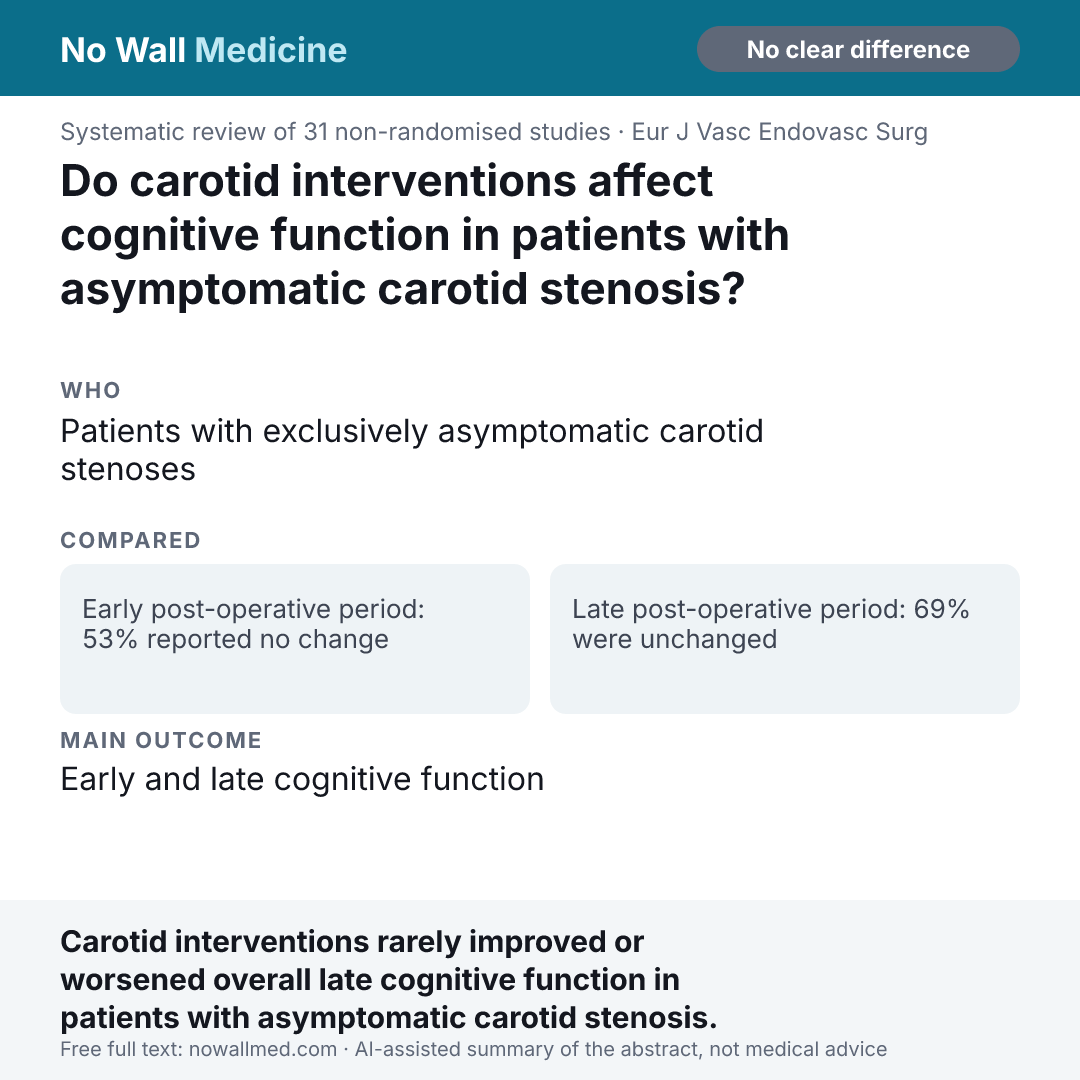
Editor's Choice - Effect of Carotid Interventions on Cognitive Function in Patients With Asymptomatic Carotid Stenosis: A Systematic Review
Systematic review of 31 non-randomised studiesNo clear difference
Do carotid interventions affect cognitive function in patients with asymptomatic carotid stenosis?
Who
Patients with exclusively asymptomatic carotid stenoses
Compared
Early post-operative period: 53% reported no change
Late post-operative period: 69% were unchanged
Main outcome
Early and late cognitive function
Bottom line: Carotid interventions rarely improved or worsened overall late cognitive function in patients with asymptomatic carotid stenosis.
Limitation: Heterogeneity within non-randomised studies
Eur J Vasc Endovasc Surg · 2021-08-30 · Save PNG
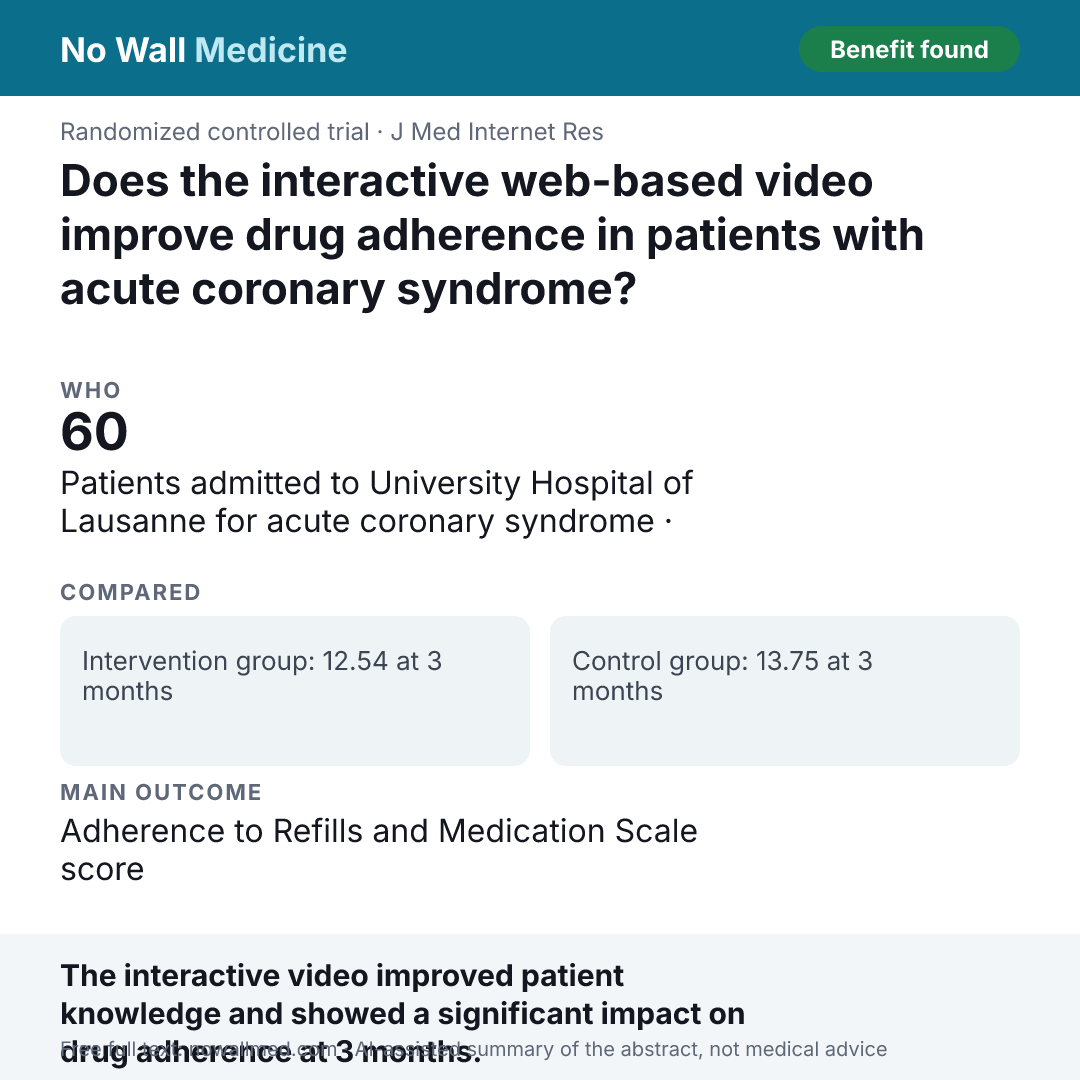
Effects of the Interactive Web-Based Video "Mon Coeur, Mon BASIC" on Drug Adherence of Patients With Myocardial Infarction: Randomized Controlled Trial
Randomized controlled trialBenefit found
Does the interactive web-based video improve drug adherence in patients with acute coronary syndrome?
Who
60
Patients admitted to University Hospital of Lausanne for acute coronary syndrome · University Hospital of Lausanne
Compared
Intervention group: 12.54 at 3 months
Control group: 13.75 at 3 months
Main outcome
Adherence to Refills and Medication Scale score
Bottom line: The interactive video improved patient knowledge and showed a significant impact on drug adherence at 3 months.
Limitation: The study had a lower sample size than expected.
J Med Internet Res · 2021-08-30 · Save PNG
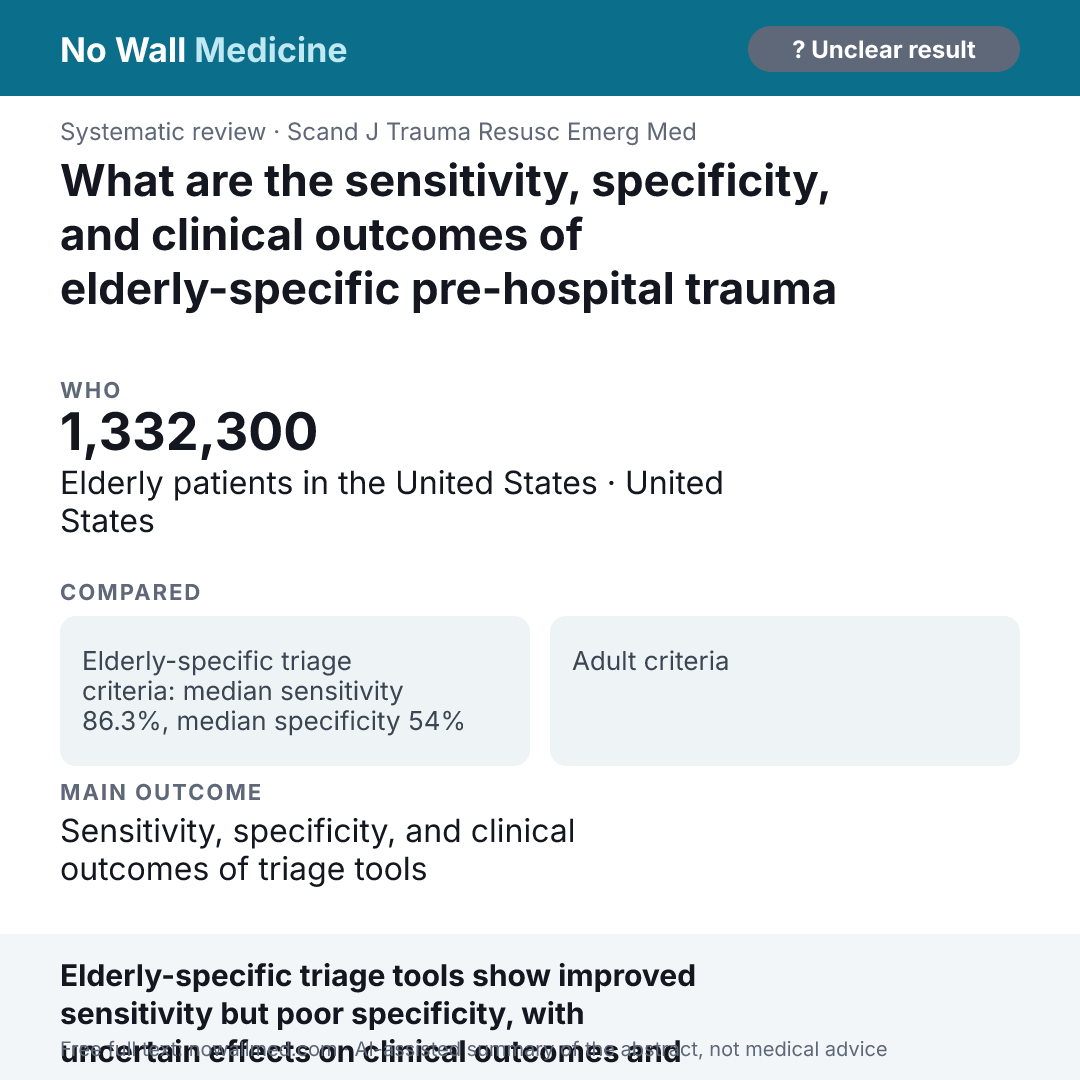
Evaluation of elderly specific pre-hospital trauma triage criteria: a systematic review
Systematic reviewUnclear result
What are the sensitivity, specificity, and clinical outcomes of elderly-specific pre-hospital trauma triage tools?
Who
1,332,300
Elderly patients in the United States · United States
Compared
Elderly-specific triage criteria: median sensitivity 86.3%, median specificity 54%
Adult criteria
Main outcome
Sensitivity, specificity, and clinical outcomes of triage tools
Bottom line: Elderly-specific triage tools show improved sensitivity but poor specificity, with uncertain effects on clinical outcomes and patient care.
Limitation: Most studies were retrospective and all studies were at risk of bias with low quality.
Scand J Trauma Resusc Emerg Med · 2021-08-30 · Save PNG
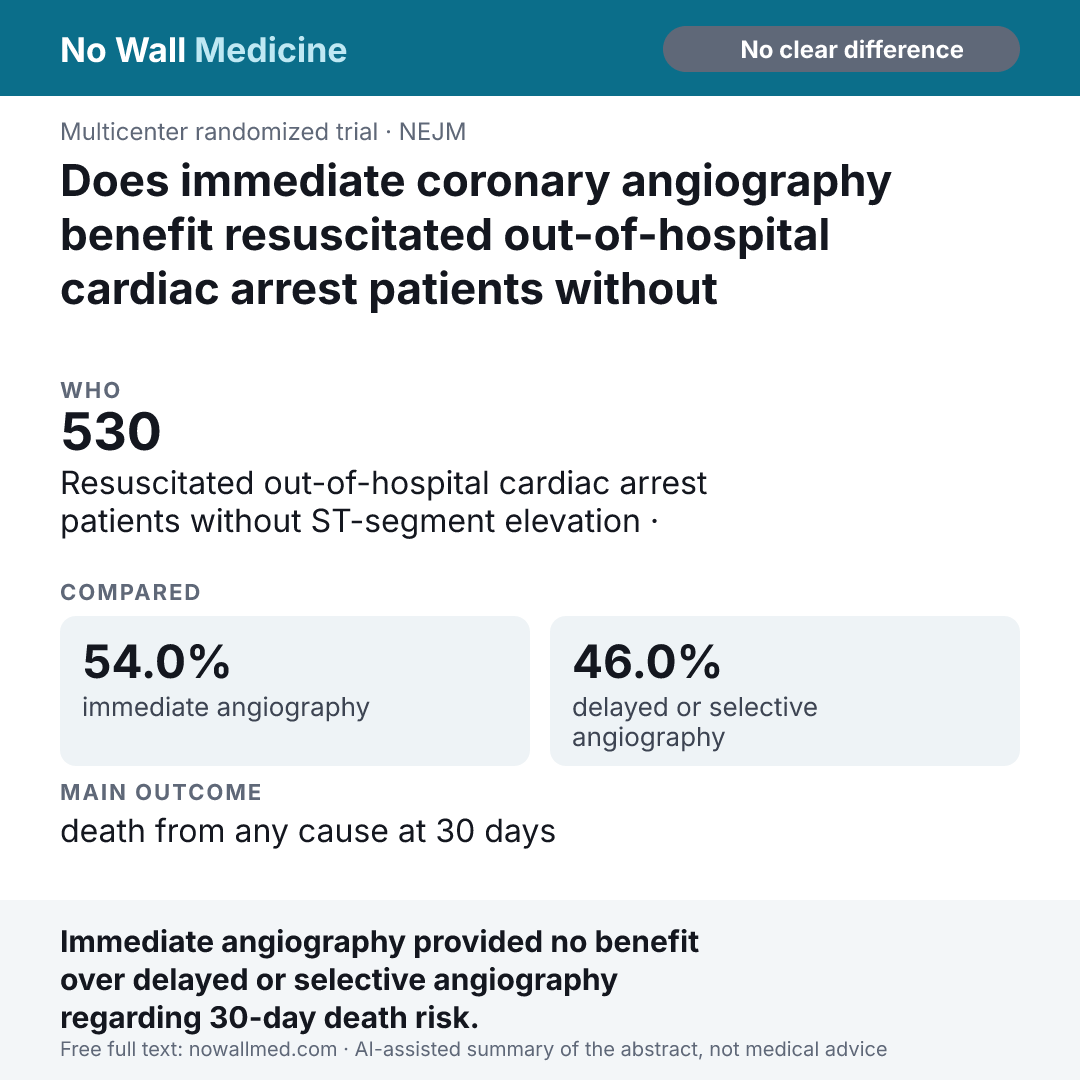
Angiography after Out-of-Hospital Cardiac Arrest without ST-Segment Elevation
Multicenter randomized trialNo clear difference
Does immediate coronary angiography benefit resuscitated out-of-hospital cardiac arrest patients without ST-segment elevation?
Who
530
Resuscitated out-of-hospital cardiac arrest patients without ST-segment elevation · Multicenter
Compared
54.0%immediate angiography
46.0%delayed or selective angiography
Main outcome
death from any cause at 30 days
Result: hazard ratio 1.28 (95% CI 1.00 to 1.63)
Bottom line: Immediate angiography provided no benefit over delayed or selective angiography regarding 30-day death risk.
Funded by: German Center for Cardiovascular Research
NEJM · 2021-08-29 · Save PNG
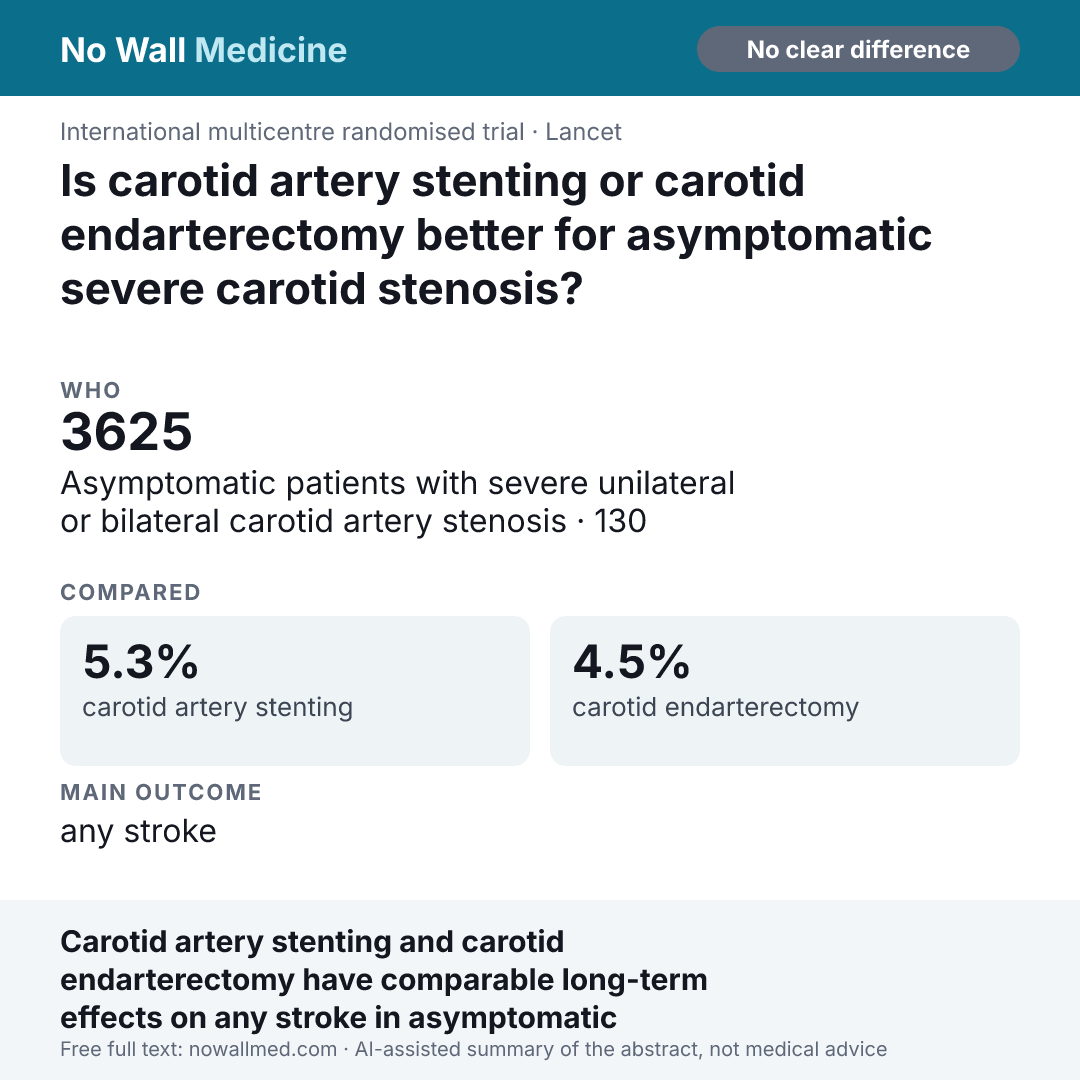
Second asymptomatic carotid surgery trial (ACST-2): a randomised comparison of carotid artery stenting versus carotid endarterectomy
International multicentre randomised trialNo clear difference
Is carotid artery stenting or carotid endarterectomy better for asymptomatic severe carotid stenosis?
Who
3625
Asymptomatic patients with severe unilateral or bilateral carotid artery stenosis · 130 centres
Compared
5.3%carotid artery stenting
4.5%carotid endarterectomy
Main outcome
any stroke
Result: rate ratio 1.16 (95% CI 0.86 to 1.57)
Bottom line: Carotid artery stenting and carotid endarterectomy have comparable long-term effects on any stroke in asymptomatic patients.
Funded by: UK Medical Research Council and Health Technology Assessment Programme
Lancet · 2021-08-29 · Save PNG
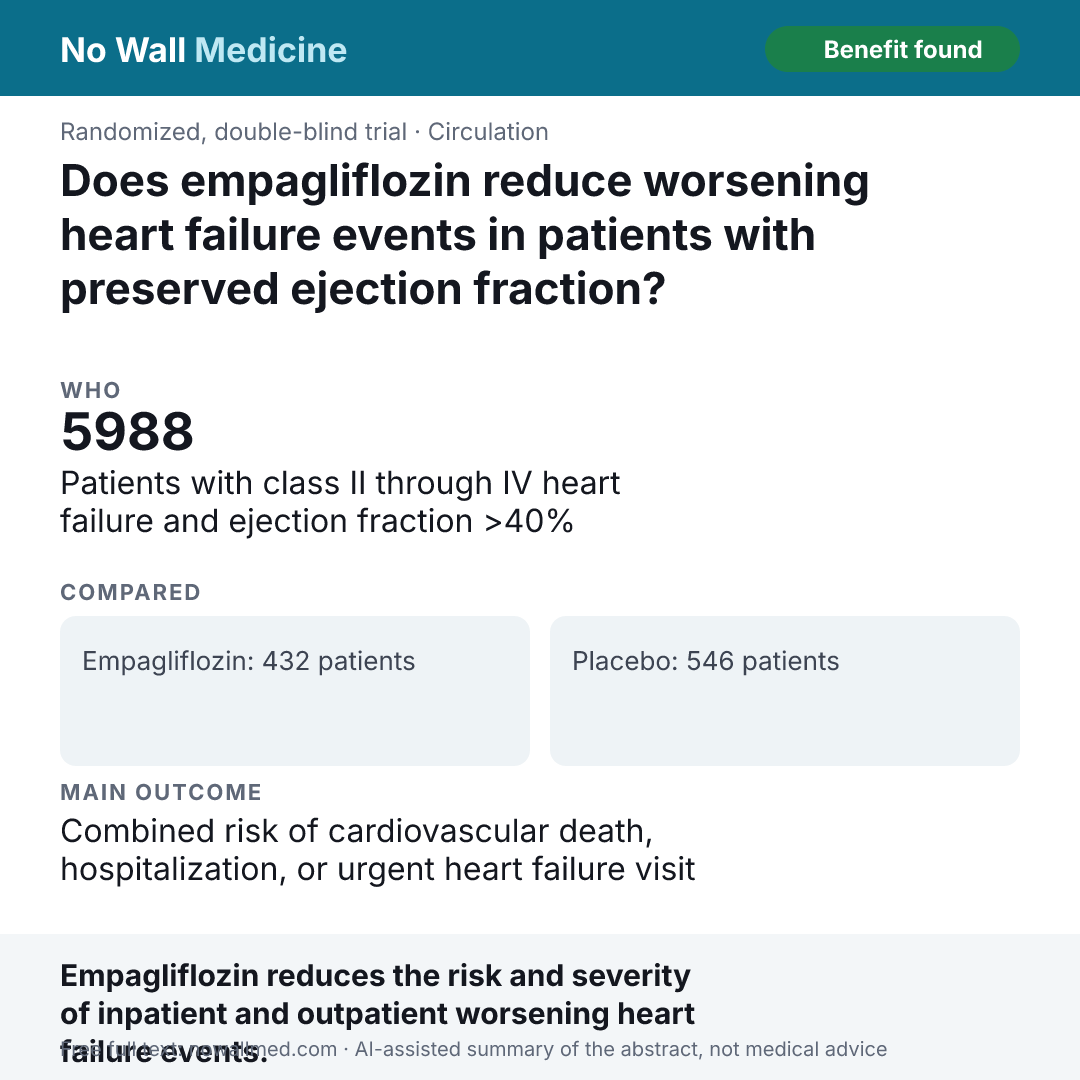
Effect of Empagliflozin on Worsening Heart Failure Events in Patients With Heart Failure and Preserved Ejection Fraction: EMPEROR-Preserved Trial
Randomized, double-blind trialBenefit found
Does empagliflozin reduce worsening heart failure events in patients with preserved ejection fraction?
Who
5988
Patients with class II through IV heart failure and ejection fraction >40%
Compared
Empagliflozin: 432 patients
Placebo: 546 patients
Main outcome
Combined risk of cardiovascular death, hospitalization, or urgent heart failure visit
Result: hazard ratio 0.77 (95% CI 0.67-0.87)
Bottom line: Empagliflozin reduces the risk and severity of inpatient and outpatient worsening heart failure events.
Circulation · 2021-08-29 · Save PNG
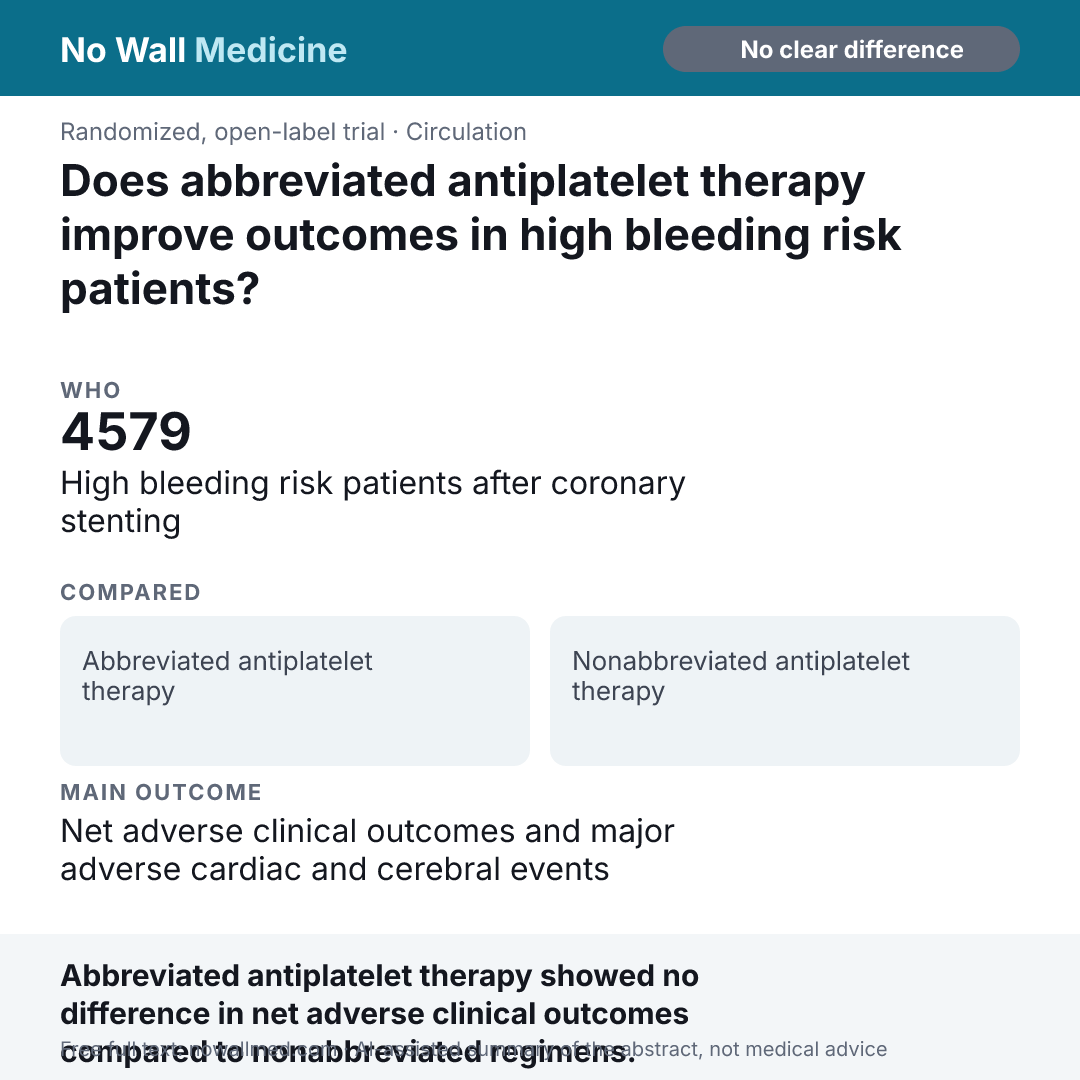
Abbreviated Antiplatelet Therapy in Patients at High Bleeding Risk With or Without Oral Anticoagulant Therapy After Coronary Stenting: An Open-Label, Randomized, Controlled Trial
Randomized, open-label trialNo clear difference
Does abbreviated antiplatelet therapy improve outcomes in high bleeding risk patients?
Who
4579
High bleeding risk patients after coronary stenting
Compared
Abbreviated antiplatelet therapy
Nonabbreviated antiplatelet therapy
Main outcome
Net adverse clinical outcomes and major adverse cardiac and cerebral events
Result: hazard ratio 0.83 (95% CI 0.60-1.15) for patients with oral anticoagulation
Bottom line: Abbreviated antiplatelet therapy showed no difference in net adverse clinical outcomes compared to nonabbreviated regimens.
Circulation · 2021-08-29 · Save PNG
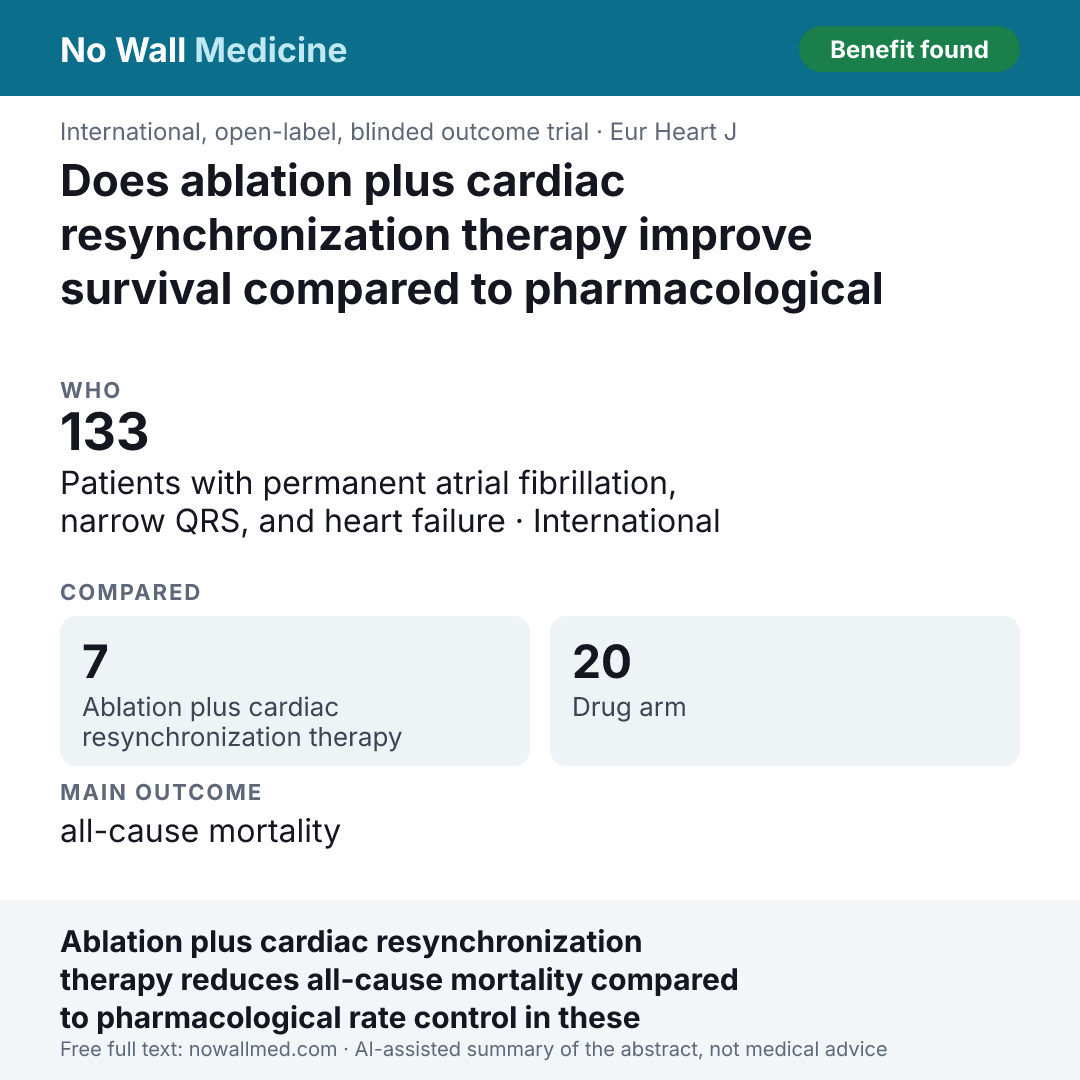
AV junction ablation and cardiac resynchronization for patients with permanent atrial fibrillation and narrow QRS: the APAF-CRT mortality trial
International, open-label, blinded outcome trialBenefit found
Does ablation plus cardiac resynchronization therapy improve survival compared to pharmacological rate control?
Who
133
Patients with permanent atrial fibrillation, narrow QRS, and heart failure · International
Compared
7Ablation plus cardiac resynchronization therapy (11%)
20Drug arm (29%)
Main outcome
all-cause mortality
Result: hazard ratio 0.26 (95% CI 0.10-0.65)
Bottom line: Ablation plus cardiac resynchronization therapy reduces all-cause mortality compared to pharmacological rate control in these patients.
Eur Heart J · 2021-08-29 · Save PNG
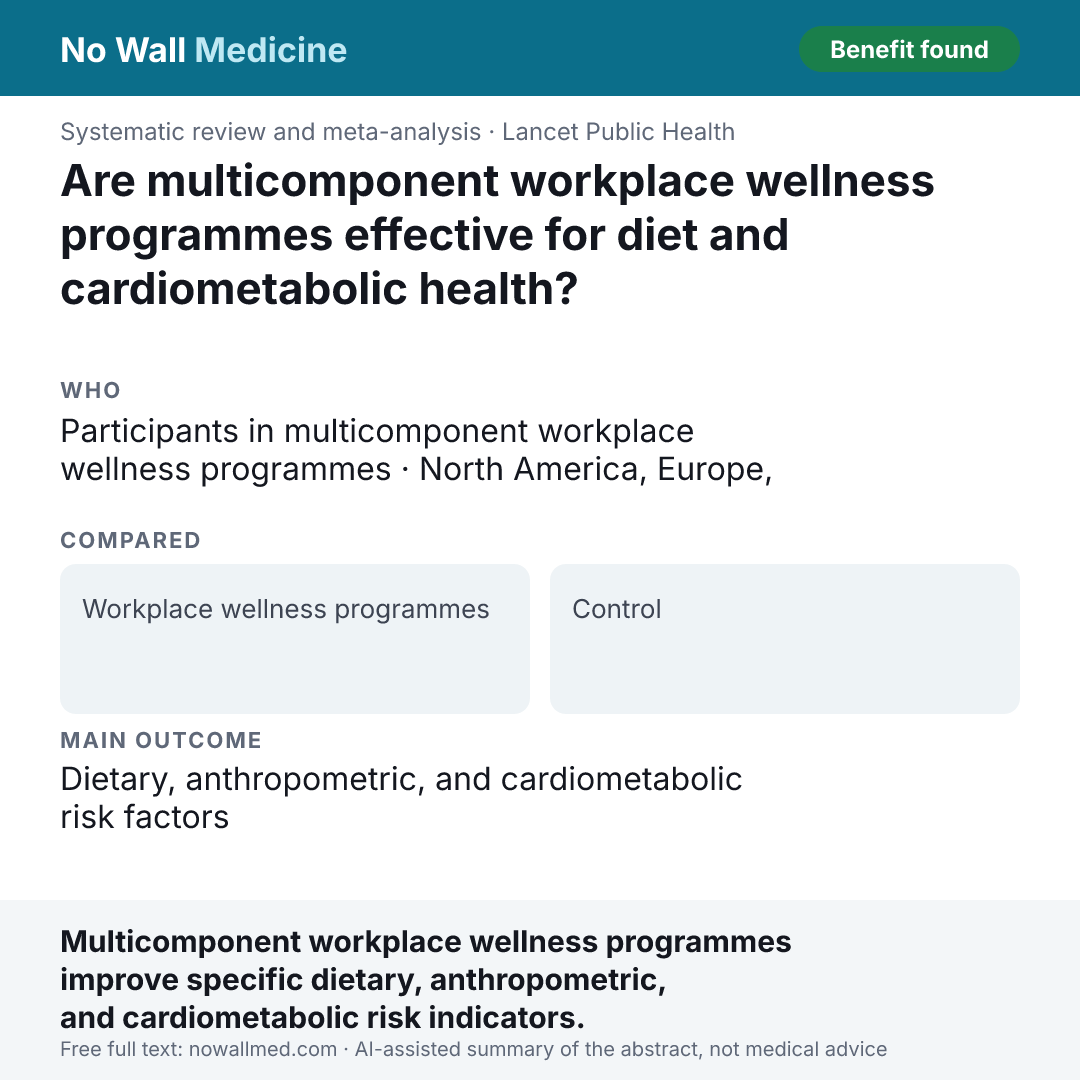
Effectiveness of workplace wellness programmes for dietary habits, overweight, and cardiometabolic health: a systematic review and meta-analysis
Systematic review and meta-analysisBenefit found
Are multicomponent workplace wellness programmes effective for diet and cardiometabolic health?
Who
Participants in multicomponent workplace wellness programmes · North America, Europe, Australia, or New Zealand
Compared
Workplace wellness programmes
Control
Main outcome
Dietary, anthropometric, and cardiometabolic risk factors
Bottom line: Multicomponent workplace wellness programmes improve specific dietary, anthropometric, and cardiometabolic risk indicators.
Limitation: Heterogeneity values ranged from 46.9% to 91.5%.
Funded by: National Heart, Lung, and Blood Institute
Lancet Public Health · 2021-08-29 · Save PNG
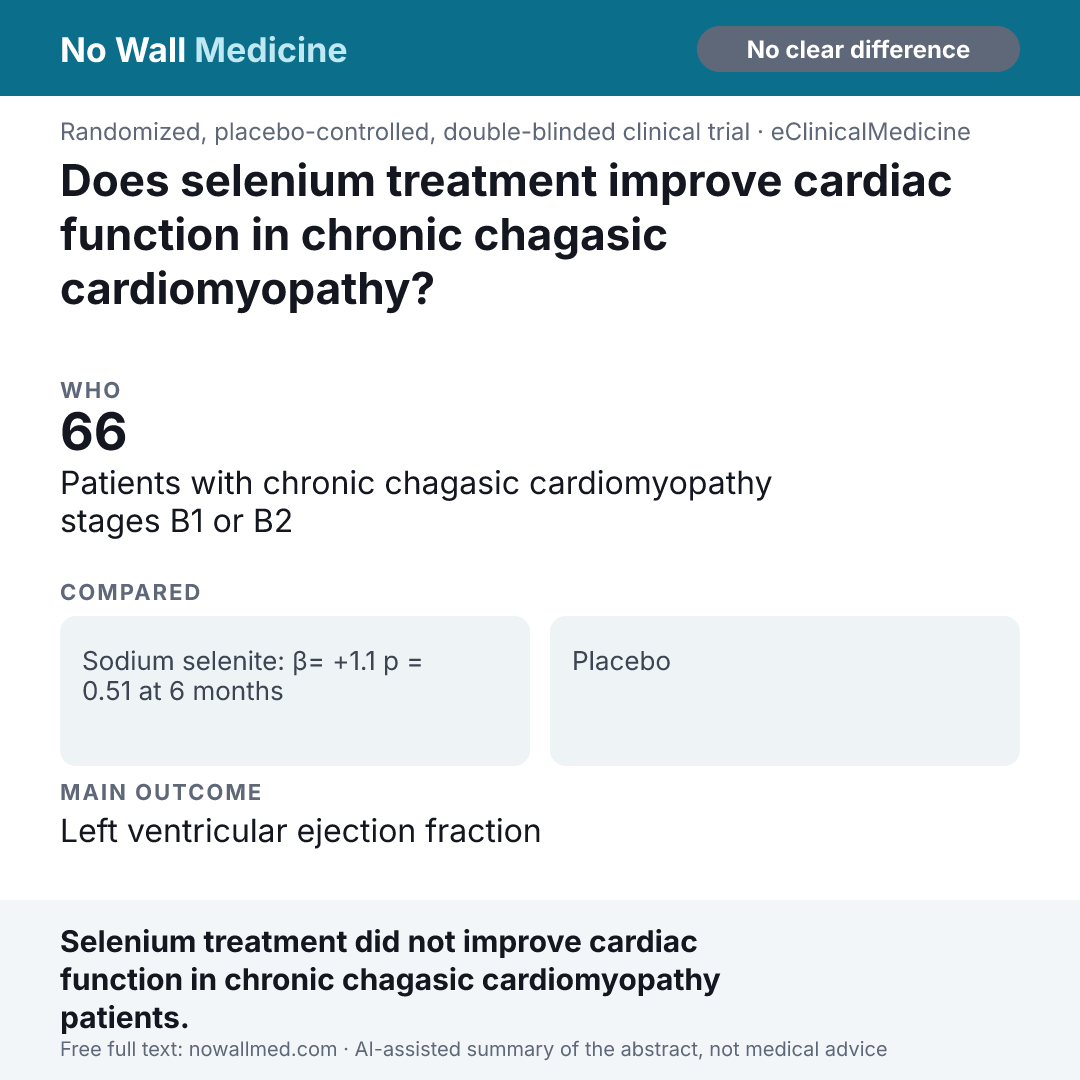
Effects of Selenium treatment on cardiac function in Chagas heart disease: Results from the STCC randomized Trial
Randomized, placebo-controlled, double-blinded clinical trialNo clear difference
Does selenium treatment improve cardiac function in chronic chagasic cardiomyopathy?
Who
66
Patients with chronic chagasic cardiomyopathy stages B1 or B2
Compared
Sodium selenite: β= +1.1 p = 0.51 at 6 months
Placebo
Main outcome
Left ventricular ejection fraction
Bottom line: Selenium treatment did not improve cardiac function in chronic chagasic cardiomyopathy patients.
Limitation: Subgroup analysis in stage B2 showed potential benefit but requires further study.
Funded by: Brazilian Ministry of Health, Fiocruz, CNPq, FAPERJ
eClinicalMedicine · 2021-08-28 · Save PNG
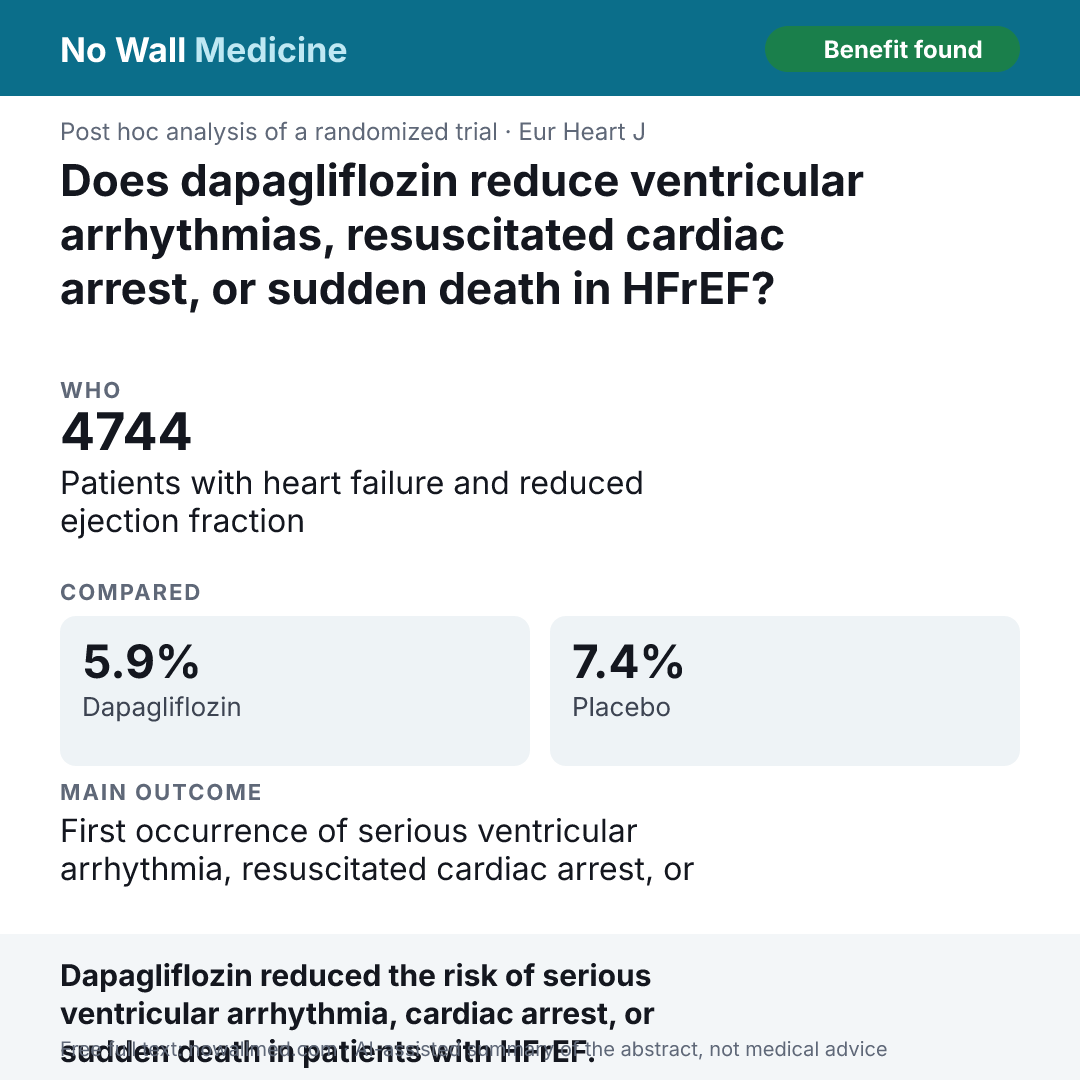
Effect of dapagliflozin on ventricular arrhythmias, resuscitated cardiac arrest, or sudden death in DAPA-HF
Post hoc analysis of a randomized trialBenefit found
Does dapagliflozin reduce ventricular arrhythmias, resuscitated cardiac arrest, or sudden death in HFrEF?
Who
4744
Patients with heart failure and reduced ejection fraction
Compared
5.9%Dapagliflozin (140/2373)
7.4%Placebo (175/2371)
Main outcome
First occurrence of serious ventricular arrhythmia, resuscitated cardiac arrest, or sudden death
Result: hazard ratio 0.79 (95% confidence interval 0.63-0.99)
Bottom line: Dapagliflozin reduced the risk of serious ventricular arrhythmia, cardiac arrest, or sudden death in patients with HFrEF.
Eur Heart J · 2021-08-28 · Save PNG
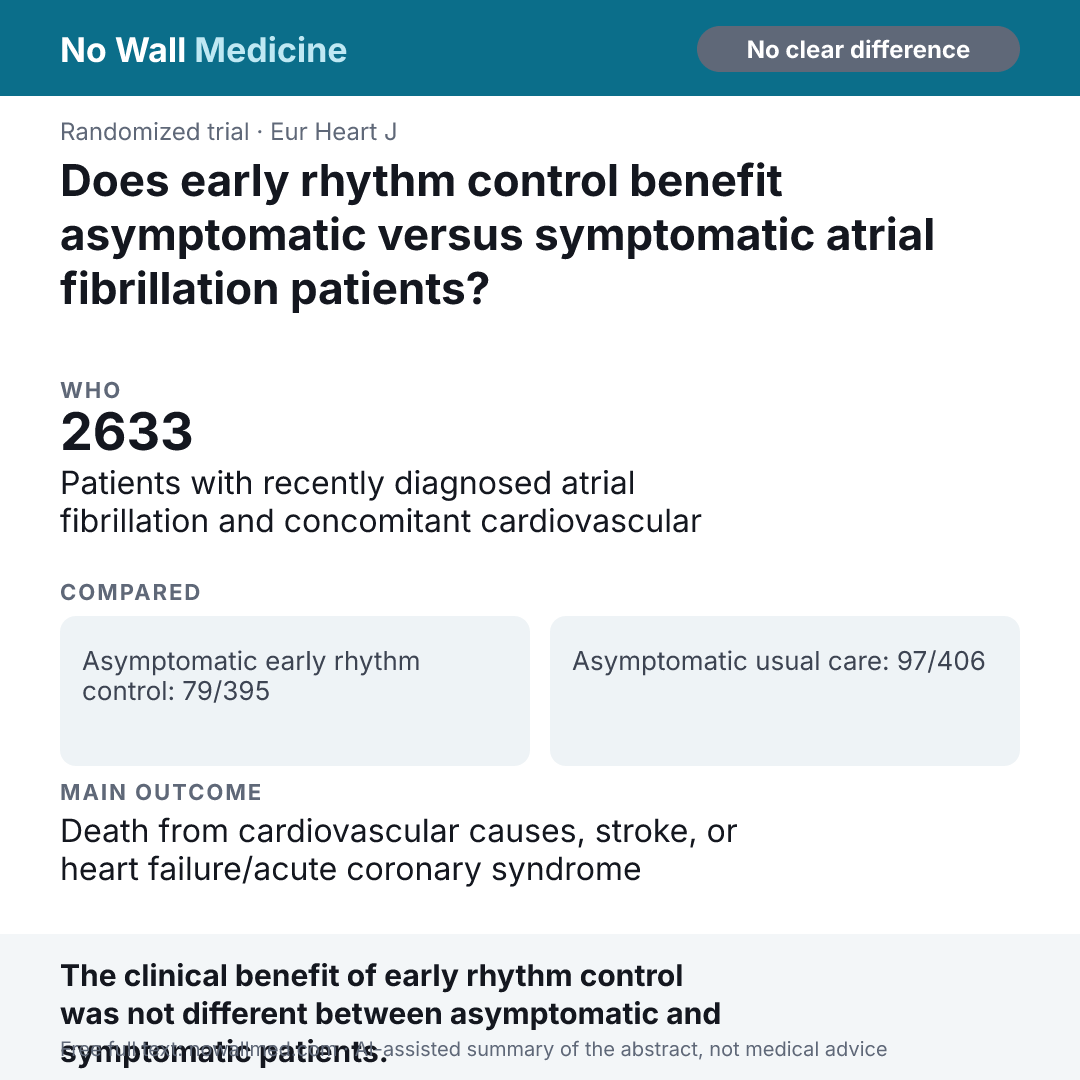
Systematic, early rhythm control strategy for atrial fibrillation in patients with or without symptoms: the EAST-AFNET 4 trial
Randomized trialNo clear difference
Does early rhythm control benefit asymptomatic versus symptomatic atrial fibrillation patients?
Who
2633
Patients with recently diagnosed atrial fibrillation and concomitant cardiovascular conditions
Compared
Asymptomatic early rhythm control: 79/395
Asymptomatic usual care: 97/406
Main outcome
Death from cardiovascular causes, stroke, or heart failure/acute coronary syndrome hospitalization
Result: hazard ratio 0.76 (95% confidence interval 0.6 to 1.03)
Bottom line: The clinical benefit of early rhythm control was not different between asymptomatic and symptomatic patients.
Eur Heart J · 2021-08-28 · Save PNG
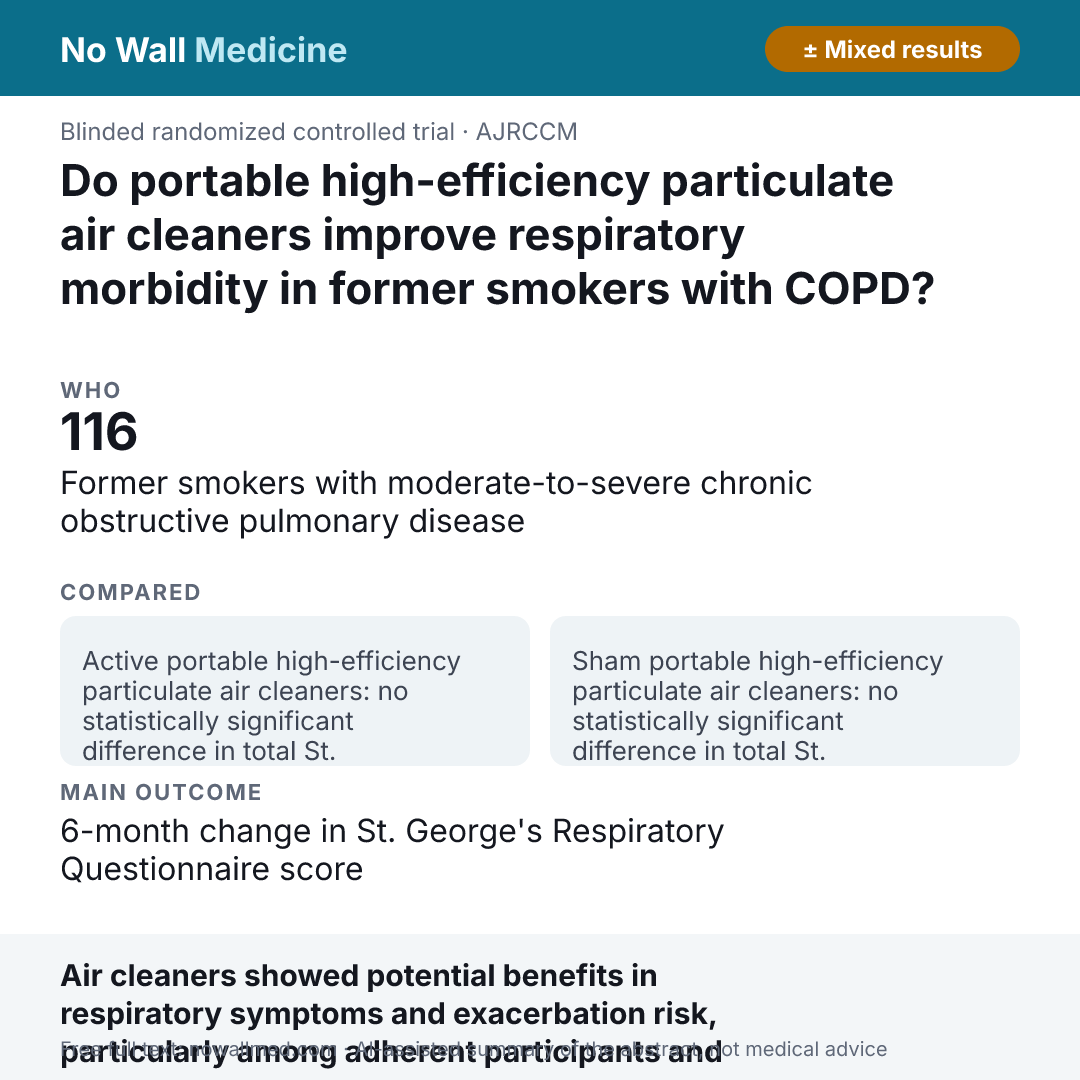
Randomized Clinical Trial of Air Cleaners to Improve Indoor Air Quality and Chronic Obstructive Pulmonary Disease Health: Results of the CLEAN AIR Study
Blinded randomized controlled trialMixed results
Do portable high-efficiency particulate air cleaners improve respiratory morbidity in former smokers with COPD?
Who
116
Former smokers with moderate-to-severe chronic obstructive pulmonary disease
Compared
Active portable high-efficiency particulate air cleaners: no statistically significant difference in total St. George's Respiratory Questionnaire score
Sham portable high-efficiency particulate air cleaners: no statistically significant difference in total St. George's Respiratory Questionnaire score
Main outcome
6-month change in St. George's Respiratory Questionnaire score
Bottom line: Air cleaners showed potential benefits in respiratory symptoms and exacerbation risk, particularly among adherent participants and those indoors.
AJRCCM · 2021-08-28 · Save PNG
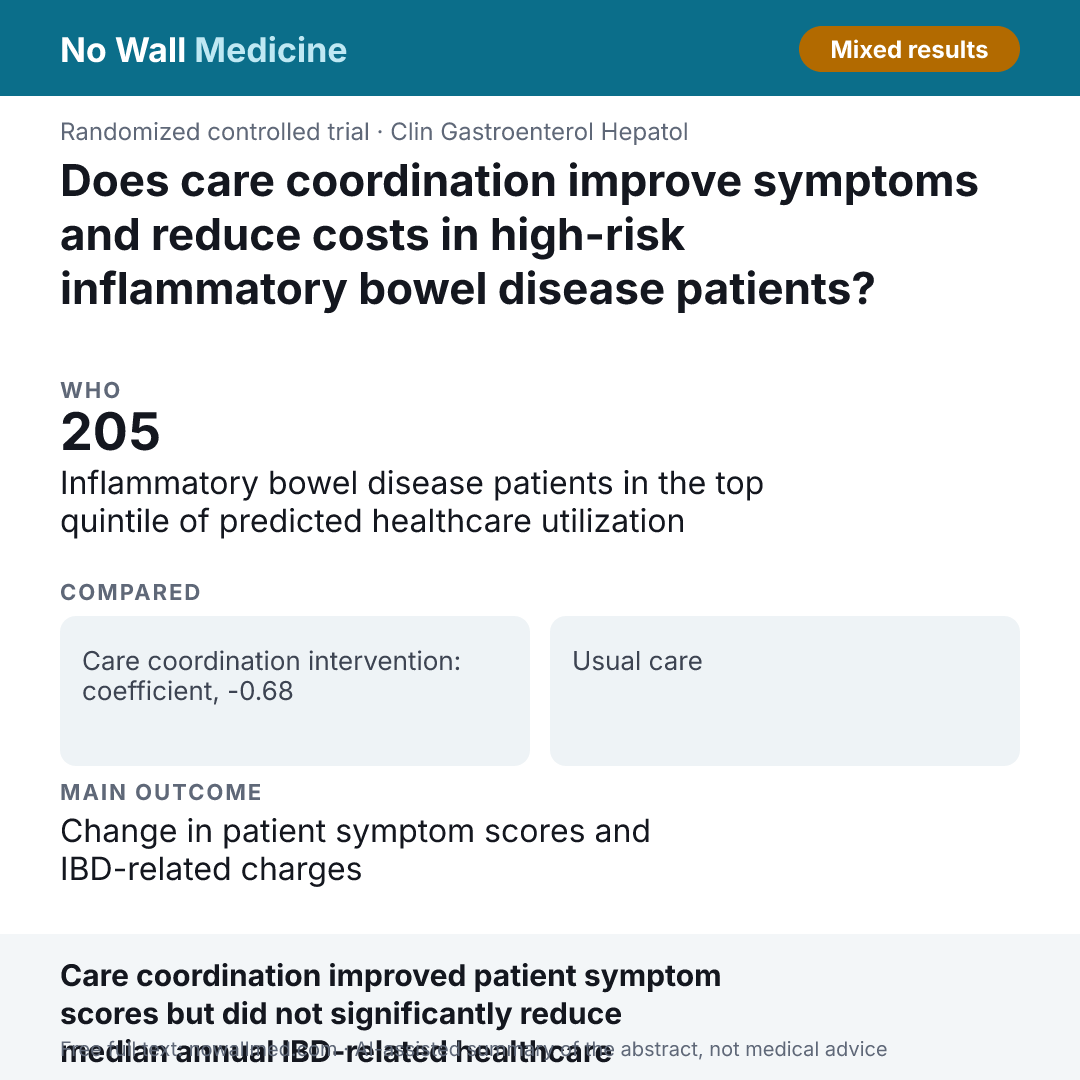
A Care Coordination Intervention Improves Symptoms But Not Charges in High-Risk Patients With Inflammatory Bowel Disease
Randomized controlled trialMixed results
Does care coordination improve symptoms and reduce costs in high-risk inflammatory bowel disease patients?
Who
205
Inflammatory bowel disease patients in the top quintile of predicted healthcare utilization
Compared
Care coordination intervention: coefficient, -0.68
Usual care
Main outcome
Change in patient symptom scores and IBD-related charges
Result: coefficient, -0.68 (95% confidence interval, -1.18 to -0.18)
Bottom line: Care coordination improved patient symptom scores but did not significantly reduce median annual IBD-related healthcare charges.
Clin Gastroenterol Hepatol · 2021-08-28 · Save PNG
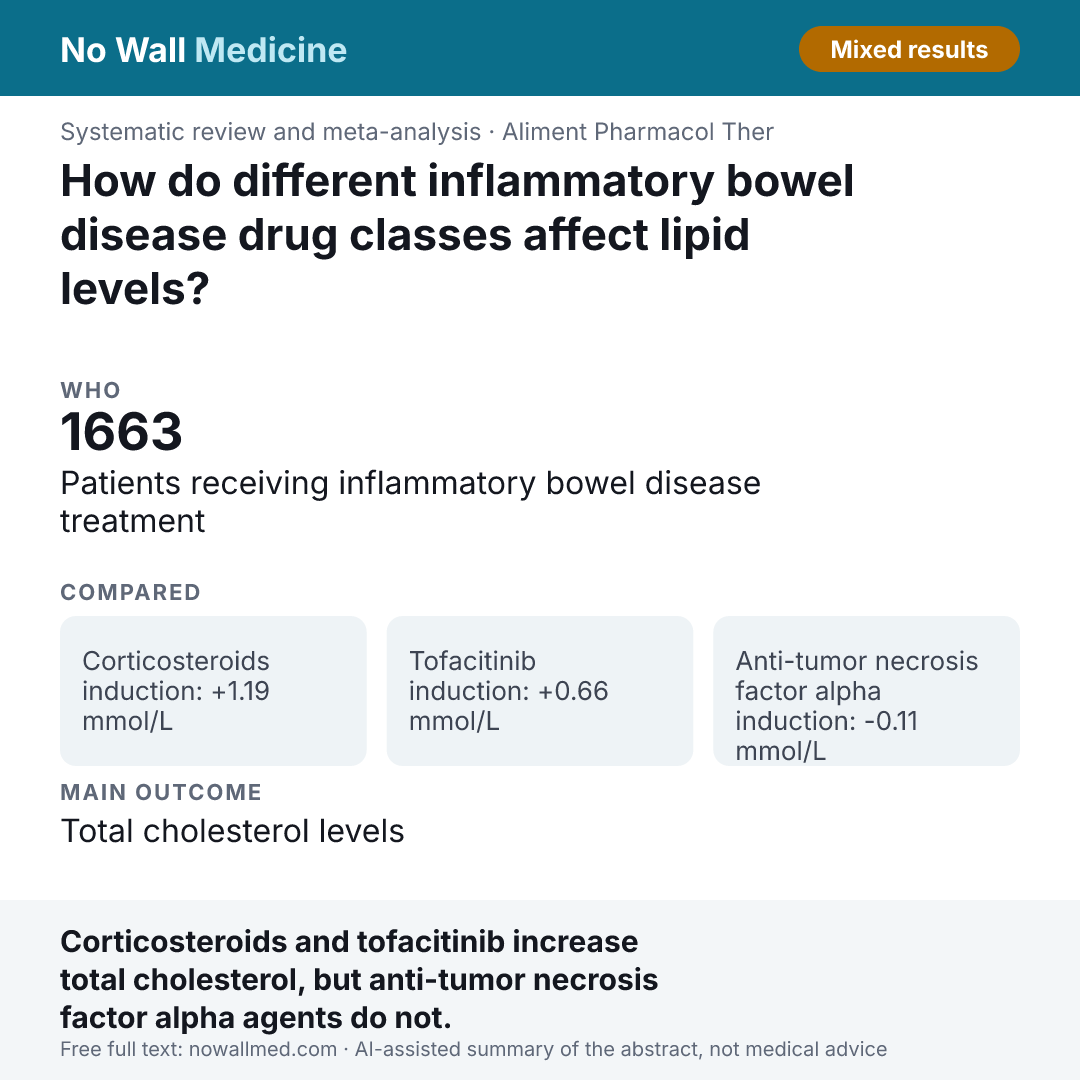
Systematic review with meta-analysis: effect of inflammatory bowel disease therapy on lipid levels
Systematic review and meta-analysisMixed results
How do different inflammatory bowel disease drug classes affect lipid levels?
Who
1663
Patients receiving inflammatory bowel disease treatment
Compared
Corticosteroids induction: +1.19 mmol/L
Tofacitinib induction: +0.66 mmol/L
Anti-tumor necrosis factor alpha induction: -0.11 mmol/L
Main outcome
Total cholesterol levels
Bottom line: Corticosteroids and tofacitinib increase total cholesterol, but anti-tumor necrosis factor alpha agents do not.
Limitation: Whether total cholesterol change associated with treatment affects cardiovascular risk requires further study.
Aliment Pharmacol Ther · 2021-08-28 · Save PNG
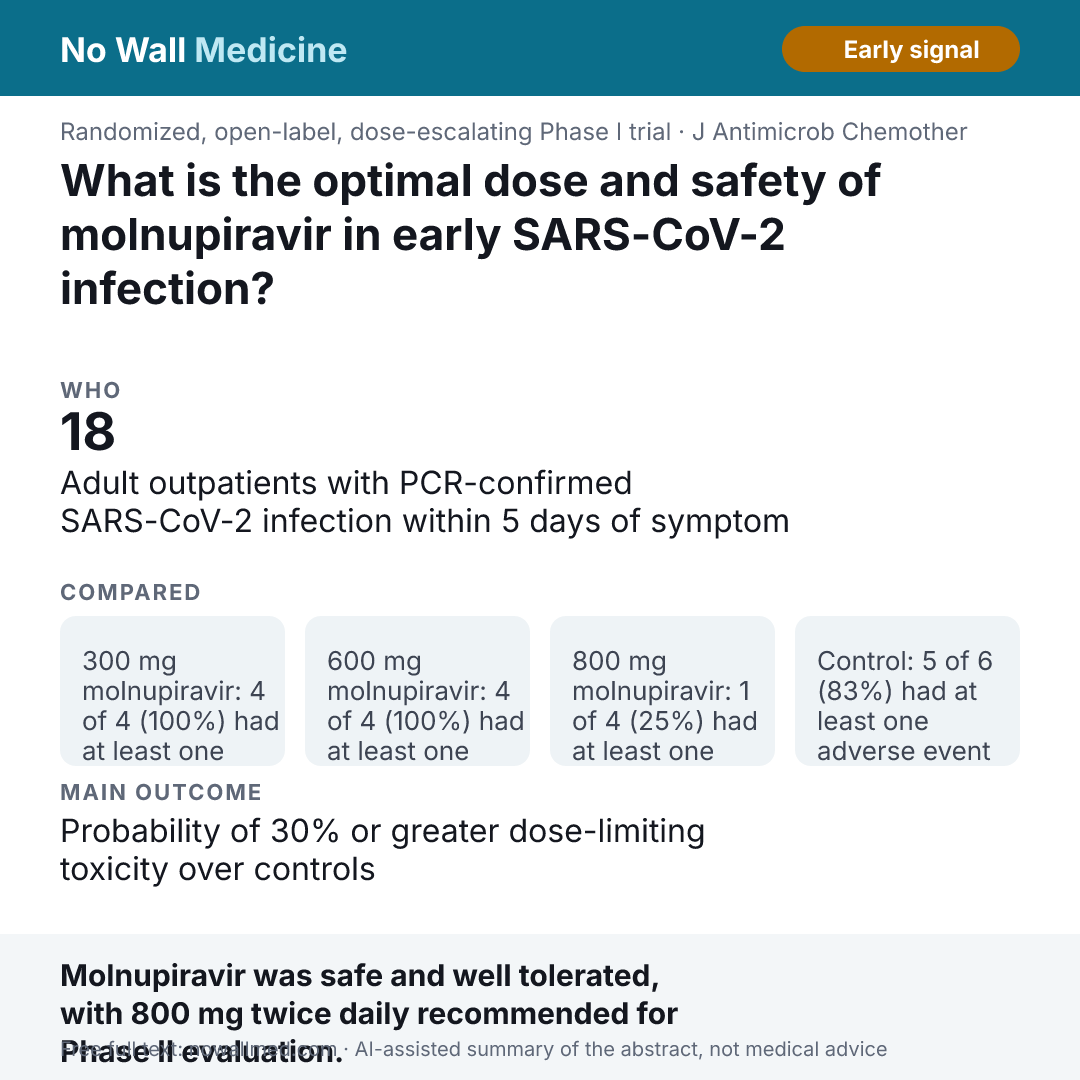
Optimal dose and safety of molnupiravir in patients with early SARS-CoV-2: a Phase I, open-label, dose-escalating, randomized controlled study
Randomized, open-label, dose-escalating Phase I trialEarly signal
What is the optimal dose and safety of molnupiravir in early SARS-CoV-2 infection?
Who
18
Adult outpatients with PCR-confirmed SARS-CoV-2 infection within 5 days of symptom onset · Royal Liverpool and Broadgreen Clinical Research Facility
Compared
300 mg molnupiravir: 4 of 4 (100%) had at least one adverse event
600 mg molnupiravir: 4 of 4 (100%) had at least one adverse event
800 mg molnupiravir: 1 of 4 (25%) had at least one adverse event
Control: 5 of 6 (83%) had at least one adverse event
Main outcome
Probability of 30% or greater dose-limiting toxicity over controls
Result: probability of ≥30% excess toxicity over controls at 800 mg was estimated at 0.9%
Bottom line: Molnupiravir was safe and well tolerated, with 800 mg twice daily recommended for Phase II evaluation.
J Antimicrob Chemother · 2021-08-28 · Save PNG
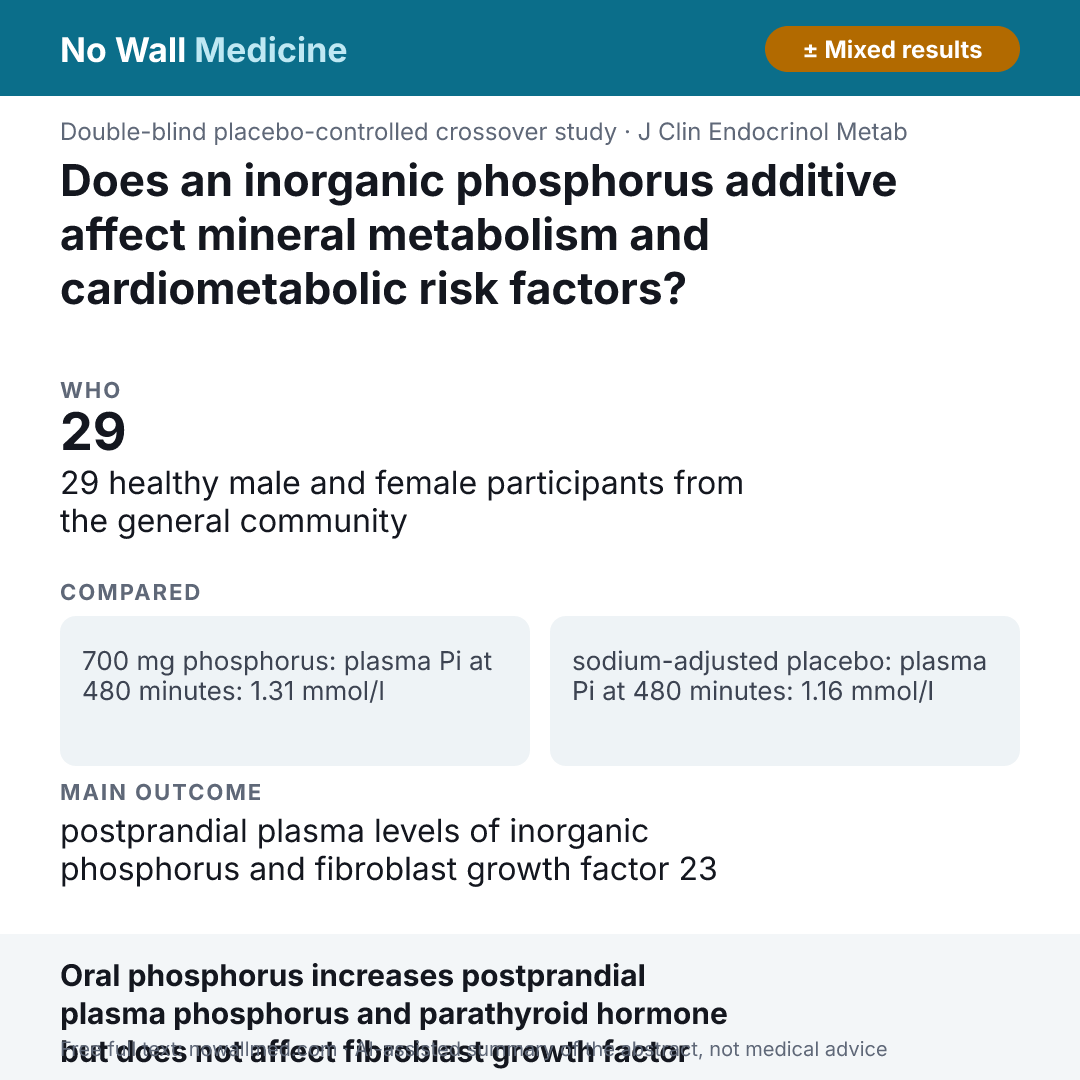
Acute Effects of an Inorganic Phosphorus Additive on Mineral Metabolism and Cardiometabolic Risk Factors in Healthy Subjects
Double-blind placebo-controlled crossover studyMixed results
Does an inorganic phosphorus additive affect mineral metabolism and cardiometabolic risk factors?
Who
29
29 healthy male and female participants from the general community
Compared
700 mg phosphorus: plasma Pi at 480 minutes: 1.31 mmol/l
sodium-adjusted placebo: plasma Pi at 480 minutes: 1.16 mmol/l
Main outcome
postprandial plasma levels of inorganic phosphorus and fibroblast growth factor 23
Bottom line: Oral phosphorus increases postprandial plasma phosphorus and parathyroid hormone but does not affect fibroblast growth factor 23.
J Clin Endocrinol Metab · 2021-08-28 · Save PNG
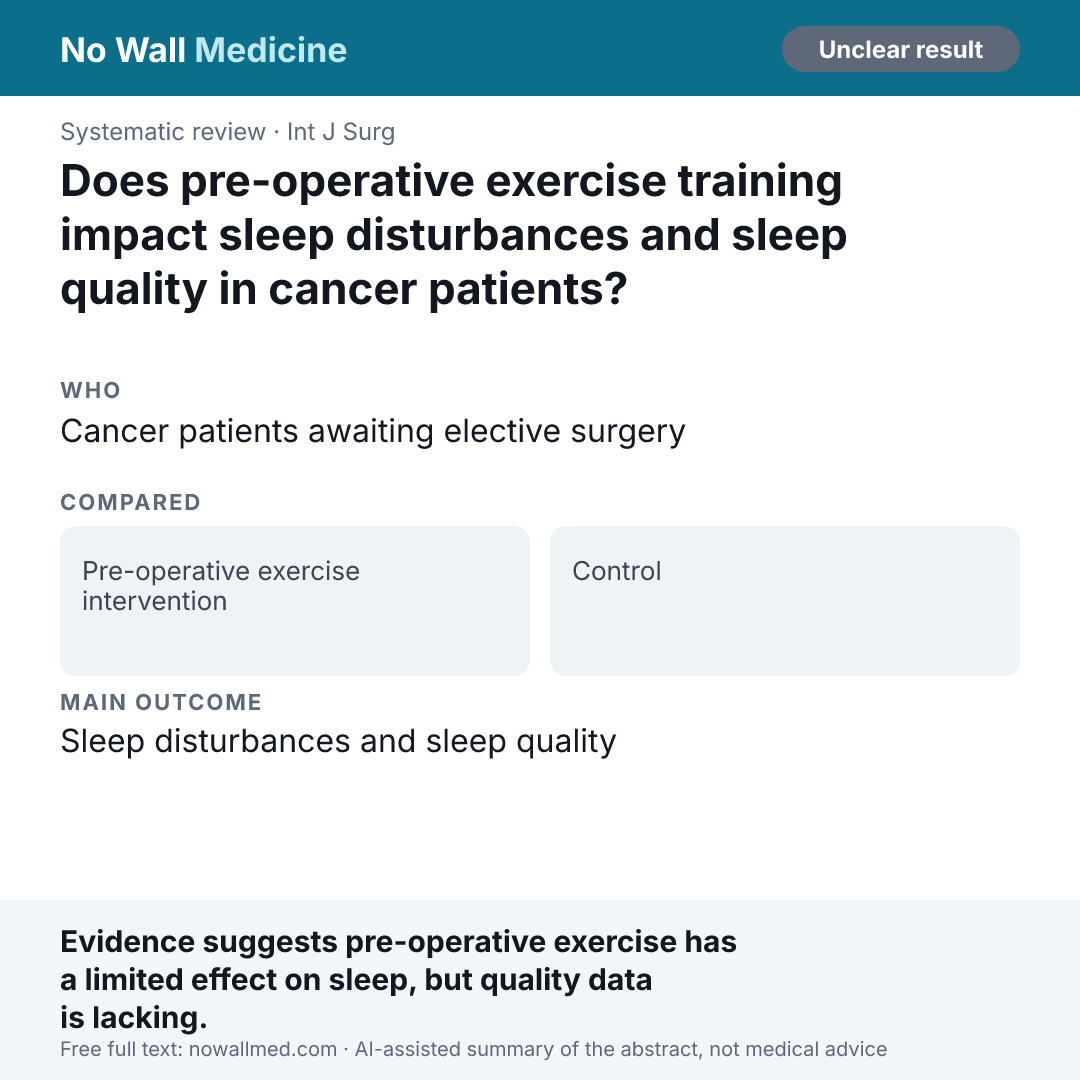
Exercise intervention in cancer patients with sleep disturbances scheduled for elective surgery: Systematic review
Systematic reviewUnclear result
Does pre-operative exercise training impact sleep disturbances and sleep quality in cancer patients?
Who
Cancer patients awaiting elective surgery
Compared
Pre-operative exercise intervention
Control
Main outcome
Sleep disturbances and sleep quality
Bottom line: Evidence suggests pre-operative exercise has a limited effect on sleep, but quality data is lacking.
Limitation: Substantial heterogeneity in interventions and a lack of quality data.
Int J Surg · 2021-08-28 · Save PNG