Visual abstracts
New randomized trials and meta-analyses from leading journals at a glance: who was studied, what was compared, and what was found. Every paper is free to read in full.
All specialtiesCardiology 382Oncology 296Gastroenterology & Hepatology 151Infectious Disease 296Neurology 173Psychiatry & Mental Health 248Pulmonology 171Critical Care 116Endocrinology & Diabetes 220Pediatrics 175Surgery 114Orthopedics & Sports Medicine 70Neurosurgery 24Cardiothoracic & Vascular Surgery 41Plastic & Reconstructive Surgery 74Nephrology 74Rheumatology 73Hematology 85Dermatology 39Ophthalmology 60Obstetrics & Gynecology 111Public & Global Health 112Radiology & Imaging 30Anesthesiology 67Urology 87ENT (Otolaryngology) 47Emergency Medicine 38Allergy & Immunology 47Geriatrics 110Family Medicine & Primary Care 63Medical Genetics & Genomics 34Pathology & Laboratory Medicine 5Physical Medicine & Rehabilitation 91Palliative Care 58Nutrition 131Digital Health & AI 320General Medicine 46
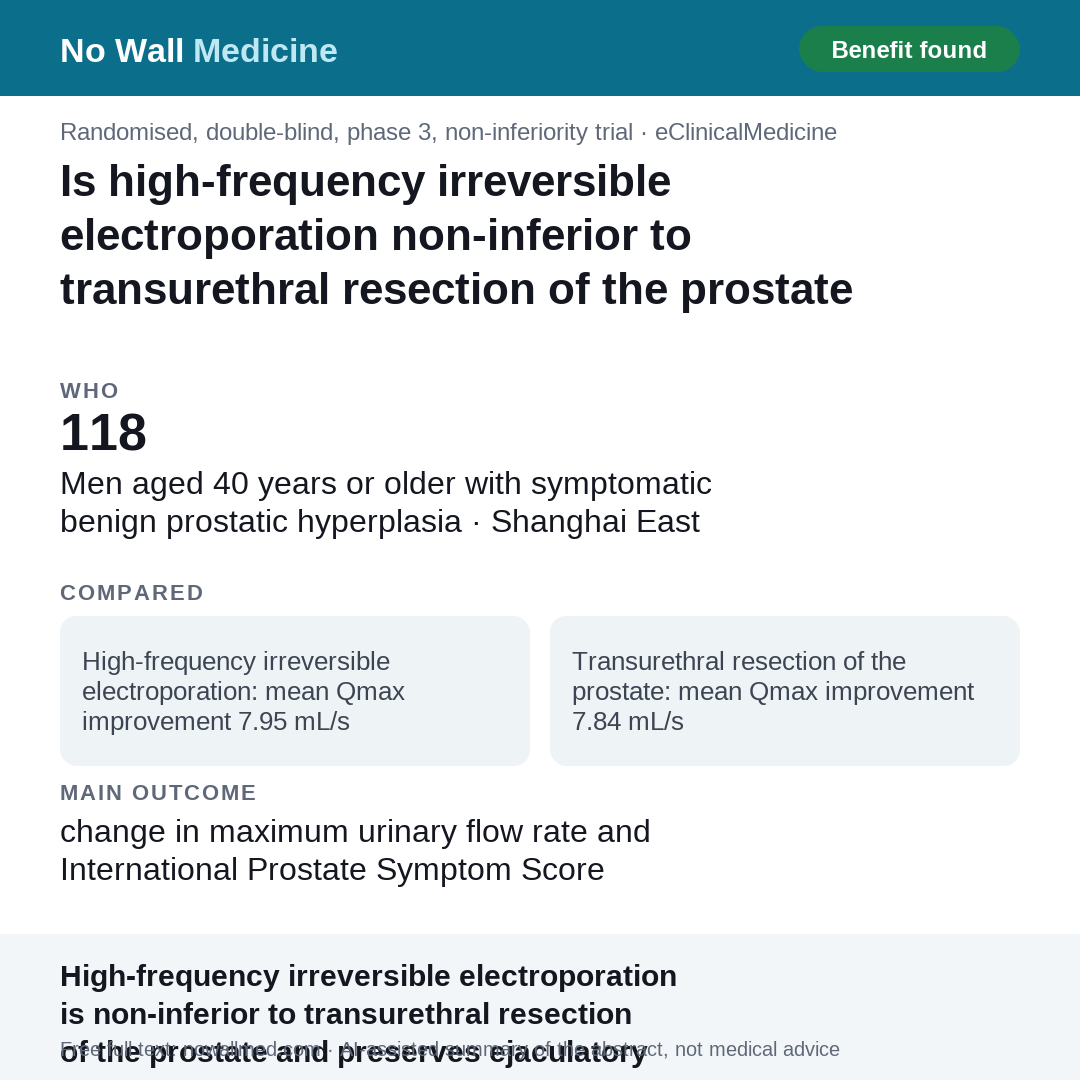
High-frequency irreversible electroporation versus transurethral resection of the prostate for benign prostatic hyperplasia (GIANT): a single-centre, randomised, double-blind, phase 3, non-inferiority trial
Randomised, double-blind, phase 3, non-inferiority trialBenefit found
Is high-frequency irreversible electroporation non-inferior to transurethral resection of the prostate for benign prostatic hyperplasia?
Who
118
Men aged 40 years or older with symptomatic benign prostatic hyperplasia · Shanghai East Hospital, China
Compared
High-frequency irreversible electroporation: mean Qmax improvement 7.95 mL/s
Transurethral resection of the prostate: mean Qmax improvement 7.84 mL/s
Main outcome
Change from baseline in maximum urinary flow rate and International Prostate Symptom Score
Result: adjusted difference 0.11 mL/s, 95% CI -2.52 to 2.73
Bottom line: High-frequency irreversible electroporation is non-inferior to transurethral resection of the prostate and preserves ejaculatory function.
Funded by: National Natural Science Foundation of China
eClinicalMedicine · 2026-07-02Download image
Glucagon-Like Peptide-1 Receptor Agonists and Risk of Adverse Maternal Pregnancy Outcomes: A Systematic Review and Meta-analysis
Systematic review and meta-analysisNo clear difference
Are glucagon-like peptide-1 receptor agonists associated with adverse maternal pregnancy outcomes?
Who
186,598
Pregnancies with pregestational or early-gestational exposure
Compared
Glucagon-like peptide-1 receptor agonist exposure
Control
Main outcome
Maternal pregnancy complications
Result: no statistically significant differences seen
Bottom line: Glucagon-like peptide-1 receptor agonist exposure was not associated with changes in maternal pregnancy complication odds.
Limitation: High heterogeneity due to differences in exposure, outcome definitions, and confounder control.
Obstet Gynecol · 2026-07-02Download image

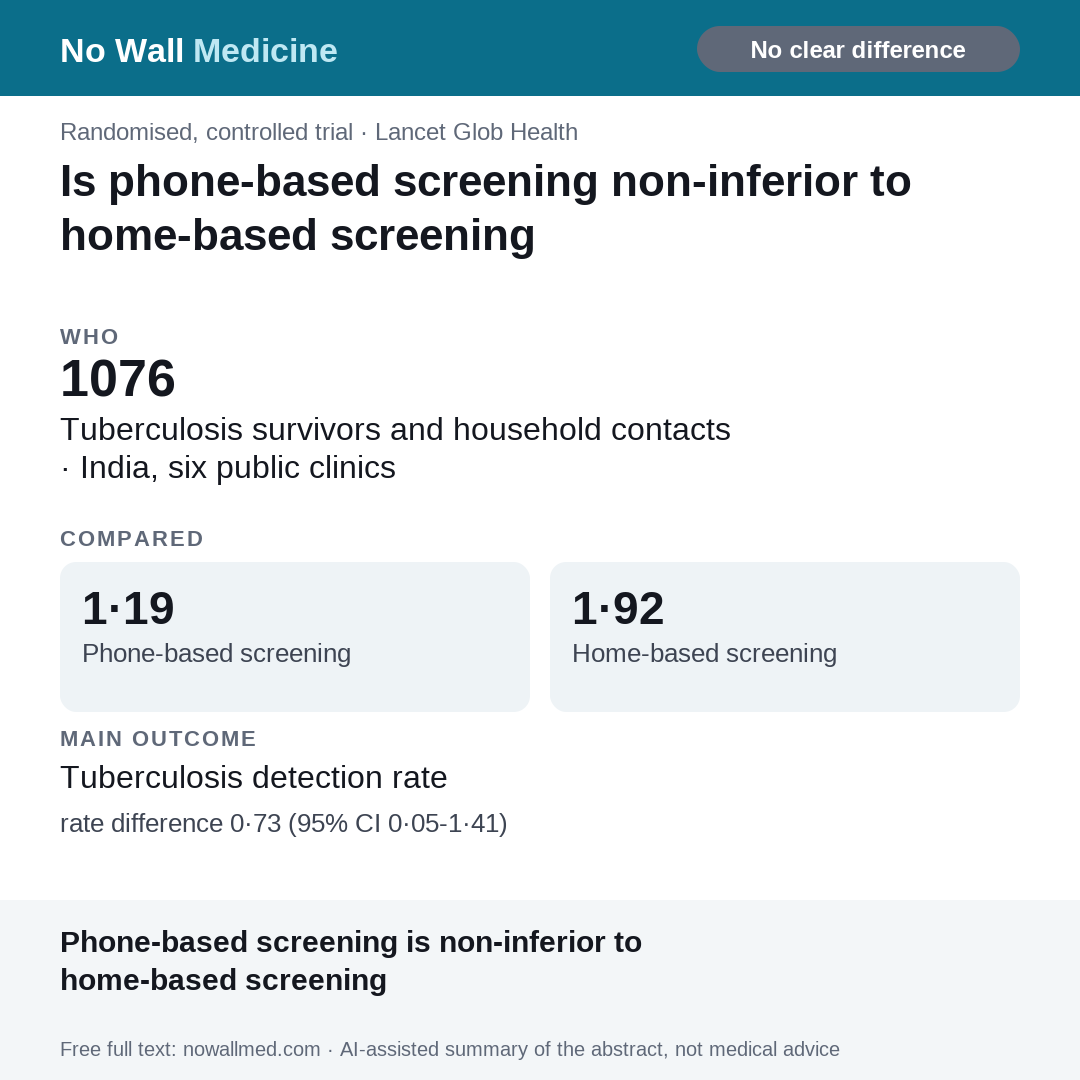
Phone-based screening versus home-based screening after tuberculosis in India (TB Aftermath): a multicentre, open-label, randomised, controlled, non-inferiority trial
Randomised, controlled trialNo clear difference
Is phone-based screening non-inferior to home-based screening
Who
1076
Tuberculosis survivors and household contacts · India, six public clinics
Compared
1·19Phone-based screening (95% CI 0·82-1·71)
1·92Home-based screening (1·37-2·45)
Main outcome
Tuberculosis detection rate
Result: rate difference 0·73 (95% CI 0·05-1·41)
Bottom line: Phone-based screening is non-inferior to home-based screening
Funded by: US National Institute of Allergy and Infectious Diseases
Lancet Glob Health · 2026-07-02Download image
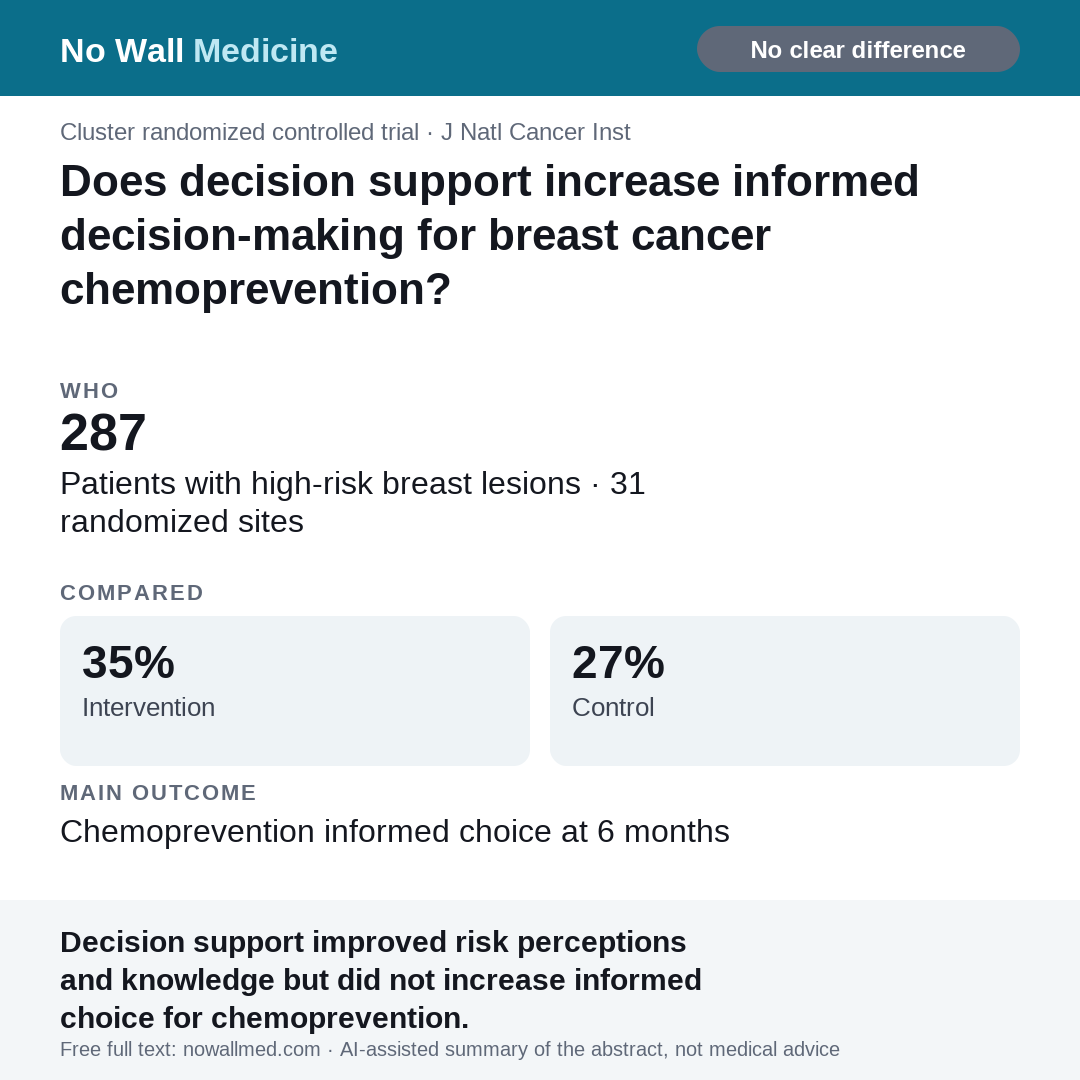
Cluster randomized controlled trial of decision support for breast cancer chemoprevention, MiCHOICE
Cluster randomized controlled trialNo clear difference
Does decision support increase informed decision-making for breast cancer chemoprevention?
Who
287
Patients with high-risk breast lesions · 31 randomized sites
Compared
35%Intervention (at 6 months)
27%Control (at 6 months)
Main outcome
Chemoprevention informed choice at 6 months
Bottom line: Decision support improved risk perceptions and knowledge but did not increase informed choice for chemoprevention.
J Natl Cancer Inst · 2026-07-02Download image
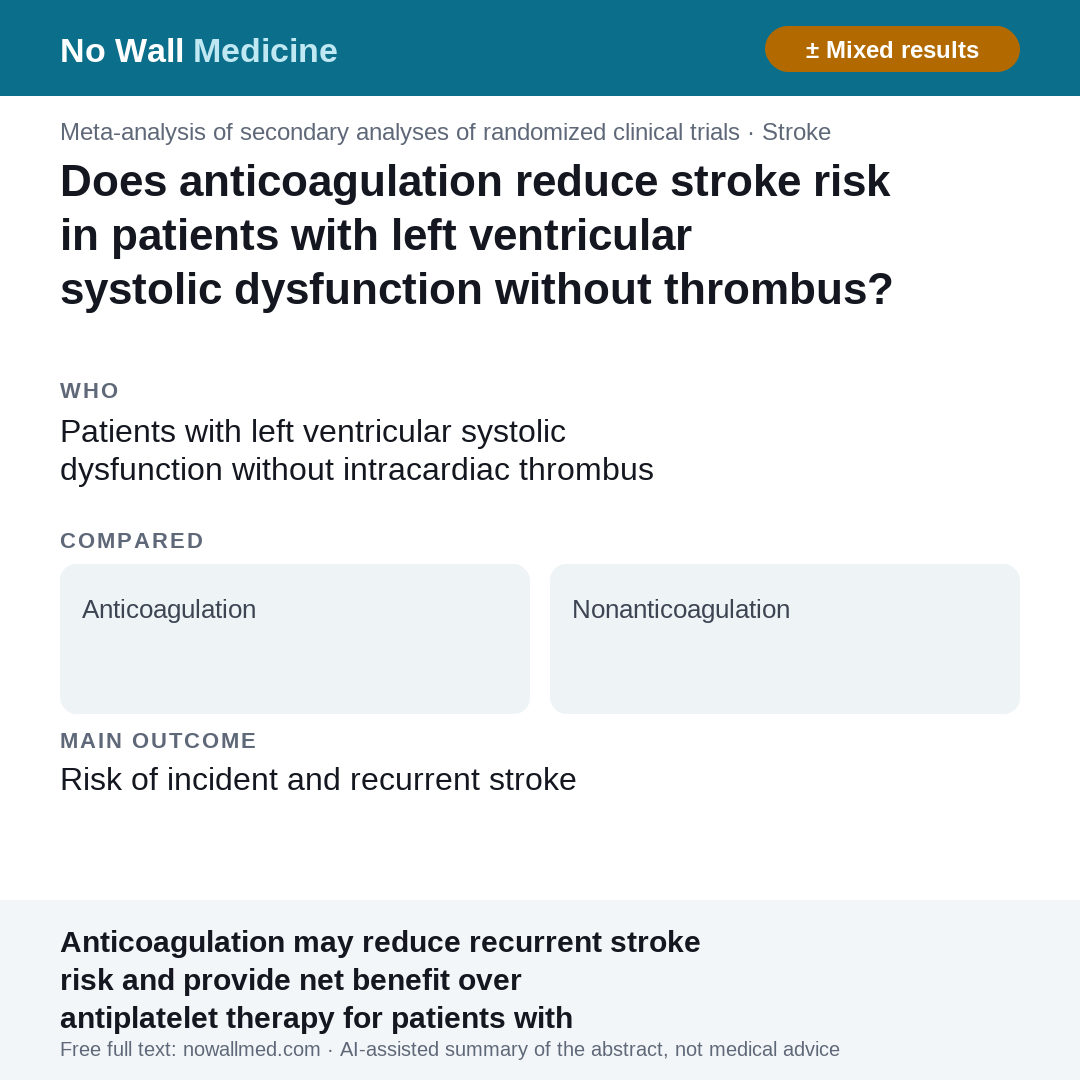
Management of Patients at Risk of Ischemic Stroke With Left Ventricular Systolic Dysfunction in the Absence of Intracardiac Thrombus: A Scientific Statement From the American Heart Association
Meta-analysis of secondary analyses of randomized clinical trialsMixed results
Does anticoagulation reduce stroke risk in patients with left ventricular systolic dysfunction without thrombus?
Who
Patients with left ventricular systolic dysfunction without intracardiac thrombus
Compared
Anticoagulation
Nonanticoagulation
Main outcome
Risk of incident and recurrent stroke
Bottom line: Anticoagulation may reduce recurrent stroke risk and provide net benefit over antiplatelet therapy for patients with stroke.
Limitation: The data supporting anticoagulation in these patients are limited.
Stroke · 2026-07-02Download image
Exercise-induced brain changes in cannabis use disorder: a longitudinal MRI study of a 12-week supervised HIIT program
Randomised, single-blind, comparator-controlled trialBenefit found
Does a 12-week high intensity interval training program change brain structure in cannabis use disorder?
Who
59
59 individuals with cannabis use disorder
Compared
High Intensity Interval Training: significant increases in fractional anisotropy and cortical thickness
Strength and Resistance training
Main outcome
brain structural organisation via diffusion and anatomical MRI scans
Bottom line: A 12-week high intensity interval training intervention can enhance brain plasticity in individuals with cannabis use disorder.
Mol Psychiatry · 2026-07-02Download image

Comparative Efficacy of Intranasal, Intramuscular, and Intravenous Vitamin B12 Therapy for Hematological Recovery in Vitamin B12 Deficiency Anemia: A Randomized Controlled Trial
Prospective randomized controlled trialNo clear difference
Are intranasal, intramuscular, or intravenous vitamin B12 routes different for hematological recovery?
Who
153
153 adults with vitamin B12 deficiency
Compared
Intranasal: +2.48 g/dL
Intravenous: +1.80 g/dL
Intramuscular: +2.18 g/dL
Main outcome
Mean change in hemoglobin at 28 days
Bottom line: All three vitamin B12 administration routes produced significant hemoglobin recovery with no statistically significant adjusted differences.
Limitation: All conclusions are restricted to short-term hematological outcomes.
Am J Hematol · 2026-07-02Download image

From fetal life to adulthood: cardiometabolic health of offspring conceived by assisted reproductive technologies, a systematic review
Systematic reviewNo clear difference
What is the cardiometabolic health of offspring conceived by assisted reproductive technologies?
Who
Offspring conceived by assisted reproductive technologies
Compared
Assisted reproductive technologies offspring
Offspring conceived without assisted reproductive technologies
Main outcome
Cardiometabolic health across developmental stages
Bottom line: Assisted reproductive technologies show no major adverse cardiometabolic effects, though subtle cardiovascular differences may exist during childhood and adolescence.
Limitation: Long-term clinical significance of early-life subtle alterations remains uncertain.
Fertil Steril · 2026-07-02Download image

Novel PET tracers to distinguish the nature of residual masses after the completion of chemotherapy in metastatic testicular germ cell tumours: A systematic review
Systematic reviewUnclear result
Can novel PET tracers improve diagnostic accuracy for residual masses in testicular germ cell tumours?
Who
Patients with metastatic testicular germ cell tumours
Compared
Novel PET tracers
Fluorodeoxyglucose PET
Main outcome
Diagnostic accuracy in distinguishing viable tumour from necrosis or teratoma
Bottom line: Novel tracers like alpha v beta 3 and ghrelin show promise but require further clinical validation.
Limitation: Further clinical validation is required before routine implementation.
Eur J Nucl Med Mol Imaging · 2026-07-02Download image

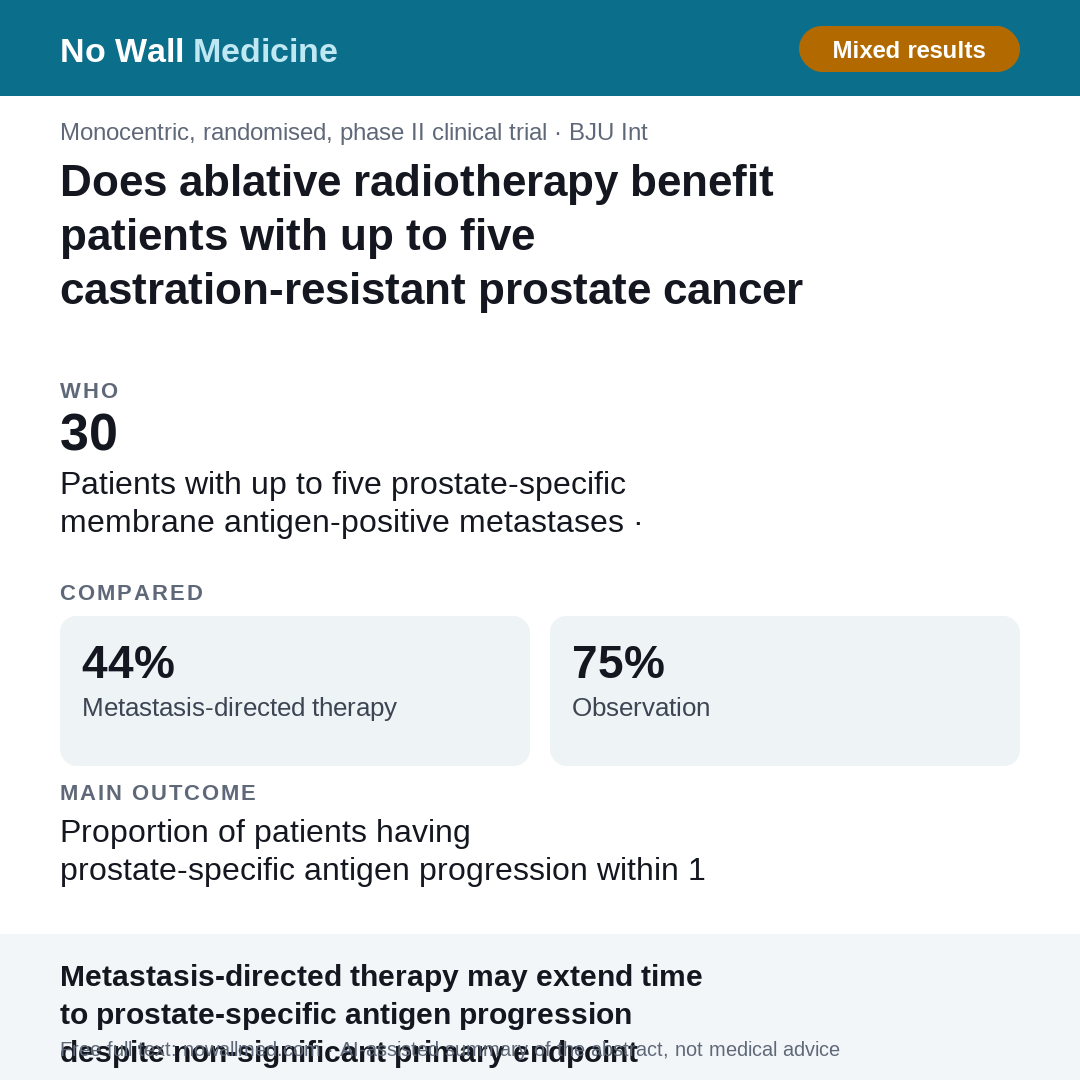
Ablative radiotherapy in castration-resistant prostate cancer
Monocentric, randomised, phase II clinical trialMixed results
Does ablative radiotherapy benefit patients with up to five castration-resistant prostate cancer metastases?
Who
30
Patients with up to five prostate-specific membrane antigen-positive metastases · Single-centre
Compared
44%Metastasis-directed therapy
75%Observation
Main outcome
Proportion of patients having prostate-specific antigen progression within 1 year
Bottom line: Metastasis-directed therapy may extend time to prostate-specific antigen progression despite non-significant primary endpoint results.
Limitation: Single-centre design and small sample size at interim analysis
Funded by: TU Dresden
BJU Int · 2026-07-02Download image
Measurement Tools for Radiation-Induced Fibrosis in Head and Neck Cancer: A Systematic Review
Systematic reviewBenefit found
What are the reliable and valid measurement tools for radiation-induced fibrosis in head and neck cancer?
Who
Patients with head and neck cancer
Compared
Patient-reported outcome measures: Neck Fibrosis Scale, HN-LEF Symptom Inventory, and LENT-SOMA demonstrated validity and reliability
Imaging modalities: Young's modulus was the only imaging tool demonstrating both validity and reliability
Main outcome
Reliability, validity, and clinical utility of fibrosis measurement tools
Bottom line: Subjective tools and Young's modulus imaging are reliable and valid for assessing radiation-induced fibrosis.
Limitation: Imaging studies had a higher risk of bias and methodological limitations remain.
Head Neck · 2026-07-02Download image

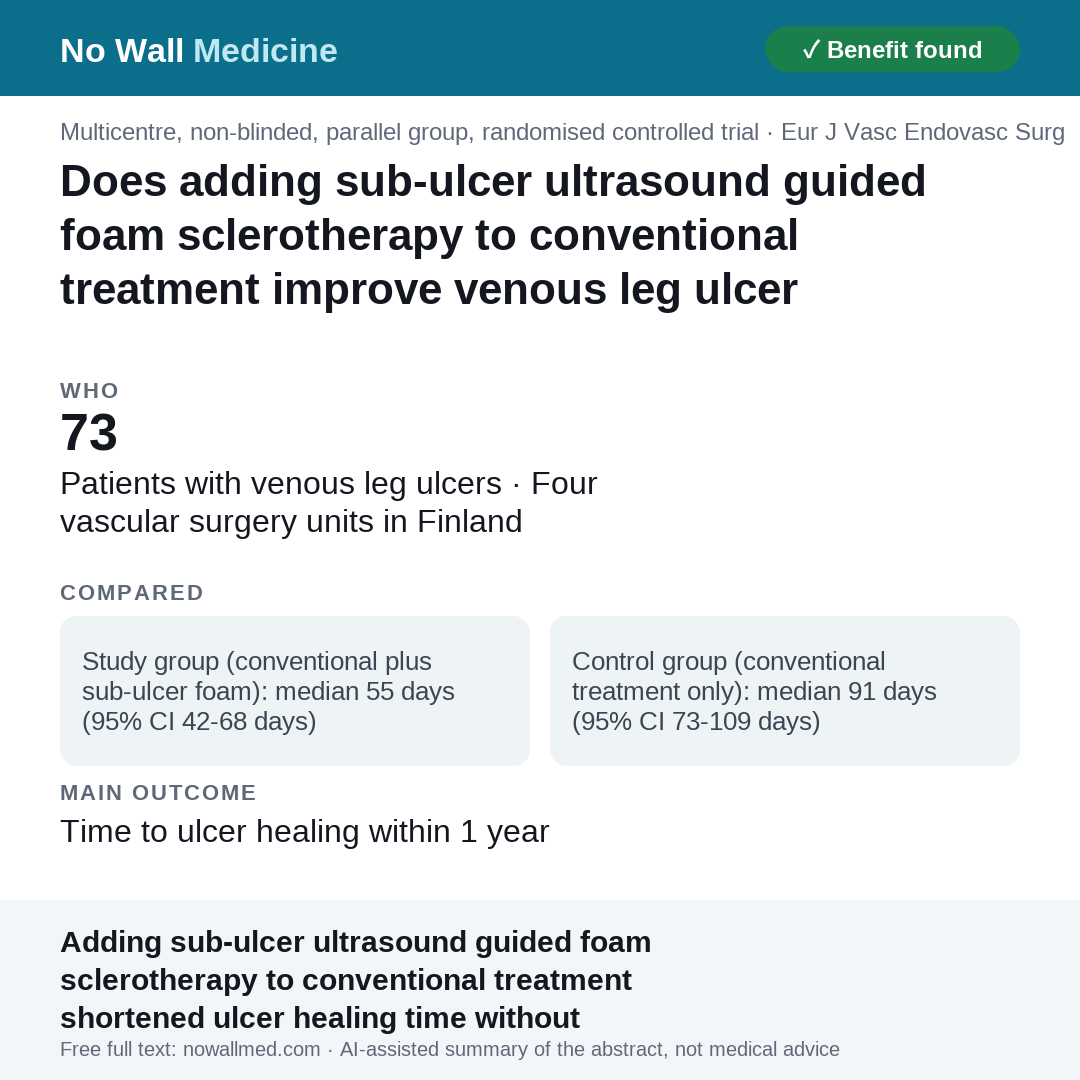
Sub-ulcer Ultrasound Guided Foam Sclerotherapy for Venous Leg Ulcers: Results of the FINNULCER Randomised Controlled Trial
Multicentre, non-blinded, parallel group, randomised controlled trialBenefit found
Does adding sub-ulcer ultrasound guided foam sclerotherapy to conventional treatment improve venous leg ulcer healing?
Who
73
Patients with venous leg ulcers · Four vascular surgery units in Finland
Compared
Study group (conventional plus sub-ulcer foam): median 55 days (95% CI 42-68 days)
Control group (conventional treatment only): median 91 days (95% CI 73-109 days)
Main outcome
Time to ulcer healing within 1 year
Result: hazard ratio 1.81 (95% CI 1.10-2.96)
Bottom line: Adding sub-ulcer ultrasound guided foam sclerotherapy to conventional treatment shortened ulcer healing time without increasing complication rates.
Eur J Vasc Endovasc Surg · 2026-07-02Download image
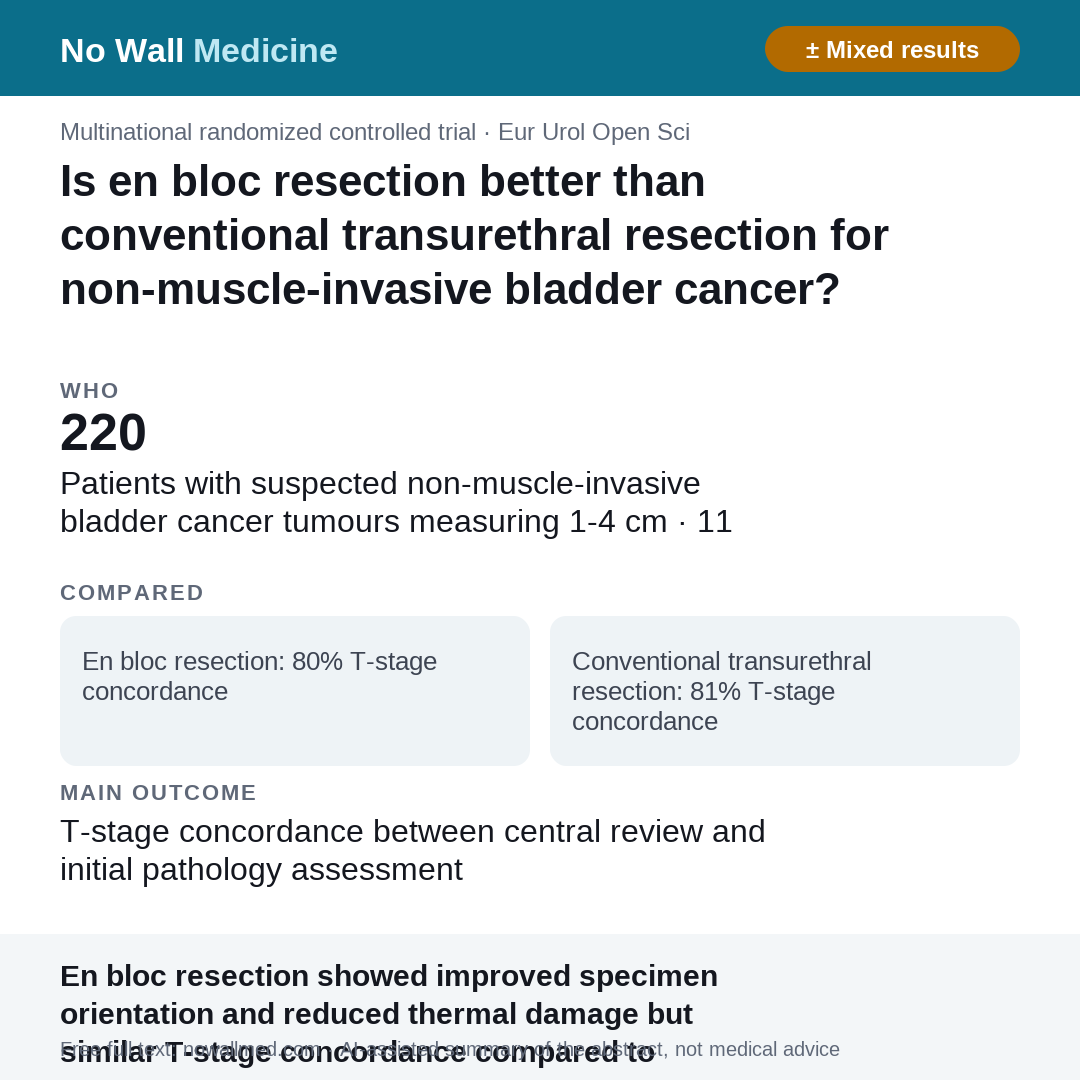
Histopathological Advantages of En Bloc Resection in Non-muscle-invasive Bladder Cancer: A Multinational Randomised Controlled Clinical Trial
Multinational randomized controlled trialMixed results
Is en bloc resection better than conventional transurethral resection for non-muscle-invasive bladder cancer?
Who
220
Patients with suspected non-muscle-invasive bladder cancer tumours measuring 1-4 cm · 11 sites in five countries
Compared
En bloc resection: 80% T-stage concordance
Conventional transurethral resection: 81% T-stage concordance
Main outcome
T-stage concordance between central review and initial pathology assessment
Result: -1.5% (95% CI, -12 to 9.3)
Bottom line: En bloc resection showed improved specimen orientation and reduced thermal damage but similar T-stage concordance compared to conventional resection.
Limitation: Lack of standardised specimen-handling procedures across sites leading to suboptimal preparation of some specimens.
Eur Urol Open Sci · 2026-07-02Download image
Eco-Focused Menu Labels on Full Meal Orders From Fast-Food Restaurants: A Randomized Clinical Trial
Randomized clinical trialMixed results
Do different ecolabel designs on fast-food menus affect meal healthfulness?
Who
6210
Nationally representative sample of adults in the United States · Online survey
Compared
Control: QR code: 49.25 [0.18] points
Traffic-light labels: 49.93 [0.18] points
Low-climate-impact labels
High-climate-impact labels
Main outcome
Healthfulness of meals based on modified Nutrient Profile Index score
Bottom line: Traffic-light labels promoted more healthful burger choices and lower greenhouse gas emissions without increasing costs.
JAMA Health Forum · 2026-07-02Download image

Fish oil-derived fatty acids during pregnancy and risk of neurodevelopmental disorders in children at age 10 - A randomized controlled trial
Randomized controlled trialNo clear difference
Does fish oil supplementation during late pregnancy influence neurodevelopmental outcomes at age 10?
Who
700
700 mother-child pairs
Compared
2.4 g daily fish oil: no significant reduction in ADHD (OR 0.79, p = 0.37) or ASD risk (OR 0.56, p = 0.42)
placebo
Main outcome
neurodevelopmental outcomes at age 10
Bottom line: Fish oil supplementation in late pregnancy showed no significant reduction in ADHD or autism spectrum disorder risk at age 10.
Limitation: Potential effects on inattentive ADHD symptoms did not hold significance after correction for multiple testing.
Transl Psychiatry · 2026-07-02Download image

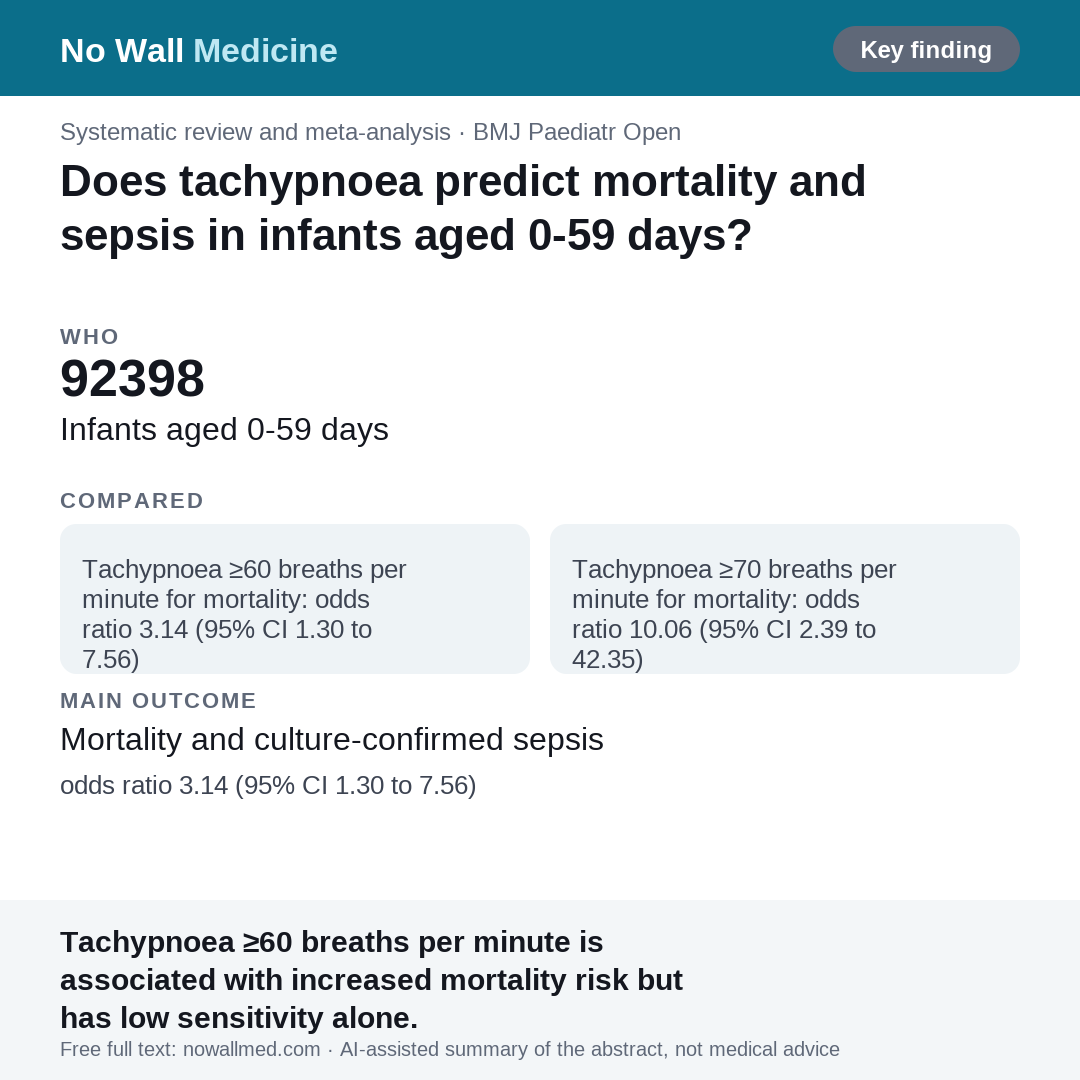
Diagnostic accuracy of tachypnoea for predicting mortality and identifying sepsis in young infants aged 0-59 days: a systematic review and meta-analysis
Systematic review and meta-analysisBenefit found
Does tachypnoea predict mortality and sepsis in infants aged 0-59 days?
Who
92398
Infants aged 0-59 days
Compared
Tachypnoea ≥60 breaths per minute for mortality: odds ratio 3.14 (95% CI 1.30 to 7.56)
Tachypnoea ≥70 breaths per minute for mortality: odds ratio 10.06 (95% CI 2.39 to 42.35)
Main outcome
Mortality and culture-confirmed sepsis
Result: odds ratio 3.14 (95% CI 1.30 to 7.56)
Bottom line: Tachypnoea ≥60 breaths per minute is associated with increased mortality risk but has low sensitivity alone.
BMJ Paediatr Open · 2026-07-02Download image
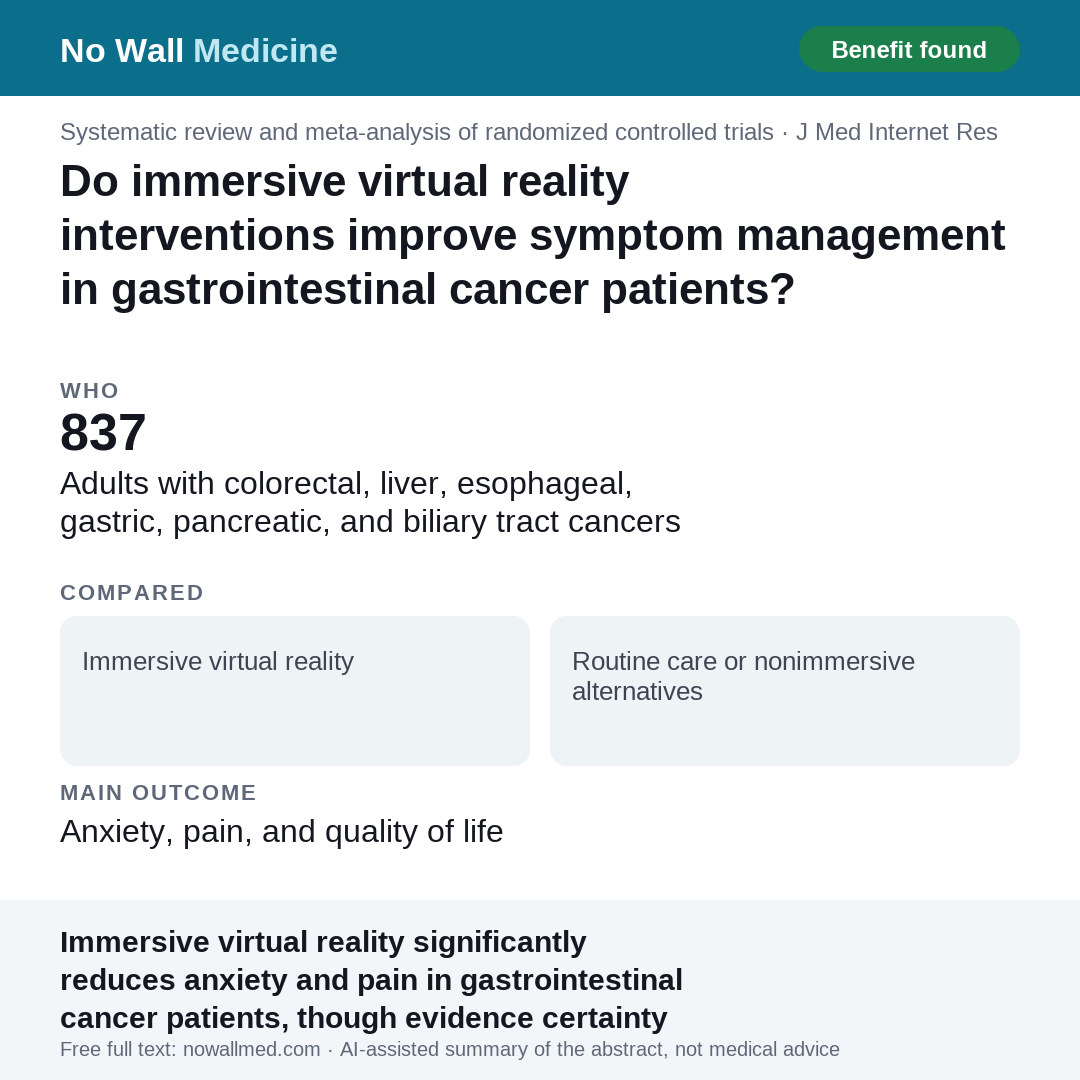
Effects of Immersive Virtual Reality Interventions on Symptom Management in Patients With Gastrointestinal Cancer: Systematic Review and Meta-Analysis of Randomized Controlled Trials
Systematic review and meta-analysis of randomized controlled trialsBenefit found
Do immersive virtual reality interventions improve symptom management in gastrointestinal cancer patients?
Who
837
Adults with colorectal, liver, esophageal, gastric, pancreatic, and biliary tract cancers
Compared
Immersive virtual reality
Routine care or nonimmersive alternatives
Main outcome
Anxiety, pain, and quality of life
Result: anxiety SMD -0.58 (95% CI -0.95 to -0.20); pain SMD -0.75 (95% CI -1.48 to -0.03)
Bottom line: Immersive virtual reality significantly reduces anxiety and pain in gastrointestinal cancer patients, though evidence certainty is moderate to very low.
Limitation: Moderate to high heterogeneity, substantial risk of bias, and low to very low evidence certainty.
J Med Internet Res · 2026-07-02Download image
The Effectiveness of Parent-Targeted Digital Health Interventions on Breastfeeding Practices: Systematic Review and Meta-Analysis of Randomized Controlled Trials
Systematic review and meta-analysis of randomized controlled trialsMixed results
Are parent-targeted digital health interventions effective for improving breastfeeding outcomes?
Who
33,785
Parents of children younger than 5 years of age · 18 diverse countries
Compared
Digital health interventions
Control
Main outcome
Exclusive breastfeeding, any breastfeeding, and breastfeeding duration
Result: odds ratio 2.58 (95% CI 1.91-3.50) for exclusive breastfeeding
Bottom line: Digital health interventions may improve exclusive breastfeeding and duration, but have no effect on any breastfeeding.
Limitation: Variable risk of bias, potential publication bias, and substantial heterogeneity.
J Med Internet Res · 2026-07-02Download image

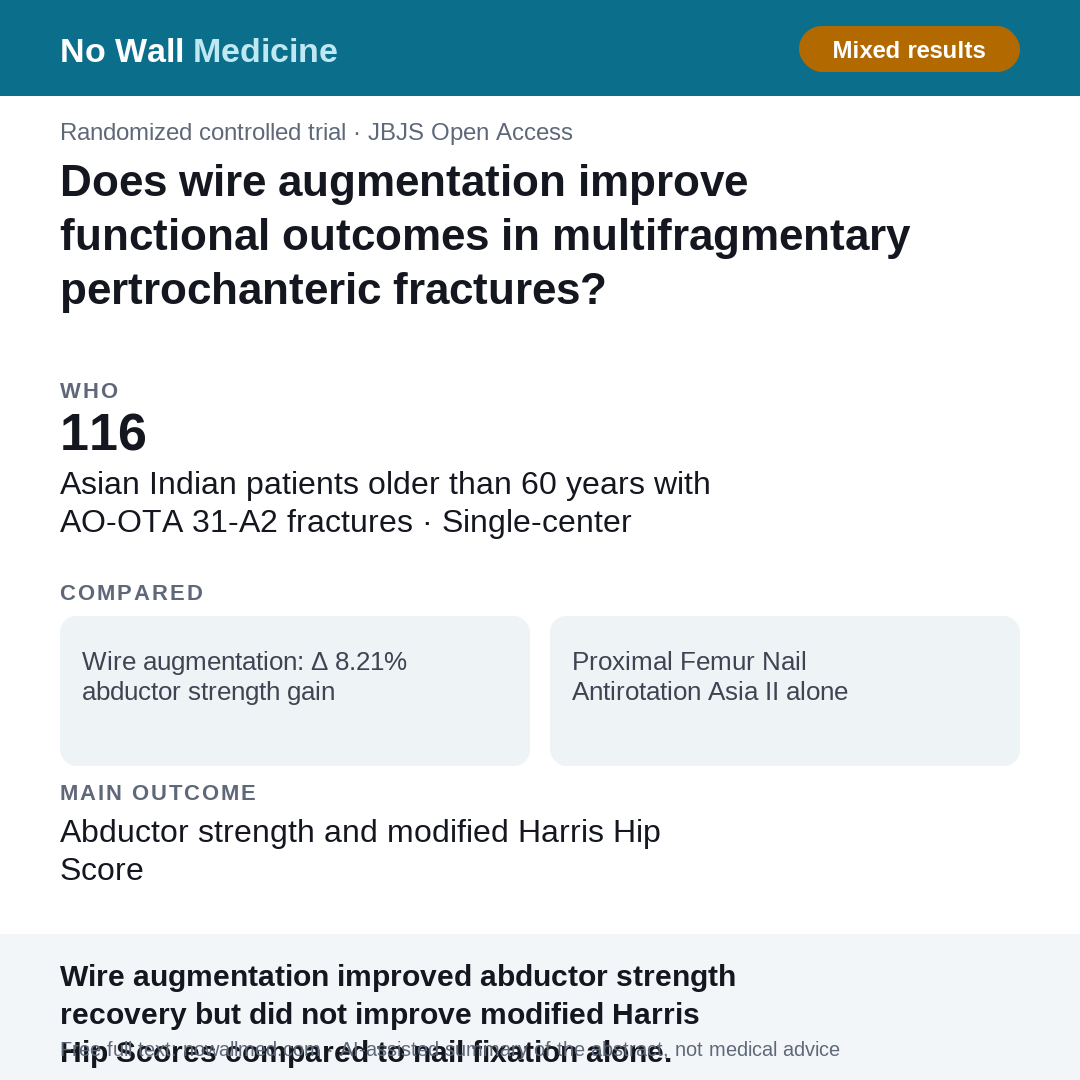
Should We Reconstruct Coronal Plane Fractures in Multifragmentary Pertrochanteric Fractures? A Randomized Controlled Trial
Randomized controlled trialMixed results
Does wire augmentation improve functional outcomes in multifragmentary pertrochanteric fractures?
Who
116
Asian Indian patients older than 60 with AO-OTA 31-A2 fractures · Single-center
Compared
Wire augmentation: Δ 8.21% abductor strength gain
Proximal Femur Nail Antirotation II alone
Main outcome
Abductor strength and modified Harris Hip Score
Result: Δ 8.21% (95% confidence interval, 4.4-12.83) for abductor strength
Bottom line: Wire augmentation improved abductor strength recovery, especially for fragments larger than 50%, but modified Harris Hip Scores were similar.
JBJS Open Access · 2026-07-02Download image
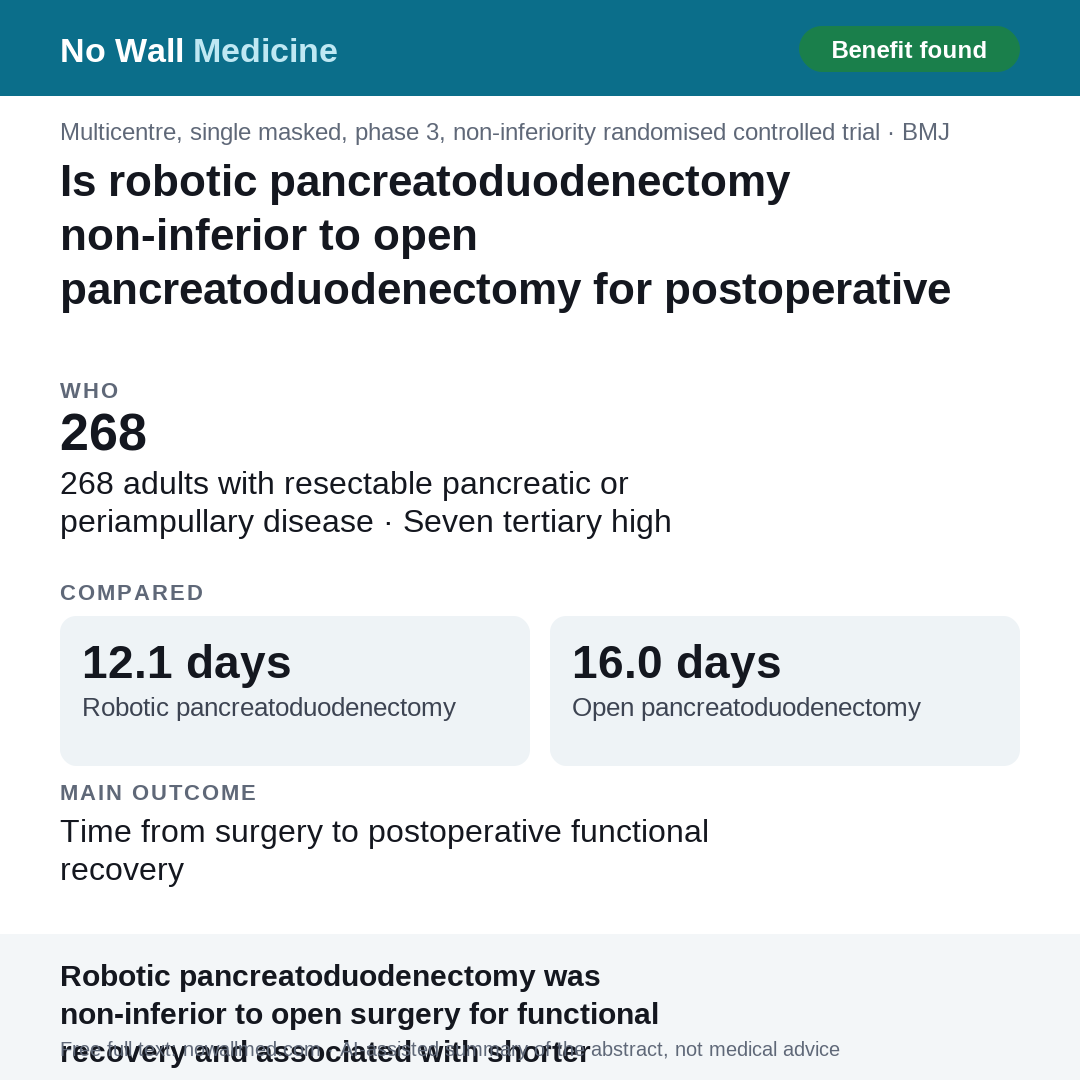
Robotic versus Open Pancreatoduodenectomy (PORTAL): multicentre, single masked, phase 3, non-inferiority randomised controlled trial
Multicentre, single masked, phase 3, non-inferiority randomised controlled trialBenefit found
Is robotic pancreatoduodenectomy non-inferior to open pancreatoduodenectomy for postoperative functional recovery?
Who
268
268 adults with resectable pancreatic or periampullary disease · Seven tertiary high volume pancreatic centres in China
Compared
12.1 daysRobotic pancreatoduodenectomy (95% CI 11.2 to 13.1)
16.0 daysOpen pancreatoduodenectomy (14.5 to 17.5)
Main outcome
Time from surgery to postoperative functional recovery
Result: difference -3.9 days, 95% CI -5.6 to -2.2
Bottom line: Robotic pancreatoduodenectomy was non-inferior to open surgery for functional recovery and associated with shorter hospital stays.
BMJ · 2026-07-01Download image