Visual abstracts
New randomized trials and meta-analyses from leading journals at a glance: who was studied, what was compared, and what was found. Every paper is free to read in full.
All specialtiesCardiology 4763Oncology 4043Gastroenterology & Hepatology 1903Infectious Disease 3756Neurology 1872Psychiatry & Mental Health 2216Pulmonology 2044Critical Care 1319Endocrinology & Diabetes 2544Pediatrics 2889Surgery 2480Orthopedics & Sports Medicine 917Neurosurgery 525Cardiothoracic & Vascular Surgery 656Plastic & Reconstructive Surgery 574Nephrology 1107Rheumatology 810Hematology 1090Dermatology 611Ophthalmology 532Obstetrics & Gynecology 1645Public & Global Health 1037Radiology & Imaging 619Anesthesiology 958Urology 745ENT (Otolaryngology) 494Emergency Medicine 481Allergy & Immunology 309Geriatrics 972Family Medicine & Primary Care 534Medical Genetics & Genomics 659Pathology & Laboratory Medicine 156Physical Medicine & Rehabilitation 734Palliative Care 421Nutrition 1560Digital Health & AI 2137General Medicine 318
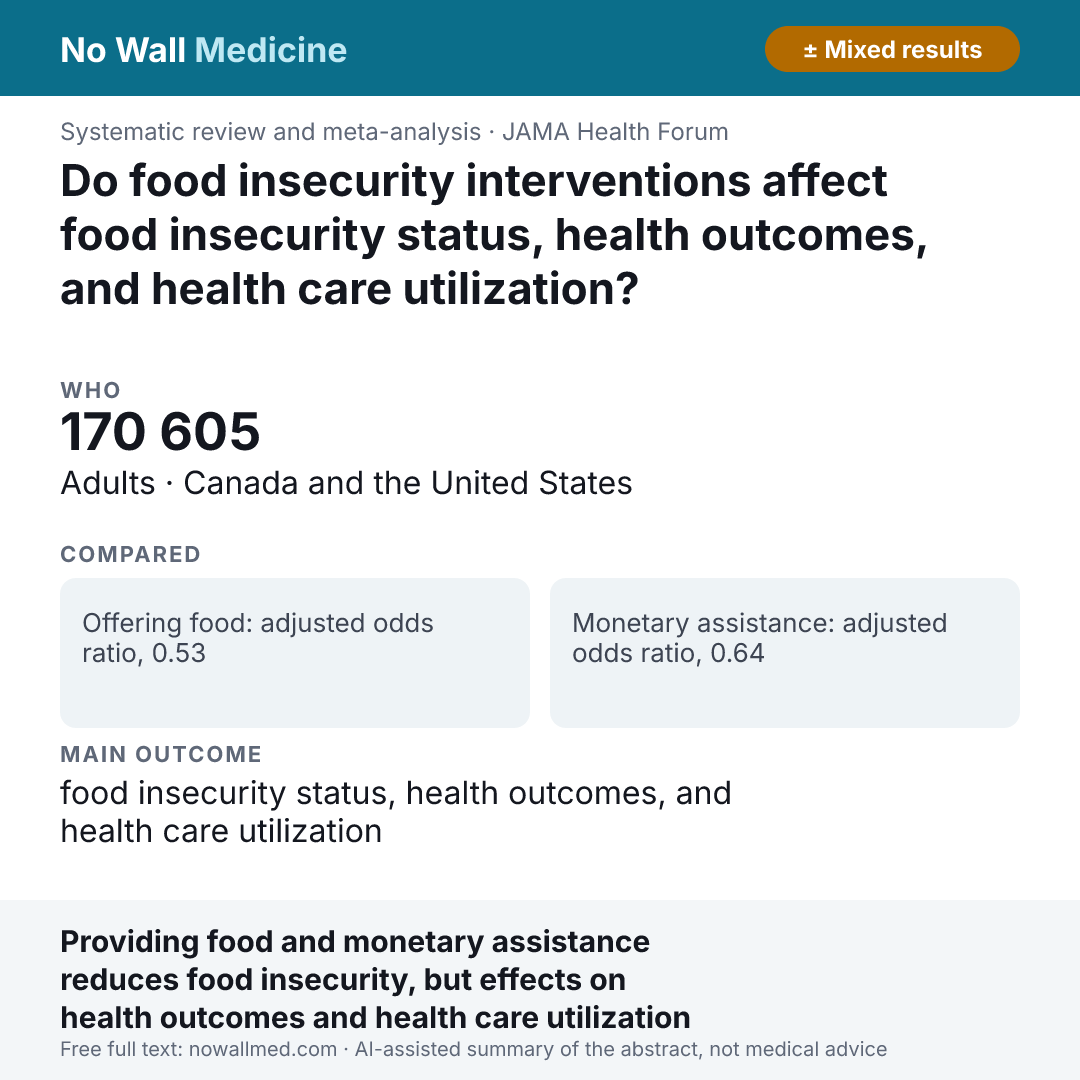
Interventions to Address Food Insecurity Among Adults in Canada and the US: A Systematic Review and Meta-analysis
Systematic review and meta-analysisMixed results
Do food insecurity interventions affect food insecurity status, health outcomes, and health care utilization?
Who
170 605
Adults · Canada and the United States
Compared
Offering food: adjusted odds ratio, 0.53
Monetary assistance: adjusted odds ratio, 0.64
Main outcome
food insecurity status, health outcomes, and health care utilization
Result: adjusted odds ratio, 0.53 (95% CI, 0.33-0.67) for food; 0.64 (95% CI, 0.49-0.84) for monetary assistance
Bottom line: Providing food and monetary assistance reduces food insecurity, but effects on health outcomes and health care utilization remain unclear.
Limitation: Evidence for associations between interventions and health outcomes or health care utilization was of low or very low certainty.
JAMA Health Forum · 2021-08-06 · Save PNG
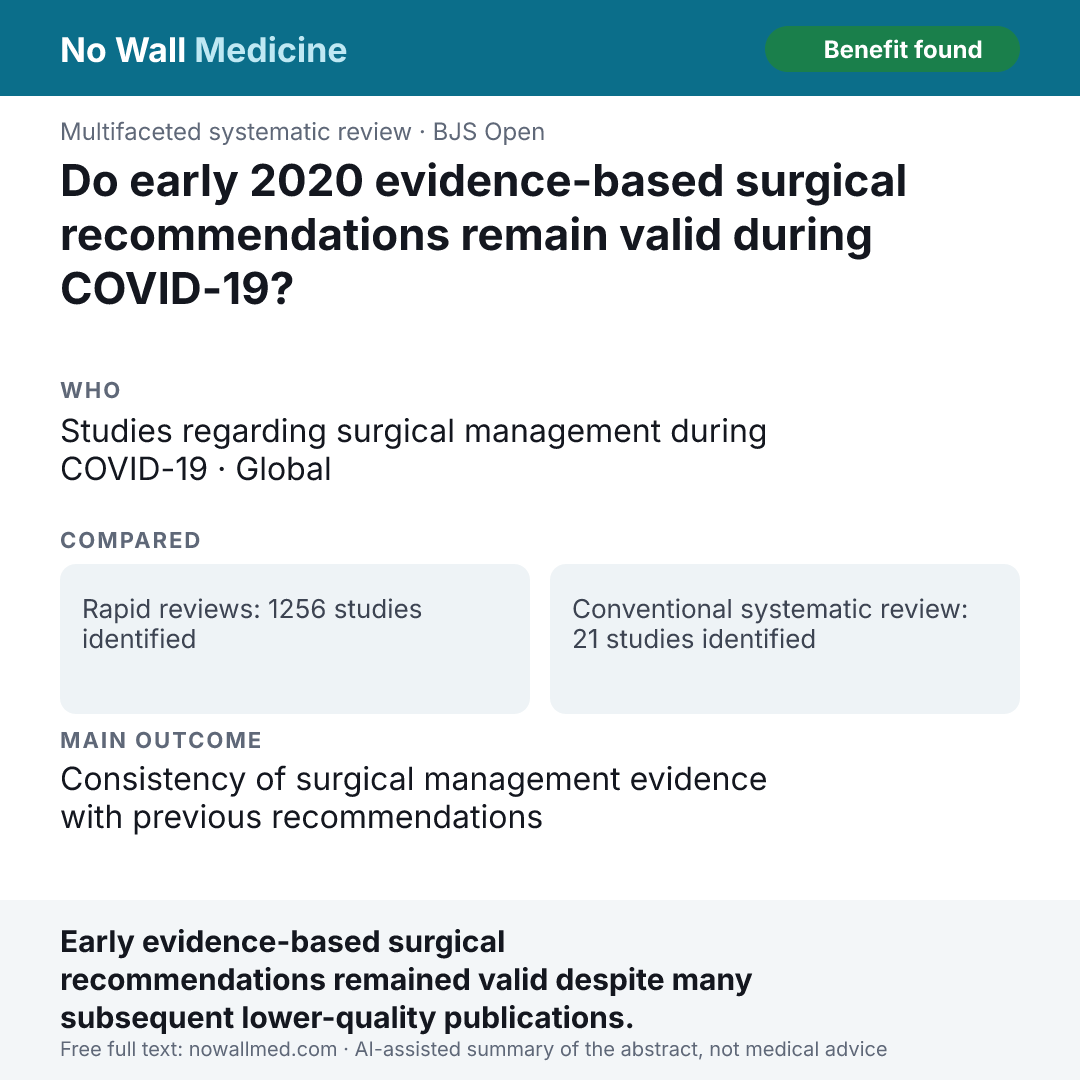
Evidence, not eminence, for surgical management during COVID-19: a multifaceted systematic review and a model for rapid clinical change
Multifaceted systematic reviewBenefit found
Do early 2020 evidence-based surgical recommendations remain valid during COVID-19?
Who
Studies regarding surgical management during COVID-19 · Global
Compared
Rapid reviews: 1256 studies identified
Conventional systematic review: 21 studies identified
Main outcome
Consistency of surgical management evidence with previous recommendations
Bottom line: Early evidence-based surgical recommendations remained valid despite many subsequent lower-quality publications.
BJS Open · 2021-08-06 · Save PNG
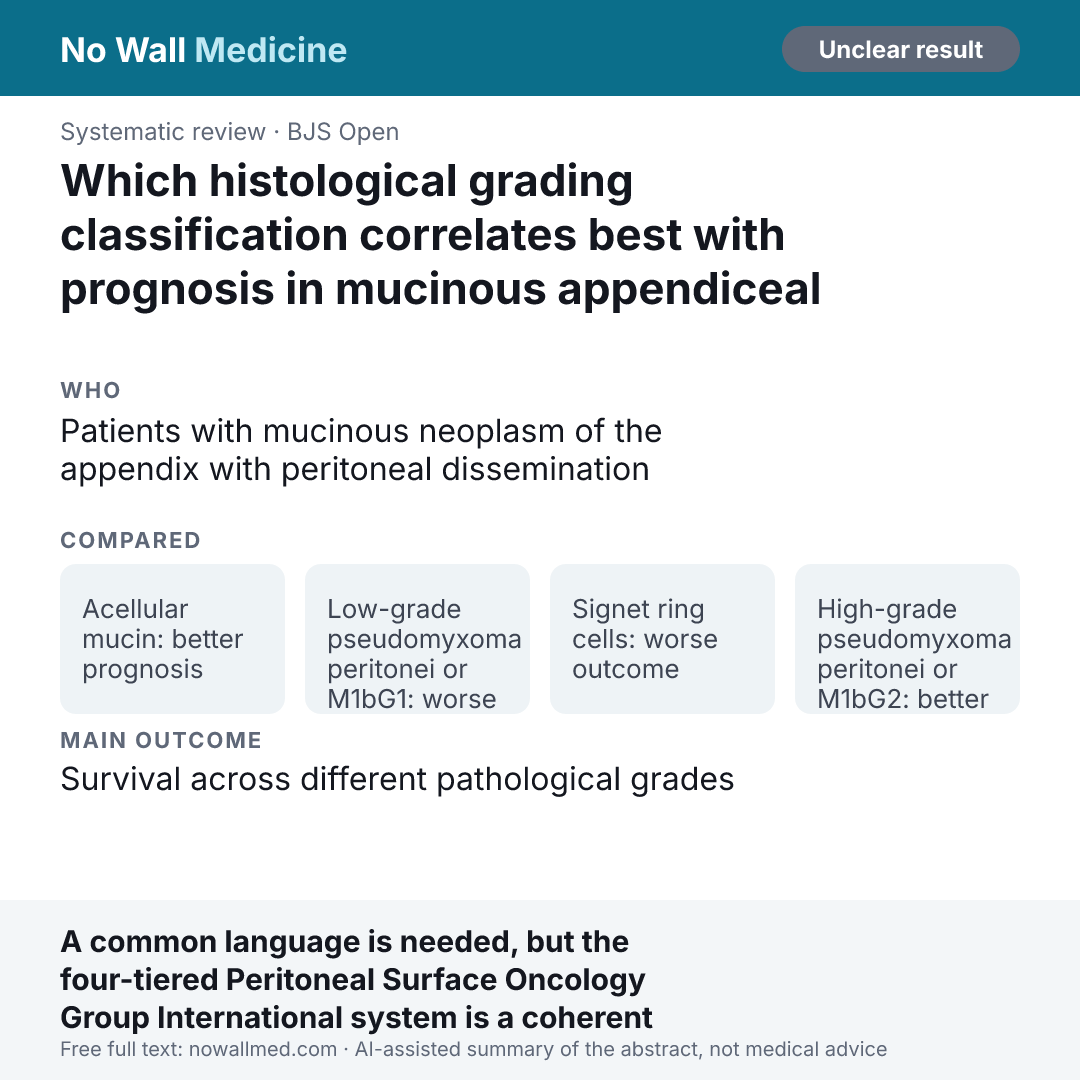
Defining stage in mucinous tumours of the appendix with peritoneal dissemination: the importance of grading terminology: systematic review
Systematic reviewUnclear result
Which histological grading classification correlates best with prognosis in mucinous appendiceal neoplasms?
Who
Patients with mucinous neoplasm of the appendix with peritoneal dissemination
Compared
Acellular mucin: better prognosis
Low-grade pseudomyxoma peritonei or M1bG1: worse prognosis
Signet ring cells: worse outcome
High-grade pseudomyxoma peritonei or M1bG2: better outcome
Main outcome
Survival across different pathological grades
Bottom line: A common language is needed, but the four-tiered Peritoneal Surface Oncology Group International system is a coherent option.
BJS Open · 2021-08-06 · Save PNG
Thin-cap fibroatheroma predicts clinical events in diabetic patients with normal fractional flow reserve: the COMBINE OCT-FFR trial
Prospective, double-blind, international, natural history studyHarm found
Does thin-cap fibroatheroma impact clinical outcomes in diabetic patients with FFR-negative lesions?
Who
550
Diabetes mellitus patients with fractional flow reserve-negative lesions · International
Compared
13.3%TCFA positive
3.1%TCFA negative
Main outcome
Composite of cardiac mortality, myocardial infarction, revascularization, or unstable angina
Result: hazard ratio 4.65 (95% confidence interval, 1.99-10.89)
Bottom line: Thin-cap fibroatheroma is associated with a five-fold higher rate of major adverse clinical events in diabetic patients.
Eur Heart J · 2021-08-05 · Save PNG
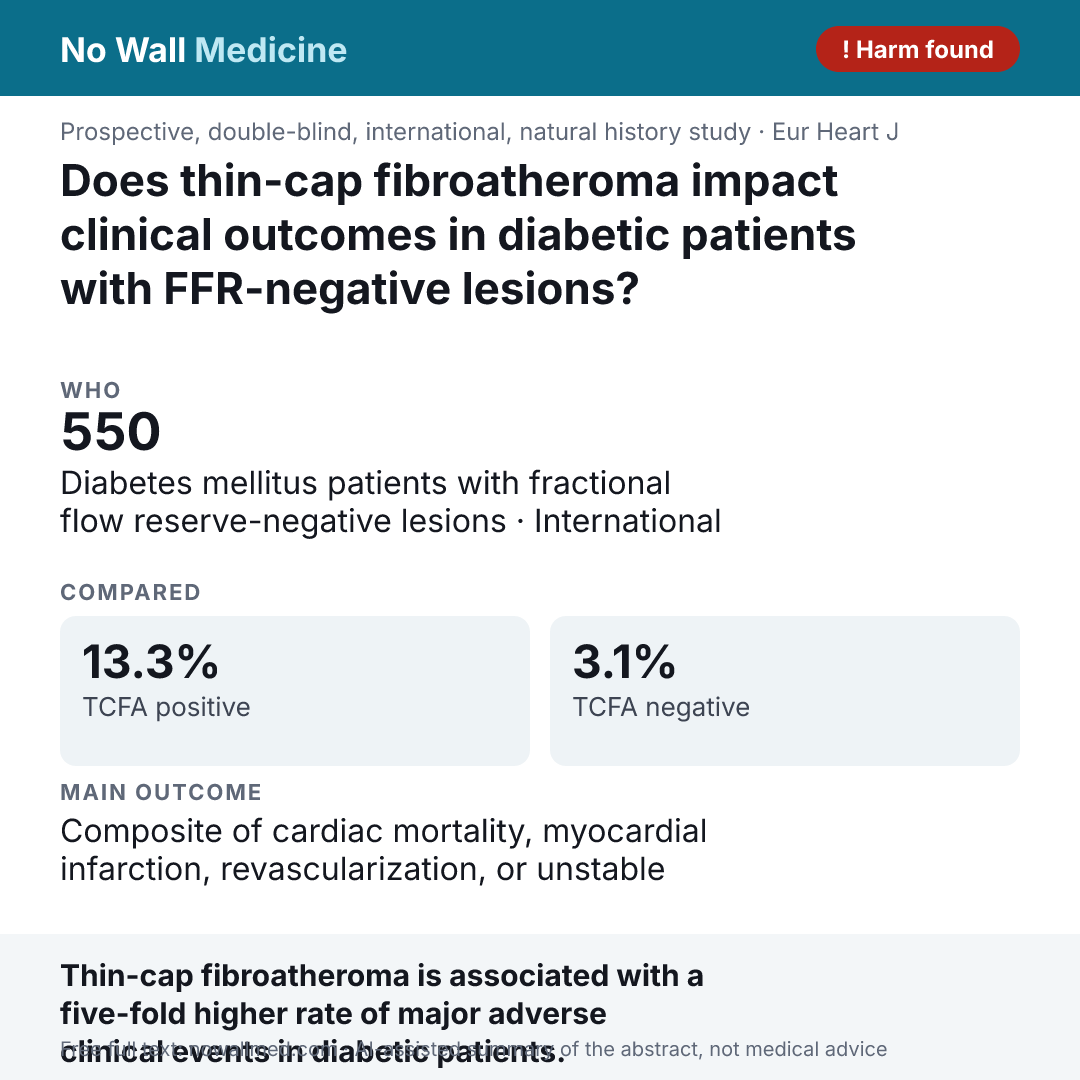
Psyllium reduces inulin-induced colonic gas production in IBS: MRI and in vitro fermentation studies
Randomised, four-period, four-treatment, placebo-controlled, crossover trialBenefit found
Does coadministering psyllium with inulin reduce colonic gas production in IBS patients?
Who
19
19 patients with irritable bowel syndrome
Compared
Inulin 20 g: median (IQR) AUC(0-360 min) 3145 (848-6502) mL·min
Inulin 20 g and psyllium 20 g: 618 (62-2345) mL·min
Dextrose 20 g placebo
Main outcome
Colonic gas assessed by magnetic resonance imaging
Result: p=0.02
Bottom line: Coadministering psyllium with inulin reduced colonic gas and breath hydrogen production in patients with irritable bowel syndrome.
Gut · 2021-08-05 · Save PNG
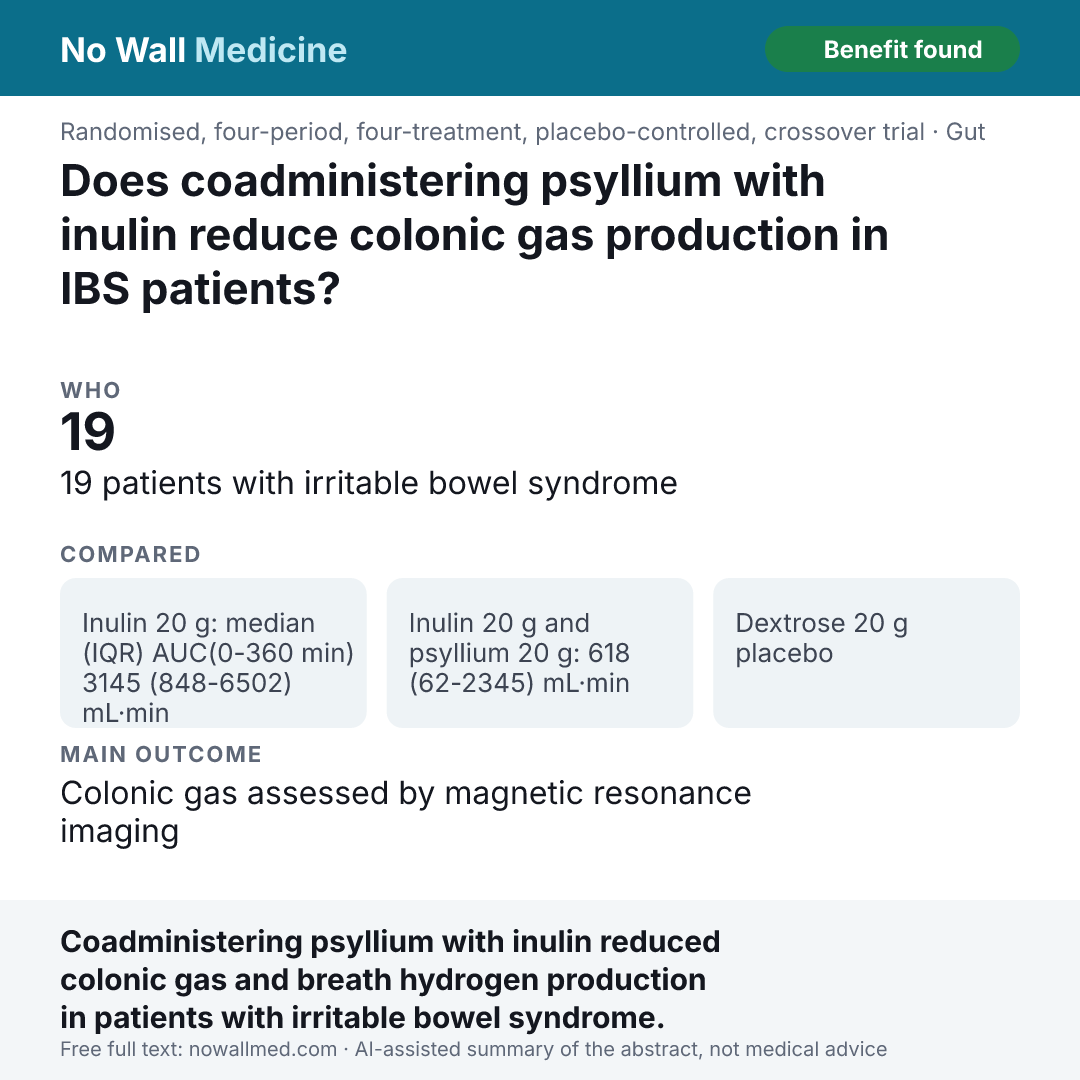
Granulocyte-colony stimulating factor (G-CSF) to treat acute-on-chronic liver failure: A multicenter randomized trial (GRAFT study)
Multicenter, prospective, controlled, open-label phase II studyNo clear difference
Does granulocyte-colony stimulating factor improve outcomes in acute-on-chronic liver failure?
Who
176
Patients with acute-on-chronic liver failure · Multicenter
Compared
34.1%Granulocyte-colony stimulating factor plus standard medical therapy
37.5%Standard medical therapy alone
Main outcome
90-day transplant-free survival
Result: hazard ratio 1.05 (95% CI 0.711-1.551)
Bottom line: Granulocyte-colony stimulating factor did not improve survival or clinical outcomes in patients with acute-on-chronic liver failure.
J Hepatol · 2021-08-05 · Save PNG
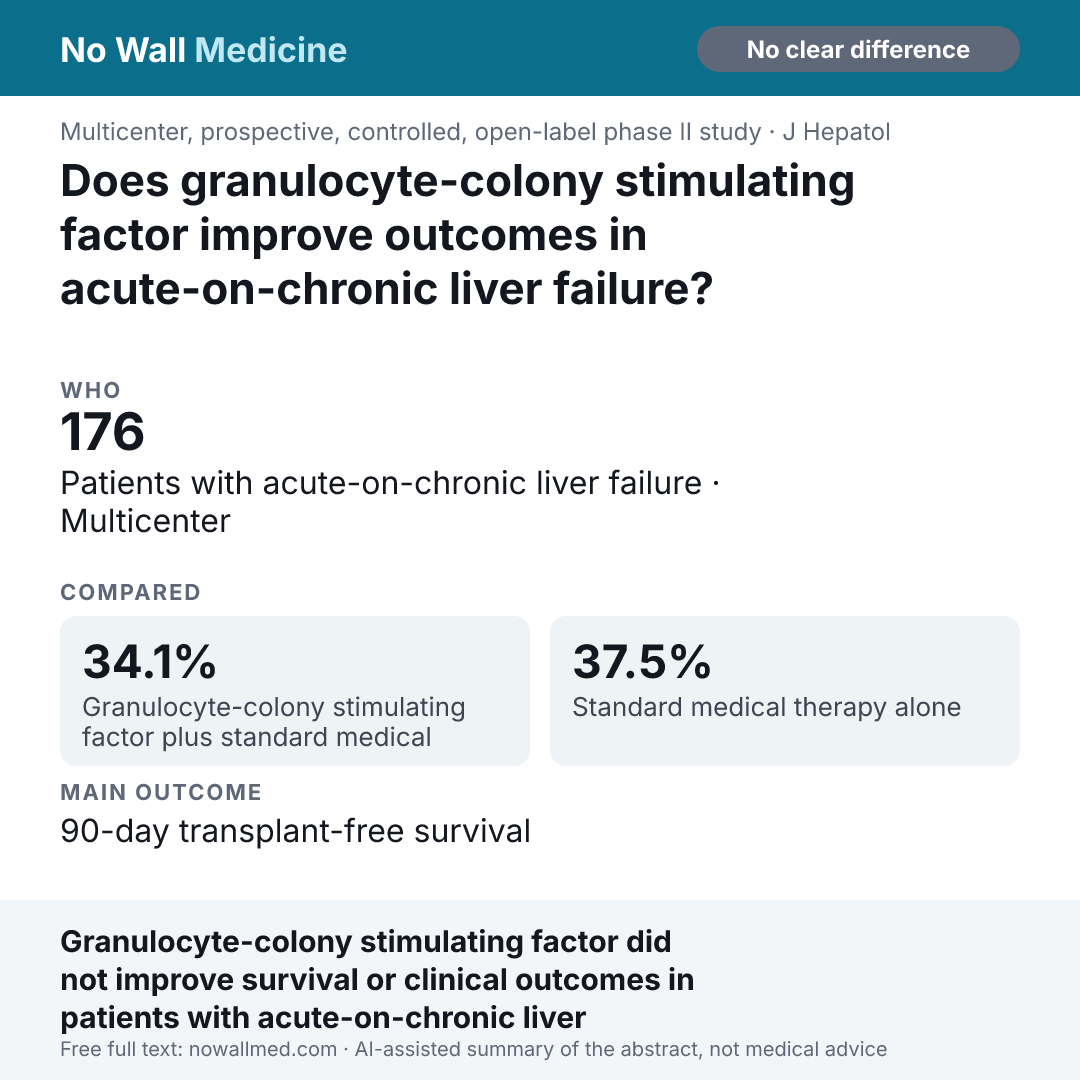
Contingency Management for Patients Receiving Medication for Opioid Use Disorder: A Systematic Review and Meta-analysis
Systematic review and meta-analysisBenefit found
Does contingency management improve outcomes for patients receiving medication for opioid use disorder?
Who
10444
Adult participants receiving medication for opioid use disorder
Compared
Contingency management
Controls
Main outcome
Six clinical problems including stimulant use and medication adherence
Result: abstinence Cohen d 0.58 (95% CI 0.47-0.69); treatment adherence Cohen d 0.62 (95% CI 0.40-0.84)
Bottom line: Contingency management improves abstinence and treatment adherence for patients receiving medication for opioid use disorder.
JAMA Psychiatry · 2021-08-05 · Save PNG
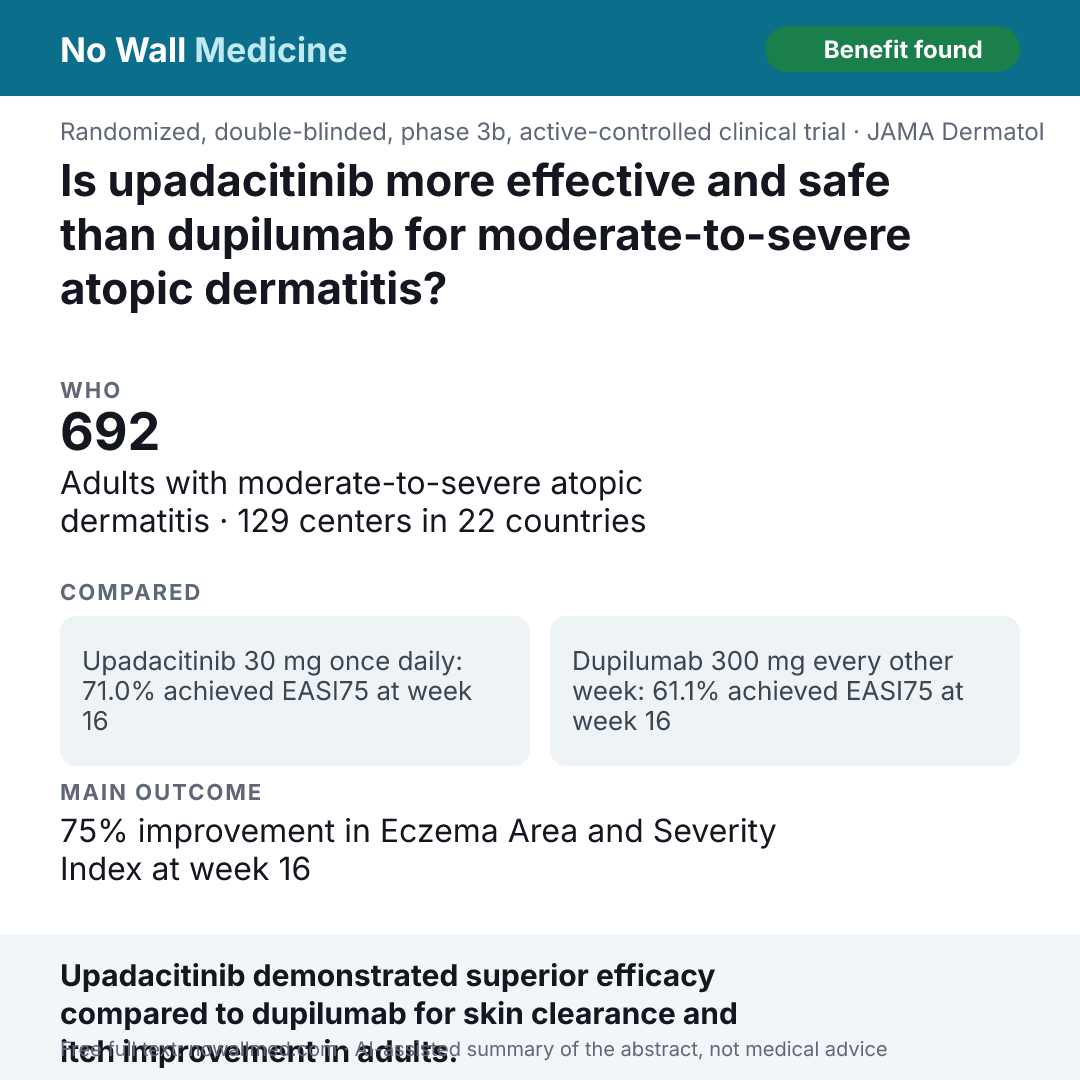
Efficacy and Safety of Upadacitinib vs Dupilumab in Adults With Moderate-to-Severe Atopic Dermatitis: A Randomized Clinical Trial
Randomized, double-blinded, phase 3b, active-controlled clinical trialBenefit found
Is upadacitinib more effective and safe than dupilumab for moderate-to-severe atopic dermatitis?
Who
692
Adults with moderate-to-severe atopic dermatitis · 129 centers in 22 countries
Compared
Upadacitinib 30 mg once daily: 71.0% achieved EASI75 at week 16
Dupilumab 300 mg every other week: 61.1% achieved EASI75 at week 16
Main outcome
75% improvement in Eczema Area and Severity Index at week 16
Bottom line: Upadacitinib demonstrated superior efficacy compared to dupilumab for skin clearance and itch improvement in adults.
JAMA Dermatol · 2021-08-05 · Save PNG
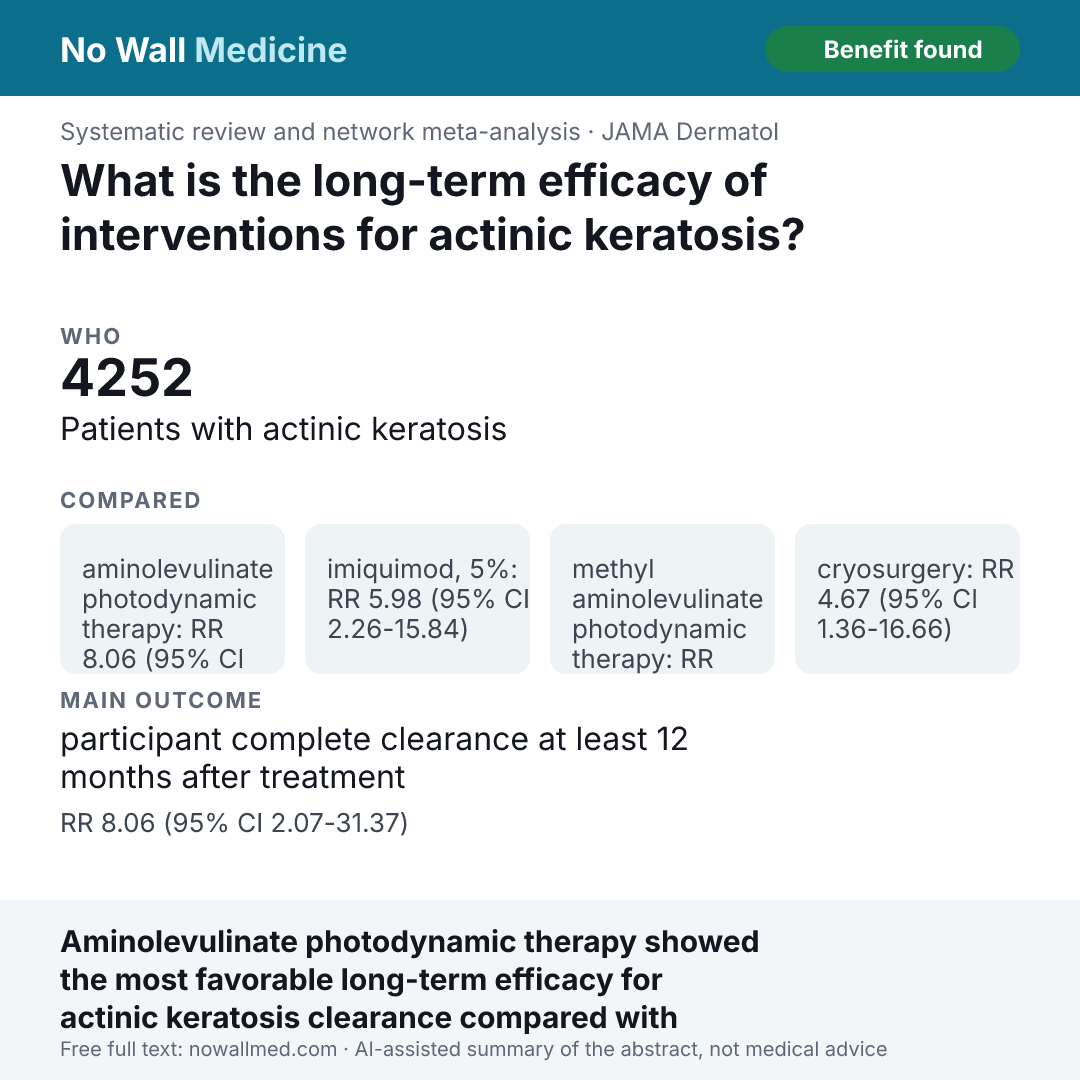
Evaluation of Long-term Clearance Rates of Interventions for Actinic Keratosis: A Systematic Review and Network Meta-analysis
Systematic review and network meta-analysisBenefit found
What is the long-term efficacy of interventions for actinic keratosis?
Who
4252
Patients with actinic keratosis
Compared
aminolevulinate photodynamic therapy: RR 8.06 (95% CI 2.07-31.37)
imiquimod, 5%: RR 5.98 (95% CI 2.26-15.84)
methyl aminolevulinate photodynamic therapy: RR 5.95 (95% CI 1.21-29.41)
cryosurgery: RR 4.67 (95% CI 1.36-16.66)
Main outcome
participant complete clearance at least 12 months after treatment
Result: RR 8.06 (95% CI 2.07-31.37)
Bottom line: Aminolevulinate photodynamic therapy showed the most favorable long-term efficacy for actinic keratosis clearance compared with placebo.
Limitation: No network meta-analysis was possible for participant partial clearance due to poor reporting.
JAMA Dermatol · 2021-08-05 · Save PNG
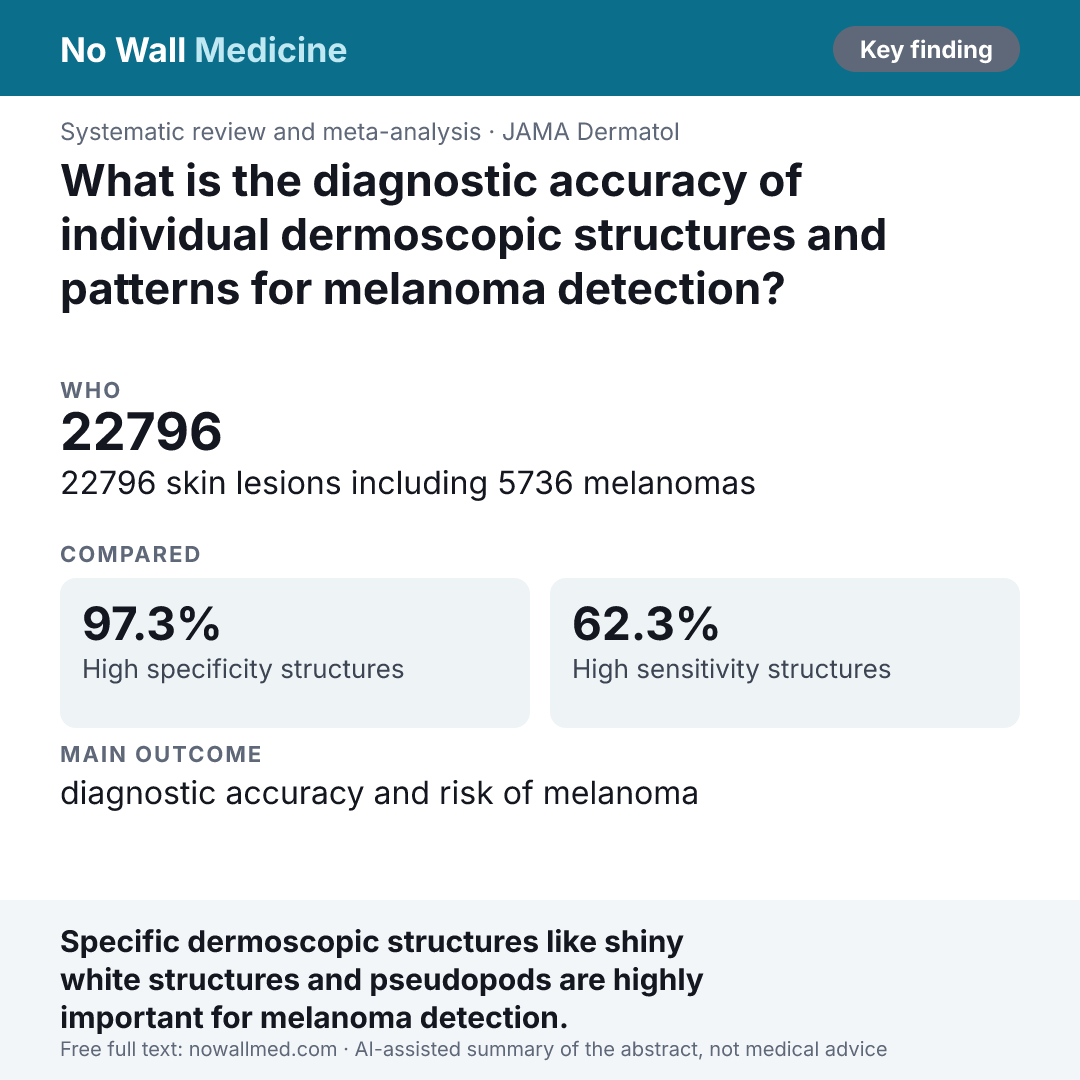
Assessment of Diagnostic Accuracy of Dermoscopic Structures and Patterns Used in Melanoma Detection: A Systematic Review and Meta-analysis
Systematic review and meta-analysisKey finding
What is the diagnostic accuracy of individual dermoscopic structures and patterns for melanoma detection?
Who
22796
22796 skin lesions including 5736 melanomas
Compared
97.3%High specificity structures (pseudopods)
62.3%High sensitivity structures (irregular pigmentation)
Main outcome
diagnostic accuracy and risk of melanoma
Bottom line: Specific dermoscopic structures like shiny white structures and pseudopods are highly important for melanoma detection.
JAMA Dermatol · 2021-08-05 · Save PNG
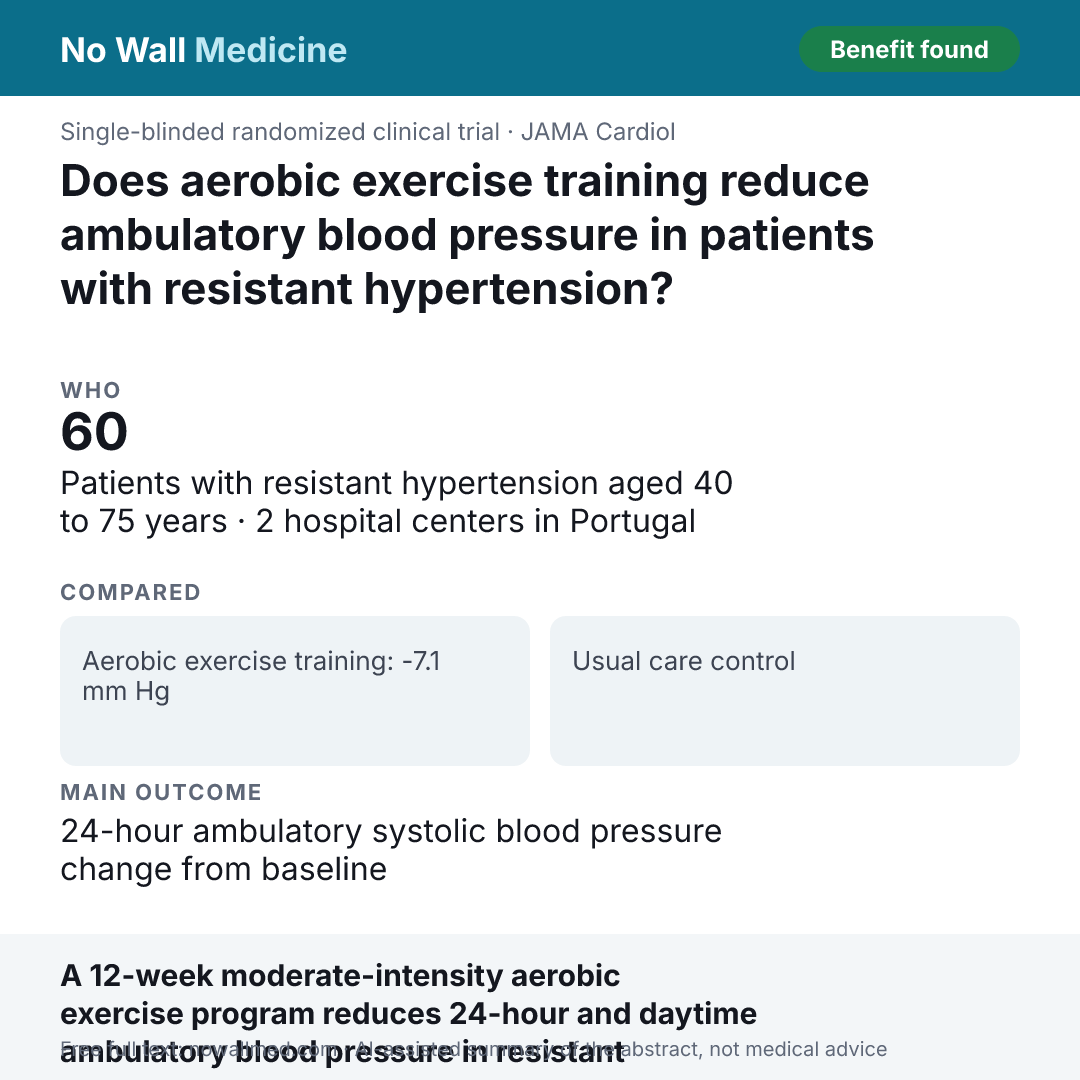
Effect of Exercise Training on Ambulatory Blood Pressure Among Patients With Resistant Hypertension: A Randomized Clinical Trial
Single-blinded randomized clinical trialBenefit found
Does aerobic exercise training reduce ambulatory blood pressure in patients with resistant hypertension?
Who
60
Patients with resistant hypertension aged 40 to 75 years · 2 hospital centers in Portugal
Compared
Aerobic exercise training: -7.1 mm Hg
Usual care control
Main outcome
24-hour ambulatory systolic blood pressure change from baseline
Result: -7.1 mm Hg (95% CI, -12.8 to -1.4)
Bottom line: A 12-week moderate-intensity aerobic exercise program reduces 24-hour and daytime ambulatory blood pressure in resistant hypertension patients.
JAMA Cardiol · 2021-08-05 · Save PNG
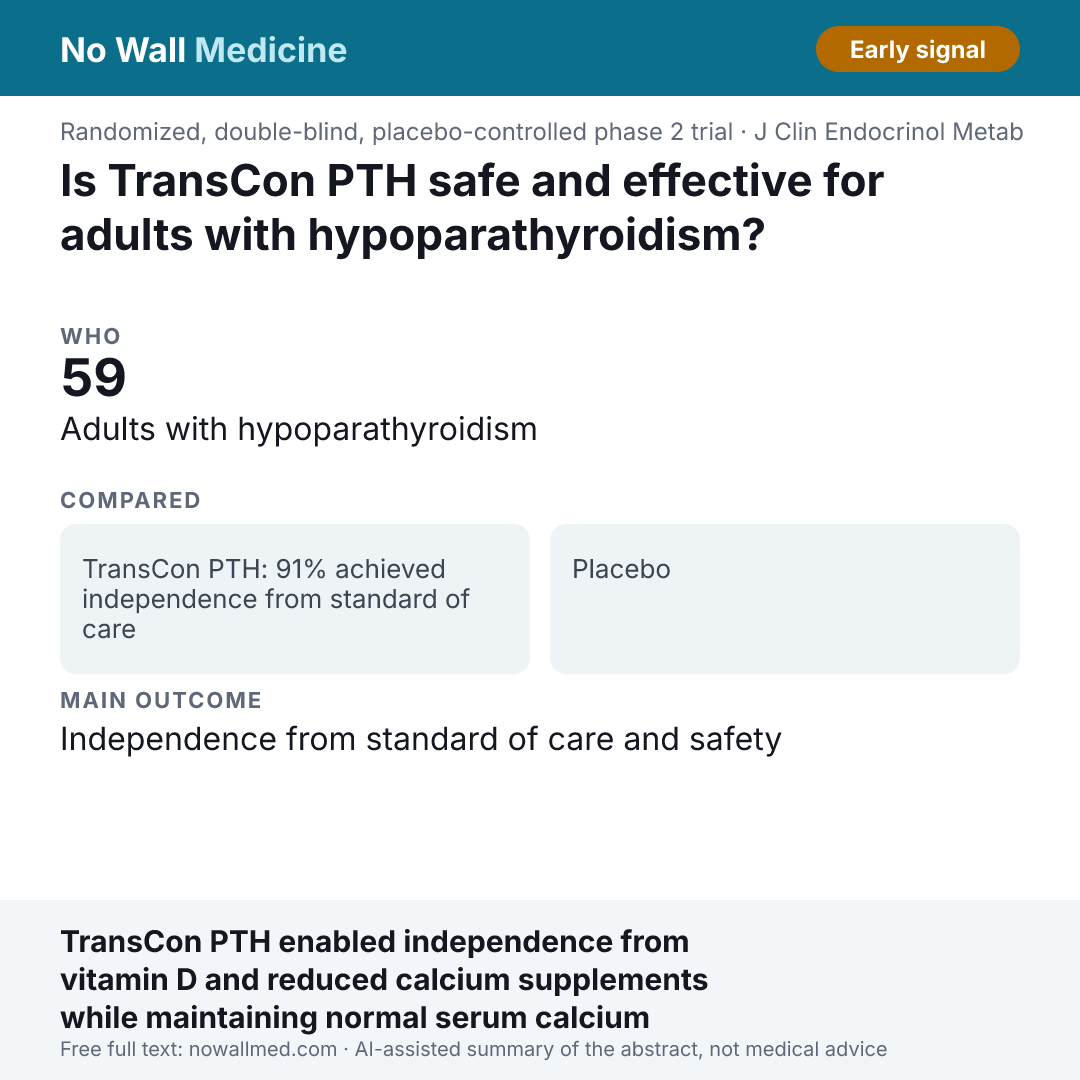
PaTH Forward: A Randomized, Double-Blind, Placebo-Controlled Phase 2 Trial of TransCon PTH in Adult Hypoparathyroidism
Randomized, double-blind, placebo-controlled phase 2 trialEarly signal
Is TransCon PTH safe and effective for adults with hypoparathyroidism?
Who
59
Adults with hypoparathyroidism
Compared
TransCon PTH: 91% achieved independence from standard of care
Placebo
Main outcome
Independence from standard of care and safety
Bottom line: TransCon PTH enabled independence from vitamin D and reduced calcium supplements while maintaining normal serum calcium levels.
J Clin Endocrinol Metab · 2021-08-05 · Save PNG
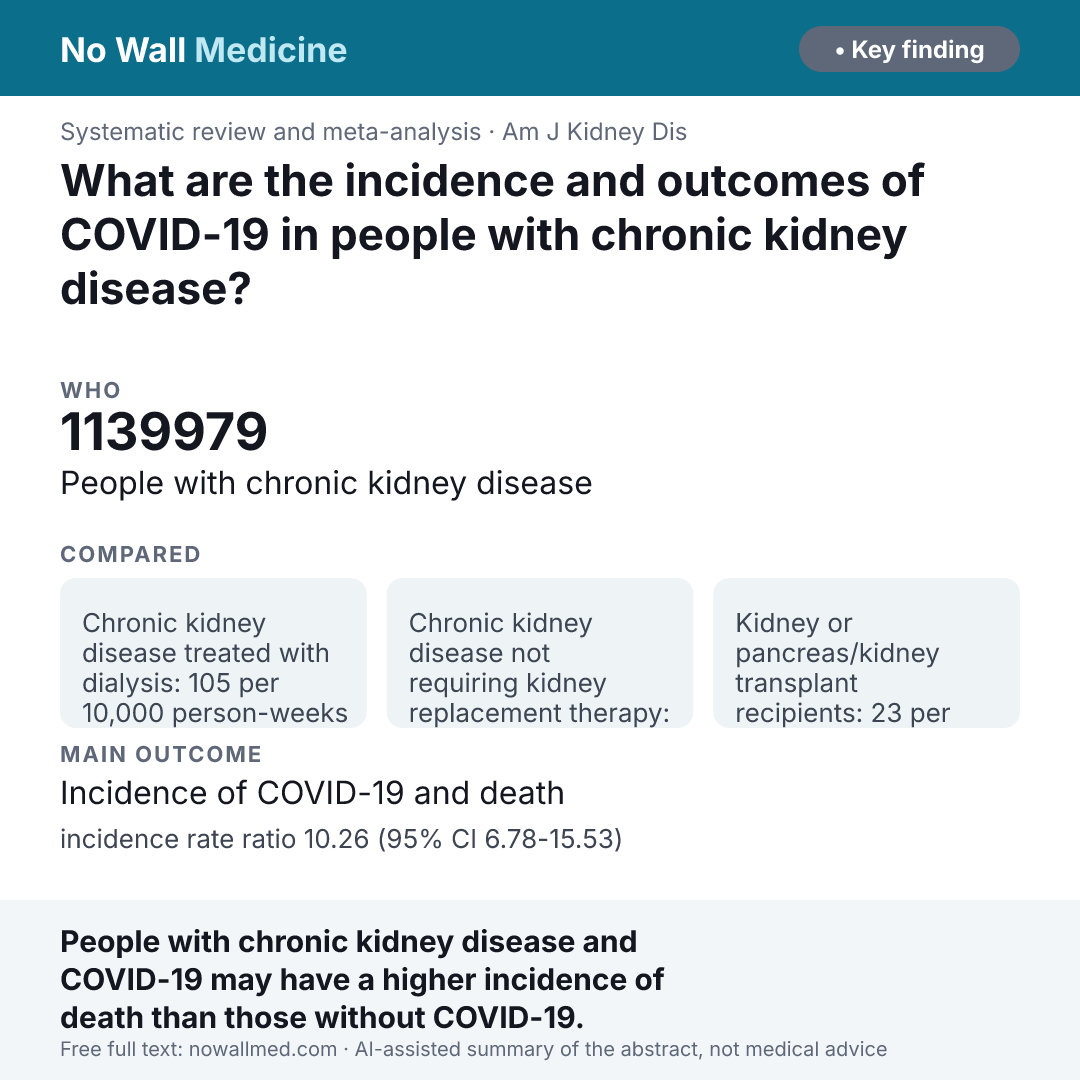
Incidence and Outcomes of COVID-19 in People With CKD: A Systematic Review and Meta-analysis
Systematic review and meta-analysisKey finding
What are the incidence and outcomes of COVID-19 in people with chronic kidney disease?
Who
1139979
People with chronic kidney disease
Compared
Chronic kidney disease treated with dialysis: 105 per 10,000 person-weeks
Chronic kidney disease not requiring kidney replacement therapy: 16 per 10,000 person-weeks
Kidney or pancreas/kidney transplant recipients: 23 per 10,000 person-weeks
Main outcome
Incidence of COVID-19 and death
Result: incidence rate ratio 10.26 (95% CI 6.78-15.53)
Bottom line: People with chronic kidney disease and COVID-19 may have a higher incidence of death than those without COVID-19.
Limitation: Analyses were based on low-certainty evidence and potential confounders were not adjusted for in most studies.
Am J Kidney Dis · 2021-08-05 · Save PNG
Association of cerebrospinal fluid protein biomarkers with outcomes in patients with traumatic and non-traumatic acute brain injury: systematic review of the literature
Systematic review of observational studiesKey finding
Are cerebrospinal fluid protein biomarkers associated with outcomes in acute brain injury patients?
Who
Patients with acute brain injury
Compared
Biomarkers associated with outcomes: 30 studies
Biomarkers not associated with outcomes: 9 studies
Main outcome
Neurological outcomes
Bottom line: Altered cerebrospinal fluid protein concentrations may predict worse neurological outcomes in acute brain injury patients.
Limitation: There was a high risk of bias across the studies.
Crit Care · 2021-08-05 · Save PNG

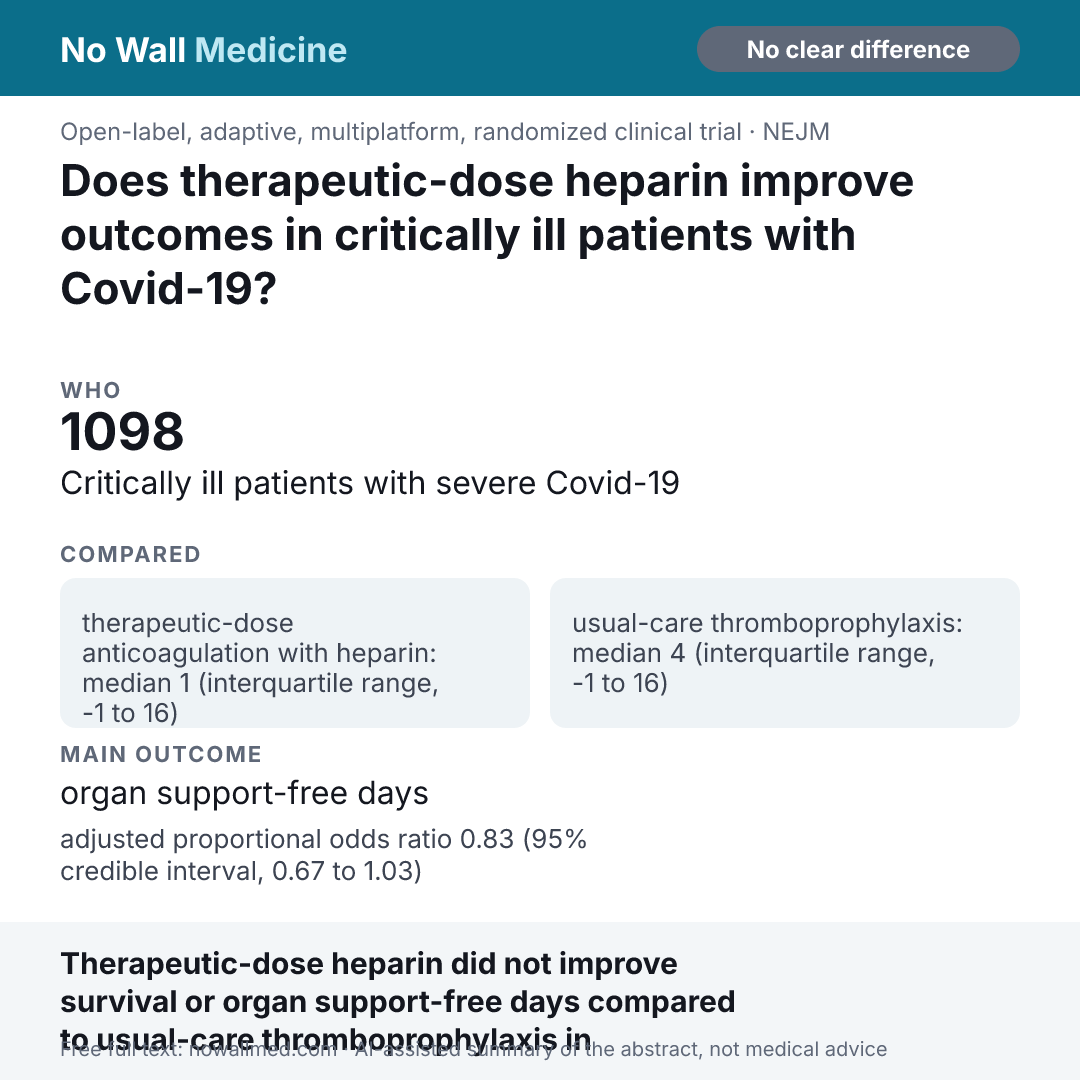
Therapeutic Anticoagulation with Heparin in Critically Ill Patients with Covid-19
Open-label, adaptive, multiplatform, randomized clinical trialNo clear difference
Does therapeutic-dose heparin improve outcomes in critically ill patients with Covid-19?
Who
1098
Critically ill patients with severe Covid-19
Compared
therapeutic-dose anticoagulation with heparin: median 1 (interquartile range, -1 to 16)
usual-care thromboprophylaxis: median 4 (interquartile range, -1 to 16)
Main outcome
organ support-free days
Result: adjusted proportional odds ratio 0.83 (95% credible interval, 0.67 to 1.03)
Bottom line: Therapeutic-dose heparin did not improve survival or organ support-free days compared to usual-care thromboprophylaxis in critically ill Covid-19 patients.
NEJM · 2021-08-04 · Save PNG
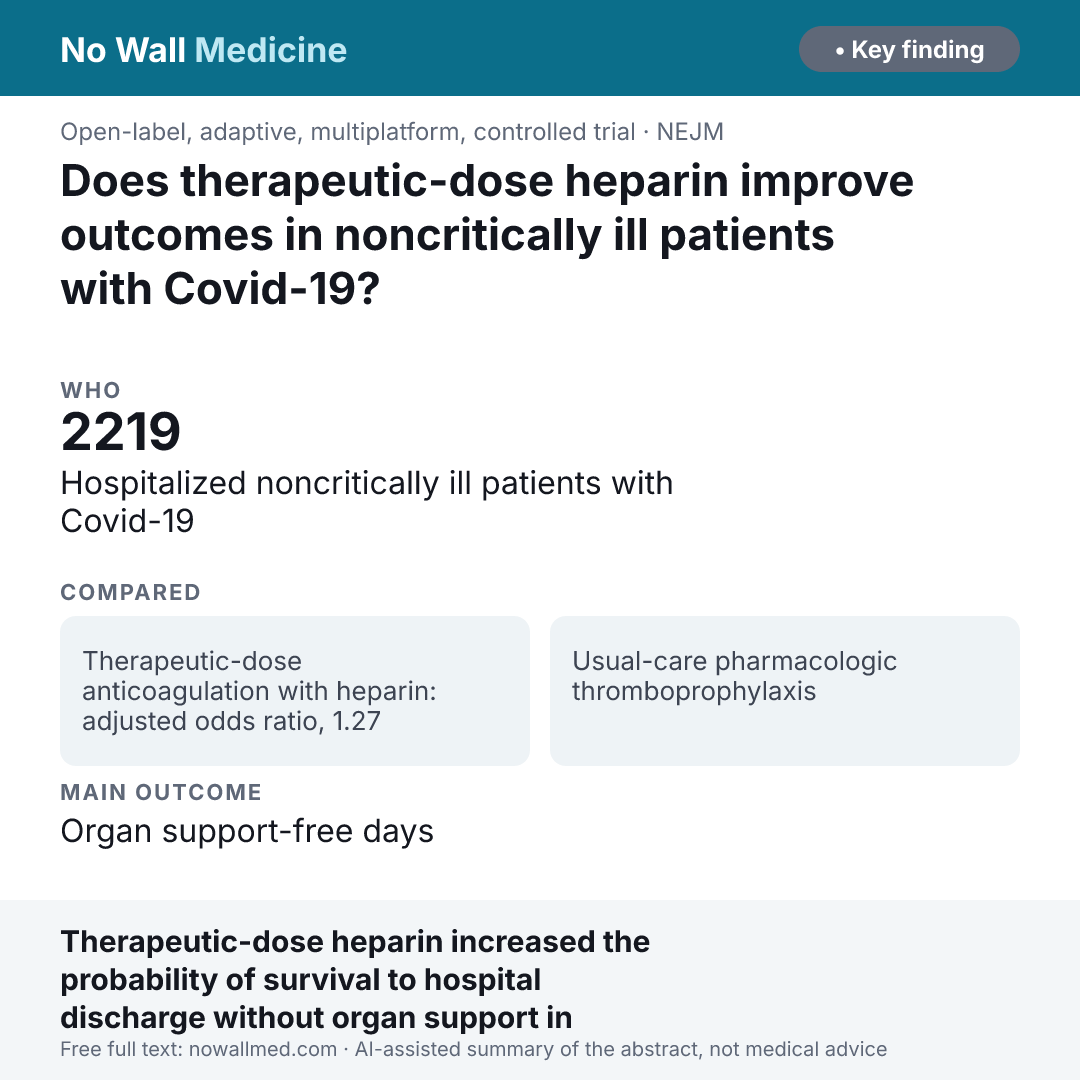
Therapeutic Anticoagulation with Heparin in Noncritically Ill Patients with Covid-19
Open-label, adaptive, multiplatform, controlled trialKey finding
Does therapeutic-dose heparin improve outcomes in noncritically ill patients with Covid-19?
Who
2219
Hospitalized noncritically ill patients with Covid-19
Compared
Therapeutic-dose anticoagulation with heparin: adjusted odds ratio, 1.27
Usual-care pharmacologic thromboprophylaxis
Main outcome
Organ support-free days
Result: adjusted odds ratio, 1.27 (95% credible interval, 1.03 to 1.58)
Bottom line: Therapeutic-dose heparin increased the probability of survival to hospital discharge without organ support in noncritically ill Covid-19 patients.
NEJM · 2021-08-04 · Save PNG
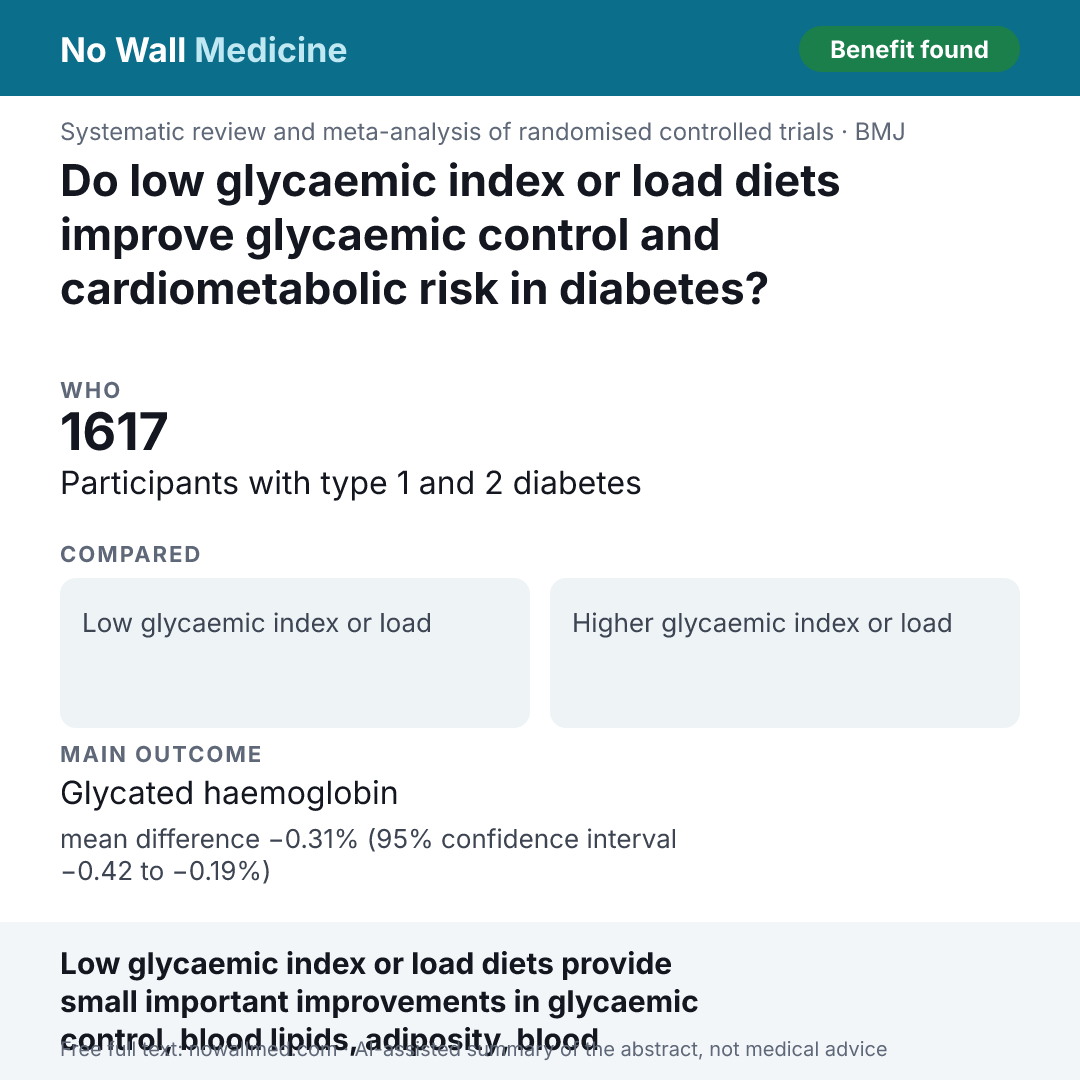
Effect of low glycaemic index or load dietary patterns on glycaemic control and cardiometabolic risk factors in diabetes: systematic review and meta-analysis of randomised controlled trials
Systematic review and meta-analysis of randomised controlled trialsBenefit found
Do low glycaemic index or load diets improve glycaemic control and cardiometabolic risk in diabetes?
Who
1617
Participants with type 1 and 2 diabetes
Compared
Low glycaemic index or load
Higher glycaemic index or load
Main outcome
Glycated haemoglobin
Result: mean difference −0.31% (95% confidence interval −0.42 to −0.19%)
Bottom line: Low glycaemic index or load diets provide small important improvements in glycaemic control, blood lipids, adiposity, blood pressure, and inflammation.
Limitation: Certainty of evidence was downgraded mainly due to imprecision.
BMJ · 2021-08-04 · Save PNG
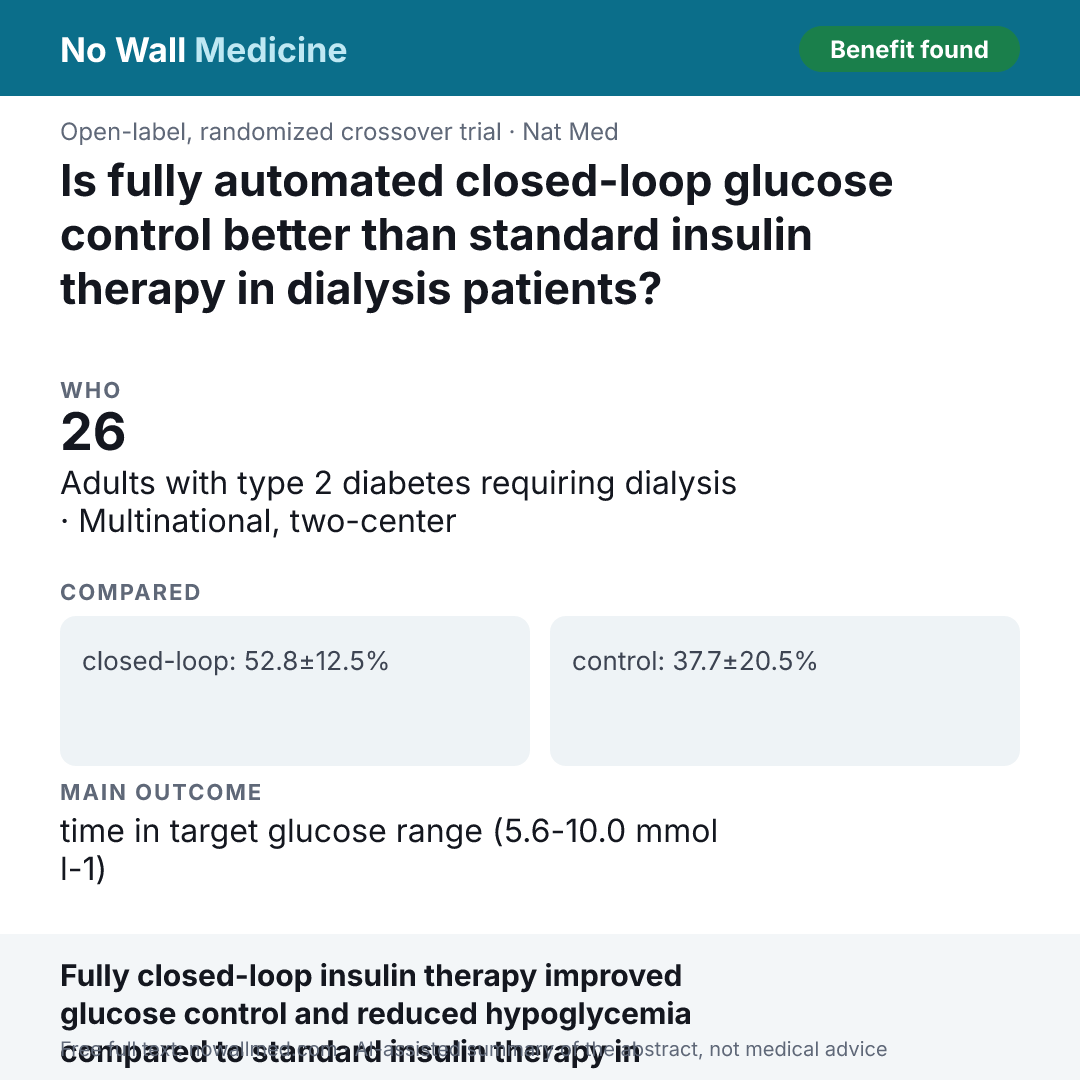
Fully automated closed-loop glucose control compared with standard insulin therapy in adults with type 2 diabetes requiring dialysis: an open-label, randomized crossover trial
Open-label, randomized crossover trialBenefit found
Is fully automated closed-loop glucose control better than standard insulin therapy in dialysis patients?
Who
26
Adults with type 2 diabetes requiring dialysis · Multinational, two-center
Compared
closed-loop: 52.8±12.5%
control: 37.7±20.5%
Main outcome
time in target glucose range (5.6-10.0 mmol l-1)
Result: mean difference, 15.1 percentage points (95% CI 8.0-22.2; P < 0.001)
Bottom line: Fully closed-loop insulin therapy improved glucose control and reduced hypoglycemia compared to standard insulin therapy in dialysis patients.
Nat Med · 2021-08-04 · Save PNG
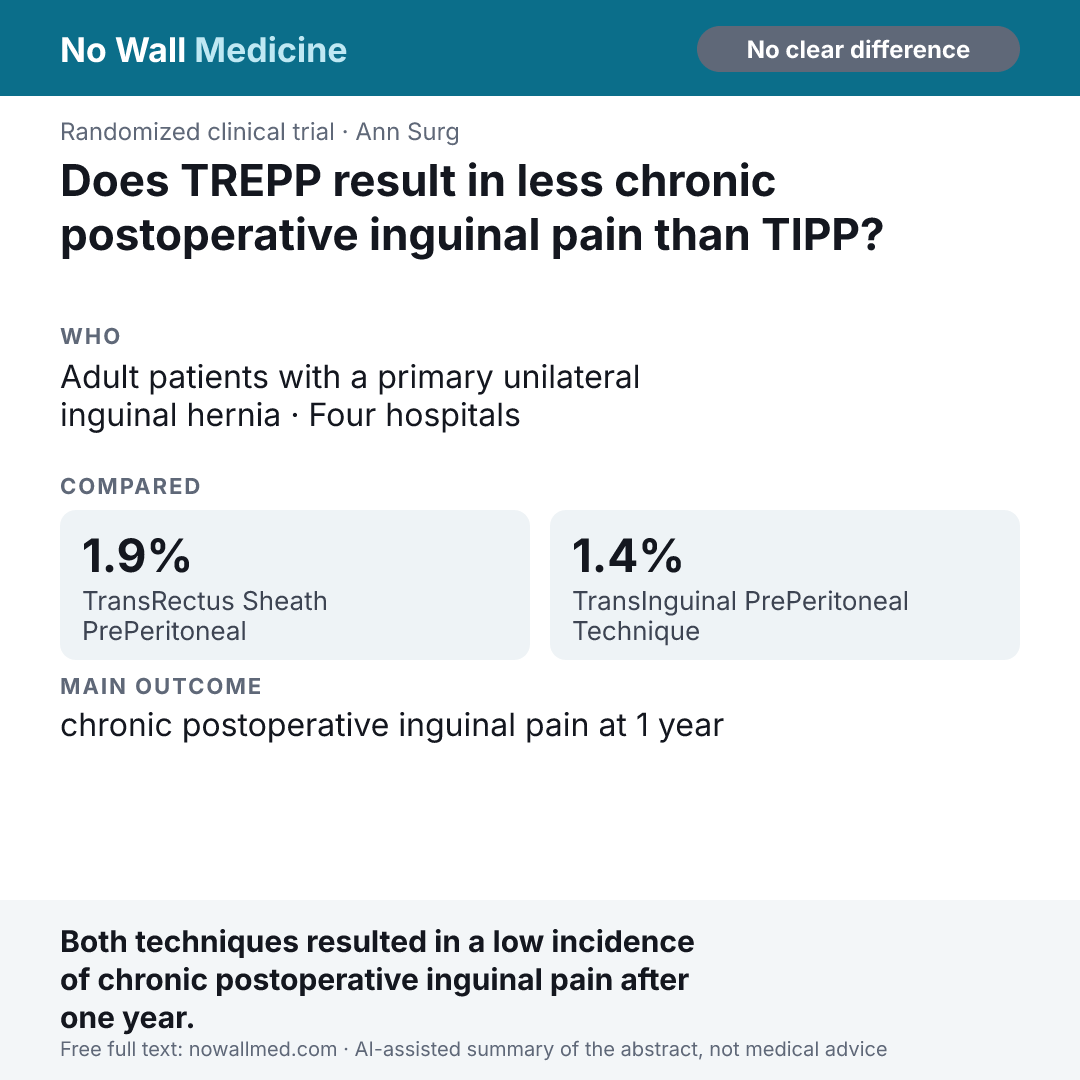
Open Preperitoneal Inguinal Hernia Repair, TREPP Versus TIPP in a Randomized Clinical Trial
Randomized clinical trialNo clear difference
Does TREPP result in less chronic postoperative inguinal pain than TIPP?
Who
Adult patients with a primary unilateral inguinal hernia · Four hospitals
Compared
1.9%TransRectus Sheath PrePeritoneal
1.4%TransInguinal PrePeritoneal Technique
Main outcome
chronic postoperative inguinal pain at 1 year
Bottom line: Both techniques resulted in a low incidence of chronic postoperative inguinal pain after one year.
Ann Surg · 2021-08-04 · Save PNG
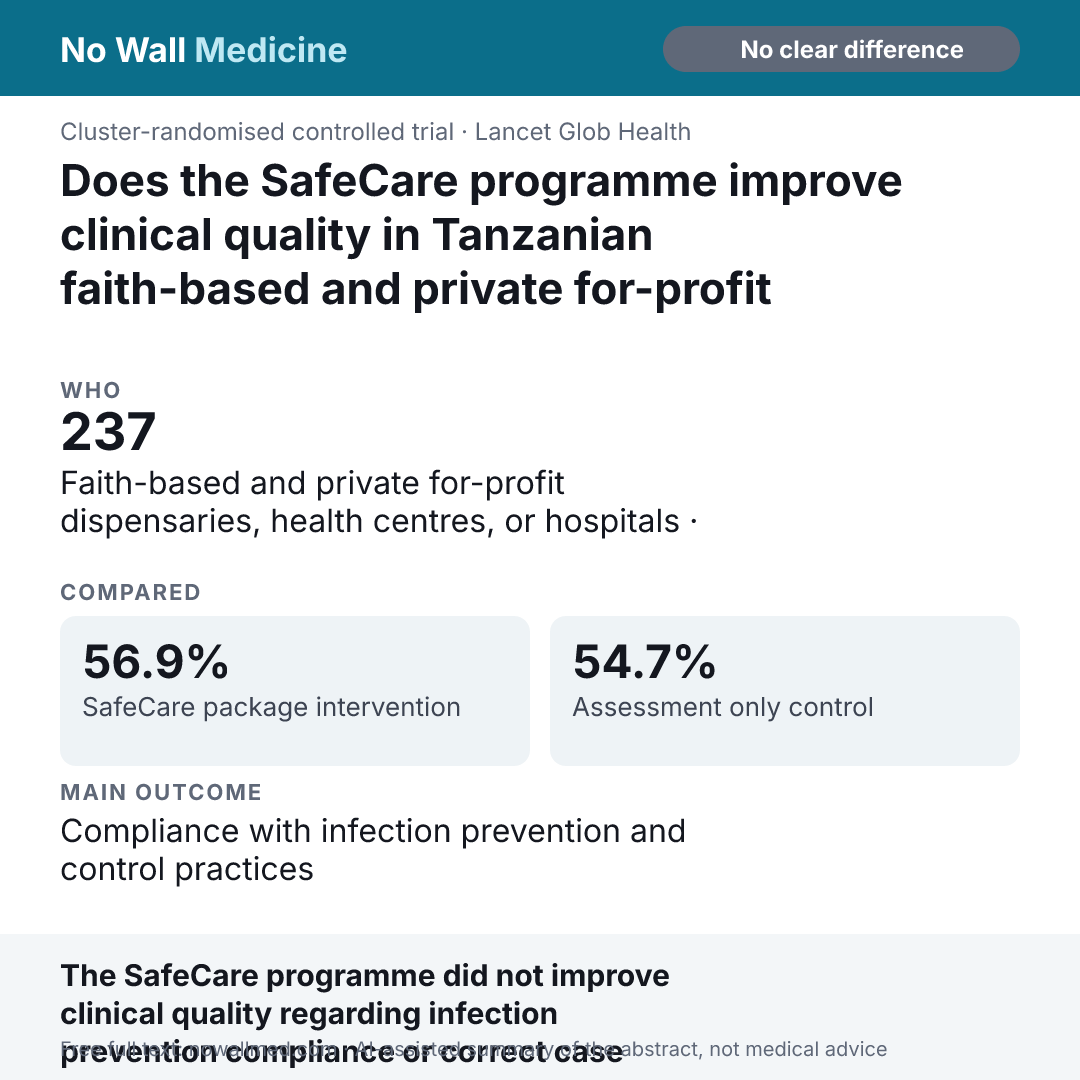
Effect of a multifaceted intervention to improve clinical quality of care through stepwise certification (SafeCare) in health-care facilities in Tanzania: a cluster-randomised controlled trial
Cluster-randomised controlled trialNo clear difference
Does the SafeCare programme improve clinical quality in Tanzanian faith-based and private for-profit facilities?
Who
237
Faith-based and private for-profit dispensaries, health centres, or hospitals · Tanzania
Compared
56.9%SafeCare package intervention (8181/14366)
54.7%Assessment only control (8336/15242)
Main outcome
Compliance with infection prevention and control practices
Result: absolute difference 2.2 percentage points, 95% CI -0.2 to -4.7
Bottom line: The SafeCare programme did not improve clinical quality regarding infection prevention compliance or correct case management.
Limitation: Insufficient intervention intensity, insufficient links between structural quality and care processes, or scarcity of resources.
Funded by: UK Health Systems Research Initiative
Lancet Glob Health · 2021-08-04 · Save PNG