Visual abstracts
New randomized trials and meta-analyses from leading journals at a glance: who was studied, what was compared, and what was found. Every paper is free to read in full.
All specialtiesCardiology 4877Oncology 4136Gastroenterology & Hepatology 1942Infectious Disease 3836Neurology 1904Psychiatry & Mental Health 2273Pulmonology 2143Critical Care 1364Endocrinology & Diabetes 2580Pediatrics 2980Surgery 2556Orthopedics & Sports Medicine 931Neurosurgery 537Cardiothoracic & Vascular Surgery 674Plastic & Reconstructive Surgery 591Nephrology 1133Rheumatology 823Hematology 1109Dermatology 621Ophthalmology 543Obstetrics & Gynecology 1686Public & Global Health 1058Radiology & Imaging 648Anesthesiology 986Urology 764ENT (Otolaryngology) 503Emergency Medicine 511Allergy & Immunology 313Geriatrics 979Family Medicine & Primary Care 562Medical Genetics & Genomics 676Pathology & Laboratory Medicine 159Physical Medicine & Rehabilitation 757Palliative Care 444Nutrition 1588Digital Health & AI 2197General Medicine 320
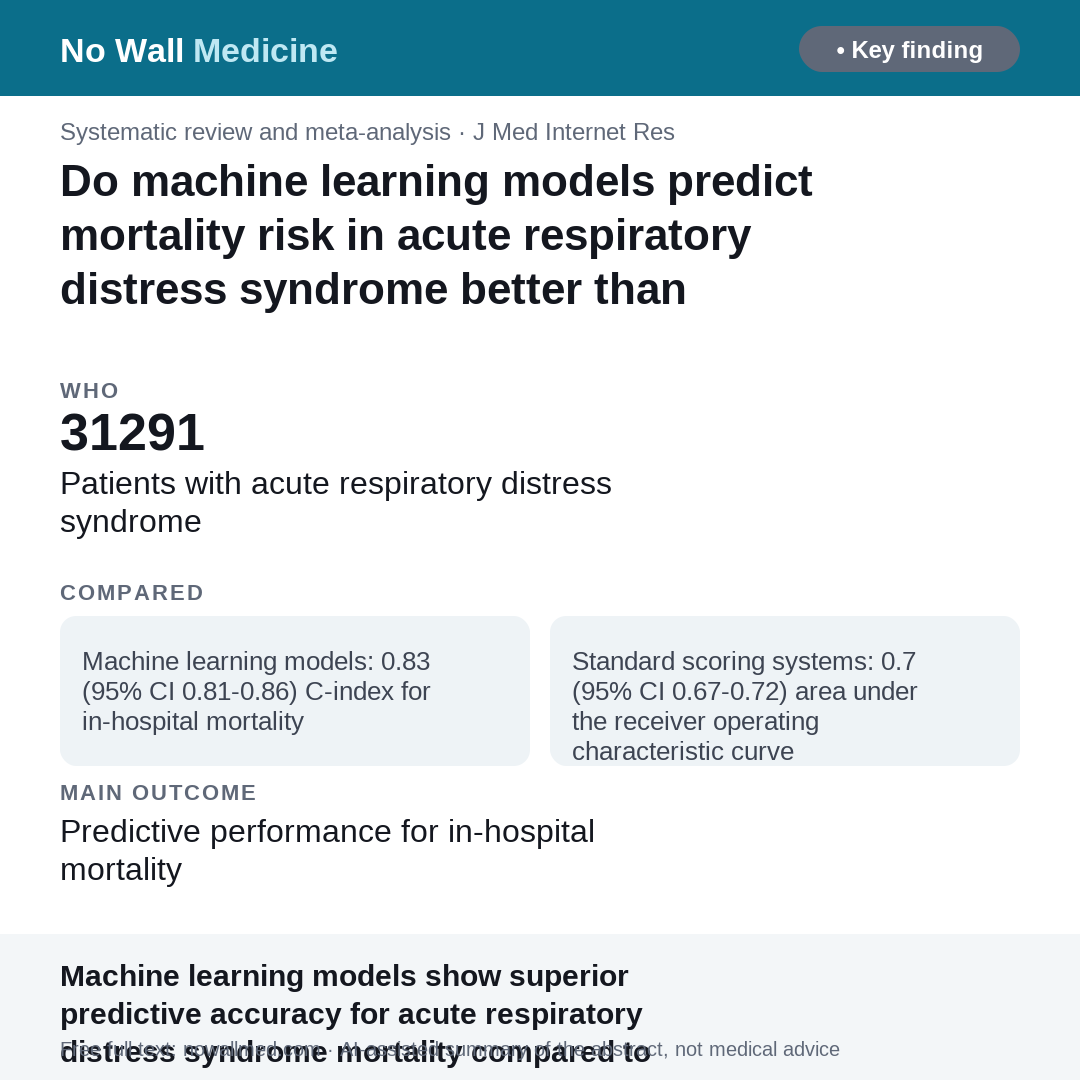
Early Prediction of Mortality Risk in Acute Respiratory Distress Syndrome: Systematic Review and Meta-Analysis
Systematic review and meta-analysisBenefit found
Do machine learning models predict mortality risk in acute respiratory distress syndrome better than conventional scoring systems?
Who
31291
Patients with acute respiratory distress syndrome
Compared
Machine learning models: 0.83 (95% CI 0.81-0.86) C-index for in-hospital mortality
Standard scoring systems: 0.7 (95% CI 0.67-0.72) area under the receiver operating characteristic curve
Main outcome
Predictive performance for in-hospital mortality
Result: area under the receiver operating characteristic curve 0.7 (95% CI 0.67-0.72) for standard scoring systems
Bottom line: Machine learning models show superior predictive accuracy for acute respiratory distress syndrome mortality compared to traditional scoring tools.
Limitation: Further research is needed to refine models, improve interpretability, and enhance clinical applicability.
J Med Internet Res · 2025-05-20Download image
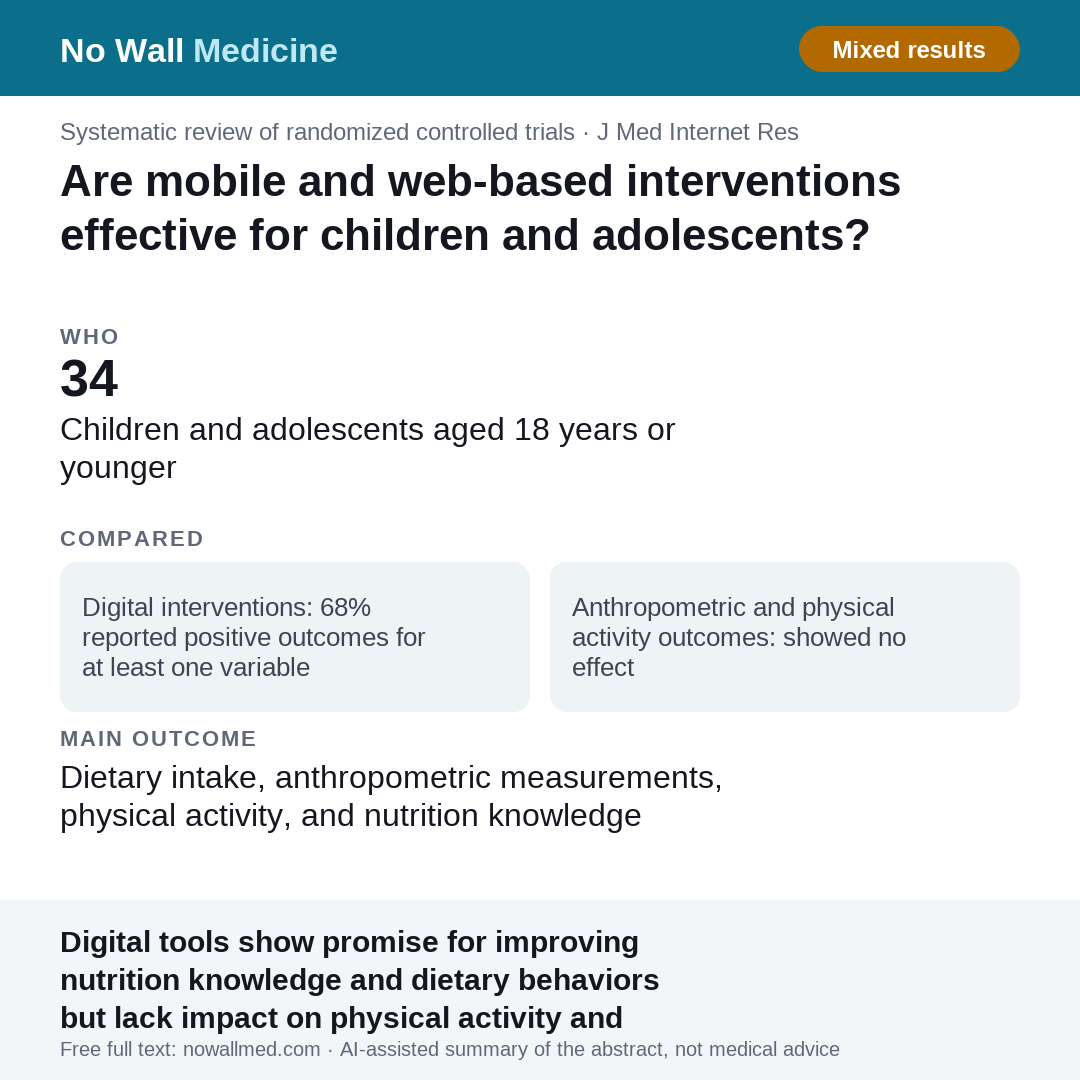
Mobile- and Web-Based Interventions for Promoting Healthy Diets, Preventing Obesity, and Improving Health Behaviors in Children and Adolescents: Systematic Review of Randomized Controlled Trials
Systematic review of randomized controlled trialsMixed results
Are mobile and web-based interventions effective for children and adolescents?
Who
34
Children and adolescents aged 18 years or younger
Compared
Digital interventions: 68% reported positive outcomes for at least one variable
Anthropometric and physical activity outcomes: showed no effect
Main outcome
Dietary intake, anthropometric measurements, physical activity, and nutrition knowledge
Bottom line: Digital tools show promise for improving nutrition knowledge and dietary behaviors but lack impact on physical activity and anthropometric measures.
Limitation: Evidence for long-term sustainability and impact on anthropometric and physical activity outcomes remains limited.
J Med Internet Res · 2025-05-20Download image
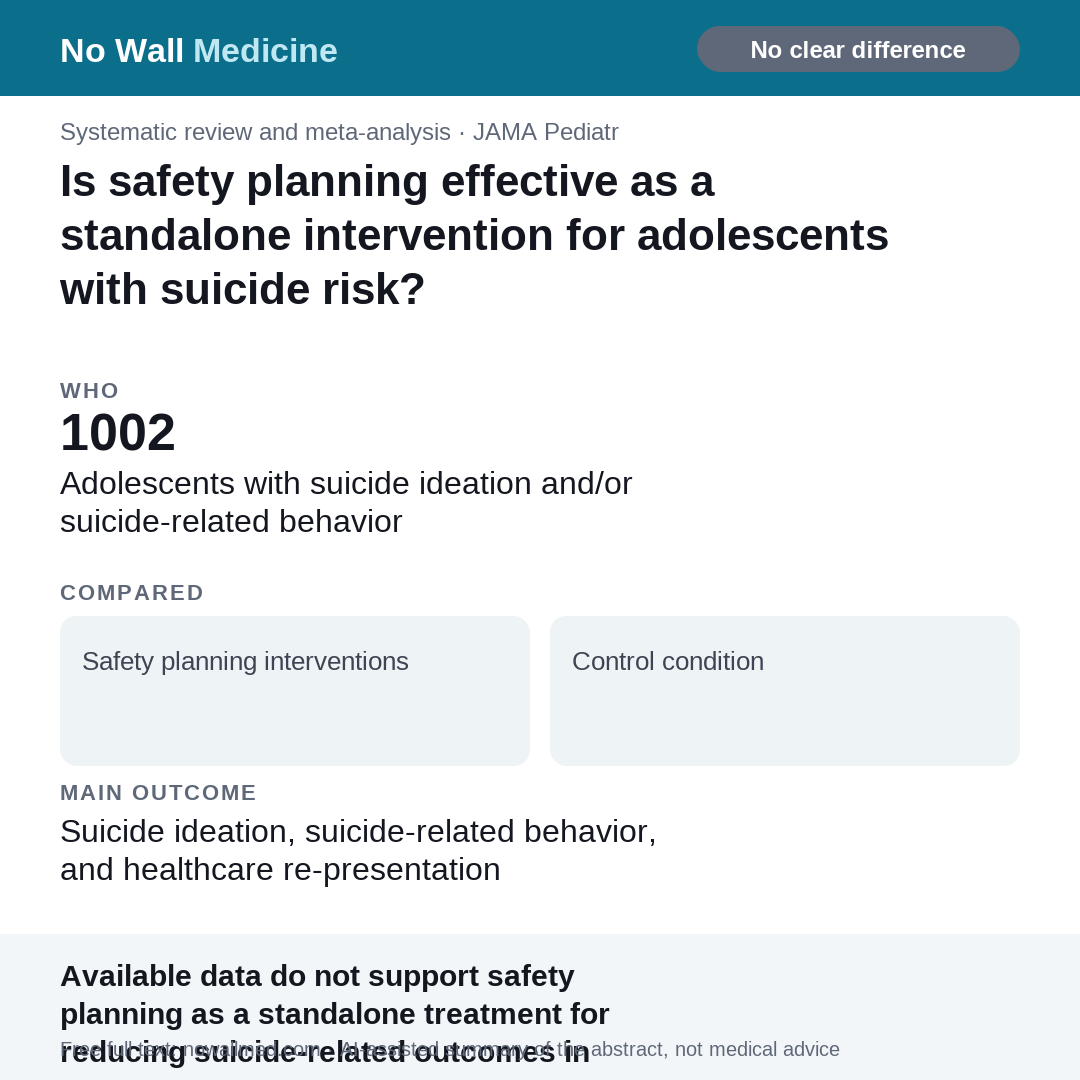
Safety Planning Interventions for Suicide Prevention in Children and Adolescents: A Systematic Review and Meta-Analysis
Systematic review and meta-analysisNo clear difference
Is safety planning effective as a standalone intervention for adolescents with suicide risk?
Who
1002
Adolescents with suicide ideation and/or suicide-related behavior
Compared
Safety planning interventions
Control condition
Main outcome
Suicide ideation, suicide-related behavior, and healthcare re-presentation
Result: Hedges g 0.11 (95% CI, 0.01-0.21) for suicide ideation
Bottom line: Available data do not support safety planning as a standalone treatment for reducing suicide-related outcomes in adolescents.
Limitation: Risk of bias for the majority of studies was moderate to high.
JAMA Pediatr · 2025-05-19Download image
Does robotic surgery have a role in abdominal wall reconstruction? A systematic review and meta-analysis
Systematic review and meta-analysisBenefit found
Is robotic surgery feasible for abdominal wall reconstruction and hernia repair?
Who
Patients undergoing abdominal wall reconstruction or hernia repair
Compared
Robotic surgery
Open surgery
Laparoscopic surgery
Main outcome
Hospital stay, complications, and operative times
Result: mean difference: -1.59 days (95% CI: -1.89 to -1.30)
Bottom line: Robotic surgery is feasible and safe, showing shorter hospital stays compared to open surgery.
Limitation: Further high-quality comparative studies against laparoscopic surgery are needed.
J Plast Reconstr Aesthet Surg · 2025-05-19Download image

The electronic nose in lung cancer diagnostics: a systematic review and meta-analysis
Systematic review and meta-analysisBenefit found
Can electronic nose devices detect lung cancer using exhaled air analysis?
Who
4483
Patients with pathologically confirmed lung cancer
Compared
Electronic nose: sensitivity 0.90 (95% CI 0.87-0.93)
Electronic nose: specificity 0.89 (95% CI 0.85-0.93)
Main outcome
Sensitivity, specificity, negative predictive value and area under the curve
Result: sensitivity 0.90 (95% CI 0.87-0.93), specificity 0.89 (95% CI 0.85-0.93)
Bottom line: Electronic nose devices show high sensitivity and specificity for noninvasive lung cancer diagnosis.
Limitation: Further research and validation efforts are critical to maximise impact.
ERJ Open Res · 2025-05-19Download image

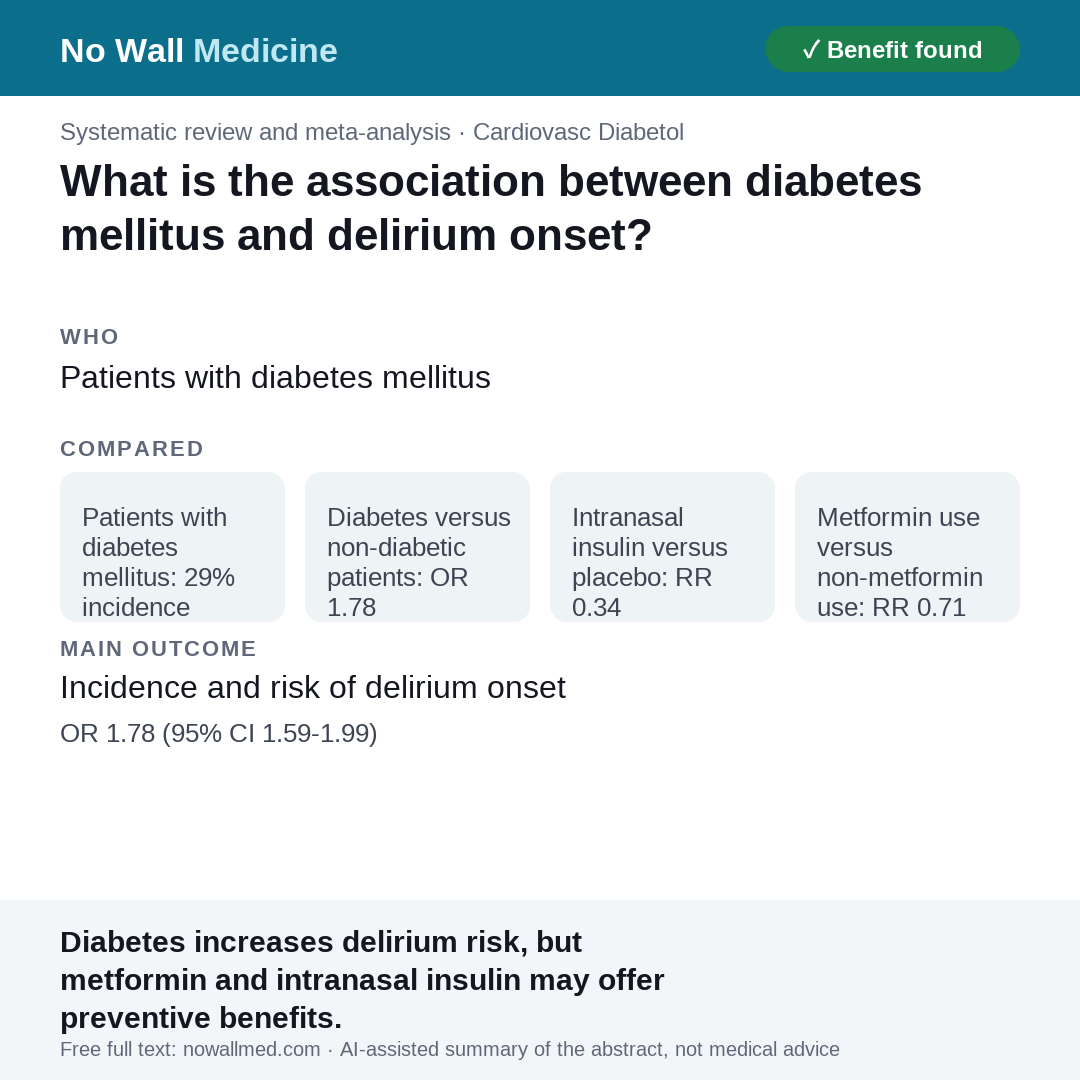
The role of diabetes mellitus on delirium onset: a systematic review and meta-analysis
Systematic review and meta-analysisBenefit found
What is the association between diabetes mellitus and delirium onset?
Who
Patients with diabetes mellitus
Compared
Patients with diabetes mellitus: 29% incidence
Diabetes versus non-diabetic patients: OR 1.78
Intranasal insulin versus placebo: RR 0.34
Metformin use versus non-metformin use: RR 0.71
Main outcome
Incidence and risk of delirium onset
Result: OR 1.78 (95% CI 1.59-1.99)
Bottom line: Diabetes increases delirium risk, but metformin and intranasal insulin may offer preventive benefits.
Limitation: Significant heterogeneity which hampers their interpretation.
Cardiovasc Diabetol · 2025-05-19Download image
Cognitive impairment and health outcomes in non-dialysis chronic kidney disease: a systematic review and meta-analysis
Systematic review and meta-analysisMixed results
Does cognitive impairment associate with health outcomes in non-dialysis chronic kidney disease?
Who
Adults with chronic kidney disease not on kidney replacement therapy
Compared
Cognitive impairment
No cognitive impairment
Main outcome
Mortality, kidney disease progression, hospitalization, and health-related quality of life
Bottom line: Cognitive impairment is associated with increased mortality, stroke, and lower health-related quality of life in chronic kidney disease.
Limitation: No causal link could be established due to potential residual confounding by frailty or shared comorbidities.
Clin Kidney J · 2025-05-19Download image

Defining Breast Implant Illness: A Systematic Review and Meta-analysis of Patient-reported Symptoms
Meta-analysis of 36 articlesHarm found
Breast implant illness symptoms
Who
10519
patients with and without breast implants
Compared
with implants
without implants
Main outcome
patient-reported symptoms
Result: relative risk 3.15 (2.89 to 3.43) for fatigue
Bottom line: Breast implants linked to more symptoms
Plast Reconstr Surg Glob Open · 2025-05-19Download image

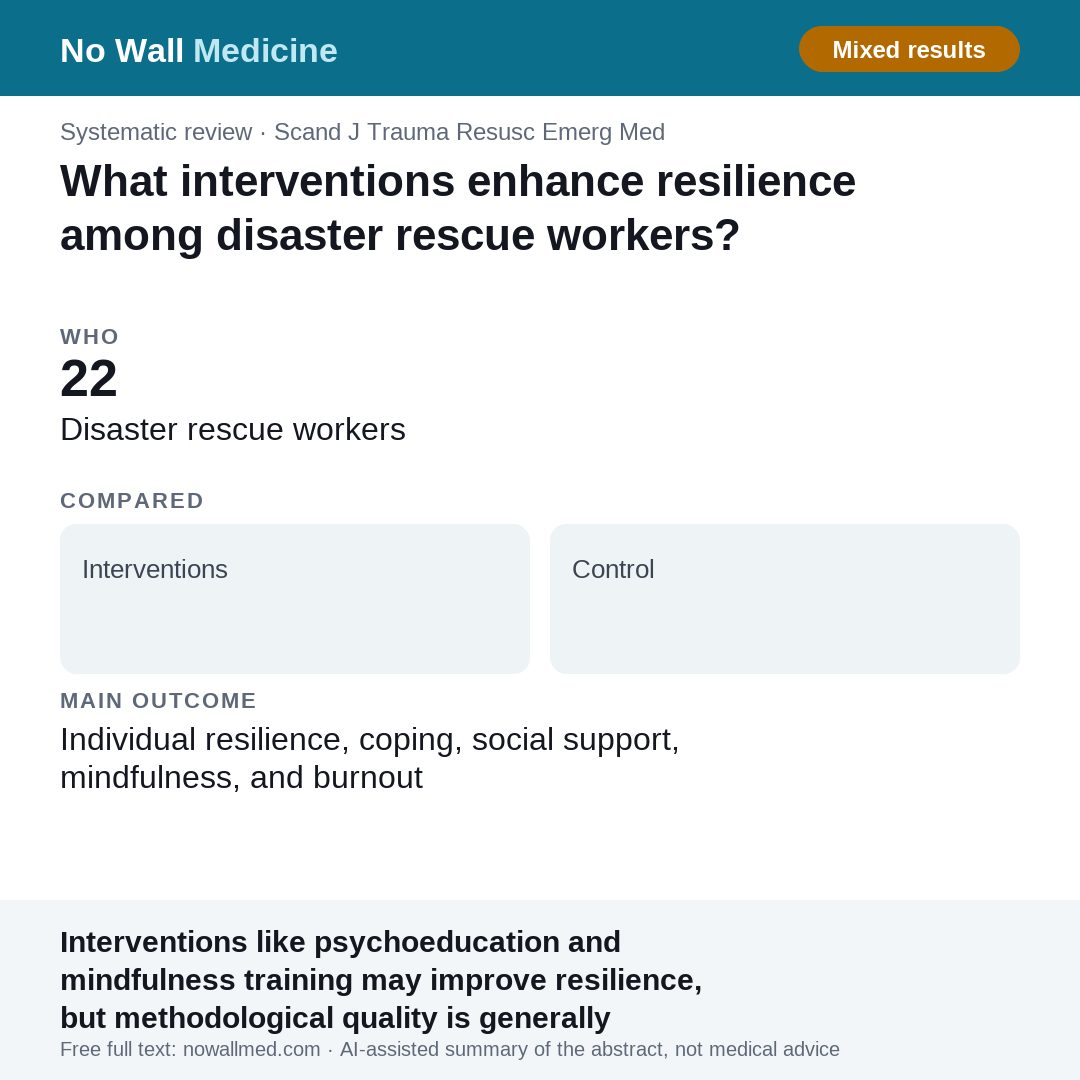
Resilience enhancement interventions for disaster rescue workers: a systematic review
Systematic reviewMixed results
What interventions enhance resilience among disaster rescue workers?
Who
22
Disaster rescue workers
Compared
Interventions
Control
Main outcome
Individual resilience, coping, social support, mindfulness, and burnout
Bottom line: Interventions like psychoeducation and mindfulness training may improve resilience, but methodological quality is generally sub-optimal.
Limitation: The methodological quality of these interventions was generally sub-optimal.
Scand J Trauma Resusc Emerg Med · 2025-05-19Download image
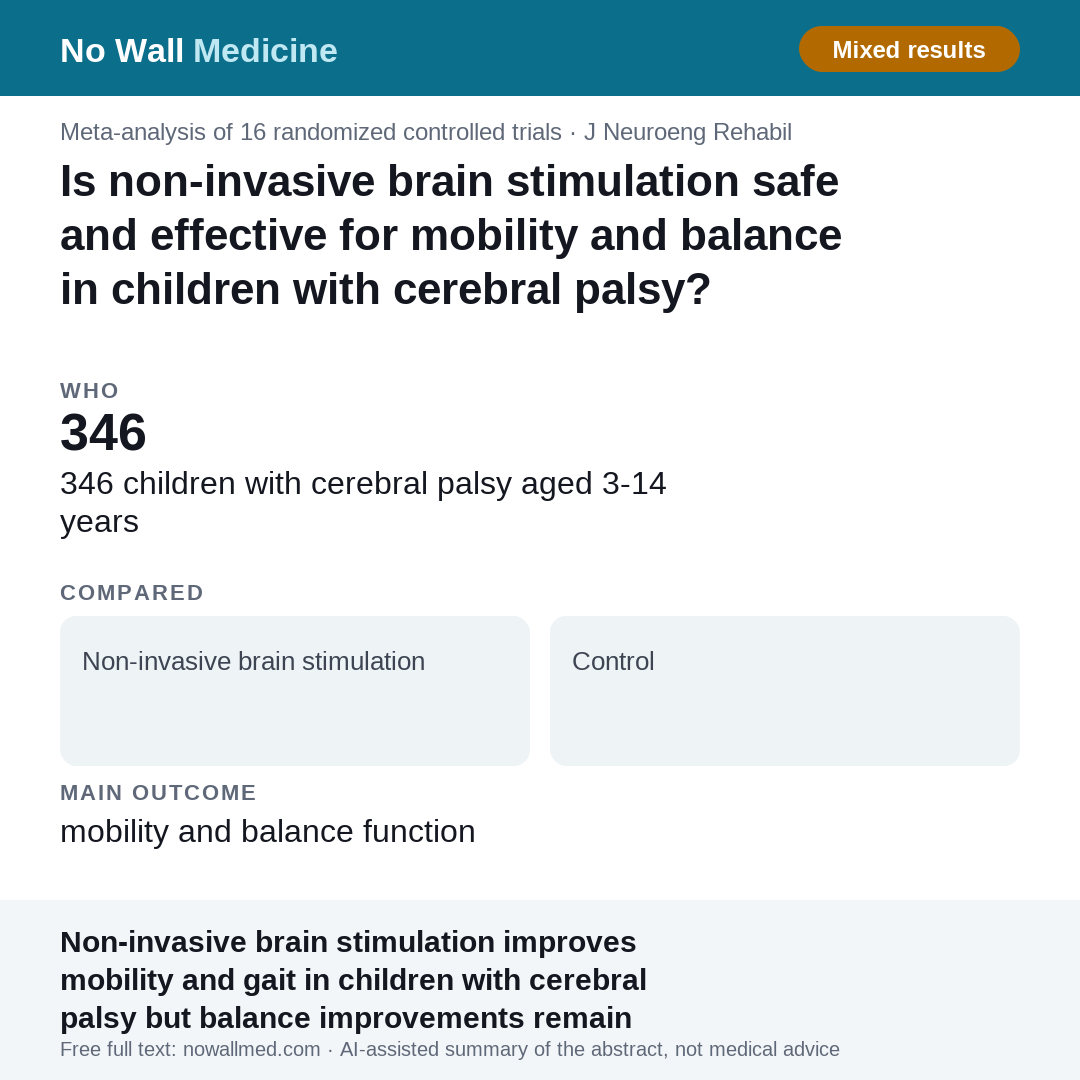
Safety and effectiveness of non-invasive brain stimulation on mobility and balance function in children with cerebral palsy: a systematic review and meta-analysis
Meta-analysis of 16 randomized controlled trialsMixed results
Is non-invasive brain stimulation safe and effective for mobility and balance in children with cerebral palsy?
Who
346
346 children with cerebral palsy aged 3-14 years
Compared
Non-invasive brain stimulation
Control
Main outcome
mobility and balance function
Result: standard mean difference 0.47 to 0.63 for Gross Motor Function Measure
Bottom line: Non-invasive brain stimulation improves mobility and gait in children with cerebral palsy but balance improvements remain inconclusive.
Limitation: Future research should focus on extending follow-up periods and increasing sample sizes.
J Neuroeng Rehabil · 2025-05-18Download image
Clinically diagnosed tuberculosis and mortality in high burden settings: a systematic review and meta-analysis
Systematic review and meta-analysisHarm found
Does clinical tuberculosis diagnosis affect mortality compared to bacteriologically confirmed diagnosis?
Who
20523
People with tuberculosis in high burden settings · High tuberculosis burden settings
Compared
Clinically diagnosed tuberculosis
Bacteriologically confirmed tuberculosis
Main outcome
Mortality
Result: risk ratio 1·5 (95% CI: 1·0-2·2)
Bottom line: Clinical diagnosis of tuberculosis was associated with higher mortality risk than bacteriologically confirmed tuberculosis.
Funded by: UK National Institute for Health and Care Research; US National Institutes of Health
eClinicalMedicine · 2025-05-17Download image

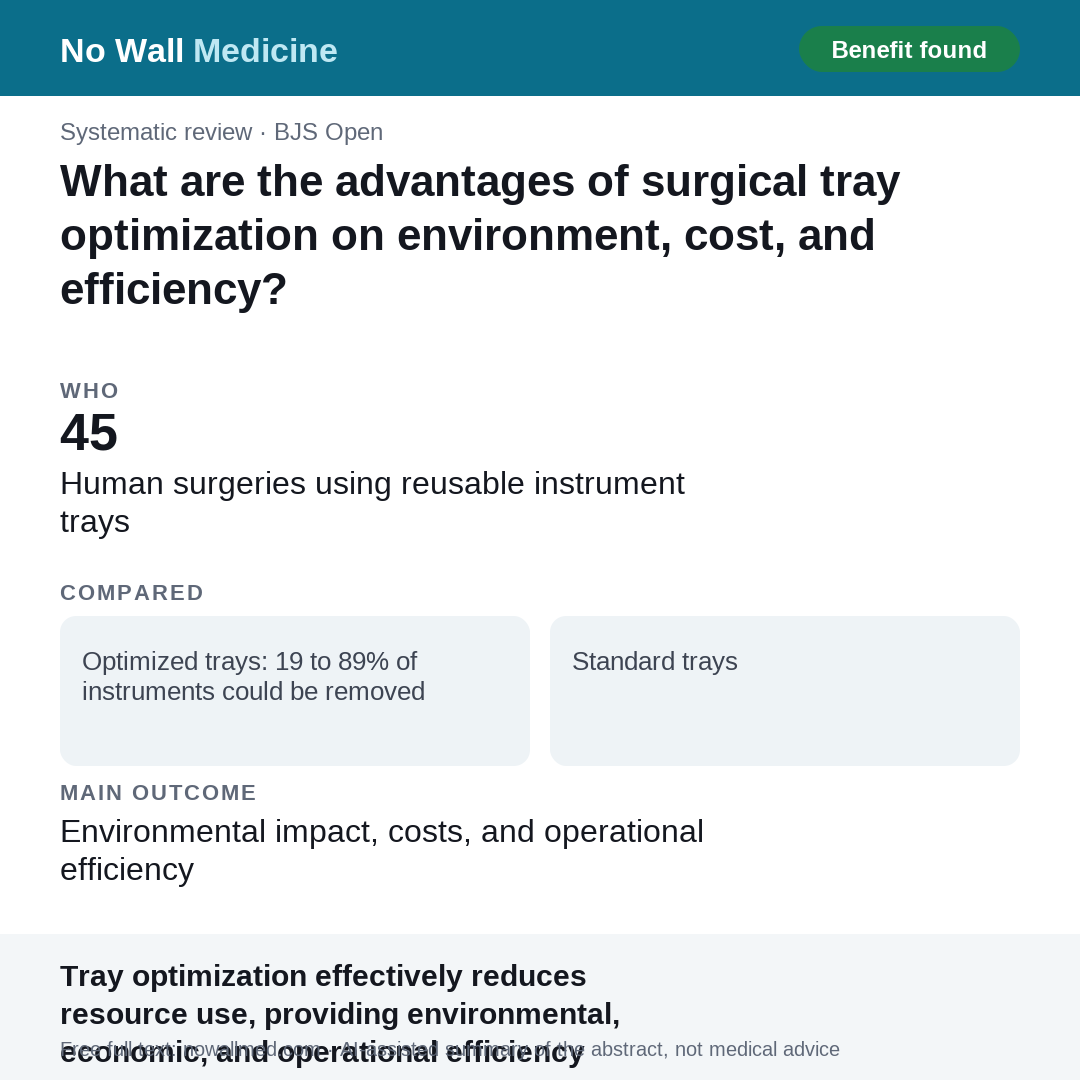
Reducing surgical instrument usage: systematic review of approaches for tray optimization and its advantages on environmental impact, costs and efficiency
Systematic reviewBenefit found
What are the advantages of surgical tray optimization on environment, cost, and efficiency?
Who
45
Human surgeries using reusable instrument trays
Compared
Optimized trays: 19 to 89% of instruments could be removed
Standard trays
Main outcome
Environmental impact, costs, and operational efficiency
Bottom line: Tray optimization effectively reduces resource use, providing environmental, economic, and operational efficiency benefits.
Limitation: Half of the included studies showed a serious risk of bias.
BJS Open · 2025-05-17Download image
Lineages and sublineages of high-risk human papillomavirus types associated with cervical cancer and precancer: a systematic review and meta-analysis
Systematic review and meta-analysisUnclear result
Are high-risk human papillomavirus (sub)lineages associated with cervical cancer?
Who
HPV16-positive patients with cervical cancer and healthy participants
Compared
HPV16 A4: odds ratio 2.2
HPV16 D: odds ratio 2.1
HPV16 A1-3: odds ratio 0.48
Main outcome
association between (sub)lineages and cervical disease
Result: odds ratio 2.2 (95% CI 1.49 to 3.15) for HPV16 A4; 2.1 (95% CI 1.25 to 3.40) for HPV16 D; 0.48 (95% CI 0.33 to 0.68) for HPV16 A1-3
Bottom line: Insufficient association between high-risk human papillomavirus (sub)lineages and cervical malignancy was found for clinical use.
Limitation: Reports are heterogeneous in study design and often characterized by a small sample size.
J Natl Cancer Inst · 2025-05-16Download image

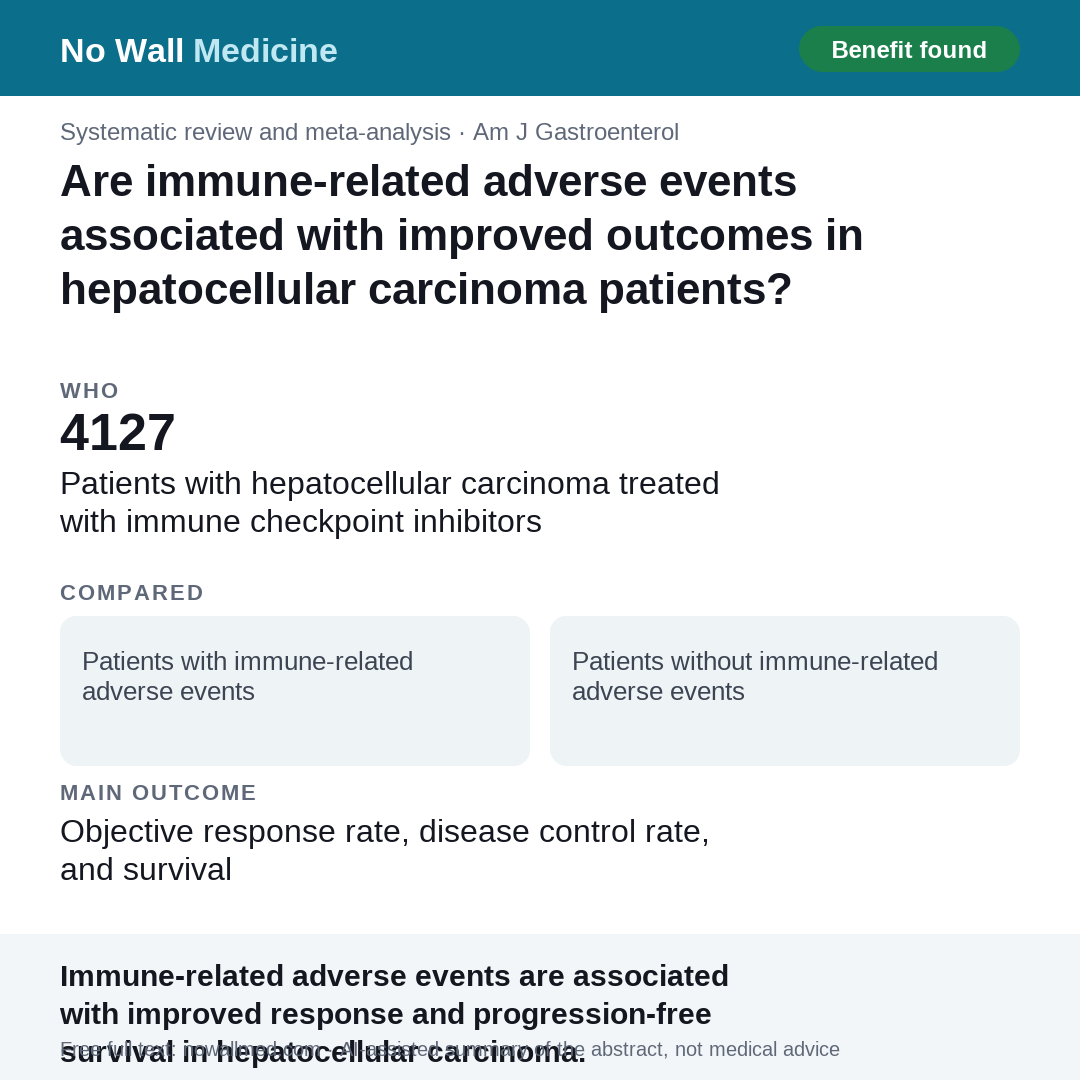
Immune-Related Adverse Events Are Associated With Improved Outcomes After Immune Checkpoint Inhibitor Treatment in Hepatocellular Carcinoma: A Systematic Review and Meta-Analysis
Systematic review and meta-analysisBenefit found
Are immune-related adverse events associated with improved outcomes in hepatocellular carcinoma patients?
Who
4127
Patients with hepatocellular carcinoma treated with immune checkpoint inhibitors
Compared
Patients with immune-related adverse events
Patients without immune-related adverse events
Main outcome
Objective response rate, disease control rate, and survival
Result: pooled hazard ratio 0.66 (95% CI 0.52-0.84)
Bottom line: Immune-related adverse events are associated with improved response and progression-free survival in hepatocellular carcinoma.
Am J Gastroenterol · 2025-05-16Download image
Gender affirming hormone therapy for individuals with gender dysphoria aged <26 years: a systematic review and meta-analysis
Systematic review and meta-analysisUnclear result
What are the effects of gender affirming hormone therapy in individuals under 26?
Who
Individuals with gender dysphoria aged less than 26 years
Compared
Gender affirming hormone therapy
No gender affirming hormone therapy
Main outcome
Psychological and physical effects
Result: odds ratio 0.73 (95% CI 0.61 to 0.88)
Bottom line: There is considerable uncertainty about the effects of gender affirming hormone therapy and benefit or harm cannot be excluded.
Limitation: Evidence provided was mostly very low certainty and methodologically rigorous prospective studies are needed.
Arch Dis Child · 2025-05-16Download image

Puberty blockers for gender dysphoria in youth: A systematic review and meta-analysis
Systematic review and meta-analysisUnclear result
What are the effects of puberty blockers in individuals experiencing gender dysphoria?
Who
Individuals aged under 26 years experiencing gender dysphoria
Compared
Puberty blockers
No puberty blockers
Main outcome
Psychological and physical outcomes
Bottom line: There remains considerable uncertainty regarding the effects of puberty blockers in individuals experiencing gender dysphoria.
Limitation: Very low certainty of evidence from included observational and before-after studies.
Arch Dis Child · 2025-05-16Download image

Mortality, diagnosis, and etiology of disseminated intravascular coagulation-a systematic review and meta-analysis: communication from the ISTH SSC subcommittee on disseminated intravascular coagulation
Systematic review and meta-analysisMixed results
What is the global epidemiology and mortality of disseminated intravascular coagulation?
Who
Patients with disseminated intravascular coagulation across various underlying diseases · Global
Compared
Sepsis: 42% mortality
Trauma: 36% mortality
Snakebite: 8% mortality
Leukemia: 28% mortality
Main outcome
All-cause mortality
Bottom line: Disseminated intravascular coagulation mortality is very high but varies significantly by underlying disease and diagnostic criteria.
Limitation: Mortality and odds ratio varied widely by underlying disease and diagnostic criteria.
J Thromb Haemost · 2025-05-16Download image

The Medicolegal Challenges of Facial Plastic Surgery: A Systematic Review
Systematic reviewUnclear result
Medicolegal challenges in facial plastic surgery
Who
27
facial plastic surgery patients · over 10 countries
Compared
litigation cases
non-litigation cases
Main outcome
medicolegal challenges
Bottom line: Informed consent and precision mitigate risks
Aesthet Surg J · 2025-05-16Download image

Treatment strategies for triple-negative primary breast cancer in older women: a systematic review
Systematic reviewNo clear difference
How does age affect treatment and outcomes in older women with triple-negative breast cancer?
Who
Women aged 65 years and older with early-stage triple-negative breast cancer
Compared
Women aged 70 years and older
Women younger than 70 years
Main outcome
Overall survival and breast cancer-specific survival
Bottom line: Outcomes showed no significant differences between women aged 70 and older and younger women.
JNCI Cancer Spectr · 2025-05-16Download image

Self-navigating the "Island of Reil": a systematic review of real-time fMRI neurofeedback training of insula activity
Systematic reviewBenefit found
Does rtfMRI neurofeedback train insula activity?
Who
individuals with insula dysfunction
Compared
rtfMRI NF training
control
Main outcome
insula activity modulation
Bottom line: rtfMRI neurofeedback trains insula activity
Limitation: inconsistent behavioral changes
Transl Psychiatry · 2025-05-16Download image