Visual abstracts
New randomized trials and meta-analyses from leading journals at a glance: who was studied, what was compared, and what was found. Every paper is free to read in full.
All specialtiesCardiology 4877Oncology 4138Gastroenterology & Hepatology 1942Infectious Disease 3837Neurology 1905Psychiatry & Mental Health 2273Pulmonology 2143Critical Care 1365Endocrinology & Diabetes 2580Pediatrics 2980Surgery 2559Orthopedics & Sports Medicine 931Neurosurgery 537Cardiothoracic & Vascular Surgery 674Plastic & Reconstructive Surgery 591Nephrology 1133Rheumatology 823Hematology 1109Dermatology 621Ophthalmology 543Obstetrics & Gynecology 1686Public & Global Health 1058Radiology & Imaging 648Anesthesiology 986Urology 764ENT (Otolaryngology) 503Emergency Medicine 511Allergy & Immunology 313Geriatrics 981Family Medicine & Primary Care 562Medical Genetics & Genomics 676Pathology & Laboratory Medicine 159Physical Medicine & Rehabilitation 757Palliative Care 444Nutrition 1588Digital Health & AI 2201General Medicine 321
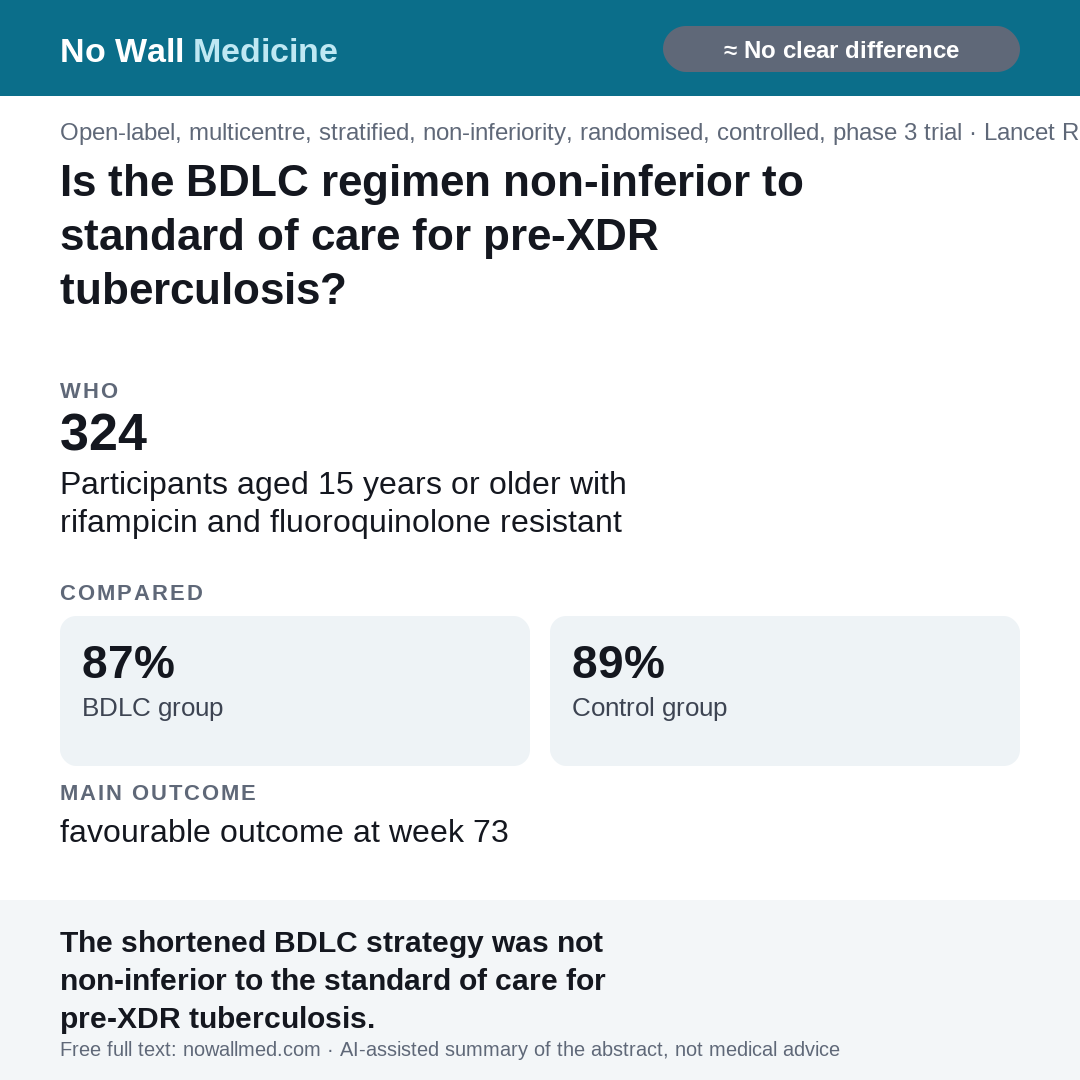
Bedaquiline, delamanid, linezolid, and clofazimine for rifampicin-resistant and fluoroquinolone-resistant tuberculosis (endTB-Q): an open-label, multicentre, stratified, non-inferiority, randomised, controlled, phase 3 trial
Open-label, multicentre, stratified, non-inferiority, randomised, controlled, phase 3 trialNo clear difference
Is the BDLC regimen non-inferior to standard of care for pre-XDR tuberculosis?
Who
324
Participants aged 15 years or older with rifampicin and fluoroquinolone resistant pulmonary tuberculosis · Ten hospitals in India, Kazakhstan, Lesotho, Pakistan, Peru, and Viet Nam
Compared
87%BDLC group (141/163)
89%Control group (75/84)
Main outcome
favourable outcome at week 73
Result: adjusted risk difference 0.2% (95% CI -9.1 to 9.5)
Bottom line: The shortened BDLC strategy was not non-inferior to the standard of care for pre-XDR tuberculosis.
Limitation: Overall non-inferiority was not shown.
Funded by: Unitaid, Médecins Sans Frontières, Partners In Health, and others
Lancet Respir Med · 2025-07-16Download image
Molecular Phenotyping of Sepsis and Differential Response to Fluid Resuscitation
Randomized trial analysisMixed results
Do sepsis molecular subphenotypes respond differently to fluid resuscitation strategies?
Who
1289
Patients enrolled in the CLOVERS clinical trial
Compared
9%Subphenotype 1 liberal fluid
9%Subphenotype 1 restrictive fluid
41%Subphenotype 2 liberal fluid
27%Subphenotype 2 restrictive fluid
Main outcome
28-day mortality
Result: P value for interaction = 0.02
Bottom line: Subphenotype 2 patients had higher 28-day mortality with liberal versus restrictive fluid, while subphenotype 1 showed no difference.
AJRCCM · 2025-07-16Download image

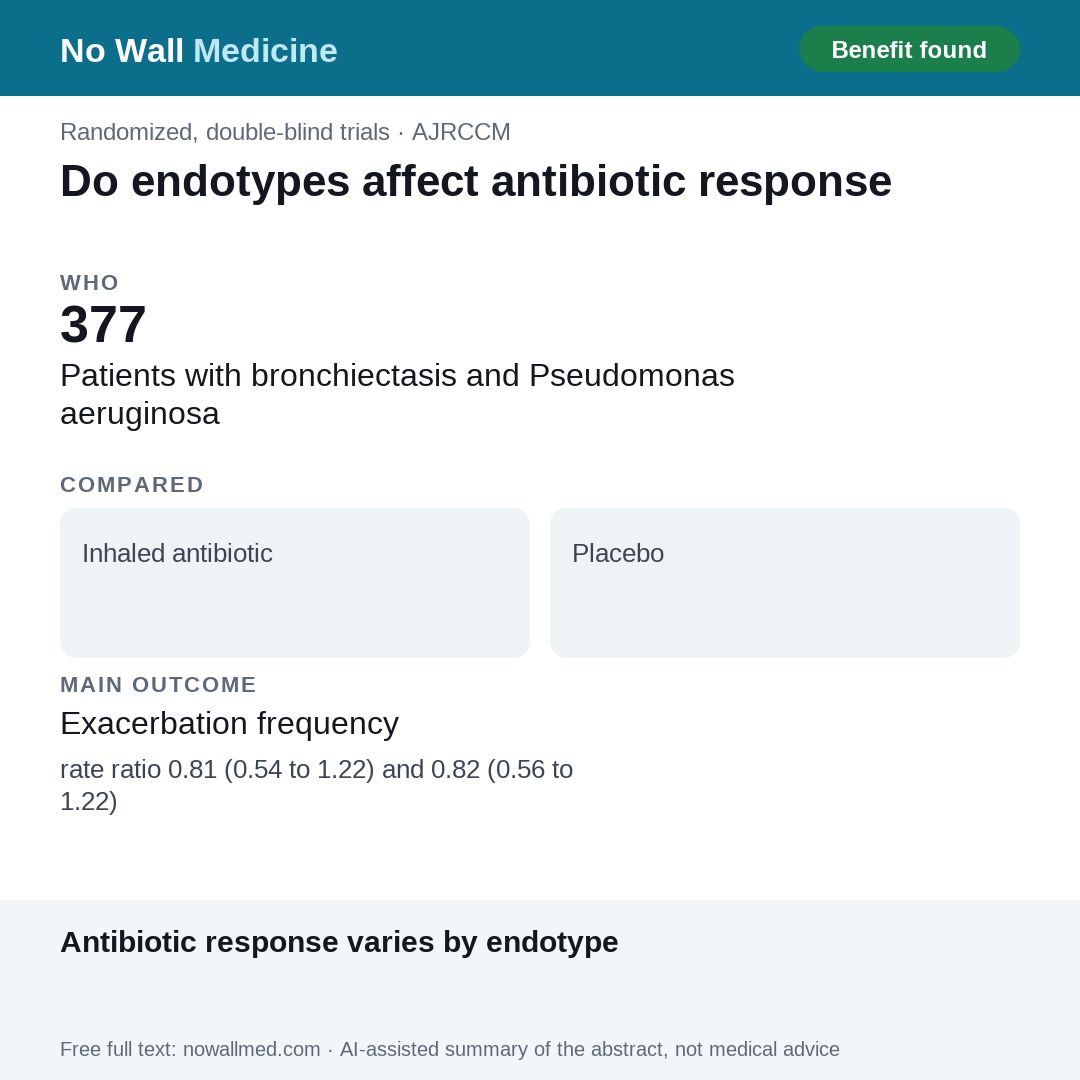
Endotypes of Pseudomonas aeruginosa Infection in Bronchiectasis Are Associated with Inhaled Antibiotic Response: Results from Two Randomized, Double-Blind, Placebo-controlled Phase III Trials (ORBIT 3 and ORBIT 4)
Randomized, double-blind trialsBenefit found
Do endotypes affect antibiotic response
Who
377
Patients with bronchiectasis and Pseudomonas aeruginosa
Compared
Inhaled antibiotic
Placebo
Main outcome
Exacerbation frequency
Result: rate ratio 0.81 (0.54 to 1.22) and 0.82 (0.56 to 1.22)
Bottom line: Antibiotic response varies by endotype
AJRCCM · 2025-07-16Download image
Cardiac Rhythm Conversions and the Outcome in Refractory Out-of-Hospital Cardiac Arrest: Extracorporeal Versus Conventional Resuscitation
Post hoc analysis of a randomized trialBenefit found
How do heart rhythm sequences affect neurologic outcomes in refractory out-of-hospital cardiac arrest?
Who
256
Patients with refractory out-of-hospital cardiac arrest · Prague
Compared
Intermittent ROSC with invasive approach: 26/34 [76%]
Intermittent ROSC with conventional strategy: 24/50 [48%]
Main outcome
Survival with Cerebral Performance Category 1 or 2 at 180 days
Bottom line: Patients with intermittent ROSC show higher success with invasive approaches compared to conventional strategies.
Crit Care Med · 2025-07-16Download image

Open Anterior Mesh Repair vs Modified Open Anterior Mesh Repair for Groin Hernia in Women: A Randomized Clinical Trial
Parallel, 2-arm, double-blind, randomized clinical trialNo clear difference
Is open anterior mesh repair as effective as modified open anterior mesh repair?
Who
200
Adult women 18 years or older with primary groin hernia · 2 public hospitals in Northern Uganda, East Africa
Compared
4.1%Open anterior mesh repair (4/97)
7.1%Modified open anterior mesh repair (7/98)
Main outcome
Groin hernia recurrence 1 year postoperatively
Result: absolute difference -3.0 percentage points (95% CI, -9.5 to 3.4)
Bottom line: Modified open anterior mesh repair is a good option for groin hernia repair in women in low-resource settings.
JAMA Surg · 2025-07-16Download image

Near-Infrared Autofluorescence for Parathyroid Detection During Endocrine Neck Surgery: A Randomized Clinical Trial
Multicenter randomized clinical trialBenefit found
Does near-infrared autofluorescence increase identified parathyroid glands and reduce hypoparathyroidism?
Who
752
Patients undergoing parathyroidectomy or total/completion thyroidectomy · 4 medical centers in the United States
Compared
Near-infrared autofluorescence: 3.3 (95% CI, 3.2-3.4) during thyroidectomy
Control: 2.8 (95% CI, 2.7-3.0) during thyroidectomy
Main outcome
Mean number of parathyroid glands identified intraoperatively
Result: not specified for all subgroups
Bottom line: Near-infrared autofluorescence increases the number of parathyroid glands identified during thyroidectomy and bilateral exploration parathyroidectomy.
JAMA Surg · 2025-07-16Download image

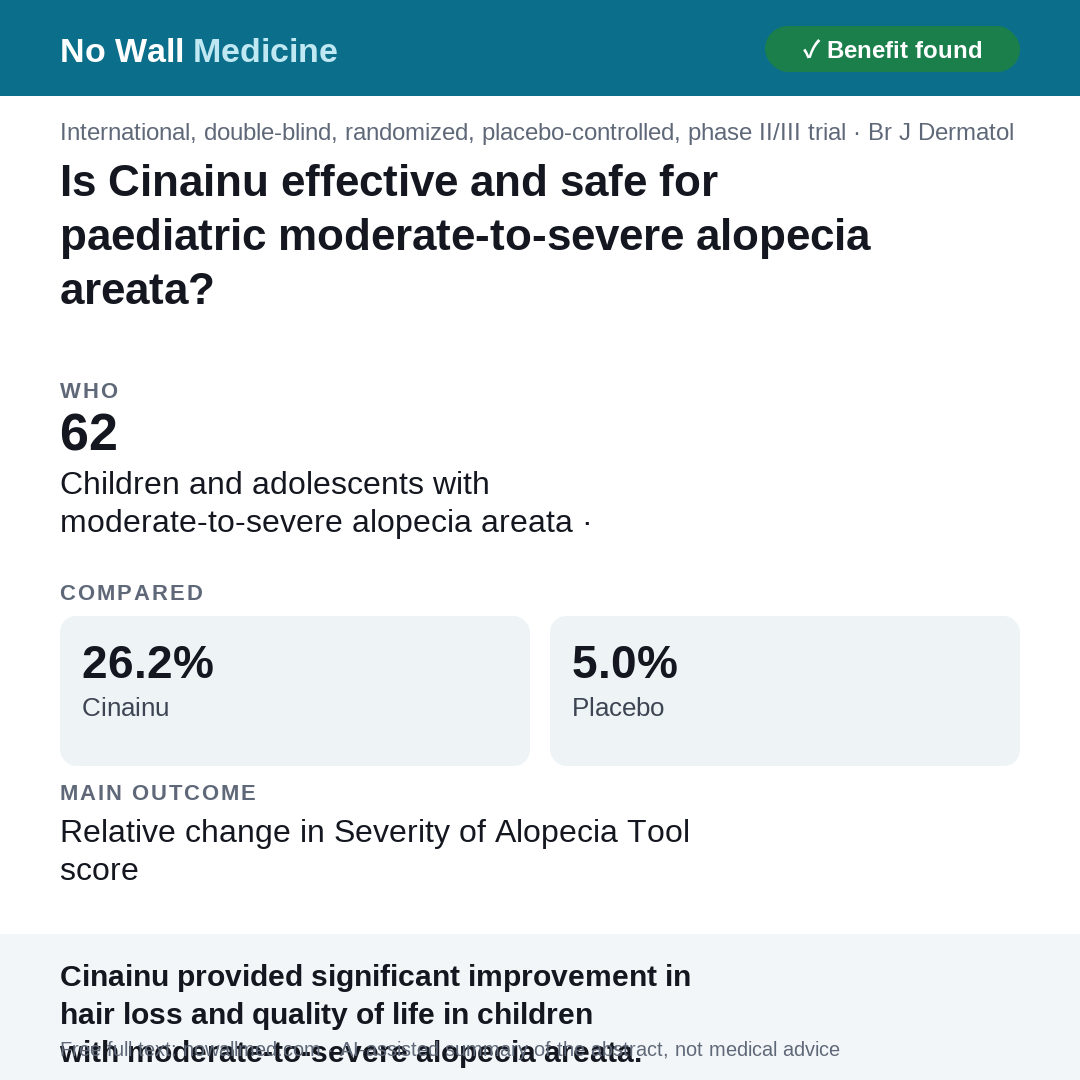
Efficacy and safety of Cinainu in paediatric alopecia areata: an international, double-blind, randomized, placebo-controlled, phase II/III trial
International, double-blind, randomized, placebo-controlled, phase II/III trialBenefit found
Is Cinainu effective and safe for paediatric moderate-to-severe alopecia areata?
Who
62
Children and adolescents with moderate-to-severe alopecia areata · International
Compared
26.2%Cinainu
5.0%Placebo
Main outcome
Relative change in Severity of Alopecia Tool score
Result: adjusted mean difference +26.3% (95% CI 0.1-52.5)
Bottom line: Cinainu provided significant improvement in hair loss and quality of life in children with moderate-to-severe alopecia areata.
Br J Dermatol · 2025-07-16Download image
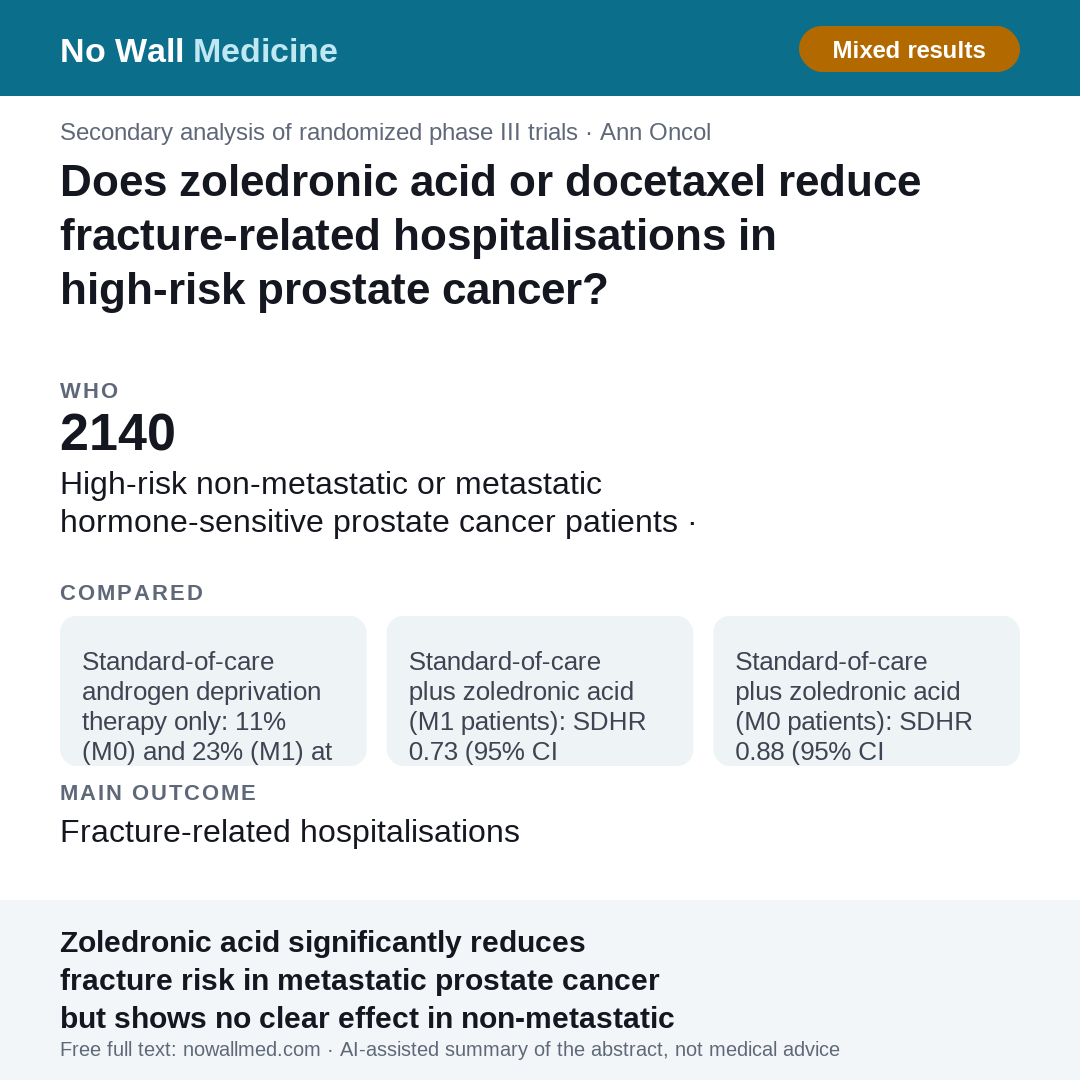
Fracture-related hospitalisations in newly diagnosed high-risk localised or metastatic hormone-sensitive prostate cancer: secondary analysis of the STAMPEDE phase III trials of docetaxel and zoledronic acid using healthcare systems data
Secondary analysis of randomized phase III trialsMixed results
Does zoledronic acid or docetaxel reduce fracture-related hospitalisations in high-risk prostate cancer?
Who
2140
High-risk non-metastatic or metastatic hormone-sensitive prostate cancer patients · England
Compared
Standard-of-care androgen deprivation therapy only: 11% (M0) and 23% (M1) at 5 years
Standard-of-care plus zoledronic acid (M1 patients): SDHR 0.73 (95% CI 0.55-0.97)
Standard-of-care plus zoledronic acid (M0 patients): SDHR 0.88 (95% CI 0.59-1.32)
Main outcome
Fracture-related hospitalisations
Result: SDHR 0.73 (95% CI 0.55-0.97) for zoledronic acid in M1 patients
Bottom line: Zoledronic acid significantly reduces fracture risk in metastatic prostate cancer but shows no clear effect in non-metastatic disease.
Limitation: Linked data were available for 96% of eligible patients
Ann Oncol · 2025-07-16Download image
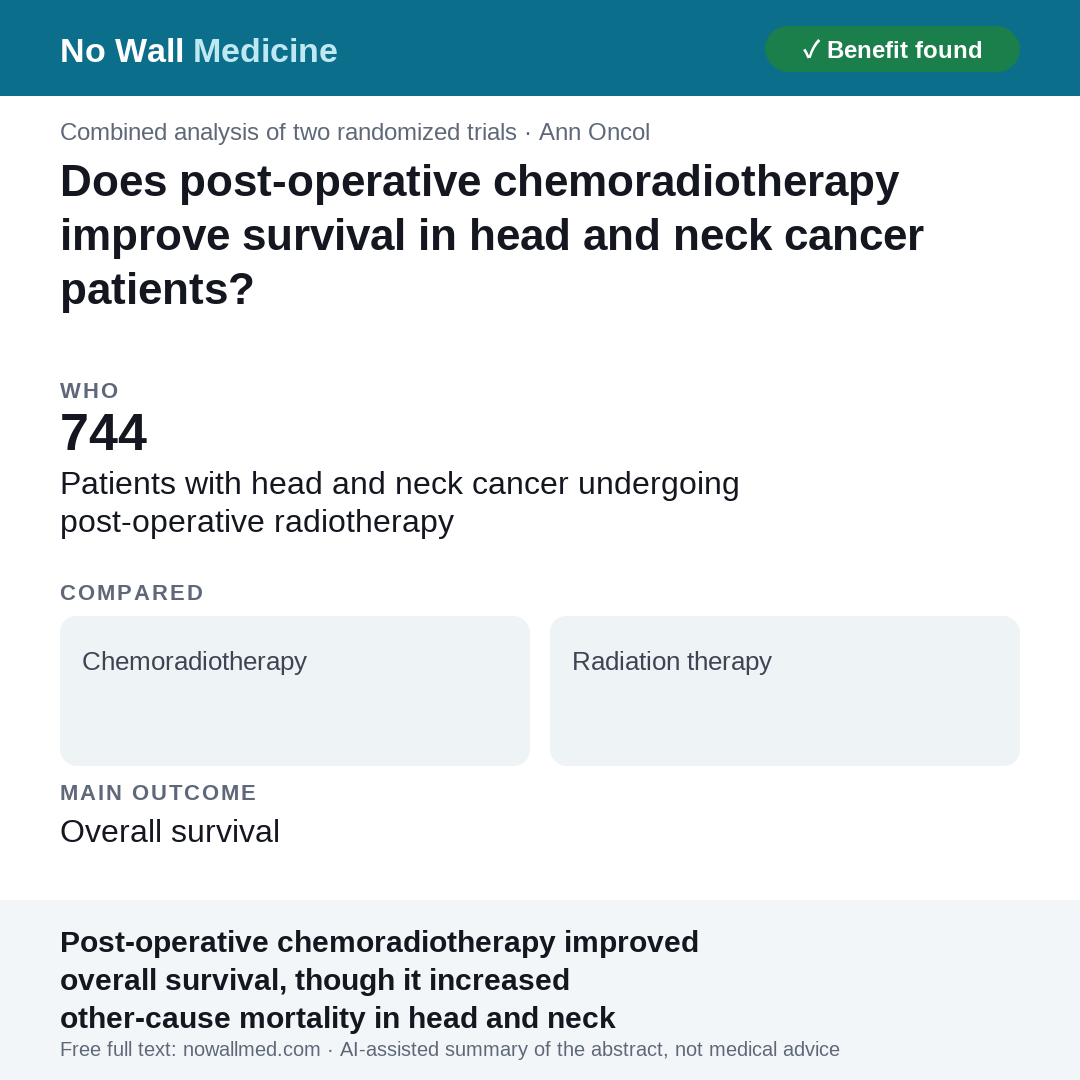
Re-examining post-operative chemoradiotherapy in head and neck cancer: an updated long-term combined analysis of RTOG 9501/EORTC 22931
Combined analysis of two randomized trialsBenefit found
Does post-operative chemoradiotherapy improve survival in head and neck cancer patients?
Who
744
Patients with head and neck cancer undergoing post-operative radiotherapy
Compared
Chemoradiotherapy
Radiation therapy
Main outcome
Overall survival
Result: hazard ratio 0.81 (95% CI 0.68-0.97)
Bottom line: Post-operative chemoradiotherapy improved overall survival, though it increased other-cause mortality in head and neck cancer patients.
Limitation: Tests of interaction showed no evidence of differential effect in subgroups with extranodal extension or positive margins.
Ann Oncol · 2025-07-16Download image
Clinical Trial: Association Between Early Disease Clearance and Long-Term Outcomes-4-Year Results From the Phase 3 UNIFI Study of Ustekinumab in Ulcerative Colitis
Randomized, placebo-controlled induction and maintenance studiesBenefit found
Does early disease clearance associate with better long-term outcomes in ulcerative colitis?
Who
Patients with ulcerative colitis
Compared
Achieved disease clearance: 63.6% clinical remission at Week 44
Did not achieve disease clearance: 35.2% clinical remission at Week 44
Main outcome
Clinical, symptomatic, and quality of life remission
Bottom line: Achieving disease clearance 8 weeks after induction is associated with better long-term clinical and symptomatic remission.
Aliment Pharmacol Ther · 2025-07-16Download image

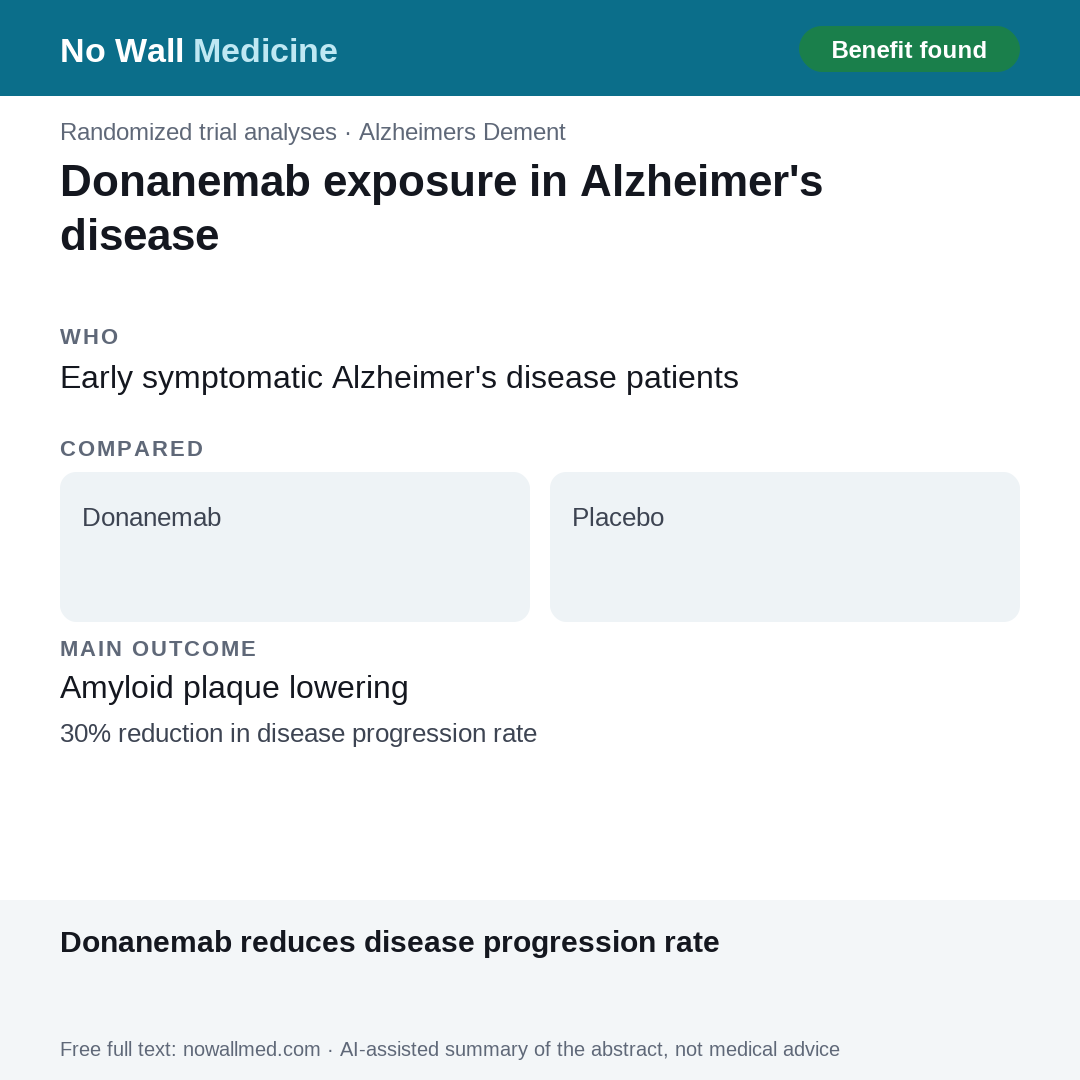
Donanemab exposure-response in early symptomatic Alzheimer's disease
Randomized trial analysesBenefit found
Donanemab exposure in Alzheimer's disease
Who
Early symptomatic Alzheimer's disease patients
Compared
Donanemab
Placebo
Main outcome
Amyloid plaque lowering
Result: 30% reduction in disease progression rate
Bottom line: Donanemab reduces disease progression rate
Alzheimers Dement · 2025-07-16Download image
Baseline cognition and demographic, lifestyle, and cardiovascular risk factors in US POINTER
Multicenter, randomized clinical trialNo clear difference
What factors explain baseline global cognition in at-risk older adults?
Who
2111
Older adults without significant cognitive impairment but at-risk for decline · Multicenter
Compared
Demographic characteristics: 25.94% explained variance
Cardiovascular and family history risk factors: < 3% explained variance
Main outcome
Baseline global cognition measured by modified Neuropsychological Test Battery
Bottom line: Demographic features explain more variance in baseline cognition than cardiovascular and family history risk factors in at-risk older adults.
Alzheimers Dement · 2025-07-16Download image

Empagliflozin Enhances Hepatic Glucose Production and Reduces Total-Body Norepinephrine Turnover Rate: A Randomized Trial
Randomized trialMixed results
Does empagliflozin affect hepatic glucose production and total-body norepinephrine turnover rate?
Who
Patients starting empagliflozin therapy
Compared
Empagliflozin: increase in hepatic glucose production
Empagliflozin: decrease in total-body norepinephrine turnover at 1 day and 12 weeks
Main outcome
Hepatic glucose production and total-body norepinephrine turnover rate
Bottom line: Empagliflozin increases hepatic glucose production while decreasing total-body norepinephrine turnover rate at 1 day and 12 weeks.
Diabetes · 2025-07-16Download image

The Pragmatic Removal of Penicillin Allergy Electronic Health Record Labels (PROPEL) Trial: A Randomized Clinical Trial
Stepped-wedge, nonblinded, randomized, controlled, pragmatic clinical trialBenefit found
Does an electronic health record tool kit facilitate inpatient penicillin allergy de-labeling by pharmacists?
Who
2052
Medically stable, nonpregnant adults with an electronic health record-documented penicillin allergy label · 12 inpatient medical units
Compared
4.4%Intervention (45 of 1,018)
3%Control (31 of 1,034)
Main outcome
Removal of penicillin allergy label by hospital discharge
Result: adjusted odds ratio = 2.05 (95% CI, 1.08-3.91)
Bottom line: An electronic health record tool kit and education increased the rate of inpatient penicillin allergy removal before discharge.
J Allergy Clin Immunol Pract · 2025-07-16Download image

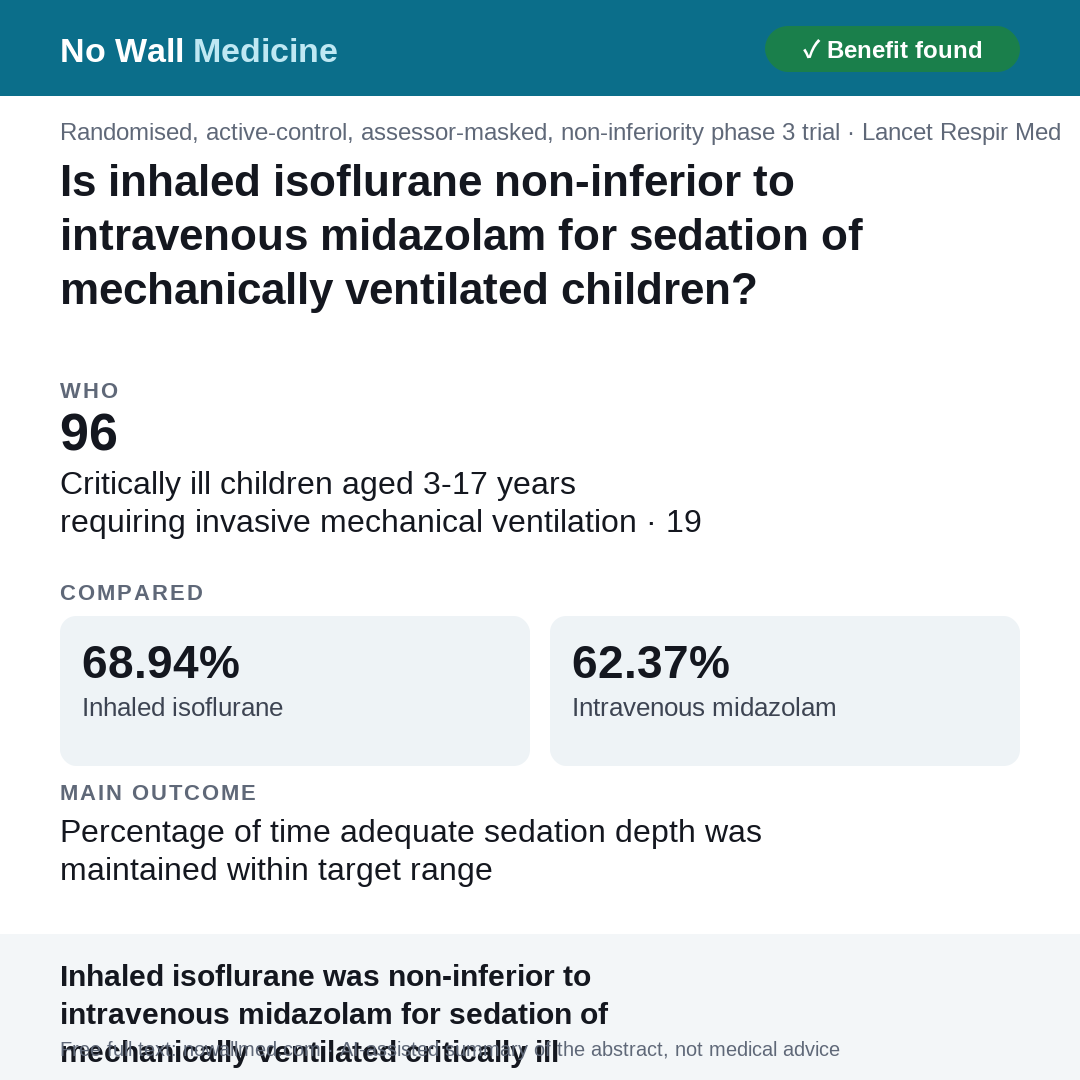
Inhaled isoflurane for sedation of mechanically ventilated children in intensive care (IsoCOMFORT): a multicentre, randomised, active-control, assessor-masked, non-inferiority phase 3 trial
Randomised, active-control, assessor-masked, non-inferiority phase 3 trialBenefit found
Is inhaled isoflurane non-inferior to intravenous midazolam for sedation of mechanically ventilated children?
Who
96
Critically ill children aged 3-17 years requiring invasive mechanical ventilation · 19 paediatric intensive care units in Spain, France, Germany, and UK
Compared
68.94%Inhaled isoflurane (95% CI 52.83-85.05)
62.37%Intravenous midazolam (44.70-80.04)
Main outcome
Percentage of time adequate sedation depth was maintained within target range
Result: least-squares mean difference 6.57 percentage points (95% CI -8.99 to 22.13)
Bottom line: Inhaled isoflurane was non-inferior to intravenous midazolam for sedation of mechanically ventilated critically ill children.
Funded by: Sedana Medical, Stockholm, Sweden
Lancet Respir Med · 2025-07-15Download image
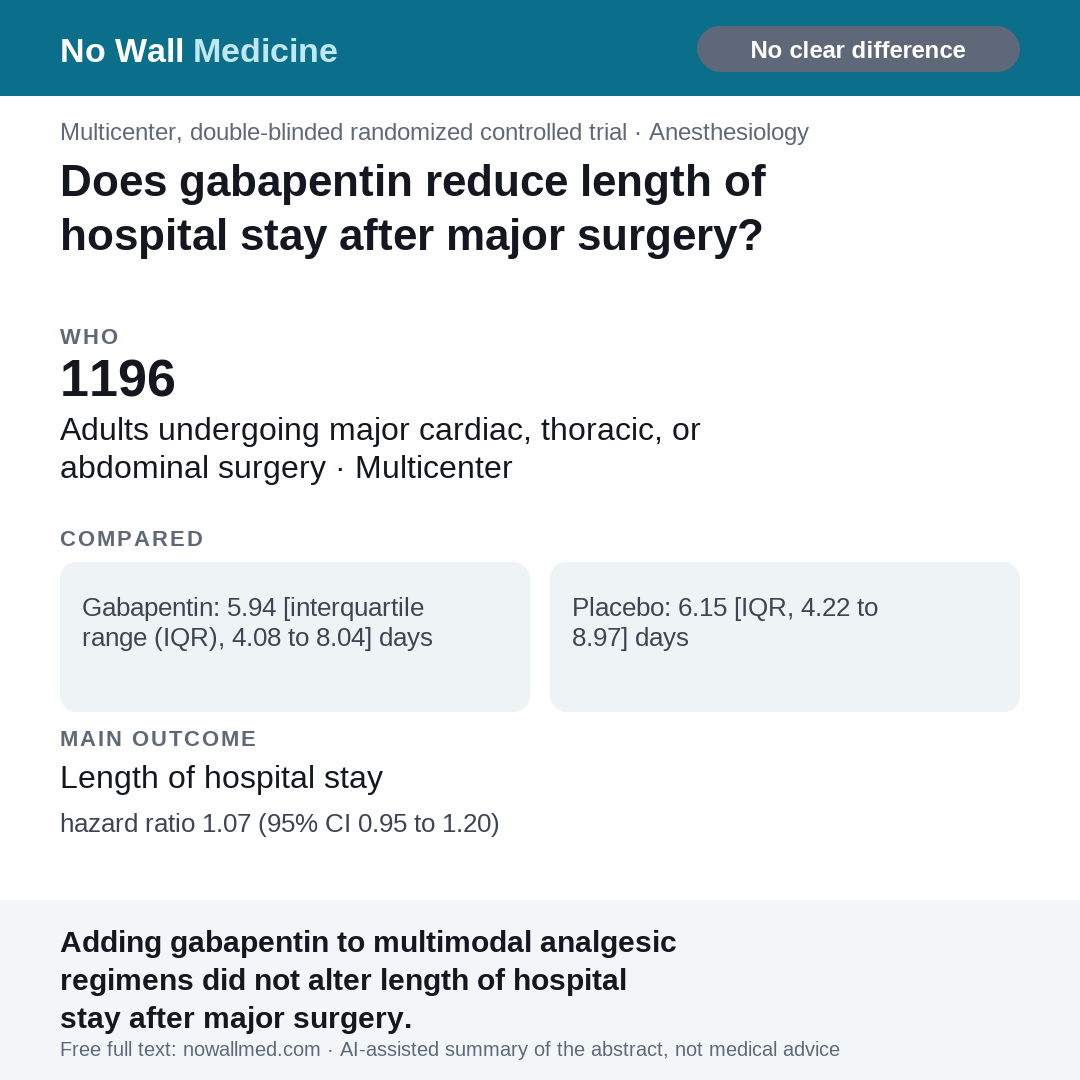
Gabapentin for Pain Management after Major Surgery: A Placebo-controlled, Double-blinded, Randomized Clinical Trial (the GAP Study)
Multicenter, double-blinded randomized controlled trialNo clear difference
Does gabapentin reduce length of hospital stay after major surgery?
Who
1196
Adults undergoing major cardiac, thoracic, or abdominal surgery · Multicenter
Compared
Gabapentin: 5.94 [interquartile range (IQR), 4.08 to 8.04] days
Placebo: 6.15 [IQR, 4.22 to 8.97] days
Main outcome
Length of hospital stay
Result: hazard ratio 1.07 (95% CI 0.95 to 1.20)
Bottom line: Adding gabapentin to multimodal analgesic regimens did not alter length of hospital stay after major surgery.
Anesthesiology · 2025-07-15Download image
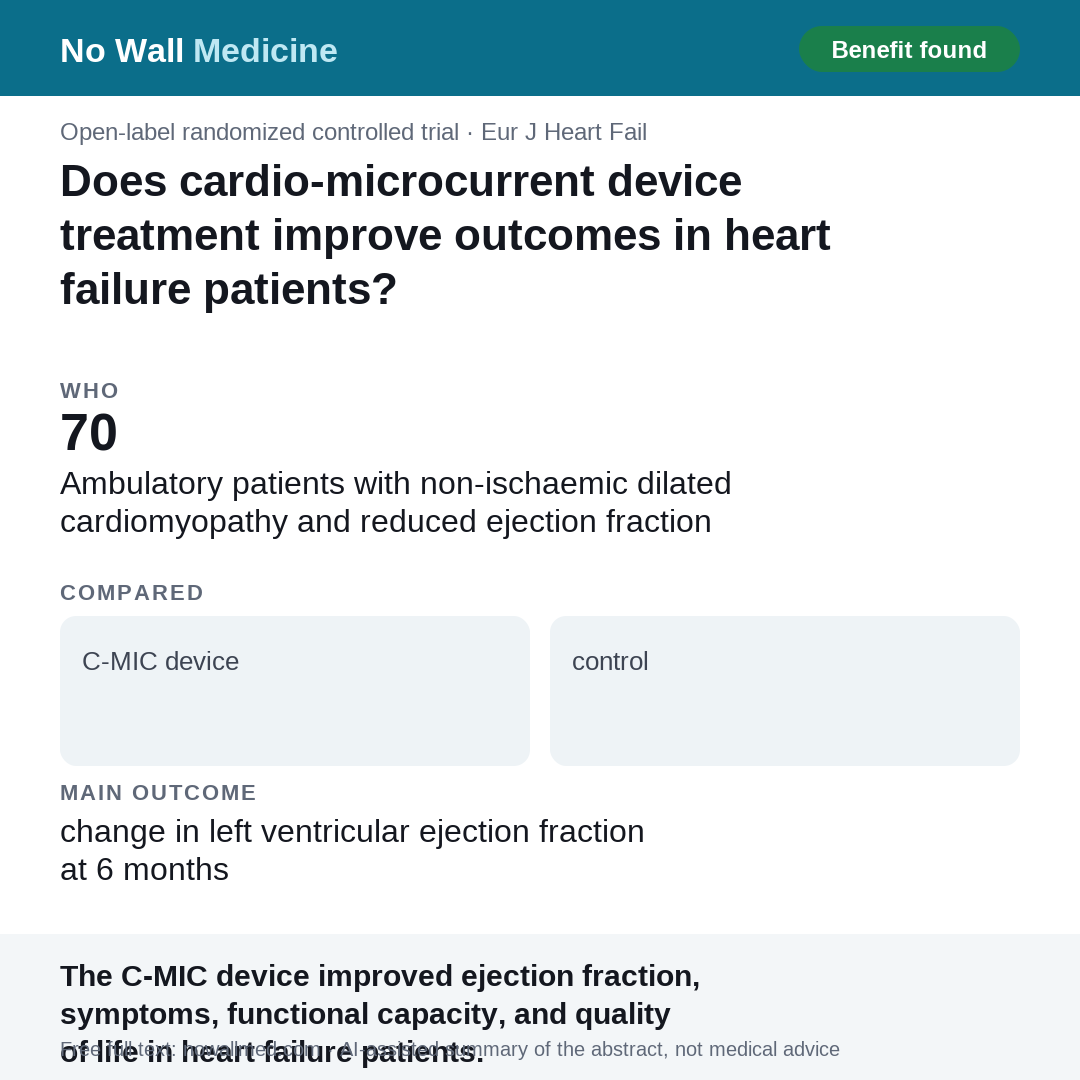
Cardio-microcurrent device treatment for heart failure with reduced ejection fraction: Results from the C-MIC II open-label randomized controlled trial
Open-label randomized controlled trialBenefit found
Does cardio-microcurrent device treatment improve outcomes in heart failure patients?
Who
70
Ambulatory patients with non-ischaemic dilated cardiomyopathy and reduced ejection fraction
Compared
C-MIC device
control
Main outcome
change in left ventricular ejection fraction at 6 months
Result: mean difference: 5.1% (95% confidence interval 3.1-7.1%)
Bottom line: The C-MIC device improved ejection fraction, symptoms, functional capacity, and quality of life in heart failure patients.
Eur J Heart Fail · 2025-07-15Download image
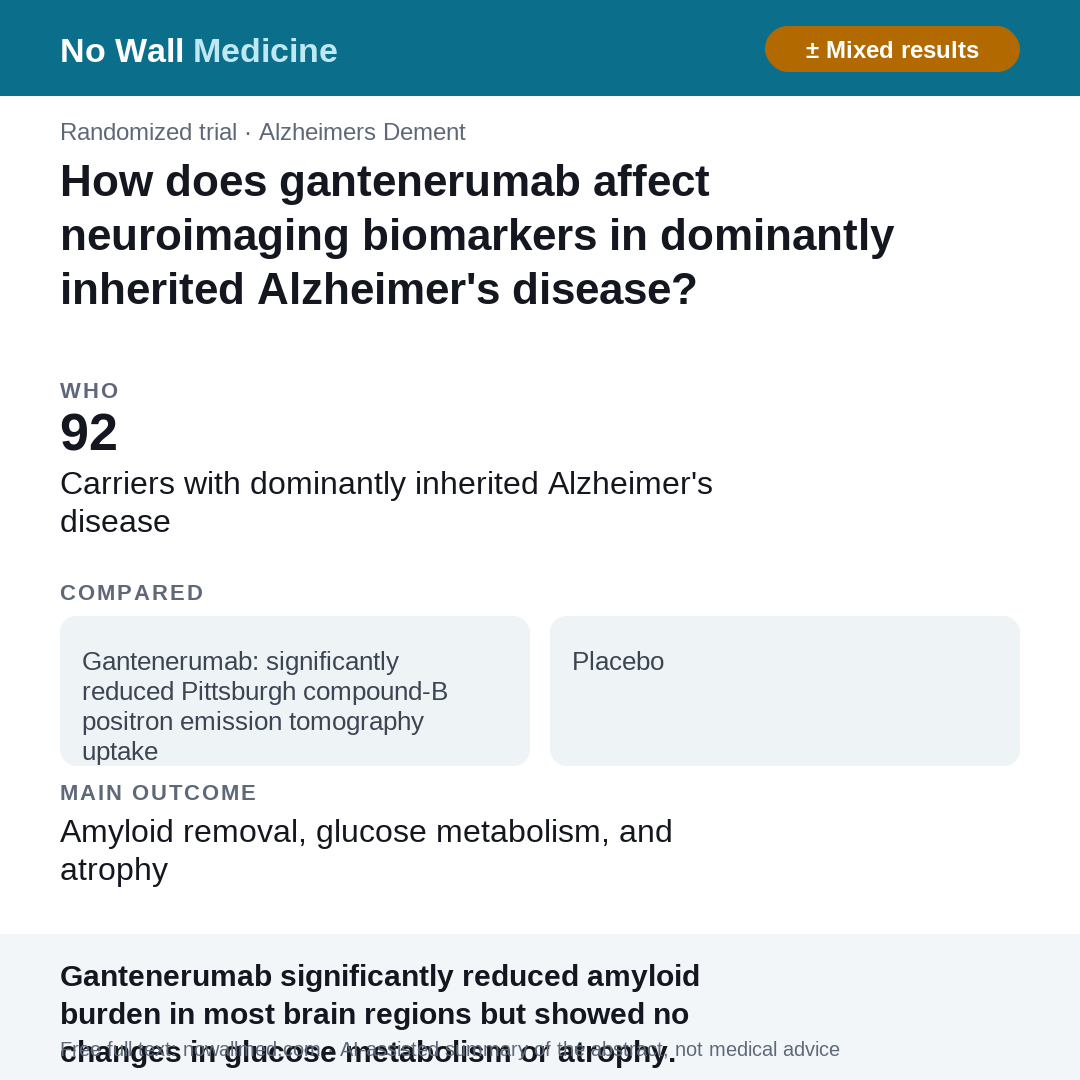
Regional effects of gantenerumab on neuroimaging biomarkers in the DIAN-TU-001 trial
Randomized trialMixed results
How does gantenerumab affect neuroimaging biomarkers in dominantly inherited Alzheimer's disease?
Who
92
Carriers with dominantly inherited Alzheimer's disease
Compared
Gantenerumab: significantly reduced Pittsburgh compound-B positron emission tomography uptake
Placebo
Main outcome
Amyloid removal, glucose metabolism, and atrophy
Bottom line: Gantenerumab significantly reduced amyloid burden in most brain regions but showed no changes in glucose metabolism or atrophy.
Alzheimers Dement · 2025-07-15Download image
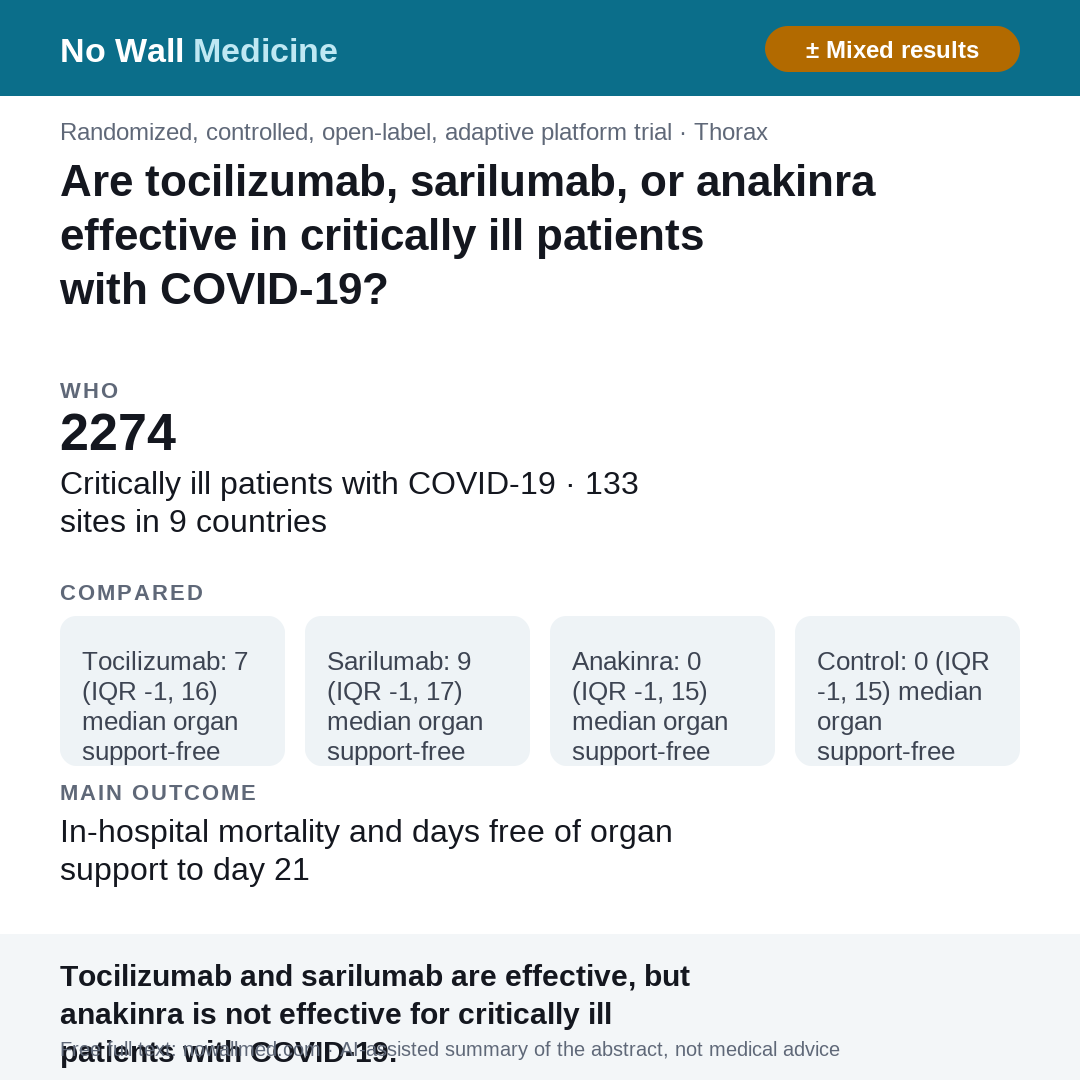
Tocilizumab, sarilumab and anakinra in critically ill patients with COVID-19: a randomised, controlled, open-label, adaptive platform trial
Randomized, controlled, open-label, adaptive platform trialMixed results
Are tocilizumab, sarilumab, or anakinra effective in critically ill patients with COVID-19?
Who
2274
Critically ill patients with COVID-19 · 133 sites in 9 countries
Compared
Tocilizumab: 7 (IQR -1, 16) median organ support-free days
Sarilumab: 9 (IQR -1, 17) median organ support-free days
Anakinra: 0 (IQR -1, 15) median organ support-free days
Control: 0 (IQR -1, 15) median organ support-free days
Main outcome
In-hospital mortality and days free of organ support to day 21
Result: adjusted ORs 1.46 (95% CrI 1.13, 1.87), 1.50 (95% CrI 1.13, 2.00) and 0.99 (95% CrI 0.74, 1.35)
Bottom line: Tocilizumab and sarilumab are effective, but anakinra is not effective for critically ill patients with COVID-19.
Thorax · 2025-07-15Download image
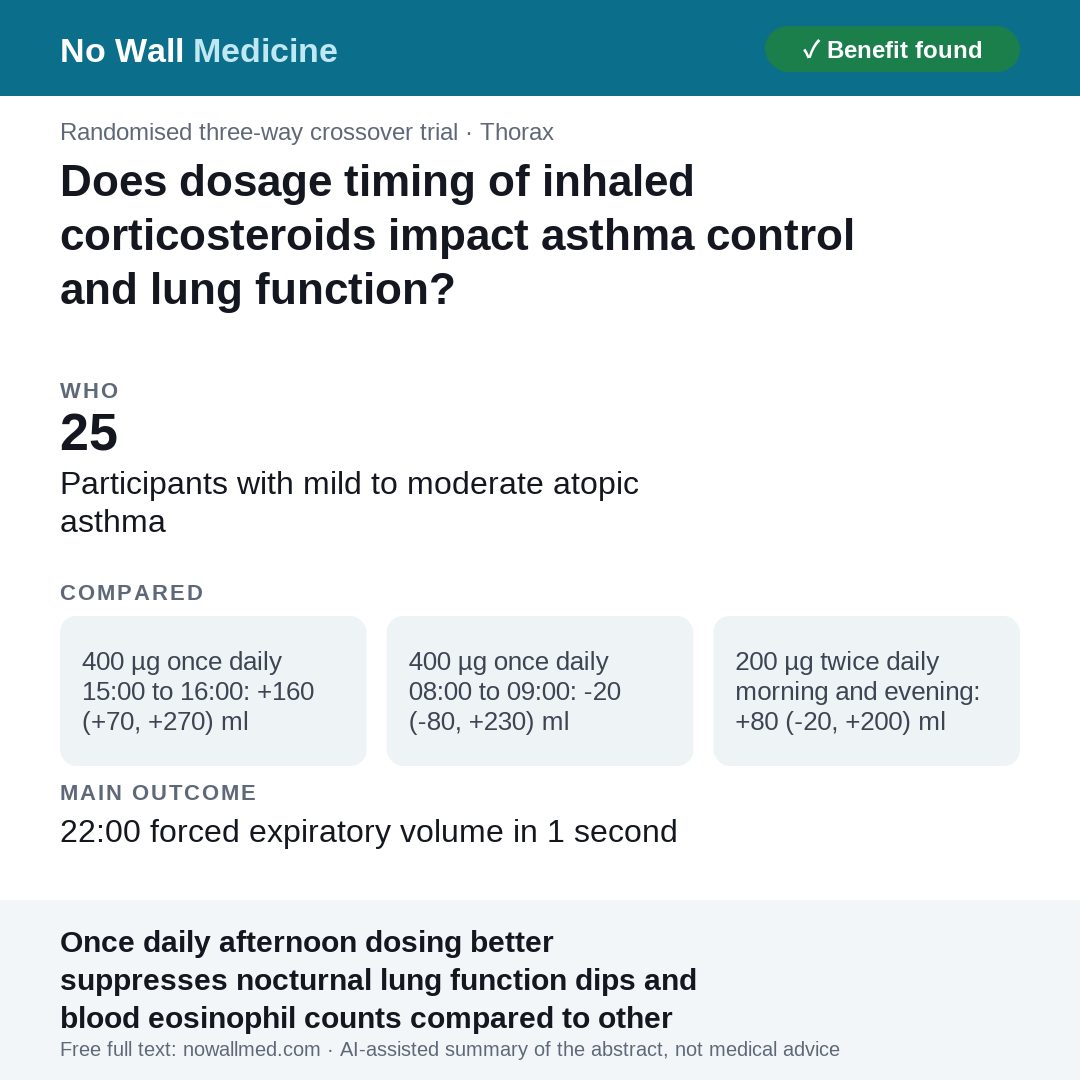
The impact of dosage timing for inhaled corticosteroids in asthma: a randomised three-way crossover trial
Randomised three-way crossover trialBenefit found
Does dosage timing of inhaled corticosteroids impact asthma control and lung function?
Who
25
Participants with mild to moderate atopic asthma
Compared
400 µg once daily 15:00 to 16:00: +160 (+70, +270) ml
400 µg once daily 08:00 to 09:00: -20 (-80, +230) ml
200 µg twice daily morning and evening: +80 (-20, +200) ml
Main outcome
22:00 forced expiratory volume in 1 second
Bottom line: Once daily afternoon dosing better suppresses nocturnal lung function dips and blood eosinophil counts compared to other regimens.
Thorax · 2025-07-15Download image