Visual abstracts
New randomized trials and meta-analyses from leading journals at a glance: who was studied, what was compared, and what was found. Every paper is free to read in full.
All specialtiesCardiology 4877Oncology 4138Gastroenterology & Hepatology 1942Infectious Disease 3837Neurology 1905Psychiatry & Mental Health 2273Pulmonology 2143Critical Care 1365Endocrinology & Diabetes 2580Pediatrics 2980Surgery 2559Orthopedics & Sports Medicine 931Neurosurgery 537Cardiothoracic & Vascular Surgery 674Plastic & Reconstructive Surgery 591Nephrology 1133Rheumatology 823Hematology 1109Dermatology 621Ophthalmology 543Obstetrics & Gynecology 1686Public & Global Health 1058Radiology & Imaging 648Anesthesiology 986Urology 764ENT (Otolaryngology) 503Emergency Medicine 511Allergy & Immunology 313Geriatrics 981Family Medicine & Primary Care 562Medical Genetics & Genomics 676Pathology & Laboratory Medicine 159Physical Medicine & Rehabilitation 757Palliative Care 444Nutrition 1588Digital Health & AI 2201General Medicine 321
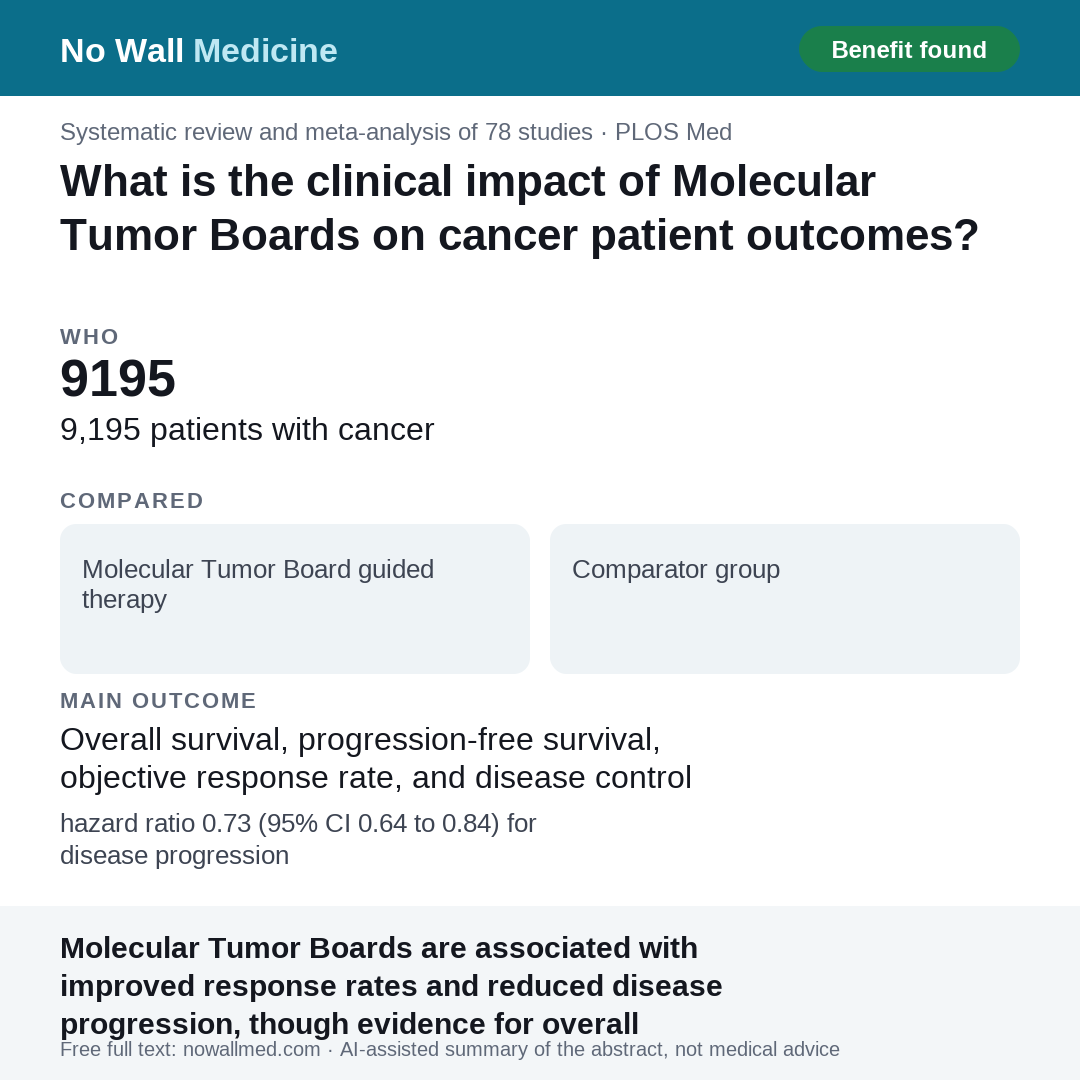
Molecular Tumor Boards clinical impact on patient care and structural features: A systematic review and meta-analysis
Systematic review and meta-analysis of 78 studiesBenefit found
What is the clinical impact of Molecular Tumor Boards on cancer patient outcomes?
Who
9195
9,195 patients with cancer
Compared
Molecular Tumor Board guided therapy
Comparator group
Main outcome
Overall survival, progression-free survival, objective response rate, and disease control rate
Result: hazard ratio 0.73 (95% CI 0.64 to 0.84) for disease progression
Bottom line: Molecular Tumor Boards are associated with improved response rates and reduced disease progression, though evidence for overall survival is limited.
Limitation: Substantial heterogeneity, predominance of non-randomized studies with serious risk of bias, and data reporting limitations.
PLOS Med · 2026-06-09Download image
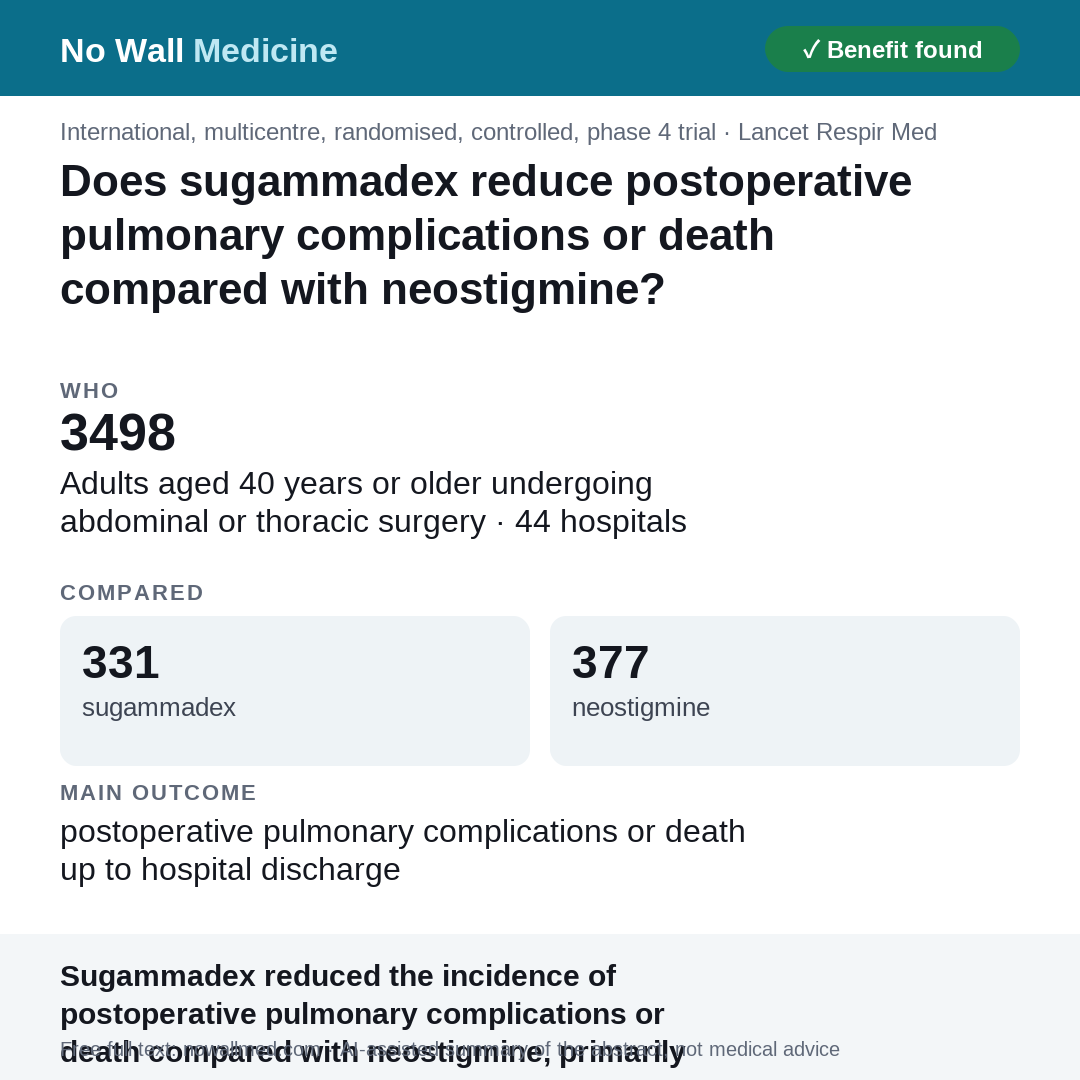
Sugammadex versus neostigmine for reversal of neuromuscular blockade and postoperative pulmonary complications (SNaPP): an international, randomised, controlled, phase 4 trial
International, multicentre, randomised, controlled, phase 4 trialBenefit found
Does sugammadex reduce postoperative pulmonary complications or death compared with neostigmine?
Who
3498
Adults aged 40 years or older undergoing abdominal or thoracic surgery · 44 hospitals in Australia, Aotearoa New Zealand, and Hong Kong
Compared
331sugammadex (19·0%)
377neostigmine (21·5%)
Main outcome
postoperative pulmonary complications or death up to hospital discharge
Result: risk ratio 0·88 (95% CI 0·77-1·00)
Bottom line: Sugammadex reduced the incidence of postoperative pulmonary complications or death compared with neostigmine, primarily driven by reduced atelectasis.
Funded by: Australian Medical Research Future Fund and Hong Kong Health and Medical Research Fund
Lancet Respir Med · 2026-06-09Download image
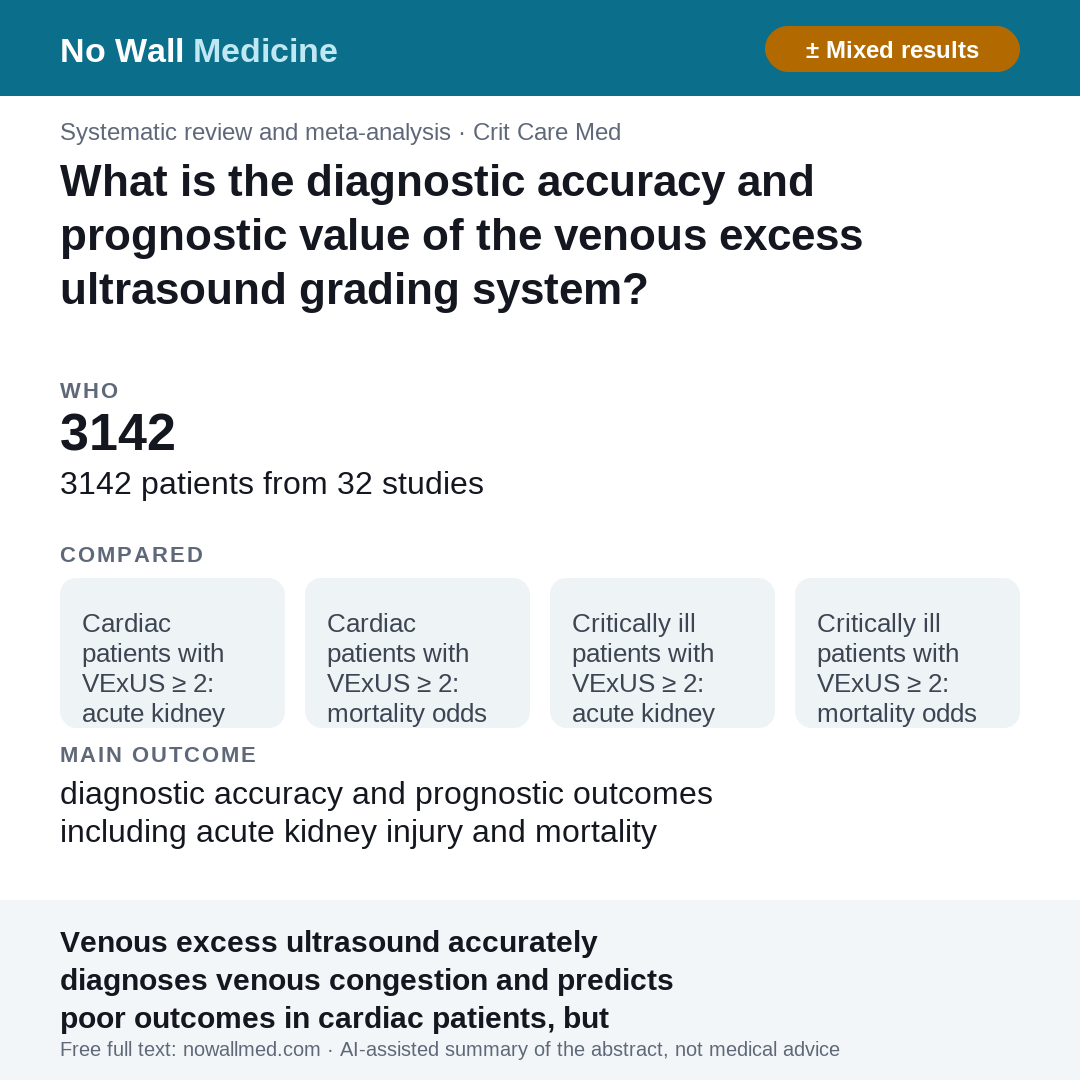
Diagnostic and Prognostic Value of the Venous Excess Ultrasound Grading System (VExUS): A Systematic Review and Meta-Analysis
Systematic review and meta-analysisMixed results
What is the diagnostic accuracy and prognostic value of the venous excess ultrasound grading system?
Who
3142
3142 patients from 32 studies
Compared
Cardiac patients with VExUS ≥ 2: acute kidney injury odds ratio 4.44 (95% CI 2.34-8.43)
Cardiac patients with VExUS ≥ 2: mortality odds ratio 3.17 (95% CI 1.30-7.75)
Critically ill patients with VExUS ≥ 2: acute kidney injury odds ratio 1.45 (95% CI 0.70-2.99)
Critically ill patients with VExUS ≥ 2: mortality odds ratio 1.25 (95% CI 0.77-2.03)
Main outcome
diagnostic accuracy and prognostic outcomes including acute kidney injury and mortality
Bottom line: Venous excess ultrasound accurately diagnoses venous congestion and predicts poor outcomes in cardiac patients, but results are unclear for critically ill patients.
Limitation: No meta-analysis could be performed for the diagnostic studies.
Crit Care Med · 2026-06-09Download image
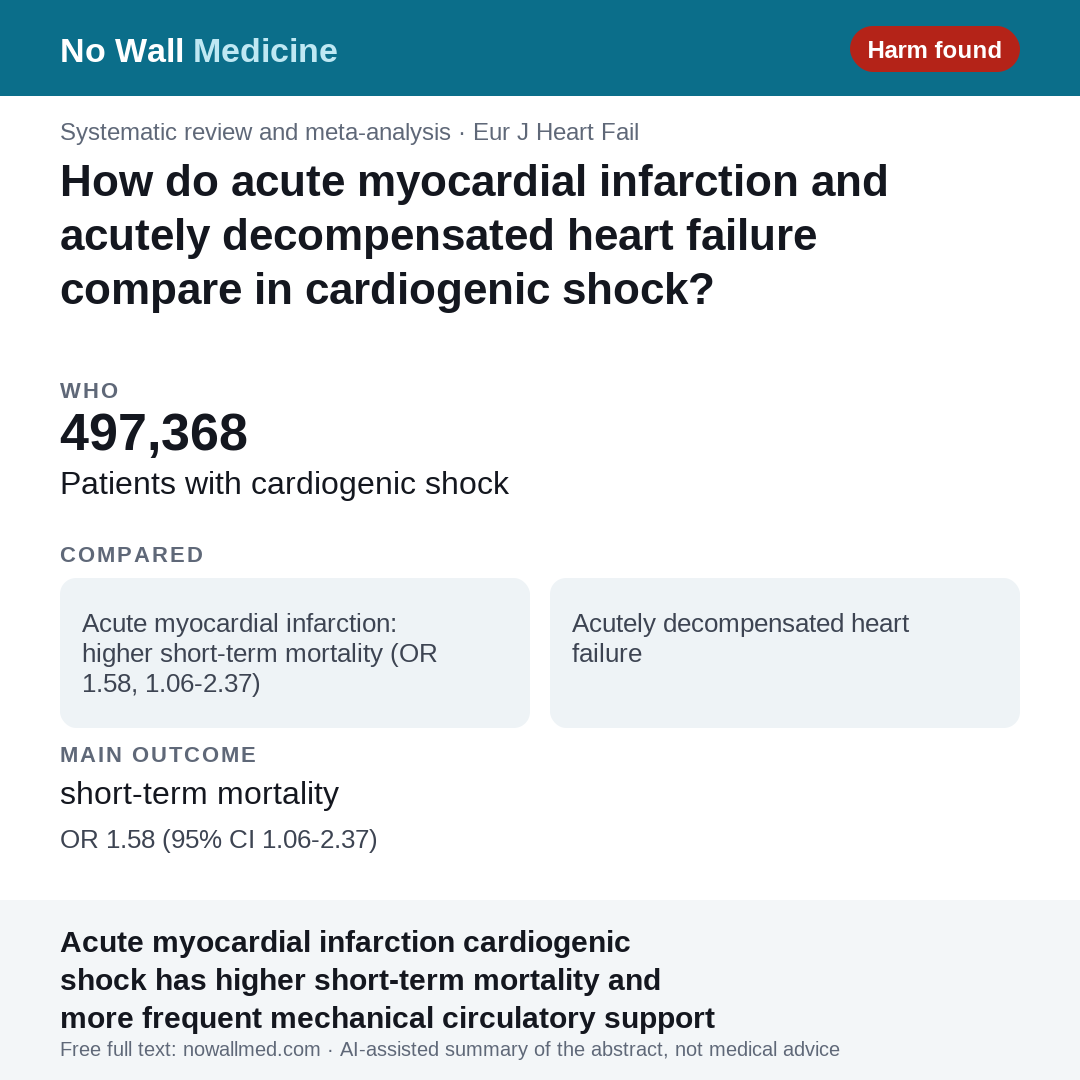
Acute Myocardial Infarction versus Acute Decompensated Heart Failure in Cardiogenic Shock: A Systematic Review and Meta-Analysis of Clinical Phenotypes and Mortality
Systematic review and meta-analysisHarm found
How do acute myocardial infarction and acutely decompensated heart failure compare in cardiogenic shock?
Who
497,368
Patients with cardiogenic shock
Compared
Acute myocardial infarction: higher short-term mortality (OR 1.58, 1.06-2.37)
Acutely decompensated heart failure
Main outcome
short-term mortality
Result: OR 1.58 (95% CI 1.06-2.37)
Bottom line: Acute myocardial infarction cardiogenic shock has higher short-term mortality and more frequent mechanical circulatory support than heart failure cardiogenic shock.
Limitation: Phenotype-defining variables were extractable in less than 1.1% of the pooled cohort.
Eur J Heart Fail · 2026-06-09Download image
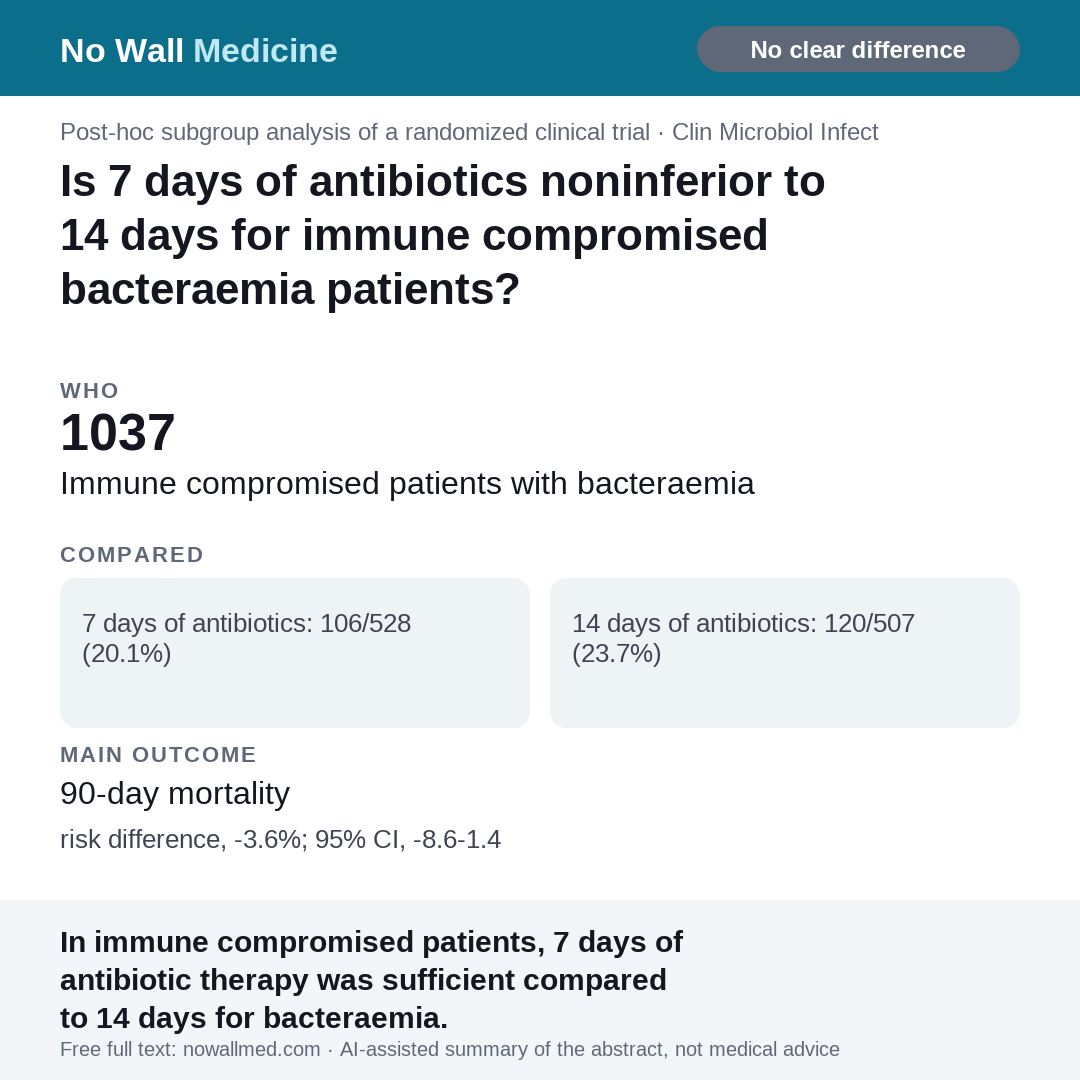
Duration of antibiotic therapy for bacteraemia in immune compromised hosts-a post-hoc subgroup analysis of the Bacteremia Antibiotic Length Actually Needed For Clinical Effectiveness (BALANCE) randomized clinical trial
Post-hoc subgroup analysis of a randomized clinical trialNo clear difference
Is 7 days of antibiotics noninferior to 14 days for immune compromised bacteraemia patients?
Who
1037
Immune compromised patients with bacteraemia
Compared
7 days of antibiotics: 106/528 (20.1%)
14 days of antibiotics: 120/507 (23.7%)
Main outcome
90-day mortality
Result: risk difference, -3.6%; 95% CI, -8.6-1.4
Bottom line: In immune compromised patients, 7 days of antibiotic therapy was sufficient compared to 14 days for bacteraemia.
Limitation: This was a post-hoc subgroup analysis.
Clin Microbiol Infect · 2026-06-09Download image
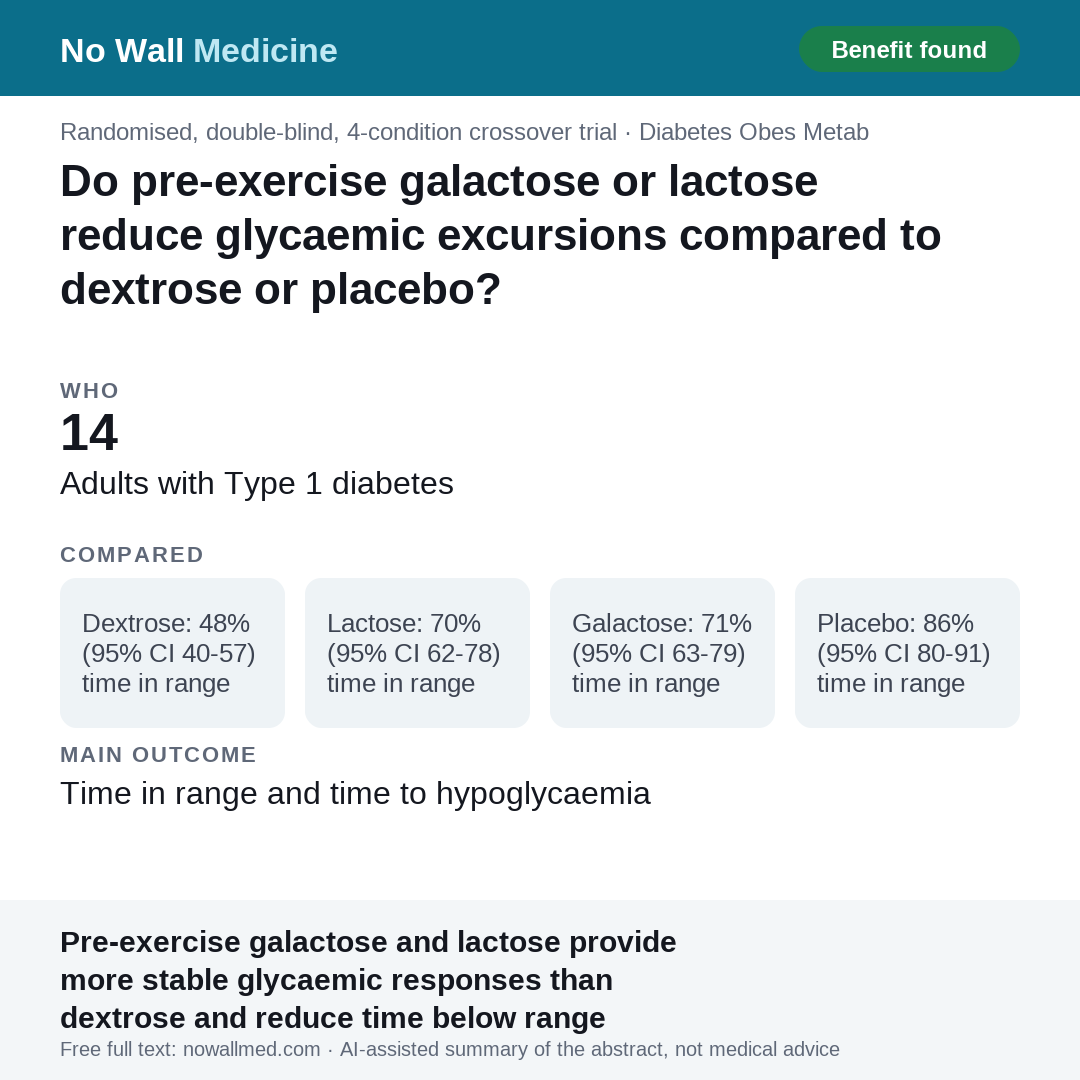
Pre-Exercise Galactose or Lactose Reduces Glycaemic Excursions During Exercise in Adults With Type 1 Diabetes: A Randomised, Double-Blind, Crossover Trial
Randomised, double-blind, 4-condition crossover trialBenefit found
Do pre-exercise galactose or lactose reduce glycaemic excursions compared to dextrose or placebo?
Who
14
Adults with Type 1 diabetes
Compared
Dextrose: 48% (95% CI 40-57) time in range
Lactose: 70% (95% CI 62-78) time in range
Galactose: 71% (95% CI 63-79) time in range
Placebo: 86% (95% CI 80-91) time in range
Main outcome
Time in range and time to hypoglycaemia
Bottom line: Pre-exercise galactose and lactose provide more stable glycaemic responses than dextrose and reduce time below range compared to placebo.
Diabetes Obes Metab · 2026-06-09Download image
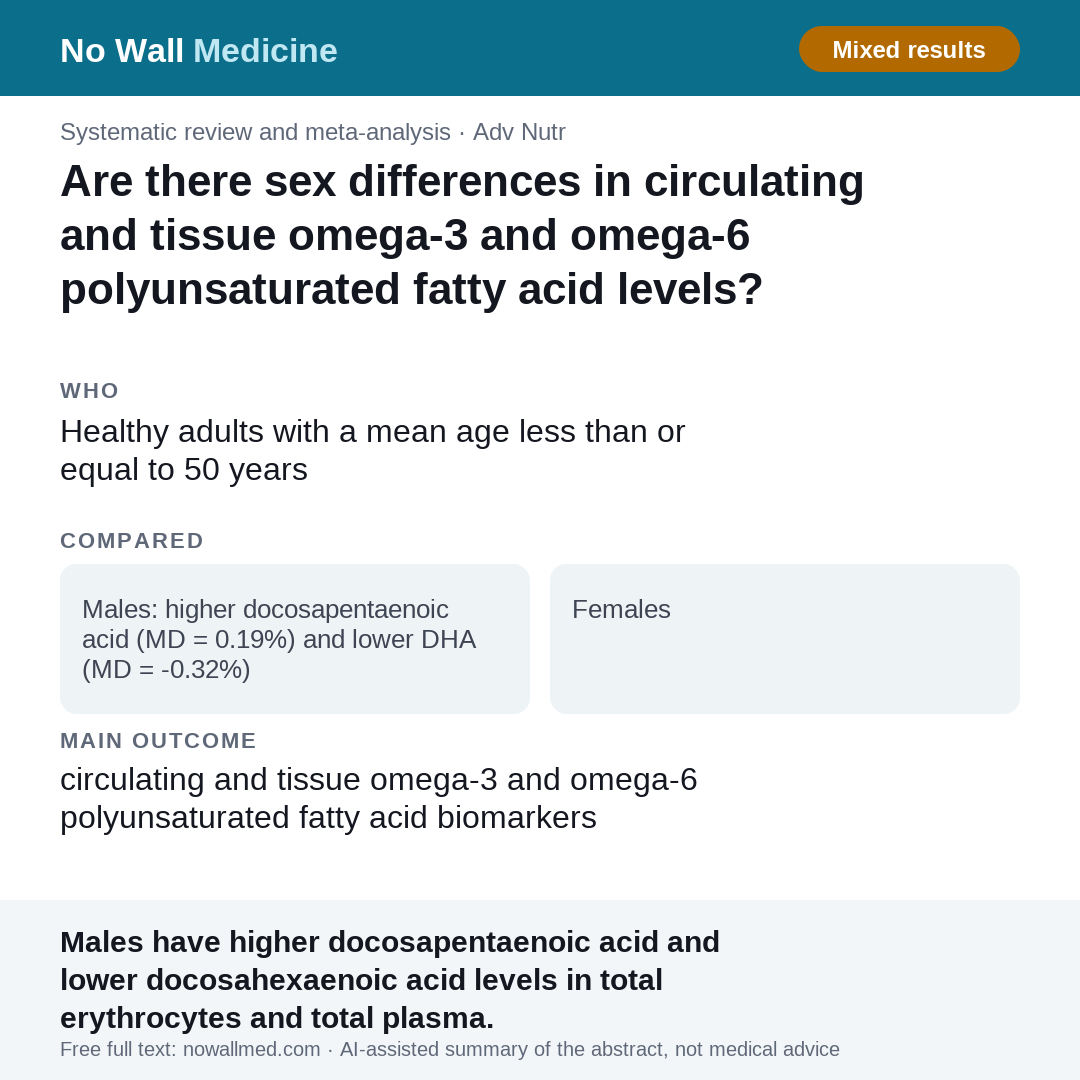
Sex Differences in Omega-3 and Omega-6 PUFA Status: A Systematic Review and Meta-analysis of Cross-Sectional Comparisons
Systematic review and meta-analysisMixed results
Are there sex differences in circulating and tissue omega-3 and omega-6 polyunsaturated fatty acid levels?
Who
Healthy adults with a mean age less than or equal to 50 years
Compared
Males: higher docosapentaenoic acid (MD = 0.19%) and lower DHA (MD = -0.32%)
Females
Main outcome
circulating and tissue omega-3 and omega-6 polyunsaturated fatty acid biomarkers
Result: MD = 0.19%, 95% CI: 0.10%, 0.27% for docosapentaenoic acid; MD = -0.32%, 95% CI: -0.46%, -0.18% for DHA
Bottom line: Males have higher docosapentaenoic acid and lower docosahexaenoic acid levels in total erythrocytes and total plasma.
Limitation: The certainty of the evidence for all outcomes was graded as low or very low.
Adv Nutr · 2026-06-09Download image
Mobile intervention for emerging adults with regular cannabis use: a micro-randomized trial
Micro-randomized trialMixed results
Does a personalized just-in-time adaptive intervention improve engagement and cannabis use?
Who
122
Emerging adults with regular cannabis use
Compared
Intervention message delivery: b = 0.044; 95% CI: 0.018, 0.070
No message: b = 0.008; 95% CI: -0.003, 0.020
Main outcome
Proximal engagement and proximal cannabis use
Bottom line: The intervention increased proximal engagement but did not affect proximal cannabis use among emerging adults.
Funded by: National Institute of Health and the Brzoznowski family
Lancet Reg Health Am · 2026-06-09Download image

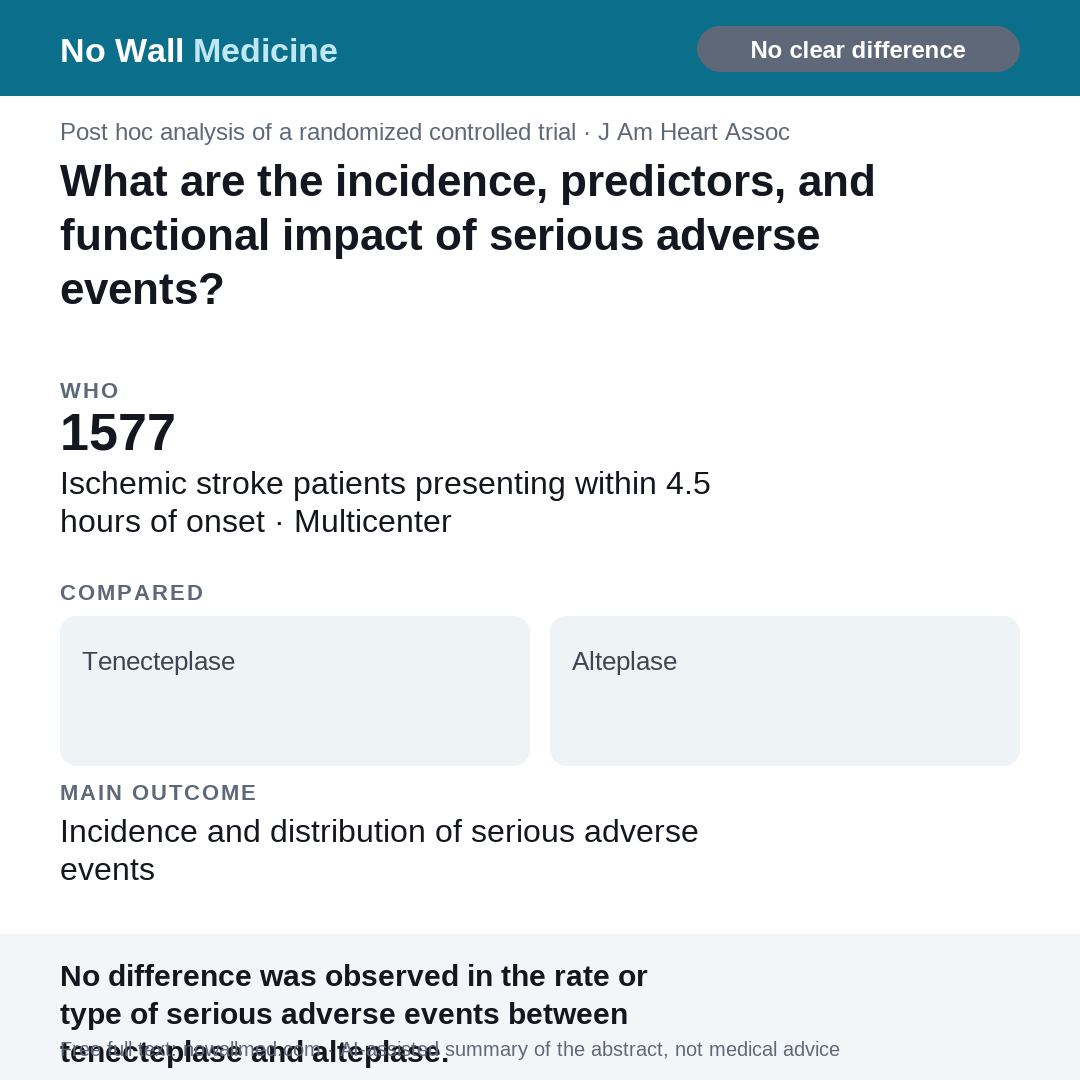
Predictors and Consequences of Serious Adverse Events in Patients Treated With Thrombolysis: A Prespecified Secondary Analysis of the AcT Trial
Post hoc analysis of a randomized controlled trialNo clear difference
What are the incidence, predictors, and functional impact of serious adverse events?
Who
1577
Ischemic stroke patients presenting within 4.5 hours of onset · Multicenter
Compared
Tenecteplase
Alteplase
Main outcome
Incidence and distribution of serious adverse events
Bottom line: No difference was observed in the rate or type of serious adverse events between tenecteplase and alteplase.
J Am Heart Assoc · 2026-06-09Download image
Large Core Stroke Thrombectomy Is Safe and Effective Regardless of Prior Antithrombotic or Thrombolytic Treatment: A Secondary Analysis of the Randomized TENSION Trial
Prospective randomized open-label blinded-end point clinical trialBenefit found
Is endovascular thrombectomy safe and effective regardless of prior antithrombotic or thrombolytic treatment?
Who
246
Patients with acute ischemic stroke, large vessel occlusion, and large infarct
Compared
Endovascular thrombectomy with medical therapy
Medical therapy alone
Main outcome
Functional outcome at 90 days
Bottom line: Endovascular thrombectomy is safe and effective regardless of prior antiplatelet, anticoagulant, or intravenous thrombolysis treatment.
J Am Heart Assoc · 2026-06-09Download image

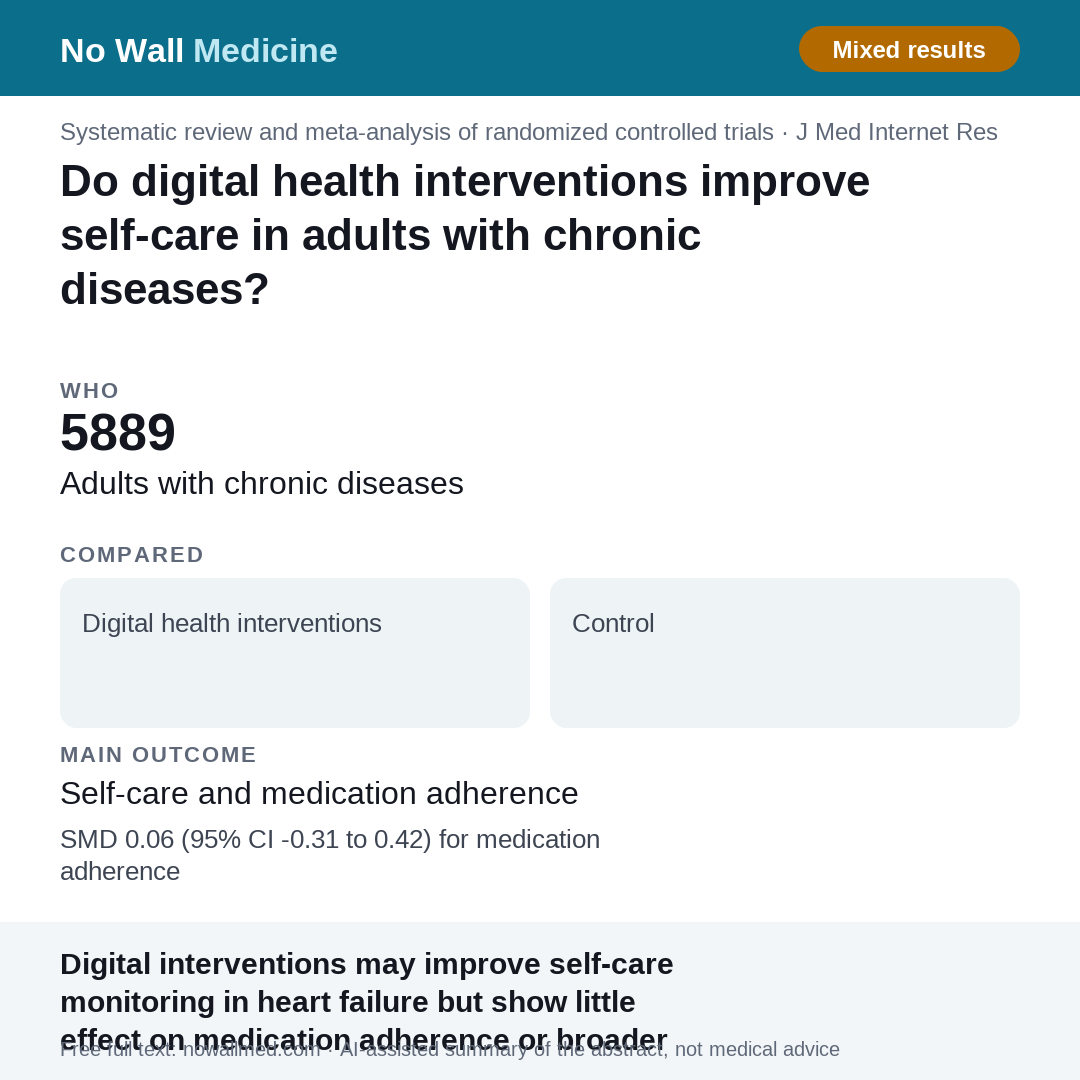
Effectiveness of Digital Health Interventions to Improve Self-Care in Patients With Chronic Diseases: Systematic Review and Meta-Analysis of Randomized Controlled Trials
Systematic review and meta-analysis of randomized controlled trialsMixed results
Do digital health interventions improve self-care in adults with chronic diseases?
Who
5889
Adults with chronic diseases
Compared
Digital health interventions
Control
Main outcome
Self-care and medication adherence
Result: SMD 0.06 (95% CI -0.31 to 0.42) for medication adherence
Bottom line: Digital interventions may improve self-care monitoring in heart failure but show little effect on medication adherence or broader behavioral maintenance.
Limitation: Methodological heterogeneity, small sample sizes, short follow-up periods, and varied outcome measures.
J Med Internet Res · 2026-06-09Download image
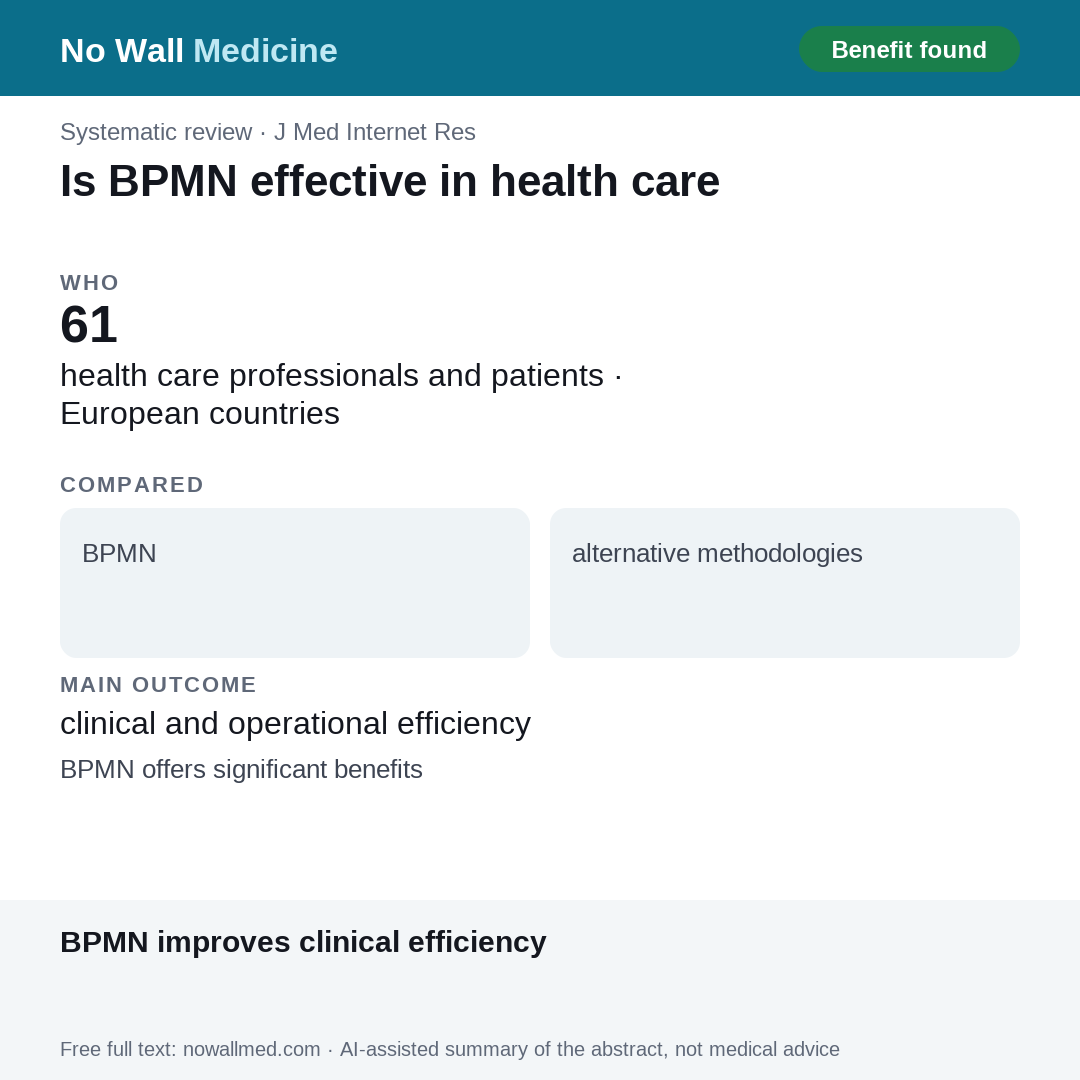
The Implementation of a Business Process Model and Notation for Modeling Patient Health Care Trajectories: Systematic Review
Systematic reviewBenefit found
Is BPMN effective in health care
Who
61
health care professionals and patients · European countries
Compared
BPMN
alternative methodologies
Main outcome
clinical and operational efficiency
Result: BPMN offers significant benefits
Bottom line: BPMN improves clinical efficiency
Limitation: methodological quality and generalizability
J Med Internet Res · 2026-06-09Download image
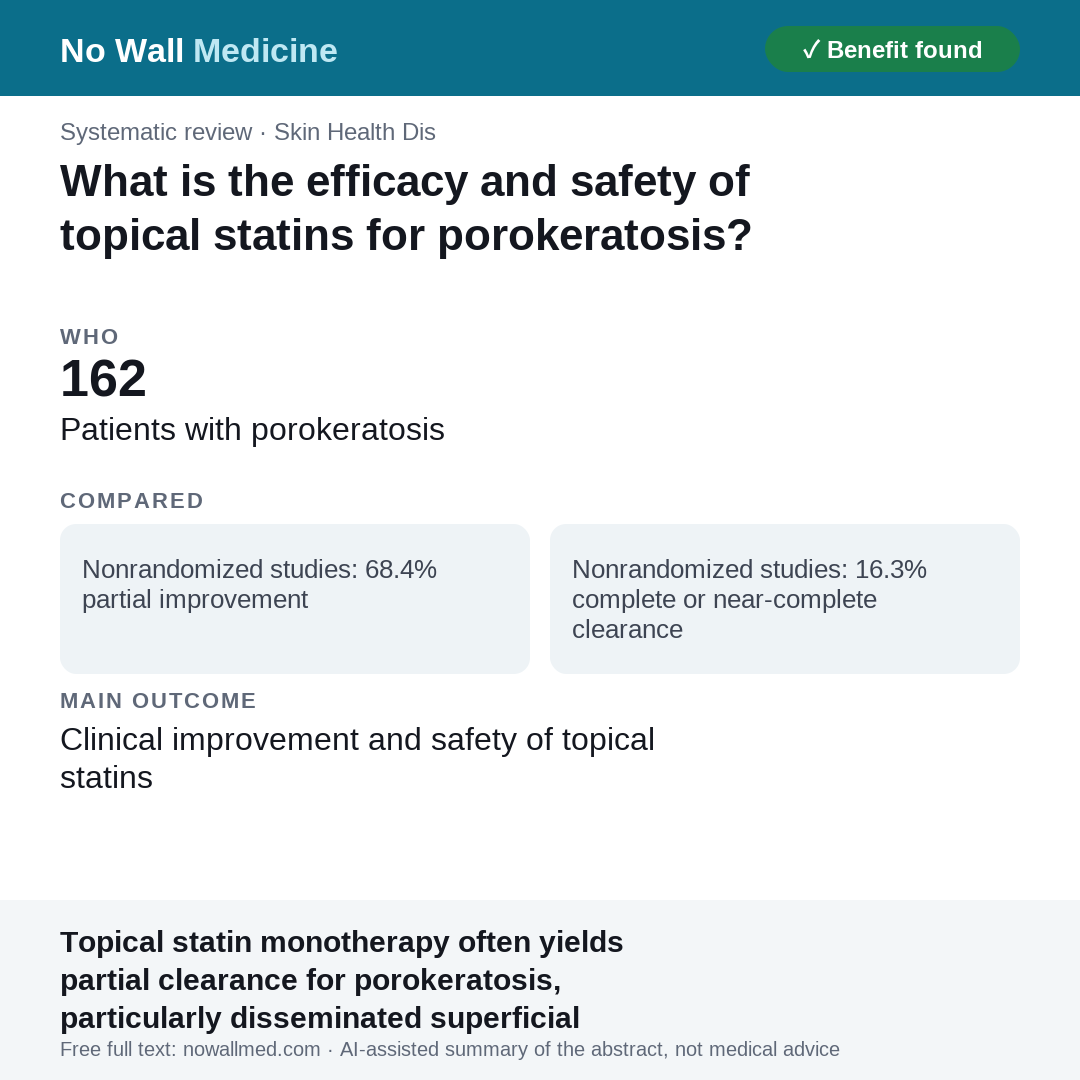
Efficacy and safety of topical statins for porokeratosis: a systematic review and practice-guided synthesis
Systematic reviewBenefit found
What is the efficacy and safety of topical statins for porokeratosis?
Who
162
Patients with porokeratosis
Compared
Nonrandomized studies: 68.4% partial improvement
Nonrandomized studies: 16.3% complete or near-complete clearance
Main outcome
Clinical improvement and safety of topical statins
Bottom line: Topical statin monotherapy often yields partial clearance for porokeratosis, particularly disseminated superficial actinic porokeratosis, with a favourable safety signal.
Limitation: Small sample sizes, risk of bias, and heterogeneity resulted in low to very low certainty of evidence.
Skin Health Dis · 2026-06-09Download image
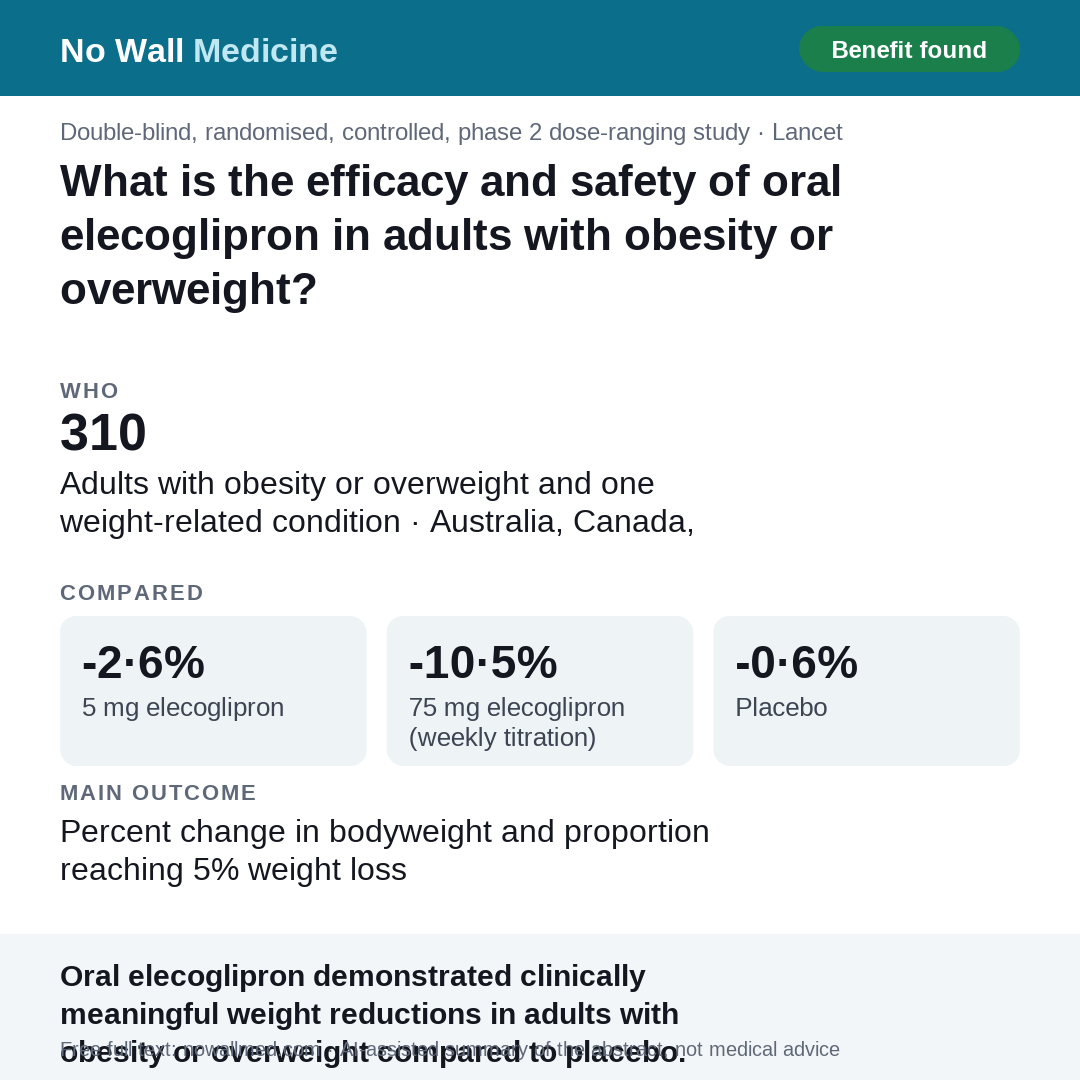
Elecoglipron, an oral small molecule GLP-1 receptor agonist in adults with obesity or overweight (VISTA): a multicentre, phase 2, randomised, placebo-controlled clinical trial
Double-blind, randomised, controlled, phase 2 dose-ranging studyBenefit found
What is the efficacy and safety of oral elecoglipron in adults with obesity or overweight?
Who
310
Adults with obesity or overweight and one weight-related condition · Australia, Canada, Germany, Japan, Taiwan, UK, and USA
Compared
-2·6%5 mg elecoglipron
-10·5%75 mg elecoglipron (weekly titration)
-0·6%Placebo
Main outcome
Percent change in bodyweight and proportion reaching 5% weight loss
Bottom line: Oral elecoglipron demonstrated clinically meaningful weight reductions in adults with obesity or overweight compared to placebo.
Funded by: AstraZeneca
Lancet · 2026-06-08Download image
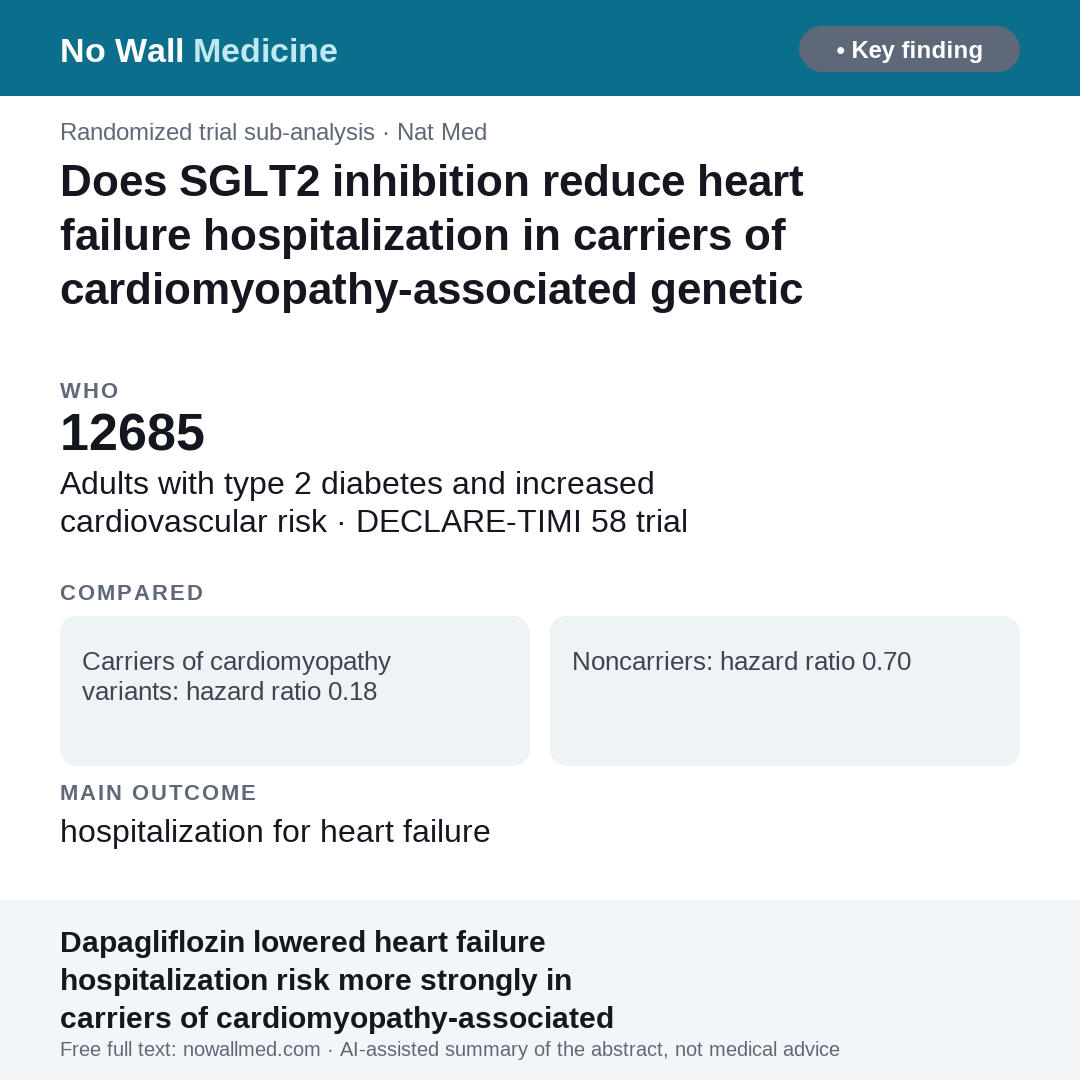
Effects of SGLT2 inhibition on incident heart failure in carriers of cardiomyopathy-associated genetic variants
Randomized trial sub-analysisBenefit found
Does SGLT2 inhibition reduce heart failure hospitalization in carriers of cardiomyopathy-associated genetic variants?
Who
12685
Adults with type 2 diabetes and increased cardiovascular risk · DECLARE-TIMI 58 trial
Compared
Carriers of cardiomyopathy variants: hazard ratio 0.18
Noncarriers: hazard ratio 0.70
Main outcome
hospitalization for heart failure
Result: hazard ratio 0.18 (95% confidence interval 0.04-0.86) vs hazard ratio 0.70 (95% confidence interval 0.57-0.86)
Bottom line: Dapagliflozin lowered heart failure hospitalization risk more strongly in carriers of cardiomyopathy-associated genetic variants than in noncarriers.
Nat Med · 2026-06-08Download image
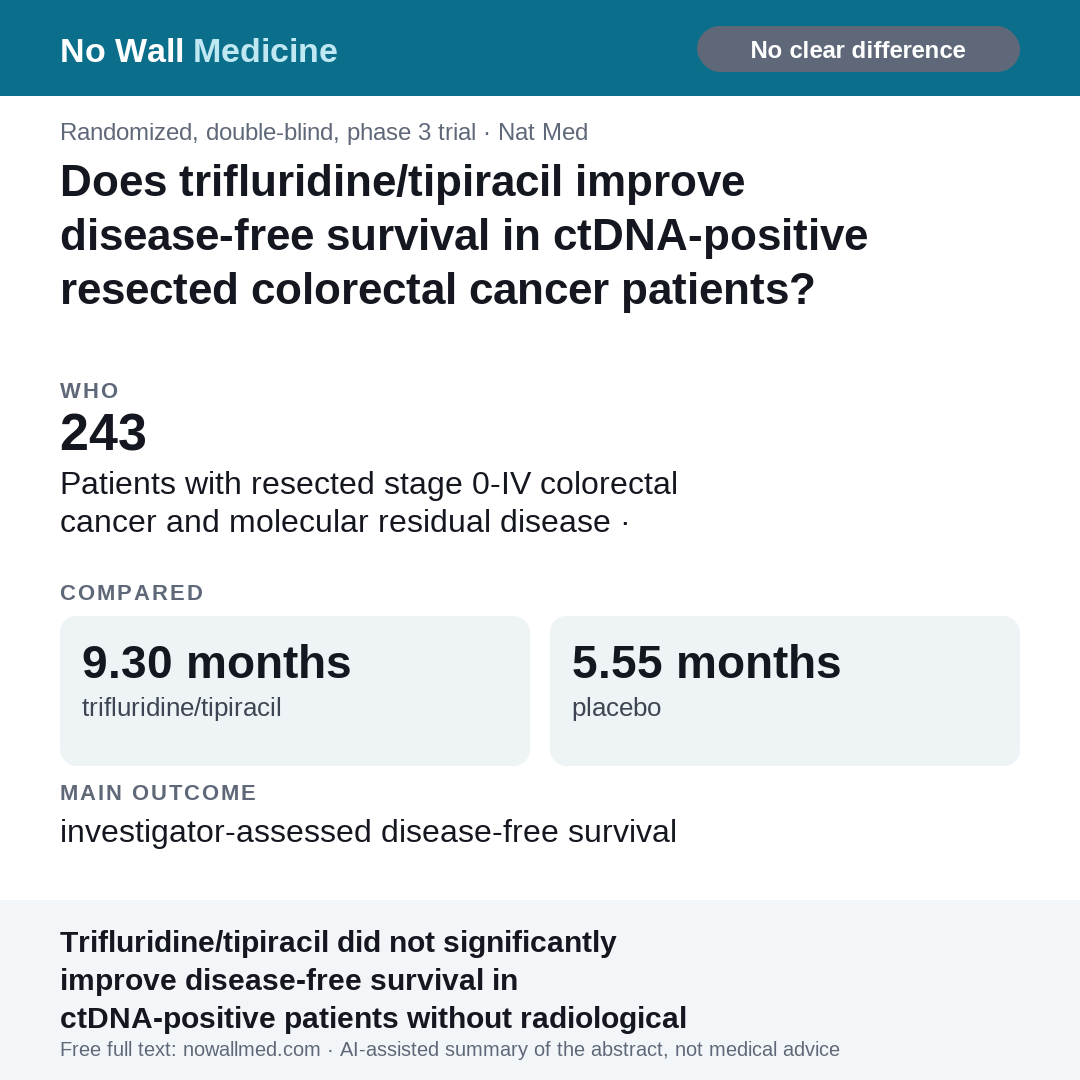
Post-adjuvant chemotherapy in ctDNA-positive patients with resected colorectal cancer: a randomized phase 3 trial
Randomized, double-blind, phase 3 trialNo clear difference
Does trifluridine/tipiracil improve disease-free survival in ctDNA-positive resected colorectal cancer patients?
Who
243
Patients with resected stage 0-IV colorectal cancer and molecular residual disease · CIRCULATE-Japan platform
Compared
9.30 monthstrifluridine/tipiracil
5.55 monthsplacebo
Main outcome
investigator-assessed disease-free survival
Result: hazard ratio 0.79 (95% confidence interval: 0.60-1.05)
Bottom line: Trifluridine/tipiracil did not significantly improve disease-free survival in ctDNA-positive patients without radiological disease.
Nat Med · 2026-06-08Download image
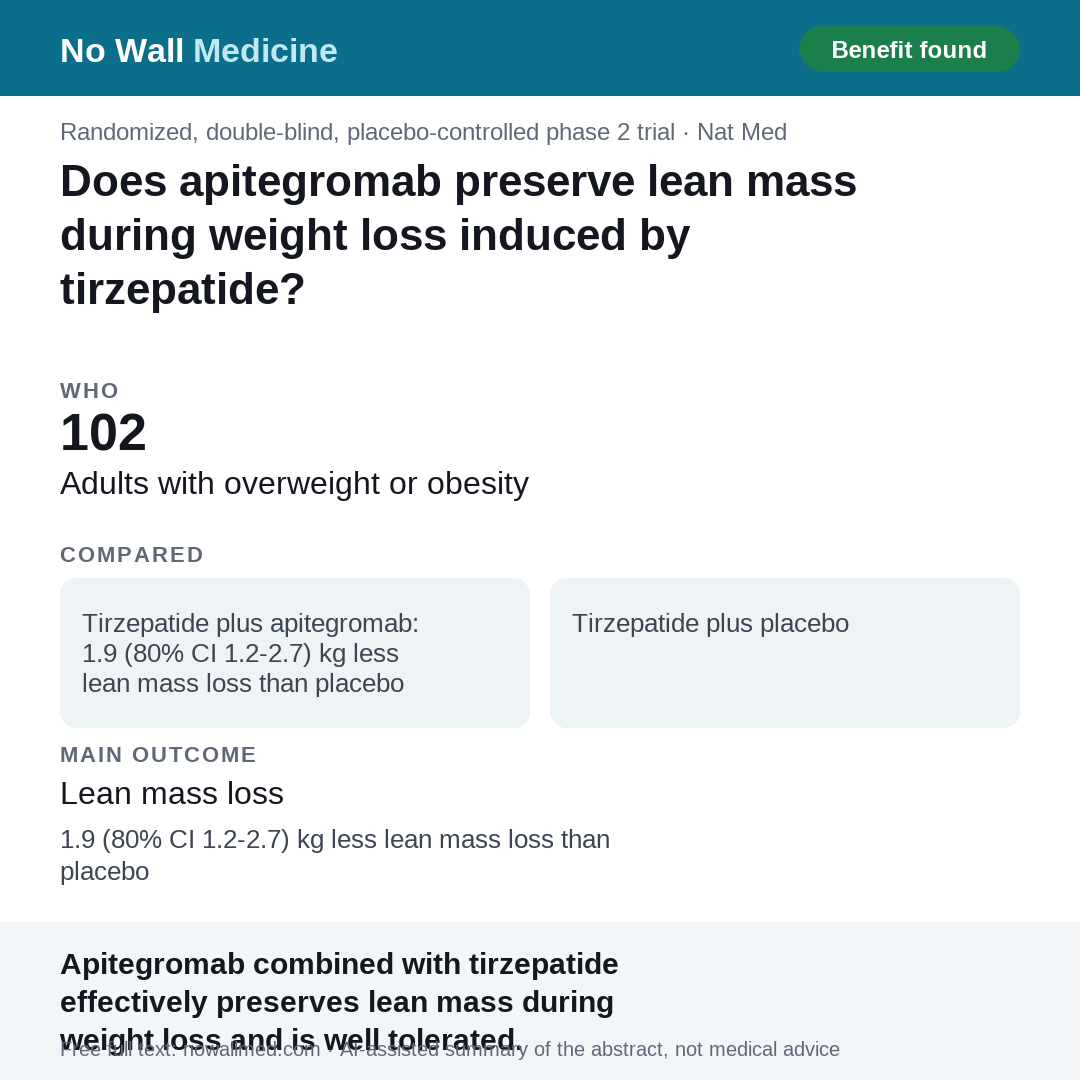
Apitegromab for lean mass preservation during tirzepatide-induced weight loss: a randomized, double-blind, placebo-controlled phase 2 trial
Randomized, double-blind, placebo-controlled phase 2 trialBenefit found
Does apitegromab preserve lean mass during weight loss induced by tirzepatide?
Who
102
Adults with overweight or obesity
Compared
Tirzepatide plus apitegromab: 1.9 (80% CI 1.2-2.7) kg less lean mass loss than placebo
Tirzepatide plus placebo
Main outcome
Lean mass loss
Result: 1.9 (80% CI 1.2-2.7) kg less lean mass loss than placebo
Bottom line: Apitegromab combined with tirzepatide effectively preserves lean mass during weight loss and is well tolerated.
Nat Med · 2026-06-08Download image
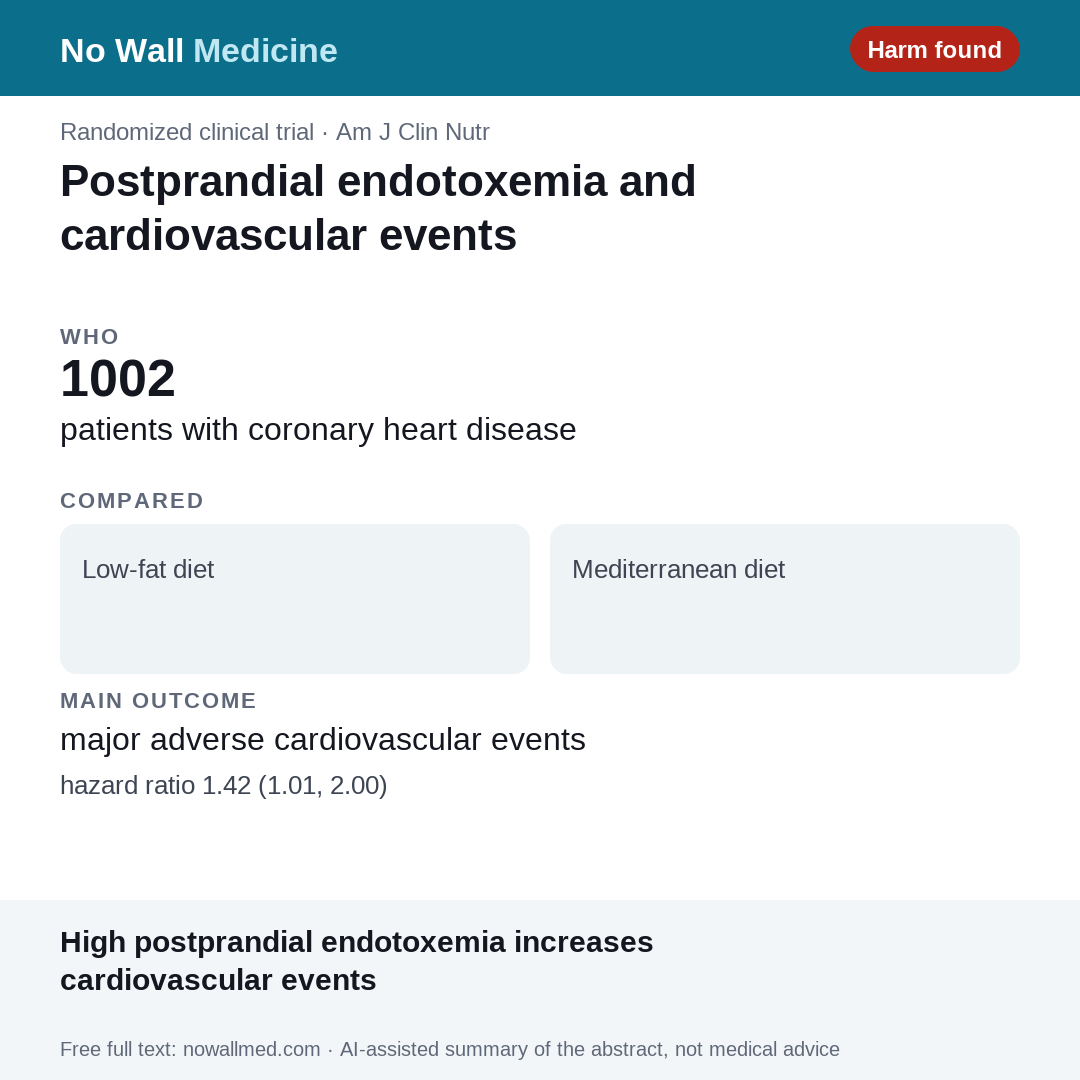
High postprandial endotoxemia is associated with recurrence of cardiovascular events in patients with coronary heart disease: from the CORDIOPREV randomized clinical trial
Randomized clinical trialHarm found
Postprandial endotoxemia and cardiovascular events
Who
1002
patients with coronary heart disease
Compared
Low-fat diet
Mediterranean diet
Main outcome
major adverse cardiovascular events
Result: hazard ratio 1.42 (1.01, 2.00)
Bottom line: High postprandial endotoxemia increases cardiovascular events
Am J Clin Nutr · 2026-06-08Download image
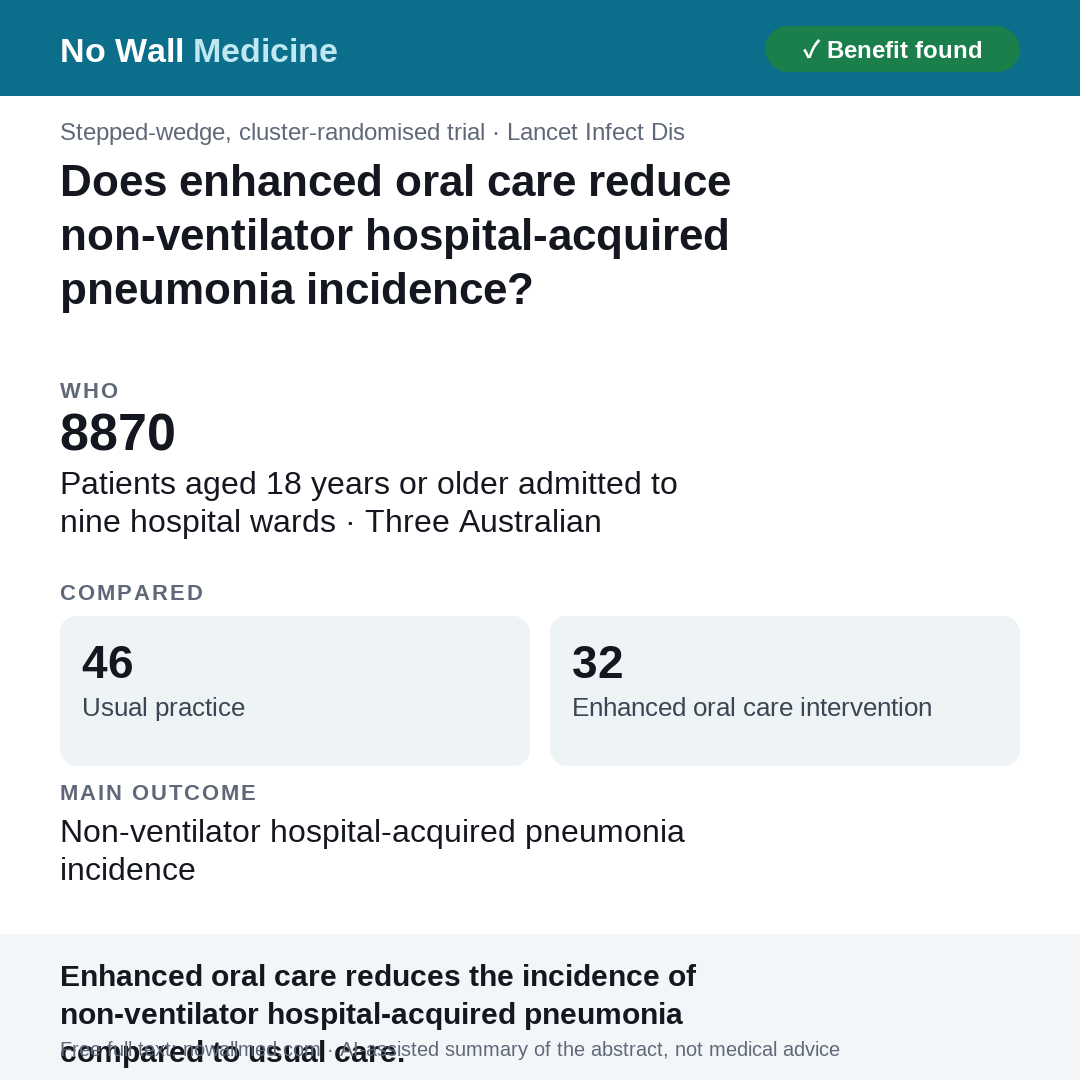
Effectiveness of oral care for the prevention of non-ventilator hospital-acquired pneumonia (HAPPEN): a multicentre, stepped-wedge, cluster-randomised trial in Australia
Stepped-wedge, cluster-randomised trialBenefit found
Does enhanced oral care reduce non-ventilator hospital-acquired pneumonia incidence?
Who
8870
Patients aged 18 years or older admitted to nine hospital wards · Three Australian hospitals
Compared
46Usual practice (1.0%)
32Enhanced oral care intervention (0.7%)
Main outcome
Non-ventilator hospital-acquired pneumonia incidence
Result: hazard ratio 0.40 (95% CI 0.19-0.82)
Bottom line: Enhanced oral care reduces the incidence of non-ventilator hospital-acquired pneumonia compared to usual care.
Funded by: Medical Research Future Fund
Lancet Infect Dis · 2026-06-08Download image
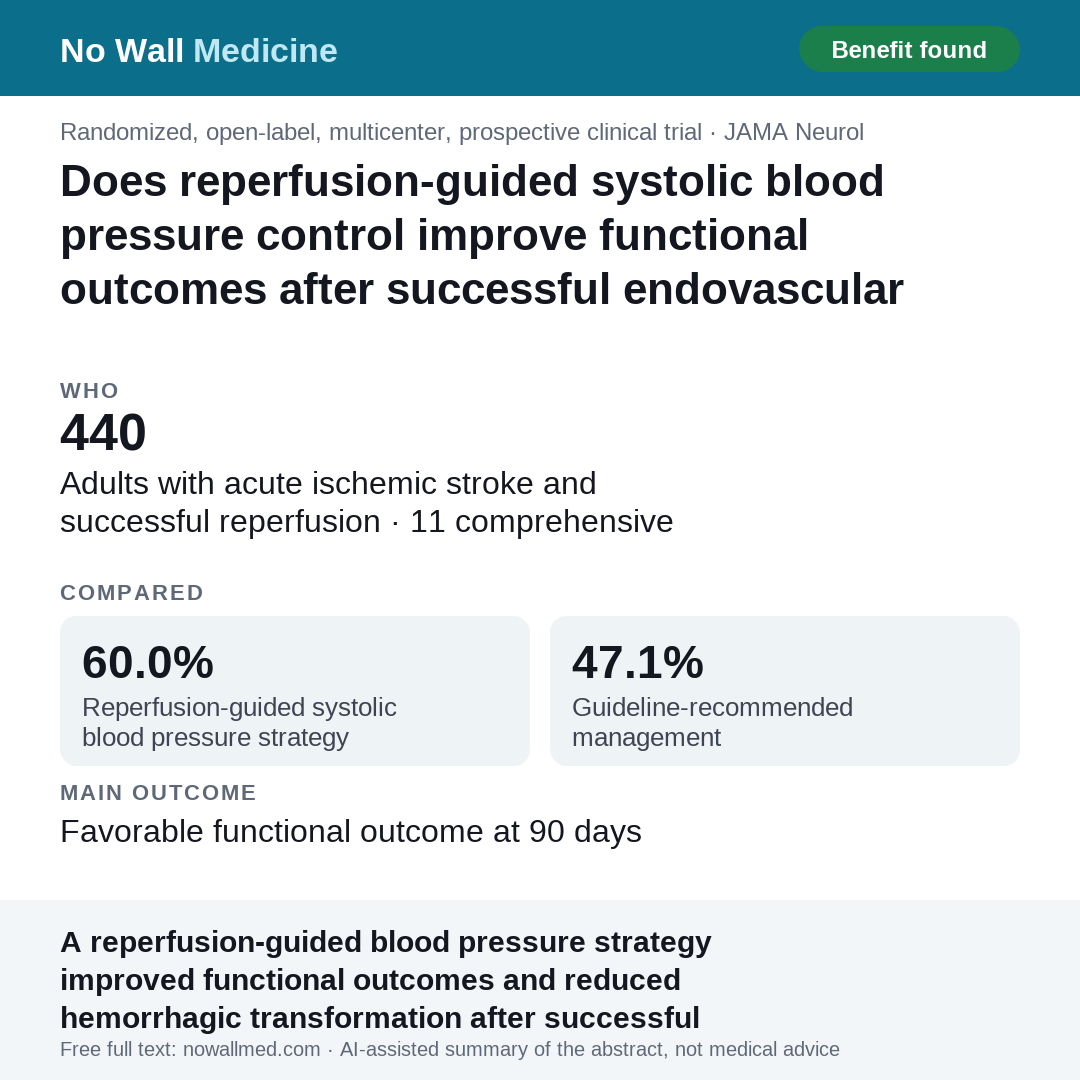
Personalized Blood Pressure Targeting After Endovascular Therapy for Acute Ischemic Stroke: A Randomized Clinical Trial
Randomized, open-label, multicenter, prospective clinical trialBenefit found
Does reperfusion-guided systolic blood pressure control improve functional outcomes after successful endovascular therapy?
Who
440
Adults with acute ischemic stroke and successful reperfusion · 11 comprehensive stroke centers in Spain
Compared
60.0%Reperfusion-guided systolic blood pressure strategy
47.1%Guideline-recommended management
Main outcome
Favorable functional outcome at 90 days
Result: absolute risk difference, 13.3%; 95% CI, 4.1%-22.6%
Bottom line: A reperfusion-guided blood pressure strategy improved functional outcomes and reduced hemorrhagic transformation after successful endovascular therapy.
JAMA Neurol · 2026-06-08Download image