Visual abstracts
New randomized trials and meta-analyses from leading journals at a glance: who was studied, what was compared, and what was found. Every paper is free to read in full.
All specialtiesCardiology 4877Oncology 4138Gastroenterology & Hepatology 1942Infectious Disease 3837Neurology 1905Psychiatry & Mental Health 2273Pulmonology 2143Critical Care 1365Endocrinology & Diabetes 2580Pediatrics 2980Surgery 2559Orthopedics & Sports Medicine 931Neurosurgery 537Cardiothoracic & Vascular Surgery 674Plastic & Reconstructive Surgery 591Nephrology 1133Rheumatology 823Hematology 1109Dermatology 621Ophthalmology 543Obstetrics & Gynecology 1686Public & Global Health 1058Radiology & Imaging 648Anesthesiology 986Urology 764ENT (Otolaryngology) 503Emergency Medicine 511Allergy & Immunology 313Geriatrics 981Family Medicine & Primary Care 562Medical Genetics & Genomics 676Pathology & Laboratory Medicine 159Physical Medicine & Rehabilitation 757Palliative Care 444Nutrition 1588Digital Health & AI 2201General Medicine 321
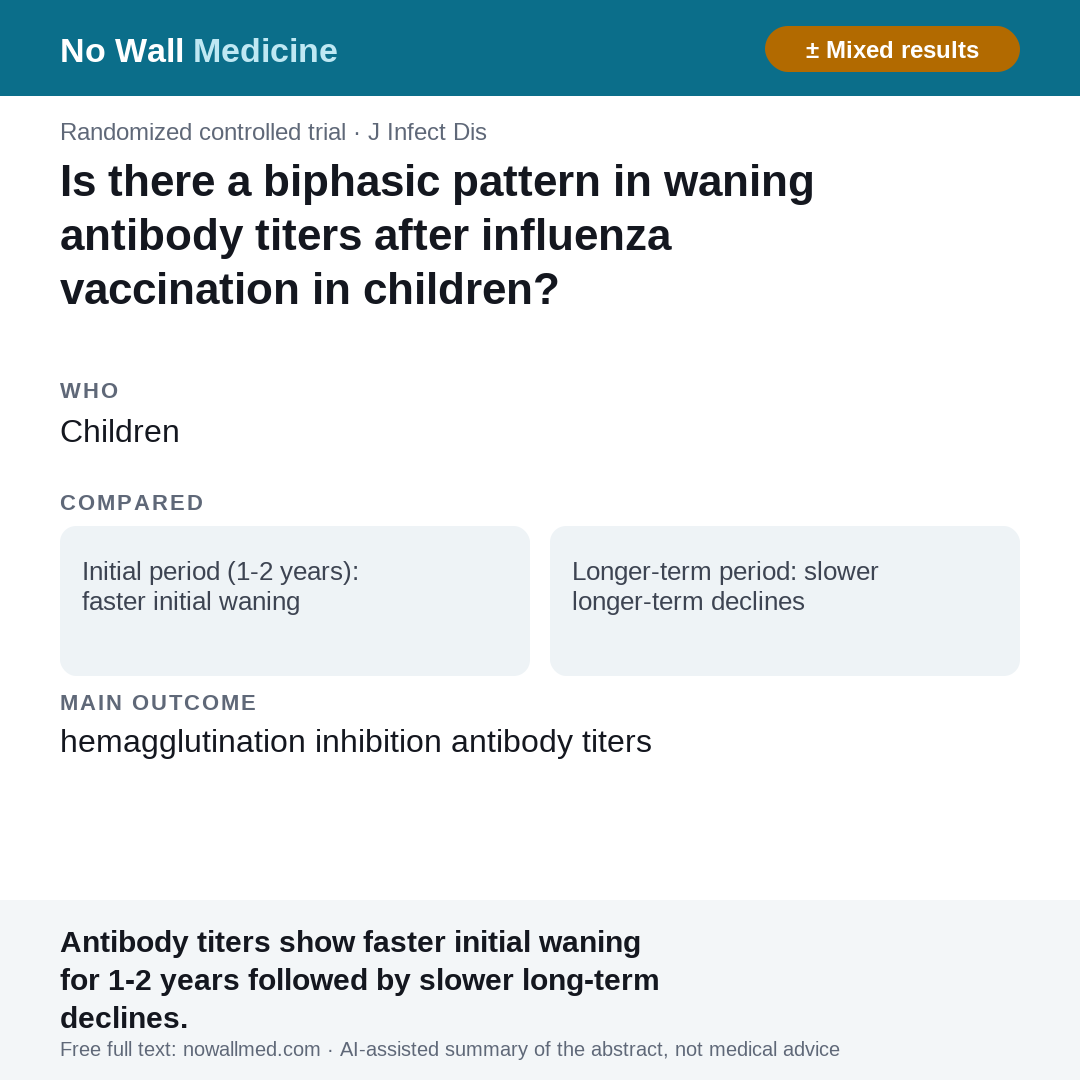
Biphasic Waning of Hemagglutination Inhibition Antibody Titers After Influenza Vaccination in Children
Randomized controlled trialMixed results
Is there a biphasic pattern in waning antibody titers after influenza vaccination in children?
Who
Children
Compared
Initial period (1-2 years): faster initial waning
Longer-term period: slower longer-term declines
Main outcome
hemagglutination inhibition antibody titers
Bottom line: Antibody titers show faster initial waning for 1-2 years followed by slower long-term declines.
J Infect Dis · 2022-04-06Download image
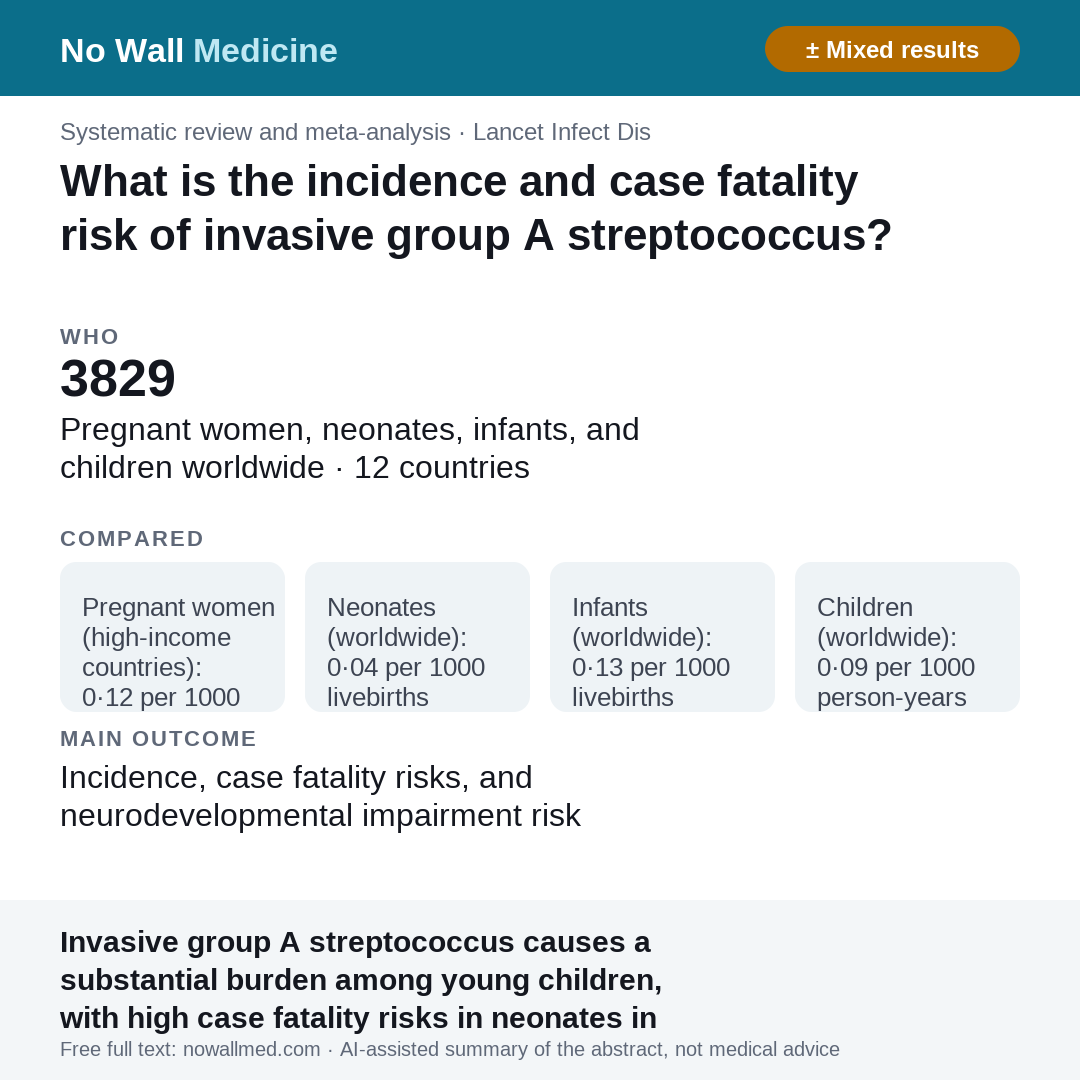
Invasive group A streptococcal disease in pregnant women and young children: a systematic review and meta-analysis
Systematic review and meta-analysisMixed results
What is the incidence and case fatality risk of invasive group A streptococcus?
Who
3829
Pregnant women, neonates, infants, and children worldwide · 12 countries
Compared
Pregnant women (high-income countries): 0·12 per 1000 livebirths (95% CI 0·11 to 0·14)
Neonates (worldwide): 0·04 per 1000 livebirths (0·03 to 0·05)
Infants (worldwide): 0·13 per 1000 livebirths (0·10 to 0·16)
Children (worldwide): 0·09 per 1000 person-years (95% CI 0·07 to 0·10)
Main outcome
Incidence, case fatality risks, and neurodevelopmental impairment risk
Bottom line: Invasive group A streptococcus causes a substantial burden among young children, with high case fatality risks in neonates in low-income countries.
Limitation: Incidences are likely underestimates in low-income and middle-income countries due to low surveillance.
Funded by: Wellcome Trust
Lancet Infect Dis · 2022-04-04Download image
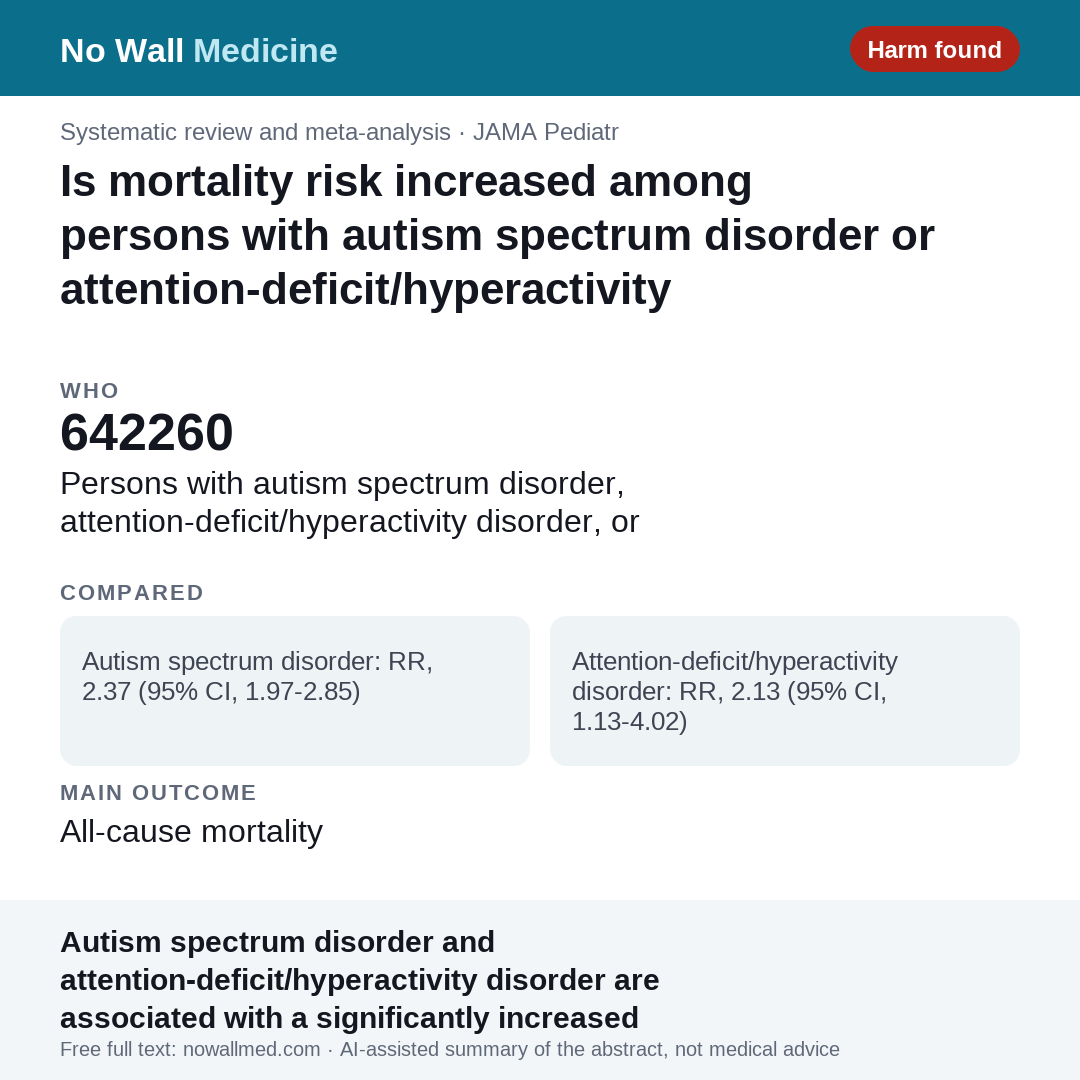
Mortality in Persons With Autism Spectrum Disorder or Attention-Deficit/Hyperactivity Disorder: A Systematic Review and Meta-analysis
Systematic review and meta-analysisHarm found
Is mortality risk increased among persons with autism spectrum disorder or attention-deficit/hyperactivity disorder?
Who
642260
Persons with autism spectrum disorder, attention-deficit/hyperactivity disorder, or first-degree relatives
Compared
Autism spectrum disorder: RR, 2.37 (95% CI, 1.97-2.85)
Attention-deficit/hyperactivity disorder: RR, 2.13 (95% CI, 1.13-4.02)
Main outcome
All-cause mortality
Result: RR, 2.37 (95% CI, 1.97-2.85) for autism; RR, 2.13 (95% CI, 1.13-4.02) for attention-deficit/hyperactivity disorder
Bottom line: Autism spectrum disorder and attention-deficit/hyperactivity disorder are associated with a significantly increased risk of all-cause mortality.
Limitation: The substantial heterogeneity between studies should be explored further.
JAMA Pediatr · 2022-04-04Download image
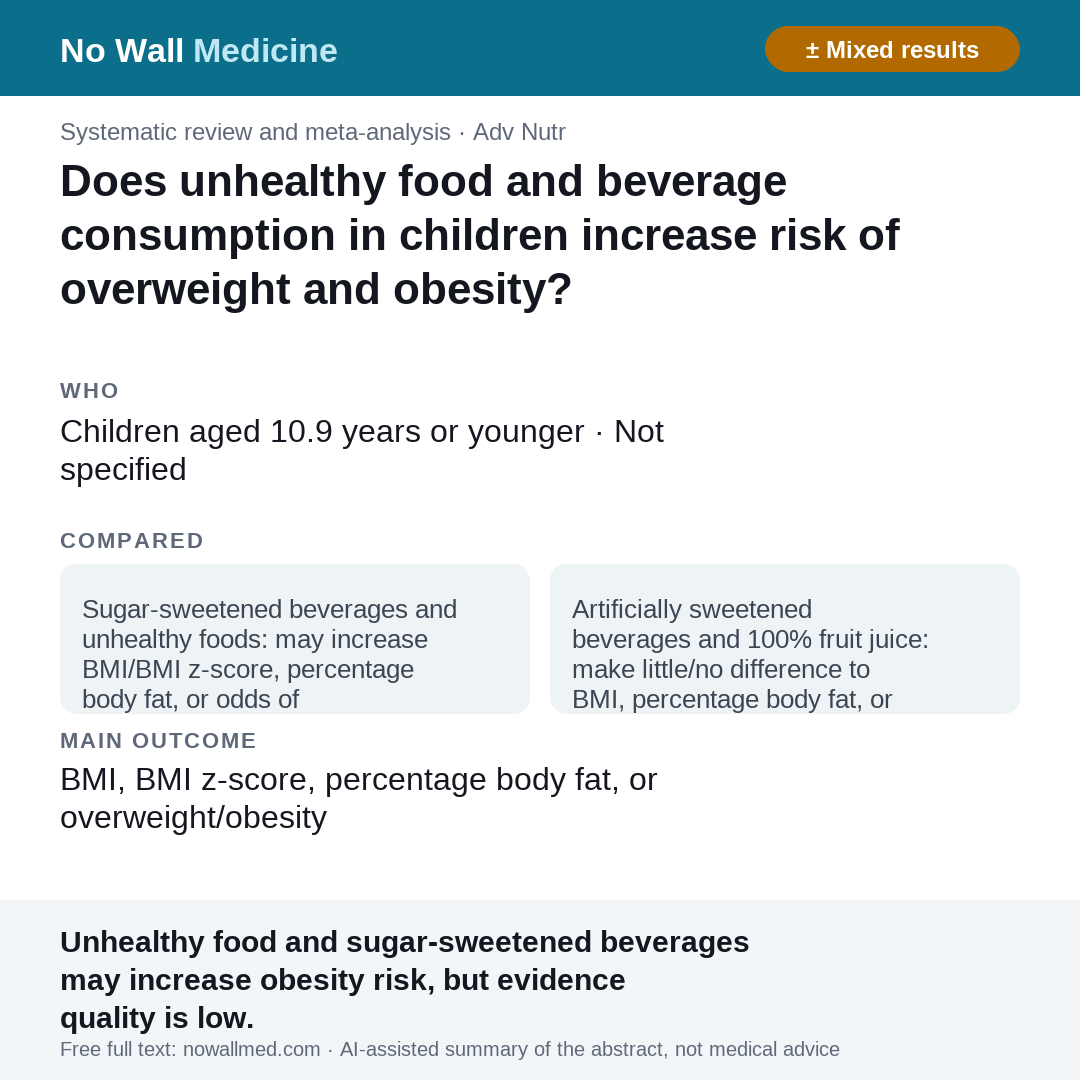
Unhealthy Food and Beverage Consumption in Children and Risk of Overweight and Obesity: A Systematic Review and Meta-Analysis
Systematic review and meta-analysisMixed results
Does unhealthy food and beverage consumption in children increase risk of overweight and obesity?
Who
Children aged 10.9 years or younger · Not specified
Compared
Sugar-sweetened beverages and unhealthy foods: may increase BMI/BMI z-score, percentage body fat, or odds of overweight/obesity
Artificially sweetened beverages and 100% fruit juice: make little/no difference to BMI, percentage body fat, or overweight/obesity
Main outcome
BMI, BMI z-score, percentage body fat, or overweight/obesity
Bottom line: Unhealthy food and sugar-sweetened beverages may increase obesity risk, but evidence quality is low.
Limitation: Evidence base was low quality and limited by different interventions and comparators across studies.
Adv Nutr · 2022-04-02Download image
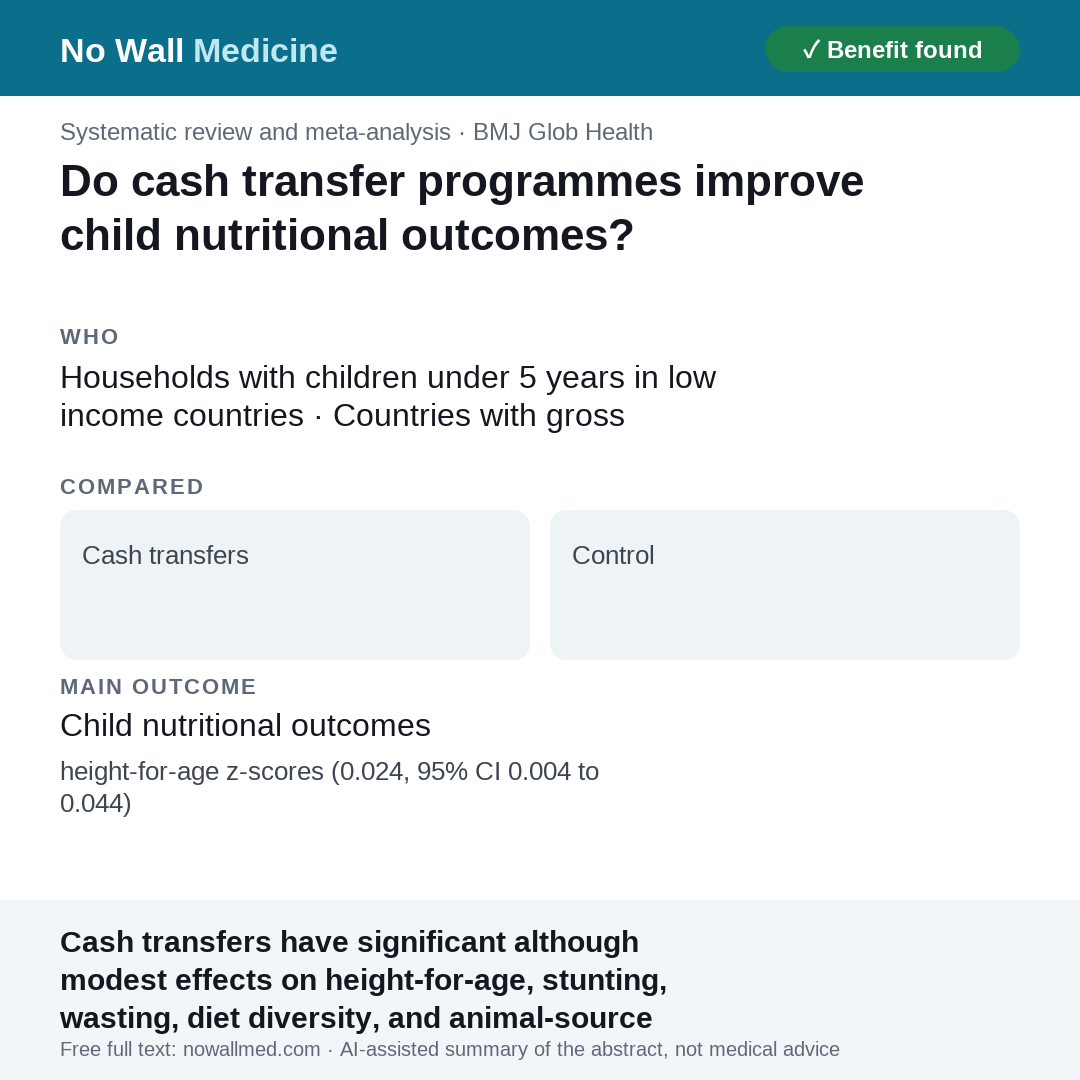
More evidence on cash transfers and child nutritional outcomes: a systematic review and meta-analysis
Systematic review and meta-analysisBenefit found
Do cash transfer programmes improve child nutritional outcomes?
Who
Households with children under 5 years in low income countries · Countries with gross domestic product below US$10 000
Compared
Cash transfers
Control
Main outcome
Child nutritional outcomes
Result: height-for-age z-scores (0.024, 95% CI 0.004 to 0.044)
Bottom line: Cash transfers have significant although modest effects on height-for-age, stunting, wasting, diet diversity, and animal-source food consumption.
BMJ Glob Health · 2022-04-02Download image
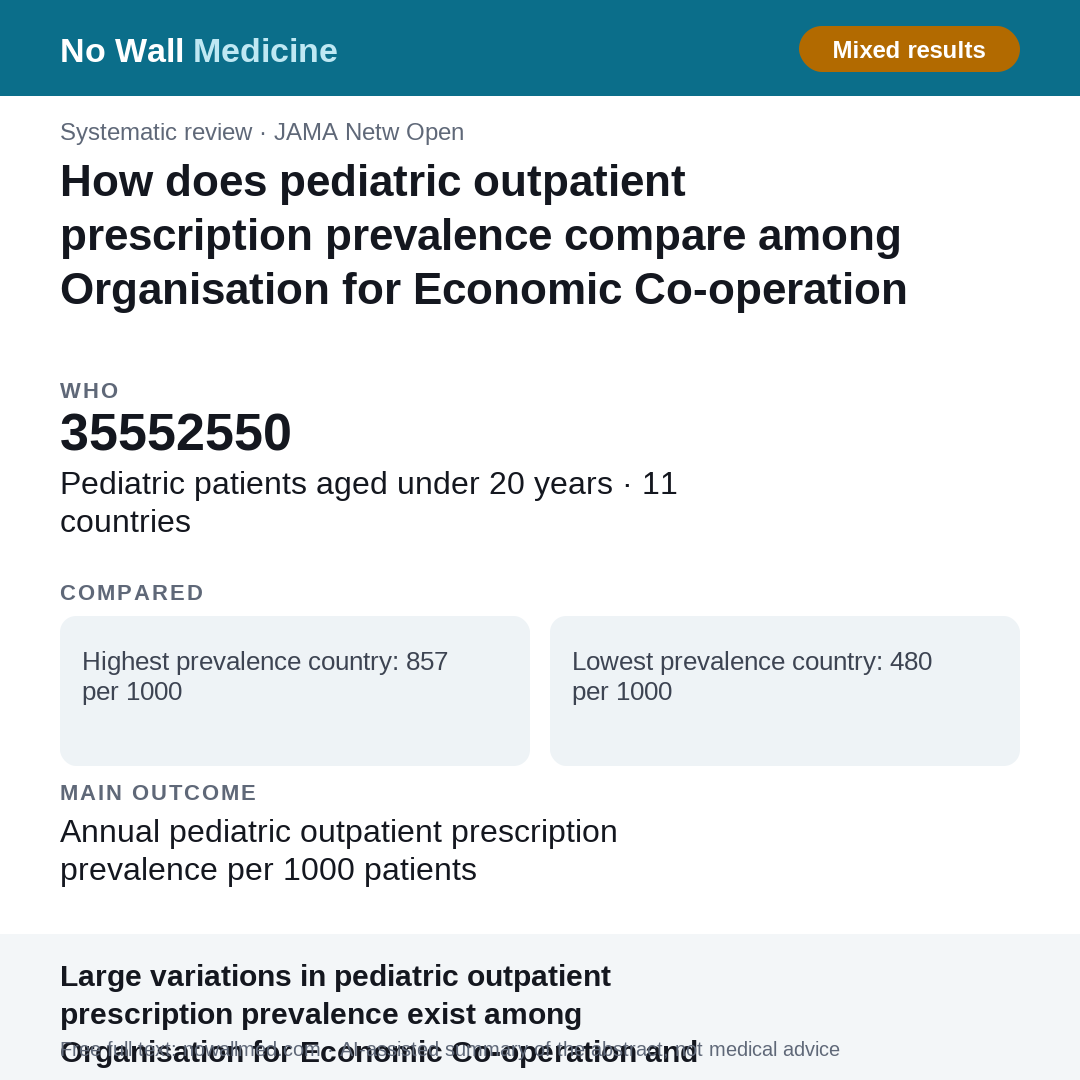
Pediatric Outpatient Prescriptions in Countries With Advanced Economies in the 21st Century: A Systematic Review
Systematic reviewMixed results
How does pediatric outpatient prescription prevalence compare among Organisation for Economic Co-operation and Development member countries?
Who
35552550
Pediatric patients aged under 20 years · 11 countries
Compared
Highest prevalence country: 857 per 1000
Lowest prevalence country: 480 per 1000
Main outcome
Annual pediatric outpatient prescription prevalence per 1000 patients
Result: prevalence ratio 1.8 (95% CI 1.8-1.8)
Bottom line: Large variations in pediatric outpatient prescription prevalence exist among Organisation for Economic Co-operation and Development member countries.
Limitation: The prevalence denominator included nonusers of health care for 81.8% of studies.
JAMA Netw Open · 2022-04-01Download image
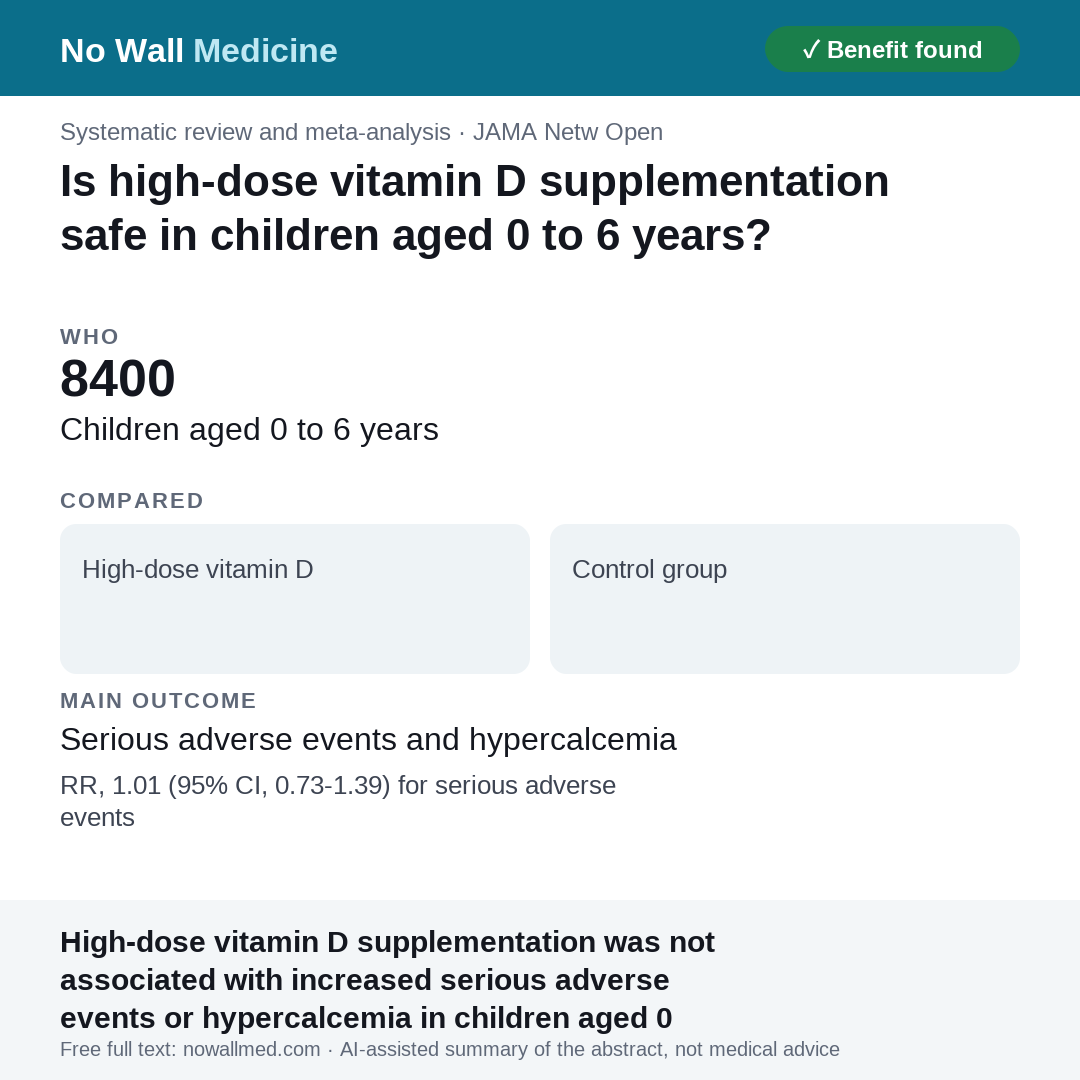
Safety of High-Dose Vitamin D Supplementation Among Children Aged 0 to 6 Years: A Systematic Review and Meta-analysis
Systematic review and meta-analysisBenefit found
Is high-dose vitamin D supplementation safe in children aged 0 to 6 years?
Who
8400
Children aged 0 to 6 years
Compared
High-dose vitamin D
Control group
Main outcome
Serious adverse events and hypercalcemia
Result: RR, 1.01 (95% CI, 0.73-1.39) for serious adverse events
Bottom line: High-dose vitamin D supplementation was not associated with increased serious adverse events or hypercalcemia in children aged 0 to 6 years.
JAMA Netw Open · 2022-04-01Download image
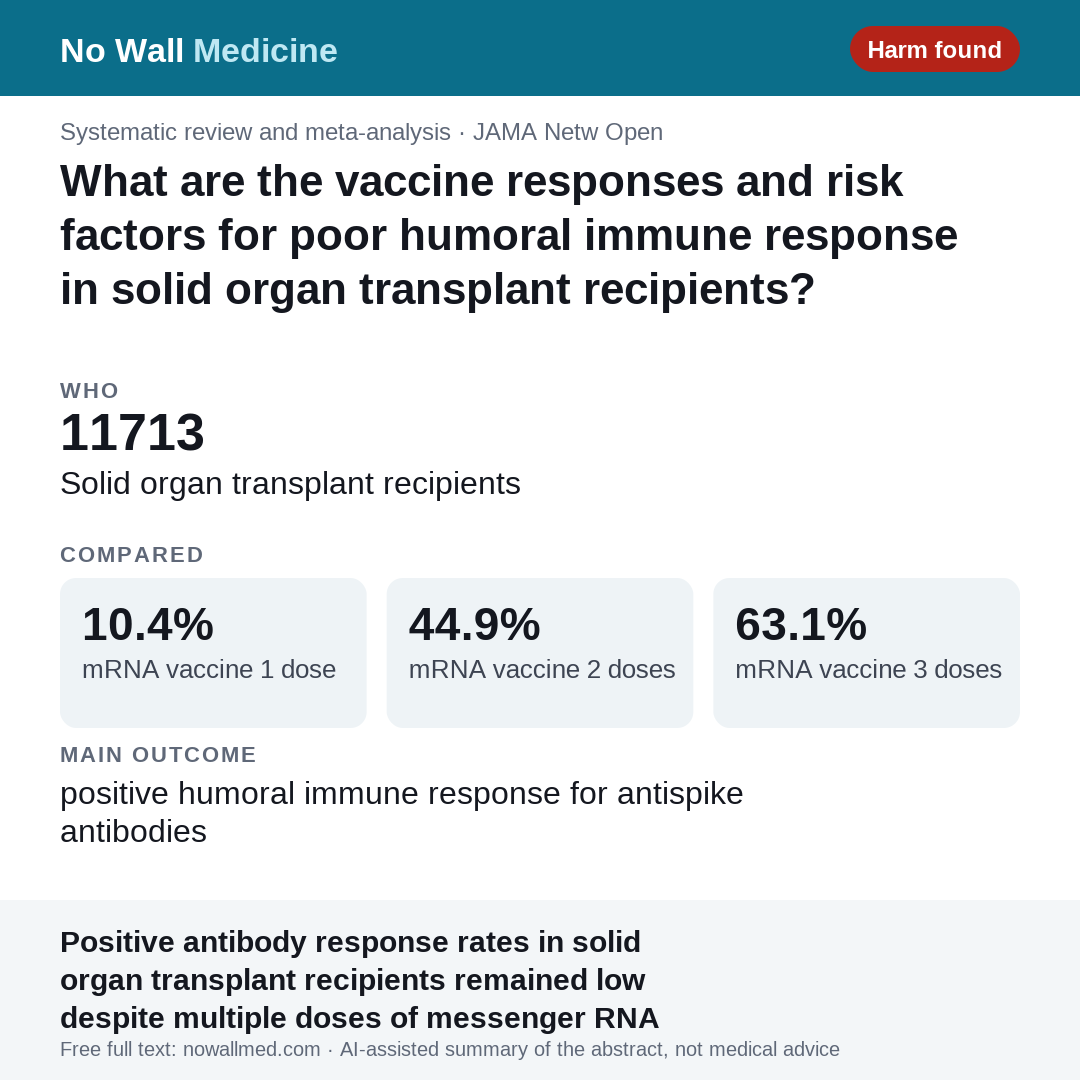
Immunogenicity and Risk Factors Associated With Poor Humoral Immune Response of SARS-CoV-2 Vaccines in Recipients of Solid Organ Transplant: A Systematic Review and Meta-Analysis
Systematic review and meta-analysisHarm found
What are the vaccine responses and risk factors for poor humoral immune response in solid organ transplant recipients?
Who
11713
Solid organ transplant recipients
Compared
10.4%mRNA vaccine 1 dose (0%-37.9%)
44.9%mRNA vaccine 2 doses (0%-79.1%)
63.1%mRNA vaccine 3 doses (49.1%-69.1%)
Main outcome
positive humoral immune response for antispike antibodies
Bottom line: Positive antibody response rates in solid organ transplant recipients remained low despite multiple doses of messenger RNA vaccines.
JAMA Netw Open · 2022-04-01Download image
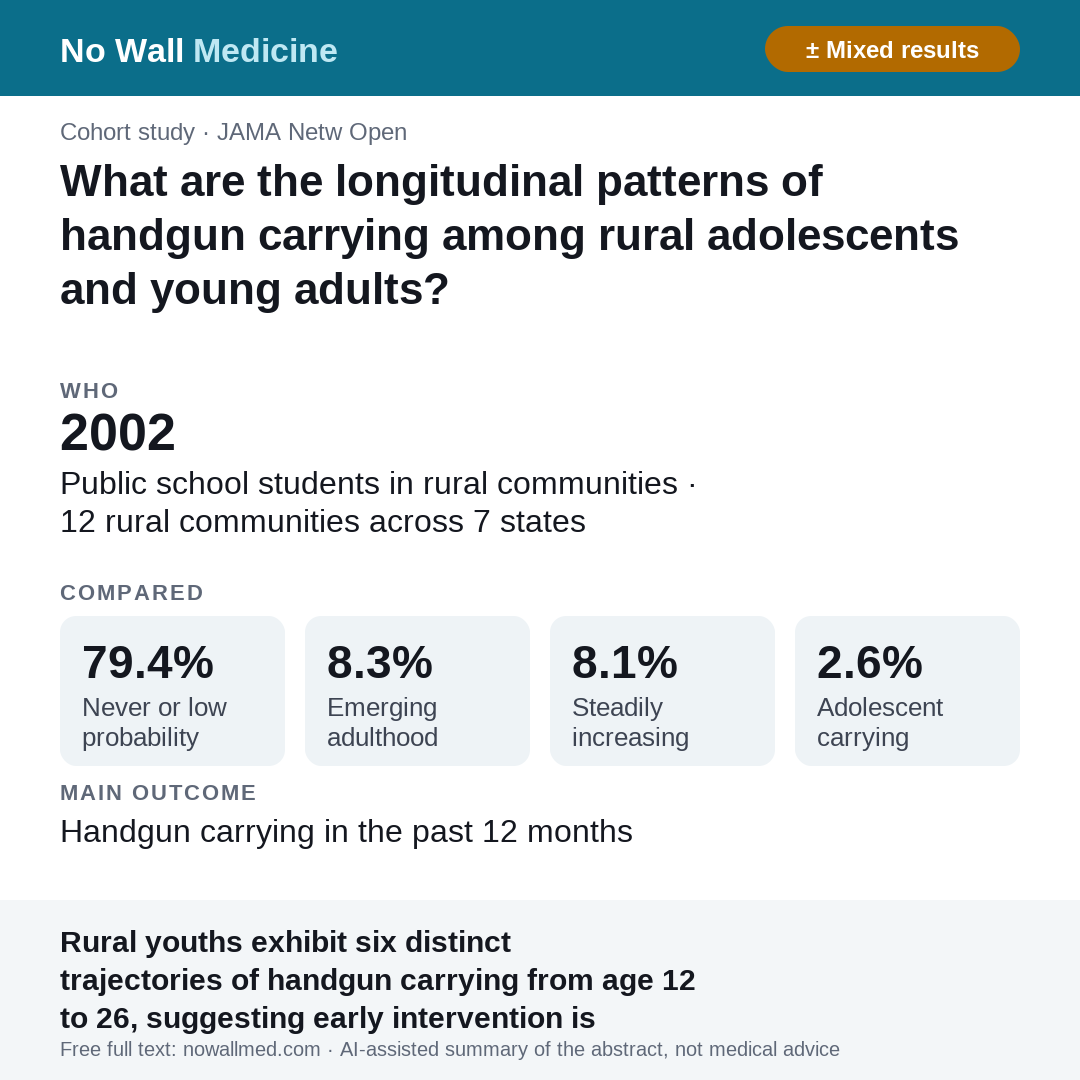
Trajectories of Handgun Carrying in Rural Communities From Early Adolescence to Young Adulthood
Cohort studyMixed results
What are the longitudinal patterns of handgun carrying among rural adolescents and young adults?
Who
2002
Public school students in rural communities · 12 rural communities across 7 states
Compared
79.4%Never or low probability
8.3%Emerging adulthood carrying
8.1%Steadily increasing carrying
2.6%Adolescent carrying
Main outcome
Handgun carrying in the past 12 months
Bottom line: Rural youths exhibit six distinct trajectories of handgun carrying from age 12 to 26, suggesting early intervention is needed.
JAMA Netw Open · 2022-04-01Download image
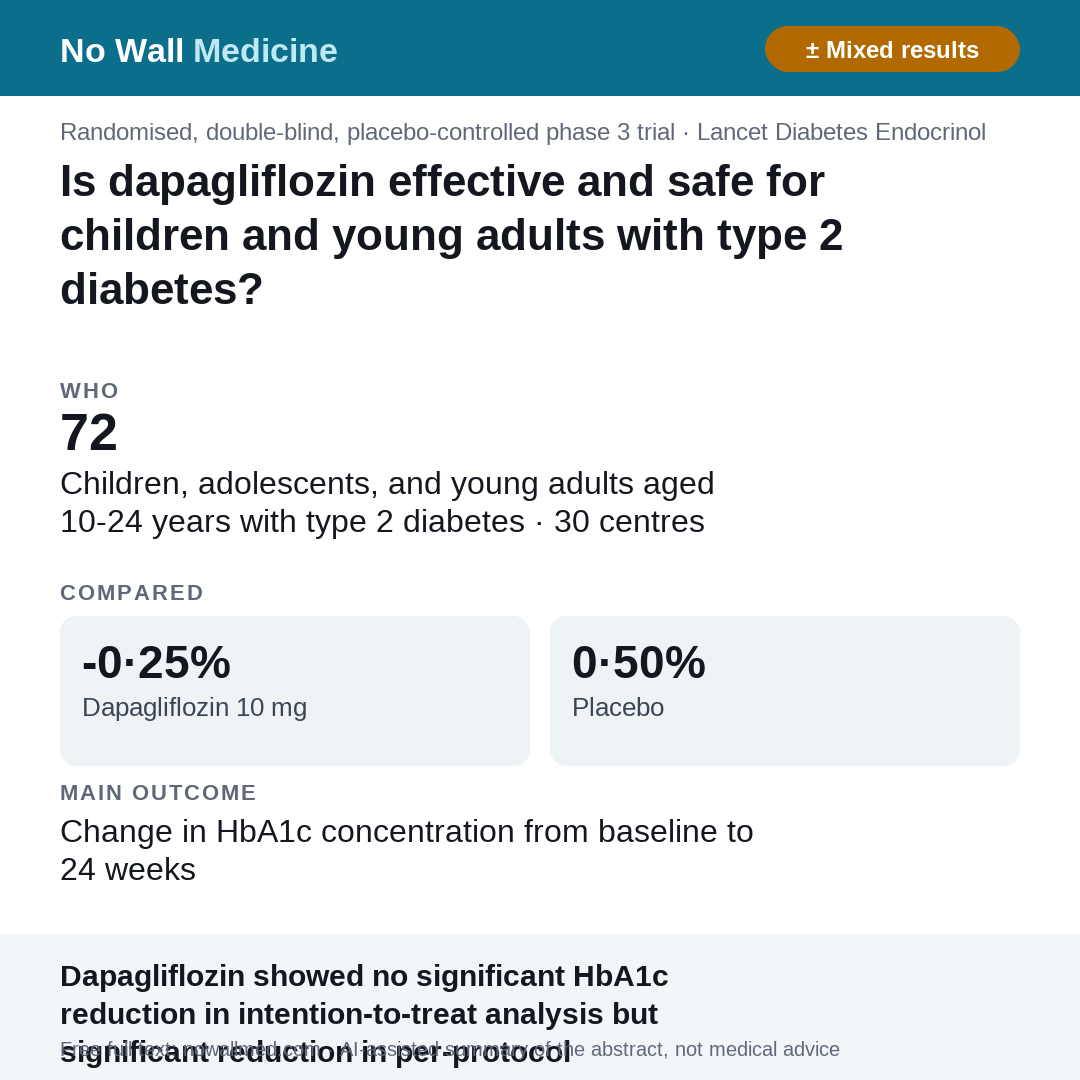
Efficacy and safety of dapagliflozin in children and young adults with type 2 diabetes: a prospective, multicentre, randomised, parallel group, phase 3 study
Randomised, double-blind, placebo-controlled phase 3 trialMixed results
Is dapagliflozin effective and safe for children and young adults with type 2 diabetes?
Who
72
Children, adolescents, and young adults aged 10-24 years with type 2 diabetes · 30 centres in five countries
Compared
-0·25%Dapagliflozin 10 mg (95% CI -0·85 to 0·34)
0·50%Placebo (-0·18 to 1·17)
Main outcome
Change in HbA1c concentration from baseline to 24 weeks
Result: -0·75% (95% CI -1·65 to 0·15)
Bottom line: Dapagliflozin showed no significant HbA1c reduction in intention-to-treat analysis but significant reduction in per-protocol analysis.
Funded by: AstraZeneca
Lancet Diabetes Endocrinol · 2022-04-01Download image
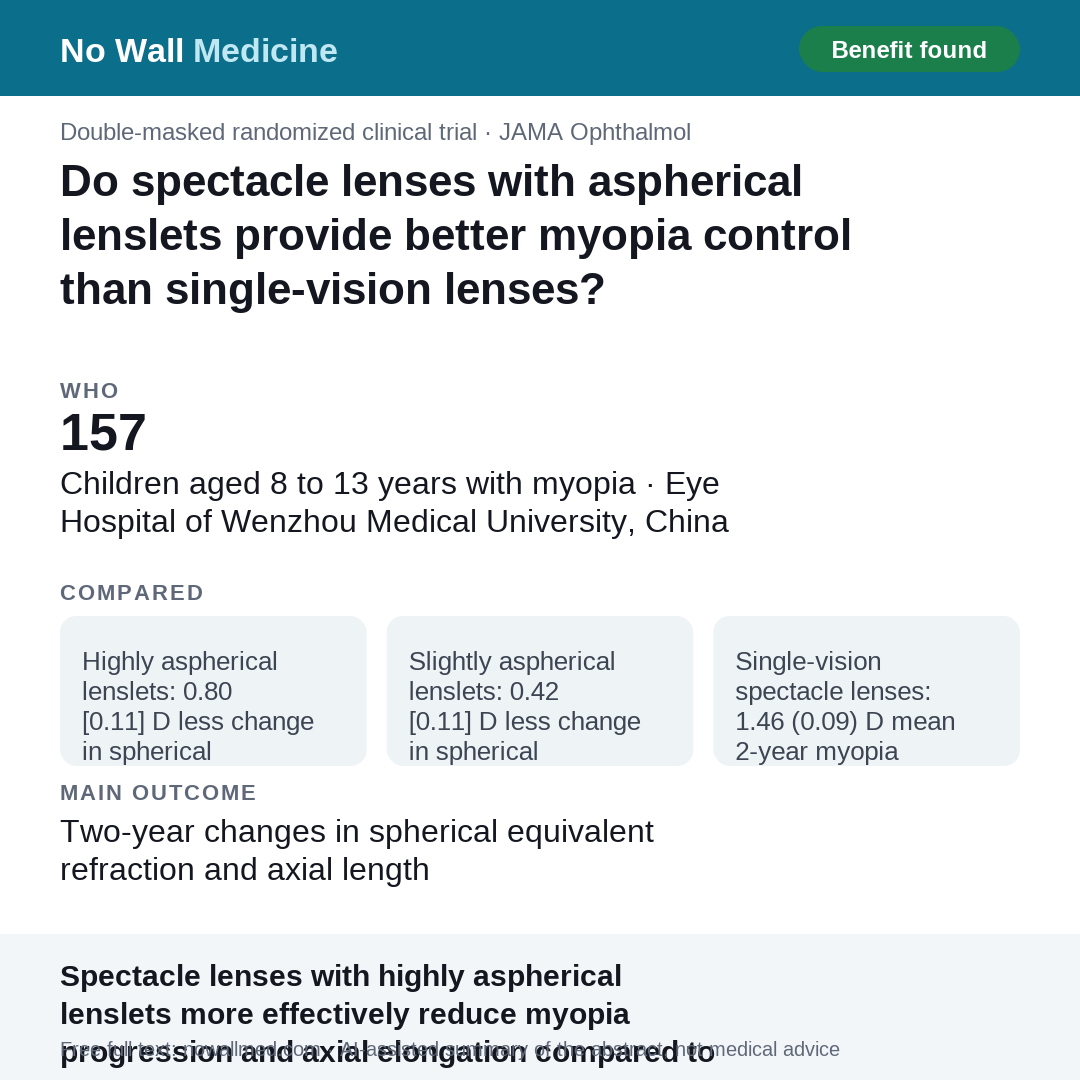
Spectacle Lenses With Aspherical Lenslets for Myopia Control vs Single-Vision Spectacle Lenses: A Randomized Clinical Trial
Double-masked randomized clinical trialBenefit found
Do spectacle lenses with aspherical lenslets provide better myopia control than single-vision lenses?
Who
157
Children aged 8 to 13 years with myopia · Eye Hospital of Wenzhou Medical University, China
Compared
Highly aspherical lenslets: 0.80 [0.11] D less change in spherical equivalent refraction
Slightly aspherical lenslets: 0.42 [0.11] D less change in spherical equivalent refraction
Single-vision spectacle lenses: 1.46 (0.09) D mean 2-year myopia progression
Main outcome
Two-year changes in spherical equivalent refraction and axial length
Bottom line: Spectacle lenses with highly aspherical lenslets more effectively reduce myopia progression and axial elongation compared to single-vision lenses.
JAMA Ophthalmol · 2022-04-01Download image
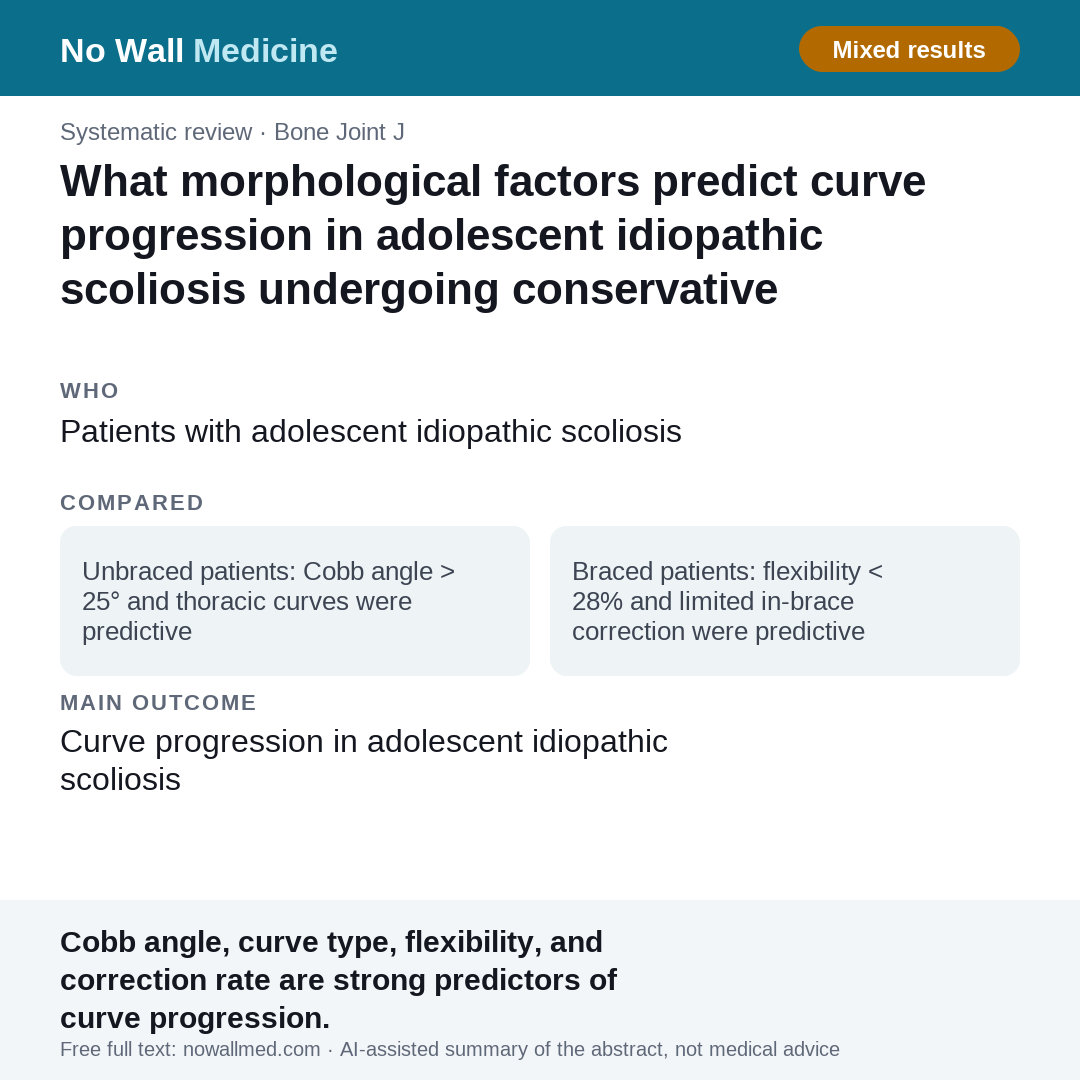
Curve type, flexibility, correction, and rotation are predictors of curve progression in patients with adolescent idiopathic scoliosis undergoing conservative treatment : a systematic review
Systematic reviewMixed results
What morphological factors predict curve progression in adolescent idiopathic scoliosis undergoing conservative treatment?
Who
Patients with adolescent idiopathic scoliosis
Compared
Unbraced patients: Cobb angle > 25° and thoracic curves were predictive
Braced patients: flexibility < 28% and limited in-brace correction were predictive
Main outcome
Curve progression in adolescent idiopathic scoliosis
Bottom line: Cobb angle, curve type, flexibility, and correction rate are strong predictors of curve progression.
Limitation: Some predictors like apical vertebral rotation and pelvic tilt have low evidence.
Bone Joint J · 2022-04-01Download image
The British Orthopaedic Surgery Surveillance study: Perthes' disease: the epidemiology and two-year outcomes from a prospective cohort in Great Britain
Prospective cohort studyNo clear difference
What are the epidemiology and two-year outcomes of Perthes' disease?
Who
371
Children newly affected by Perthes' disease · 63 hospitals in the United Kingdom
Compared
36.4%Surgically treated hips
Non-surgical hips
Main outcome
Radiological outcomes and patient-reported outcome measures at two years
Result: odds ratio 1.03 (95% CI 0.55 to 1.96) for surgery effect
Bottom line: Containment surgery had no effect on radiological outcomes for Perthes' disease at two years.
Bone Joint J · 2022-04-01Download image

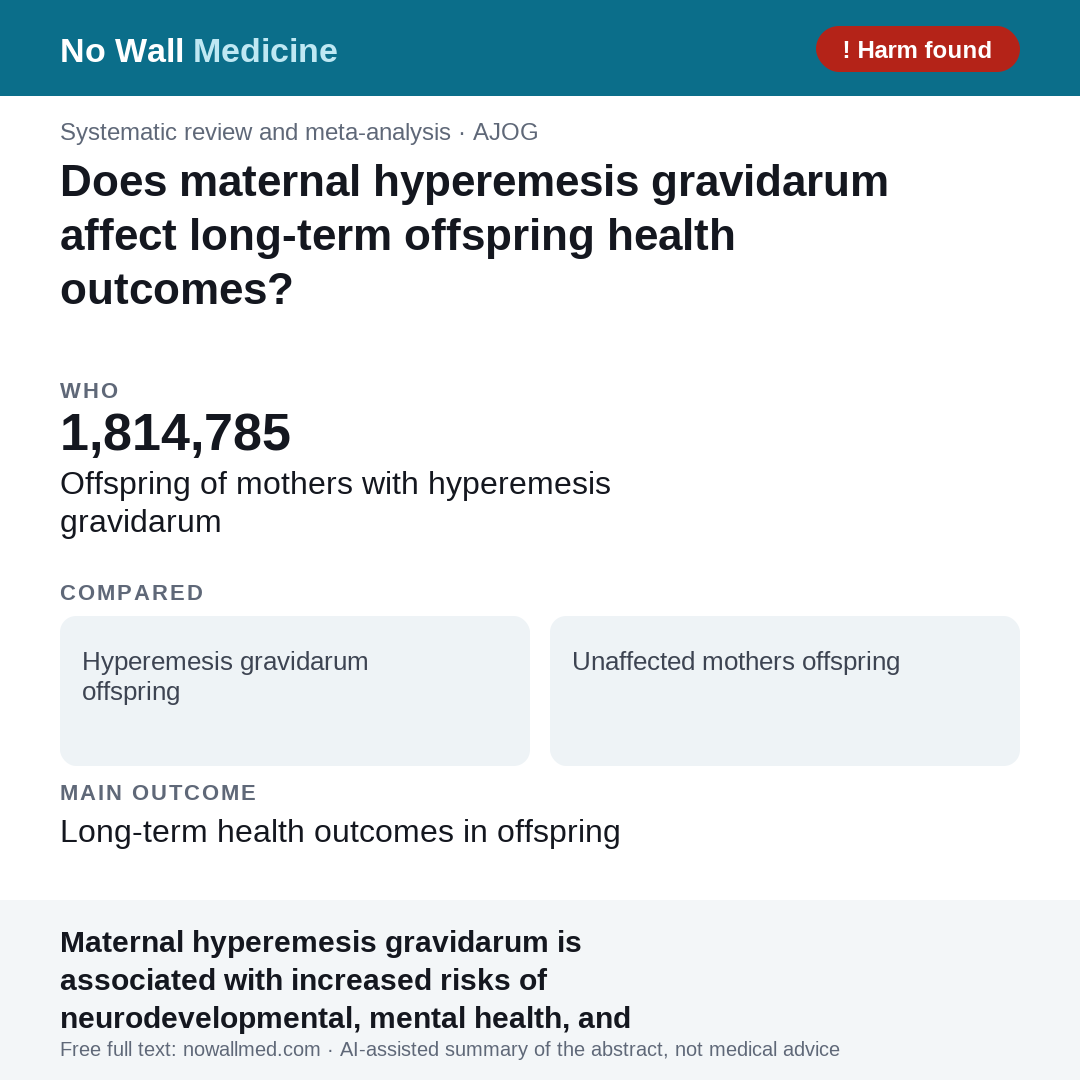
Long-term health outcomes of children born to mothers with hyperemesis gravidarum: a systematic review and meta-analysis
Systematic review and meta-analysisHarm found
Does maternal hyperemesis gravidarum affect long-term offspring health outcomes?
Who
1,814,785
Offspring of mothers with hyperemesis gravidarum
Compared
Hyperemesis gravidarum offspring
Unaffected mothers offspring
Main outcome
Long-term health outcomes in offspring
Result: anxiety disorder odds ratio 1.74 (95% confidence interval 1.04-2.91); sleep problems odds ratio 2.94 (95% confidence interval 1.25-6.93); testicular cancer odds ratio 1.60 (95% confidence interval 1.07-2.39)
Bottom line: Maternal hyperemesis gravidarum is associated with increased risks of neurodevelopmental, mental health, and possibly testicular cancer in offspring.
Limitation: Evidence is based on few studies of low quality.
AJOG · 2022-03-30Download image
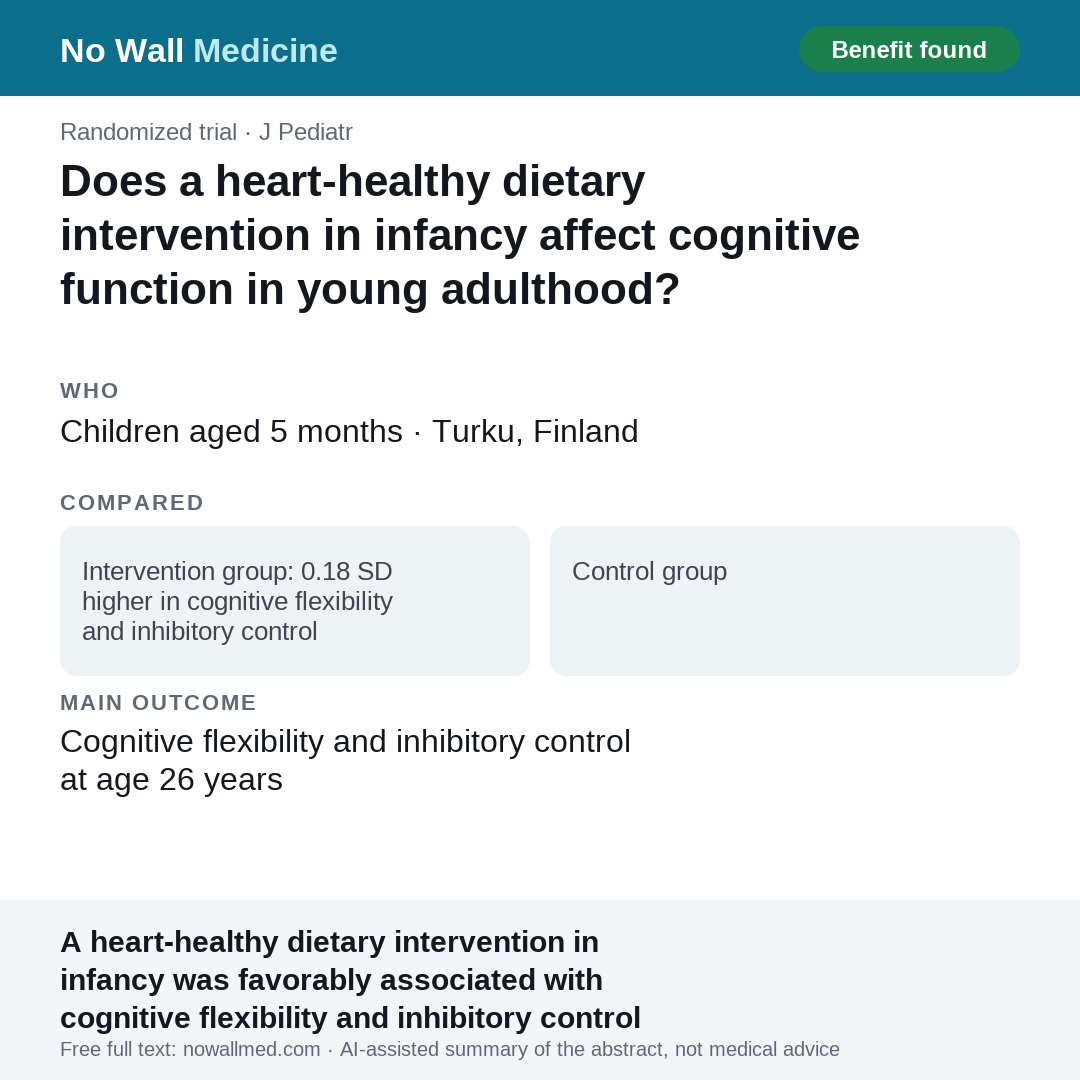
Dietary Intervention in Infancy and Cognitive Function in Young Adulthood: The Special Turku Coronary Risk Factor Intervention Project
Randomized trialBenefit found
Does a heart-healthy dietary intervention in infancy affect cognitive function in young adulthood?
Who
Children aged 5 months · Turku, Finland
Compared
Intervention group: 0.18 SD higher in cognitive flexibility and inhibitory control
Control group
Main outcome
Cognitive flexibility and inhibitory control at age 26 years
Bottom line: A heart-healthy dietary intervention in infancy was favorably associated with cognitive flexibility and inhibitory control at age 26.
J Pediatr · 2022-03-30Download image
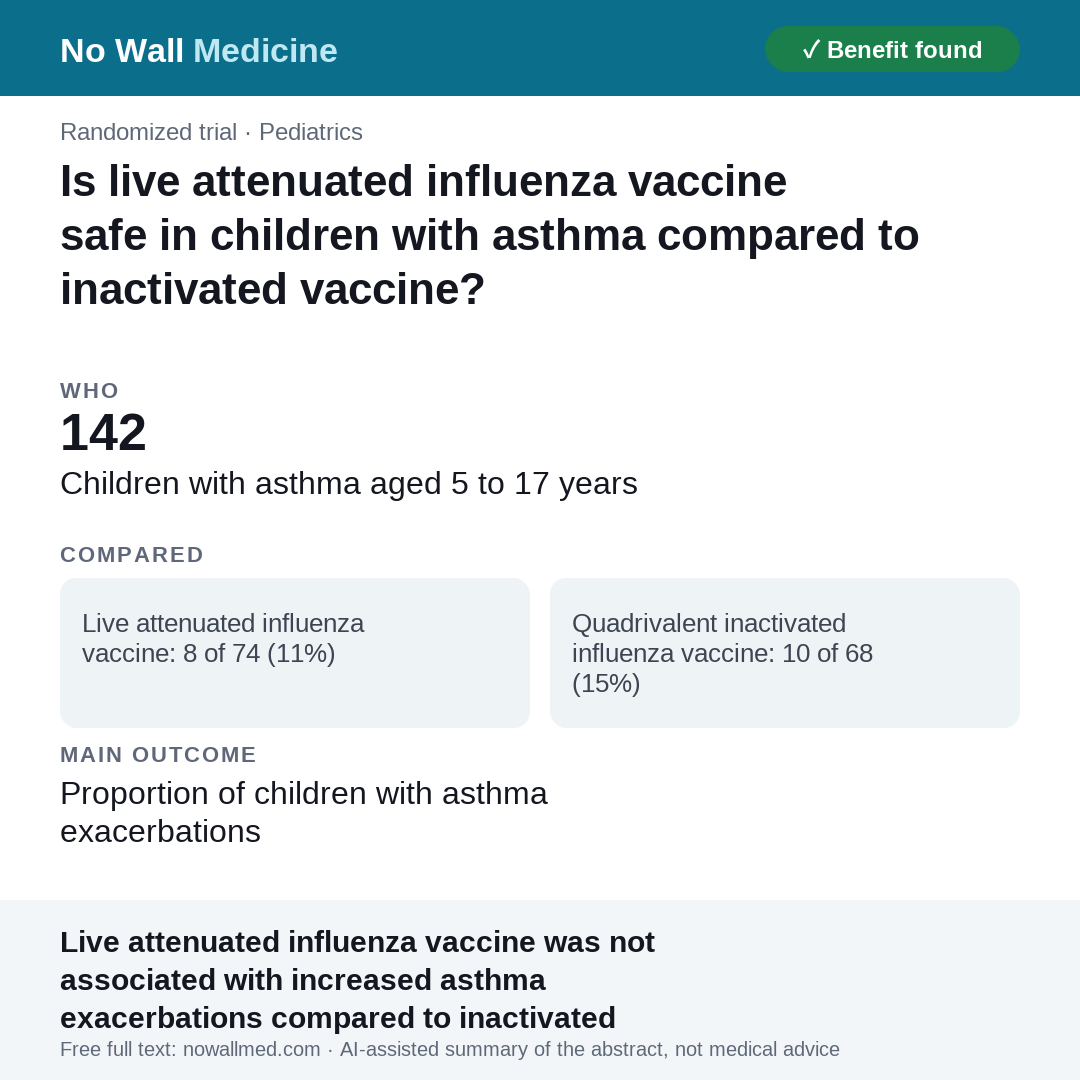
Safety of Live Attenuated Influenza Vaccine in Children With Asthma
Randomized trialBenefit found
Is live attenuated influenza vaccine safe in children with asthma compared to inactivated vaccine?
Who
142
Children with asthma aged 5 to 17 years
Compared
Live attenuated influenza vaccine: 8 of 74 (11%)
Quadrivalent inactivated influenza vaccine: 10 of 68 (15%)
Main outcome
Proportion of children with asthma exacerbations
Result: -0.0390 (90% confidence interval -0.1453 to 0.0674)
Bottom line: Live attenuated influenza vaccine was not associated with increased asthma exacerbations compared to inactivated influenza vaccine in children.
Pediatrics · 2022-03-29Download image
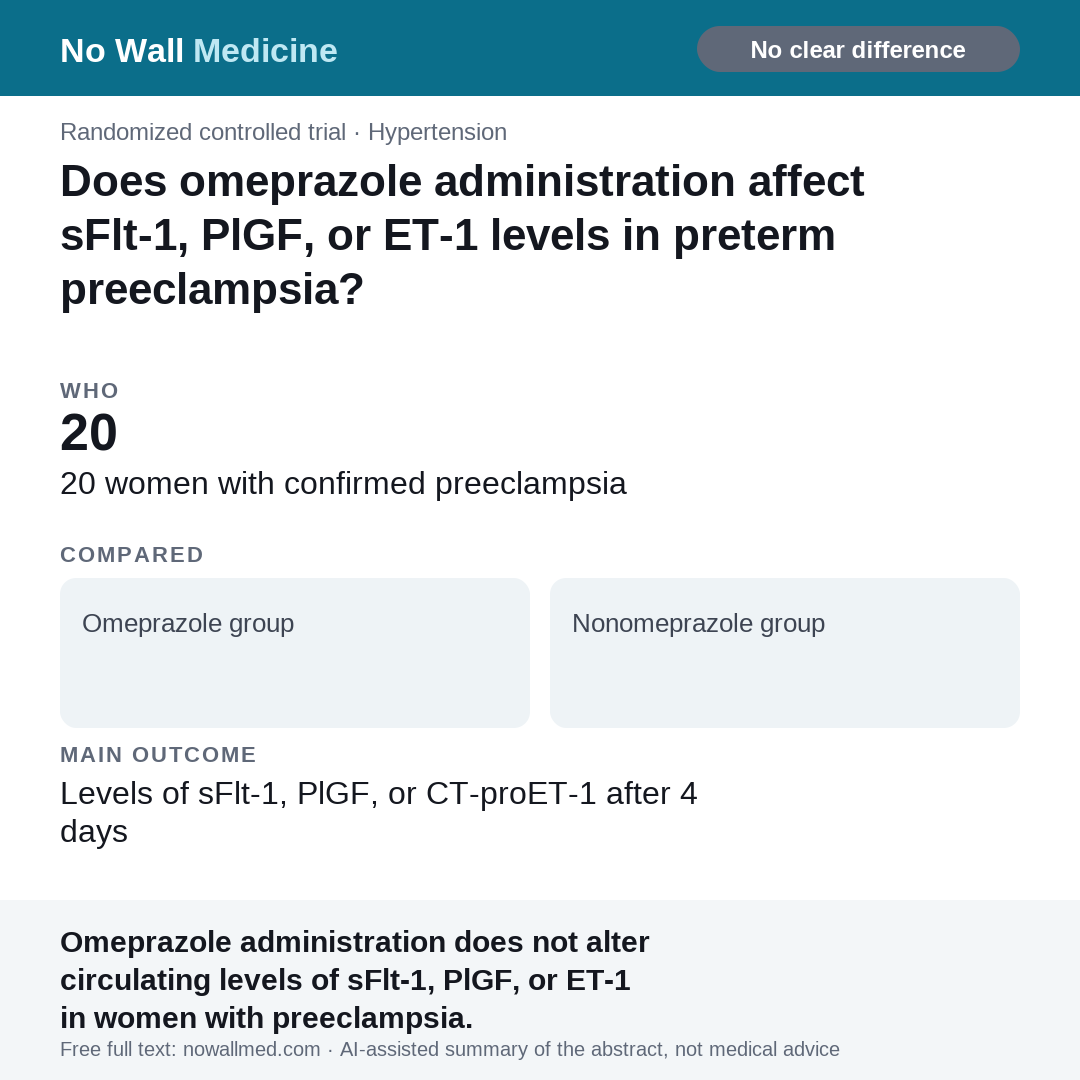
Omeprazole Administration in Preterm Preeclampsia: a Randomized Controlled Trial to Study Its Effect on sFlt-1 (Soluble Fms-Like Tyrosine Kinase-1), PlGF (Placental Growth Factor), and ET-1 (Endothelin-1)
Randomized controlled trialNo clear difference
Does omeprazole administration affect sFlt-1, PlGF, or ET-1 levels in preterm preeclampsia?
Who
20
20 women with confirmed preeclampsia
Compared
Omeprazole group
Nonomeprazole group
Main outcome
Levels of sFlt-1, PlGF, or CT-proET-1 after 4 days
Bottom line: Omeprazole administration does not alter circulating levels of sFlt-1, PlGF, or ET-1 in women with preeclampsia.
Hypertension · 2022-03-28Download image
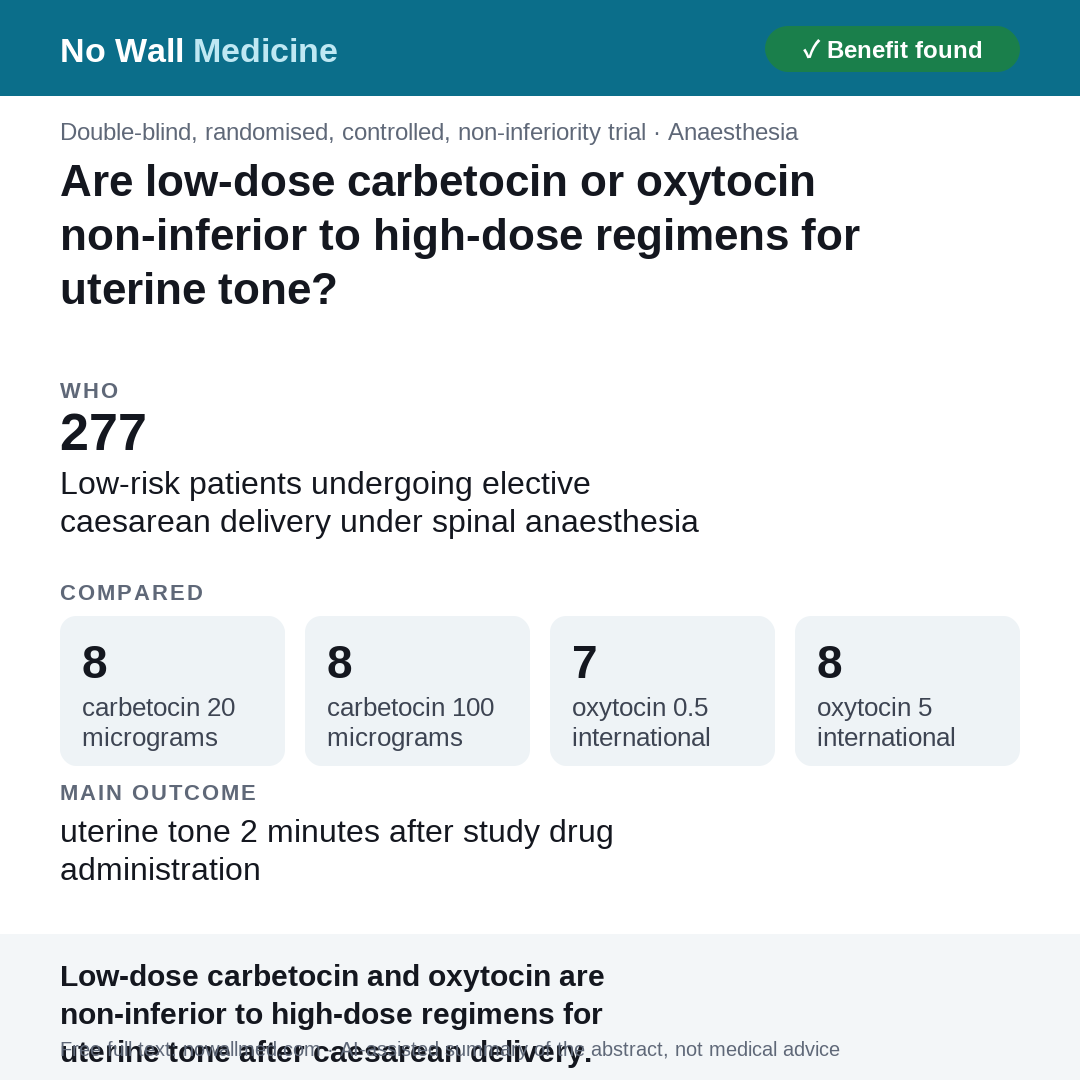
Carbetocin vs. oxytocin at elective caesarean delivery: a double-blind, randomised, controlled, non-inferiority trial of low- and high-dose regimens
Double-blind, randomised, controlled, non-inferiority trialBenefit found
Are low-dose carbetocin or oxytocin non-inferior to high-dose regimens for uterine tone?
Who
277
Low-risk patients undergoing elective caesarean delivery under spinal anaesthesia
Compared
8carbetocin 20 micrograms (7-8 [1-10])
8carbetocin 100 micrograms (7-9 [3-10])
7oxytocin 0.5 international units (6-8 [3-10])
8oxytocin 5 international units (6-8 [2-10])
Main outcome
uterine tone 2 minutes after study drug administration
Result: median (95%CI) difference 0 (-0.44-0.44)
Bottom line: Low-dose carbetocin and oxytocin are non-inferior to high-dose regimens for uterine tone after caesarean delivery.
Anaesthesia · 2022-03-28Download image
A Systematic Review of European Clinical Practice Guidelines for Respiratory Syncytial Virus Prophylaxis
Systematic reviewMixed results
What are the European clinical practice guidelines for respiratory syncytial virus prophylaxis?
Who
European clinical practice guidelines · Europe
Compared
Guidelines for bronchopulmonary dysplasia: all
85%Guidelines for congenital heart disease (n = 17)
60%Guidelines for severe combined immunodeficiency (n = 12)
Main outcome
Recommendations for respiratory syncytial virus prophylaxis
Bottom line: European guidelines show discrepancies in palivizumab recommendations for premature infants based on gestational age.
J Infect Dis · 2022-03-26Download image

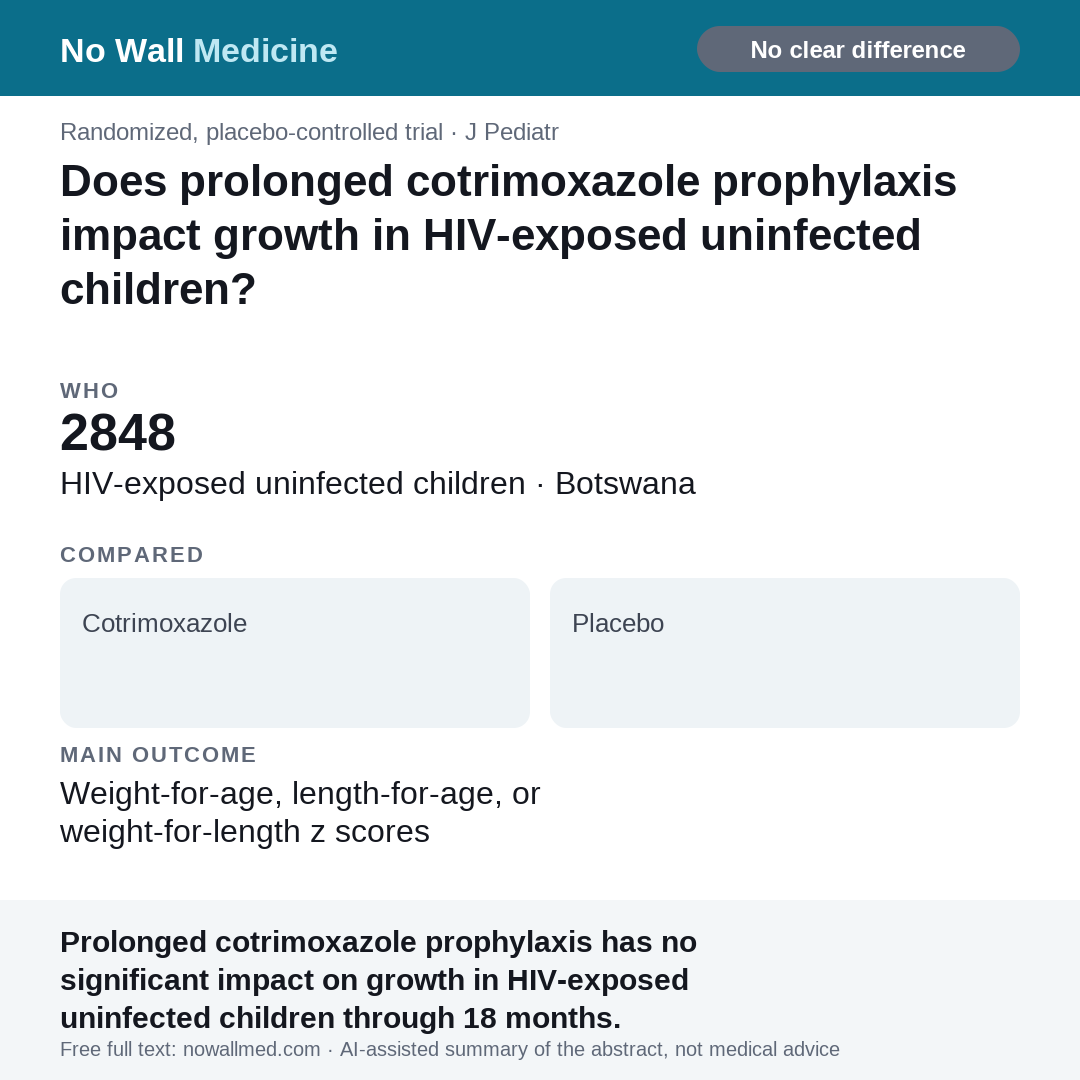
Prolonged Cotrimoxazole Prophylaxis Has No Impact on Child Growth in the First Two Years of Life: Findings from a Randomized Controlled Trial in Botswana
Randomized, placebo-controlled trialNo clear difference
Does prolonged cotrimoxazole prophylaxis impact growth in HIV-exposed uninfected children?
Who
2848
HIV-exposed uninfected children · Botswana
Compared
Cotrimoxazole
Placebo
Main outcome
Weight-for-age, length-for-age, or weight-for-length z scores
Bottom line: Prolonged cotrimoxazole prophylaxis has no significant impact on growth in HIV-exposed uninfected children through 18 months.
J Pediatr · 2022-03-26Download image