Visual abstracts
New randomized trials and meta-analyses from leading journals at a glance: who was studied, what was compared, and what was found. Every paper is free to read in full.
All specialtiesCardiology 4833Oncology 4115Gastroenterology & Hepatology 1934Infectious Disease 3825Neurology 1901Psychiatry & Mental Health 2256Pulmonology 2082Critical Care 1346Endocrinology & Diabetes 2572Pediatrics 2940Surgery 2525Orthopedics & Sports Medicine 926Neurosurgery 534Cardiothoracic & Vascular Surgery 671Plastic & Reconstructive Surgery 591Nephrology 1124Rheumatology 823Hematology 1104Dermatology 620Ophthalmology 543Obstetrics & Gynecology 1684Public & Global Health 1056Radiology & Imaging 641Anesthesiology 962Urology 754ENT (Otolaryngology) 503Emergency Medicine 489Allergy & Immunology 313Geriatrics 982Family Medicine & Primary Care 541Medical Genetics & Genomics 675Pathology & Laboratory Medicine 157Physical Medicine & Rehabilitation 751Palliative Care 424Nutrition 1580Digital Health & AI 2195General Medicine 321
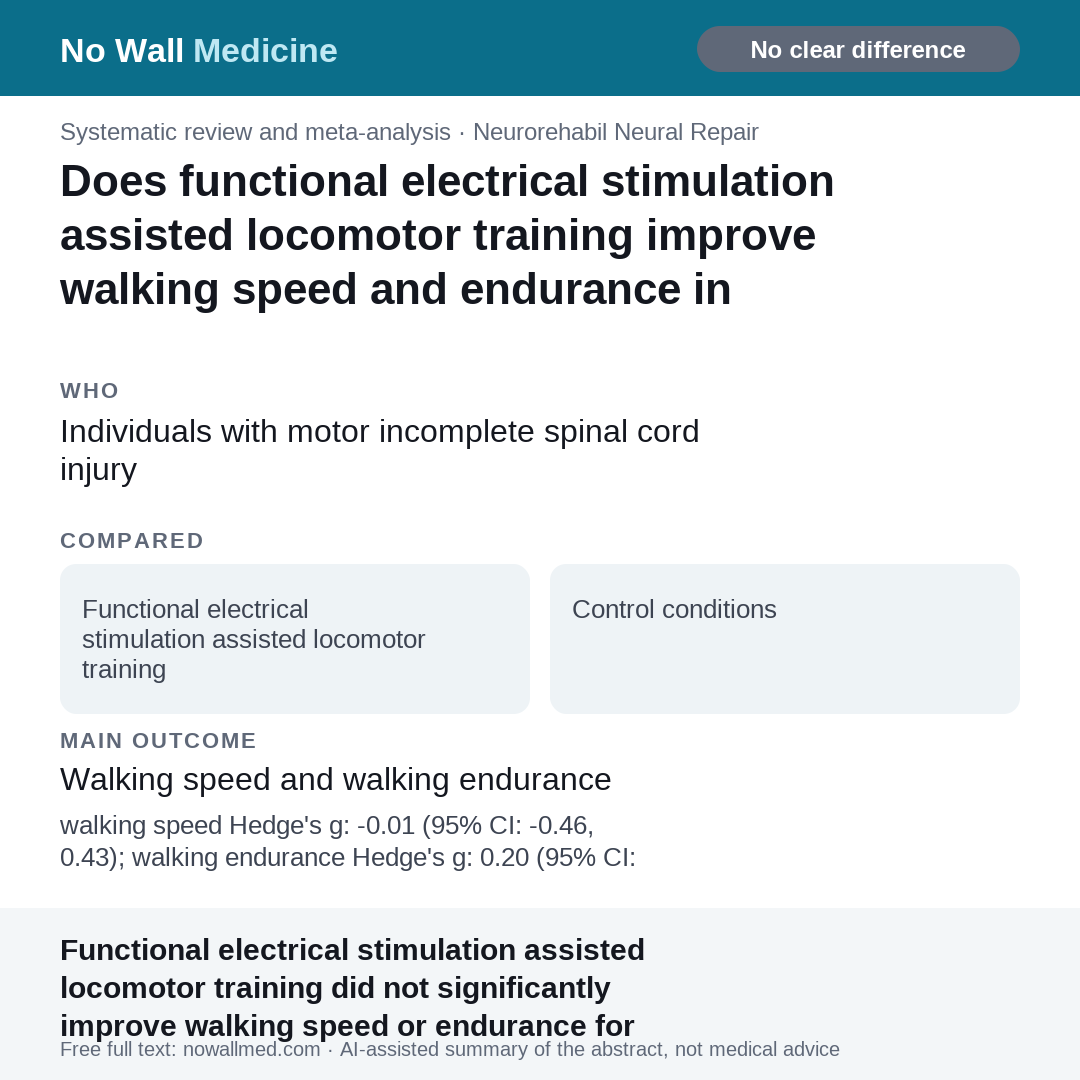
Effectiveness of Functional Electrical Stimulation Assisted Locomotor Training on walking Outcomes Following Incomplete Spinal Cord Injury: Systematic Review and Meta-Analysis
Systematic review and meta-analysisNo clear difference
Does functional electrical stimulation assisted locomotor training improve walking speed and endurance in incomplete spinal cord injury?
Who
Individuals with motor incomplete spinal cord injury
Compared
Functional electrical stimulation assisted locomotor training
Control conditions
Main outcome
Walking speed and walking endurance
Result: walking speed Hedge's g: -0.01 (95% CI: -0.46, 0.43); walking endurance Hedge's g: 0.20 (95% CI: -0.25, 0.65)
Bottom line: Functional electrical stimulation assisted locomotor training did not significantly improve walking speed or endurance for people with incomplete spinal cord injury.
Limitation: Future trials should better standardize and report training dose and stimulation parameters.
Neurorehabil Neural Repair · 2025-12-08Download image
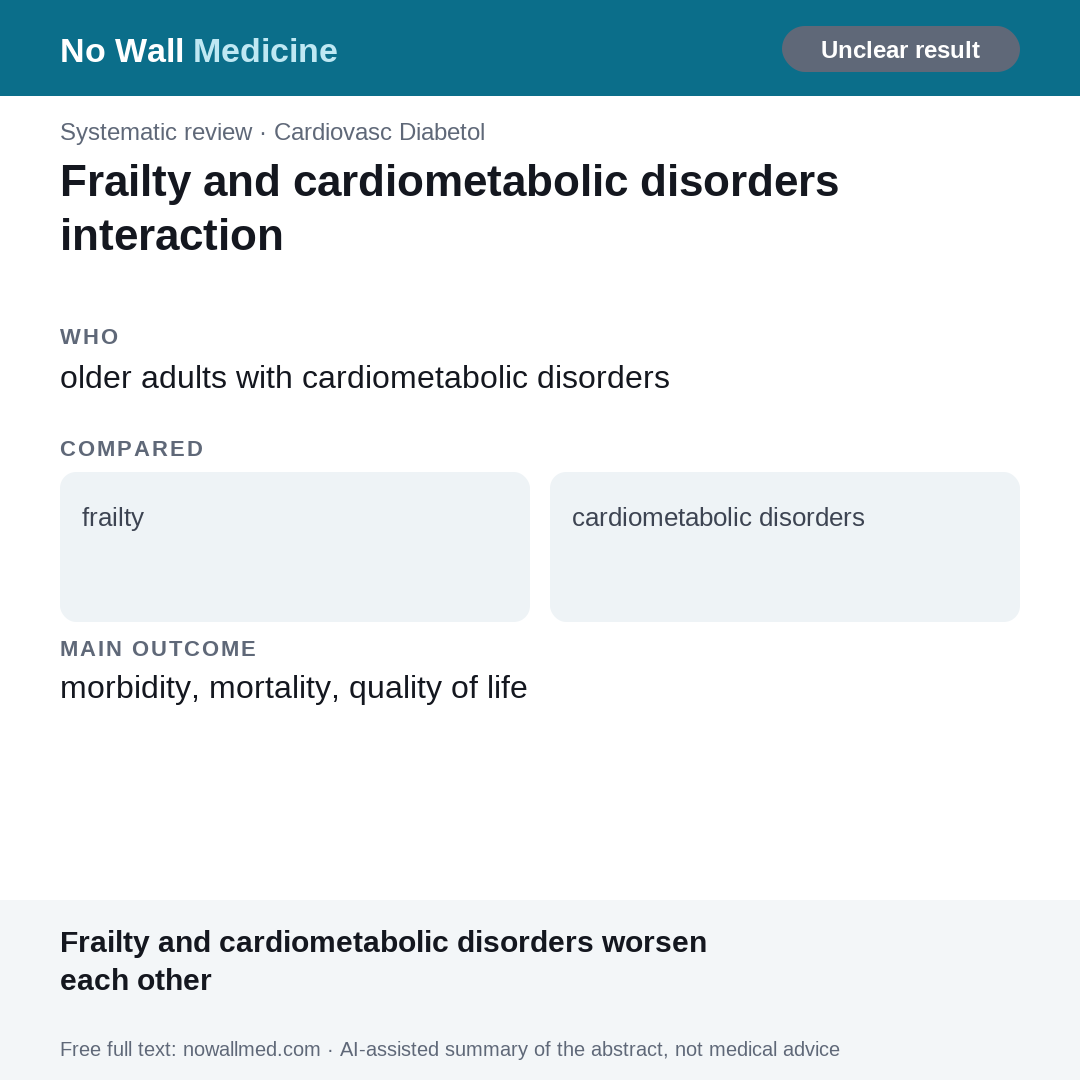
Interplay between frailty and cardiometabolic disorders: from pathophysiology to clinical implications
Systematic reviewUnclear result
Frailty and cardiometabolic disorders interaction
Who
older adults with cardiometabolic disorders
Compared
frailty
cardiometabolic disorders
Main outcome
morbidity, mortality, quality of life
Bottom line: Frailty and cardiometabolic disorders worsen each other
Cardiovasc Diabetol · 2025-12-08Download image
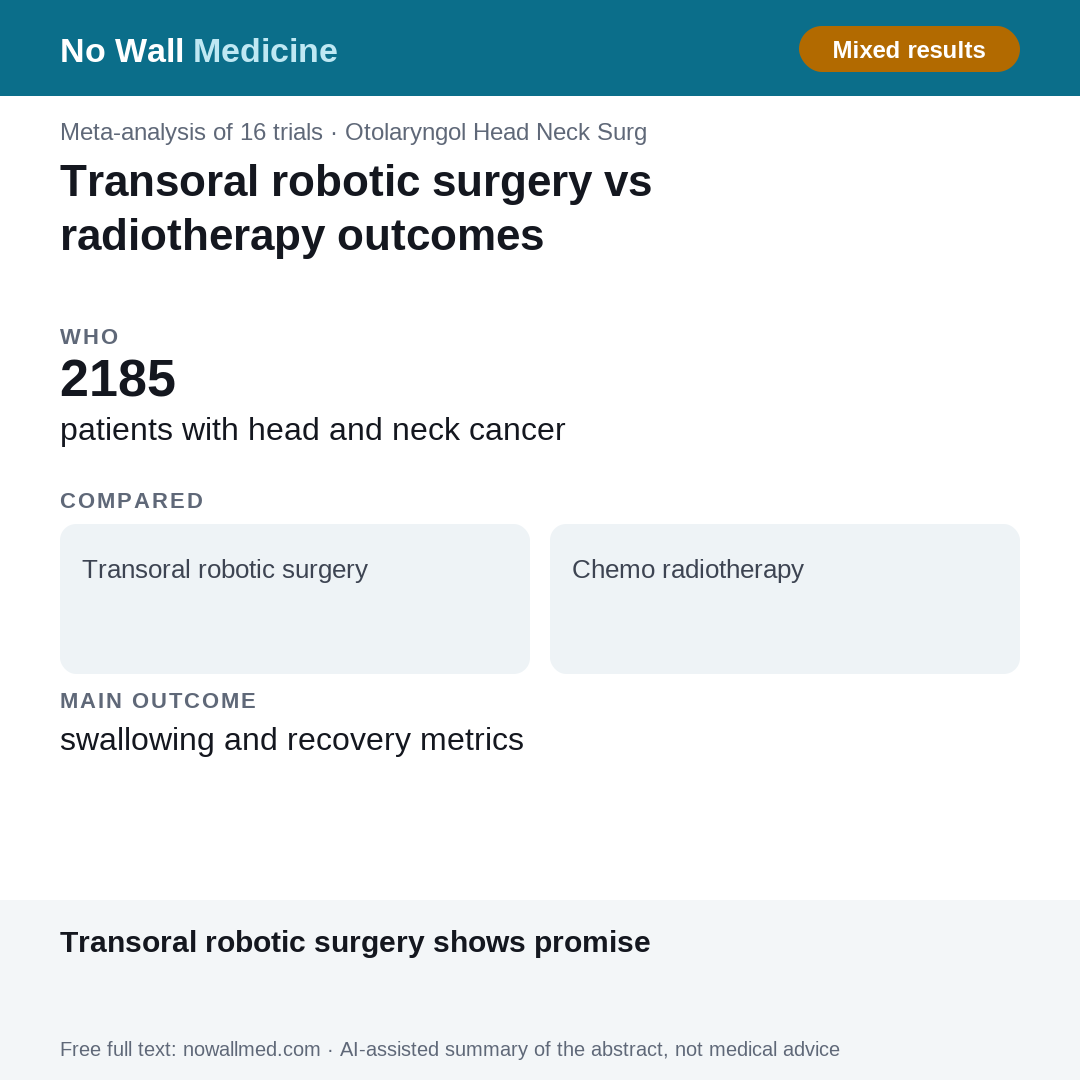
A Meta-analysis of Functional Outcomes and Recovery Metrics Comparing Transoral Robotic Surgery and (Chemo)Radiotherapy
Meta-analysis of 16 trialsMixed results
Transoral robotic surgery vs radiotherapy outcomes
Who
2185
patients with head and neck cancer
Compared
Transoral robotic surgery
Chemo radiotherapy
Main outcome
swallowing and recovery metrics
Bottom line: Transoral robotic surgery shows promise
Limitation: methodological inconsistencies
Otolaryngol Head Neck Surg · 2025-12-07Download image
Physical and Occupational Therapist Evaluations for Fall Prevention in the Emergency Department: A Geriatric ED Guidelines 2.0 Systematic Review
Systematic reviewBenefit found
Do physical or occupational therapist evaluations reduce fall risks in the emergency department?
Who
Older adults in the emergency department · Emergency department
Compared
Physical or occupational therapy evaluation: reduced emergency department revisits
Control
Main outcome
emergency department revisits and hospital admission rates
Bottom line: Physical or occupational therapist evaluations in the emergency department are associated with reduced subsequent emergency department revisits.
Limitation: Impact of co-interventions and heterogeneity limits strong conclusions.
Acad Emerg Med · 2025-12-07Download image

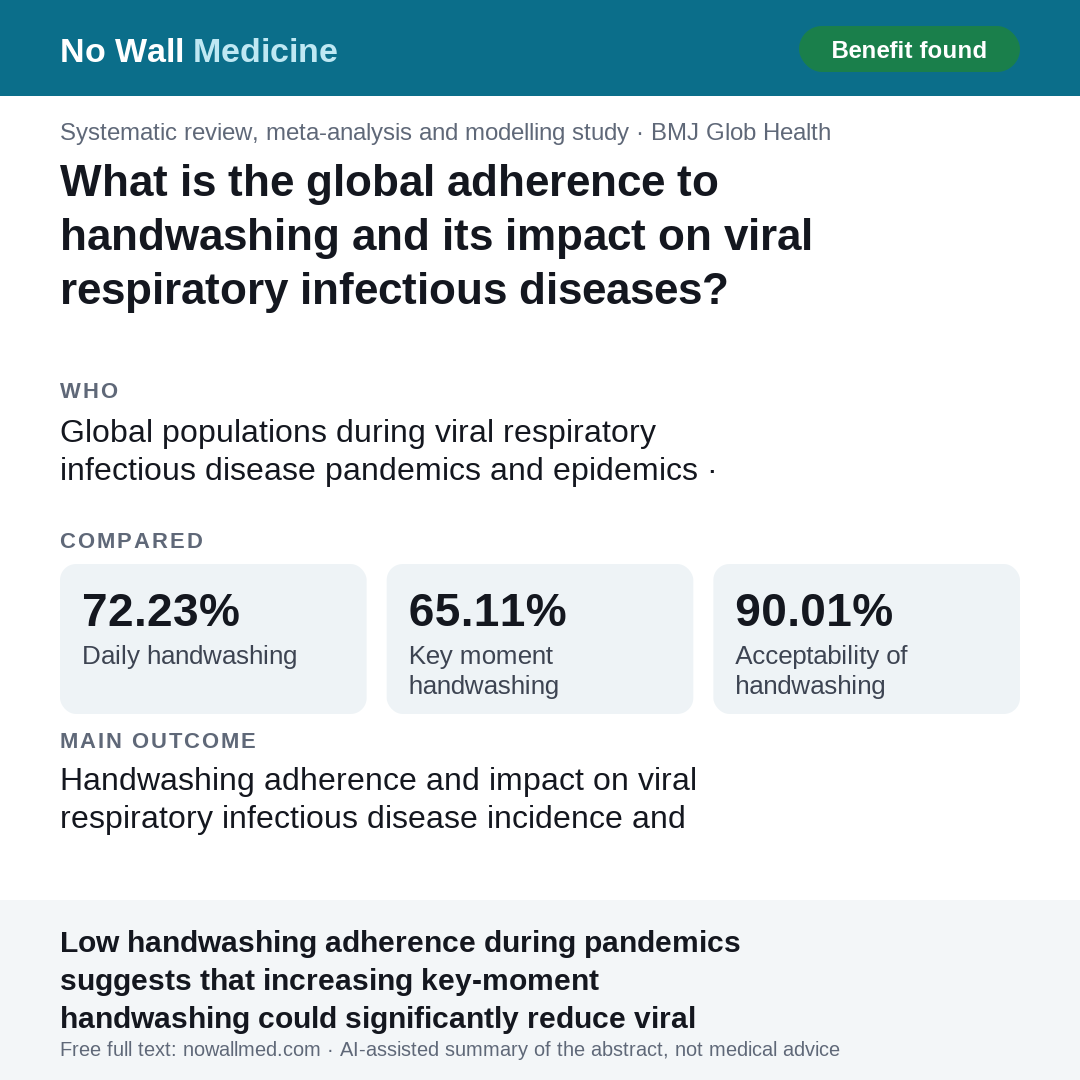
Adherence to handwashing behaviour and its impact on the incidence and death of viral respiratory infectious diseases: a systematic review, meta-analysis and modelling study
Systematic review, meta-analysis and modelling studyBenefit found
What is the global adherence to handwashing and its impact on viral respiratory infectious diseases?
Who
Global populations during viral respiratory infectious disease pandemics and epidemics · Global
Compared
72.23%Daily handwashing (95% CI 66.95% to 76.95%)
65.11%Key moment handwashing (95% CI 59.74% to 70.28%)
90.01%Acceptability of handwashing (95% CI 83.73% to 94.05%)
Main outcome
Handwashing adherence and impact on viral respiratory infectious disease incidence and death
Bottom line: Low handwashing adherence during pandemics suggests that increasing key-moment handwashing could significantly reduce viral respiratory disease incidence and death.
BMJ Glob Health · 2025-12-07Download image
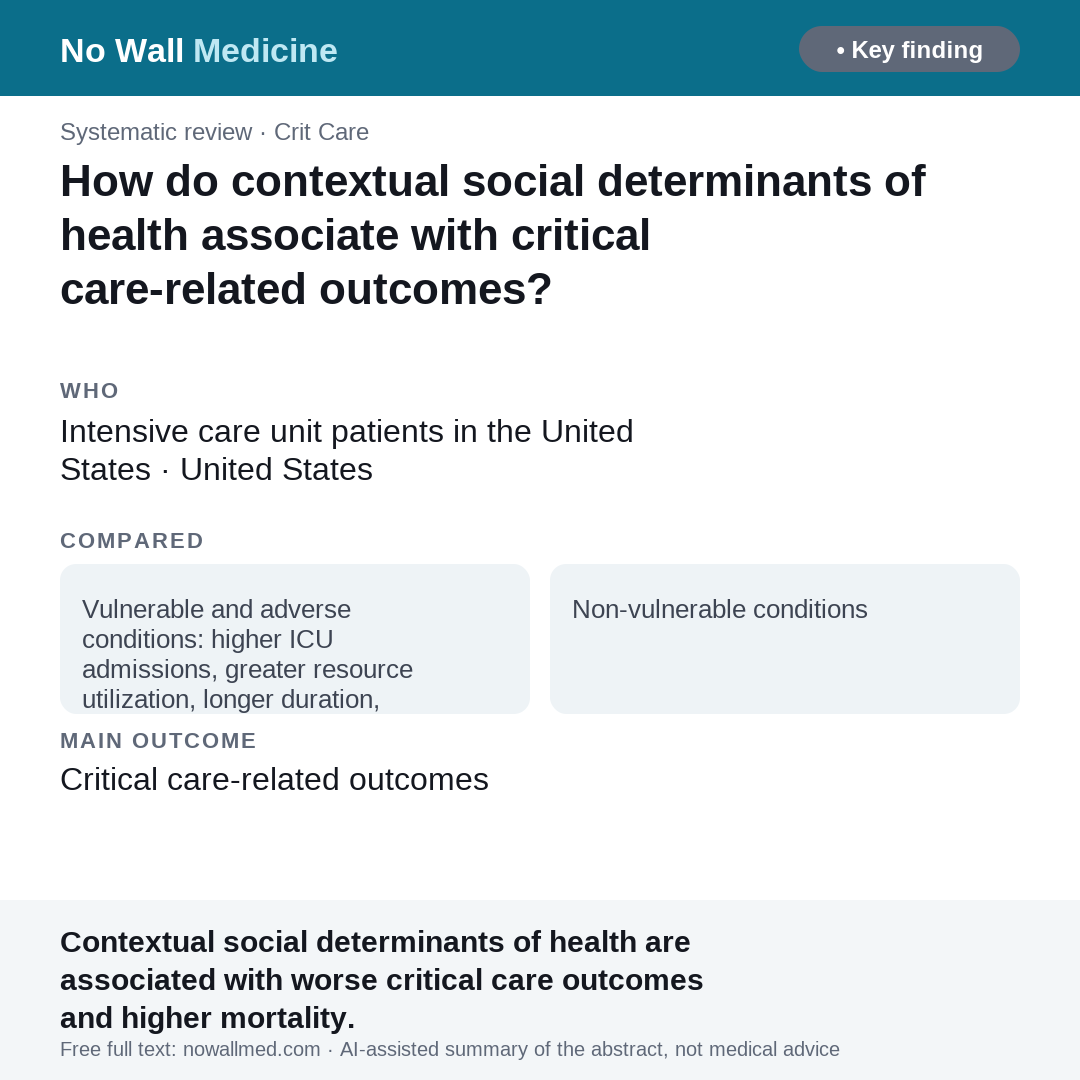
Contextual nonmedical health factors and critical care-related outcomes: a systematic review
Systematic reviewHarm found
How do contextual social determinants of health associate with critical care-related outcomes?
Who
Intensive care unit patients in the United States · United States
Compared
Vulnerable and adverse conditions: higher ICU admissions, greater resource utilization, longer duration, higher mortality
Non-vulnerable conditions
Main outcome
Critical care-related outcomes
Bottom line: Contextual social determinants of health are associated with worse critical care outcomes and higher mortality.
Crit Care · 2025-12-07Download image
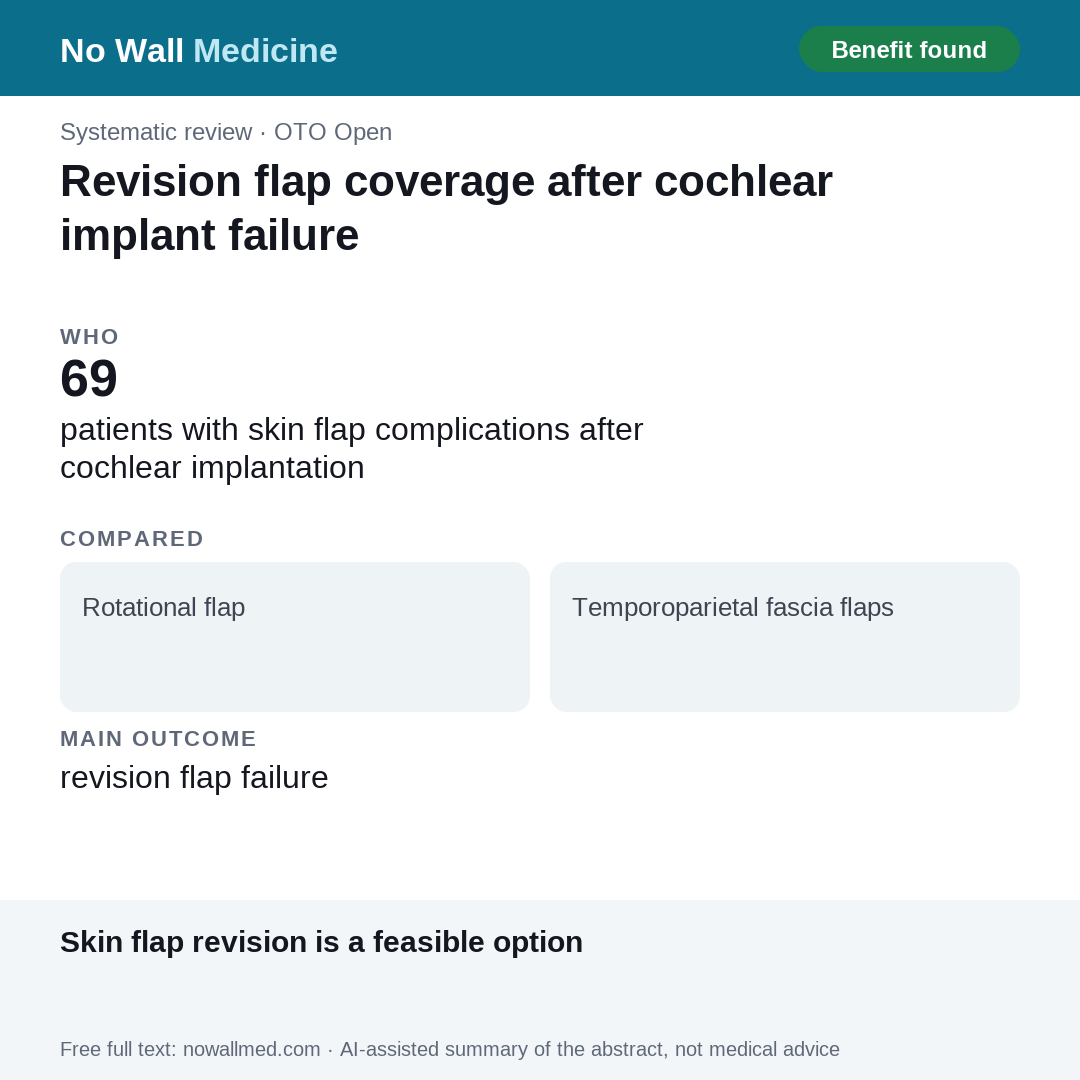
Revision Flap Coverage Following Primary Cochlear Implant Flap Failure: A Systematic Review
Systematic reviewBenefit found
Revision flap coverage after cochlear implant failure
Who
69
patients with skin flap complications after cochlear implantation
Compared
Rotational flap
Temporoparietal fascia flaps
Main outcome
revision flap failure
Bottom line: Skin flap revision is a feasible option
OTO Open · 2025-12-07Download image
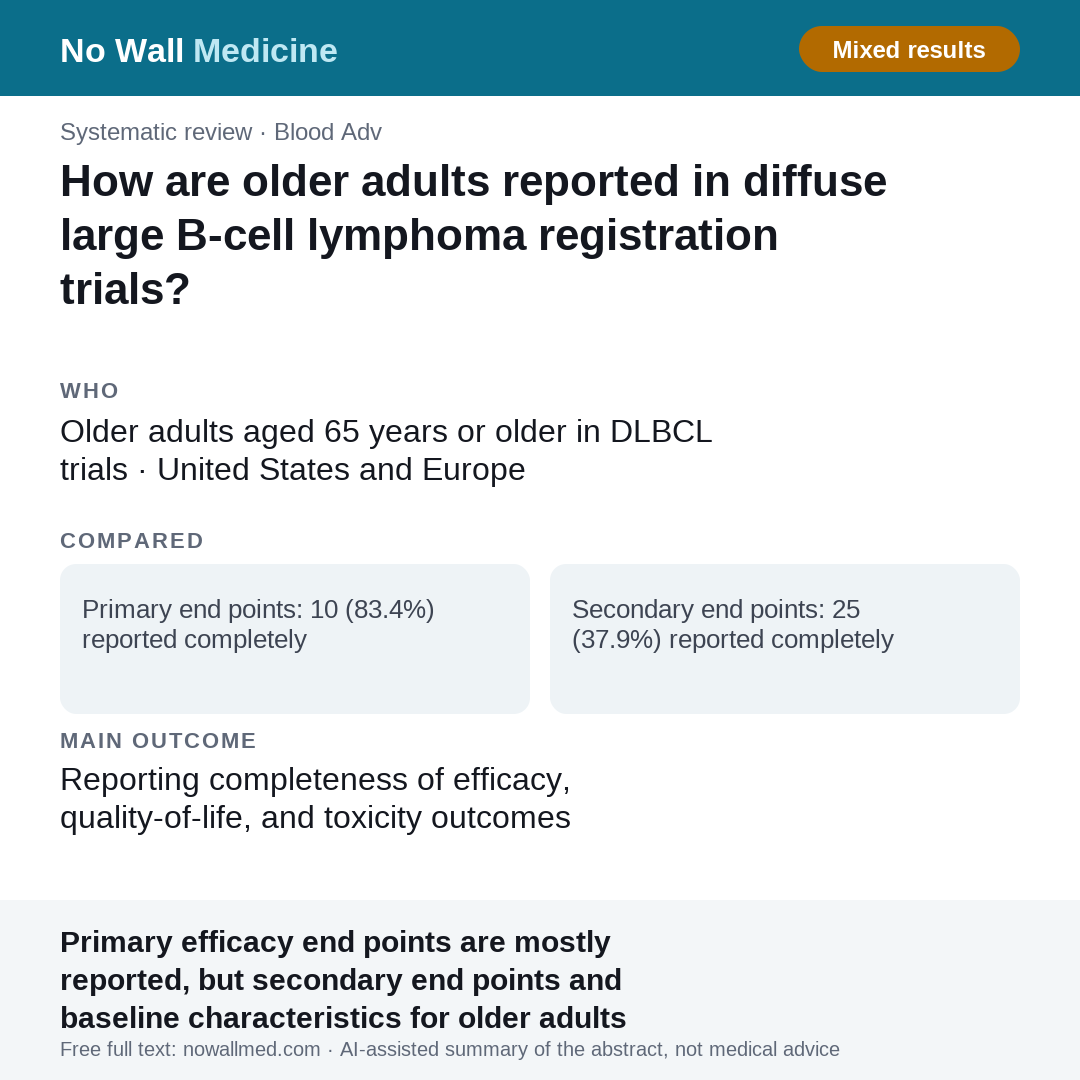
Inclusion, characteristics, and reporting of older patients in recent registration trials for DLBCL
Systematic reviewMixed results
How are older adults reported in diffuse large B-cell lymphoma registration trials?
Who
Older adults aged 65 years or older in DLBCL trials · United States and Europe
Compared
Primary end points: 10 (83.4%) reported completely
Secondary end points: 25 (37.9%) reported completely
Main outcome
Reporting completeness of efficacy, quality-of-life, and toxicity outcomes
Bottom line: Primary efficacy end points are mostly reported, but secondary end points and baseline characteristics for older adults are often unreported.
Blood Adv · 2025-12-06Download image
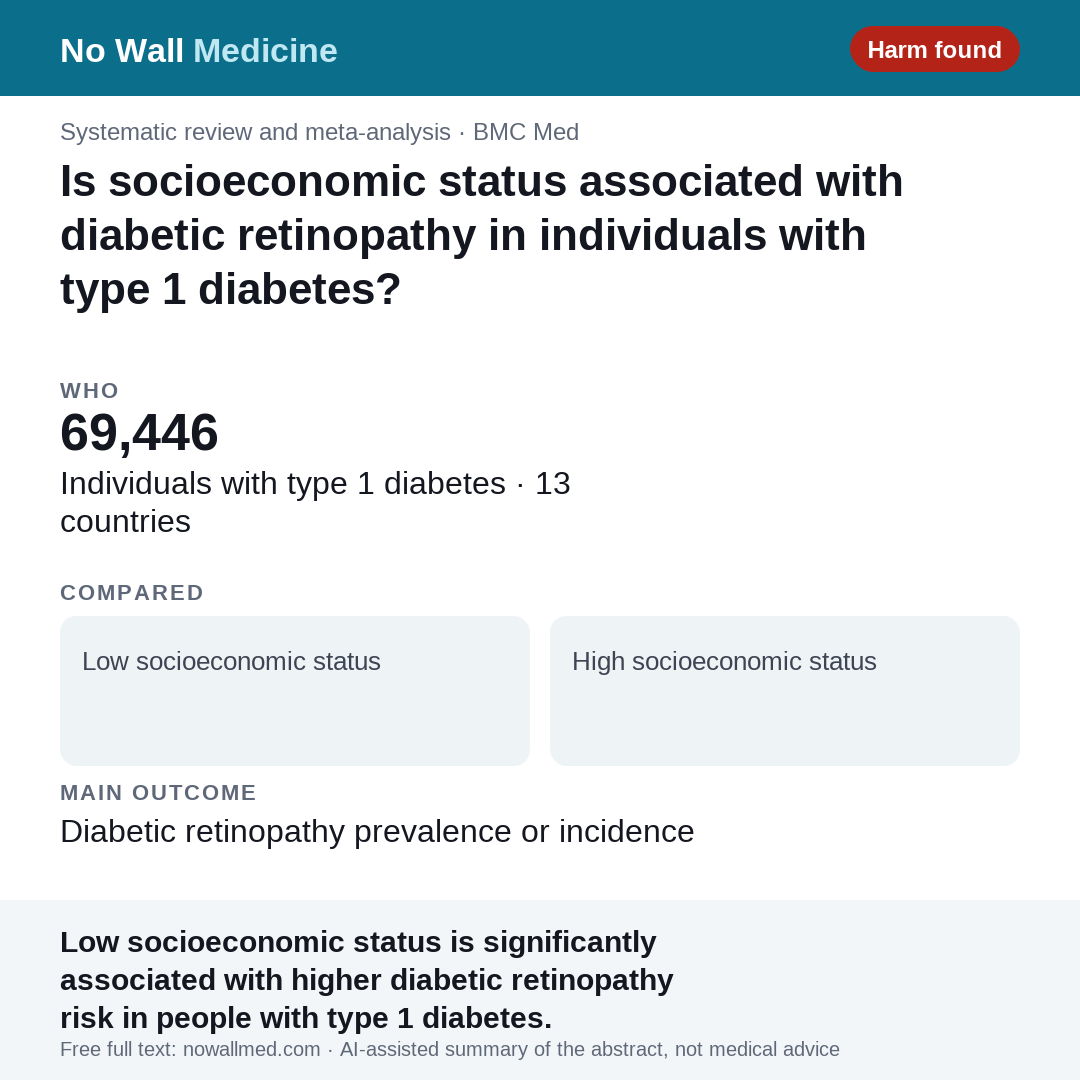
Association between socioeconomic status and diabetic retinopathy in individuals with type 1 diabetes: a systematic review and meta-analysis
Systematic review and meta-analysisHarm found
Is socioeconomic status associated with diabetic retinopathy in individuals with type 1 diabetes?
Who
69,446
Individuals with type 1 diabetes · 13 countries
Compared
Low socioeconomic status
High socioeconomic status
Main outcome
Diabetic retinopathy prevalence or incidence
Result: odds ratio 1.44 (95% CI 1.21-1.71)
Bottom line: Low socioeconomic status is significantly associated with higher diabetic retinopathy risk in people with type 1 diabetes.
BMC Med · 2025-12-05Download image
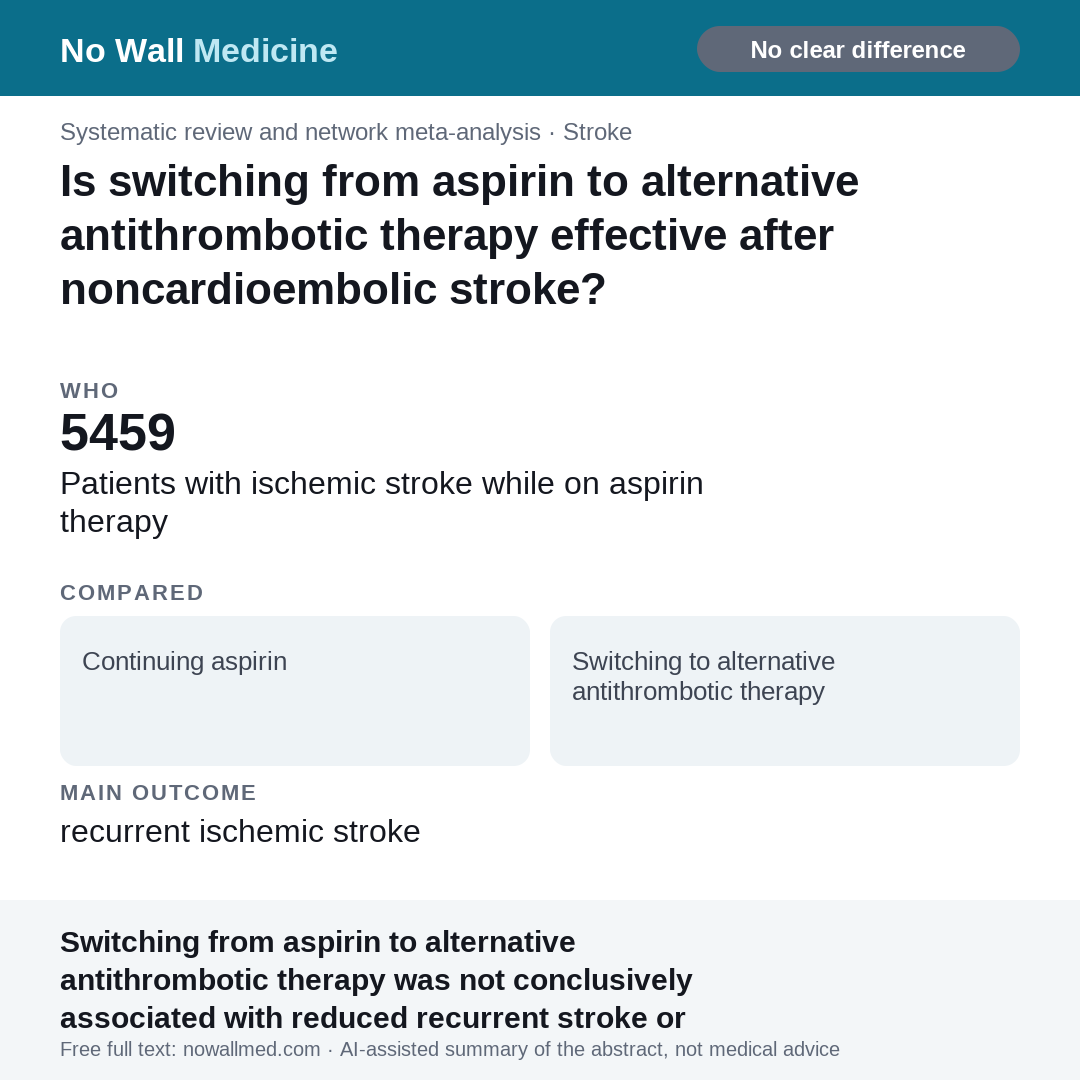
Switching From Aspirin Monotherapy After Noncardioembolic Stroke: A Systematic Review and Network Meta-Analysis
Systematic review and network meta-analysisNo clear difference
Is switching from aspirin to alternative antithrombotic therapy effective after noncardioembolic stroke?
Who
5459
Patients with ischemic stroke while on aspirin therapy
Compared
Continuing aspirin
Switching to alternative antithrombotic therapy
Main outcome
recurrent ischemic stroke
Result: relative risk 0.88 (95% CI, 0.76-1.03)
Bottom line: Switching from aspirin to alternative antithrombotic therapy was not conclusively associated with reduced recurrent stroke or composite cardiovascular events.
Stroke · 2025-12-05Download image
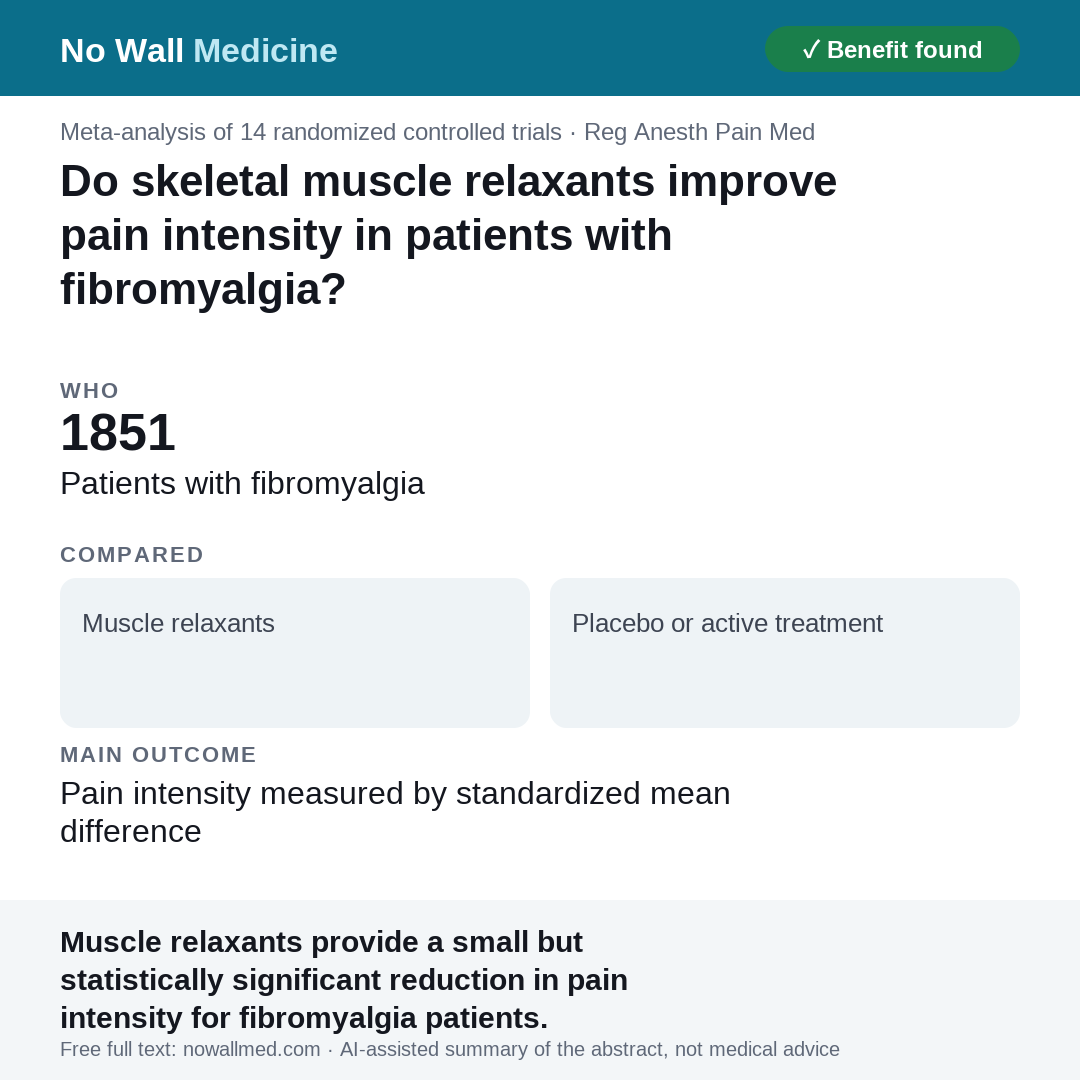
Skeletal muscle relaxant for the treatment of fibromyalgia: a systematic review and meta-analysis of randomized controlled trials
Meta-analysis of 14 randomized controlled trialsBenefit found
Do skeletal muscle relaxants improve pain intensity in patients with fibromyalgia?
Who
1851
Patients with fibromyalgia
Compared
Muscle relaxants
Placebo or active treatment
Main outcome
Pain intensity measured by standardized mean difference
Result: standardized mean difference -0.24 (95% CI -0.32 to -0.15)
Bottom line: Muscle relaxants provide a small but statistically significant reduction in pain intensity for fibromyalgia patients.
Reg Anesth Pain Med · 2025-12-05Download image
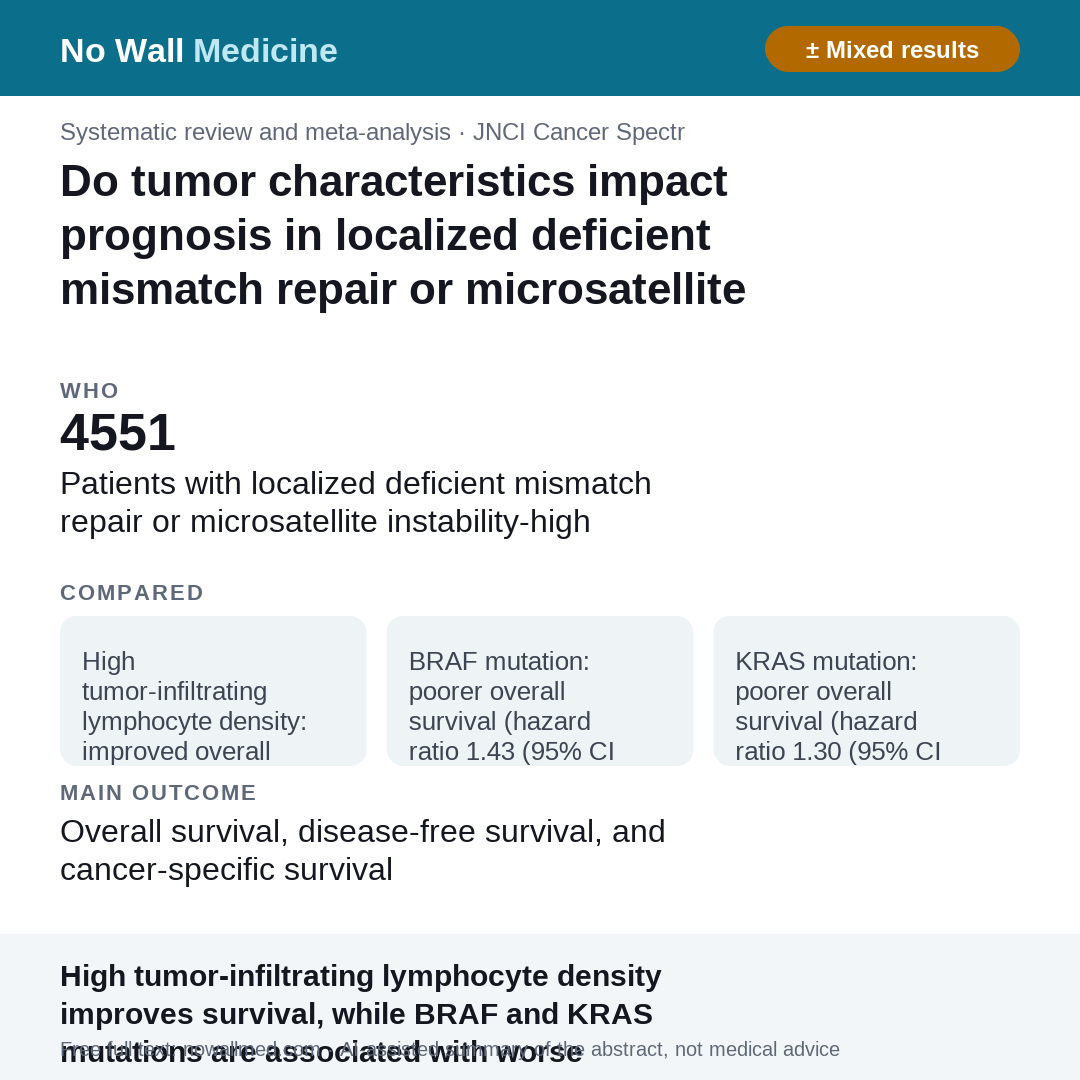
Tumor characteristics impact prognosis in deficient mismatch repair/microsatellite instability-high localized colorectal cancer-a systematic review and meta-analysis
Systematic review and meta-analysisMixed results
Do tumor characteristics impact prognosis in localized deficient mismatch repair or microsatellite instability-high colorectal cancer?
Who
4551
Patients with localized deficient mismatch repair or microsatellite instability-high colorectal cancer
Compared
High tumor-infiltrating lymphocyte density: improved overall survival (hazard ratio 0.39 (95% CI 0.17 to 0.89))
BRAF mutation: poorer overall survival (hazard ratio 1.43 (95% CI 1.13 to 1.80))
KRAS mutation: poorer overall survival (hazard ratio 1.30 (95% CI 1.09 to 1.54))
Main outcome
Overall survival, disease-free survival, and cancer-specific survival
Result: hazard ratio 0.39 (95% CI 0.17 to 0.89) for high lymphocyte density
Bottom line: High tumor-infiltrating lymphocyte density improves survival, while BRAF and KRAS mutations are associated with worse outcomes.
JNCI Cancer Spectr · 2025-12-05Download image
Effectiveness and Safety of Nusinersen and Risdiplam in Spinal Muscular Atrophy: A Systematic Review
Systematic reviewMixed results
What are the safety and effectiveness of nusinersen and risdiplam for treating spinal muscular atrophy?
Who
Patients with spinal muscular atrophy types 1 to 4
Compared
Nusinersen
Risdiplam
Main outcome
Motor function, milestones, survival, and safety
Bottom line: Nusinersen and risdiplam improve motor function and survival, but outcomes for respiratory function and safety vary.
Limitation: Variability in outcomes and limited comparative data introduce uncertainty.
Ann Clin Transl Neurol · 2025-12-05Download image
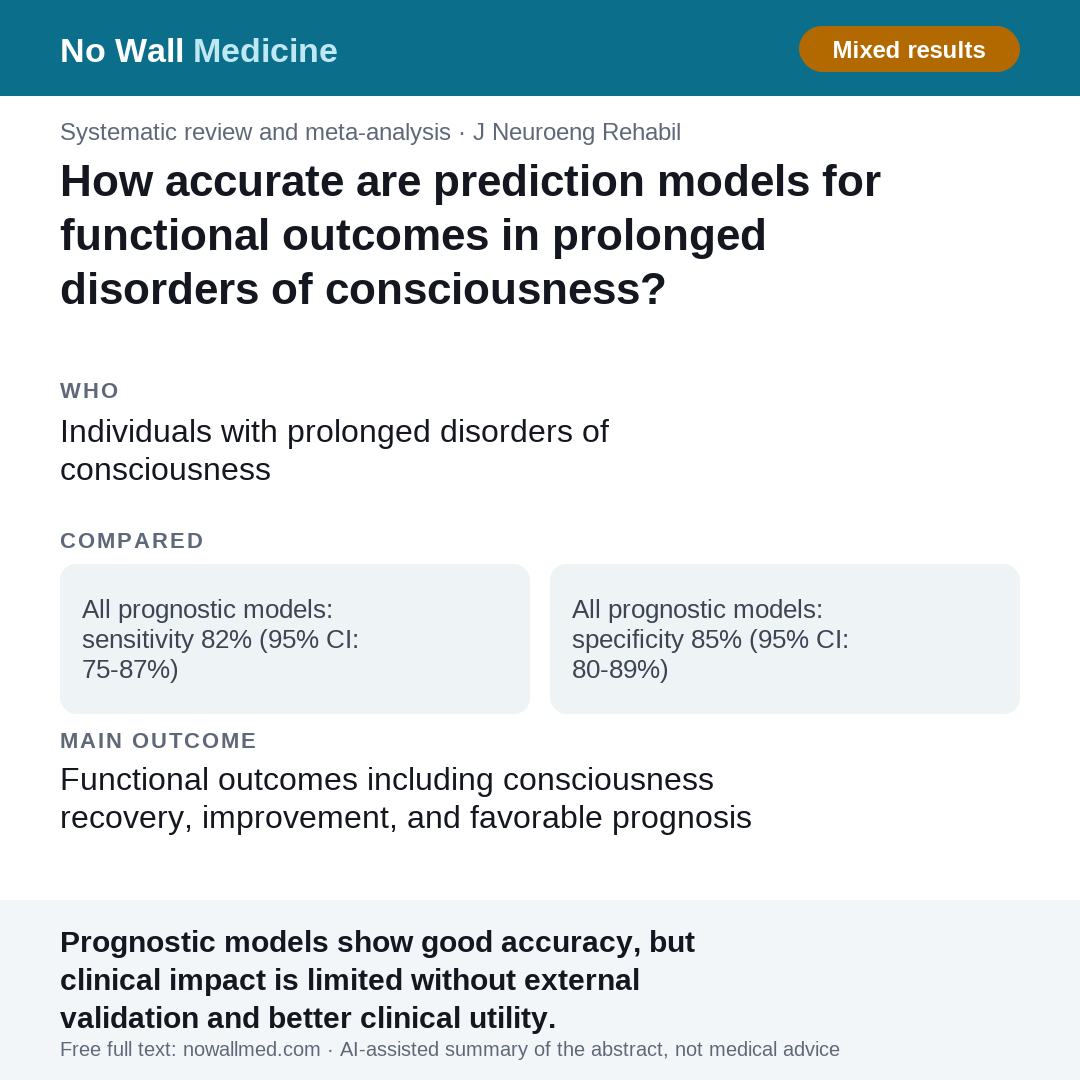
Prediction models for functional outcomes in prolonged disorders of consciousness: a systematic review and meta-analysis
Systematic review and meta-analysisMixed results
How accurate are prediction models for functional outcomes in prolonged disorders of consciousness?
Who
Individuals with prolonged disorders of consciousness
Compared
All prognostic models: sensitivity 82% (95% CI: 75-87%)
All prognostic models: specificity 85% (95% CI: 80-89%)
Main outcome
Functional outcomes including consciousness recovery, improvement, and favorable prognosis
Result: area under the summary receiver operating characteristic curve 0.875 (95% CI 0.842-0.911)
Bottom line: Prognostic models show good accuracy, but clinical impact is limited without external validation and better clinical utility.
Limitation: None of the included studies were assessed as having a low risk of bias.
J Neuroeng Rehabil · 2025-12-05Download image
Association between maternal vitamin D supplementation during pregnancy and the risk of acute respiratory infections in offspring: a systematic review and meta-analysis
Systematic review and meta-analysis of 4 randomized controlled trialsNo clear difference
Does maternal vitamin D supplementation during pregnancy reduce acute respiratory infection risk in offspring?
Who
3678
Offspring of pregnant women receiving vitamin D supplementation
Compared
Maternal vitamin D supplementation
Placebo or lower-dose vitamin D control
Main outcome
Incidence rate of acute respiratory infections in offspring
Result: incidence rate ratio 1.01 (95% CI 0.98-1.03)
Bottom line: Maternal vitamin D supplementation during pregnancy does not significantly affect the overall risk of acute respiratory infections in offspring.
Limitation: Low dose vitamin D standard-of-care and heterogeneity in acute respiratory infection case definitions.
eClinicalMedicine · 2025-12-04Download image
2025 Clinical Practice Guideline Update by the Infectious Diseases Society of America on Group A Streptococcal Pharyngitis: Risk Assessment Using Clinical Scoring Systems in Children and Adults
Systematic review of randomized and nonrandomized studiesBenefit found
Should a clinical scoring system be used to decide which patients need diagnostic testing?
Who
Children and adults with sore throat
Compared
Clinical scoring system
Clinician judgment alone
Main outcome
Diagnostic accuracy in predicting positive throat culture
Bottom line: Clinical scoring systems are comparable to or slightly better than clinician judgment for identifying low risk patients.
Limitation: Small study size, lack of uniformity in outcome measures, and incomplete data.
Clin Infect Dis · 2025-12-04Download image
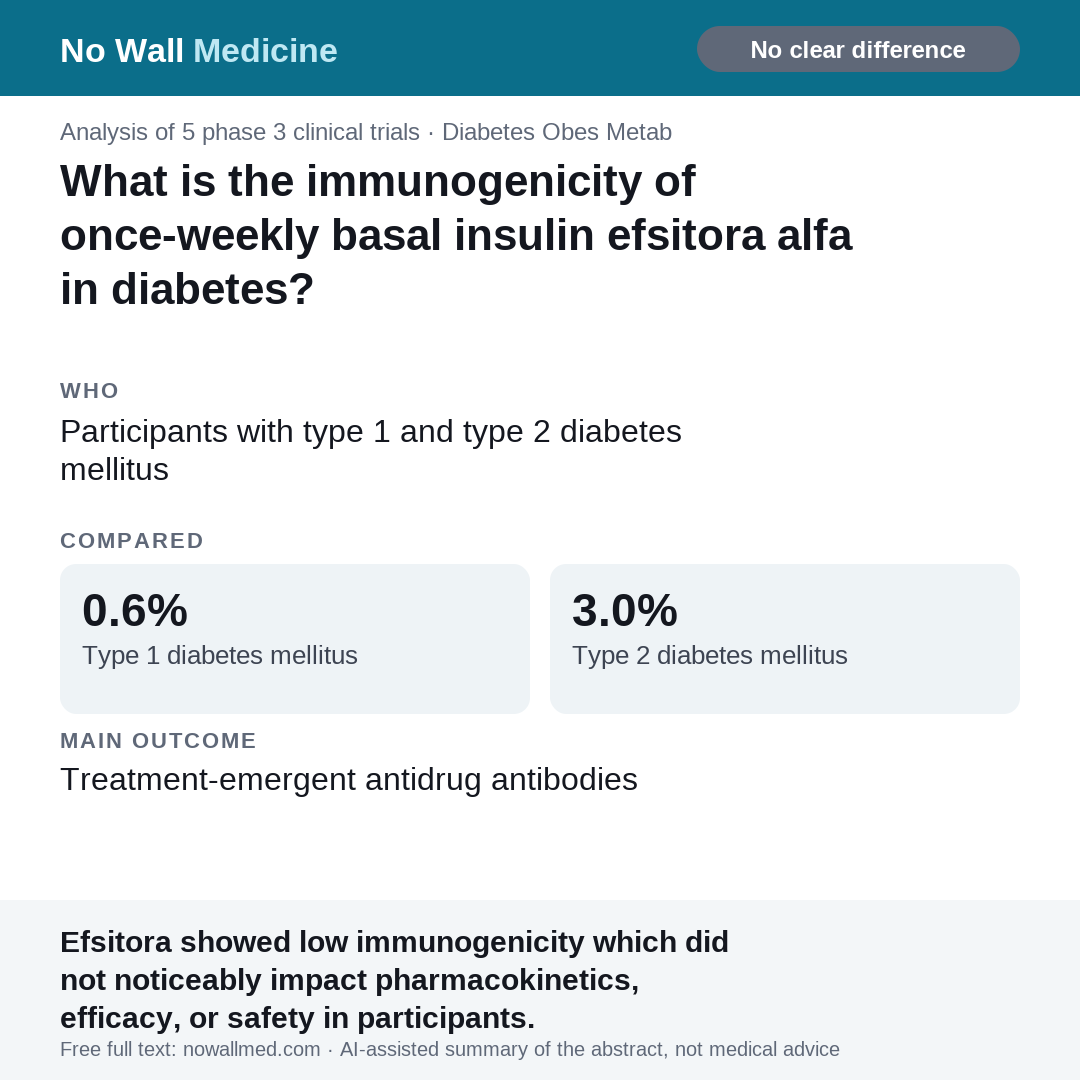
Low immunogenicity of insulin efsitora alfa in participants with type 1 and type 2 diabetes mellitus
Analysis of 5 phase 3 clinical trialsNo clear difference
What is the immunogenicity of once-weekly basal insulin efsitora alfa in diabetes?
Who
Participants with type 1 and type 2 diabetes mellitus
Compared
0.6%Type 1 diabetes mellitus
3.0%Type 2 diabetes mellitus
Main outcome
Treatment-emergent antidrug antibodies
Bottom line: Efsitora showed low immunogenicity which did not noticeably impact pharmacokinetics, efficacy, or safety in participants.
Diabetes Obes Metab · 2025-12-04Download image
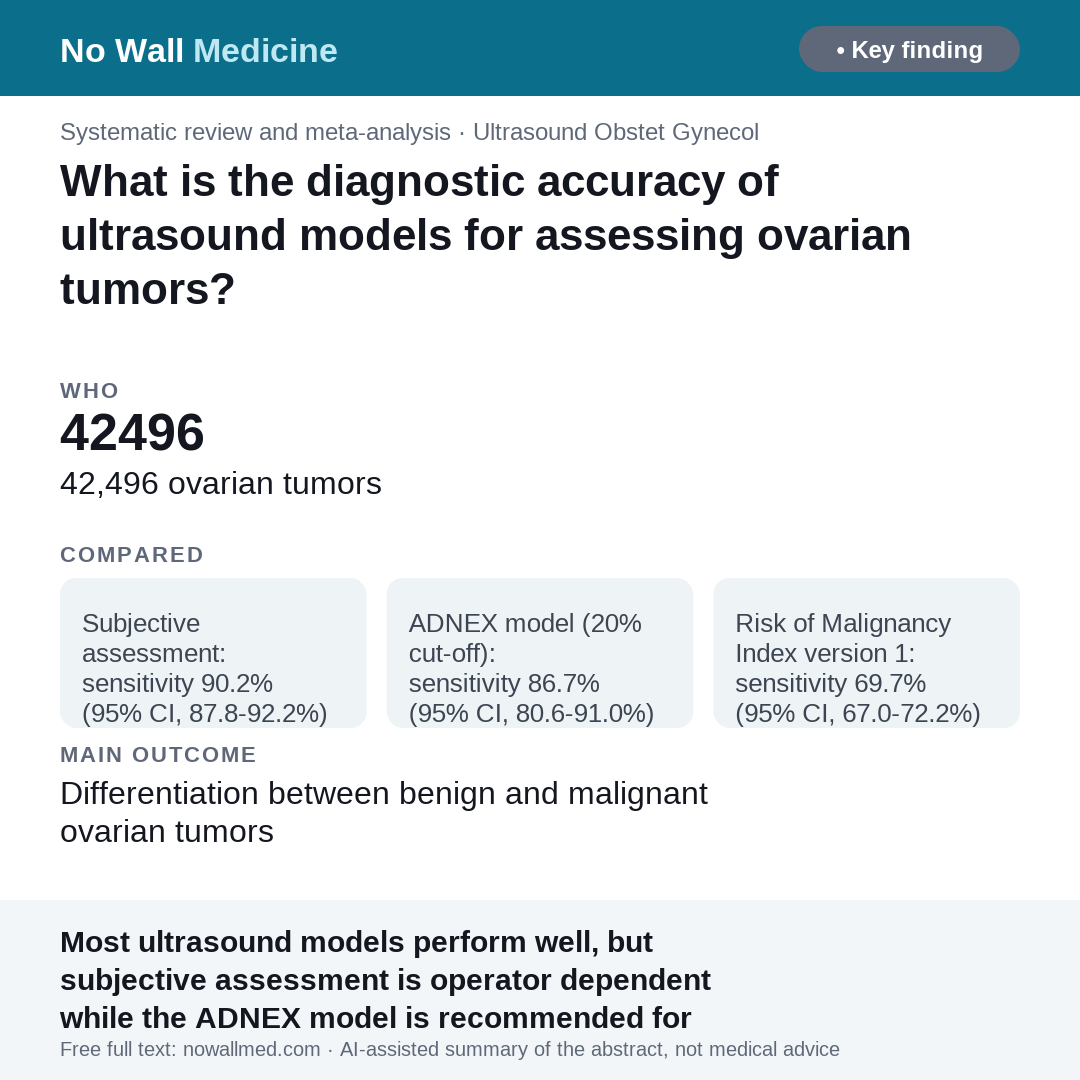
Diagnostic accuracy of ultrasound models for assessment of ovarian tumors: systematic review and meta-analysis
Systematic review and meta-analysisBenefit found
What is the diagnostic accuracy of ultrasound models for assessing ovarian tumors?
Who
42496
42,496 ovarian tumors
Compared
Subjective assessment: sensitivity 90.2% (95% CI, 87.8-92.2%) and specificity 91.4% (95% CI, 89.3-93.2%)
ADNEX model (20% cut-off): sensitivity 86.7% (95% CI, 80.6-91.0%) and specificity 87.9% (95% CI, 80.1-92.9%)
Risk of Malignancy Index version 1: sensitivity 69.7% (95% CI, 67.0-72.2%) and specificity 90.5% (95% CI, 88.3-92.4%)
Main outcome
Differentiation between benign and malignant ovarian tumors
Bottom line: Most ultrasound models perform well, but subjective assessment is operator dependent while the ADNEX model is recommended for independence.
Limitation: Subjective assessment performance is dependent on operator expertise.
Ultrasound Obstet Gynecol · 2025-12-04Download image
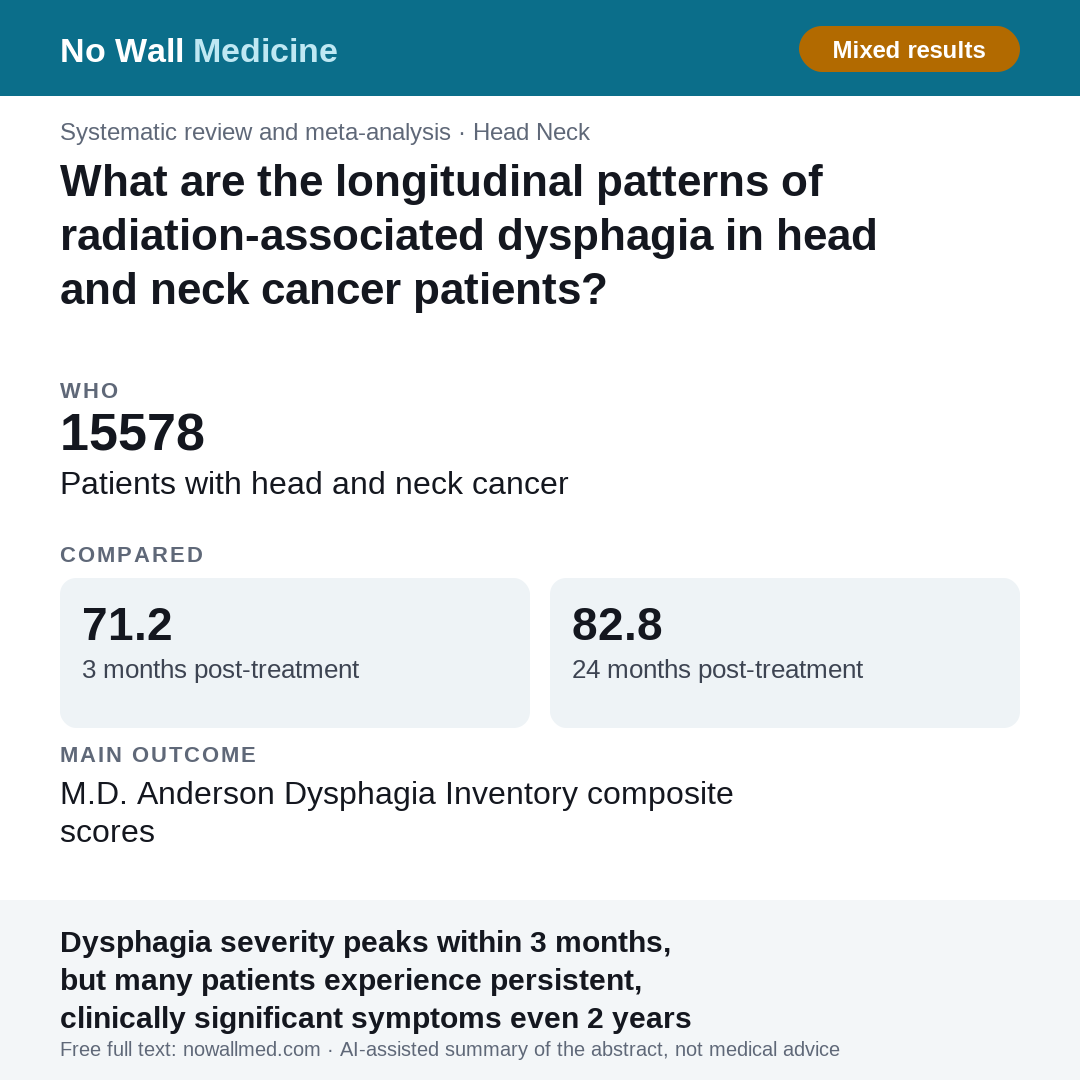
Longitudinal Patterns of Radiation-Associated Dysphagia in Patients With Head and Neck Cancer: A Systematic Review
Systematic review and meta-analysisMixed results
What are the longitudinal patterns of radiation-associated dysphagia in head and neck cancer patients?
Who
15578
Patients with head and neck cancer
Compared
71.23 months post-treatment (CI: 66.8-75.6)
82.824 months post-treatment (CI: 79.2-86.3)
Main outcome
M.D. Anderson Dysphagia Inventory composite scores
Bottom line: Dysphagia severity peaks within 3 months, but many patients experience persistent, clinically significant symptoms even 2 years post-treatment.
Head Neck · 2025-12-04Download image
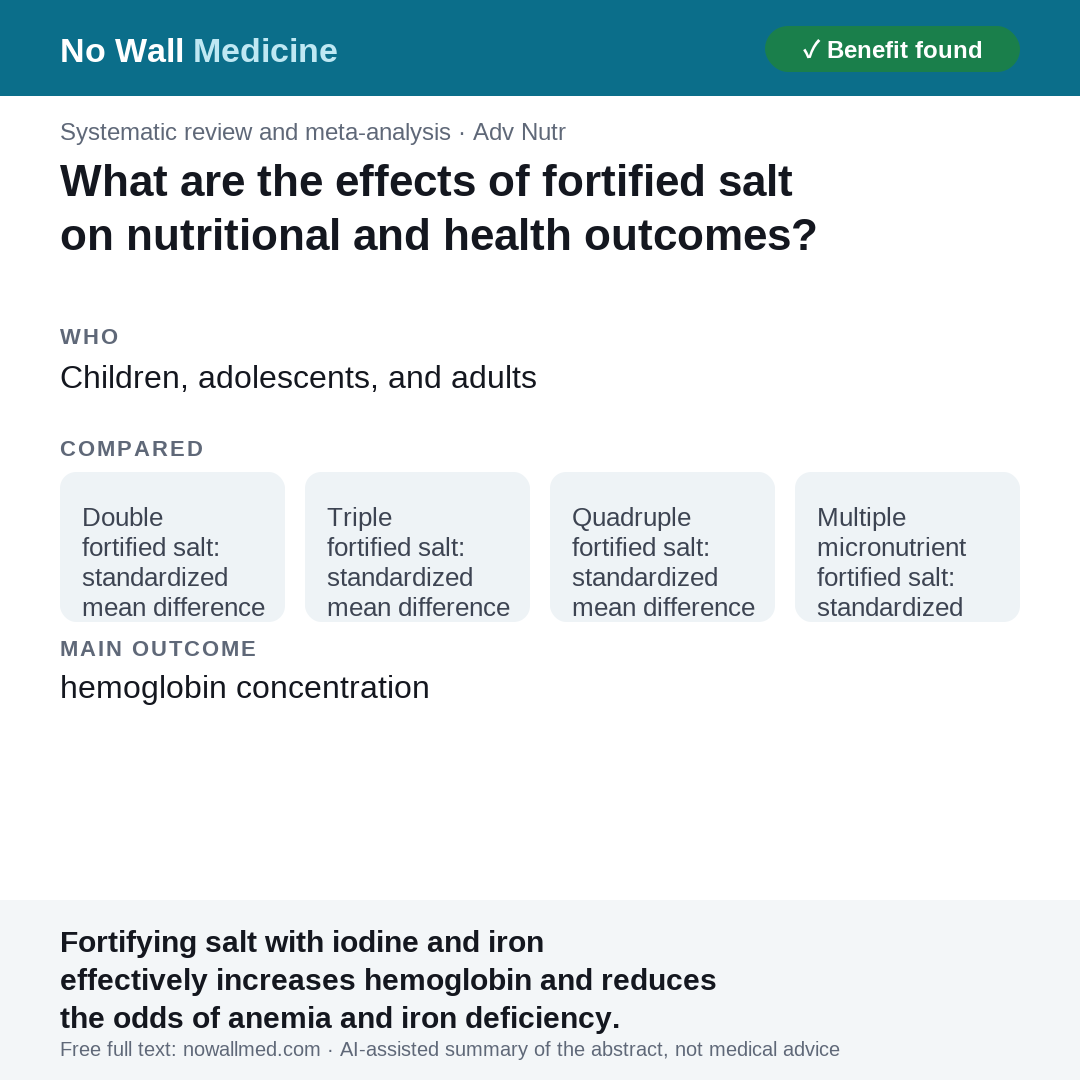
The Effects of Salt Fortified with Multiple Nutrients on Health Outcomes in Children, Adolescents, and Adults: A Systematic Review and Meta-Analysis
Systematic review and meta-analysisBenefit found
What are the effects of fortified salt on nutritional and health outcomes?
Who
Children, adolescents, and adults
Compared
Double fortified salt: standardized mean difference 0.36 (95% CI 0.22, 0.50)
Triple fortified salt: standardized mean difference 1.56 (1.42, 1.70)
Quadruple fortified salt: standardized mean difference 0.33 (0.02, 0.63)
Multiple micronutrient fortified salt: standardized mean difference 0.23 (0.03, 0.43)
Main outcome
hemoglobin concentration
Bottom line: Fortifying salt with iodine and iron effectively increases hemoglobin and reduces the odds of anemia and iron deficiency.
Adv Nutr · 2025-12-04Download image