Visual abstracts
New randomized trials and meta-analyses from leading journals at a glance: who was studied, what was compared, and what was found. Every paper is free to read in full.
All specialtiesCardiology 423Oncology 340Gastroenterology & Hepatology 173Infectious Disease 341Neurology 194Psychiatry & Mental Health 291Pulmonology 193Critical Care 135Endocrinology & Diabetes 264Pediatrics 205Surgery 147Orthopedics & Sports Medicine 91Neurosurgery 27Cardiothoracic & Vascular Surgery 51Plastic & Reconstructive Surgery 83Nephrology 83Rheumatology 85Hematology 104Dermatology 44Ophthalmology 77Obstetrics & Gynecology 133Public & Global Health 133Radiology & Imaging 41Anesthesiology 79Urology 100ENT (Otolaryngology) 53Emergency Medicine 44Allergy & Immunology 50Geriatrics 124Family Medicine & Primary Care 75Medical Genetics & Genomics 41Pathology & Laboratory Medicine 6Physical Medicine & Rehabilitation 112Palliative Care 64Nutrition 150Digital Health & AI 374General Medicine 51
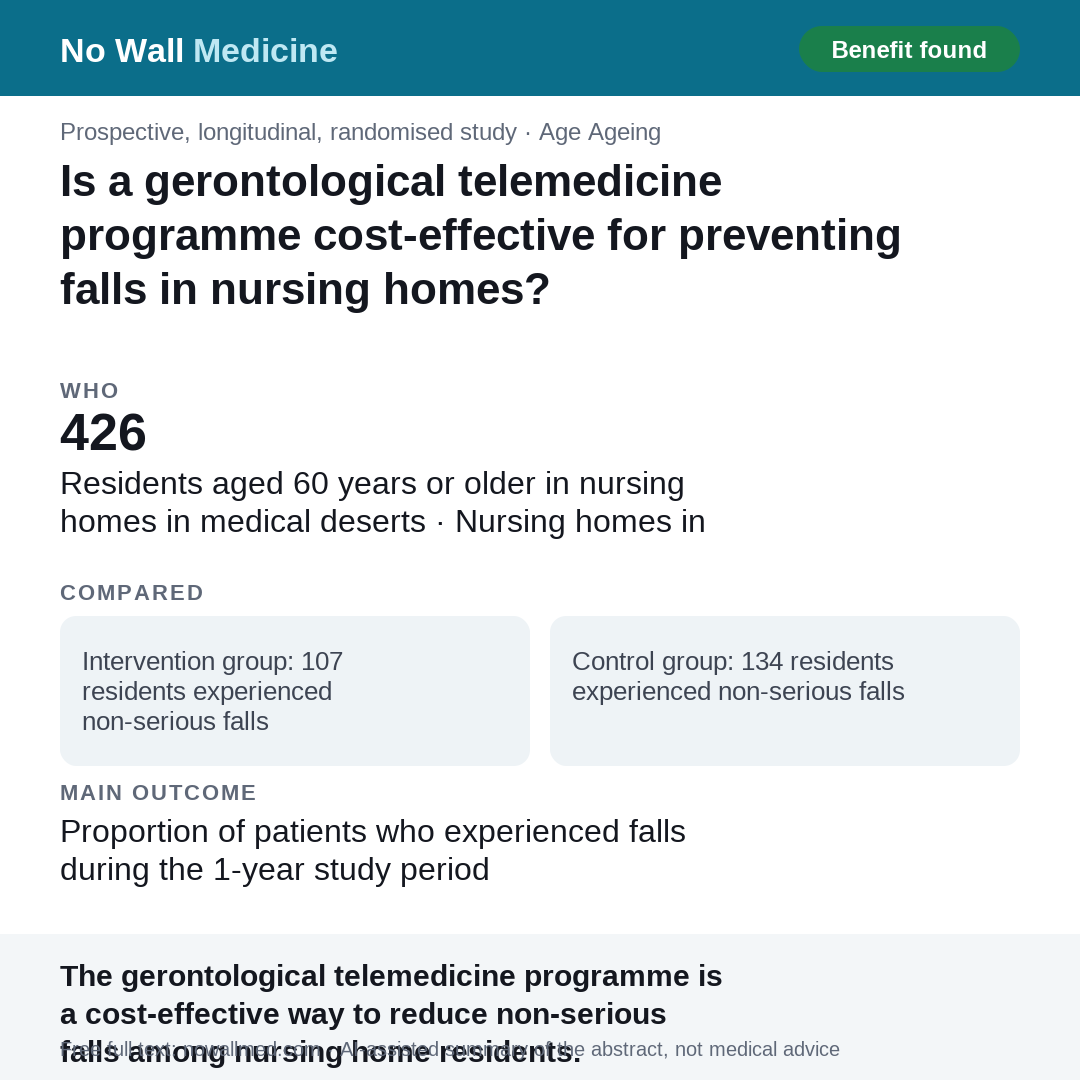
A person-centred ehealth intervention for fall prevention in nursing homes lacking geriatric expertise: cost-effectiveness analysis within a randomised controlled trial
Prospective, longitudinal, randomised studyBenefit found
Is a gerontological telemedicine programme cost-effective for preventing falls in nursing homes?
Who
426
Residents aged 60 years or older in nursing homes in medical deserts · Nursing homes in medical deserts
Compared
Intervention group: 107 residents experienced non-serious falls
Control group: 134 residents experienced non-serious falls
Main outcome
Proportion of patients who experienced falls during the 1-year study period
Bottom line: The gerontological telemedicine programme is a cost-effective way to reduce non-serious falls among nursing home residents.
Age Ageing · 2026-03-20Download image
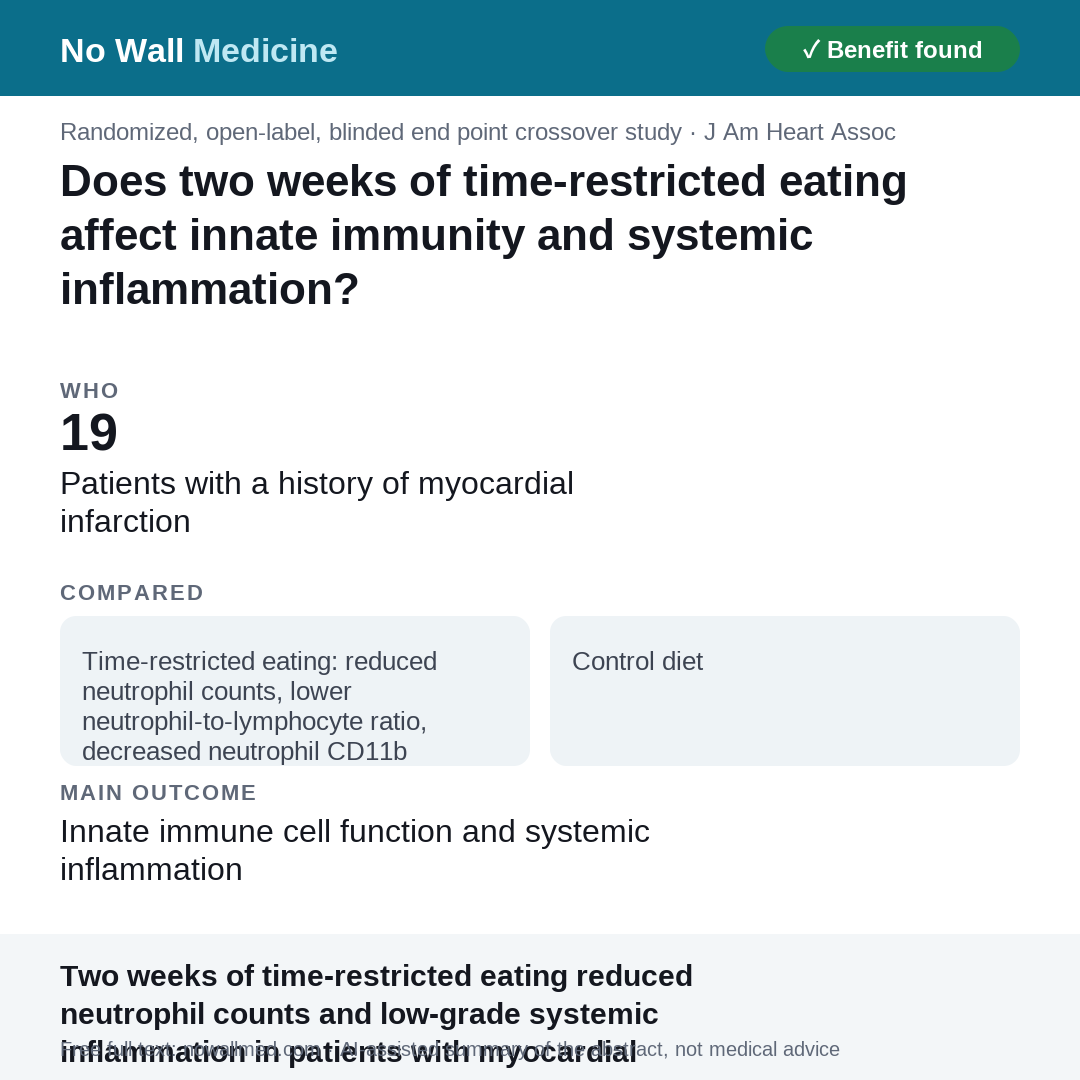
Effect of 2 Weeks of Time-Restricted Eating on Innate Immunity and Systemic Inflammation in Patients With a History of Myocardial Infarction: A Randomized-Controlled Crossover Study
Randomized, open-label, blinded end point crossover studyBenefit found
Does two weeks of time-restricted eating affect innate immunity and systemic inflammation?
Who
19
Patients with a history of myocardial infarction
Compared
Time-restricted eating: reduced neutrophil counts, lower neutrophil-to-lymphocyte ratio, decreased neutrophil CD11b expression
Control diet
Main outcome
Innate immune cell function and systemic inflammation
Bottom line: Two weeks of time-restricted eating reduced neutrophil counts and low-grade systemic inflammation in patients with myocardial infarction.
J Am Heart Assoc · 2026-03-20Download image
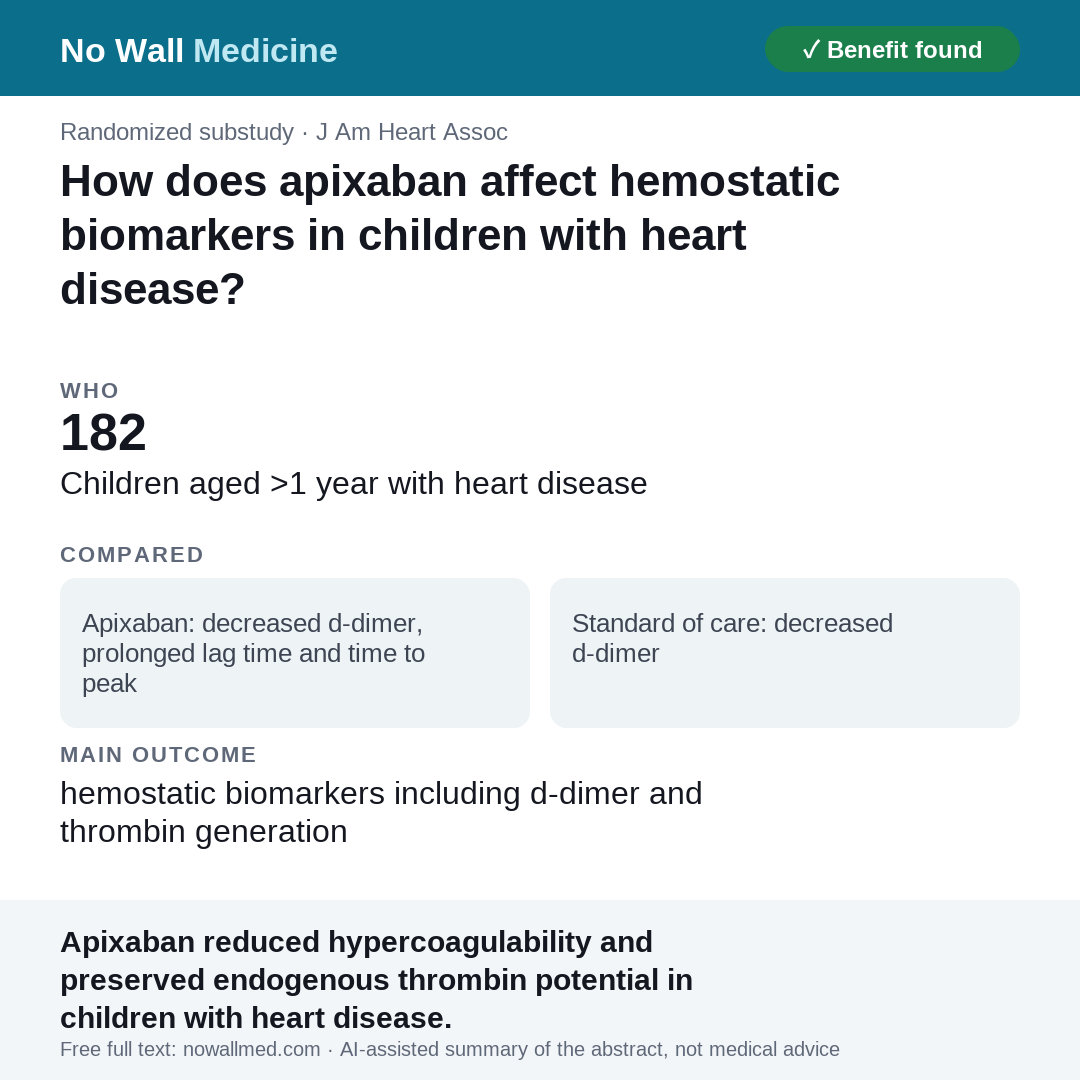
Ex Vivo Effect of Apixaban on Hemostatic Biomarkers in Children With Heart Disease: A SAXOPHONE Trial Substudy
Randomized substudyBenefit found
How does apixaban affect hemostatic biomarkers in children with heart disease?
Who
182
Children aged >1 year with heart disease
Compared
Apixaban: decreased d-dimer, prolonged lag time and time to peak
Standard of care: decreased d-dimer
Main outcome
hemostatic biomarkers including d-dimer and thrombin generation
Bottom line: Apixaban reduced hypercoagulability and preserved endogenous thrombin potential in children with heart disease.
J Am Heart Assoc · 2026-03-20Download image
Managing emotional distress in older adults with mental illness: a randomized controlled trial evaluating virtual reality relaxation
Randomized controlled trialNo clear difference
Is virtual reality relaxation effective compared to guided imagery for older adults with mental illness?
Who
39
Older psychiatric patients aged 58 to 98 years
Compared
Virtual reality relaxation: significant improvements in state anxiety, stress, negative affect, relaxation, positive affect, and well-being
Guided imagery: significant improvements in state anxiety, stress, negative affect, relaxation, positive affect, and well-being
Main outcome
state anxiety, affect, stress, relaxation, and well-being
Bottom line: Virtual reality relaxation is a feasible and effective intervention comparable to guided imagery for older adults.
Transl Psychiatry · 2026-03-20Download image

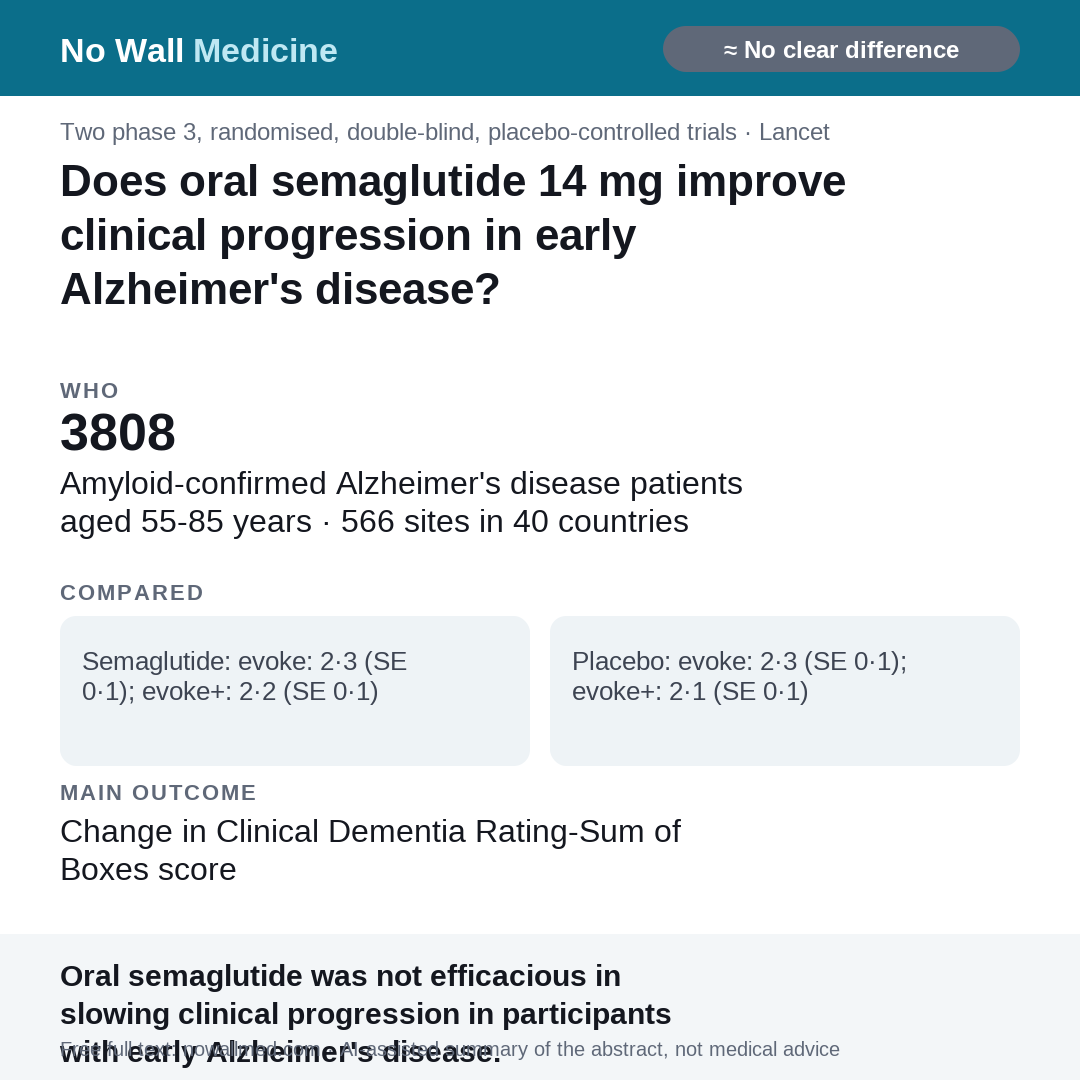
Efficacy and safety of oral semaglutide 14 mg (flexible dose) in early-stage symptomatic Alzheimer's disease (evoke and evoke+): two phase 3, randomised, placebo-controlled trials
Two phase 3, randomised, double-blind, placebo-controlled trialsNo clear difference
Does oral semaglutide 14 mg improve clinical progression in early Alzheimer's disease?
Who
3808
Amyloid-confirmed Alzheimer's disease patients aged 55-85 years · 566 sites in 40 countries
Compared
Semaglutide: evoke: 2·3 (SE 0·1); evoke+: 2·2 (SE 0·1)
Placebo: evoke: 2·3 (SE 0·1); evoke+: 2·1 (SE 0·1)
Main outcome
Change in Clinical Dementia Rating-Sum of Boxes score
Result: evoke difference -0·08 (95% CI -0·35 to 0·20); evoke+ difference 0·10 (95% CI -0·17 to 0·38)
Bottom line: Oral semaglutide was not efficacious in slowing clinical progression in participants with early Alzheimer's disease.
Funded by: Novo Nordisk
Lancet · 2026-03-19Download image
Memantine for Premature Atrial Contractions: A Phase 2 Randomized Clinical Trial
Randomized, double-blind, placebo-controlled trialBenefit found
Does memantine reduce premature atrial contractions in symptomatic adults?
Who
241
Symptomatic adults with frequent premature atrial contractions · Multicenter
Compared
Memantine: 52.4% responder rate
Placebo: 23.1% responder rate
Main outcome
Percentage change in mean 24-hour premature atrial contraction count
Result: between-group difference, 47.1 percentage points; P=0.0045
Bottom line: Memantine reduced premature atrial contraction count and atrial tachyarrhythmia burden with a favorable safety profile.
Circulation · 2026-03-19Download image

Systolic Blood Pressure Trajectory and Outcomes in Acute Intracerebral Hemorrhage: Pooled Analysis of the 4 INTERACT and ATACH-II Clinical Trials
Pooled analysis of 4 randomized controlled trialsHarm found
What is the optimal systolic blood pressure trajectory for functional recovery after acute intracerebral hemorrhage?
Who
11269
Patients with acute intracerebral hemorrhage · International
Compared
Low systolic blood pressure trajectory
1.16Moderate-to-low trajectory (0.98-1.37)
1.44Moderate trajectory (1.18-1.75)
1.46High trajectory (1.15-1.87)
Main outcome
Functional recovery at 90 days (modified Rankin Scale 3-6)
Result: p = 0.04 for trend
Bottom line: Higher systolic blood pressure trajectories over 24 hours are associated with increased odds of poor functional outcomes after intracerebral hemorrhage.
Limitation: ATACH-II showed a nonsignificant trend due to limited power.
Neurology · 2026-03-19Download image

Oral deucrictibant for on-demand treatment of hereditary angioedema attacks (RAPIDe-1): a randomised, double-blind, placebo-controlled, phase 2 trial
Randomised, double-blind, placebo-controlled, crossover, phase 2 trialBenefit found
Is oral deucrictibant effective for on-demand treatment of hereditary angioedema attacks?
Who
74
Adults aged 18-75 years with hereditary angioedema type 1 or 2 · 38 sites in North America, Europe, and Israel
Compared
-16.75Deucrictibant 10 mg (95% CI -21.52 to -11.97)
-15.02Deucrictibant 20 mg (-20.22 to -9.81)
-16.28Deucrictibant 30 mg (-21.27 to -11.29)
Placebo
Main outcome
Change in patient-reported composite VAS-3 score measuring attack severity
Bottom line: Oral deucrictibant significantly reduced the severity of hereditary angioedema attacks compared with placebo in this phase 2 trial.
Lancet Haematol · 2026-03-19Download image

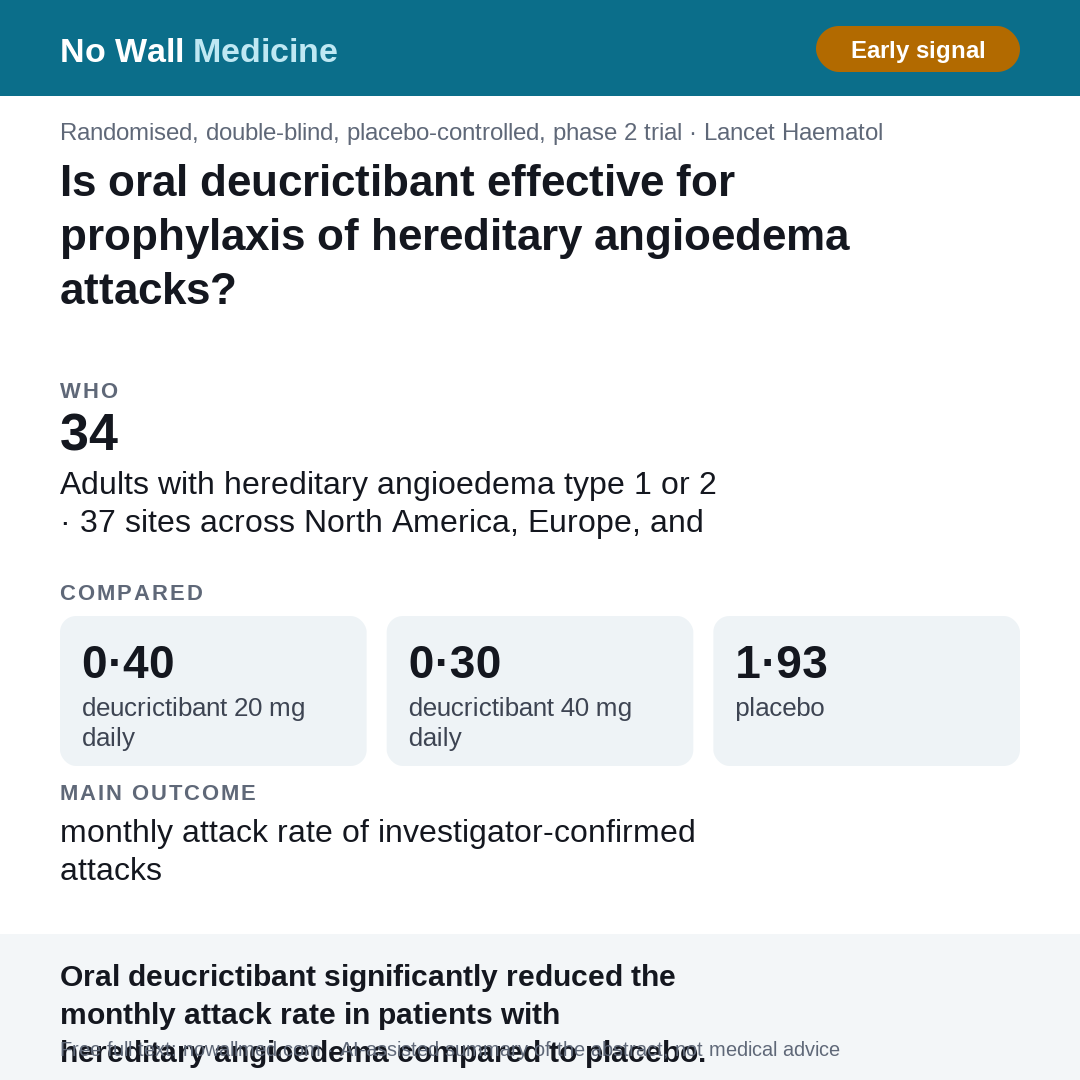
Oral deucrictibant for prophylaxis of hereditary angioedema attacks (CHAPTER-1): primary analysis of a randomised, double-blind, placebo-controlled, phase 2 trial
Randomised, double-blind, placebo-controlled, phase 2 trialBenefit found
Is oral deucrictibant effective for prophylaxis of hereditary angioedema attacks?
Who
34
Adults with hereditary angioedema type 1 or 2 · 37 sites across North America, Europe, and Israel
Compared
0·40deucrictibant 20 mg daily (95% CI 0·18-0·92)
0·30deucrictibant 40 mg daily (0·11-0·81)
1·93placebo (1·30-2·88)
Main outcome
monthly attack rate of investigator-confirmed attacks
Result: 79·2% (95% CI 47·2-91·8) reduction for 20 mg; 84·5% (95% CI 53·8-94·8) for 40 mg
Bottom line: Oral deucrictibant significantly reduced the monthly attack rate in patients with hereditary angioedema compared to placebo.
Funded by: Pharvaris
Lancet Haematol · 2026-03-19Download image
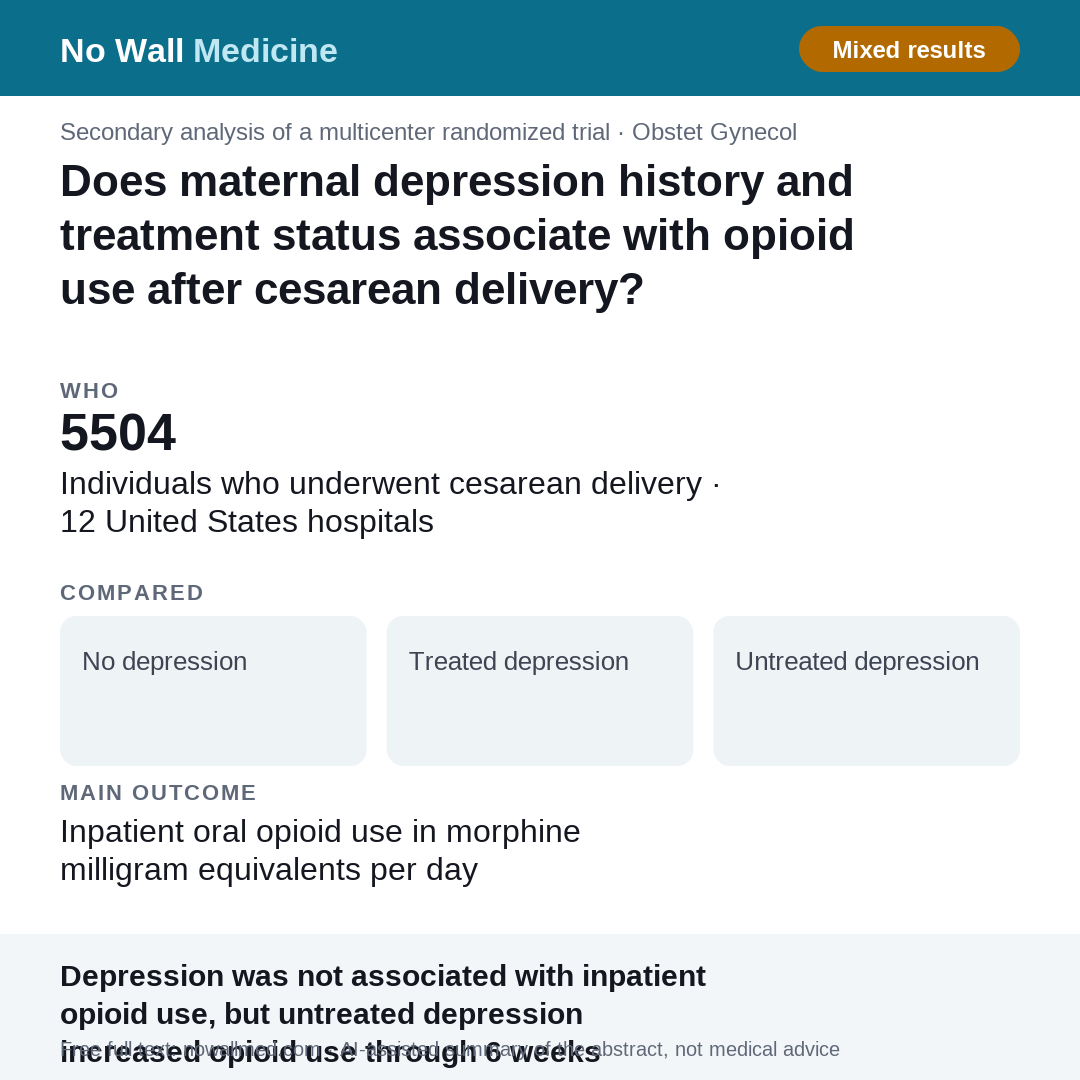
Maternal Depression and Opioid Use After Cesarean Delivery
Secondary analysis of a multicenter randomized trialMixed results
Does maternal depression treatment status associate with opioid use after cesarean delivery?
Who
5504
Individuals undergoing cesarean delivery · 12 United States hospitals
Compared
Untreated depression: adjusted median difference 16.7 MMEs/d [95% CI, 8.9-24.5]
Treated depression
No depression
Main outcome
Inpatient and outpatient oral opioid use
Result: adjusted median difference 16.7 MMEs/d [95% CI, 8.9-24.5]
Bottom line: Untreated depression was associated with higher outpatient opioid use, but depression status did not affect inpatient opioid use.
Obstet Gynecol · 2026-03-19Download image
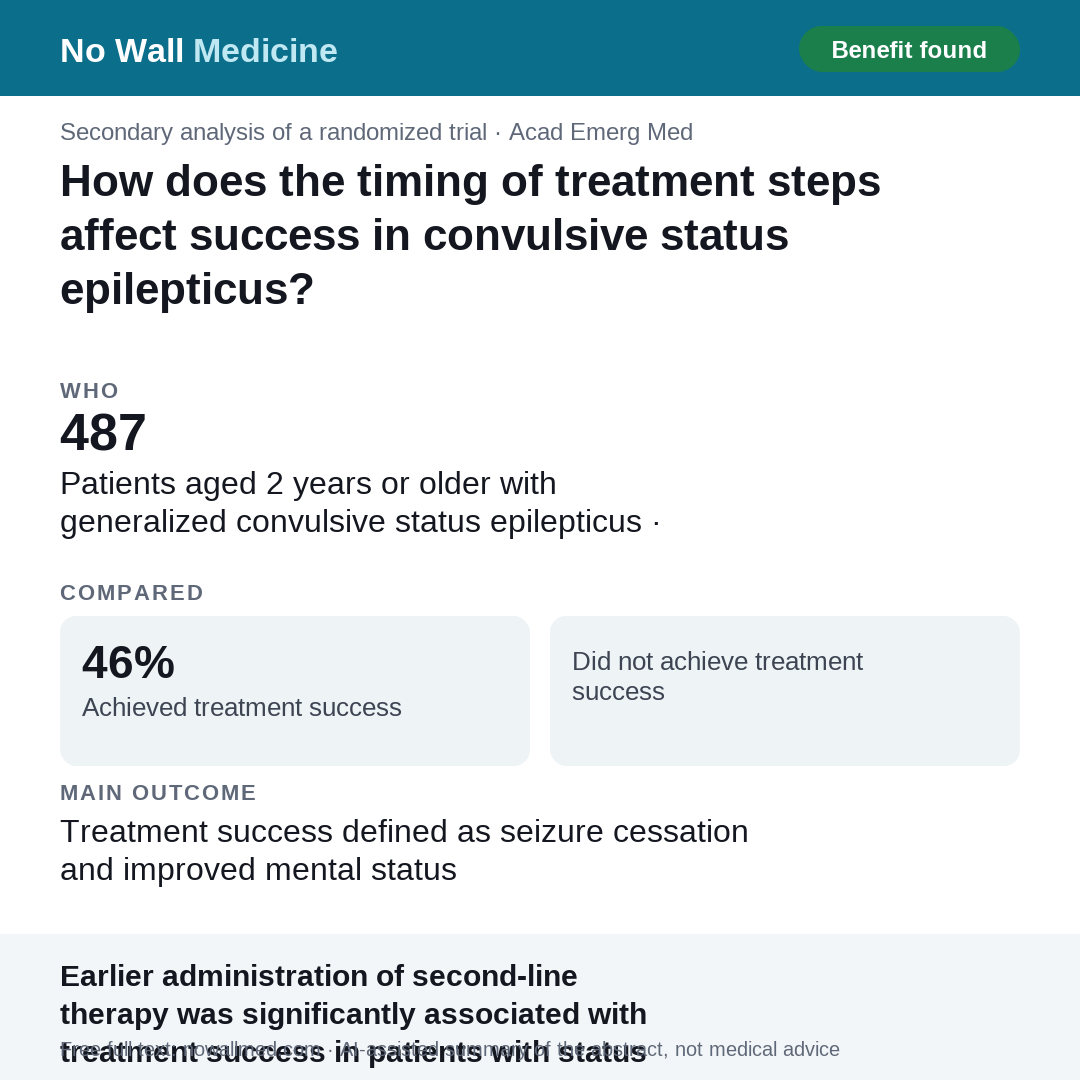
Chronological Sequence of Convulsive Status Epilepticus Treatment Steps in a Real-Life Scenario for Patients Enrolled in a Large Multicenter Trial
Secondary analysis of a randomized trialBenefit found
How does the timing of treatment steps affect success in convulsive status epilepticus?
Who
487
Patients aged 2 years or older with generalized convulsive status epilepticus · Multicenter trial
Compared
46%Achieved treatment success
Did not achieve treatment success
Main outcome
Treatment success defined as seizure cessation and improved mental status
Bottom line: Earlier administration of second-line therapy was significantly associated with treatment success in patients with status epilepticus.
Limitation: In-hospital treatment timing was inconsistent and prehospital benzodiazepine use was often absent.
Acad Emerg Med · 2026-03-19Download image
A phase II randomized trial of gemcitabine plus cisplatin (GP) versus gemcitabine plus carboplatin (GC) as the first-line treatment of patients with metastatic triple-negative breast cancer
Randomized, controlled phase II clinical trialNo clear difference
Is gemcitabine plus cisplatin better than gemcitabine plus carboplatin for metastatic triple-negative breast cancer?
Who
150
Untreated patients with metastatic triple-negative breast cancer
Compared
gemcitabine plus cisplatin: median progression-free survival 7.8 months
gemcitabine plus carboplatin: median progression-free survival 7.0 months
Main outcome
progression-free survival
Result: stratified hazard ratio 0.86 (95% confidence interval 0.59-1.25)
Bottom line: Cisplatin combined with gemcitabine showed no survival advantage over carboplatin plus gemcitabine in metastatic triple-negative breast cancer.
ESMO Open · 2026-03-19Download image
Diagnostic Value of EBUS-guided Transbronchial MEdiastinal Cryobiopsy versus ConvenTIONal Bronchoscopic Approaches for Intrathoracic Stage I/II SARcoidosis: protocol for a randomised controlled trial (DETECTION-SAR-II)
Randomised controlled trial protocolUnclear result
Is cryobiopsy equivalent to conventional bronchoscopic approaches for diagnosing stage I/II sarcoidosis?
Who
410
Patients with suspected stage I/II sarcoidosis
Compared
Endobronchial ultrasound-guided transbronchial mediastinal cryobiopsy
Endobronchial ultrasound-guided transbronchial needle aspiration
Main outcome
Granuloma detection rate
Bottom line: This protocol study will compare cryobiopsy to conventional bronchoscopic approaches for sarcoidosis diagnosis.
Limitation: This is a study protocol; results are not yet available.
BMJ Open Respir Res · 2026-03-19Download image
Cost-effectiveness of proactive therapeutic drug monitoring of maintenance infliximab treatment in patients with immune-mediated inflammatory diseases: results from a randomised controlled trial
Randomised, controlled, open-label trialBenefit found
Is proactive therapeutic drug monitoring cost-effective compared to standard infliximab maintenance therapy?
Who
454
Patients with six different immune-mediated inflammatory diseases · Multicentre Norwegian sites
Compared
Proactive therapeutic drug monitoring: €592 lower mean 1-year cost
Standard therapy
Main outcome
Incremental cost-effectiveness ratio and quality-adjusted life-years
Result: 0.0018 higher QALYs (95% CI -0.0126 to 0.0165)
Bottom line: Proactive therapeutic drug monitoring is very likely a cost-effective strategy for patients on infliximab maintenance therapy.
Limitation: In explorative subgroup analyses, proactive therapeutic drug monitoring appeared cost-effective for some, but not all diagnoses.
RMD Open · 2026-03-19Download image
Effectiveness of Al-Assisted Patient Health Education Using Voice Cloning and ChatGPT: Prospective Randomized Controlled Trial
Prospective, 3-arm, parallel-group randomized controlled trialBenefit found
Is AI-assisted education with voice cloning effective compared to traditional education?
Who
180
Hospitalized patients requiring standardized health education · A tertiary hospital
Compared
Traditional education: 73.2, SD 8.5
Physician voice cloning: 86.7, SD 7.3
Patient self-voice cloning: 92.5, SD 6.8
Main outcome
Education content compliance
Bottom line: Patient self-voice cloning for AI-assisted education produced superior compliance, satisfaction, and psychological well-being compared to other methods.
J Med Internet Res · 2026-03-19Download image

Nurse-led risk-based primary healthcare intervention in midlife women's health management in Hong Kong: a stepped-wedge cluster randomized controlled trial protocol
Stepped-wedge cluster randomized controlled trial protocolUnclear result
Does a nurse-led risk-based intervention enhance preventive health service utilization in midlife women?
Who
1728
Eligible women residents aged 45–64 · Three social service organizations in Hong Kong
Compared
Intervention condition
Control condition
Main outcome
Composite measure of preventive health services utilization
Bottom line: This protocol describes a study to evaluate a nurse-led risk-based intervention for midlife women's health.
BMC Prim Care · 2026-03-19Download image

Effects of different intensity training with a lower limb exoskeleton robot on walking function in people with subacute stroke: a randomized controlled trial
Randomized, assessor-blind, parallel-group controlled trialBenefit found
How do different exoskeleton training speeds and durations affect walking function in subacute stroke?
Who
58
People with subacute stroke · Shanghai Yangzhi Rehabilitation Hospital
Compared
0.2 m/s, 20 min: significant improvements in all clinical outcomes
0.5 m/s, 20 min: greater improvement in 10MWT and FMA-LE than T1S1
0.2 m/s, 50 min: superior to T1S1 in 6MWD
0.5 m/s, 50 min: outperformed T1S1 in RMI and greatest improvement in gait speed
Main outcome
lower limb walking function recovery
Bottom line: High-speed and long-duration exoskeleton training is preferable for improving walking recovery after subacute stroke.
J Neuroeng Rehabil · 2026-03-19Download image
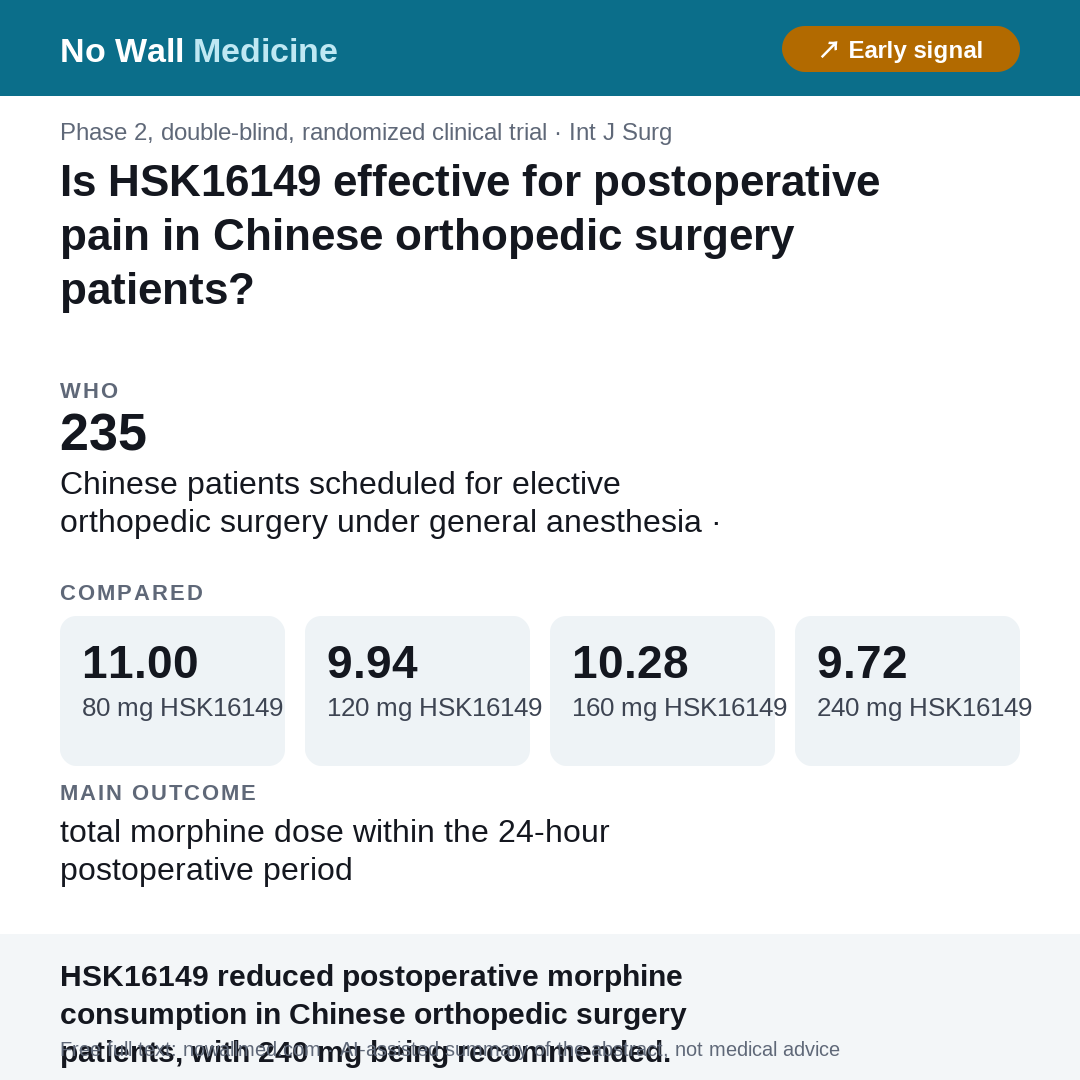
Efficacy and safety of HSK16149 for postoperative pain in Chinese patients after orthopedic surgery: a phase 2 randomized clinical trial
Phase 2, double-blind, randomized clinical trialBenefit found
Is HSK16149 effective for postoperative pain in Chinese orthopedic surgery patients?
Who
235
Chinese patients scheduled for elective orthopedic surgery under general anesthesia · 20 clinical hospitals in China
Compared
11.0080 mg HSK16149 (7.59)
9.94120 mg HSK16149 (8.15)
10.28160 mg HSK16149 (8.80)
9.72240 mg HSK16149 (10.07)
Main outcome
total morphine dose within the 24-hour postoperative period
Bottom line: HSK16149 reduced postoperative morphine consumption in Chinese orthopedic surgery patients, with 240 mg being recommended.
Int J Surg · 2026-03-18Download image
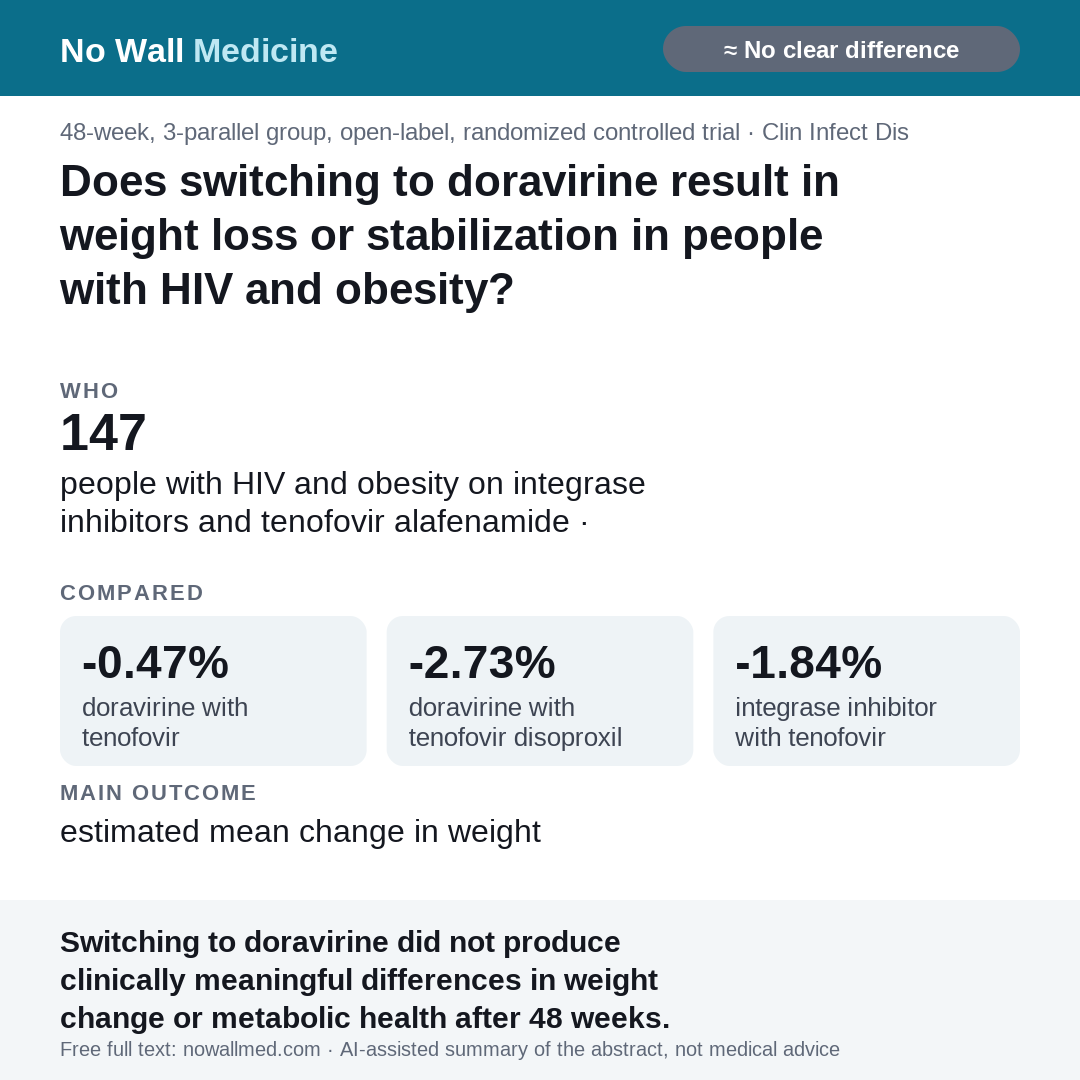
A 48-Week, Randomized Controlled Trial of Doravirine for Individuals With HIV and Obesity on Integrase Inhibitors and Tenofovir Alafenamide: The Do IT Study (ACTG A5391)
48-week, 3-parallel group, open-label, randomized controlled trialNo clear difference
Does switching to doravirine result in weight loss or stabilization in people with HIV and obesity?
Who
147
people with HIV and obesity on integrase inhibitors and tenofovir alafenamide · multicenter
Compared
-0.47%doravirine with tenofovir alafenamide and emtricitabine (95% CI: -2.09, 1.14)
-2.73%doravirine with tenofovir disoproxil fumarate and emtricitabine (-4.22, -1.23)
-1.84%integrase inhibitor with tenofovir alafenamide and emtricitabine (-3.37, -0.30)
Main outcome
estimated mean change in weight
Result: 1.36 percentage points (97.5% CI: -1.20, 3.92) for DOR versus INSTI (both with TAF/FTC)
Bottom line: Switching to doravirine did not produce clinically meaningful differences in weight change or metabolic health after 48 weeks.
Clin Infect Dis · 2026-03-18Download image
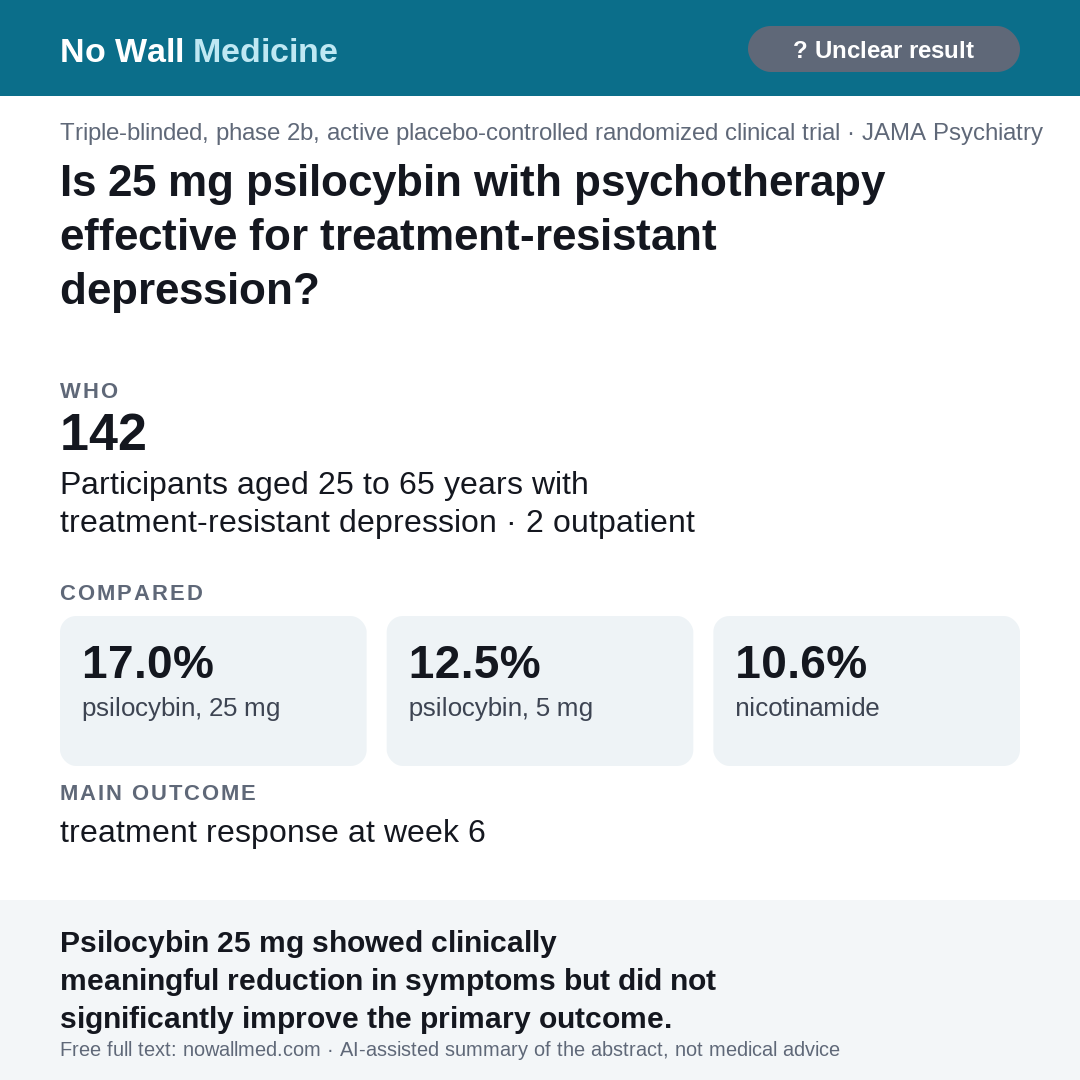
Efficacy and Safety of Psilocybin in Treatment-Resistant Major Depression: The EPISODE Randomized Clinical Trial
Triple-blinded, phase 2b, active placebo-controlled randomized clinical trialUnclear result
Is 25 mg psilocybin with psychotherapy effective for treatment-resistant depression?
Who
142
Participants aged 25 to 65 years with treatment-resistant depression · 2 outpatient settings in Germany
Compared
17.0%psilocybin, 25 mg
12.5%psilocybin, 5 mg
10.6%nicotinamide
Main outcome
treatment response at week 6
Result: adjusted odds ratio 1.73 (95% CI, 0.53-6.23)
Bottom line: Psilocybin 25 mg showed clinically meaningful reduction in symptoms but did not significantly improve the primary outcome.
Limitation: Findings did not show a significant effect on the primary outcome.
JAMA Psychiatry · 2026-03-18Download image