Visual abstracts
New randomized trials and meta-analyses from leading journals at a glance: who was studied, what was compared, and what was found. Every paper is free to read in full.
All specialtiesCardiology 4791Oncology 4080Gastroenterology & Hepatology 1915Infectious Disease 3779Neurology 1882Psychiatry & Mental Health 2240Pulmonology 2058Critical Care 1332Endocrinology & Diabetes 2550Pediatrics 2911Surgery 2498Orthopedics & Sports Medicine 921Neurosurgery 531Cardiothoracic & Vascular Surgery 663Plastic & Reconstructive Surgery 584Nephrology 1111Rheumatology 812Hematology 1095Dermatology 619Ophthalmology 538Obstetrics & Gynecology 1660Public & Global Health 1040Radiology & Imaging 636Anesthesiology 958Urology 750ENT (Otolaryngology) 495Emergency Medicine 483Allergy & Immunology 310Geriatrics 973Family Medicine & Primary Care 538Medical Genetics & Genomics 661Pathology & Laboratory Medicine 156Physical Medicine & Rehabilitation 744Palliative Care 422Nutrition 1556Digital Health & AI 2188General Medicine 319
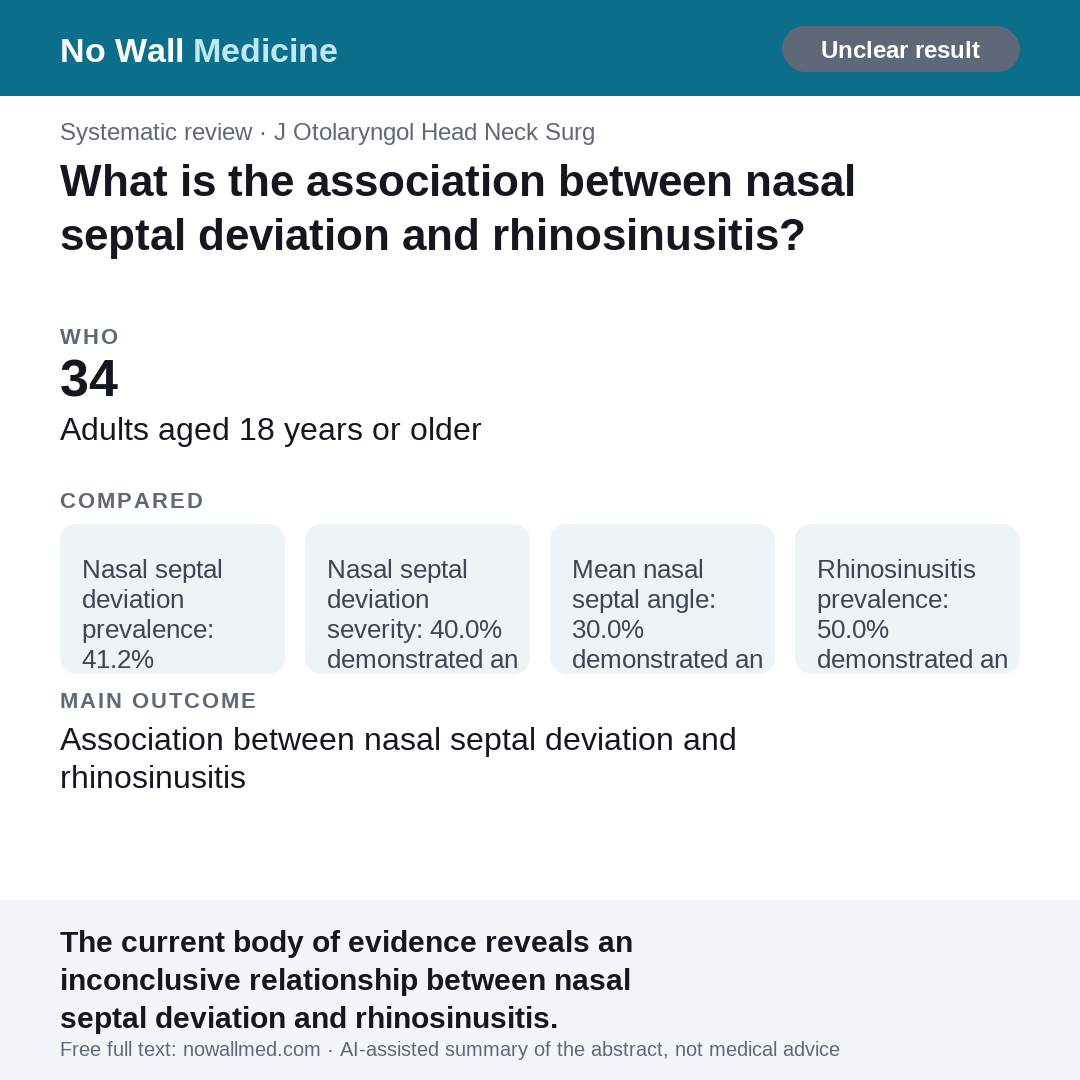
The Relationship Between Nasal Septal Deviation and Rhinosinusitis: A Systematic Review
Systematic reviewUnclear result
What is the association between nasal septal deviation and rhinosinusitis?
Who
34
Adults aged 18 years or older
Compared
Nasal septal deviation prevalence: 41.2% demonstrated an association with rhinosinusitis
Nasal septal deviation severity: 40.0% demonstrated an association with rhinosinusitis
Mean nasal septal angle: 30.0% demonstrated an association with rhinosinusitis
Rhinosinusitis prevalence: 50.0% demonstrated an association with nasal septal deviation
Main outcome
Association between nasal septal deviation and rhinosinusitis
Bottom line: The current body of evidence reveals an inconclusive relationship between nasal septal deviation and rhinosinusitis.
Limitation: Variability in definitions, diagnostic criteria, and outcome measures, combined with insufficient control for bias.
J Otolaryngol Head Neck Surg · 2025-11-23Download image
Global and regional knowledge of antibiotic use and resistance among the general public: a systematic review and meta-analysis
Systematic review and meta-analysisMixed results
What is the global and regional knowledge of antibiotic use and resistance among the public?
Who
227
The general public · 98 countries
Compared
73.2%Correct understanding antibiotics effective against bacteria (95% CI, 70.2-76.0)
42.1%Recognized antibiotics ineffective against viral infections (95% CI, 39.2-44.9)
72.5%Aware unnecessary use reduces effectiveness (95% CI, 69.9-75.0)
39.1%Aware resistant bacteria can spread person to person (95% CI, 33.7-44.6)
Main outcome
Public knowledge of antibiotic use and resistance
Bottom line: Public understanding is insufficient regarding antibiotic ineffectiveness against viruses and the transmission of antibiotic-resistant bacteria.
Clin Microbiol Infect · 2025-11-22Download image

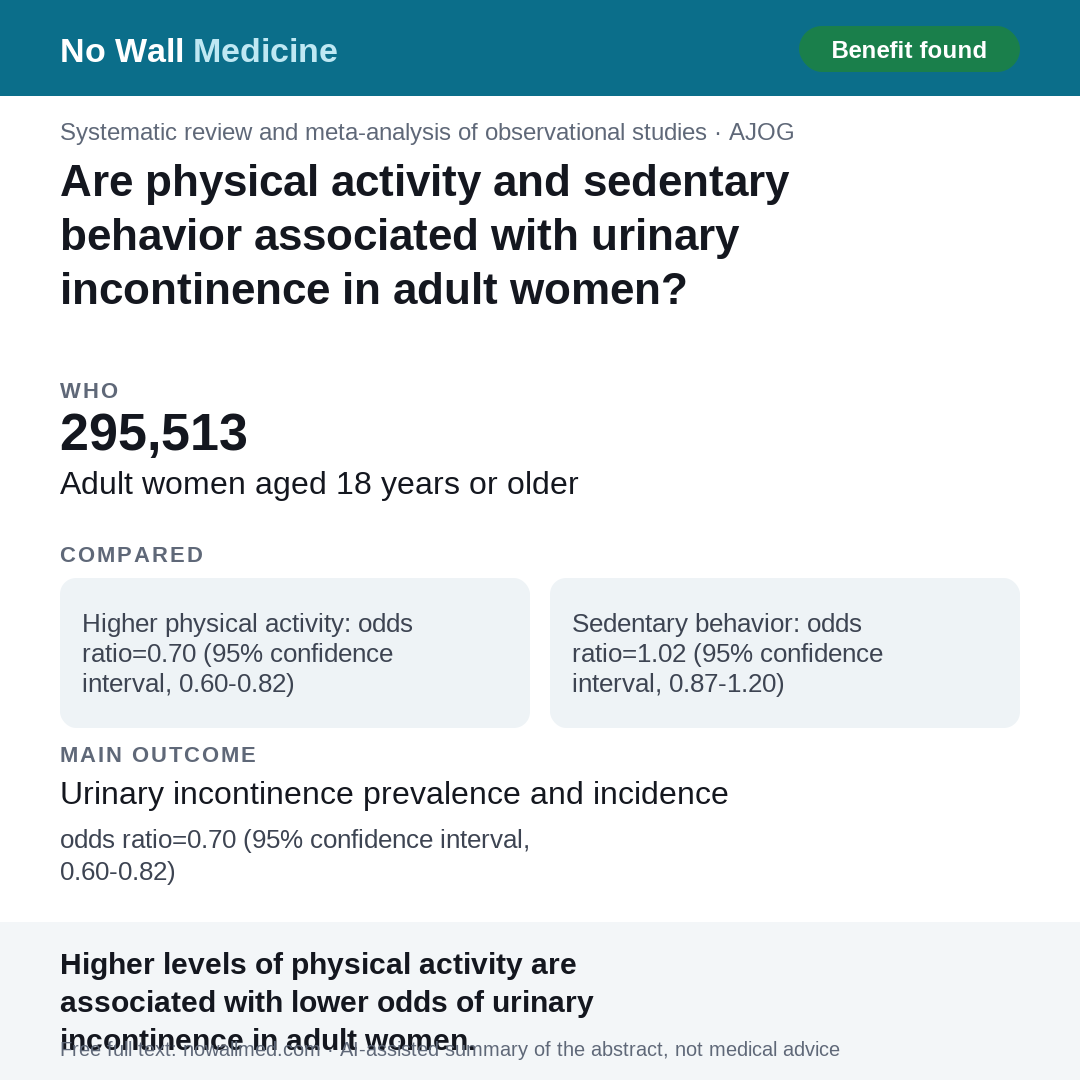
Association of physical activity and sedentary behavior with urinary incontinence in adult women: a systematic review and meta-analysis of observational studies
Systematic review and meta-analysis of observational studiesBenefit found
Are physical activity and sedentary behavior associated with urinary incontinence in adult women?
Who
295,513
Adult women aged 18 years or older
Compared
Higher physical activity: odds ratio=0.70 (95% confidence interval, 0.60-0.82)
Sedentary behavior: odds ratio=1.02 (95% confidence interval, 0.87-1.20)
Main outcome
Urinary incontinence prevalence and incidence
Result: odds ratio=0.70 (95% confidence interval, 0.60-0.82)
Bottom line: Higher levels of physical activity are associated with lower odds of urinary incontinence in adult women.
Limitation: Robust longitudinal and intervention studies using objective measures are warranted.
AJOG · 2025-11-21Download image
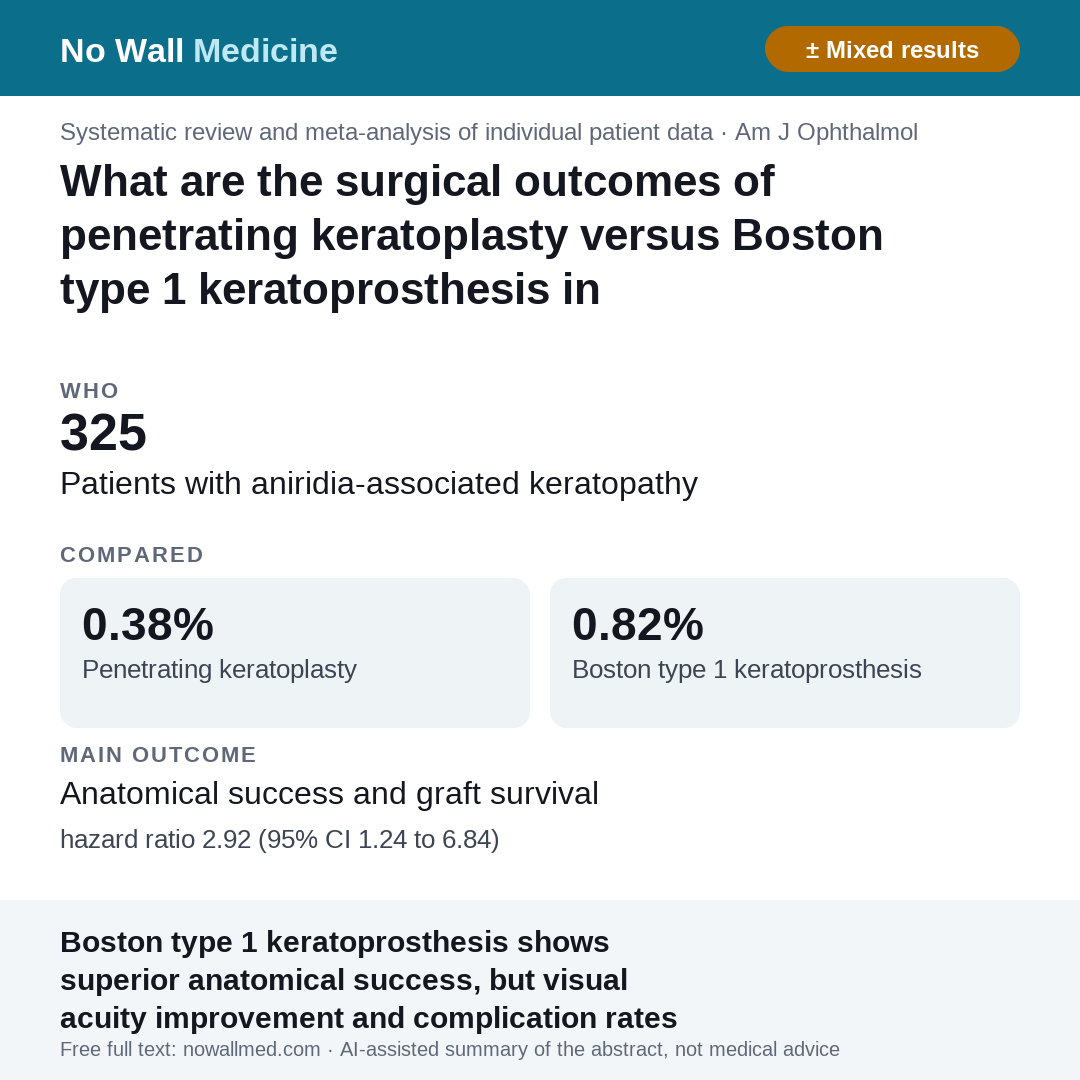
Outcomes of Penetrating Keratoplasty and Boston Type 1 Keratoprosthesis in Aniridia-Associated Keratopathy: A Systematic Review and Meta-Analysis
Systematic review and meta-analysis of individual patient dataMixed results
What are the surgical outcomes of penetrating keratoplasty versus Boston type 1 keratoprosthesis in aniridia-associated keratopathy?
Who
325
Patients with aniridia-associated keratopathy
Compared
0.38%Penetrating keratoplasty (95% CI: 0.13 to 0.72)
0.82%Boston type 1 keratoprosthesis (95% CI: 0.65 to 0.92)
Main outcome
Anatomical success and graft survival
Result: hazard ratio 2.92 (95% CI 1.24 to 6.84)
Bottom line: Boston type 1 keratoprosthesis shows superior anatomical success, but visual acuity improvement and complication rates are similar to penetrating keratoplasty.
Limitation: Small sample size, limited follow-up duration, and heterogeneity of study designs.
Am J Ophthalmol · 2025-11-21Download image
Effect of Postdiagnosis Diet and Lifestyle on Clinical Outcomes in Prostate Cancer Survivors: A Systematic Review
Systematic reviewBenefit found
Do postdiagnosis diet and lifestyle patterns affect prostate cancer clinical outcomes?
Who
Adult men diagnosed with prostate cancer
Compared
Healthy dietary and lifestyle patterns: potentially lower risk of prostate cancer progression and prostate cancer-specific mortality
Western dietary pattern and high insulinemic potential foods: associated with increased risk of all-cause mortality
Main outcome
Prostate cancer progression, recurrence, mortality, and prostate specific antigen kinetics
Bottom line: Healthy dietary practices and lifestyle behaviors may reduce prostate cancer progression and all-cause mortality.
J Urol · 2025-11-21Download image

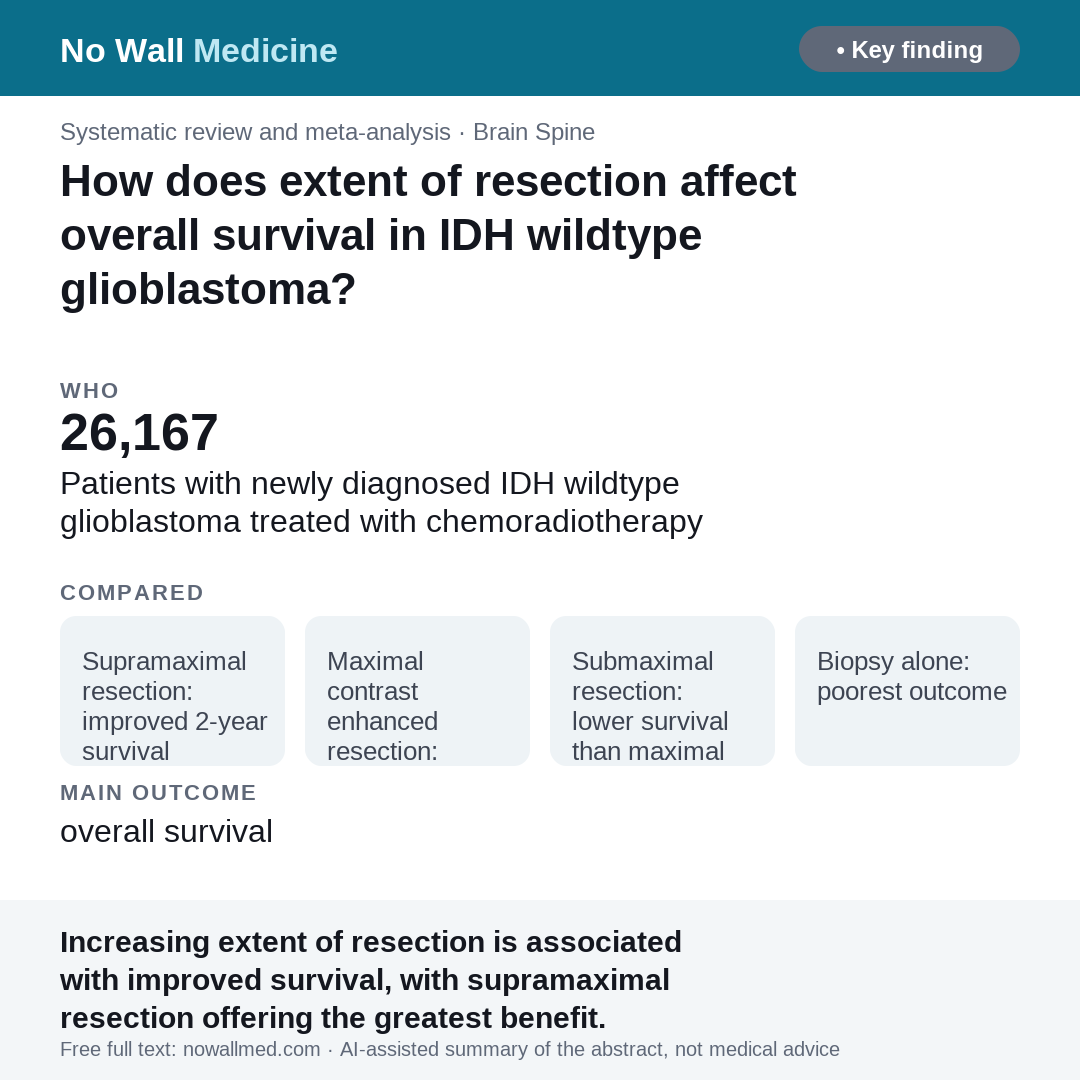
Extent of resection and its association with overall survival in newly diagnosed IDH wildtype glioblastoma treated with concomitant radiochemotherapy: a systematic review and meta-analysis
Systematic review and meta-analysisBenefit found
How does extent of resection affect overall survival in IDH wildtype glioblastoma?
Who
26,167
Patients with newly diagnosed IDH wildtype glioblastoma treated with chemoradiotherapy
Compared
Supramaximal resection: improved 2-year survival
Maximal contrast enhanced resection: higher 1-year and 2-year survival
Submaximal resection: lower survival than maximal resection
Biopsy alone: poorest outcome
Main outcome
overall survival
Result: RR 0.70 (95 % CI 0.55-0.88) for 2-year survival
Bottom line: Increasing extent of resection is associated with improved survival, with supramaximal resection offering the greatest benefit.
Limitation: Need for prospective studies with standardized resection classifications
Brain Spine · 2025-11-21Download image
Common neural dysfunction in psychiatric disorders: Insights from a meta-analysis of resting-state fMRI studies
Transdiagnostic meta-analysisBenefit found
Are there shared neural mechanisms across different psychiatric disorders?
Who
Patients with psychiatric disorders and healthy controls
Compared
Patients: elevated ALFF/fALFF in lateral orbitofrontal cortex, anterior insula, and caudate
Healthy controls
Main outcome
Spontaneous brain activity measures (ALFF/fALFF and ReHo)
Bottom line: Patients across psychiatric disorders show shared neural aberrations in brain regions related to cognitive and emotional processing.
Transl Psychiatry · 2025-11-21Download image

A systematic meta-review of interventions to prevent and manage delirium in the Intensive Care Unit: Part 2 - Non-pharmacological and multicomponent interventions
Systematic meta-reviewMixed results
Do non-pharmacological and multicomponent interventions prevent and manage intensive care unit delirium?
Who
335
Critically ill adults in intensive care unit settings · Multiple databases
Compared
Non-pharmacological and multicomponent interventions
Control
Main outcome
Delirium occurrence, mortality, and length of stay
Bottom line: Multicomponent strategies, early mobilization, and family participation show potential to reduce delirium occurrence and duration.
Crit Care · 2025-11-21Download image

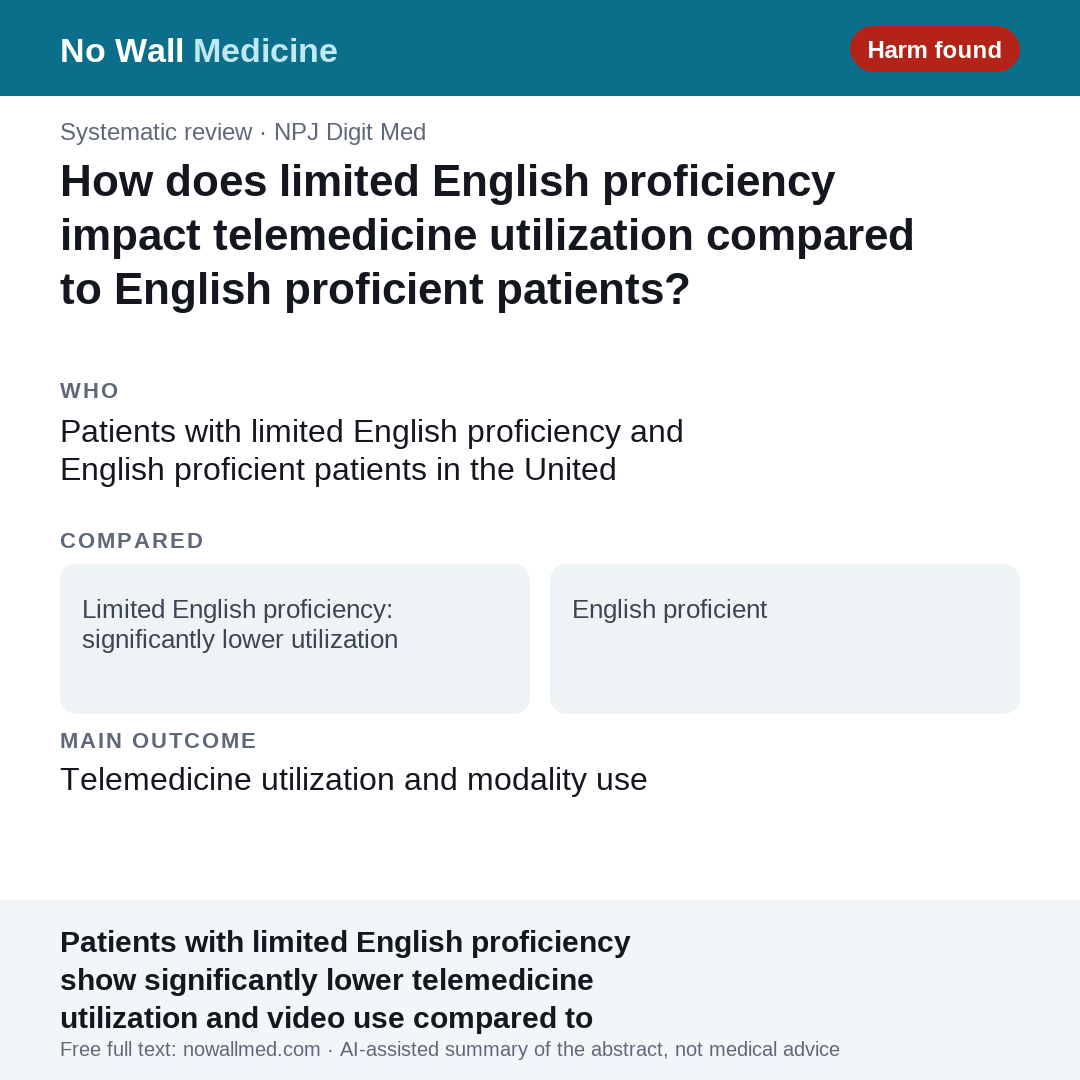
How limited english proficiency impacts patient engagement with telemedicine: a systematic review
Systematic reviewHarm found
How does limited English proficiency impact telemedicine utilization compared to English proficient patients?
Who
Patients with limited English proficiency and English proficient patients in the United States · United States
Compared
Limited English proficiency: significantly lower utilization
English proficient
Main outcome
Telemedicine utilization and modality use
Bottom line: Patients with limited English proficiency show significantly lower telemedicine utilization and video use compared to English proficient patients.
NPJ Digit Med · 2025-11-21Download image
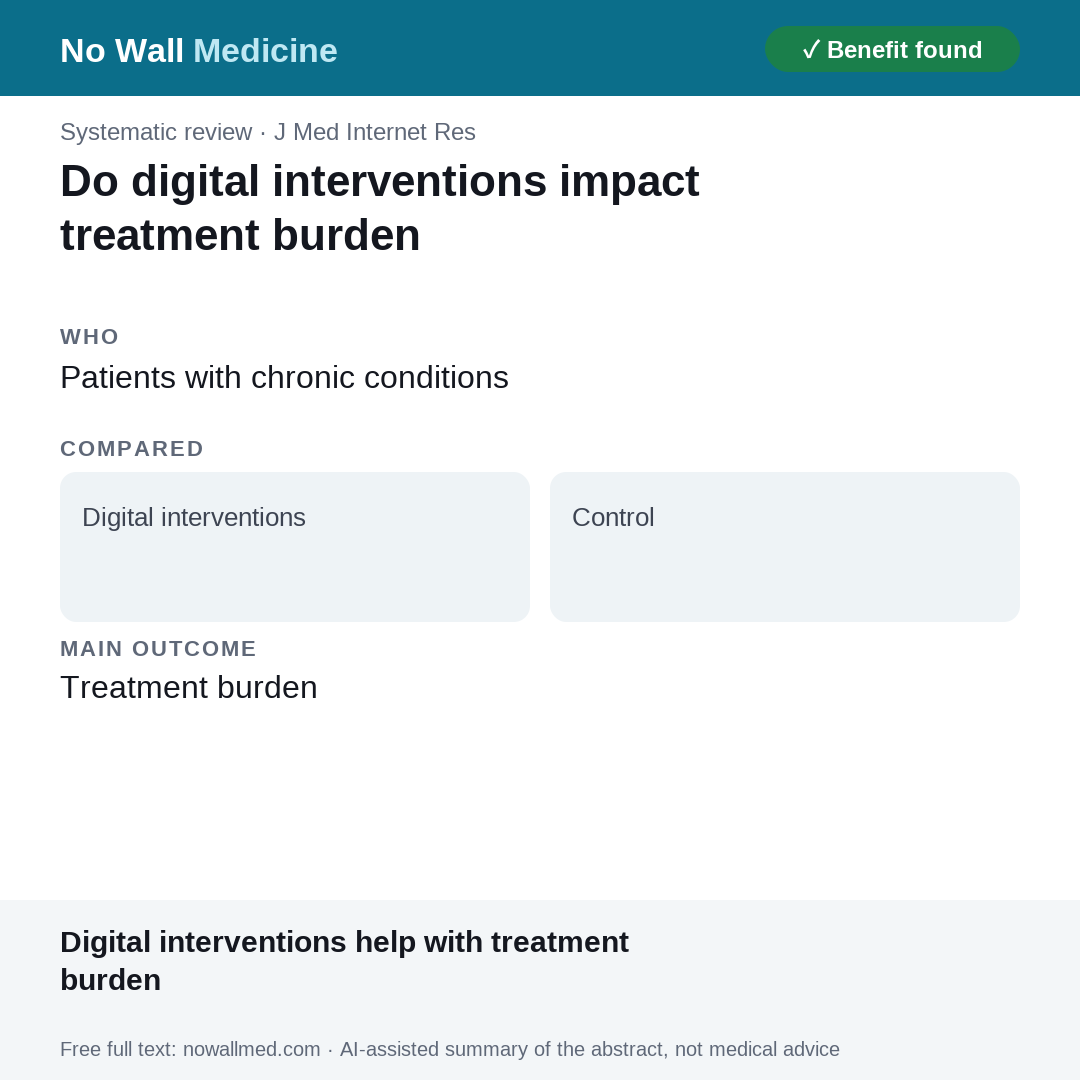
Impact of Digital Interventions on the Treatment Burden of Patients With Chronic Conditions: Systematic Review
Systematic reviewBenefit found
Do digital interventions impact treatment burden
Who
46
Patients with chronic conditions
Compared
Digital interventions
Control
Main outcome
Treatment burden
Bottom line: Digital interventions help with treatment burden
J Med Internet Res · 2025-11-21Download image
Detection and Management of Geographic Atrophy Secondary to Age-Related Macular Degeneration Using Noninvasive Retinal Images and Artificial Intelligence: Systematic Review
Systematic reviewBenefit found
How does artificial intelligence perform in detecting and managing geographic atrophy?
Who
24592
Patients with geographic atrophy secondary to dry age-related macular degeneration · Multiple countries including United States, United Kingdom, and China
Compared
Artificial intelligence
Clinical experts
Main outcome
Performance in geographic atrophy detection, assessment, progression, and lesion prediction
Bottom line: Deep learning algorithms show remarkable performance in geographic atrophy management, comparable to clinical experts using noninvasive retinal imaging.
Limitation: Need for enhanced reporting, data diversity, and rigorous external validation in prospective multicenter studies.
J Med Internet Res · 2025-11-21Download image

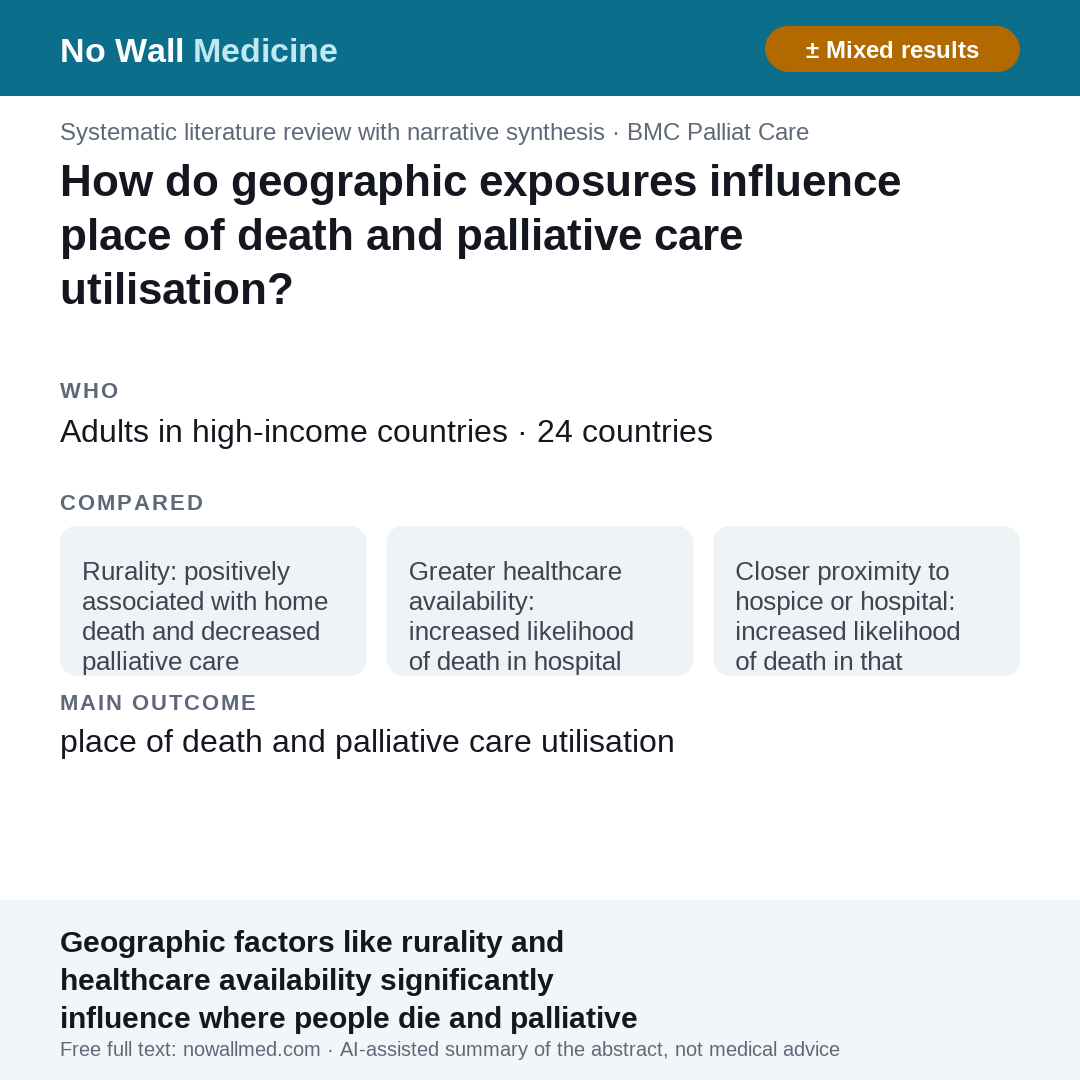
Geographic variations in place of death and palliative care utilisation in the last three months of life in high-income countries: a systematic review
Systematic literature review with narrative synthesisMixed results
How do geographic exposures influence place of death and palliative care utilisation?
Who
51
Adults in high-income countries · 24 countries
Compared
Rurality: positively associated with home death and decreased palliative care utilisation
Greater healthcare availability: increased likelihood of death in hospital or long-term care facilities
Closer proximity to hospice or hospital: increased likelihood of death in that facility
Main outcome
place of death and palliative care utilisation
Bottom line: Geographic factors like rurality and healthcare availability significantly influence where people die and palliative care use.
BMC Palliat Care · 2025-11-21Download image
Epidemiology of Breast Implant-Associated Anaplastic Large Cell Lymphoma - A systematic review of literature
Systematic reviewMixed results
What are the prevalence, risk, and incidence rate of breast implant-associated anaplastic large cell lymphoma?
Who
Patients with textured breast implants · Worldwide
Compared
Prevalence: 1.0-397.9/100,000 persons
Risk: 1:250-1:99,992
Incidence rate: 0.021-124/100.000 persons/year
Main outcome
Prevalence, risk, and incidence rate of BIA-ALCL
Bottom line: BIA-ALCL incidence rates fluctuated globally, with significant declines during the COVID-19 pandemic likely due to underreporting and diagnostic delays.
J Plast Reconstr Aesthet Surg · 2025-11-20Download image
Pharmacotherapy for Chronic & Intractable Hiccups in Palliative Care: A Mixed Methods Systematic & Umbrella Review
Mixed methods systematic and umbrella reviewUnclear result
What are the pharmacological management options for chronic and intractable hiccups in palliative care?
Who
156
Adults receiving palliative care with chronic and intractable hiccups
Compared
Gabapentin and baclofen: most frequently reported effective agents
Other pharmacological agents: dopamine antagonists, benzodiazepines, medication rotation, combination therapies
Main outcome
hiccup reduction or cessation and patient and clinician experiences
Bottom line: Evidence for pharmacological management is of very low certainty, suggesting a shift toward palliative control over cure.
Limitation: Evidence is of very low certainty and likely subject to significant publication bias.
J Pain Symptom Manage · 2025-11-20Download image

Optimal Duration of Androgen Deprivation Therapy With Definitive Radiotherapy for Localized Prostate Cancer: A Meta-Analysis
Individual patient data meta-analysis of 13 randomized phase 3 trialsMixed results
What is the ideal duration of androgen deprivation therapy with radiotherapy for localized prostate cancer?
Who
10266
Male patients with localized prostate cancer
Compared
Longer androgen deprivation therapy duration
Shorter androgen deprivation therapy duration
Main outcome
overall survival
Result: hazard ratio 1.28 (95% CI 1.09-1.50) for other-cause mortality
Bottom line: Increasing androgen deprivation therapy duration provides benefits, but optimal duration depends on individual patient risk factors.
JAMA Oncol · 2025-11-20Download image
Association of noradrenaline dose with mortality in critically ill patients: a systematic review and dose-response meta-analysis
Systematic review and dose-response meta-analysisHarm found
What is the association between noradrenaline dose and mortality in critically ill patients?
Who
29,935
Critically ill adults
Compared
16.5%Dose ≤ 0.2 µg/kg/min
31.9%Dose > 0.2 to 0.4 µg/kg/min
40.3%Dose > 0.4 µg/kg/min
Main outcome
Mortality
Result: relative risk escalated by a factor of 1.5 for every 0.1 µg/kg/min increase
Bottom line: Escalating doses of noradrenaline correlate with an exponentially rising relative risk of mortality in critically ill patients.
Crit Care · 2025-11-20Download image
Natural language processing techniques to detect delirium in hospitalized patients from clinical notes: a systematic review
Systematic reviewMixed results
Can natural language processing techniques detect delirium in hospitalized patients from clinical notes?
Who
450,000
Hospitalized patients
Compared
Rule-based methods
Machine learning
Deep learning
Transformer models: AUROC 0.984
Main outcome
Detection performance of natural language processing techniques
Result: sensitivity ranged from 28.5% to 99.1%
Bottom line: Transformer models show high performance, but high risk of bias and lack of external validation hinder clinical deployment.
Limitation: High risk of bias due to inadequate validation and lack of prospective implementation studies.
NPJ Digit Med · 2025-11-20Download image
Targeted therapy in advanced BRAF-mutated colorectal cancer: systematic review and network meta-analysis
Systematic review and network meta-analysisBenefit found
What are the efficacy and safety of targeted therapy strategies in advanced BRAF-mutated colorectal cancer?
Who
4633
Patients with advanced BRAF-mutated colorectal cancer
Compared
Doublet chemotherapy-anti-epidermal growth factor receptor/BRAF: best overall survival
Doublet chemotherapy-anti-vascular endothelial growth factor
Triplet chemotherapy-anti-vascular endothelial growth factor
Anti-epidermal growth factor receptor/BRAF
Main outcome
overall survival
Result: hazard ratio 0.49 (95% CrI 0.36 to 0.66)
Bottom line: Combining doublet chemotherapy with anti-epidermal growth factor receptor/BRAF therapy offers the best survival benefit for initial treatment.
BMJ · 2025-11-19Download image

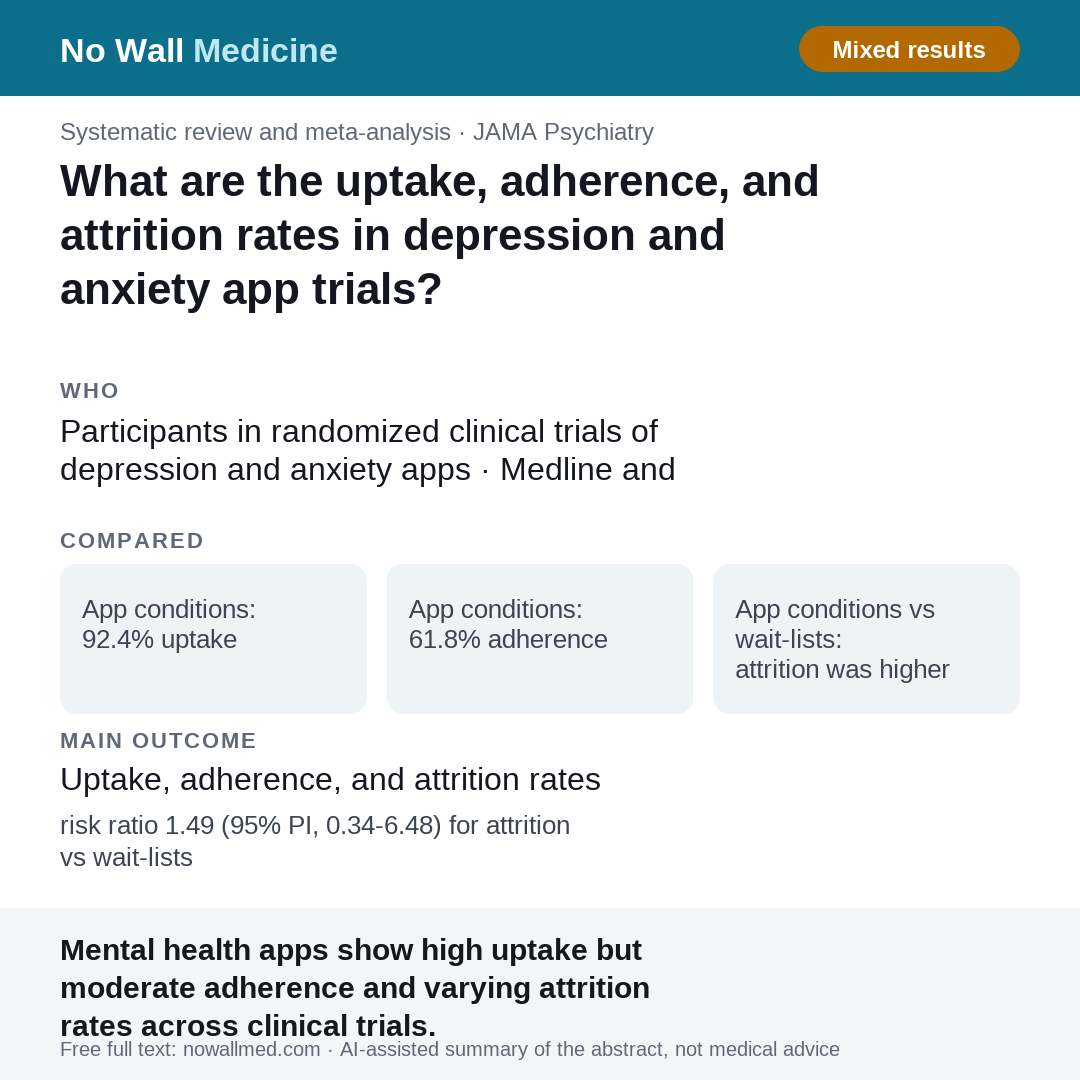
Uptake, Adherence, and Attrition in Clinical Trials of Depression and Anxiety Apps: A Systematic Review and Meta-Analysis
Systematic review and meta-analysisMixed results
What are the uptake, adherence, and attrition rates in depression and anxiety app trials?
Who
Participants in randomized clinical trials of depression and anxiety apps · Medline and PsycINFO
Compared
App conditions: 92.4% uptake
App conditions: 61.8% adherence
App conditions vs wait-lists: attrition was higher
Main outcome
Uptake, adherence, and attrition rates
Result: risk ratio 1.49 (95% PI, 0.34-6.48) for attrition vs wait-lists
Bottom line: Mental health apps show high uptake but moderate adherence and varying attrition rates across clinical trials.
JAMA Psychiatry · 2025-11-19Download image
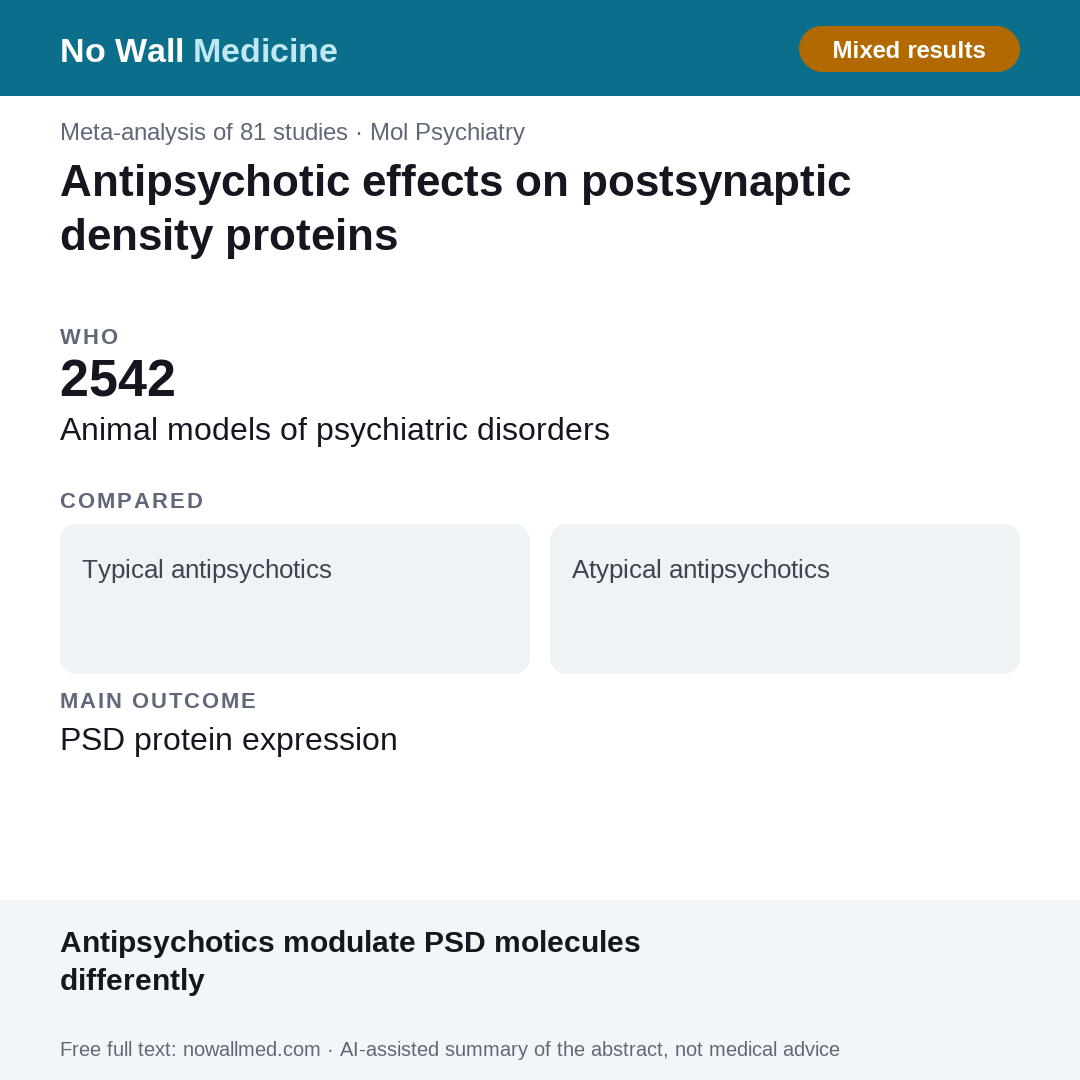
Molecular and topographic mapping of antipsychotic effects: a meta-analysis of postsynaptic density proteins in animal models with translational implications
Meta-analysis of 81 studiesMixed results
Antipsychotic effects on postsynaptic density proteins
Who
2542
Animal models of psychiatric disorders
Compared
Typical antipsychotics
Atypical antipsychotics
Main outcome
PSD protein expression
Bottom line: Antipsychotics modulate PSD molecules differently
Mol Psychiatry · 2025-11-19Download image