Visual abstracts
New randomized trials and meta-analyses from leading journals at a glance: who was studied, what was compared, and what was found. Every paper is free to read in full.
All specialtiesCardiology 847Oncology 766Gastroenterology & Hepatology 307Infectious Disease 626Neurology 353Psychiatry & Mental Health 430Pulmonology 368Critical Care 252Endocrinology & Diabetes 480Pediatrics 540Surgery 328Orthopedics & Sports Medicine 163Neurosurgery 100Cardiothoracic & Vascular Surgery 87Plastic & Reconstructive Surgery 132Nephrology 197Rheumatology 108Hematology 182Dermatology 80Ophthalmology 97Obstetrics & Gynecology 262Public & Global Health 167Radiology & Imaging 98Anesthesiology 117Urology 162ENT (Otolaryngology) 100Emergency Medicine 84Allergy & Immunology 58Geriatrics 160Family Medicine & Primary Care 111Medical Genetics & Genomics 91Pathology & Laboratory Medicine 24Physical Medicine & Rehabilitation 148Palliative Care 81Nutrition 223Digital Health & AI 460General Medicine 101
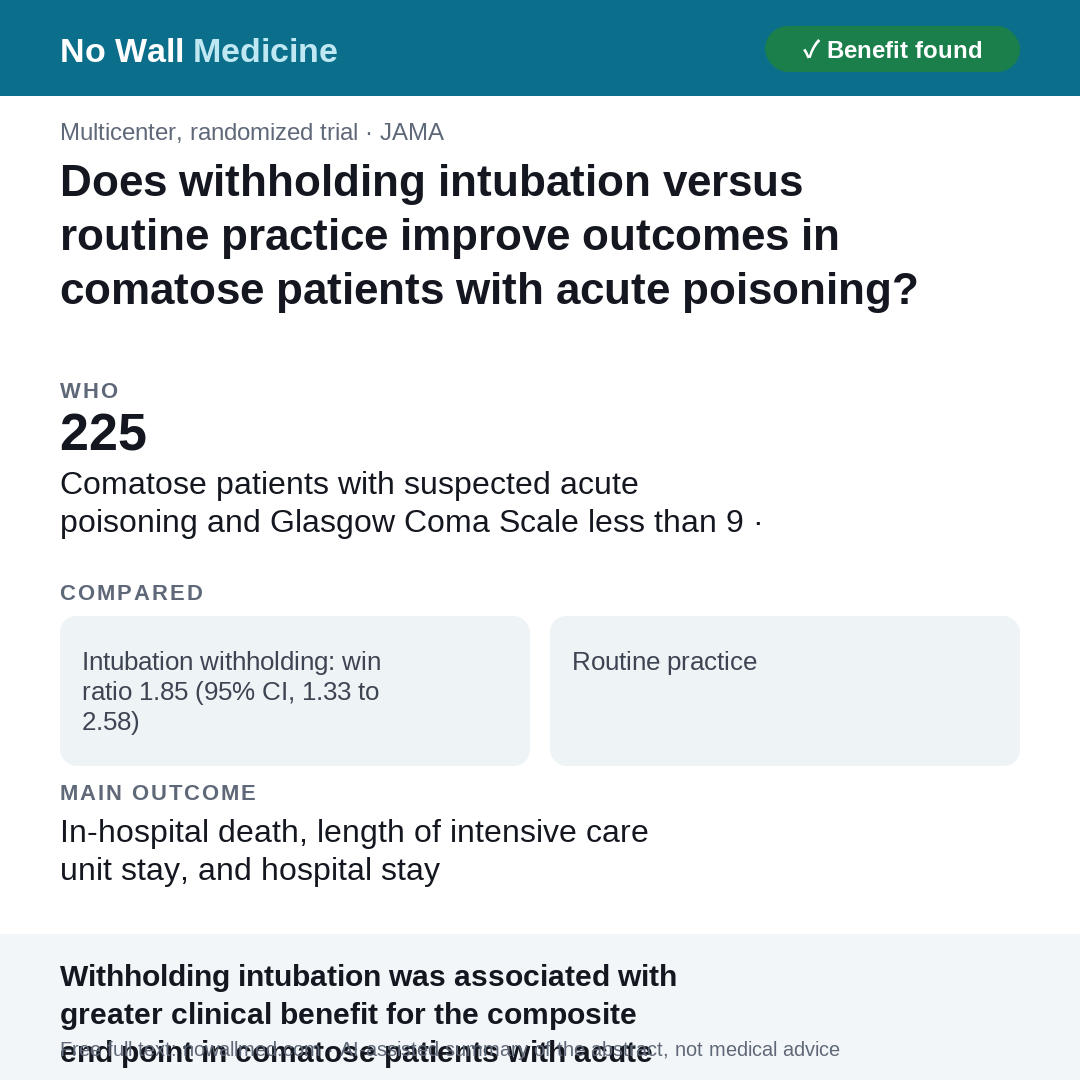
Effect of Noninvasive Airway Management of Comatose Patients With Acute Poisoning: A Randomized Clinical Trial
Multicenter, randomized trialBenefit found
Does withholding intubation versus routine practice improve outcomes in comatose patients with acute poisoning?
Who
225
Comatose patients with suspected acute poisoning and Glasgow Coma Scale less than 9 · 20 emergency departments and 1 intensive care unit in France
Compared
Intubation withholding: win ratio 1.85 (95% CI, 1.33 to 2.58)
Routine practice
Main outcome
In-hospital death, length of intensive care unit stay, and hospital stay
Result: win ratio 1.85 (95% CI, 1.33 to 2.58)
Bottom line: Withholding intubation was associated with greater clinical benefit for the composite end point in comatose patients with acute poisoning.
JAMA · 2023-11-29Download image
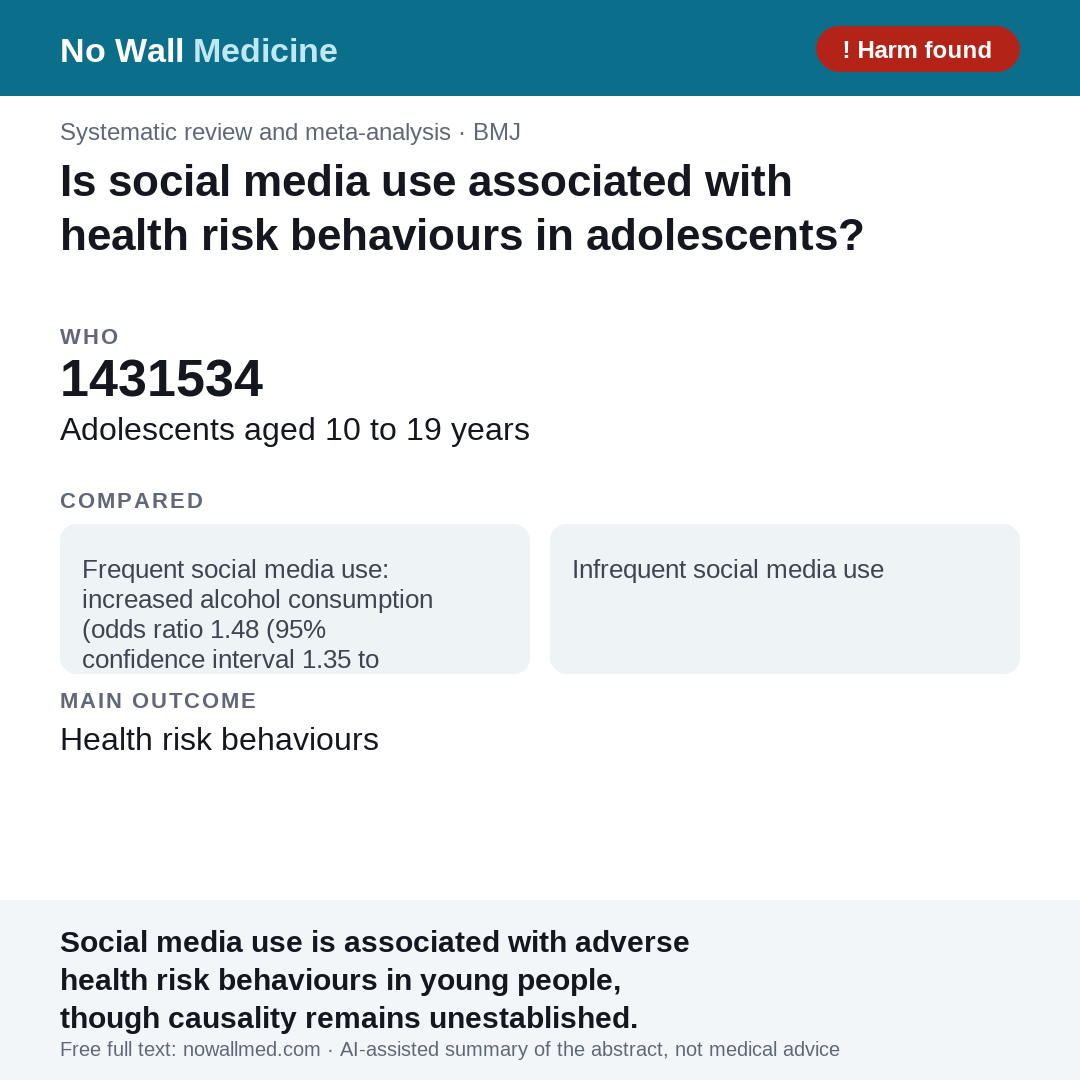
Social media use and health risk behaviours in young people: systematic review and meta-analysis
Systematic review and meta-analysisHarm found
Is social media use associated with health risk behaviours in adolescents?
Who
1431534
Adolescents aged 10 to 19 years
Compared
Frequent social media use: increased alcohol consumption (odds ratio 1.48 (95% confidence interval 1.35 to 1.62))
Infrequent social media use
Main outcome
Health risk behaviours
Bottom line: Social media use is associated with adverse health risk behaviours in young people, though causality remains unestablished.
Limitation: Further high quality research is needed to establish causality and understand effects on health inequalities.
BMJ · 2023-11-29Download image
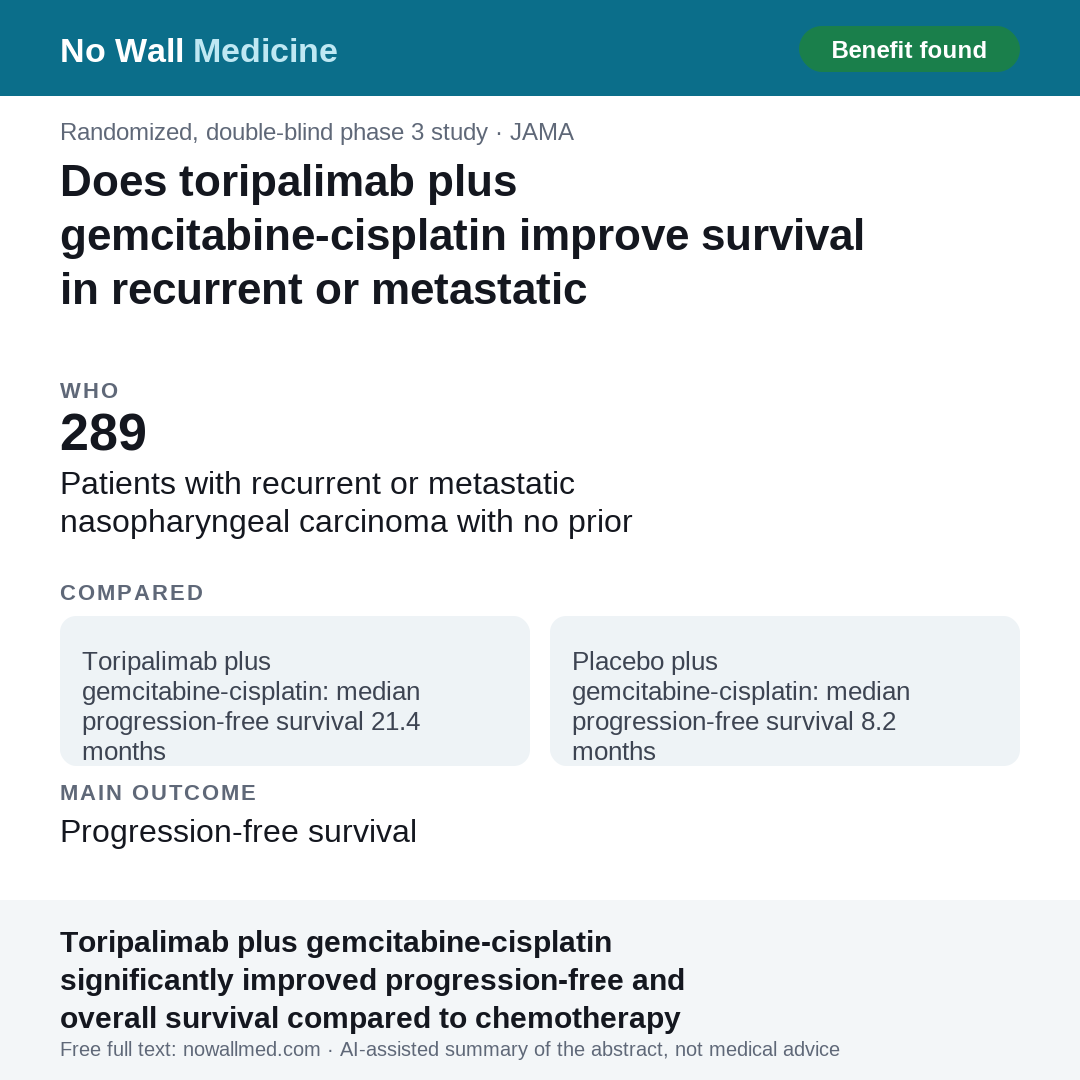
Toripalimab Plus Chemotherapy for Recurrent or Metastatic Nasopharyngeal Carcinoma: The JUPITER-02 Randomized Clinical Trial
Randomized, double-blind phase 3 studyBenefit found
Does toripalimab plus gemcitabine-cisplatin improve survival in recurrent or metastatic nasopharyngeal carcinoma?
Who
289
Patients with recurrent or metastatic nasopharyngeal carcinoma with no prior systemic chemotherapy · International, multicenter, including China, Taiwan, and Singapore
Compared
Toripalimab plus gemcitabine-cisplatin: median progression-free survival 21.4 months
Placebo plus gemcitabine-cisplatin: median progression-free survival 8.2 months
Main outcome
Progression-free survival
Result: hazard ratio 0.52 (95% CI 0.37 to 0.73)
Bottom line: Toripalimab plus gemcitabine-cisplatin significantly improved progression-free and overall survival compared to chemotherapy alone.
JAMA · 2023-11-28Download image
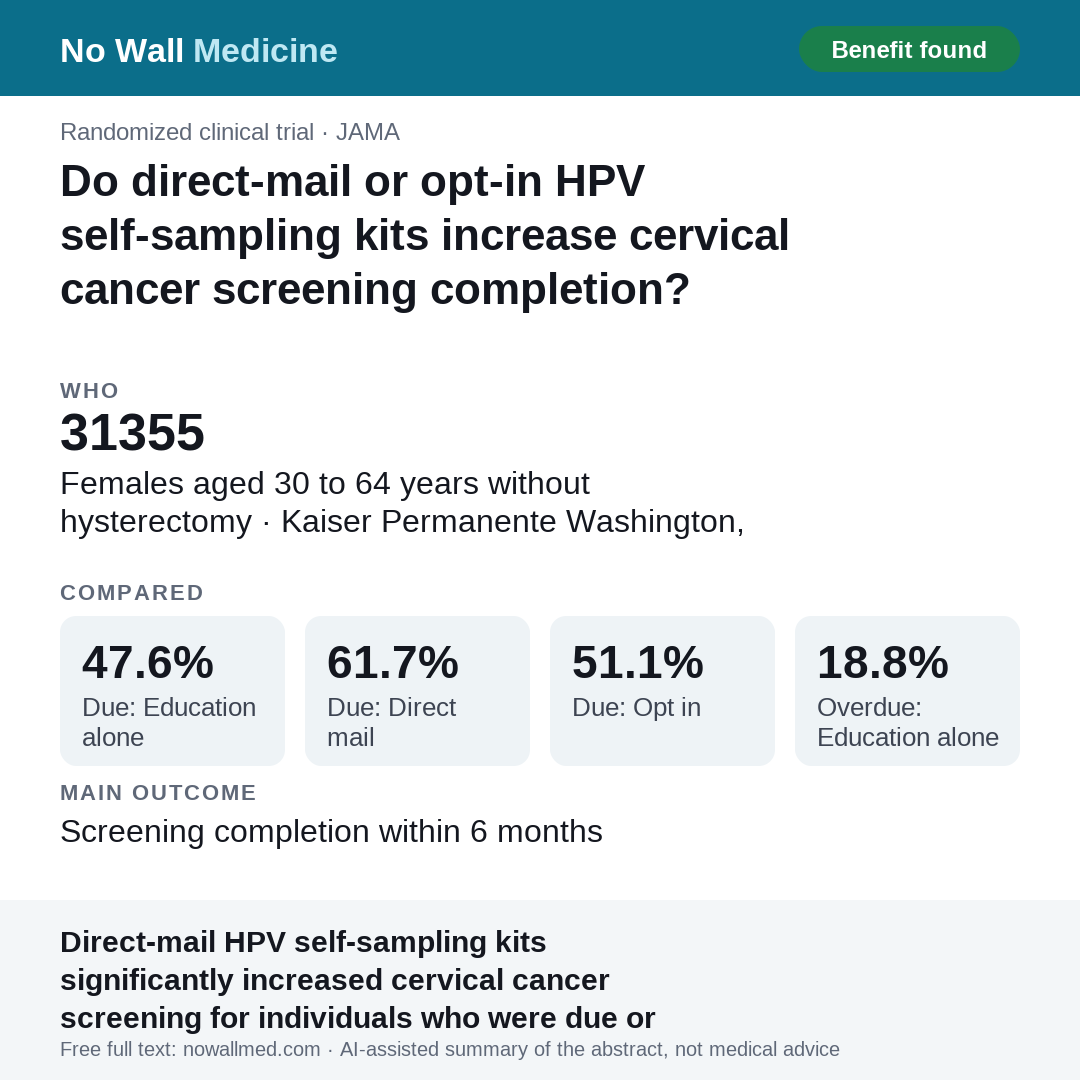
Strategies to Increase Cervical Cancer Screening With Mailed Human Papillomavirus Self-Sampling Kits: A Randomized Clinical Trial
Randomized clinical trialBenefit found
Do direct-mail or opt-in HPV self-sampling kits increase cervical cancer screening completion?
Who
31355
Females aged 30 to 64 years without hysterectomy · Kaiser Permanente Washington, US
Compared
47.6%Due: Education alone
61.7%Due: Direct mail
51.1%Due: Opt in
18.8%Overdue: Education alone
Main outcome
Screening completion within 6 months
Bottom line: Direct-mail HPV self-sampling kits significantly increased cervical cancer screening for individuals who were due or overdue.
JAMA · 2023-11-28Download image
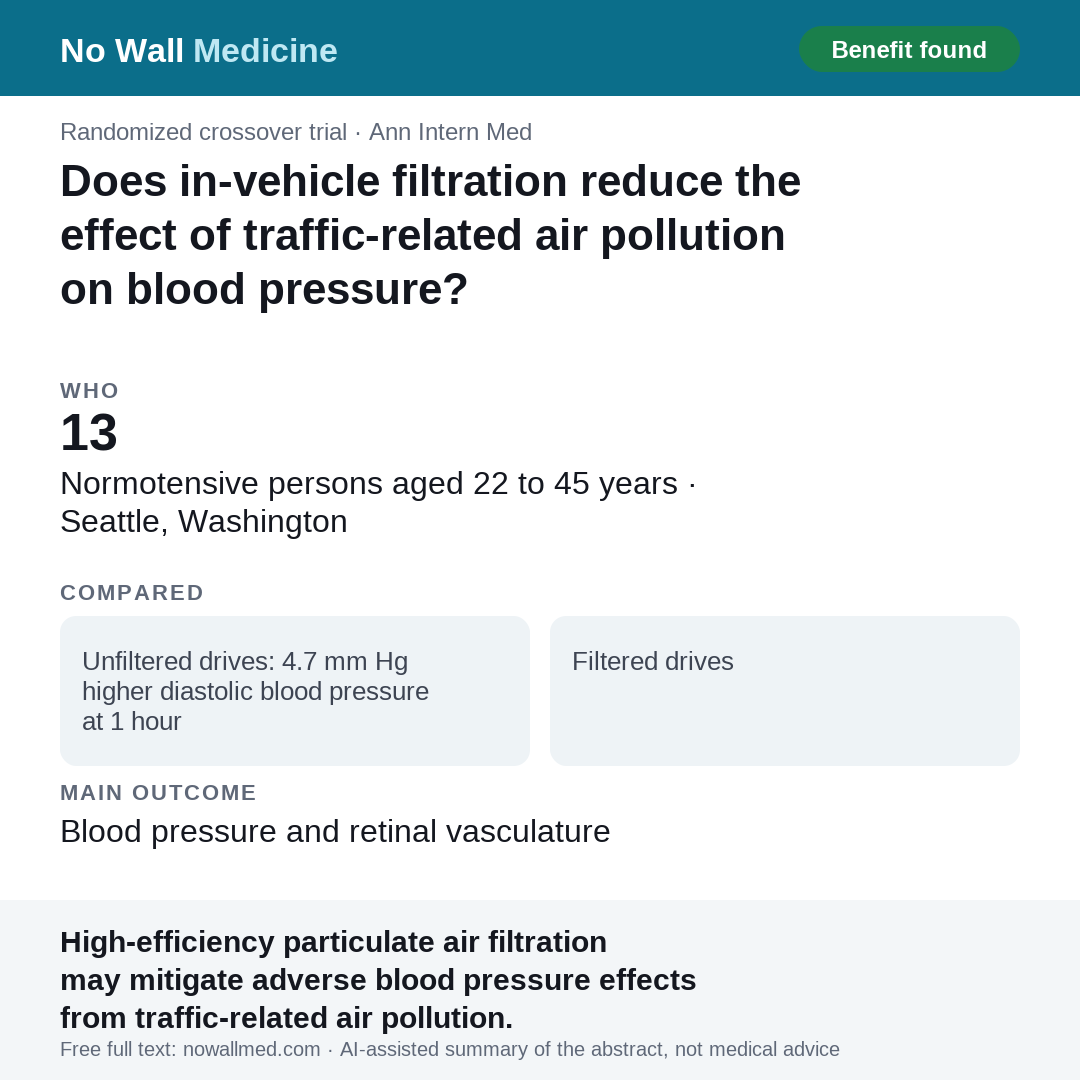
Blood Pressure Effect of Traffic-Related Air Pollution : A Crossover Trial of In-Vehicle Filtration
Randomized crossover trialBenefit found
Does in-vehicle filtration reduce the effect of traffic-related air pollution on blood pressure?
Who
13
Normotensive persons aged 22 to 45 years · Seattle, Washington
Compared
Unfiltered drives: 4.7 mm Hg higher diastolic blood pressure at 1 hour
Filtered drives
Main outcome
Blood pressure and retinal vasculature
Result: 4.7 mm Hg higher (95% CI, 0.9 to 8.4 mm Hg)
Bottom line: High-efficiency particulate air filtration may mitigate adverse blood pressure effects from traffic-related air pollution.
Limitation: Imprecise estimates due to small sample size; seasonal imbalance by exposure order.
Funded by: U.S. Environmental Protection Agency and National Institutes of Health
Ann Intern Med · 2023-11-28Download image
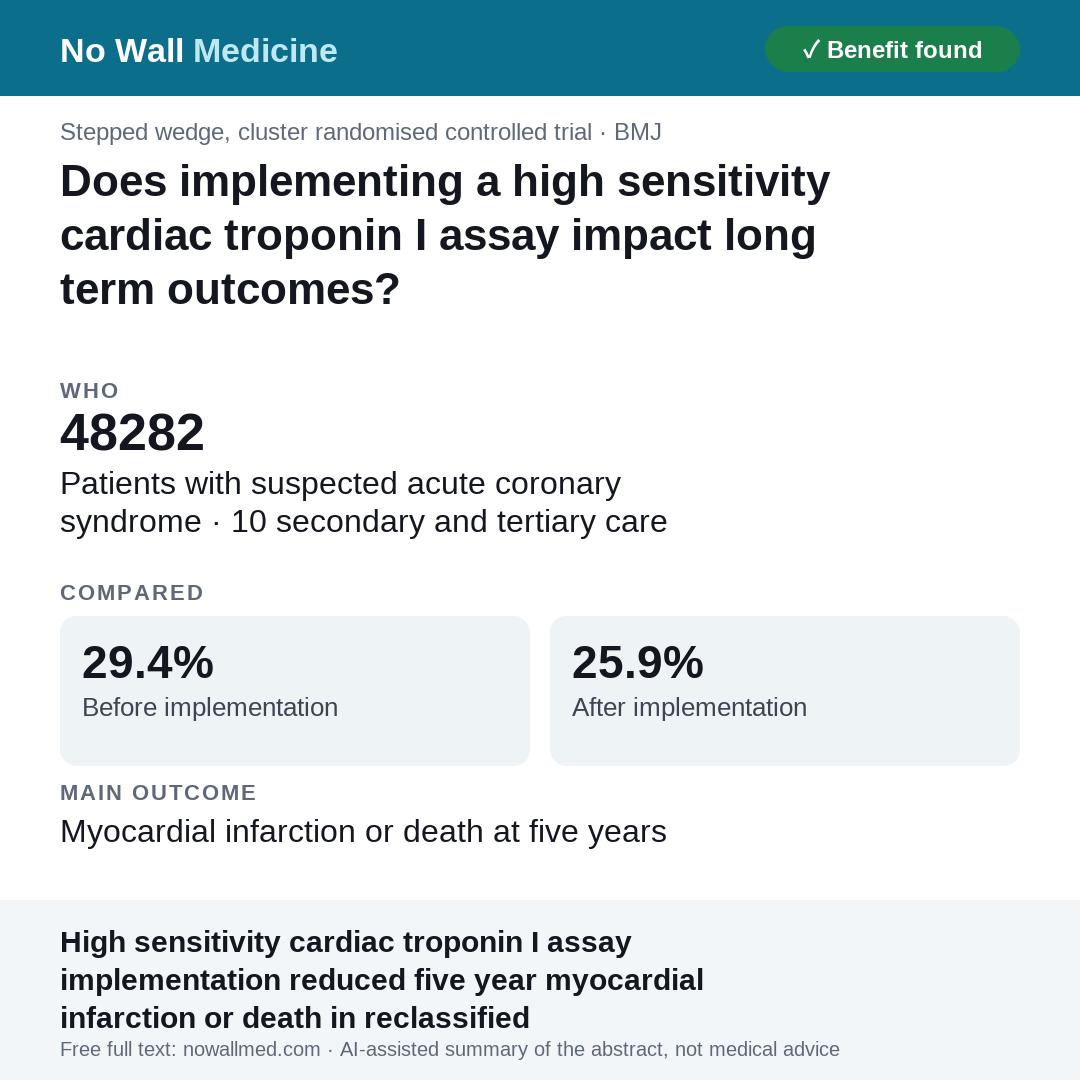
Implementation of a high sensitivity cardiac troponin I assay and risk of myocardial infarction or death at five years: observational analysis of a stepped wedge, cluster randomised controlled trial
Stepped wedge, cluster randomised controlled trialBenefit found
Does implementing a high sensitivity cardiac troponin I assay impact long term outcomes?
Who
48282
Patients with suspected acute coronary syndrome · 10 secondary and tertiary care centres in Scotland, UK
Compared
29.4%Before implementation (5588/18 978)
25.9%After implementation (7591/29 304)
Main outcome
Myocardial infarction or death at five years
Result: adjusted hazard ratio 0.97 (95% confidence interval 0.93 to 1.01)
Bottom line: High sensitivity cardiac troponin I assay implementation reduced five year myocardial infarction or death in reclassified patients.
BMJ · 2023-11-27Download image
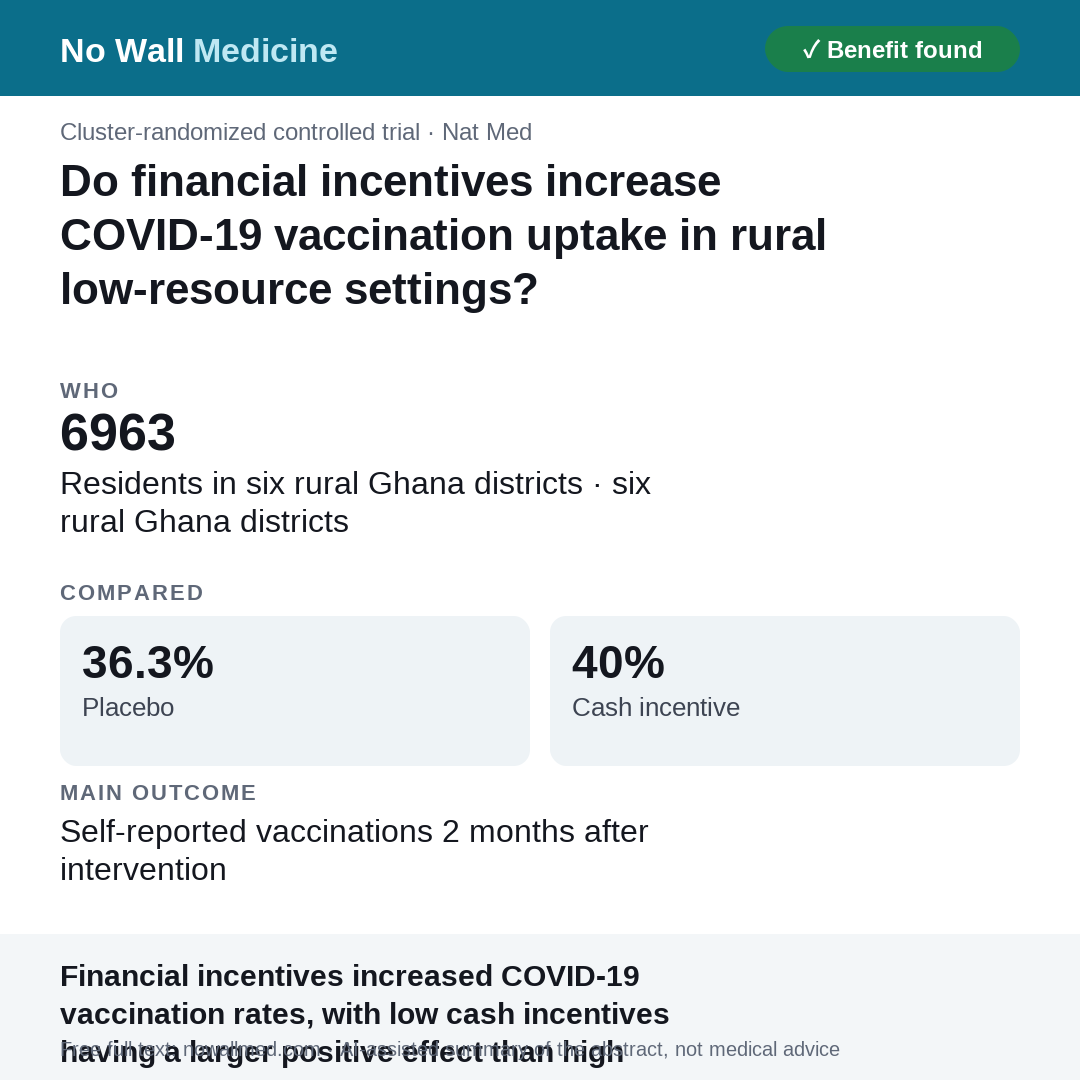
Financial incentives for COVID-19 vaccines in a rural low-resource setting: a cluster-randomized trial
Cluster-randomized controlled trialBenefit found
Do financial incentives increase COVID-19 vaccination uptake in rural low-resource settings?
Who
6963
Residents in six rural Ghana districts · six rural Ghana districts
Compared
36.3%Placebo (672 of 1,850)
40%Cash incentive (602 of 1,486)
Main outcome
Self-reported vaccinations 2 months after intervention
Result: 3.5% higher (95% confidence interval: 0.001, 6.9)
Bottom line: Financial incentives increased COVID-19 vaccination rates, with low cash incentives having a larger positive effect than high incentives.
Nat Med · 2023-11-27Download image
Higher-Dose Fluvoxamine and Time to Sustained Recovery in Outpatients With COVID-19: The ACTIV-6 Randomized Clinical Trial
Randomized clinical trialNo clear difference
Does higher-dose fluvoxamine reduce symptom duration in outpatients with mild to moderate COVID-19?
Who
1175
Outpatients 30 years or older with mild to moderate COVID-19 · 103 US sites
Compared
fluvoxamine: 10 (95% CI, 10-11) days
placebo: 10 (95% CI, 10-11) days
Main outcome
time to sustained recovery
Result: adjusted hazard ratio 0.99 (95% credible interval, 0.89-1.09)
Bottom line: Higher-dose fluvoxamine does not reduce the duration of COVID-19 symptoms in outpatients with mild to moderate disease.
JAMA · 2023-11-17Download image
Intravascular imaging guided versus coronary angiography guided percutaneous coronary intervention: systematic review and meta-analysis
Systematic review and meta-analysisBenefit found
Does intravascular imaging guided versus angiography guided percutaneous coronary intervention improve outcomes in coronary artery disease?
Who
11698
Adults with coronary artery disease
Compared
Intravascular imaging guided
Coronary angiography guided
Main outcome
Cardiac death, myocardial infarction, stent thrombosis, and revascularization
Result: rate ratio 0.53 (95% confidence interval 0.39 to 0.72) for cardiac death
Bottom line: Intravascular imaging guided percutaneous coronary intervention reduces cardiac death and cardiovascular outcomes compared to angiography guided intervention.
BMJ · 2023-11-16Download image
Primaquine radical cure in patients with Plasmodium falciparum malaria in areas co-endemic for P falciparum and Plasmodium vivax (PRIMA): a multicentre, open-label, superiority randomised controlled trial
Multicentre, open-label, superiority randomised controlled trialBenefit found
Does high-dose short-course primaquine reduce Plasmodium vivax parasitaemia risk in Plasmodium falciparum patients?
Who
495
Patients with uncomplicated Plasmodium falciparum monoinfection and glucose-6-dehydrogenase activity of 70% or greater · Five health clinics in Bangladesh, Indonesia, and Ethiopia
Compared
2.5%High-dose short-course oral primaquine (1.0-5.9)
11.0%Standard care (95% CI 7.5-15.9)
Main outcome
Incidence risk of Plasmodium vivax parasitaemia on day 63
Result: hazard ratio 0.20, 95% CI 0.08-0.51
Bottom line: High-dose short-course primaquine reduced the risk of subsequent Plasmodium vivax parasitaemia by five fold in Plasmodium falciparum patients.
Lancet · 2023-11-15Download image
Treatment of lower urinary tract symptoms in men in primary care using a conservative intervention: cluster randomised controlled trial
Cluster randomised controlled trialBenefit found
Does a standardised care intervention improve lower urinary tract symptoms in men?
Who
1077
1077 men with bothersome lower urinary tract symptoms · 30 National Health Service general practice sites in England
Compared
intervention arm: lower mean International Prostate Symptom Score at 12 months
usual care arm
Main outcome
patient reported International Prostate Symptom Score at 12 months
Result: adjusted mean difference -1.81 points (95% confidence interval -2.66 to -0.95)
Bottom line: A standardised and manualised intervention showed a sustained reduction in lower urinary tract symptoms in men at 12 months.
BMJ · 2023-11-15Download image
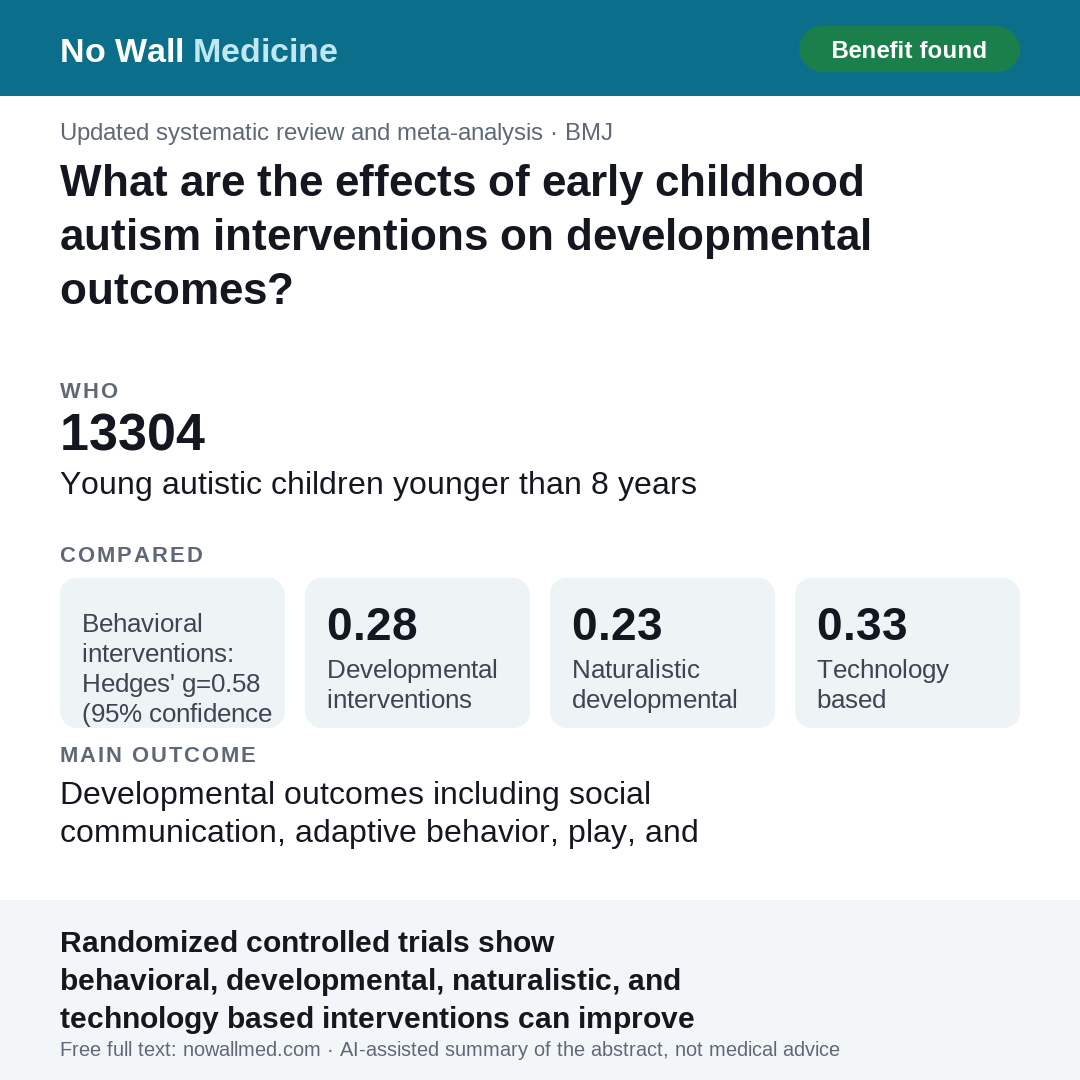
Autism intervention meta-analysis of early childhood studies (Project AIM): updated systematic review and secondary analysis
Updated systematic review and meta-analysisBenefit found
What are the effects of early childhood autism interventions on developmental outcomes?
Who
13304
Young autistic children younger than 8 years
Compared
Behavioral interventions: Hedges' g=0.58 (95% confidence interval 0.11 to 1.06)
0.28Developmental interventions (95% confidence interval 0.12 to 0.44)
0.23Naturalistic developmental behavioral interventions (95% confidence interval 0.02 to 0.43)
0.33Technology based interventions (95% confidence interval 0.02 to 0.64)
Main outcome
Developmental outcomes including social communication, adaptive behavior, play, and language
Bottom line: Randomized controlled trials show behavioral, developmental, naturalistic, and technology based interventions can improve various developmental outcomes in young autistic children.
Limitation: Adverse events were poorly monitored, but possibly common.
BMJ · 2023-11-14Download image
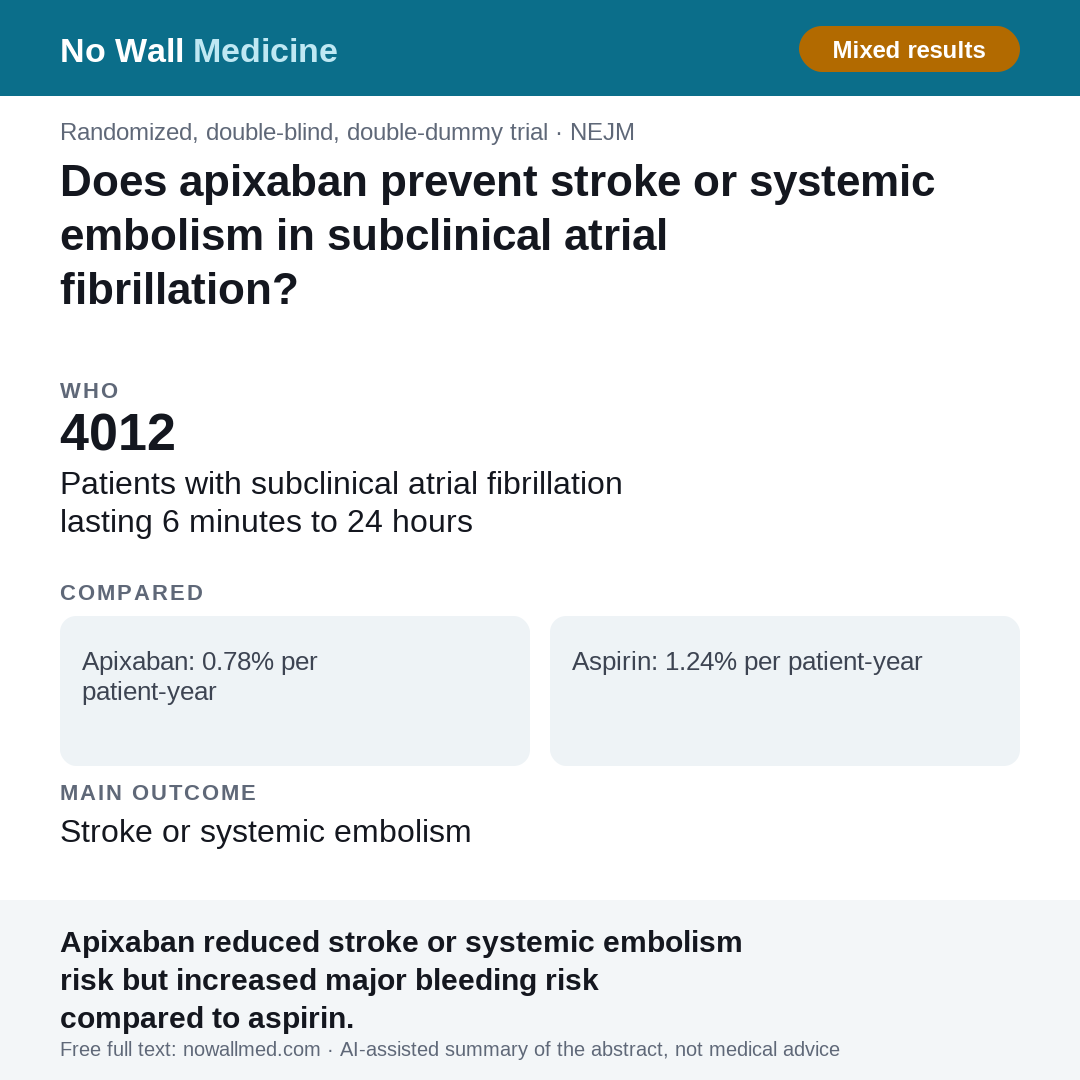
Apixaban for Stroke Prevention in Subclinical Atrial Fibrillation
Randomized, double-blind, double-dummy trialMixed results
Does apixaban prevent stroke or systemic embolism in subclinical atrial fibrillation?
Who
4012
Patients with subclinical atrial fibrillation lasting 6 minutes to 24 hours
Compared
Apixaban: 0.78% per patient-year
Aspirin: 1.24% per patient-year
Main outcome
Stroke or systemic embolism
Result: hazard ratio 0.63 (95% CI 0.45 to 0.88)
Bottom line: Apixaban reduced stroke or systemic embolism risk but increased major bleeding risk compared to aspirin.
Funded by: Canadian Institutes of Health Research and others
NEJM · 2023-11-12Download image
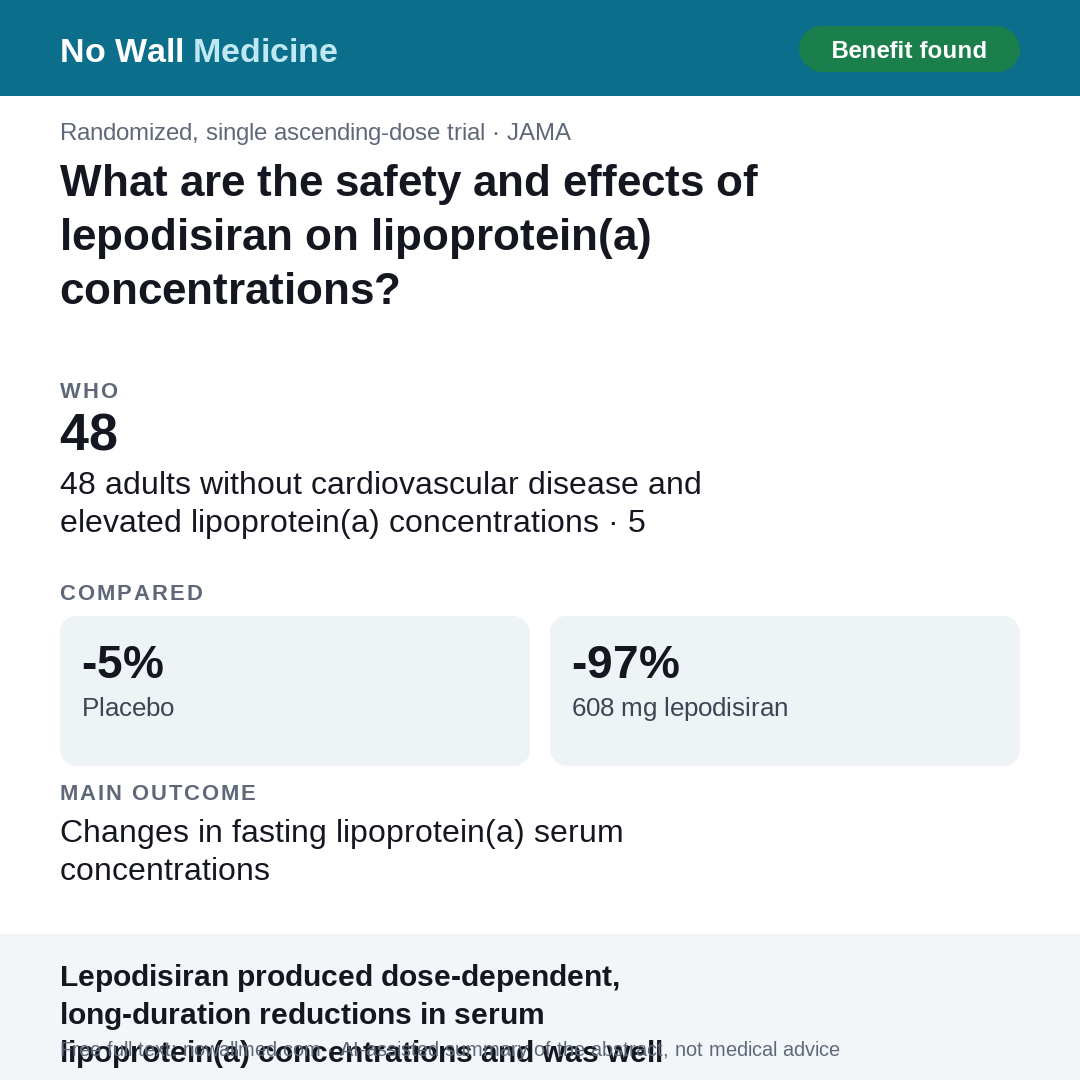
Lepodisiran, an Extended-Duration Short Interfering RNA Targeting Lipoprotein(a): A Randomized Dose-Ascending Clinical Trial
Randomized, single ascending-dose trialBenefit found
What are the safety and effects of lepodisiran on lipoprotein(a) concentrations?
Who
48
48 adults without cardiovascular disease and elevated lipoprotein(a) concentrations · 5 clinical research sites in the US and Singapore
Compared
-5%Placebo (IQR, -16% to 11%)
-97%608 mg lepodisiran (IQR, -98% to -96%)
Main outcome
Changes in fasting lipoprotein(a) serum concentrations
Bottom line: Lepodisiran produced dose-dependent, long-duration reductions in serum lipoprotein(a) concentrations and was well tolerated.
JAMA · 2023-11-12Download image
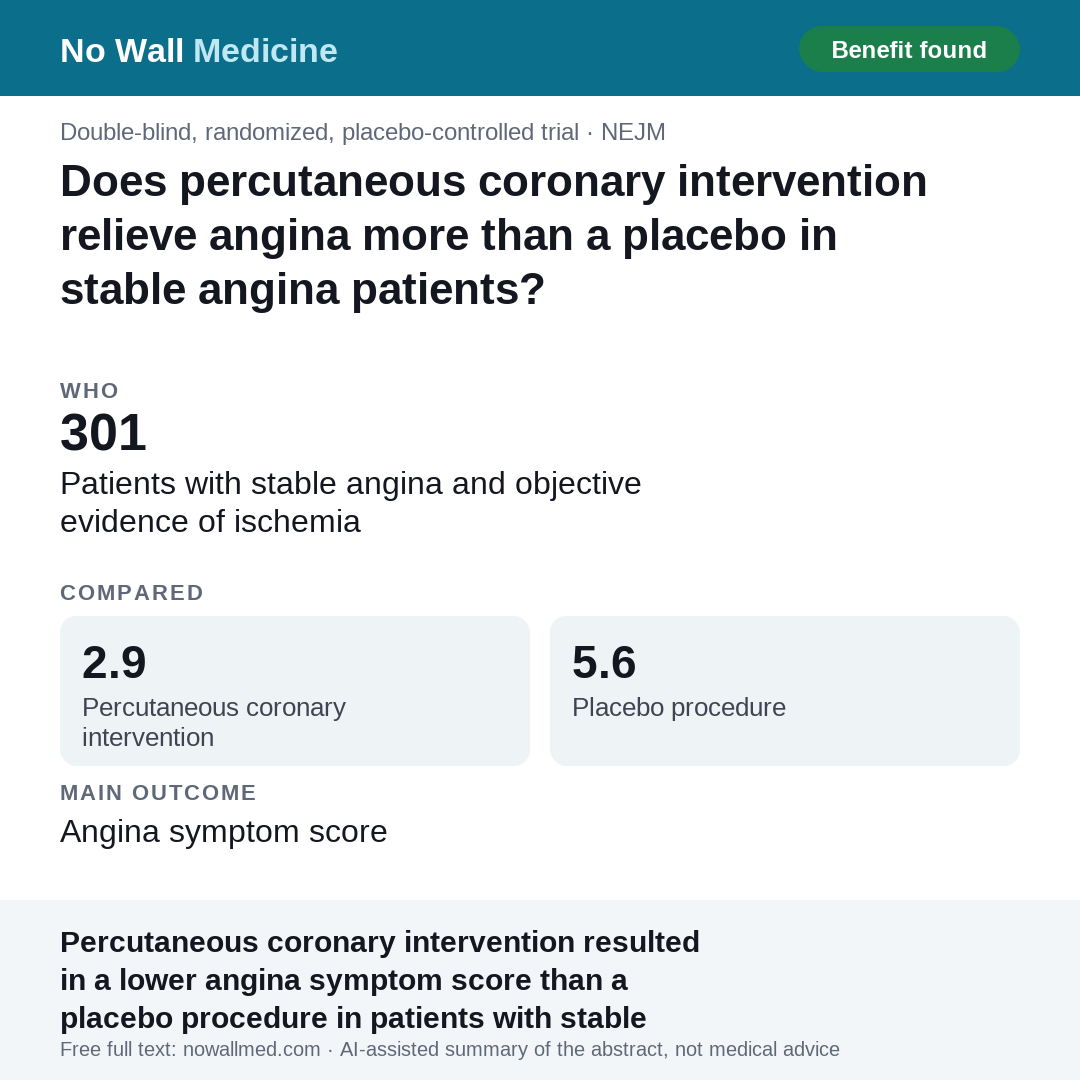
A Placebo-Controlled Trial of Percutaneous Coronary Intervention for Stable Angina
Double-blind, randomized, placebo-controlled trialBenefit found
Does percutaneous coronary intervention relieve angina more than a placebo in stable angina patients?
Who
301
Patients with stable angina and objective evidence of ischemia
Compared
2.9Percutaneous coronary intervention
5.6Placebo procedure
Main outcome
Angina symptom score
Result: odds ratio 2.21 (95% confidence interval 1.41 to 3.47)
Bottom line: Percutaneous coronary intervention resulted in a lower angina symptom score than a placebo procedure in patients with stable angina.
Funded by: National Institute for Health and Care Research Imperial Biomedical Research Centre
NEJM · 2023-11-11Download image
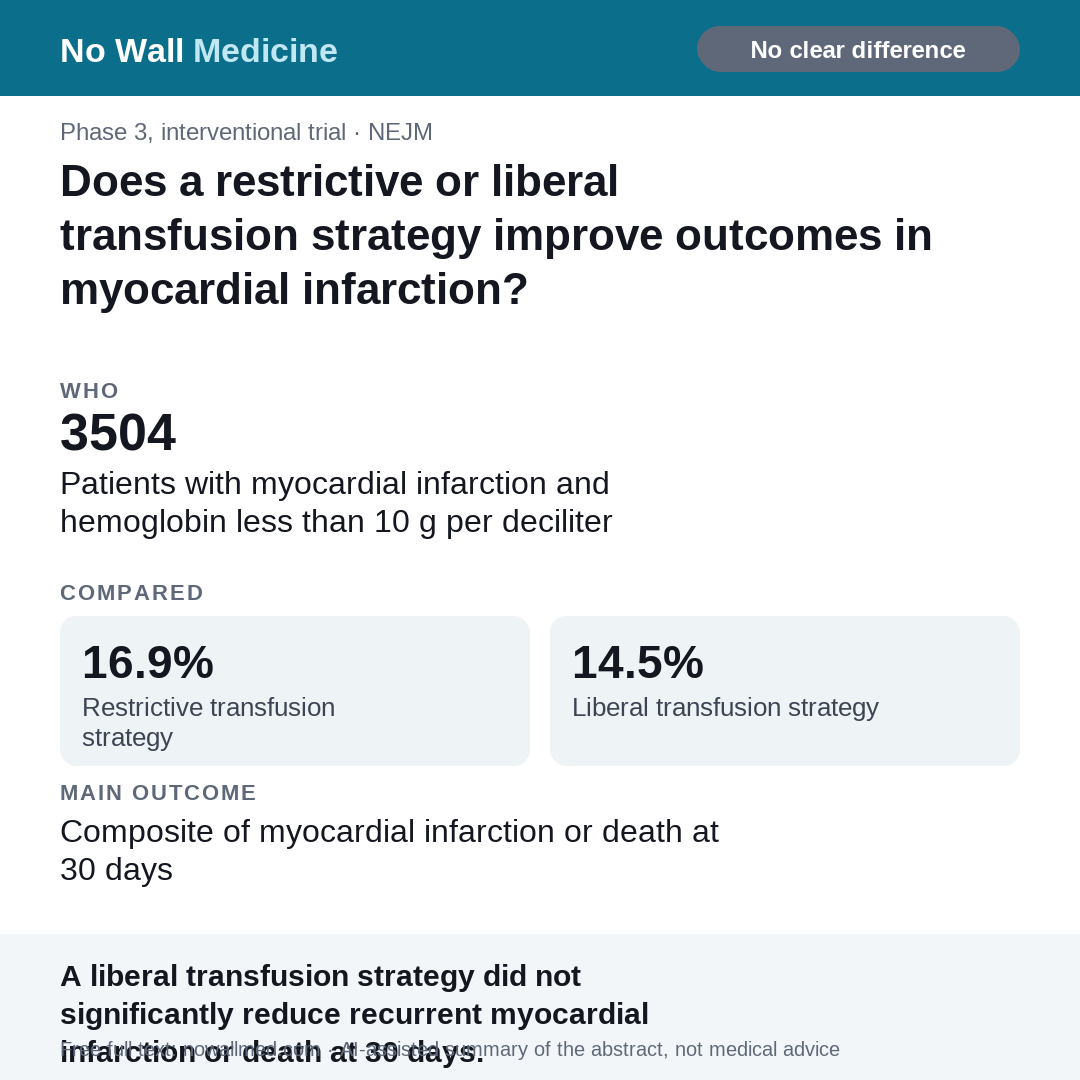
Restrictive or Liberal Transfusion Strategy in Myocardial Infarction and Anemia
Phase 3, interventional trialNo clear difference
Does a restrictive or liberal transfusion strategy improve outcomes in myocardial infarction?
Who
3504
Patients with myocardial infarction and hemoglobin less than 10 g per deciliter
Compared
16.9%Restrictive transfusion strategy (295/1749)
14.5%Liberal transfusion strategy (255/1755)
Main outcome
Composite of myocardial infarction or death at 30 days
Result: risk ratio 1.15 (95% CI 0.99 to 1.34)
Bottom line: A liberal transfusion strategy did not significantly reduce recurrent myocardial infarction or death at 30 days.
Limitation: potential harms of a restrictive transfusion strategy cannot be excluded
Funded by: National Heart, Lung, and Blood Institute and others
NEJM · 2023-11-11Download image
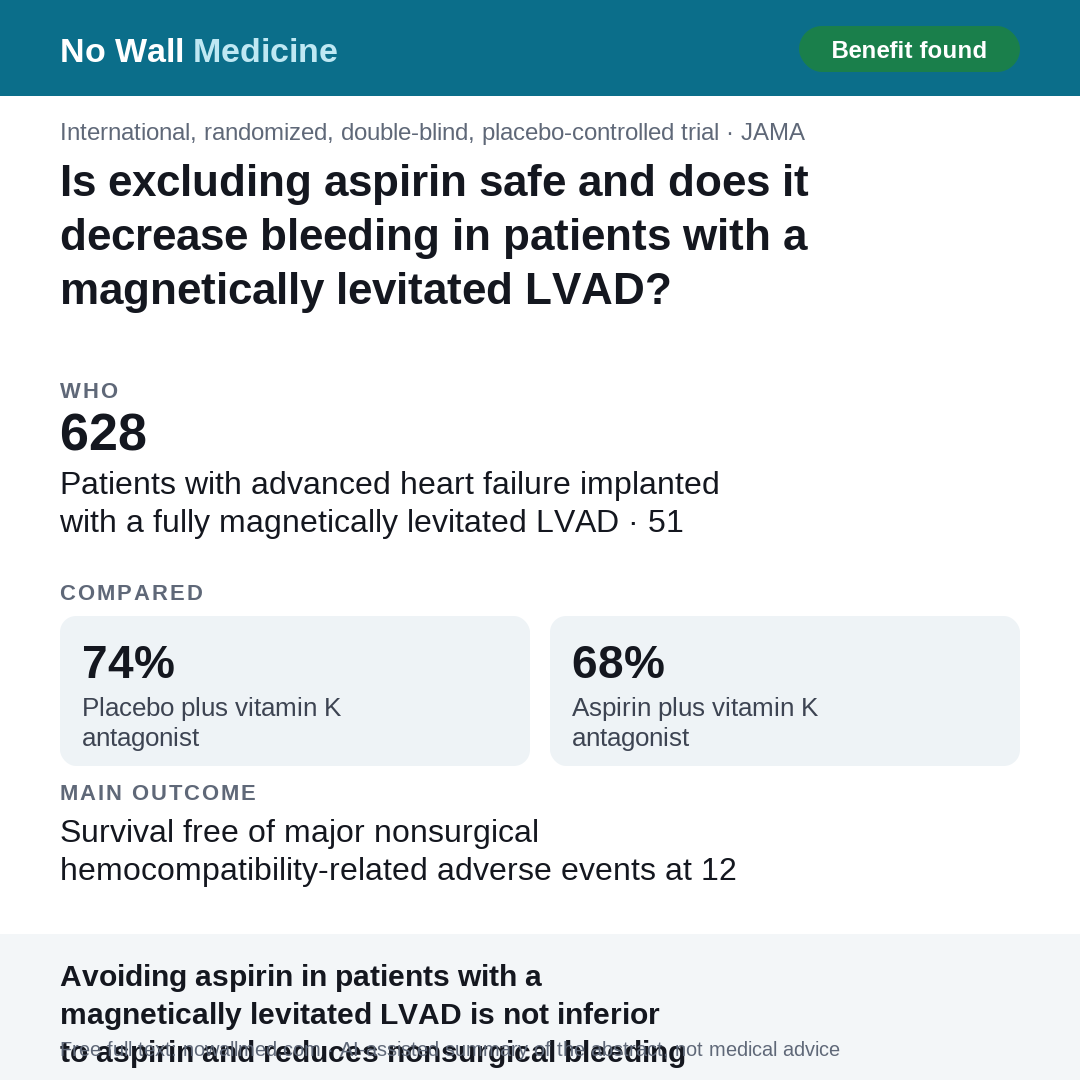
Aspirin and Hemocompatibility Events With a Left Ventricular Assist Device in Advanced Heart Failure: The ARIES-HM3 Randomized Clinical Trial
International, randomized, double-blind, placebo-controlled trialBenefit found
Is excluding aspirin safe and does it decrease bleeding in patients with a magnetically levitated LVAD?
Who
628
Patients with advanced heart failure implanted with a fully magnetically levitated LVAD · 51 centers across 9 countries
Compared
74%Placebo plus vitamin K antagonist
68%Aspirin plus vitamin K antagonist
Main outcome
Survival free of major nonsurgical hemocompatibility-related adverse events at 12 months
Result: relative risk 0.66 (95% confidence limit, 0.51-0.85) for nonsurgical bleeding events
Bottom line: Avoiding aspirin in patients with a magnetically levitated LVAD is not inferior to aspirin and reduces nonsurgical bleeding events.
JAMA · 2023-11-11Download image
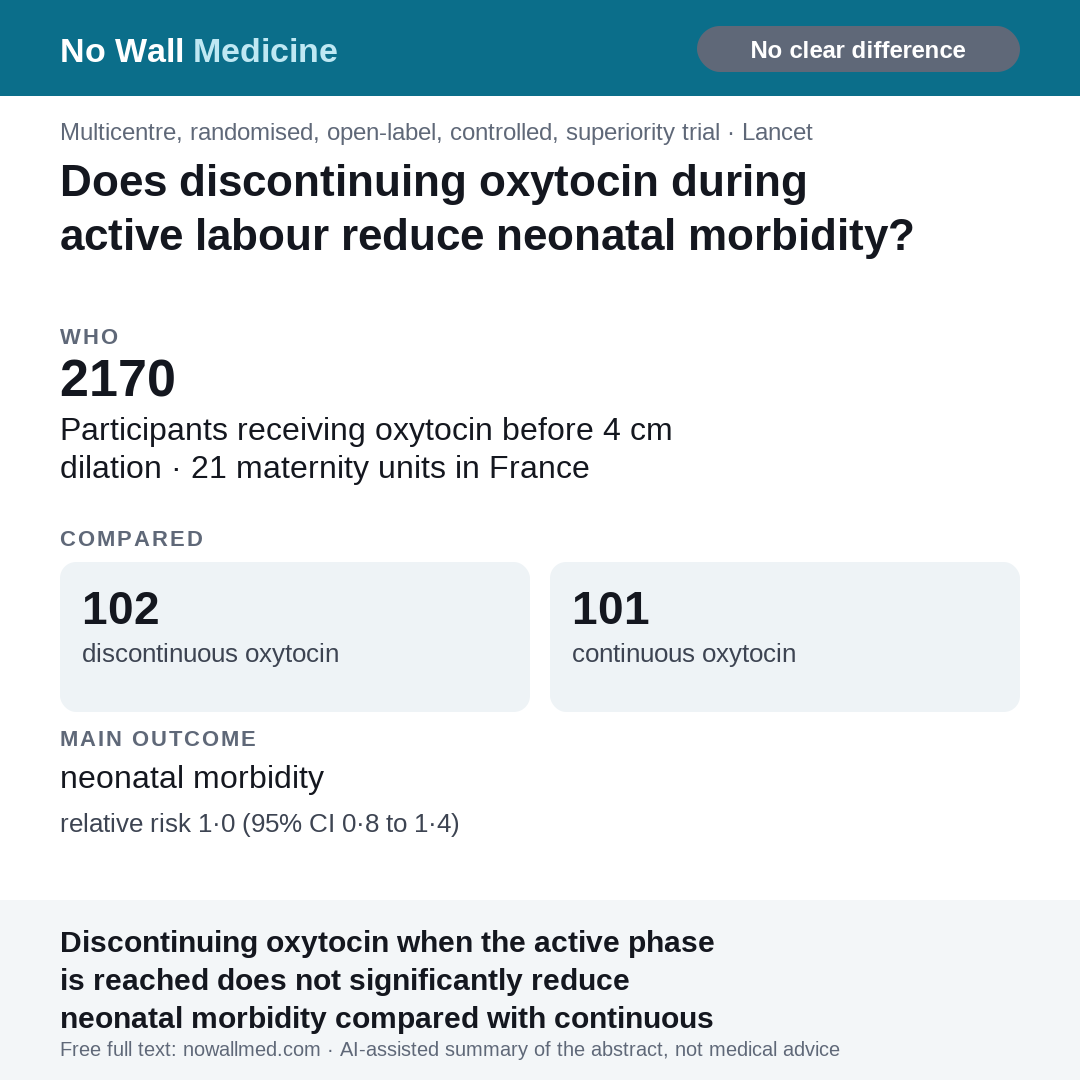
Impact of discontinuing oxytocin in active labour on neonatal morbidity: an open-label, multicentre, randomised trial
Multicentre, randomised, open-label, controlled, superiority trialNo clear difference
Does discontinuing oxytocin during active labour reduce neonatal morbidity?
Who
2170
Participants receiving oxytocin before 4 cm dilation · 21 maternity units in France
Compared
102discontinuous oxytocin (9·6%)
101continuous oxytocin (9·2%)
Main outcome
neonatal morbidity
Result: relative risk 1·0 (95% CI 0·8 to 1·4)
Bottom line: Discontinuing oxytocin when the active phase is reached does not significantly reduce neonatal morbidity compared with continuous oxytocin.
Funded by: French Ministry of Health and Assistance Publique-Hôpitaux de Paris
Lancet · 2023-11-09Download image
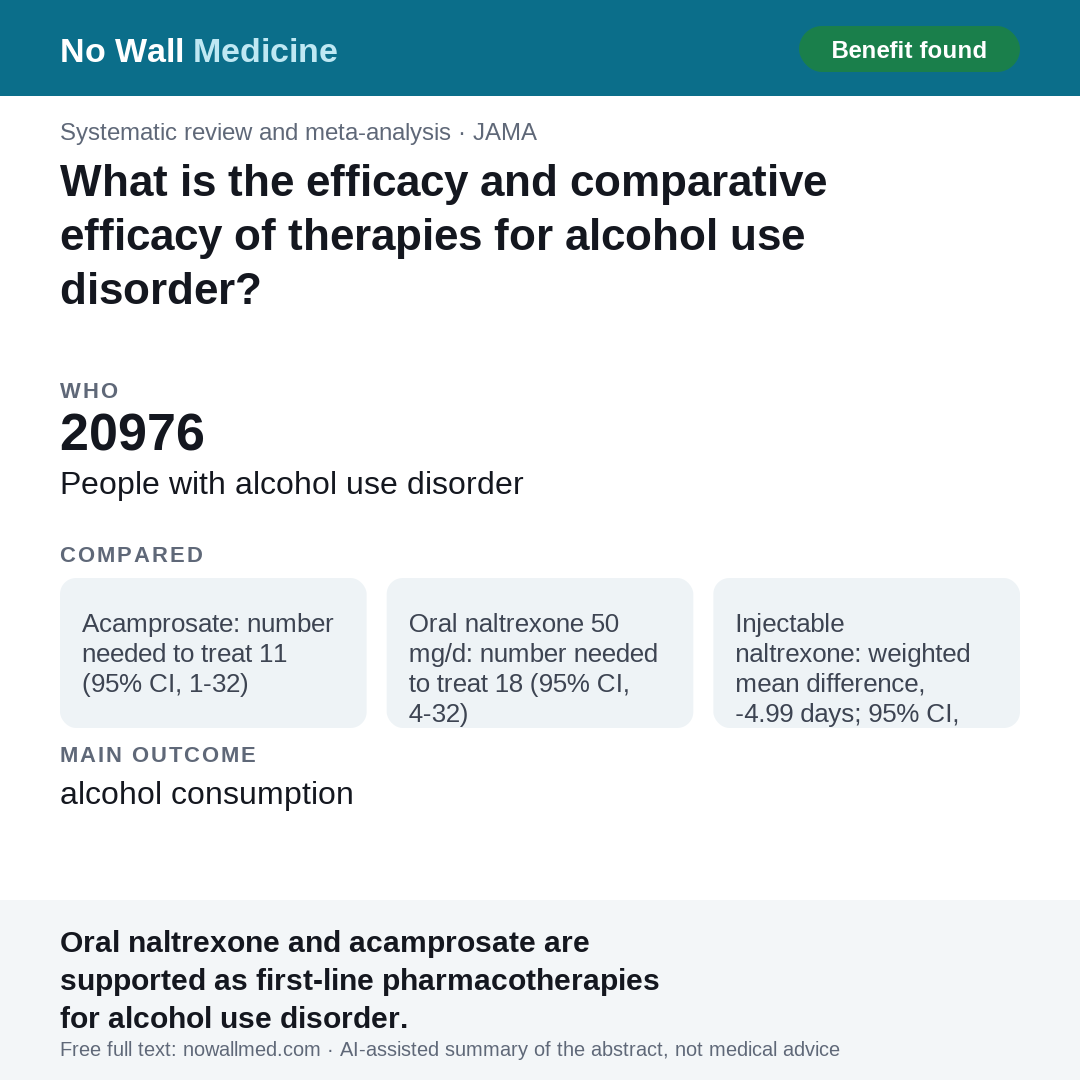
Pharmacotherapy for Alcohol Use Disorder: A Systematic Review and Meta-Analysis
Systematic review and meta-analysisBenefit found
What is the efficacy and comparative efficacy of therapies for alcohol use disorder?
Who
20976
People with alcohol use disorder
Compared
Acamprosate: number needed to treat 11 (95% CI, 1-32)
Oral naltrexone 50 mg/d: number needed to treat 18 (95% CI, 4-32)
Injectable naltrexone: weighted mean difference, -4.99 days; 95% CI, -9.49 to -0.49 days
Main outcome
alcohol consumption
Bottom line: Oral naltrexone and acamprosate are supported as first-line pharmacotherapies for alcohol use disorder.
JAMA · 2023-11-07Download image
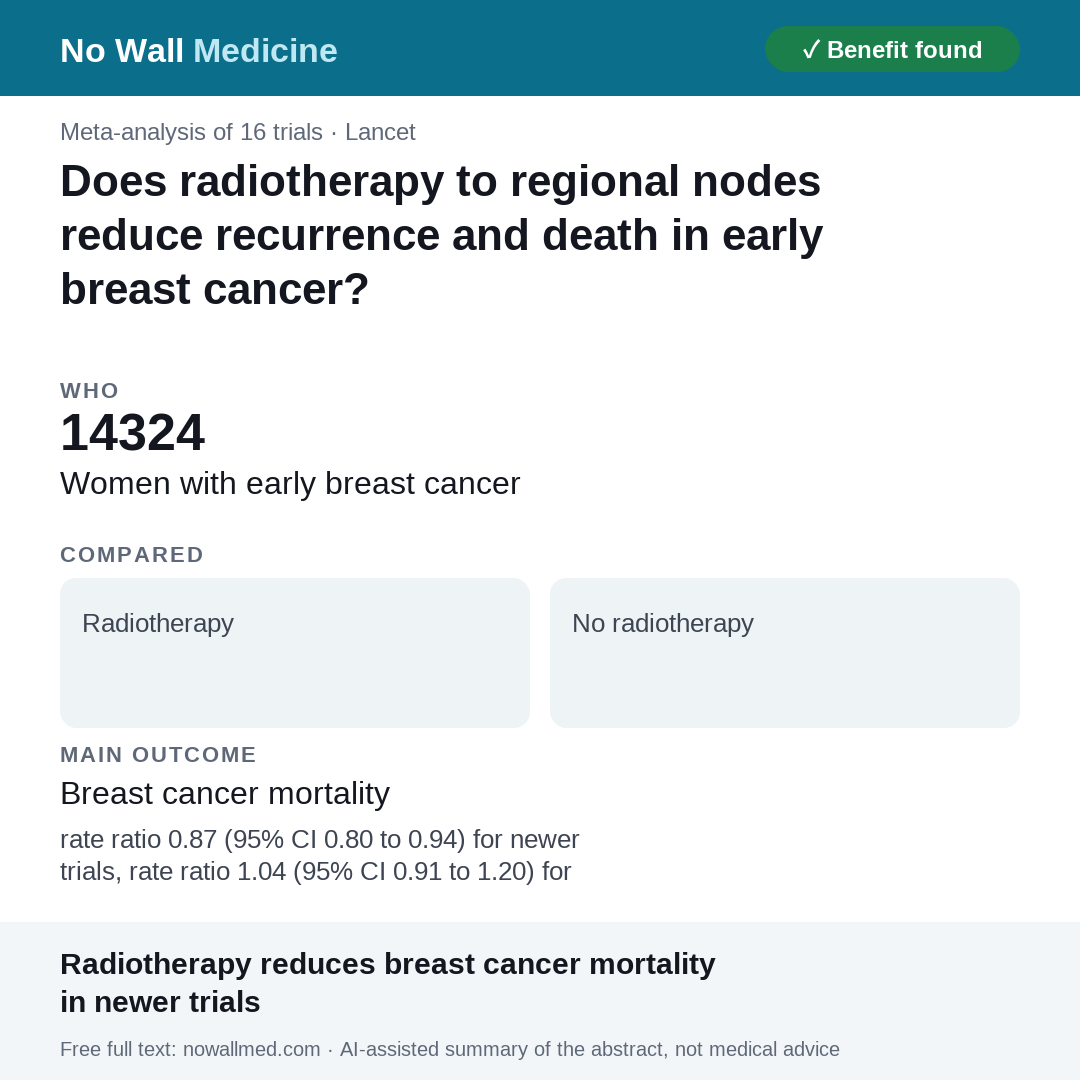
Radiotherapy to regional nodes in early breast cancer: an individual patient data meta-analysis of 14 324 women in 16 trials
Meta-analysis of 16 trialsBenefit found
Does radiotherapy to regional nodes reduce recurrence and death in early breast cancer?
Who
14324
Women with early breast cancer
Compared
Radiotherapy
No radiotherapy
Main outcome
Breast cancer mortality
Result: rate ratio 0.87 (95% CI 0.80 to 0.94) for newer trials, rate ratio 1.04 (95% CI 0.91 to 1.20) for older trials
Bottom line: Radiotherapy reduces breast cancer mortality in newer trials
Funded by: Cancer Research UK, Medical Research Council
Lancet · 2023-11-03Download image