Visual abstracts
New randomized trials and meta-analyses from leading journals at a glance: who was studied, what was compared, and what was found. Every paper is free to read in full.
All specialtiesCardiology 855Oncology 770Gastroenterology & Hepatology 311Infectious Disease 626Neurology 354Psychiatry & Mental Health 430Pulmonology 370Critical Care 259Endocrinology & Diabetes 484Pediatrics 542Surgery 349Orthopedics & Sports Medicine 166Neurosurgery 115Cardiothoracic & Vascular Surgery 87Plastic & Reconstructive Surgery 144Nephrology 197Rheumatology 108Hematology 183Dermatology 81Ophthalmology 97Obstetrics & Gynecology 266Public & Global Health 168Radiology & Imaging 104Anesthesiology 128Urology 162ENT (Otolaryngology) 114Emergency Medicine 103Allergy & Immunology 58Geriatrics 160Family Medicine & Primary Care 111Medical Genetics & Genomics 91Pathology & Laboratory Medicine 27Physical Medicine & Rehabilitation 149Palliative Care 81Nutrition 223Digital Health & AI 462General Medicine 101
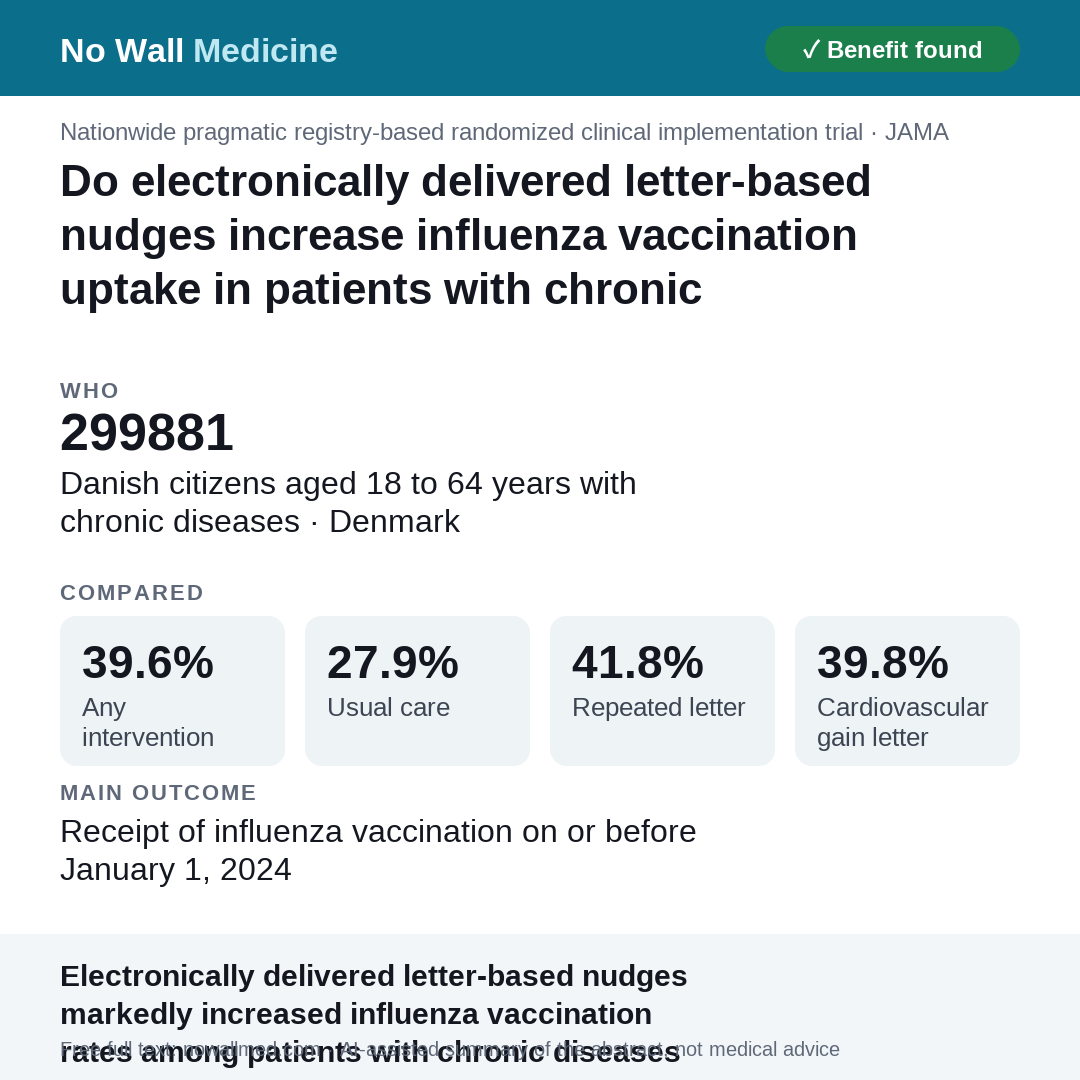
Electronic Nudges to Increase Influenza Vaccination in Patients With Chronic Diseases: A Randomized Clinical Trial
Nationwide pragmatic registry-based randomized clinical implementation trialBenefit found
Do electronically delivered letter-based nudges increase influenza vaccination uptake in patients with chronic diseases?
Who
299881
Danish citizens aged 18 to 64 years with chronic diseases · Denmark
Compared
39.6%Any intervention letter
27.9%Usual care
41.8%Repeated letter
39.8%Cardiovascular gain letter
Main outcome
Receipt of influenza vaccination on or before January 1, 2024
Result: difference, 11.7 percentage points; 99.29% CI, 11.2-12.2 percentage points
Bottom line: Electronically delivered letter-based nudges markedly increased influenza vaccination rates among patients with chronic diseases compared to usual care.
JAMA · 2024-10-11Download image
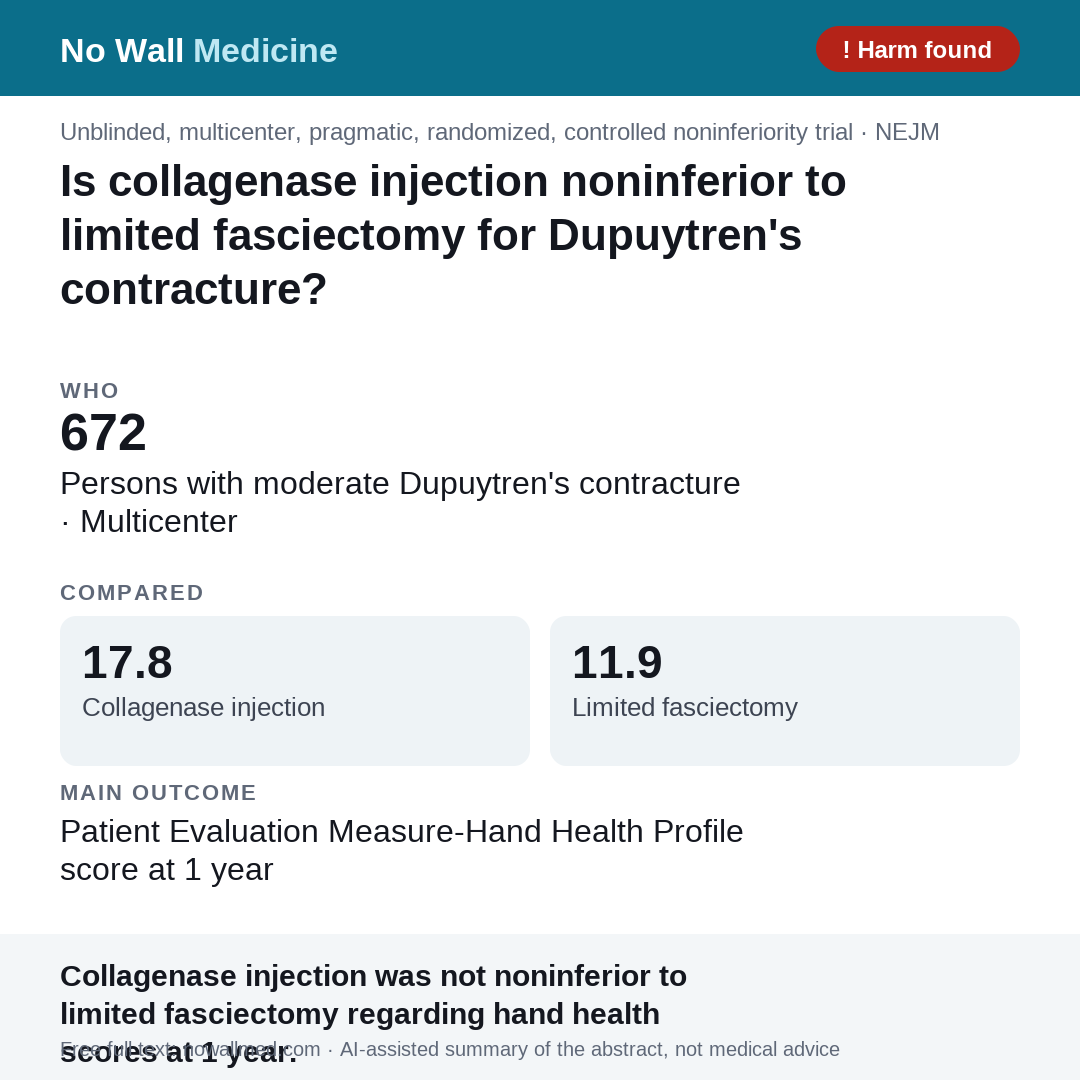
Collagenase Injection versus Limited Fasciectomy for Dupuytren's Contracture
Unblinded, multicenter, pragmatic, randomized, controlled noninferiority trialHarm found
Is collagenase injection noninferior to limited fasciectomy for Dupuytren's contracture?
Who
672
Persons with moderate Dupuytren's contracture · Multicenter
Compared
17.8Collagenase injection
11.9Limited fasciectomy
Main outcome
Patient Evaluation Measure-Hand Health Profile score at 1 year
Result: estimated difference, 5.9 points; 95% confidence interval [CI], 3.1 to 8.8
Bottom line: Collagenase injection was not noninferior to limited fasciectomy regarding hand health scores at 1 year.
Funded by: National Institute for Health and Care Research
NEJM · 2024-10-09Download image
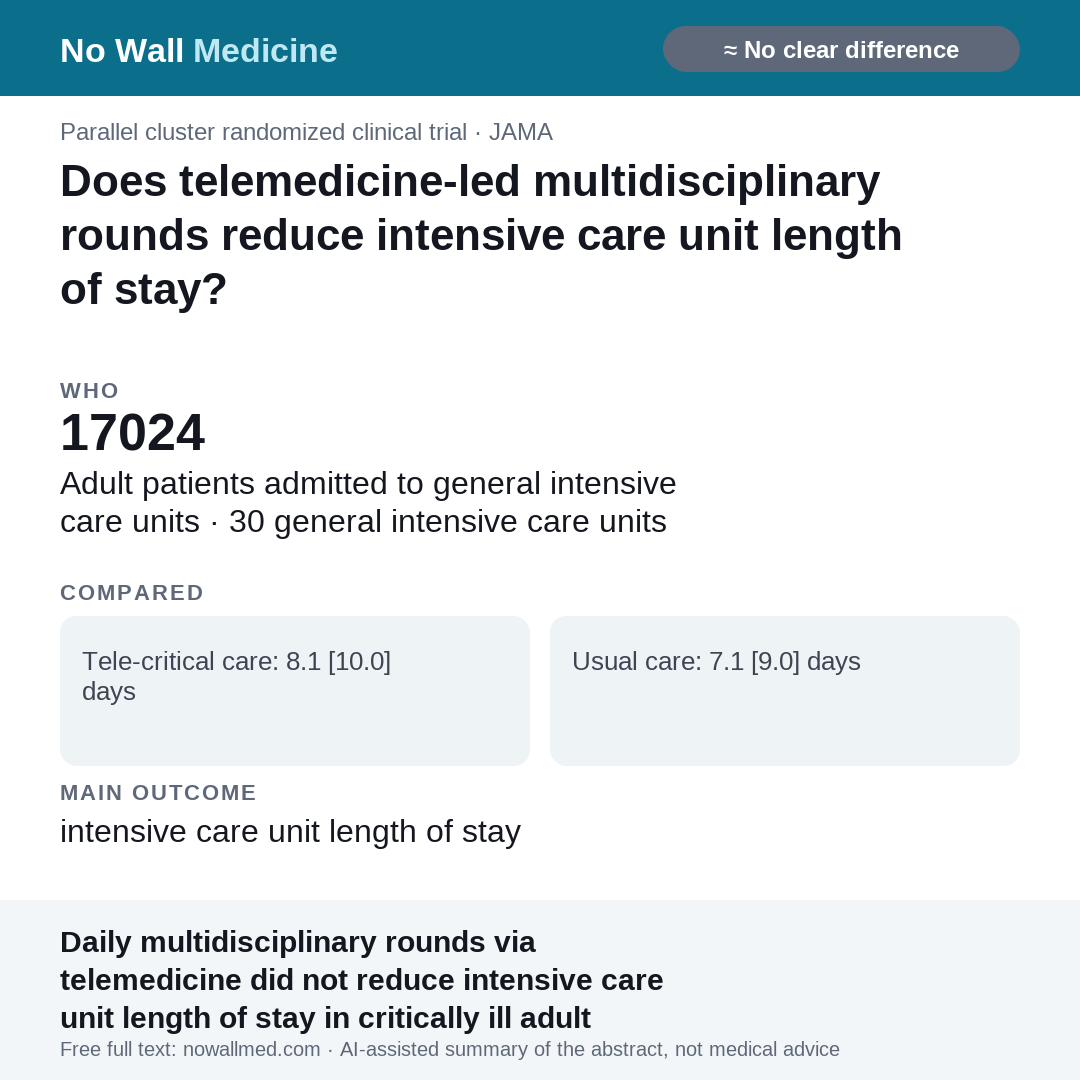
Effect of Tele-ICU on Clinical Outcomes of Critically Ill Patients: The TELESCOPE Randomized Clinical Trial
Parallel cluster randomized clinical trialNo clear difference
Does telemedicine-led multidisciplinary rounds reduce intensive care unit length of stay?
Who
17024
Adult patients admitted to general intensive care units · 30 general intensive care units in Brazil
Compared
Tele-critical care: 8.1 [10.0] days
Usual care: 7.1 [9.0] days
Main outcome
intensive care unit length of stay
Result: percentage change, 8.2% (95% CI, -5.4% to 23.8%)
Bottom line: Daily multidisciplinary rounds via telemedicine did not reduce intensive care unit length of stay in critically ill adult patients.
JAMA · 2024-10-09Download image
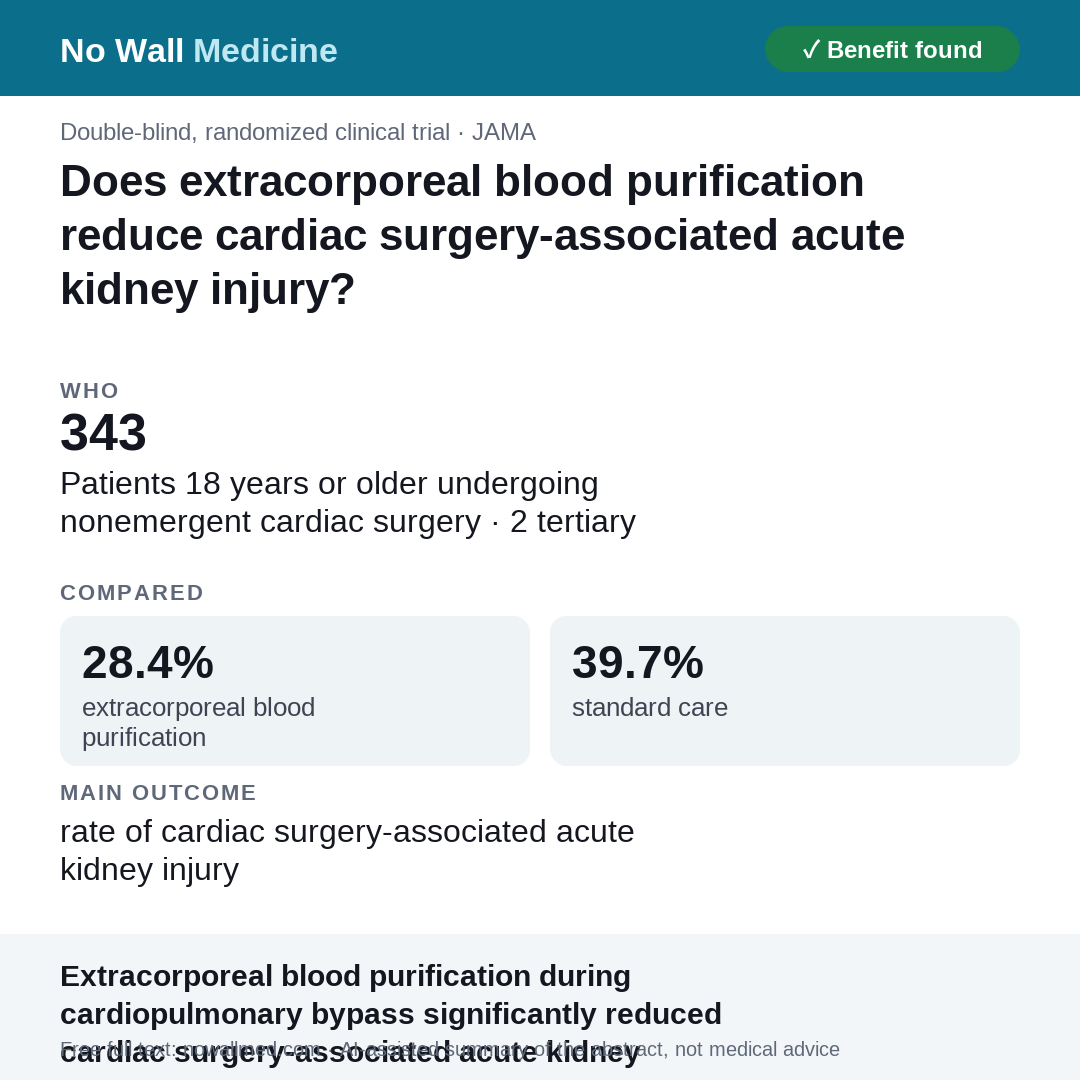
Extracorporeal Blood Purification and Acute Kidney Injury in Cardiac Surgery: The SIRAKI02 Randomized Clinical Trial
Double-blind, randomized clinical trialBenefit found
Does extracorporeal blood purification reduce cardiac surgery-associated acute kidney injury?
Who
343
Patients 18 years or older undergoing nonemergent cardiac surgery · 2 tertiary hospitals in Spain
Compared
28.4%extracorporeal blood purification (95% CI, 21.7%-35.8%)
39.7%standard care (95% CI, 32.3%-47.3%)
Main outcome
rate of cardiac surgery-associated acute kidney injury
Result: adjusted difference of 10.4% (95% CI, 2.3%-18.5%)
Bottom line: Extracorporeal blood purification during cardiopulmonary bypass significantly reduced cardiac surgery-associated acute kidney injury within 7 days.
JAMA · 2024-10-09Download image
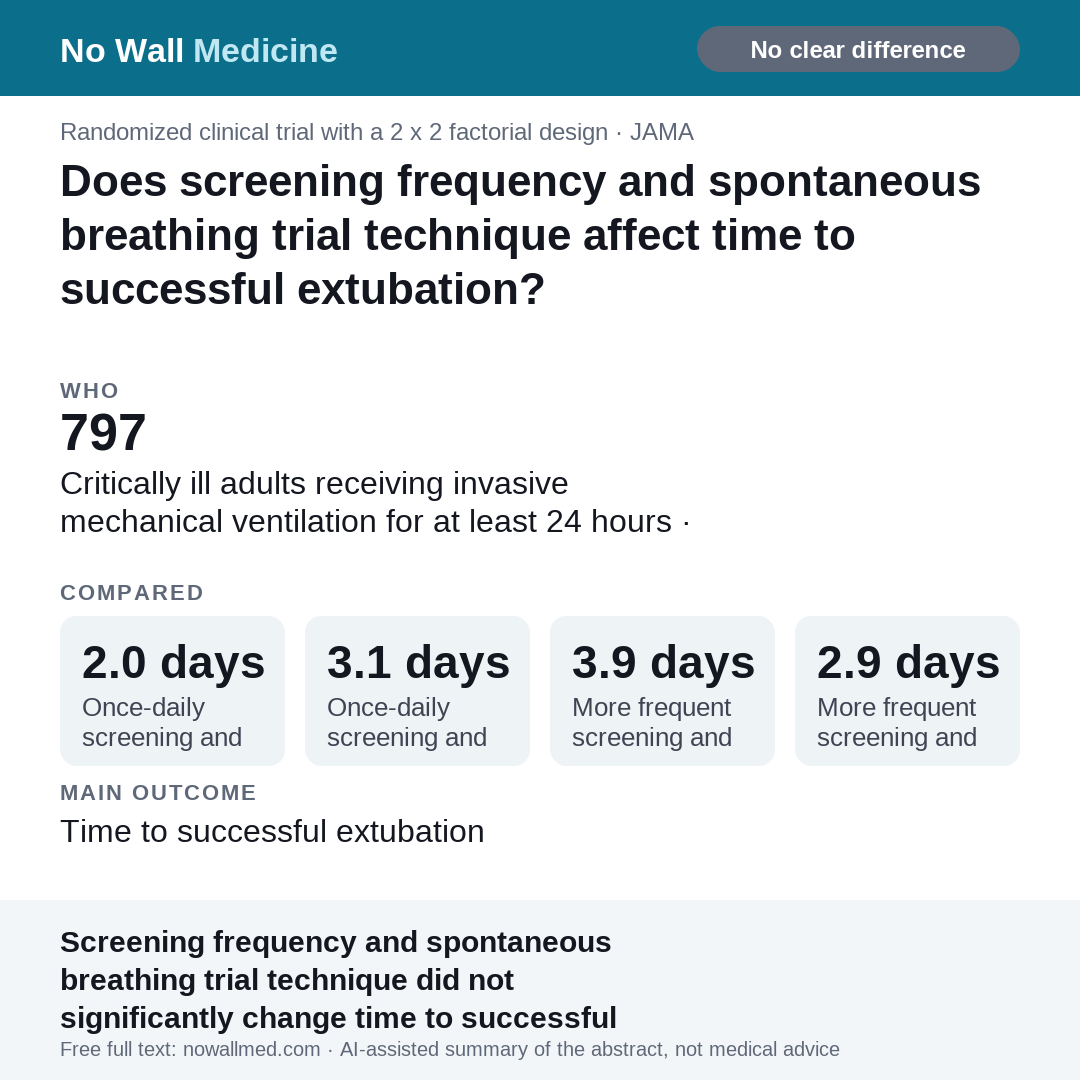
Frequency of Screening and Spontaneous Breathing Trial Techniques: A Randomized Clinical Trial
Randomized clinical trial with a 2 x 2 factorial designNo clear difference
Does screening frequency and spontaneous breathing trial technique affect time to successful extubation?
Who
797
Critically ill adults receiving invasive mechanical ventilation for at least 24 hours · 23 intensive care units in North America
Compared
2.0 daysOnce-daily screening and pressure-supported SBT (95% CI, 1.7-2.7)
3.1 daysOnce-daily screening and T-piece SBT (95% CI, 2.7-4.8)
3.9 daysMore frequent screening and pressure-supported SBT (95% CI, 2.9-4.7)
2.9 daysMore frequent screening and T-piece SBT (95% CI, 2.0-3.1)
Main outcome
Time to successful extubation
Result: hazard ratio 0.88 (95% CI, 0.76-1.03) for screening; hazard ratio 1.06 (95% CI, 0.91-1.23) for technique
Bottom line: Screening frequency and spontaneous breathing trial technique did not significantly change time to successful extubation.
JAMA · 2024-10-09Download image
Strategies and tactics to reduce the impact of healthcare on climate change: systematic review
Systematic reviewMixed results
How can healthcare systems mitigate their greenhouse gas emissions?
Who
205
Healthcare services and institutions
Compared
51.5%Macro level
Micro and meso levels
Main outcome
Strategies and tactics to reduce greenhouse gas emissions
Bottom line: Healthcare systems can reduce emissions through clinical changes, policy, waste management, and decarbonising supply chains.
BMJ · 2024-10-08Download image

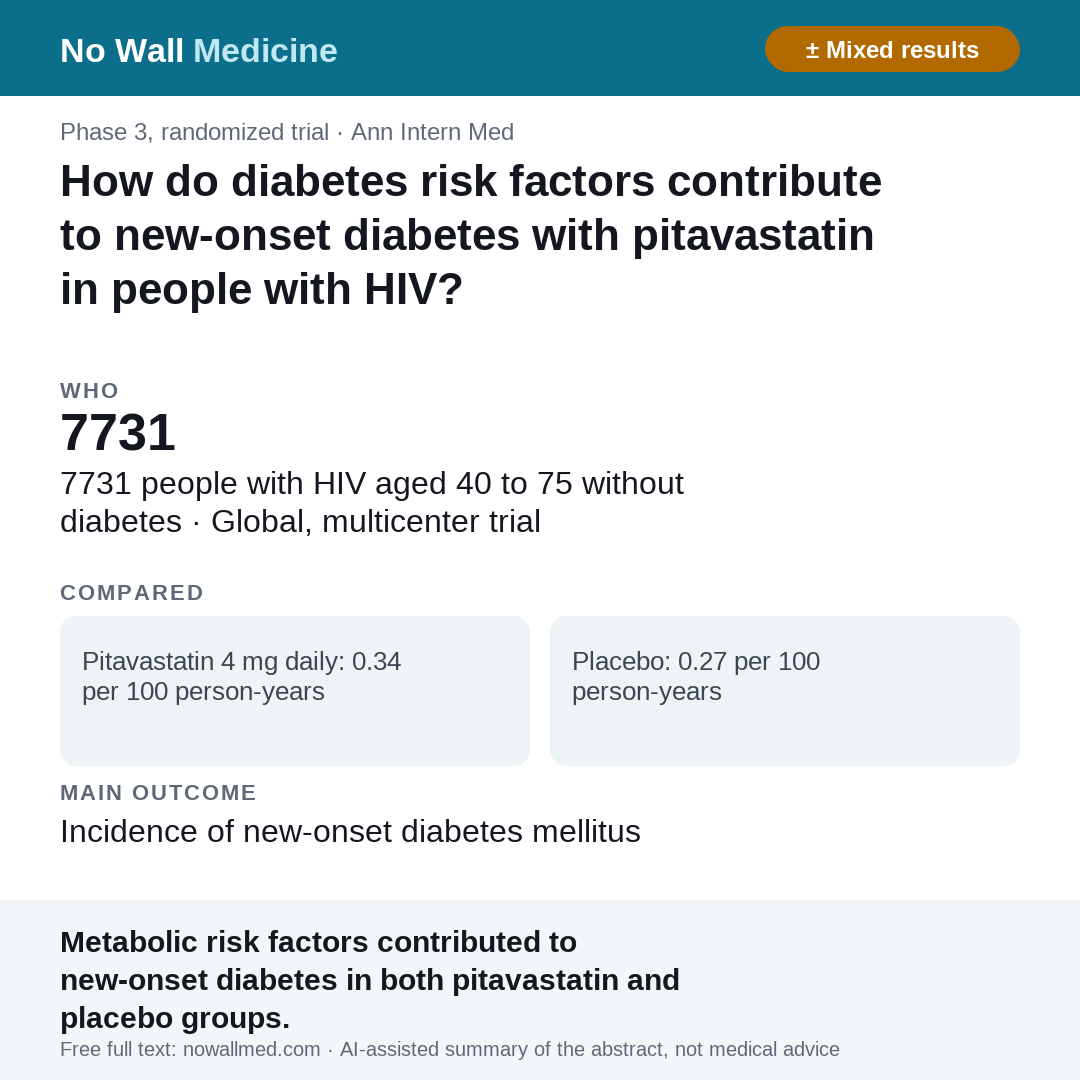
Sustained effect of prasinezumab on Parkinson's disease motor progression in the open-label extension of the PASADENA trial
Open-label extension randomized trialBenefit found
Is the effect of prasinezumab on motor progression sustained for 4 years?
Who
Early-stage Parkinson's disease patients
Compared
Prasinezumab delayed-start: OFF state MDS-UPDRS Part III -51%
Prasinezumab early-start: OFF state MDS-UPDRS Part III -65%
External comparator
Main outcome
Motor progression assessed by MDS-UPDRS Part II and Part III scores
Bottom line: Prasinezumab may sustain the slowing of motor progression in Parkinson's disease over four years.
Nat Med · 2024-10-08Download image
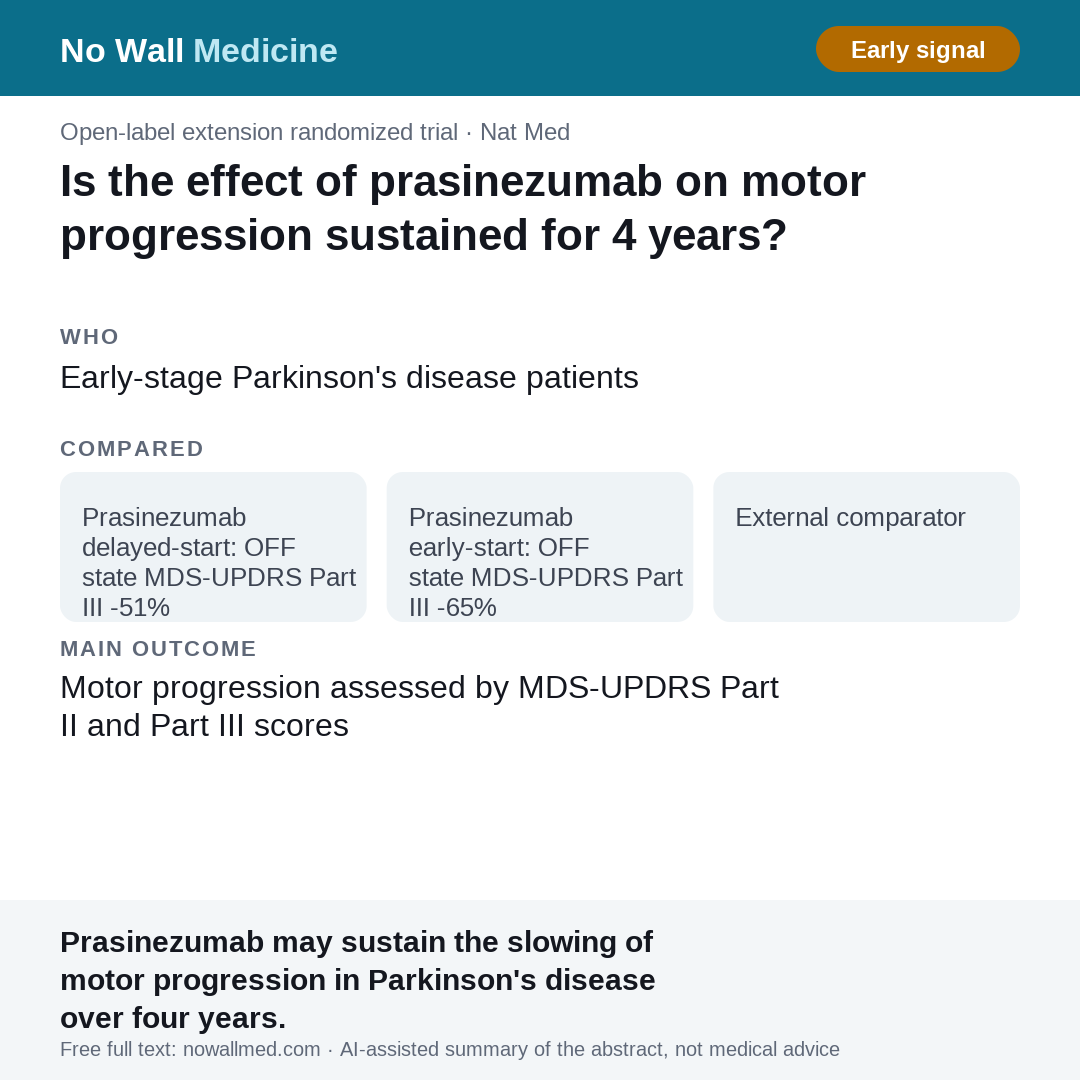
Diabetes Risk Factors in People With HIV Receiving Pitavastatin Versus Placebo for Cardiovascular Disease Prevention : A Randomized Trial
Phase 3, randomized trialMixed results
How do diabetes risk factors contribute to new-onset diabetes with pitavastatin in people with HIV?
Who
7731
7731 people with HIV aged 40 to 75 without diabetes · Global, multicenter trial
Compared
Pitavastatin 4 mg daily: 0.34 per 100 person-years
Placebo: 0.27 per 100 person-years
Main outcome
Incidence of new-onset diabetes mellitus
Bottom line: Metabolic risk factors contributed to new-onset diabetes in both pitavastatin and placebo groups.
Limitation: Pitavastatin was the only statin assessed; diabetes was assessed clinically.
Funded by: National Heart, Lung, and Blood Institute
Ann Intern Med · 2024-10-08Download image
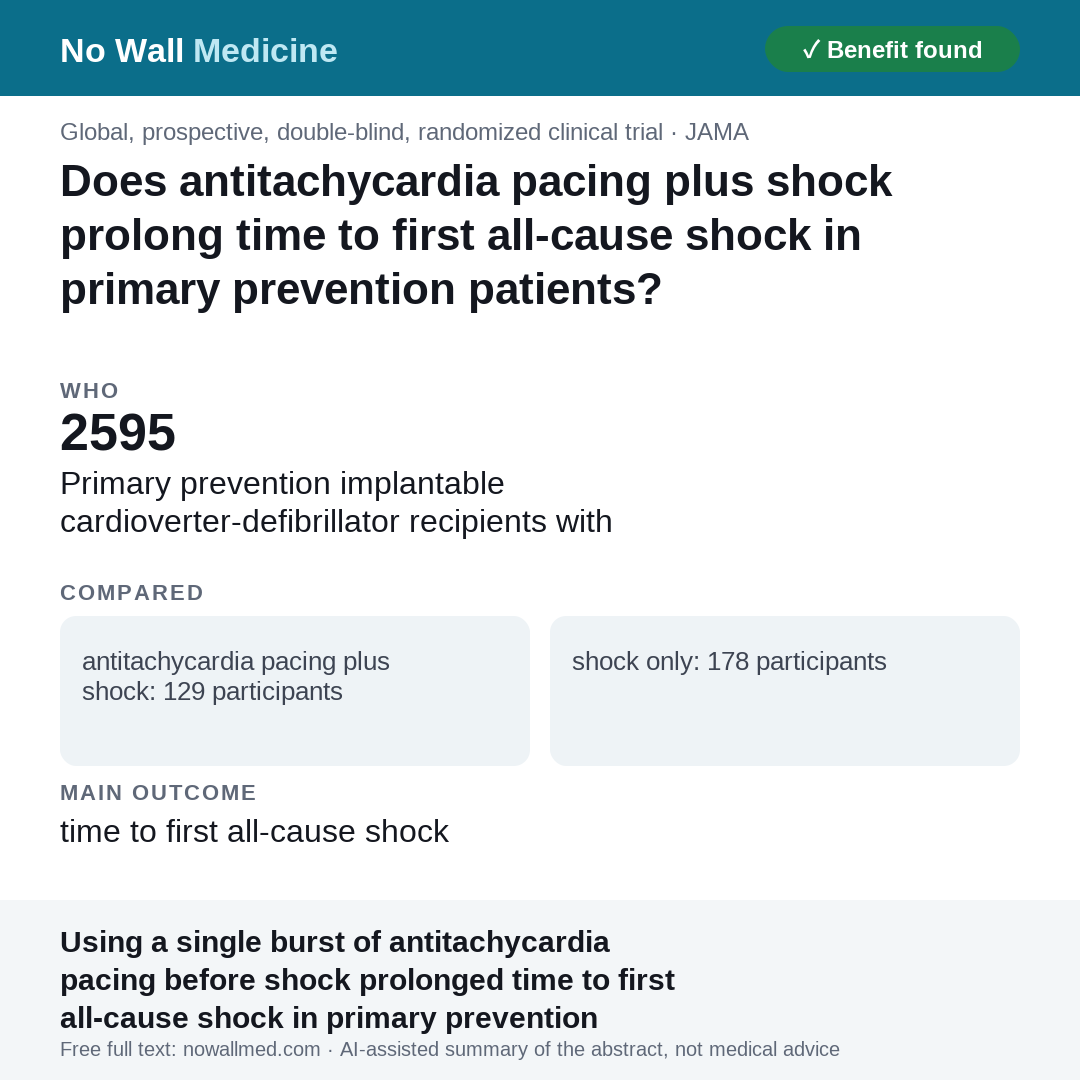
Assessment of Antitachycardia Pacing in Primary Prevention Patients: The APPRAISE ATP Randomized Clinical Trial
Global, prospective, double-blind, randomized clinical trialBenefit found
Does antitachycardia pacing plus shock prolong time to first all-cause shock in primary prevention patients?
Who
2595
Primary prevention implantable cardioverter-defibrillator recipients with left ventricular ejection fraction ≤35% · 134 sites in 8 countries
Compared
antitachycardia pacing plus shock: 129 participants
shock only: 178 participants
Main outcome
time to first all-cause shock
Result: hazard ratio 0.72 (95.9% CI, 0.57-0.92)
Bottom line: Using a single burst of antitachycardia pacing before shock prolonged time to first all-cause shock in primary prevention patients.
JAMA · 2024-10-03Download image
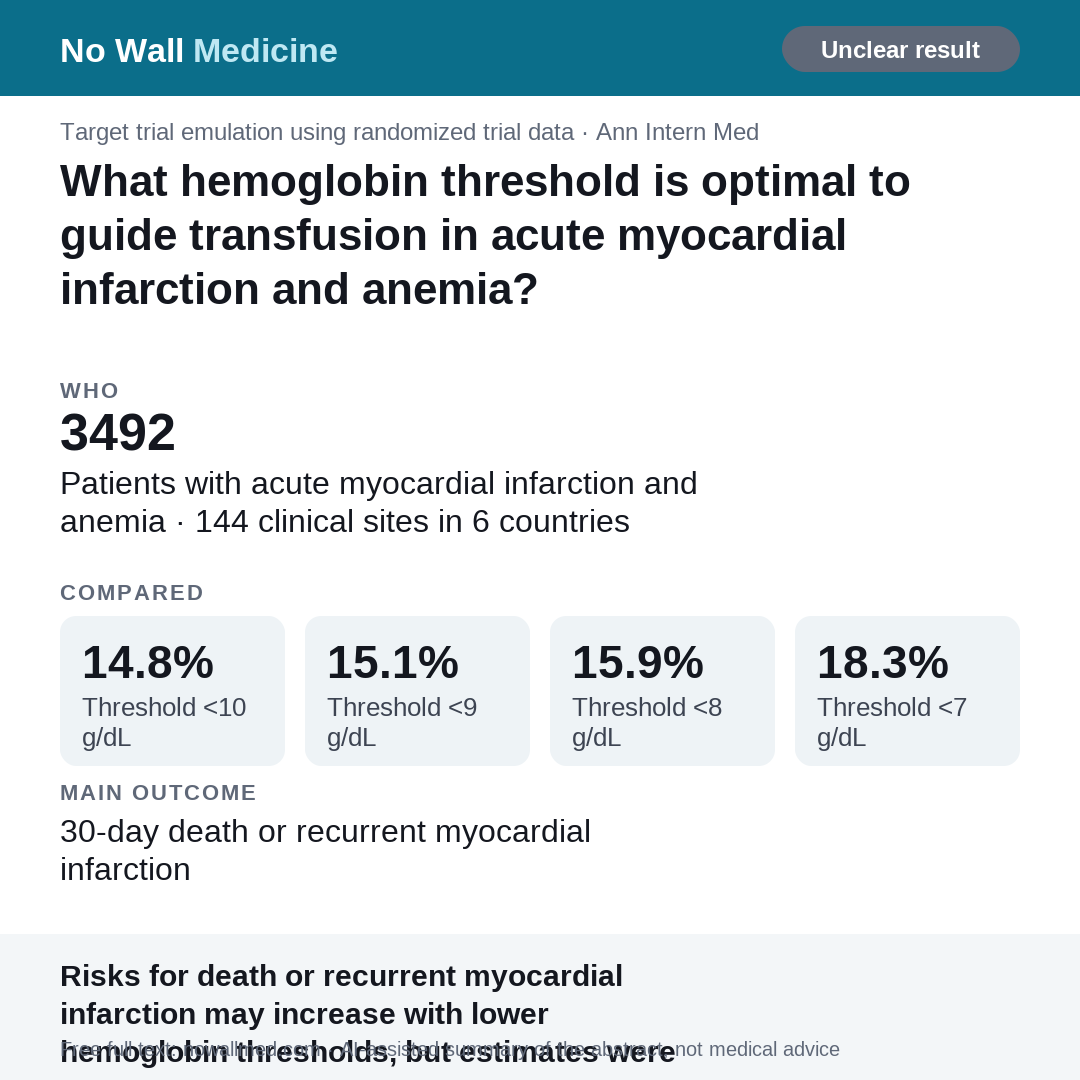
Effect of Four Hemoglobin Transfusion Threshold Strategies in Patients With Acute Myocardial Infarction and Anemia : A Target Trial Emulation Using MINT Trial Data
Target trial emulation using randomized trial dataUnclear result
What hemoglobin threshold is optimal to guide transfusion in acute myocardial infarction and anemia?
Who
3492
Patients with acute myocardial infarction and anemia · 144 clinical sites in 6 countries
Compared
14.8%Threshold <10 g/dL (95% CI, 11.8% to 18.4%)
15.1%Threshold <9 g/dL (CI, 11.7% to 18.2%)
15.9%Threshold <8 g/dL (CI, 12.4% to 19.0%)
18.3%Threshold <7 g/dL (CI, 14.6% to 22.0%)
Main outcome
30-day death or recurrent myocardial infarction
Bottom line: Risks for death or recurrent myocardial infarction may increase with lower hemoglobin thresholds, but estimates were imprecise.
Limitation: Unmeasured confounding may have persisted despite adjustment.
Funded by: National Heart, Lung, and Blood Institute
Ann Intern Med · 2024-10-01Download image
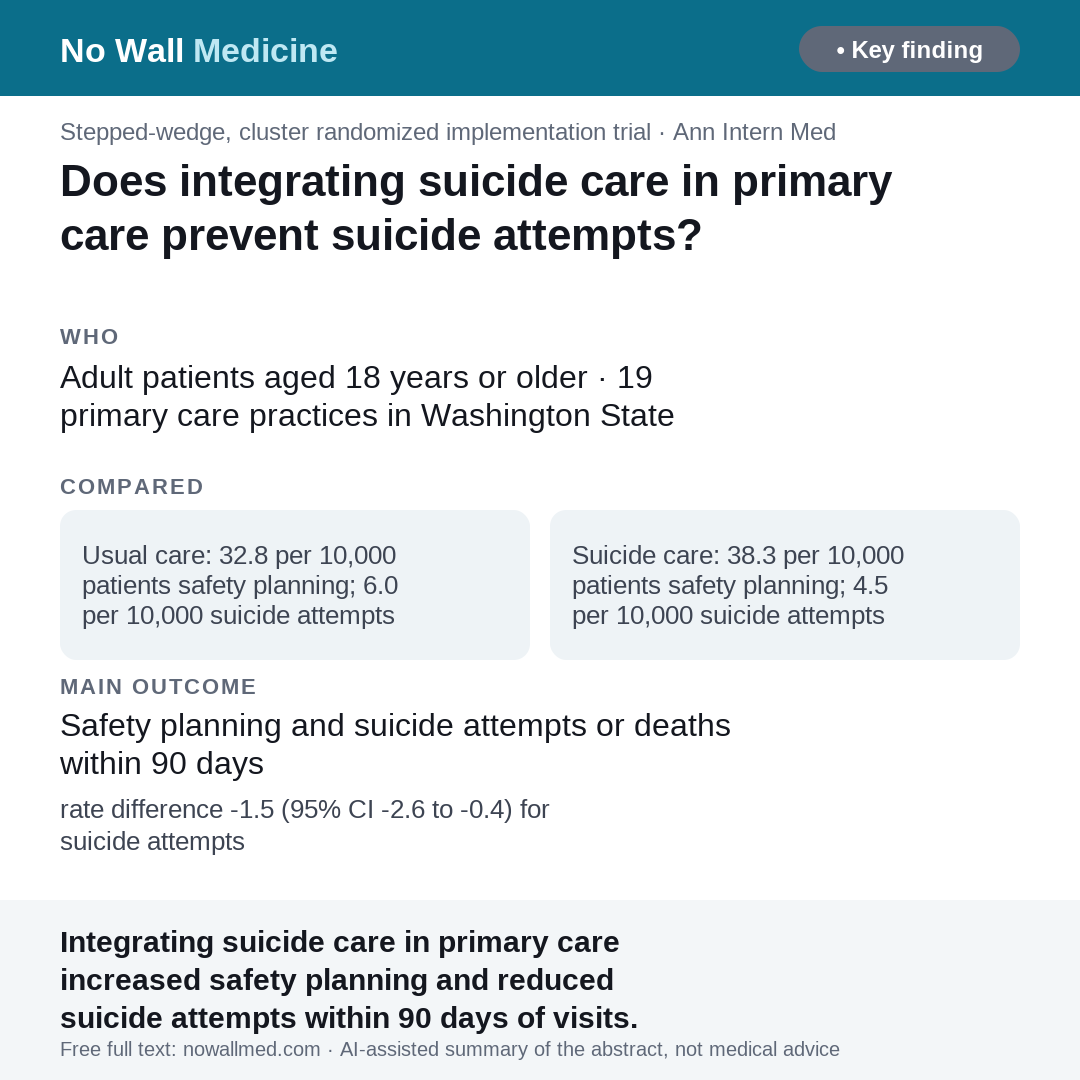
Effectiveness of Integrating Suicide Care in Primary Care : Secondary Analysis of a Stepped-Wedge, Cluster Randomized Implementation Trial
Stepped-wedge, cluster randomized implementation trialBenefit found
Does integrating suicide care in primary care prevent suicide attempts?
Who
Adult patients aged 18 years or older · 19 primary care practices in Washington State
Compared
Usual care: 32.8 per 10,000 patients safety planning; 6.0 per 10,000 suicide attempts
Suicide care: 38.3 per 10,000 patients safety planning; 4.5 per 10,000 suicide attempts
Main outcome
Safety planning and suicide attempts or deaths within 90 days
Result: rate difference -1.5 (95% CI -2.6 to -0.4) for suicide attempts
Bottom line: Integrating suicide care in primary care increased safety planning and reduced suicide attempts within 90 days of visits.
Limitation: Suicide care was implemented in combination with care for depression and substance use.
Funded by: National Institute of Mental Health
Ann Intern Med · 2024-10-01Download image
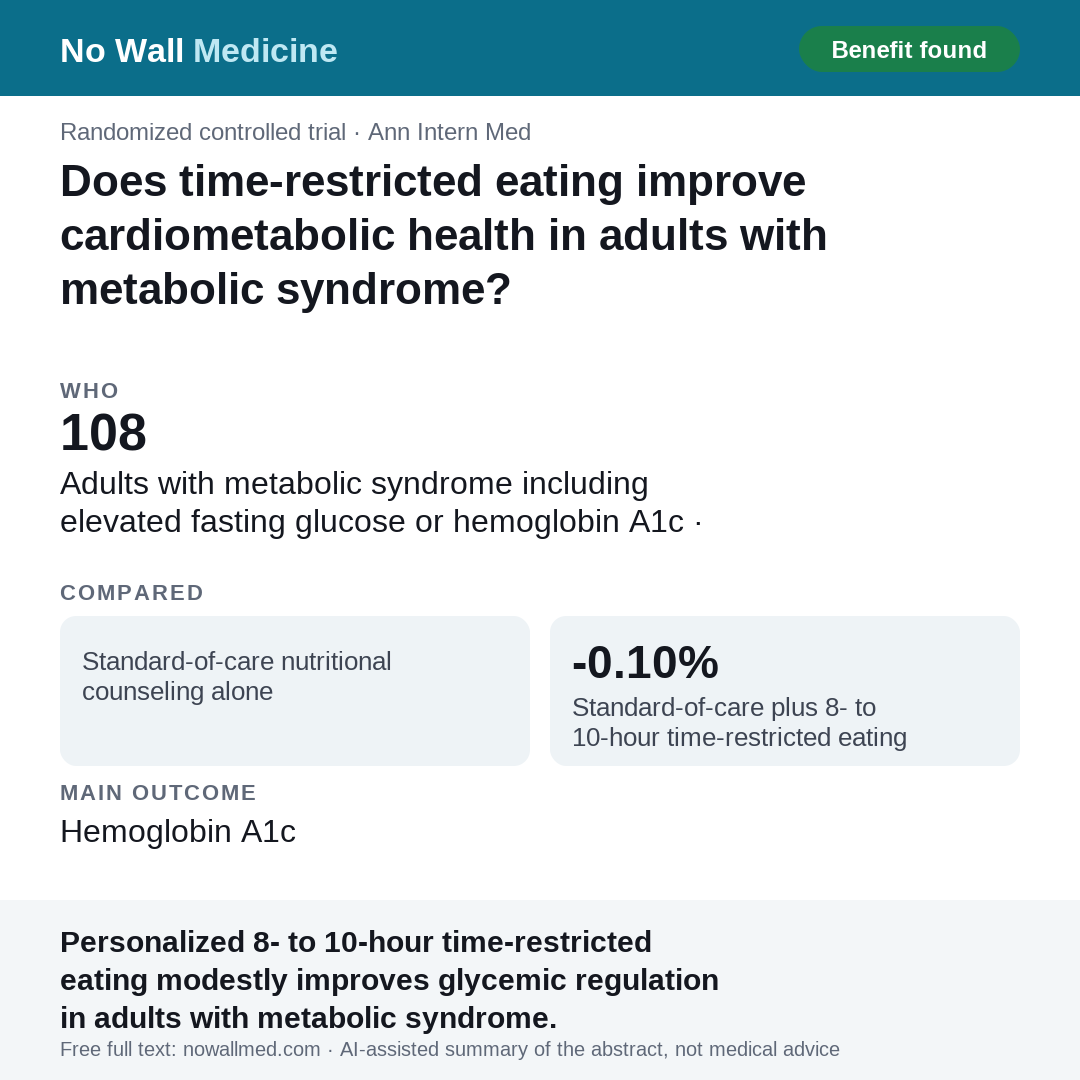
Time-Restricted Eating in Adults With Metabolic Syndrome : A Randomized Controlled Trial
Randomized controlled trialBenefit found
Does time-restricted eating improve cardiometabolic health in adults with metabolic syndrome?
Who
108
Adults with metabolic syndrome including elevated fasting glucose or hemoglobin A1c · Clinical research institute
Compared
Standard-of-care nutritional counseling alone
-0.10%Standard-of-care plus 8- to 10-hour time-restricted eating (95% CI, -0.19% to -0.003%)
Main outcome
Hemoglobin A1c
Result: -0.10% (95% CI, -0.19% to -0.003%)
Bottom line: Personalized 8- to 10-hour time-restricted eating modestly improves glycemic regulation in adults with metabolic syndrome.
Limitation: Short duration, self-reported diet, and potential for multiple elements affecting outcomes.
Funded by: National Institutes of Health
Ann Intern Med · 2024-10-01Download image
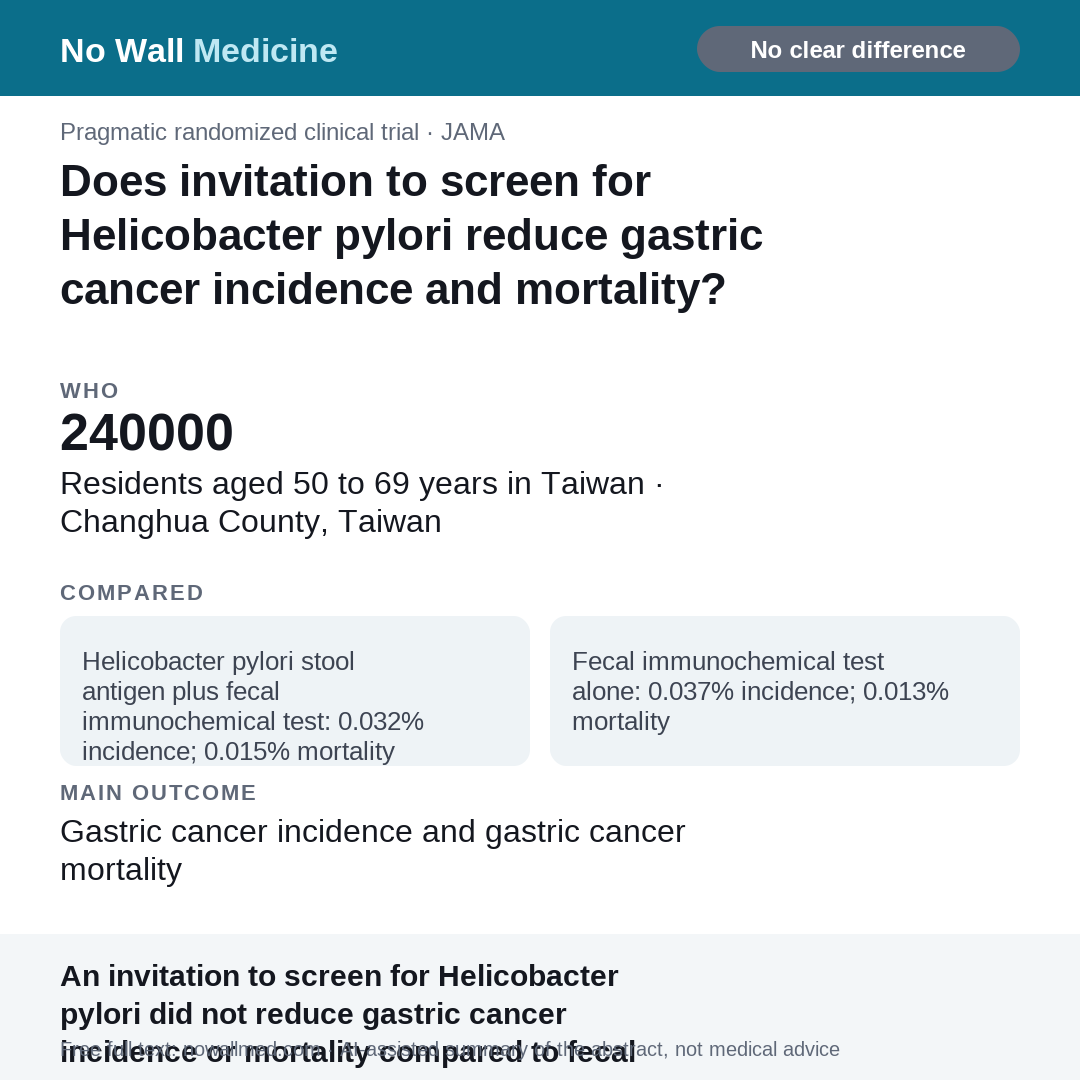
Screening for Helicobacter pylori to Prevent Gastric Cancer: A Pragmatic Randomized Clinical Trial
Pragmatic randomized clinical trialNo clear difference
Does invitation to screen for Helicobacter pylori reduce gastric cancer incidence and mortality?
Who
240000
Residents aged 50 to 69 years in Taiwan · Changhua County, Taiwan
Compared
Helicobacter pylori stool antigen plus fecal immunochemical test: 0.032% incidence; 0.015% mortality
Fecal immunochemical test alone: 0.037% incidence; 0.013% mortality
Main outcome
Gastric cancer incidence and gastric cancer mortality
Result: mean difference -0.005% (95% CI, -0.013% to 0.003%)
Bottom line: An invitation to screen for Helicobacter pylori did not reduce gastric cancer incidence or mortality compared to fecal immunochemical test alone.
Limitation: Post hoc analyses were required to account for differences in screening participation and follow-up length.
JAMA · 2024-09-30Download image
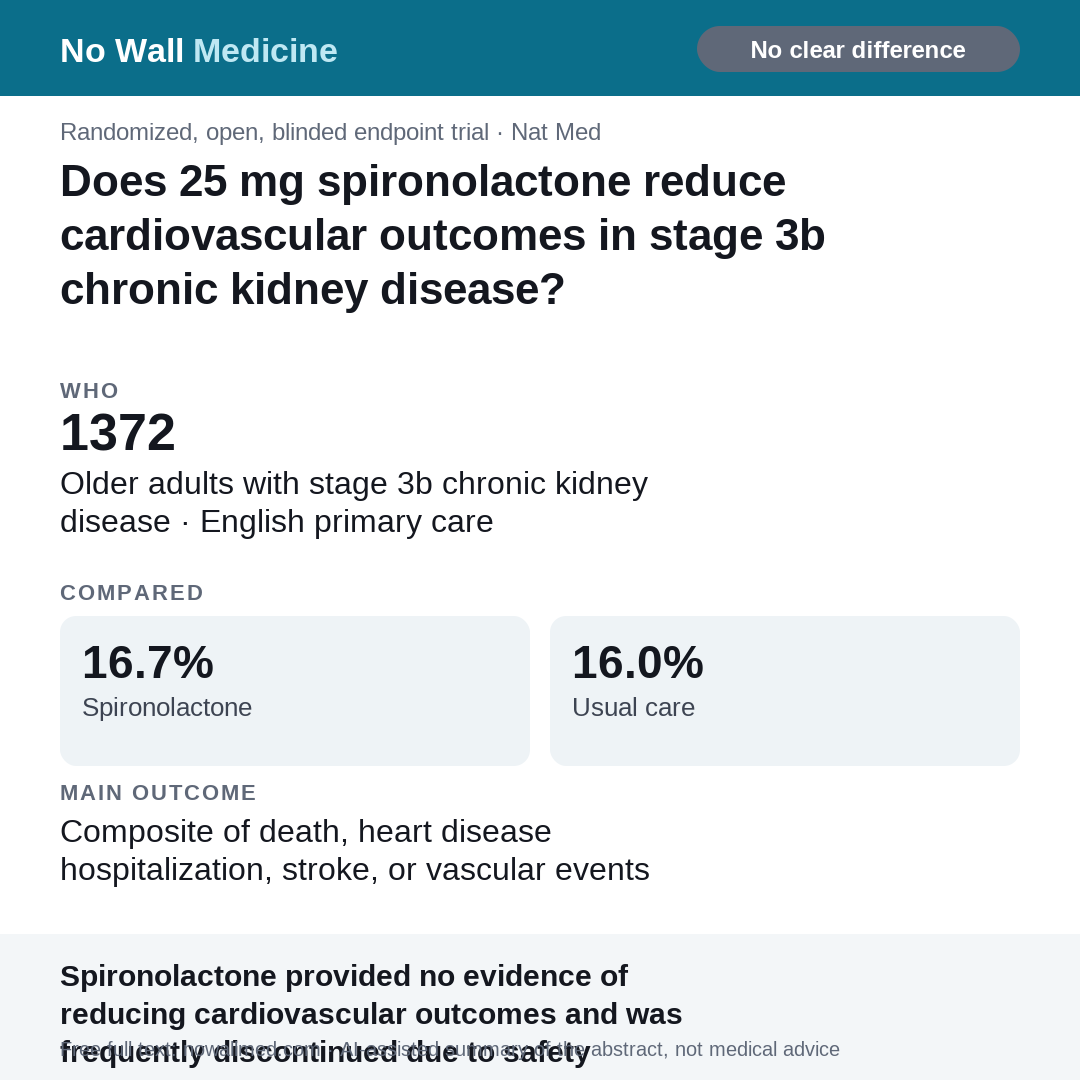
Low-dose spironolactone and cardiovascular outcomes in moderate stage chronic kidney disease: a randomized controlled trial
Randomized, open, blinded endpoint trialNo clear difference
Does 25 mg spironolactone reduce cardiovascular outcomes in stage 3b chronic kidney disease?
Who
1372
Older adults with stage 3b chronic kidney disease · English primary care
Compared
16.7%Spironolactone
16.0%Usual care
Main outcome
Composite of death, heart disease hospitalization, stroke, or vascular events
Result: hazard ratio 1.05 (95% confidence interval: 0.81-1.37)
Bottom line: Spironolactone provided no evidence of reducing cardiovascular outcomes and was frequently discontinued due to safety concerns.
Nat Med · 2024-09-30Download image
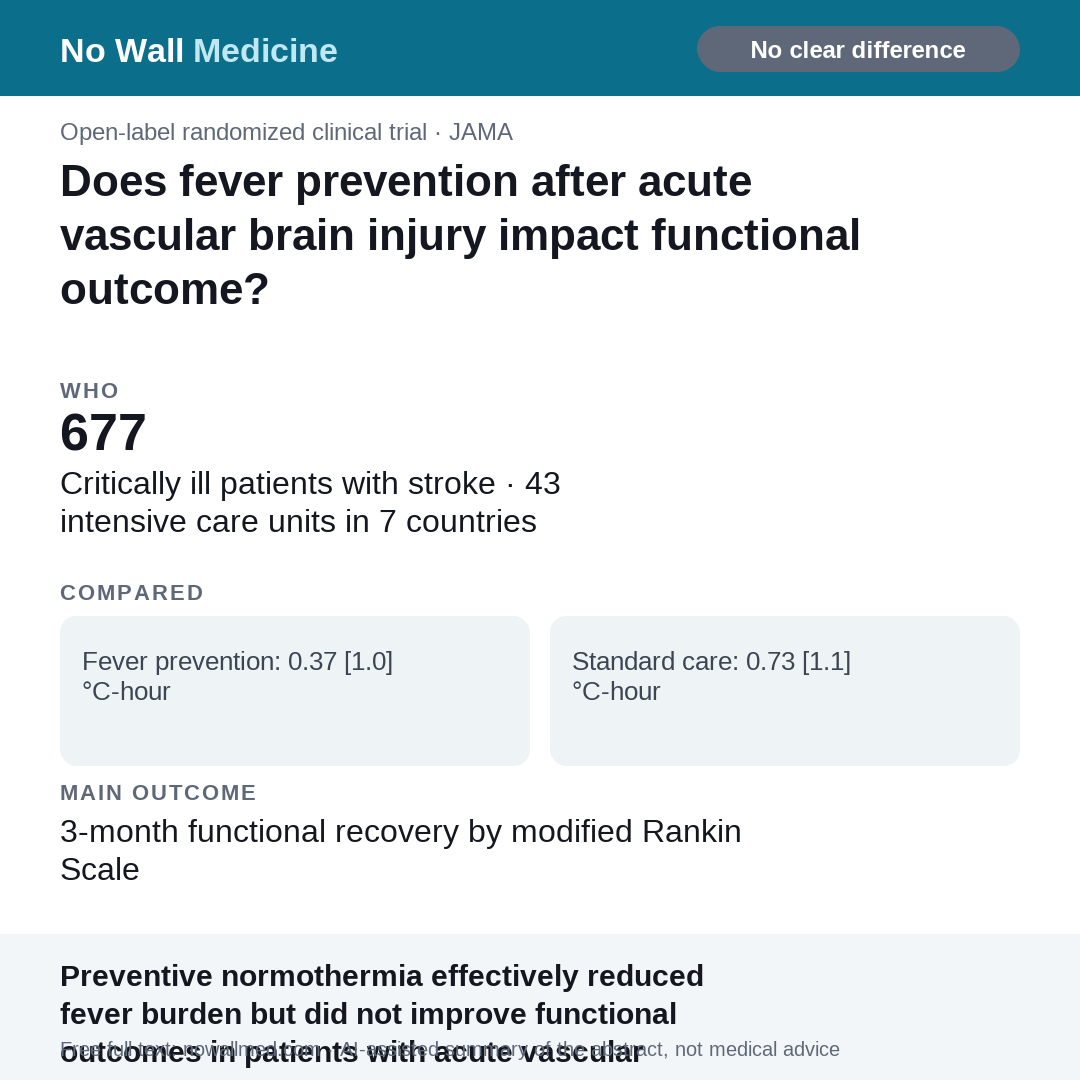
Fever Prevention in Patients With Acute Vascular Brain Injury: The INTREPID Randomized Clinical Trial
Open-label randomized clinical trialNo clear difference
Does fever prevention after acute vascular brain injury impact functional outcome?
Who
677
Critically ill patients with stroke · 43 intensive care units in 7 countries
Compared
Fever prevention: 0.37 [1.0] °C-hour
Standard care: 0.73 [1.1] °C-hour
Main outcome
3-month functional recovery by modified Rankin Scale
Result: odds ratio 1.09 (95% CI 0.81 to 1.46)
Bottom line: Preventive normothermia effectively reduced fever burden but did not improve functional outcomes in patients with acute vascular brain injury.
JAMA · 2024-09-25Download image
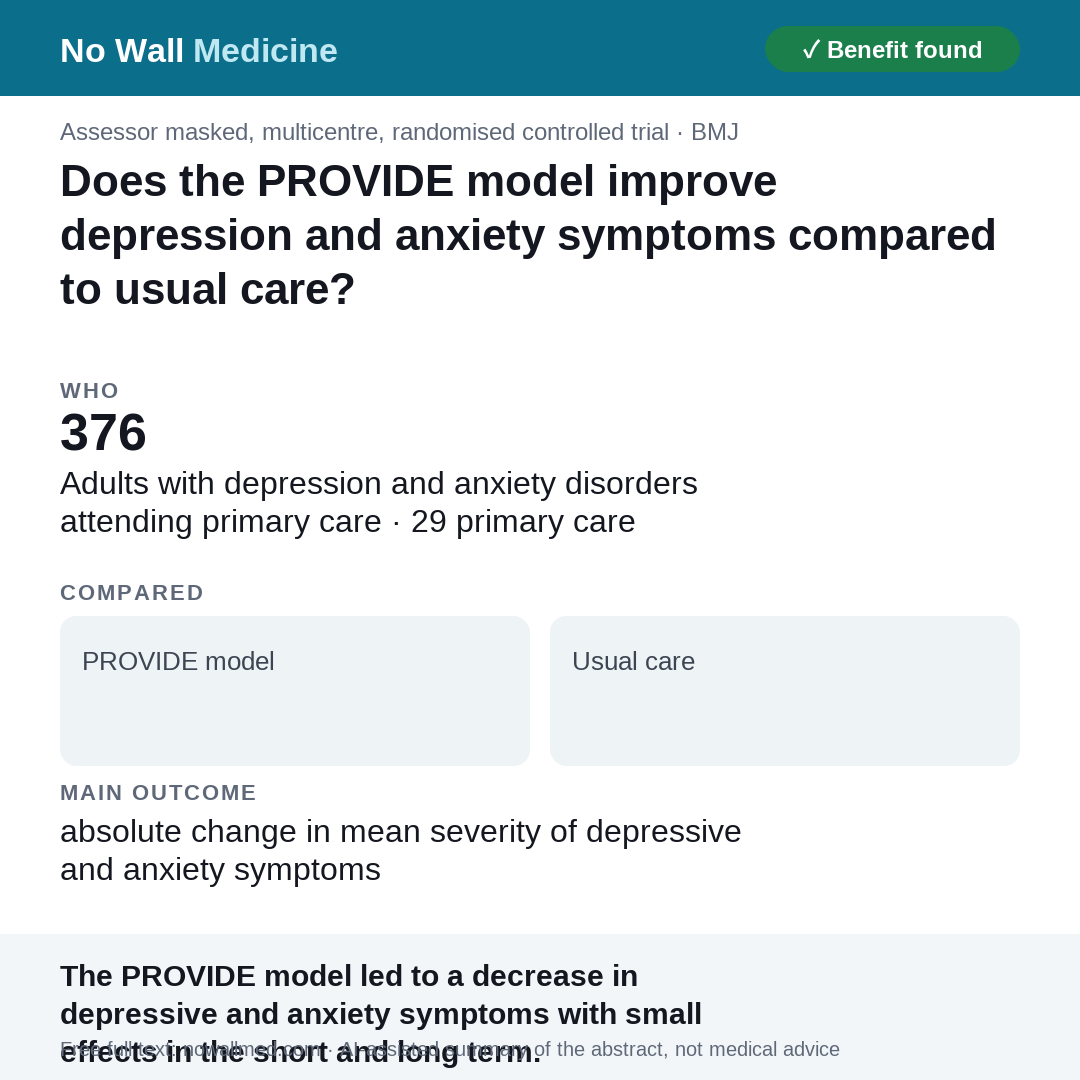
Model of integrated mental health video consultations for people with depression or anxiety in primary care (PROVIDE-C): assessor masked, multicentre, randomised controlled trial
Assessor masked, multicentre, randomised controlled trialBenefit found
Does the PROVIDE model improve depression and anxiety symptoms compared to usual care?
Who
376
Adults with depression and anxiety disorders attending primary care · 29 primary care practices in Germany
Compared
PROVIDE model
Usual care
Main outcome
absolute change in mean severity of depressive and anxiety symptoms
Result: adjusted mean change difference in the PHQ-ADS score -2.4 points (95% confidence interval -4.5 to -0.4)
Bottom line: The PROVIDE model led to a decrease in depressive and anxiety symptoms with small effects in the short and long term.
BMJ · 2024-09-25Download image
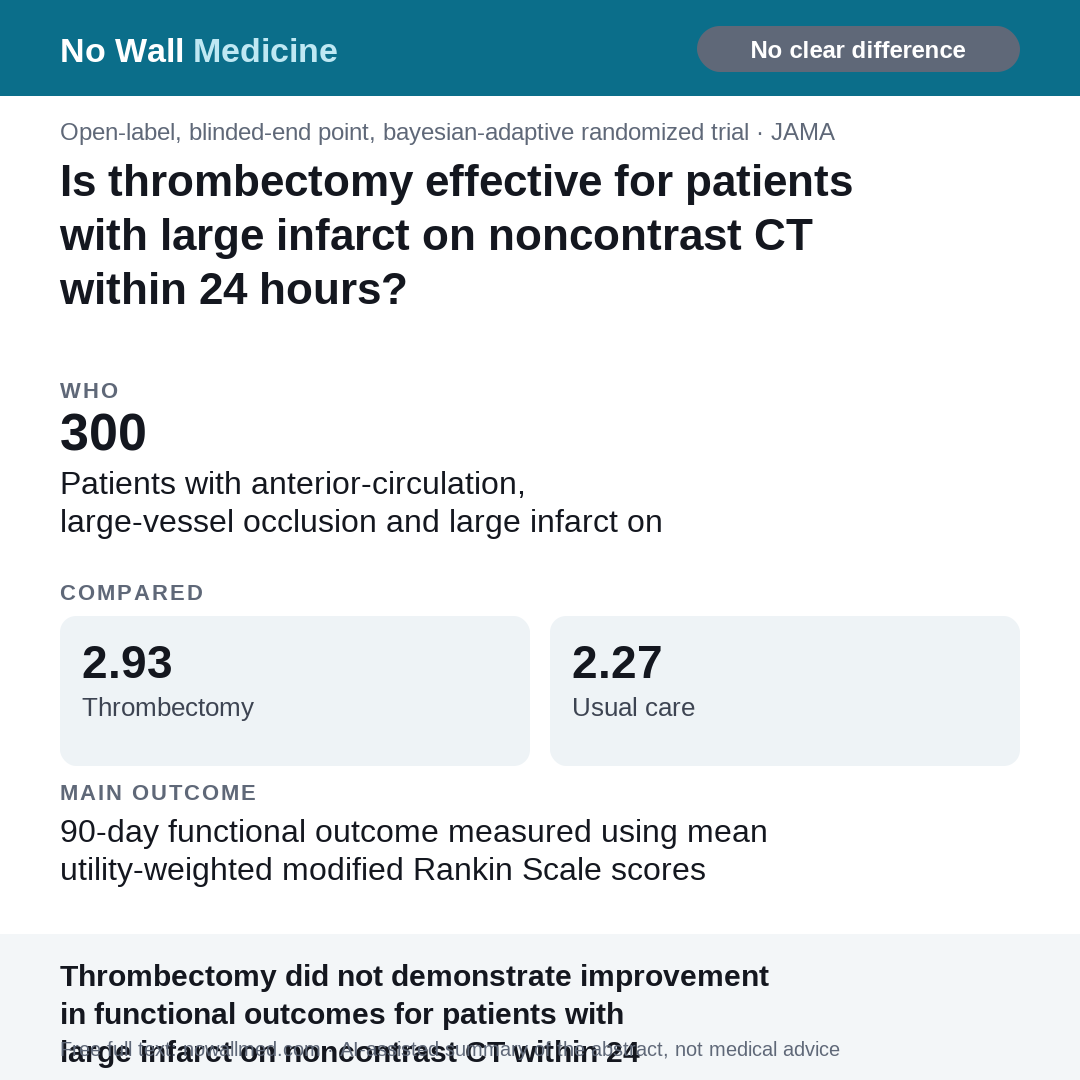
Thrombectomy for Stroke With Large Infarct on Noncontrast CT: The TESLA Randomized Clinical Trial
Open-label, blinded-end point, bayesian-adaptive randomized trialNo clear difference
Is thrombectomy effective for patients with large infarct on noncontrast CT within 24 hours?
Who
300
Patients with anterior-circulation, large-vessel occlusion and large infarct on noncontrast CT · 47 US academic and community-based stroke thrombectomy centers
Compared
2.93Thrombectomy (3.39)
2.27Usual care (2.98)
Main outcome
90-day functional outcome measured using mean utility-weighted modified Rankin Scale scores
Result: adjusted difference 0.63 (95% credible interval -0.09 to 1.34)
Bottom line: Thrombectomy did not demonstrate improvement in functional outcomes for patients with large infarct on noncontrast CT within 24 hours.
JAMA · 2024-09-23Download image
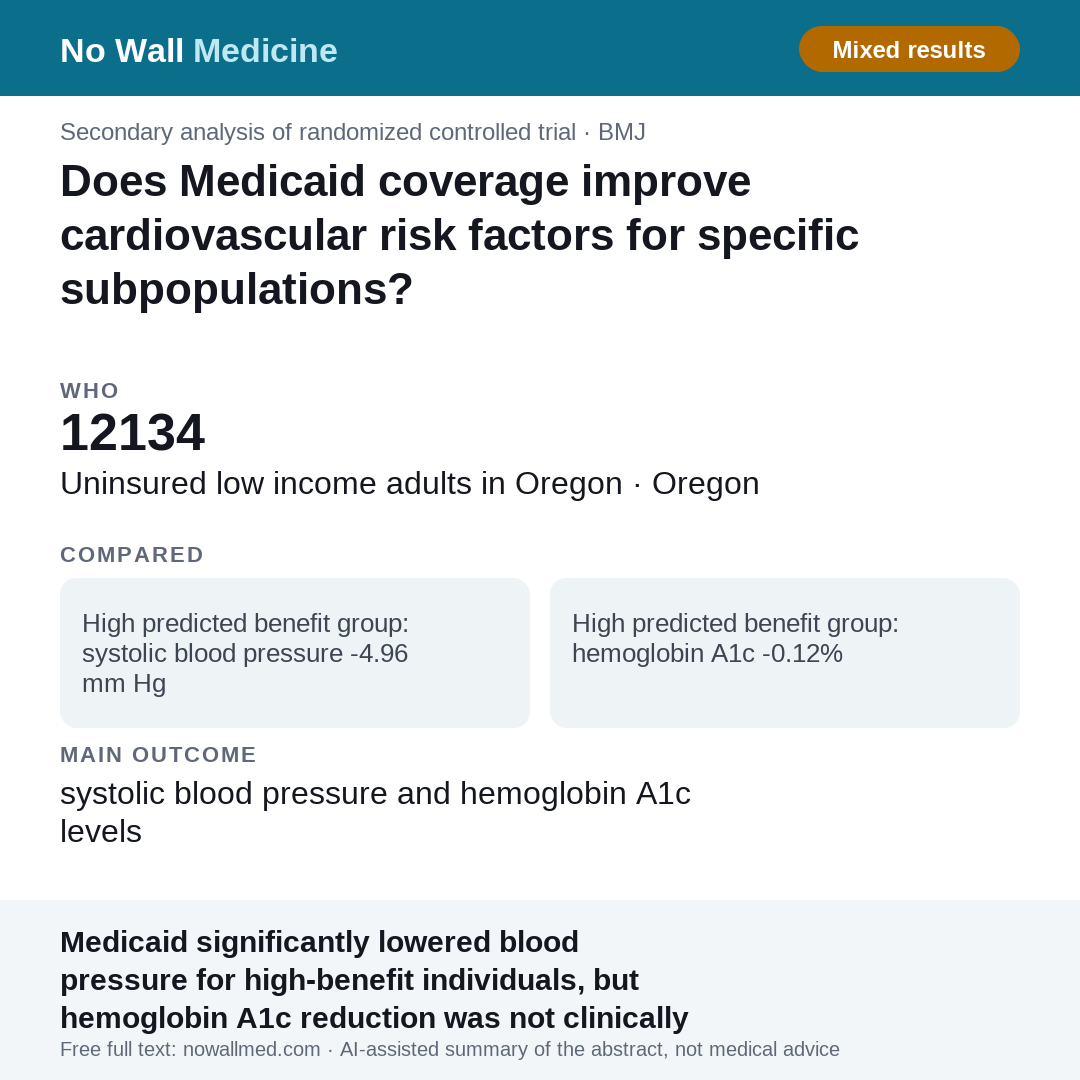
Heterogeneous effects of Medicaid coverage on cardiovascular risk factors: secondary analysis of randomized controlled trial
Secondary analysis of randomized controlled trialMixed results
Does Medicaid coverage improve cardiovascular risk factors for specific subpopulations?
Who
12134
Uninsured low income adults in Oregon · Oregon
Compared
High predicted benefit group: systolic blood pressure -4.96 mm Hg
High predicted benefit group: hemoglobin A1c -0.12%
Main outcome
systolic blood pressure and hemoglobin A1c levels
Result: -4.96 mm Hg (95% confidence interval -7.80 to -2.48)
Bottom line: Medicaid significantly lowered blood pressure for high-benefit individuals, but hemoglobin A1c reduction was not clinically meaningful.
BMJ · 2024-09-23Download image
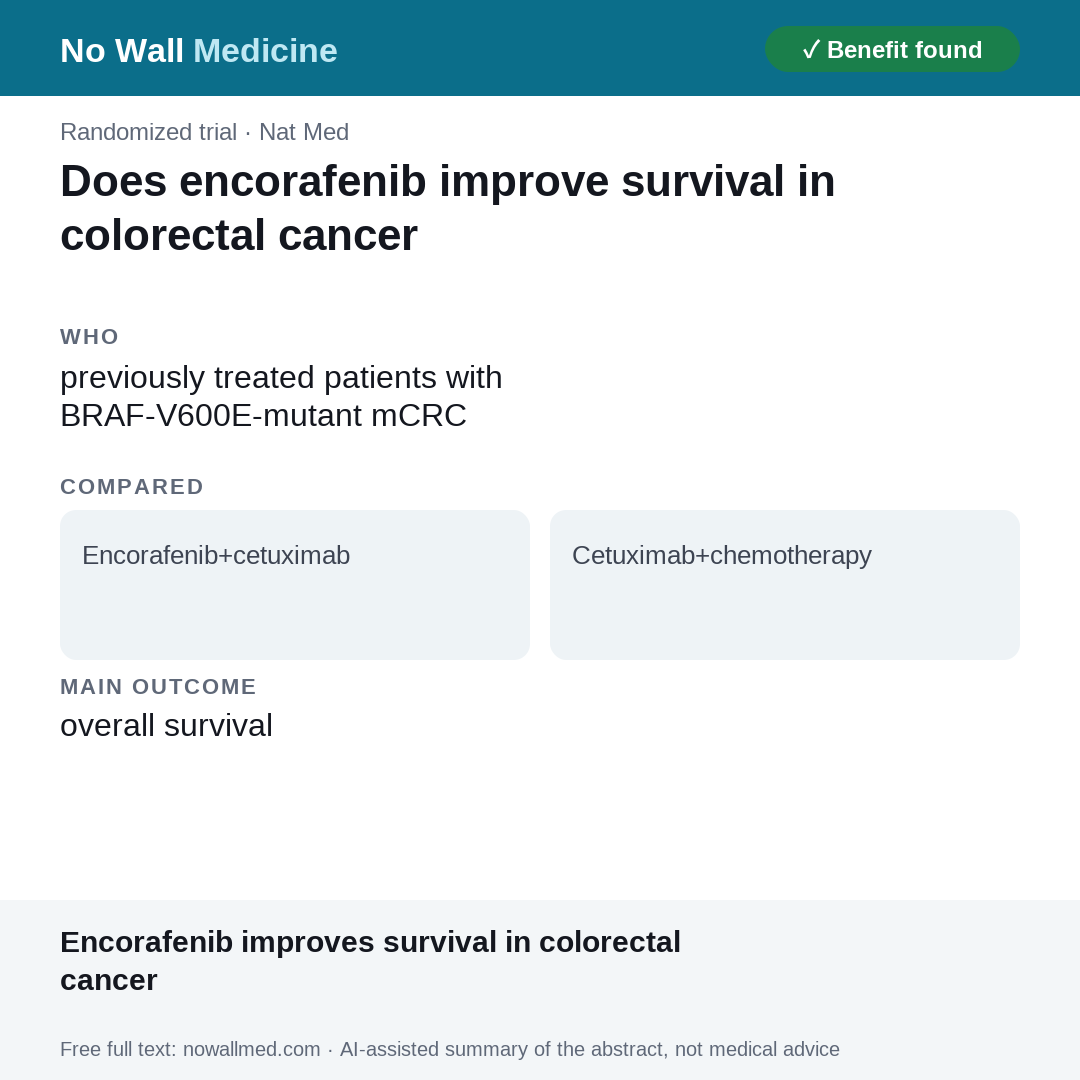
Molecular profiling of BRAF-V600E-mutant metastatic colorectal cancer in the phase 3 BEACON CRC trial
Randomized trialBenefit found
Does encorafenib improve survival in colorectal cancer
Who
previously treated patients with BRAF-V600E-mutant mCRC
Compared
Encorafenib+cetuximab
Cetuximab+chemotherapy
Main outcome
overall survival
Bottom line: Encorafenib improves survival in colorectal cancer
Nat Med · 2024-09-23Download image
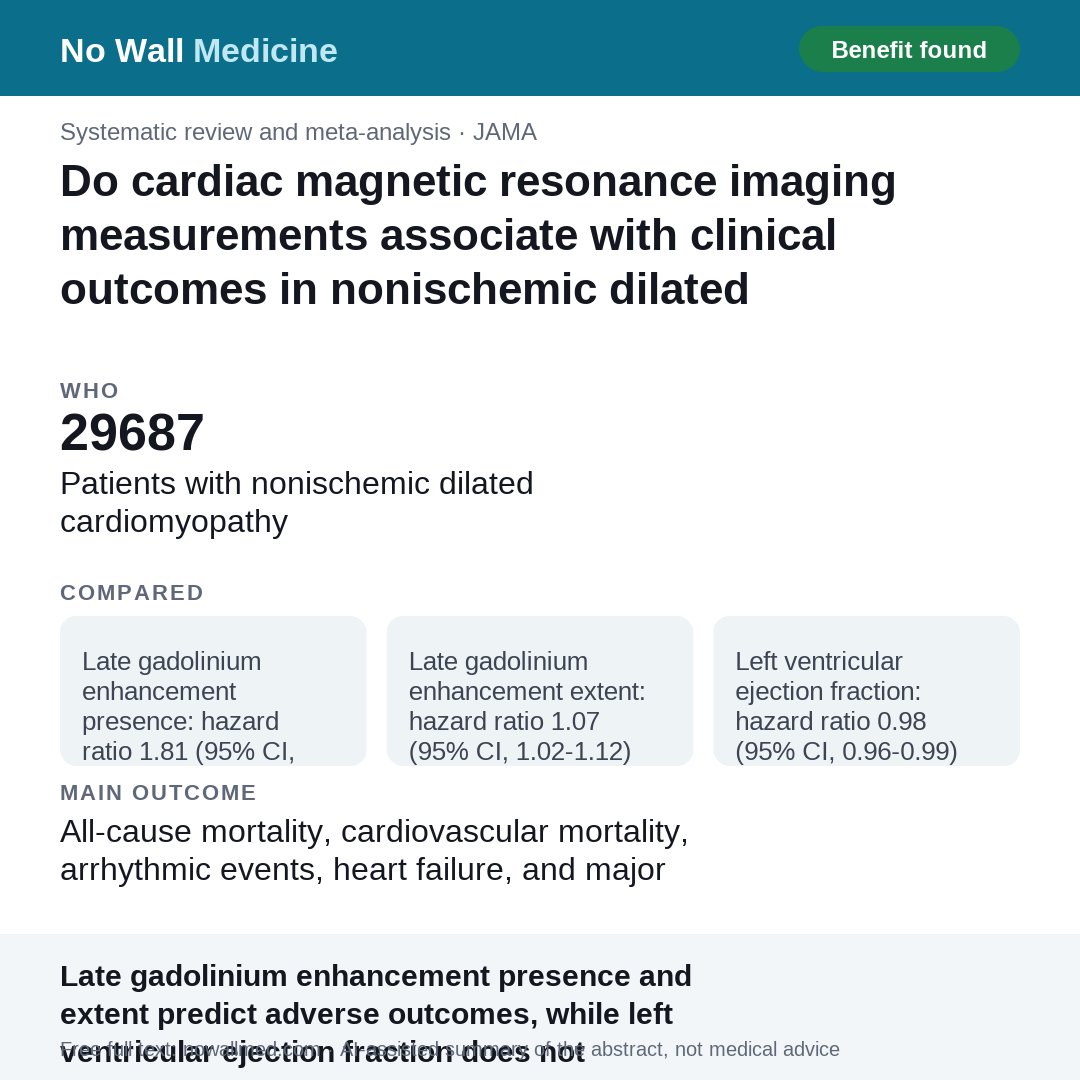
Risk Stratification in Nonischemic Dilated Cardiomyopathy Using CMR Imaging: A Systematic Review and Meta-Analysis
Systematic review and meta-analysisBenefit found
Do cardiac magnetic resonance imaging measurements associate with clinical outcomes in nonischemic dilated cardiomyopathy?
Who
29687
Patients with nonischemic dilated cardiomyopathy
Compared
Late gadolinium enhancement presence: hazard ratio 1.81 (95% CI, 1.60-2.04) for all-cause mortality
Late gadolinium enhancement extent: hazard ratio 1.07 (95% CI, 1.02-1.12) for all-cause mortality
Left ventricular ejection fraction: hazard ratio 0.98 (95% CI, 0.96-0.99) for major adverse cardiac events
Main outcome
All-cause mortality, cardiovascular mortality, arrhythmic events, heart failure, and major adverse cardiac events
Bottom line: Late gadolinium enhancement presence and extent predict adverse outcomes, while left ventricular ejection fraction does not predict mortality.
Limitation: Limited data precluded definitive analysis for native T1 relaxation times, global longitudinal strain, and extracellular volume fraction mortality.
JAMA · 2024-09-19Download image