Visual abstracts
New randomized trials and meta-analyses from leading journals at a glance: who was studied, what was compared, and what was found. Every paper is free to read in full.
All specialtiesCardiology 969Oncology 858Gastroenterology & Hepatology 352Infectious Disease 668Neurology 400Psychiatry & Mental Health 487Pulmonology 423Critical Care 285Endocrinology & Diabetes 539Pediatrics 605Surgery 407Orthopedics & Sports Medicine 186Neurosurgery 137Cardiothoracic & Vascular Surgery 101Plastic & Reconstructive Surgery 155Nephrology 216Rheumatology 124Hematology 206Dermatology 90Ophthalmology 116Obstetrics & Gynecology 294Public & Global Health 187Radiology & Imaging 120Anesthesiology 160Urology 185ENT (Otolaryngology) 131Emergency Medicine 107Allergy & Immunology 66Geriatrics 184Family Medicine & Primary Care 130Medical Genetics & Genomics 96Pathology & Laboratory Medicine 30Physical Medicine & Rehabilitation 167Palliative Care 90Nutrition 243Digital Health & AI 499General Medicine 105
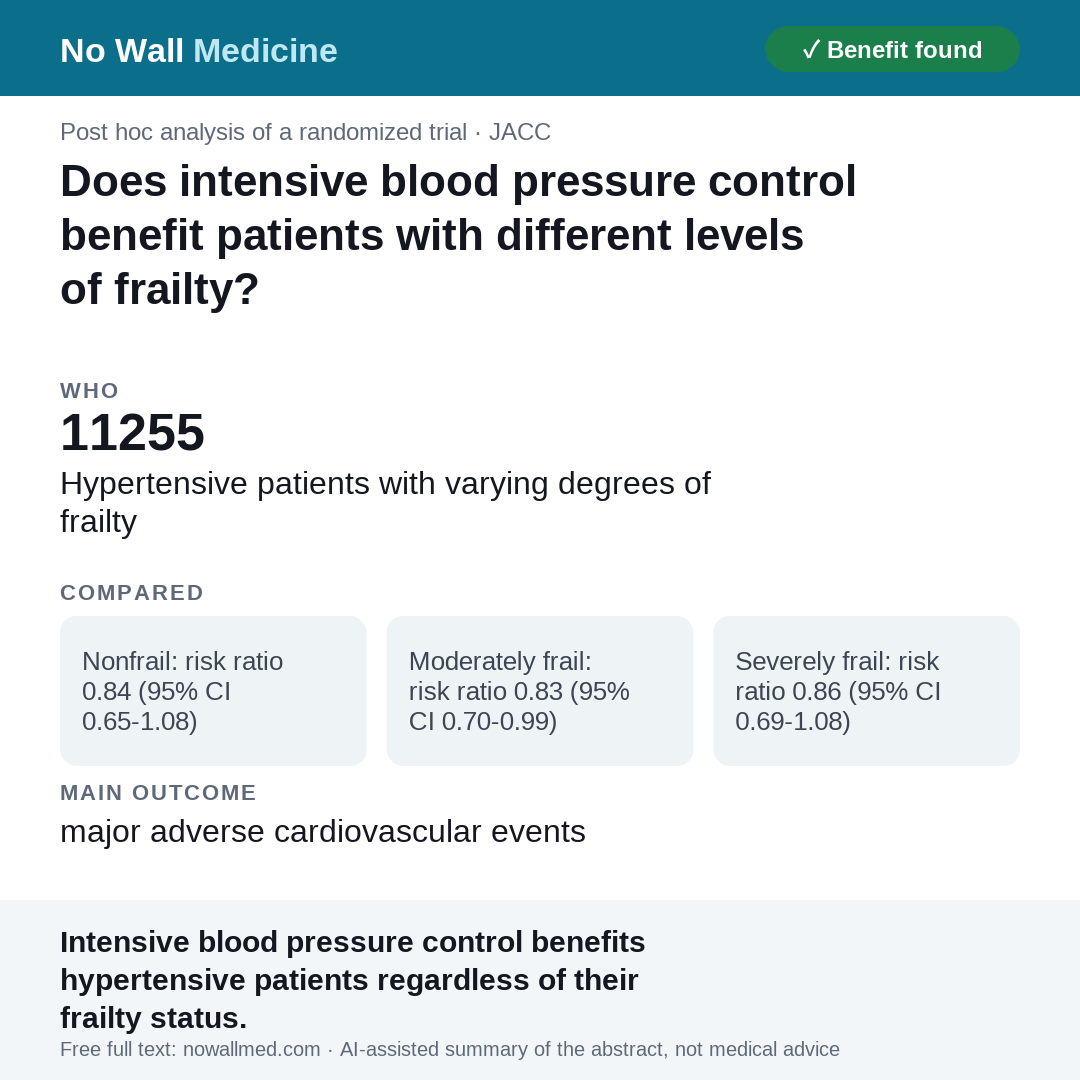
Effects of Intensive Blood Pressure Control in Patients With Frailty: A Post Hoc Analysis From ESPRIT
Post hoc analysis of a randomized trialBenefit found
Does intensive blood pressure control benefit patients with different levels of frailty?
Who
11255
Hypertensive patients with varying degrees of frailty
Compared
Nonfrail: risk ratio 0.84 (95% CI 0.65-1.08)
Moderately frail: risk ratio 0.83 (95% CI 0.70-0.99)
Severely frail: risk ratio 0.86 (95% CI 0.69-1.08)
Main outcome
major adverse cardiovascular events
Result: Pinteraction = 0.67
Bottom line: Intensive blood pressure control benefits hypertensive patients regardless of their frailty status.
Limitation: This was a post hoc analysis of the ESPRIT trial.
JACC · 2025-10-15Download image
Ruxolitinib Versus Best Available Therapy in Patients With Steroid-Refractory Acute Graft-Versus-Host Disease: Final Analysis From the Randomized Phase III REACH2 Trial
Randomized trialBenefit found
Ruxolitinib vs best therapy for graft disease
Who
Patients with steroid-refractory acute graft-versus-host disease
Compared
Ruxolitinib
Best Available Therapy
Main outcome
Overall survival and failure-free survival
Result: hazard ratio null, median failure-free survival 4.86 v 1.02 months
Bottom line: Ruxolitinib improves survival over best therapy
J Clin Oncol · 2025-10-15Download image

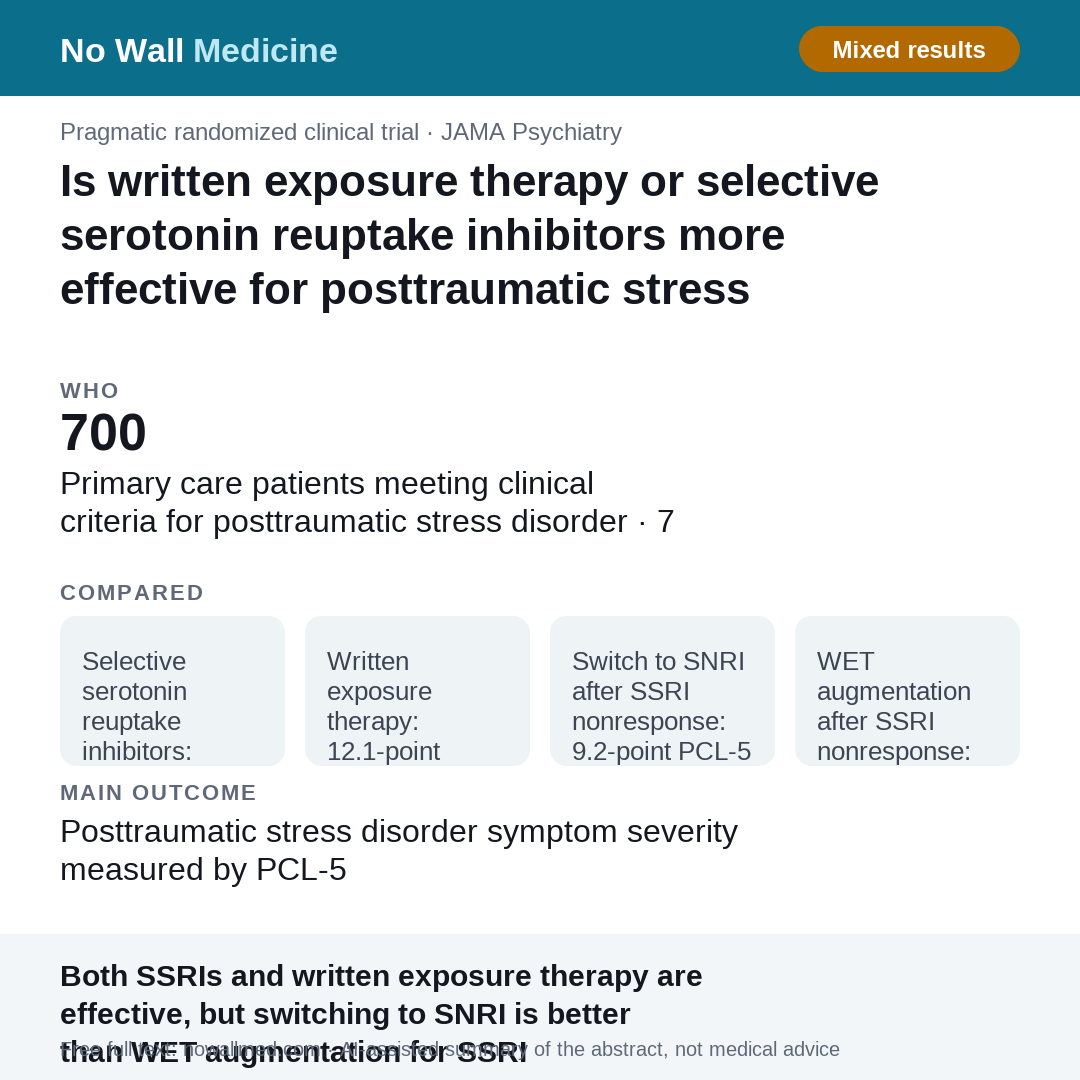
Pragmatic Comparative Effectiveness of Primary Care Treatments for Posttraumatic Stress Disorder: A Randomized Clinical Trial
Pragmatic randomized clinical trialMixed results
Is written exposure therapy or selective serotonin reuptake inhibitors more effective for posttraumatic stress disorder?
Who
700
Primary care patients meeting clinical criteria for posttraumatic stress disorder · 7 federally qualified health centers and 8 Department of Veterans Affairs medical centers
Compared
Selective serotonin reuptake inhibitors: 14.0-point PCL-5 decrease
Written exposure therapy: 12.1-point PCL-5 decrease
Switch to SNRI after SSRI nonresponse: 9.2-point PCL-5 decrease
WET augmentation after SSRI nonresponse: 2.3-point PCL-5 decrease
Main outcome
Posttraumatic stress disorder symptom severity measured by PCL-5
Result: adjusted mean difference 1.79 (95% CI -0.76 to 4.34) for initial treatment; adjusted MD 10.19 (95% CI 4.97-15.41) for nonresponders
Bottom line: Both SSRIs and written exposure therapy are effective, but switching to SNRI is better than WET augmentation for SSRI nonresponders.
JAMA Psychiatry · 2025-10-15Download image
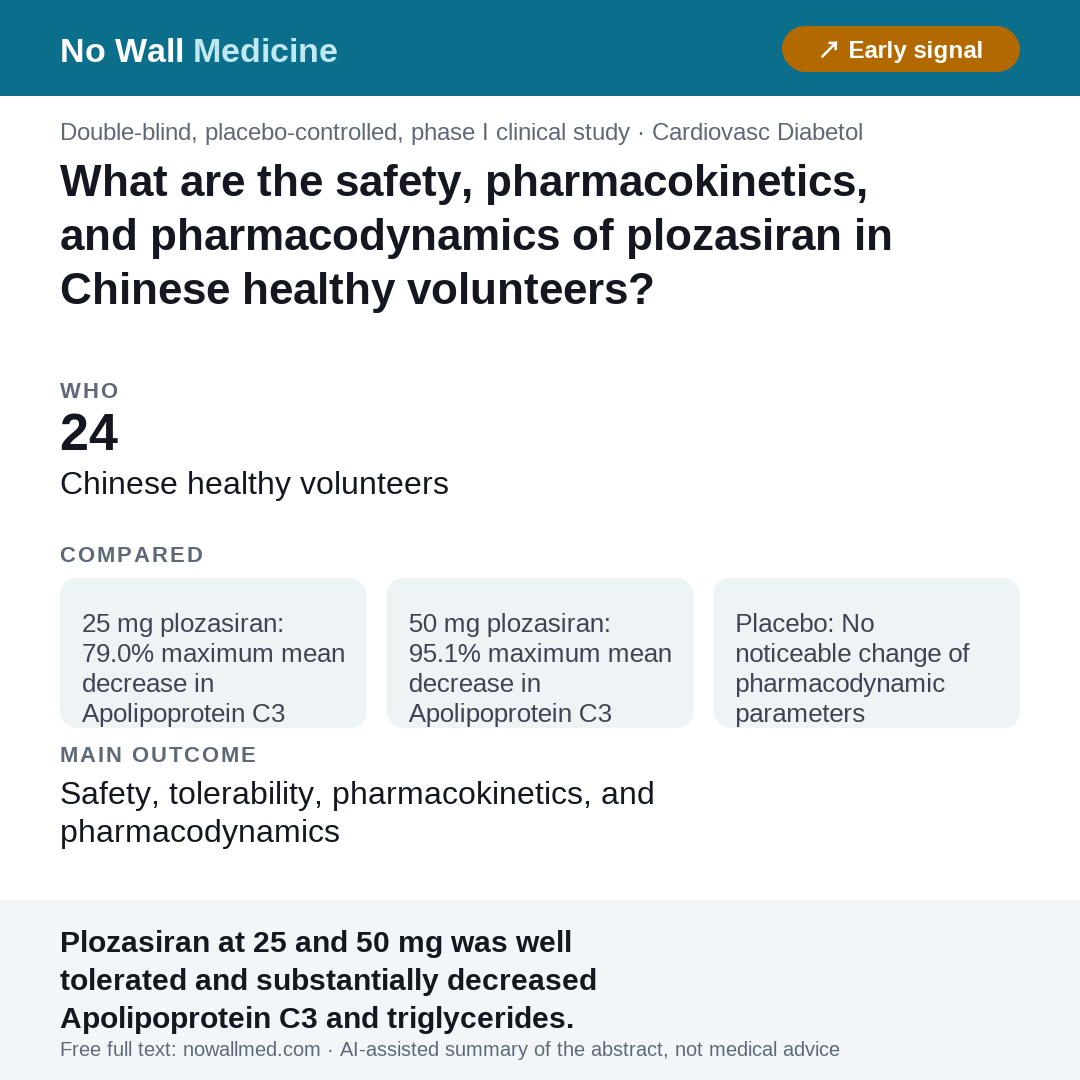
Safety, pharmacokinetics and pharmacodynamics of Plozasiran in Chinese healthy volunteers
Double-blind, placebo-controlled, phase I clinical studyBenefit found
What are the safety, pharmacokinetics, and pharmacodynamics of plozasiran in Chinese healthy volunteers?
Who
24
Chinese healthy volunteers
Compared
25 mg plozasiran: 79.0% maximum mean decrease in Apolipoprotein C3
50 mg plozasiran: 95.1% maximum mean decrease in Apolipoprotein C3
Placebo: No noticeable change of pharmacodynamic parameters
Main outcome
Safety, tolerability, pharmacokinetics, and pharmacodynamics
Bottom line: Plozasiran at 25 and 50 mg was well tolerated and substantially decreased Apolipoprotein C3 and triglycerides.
Cardiovasc Diabetol · 2025-10-15Download image
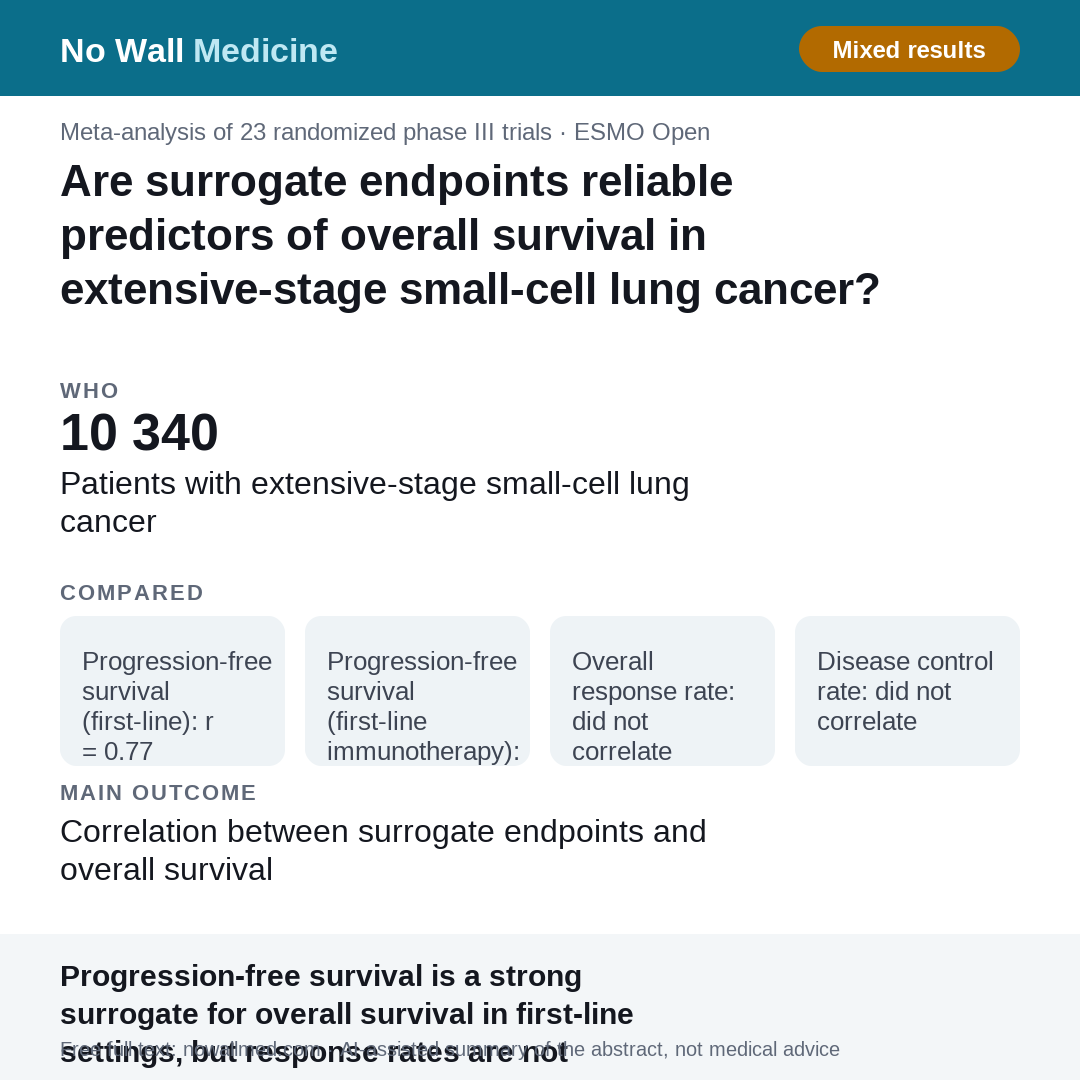
Meta-analysis of surrogate endpoints for overall survival in extensive-stage small-cell lung cancer
Meta-analysis of 23 randomized phase III trialsMixed results
Are surrogate endpoints reliable predictors of overall survival in extensive-stage small-cell lung cancer?
Who
10 340
Patients with extensive-stage small-cell lung cancer
Compared
Progression-free survival (first-line): r = 0.77
Progression-free survival (first-line immunotherapy): r = 0.80
Overall response rate: did not correlate
Disease control rate: did not correlate
Main outcome
Correlation between surrogate endpoints and overall survival
Bottom line: Progression-free survival is a strong surrogate for overall survival in first-line settings, but response rates are not reliable.
ESMO Open · 2025-10-15Download image
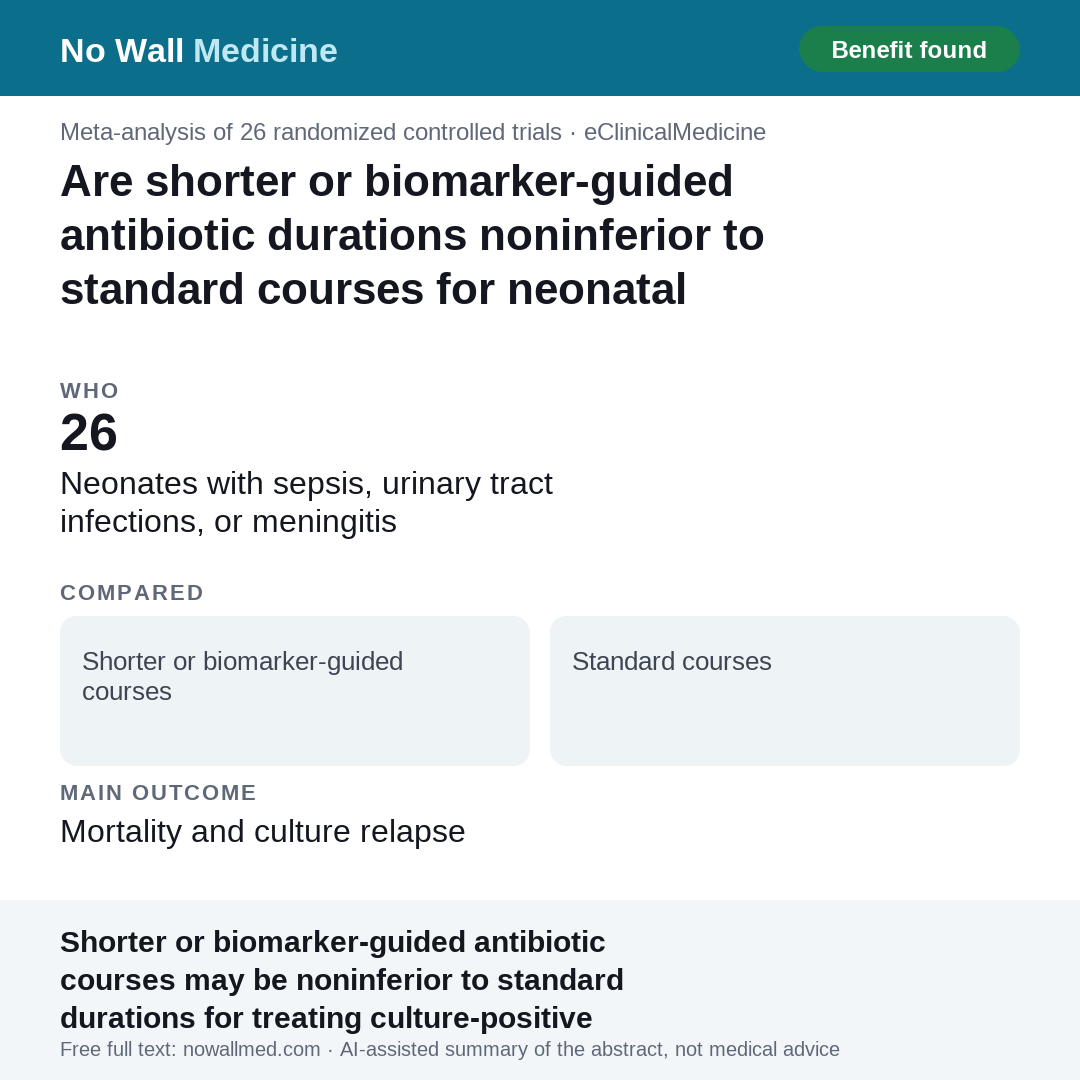
Shorter or biomarker-guided antibiotic durations for common serious neonatal infections: a collection of non-inferiority meta-analyses
Meta-analysis of 26 randomized controlled trialsBenefit found
Are shorter or biomarker-guided antibiotic durations noninferior to standard courses for neonatal infections?
Who
26
Neonates with sepsis, urinary tract infections, or meningitis
Compared
Shorter or biomarker-guided courses
Standard courses
Main outcome
Mortality and culture relapse
Bottom line: Shorter or biomarker-guided antibiotic courses may be noninferior to standard durations for treating culture-positive neonatal sepsis.
Limitation: Low to very low certainty of evidence across most outcomes.
eClinicalMedicine · 2025-10-14Download image
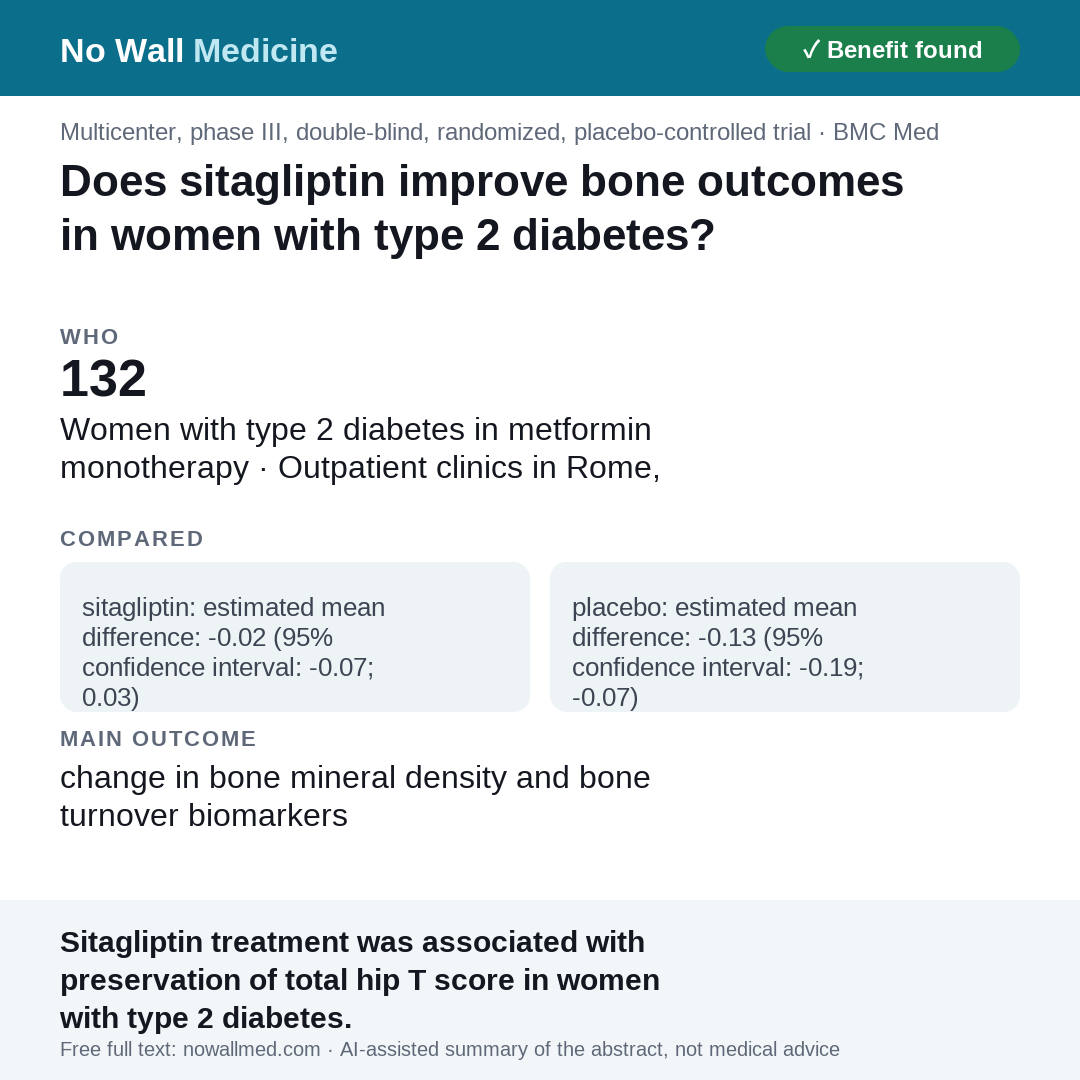
Effect of sitagliptin vs. placebo on bone mineralization in women with type 2 diabetes: the SLowDOWN (SitagLiptin in Diabetes for Osteoporosis in WomeN) randomized clinical trial
Multicenter, phase III, double-blind, randomized, placebo-controlled trialBenefit found
Does sitagliptin improve bone outcomes in women with type 2 diabetes?
Who
132
Women with type 2 diabetes in metformin monotherapy · Outpatient clinics in Rome, Italy
Compared
sitagliptin: estimated mean difference: -0.02 (95% confidence interval: -0.07; 0.03)
placebo: estimated mean difference: -0.13 (95% confidence interval: -0.19; -0.07)
Main outcome
change in bone mineral density and bone turnover biomarkers
Result: estimated mean difference: 0.11 (95% confidence interval: 0.03; 0.19)
Bottom line: Sitagliptin treatment was associated with preservation of total hip T score in women with type 2 diabetes.
Limitation: warrant confirmation in longer-term studies, also including populations at higher fracture risk
BMC Med · 2025-10-14Download image
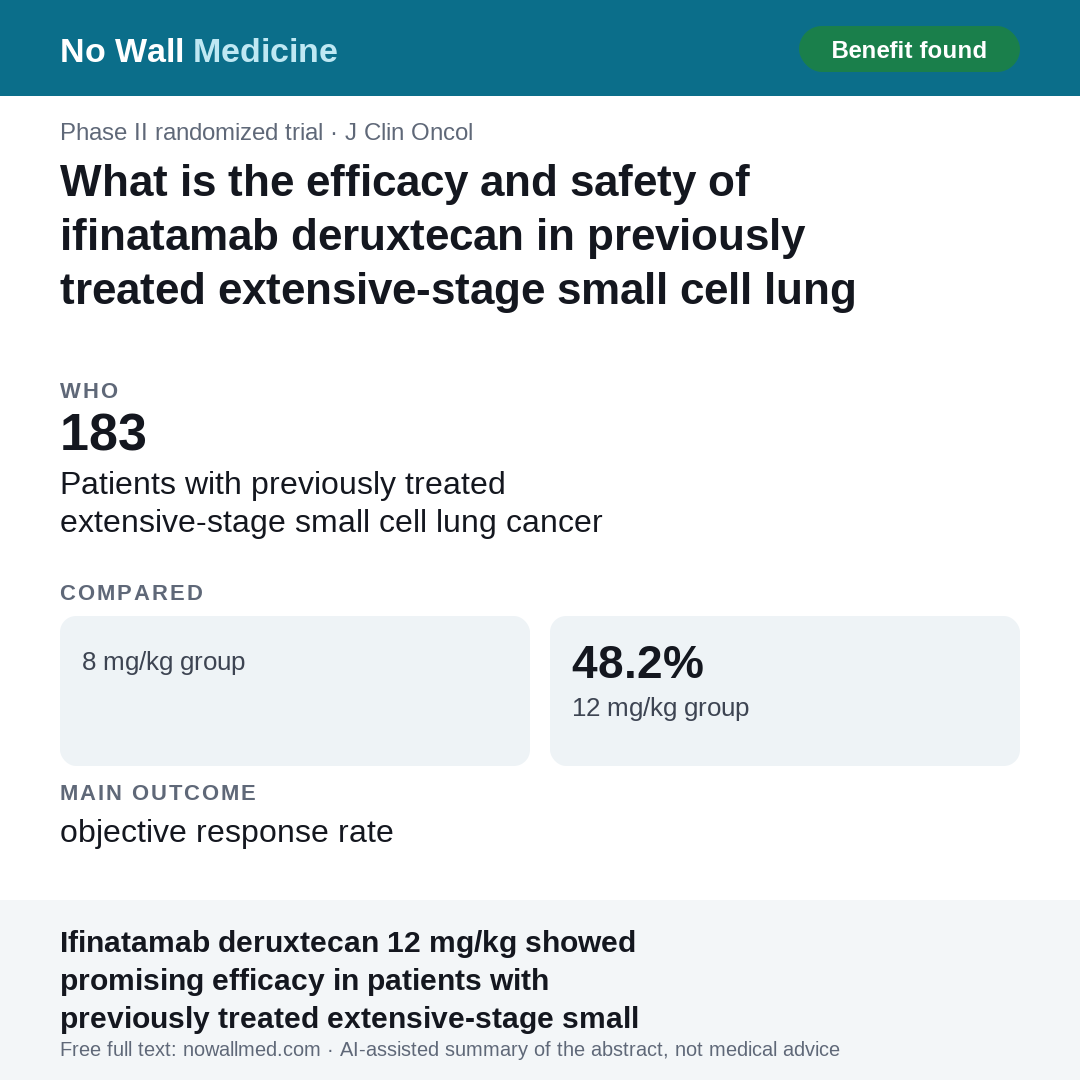
Ifinatamab Deruxtecan in Patients With Extensive-Stage Small Cell Lung Cancer: Primary Analysis of the Phase II IDeate-Lung01 Trial
Phase II randomized trialBenefit found
What is the efficacy and safety of ifinatamab deruxtecan in previously treated extensive-stage small cell lung cancer?
Who
183
Patients with previously treated extensive-stage small cell lung cancer
Compared
8 mg/kg group
48.2%12 mg/kg group (95% CI, 39.6 to 56.9)
Main outcome
objective response rate
Bottom line: Ifinatamab deruxtecan 12 mg/kg showed promising efficacy in patients with previously treated extensive-stage small cell lung cancer.
J Clin Oncol · 2025-10-14Download image
A Novel Heterologous Prime-boost Strategy Using RUTI Vaccine to Improve the Bacillus Calmette-Guérin Response in Non-muscle-invasive Bladder Cancer Patients: Phase 1 RUTIVAC-1 Trial
Randomized, double-blind, placebo-controlled trialBenefit found
Does RUTI vaccine improve response to Bacillus Calmette-Guérin in high-risk bladder cancer patients?
Who
40
High-risk non-muscle-invasive bladder cancer patients
Compared
RUTI vaccine: increased activation markers on CD4+ and CD8+ T cells
Placebo: Regulatory T-cell expansion was observed
Main outcome
Immunogenicity, safety, and preliminary efficacy
Bottom line: RUTI is safe and induces systemic immune priming before Bacillus Calmette-Guérin treatment in bladder cancer.
Limitation: Small sample size and baseline imbalances.
Eur Urol · 2025-10-14Download image
Global childhood diarrhoea prevalence and its determinants: a systematic meta-analytic assessment, 1985-2024
Systematic review and random-effects meta-analysisBenefit found
What is the global childhood diarrhoea prevalence and its determinants from 1985 to 2024?
Who
Children under five years of age · Global
Compared
14.4%Global pooled mean prevalence (95% CI: 13.8-15.0%)
22.3%Prevalence in 1985-1989
10.9%Prevalence in 2020-2024
Main outcome
Global childhood diarrhoea prevalence
Bottom line: Global childhood diarrhoea prevalence declined from 22.3% to 10.9% between 1985 and 2024.
Funded by: Weill Cornell Medicine-Qatar
eBioMedicine · 2025-10-14Download image
Portal cavernoma cholangiopathy: A systematic review of current understanding, clinical significance, and management
Systematic reviewMixed results
What are the clinical significance and management strategies for portal cavernoma cholangiopathy?
Who
Patients with portal cavernoma cholangiopathy and chronic portal vein thrombosis
Compared
Asymptomatic patients: managed conservatively
Symptomatic patients with plastic stents: 30% risk of hemobilia and ~50% re-intervention rate
Symptomatic patients with portal vein recanalization: median 91% technical success and 81.8% patency
Symptomatic patients with surgical portosystemic shunts: 65% achieving symptom resolution
Main outcome
Clinical presentation, diagnosis, and management outcomes
Bottom line: Management depends on symptoms, with endoscopic, radiological, or surgical options available for portal cavernoma cholangiopathy.
Limitation: the rarity of this condition and the limited quality of existing studies
Hepatol Commun · 2025-10-14Download image
Intra-Arterial Alteplase After Successful Endovascular Reperfusion in Acute Stroke: The PEARL Randomized Clinical Trial
Multicenter, randomized clinical trialBenefit found
Does intra-arterial alteplase improve functional outcomes after successful endovascular reperfusion in acute stroke?
Who
324
Patients with acute, anterior-circulation, large-vessel occlusion stroke after successful reperfusion · 28 hospitals in China
Compared
44.8%Intra-arterial alteplase (73/163)
30.2%Standard treatment (48/159)
Main outcome
Modified Rankin Scale score of 0 or 1 at 90 days
Result: adjusted risk ratio 1.45 (95% CI 1.08-1.96)
Bottom line: Intra-arterial alteplase increased the likelihood of excellent functional outcomes at 90 days after successful thrombectomy.
JAMA · 2025-10-13Download image
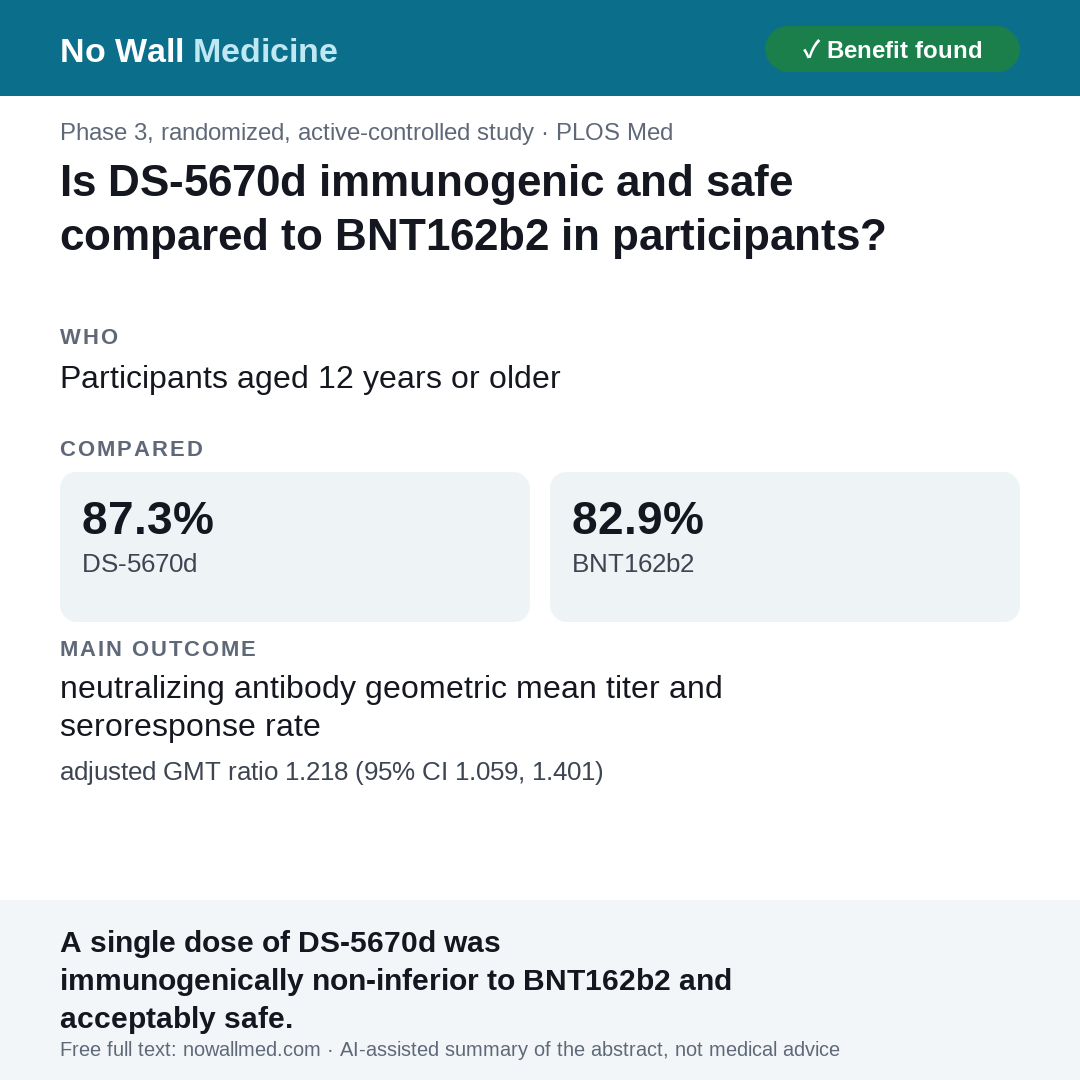
Immunogenicity and safety of DS-5670d, an omicron XBB.1.5-targeting COVID-19 mRNA vaccine: A phase 3, randomized, active-controlled study
Phase 3, randomized, active-controlled studyBenefit found
Is DS-5670d immunogenic and safe compared to BNT162b2 in participants?
Who
Participants aged 12 years or older
Compared
87.3%DS-5670d
82.9%BNT162b2
Main outcome
neutralizing antibody geometric mean titer and seroresponse rate
Result: adjusted GMT ratio 1.218 (95% CI 1.059, 1.401)
Bottom line: A single dose of DS-5670d was immunogenically non-inferior to BNT162b2 and acceptably safe.
Limitation: The main study limitation was the short duration of follow-up.
PLOS Med · 2025-10-13Download image
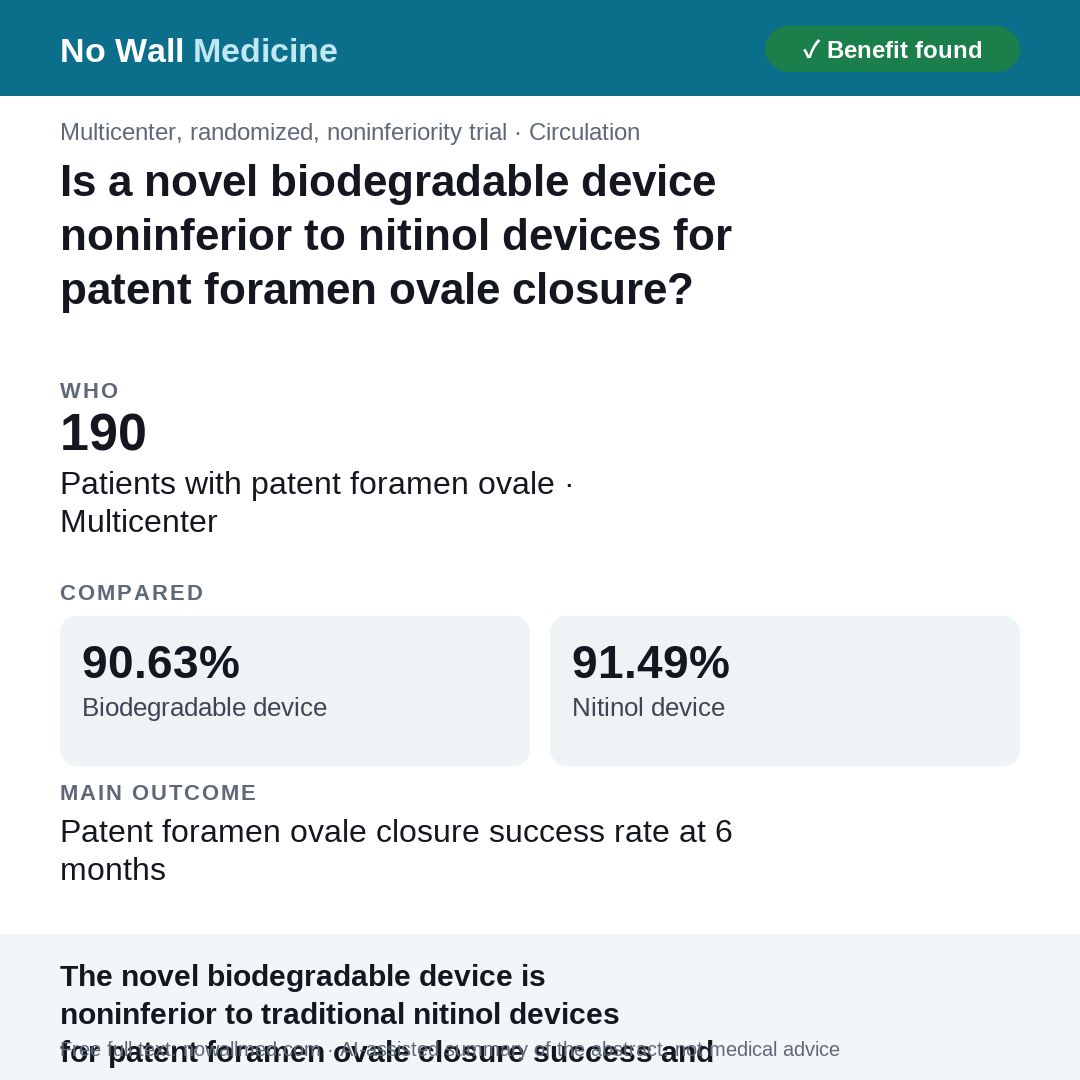
Transcatheter Closure of Patent Foramen Ovale With a Novel Biodegradable Device: A Prospective, Multicenter, Randomized Controlled Clinical Trial
Multicenter, randomized, noninferiority trialBenefit found
Is a novel biodegradable device noninferior to nitinol devices for patent foramen ovale closure?
Who
190
Patients with patent foramen ovale · Multicenter
Compared
90.63%Biodegradable device
91.49%Nitinol device
Main outcome
Patent foramen ovale closure success rate at 6 months
Result: absolute difference lower limit 95% CI -8.98%
Bottom line: The novel biodegradable device is noninferior to traditional nitinol devices for patent foramen ovale closure success and safety.
Circulation · 2025-10-13Download image
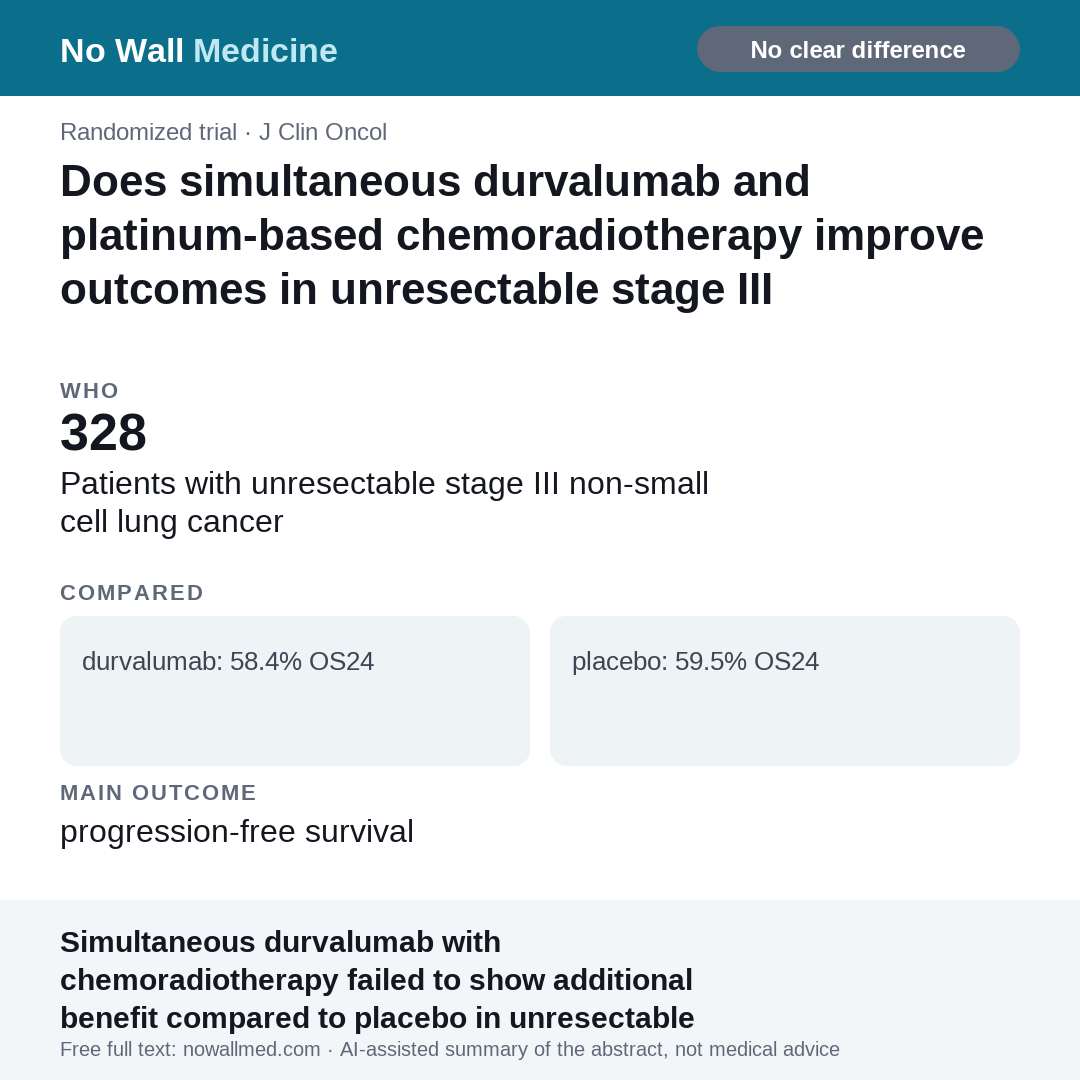
Simultaneous Durvalumab and Platinum-Based Chemoradiotherapy in Unresectable Stage III Non-Small Cell Lung Cancer: The Phase III PACIFIC-2 Study
Randomized trialNo clear difference
Does simultaneous durvalumab and platinum-based chemoradiotherapy improve outcomes in unresectable stage III non-small cell lung cancer?
Who
328
Patients with unresectable stage III non-small cell lung cancer
Compared
durvalumab: 58.4% OS24
placebo: 59.5% OS24
Main outcome
progression-free survival
Result: hazard ratio 0.85 (95% CI 0.65 to 1.12)
Bottom line: Simultaneous durvalumab with chemoradiotherapy failed to show additional benefit compared to placebo in unresectable stage III non-small cell lung cancer.
J Clin Oncol · 2025-10-13Download image
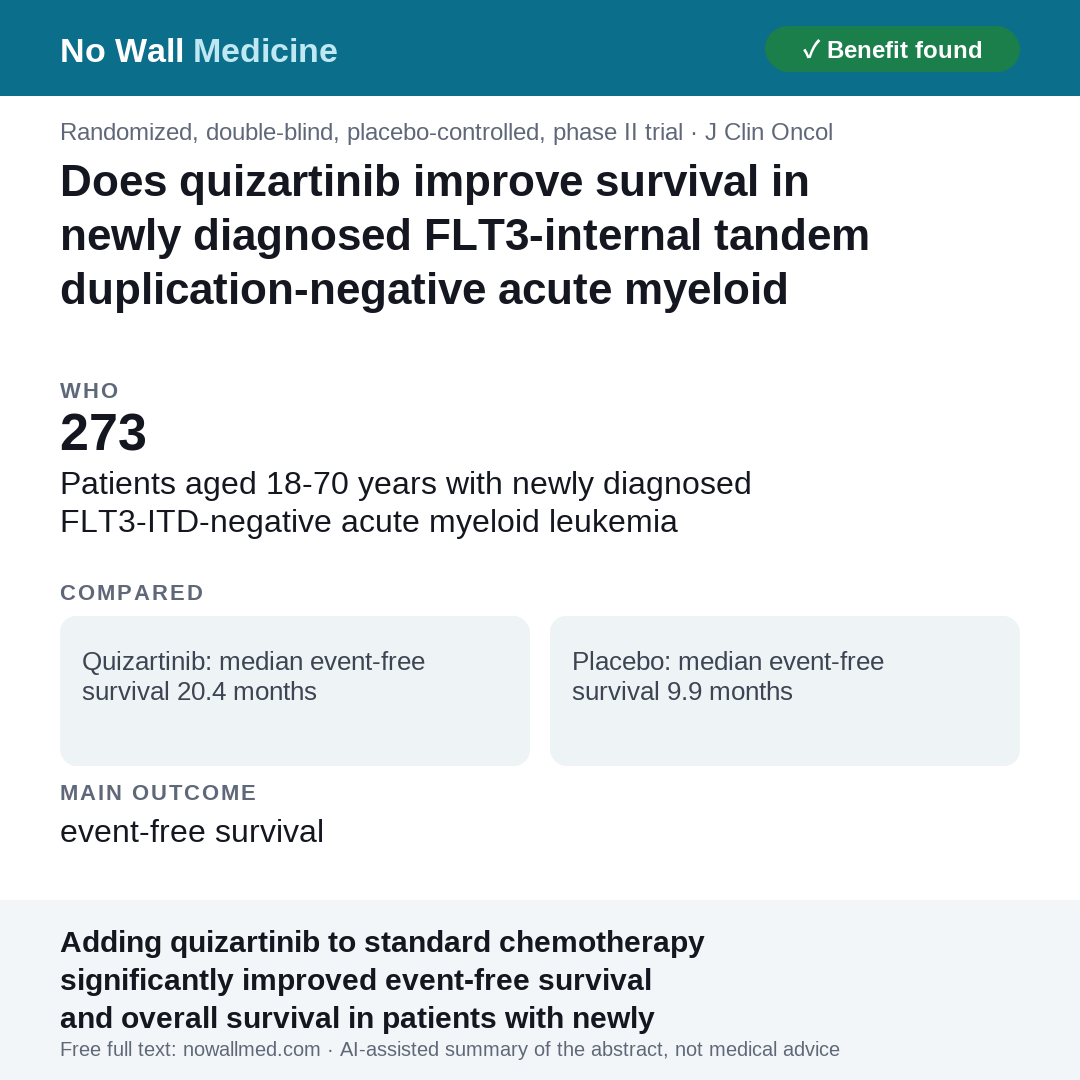
Quizartinib for Newly Diagnosed FLT3-Internal Tandem Duplication-Negative AML: The Randomized, Double-Blind, Placebo-Controlled, Phase II QUIWI Study
Randomized, double-blind, placebo-controlled, phase II trialBenefit found
Does quizartinib improve survival in newly diagnosed FLT3-internal tandem duplication-negative acute myeloid leukemia?
Who
273
Patients aged 18-70 years with newly diagnosed FLT3-ITD-negative acute myeloid leukemia
Compared
Quizartinib: median event-free survival 20.4 months
Placebo: median event-free survival 9.9 months
Main outcome
event-free survival
Bottom line: Adding quizartinib to standard chemotherapy significantly improved event-free survival and overall survival in patients with newly diagnosed FLT3-ITD-negative acute myeloid leukemia.
J Clin Oncol · 2025-10-13Download image
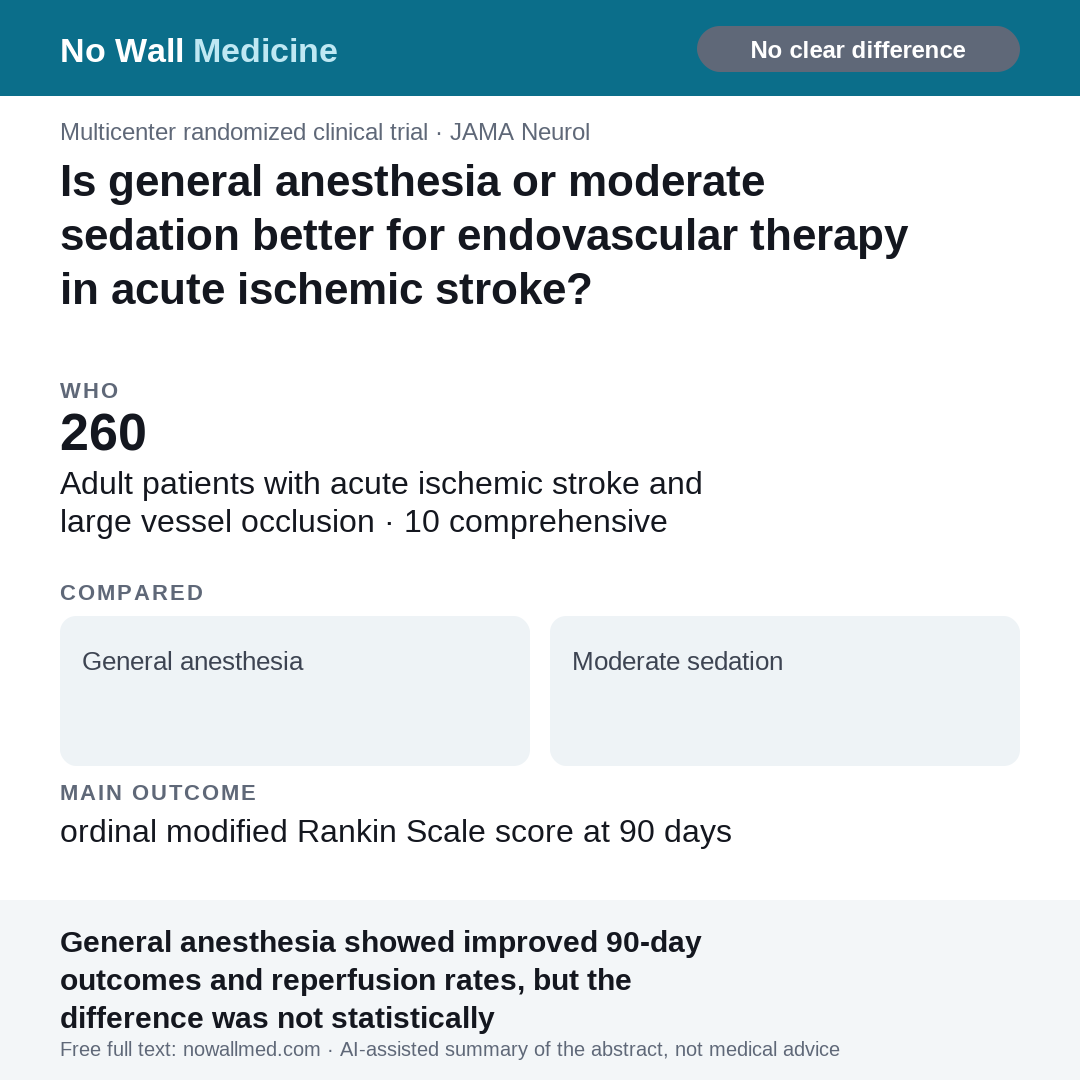
Sedation vs General Anesthesia for Endovascular Therapy in Acute Ischemic Stroke: The SEGA Randomized Clinical Trial
Multicenter randomized clinical trialNo clear difference
Is general anesthesia or moderate sedation better for endovascular therapy in acute ischemic stroke?
Who
260
Adult patients with acute ischemic stroke and large vessel occlusion · 10 comprehensive stroke centers in the US
Compared
General anesthesia
Moderate sedation
Main outcome
ordinal modified Rankin Scale score at 90 days
Result: odds ratio 1.22 (95% credible interval 0.79-1.87)
Bottom line: General anesthesia showed improved 90-day outcomes and reperfusion rates, but the difference was not statistically significant.
JAMA Neurol · 2025-10-13Download image
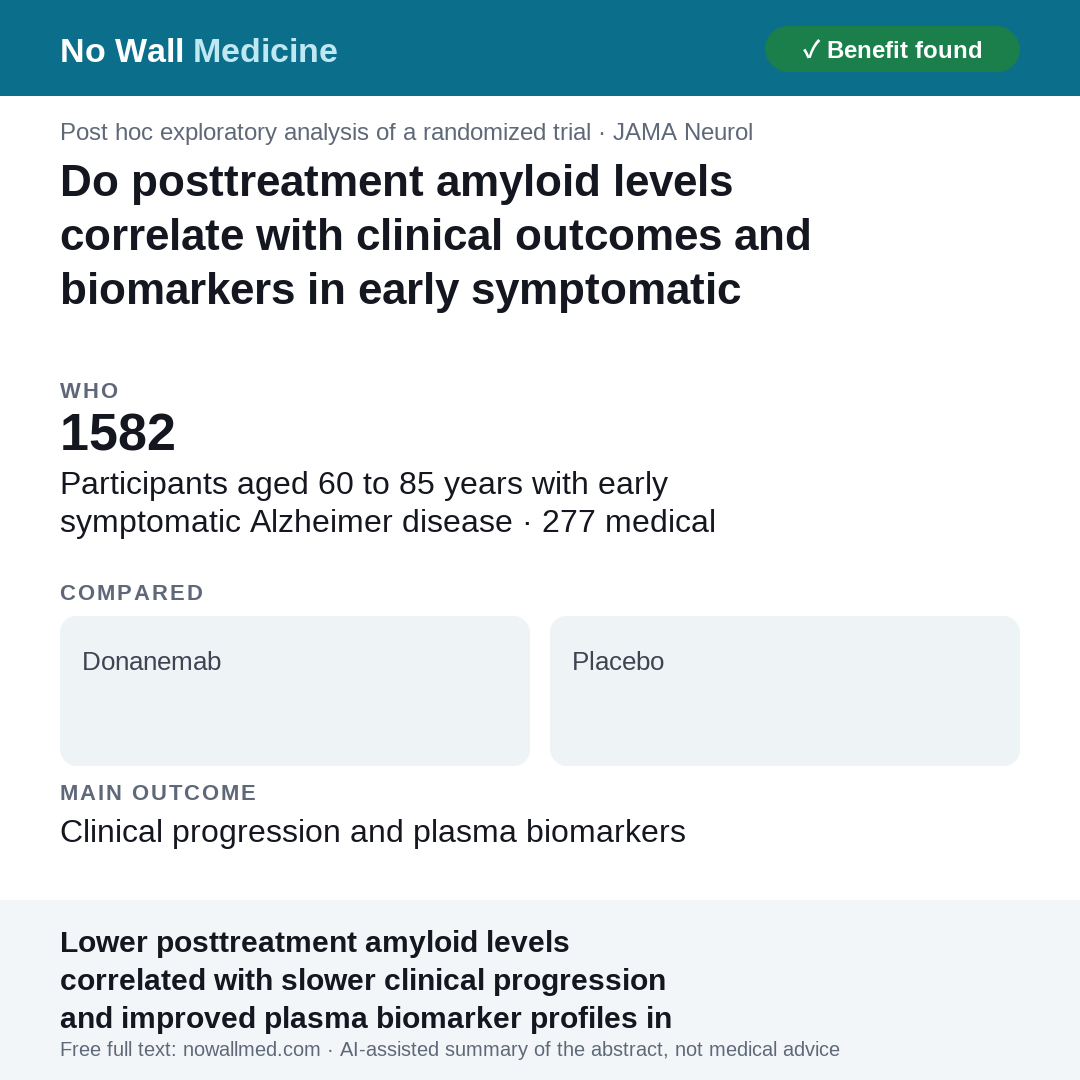
Posttreatment Amyloid Levels and Clinical Outcomes Following Donanemab for Early Symptomatic Alzheimer Disease: A Secondary Analysis of the TRAILBLAZER-ALZ 2 Randomized Clinical Trial
Post hoc exploratory analysis of a randomized trialBenefit found
Do posttreatment amyloid levels correlate with clinical outcomes and biomarkers in early symptomatic Alzheimer disease?
Who
1582
Participants aged 60 to 85 years with early symptomatic Alzheimer disease · 277 medical research centers in 8 countries
Compared
Donanemab
Placebo
Main outcome
Clinical progression and plasma biomarkers
Result: iADRS R2 0.73 (95% CI 0.37-0.97); CDR-SB R2 0.87 (95% CI 0.70-0.97)
Bottom line: Lower posttreatment amyloid levels correlated with slower clinical progression and improved plasma biomarker profiles in Alzheimer disease.
JAMA Neurol · 2025-10-13Download image
Efficacy and safety of pharmacological therapies for functional constipation in children: a systematic review and meta-analysis
Systematic review and meta-analysis of 59 randomized controlled trialsBenefit found
How effective and safe are pharmacological therapies for functional constipation in children?
Who
7045
Children aged 0 to younger than 18 years with functional constipation
Compared
Polyethylene glycol: RR 1·74 [95% CI 1·25-2·41]
Placebo
Main outcome
Treatment success, defecation frequency, and withdrawals due to adverse events
Result: RR 1·74 [95% CI 1·25-2·41]
Bottom line: Polyethylene glycol is probably more effective than placebo and other therapies for treating functional constipation in children.
Lancet Child Adolesc Health · 2025-10-13Download image

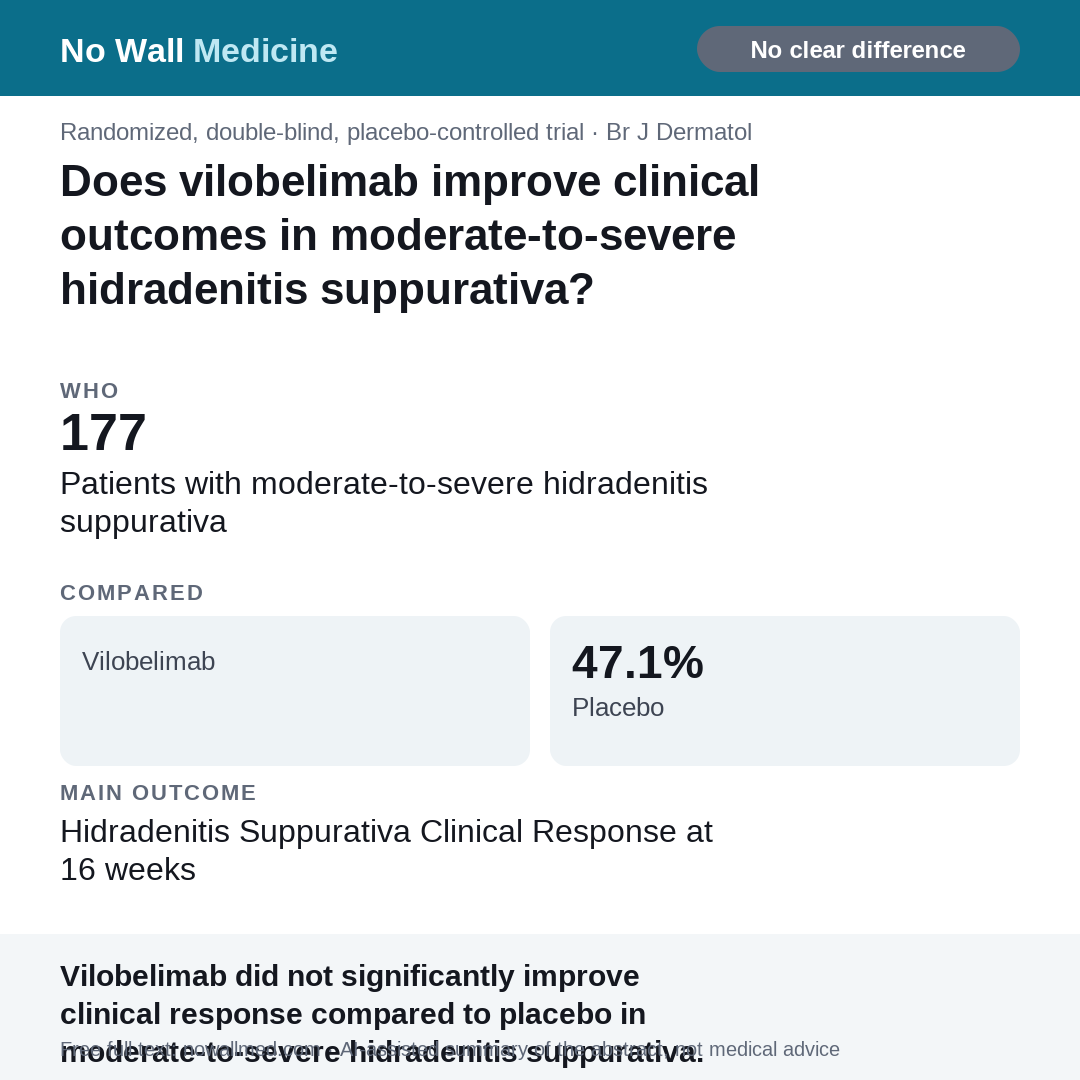
Vilobelimab to improve clinical outcomes in moderate-to-severe hidradenitis suppurativa through an adjunctive effect on draining tunnels: results of the SHINE double-blind placebo-controlled randomized trial
Randomized, double-blind, placebo-controlled trialNo clear difference
Does vilobelimab improve clinical outcomes in moderate-to-severe hidradenitis suppurativa?
Who
177
Patients with moderate-to-severe hidradenitis suppurativa
Compared
Vilobelimab
47.1%Placebo
Main outcome
Hidradenitis Suppurativa Clinical Response at 16 weeks
Bottom line: Vilobelimab did not significantly improve clinical response compared to placebo in moderate-to-severe hidradenitis suppurativa.
Br J Dermatol · 2025-10-13Download image