Visual abstracts
New randomized trials and meta-analyses from leading journals at a glance: who was studied, what was compared, and what was found. Every paper is free to read in full.
All specialtiesCardiology 4877Oncology 4138Gastroenterology & Hepatology 1942Infectious Disease 3837Neurology 1905Psychiatry & Mental Health 2273Pulmonology 2143Critical Care 1365Endocrinology & Diabetes 2580Pediatrics 2980Surgery 2559Orthopedics & Sports Medicine 931Neurosurgery 537Cardiothoracic & Vascular Surgery 674Plastic & Reconstructive Surgery 591Nephrology 1133Rheumatology 823Hematology 1109Dermatology 621Ophthalmology 543Obstetrics & Gynecology 1686Public & Global Health 1058Radiology & Imaging 648Anesthesiology 986Urology 764ENT (Otolaryngology) 503Emergency Medicine 511Allergy & Immunology 313Geriatrics 981Family Medicine & Primary Care 562Medical Genetics & Genomics 676Pathology & Laboratory Medicine 159Physical Medicine & Rehabilitation 757Palliative Care 444Nutrition 1588Digital Health & AI 2201General Medicine 321
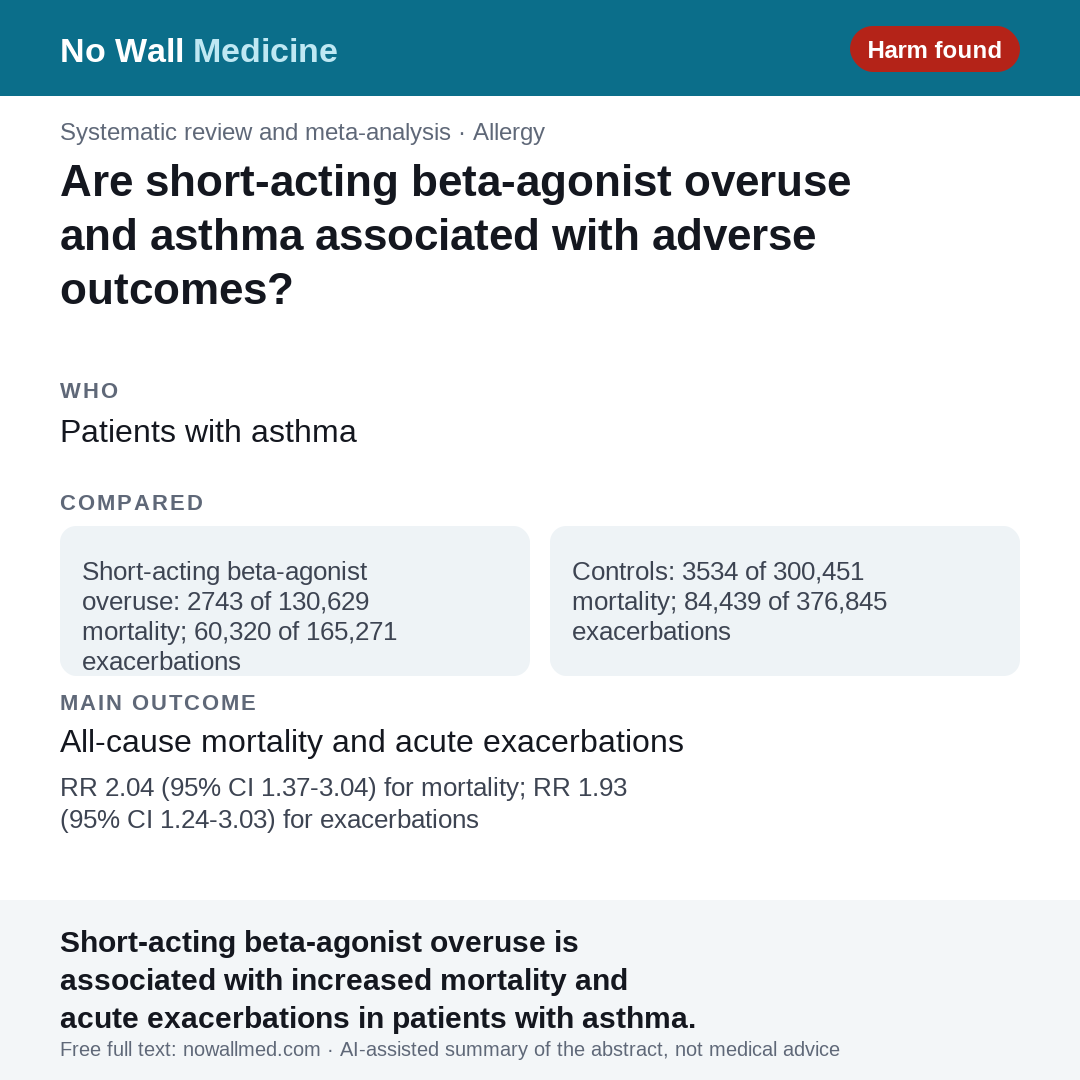
Adverse Outcomes Associated With Short-Acting Beta-Agonist Overuse in Asthma: A Systematic Review and Meta-Analysis
Systematic review and meta-analysisHarm found
Are short-acting beta-agonist overuse and asthma associated with adverse outcomes?
Who
Patients with asthma
Compared
Short-acting beta-agonist overuse: 2743 of 130,629 mortality; 60,320 of 165,271 exacerbations
Controls: 3534 of 300,451 mortality; 84,439 of 376,845 exacerbations
Main outcome
All-cause mortality and acute exacerbations
Result: RR 2.04 (95% CI 1.37-3.04) for mortality; RR 1.93 (95% CI 1.24-3.03) for exacerbations
Bottom line: Short-acting beta-agonist overuse is associated with increased mortality and acute exacerbations in patients with asthma.
Allergy · 2025-06-10Download image
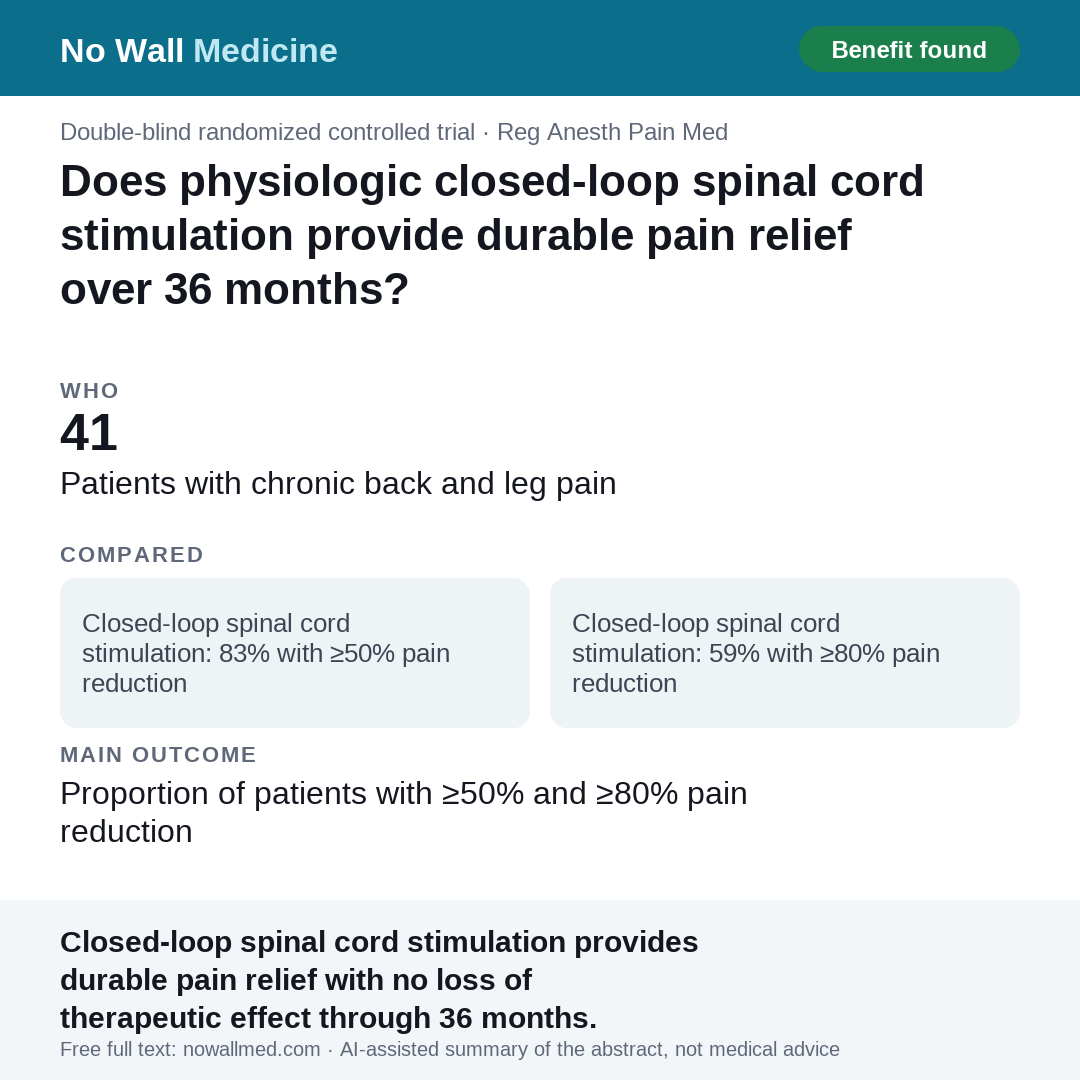
Neurophysiological outcomes that sustained clinically significant improvements over 3 years of physiologic ECAP-controlled closed-loop spinal cord stimulation for the treatment of chronic pain
Double-blind randomized controlled trialBenefit found
Does physiologic closed-loop spinal cord stimulation provide durable pain relief over 36 months?
Who
41
Patients with chronic back and leg pain
Compared
Closed-loop spinal cord stimulation: 83% with ≥50% pain reduction
Closed-loop spinal cord stimulation: 59% with ≥80% pain reduction
Main outcome
Proportion of patients with ≥50% and ≥80% pain reduction
Bottom line: Closed-loop spinal cord stimulation provides durable pain relief with no loss of therapeutic effect through 36 months.
Reg Anesth Pain Med · 2025-06-10Download image
FDA and EMA-approved noninvasive imaging techniques for basal cell carcinoma subtyping: A systematic review
Systematic reviewBenefit found
What is the diagnostic accuracy of approved noninvasive imaging for basal cell carcinoma subtyping?
Who
2650
2650 basal cell carcinoma lesions
Compared
Dermoscopy: 81.9% sensitivity, 81.8% specificity for superficial basal cell carcinoma
Dermoscopy-guided high-frequency ultrasound: 82.4% sensitivity, 91.3% specificity
Line-field confocal optical coherence tomography: 100% sensitivity for infiltrative basal cell carcinoma
High-definition optical coherence tomography: 100% sensitivity for superficial basal cell carcinoma
Main outcome
Diagnostic accuracy of noninvasive imaging techniques
Bottom line: Line-field confocal optical coherence tomography and high-definition optical coherence tomography offer the highest accuracy for subtyping.
Limitation: Study heterogeneity and inconsistent protocols limit comparability.
JAAD Int · 2025-06-10Download image

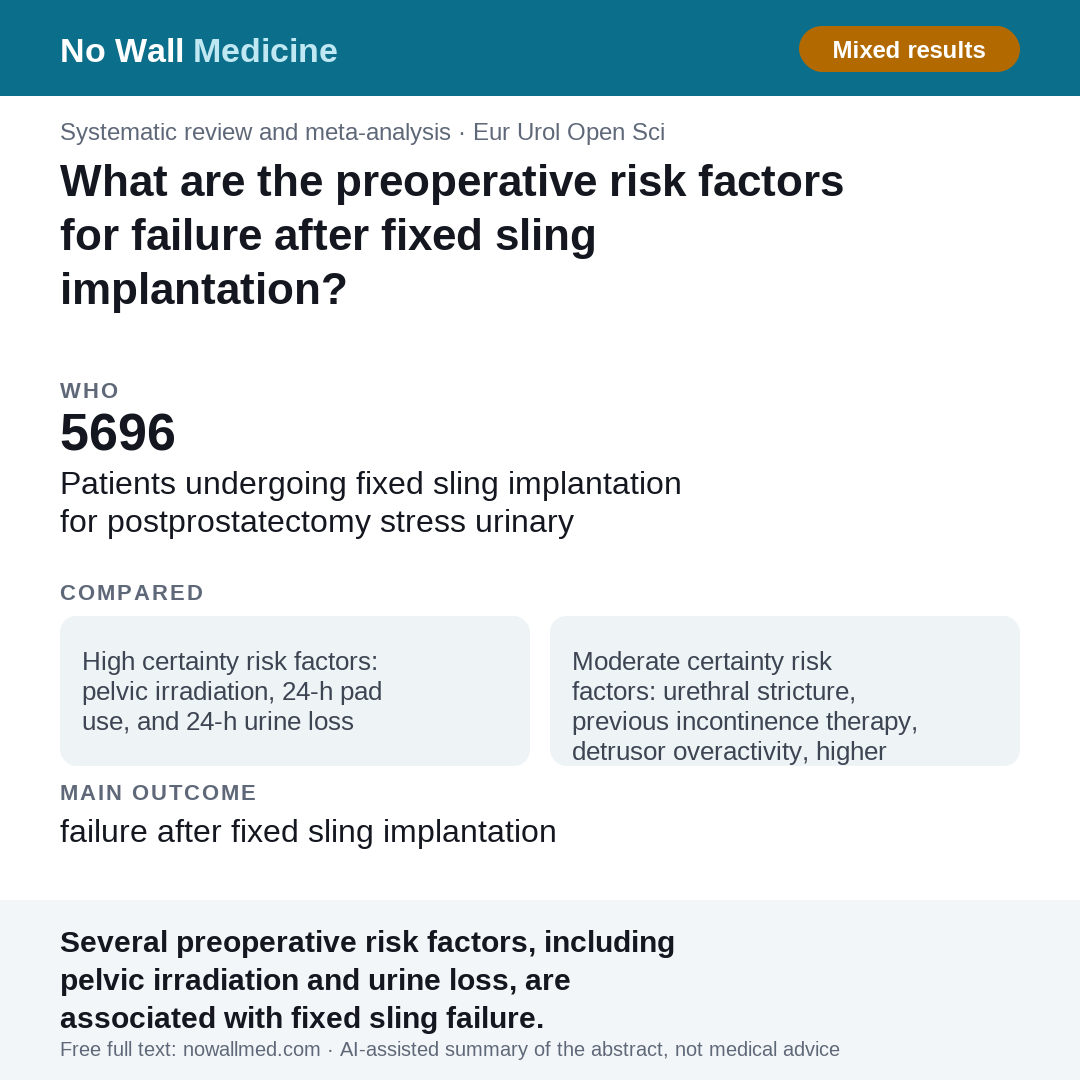
Preoperative Risk Factors for Failure After Fixed Sling Implantation for Postprostatectomy Stress Urinary Incontinence (FORESEE): A Systematic Review and Meta-analysis
Systematic review and meta-analysisMixed results
What are the preoperative risk factors for failure after fixed sling implantation?
Who
5696
Patients undergoing fixed sling implantation for postprostatectomy stress urinary incontinence
Compared
High certainty risk factors: pelvic irradiation, 24-h pad use, and 24-h urine loss
Moderate certainty risk factors: urethral stricture, previous incontinence therapy, detrusor overactivity, higher Male Stress Incontinence Grading Scale score, and unfavourable repositioning test
Main outcome
failure after fixed sling implantation
Bottom line: Several preoperative risk factors, including pelvic irradiation and urine loss, are associated with fixed sling failure.
Limitation: Heterogeneity and suboptimal study quality are the main limitations.
Eur Urol Open Sci · 2025-06-10Download image
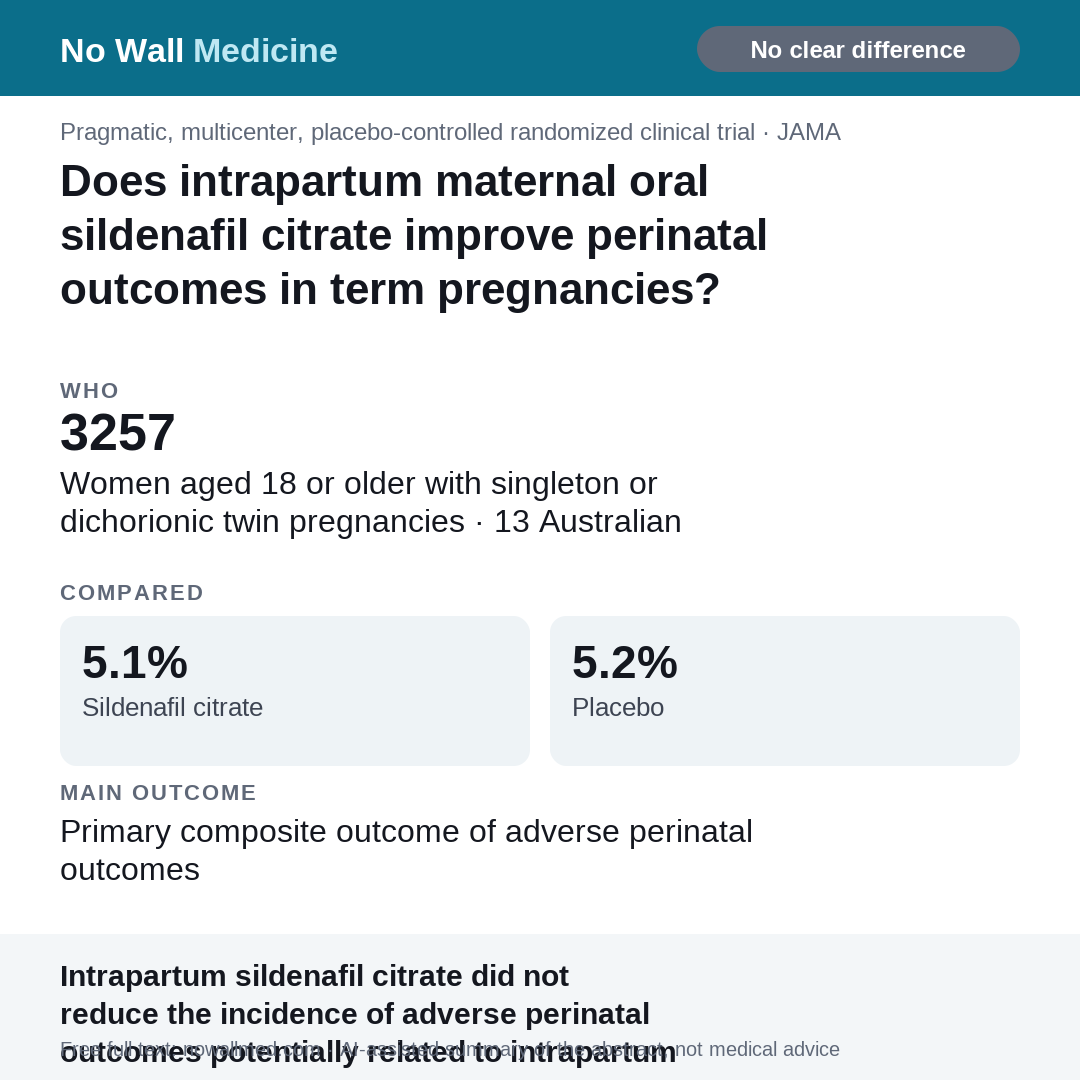
Intrapartum Sildenafil to Improve Perinatal Outcomes: A Randomized Clinical Trial
Pragmatic, multicenter, placebo-controlled randomized clinical trialNo clear difference
Does intrapartum maternal oral sildenafil citrate improve perinatal outcomes in term pregnancies?
Who
3257
Women aged 18 or older with singleton or dichorionic twin pregnancies · 13 Australian hospitals
Compared
5.1%Sildenafil citrate (83/1625)
5.2%Placebo (84/1625)
Main outcome
Primary composite outcome of adverse perinatal outcomes
Result: relative risk 1.02 (95% CI 0.75-1.37)
Bottom line: Intrapartum sildenafil citrate did not reduce the incidence of adverse perinatal outcomes potentially related to intrapartum hypoxia.
JAMA · 2025-06-09Download image
Music therapy for the treatment of anxiety: a systematic review with multilevel meta-analyses
Meta-analysis of 51 trialsBenefit found
Music therapy for anxiety treatment
Who
10210
patients with anxiety · multiple settings
Compared
Music therapy: g = 0.357
Control
Main outcome
anxiety symptoms
Result: g = 0.357 (0.201 to 0.514)
Bottom line: Music therapy reduces anxiety symptoms
Funded by: University of Melbourne and NHL Stenden
eClinicalMedicine · 2025-06-09Download image

Global HPV vaccination programs and coverage rates: a systematic review
Systematic reviewHarm found
What is the status of global human papillomavirus vaccination programs and coverage rates?
Who
Girls aged 9-14 years in 194 WHO member states · Global, 194 WHO member states
Compared
61.6%First dose coverage (95% CI: 50.9%-71.8%)
47.6%Full dose coverage (39.7%-57.4%)
Main outcome
Human papillomavirus vaccination coverage rates
Bottom line: Global human papillomavirus vaccination coverage remains significantly below the 90% target for both first and full doses.
Funded by: CAMS Innovation Fund; National High Level Hospital Clinical Research Funding; Sanming Project
eClinicalMedicine · 2025-06-09Download image

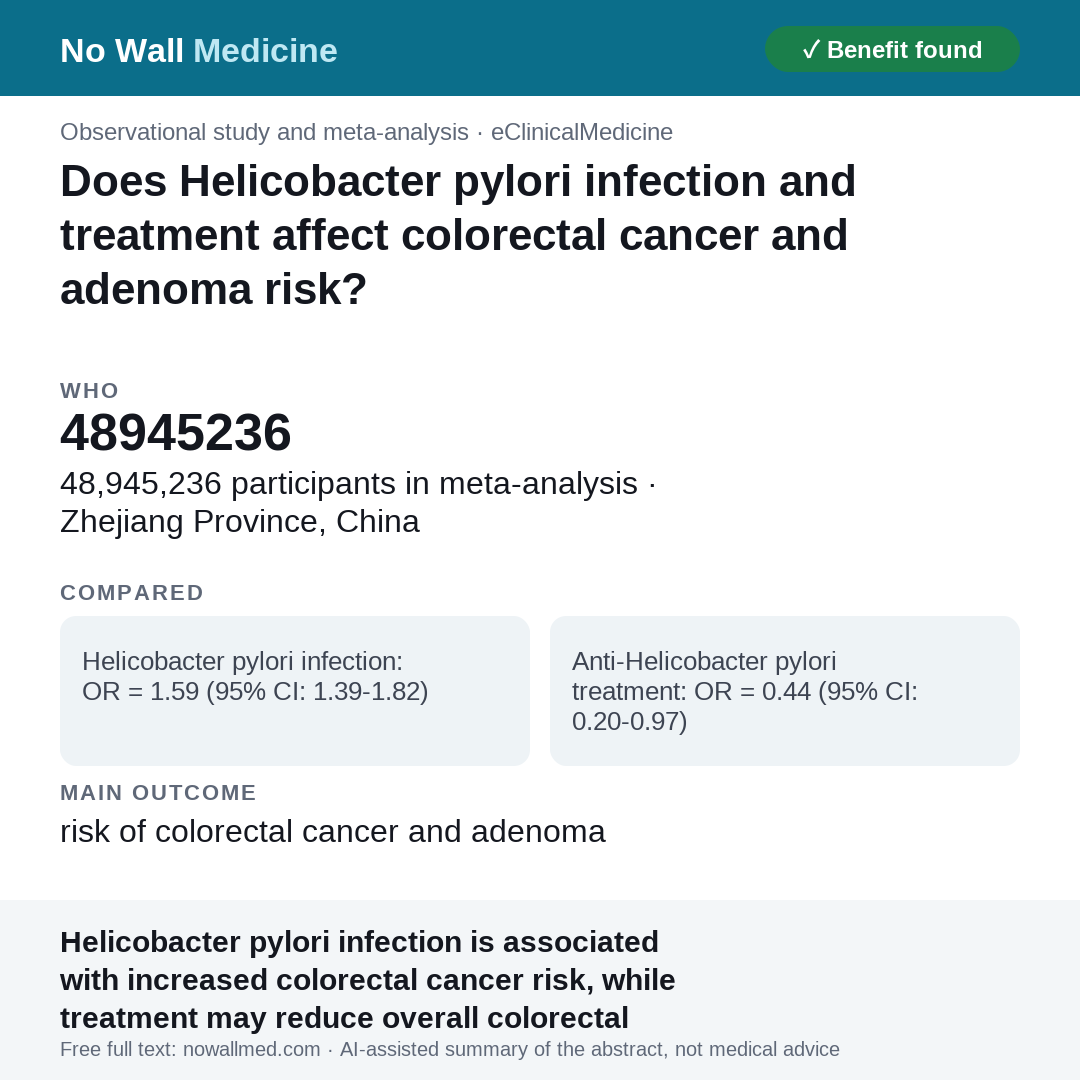
Helicobacter pylori infection, anti-Helicobacter pylori treatment and risk of colorectal cancer and adenoma: an observational study and a meta-analysis
Observational study and meta-analysisBenefit found
Does Helicobacter pylori infection and treatment affect colorectal cancer and adenoma risk?
Who
48945236
48,945,236 participants in meta-analysis · Zhejiang Province, China
Compared
Helicobacter pylori infection: OR = 1.59 (95% CI: 1.39-1.82)
Anti-Helicobacter pylori treatment: OR = 0.44 (95% CI: 0.20-0.97)
Main outcome
risk of colorectal cancer and adenoma
Result: OR = 1.49 (95% CI: 1.39-1.60) for overall colorectal neoplasia
Bottom line: Helicobacter pylori infection is associated with increased colorectal cancer risk, while treatment may reduce overall colorectal neoplasia risk.
Limitation: Effect of treatment necessitates further investigation through large-scale, randomized controlled trials with prolonged follow-up.
Funded by: National Natural Science Foundation of China and others
eClinicalMedicine · 2025-06-09Download image
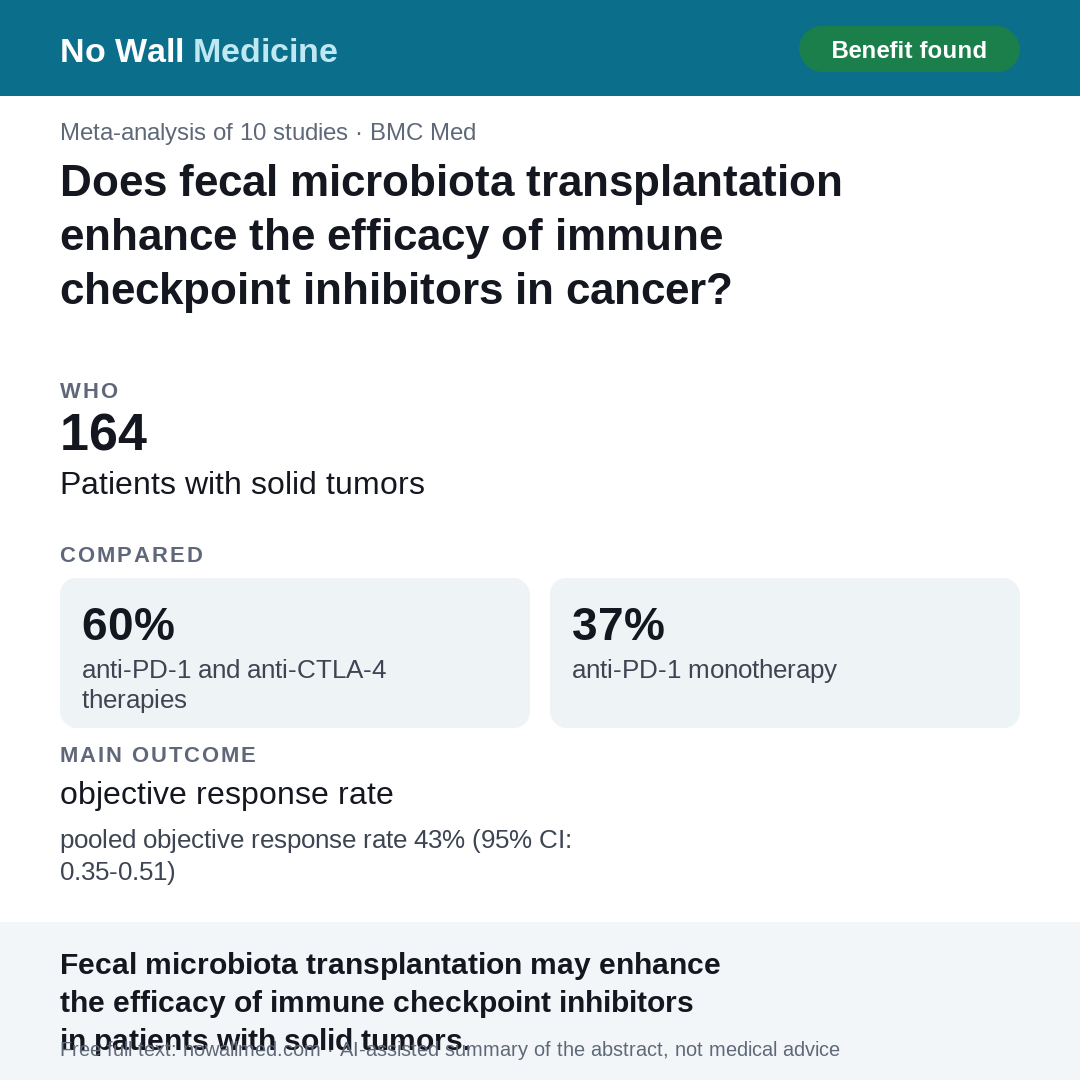
Microbiota boost immunotherapy? A meta-analysis dives into fecal microbiota transplantation and immune checkpoint inhibitors
Meta-analysis of 10 studiesBenefit found
Does fecal microbiota transplantation enhance the efficacy of immune checkpoint inhibitors in cancer?
Who
164
Patients with solid tumors
Compared
60%anti-PD-1 and anti-CTLA-4 therapies
37%anti-PD-1 monotherapy
Main outcome
objective response rate
Result: pooled objective response rate 43% (95% CI: 0.35-0.51)
Bottom line: Fecal microbiota transplantation may enhance the efficacy of immune checkpoint inhibitors in patients with solid tumors.
Limitation: larger-scale randomized controlled trials with long-term follow-up are required
BMC Med · 2025-06-09Download image
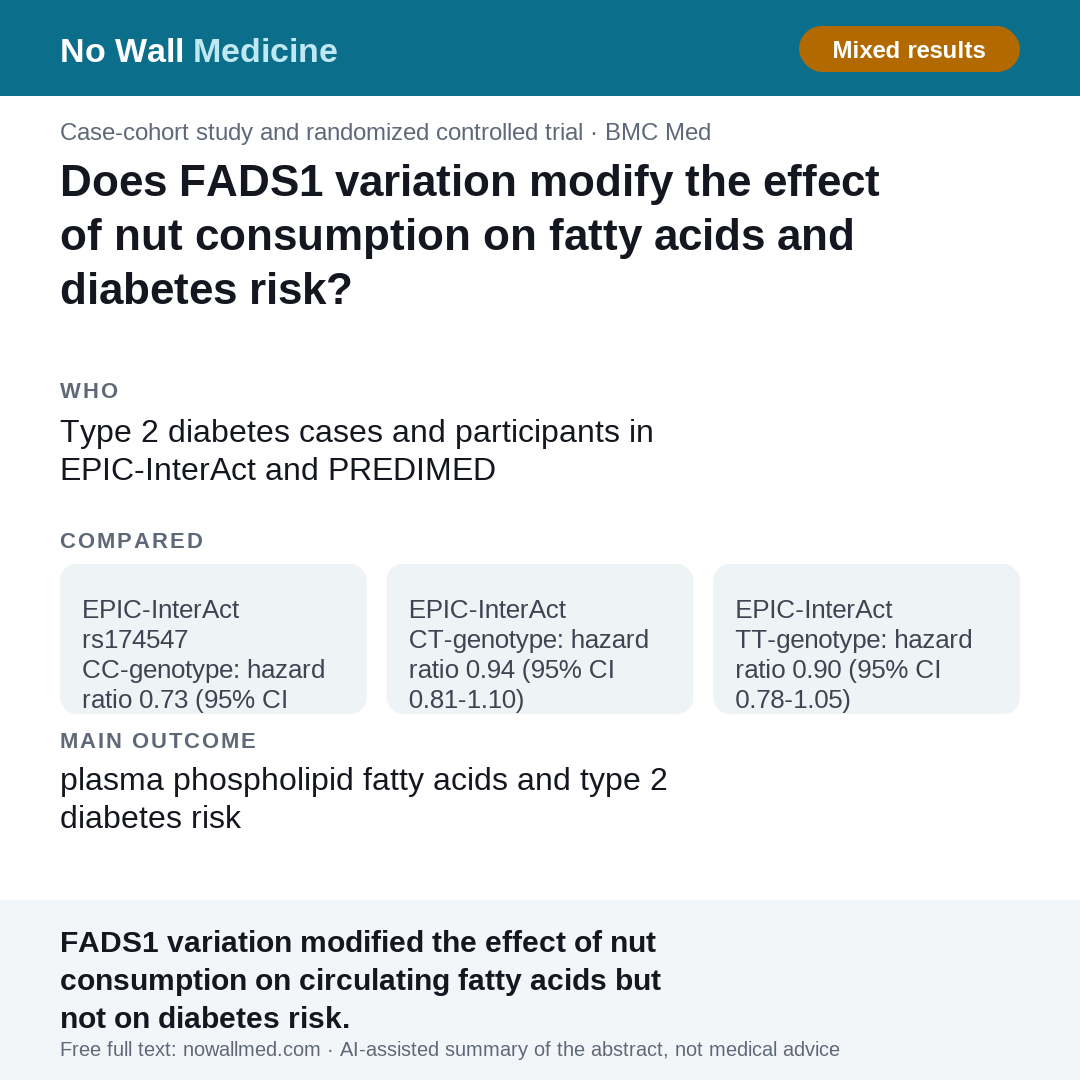
Nut consumption, linoleic and α-linolenic acid intakes, and genetics: how fatty acid desaturase 1 impacts plasma fatty acids and type 2 diabetes risk in EPIC-InterAct and PREDIMED studies
Case-cohort study and randomized controlled trialMixed results
Does FADS1 variation modify the effect of nut consumption on fatty acids and diabetes risk?
Who
Type 2 diabetes cases and participants in EPIC-InterAct and PREDIMED
Compared
EPIC-InterAct rs174547 CC-genotype: hazard ratio 0.73 (95% CI 0.54-1.00)
EPIC-InterAct CT-genotype: hazard ratio 0.94 (95% CI 0.81-1.10)
EPIC-InterAct TT-genotype: hazard ratio 0.90 (95% CI 0.78-1.05)
Main outcome
plasma phospholipid fatty acids and type 2 diabetes risk
Bottom line: FADS1 variation modified the effect of nut consumption on circulating fatty acids but not on diabetes risk.
Limitation: The interaction between FADS1 and nut consumption for diabetes risk was not statistically significant.
BMC Med · 2025-06-09Download image
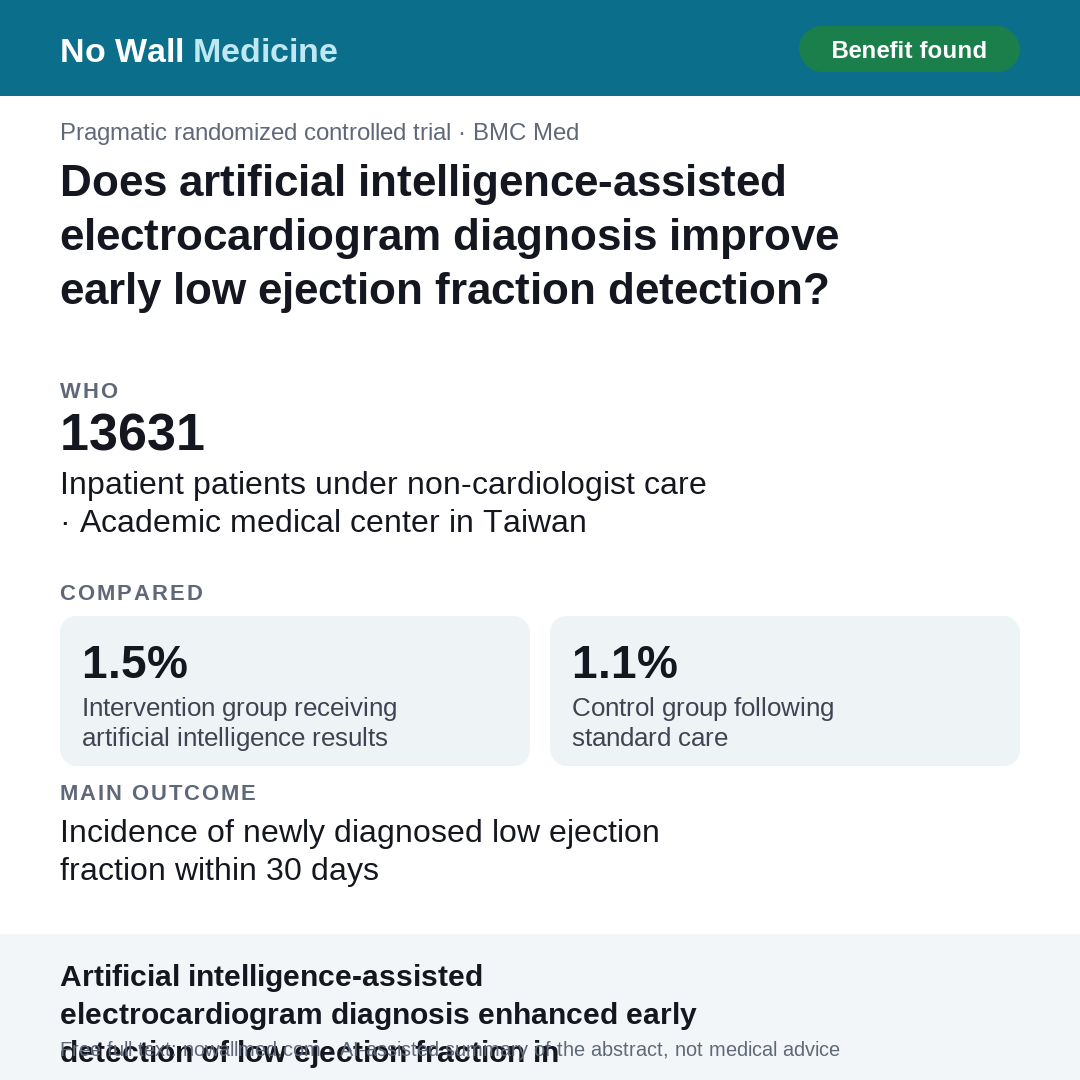
Artificial intelligence-assisted diagnosis and prognostication in low ejection fraction using electrocardiograms in inpatient department: a pragmatic randomized controlled trial
Pragmatic randomized controlled trialBenefit found
Does artificial intelligence-assisted electrocardiogram diagnosis improve early low ejection fraction detection?
Who
13631
Inpatient patients under non-cardiologist care · Academic medical center in Taiwan
Compared
1.5%Intervention group receiving artificial intelligence results
1.1%Control group following standard care
Main outcome
Incidence of newly diagnosed low ejection fraction within 30 days
Result: hazard ratio 1.50 (95% CI 1.11-2.03)
Bottom line: Artificial intelligence-assisted electrocardiogram diagnosis enhanced early detection of low ejection fraction in inpatient settings.
BMC Med · 2025-06-09Download image
Screening and Care for Emotional and Cognitive Problems After Ischemic Stroke: Results of a Multicenter, Cluster-Randomized Controlled Trial
Multicenter, patient-masked, cluster-randomized controlled trialNo clear difference
Does screening and care for emotional and cognitive problems improve societal participation after ischemic stroke?
Who
531
Ischemic stroke patients aged 18 years and older discharged home · Dutch nonuniversity hospitals with a stroke unit
Compared
Intervention
Usual care
Main outcome
Societal participation at 1 year after stroke
Result: mean difference 0.77 (95% CI -2.46 to 4.06)
Bottom line: Screening for emotional and cognitive problems did not improve societal participation at 1 year after stroke.
Neurology · 2025-06-09Download image
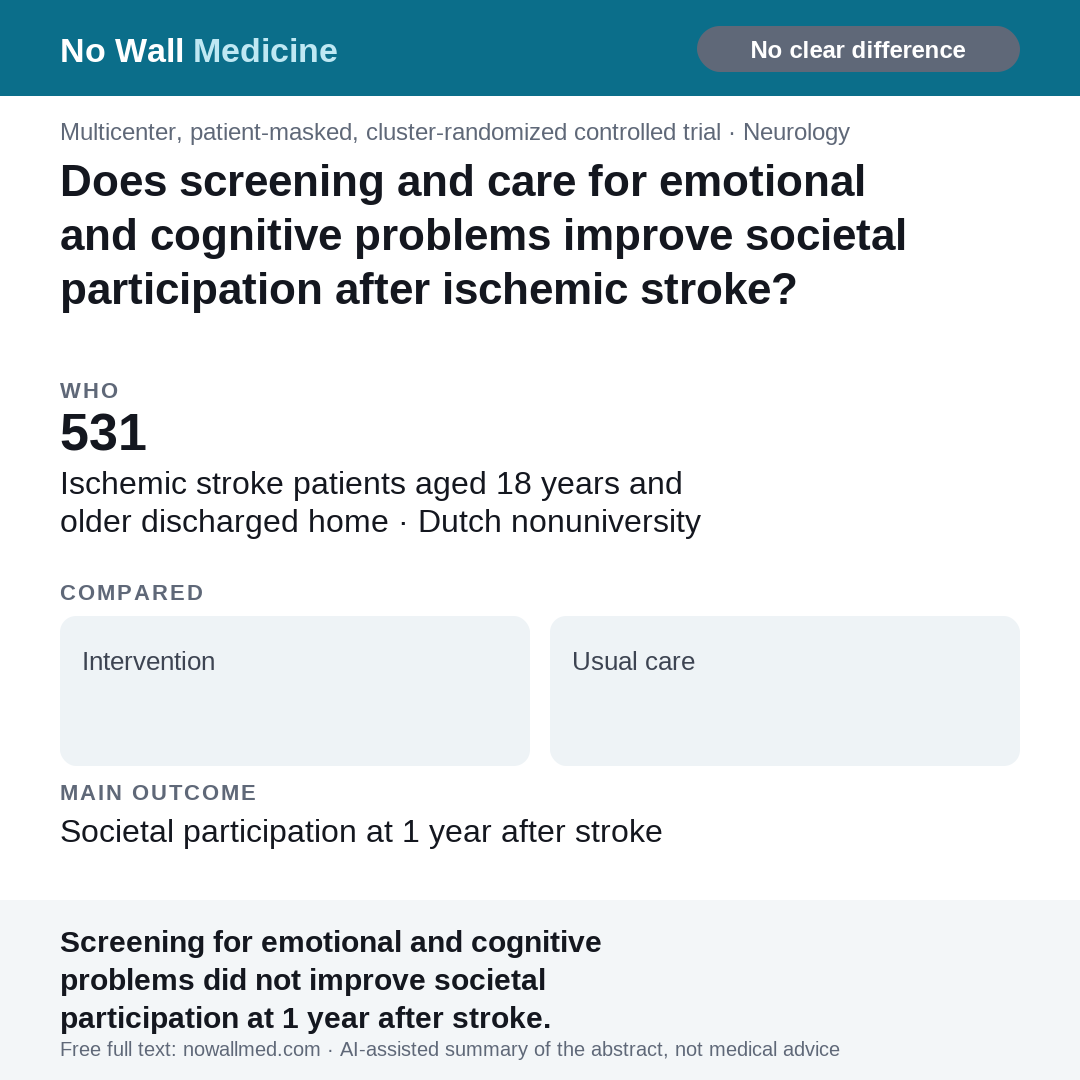
Prevalence of Glaucoma in Europe and Projections to 2050: Findings from the European Eye Epidemiology Consortium
Two-stage, individual participant data meta-analysisHarm found
What is the current and projected glaucoma prevalence in Europe?
Who
55415
55 415 adults aged 40 years or older · Europe, 14 population-based studies
Compared
2.99%Total population (95% CI 2.86%-3.12%)
56.4%Undiagnosed cases
Main outcome
Age-standardized prevalence of total and undiagnosed glaucoma
Bottom line: Glaucoma prevalence in Europe is 2.99%, with over half of cases remaining undiagnosed.
Ophthalmology · 2025-06-09Download image
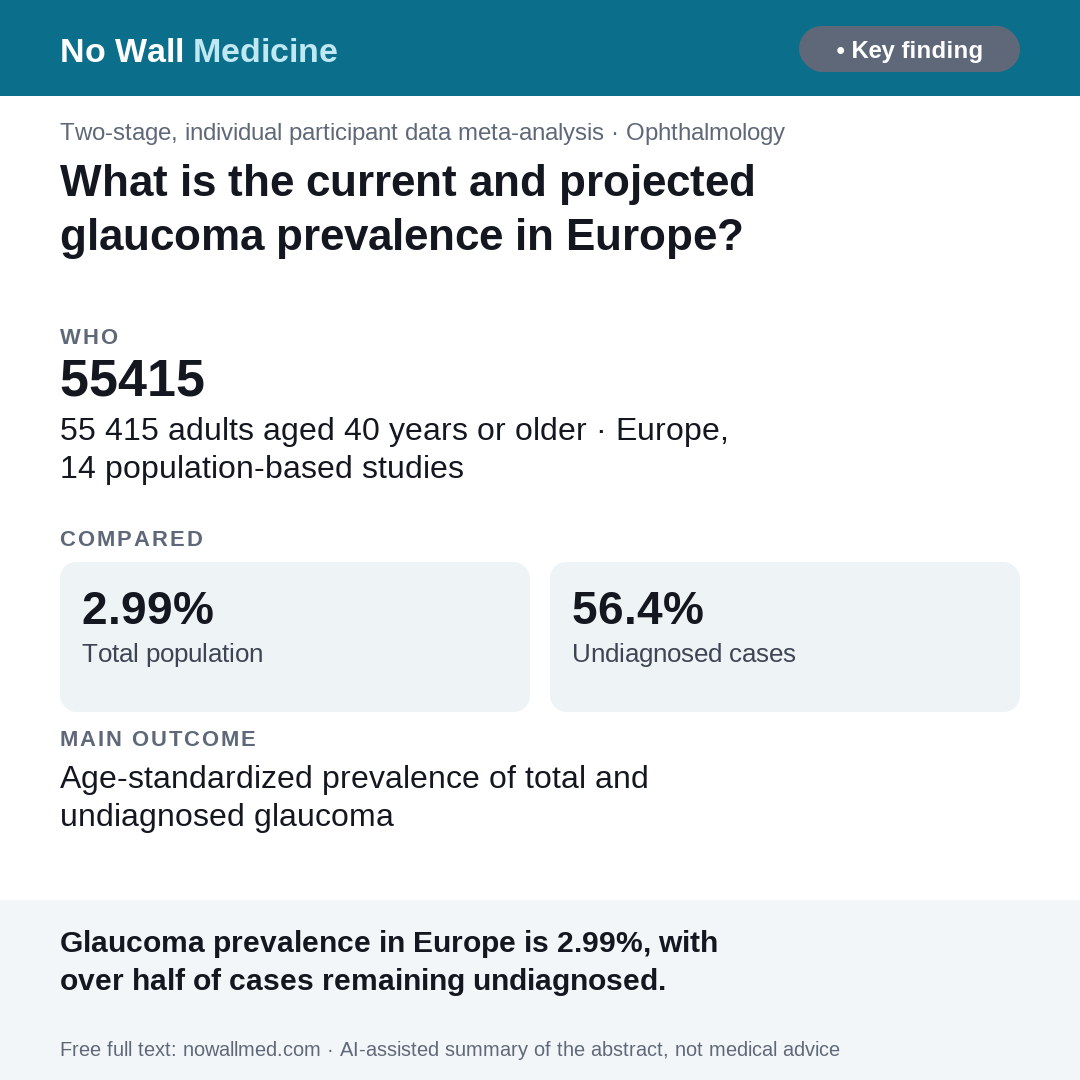
Long-term efficacy of tafamidis in patients with transthyretin amyloid cardiomyopathy by National Amyloidosis Centre stage
Post-hoc analysis of randomized trial and extensionBenefit found
What is the long-term efficacy of tafamidis by National Amyloidosis Centre stage?
Who
353
Patients with transthyretin amyloid cardiomyopathy
Compared
Continuous tafamidis: 36% (NAC stage I) all-cause mortality
Placebo to tafamidis: 61% (NAC stage I) all-cause mortality
Main outcome
All-cause mortality, cardiovascular mortality, and hospitalizations
Result: hazard ratio 0.43 (NAC stage I); hazard ratio 0.51 (NAC stage II)
Bottom line: Tafamidis reduced mortality and hospitalization risk in National Amyloidosis Centre stages I and II patients.
Eur J Heart Fail · 2025-06-09Download image
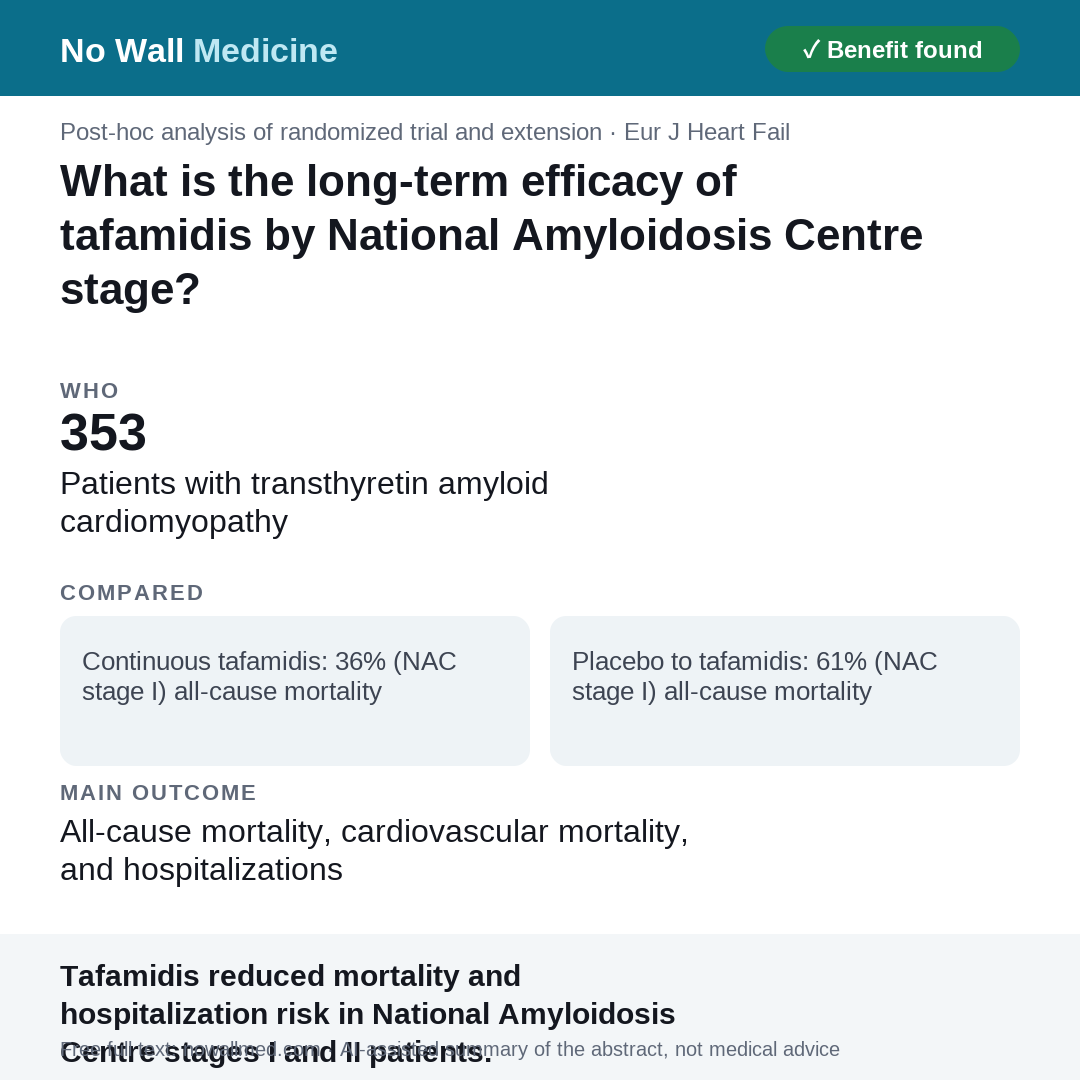
Obesity and Risk of Kidney Outcomes in Heart Failure With Preserved Ejection Fraction: A Participant-Level Pooled Analysis of 4 Contemporary Trials
Participant-level pooled analysis of 4 trialsMixed results
Are BMI, waist circumference, and waist-to-height ratio associated with kidney outcomes in HFpEF?
Who
16919
Patients with heart failure with preserved ejection fraction
Compared
Higher BMI
Higher waist circumference: HR: 1.15 [95% CI: 1.01-1.31]
Higher waist-to-height ratio: HR: 1.32 [95% CI: 1.07-1.62]
Main outcome
sustained eGFR reduction, end-stage kidney disease, or kidney-related death
Result: BMI HR: 0.99 (95% CI: 0.96-1.02)
Bottom line: Higher waist circumference and waist-to-height ratio increased kidney outcome risk, but higher BMI was not associated with risk.
JACC Heart Fail · 2025-06-09Download image
Long-term functional outcomes and health-related quality of life following in-hospital cardiac arrest (IHCA): A systematic review
Systematic review and meta-analysisMixed results
What are the long-term functional outcomes following in-hospital cardiac arrest?
Who
16
Adults receiving conventional cardiopulmonary resuscitation for in-hospital cardiac arrest · 21 countries
Compared
Full cohort: 78.9% (95% CI 73.5-83.4%) poor neurological outcome
Survivors: 9.9% (95% CI 5.8-16.3%) poor neurological outcome
Main outcome
Neurological, cognitive, psychological, or health-related quality of life outcomes
Bottom line: Many in-hospital cardiac arrest survivors experience persistent neurological, psychological, and health-related quality of life impairments.
Limitation: Wide variation in outcome measures, follow-up duration, and reporting methods limited synthesis.
Resuscitation · 2025-06-09Download image

Glucose Parameters, Inflammation Markers, and Gut Microbiota Changes of Gut Microbiome-Targeted Therapies in Type 2 Diabetes Mellitus: A Systematic Review and Meta-Analysis of Randomized Controlled Trials
Systematic review and meta-analysis of randomized controlled trialsBenefit found
Do gut microbiome-targeted therapies affect glucose, inflammation, and gut microbiota in type 2 diabetes?
Who
3390
Patients with type 2 diabetes mellitus
Compared
Gut microbiome-targeted therapies
Control
Main outcome
Glucometabolic, inflammatory factors and gut microbiota
Result: HbA1c MD -0.28% (95% CI -0.39, -0.17)
Bottom line: Gut microbiome-targeted therapies modestly improve glucose parameters, reduce inflammation, and enrich beneficial microbes in type 2 diabetes patients.
Limitation: Heterogeneity and limited long-term data
J Clin Endocrinol Metab · 2025-06-09Download image

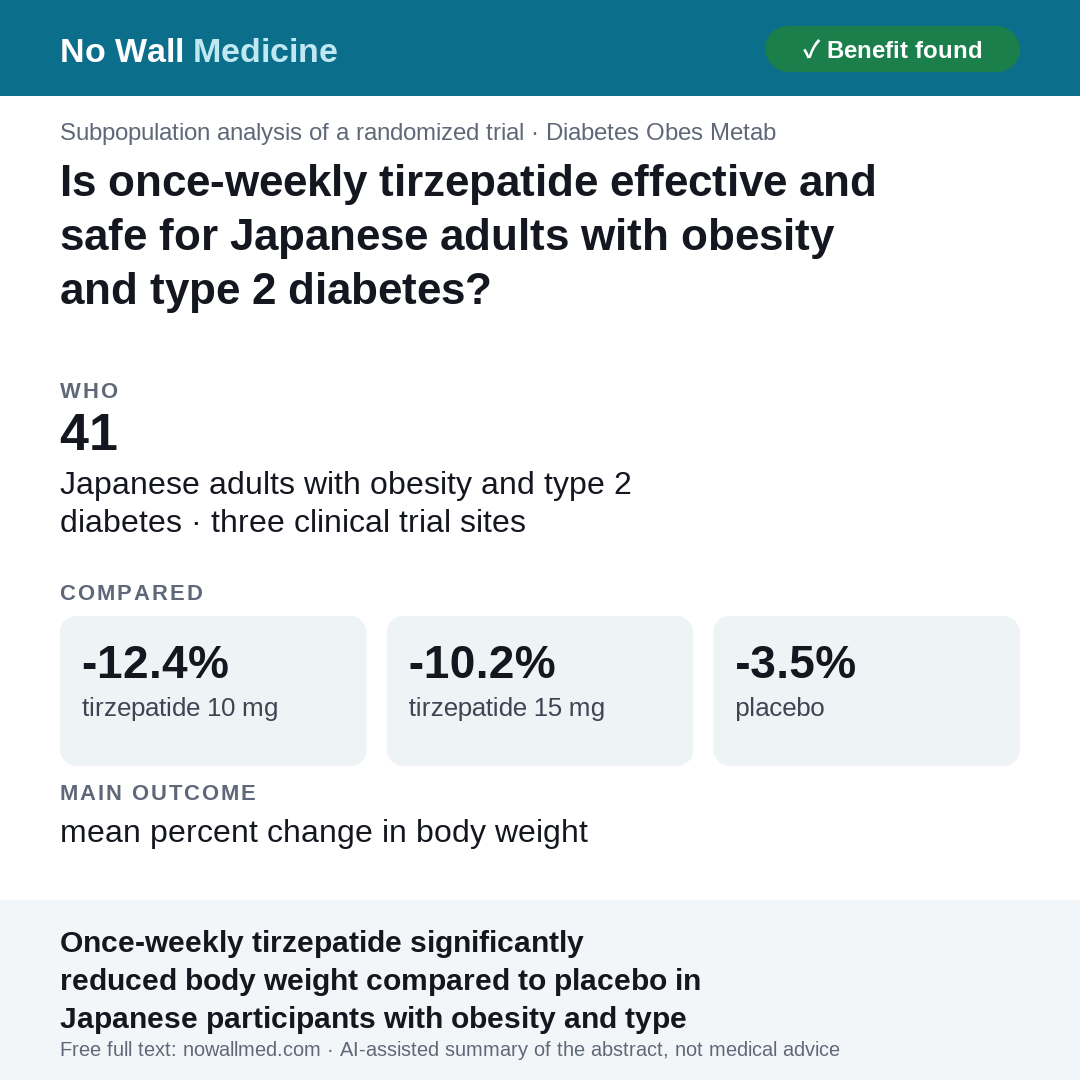
Efficacy and safety of once-weekly tirzepatide in Japanese participants with type 2 diabetes who have obesity or overweight: Subpopulation analysis of the SURMOUNT-2 trial
Subpopulation analysis of a randomized trialBenefit found
Is once-weekly tirzepatide effective and safe for Japanese adults with obesity and type 2 diabetes?
Who
41
Japanese adults with obesity and type 2 diabetes · three clinical trial sites
Compared
-12.4%tirzepatide 10 mg (1.8%)
-10.2%tirzepatide 15 mg (1.8%)
-3.5%placebo (1.8%)
Main outcome
mean percent change in body weight
Bottom line: Once-weekly tirzepatide significantly reduced body weight compared to placebo in Japanese participants with obesity and type 2 diabetes.
Diabetes Obes Metab · 2025-06-09Download image
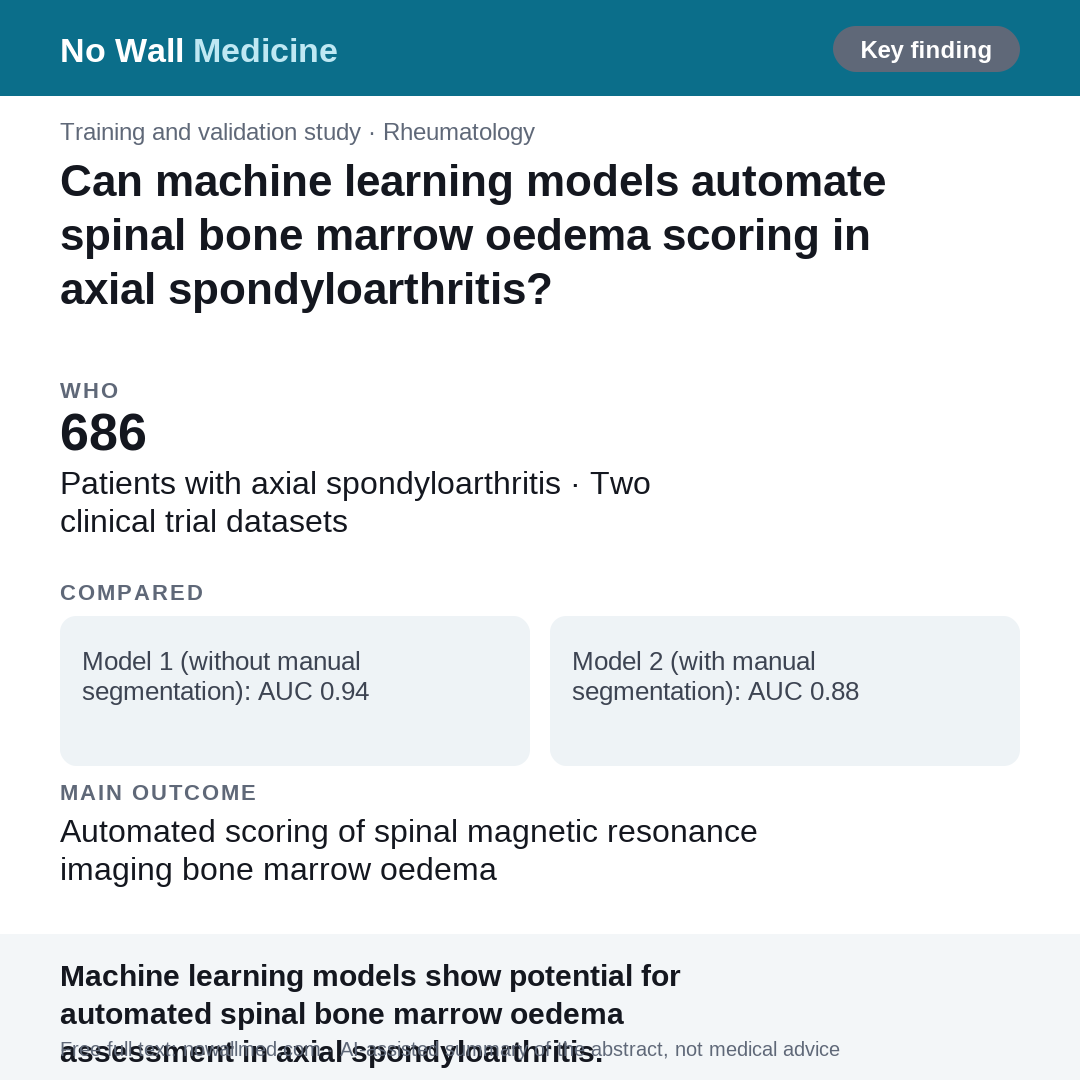
Automated detection of spinal bone marrow oedema in axial spondyloarthritis: training and validation using two large phase 3 trial datasets
Training and validation studyBenefit found
Can machine learning models automate spinal bone marrow oedema scoring in axial spondyloarthritis?
Who
686
Patients with axial spondyloarthritis · Two clinical trial datasets
Compared
Model 1 (without manual segmentation): AUC 0.94
Model 2 (with manual segmentation): AUC 0.88
Main outcome
Automated scoring of spinal magnetic resonance imaging bone marrow oedema
Bottom line: Machine learning models show potential for automated spinal bone marrow oedema assessment in axial spondyloarthritis.
Rheumatology · 2025-06-09Download image
Phase 3 randomized trial of high-dose methotrexate for young children with high-risk embryonal brain tumors: A report from the Children's Oncology Group
Phase 3 randomized trialMixed results
Does high-dose methotrexate improve outcomes in young children with high-risk embryonal brain tumors?
Who
77
Young children under 36 months old with high-risk embryonal brain tumors
Compared
With methotrexate: 15/30 (50%) achieved complete response
Without methotrexate: 13/29 (45%) achieved complete response
Main outcome
complete response at the end of therapy
Bottom line: Methotrexate improved complete response and event-free survival for Group 3 medulloblastoma but not other embryonal tumor diagnoses.
Neuro Oncol · 2025-06-09Download image