Visual abstracts
New randomized trials and meta-analyses from leading journals at a glance: who was studied, what was compared, and what was found. Every paper is free to read in full.
All specialtiesCardiology 1341Oncology 1205Gastroenterology & Hepatology 483Infectious Disease 880Neurology 556Psychiatry & Mental Health 671Pulmonology 578Critical Care 398Endocrinology & Diabetes 746Pediatrics 802Surgery 638Orthopedics & Sports Medicine 259Neurosurgery 182Cardiothoracic & Vascular Surgery 151Plastic & Reconstructive Surgery 212Nephrology 283Rheumatology 179Hematology 283Dermatology 142Ophthalmology 153Obstetrics & Gynecology 426Public & Global Health 261Radiology & Imaging 173Anesthesiology 257Urology 251ENT (Otolaryngology) 182Emergency Medicine 147Allergy & Immunology 90Geriatrics 281Family Medicine & Primary Care 171Medical Genetics & Genomics 144Pathology & Laboratory Medicine 41Physical Medicine & Rehabilitation 233Palliative Care 122Nutrition 353Digital Health & AI 696General Medicine 123
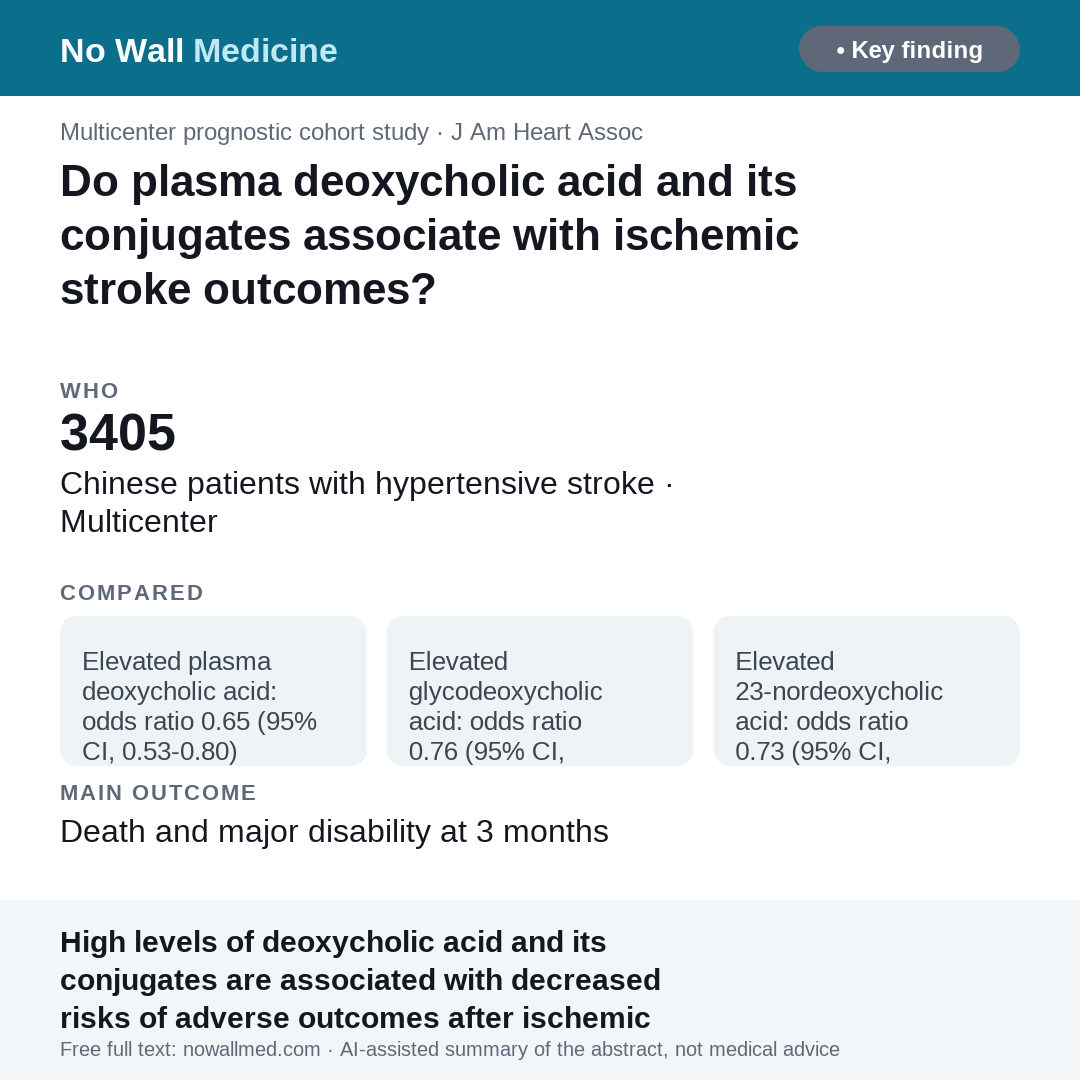
Associations of Plasma Deoxycholic Acid and Its Conjugates With the Clinical Outcomes After Ischemic Stroke
Multicenter prognostic cohort studyBenefit found
Do plasma deoxycholic acid and its conjugates associate with ischemic stroke outcomes?
Who
3405
Chinese patients with hypertensive stroke · Multicenter
Compared
Elevated plasma deoxycholic acid: odds ratio 0.65 (95% CI, 0.53-0.80)
Elevated glycodeoxycholic acid: odds ratio 0.76 (95% CI, 0.61-0.93)
Elevated 23-nordeoxycholic acid: odds ratio 0.73 (95% CI, 0.59-0.89)
Main outcome
Death and major disability at 3 months
Bottom line: High levels of deoxycholic acid and its conjugates are associated with decreased risks of adverse outcomes after ischemic stroke.
J Am Heart Assoc · 2026-09-18Download image
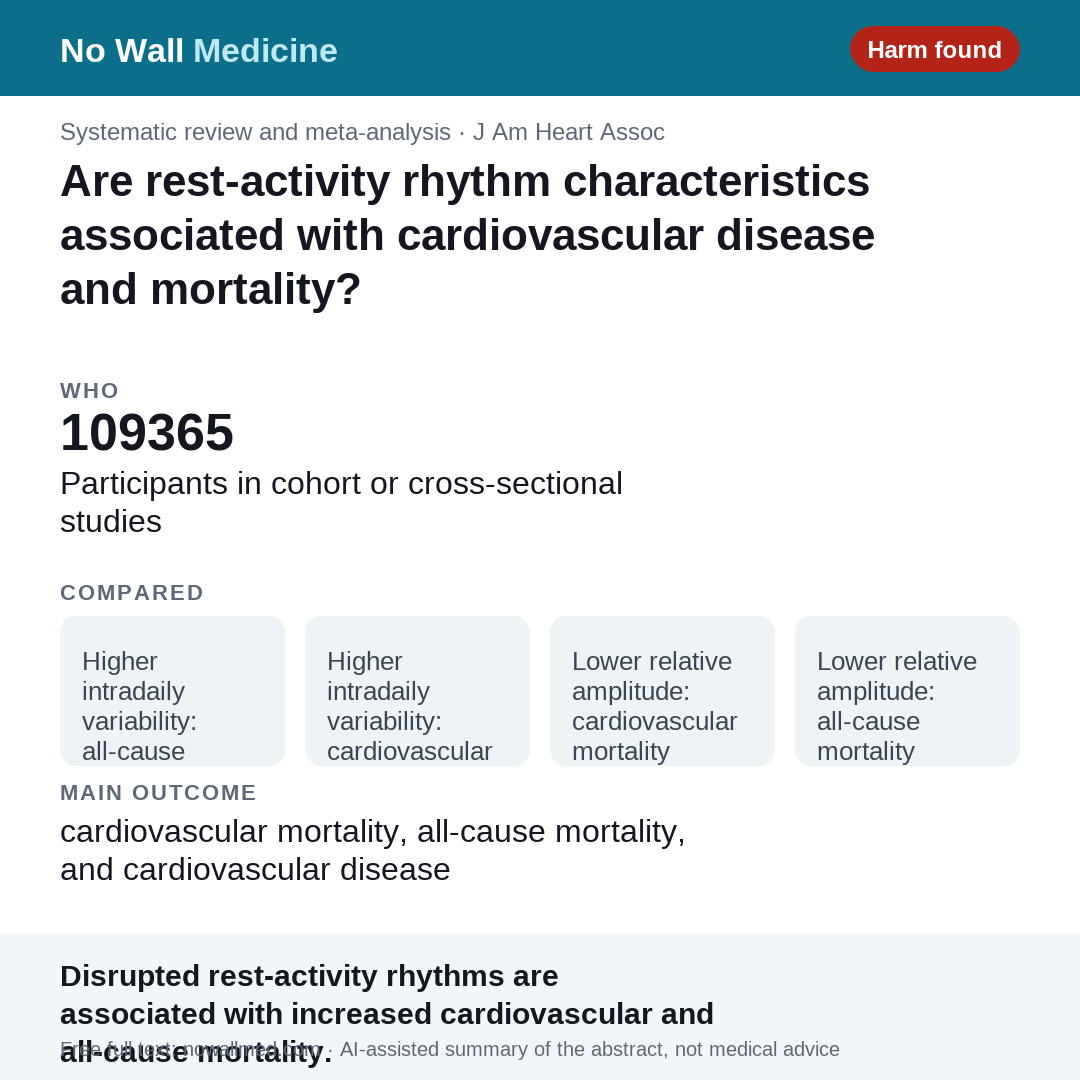
Association Between Rest-Activity Rhythm and Cardiovascular Disease, Cardiovascular Mortality, and All-Cause Mortality: A Systematic Review and Meta-Analysis
Systematic review and meta-analysisHarm found
Are rest-activity rhythm characteristics associated with cardiovascular disease and mortality?
Who
109365
Participants in cohort or cross-sectional studies
Compared
Higher intradaily variability: all-cause mortality hazard ratio 1.05 (95% CI 1.02-1.09)
Higher intradaily variability: cardiovascular disease prevalence odds ratio 1.73 (95% CI 1.21-2.47)
Lower relative amplitude: cardiovascular mortality hazard ratio 1.50 (95% CI 1.13-1.98)
Lower relative amplitude: all-cause mortality hazard ratio 1.46 (95% CI 1.27-1.68)
Main outcome
cardiovascular mortality, all-cause mortality, and cardiovascular disease
Bottom line: Disrupted rest-activity rhythms are associated with increased cardiovascular and all-cause mortality.
J Am Heart Assoc · 2026-09-18Download image
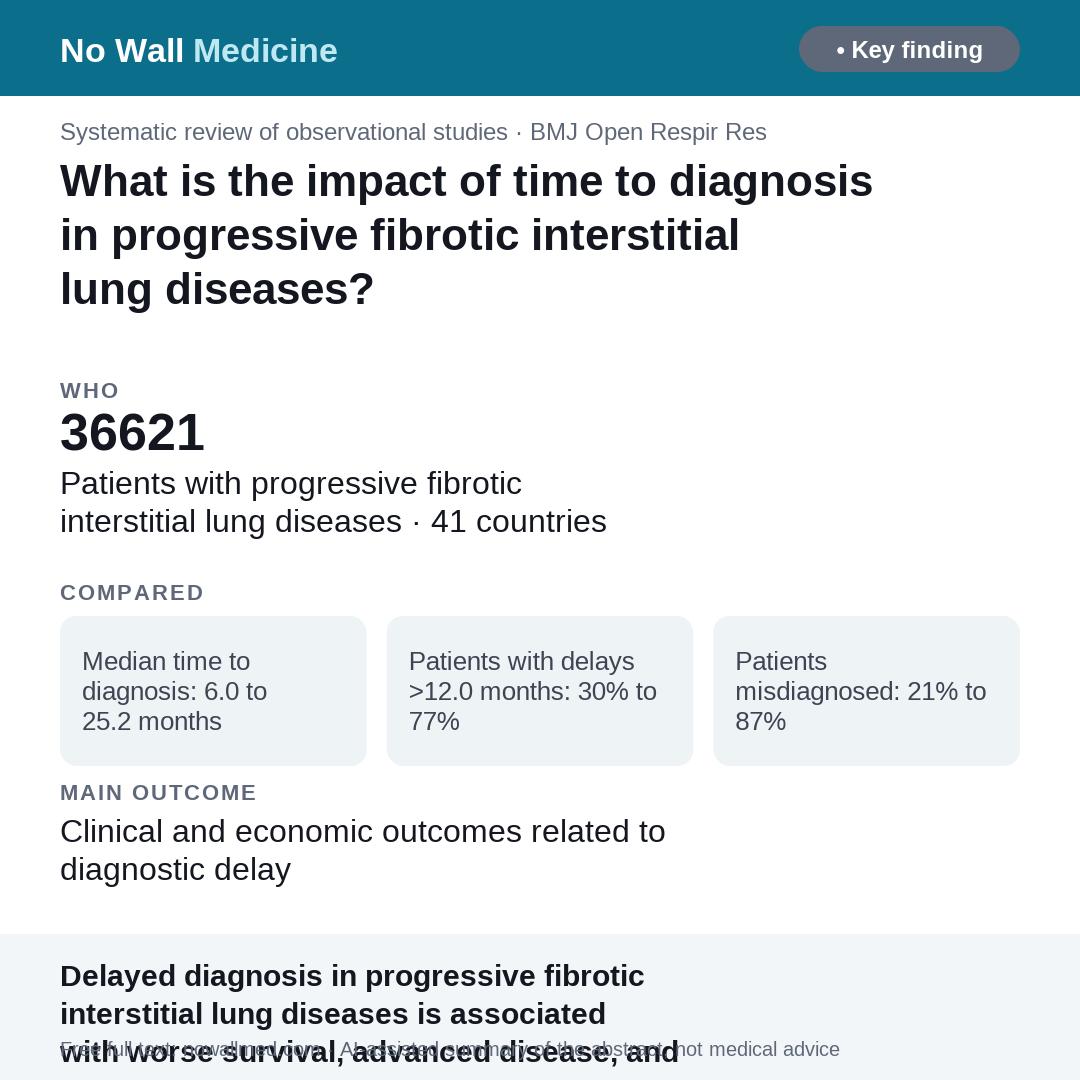
Impact of time to diagnosis in patients with progressive fibrotic ILD: a systematic review
Systematic review of observational studiesHarm found
What is the impact of time to diagnosis in progressive fibrotic interstitial lung diseases?
Who
36621
Patients with progressive fibrotic interstitial lung diseases · 41 countries
Compared
Median time to diagnosis: 6.0 to 25.2 months
Patients with delays >12.0 months: 30% to 77%
Patients misdiagnosed: 21% to 87%
Main outcome
Clinical and economic outcomes related to diagnostic delay
Bottom line: Delayed diagnosis in progressive fibrotic interstitial lung diseases is associated with worse survival, advanced disease, and increased hospitalisation.
Limitation: Direct economic burden resulting from delayed diagnosis is currently poorly understood.
BMJ Open Respir Res · 2026-09-18Download image
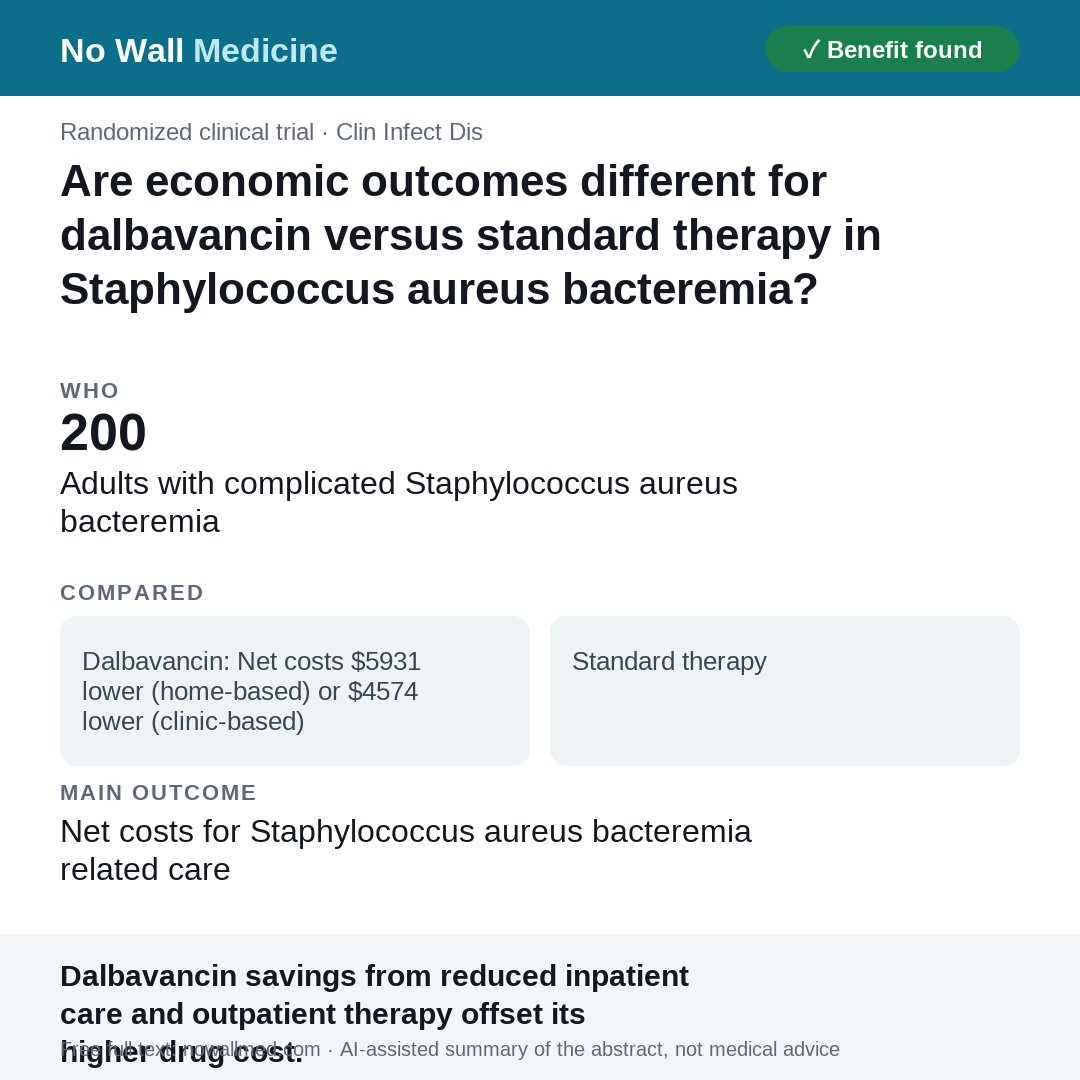
Economic Outcomes of Dalbavancin versus Standard Therapy in Staphylococcus aureus Bacteremia in the DOTS Randomized Clinical Trial
Randomized clinical trialBenefit found
Are economic outcomes different for dalbavancin versus standard therapy in Staphylococcus aureus bacteremia?
Who
200
Adults with complicated Staphylococcus aureus bacteremia
Compared
Dalbavancin: Net costs $5931 lower (home-based) or $4574 lower (clinic-based)
Standard therapy
Main outcome
Net costs for Staphylococcus aureus bacteremia related care
Bottom line: Dalbavancin savings from reduced inpatient care and outpatient therapy offset its higher drug cost.
Clin Infect Dis · 2026-09-17Download image
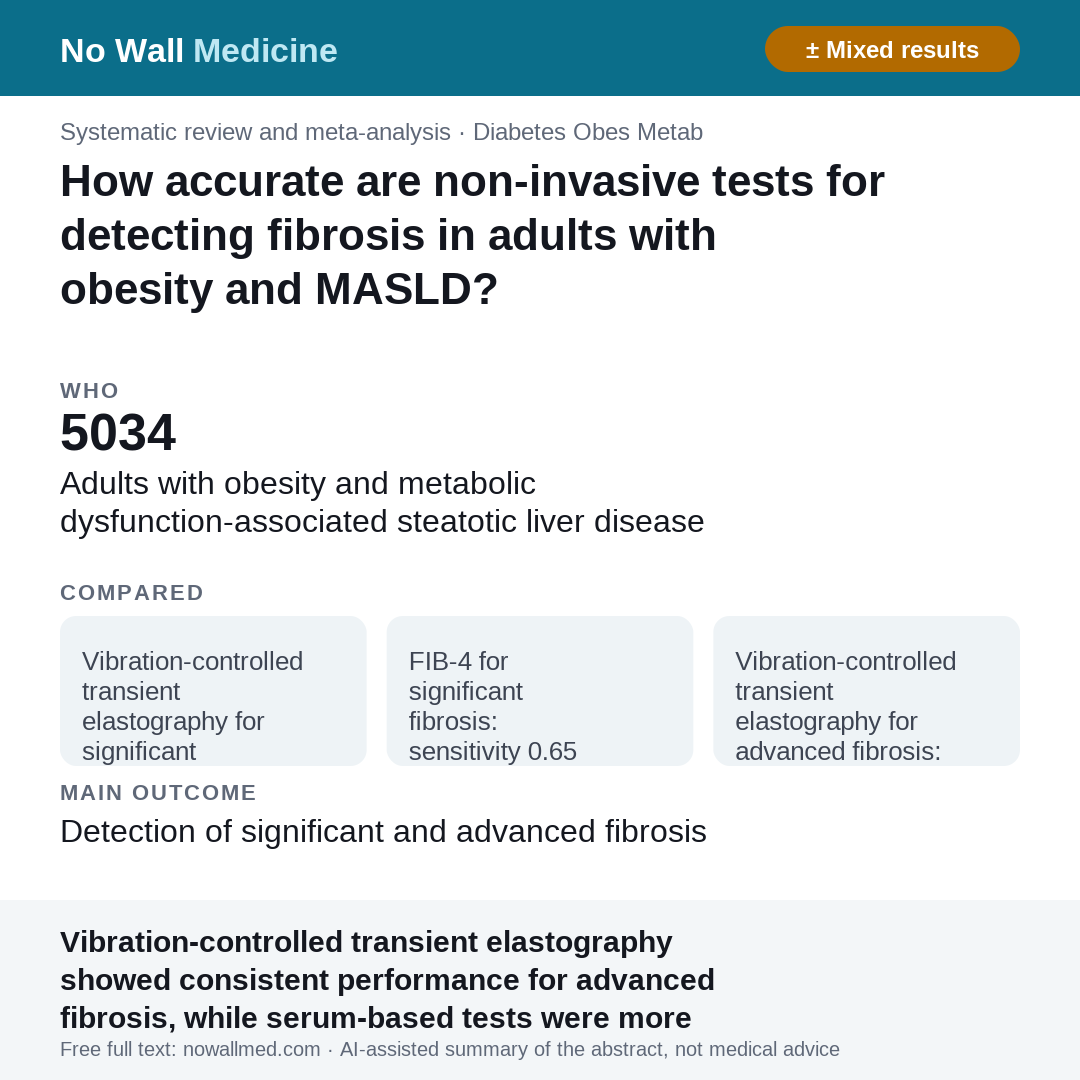
Non-Invasive Fibrosis Testing in Adults With Obesity and MASLD: A Systematic Review and Meta-Analysis
Systematic review and meta-analysisMixed results
How accurate are non-invasive tests for detecting fibrosis in adults with obesity and MASLD?
Who
5034
Adults with obesity and metabolic dysfunction-associated steatotic liver disease
Compared
Vibration-controlled transient elastography for significant fibrosis: sensitivity 0.64 (95% CI, 0.49-0.77)
FIB-4 for significant fibrosis: sensitivity 0.65 (95% CI, 0.53-0.75)
Vibration-controlled transient elastography for advanced fibrosis: sensitivity 0.77 (95% CI, 0.67-0.85)
Main outcome
Detection of significant and advanced fibrosis
Bottom line: Vibration-controlled transient elastography showed consistent performance for advanced fibrosis, while serum-based tests were more variable.
Diabetes Obes Metab · 2026-09-17Download image
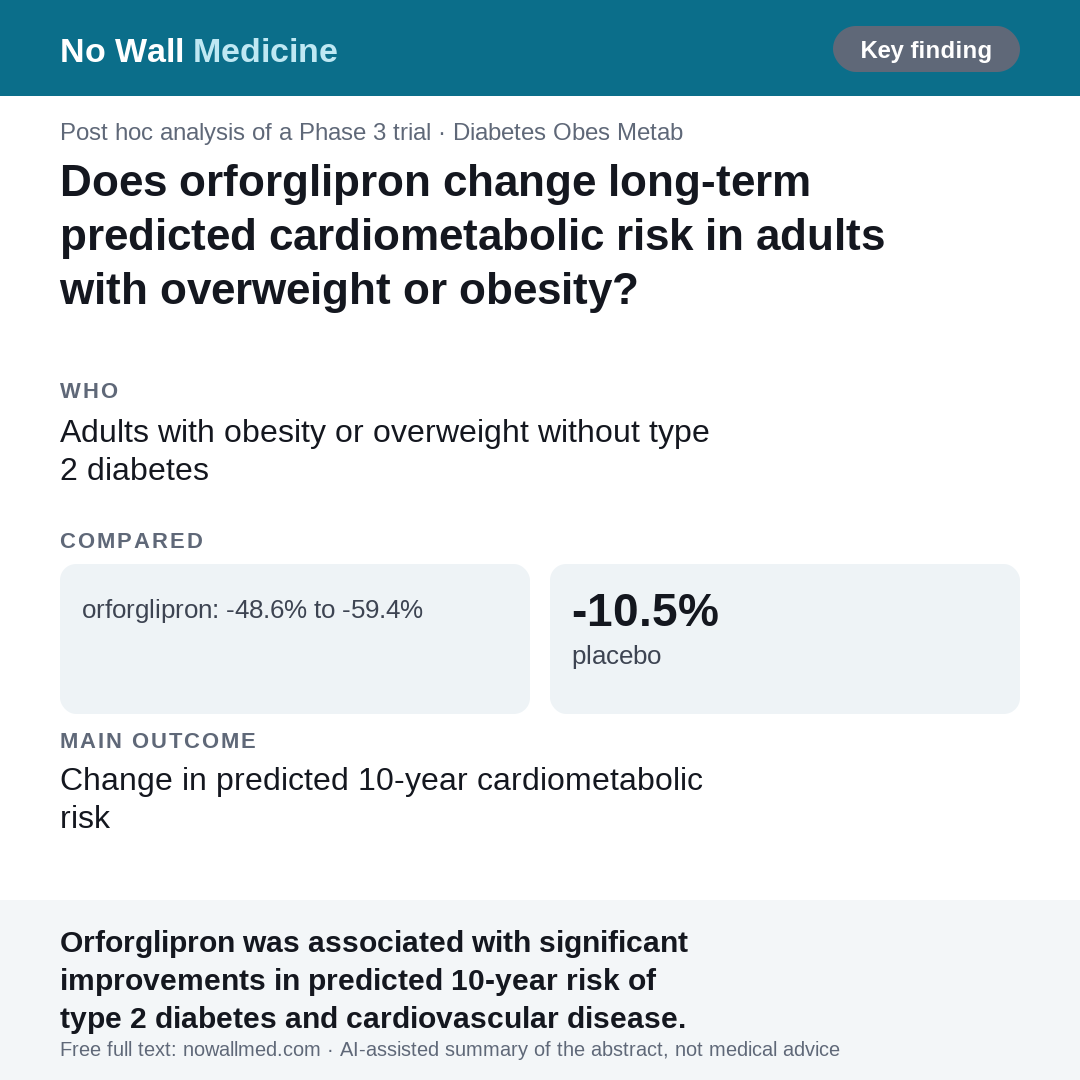
Predicting the Long-Term Risk of Type 2 Diabetes and Cardiovascular Disease With Orforglipron in People With Overweight or Obesity: A Post Hoc Analysis of the ATTAIN-1 Trial
Post hoc analysis of a Phase 3 trialBenefit found
Does orforglipron change long-term predicted cardiometabolic risk in adults with overweight or obesity?
Who
Adults with obesity or overweight without type 2 diabetes
Compared
orforglipron: -48.6% to -59.4%
-10.5%placebo
Main outcome
Change in predicted 10-year cardiometabolic risk
Bottom line: Orforglipron was associated with significant improvements in predicted 10-year risk of type 2 diabetes and cardiovascular disease.
Diabetes Obes Metab · 2026-09-17Download image
RSV Vaccination in Systemic Autoimmune Rheumatic Diseases: A Systematic Review
Systematic reviewBenefit found
What are the epidemiology, effectiveness, immunogenicity, and safety of RSV vaccination in SARDs?
Who
Adults with systemic autoimmune rheumatic diseases
Compared
Immunocompromised adults: 60-73% first-season effectiveness
Immunocompetent populations
Main outcome
vaccine effectiveness, immunogenicity, and safety
Bottom line: RSV vaccination appears effective and safe in immunocompromised populations, though protection may wane more rapidly.
Limitation: No study evaluated vaccine effectiveness stratified by disease-modifying antirheumatic drugs class.
Rheumatology · 2026-09-17Download image

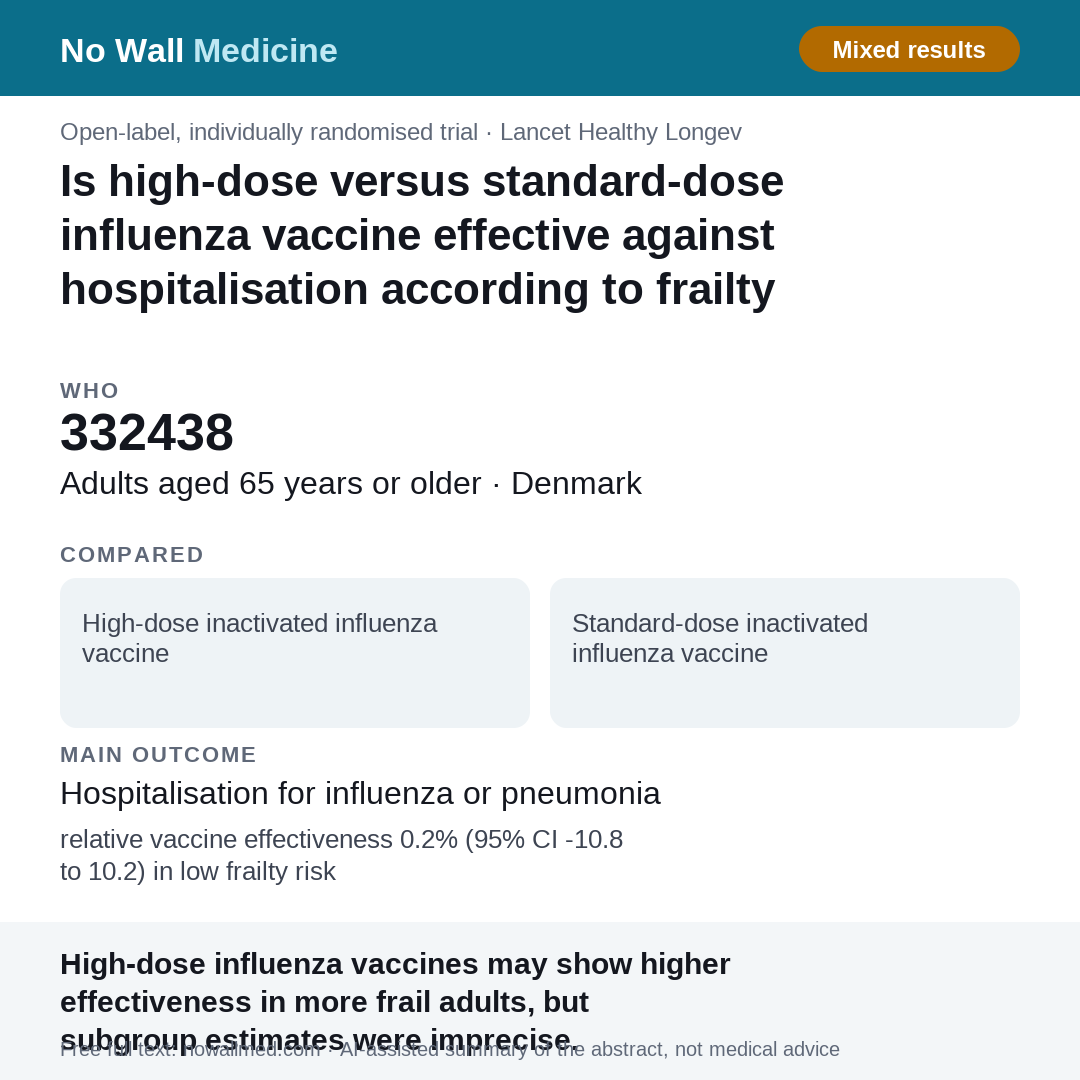
Effectiveness of high-dose versus standard-dose influenza vaccines against hospitalisation according to frailty risk: a prespecified analysis of the randomised trial DANFLU-2
Open-label, individually randomised trialMixed results
Is high-dose versus standard-dose influenza vaccine effective against hospitalisation according to frailty risk?
Who
332438
Adults aged 65 years or older · Denmark
Compared
High-dose inactivated influenza vaccine
Standard-dose inactivated influenza vaccine
Main outcome
Hospitalisation for influenza or pneumonia
Result: relative vaccine effectiveness 0.2% (95% CI -10.8 to 10.2) in low frailty risk
Bottom line: High-dose influenza vaccines may show higher effectiveness in more frail adults, but subgroup estimates were imprecise.
Limitation: Effect modification was not evident in categorical subgroups and estimates were imprecise with confidence intervals crossing the null.
Funded by: Sanofi
Lancet Healthy Longev · 2026-09-17Download image
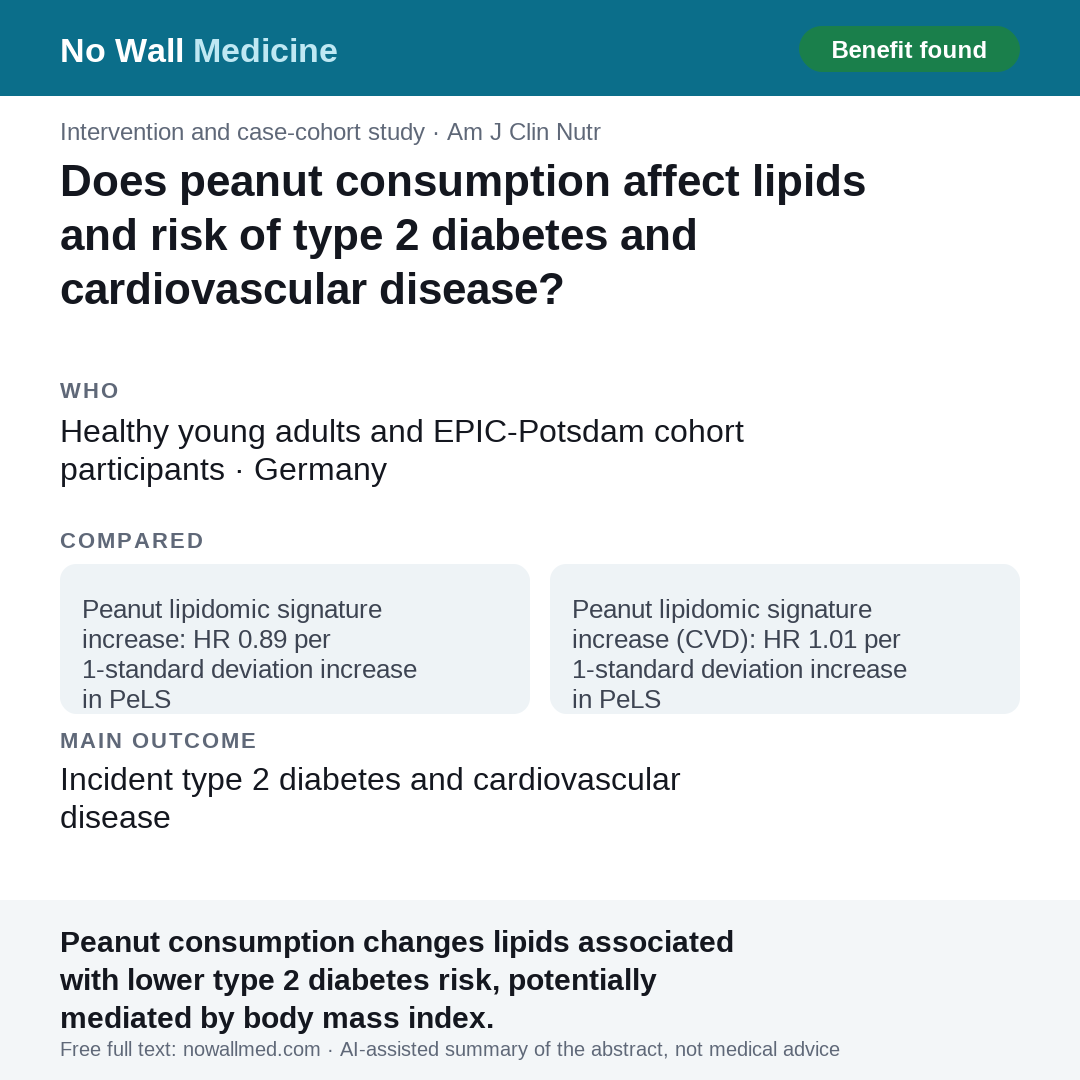
Peanuts-derived plasma lipids and lower risk of type 2 diabetes: association mediated by body mass index-an intervention and case-cohort study
Intervention and case-cohort studyBenefit found
Does peanut consumption affect lipids and risk of type 2 diabetes and cardiovascular disease?
Who
Healthy young adults and EPIC-Potsdam cohort participants · Germany
Compared
Peanut lipidomic signature increase: HR 0.89 per 1-standard deviation increase in PeLS
Peanut lipidomic signature increase (CVD): HR 1.01 per 1-standard deviation increase in PeLS
Main outcome
Incident type 2 diabetes and cardiovascular disease
Result: hazard ratio 0.89 (95% CI 0.80, 0.99) for type 2 diabetes
Bottom line: Peanut consumption changes lipids associated with lower type 2 diabetes risk, potentially mediated by body mass index.
Am J Clin Nutr · 2026-09-17Download image
Long-Term Outcomes of Expectant Management versus Early Ibuprofen for Patent Ductus Arteriosus: 24-Month Follow-Up of the BeNeDuctus Trial
International, multicenter, randomized trialNo clear difference
Does early ibuprofen versus expectant management improve survival without neurodevelopmental impairment?
Who
273
Extremely preterm infants with patent ductus arteriosus · International, multicenter
Compared
Expectant management: 51 of 104 patients (49%)
Early ibuprofen treatment: 47 of 96 (49%)
Main outcome
Survival without neurodevelopmental impairment
Result: relative risk 1.00 (95% CI 0.76-1.33)
Bottom line: Early ibuprofen treatment showed no advantage for survival and neurodevelopmental outcomes at 24 months corrected age.
J Pediatr · 2026-09-17Download image

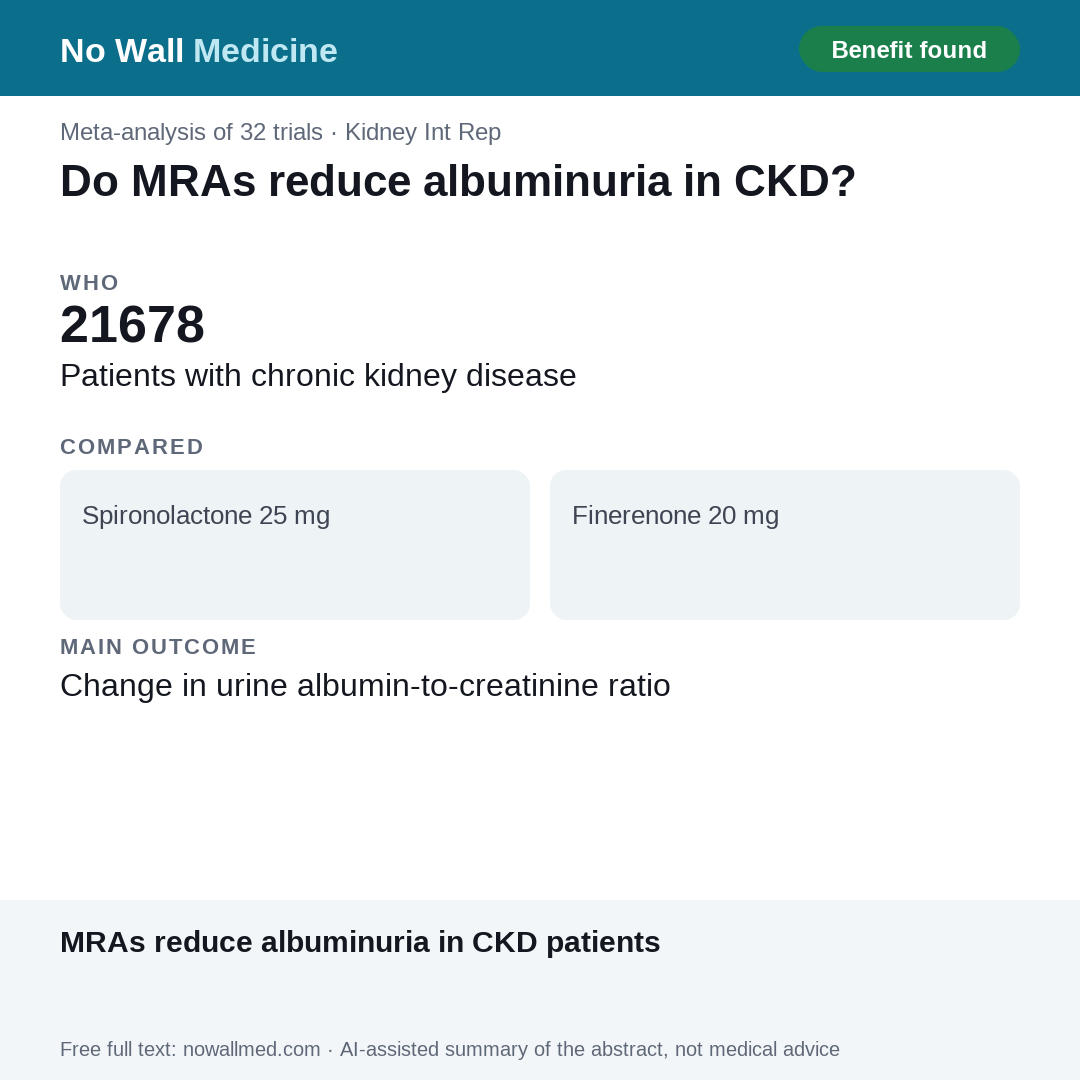
Dose-Specific Network Meta-Analysis of Mineralocorticoid Receptor Antagonists in CKD
Meta-analysis of 32 trialsBenefit found
Do MRAs reduce albuminuria in CKD?
Who
21678
Patients with chronic kidney disease
Compared
Spironolactone 25 mg
Finerenone 20 mg
Main outcome
Change in urine albumin-to-creatinine ratio
Bottom line: MRAs reduce albuminuria in CKD patients
Limitation: Short-term studies informed eGFR results
Kidney Int Rep · 2026-09-17Download image
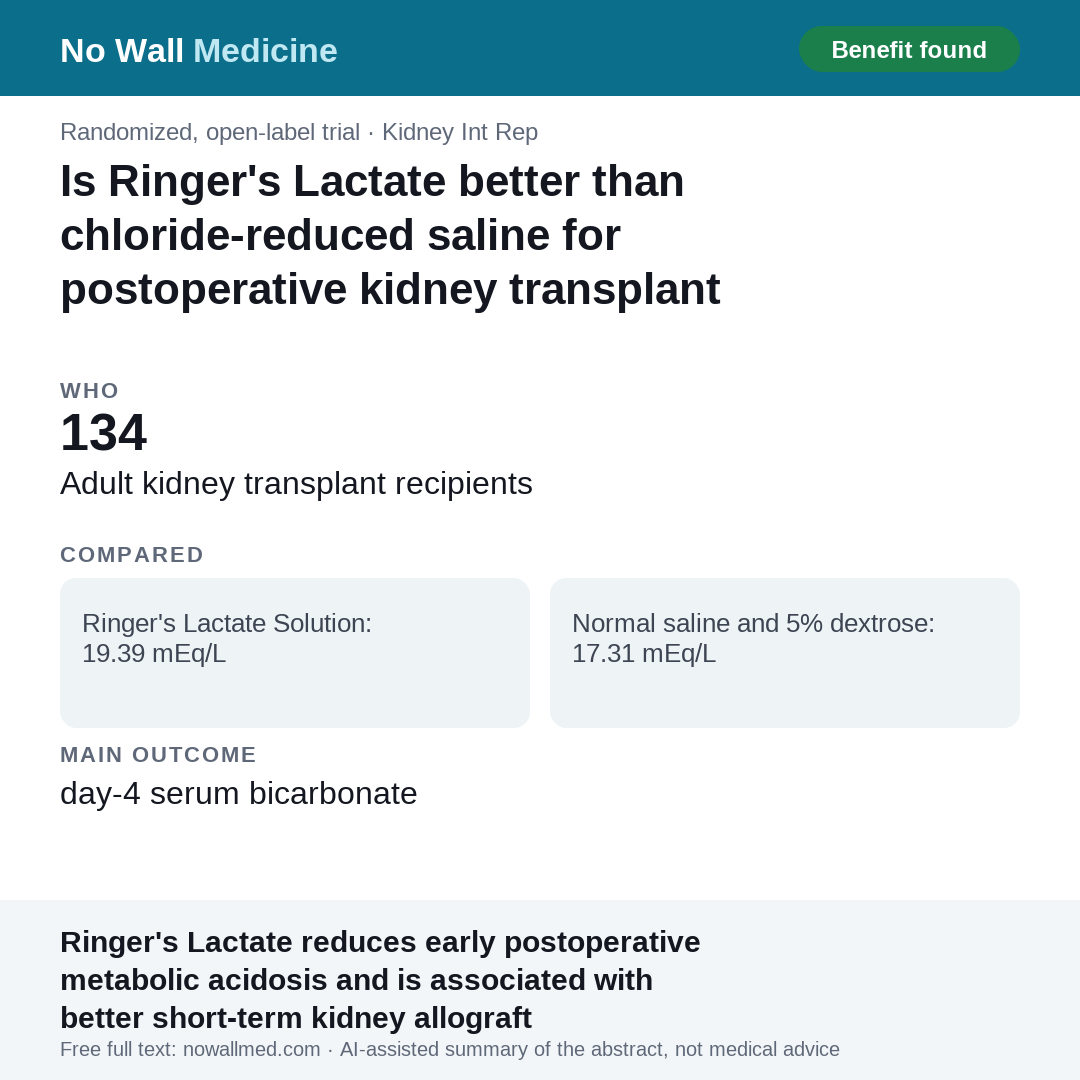
Randomized Clinical Trial of Ringer's Lactate Versus Chloride-Reduced Saline-Dextrose in Postoperative Kidney Transplantation
Randomized, open-label trialBenefit found
Is Ringer's Lactate better than chloride-reduced saline for postoperative kidney transplant recipients?
Who
134
Adult kidney transplant recipients
Compared
Ringer's Lactate Solution: 19.39 mEq/L
Normal saline and 5% dextrose: 17.31 mEq/L
Main outcome
day-4 serum bicarbonate
Bottom line: Ringer's Lactate reduces early postoperative metabolic acidosis and is associated with better short-term kidney allograft functional recovery.
Limitation: Benefits are most applicable to allografts exhibiting immediate or early function.
Kidney Int Rep · 2026-09-17Download image
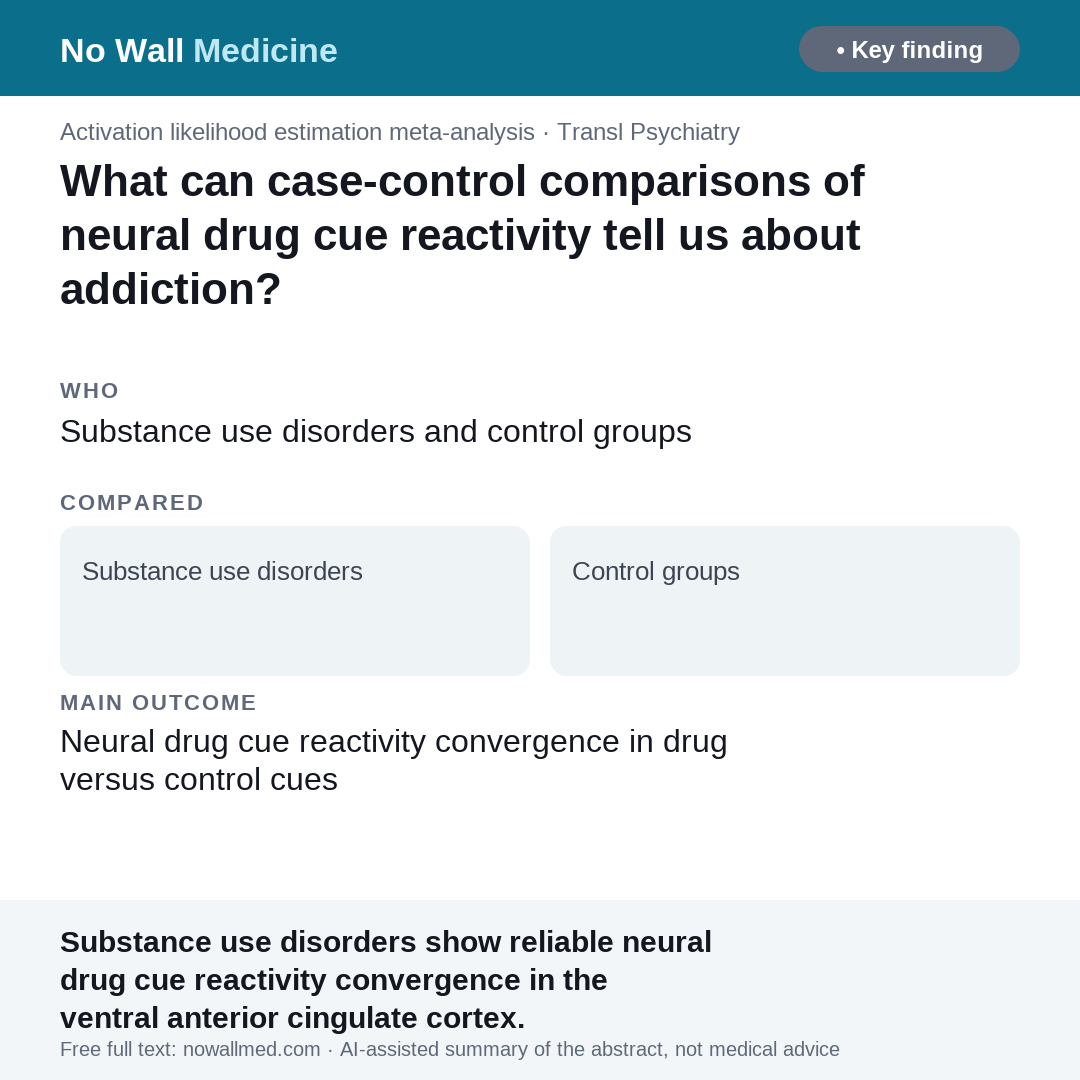
What can case-control comparisons of neural drug cue reactivity tell us about addiction? A neuroimaging meta-analysis
Activation likelihood estimation meta-analysisBenefit found
What can case-control comparisons of neural drug cue reactivity tell us about addiction?
Who
Substance use disorders and control groups
Compared
Substance use disorders
Control groups
Main outcome
Neural drug cue reactivity convergence in drug versus control cues
Bottom line: Substance use disorders show reliable neural drug cue reactivity convergence in the ventral anterior cingulate cortex.
Limitation: Results were sensitive to matching conditions for human content.
Transl Psychiatry · 2026-09-17Download image
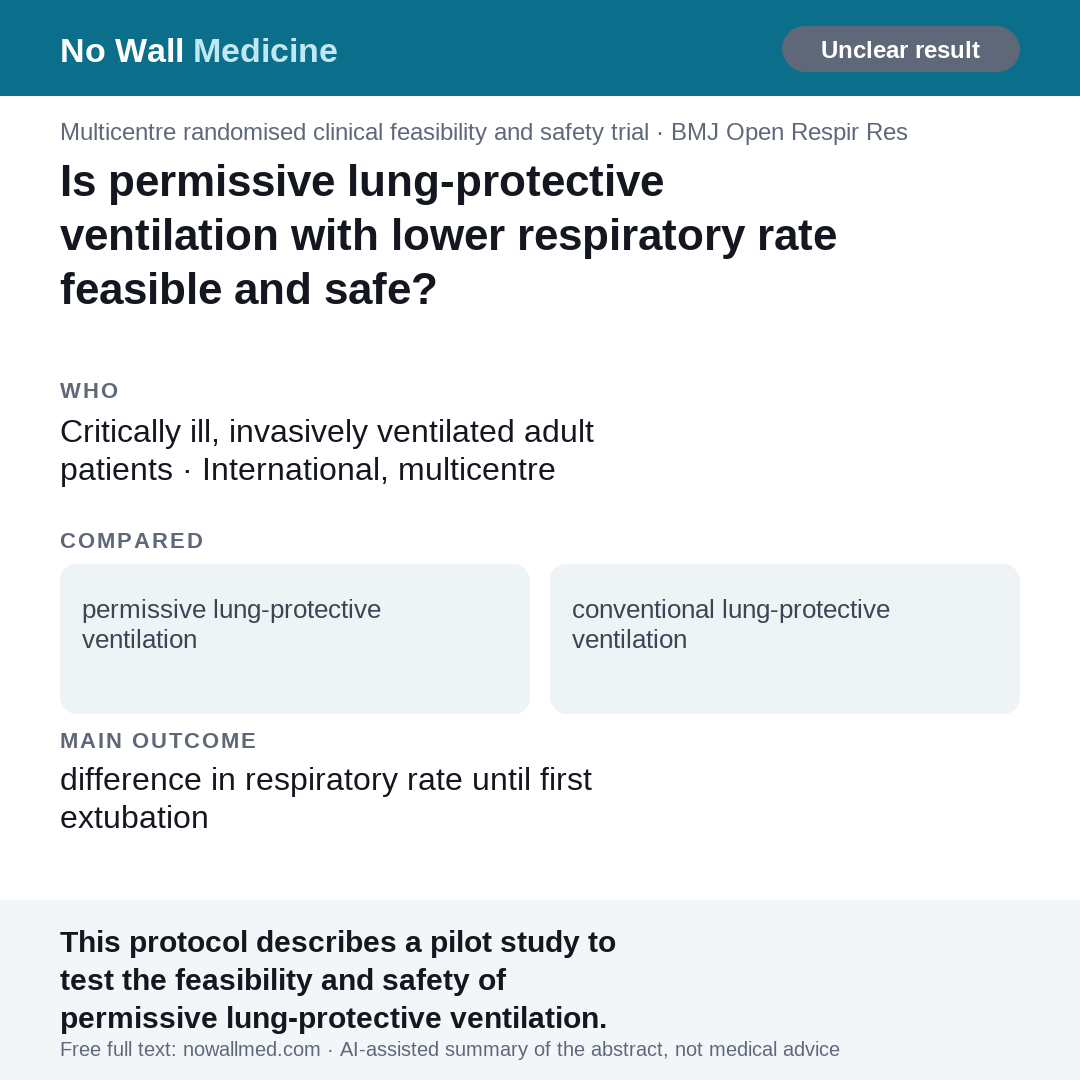
Effects of PERMISSive lung-protective ventilation on outcome in critically ill, invasively ventilated patients (PERMISS): protocol for a feasibility and safety randomised clinical trial
Multicentre randomised clinical feasibility and safety trialUnclear result
Is permissive lung-protective ventilation with lower respiratory rate feasible and safe?
Who
Critically ill, invasively ventilated adult patients · International, multicentre
Compared
permissive lung-protective ventilation
conventional lung-protective ventilation
Main outcome
difference in respiratory rate until first extubation
Bottom line: This protocol describes a pilot study to test the feasibility and safety of permissive lung-protective ventilation.
BMJ Open Respir Res · 2026-09-17Download image
Fine-Tuning, Retrieval-Augmented Generation, and Hybrid Adaptation of Language Models for Clinical Decision-Making in Health Care: Systematic Review
Systematic reviewMixed results
How do fine-tuning, retrieval-augmented generation, and hybrid strategies compare for clinical decision-making?
Who
35
Transformer-based language models for clinical decision support and diagnosis
Compared
Fine-tuning: area under the receiver operating characteristic curve up to 0.912
Retrieval-augmented generation: increases from 71.1% to 92.1%
Hybrid approaches: external validation accuracies exceeding 90%
Main outcome
Performance in clinical diagnosis and decision-support tasks
Bottom line: Adaptation strategies should align with task needs, but current evidence is largely retrospective or benchmark-based.
Limitation: Substantial methodological limitations including inadequate external validation and lack of calibration assessment.
J Med Internet Res · 2026-09-17Download image

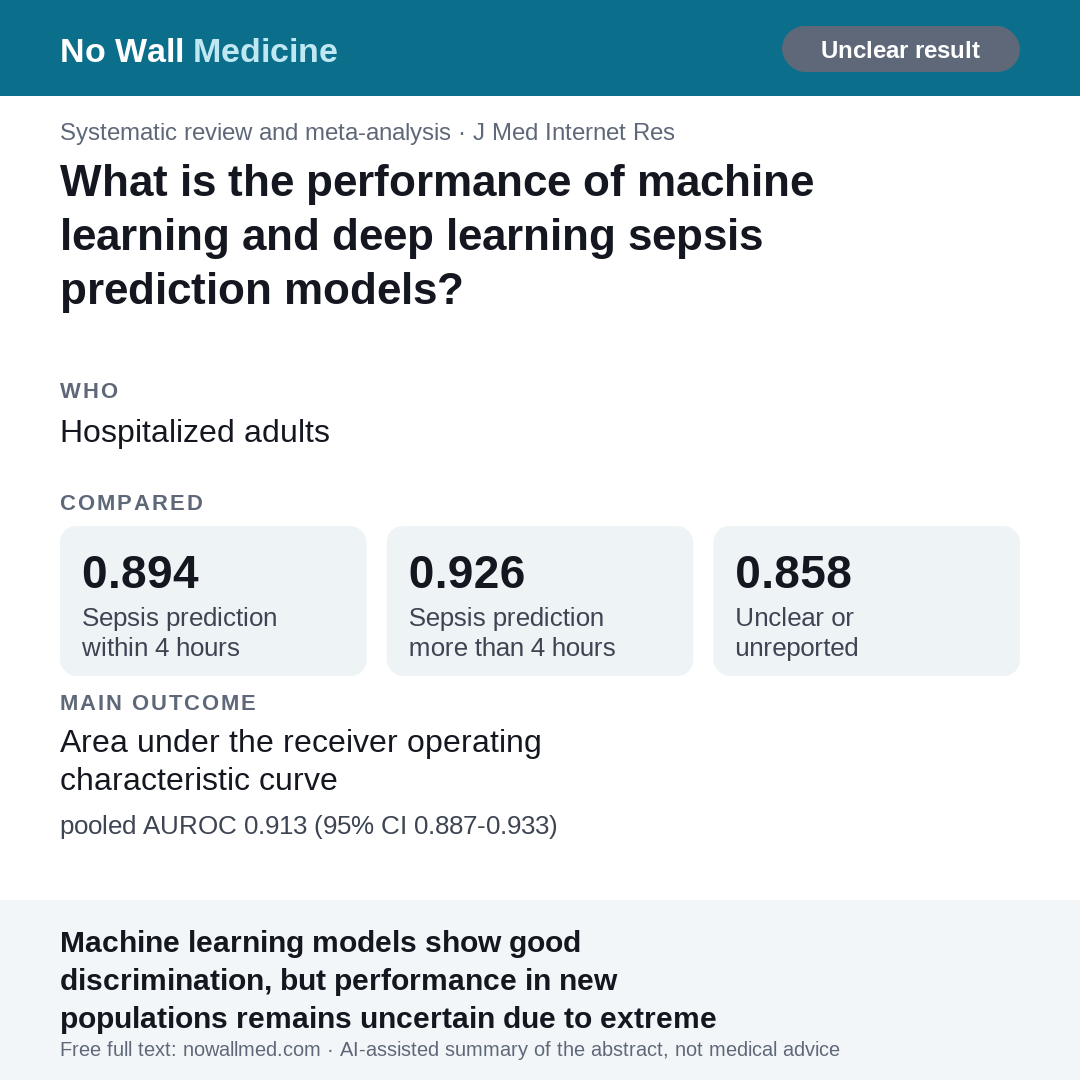
AI-Based Sepsis Prediction in Hospitalized Adults: Systematic Review, Subgroup Meta-Analysis, and Contextual Analysis of Clinical Burden
Systematic review and meta-analysisUnclear result
What is the performance of machine learning and deep learning sepsis prediction models?
Who
34
Hospitalized adults
Compared
0.894Sepsis prediction within 4 hours (95% CI 0.829-0.936)
0.926Sepsis prediction more than 4 hours before onset (95% CI 0.897-0.948)
0.858Unclear or unreported prediction windows (95% CI 0.581-0.964)
Main outcome
Area under the receiver operating characteristic curve
Result: pooled AUROC 0.913 (95% CI 0.887-0.933)
Bottom line: Machine learning models show good discrimination, but performance in new populations remains uncertain due to extreme heterogeneity and limited prospective evaluation.
Limitation: Extreme heterogeneity, overlapping public data, inconsistent reporting, and limited prospective evaluation.
J Med Internet Res · 2026-09-17Download image
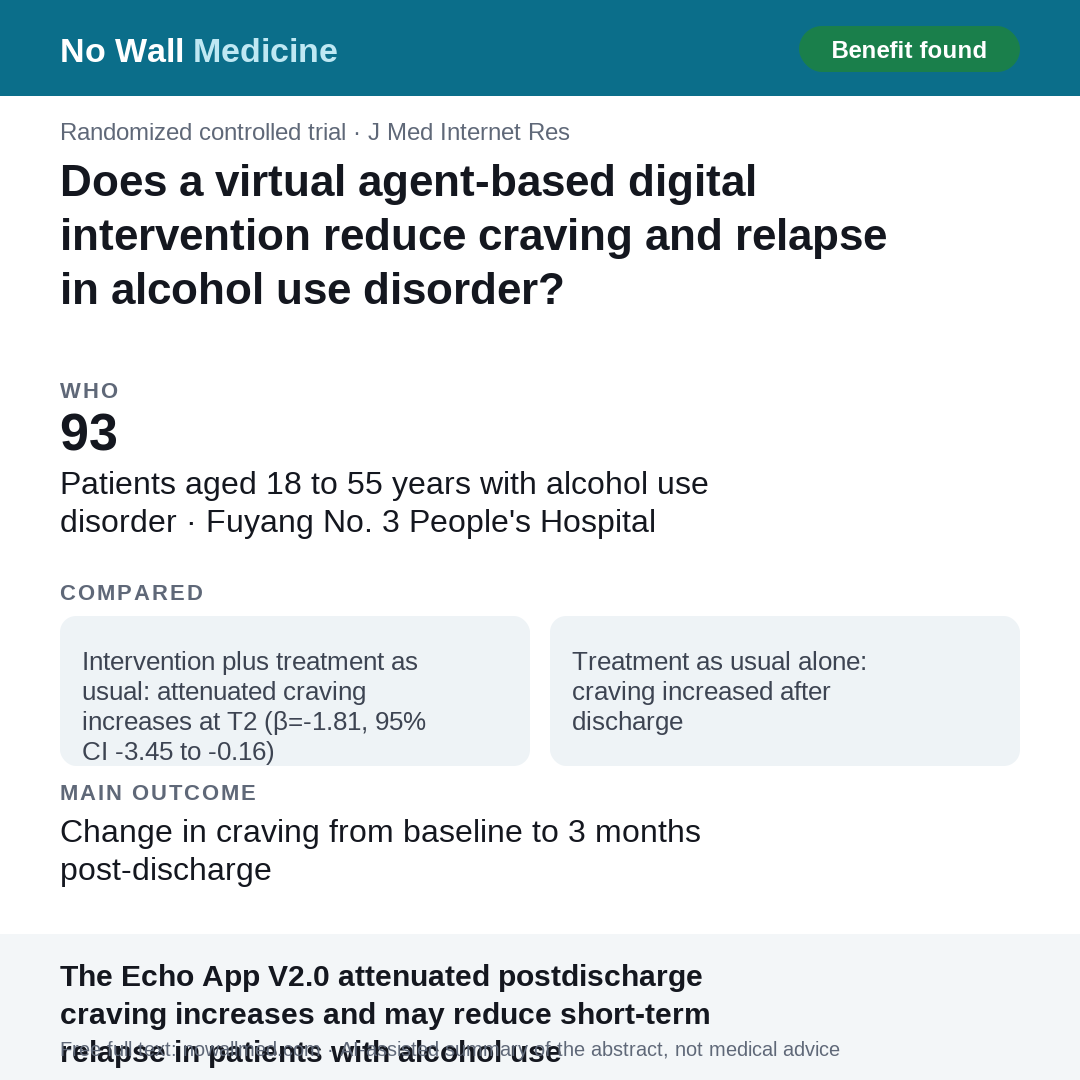
Efficacy of A Virtual Agent-Based Digital Intervention (Echo App V2.0) for Patients With Alcohol Use Disorder: Randomized Controlled Trial
Randomized controlled trialBenefit found
Does a virtual agent-based digital intervention reduce craving and relapse in alcohol use disorder patients?
Who
93
Patients aged 18 to 55 years with alcohol use disorder · Fuyang No. 3 People's Hospital
Compared
Intervention (Echo App V2.0 plus treatment as usual): attenuated craving increases at T2 (β=-1.81, 95% CI -3.45 to -0.16)
Control (treatment as usual alone)
Main outcome
Change in craving from baseline to 4 weeks and follow-up
Result: β=-1.81 (95% CI -3.45 to -0.16) at T2; β=-1.97 (95% CI -3.61 to -0.32) at T3
Bottom line: The Echo App V2.0 attenuated postdischarge craving increases and may reduce short-term relapse in patients with alcohol use disorder.
Limitation: Relapse benefit was sensitive to missing-data assumptions and was not sustained at 3 months.
J Med Internet Res · 2026-09-17Download image
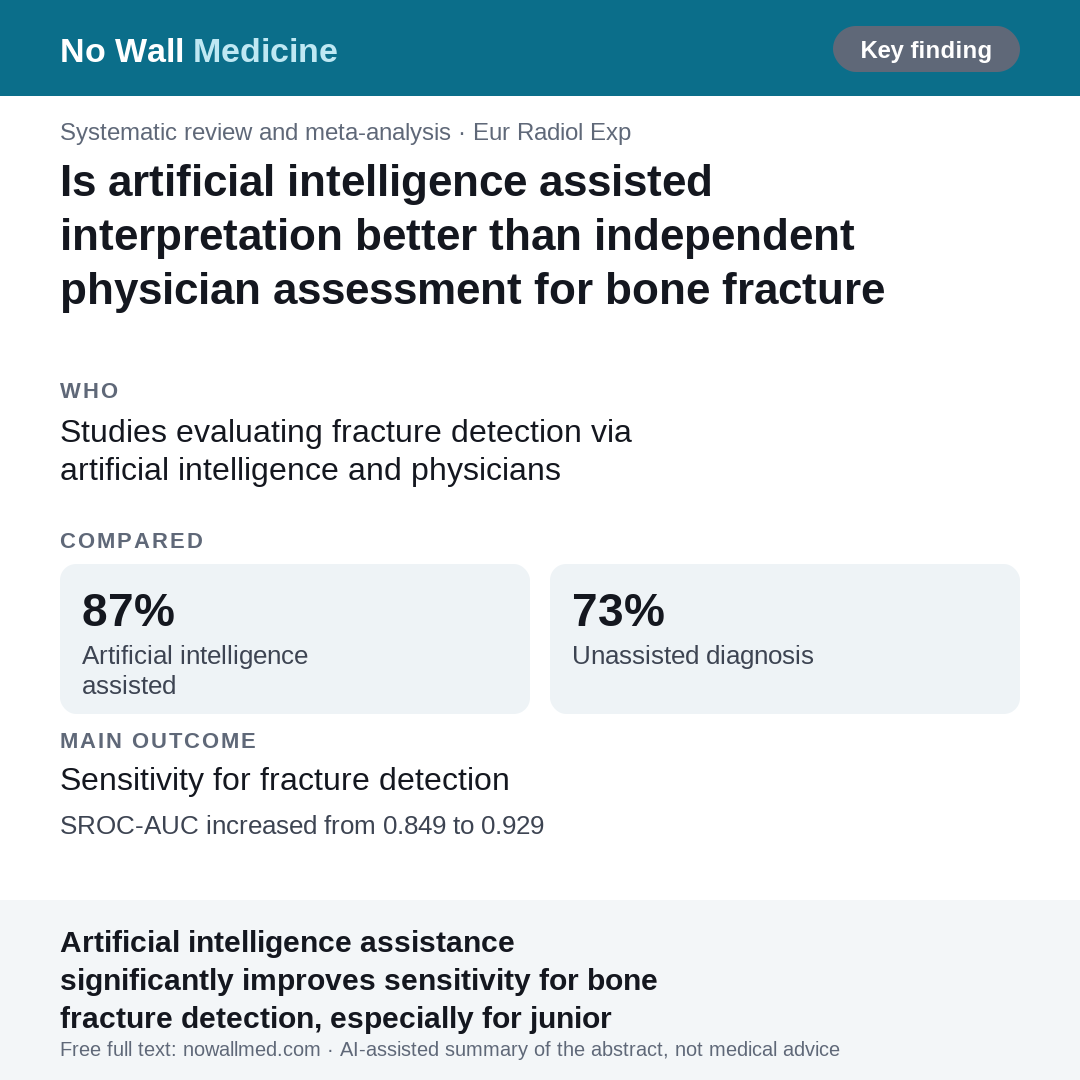
Diagnostic accuracy of AI-assisted versus independent physician interpretation for bone fractures: a systematic review and meta-analysis
Systematic review and meta-analysisBenefit found
Is artificial intelligence assisted interpretation better than independent physician assessment for bone fracture detection?
Who
Studies evaluating fracture detection via artificial intelligence and physicians
Compared
87%Artificial intelligence assisted (95% confidence interval 84-89%)
73%Unassisted diagnosis (95% CI 69-78%)
Main outcome
Sensitivity for fracture detection
Result: SROC-AUC increased from 0.849 to 0.929
Bottom line: Artificial intelligence assistance significantly improves sensitivity for bone fracture detection, especially for junior clinicians, without compromising specificity.
Limitation: Artificial intelligence cannot fully supersede the diagnostic ceiling of clinical expertise and two-dimensional radiography limitations.
Eur Radiol Exp · 2026-09-17Download image
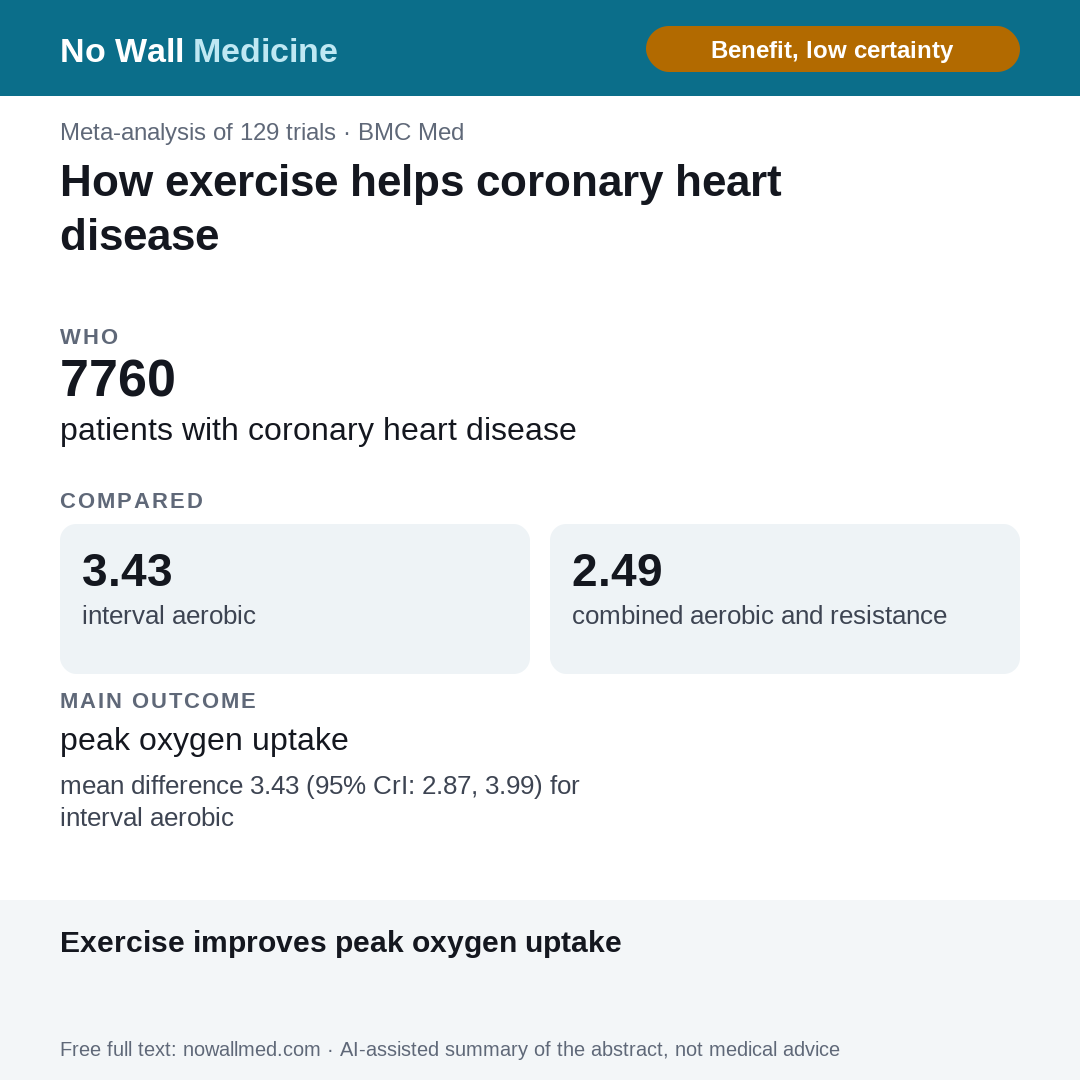
Exercise-based management of patients with coronary heart disease: an integrated network meta-analysis and machine learning exploration
Meta-analysis of 129 trialsBenefit found
How exercise helps coronary heart disease
Who
7760
patients with coronary heart disease
Compared
3.43interval aerobic
2.49combined aerobic and resistance
Main outcome
peak oxygen uptake
Result: mean difference 3.43 (95% CrI: 2.87, 3.99) for interval aerobic
Bottom line: Exercise improves peak oxygen uptake
Limitation: low-certainty evidence
BMC Med · 2026-09-16Download image
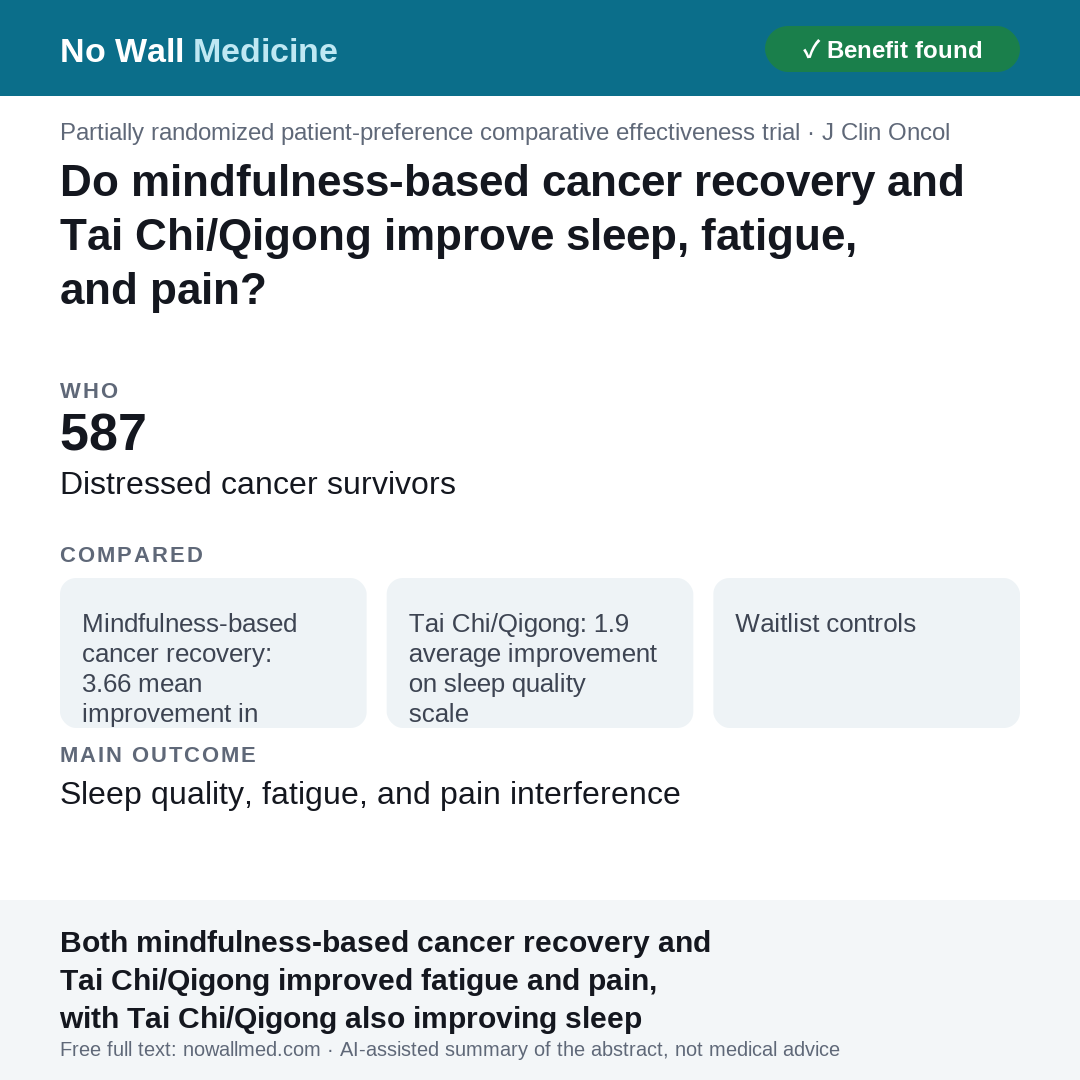
Mindfulness and Tai Chi for Sleep, Fatigue, and Pain in Distressed People After Cancer Treatment: A Partially Randomized Patient-Preference Comparative Effectiveness Trial
Partially randomized patient-preference comparative effectiveness trialBenefit found
Do mindfulness-based cancer recovery and Tai Chi/Qigong improve sleep, fatigue, and pain?
Who
587
Distressed cancer survivors
Compared
Mindfulness-based cancer recovery: 3.66 mean improvement in fatigue
Tai Chi/Qigong: 1.9 average improvement on sleep quality scale
Waitlist controls
Main outcome
Sleep quality, fatigue, and pain interference
Bottom line: Both mindfulness-based cancer recovery and Tai Chi/Qigong improved fatigue and pain, with Tai Chi/Qigong also improving sleep quality.
J Clin Oncol · 2026-09-16Download image