Visual abstracts
New randomized trials and meta-analyses from leading journals at a glance: who was studied, what was compared, and what was found. Every paper is free to read in full.
All specialtiesCardiology 4877Oncology 4136Gastroenterology & Hepatology 1942Infectious Disease 3836Neurology 1904Psychiatry & Mental Health 2273Pulmonology 2143Critical Care 1364Endocrinology & Diabetes 2580Pediatrics 2980Surgery 2556Orthopedics & Sports Medicine 931Neurosurgery 537Cardiothoracic & Vascular Surgery 674Plastic & Reconstructive Surgery 591Nephrology 1133Rheumatology 823Hematology 1109Dermatology 621Ophthalmology 543Obstetrics & Gynecology 1686Public & Global Health 1058Radiology & Imaging 648Anesthesiology 986Urology 764ENT (Otolaryngology) 503Emergency Medicine 511Allergy & Immunology 313Geriatrics 979Family Medicine & Primary Care 562Medical Genetics & Genomics 676Pathology & Laboratory Medicine 159Physical Medicine & Rehabilitation 757Palliative Care 444Nutrition 1588Digital Health & AI 2197General Medicine 320
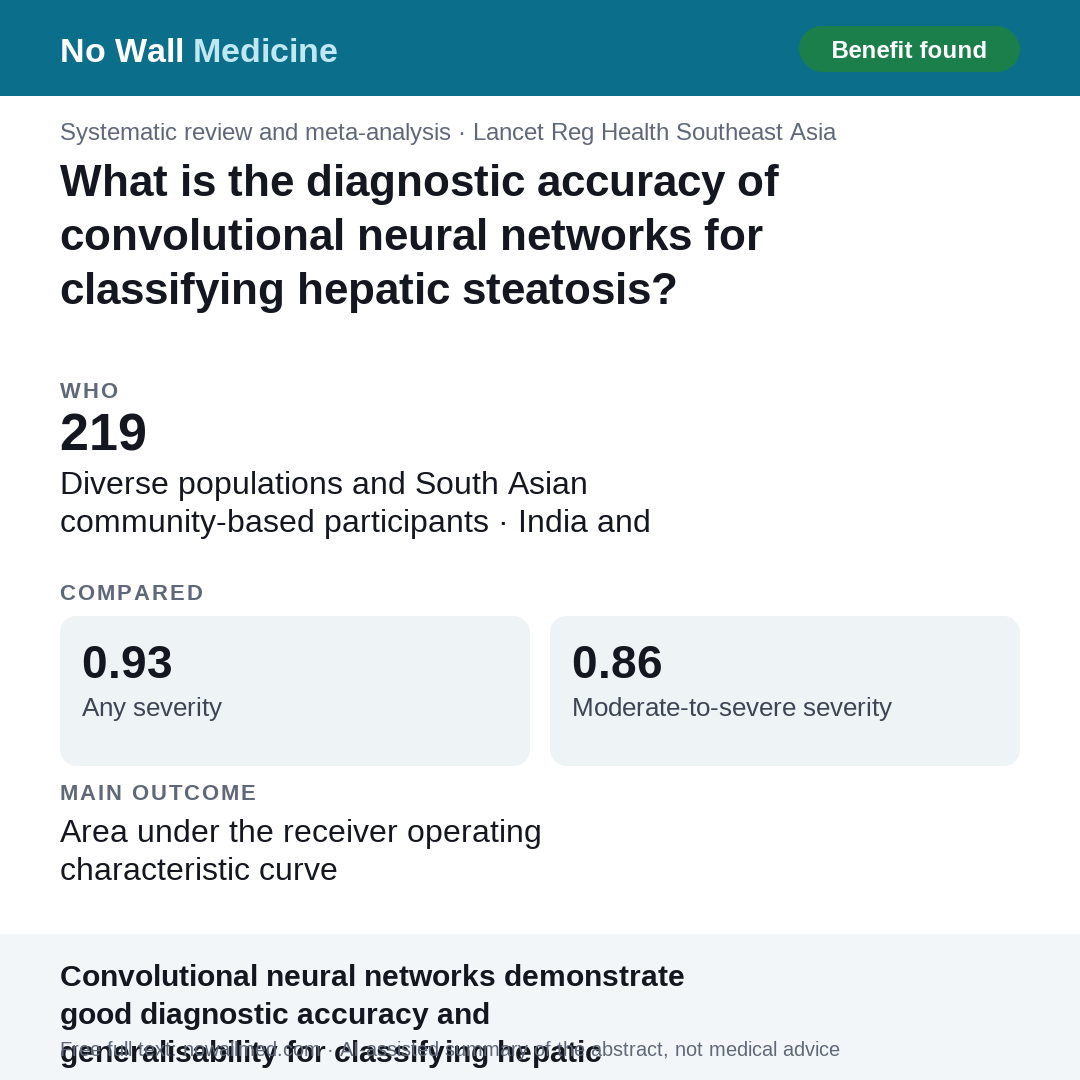
Diagnostic accuracy of convolutional neural networks in classifying hepatic steatosis from B-mode ultrasound images: a systematic review with meta-analysis and novel validation in a community setting in Telangana, India
Systematic review and meta-analysisBenefit found
What is the diagnostic accuracy of convolutional neural networks for classifying hepatic steatosis?
Who
219
Diverse populations and South Asian community-based participants · India and various international hospital settings
Compared
0.93Any severity
0.86Moderate-to-severe severity
Main outcome
Area under the receiver operating characteristic curve
Result: 0.93 (95% CI 0.73-0.98) for any severity; 0.86 (95% CI 0.77-0.92) for moderate-to-severe
Bottom line: Convolutional neural networks demonstrate good diagnostic accuracy and generalisability for classifying hepatic steatosis from ultrasound images.
Limitation: Most studies were based in hospital settings with curated cases and controls.
Funded by: Medical Research Council, UK
Lancet Reg Health Southeast Asia · 2025-07-31Download image
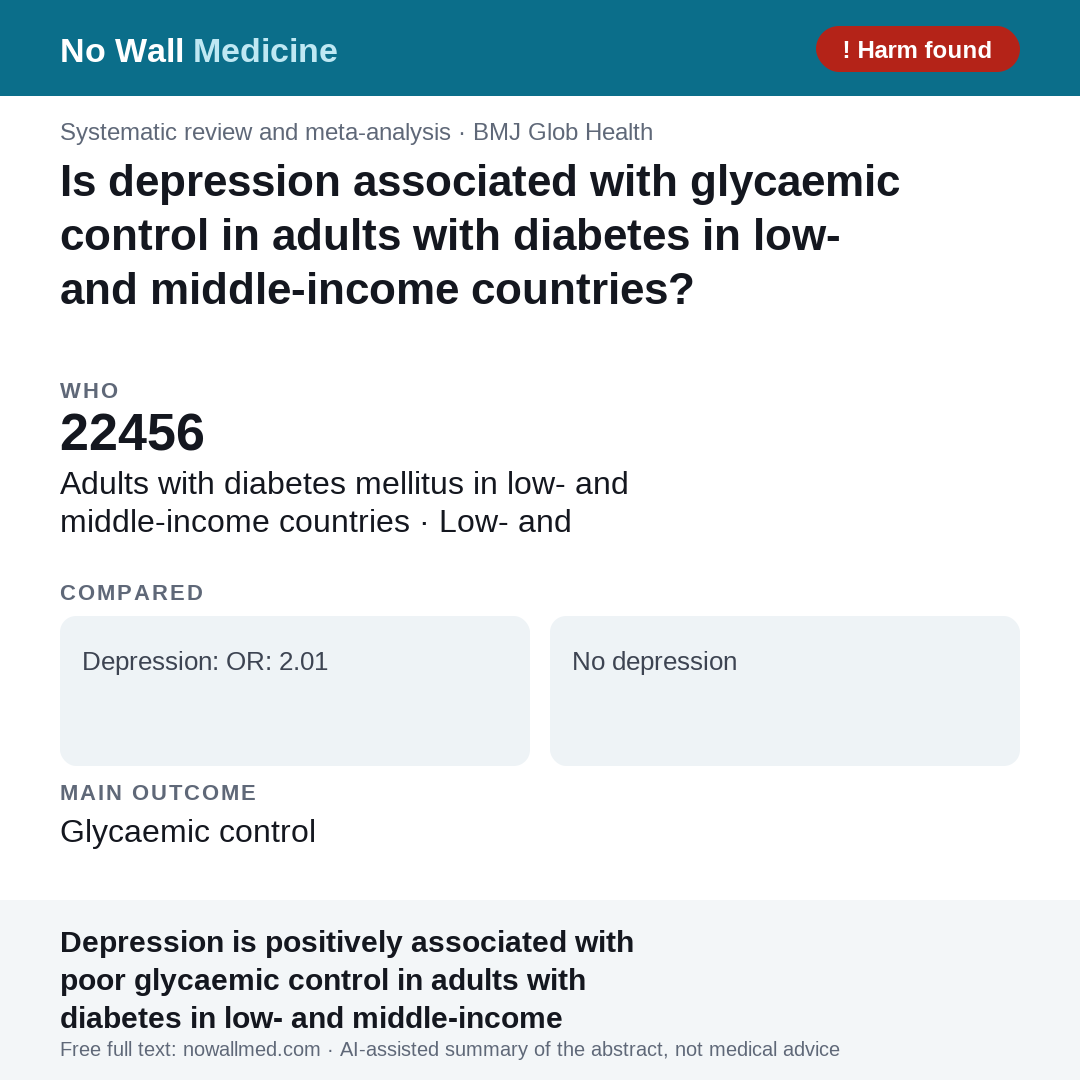
Association of depression with glycaemic control in people living with diabetes in low- and middle-income countries: a systematic review and meta-analysis
Systematic review and meta-analysisHarm found
Is depression associated with glycaemic control in adults with diabetes in low- and middle-income countries?
Who
22456
Adults with diabetes mellitus in low- and middle-income countries · Low- and middle-income countries
Compared
Depression: OR: 2.01
No depression
Main outcome
Glycaemic control
Result: OR: 2.01, 95% CIs 1.41 to 2.86
Bottom line: Depression is positively associated with poor glycaemic control in adults with diabetes in low- and middle-income countries.
Limitation: Inconsistent effects were observed for body mass index, male gender, sample size and region.
BMJ Glob Health · 2025-07-31Download image
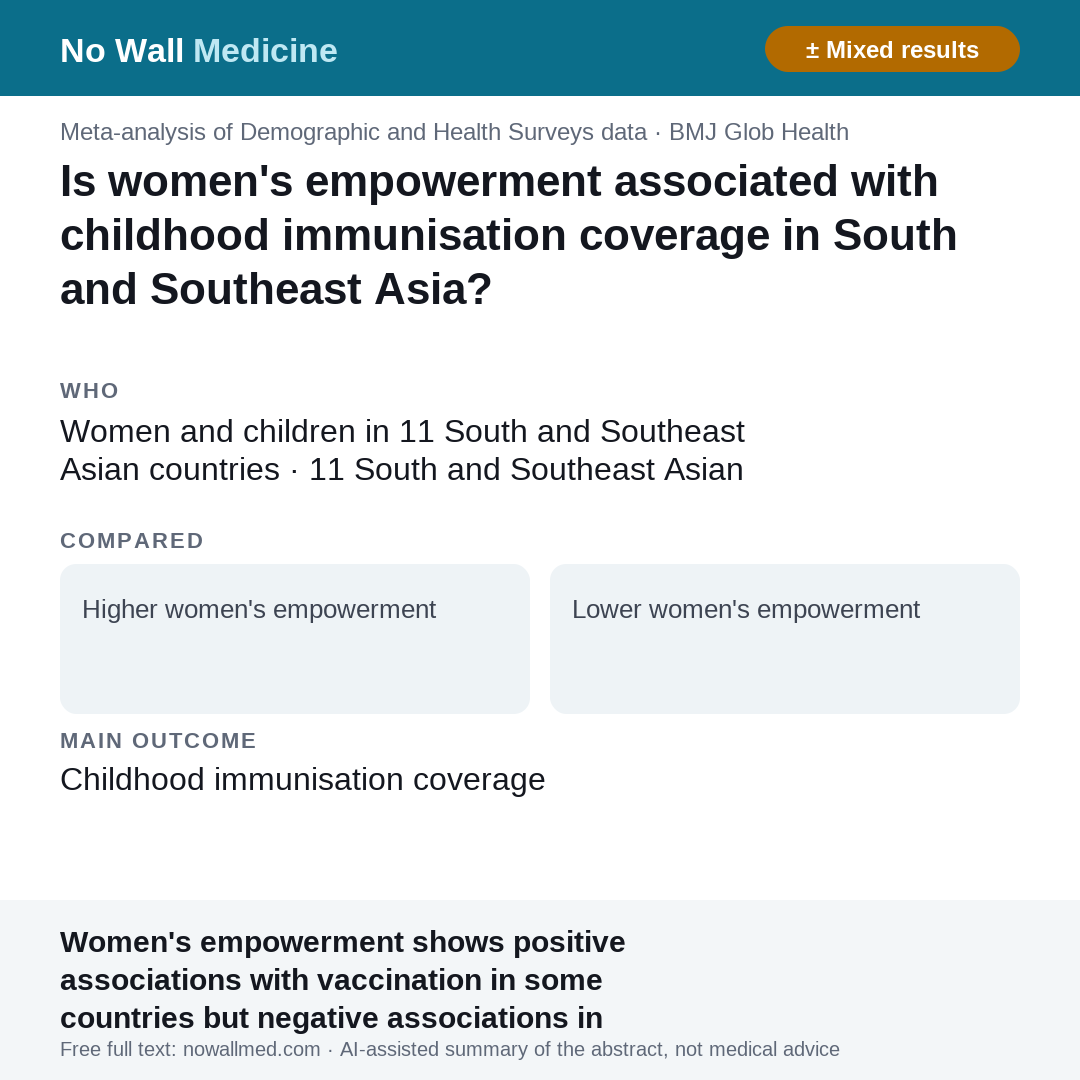
Association of women's empowerment with childhood immunisation coverage in South and Southeast Asia: meta-analysis of Demographic and Health Surveys data from 11 countries
Meta-analysis of Demographic and Health Surveys dataMixed results
Is women's empowerment associated with childhood immunisation coverage in South and Southeast Asia?
Who
Women and children in 11 South and Southeast Asian countries · 11 South and Southeast Asian low- and middle-income countries
Compared
Higher women's empowerment
Lower women's empowerment
Main outcome
Childhood immunisation coverage
Bottom line: Women's empowerment shows positive associations with vaccination in some countries but negative associations in others.
BMJ Glob Health · 2025-07-31Download image
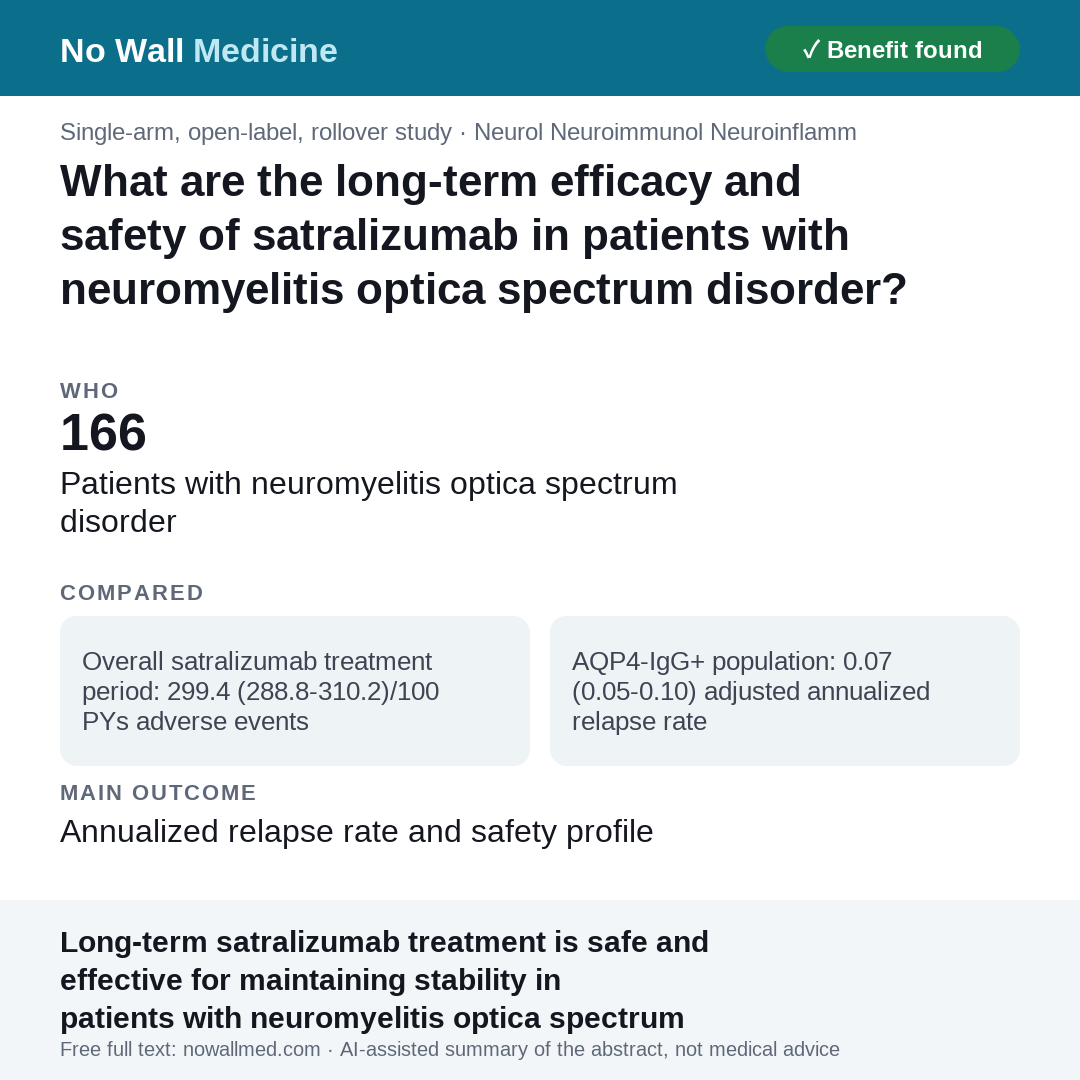
Long-Term Efficacy and Safety of Satralizumab in Patients With Neuromyelitis Optica Spectrum Disorder From the SAkuraMoon Open-Label Extension Study
Single-arm, open-label, rollover studyBenefit found
What are the long-term efficacy and safety of satralizumab in patients with neuromyelitis optica spectrum disorder?
Who
166
Patients with neuromyelitis optica spectrum disorder
Compared
Overall satralizumab treatment period: 299.4 (288.8-310.2)/100 PYs adverse events
AQP4-IgG+ population: 0.07 (0.05-0.10) adjusted annualized relapse rate
Main outcome
Annualized relapse rate and safety profile
Bottom line: Long-term satralizumab treatment is safe and effective for maintaining stability in patients with neuromyelitis optica spectrum disorder.
Neurol Neuroimmunol Neuroinflamm · 2025-07-31Download image
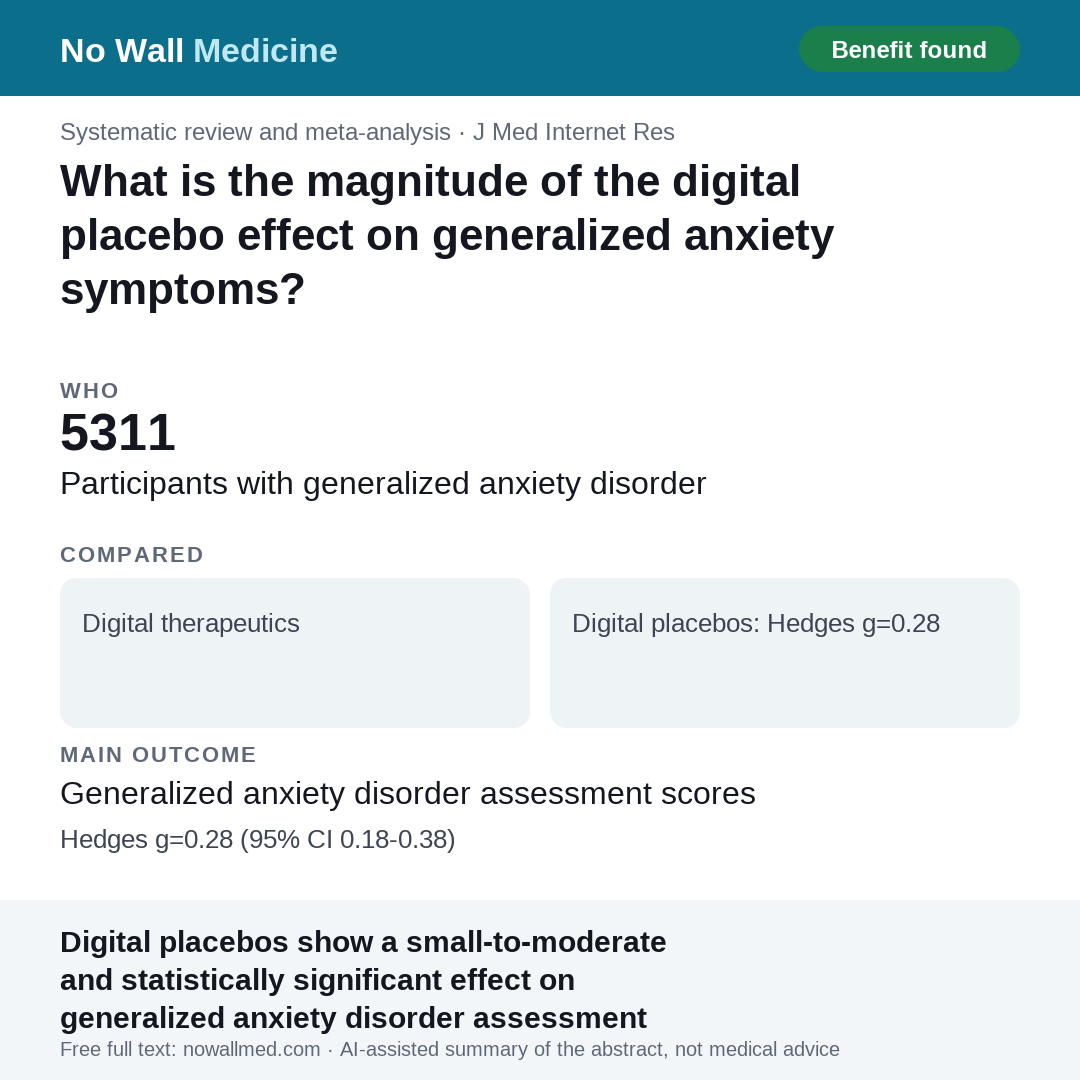
Magnitude of the Digital Placebo Effect and Its Moderators on Generalized Anxiety Symptoms: Systematic Review and Meta-Analysis
Systematic review and meta-analysisBenefit found
What is the magnitude of the digital placebo effect on generalized anxiety symptoms?
Who
5311
Participants with generalized anxiety disorder
Compared
Digital therapeutics
Digital placebos: Hedges g=0.28
Main outcome
Generalized anxiety disorder assessment scores
Result: Hedges g=0.28 (95% CI 0.18-0.38)
Bottom line: Digital placebos show a small-to-moderate and statistically significant effect on generalized anxiety disorder assessment scores.
J Med Internet Res · 2025-07-31Download image
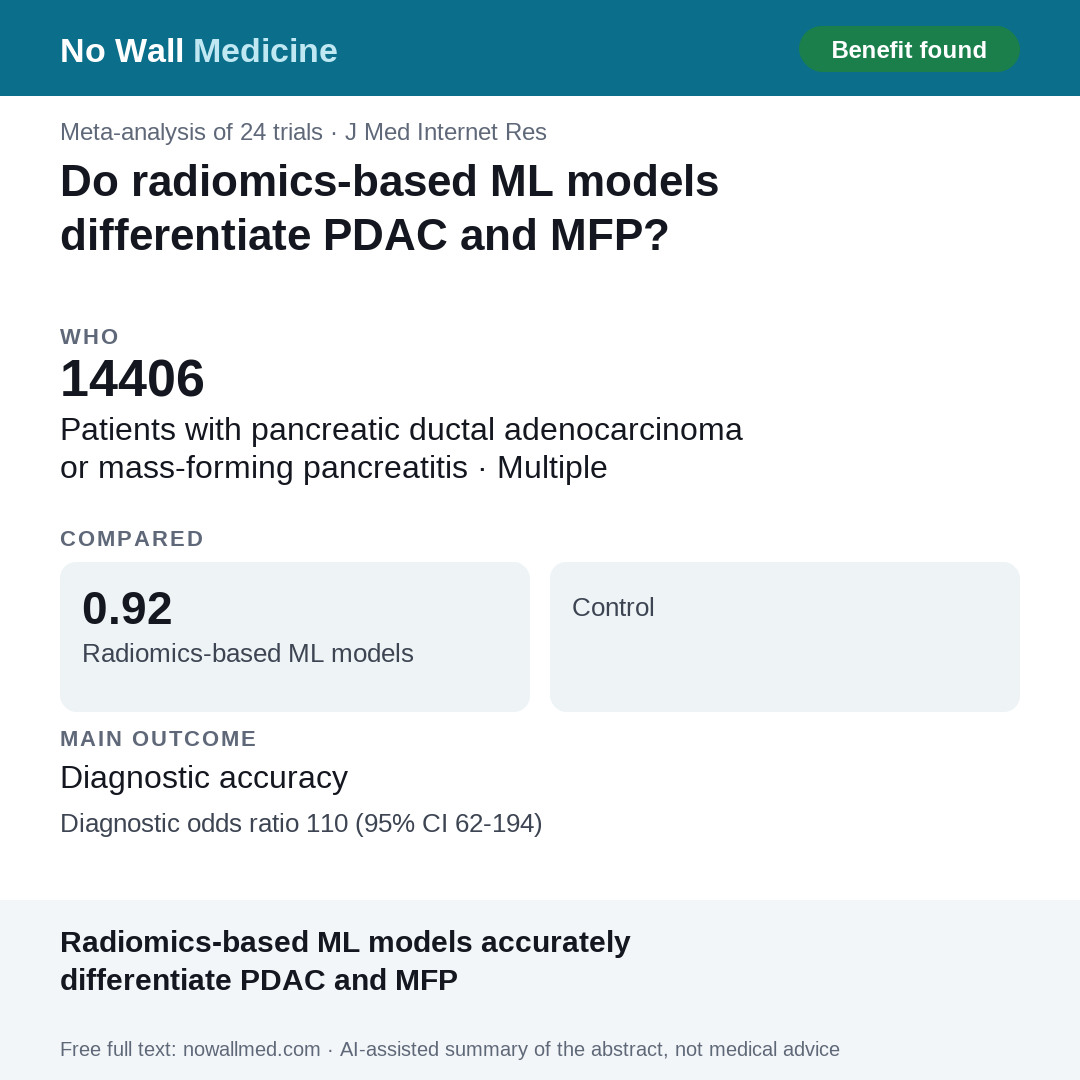
Effectiveness of Radiomics-Based Machine Learning Models in Differentiating Pancreatitis and Pancreatic Ductal Adenocarcinoma: Systematic Review and Meta-Analysis
Meta-analysis of 24 trialsBenefit found
Do radiomics-based ML models differentiate PDAC and MFP?
Who
14406
Patients with pancreatic ductal adenocarcinoma or mass-forming pancreatitis · Multiple centers
Compared
0.92Radiomics-based ML models (95% CI 0.91-0.94)
Control
Main outcome
Diagnostic accuracy
Result: Diagnostic odds ratio 110 (95% CI 62-194)
Bottom line: Radiomics-based ML models accurately differentiate PDAC and MFP
Limitation: Moderate methodological quality
J Med Internet Res · 2025-07-31Download image
Evaluating the Effectiveness of a Roblox Video Game (Super U Story) in Improving Body Image Among Children and Adolescents in the United States: Randomized Controlled Trial
Randomized controlled trialNo clear difference
Does a Roblox game improve body image
Who
1059
US children and adolescents aged 9 to 13 · United States
Compared
Intervention
Active control
Attention control
Main outcome
state body satisfaction
Result: improved state body satisfaction relative to active control
Bottom line: Roblox game did not improve body image
Limitation: variable and often low-dose exposure
J Med Internet Res · 2025-07-31Download image

Factors Influencing the Implementation and Adoption of Digital Nursing Technologies: Systematic Umbrella Review
Systematic umbrella reviewMixed results
What factors influence the implementation and adoption of digital nursing technologies?
Who
Nurses in formal care settings
Compared
Barriers: insufficient training, increased workload, and low technological confidence
Facilitators: leadership support, a positive corporate culture, and targeted training initiatives
Main outcome
Factors influencing implementation and adoption of digital nursing technologies
Bottom line: Implementation is driven by leadership and training, but hindered by workload, training gaps, and technological confidence.
J Med Internet Res · 2025-07-31Download image

Effectiveness of Smart Continence Care for People With Profound Intellectual and Multiple Disabilities: Cluster Randomized Trial
Staggered-entry, open-label, cluster randomized trialMixed results
Does smart continence care improve outcomes for people with profound intellectual and multiple disabilities?
Who
156
People with profound intellectual and multiple disabilities and incontinence · Six residential care facilities in the Netherlands
Compared
Smart continence care
Regular continence care
Main outcome
Number of weekly leakages
Result: β coefficient=1.013, 95% CI 0.217-1.808
Bottom line: Smart continence care reduced weekly incontinence material changes but did not reduce weekly leakages.
Limitation: An unexpected effect on leakage may be due to increased leakages at one residential care facility.
J Med Internet Res · 2025-07-31Download image

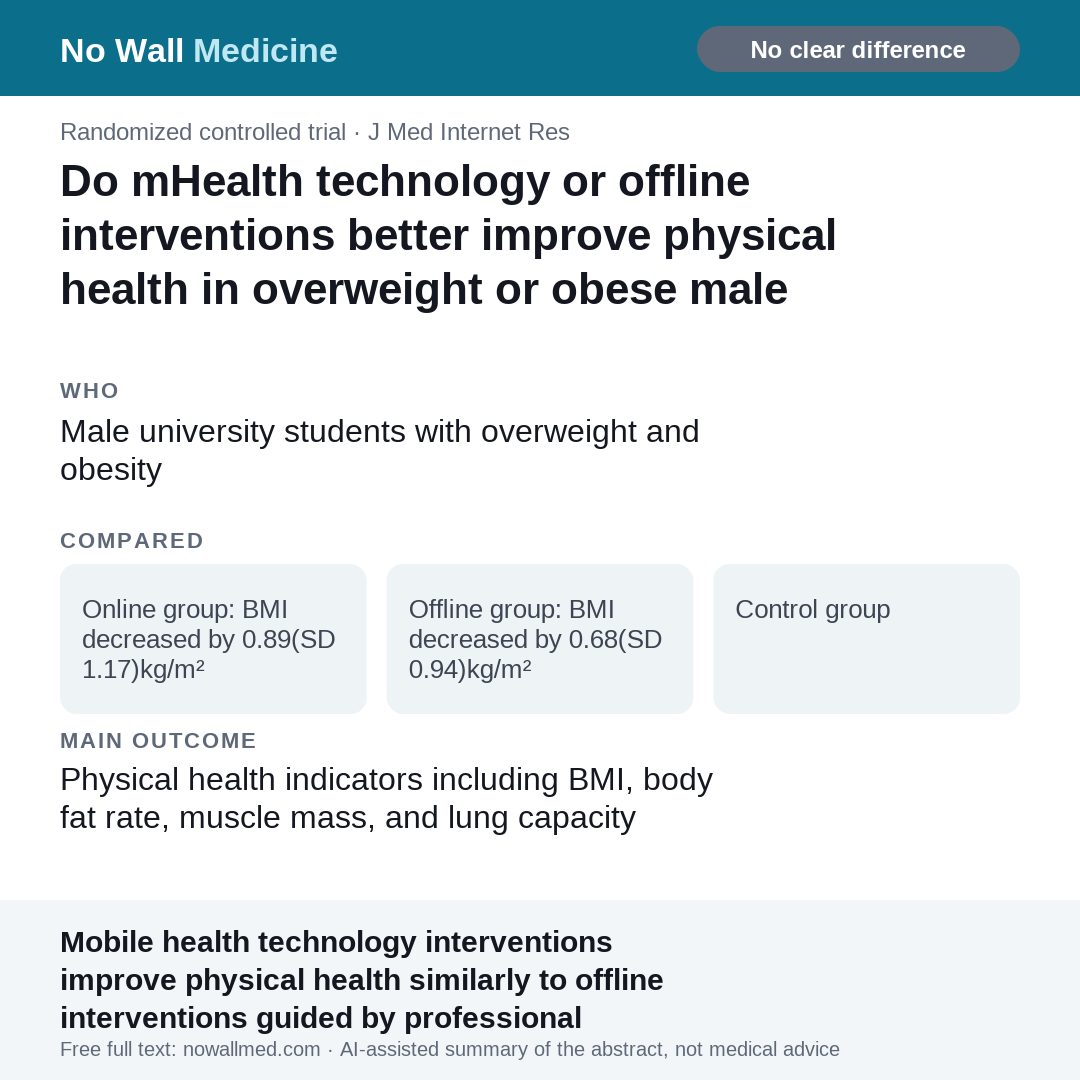
Effects of an Exercise Intervention Based on mHealth Technology on the Physical Health of Male University Students With Overweight and Obesity: Randomized Controlled Trial
Randomized controlled trialNo clear difference
Do mHealth technology or offline interventions better improve physical health in overweight or obese male students?
Who
Male university students with overweight and obesity
Compared
Online group: BMI decreased by 0.89(SD 1.17)kg/m²
Offline group: BMI decreased by 0.68(SD 0.94)kg/m²
Control group
Main outcome
Physical health indicators including BMI, body fat rate, muscle mass, and lung capacity
Bottom line: Mobile health technology interventions improve physical health similarly to offline interventions guided by professional trainers.
J Med Internet Res · 2025-07-31Download image
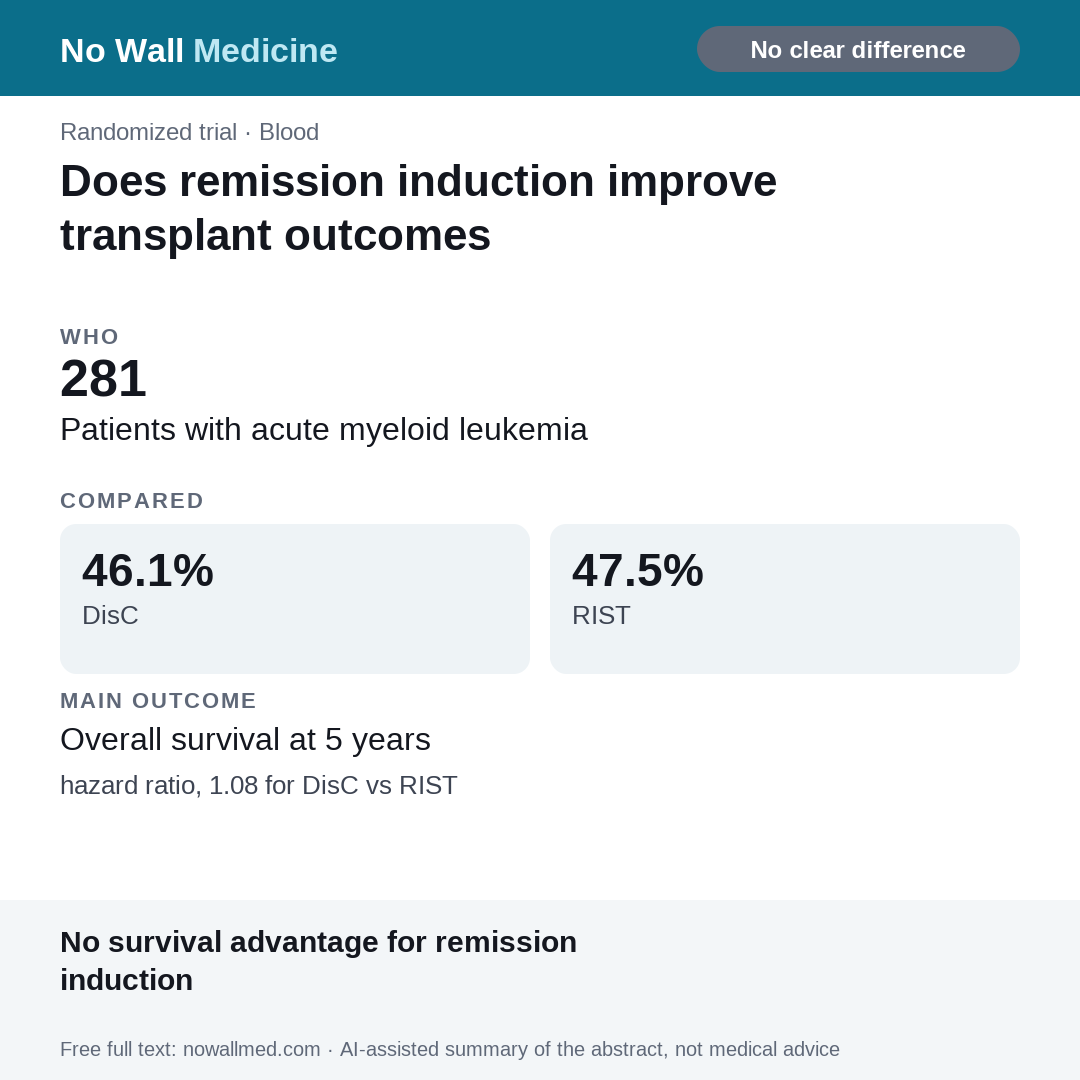
Evaluating the Effectiveness of Mobile Apps on Medication Adherence for Chronic Conditions: Systematic Review and Meta-Analysis
Systematic review and meta-analysis of 14 randomized controlled trialsBenefit found
Do mobile apps improve medication adherence for patients with chronic conditions?
Who
Patients managing chronic conditions including Parkinson disease, coronary heart disease, psoriasis, and hypertension
Compared
Mobile app interventions
Control groups
Main outcome
Medication adherence scores
Result: mean difference 0.57 (95% CI 0.33-0.80) for 8-item Morisky Medication Adherence Scale
Bottom line: Mobile app interventions improved medication adherence across several chronic conditions and measurement scales.
J Med Internet Res · 2025-07-31Download image
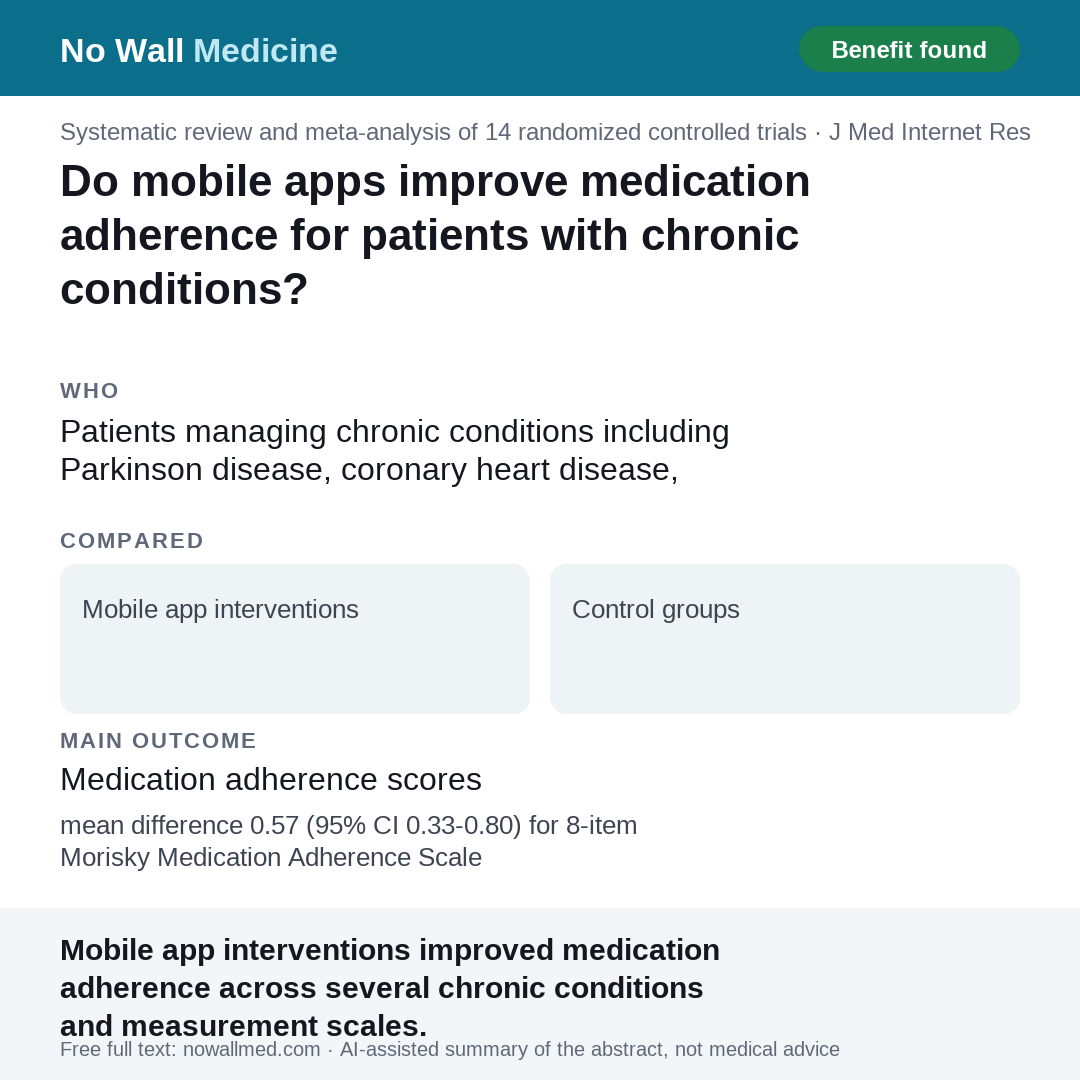
Treatment for Laryngopharyngeal Reflux Disease: A Systematic Review of Controlled Studies
Systematic review without meta-analysisMixed results
How do alternative therapeutic regimens compare to proton pump inhibitors for treating laryngopharyngeal reflux disease?
Who
1269
Patients with suspected or confirmed laryngopharyngeal reflux disease
Compared
Proton pump inhibitor monotherapy
Prokinetic-proton pump inhibitor combination therapy: superior therapeutic efficacy
Alginate-proton pump inhibitor combination therapy: enhanced symptom amelioration
Main outcome
Symptom, sign changes, and therapeutic responses
Bottom line: Preliminary findings suggest prokinetic or alginate combinations may be more effective than proton pump inhibitor monotherapy.
Limitation: Limited number of studies and substantial heterogeneity preclude definitive conclusions.
J Otolaryngol Head Neck Surg · 2025-07-31Download image
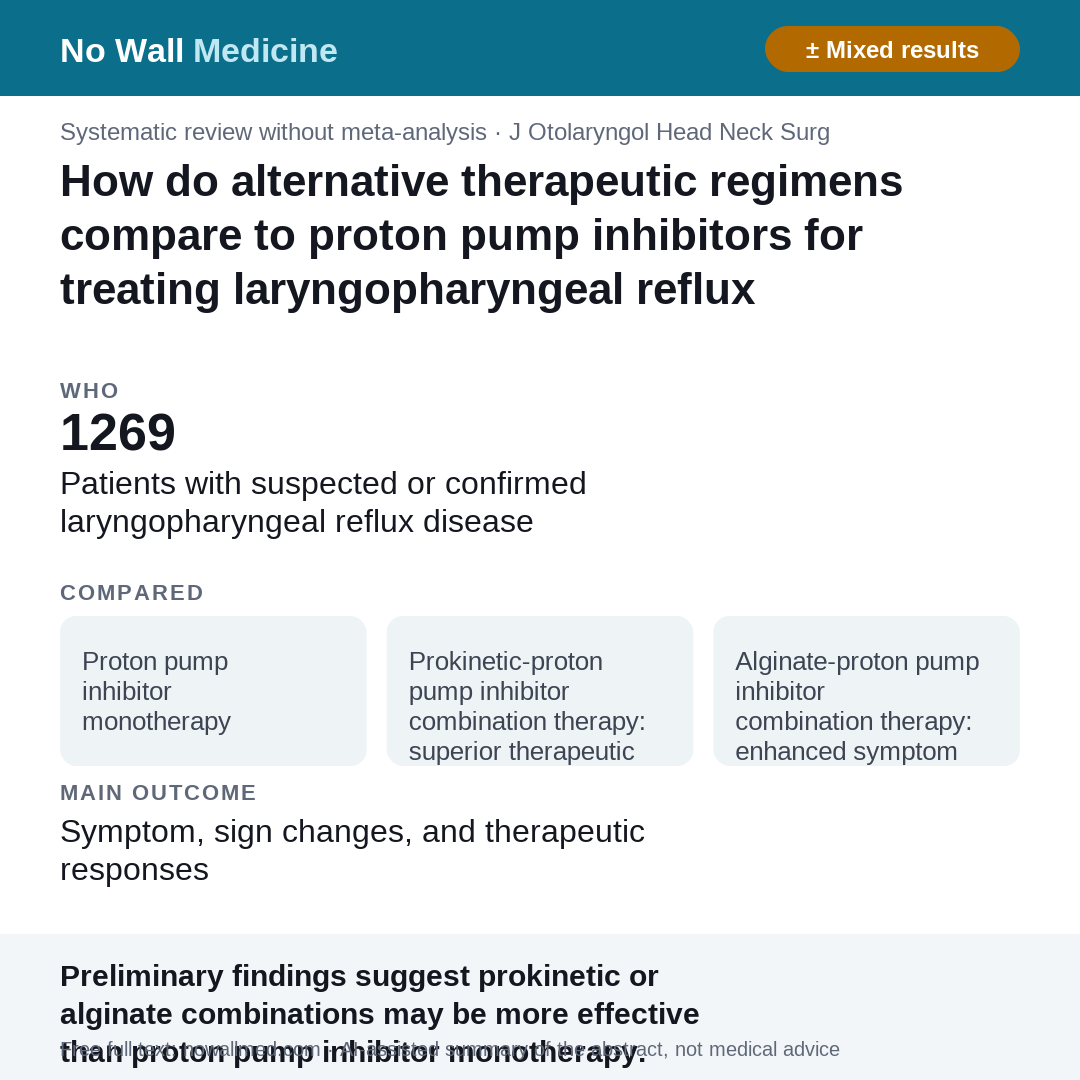
Real-Time Continuous Glucose Monitoring in Pregnancies With Gestational Diabetes Mellitus: A Randomized Controlled Trial
Open-label, single-center, randomized controlled trialBenefit found
Does real-time continuous glucose monitoring improve percent time in range compared to capillary blood glucose monitoring?
Who
111
Pregnant individuals with gestational diabetes mellitus at 20 weeks gestation or more · Single-center
Compared
Real-time continuous glucose monitoring plus capillary blood glucose: 93 ± 6 min
Capillary blood glucose monitoring alone: 88 ± 14 min
Main outcome
Continuous glucose monitoring percent time in range 60-140 mg/dL
Bottom line: Real-time continuous glucose monitoring achieved a significantly higher percent time in range compared to capillary blood glucose monitoring.
Diabetes Care · 2025-07-30Download image
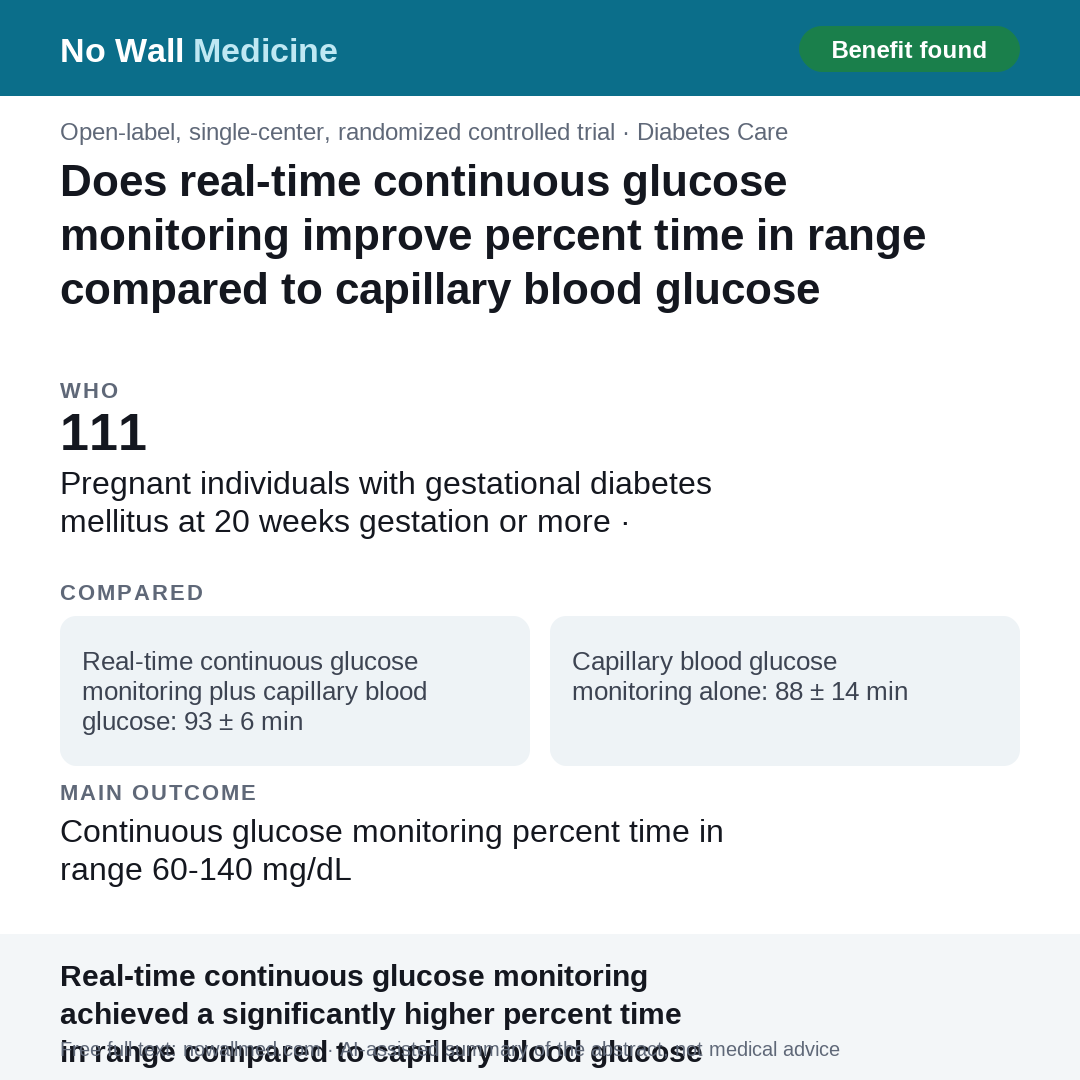
Disease risk but not remission status determines transplant outcomes in AML: long-term outcomes of the ASAP trial
Randomized trialNo clear difference
Does remission induction improve transplant outcomes
Who
281
Patients with acute myeloid leukemia
Compared
46.1%DisC
47.5%RIST
Main outcome
Overall survival at 5 years
Result: hazard ratio, 1.08 for DisC vs RIST
Bottom line: No survival advantage for remission induction
Blood · 2025-07-30Download image
Efficacy and safety of apremilast in paediatric patients with moderate-to-severe plaque psoriasis: 52-week results from the SPROUT randomized controlled trial
Randomized, double-blind, placebo-controlled, phase III trialBenefit found
What are the 52-week efficacy and safety of apremilast in paediatric patients with psoriasis?
Who
245
Patients aged 6-17 years with moderate-to-severe plaque psoriasis · multicentre
Compared
apremilast/apremilast: 47.7% static Physician Global Assessment response at week 52
placebo/apremilast: 44.4% static Physician Global Assessment response at week 52
Main outcome
static Physician Global Assessment response and Psoriasis Area and Severity Index
Bottom line: Apremilast provided sustained clinical improvements through 52 weeks in paediatric patients with moderate-to-severe psoriasis.
Br J Dermatol · 2025-07-30Download image

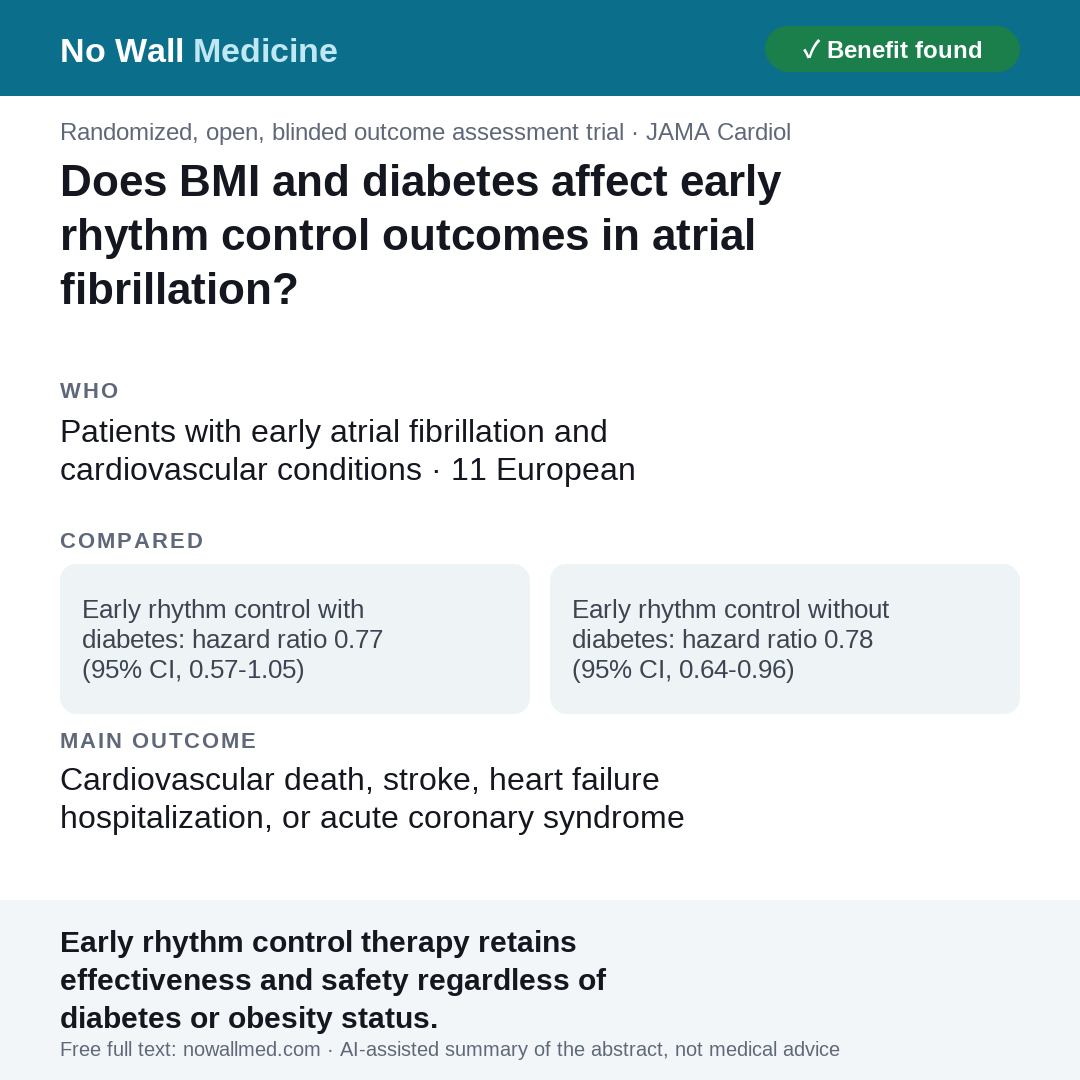
Diabetes and Obesity and Treatment Effect of Early Rhythm Control vs Usual Care in Patients With Atrial Fibrillation: A Secondary Analysis of the EAST-AFNET 4 Randomized Clinical Trial
Randomized, open, blinded outcome assessment trialBenefit found
Does BMI and diabetes affect early rhythm control outcomes in atrial fibrillation?
Who
Patients with early atrial fibrillation and cardiovascular conditions · 11 European countries
Compared
Early rhythm control with diabetes: hazard ratio 0.77 (95% CI, 0.57-1.05)
Early rhythm control without diabetes: hazard ratio 0.78 (95% CI, 0.64-0.96)
Main outcome
Cardiovascular death, stroke, heart failure hospitalization, or acute coronary syndrome
Result: hazard ratio 0.77 (95% CI, 0.57-1.05) vs 0.78 (95% CI, 0.64-0.96)
Bottom line: Early rhythm control therapy retains effectiveness and safety regardless of diabetes or obesity status.
Limitation: This is a prespecified secondary analysis of the EAST-AFNET 4 trial.
JAMA Cardiol · 2025-07-30Download image
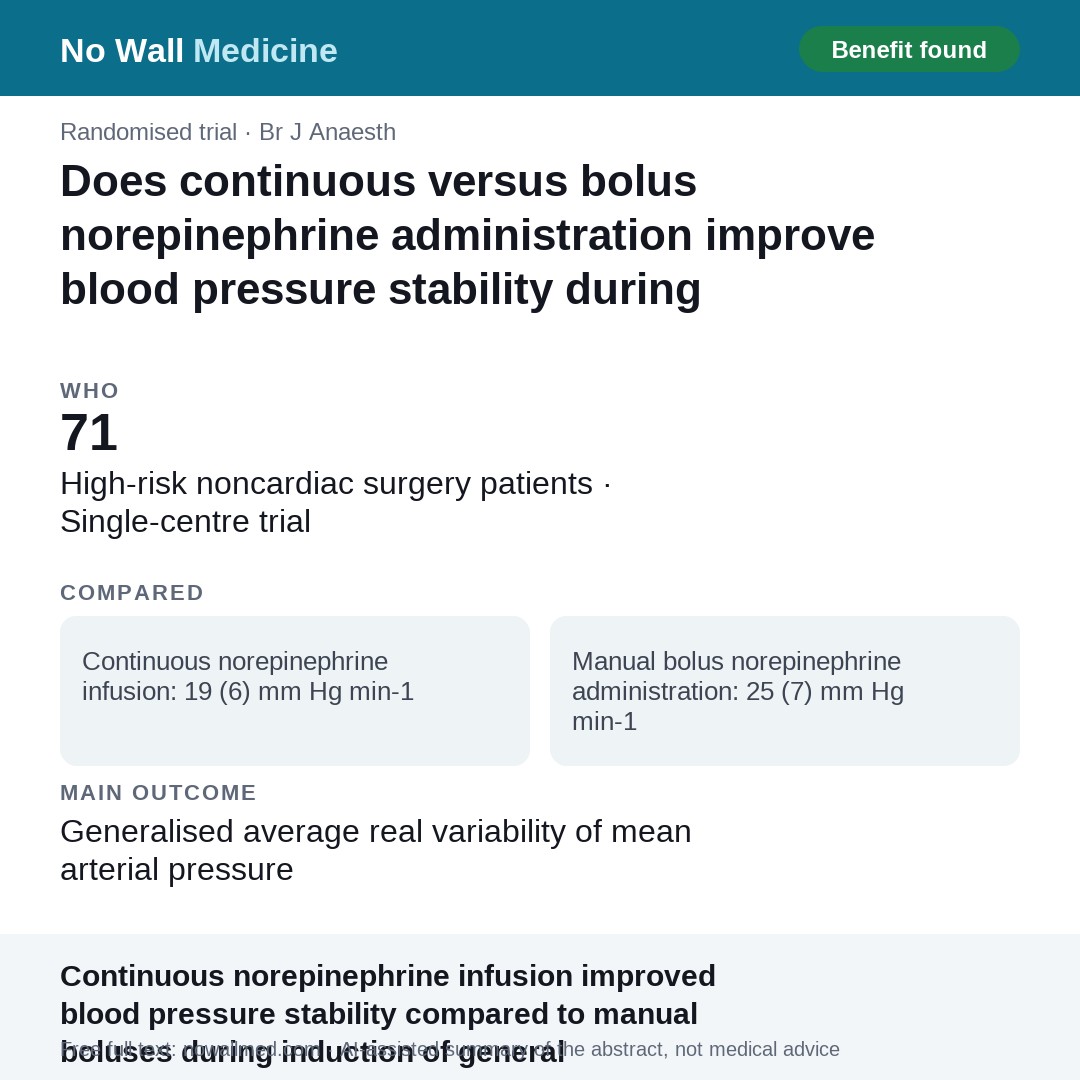
Continuous versus bolus norepinephrine administration and arterial blood pressure stability during induction of general anaesthesia in high-risk noncardiac surgery patients: a randomised trial
Randomised trialBenefit found
Does continuous versus bolus norepinephrine administration improve blood pressure stability during induction?
Who
71
High-risk noncardiac surgery patients · Single-centre trial
Compared
Continuous norepinephrine infusion: 19 (6) mm Hg min-1
Manual bolus norepinephrine administration: 25 (7) mm Hg min-1
Main outcome
Generalised average real variability of mean arterial pressure
Bottom line: Continuous norepinephrine infusion improved blood pressure stability compared to manual boluses during induction of general anaesthesia.
Br J Anaesth · 2025-07-30Download image
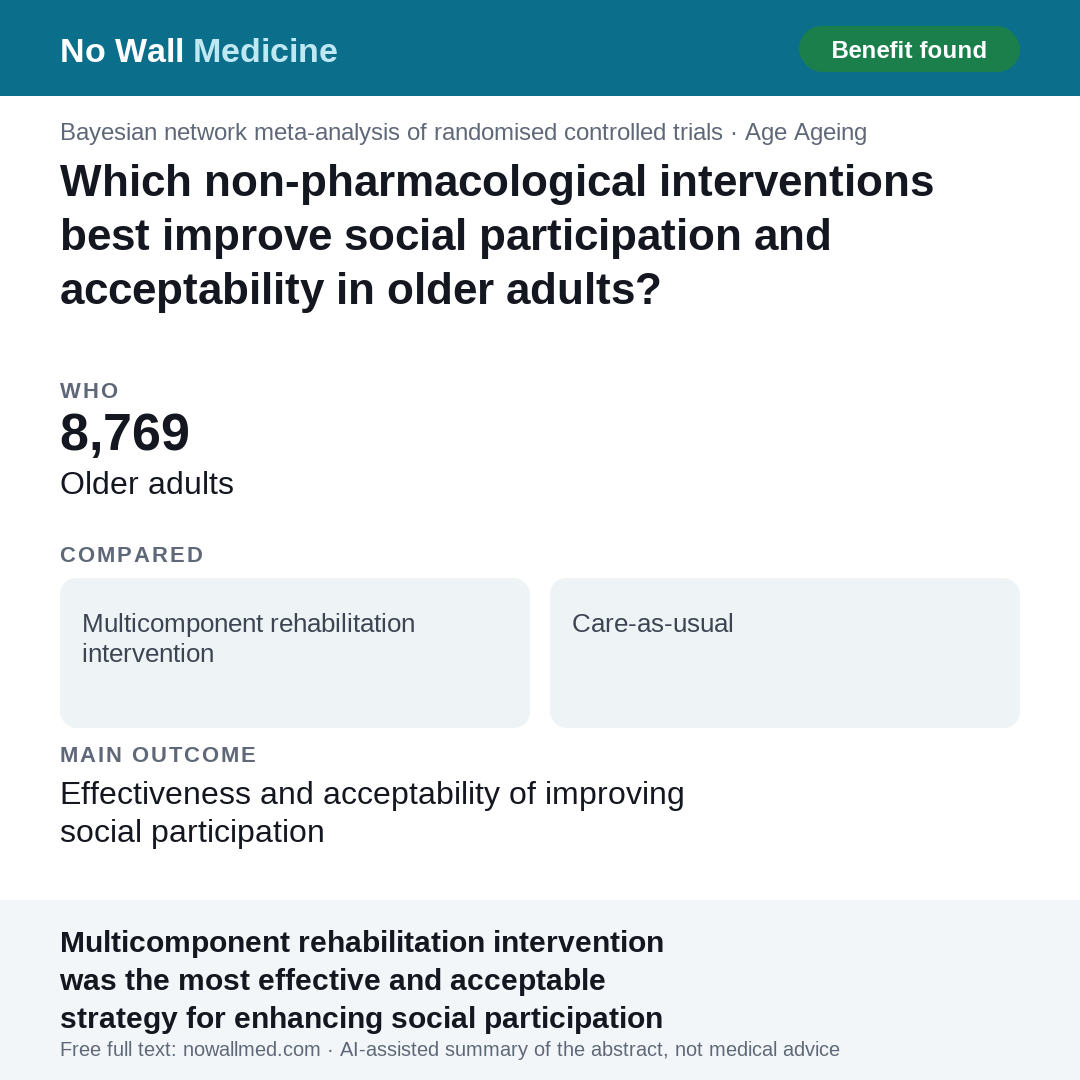
Comparative effectiveness and acceptability of non-pharmacological interventions on improving social participation among older adults: a Bayesian network meta-analysis of randomised controlled trials
Bayesian network meta-analysis of randomised controlled trialsBenefit found
Which non-pharmacological interventions best improve social participation and acceptability in older adults?
Who
8,769
Older adults
Compared
Multicomponent rehabilitation intervention
Care-as-usual
Main outcome
Effectiveness and acceptability of improving social participation
Result: Standardized Mean Differences ranged from 0.32 to 0.77
Bottom line: Multicomponent rehabilitation intervention was the most effective and acceptable strategy for enhancing social participation among older adults.
Limitation: Most comparisons were rated as moderate to low for the certainty of evidence.
Age Ageing · 2025-07-30Download image
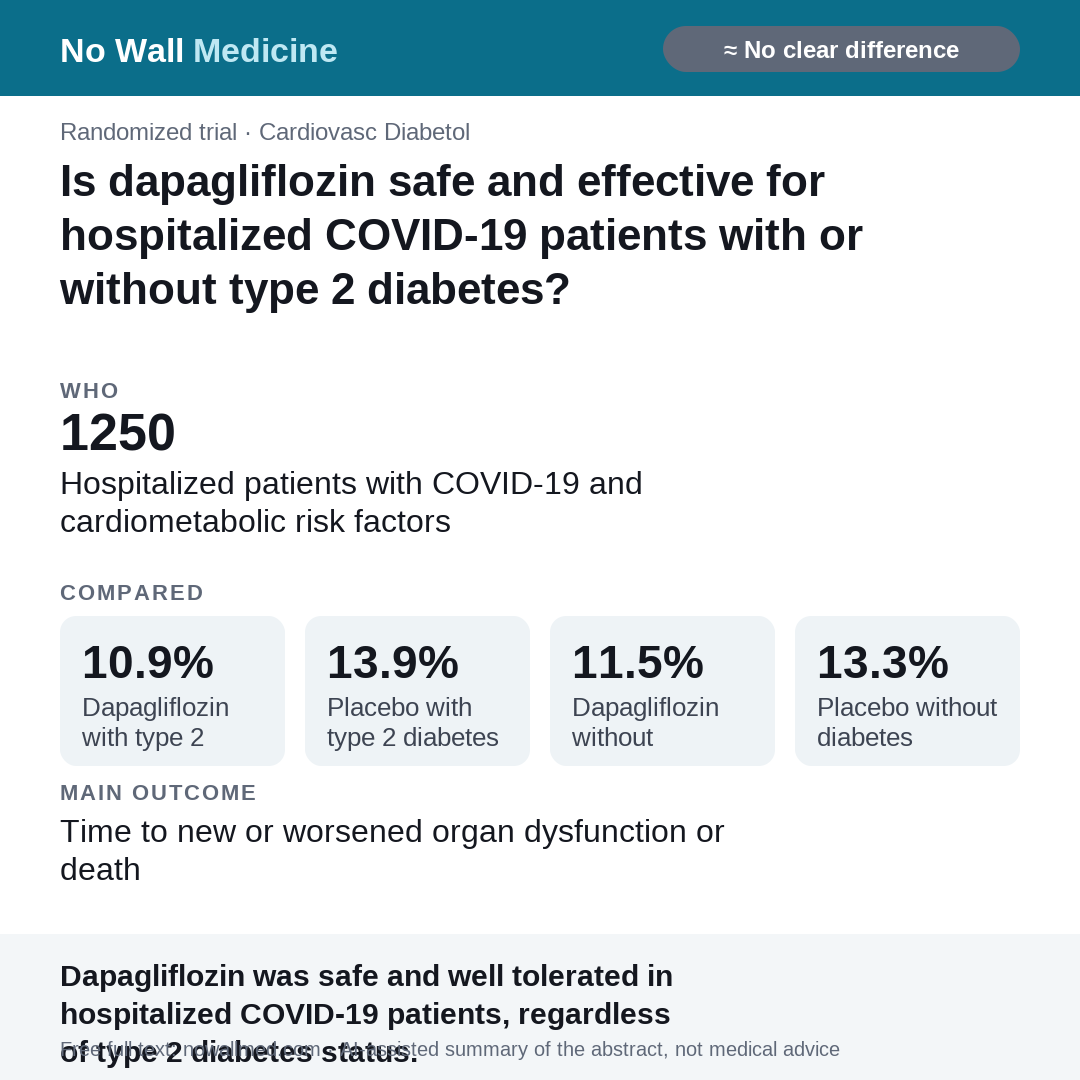
Efficacy and safety of dapagliflozin in patients hospitalized with COVID-19 with and without type 2 diabetes: a prespecified analysis of the DARE-19 randomized trial
Randomized trialNo clear difference
Is dapagliflozin safe and effective for hospitalized COVID-19 patients with or without type 2 diabetes?
Who
1250
Hospitalized patients with COVID-19 and cardiometabolic risk factors
Compared
10.9%Dapagliflozin with type 2 diabetes
13.9%Placebo with type 2 diabetes
11.5%Dapagliflozin without diabetes
13.3%Placebo without diabetes
Main outcome
Time to new or worsened organ dysfunction or death
Result: hazard ratio 0.76 (95% CI 0.49-1.18) in patients with type 2 diabetes
Bottom line: Dapagliflozin was safe and well tolerated in hospitalized COVID-19 patients, regardless of type 2 diabetes status.
Cardiovasc Diabetol · 2025-07-30Download image
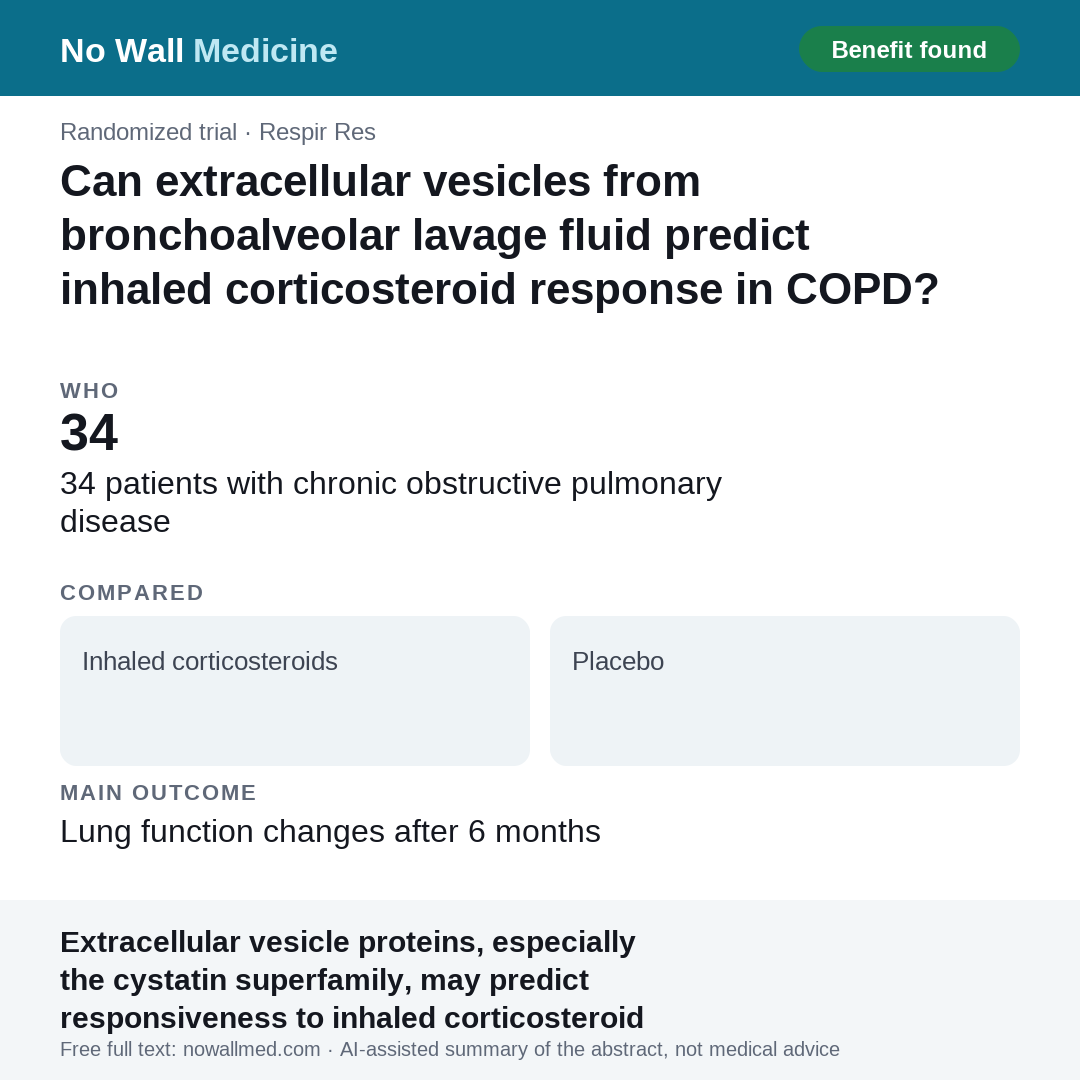
Extracellular vesicles from bronchoalveolar lavage fluid provide insights into the inhaled corticosteroids treatment response in COPD
Randomized trialBenefit found
Can extracellular vesicles from bronchoalveolar lavage fluid predict inhaled corticosteroid response in COPD?
Who
34
34 patients with chronic obstructive pulmonary disease
Compared
Inhaled corticosteroids
Placebo
Main outcome
Lung function changes after 6 months
Bottom line: Extracellular vesicle proteins, especially the cystatin superfamily, may predict responsiveness to inhaled corticosteroid treatment in COPD.
Respir Res · 2025-07-30Download image