Visual abstracts
New randomized trials and meta-analyses from leading journals at a glance: who was studied, what was compared, and what was found. Every paper is free to read in full.
All specialtiesCardiology 4877Oncology 4138Gastroenterology & Hepatology 1942Infectious Disease 3837Neurology 1905Psychiatry & Mental Health 2273Pulmonology 2143Critical Care 1365Endocrinology & Diabetes 2580Pediatrics 2980Surgery 2559Orthopedics & Sports Medicine 931Neurosurgery 537Cardiothoracic & Vascular Surgery 674Plastic & Reconstructive Surgery 591Nephrology 1133Rheumatology 823Hematology 1109Dermatology 621Ophthalmology 543Obstetrics & Gynecology 1686Public & Global Health 1058Radiology & Imaging 648Anesthesiology 986Urology 764ENT (Otolaryngology) 503Emergency Medicine 511Allergy & Immunology 313Geriatrics 981Family Medicine & Primary Care 562Medical Genetics & Genomics 676Pathology & Laboratory Medicine 159Physical Medicine & Rehabilitation 757Palliative Care 444Nutrition 1588Digital Health & AI 2201General Medicine 321
Objective Assessment of Cognitive Workload in Surgery: A Systematic Review
Systematic reviewMixed results
What technologies objectively measure cognitive workload in surgery?
Who
67
Surgeons, anesthesiologists or interventional radiologists
Compared
Neurophysiological instruments: 100% EEG, 80% fNIRS sensitivity
Cardiac and ocular metrics: 50% and 66.67% specificity
Main outcome
Psychometric and methodological characteristics of cognitive workload assessment tools
Bottom line: Physiological metrics provide objective assessment, but multimodal sensors and subjective tools are recommended for cross-validation.
Limitation: Lacking an objective gold standard at present.
Ann Surg · 2024-06-07Download image

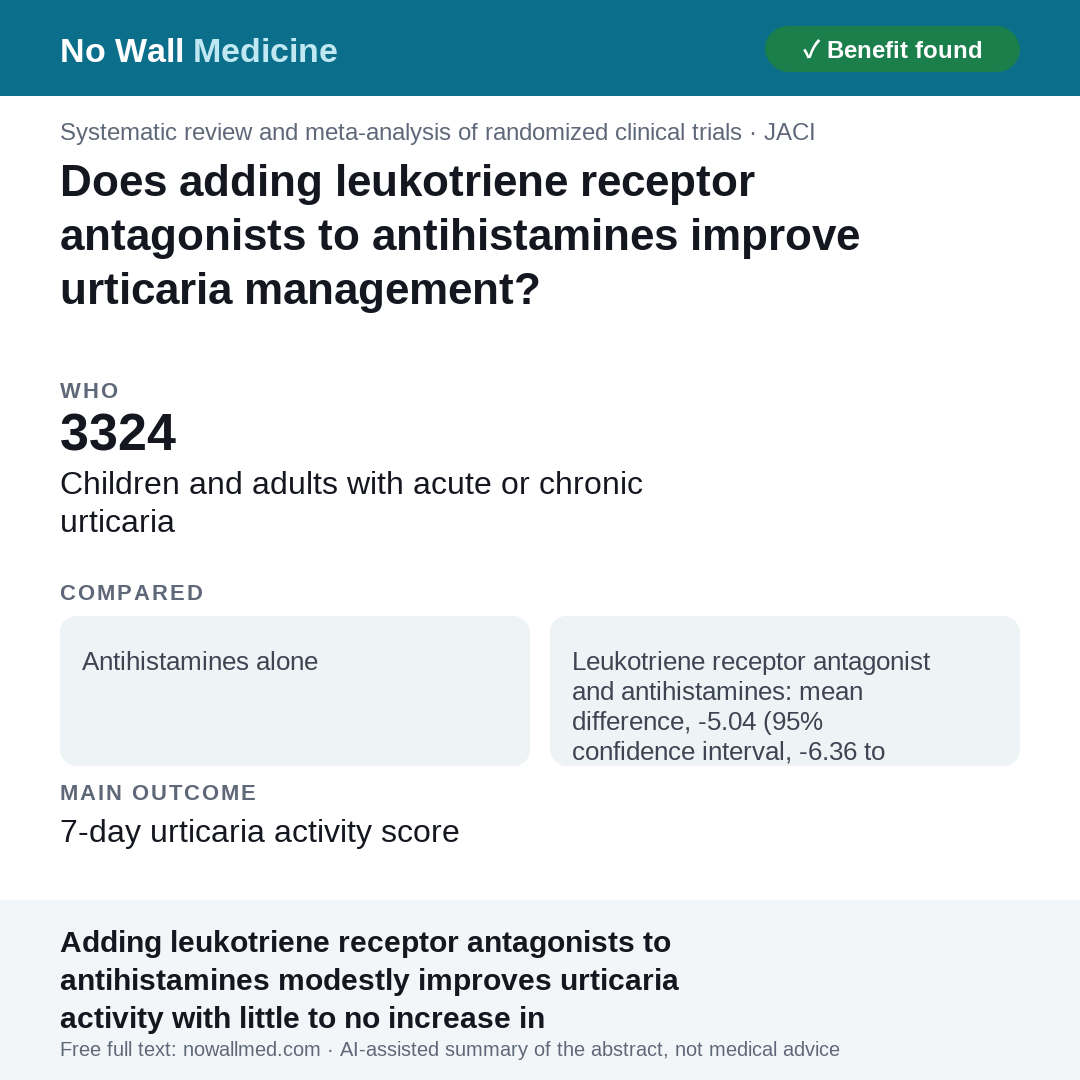
Leukotriene receptor antagonists as add-on therapy to antihistamines for urticaria: Systematic review and meta-analysis of randomized clinical trials
Systematic review and meta-analysis of randomized clinical trialsBenefit found
Does adding leukotriene receptor antagonists to antihistamines improve urticaria management?
Who
3324
Children and adults with acute or chronic urticaria
Compared
Antihistamines alone
Leukotriene receptor antagonist and antihistamines: mean difference, -5.04 (95% confidence interval, -6.36 to -3.71)
Main outcome
7-day urticaria activity score
Result: mean difference, -5.04 (95% confidence interval, -6.36 to -3.71)
Bottom line: Adding leukotriene receptor antagonists to antihistamines modestly improves urticaria activity with little to no increase in overall adverse events.
Limitation: No randomized controlled trial reported on neuropsychiatric adverse events.
JACI · 2024-06-07Download image
Percutaneous repair of moderate-to-severe or severe functional mitral regurgitation in patients with symptomatic heart failure: Baseline characteristics of patients in the RESHAPE-HF2 trial and comparison to COAPT and MITRA-FR trials
Prospective, randomized, multicentre trialUnclear result
Does MitraClip efficacy and safety differ in patients with moderate-to-severe functional mitral regurgitation?
Who
506
Symptomatic heart failure patients with moderate-to-severe or severe functional mitral regurgitation · multicentre
Compared
MitraClip delivery
Withholding MitraClip
Main outcome
efficacy and safety of the MitraClip device system
Bottom line: This report describes baseline characteristics of the RESHAPE-HF2 trial compared to COAPT and MITRA-FR trials.
Eur J Heart Fail · 2024-06-07Download image

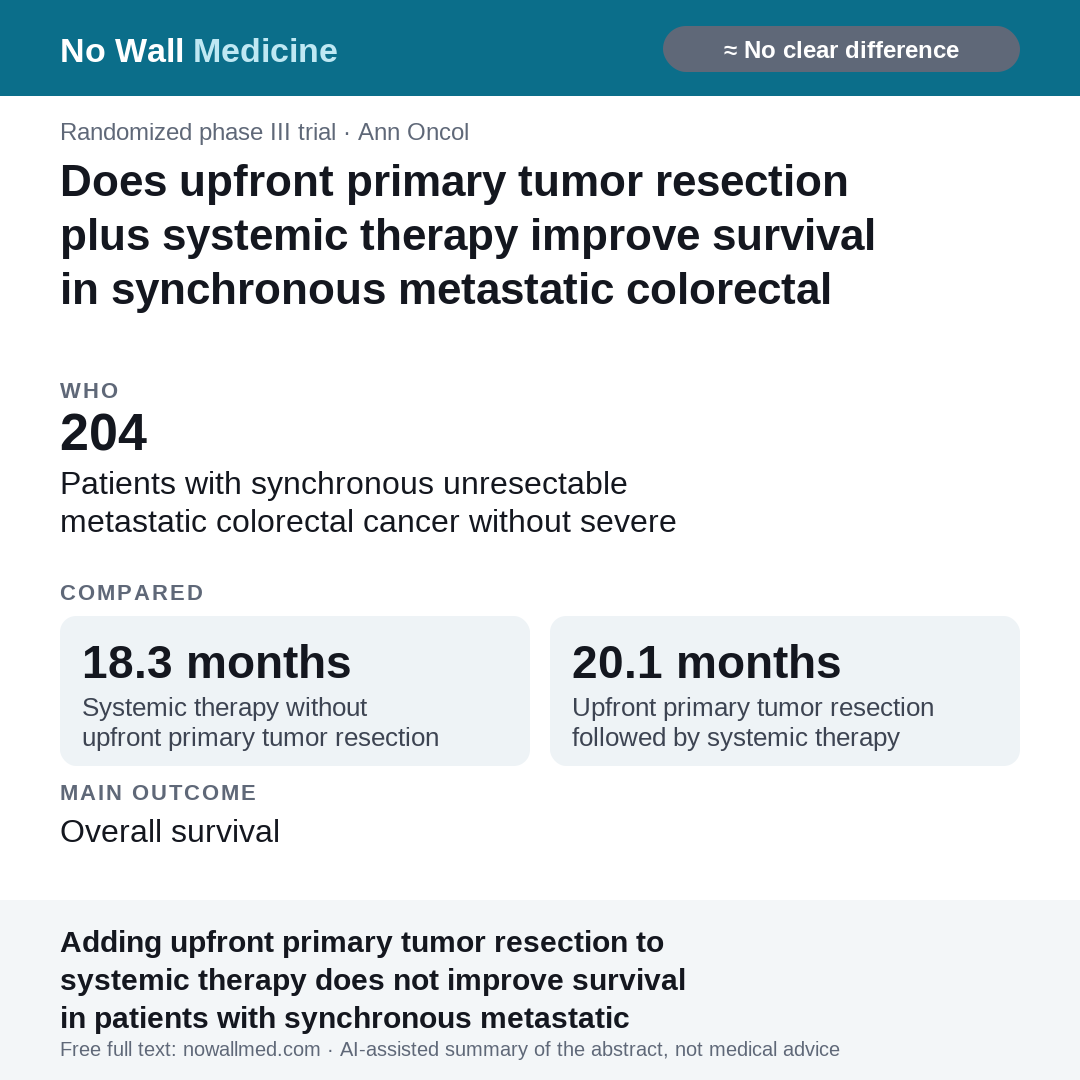
Upfront resection versus no resection of the primary tumor in patients with synchronous metastatic colorectal cancer: the randomized phase III CAIRO4 study conducted by the Dutch Colorectal Cancer Group and the Danish Colorectal Cancer Group
Randomized phase III trialNo clear difference
Does upfront primary tumor resection plus systemic therapy improve survival in synchronous metastatic colorectal cancer?
Who
204
Patients with synchronous unresectable metastatic colorectal cancer without severe primary tumor symptoms · 45 hospitals in The Netherlands and Denmark
Compared
18.3 monthsSystemic therapy without upfront primary tumor resection (95% confidence interval 16.0-22.2 months)
20.1 monthsUpfront primary tumor resection followed by systemic therapy (95% confidence interval 17.0-25.1 months)
Main outcome
Overall survival
Bottom line: Adding upfront primary tumor resection to systemic therapy does not improve survival in patients with synchronous metastatic colorectal cancer.
Ann Oncol · 2024-06-07Download image
Accelerated Aging after Traumatic Brain Injury: An ENIGMA Multi-Cohort Mega-Analysis
Multi-cohort mega-analysisBenefit found
Does predicted age difference increase as a function of time since traumatic brain injury?
Who
540
Individuals with complicated mild, moderate, and severe traumatic brain injury and controls · 7 cohorts
Compared
Complicated mild, moderate, and severe traumatic brain injury
Controls
Main outcome
Predicted age difference from structural magnetic resonance imaging
Bottom line: Predicted age difference widens with longer time since injury, with men showing more advanced brain age.
Ann Neurol · 2024-06-07Download image

Epigenetic alterations in patients with anorexia nervosa-a systematic review
Systematic reviewUnclear result
Epigenetic alterations in anorexia nervosa
Who
patients with anorexia nervosa
Compared
anorexia nervosa patients
controls
Main outcome
epigenetic changes
Bottom line: Epigenetic changes may be reversible
Limitation: limited sample size and methods
Mol Psychiatry · 2024-06-07Download image

Assessment of GFR in Patients with Cancer: A Statement from the American Society of Onco-Nephrology
Systematic reviewBenefit found
What is the best method for estimating glomerular filtration rate in cancer patients?
Who
Patients with cancer
Compared
CKD-EPI using serum creatinine and cystatin C: 2508 patients
CKD-EPI using serum creatinine: 15,349 patients
Main outcome
Accuracy of glomerular filtration rate estimating equations
Bottom line: Use validated equations incorporating both serum creatinine and cystatin C for estimating glomerular filtration rate in cancer patients.
CJASN · 2024-06-07Download image

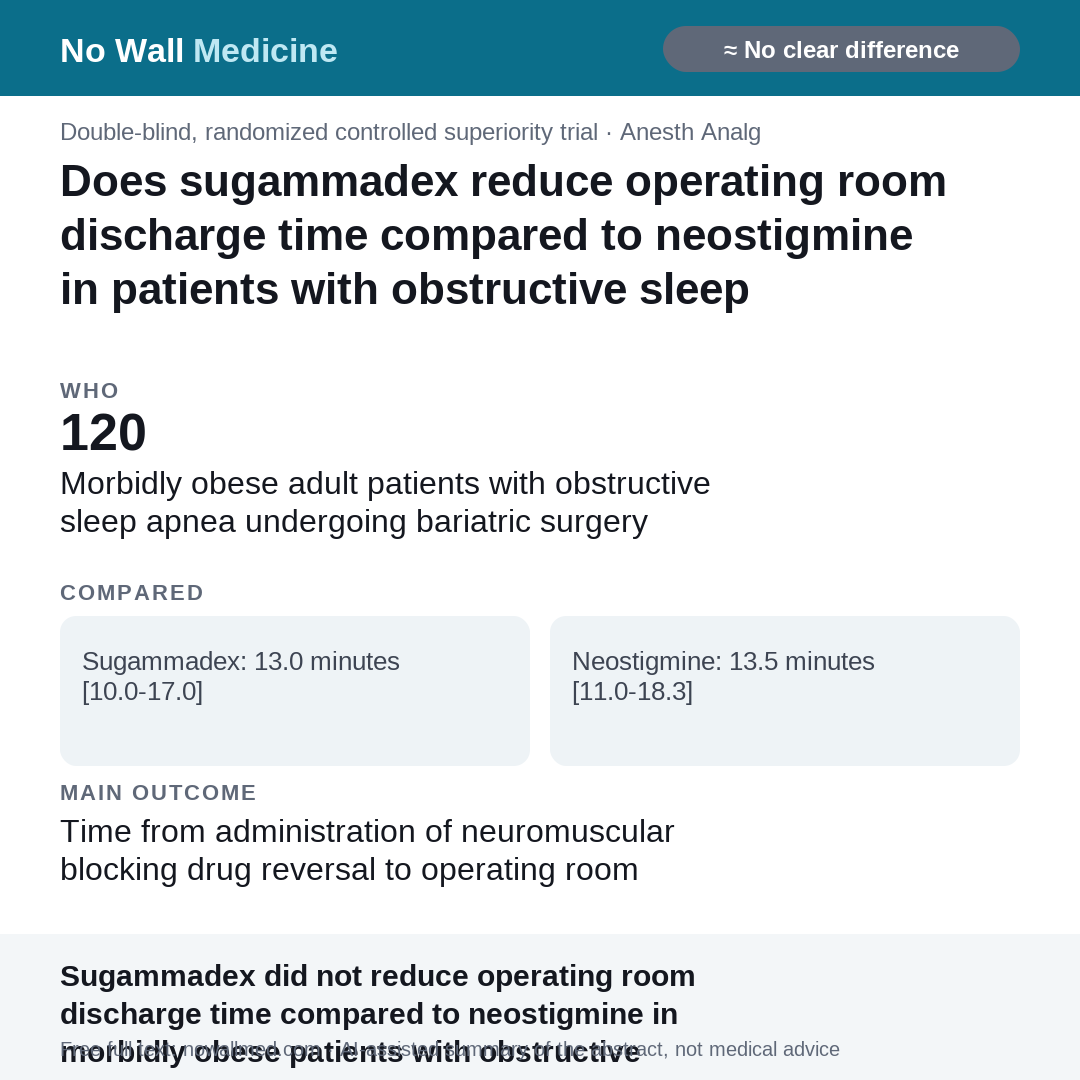
Impact of Sugammadex Versus Neostigmine Reversal on Postoperative Recovery Time in Patients With Obstructive Sleep Apnea Undergoing Bariatric Surgery: A Double-Blind, Randomized Controlled Trial
Double-blind, randomized controlled superiority trialNo clear difference
Does sugammadex reduce operating room discharge time compared to neostigmine in patients with obstructive sleep apnea?
Who
120
Morbidly obese adult patients with obstructive sleep apnea undergoing bariatric surgery
Compared
Sugammadex: 13.0 minutes [10.0-17.0]
Neostigmine: 13.5 minutes [11.0-18.3]
Main outcome
Time from administration of neuromuscular blocking drug reversal to operating room discharge
Result: -0.5 [-2.5 to 3]
Bottom line: Sugammadex did not reduce operating room discharge time compared to neostigmine in morbidly obese patients with obstructive sleep apnea.
Anesth Analg · 2024-06-07Download image
Risk factors and risk stratification approaches for delirium screening: A Geriatric Emergency Department Guidelines 2.0 systematic review
Systematic reviewBenefit found
What risk factors or stratification approaches identify older adults at risk for delirium?
Who
Patients aged 65 years or older assessed for delirium · Emergency Department
Compared
History of dementia: odds ratios 3.3 (95% CI 1.2-8.9) to 18.33 (95% CI 8.08-43.64)
Novel risk scores: area under the curve 0.77 to 0.90
Main outcome
Risk stratification methods for delirium
Bottom line: Dementia, age over 75, and functional impairments help identify older adults at highest risk for delirium.
Limitation: No studies evaluated implementation of risk stratification or patient-oriented outcomes.
Acad Emerg Med · 2024-06-07Download image

A systematic review and cross-database analysis of single nucleotide polymorphisms underlying hip morphology and osteoarthritis reveals shared mechanisms
Systematic review and meta-analysisMixed results
Genetic mechanisms of hip morphology and osteoarthritis
Who
49
people with hip morphology and osteoarthritis
Compared
hip morphology
non-hip OA
Main outcome
shared genetic mechanisms
Bottom line: Shared genetic mechanisms found in hip morphology and osteoarthritis
Osteoarthritis Cartilage · 2024-06-07Download image

Minimal clinically important differences in patient-reported outcomes after coronary artery bypass surgery in the arterial revascularization trial
Randomized trial analysisBenefit found
What are the minimal clinically important differences in quality of life after coronary artery bypass grafting?
Who
Patients who had coronary artery bypass grafting in the arterial revascularization trial
Compared
Short Form Health Survey 36 physical component: 17 (95% confidence interval: 17-20) or 15 (15-17)
Short Form Health Survey 36 mental component: 14 (14-17) or 12 (13-15)
European Quality of Life-5 Dimensions: 0.12 (0.12-0.15) or 0.12 (0.11-0.14)
Main outcome
Minimal clinically important differences in quality of life scores
Bottom line: Minimal clinically important differences for quality of life measures were identified for patients after coronary artery bypass grafting.
Eur J Cardiothorac Surg · 2024-06-07Download image

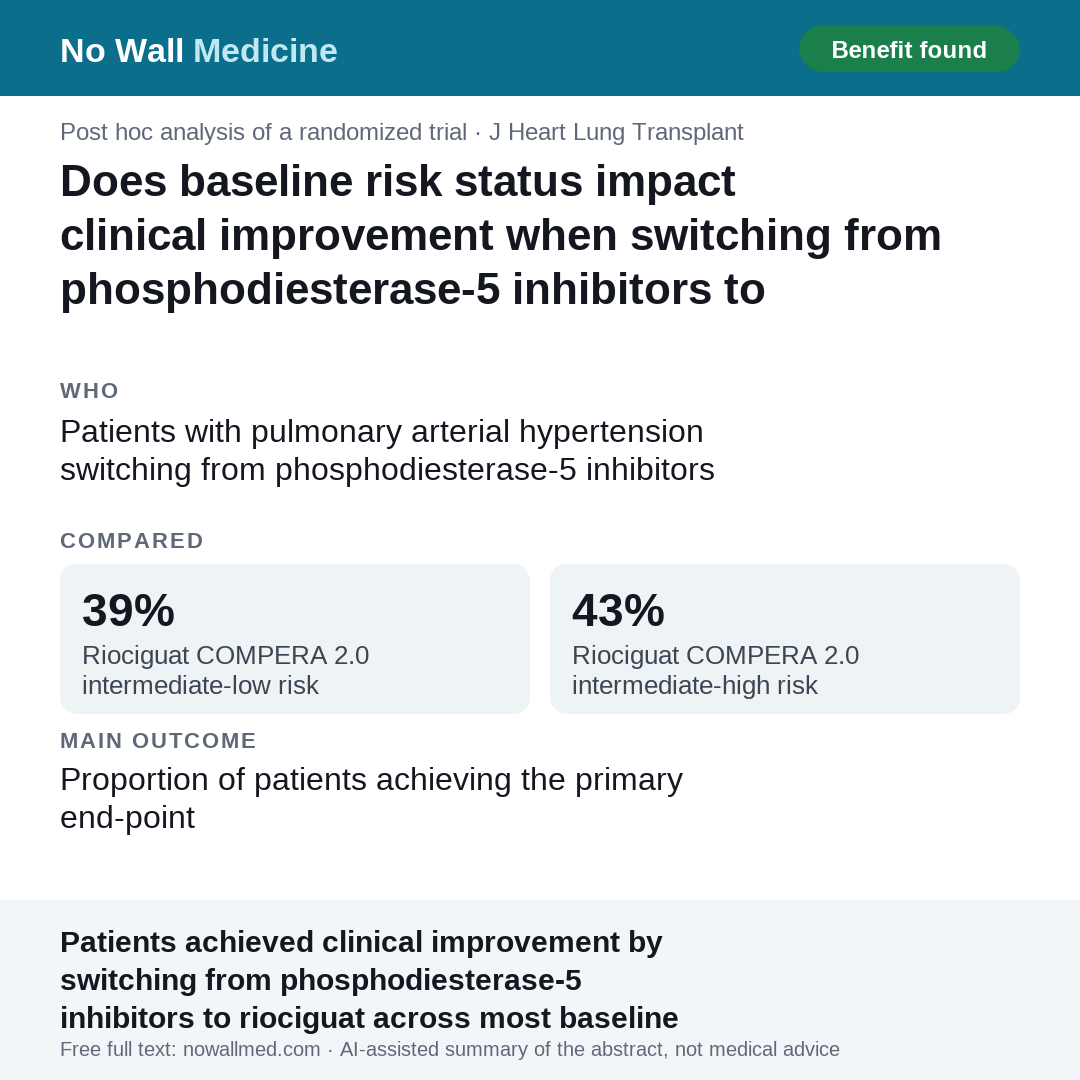
Application of REVEAL Lite 2 and COMPERA 2.0 risk scores to patients with pulmonary arterial hypertension switching to riociguat in the REPLACE study
Post hoc analysis of a randomized trialBenefit found
Does baseline risk status impact clinical improvement when switching from phosphodiesterase-5 inhibitors to riociguat?
Who
Patients with pulmonary arterial hypertension switching from phosphodiesterase-5 inhibitors to riociguat
Compared
39%Riociguat COMPERA 2.0 intermediate-low risk
43%Riociguat COMPERA 2.0 intermediate-high risk
Main outcome
Proportion of patients achieving the primary end-point
Bottom line: Patients achieved clinical improvement by switching from phosphodiesterase-5 inhibitors to riociguat across most baseline risk strata.
J Heart Lung Transplant · 2024-06-07Download image
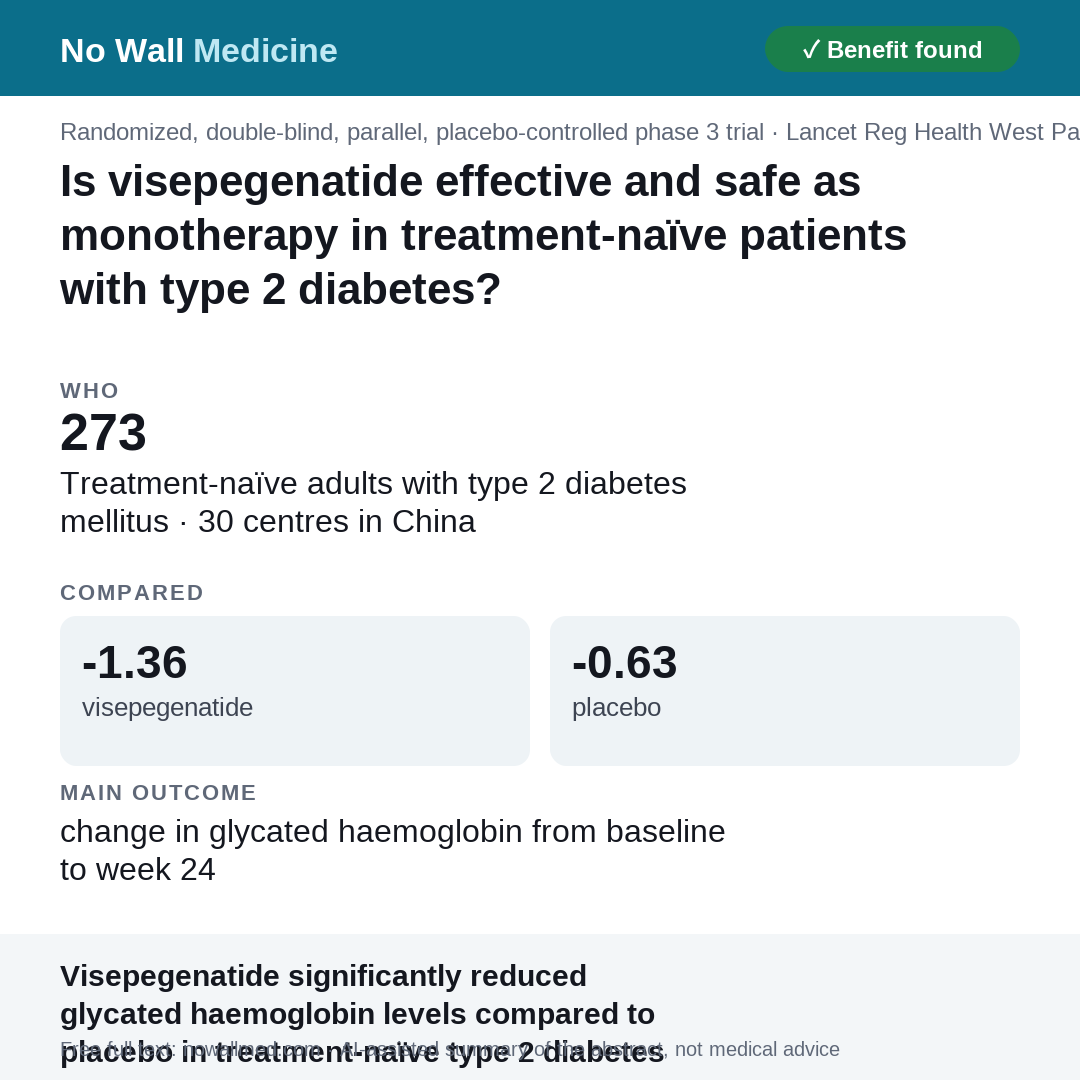
Efficacy and safety of visepegenatide, a long-acting weekly GLP-1 receptor agonist as monotherapy in type 2 diabetes mellitus: a randomised, double-blind, parallel, placebo-controlled phase 3 trial
Randomized, double-blind, parallel, placebo-controlled phase 3 trialBenefit found
Is visepegenatide effective and safe as monotherapy in treatment-naïve patients with type 2 diabetes?
Who
273
Treatment-naïve adults with type 2 diabetes mellitus · 30 centres in China
Compared
-1.36visepegenatide (95% confidence interval -1.52 to -1.20)
-0.63placebo (-0.79 to -0.46)
Main outcome
change in glycated haemoglobin from baseline to week 24
Result: LSM difference -0.73, 95% CI -0.96 to -0.50
Bottom line: Visepegenatide significantly reduced glycated haemoglobin levels compared to placebo in treatment-naïve type 2 diabetes patients.
Lancet Reg Health West Pac · 2024-06-07Download image
Race and Ethnicity Representation in Phase 2/3 Oncology Clinical Trial Publications: A Systematic Review
Systematic reviewHarm found
What are the race and ethnicity reporting rates and representation quotients in published oncology clinical trials?
Who
268209
Phase 2/3 oncology clinical trials for six common noncutaneous solid cancers · 4 high-impact journals
Compared
1.04Asian median representation quotient (IQR, 0.09-4.77)
0.98White median representation quotient (IQR, 0.86-1.06)
0.42Black or African American median representation quotient (IQR, 0.12-0.75)
0.00American Indian or Alaska Native median representation quotient (IQR, 0.00-0.00)
Main outcome
Race and ethnicity reporting rates and representation quotients
Bottom line: Oncology clinical trial publications show inconsistent race and ethnicity reporting and significant underrepresentation of several racial groups.
JAMA Health Forum · 2024-06-07Download image

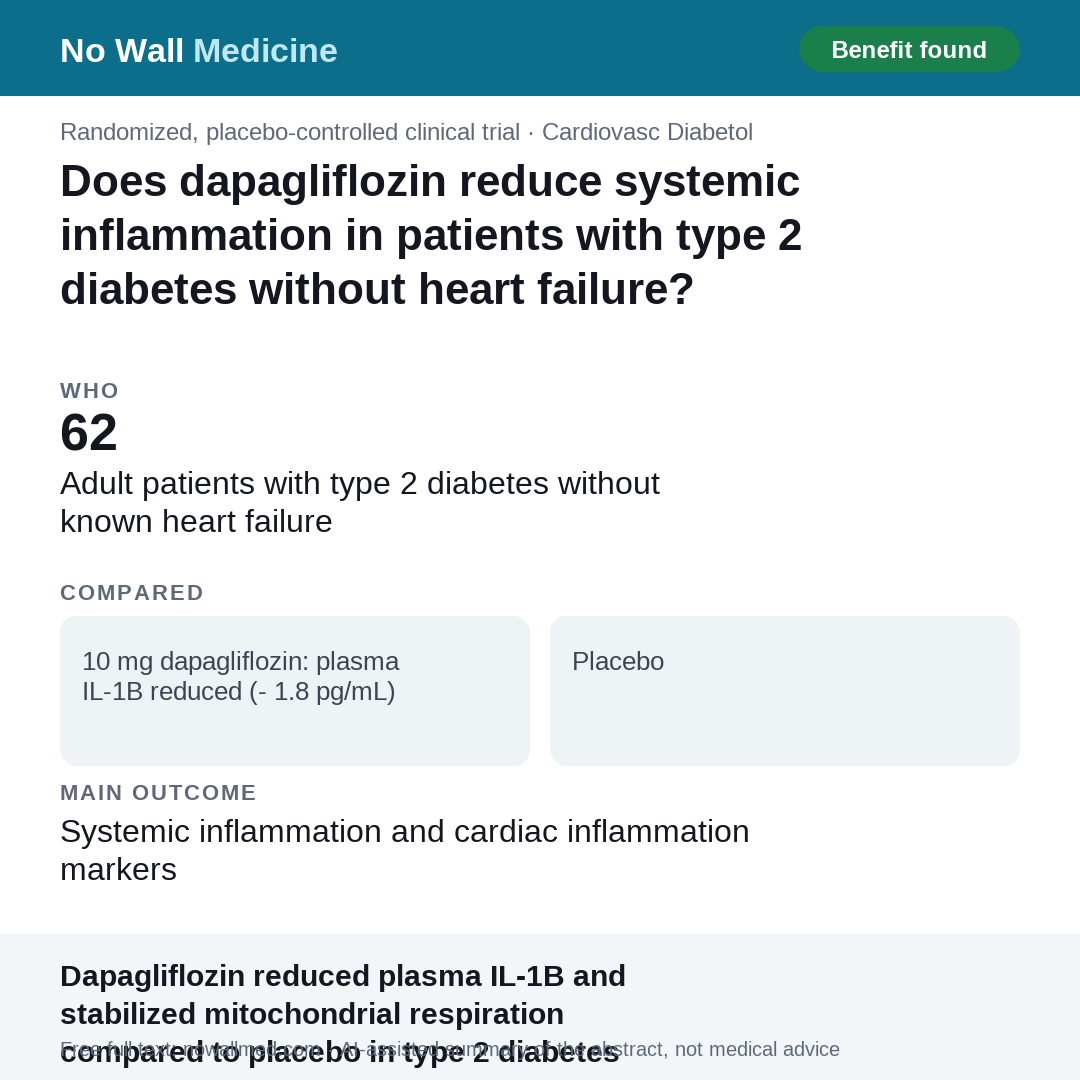
Dapagliflozin reduces systemic inflammation in patients with type 2 diabetes without known heart failure
Randomized, placebo-controlled clinical trialBenefit found
Does dapagliflozin reduce systemic inflammation in patients with type 2 diabetes without heart failure?
Who
62
Adult patients with type 2 diabetes without known heart failure
Compared
10 mg dapagliflozin: plasma IL-1B reduced (- 1.8 pg/mL)
Placebo
Main outcome
Systemic inflammation and cardiac inflammation markers
Bottom line: Dapagliflozin reduced plasma IL-1B and stabilized mitochondrial respiration compared to placebo in type 2 diabetes patients.
Cardiovasc Diabetol · 2024-06-07Download image
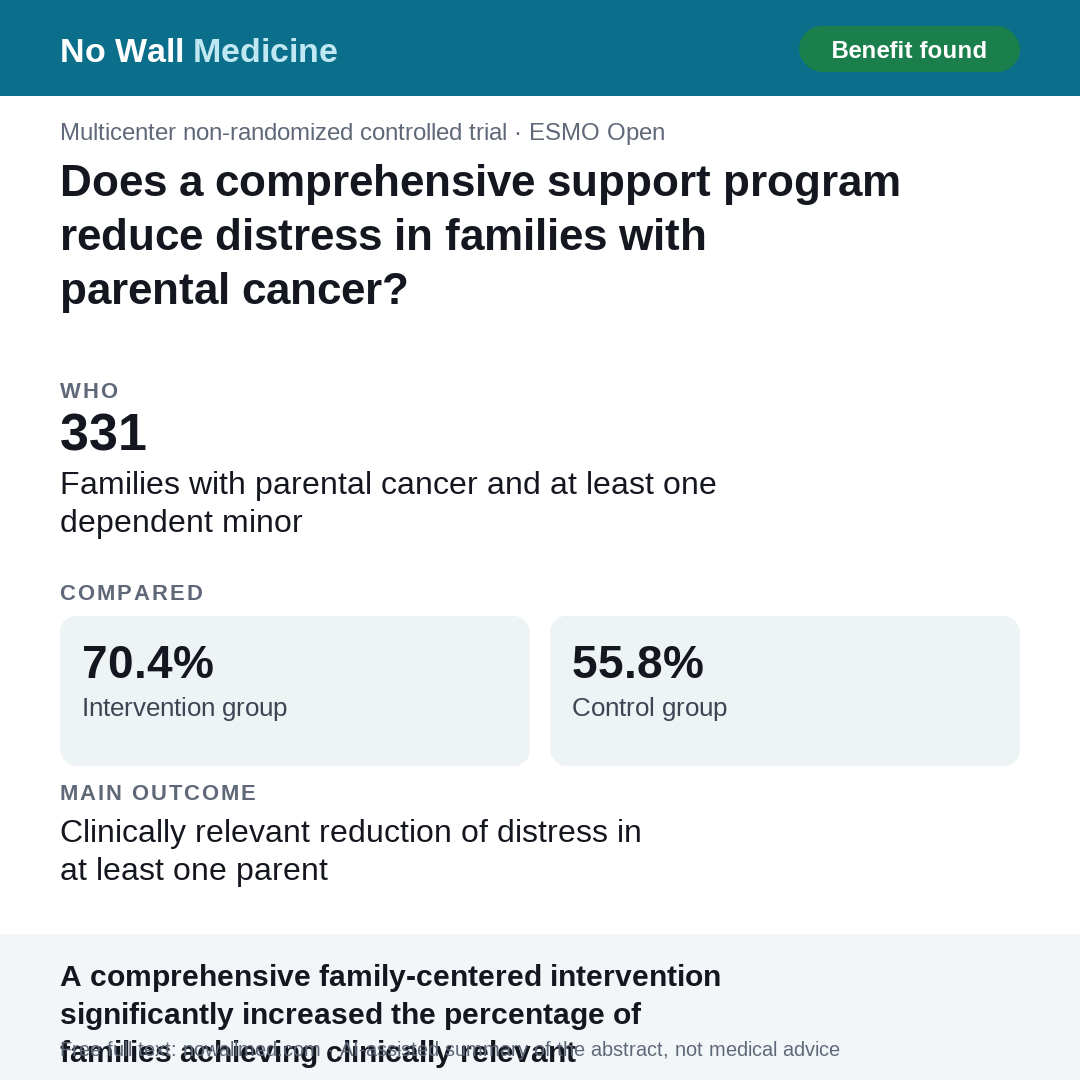
Effectiveness of a comprehensive support program for families with parental cancer (Family-SCOUT): results of a multicenter non-randomized controlled trial
Multicenter non-randomized controlled trialBenefit found
Does a comprehensive support program reduce distress in families with parental cancer?
Who
331
Families with parental cancer and at least one dependent minor
Compared
70.4%Intervention group
55.8%Control group
Main outcome
Clinically relevant reduction of distress in at least one parent
Result: P = 0.008
Bottom line: A comprehensive family-centered intervention significantly increased the percentage of families achieving clinically relevant distress reduction.
Limitation: Bias from other confounders cannot be excluded.
ESMO Open · 2024-06-07Download image
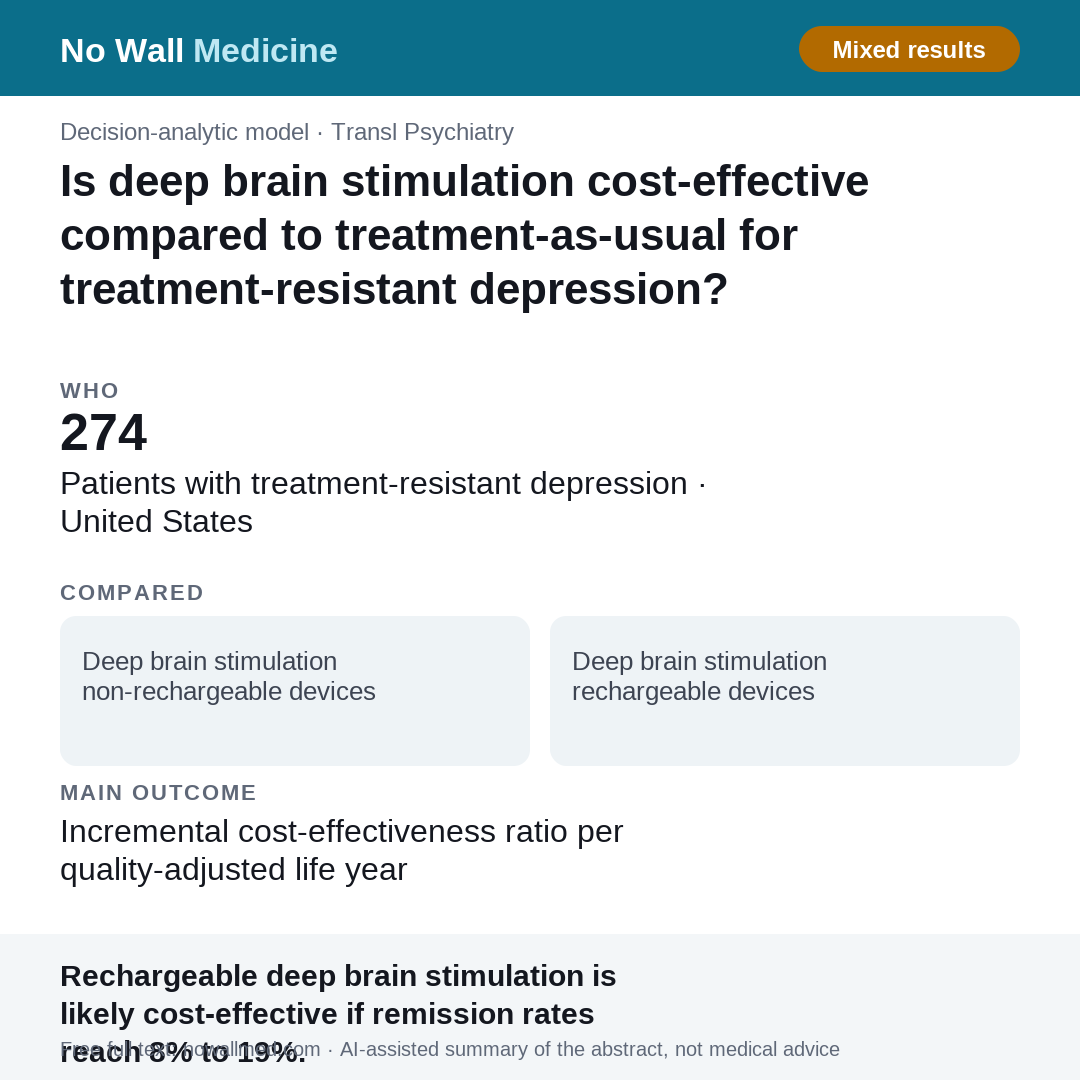
Cost-effectiveness and threshold analysis of deep brain stimulation vs. treatment-as-usual for treatment-resistant depression
Decision-analytic modelMixed results
Is deep brain stimulation cost-effective compared to treatment-as-usual for treatment-resistant depression?
Who
274
Patients with treatment-resistant depression · United States
Compared
Deep brain stimulation non-rechargeable devices
Deep brain stimulation rechargeable devices
Main outcome
Incremental cost-effectiveness ratio per quality-adjusted life year
Bottom line: Rechargeable deep brain stimulation is likely cost-effective if remission rates reach 8% to 19%.
Transl Psychiatry · 2024-06-07Download image
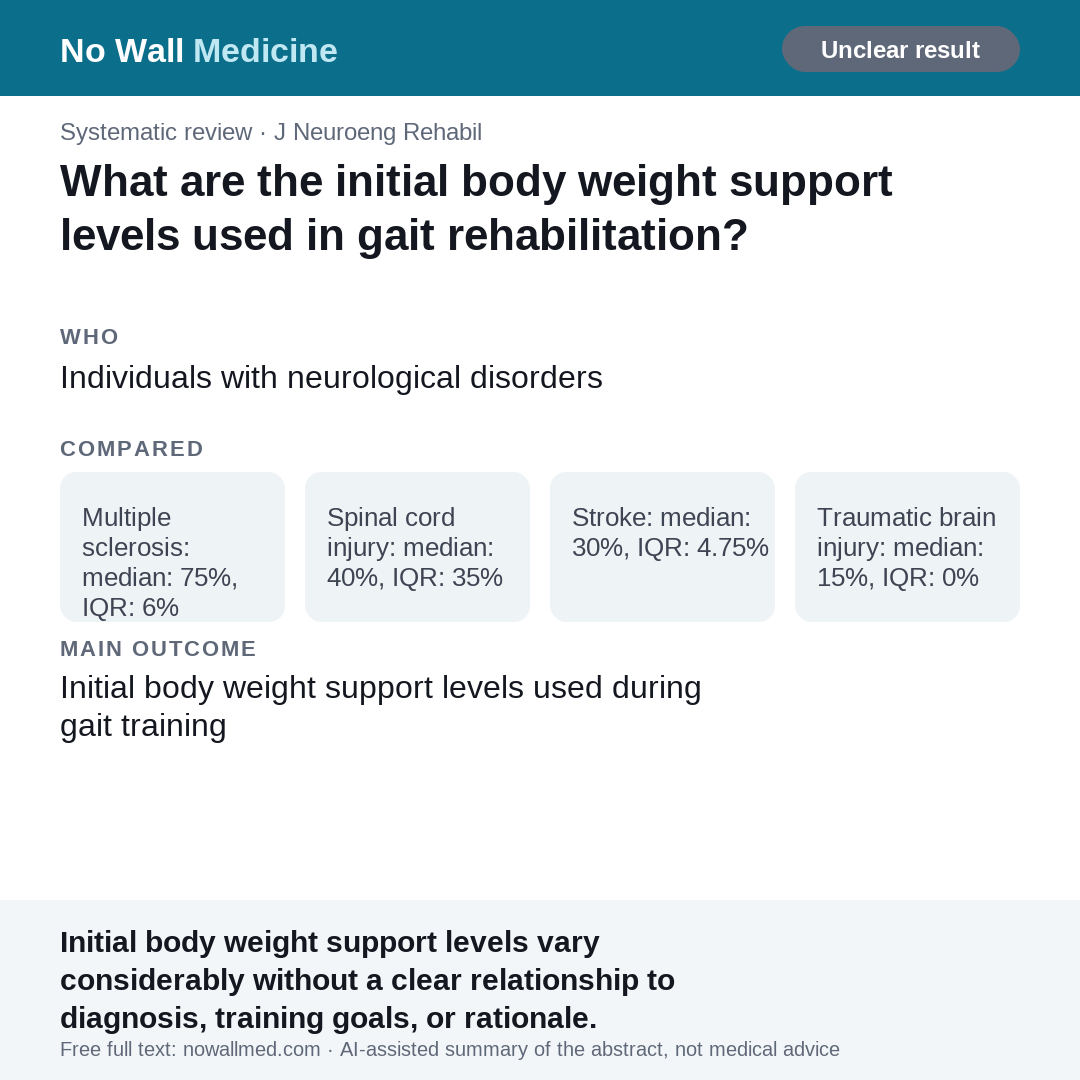
Clinical indications and protocol considerations for selecting initial body weight support levels in gait rehabilitation: a systematic review
Systematic reviewUnclear result
What are the initial body weight support levels used in gait rehabilitation?
Who
Individuals with neurological disorders
Compared
Multiple sclerosis: median: 75%, IQR: 6%
Spinal cord injury: median: 40%, IQR: 35%
Stroke: median: 30%, IQR: 4.75%
Traumatic brain injury: median: 15%, IQR: 0%
Main outcome
Initial body weight support levels used during gait training
Bottom line: Initial body weight support levels vary considerably without a clear relationship to diagnosis, training goals, or rationale.
Limitation: Variation in study designs and populations prevents conclusions on the effectiveness of body weight support levels.
J Neuroeng Rehabil · 2024-06-07Download image
Home Blood Pressure Telemonitoring and Nurse Case Management in Black and Hispanic Patients With Stroke: A Randomized Clinical Trial
Randomized clinical trialBenefit found
Does nurse case management plus telemonitoring improve blood pressure and stroke recurrence?
Who
450
Black and Hispanic stroke survivors with uncontrolled hypertension · 8 stroke centers and ambulatory practices in New York City
Compared
Home blood pressure telemonitoring alone: -5.8 mm Hg (95% CI, -7.9 to -3.7)
Nurse case management plus home blood pressure telemonitoring: -15.1 mm Hg (95% CI, -17.2 to -13.0)
Main outcome
Systolic blood pressure reduction and rate of recurrent stroke
Result: -8.1 mm Hg (95% CI, -11.2 to -5.0)
Bottom line: Adding nurse case management to home blood pressure telemonitoring significantly increased systolic blood pressure reduction in Black and Hispanic stroke survivors.
Limitation: Additional studies are needed to understand long-term clinical outcomes, cost-effectiveness, and generalizability.
JAMA · 2024-06-06Download image

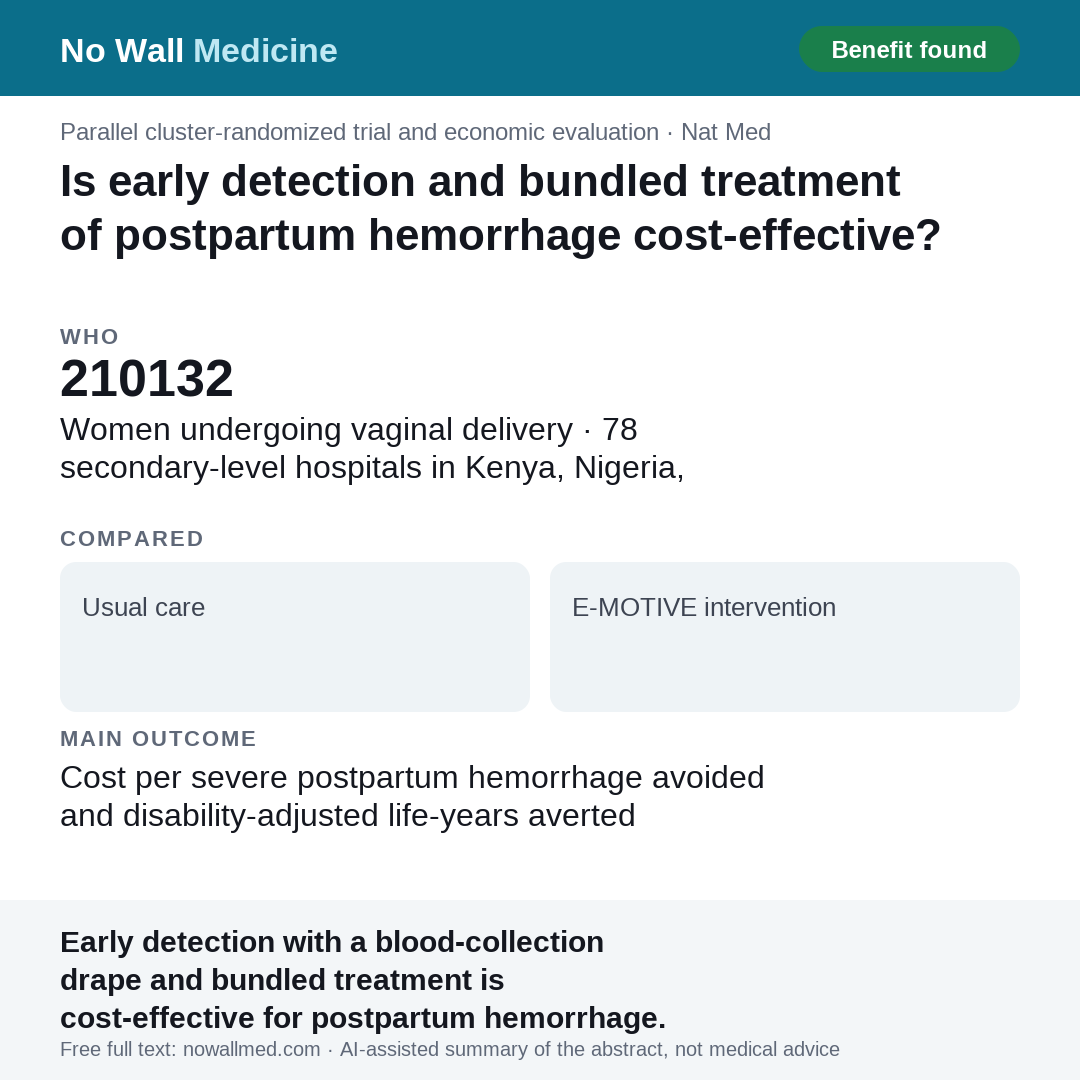
A cost-effectiveness analysis of early detection and bundled treatment of postpartum hemorrhage alongside the E-MOTIVE trial
Parallel cluster-randomized trial and economic evaluationBenefit found
Is early detection and bundled treatment of postpartum hemorrhage cost-effective?
Who
210132
Women undergoing vaginal delivery · 78 secondary-level hospitals in Kenya, Nigeria, South Africa and Tanzania
Compared
Usual care
E-MOTIVE intervention
Main outcome
Cost per severe postpartum hemorrhage avoided and disability-adjusted life-years averted
Bottom line: Early detection with a blood-collection drape and bundled treatment is cost-effective for postpartum hemorrhage.
Nat Med · 2024-06-06Download image