Visual abstracts
New randomized trials and meta-analyses from leading journals at a glance: who was studied, what was compared, and what was found. Every paper is free to read in full.
All specialtiesCardiology 1341Oncology 1205Gastroenterology & Hepatology 483Infectious Disease 880Neurology 556Psychiatry & Mental Health 671Pulmonology 578Critical Care 398Endocrinology & Diabetes 746Pediatrics 802Surgery 638Orthopedics & Sports Medicine 259Neurosurgery 182Cardiothoracic & Vascular Surgery 151Plastic & Reconstructive Surgery 212Nephrology 283Rheumatology 179Hematology 283Dermatology 142Ophthalmology 153Obstetrics & Gynecology 426Public & Global Health 261Radiology & Imaging 173Anesthesiology 257Urology 251ENT (Otolaryngology) 182Emergency Medicine 147Allergy & Immunology 90Geriatrics 281Family Medicine & Primary Care 171Medical Genetics & Genomics 144Pathology & Laboratory Medicine 41Physical Medicine & Rehabilitation 233Palliative Care 122Nutrition 353Digital Health & AI 696General Medicine 123
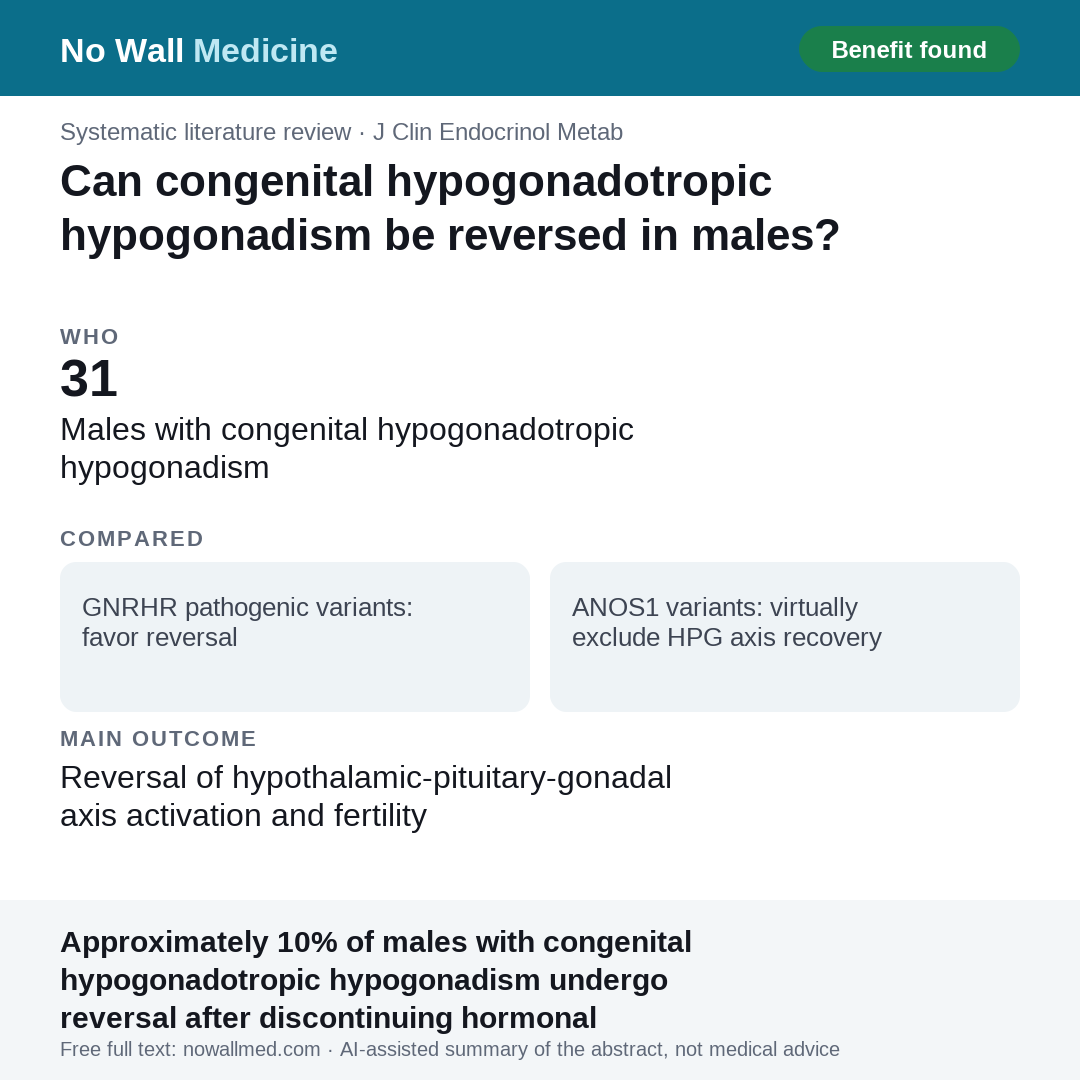
Reversal of Congenital Hypogonadotropic Hypogonadism
Systematic literature reviewBenefit found
Can congenital hypogonadotropic hypogonadism be reversed in males?
Who
31
Males with congenital hypogonadotropic hypogonadism
Compared
GNRHR pathogenic variants: favor reversal
ANOS1 variants: virtually exclude HPG axis recovery
Main outcome
Reversal of hypothalamic-pituitary-gonadal axis activation and fertility
Bottom line: Approximately 10% of males with congenital hypogonadotropic hypogonadism undergo reversal after discontinuing hormonal treatment.
J Clin Endocrinol Metab · 2025-11-09Download image
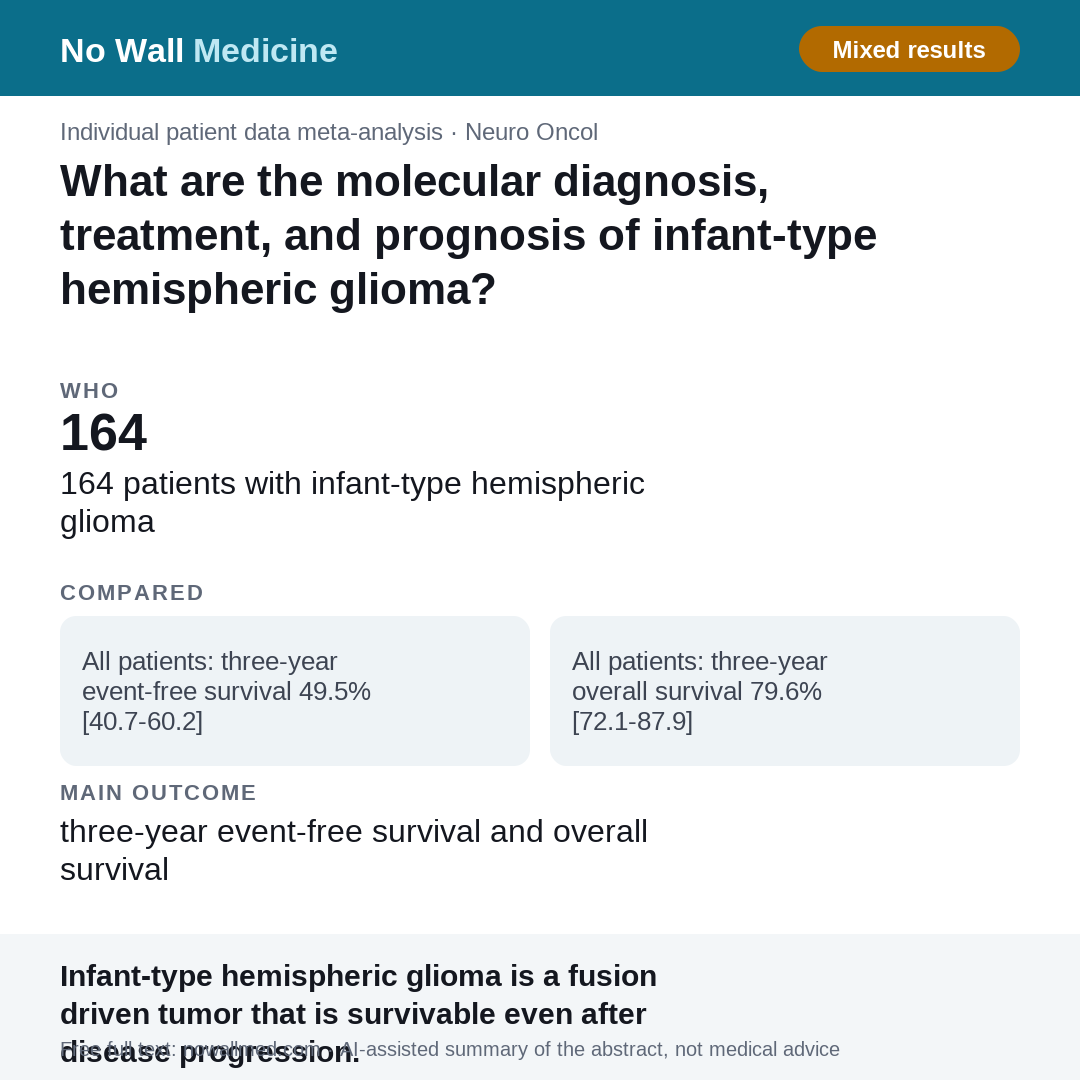
A systematic study of molecular diagnosis, treatment, and prognosis in infant-type hemispheric glioma: An individual patient data meta-analysis of 164 patients
Individual patient data meta-analysisMixed results
What are the molecular diagnosis, treatment, and prognosis of infant-type hemispheric glioma?
Who
164
164 patients with infant-type hemispheric glioma
Compared
All patients: three-year event-free survival 49.5% [40.7-60.2]
All patients: three-year overall survival 79.6% [72.1-87.9]
Main outcome
three-year event-free survival and overall survival
Bottom line: Infant-type hemispheric glioma is a fusion driven tumor that is survivable even after disease progression.
Neuro Oncol · 2025-11-09Download image
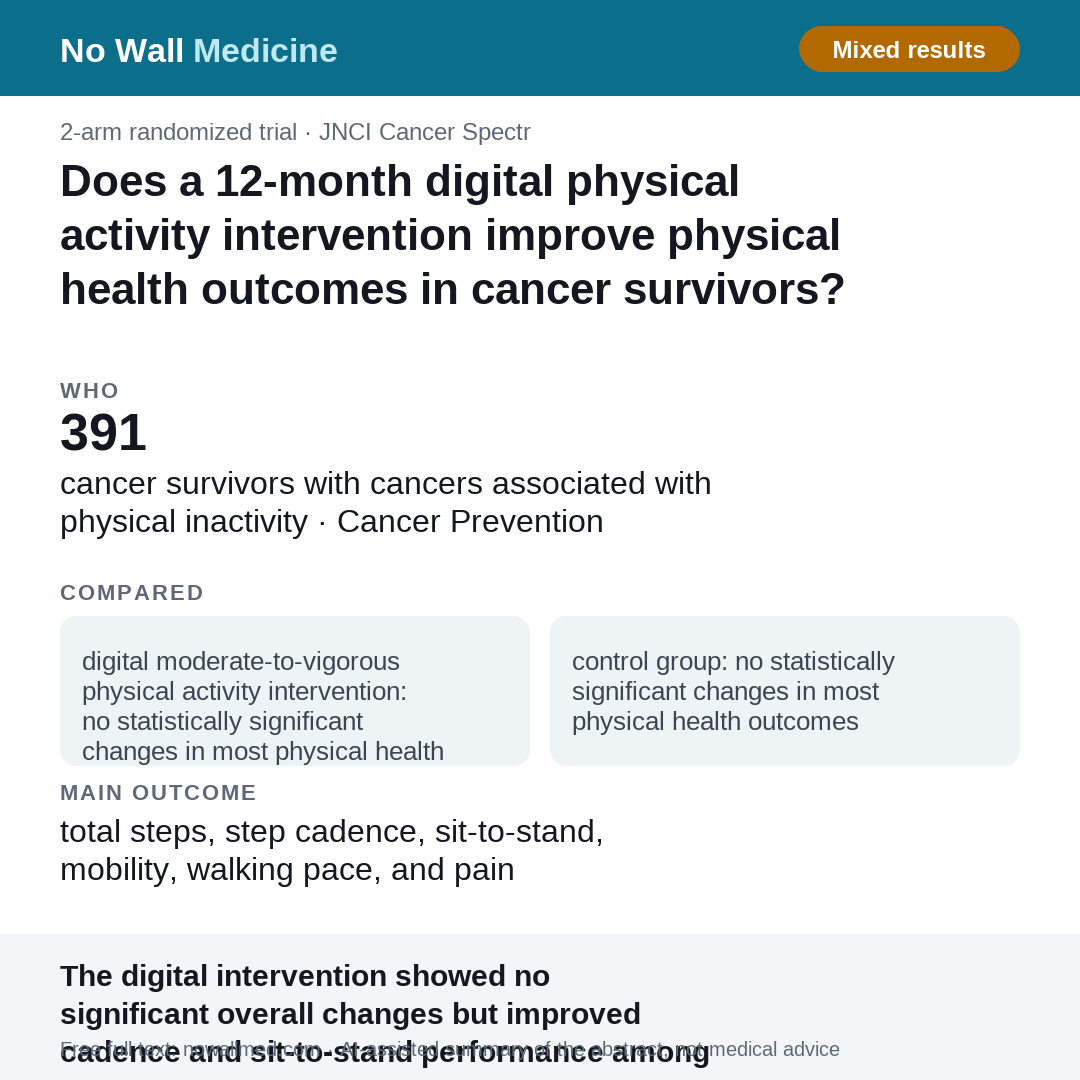
Physical health outcomes and step cadence improvements: a digital physical activity intervention in cancer survivors
2-arm randomized trialMixed results
Does a 12-month digital physical activity intervention improve physical health outcomes in cancer survivors?
Who
391
cancer survivors with cancers associated with physical inactivity · Cancer Prevention Study-3 prospective cohort study
Compared
digital moderate-to-vigorous physical activity intervention: no statistically significant changes in most physical health outcomes
control group: no statistically significant changes in most physical health outcomes
Main outcome
total steps, step cadence, sit-to-stand, mobility, walking pace, and pain
Bottom line: The digital intervention showed no significant overall changes but improved cadence and sit-to-stand performance among adherent participants.
JNCI Cancer Spectr · 2025-11-09Download image
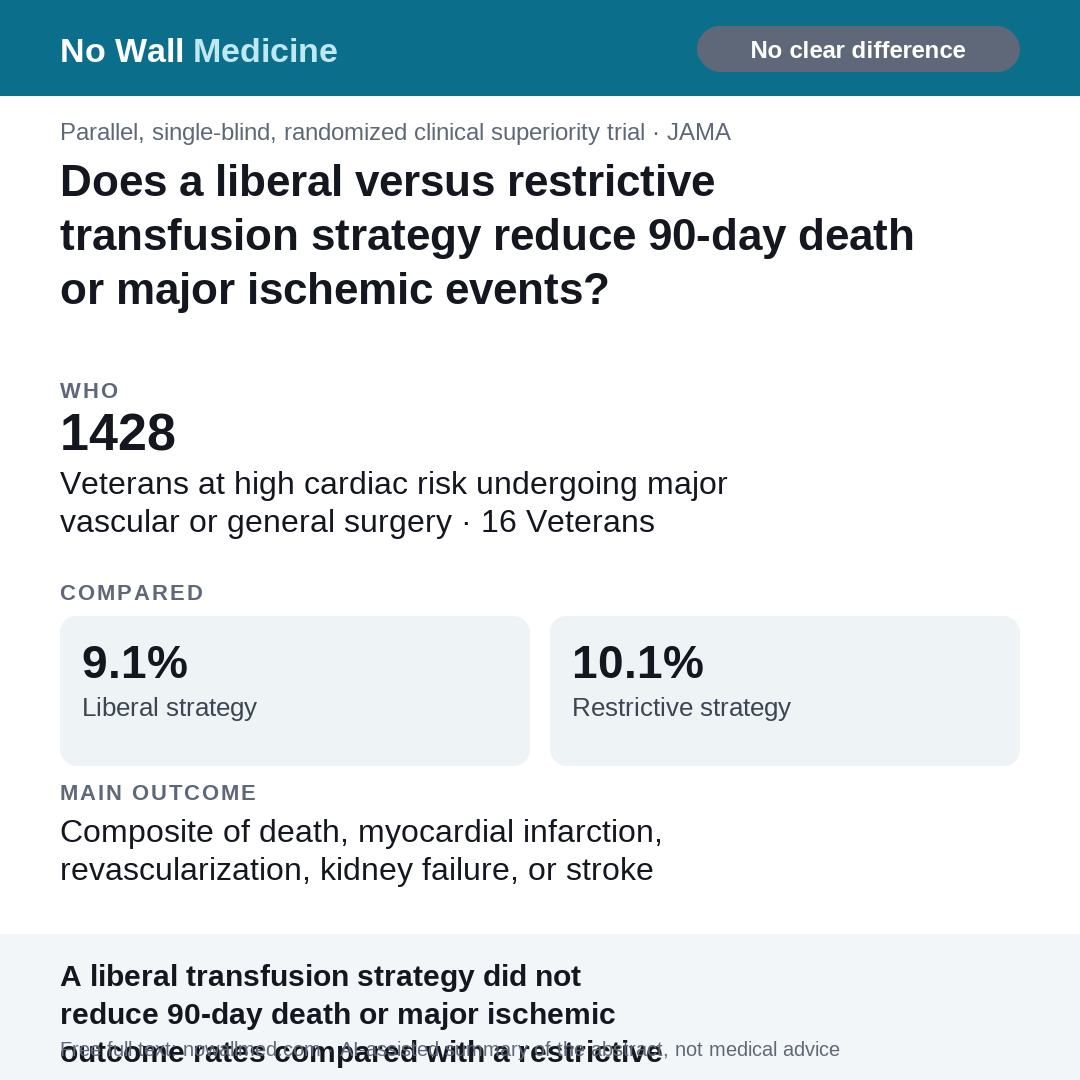
Liberal or Restrictive Postoperative Transfusion in Patients at High Cardiac Risk: The TOP Randomized Clinical Trial
Parallel, single-blind, randomized clinical superiority trialNo clear difference
Does a liberal versus restrictive transfusion strategy reduce 90-day death or major ischemic events?
Who
1428
Veterans at high cardiac risk undergoing major vascular or general surgery · 16 Veterans Affairs Medical Centers in the US
Compared
9.1%Liberal strategy (61 of 670)
10.1%Restrictive strategy (71 of 700)
Main outcome
Composite of death, myocardial infarction, revascularization, kidney failure, or stroke
Result: relative risk 0.90 (95% CI 0.65-1.24)
Bottom line: A liberal transfusion strategy did not reduce 90-day death or major ischemic outcome rates compared with a restrictive strategy.
JAMA · 2025-11-08Download image
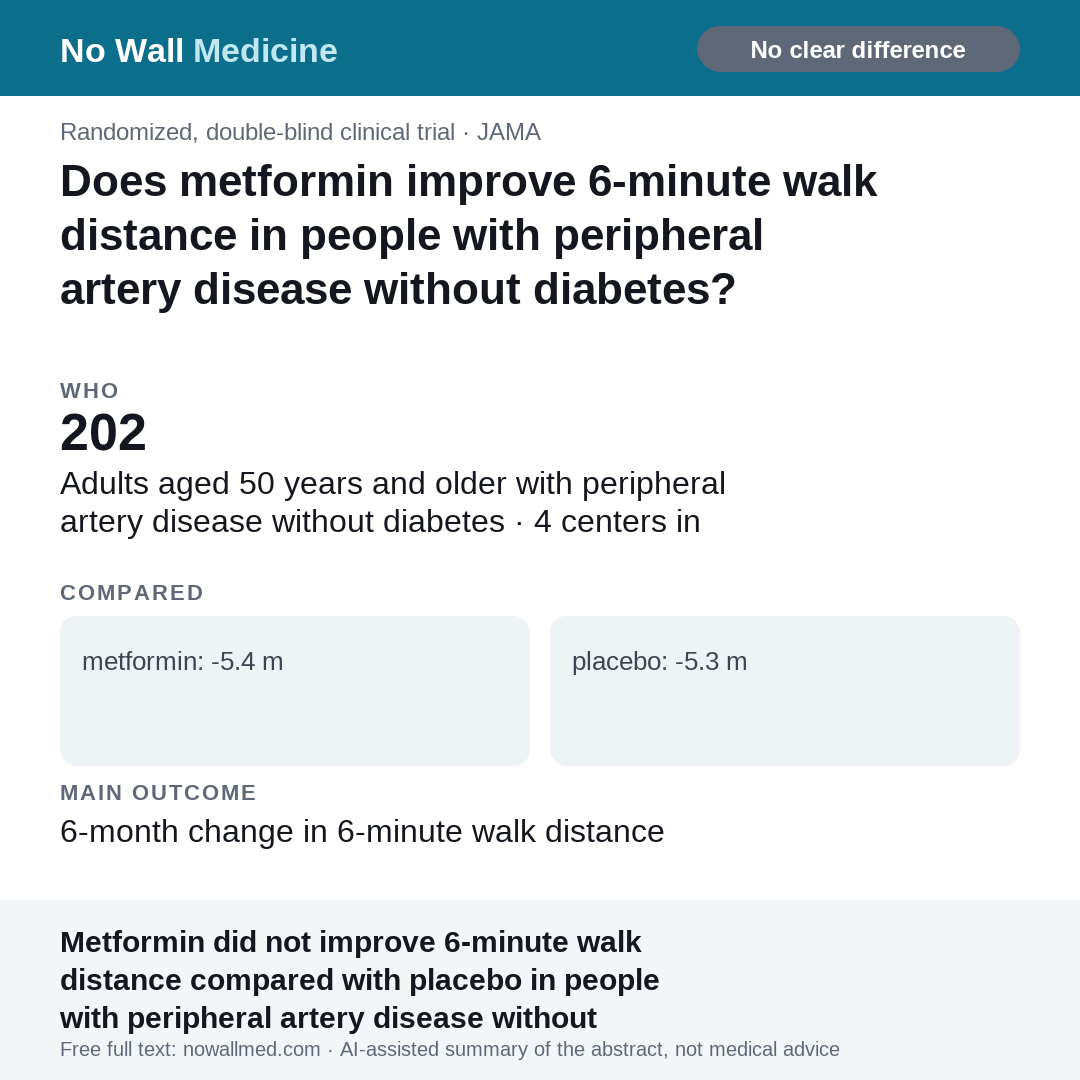
Metformin to Improve Walking Performance in Lower Extremity Peripheral Artery Disease: The PERMET Randomized Clinical Trial
Randomized, double-blind clinical trialNo clear difference
Does metformin improve 6-minute walk distance in people with peripheral artery disease without diabetes?
Who
202
Adults aged 50 years and older with peripheral artery disease without diabetes · 4 centers in the US
Compared
metformin: -5.4 m
placebo: -5.3 m
Main outcome
6-month change in 6-minute walk distance
Result: adjusted between-group difference: 1.1 m (95% CI, -16.3 to 18.6 m)
Bottom line: Metformin did not improve 6-minute walk distance compared with placebo in people with peripheral artery disease without diabetes.
Limitation: Enrollment was lower than targeted due to funding limitations.
JAMA · 2025-11-08Download image
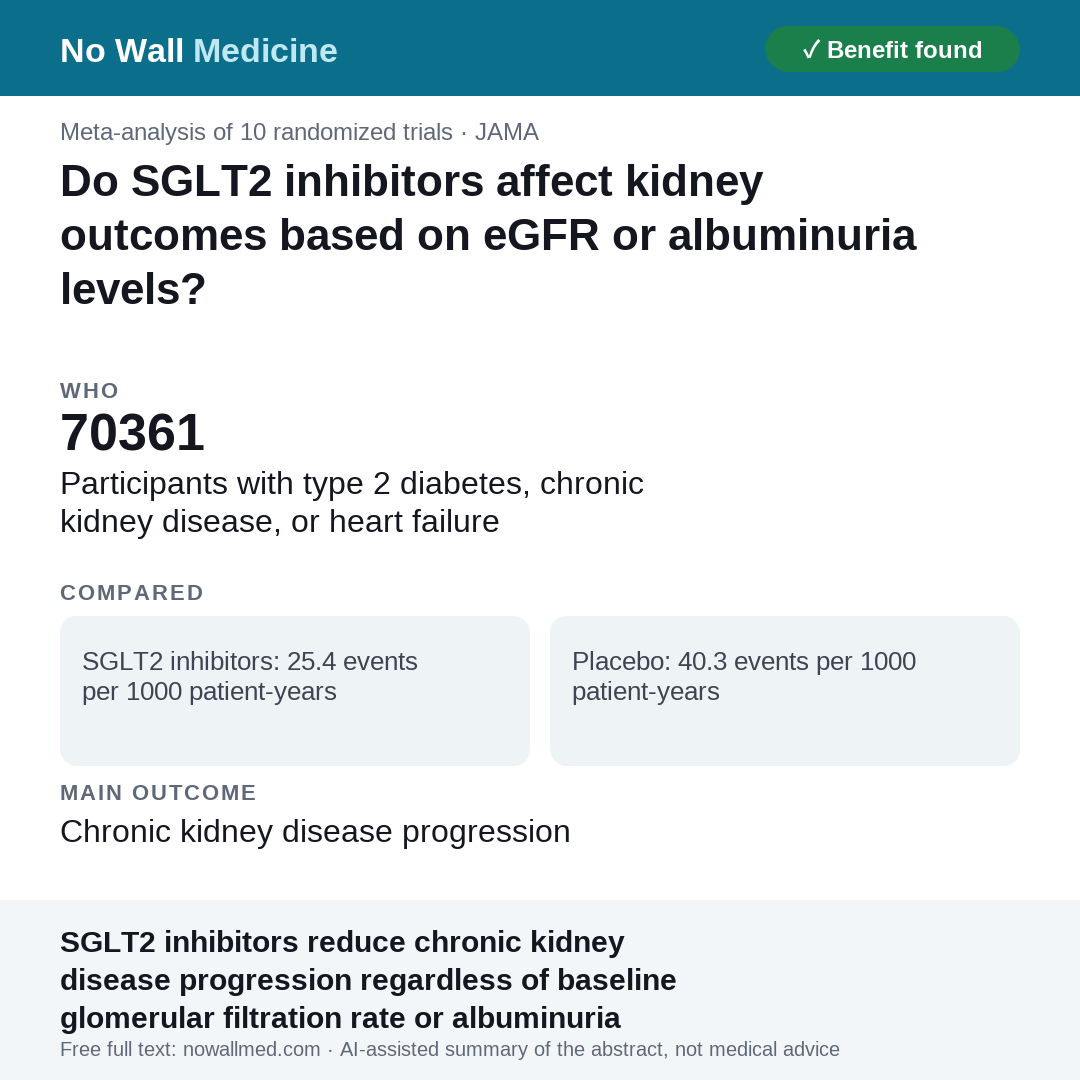
SGLT2 Inhibitors and Kidney Outcomes by Glomerular Filtration Rate and Albuminuria: A Meta-Analysis
Meta-analysis of 10 randomized trialsBenefit found
Do SGLT2 inhibitors affect kidney outcomes based on eGFR or albuminuria levels?
Who
70361
Participants with type 2 diabetes, chronic kidney disease, or heart failure
Compared
SGLT2 inhibitors: 25.4 events per 1000 patient-years
Placebo: 40.3 events per 1000 patient-years
Main outcome
Chronic kidney disease progression
Result: hazard ratio 0.62 (95% CI 0.57-0.68)
Bottom line: SGLT2 inhibitors reduce chronic kidney disease progression regardless of baseline glomerular filtration rate or albuminuria levels.
JAMA · 2025-11-08Download image
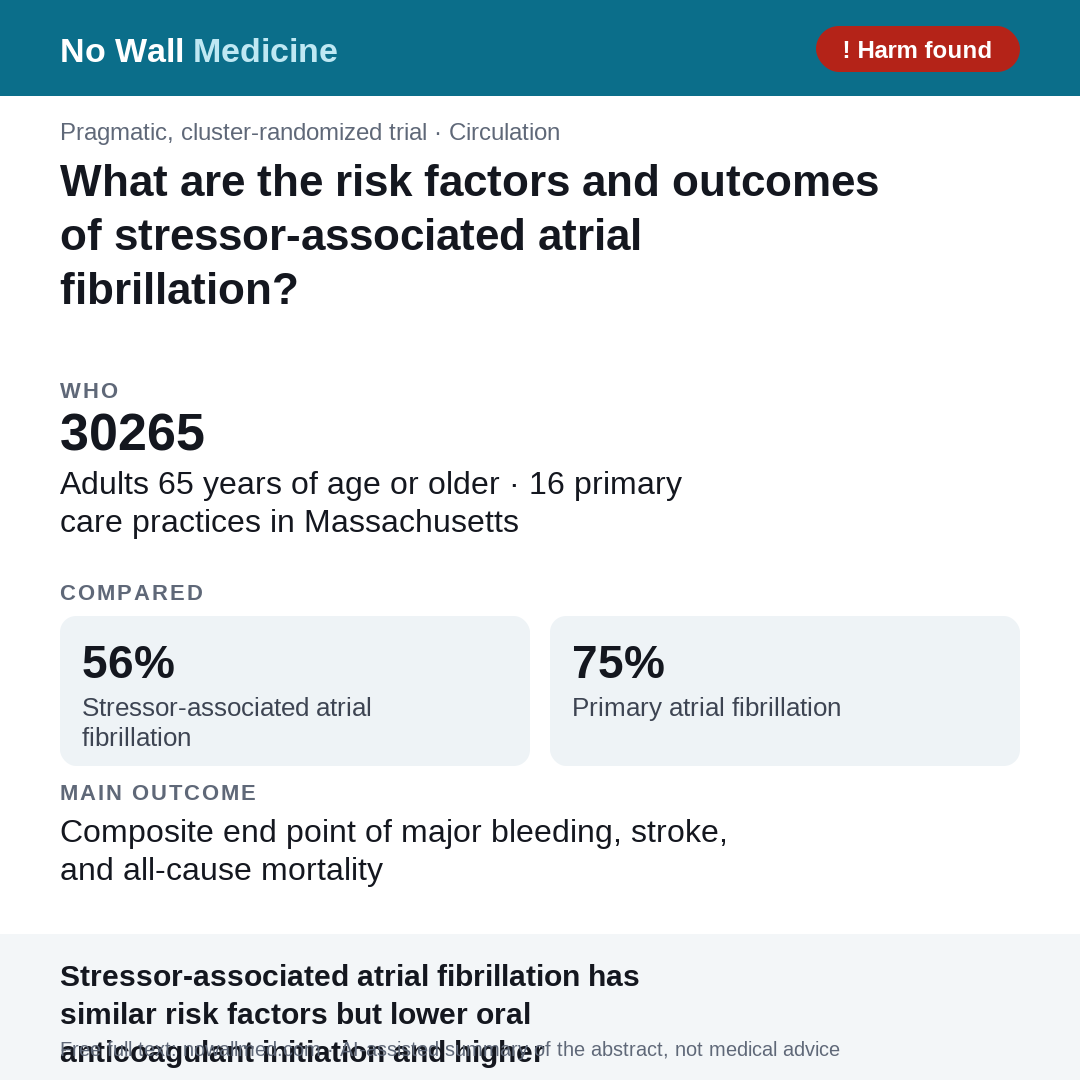
Incidence, Risk Factors, and Outcomes in Stressor-Associated Atrial Fibrillation: Insights From the VITAL-AF Trial
Pragmatic, cluster-randomized trialHarm found
What are the risk factors and outcomes of stressor-associated atrial fibrillation?
Who
30265
Adults 65 years of age or older · 16 primary care practices in Massachusetts
Compared
56%Stressor-associated atrial fibrillation
75%Primary atrial fibrillation
Main outcome
Composite end point of major bleeding, stroke, and all-cause mortality
Result: hazard ratio 6.13 (95% CI 4.31 to 8.72)
Bottom line: Stressor-associated atrial fibrillation has similar risk factors but lower oral anticoagulant initiation and higher composite adverse outcomes.
Circulation · 2025-11-08Download image
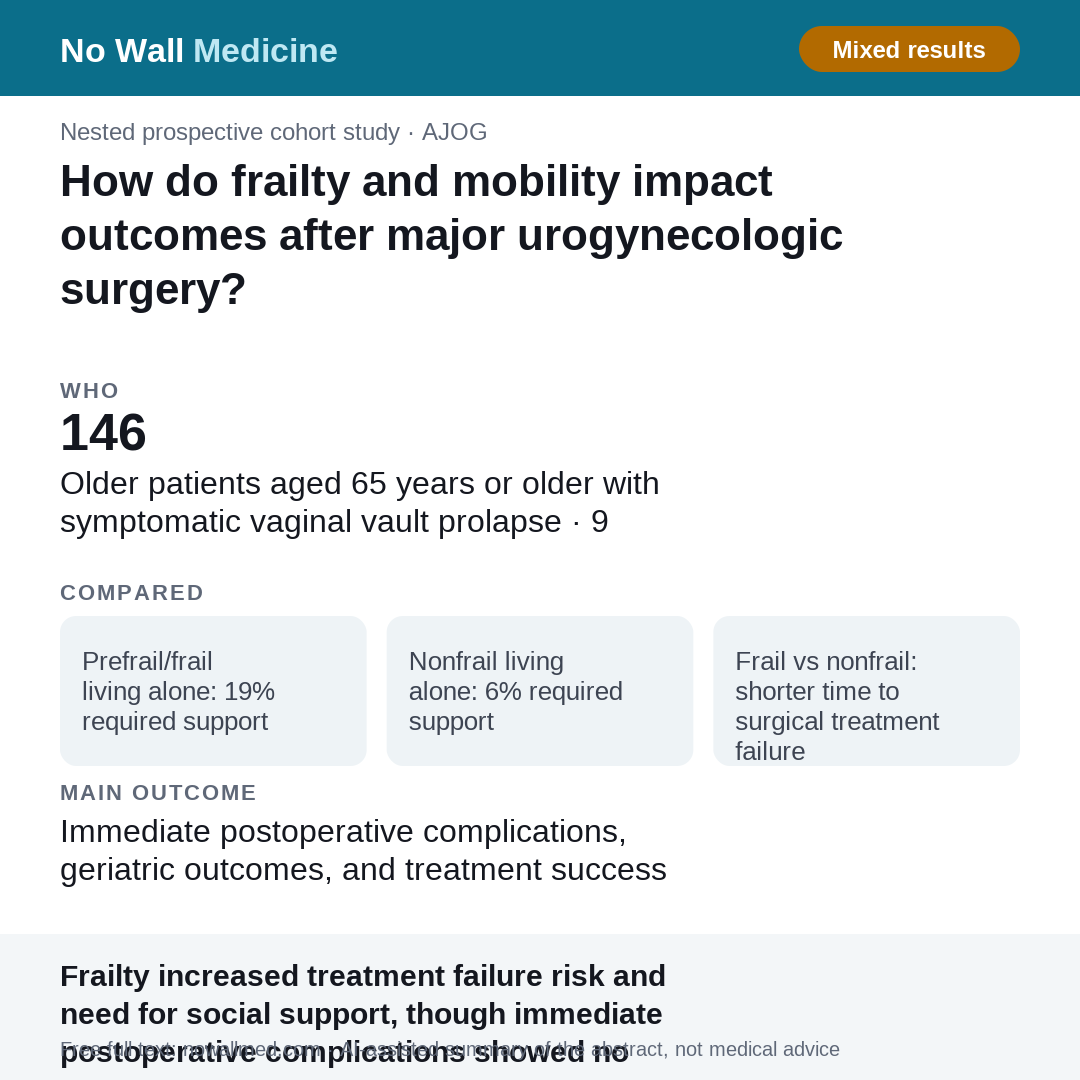
Outcomes by frailty and mobility in older patients undergoing major urogynecologic surgery: a planned supplementary study of the apical suspension repair for vault prolapse in a three-arm randomized (ASPIRe) trial
Nested prospective cohort studyMixed results
How do frailty and mobility impact outcomes after major urogynecologic surgery?
Who
146
Older patients aged 65 years or older with symptomatic vaginal vault prolapse · 9 clinical sites
Compared
Prefrail/frail living alone: 19% required support
Nonfrail living alone: 6% required support
Frail vs nonfrail: shorter time to surgical treatment failure
Main outcome
Immediate postoperative complications, geriatric outcomes, and treatment success
Result: adjusted hazard ratio 2.1 (95% confidence interval, 1.2, 3.6)
Bottom line: Frailty increased treatment failure risk and need for social support, though immediate postoperative complications showed no difference.
AJOG · 2025-11-08Download image
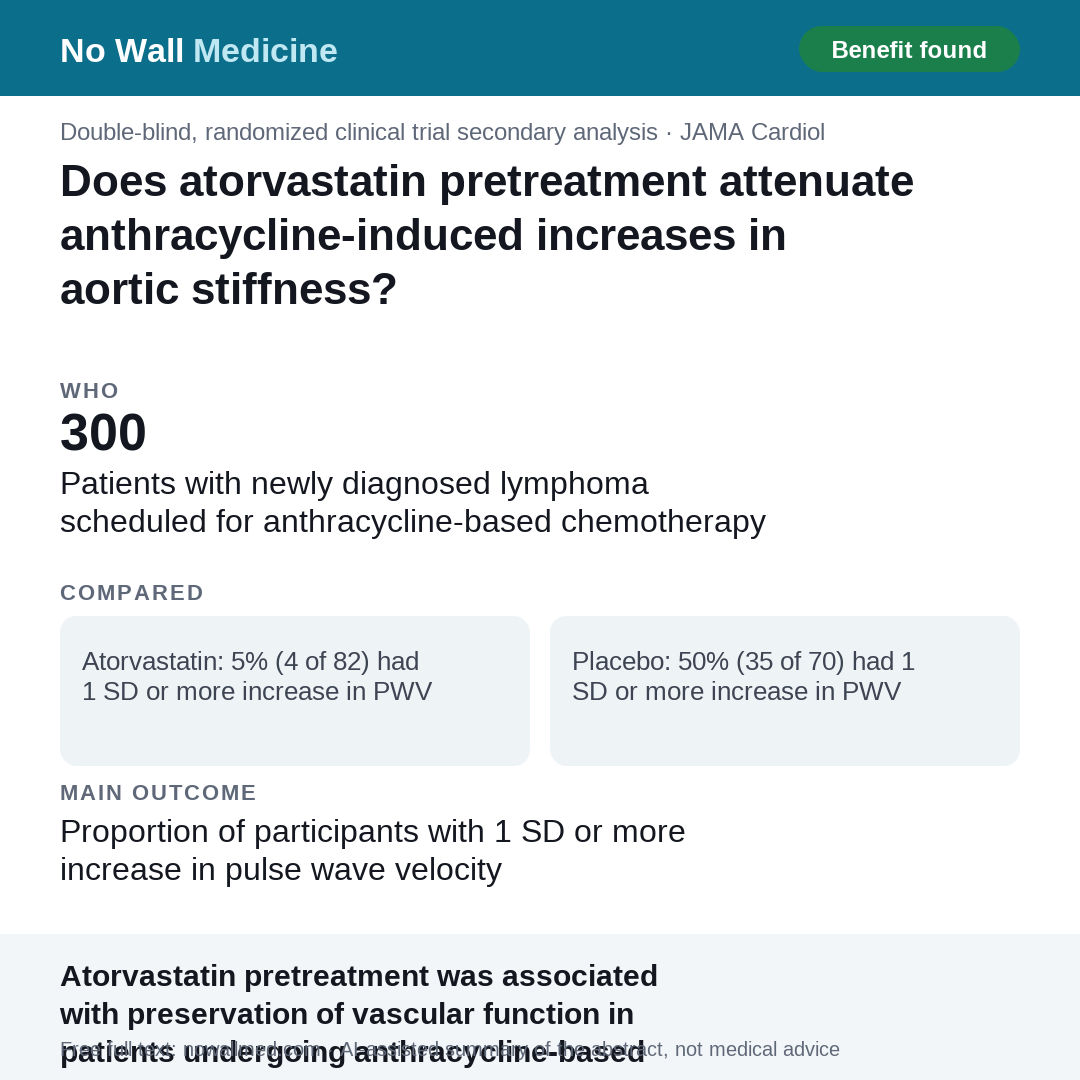
Atorvastatin and Aortic Stiffness During Anthracycline-Based Chemotherapy: A Secondary Analysis of a Randomized Clinical Trial
Double-blind, randomized clinical trial secondary analysisBenefit found
Does atorvastatin pretreatment attenuate anthracycline-induced increases in aortic stiffness?
Who
300
Patients with newly diagnosed lymphoma scheduled for anthracycline-based chemotherapy · 9 academic centers in the US and Canada
Compared
Atorvastatin: 5% (4 of 82) had 1 SD or more increase in PWV
Placebo: 50% (35 of 70) had 1 SD or more increase in PWV
Main outcome
Proportion of participants with 1 SD or more increase in pulse wave velocity
Result: odds ratio 0.05 (95% CI 0.02 to 0.16)
Bottom line: Atorvastatin pretreatment was associated with preservation of vascular function in patients undergoing anthracycline-based chemotherapy.
JAMA Cardiol · 2025-11-08Download image
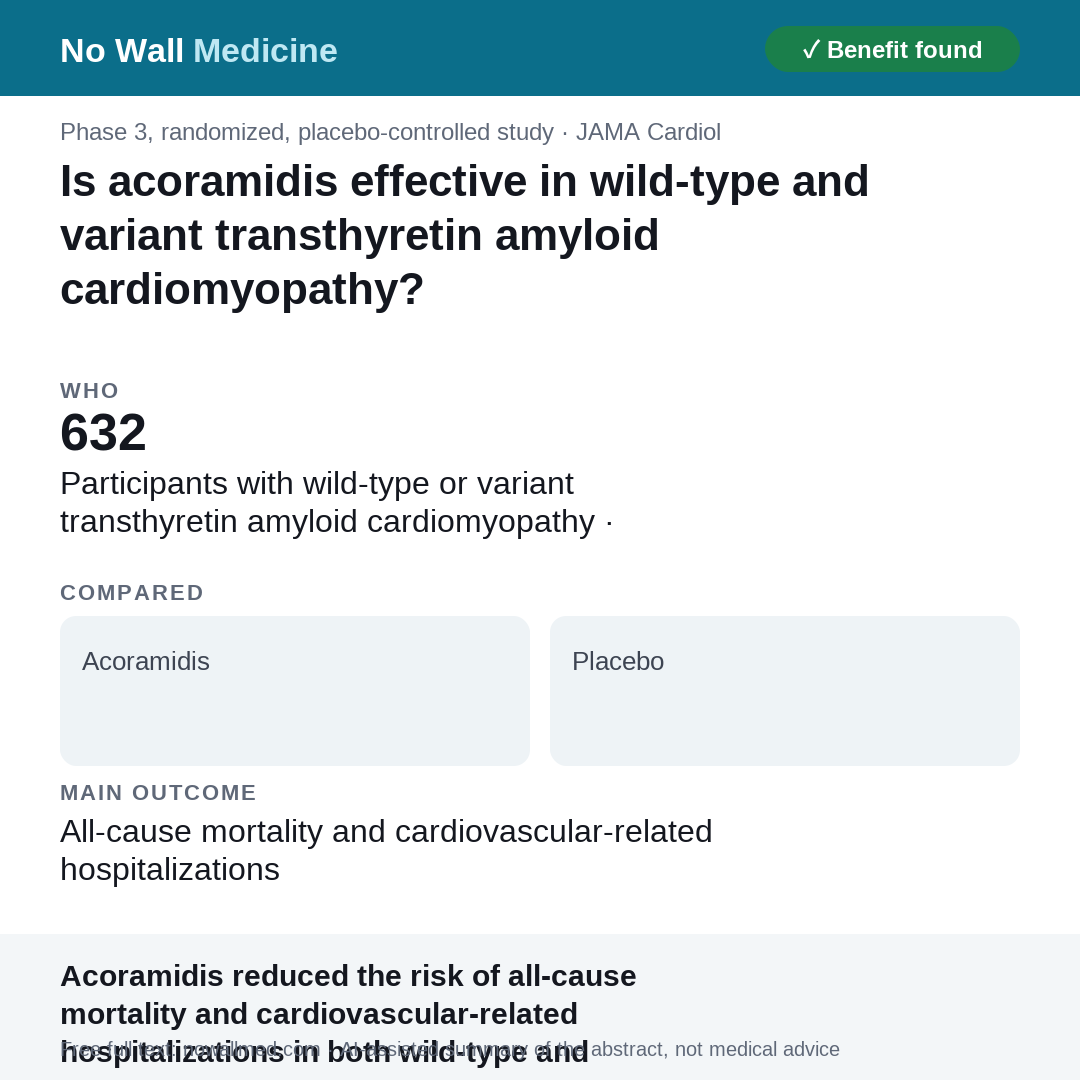
Efficacy of Acoramidis in Wild-Type and Variant Transthyretin Amyloid Cardiomyopathy: Results From ATTRibute-CM and Its Open-Label Extension
Phase 3, randomized, placebo-controlled studyBenefit found
Is acoramidis effective in wild-type and variant transthyretin amyloid cardiomyopathy?
Who
632
Participants with wild-type or variant transthyretin amyloid cardiomyopathy · International, multicenter
Compared
Acoramidis
Placebo
Main outcome
All-cause mortality and cardiovascular-related hospitalizations
Result: hazard ratio 0.69 (95% CI, 0.52-0.90) in wild-type; hazard ratio 0.41 (95% CI, 0.21-0.81) in variant
Bottom line: Acoramidis reduced the risk of all-cause mortality and cardiovascular-related hospitalizations in both wild-type and variant transthyretin amyloid cardiomyopathy.
JAMA Cardiol · 2025-11-08Download image
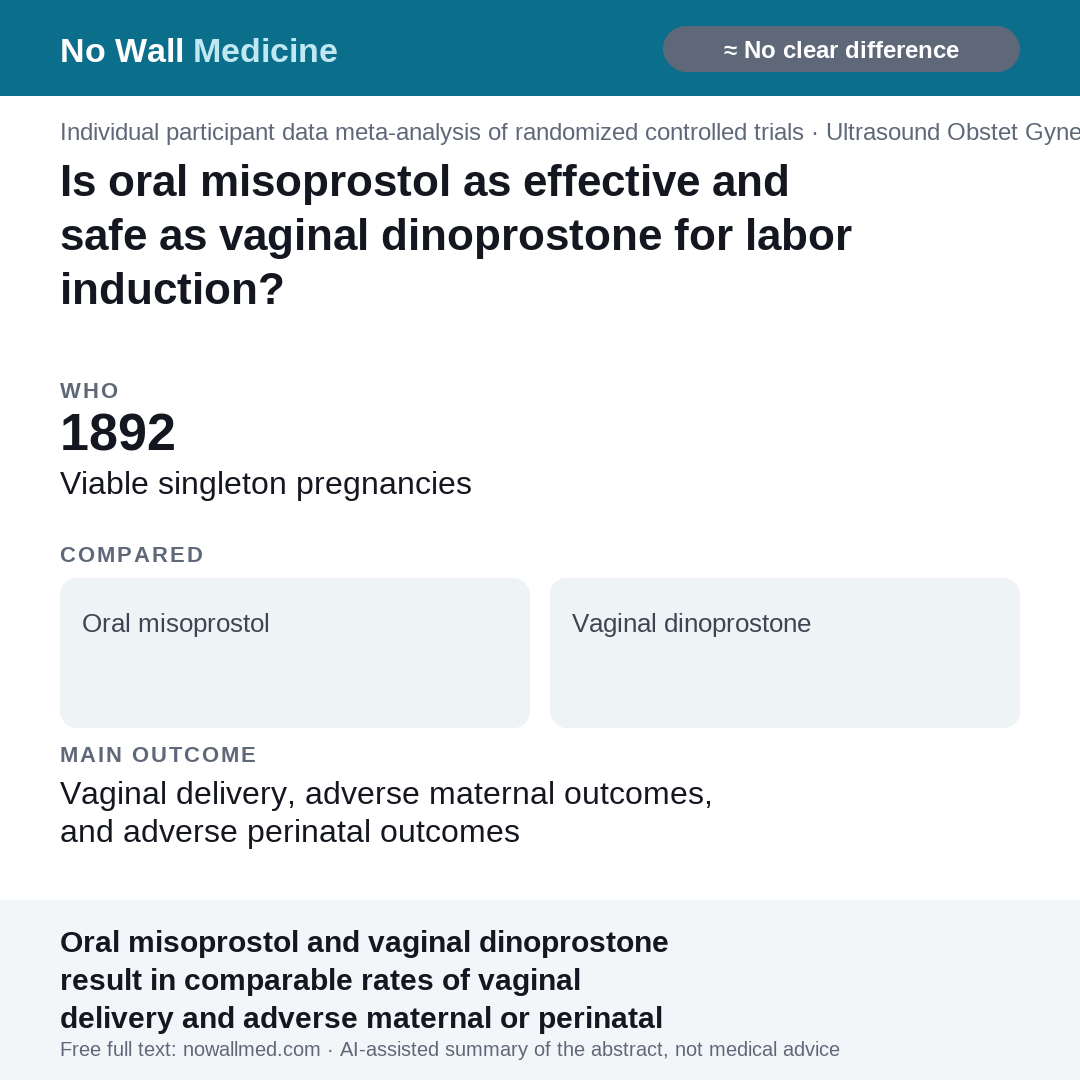
Oral misoprostol (PGE1) vs vaginal dinoprostone (PGE2) for labor induction: individual participant data meta-analysis of randomized controlled trials
Individual participant data meta-analysis of randomized controlled trialsNo clear difference
Is oral misoprostol as effective and safe as vaginal dinoprostone for labor induction?
Who
1892
Viable singleton pregnancies
Compared
Oral misoprostol
Vaginal dinoprostone
Main outcome
Vaginal delivery, adverse maternal outcomes, and adverse perinatal outcomes
Result: odds ratio 0.99 (95% CI 0.80-1.22)
Bottom line: Oral misoprostol and vaginal dinoprostone result in comparable rates of vaginal delivery and adverse maternal or perinatal outcomes.
Ultrasound Obstet Gynecol · 2025-11-08Download image
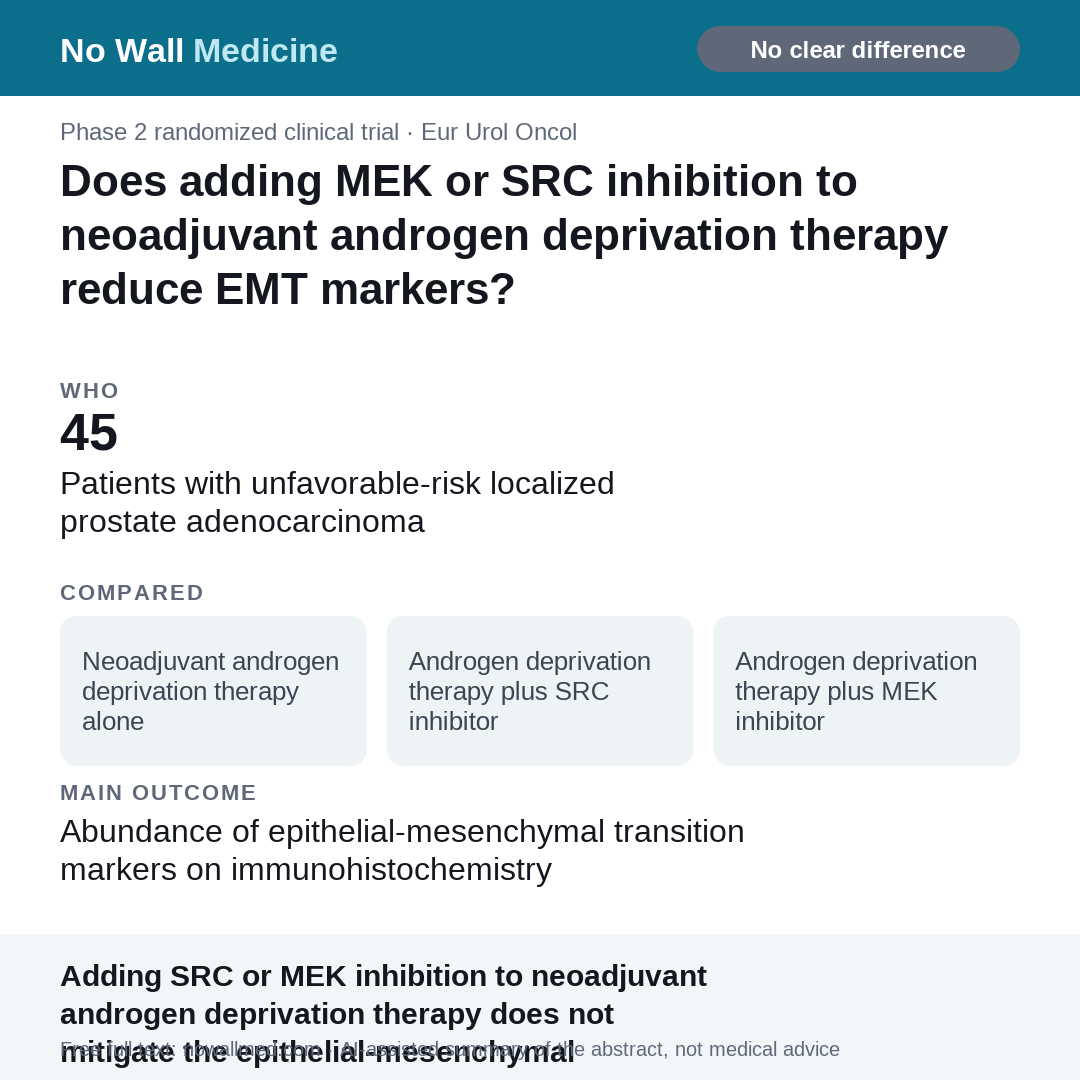
Neoadjuvant Antiandrogen Therapy With or Without MEK or SRC Inhibition for Unfavorable-risk Prostate Cancer: A Phase 2 Randomized Clinical Trial
Phase 2 randomized clinical trialNo clear difference
Does adding MEK or SRC inhibition to neoadjuvant androgen deprivation therapy reduce EMT markers?
Who
45
Patients with unfavorable-risk localized prostate adenocarcinoma
Compared
Neoadjuvant androgen deprivation therapy alone
Androgen deprivation therapy plus SRC inhibitor
Androgen deprivation therapy plus MEK inhibitor
Main outcome
Abundance of epithelial-mesenchymal transition markers on immunohistochemistry
Bottom line: Adding SRC or MEK inhibition to neoadjuvant androgen deprivation therapy does not mitigate the epithelial-mesenchymal transition response.
Eur Urol Oncol · 2025-11-08Download image
Estimating the economic burden of invasive non-typhoidal Salmonella infections in low- and middle-income countries
Econometric modeling using systematic literature review dataHarm found
What is the economic burden of invasive non-typhoidal Salmonella infections in 123 countries?
Who
Invasive non-typhoidal Salmonella disease cases in 123 countries · 123 countries, including sub-Saharan Africa and Europe
Compared
Africa: US$341 average economic burden per episode
Europe: US$2194 average economic burden per episode
Main outcome
Average and total economic burden of invasive non-typhoidal Salmonella
Bottom line: The economic burden of invasive non-typhoidal Salmonella is substantial, with the highest total burden in Africa.
Limitation: Scarcity of field-based invasive non-typhoidal Salmonella disease economic burden estimates
BMJ Glob Health · 2025-11-08Download image

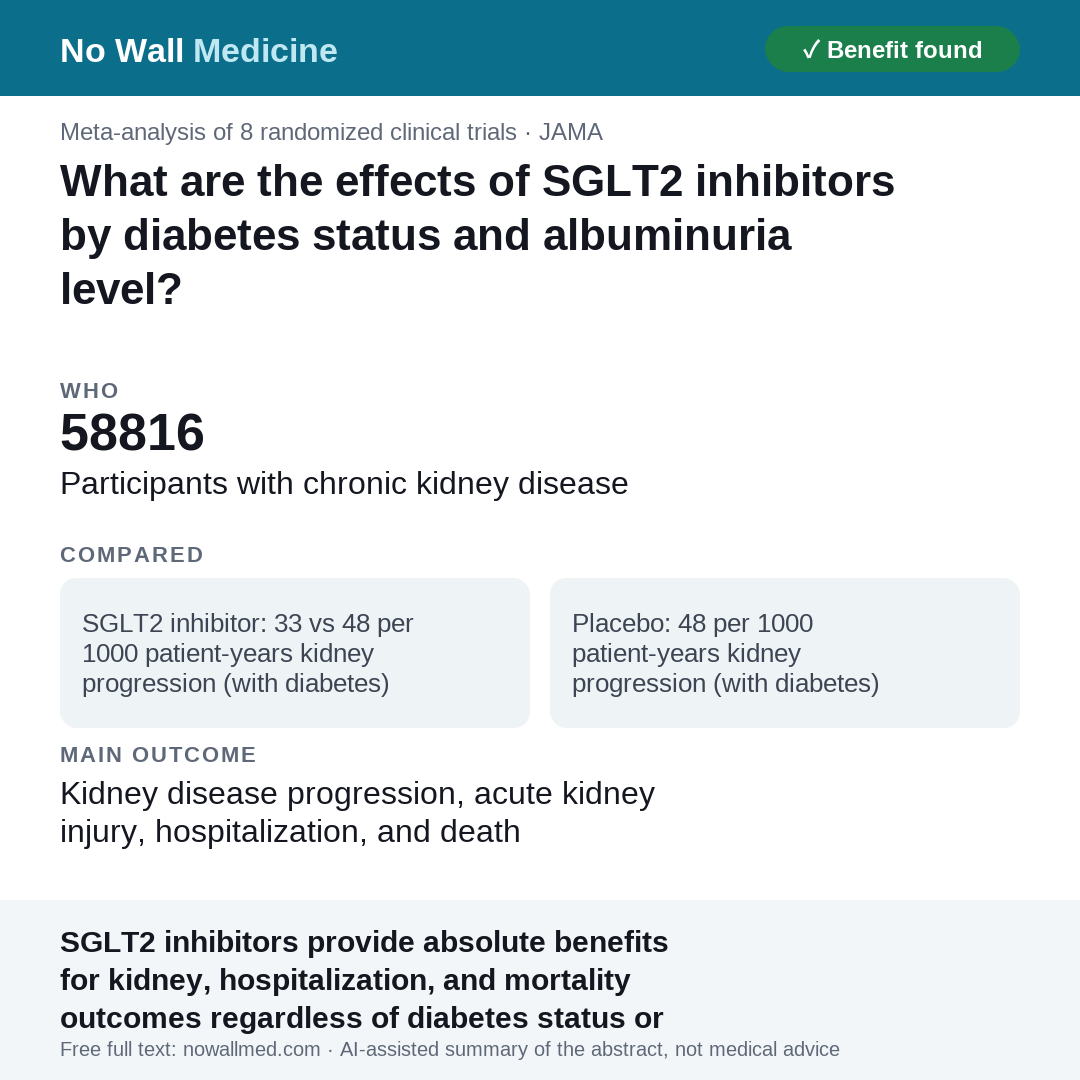
Effects of Sodium Glucose Cotransporter 2 Inhibitors by Diabetes Status and Level of Albuminuria: A Meta-Analysis
Meta-analysis of 8 randomized clinical trialsBenefit found
What are the effects of SGLT2 inhibitors by diabetes status and albuminuria level?
Who
58816
Participants with chronic kidney disease
Compared
SGLT2 inhibitor: 33 vs 48 per 1000 patient-years kidney progression (with diabetes)
Placebo: 48 per 1000 patient-years kidney progression (with diabetes)
Main outcome
Kidney disease progression, acute kidney injury, hospitalization, and death
Result: hazard ratio 0.65 (95% CI, 0.60-0.70) in those with diabetes
Bottom line: SGLT2 inhibitors provide absolute benefits for kidney, hospitalization, and mortality outcomes regardless of diabetes status or albuminuria levels.
JAMA · 2025-11-07Download image
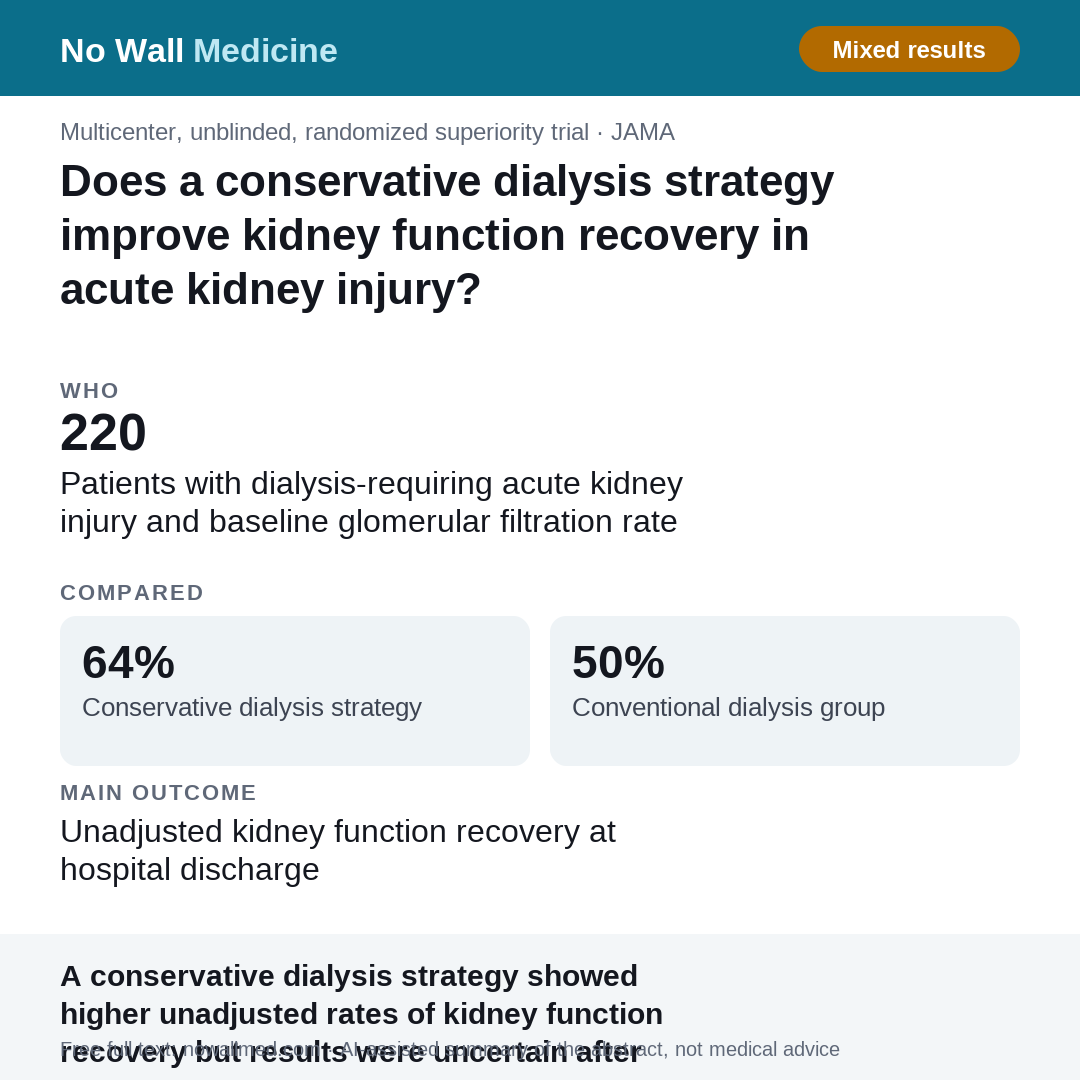
A Conservative Dialysis Strategy and Kidney Function Recovery in Dialysis-Requiring Acute Kidney Injury: The Liberation From Acute Dialysis (LIBERATE-D) Randomized Clinical Trial
Multicenter, unblinded, randomized superiority trialMixed results
Does a conservative dialysis strategy improve kidney function recovery in acute kidney injury?
Who
220
Patients with dialysis-requiring acute kidney injury and baseline glomerular filtration rate >15 mL/min/1.73 m2 · 4 clinical sites in the United States
Compared
64%Conservative dialysis strategy
50%Conventional dialysis group
Main outcome
Unadjusted kidney function recovery at hospital discharge
Result: unadjusted odds ratio, 1.76 (95% CI, 1.02-3.03)
Bottom line: A conservative dialysis strategy showed higher unadjusted rates of kidney function recovery but results were uncertain after adjustment.
JAMA · 2025-11-07Download image
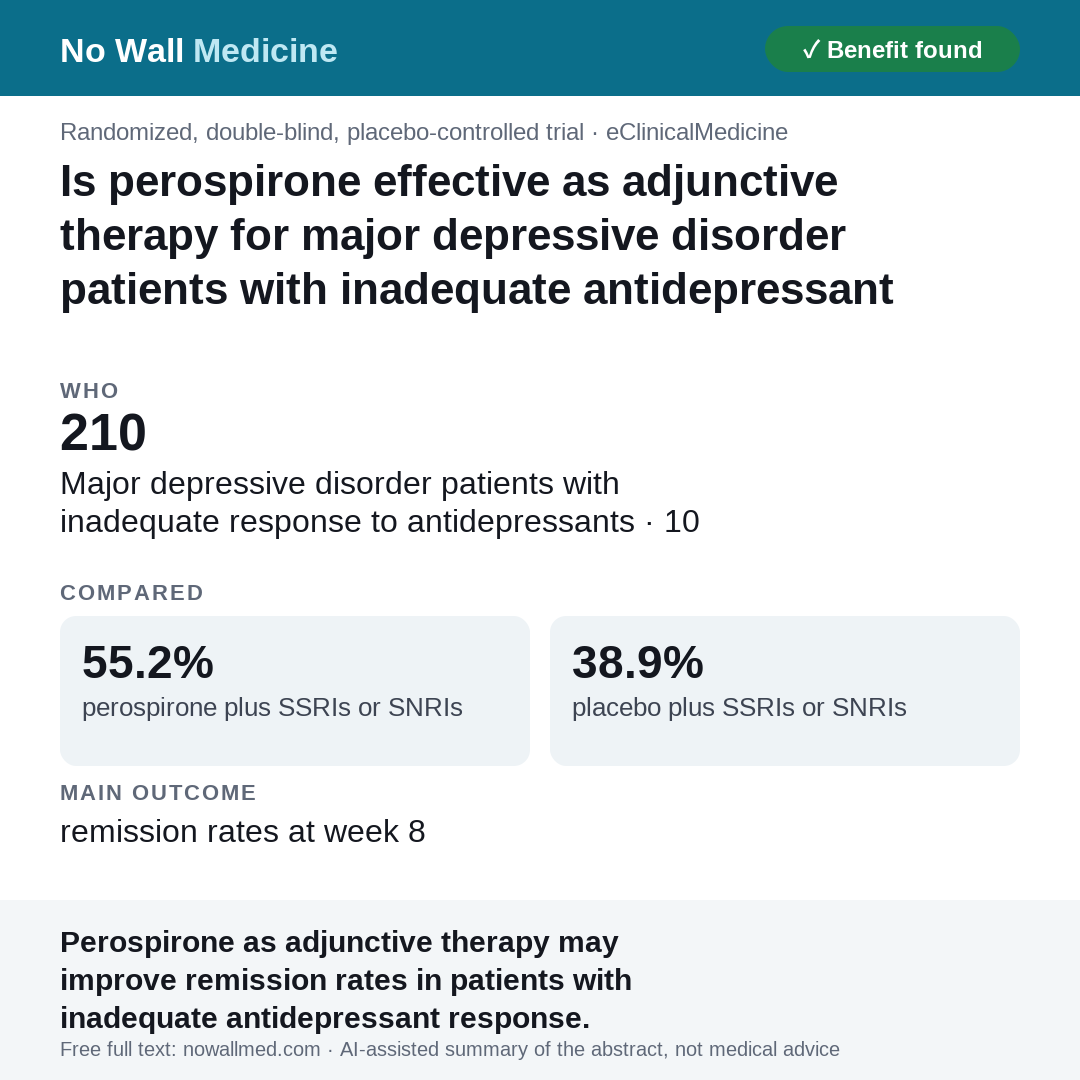
Efficacy and safety of perospirone as adjunctive therapy in major depressive disorder patients with inadequate response to antidepressants: a randomized clinical trial
Randomized, double-blind, placebo-controlled trialBenefit found
Is perospirone effective as adjunctive therapy for major depressive disorder patients with inadequate antidepressant response?
Who
210
Major depressive disorder patients with inadequate response to antidepressants · 10 Chinese hospitals
Compared
55.2%perospirone plus SSRIs or SNRIs
38.9%placebo plus SSRIs or SNRIs
Main outcome
remission rates at week 8
Result: odds ratio 1.944 (95% CI 1.060-3.564)
Bottom line: Perospirone as adjunctive therapy may improve remission rates in patients with inadequate antidepressant response.
Limitation: efficacy should be interpreted with caution due to the lack of multiplicity adjustment
Funded by: National Natural Science Foundation of China and Livzon Pharmaceutical Group Inc.
eClinicalMedicine · 2025-11-07Download image
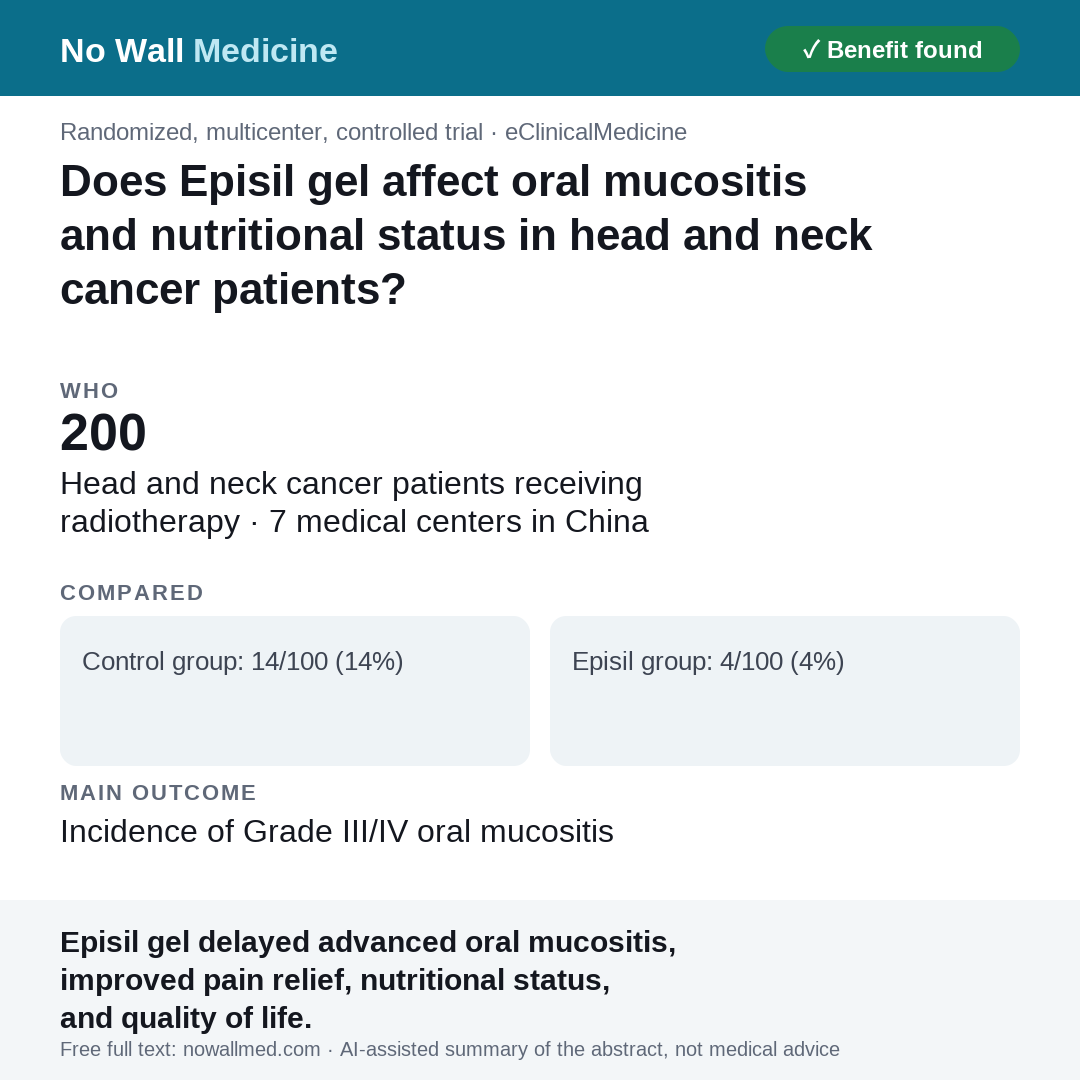
A barrier-forming gel for oral mucositis in head and neck cancers patients undergoing radiotherapy: randomized, controlled, multicenter trial
Randomized, multicenter, controlled trialBenefit found
Does Episil gel affect oral mucositis and nutritional status in head and neck cancer patients?
Who
200
Head and neck cancer patients receiving radiotherapy · 7 medical centers in China
Compared
Control group: 14/100 (14%)
Episil group: 4/100 (4%)
Main outcome
Incidence of Grade III/IV oral mucositis
Result: 4% vs. 14% (P = 0.024)
Bottom line: Episil gel delayed advanced oral mucositis, improved pain relief, nutritional status, and quality of life.
Funded by: Jilin Province Health Science And Technology ability improvement program
eClinicalMedicine · 2025-11-07Download image
Ivermectin to reduce malaria transmission- safety and efficacy results from the BOHEMIA cluster randomized trial in Mozambique
Cluster-randomized trialNo clear difference
Does ivermectin mass drug administration reduce malaria incidence in Mozambique?
Who
22724
Participants in Mopeia, Mozambique, including children under five years · Mopeia, Mozambique
Compared
Ivermectin to humans only
Ivermectin to humans and livestock
Albendazole control
Main outcome
Malaria infection incidence determined by rapid diagnostic tests
Result: incidence rate ratio 0.99 (95% CI 0.86-1.14) and 1.05 (95% CI 0.87-1.27)
Bottom line: Ivermectin administration to humans or humans and livestock showed no significant difference in malaria incidence compared to control.
Limitation: Operational challenges including floods, low coverage, and displaced populations rendered efficacy data inconclusive.
Funded by: Unitaid
eClinicalMedicine · 2025-11-07Download image

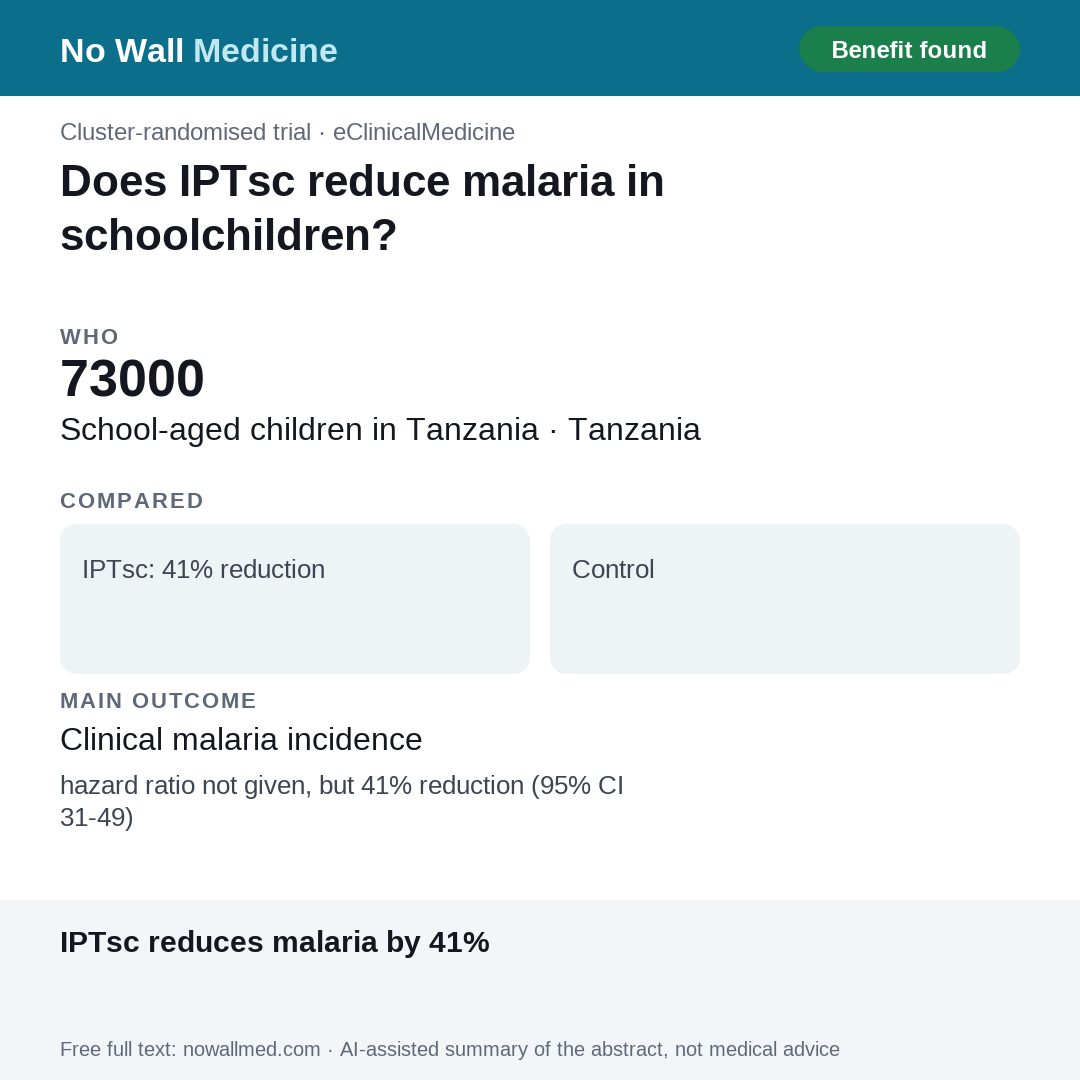
Implementation and effectiveness of intermittent preventive treatment in school aged children using dihydroartemisinin-piperaquine to reduce malaria burden: an implementation research of a cluster randomised trial in Tanzania
Cluster-randomised trialBenefit found
Does IPTsc reduce malaria in schoolchildren?
Who
73000
School-aged children in Tanzania · Tanzania
Compared
IPTsc: 41% reduction
Control
Main outcome
Clinical malaria incidence
Result: hazard ratio not given, but 41% reduction (95% CI 31-49)
Bottom line: IPTsc reduces malaria by 41%
Funded by: The Global Fund
eClinicalMedicine · 2025-11-07Download image
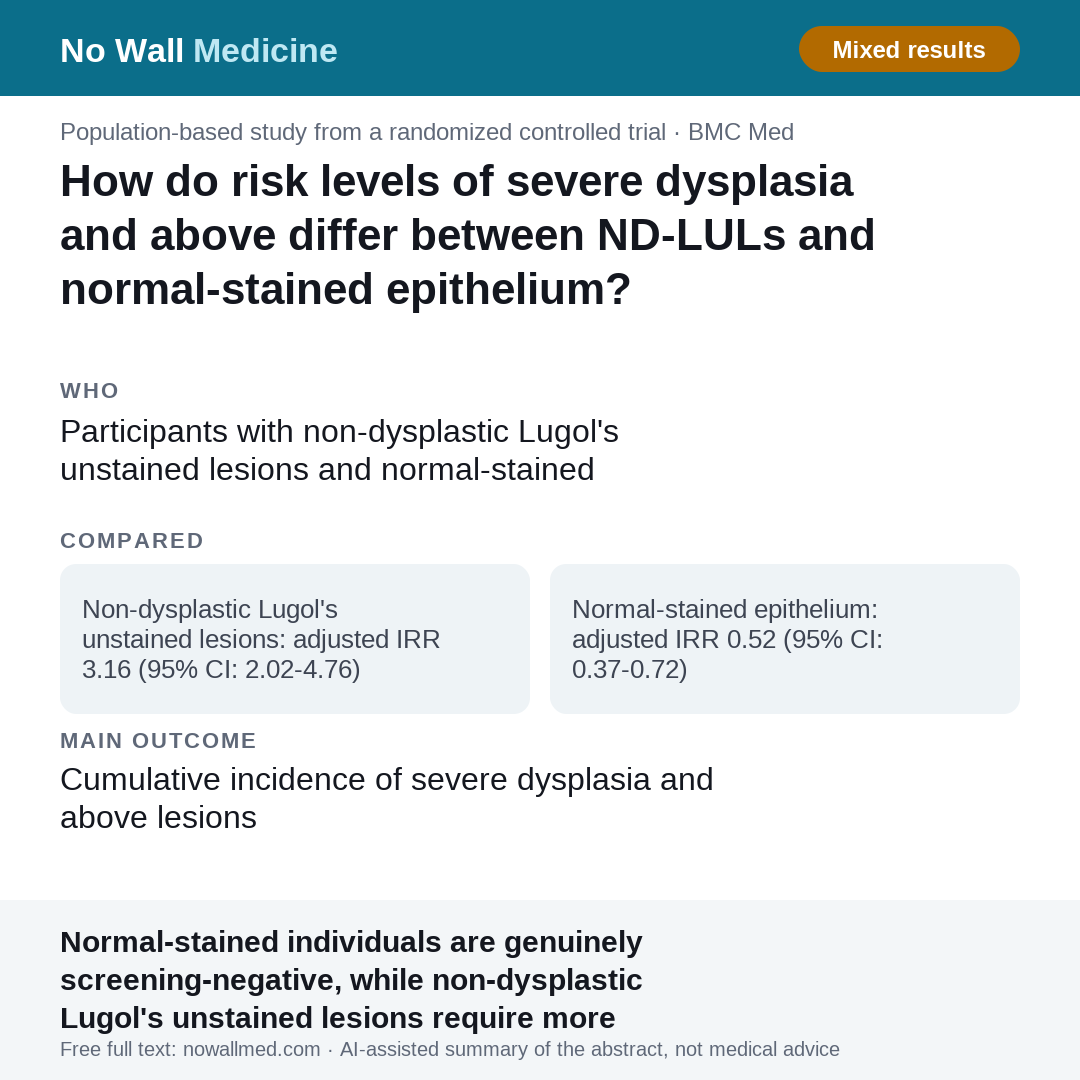
Opening the black box: defining true-negative outcomes in esophageal cancer screening - a population-based study
Population-based study from a randomized controlled trialMixed results
How do risk levels of severe dysplasia and above differ between ND-LULs and normal-stained epithelium?
Who
Participants with non-dysplastic Lugol's unstained lesions and normal-stained epithelium · Community-based
Compared
Non-dysplastic Lugol's unstained lesions: adjusted IRR 3.16 (95% CI: 2.02-4.76)
Normal-stained epithelium: adjusted IRR 0.52 (95% CI: 0.37-0.72)
Main outcome
Cumulative incidence of severe dysplasia and above lesions
Result: adjusted IRR 3.16 (95% CI: 2.02-4.76) for ND-LULs; adjusted IRR 0.52 (95% CI: 0.37-0.72) for normal-stained
Bottom line: Normal-stained individuals are genuinely screening-negative, while non-dysplastic Lugol's unstained lesions require more frequent re-screening.
BMC Med · 2025-11-07Download image