Visual abstracts
New randomized trials and meta-analyses from leading journals at a glance: who was studied, what was compared, and what was found. Every paper is free to read in full.
All specialtiesCardiology 4800Oncology 4084Gastroenterology & Hepatology 1917Infectious Disease 3789Neurology 1886Psychiatry & Mental Health 2240Pulmonology 2061Critical Care 1335Endocrinology & Diabetes 2553Pediatrics 2914Surgery 2500Orthopedics & Sports Medicine 923Neurosurgery 532Cardiothoracic & Vascular Surgery 665Plastic & Reconstructive Surgery 585Nephrology 1115Rheumatology 815Hematology 1099Dermatology 619Ophthalmology 539Obstetrics & Gynecology 1661Public & Global Health 1044Radiology & Imaging 637Anesthesiology 959Urology 751ENT (Otolaryngology) 497Emergency Medicine 484Allergy & Immunology 310Geriatrics 974Family Medicine & Primary Care 538Medical Genetics & Genomics 662Pathology & Laboratory Medicine 156Physical Medicine & Rehabilitation 746Palliative Care 422Nutrition 1566Digital Health & AI 2191General Medicine 319
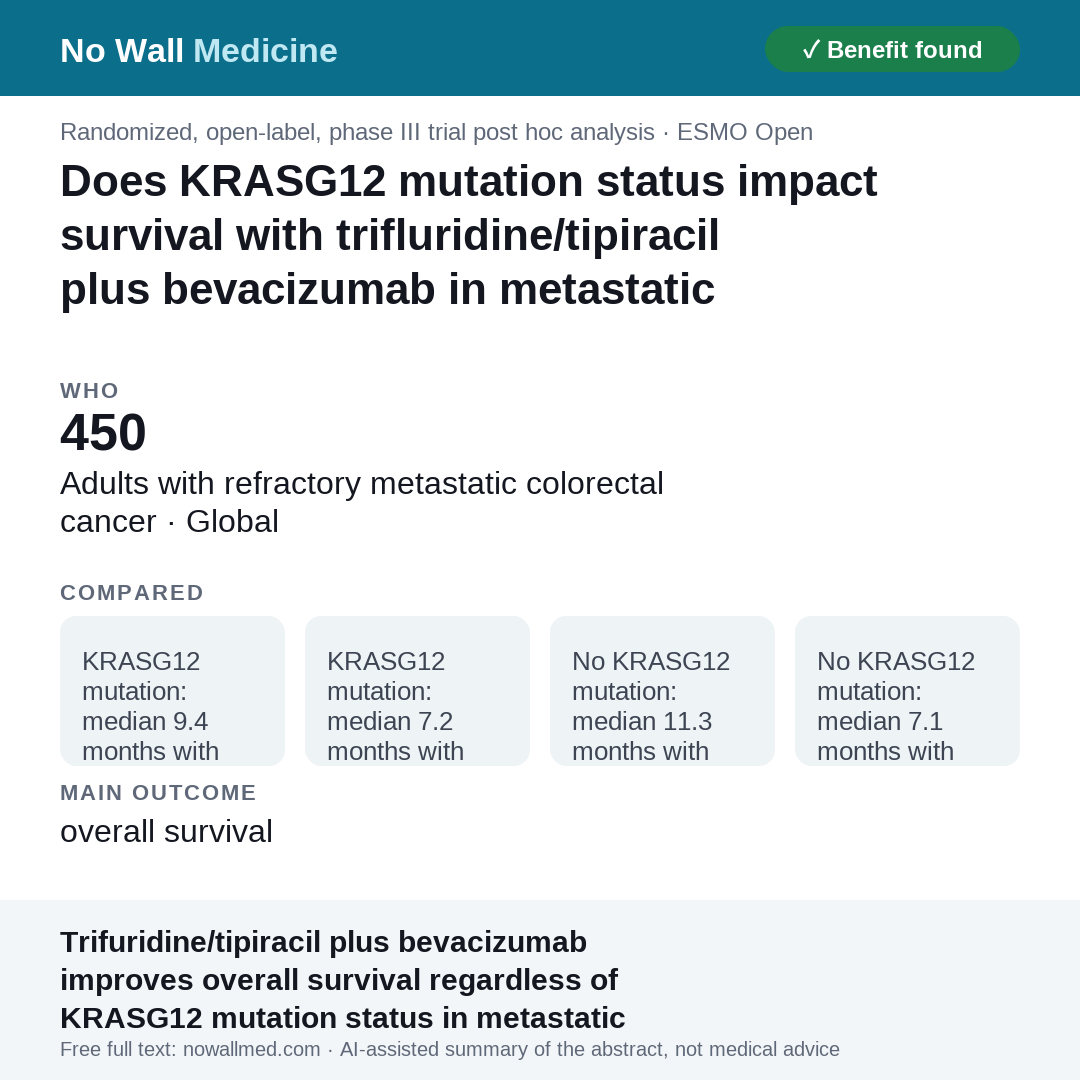
Impact of KRASG12 mutations on survival with trifluridine/tipiracil plus bevacizumab in patients with refractory metastatic colorectal cancer: post hoc analysis of the phase III SUNLIGHT trial
Randomized, open-label, phase III trial post hoc analysisBenefit found
Does KRASG12 mutation status impact survival with trifluridine/tipiracil plus bevacizumab in metastatic colorectal cancer?
Who
450
Adults with refractory metastatic colorectal cancer · Global
Compared
KRASG12 mutation: median 9.4 months with trifluridine/tipiracil plus bevacizumab
KRASG12 mutation: median 7.2 months with trifluridine/tipiracil alone
No KRASG12 mutation: median 11.3 months with trifluridine/tipiracil plus bevacizumab
No KRASG12 mutation: median 7.1 months with trifluridine/tipiracil alone
Main outcome
overall survival
Result: hazard ratio 0.67 (95% CI 0.48-0.93) for KRASG12 mutation group
Bottom line: Trifuridine/tipiracil plus bevacizumab improves overall survival regardless of KRASG12 mutation status in metastatic colorectal cancer.
ESMO Open · 2024-03-11Download image
The Impact of Digital Hospitals on Patient and Clinician Experience: Systematic Review and Qualitative Evidence Synthesis
Systematic review and qualitative evidence synthesisMixed results
What is the clinician and patient experience of digital hospitals?
Who
Multidisciplinary clinicians and adult inpatients · 5 databases searched
Compared
Clinician experience: 71% of quantitative studies reported positive overall satisfaction
Patient experience: weak evidence of a positive association with satisfaction scores
Main outcome
Clinician and patient experience of digital hospitals
Bottom line: Clinicians report positive satisfaction and data accessibility, but qualitative evidence reveals tensions regarding documentation, data quality, and workload.
J Med Internet Res · 2024-03-11Download image

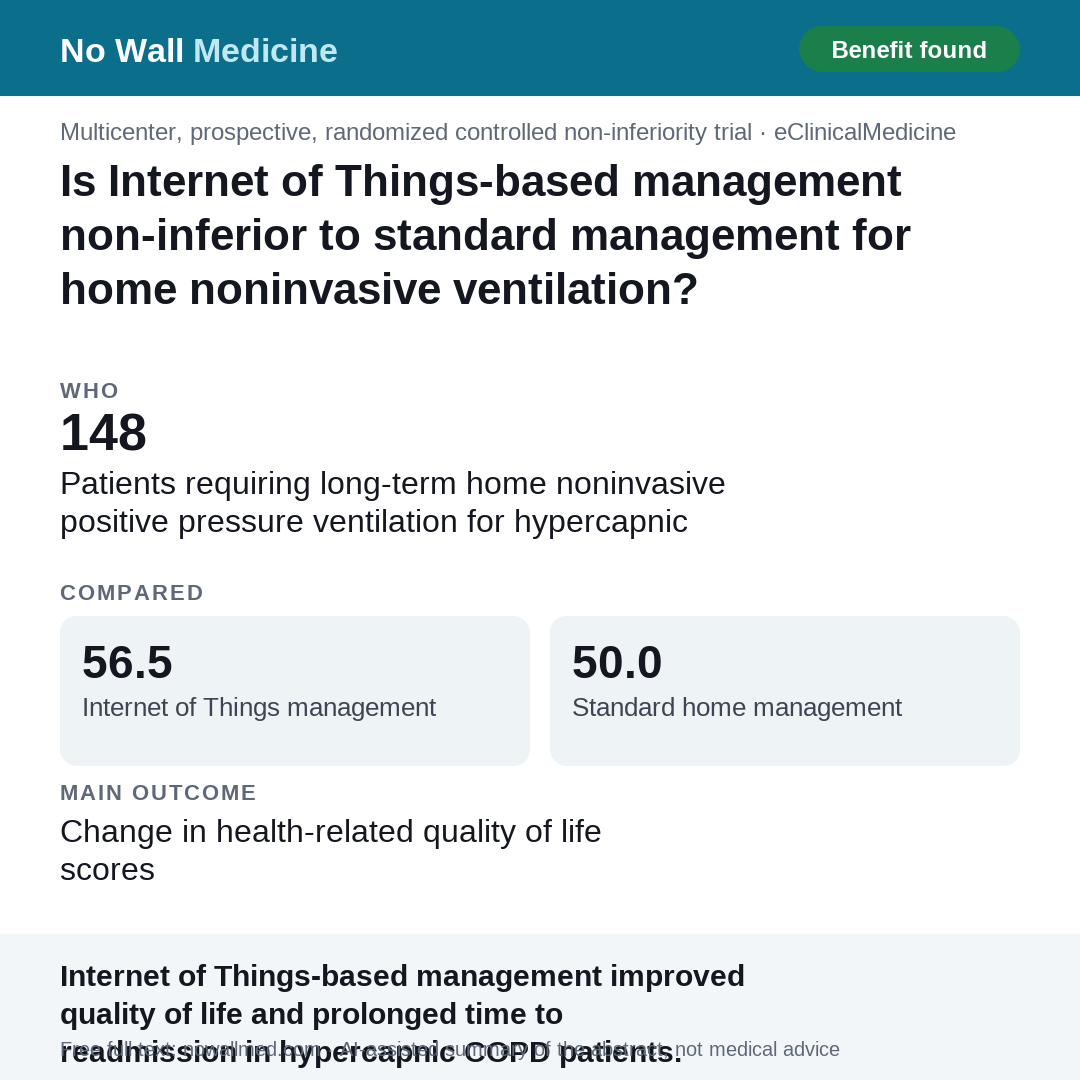
Internet of things-based management versus standard management of home noninvasive ventilation in COPD patients with hypercapnic chronic respiratory failure: a multicentre randomized controlled non-inferiority trial
Multicenter, prospective, randomized controlled non-inferiority trialBenefit found
Is Internet of Things-based management non-inferior to standard management for home noninvasive ventilation?
Who
148
Patients requiring long-term home noninvasive positive pressure ventilation for hypercapnic COPD · 11 Chinese hospitals
Compared
56.5Internet of Things management
50.0Standard home management
Main outcome
Change in health-related quality of life scores
Result: adjusted between-group difference: 6.26 (95% CI, 3.71-8.80)
Bottom line: Internet of Things-based management improved quality of life and prolonged time to readmission in hypercapnic COPD patients.
Funded by: Air Liquide Healthcare (Beijing) Co., Ltd.
eClinicalMedicine · 2024-03-10Download image
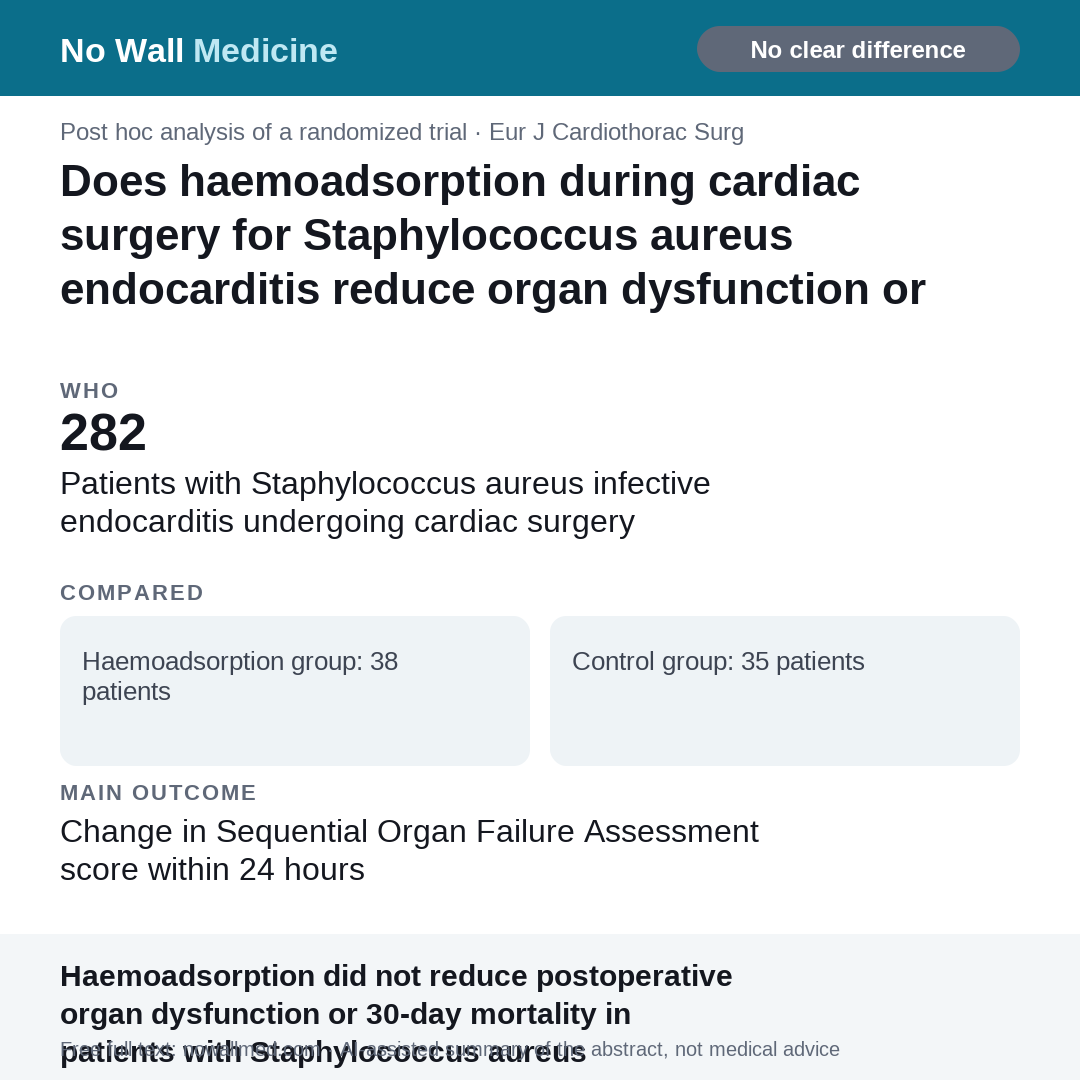
Effect of haemoadsorption during cardiac surgery for Staphylococcus aureus endocarditis: a REMOVE trial post hoc analysis
Post hoc analysis of a randomized trialNo clear difference
Does haemoadsorption during cardiac surgery for Staphylococcus aureus endocarditis reduce organ dysfunction or mortality?
Who
282
Patients with Staphylococcus aureus infective endocarditis undergoing cardiac surgery
Compared
Haemoadsorption group: 38 patients
Control group: 35 patients
Main outcome
Change in Sequential Organ Failure Assessment score within 24 hours
Result: mean difference -0.4 (95% confidence interval -2.3 to 1.4)
Bottom line: Haemoadsorption did not reduce postoperative organ dysfunction or 30-day mortality in patients with Staphylococcus aureus endocarditis.
Eur J Cardiothorac Surg · 2024-03-10Download image
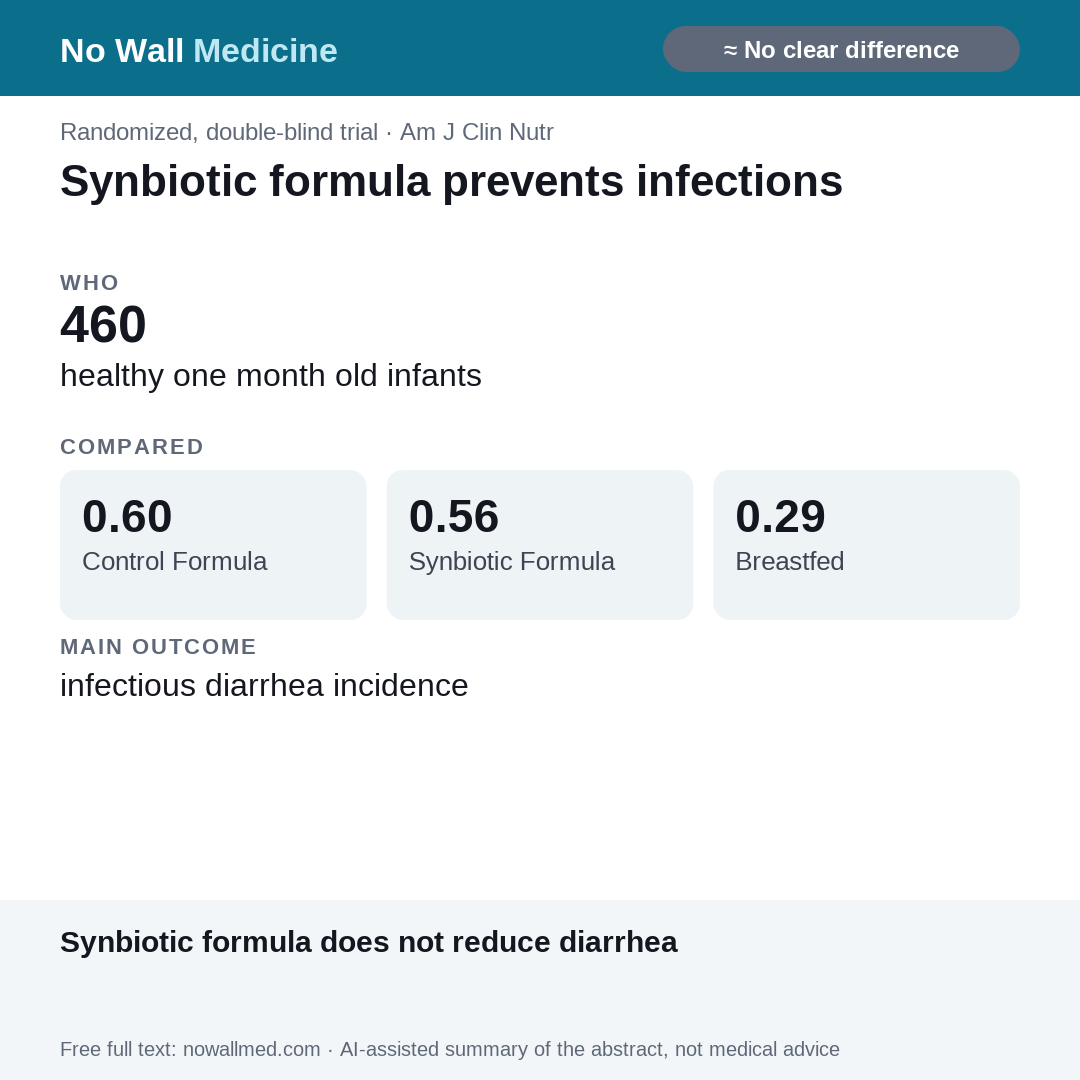
Efficacy and safety of a synbiotic infant formula for the prevention of respiratory and gastrointestinal infections: a randomized controlled trial
Randomized, double-blind trialNo clear difference
Synbiotic formula prevents infections
Who
460
healthy one month old infants
Compared
0.60Control Formula
0.56Synbiotic Formula
0.29Breastfed
Main outcome
infectious diarrhea incidence
Bottom line: Synbiotic formula does not reduce diarrhea
Am J Clin Nutr · 2024-03-10Download image
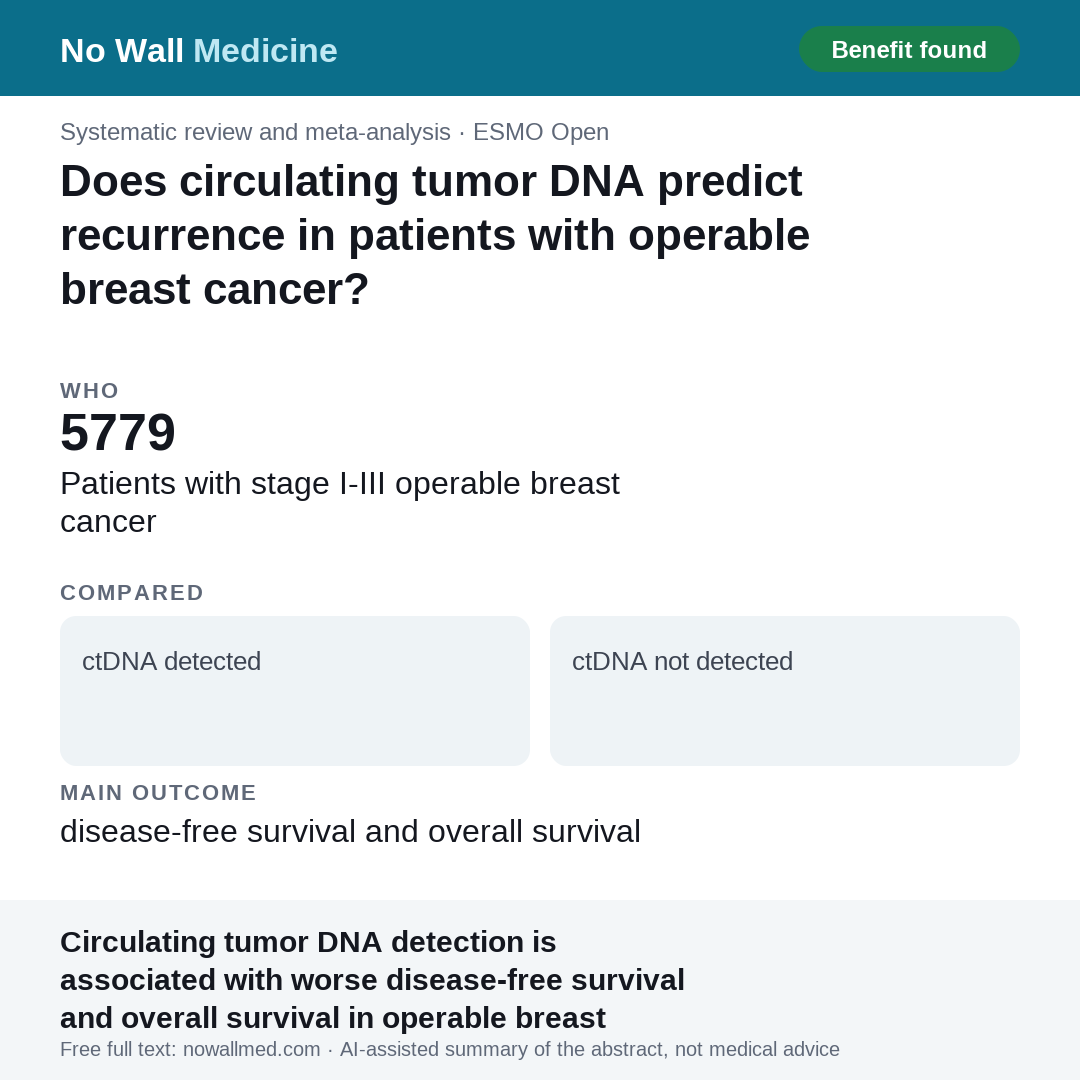
Circulating tumor DNA for predicting recurrence in patients with operable breast cancer: a systematic review and meta-analysis
Systematic review and meta-analysisBenefit found
Does circulating tumor DNA predict recurrence in patients with operable breast cancer?
Who
5779
Patients with stage I-III operable breast cancer
Compared
ctDNA detected
ctDNA not detected
Main outcome
disease-free survival and overall survival
Result: hazard ratio 2.98 (95% CI 1.92-4.63) for baseline disease-free survival
Bottom line: Circulating tumor DNA detection is associated with worse disease-free survival and overall survival in operable breast cancer.
ESMO Open · 2024-03-10Download image
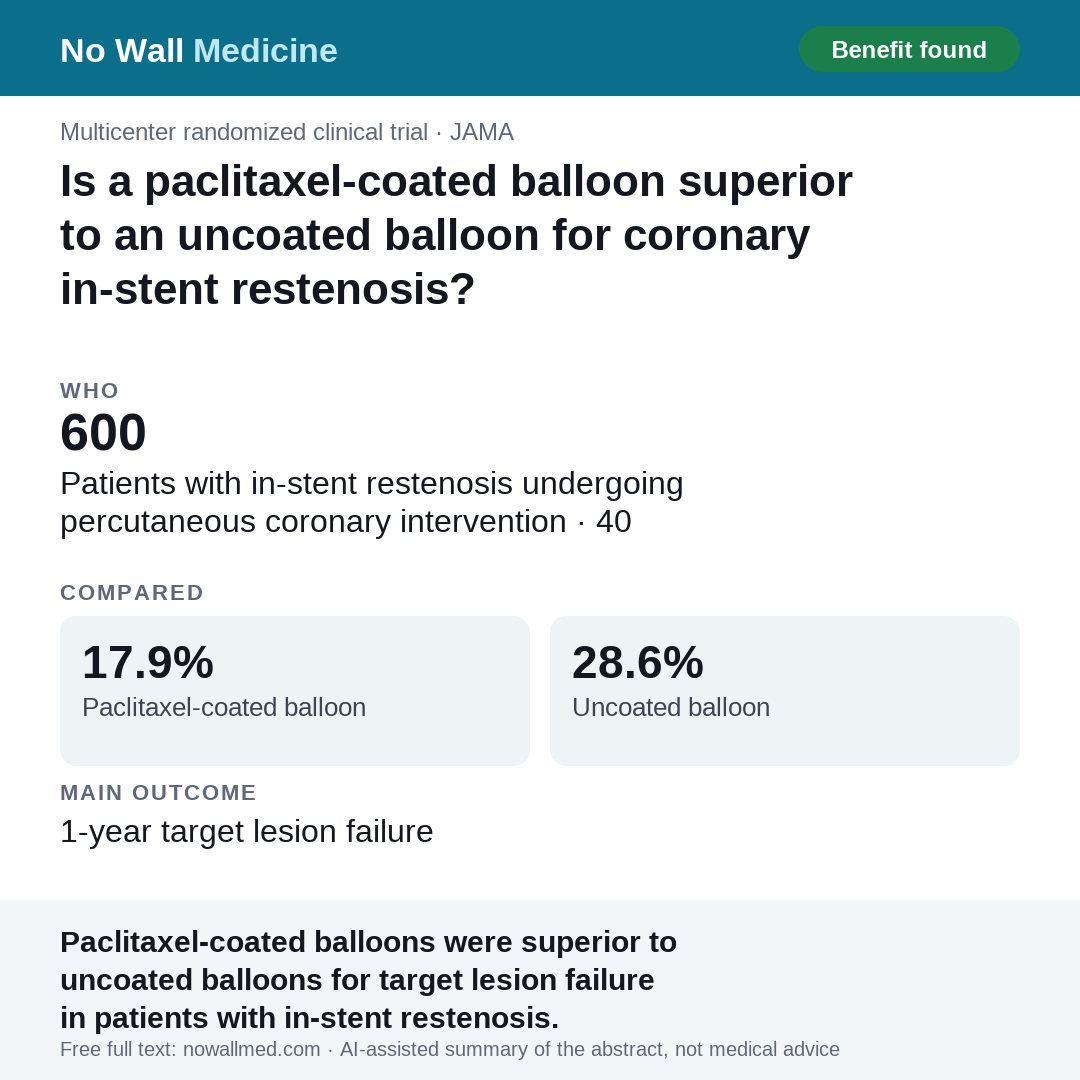
Paclitaxel-Coated Balloon vs Uncoated Balloon for Coronary In-Stent Restenosis: The AGENT IDE Randomized Clinical Trial
Multicenter randomized clinical trialBenefit found
Is a paclitaxel-coated balloon superior to an uncoated balloon for coronary in-stent restenosis?
Who
600
Patients with in-stent restenosis undergoing percutaneous coronary intervention · 40 centers across the United States
Compared
17.9%Paclitaxel-coated balloon
28.6%Uncoated balloon
Main outcome
1-year target lesion failure
Result: hazard ratio 0.59 (95% CI 0.42-0.84)
Bottom line: Paclitaxel-coated balloons were superior to uncoated balloons for target lesion failure in patients with in-stent restenosis.
JAMA · 2024-03-09Download image
Diagnostic tests for human Schistosoma mansoni and Schistosoma haematobium infection: a systematic review and meta-analysis
Systematic review and meta-analysisUnclear result
What is the accuracy of diagnostic tests for Schistosoma mansoni and Schistosoma haematobium?
Who
Adults, school-aged children, or preschool-aged children · Africa, South America, and Asia
Compared
Circulating cathodic antigen urine cassette assay version 1: sensitivity 95% [95% credible interval 88-99]
Proteinuria reagent strips: sensitivity 73% [62-82]
Haematuria reagent strips: sensitivity 85% [80-90]
Main outcome
Sensitivity and specificity of diagnostic techniques
Bottom line: New diagnostic tests show promise, but limited information precludes definitive conclusions for replacing conventional tests.
Limitation: Unclear risk of bias in reference or index tests and substantial heterogeneity.
Funded by: WHO and Luxembourg Institute of Health
Lancet Microbe · 2024-03-09Download image

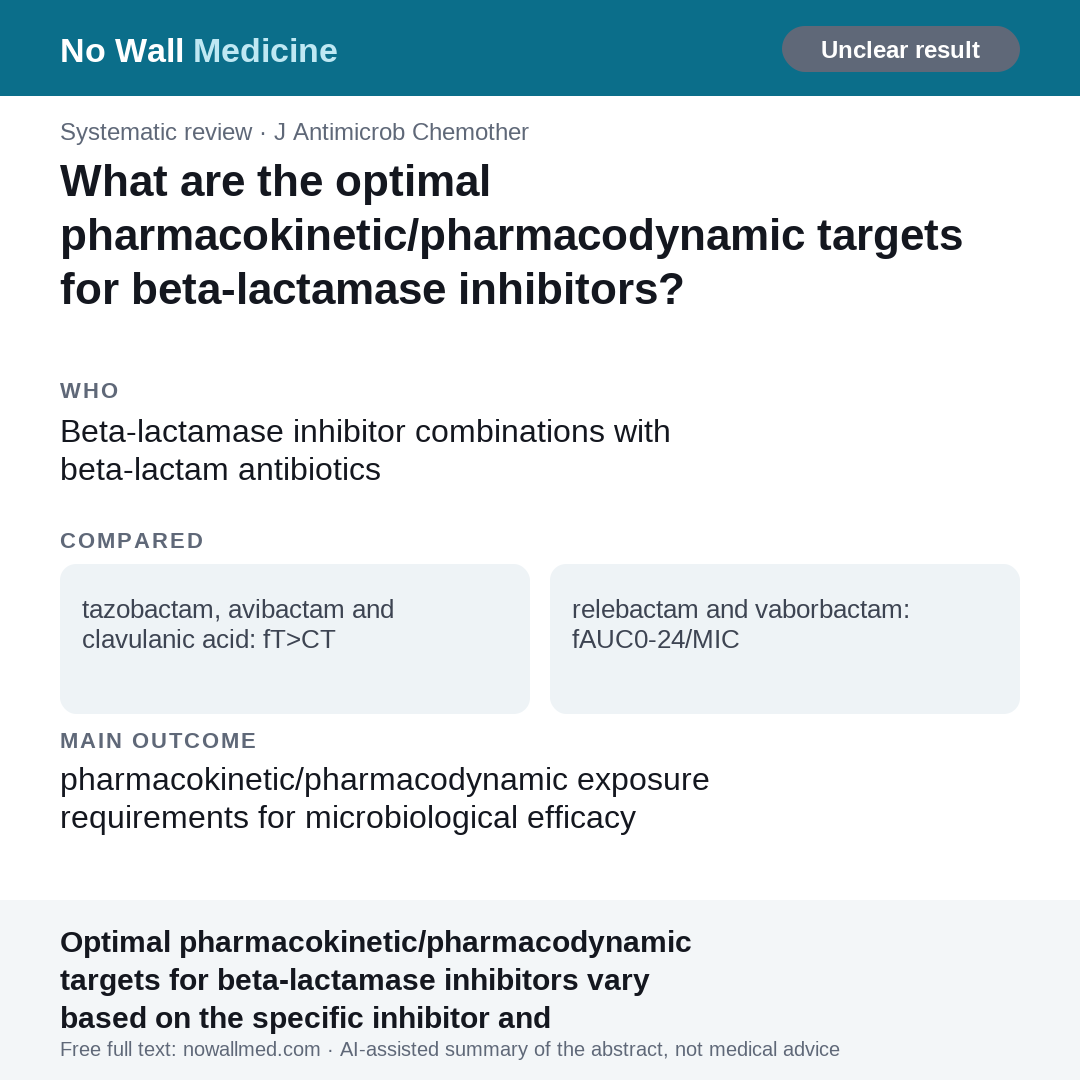
What are the optimal pharmacokinetic/pharmacodynamic targets for β-lactamase inhibitors? A systematic review
Systematic reviewUnclear result
What are the optimal pharmacokinetic/pharmacodynamic targets for beta-lactamase inhibitors?
Who
Beta-lactamase inhibitor combinations with beta-lactam antibiotics
Compared
tazobactam, avibactam and clavulanic acid: fT>CT
relebactam and vaborbactam: fAUC0-24/MIC
Main outcome
pharmacokinetic/pharmacodynamic exposure requirements for microbiological efficacy
Bottom line: Optimal pharmacokinetic/pharmacodynamic targets for beta-lactamase inhibitors vary based on the specific inhibitor and companion antibiotic.
J Antimicrob Chemother · 2024-03-09Download image
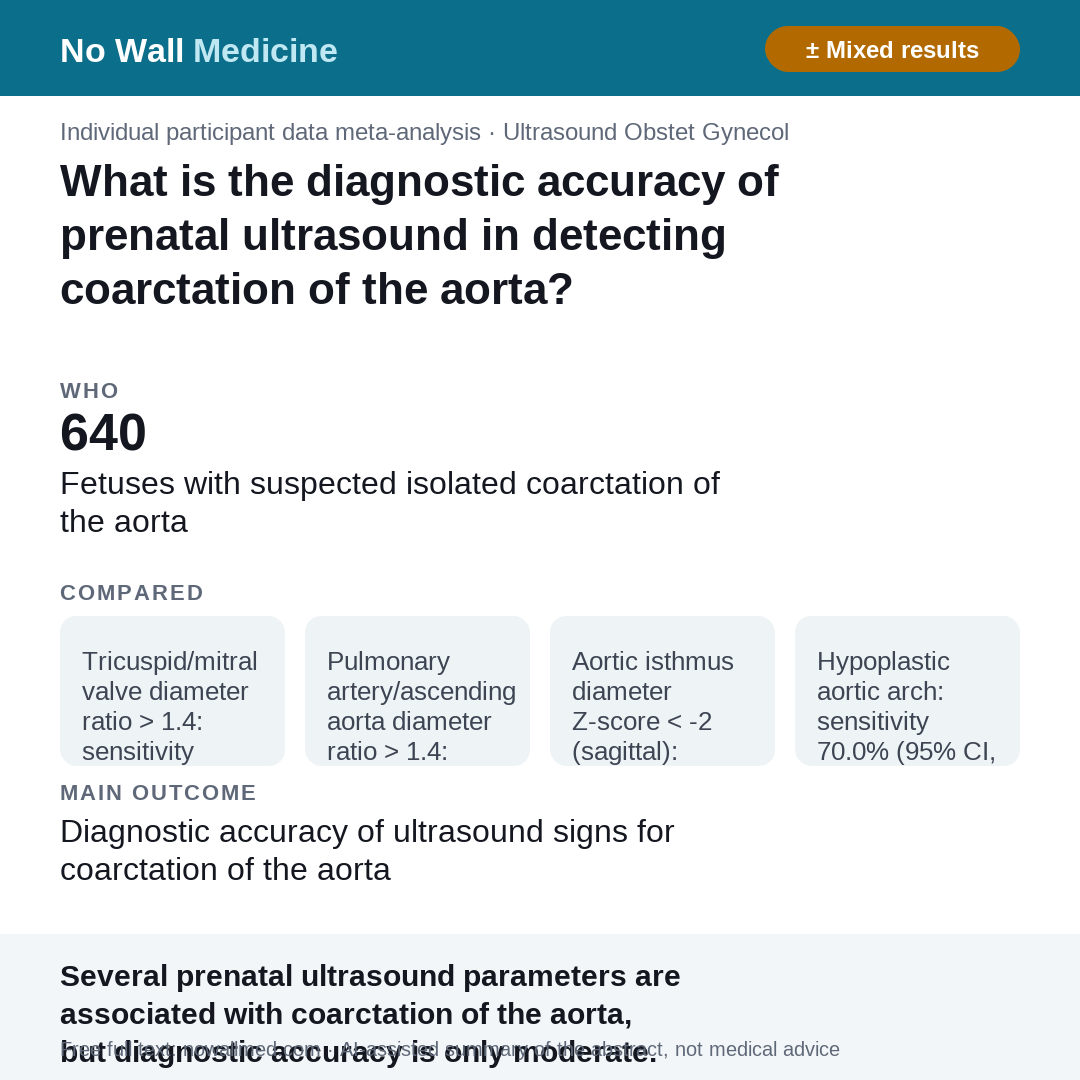
Diagnostic accuracy of prenatal ultrasound in coarctation of aorta: systematic review and individual participant data meta-analysis
Individual participant data meta-analysisMixed results
What is the diagnostic accuracy of prenatal ultrasound in detecting coarctation of the aorta?
Who
640
Fetuses with suspected isolated coarctation of the aorta
Compared
Tricuspid/mitral valve diameter ratio > 1.4: sensitivity 72.6% (95% CI, 48.2-88.3%)
Pulmonary artery/ascending aorta diameter ratio > 1.4: sensitivity 75.0% (95% CI, 61.1-86.0%)
Aortic isthmus diameter Z-score < -2 (sagittal): sensitivity 47.8% (95% CI, 14.6-83.0%)
Hypoplastic aortic arch: sensitivity 70.0% (95% CI, 42.0-88.6%)
Main outcome
Diagnostic accuracy of ultrasound signs for coarctation of the aorta
Bottom line: Several prenatal ultrasound parameters are associated with coarctation of the aorta, but diagnostic accuracy is only moderate.
Limitation: All evaluated continuous parameters had low-to-moderate diagnostic yield.
Ultrasound Obstet Gynecol · 2024-03-09Download image
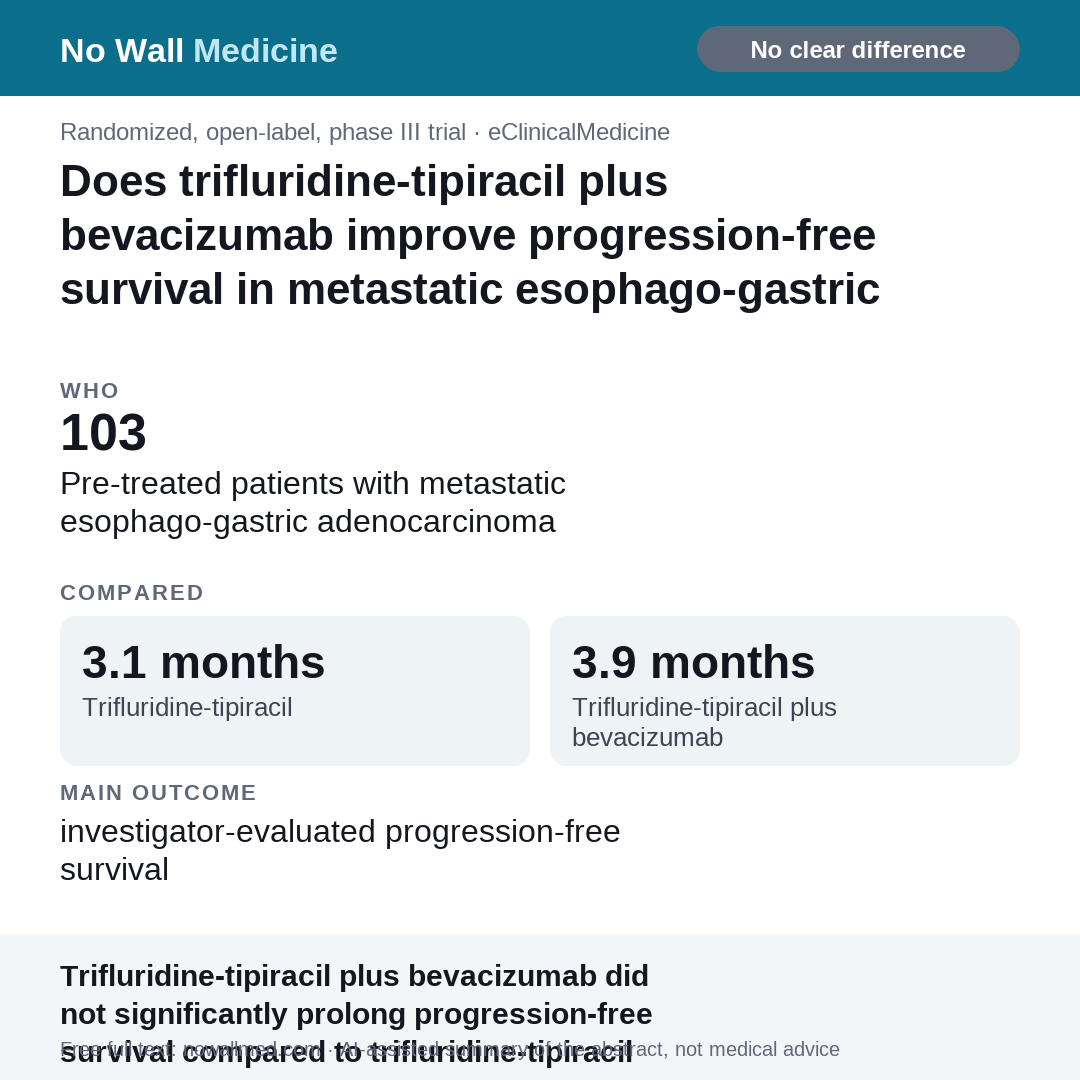
TRIFLURIDINE/TIPIRACIL (FTD/TPI) with or without bevacizumab in previously treated patients with esophago-gastric adenocarcinoma, a randomised phase III trial
Randomized, open-label, phase III trialNo clear difference
Does trifluridine-tipiracil plus bevacizumab improve progression-free survival in metastatic esophago-gastric adenocarcinoma?
Who
103
Pre-treated patients with metastatic esophago-gastric adenocarcinoma
Compared
3.1 monthsTrifluridine-tipiracil (95% CI 2.0-4.3)
3.9 monthsTrifluridine-tipiracil plus bevacizumab (3.0-6.3)
Main outcome
investigator-evaluated progression-free survival
Result: hazard ratio 0.68, 95% CI 0.46-1.02
Bottom line: Trifluridine-tipiracil plus bevacizumab did not significantly prolong progression-free survival compared to trifluridine-tipiracil monotherapy.
Funded by: Servier, Roche
eClinicalMedicine · 2024-03-08Download image
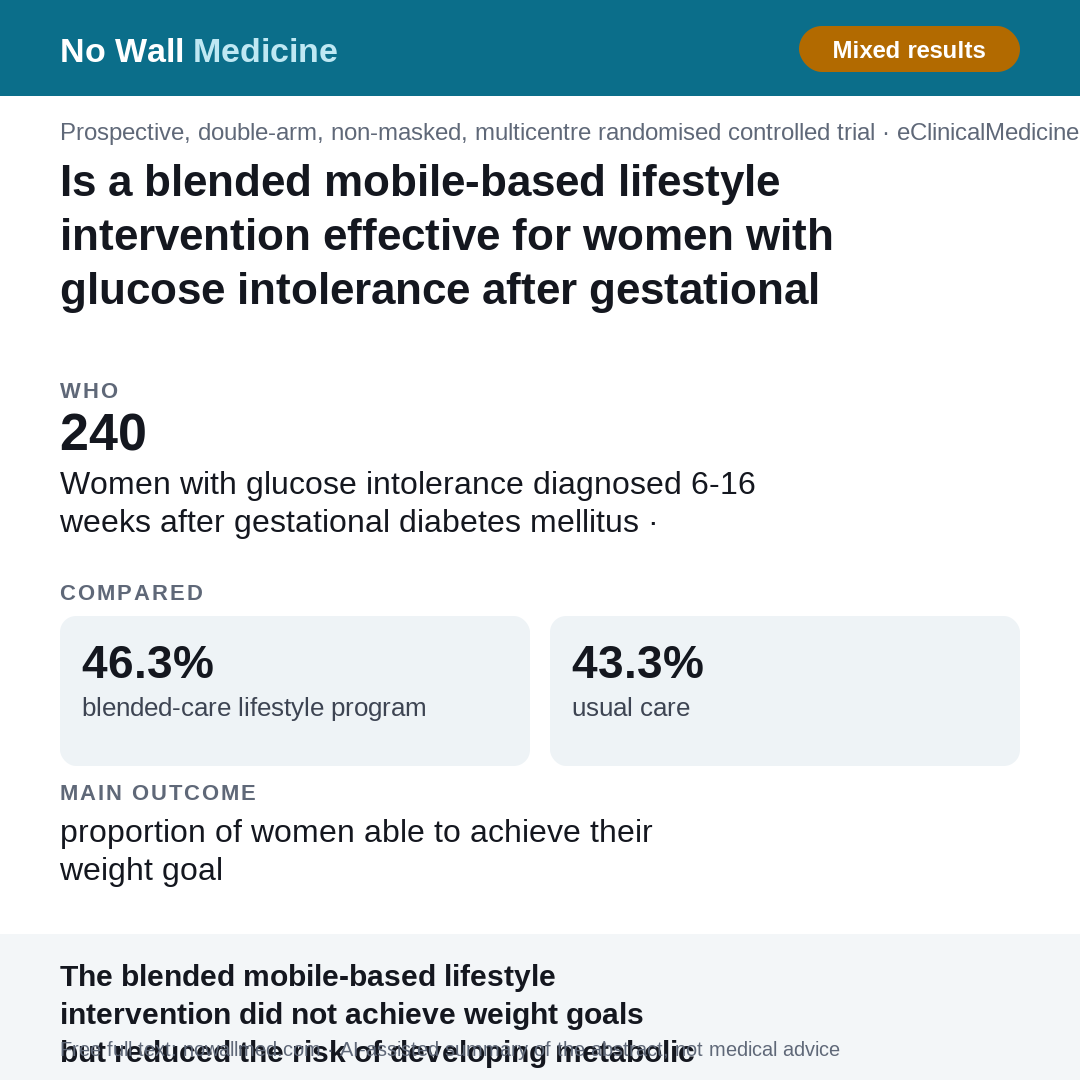
Effectiveness of a blended mobile-based lifestyle intervention in women with glucose intolerance after a recent history of gestational diabetes (MELINDA): a 1-year, prospective, multicentre, randomised controlled trial
Prospective, double-arm, non-masked, multicentre randomised controlled trialMixed results
Is a blended mobile-based lifestyle intervention effective for women with glucose intolerance after gestational diabetes?
Who
240
Women with glucose intolerance diagnosed 6-16 weeks after gestational diabetes mellitus · multicentre
Compared
46.3%blended-care lifestyle program (56)
43.3%usual care (52)
Main outcome
proportion of women able to achieve their weight goal
Result: odds ratio 1.13 (95% CI 0.63-2.03)
Bottom line: The blended mobile-based lifestyle intervention did not achieve weight goals but reduced the risk of developing metabolic syndrome.
Funded by: University Hospitals Leuven, Novo Nordisk, Sanofi, AstraZeneca, Boehringer-Ingelheim, Lilly
eClinicalMedicine · 2024-03-08Download image
Antimicrobial resistance in Enterobacterales infections among children in sub-Saharan Africa: a systematic review and meta-analysis
Systematic review and meta-analysisHarm found
What is the proportion of drug-resistant Enterobacterales infections among children in sub-Saharan Africa?
Who
30000
Children aged 0 to 18 years in sub-Saharan Africa · sub-Saharan Africa
Compared
40.6%Escherichia coli third-generation cephalosporin resistance (95% CI: 27.7%-55%)
84.9%Klebsiella species third-generation cephalosporin resistance (72.8%-92.2%)
92.5%Escherichia coli ampicillin resistance (95% CI: 76.4%-97.9%)
42.7%Escherichia coli gentamicin resistance (95% CI: 30%-56.5%)
Main outcome
Proportion of Enterobacterales resistant to antibiotics commonly used in paediatrics
Bottom line: High proportions of resistance to commonly used antibiotics were found for Enterobacterales in sub-Saharan children.
Funded by: No funding was received
eClinicalMedicine · 2024-03-08Download image

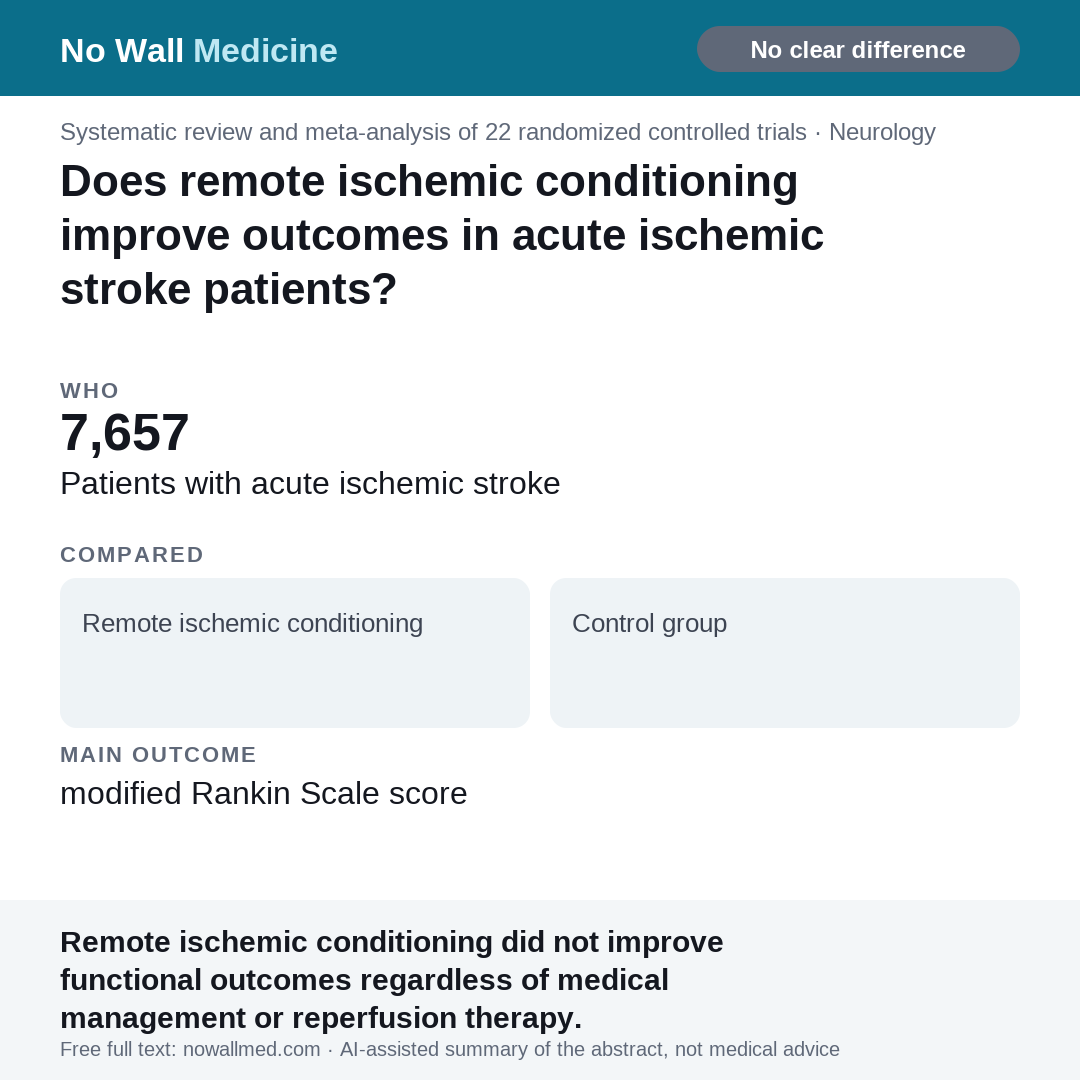
Remote Ischemic Conditioning With Medical Management or Reperfusion Therapy for Acute Ischemic Stroke: A Systematic Review and Meta-Analysis
Systematic review and meta-analysis of 22 randomized controlled trialsNo clear difference
Does remote ischemic conditioning improve outcomes in acute ischemic stroke patients?
Who
7,657
Patients with acute ischemic stroke
Compared
Remote ischemic conditioning
Control group
Main outcome
modified Rankin Scale score
Bottom line: Remote ischemic conditioning did not improve functional outcomes regardless of medical management or reperfusion therapy.
Neurology · 2024-03-08Download image
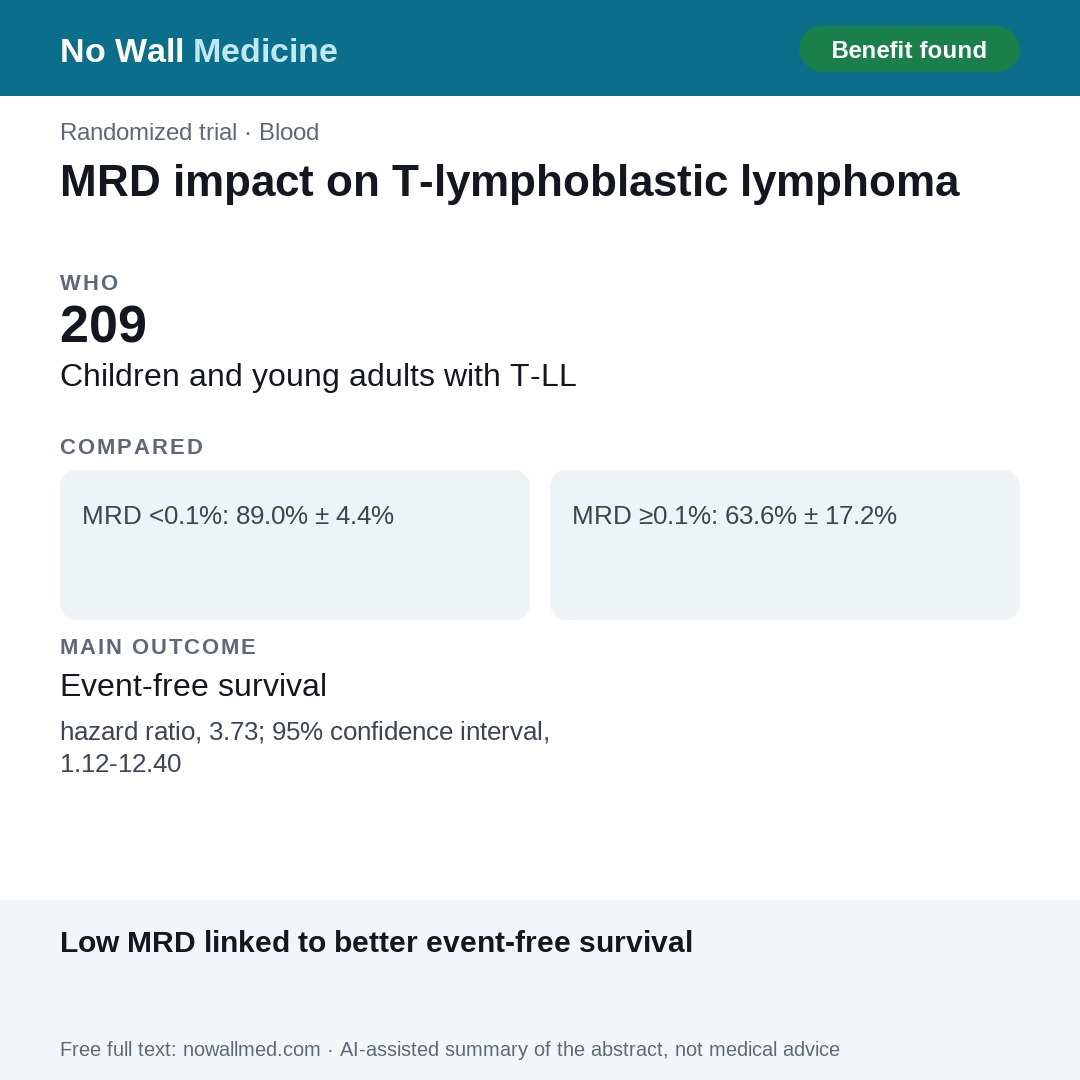
MRD at the end of induction and EFS in T-cell lymphoblastic lymphoma: Children's Oncology Group trial AALL1231
Randomized trialBenefit found
MRD impact on T-lymphoblastic lymphoma
Who
209
Children and young adults with T-LL
Compared
MRD <0.1%: 89.0% ± 4.4%
MRD ≥0.1%: 63.6% ± 17.2%
Main outcome
Event-free survival
Result: hazard ratio, 3.73; 95% confidence interval, 1.12-12.40
Bottom line: Low MRD linked to better event-free survival
Blood · 2024-03-08Download image
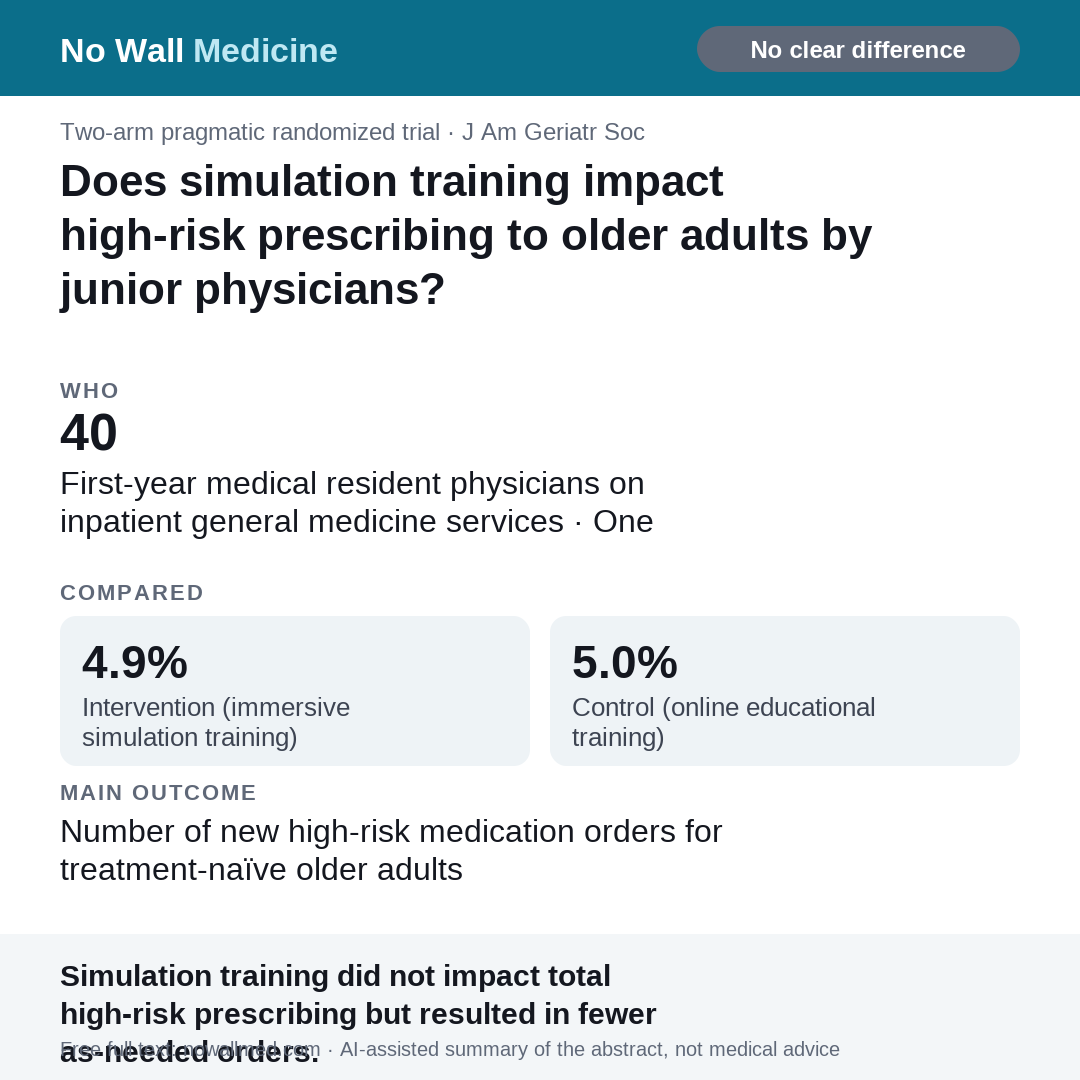
Pragmatic trial evaluating the impact of simulation training on high-risk prescribing to older adults by junior physicians
Two-arm pragmatic randomized trialNo clear difference
Does simulation training impact high-risk prescribing to older adults by junior physicians?
Who
40
First-year medical resident physicians on inpatient general medicine services · One academic medical center
Compared
4.9%Intervention (immersive simulation training)
5.0%Control (online educational training)
Main outcome
Number of new high-risk medication orders for treatment-naïve older adults
Result: Rate Ratio 0.85 (95%CI: 0.31-2.35)
Bottom line: Simulation training did not impact total high-risk prescribing but resulted in fewer as-needed orders.
J Am Geriatr Soc · 2024-03-08Download image
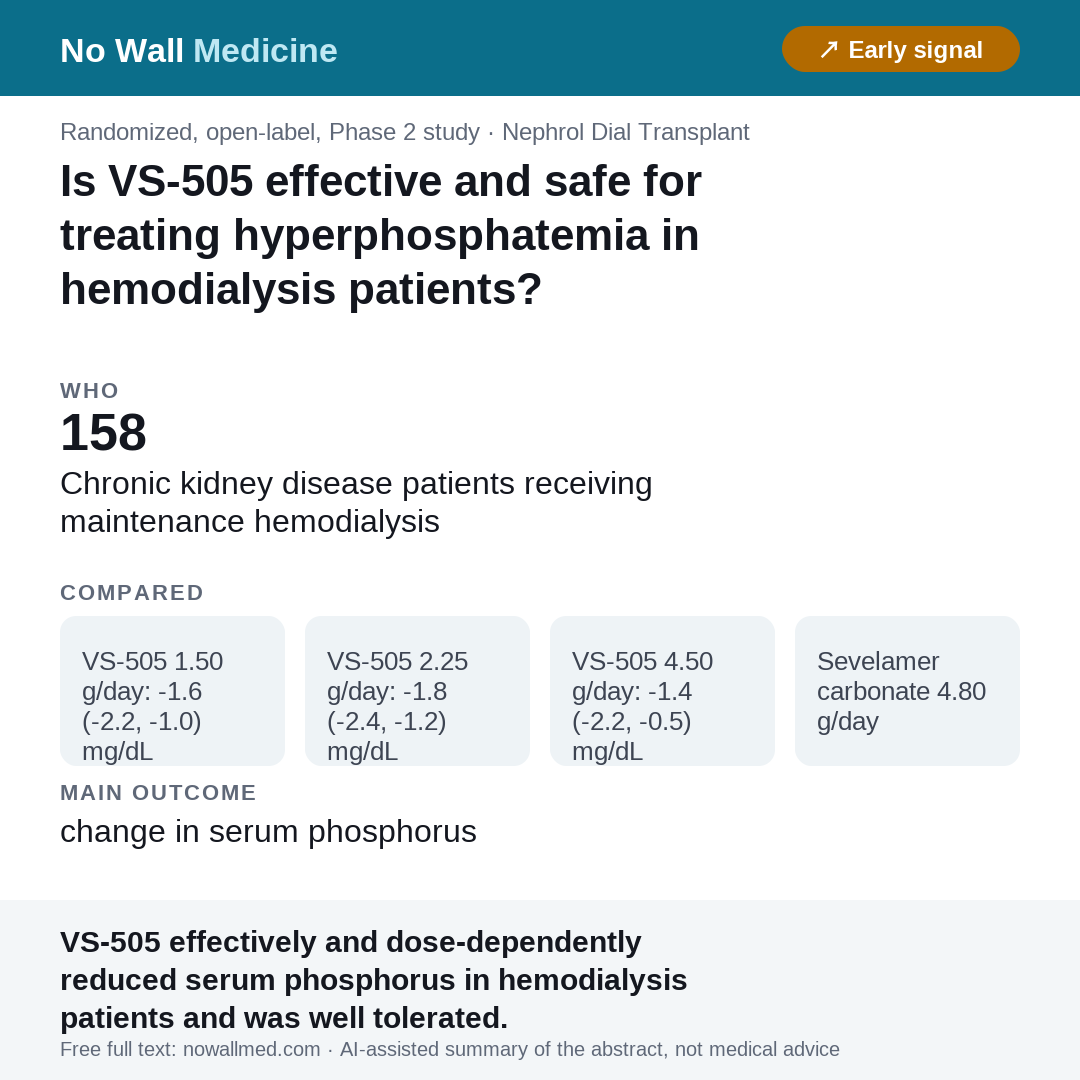
Tolerability, safety and efficacy of a novel phosphate binder VS-505 (AP301): a Phase 2 dose-escalation and dose-ranging study in patients undergoing maintenance hemodialysis
Randomized, open-label, Phase 2 studyEarly signal
Is VS-505 effective and safe for treating hyperphosphatemia in hemodialysis patients?
Who
158
Chronic kidney disease patients receiving maintenance hemodialysis
Compared
VS-505 1.50 g/day: -1.6 (-2.2, -1.0) mg/dL
VS-505 2.25 g/day: -1.8 (-2.4, -1.2) mg/dL
VS-505 4.50 g/day: -1.4 (-2.2, -0.5) mg/dL
Sevelamer carbonate 4.80 g/day
Main outcome
change in serum phosphorus
Bottom line: VS-505 effectively and dose-dependently reduced serum phosphorus in hemodialysis patients and was well tolerated.
Nephrol Dial Transplant · 2024-03-08Download image
Impact of price reductions, subsidies, or financial incentives on healthy food purchases and consumption: a systematic review and meta-analysis
Meta-analysis of 34 studiesBenefit found
Do price reductions increase healthy food purchases?
Who
general and low-income populations · high-income countries
Compared
16·62%price reduction (95% CI 12·32 to 20·91)
control
Main outcome
fruit and vegetable purchases
Result: 16·62% increase (95% CI 12·32 to 20·91)
Bottom line: Price reductions increase healthy food purchases
Limitation: few studies sustained price reduction over 6 months
Lancet Planet Health · 2024-03-08Download image

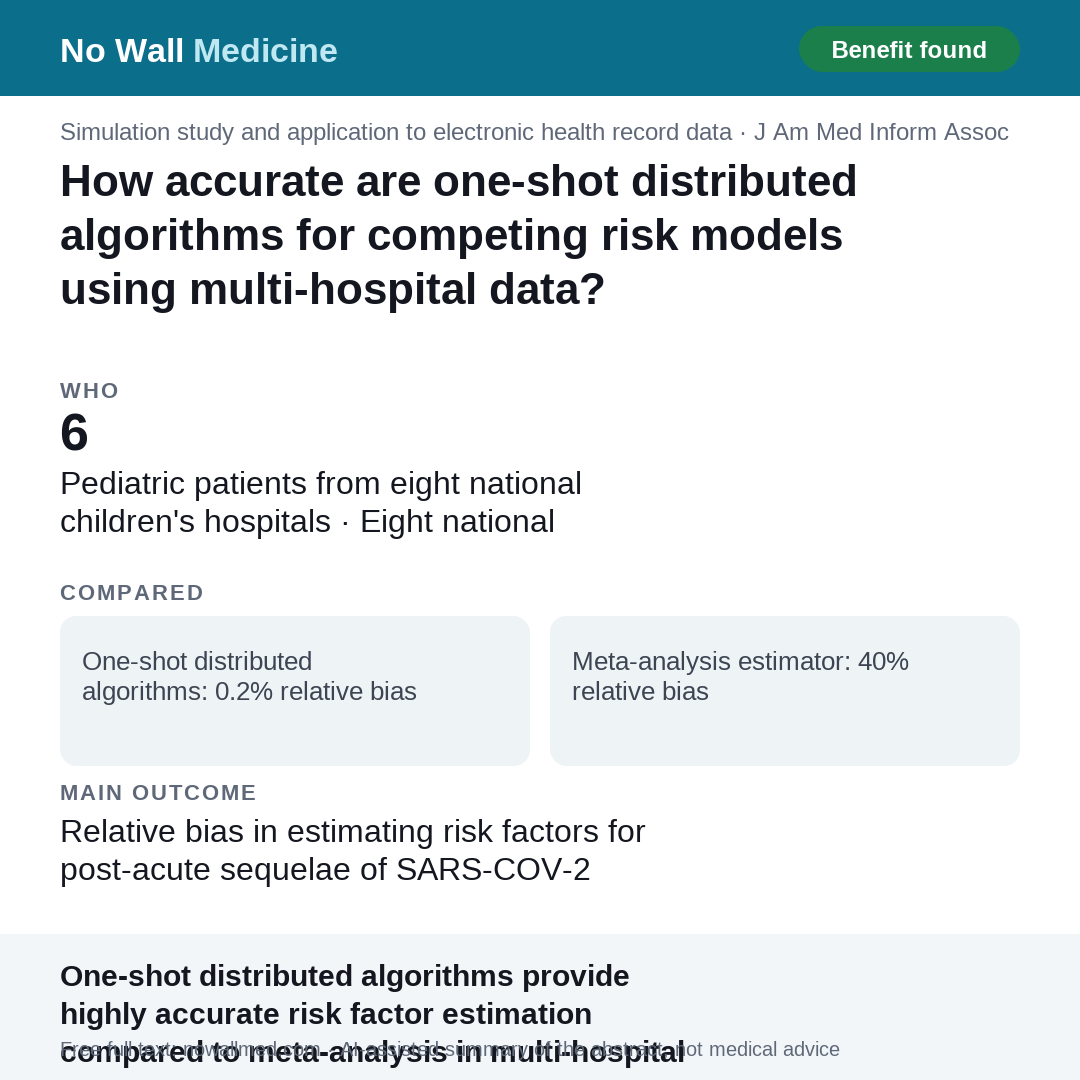
Learning competing risks across multiple hospitals: one-shot distributed algorithms
Simulation study and application to electronic health record dataBenefit found
How accurate are one-shot distributed algorithms for competing risk models using multi-hospital data?
Who
6
Pediatric patients from eight national children's hospitals · Eight national children's hospitals
Compared
One-shot distributed algorithms: 0.2% relative bias
Meta-analysis estimator: 40% relative bias
Main outcome
Relative bias in estimating risk factors for post-acute sequelae of SARS-COV-2
Bottom line: One-shot distributed algorithms provide highly accurate risk factor estimation compared to meta-analysis in multi-hospital settings.
J Am Med Inform Assoc · 2024-03-08Download image
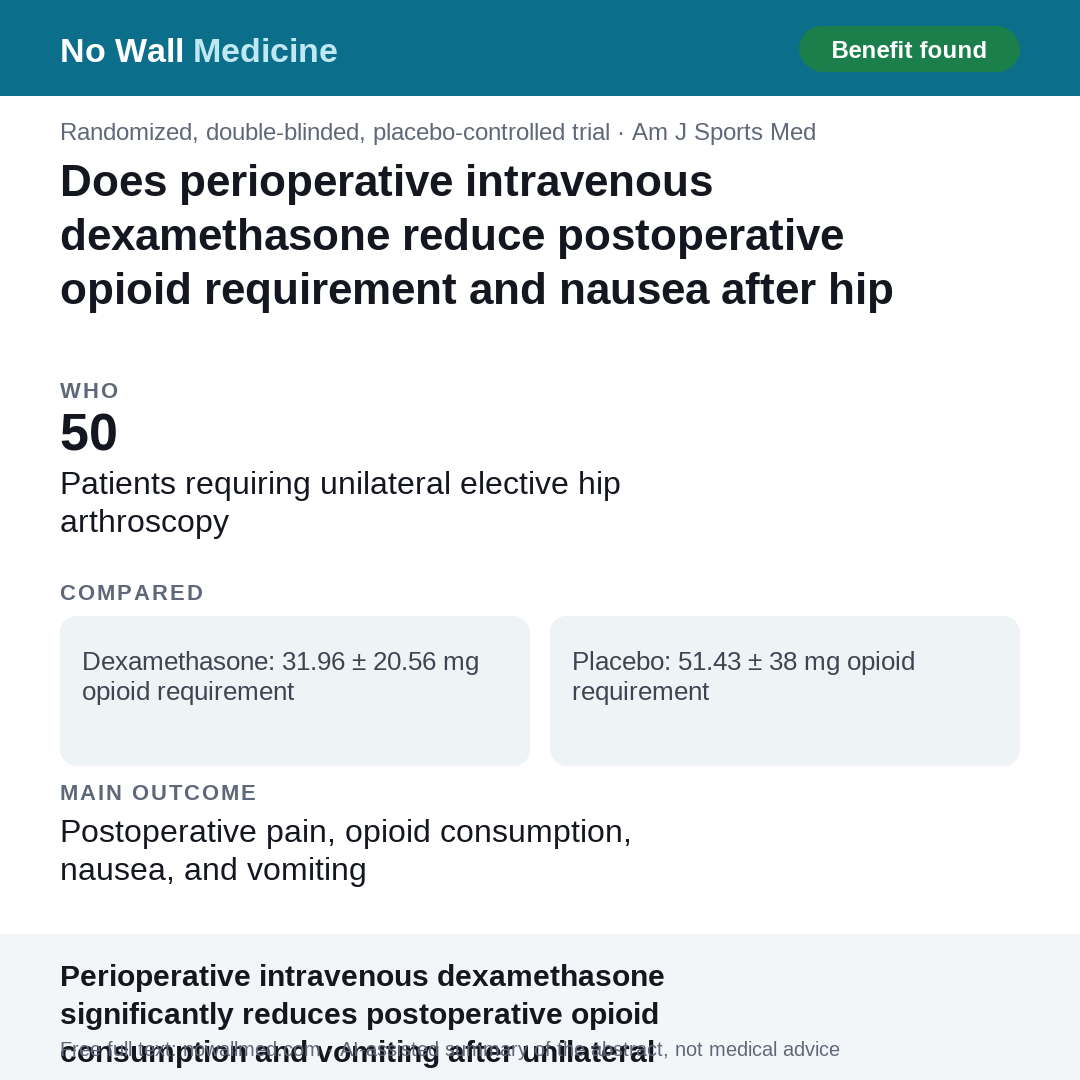
Perioperative Intravenous Dexamethasone Significantly Reduces Postoperative Opioid Requirement and Nausea After Unilateral Elective Hip Arthroscopy: A Randomized Double-blinded Placebo-controlled Trial
Randomized, double-blinded, placebo-controlled trialBenefit found
Does perioperative intravenous dexamethasone reduce postoperative opioid requirement and nausea after hip arthroscopy?
Who
50
Patients requiring unilateral elective hip arthroscopy
Compared
Dexamethasone: 31.96 ± 20.56 mg opioid requirement
Placebo: 51.43 ± 38 mg opioid requirement
Main outcome
Postoperative pain, opioid consumption, nausea, and vomiting
Bottom line: Perioperative intravenous dexamethasone significantly reduces postoperative opioid consumption and vomiting after unilateral elective hip arthroscopy.
Am J Sports Med · 2024-03-08Download image