Visual abstracts
New randomized trials and meta-analyses from leading journals at a glance: who was studied, what was compared, and what was found. Every paper is free to read in full.
All specialtiesCardiology 2980Oncology 2531Gastroenterology & Hepatology 1146Infectious Disease 1931Neurology 1189Psychiatry & Mental Health 1385Pulmonology 1235Critical Care 824Endocrinology & Diabetes 1506Pediatrics 1763Surgery 1556Orthopedics & Sports Medicine 533Neurosurgery 358Cardiothoracic & Vascular Surgery 337Plastic & Reconstructive Surgery 426Nephrology 615Rheumatology 460Hematology 654Dermatology 357Ophthalmology 332Obstetrics & Gynecology 981Public & Global Health 555Radiology & Imaging 420Anesthesiology 603Urology 494ENT (Otolaryngology) 335Emergency Medicine 328Allergy & Immunology 190Geriatrics 634Family Medicine & Primary Care 342Medical Genetics & Genomics 352Pathology & Laboratory Medicine 103Physical Medicine & Rehabilitation 475Palliative Care 254Nutrition 819Digital Health & AI 1412General Medicine 212
Medical student perceptions of gender and pain: a systematic review of the literature
Systematic reviewHarm found
How do medical students perceive the relationship between patient gender and pain?
Who
Medical students
Compared
Female patients: pain more likely to be underestimated
Male patients
Main outcome
Medical student perceptions of gender and pain
Bottom line: Medical students are more likely to underestimate women's pain, which may drive different clinical approaches.
Limitation: All studies had methodological limitations and few involved real life situations.
BMC Med · 2024-10-08Download image

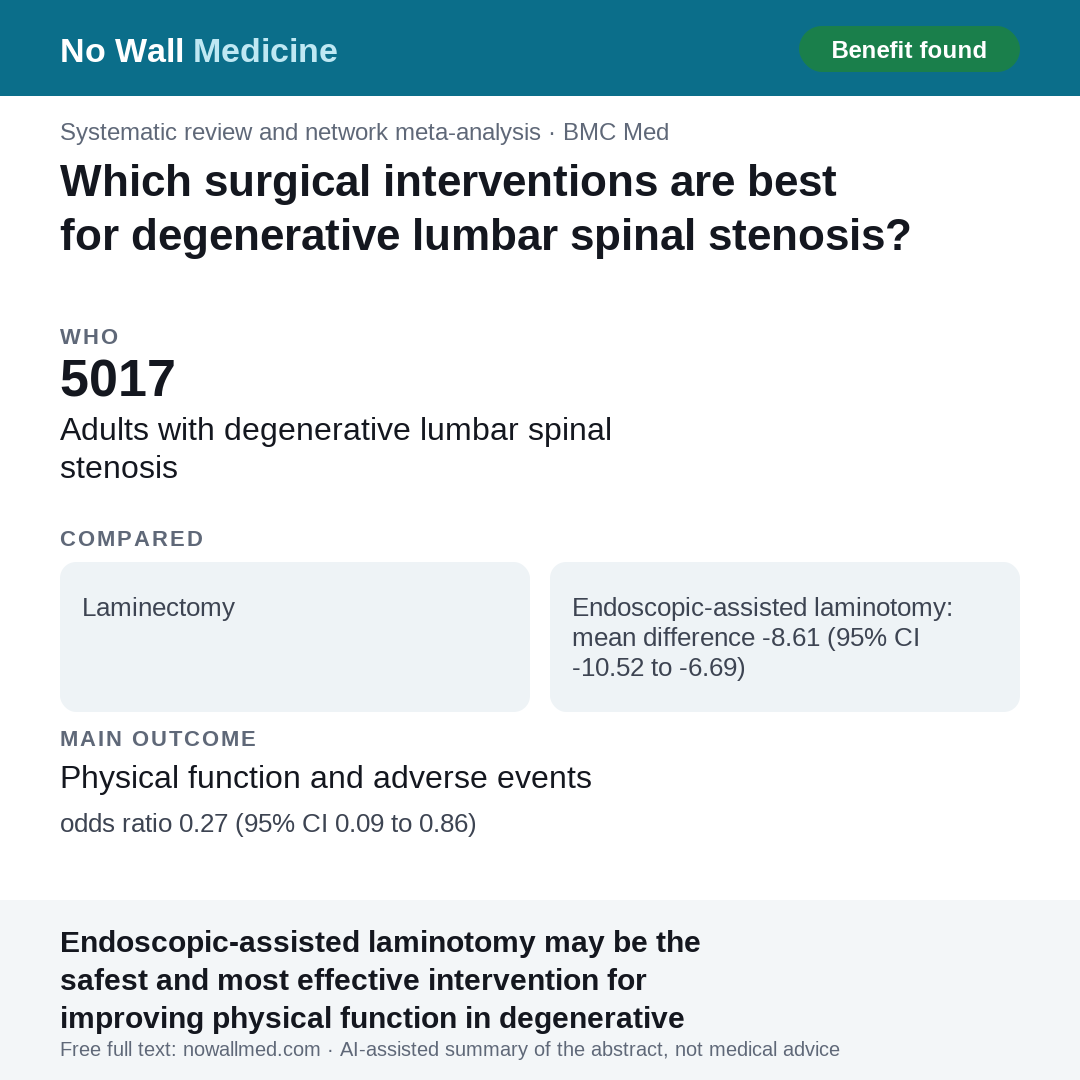
Surgical interventions for degenerative lumbar spinal stenosis: a systematic review with network meta-analysis
Systematic review and network meta-analysisBenefit found
Which surgical interventions are best for degenerative lumbar spinal stenosis?
Who
5017
Adults with degenerative lumbar spinal stenosis
Compared
Laminectomy
Endoscopic-assisted laminotomy: mean difference -8.61 (95% CI -10.52 to -6.69)
Main outcome
Physical function and adverse events
Result: odds ratio 0.27 (95% CI 0.09 to 0.86)
Bottom line: Endoscopic-assisted laminotomy may be the safest and most effective intervention for improving physical function in degenerative lumbar spinal stenosis.
Limitation: Available data were insufficient to indicate whether the effect was sustainable after 6 months.
BMC Med · 2024-10-08Download image
Sudden cardiac death after myocardial infarction: individual participant data from pooled cohorts
Pooled cohort analysis of 20 data setsNo clear difference
Can left ventricular ejection fraction or other predictors improve sudden cardiac death risk stratification?
Who
140204
Post-myocardial infarction patients
Compared
implantable cardioverter-defibrillator patients: 1326 primary outcomes
non-implantable cardioverter-defibrillator patients ≤35%: 1193 primary outcomes
non-implantable cardioverter-defibrillator patients >35%: 1567 primary outcomes
Main outcome
sudden cardiac death or appropriate defibrillator therapy
Result: c-statistics between 0.50 and 0.56
Bottom line: Accurate risk stratification for sudden cardiac death was not feasible using left ventricular ejection fraction or other predictors.
Limitation: Model generalizability was poor.
Eur Heart J · 2024-10-08Download image

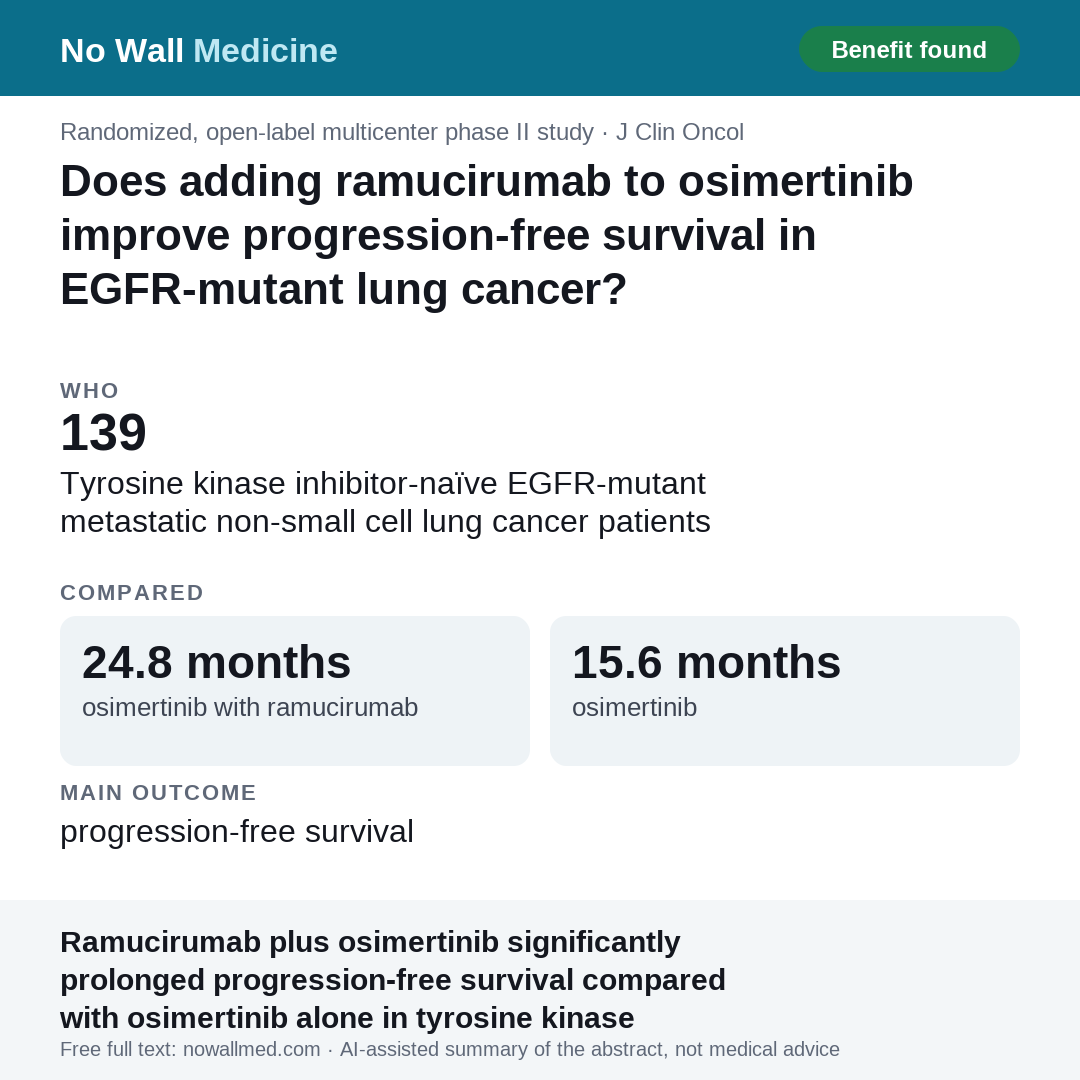
A Multicenter Open-Label Randomized Phase II Study of Osimertinib With and Without Ramucirumab in Tyrosine Kinase Inhibitor-Naïve EGFR-Mutant Metastatic Non-Small Cell Lung Cancer (RAMOSE trial)
Randomized, open-label multicenter phase II studyBenefit found
Does adding ramucirumab to osimertinib improve progression-free survival in EGFR-mutant lung cancer?
Who
139
Tyrosine kinase inhibitor-naïve EGFR-mutant metastatic non-small cell lung cancer patients · multicenter
Compared
24.8 monthsosimertinib with ramucirumab
15.6 monthsosimertinib
Main outcome
progression-free survival
Result: hazard ratio, 0.55 (95% CI, 0.32 to 0.93)
Bottom line: Ramucirumab plus osimertinib significantly prolonged progression-free survival compared with osimertinib alone in tyrosine kinase inhibitor-naïve patients.
J Clin Oncol · 2024-10-08Download image
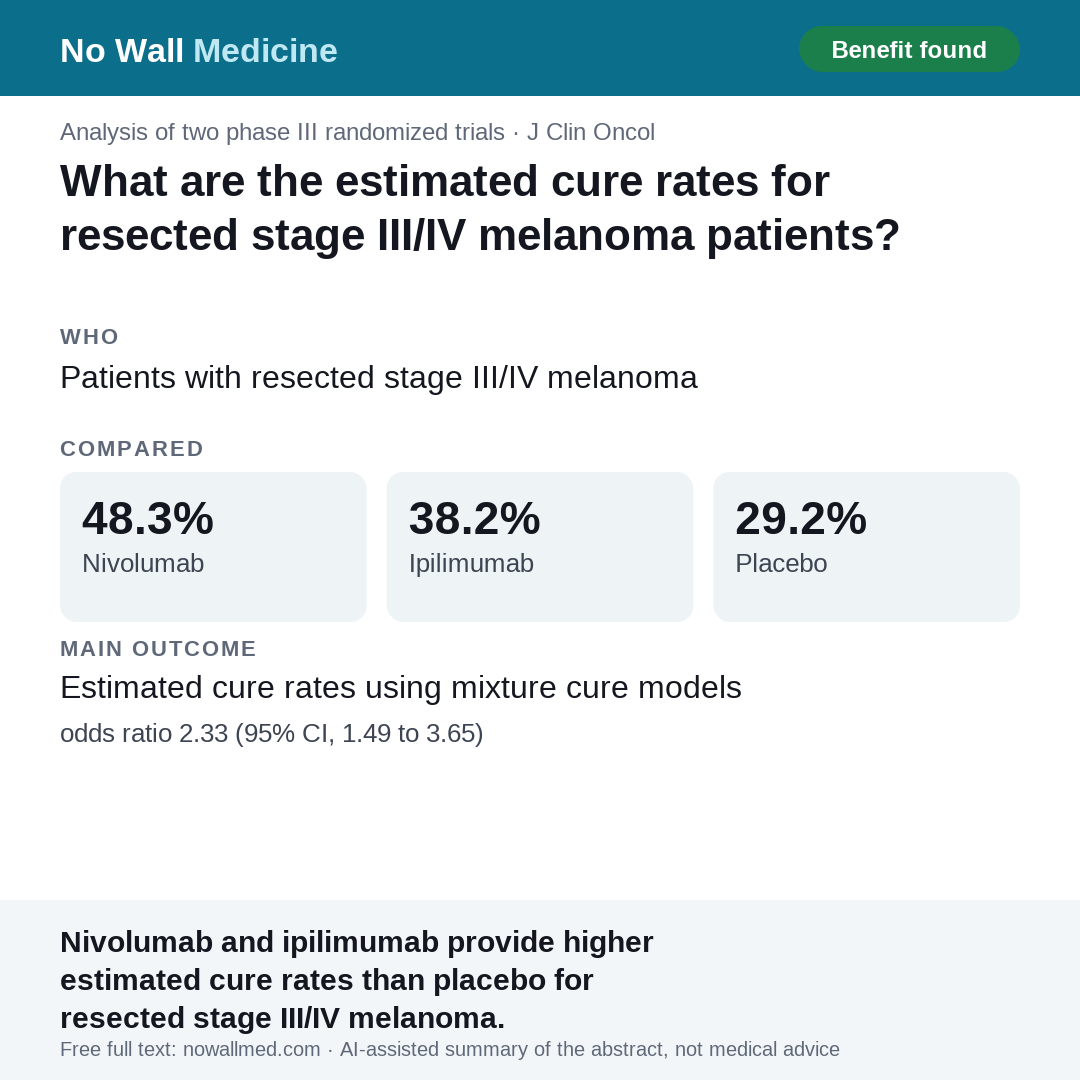
Estimating Long-Term Survivorship Rates Among Patients With Resected Stage III/IV Melanoma: Analyses From CheckMate 238 and European Organization for Research and Treatment of Cancer 18071 Trials
Analysis of two phase III randomized trialsBenefit found
What are the estimated cure rates for resected stage III/IV melanoma patients?
Who
Patients with resected stage III/IV melanoma
Compared
48.3%Nivolumab (95% CI, 41.8 to 54.9)
38.2%Ipilimumab (95% CI, 32.7 to 44.1)
29.2%Placebo (95% CI, 24.4 to 34.6)
Main outcome
Estimated cure rates using mixture cure models
Result: odds ratio 2.33 (95% CI, 1.49 to 3.65)
Bottom line: Nivolumab and ipilimumab provide higher estimated cure rates than placebo for resected stage III/IV melanoma.
J Clin Oncol · 2024-10-08Download image
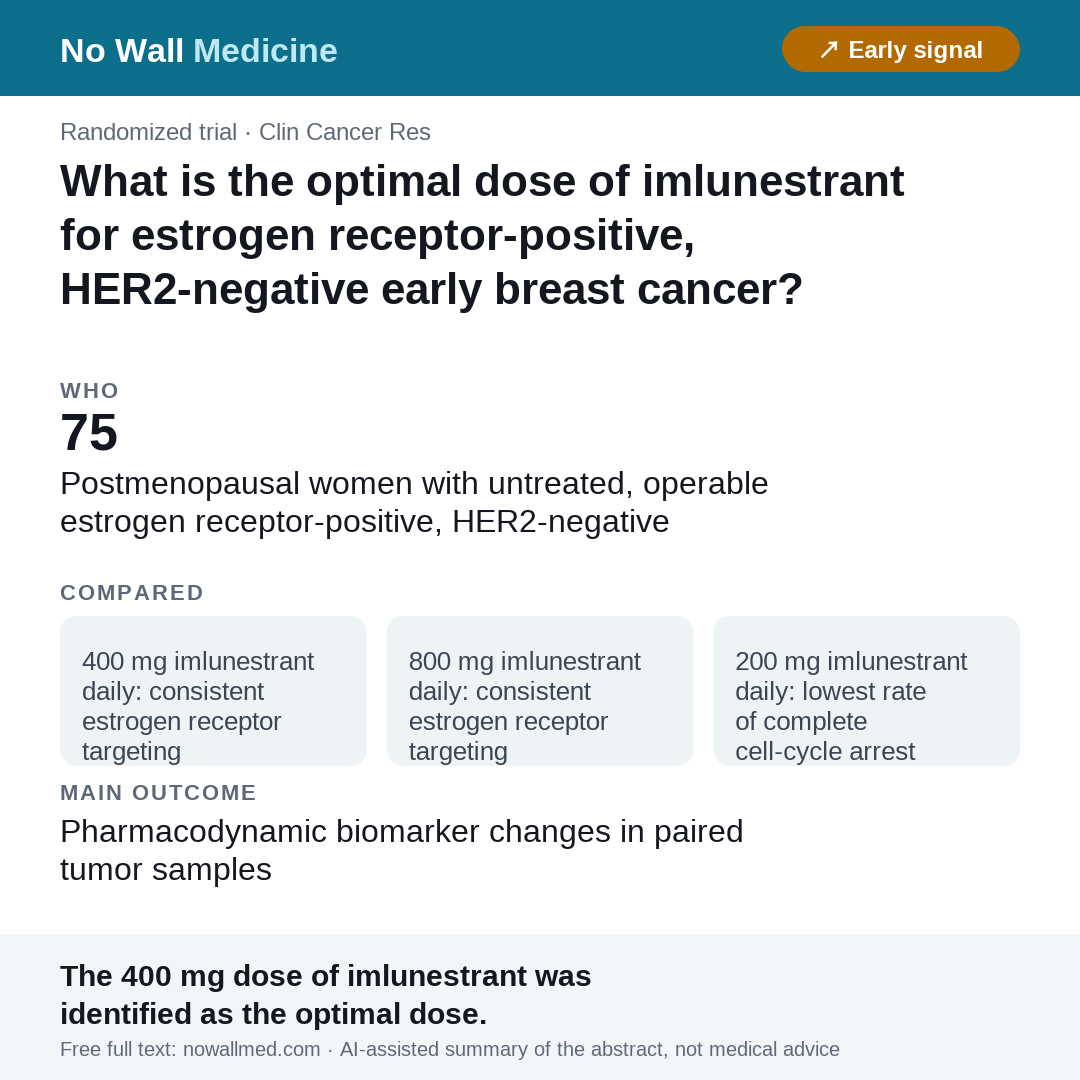
A Preoperative Window-of-Opportunity Study of Oral SERD, Imlunestrant, in Newly Diagnosed ER-Positive, HER2-Negative Early Breast Cancer: Results from the EMBER-2 Study
Randomized trialBenefit found
What is the optimal dose of imlunestrant for estrogen receptor-positive, HER2-negative early breast cancer?
Who
75
Postmenopausal women with untreated, operable estrogen receptor-positive, HER2-negative early breast cancer
Compared
400 mg imlunestrant daily: consistent estrogen receptor targeting
800 mg imlunestrant daily: consistent estrogen receptor targeting
200 mg imlunestrant daily: lowest rate of complete cell-cycle arrest
Main outcome
Pharmacodynamic biomarker changes in paired tumor samples
Bottom line: The 400 mg dose of imlunestrant was identified as the optimal dose.
Clin Cancer Res · 2024-10-08Download image
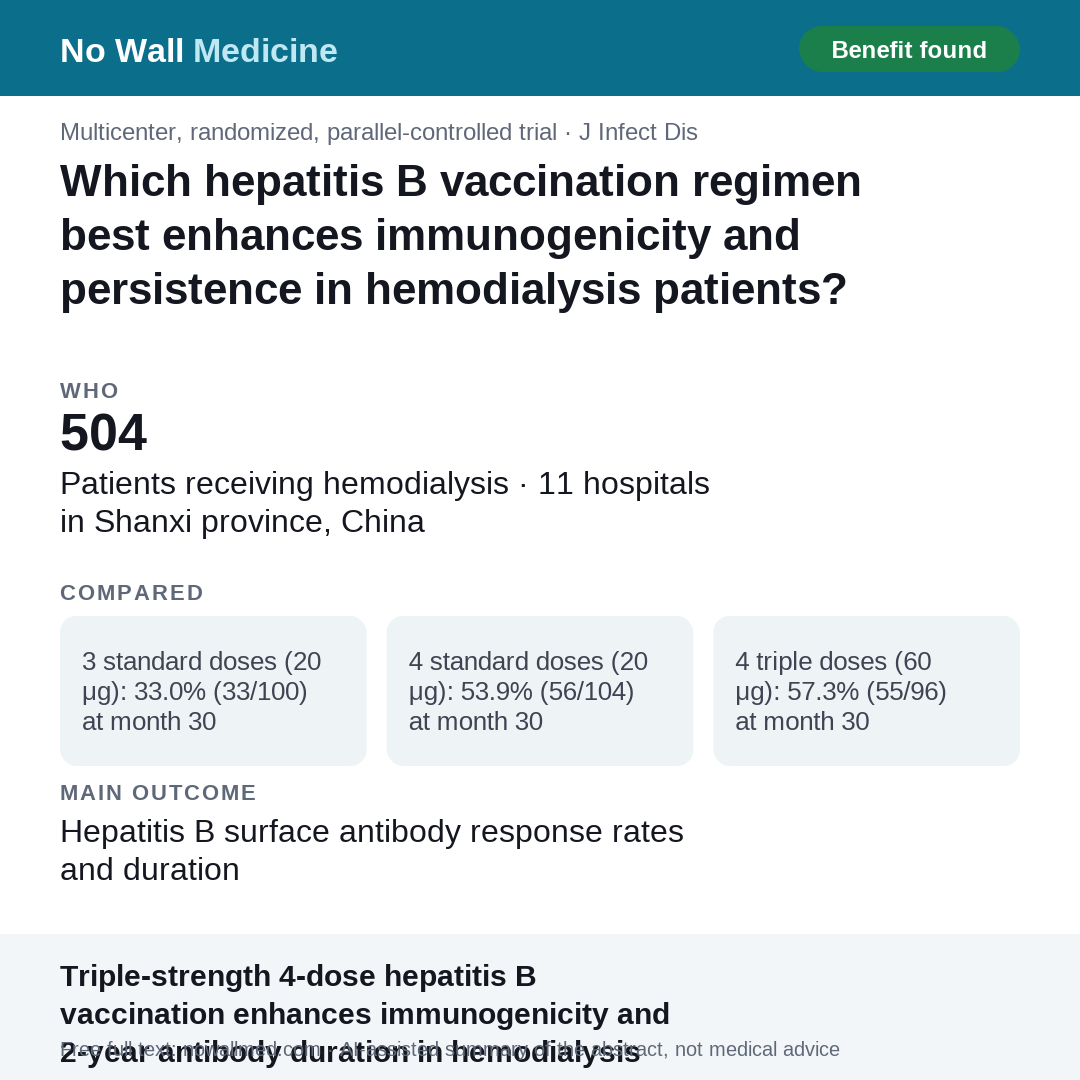
Immunogenicity, Safety, and Persistence Induced by Triple- and Standard-Strength 4-Dose Hepatitis B Vaccination Regimens in Patients Receiving Hemodialysis
Multicenter, randomized, parallel-controlled trialBenefit found
Which hepatitis B vaccination regimen best enhances immunogenicity and persistence in hemodialysis patients?
Who
504
Patients receiving hemodialysis · 11 hospitals in Shanxi province, China
Compared
3 standard doses (20 μg): 33.0% (33/100) at month 30
4 standard doses (20 μg): 53.9% (56/104) at month 30
4 triple doses (60 μg): 57.3% (55/96) at month 30
Main outcome
Hepatitis B surface antibody response rates and duration
Bottom line: Triple-strength 4-dose hepatitis B vaccination enhances immunogenicity and 2-year antibody duration in hemodialysis patients.
J Infect Dis · 2024-10-08Download image
Point-of-care tests to manage acute respiratory tract infections in primary care: a systematic review and qualitative synthesis of healthcare professional and patient views
Systematic review and qualitative synthesisMixed results
What are healthcare professionals' and patients' views on point-of-care tests for acute respiratory tract infections?
Who
Healthcare professionals and patients in primary care settings · Primary care settings
Compared
Healthcare professionals: 28 factors affecting use
Patients: 10 factors affecting use
Main outcome
Views and experiences of point-of-care tests
Bottom line: Both healthcare professionals and patients had mixed views and highlighted implementation challenges regarding point-of-care test use.
Limitation: Evidence beyond general practice is limited.
J Antimicrob Chemother · 2024-10-08Download image

LEAP! Rx: A randomized trial of a pragmatic approach to lifestyle medicine
Randomized trialMixed results
Does the LEAP! Rx program improve health outcomes for Alzheimer's disease prevention?
Who
219
Participants at risk for Alzheimer's disease
Compared
LEAP! Rx: increased in cardiorespiratory fitness at 12 and 52 weeks (p = 0.005)
Standard-of-care control
Main outcome
cardiorespiratory fitness, insulin resistance, body composition, lipids, and cognitive performance
Bottom line: The LEAP! Rx program increased cardiorespiratory fitness but showed no effects on secondary health or cognitive measures.
Alzheimers Dement · 2024-10-08Download image

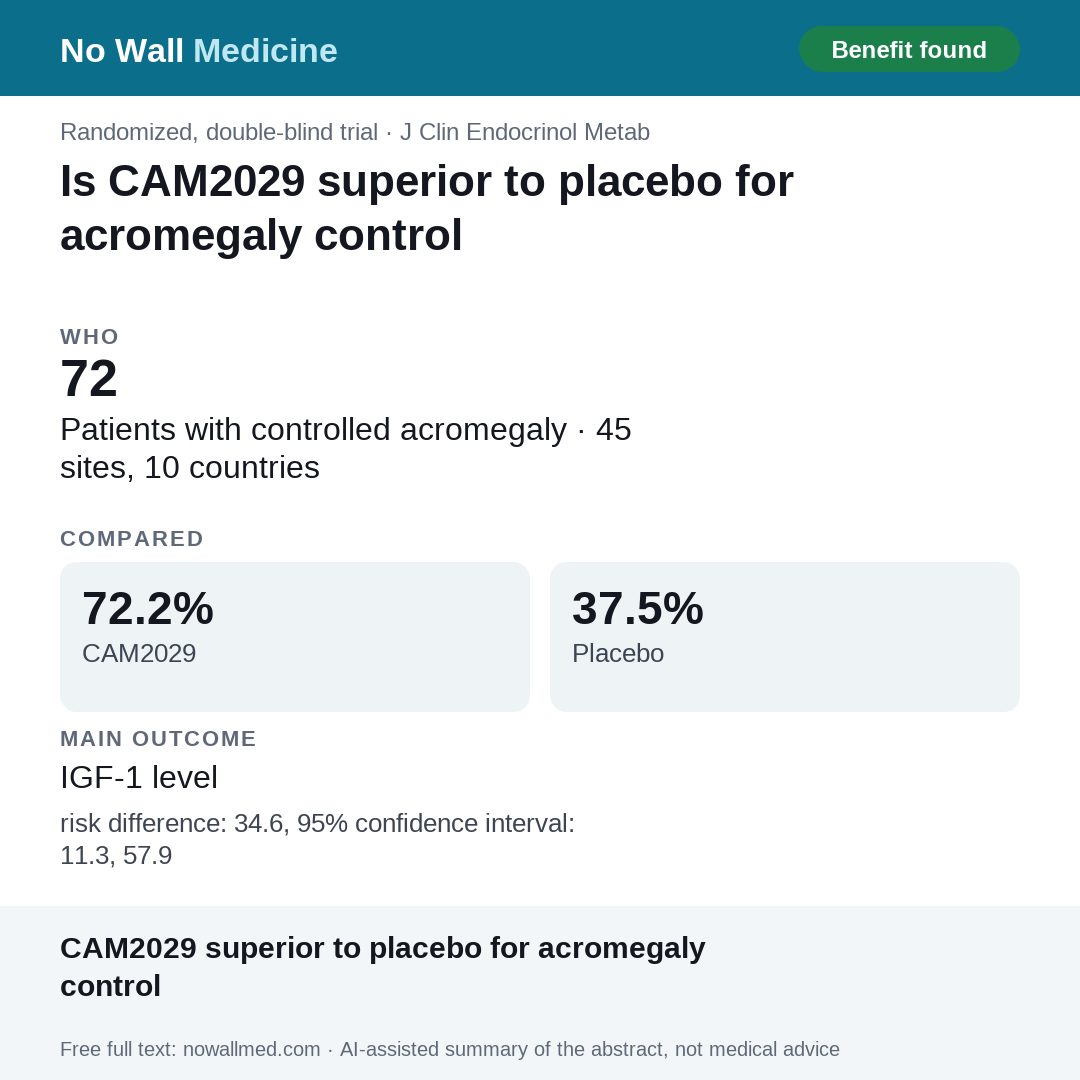
Octreotide Subcutaneous Depot for Acromegaly: A Randomized, Double-blind, Placebo-controlled Phase 3 Trial, ACROINNOVA 1
Randomized, double-blind trialBenefit found
Is CAM2029 superior to placebo for acromegaly control
Who
72
Patients with controlled acromegaly · 45 sites, 10 countries
Compared
72.2%CAM2029
37.5%Placebo
Main outcome
IGF-1 level
Result: risk difference: 34.6, 95% confidence interval: 11.3, 57.9
Bottom line: CAM2029 superior to placebo for acromegaly control
J Clin Endocrinol Metab · 2024-10-08Download image
The Effects of the AGE Inhibitor Pyridoxamine on Bone in Older Women With Type 2 Diabetes: A Randomized Clinical Trial
Double-blind randomized controlled trialBenefit found
Does pyridoxamine increase bone formation in older women with type 2 diabetes?
Who
55
Older women with type 2 diabetes · Academic center
Compared
Pyridoxamine: P1NP increased 23.0%
Placebo: P1NP increased 4.1%
Main outcome
Change in the bone formation marker P1NP
Bottom line: Pyridoxamine tended to increase bone formation, bone density, and reduce HbA1c in older women with type 2 diabetes.
J Clin Endocrinol Metab · 2024-10-08Download image

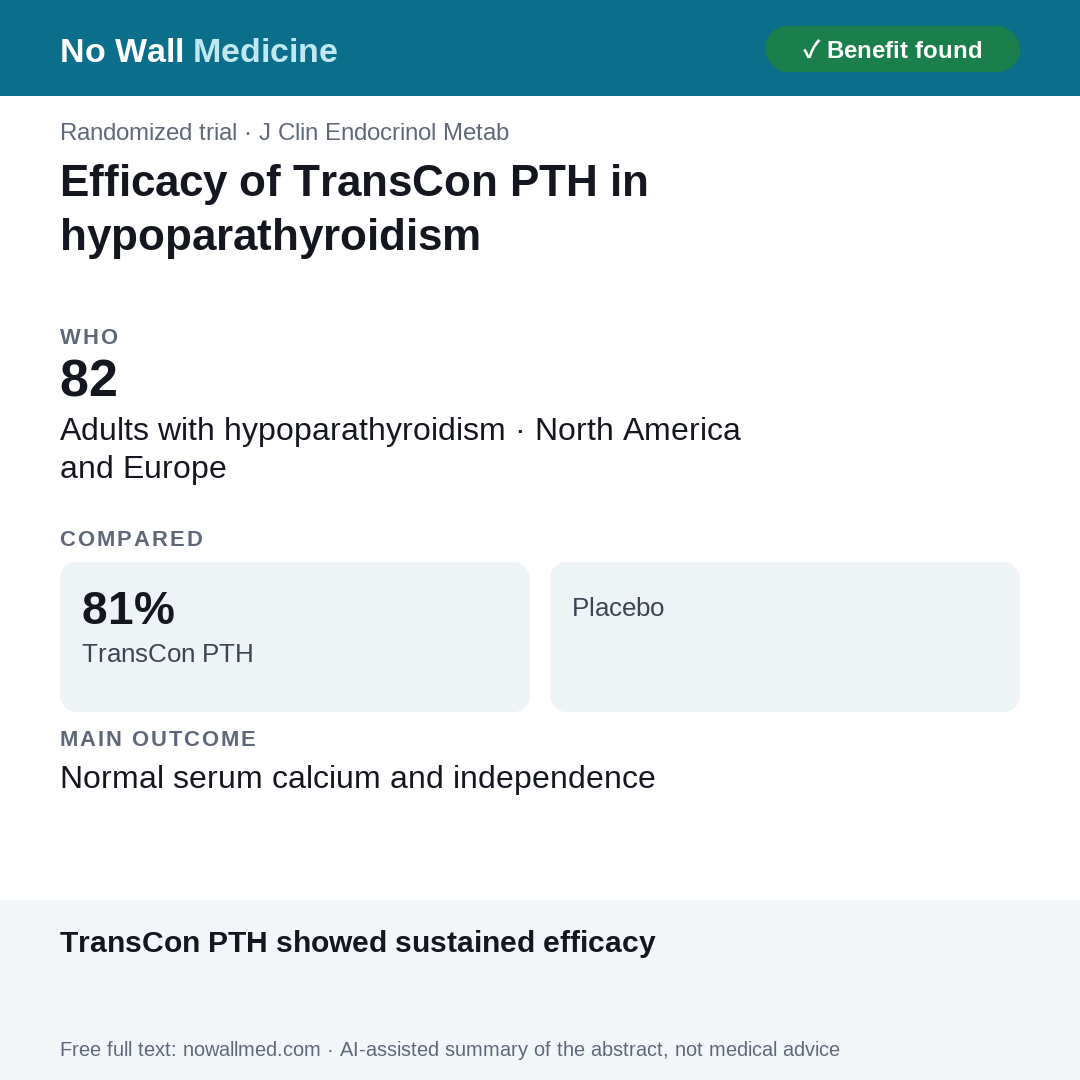
Efficacy and Safety of TransCon PTH in Adults With Hypoparathyroidism: 52-Week Results From the Phase 3 PaTHway Trial
Randomized trialBenefit found
Efficacy of TransCon PTH in hypoparathyroidism
Who
82
Adults with hypoparathyroidism · North America and Europe
Compared
81%TransCon PTH (63/78)
Placebo
Main outcome
Normal serum calcium and independence
Bottom line: TransCon PTH showed sustained efficacy
J Clin Endocrinol Metab · 2024-10-08Download image
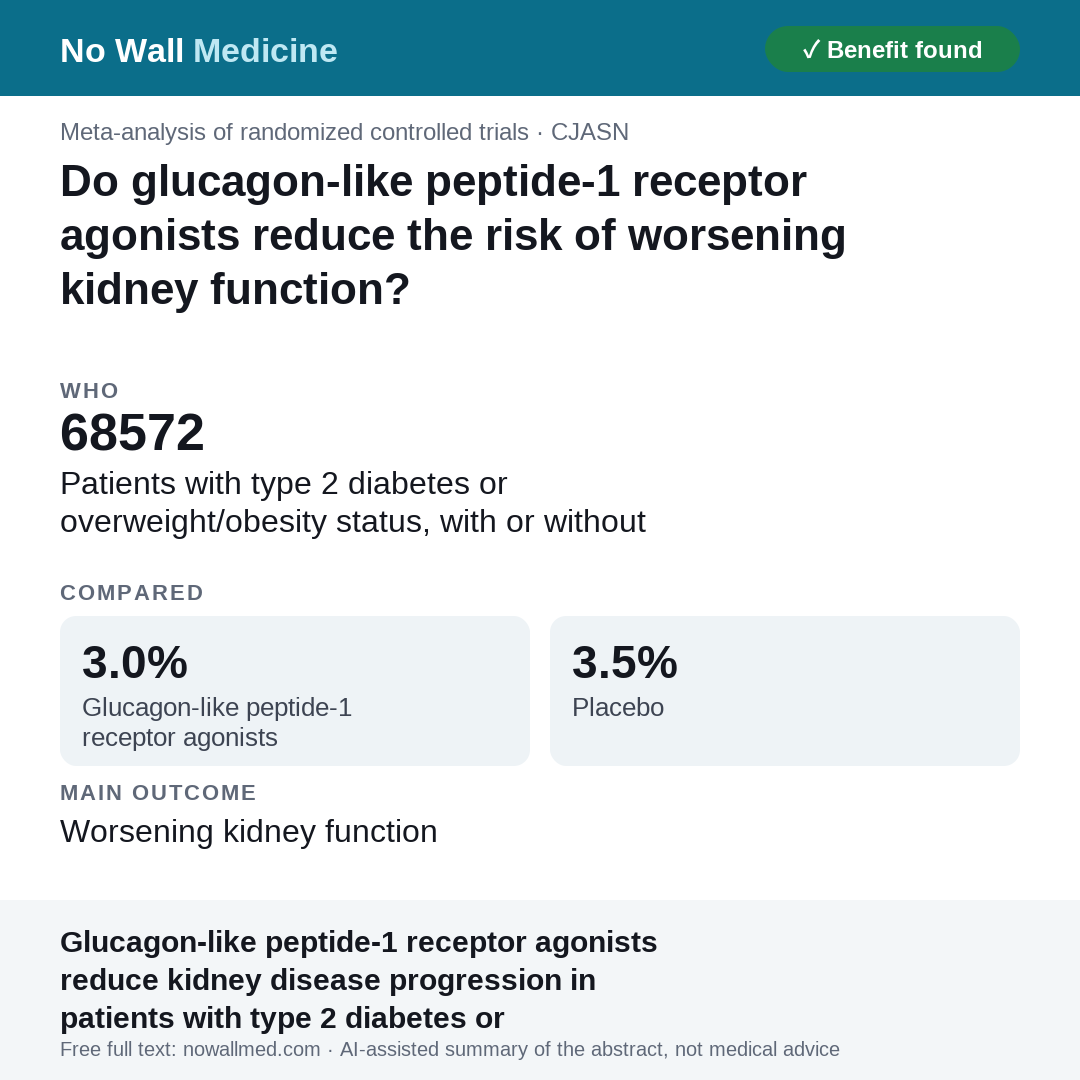
The Impact of Glucagon-Like Peptide-1 Receptor Agonists on Kidney Outcomes: A Meta-Analysis of Randomized Placebo-Controlled Trials
Meta-analysis of randomized controlled trialsBenefit found
Do glucagon-like peptide-1 receptor agonists reduce the risk of worsening kidney function?
Who
68572
Patients with type 2 diabetes or overweight/obesity status, with or without chronic kidney disease
Compared
3.0%Glucagon-like peptide-1 receptor agonists
3.5%Placebo
Main outcome
Worsening kidney function
Result: risk ratio 0.84 (95% confidence interval 0.77 to 0.91)
Bottom line: Glucagon-like peptide-1 receptor agonists reduce kidney disease progression in patients with type 2 diabetes or overweight/obesity status.
CJASN · 2024-10-08Download image
Impacts of double biopsy and double vitrification on the clinical outcomes following euploid blastocyst transfer: a systematic review and meta-analysis
Systematic review and meta-analysisHarm found
Do double biopsy or double vitrification arrangements compromise clinical outcomes following euploid blastocyst transfer?
Who
Frozen transfers of preimplantation genetic testing for aneuploidy tested euploid blastocysts
Compared
Double biopsy and double vitrification: RR = 0.80 (95% CI = 0.71-0.89) for clinical pregnancy
Single biopsy and double vitrification: RR = 0.84 (95% CI = 0.76-0.92) for clinical pregnancy
Single biopsy and single vitrification
Main outcome
clinical pregnancy
Result: RR = 0.80 (95% CI 0.71-0.89) for double biopsy and double vitrification
Bottom line: Double biopsy or double vitrification arrangements are associated with reduced clinical pregnancy and live birth rates compared to single biopsy and single vitrification.
Limitation: All included studies were retrospective with varying levels of heterogeneity and potential confounding factors.
Hum Reprod · 2024-10-08Download image

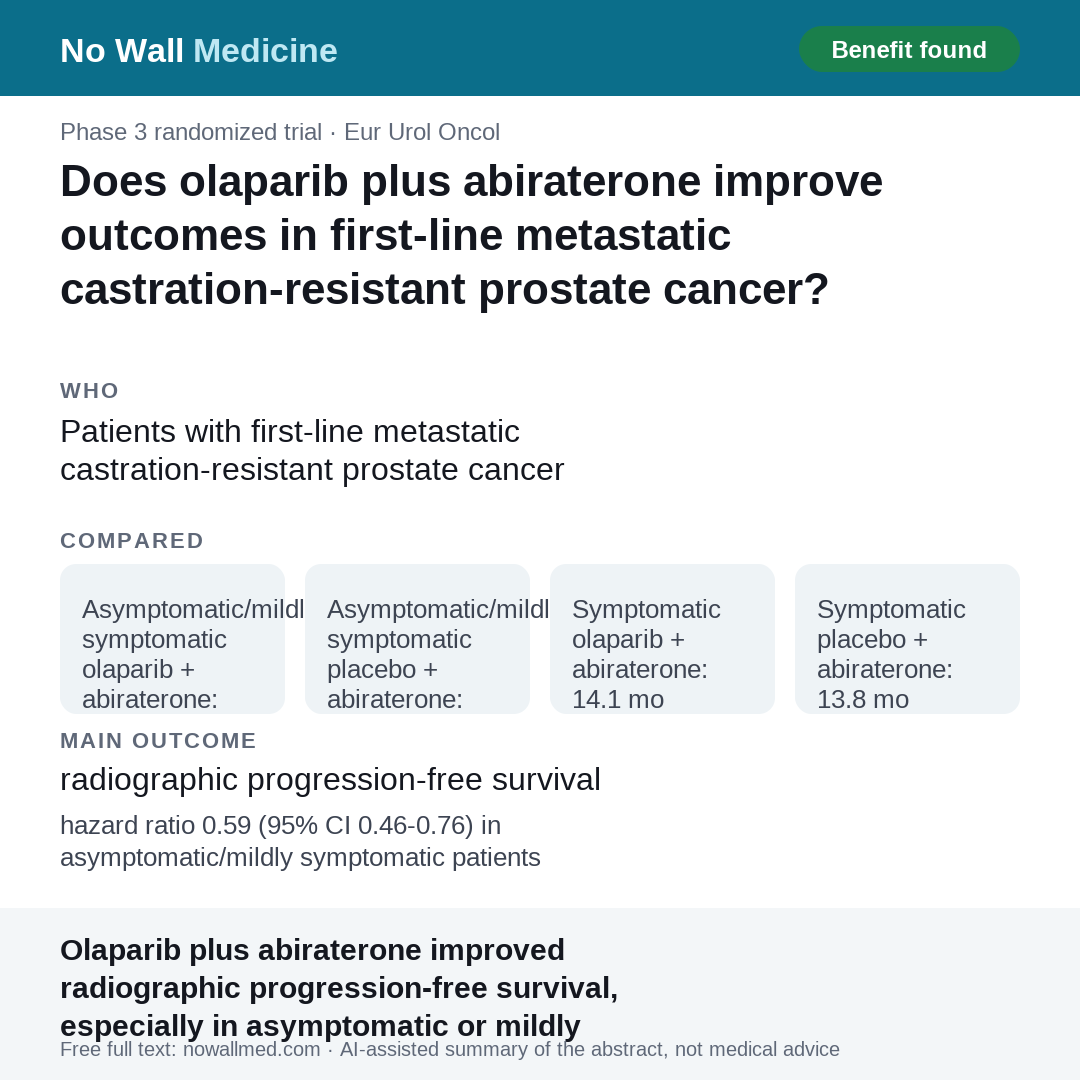
Efficacy and Safety of Olaparib Plus Abiraterone Versus Placebo Plus Abiraterone in the First-line Treatment of Patients with Asymptomatic/Mildly Symptomatic and Symptomatic Metastatic Castration-resistant Prostate Cancer: Analyses from the Phase 3 PROpel Trial
Phase 3 randomized trialBenefit found
Does olaparib plus abiraterone improve outcomes in first-line metastatic castration-resistant prostate cancer?
Who
Patients with first-line metastatic castration-resistant prostate cancer
Compared
Asymptomatic/mildly symptomatic olaparib + abiraterone: 27.6 mo
Asymptomatic/mildly symptomatic placebo + abiraterone: 19.1 mo
Symptomatic olaparib + abiraterone: 14.1 mo
Symptomatic placebo + abiraterone: 13.8 mo
Main outcome
radiographic progression-free survival
Result: hazard ratio 0.59 (95% CI 0.46-0.76) in asymptomatic/mildly symptomatic patients
Bottom line: Olaparib plus abiraterone improved radiographic progression-free survival, especially in asymptomatic or mildly symptomatic patients.
Limitation: This was a post hoc exploratory subgroup analysis.
Eur Urol Oncol · 2024-10-08Download image
Acute Implantation of a Bioresorbable Polymer Scaffold in Patients With Complete Thoracic Spinal Cord Injury: A Randomized Controlled Trial (INSPIRE 2.0)
Randomized, controlled, parallel, multicenter studyNo clear difference
Does bioresorbable polymer scaffold implantation improve neurological recovery in thoracic complete spinal cord injury?
Who
20
Patients with thoracic complete spinal cord injury requiring spine surgery · Level I trauma centers in the United States
Compared
20%Neuro-Spinal Scaffold implantation
30%Spine surgery alone
Main outcome
Improvement of at least one American Spinal Injury Association Impairment Scale grade
Bottom line: Bioresorbable scaffold implantation did not produce probable clinical benefit compared to spine surgery alone.
Limitation: This was a small group of patients.
Funded by: InVivo Therapeutics Corporation
Neurosurgery · 2024-10-08Download image

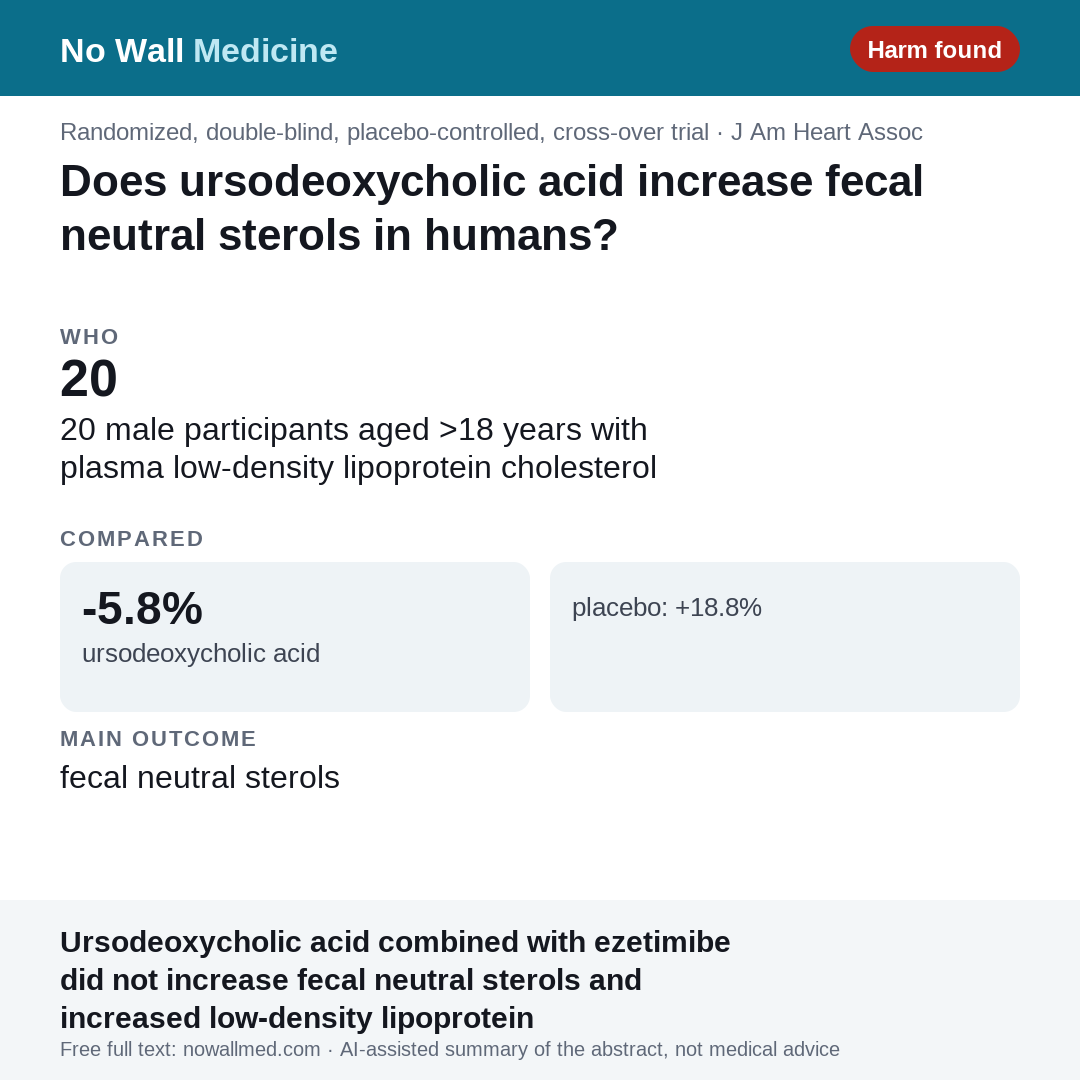
Ursodeoxycholic Acid for Trans Intestinal Cholesterol Excretion Stimulation: A Randomized Placebo Controlled Crossover Study
Randomized, double-blind, placebo-controlled, cross-over trialHarm found
Does ursodeoxycholic acid increase fecal neutral sterols in humans?
Who
20
20 male participants aged >18 years with plasma low-density lipoprotein cholesterol ≥2.6 mmol/L
Compared
-5.8%ursodeoxycholic acid
placebo: +18.8%
Main outcome
fecal neutral sterols
Bottom line: Ursodeoxycholic acid combined with ezetimibe did not increase fecal neutral sterols and increased low-density lipoprotein cholesterol.
J Am Heart Assoc · 2024-10-08Download image
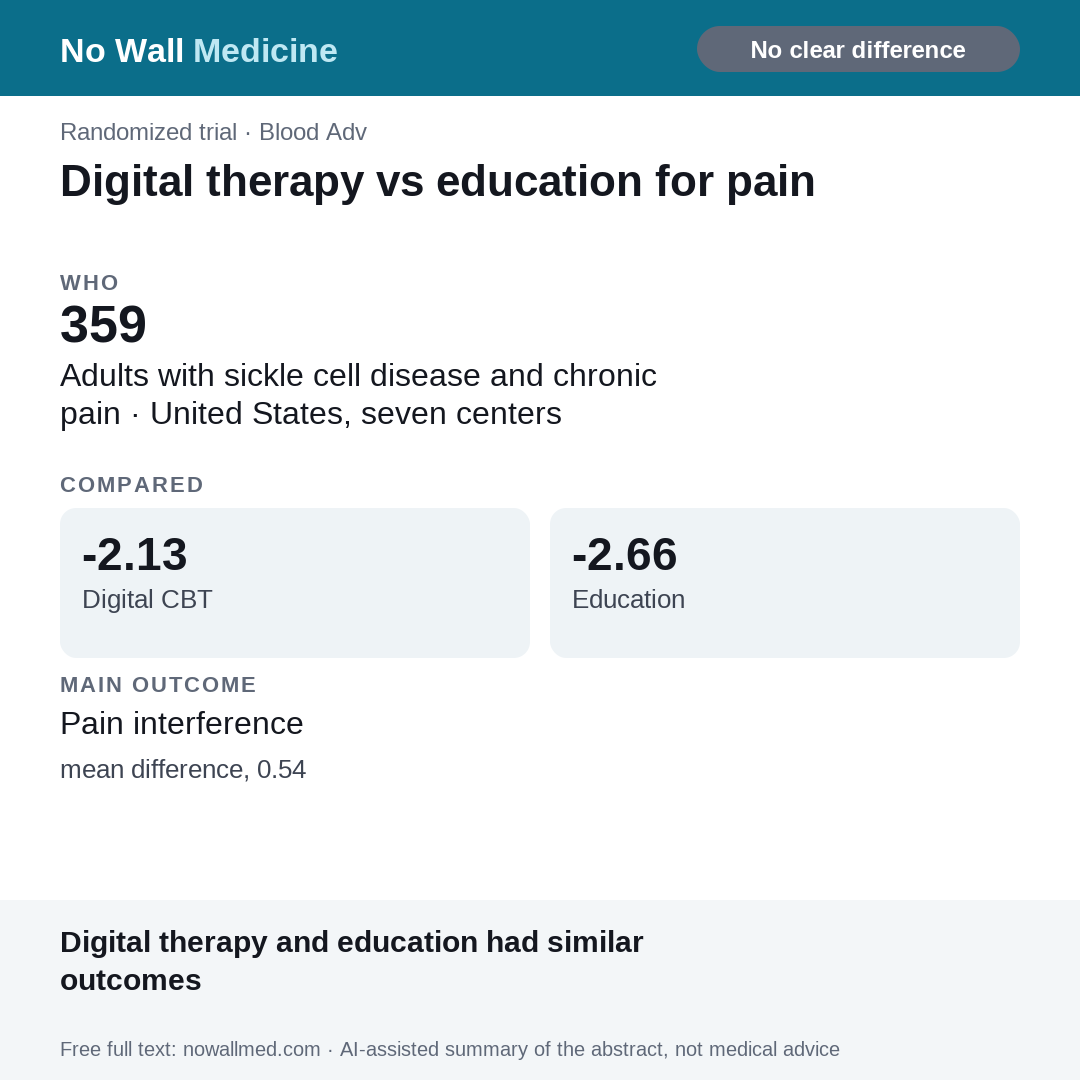
Digital cognitive behavioral therapy vs education for pain in adults with sickle cell disease
Randomized trialNo clear difference
Digital therapy vs education for pain
Who
359
Adults with sickle cell disease and chronic pain · United States, seven centers
Compared
-2.13Digital CBT
-2.66Education
Main outcome
Pain interference
Result: mean difference, 0.54
Bottom line: Digital therapy and education had similar outcomes
Limitation: variable engagement with digital components
Blood Adv · 2024-10-08Download image
Association of Lymphovascular Invasion with Biochemical Recurrence and Adverse Pathological Characteristics of Prostate Cancer: A Systematic Review and Meta-analysis
Systematic review and meta-analysisHarm found
Is lymphovascular invasion associated with biochemical recurrence and adverse pathological characteristics in prostate cancer?
Who
Patients with prostate cancer undergoing radical prostatectomy
Compared
Lymphovascular invasion present
Lymphovascular invasion absent
Main outcome
Biochemical recurrence and adverse clinicopathological findings
Result: hazard ratio 1.96 (95% CI 1.73-2.21)
Bottom line: Lymphovascular invasion is associated with higher risk of biochemical recurrence and multiple adverse pathological characteristics in prostate cancer.
Limitation: High heterogeneity of the data and reliance on nonrandomised studies.
Eur Urol Open Sci · 2024-10-08Download image

Effectiveness of a Digital Health Intervention Leveraging Reinforcement Learning: Results From the Diabetes and Mental Health Adaptive Notification Tracking and Evaluation (DIAMANTE) Randomized Clinical Trial
Randomized controlled trialBenefit found
Can a reinforcement learning digital intervention increase step counts in people with diabetes and depression?
Who
168
People with diabetes and elevated depression symptoms · 4 San Francisco, California-based public primary care clinics and web-based platforms
Compared
Control group: 3.9% step count increase
Random messaging group: 1.6% step count increase
19%Adaptive messaging group (606/3197)
Main outcome
changes in daily step counts
Result: average of 3.6 steps each day (95% CI 2.45-4.78)
Bottom line: A reinforcement learning algorithm for personalized text messaging increased daily step counts in people with diabetes and depression.
J Med Internet Res · 2024-10-08Download image