Visual abstracts
New randomized trials and meta-analyses from leading journals at a glance: who was studied, what was compared, and what was found. Every paper is free to read in full.
All specialtiesCardiology 4263Oncology 3623Gastroenterology & Hepatology 1702Infectious Disease 3240Neurology 1694Psychiatry & Mental Health 2000Pulmonology 1851Critical Care 1207Endocrinology & Diabetes 2212Pediatrics 2578Surgery 2253Orthopedics & Sports Medicine 804Neurosurgery 479Cardiothoracic & Vascular Surgery 552Plastic & Reconstructive Surgery 556Nephrology 957Rheumatology 706Hematology 958Dermatology 539Ophthalmology 468Obstetrics & Gynecology 1467Public & Global Health 861Radiology & Imaging 571Anesthesiology 866Urology 677ENT (Otolaryngology) 454Emergency Medicine 452Allergy & Immunology 266Geriatrics 877Family Medicine & Primary Care 503Medical Genetics & Genomics 593Pathology & Laboratory Medicine 143Physical Medicine & Rehabilitation 653Palliative Care 383Nutrition 1323Digital Health & AI 1975General Medicine 294
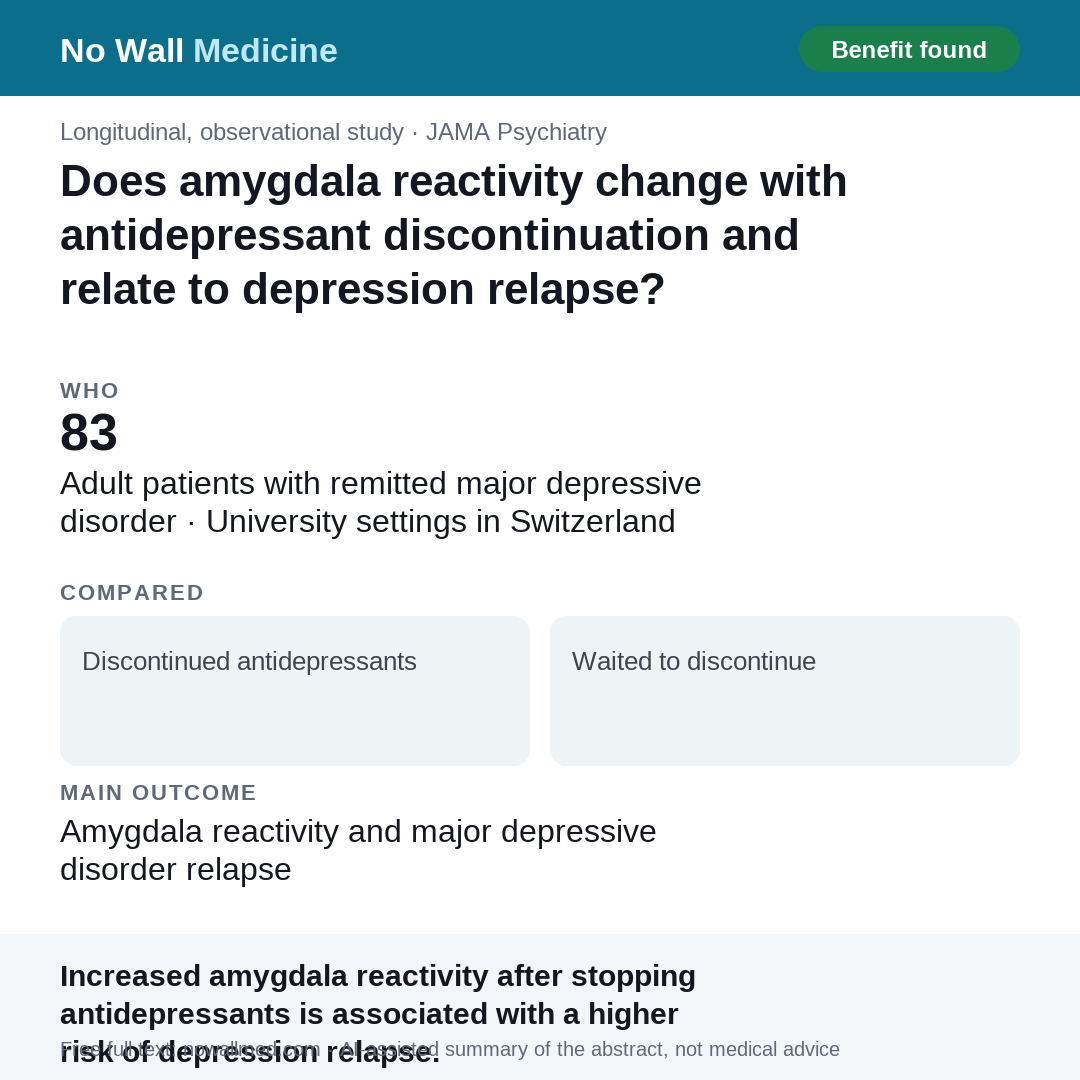
Amygdala Reactivity, Antidepressant Discontinuation, and Relapse
Longitudinal, observational studyBenefit found
Does amygdala reactivity change with antidepressant discontinuation and relate to depression relapse?
Who
83
Adult patients with remitted major depressive disorder · University settings in Switzerland and Germany
Compared
Discontinued antidepressants
Waited to discontinue
Main outcome
Amygdala reactivity and major depressive disorder relapse
Result: hazard ratio 1.05 (95% CI 1.01-1.09)
Bottom line: Increased amygdala reactivity after stopping antidepressants is associated with a higher risk of depression relapse.
JAMA Psychiatry · 2024-09-11Download image
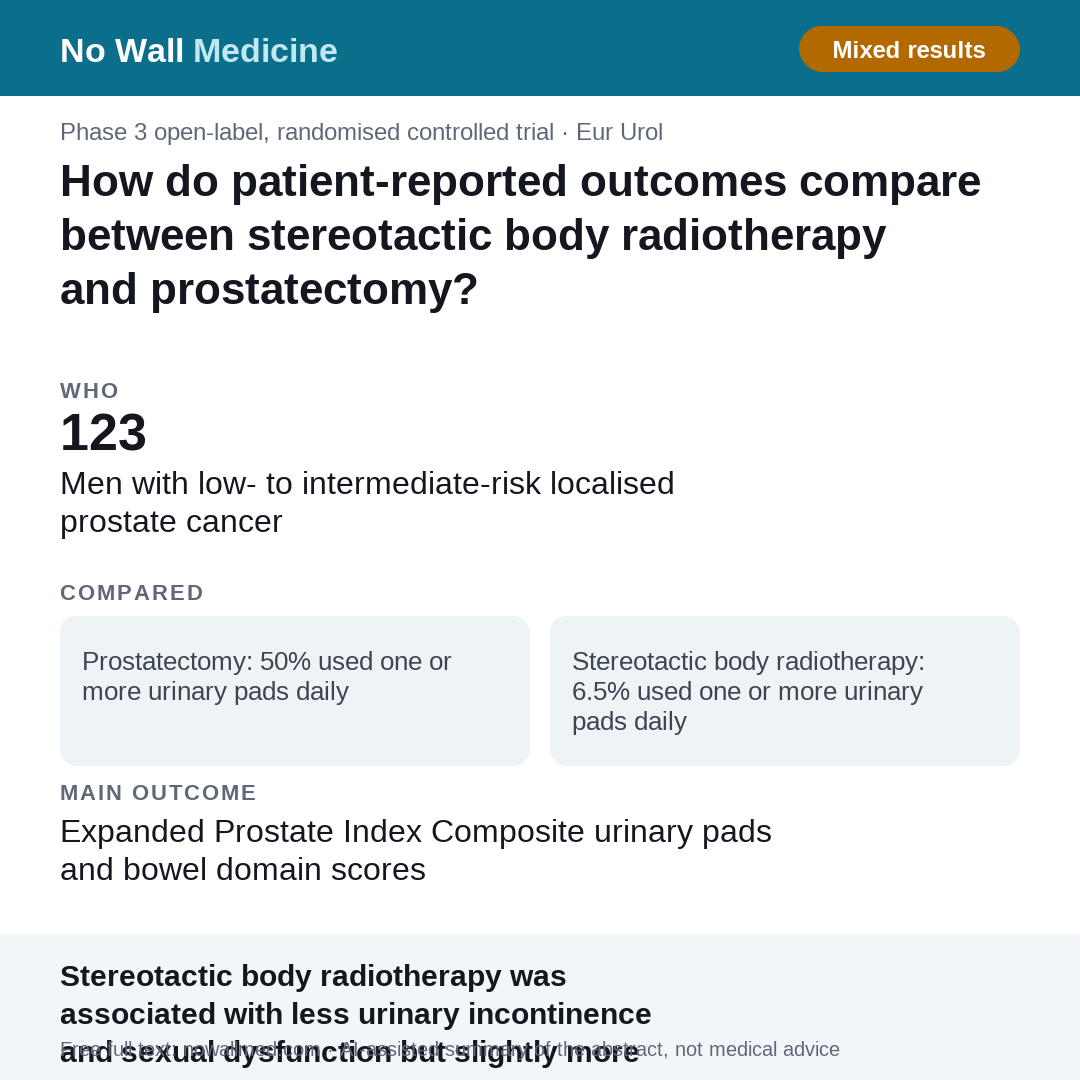
Radical Prostatectomy Versus Stereotactic Radiotherapy for Clinically Localised Prostate Cancer: Results of the PACE-A Randomised Trial
Phase 3 open-label, randomised controlled trialMixed results
How do patient-reported outcomes compare between stereotactic body radiotherapy and prostatectomy?
Who
123
Men with low- to intermediate-risk localised prostate cancer
Compared
Prostatectomy: 50% used one or more urinary pads daily
Stereotactic body radiotherapy: 6.5% used one or more urinary pads daily
Main outcome
Expanded Prostate Index Composite urinary pads and bowel domain scores
Result: estimated difference 43% (95% confidence interval [CI]: 25%, 62%)
Bottom line: Stereotactic body radiotherapy was associated with less urinary incontinence and sexual dysfunction but slightly more bowel bother than prostatectomy.
Limitation: Slow recruitment and incomplete 2-year patient-reported outcome response rates.
Eur Urol · 2024-09-11Download image
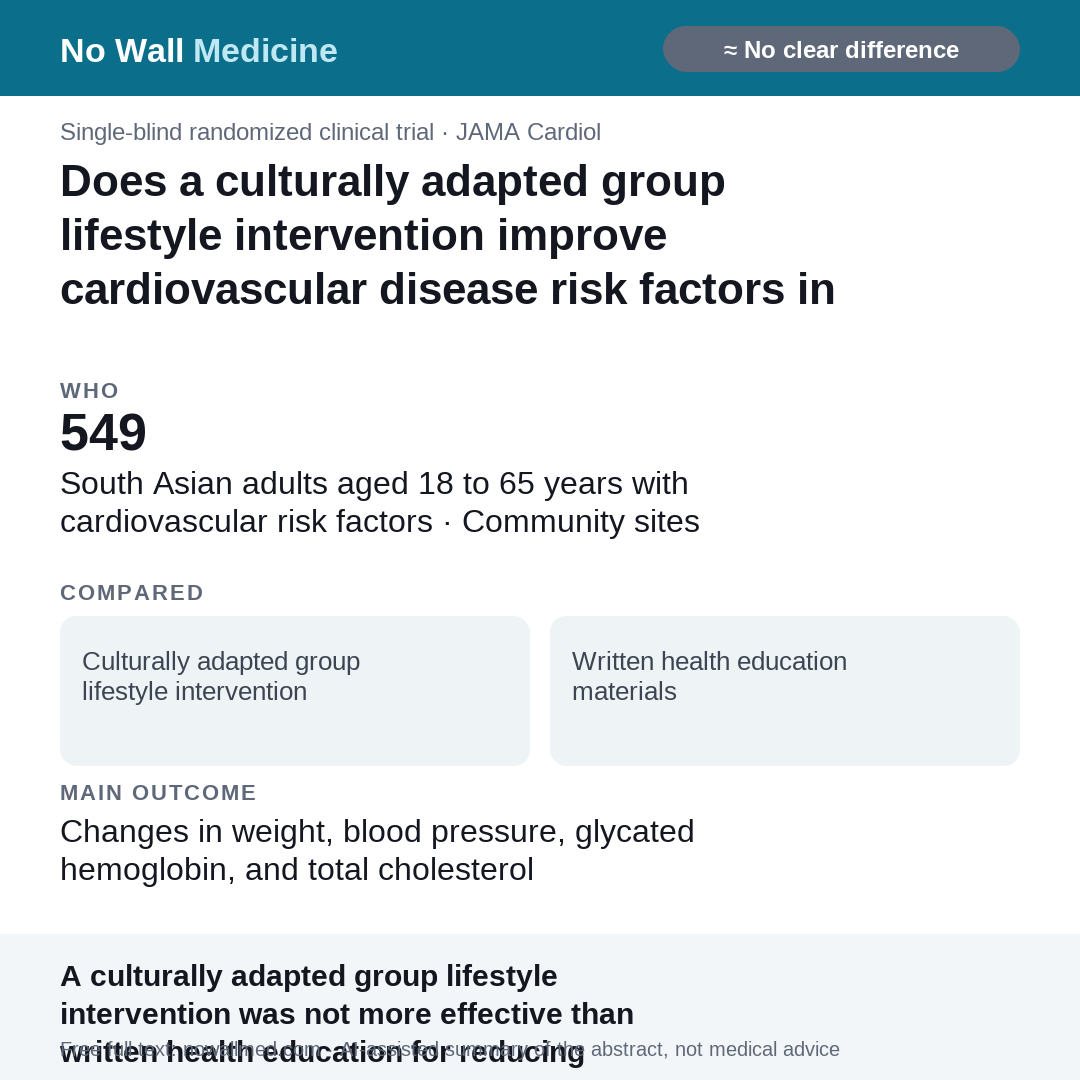
Culturally Adapted Lifestyle Intervention for South Asian Adults With Cardiovascular Risk Factors: The SAHELI Randomized Clinical Trial
Single-blind randomized clinical trialNo clear difference
Does a culturally adapted group lifestyle intervention improve cardiovascular disease risk factors in South Asian adults?
Who
549
South Asian adults aged 18 to 65 years with cardiovascular risk factors · Community sites in Chicago, Illinois metropolitan area
Compared
Culturally adapted group lifestyle intervention
Written health education materials
Main outcome
Changes in weight, blood pressure, glycated hemoglobin, and total cholesterol
Result: weight mean difference -0.07 kg (95% CI -0.55 to 0.42)
Bottom line: A culturally adapted group lifestyle intervention was not more effective than written health education for reducing cardiovascular disease risk factors.
JAMA Cardiol · 2024-09-11Download image
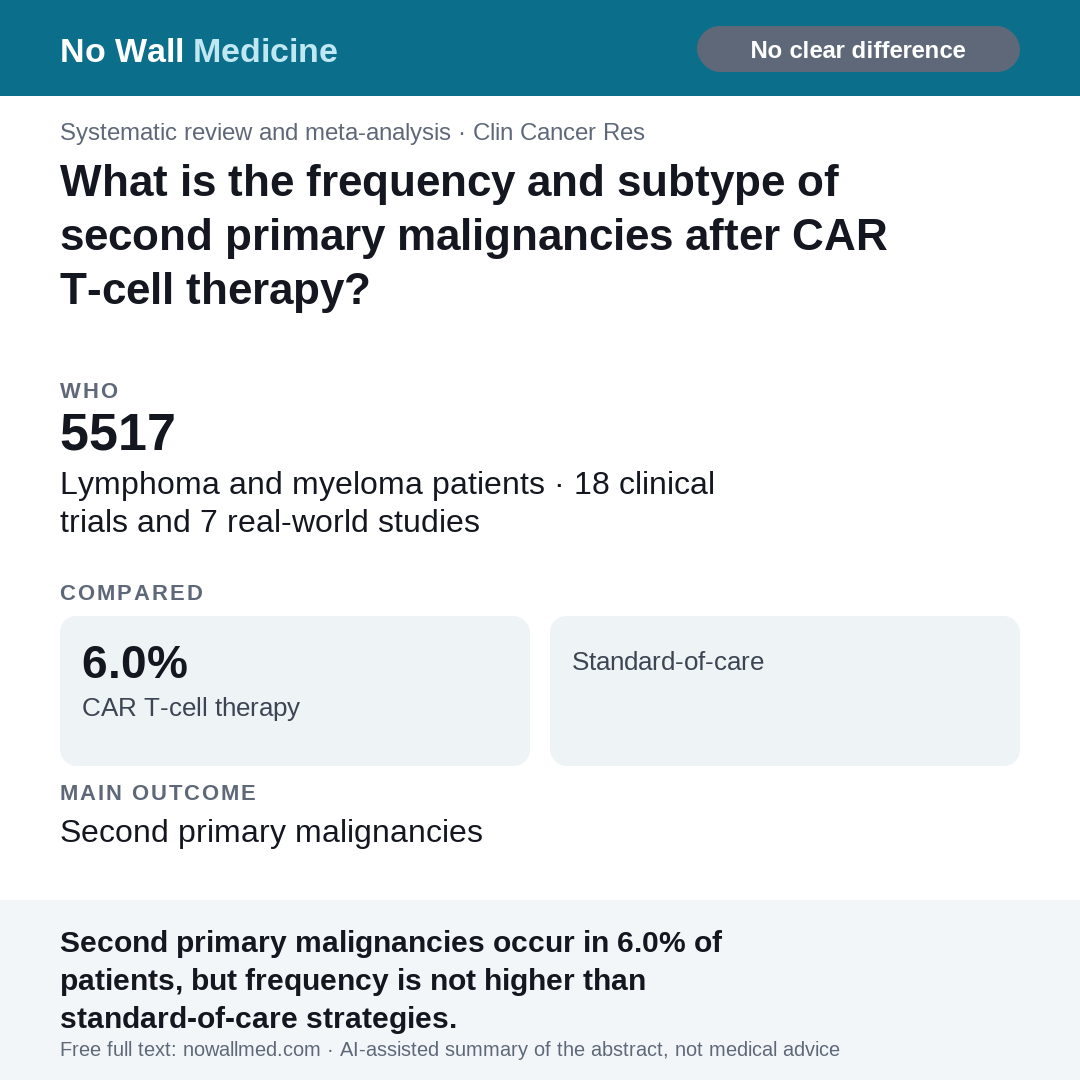
Second Primary Malignancies after CAR T-Cell Therapy: A Systematic Review and Meta-analysis of 5,517 Lymphoma and Myeloma Patients
Systematic review and meta-analysisNo clear difference
What is the frequency and subtype of second primary malignancies after CAR T-cell therapy?
Who
5517
Lymphoma and myeloma patients · 18 clinical trials and 7 real-world studies
Compared
6.0%CAR T-cell therapy (95% confidence interval, 4.8%-7.4%)
Standard-of-care
Main outcome
Second primary malignancies
Result: no difference (P = 0.92)
Bottom line: Second primary malignancies occur in 6.0% of patients, but frequency is not higher than standard-of-care strategies.
Clin Cancer Res · 2024-09-11Download image
Large-scale brain connectivity changes following the administration of lysergic acid diethylamide, d-amphetamine, and 3,4-methylenedioxyamphetamine
Double-blind, placebo-controlled, crossover trialMixed results
How do LSD, d-amphetamine, and MDMA affect large-scale brain connectivity?
Who
28
Healthy volunteers
Compared
Placebo
Lysergic acid diethylamide: reduced integrity in default-mode network
d-amphetamine and 3,4-methylenedioxyamphetamine: reduced integrity in more networks than LSD
Main outcome
Resting-state connectivity measures
Bottom line: LSD, d-amphetamine, and MDMA all reduce brain network integrity and global connectivity in visual areas.
Mol Psychiatry · 2024-09-11Download image

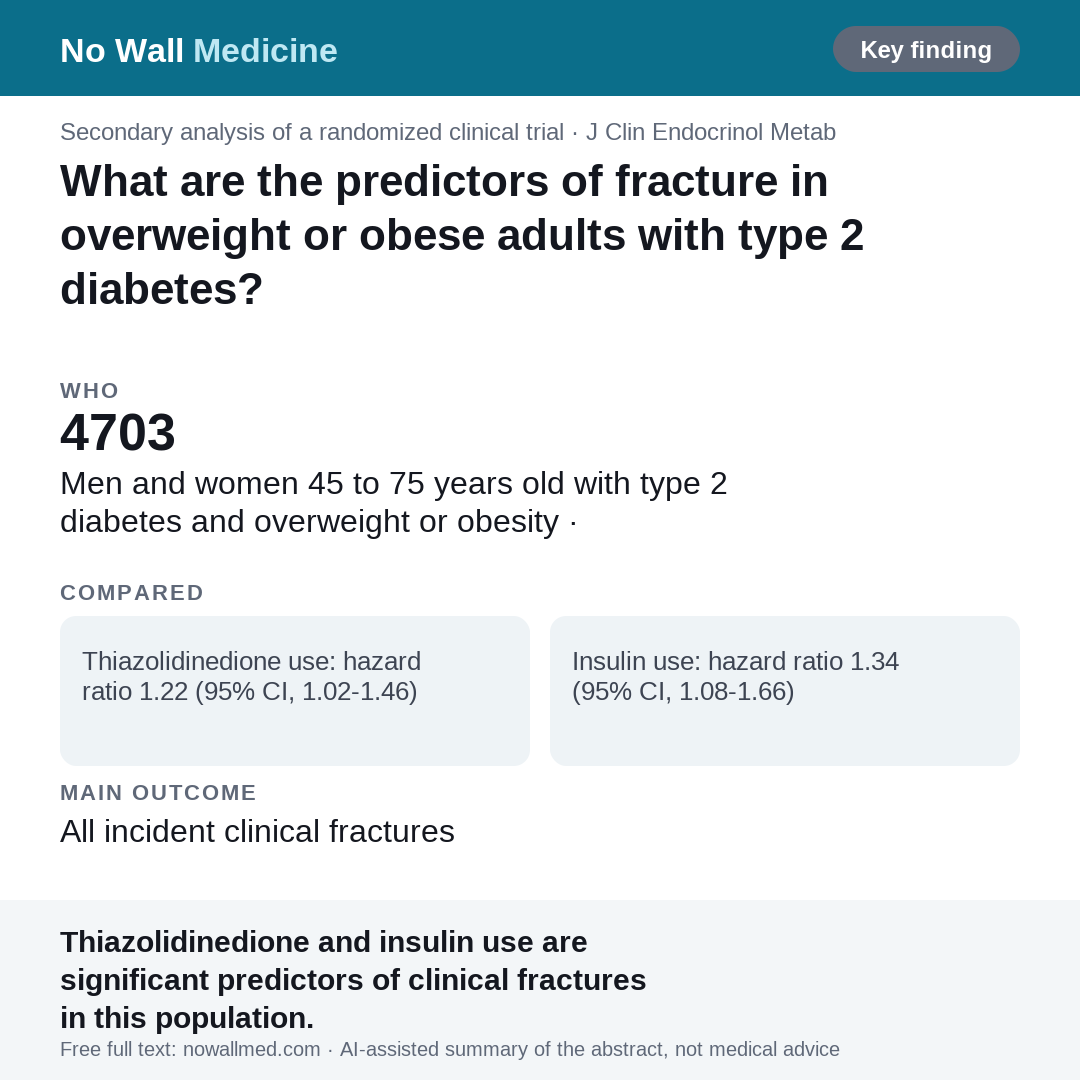
Predictors of Fracture in Middle-Aged and Older Adults With Type 2 Diabetes and Overweight or Obesity
Secondary analysis of a randomized clinical trialBenefit found
What are the predictors of fracture in overweight or obese adults with type 2 diabetes?
Who
4703
Men and women 45 to 75 years old with type 2 diabetes and overweight or obesity · Multicenter United States
Compared
Thiazolidinedione use: hazard ratio 1.22 (95% CI, 1.02-1.46)
Insulin use: hazard ratio 1.34 (95% CI, 1.08-1.66)
Main outcome
All incident clinical fractures
Result: hazard ratio 1.22 (95% CI, 1.02-1.46) for thiazolidinedione
Bottom line: Thiazolidinedione and insulin use are significant predictors of clinical fractures in this population.
J Clin Endocrinol Metab · 2024-09-11Download image
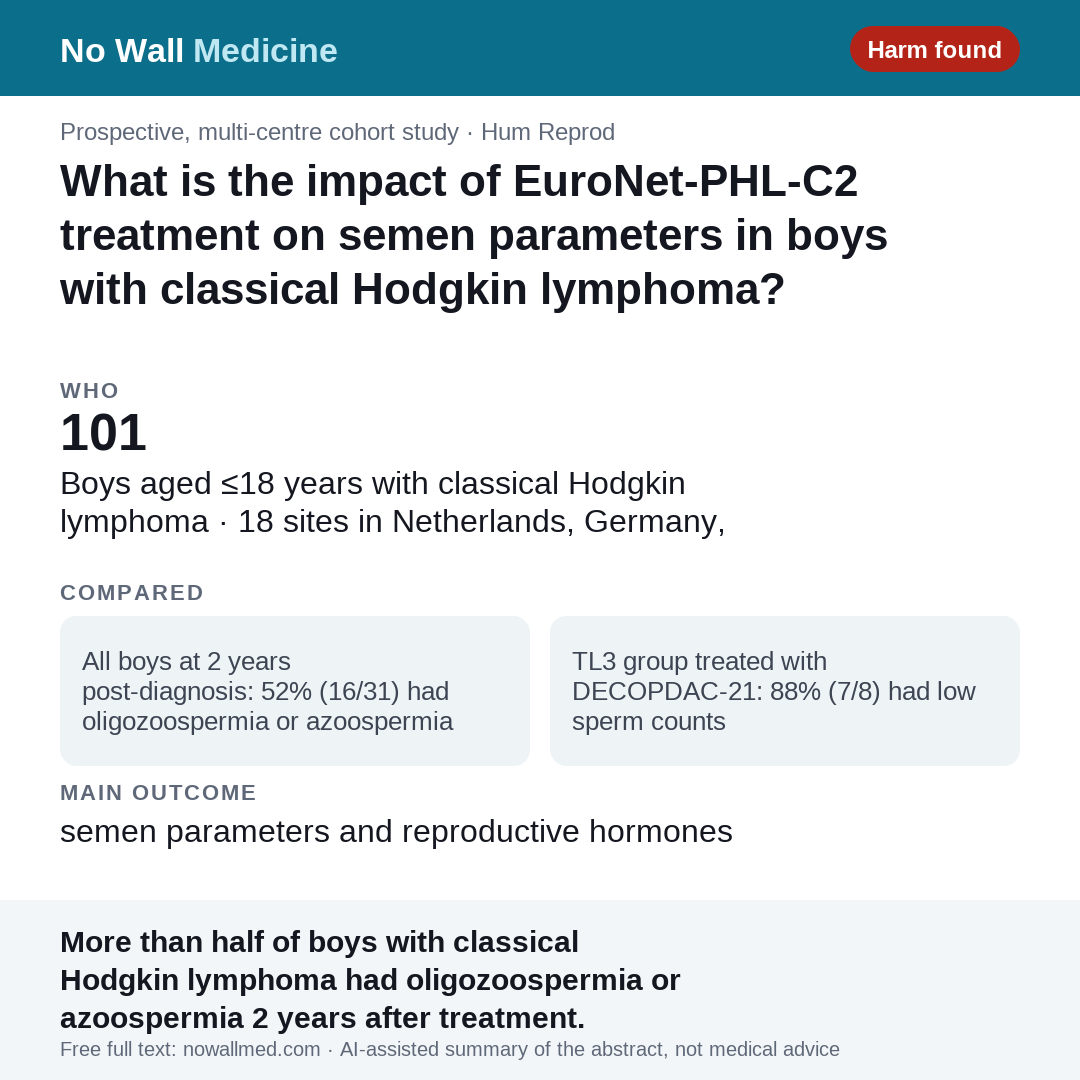
Semen analysis and reproductive hormones in boys with classical Hodgkin lymphoma treated according to the EuroNet-PHL-C2 protocol
Prospective, multi-centre cohort studyHarm found
What is the impact of EuroNet-PHL-C2 treatment on semen parameters in boys with classical Hodgkin lymphoma?
Who
101
Boys aged ≤18 years with classical Hodgkin lymphoma · 18 sites in Netherlands, Germany, Belgium, Czech Republic, and Austria
Compared
All boys at 2 years post-diagnosis: 52% (16/31) had oligozoospermia or azoospermia
TL3 group treated with DECOPDAC-21: 88% (7/8) had low sperm counts
Main outcome
semen parameters and reproductive hormones
Bottom line: More than half of boys with classical Hodgkin lymphoma had oligozoospermia or azoospermia 2 years after treatment.
Hum Reprod · 2024-09-11Download image
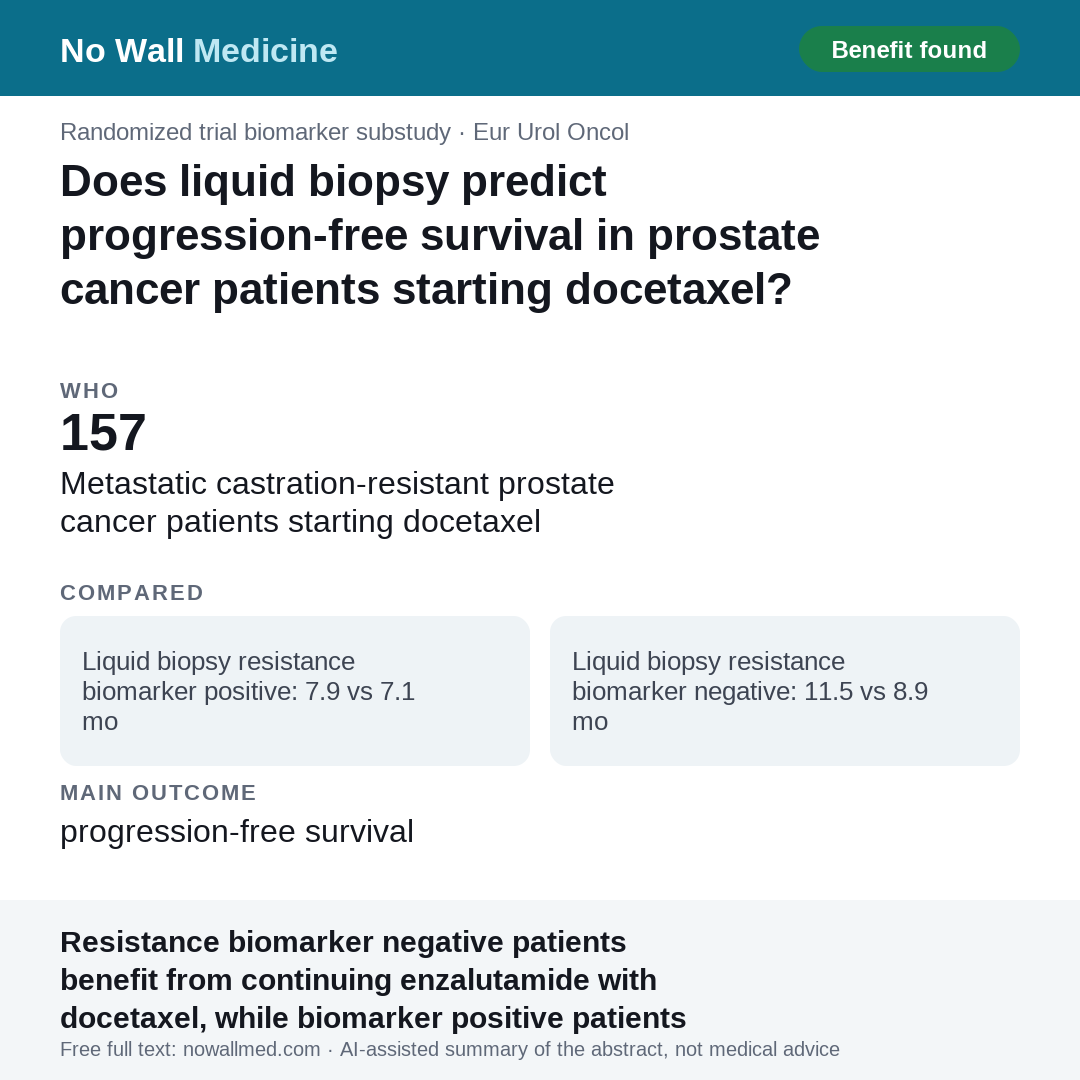
Liquid Biopsy in Progressing Prostate Cancer Patients Starting Docetaxel with or Without Enzalutamide: A Biomarker Study of the PRESIDE Phase 3b Trial
Randomized trial biomarker substudyBenefit found
Does liquid biopsy predict progression-free survival in prostate cancer patients starting docetaxel?
Who
157
Metastatic castration-resistant prostate cancer patients starting docetaxel
Compared
Liquid biopsy resistance biomarker positive: 7.9 vs 7.1 mo
Liquid biopsy resistance biomarker negative: 11.5 vs 8.9 mo
Main outcome
progression-free survival
Result: hazard ratio 0.49 (95% CI 0.29 to 0.82)
Bottom line: Resistance biomarker negative patients benefit from continuing enzalutamide with docetaxel, while biomarker positive patients do not.
Limitation: Relatively low detection of circulating tumor cells expressing androgen receptor splice variant 7.
Eur Urol Oncol · 2024-09-11Download image
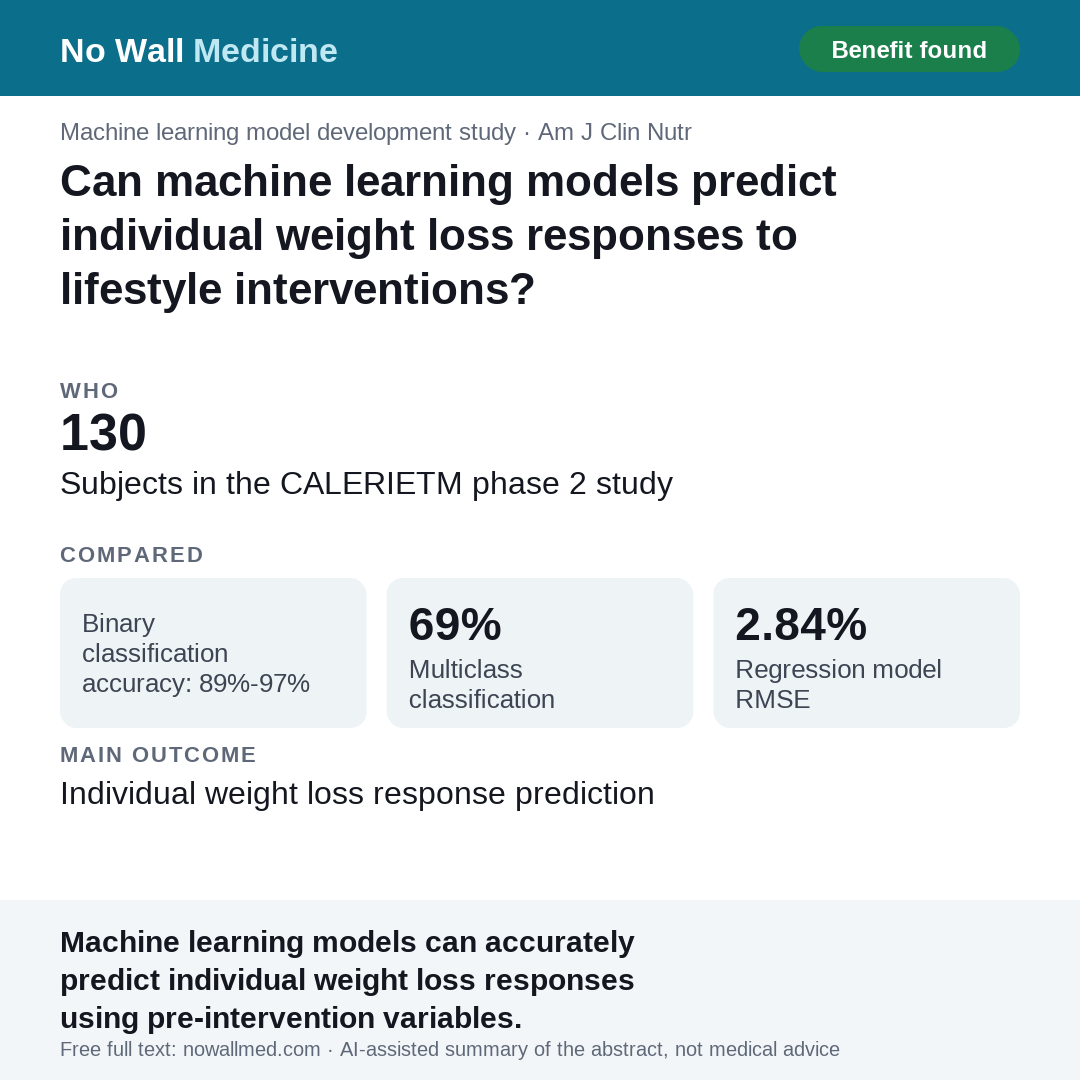
Prediction of individual weight loss using supervised learning: findings from the CALERIETM 2 study
Machine learning model development studyBenefit found
Can machine learning models predict individual weight loss responses to lifestyle interventions?
Who
130
Subjects in the CALERIETM phase 2 study
Compared
Binary classification accuracy: 89%-97%
69%Multiclass classification accuracy
2.84%Regression model RMSE
Main outcome
Individual weight loss response prediction
Bottom line: Machine learning models can accurately predict individual weight loss responses using pre-intervention variables.
Am J Clin Nutr · 2024-09-11Download image
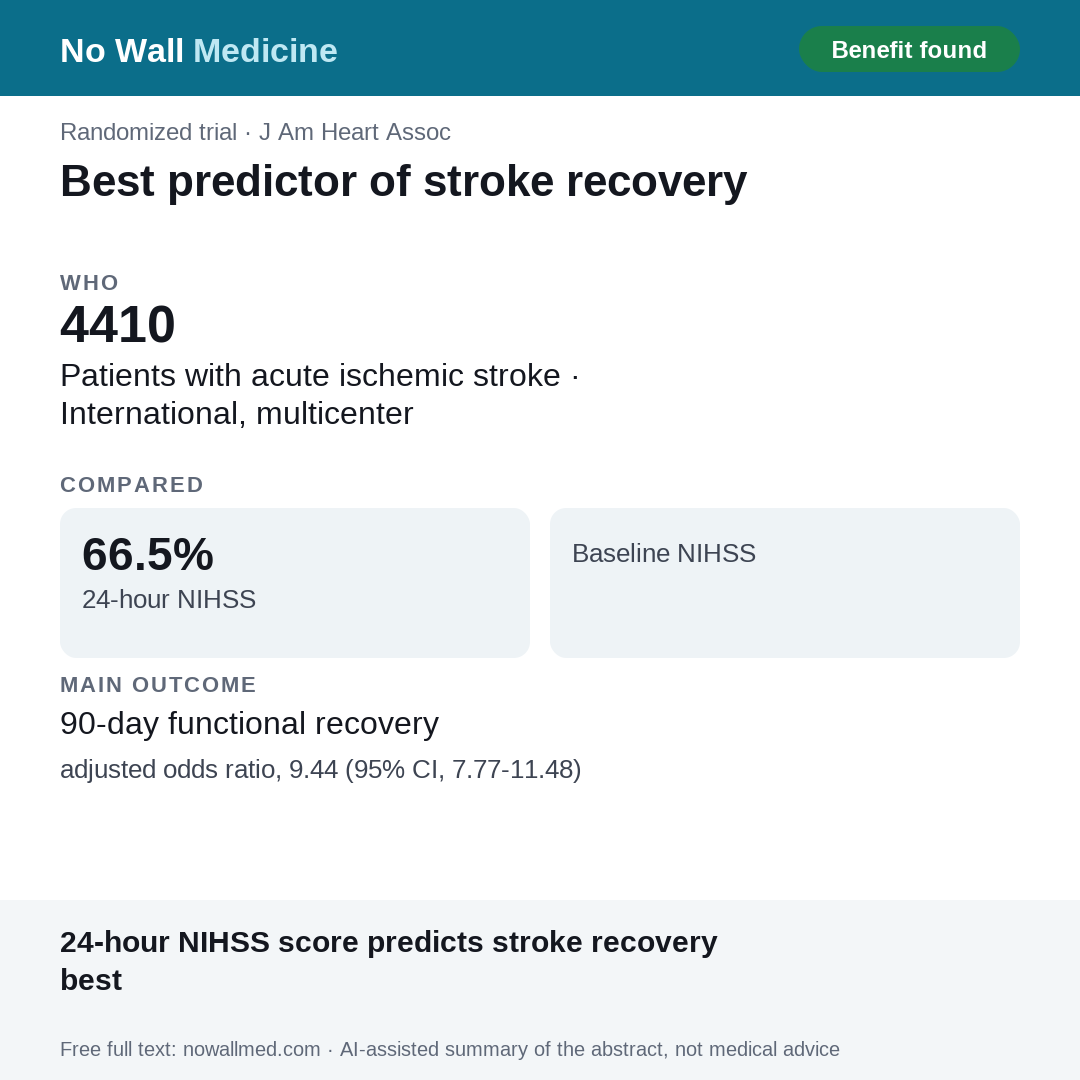
Twenty-Four-Hour Post-Thrombolysis NIHSS Score As the Strongest Prognostic Predictor After Acute Ischemic Stroke: ENCHANTED Study
Randomized trialBenefit found
Best predictor of stroke recovery
Who
4410
Patients with acute ischemic stroke · International, multicenter
Compared
66.5%24-hour NIHSS (sensitivity)
Baseline NIHSS
Main outcome
90-day functional recovery
Result: adjusted odds ratio, 9.44 (95% CI, 7.77-11.48)
Bottom line: 24-hour NIHSS score predicts stroke recovery best
J Am Heart Assoc · 2024-09-11Download image
Effects of Virtual Reality Motor-Cognitive Training for Older People With Cognitive Frailty: Multicentered Randomized Controlled Trial
Randomized controlled trialBenefit found
Does VR training help older people with cognitive frailty?
Who
293
Older people with cognitive frailty · 8 community centers
Compared
VR training
Usual care
Main outcome
Global cognitive function
Bottom line: VR training helps cognitive function
J Med Internet Res · 2024-09-11Download image

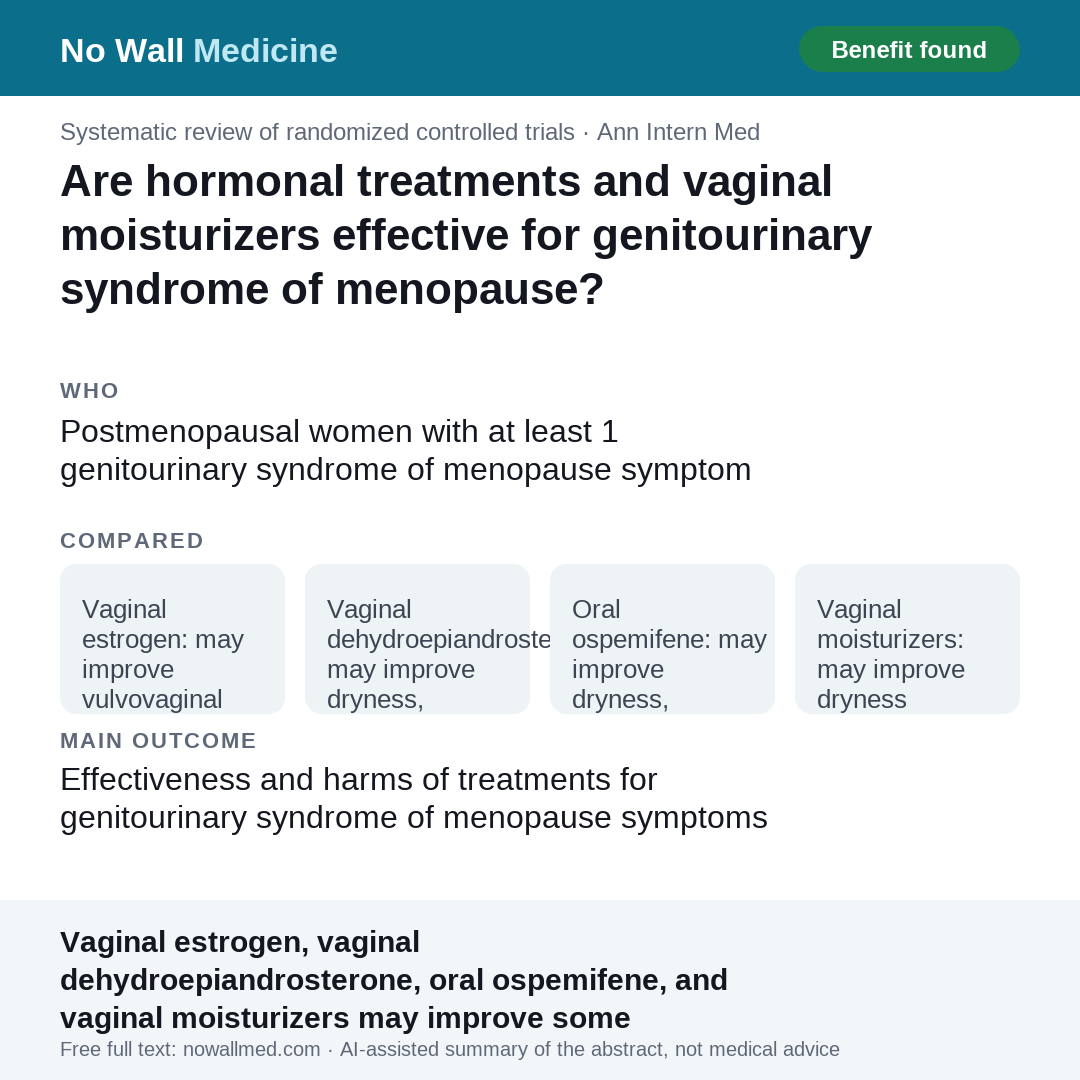
Hormonal Treatments and Vaginal Moisturizers for Genitourinary Syndrome of Menopause : A Systematic Review
Systematic review of randomized controlled trialsBenefit found
Are hormonal treatments and vaginal moisturizers effective for genitourinary syndrome of menopause?
Who
Postmenopausal women with at least 1 genitourinary syndrome of menopause symptom
Compared
Vaginal estrogen: may improve vulvovaginal dryness, dyspareunia, most bothersome symptom, and treatment satisfaction
Vaginal dehydroepiandrosterone: may improve dryness, dyspareunia, and distress, bother, or interference
Oral ospemifene: may improve dryness, dyspareunia, and treatment satisfaction
Vaginal moisturizers: may improve dryness
Main outcome
Effectiveness and harms of treatments for genitourinary syndrome of menopause symptoms
Bottom line: Vaginal estrogen, vaginal dehydroepiandrosterone, oral ospemifene, and vaginal moisturizers may improve some symptoms in the short term.
Limitation: Short-duration studies, heterogeneous diagnostic criteria, and few women with a history of cancer.
Funded by: Agency for Healthcare Research and Quality and Patient-Centered Outcomes Research Institute
Ann Intern Med · 2024-09-10Download image
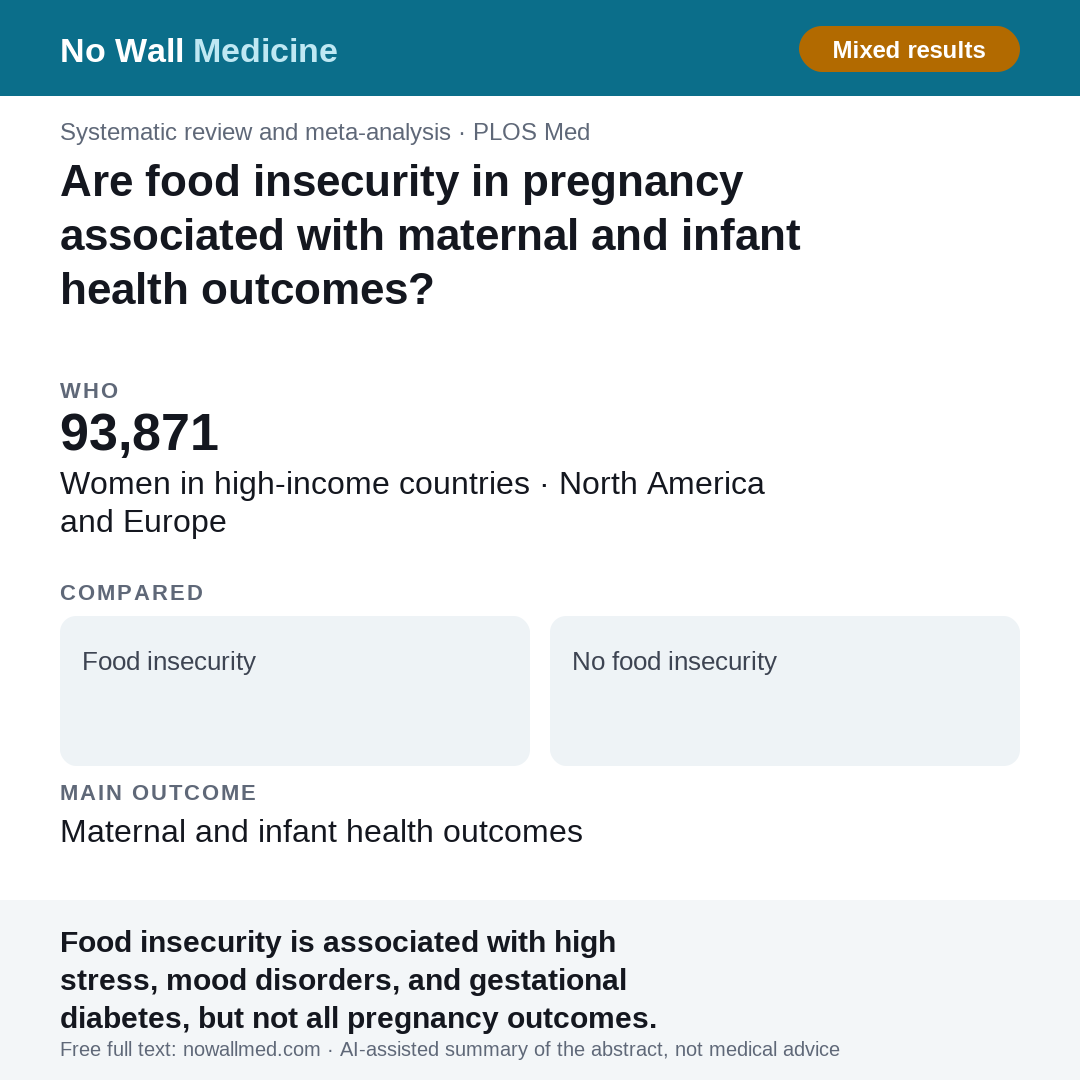
Associations between food insecurity in high-income countries and pregnancy outcomes: A systematic review and meta-analysis
Systematic review and meta-analysisMixed results
Are food insecurity in pregnancy associated with maternal and infant health outcomes?
Who
93,871
Women in high-income countries · North America and Europe
Compared
Food insecurity
No food insecurity
Main outcome
Maternal and infant health outcomes
Result: high stress level OR 4.07, 95% CI [1.22, 13.55]
Bottom line: Food insecurity is associated with high stress, mood disorders, and gestational diabetes, but not all pregnancy outcomes.
PLOS Med · 2024-09-10Download image
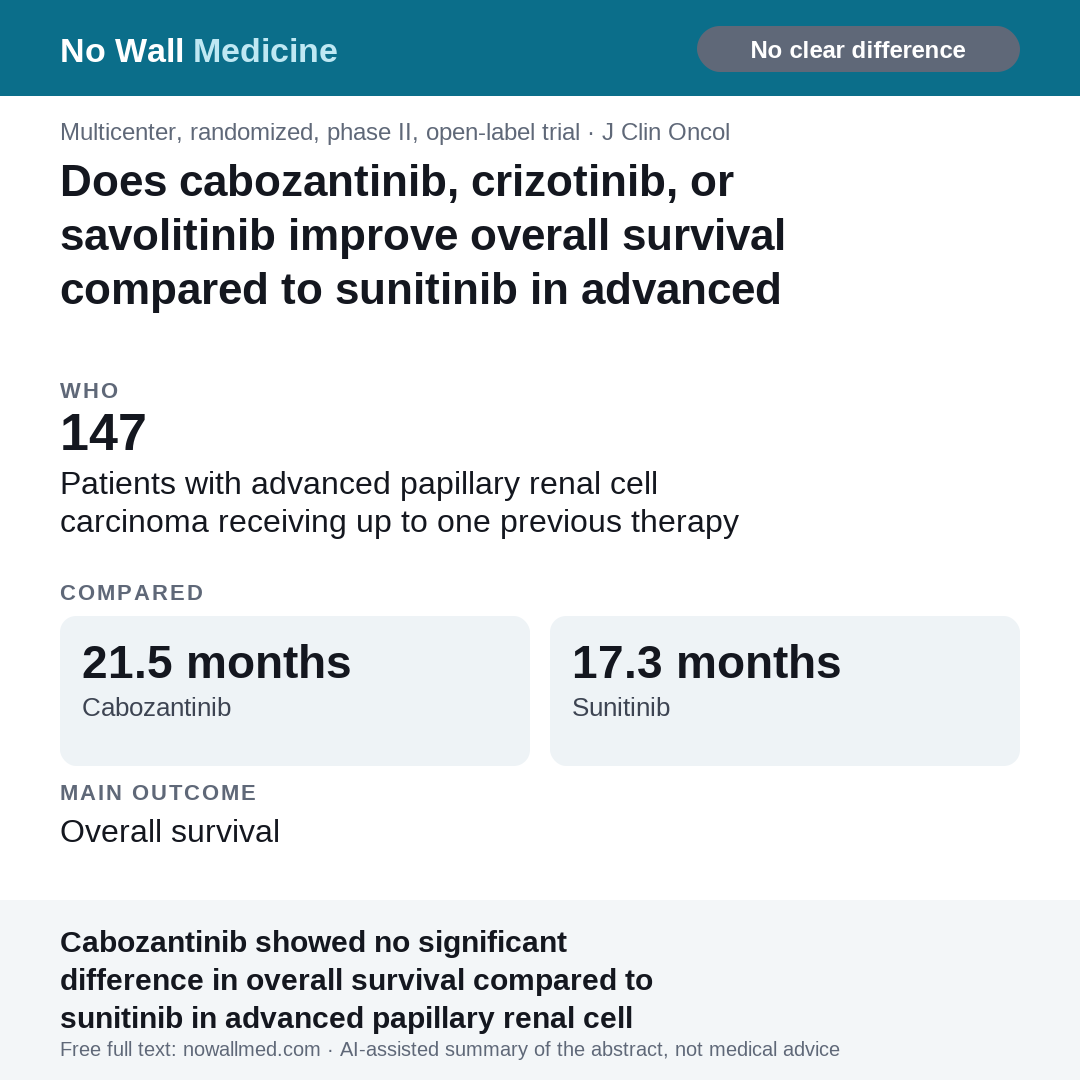
Final Overall Survival Analysis of S1500: A Randomized, Phase II Study Comparing Sunitinib With Cabozantinib, Crizotinib, and Savolitinib in Advanced Papillary Renal Cell Carcinoma
Multicenter, randomized, phase II, open-label trialNo clear difference
Does cabozantinib, crizotinib, or savolitinib improve overall survival compared to sunitinib in advanced papillary renal cell carcinoma?
Who
147
Patients with advanced papillary renal cell carcinoma receiving up to one previous therapy · Multicenter
Compared
21.5 monthsCabozantinib (95% CI, 12.0 to 28.1)
17.3 monthsSunitinib (95% CI, 12.8 to 21.8)
Main outcome
Overall survival
Result: hazard ratio 0.83 (95% CI 0.51 to 1.36)
Bottom line: Cabozantinib showed no significant difference in overall survival compared to sunitinib in advanced papillary renal cell carcinoma.
J Clin Oncol · 2024-09-10Download image
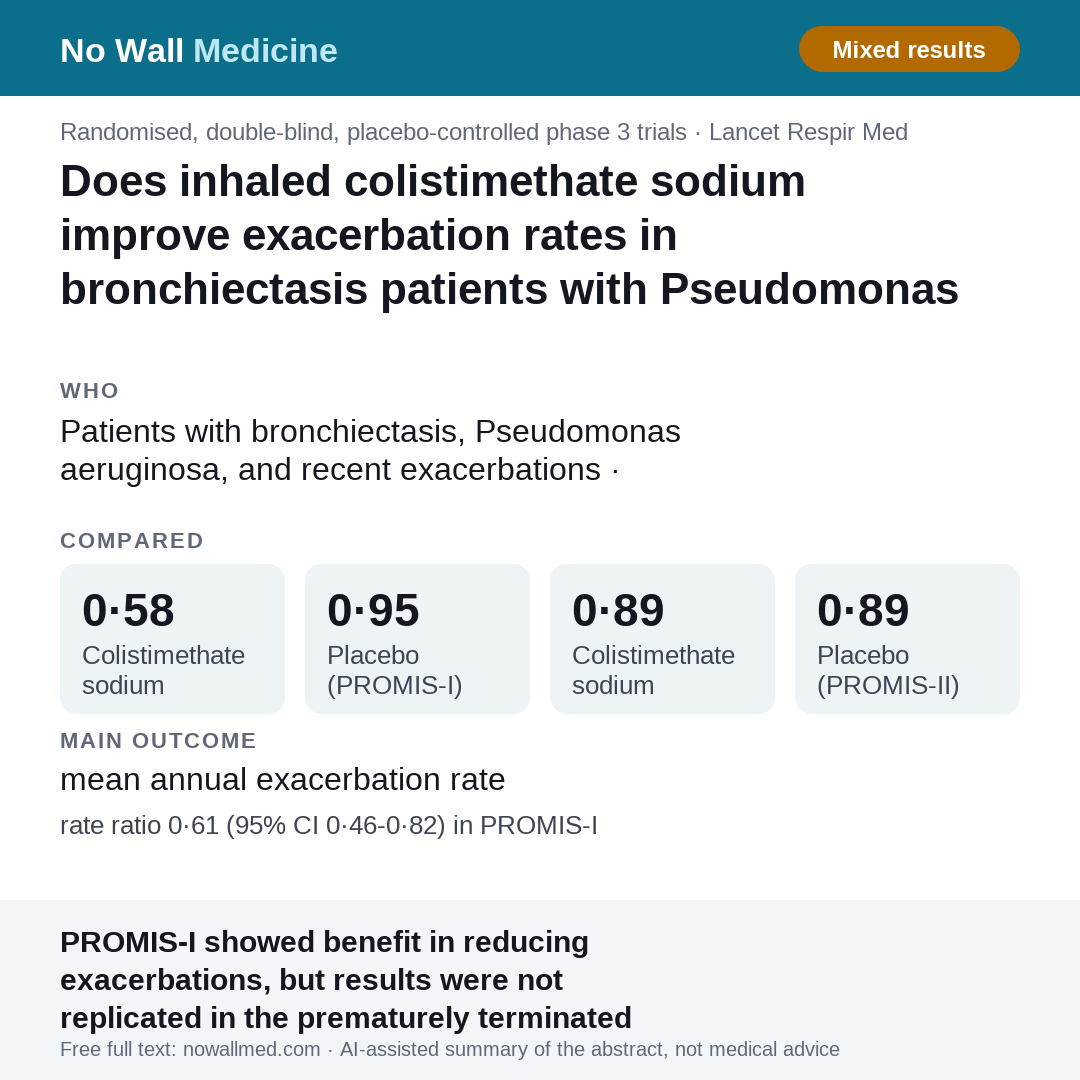
Inhaled colistimethate sodium in patients with bronchiectasis and Pseudomonas aeruginosa infection: results of PROMIS-I and PROMIS-II, two randomised, double-blind, placebo-controlled phase 3 trials assessing safety and efficacy over 12 months
Randomised, double-blind, placebo-controlled phase 3 trialsMixed results
Does inhaled colistimethate sodium improve exacerbation rates in bronchiectasis patients with Pseudomonas aeruginosa?
Who
Patients with bronchiectasis, Pseudomonas aeruginosa, and recent exacerbations · Multiple countries including Argentina, Australia, Canada, and USA
Compared
0·58Colistimethate sodium (PROMIS-I)
0·95Placebo (PROMIS-I)
0·89Colistimethate sodium (PROMIS-II)
0·89Placebo (PROMIS-II)
Main outcome
mean annual exacerbation rate
Result: rate ratio 0·61 (95% CI 0·46-0·82) in PROMIS-I
Bottom line: PROMIS-I showed benefit in reducing exacerbations, but results were not replicated in the prematurely terminated PROMIS-II trial.
Funded by: Zambon
Lancet Respir Med · 2024-09-10Download image
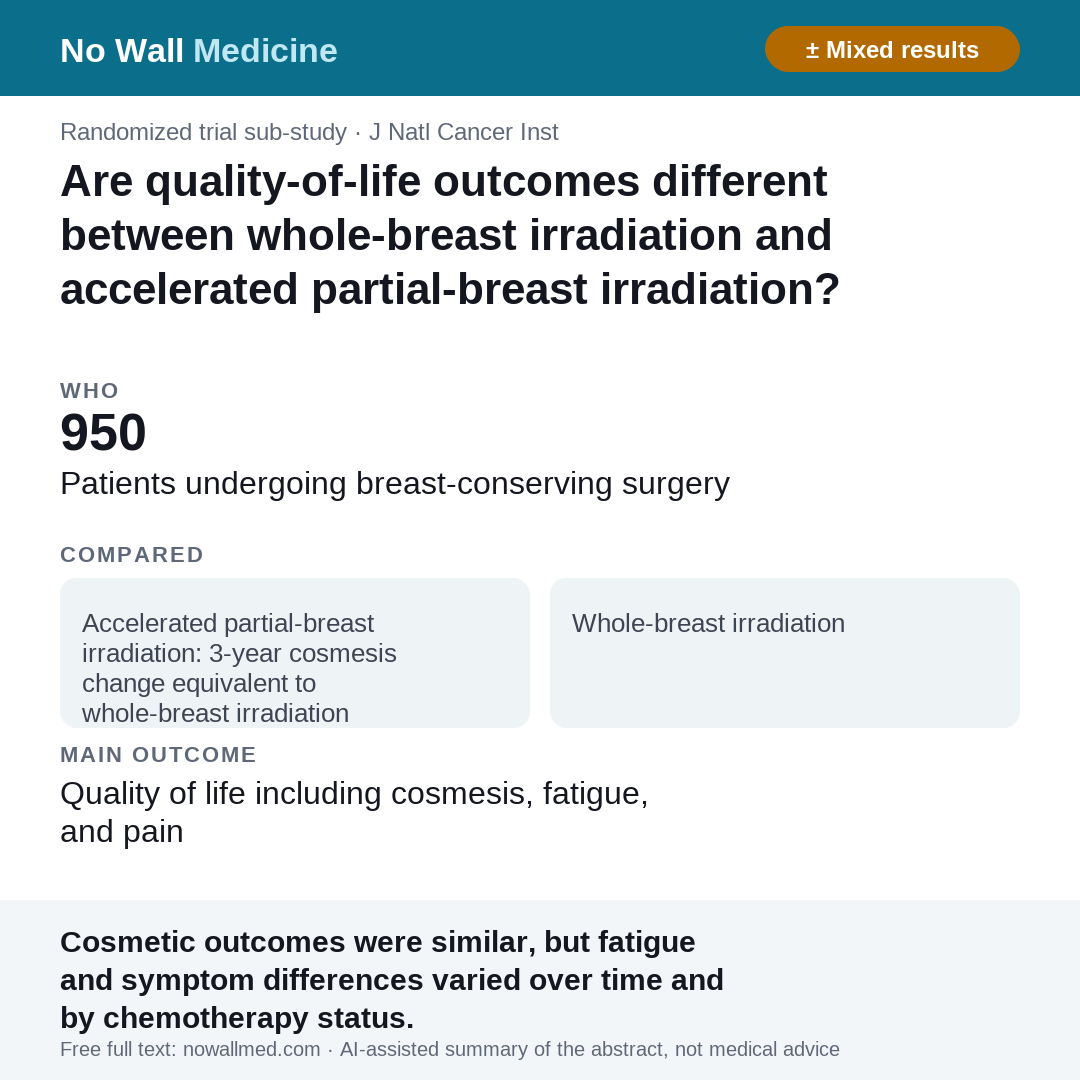
Quality-of-life outcomes from NRG Oncology NSABP B-39/RTOG 0413: whole-breast irradiation vs accelerated partial-breast irradiation after breast-conserving surgery
Randomized trial sub-studyMixed results
Are quality-of-life outcomes different between whole-breast irradiation and accelerated partial-breast irradiation?
Who
950
Patients undergoing breast-conserving surgery
Compared
Accelerated partial-breast irradiation: 3-year cosmesis change equivalent to whole-breast irradiation
Whole-breast irradiation
Main outcome
Quality of life including cosmesis, fatigue, and pain
Bottom line: Cosmetic outcomes were similar, but fatigue and symptom differences varied over time and by chemotherapy status.
J Natl Cancer Inst · 2024-09-10Download image
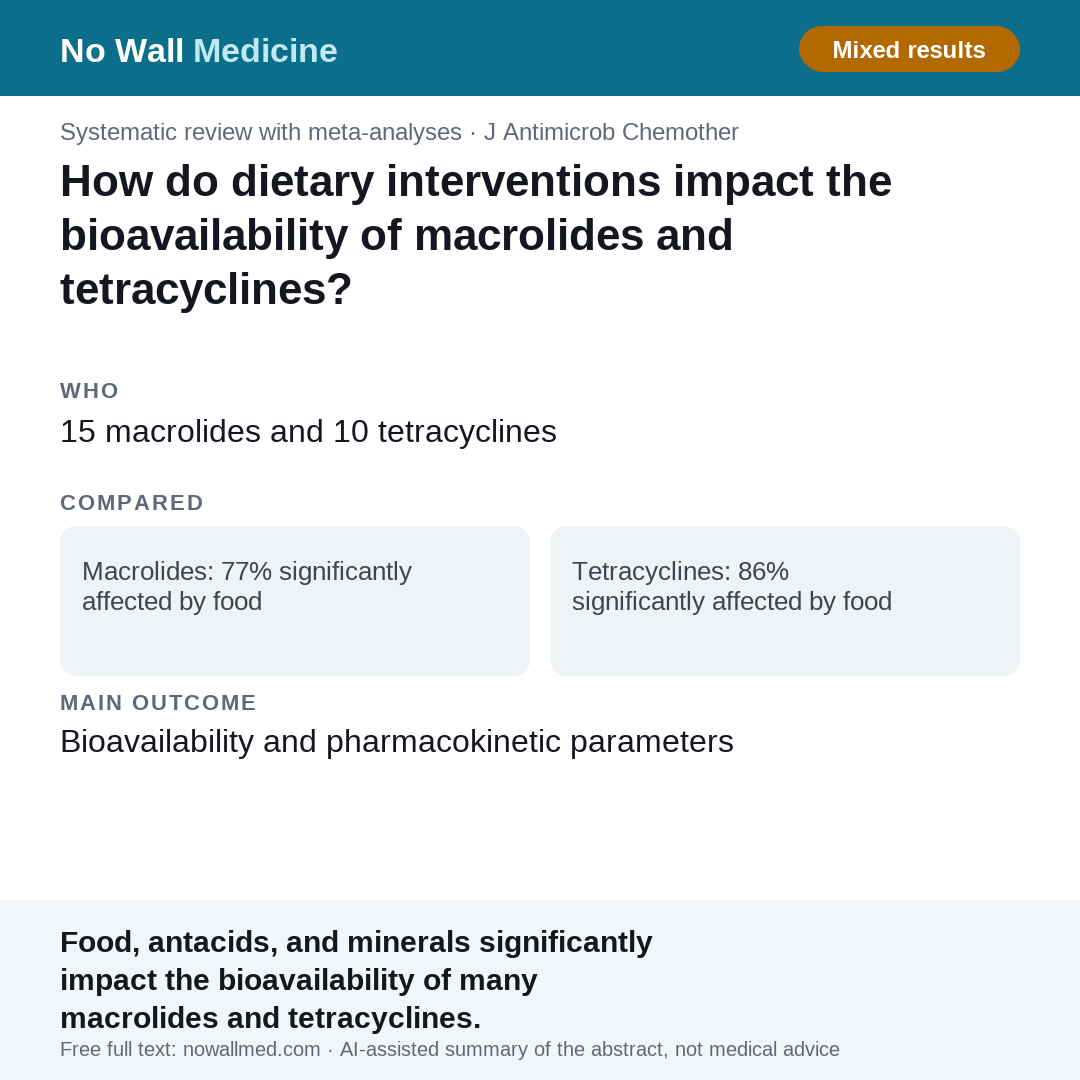
Clinically important interactions of macrolides and tetracyclines with dietary interventions-a systematic review with meta-analyses
Systematic review with meta-analysesMixed results
How do dietary interventions impact the bioavailability of macrolides and tetracyclines?
Who
15 macrolides and 10 tetracyclines
Compared
Macrolides: 77% significantly affected by food
Tetracyclines: 86% significantly affected by food
Main outcome
Bioavailability and pharmacokinetic parameters
Bottom line: Food, antacids, and minerals significantly impact the bioavailability of many macrolides and tetracyclines.
Limitation: Low quality of evidence due to outdated studies, methodological diversity, and unequal data availability.
J Antimicrob Chemother · 2024-09-10Download image
Systematic Review of Clinical Prediction Models for the Risk of Emergency Caesarean Births
Systematic ReviewUnclear result
Can models predict emergency caesarean births risk
Who
pregnant women
Compared
low bias models
high bias models
Main outcome
emergency caesarean births risk
Bottom line: No model accurately predicts emergency caesarean risk
Limitation: models not recalibrated since development
BJOG · 2024-09-10Download image

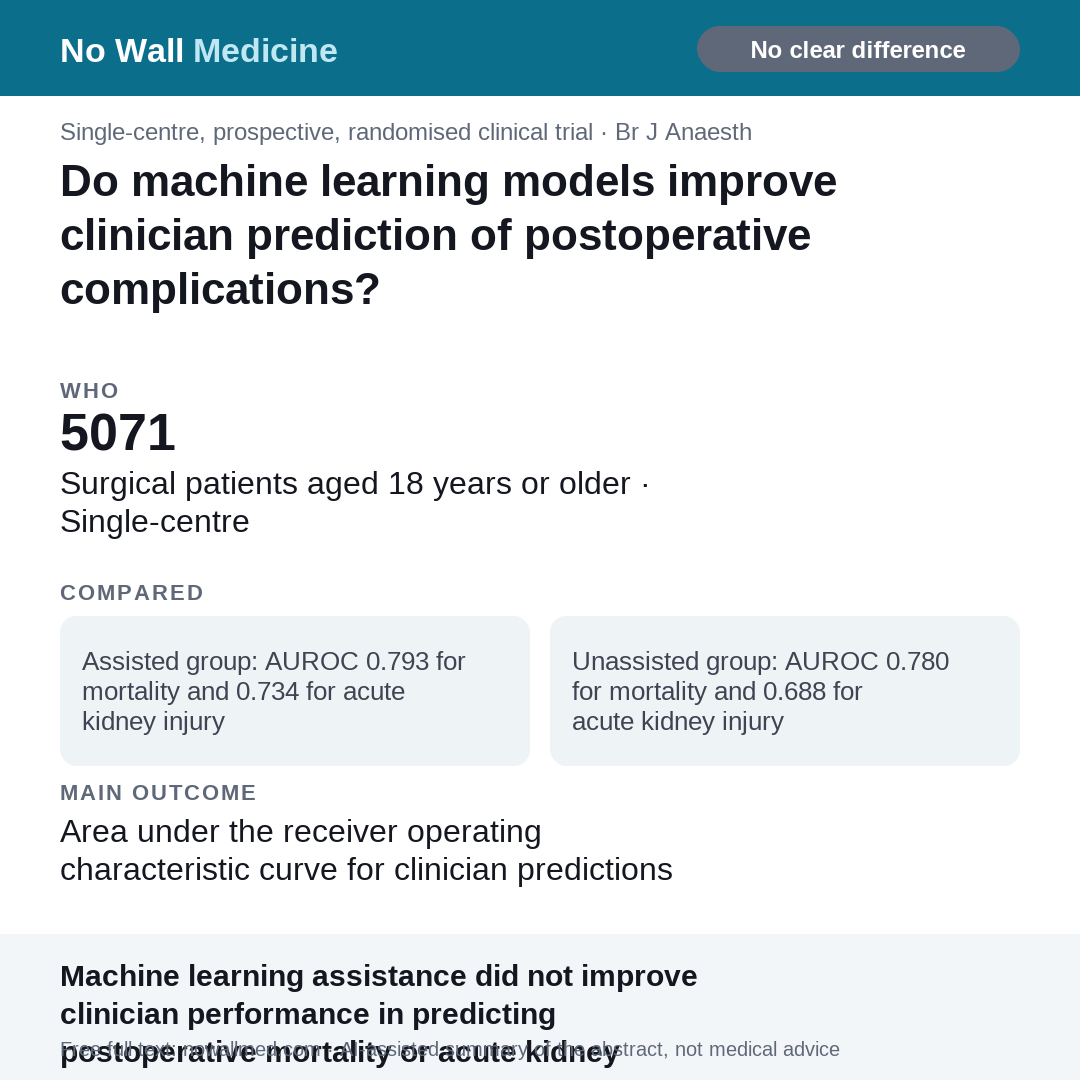
Effect of machine learning models on clinician prediction of postoperative complications: the Perioperative ORACLE randomised clinical trial
Single-centre, prospective, randomised clinical trialNo clear difference
Do machine learning models improve clinician prediction of postoperative complications?
Who
5071
Surgical patients aged 18 years or older · Single-centre
Compared
Assisted group: AUROC 0.793 for mortality and 0.734 for acute kidney injury
Unassisted group: AUROC 0.780 for mortality and 0.688 for acute kidney injury
Main outcome
Area under the receiver operating characteristic curve for clinician predictions
Result: mean difference 0.013 (95% CI -0.070 to 0.097) for mortality
Bottom line: Machine learning assistance did not improve clinician performance in predicting postoperative mortality or acute kidney injury.
Br J Anaesth · 2024-09-10Download image
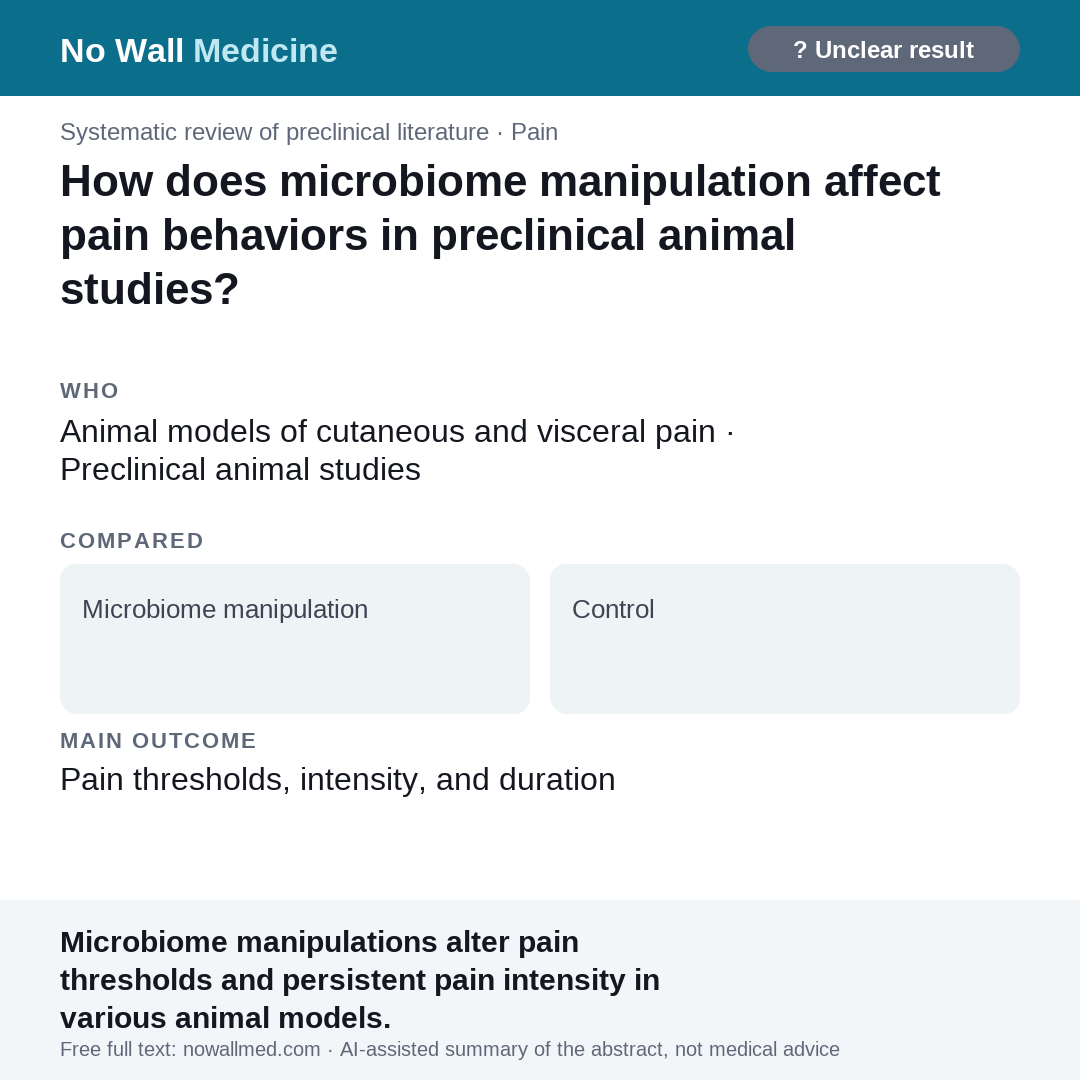
Microbiome contributions to pain: a review of the preclinical literature
Systematic review of preclinical literatureUnclear result
How does microbiome manipulation affect pain behaviors in preclinical animal studies?
Who
Animal models of cutaneous and visceral pain · Preclinical animal studies
Compared
Microbiome manipulation
Control
Main outcome
Pain thresholds, intensity, and duration
Bottom line: Microbiome manipulations alter pain thresholds and persistent pain intensity in various animal models.
Pain · 2024-09-10Download image