Visual abstracts
New randomized trials and meta-analyses from leading journals at a glance: who was studied, what was compared, and what was found. Every paper is free to read in full.
All specialtiesCardiology 4548Oncology 3854Gastroenterology & Hepatology 1819Infectious Disease 3559Neurology 1774Psychiatry & Mental Health 2129Pulmonology 2008Critical Care 1279Endocrinology & Diabetes 2380Pediatrics 2766Surgery 2389Orthopedics & Sports Medicine 860Neurosurgery 501Cardiothoracic & Vascular Surgery 605Plastic & Reconstructive Surgery 572Nephrology 1022Rheumatology 760Hematology 1034Dermatology 581Ophthalmology 500Obstetrics & Gynecology 1581Public & Global Health 957Radiology & Imaging 601Anesthesiology 923Urology 716ENT (Otolaryngology) 481Emergency Medicine 479Allergy & Immunology 291Geriatrics 927Family Medicine & Primary Care 527Medical Genetics & Genomics 634Pathology & Laboratory Medicine 150Physical Medicine & Rehabilitation 691Palliative Care 407Nutrition 1444Digital Health & AI 2073General Medicine 299
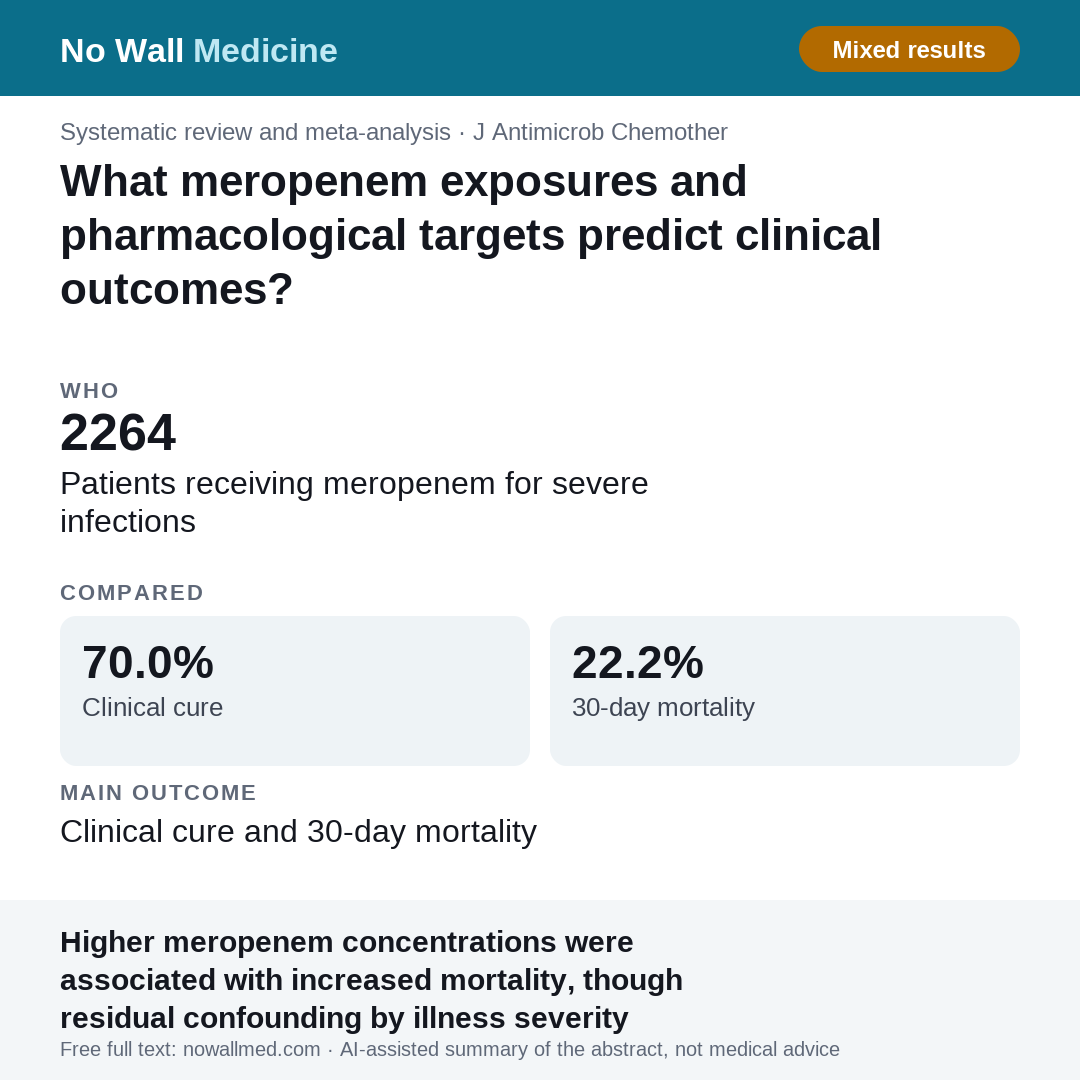
Systematic review and meta-analysis to identify meropenem exposures and pharmacological targets predictive of clinical outcomes
Systematic review and meta-analysisMixed results
What meropenem exposures and pharmacological targets predict clinical outcomes?
Who
2264
Patients receiving meropenem for severe infections
Compared
70.0%Clinical cure
22.2%30-day mortality
Main outcome
Clinical cure and 30-day mortality
Result: OR 1.064 per mg/L (95% CI 1.008-1.124) for mortality
Bottom line: Higher meropenem concentrations were associated with increased mortality, though residual confounding by illness severity could not be excluded.
Limitation: Most studies had a high risk of bias and residual confounding by illness severity could not be excluded.
J Antimicrob Chemother · 2026-07-14Download image
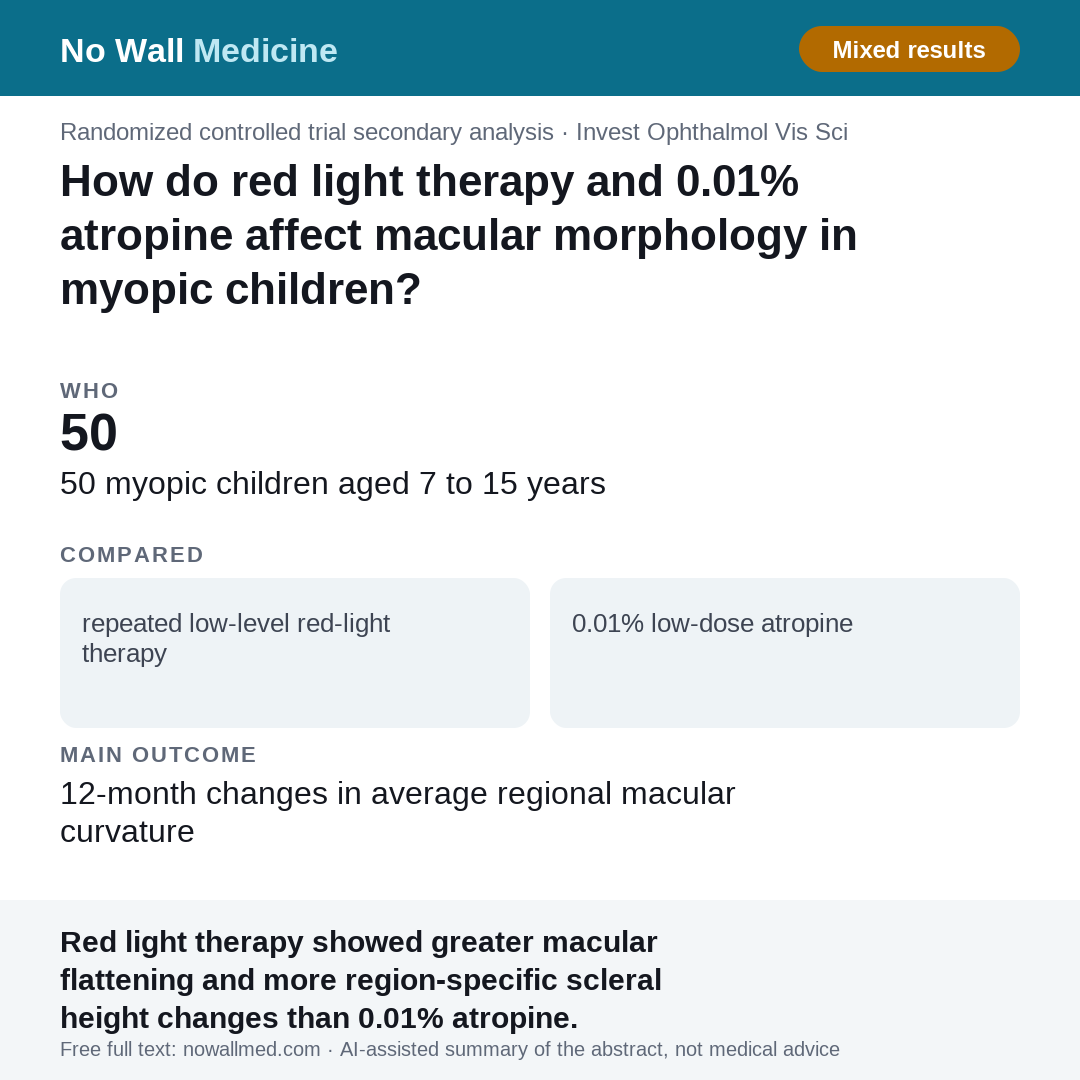
Differences in Posterior Ocular Morphology Following Red Light Therapy Versus 0.01% Atropine for Myopia Control: A Randomized Controlled Trial Analysis
Randomized controlled trial secondary analysisMixed results
How do red light therapy and 0.01% atropine compare for macular morphology changes?
Who
50
50 myopic children aged 7 to 15 years
Compared
Repeated low-level red-light therapy: greater macular flattening
0.01% low-dose atropine
Main outcome
12-month changes in average regional macular curvature
Result: mean differences, × 10-3 mm-1: central (9.0, 95% CI 4.4-13.6)
Bottom line: Red light therapy showed broader macular flattening and more region-specific scleral height changes than 0.01% atropine.
Limitation: Underlying mechanisms and independent contribution of myopic progression require further study.
Invest Ophthalmol Vis Sci · 2026-07-14Download image
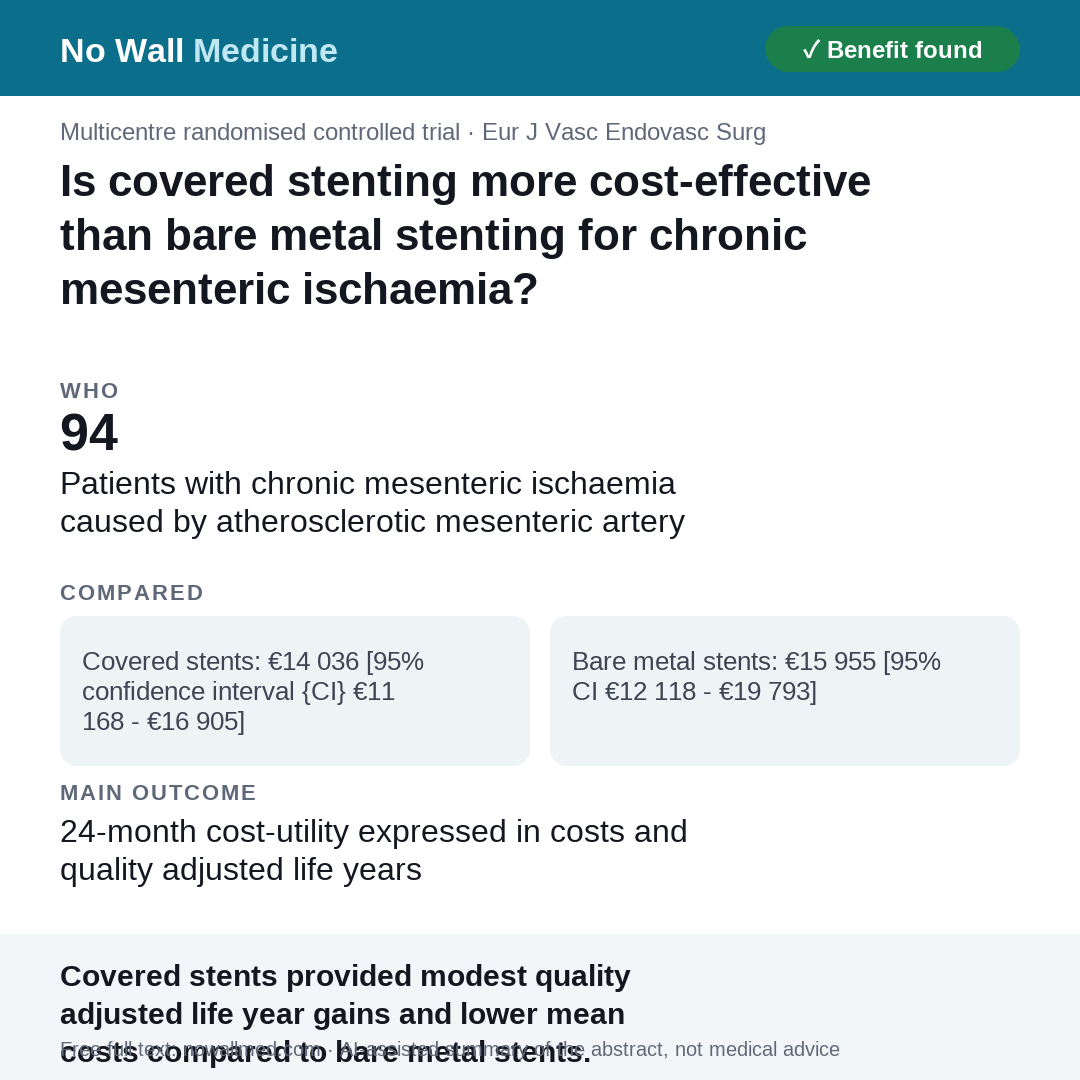
Cost-Utility Analysis of Covered vs. Bare Metal Stenting of the Mesenteric Arteries in Patients with Chronic Mesenteric Ischaemia: Results of a Multicentre Randomised Controlled Trial (CoBaGI)
Multicentre randomised controlled trialBenefit found
Is covered stenting more cost-effective than bare metal stenting for chronic mesenteric ischaemia?
Who
94
Patients with chronic mesenteric ischaemia caused by atherosclerotic mesenteric artery stenosis · Multicentre
Compared
Covered stents: €14 036 [95% confidence interval {CI} €11 168 - €16 905]
Bare metal stents: €15 955 [95% CI €12 118 - €19 793]
Main outcome
24-month cost-utility expressed in costs and quality adjusted life years
Bottom line: Covered stents provided modest quality adjusted life year gains and lower mean costs compared to bare metal stents.
Eur J Vasc Endovasc Surg · 2026-07-14Download image
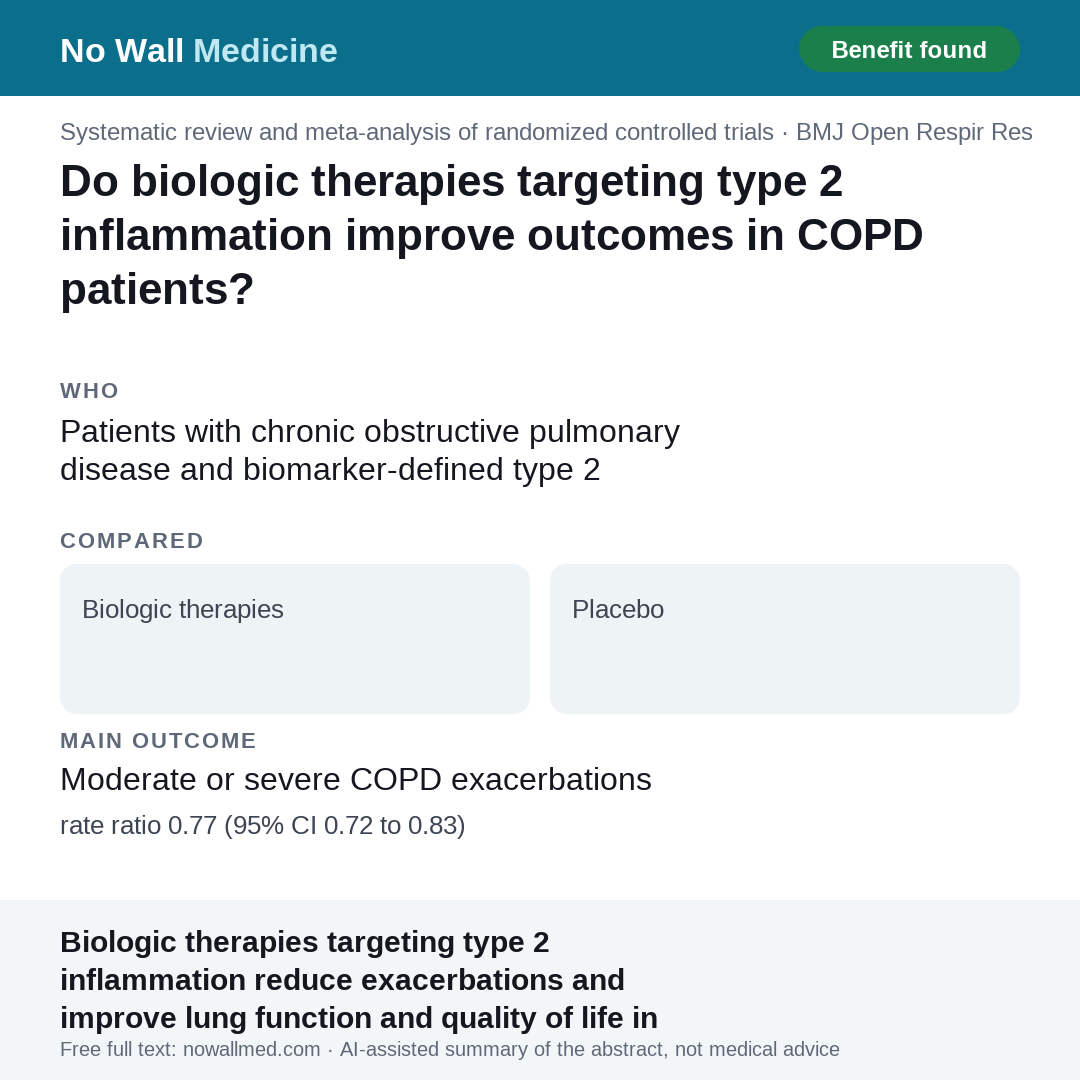
Biologic therapies targeting type 2 inflammation in chronic obstructive pulmonary disease: a systematic review and meta-analysis of randomised controlled trials
Systematic review and meta-analysis of randomized controlled trialsBenefit found
Do biologic therapies targeting type 2 inflammation improve outcomes in COPD patients?
Who
Patients with chronic obstructive pulmonary disease and biomarker-defined type 2 inflammation
Compared
Biologic therapies
Placebo
Main outcome
Moderate or severe COPD exacerbations
Result: rate ratio 0.77 (95% CI 0.72 to 0.83)
Bottom line: Biologic therapies targeting type 2 inflammation reduce exacerbations and improve lung function and quality of life in certain COPD patients.
Limitation: Variations in patient selection and type 2 enrichment strategies make direct comparisons challenging.
BMJ Open Respir Res · 2026-07-14Download image
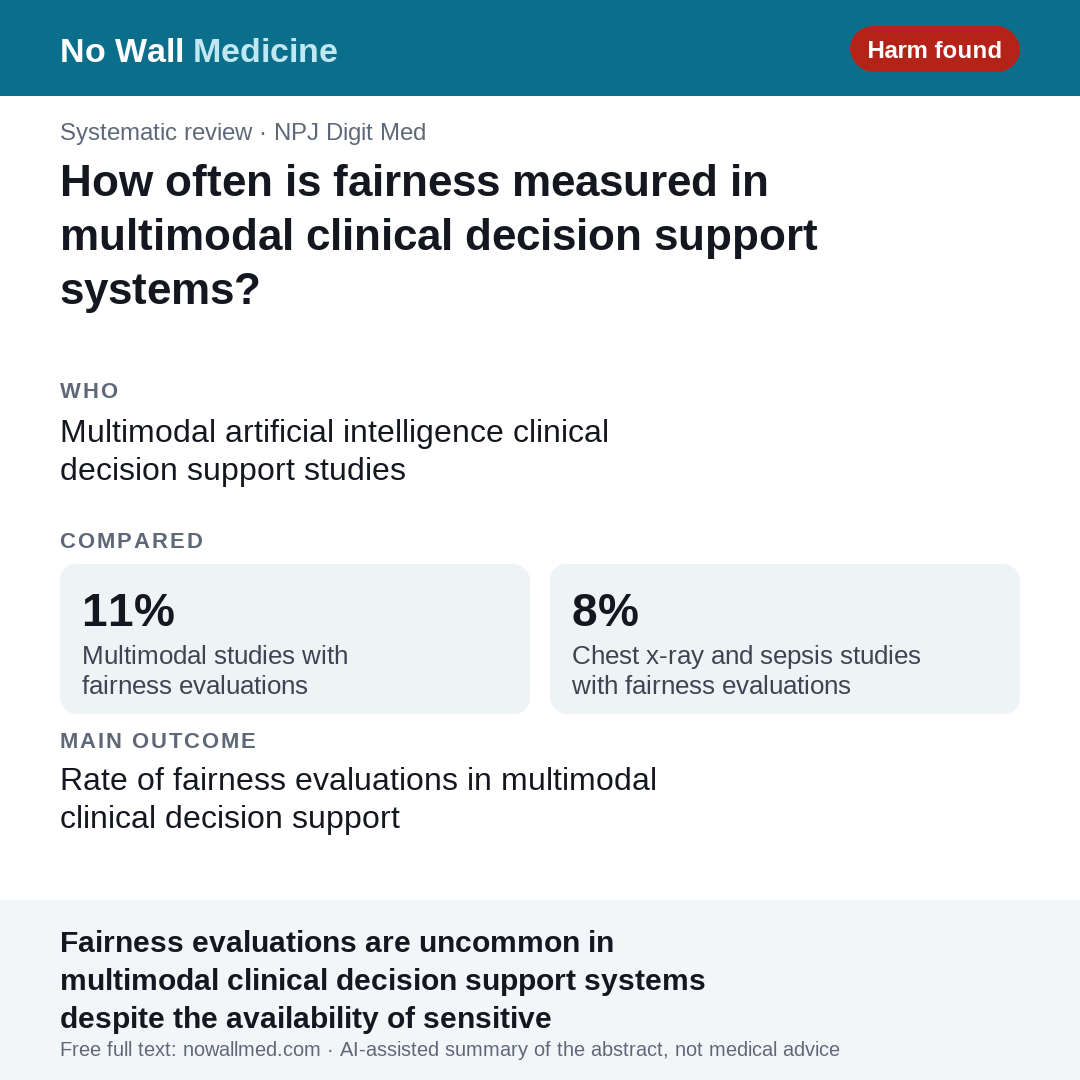
Fairness in multimodal machine learning applications in clinical decision support: a systematic review
Systematic reviewHarm found
How often is fairness measured in multimodal clinical decision support systems?
Who
Multimodal artificial intelligence clinical decision support studies
Compared
11%Multimodal studies with fairness evaluations (18/160)
8%Chest x-ray and sepsis studies with fairness evaluations (7 of 88)
Main outcome
Rate of fairness evaluations in multimodal clinical decision support
Bottom line: Fairness evaluations are uncommon in multimodal clinical decision support systems despite the availability of sensitive attribute data.
NPJ Digit Med · 2026-07-14Download image
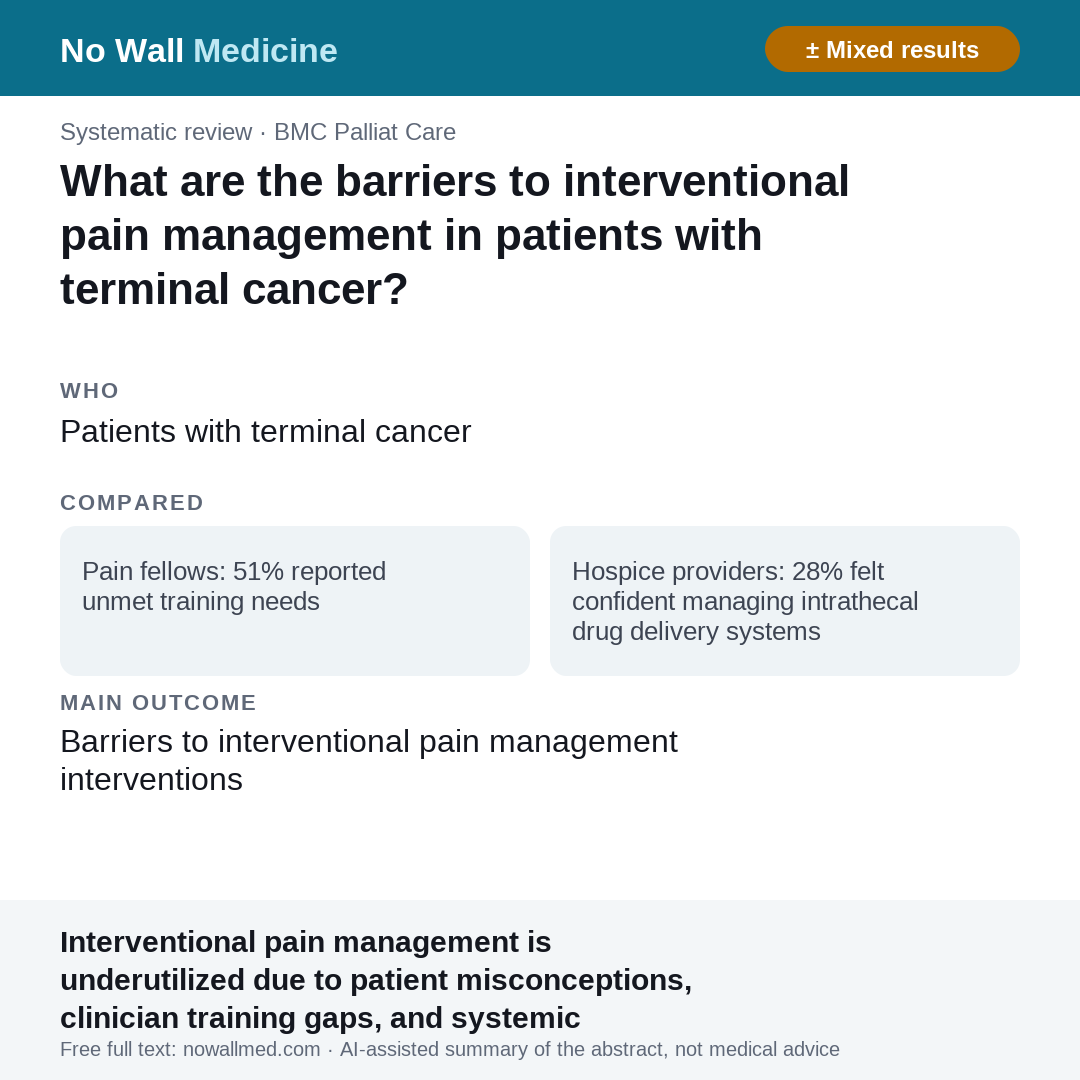
Barriers to interventional pain management in patients with cancer: a systematic review
Systematic reviewMixed results
What are the barriers to interventional pain management in patients with terminal cancer?
Who
Patients with terminal cancer
Compared
Pain fellows: 51% reported unmet training needs
Hospice providers: 28% felt confident managing intrathecal drug delivery systems
Main outcome
Barriers to interventional pain management interventions
Bottom line: Interventional pain management is underutilized due to patient misconceptions, clinician training gaps, and systemic fragmentation.
BMC Palliat Care · 2026-07-14Download image
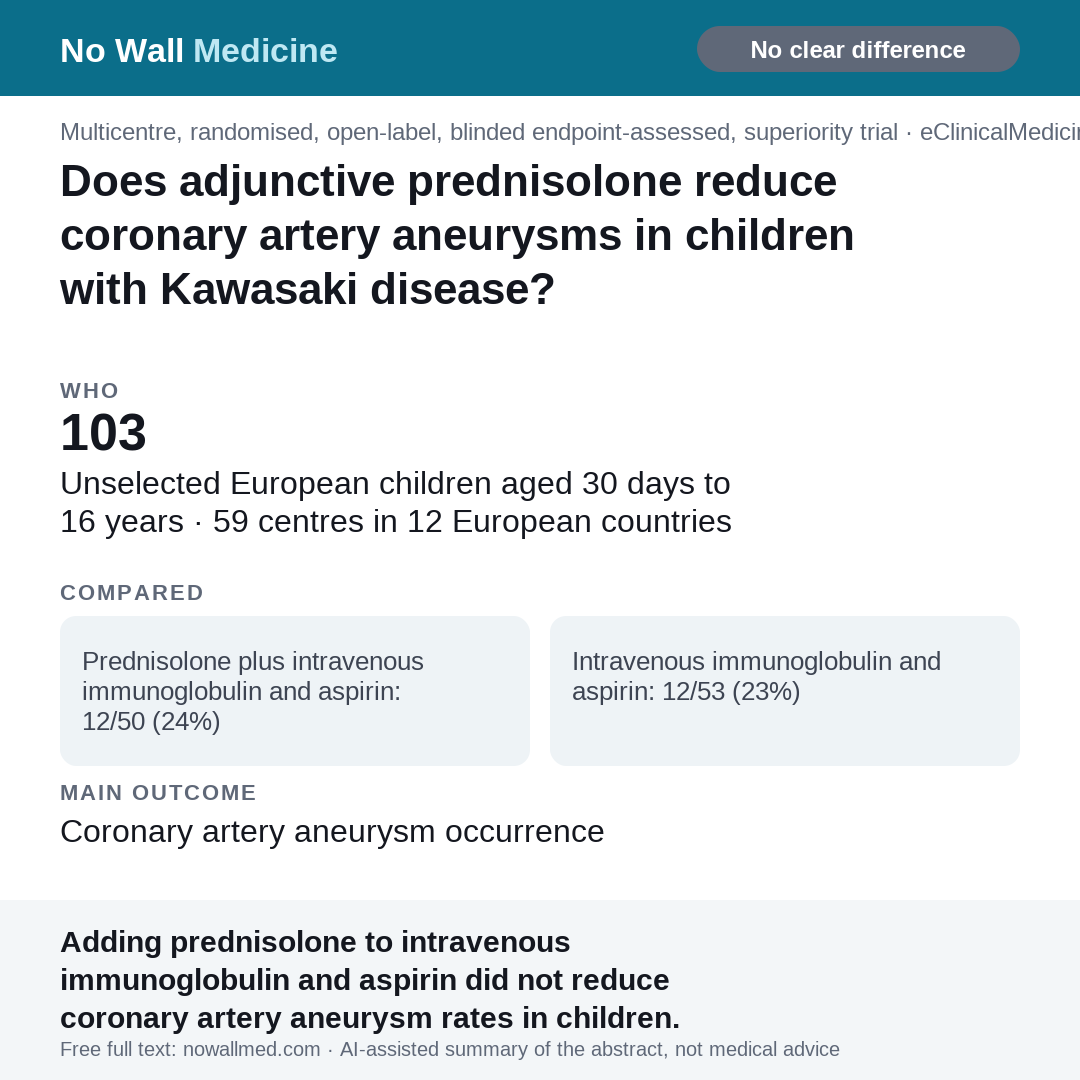
Multi-centre, randomised, open-label, blinded endpoint assessed, trial of corticosteroids plus intravenous immunoglobulin (IVIG) and aspirin, versus IVIG and aspirin for prevention of coronary artery aneurysms (CAA) in Kawasaki disease (KD): the KD-CAA prevention (KD-CAAP) trial
Randomised, open-label, blinded endpoint assessed, superiority trialNo clear difference
Does adjunctive prednisolone reduce coronary artery aneurysms in children with Kawasaki disease?
Who
103
Children aged 30 days to 16 years with Kawasaki disease · 59 centres in 12 European countries
Compared
Prednisolone, intravenous immunoglobulin and aspirin: 12/50 (24%)
Intravenous immunoglobulin and aspirin: 12/53 (23%)
Main outcome
Coronary artery aneurysms within 12 weeks
Result: adjusted risk difference +1.1% (95% credibility interval -13.8% to 16.1%)
Bottom line: Adding prednisolone to intravenous immunoglobulin and aspirin did not reduce coronary artery aneurysm rates in children.
Funded by: Innovative Medicines Initiative grant 777389
eClinicalMedicine · 2026-07-13Download image
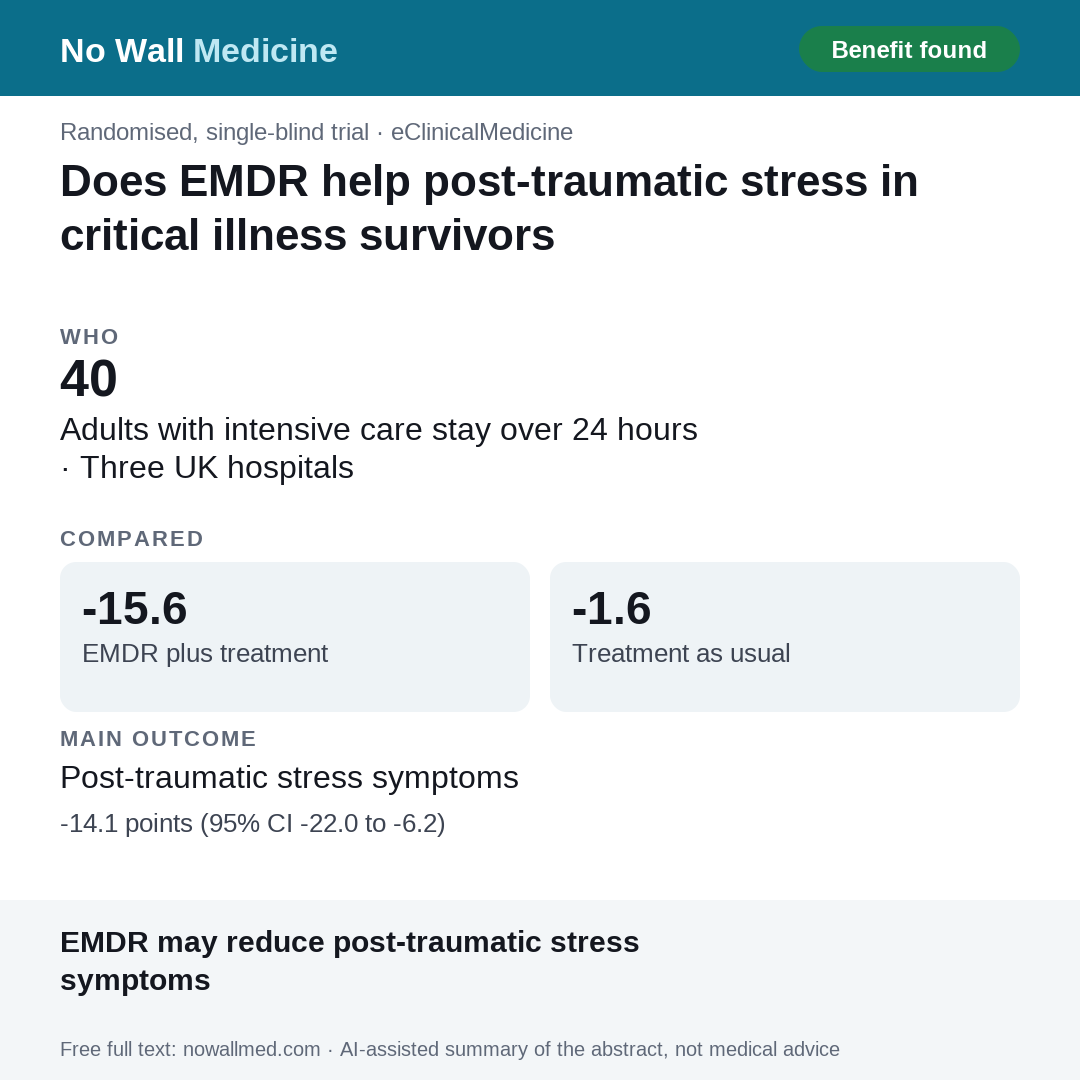
Eye movement desensitisation and reprocessing for post-traumatic stress in survivors of critical illness (EMERALD): a mixed-methods, randomised, single-blind, parallel group-controlled, feasibility trial
Randomised, single-blind trialBenefit found
Does EMDR help post-traumatic stress in critical illness survivors
Who
40
Adults with intensive care stay over 24 hours · Three UK hospitals
Compared
-15.6EMDR plus treatment (SD 12.5)
-1.6Treatment as usual (SD 11.8)
Main outcome
Post-traumatic stress symptoms
Result: -14.1 points (95% CI -22.0 to -6.2)
Bottom line: EMDR may reduce post-traumatic stress symptoms
Limitation: small sample size
Funded by: National Institute for Health and Care Research
eClinicalMedicine · 2026-07-13Download image
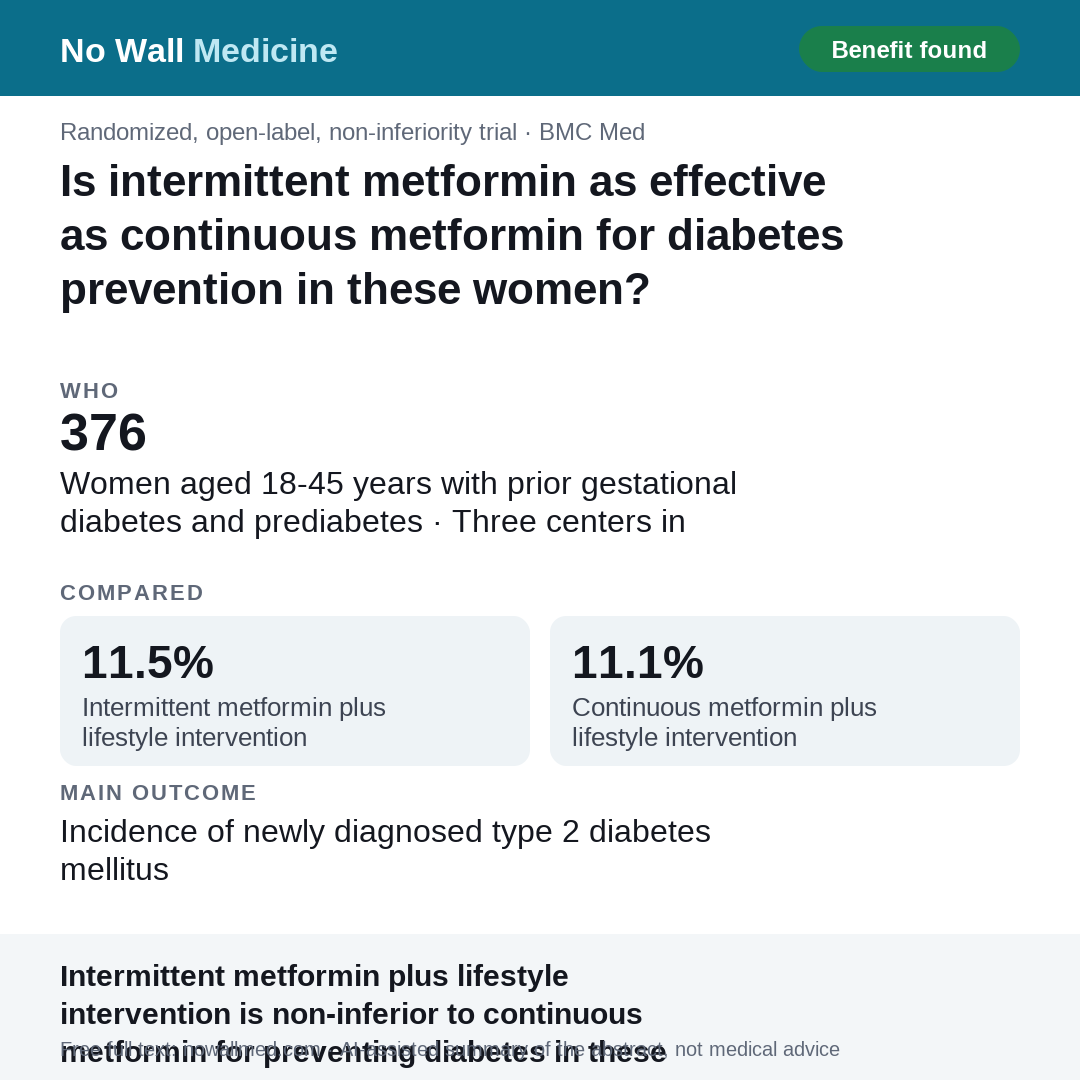
The efficacy of intermittent metformin plus lifestyle intervention for diabetes prevention in women with prediabetes and prior gestational diabetes: a randomized clinical, non-inferiority trial
Randomized, open-label, non-inferiority trialBenefit found
Is intermittent metformin as effective as continuous metformin for diabetes prevention in these women?
Who
376
Women aged 18-45 years with prior gestational diabetes and prediabetes · Three centers in China
Compared
11.5%Intermittent metformin plus lifestyle intervention
11.1%Continuous metformin plus lifestyle intervention
Main outcome
Incidence of newly diagnosed type 2 diabetes mellitus
Result: absolute risk difference 0.4% points (95% CI -6.5 to 7.4)
Bottom line: Intermittent metformin plus lifestyle intervention is non-inferior to continuous metformin for preventing diabetes in these women.
BMC Med · 2026-07-13Download image
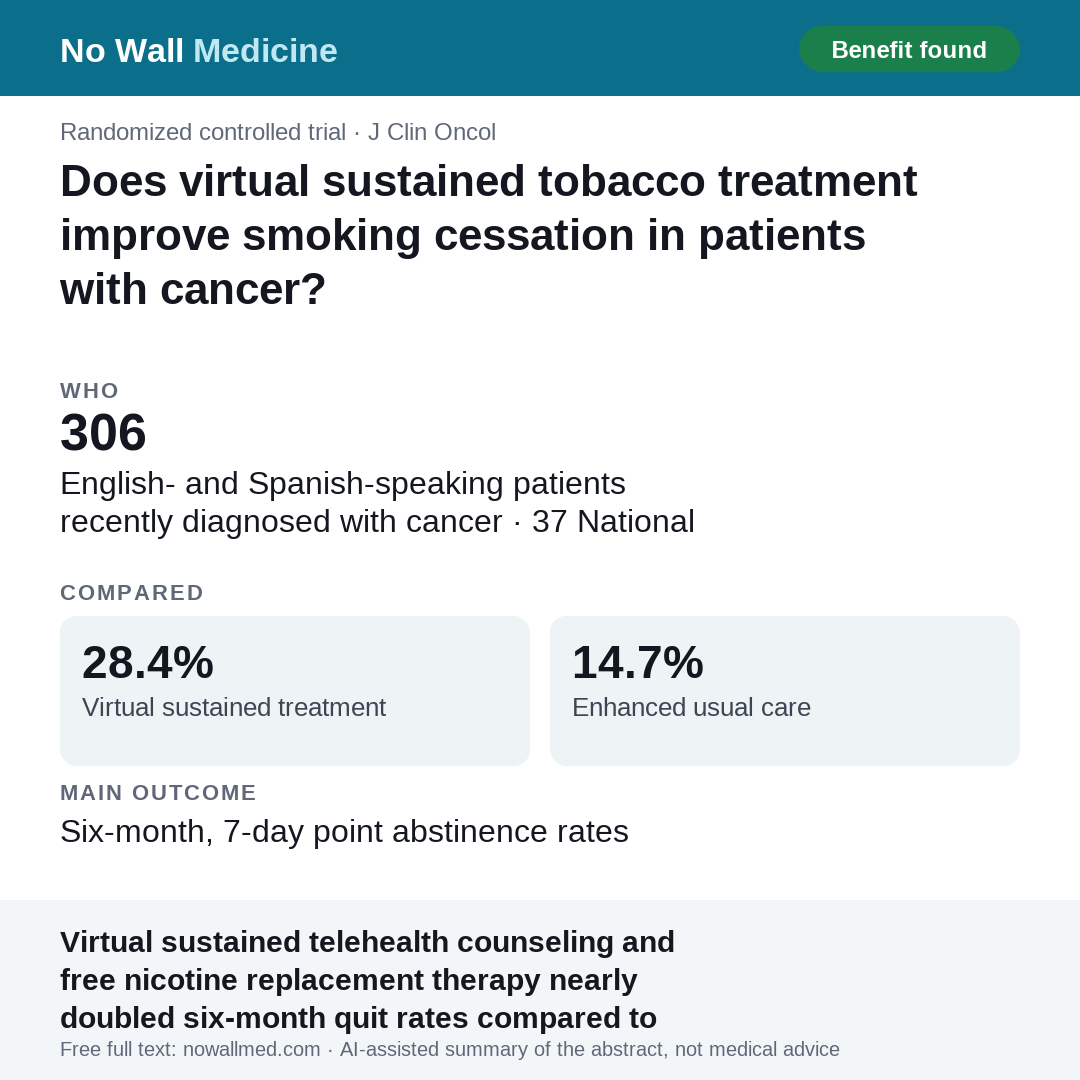
Virtual Sustained Tobacco Treatment for Patients With Cancer: A Randomized Controlled Trial (ECOG-ACRIN: EAQ171CD) Within the National Cancer Institute Community Oncology Research Program
Randomized controlled trialBenefit found
Does virtual sustained tobacco treatment improve smoking cessation in patients with cancer?
Who
306
English- and Spanish-speaking patients recently diagnosed with cancer · 37 National Cancer Institute Community Oncology Research Program sites
Compared
28.4%Virtual sustained treatment (42 of 148)
14.7%Enhanced usual care (21 of 143)
Main outcome
Six-month, 7-day point abstinence rates
Bottom line: Virtual sustained telehealth counseling and free nicotine replacement therapy nearly doubled six-month quit rates compared to enhanced usual care.
J Clin Oncol · 2026-07-13Download image
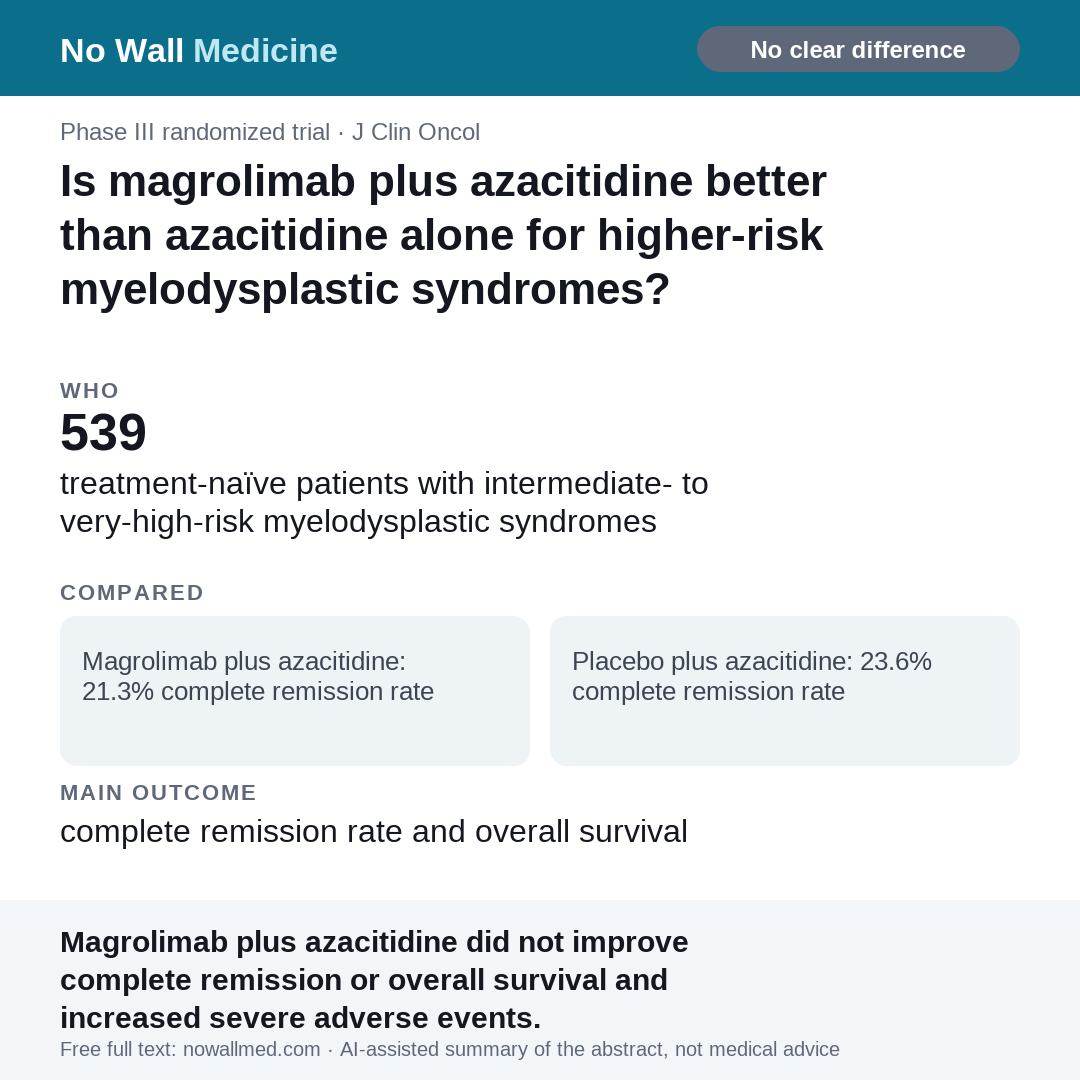
Magrolimab Plus Azacitidine Versus Placebo Plus Azacitidine in Patients With Untreated Higher-Risk Myelodysplastic Syndromes: The Phase III ENHANCE Study
Phase III randomized trialNo clear difference
Is magrolimab plus azacitidine better than azacitidine alone for higher-risk myelodysplastic syndromes?
Who
539
treatment-naïve patients with intermediate- to very-high-risk myelodysplastic syndromes
Compared
Magrolimab plus azacitidine: 21.3% complete remission rate
Placebo plus azacitidine: 23.6% complete remission rate
Main outcome
complete remission rate and overall survival
Result: hazard ratio 1.203 (95% CI 0.947 to 1.528)
Bottom line: Magrolimab plus azacitidine did not improve complete remission or overall survival and increased severe adverse events.
J Clin Oncol · 2026-07-13Download image
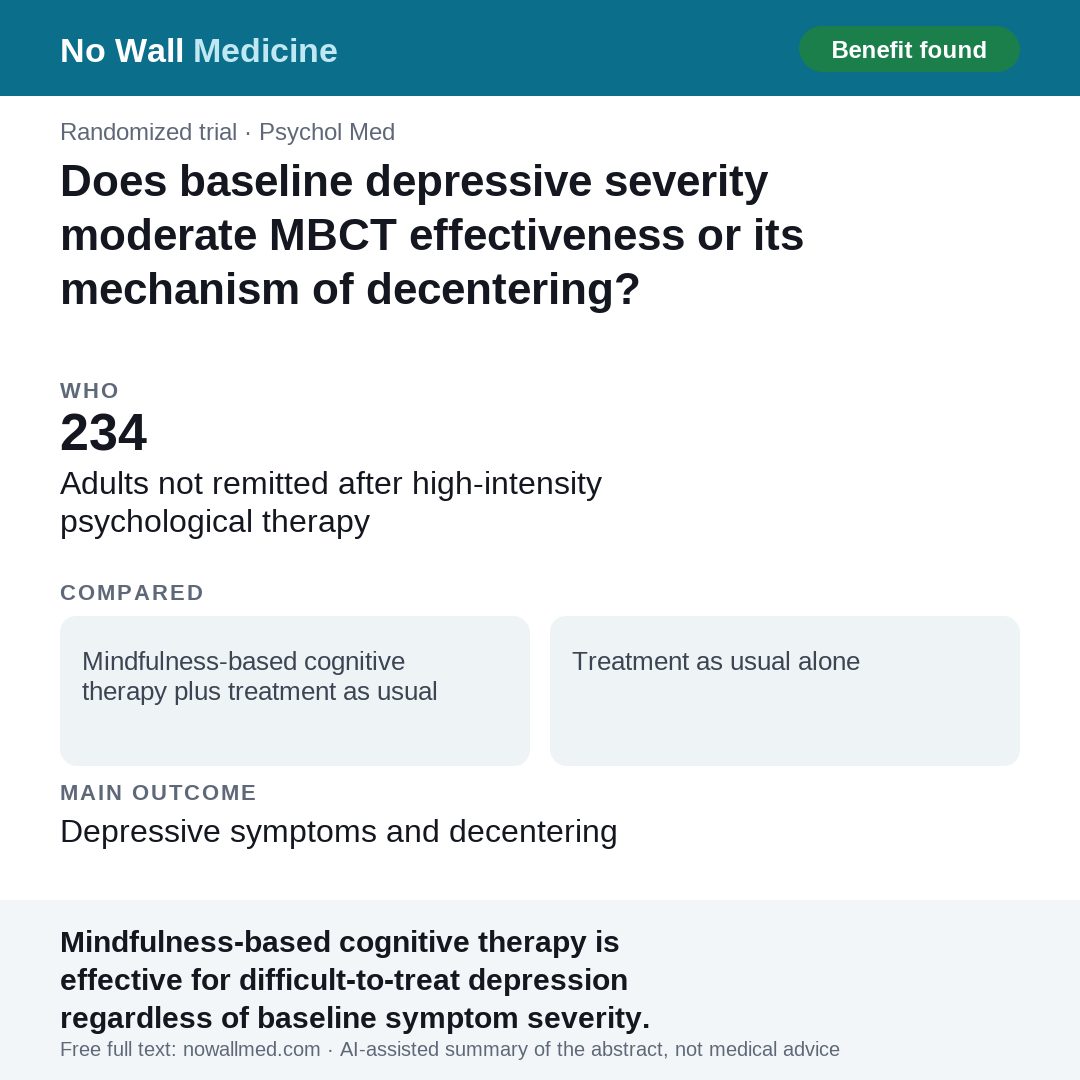
Mechanisms of mindfulness-based cognitive therapy in difficult-to-treat depression: moderation and mediation analyses from the RESPOND trial
Randomized trialBenefit found
Does baseline depressive severity moderate MBCT effectiveness or its mechanism of decentering?
Who
234
Adults not remitted after high-intensity psychological therapy
Compared
Mindfulness-based cognitive therapy plus treatment as usual
Treatment as usual alone
Main outcome
Depressive symptoms and decentering
Bottom line: Mindfulness-based cognitive therapy is effective for difficult-to-treat depression regardless of baseline symptom severity.
Psychol Med · 2026-07-13Download image
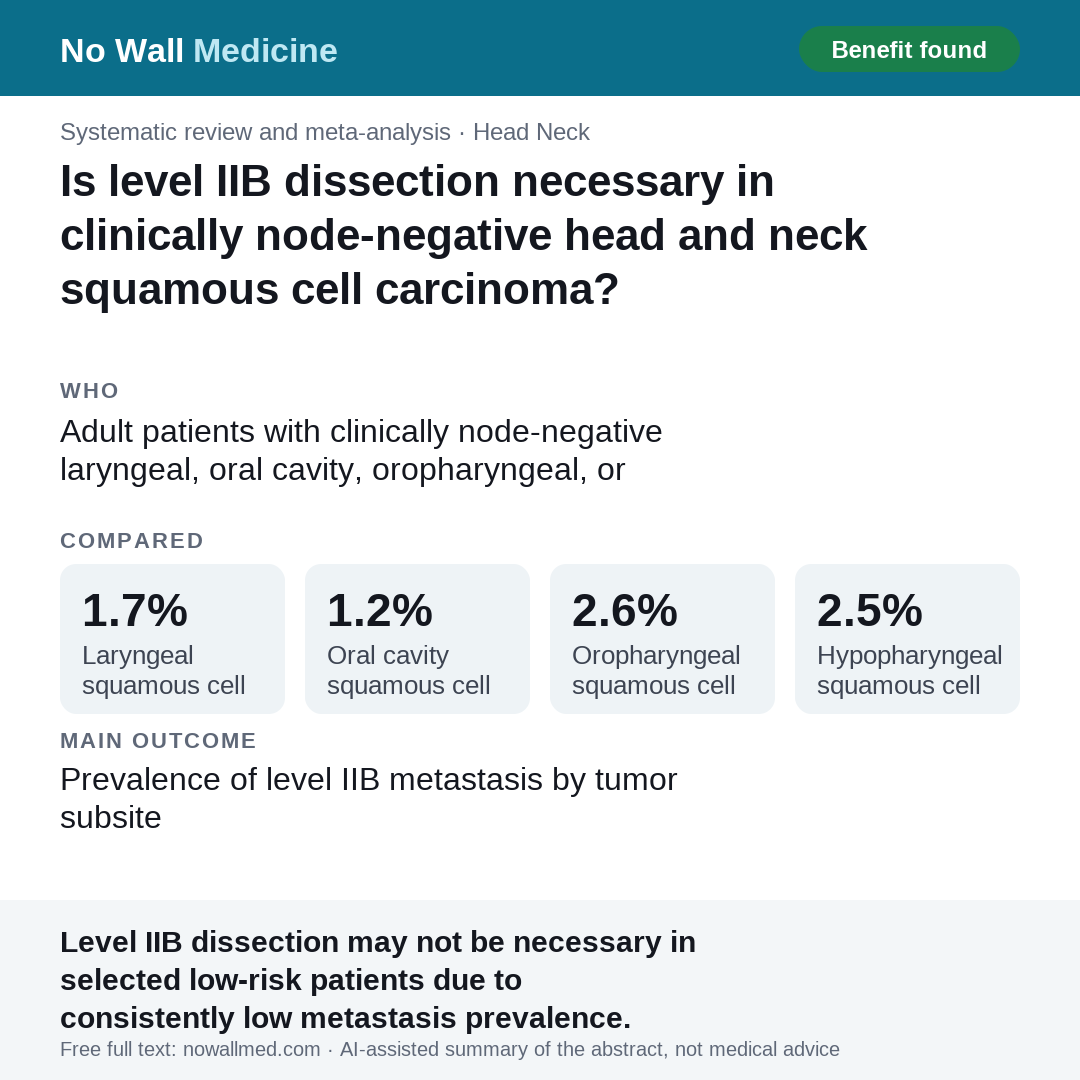
Is Level IIB Dissection Necessary in the Clinically N0 Neck? A Systematic Review and Meta-Analysis in Head and Neck Squamous Cell Carcinoma
Systematic review and meta-analysisBenefit found
Is level IIB dissection necessary in clinically node-negative head and neck squamous cell carcinoma?
Who
Adult patients with clinically node-negative laryngeal, oral cavity, oropharyngeal, or hypopharyngeal squamous cell carcinoma
Compared
1.7%Laryngeal squamous cell carcinoma
1.2%Oral cavity squamous cell carcinoma
2.6%Oropharyngeal squamous cell carcinoma
2.5%Hypopharyngeal squamous cell carcinoma
Main outcome
Prevalence of level IIB metastasis by tumor subsite
Bottom line: Level IIB dissection may not be necessary in selected low-risk patients due to consistently low metastasis prevalence.
Head Neck · 2026-07-13Download image
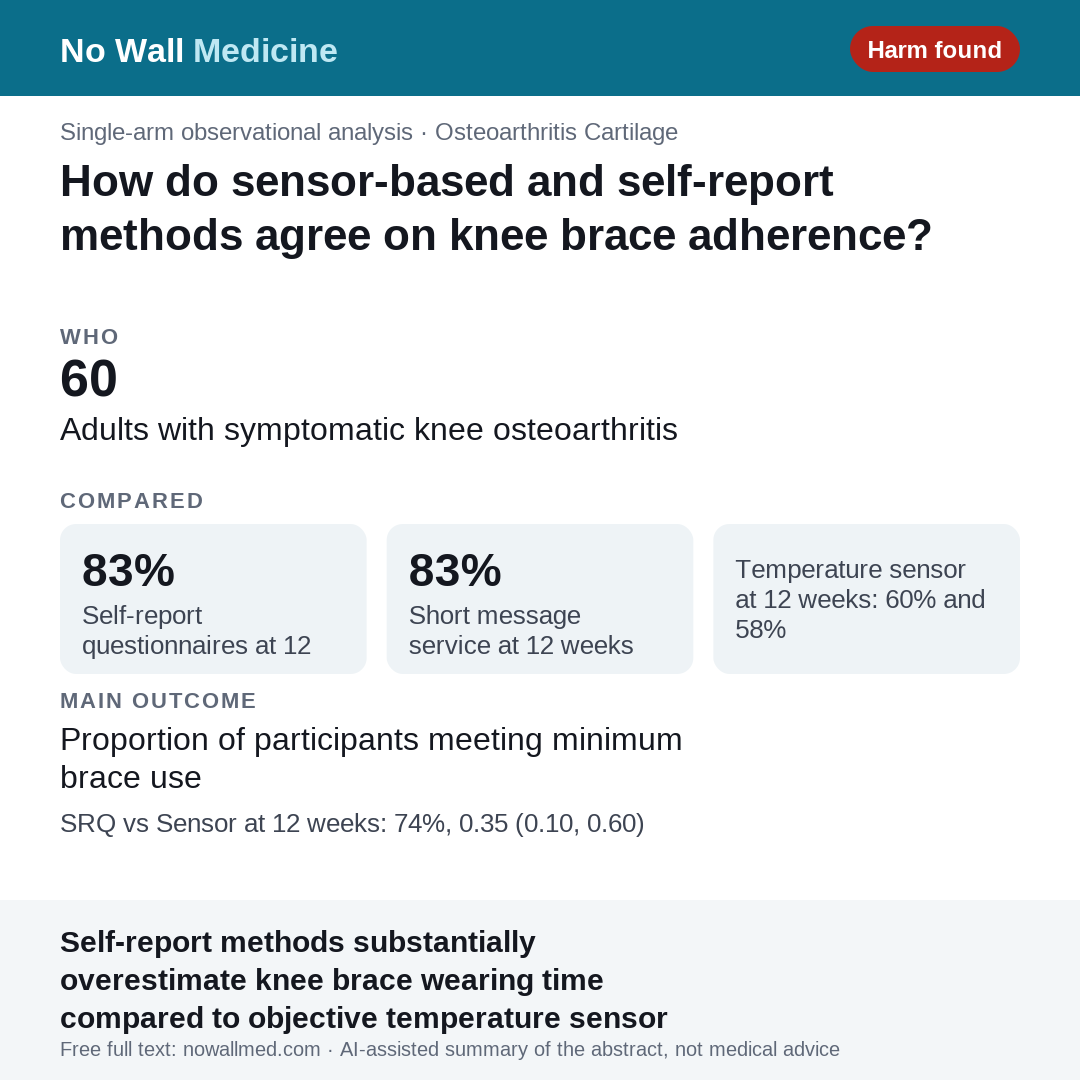
Sensor-based measures of knee brace adherence have low agreement with self-report methods: A multi-measure study among knee osteoarthritis patients
Single-arm observational analysisHarm found
How do sensor-based and self-report methods agree on knee brace adherence?
Who
60
Adults with symptomatic knee osteoarthritis
Compared
83%Self-report questionnaires at 12 weeks
83%Short message service at 12 weeks
Temperature sensor at 12 weeks: 60% and 58%
Main outcome
Proportion of participants meeting minimum brace use
Result: SRQ vs Sensor at 12 weeks: 74%, 0.35 (0.10, 0.60)
Bottom line: Self-report methods substantially overestimate knee brace wearing time compared to objective temperature sensor measurements.
Osteoarthritis Cartilage · 2026-07-13Download image
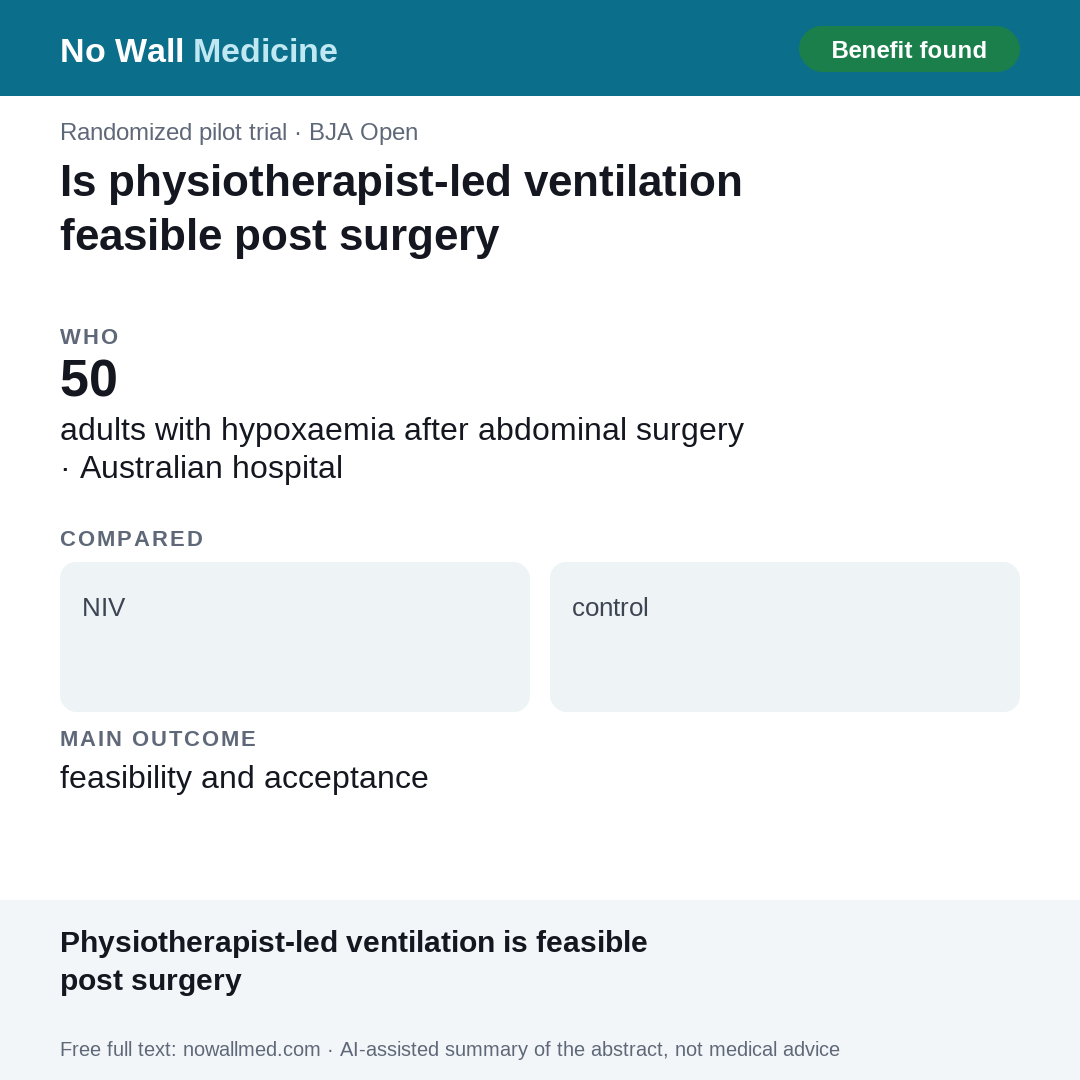
Physiotherapist-led intermittent noninvasive ventilation for hypoxaemia following abdominal surgery in a quaternary Australian hospital: a randomised pilot feasibility trial
Randomised, assessor-blinded, parallel-group, feasibility pilot trialBenefit found
Is physiotherapist-led noninvasive ventilation feasible for adults with hypoxaemia after major abdominal surgery?
Who
50
Adults with hypoxaemia following major abdominal surgery · Single-centre quaternary Australian hospital
Compared
Usual care physiotherapy
Usual care plus physiotherapist-led noninvasive ventilation: 91% (20/22) acceptability
Main outcome
Feasibility including recruitment, treatment adherence, and acceptability
Bottom line: Physiotherapist-led noninvasive ventilation was feasible and acceptable for patients with postoperative hypoxaemia.
BJA Open · 2026-07-13Download image
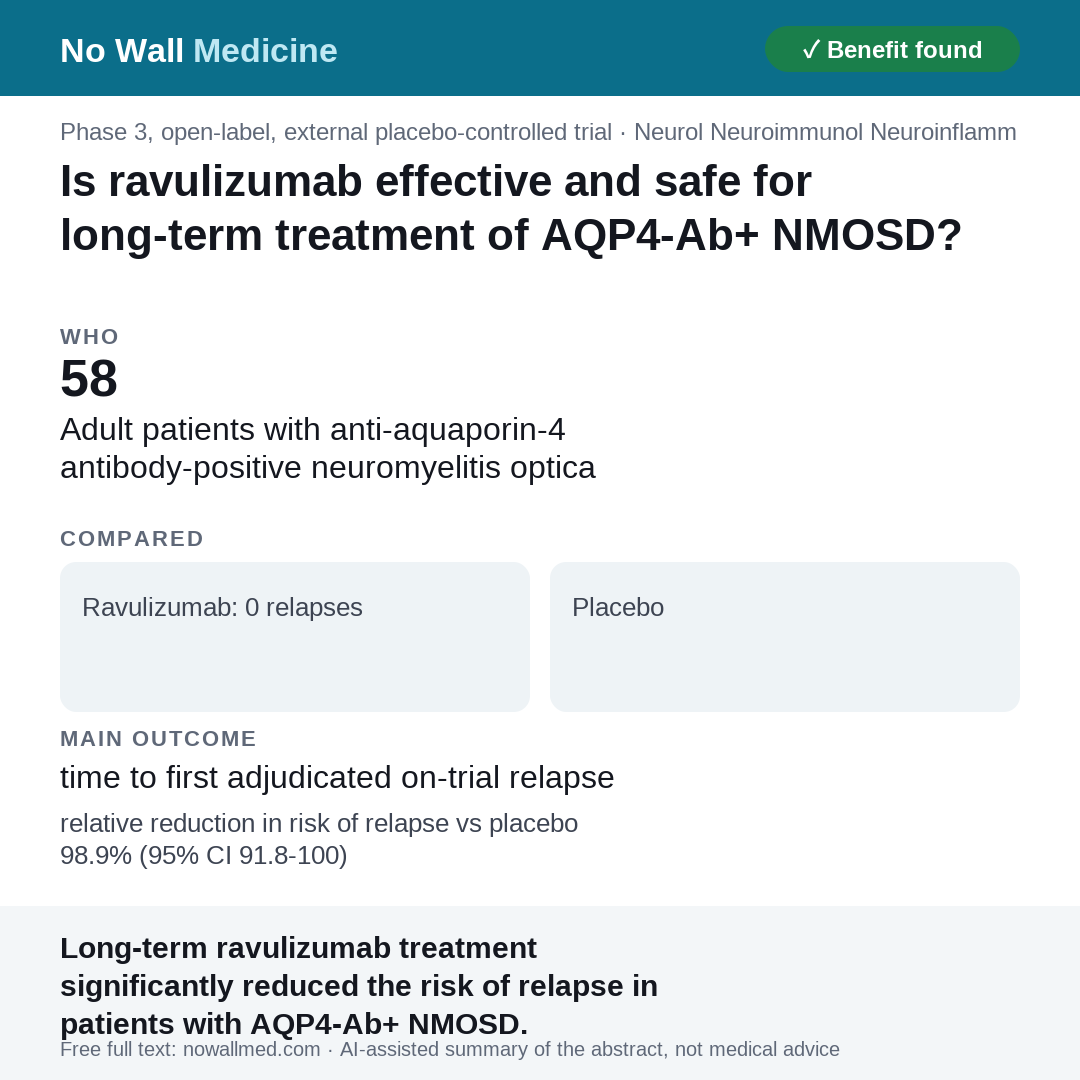
Long-Term Ravulizumab Efficacy and Safety in AQP4 Antibody-Positive Neuromyelitis Optica Spectrum Disorder: Final CHAMPION-NMOSD Results
Phase 3, open-label, external placebo-controlled trialBenefit found
Is ravulizumab effective and safe for long-term treatment of AQP4-Ab+ NMOSD?
Who
58
Adult patients with anti-aquaporin-4 antibody-positive neuromyelitis optica spectrum disorder
Compared
Ravulizumab: 0 relapses
Placebo
Main outcome
time to first adjudicated on-trial relapse
Result: relative reduction in risk of relapse vs placebo 98.9% (95% CI 91.8-100)
Bottom line: Long-term ravulizumab treatment significantly reduced the risk of relapse in patients with AQP4-Ab+ NMOSD.
Neurol Neuroimmunol Neuroinflamm · 2026-07-13Download image
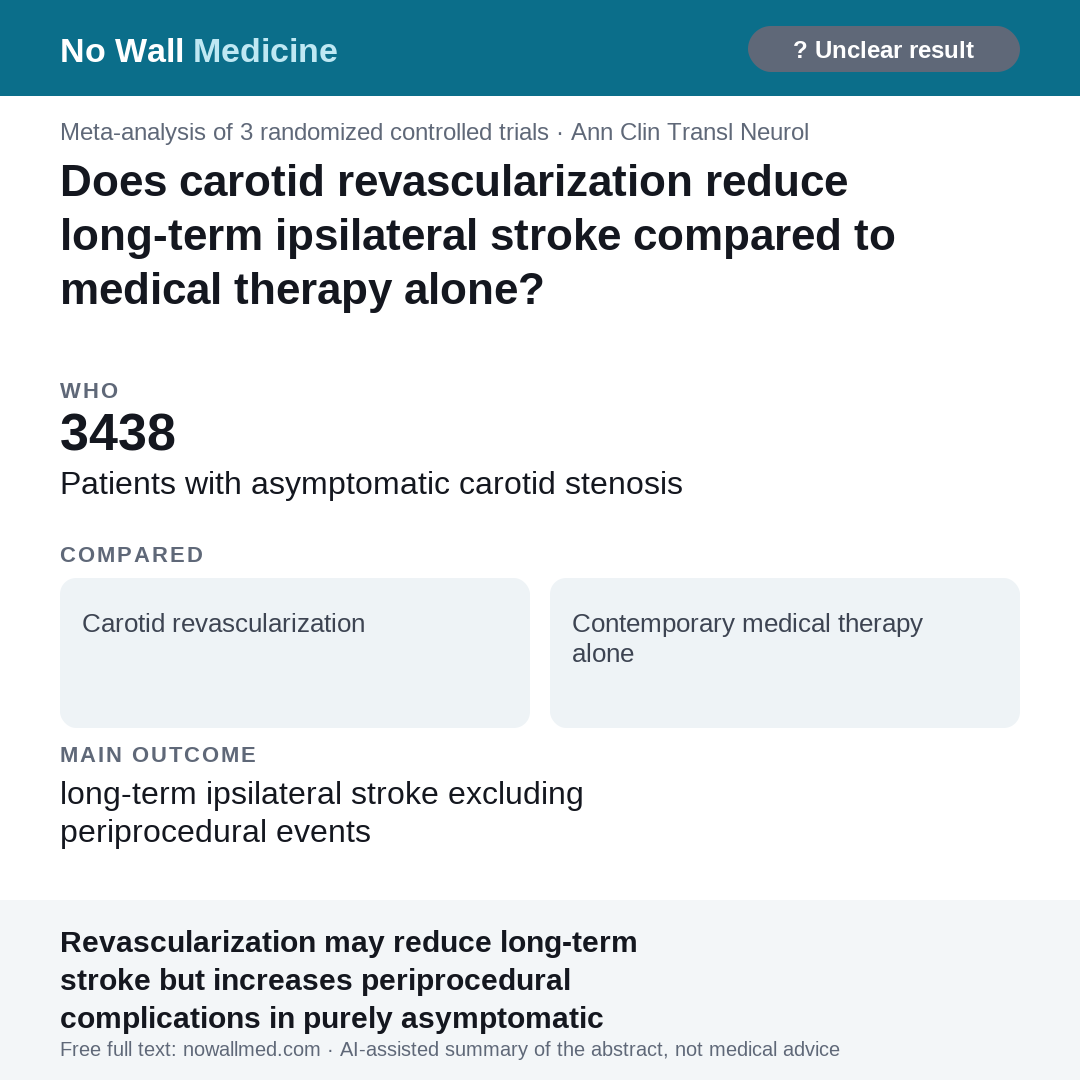
Modern Management of Asymptomatic Carotid Stenosis: A Meta-Analysis of CREST-2, SPACE-2, and ECST-2
Meta-analysis of 3 randomized controlled trialsUnclear result
Does carotid revascularization reduce long-term ipsilateral stroke compared to medical therapy alone?
Who
3438
Patients with asymptomatic carotid stenosis
Compared
Carotid revascularization
Contemporary medical therapy alone
Main outcome
long-term ipsilateral stroke excluding periprocedural events
Result: RR 0.51 (95% CI 0.21-1.29)
Bottom line: Revascularization may reduce long-term stroke but increases periprocedural complications in purely asymptomatic populations.
Limitation: The primary pooled analysis was inconclusive and demonstrated substantial heterogeneity.
Ann Clin Transl Neurol · 2026-07-13Download image
Fluid regimens for diabetic ketoacidosis in children and adolescents: systematic review and meta-analysis
Systematic review and meta-analysis of 10 randomized controlled trialsMixed results
What are the optimal fluid regimens for children and adolescents with diabetic ketoacidosis?
Who
2291
Children and adolescents with diabetic ketoacidosis
Compared
20 mL/kg bolus: higher risk of adverse events
10 mL/kg bolus
0.9% saline (48-72 hours): higher risk of hypoglycemia
0.45% saline
Main outcome
Adverse events and hypoglycemia
Result: risk ratio 1.11 (95% CI 1.01-1.23)
Bottom line: Smaller bolus volumes may be safer, and prolonged 0.9% saline use may increase hypoglycemia and adverse event risks.
Limitation: Certainty of evidence was low for several findings.
J Endocr Soc · 2026-07-13Download image

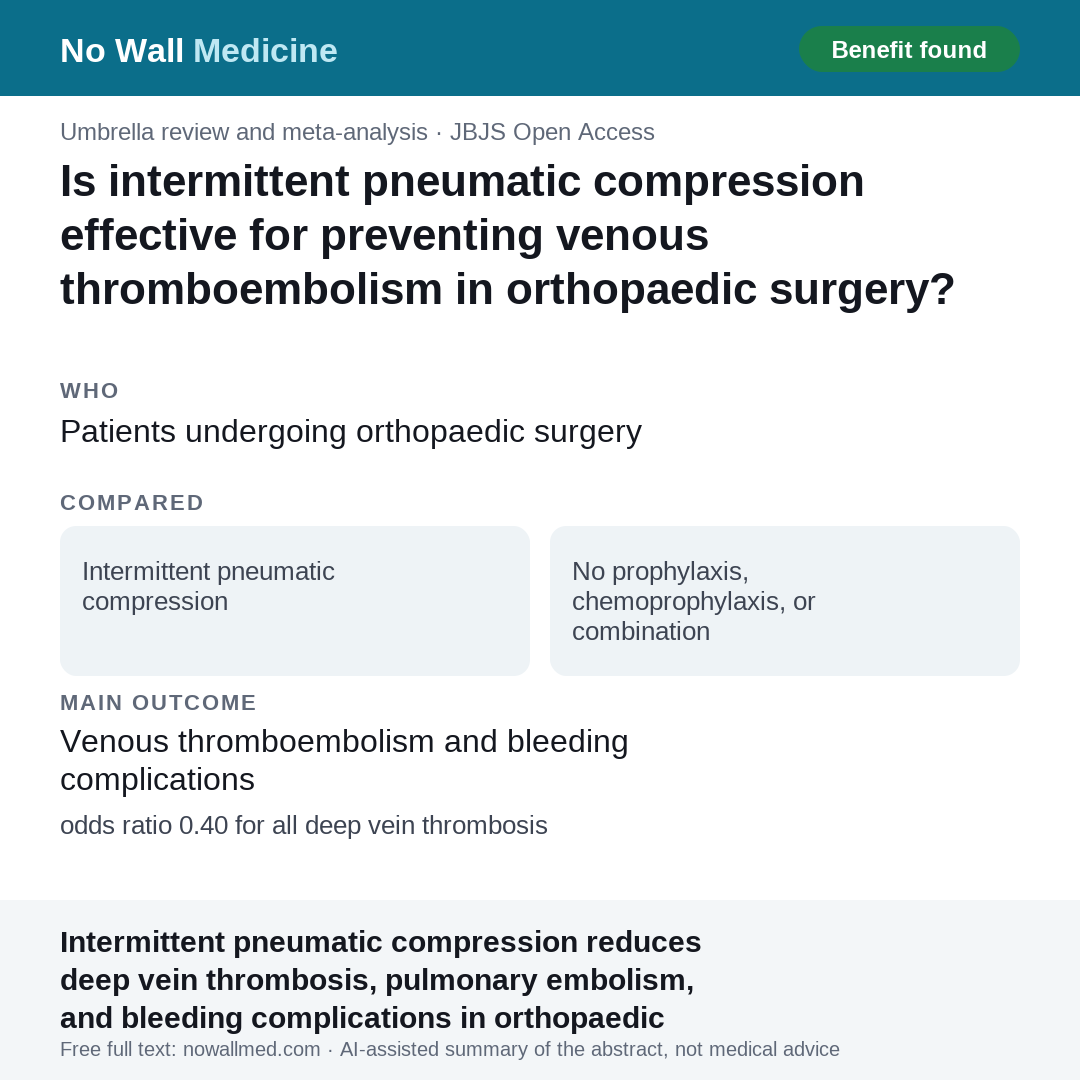
The Use of Intermittent Pneumatic Compression in Orthopaedic Surgery: An Umbrella Review and Meta-Analysis
Umbrella review and meta-analysisBenefit found
Is intermittent pneumatic compression effective for preventing venous thromboembolism in orthopaedic surgery?
Who
Patients undergoing orthopaedic surgery
Compared
Intermittent pneumatic compression
No prophylaxis, chemoprophylaxis, or combination
Main outcome
Venous thromboembolism and bleeding complications
Result: odds ratio 0.40 for all deep vein thrombosis
Bottom line: Intermittent pneumatic compression reduces deep vein thrombosis, pulmonary embolism, and bleeding complications in orthopaedic surgery patients.
Limitation: Heterogeneity in existing evidence and methodological limitations.
JBJS Open Access · 2026-07-13Download image
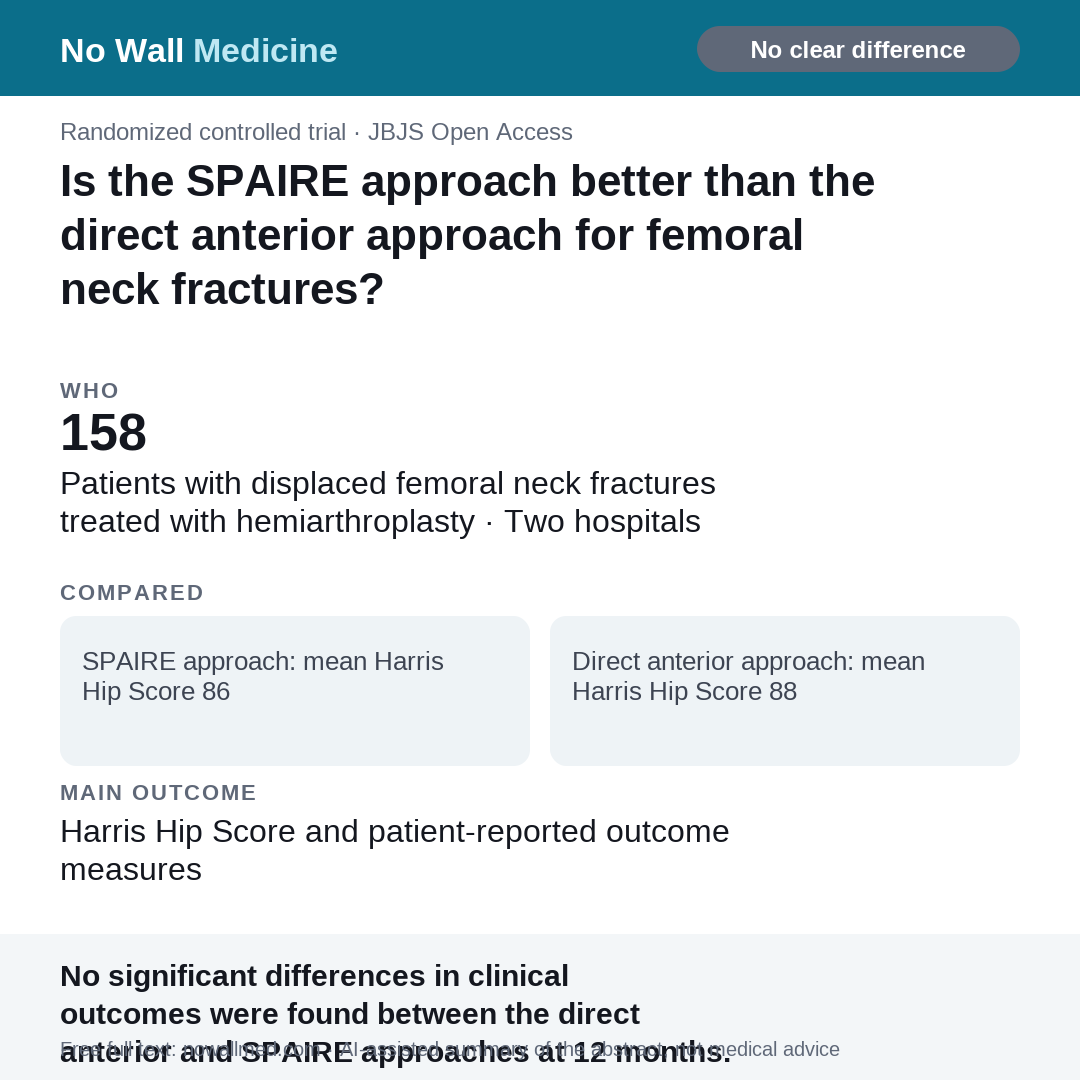
SPAIRE Approach Versus Direct Anterior Approach in Hemiarthroplasty for Displaced Femoral Neck Fractures: A Randomized Controlled Trial
Randomized controlled trialNo clear difference
Is the SPAIRE approach better than the direct anterior approach for femoral neck fractures?
Who
158
Patients with displaced femoral neck fractures treated with hemiarthroplasty · Two hospitals in Norway
Compared
SPAIRE approach: mean Harris Hip Score 86
Direct anterior approach: mean Harris Hip Score 88
Main outcome
Harris Hip Score and patient-reported outcome measures
Result: mean difference 2.3, 95% CI -2.7 to 7.3
Bottom line: No significant differences in clinical outcomes were found between the direct anterior and SPAIRE approaches at 12 months.
Limitation: Larger studies are warranted to establish the clinical implications of the approach.
JBJS Open Access · 2026-07-13Download image