Visual abstracts
New randomized trials and meta-analyses from leading journals at a glance: who was studied, what was compared, and what was found. Every paper is free to read in full.
All specialtiesCardiology 4763Oncology 4042Gastroenterology & Hepatology 1902Infectious Disease 3756Neurology 1872Psychiatry & Mental Health 2214Pulmonology 2042Critical Care 1319Endocrinology & Diabetes 2544Pediatrics 2889Surgery 2479Orthopedics & Sports Medicine 917Neurosurgery 525Cardiothoracic & Vascular Surgery 656Plastic & Reconstructive Surgery 574Nephrology 1107Rheumatology 810Hematology 1090Dermatology 611Ophthalmology 532Obstetrics & Gynecology 1645Public & Global Health 1037Radiology & Imaging 617Anesthesiology 957Urology 745ENT (Otolaryngology) 494Emergency Medicine 481Allergy & Immunology 309Geriatrics 972Family Medicine & Primary Care 533Medical Genetics & Genomics 659Pathology & Laboratory Medicine 156Physical Medicine & Rehabilitation 734Palliative Care 421Nutrition 1560Digital Health & AI 2133General Medicine 318
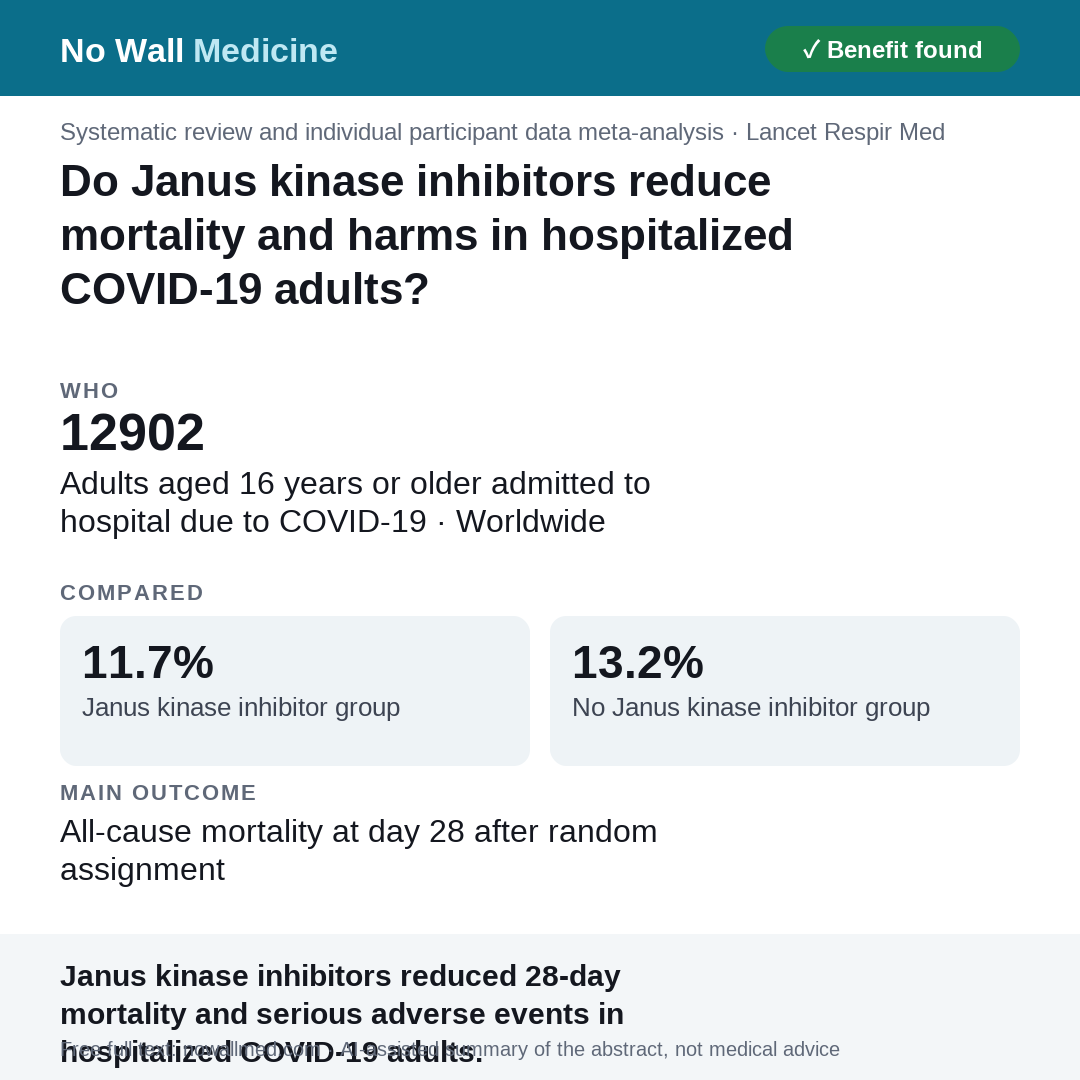
Effects of Janus kinase inhibitors in adults admitted to hospital due to COVID-19: a systematic review and individual participant data meta-analysis of randomised clinical trials
Systematic review and individual participant data meta-analysisBenefit found
Do Janus kinase inhibitors reduce mortality and harms in hospitalized COVID-19 adults?
Who
12902
Adults aged 16 years or older admitted to hospital due to COVID-19 · Worldwide
Compared
11.7%Janus kinase inhibitor group (755/6465)
13.2%No Janus kinase inhibitor group (805/6108)
Main outcome
All-cause mortality at day 28 after random assignment
Result: adjusted odds ratio 0.67 (95% CI 0.55 to 0.82)
Bottom line: Janus kinase inhibitors reduced 28-day mortality and serious adverse events in hospitalized COVID-19 adults.
Funded by: EU's Horizon 2020 research and innovation programme
Lancet Respir Med · 2025-05-13Download image
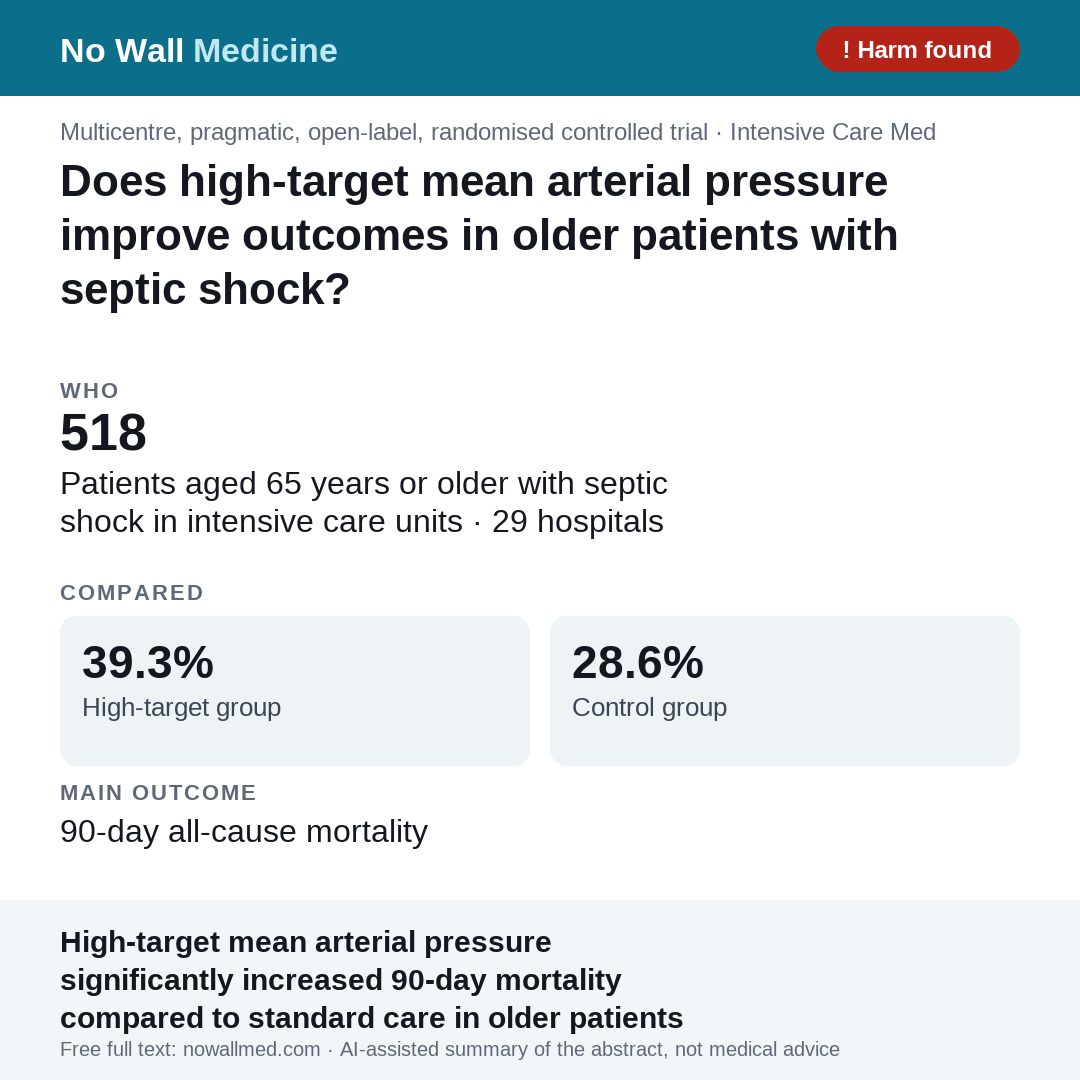
Efficacy of targeting high mean arterial pressure for older patients with septic shock (OPTPRESS): a multicentre, pragmatic, open-label, randomised controlled trial
Multicentre, pragmatic, open-label, randomised controlled trialHarm found
Does high-target mean arterial pressure improve outcomes in older patients with septic shock?
Who
518
Patients aged 65 years or older with septic shock in intensive care units · 29 hospitals in Japan
Compared
39.3%High-target group (101/258)
28.6%Control group (74/260)
Main outcome
90-day all-cause mortality
Result: risk difference = 10.7; 95% confidence interval, 2.6-18.9
Bottom line: High-target mean arterial pressure significantly increased 90-day mortality compared to standard care in older patients with septic shock.
Intensive Care Med · 2025-05-13Download image
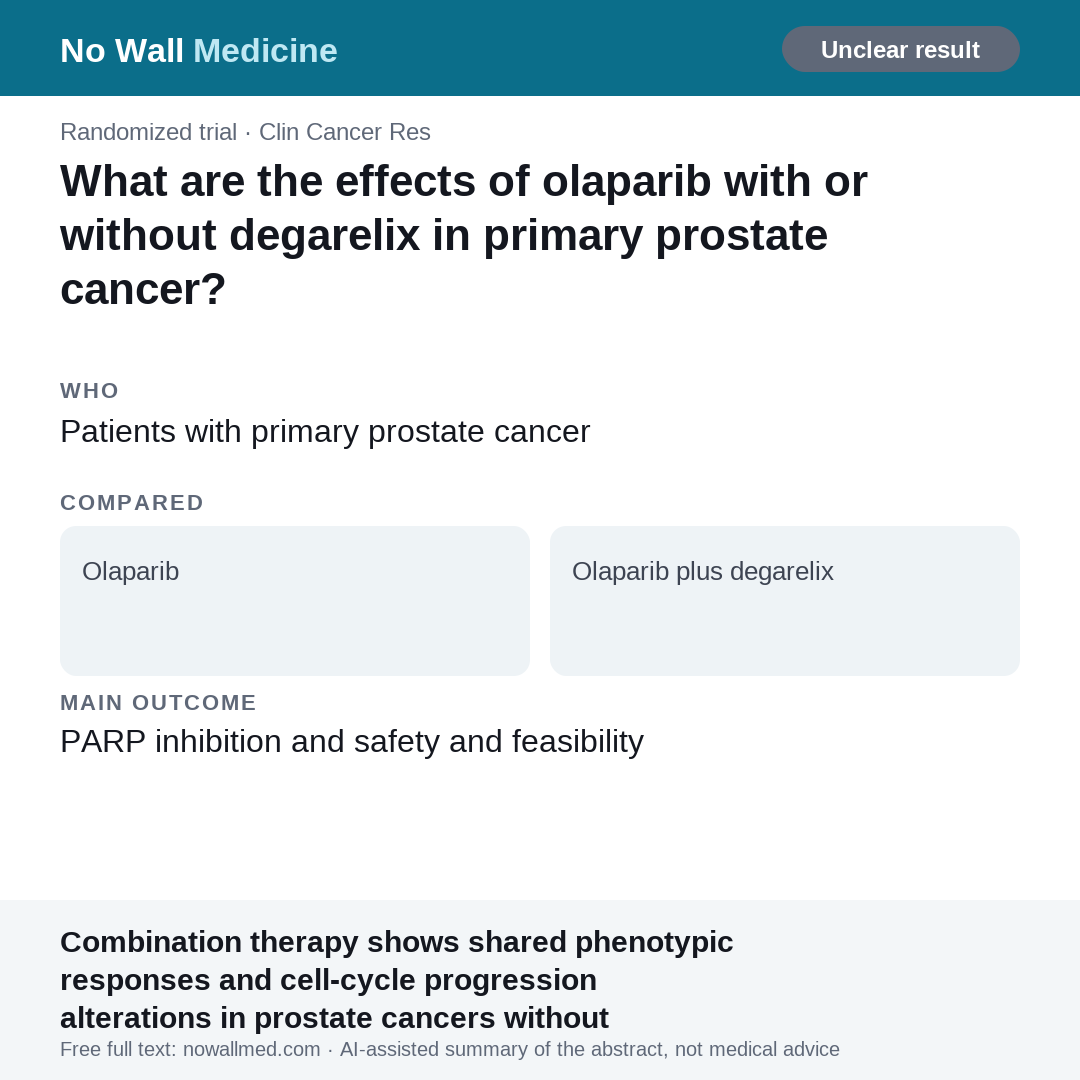
Cambridge Neoadjuvant Cancer of the Prostate (CANCAP03): A Window Study into the Effects of Olaparib ± Degarelix in Primary Prostate Cancer
Randomized trialUnclear result
What are the effects of olaparib with or without degarelix in primary prostate cancer?
Who
Patients with primary prostate cancer
Compared
Olaparib
Olaparib plus degarelix
Main outcome
PARP inhibition and safety and feasibility
Bottom line: Combination therapy shows shared phenotypic responses and cell-cycle progression alterations in prostate cancers without known repair gene mutations.
Clin Cancer Res · 2025-05-13Download image
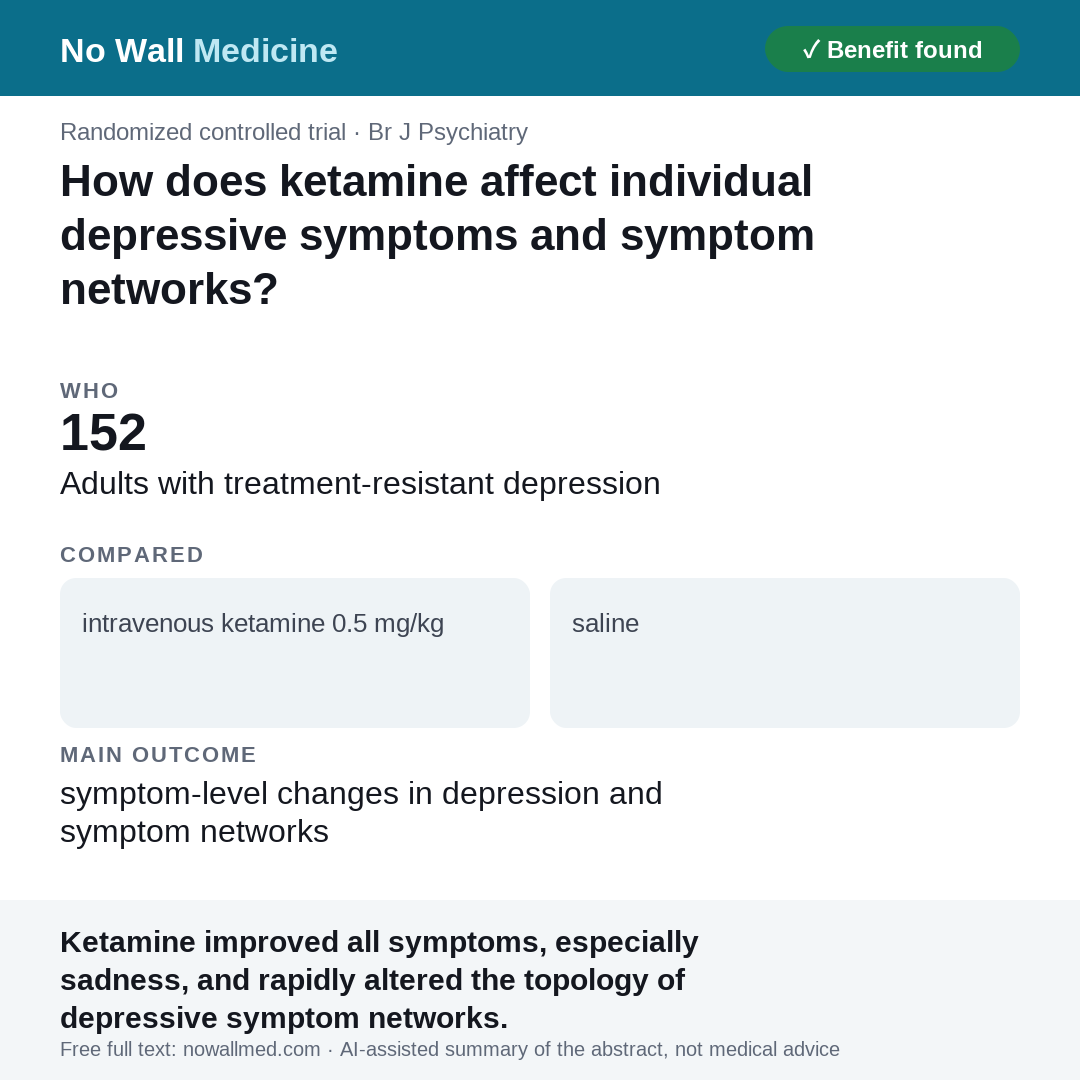
Effects of ketamine on individual symptoms and symptom networks of depression in a randomised controlled trial of ketamine for treatment-resistant depression
Randomized controlled trialBenefit found
How does ketamine affect individual depressive symptoms and symptom networks?
Who
152
Adults with treatment-resistant depression
Compared
intravenous ketamine 0.5 mg/kg
saline
Main outcome
symptom-level changes in depression and symptom networks
Bottom line: Ketamine improved all symptoms, especially sadness, and rapidly altered the topology of depressive symptom networks.
Br J Psychiatry · 2025-05-13Download image
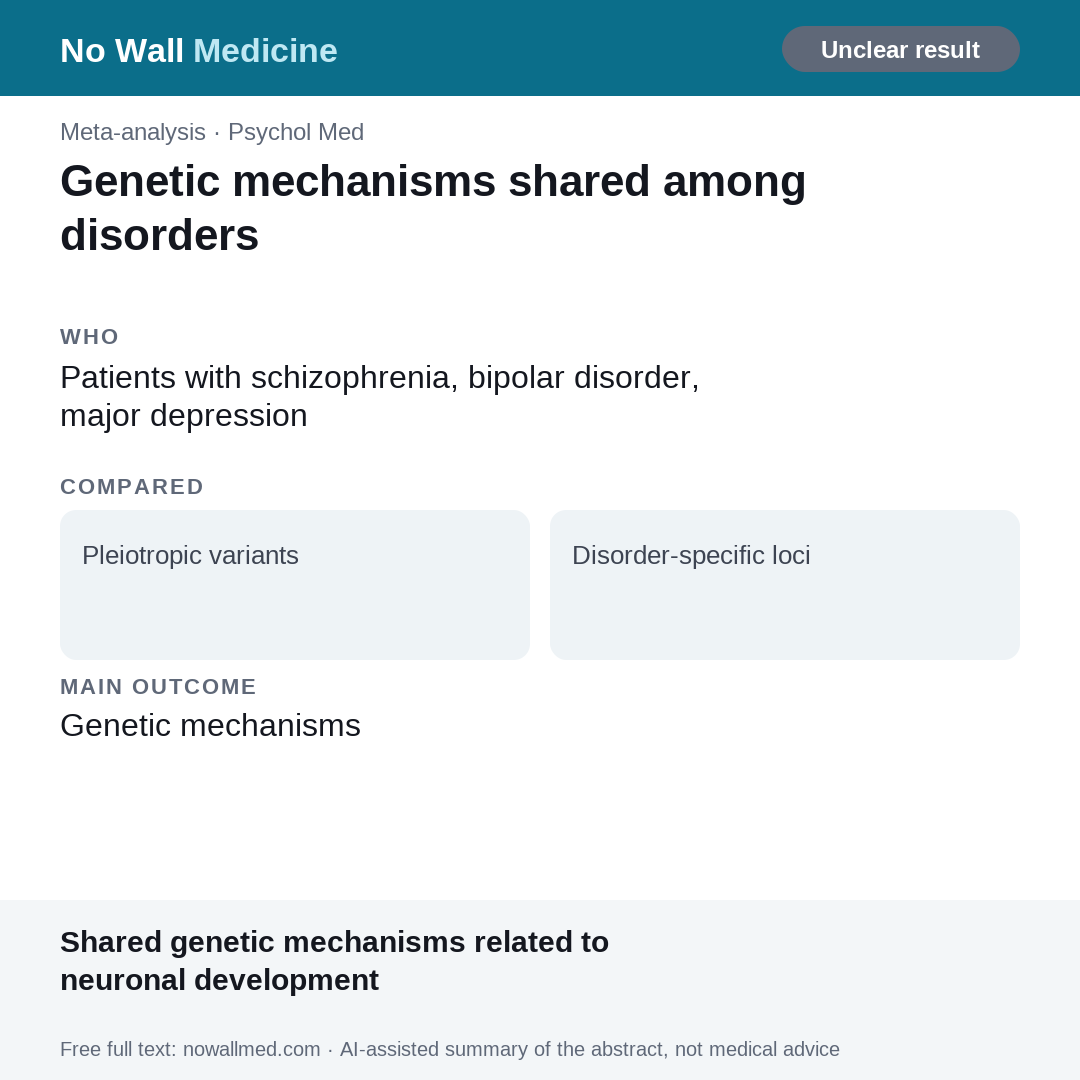
Characterizing pleiotropy among bipolar disorder, schizophrenia, and major depression: a genome-wide cross-disorder meta-analysis
Meta-analysisUnclear result
Genetic mechanisms shared among disorders
Who
Patients with schizophrenia, bipolar disorder, major depression
Compared
Pleiotropic variants
Disorder-specific loci
Main outcome
Genetic mechanisms
Bottom line: Shared genetic mechanisms related to neuronal development
Psychol Med · 2025-05-13Download image
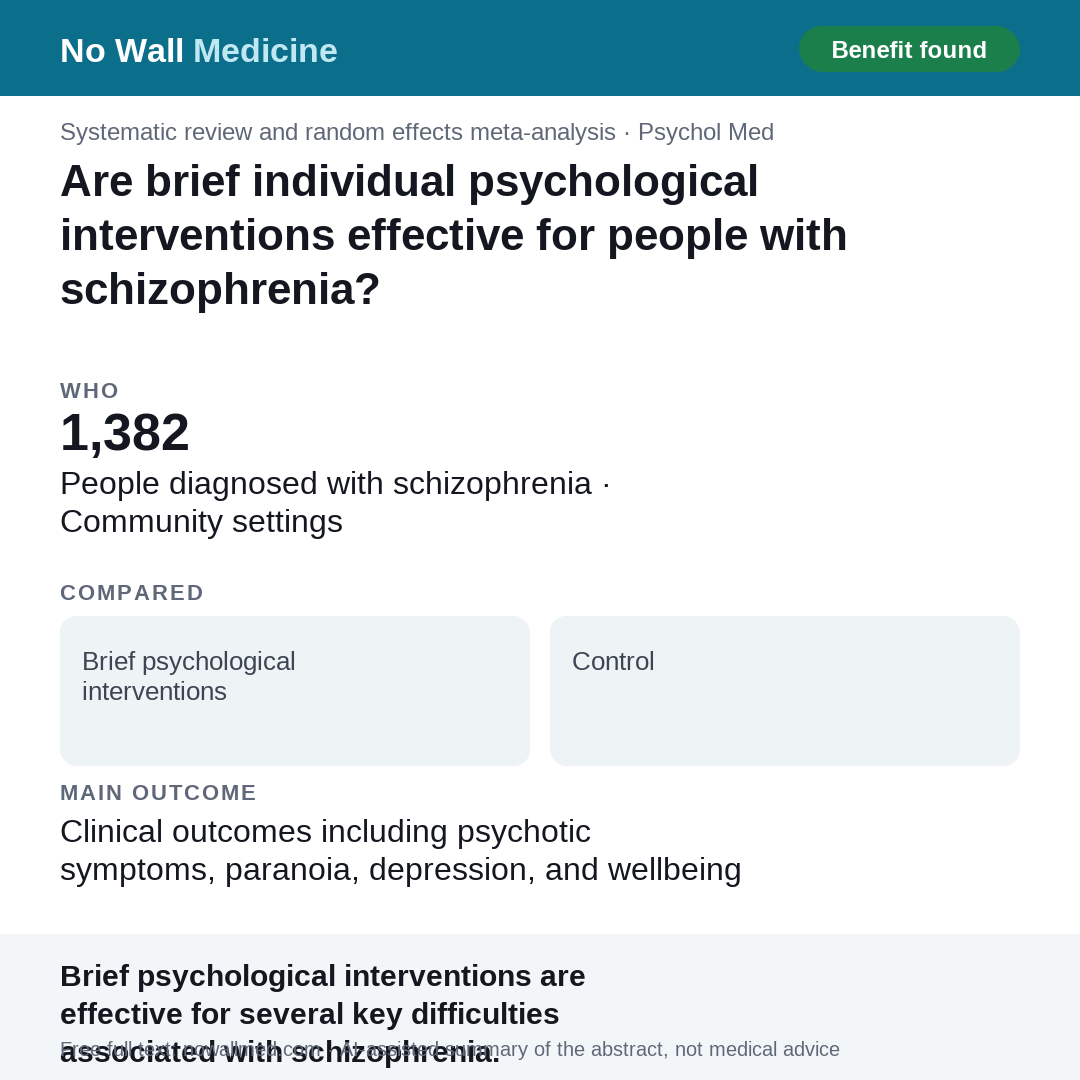
Brief psychological interventions for schizophrenia: a systematic review and meta-analysis
Systematic review and random effects meta-analysisBenefit found
Are brief individual psychological interventions effective for people with schizophrenia?
Who
1,382
People diagnosed with schizophrenia · Community settings
Compared
Brief psychological interventions
Control
Main outcome
Clinical outcomes including psychotic symptoms, paranoia, depression, and wellbeing
Result: SMD -0.285 (p < 0.01) for psychotic symptoms
Bottom line: Brief psychological interventions are effective for several key difficulties associated with schizophrenia.
Psychol Med · 2025-05-13Download image
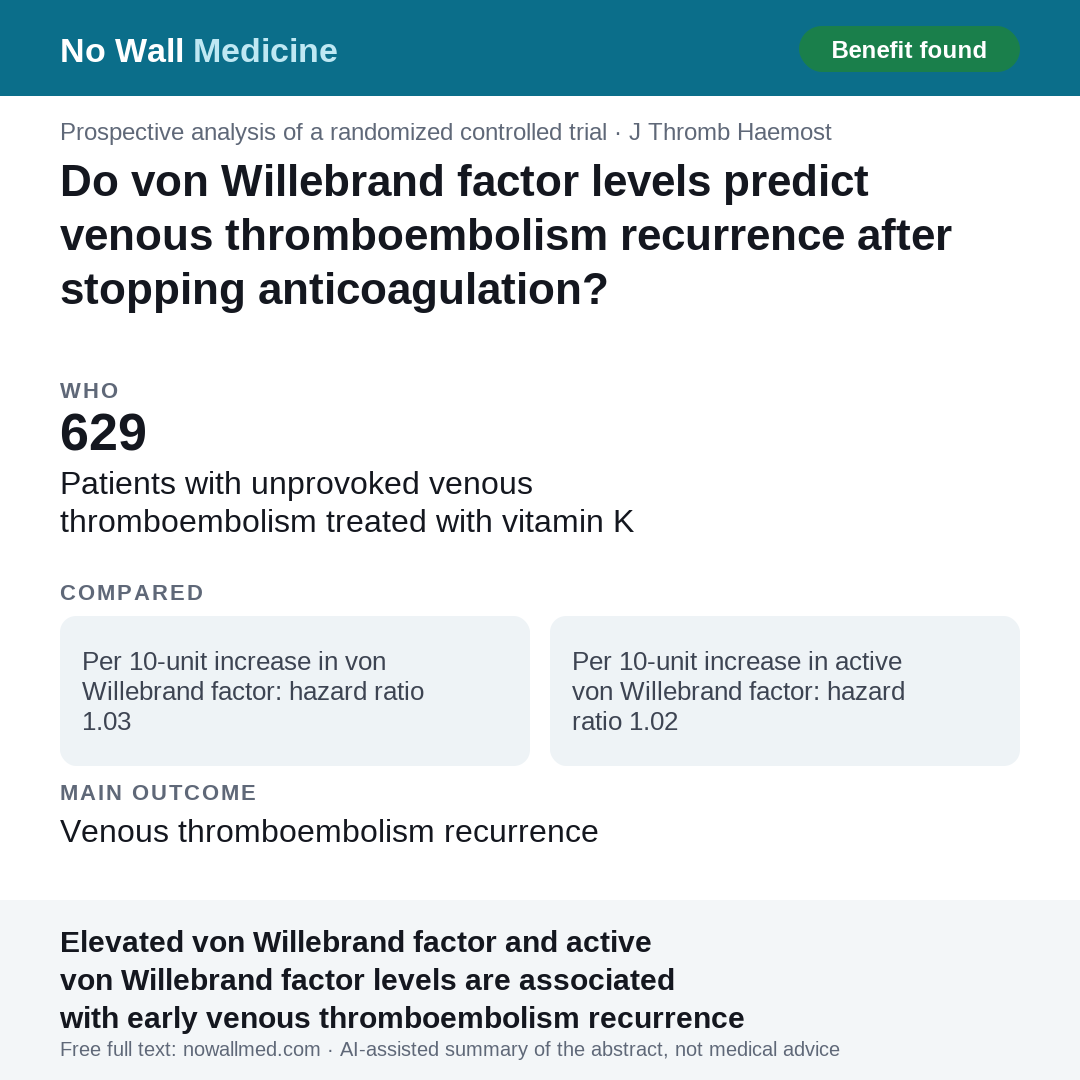
Elevated levels of (active) von Willebrand factor during anticoagulation are associated with early recurrence of venous thromboembolism
Prospective analysis of a randomized controlled trialKey finding
Do von Willebrand factor levels predict venous thromboembolism recurrence after stopping anticoagulation?
Who
629
Patients with unprovoked venous thromboembolism treated with vitamin K antagonists · VISTA trial
Compared
Per 10-unit increase in von Willebrand factor: hazard ratio 1.03
Per 10-unit increase in active von Willebrand factor: hazard ratio 1.02
Main outcome
Venous thromboembolism recurrence
Result: von Willebrand factor: hazard ratio 1.03 (95% CI 1.01-1.06); active von Willebrand factor: hazard ratio 1.02 (95% CI 1.00-1.05)
Bottom line: Elevated von Willebrand factor and active von Willebrand factor levels are associated with early venous thromboembolism recurrence in men.
J Thromb Haemost · 2025-05-13Download image
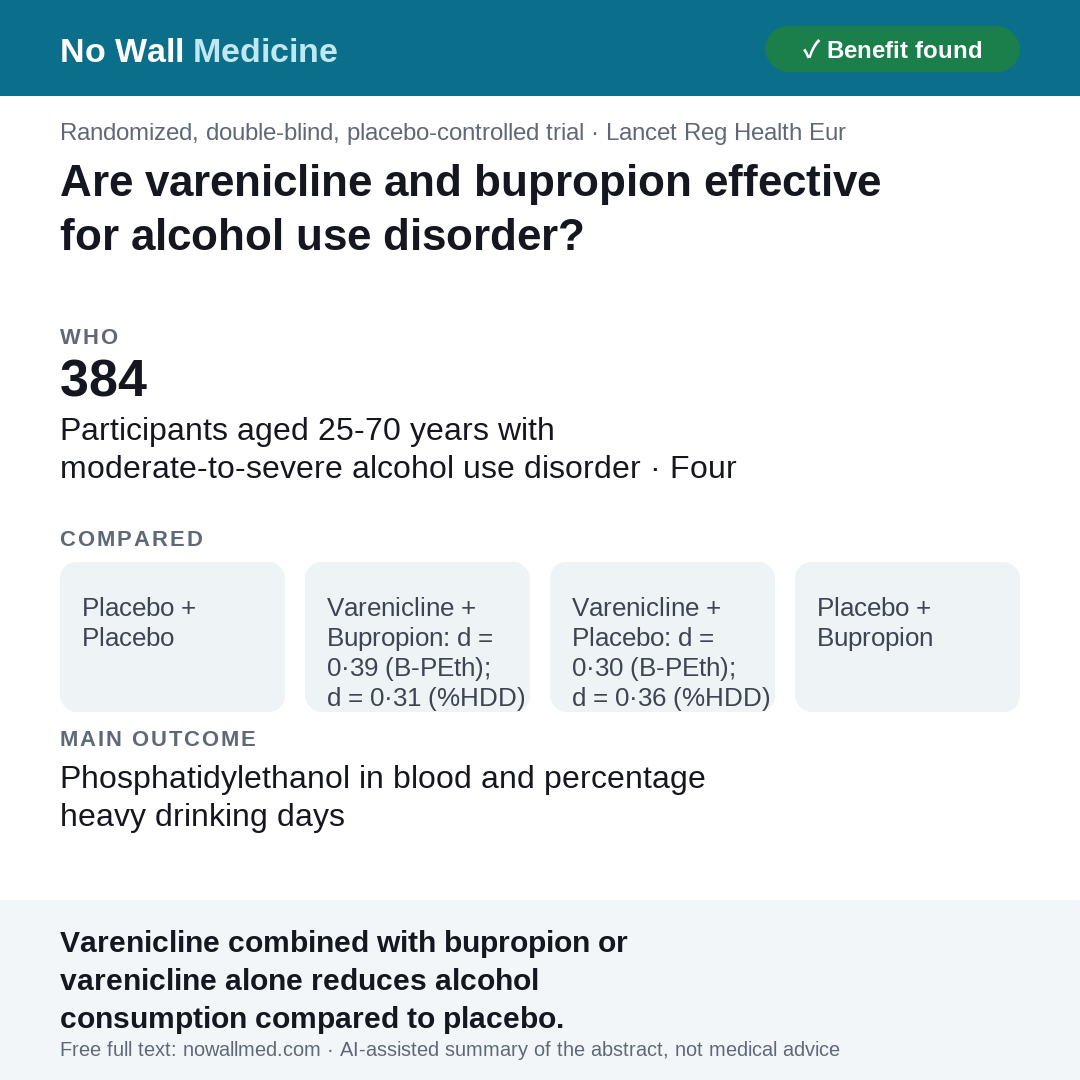
Misoprostol Versus Oxytocin for the Prevention of Postpartum Haemorrhage: A Systematic Review and Meta-Analysis Including Individual Participant Data
Systematic review and meta-analysisHarm found
Is misoprostol or oxytocin more effective for preventing postpartum haemorrhage?
Who
Participants in randomized controlled trials
Compared
Misoprostol
Oxytocin
Main outcome
Postpartum haemorrhage of 500 mL or 1000 mL or more
Result: OR 1.36 (95% CI 1.16-1.59) for PPH ≥ 1000 mL
Bottom line: Oxytocin may be superior to misoprostol for preventing severe postpartum haemorrhage of 1000 mL or more.
BJOG · 2025-05-13Download image
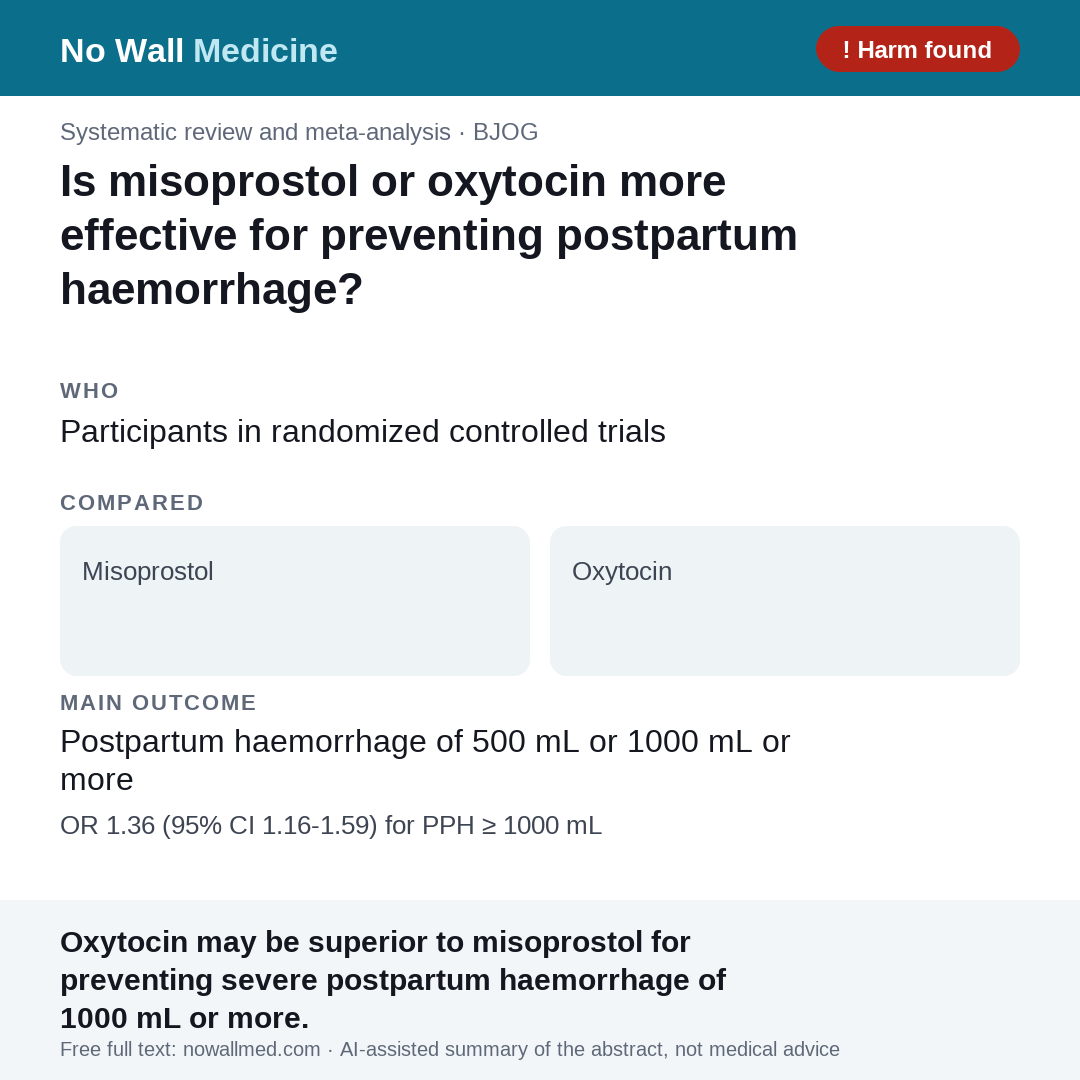
Benefits and barriers to broad implementation of genomic sequencing in the NICU
Systematic reviewMixed results
What are the benefits and barriers to implementing genomic and exome sequencing in the NICU?
Who
Infants in the neonatal intensive care unit
Compared
Benefits: high disease detection rates, timely results, and possible cost reduction
Barriers: personnel availability, cost coverage, genetics knowledge, and equitable access
Main outcome
Benefits, barriers, and components of successful implementation
Bottom line: Genomic sequencing offers high detection rates and timely results but faces barriers like cost, personnel, and equitable access.
Am J Hum Genet · 2025-05-13Download image
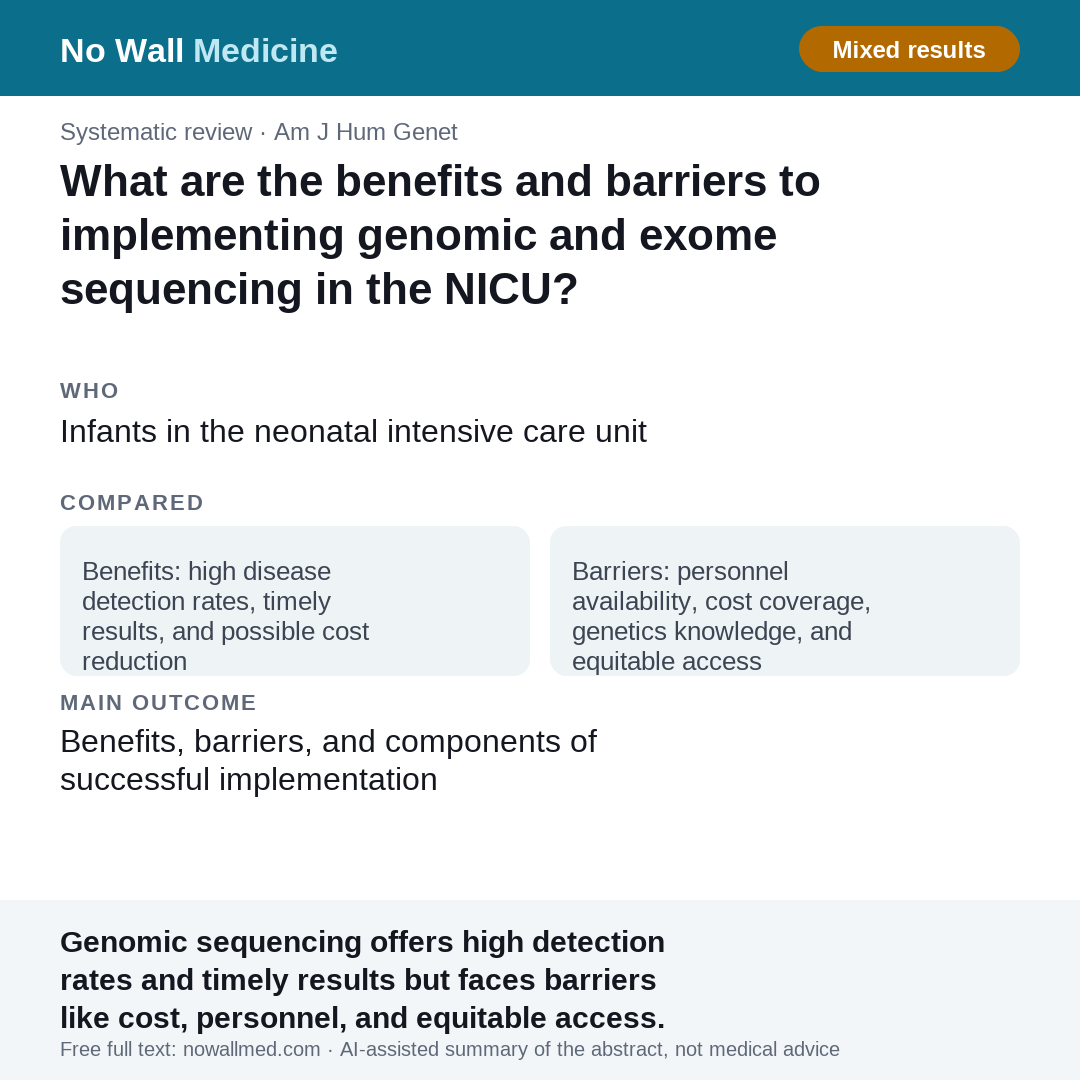
Effects of kilohertz versus low-frequency electrical stimulation of the wrist extensors in patients after stroke: A randomized crossover trial
Randomized crossover studyMixed results
Are kilohertz or low-frequency electrical stimulation more effective for wrist extensors after stroke?
Who
20
Patients with arm paresis after stroke · Neurological inpatient rehabilitation clinic in Germany
Compared
Low-frequency stimulation: higher stimulation efficiency
Kilohertz frequency stimulation
Main outcome
stimulation efficiency
Result: mean difference 0.14 (95% confidence interval, 0.01-0.27 N/mA)
Bottom line: Low-frequency stimulation is more efficient, but both current types yield similar force, discomfort, and fatigue.
Limitation: Further research on the long-term treatment effects of both current types is warranted.
PM R · 2025-05-13Download image
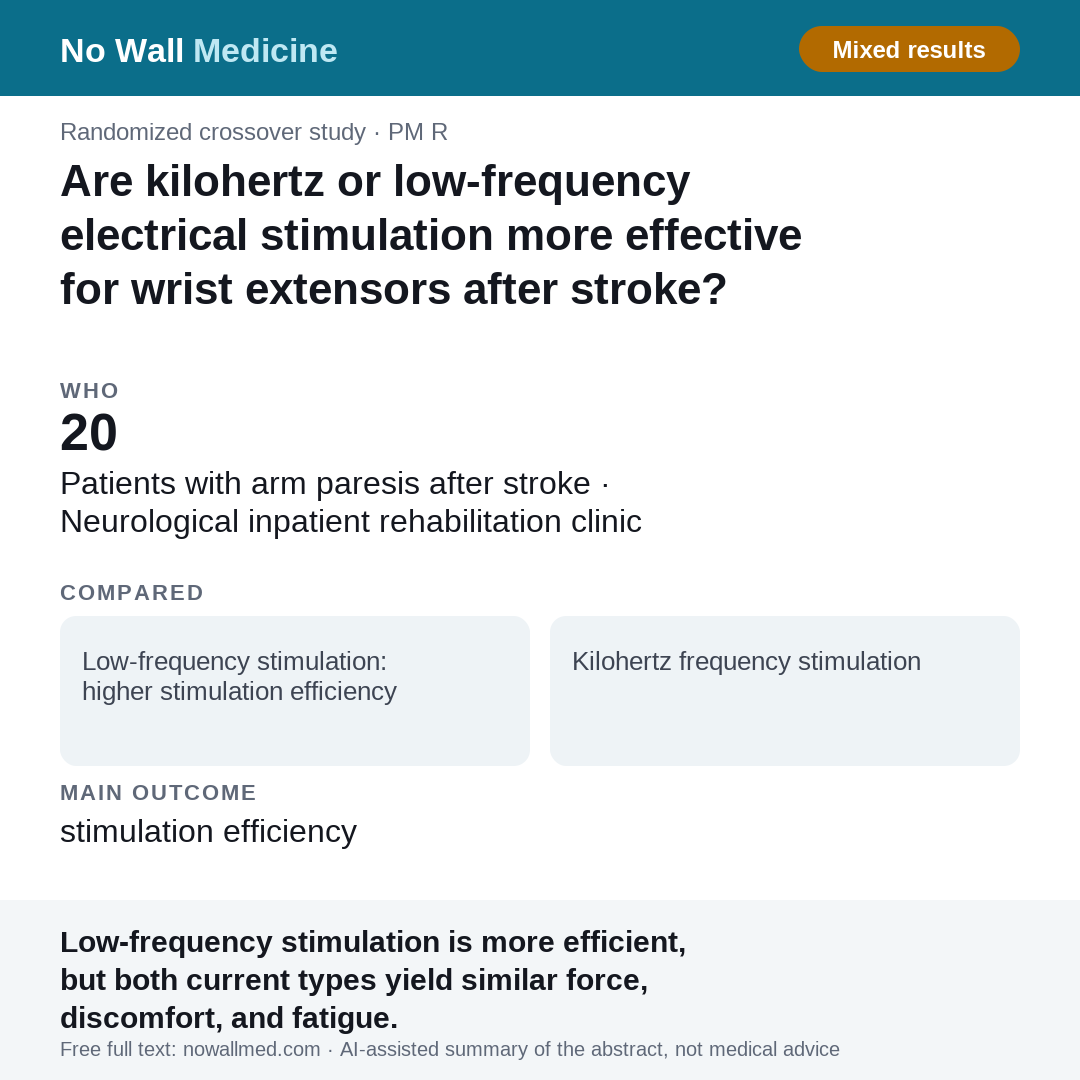
Efficacy and safety of varenicline and bupropion, in combination and alone, for alcohol use disorder: a randomized, double-blind, placebo-controlled multicentre trial
Randomized, double-blind, placebo-controlled trialBenefit found
Are varenicline and bupropion effective for alcohol use disorder?
Who
384
Participants aged 25-70 years with moderate-to-severe alcohol use disorder · Four outpatient clinics in Sweden
Compared
Placebo + Placebo
Varenicline + Bupropion: d = 0·39 (B-PEth); d = 0·31 (%HDD)
Varenicline + Placebo: d = 0·30 (B-PEth); d = 0·36 (%HDD)
Placebo + Bupropion
Main outcome
Phosphatidylethanol in blood and percentage heavy drinking days
Result: d = 0·39 (B-PEth, p = 0·004); d = 0·31 (%HDD, p = 0·008)
Bottom line: Varenicline combined with bupropion or varenicline alone reduces alcohol consumption compared to placebo.
Funded by: Swedish Research Council
Lancet Reg Health Eur · 2025-05-13Download image
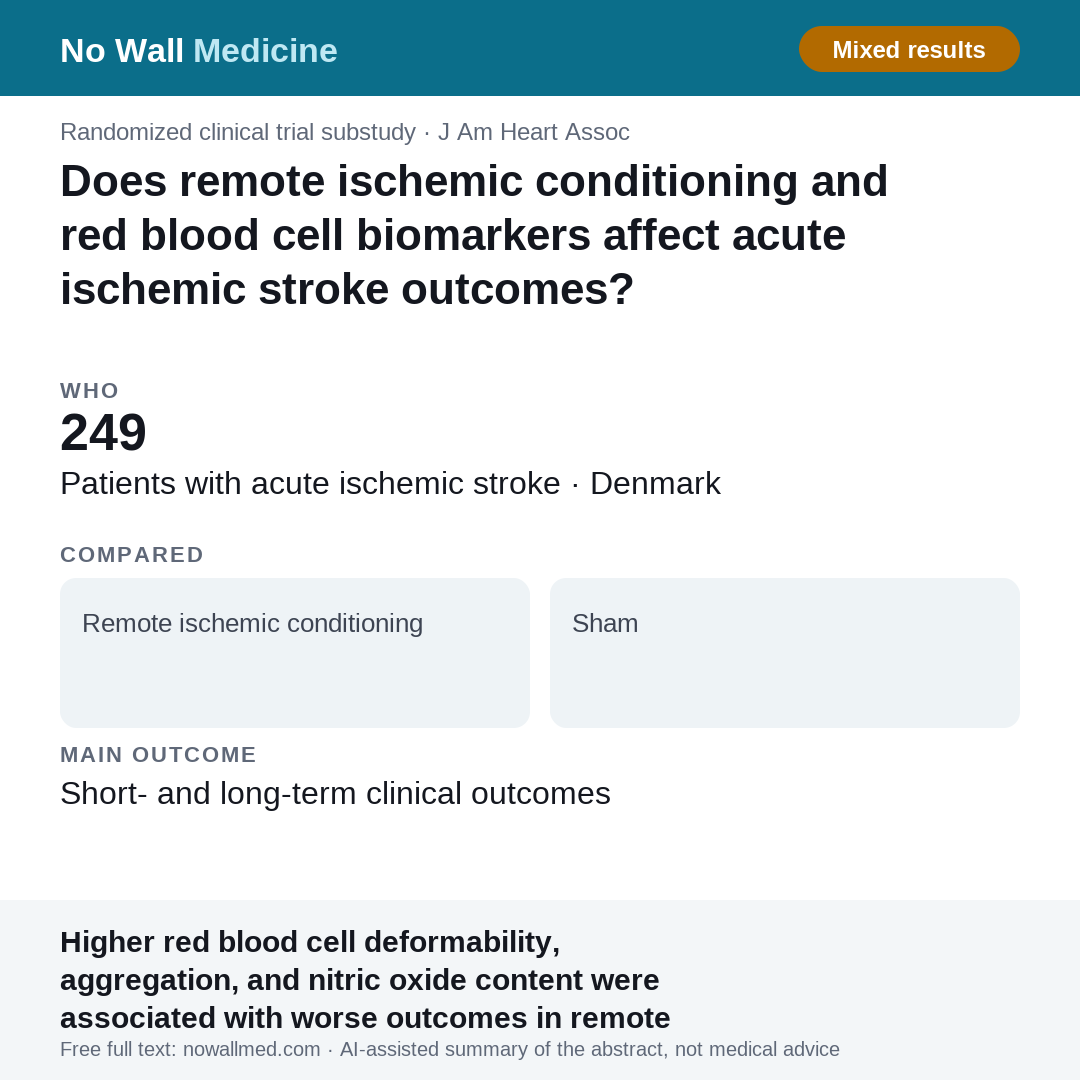
Effect of Remote Ischemic Conditioning and Red Blood Cells Biomarkers on Outcomes in Patients With Acute Stroke
Randomized clinical trial substudyMixed results
Does remote ischemic conditioning and red blood cell biomarkers affect acute ischemic stroke outcomes?
Who
249
Patients with acute ischemic stroke · Denmark
Compared
Remote ischemic conditioning
Sham
Main outcome
Short- and long-term clinical outcomes
Bottom line: Higher red blood cell deformability, aggregation, and nitric oxide content were associated with worse outcomes in remote ischemic conditioning patients.
J Am Heart Assoc · 2025-05-13Download image
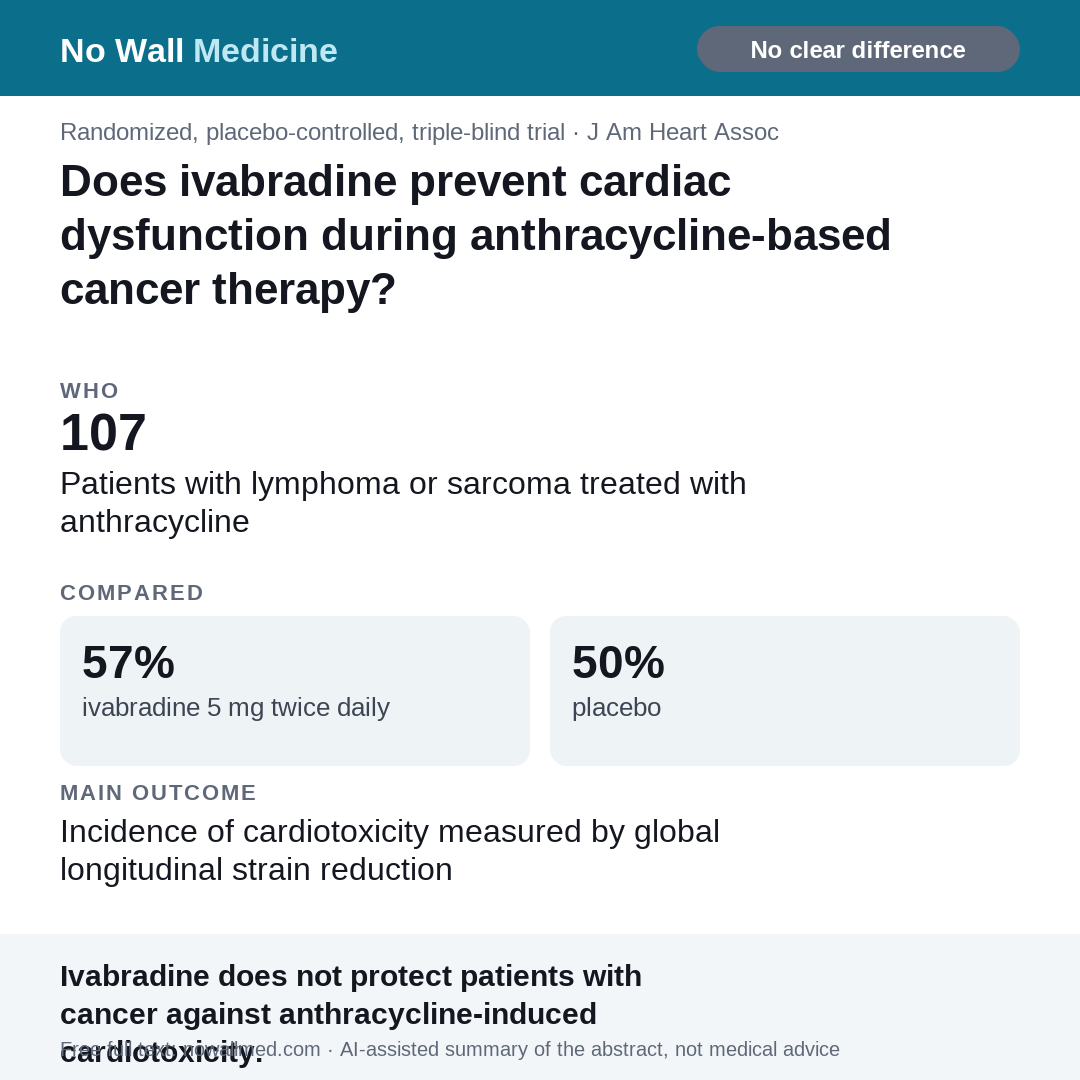
Randomized, Placebo-Controlled, Triple-Blind Clinical Trial of Ivabradine for the Prevention of Cardiac Dysfunction During Anthracycline-Based Cancer Therapy
Randomized, placebo-controlled, triple-blind trialNo clear difference
Does ivabradine prevent cardiac dysfunction during anthracycline-based cancer therapy?
Who
107
Patients with lymphoma or sarcoma treated with anthracycline
Compared
57%ivabradine 5 mg twice daily
50%placebo
Main outcome
Incidence of cardiotoxicity measured by global longitudinal strain reduction
Result: odds ratio 1.32 (95% CI 0.61-2.83)
Bottom line: Ivabradine does not protect patients with cancer against anthracycline-induced cardiotoxicity.
J Am Heart Assoc · 2025-05-13Download image
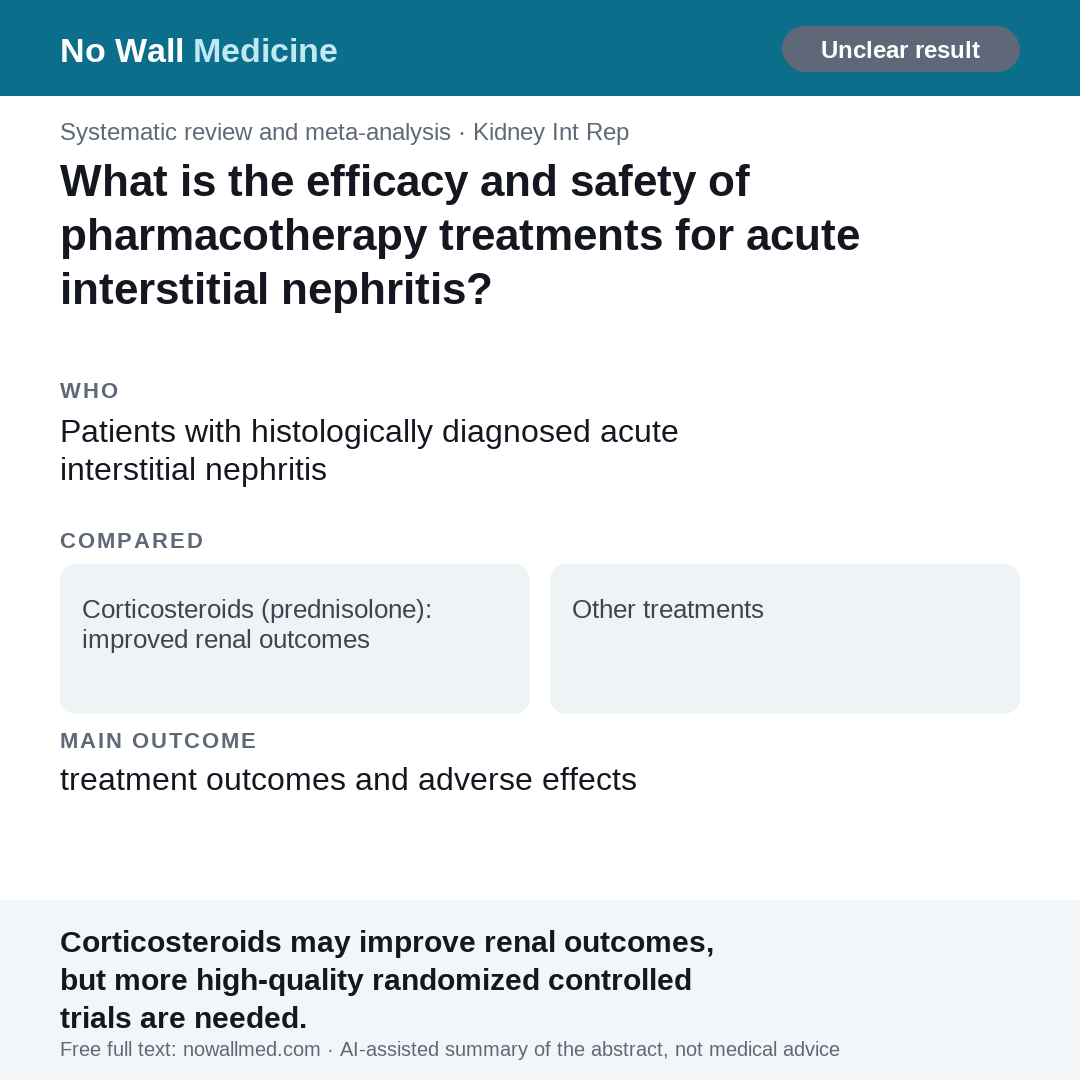
A Systematic Review of Treatment for Acute Interstitial Nephritis
Systematic review and meta-analysisUnclear result
What is the efficacy and safety of pharmacotherapy treatments for acute interstitial nephritis?
Who
Patients with histologically diagnosed acute interstitial nephritis
Compared
Corticosteroids (prednisolone): improved renal outcomes
Other treatments
Main outcome
treatment outcomes and adverse effects
Bottom line: Corticosteroids may improve renal outcomes, but more high-quality randomized controlled trials are needed.
Kidney Int Rep · 2025-05-13Download image
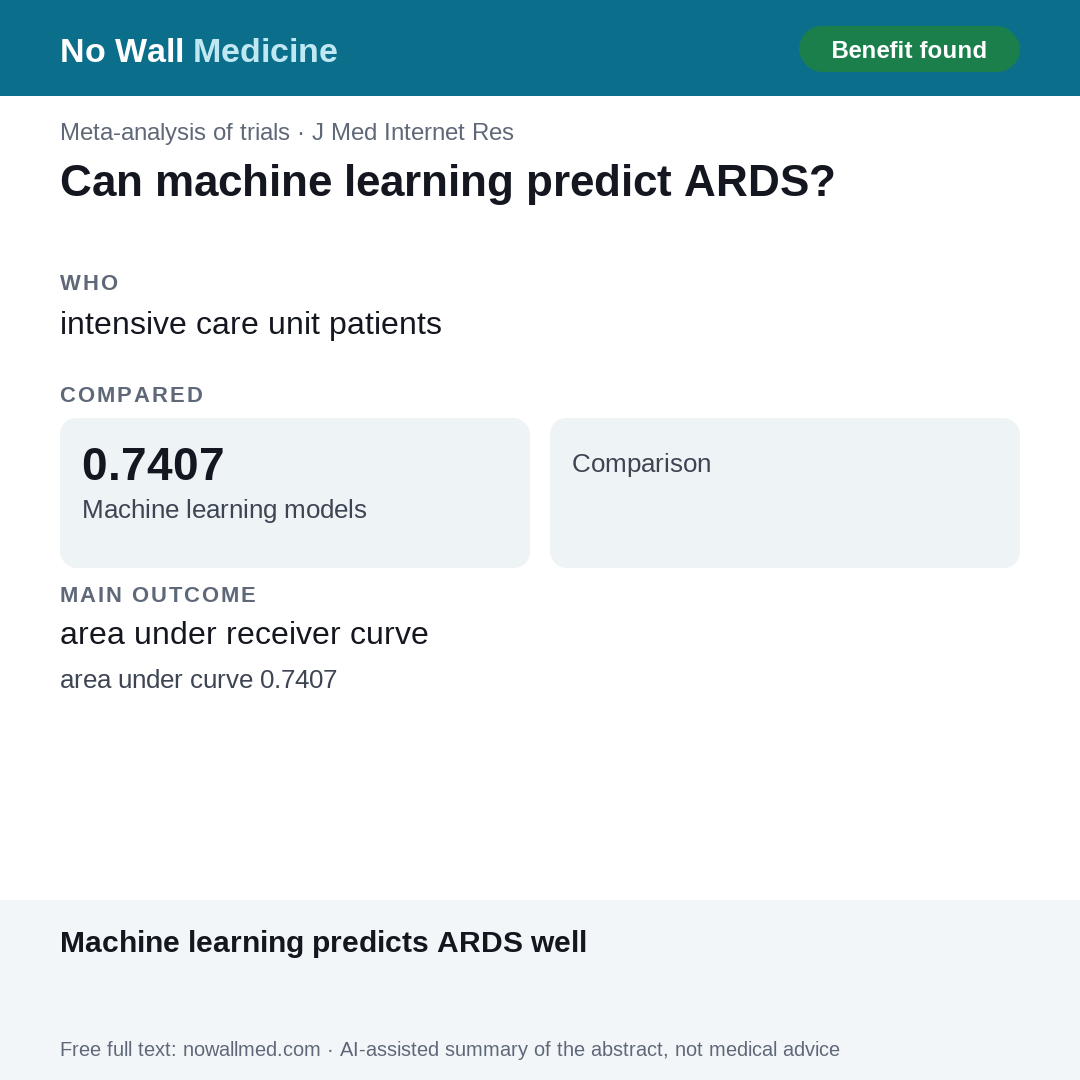
Predictive Modeling of Acute Respiratory Distress Syndrome Using Machine Learning: Systematic Review and Meta-Analysis
Meta-analysis of studiesKey finding
Can machine learning predict ARDS?
Who
intensive care unit patients
Compared
0.7407Machine learning models
Comparison
Main outcome
area under receiver curve
Result: area under curve 0.7407
Bottom line: Machine learning predicts ARDS well
Limitation: many models have limitations
J Med Internet Res · 2025-05-13Download image
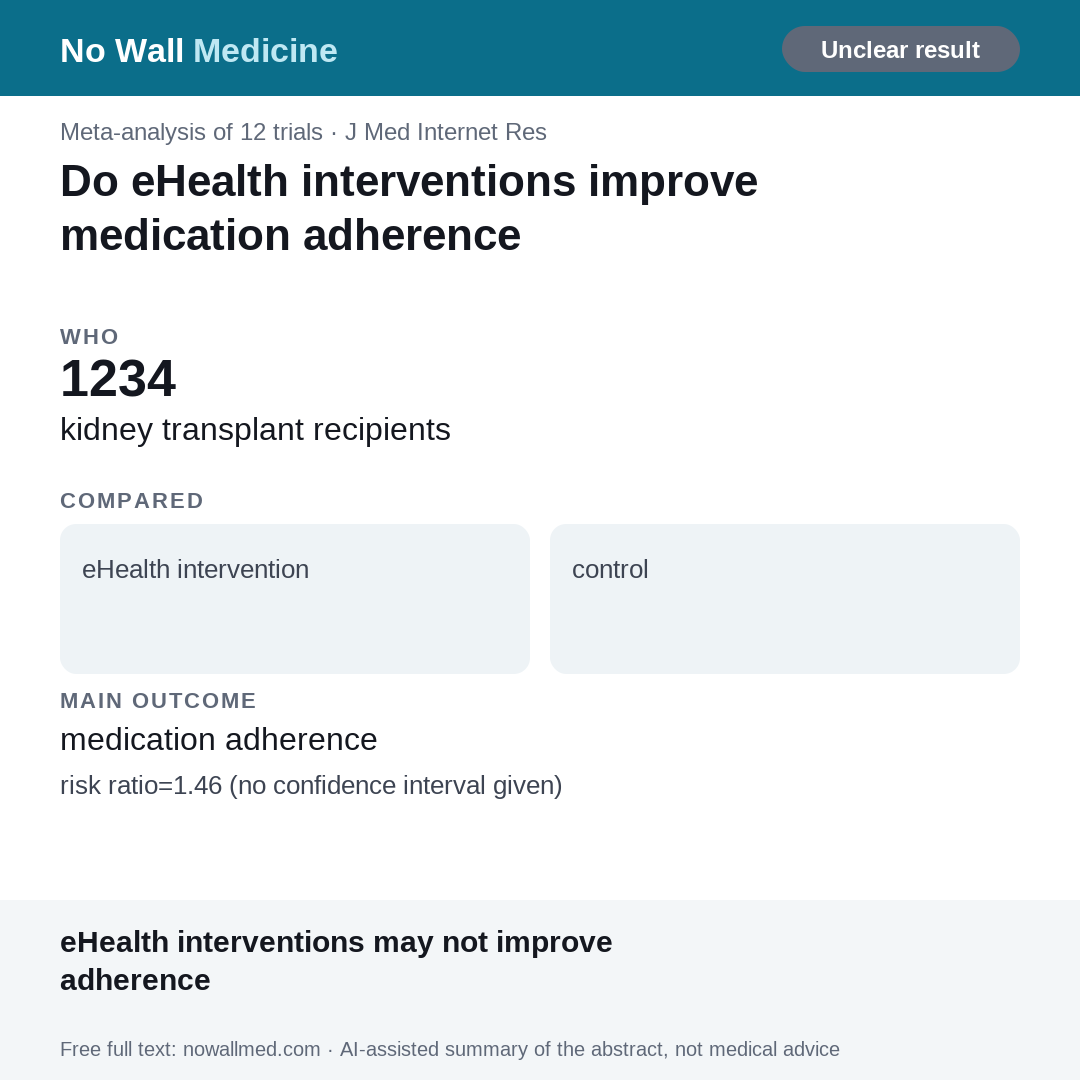
Effectiveness of eHealth for Medication Adherence in Renal Transplant Recipients: Systematic Review and Meta-Analysis
Meta-analysis of 12 trialsUnclear result
Do eHealth interventions improve medication adherence
Who
1234
kidney transplant recipients
Compared
eHealth intervention
control
Main outcome
medication adherence
Result: risk ratio=1.46 (no confidence interval given)
Bottom line: eHealth interventions may not improve adherence
Limitation: heterogeneity in trial designs and low evidence quality
J Med Internet Res · 2025-05-13Download image
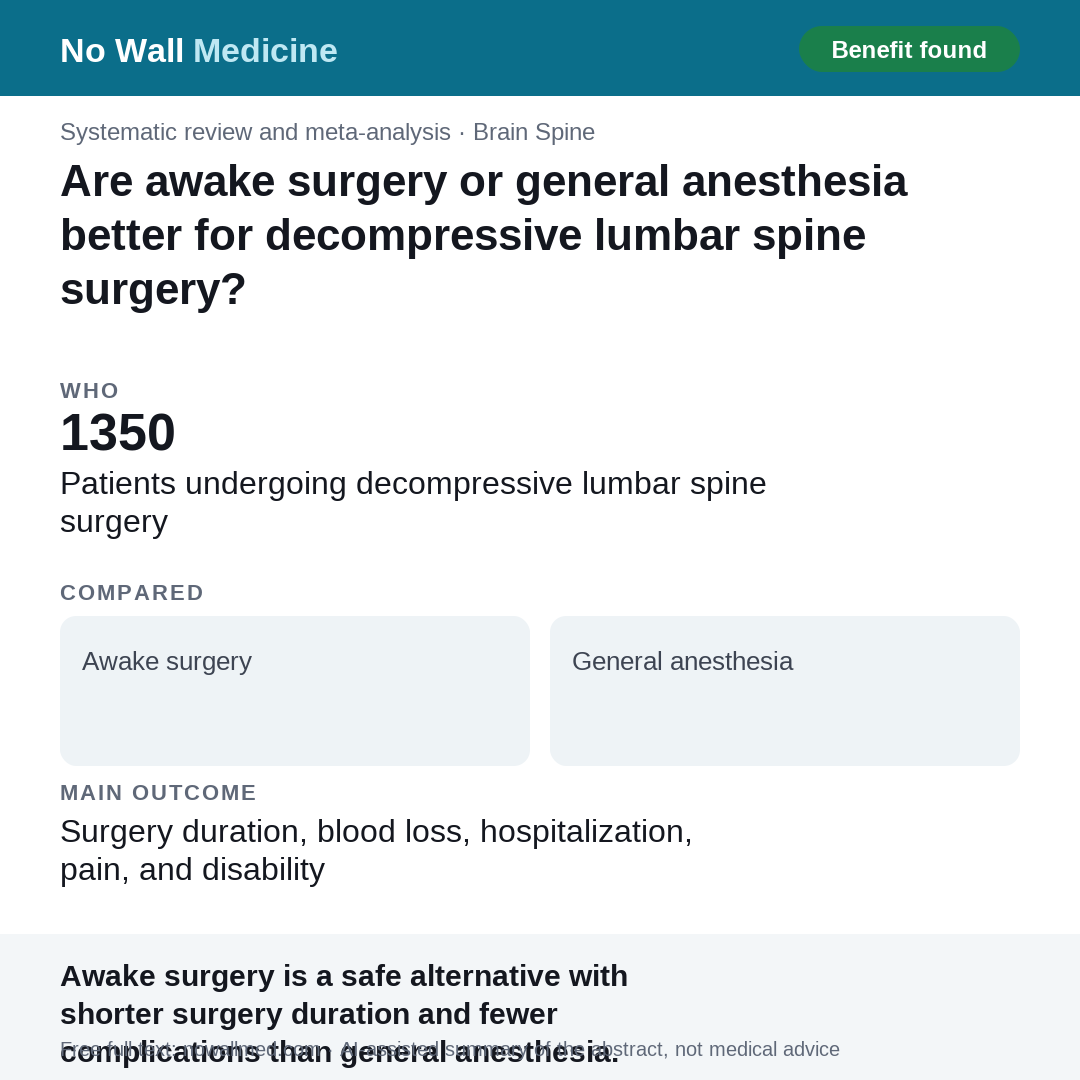
Systematic review and meta-analysis of spinal versus general anesthesia in decompressive surgeries of the lumbar spine
Systematic review and meta-analysisBenefit found
Are awake surgery or general anesthesia better for decompressive lumbar spine surgery?
Who
1350
Patients undergoing decompressive lumbar spine surgery
Compared
Awake surgery
General anesthesia
Main outcome
Surgery duration, blood loss, hospitalization, pain, and disability
Result: risk ratio 0.86 (95% CI 0.75, 0.99) for postoperative complications
Bottom line: Awake surgery is a safe alternative with shorter surgery duration and fewer complications than general anesthesia.
Limitation: Selected studies were considerably heterogeneic
Brain Spine · 2025-05-13Download image
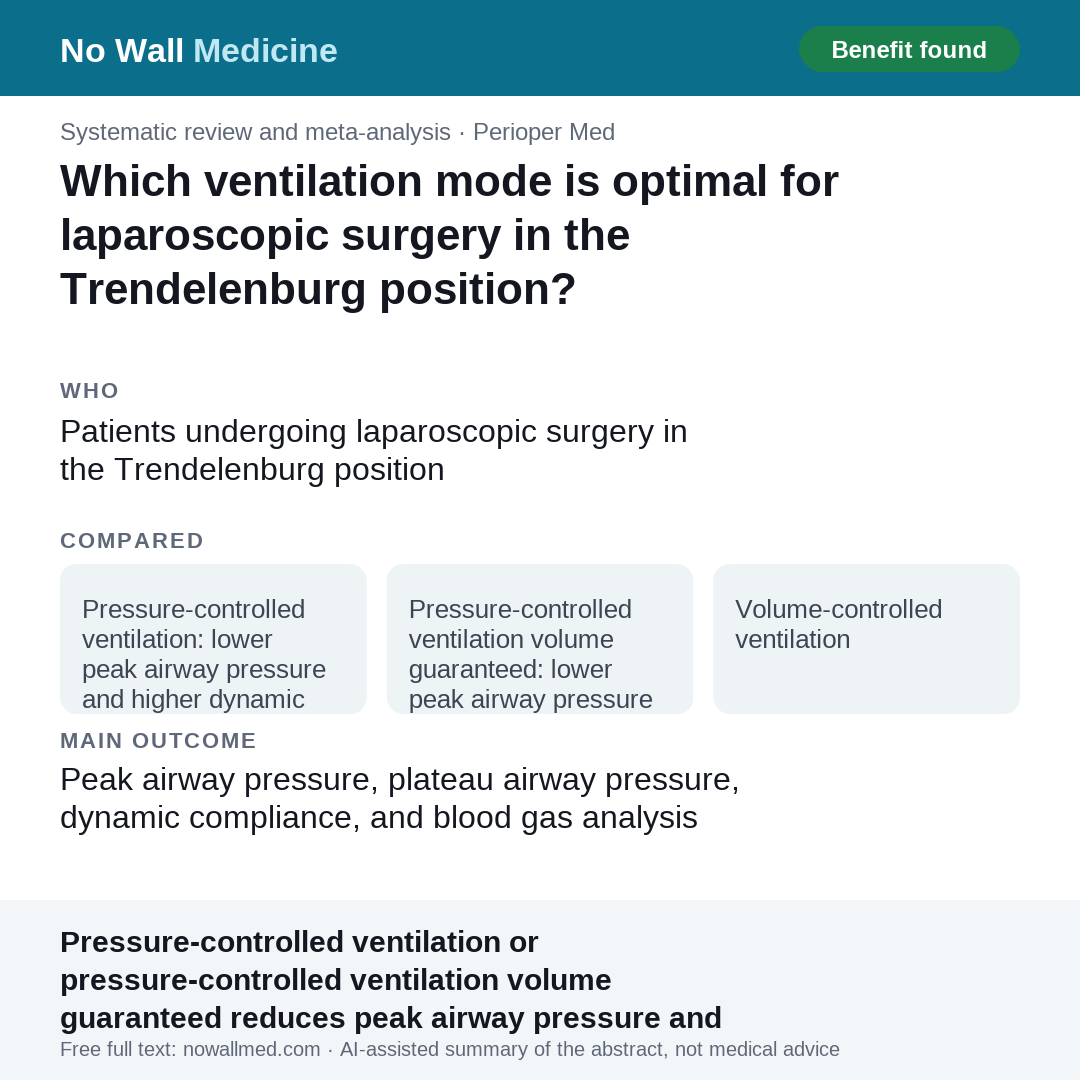
Effect of pressure-controlled ventilation and volume-controlled ventilation for laparoscopic surgery in the Trendelenburg position: a systematic review and meta-analysis
Systematic review and meta-analysisBenefit found
Which ventilation mode is optimal for laparoscopic surgery in the Trendelenburg position?
Who
Patients undergoing laparoscopic surgery in the Trendelenburg position
Compared
Pressure-controlled ventilation: lower peak airway pressure and higher dynamic compliance
Pressure-controlled ventilation volume guaranteed: lower peak airway pressure and higher dynamic compliance
Volume-controlled ventilation
Main outcome
Peak airway pressure, plateau airway pressure, dynamic compliance, and blood gas analysis
Bottom line: Pressure-controlled ventilation or pressure-controlled ventilation volume guaranteed reduces peak airway pressure and improves dynamic compliance compared to volume-controlled ventilation.
Perioper Med · 2025-05-13Download image
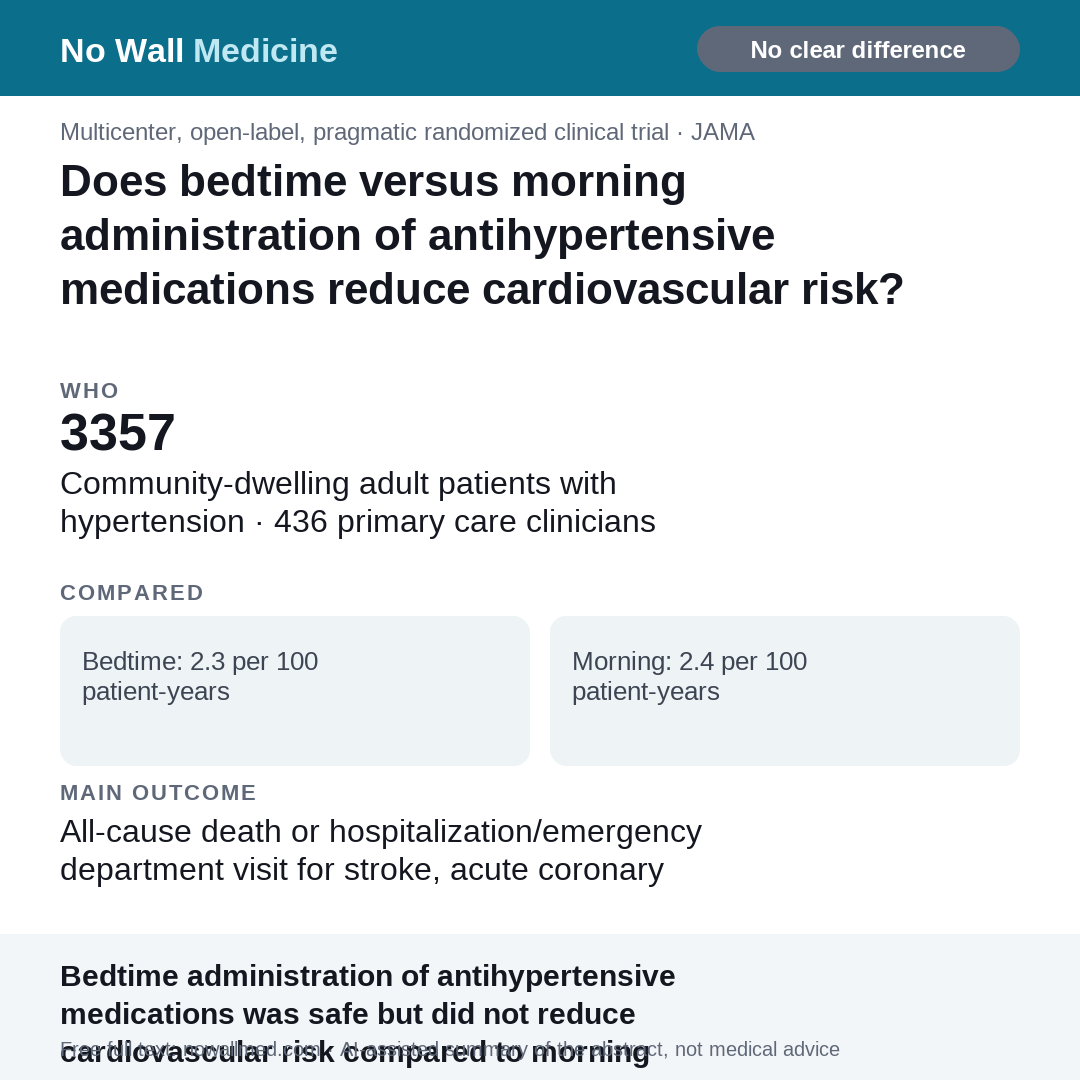
Antihypertensive Medication Timing and Cardiovascular Events and Death: The BedMed Randomized Clinical Trial
Multicenter, open-label, pragmatic randomized clinical trialNo clear difference
Does bedtime versus morning administration of antihypertensive medications reduce cardiovascular risk?
Who
3357
Community-dwelling adult patients with hypertension · 436 primary care clinicians across 5 Canadian provinces
Compared
Bedtime: 2.3 per 100 patient-years
Morning: 2.4 per 100 patient-years
Main outcome
All-cause death or hospitalization/emergency department visit for stroke, acute coronary syndrome, or heart failure
Result: adjusted hazard ratio 0.96 (95% CI 0.77-1.19)
Bottom line: Bedtime administration of antihypertensive medications was safe but did not reduce cardiovascular risk compared to morning administration.
JAMA · 2025-05-12Download image
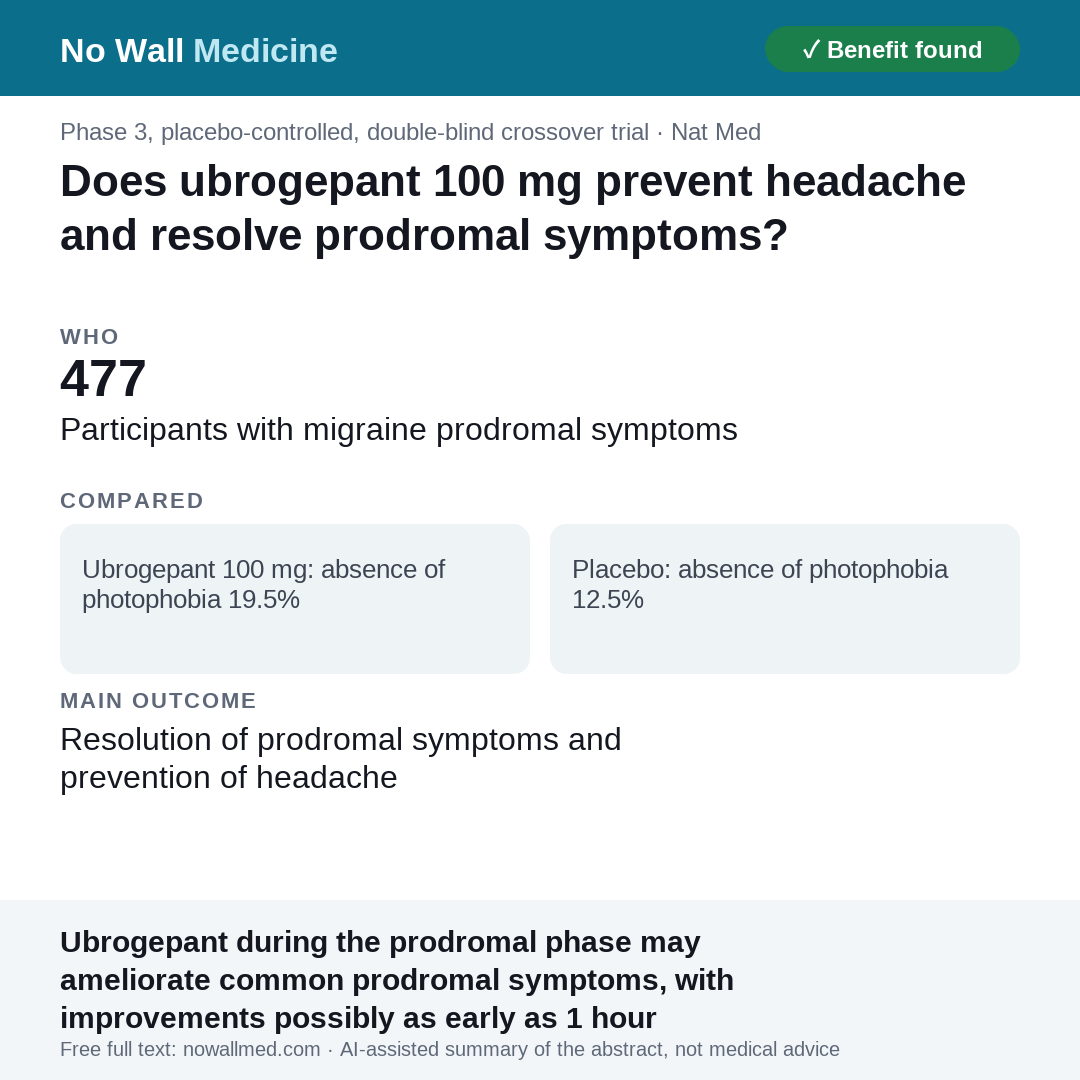
Ubrogepant for the treatment of migraine prodromal symptoms: an exploratory analysis from the randomized phase 3 PRODROME trial
Phase 3, placebo-controlled, double-blind crossover trialBenefit found
Does ubrogepant 100 mg prevent headache and resolve prodromal symptoms?
Who
477
Participants with migraine prodromal symptoms
Compared
Ubrogepant 100 mg: absence of photophobia 19.5%
Placebo: absence of photophobia 12.5%
Main outcome
Resolution of prodromal symptoms and prevention of headache
Bottom line: Ubrogepant during the prodromal phase may ameliorate common prodromal symptoms, with improvements possibly as early as 1 hour post-dose.
Nat Med · 2025-05-12Download image