Visual abstracts
New randomized trials and meta-analyses from leading journals at a glance: who was studied, what was compared, and what was found. Every paper is free to read in full.
All specialtiesCardiology 4763Oncology 4043Gastroenterology & Hepatology 1903Infectious Disease 3756Neurology 1872Psychiatry & Mental Health 2216Pulmonology 2044Critical Care 1319Endocrinology & Diabetes 2544Pediatrics 2889Surgery 2480Orthopedics & Sports Medicine 917Neurosurgery 525Cardiothoracic & Vascular Surgery 656Plastic & Reconstructive Surgery 574Nephrology 1107Rheumatology 810Hematology 1090Dermatology 611Ophthalmology 532Obstetrics & Gynecology 1645Public & Global Health 1037Radiology & Imaging 619Anesthesiology 958Urology 745ENT (Otolaryngology) 494Emergency Medicine 481Allergy & Immunology 309Geriatrics 972Family Medicine & Primary Care 534Medical Genetics & Genomics 659Pathology & Laboratory Medicine 156Physical Medicine & Rehabilitation 734Palliative Care 421Nutrition 1560Digital Health & AI 2137General Medicine 318
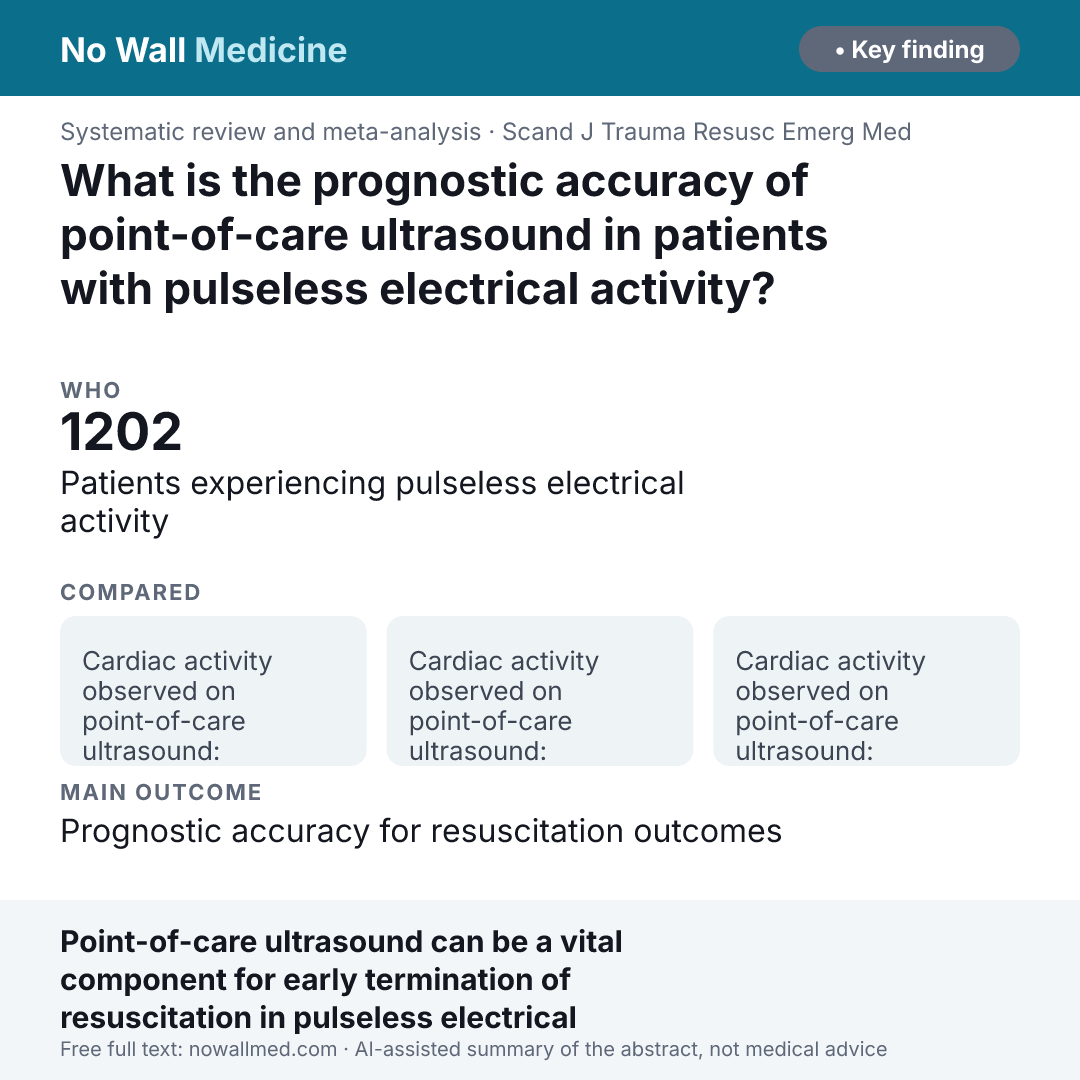
Prognostic accuracy of point-of-care ultrasound in patients with pulseless electrical activity: a systematic review and meta-analysis
Systematic review and meta-analysisKey finding
What is the prognostic accuracy of point-of-care ultrasound in patients with pulseless electrical activity?
Who
1202
Patients experiencing pulseless electrical activity
Compared
Cardiac activity observed on point-of-care ultrasound: sensitivity 0.86 (95% CI 0.67-0.95) for return of spontaneous circulation
Cardiac activity observed on point-of-care ultrasound: sensitivity 0.89 (95% CI 0.80-0.94) for survival to admission
Cardiac activity observed on point-of-care ultrasound: sensitivity 0.79 (95% CI 0.58-0.91) for survival to discharge
Main outcome
Prognostic accuracy for resuscitation outcomes
Result: area under the summary receiver operating characteristic curve 0.89 (95% CI 0.86-0.92) for survival to admission
Bottom line: Point-of-care ultrasound can be a vital component for early termination of resuscitation in pulseless electrical activity.
Scand J Trauma Resusc Emerg Med · 2025-02-10 · Save PNG
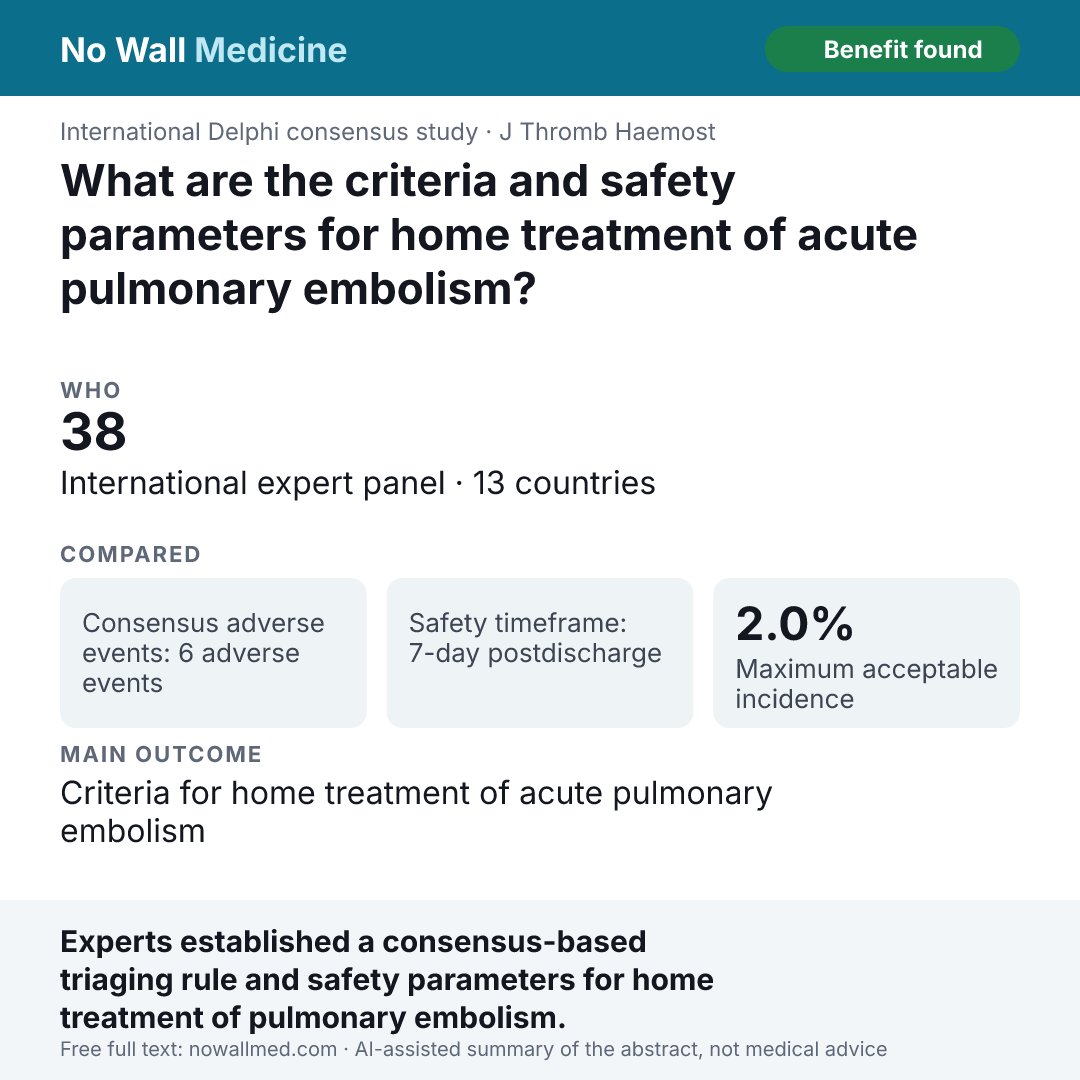
Criteria for home treatment of patients with acute pulmonary embolism (the Emergency Advisory and Research international board on Thrombosis and Hemostasis EARTH - rule): an international Delphi consensus study
International Delphi consensus studyBenefit found
What are the criteria and safety parameters for home treatment of acute pulmonary embolism?
Who
38
International expert panel · 13 countries
Compared
Consensus adverse events: 6 adverse events
Safety timeframe: 7-day postdischarge
2.0%Maximum acceptable incidence
Main outcome
Criteria for home treatment of acute pulmonary embolism
Bottom line: Experts established a consensus-based triaging rule and safety parameters for home treatment of pulmonary embolism.
Limitation: Future prospective studies are needed to validate the rule before clinical implementation.
J Thromb Haemost · 2025-02-09 · Save PNG
Bempedoic Acid for Prevention of Cardiovascular Events in People With Obesity: A CLEAR Outcomes Subset Analysis
Randomized trialBenefit found
Does bempedoic acid prevent cardiovascular events in people with obesity?
Who
6177
6177 patients with baseline body mass index ≥30 kg/m2
Compared
Bempedoic acid: 23% reduction in major adverse cardiovascular events-4
Placebo
Main outcome
major adverse cardiovascular events-4
Result: hazard ratio 0.77 (95% CI 0.67-0.89)
Bottom line: In people with obesity, bempedoic acid reduced major adverse cardiovascular events, low-density lipoprotein cholesterol, and high-sensitivity C-reactive protein.
J Am Heart Assoc · 2025-02-08 · Save PNG

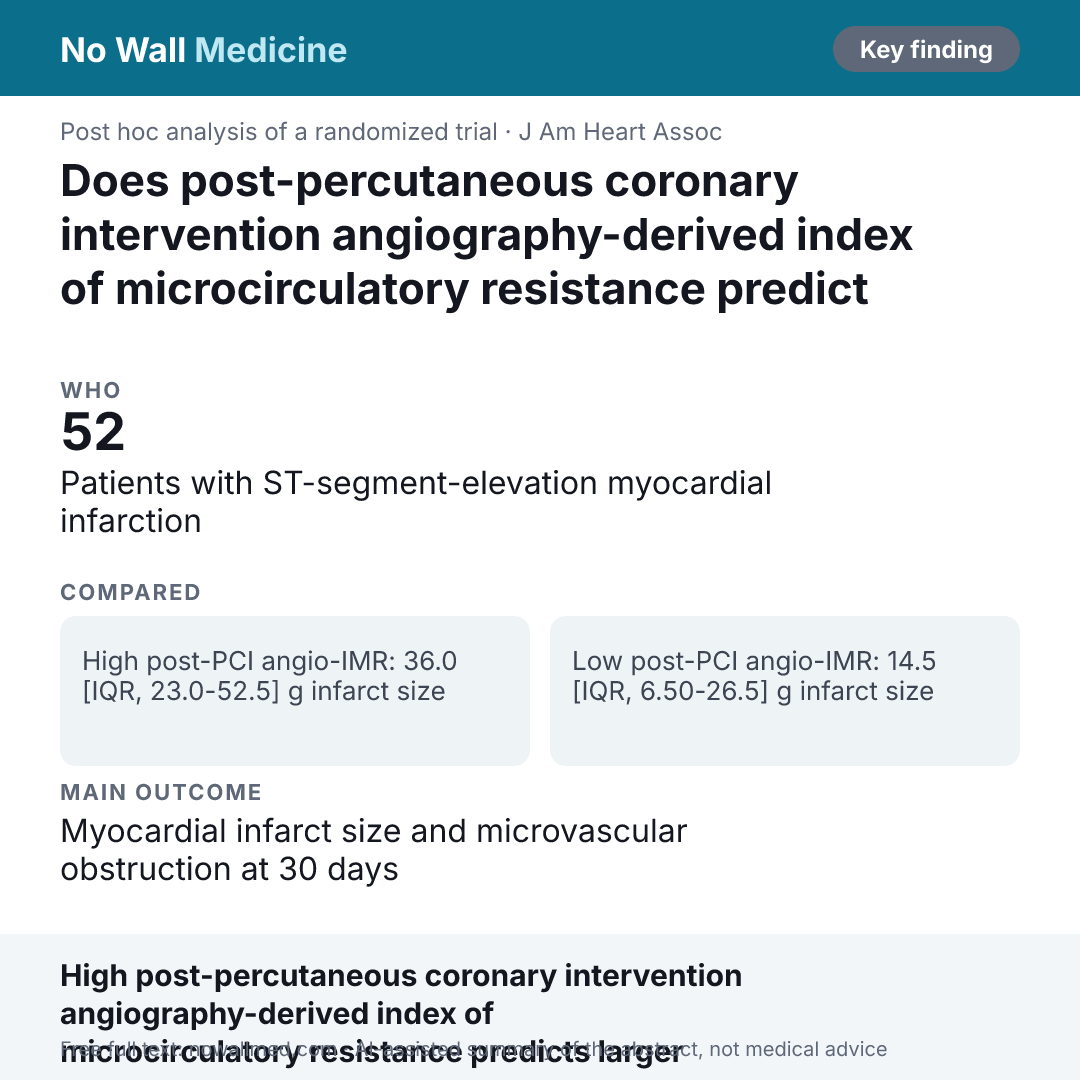
Microcirculatory Resistance After Primary Percutaneous Coronary Intervention Predicts Residual Myocardial Damage and Scar Formation
Post hoc analysis of a randomized trialKey finding
Does post-percutaneous coronary intervention angiography-derived index of microcirculatory resistance predict myocardial damage?
Who
52
Patients with ST-segment-elevation myocardial infarction
Compared
High post-PCI angio-IMR: 36.0 [IQR, 23.0-52.5] g infarct size
Low post-PCI angio-IMR: 14.5 [IQR, 6.50-26.5] g infarct size
Main outcome
Myocardial infarct size and microvascular obstruction at 30 days
Bottom line: High post-percutaneous coronary intervention angiography-derived index of microcirculatory resistance predicts larger myocardial infarct size and microvascular obstruction.
J Am Heart Assoc · 2025-02-08 · Save PNG
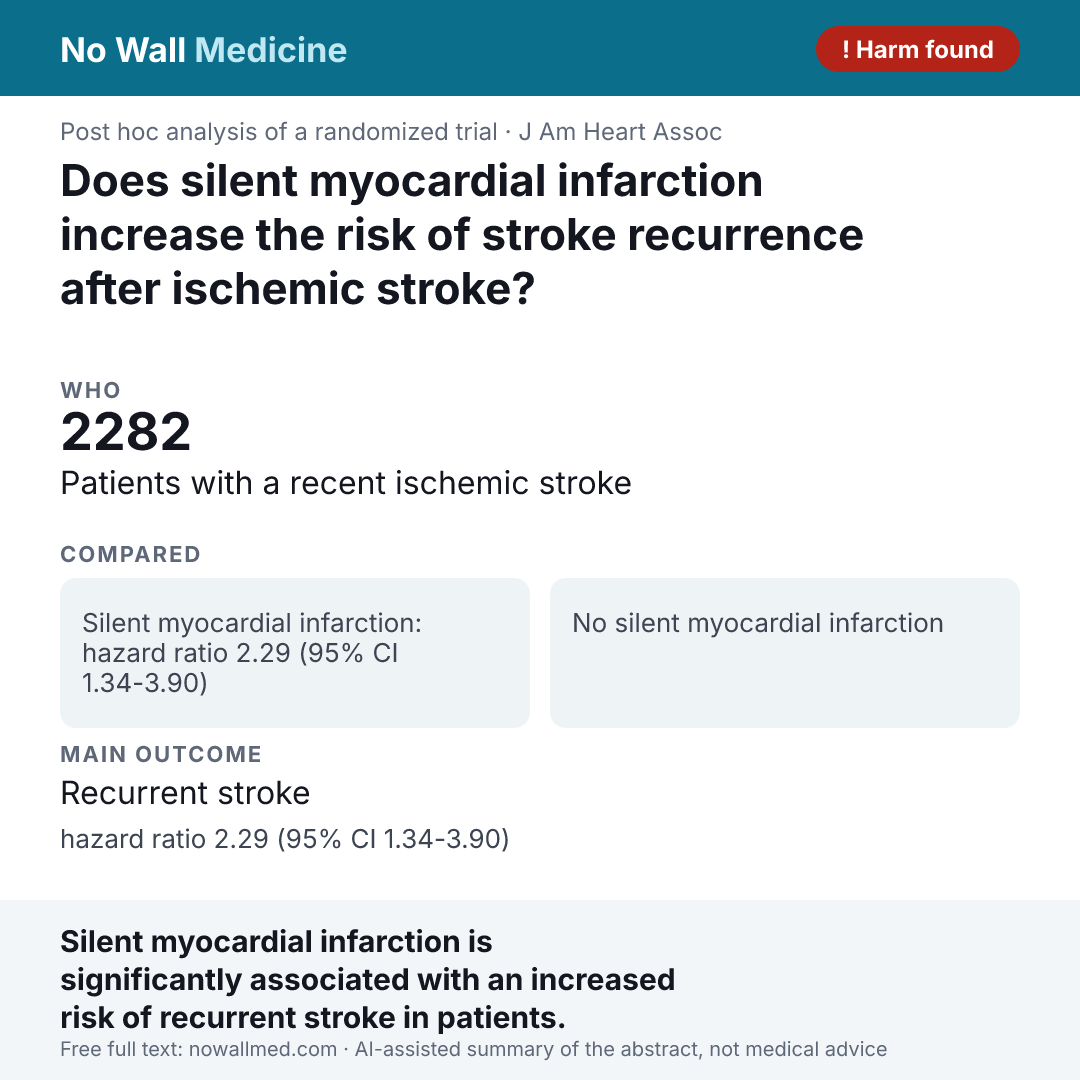
Silent Myocardial Infarction and Risk of Stroke Recurrence: A Post Hoc Analysis of the IRIS Trial
Post hoc analysis of a randomized trialHarm found
Does silent myocardial infarction increase the risk of stroke recurrence after ischemic stroke?
Who
2282
Patients with a recent ischemic stroke
Compared
Silent myocardial infarction: hazard ratio 2.29 (95% CI 1.34-3.90)
No silent myocardial infarction
Main outcome
Recurrent stroke
Result: hazard ratio 2.29 (95% CI 1.34-3.90)
Bottom line: Silent myocardial infarction is significantly associated with an increased risk of recurrent stroke in patients.
J Am Heart Assoc · 2025-02-08 · Save PNG
Economic Evaluation of Robotic-assisted Radical Prostatectomy: A Systematic Review and Meta-analysis
Systematic review and meta-analysisMixed results
Is robotic-assisted radical prostatectomy cost-effective compared to open or laparoscopic approaches?
Who
Patients undergoing radical prostatectomy for localized prostate cancer · High-income and middle-income countries
Compared
Robotic-assisted radical prostatectomy in high-income countries vs laparoscopic: $7507.83 [-$1193.03 to $16 208.69]
Robotic-assisted radical prostatectomy in middle-income countries vs laparoscopic: -$4499.39 [-$16 500 to $7526.87]
Robotic-assisted radical prostatectomy in high-income countries vs open: $3322.38 [-$1864.39 to $8509.15]
Robotic-assisted radical prostatectomy in middle-income countries vs open: $2222.60 [-$2960.64 to $7405.83]
Main outcome
Incremental net benefit (incremental cost per quality-adjusted life year gained)
Result: not specified
Bottom line: Robotic-assisted radical prostatectomy is not statistically cost-effective compared to laparoscopic or open approaches across most settings.
Eur Urol Open Sci · 2025-02-08 · Save PNG

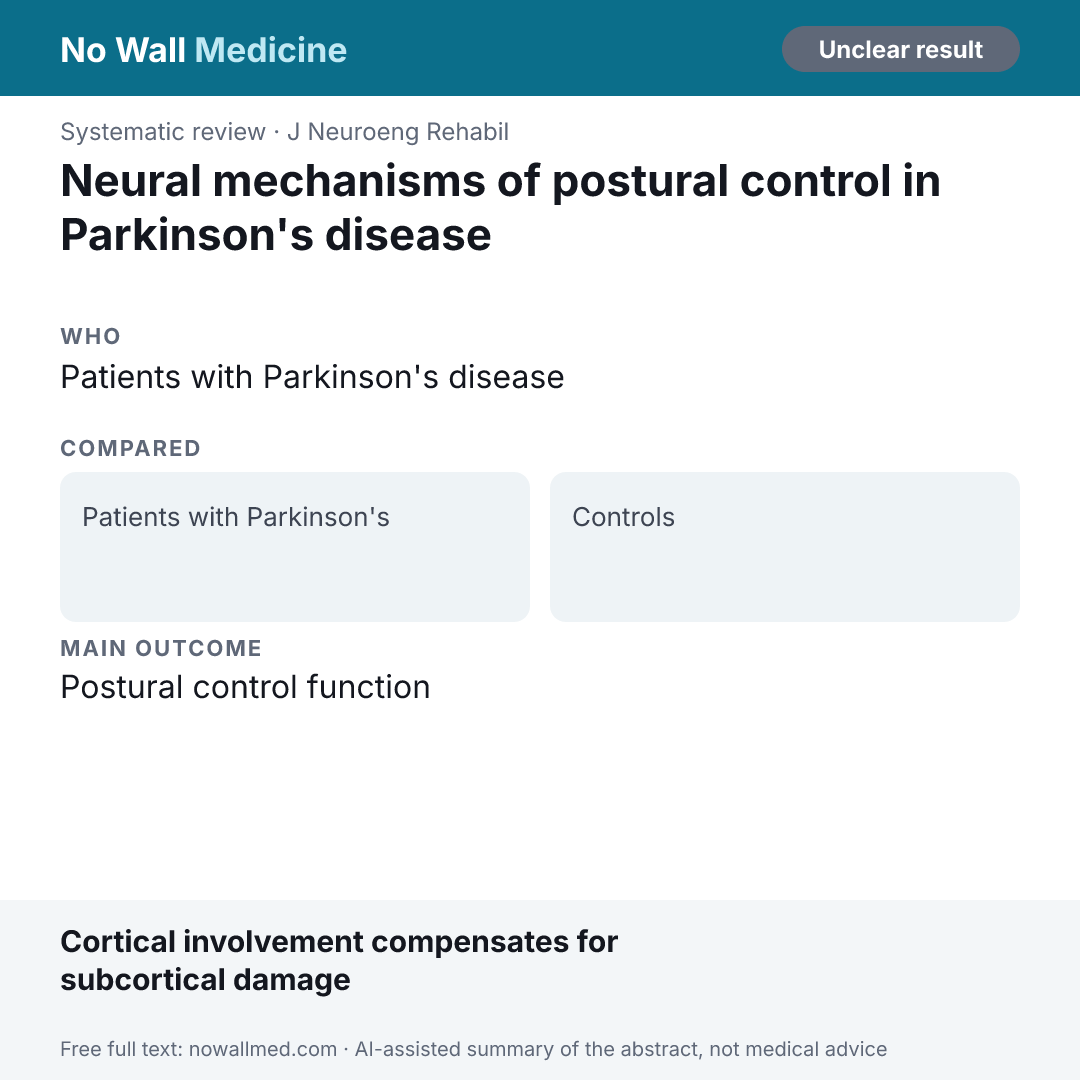
Neuroimaging and cognitive correlates of postural control in Parkinson's disease: a systematic review
Systematic reviewUnclear result
Neural mechanisms of postural control in Parkinson's disease
Who
Patients with Parkinson's disease
Compared
Patients with Parkinson's
Controls
Main outcome
Postural control function
Bottom line: Cortical involvement compensates for subcortical damage
J Neuroeng Rehabil · 2025-02-08 · Save PNG
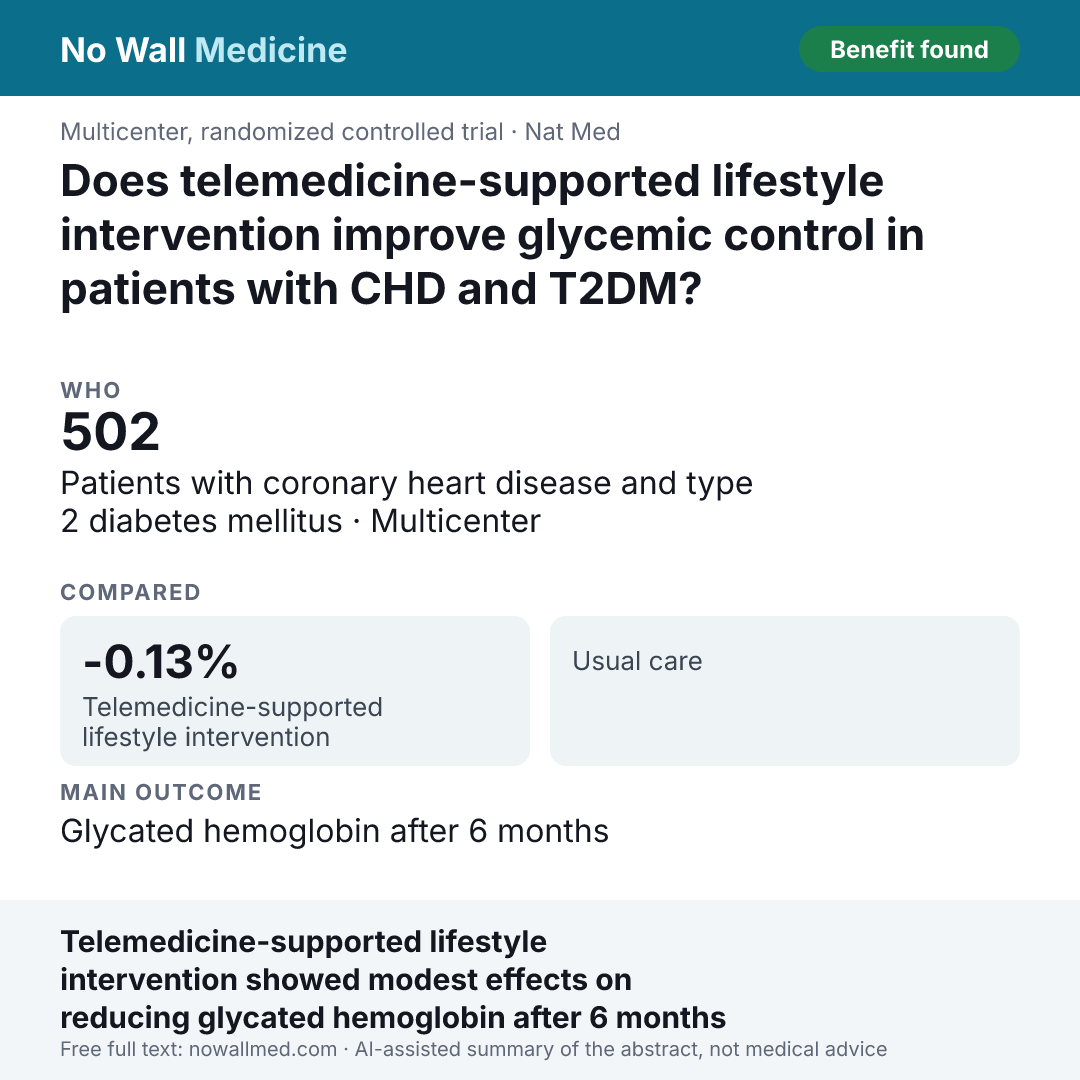
Telemedicine-supported lifestyle intervention for glycemic control in patients with CHD and T2DM: multicenter, randomized controlled trial
Multicenter, randomized controlled trialBenefit found
Does telemedicine-supported lifestyle intervention improve glycemic control in patients with CHD and T2DM?
Who
502
Patients with coronary heart disease and type 2 diabetes mellitus · Multicenter
Compared
-0.13%Telemedicine-supported lifestyle intervention (95% confidence interval, -0.25 to -0.01)
Usual care
Main outcome
Glycated hemoglobin after 6 months
Result: -0.13% (95% confidence interval, -0.25 to -0.01)
Bottom line: Telemedicine-supported lifestyle intervention showed modest effects on reducing glycated hemoglobin after 6 months in patients.
Limitation: No statistically significant between-group differences were observed at 12 months.
Nat Med · 2025-02-07 · Save PNG
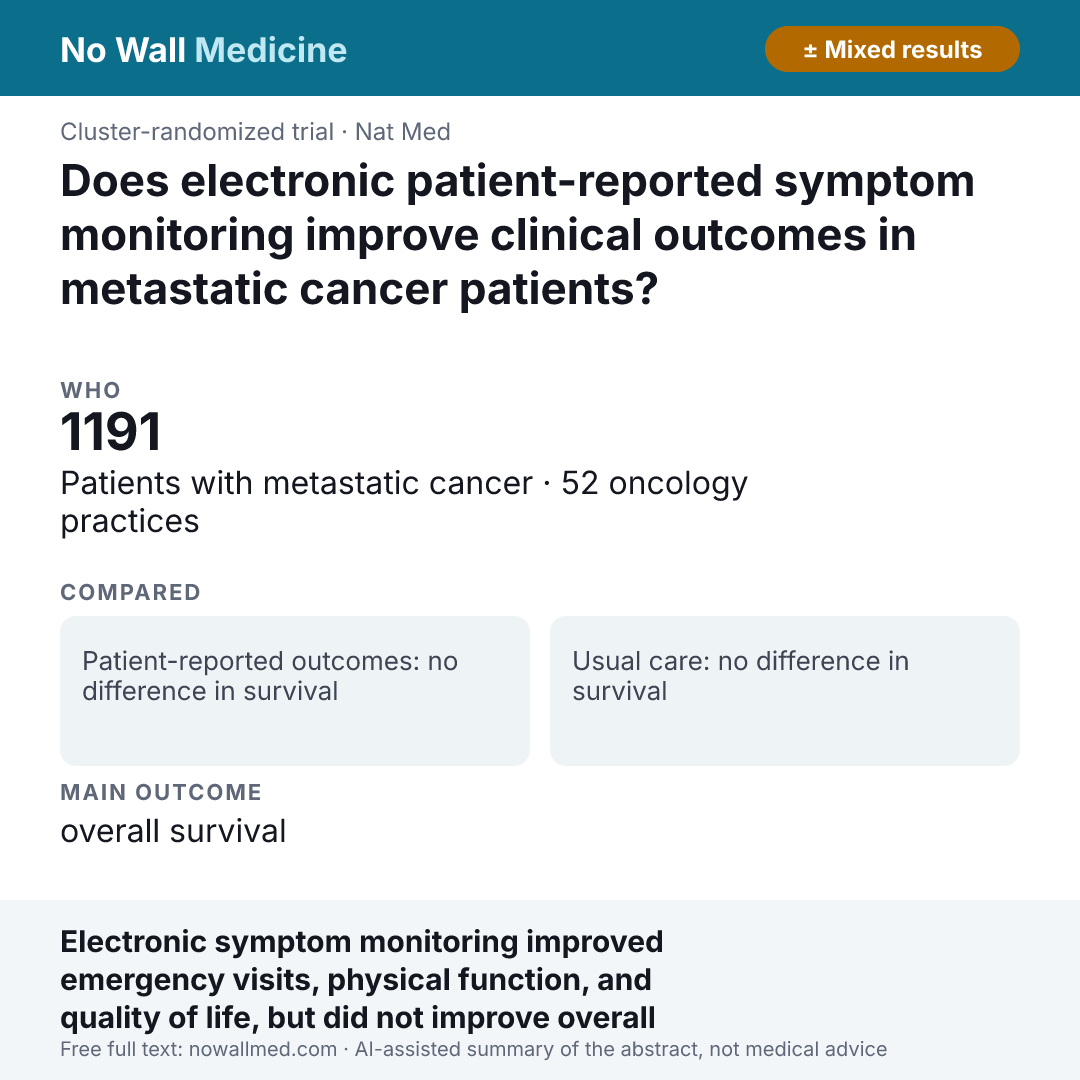
Symptom monitoring with electronic patient-reported outcomes during cancer treatment: final results of the PRO-TECT cluster-randomized trial
Cluster-randomized trialMixed results
Does electronic patient-reported symptom monitoring improve clinical outcomes in metastatic cancer patients?
Who
1191
Patients with metastatic cancer · 52 oncology practices
Compared
Patient-reported outcomes: no difference in survival
Usual care: no difference in survival
Main outcome
overall survival
Result: hazard ratio 0.99 (95% confidence interval 0.83-1.17)
Bottom line: Electronic symptom monitoring improved emergency visits, physical function, and quality of life, but did not improve overall survival.
Nat Med · 2025-02-07 · Save PNG
Efficacy of cognitive behavioral therapy in treating repetitive negative thinking, rumination, and worry - a transdiagnostic meta-analysis
Meta-analysis of 55 randomized controlled trialsBenefit found
What is the transdiagnostic efficacy of cognitive behavioral therapy on repetitive negative thinking?
Who
4,970
Participants with various mental disorders
Compared
Cognitive behavioral therapy
Control groups
Main outcome
Post-treatment repetitive negative thinking outcomes
Result: g = -0.67
Bottom line: Cognitive behavioral therapy is moderately effective at reducing repetitive negative thinking across different diagnoses.
Psychol Med · 2025-02-07 · Save PNG

The impact of patient choice on uptake, adherence, and outcomes across depression, anxiety, and eating disorders: a systematic review and meta-analysis
Systematic review and meta-analysisBenefit found
Does patient choice of treatment impact uptake, adherence, and outcomes in mental health?
Who
7055
Adults with depression, anxiety, and eating disorders
Compared
Patient choice
No choice
Main outcome
Treatment outcomes and therapy dropout
Result: OR 1.46 (95% CI: 1.17, 1.83) for combined sample dropout
Bottom line: Patient choice significantly improved depression outcomes and decreased therapy dropout across mental health disorders.
Limitation: Insufficient studies with stringent designs for anxiety, eating disorders, or treatment uptake.
Psychol Med · 2025-02-07 · Save PNG

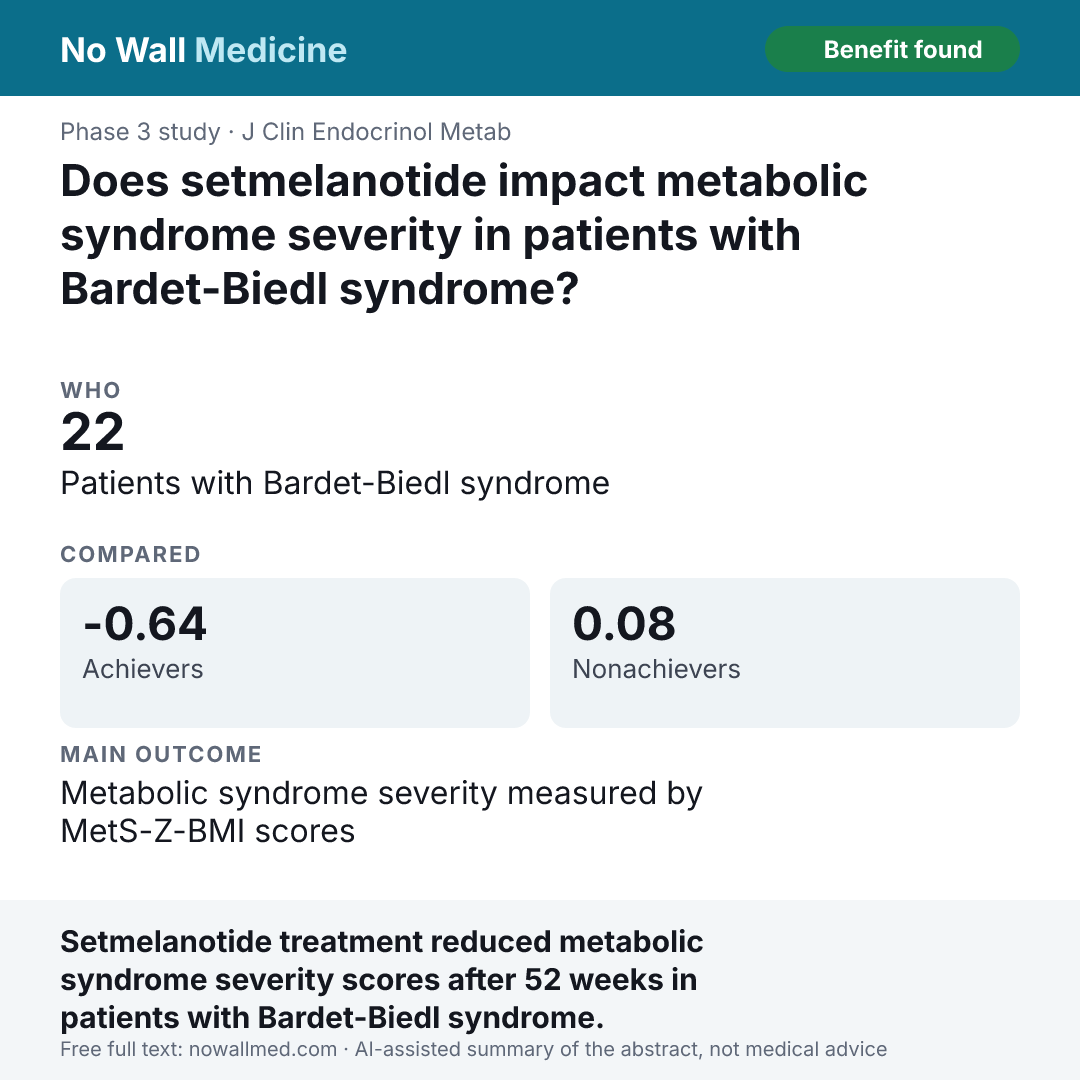
Impact of Setmelanotide on Metabolic Syndrome Risk in Patients With Bardet-Biedl Syndrome
Phase 3 studyBenefit found
Does setmelanotide impact metabolic syndrome severity in patients with Bardet-Biedl syndrome?
Who
22
Patients with Bardet-Biedl syndrome
Compared
-0.64Achievers (0.54)
0.08Nonachievers (0.47)
Main outcome
Metabolic syndrome severity measured by MetS-Z-BMI scores
Bottom line: Setmelanotide treatment reduced metabolic syndrome severity scores after 52 weeks in patients with Bardet-Biedl syndrome.
J Clin Endocrinol Metab · 2025-02-07 · Save PNG
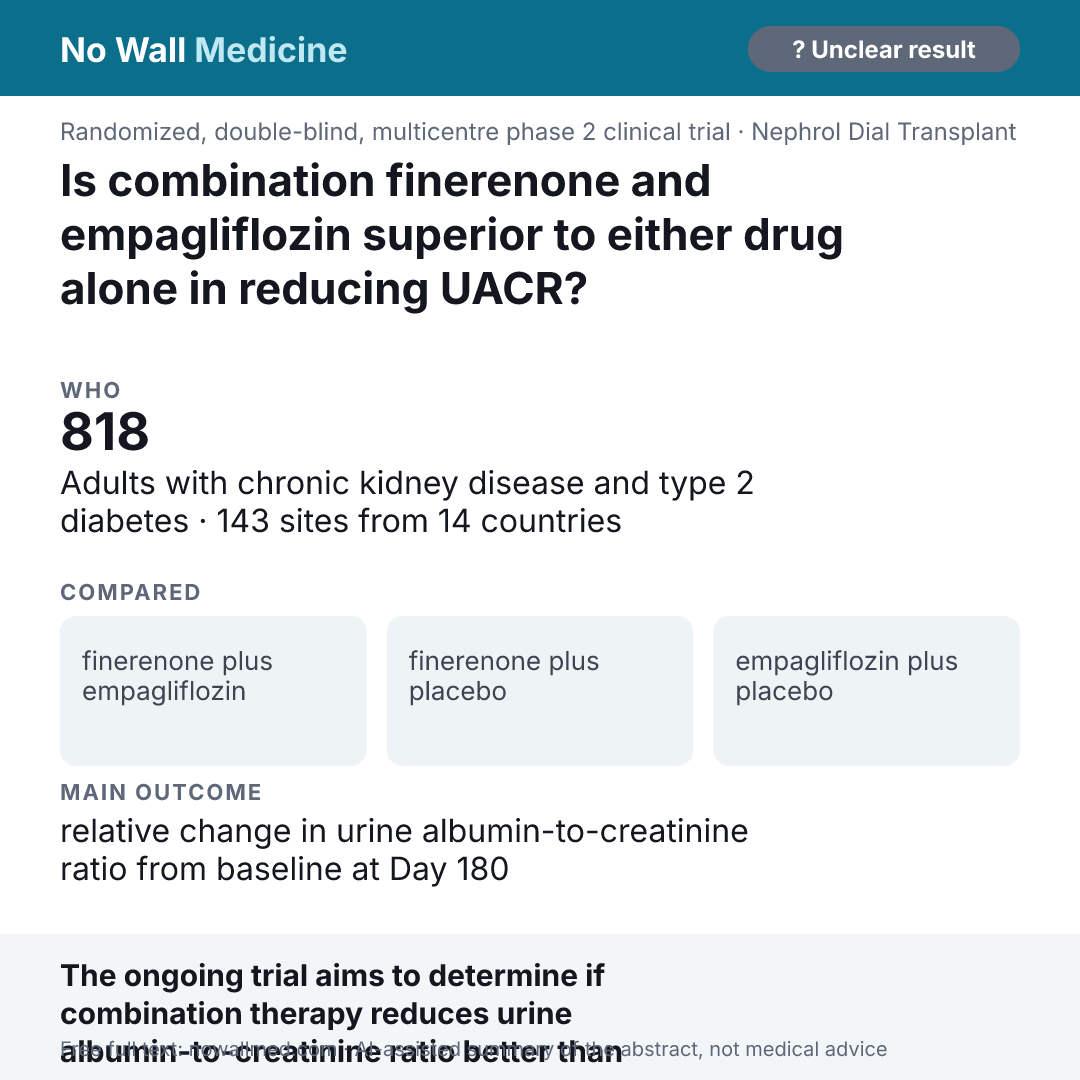
COmbinatioN effect of FInerenone anD EmpaglifloziN in participants with chronic kidney disease and type 2 diabetes using a UACR Endpoint (CONFIDENCE) trial: baseline clinical characteristics
Randomized, double-blind, multicentre phase 2 clinical trialUnclear result
Is combination finerenone and empagliflozin superior to either drug alone in reducing UACR?
Who
818
Adults with chronic kidney disease and type 2 diabetes · 143 sites from 14 countries
Compared
finerenone plus empagliflozin
finerenone plus placebo
empagliflozin plus placebo
Main outcome
relative change in urine albumin-to-creatinine ratio from baseline at Day 180
Bottom line: The ongoing trial aims to determine if combination therapy reduces urine albumin-to-creatinine ratio better than individual therapy.
Nephrol Dial Transplant · 2025-02-07 · Save PNG
Comparison of the efficacy and safety of methotrexate injection and methotrexate tablets in active RA
Randomized trialNo clear difference
Is subcutaneous methotrexate more effective and safer than oral methotrexate in active rheumatoid arthritis?
Who
Chinese patients with active rheumatoid arthritis · China
Compared
subcutaneous methotrexate: -1.972±0.1448
oral methotrexate: -1.800±0.1438
Main outcome
Disease Activity Score-28 for erythrocyte sedimentation rate at 12 weeks
Result: -0.173±0.2041
Bottom line: Subcutaneous methotrexate had similar overall therapeutic effects and safety compared to oral methotrexate in Chinese patients.
Rheumatology · 2025-02-07 · Save PNG

Relationship Between Chemokine in Aqueous Humor and Primary Glaucoma: A Meta-Analysis
Systematic review and meta-analysisBenefit found
Is there a relationship between chemokine in aqueous humor and primary glaucoma?
Who
Patients with primary glaucoma and control group
Compared
Primary glaucoma: significantly elevated chemokine levels
Control group
Main outcome
Chemokine levels in aqueous humor
Result: SMD: 0.48 (95% CI 0.11 to 0.86) for CCL2, 0.74 (95% CI 0.30 to 1.17) for CCL4, 0.97 (95% CI 0.07 to 1.85) for CCL5, 2.28 (95% CI 0.86 to 3.71) for CCL7, 1.75 (95% CI 1.04 to 2.46) for CXCL8, and 1.45 (95% CI 0.46 to 2.43) for CXCL10
Bottom line: Patients with primary glaucoma have significantly elevated levels of several chemokines in their aqueous humor.
Am J Ophthalmol · 2025-02-07 · Save PNG

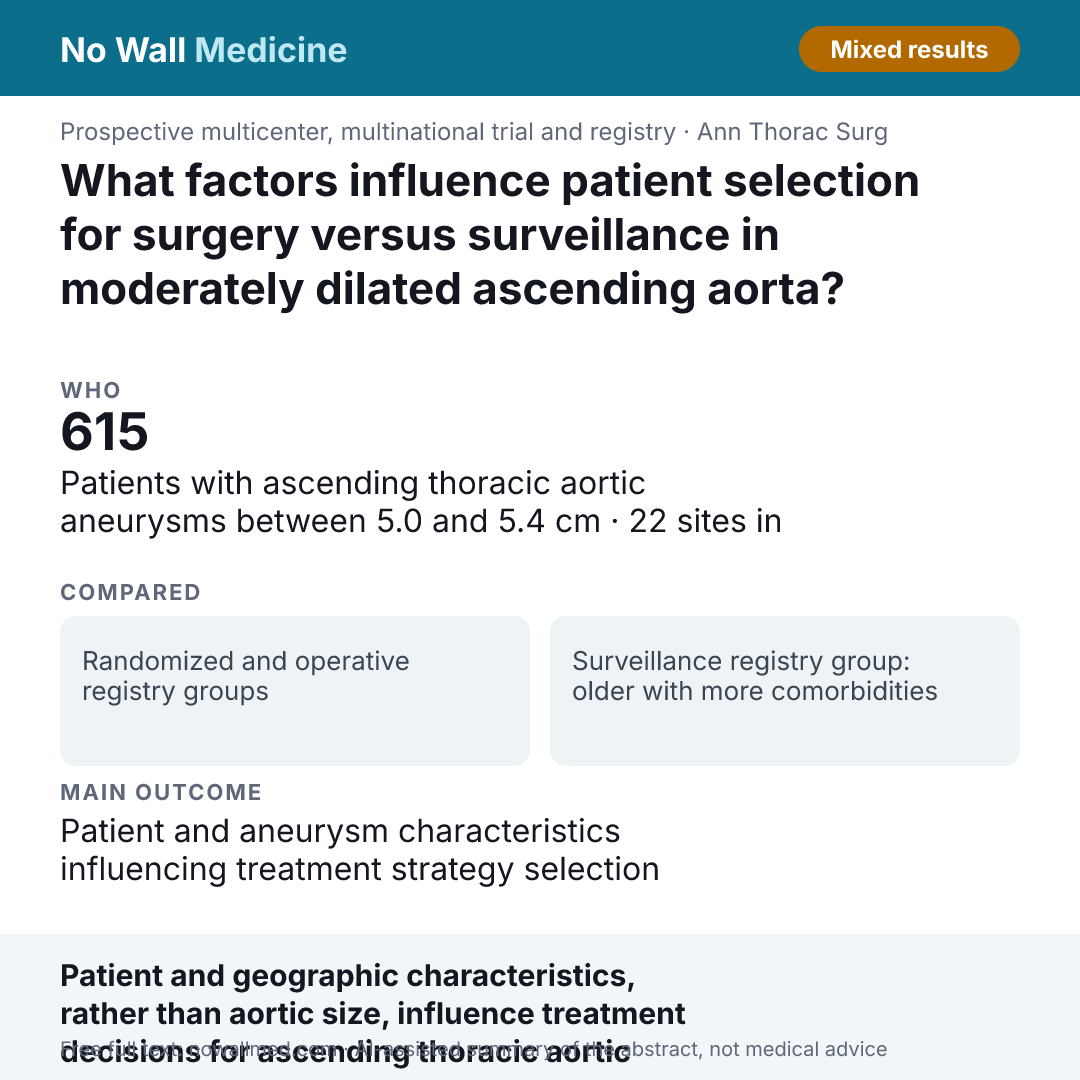
Patient Selection for Surgery vs Surveillance in Moderately Dilated Ascending Aorta: Insights From Treatment in Thoracic Aortic Aneurysm: Surgery versus Surveillance (TITAN:SvS), an International Prospective Trial
Prospective multicenter, multinational trial and registryMixed results
What factors influence patient selection for surgery versus surveillance in moderately dilated ascending aorta?
Who
615
Patients with ascending thoracic aortic aneurysms between 5.0 and 5.4 cm · 22 sites in the United States and Canada
Compared
Randomized and operative registry groups
Surveillance registry group: older with more comorbidities
Main outcome
Patient and aneurysm characteristics influencing treatment strategy selection
Bottom line: Patient and geographic characteristics, rather than aortic size, influence treatment decisions for ascending thoracic aortic aneurysms.
Limitation: Sicker patients may be excluded from operative registries, affecting generalizability.
Ann Thorac Surg · 2025-02-07 · Save PNG
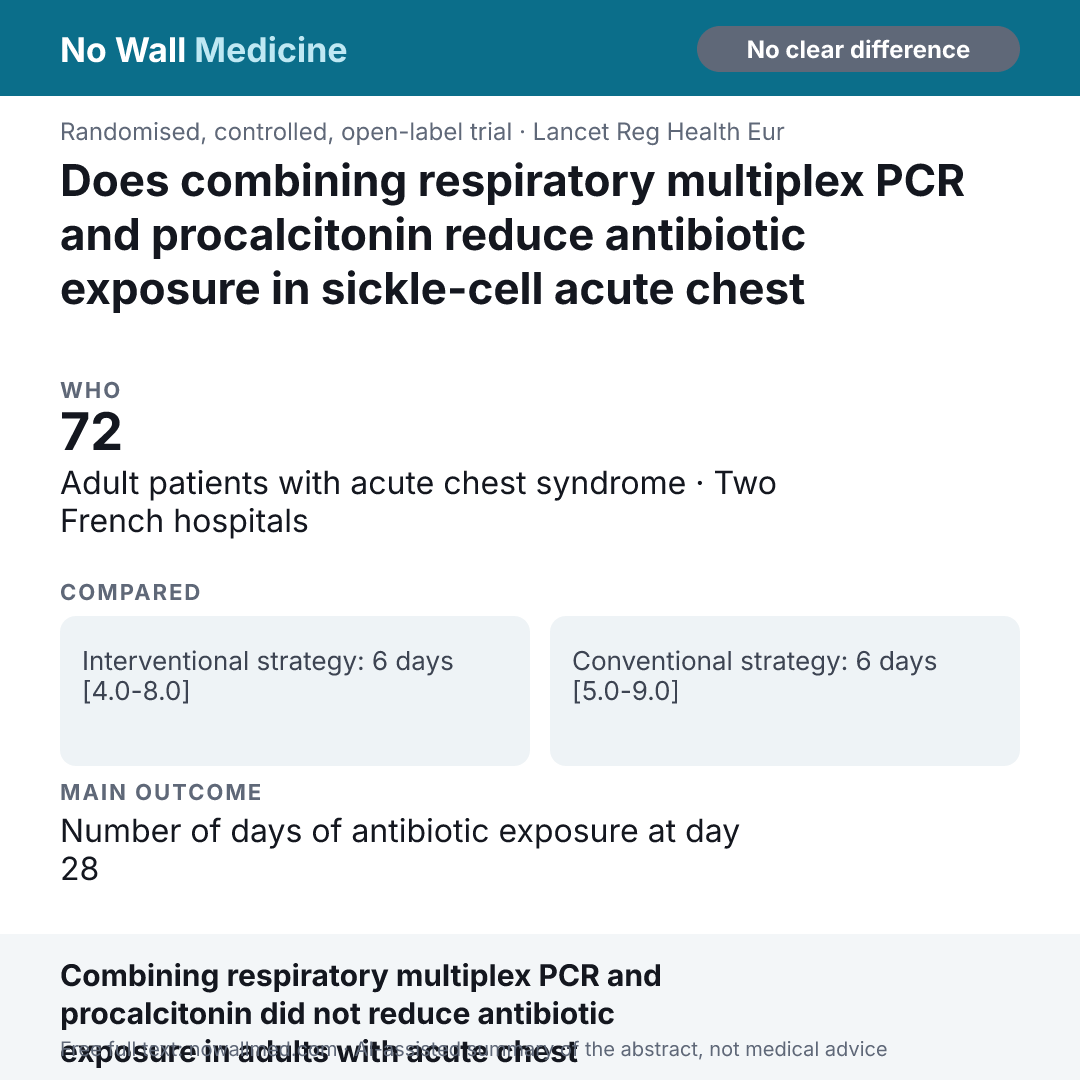
Combined use of respiratory multiplex PCR and procalcitonin to reduce antibiotic exposure in sickle-cell adult patients with acute chest syndrome (The ANTIBIO-STA study): a randomised, controlled, open-label trial
Randomised, controlled, open-label trialNo clear difference
Does combining respiratory multiplex PCR and procalcitonin reduce antibiotic exposure in sickle-cell acute chest syndrome?
Who
72
Adult patients with acute chest syndrome · Two French hospitals
Compared
Interventional strategy: 6 days [4.0-8.0]
Conventional strategy: 6 days [5.0-9.0]
Main outcome
Number of days of antibiotic exposure at day 28
Result: difference, 0.0 day; 95% CI, -2.1 to 2.1
Bottom line: Combining respiratory multiplex PCR and procalcitonin did not reduce antibiotic exposure in adults with acute chest syndrome.
Funded by: Assistance Publique-Hôpitaux de Paris and bioMérieux
Lancet Reg Health Eur · 2025-02-07 · Save PNG
A phase 1b clinical trial to determine the safety, tolerability and immunogenicity of simian adenovirus and poxvirus vectored vaccines against a Mycobacterium avium complex subspecies in patients with active Crohn's disease
Phase 1b dose-escalation randomized trialEarly signal
Safety, tolerability and immunogenicity of simian adenovirus and poxvirus vectored vaccines in Crohn's disease
Who
28
28 patients with mild to moderate Crohn's disease, aged 18-50
Compared
ChAdOx2 HAV: 196 solicited adverse events in all participants
MVA HAV: 196 solicited adverse events in all participants
Prime-boost regimen: ELISpot responses increased significantly after boosting
Main outcome
safety, tolerability and immunogenicity
Bottom line: Candidate vaccines were safe, well-tolerated and immunogenic in patients with active Crohn's disease.
Limitation: Further studies are required to determine the efficacy and optimal regime of the vaccines.
Funded by: HAV Vaccines Limited
eBioMedicine · 2025-02-07 · Save PNG

Oncolytic viral therapy for nonmelanoma skin cancer and cutaneous lymphoma - A systematic review
Systematic reviewUnclear result
What is the role of oncolytic viral therapy for nonmelanoma skin cancer and cutaneous lymphoma?
Who
20
Patients with nonmelanoma skin cancer and cutaneous lymphoma
Compared
Squamous cell carcinoma: 67% (n = 2) complete response
Merkel cell carcinoma: 85% (n = 6) complete response
Cutaneous T cell lymphoma: 11% (n = 1) complete response
Main outcome
Complete response
Bottom line: Oncolytic viruses show varying complete response rates, but further research is needed due to limited existing literature.
Limitation: Overall, heterogeneity of existing studies significantly limits generalizability of results.
JAAD Int · 2025-02-07 · Save PNG

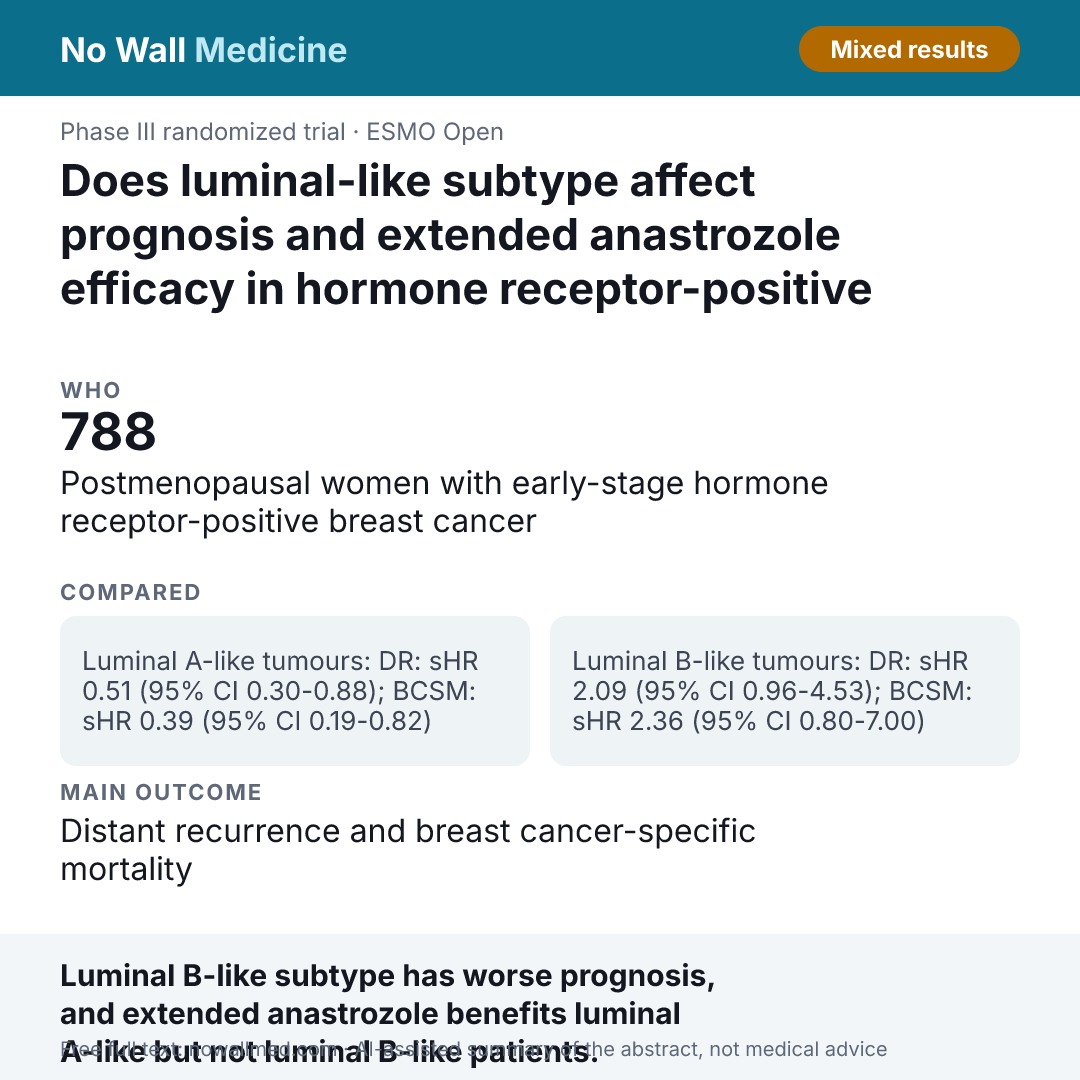
The prognostic and predictive value of the luminal-like subtype in hormone receptor-positive breast cancer: an analysis of the DATA trial
Phase III randomized trialMixed results
Does luminal-like subtype affect prognosis and extended anastrozole efficacy in hormone receptor-positive breast cancer?
Who
788
Postmenopausal women with early-stage hormone receptor-positive breast cancer
Compared
Luminal A-like tumours: DR: sHR 0.51 (95% CI 0.30-0.88); BCSM: sHR 0.39 (95% CI 0.19-0.82)
Luminal B-like tumours: DR: sHR 2.09 (95% CI 0.96-4.53); BCSM: sHR 2.36 (95% CI 0.80-7.00)
Main outcome
Distant recurrence and breast cancer-specific mortality
Result: DR sHR 1.44 (95% CI 1.03-2.01); BCSM sHR 1.68 (95% CI 1.15-2.45)
Bottom line: Luminal B-like subtype has worse prognosis, and extended anastrozole benefits luminal A-like but not luminal B-like patients.
ESMO Open · 2025-02-07 · Save PNG