Visual abstracts
New randomized trials and meta-analyses from leading journals at a glance: who was studied, what was compared, and what was found. Every paper is free to read in full.
All specialtiesCardiology 2639Oncology 2237Gastroenterology & Hepatology 1010Infectious Disease 1659Neurology 1049Psychiatry & Mental Health 1223Pulmonology 1109Critical Care 724Endocrinology & Diabetes 1364Pediatrics 1544Surgery 1344Orthopedics & Sports Medicine 482Neurosurgery 321Cardiothoracic & Vascular Surgery 286Plastic & Reconstructive Surgery 398Nephrology 547Rheumatology 400Hematology 572Dermatology 308Ophthalmology 305Obstetrics & Gynecology 858Public & Global Health 483Radiology & Imaging 366Anesthesiology 524Urology 437ENT (Otolaryngology) 316Emergency Medicine 293Allergy & Immunology 170Geriatrics 567Family Medicine & Primary Care 302Medical Genetics & Genomics 300Pathology & Laboratory Medicine 82Physical Medicine & Rehabilitation 434Palliative Care 228Nutrition 701Digital Health & AI 1270General Medicine 190
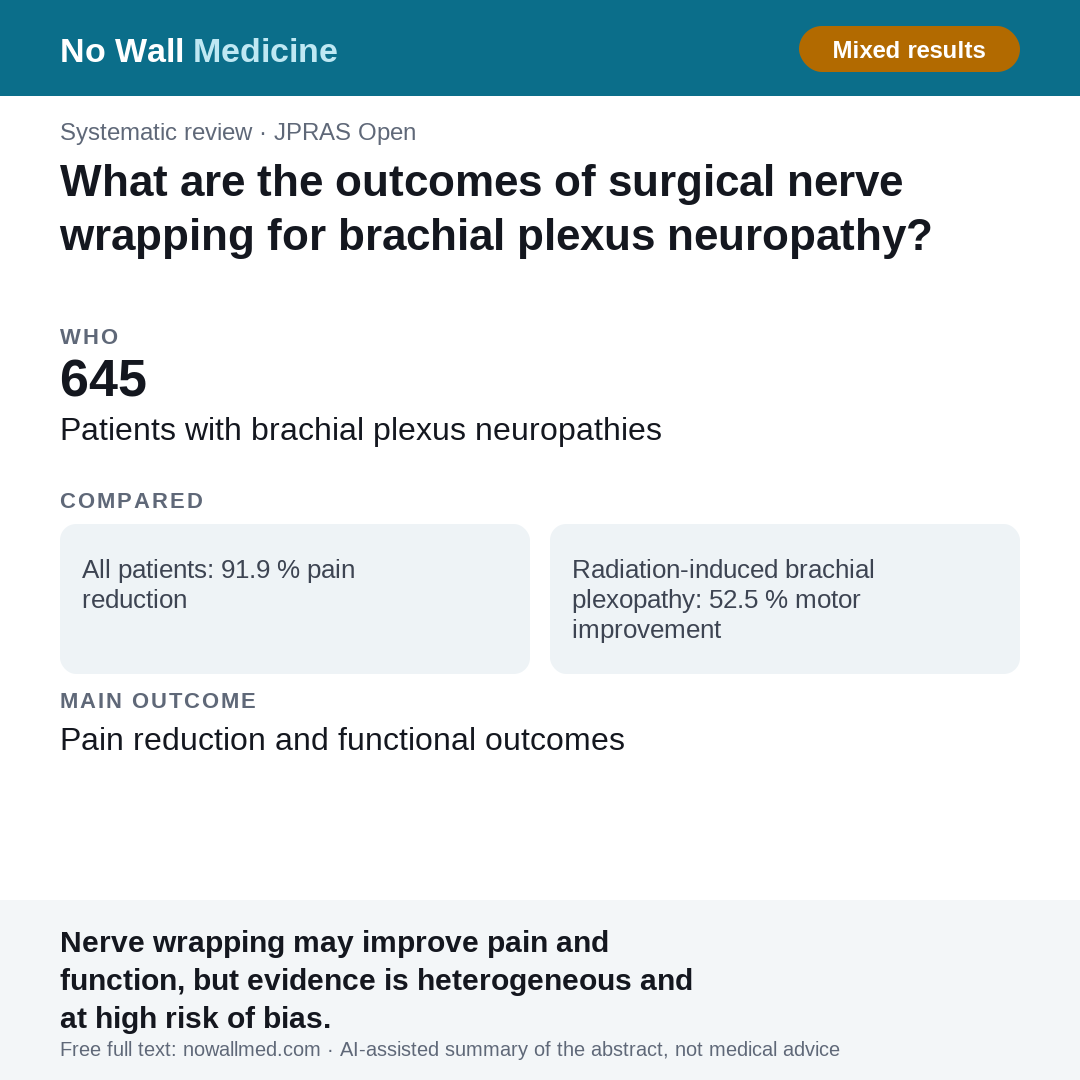
Surgical nerve wrapping for brachial plexus neuropathy: A systematic review
Systematic reviewMixed results
What are the outcomes of surgical nerve wrapping for brachial plexus neuropathy?
Who
645
Patients with brachial plexus neuropathies
Compared
All patients: 91.9 % pain reduction
Radiation-induced brachial plexopathy: 52.5 % motor improvement
Main outcome
Pain reduction and functional outcomes
Bottom line: Nerve wrapping may improve pain and function, but evidence is heterogeneous and at high risk of bias.
Limitation: Current evidence is heterogeneous, retrospective, and at high risk of bias.
JPRAS Open · 2025-11-11Download image
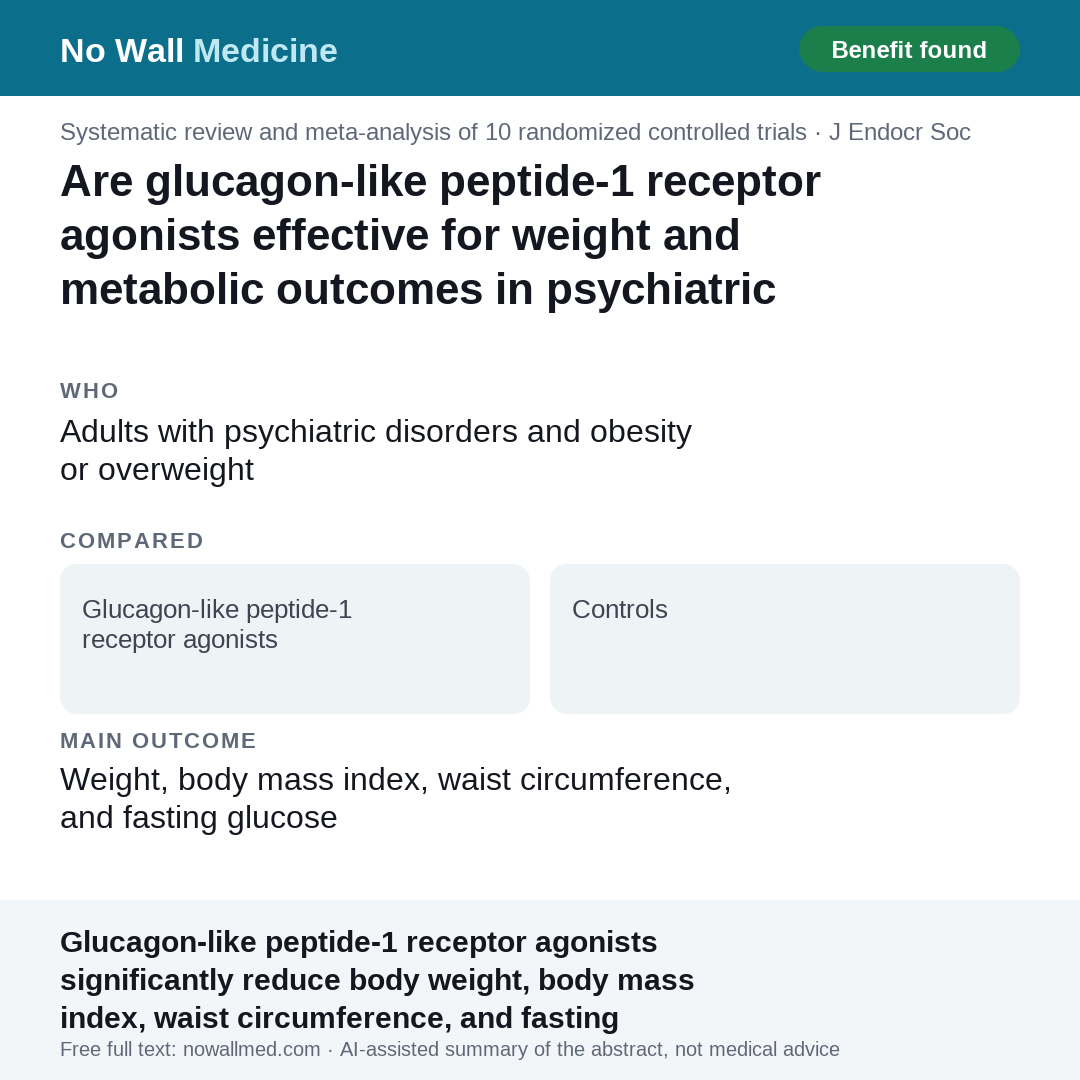
GLP-1R Agonists for Weight Loss in Psychiatric Disorders: A Systematic Review and Meta-analysis
Systematic review and meta-analysis of 10 randomized controlled trialsBenefit found
Are glucagon-like peptide-1 receptor agonists effective for weight and metabolic outcomes in psychiatric disorders?
Who
Adults with psychiatric disorders and obesity or overweight
Compared
Glucagon-like peptide-1 receptor agonists
Controls
Main outcome
Weight, body mass index, waist circumference, and fasting glucose
Result: mean difference -5.03 kg (95% CI: -6.04 to -4.01)
Bottom line: Glucagon-like peptide-1 receptor agonists significantly reduce body weight, body mass index, waist circumference, and fasting glucose in psychiatric populations.
Limitation: Further studies are needed with newer agents in longer trials with standardized protocols.
J Endocr Soc · 2025-11-11Download image
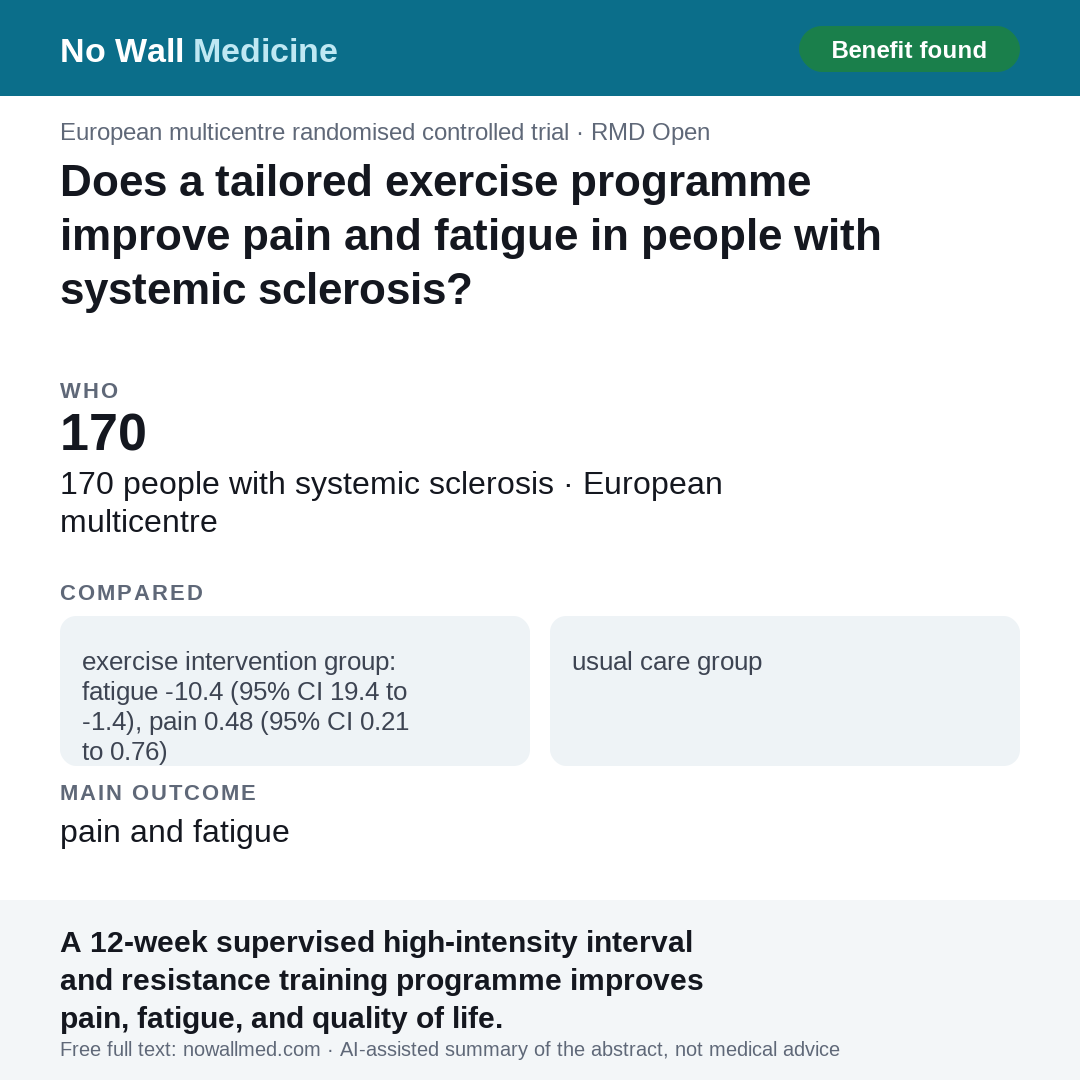
High-intensity interval and resistance training programme improves pain and fatigue outcomes in people with systemic sclerosis: a European multicentre randomised controlled trial
European multicentre randomised controlled trialBenefit found
Does a tailored exercise programme improve pain and fatigue in people with systemic sclerosis?
Who
170
170 people with systemic sclerosis · European multicentre
Compared
exercise intervention group: fatigue -10.4 (95% CI 19.4 to -1.4), pain 0.48 (95% CI 0.21 to 0.76)
usual care group
Main outcome
pain and fatigue
Bottom line: A 12-week supervised high-intensity interval and resistance training programme improves pain, fatigue, and quality of life.
RMD Open · 2025-11-11Download image
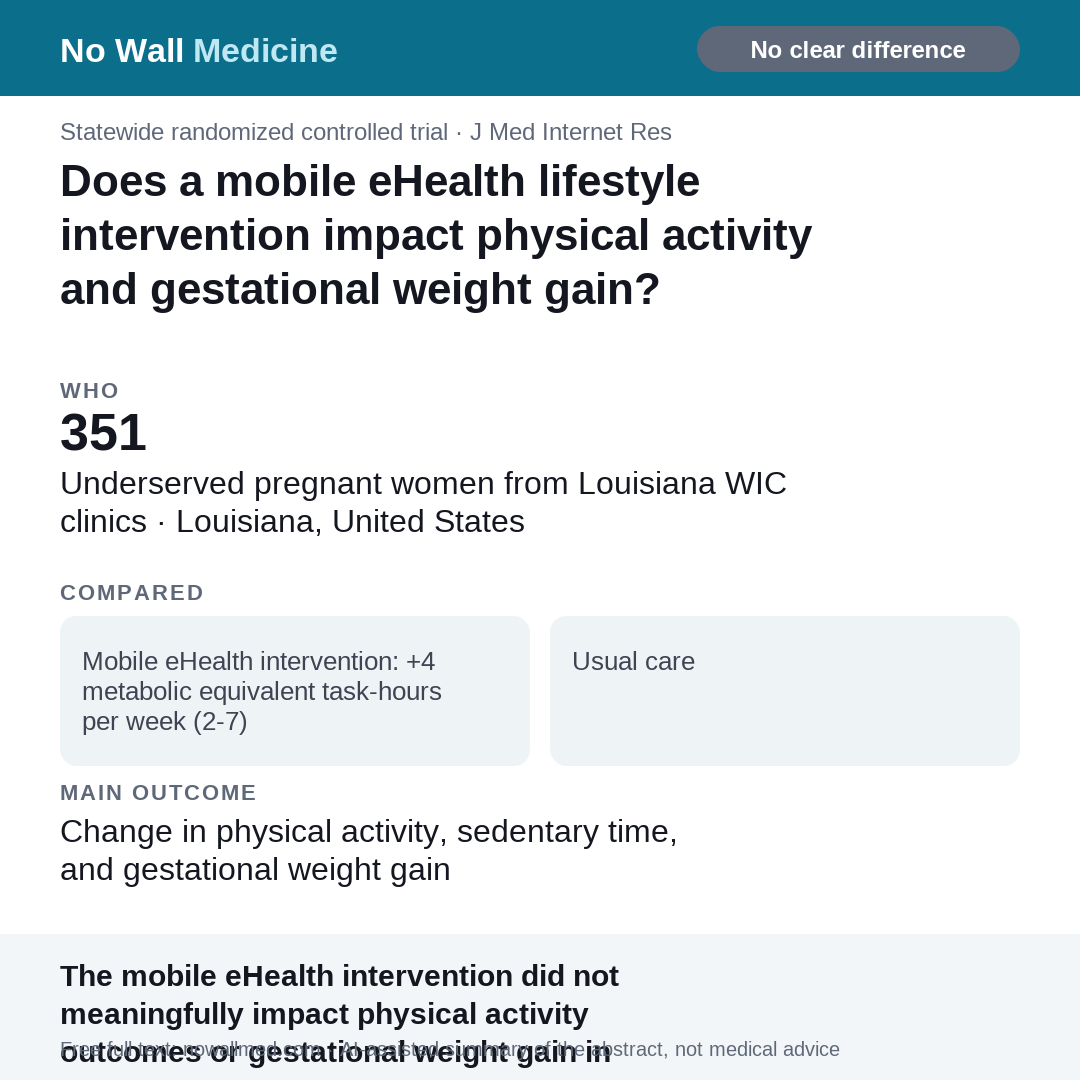
Examining the Impact of a Codeveloped Multicomponent Mobile eHealth Lifestyle Intervention on Physical Activity and Its Association With Gestational Weight Gain in Underserved Women: A Statewide Randomized Controlled Trial
Statewide randomized controlled trialNo clear difference
Does a mobile eHealth lifestyle intervention impact physical activity and gestational weight gain?
Who
351
Underserved pregnant women from Louisiana WIC clinics · Louisiana, United States
Compared
Mobile eHealth intervention: +4 metabolic equivalent task-hours per week (2-7)
Usual care
Main outcome
Change in physical activity, sedentary time, and gestational weight gain
Bottom line: The mobile eHealth intervention did not meaningfully impact physical activity outcomes or gestational weight gain in underserved pregnant women.
J Med Internet Res · 2025-11-11Download image
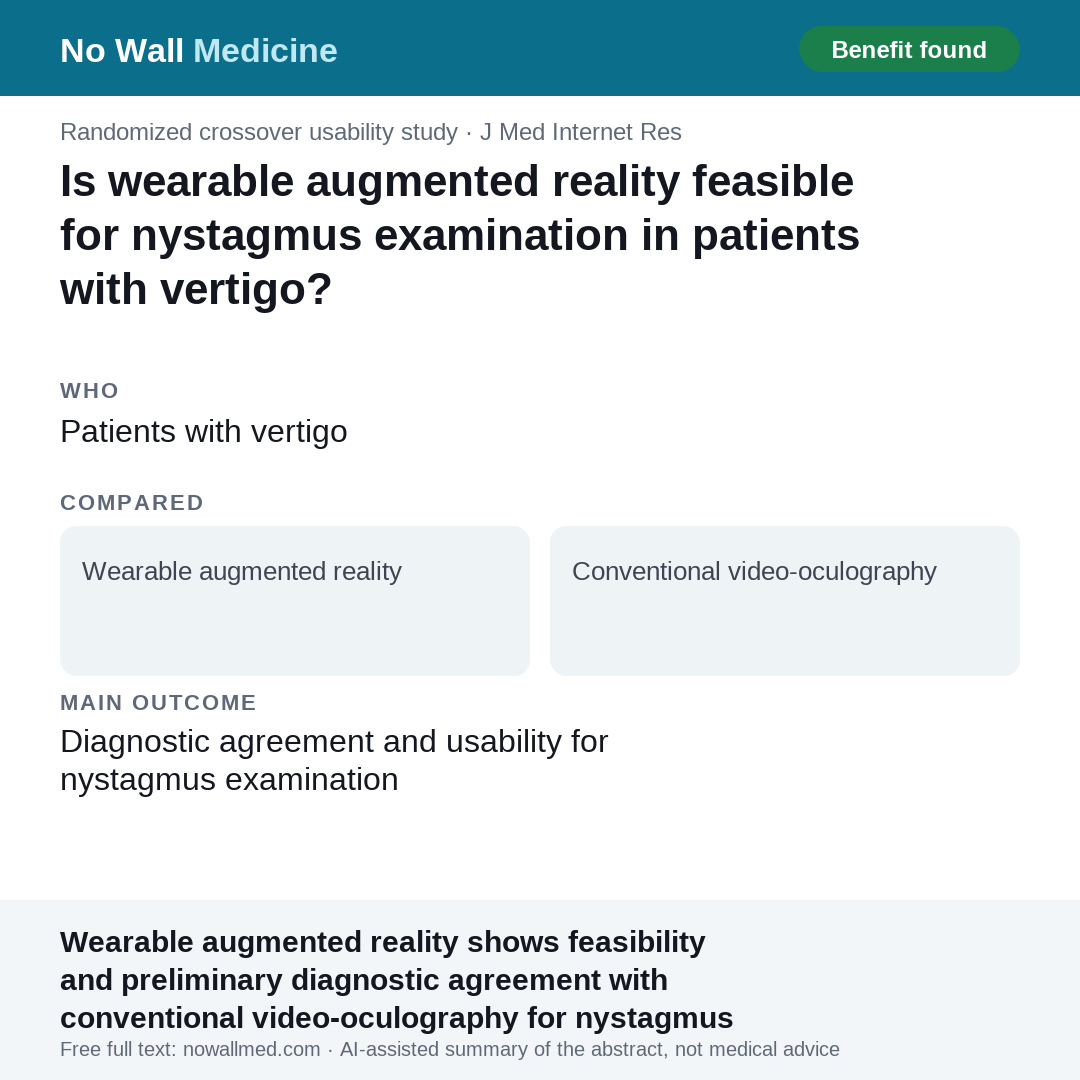
Wearable Augmented Reality for Nystagmus Examination in Patients With Vertigo: Randomized Crossover Usability Study
Randomized crossover usability studyBenefit found
Is wearable augmented reality feasible for nystagmus examination in patients with vertigo?
Who
Patients with vertigo
Compared
Wearable augmented reality
Conventional video-oculography
Main outcome
Diagnostic agreement and usability for nystagmus examination
Bottom line: Wearable augmented reality shows feasibility and preliminary diagnostic agreement with conventional video-oculography for nystagmus examination.
J Med Internet Res · 2025-11-11Download image
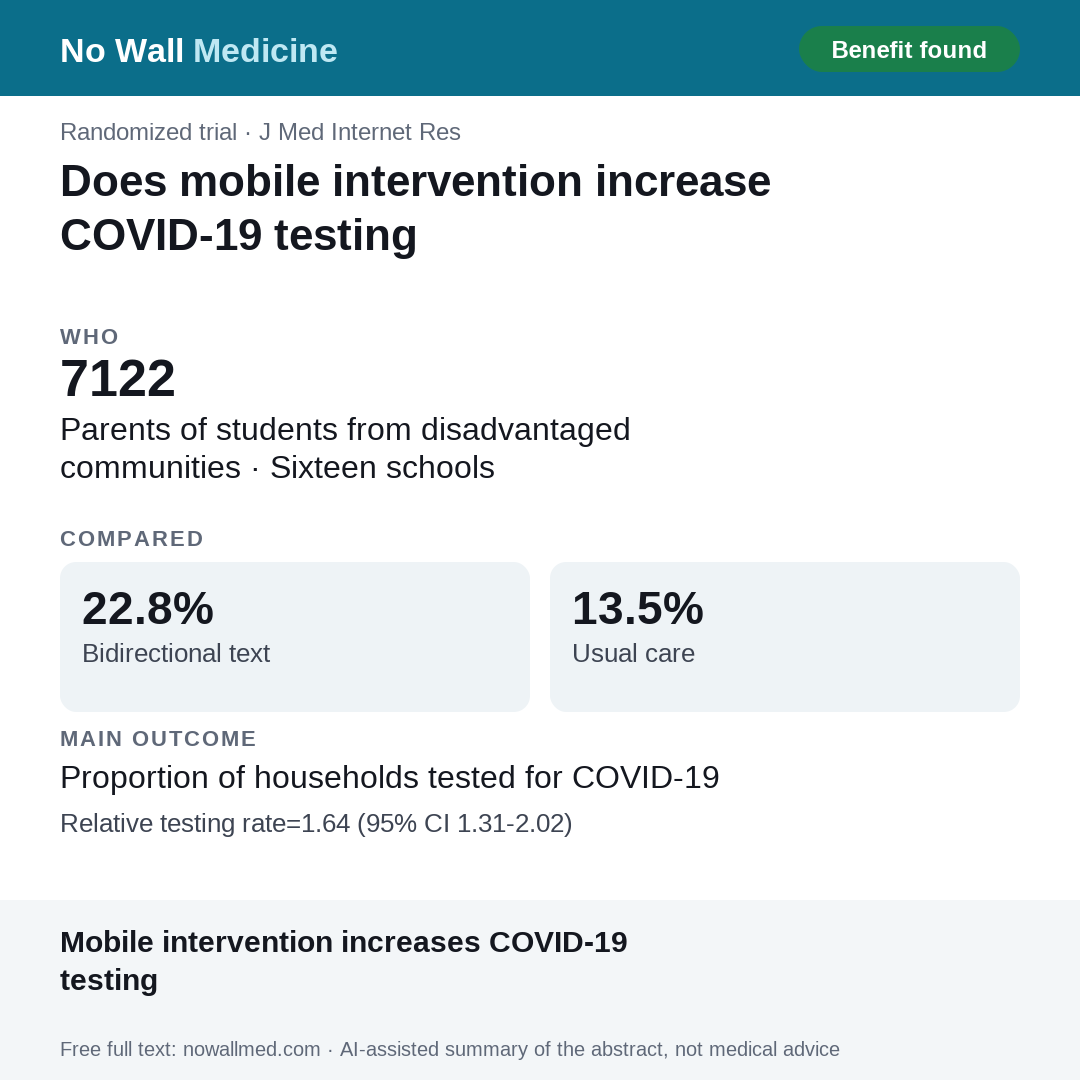
Mobile Intervention for Increasing COVID-19 Testing in K-12 Schools Serving Disadvantaged Communities: Randomized Controlled Trial of SCALE-UP Counts
Randomized trialBenefit found
Does mobile intervention increase COVID-19 testing
Who
7122
Parents of students from disadvantaged communities · Sixteen schools
Compared
22.8%Bidirectional text
13.5%Usual care
Main outcome
Proportion of households tested for COVID-19
Result: Relative testing rate=1.64 (95% CI 1.31-2.02)
Bottom line: Mobile intervention increases COVID-19 testing
J Med Internet Res · 2025-11-11Download image
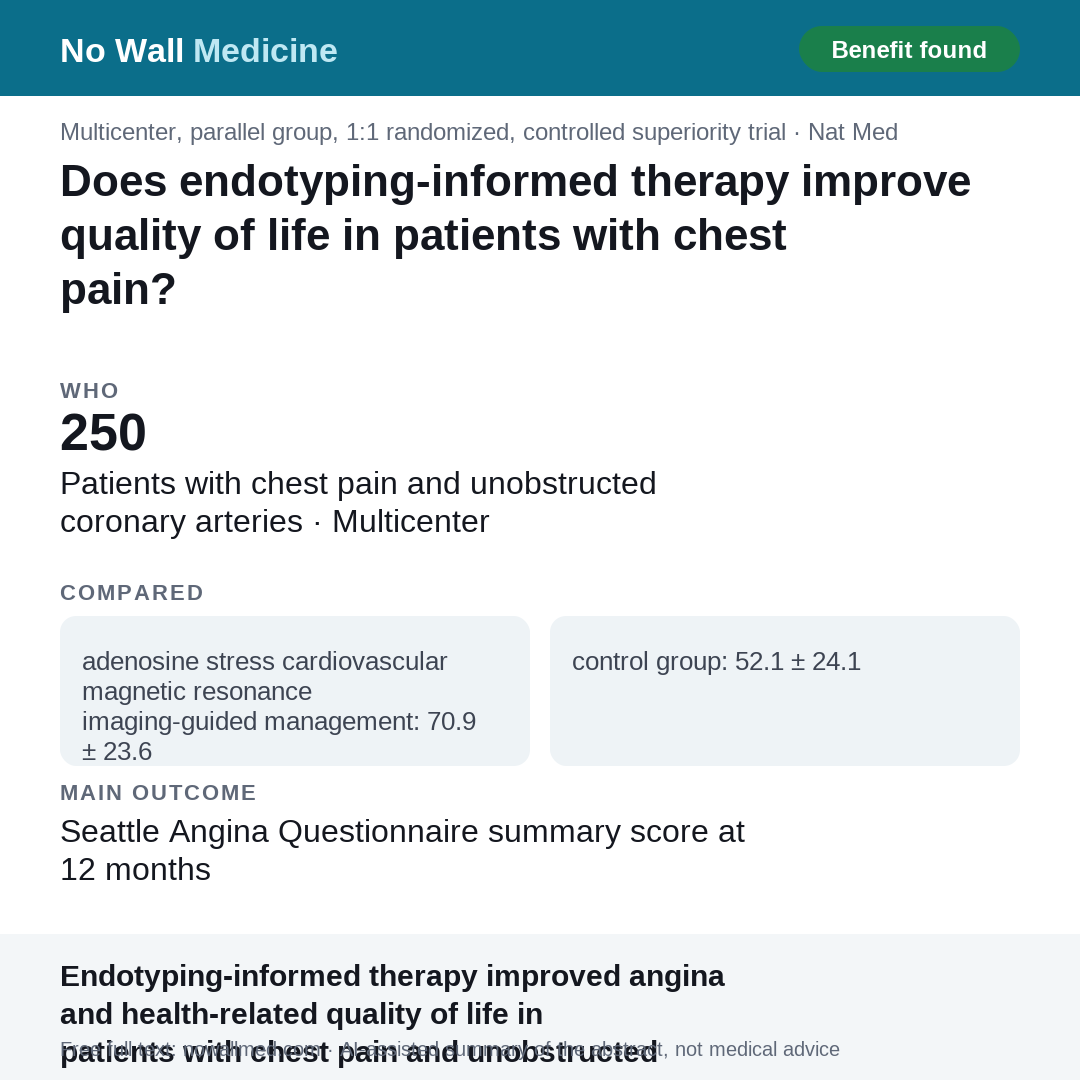
Endotyping-informed therapy for patients with chest pain and no obstructive coronary artery disease: a randomized trial
Multicenter, parallel group, 1:1 randomized, controlled superiority trialBenefit found
Does endotyping-informed therapy improve quality of life in patients with chest pain?
Who
250
Patients with chest pain and unobstructed coronary arteries · Multicenter
Compared
adenosine stress cardiovascular magnetic resonance imaging-guided management: 70.9 ± 23.6
control group: 52.1 ± 24.1
Main outcome
Seattle Angina Questionnaire summary score at 12 months
Result: adjusted mean difference: 20.9 (95% confidence interval: 15.8-26.0)
Bottom line: Endotyping-informed therapy improved angina and health-related quality of life in patients with chest pain and unobstructed coronary arteries.
Nat Med · 2025-11-10Download image
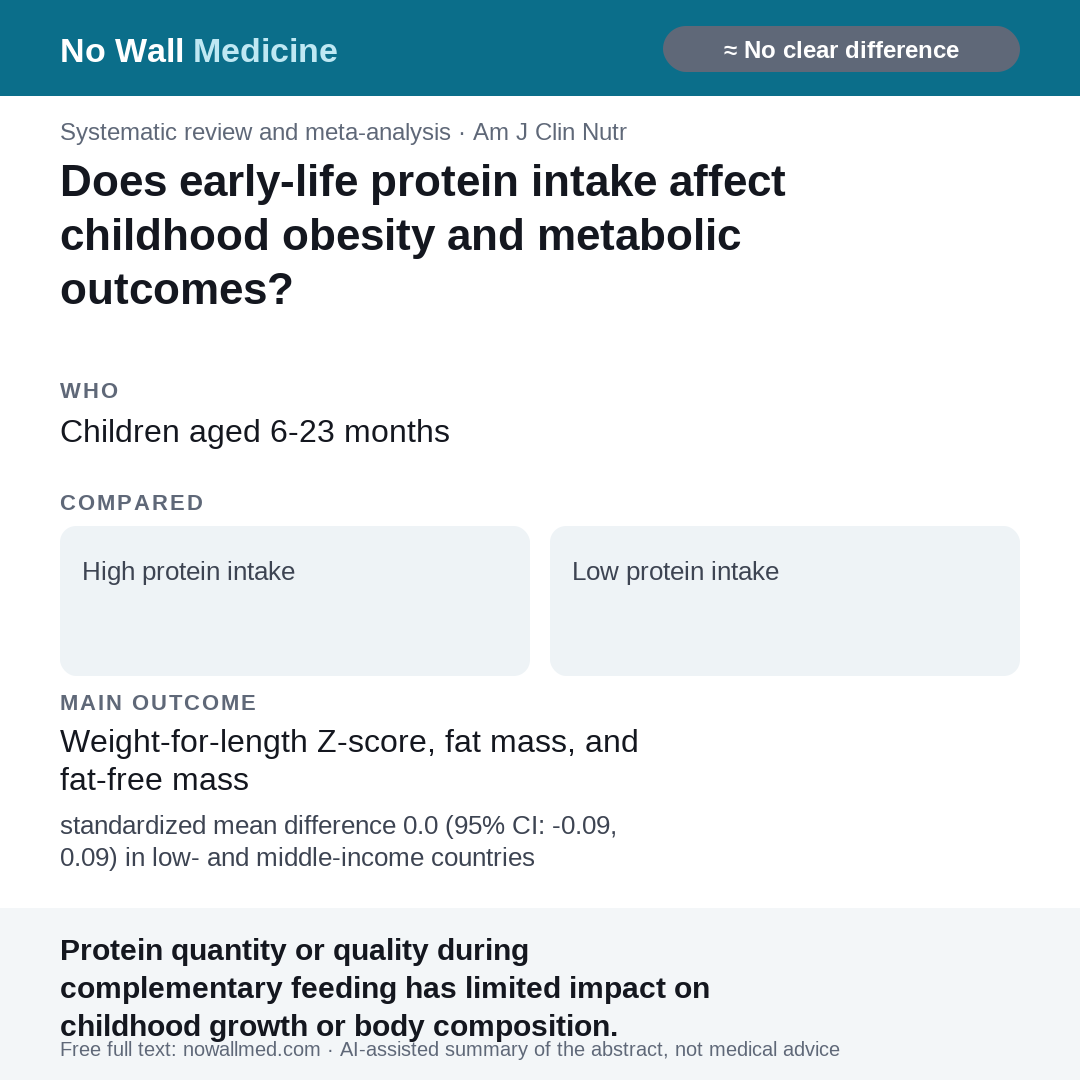
Effect of early-life protein supplementation on childhood obesity and related metabolic outcomes: a systematic review and meta-analysis
Systematic review and meta-analysisNo clear difference
Does early-life protein intake affect childhood obesity and metabolic outcomes?
Who
Children aged 6-23 months
Compared
High protein intake
Low protein intake
Main outcome
Weight-for-length Z-score, fat mass, and fat-free mass
Result: standardized mean difference 0.0 (95% CI: -0.09, 0.09) in low- and middle-income countries
Bottom line: Protein quantity or quality during complementary feeding has limited impact on childhood growth or body composition.
Limitation: Short-lasting exposures and follow-up times may affect long-term metabolic findings.
Am J Clin Nutr · 2025-11-10Download image
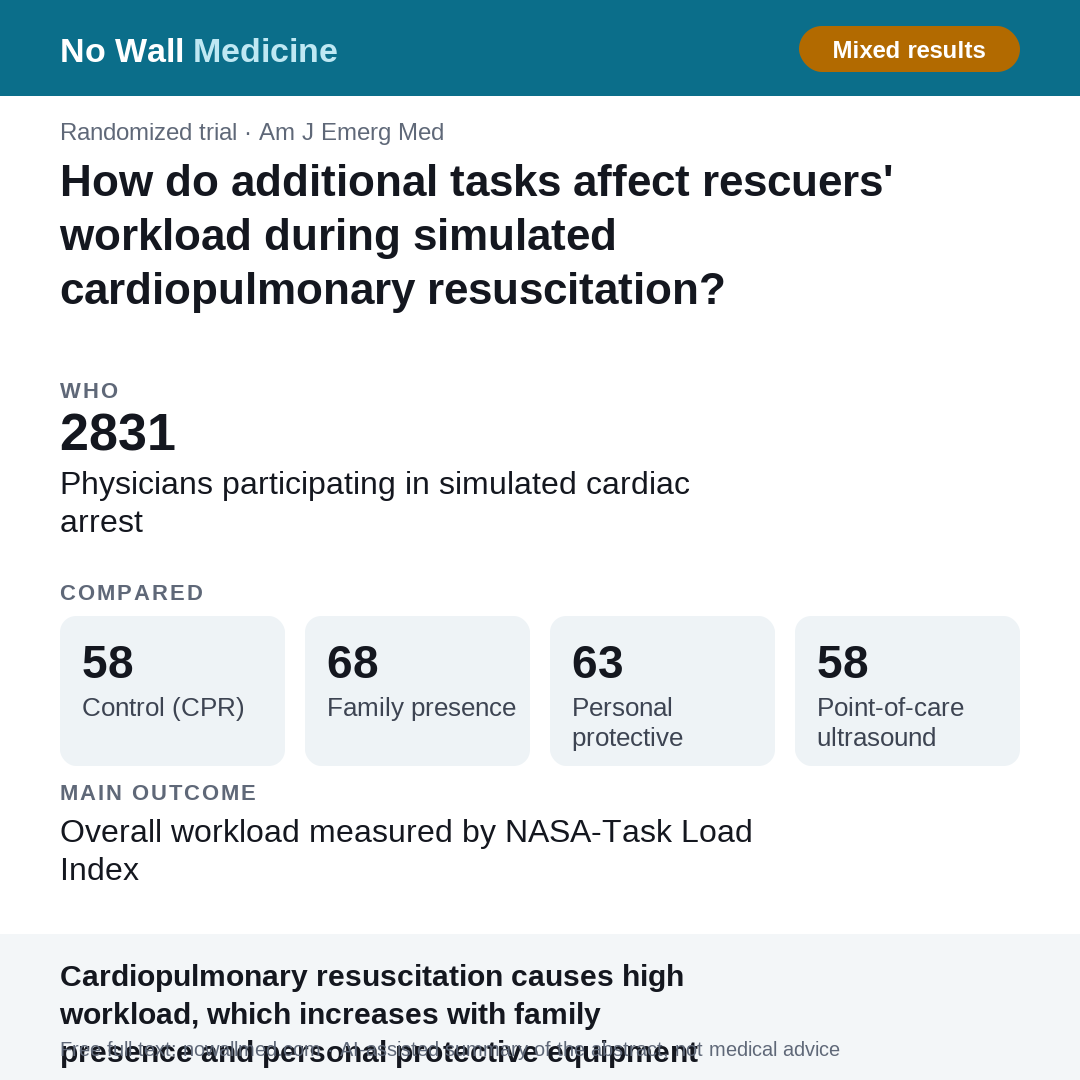
The NASA Task Load Index in simulated cardiopulmonary resuscitation
Randomized trialMixed results
How do additional tasks affect rescuers' workload during simulated cardiopulmonary resuscitation?
Who
2831
Physicians participating in simulated cardiac arrest
Compared
58Control (CPR) (IQR 48-71)
68Family presence (53-78)
63Personal protective equipment (53-71)
58Point-of-care ultrasound (48-68)
Main outcome
Overall workload measured by NASA-Task Load Index
Bottom line: Cardiopulmonary resuscitation causes high workload, which increases with family presence and personal protective equipment but not with ultrasound.
Am J Emerg Med · 2025-11-10Download image
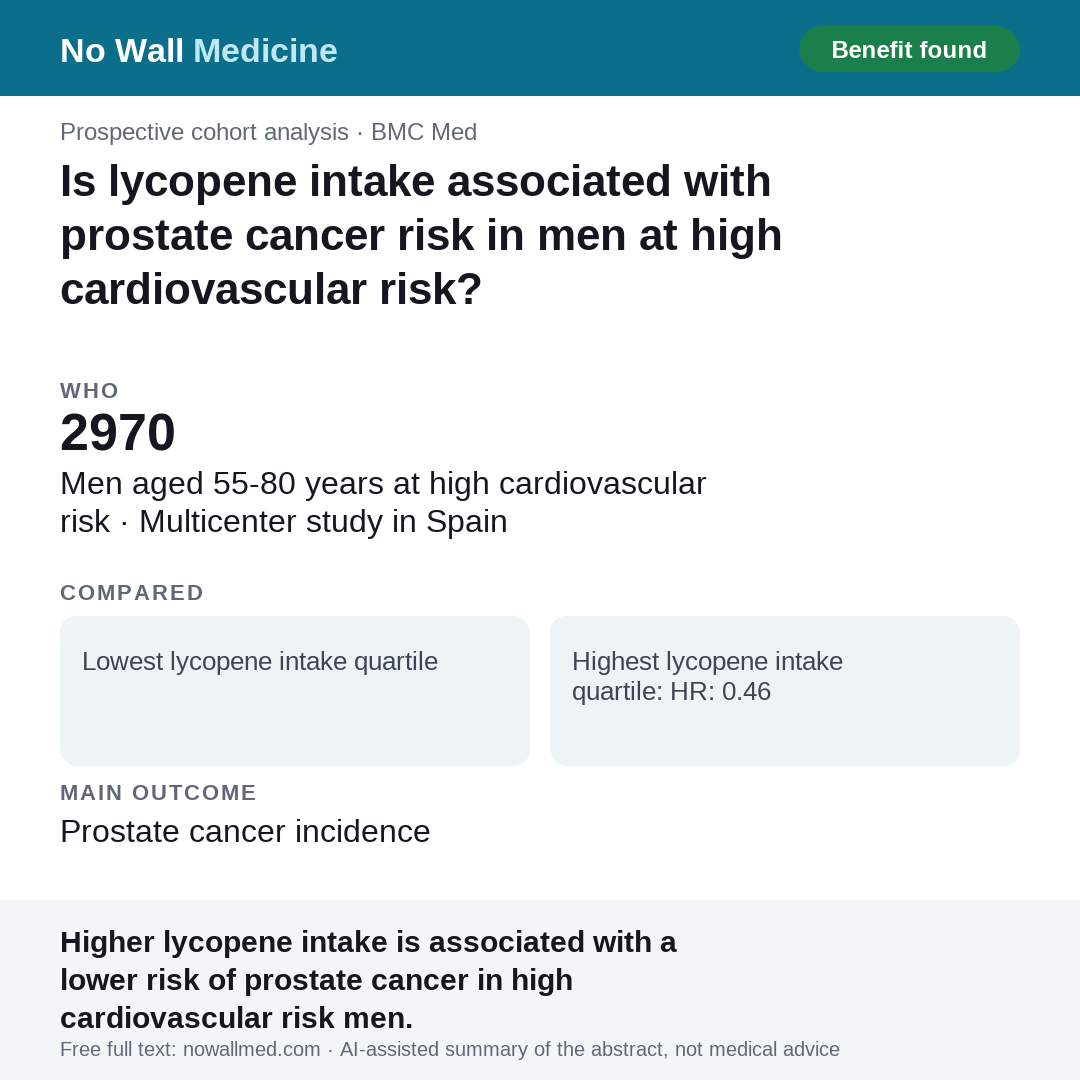
Lycopene intake and prostate cancer risk in men at high cardiovascular risk: a prospective cohort study
Prospective cohort analysisBenefit found
Is lycopene intake associated with prostate cancer risk in men at high cardiovascular risk?
Who
2970
Men aged 55-80 years at high cardiovascular risk · Multicenter study in Spain
Compared
Lowest lycopene intake quartile
Highest lycopene intake quartile: HR: 0.46
Main outcome
Prostate cancer incidence
Result: hazard ratio 0.46 (95% CI 0.23-0.95)
Bottom line: Higher lycopene intake is associated with a lower risk of prostate cancer in high cardiovascular risk men.
BMC Med · 2025-11-10Download image
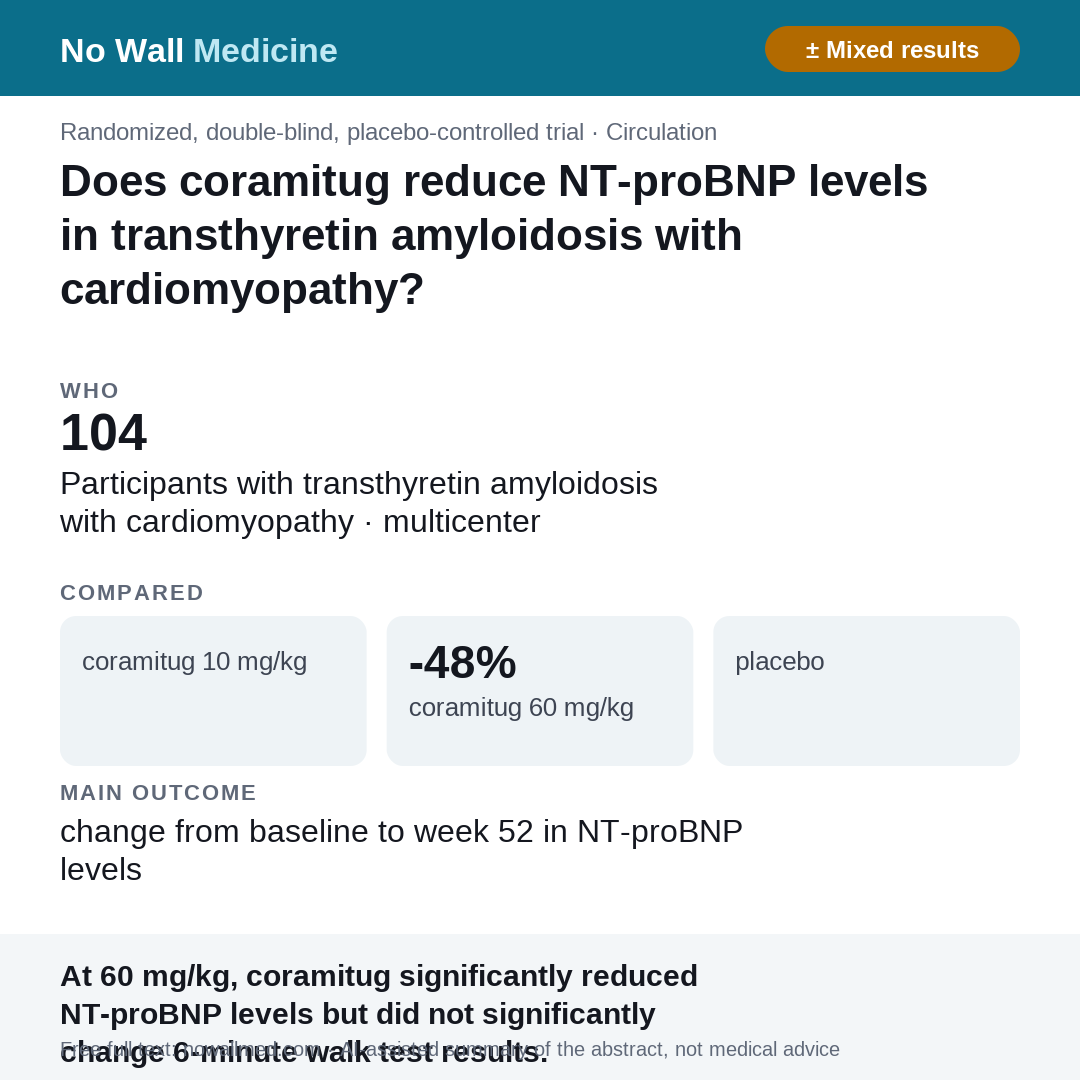
Coramitug, a Humanized Monoclonal Antibody for the Treatment of Transthyretin Amyloid Cardiomyopathy: A Phase 2, Randomized, Multicenter, Double-Blind, Placebo-Controlled Trial
Randomized, double-blind, placebo-controlled trialMixed results
Does coramitug reduce NT-proBNP levels in transthyretin amyloidosis with cardiomyopathy?
Who
104
Participants with transthyretin amyloidosis with cardiomyopathy · multicenter
Compared
coramitug 10 mg/kg
-48%coramitug 60 mg/kg
placebo
Main outcome
change from baseline to week 52 in NT-proBNP levels
Result: -48% (95% CI, -65% to -22%)
Bottom line: At 60 mg/kg, coramitug significantly reduced NT-proBNP levels but did not significantly change 6-minute walk test results.
Circulation · 2025-11-10Download image
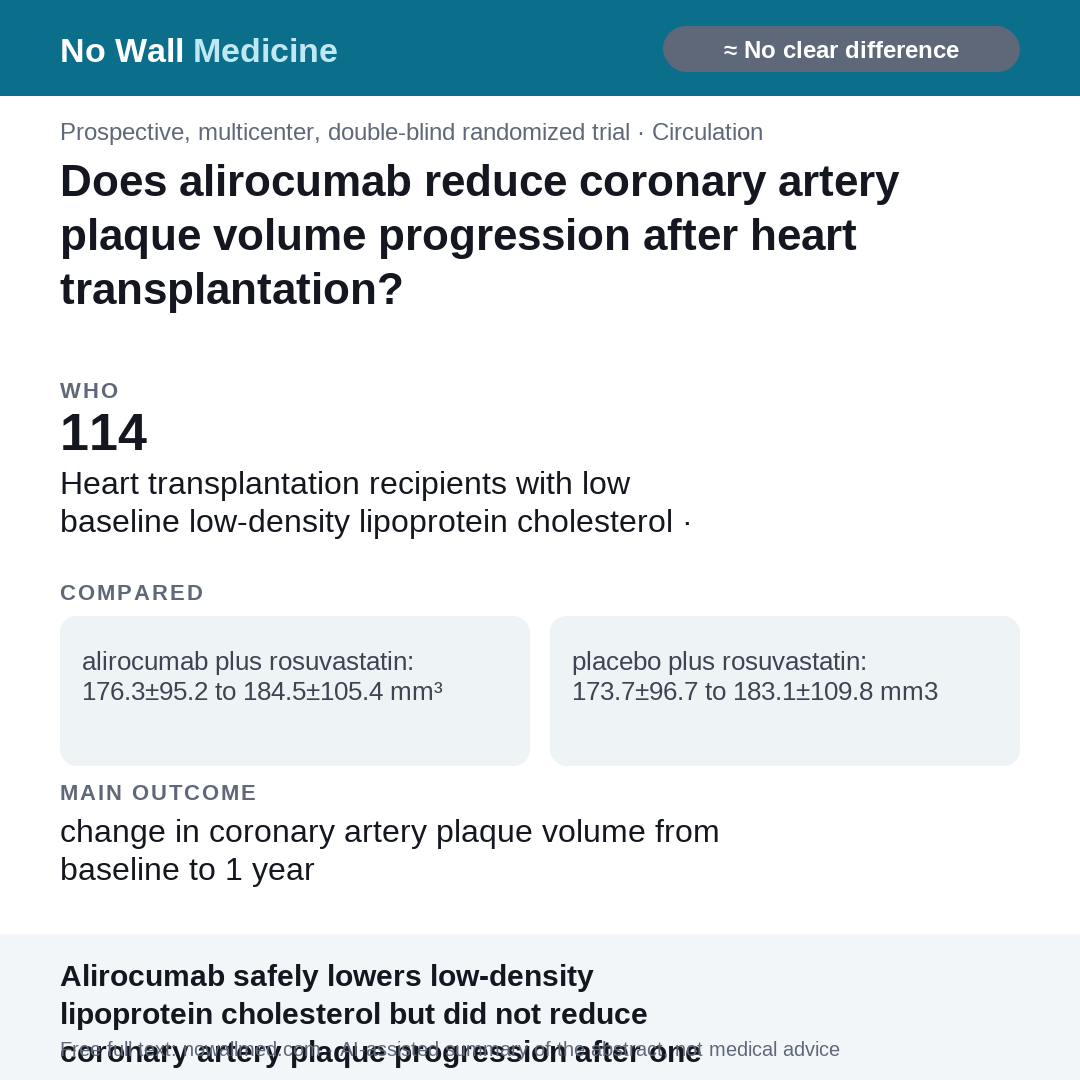
Cardiac Allograft Vasculopathy Inhibition With Alirocumab: The CAVIAR Trial
Prospective, multicenter, double-blind randomized trialNo clear difference
Does alirocumab reduce coronary artery plaque volume progression after heart transplantation?
Who
114
Heart transplantation recipients with low baseline low-density lipoprotein cholesterol · multicenter
Compared
alirocumab plus rosuvastatin: 176.3±95.2 to 184.5±105.4 mm³
placebo plus rosuvastatin: 173.7±96.7 to 183.1±109.8 mm3
Main outcome
change in coronary artery plaque volume from baseline to 1 year
Result: mean difference in differences 1.01 (95% CI 0.89-1.14)
Bottom line: Alirocumab safely lowers low-density lipoprotein cholesterol but did not reduce coronary artery plaque progression after one year.
Circulation · 2025-11-10Download image
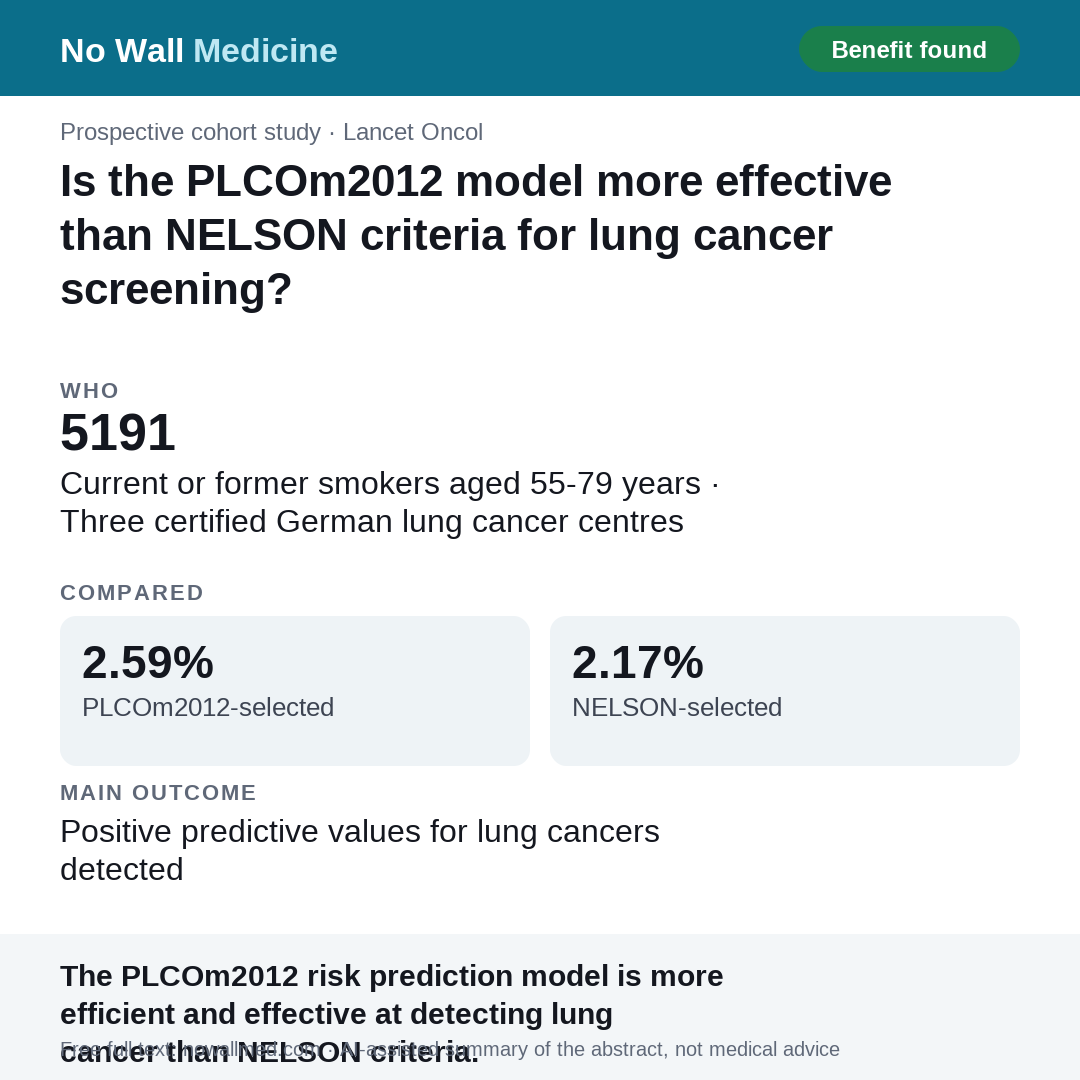
Effectiveness of NELSON versus PLCOm2012 lung cancer screening eligibility criteria in Germany (HANSE): a prospective cohort study
Prospective cohort studyBenefit found
Is the PLCOm2012 model more effective than NELSON criteria for lung cancer screening?
Who
5191
Current or former smokers aged 55-79 years · Three certified German lung cancer centres
Compared
2.59%PLCOm2012-selected (95% CI 2.13-3.12)
2.17%NELSON-selected (1.74-2.68)
Main outcome
Positive predictive values for lung cancers detected
Result: lower number needed to screen 38.6 (32.1-46.9) vs 46.1 (37.3-57.5)
Bottom line: The PLCOm2012 risk prediction model is more efficient and effective at detecting lung cancer than NELSON criteria.
Funded by: Federal Ministry of Education and Research and AstraZeneca
Lancet Oncol · 2025-11-10Download image
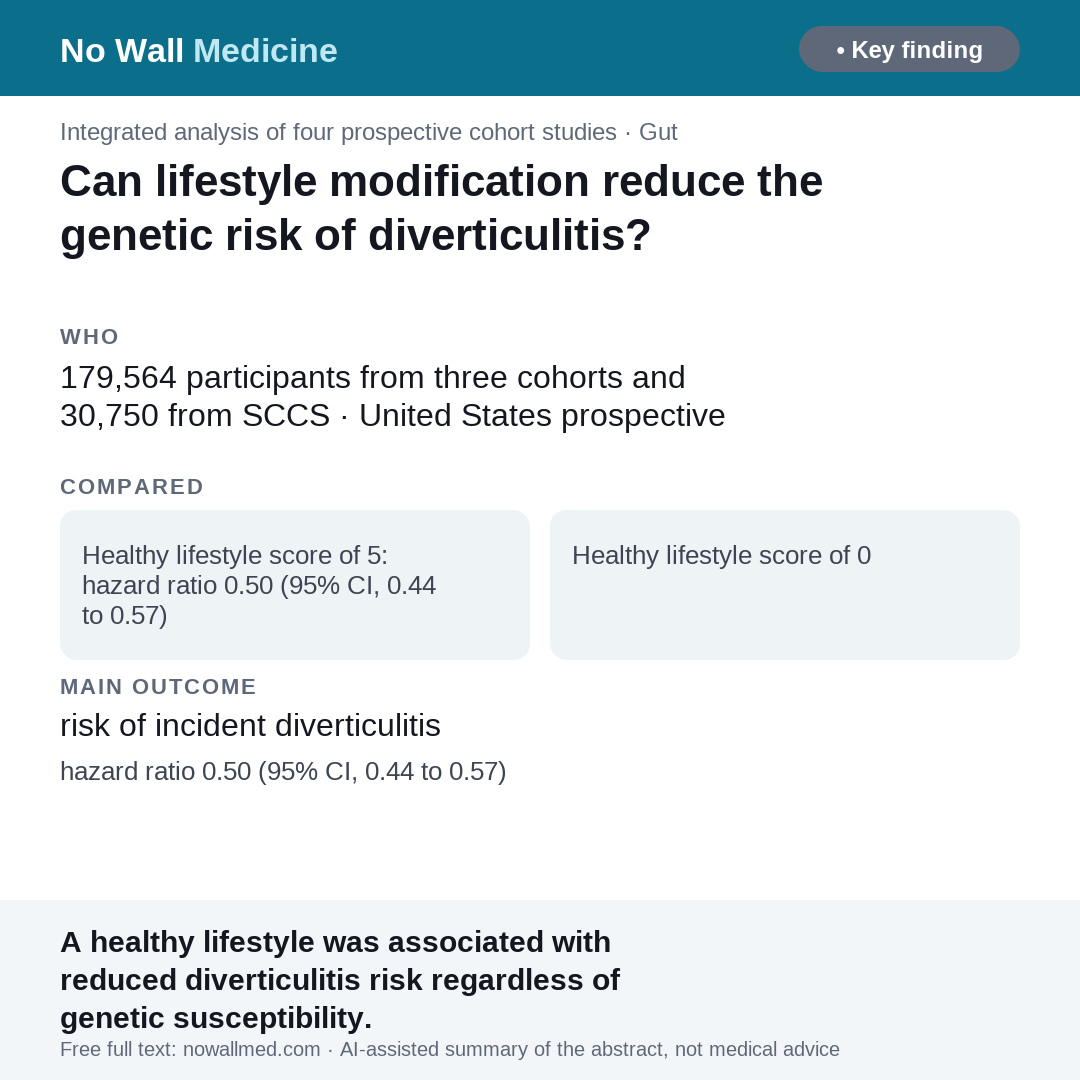
Lifestyle factors, genetic susceptibility and risk of incident diverticulitis: an integrated analysis of four prospective cohort studies and electronic health records-linked biobank
Integrated analysis of four prospective cohort studiesBenefit found
Can lifestyle modification reduce the genetic risk of diverticulitis?
Who
179,564 participants from three cohorts and 30,750 from SCCS · United States prospective cohorts and biobank
Compared
Healthy lifestyle score of 5: hazard ratio 0.50 (95% CI, 0.44 to 0.57)
Healthy lifestyle score of 0
Main outcome
risk of incident diverticulitis
Result: hazard ratio 0.50 (95% CI, 0.44 to 0.57)
Bottom line: A healthy lifestyle was associated with reduced diverticulitis risk regardless of genetic susceptibility.
Gut · 2025-11-10Download image
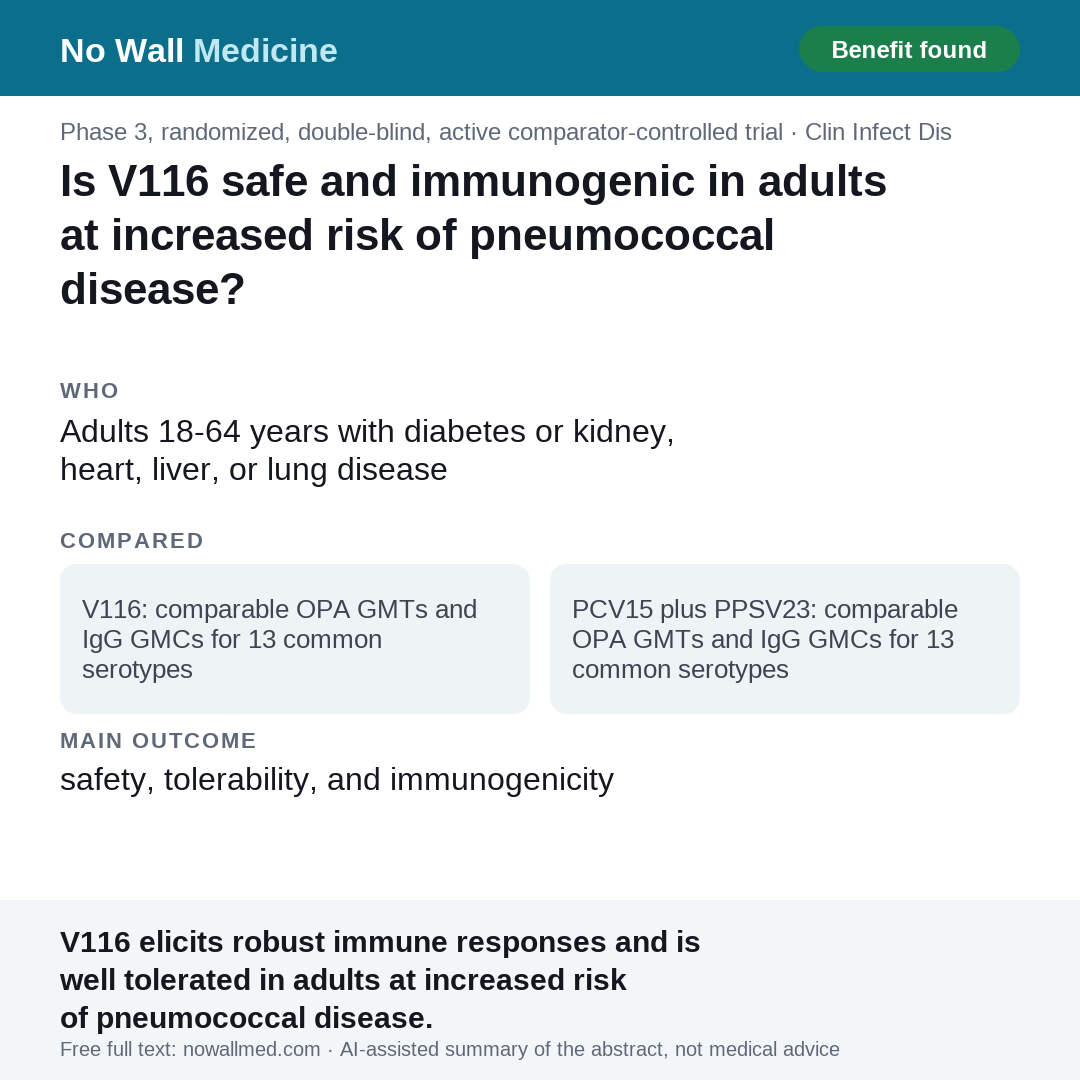
A Phase 3, Randomized Trial Investigating the Safety, Tolerability, and Immunogenicity of V116, an Adult-Specific Pneumococcal Conjugate Vaccine, in Pneumococcal Vaccine-Naïve Adults 18-64 Years of Age at Increased Risk of Pneumococcal Disease, STRIDE-8
Phase 3, randomized, double-blind, active comparator-controlled trialBenefit found
Is V116 safe and immunogenic in adults at increased risk of pneumococcal disease?
Who
Adults 18-64 years with diabetes or kidney, heart, liver, or lung disease
Compared
V116: comparable OPA GMTs and IgG GMCs for 13 common serotypes
PCV15 plus PPSV23: comparable OPA GMTs and IgG GMCs for 13 common serotypes
Main outcome
safety, tolerability, and immunogenicity
Bottom line: V116 elicits robust immune responses and is well tolerated in adults at increased risk of pneumococcal disease.
Clin Infect Dis · 2025-11-10Download image
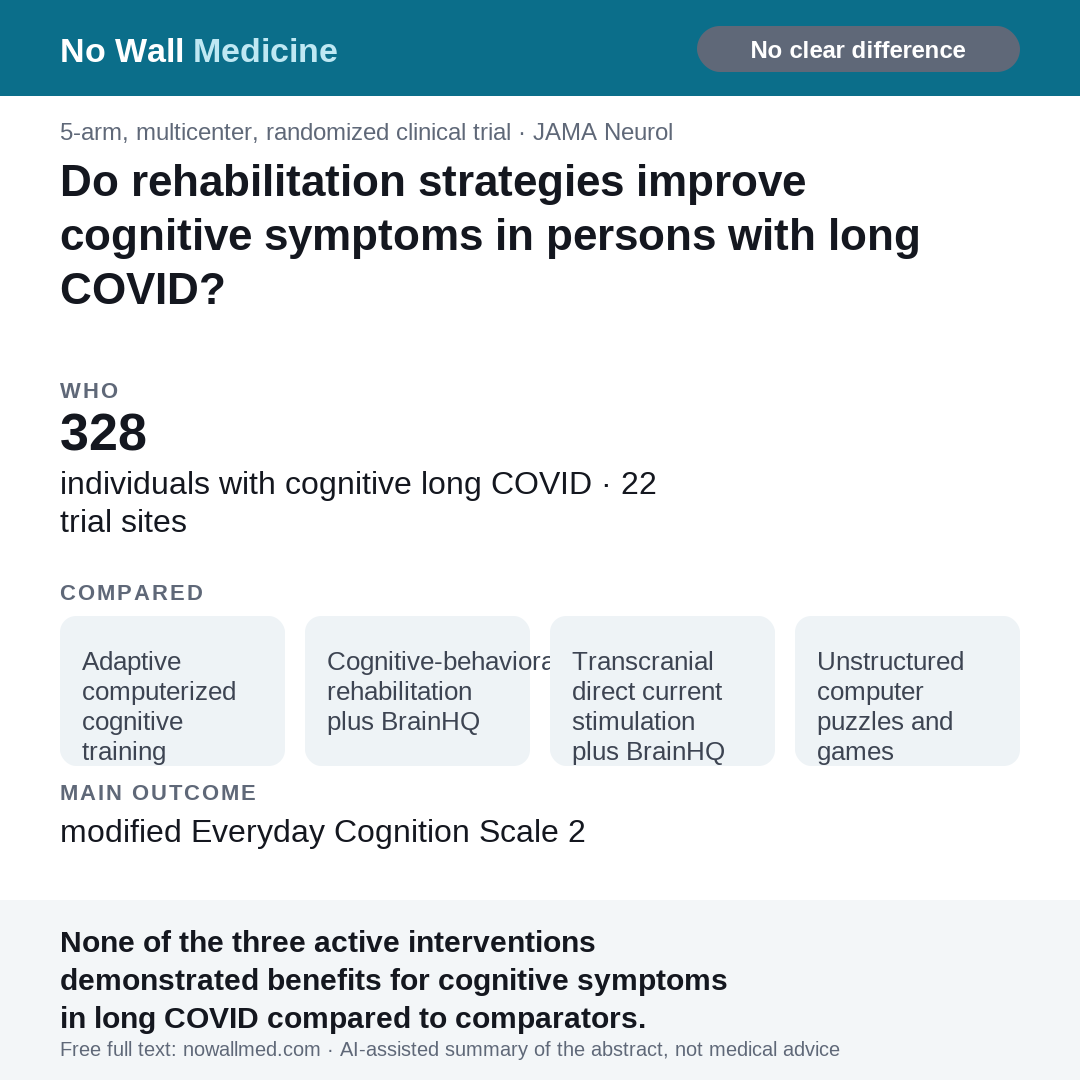
Evaluation of Interventions for Cognitive Symptoms in Long COVID: A Randomized Clinical Trial
5-arm, multicenter, randomized clinical trialNo clear difference
Do rehabilitation strategies improve cognitive symptoms in persons with long COVID?
Who
328
individuals with cognitive long COVID · 22 trial sites
Compared
Adaptive computerized cognitive training
Cognitive-behavioral rehabilitation plus BrainHQ
Transcranial direct current stimulation plus BrainHQ
Unstructured computer puzzles and games
Main outcome
modified Everyday Cognition Scale 2
Bottom line: None of the three active interventions demonstrated benefits for cognitive symptoms in long COVID compared to comparators.
JAMA Neurol · 2025-11-10Download image
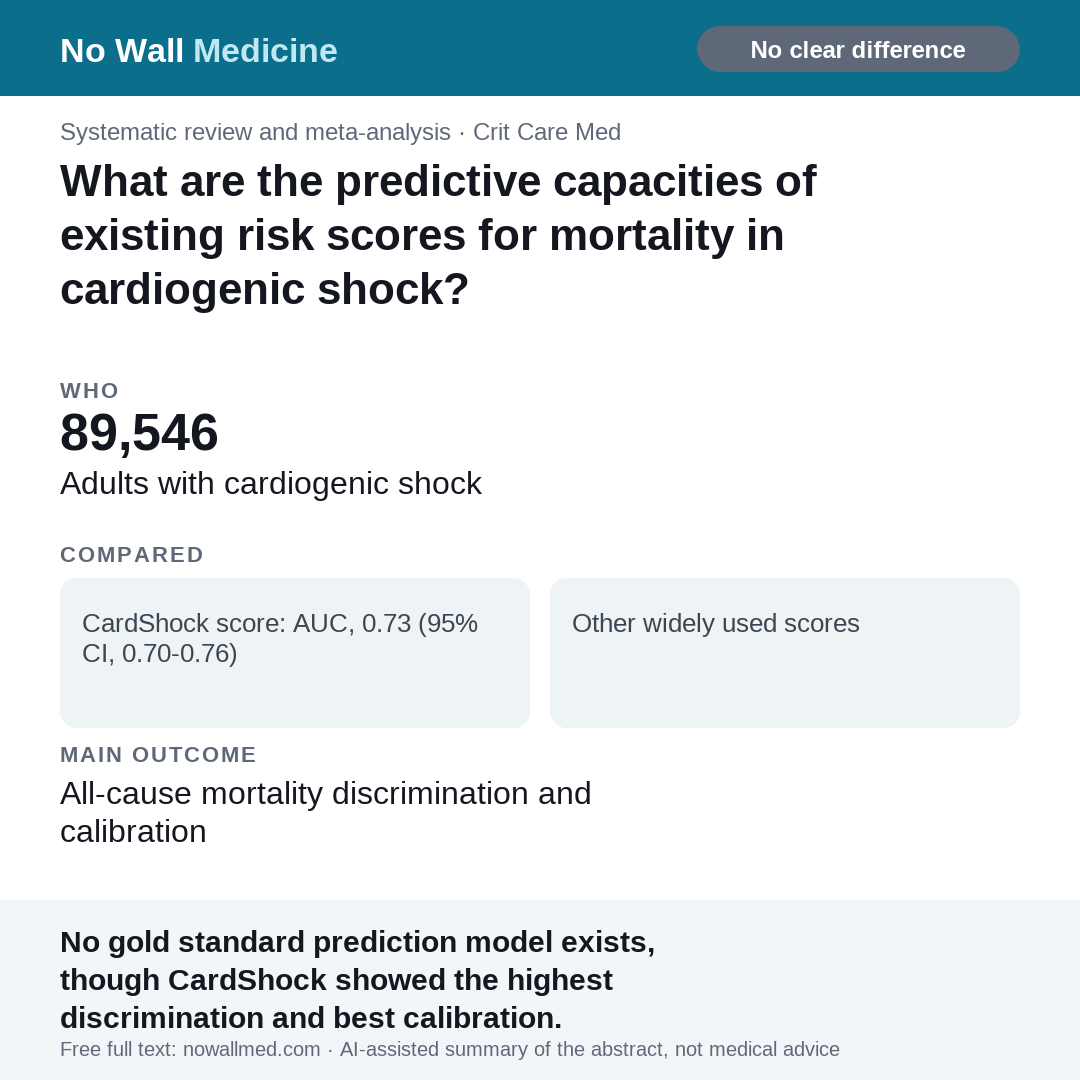
Predictive Models for Mortality in Cardiogenic Shock: A Systematic Review and Meta-Analysis
Systematic review and meta-analysisNo clear difference
What are the predictive capacities of existing risk scores for mortality in cardiogenic shock?
Who
89,546
Adults with cardiogenic shock
Compared
CardShock score: AUC, 0.73 (95% CI, 0.70-0.76)
Other widely used scores
Main outcome
All-cause mortality discrimination and calibration
Bottom line: No gold standard prediction model exists, though CardShock showed the highest discrimination and best calibration.
Limitation: The degree of variability between studies precluded in-depth assessment of subgroup analysis.
Crit Care Med · 2025-11-10Download image
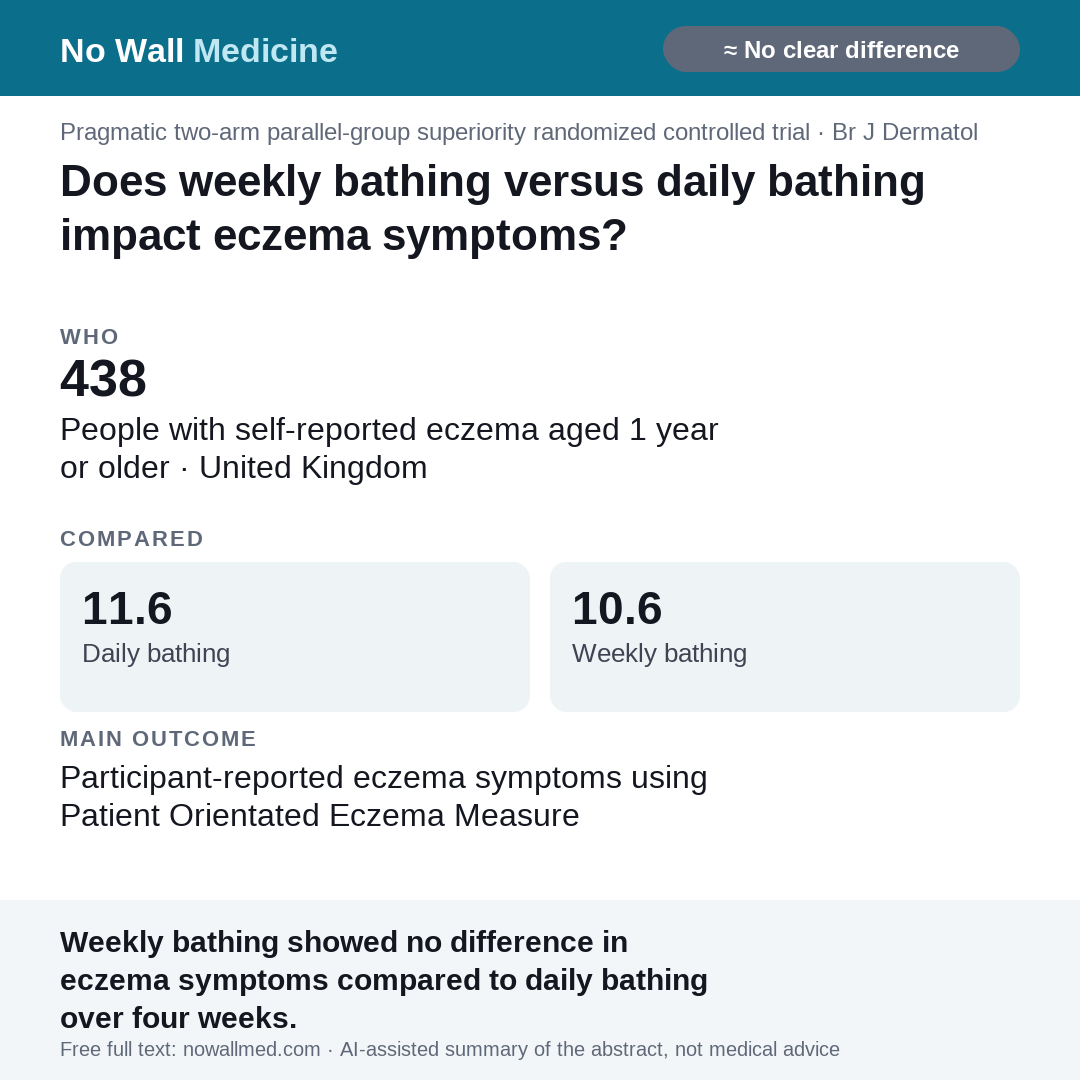
Weekly versus daily bathing for people with eczema: results of the Eczema Bathing online randomized controlled trial
Pragmatic two-arm parallel-group superiority randomized controlled trialNo clear difference
Does weekly bathing versus daily bathing impact eczema symptoms?
Who
438
People with self-reported eczema aged 1 year or older · United Kingdom
Compared
11.6Daily bathing (6.5)
10.6Weekly bathing (7.2)
Main outcome
Participant-reported eczema symptoms using Patient Orientated Eczema Measure
Result: -0.4 (95% confidence interval -1.3 to 0.4)
Bottom line: Weekly bathing showed no difference in eczema symptoms compared to daily bathing over four weeks.
Br J Dermatol · 2025-11-10Download image
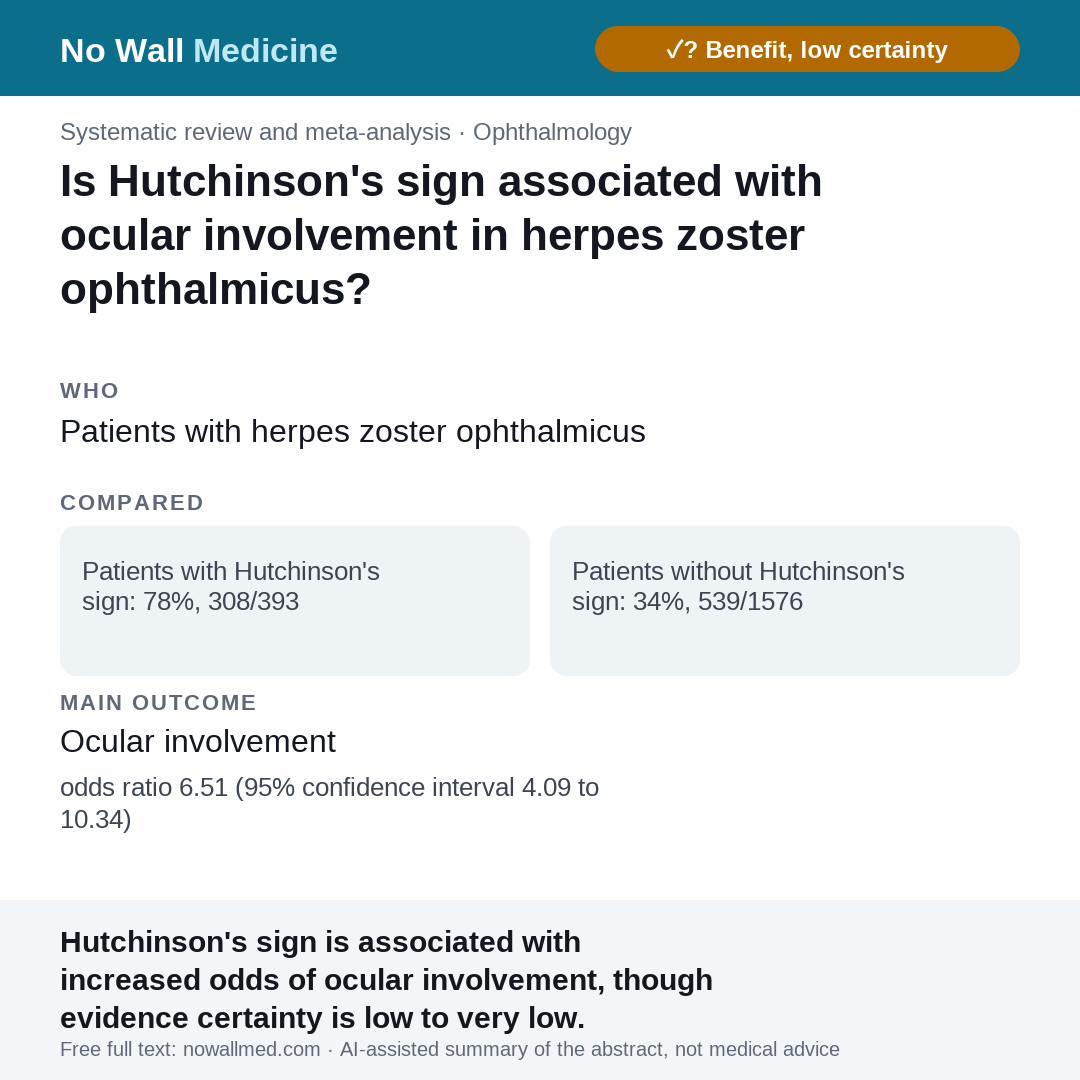
Hutchinson's Sign in Herpes Zoster Ophthalmicus: A Systematic Review and Meta-Analysis
Systematic review and meta-analysisBenefit found
Is Hutchinson's sign associated with ocular involvement in herpes zoster ophthalmicus?
Who
Patients with herpes zoster ophthalmicus
Compared
Patients with Hutchinson's sign: 78%, 308/393
Patients without Hutchinson's sign: 34%, 539/1576
Main outcome
Ocular involvement
Result: odds ratio 6.51 (95% confidence interval 4.09 to 10.34)
Bottom line: Hutchinson's sign is associated with increased odds of ocular involvement, though evidence certainty is low to very low.
Limitation: Certainty of evidence ranged from very low to low and risk of bias was predominantly moderate.
Ophthalmology · 2025-11-10Download image
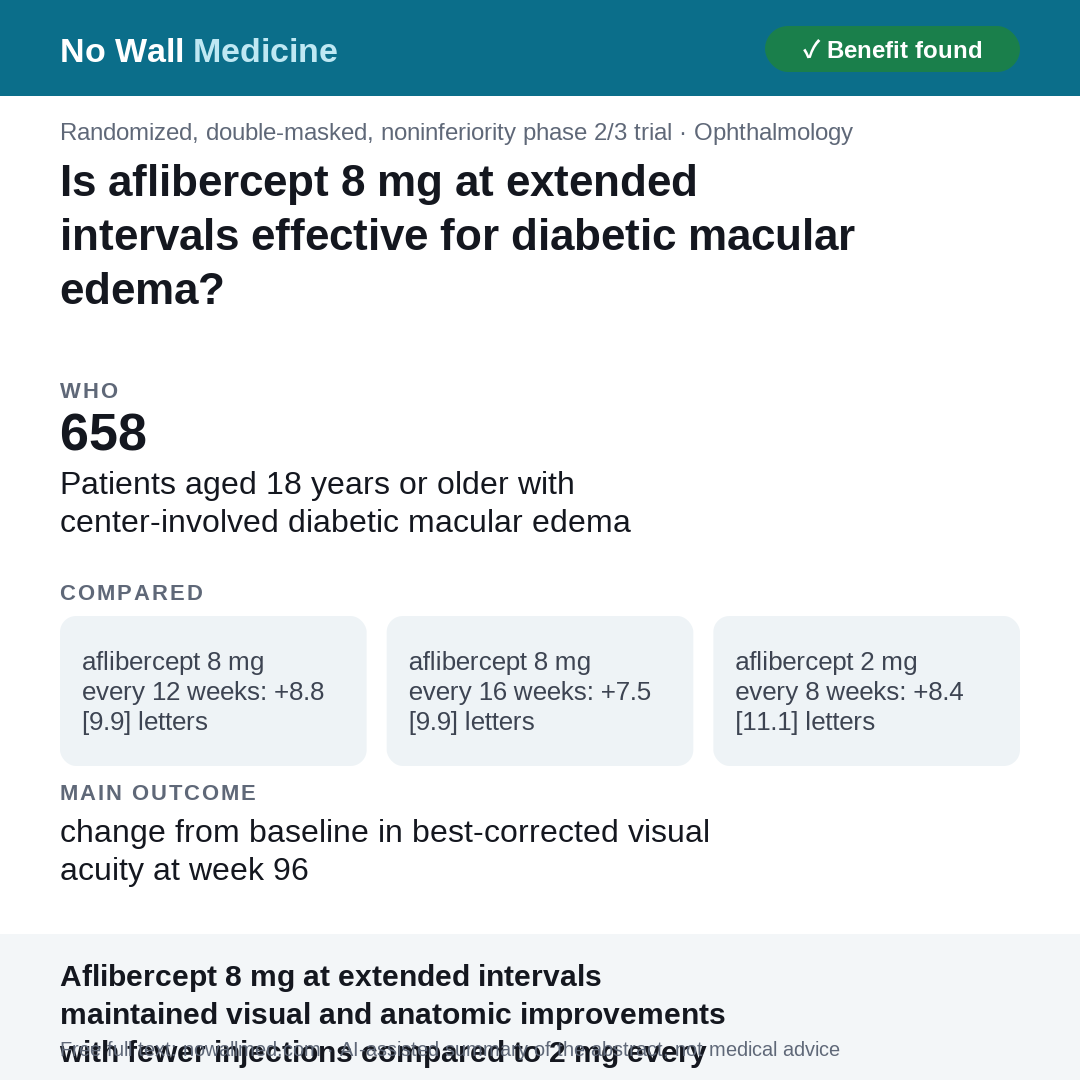
Intravitreal Aflibercept 8 mg for Diabetic Macular Edema: Ninety-Six-Week Results from the Randomized Phase 2/3 PHOTON Trial
Randomized, double-masked, noninferiority phase 2/3 trialBenefit found
Is aflibercept 8 mg at extended intervals effective for diabetic macular edema?
Who
658
Patients aged 18 years or older with center-involved diabetic macular edema
Compared
aflibercept 8 mg every 12 weeks: +8.8 [9.9] letters
aflibercept 8 mg every 16 weeks: +7.5 [9.9] letters
aflibercept 2 mg every 8 weeks: +8.4 [11.1] letters
Main outcome
change from baseline in best-corrected visual acuity at week 96
Bottom line: Aflibercept 8 mg at extended intervals maintained visual and anatomic improvements with fewer injections compared to 2 mg every 8 weeks.
Ophthalmology · 2025-11-10Download image