Visual abstracts
New randomized trials and meta-analyses from leading journals at a glance: who was studied, what was compared, and what was found. Every paper is free to read in full.
All specialtiesCardiology 4877Oncology 4138Gastroenterology & Hepatology 1942Infectious Disease 3837Neurology 1905Psychiatry & Mental Health 2273Pulmonology 2143Critical Care 1365Endocrinology & Diabetes 2580Pediatrics 2980Surgery 2559Orthopedics & Sports Medicine 931Neurosurgery 537Cardiothoracic & Vascular Surgery 674Plastic & Reconstructive Surgery 591Nephrology 1133Rheumatology 823Hematology 1109Dermatology 621Ophthalmology 543Obstetrics & Gynecology 1686Public & Global Health 1058Radiology & Imaging 648Anesthesiology 986Urology 764ENT (Otolaryngology) 503Emergency Medicine 511Allergy & Immunology 313Geriatrics 981Family Medicine & Primary Care 562Medical Genetics & Genomics 676Pathology & Laboratory Medicine 159Physical Medicine & Rehabilitation 757Palliative Care 444Nutrition 1588Digital Health & AI 2201General Medicine 321
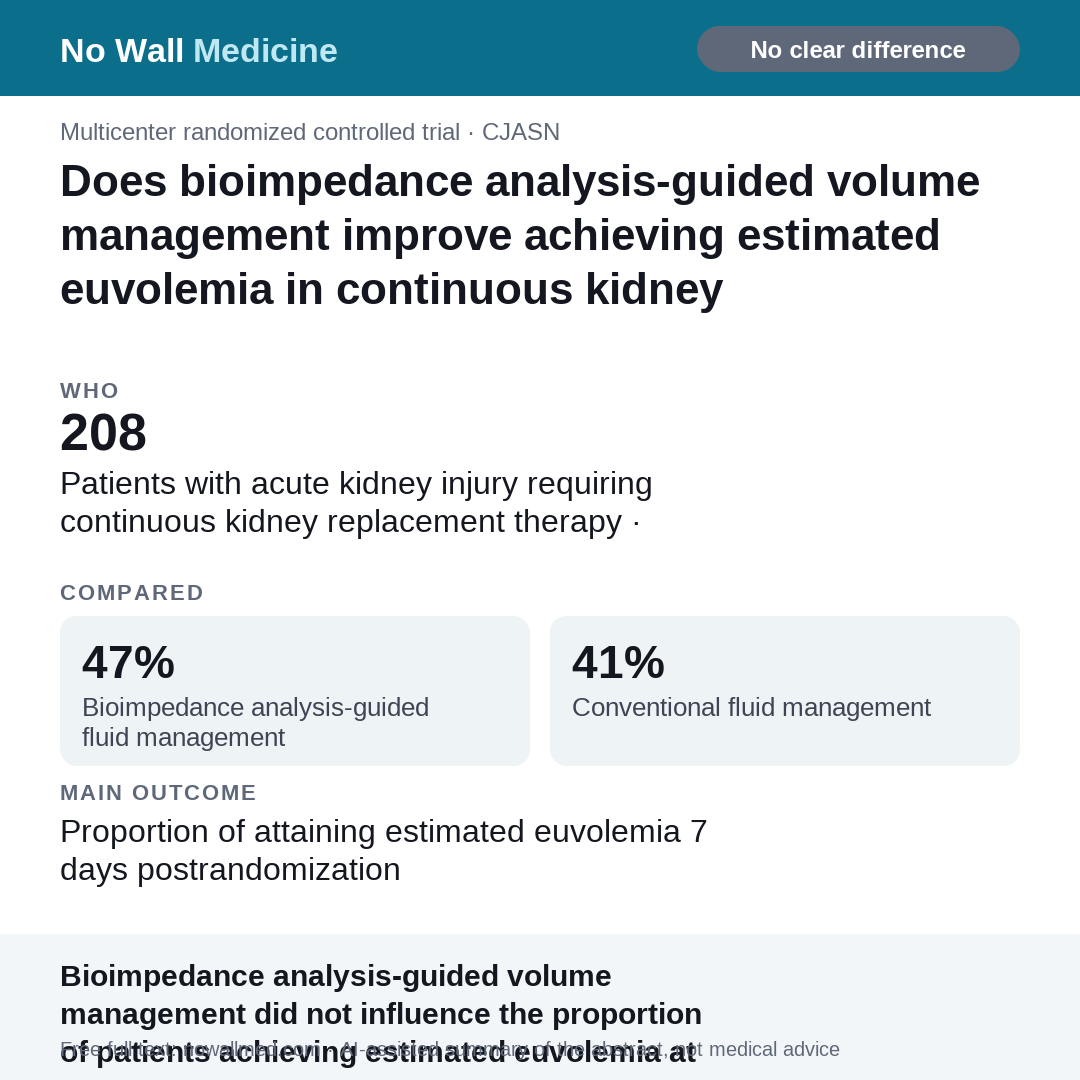
Bioimpedance-Guided Fluid Removal in Continuous KRT: The VENUS Randomized Clinical Trial
Multicenter randomized controlled trialNo clear difference
Does bioimpedance analysis-guided volume management improve achieving estimated euvolemia in continuous kidney replacement therapy patients?
Who
208
Patients with acute kidney injury requiring continuous kidney replacement therapy · Multicenter
Compared
47%Bioimpedance analysis-guided fluid management
41%Conventional fluid management
Main outcome
Proportion of attaining estimated euvolemia 7 days postrandomization
Bottom line: Bioimpedance analysis-guided volume management did not influence the proportion of patients achieving estimated euvolemia at 7 days.
CJASN · 2024-09-12Download image
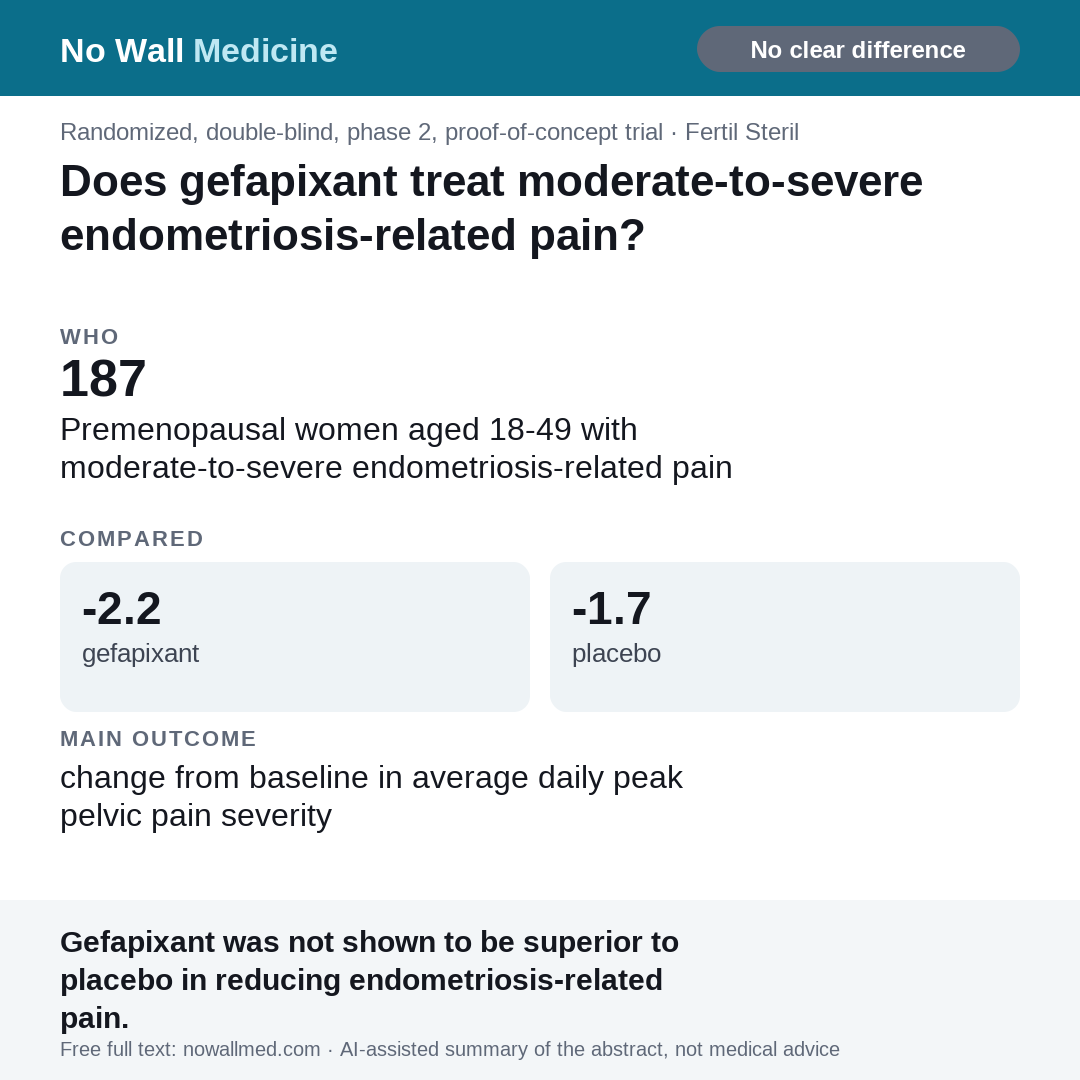
Randomized, controlled, proof-of-concept trial of gefapixant for endometriosis-related pain
Randomized, double-blind, phase 2, proof-of-concept trialNo clear difference
Does gefapixant treat moderate-to-severe endometriosis-related pain?
Who
187
Premenopausal women aged 18-49 with moderate-to-severe endometriosis-related pain
Compared
-2.2gefapixant
-1.7placebo
Main outcome
change from baseline in average daily peak pelvic pain severity
Result: difference, -0.5 (95% confidence interval, -1.01 to 0.03)
Bottom line: Gefapixant was not shown to be superior to placebo in reducing endometriosis-related pain.
Fertil Steril · 2024-09-12Download image
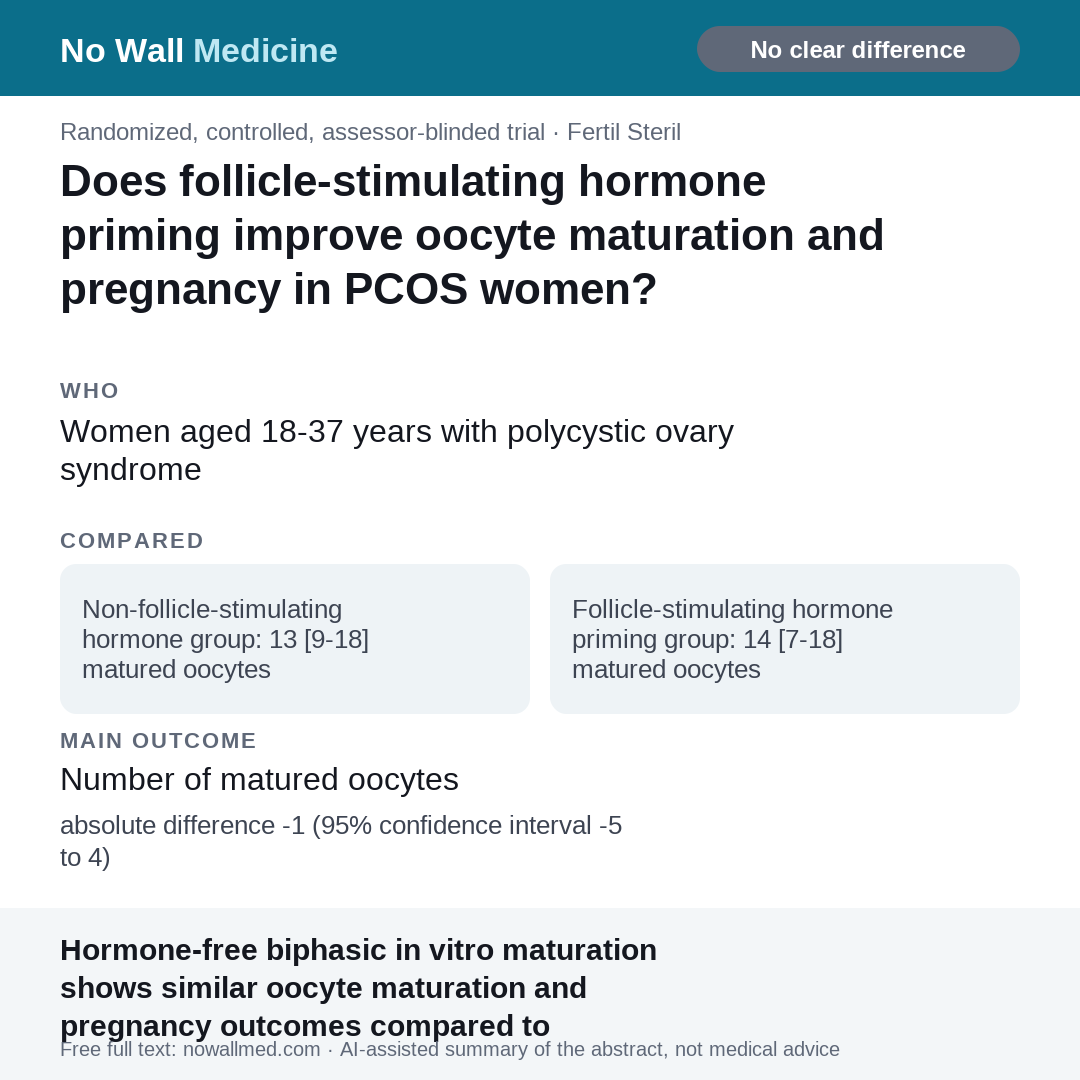
Hormone-free vs. follicle-stimulating hormone-primed infertility treatment of women with polycystic ovary syndrome using biphasic in vitro maturation: a randomized controlled trial
Randomized, controlled, assessor-blinded trialNo clear difference
Does follicle-stimulating hormone priming improve oocyte maturation and pregnancy in PCOS women?
Who
Women aged 18-37 years with polycystic ovary syndrome
Compared
Non-follicle-stimulating hormone group: 13 [9-18] matured oocytes
Follicle-stimulating hormone priming group: 14 [7-18] matured oocytes
Main outcome
Number of matured oocytes
Result: absolute difference -1 (95% confidence interval -5 to 4)
Bottom line: Hormone-free biphasic in vitro maturation shows similar oocyte maturation and pregnancy outcomes compared to follicle-stimulating hormone priming.
Fertil Steril · 2024-09-12Download image
A systematic review of reproductive technologies for shared conception in same-sex female couples
Systematic reviewMixed results
What are the clinical outcomes of reciprocal in vitro fertilization and intravaginal culture?
Who
Same-sex female couples
Compared
Reciprocal in vitro fertilization: similar cycle and pregnancy outcomes to autologous in vitro fertilization
Intravaginal culture: good cycle and pregnancy outcomes, comparable to in vitro fertilization
Main outcome
live birth rate, clinical pregnancy rate, embryo quality, and perinatal complications
Bottom line: Reciprocal in vitro fertilization and intravaginal culture show promise, but quality embryo creation in intravaginal culture may be lower.
Limitation: lack of prospective studies on reciprocal in vitro fertilization limits generalizability
Fertil Steril · 2024-09-12Download image

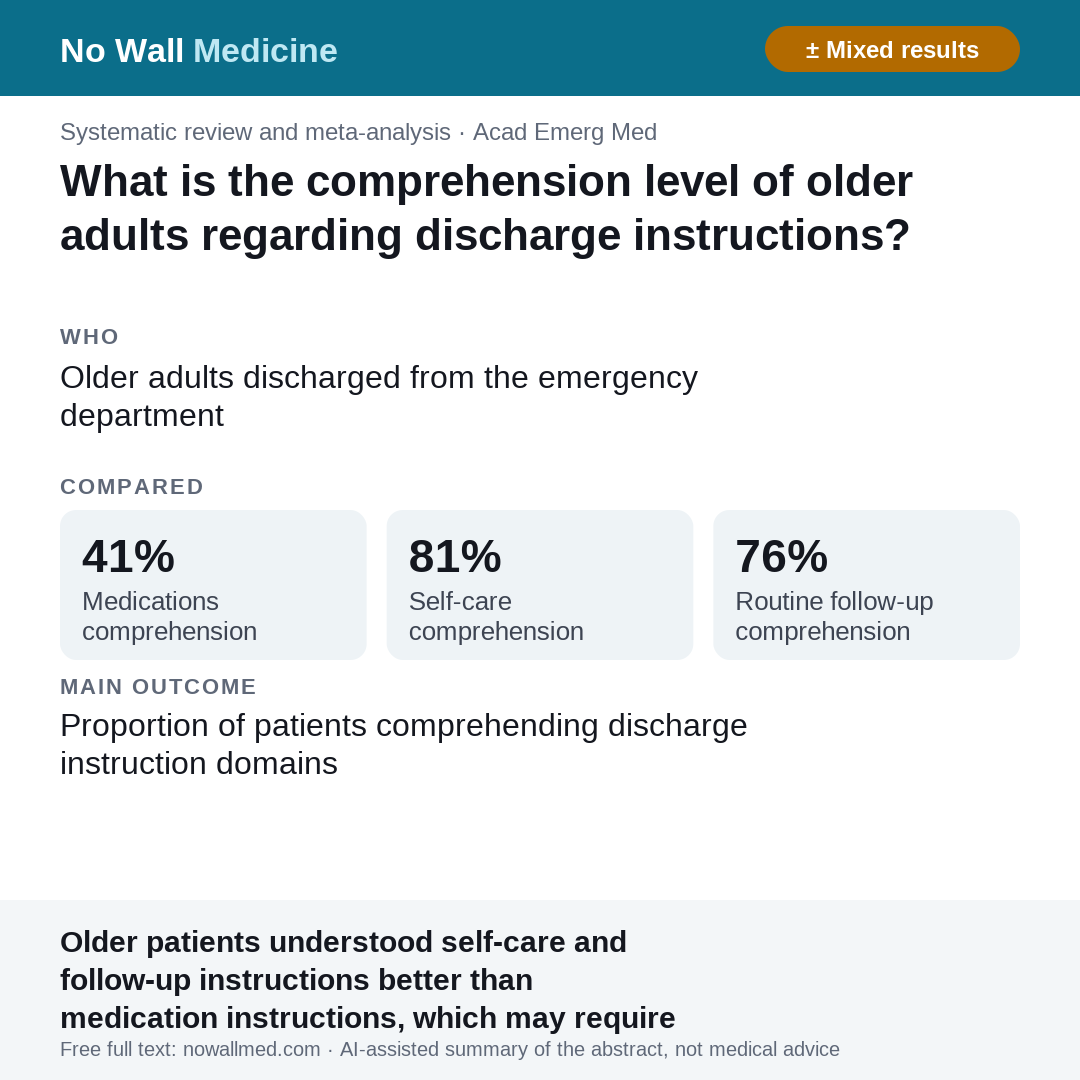
Discharge instruction comprehension by older adults in the emergency department: A systematic review and meta-analysis
Systematic review and meta-analysisMixed results
What is the comprehension level of older adults regarding discharge instructions?
Who
Older adults discharged from the emergency department
Compared
41%Medications comprehension (95% CI 31%-50%)
81%Self-care comprehension (95% CI 76%-85%)
76%Routine follow-up comprehension (95% CI 72%-79%)
Main outcome
Proportion of patients comprehending discharge instruction domains
Bottom line: Older patients understood self-care and follow-up instructions better than medication instructions, which may require future interventions.
Limitation: Marked heterogeneity was found regarding comprehension of diagnosis and return precautions.
Acad Emerg Med · 2024-09-12Download image
Effect of arthroscopic partial meniscectomy on structural degeneration of the knee - A 5-year MRI-based follow-up of the placebo-surgery controlled FIDELITY (Finnish Degenerative Meniscus Lesion Study) trial
Multicentre, randomized, placebo-surgery-controlled trialNo clear difference
Does arthroscopic partial meniscectomy affect structural knee degeneration compared to placebo surgery?
Who
146
Adults with degenerative medial meniscus tear and no advanced osteoarthritis · Finland
Compared
arthroscopic partial meniscectomy
placebo surgery
Main outcome
progression of structural cartilage changes
Result: odds ratio 1.31 (95% confidence interval 0.81, 1.94)
Bottom line: Arthroscopic partial meniscectomy showed no significant difference from placebo surgery regarding cartilage damage progression at 5 years.
Osteoarthritis Cartilage · 2024-09-12Download image

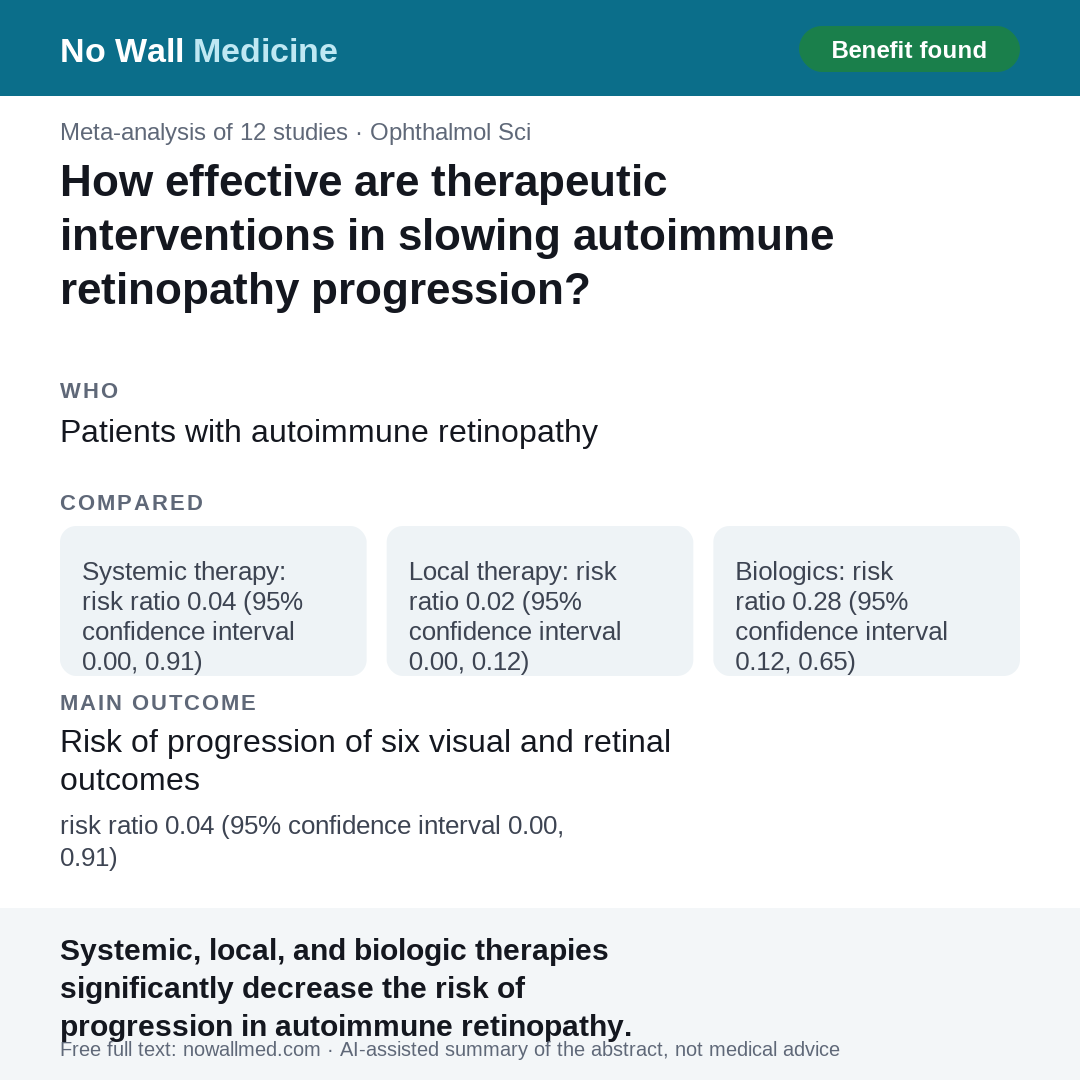
Clinical Outcomes of Therapeutic Interventions for Autoimmune Retinopathy: A Meta-analysis and Systematic Review
Meta-analysis of 12 studiesBenefit found
How effective are therapeutic interventions in slowing autoimmune retinopathy progression?
Who
Patients with autoimmune retinopathy
Compared
Systemic therapy: risk ratio 0.04 (95% confidence interval 0.00, 0.91)
Local therapy: risk ratio 0.02 (95% confidence interval 0.00, 0.12)
Biologics: risk ratio 0.28 (95% confidence interval 0.12, 0.65)
Main outcome
Risk of progression of six visual and retinal outcomes
Result: risk ratio 0.04 (95% confidence interval 0.00, 0.91)
Bottom line: Systemic, local, and biologic therapies significantly decrease the risk of progression in autoimmune retinopathy.
Limitation: Additional research is needed to assess long-term outcomes.
Ophthalmol Sci · 2024-09-12Download image
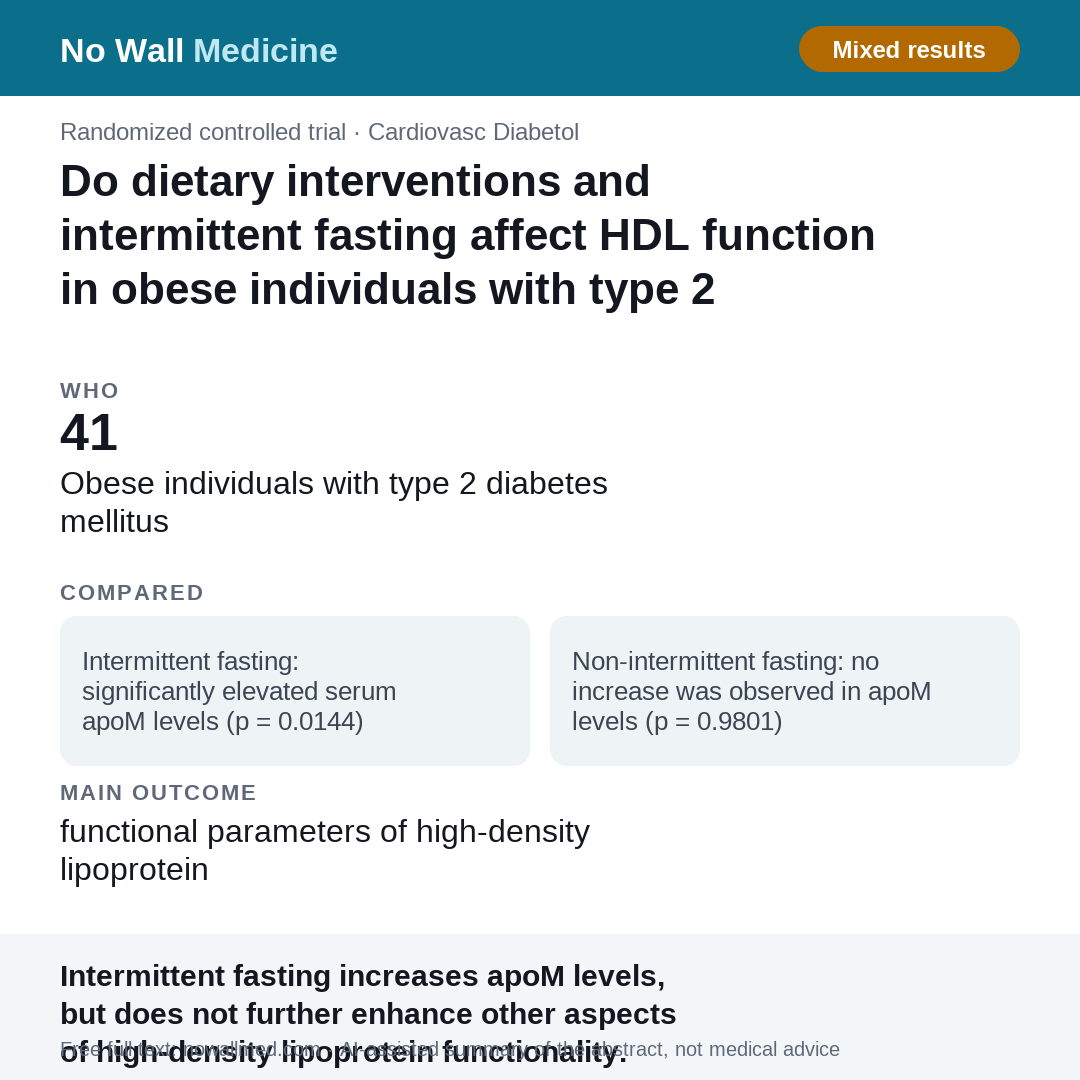
Effects of dietary interventions and intermittent fasting on HDL function in obese individuals with T2DM: a randomized controlled trial
Randomized controlled trialMixed results
Do dietary interventions and intermittent fasting affect HDL function in obese individuals with type 2 diabetes?
Who
41
Obese individuals with type 2 diabetes mellitus
Compared
Intermittent fasting: significantly elevated serum apoM levels (p = 0.0144)
Non-intermittent fasting: no increase was observed in apoM levels (p = 0.9801)
Main outcome
functional parameters of high-density lipoprotein
Bottom line: Intermittent fasting increases apoM levels, but does not further enhance other aspects of high-density lipoprotein functionality.
Cardiovasc Diabetol · 2024-09-12Download image
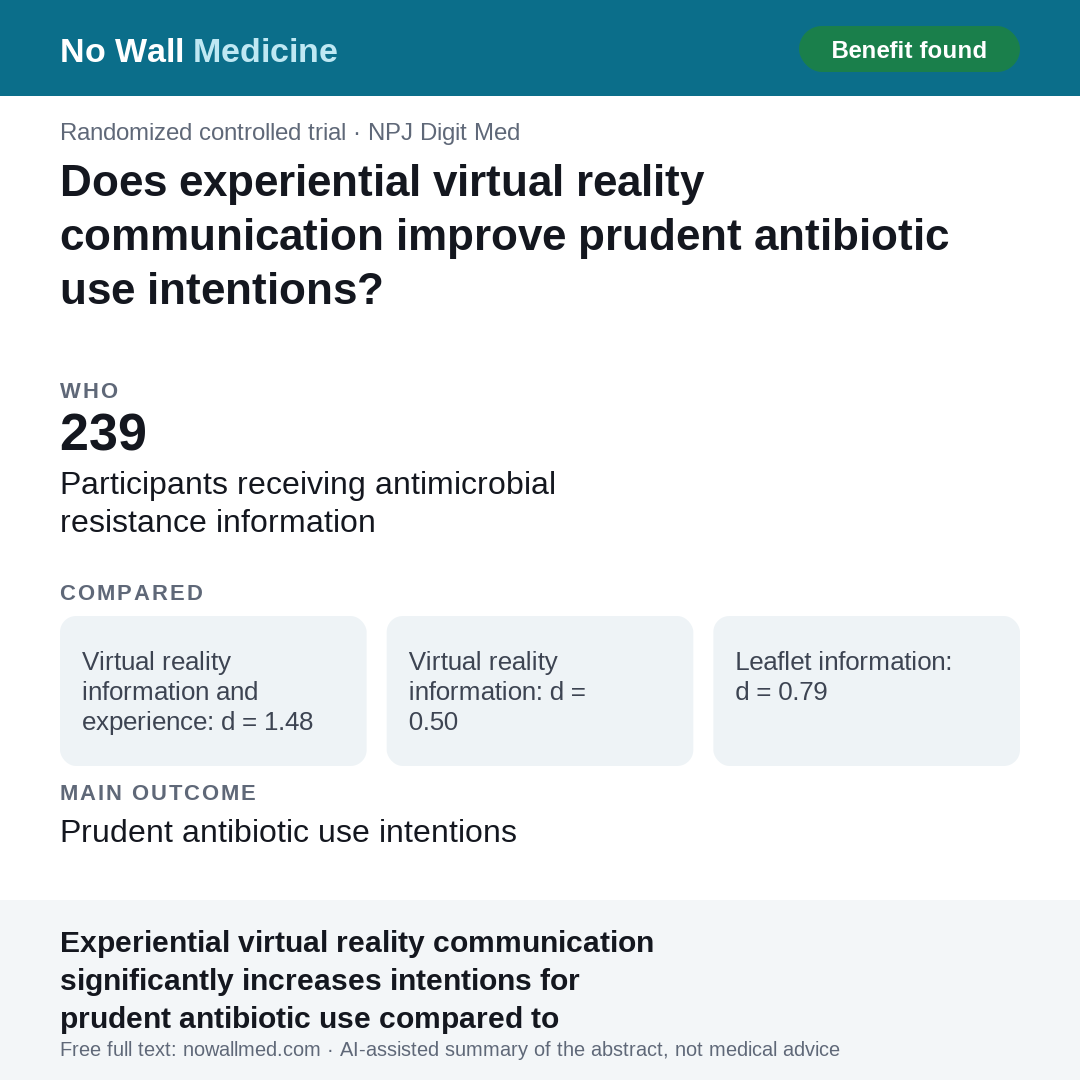
A randomized controlled trial investigating experiential virtual reality communication on prudent antibiotic use
Randomized controlled trialBenefit found
Does experiential virtual reality communication improve prudent antibiotic use intentions?
Who
239
Participants receiving antimicrobial resistance information
Compared
Virtual reality information and experience: d = 1.48
Virtual reality information: d = 0.50
Leaflet information: d = 0.79
Main outcome
Prudent antibiotic use intentions
Bottom line: Experiential virtual reality communication significantly increases intentions for prudent antibiotic use compared to information alone.
NPJ Digit Med · 2024-09-12Download image
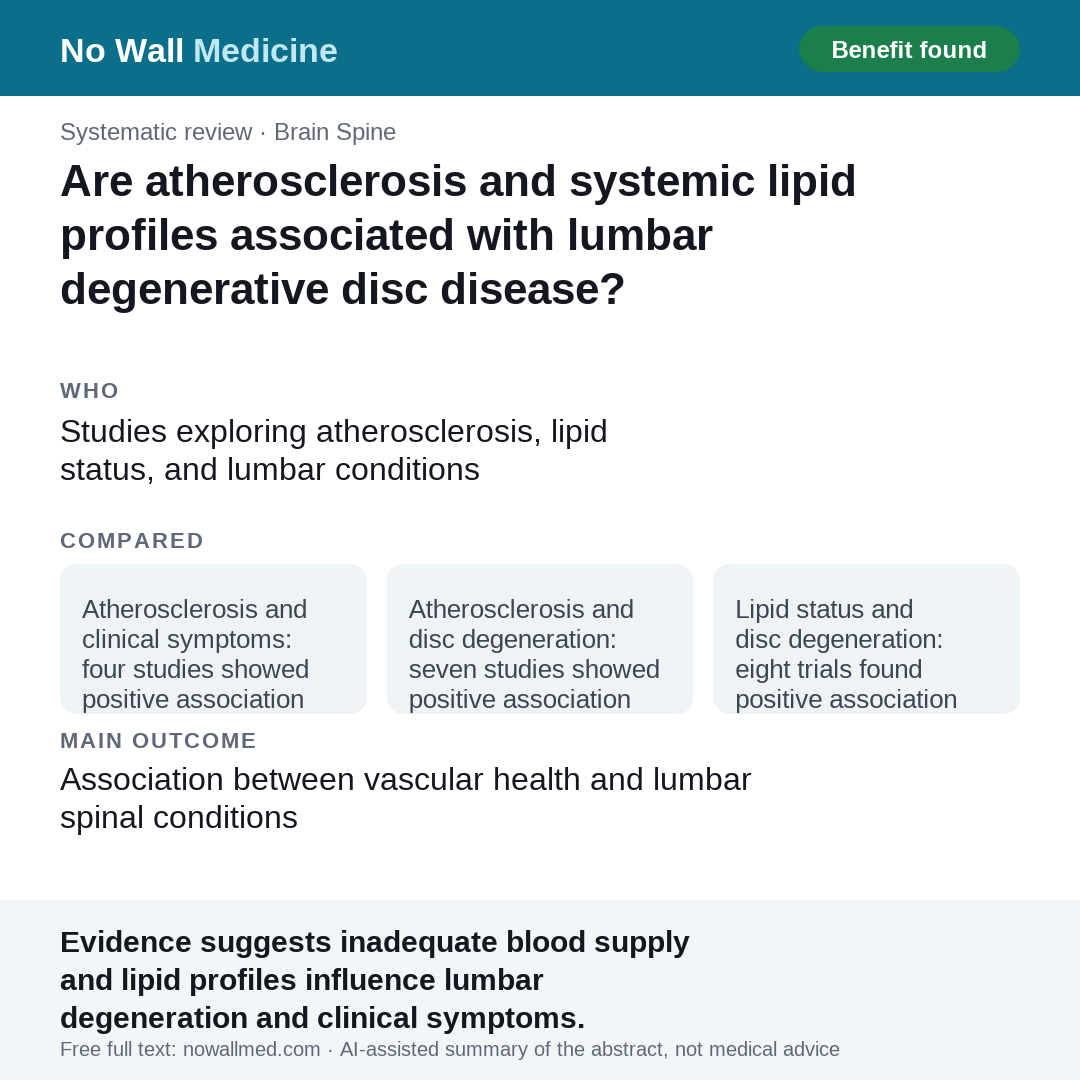
A systematic review evaluating the association of atherosclerosis and lumbar degenerative disc disease
Systematic reviewBenefit found
Are atherosclerosis and systemic lipid profiles associated with lumbar degenerative disc disease?
Who
Studies exploring atherosclerosis, lipid status, and lumbar conditions
Compared
Atherosclerosis and clinical symptoms: four studies showed positive association
Atherosclerosis and disc degeneration: seven studies showed positive association
Lipid status and disc degeneration: eight trials found positive association
Main outcome
Association between vascular health and lumbar spinal conditions
Bottom line: Evidence suggests inadequate blood supply and lipid profiles influence lumbar degeneration and clinical symptoms.
Brain Spine · 2024-09-12Download image
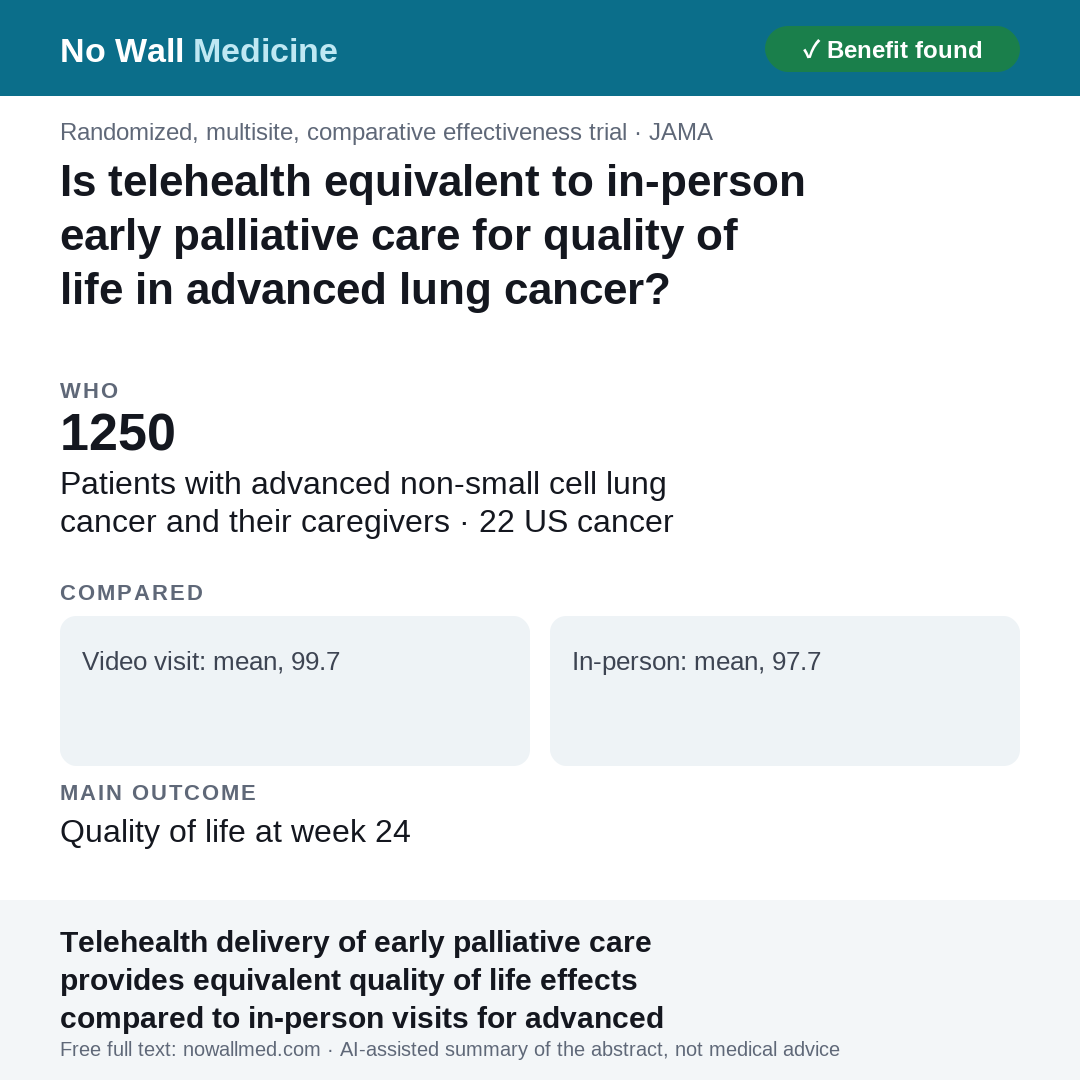
Telehealth vs In-Person Early Palliative Care for Patients With Advanced Lung Cancer: A Multisite Randomized Clinical Trial
Randomized, multisite, comparative effectiveness trialBenefit found
Is telehealth equivalent to in-person early palliative care for quality of life in advanced lung cancer?
Who
1250
Patients with advanced non-small cell lung cancer and their caregivers · 22 US cancer centers
Compared
Video visit: mean, 99.7
In-person: mean, 97.7
Main outcome
Quality of life at week 24
Result: difference, 2.0 (90% CI, 0.1-3.9)
Bottom line: Telehealth delivery of early palliative care provides equivalent quality of life effects compared to in-person visits for advanced lung cancer patients.
JAMA · 2024-09-11Download image
Randomised controlled trials on radiation dose fractionation in breast cancer: systematic review and meta-analysis with emphasis on side effects and cosmesis
Systematic review and meta-analysisBenefit found
How do different radiation dose fractionation schemes affect breast cancer treatment outcomes?
Who
20237
Patients with breast cancer
Compared
Moderate hypofractionation: RR 0.54 (95% CI 0.49 to 0.61) for acute dermatitis
Conventional fractionation
Main outcome
Grade 2 or higher acute radiation dermatitis and late side effects
Result: RR 0.54 (95% CI 0.49 to 0.61)
Bottom line: Moderate hypofractionation improves safety, cosmesis, and quality of life compared to conventional fractionation with equivalent oncological outcomes.
Limitation: 78.4% of outcomes had some concerns or high risk of bias.
BMJ · 2024-09-11Download image

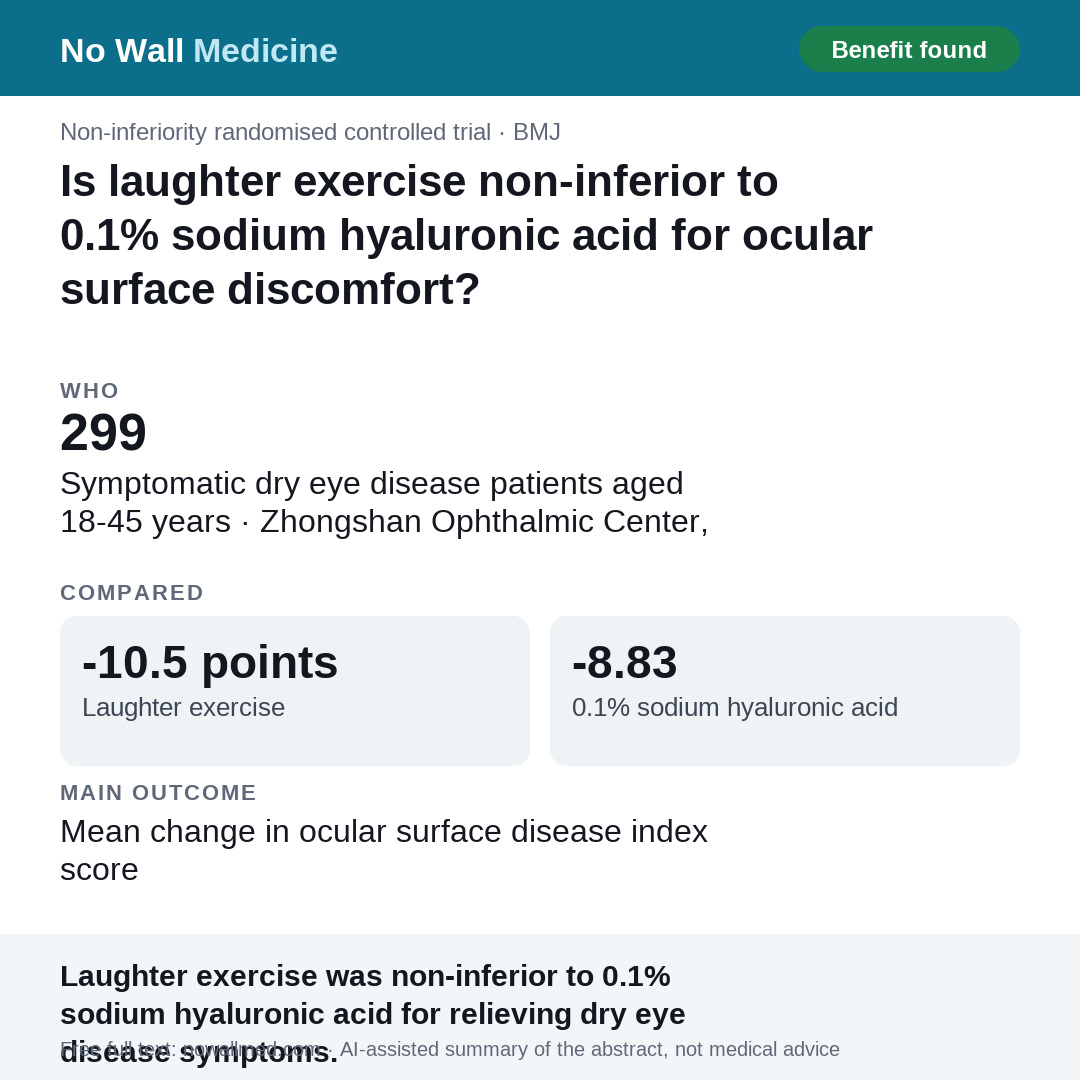
Effect of laughter exercise versus 0.1% sodium hyaluronic acid on ocular surface discomfort in dry eye disease: non-inferiority randomised controlled trial
Non-inferiority randomised controlled trialBenefit found
Is laughter exercise non-inferior to 0.1% sodium hyaluronic acid for ocular surface discomfort?
Who
299
Symptomatic dry eye disease patients aged 18-45 years · Zhongshan Ophthalmic Center, China
Compared
-10.5 pointsLaughter exercise (95% CI -13.1 to -7.82)
-8.830.1% sodium hyaluronic acid (-11.7 to -6.02)
Main outcome
Mean change in ocular surface disease index score
Result: mean difference -1.45 points (95% CI -5.08 to 2.19)
Bottom line: Laughter exercise was non-inferior to 0.1% sodium hyaluronic acid for relieving dry eye disease symptoms.
Limitation: Participants were unmasked to their group assignment for practical reasons.
BMJ · 2024-09-11Download image
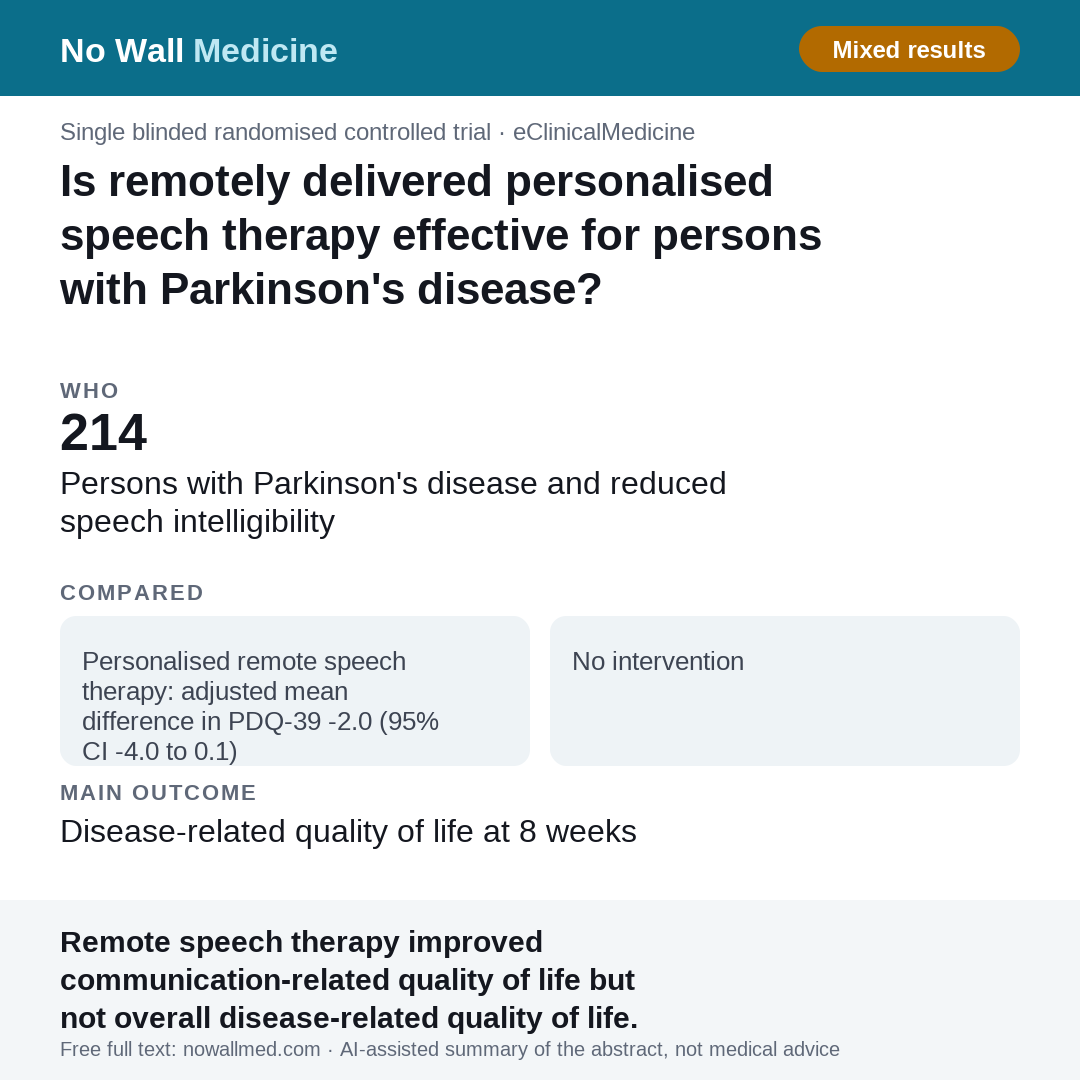
Effectiveness of remotely delivered speech therapy in persons with Parkinson's disease - a randomised controlled trial
Single blinded randomised controlled trialMixed results
Is remotely delivered personalised speech therapy effective for persons with Parkinson's disease?
Who
214
Persons with Parkinson's disease and reduced speech intelligibility
Compared
Personalised remote speech therapy: adjusted mean difference in PDQ-39 -2.0 (95% CI -4.0 to 0.1)
No intervention
Main outcome
Disease-related quality of life at 8 weeks
Result: adjusted mean difference -2.0 (95% CI -4.0 to 0.1)
Bottom line: Remote speech therapy improved communication-related quality of life but not overall disease-related quality of life.
Funded by: Michael J. Fox Foundation, Gatsby Foundation, and Health∼Holland
eClinicalMedicine · 2024-09-11Download image
Brief Cognitive Behavioral Therapy for Suicidal Inpatients: A Randomized Clinical Trial
Randomized clinical trialBenefit found
Does adding brief cognitive behavioral therapy to usual treatment reduce postdischarge suicide risk?
Who
200
Inpatients admitted following a suicidal crisis · Private psychiatric hospital in Connecticut
Compared
Treatment as usual
Treatment as usual plus brief cognitive behavioral therapy: 60% reduction in suicide attempt
Main outcome
Suicide attempts, suicidal ideation, and psychiatric readmissions
Result: odds ratio 0.40 (95% CI 0.20-0.80)
Bottom line: Adding brief cognitive behavioral therapy to usual treatment reduced suicide attempts and psychiatric readmissions for suicidal inpatients.
JAMA Psychiatry · 2024-09-11Download image

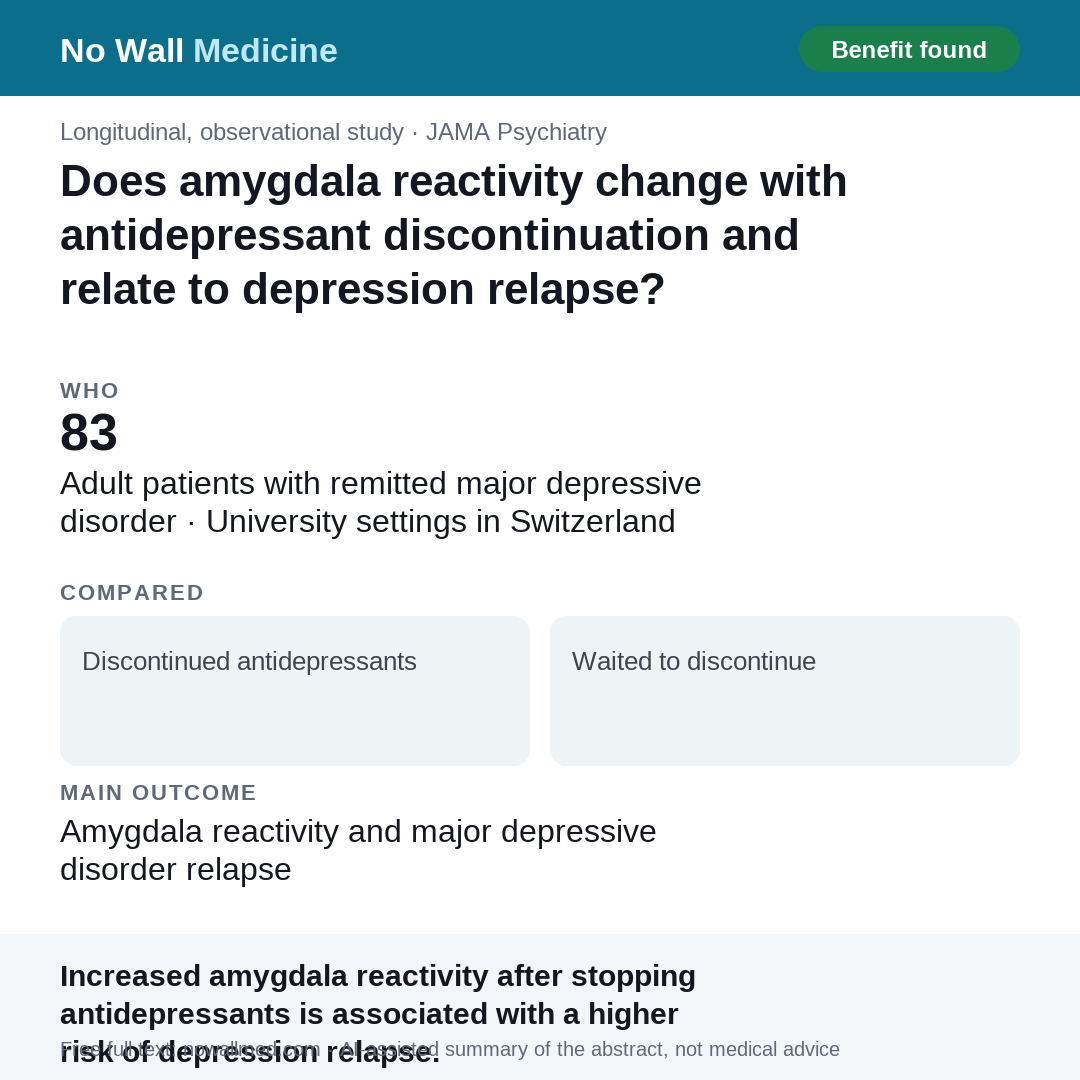
Amygdala Reactivity, Antidepressant Discontinuation, and Relapse
Longitudinal, observational studyBenefit found
Does amygdala reactivity change with antidepressant discontinuation and relate to depression relapse?
Who
83
Adult patients with remitted major depressive disorder · University settings in Switzerland and Germany
Compared
Discontinued antidepressants
Waited to discontinue
Main outcome
Amygdala reactivity and major depressive disorder relapse
Result: hazard ratio 1.05 (95% CI 1.01-1.09)
Bottom line: Increased amygdala reactivity after stopping antidepressants is associated with a higher risk of depression relapse.
JAMA Psychiatry · 2024-09-11Download image
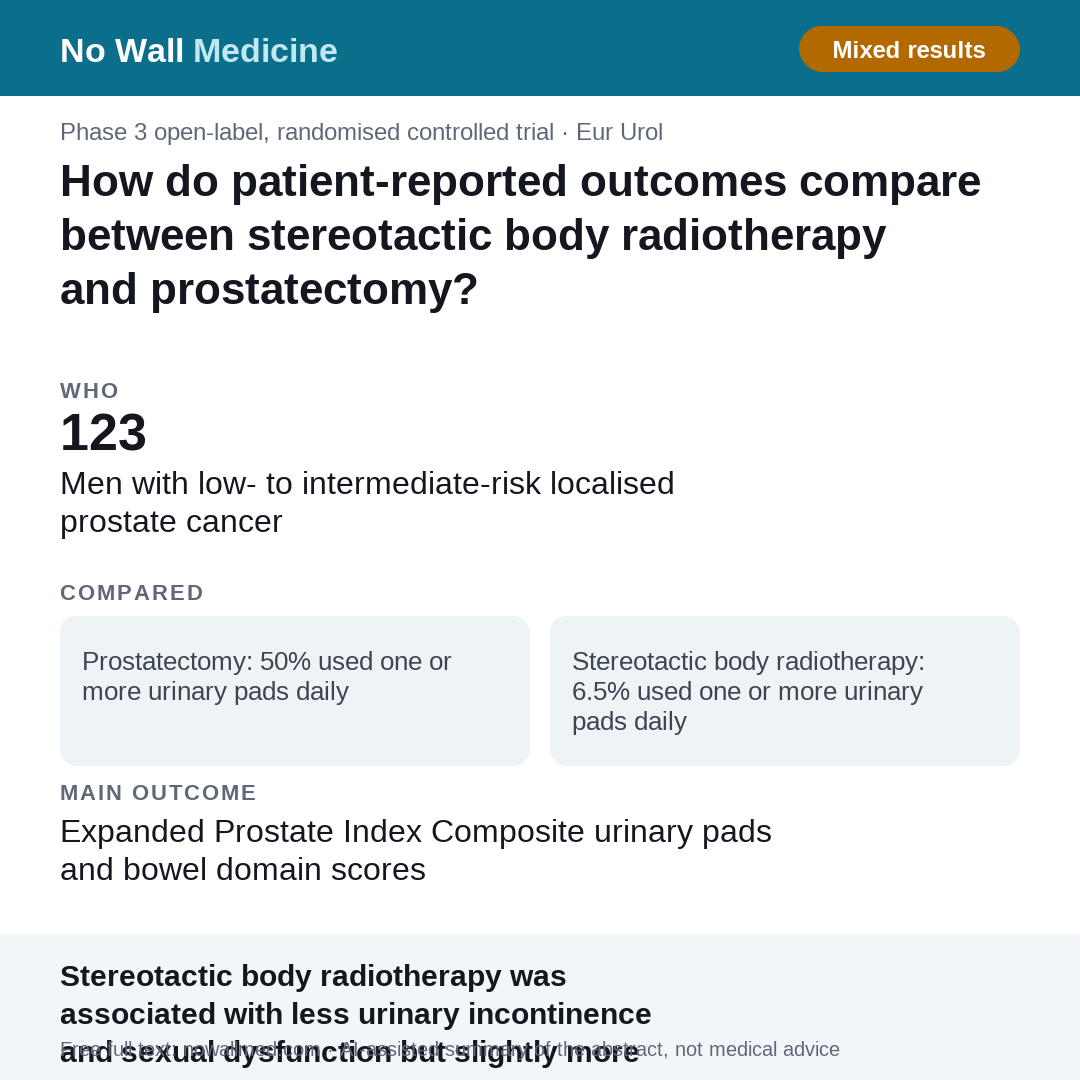
Radical Prostatectomy Versus Stereotactic Radiotherapy for Clinically Localised Prostate Cancer: Results of the PACE-A Randomised Trial
Phase 3 open-label, randomised controlled trialMixed results
How do patient-reported outcomes compare between stereotactic body radiotherapy and prostatectomy?
Who
123
Men with low- to intermediate-risk localised prostate cancer
Compared
Prostatectomy: 50% used one or more urinary pads daily
Stereotactic body radiotherapy: 6.5% used one or more urinary pads daily
Main outcome
Expanded Prostate Index Composite urinary pads and bowel domain scores
Result: estimated difference 43% (95% confidence interval [CI]: 25%, 62%)
Bottom line: Stereotactic body radiotherapy was associated with less urinary incontinence and sexual dysfunction but slightly more bowel bother than prostatectomy.
Limitation: Slow recruitment and incomplete 2-year patient-reported outcome response rates.
Eur Urol · 2024-09-11Download image
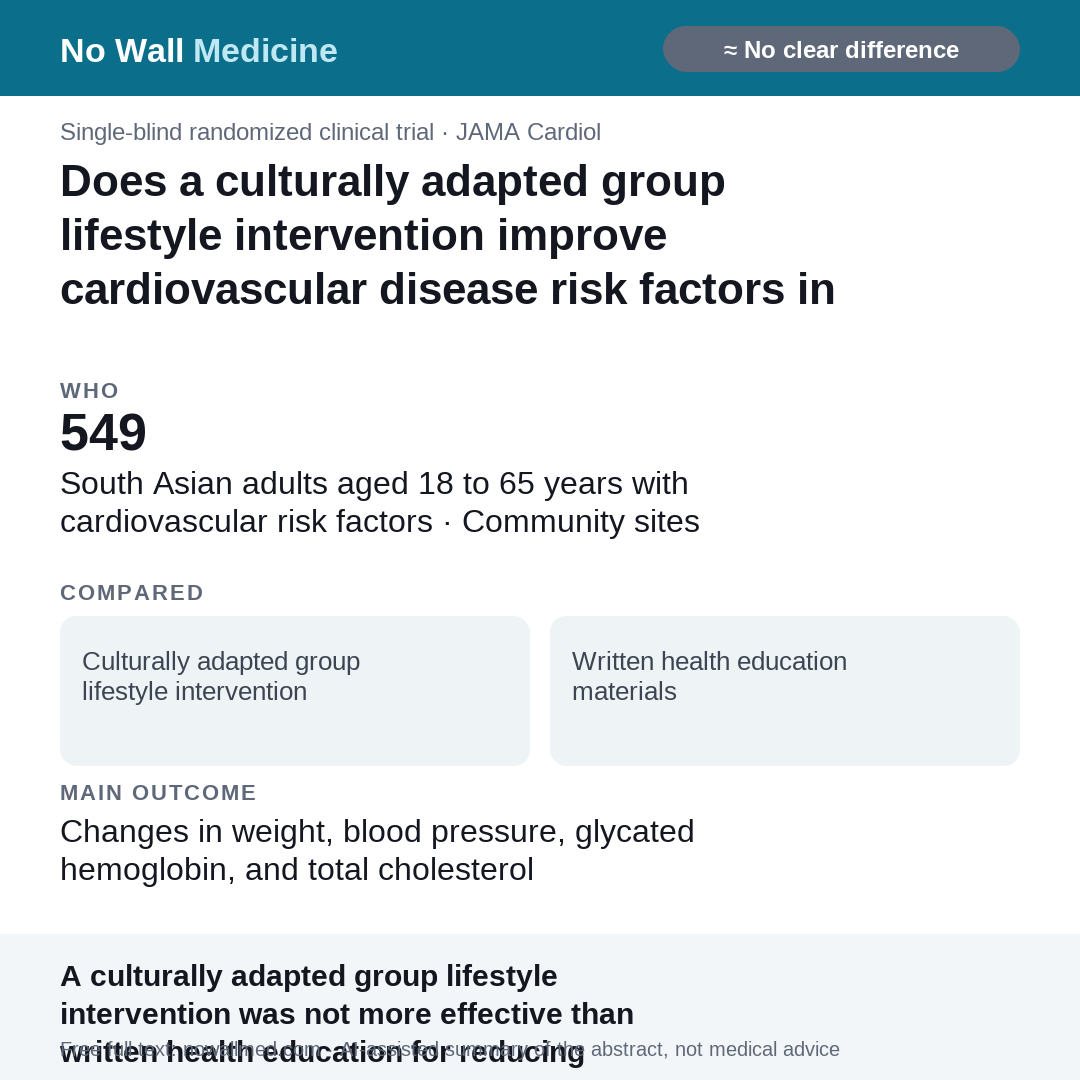
Culturally Adapted Lifestyle Intervention for South Asian Adults With Cardiovascular Risk Factors: The SAHELI Randomized Clinical Trial
Single-blind randomized clinical trialNo clear difference
Does a culturally adapted group lifestyle intervention improve cardiovascular disease risk factors in South Asian adults?
Who
549
South Asian adults aged 18 to 65 years with cardiovascular risk factors · Community sites in Chicago, Illinois metropolitan area
Compared
Culturally adapted group lifestyle intervention
Written health education materials
Main outcome
Changes in weight, blood pressure, glycated hemoglobin, and total cholesterol
Result: weight mean difference -0.07 kg (95% CI -0.55 to 0.42)
Bottom line: A culturally adapted group lifestyle intervention was not more effective than written health education for reducing cardiovascular disease risk factors.
JAMA Cardiol · 2024-09-11Download image
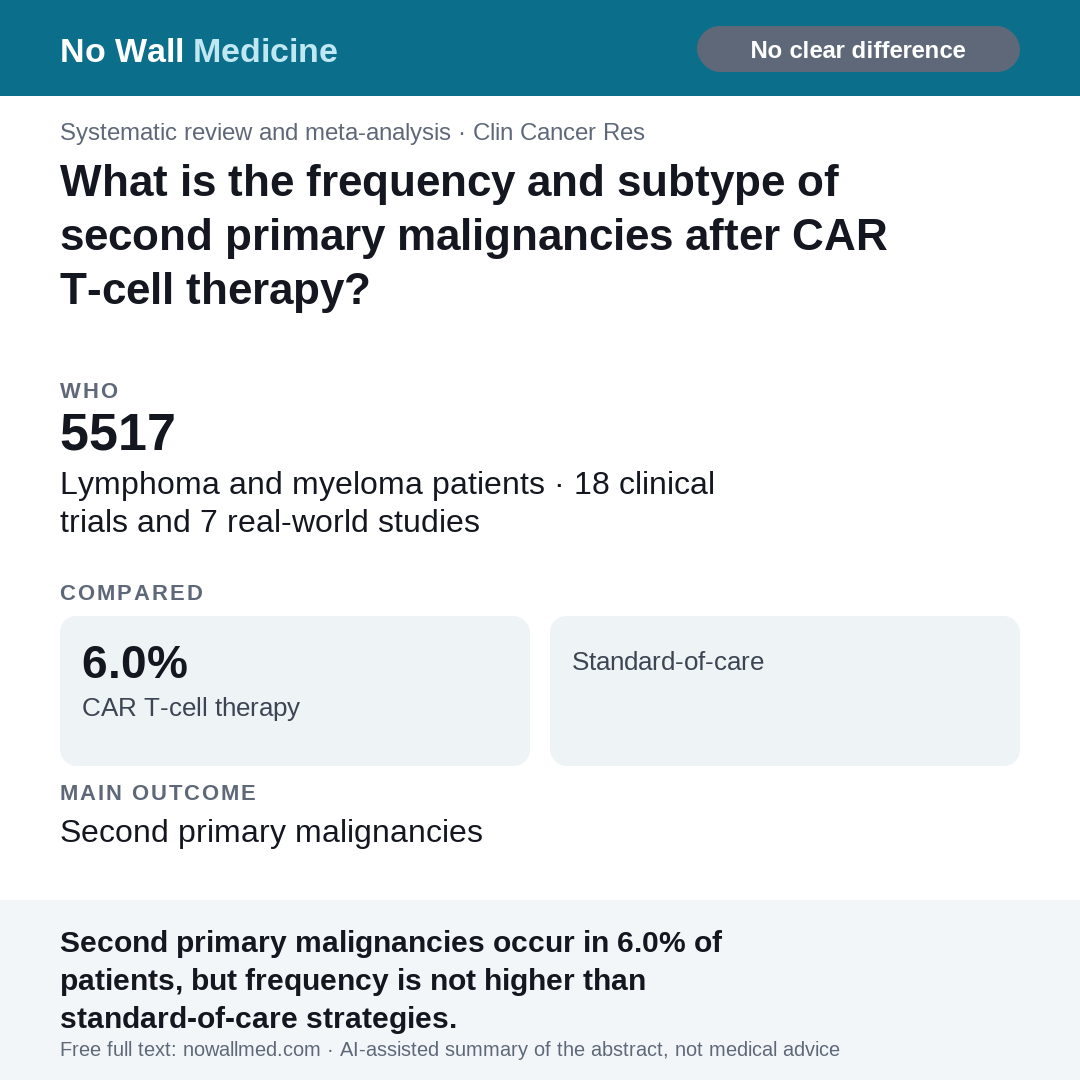
Second Primary Malignancies after CAR T-Cell Therapy: A Systematic Review and Meta-analysis of 5,517 Lymphoma and Myeloma Patients
Systematic review and meta-analysisNo clear difference
What is the frequency and subtype of second primary malignancies after CAR T-cell therapy?
Who
5517
Lymphoma and myeloma patients · 18 clinical trials and 7 real-world studies
Compared
6.0%CAR T-cell therapy (95% confidence interval, 4.8%-7.4%)
Standard-of-care
Main outcome
Second primary malignancies
Result: no difference (P = 0.92)
Bottom line: Second primary malignancies occur in 6.0% of patients, but frequency is not higher than standard-of-care strategies.
Clin Cancer Res · 2024-09-11Download image
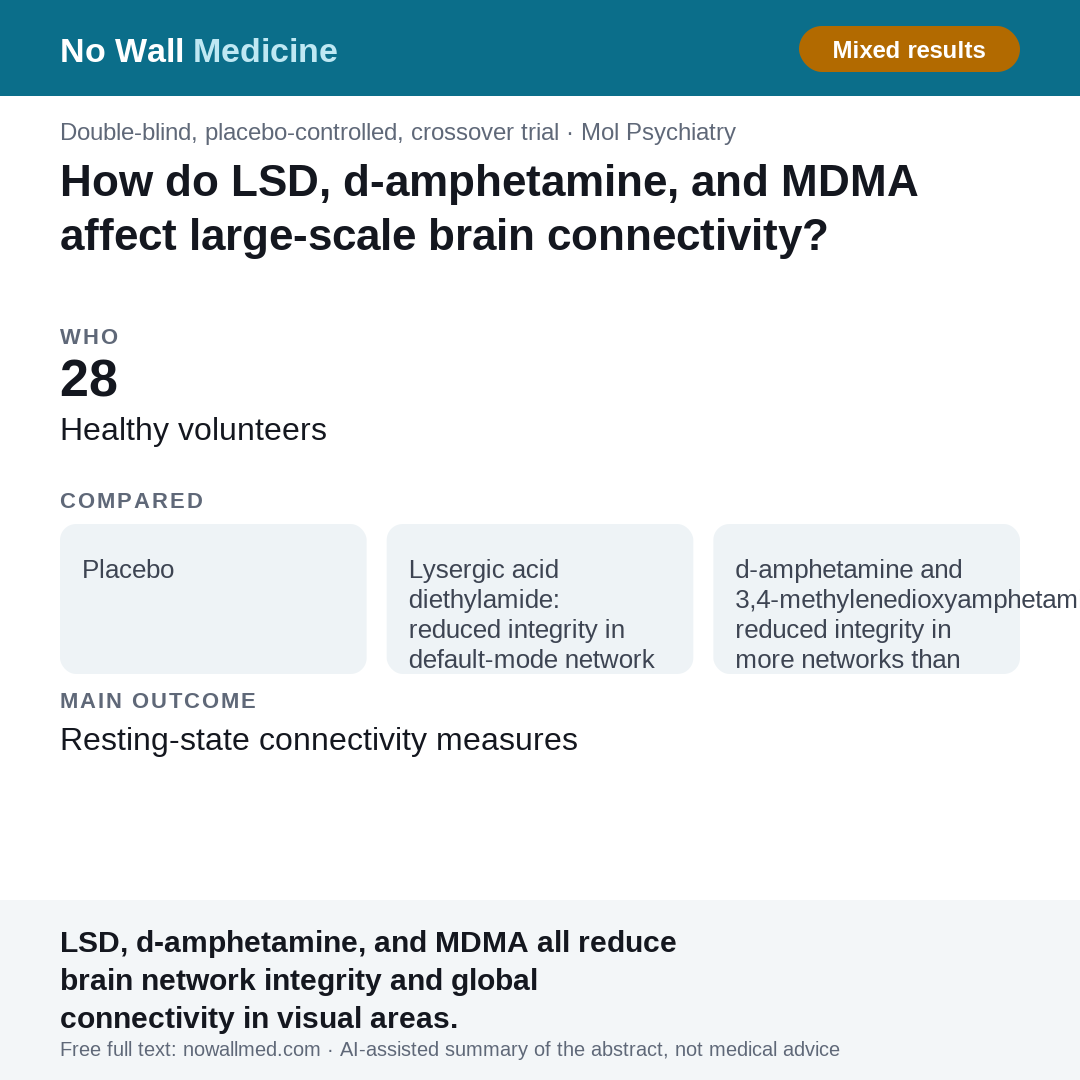
Large-scale brain connectivity changes following the administration of lysergic acid diethylamide, d-amphetamine, and 3,4-methylenedioxyamphetamine
Double-blind, placebo-controlled, crossover trialMixed results
How do LSD, d-amphetamine, and MDMA affect large-scale brain connectivity?
Who
28
Healthy volunteers
Compared
Placebo
Lysergic acid diethylamide: reduced integrity in default-mode network
d-amphetamine and 3,4-methylenedioxyamphetamine: reduced integrity in more networks than LSD
Main outcome
Resting-state connectivity measures
Bottom line: LSD, d-amphetamine, and MDMA all reduce brain network integrity and global connectivity in visual areas.
Mol Psychiatry · 2024-09-11Download image