Visual abstracts
New randomized trials and meta-analyses from leading journals at a glance: who was studied, what was compared, and what was found. Every paper is free to read in full.
All specialtiesCardiology 4763Oncology 4043Gastroenterology & Hepatology 1903Infectious Disease 3756Neurology 1872Psychiatry & Mental Health 2216Pulmonology 2044Critical Care 1319Endocrinology & Diabetes 2544Pediatrics 2889Surgery 2480Orthopedics & Sports Medicine 917Neurosurgery 525Cardiothoracic & Vascular Surgery 656Plastic & Reconstructive Surgery 574Nephrology 1107Rheumatology 810Hematology 1090Dermatology 611Ophthalmology 532Obstetrics & Gynecology 1645Public & Global Health 1037Radiology & Imaging 619Anesthesiology 958Urology 745ENT (Otolaryngology) 494Emergency Medicine 481Allergy & Immunology 309Geriatrics 972Family Medicine & Primary Care 534Medical Genetics & Genomics 659Pathology & Laboratory Medicine 156Physical Medicine & Rehabilitation 734Palliative Care 421Nutrition 1560Digital Health & AI 2137General Medicine 318
Secondary Ischemia Assessment in Murine and Rat Preclinical Subarachnoid Hemorrhage Models: A Systematic Review
Systematic reviewMixed results
What are the procedural characteristics and assessment modalities of secondary vasospastic and ischemic events?
Who
Rat and murine subarachnoid hemorrhage models · Preclinical in vivo studies
Compared
Rat studies
Murine studies
Main outcome
Procedural characteristics and assessment modalities of secondary vasospastic and ischemic events
Bottom line: Substantial heterogeneity exists in procedural characteristics and outcome assessments in preclinical subarachnoid hemorrhage research.
J Am Heart Assoc · 2024-02-29 · Save PNG

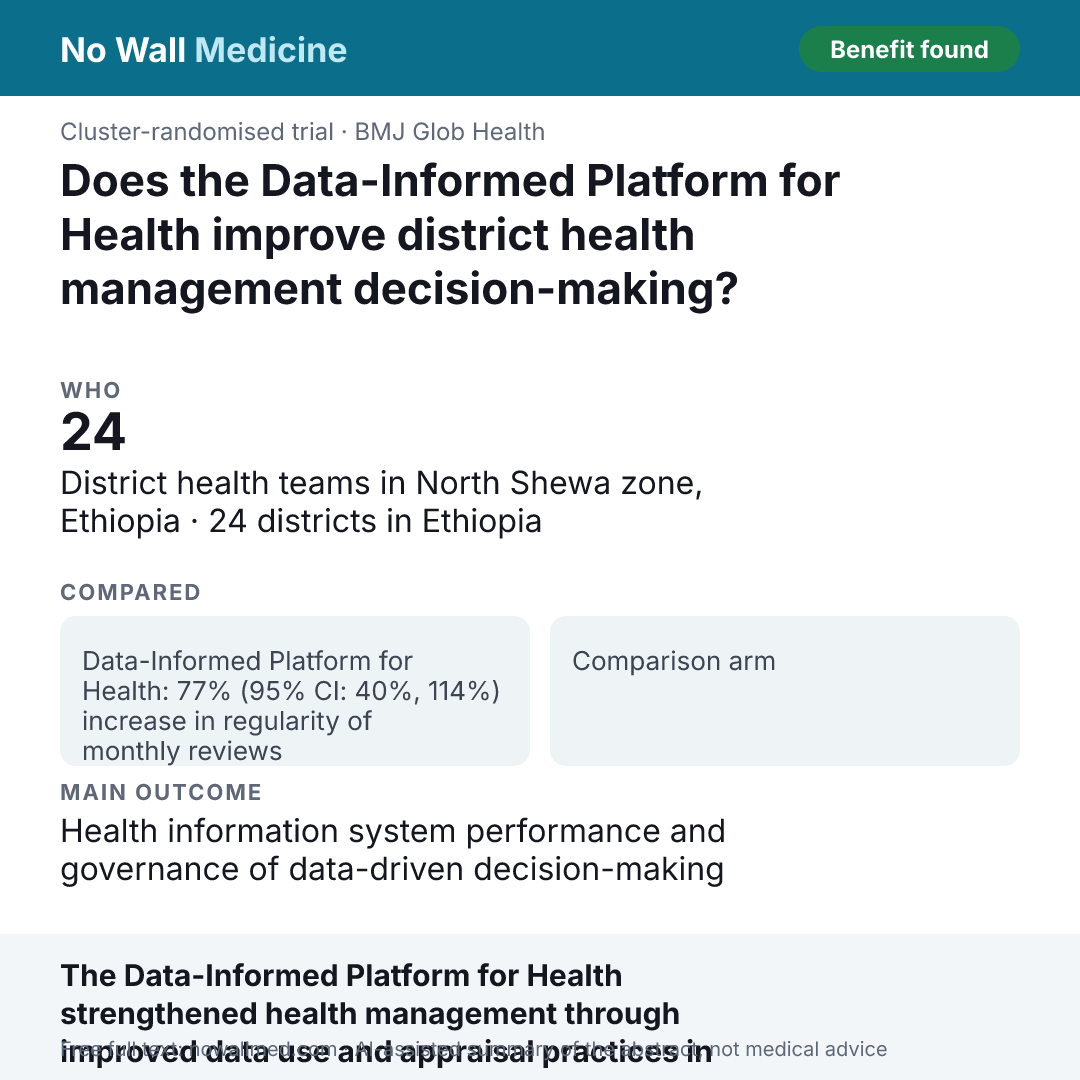
Data-driven decision-making for district health management: a cluster-randomised study in 24 districts of Ethiopia
Cluster-randomised trialBenefit found
Does the Data-Informed Platform for Health improve district health management decision-making?
Who
24
District health teams in North Shewa zone, Ethiopia · 24 districts in Ethiopia
Compared
Data-Informed Platform for Health: 77% (95% CI: 40%, 114%) increase in regularity of monthly reviews
Comparison arm
Main outcome
Health information system performance and governance of data-driven decision-making
Result: 77% (95% CI: 40%, 114%) increase in regularity of monthly reviews
Bottom line: The Data-Informed Platform for Health strengthened health management through improved data use and appraisal practices in Ethiopia.
BMJ Glob Health · 2024-02-29 · Save PNG
Costs-effectiveness and cost components of pharmaceutical and non-pharmaceutical interventions affecting antibiotic resistance outcomes in hospital patients: a systematic literature review
Systematic literature reviewBenefit found
What are the costs and cost-effectiveness of interventions to reduce antibiotic resistance?
Who
Hospital patients with critical or high-priority bacteria · Global
Compared
Pharmaceutical interventions
Non-pharmaceutical interventions: unit costs as low as $1 per patient
Main outcome
Costs and incremental cost-effectiveness ratio
Bottom line: Many pharmaceutical and non-pharmaceutical interventions to reduce antibiotic resistance are cost-effective.
Limitation: Comparisons were hindered by within-study differences and knowledge gaps in low-income and middle-income countries.
BMJ Glob Health · 2024-02-29 · Save PNG

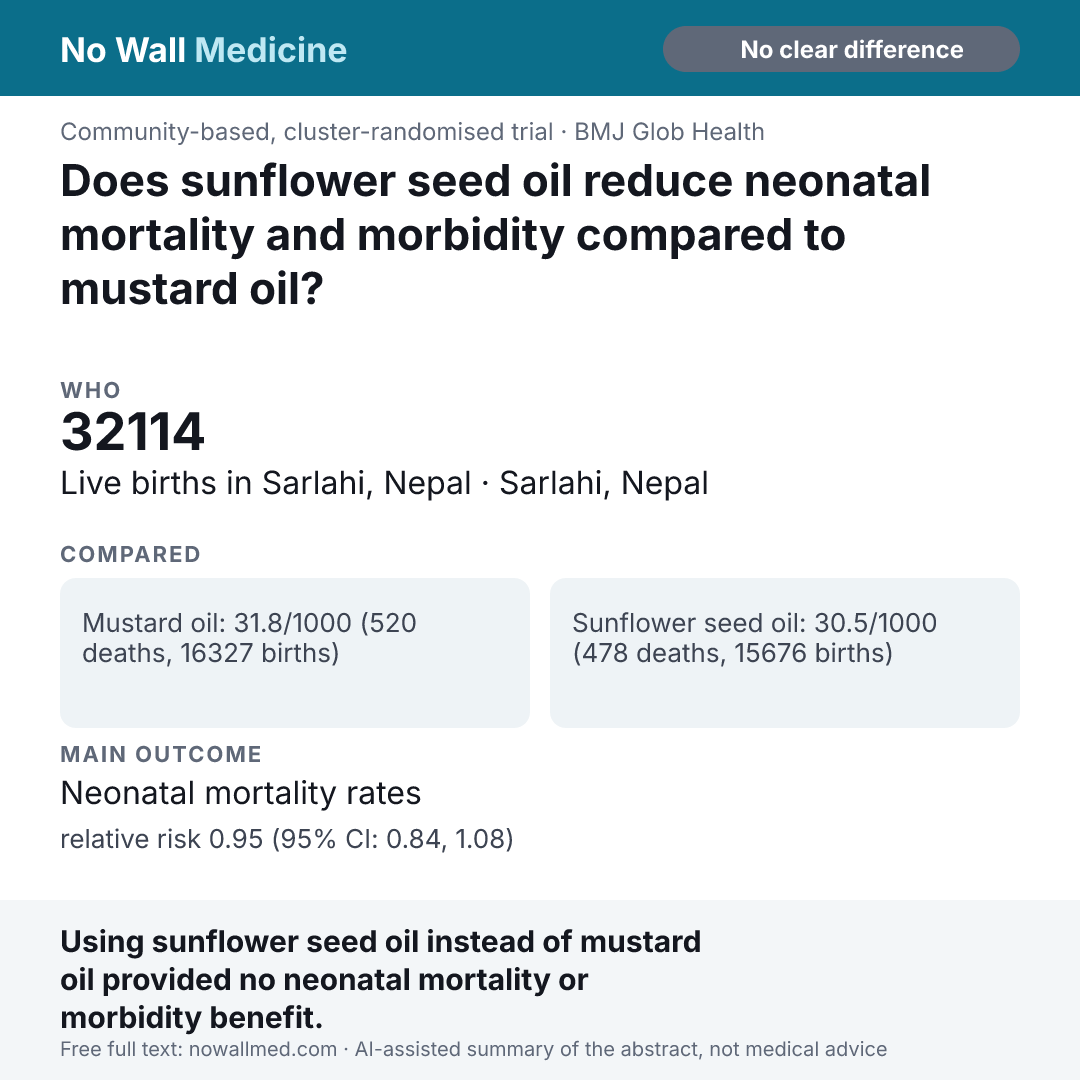
Impact of topical applications of sunflower seed oil on neonatal mortality and morbidity in southern Nepal: a community-based, cluster-randomised trial
Community-based, cluster-randomised trialNo clear difference
Does sunflower seed oil reduce neonatal mortality and morbidity compared to mustard oil?
Who
32114
Live births in Sarlahi, Nepal · Sarlahi, Nepal
Compared
Mustard oil: 31.8/1000 (520 deaths, 16327 births)
Sunflower seed oil: 30.5/1000 (478 deaths, 15676 births)
Main outcome
Neonatal mortality rates
Result: relative risk 0.95 (95% CI: 0.84, 1.08)
Bottom line: Using sunflower seed oil instead of mustard oil provided no neonatal mortality or morbidity benefit.
BMJ Glob Health · 2024-02-29 · Save PNG
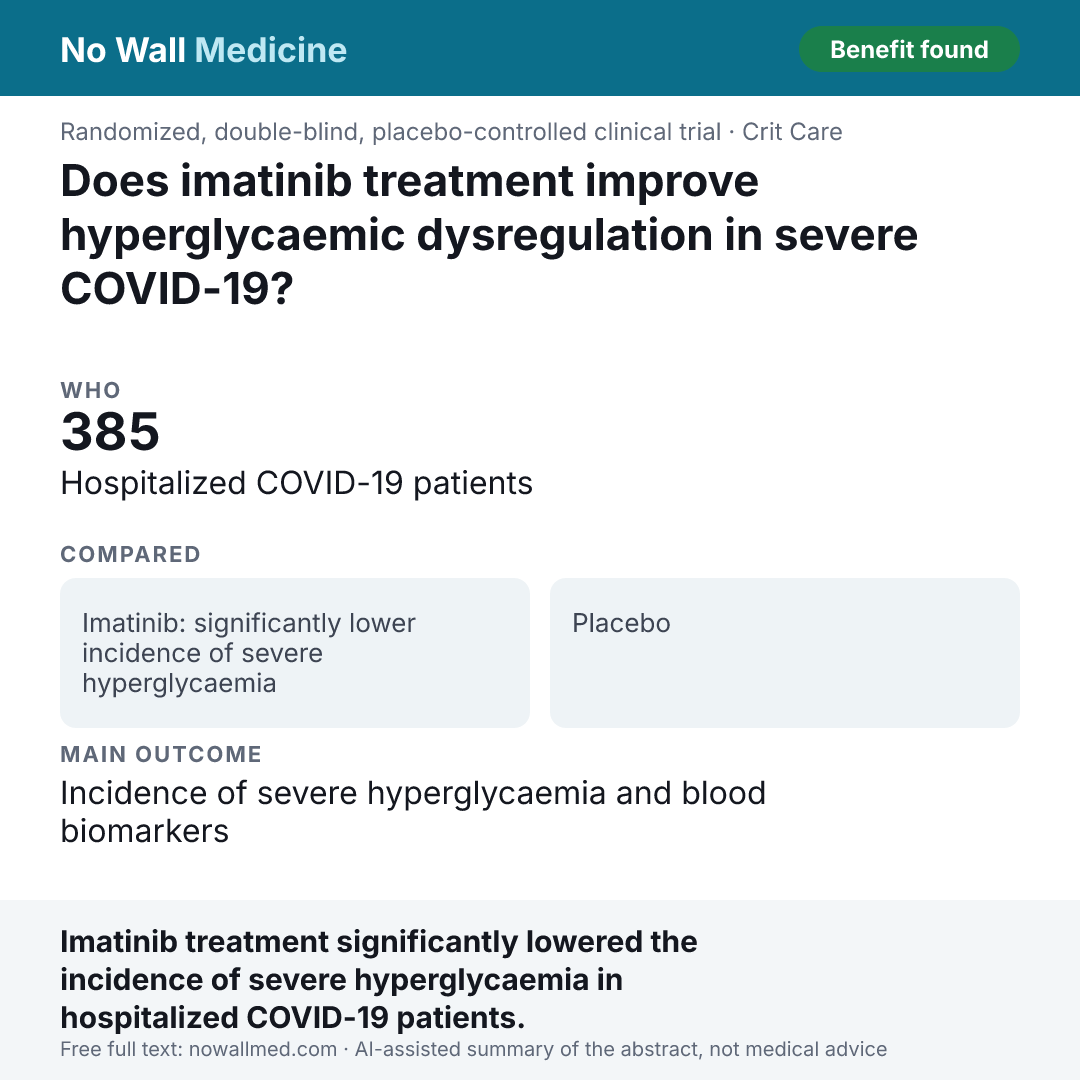
Imatinib treatment improves hyperglycaemic dysregulation in severe COVID-19: a secondary analysis of blood biomarkers in a randomised controlled trial
Randomized, double-blind, placebo-controlled clinical trialBenefit found
Does imatinib treatment improve hyperglycaemic dysregulation in severe COVID-19?
Who
385
Hospitalized COVID-19 patients
Compared
Imatinib: significantly lower incidence of severe hyperglycaemia
Placebo
Main outcome
Incidence of severe hyperglycaemia and blood biomarkers
Bottom line: Imatinib treatment significantly lowered the incidence of severe hyperglycaemia in hospitalized COVID-19 patients.
Crit Care · 2024-02-29 · Save PNG
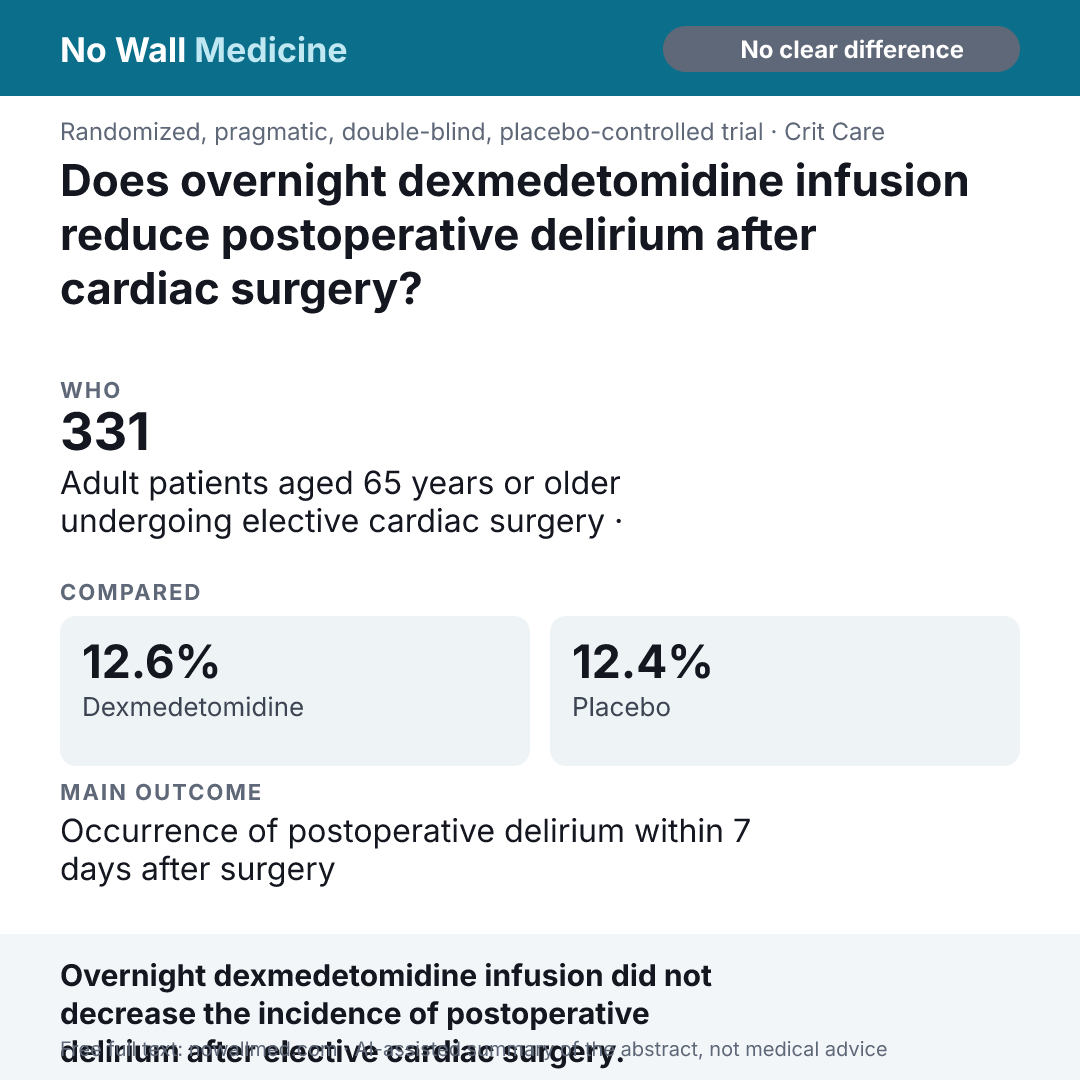
Prevention of post-operative delirium using an overnight infusion of dexmedetomidine in patients undergoing cardiac surgery: a pragmatic, randomized, double-blind, placebo-controlled trial
Randomized, pragmatic, double-blind, placebo-controlled trialNo clear difference
Does overnight dexmedetomidine infusion reduce postoperative delirium after cardiac surgery?
Who
331
Adult patients aged 65 years or older undergoing elective cardiac surgery · Multicentre
Compared
12.6%Dexmedetomidine
12.4%Placebo
Main outcome
Occurrence of postoperative delirium within 7 days after surgery
Bottom line: Overnight dexmedetomidine infusion did not decrease the incidence of postoperative delirium after elective cardiac surgery.
Crit Care · 2024-02-29 · Save PNG
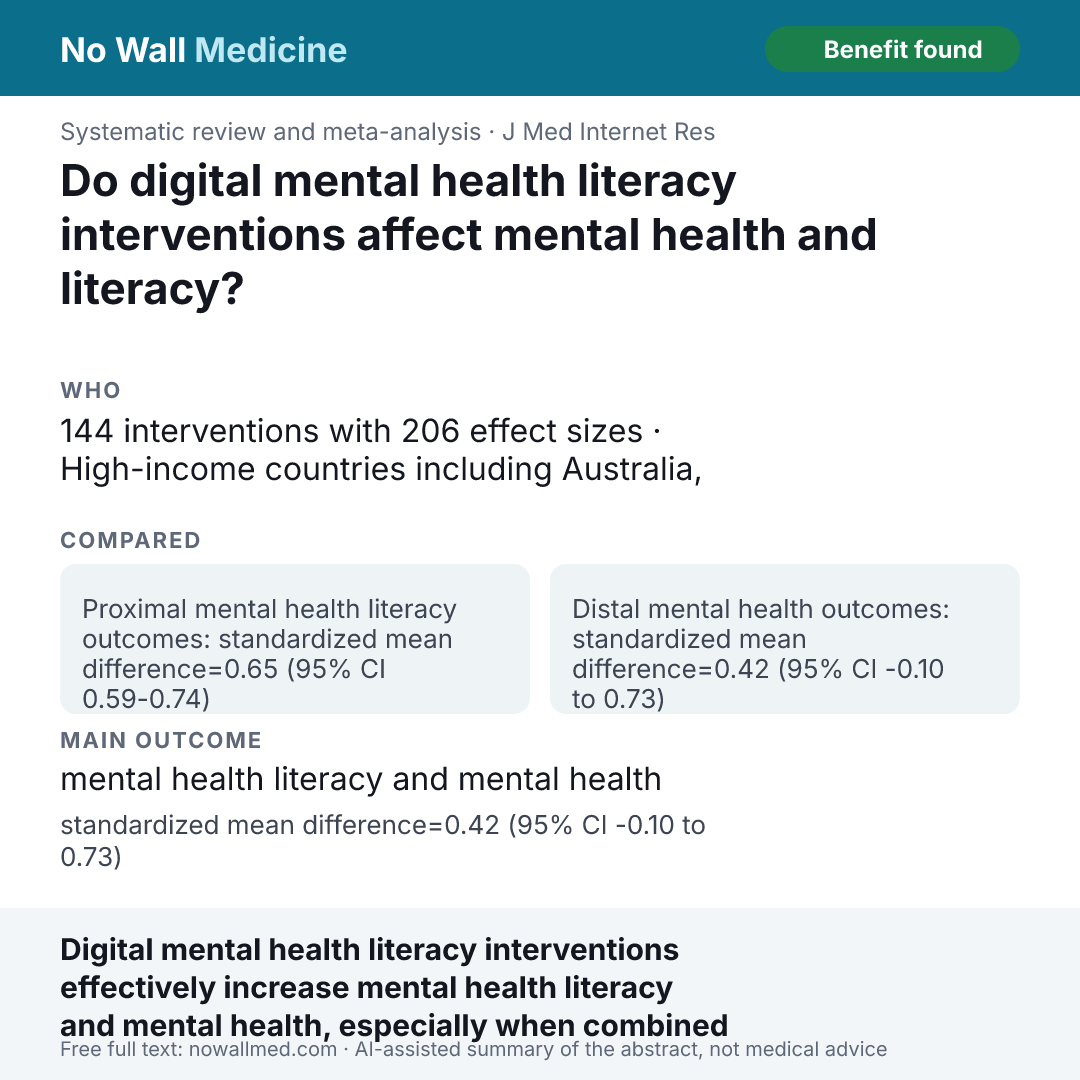
Internet- and mobile-based psychological interventions for post-traumatic stress symptoms in youth: a systematic review and meta-analysis
Systematic review and meta-analysisNo clear difference
Are internet- and mobile-based psychological interventions effective for post-traumatic stress symptoms in youth?
Who
768
Youth aged 25 years or younger exposed to traumatic events
Compared
Internet- and mobile-based interventions: g = 0.04 (95%-CrI: -0.52 to 0.6)
Control conditions
Main outcome
Post-traumatic stress symptoms reduction
Result: g = 0.04 (95%-CrI: -0.52 to 0.6)
Bottom line: Internet- and mobile-based interventions showed no significant effect compared to control conditions for reducing post-traumatic stress symptoms in youth.
Limitation: Scarcity of studies, most being feasibility studies rather than adequately powered randomized controlled trials.
NPJ Digit Med · 2024-02-29 · Save PNG
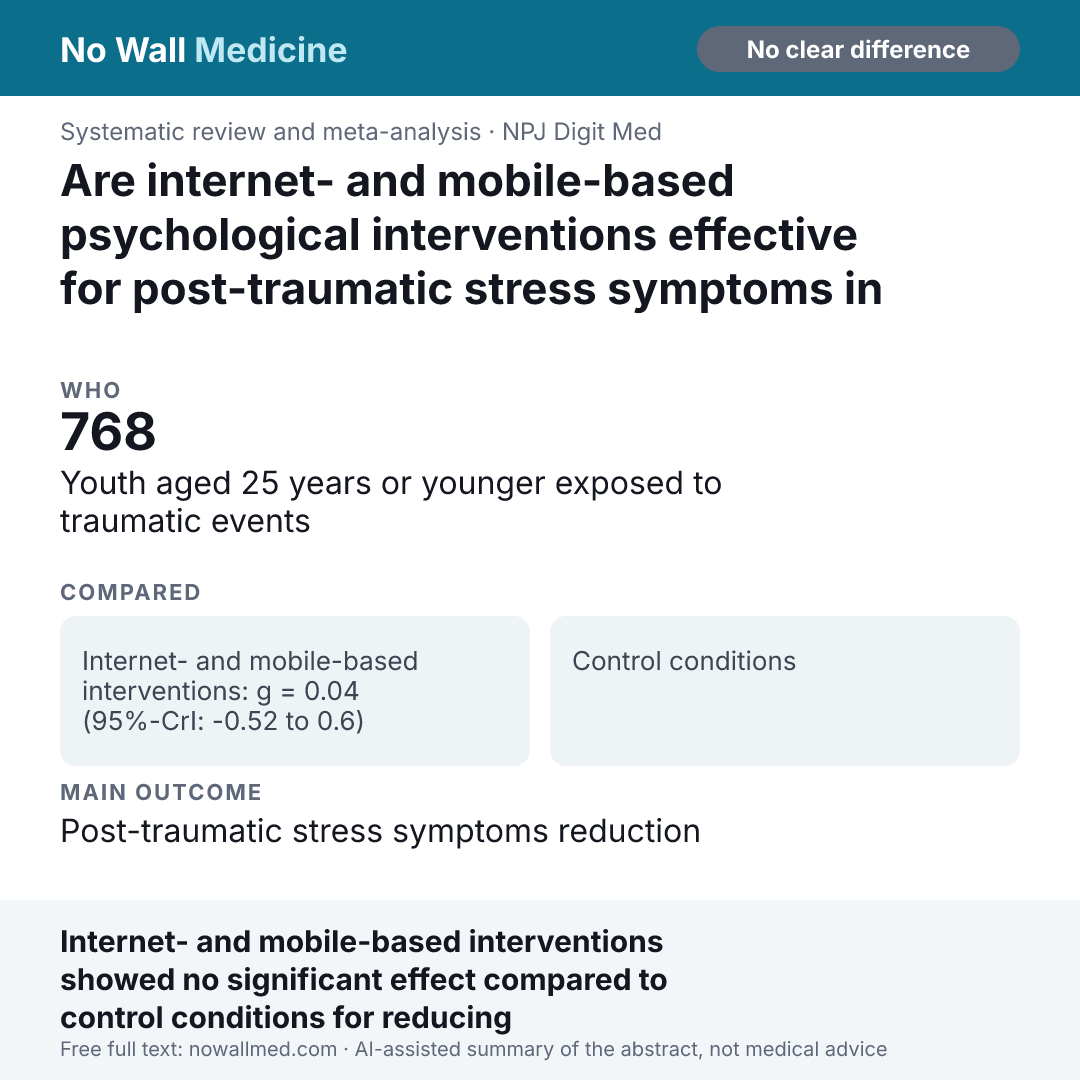
The Effect of Digital Mental Health Literacy Interventions on Mental Health: Systematic Review and Meta-Analysis
Systematic review and meta-analysisBenefit found
Do digital mental health literacy interventions affect mental health and literacy?
Who
144 interventions with 206 effect sizes · High-income countries including Australia, United States, and United Kingdom
Compared
Proximal mental health literacy outcomes: standardized mean difference=0.65 (95% CI 0.59-0.74)
Distal mental health outcomes: standardized mean difference=0.42 (95% CI -0.10 to 0.73)
Main outcome
mental health literacy and mental health
Result: standardized mean difference=0.42 (95% CI -0.10 to 0.73)
Bottom line: Digital mental health literacy interventions effectively increase mental health literacy and mental health, especially when combined with active treatment components.
Limitation: Most interventions are in Western contexts and many studies did not report racial or ethnic makeup.
J Med Internet Res · 2024-02-29 · Save PNG
The environmental impact of energy consumption and carbon emissions in radiology departments: a systematic review
Systematic reviewBenefit found
What strategies reduce energy use and carbon emissions in radiology?
Who
Radiology departments and radiological devices · North America and Europe
Compared
Nonproductive energy consumption: 40-91%
Annual energy savings: 14,180-171,000 kWh
Cost-savings per device: US $9,225 to 14,328
Main outcome
Strategies to reduce energy use and carbon emissions
Bottom line: Turning off radiological devices during idle periods can significantly reduce nonproductive energy consumption and provide cost savings.
Eur Radiol Exp · 2024-02-29 · Save PNG

Effectiveness of sequential lines of biologic and targeted small molecule drugs in psoriasis: A systematic review and meta-analysis
Systematic review and meta-analysisBenefit found
How effective are sequential lines of biologics and targeted small molecules in psoriasis?
Who
6495
Adults with psoriasis
Compared
1st line biologics: PASI75 61%
2nd line biologics: PASI75 56%
3rd line biologics: PASI75 79%
4th line biologics: PASI75 61%
Main outcome
PASI75, PASI90, and PASI100 at 12-16 weeks
Bottom line: Biologics can remain effective through the fourth line of treatment for psoriasis patients.
Limitation: Evidence is predominantly observational, at high risk of bias and of low quality.
Skin Health Dis · 2024-02-29 · Save PNG

Simple versus Radical Hysterectomy in Women with Low-Risk Cervical Cancer
Multicenter, randomized, noninferiority trialBenefit found
Is simple hysterectomy noninferior to radical hysterectomy for low-risk cervical cancer?
Who
700
Women with low-risk cervical cancer · Multicenter
Compared
2.17%Radical hysterectomy
2.52%Simple hysterectomy
Main outcome
Cancer recurrence in the pelvic area at 3 years
Result: absolute difference of 0.35 percentage points (90% confidence interval, -1.62 to 2.32)
Bottom line: Simple hysterectomy was not inferior to radical hysterectomy and had lower urinary incontinence and retention risks.
Funded by: Canadian Cancer Society and others
NEJM · 2024-02-28 · Save PNG

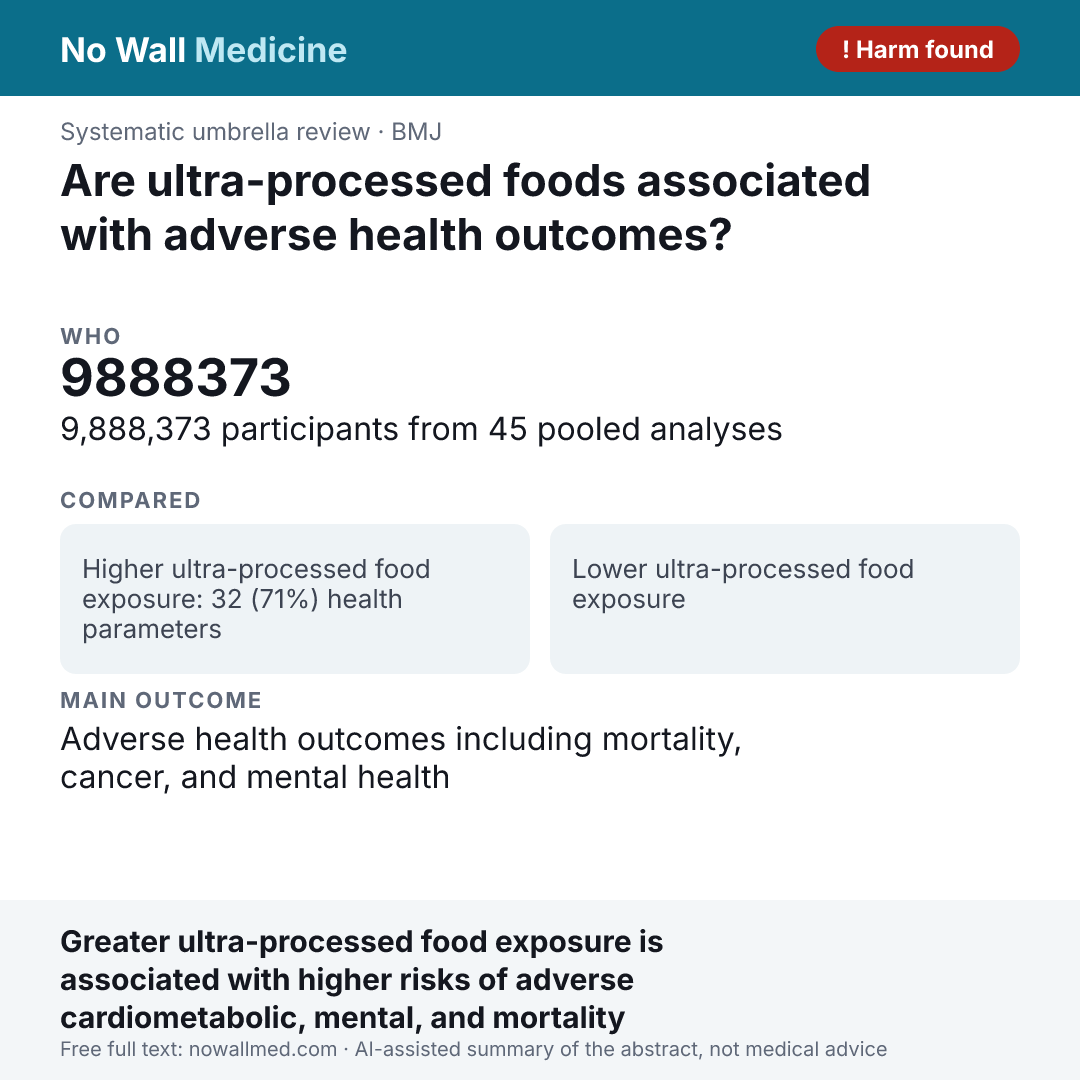
Ultra-processed food exposure and adverse health outcomes: umbrella review of epidemiological meta-analyses
Systematic umbrella reviewHarm found
Are ultra-processed foods associated with adverse health outcomes?
Who
9888373
9,888,373 participants from 45 pooled analyses
Compared
Higher ultra-processed food exposure: 32 (71%) health parameters
Lower ultra-processed food exposure
Main outcome
Adverse health outcomes including mortality, cancer, and mental health
Bottom line: Greater ultra-processed food exposure is associated with higher risks of adverse cardiometabolic, mental, and mortality outcomes.
BMJ · 2024-02-28 · Save PNG
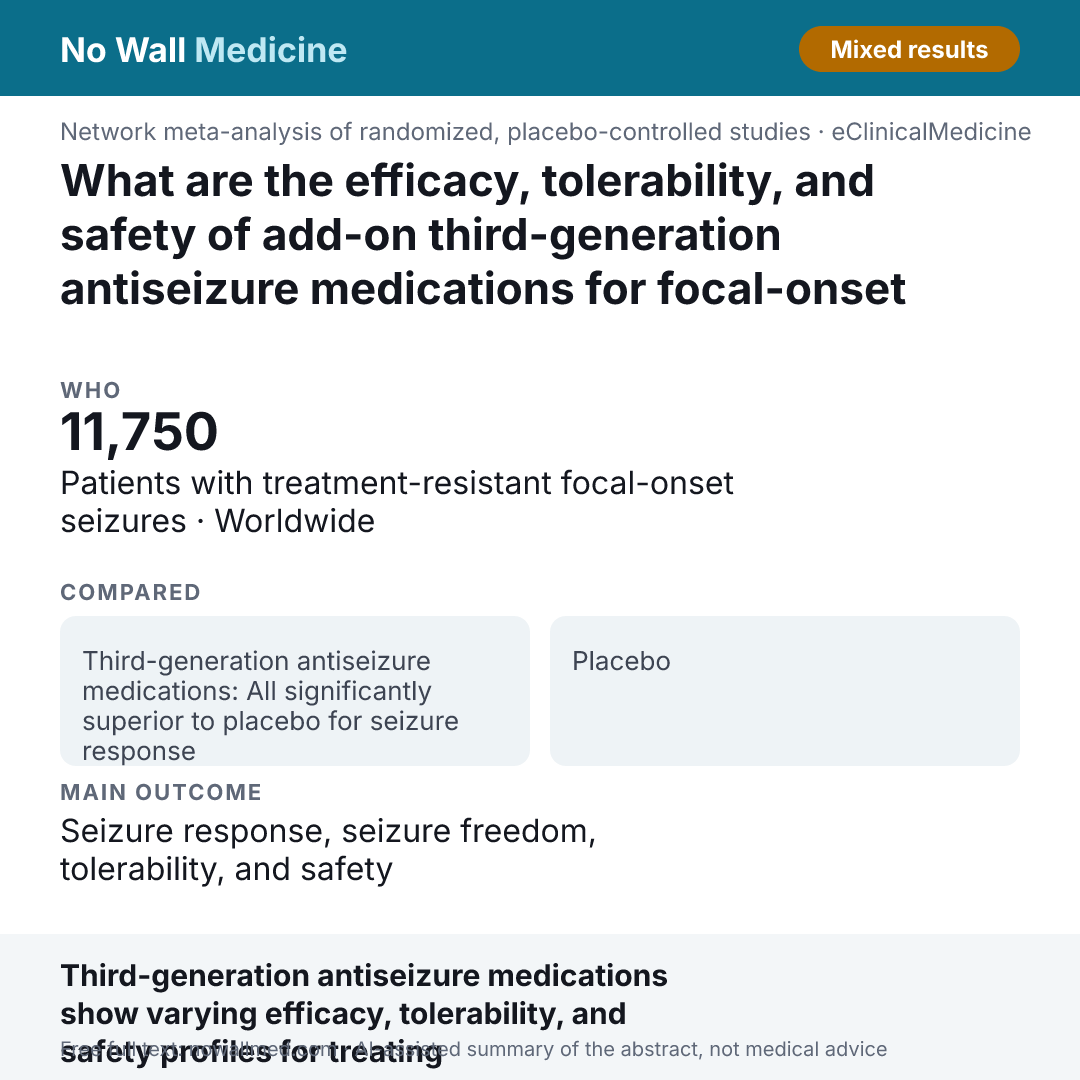
Efficacy, tolerability and safety of add-on third-generation antiseizure medications in treating focal seizures worldwide: a network meta-analysis of randomised, placebo-controlled trials
Network meta-analysis of randomized, placebo-controlled studiesMixed results
What are the efficacy, tolerability, and safety of add-on third-generation antiseizure medications for focal-onset seizures?
Who
11,750
Patients with treatment-resistant focal-onset seizures · Worldwide
Compared
Third-generation antiseizure medications: All significantly superior to placebo for seizure response
Placebo
Main outcome
Seizure response, seizure freedom, tolerability, and safety
Bottom line: Third-generation antiseizure medications show varying efficacy, tolerability, and safety profiles for treating treatment-resistant focal-onset seizures.
eClinicalMedicine · 2024-02-28 · Save PNG
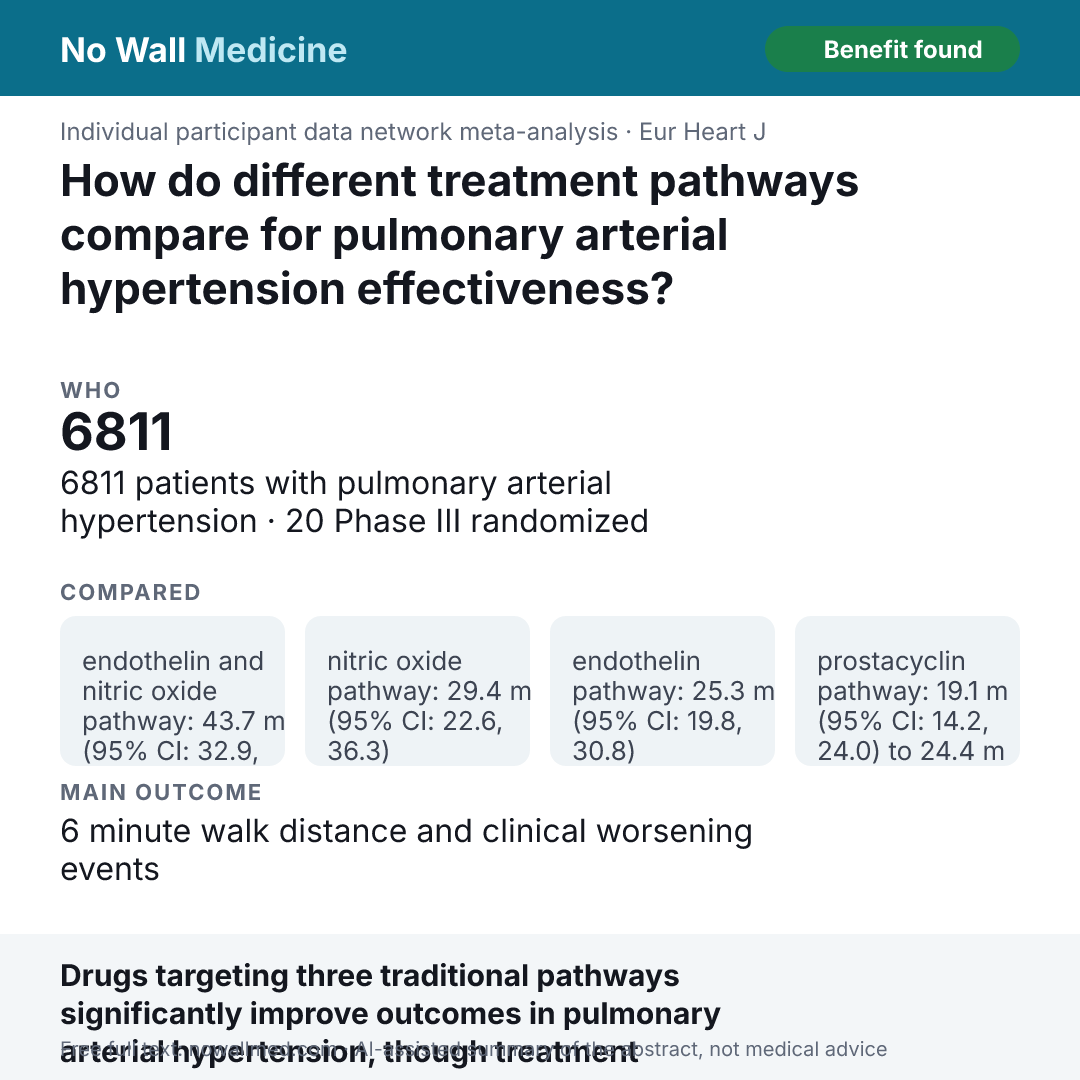
Pulmonary arterial hypertension treatment: an individual participant data network meta-analysis
Individual participant data network meta-analysisBenefit found
How do different treatment pathways compare for pulmonary arterial hypertension effectiveness?
Who
6811
6811 patients with pulmonary arterial hypertension · 20 Phase III randomized clinical trials
Compared
endothelin and nitric oxide pathway: 43.7 m (95% CI: 32.9, 54.4)
nitric oxide pathway: 29.4 m (95% CI: 22.6, 36.3)
endothelin pathway: 25.3 m (95% CI: 19.8, 30.8)
prostacyclin pathway: 19.1 m (95% CI: 14.2, 24.0) to 24.4 m (95% CI: 15.1, 33.7)
Main outcome
6 minute walk distance and clinical worsening events
Bottom line: Drugs targeting three traditional pathways significantly improve outcomes in pulmonary arterial hypertension, though treatment effects vary by patient comorbidities.
Limitation: Significant heterogeneity of treatment effects by age, body mass index, hypertension, diabetes, and coronary artery disease.
Eur Heart J · 2024-02-28 · Save PNG
Effectiveness of Seizure Dogs for People With Severe Refractory Epilepsy: Results From the EPISODE Study
Stepped-wedge randomized controlled trialBenefit found
Do people with severe medically refractory epilepsy benefit from a seizure dog?
Who
25
Adults with daily to weekly seizures and medically refractory epilepsy · The Netherlands
Compared
Usual care: 115 (SD 164) seizures per 28-day period
Intervention: 73 (SD 131) seizures per 28-day period
Main outcome
Seizure frequency
Result: 3.1% decrease in seizure frequency per 28-day period (0.969, 95% CI 0.960-0.977)
Bottom line: Seizure dogs reduce seizure frequency, increase seizure-free days, and improve quality of life for people with severe refractory epilepsy.
Limitation: Early discontinuation of seizure dog partnerships suggests this intervention is not suitable for all.
Neurology · 2024-02-28 · Save PNG

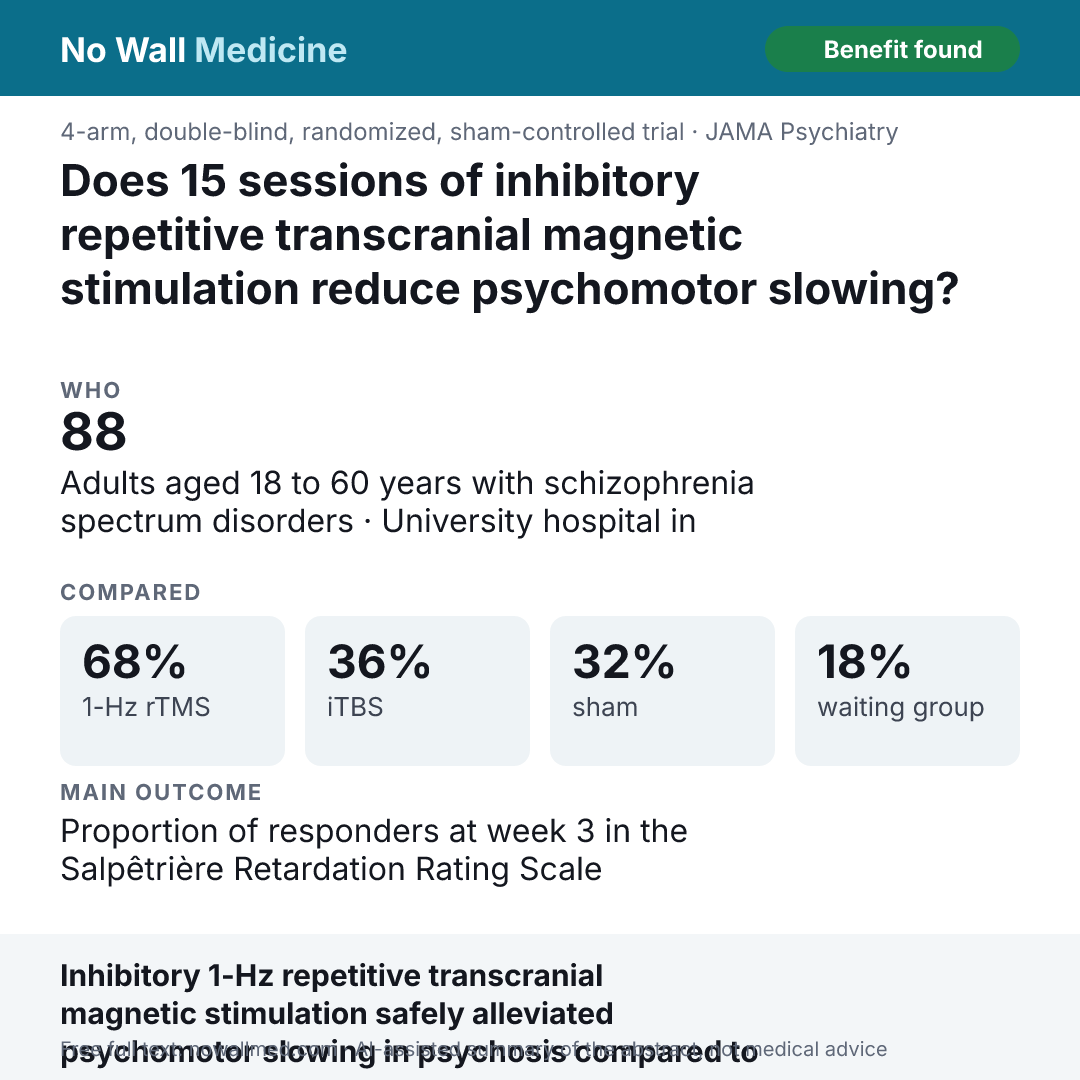
Psychomotor Slowing in Psychosis and Inhibitory Repetitive Transcranial Magnetic Stimulation: A Randomized Clinical Trial
4-arm, double-blind, randomized, sham-controlled trialBenefit found
Does 15 sessions of inhibitory repetitive transcranial magnetic stimulation reduce psychomotor slowing?
Who
88
Adults aged 18 to 60 years with schizophrenia spectrum disorders · University hospital in Switzerland
Compared
68%1-Hz rTMS
36%iTBS
32%sham
18%waiting group
Main outcome
Proportion of responders at week 3 in the Salpêtrière Retardation Rating Scale
Result: odds ratio 0.13 (95% CI, 0.02-0.65)
Bottom line: Inhibitory 1-Hz repetitive transcranial magnetic stimulation safely alleviated psychomotor slowing in psychosis compared to iTBS, sham, or no treatment.
JAMA Psychiatry · 2024-02-28 · Save PNG
Age and Computed Tomography and Invasive Coronary Angiography in Stable Chest Pain: A Prespecified Secondary Analysis of the DISCHARGE Randomized Clinical Trial
Randomized clinical trial secondary analysisMixed results
Does age affect outcomes of computed tomography versus invasive coronary angiography in stable chest pain?
Who
3561
Patients with stable chest pain and intermediate probability of obstructive coronary artery disease · 26 European centers
Compared
Computed tomography-first strategy
Direct-to-invasive coronary angiography strategy
Main outcome
Major adverse cardiovascular events and major procedure-related complications
Result: hazard ratio 1.02 (95% CI 0.98-1.07)
Bottom line: Age did not modify major adverse cardiovascular events but did modify major procedure-related complications.
JAMA Cardiol · 2024-02-28 · Save PNG

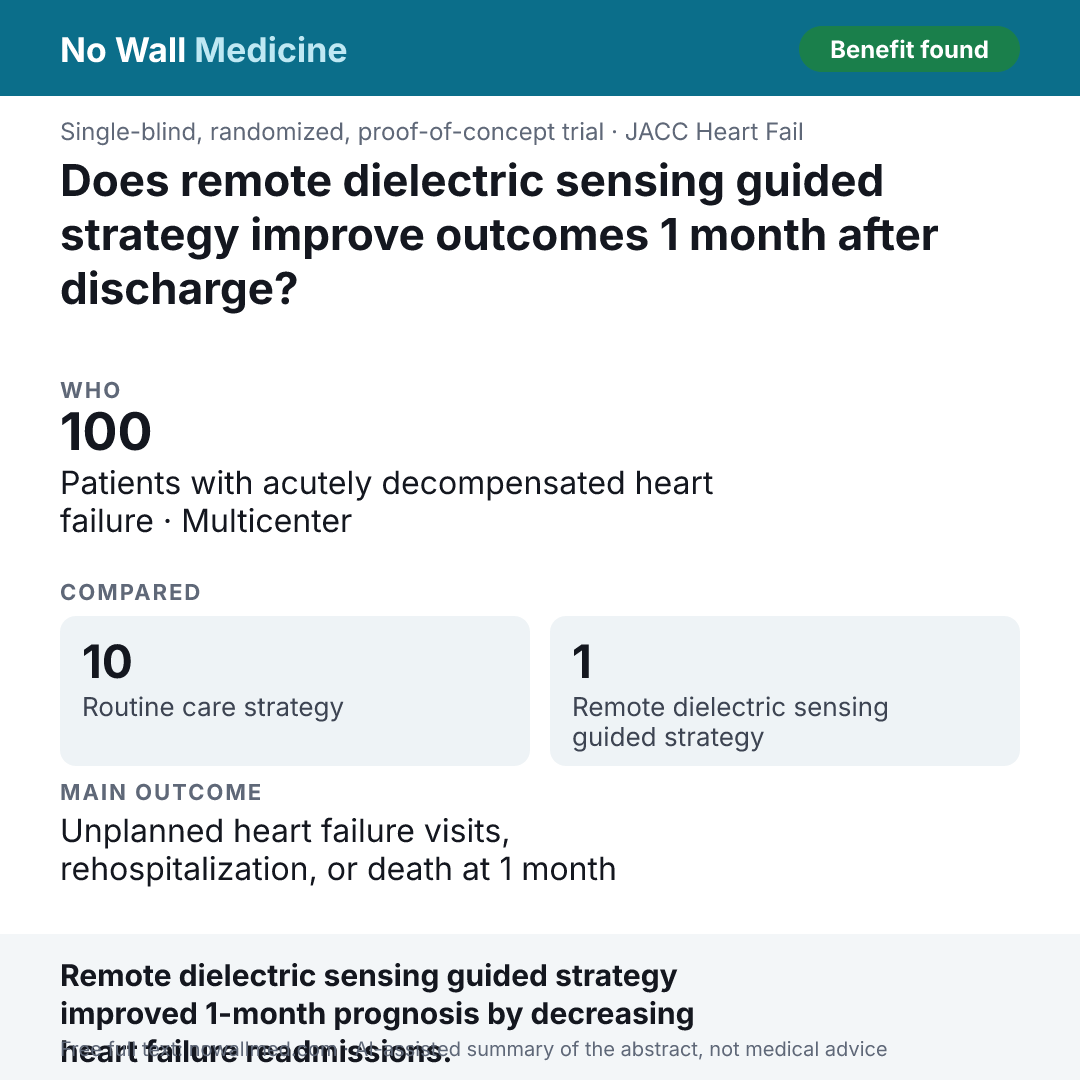
Remote Dielectric Sensing Before and After Discharge in Patients With ADHF: The ReDS-SAFE HF Trial
Single-blind, randomized, proof-of-concept trialBenefit found
Does remote dielectric sensing guided strategy improve outcomes 1 month after discharge?
Who
100
Patients with acutely decompensated heart failure · Multicenter
Compared
10Routine care strategy (20%)
1Remote dielectric sensing guided strategy (2%)
Main outcome
Unplanned heart failure visits, rehospitalization, or death at 1 month
Result: hazard ratio 0.094 (95% CI: 0.012-0.731)
Bottom line: Remote dielectric sensing guided strategy improved 1-month prognosis by decreasing heart failure readmissions.
JACC Heart Fail · 2024-02-28 · Save PNG
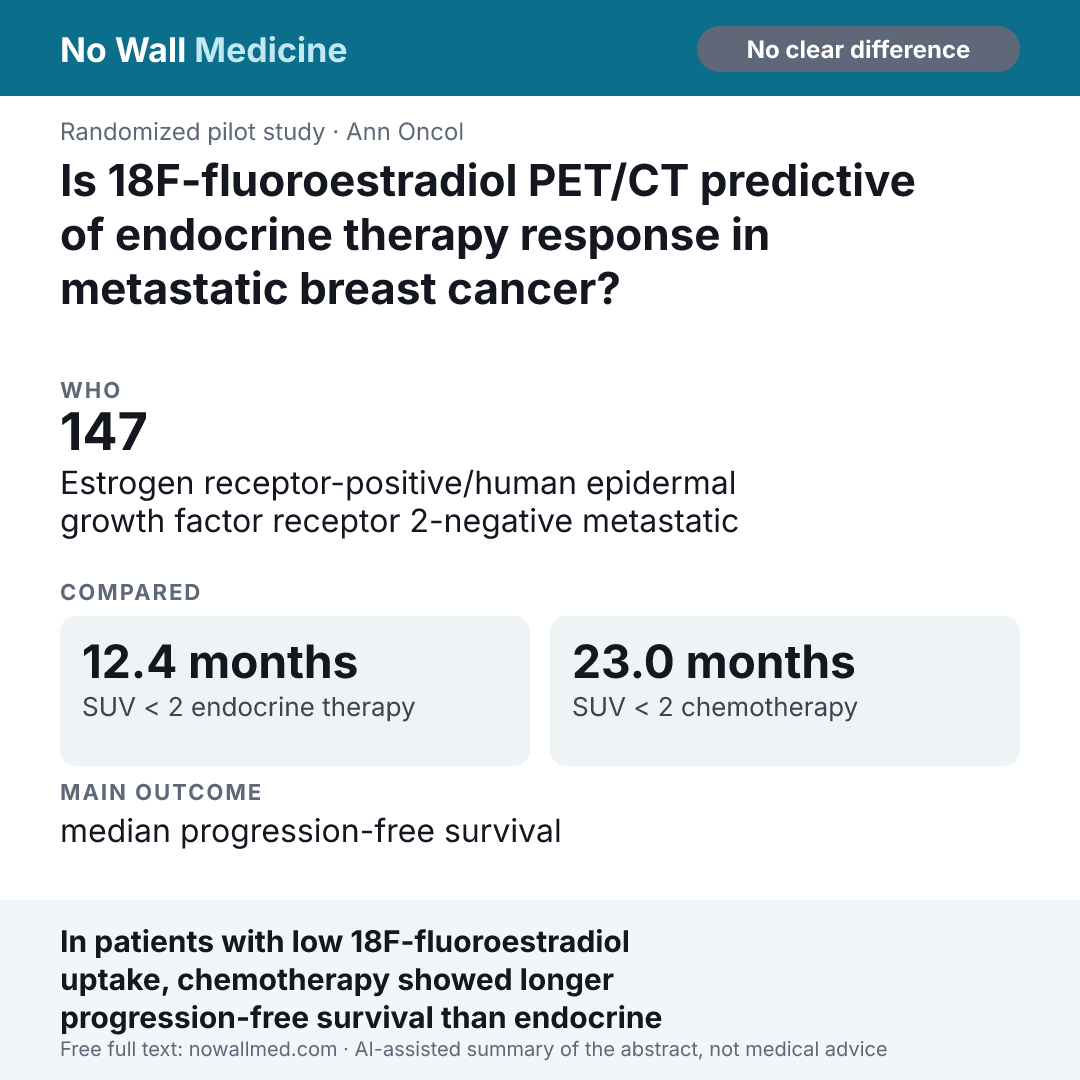
Early prediction of endocrine responsiveness in ER+/HER2-negative metastatic breast cancer (MBC): pilot study with 18F-fluoroestradiol (18F-FES) CT/PET
Randomized pilot studyNo clear difference
Is 18F-fluoroestradiol PET/CT predictive of endocrine therapy response in metastatic breast cancer?
Who
147
Estrogen receptor-positive/human epidermal growth factor receptor 2-negative metastatic breast cancer patients
Compared
12.4 monthsSUV < 2 endocrine therapy
23.0 monthsSUV < 2 chemotherapy
Main outcome
median progression-free survival
Result: hazard ratio 0.71 (95% CI 0.3-1.7 months)
Bottom line: In patients with low 18F-fluoroestradiol uptake, chemotherapy showed longer progression-free survival than endocrine therapy.
Ann Oncol · 2024-02-28 · Save PNG
Antibiotic Exposure and Risk of New-Onset Inflammatory Bowel Disease: A Systematic Review and Dose-Response Meta-Analysis
Systematic review and dose-response meta-analysisHarm found
Is antibiotic exposure associated with the risk of new-onset inflammatory bowel disease?
Who
153,027
Patients with inflammatory bowel disease
Compared
Prescription-based studies: OR 1.41 (95% CI 1.29-1.53)
Questionnaire-based studies: OR 1.35 (95% CI 1.08-1.68)
Main outcome
Risk of new-onset inflammatory bowel disease
Result: pooled OR 1.41 (95% CI 1.29-1.53) for prescription-based studies
Bottom line: Antibiotic exposure is significantly associated with increased risk of new-onset inflammatory bowel disease with a nonlinear dose-response relationship.
Clin Gastroenterol Hepatol · 2024-02-28 · Save PNG