Visual abstracts
New randomized trials and meta-analyses from leading journals at a glance: who was studied, what was compared, and what was found. Every paper is free to read in full.
All specialtiesCardiology 2714Oncology 2293Gastroenterology & Hepatology 1041Infectious Disease 1717Neurology 1085Psychiatry & Mental Health 1258Pulmonology 1137Critical Care 750Endocrinology & Diabetes 1397Pediatrics 1591Surgery 1396Orthopedics & Sports Medicine 500Neurosurgery 333Cardiothoracic & Vascular Surgery 299Plastic & Reconstructive Surgery 401Nephrology 567Rheumatology 415Hematology 589Dermatology 320Ophthalmology 311Obstetrics & Gynecology 895Public & Global Health 496Radiology & Imaging 376Anesthesiology 542Urology 452ENT (Otolaryngology) 320Emergency Medicine 302Allergy & Immunology 175Geriatrics 578Family Medicine & Primary Care 309Medical Genetics & Genomics 306Pathology & Laboratory Medicine 85Physical Medicine & Rehabilitation 441Palliative Care 239Nutrition 725Digital Health & AI 1298General Medicine 196
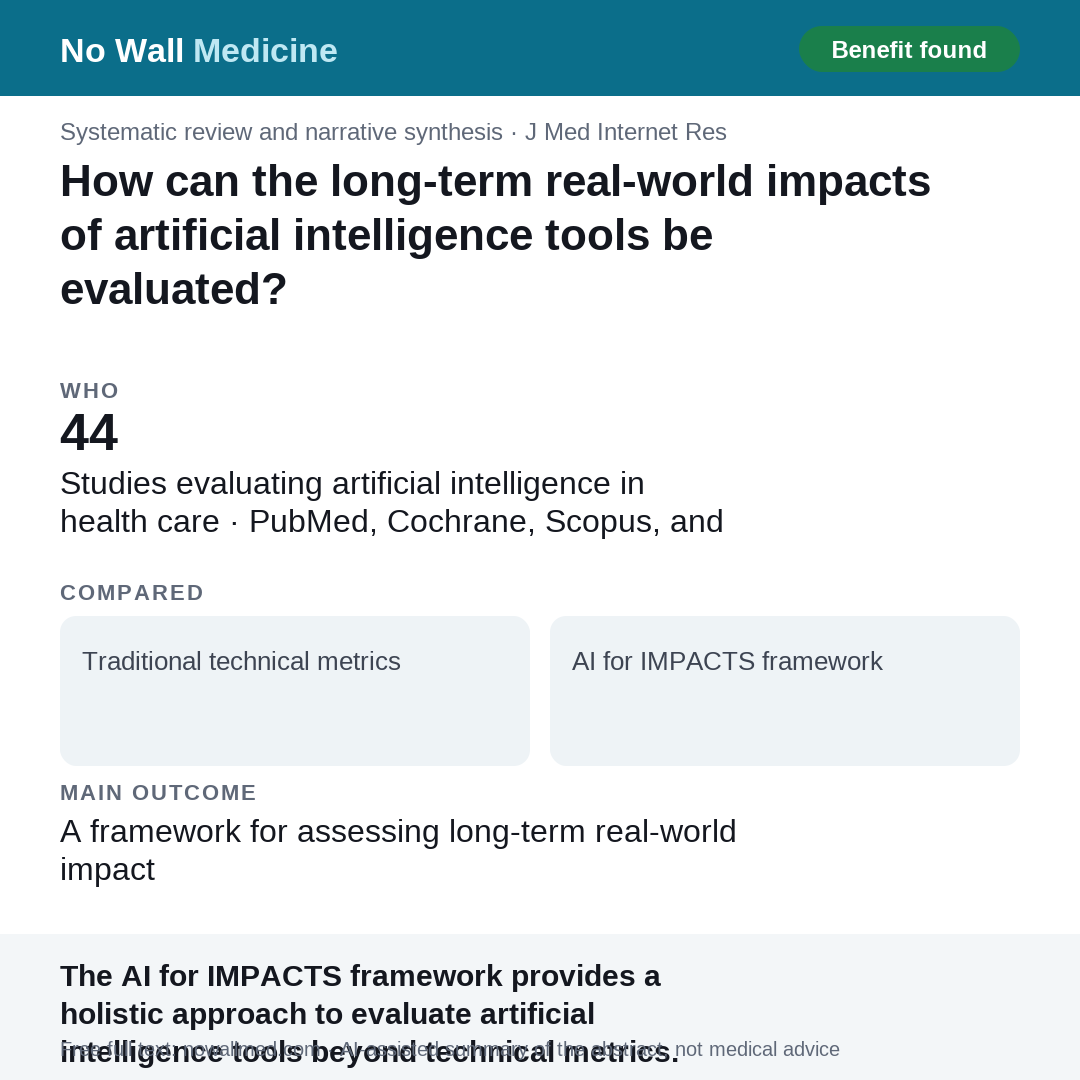
AI for IMPACTS Framework for Evaluating the Long-Term Real-World Impacts of AI-Powered Clinician Tools: Systematic Review and Narrative Synthesis
Systematic review and narrative synthesisBenefit found
How can the long-term real-world impacts of artificial intelligence tools be evaluated?
Who
44
Studies evaluating artificial intelligence in health care · PubMed, Cochrane, Scopus, and IEEE Xplore databases
Compared
Traditional technical metrics
AI for IMPACTS framework
Main outcome
A framework for assessing long-term real-world impact
Bottom line: The AI for IMPACTS framework provides a holistic approach to evaluate artificial intelligence tools beyond technical metrics.
Limitation: Many assessors lack the necessary multidisciplinary training for assessment.
J Med Internet Res · 2025-02-05Download image
Digital Health Technology Interventions for Improving Medication Safety: Systematic Review of Economic Evaluations
Systematic reviewBenefit found
What is the economic impact of digital health technology interventions on medication safety?
Who
Studies evaluating digital health technology for medication safety
Compared
Digital health technology: 37.12% reduction in adverse drug events
Standard care
Main outcome
Cost-effectiveness, cost-benefit, and cost-utility of interventions
Bottom line: Digital health technology interventions are economically viable, reducing adverse drug events and medication errors with a return on investment.
J Med Internet Res · 2025-02-05Download image

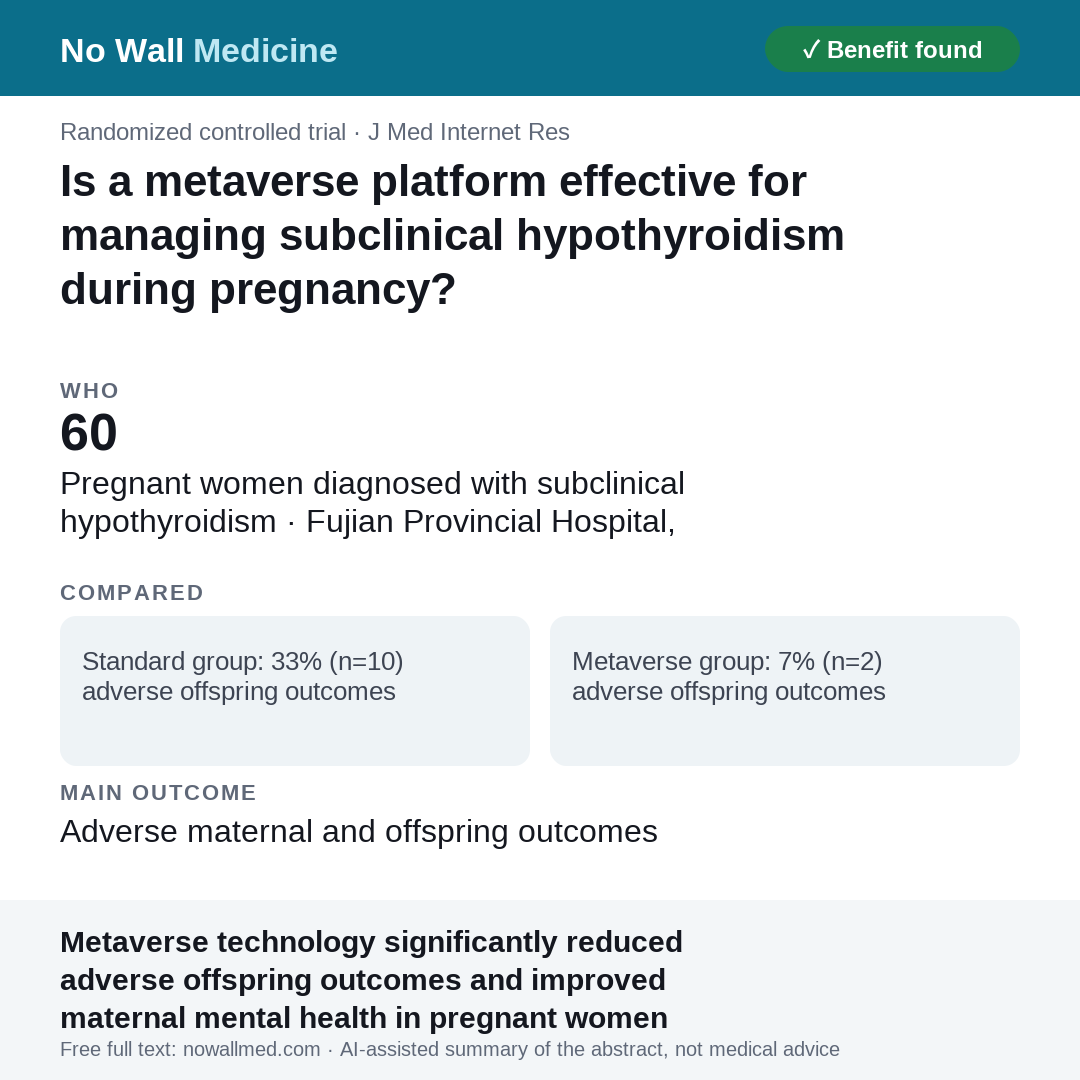
Metaverse Clinic for Pregnant Women With Subclinical Hypothyroidism: Prospective Randomized Study
Randomized controlled trialBenefit found
Is a metaverse platform effective for managing subclinical hypothyroidism during pregnancy?
Who
60
Pregnant women diagnosed with subclinical hypothyroidism · Fujian Provincial Hospital, China
Compared
Standard group: 33% (n=10) adverse offspring outcomes
Metaverse group: 7% (n=2) adverse offspring outcomes
Main outcome
Adverse maternal and offspring outcomes
Bottom line: Metaverse technology significantly reduced adverse offspring outcomes and improved maternal mental health in pregnant women with subclinical hypothyroidism.
J Med Internet Res · 2025-02-05Download image
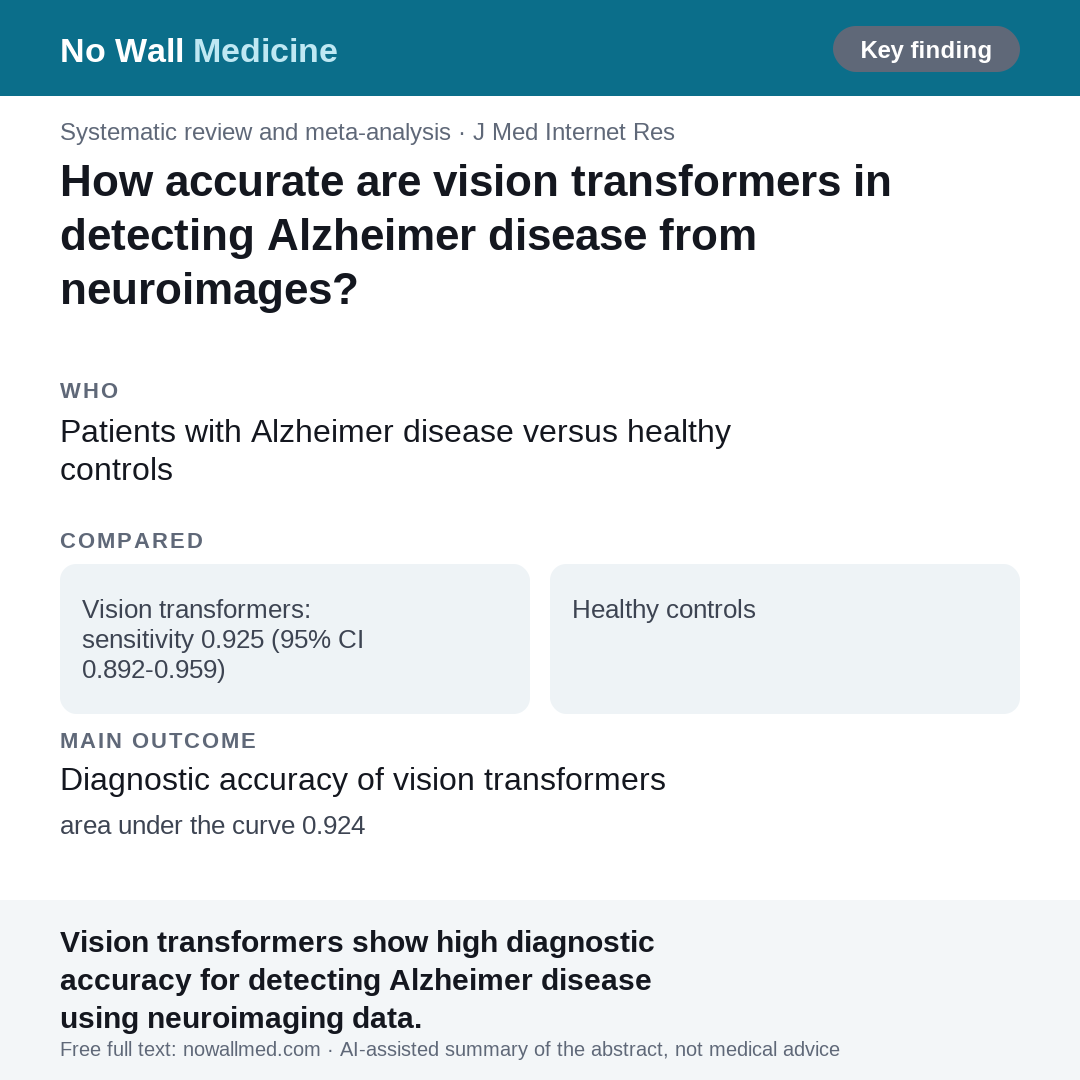
Detection of Alzheimer Disease in Neuroimages Using Vision Transformers: Systematic Review and Meta-Analysis
Systematic review and meta-analysisBenefit found
How accurate are vision transformers in detecting Alzheimer disease from neuroimages?
Who
Patients with Alzheimer disease versus healthy controls
Compared
Vision transformers: sensitivity 0.925 (95% CI 0.892-0.959)
Healthy controls
Main outcome
Diagnostic accuracy of vision transformers
Result: area under the curve 0.924
Bottom line: Vision transformers show high diagnostic accuracy for detecting Alzheimer disease using neuroimaging data.
J Med Internet Res · 2025-02-05Download image
Effectiveness of Virtual Reality Technology Interventions in Improving the Social Skills of Children and Adolescents With Autism: Systematic Review
Systematic reviewBenefit found
Are virtual reality technology interventions effective in improving social skills in autism?
Who
14
Children and adolescents with autism spectrum disorder
Compared
Virtual reality interventions
Control
Main outcome
Social skills improvement
Bottom line: Virtual reality interventions positively impact social skills in children and adolescents with autism spectrum disorder.
Limitation: Potential adverse side effects include dizziness, eye fatigue, and sensory overload.
J Med Internet Res · 2025-02-05Download image

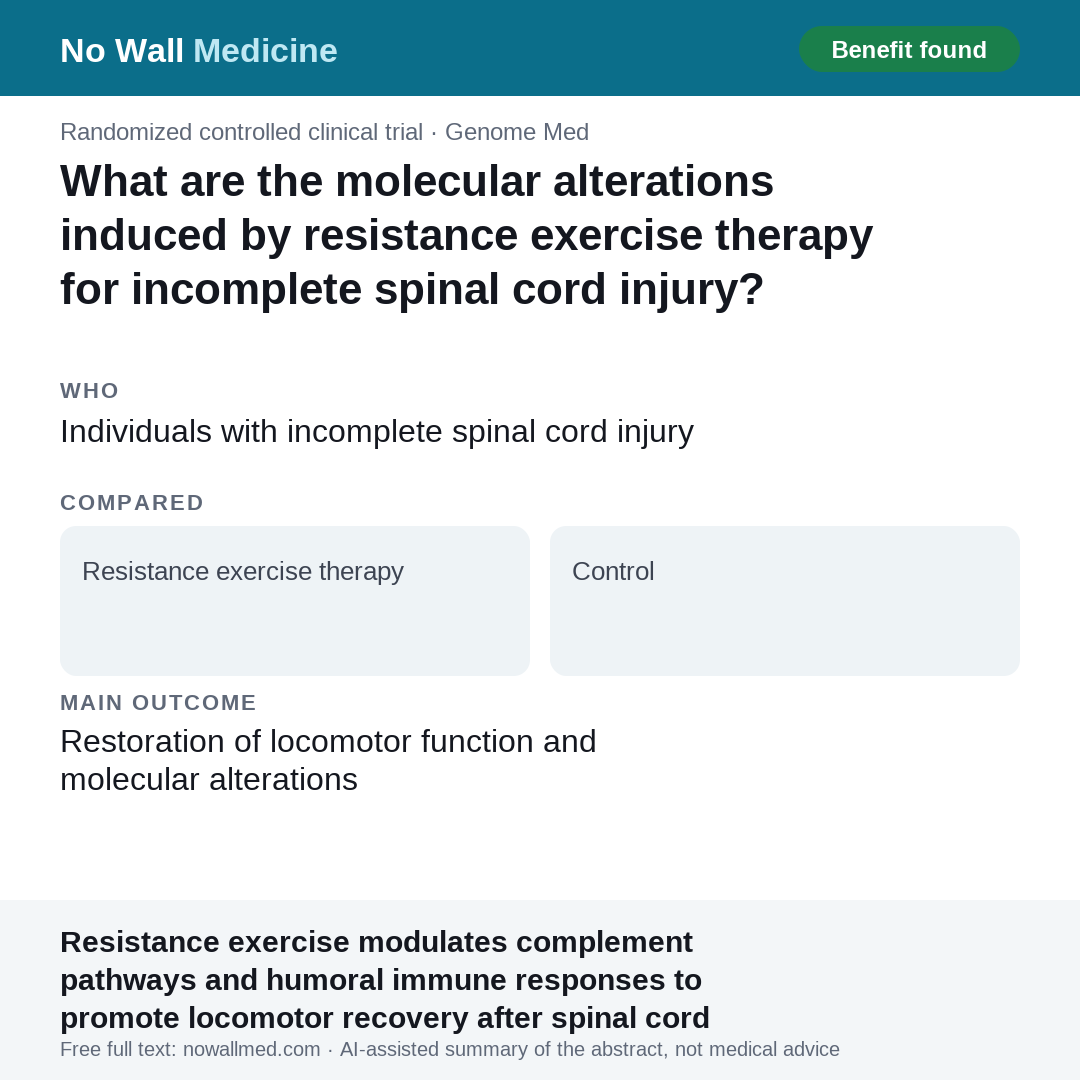
Multi-omics uncovers immune-modulatory molecules in plasma contributing to resistance exercise-ameliorated locomotor disability after incomplete spinal cord injury
Randomized controlled clinical trialBenefit found
What are the molecular alterations induced by resistance exercise therapy for incomplete spinal cord injury?
Who
Individuals with incomplete spinal cord injury
Compared
Resistance exercise therapy
Control
Main outcome
Restoration of locomotor function and molecular alterations
Bottom line: Resistance exercise modulates complement pathways and humoral immune responses to promote locomotor recovery after spinal cord injury.
Genome Med · 2025-02-05Download image
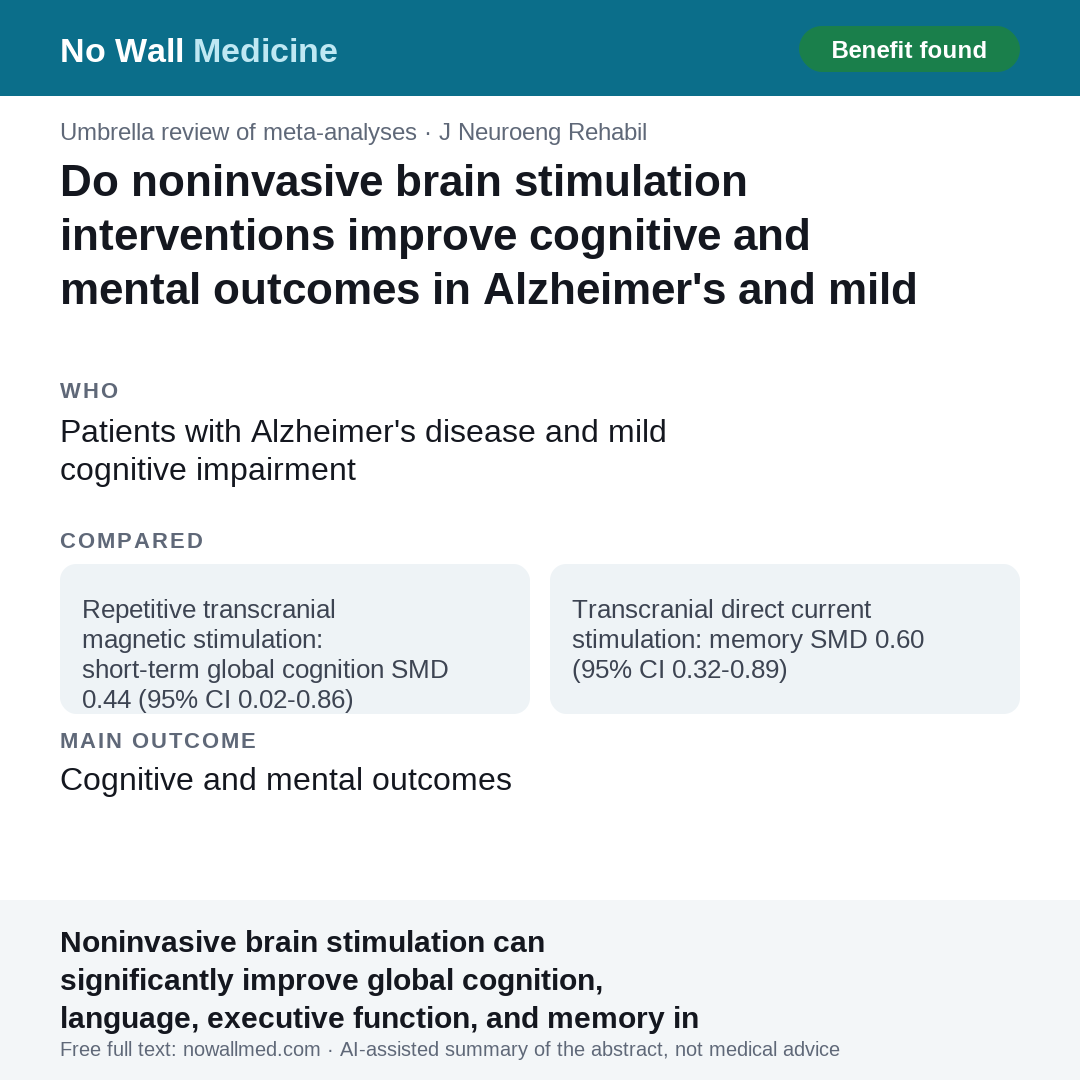
Efficacy of non-invasive brain stimulation interventions on cognitive impairment: an umbrella review of meta-analyses of randomized controlled trials
Umbrella review of meta-analysesBenefit found
Do noninvasive brain stimulation interventions improve cognitive and mental outcomes in Alzheimer's and mild cognitive impairment?
Who
Patients with Alzheimer's disease and mild cognitive impairment
Compared
Repetitive transcranial magnetic stimulation: short-term global cognition SMD 0.44 (95% CI 0.02-0.86)
Transcranial direct current stimulation: memory SMD 0.60 (95% CI 0.32-0.89)
Main outcome
Cognitive and mental outcomes
Bottom line: Noninvasive brain stimulation can significantly improve global cognition, language, executive function, and memory in these patients.
Limitation: Results should be interpreted cautiously due to study heterogeneity and methodological limitations.
J Neuroeng Rehabil · 2025-02-05Download image
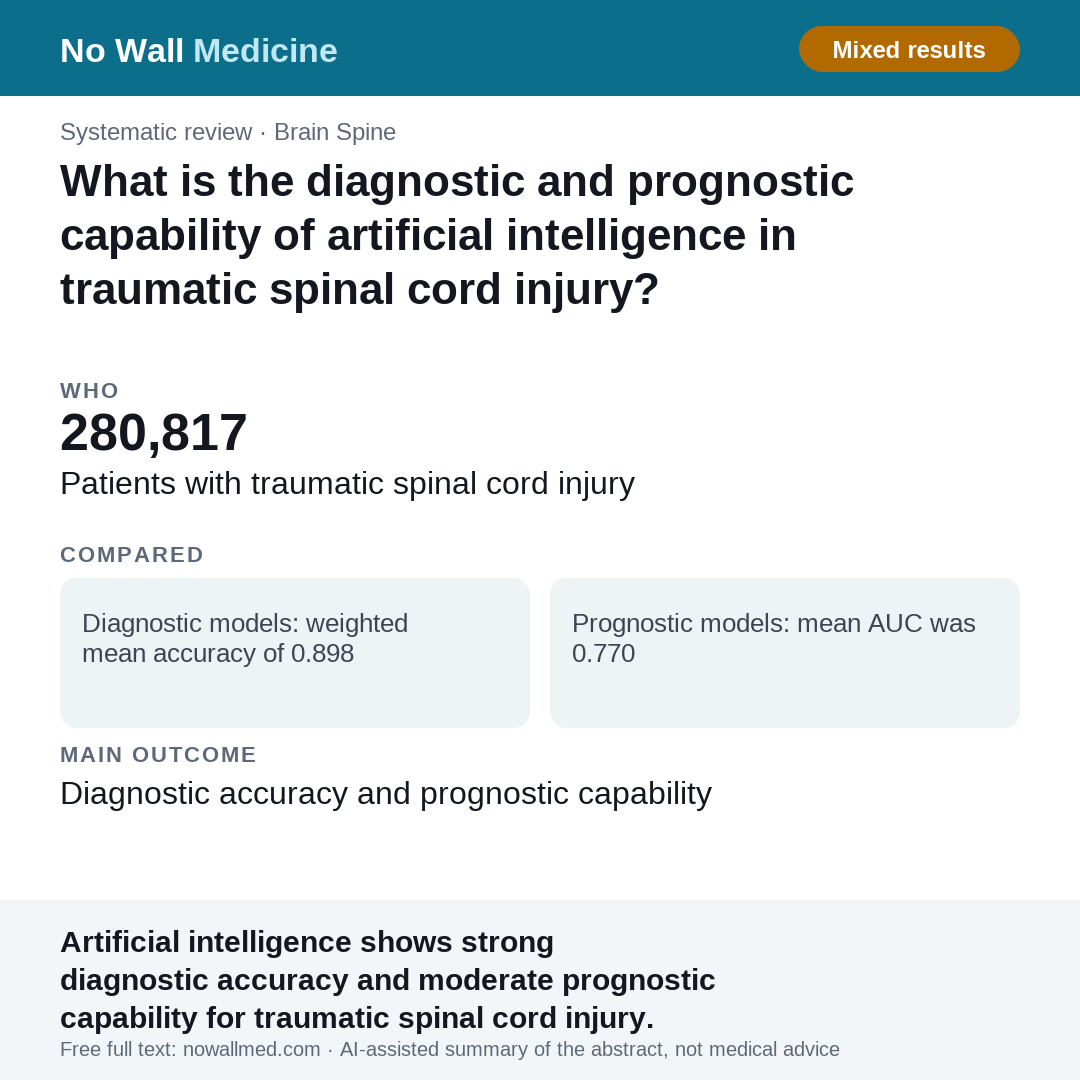
The diagnostic and prognostic capability of artificial intelligence in spinal cord injury: A systematic review
Systematic reviewMixed results
What is the diagnostic and prognostic capability of artificial intelligence in traumatic spinal cord injury?
Who
280,817
Patients with traumatic spinal cord injury
Compared
Diagnostic models: weighted mean accuracy of 0.898
Prognostic models: mean AUC was 0.770
Main outcome
Diagnostic accuracy and prognostic capability
Bottom line: Artificial intelligence shows strong diagnostic accuracy and moderate prognostic capability for traumatic spinal cord injury.
Limitation: Lack of standardised frameworks and external validation limits clinical applicability.
Brain Spine · 2025-02-05Download image
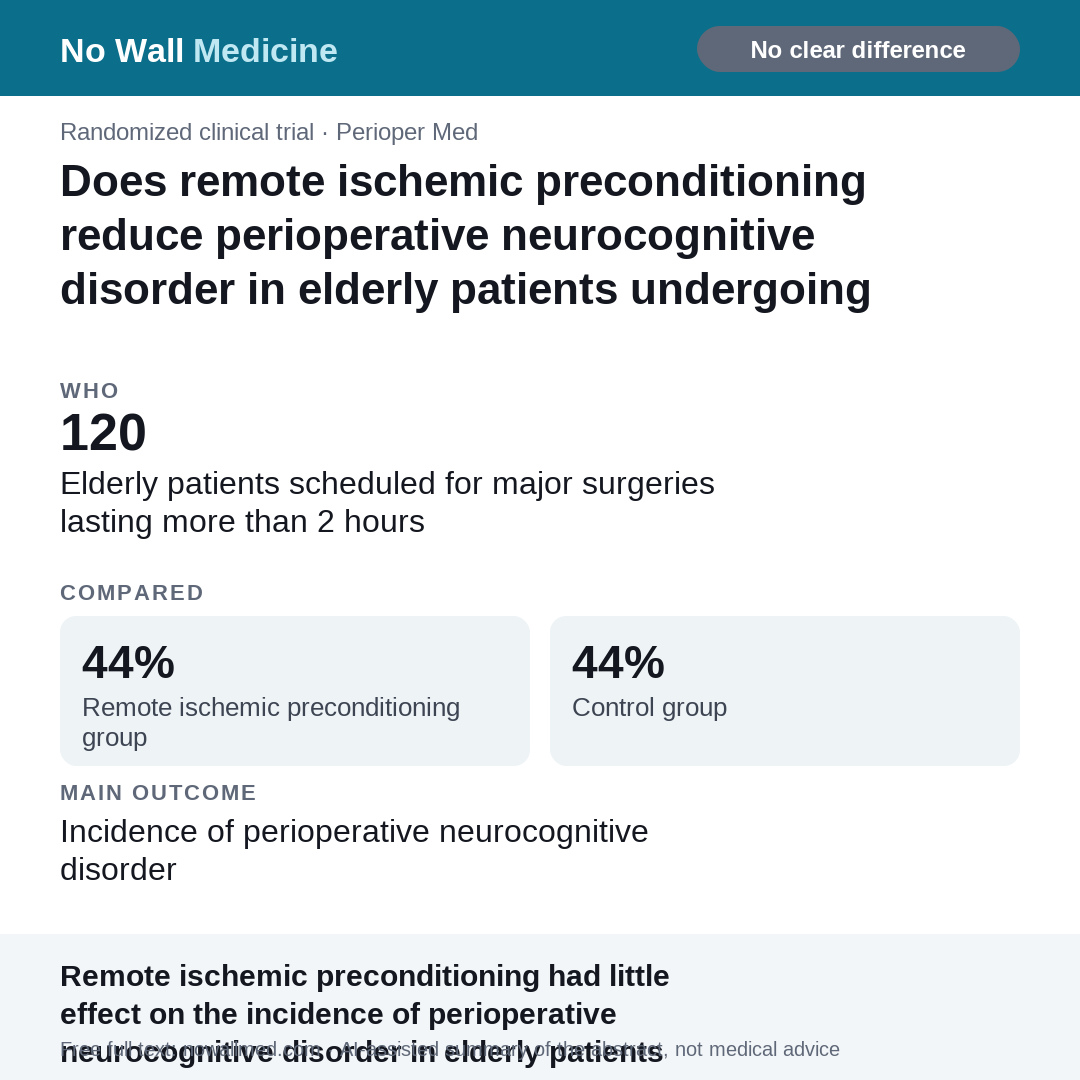
Effect of remote ischemic preconditioning on perioperative neurocognitive disorder in elderly patients undergoing major surgery and associated genetic variant analysis: a randomized clinical trial
Randomized clinical trialNo clear difference
Does remote ischemic preconditioning reduce perioperative neurocognitive disorder in elderly patients undergoing major surgery?
Who
120
Elderly patients scheduled for major surgeries lasting more than 2 hours
Compared
44%Remote ischemic preconditioning group
44%Control group
Main outcome
Incidence of perioperative neurocognitive disorder
Bottom line: Remote ischemic preconditioning had little effect on the incidence of perioperative neurocognitive disorder in elderly patients undergoing major surgery.
Perioper Med · 2025-02-05Download image
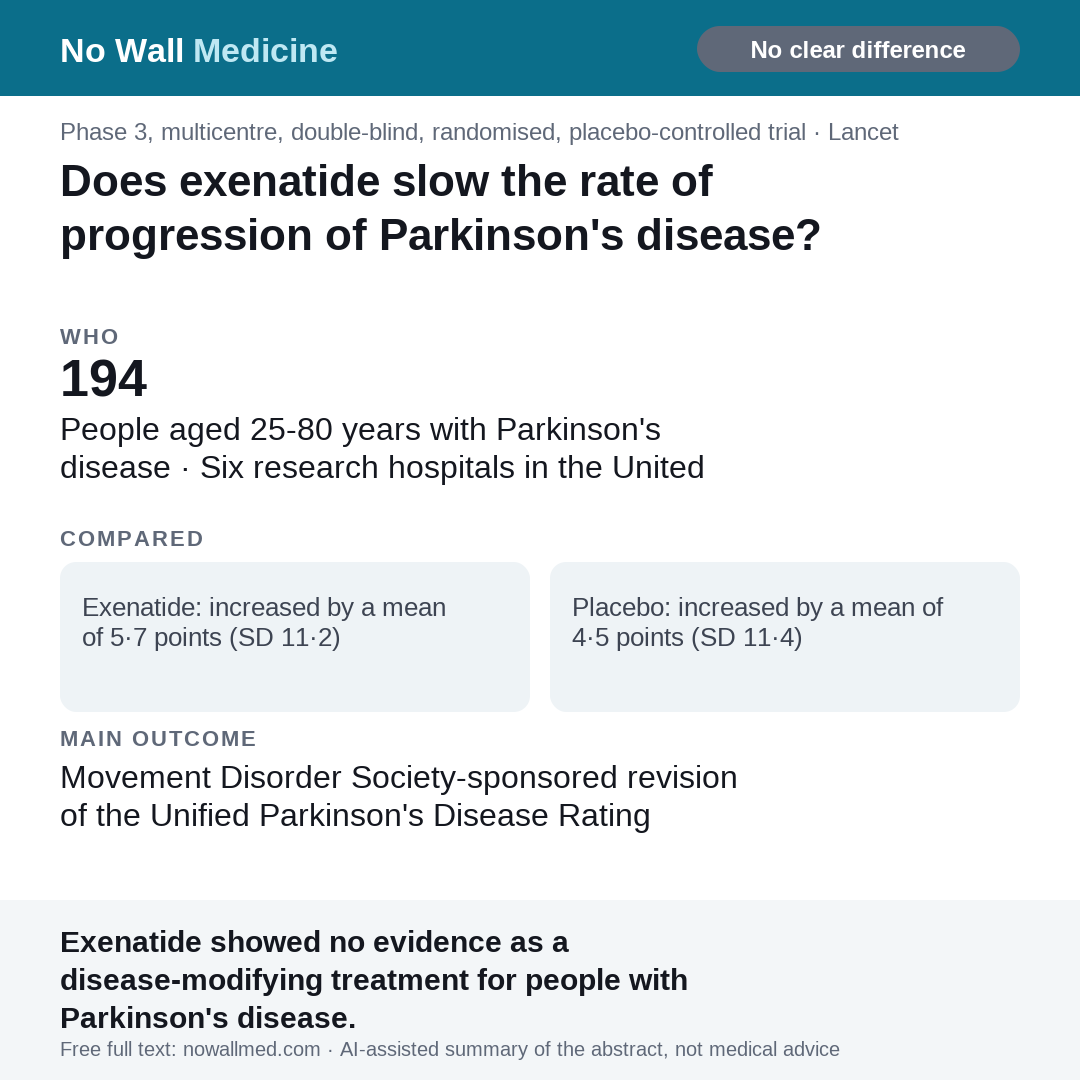
Exenatide once a week versus placebo as a potential disease-modifying treatment for people with Parkinson's disease in the UK: a phase 3, multicentre, double-blind, parallel-group, randomised, placebo-controlled trial
Phase 3, multicentre, double-blind, randomised, placebo-controlled trialNo clear difference
Does exenatide slow the rate of progression of Parkinson's disease?
Who
194
People aged 25-80 years with Parkinson's disease · Six research hospitals in the United Kingdom
Compared
Exenatide: increased by a mean of 5·7 points (SD 11·2)
Placebo: increased by a mean of 4·5 points (SD 11·4)
Main outcome
Movement Disorder Society-sponsored revision of the Unified Parkinson's Disease Rating Scale part III score
Result: adjusted coefficient 0·92 (95% CI -1·56 to 3·39)
Bottom line: Exenatide showed no evidence as a disease-modifying treatment for people with Parkinson's disease.
Funded by: National Institute for Health and Care Research and Cure Parkinson's
Lancet · 2025-02-04Download image
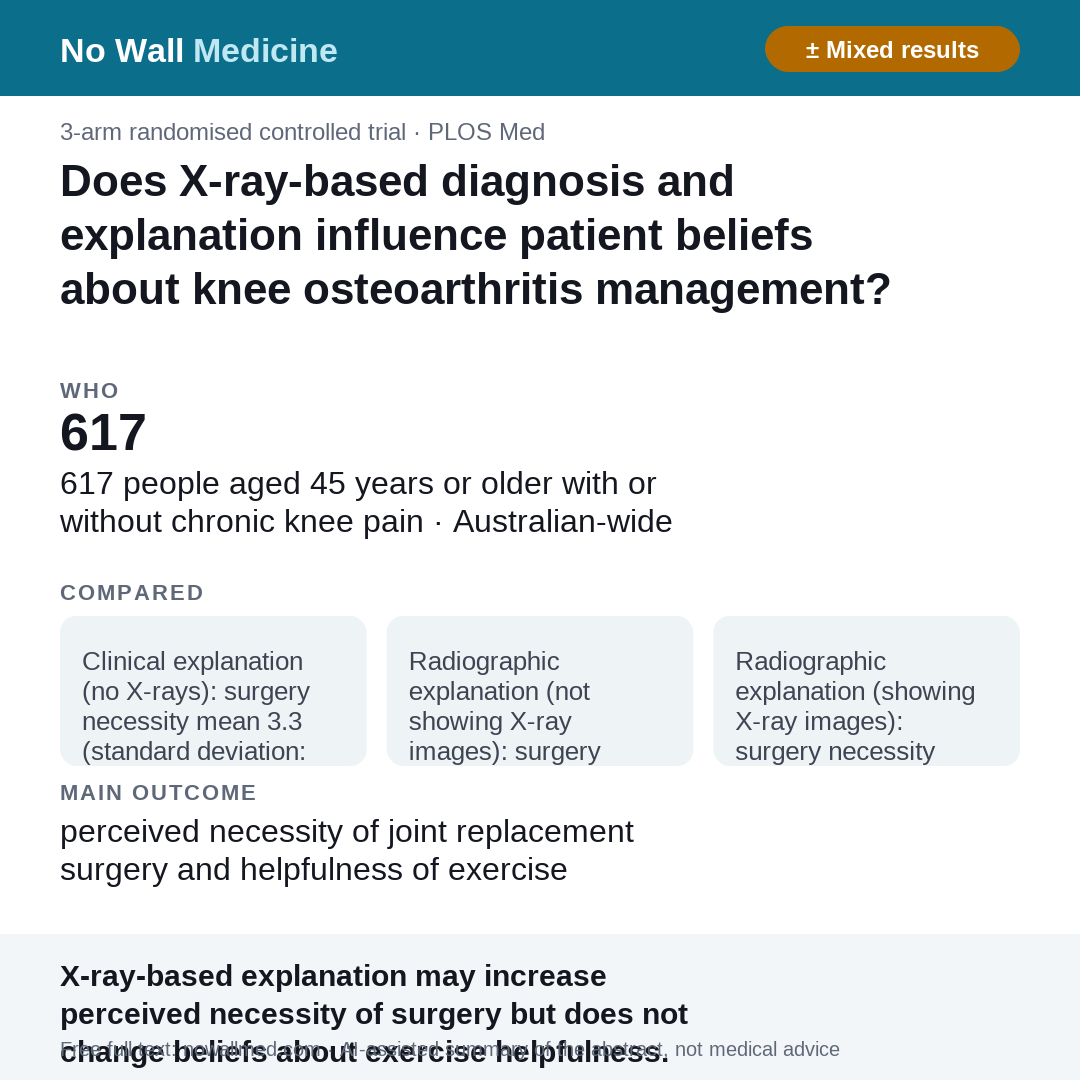
Effects of X-ray-based diagnosis and explanation of knee osteoarthritis on patient beliefs about osteoarthritis management: A randomised clinical trial
3-arm randomised controlled trialMixed results
Does X-ray-based diagnosis and explanation influence patient beliefs about knee osteoarthritis management?
Who
617
617 people aged 45 years or older with or without chronic knee pain · Australian-wide community
Compared
Clinical explanation (no X-rays): surgery necessity mean 3.3 (standard deviation: 2.7)
Radiographic explanation (not showing X-ray images): surgery necessity mean 4.5 (standard deviation: 2.7)
Radiographic explanation (showing X-ray images): surgery necessity mean 4.5 (standard deviation: 2.7)
Main outcome
perceived necessity of joint replacement surgery and helpfulness of exercise
Result: mean difference 1.1 (Bonferroni-adjusted 95% confidence interval: 0.5, 1.8)
Bottom line: X-ray-based explanation may increase perceived necessity of surgery but does not change beliefs about exercise helpfulness.
Limitation: participants responded to a hypothetical scenario, which may not translate to real-world clinical situations
PLOS Med · 2025-02-04Download image
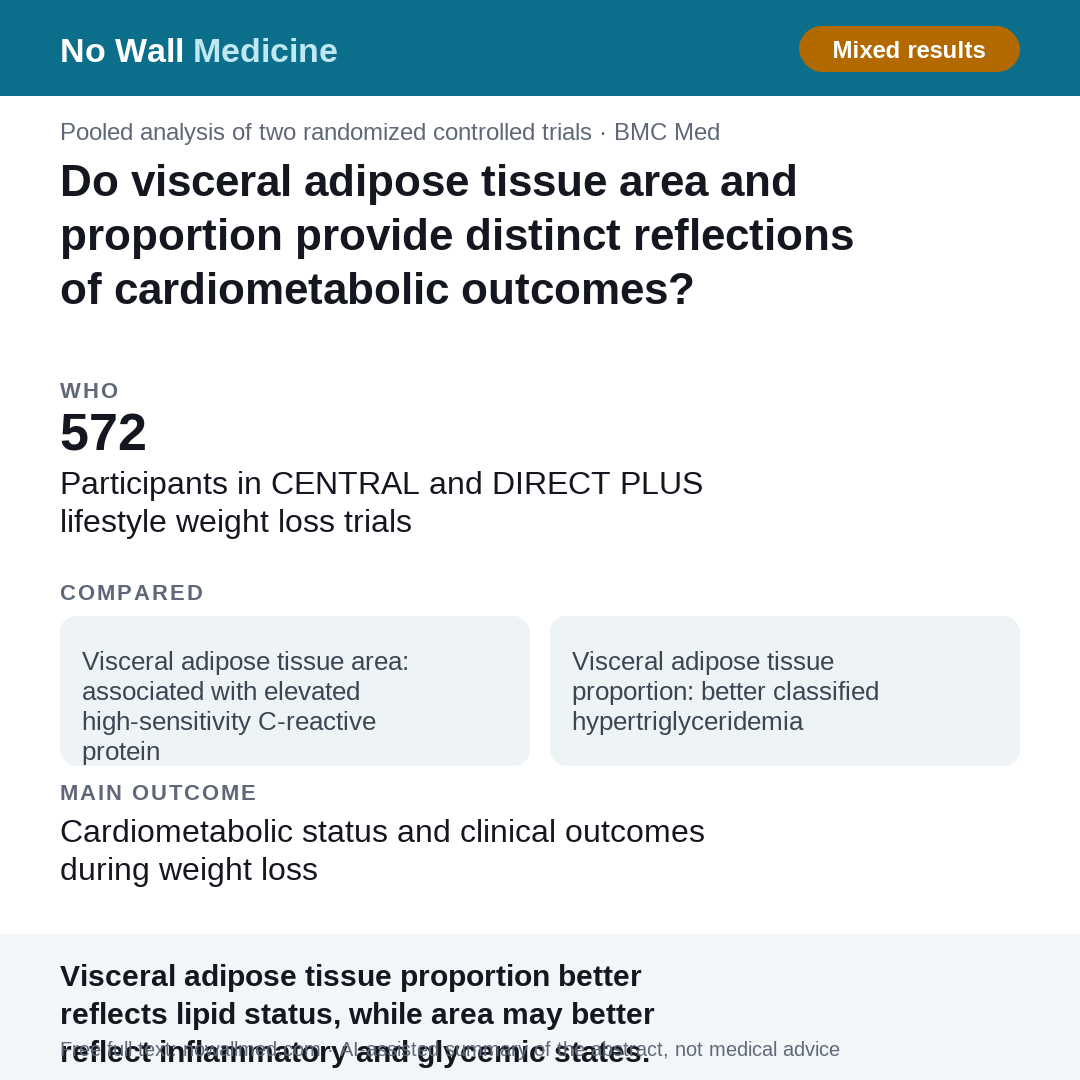
Visceral adipose tissue area and proportion provide distinct reflections of cardiometabolic outcomes in weight loss; pooled analysis of MRI-assessed CENTRAL and DIRECT PLUS dietary randomized controlled trials
Pooled analysis of two randomized controlled trialsMixed results
Do visceral adipose tissue area and proportion provide distinct reflections of cardiometabolic outcomes?
Who
572
Participants in CENTRAL and DIRECT PLUS lifestyle weight loss trials
Compared
Visceral adipose tissue area: associated with elevated high-sensitivity C-reactive protein
Visceral adipose tissue proportion: better classified hypertriglyceridemia
Main outcome
Cardiometabolic status and clinical outcomes during weight loss
Bottom line: Visceral adipose tissue proportion better reflects lipid status, while area may better reflect inflammatory and glycemic states.
BMC Med · 2025-02-04Download image
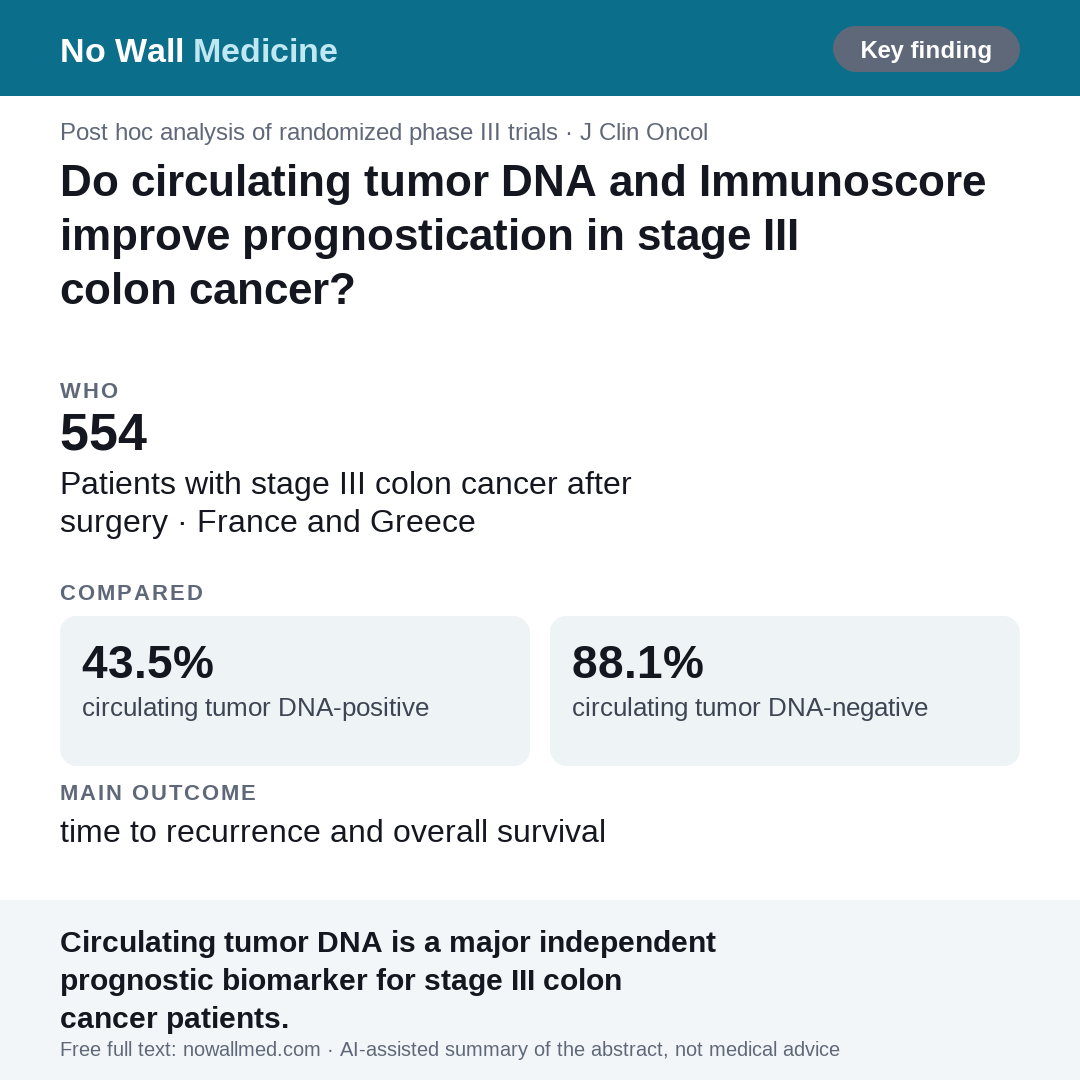
Combined Analyses of Circulating Tumor DNA and Immunoscore in Patients With Stage III Colon Cancer: A Post Hoc Analysis of the PRODIGE-GERCOR IDEA-France/HORG-IDEA-Greece Trials
Post hoc analysis of randomized phase III trialsBenefit found
Do circulating tumor DNA and Immunoscore improve prognostication in stage III colon cancer?
Who
554
Patients with stage III colon cancer after surgery · France and Greece
Compared
43.5%circulating tumor DNA-positive (95% CI, 34.1 to 52.6)
88.1%circulating tumor DNA-negative (95% CI, 84.7 to 90.8)
Main outcome
time to recurrence and overall survival
Result: adjusted hazard ratio 5.21 (95% CI, 3.59 to 7.58)
Bottom line: Circulating tumor DNA is a major independent prognostic biomarker for stage III colon cancer patients.
J Clin Oncol · 2025-02-04Download image
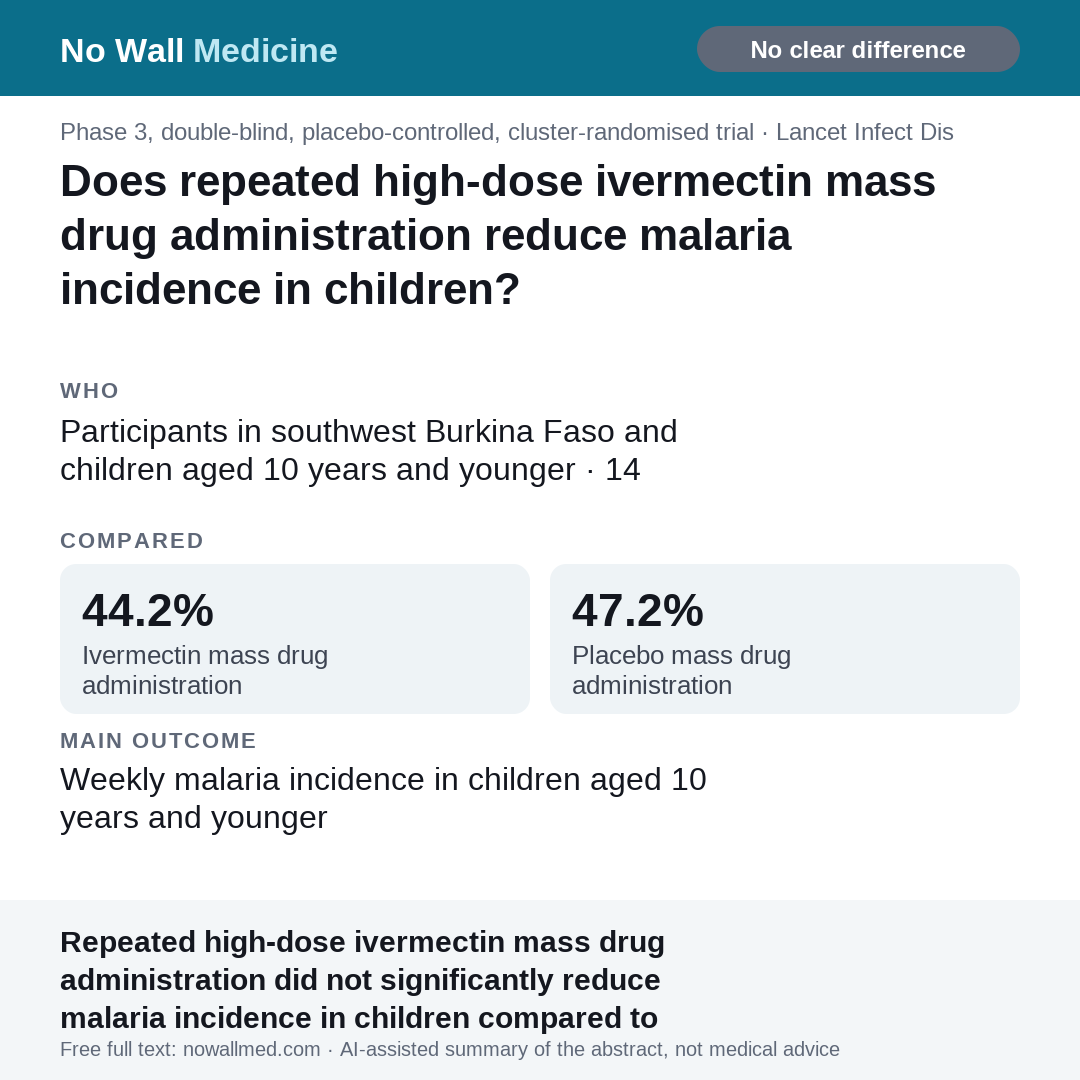
Safety and efficacy of repeat ivermectin mass drug administrations for malaria control (RIMDAMAL II): a phase 3, double-blind, placebo-controlled, cluster-randomised, parallel-group trial
Phase 3, double-blind, placebo-controlled, cluster-randomised trialNo clear difference
Does repeated high-dose ivermectin mass drug administration reduce malaria incidence in children?
Who
Participants in southwest Burkina Faso and children aged 10 years and younger · 14 villages or village sectors in southwest Burkina Faso
Compared
44.2%Ivermectin mass drug administration (312/706)
47.2%Placebo mass drug administration (288/610)
Main outcome
Weekly malaria incidence in children aged 10 years and younger
Bottom line: Repeated high-dose ivermectin mass drug administration did not significantly reduce malaria incidence in children compared to placebo.
Lancet Infect Dis · 2025-02-04Download image
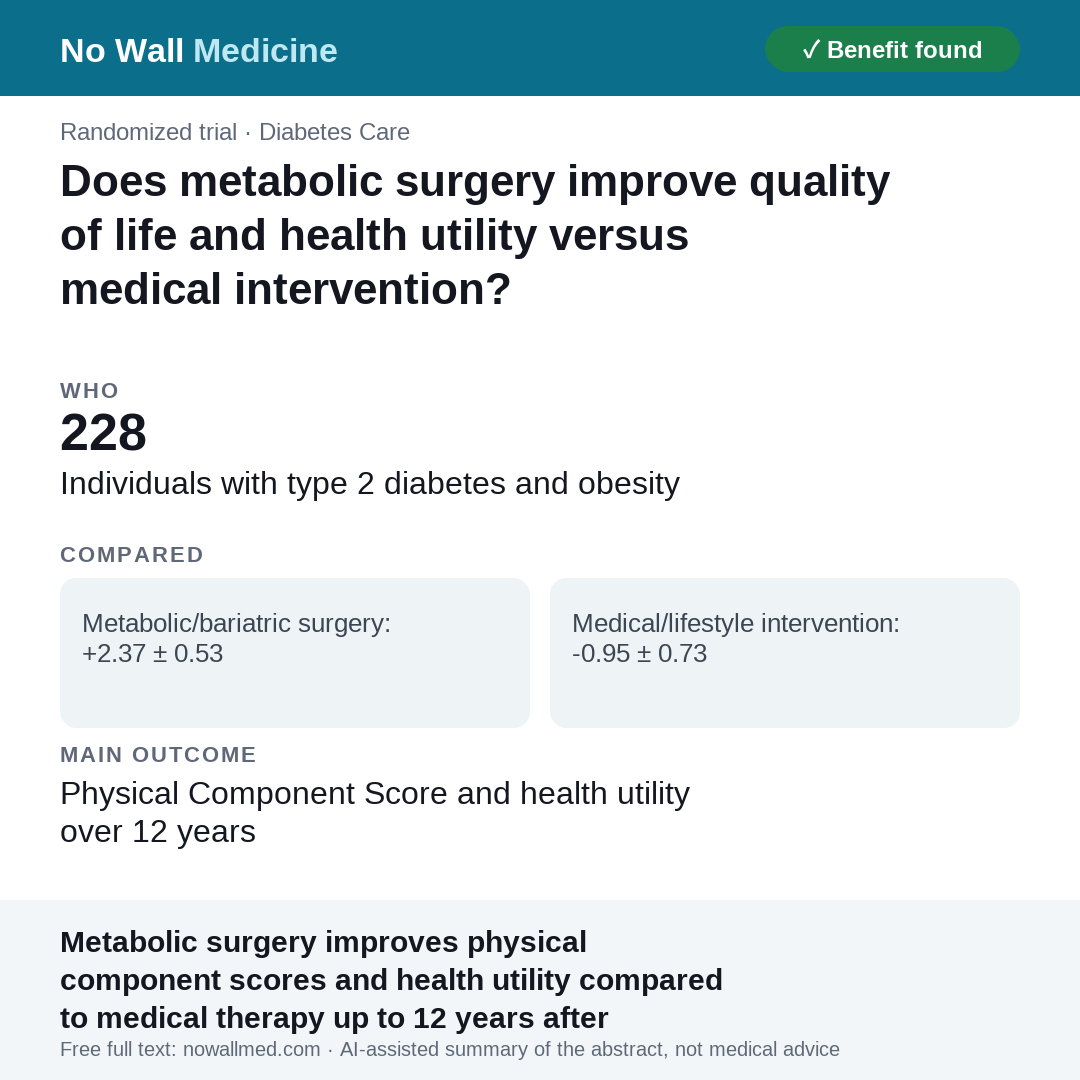
Health-Related Quality of Life and Health Utility After Metabolic/Bariatric Surgery Versus Medical/Lifestyle Intervention in Individuals With Type 2 Diabetes and Obesity: The ARMMS-T2D Study
Randomized trialBenefit found
Does metabolic surgery improve quality of life and health utility versus medical intervention?
Who
228
Individuals with type 2 diabetes and obesity
Compared
Metabolic/bariatric surgery: +2.37 ± 0.53
Medical/lifestyle intervention: -0.95 ± 0.73
Main outcome
Physical Component Score and health utility over 12 years
Result: difference 3.32 ± 0.85; P < 0.001
Bottom line: Metabolic surgery improves physical component scores and health utility compared to medical therapy up to 12 years after intervention.
Diabetes Care · 2025-02-04Download image
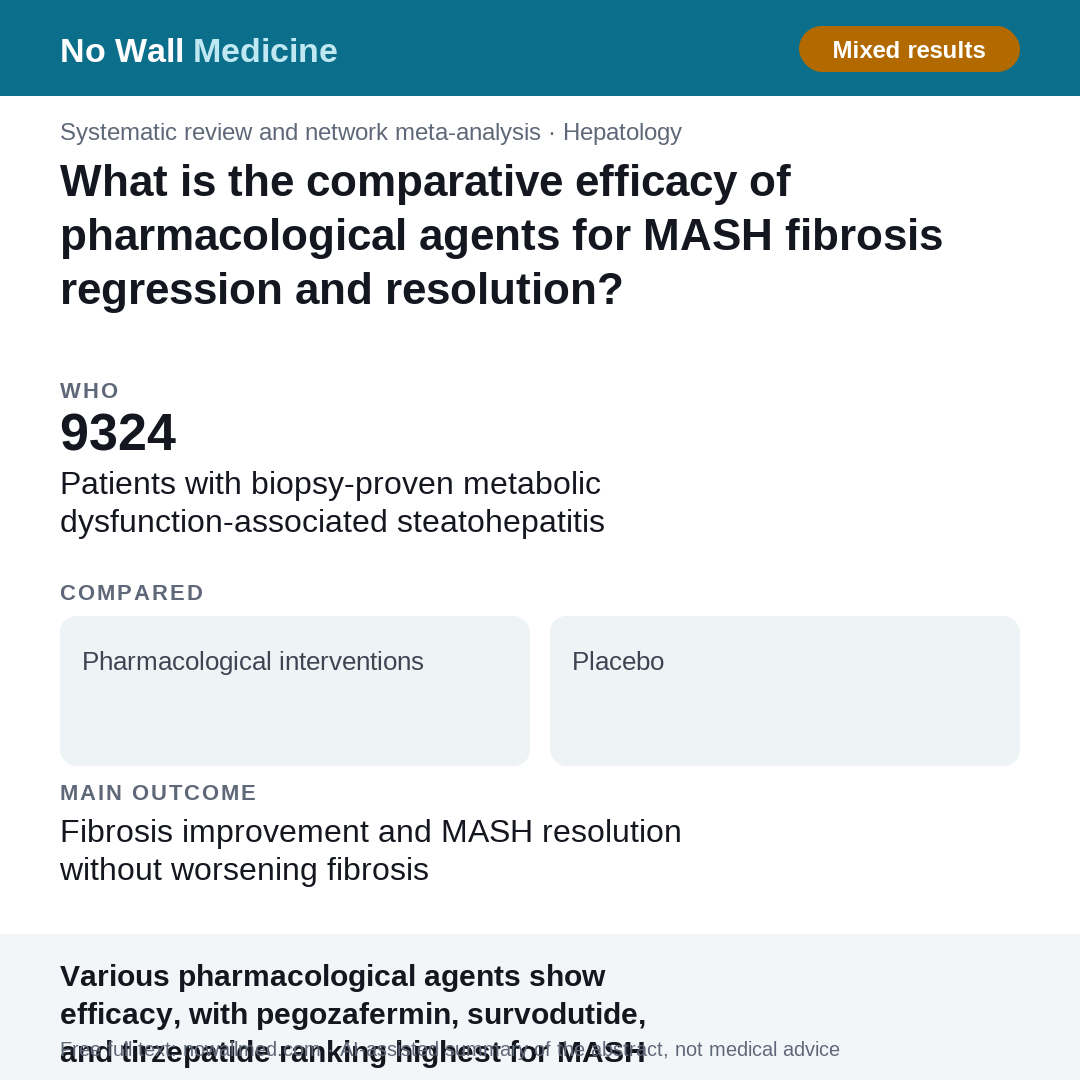
Comparison of pharmacological therapies in metabolic dysfunction-associated steatohepatitis for fibrosis regression and MASH resolution: Systematic review and network meta-analysis
Systematic review and network meta-analysisMixed results
What is the comparative efficacy of pharmacological agents for MASH fibrosis regression and resolution?
Who
9324
Patients with biopsy-proven metabolic dysfunction-associated steatohepatitis
Compared
Pharmacological interventions
Placebo
Main outcome
Fibrosis improvement and MASH resolution without worsening fibrosis
Bottom line: Various pharmacological agents show efficacy, with pegozafermin, survodutide, and tirzepatide ranking highest for MASH resolution.
Hepatology · 2025-02-04Download image
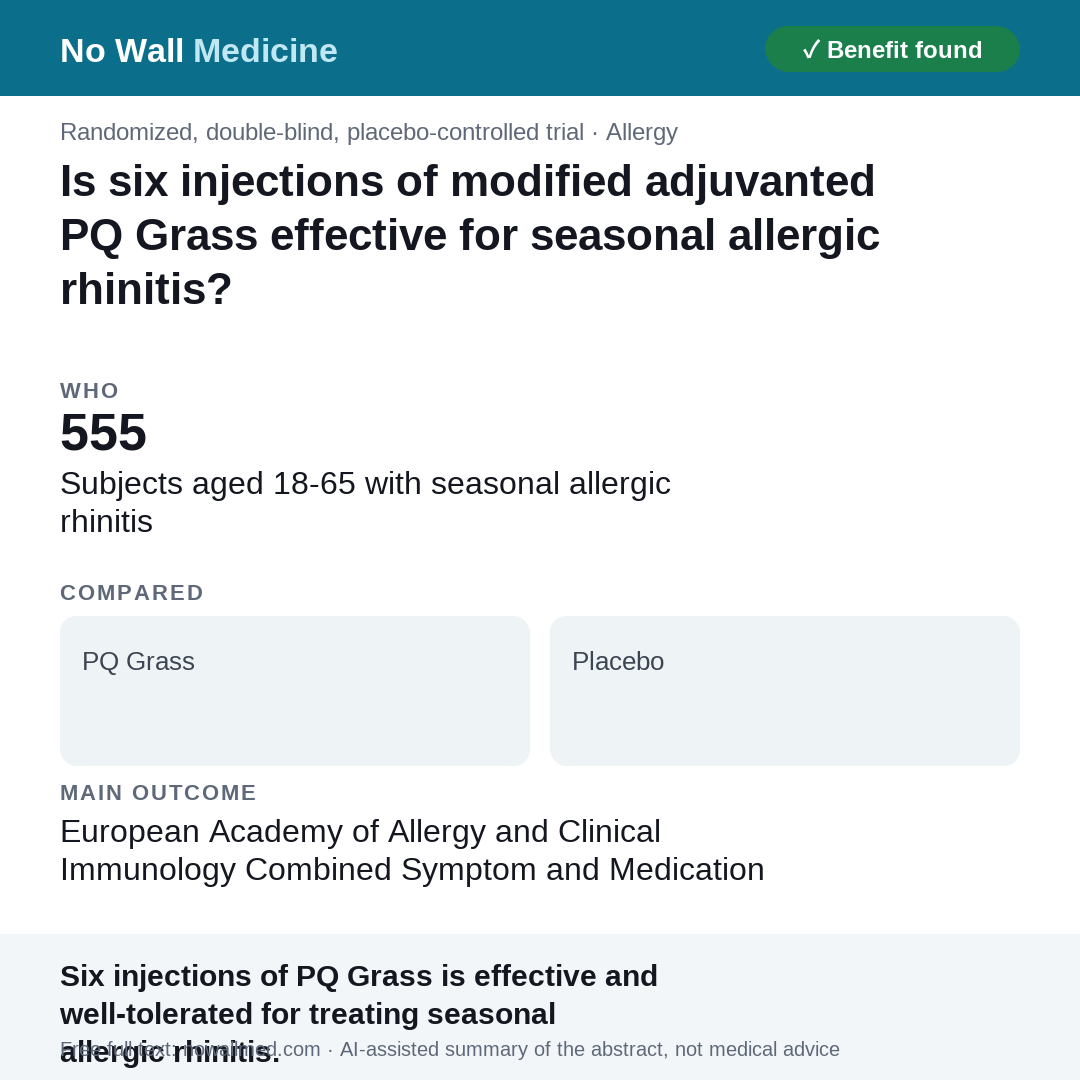
Six Injections of Modified Adjuvanted PQ Grass Is Effective and Well-Tolerated in a Pivotal Phase III Trial
Randomized, double-blind, placebo-controlled trialBenefit found
Is six injections of modified adjuvanted PQ Grass effective for seasonal allergic rhinitis?
Who
555
Subjects aged 18-65 with seasonal allergic rhinitis
Compared
PQ Grass
Placebo
Main outcome
European Academy of Allergy and Clinical Immunology Combined Symptom and Medication Score
Result: -0.27 points (95% CI: -0.42 to -0.12)
Bottom line: Six injections of PQ Grass is effective and well-tolerated for treating seasonal allergic rhinitis.
Allergy · 2025-02-04Download image
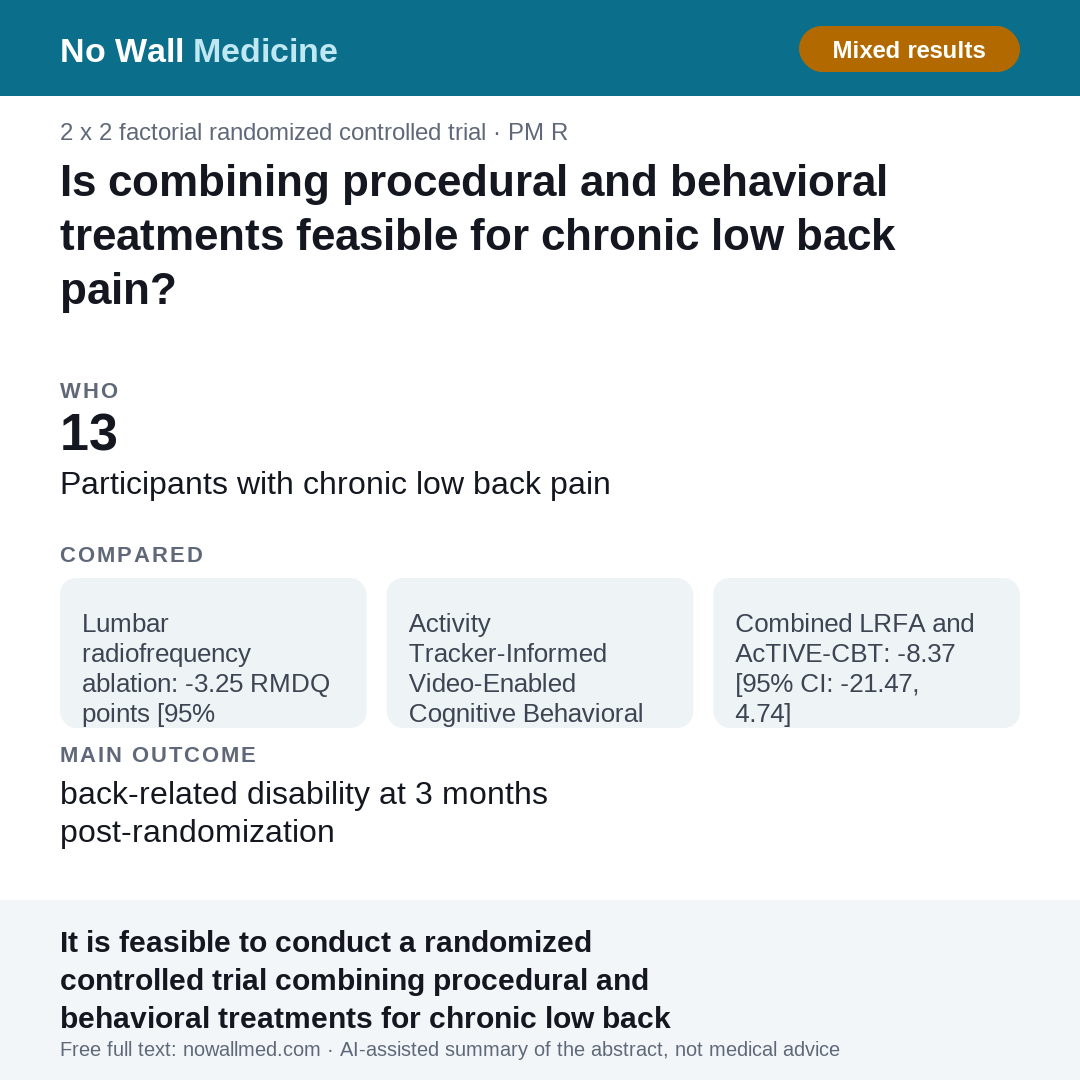
Combining procedural and behavioral treatments for chronic low back pain: A pilot feasibility randomized controlled trial
2 x 2 factorial randomized controlled trialMixed results
Is combining procedural and behavioral treatments feasible for chronic low back pain?
Who
13
Participants with chronic low back pain
Compared
Lumbar radiofrequency ablation: -3.25 RMDQ points [95% confidence interval [CI], -10.18 to 3.67]
Activity Tracker-Informed Video-Enabled Cognitive Behavioral Therapy: -6.29 [95% CI, -10.97 to -1.60]
Combined LRFA and AcTIVE-CBT: -8.37 [95% CI: -21.47, 4.74]
Main outcome
back-related disability at 3 months post-randomization
Bottom line: It is feasible to conduct a randomized controlled trial combining procedural and behavioral treatments for chronic low back pain.
PM R · 2025-02-04Download image
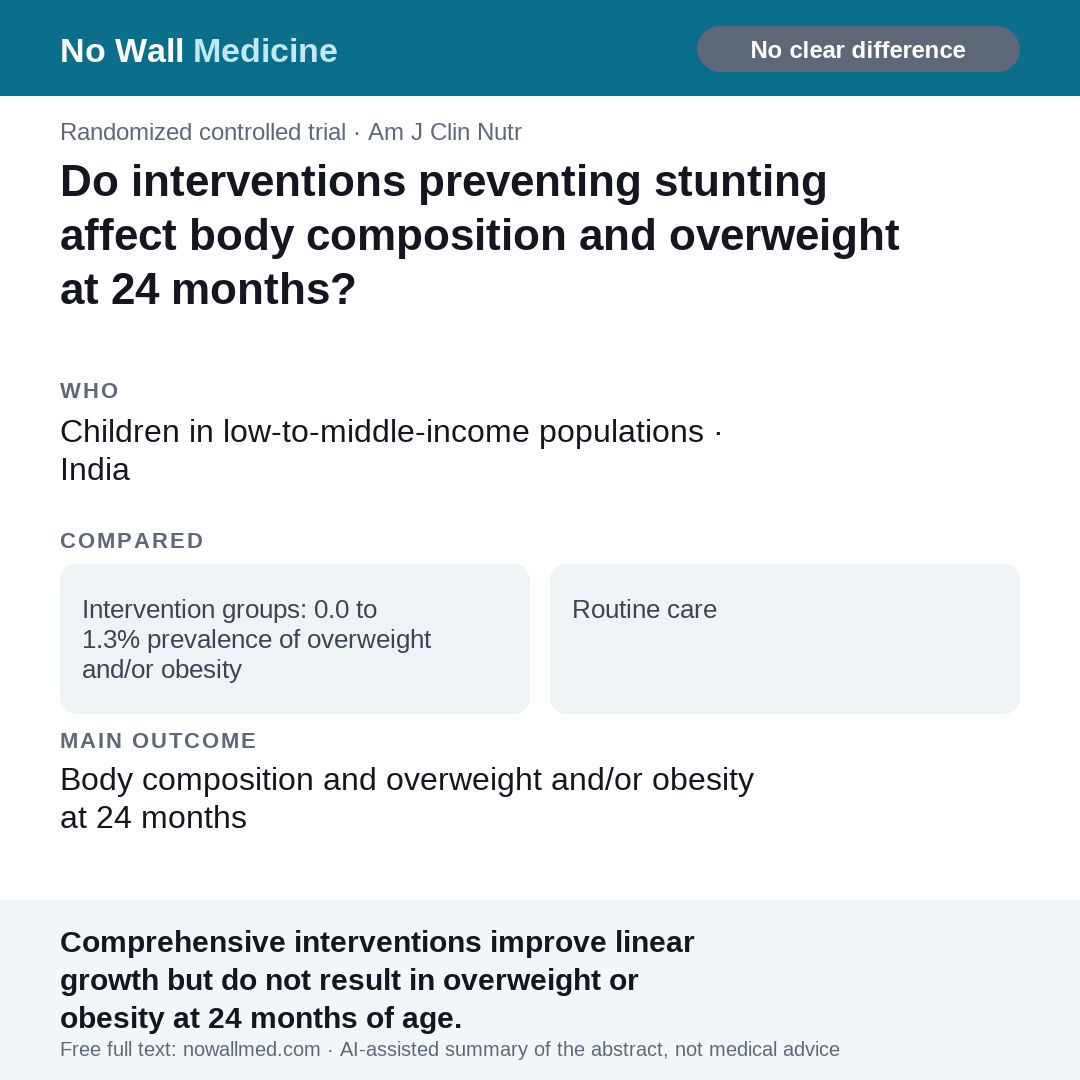
Impact of linear growth-improving interventions on childhood overnutrition at 24 months: a randomized controlled trial
Randomized controlled trialNo clear difference
Do interventions preventing stunting affect body composition and overweight at 24 months?
Who
Children in low-to-middle-income populations · India
Compared
Intervention groups: 0.0 to 1.3% prevalence of overweight and/or obesity
Routine care
Main outcome
Body composition and overweight and/or obesity at 24 months
Result: mean difference 0.1 kg (95% CI 0.01, 0.2) for neonatal fat-free mass
Bottom line: Comprehensive interventions improve linear growth but do not result in overweight or obesity at 24 months of age.
Am J Clin Nutr · 2025-02-04Download image
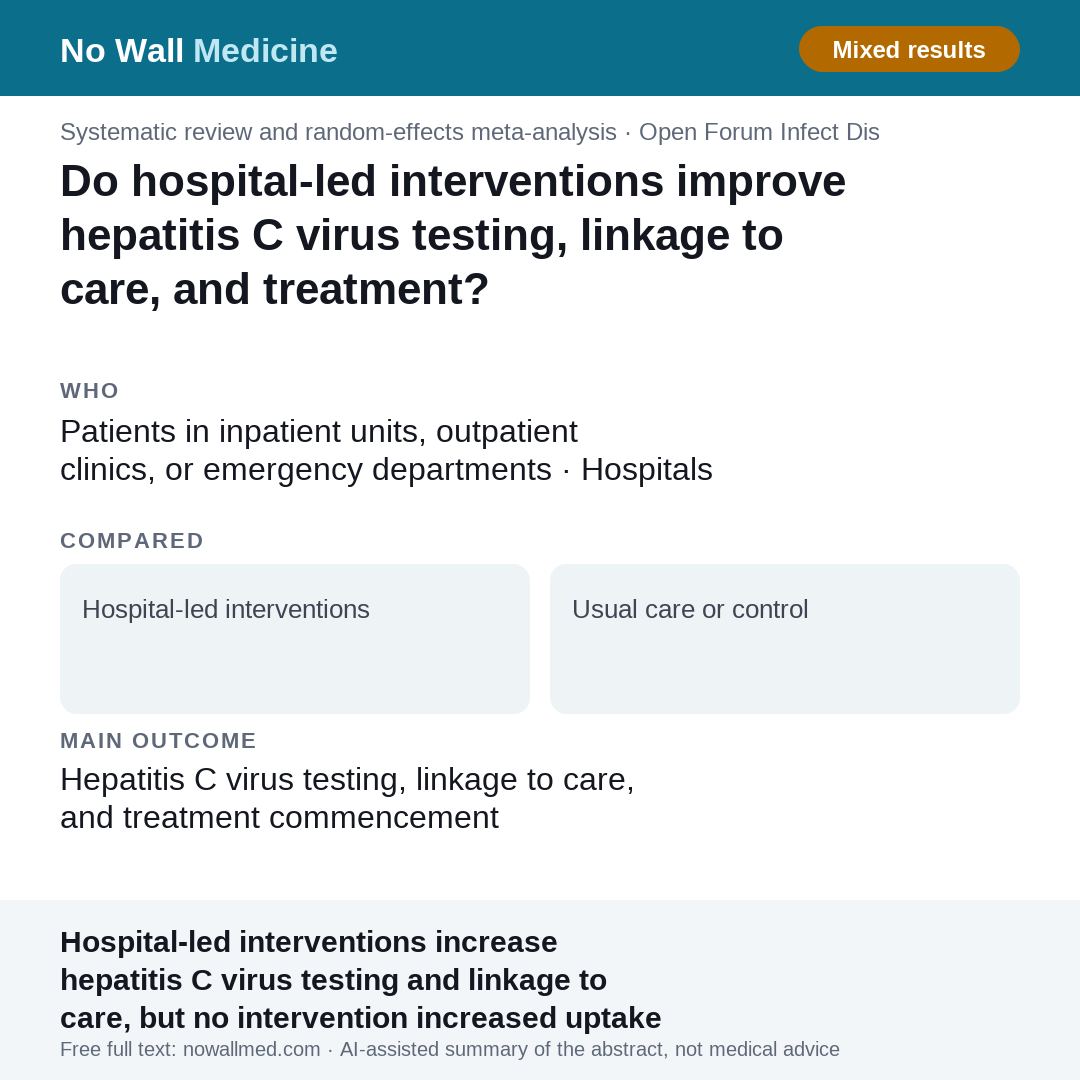
Enhancing Hepatitis C Virus Testing, Linkage to Care, and Treatment Commencement in Hospitals: A Systematic Review and Meta-analysis
Systematic review and random-effects meta-analysisMixed results
Do hospital-led interventions improve hepatitis C virus testing, linkage to care, and treatment?
Who
Patients in inpatient units, outpatient clinics, or emergency departments · Hospitals
Compared
Hospital-led interventions
Usual care or control
Main outcome
Hepatitis C virus testing, linkage to care, and treatment commencement
Result: antibody testing uptake pOR 5.83 (95% CI 2.49-13.61); RNA testing uptake pOR 10.65 (95% CI 1.70-66.50); linkage to care pOR 1.75 (95% CI 1.10-2.79)
Bottom line: Hospital-led interventions increase hepatitis C virus testing and linkage to care, but no intervention increased uptake at all steps.
Open Forum Infect Dis · 2025-02-04Download image