Visual abstracts
New randomized trials and meta-analyses from leading journals at a glance: who was studied, what was compared, and what was found. Every paper is free to read in full.
All specialtiesCardiology 855Oncology 770Gastroenterology & Hepatology 311Infectious Disease 626Neurology 354Psychiatry & Mental Health 430Pulmonology 370Critical Care 259Endocrinology & Diabetes 484Pediatrics 542Surgery 349Orthopedics & Sports Medicine 166Neurosurgery 115Cardiothoracic & Vascular Surgery 87Plastic & Reconstructive Surgery 144Nephrology 197Rheumatology 108Hematology 183Dermatology 81Ophthalmology 97Obstetrics & Gynecology 266Public & Global Health 168Radiology & Imaging 104Anesthesiology 128Urology 162ENT (Otolaryngology) 114Emergency Medicine 103Allergy & Immunology 58Geriatrics 160Family Medicine & Primary Care 111Medical Genetics & Genomics 91Pathology & Laboratory Medicine 27Physical Medicine & Rehabilitation 149Palliative Care 81Nutrition 223Digital Health & AI 462General Medicine 101
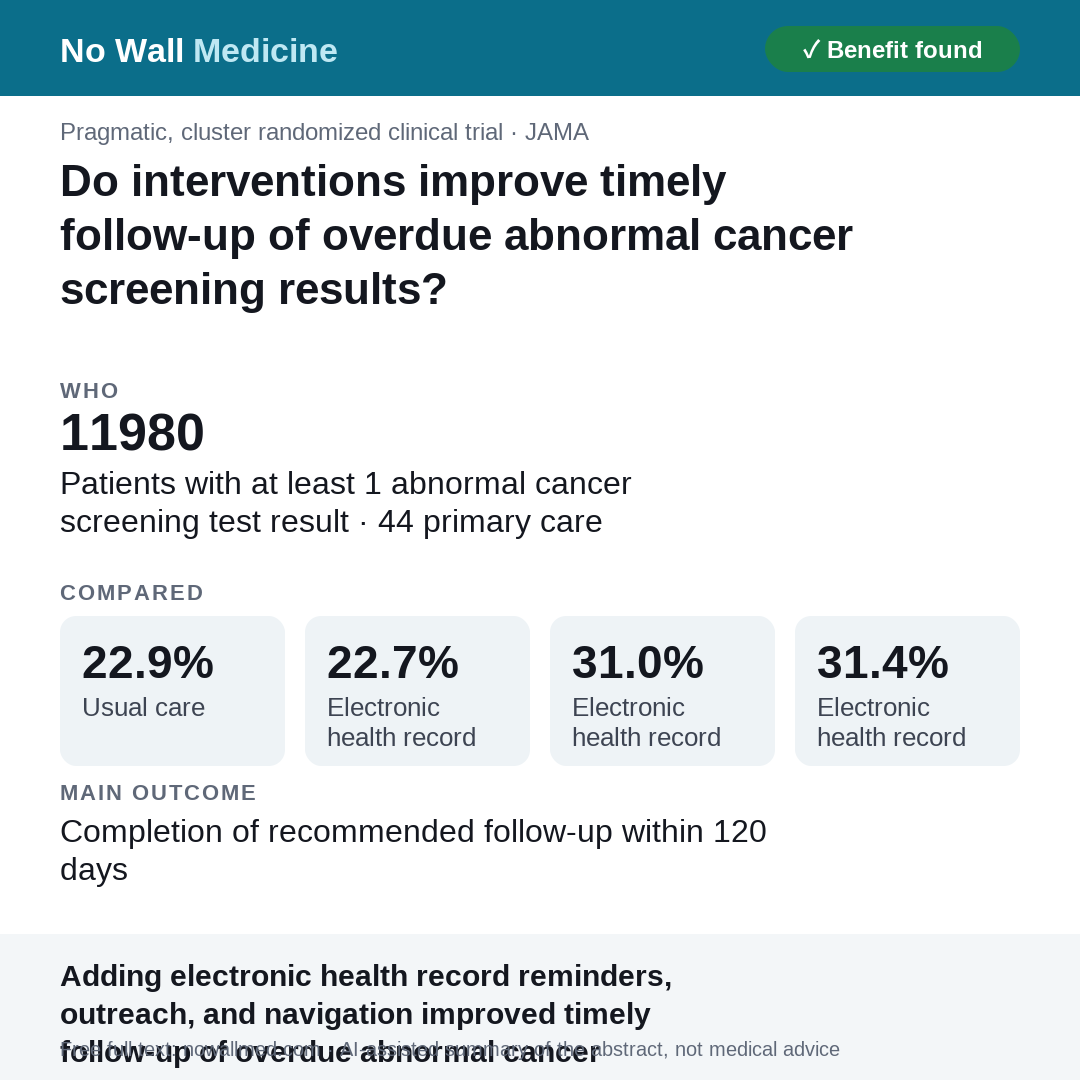
A Multilevel Primary Care Intervention to Improve Follow-Up of Overdue Abnormal Cancer Screening Test Results: A Cluster Randomized Clinical Trial
Pragmatic, cluster randomized clinical trialBenefit found
Do interventions improve timely follow-up of overdue abnormal cancer screening results?
Who
11980
Patients with at least 1 abnormal cancer screening test result · 44 primary care practices within 3 US health networks
Compared
22.9%Usual care
22.7%Electronic health record reminders
31.0%Electronic health record reminders and outreach
31.4%Electronic health record reminders, outreach, and navigation
Main outcome
Completion of recommended follow-up within 120 days
Result: 8.5% [95% CI, 4.8%-12.0%]
Bottom line: Adding electronic health record reminders, outreach, and navigation improved timely follow-up of overdue abnormal cancer screening results.
JAMA · 2023-10-10Download image
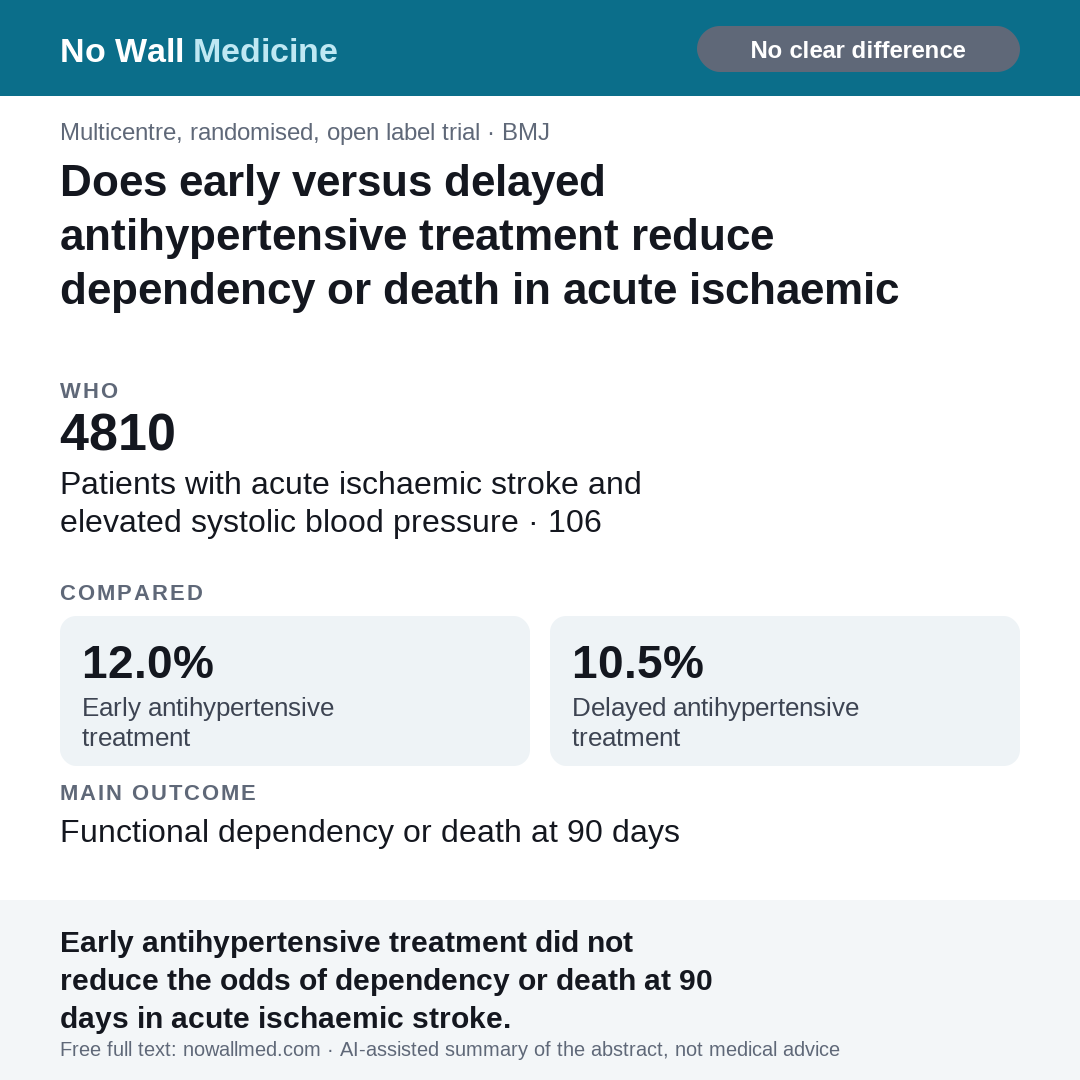
Early versus delayed antihypertensive treatment in patients with acute ischaemic stroke: multicentre, open label, randomised, controlled trial
Multicentre, randomised, open label trialNo clear difference
Does early versus delayed antihypertensive treatment reduce dependency or death in acute ischaemic stroke?
Who
4810
Patients with acute ischaemic stroke and elevated systolic blood pressure · 106 hospitals in China
Compared
12.0%Early antihypertensive treatment
10.5%Delayed antihypertensive treatment
Main outcome
Functional dependency or death at 90 days
Result: odds ratio 1.18 (95% confidence interval 0.98 to 1.41)
Bottom line: Early antihypertensive treatment did not reduce the odds of dependency or death at 90 days in acute ischaemic stroke.
BMJ · 2023-10-09Download image
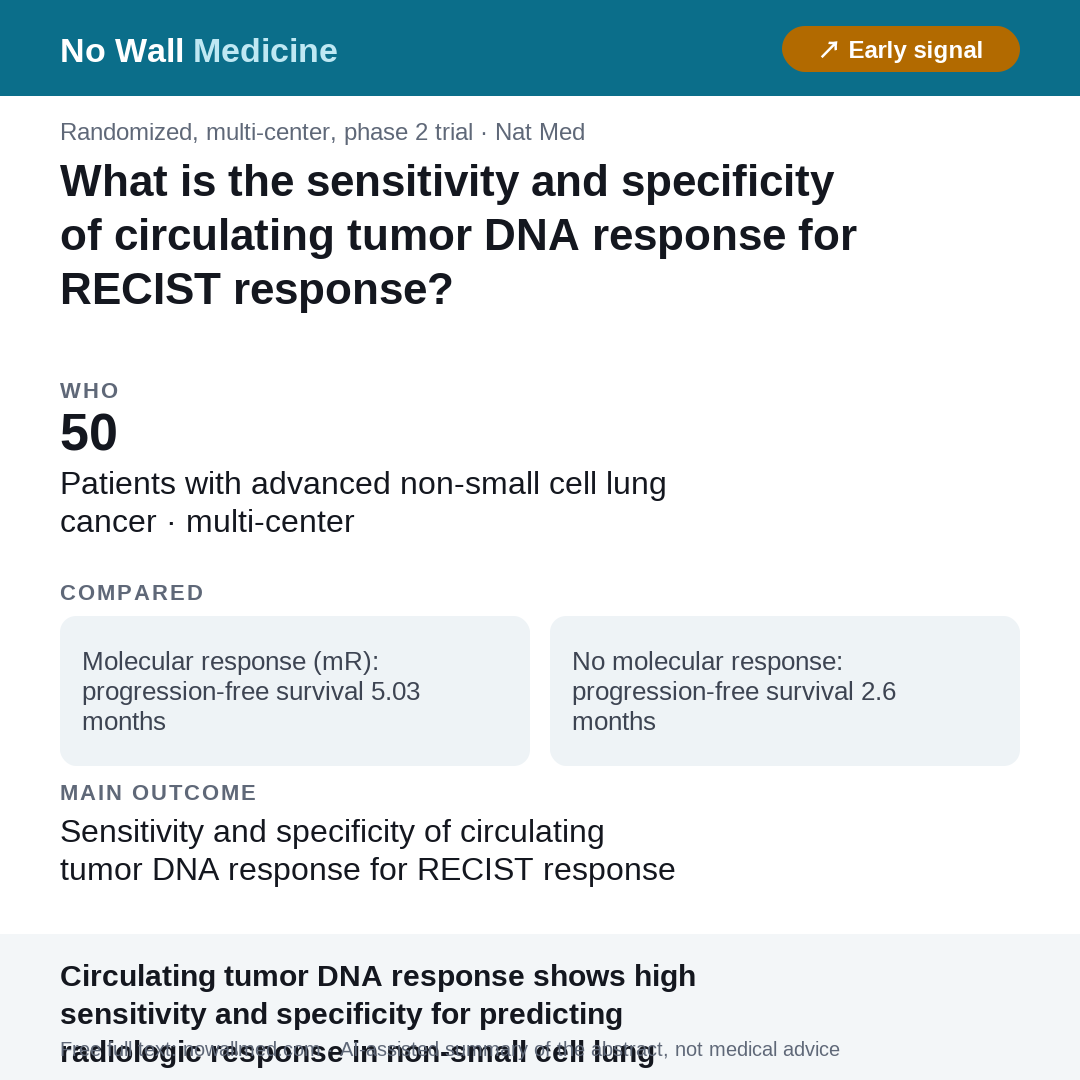
ctDNA response after pembrolizumab in non-small cell lung cancer: phase 2 adaptive trial results
Randomized, multi-center, phase 2 trialBenefit found
What is the sensitivity and specificity of circulating tumor DNA response for RECIST response?
Who
50
Patients with advanced non-small cell lung cancer · multi-center
Compared
Molecular response (mR): progression-free survival 5.03 months
No molecular response: progression-free survival 2.6 months
Main outcome
Sensitivity and specificity of circulating tumor DNA response for RECIST response
Result: sensitivity 82% (90% CI: 52-97%) and specificity 75% (90% CI: 56.5-88.5%)
Bottom line: Circulating tumor DNA response shows high sensitivity and specificity for predicting radiologic response in non-small cell lung cancer.
Nat Med · 2023-10-09Download image
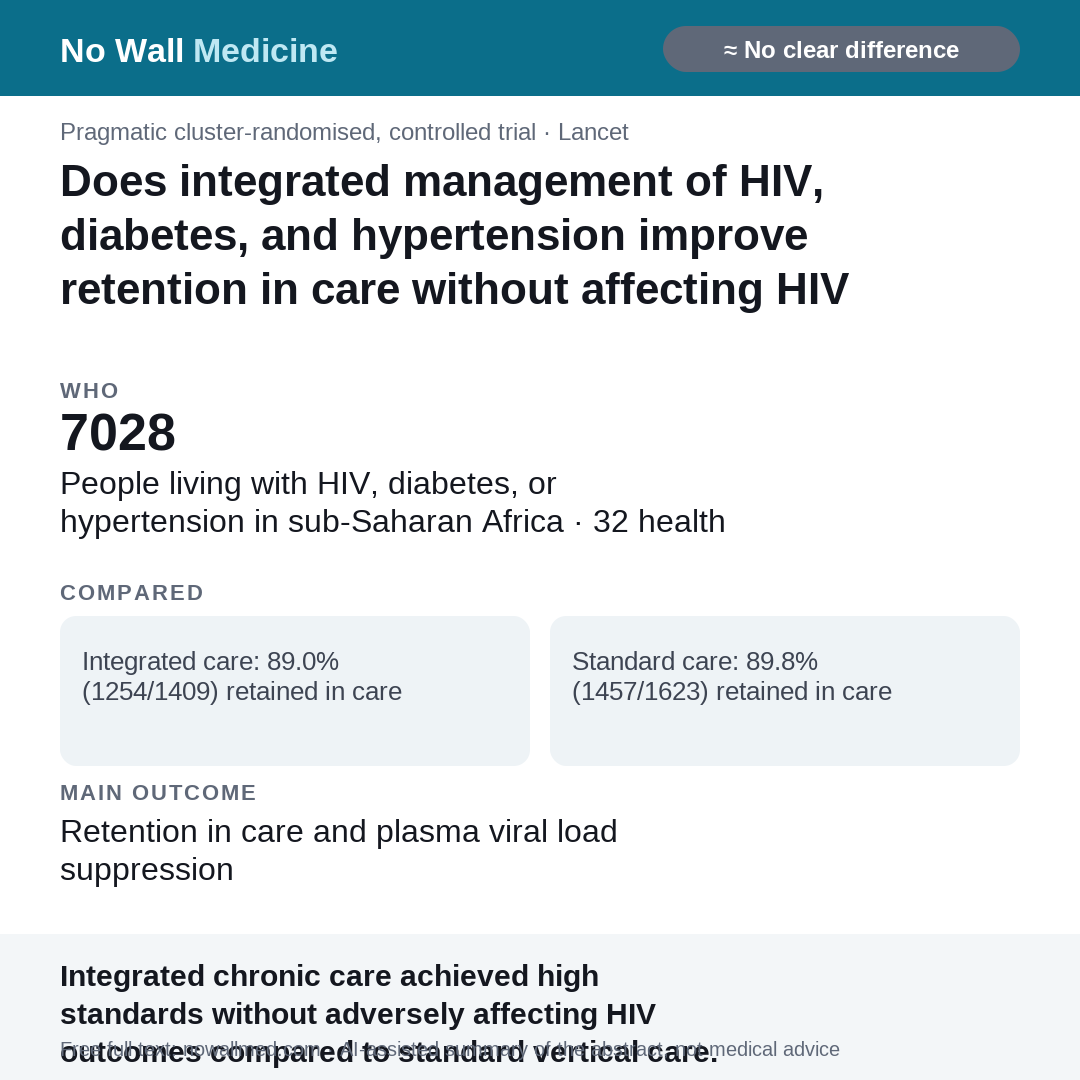
Integrated management of HIV, diabetes, and hypertension in sub-Saharan Africa (INTE-AFRICA): a pragmatic cluster-randomised, controlled trial
Pragmatic cluster-randomised, controlled trialNo clear difference
Does integrated management of HIV, diabetes, and hypertension improve retention in care without affecting HIV viral suppression?
Who
7028
People living with HIV, diabetes, or hypertension in sub-Saharan Africa · 32 health facilities in Uganda and Tanzania
Compared
Integrated care: 89.0% (1254/1409) retained in care
Standard care: 89.8% (1457/1623) retained in care
Main outcome
Retention in care and plasma viral load suppression
Result: risk difference -0·60% (-5·46 to 4·26)
Bottom line: Integrated chronic care achieved high standards without adversely affecting HIV outcomes compared to standard vertical care.
Funded by: European Union Horizon 2020 and Global Alliance for Chronic Diseases
Lancet · 2023-10-08Download image
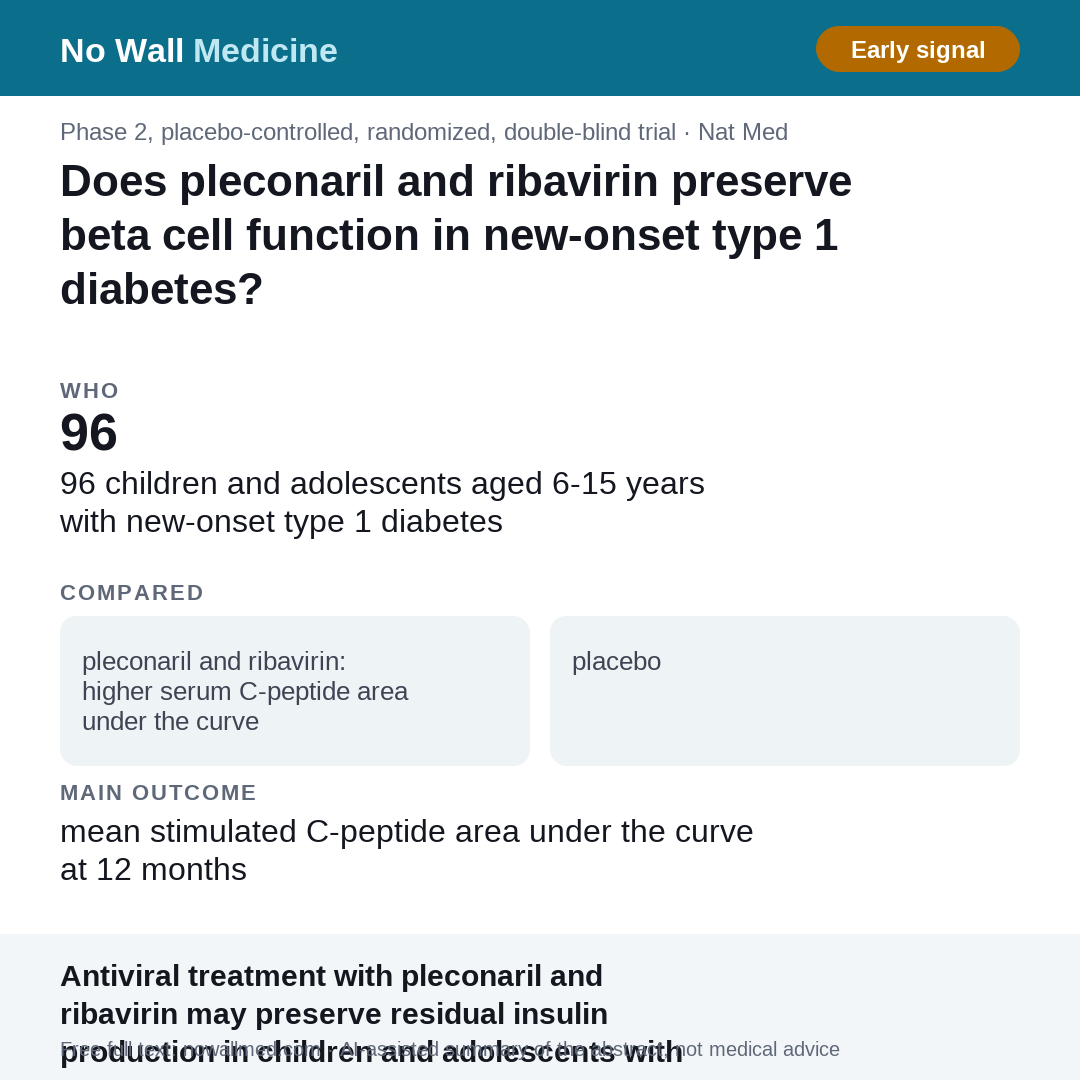
Pleconaril and ribavirin in new-onset type 1 diabetes: a phase 2 randomized trial
Phase 2, placebo-controlled, randomized, double-blind trialBenefit found
Does pleconaril and ribavirin preserve beta cell function in new-onset type 1 diabetes?
Who
96
96 children and adolescents aged 6-15 years with new-onset type 1 diabetes
Compared
pleconaril and ribavirin: higher serum C-peptide area under the curve
placebo
Main outcome
mean stimulated C-peptide area under the curve at 12 months
Result: average marginal effect 0.057 (95% confidence interval 0.004-0.11)
Bottom line: Antiviral treatment with pleconaril and ribavirin may preserve residual insulin production in children and adolescents with new-onset type 1 diabetes.
Nat Med · 2023-10-04Download image
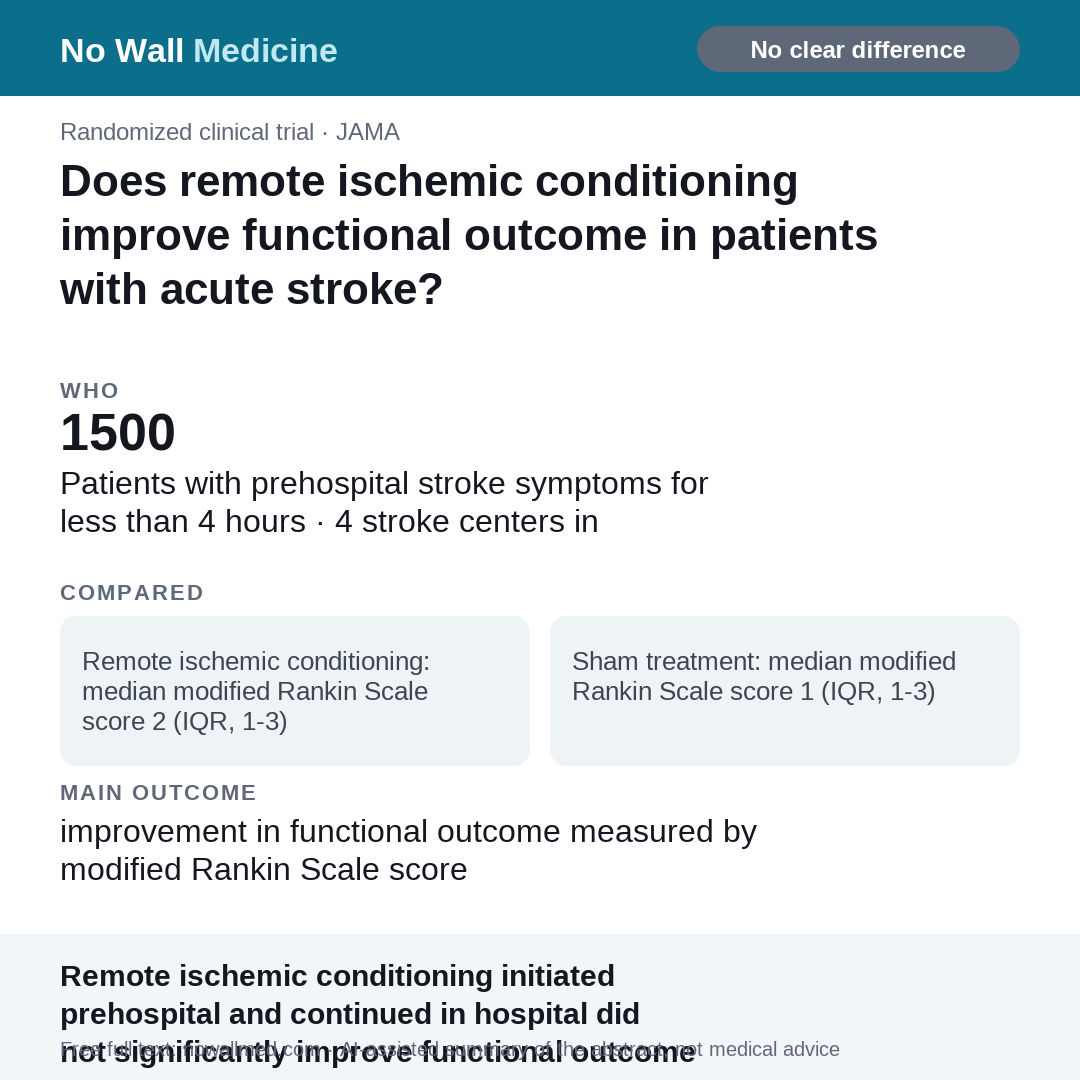
Remote Ischemic Conditioning for Acute Stroke: The RESIST Randomized Clinical Trial
Randomized clinical trialNo clear difference
Does remote ischemic conditioning improve functional outcome in patients with acute stroke?
Who
1500
Patients with prehospital stroke symptoms for less than 4 hours · 4 stroke centers in Denmark
Compared
Remote ischemic conditioning: median modified Rankin Scale score 2 (IQR, 1-3)
Sham treatment: median modified Rankin Scale score 1 (IQR, 1-3)
Main outcome
improvement in functional outcome measured by modified Rankin Scale score
Result: odds ratio 0.95 (95% CI 0.75 to 1.20)
Bottom line: Remote ischemic conditioning initiated prehospital and continued in hospital did not significantly improve functional outcome at 90 days.
JAMA · 2023-10-03Download image
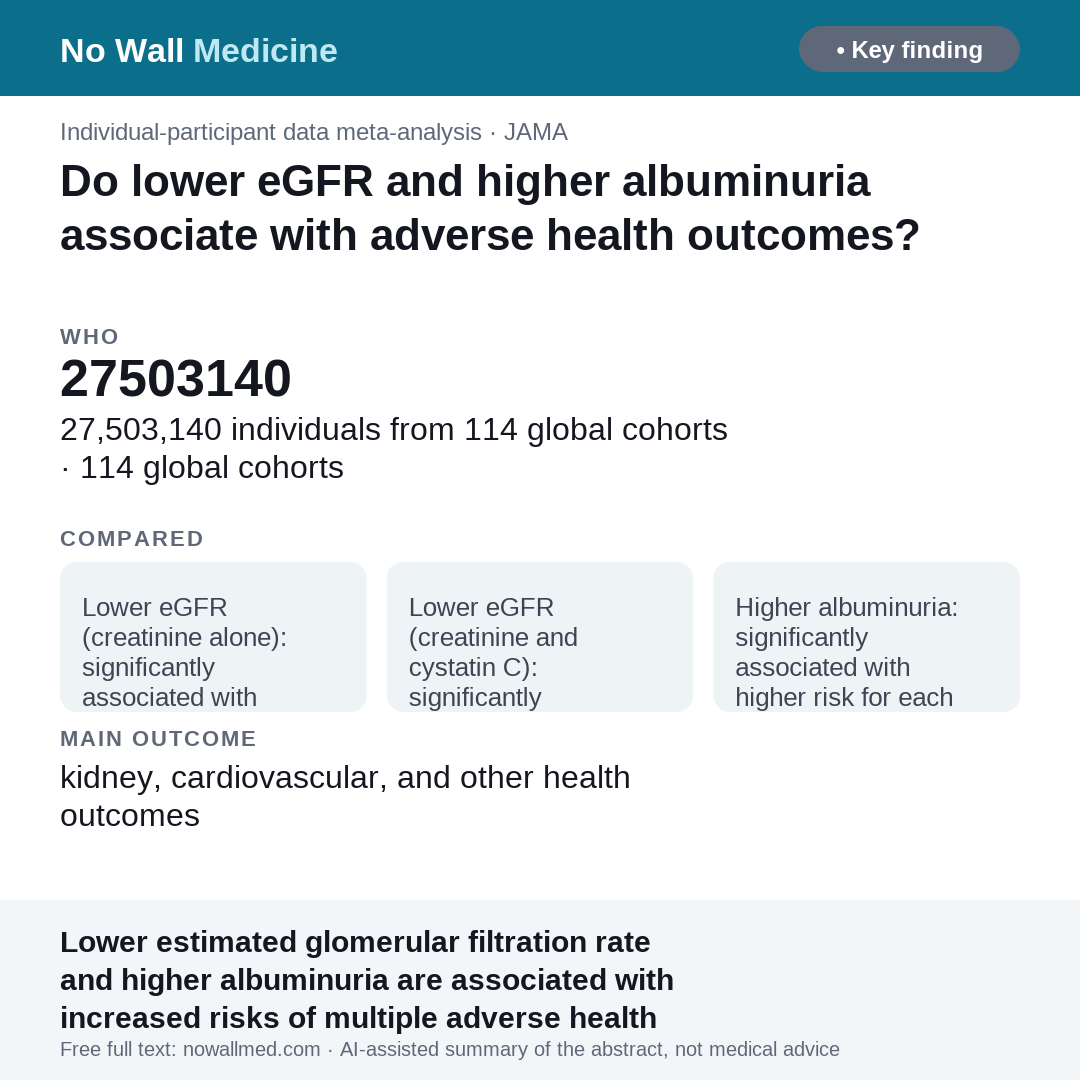
Estimated Glomerular Filtration Rate, Albuminuria, and Adverse Outcomes: An Individual-Participant Data Meta-Analysis
Individual-participant data meta-analysisHarm found
Do lower eGFR and higher albuminuria associate with adverse health outcomes?
Who
27503140
27,503,140 individuals from 114 global cohorts · 114 global cohorts
Compared
Lower eGFR (creatinine alone): significantly associated with higher risk for each of the 10 adverse outcomes
Lower eGFR (creatinine and cystatin C): significantly associated with higher risk for each of the 10 adverse outcomes
Higher albuminuria: significantly associated with higher risk for each of the 10 adverse outcomes
Main outcome
kidney, cardiovascular, and other health outcomes
Bottom line: Lower estimated glomerular filtration rate and higher albuminuria are associated with increased risks of multiple adverse health outcomes.
JAMA · 2023-10-03Download image
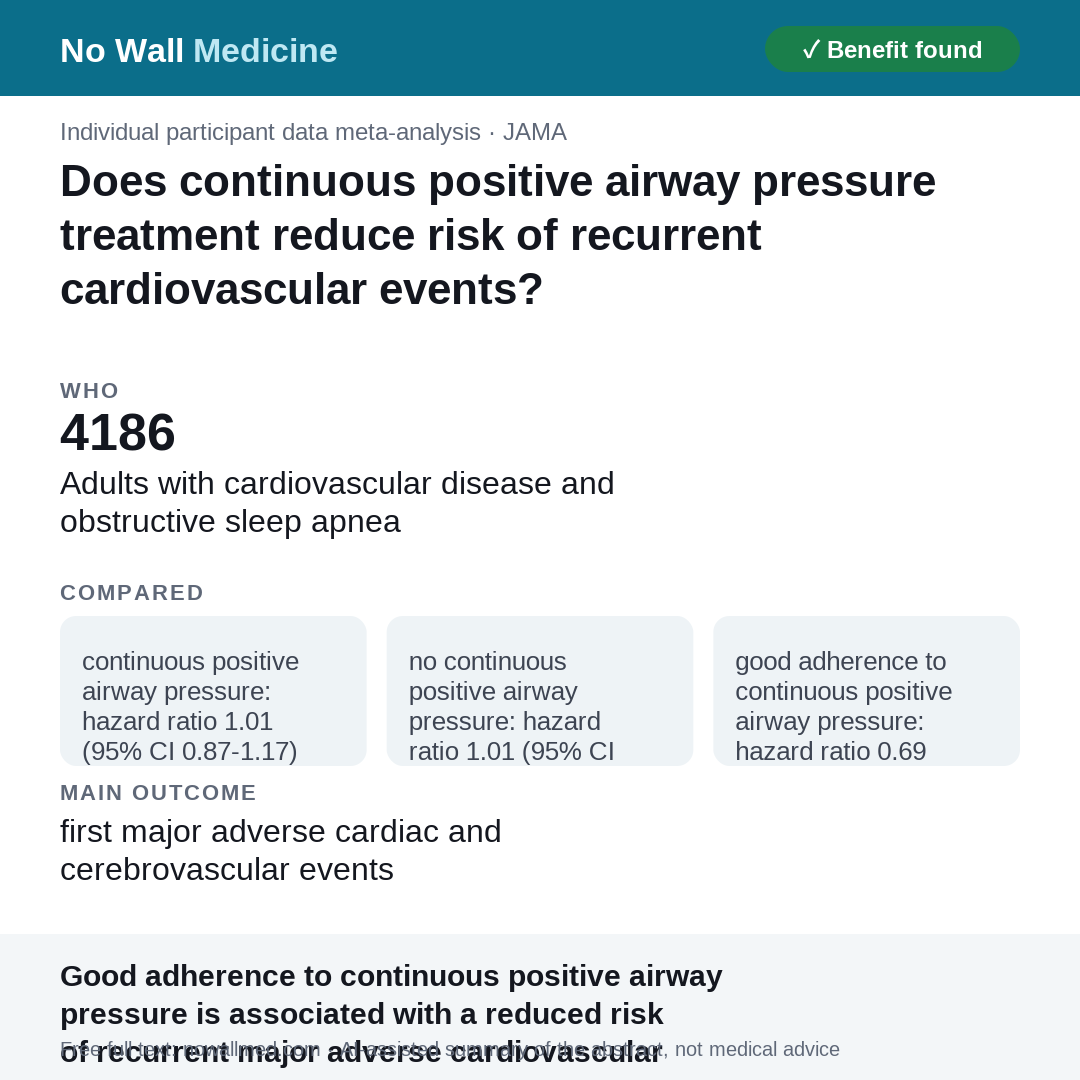
Adherence to CPAP Treatment and the Risk of Recurrent Cardiovascular Events: A Meta-Analysis
Individual participant data meta-analysisBenefit found
Does continuous positive airway pressure treatment reduce risk of recurrent cardiovascular events?
Who
4186
Adults with cardiovascular disease and obstructive sleep apnea
Compared
continuous positive airway pressure: hazard ratio 1.01 (95% CI 0.87-1.17)
no continuous positive airway pressure: hazard ratio 1.01 (95% CI 0.87-1.17)
good adherence to continuous positive airway pressure: hazard ratio 0.69 (95% CI 0.52-0.92)
Main outcome
first major adverse cardiac and cerebrovascular events
Result: hazard ratio 0.69 (95% CI 0.52-0.92) for good adherence
Bottom line: Good adherence to continuous positive airway pressure is associated with a reduced risk of recurrent major adverse cardiovascular events.
JAMA · 2023-10-03Download image
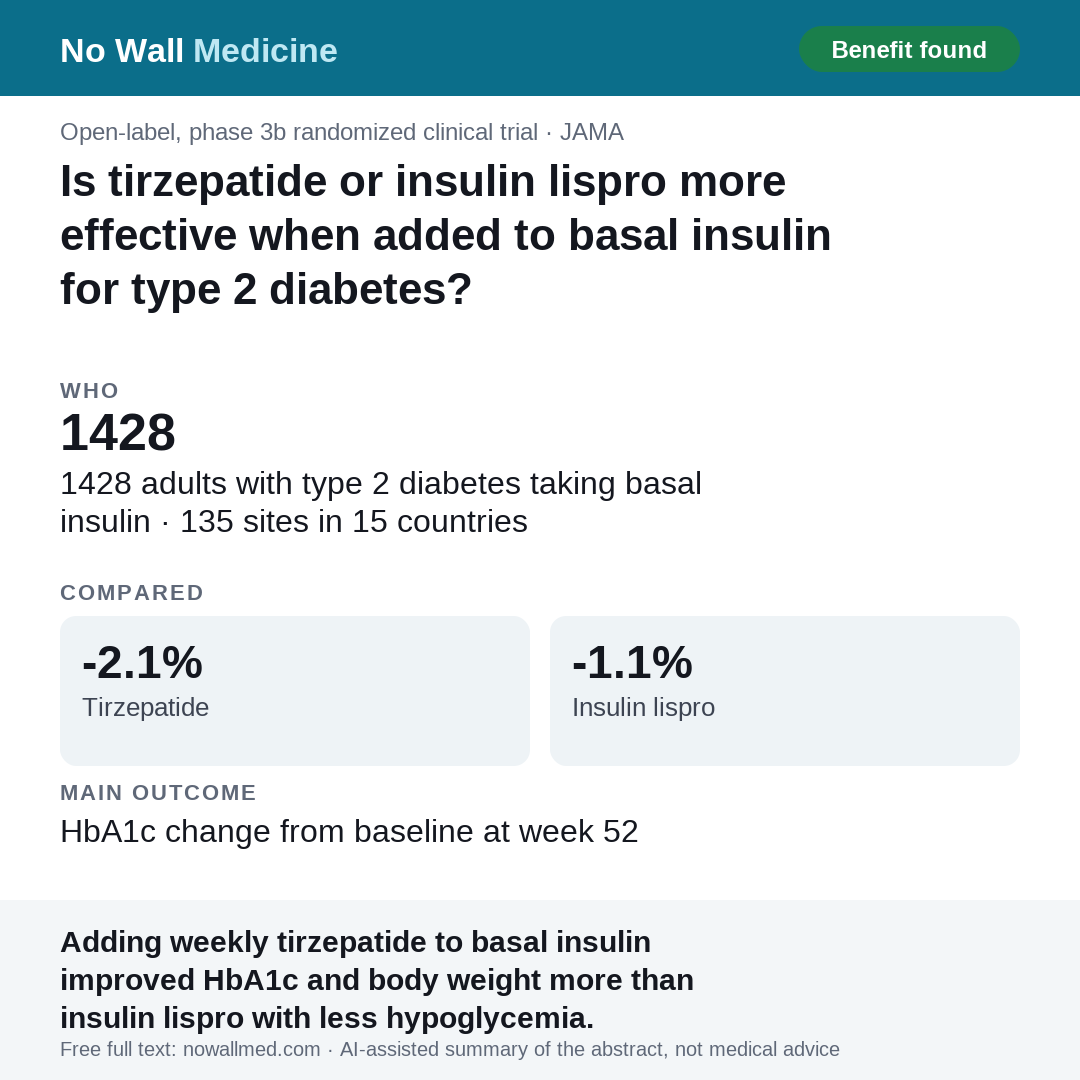
Tirzepatide vs Insulin Lispro Added to Basal Insulin in Type 2 Diabetes: The SURPASS-6 Randomized Clinical Trial
Open-label, phase 3b randomized clinical trialBenefit found
Is tirzepatide or insulin lispro more effective when added to basal insulin for type 2 diabetes?
Who
1428
1428 adults with type 2 diabetes taking basal insulin · 135 sites in 15 countries
Compared
-2.1%Tirzepatide
-1.1%Insulin lispro
Main outcome
HbA1c change from baseline at week 52
Result: estimated treatment difference, -0.98% (95% CI, -1.17% to -0.79%)
Bottom line: Adding weekly tirzepatide to basal insulin improved HbA1c and body weight more than insulin lispro with less hypoglycemia.
JAMA · 2023-10-03Download image
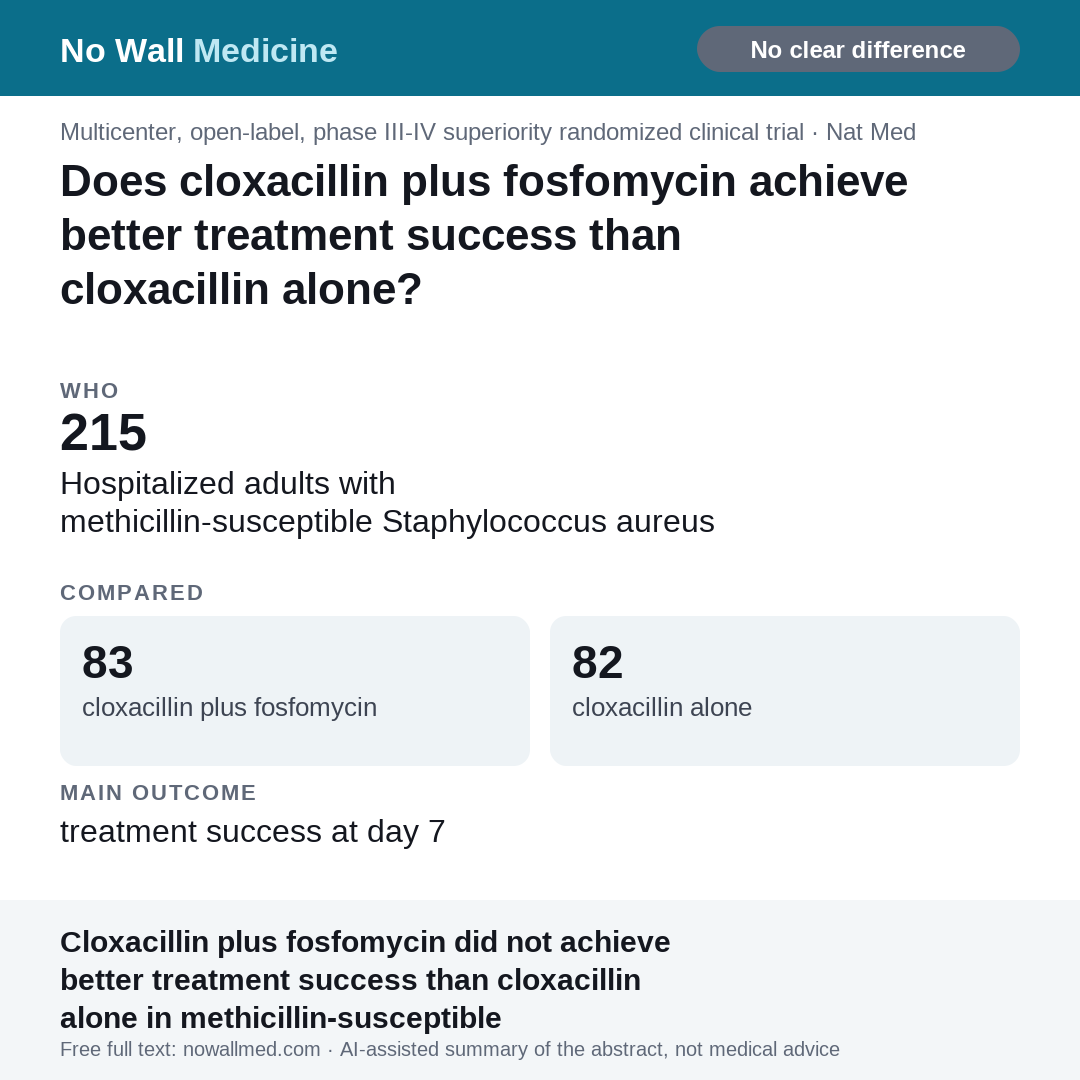
Cloxacillin plus fosfomycin versus cloxacillin alone for methicillin-susceptible Staphylococcus aureus bacteremia: a randomized trial
Multicenter, open-label, phase III-IV superiority randomized clinical trialNo clear difference
Does cloxacillin plus fosfomycin achieve better treatment success than cloxacillin alone?
Who
215
Hospitalized adults with methicillin-susceptible Staphylococcus aureus bacteremia · Multicenter
Compared
83cloxacillin plus fosfomycin (79.8%)
82cloxacillin alone (74.5%)
Main outcome
treatment success at day 7
Result: risk difference 5.3% (95% CI -5.95 to 16.48)
Bottom line: Cloxacillin plus fosfomycin did not achieve better treatment success than cloxacillin alone in methicillin-susceptible Staphylococcus aureus bacteremia.
Nat Med · 2023-10-02Download image
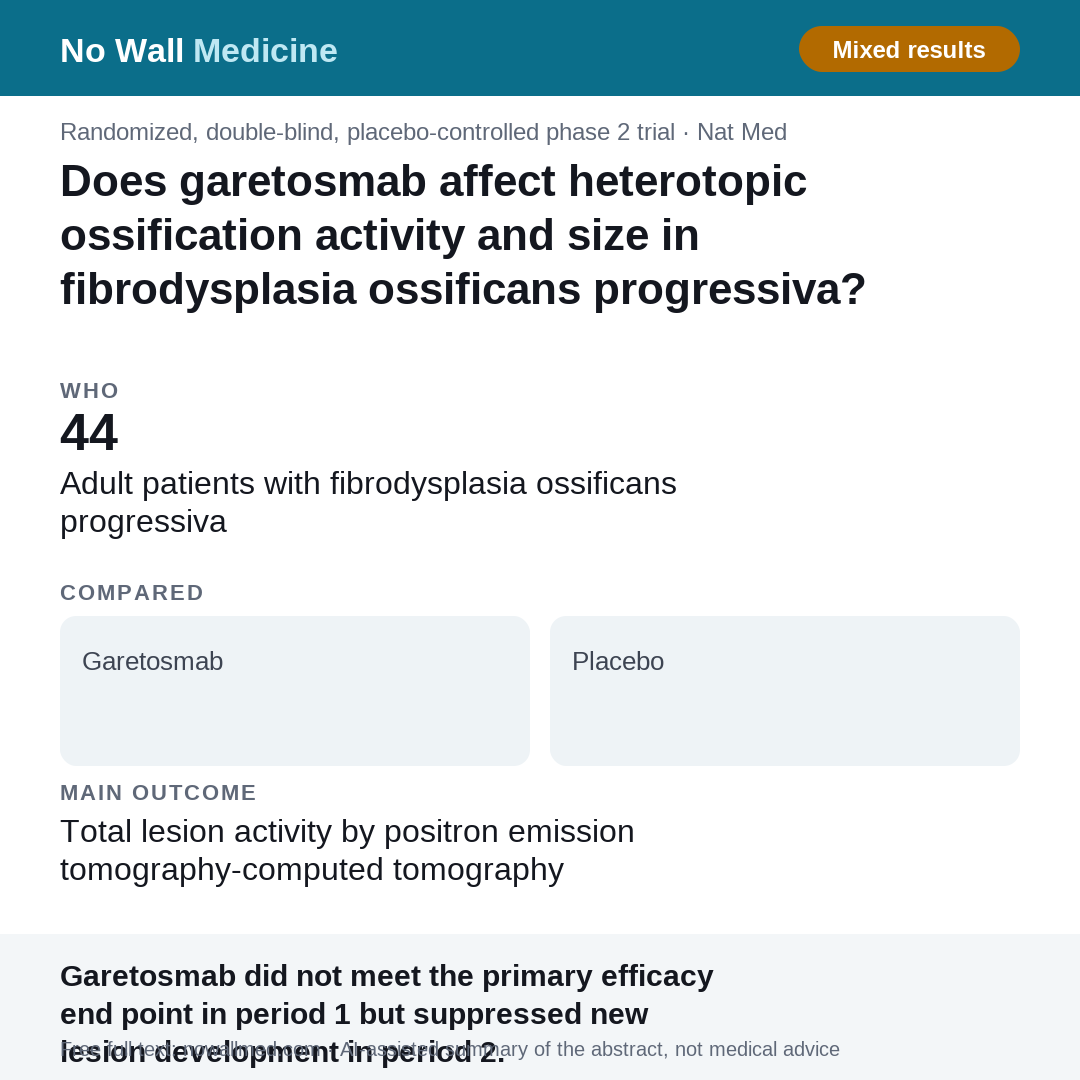
Garetosmab in fibrodysplasia ossificans progressiva: a randomized, double-blind, placebo-controlled phase 2 trial
Randomized, double-blind, placebo-controlled phase 2 trialMixed results
Does garetosmab affect heterotopic ossification activity and size in fibrodysplasia ossificans progressiva?
Who
44
Adult patients with fibrodysplasia ossificans progressiva
Compared
Garetosmab
Placebo
Main outcome
Total lesion activity by positron emission tomography-computed tomography
Result: P = 0.0741
Bottom line: Garetosmab did not meet the primary efficacy end point in period 1 but suppressed new lesion development in period 2.
Nat Med · 2023-09-28Download image
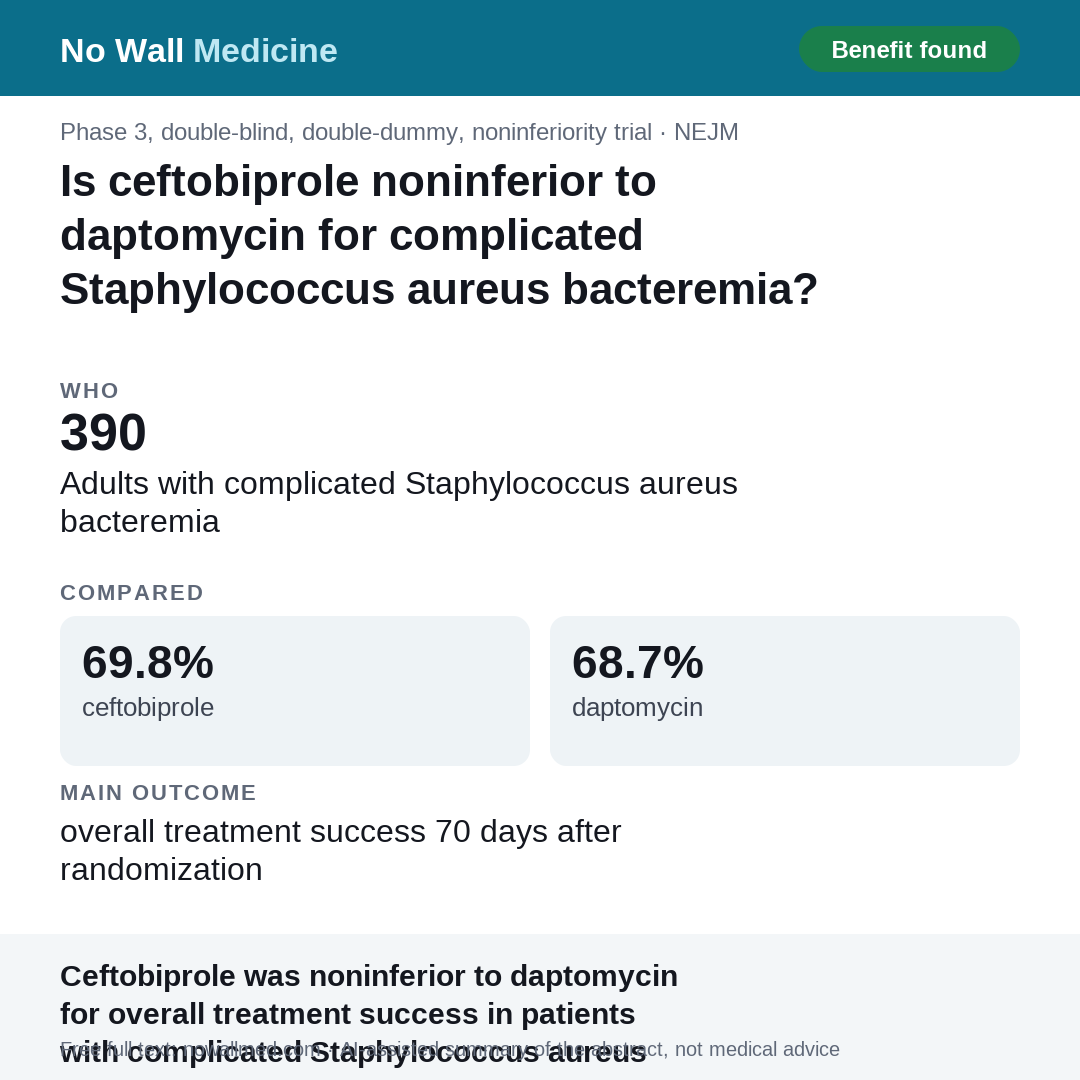
Ceftobiprole for Treatment of Complicated Staphylococcus aureus Bacteremia
Phase 3, double-blind, double-dummy, noninferiority trialBenefit found
Is ceftobiprole noninferior to daptomycin for complicated Staphylococcus aureus bacteremia?
Who
390
Adults with complicated Staphylococcus aureus bacteremia
Compared
69.8%ceftobiprole
68.7%daptomycin
Main outcome
overall treatment success 70 days after randomization
Result: adjusted difference, 2.0 percentage points; 95% confidence interval [-7.1 to 11.1]
Bottom line: Ceftobiprole was noninferior to daptomycin for overall treatment success in patients with complicated Staphylococcus aureus bacteremia.
Funded by: Basilea Pharmaceutica International and the U.S. Department of Health and Human Services
NEJM · 2023-09-27Download image
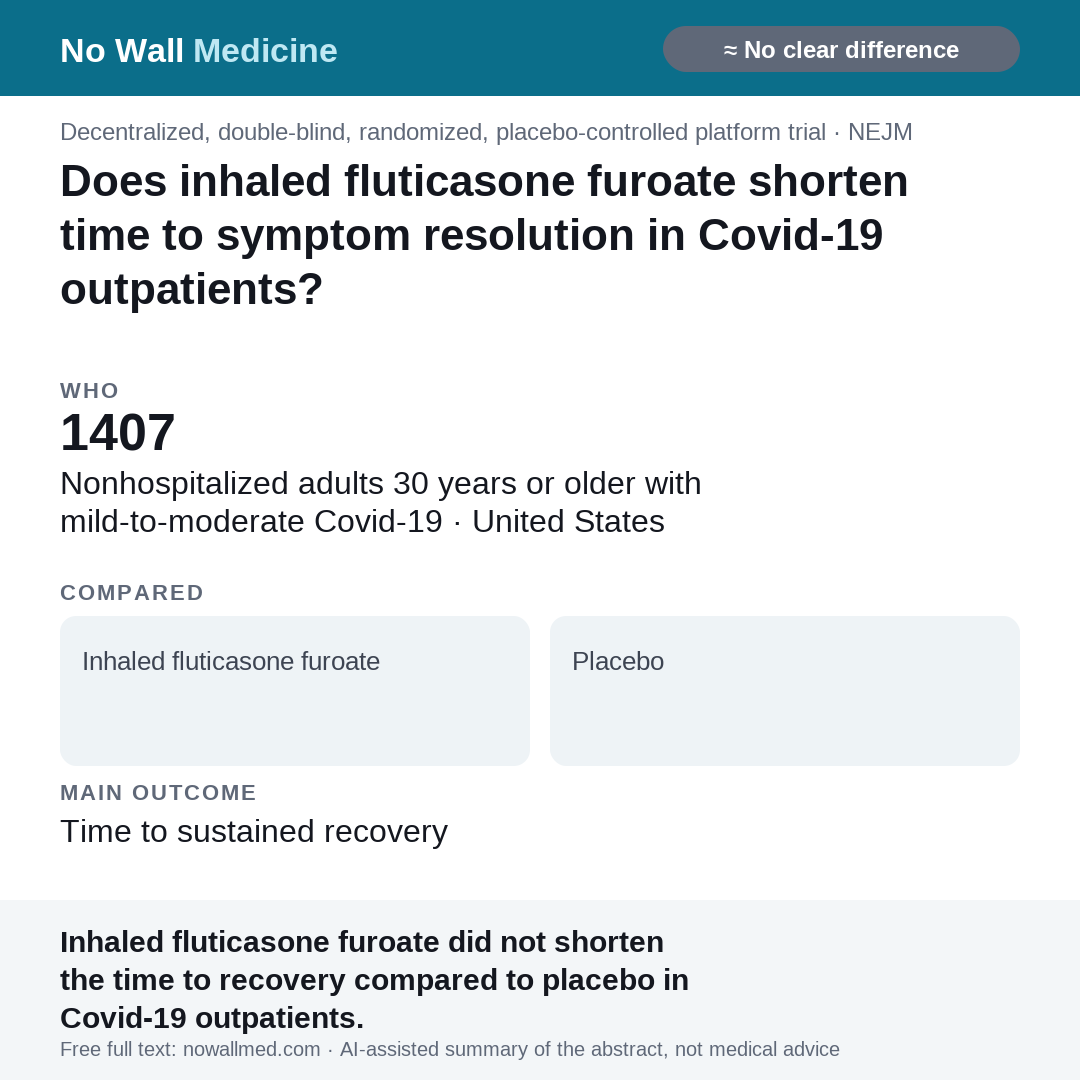
Inhaled Fluticasone Furoate for Outpatient Treatment of Covid-19
Decentralized, double-blind, randomized, placebo-controlled platform trialNo clear difference
Does inhaled fluticasone furoate shorten time to symptom resolution in Covid-19 outpatients?
Who
1407
Nonhospitalized adults 30 years or older with mild-to-moderate Covid-19 · United States
Compared
Inhaled fluticasone furoate
Placebo
Main outcome
Time to sustained recovery
Result: hazard ratio 1.01 (95% credible interval 0.91 to 1.12)
Bottom line: Inhaled fluticasone furoate did not shorten the time to recovery compared to placebo in Covid-19 outpatients.
Funded by: National Center for Advancing Translational Sciences and others
NEJM · 2023-09-21Download image
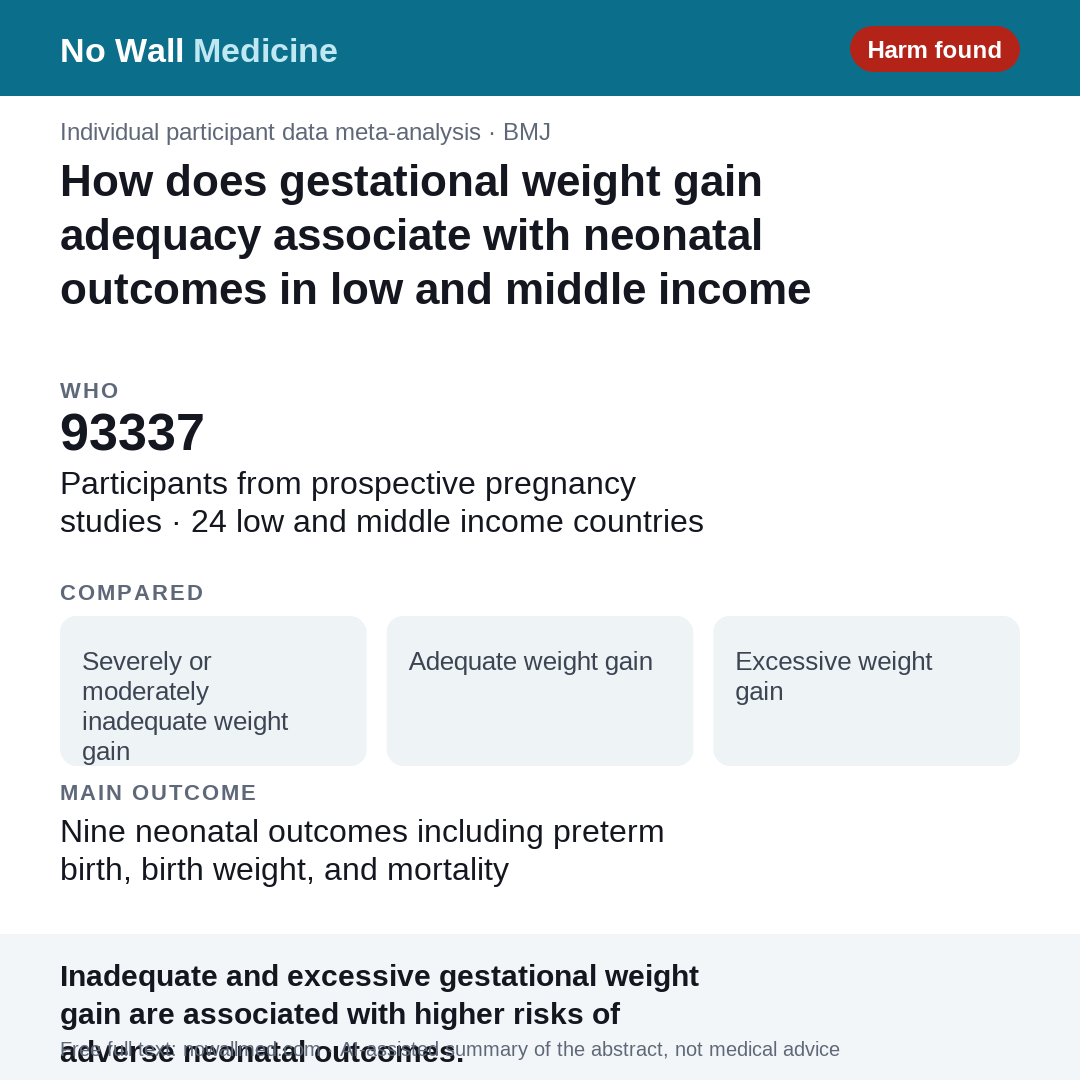
Suboptimal gestational weight gain and neonatal outcomes in low and middle income countries: individual participant data meta-analysis
Individual participant data meta-analysisHarm found
How does gestational weight gain adequacy associate with neonatal outcomes in low and middle income countries?
Who
93337
Participants from prospective pregnancy studies · 24 low and middle income countries
Compared
Severely or moderately inadequate weight gain
Adequate weight gain
Excessive weight gain
Main outcome
Nine neonatal outcomes including preterm birth, birth weight, and mortality
Bottom line: Inadequate and excessive gestational weight gain are associated with higher risks of adverse neonatal outcomes.
Limitation: Further research is needed to assess optimal weight gain ranges for low and middle income countries.
BMJ · 2023-09-21Download image
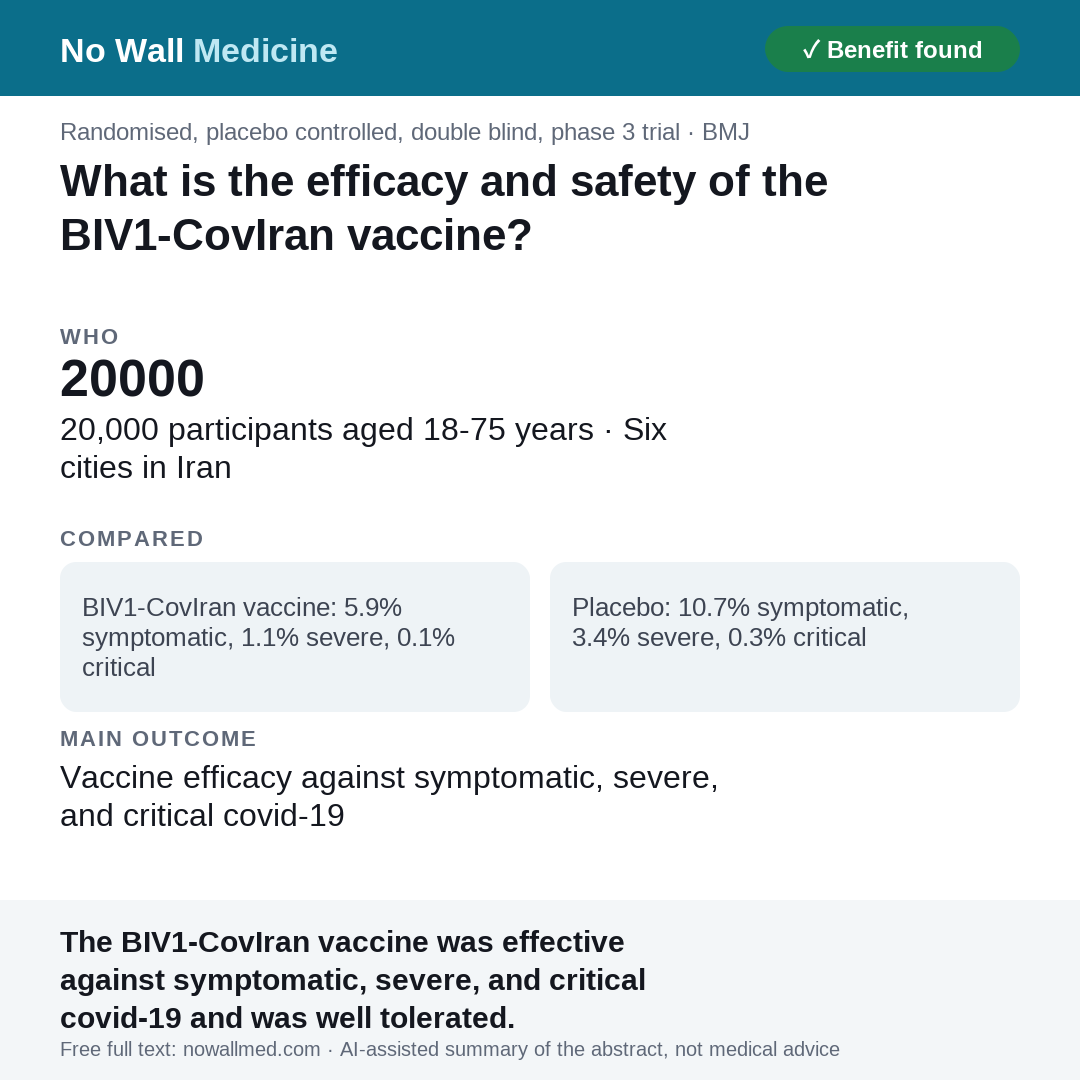
Efficacy and safety of an inactivated virus-particle vaccine for SARS-CoV-2, BIV1-CovIran: randomised, placebo controlled, double blind, multicentre, phase 3 clinical trial
Randomised, placebo controlled, double blind, phase 3 trialBenefit found
What is the efficacy and safety of the BIV1-CovIran vaccine?
Who
20000
20,000 participants aged 18-75 years · Six cities in Iran
Compared
BIV1-CovIran vaccine: 5.9% symptomatic, 1.1% severe, 0.1% critical
Placebo: 10.7% symptomatic, 3.4% severe, 0.3% critical
Main outcome
Vaccine efficacy against symptomatic, severe, and critical covid-19
Result: efficacy 50.2% (95% CI 44.7% to 55.0%) against symptomatic covid-19
Bottom line: The BIV1-CovIran vaccine was effective against symptomatic, severe, and critical covid-19 and was well tolerated.
Funded by: Shifa-Pharmed Industrial Group
BMJ · 2023-09-21Download image
Effect of invitation letter in language of origin on screening attendance: randomised controlled trial in BreastScreen Norway
Randomised controlled trialNo clear difference
Does an invitation in language of origin increase mammographic screening attendance among immigrant groups?
Who
11347
Immigrant women invited to BreastScreen Norway with specific languages of origin · Norway
Compared
46.5%Language of origin and Norwegian (2642/5683)
47.4%Norwegian only (2682/5664)
Main outcome
Attendance at BreastScreen Norway during the study period
Bottom line: Providing invitations in the language of origin did not increase mammographic screening attendance among these immigrant groups.
BMJ · 2023-09-19Download image

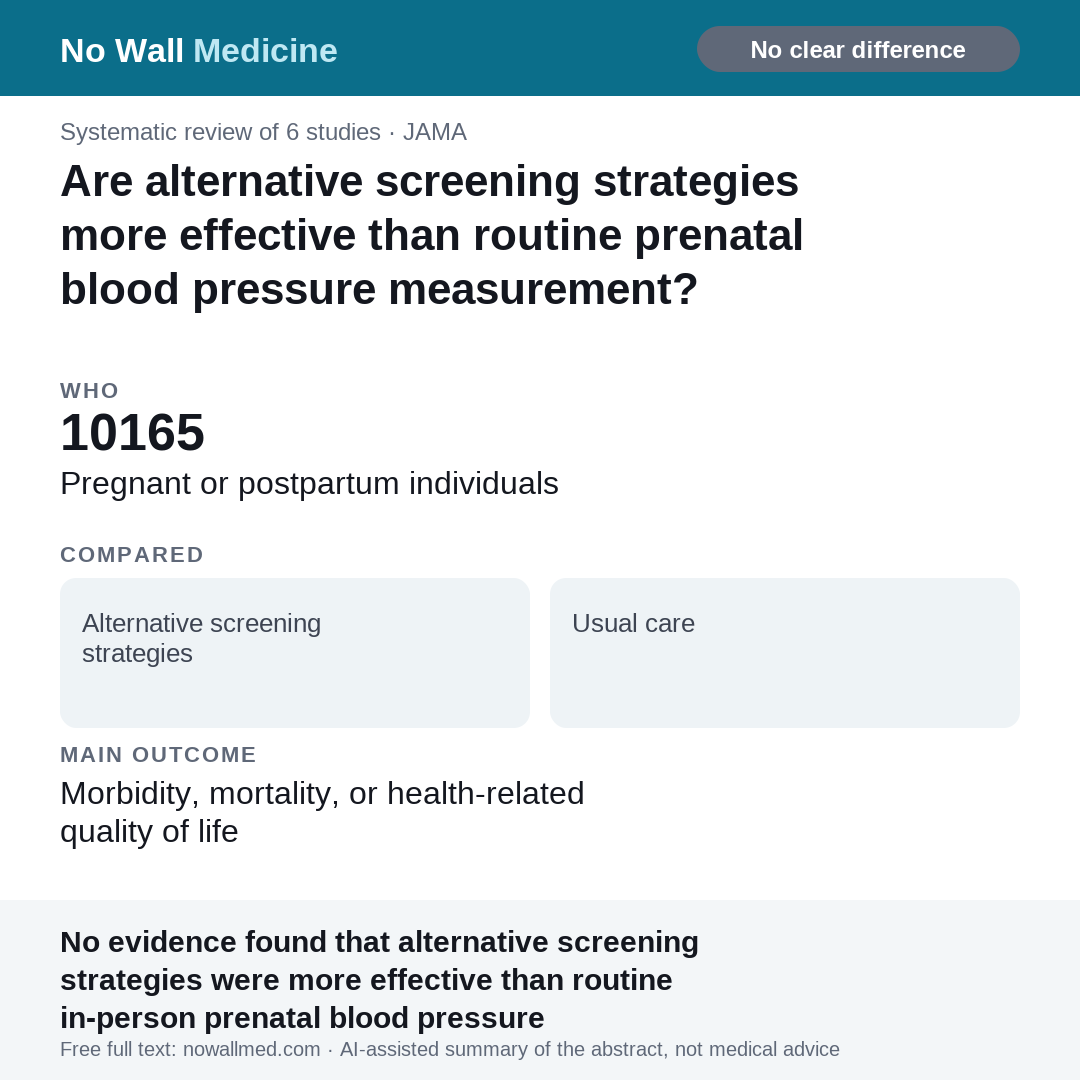
Screening for Hypertensive Disorders of Pregnancy: Updated Evidence Report and Systematic Review for the US Preventive Services Task Force
Systematic review of 6 studiesNo clear difference
Are alternative screening strategies more effective than routine prenatal blood pressure measurement?
Who
10165
Pregnant or postpartum individuals
Compared
Alternative screening strategies
Usual care
Main outcome
Morbidity, mortality, or health-related quality of life
Bottom line: No evidence found that alternative screening strategies were more effective than routine in-person prenatal blood pressure measurement.
Limitation: Estimates were imprecise for serious, rare health outcomes.
JAMA · 2023-09-18Download image
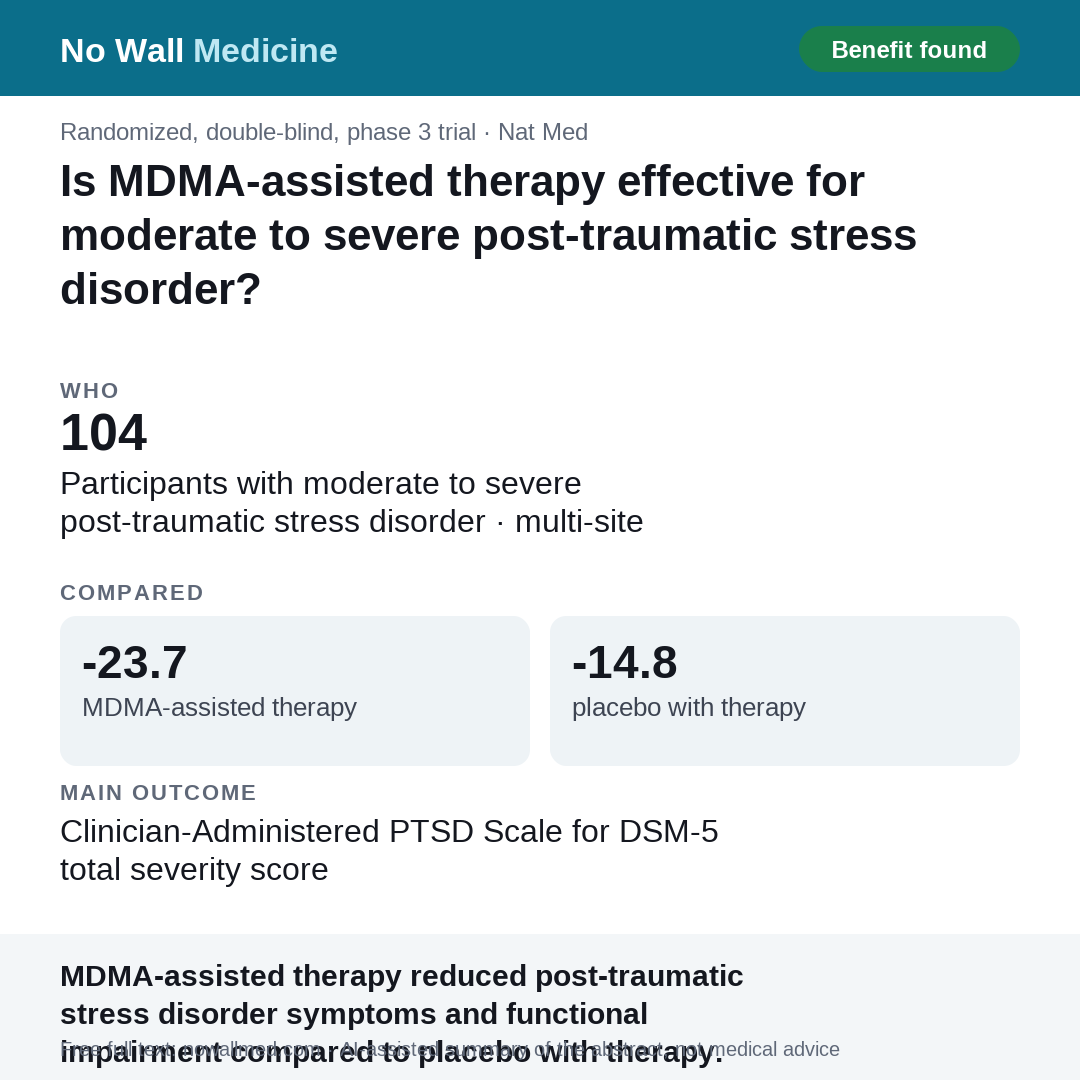
MDMA-assisted therapy for moderate to severe PTSD: a randomized, placebo-controlled phase 3 trial
Randomized, double-blind, phase 3 trialBenefit found
Is MDMA-assisted therapy effective for moderate to severe post-traumatic stress disorder?
Who
104
Participants with moderate to severe post-traumatic stress disorder · multi-site
Compared
-23.7MDMA-assisted therapy (-26.94, -20.44)
-14.8placebo with therapy (-18.28, -11.28)
Main outcome
Clinician-Administered PTSD Scale for DSM-5 total severity score
Result: d = 0.7
Bottom line: MDMA-assisted therapy reduced post-traumatic stress disorder symptoms and functional impairment compared to placebo with therapy.
Nat Med · 2023-09-14Download image
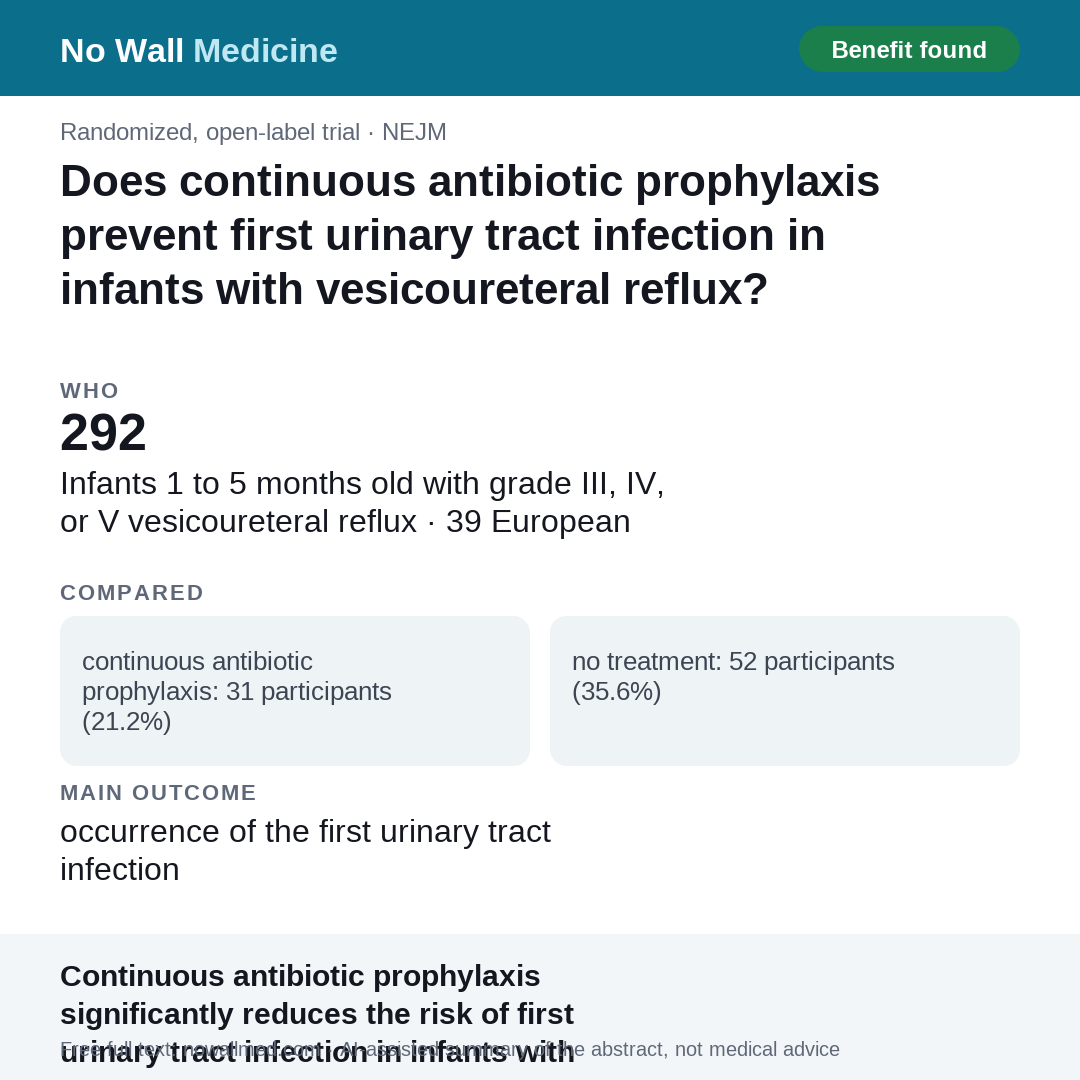
Antibiotic Prophylaxis in Infants with Grade III, IV, or V Vesicoureteral Reflux
Randomized, open-label trialBenefit found
Does continuous antibiotic prophylaxis prevent first urinary tract infection in infants with vesicoureteral reflux?
Who
292
Infants 1 to 5 months old with grade III, IV, or V vesicoureteral reflux · 39 European centers
Compared
continuous antibiotic prophylaxis: 31 participants (21.2%)
no treatment: 52 participants (35.6%)
Main outcome
occurrence of the first urinary tract infection
Result: hazard ratio 0.55 (95% CI 0.35 to 0.86)
Bottom line: Continuous antibiotic prophylaxis significantly reduces the risk of first urinary tract infection in infants with high-grade vesicoureteral reflux.
Funded by: Italian Ministry of Health and others
NEJM · 2023-09-12Download image
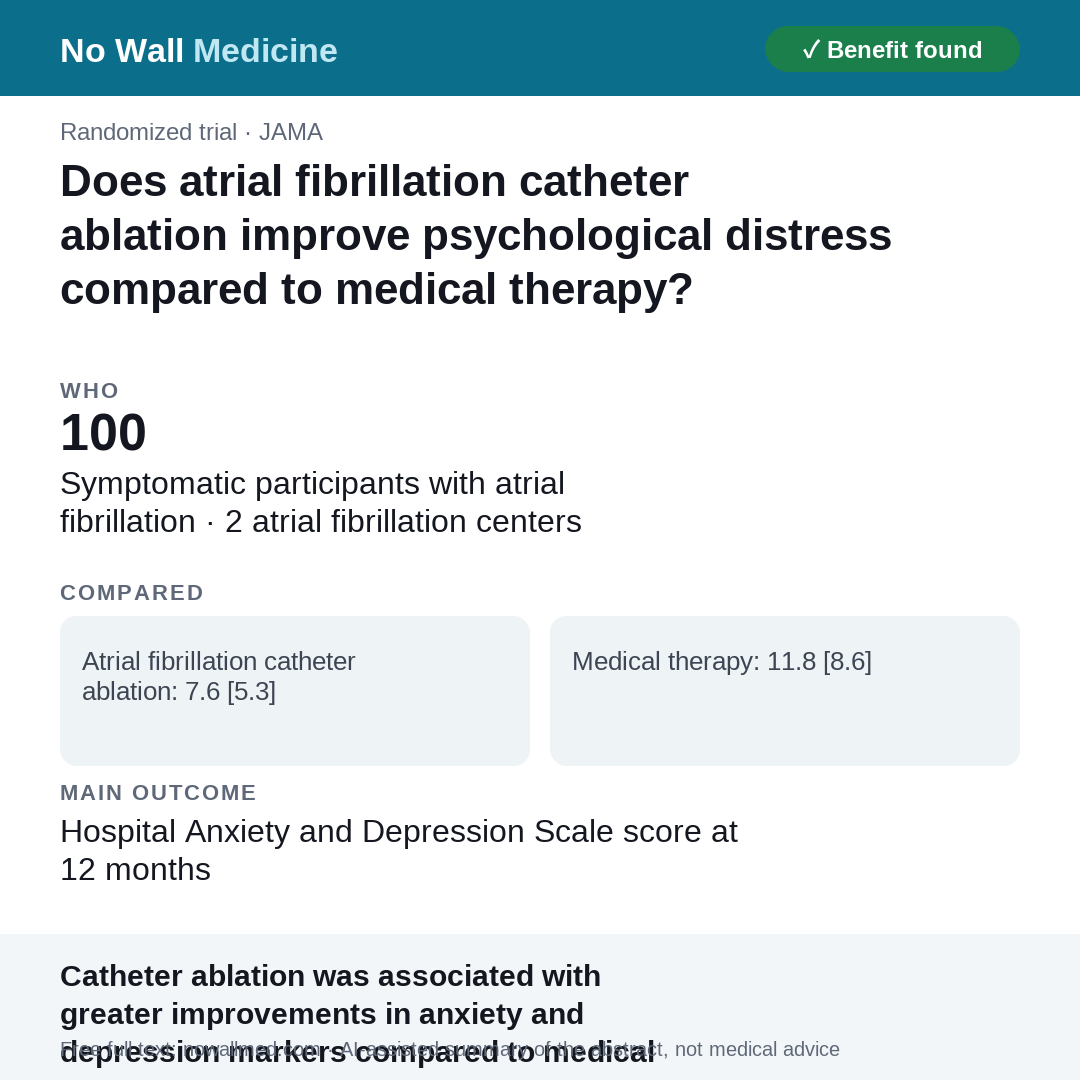
Atrial Fibrillation Catheter Ablation vs Medical Therapy and Psychological Distress: A Randomized Clinical Trial
Randomized trialBenefit found
Does atrial fibrillation catheter ablation improve psychological distress compared to medical therapy?
Who
100
Symptomatic participants with atrial fibrillation · 2 atrial fibrillation centers in Australia
Compared
Atrial fibrillation catheter ablation: 7.6 [5.3]
Medical therapy: 11.8 [8.6]
Main outcome
Hospital Anxiety and Depression Scale score at 12 months
Result: between-group difference, -4.17 [95% CI, -7.04 to -1.31]
Bottom line: Catheter ablation was associated with greater improvements in anxiety and depression markers compared to medical therapy alone.
JAMA · 2023-09-12Download image