Visual abstracts
New randomized trials and meta-analyses from leading journals at a glance: who was studied, what was compared, and what was found. Every paper is free to read in full.
All specialtiesCardiology 4877Oncology 4136Gastroenterology & Hepatology 1942Infectious Disease 3836Neurology 1904Psychiatry & Mental Health 2273Pulmonology 2143Critical Care 1364Endocrinology & Diabetes 2580Pediatrics 2980Surgery 2556Orthopedics & Sports Medicine 931Neurosurgery 537Cardiothoracic & Vascular Surgery 674Plastic & Reconstructive Surgery 591Nephrology 1133Rheumatology 823Hematology 1109Dermatology 621Ophthalmology 543Obstetrics & Gynecology 1686Public & Global Health 1058Radiology & Imaging 648Anesthesiology 986Urology 764ENT (Otolaryngology) 503Emergency Medicine 511Allergy & Immunology 313Geriatrics 979Family Medicine & Primary Care 562Medical Genetics & Genomics 676Pathology & Laboratory Medicine 159Physical Medicine & Rehabilitation 757Palliative Care 444Nutrition 1588Digital Health & AI 2197General Medicine 320
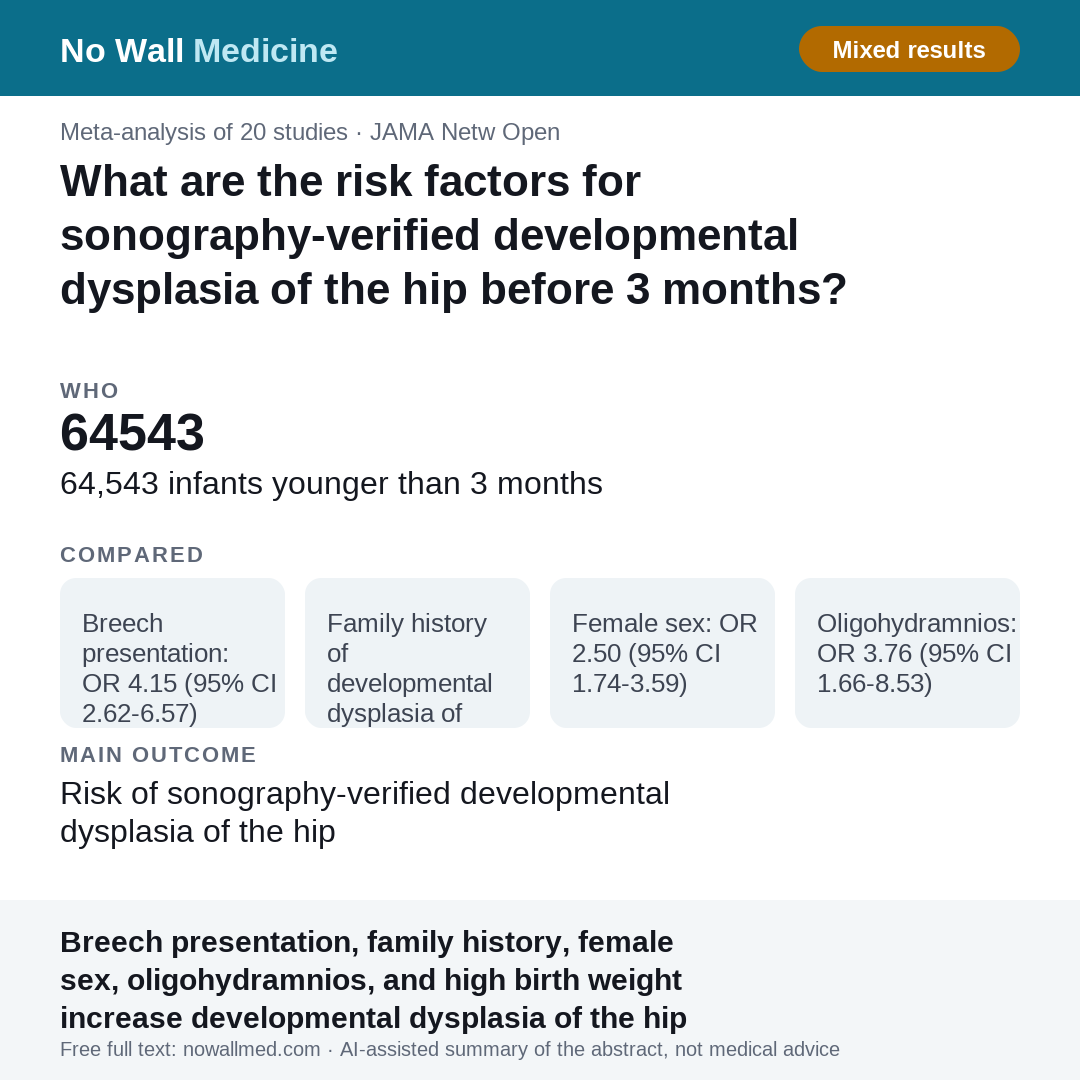
Risk Factors for Developmental Dysplasia of the Hip Before 3 Months of Age: A Meta-Analysis
Meta-analysis of 20 studiesMixed results
What are the risk factors for sonography-verified developmental dysplasia of the hip before 3 months?
Who
64543
64,543 infants younger than 3 months
Compared
Breech presentation: OR 4.15 (95% CI 2.62-6.57)
Family history of developmental dysplasia of the hip: OR 3.83 (95% CI 2.05-7.15)
Female sex: OR 2.50 (95% CI 1.74-3.59)
Oligohydramnios: OR 3.76 (95% CI 1.66-8.53)
Main outcome
Risk of sonography-verified developmental dysplasia of the hip
Bottom line: Breech presentation, family history, female sex, oligohydramnios, and high birth weight increase developmental dysplasia of the hip risk.
Limitation: Heterogeneity was high in all tested factors except high birth weight.
JAMA Netw Open · 2025-01-02Download image
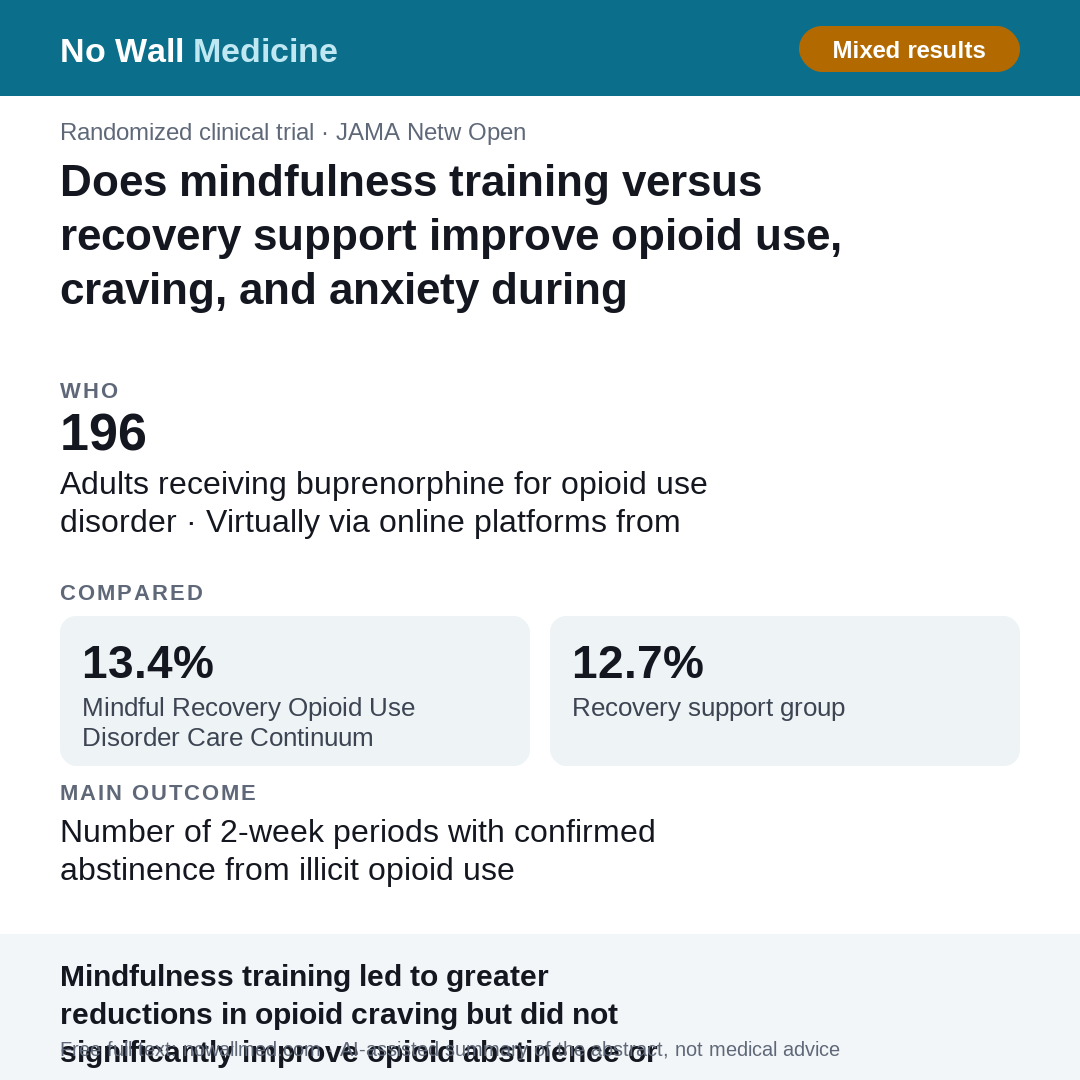
Mindfulness Training vs Recovery Support for Opioid Use, Craving, and Anxiety During Buprenorphine Treatment: A Randomized Clinical Trial
Randomized clinical trialMixed results
Does mindfulness training versus recovery support improve opioid use, craving, and anxiety during buprenorphine treatment?
Who
196
Adults receiving buprenorphine for opioid use disorder · Virtually via online platforms from 16 US states
Compared
13.4%Mindful Recovery Opioid Use Disorder Care Continuum (95% CI, 6.2%-20.5%)
12.7%Recovery support group (95% CI, 7.5%-18.0%)
Main outcome
Number of 2-week periods with confirmed abstinence from illicit opioid use
Result: -1.0 (95% CI, -1.7 to -0.2) for opioid craving
Bottom line: Mindfulness training led to greater reductions in opioid craving but did not significantly improve opioid abstinence or anxiety compared to control.
JAMA Netw Open · 2025-01-02Download image
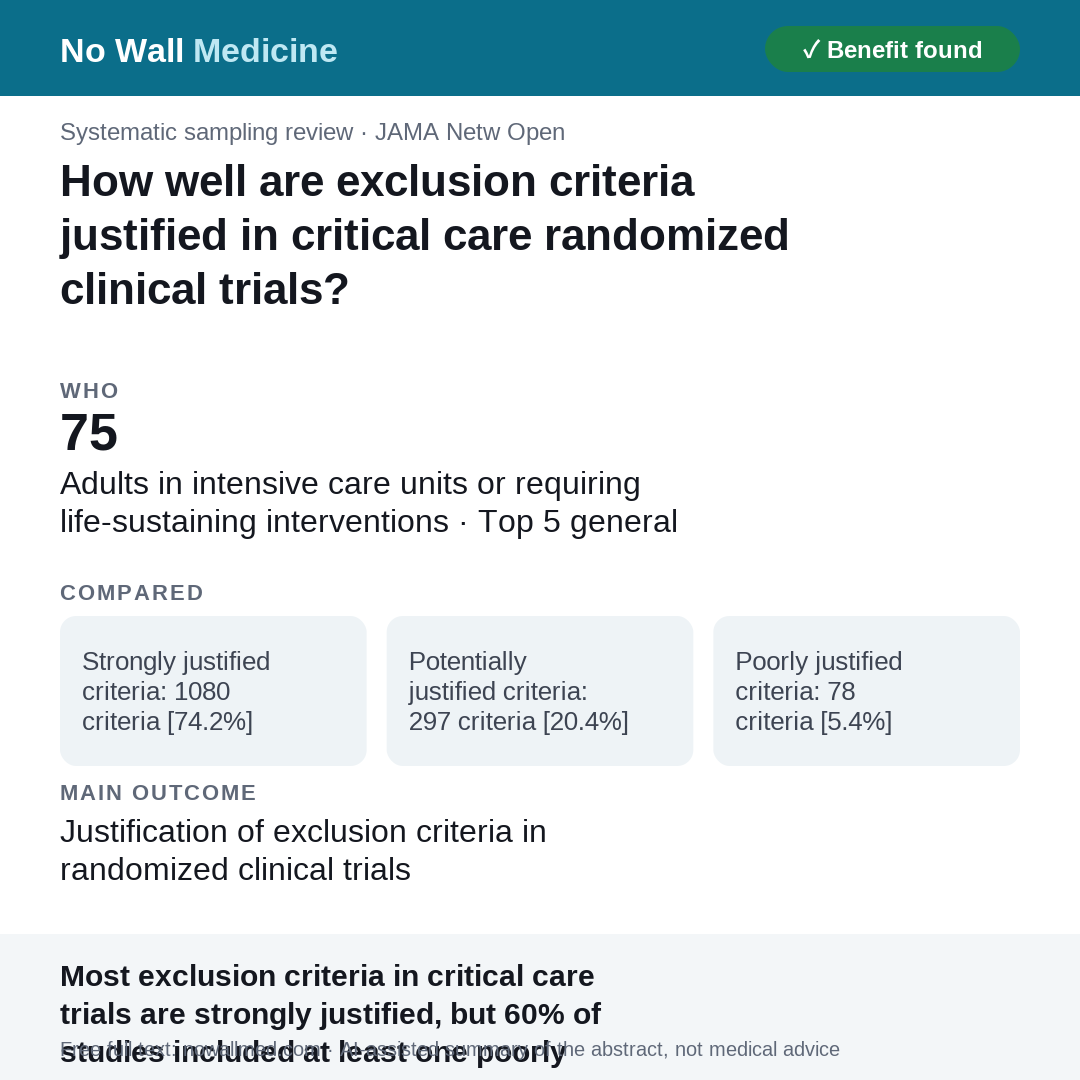
Eligibility Criteria of Randomized Clinical Trials in Critical Care Medicine
Systematic sampling reviewBenefit found
How well are exclusion criteria justified in critical care randomized clinical trials?
Who
75
Adults in intensive care units or requiring life-sustaining interventions · Top 5 general internal medicine journals
Compared
Strongly justified criteria: 1080 criteria [74.2%]
Potentially justified criteria: 297 criteria [20.4%]
Poorly justified criteria: 78 criteria [5.4%]
Main outcome
Justification of exclusion criteria in randomized clinical trials
Bottom line: Most exclusion criteria in critical care trials are strongly justified, but 60% of studies included at least one poorly justified criterion.
JAMA Netw Open · 2025-01-02Download image
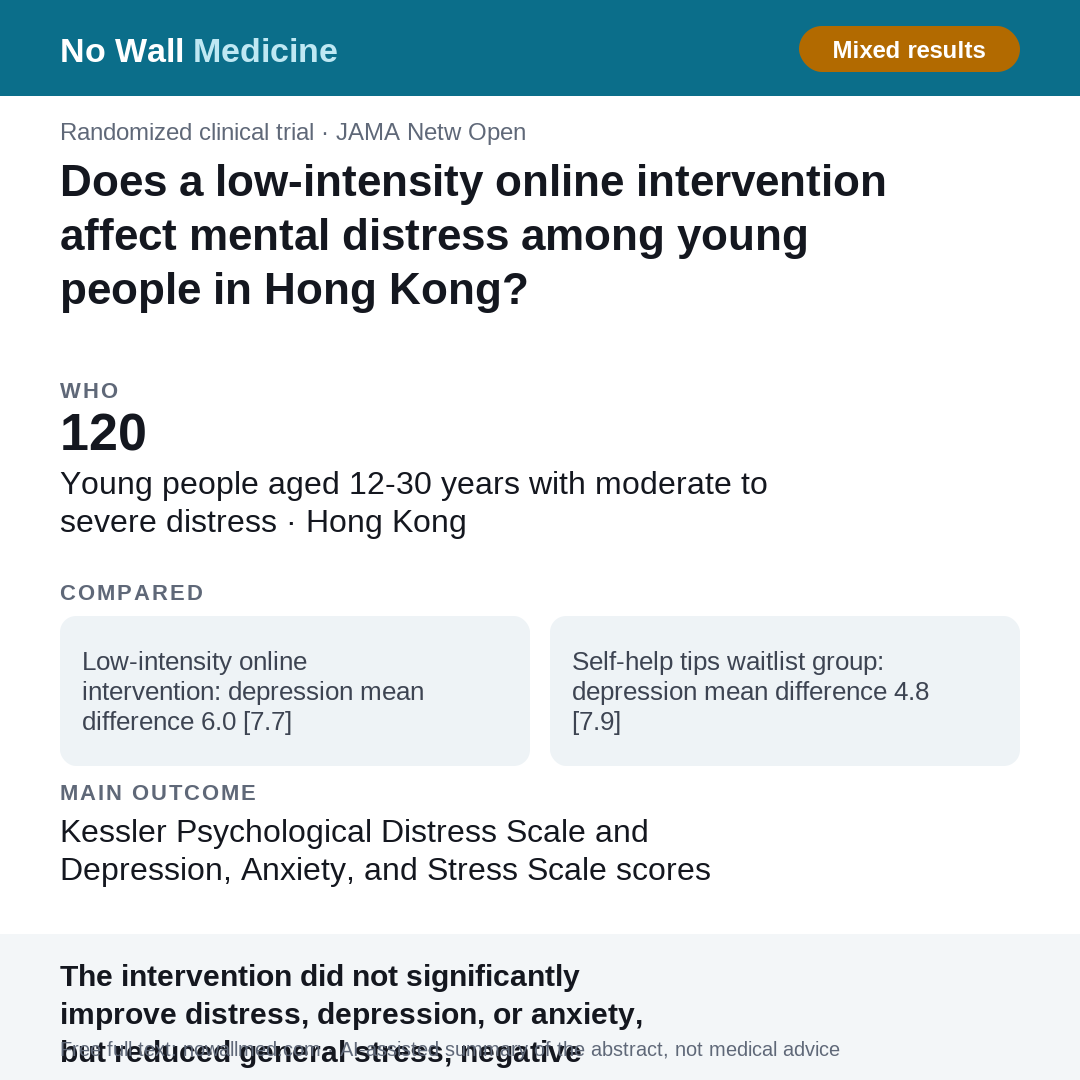
Low-Intensity Online Intervention for Mental Distress Among Help-Seeking Young People in Hong Kong: A Randomized Clinical Trial
Randomized clinical trialMixed results
Does a low-intensity online intervention affect mental distress among young people in Hong Kong?
Who
120
Young people aged 12-30 years with moderate to severe distress · Hong Kong
Compared
Low-intensity online intervention: depression mean difference 6.0 [7.7]
Self-help tips waitlist group: depression mean difference 4.8 [7.9]
Main outcome
Kessler Psychological Distress Scale and Depression, Anxiety, and Stress Scale scores
Bottom line: The intervention did not significantly improve distress, depression, or anxiety, but reduced general stress, negative emotions, and increased resilience.
Limitation: Caution is needed due to missing data.
JAMA Netw Open · 2025-01-02Download image
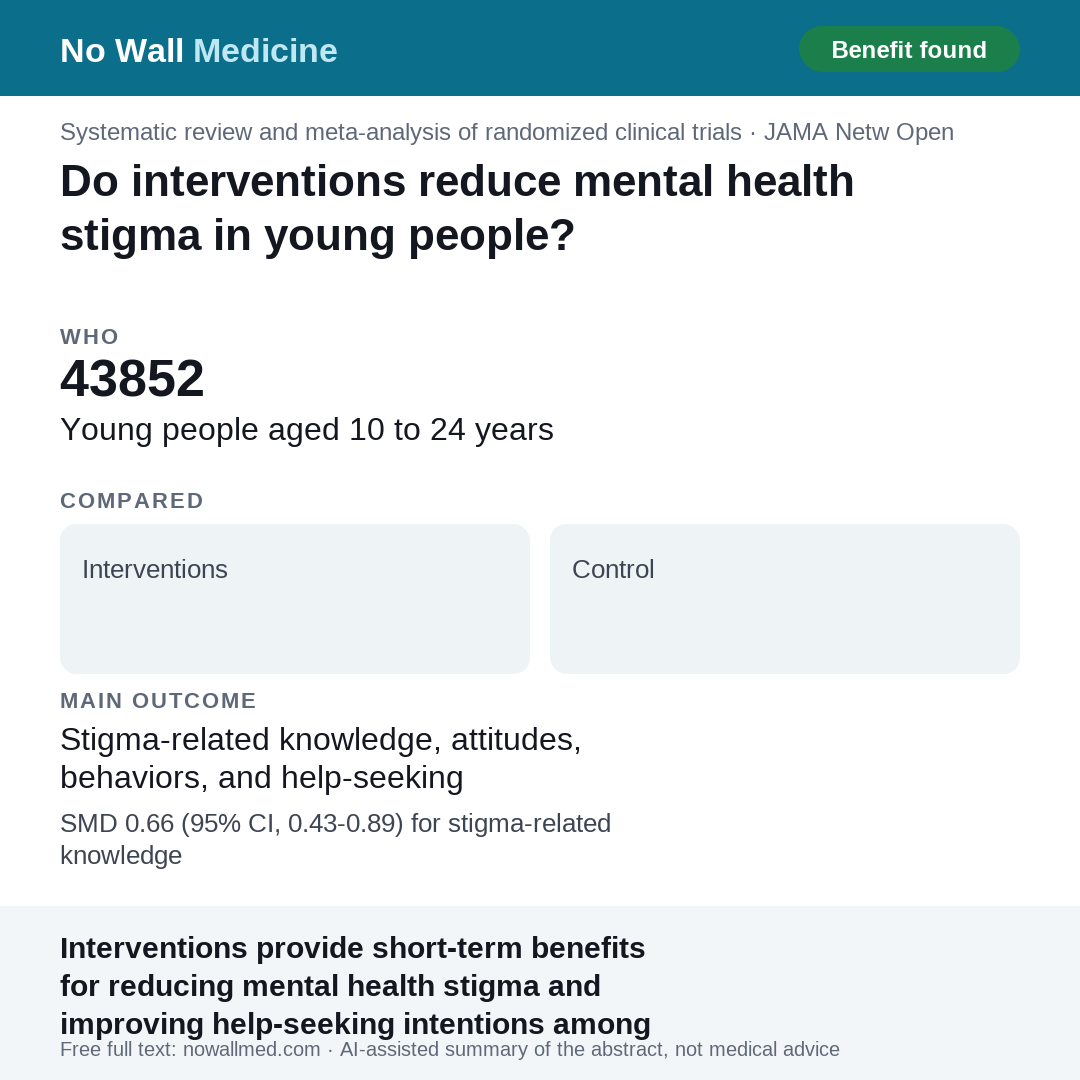
Interventions to Reduce Mental Health Stigma in Young People: A Systematic Review and Meta-Analysis
Systematic review and meta-analysis of randomized clinical trialsBenefit found
Do interventions reduce mental health stigma in young people?
Who
43852
Young people aged 10 to 24 years
Compared
Interventions
Control
Main outcome
Stigma-related knowledge, attitudes, behaviors, and help-seeking
Result: SMD 0.66 (95% CI, 0.43-0.89) for stigma-related knowledge
Bottom line: Interventions provide short-term benefits for reducing mental health stigma and improving help-seeking intentions among young people.
Limitation: Further high-quality randomized clinical trials with long-term follow-up are needed.
JAMA Netw Open · 2025-01-02Download image
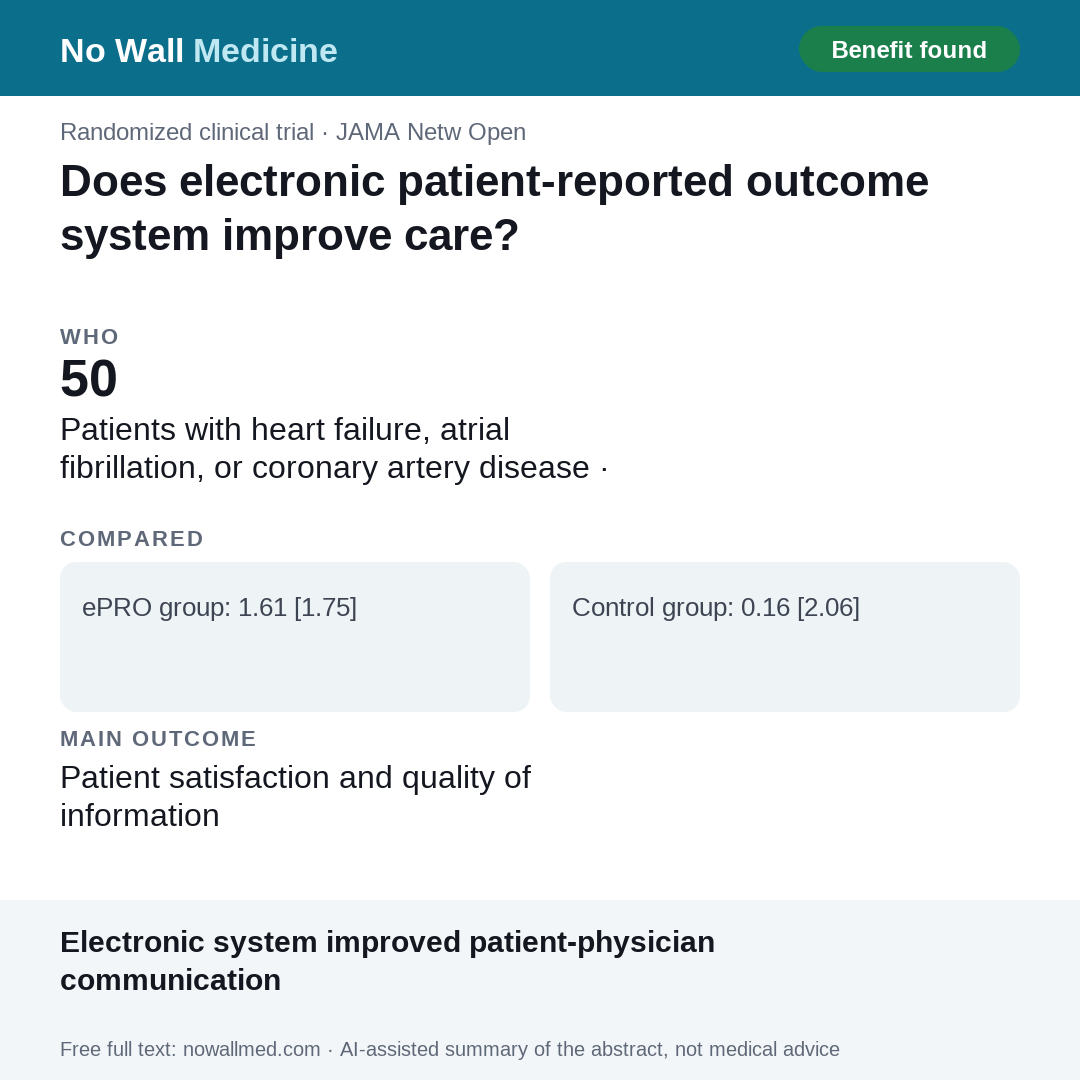
Electronic Patient-Reported Outcome System Implementation in Outpatient Cardiovascular Care: A Randomized Clinical Trial
Randomized clinical trialBenefit found
Does electronic patient-reported outcome system improve care?
Who
50
Patients with heart failure, atrial fibrillation, or coronary artery disease · Outpatient clinics in Japan
Compared
ePRO group: 1.61 [1.75]
Control group: 0.16 [2.06]
Main outcome
Patient satisfaction and quality of information
Bottom line: Electronic system improved patient-physician communication
JAMA Netw Open · 2025-01-02Download image
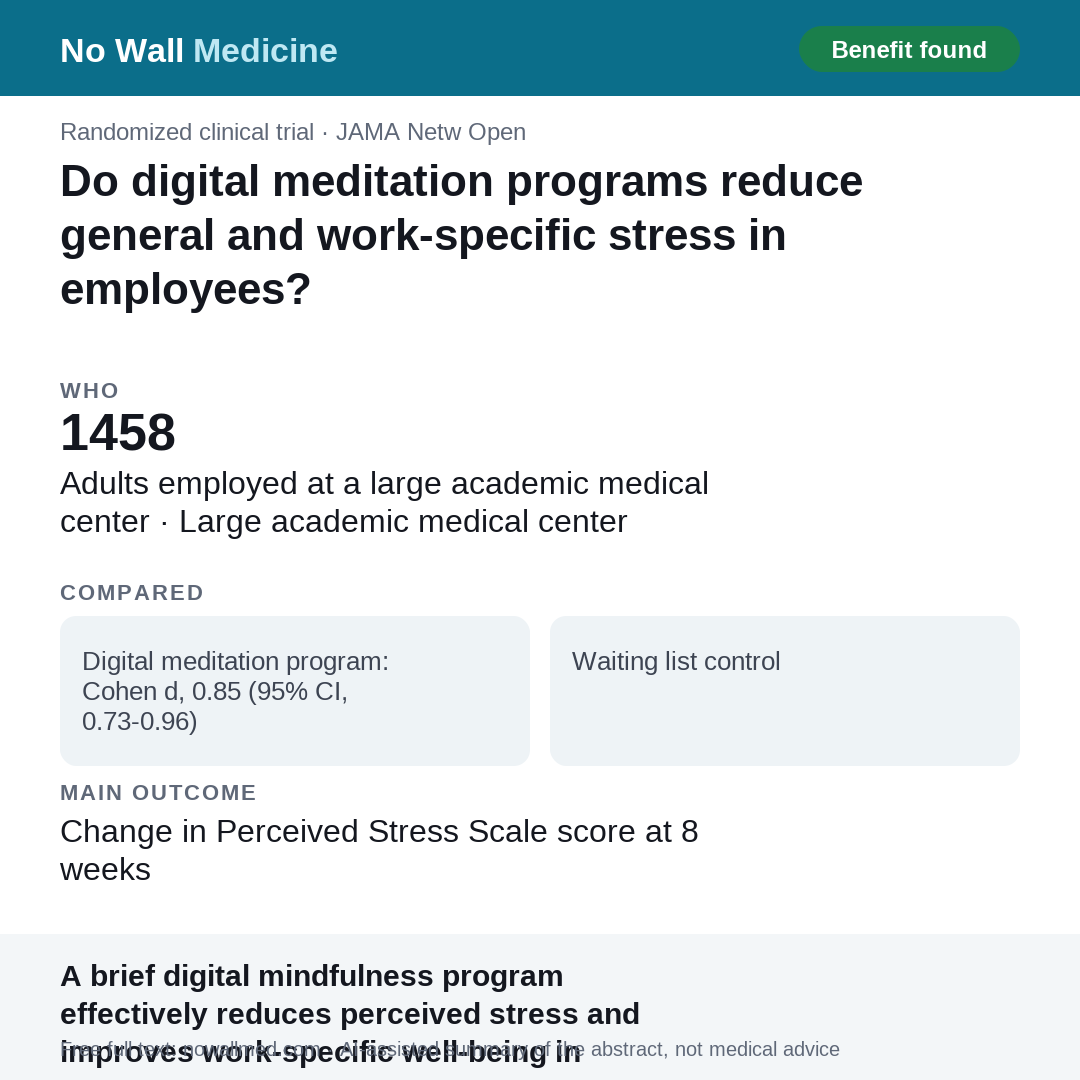
Digital Meditation to Target Employee Stress: A Randomized Clinical Trial
Randomized clinical trialBenefit found
Do digital meditation programs reduce general and work-specific stress in employees?
Who
1458
Adults employed at a large academic medical center · Large academic medical center
Compared
Digital meditation program: Cohen d, 0.85 (95% CI, 0.73-0.96)
Waiting list control
Main outcome
Change in Perceived Stress Scale score at 8 weeks
Result: Cohen d, 0.85 (95% CI, 0.73-0.96)
Bottom line: A brief digital mindfulness program effectively reduces perceived stress and improves work-specific well-being in employees.
Limitation: Future work should seek to clarify mechanisms of improvement.
JAMA Netw Open · 2025-01-02Download image
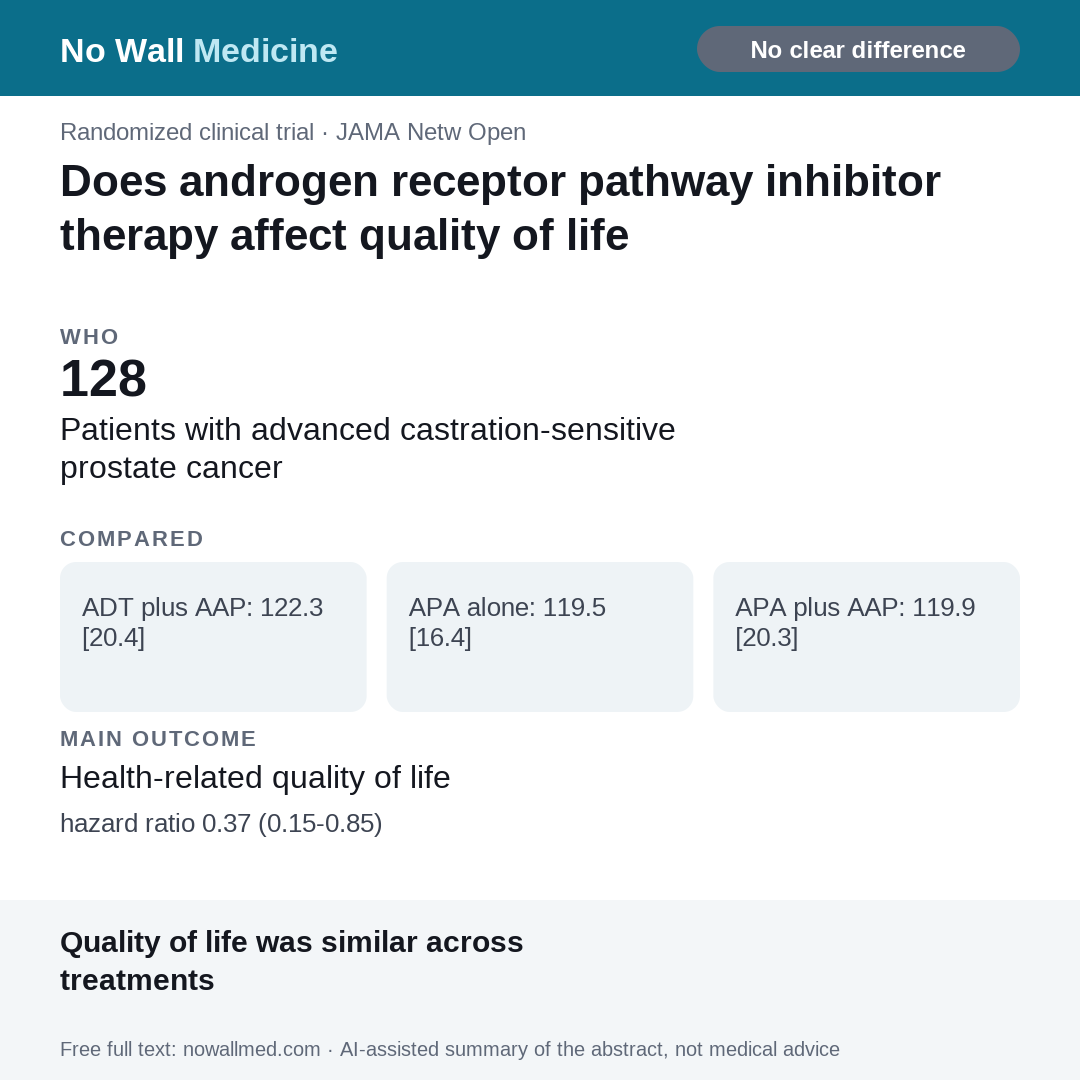
Androgen Receptor Pathway Inhibitor Therapy for Advanced Prostate Cancer: Secondary Analysis of a Randomized Clinical Trial
Randomized clinical trialNo clear difference
Does androgen receptor pathway inhibitor therapy affect quality of life
Who
128
Patients with advanced castration-sensitive prostate cancer
Compared
ADT plus AAP: 122.3 [20.4]
APA alone: 119.5 [16.4]
APA plus AAP: 119.9 [20.3]
Main outcome
Health-related quality of life
Result: hazard ratio 0.37 (0.15-0.85)
Bottom line: Quality of life was similar across treatments
Limitation: short follow-up period
JAMA Netw Open · 2025-01-02Download image
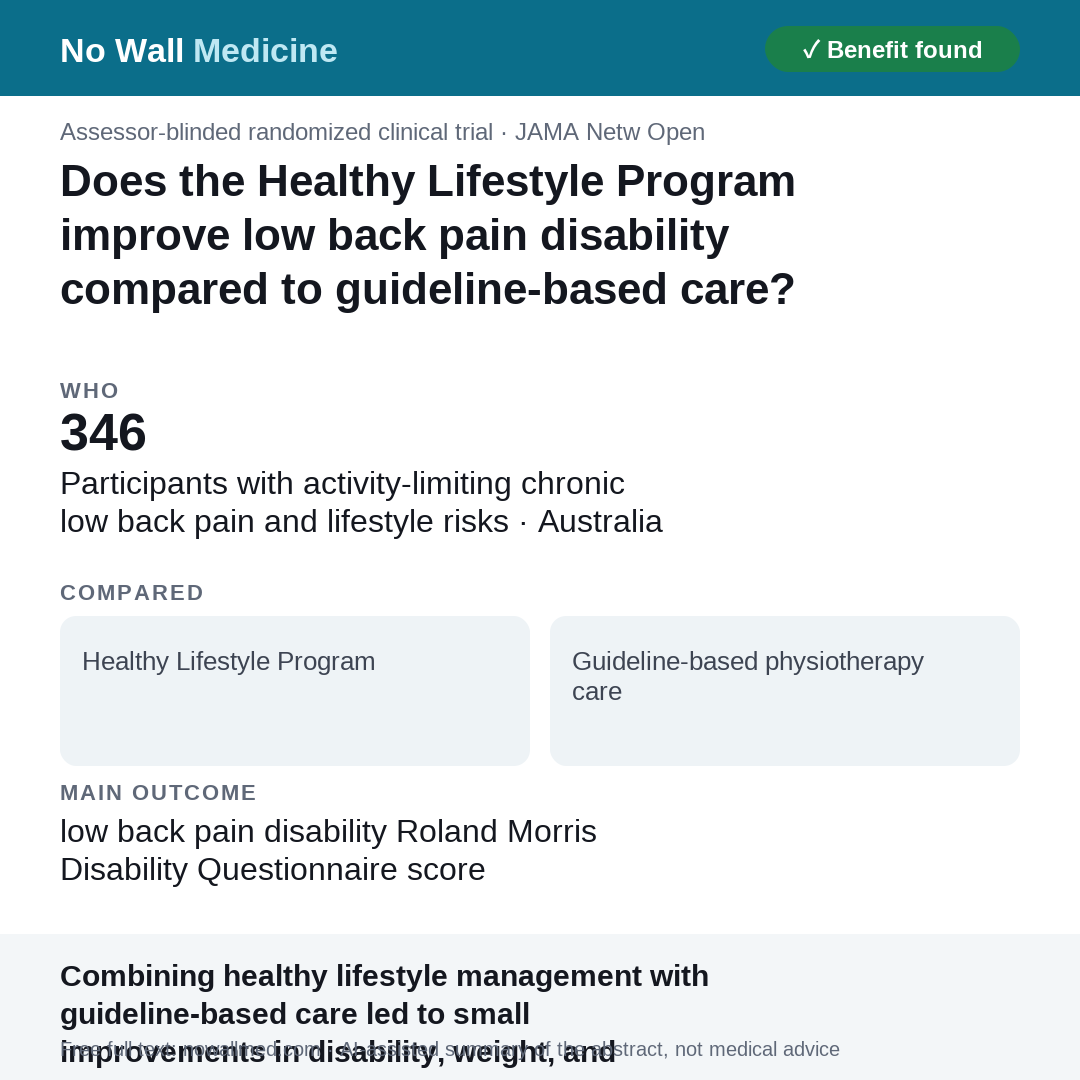
Healthy Lifestyle Care vs Guideline-Based Care for Low Back Pain: A Randomized Clinical Trial
Assessor-blinded randomized clinical trialBenefit found
Does the Healthy Lifestyle Program improve low back pain disability compared to guideline-based care?
Who
346
Participants with activity-limiting chronic low back pain and lifestyle risks · Australia
Compared
Healthy Lifestyle Program
Guideline-based physiotherapy care
Main outcome
low back pain disability Roland Morris Disability Questionnaire score
Result: -1.3 points (95% CI, -2.5 to -0.2 points)
Bottom line: Combining healthy lifestyle management with guideline-based care led to small improvements in disability, weight, and quality of life.
JAMA Netw Open · 2025-01-02Download image
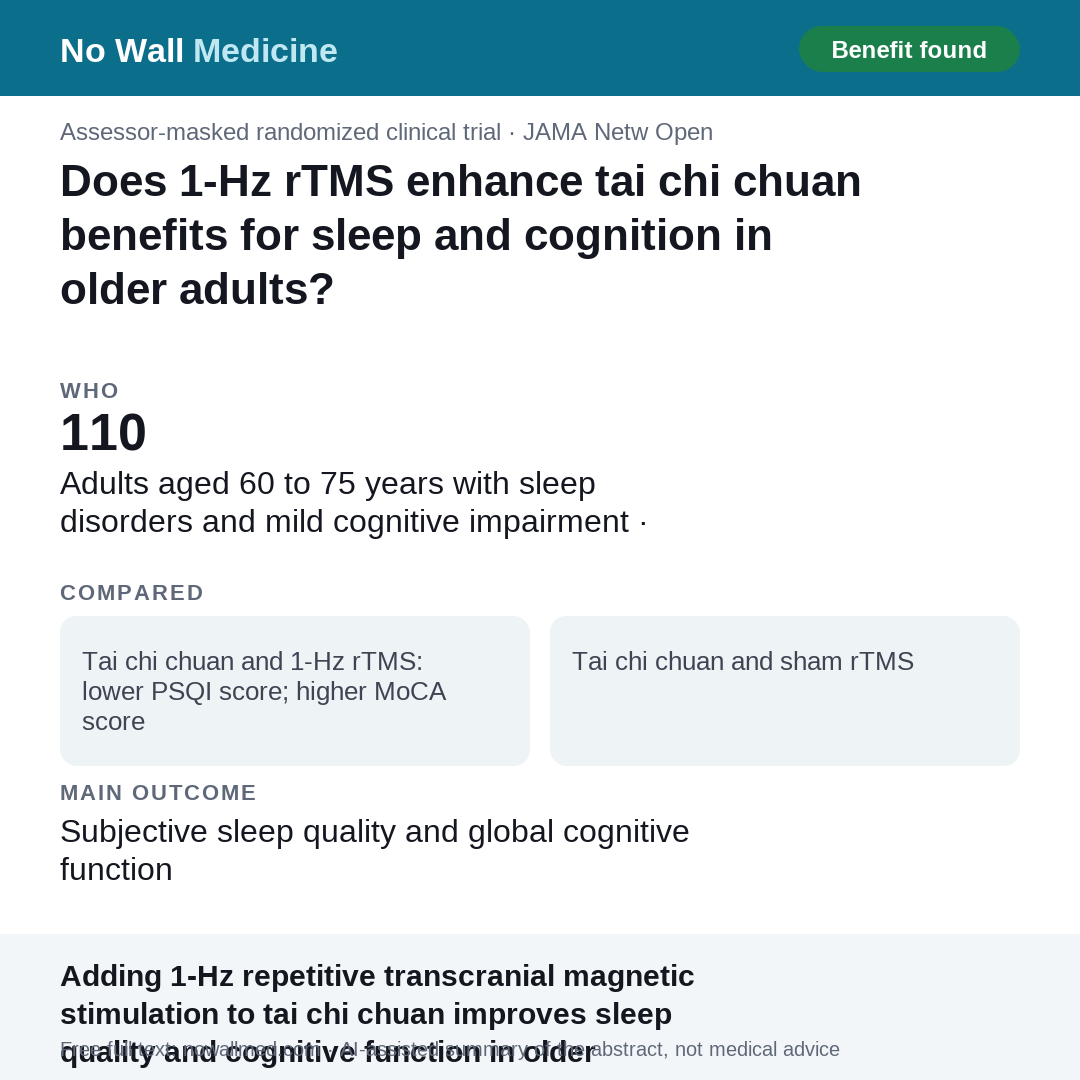
Repetitive Transcranial Magnetic Stimulation and Tai Chi Chuan for Older Adults With Sleep Disorders and Mild Cognitive Impairment: A Randomized Clinical Trial
Assessor-masked randomized clinical trialBenefit found
Does 1-Hz rTMS enhance tai chi chuan benefits for sleep and cognition in older adults?
Who
110
Adults aged 60 to 75 years with sleep disorders and mild cognitive impairment · University hospital in China
Compared
Tai chi chuan and 1-Hz rTMS: lower PSQI score; higher MoCA score
Tai chi chuan and sham rTMS
Main outcome
Subjective sleep quality and global cognitive function
Result: between-group mean difference, -3.1 (95% CI, -4.2 to -2.1) for PSQI; 1.4 (95% CI, 0.7-2.1) for MoCA
Bottom line: Adding 1-Hz repetitive transcranial magnetic stimulation to tai chi chuan improves sleep quality and cognitive function in older adults.
JAMA Netw Open · 2025-01-02Download image
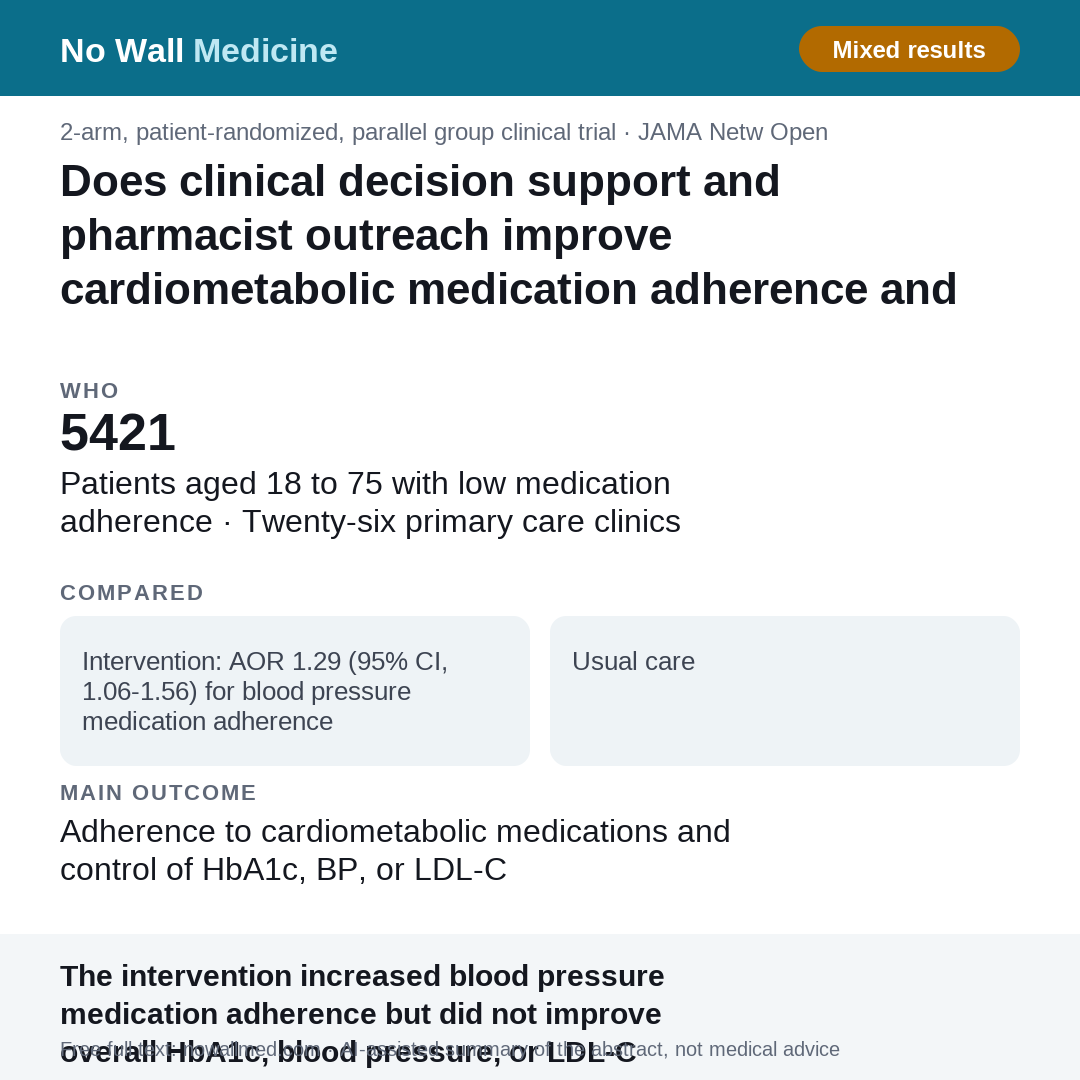
Clinical Decision Support and Cardiometabolic Medication Adherence: A Randomized Clinical Trial
2-arm, patient-randomized, parallel group clinical trialMixed results
Does clinical decision support and pharmacist outreach improve cardiometabolic medication adherence and clinical control?
Who
5421
Patients aged 18 to 75 with low medication adherence · Twenty-six primary care clinics
Compared
Intervention: AOR 1.29 (95% CI, 1.06-1.56) for blood pressure medication adherence
Usual care
Main outcome
Adherence to cardiometabolic medications and control of HbA1c, BP, or LDL-C
Result: AOR 1.29 (95% CI, 1.06-1.56) for blood pressure medication adherence
Bottom line: The intervention increased blood pressure medication adherence but did not improve overall HbA1c, blood pressure, or LDL-C control.
JAMA Netw Open · 2025-01-02Download image
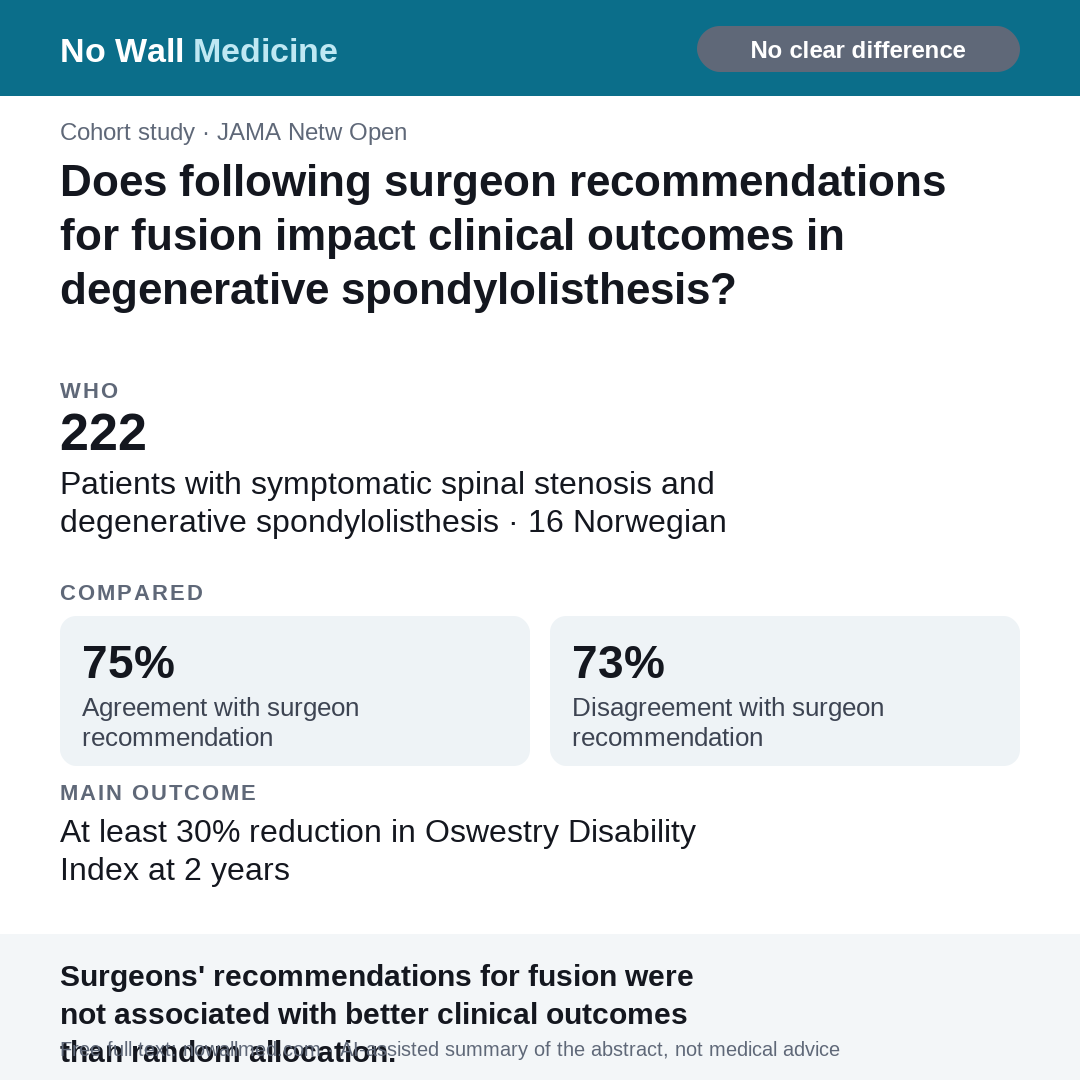
Surgeon Recommendation and Outcomes of Decompression With vs Without Fusion in Patients With Degenerative Spondylolisthesis
Cohort studyNo clear difference
Does following surgeon recommendations for fusion impact clinical outcomes in degenerative spondylolisthesis?
Who
222
Patients with symptomatic spinal stenosis and degenerative spondylolisthesis · 16 Norwegian departments
Compared
75%Agreement with surgeon recommendation (87/116)
73%Disagreement with surgeon recommendation (77/106)
Main outcome
At least 30% reduction in Oswestry Disability Index at 2 years
Result: difference, 2.4 percentage points; 95% CI, -9.1 to 13.9 percentage points
Bottom line: Surgeons' recommendations for fusion were not associated with better clinical outcomes than random allocation.
JAMA Netw Open · 2025-01-02Download image
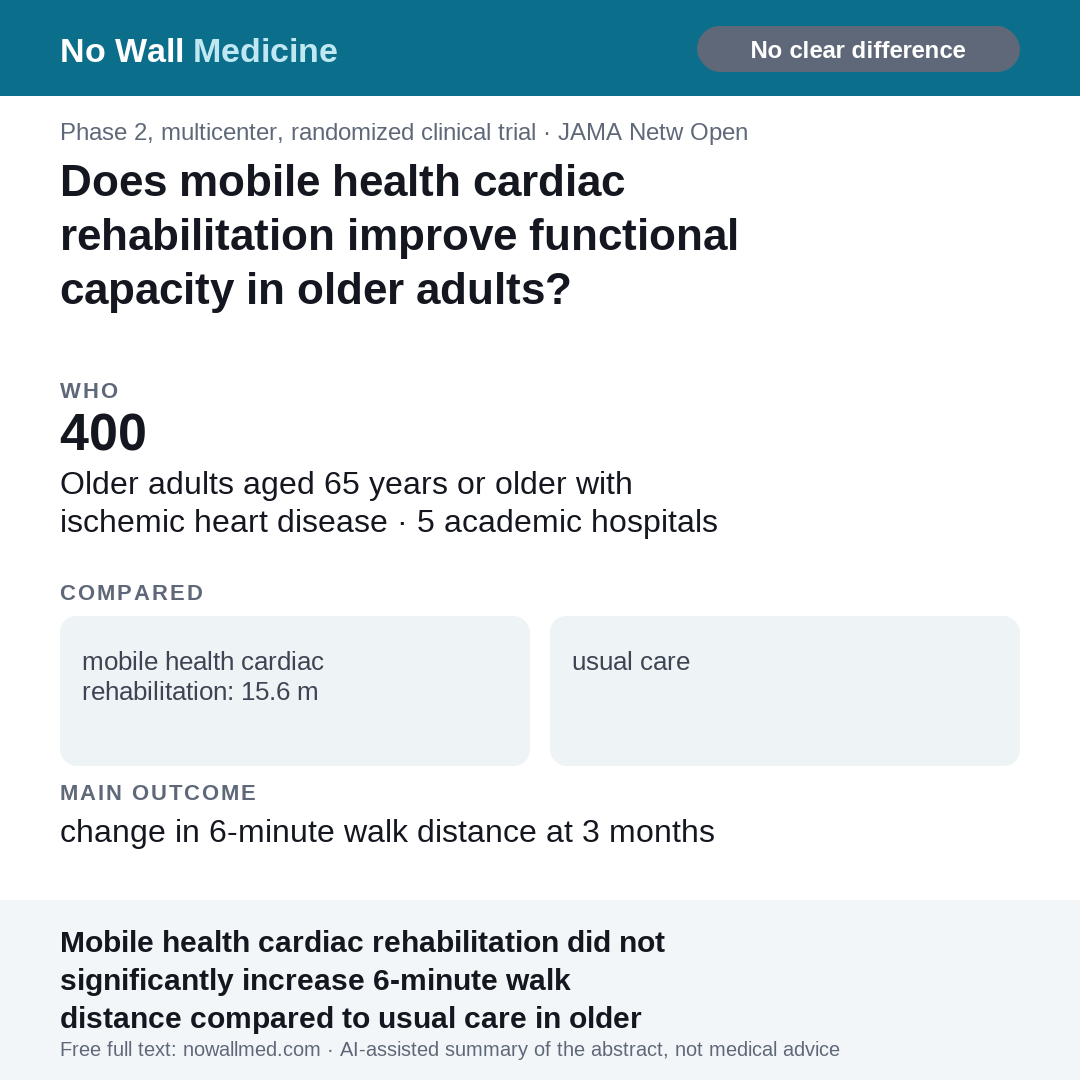
Rehabilitation at Home Using Mobile Health for Older Adults Hospitalized for Ischemic Heart Disease: The RESILIENT Randomized Clinical Trial
Phase 2, multicenter, randomized clinical trialNo clear difference
Does mobile health cardiac rehabilitation improve functional capacity in older adults?
Who
400
Older adults aged 65 years or older with ischemic heart disease · 5 academic hospitals in New York, Connecticut, and Massachusetts
Compared
mobile health cardiac rehabilitation: 15.6 m
usual care
Main outcome
change in 6-minute walk distance at 3 months
Result: 15.6 m (95% CI, -0.3 to 31.5 m)
Bottom line: Mobile health cardiac rehabilitation did not significantly increase 6-minute walk distance compared to usual care in older adults.
JAMA Netw Open · 2025-01-02Download image
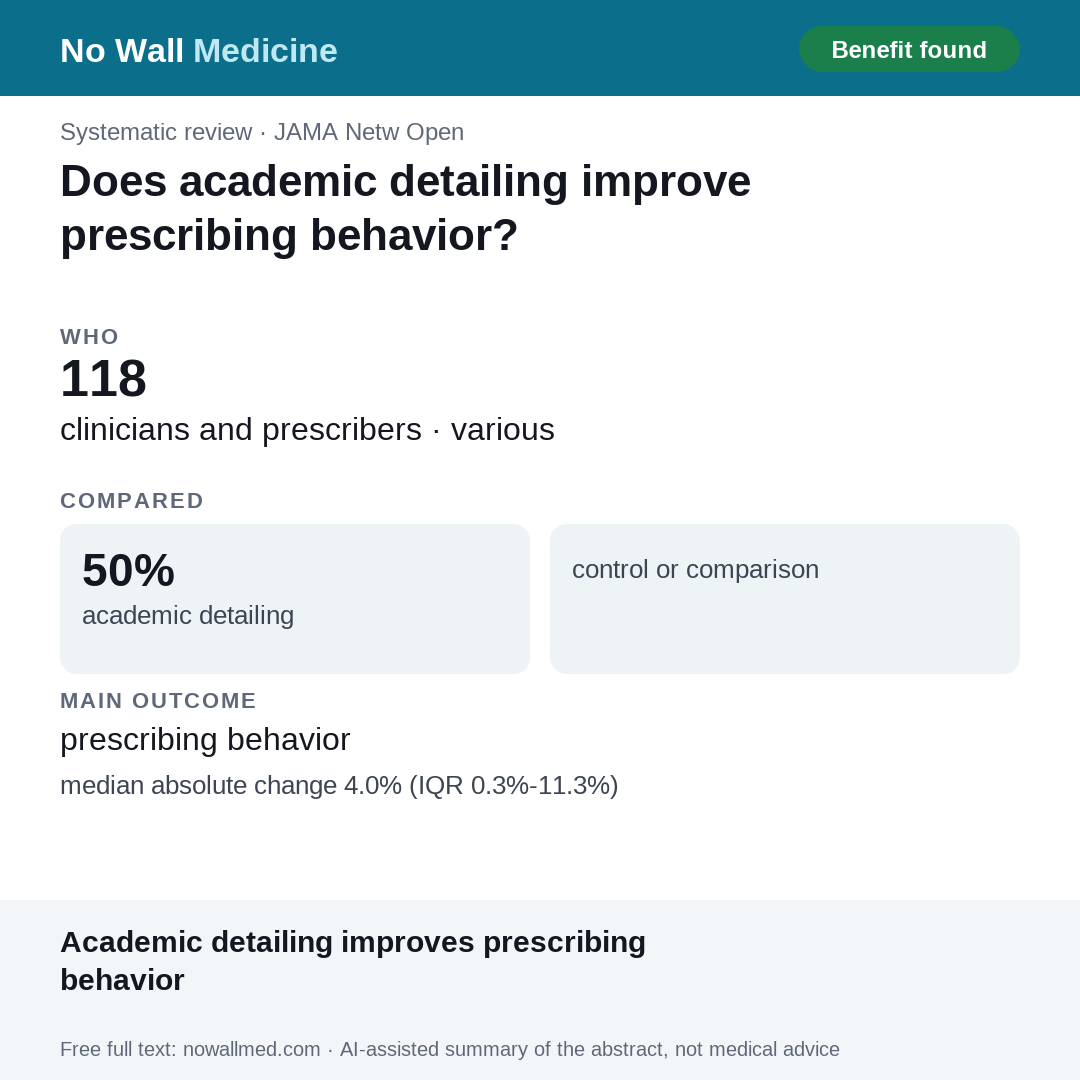
Academic Detailing Interventions and Evidence-Based Prescribing: A Systematic Review
Systematic reviewBenefit found
Does academic detailing improve prescribing behavior?
Who
118
clinicians and prescribers · various
Compared
50%academic detailing (18/36)
control or comparison
Main outcome
prescribing behavior
Result: median absolute change 4.0% (IQR 0.3%-11.3%)
Bottom line: Academic detailing improves prescribing behavior
Limitation: quality of evidence varied
JAMA Netw Open · 2025-01-02Download image
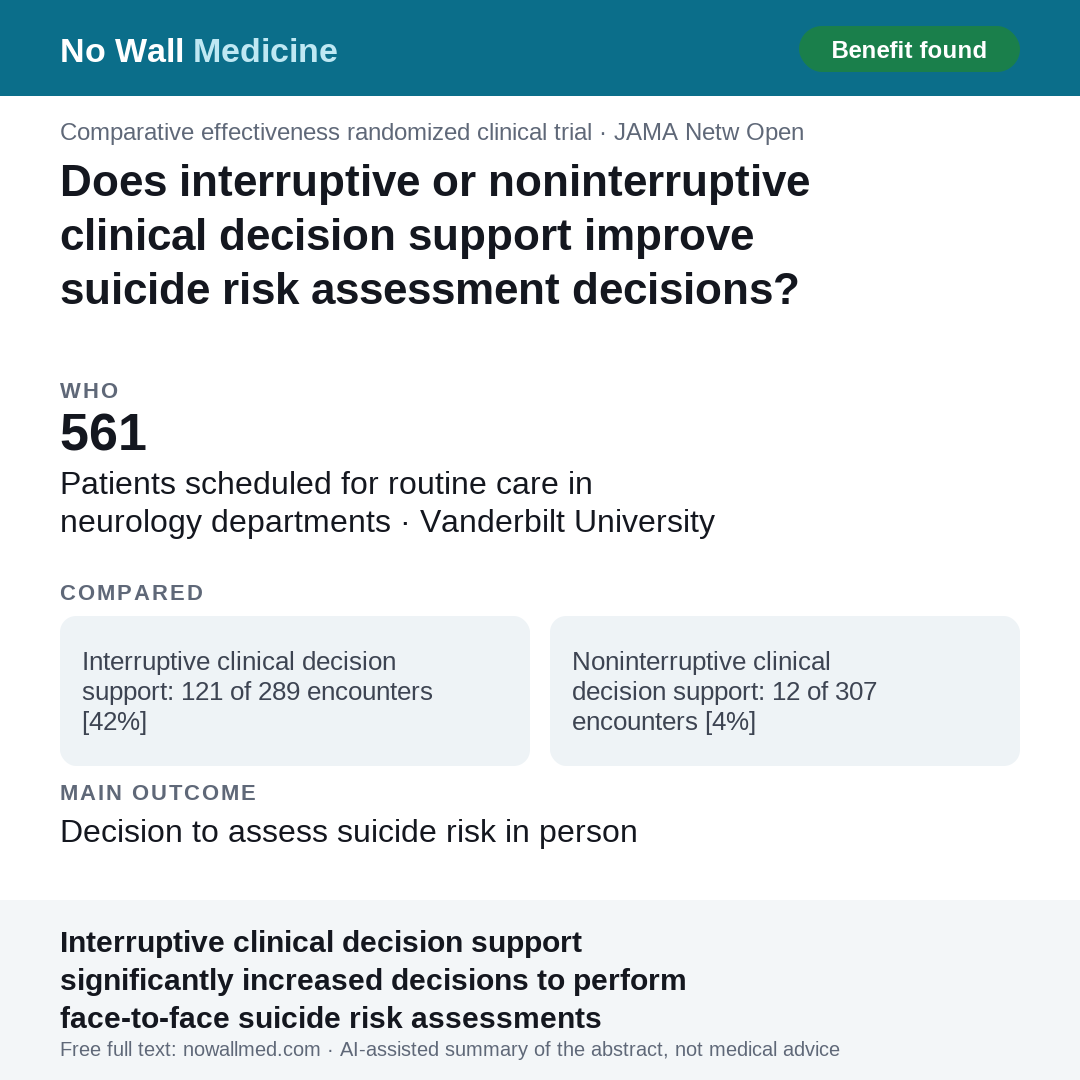
Risk Model-Guided Clinical Decision Support for Suicide Screening: A Randomized Clinical Trial
Comparative effectiveness randomized clinical trialBenefit found
Does interruptive or noninterruptive clinical decision support improve suicide risk assessment decisions?
Who
561
Patients scheduled for routine care in neurology departments · Vanderbilt University Medical Center, US Mid-South
Compared
Interruptive clinical decision support: 121 of 289 encounters [42%]
Noninterruptive clinical decision support: 12 of 307 encounters [4%]
Main outcome
Decision to assess suicide risk in person
Result: odds ratio 17.70 (95% CI 6.42-48.79)
Bottom line: Interruptive clinical decision support significantly increased decisions to perform face-to-face suicide risk assessments compared to noninterruptive support.
JAMA Netw Open · 2025-01-02Download image
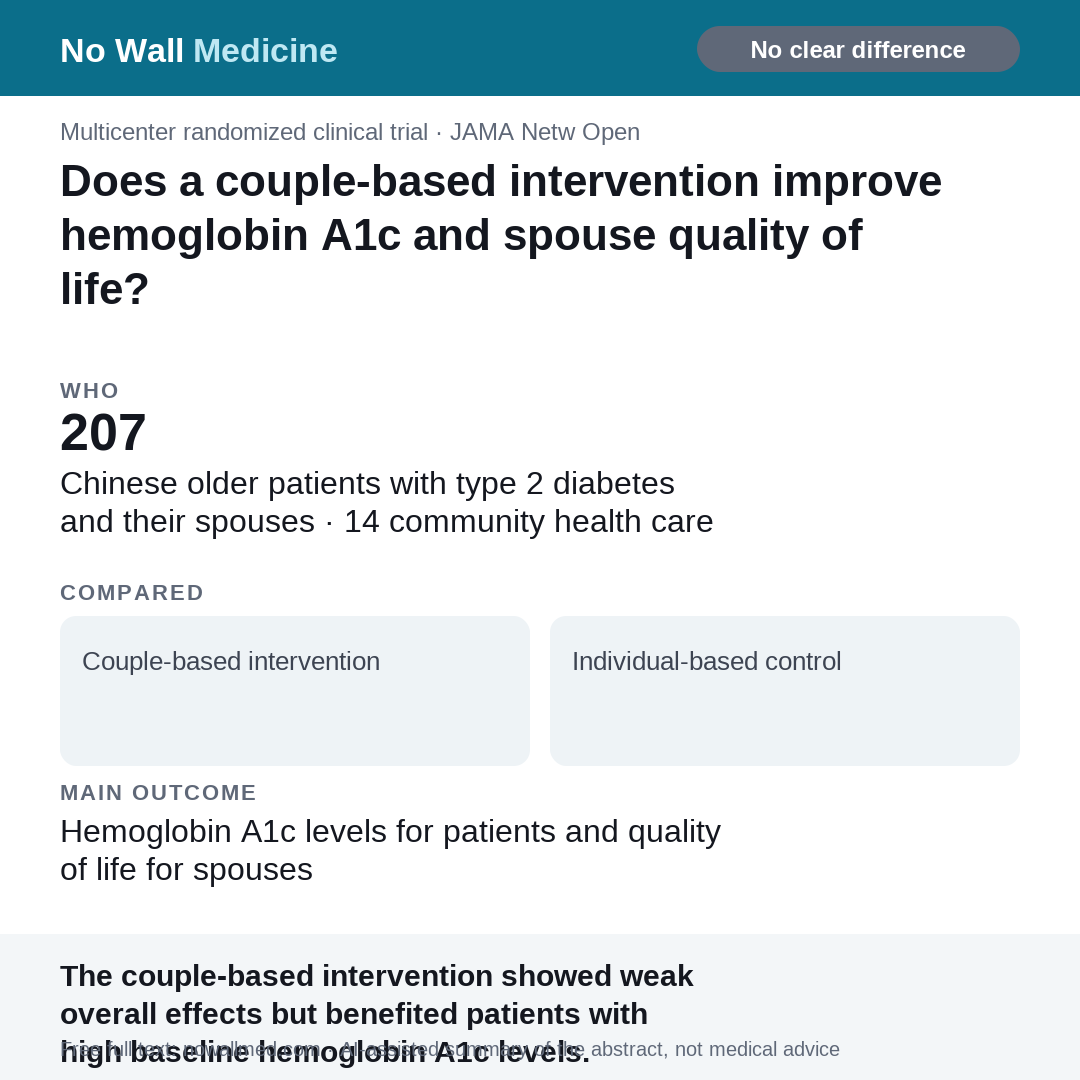
A Couple-Based Intervention for Chinese Older Adults With Type 2 Diabetes: A Randomized Clinical Trial
Multicenter randomized clinical trialNo clear difference
Does a couple-based intervention improve hemoglobin A1c and spouse quality of life?
Who
207
Chinese older patients with type 2 diabetes and their spouses · 14 community health care centers in Guangzhou, China
Compared
Couple-based intervention
Individual-based control
Main outcome
Hemoglobin A1c levels for patients and quality of life for spouses
Result: β = -0.08 (95% CI, -0.57 to 0.42)
Bottom line: The couple-based intervention showed weak overall effects but benefited patients with high baseline hemoglobin A1c levels.
JAMA Netw Open · 2025-01-02Download image
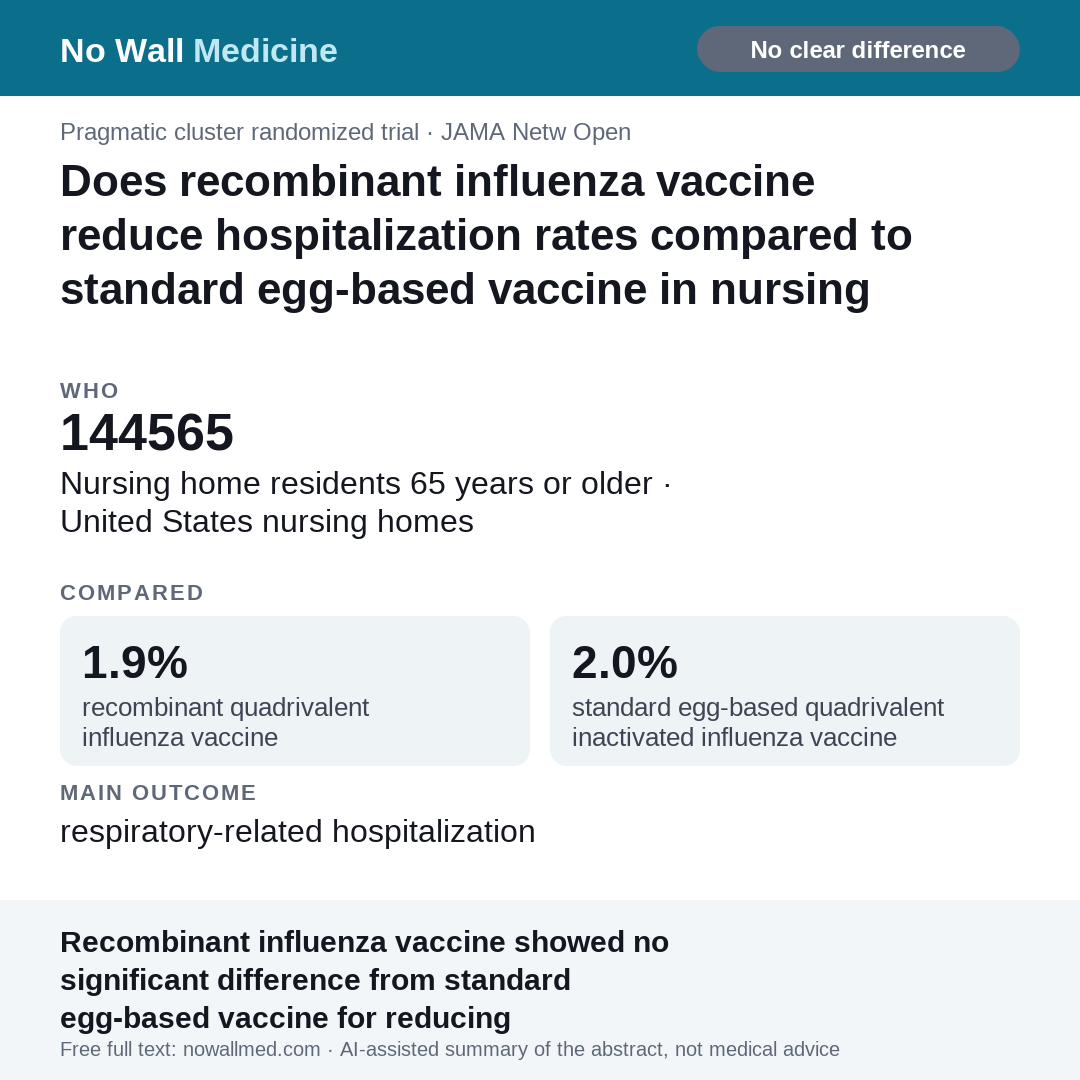
Recombinant vs Egg-Based Quadrivalent Influenza Vaccination for Nursing Home Residents: A Cluster Randomized Trial
Pragmatic cluster randomized trialNo clear difference
Does recombinant influenza vaccine reduce hospitalization rates compared to standard egg-based vaccine in nursing home residents?
Who
144565
Nursing home residents 65 years or older · United States nursing homes
Compared
1.9%recombinant quadrivalent influenza vaccine
2.0%standard egg-based quadrivalent inactivated influenza vaccine
Main outcome
respiratory-related hospitalization
Result: hazard ratio 1.01 (95% CI 0.62-2.17)
Bottom line: Recombinant influenza vaccine showed no significant difference from standard egg-based vaccine for reducing respiratory-related hospitalizations in nursing home residents.
Limitation: COVID-19 pandemic restricting influenza activity and poor vaccine match to circulating strains.
JAMA Netw Open · 2025-01-02Download image
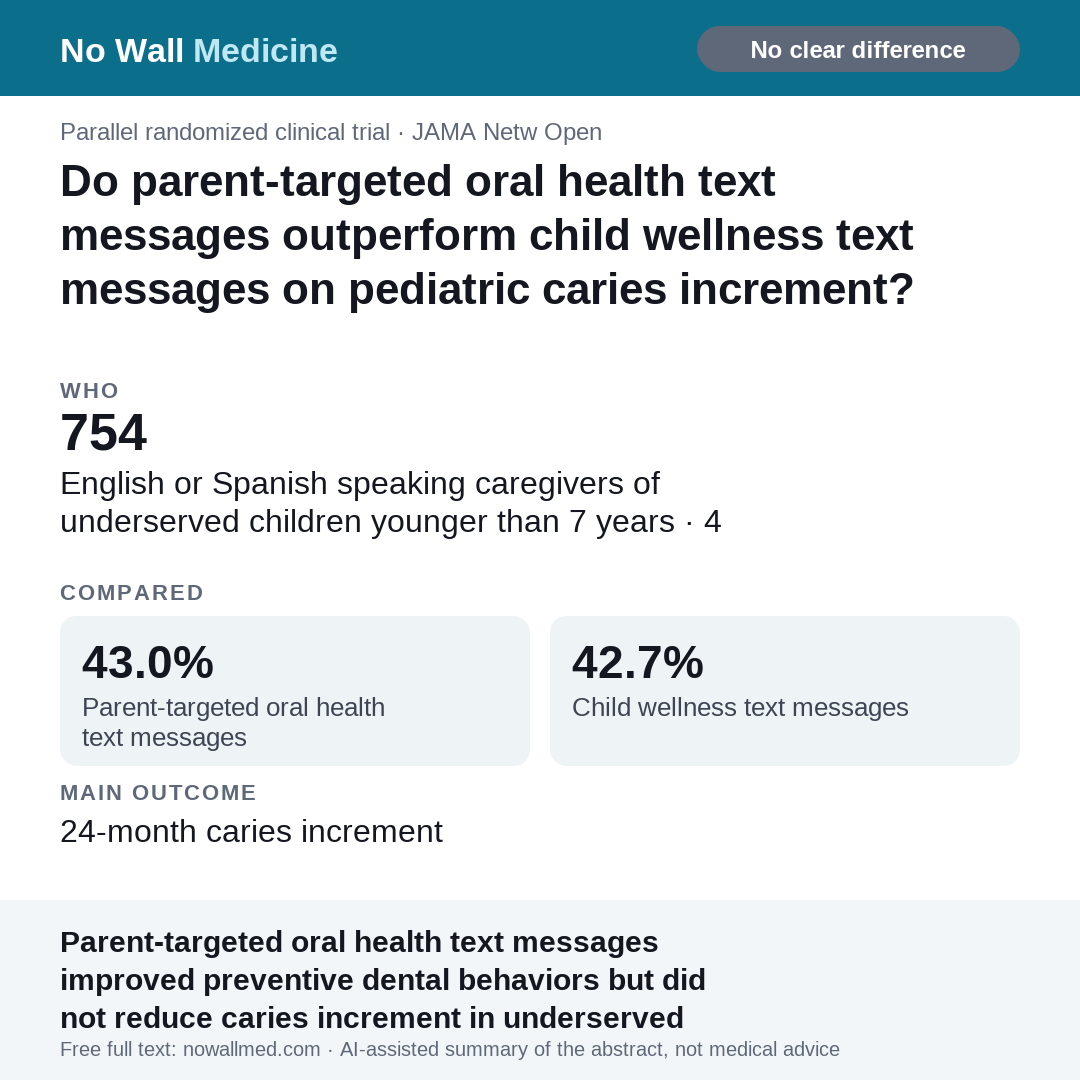
Parent-Targeted Oral Health Text Messaging for Underserved Children Attending Pediatric Clinics: A Randomized Clinical Trial
Parallel randomized clinical trialNo clear difference
Do parent-targeted oral health text messages outperform child wellness text messages on pediatric caries increment?
Who
754
English or Spanish speaking caregivers of underserved children younger than 7 years · 4 pediatric medical clinic sites in Boston, Massachusetts
Compared
43.0%Parent-targeted oral health text messages
42.7%Child wellness text messages
Main outcome
24-month caries increment
Result: adjusted odds ratio 0.99 (95% CI 0.63-1.56)
Bottom line: Parent-targeted oral health text messages improved preventive dental behaviors but did not reduce caries increment in underserved children.
JAMA Netw Open · 2025-01-02Download image
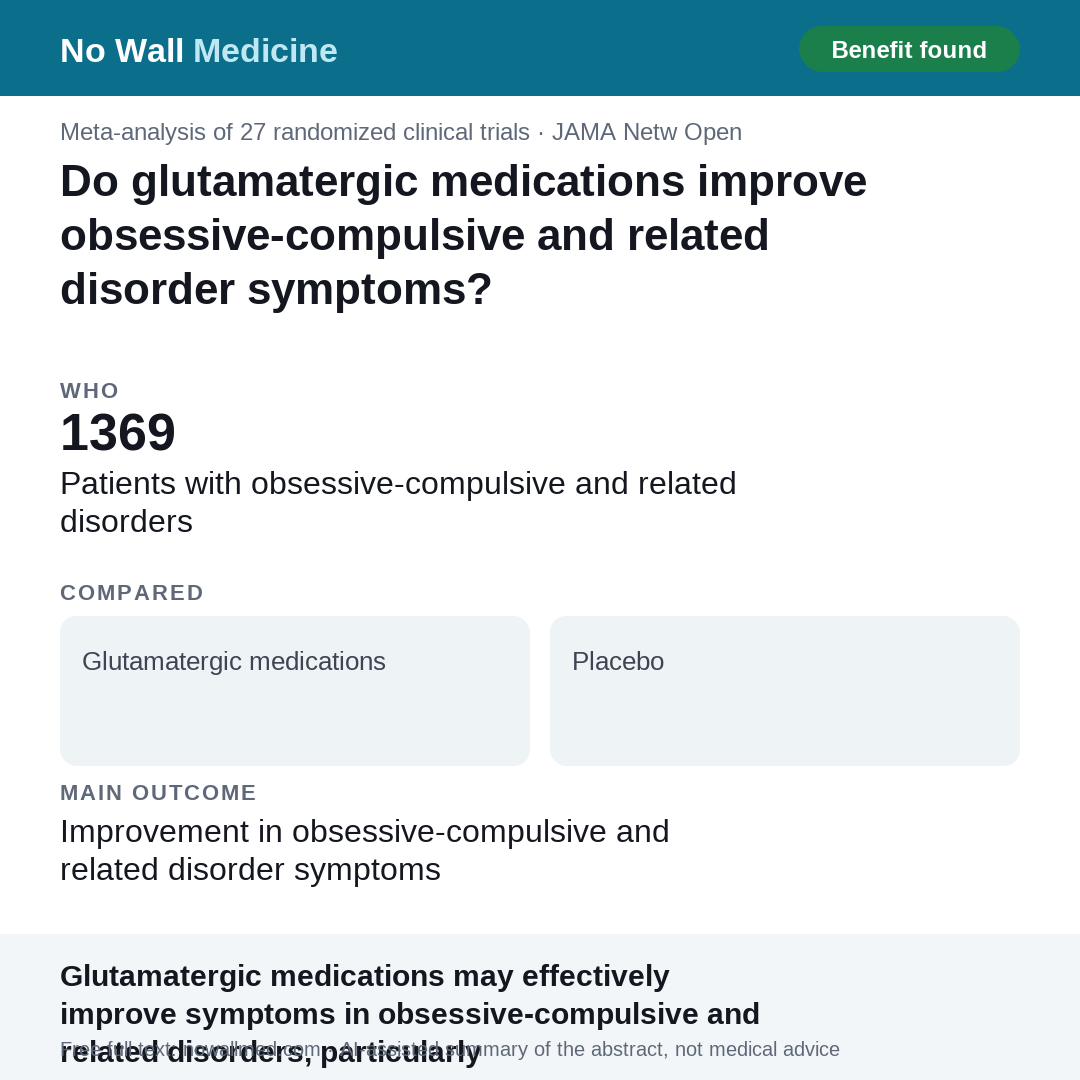
Glutamatergic Medications for Obsessive-Compulsive and Related Disorders: A Systematic Review and Meta-Analysis
Meta-analysis of 27 randomized clinical trialsBenefit found
Do glutamatergic medications improve obsessive-compulsive and related disorder symptoms?
Who
1369
Patients with obsessive-compulsive and related disorders
Compared
Glutamatergic medications
Placebo
Main outcome
Improvement in obsessive-compulsive and related disorder symptoms
Result: standardized mean difference -0.80 (95% CI -1.13 to -0.47)
Bottom line: Glutamatergic medications may effectively improve symptoms in obsessive-compulsive and related disorders, particularly obsessive-compulsive disorder.
Limitation: High heterogeneity and potential publication bias necessitate cautious interpretation.
JAMA Netw Open · 2025-01-02Download image
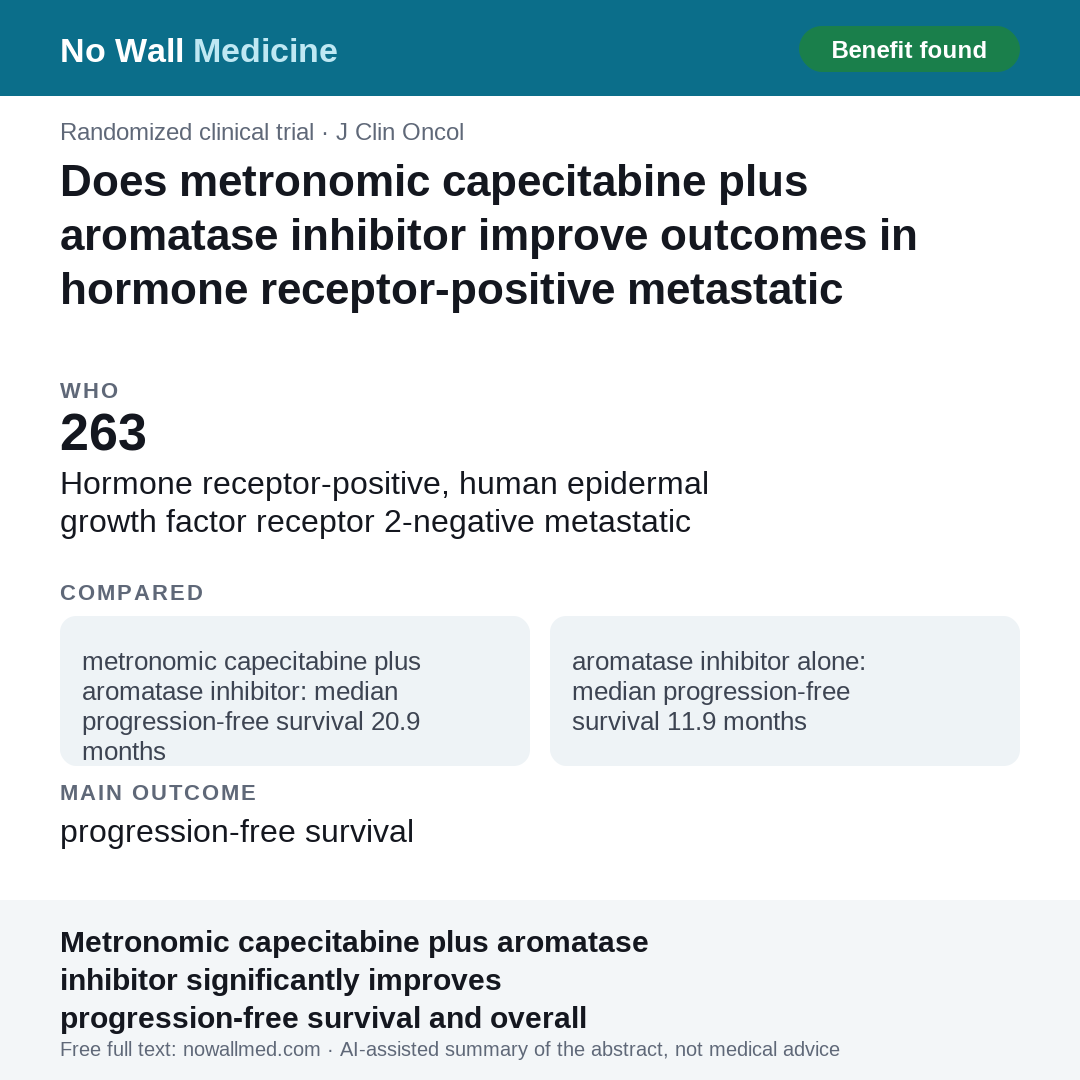
Metronomic Capecitabine Plus Aromatase Inhibitor as Initial Therapy in Patients With Hormone Receptor-Positive, Human Epidermal Growth Factor Receptor 2-Negative Metastatic Breast Cancer: The Phase III MECCA Trial
Randomized clinical trialBenefit found
Does metronomic capecitabine plus aromatase inhibitor improve outcomes in hormone receptor-positive metastatic breast cancer?
Who
263
Hormone receptor-positive, human epidermal growth factor receptor 2-negative metastatic breast cancer patients · 12 centers in China
Compared
metronomic capecitabine plus aromatase inhibitor: median progression-free survival 20.9 months
aromatase inhibitor alone: median progression-free survival 11.9 months
Main outcome
progression-free survival
Result: hazard ratio 0.58 (95% CI 0.43 to 0.76)
Bottom line: Metronomic capecitabine plus aromatase inhibitor significantly improves progression-free survival and overall survival in hormone receptor-positive metastatic breast cancer.
J Clin Oncol · 2025-01-02Download image