Visual abstracts
New randomized trials and meta-analyses from leading journals at a glance: who was studied, what was compared, and what was found. Every paper is free to read in full.
All specialtiesCardiology 857Oncology 770Gastroenterology & Hepatology 311Infectious Disease 626Neurology 354Psychiatry & Mental Health 430Pulmonology 370Critical Care 260Endocrinology & Diabetes 484Pediatrics 542Surgery 351Orthopedics & Sports Medicine 166Neurosurgery 115Cardiothoracic & Vascular Surgery 87Plastic & Reconstructive Surgery 144Nephrology 197Rheumatology 108Hematology 183Dermatology 82Ophthalmology 97Obstetrics & Gynecology 266Public & Global Health 168Radiology & Imaging 105Anesthesiology 130Urology 162ENT (Otolaryngology) 115Emergency Medicine 103Allergy & Immunology 58Geriatrics 160Family Medicine & Primary Care 111Medical Genetics & Genomics 91Pathology & Laboratory Medicine 27Physical Medicine & Rehabilitation 149Palliative Care 81Nutrition 223Digital Health & AI 462General Medicine 101
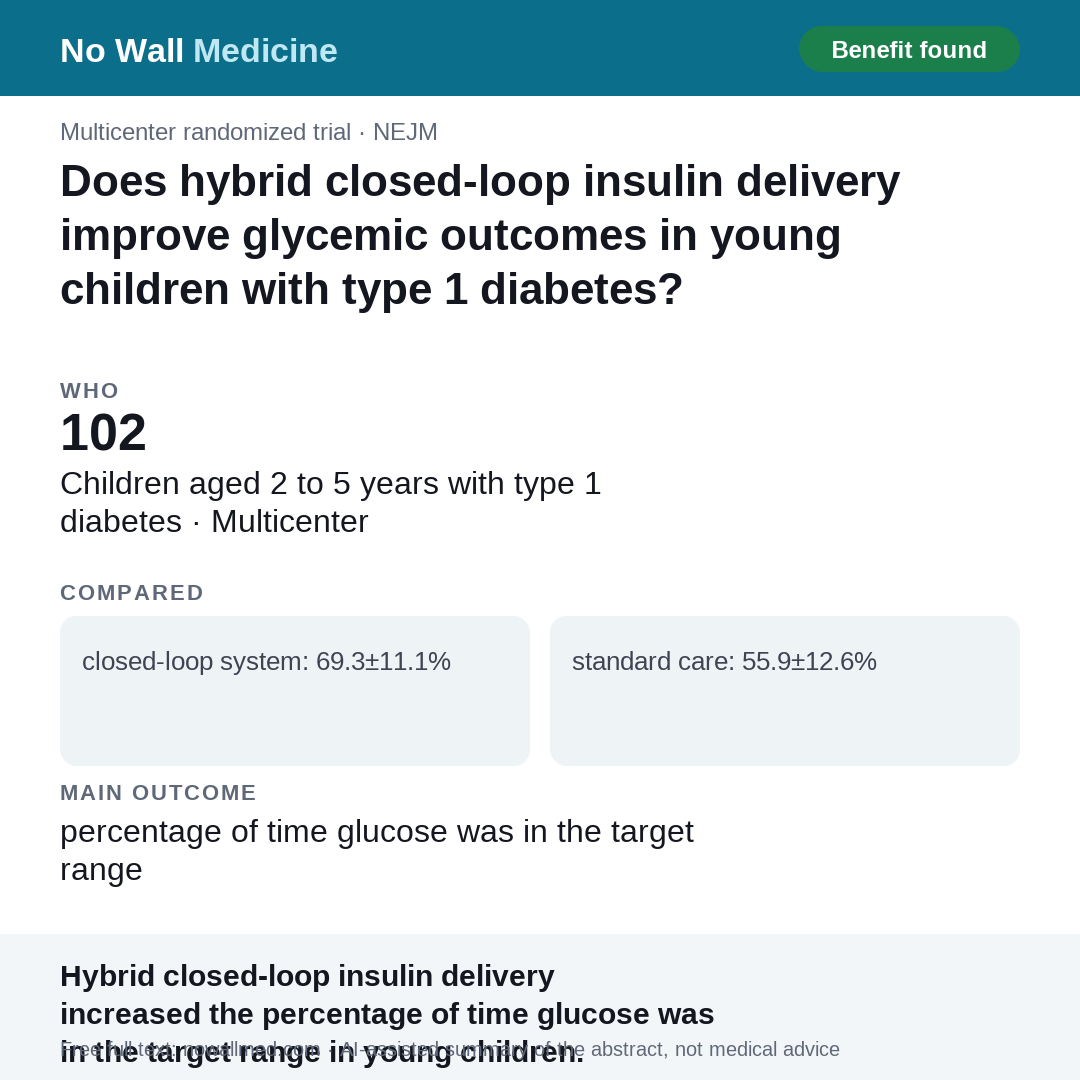
Trial of Hybrid Closed-Loop Control in Young Children with Type 1 Diabetes
Multicenter randomized trialBenefit found
Does hybrid closed-loop insulin delivery improve glycemic outcomes in young children with type 1 diabetes?
Who
102
Children aged 2 to 5 years with type 1 diabetes · Multicenter
Compared
closed-loop system: 69.3±11.1%
standard care: 55.9±12.6%
Main outcome
percentage of time glucose was in the target range
Result: mean adjusted difference, 12.4 percentage points (95% CI, 9.5 to 15.3)
Bottom line: Hybrid closed-loop insulin delivery increased the percentage of time glucose was in the target range in young children.
Funded by: National Institute of Diabetes and Digestive and Kidney Diseases
NEJM · 2023-03-15Download image
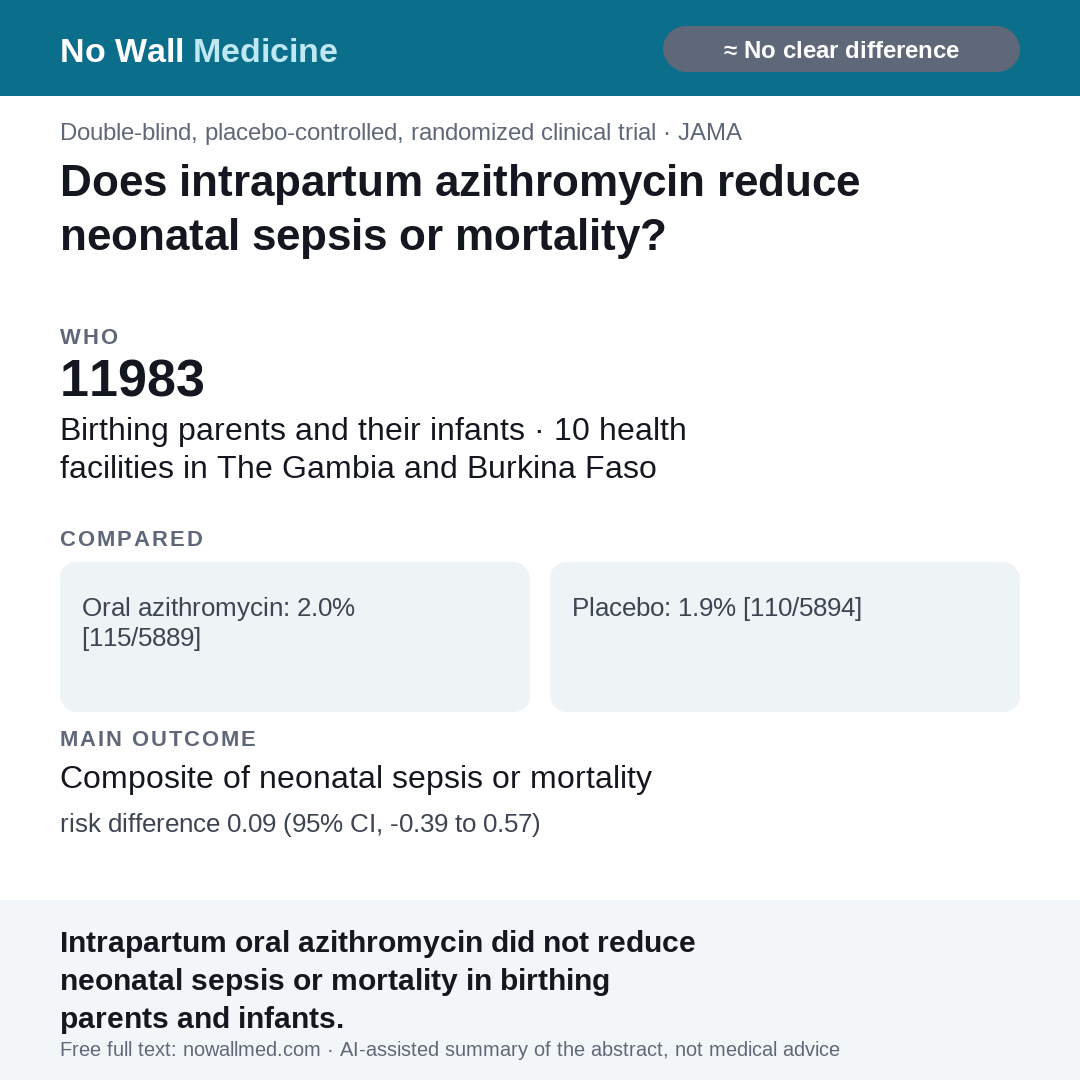
Effect of Intrapartum Azithromycin vs Placebo on Neonatal Sepsis and Death: A Randomized Clinical Trial
Double-blind, placebo-controlled, randomized clinical trialNo clear difference
Does intrapartum azithromycin reduce neonatal sepsis or mortality?
Who
11983
Birthing parents and their infants · 10 health facilities in The Gambia and Burkina Faso
Compared
Oral azithromycin: 2.0% [115/5889]
Placebo: 1.9% [110/5894]
Main outcome
Composite of neonatal sepsis or mortality
Result: risk difference 0.09 (95% CI, -0.39 to 0.57)
Bottom line: Intrapartum oral azithromycin did not reduce neonatal sepsis or mortality in birthing parents and infants.
JAMA · 2023-03-07Download image
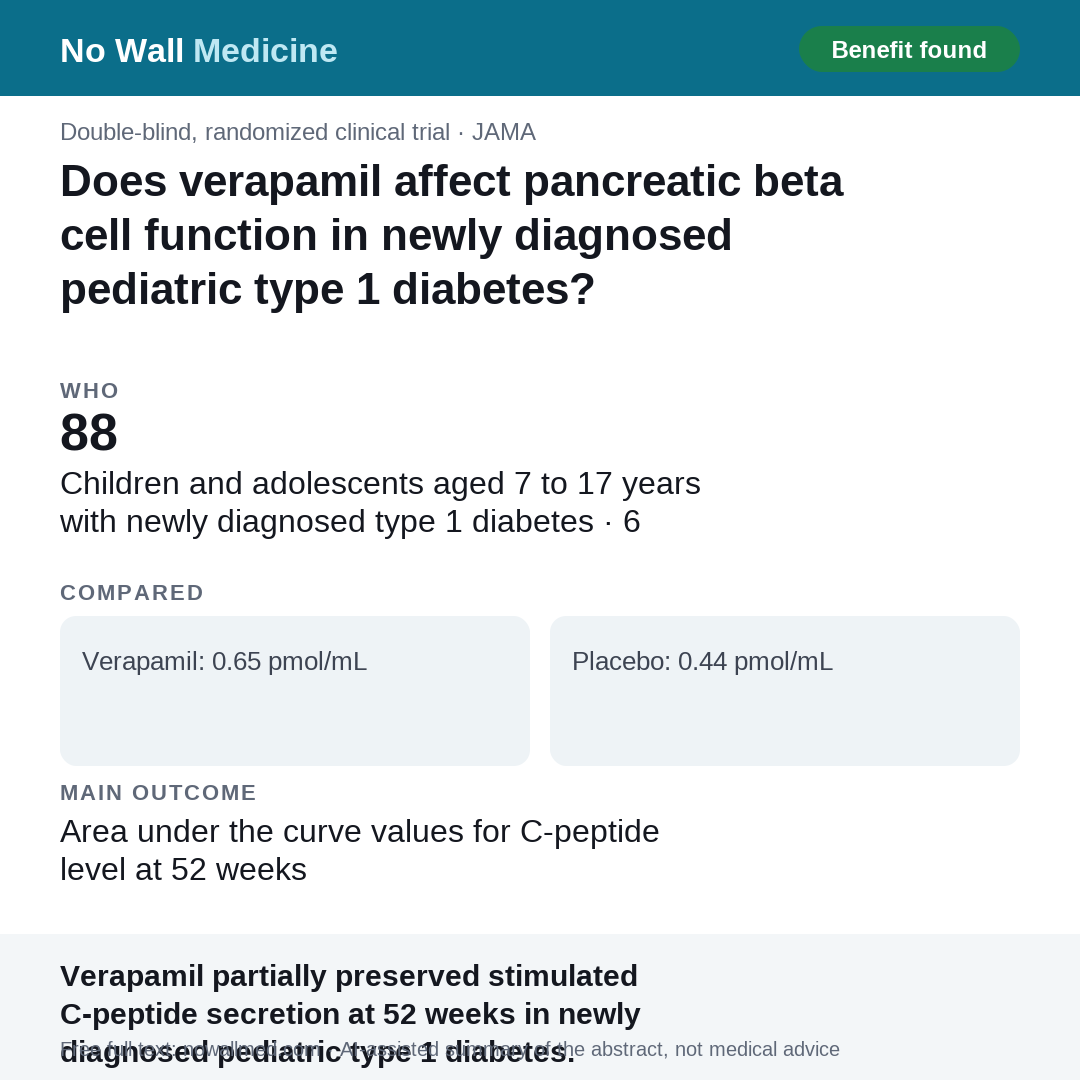
Effect of Verapamil on Pancreatic Beta Cell Function in Newly Diagnosed Pediatric Type 1 Diabetes: A Randomized Clinical Trial
Double-blind, randomized clinical trialBenefit found
Does verapamil affect pancreatic beta cell function in newly diagnosed pediatric type 1 diabetes?
Who
88
Children and adolescents aged 7 to 17 years with newly diagnosed type 1 diabetes · 6 centers in the US
Compared
Verapamil: 0.65 pmol/mL
Placebo: 0.44 pmol/mL
Main outcome
Area under the curve values for C-peptide level at 52 weeks
Result: adjusted between-group difference, 0.14 pmol/mL (95% CI, 0.01 to 0.27 pmol/mL)
Bottom line: Verapamil partially preserved stimulated C-peptide secretion at 52 weeks in newly diagnosed pediatric type 1 diabetes.
JAMA · 2023-02-25Download image
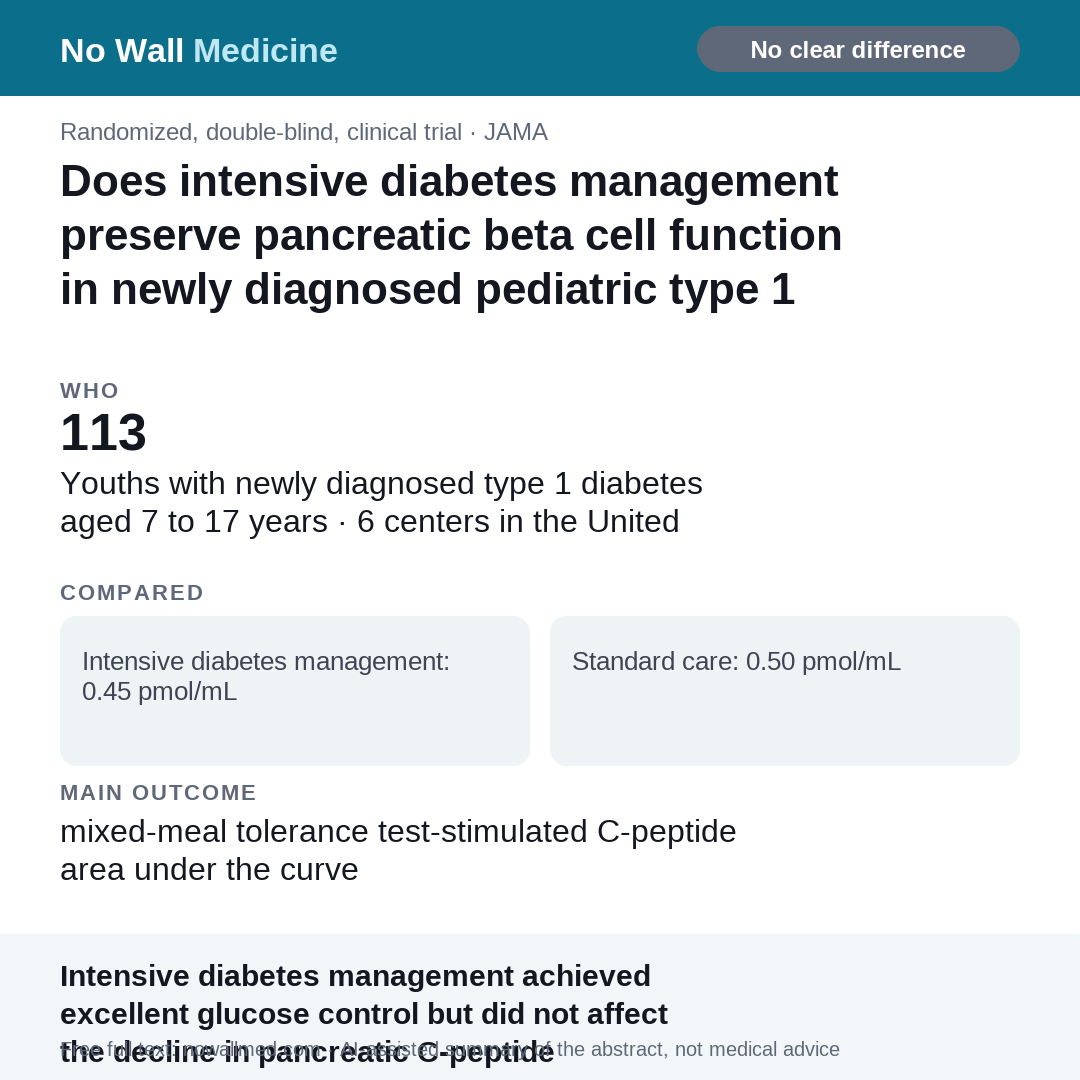
Effect of Tight Glycemic Control on Pancreatic Beta Cell Function in Newly Diagnosed Pediatric Type 1 Diabetes: A Randomized Clinical Trial
Randomized, double-blind, clinical trialNo clear difference
Does intensive diabetes management preserve pancreatic beta cell function in newly diagnosed pediatric type 1 diabetes?
Who
113
Youths with newly diagnosed type 1 diabetes aged 7 to 17 years · 6 centers in the United States
Compared
Intensive diabetes management: 0.45 pmol/mL
Standard care: 0.50 pmol/mL
Main outcome
mixed-meal tolerance test-stimulated C-peptide area under the curve
Result: -0.01 (95% CI, -0.11 to 0.10)
Bottom line: Intensive diabetes management achieved excellent glucose control but did not affect the decline in pancreatic C-peptide secretion.
JAMA · 2023-02-25Download image
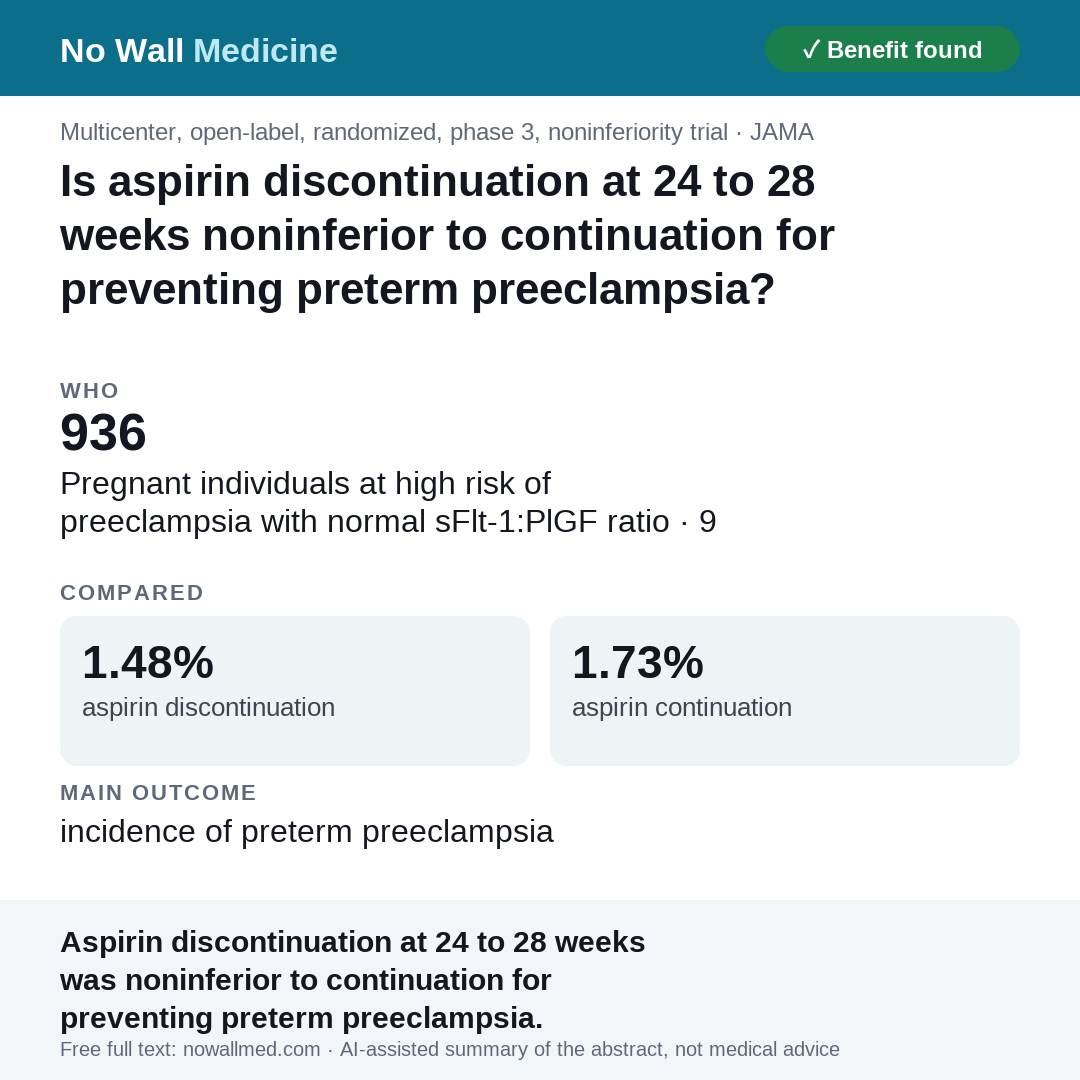
Aspirin Discontinuation at 24 to 28 Weeks' Gestation in Pregnancies at High Risk of Preterm Preeclampsia: A Randomized Clinical Trial
Multicenter, open-label, randomized, phase 3, noninferiority trialBenefit found
Is aspirin discontinuation at 24 to 28 weeks noninferior to continuation for preventing preterm preeclampsia?
Who
936
Pregnant individuals at high risk of preeclampsia with normal sFlt-1:PlGF ratio · 9 maternity hospitals across Spain
Compared
1.48%aspirin discontinuation (7/473)
1.73%aspirin continuation (8/463)
Main outcome
incidence of preterm preeclampsia
Result: absolute difference, -0.25% (95% CI, -1.86% to 1.36%)
Bottom line: Aspirin discontinuation at 24 to 28 weeks was noninferior to continuation for preventing preterm preeclampsia.
JAMA · 2023-02-22Download image
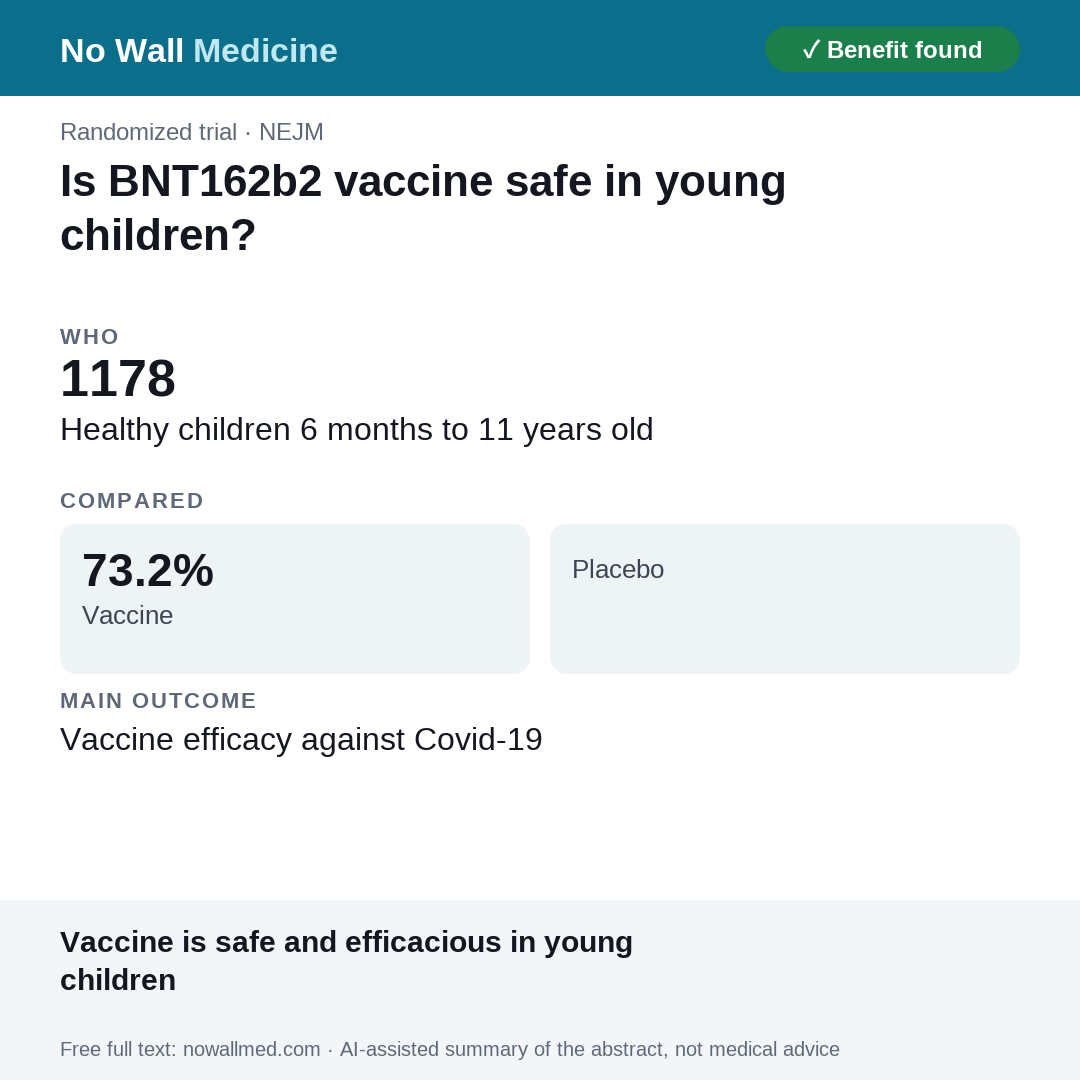
Evaluation of BNT162b2 Covid-19 Vaccine in Children Younger than 5 Years of Age
Randomized trialBenefit found
Is BNT162b2 vaccine safe in young children?
Who
1178
Healthy children 6 months to 11 years old
Compared
73.2%Vaccine (95% CI 43.8 to 87.6)
Placebo
Main outcome
Vaccine efficacy against Covid-19
Bottom line: Vaccine is safe and efficacious in young children
Funded by: BioNTech and Pfizer
NEJM · 2023-02-15Download image
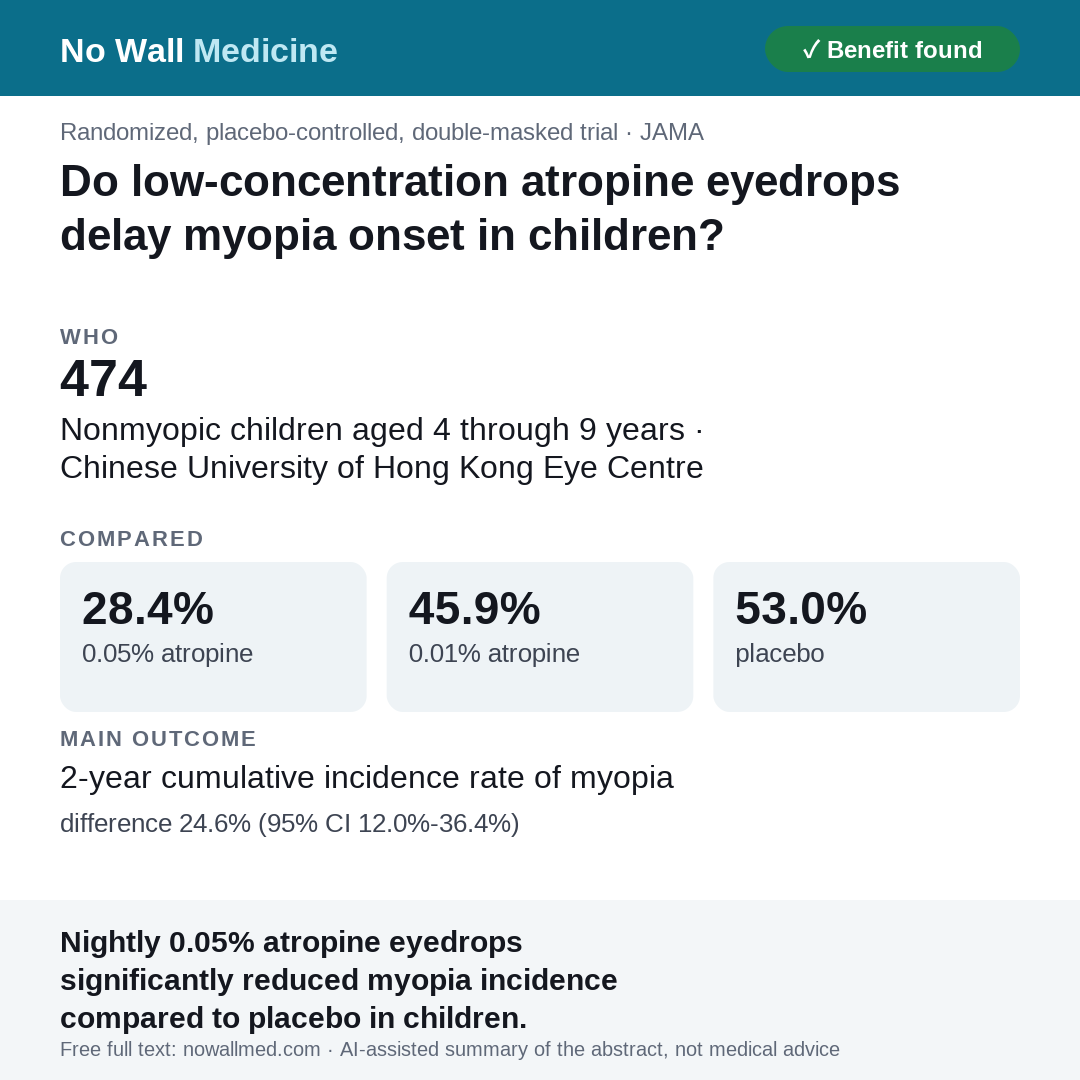
Effect of Low-Concentration Atropine Eyedrops vs Placebo on Myopia Incidence in Children: The LAMP2 Randomized Clinical Trial
Randomized, placebo-controlled, double-masked trialBenefit found
Do low-concentration atropine eyedrops delay myopia onset in children?
Who
474
Nonmyopic children aged 4 through 9 years · Chinese University of Hong Kong Eye Centre
Compared
28.4%0.05% atropine (33/116)
45.9%0.01% atropine (56/122)
53.0%placebo (61/115)
Main outcome
2-year cumulative incidence rate of myopia
Result: difference 24.6% (95% CI 12.0%-36.4%)
Bottom line: Nightly 0.05% atropine eyedrops significantly reduced myopia incidence compared to placebo in children.
JAMA · 2023-02-14Download image
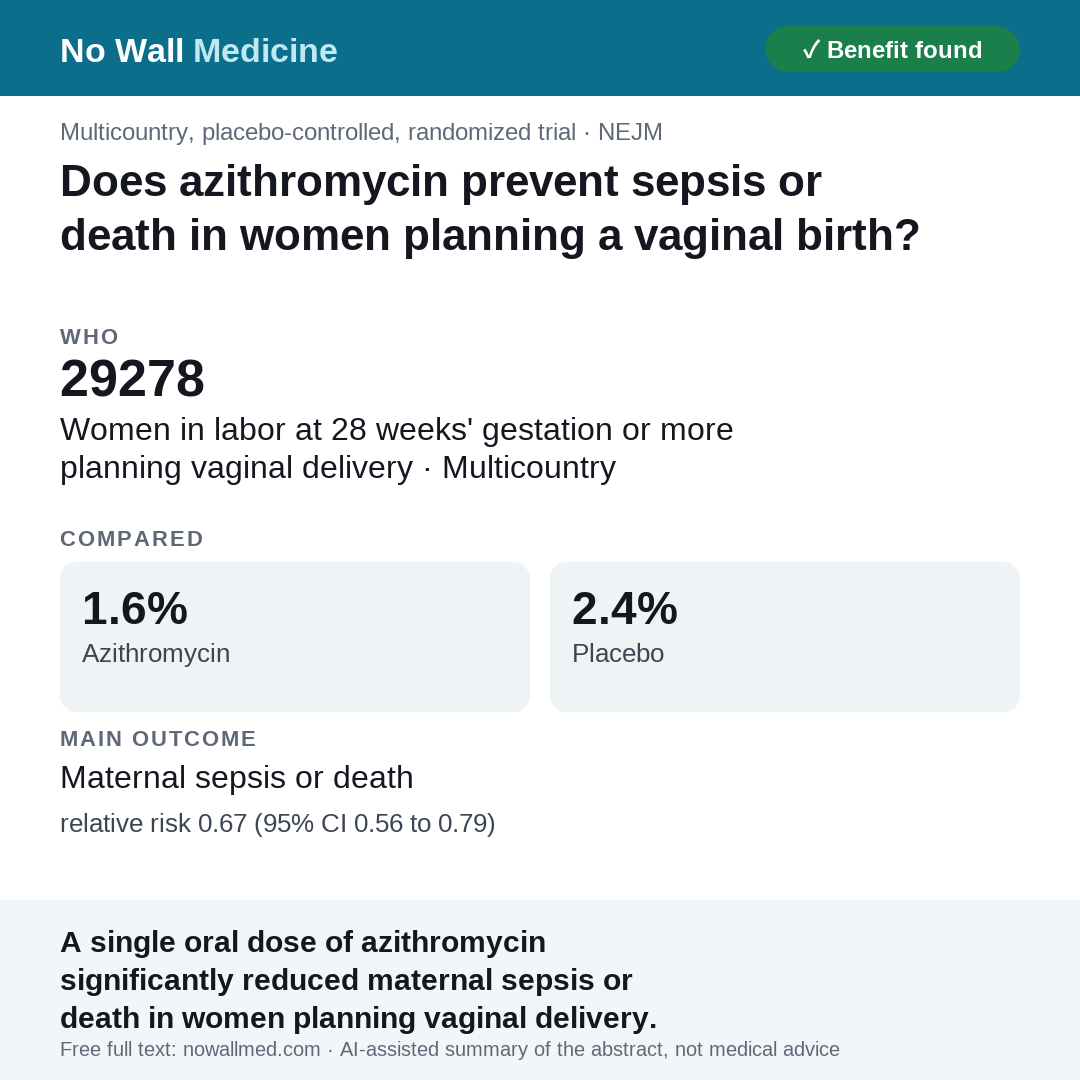
Azithromycin to Prevent Sepsis or Death in Women Planning a Vaginal Birth
Multicountry, placebo-controlled, randomized trialBenefit found
Does azithromycin prevent sepsis or death in women planning a vaginal birth?
Who
29278
Women in labor at 28 weeks' gestation or more planning vaginal delivery · Multicountry
Compared
1.6%Azithromycin
2.4%Placebo
Main outcome
Maternal sepsis or death
Result: relative risk 0.67 (95% CI 0.56 to 0.79)
Bottom line: A single oral dose of azithromycin significantly reduced maternal sepsis or death in women planning vaginal delivery.
Funded by: Eunice Kennedy Shriver National Institute of Child Health and Human Development
NEJM · 2023-02-09Download image
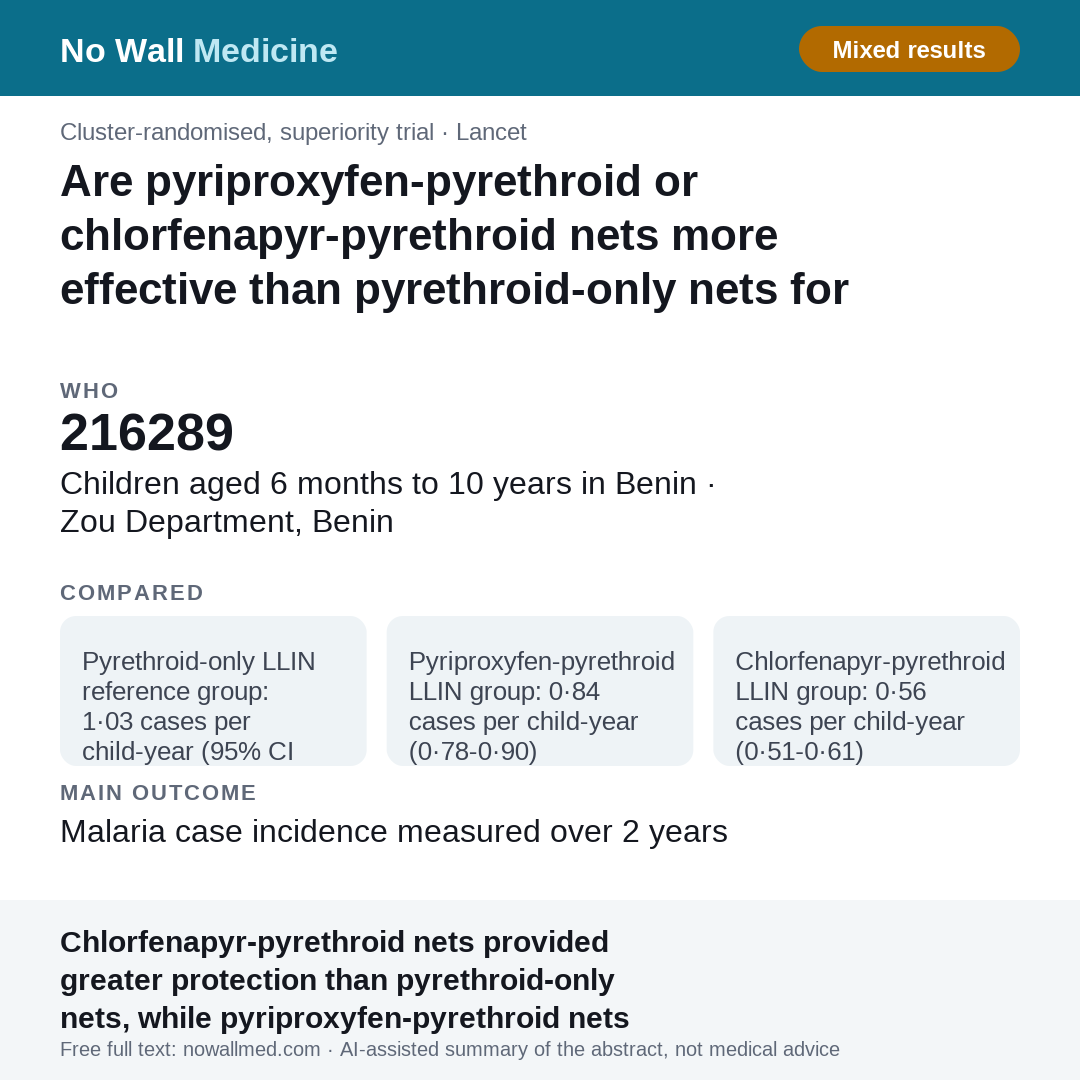
Efficacy of pyriproxyfen-pyrethroid long-lasting insecticidal nets (LLINs) and chlorfenapyr-pyrethroid LLINs compared with pyrethroid-only LLINs for malaria control in Benin: a cluster-randomised, superiority trial
Cluster-randomised, superiority trialMixed results
Are pyriproxyfen-pyrethroid or chlorfenapyr-pyrethroid nets more effective than pyrethroid-only nets for malaria control?
Who
216289
Children aged 6 months to 10 years in Benin · Zou Department, Benin
Compared
Pyrethroid-only LLIN reference group: 1·03 cases per child-year (95% CI 0·96-1·09)
Pyriproxyfen-pyrethroid LLIN group: 0·84 cases per child-year (0·78-0·90)
Chlorfenapyr-pyrethroid LLIN group: 0·56 cases per child-year (0·51-0·61)
Main outcome
Malaria case incidence measured over 2 years
Result: hazard ratio 0·54 (95% CI 0·42-0·70) for chlorfenapyr-pyrethroid
Bottom line: Chlorfenapyr-pyrethroid nets provided greater protection than pyrethroid-only nets, while pyriproxyfen-pyrethroid nets conferred similar protection.
Funded by: UNITAID, The Global Fund
Lancet · 2023-01-24Download image
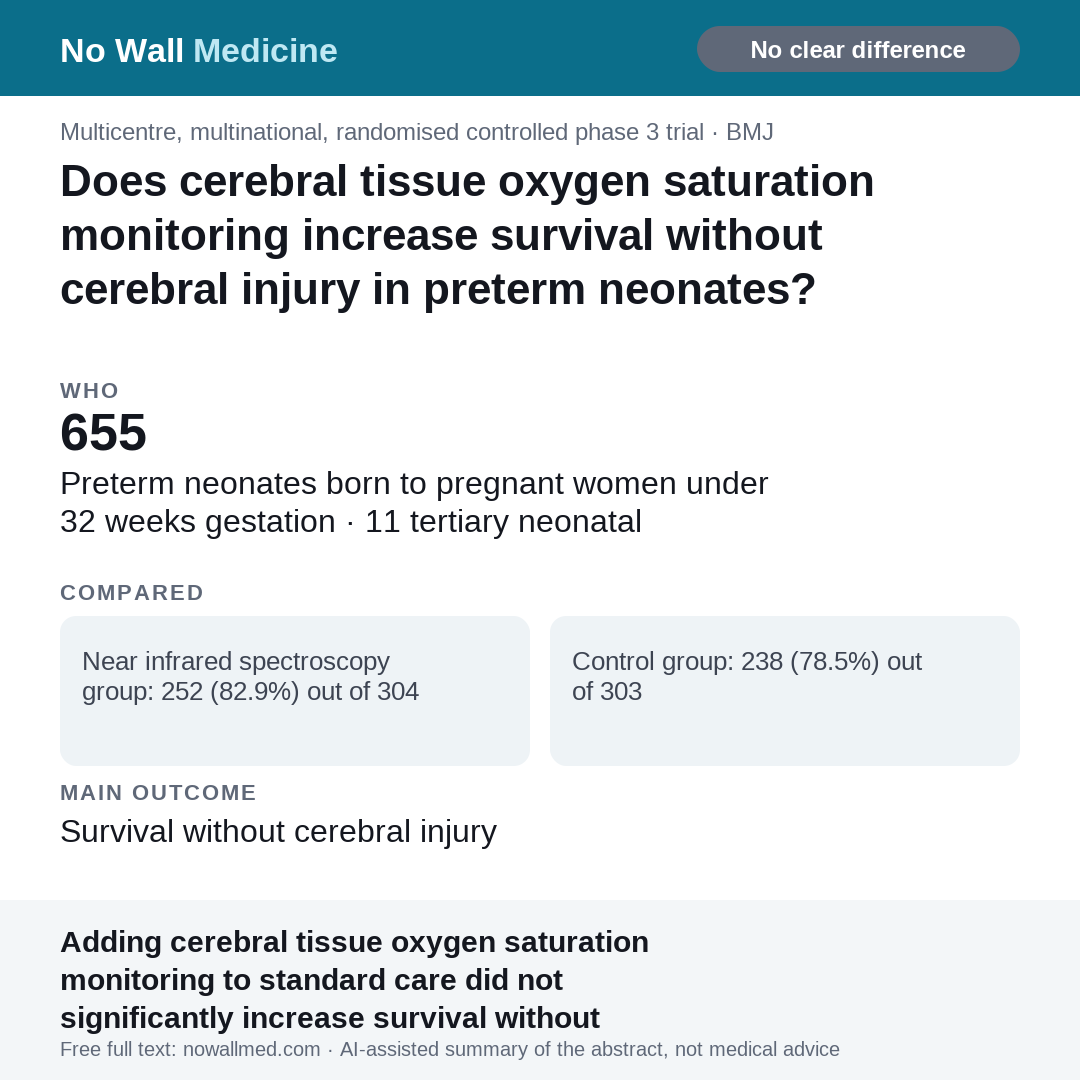
Cerebral regional tissue Oxygen Saturation to Guide Oxygen Delivery in preterm neonates during immediate transition after birth (COSGOD III): multicentre randomised phase 3 clinical trial
Multicentre, multinational, randomised controlled phase 3 trialNo clear difference
Does cerebral tissue oxygen saturation monitoring increase survival without cerebral injury in preterm neonates?
Who
655
Preterm neonates born to pregnant women under 32 weeks gestation · 11 tertiary neonatal intensive care units in six countries
Compared
Near infrared spectroscopy group: 252 (82.9%) out of 304
Control group: 238 (78.5%) out of 303
Main outcome
Survival without cerebral injury
Result: relative risk 1.06 (95% confidence interval 0.98 to 1.14)
Bottom line: Adding cerebral tissue oxygen saturation monitoring to standard care did not significantly increase survival without cerebral injury in preterm neonates.
BMJ · 2023-01-24Download image
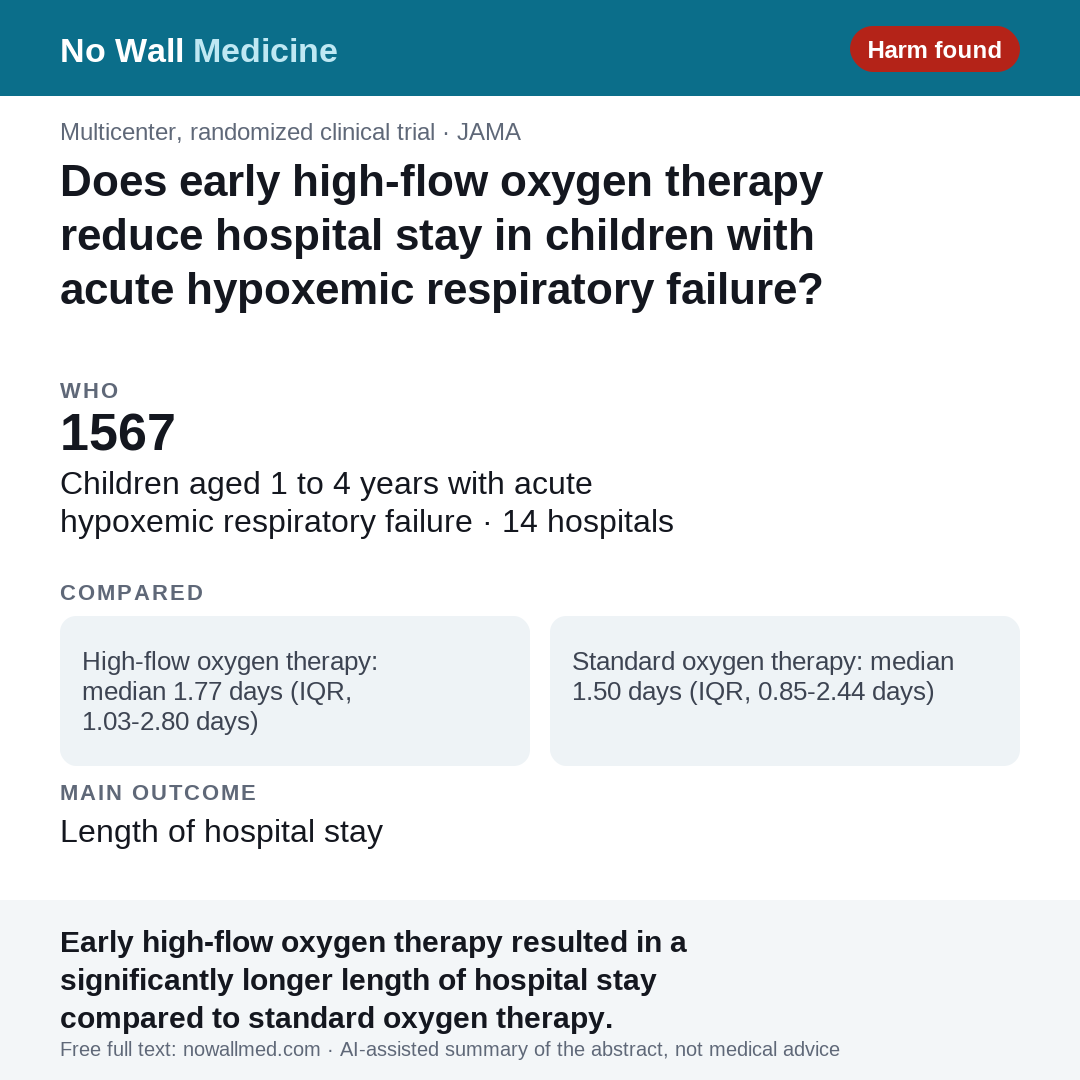
Effect of Early High-Flow Nasal Oxygen vs Standard Oxygen Therapy on Length of Hospital Stay in Hospitalized Children With Acute Hypoxemic Respiratory Failure: The PARIS-2 Randomized Clinical Trial
Multicenter, randomized clinical trialHarm found
Does early high-flow oxygen therapy reduce hospital stay in children with acute hypoxemic respiratory failure?
Who
1567
Children aged 1 to 4 years with acute hypoxemic respiratory failure · 14 hospitals in Australia and New Zealand
Compared
High-flow oxygen therapy: median 1.77 days (IQR, 1.03-2.80 days)
Standard oxygen therapy: median 1.50 days (IQR, 0.85-2.44 days)
Main outcome
Length of hospital stay
Result: adjusted hazard ratio, 0.83 (95% CI, 0.75-0.92)
Bottom line: Early high-flow oxygen therapy resulted in a significantly longer length of hospital stay compared to standard oxygen therapy.
JAMA · 2023-01-17Download image
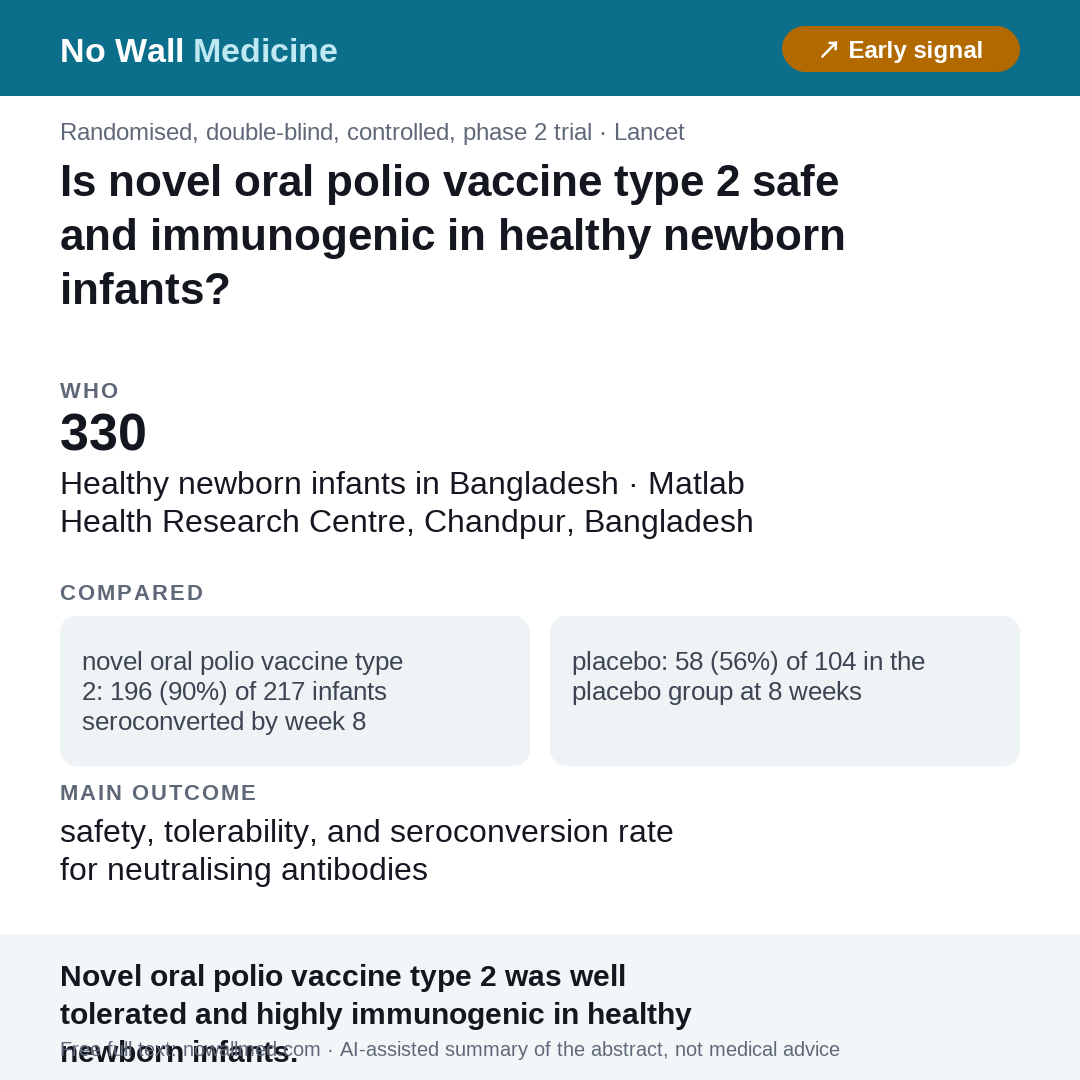
Evaluation of the safety, immunogenicity, and faecal shedding of novel oral polio vaccine type 2 in healthy newborn infants in Bangladesh: a randomised, controlled, phase 2 clinical trial
Randomised, double-blind, controlled, phase 2 trialBenefit found
Is novel oral polio vaccine type 2 safe and immunogenic in healthy newborn infants?
Who
330
Healthy newborn infants in Bangladesh · Matlab Health Research Centre, Chandpur, Bangladesh
Compared
novel oral polio vaccine type 2: 196 (90%) of 217 infants seroconverted by week 8
placebo: 58 (56%) of 104 in the placebo group at 8 weeks
Main outcome
safety, tolerability, and seroconversion rate for neutralising antibodies
Bottom line: Novel oral polio vaccine type 2 was well tolerated and highly immunogenic in healthy newborn infants.
Funded by: Bill & Melinda Gates Foundation
Lancet · 2022-12-07Download image
The Peer Education Project to improve mental health literacy in secondary school students in England: a qualitative realist evaluation
Qualitative realist evaluationUnclear result
Does peer education improve mental health literacy
Who
Secondary school students in England · Six schools in England
Compared
Peer educators
Peer learners
Main outcome
Mental health literacy
Bottom line: Peer education improves mental health literacy
Funded by: National Institute for Health and Care Research
Lancet · 2022-11-24Download image