Visual abstracts
New randomized trials and meta-analyses from leading journals at a glance: who was studied, what was compared, and what was found. Every paper is free to read in full.
All specialtiesCardiology 840Oncology 760Gastroenterology & Hepatology 306Infectious Disease 626Neurology 350Psychiatry & Mental Health 430Pulmonology 365Critical Care 243Endocrinology & Diabetes 480Pediatrics 534Surgery 319Orthopedics & Sports Medicine 161Neurosurgery 89Cardiothoracic & Vascular Surgery 87Plastic & Reconstructive Surgery 118Nephrology 197Rheumatology 108Hematology 181Dermatology 78Ophthalmology 97Obstetrics & Gynecology 261Public & Global Health 167Radiology & Imaging 96Anesthesiology 107Urology 162ENT (Otolaryngology) 86Emergency Medicine 68Allergy & Immunology 58Geriatrics 160Family Medicine & Primary Care 111Medical Genetics & Genomics 91Pathology & Laboratory Medicine 24Physical Medicine & Rehabilitation 148Palliative Care 81Nutrition 223Digital Health & AI 460General Medicine 101
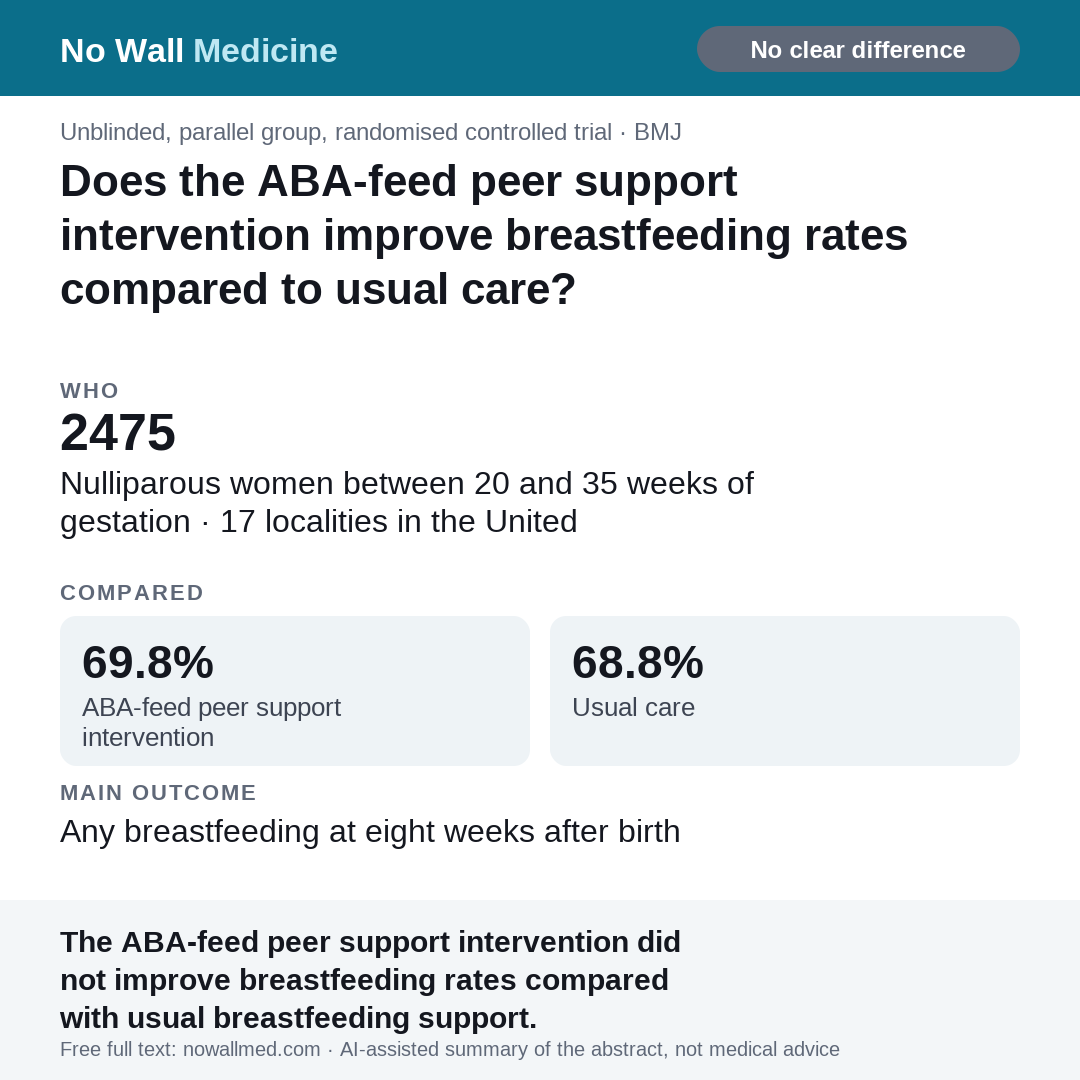
Peer support intervention (ABA-feed) to improve breastfeeding: UK based, multicentre, parallel group, randomised controlled trial
Unblinded, parallel group, randomised controlled trialNo clear difference
Does the ABA-feed peer support intervention improve breastfeeding rates compared to usual care?
Who
2475
Nulliparous women between 20 and 35 weeks of gestation · 17 localities in the United Kingdom
Compared
69.8%ABA-feed peer support intervention (1013/1452)
68.8%Usual care (698/1015)
Main outcome
Any breastfeeding at eight weeks after birth
Result: adjusted risk difference 0.01, 95% confidence interval -0.03 to 0.04
Bottom line: The ABA-feed peer support intervention did not improve breastfeeding rates compared with usual breastfeeding support.
BMJ · 2026-03-31Download image
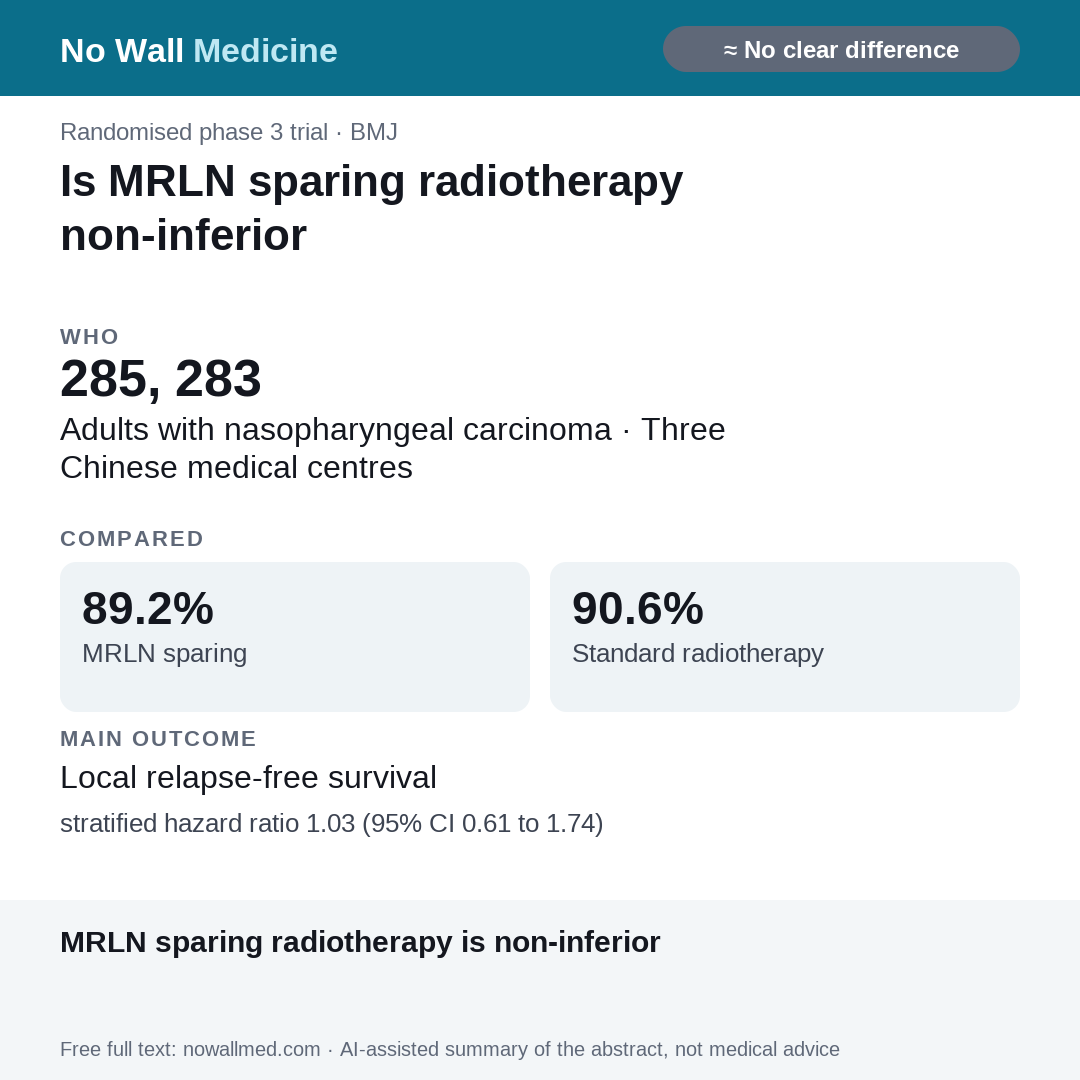
Medial retropharyngeal nodal region sparing radiotherapy in nasopharyngeal carcinoma: five year analysis of open label, non-inferiority, multicentre, randomised phase 3 trial
Randomised phase 3 trialNo clear difference
Is MRLN sparing radiotherapy non-inferior
Who
285, 283
Adults with nasopharyngeal carcinoma · Three Chinese medical centres
Compared
89.2%MRLN sparing (95% CI 85% to 92%)
90.6%Standard radiotherapy (87% to 94%)
Main outcome
Local relapse-free survival
Result: stratified hazard ratio 1.03 (95% CI 0.61 to 1.74)
Bottom line: MRLN sparing radiotherapy is non-inferior
BMJ · 2026-03-31Download image
Benralizumab versus placebo for hypereosinophilic syndrome: a randomized, placebo-controlled phase 3 trial
Randomized, double-blind placebo-controlled phase 3 trialBenefit found
Is benralizumab effective for FIP1L1::PDGFRA-negative hypereosinophilic syndrome?
Who
133
Patients with FIP1L1::PDGFRA-negative hypereosinophilic syndrome
Compared
Benralizumab 30 mg every 4 weeks
Placebo
Main outcome
Time to first hypereosinophilic syndrome flare
Result: hazard ratio 0.35 (95% CI 0.18 to 0.69)
Bottom line: Benralizumab significantly reduced the risk of the first hypereosinophilic syndrome flare compared to placebo.
Nat Med · 2026-03-31Download image

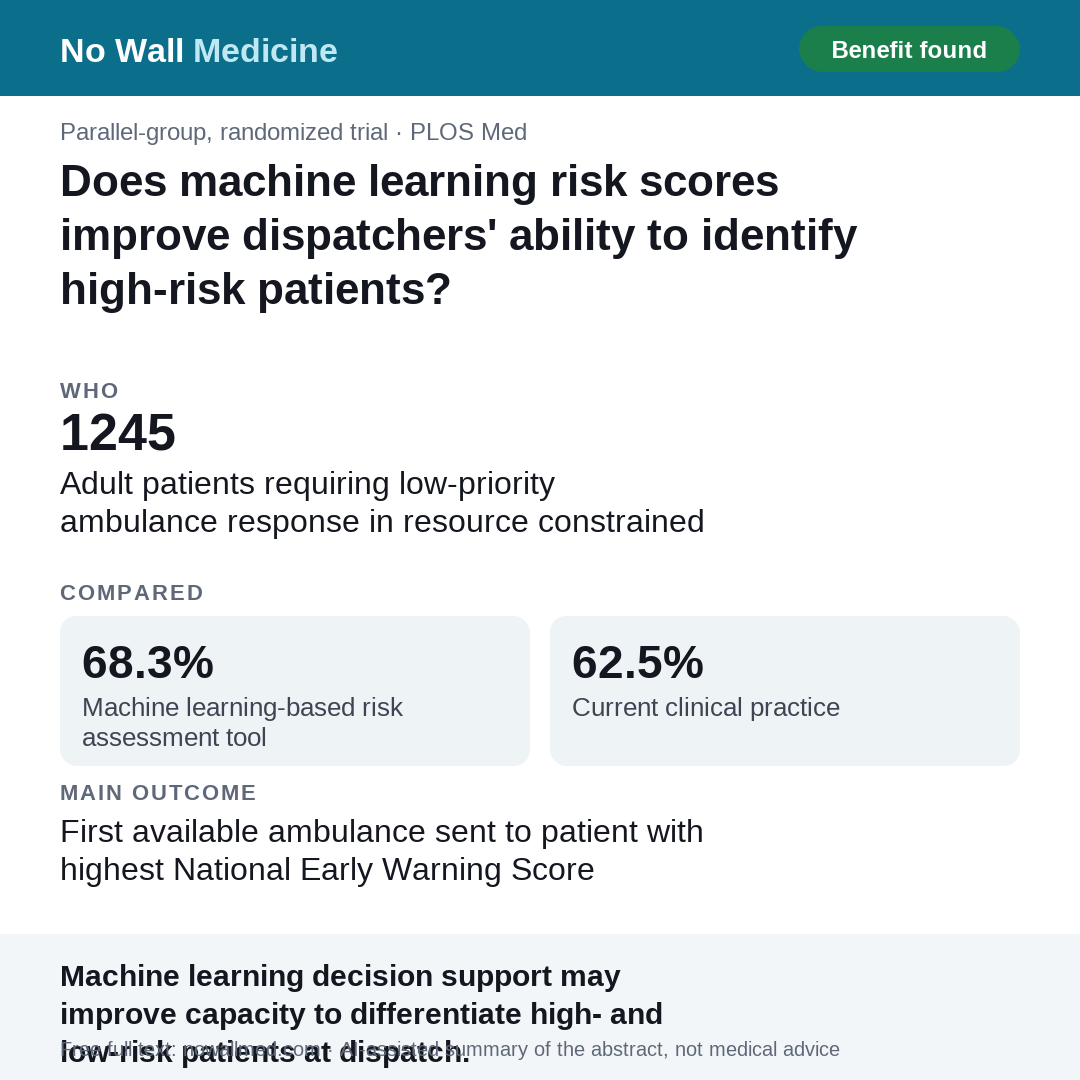
Machine learning assisted differentiation of low acuity patients at dispatch: The MADLAD randomized controlled trial
Parallel-group, randomized trialBenefit found
Does machine learning risk scores improve dispatchers' ability to identify high-risk patients?
Who
1245
Adult patients requiring low-priority ambulance response in resource constrained situations · Two study sites in Sweden
Compared
68.3%Machine learning-based risk assessment tool
62.5%Current clinical practice
Main outcome
First available ambulance sent to patient with highest National Early Warning Score
Result: odds ratio 1.28 (95% CI 1.00 to 1.63)
Bottom line: Machine learning decision support may improve capacity to differentiate high- and low-risk patients at dispatch.
Limitation: Limited to low-priority ambulance response in two Swedish regions and underpowered due to small sample size.
PLOS Med · 2026-03-31Download image
Computationally Derived Spatial Immune Signature Identifies Trastuzumab Responders in HER2+ Breast Cancer: NSABP B-41 Clinical Trial Validation
Randomized clinical trial validationBenefit found
Can the DeSTIL signature identify trastuzumab responders in HER2+ breast cancer?
Who
221
Patients with human epidermal growth factor receptor 2 positive breast cancer · National Surgical Adjuvant Breast and Bowel Project
Compared
DeSTIL-positive patients with trastuzumab: significantly improved event-free survival
DeSTIL-negative patients: No EFS difference
Main outcome
event-free survival
Result: hazard ratio 0.09 (95% CI 0.01-0.77)
Bottom line: The DeSTIL signature identifies HER2+ patients who derive greater benefit from trastuzumab compared to other treatments.
Clin Cancer Res · 2026-03-31Download image

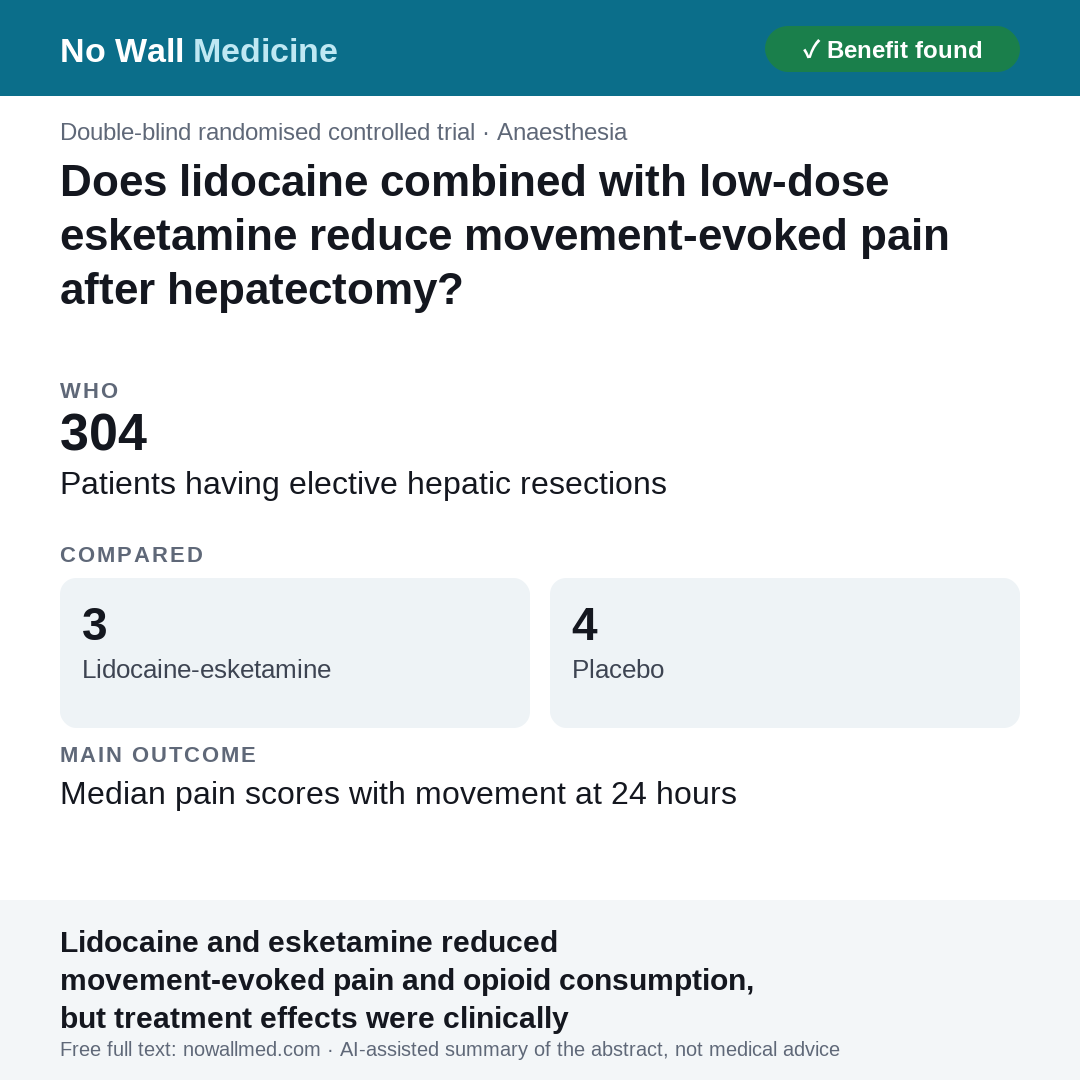
Lidocaine combined with low-dose esketamine for movement-evoked pain after hepatectomy: a double-blind randomised controlled trial
Double-blind randomised controlled trialBenefit found
Does lidocaine combined with low-dose esketamine reduce movement-evoked pain after hepatectomy?
Who
304
Patients having elective hepatic resections
Compared
3Lidocaine-esketamine (2-4 [1-6])
4Placebo (3-5 [1-9])
Main outcome
Median pain scores with movement at 24 hours
Bottom line: Lidocaine and esketamine reduced movement-evoked pain and opioid consumption, but treatment effects were clinically modest.
Limitation: Treatment effects were modest and of limited clinical importance.
Anaesthesia · 2026-03-31Download image
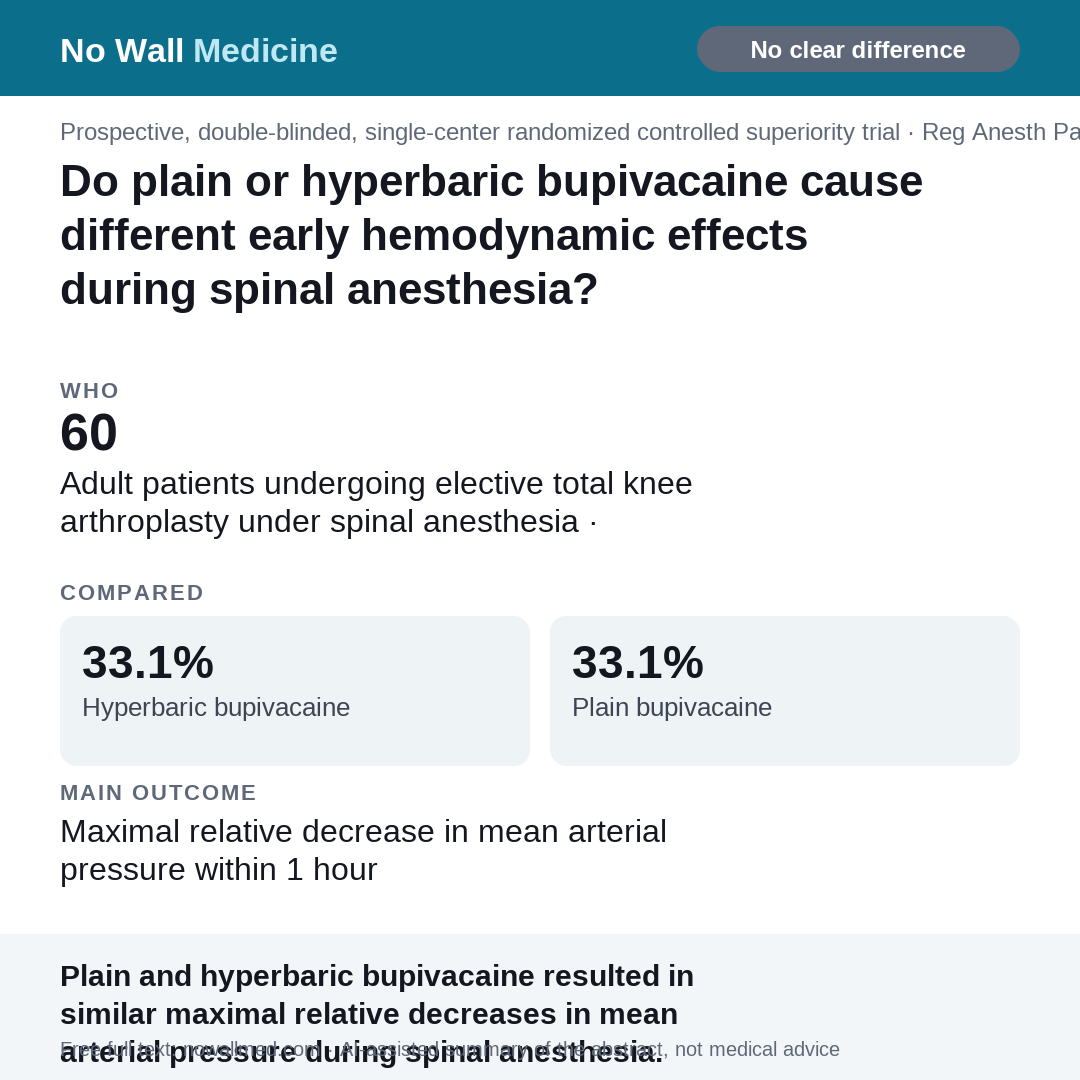
Hemodynamic effects of plain versus hyperbaric bupivacaine during spinal anesthesia for total knee arthroplasty: a randomized clinical trial
Prospective, double-blinded, single-center randomized controlled superiority trialNo clear difference
Do plain or hyperbaric bupivacaine cause different early hemodynamic effects during spinal anesthesia?
Who
60
Adult patients undergoing elective total knee arthroplasty under spinal anesthesia · Single-center
Compared
33.1%Hyperbaric bupivacaine (13.3)
33.1%Plain bupivacaine (11.5)
Main outcome
Maximal relative decrease in mean arterial pressure within 1 hour
Bottom line: Plain and hyperbaric bupivacaine resulted in similar maximal relative decreases in mean arterial pressure during spinal anesthesia.
Reg Anesth Pain Med · 2026-03-31Download image
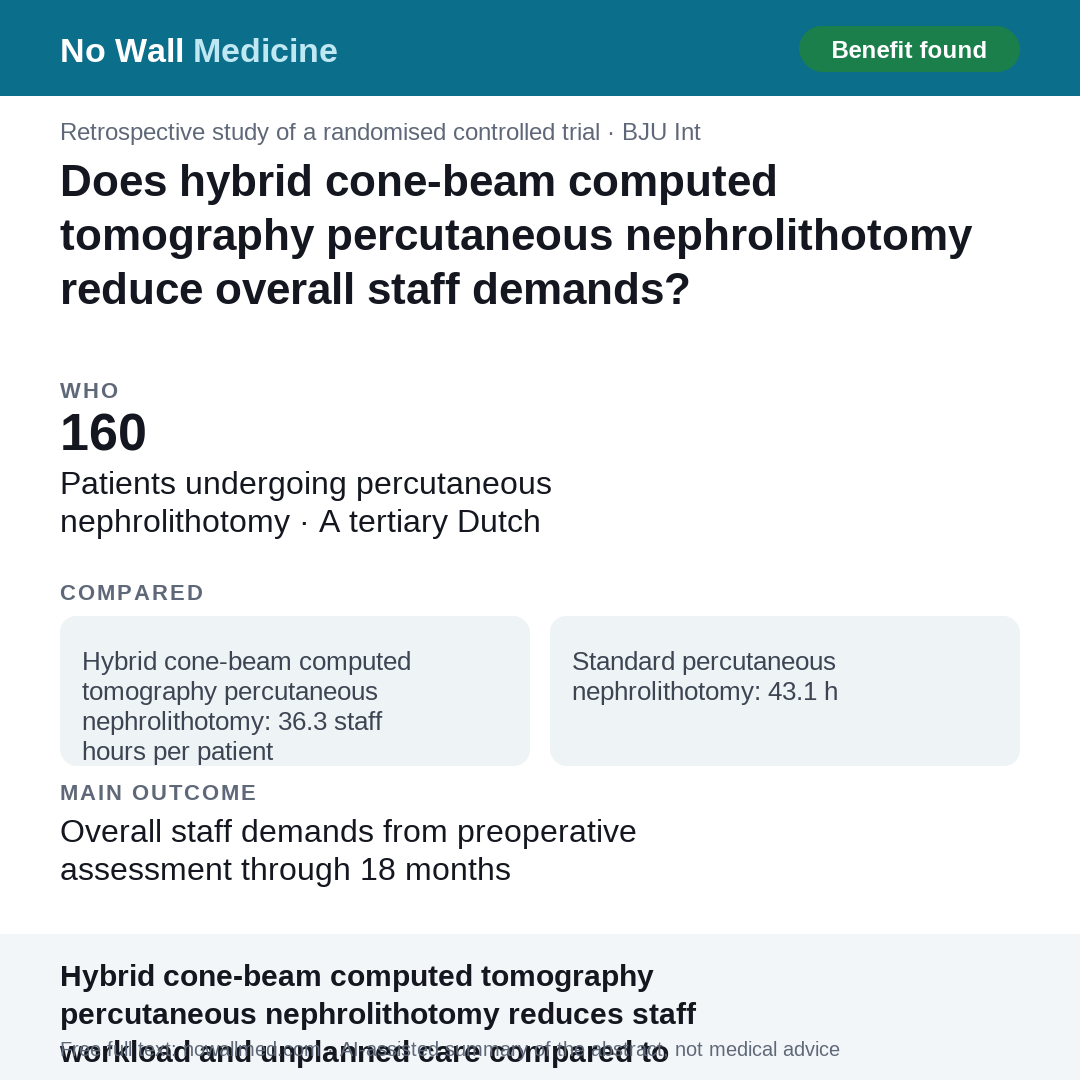
Comparison of staff workload between percutaneous nephrolithotomy with and without intraoperative cone-beam CT: an 18-month postoperative analysis
Retrospective study of a randomised controlled trialBenefit found
Does hybrid cone-beam computed tomography percutaneous nephrolithotomy reduce overall staff demands?
Who
160
Patients undergoing percutaneous nephrolithotomy · A tertiary Dutch urolithiasis centre
Compared
Hybrid cone-beam computed tomography percutaneous nephrolithotomy: 36.3 staff hours per patient
Standard percutaneous nephrolithotomy: 43.1 h
Main outcome
Overall staff demands from preoperative assessment through 18 months
Result: 19% reduction
Bottom line: Hybrid cone-beam computed tomography percutaneous nephrolithotomy reduces staff workload and unplanned care compared to standard percutaneous nephrolithotomy.
BJU Int · 2026-03-31Download image
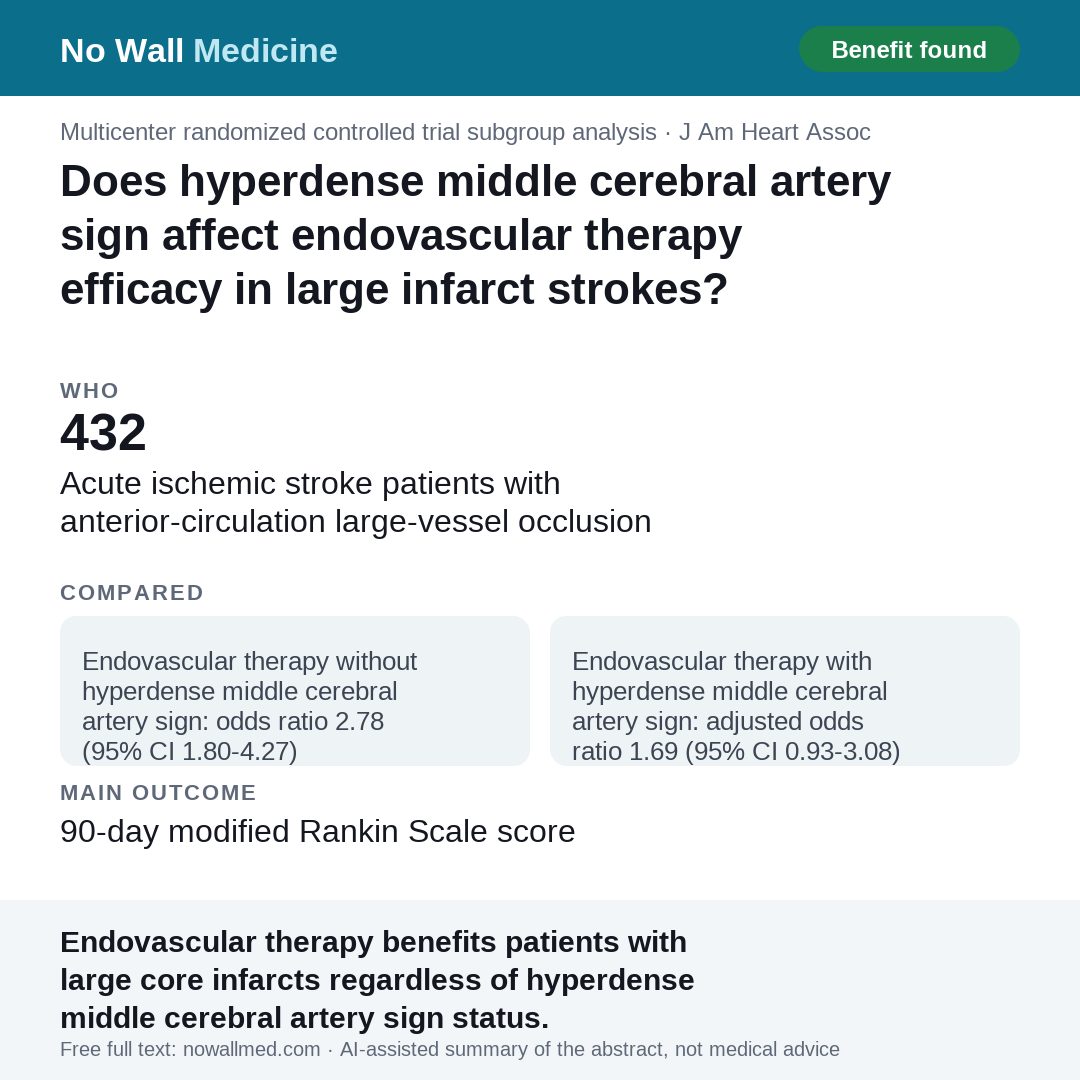
Effects of Computed Tomography Hyperdense Middle Cerebral Artery Sign on the Efficacy of Endovascular Therapy in Acute Ischemic Stroke With Large Infarcts: A Subgroup Analysis of the ANGEL-ASPECT Trial
Multicenter randomized controlled trial subgroup analysisBenefit found
Does hyperdense middle cerebral artery sign affect endovascular therapy efficacy in large infarct strokes?
Who
432
Acute ischemic stroke patients with anterior-circulation large-vessel occlusion and large infarct cores · China
Compared
Endovascular therapy without hyperdense middle cerebral artery sign: odds ratio 2.78 (95% CI 1.80-4.27)
Endovascular therapy with hyperdense middle cerebral artery sign: adjusted odds ratio 1.69 (95% CI 0.93-3.08)
Main outcome
90-day modified Rankin Scale score
Result: no significant interaction between hyperdense middle cerebral artery sign and treatment (P=0.19)
Bottom line: Endovascular therapy benefits patients with large core infarcts regardless of hyperdense middle cerebral artery sign status.
J Am Heart Assoc · 2026-03-31Download image
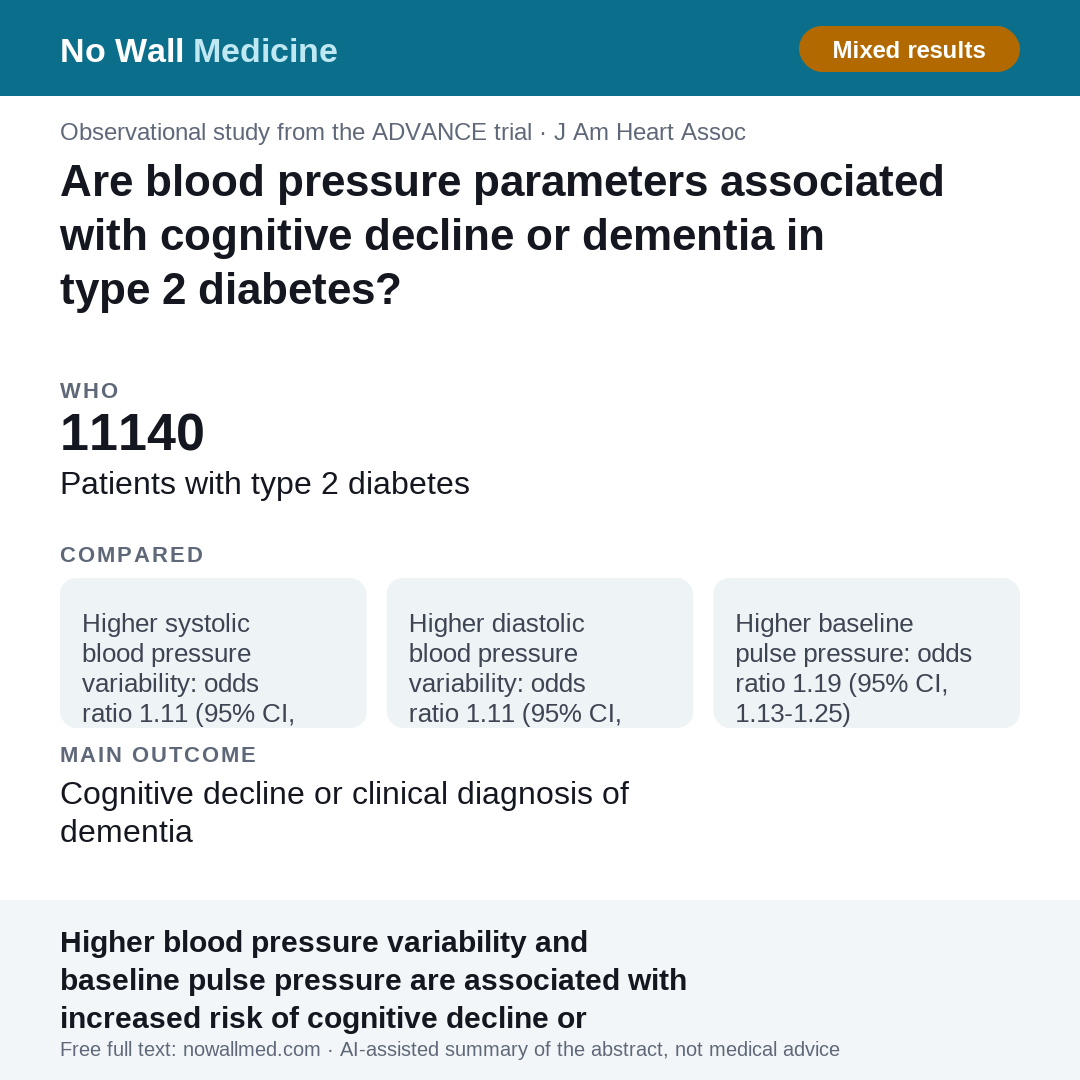
Blood Pressure Parameters and Risk of Cognitive Decline and Dementia in Type 2 Diabetes: Results From the ADVANCE Trial
Observational study from the ADVANCE trialMixed results
Are blood pressure parameters associated with cognitive decline or dementia in type 2 diabetes?
Who
11140
Patients with type 2 diabetes
Compared
Higher systolic blood pressure variability: odds ratio 1.11 (95% CI, 1.05-1.17)
Higher diastolic blood pressure variability: odds ratio 1.11 (95% CI, 1.05-1.17)
Higher baseline pulse pressure: odds ratio 1.19 (95% CI, 1.13-1.25)
Main outcome
Cognitive decline or clinical diagnosis of dementia
Result: baseline pulse pressure odds ratio 1.19 (95% CI, 1.13-1.25)
Bottom line: Higher blood pressure variability and baseline pulse pressure are associated with increased risk of cognitive decline or dementia.
J Am Heart Assoc · 2026-03-31Download image
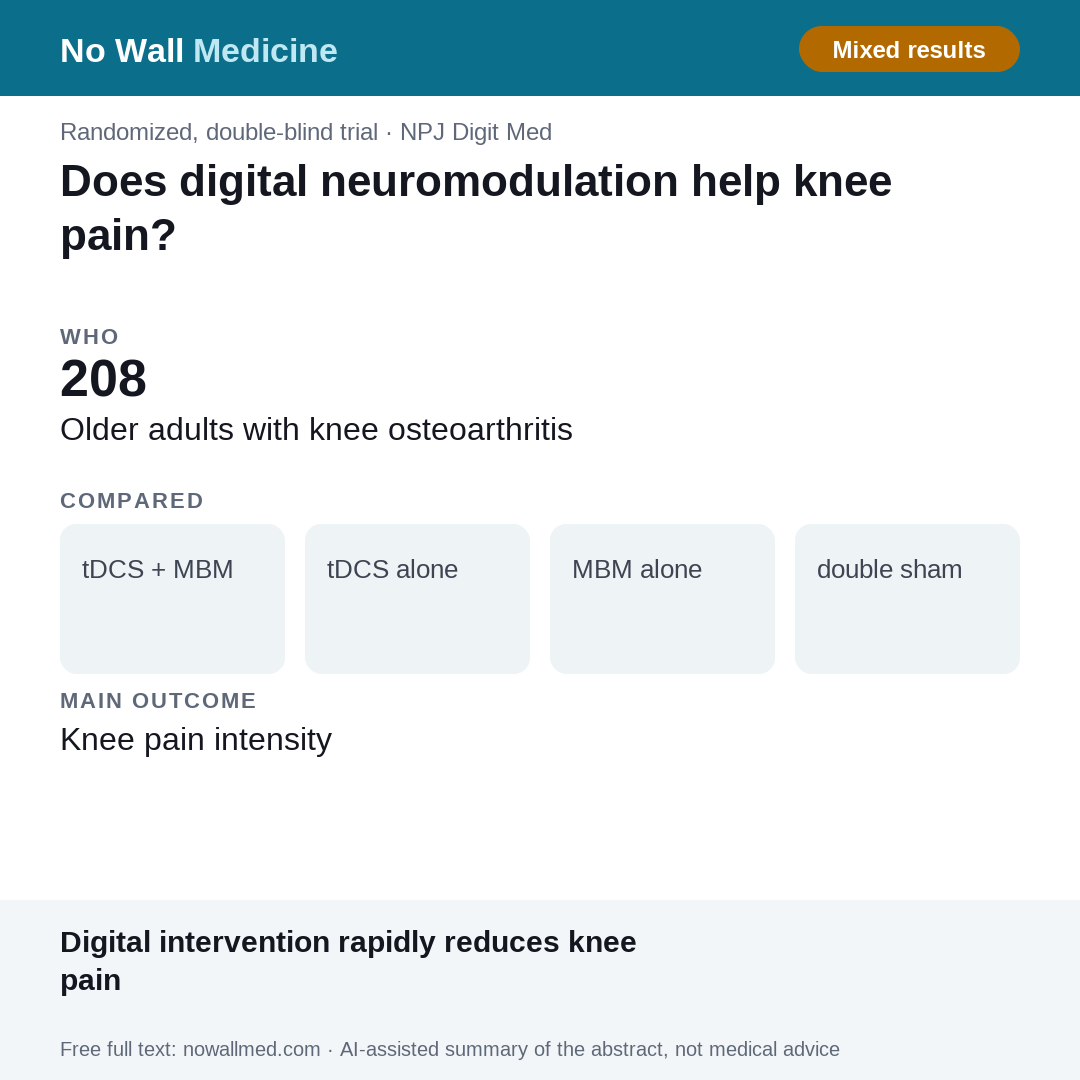
A randomized trial of a digitally delivered, home-based neuromodulation and mindfulness intervention for pain management in older adults with knee osteoarthritis
Randomized, double-blind trialMixed results
Does digital neuromodulation help knee pain?
Who
208
Older adults with knee osteoarthritis
Compared
tDCS + MBM
tDCS alone
MBM alone
double sham
Main outcome
Knee pain intensity
Bottom line: Digital intervention rapidly reduces knee pain
Limitation: Benefits not sustained at 3 months
NPJ Digit Med · 2026-03-31Download image
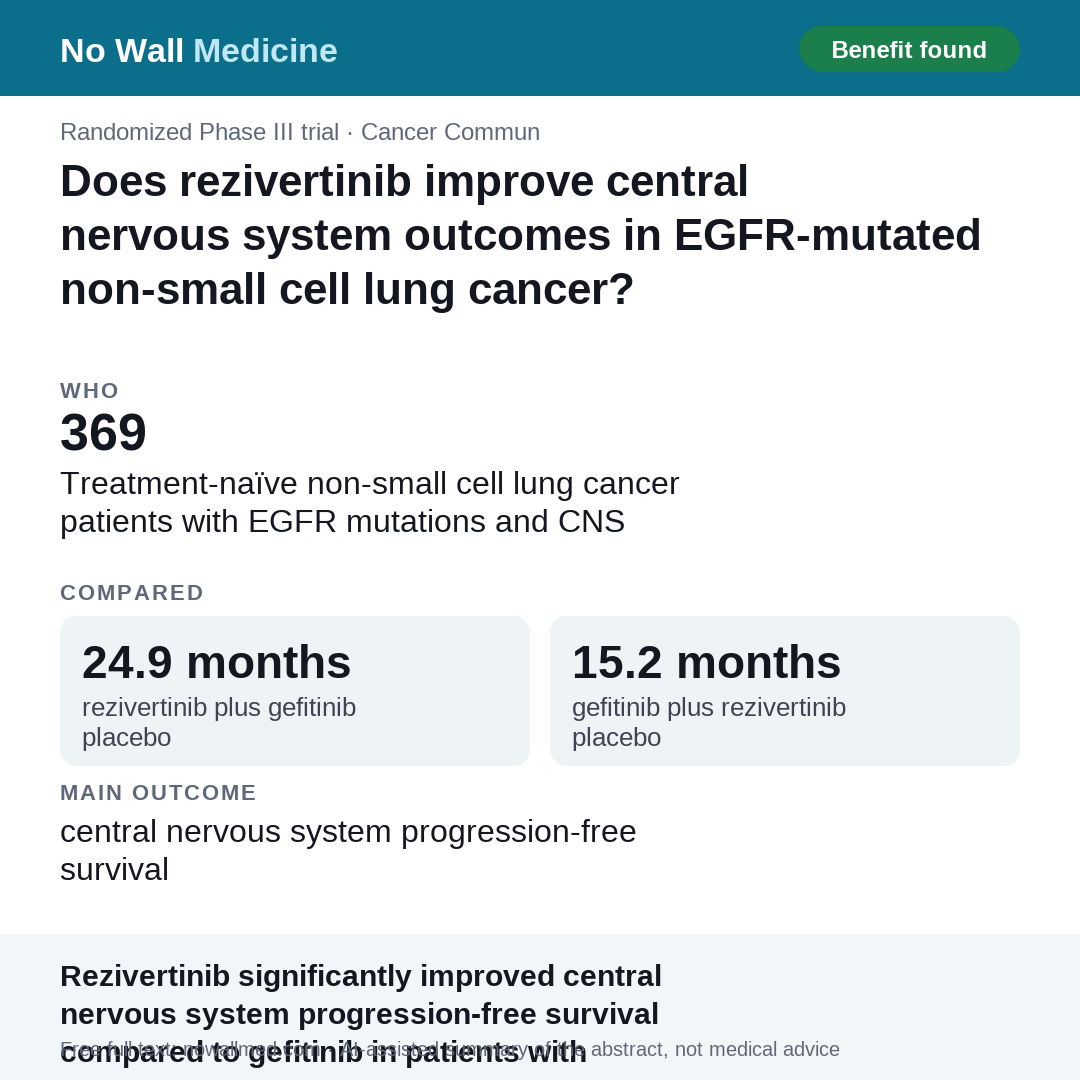
Rezivertinib in EGFR-Mutated Non-Small Cell Lung Cancer Patients with Central Nervous System Metastasis: Central Nervous System Efficacy from the Phase III REZOR Study
Randomized Phase III trialBenefit found
Does rezivertinib improve central nervous system outcomes in EGFR-mutated non-small cell lung cancer?
Who
369
Treatment-naïve non-small cell lung cancer patients with EGFR mutations and CNS metastases
Compared
24.9 monthsrezivertinib plus gefitinib placebo
15.2 monthsgefitinib plus rezivertinib placebo
Main outcome
central nervous system progression-free survival
Result: hazard ratio 0.58 (95% CI, 0.34 to 0.99)
Bottom line: Rezivertinib significantly improved central nervous system progression-free survival compared to gefitinib in patients with EGFR-mutated lung cancer.
Cancer Commun · 2026-03-31Download image
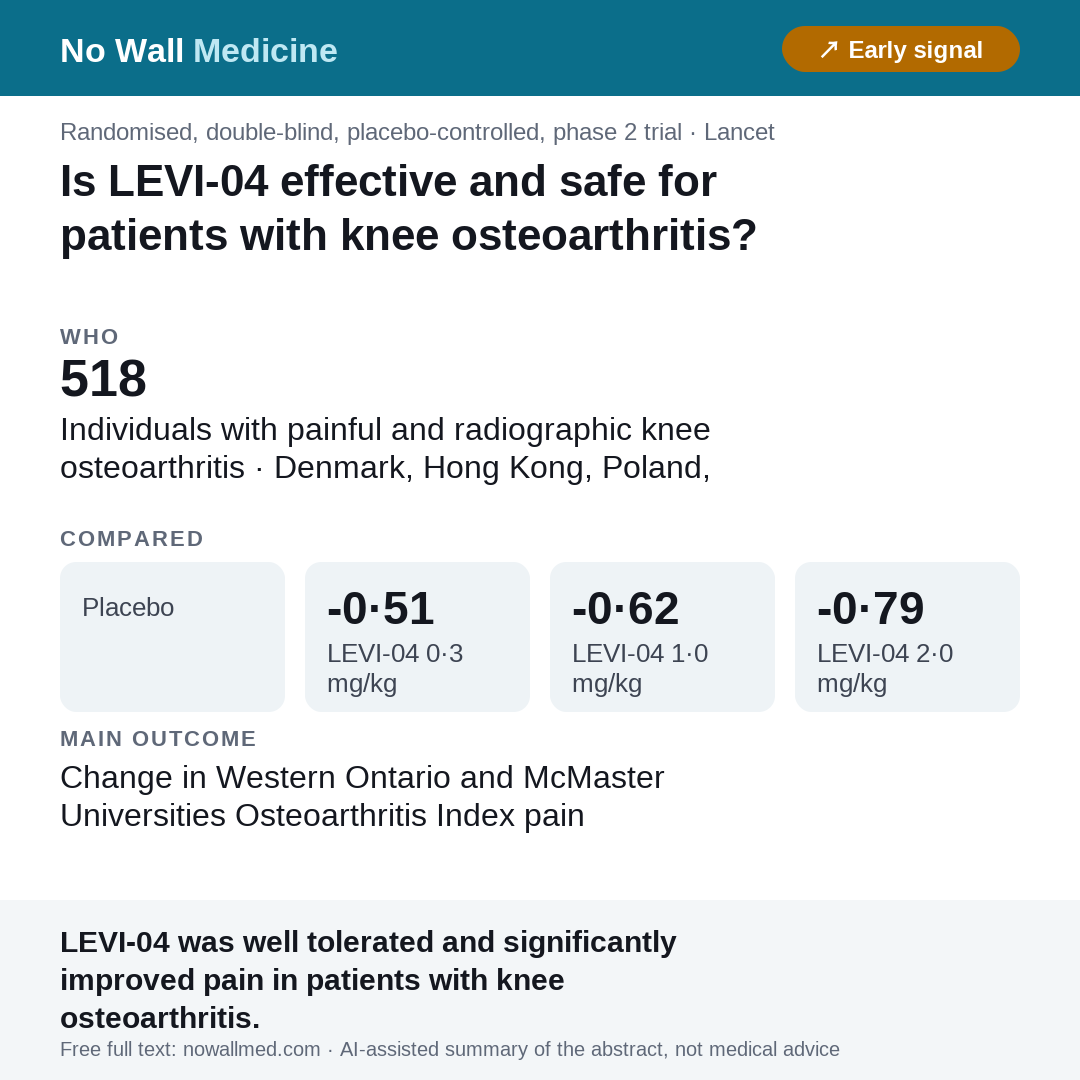
Efficacy and safety of LEVI-04 in patients with osteoarthritis of the knee: a randomised, double-blind, placebo-controlled, phase 2 trial
Randomised, double-blind, placebo-controlled, phase 2 trialBenefit found
Is LEVI-04 effective and safe for patients with knee osteoarthritis?
Who
518
Individuals with painful and radiographic knee osteoarthritis · Denmark, Hong Kong, Poland, Moldova, and the Czech Republic
Compared
Placebo
-0·51LEVI-04 0·3 mg/kg (95% CI -0·96 to -0·07)
-0·62LEVI-04 1·0 mg/kg (-1·07 to -0·17)
-0·79LEVI-04 2·0 mg/kg (-1·24 to -0·35)
Main outcome
Change in Western Ontario and McMaster Universities Osteoarthritis Index pain
Result: least squares mean difference versus placebo: -0·51 (95% CI -0·96 to -0·07) to -0·79 (95% CI -1·24 to -0·35)
Bottom line: LEVI-04 was well tolerated and significantly improved pain in patients with knee osteoarthritis.
Funded by: Levicept
Lancet · 2026-03-30Download image
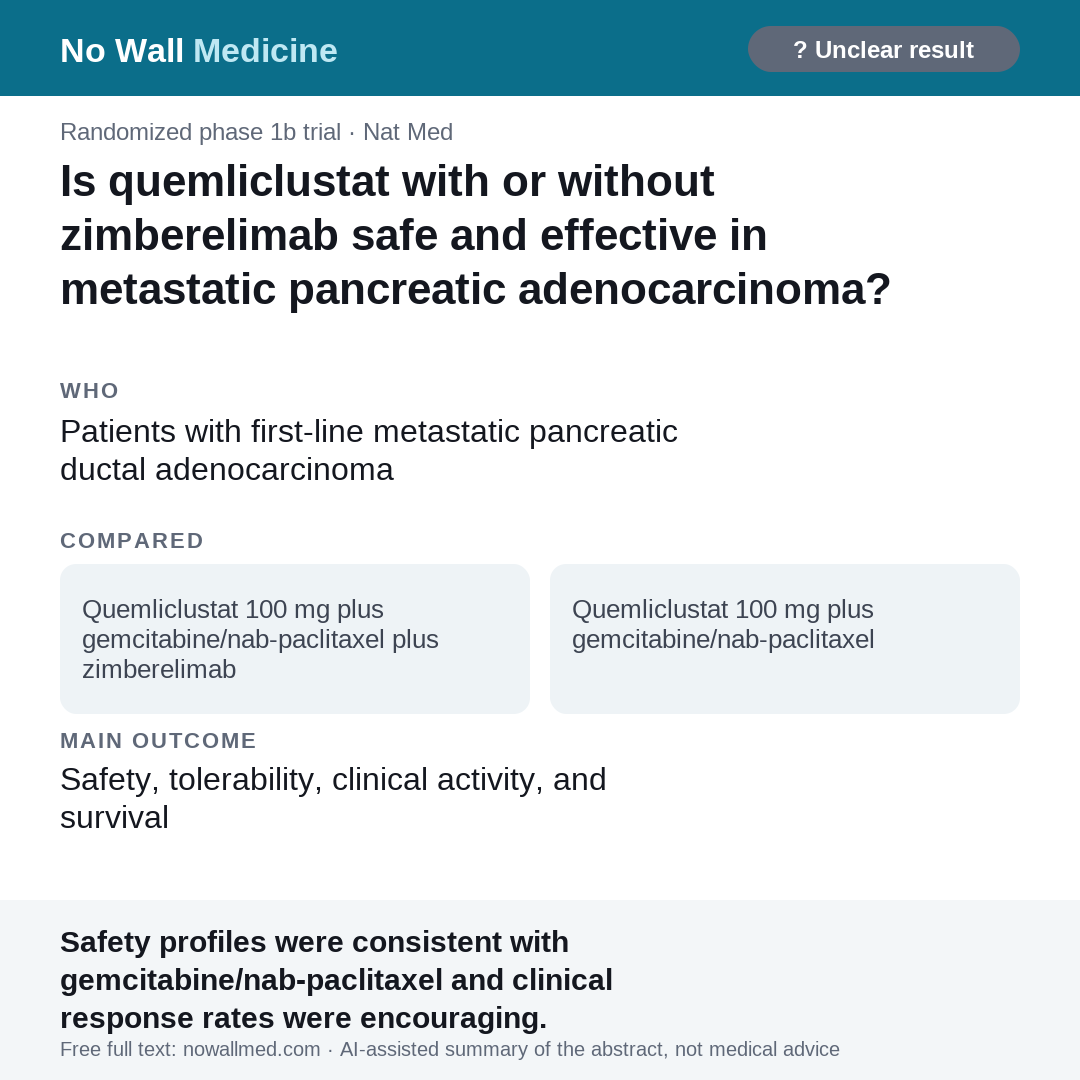
Quemliclustat and chemotherapy with or without zimberelimab in metastatic pancreatic adenocarcinoma: a randomized phase 1 trial
Randomized phase 1b trialUnclear result
Is quemliclustat with or without zimberelimab safe and effective in metastatic pancreatic adenocarcinoma?
Who
Patients with first-line metastatic pancreatic ductal adenocarcinoma
Compared
Quemliclustat 100 mg plus gemcitabine/nab-paclitaxel plus zimberelimab
Quemliclustat 100 mg plus gemcitabine/nab-paclitaxel
Main outcome
Safety, tolerability, clinical activity, and survival
Bottom line: Safety profiles were consistent with gemcitabine/nab-paclitaxel and clinical response rates were encouraging.
Nat Med · 2026-03-30Download image
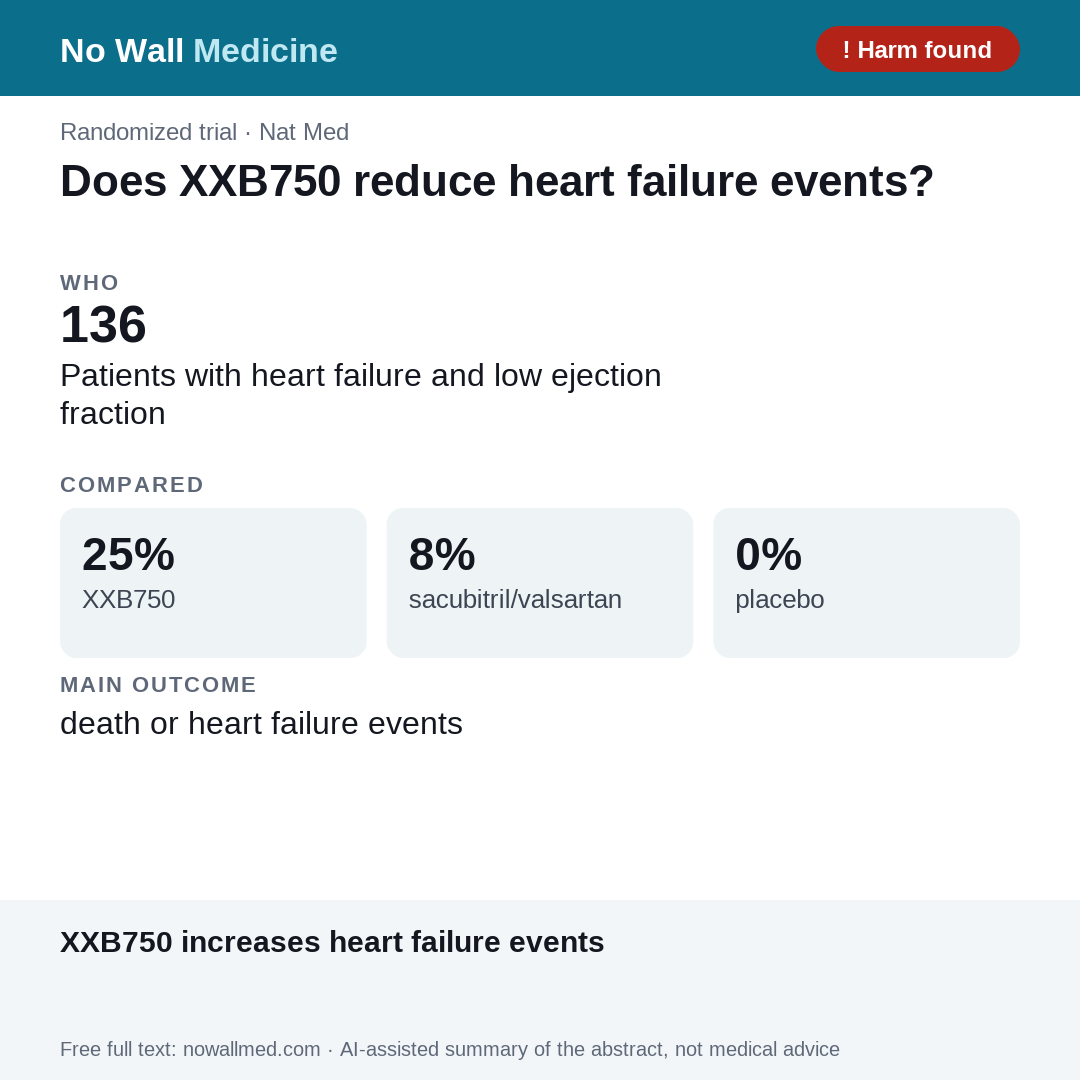
The NPR1 agonist antibody XXB750 in heart failure: a phase 2 randomized trial
Randomized trialHarm found
Does XXB750 reduce heart failure events?
Who
136
Patients with heart failure and low ejection fraction
Compared
25%XXB750
8%sacubitril/valsartan
0%placebo
Main outcome
death or heart failure events
Bottom line: XXB750 increases heart failure events
Nat Med · 2026-03-30Download image
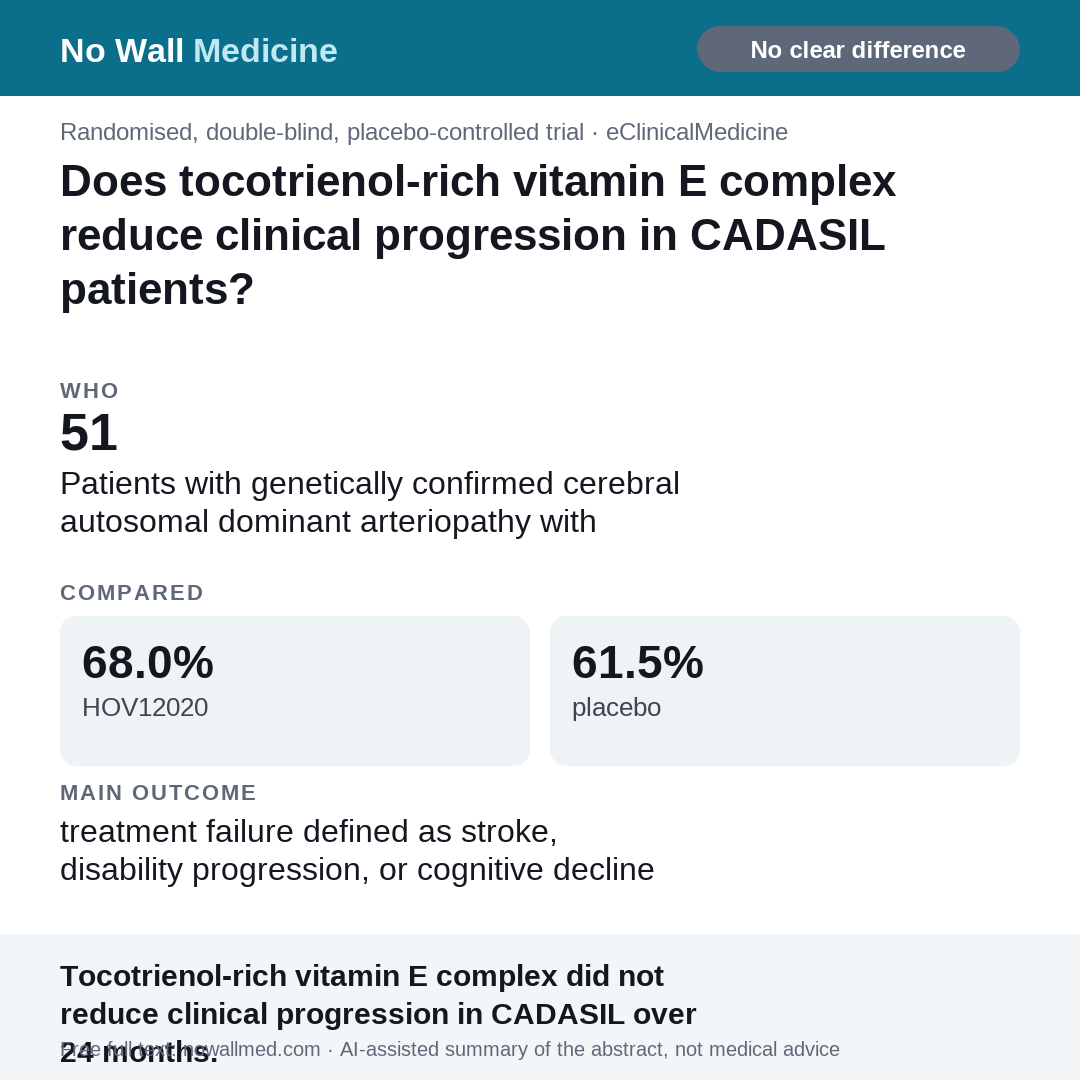
Tocotrienol-rich vitamin E complex in CADASIL (T3CAD): a randomised, double-blind, placebo-controlled trial
Randomised, double-blind, placebo-controlled trialNo clear difference
Does tocotrienol-rich vitamin E complex reduce clinical progression in CADASIL patients?
Who
51
Patients with genetically confirmed cerebral autosomal dominant arteriopathy with subcortical infarcts and leukoencephalopathy
Compared
68.0%HOV12020
61.5%placebo
Main outcome
treatment failure defined as stroke, disability progression, or cognitive decline
Bottom line: Tocotrienol-rich vitamin E complex did not reduce clinical progression in CADASIL over 24 months.
Funded by: Hovid Berhad
eClinicalMedicine · 2026-03-30Download image
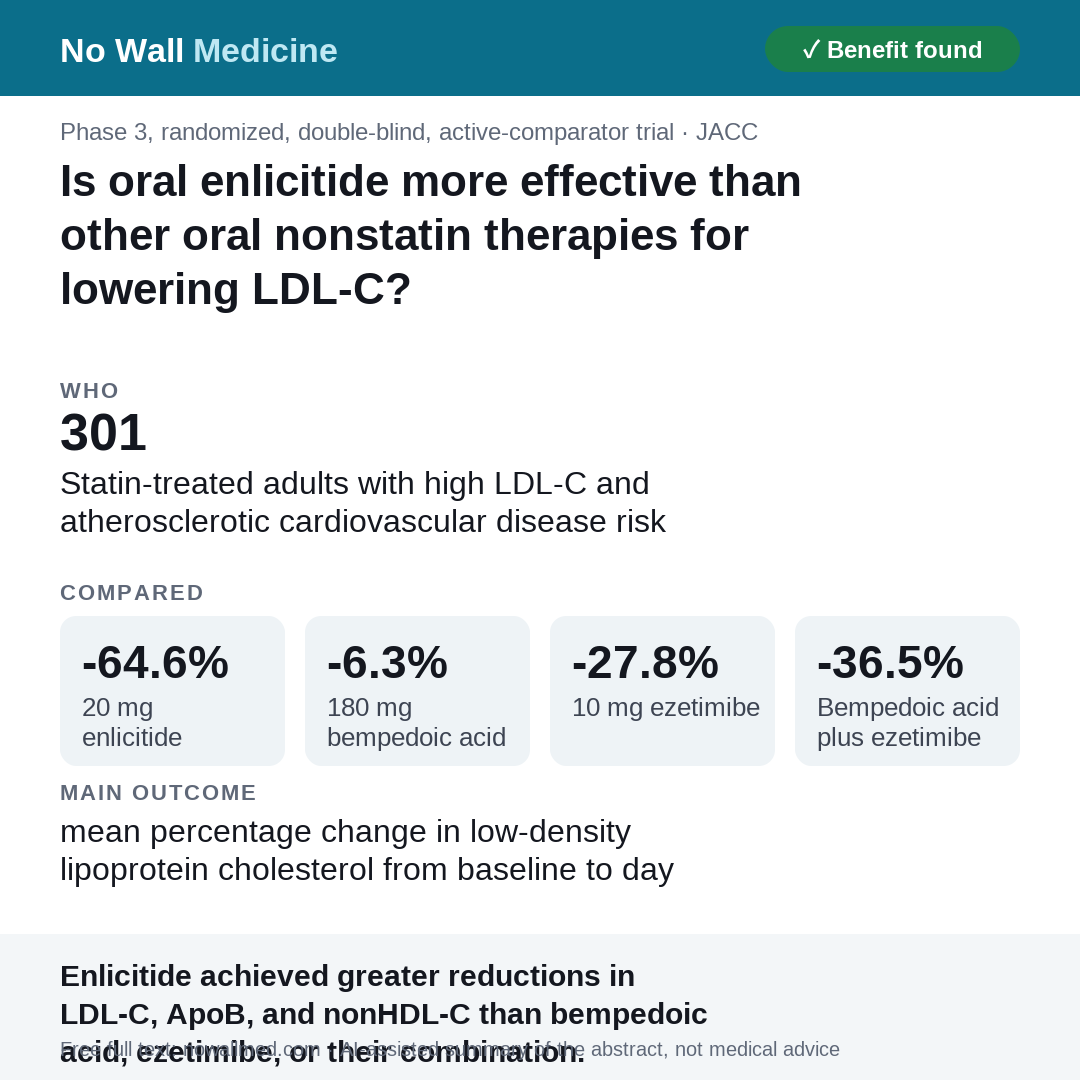
Oral PCSK9 Inhibitor Enlicitide Versus Oral Nonstatin Therapies: A Phase 3 Randomized Clinical Trial
Phase 3, randomized, double-blind, active-comparator trialBenefit found
Is oral enlicitide more effective than other oral nonstatin therapies for lowering LDL-C?
Who
301
Statin-treated adults with high LDL-C and atherosclerotic cardiovascular disease risk
Compared
-64.6%20 mg enlicitide (95% CI: -68.3% to -60.9%)
-6.3%180 mg bempedoic acid (95% CI: -13.5% to 0.8%)
-27.8%10 mg ezetimibe (95% CI: -32.3% to -23.4%)
-36.5%Bempedoic acid plus ezetimibe (95% CI: -40.8% to -32.2%)
Main outcome
mean percentage change in low-density lipoprotein cholesterol from baseline to day 56
Bottom line: Enlicitide achieved greater reductions in LDL-C, ApoB, and nonHDL-C than bempedoic acid, ezetimibe, or their combination.
JACC · 2026-03-30Download image
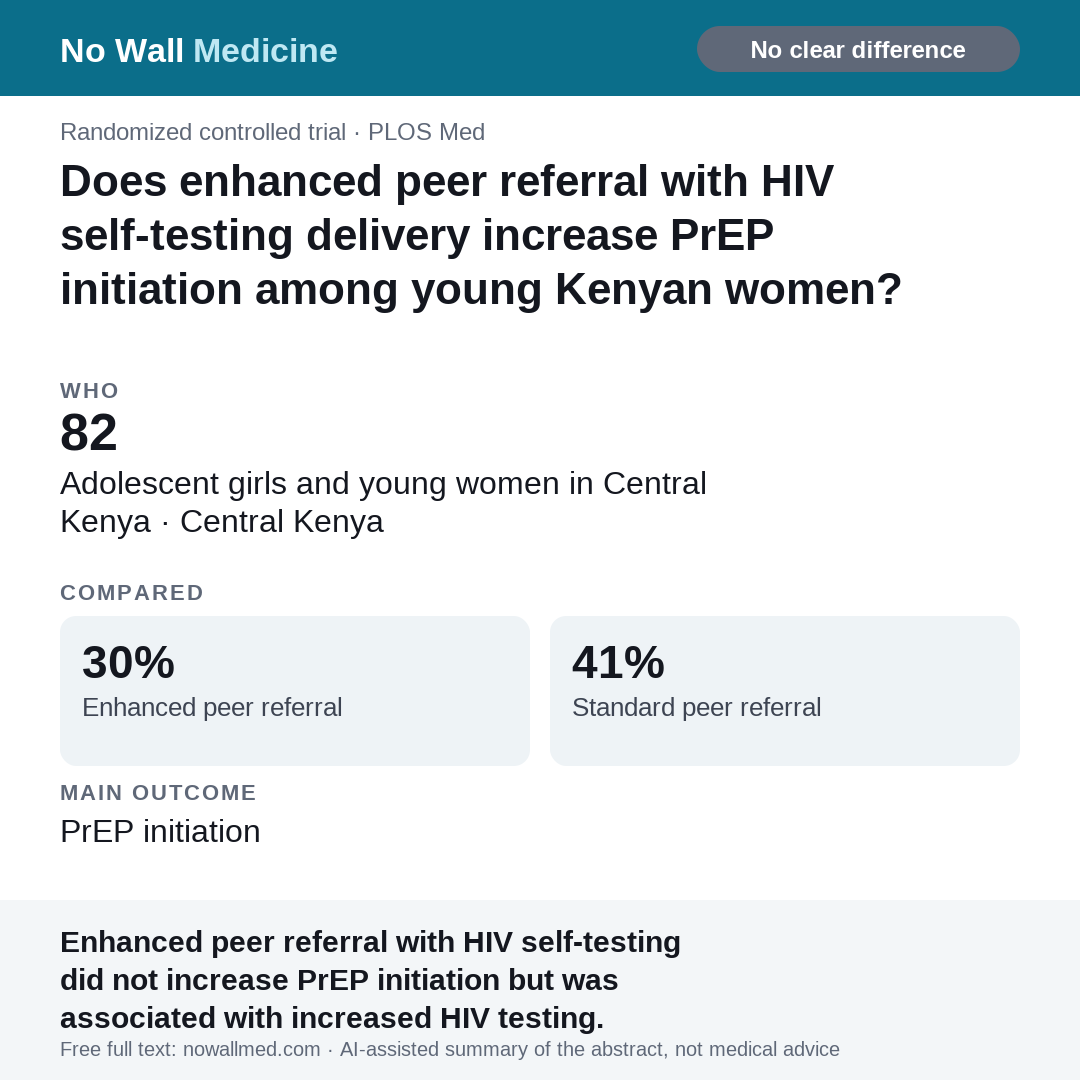
Effect of enhanced peer PrEP referral with HIV self-testing delivery among young Kenyan women: A randomized controlled trial of peer networks
Randomized controlled trialNo clear difference
Does enhanced peer referral with HIV self-testing delivery increase PrEP initiation among young Kenyan women?
Who
82
Adolescent girls and young women in Central Kenya · Central Kenya
Compared
30%Enhanced peer referral (41/137)
41%Standard peer referral (41/104)
Main outcome
PrEP initiation
Result: risk difference -6%, 95% CI [-26%, 11%]
Bottom line: Enhanced peer referral with HIV self-testing did not increase PrEP initiation but was associated with increased HIV testing.
Limitation: Relying on index peers to report outcomes for referred peers was a study limitation.
PLOS Med · 2026-03-30Download image
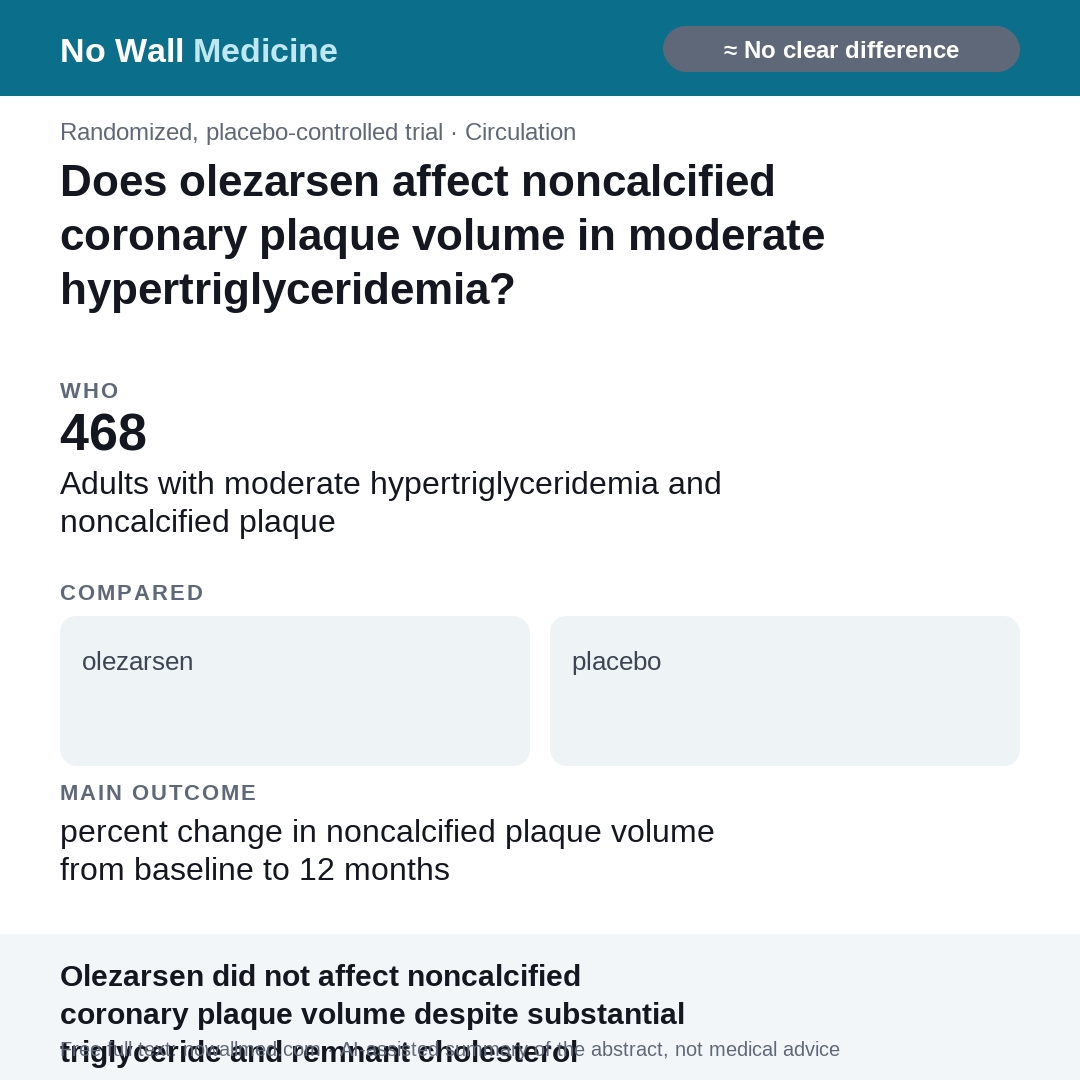
Effect of APOC3 Inhibition With Olezarsen on Coronary Atherosclerosis: Essence-TIMI 73b Imaging Study
Randomized, placebo-controlled trialNo clear difference
Does olezarsen affect noncalcified coronary plaque volume in moderate hypertriglyceridemia?
Who
468
Adults with moderate hypertriglyceridemia and noncalcified plaque
Compared
olezarsen
placebo
Main outcome
percent change in noncalcified plaque volume from baseline to 12 months
Result: placebo-adjusted least-squares mean difference, 2.98% (95% CI, -3.4 to 9.3)
Bottom line: Olezarsen did not affect noncalcified coronary plaque volume despite substantial triglyceride and remnant cholesterol lowering.
Circulation · 2026-03-30Download image
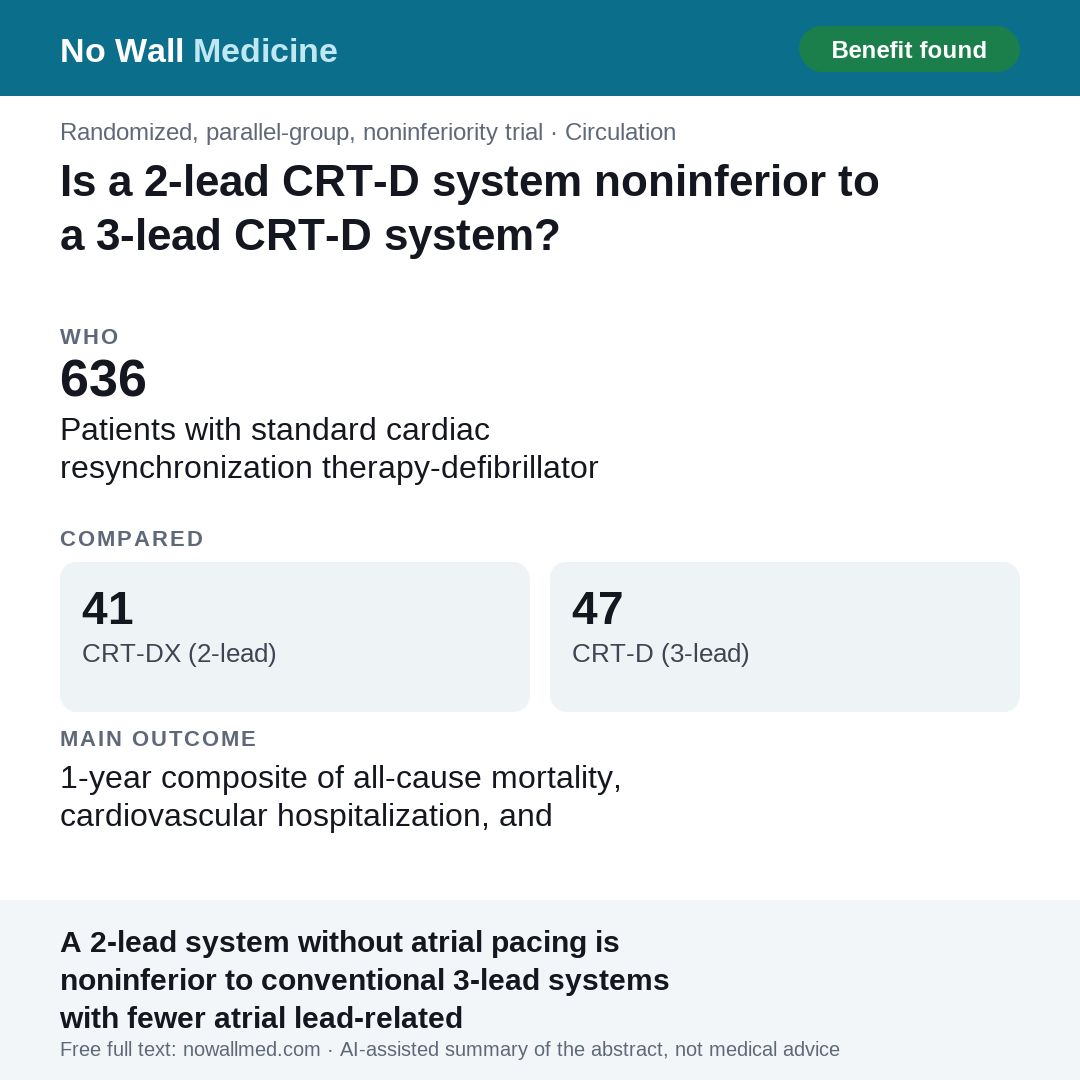
Role of Atrial Pacing Support in Cardiac Resynchronization Therapy: A Noninferiority Randomized Trial
Randomized, parallel-group, noninferiority trialBenefit found
Is a 2-lead CRT-D system noninferior to a 3-lead CRT-D system?
Who
636
Patients with standard cardiac resynchronization therapy-defibrillator indication and resting sinus rate ≥45 beats/min · 23 Italian sites
Compared
41CRT-DX (2-lead) (13.1%)
47CRT-D (3-lead) (15.6%)
Main outcome
1-year composite of all-cause mortality, cardiovascular hospitalization, and lead-related complications
Result: hazard ratio 0.82 (95% CI 0.54-1.25)
Bottom line: A 2-lead system without atrial pacing is noninferior to conventional 3-lead systems with fewer atrial lead-related complications.
Circulation · 2026-03-30Download image