Visual abstracts
New randomized trials and meta-analyses from leading journals at a glance: who was studied, what was compared, and what was found. Every paper is free to read in full.
All specialtiesCardiology 842Oncology 763Gastroenterology & Hepatology 307Infectious Disease 626Neurology 350Psychiatry & Mental Health 430Pulmonology 366Critical Care 245Endocrinology & Diabetes 480Pediatrics 536Surgery 324Orthopedics & Sports Medicine 162Neurosurgery 93Cardiothoracic & Vascular Surgery 87Plastic & Reconstructive Surgery 124Nephrology 197Rheumatology 108Hematology 182Dermatology 80Ophthalmology 97Obstetrics & Gynecology 261Public & Global Health 167Radiology & Imaging 98Anesthesiology 114Urology 162ENT (Otolaryngology) 91Emergency Medicine 73Allergy & Immunology 58Geriatrics 160Family Medicine & Primary Care 111Medical Genetics & Genomics 91Pathology & Laboratory Medicine 24Physical Medicine & Rehabilitation 148Palliative Care 81Nutrition 223Digital Health & AI 460General Medicine 101
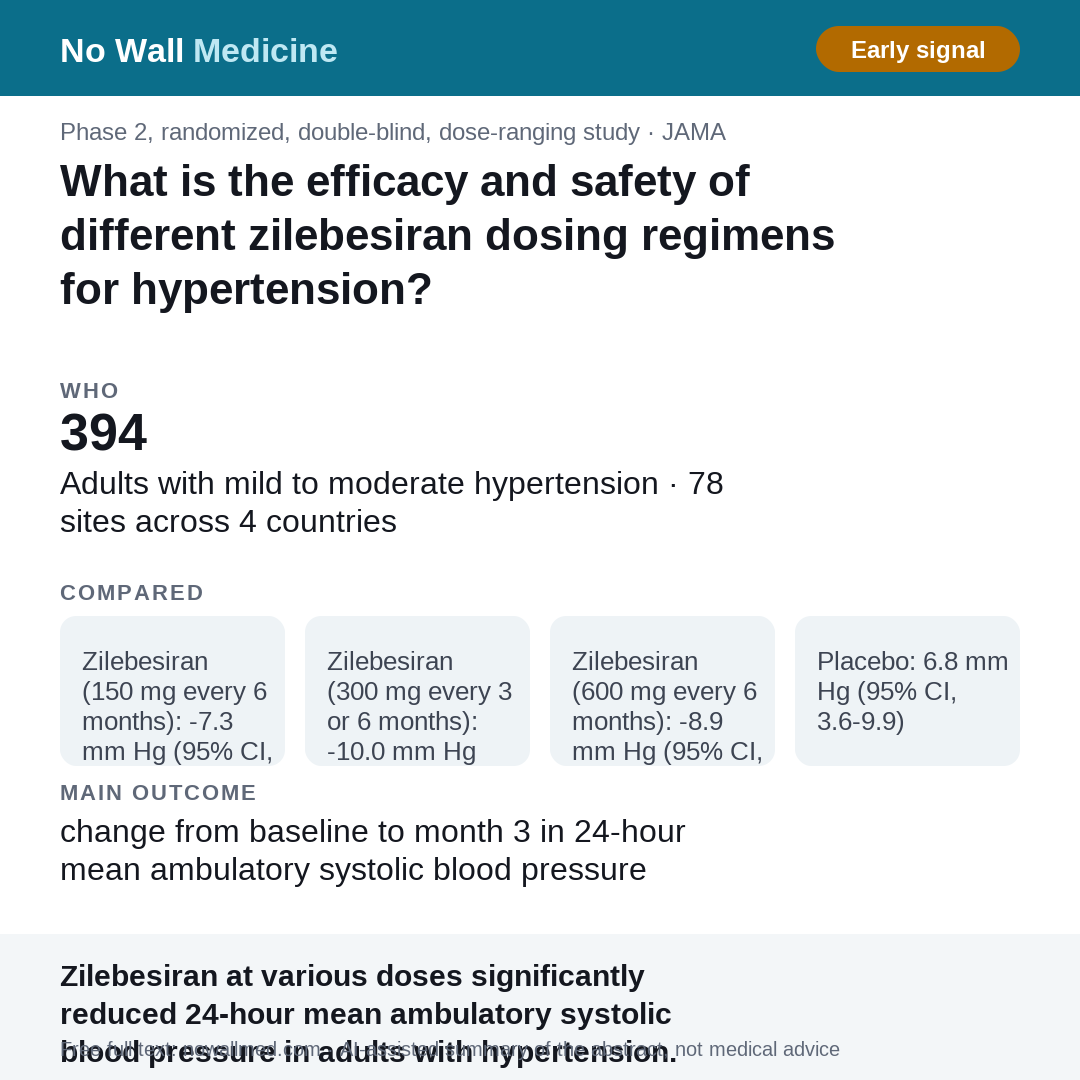
RNA Interference With Zilebesiran for Mild to Moderate Hypertension: The KARDIA-1 Randomized Clinical Trial
Phase 2, randomized, double-blind, dose-ranging studyBenefit found
What is the efficacy and safety of different zilebesiran dosing regimens for hypertension?
Who
394
Adults with mild to moderate hypertension · 78 sites across 4 countries
Compared
Zilebesiran (150 mg every 6 months): -7.3 mm Hg (95% CI, -10.3 to -4.4)
Zilebesiran (300 mg every 3 or 6 months): -10.0 mm Hg (95% CI, -12.0 to -7.9)
Zilebesiran (600 mg every 6 months): -8.9 mm Hg (95% CI, -11.9 to -6.0)
Placebo: 6.8 mm Hg (95% CI, 3.6-9.9)
Main outcome
change from baseline to month 3 in 24-hour mean ambulatory systolic blood pressure
Result: LSM differences vs placebo: -14.1 mm Hg (95% CI, -19.2 to -9.0) to -16.7 mm Hg (95% CI, -21.2 to -12.3)
Bottom line: Zilebesiran at various doses significantly reduced 24-hour mean ambulatory systolic blood pressure in adults with hypertension.
JAMA · 2024-02-16Download image
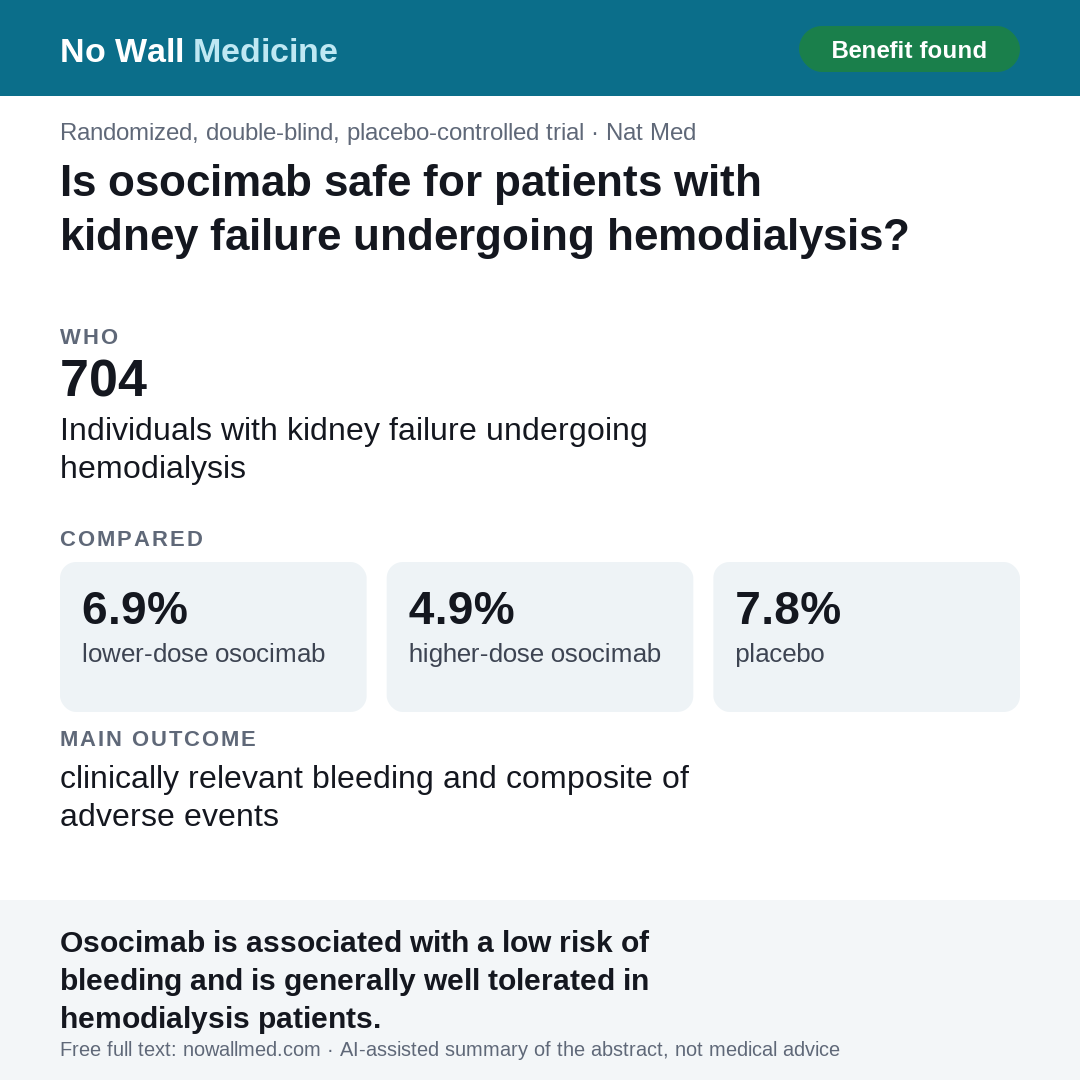
Anticoagulation with osocimab in patients with kidney failure undergoing hemodialysis: a randomized phase 2 trial
Randomized, double-blind, placebo-controlled trialBenefit found
Is osocimab safe for patients with kidney failure undergoing hemodialysis?
Who
704
Individuals with kidney failure undergoing hemodialysis
Compared
6.9%lower-dose osocimab
4.9%higher-dose osocimab
7.8%placebo
Main outcome
clinically relevant bleeding and composite of adverse events
Bottom line: Osocimab is associated with a low risk of bleeding and is generally well tolerated in hemodialysis patients.
Nat Med · 2024-02-16Download image
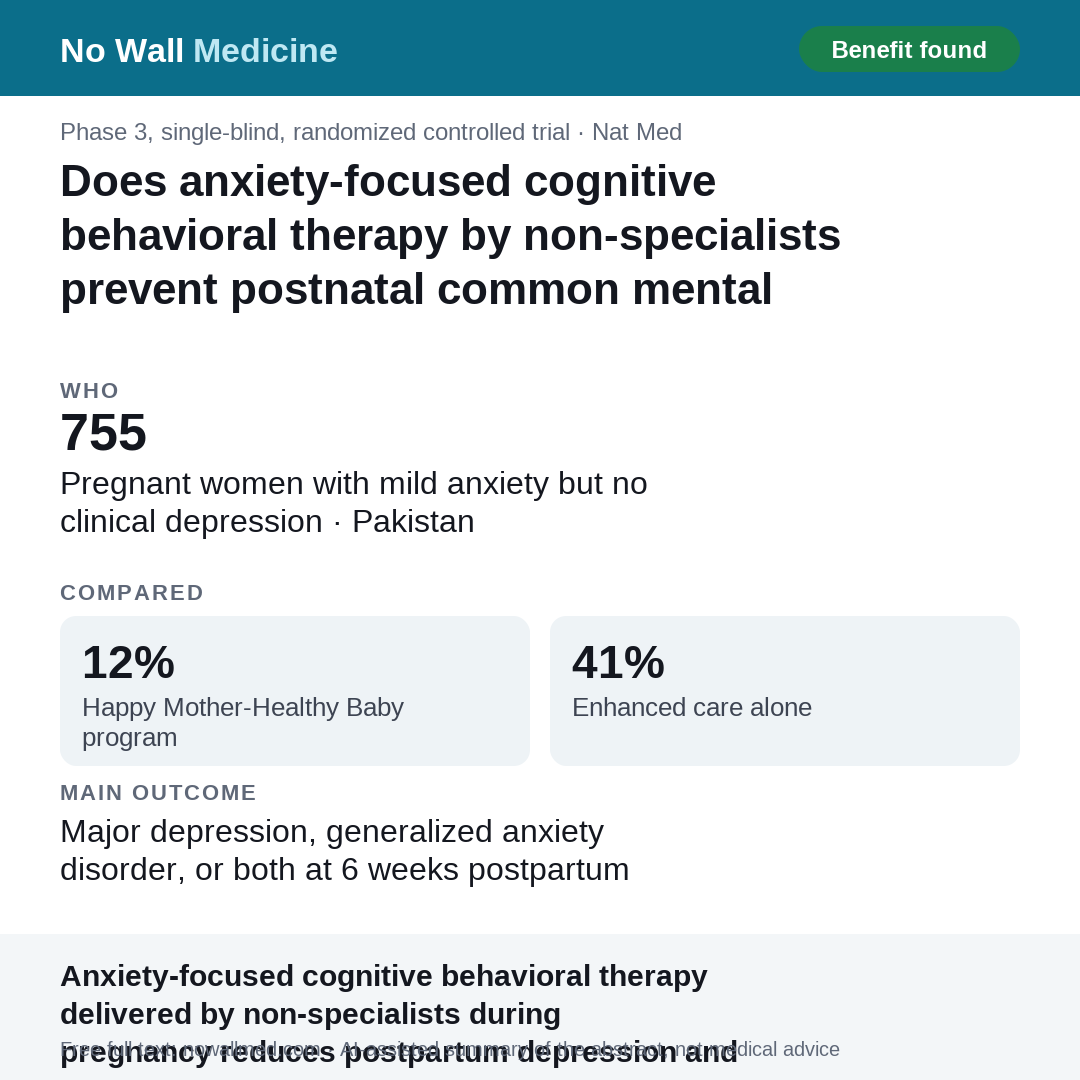
Anxiety-focused cognitive behavioral therapy delivered by non-specialists to prevent postnatal depression: a randomized, phase 3 trial
Phase 3, single-blind, randomized controlled trialBenefit found
Does anxiety-focused cognitive behavioral therapy by non-specialists prevent postnatal common mental disorders?
Who
755
Pregnant women with mild anxiety but no clinical depression · Pakistan
Compared
12%Happy Mother-Healthy Baby program
41%Enhanced care alone
Main outcome
Major depression, generalized anxiety disorder, or both at 6 weeks postpartum
Result: adjusted odds ratio 0.19 (95% CI 0.14-0.28)
Bottom line: Anxiety-focused cognitive behavioral therapy delivered by non-specialists during pregnancy reduces postpartum depression and anxiety.
Nat Med · 2024-02-16Download image
A first-in-class leucyl-tRNA synthetase inhibitor, ganfeborole, for rifampicin-susceptible tuberculosis: a phase 2a open-label, randomized trial
Phase 2a, open-label, randomized trialBenefit found
What is the early bactericidal activity and safety of ganfeborole for tuberculosis?
Who
75
Participants with untreated, rifampicin-susceptible pulmonary tuberculosis · single-center
Compared
ganfeborole (1/5/15/30 mg): numerical reductions in daily sputum-derived colony-forming units
standard of care
Main outcome
early bactericidal activity
Bottom line: Ganfeborole showed bactericidal activity and an acceptable safety profile in participants with rifampicin-susceptible pulmonary tuberculosis.
Nat Med · 2024-02-16Download image

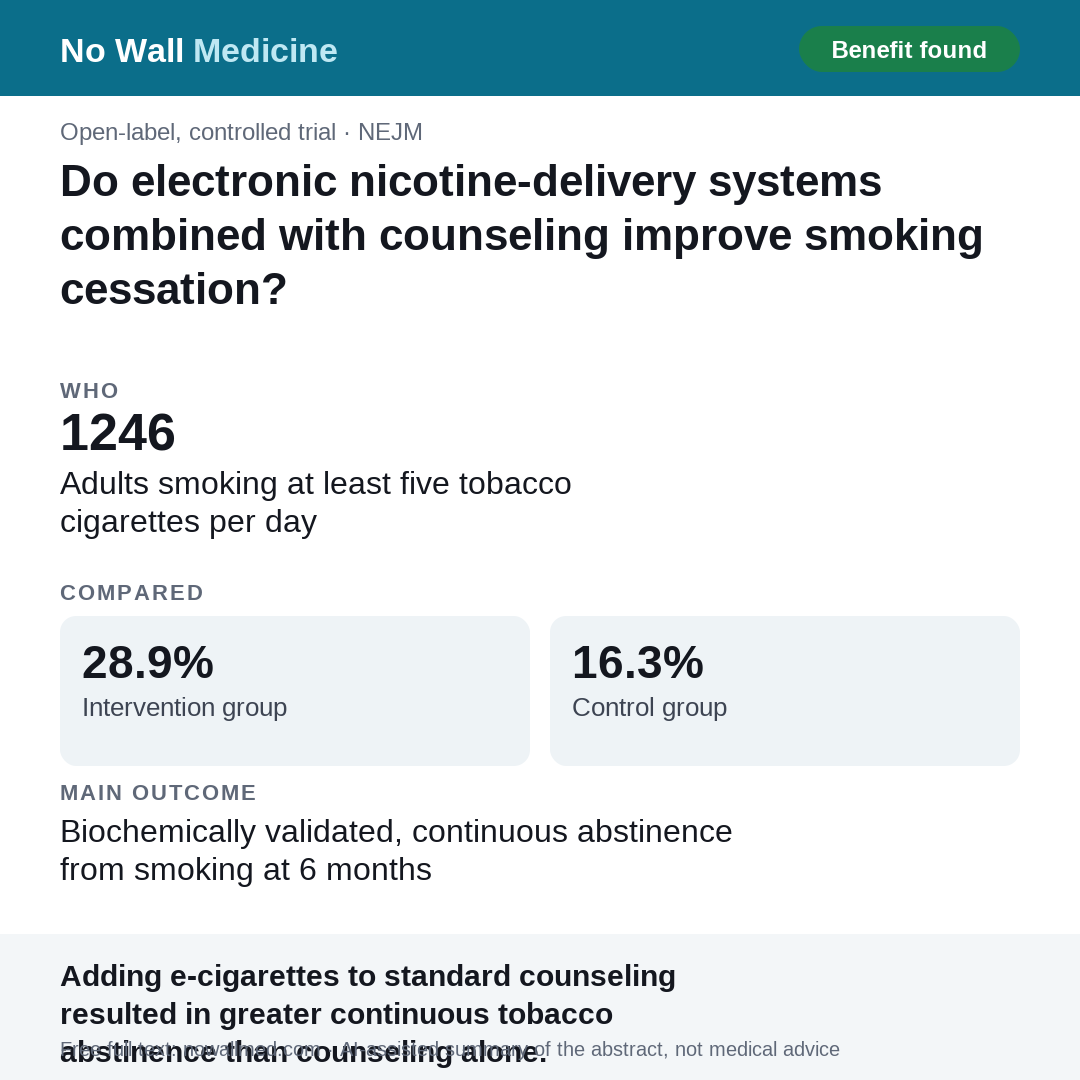
Electronic Nicotine-Delivery Systems for Smoking Cessation
Open-label, controlled trialBenefit found
Do electronic nicotine-delivery systems combined with counseling improve smoking cessation?
Who
1246
Adults smoking at least five tobacco cigarettes per day
Compared
28.9%Intervention group
16.3%Control group
Main outcome
Biochemically validated, continuous abstinence from smoking at 6 months
Result: relative risk, 1.77 (95% confidence interval, 1.43 to 2.20)
Bottom line: Adding e-cigarettes to standard counseling resulted in greater continuous tobacco abstinence than counseling alone.
Funded by: Swiss National Science Foundation and others
NEJM · 2024-02-14Download image
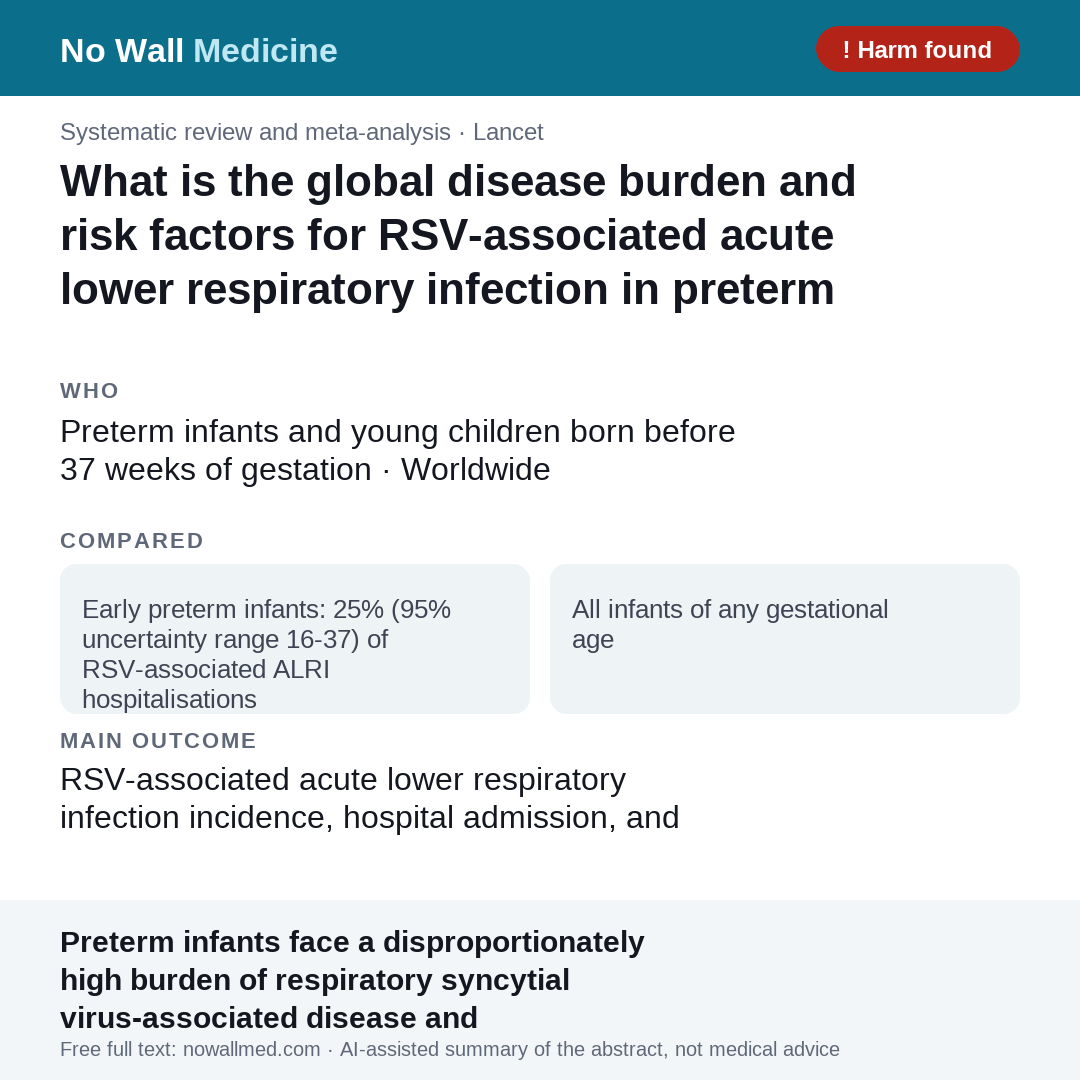
Global disease burden of and risk factors for acute lower respiratory infections caused by respiratory syncytial virus in preterm infants and young children in 2019: a systematic review and meta-analysis of aggregated and individual participant data
Systematic review and meta-analysisHarm found
What is the global disease burden and risk factors for RSV-associated acute lower respiratory infection in preterm infants?
Who
Preterm infants and young children born before 37 weeks of gestation · Worldwide
Compared
Early preterm infants: 25% (95% uncertainty range 16-37) of RSV-associated ALRI hospitalisations
All infants of any gestational age
Main outcome
RSV-associated acute lower respiratory infection incidence, hospital admission, and mortality
Result: rate ratio 2.26 (95% uncertainty range 1.27-3.98)
Bottom line: Preterm infants face a disproportionately high burden of respiratory syncytial virus-associated disease and hospitalisations worldwide.
Funded by: EU Innovative Medicines Initiative Respiratory Syncytial Virus Consortium in Europe
Lancet · 2024-02-14Download image
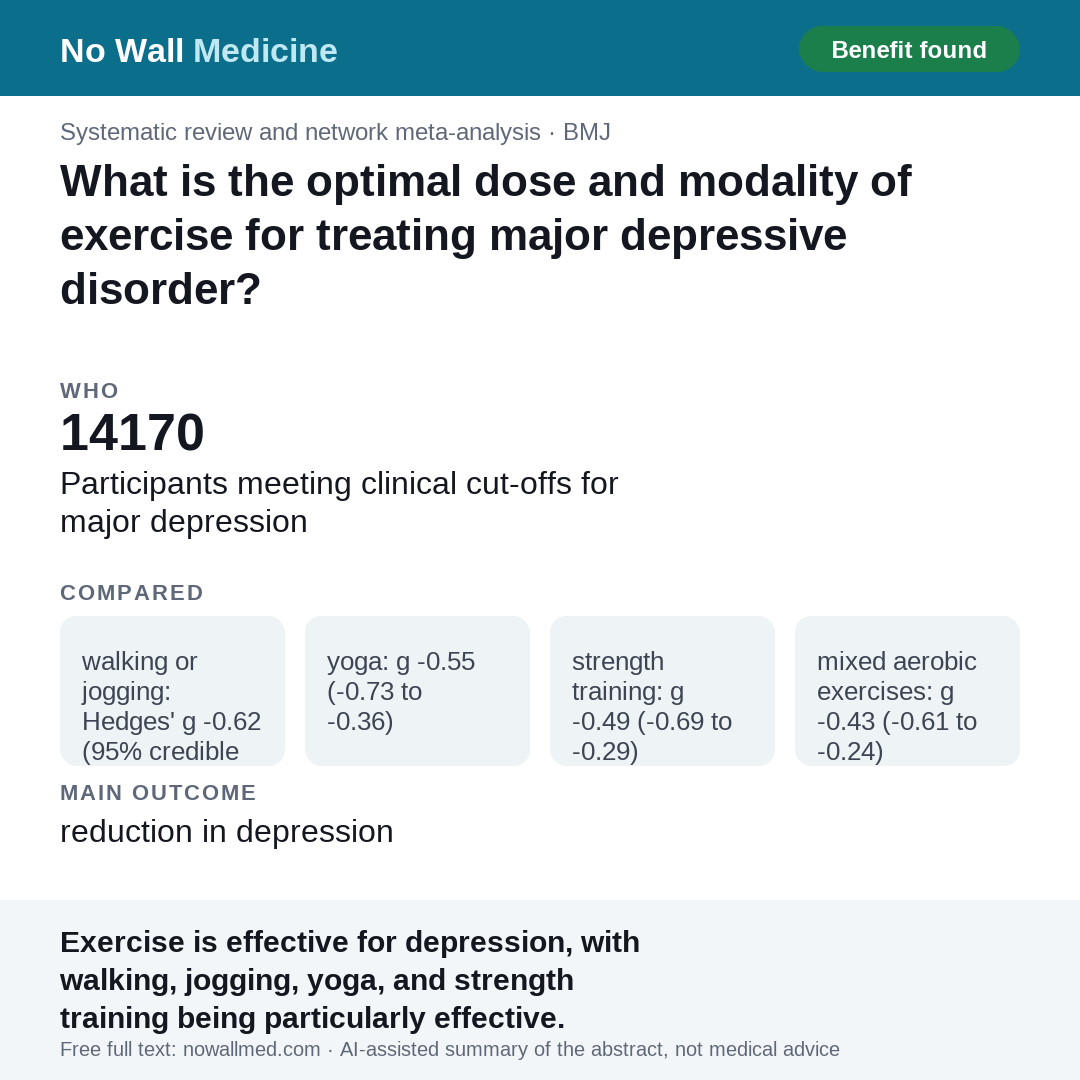
Effect of exercise for depression: systematic review and network meta-analysis of randomised controlled trials
Systematic review and network meta-analysisBenefit found
What is the optimal dose and modality of exercise for treating major depressive disorder?
Who
14170
Participants meeting clinical cut-offs for major depression
Compared
walking or jogging: Hedges' g -0.62 (95% credible interval -0.80 to -0.45)
yoga: g -0.55 (-0.73 to -0.36)
strength training: g -0.49 (-0.69 to -0.29)
mixed aerobic exercises: g -0.43 (-0.61 to -0.24)
Main outcome
reduction in depression
Bottom line: Exercise is effective for depression, with walking, jogging, yoga, and strength training being particularly effective.
Limitation: Only one study met the Cochrane criteria for low risk of bias.
BMJ · 2024-02-14Download image
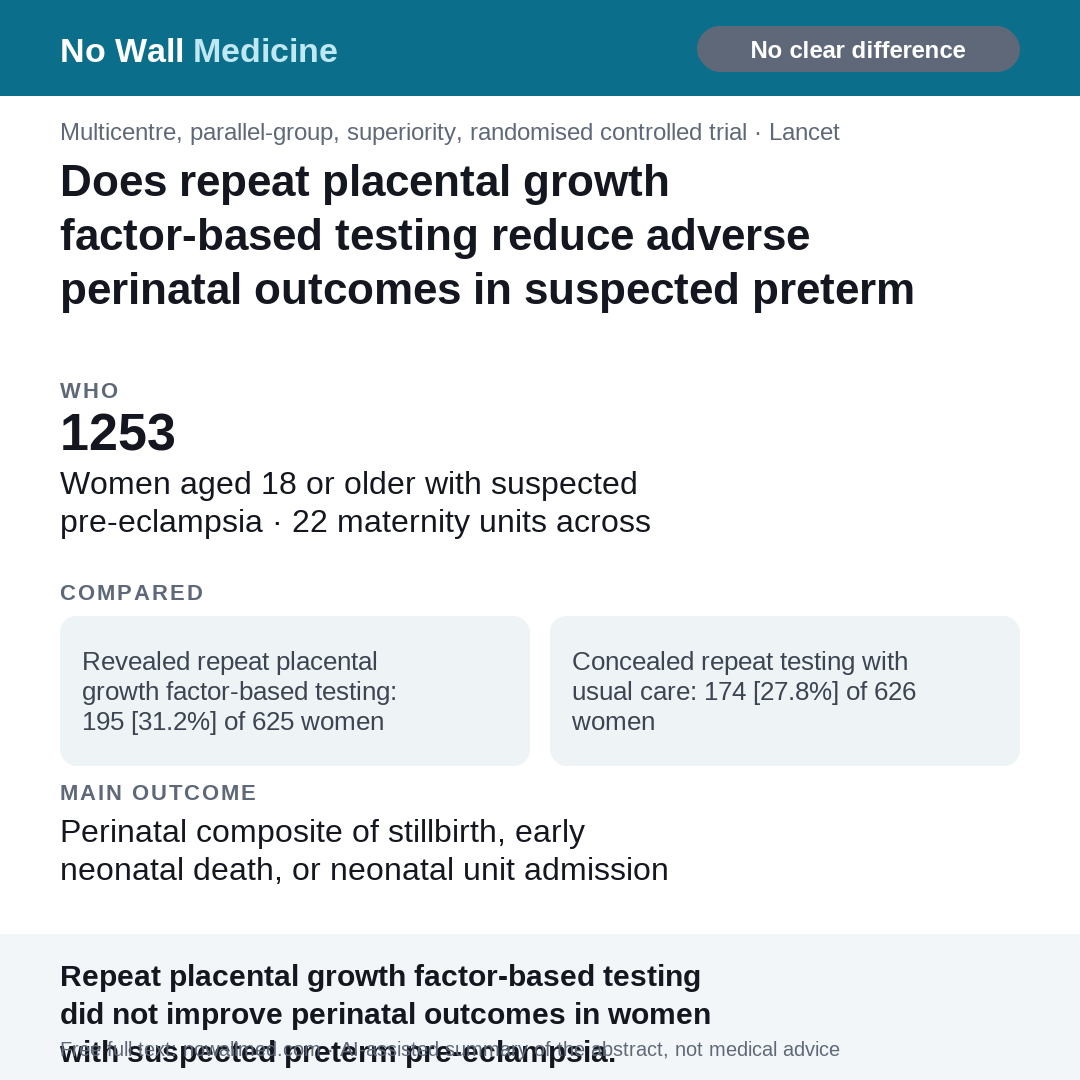
Repeat placental growth factor-based testing in women with suspected preterm pre-eclampsia (PARROT-2): a multicentre, parallel-group, superiority, randomised controlled trial
Multicentre, parallel-group, superiority, randomised controlled trialNo clear difference
Does repeat placental growth factor-based testing reduce adverse perinatal outcomes in suspected preterm pre-eclampsia?
Who
1253
Women aged 18 or older with suspected pre-eclampsia · 22 maternity units across England, Scotland, and Wales
Compared
Revealed repeat placental growth factor-based testing: 195 [31.2%] of 625 women
Concealed repeat testing with usual care: 174 [27.8%] of 626 women
Main outcome
Perinatal composite of stillbirth, early neonatal death, or neonatal unit admission
Result: relative risk 1.21 (95% CI 0.95-1.33)
Bottom line: Repeat placental growth factor-based testing did not improve perinatal outcomes in women with suspected preterm pre-eclampsia.
Funded by: Tommy's Charity, Jon Moulton Charitable Trust, and NIHR
Lancet · 2024-02-08Download image
Methylprednisolone as Adjunct to Endovascular Thrombectomy for Large-Vessel Occlusion Stroke: The MARVEL Randomized Clinical Trial
Randomized, double-blind, placebo-controlled trialNo clear difference
Does adjunctive intravenous low-dose methylprednisolone improve outcomes for large-vessel occlusion stroke patients undergoing endovascular thrombectomy?
Who
1680
Patients with acute ischemic stroke due to large-vessel occlusion · 82 hospitals in China
Compared
Methylprednisolone: median 90-day modified Rankin Scale score 3 (IQR, 1-5)
Placebo: median 90-day modified Rankin Scale score 3 (IQR, 1-6)
Main outcome
disability level at 90 days
Result: adjusted generalized odds ratio 1.10 (95% CI, 0.96-1.25)
Bottom line: Adjunctive methylprednisolone did not significantly improve overall disability at 90 days despite lower mortality and hemorrhage rates.
JAMA · 2024-02-08Download image
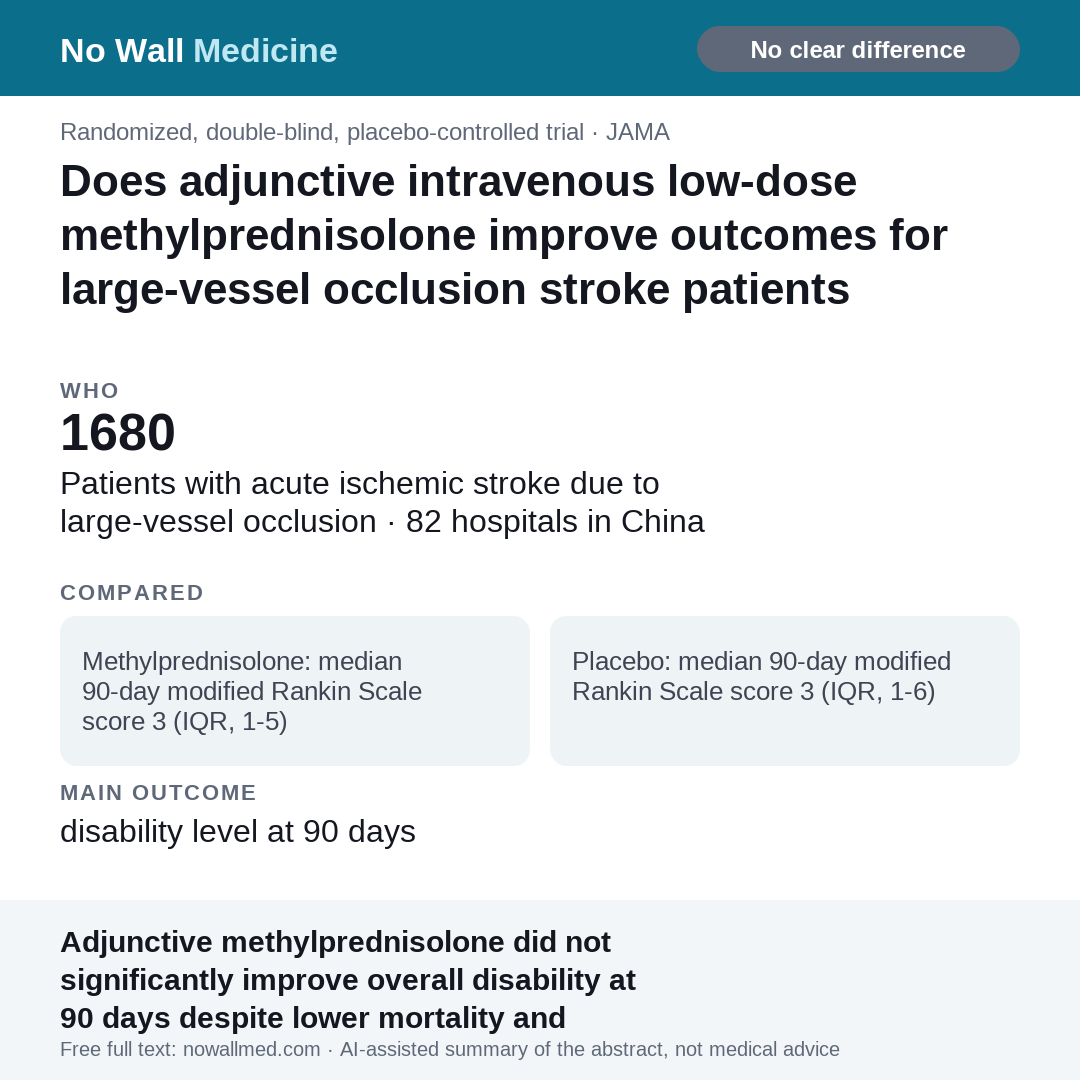
Apixaban to Prevent Recurrence After Cryptogenic Stroke in Patients With Atrial Cardiopathy: The ARCADIA Randomized Clinical Trial
Multicenter, double-blind, phase 3 randomized clinical trialNo clear difference
Does apixaban prevent recurrent stroke compared to aspirin in cryptogenic stroke with atrial cardiopathy?
Who
1015
Patients with cryptogenic stroke and evidence of atrial cardiopathy · 185 sites in National Institutes of Health StrokeNet and Canadian Stroke Consortium
Compared
Apixaban: 40 patients (annualized rate, 4.4%)
Aspirin: 40 patients (annualized rate, 4.4%)
Main outcome
Recurrent stroke
Result: hazard ratio 1.00 (95% CI 0.64-1.55)
Bottom line: In patients with cryptogenic stroke and atrial cardiopathy, apixaban did not significantly reduce recurrent stroke risk compared with aspirin.
JAMA · 2024-02-07Download image
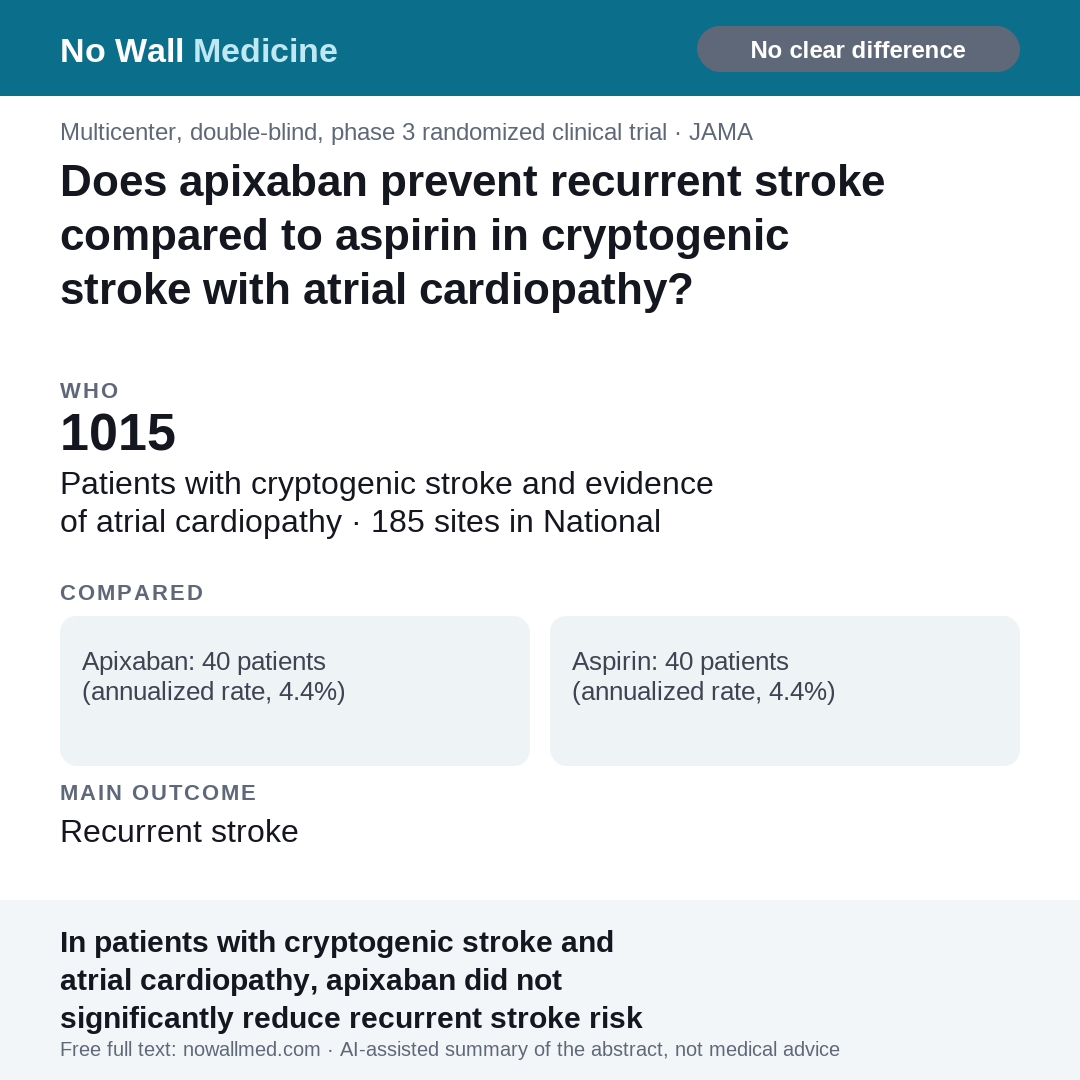
Time to Treatment With Intravenous Thrombolysis Before Thrombectomy and Functional Outcomes in Acute Ischemic Stroke: A Meta-Analysis
Individual participant data meta-analysisMixed results
Does the benefit of intravenous thrombolysis plus thrombectomy versus thrombectomy alone decrease with treatment time?
Who
2313
Patients with anterior circulation large-vessel occlusion · 190 sites in 15 countries
Compared
intravenous thrombolysis plus thrombectomy
thrombectomy alone
Main outcome
disability at 90 days measured by modified Rankin Scale
Result: ratio of adjusted common odds ratio per 1-hour delay 0.84 (95% CI 0.72 to 0.97)
Bottom line: The benefit of intravenous thrombolysis plus thrombectomy versus thrombectomy alone decreases as time from symptom onset increases.
JAMA · 2024-02-07Download image
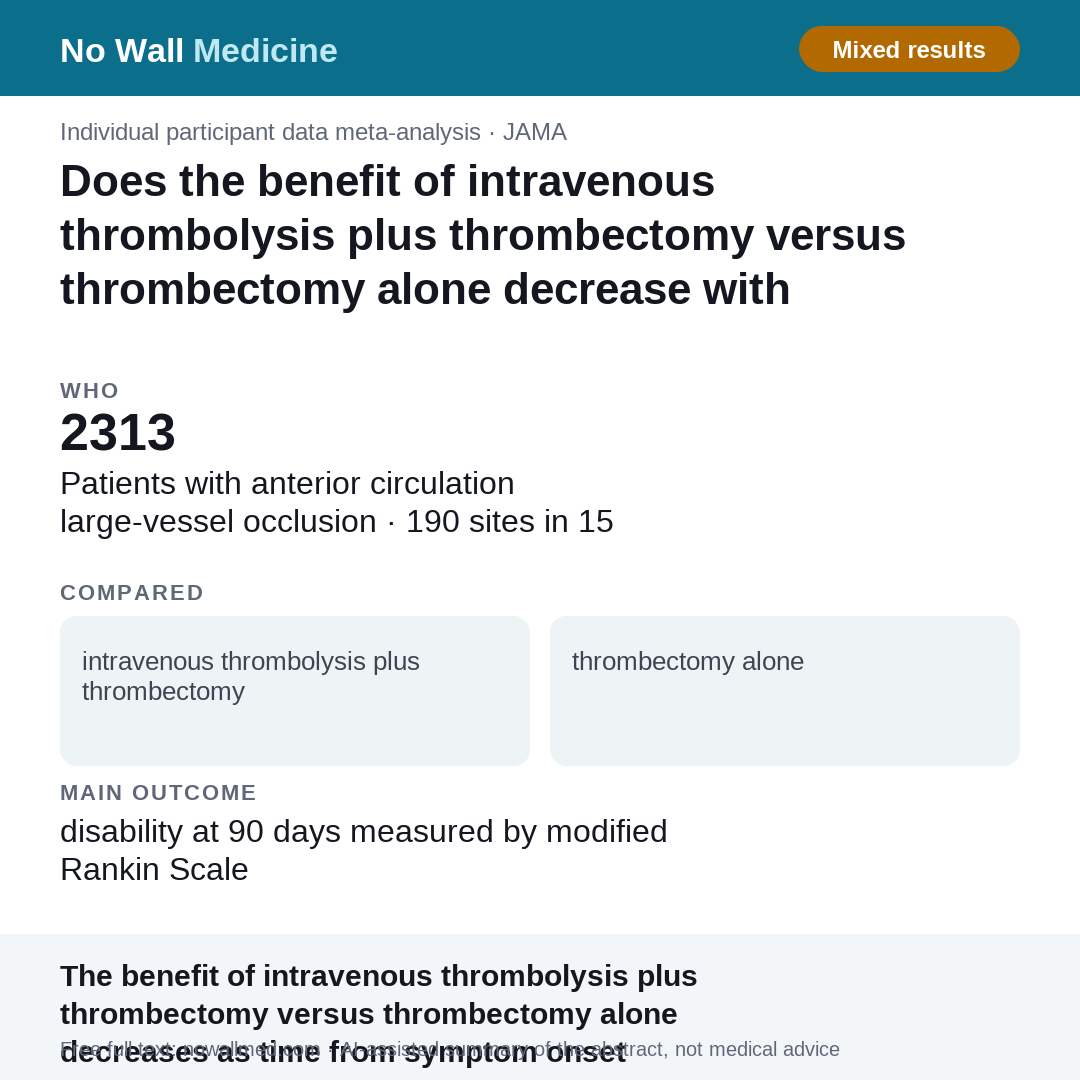
Clinical effectiveness of an online supervised group physical and mental health rehabilitation programme for adults with post-covid-19 condition (REGAIN study): multicentre randomised controlled trial
Pragmatic, multicentre, parallel group, superiority randomised controlled trialBenefit found
Does an online supervised group rehabilitation programme improve health related quality of life in adults with post-covid-19 condition?
Who
585
Adults with post-covid-19 condition discharged from NHS hospitals · England and Wales, home based interventions
Compared
REGAIN intervention
Usual care
Main outcome
health related quality of life PROMIS preference score
Result: adjusted mean difference 0.03 (95% confidence interval 0.01 to 0.05)
Bottom line: An online supervised group rehabilitation programme improved health related quality of life at three and 12 months.
BMJ · 2024-02-07Download image
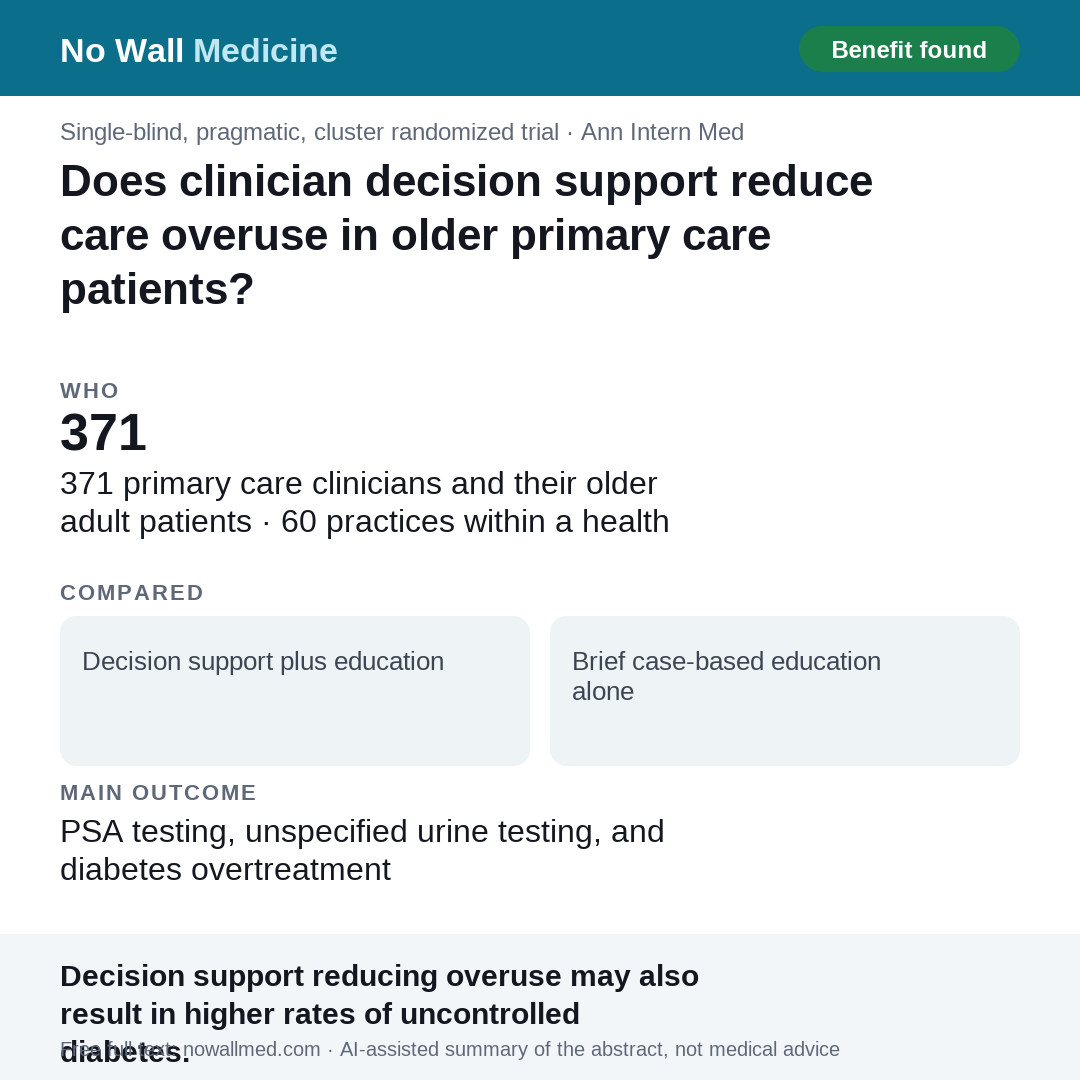
Reducing Care Overuse in Older Patients Using Professional Norms and Accountability : A Cluster Randomized Controlled Trial
Single-blind, pragmatic, cluster randomized trialBenefit found
Does clinician decision support reduce care overuse in older primary care patients?
Who
371
371 primary care clinicians and their older adult patients · 60 practices within a health system
Compared
Decision support plus education
Brief case-based education alone
Main outcome
PSA testing, unspecified urine testing, and diabetes overtreatment
Result: PSA testing -8.7 (95% CI -10.2 to -7.1); urine testing -5.5 (95% CI -7.0 to -3.6); diabetes overtreatment -1.4 (95% CI -2.9 to -0.03)
Bottom line: Decision support reducing overuse may also result in higher rates of uncontrolled diabetes.
Limitation: Single health system limits generalizability and electronic health data limit differentiation between overtesting and underdocumentation.
Funded by: National Institute on Aging
Ann Intern Med · 2024-02-06Download image
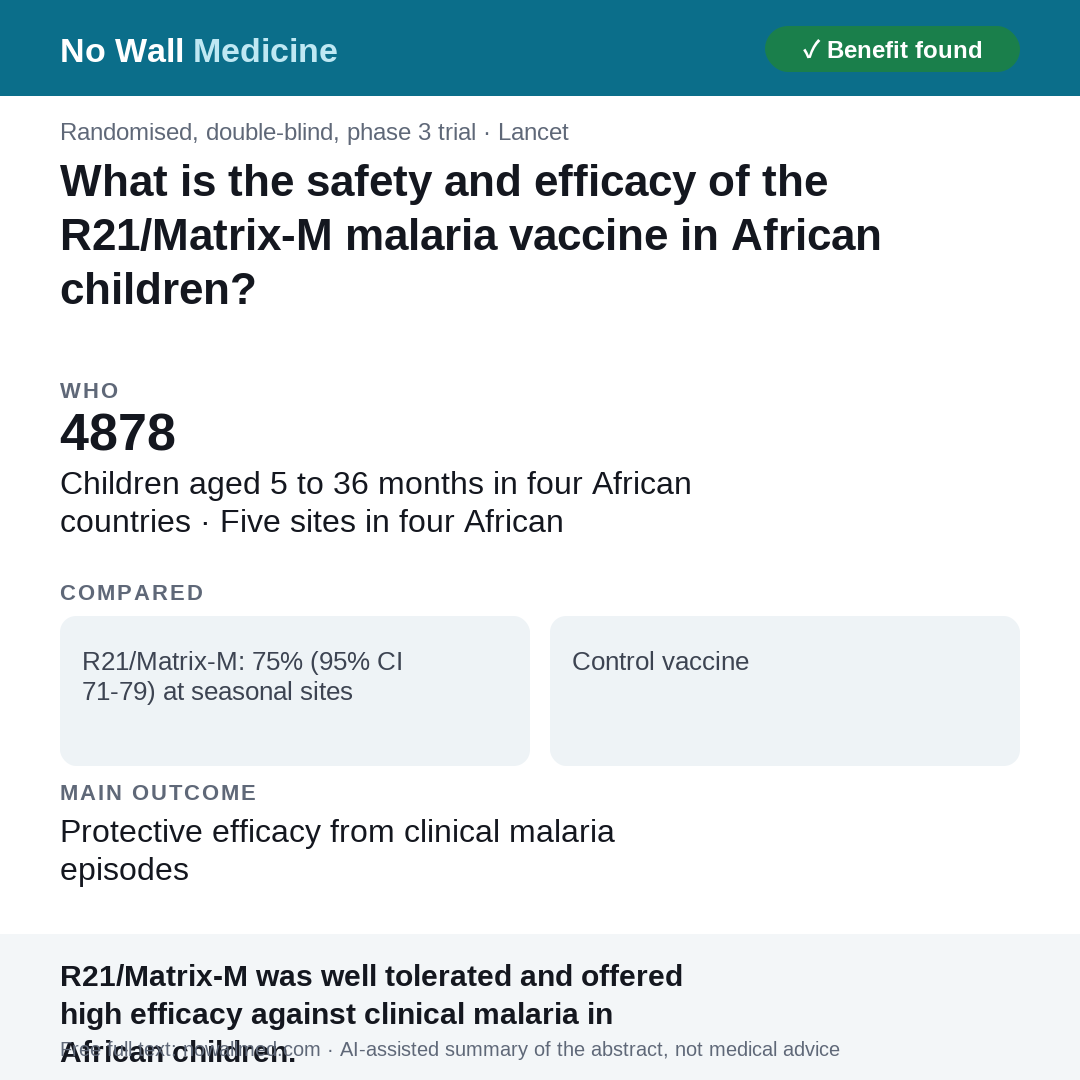
Safety and efficacy of malaria vaccine candidate R21/Matrix-M in African children: a multicentre, double-blind, randomised, phase 3 trial
Randomised, double-blind, phase 3 trialBenefit found
What is the safety and efficacy of the R21/Matrix-M malaria vaccine in African children?
Who
4878
Children aged 5 to 36 months in four African countries · Five sites in four African countries
Compared
R21/Matrix-M: 75% (95% CI 71-79) at seasonal sites
Control vaccine
Main outcome
Protective efficacy from clinical malaria episodes
Result: 75% (95% CI 71-79) at seasonal sites and 68% (61-74) at standard sites
Bottom line: R21/Matrix-M was well tolerated and offered high efficacy against clinical malaria in African children.
Funded by: Serum Institute of India, Wellcome Trust, UK NIHR, Open Philanthropy
Lancet · 2024-02-01Download image
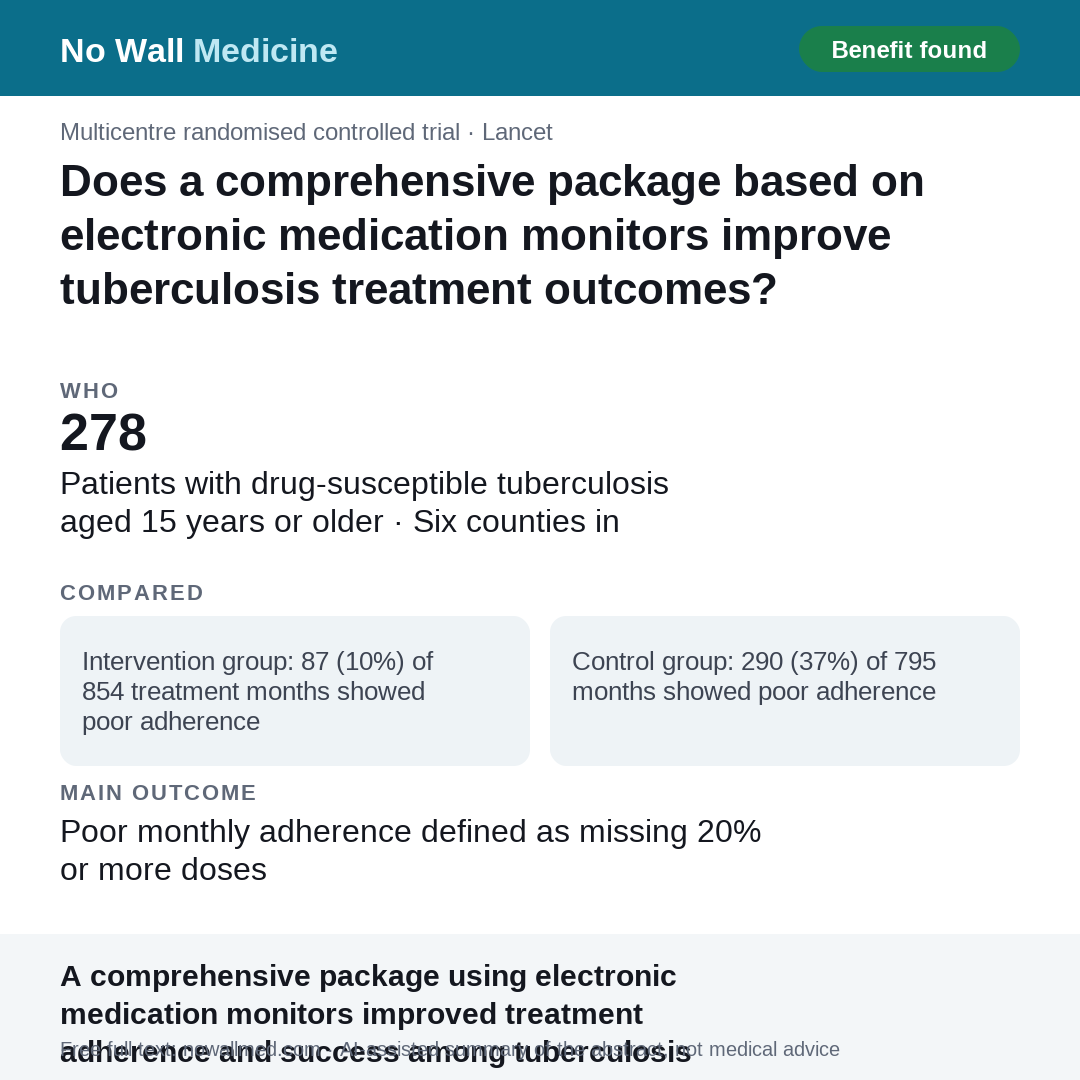
Effectiveness of a comprehensive package based on electronic medication monitors at improving treatment outcomes among tuberculosis patients in Tibet: a multicentre randomised controlled trial
Multicentre randomised controlled trialBenefit found
Does a comprehensive package based on electronic medication monitors improve tuberculosis treatment outcomes?
Who
278
Patients with drug-susceptible tuberculosis aged 15 years or older · Six counties in Shigatse, Tibet, China
Compared
Intervention group: 87 (10%) of 854 treatment months showed poor adherence
Control group: 290 (37%) of 795 months showed poor adherence
Main outcome
Poor monthly adherence defined as missing 20% or more doses
Result: -29·2 percentage points (95% CI -35·3 to -22·2)
Bottom line: A comprehensive package using electronic medication monitors improved treatment adherence and success among tuberculosis patients in Tibet.
Funded by: TB REACH
Lancet · 2024-01-31Download image
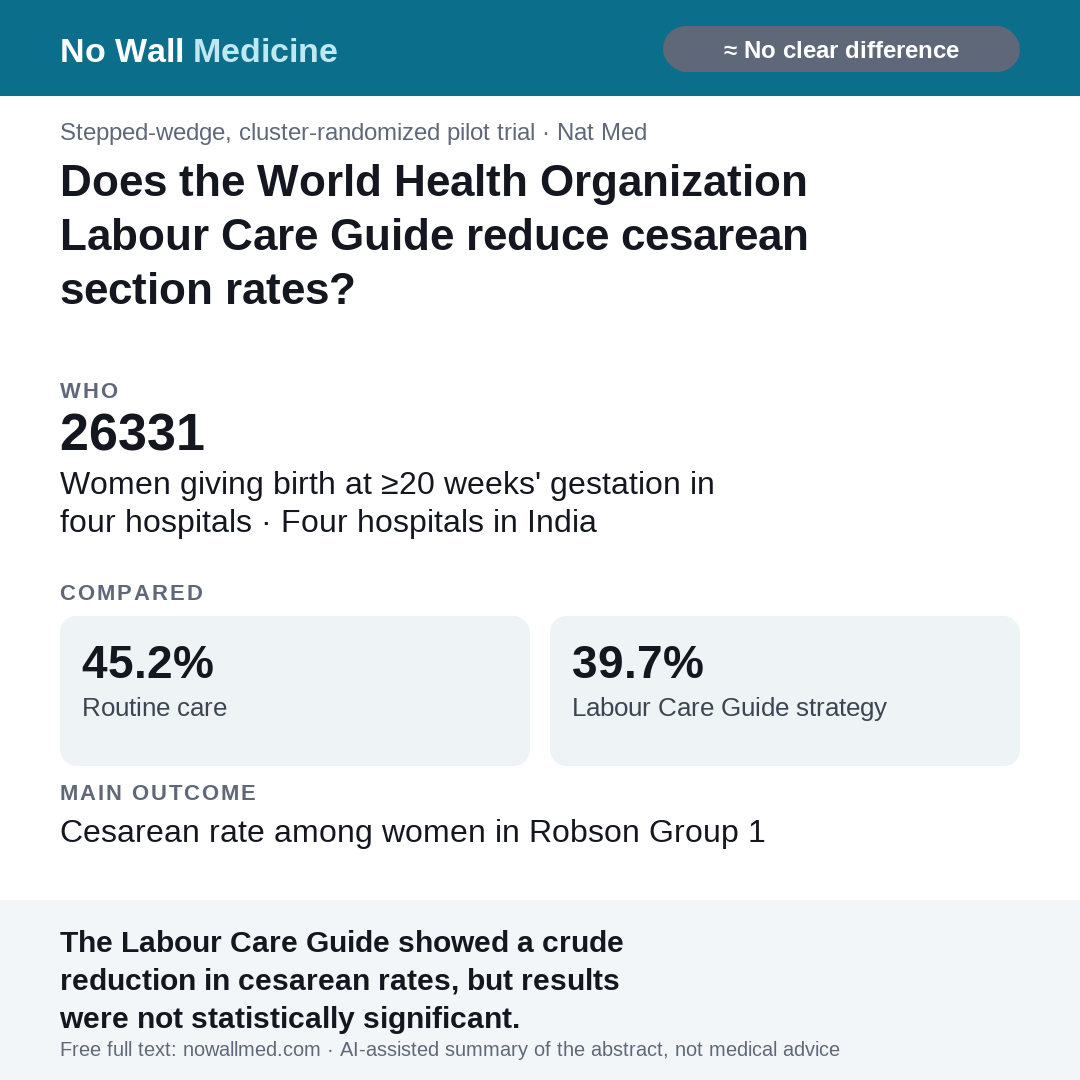
Effects of the WHO Labour Care Guide on cesarean section in India: a pragmatic, stepped-wedge, cluster-randomized pilot trial
Stepped-wedge, cluster-randomized pilot trialNo clear difference
Does the World Health Organization Labour Care Guide reduce cesarean section rates?
Who
26331
Women giving birth at ≥20 weeks' gestation in four hospitals · Four hospitals in India
Compared
45.2%Routine care
39.7%Labour Care Guide strategy
Main outcome
Cesarean rate among women in Robson Group 1
Result: relative risk 0.85 (95% confidence interval 0.54-1.33)
Bottom line: The Labour Care Guide showed a crude reduction in cesarean rates, but results were not statistically significant.
Limitation: This was a pilot trial to obtain preliminary effectiveness data.
Nat Med · 2024-01-30Download image
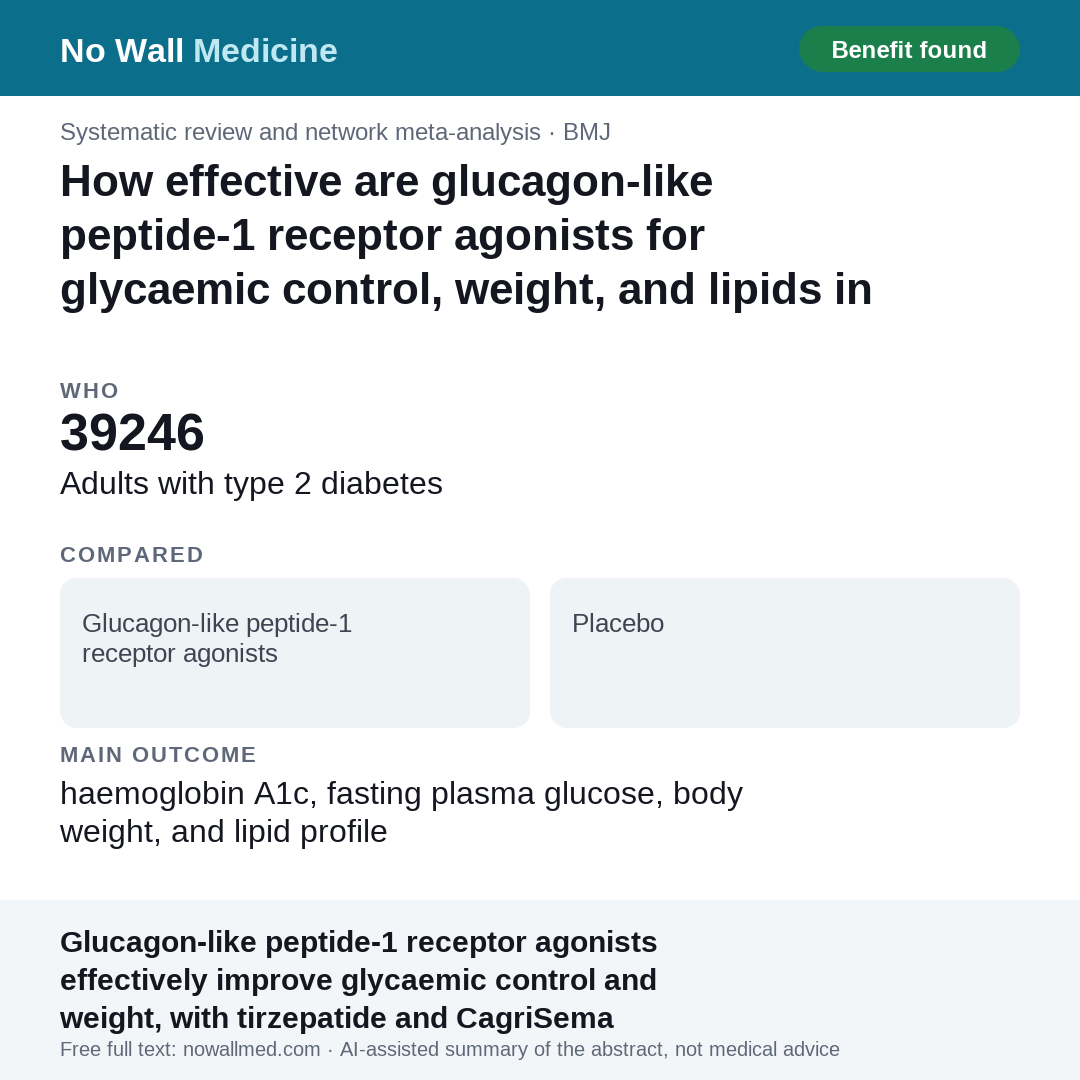
Comparative effectiveness of GLP-1 receptor agonists on glycaemic control, body weight, and lipid profile for type 2 diabetes: systematic review and network meta-analysis
Systematic review and network meta-analysisBenefit found
How effective are glucagon-like peptide-1 receptor agonists for glycaemic control, weight, and lipids in type 2 diabetes?
Who
39246
Adults with type 2 diabetes
Compared
Glucagon-like peptide-1 receptor agonists
Placebo
Main outcome
haemoglobin A1c, fasting plasma glucose, body weight, and lipid profile
Result: Tirzepatide haemoglobin A1c mean difference -2.10% (95% confidence interval -2.47% to -1.74%)
Bottom line: Glucagon-like peptide-1 receptor agonists effectively improve glycaemic control and weight, with tirzepatide and CagriSema showing superior results.
BMJ · 2024-01-29Download image
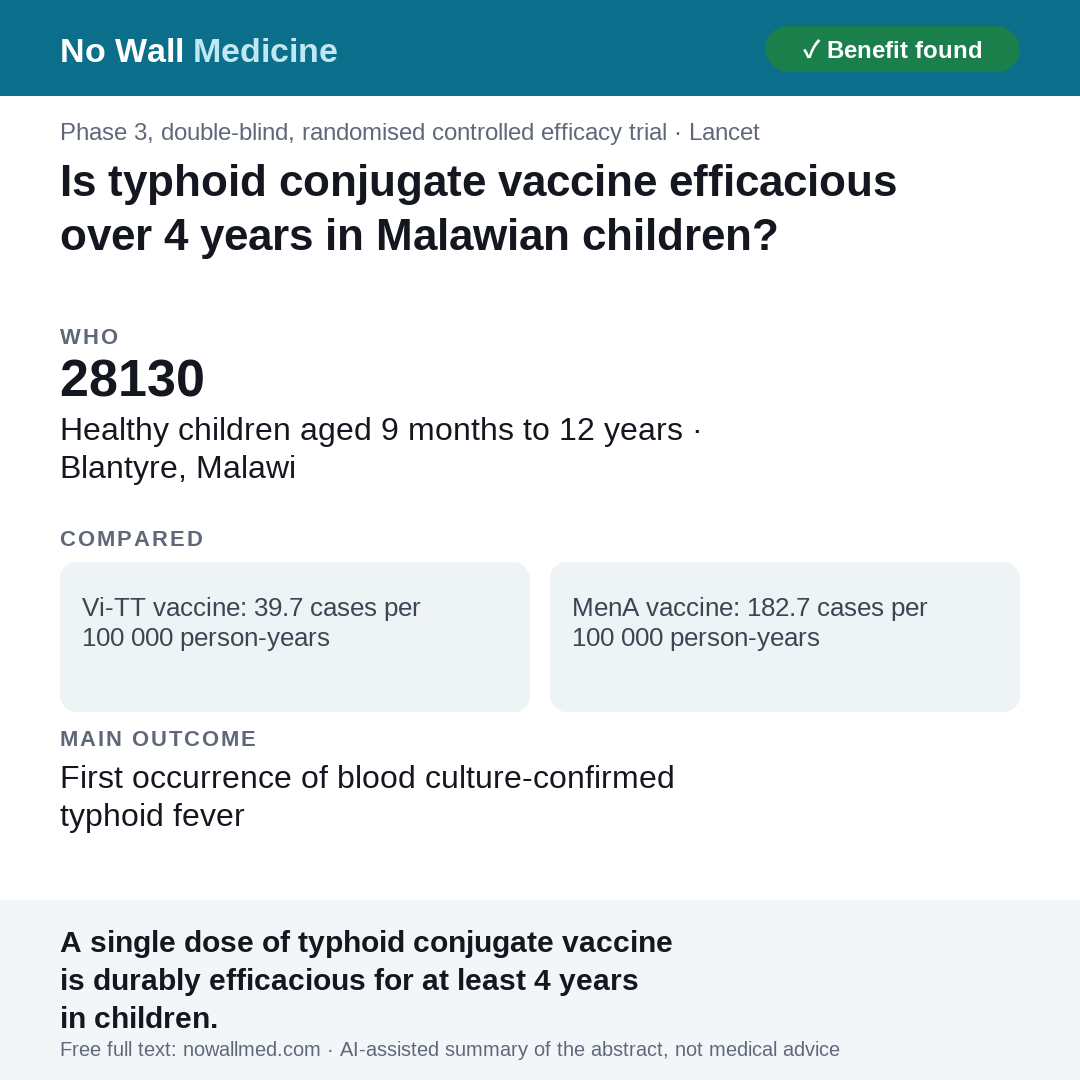
Efficacy of typhoid conjugate vaccine: final analysis of a 4-year, phase 3, randomised controlled trial in Malawian children
Phase 3, double-blind, randomised controlled efficacy trialBenefit found
Is typhoid conjugate vaccine efficacious over 4 years in Malawian children?
Who
28130
Healthy children aged 9 months to 12 years · Blantyre, Malawi
Compared
Vi-TT vaccine: 39.7 cases per 100 000 person-years
MenA vaccine: 182.7 cases per 100 000 person-years
Main outcome
First occurrence of blood culture-confirmed typhoid fever
Result: efficacy of Vi-TT was 78.3% (95% CI 66.3-86.1)
Bottom line: A single dose of typhoid conjugate vaccine is durably efficacious for at least 4 years in children.
Funded by: Bill & Melinda Gates Foundation
Lancet · 2024-01-25Download image
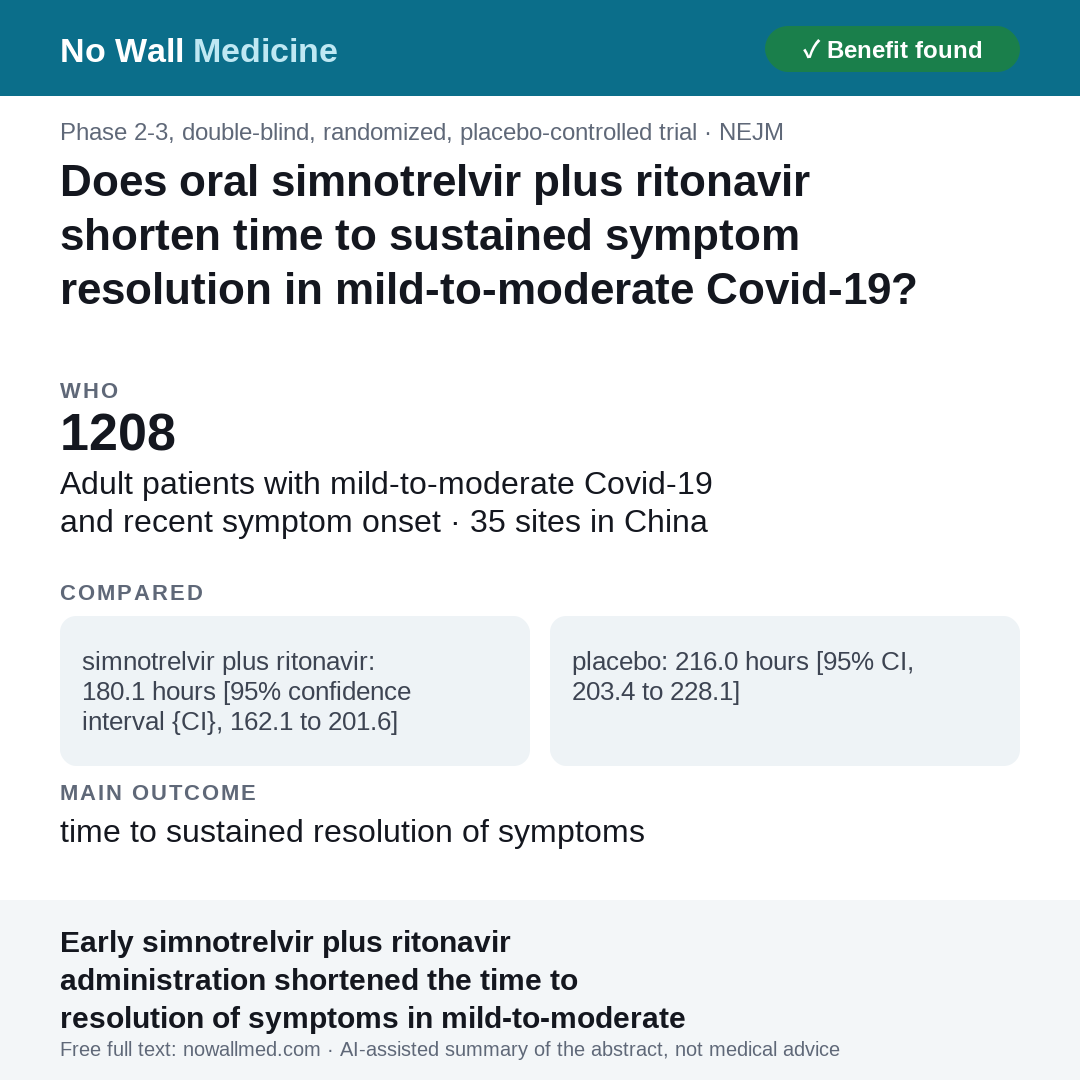
Oral Simnotrelvir for Adult Patients with Mild-to-Moderate Covid-19
Phase 2-3, double-blind, randomized, placebo-controlled trialBenefit found
Does oral simnotrelvir plus ritonavir shorten time to sustained symptom resolution in mild-to-moderate Covid-19?
Who
1208
Adult patients with mild-to-moderate Covid-19 and recent symptom onset · 35 sites in China
Compared
simnotrelvir plus ritonavir: 180.1 hours [95% confidence interval {CI}, 162.1 to 201.6]
placebo: 216.0 hours [95% CI, 203.4 to 228.1]
Main outcome
time to sustained resolution of symptoms
Result: median difference, -35.8 hours [95% CI, -60.1 to -12.4]
Bottom line: Early simnotrelvir plus ritonavir administration shortened the time to resolution of symptoms in mild-to-moderate Covid-19 patients.
Funded by: Jiangsu Simcere Pharmaceutical
NEJM · 2024-01-17Download image
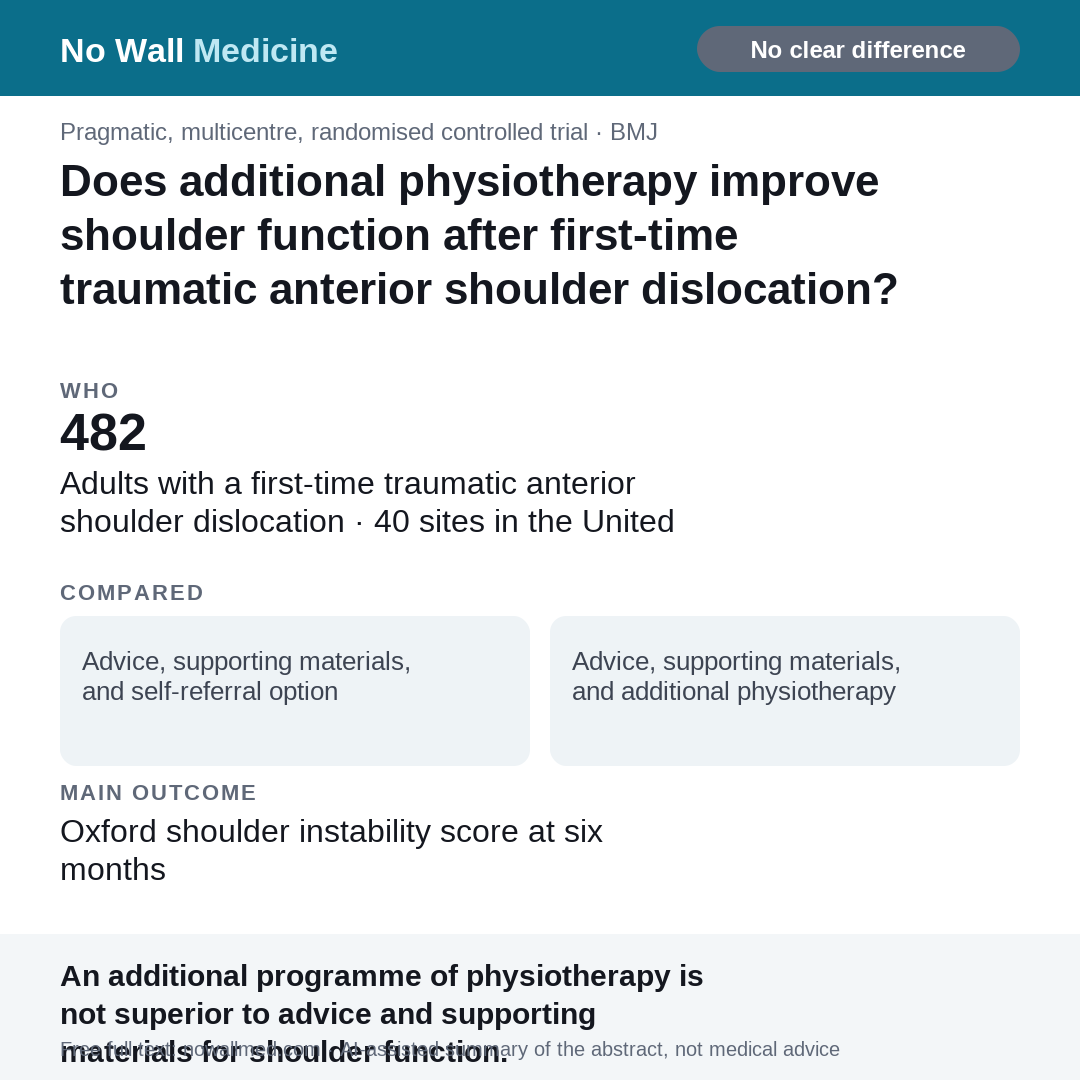
Acute rehabilitation following traumatic anterior shoulder dislocation (ARTISAN): pragmatic, multicentre, randomised controlled trial
Pragmatic, multicentre, randomised controlled trialNo clear difference
Does additional physiotherapy improve shoulder function after first-time traumatic anterior shoulder dislocation?
Who
482
Adults with a first-time traumatic anterior shoulder dislocation · 40 sites in the United Kingdom
Compared
Advice, supporting materials, and self-referral option
Advice, supporting materials, and additional physiotherapy
Main outcome
Oxford shoulder instability score at six months
Result: between group difference favouring physiotherapy 1.5 (95% confidence interval -0.3 to 3.5)
Bottom line: An additional programme of physiotherapy is not superior to advice and supporting materials for shoulder function.
BMJ · 2024-01-17Download image