Visual abstracts
New randomized trials and meta-analyses from leading journals at a glance: who was studied, what was compared, and what was found. Every paper is free to read in full.
All specialtiesCardiology 4655Oncology 3931Gastroenterology & Hepatology 1857Infectious Disease 3648Neurology 1815Psychiatry & Mental Health 2168Pulmonology 2056Critical Care 1305Endocrinology & Diabetes 2440Pediatrics 2819Surgery 2439Orthopedics & Sports Medicine 873Neurosurgery 508Cardiothoracic & Vascular Surgery 622Plastic & Reconstructive Surgery 580Nephrology 1048Rheumatology 780Hematology 1059Dermatology 597Ophthalmology 513Obstetrics & Gynecology 1620Public & Global Health 983Radiology & Imaging 615Anesthesiology 944Urology 730ENT (Otolaryngology) 487Emergency Medicine 485Allergy & Immunology 300Geriatrics 947Family Medicine & Primary Care 538Medical Genetics & Genomics 645Pathology & Laboratory Medicine 153Physical Medicine & Rehabilitation 722Palliative Care 424Nutrition 1489Digital Health & AI 2107General Medicine 307
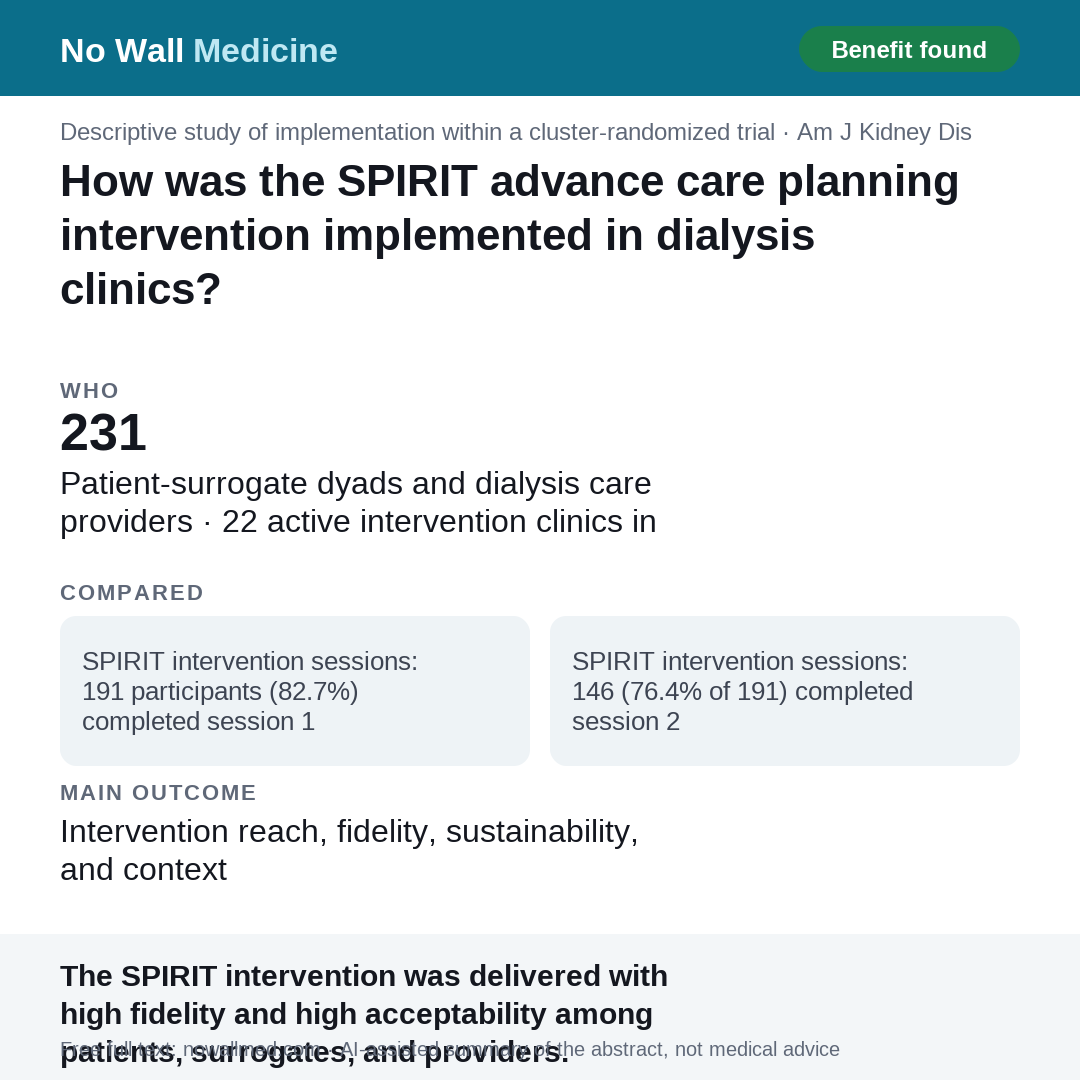
Implementation of An Advance Care Planning Intervention in Dialysis Clinics
Descriptive study of implementation within a cluster-randomized trialBenefit found
How was the SPIRIT advance care planning intervention implemented in dialysis clinics?
Who
231
Patient-surrogate dyads and dialysis care providers · 22 active intervention clinics in 5 states
Compared
SPIRIT intervention sessions: 191 participants (82.7%) completed session 1
SPIRIT intervention sessions: 146 (76.4% of 191) completed session 2
Main outcome
Intervention reach, fidelity, sustainability, and context
Bottom line: The SPIRIT intervention was delivered with high fidelity and high acceptability among patients, surrogates, and providers.
Limitation: Lack of data on actual continued use and low provider participation in acceptability survey.
Am J Kidney Dis · 2025-01-23Download image
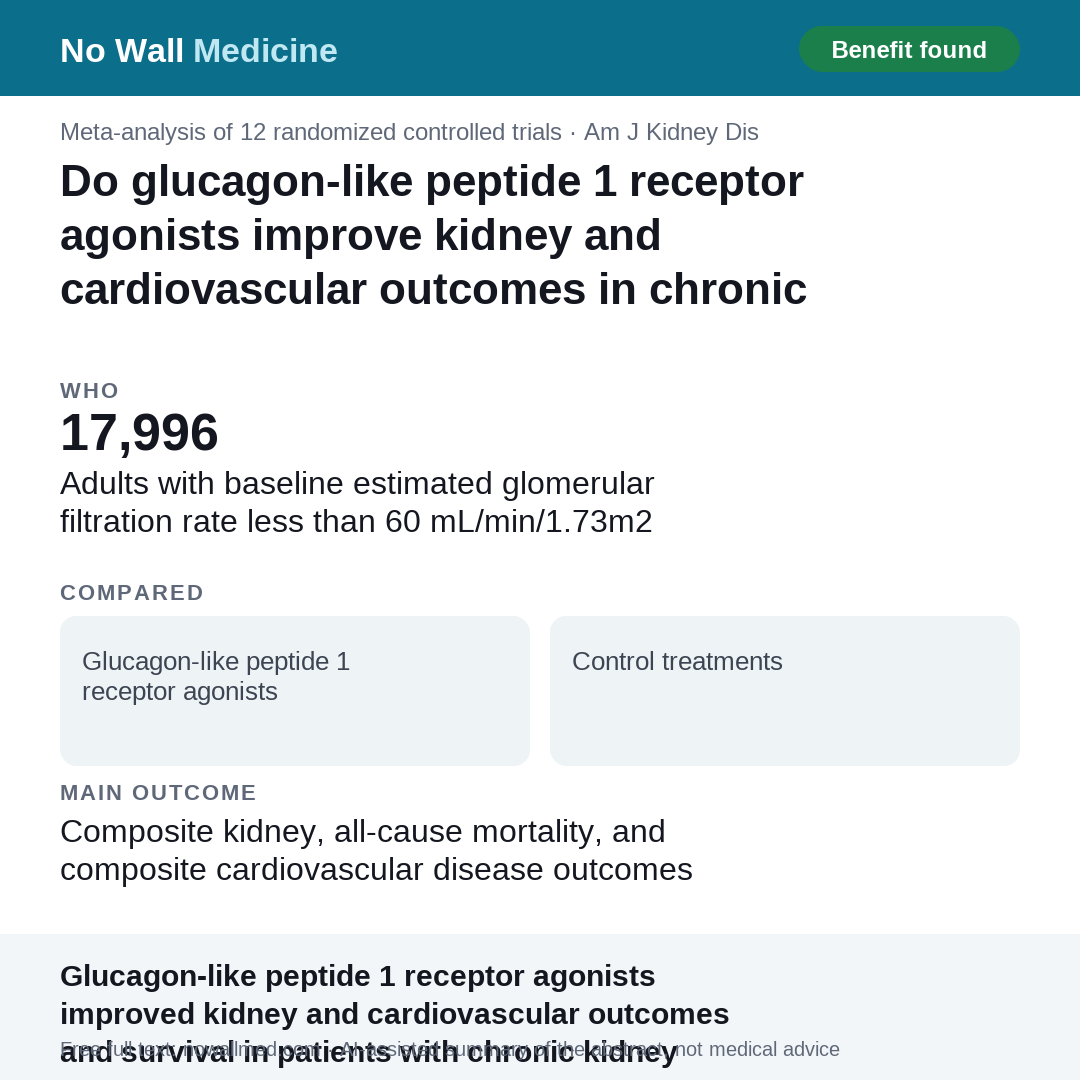
Kidney and Cardiovascular Outcomes Among Patients With CKD Receiving GLP-1 Receptor Agonists: A Systematic Review and Meta-Analysis of Randomized Trials
Meta-analysis of 12 randomized controlled trialsBenefit found
Do glucagon-like peptide 1 receptor agonists improve kidney and cardiovascular outcomes in chronic kidney disease?
Who
17,996
Adults with baseline estimated glomerular filtration rate less than 60 mL/min/1.73m2
Compared
Glucagon-like peptide 1 receptor agonists
Control treatments
Main outcome
Composite kidney, all-cause mortality, and composite cardiovascular disease outcomes
Result: composite kidney outcome OR 0.85 (95% CI 0.77-0.94); all-cause mortality OR 0.77 (95% CI 0.60-0.98); composite cardiovascular outcome OR 0.86 (95% CI 0.74-0.99)
Bottom line: Glucagon-like peptide 1 receptor agonists improved kidney and cardiovascular outcomes and survival in patients with chronic kidney disease.
Limitation: Inconsistent kidney outcome definitions, focus on diabetic populations, and potential publication bias.
Am J Kidney Dis · 2025-01-23Download image
Topical Mupirocin Treatment Reduces Interferon and Myeloid Signatures in Cutaneous Lupus Erythematous Lesions Through Targeting of Staphylococcus Species
Randomized proof-of-concept studyBenefit found
Does topical mupirocin reduce interferon and inflammatory gene signatures in cutaneous lupus erythematosus lesions?
Who
12
Participants with active cutaneous lupus erythematosus lesions
Compared
2% mupirocin
petroleum jelly vehicle
Main outcome
interferon and inflammatory gene signatures in lesional skin
Bottom line: Topical mupirocin decreased Staphylococcus burden, correlating with decreased interferon signaling and inflammatory gene expression in lupus lesions.
Arthritis Rheumatol · 2025-01-23Download image

Incidence of 12-month postoperative cognitive decline following regional vs. general anaesthesia in older patients undergoing hip fracture surgery: follow-up of the RAGA trial
Multicentre randomised trial substudyNo clear difference
Does regional versus general anaesthesia affect 12-month postoperative cognitive decline in older hip fracture patients?
Who
293
Patients aged 65 years or older with hip fractures requiring surgery · Nine university hospitals in south-eastern China
Compared
29.7%General anaesthesia
25.4%Regional anaesthesia
Main outcome
Incidence of postoperative cognitive decline at 12 months
Result: unadjusted OR 1.2 (95%CI 0.7-2.1)
Bottom line: Regional anaesthesia did not significantly change the incidence of 12-month postoperative cognitive decline compared to general anaesthesia.
Anaesthesia · 2025-01-23Download image

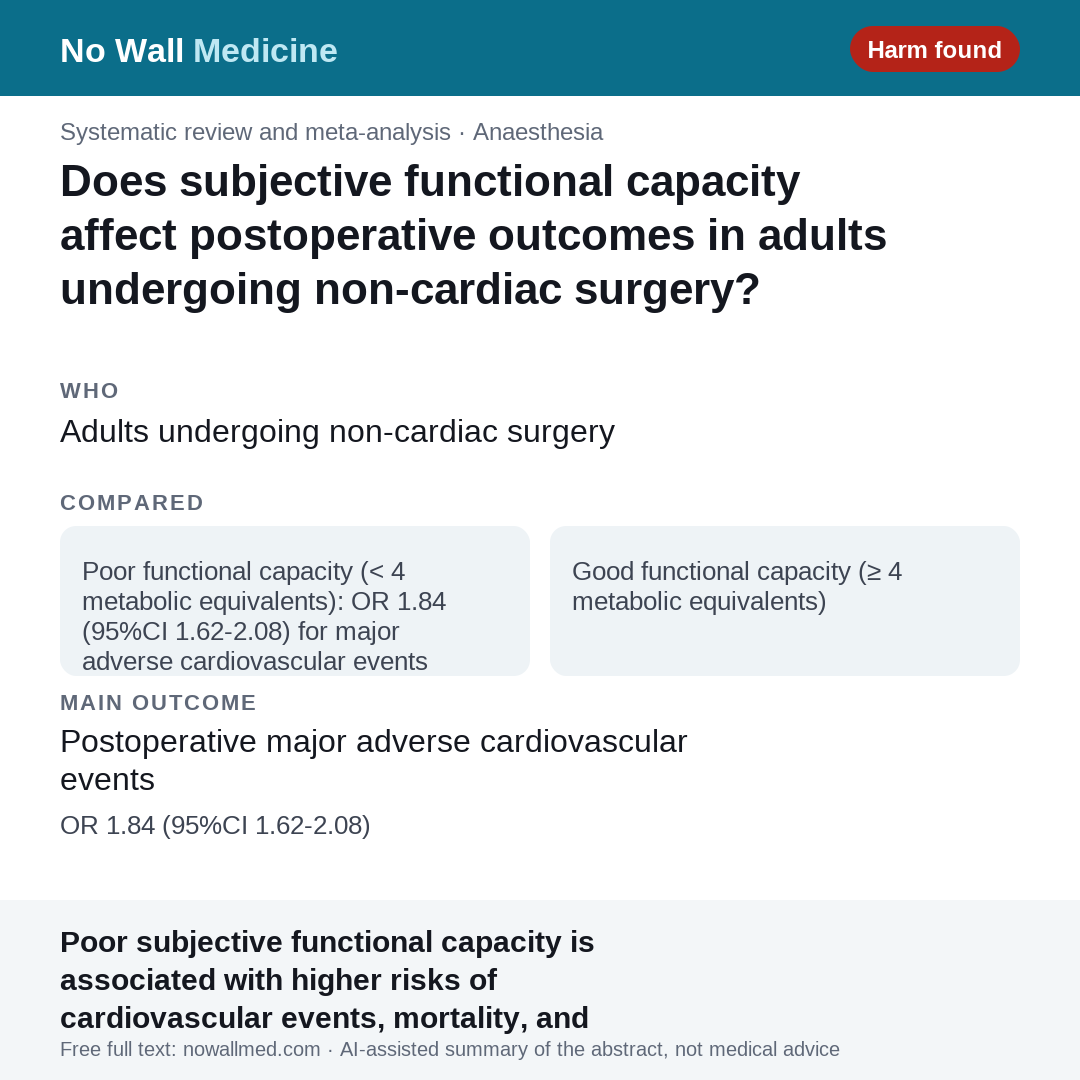
Pre-operative subjective functional capacity and postoperative outcomes in adult non-cardiac surgery: a systematic review and meta-analysis
Systematic review and meta-analysisHarm found
Does subjective functional capacity affect postoperative outcomes in adults undergoing non-cardiac surgery?
Who
Adults undergoing non-cardiac surgery
Compared
Poor functional capacity (< 4 metabolic equivalents): OR 1.84 (95%CI 1.62-2.08) for major adverse cardiovascular events
Good functional capacity (≥ 4 metabolic equivalents)
Main outcome
Postoperative major adverse cardiovascular events
Result: OR 1.84 (95%CI 1.62-2.08)
Bottom line: Poor subjective functional capacity is associated with higher risks of cardiovascular events, mortality, and postoperative complications.
Limitation: Diverse measures used to assess functional capacity.
Anaesthesia · 2025-01-23Download image
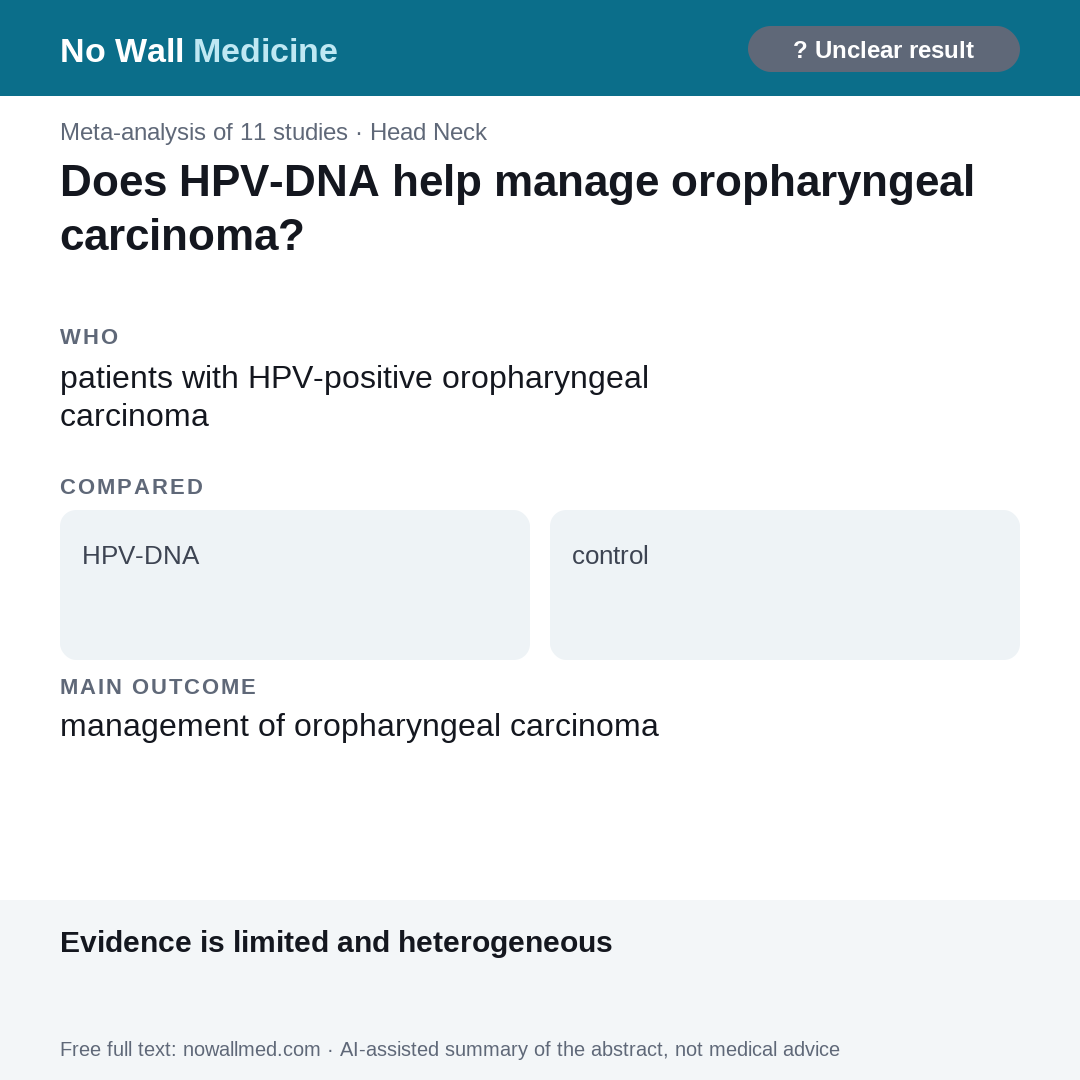
Circulating Tumor HPV-DNA in the Management of HPV-Positive Oropharyngeal Carcinoma: A Systematic Review
Meta-analysis of 11 studiesUnclear result
Does HPV-DNA help manage oropharyngeal carcinoma?
Who
patients with HPV-positive oropharyngeal carcinoma
Compared
HPV-DNA
control
Main outcome
management of oropharyngeal carcinoma
Bottom line: Evidence is limited and heterogeneous
Limitation: heterogeneity of evidence
Head Neck · 2025-01-23Download image
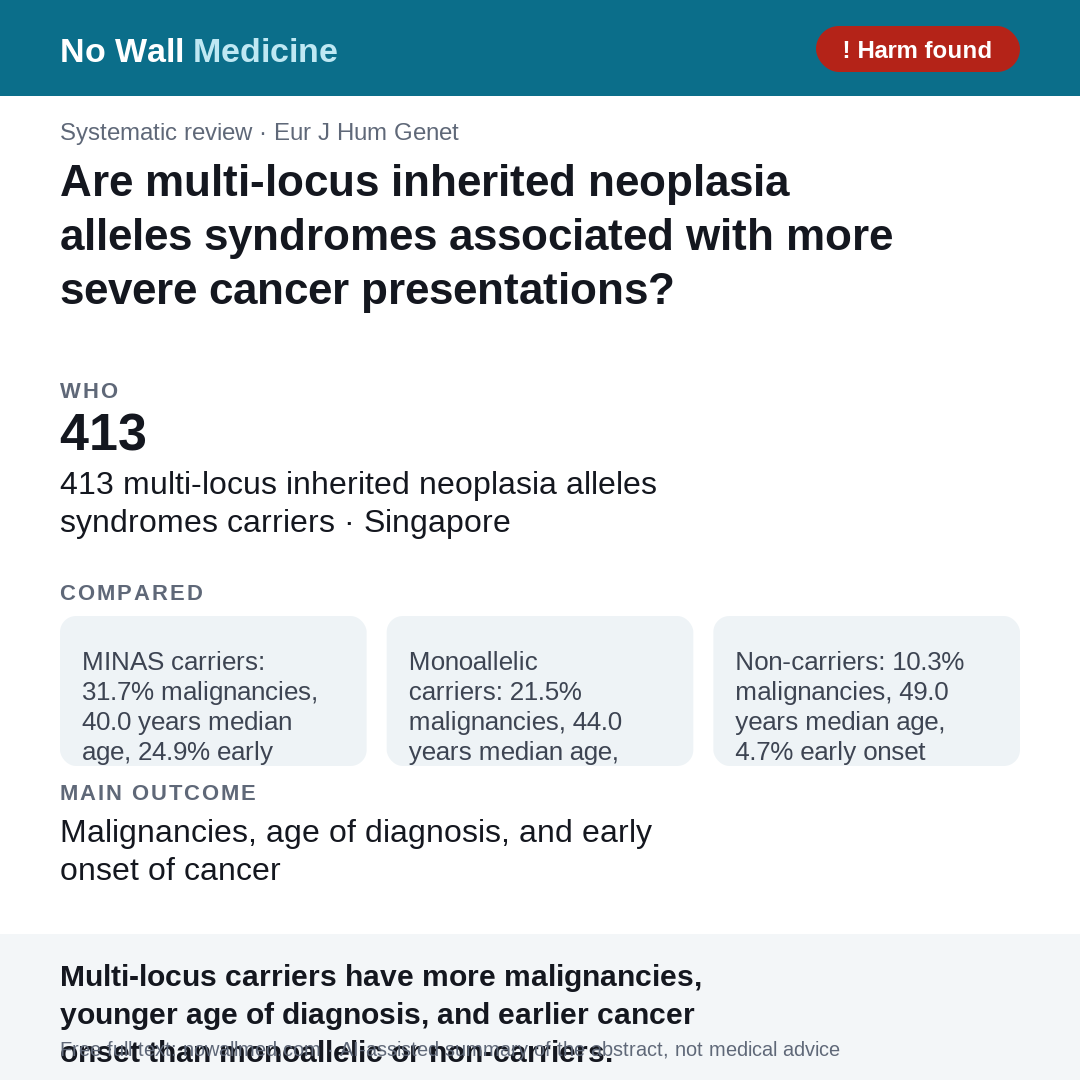
Multi-locus inherited neoplasia alleles syndromes in cancer: implications for clinical practice
Systematic reviewHarm found
Are multi-locus inherited neoplasia alleles syndromes associated with more severe cancer presentations?
Who
413
413 multi-locus inherited neoplasia alleles syndromes carriers · Singapore
Compared
MINAS carriers: 31.7% malignancies, 40.0 years median age, 24.9% early onset
Monoallelic carriers: 21.5% malignancies, 44.0 years median age, 7.7% early onset
Non-carriers: 10.3% malignancies, 49.0 years median age, 4.7% early onset
Main outcome
Malignancies, age of diagnosis, and early onset of cancer
Bottom line: Multi-locus carriers have more malignancies, younger age of diagnosis, and earlier cancer onset than monoallelic or non-carriers.
Eur J Hum Genet · 2025-01-23Download image
Digital Profiling of Immune Biomarkers in Breast Cancer: Relation to Anthracycline Benefit
Randomized phase III clinical trialNo clear difference
Does digital profiling of immune biomarkers predict anthracycline benefit in breast cancer?
Who
522
Node-positive breast cancer patients · MA.5 phase III clinical trial
Compared
Anthracycline-containing chemotherapy (CEF)
Non-anthracycline chemotherapy (CMF)
Main outcome
10-year relapse-free survival
Bottom line: Digital profiling immune cluster assignment did not predict improved 10-year relapse-free survival for patients receiving anthracycline-containing chemotherapy.
Limitation: Exploratory analyses were used to suggest associations between specific biomarkers and sensitivity.
Mod Pathol · 2025-01-23Download image

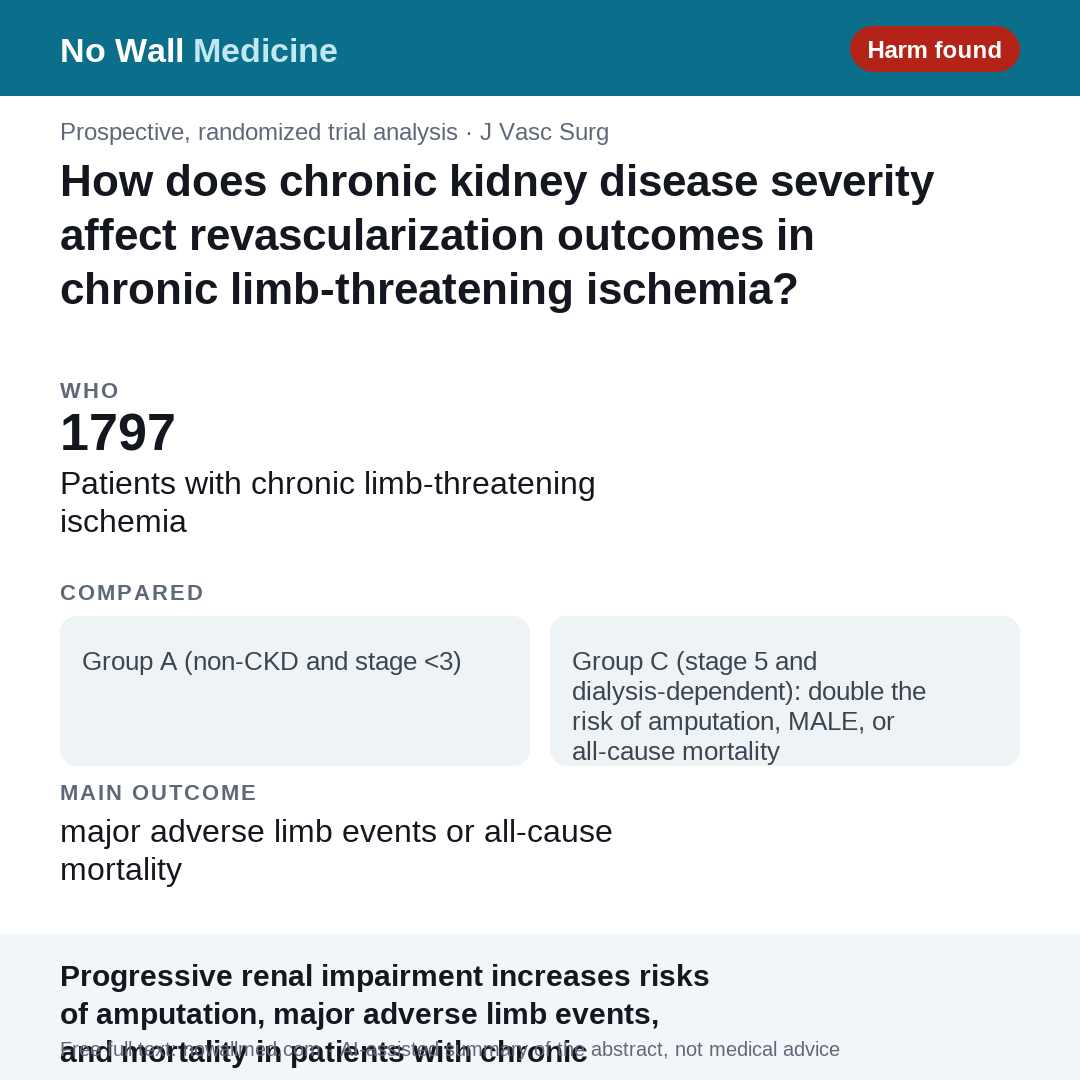
Outcomes of chronic limb-threatening ischemia revascularization in patients with chronic kidney disease in the BEST-CLI trial
Prospective, randomized trial analysisHarm found
How does chronic kidney disease severity affect revascularization outcomes in chronic limb-threatening ischemia?
Who
1797
Patients with chronic limb-threatening ischemia
Compared
Group A (non-CKD and stage <3)
Group C (stage 5 and dialysis-dependent): double the risk of amputation, MALE, or all-cause mortality
Main outcome
major adverse limb events or all-cause mortality
Result: hazard ratio 2.03 (95% CI 1.68-2.43) for MALE at eGFR <30
Bottom line: Progressive renal impairment increases risks of amputation, major adverse limb events, and mortality in patients with chronic limb-threatening ischemia.
J Vasc Surg · 2025-01-23Download image
Whole cranberry fruit powder supplement reduces the incidence of culture-confirmed urinary tract infections in females with a history of recurrent urinary tract infection: A 6-month multicenter, randomized, double-blind, placebo-controlled trial
Randomized, double-blind, placebo-controlled trialBenefit found
Does whole cranberry fruit powder reduce culture-confirmed urinary tract infection incidence?
Who
150
Healthy females with a history of recurrent urinary tract infection · Multicenter
Compared
Whole cranberry powder: 52% reduction in culture-confirmed UTI risk
Placebo
Main outcome
Incidence of culture-confirmed urinary tract infection
Result: adjusted relative risk 0.48 (95% CI 0.26 to 0.87)
Bottom line: Whole cranberry powder capsules reduce the incidence of culture-confirmed urinary tract infections in females with recurrent infections.
Am J Clin Nutr · 2025-01-23Download image

Early Neurologic Deterioration and Efficacy of Dual Antiplatelet in Anterior Versus Posterior Circulation Stroke
Post hoc analysis of a randomized trialMixed results
Does dual antiplatelet therapy efficacy for early neurologic deterioration differ between stroke territories?
Who
2431
Patients with acute mild to moderate ischemic stroke
Compared
Anterior circulation clopidogrel plus aspirin: not explicitly provided as a single percentage
Anterior circulation aspirin alone: not explicitly provided as a single percentage
Posterior circulation clopidogrel plus aspirin: not explicitly provided as a single percentage
Posterior circulation aspirin alone: not explicitly provided as a single percentage
Main outcome
Occurrence of early neurologic deterioration at 7 days
Result: ACS risk difference -2.4% (95% CI -4.1% to -0.8%); PCS risk difference -0.6% (95% CI -2.7% to 1.5%)
Bottom line: Clopidogrel plus aspirin reduced early neurologic deterioration in anterior circulation stroke but not in posterior circulation stroke.
J Am Heart Assoc · 2025-01-23Download image

Abdominal visceral and subcutaneous adipose tissue associations with postmenopausal breast cancer incidence
Prospective cohort studyBenefit found
Are abdominal visceral and subcutaneous adipose tissue associated with postmenopausal breast cancer incidence?
Who
9950
Postmenopausal women without a history of cancer · Women's Health Initiative
Compared
Baseline visceral adipose tissue: 36% increase
Baseline subcutaneous adipose tissue: 19% increase
Highest visceral to subcutaneous adipose tissue ratio: sub-hazard ratio 1.49 (95% CI 1.18 to 1.87)
Main outcome
Postmenopausal breast cancer incidence
Result: sub-hazard ratio 1.49 (95% CI 1.18 to 1.87)
Bottom line: Higher abdominal visceral and subcutaneous adipose tissue are associated with increased postmenopausal breast cancer risk.
JNCI Cancer Spectr · 2025-01-23Download image

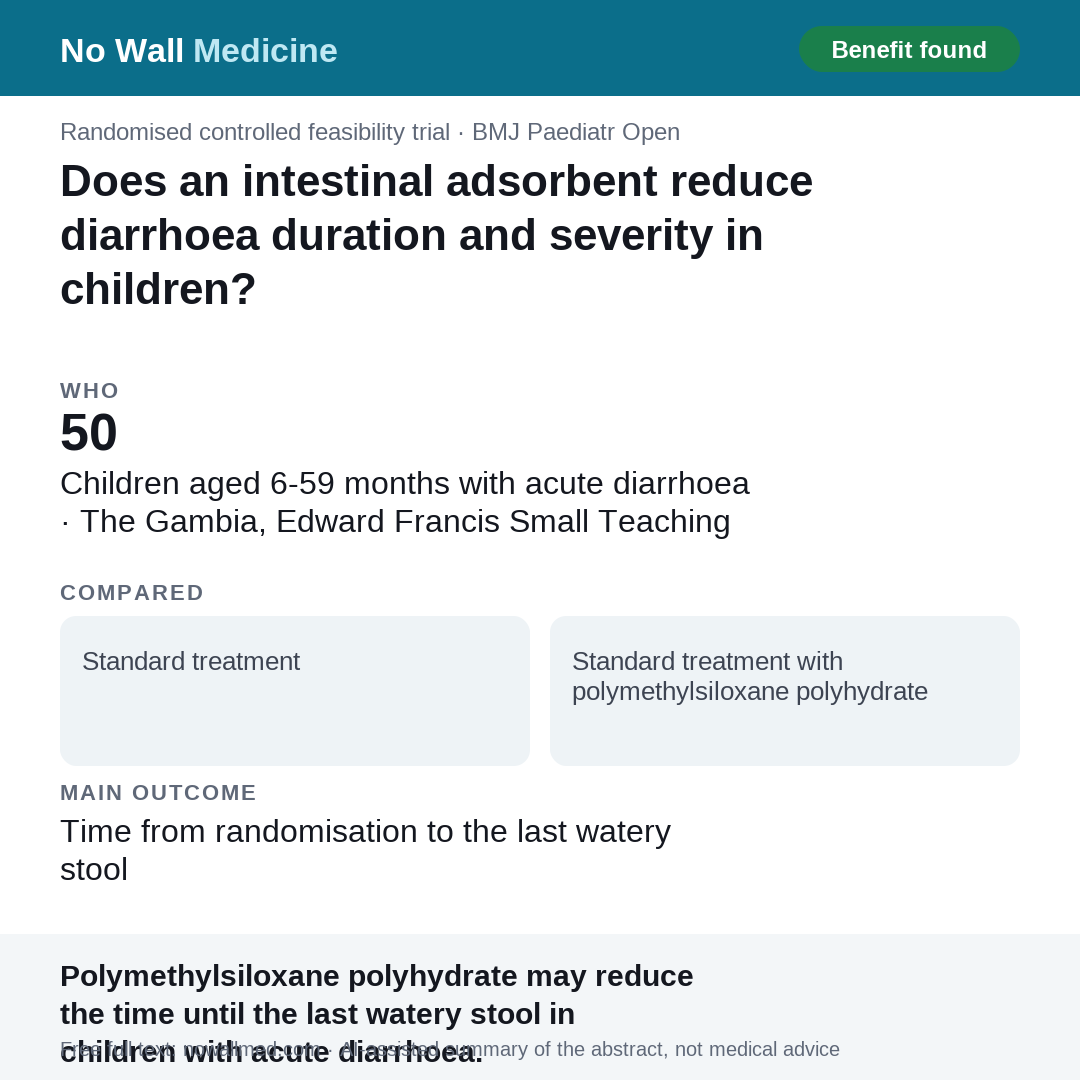
Randomised feasibility study of an intestinal adsorbent in acute diarrhoea in The Gambia
Randomised controlled feasibility trialBenefit found
Does an intestinal adsorbent reduce diarrhoea duration and severity in children?
Who
50
Children aged 6-59 months with acute diarrhoea · The Gambia, Edward Francis Small Teaching Hospital
Compared
Standard treatment
Standard treatment with polymethylsiloxane polyhydrate
Main outcome
Time from randomisation to the last watery stool
Result: mean difference -19.3 hours (95% CI -30.9 to -7.8)
Bottom line: Polymethylsiloxane polyhydrate may reduce the time until the last watery stool in children with acute diarrhoea.
BMJ Paediatr Open · 2025-01-23Download image
Digital Health Solutions for Cardiovascular Disease Prevention: Systematic Review
Meta-analysis of 30 studiesBenefit found
Do digital solutions prevent cardiovascular disease?
Who
2871
people at risk for cardiovascular disease
Compared
Digital solutions
Traditional care
Main outcome
cardiovascular disease prevention
Bottom line: Digital solutions improve preventive behaviors
Limitation: most studies focused on limited outcomes
J Med Internet Res · 2025-01-23Download image

Recent Advancements in Robotic-assisted Plastic Surgery Procedures: A Systematic Review
Systematic reviewUnclear result
Robotic-assisted plastic surgery effectiveness
Who
plastic surgery patients
Compared
Robotic-assisted
Traditional
Main outcome
advantage over traditional methods
Bottom line: Evidence for robotic surgery advantage is weak
Limitation: high costs and lack of feedback
Plast Reconstr Surg Glob Open · 2025-01-23Download image

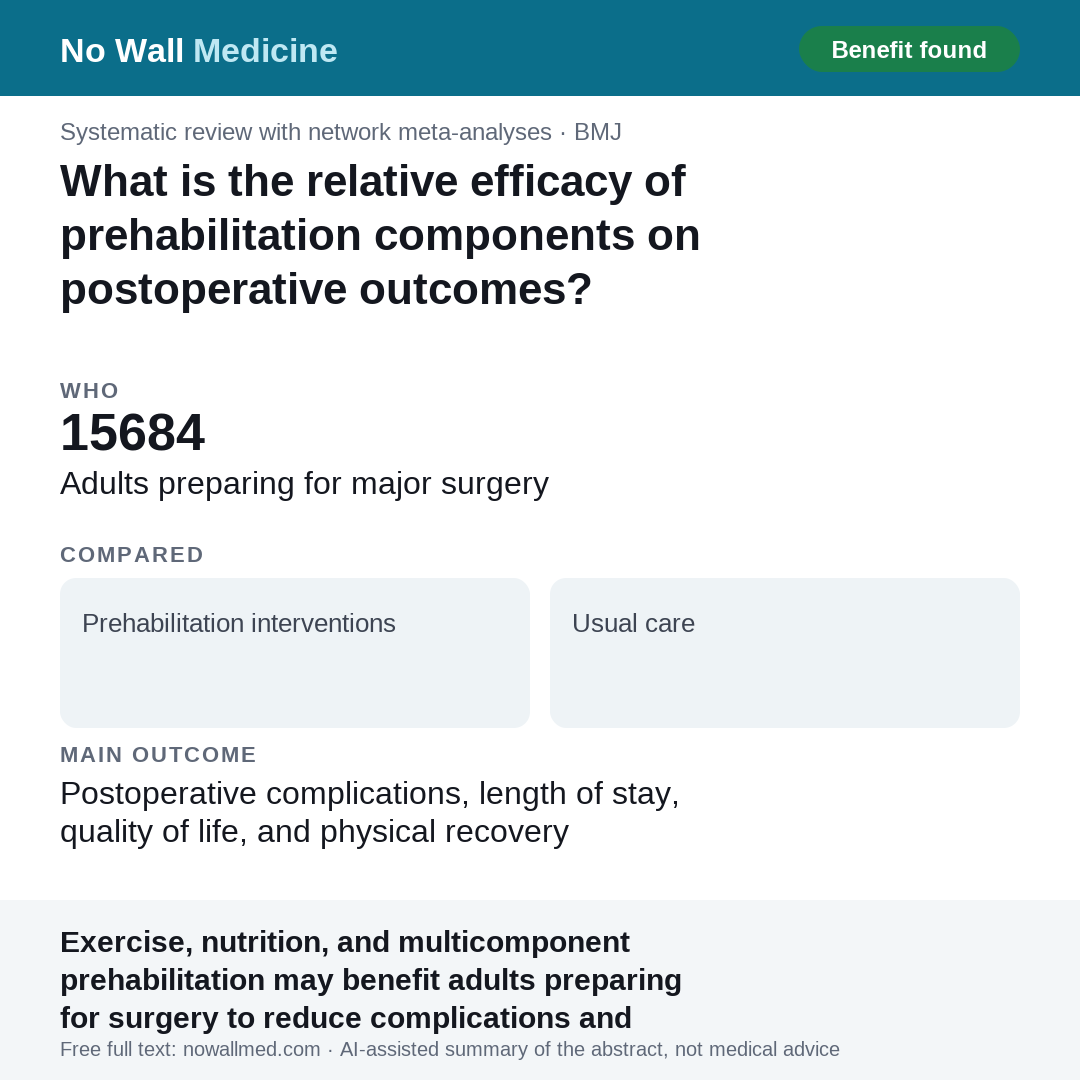
Relative efficacy of prehabilitation interventions and their components: systematic review with network and component network meta-analyses of randomised controlled trials
Systematic review with network meta-analysesBenefit found
What is the relative efficacy of prehabilitation components on postoperative outcomes?
Who
15684
Adults preparing for major surgery
Compared
Prehabilitation interventions
Usual care
Main outcome
Postoperative complications, length of stay, quality of life, and physical recovery
Result: isolated exercise odds ratio 0.50 (95% CI 0.39 to 0.64)
Bottom line: Exercise, nutrition, and multicomponent prehabilitation may benefit adults preparing for surgery to reduce complications and improve recovery.
Limitation: Certainty was low to very low due to trial level risk of bias and imprecision.
BMJ · 2025-01-22Download image
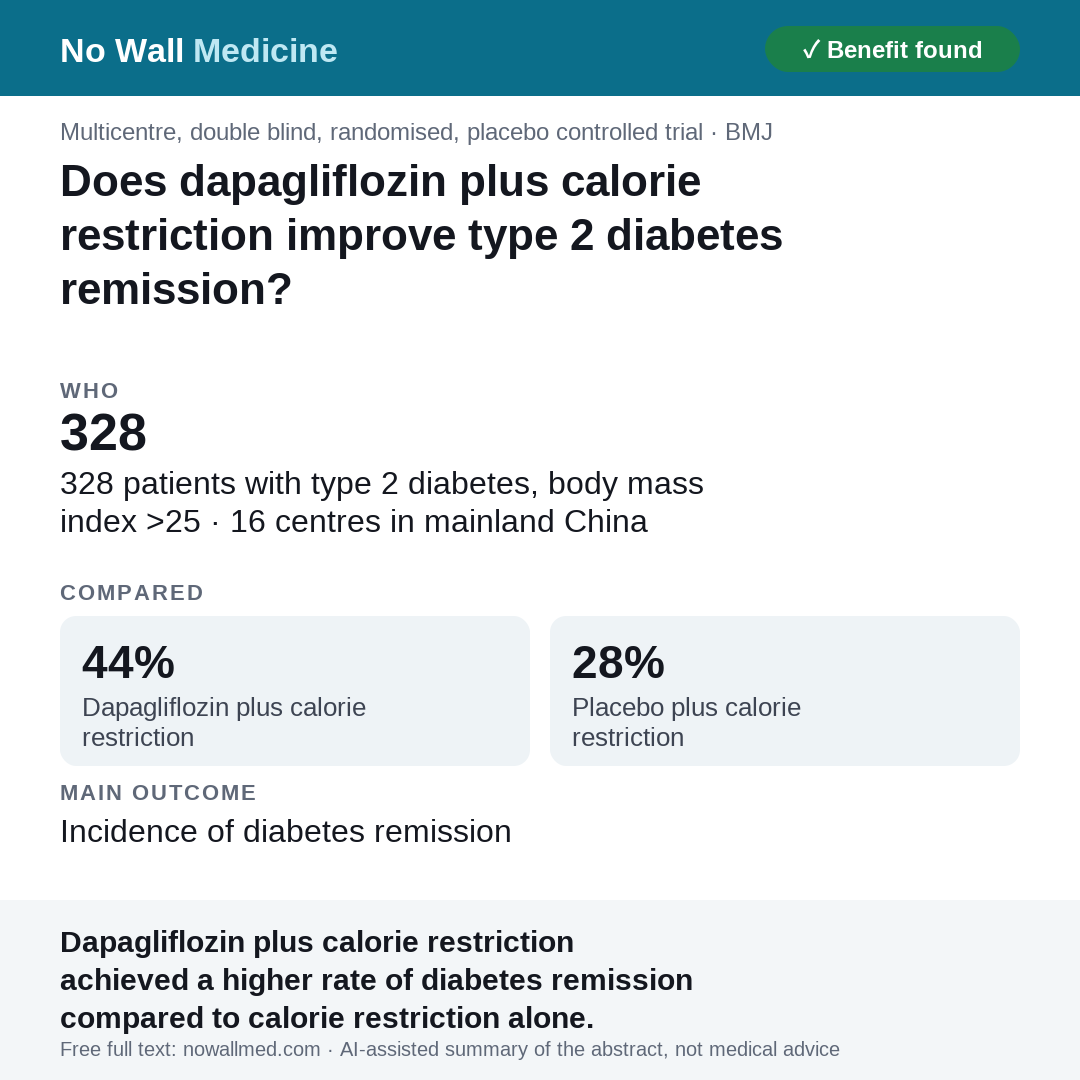
Dapagliflozin plus calorie restriction for remission of type 2 diabetes: multicentre, double blind, randomised, placebo controlled trial
Multicentre, double blind, randomised, placebo controlled trialBenefit found
Does dapagliflozin plus calorie restriction improve type 2 diabetes remission?
Who
328
328 patients with type 2 diabetes, body mass index >25 · 16 centres in mainland China
Compared
44%Dapagliflozin plus calorie restriction (73/165)
28%Placebo plus calorie restriction (46/163)
Main outcome
Incidence of diabetes remission
Result: risk ratio 1.56 (95% CI 1.17 to 2.09)
Bottom line: Dapagliflozin plus calorie restriction achieved a higher rate of diabetes remission compared to calorie restriction alone.
BMJ · 2025-01-22Download image
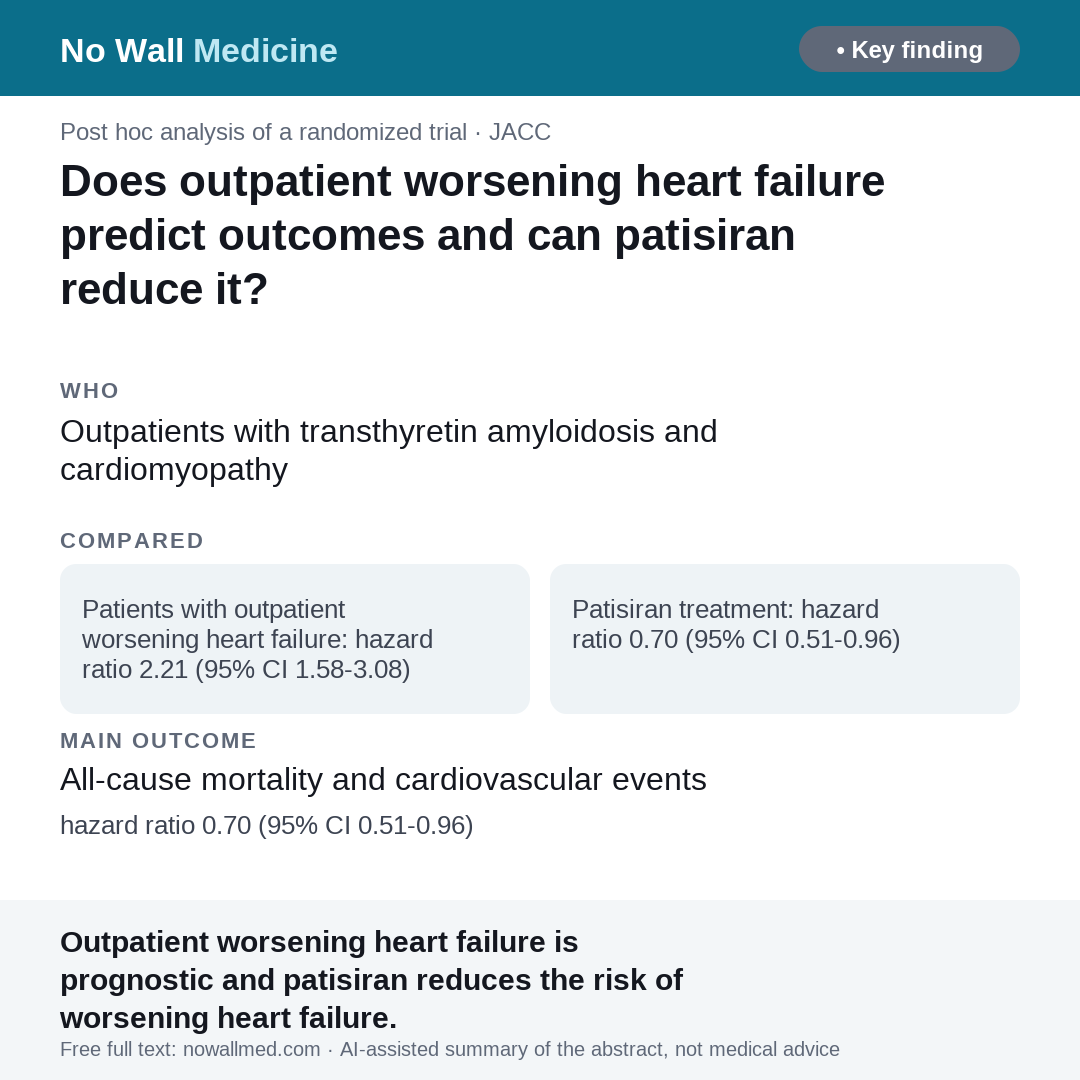
Worsening of Heart Failure in Outpatients With Transthyretin Amyloidosis and Cardiomyopathy in the APOLLO-B Trial
Post hoc analysis of a randomized trialBenefit found
Does outpatient worsening heart failure predict outcomes and can patisiran reduce it?
Who
Outpatients with transthyretin amyloidosis and cardiomyopathy
Compared
Patients with outpatient worsening heart failure: hazard ratio 2.21 (95% CI 1.58-3.08)
Patisiran treatment: hazard ratio 0.70 (95% CI 0.51-0.96)
Main outcome
All-cause mortality and cardiovascular events
Result: hazard ratio 0.70 (95% CI 0.51-0.96)
Bottom line: Outpatient worsening heart failure is prognostic and patisiran reduces the risk of worsening heart failure.
JACC · 2025-01-22Download image
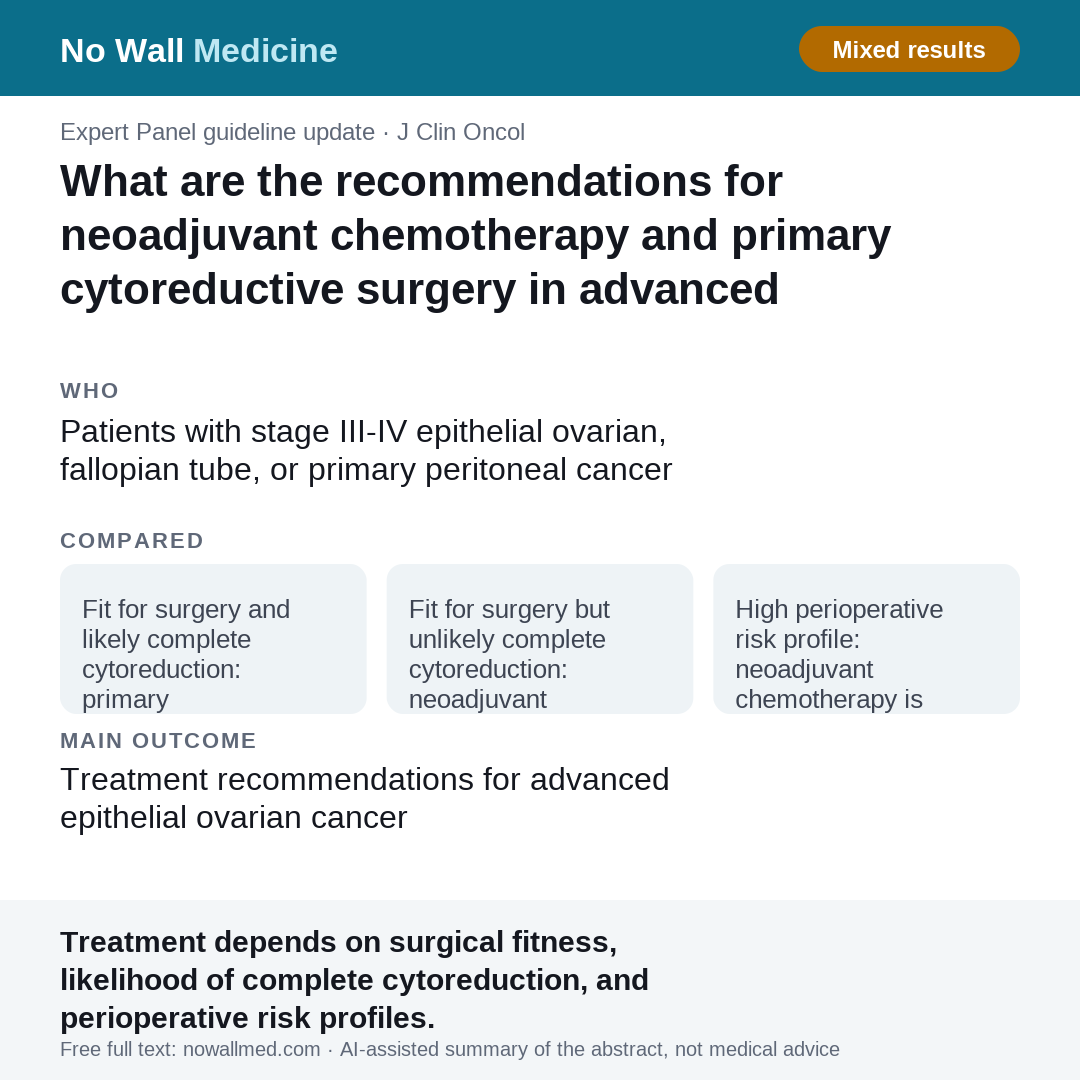
Neoadjuvant Chemotherapy for Newly Diagnosed, Advanced Ovarian Cancer: ASCO Guideline Update
Expert Panel guideline updateMixed results
What are the recommendations for neoadjuvant chemotherapy and primary cytoreductive surgery in advanced ovarian cancer?
Who
Patients with stage III-IV epithelial ovarian, fallopian tube, or primary peritoneal cancer
Compared
Fit for surgery and likely complete cytoreduction: primary cytoreductive surgery is recommended
Fit for surgery but unlikely complete cytoreduction: neoadjuvant chemotherapy is recommended
High perioperative risk profile: neoadjuvant chemotherapy is recommended
Main outcome
Treatment recommendations for advanced epithelial ovarian cancer
Bottom line: Treatment depends on surgical fitness, likelihood of complete cytoreduction, and perioperative risk profiles.
J Clin Oncol · 2025-01-22Download image
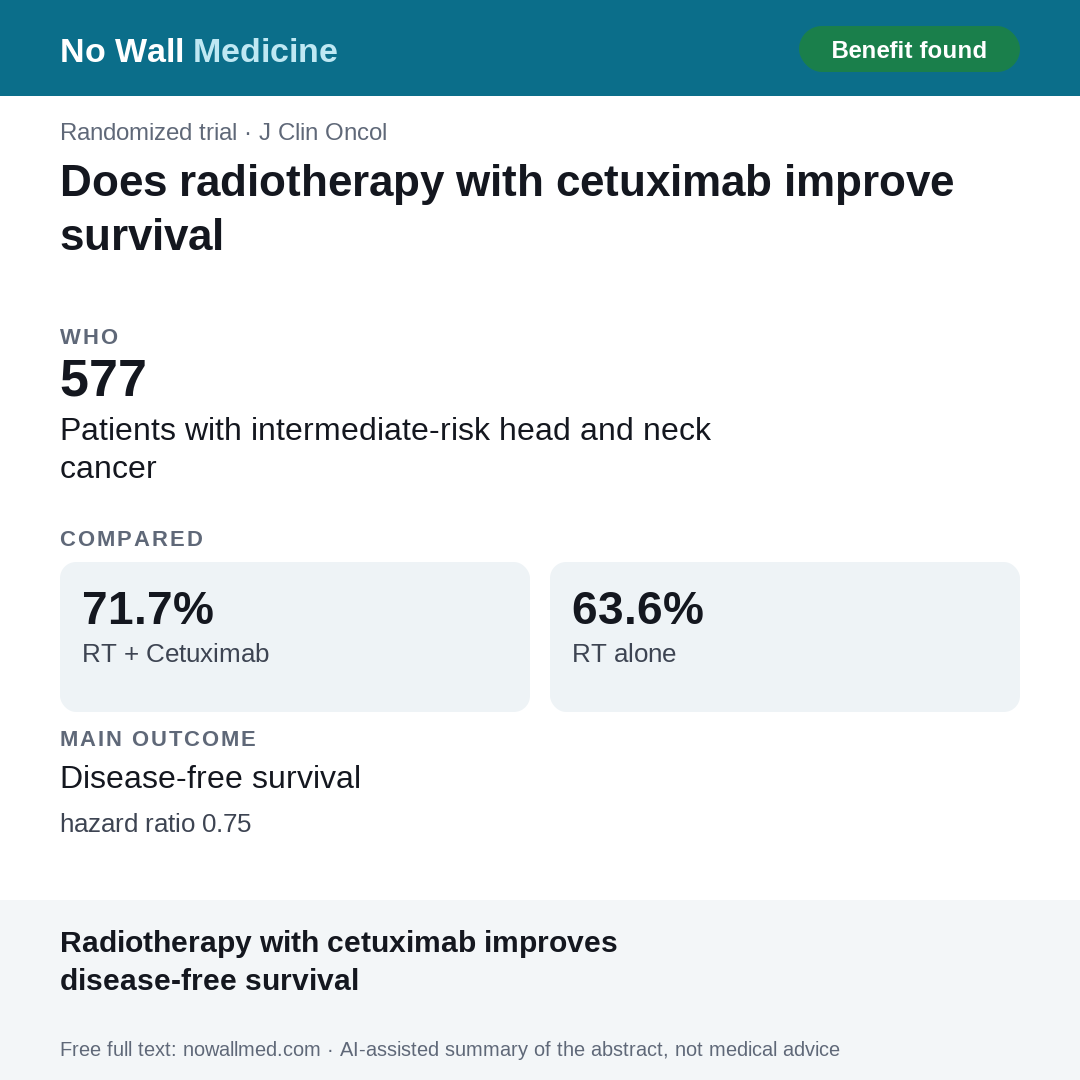
Postoperative Radiotherapy ± Cetuximab for Intermediate-Risk Head and Neck Cancer
Randomized trialBenefit found
Does radiotherapy with cetuximab improve survival
Who
577
Patients with intermediate-risk head and neck cancer
Compared
71.7%RT + Cetuximab
63.6%RT alone
Main outcome
Disease-free survival
Result: hazard ratio 0.75
Bottom line: Radiotherapy with cetuximab improves disease-free survival
J Clin Oncol · 2025-01-22Download image