Visual abstracts
New randomized trials and meta-analyses from leading journals at a glance: who was studied, what was compared, and what was found. Every paper is free to read in full.
All specialtiesCardiology 4780Oncology 4080Gastroenterology & Hepatology 1914Infectious Disease 3775Neurology 1883Psychiatry & Mental Health 2238Pulmonology 2058Critical Care 1331Endocrinology & Diabetes 2550Pediatrics 2908Surgery 2496Orthopedics & Sports Medicine 922Neurosurgery 532Cardiothoracic & Vascular Surgery 662Plastic & Reconstructive Surgery 584Nephrology 1111Rheumatology 812Hematology 1095Dermatology 617Ophthalmology 537Obstetrics & Gynecology 1656Public & Global Health 1041Radiology & Imaging 637Anesthesiology 958Urology 751ENT (Otolaryngology) 497Emergency Medicine 484Allergy & Immunology 310Geriatrics 973Family Medicine & Primary Care 538Medical Genetics & Genomics 662Pathology & Laboratory Medicine 156Physical Medicine & Rehabilitation 744Palliative Care 422Nutrition 1564Digital Health & AI 2188General Medicine 318
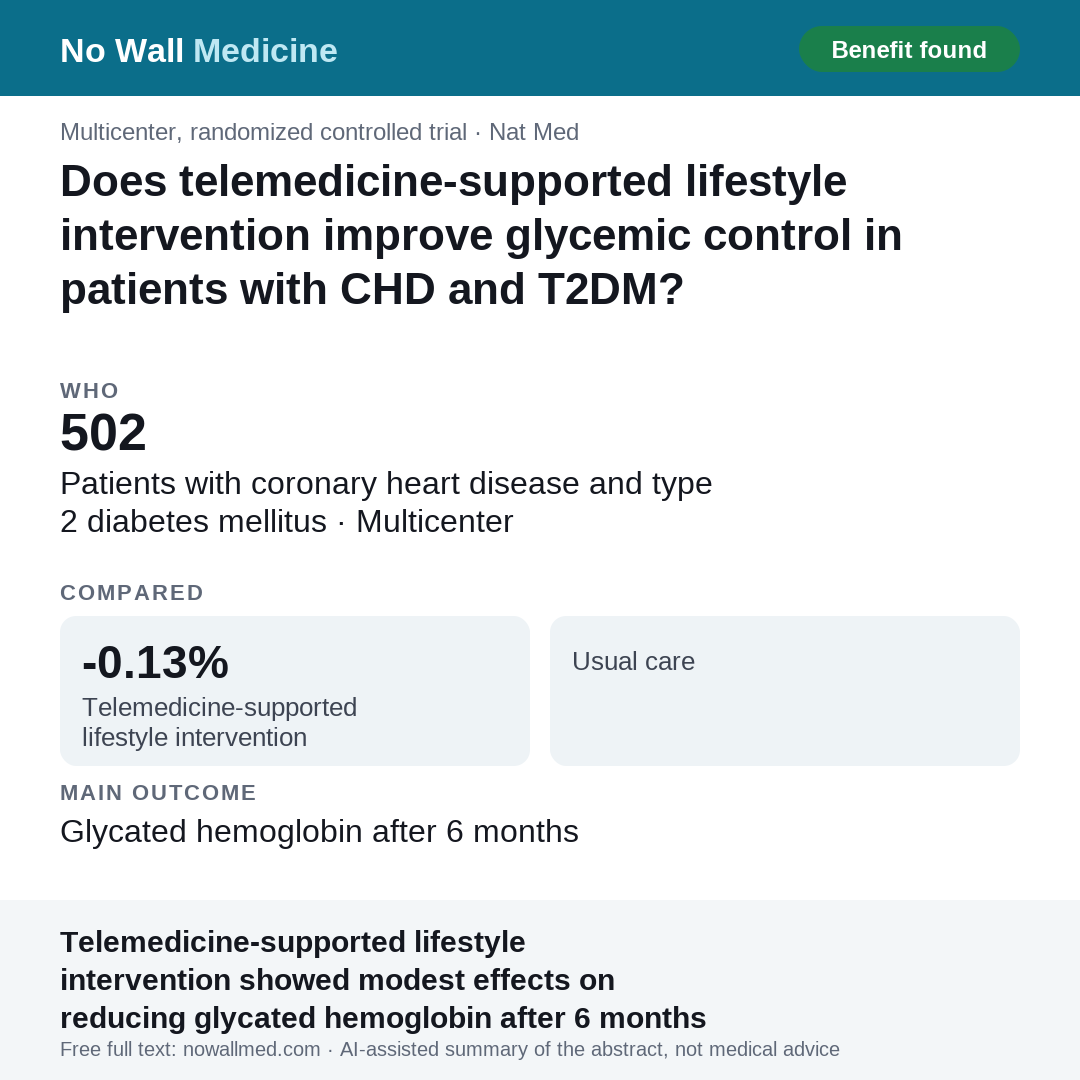
Telemedicine-supported lifestyle intervention for glycemic control in patients with CHD and T2DM: multicenter, randomized controlled trial
Multicenter, randomized controlled trialBenefit found
Does telemedicine-supported lifestyle intervention improve glycemic control in patients with CHD and T2DM?
Who
502
Patients with coronary heart disease and type 2 diabetes mellitus · Multicenter
Compared
-0.13%Telemedicine-supported lifestyle intervention (95% confidence interval, -0.25 to -0.01)
Usual care
Main outcome
Glycated hemoglobin after 6 months
Result: -0.13% (95% confidence interval, -0.25 to -0.01)
Bottom line: Telemedicine-supported lifestyle intervention showed modest effects on reducing glycated hemoglobin after 6 months in patients.
Limitation: No statistically significant between-group differences were observed at 12 months.
Nat Med · 2025-02-07Download image
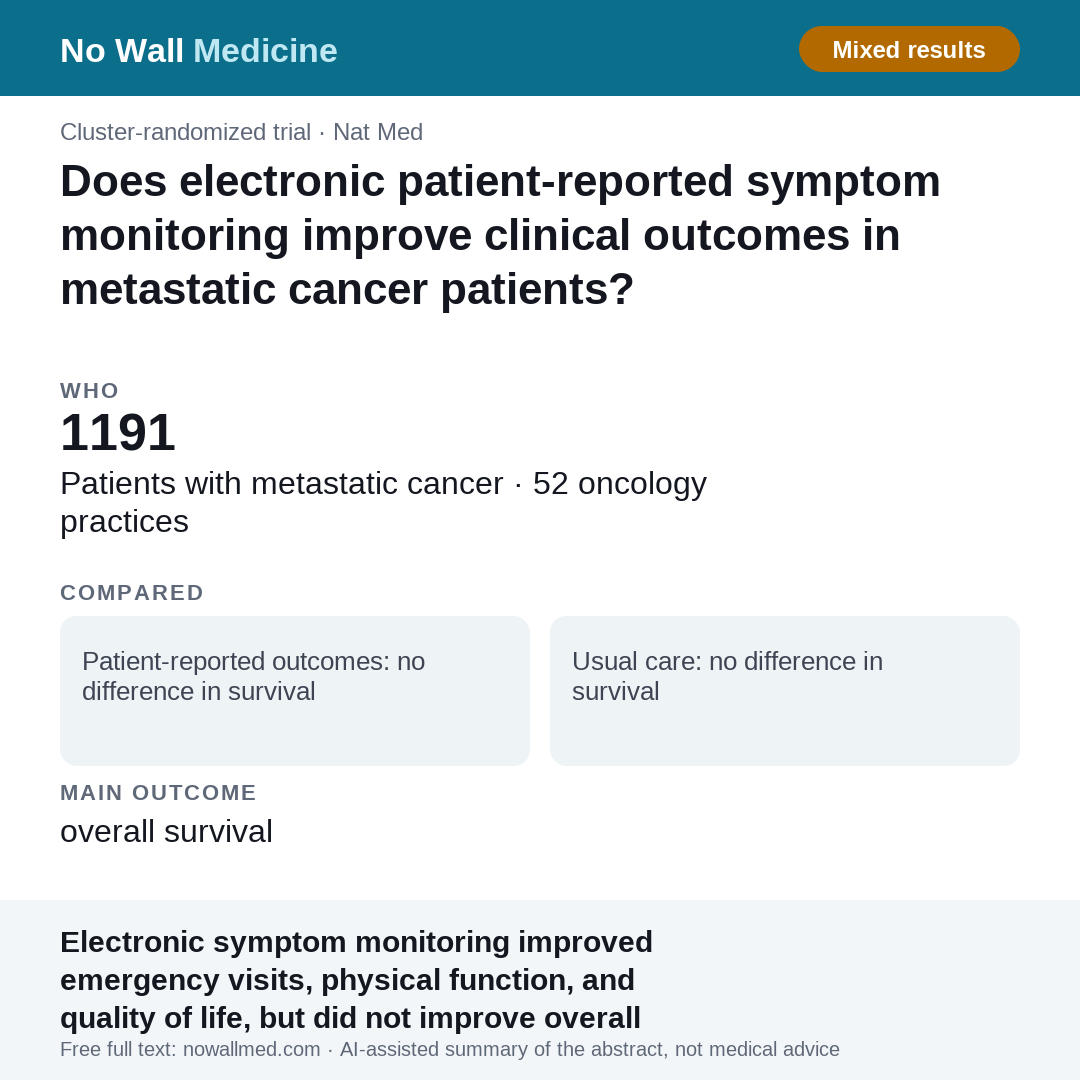
Symptom monitoring with electronic patient-reported outcomes during cancer treatment: final results of the PRO-TECT cluster-randomized trial
Cluster-randomized trialMixed results
Does electronic patient-reported symptom monitoring improve clinical outcomes in metastatic cancer patients?
Who
1191
Patients with metastatic cancer · 52 oncology practices
Compared
Patient-reported outcomes: no difference in survival
Usual care: no difference in survival
Main outcome
overall survival
Result: hazard ratio 0.99 (95% confidence interval 0.83-1.17)
Bottom line: Electronic symptom monitoring improved emergency visits, physical function, and quality of life, but did not improve overall survival.
Nat Med · 2025-02-07Download image
Efficacy of cognitive behavioral therapy in treating repetitive negative thinking, rumination, and worry - a transdiagnostic meta-analysis
Meta-analysis of 55 randomized controlled trialsBenefit found
What is the transdiagnostic efficacy of cognitive behavioral therapy on repetitive negative thinking?
Who
4,970
Participants with various mental disorders
Compared
Cognitive behavioral therapy
Control groups
Main outcome
Post-treatment repetitive negative thinking outcomes
Result: g = -0.67
Bottom line: Cognitive behavioral therapy is moderately effective at reducing repetitive negative thinking across different diagnoses.
Psychol Med · 2025-02-07Download image

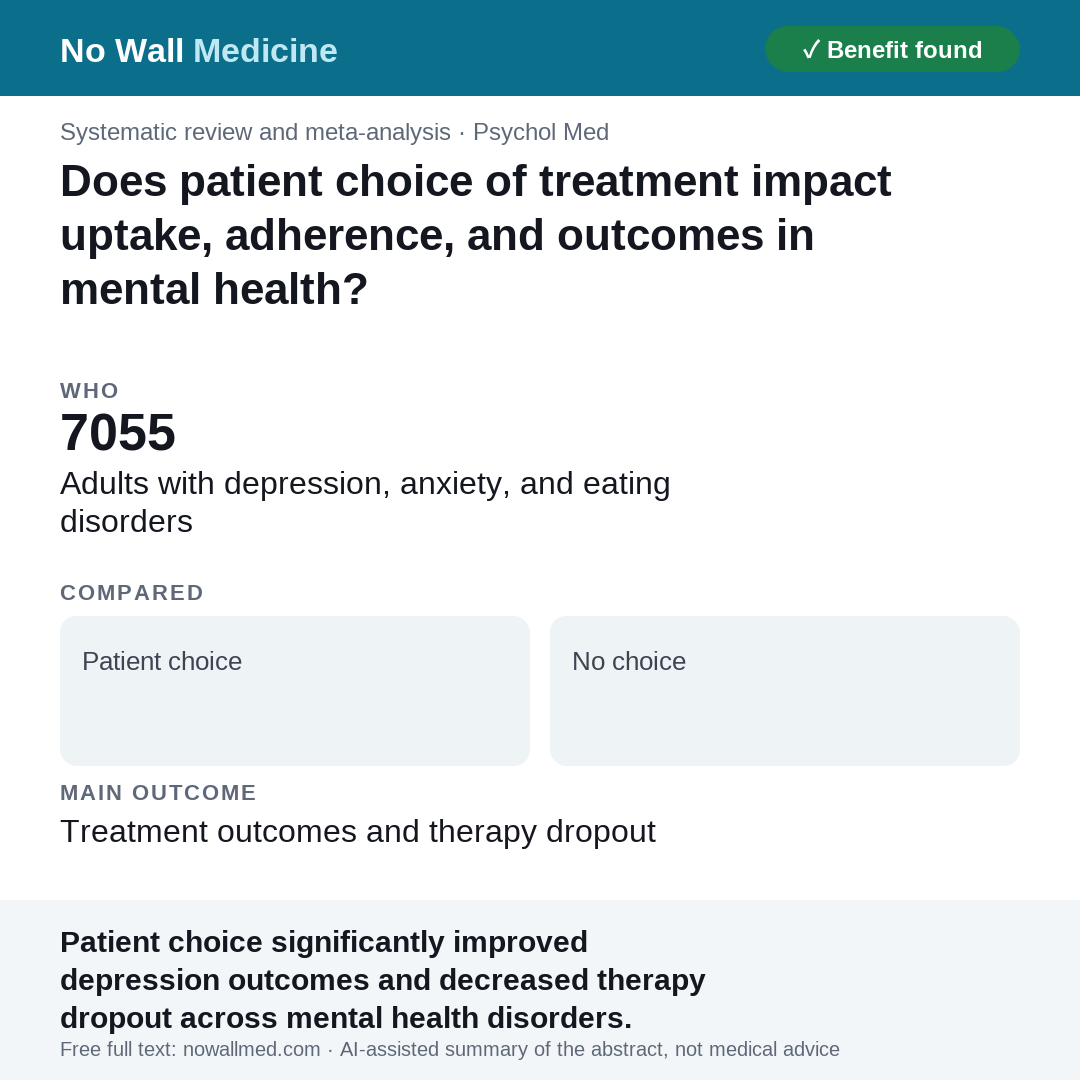
The impact of patient choice on uptake, adherence, and outcomes across depression, anxiety, and eating disorders: a systematic review and meta-analysis
Systematic review and meta-analysisBenefit found
Does patient choice of treatment impact uptake, adherence, and outcomes in mental health?
Who
7055
Adults with depression, anxiety, and eating disorders
Compared
Patient choice
No choice
Main outcome
Treatment outcomes and therapy dropout
Result: OR 1.46 (95% CI: 1.17, 1.83) for combined sample dropout
Bottom line: Patient choice significantly improved depression outcomes and decreased therapy dropout across mental health disorders.
Limitation: Insufficient studies with stringent designs for anxiety, eating disorders, or treatment uptake.
Psychol Med · 2025-02-07Download image
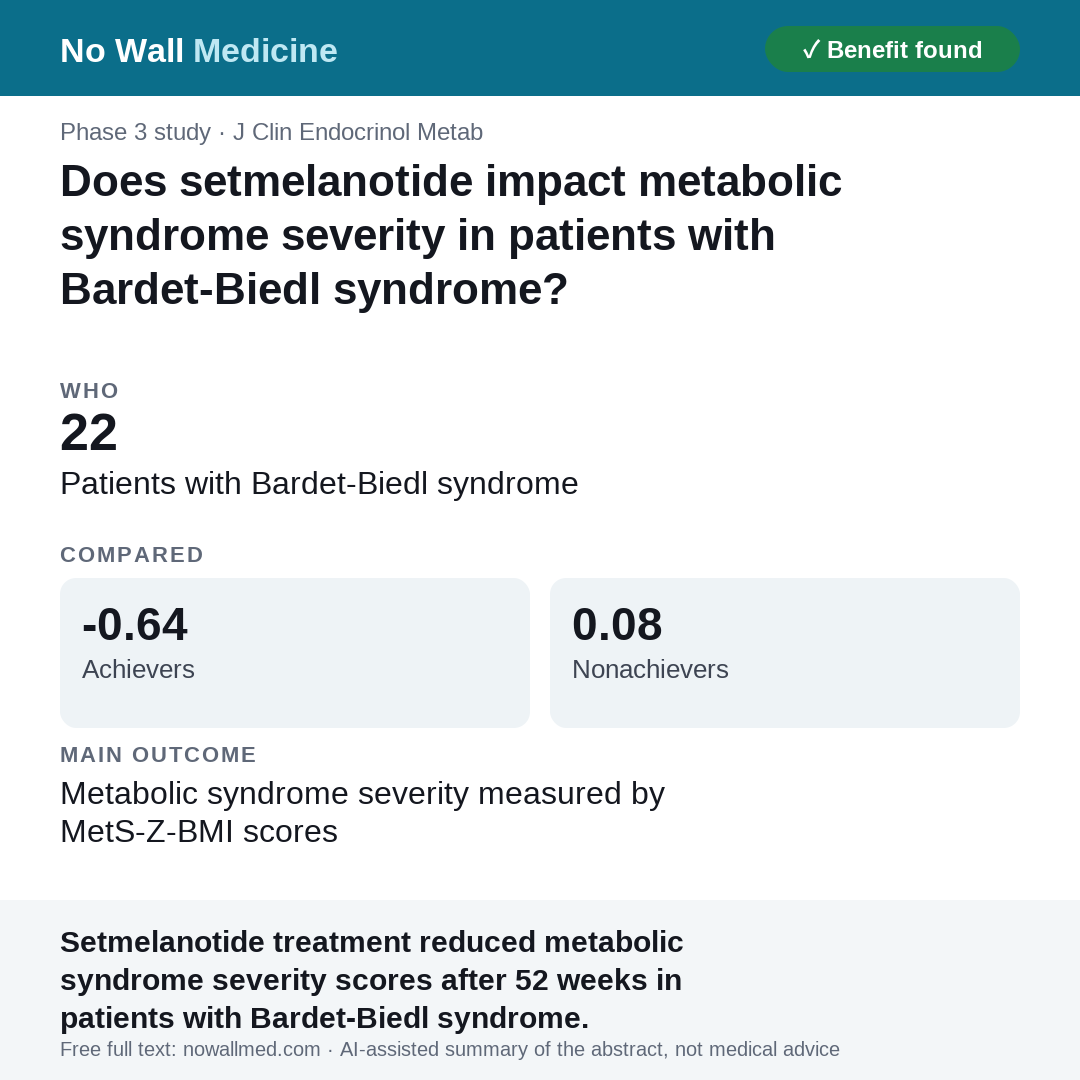
Impact of Setmelanotide on Metabolic Syndrome Risk in Patients With Bardet-Biedl Syndrome
Phase 3 studyBenefit found
Does setmelanotide impact metabolic syndrome severity in patients with Bardet-Biedl syndrome?
Who
22
Patients with Bardet-Biedl syndrome
Compared
-0.64Achievers (0.54)
0.08Nonachievers (0.47)
Main outcome
Metabolic syndrome severity measured by MetS-Z-BMI scores
Bottom line: Setmelanotide treatment reduced metabolic syndrome severity scores after 52 weeks in patients with Bardet-Biedl syndrome.
J Clin Endocrinol Metab · 2025-02-07Download image
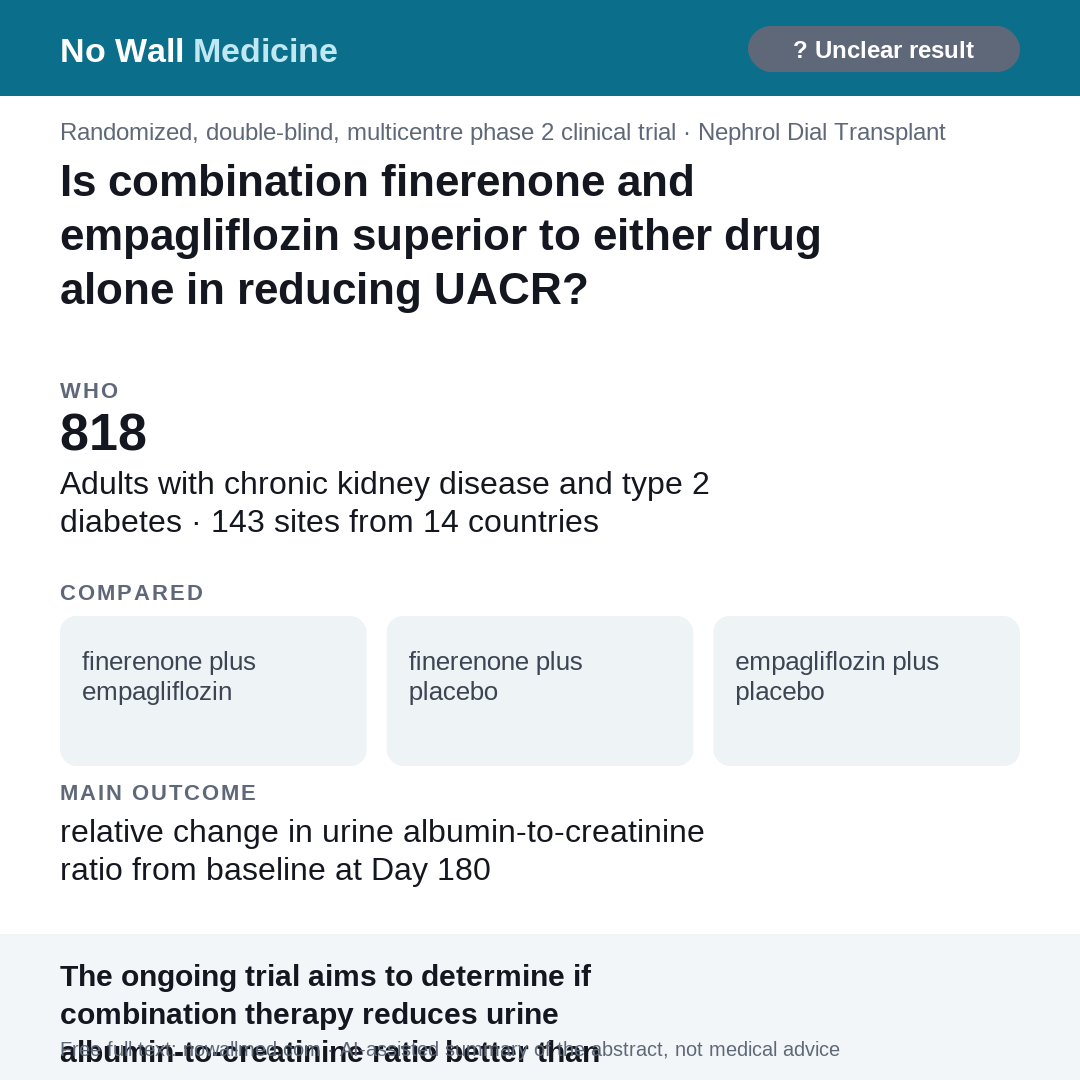
COmbinatioN effect of FInerenone anD EmpaglifloziN in participants with chronic kidney disease and type 2 diabetes using a UACR Endpoint (CONFIDENCE) trial: baseline clinical characteristics
Randomized, double-blind, multicentre phase 2 clinical trialUnclear result
Is combination finerenone and empagliflozin superior to either drug alone in reducing UACR?
Who
818
Adults with chronic kidney disease and type 2 diabetes · 143 sites from 14 countries
Compared
finerenone plus empagliflozin
finerenone plus placebo
empagliflozin plus placebo
Main outcome
relative change in urine albumin-to-creatinine ratio from baseline at Day 180
Bottom line: The ongoing trial aims to determine if combination therapy reduces urine albumin-to-creatinine ratio better than individual therapy.
Nephrol Dial Transplant · 2025-02-07Download image
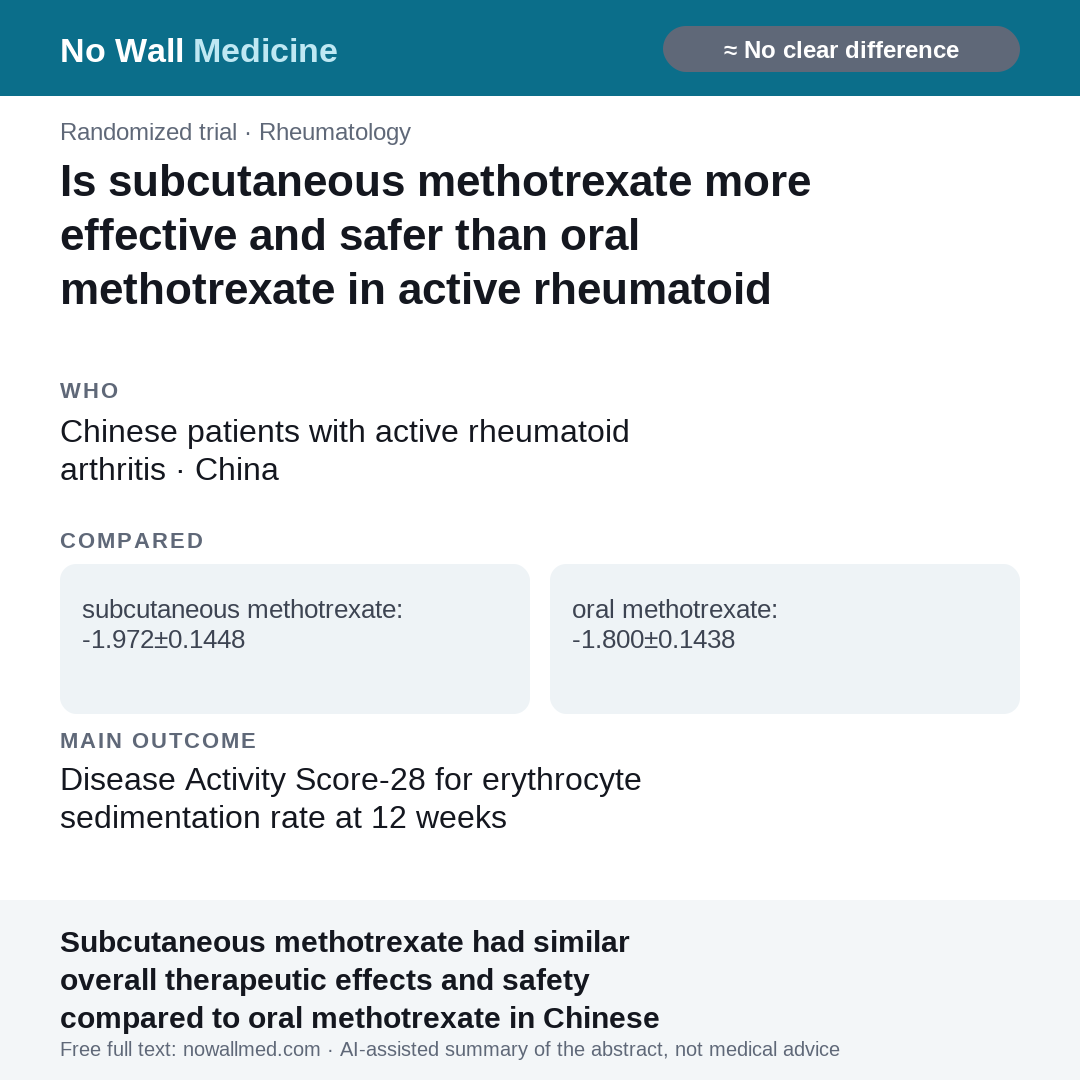
Comparison of the efficacy and safety of methotrexate injection and methotrexate tablets in active RA
Randomized trialNo clear difference
Is subcutaneous methotrexate more effective and safer than oral methotrexate in active rheumatoid arthritis?
Who
Chinese patients with active rheumatoid arthritis · China
Compared
subcutaneous methotrexate: -1.972±0.1448
oral methotrexate: -1.800±0.1438
Main outcome
Disease Activity Score-28 for erythrocyte sedimentation rate at 12 weeks
Result: -0.173±0.2041
Bottom line: Subcutaneous methotrexate had similar overall therapeutic effects and safety compared to oral methotrexate in Chinese patients.
Rheumatology · 2025-02-07Download image
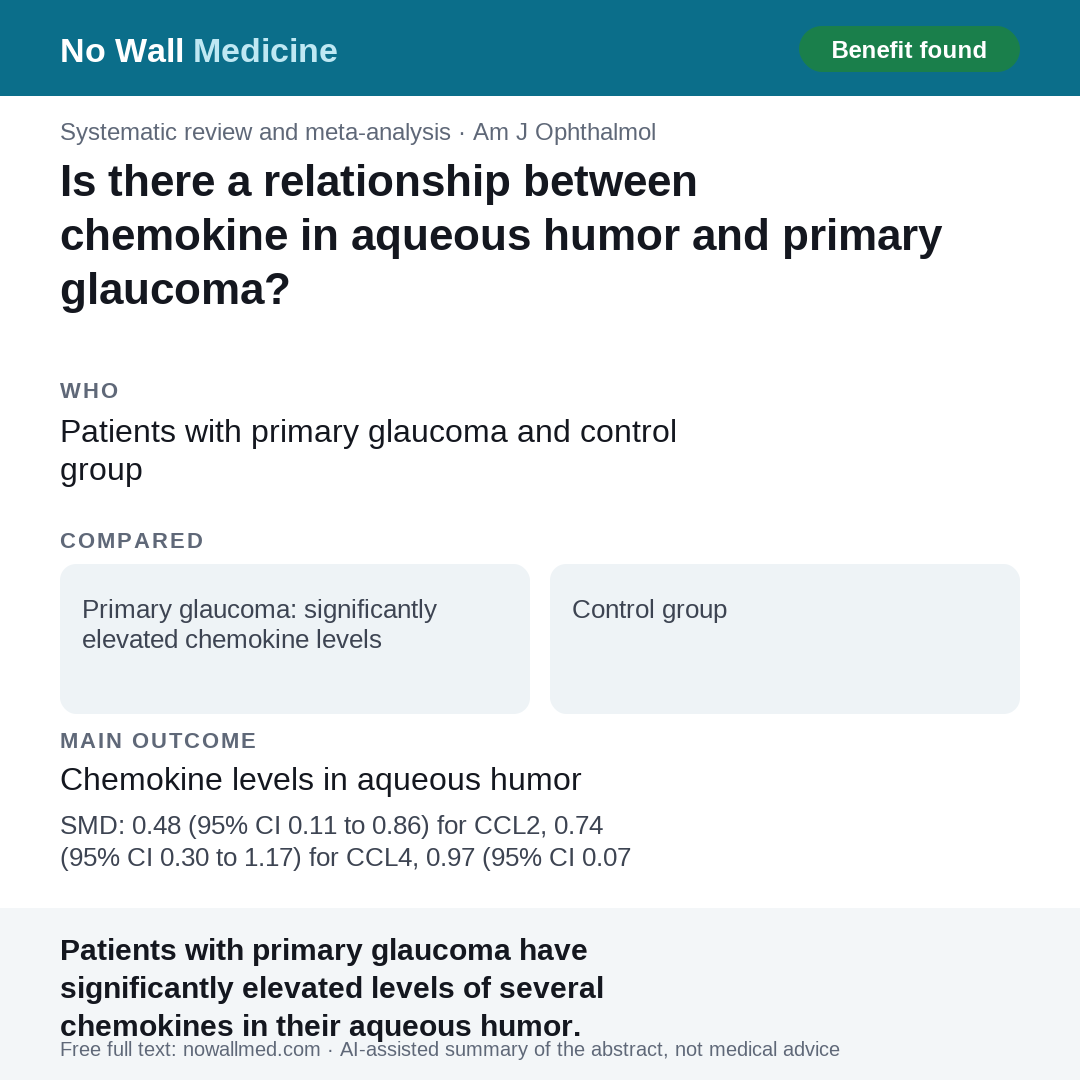
Relationship Between Chemokine in Aqueous Humor and Primary Glaucoma: A Meta-Analysis
Systematic review and meta-analysisBenefit found
Is there a relationship between chemokine in aqueous humor and primary glaucoma?
Who
Patients with primary glaucoma and control group
Compared
Primary glaucoma: significantly elevated chemokine levels
Control group
Main outcome
Chemokine levels in aqueous humor
Result: SMD: 0.48 (95% CI 0.11 to 0.86) for CCL2, 0.74 (95% CI 0.30 to 1.17) for CCL4, 0.97 (95% CI 0.07 to 1.85) for CCL5, 2.28 (95% CI 0.86 to 3.71) for CCL7, 1.75 (95% CI 1.04 to 2.46) for CXCL8, and 1.45 (95% CI 0.46 to 2.43) for CXCL10
Bottom line: Patients with primary glaucoma have significantly elevated levels of several chemokines in their aqueous humor.
Am J Ophthalmol · 2025-02-07Download image
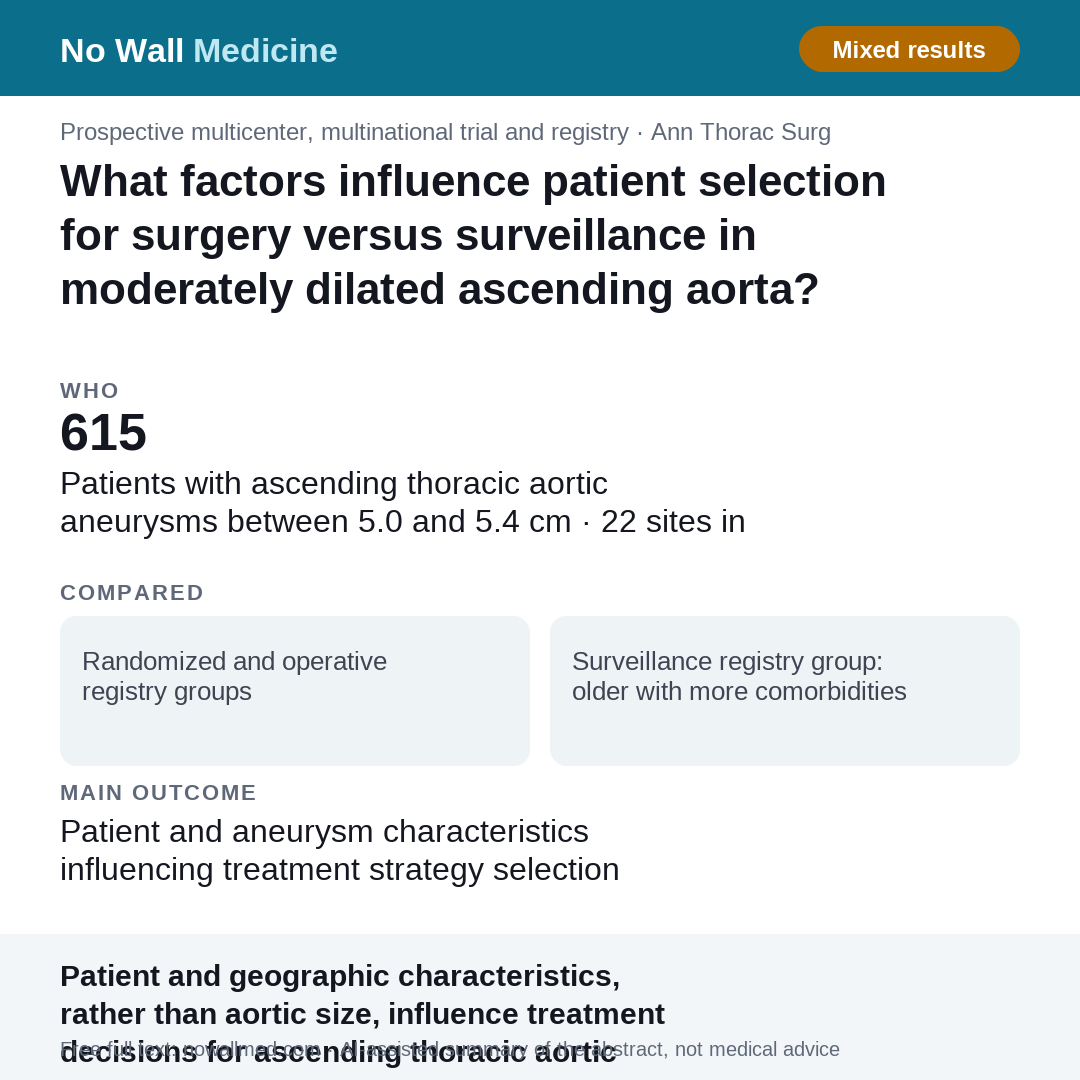
Patient Selection for Surgery vs Surveillance in Moderately Dilated Ascending Aorta: Insights From Treatment in Thoracic Aortic Aneurysm: Surgery versus Surveillance (TITAN:SvS), an International Prospective Trial
Prospective multicenter, multinational trial and registryMixed results
What factors influence patient selection for surgery versus surveillance in moderately dilated ascending aorta?
Who
615
Patients with ascending thoracic aortic aneurysms between 5.0 and 5.4 cm · 22 sites in the United States and Canada
Compared
Randomized and operative registry groups
Surveillance registry group: older with more comorbidities
Main outcome
Patient and aneurysm characteristics influencing treatment strategy selection
Bottom line: Patient and geographic characteristics, rather than aortic size, influence treatment decisions for ascending thoracic aortic aneurysms.
Limitation: Sicker patients may be excluded from operative registries, affecting generalizability.
Ann Thorac Surg · 2025-02-07Download image
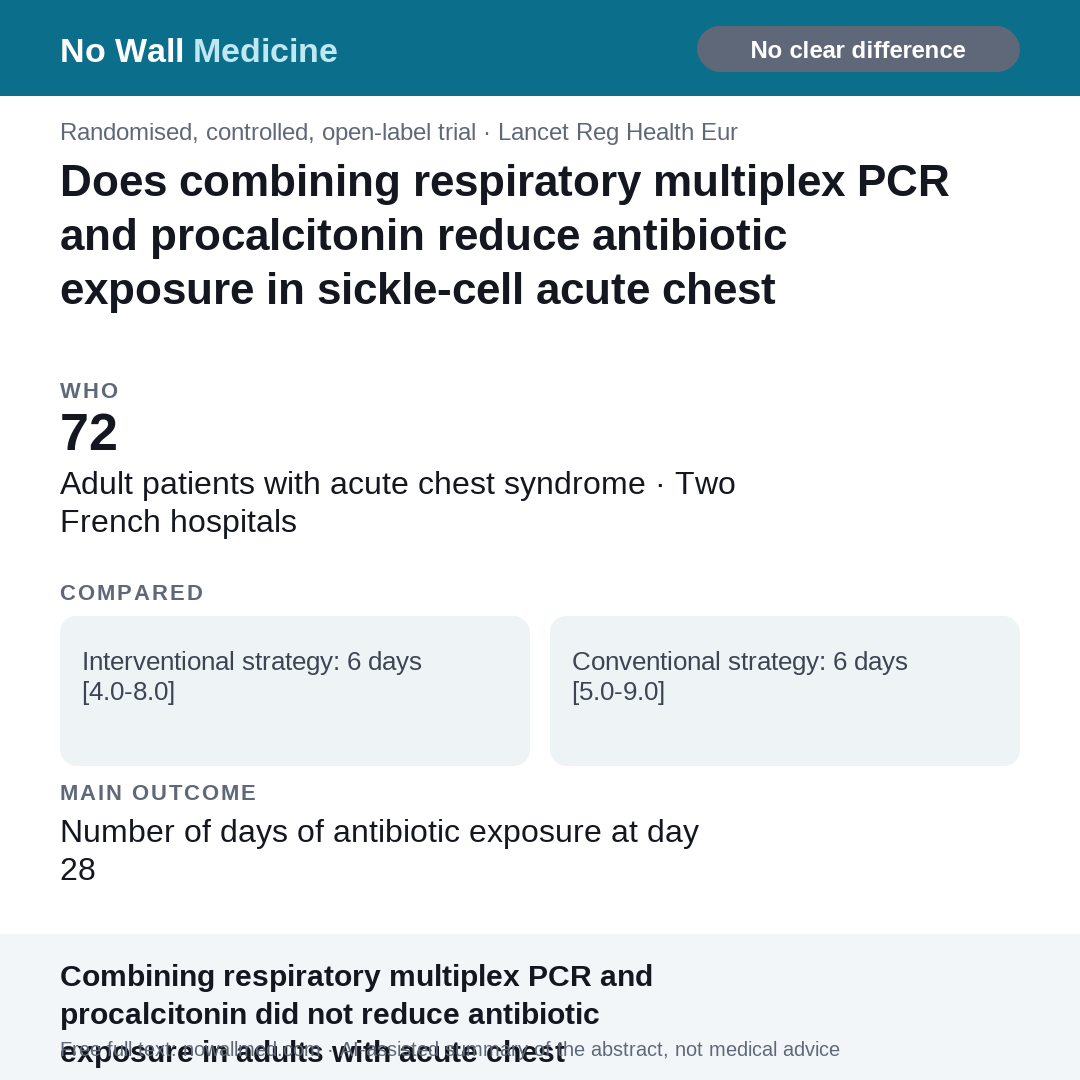
Combined use of respiratory multiplex PCR and procalcitonin to reduce antibiotic exposure in sickle-cell adult patients with acute chest syndrome (The ANTIBIO-STA study): a randomised, controlled, open-label trial
Randomised, controlled, open-label trialNo clear difference
Does combining respiratory multiplex PCR and procalcitonin reduce antibiotic exposure in sickle-cell acute chest syndrome?
Who
72
Adult patients with acute chest syndrome · Two French hospitals
Compared
Interventional strategy: 6 days [4.0-8.0]
Conventional strategy: 6 days [5.0-9.0]
Main outcome
Number of days of antibiotic exposure at day 28
Result: difference, 0.0 day; 95% CI, -2.1 to 2.1
Bottom line: Combining respiratory multiplex PCR and procalcitonin did not reduce antibiotic exposure in adults with acute chest syndrome.
Funded by: Assistance Publique-Hôpitaux de Paris and bioMérieux
Lancet Reg Health Eur · 2025-02-07Download image
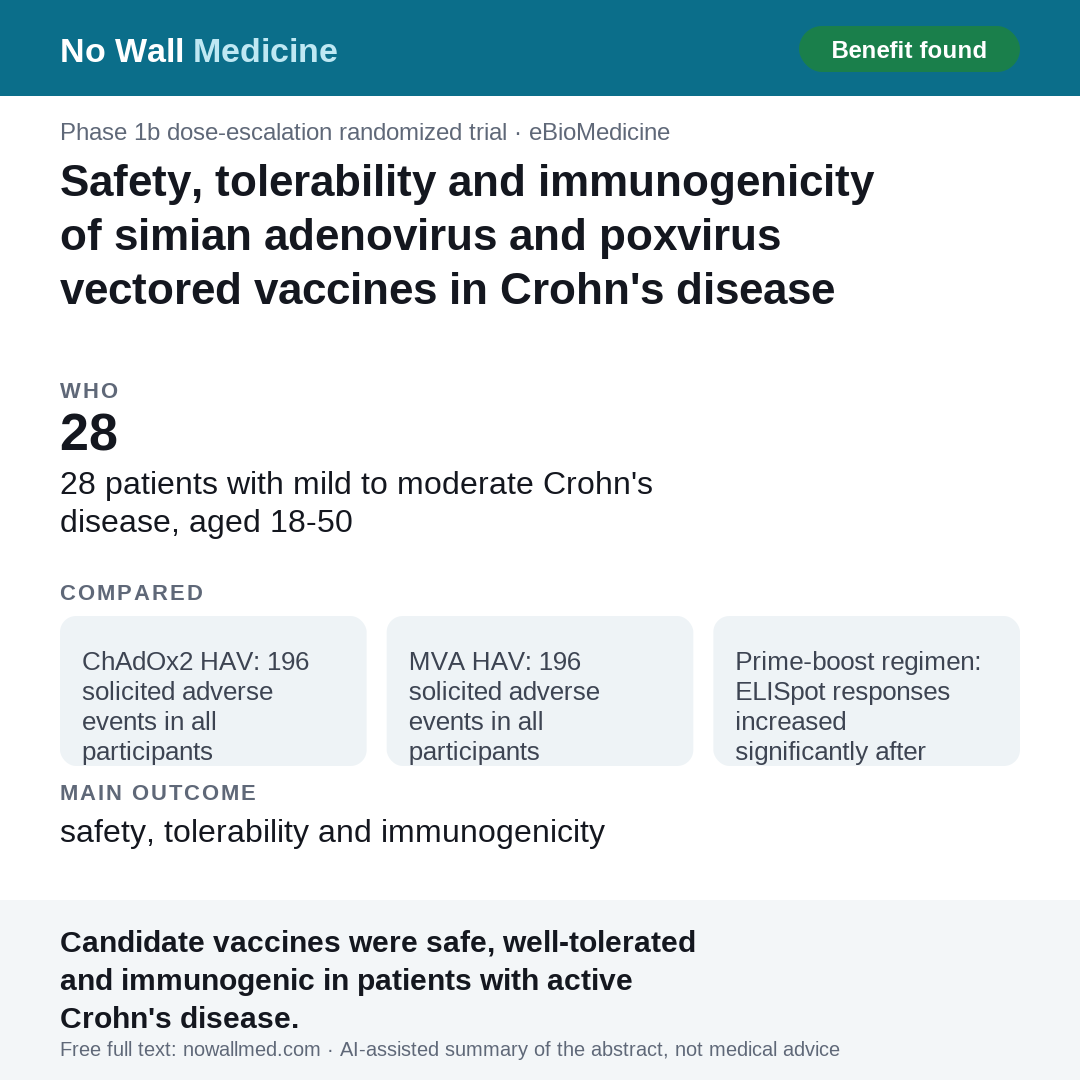
A phase 1b clinical trial to determine the safety, tolerability and immunogenicity of simian adenovirus and poxvirus vectored vaccines against a Mycobacterium avium complex subspecies in patients with active Crohn's disease
Phase 1b dose-escalation randomized trialEarly signal
Safety, tolerability and immunogenicity of simian adenovirus and poxvirus vectored vaccines in Crohn's disease
Who
28
28 patients with mild to moderate Crohn's disease, aged 18-50
Compared
ChAdOx2 HAV: 196 solicited adverse events in all participants
MVA HAV: 196 solicited adverse events in all participants
Prime-boost regimen: ELISpot responses increased significantly after boosting
Main outcome
safety, tolerability and immunogenicity
Bottom line: Candidate vaccines were safe, well-tolerated and immunogenic in patients with active Crohn's disease.
Limitation: Further studies are required to determine the efficacy and optimal regime of the vaccines.
Funded by: HAV Vaccines Limited
eBioMedicine · 2025-02-07Download image
Oncolytic viral therapy for nonmelanoma skin cancer and cutaneous lymphoma - A systematic review
Systematic reviewUnclear result
What is the role of oncolytic viral therapy for nonmelanoma skin cancer and cutaneous lymphoma?
Who
20
Patients with nonmelanoma skin cancer and cutaneous lymphoma
Compared
Squamous cell carcinoma: 67% (n = 2) complete response
Merkel cell carcinoma: 85% (n = 6) complete response
Cutaneous T cell lymphoma: 11% (n = 1) complete response
Main outcome
Complete response
Bottom line: Oncolytic viruses show varying complete response rates, but further research is needed due to limited existing literature.
Limitation: Overall, heterogeneity of existing studies significantly limits generalizability of results.
JAAD Int · 2025-02-07Download image

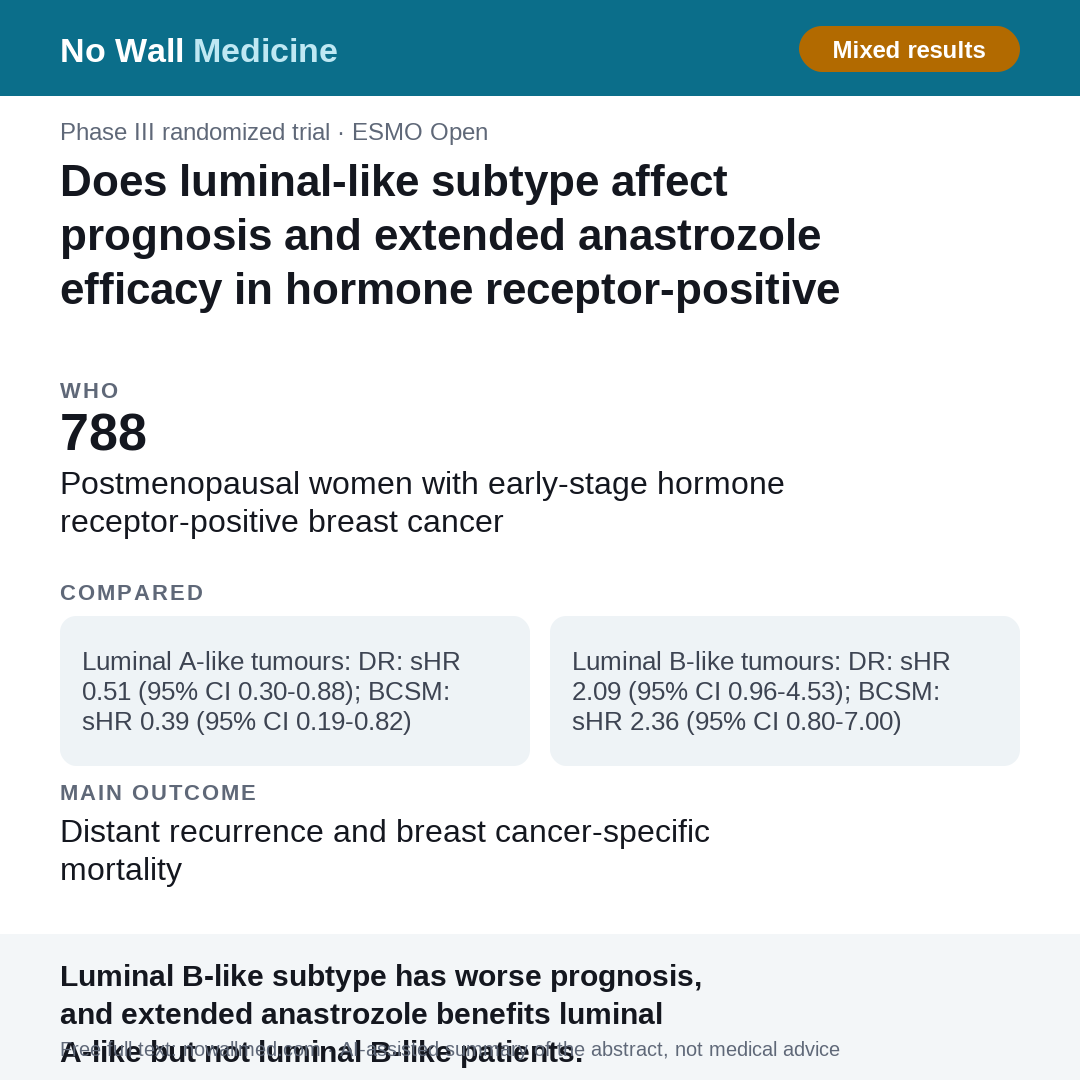
The prognostic and predictive value of the luminal-like subtype in hormone receptor-positive breast cancer: an analysis of the DATA trial
Phase III randomized trialMixed results
Does luminal-like subtype affect prognosis and extended anastrozole efficacy in hormone receptor-positive breast cancer?
Who
788
Postmenopausal women with early-stage hormone receptor-positive breast cancer
Compared
Luminal A-like tumours: DR: sHR 0.51 (95% CI 0.30-0.88); BCSM: sHR 0.39 (95% CI 0.19-0.82)
Luminal B-like tumours: DR: sHR 2.09 (95% CI 0.96-4.53); BCSM: sHR 2.36 (95% CI 0.80-7.00)
Main outcome
Distant recurrence and breast cancer-specific mortality
Result: DR sHR 1.44 (95% CI 1.03-2.01); BCSM sHR 1.68 (95% CI 1.15-2.45)
Bottom line: Luminal B-like subtype has worse prognosis, and extended anastrozole benefits luminal A-like but not luminal B-like patients.
ESMO Open · 2025-02-07Download image
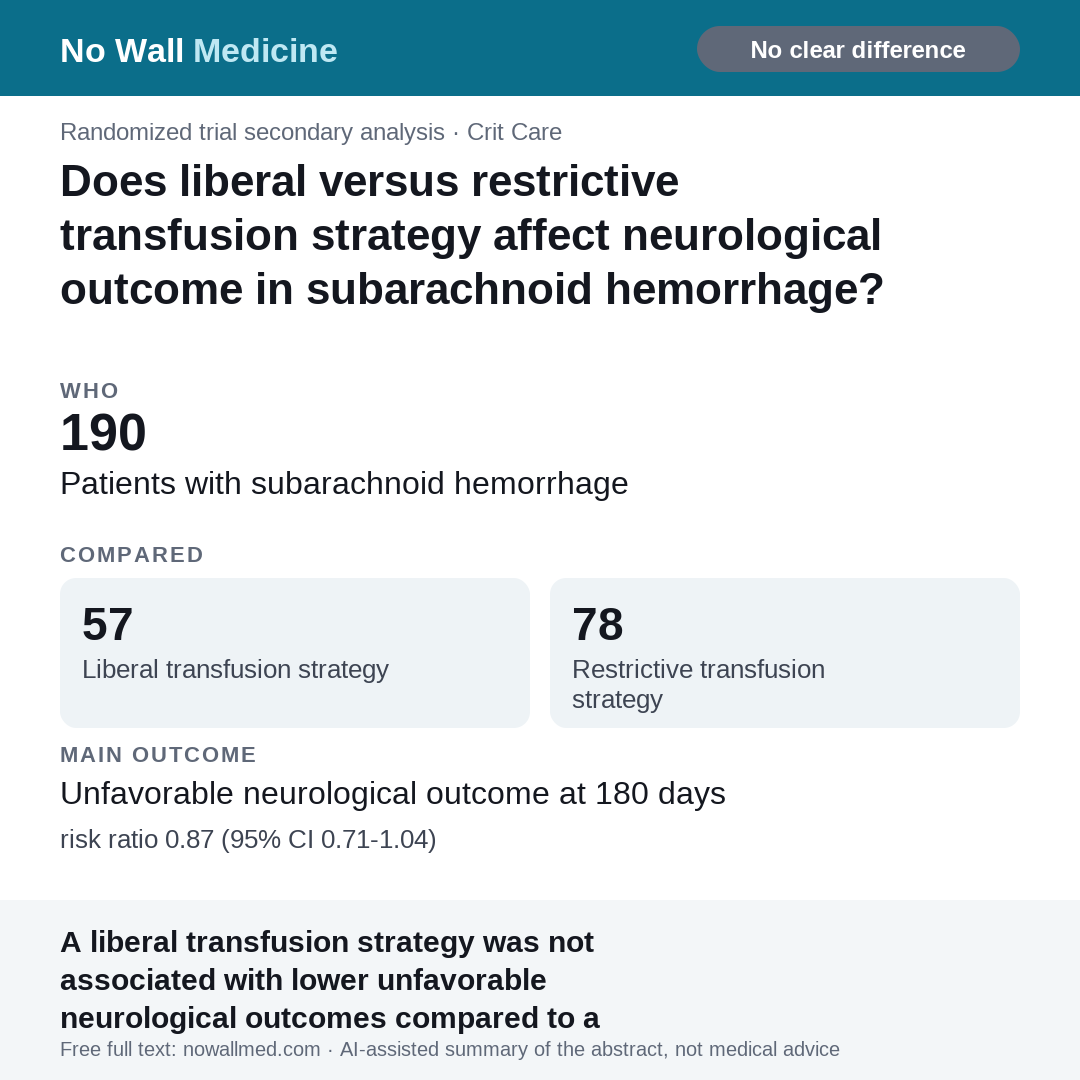
Liberal versus restrictive transfusion strategies in subarachnoid hemorrhage: a secondary analysis of the TRAIN study
Randomized trial secondary analysisNo clear difference
Does liberal versus restrictive transfusion strategy affect neurological outcome in subarachnoid hemorrhage?
Who
190
Patients with subarachnoid hemorrhage
Compared
57Liberal transfusion strategy (66.3%)
78Restrictive transfusion strategy (76.4%)
Main outcome
Unfavorable neurological outcome at 180 days
Result: risk ratio 0.87 (95% CI 0.71-1.04)
Bottom line: A liberal transfusion strategy was not associated with lower unfavorable neurological outcomes compared to a restrictive strategy.
Crit Care · 2025-02-07Download image
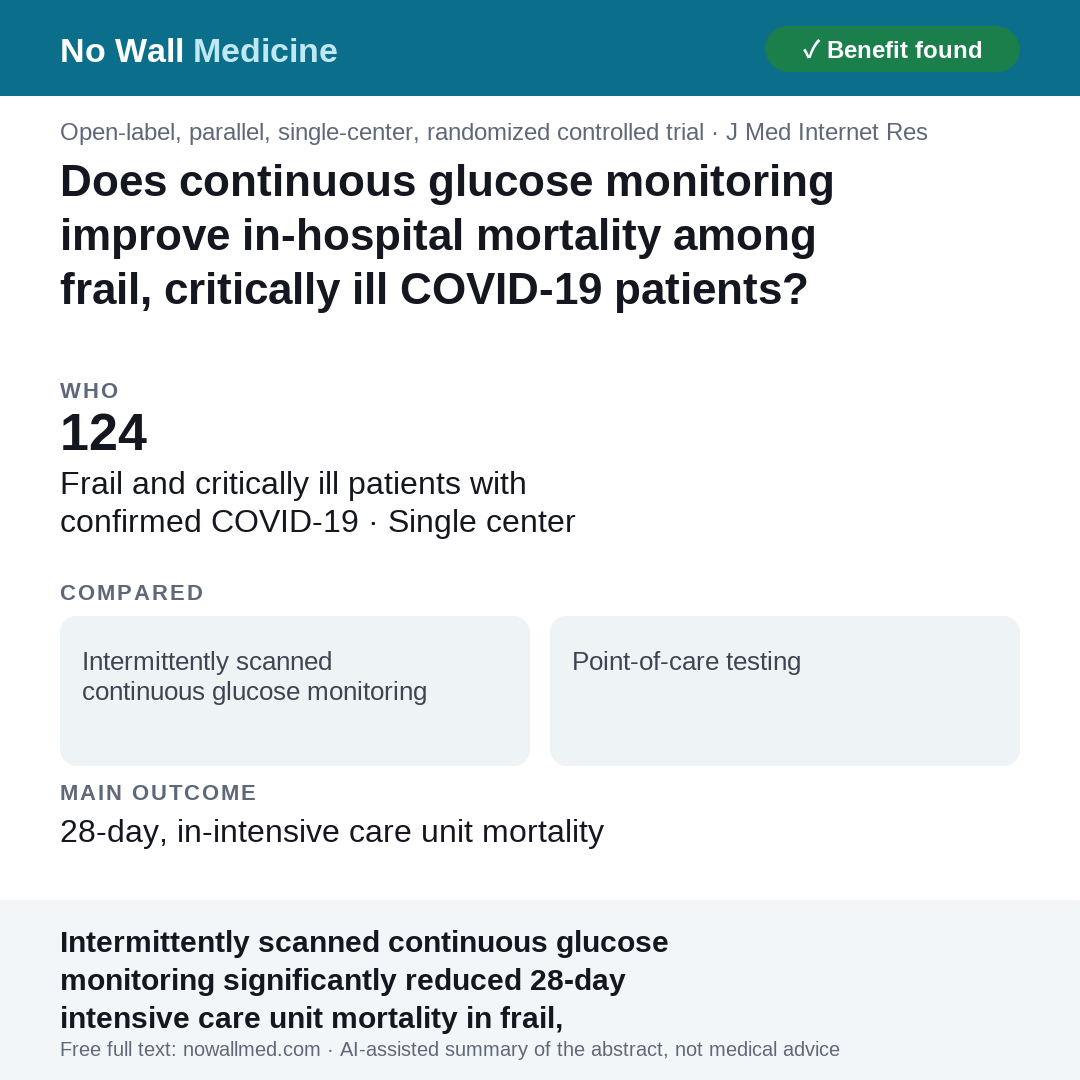
Effectiveness of Continuous Glucose Monitoring on Short-Term, In-Hospital Mortality Among Frail and Critically Ill Patients With COVID-19: Randomized Controlled Trial
Open-label, parallel, single-center, randomized controlled trialBenefit found
Does continuous glucose monitoring improve in-hospital mortality among frail, critically ill COVID-19 patients?
Who
124
Frail and critically ill patients with confirmed COVID-19 · Single center
Compared
Intermittently scanned continuous glucose monitoring
Point-of-care testing
Main outcome
28-day, in-intensive care unit mortality
Result: hazard ratio 0.18 (95% CI 0.04-0.79)
Bottom line: Intermittently scanned continuous glucose monitoring significantly reduced 28-day intensive care unit mortality in frail, critically ill COVID-19 patients.
Limitation: This was an exploratory, prospective, open-label, single-center trial.
J Med Internet Res · 2025-02-07Download image
Facial Nerve Palsy Amid the SARS-CoV-2 Pandemic: A Pooled Analysis
Systematic review and meta-analysisHarm found
Did FNP rates change during the pandemic or with vaccination?
Who
Patients in English observational studies on FNP and COVID-19
Compared
Pandemic period: RR: 1.68
Pre-pandemic period: Reference
Main outcome
Incidence of idiopathic facial nerve palsy
Result: RR: 1.68, [95% CI: 1.16-2.43]
Bottom line: FNP rates were significantly higher during the pandemic than pre-pandemic.
J Otolaryngol Head Neck Surg · 2025-02-07Download image

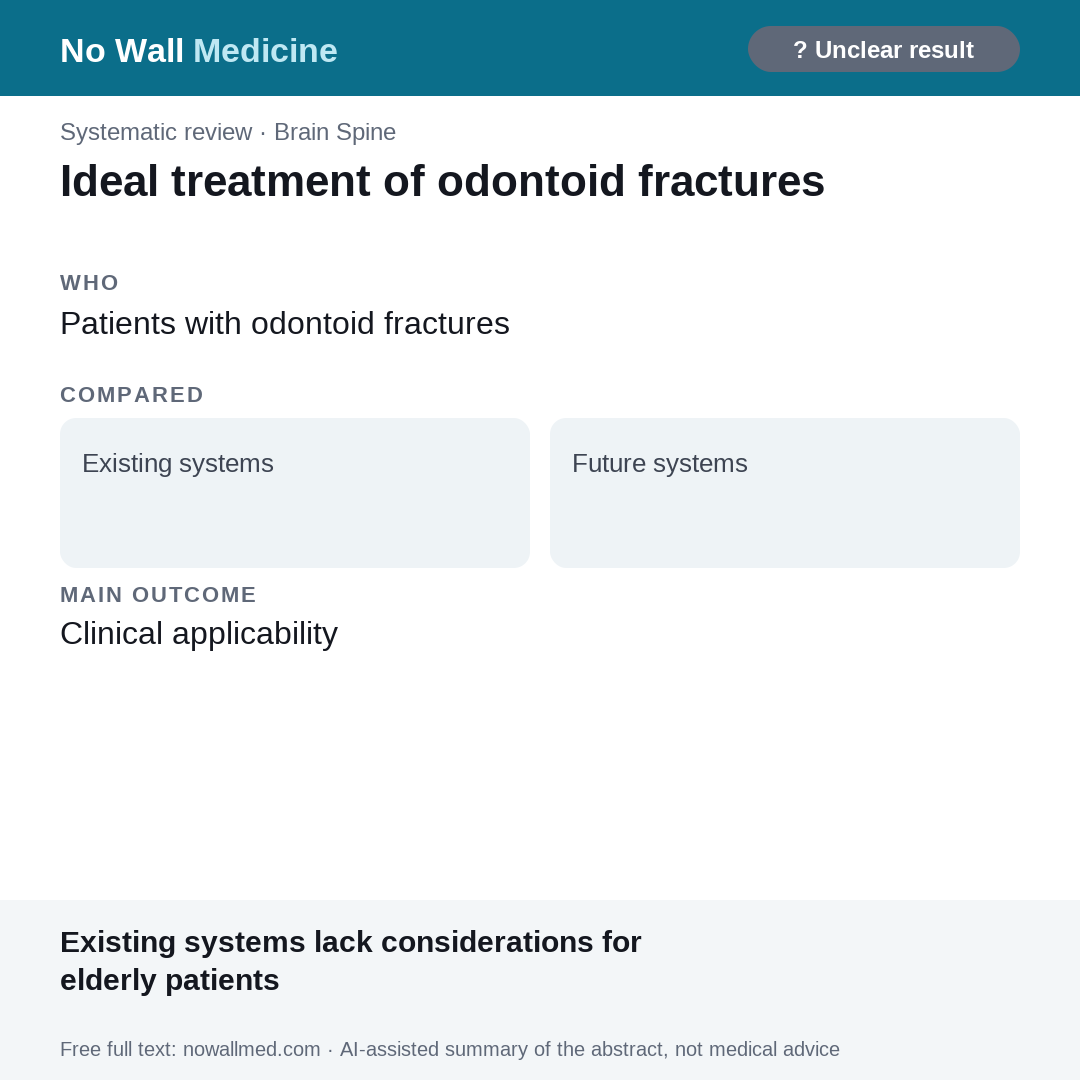
The management of odontoid fractures through the lens of evolution in classification schemes: A systematic review with illustrative case examples
Systematic reviewUnclear result
Ideal treatment of odontoid fractures
Who
Patients with odontoid fractures
Compared
Existing systems
Future systems
Main outcome
Clinical applicability
Bottom line: Existing systems lack considerations for elderly patients
Limitation: Lack considerations for osteoporosis and frailty
Brain Spine · 2025-02-07Download image
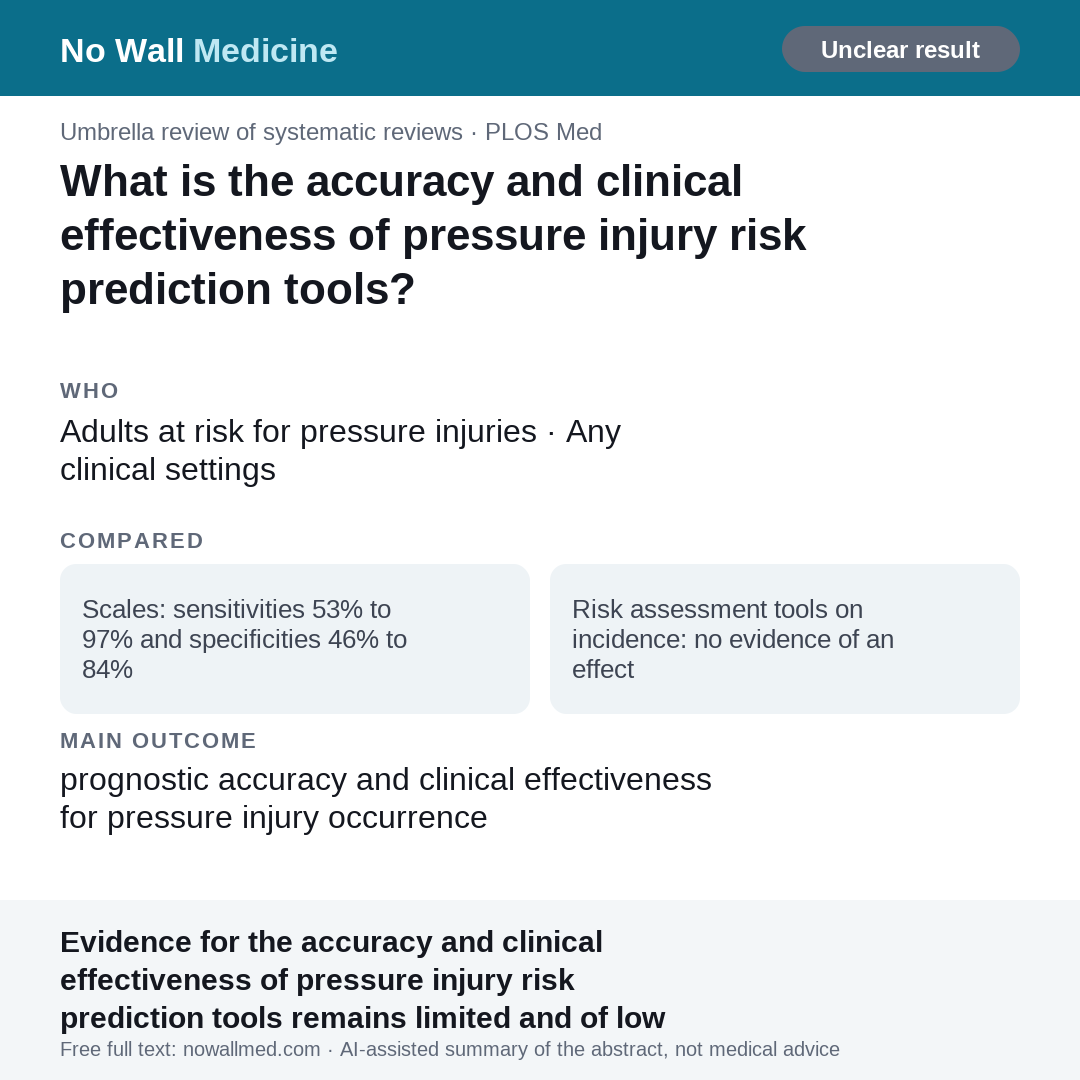
Accuracy and clinical effectiveness of risk prediction tools for pressure injury occurrence: An umbrella review
Umbrella review of systematic reviewsUnclear result
What is the accuracy and clinical effectiveness of pressure injury risk prediction tools?
Who
Adults at risk for pressure injuries · Any clinical settings
Compared
Scales: sensitivities 53% to 97% and specificities 46% to 84%
Risk assessment tools on incidence: no evidence of an effect
Main outcome
prognostic accuracy and clinical effectiveness for pressure injury occurrence
Bottom line: Evidence for the accuracy and clinical effectiveness of pressure injury risk prediction tools remains limited and of low quality.
Limitation: Poor reporting quality of systematic reviews and reliance on diagnostic test accuracy principles rather than prognostic modelling.
PLOS Med · 2025-02-06Download image
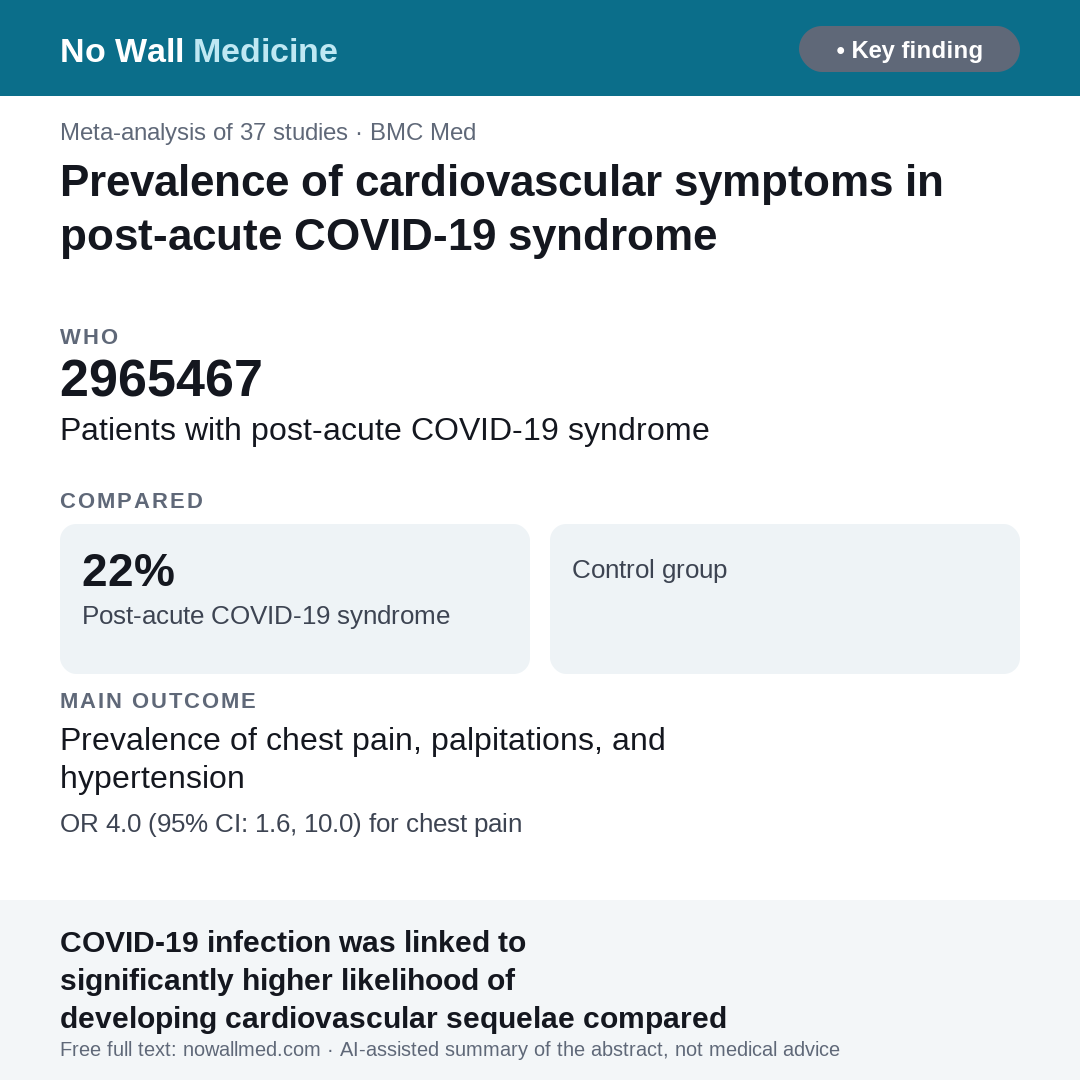
Prevalence of cardiovascular symptoms in post-acute COVID-19 syndrome: a meta-analysis
Meta-analysis of 37 studiesHarm found
Prevalence of cardiovascular symptoms in post-acute COVID-19 syndrome
Who
2965467
Patients with post-acute COVID-19 syndrome
Compared
22%Post-acute COVID-19 syndrome (95% CI: 14%, 33%)
Control group
Main outcome
Prevalence of chest pain, palpitations, and hypertension
Result: OR 4.0 (95% CI: 1.6, 10.0) for chest pain
Bottom line: COVID-19 infection was linked to significantly higher likelihood of developing cardiovascular sequelae compared to uninfected individuals.
BMC Med · 2025-02-06Download image
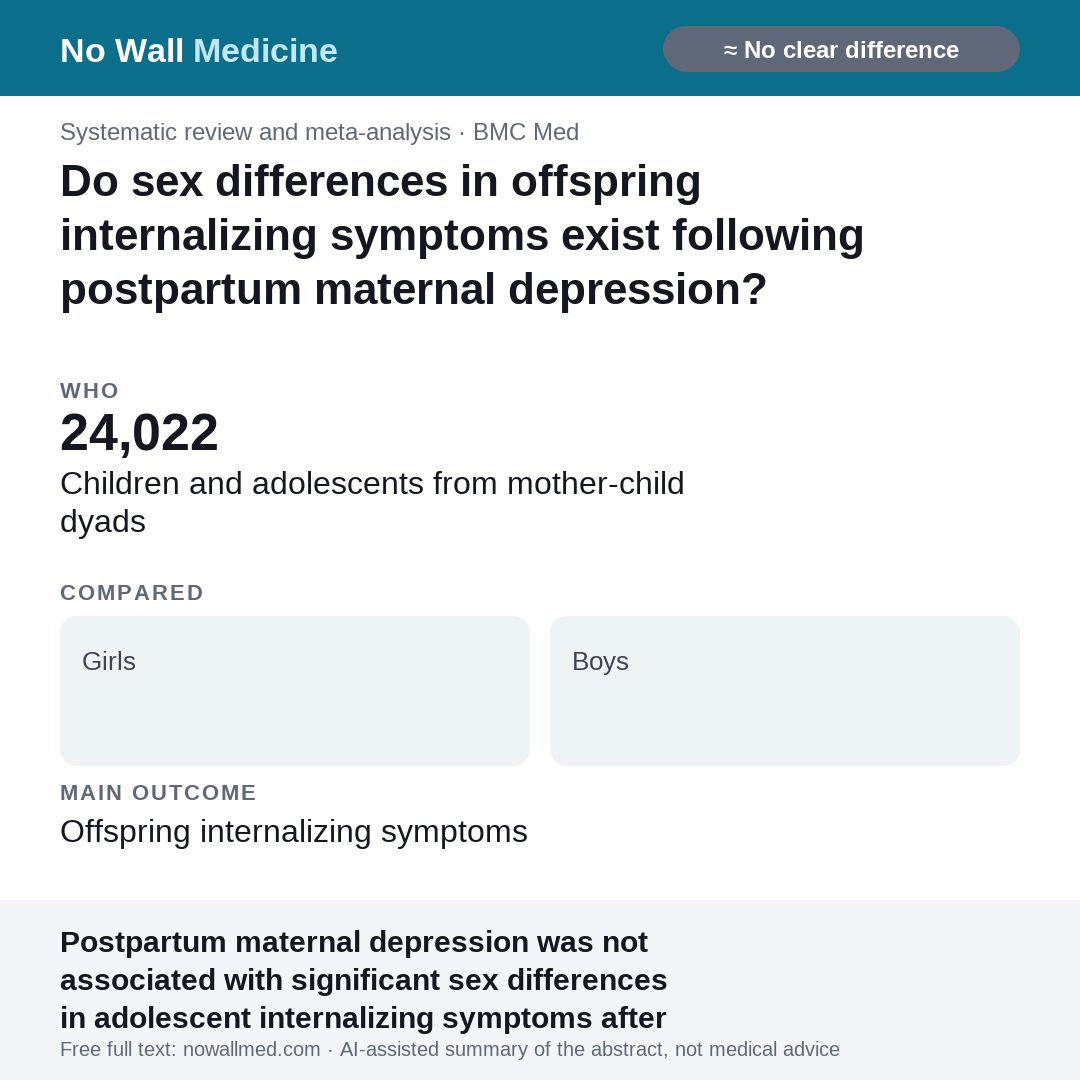
Socioeconomic factors and sex effects of postpartum maternal depression on offspring internalizing symptoms: a systematic review and meta-analysis
Systematic review and meta-analysisNo clear difference
Do sex differences in offspring internalizing symptoms exist following postpartum maternal depression?
Who
24,022
Children and adolescents from mother-child dyads
Compared
Girls
Boys
Main outcome
Offspring internalizing symptoms
Result: standardized mean difference 0.25 (95% CI 0.13-0.38)
Bottom line: Postpartum maternal depression was not associated with significant sex differences in adolescent internalizing symptoms after adjusting for prenatal depression.
BMC Med · 2025-02-06Download image