Visual abstracts
New randomized trials and meta-analyses from leading journals at a glance: who was studied, what was compared, and what was found. Every paper is free to read in full.
All specialtiesCardiology 4763Oncology 4042Gastroenterology & Hepatology 1902Infectious Disease 3756Neurology 1872Psychiatry & Mental Health 2214Pulmonology 2042Critical Care 1319Endocrinology & Diabetes 2544Pediatrics 2889Surgery 2479Orthopedics & Sports Medicine 917Neurosurgery 525Cardiothoracic & Vascular Surgery 656Plastic & Reconstructive Surgery 574Nephrology 1107Rheumatology 810Hematology 1090Dermatology 611Ophthalmology 532Obstetrics & Gynecology 1645Public & Global Health 1037Radiology & Imaging 617Anesthesiology 957Urology 745ENT (Otolaryngology) 494Emergency Medicine 481Allergy & Immunology 309Geriatrics 972Family Medicine & Primary Care 533Medical Genetics & Genomics 659Pathology & Laboratory Medicine 156Physical Medicine & Rehabilitation 734Palliative Care 421Nutrition 1560Digital Health & AI 2133General Medicine 318
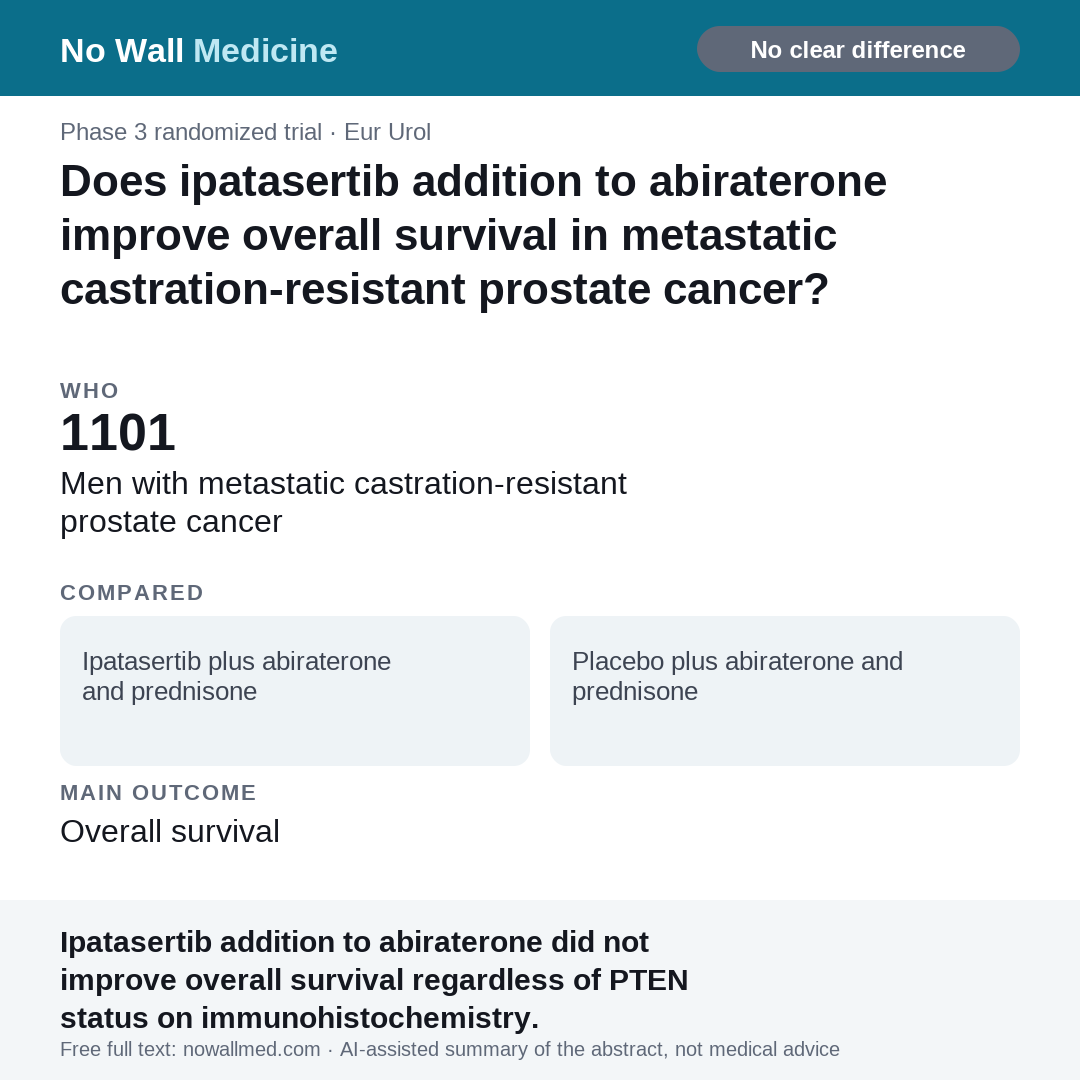
Final Overall Survival and Molecular Data Associated with Clinical Outcomes in Patients Receiving Ipatasertib and Abiraterone in the Phase 3 IPATential150 Trial
Phase 3 randomized trialNo clear difference
Does ipatasertib addition to abiraterone improve overall survival in metastatic castration-resistant prostate cancer?
Who
1101
Men with metastatic castration-resistant prostate cancer
Compared
Ipatasertib plus abiraterone and prednisone
Placebo plus abiraterone and prednisone
Main outcome
Overall survival
Result: stratified hazard ratio 0.94 (95% CI 0.76 to 1.17)
Bottom line: Ipatasertib addition to abiraterone did not improve overall survival regardless of PTEN status on immunohistochemistry.
Limitation: Exploratory nature of the analysis, incomplete next-generation sequencing data, and potential intrapatient heterogeneity.
Eur Urol · 2025-01-30Download image
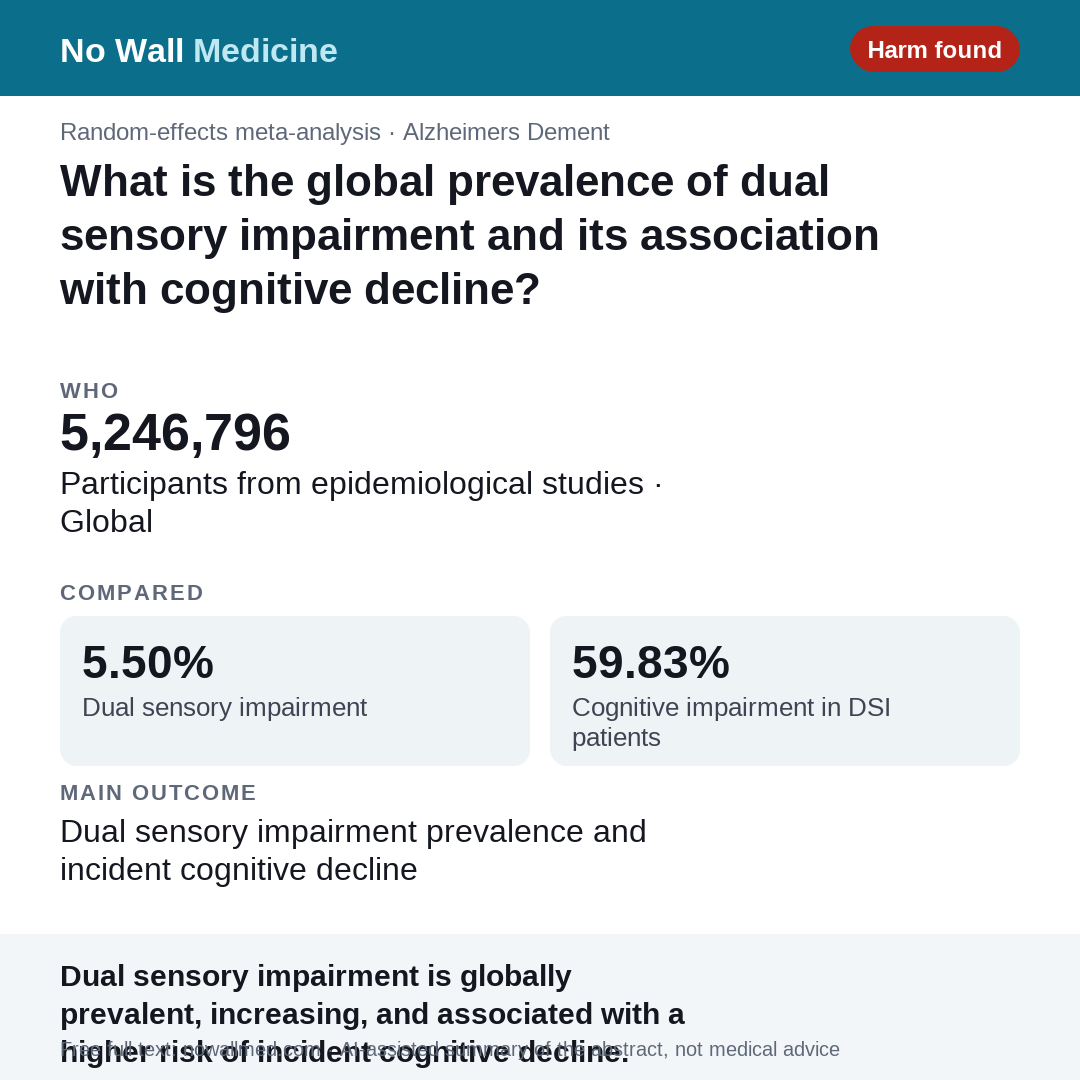
Dual sensory impairment: Global prevalence, future projections, and its association with cognitive decline
Random-effects meta-analysisHarm found
What is the global prevalence of dual sensory impairment and its association with cognitive decline?
Who
5,246,796
Participants from epidemiological studies · Global
Compared
5.50%Dual sensory impairment (95% confidence interval 2.88%-10.26%)
59.83%Cognitive impairment in DSI patients (95%CI 41.03-76.12)
Main outcome
Dual sensory impairment prevalence and incident cognitive decline
Result: odds ratio 1.72 (95%CI 1.37-2.15)
Bottom line: Dual sensory impairment is globally prevalent, increasing, and associated with a higher risk of incident cognitive decline.
Alzheimers Dement · 2025-01-30Download image
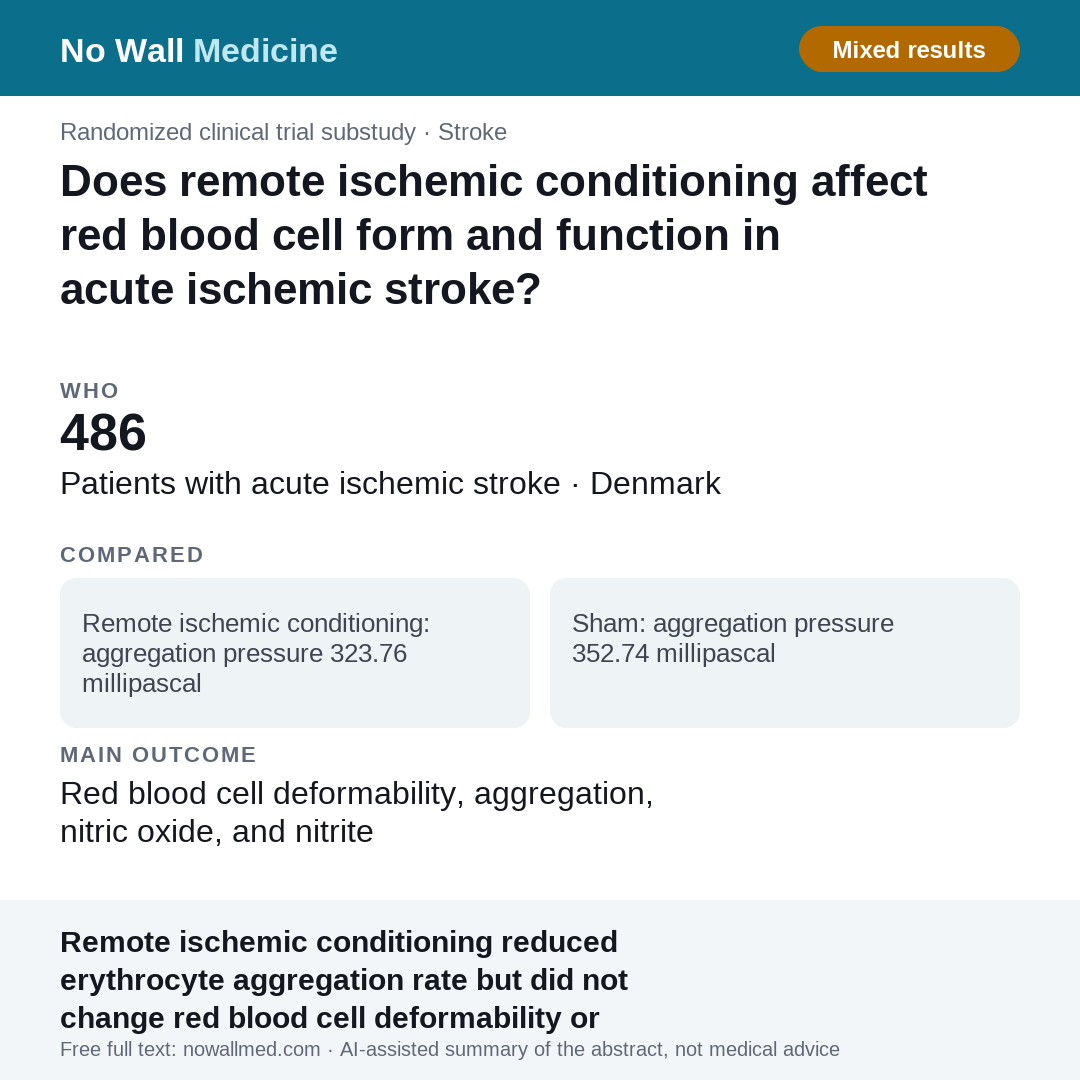
Effect of Remote Ischemic Conditioning on the Form and Function of Red Blood Cells in Patients With Acute Ischemic Stroke
Randomized clinical trial substudyMixed results
Does remote ischemic conditioning affect red blood cell form and function in acute ischemic stroke?
Who
486
Patients with acute ischemic stroke · Denmark
Compared
Remote ischemic conditioning: aggregation pressure 323.76 millipascal
Sham: aggregation pressure 352.74 millipascal
Main outcome
Red blood cell deformability, aggregation, nitric oxide, and nitrite
Bottom line: Remote ischemic conditioning reduced erythrocyte aggregation rate but did not change red blood cell deformability or nitric oxide levels.
Stroke · 2025-01-30Download image
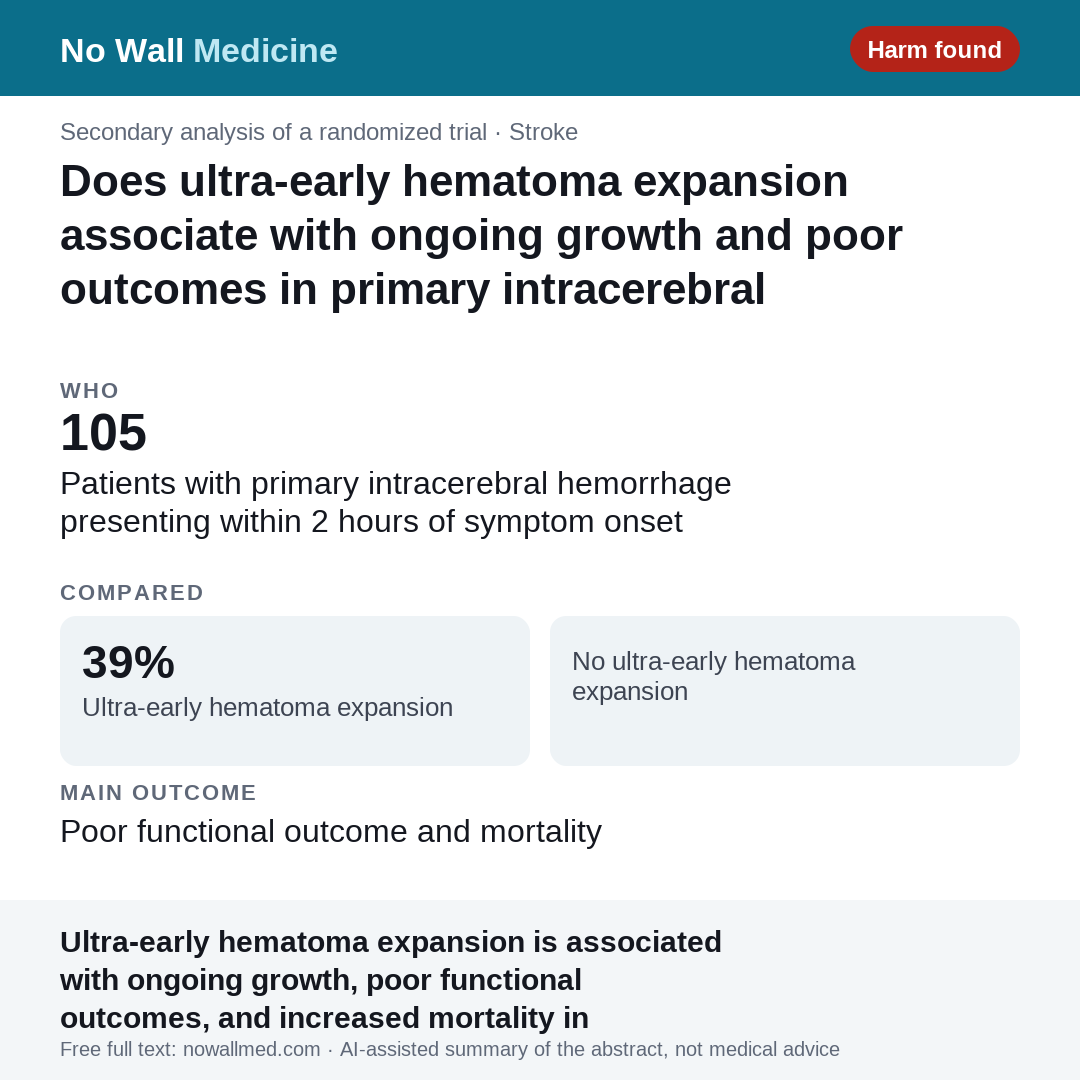
Ultra-Early Hematoma Expansion Is Associated With Ongoing Hematoma Growth and Poor Functional Outcome
Secondary analysis of a randomized trialHarm found
Does ultra-early hematoma expansion associate with ongoing growth and poor outcomes in primary intracerebral hemorrhage?
Who
105
Patients with primary intracerebral hemorrhage presenting within 2 hours of symptom onset
Compared
39%Ultra-early hematoma expansion
No ultra-early hematoma expansion
Main outcome
Poor functional outcome and mortality
Result: unadjusted odds ratio 3.91 [1.22-12.49] for poor functional outcome
Bottom line: Ultra-early hematoma expansion is associated with ongoing growth, poor functional outcomes, and increased mortality in intracerebral hemorrhage.
Limitation: Used unadjusted logistic regression models
Stroke · 2025-01-30Download image
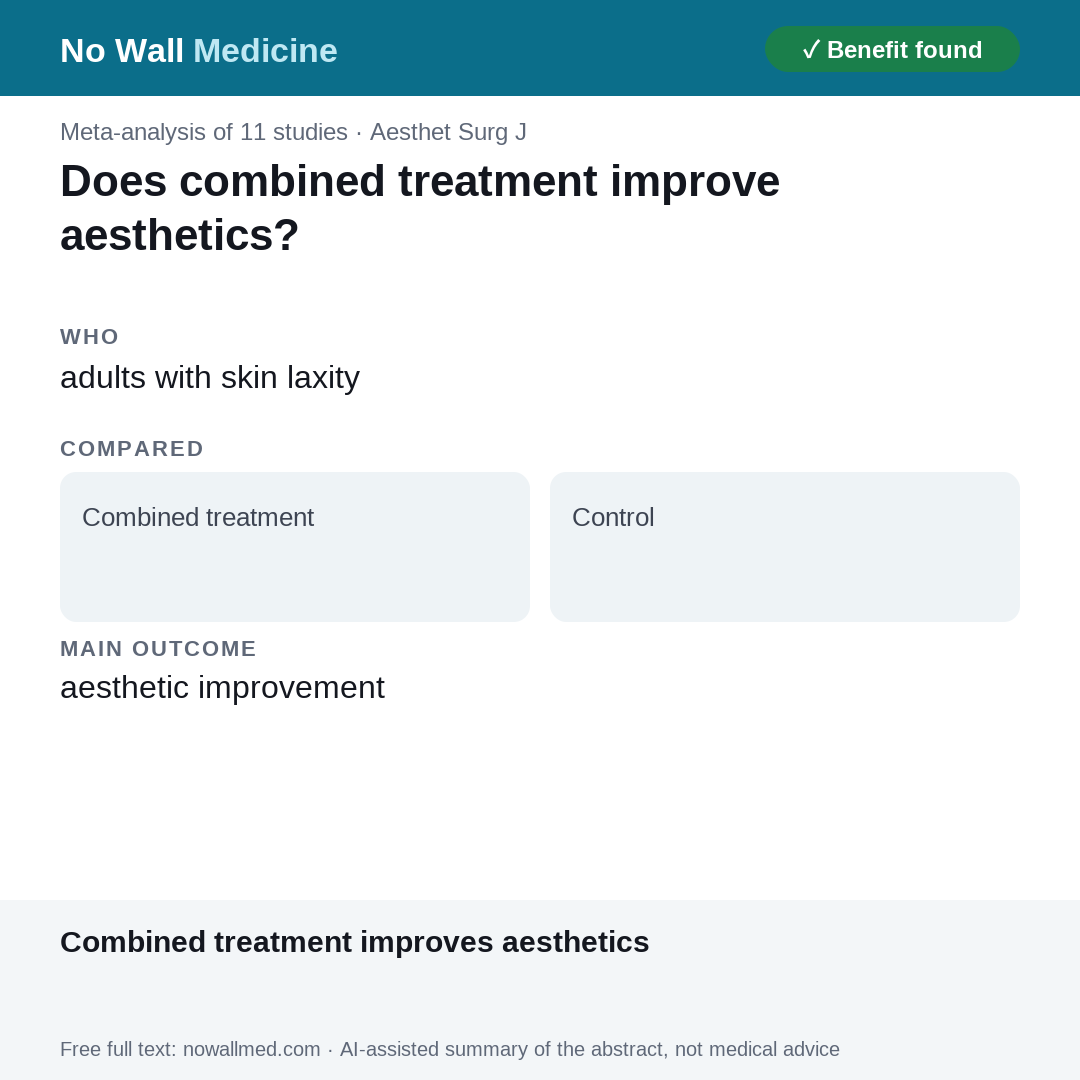
Aesthetic Efficacy and Safety of Combined Microfocused Ultrasound With Visualization and Calcium Hydroxylapatite Treatment: A Systematic Review of Human Evidence
Meta-analysis of 11 studiesBenefit found
Does combined treatment improve aesthetics?
Who
adults with skin laxity
Compared
Combined treatment
Control
Main outcome
aesthetic improvement
Bottom line: Combined treatment improves aesthetics
Limitation: limited number of studies
Aesthet Surg J · 2025-01-30Download image
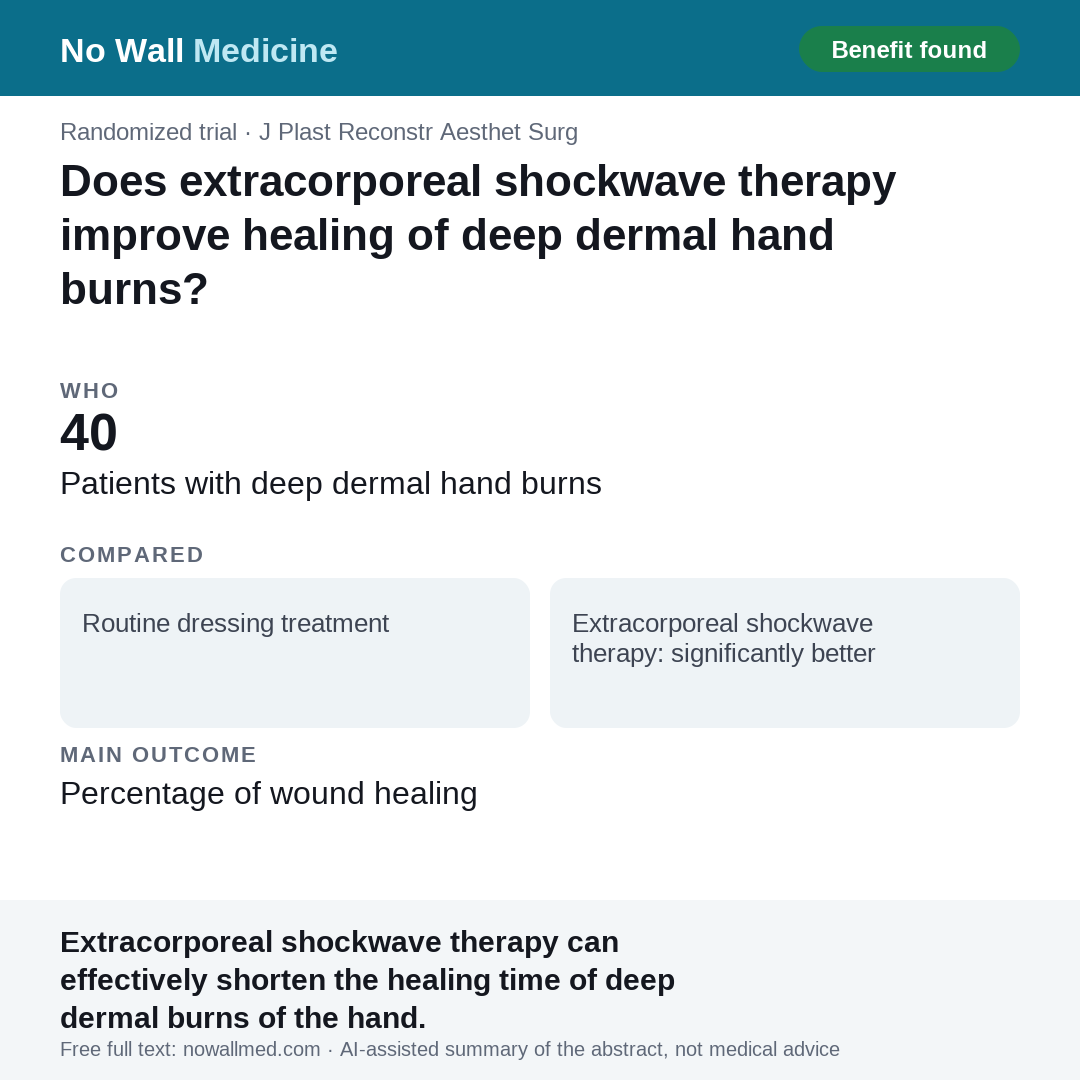
Extracorporeal shockwave therapy for the treatment of deep dermal burns of the hand: A preliminary study
Randomized trialBenefit found
Does extracorporeal shockwave therapy improve healing of deep dermal hand burns?
Who
40
Patients with deep dermal hand burns
Compared
Routine dressing treatment
Extracorporeal shockwave therapy: significantly better
Main outcome
Percentage of wound healing
Bottom line: Extracorporeal shockwave therapy can effectively shorten the healing time of deep dermal burns of the hand.
Limitation: preliminary study
J Plast Reconstr Aesthet Surg · 2025-01-30Download image
Effectiveness of safety-netting approaches for acutely ill children: a network meta-analysis
Network meta-analysis of various study designsBenefit, low certainty
How do different safety-netting advice methods affect antibiotic use and parental outcomes?
Who
Acutely ill children in ambulatory care in high-income countries · Ambulatory care in high-income countries
Compared
Usual care
Paper safety-netting advice: OR 0.66 (95% CI 0.53 to 0.82)
Main outcome
Antibiotic prescribing, consumption, and return visits
Result: odds ratio 0.66 (95% CI 0.53 to 0.82)
Bottom line: Paper safety-netting advice may reduce antibiotic prescribing and return visits compared to usual care.
Limitation: Certainty of evidence for some outcomes was very low.
Br J Gen Pract · 2025-01-30Download image

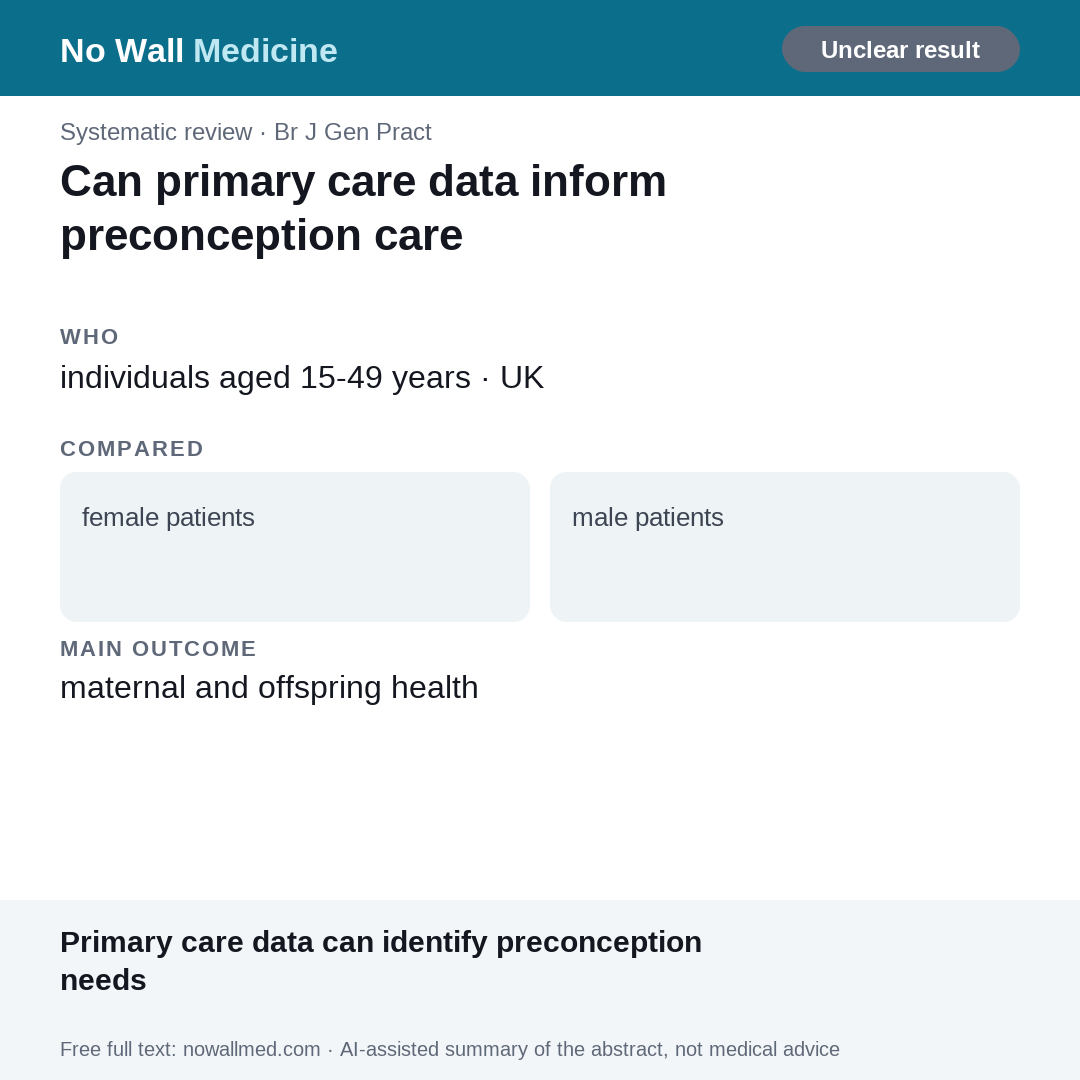
Preconception indicators and associations with health outcomes reported in UK routine primary care data: a systematic review
Systematic reviewUnclear result
Can primary care data inform preconception care
Who
individuals aged 15-49 years · UK
Compared
female patients
male patients
Main outcome
maternal and offspring health
Bottom line: Primary care data can identify preconception needs
Limitation: missing data may limit generalisability
Br J Gen Pract · 2025-01-30Download image
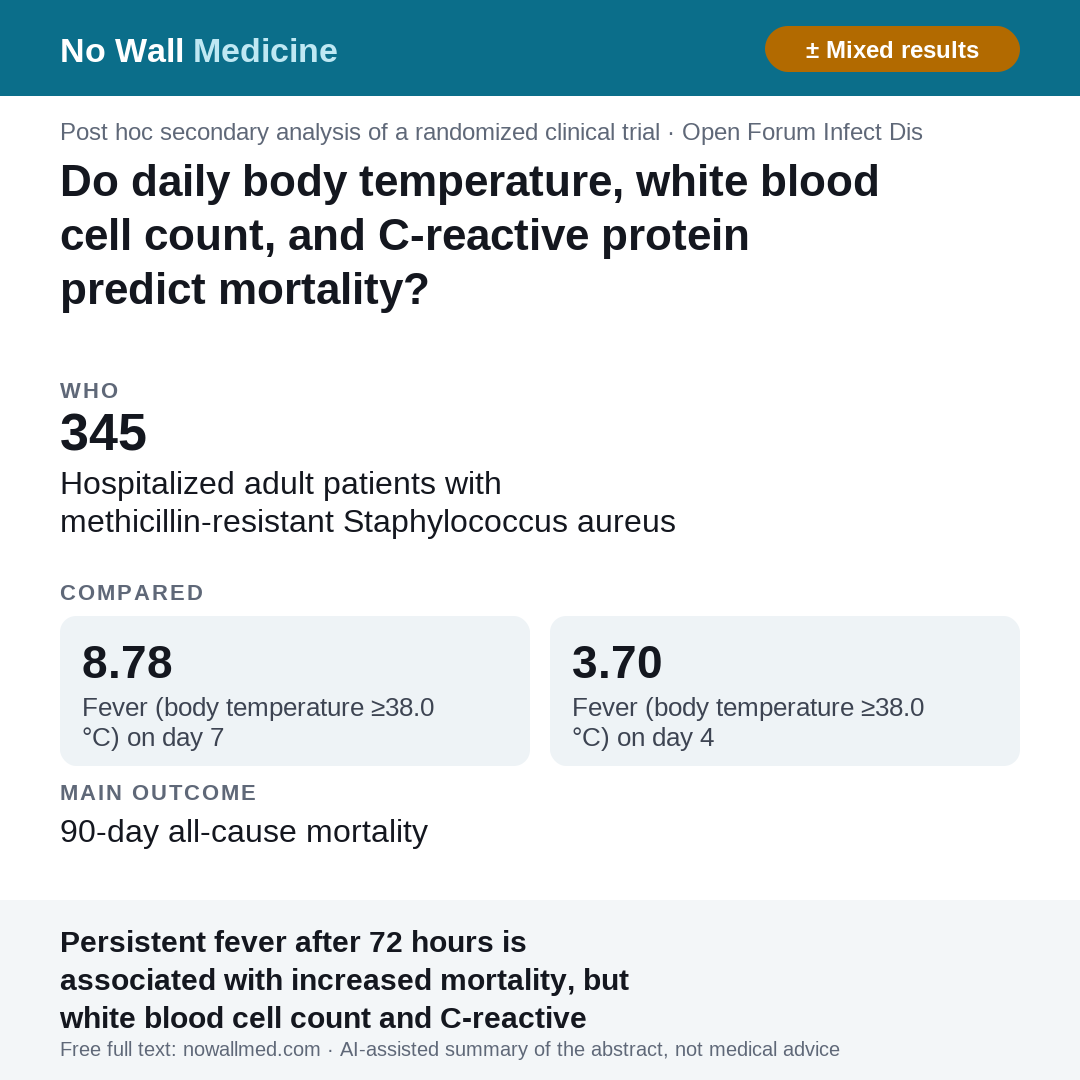
Association of Daily Body Temperature, White Blood Cell Count, and C-reactive Protein With Mortality and Persistent Bacteremia in Patients With Staphylococcus Aureus Bacteremia: A Post Hoc Analysis of the CAMERA2 Randomized Clinical Trial
Post hoc secondary analysis of a randomized clinical trialMixed results
Do daily body temperature, white blood cell count, and C-reactive protein predict mortality?
Who
345
Hospitalized adult patients with methicillin-resistant Staphylococcus aureus bacteremia
Compared
8.78Fever (body temperature ≥38.0 °C) on day 7 (95% confidence interval, 2.78-27.7)
3.70Fever (body temperature ≥38.0 °C) on day 4 (95% CI, 1.58-8.67)
Main outcome
90-day all-cause mortality
Result: adjusted odds ratio 8.78 (95% confidence interval, 2.78-27.7) on day 7
Bottom line: Persistent fever after 72 hours is associated with increased mortality, but white blood cell count and C-reactive protein showed limited predictive value.
Limitation: This was a post hoc secondary analysis of a single trial dataset.
Open Forum Infect Dis · 2025-01-30Download image
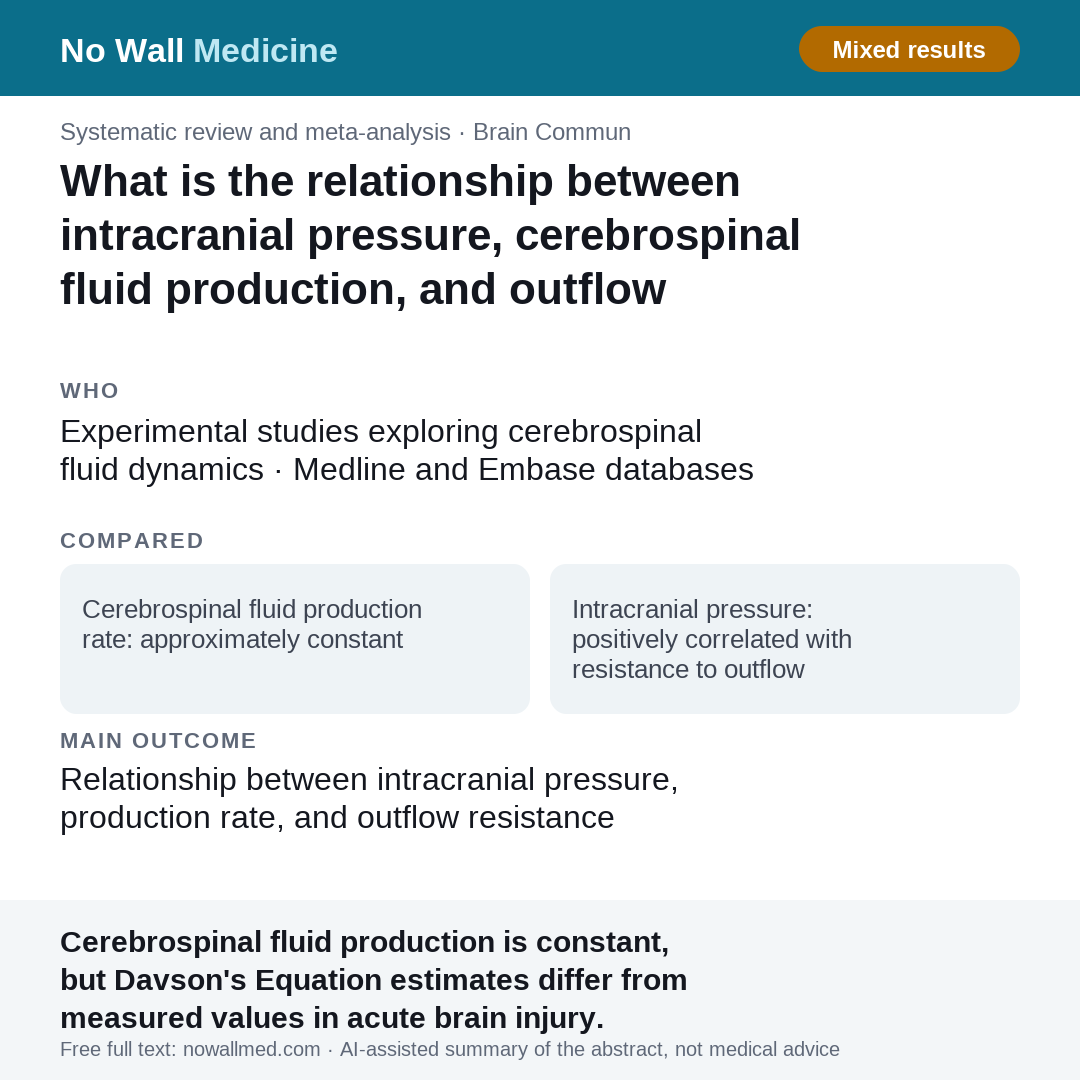
CSF production rate, resistance to reabsorption, and intracranial pressure: a systematic review and meta-analysis
Systematic review and meta-analysisMixed results
What is the relationship between intracranial pressure, cerebrospinal fluid production, and outflow resistance?
Who
Experimental studies exploring cerebrospinal fluid dynamics · Medline and Embase databases
Compared
Cerebrospinal fluid production rate: approximately constant
Intracranial pressure: positively correlated with resistance to outflow
Main outcome
Relationship between intracranial pressure, production rate, and outflow resistance
Bottom line: Cerebrospinal fluid production is constant, but Davson's Equation estimates differ from measured values in acute brain injury.
Limitation: Estimations differ for patients with acute brain injury compared to measured values.
Brain Commun · 2025-01-30Download image
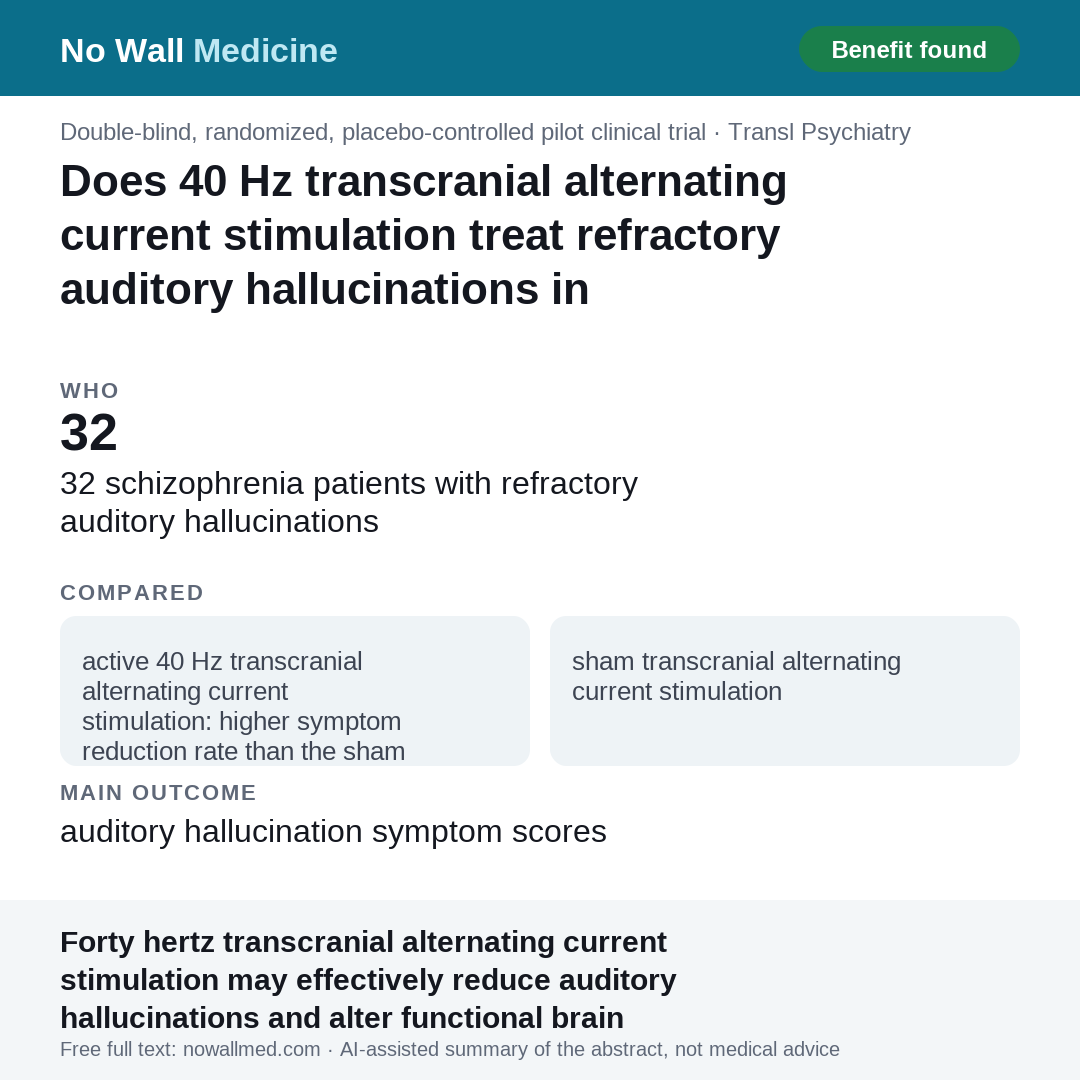
Double-blind, randomized, placebo-controlled pilot clinical trial with gamma-band transcranial alternating current stimulation for the treatment of schizophrenia refractory auditory hallucinations
Double-blind, randomized, placebo-controlled pilot clinical trialBenefit found
Does 40 Hz transcranial alternating current stimulation treat refractory auditory hallucinations in schizophrenia?
Who
32
32 schizophrenia patients with refractory auditory hallucinations
Compared
active 40 Hz transcranial alternating current stimulation: higher symptom reduction rate than the sham group
sham transcranial alternating current stimulation
Main outcome
auditory hallucination symptom scores
Bottom line: Forty hertz transcranial alternating current stimulation may effectively reduce auditory hallucinations and alter functional brain connectivity.
Transl Psychiatry · 2025-01-30Download image
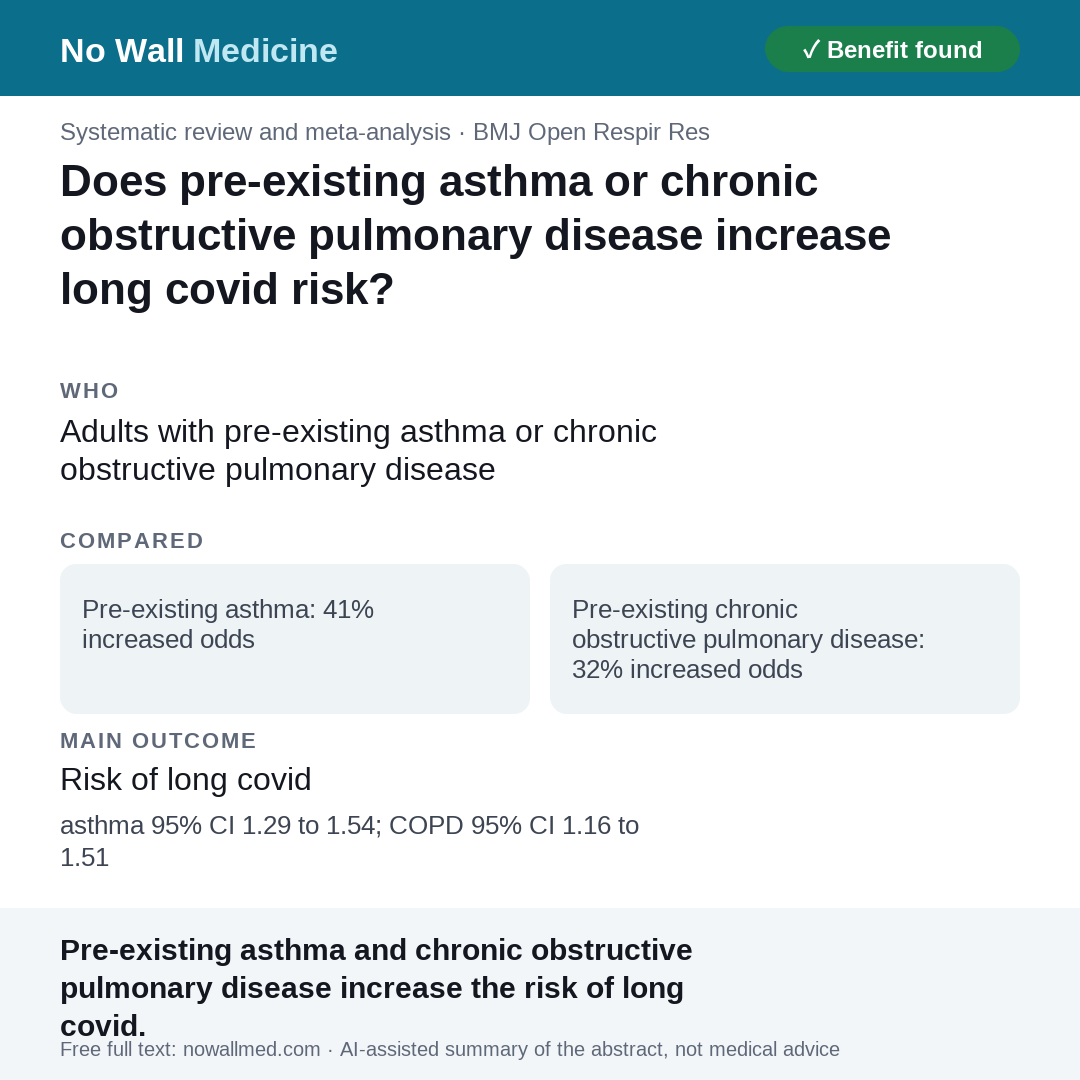
Risk of long covid in patients with pre-existing chronic respiratory diseases: a systematic review and meta-analysis
Systematic review and meta-analysisBenefit found
Does pre-existing asthma or chronic obstructive pulmonary disease increase long covid risk?
Who
Adults with pre-existing asthma or chronic obstructive pulmonary disease
Compared
Pre-existing asthma: 41% increased odds
Pre-existing chronic obstructive pulmonary disease: 32% increased odds
Main outcome
Risk of long covid
Result: asthma 95% CI 1.29 to 1.54; COPD 95% CI 1.16 to 1.51
Bottom line: Pre-existing asthma and chronic obstructive pulmonary disease increase the risk of long covid.
Limitation: Potential confounding and inconsistent measurement of exposure and outcome variables.
BMJ Open Respir Res · 2025-01-30Download image
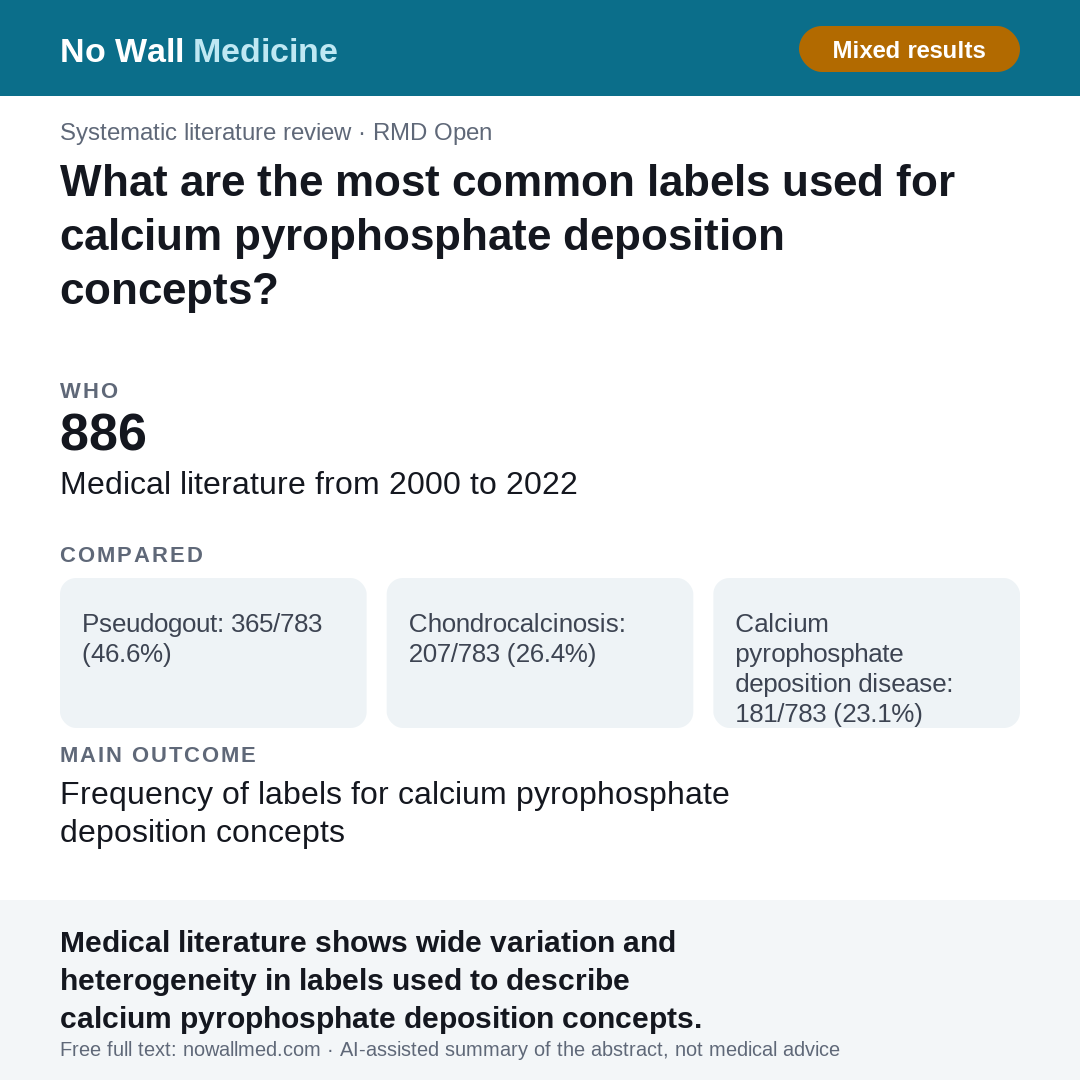
Systematic literature review on Calcium Pyrophosphate Deposition (CPPD) nomenclature: condition elements and clinical states- A Gout, Hyperuricaemia and Crystal-Associated Disease Network (G-CAN) consensus project
Systematic literature reviewMixed results
What are the most common labels used for calcium pyrophosphate deposition concepts?
Who
Medical literature from 2000 to 2022
Compared
Pseudogout: 365/783 (46.6%)
Chondrocalcinosis: 207/783 (26.4%)
Calcium pyrophosphate deposition disease: 181/783 (23.1%)
Main outcome
Frequency of labels for calcium pyrophosphate deposition concepts
Bottom line: Medical literature shows wide variation and heterogeneity in labels used to describe calcium pyrophosphate deposition concepts.
RMD Open · 2025-01-30Download image
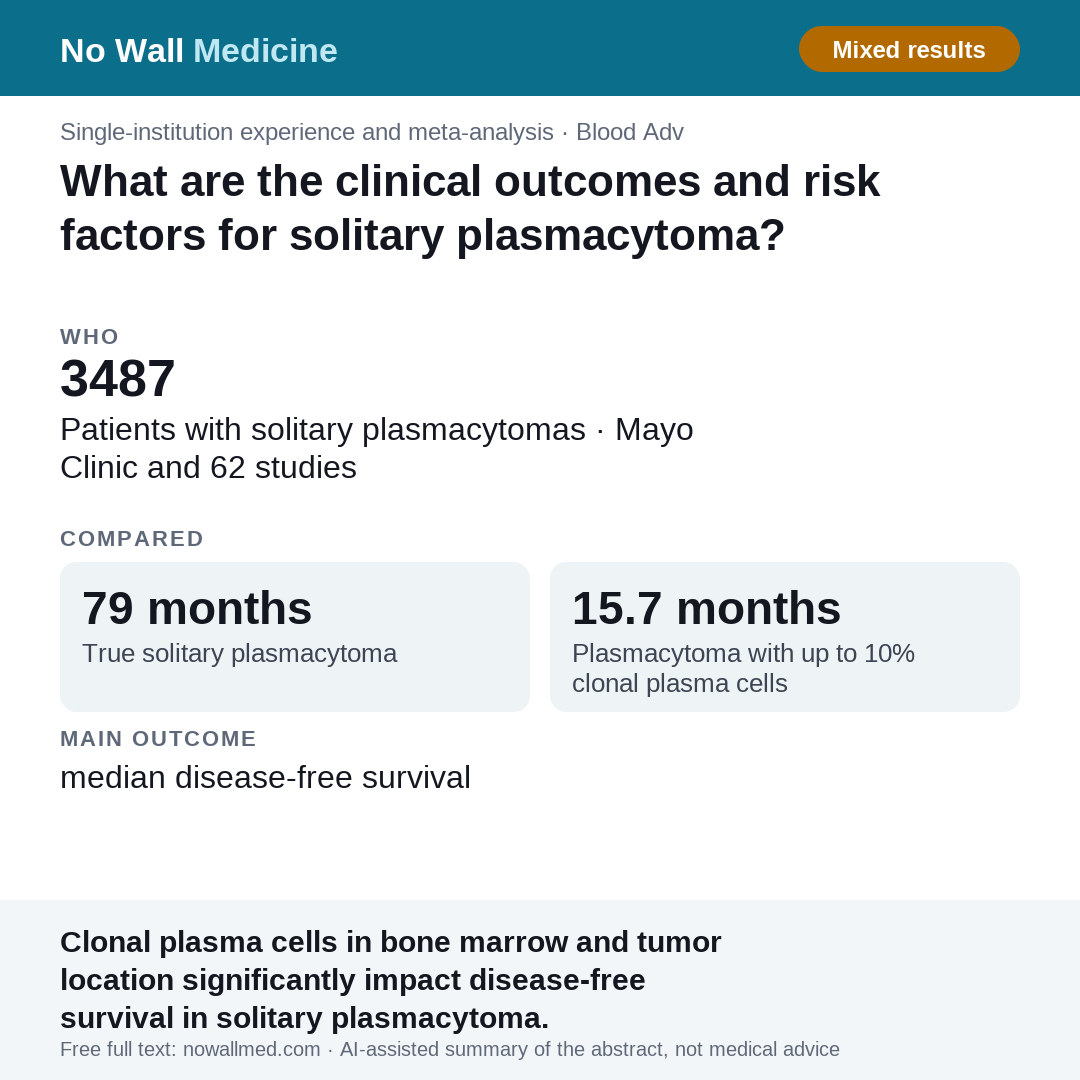
Solitary plasmacytoma: single-institution experience, and systematic review and meta-analysis of clinical outcomes
Single-institution experience and meta-analysisMixed results
What are the clinical outcomes and risk factors for solitary plasmacytoma?
Who
3487
Patients with solitary plasmacytomas · Mayo Clinic and 62 studies
Compared
79 monthsTrue solitary plasmacytoma
15.7 monthsPlasmacytoma with up to 10% clonal plasma cells
Main outcome
median disease-free survival
Bottom line: Clonal plasma cells in bone marrow and tumor location significantly impact disease-free survival in solitary plasmacytoma.
Blood Adv · 2025-01-30Download image
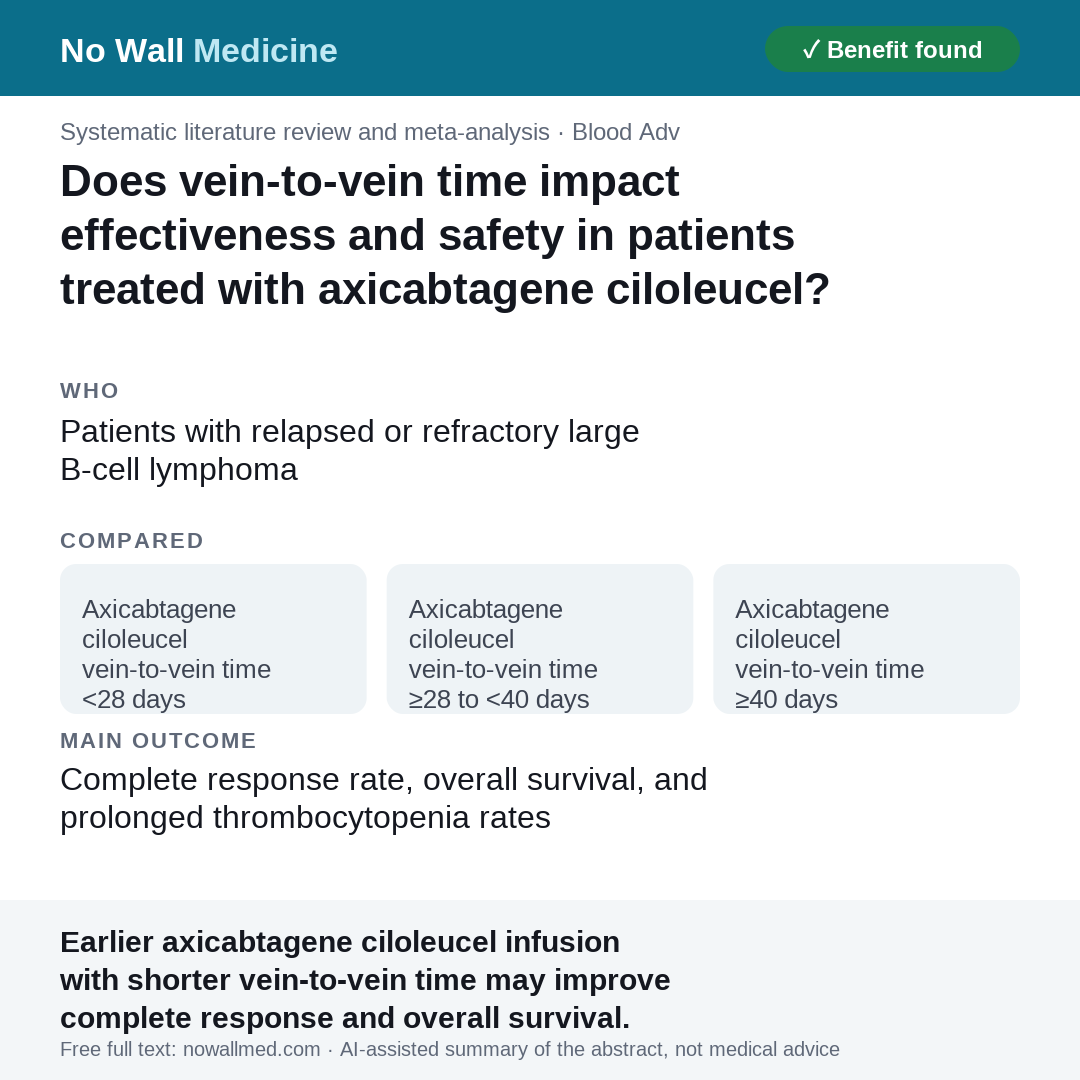
Impact of vein-to-vein time in patients with R/R LBCL treated with axicabtagene ciloleucel
Systematic literature review and meta-analysisBenefit found
Does vein-to-vein time impact effectiveness and safety in patients treated with axicabtagene ciloleucel?
Who
Patients with relapsed or refractory large B-cell lymphoma
Compared
Axicabtagene ciloleucel vein-to-vein time <28 days
Axicabtagene ciloleucel vein-to-vein time ≥28 to <40 days
Axicabtagene ciloleucel vein-to-vein time ≥40 days
Main outcome
Complete response rate, overall survival, and prolonged thrombocytopenia rates
Result: hazard ratio 1.33 (for overall survival vs <28 days)
Bottom line: Earlier axicabtagene ciloleucel infusion with shorter vein-to-vein time may improve complete response and overall survival.
Blood Adv · 2025-01-30Download image
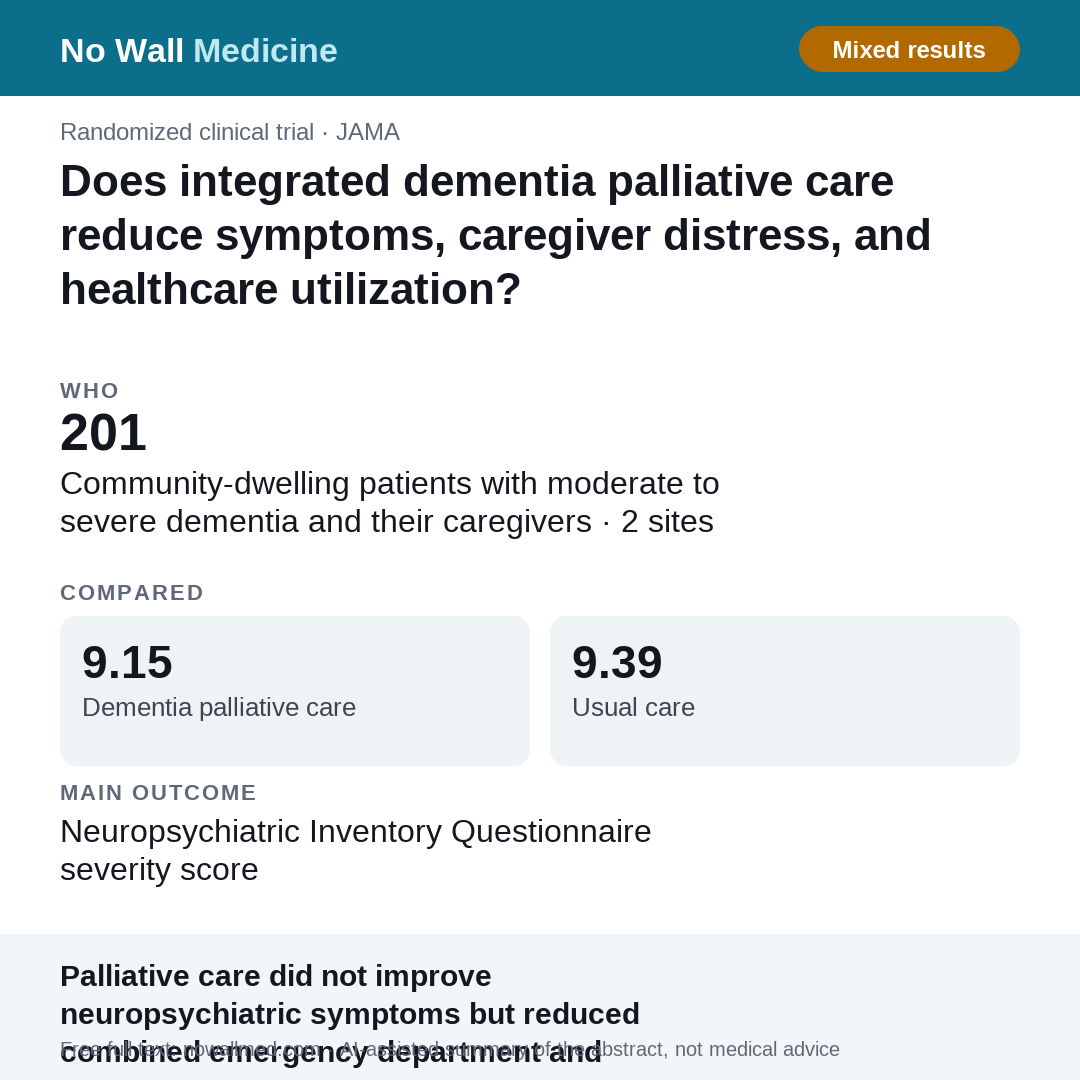
Palliative Care Program for Community-Dwelling Individuals With Dementia and Caregivers: The IN-PEACE Randomized Clinical Trial
Randomized clinical trialMixed results
Does integrated dementia palliative care reduce symptoms, caregiver distress, and healthcare utilization?
Who
201
Community-dwelling patients with moderate to severe dementia and their caregivers · 2 sites in central Indiana
Compared
9.15Dementia palliative care
9.39Usual care
Main outcome
Neuropsychiatric Inventory Questionnaire severity score
Result: -0.24 (95% CI, -2.33 to 1.84)
Bottom line: Palliative care did not improve neuropsychiatric symptoms but reduced combined emergency department and hospitalization events.
JAMA · 2025-01-29Download image
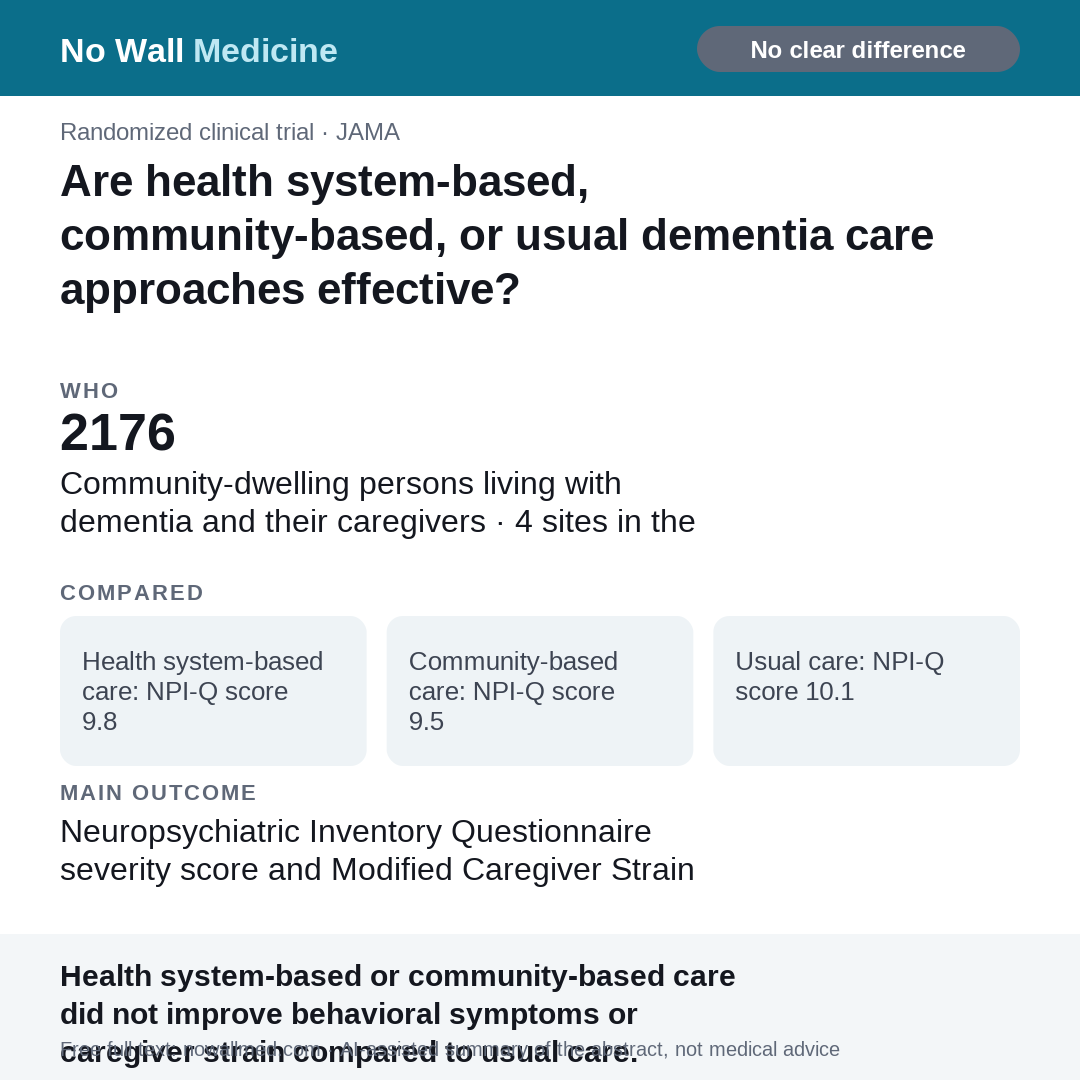
Health System, Community-Based, or Usual Dementia Care for Persons With Dementia and Caregivers: The D-CARE Randomized Clinical Trial
Randomized clinical trialNo clear difference
Are health system-based, community-based, or usual dementia care approaches effective?
Who
2176
Community-dwelling persons living with dementia and their caregivers · 4 sites in the US
Compared
Health system-based care: NPI-Q score 9.8
Community-based care: NPI-Q score 9.5
Usual care: NPI-Q score 10.1
Main outcome
Neuropsychiatric Inventory Questionnaire severity score and Modified Caregiver Strain Index
Result: difference between health system vs usual care, -0.33 (97.5% CI, -1.32 to 0.67)
Bottom line: Health system-based or community-based care did not improve behavioral symptoms or caregiver strain compared to usual care.
JAMA · 2025-01-29Download image
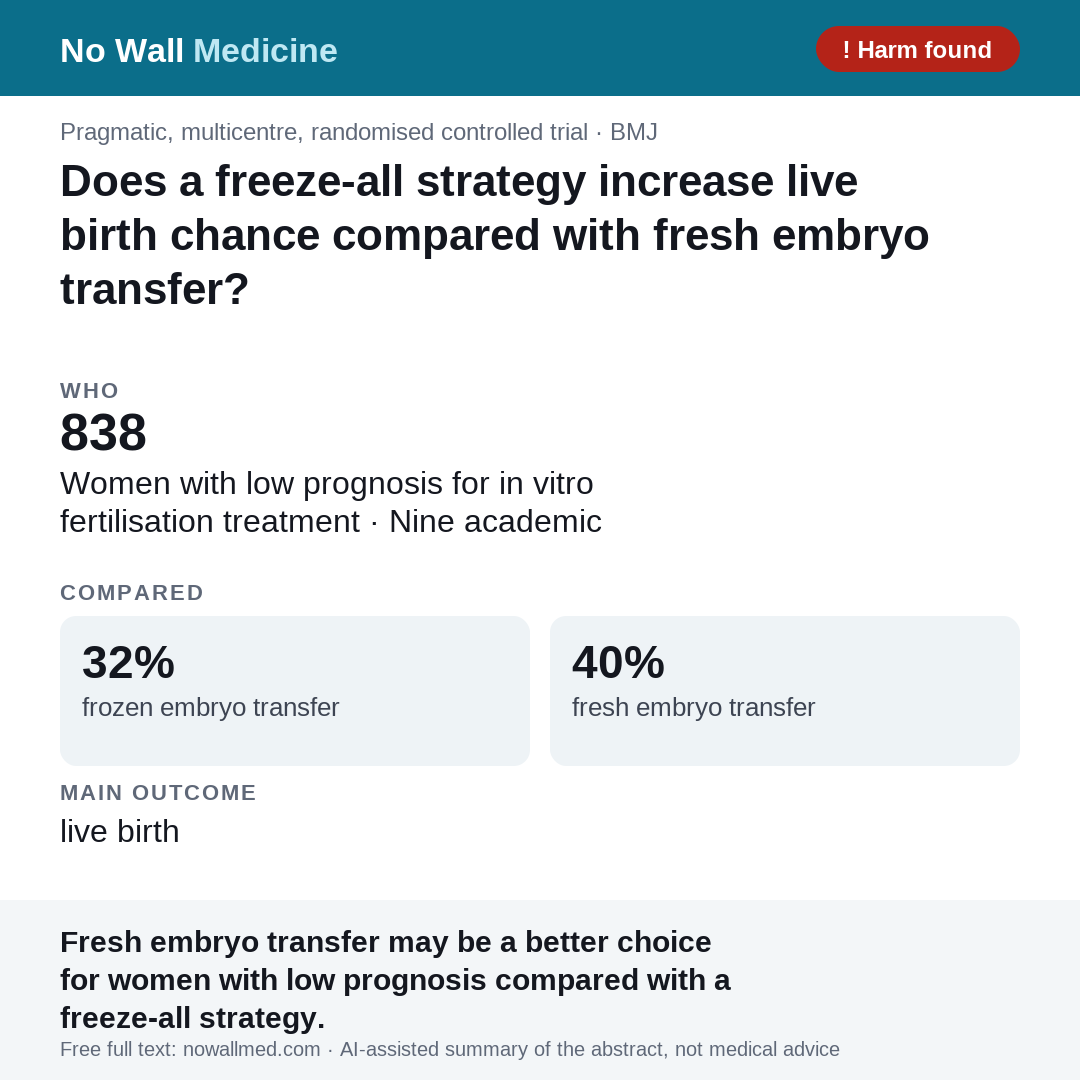
Frozen versus fresh embryo transfer in women with low prognosis for in vitro fertilisation treatment: pragmatic, multicentre, randomised controlled trial
Pragmatic, multicentre, randomised controlled trialHarm found
Does a freeze-all strategy increase live birth chance compared with fresh embryo transfer?
Who
838
Women with low prognosis for in vitro fertilisation treatment · Nine academic fertility centres in China
Compared
32%frozen embryo transfer (132 of 419)
40%fresh embryo transfer (168 of 419)
Main outcome
live birth
Result: relative ratio 0.79 (95% confidence interval 0.65 to 0.94)
Bottom line: Fresh embryo transfer may be a better choice for women with low prognosis compared with a freeze-all strategy.
BMJ · 2025-01-29Download image
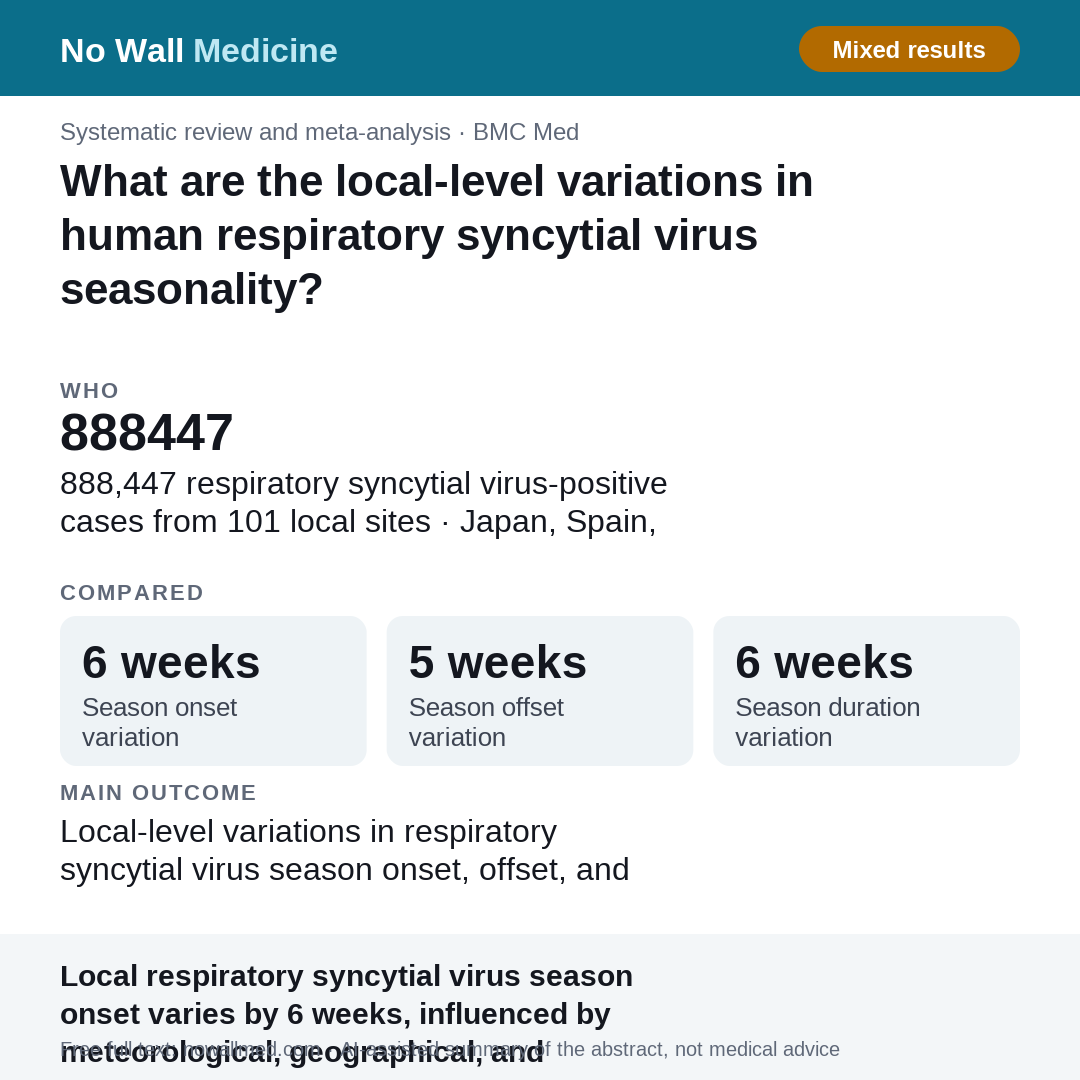
Understanding the local-level variations in seasonality of human respiratory syncytial virus infection: a systematic analysis
Systematic review and meta-analysisMixed results
What are the local-level variations in human respiratory syncytial virus seasonality?
Who
888447
888,447 respiratory syncytial virus-positive cases from 101 local sites · Japan, Spain, Scotland, and 7 other published studies
Compared
6 weeksSeason onset variation (41 days, 95% CI: 25-57)
5 weeksSeason offset variation (32 days, 13-50)
6 weeksSeason duration variation (40 days, 20-59)
Main outcome
Local-level variations in respiratory syncytial virus season onset, offset, and duration
Bottom line: Local respiratory syncytial virus season onset varies by 6 weeks, influenced by meteorological, geographical, and socio-demographic factors.
BMC Med · 2025-01-29Download image
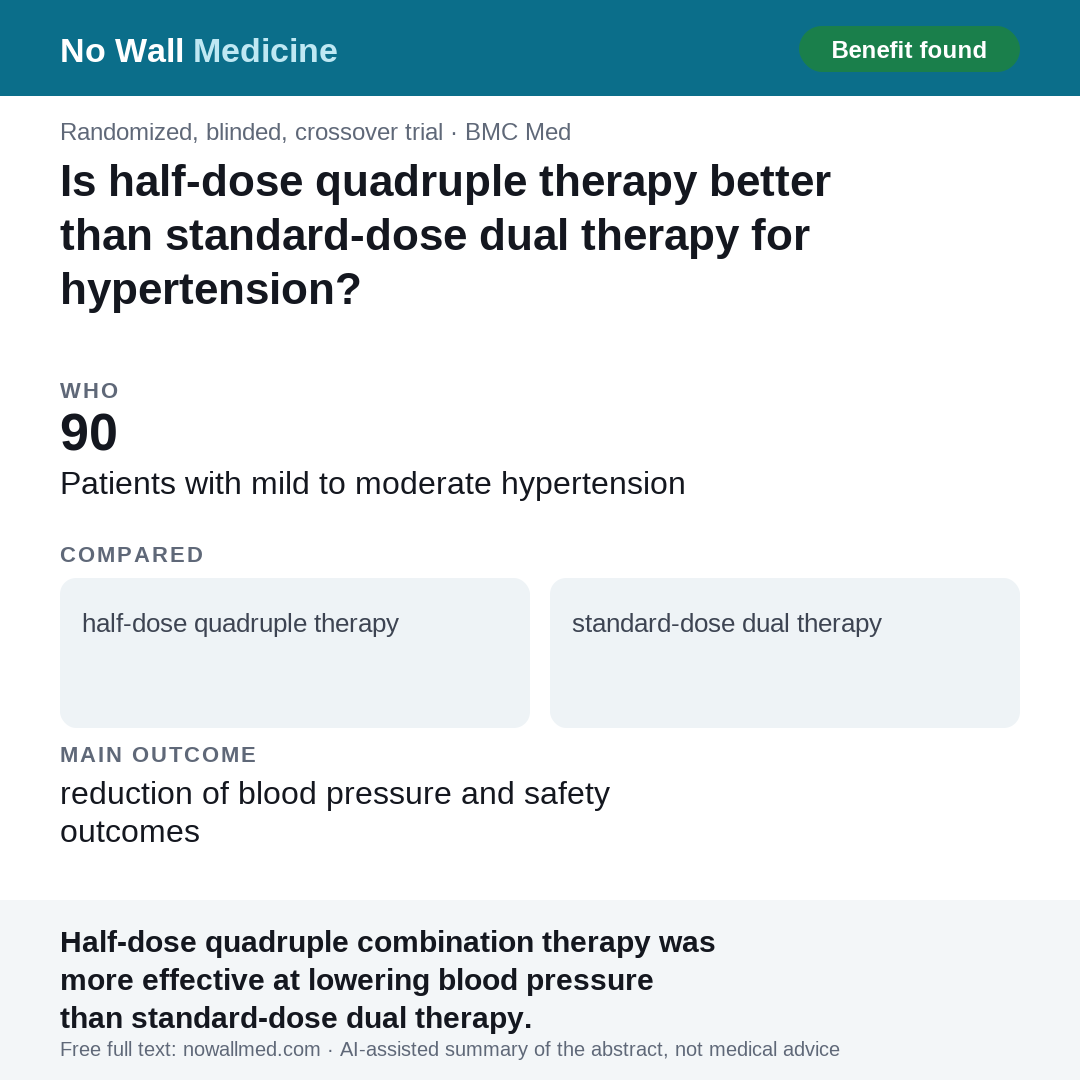
Initial treatment with a single capsule containing half-dose quadruple therapy vs standard-dose dual therapy in hypertensive patients (QUADUAL): a randomized, blinded, crossover trial
Randomized, blinded, crossover trialBenefit found
Is half-dose quadruple therapy better than standard-dose dual therapy for hypertension?
Who
90
Patients with mild to moderate hypertension
Compared
half-dose quadruple therapy
standard-dose dual therapy
Main outcome
reduction of blood pressure and safety outcomes
Bottom line: Half-dose quadruple combination therapy was more effective at lowering blood pressure than standard-dose dual therapy.
BMC Med · 2025-01-29Download image