Visual abstracts
New randomized trials and meta-analyses from leading journals at a glance: who was studied, what was compared, and what was found. Every paper is free to read in full.
All specialtiesCardiology 1856Oncology 1599Gastroenterology & Hepatology 705Infectious Disease 1185Neurology 770Psychiatry & Mental Health 913Pulmonology 797Critical Care 540Endocrinology & Diabetes 1006Pediatrics 1106Surgery 943Orthopedics & Sports Medicine 348Neurosurgery 233Cardiothoracic & Vascular Surgery 204Plastic & Reconstructive Surgery 287Nephrology 382Rheumatology 260Hematology 404Dermatology 203Ophthalmology 222Obstetrics & Gynecology 610Public & Global Health 361Radiology & Imaging 255Anesthesiology 372Urology 319ENT (Otolaryngology) 249Emergency Medicine 209Allergy & Immunology 121Geriatrics 398Family Medicine & Primary Care 221Medical Genetics & Genomics 204Pathology & Laboratory Medicine 57Physical Medicine & Rehabilitation 327Palliative Care 168Nutrition 501Digital Health & AI 988General Medicine 144
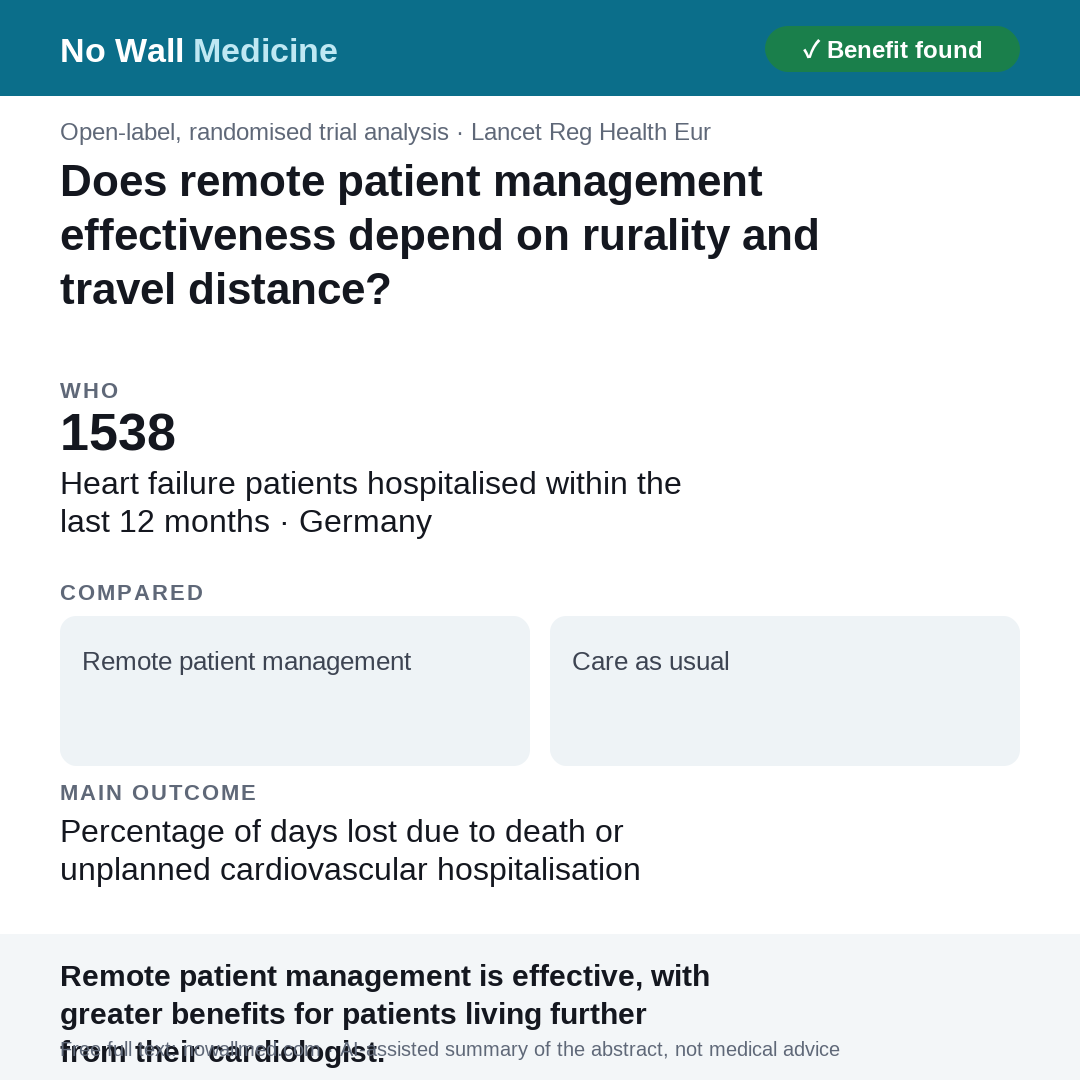
Rurality, travel distance, and effectiveness of remote patient management in patients with heart failure in the TIM-HF2 trial in Germany: a pre-specified analysis of an open-label, randomised controlled trial
Open-label, randomised trial analysisBenefit found
Does remote patient management effectiveness depend on rurality and travel distance?
Who
1538
Heart failure patients hospitalised within the last 12 months · Germany
Compared
Remote patient management
Care as usual
Main outcome
Percentage of days lost due to death or unplanned cardiovascular hospitalisation
Result: rate ratio 0.82 (95% CI 0.62-1.08) for rural vs 0.78 (0.55-1.09) for urban
Bottom line: Remote patient management is effective, with greater benefits for patients living further from their cardiologist.
Funded by: German Federal Ministry of Education and Research
Lancet Reg Health Eur · 2025-05-18Download image
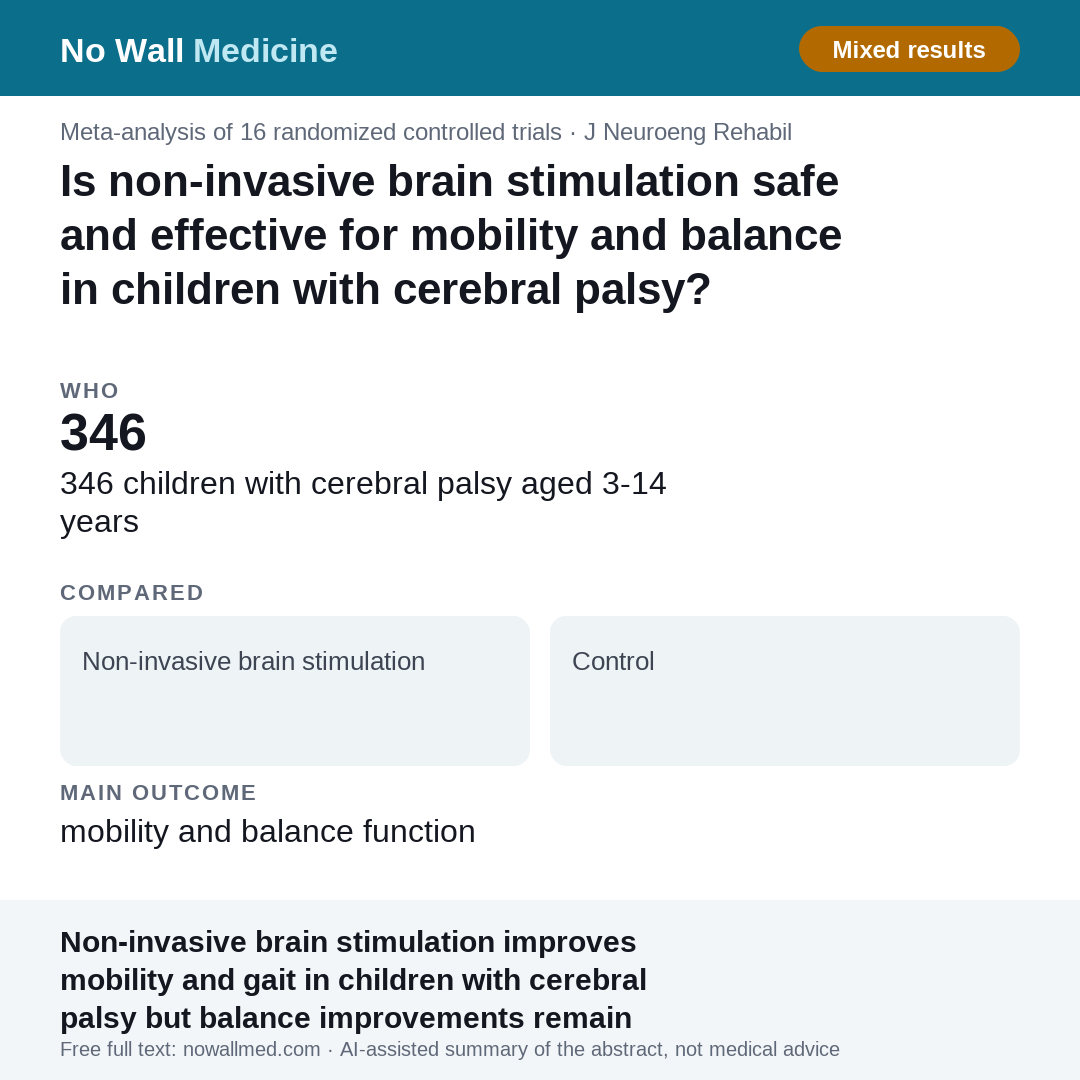
Safety and effectiveness of non-invasive brain stimulation on mobility and balance function in children with cerebral palsy: a systematic review and meta-analysis
Meta-analysis of 16 randomized controlled trialsMixed results
Is non-invasive brain stimulation safe and effective for mobility and balance in children with cerebral palsy?
Who
346
346 children with cerebral palsy aged 3-14 years
Compared
Non-invasive brain stimulation
Control
Main outcome
mobility and balance function
Result: standard mean difference 0.47 to 0.63 for Gross Motor Function Measure
Bottom line: Non-invasive brain stimulation improves mobility and gait in children with cerebral palsy but balance improvements remain inconclusive.
Limitation: Future research should focus on extending follow-up periods and increasing sample sizes.
J Neuroeng Rehabil · 2025-05-18Download image
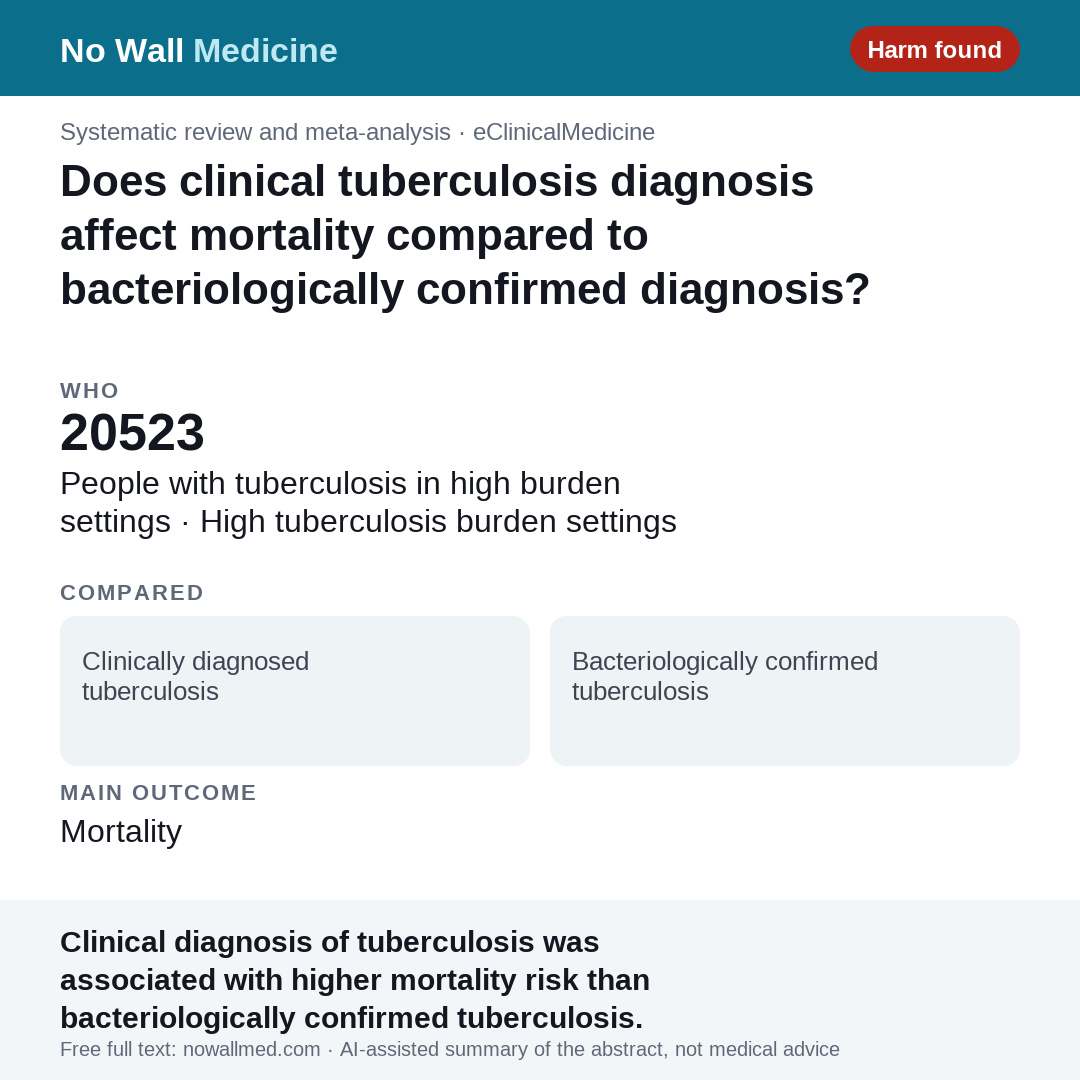
Clinically diagnosed tuberculosis and mortality in high burden settings: a systematic review and meta-analysis
Systematic review and meta-analysisHarm found
Does clinical tuberculosis diagnosis affect mortality compared to bacteriologically confirmed diagnosis?
Who
20523
People with tuberculosis in high burden settings · High tuberculosis burden settings
Compared
Clinically diagnosed tuberculosis
Bacteriologically confirmed tuberculosis
Main outcome
Mortality
Result: risk ratio 1·5 (95% CI: 1·0-2·2)
Bottom line: Clinical diagnosis of tuberculosis was associated with higher mortality risk than bacteriologically confirmed tuberculosis.
Funded by: UK National Institute for Health and Care Research; US National Institutes of Health
eClinicalMedicine · 2025-05-17Download image
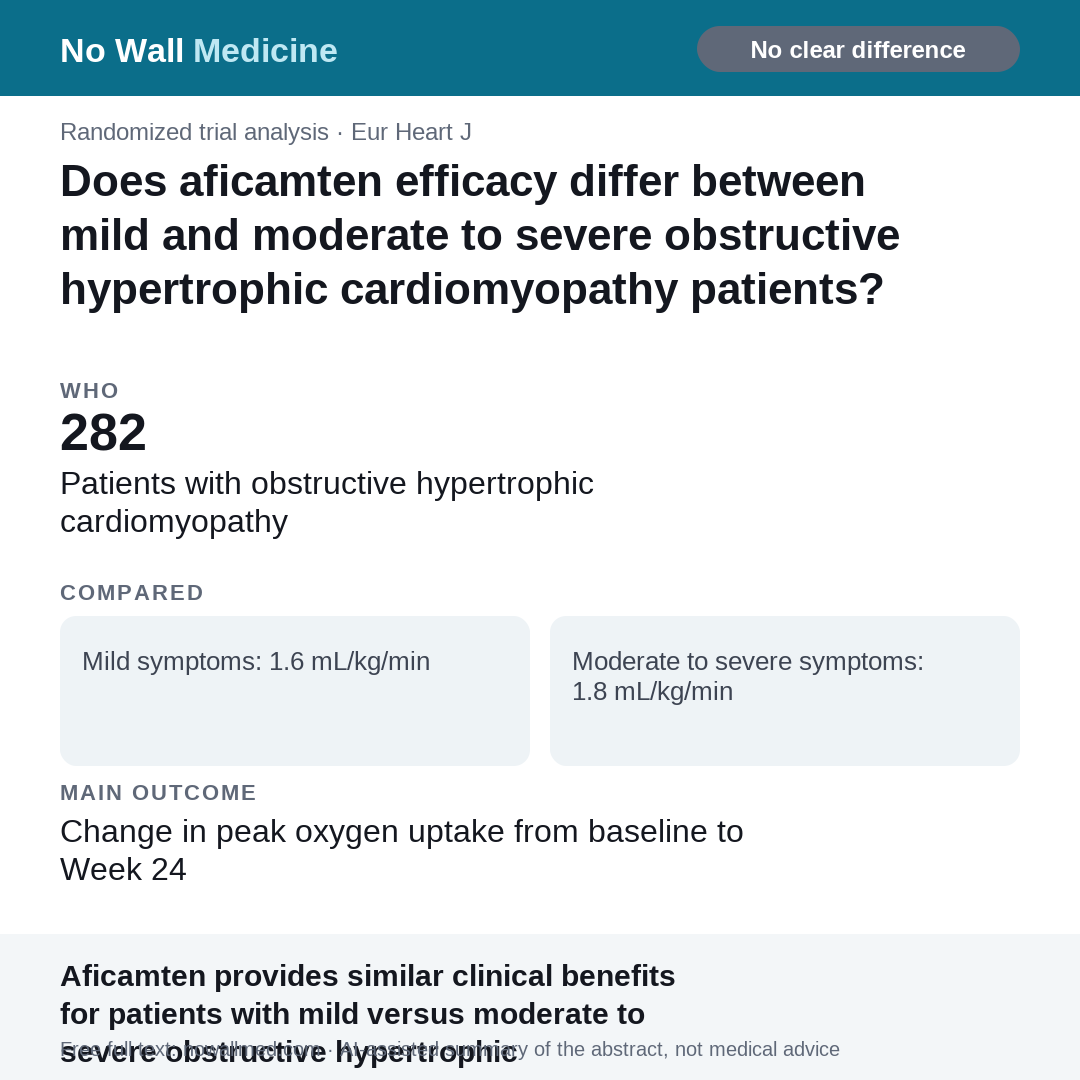
Efficacy of aficamten in patients with obstructive hypertrophic cardiomyopathy and mild symptoms: results from the SEQUOIA-HCM trial
Randomized trial analysisNo clear difference
Does aficamten efficacy differ between mild and moderate to severe obstructive hypertrophic cardiomyopathy patients?
Who
282
Patients with obstructive hypertrophic cardiomyopathy
Compared
Mild symptoms: 1.6 mL/kg/min
Moderate to severe symptoms: 1.8 mL/kg/min
Main outcome
Change in peak oxygen uptake from baseline to Week 24
Bottom line: Aficamten provides similar clinical benefits for patients with mild versus moderate to severe obstructive hypertrophic cardiomyopathy symptoms.
Eur Heart J · 2025-05-17Download image
Mindfulness-based cognitive therapy versus treatment as usual after non-remission with NHS Talking Therapies high-intensity psychological therapy for depression: a UK-based clinical effectiveness and cost-effectiveness randomised, controlled, superiority trial
Randomised, controlled, superiority trialBenefit found
Does mindfulness-based cognitive therapy improve outcomes after non-remission from high-intensity psychological therapy for depression?
Who
234
Patients with major depressive disorder not in remission after high-intensity therapy · Three sites in the United Kingdom
Compared
Mindfulness-based cognitive therapy plus treatment as usual: adjusted between-group difference -2·49
Treatment as usual alone
Main outcome
Reduction in depression symptomatology using Patient Health Questionnaire-9
Result: adjusted between-group difference -2·49 (95% CI -3·89 to -1·09)
Bottom line: Mindfulness-based cognitive therapy improves depression symptoms and is likely cost-effective after initial psychological therapy fails.
Funded by: UK National Institute for Health and Care Research
Lancet Psychiatry · 2025-05-17Download image

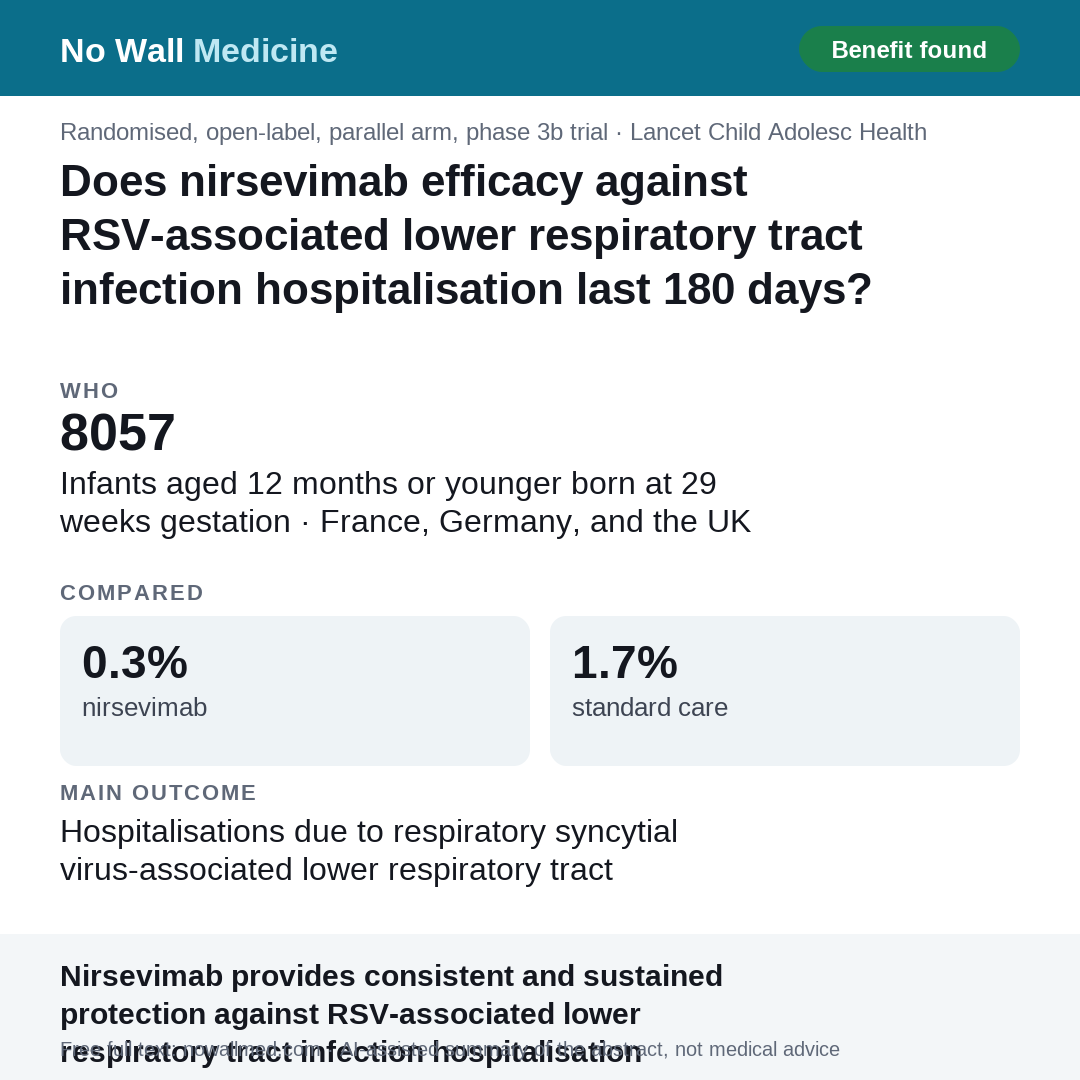
180-day efficacy of nirsevimab against hospitalisation for respiratory syncytial virus lower respiratory tract infections in infants (HARMONIE): a randomised, controlled, phase 3b trial
Randomised, open-label, parallel arm, phase 3b trialBenefit found
Does nirsevimab efficacy against RSV-associated lower respiratory tract infection hospitalisation last 180 days?
Who
8057
Infants aged 12 months or younger born at 29 weeks gestation · France, Germany, and the UK
Compared
0.3%nirsevimab
1.7%standard care
Main outcome
Hospitalisations due to respiratory syncytial virus-associated lower respiratory tract infection
Result: 82.7% (95% CI 67.8-91.5)
Bottom line: Nirsevimab provides consistent and sustained protection against RSV-associated lower respiratory tract infection hospitalisation for at least 6 months.
Funded by: Sanofi and AstraZeneca
Lancet Child Adolesc Health · 2025-05-17Download image
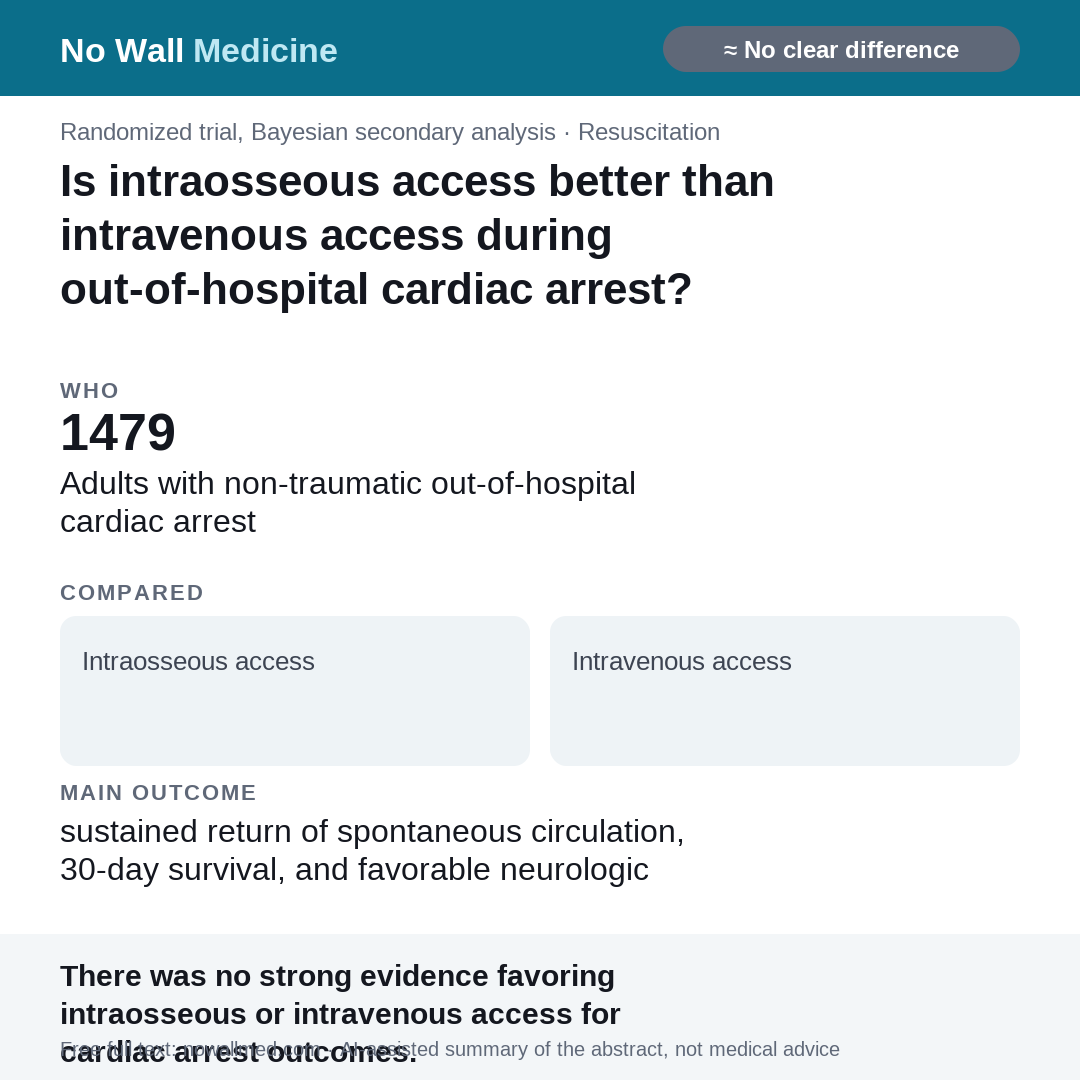
Intraosseous vs. intravenous access during out-of-hospital cardiac arrest: a Bayesian secondary analysis of a randomised clinical trial
Randomized trial, Bayesian secondary analysisNo clear difference
Is intraosseous access better than intravenous access during out-of-hospital cardiac arrest?
Who
1479
Adults with non-traumatic out-of-hospital cardiac arrest
Compared
Intraosseous access
Intravenous access
Main outcome
sustained return of spontaneous circulation, 30-day survival, and favorable neurologic outcome
Bottom line: There was no strong evidence favoring intraosseous or intravenous access for cardiac arrest outcomes.
Resuscitation · 2025-05-17Download image
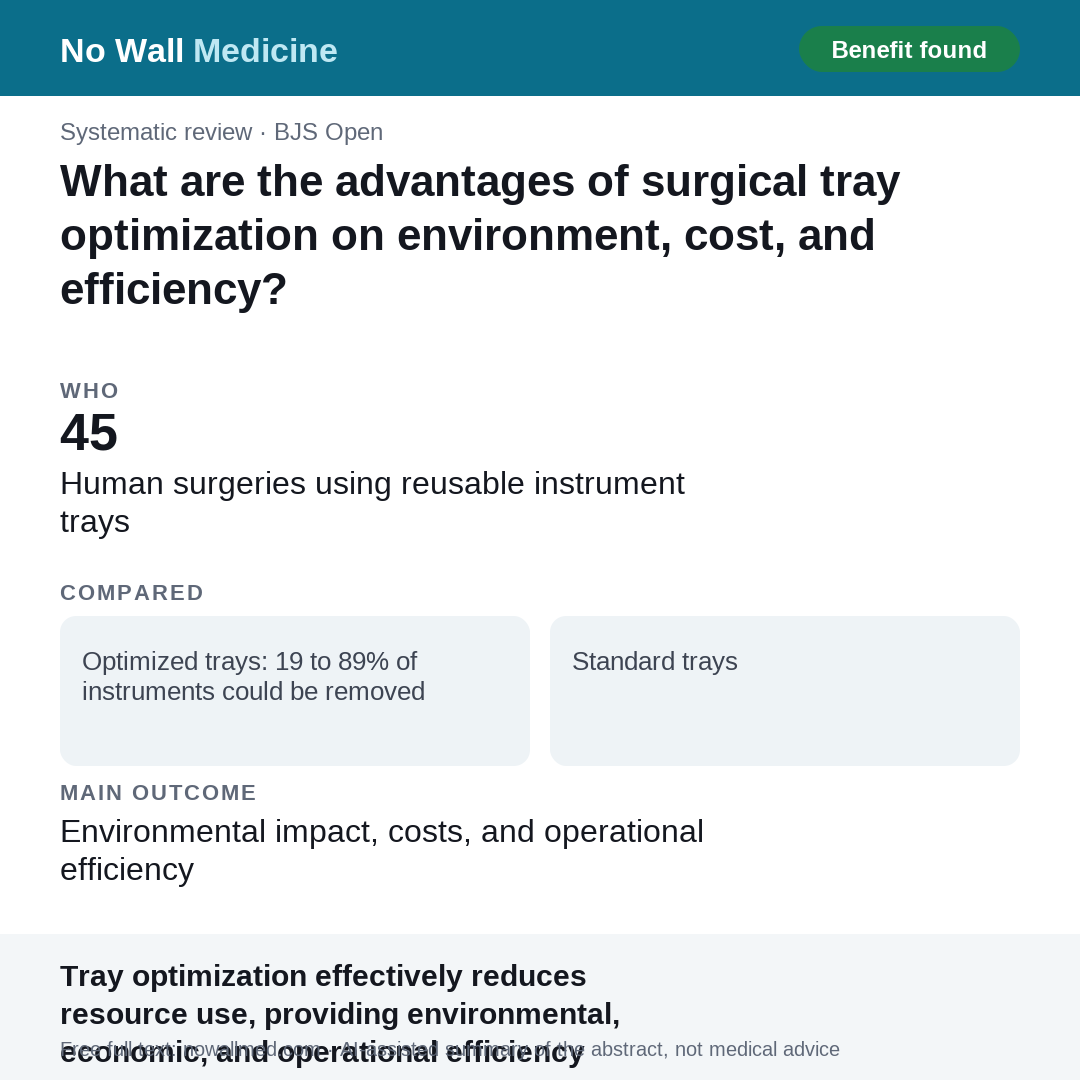
Reducing surgical instrument usage: systematic review of approaches for tray optimization and its advantages on environmental impact, costs and efficiency
Systematic reviewBenefit found
What are the advantages of surgical tray optimization on environment, cost, and efficiency?
Who
45
Human surgeries using reusable instrument trays
Compared
Optimized trays: 19 to 89% of instruments could be removed
Standard trays
Main outcome
Environmental impact, costs, and operational efficiency
Bottom line: Tray optimization effectively reduces resource use, providing environmental, economic, and operational efficiency benefits.
Limitation: Half of the included studies showed a serious risk of bias.
BJS Open · 2025-05-17Download image
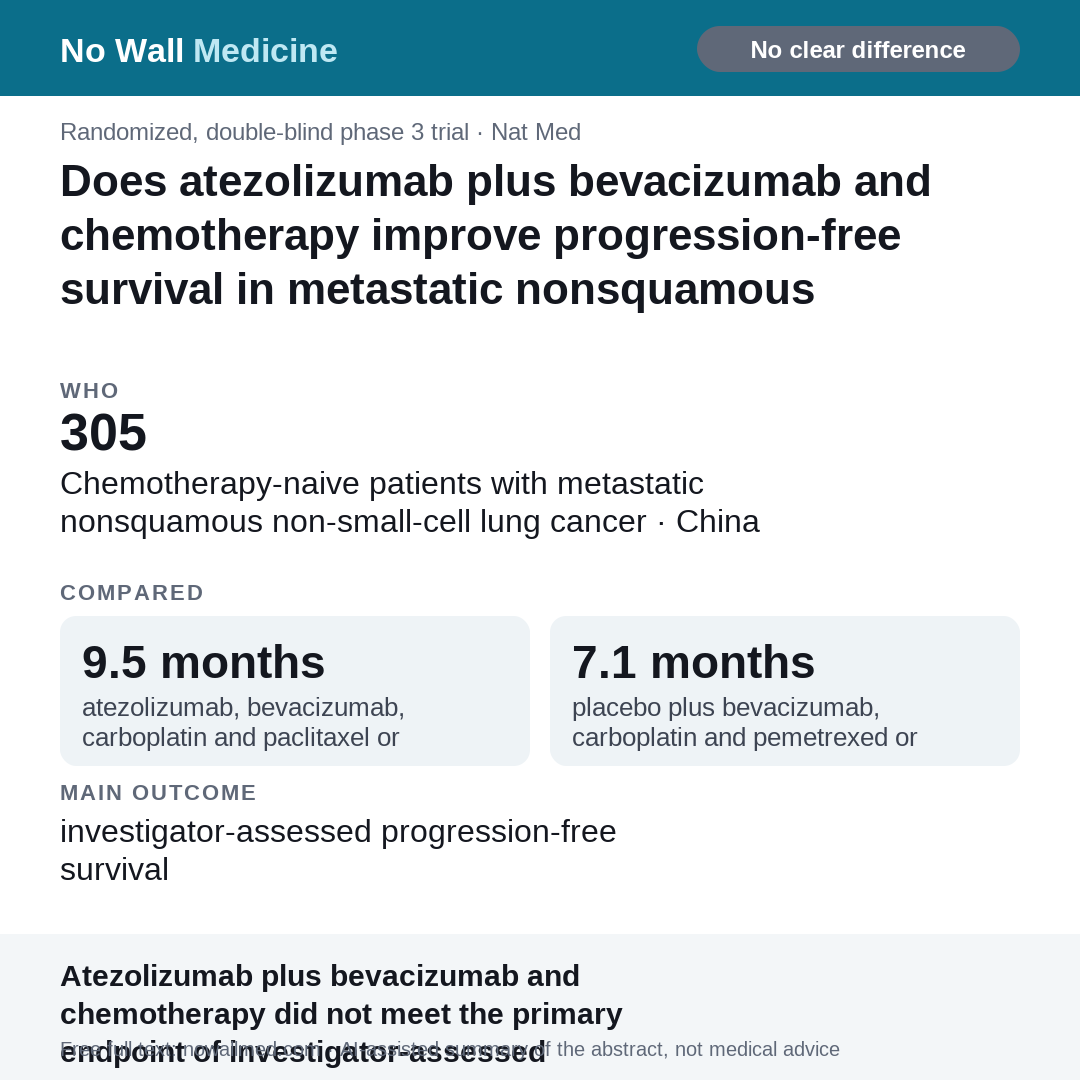
Atezolizumab plus bevacizumab and chemotherapy in metastatic nonsquamous NSCLC: the randomized double-blind phase 3 IMpower151 trial
Randomized, double-blind phase 3 trialNo clear difference
Does atezolizumab plus bevacizumab and chemotherapy improve progression-free survival in metastatic nonsquamous non-small-cell lung cancer?
Who
305
Chemotherapy-naive patients with metastatic nonsquamous non-small-cell lung cancer · China
Compared
9.5 monthsatezolizumab, bevacizumab, carboplatin and paclitaxel or pemetrexed
7.1 monthsplacebo plus bevacizumab, carboplatin and pemetrexed or paclitaxel
Main outcome
investigator-assessed progression-free survival
Result: stratified hazard ratio: 0.84 (95% confidence interval: 0.65, 1.09)
Bottom line: Atezolizumab plus bevacizumab and chemotherapy did not meet the primary endpoint of investigator-assessed progression-free survival.
Nat Med · 2025-05-16Download image
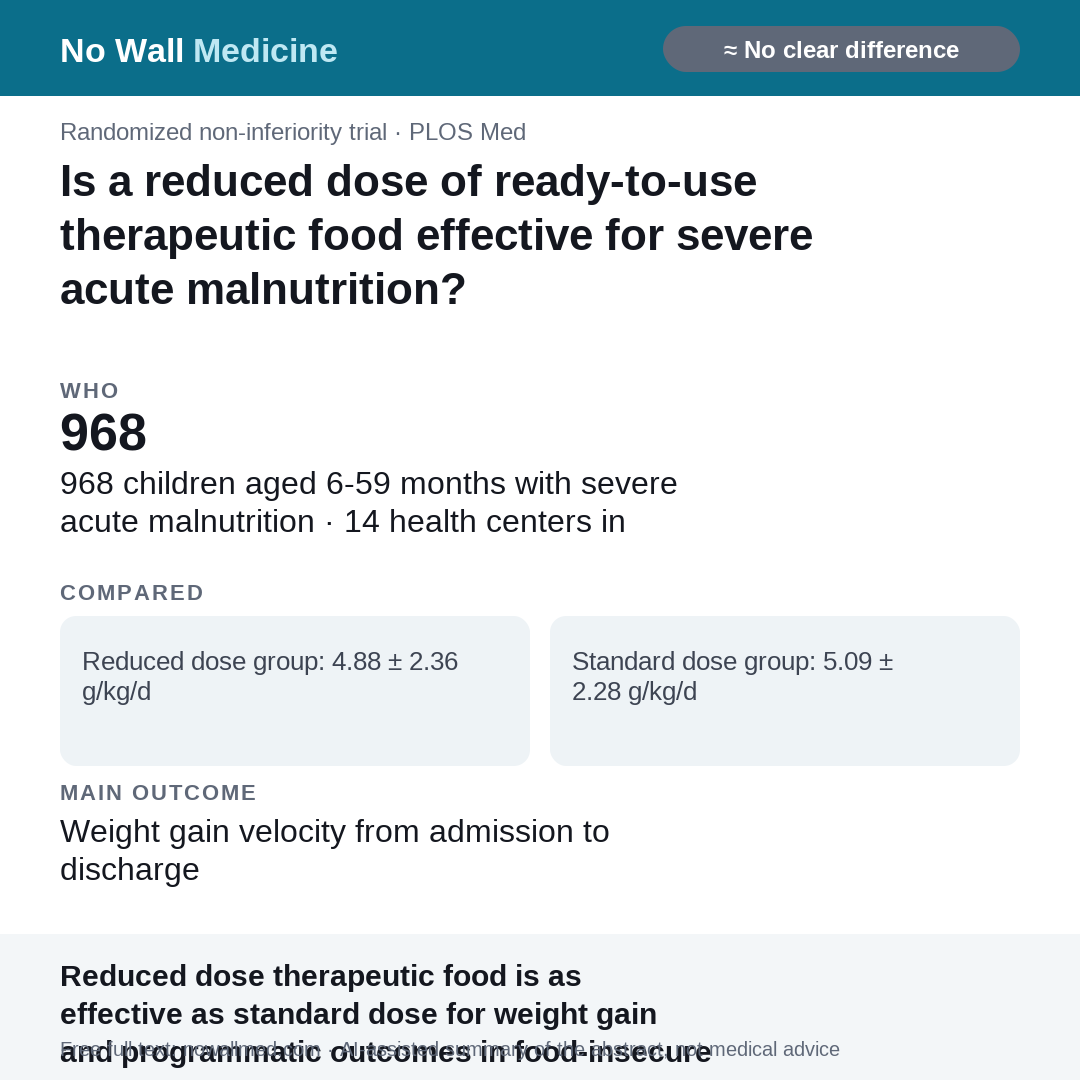
Effectiveness of a reduced dose of ready-to-use therapeutic food in community-based management of severe acute malnutrition: A non-inferiority randomized controlled trial in the Democratic Republic of Congo
Randomized non-inferiority trialNo clear difference
Is a reduced dose of ready-to-use therapeutic food effective for severe acute malnutrition?
Who
968
968 children aged 6-59 months with severe acute malnutrition · 14 health centers in Democratic Republic of Congo
Compared
Reduced dose group: 4.88 ± 2.36 g/kg/d
Standard dose group: 5.09 ± 2.28 g/kg/d
Main outcome
Weight gain velocity from admission to discharge
Result: difference -0.09 g/kg/d (95% CI [-0.33, 0.15])
Bottom line: Reduced dose therapeutic food is as effective as standard dose for weight gain and programmatic outcomes in food-insecure contexts.
Limitation: MUAC gain velocity was lower in the reduced dose group.
PLOS Med · 2025-05-16Download image
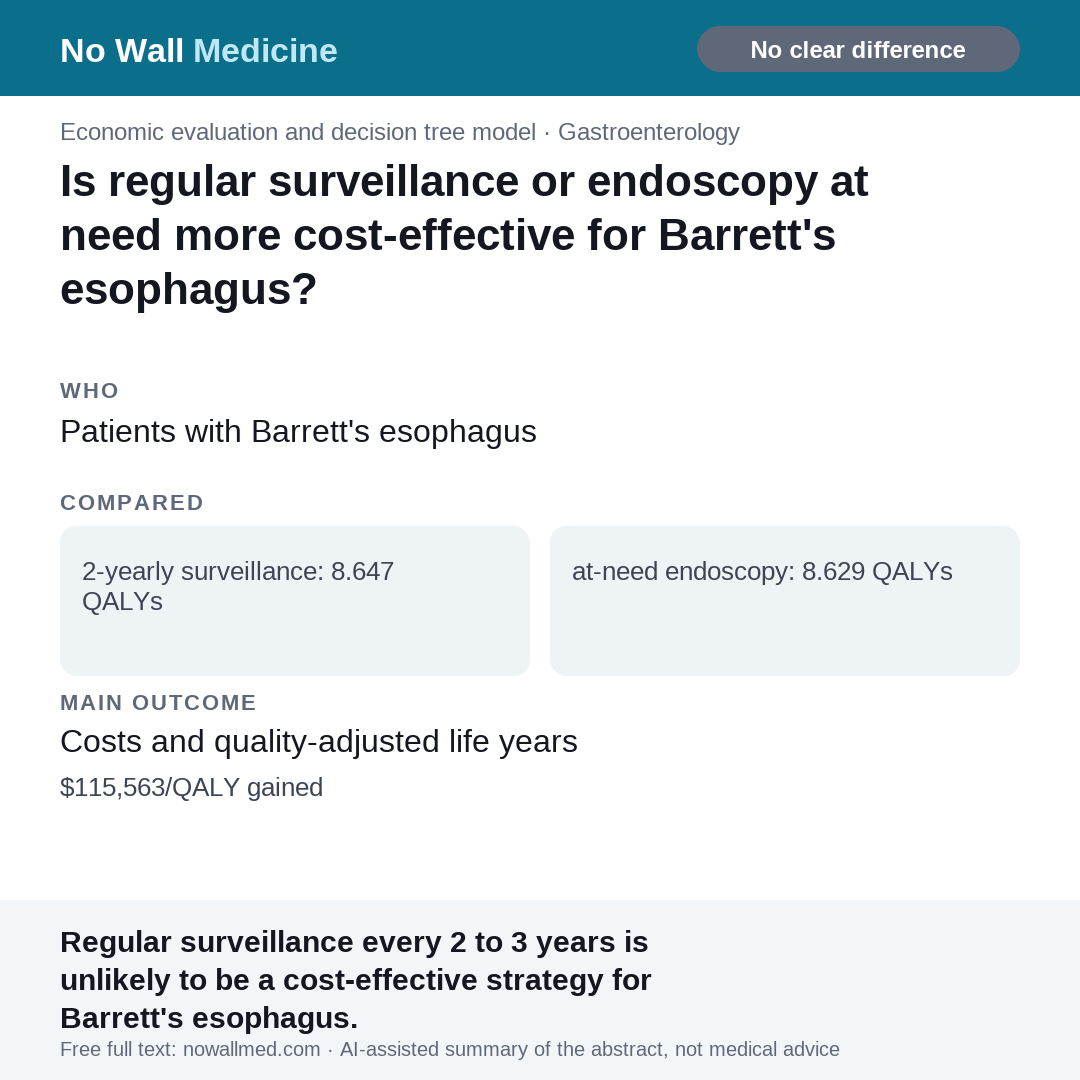
Cost-Effectiveness of Regular Surveillance Versus Endoscopy at Need for Patients With Barrett's Esophagus: Economic Evaluation Alongside the Barrett's Oesophagus Surveillance Study (BOSS) Randomized Controlled Trial
Economic evaluation and decision tree modelNo clear difference
Is regular surveillance or endoscopy at need more cost-effective for Barrett's esophagus?
Who
Patients with Barrett's esophagus
Compared
2-yearly surveillance: 8.647 QALYs
at-need endoscopy: 8.629 QALYs
Main outcome
Costs and quality-adjusted life years
Result: $115,563/QALY gained
Bottom line: Regular surveillance every 2 to 3 years is unlikely to be a cost-effective strategy for Barrett's esophagus.
Gastroenterology · 2025-05-16Download image
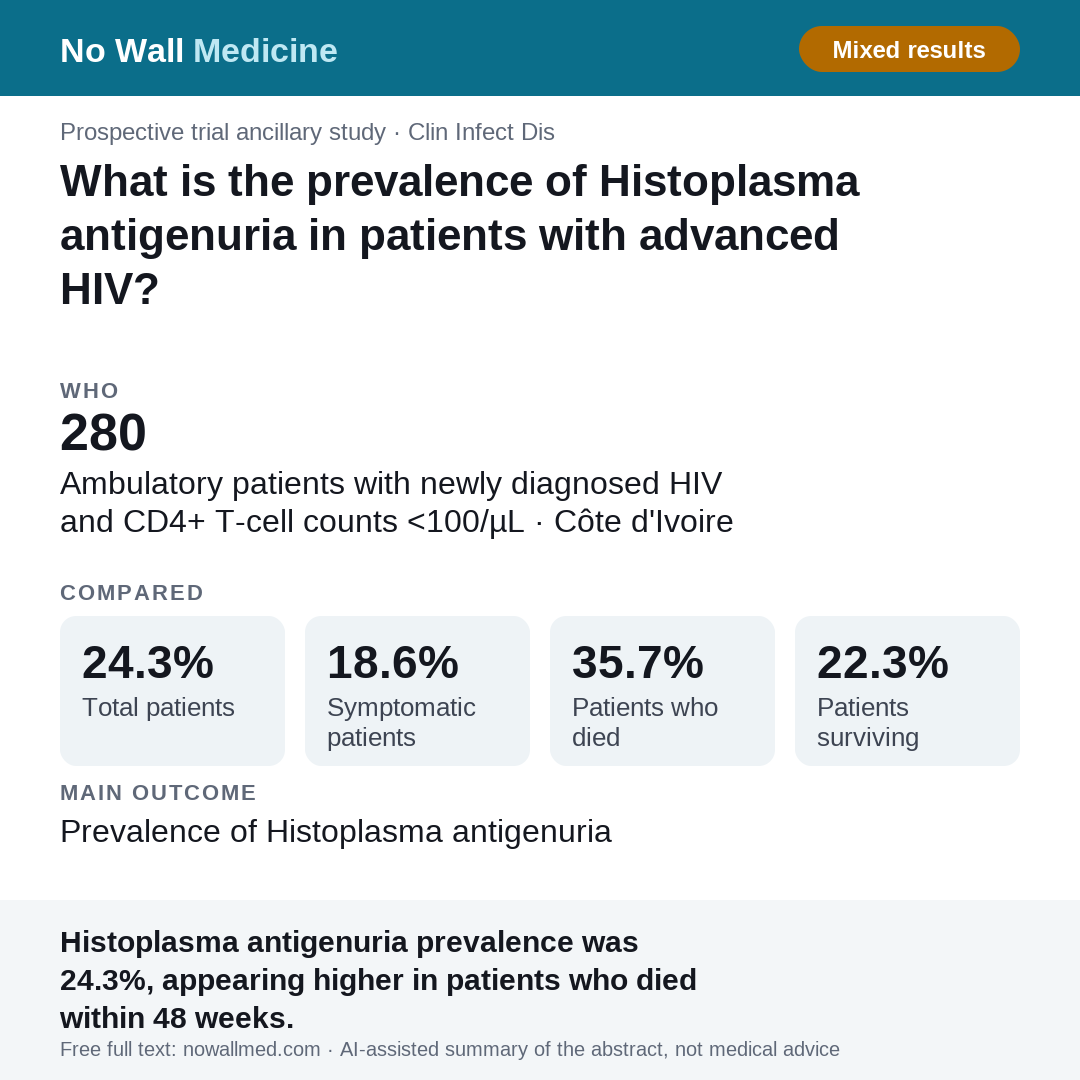
Histoplasma Antigenuria Prevalence in Patients With Advanced HIV Disease in Côte d'Ivoire: A Prospective Trial Ancillary Study
Prospective trial ancillary studyMixed results
What is the prevalence of Histoplasma antigenuria in patients with advanced HIV?
Who
280
Ambulatory patients with newly diagnosed HIV and CD4+ T-cell counts <100/µL · Côte d'Ivoire
Compared
24.3%Total patients (68/280)
18.6%Symptomatic patients (52/280)
35.7%Patients who died (15/42)
22.3%Patients surviving
Main outcome
Prevalence of Histoplasma antigenuria
Bottom line: Histoplasma antigenuria prevalence was 24.3%, appearing higher in patients who died within 48 weeks.
Clin Infect Dis · 2025-05-16Download image
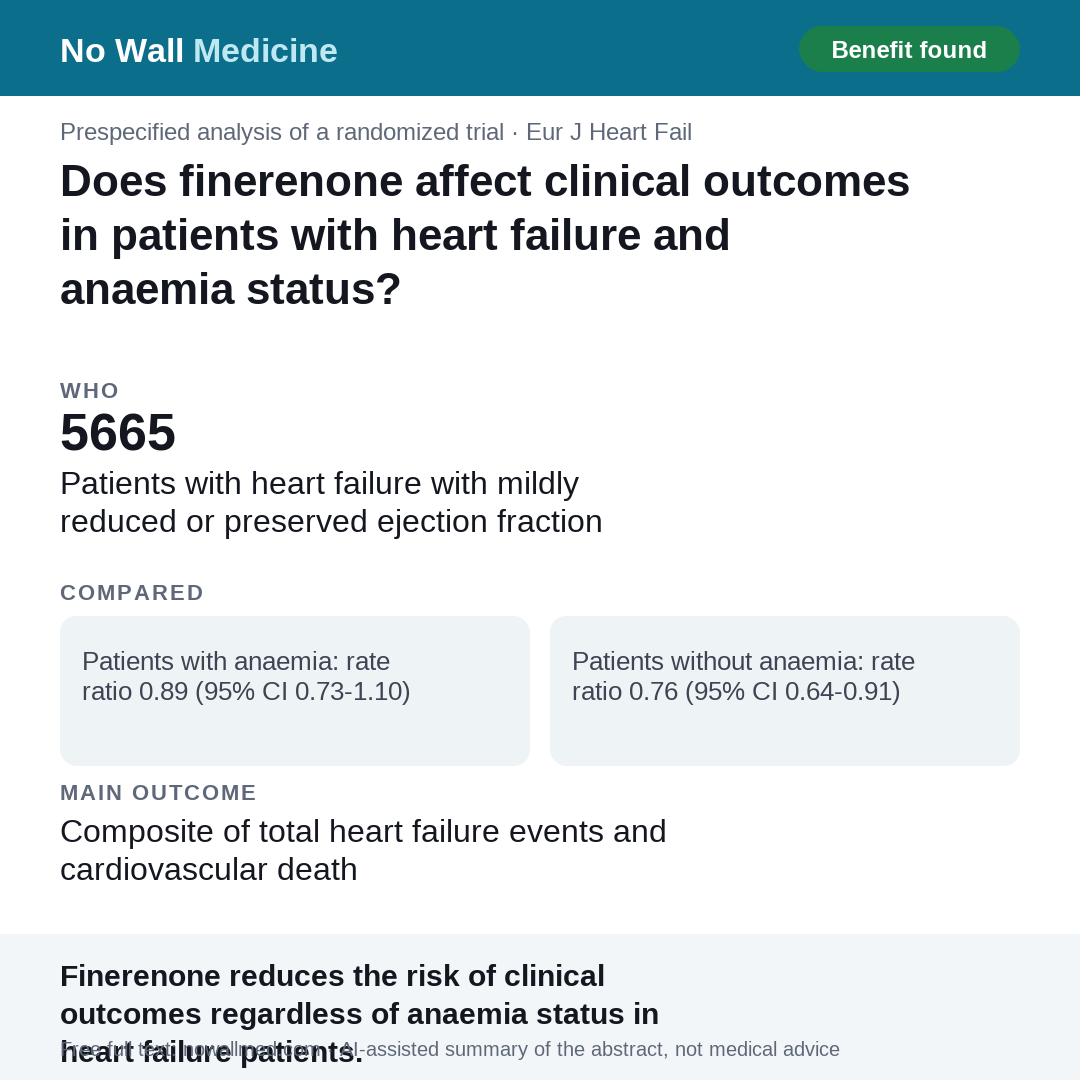
Anaemia in patients with heart failure and mildly reduced or preserved ejection fraction: A prespecified analysis of the FINEARTS-HF trial
Prespecified analysis of a randomized trialBenefit found
Does finerenone affect clinical outcomes in patients with heart failure and anaemia status?
Who
5665
Patients with heart failure with mildly reduced or preserved ejection fraction
Compared
Patients with anaemia: rate ratio 0.89 (95% CI 0.73-1.10)
Patients without anaemia: rate ratio 0.76 (95% CI 0.64-0.91)
Main outcome
Composite of total heart failure events and cardiovascular death
Result: RR 0.89 (95% CI 0.73-1.10) vs RR 0.76 (95% CI 0.64-0.91)
Bottom line: Finerenone reduces the risk of clinical outcomes regardless of anaemia status in heart failure patients.
Eur J Heart Fail · 2025-05-16Download image
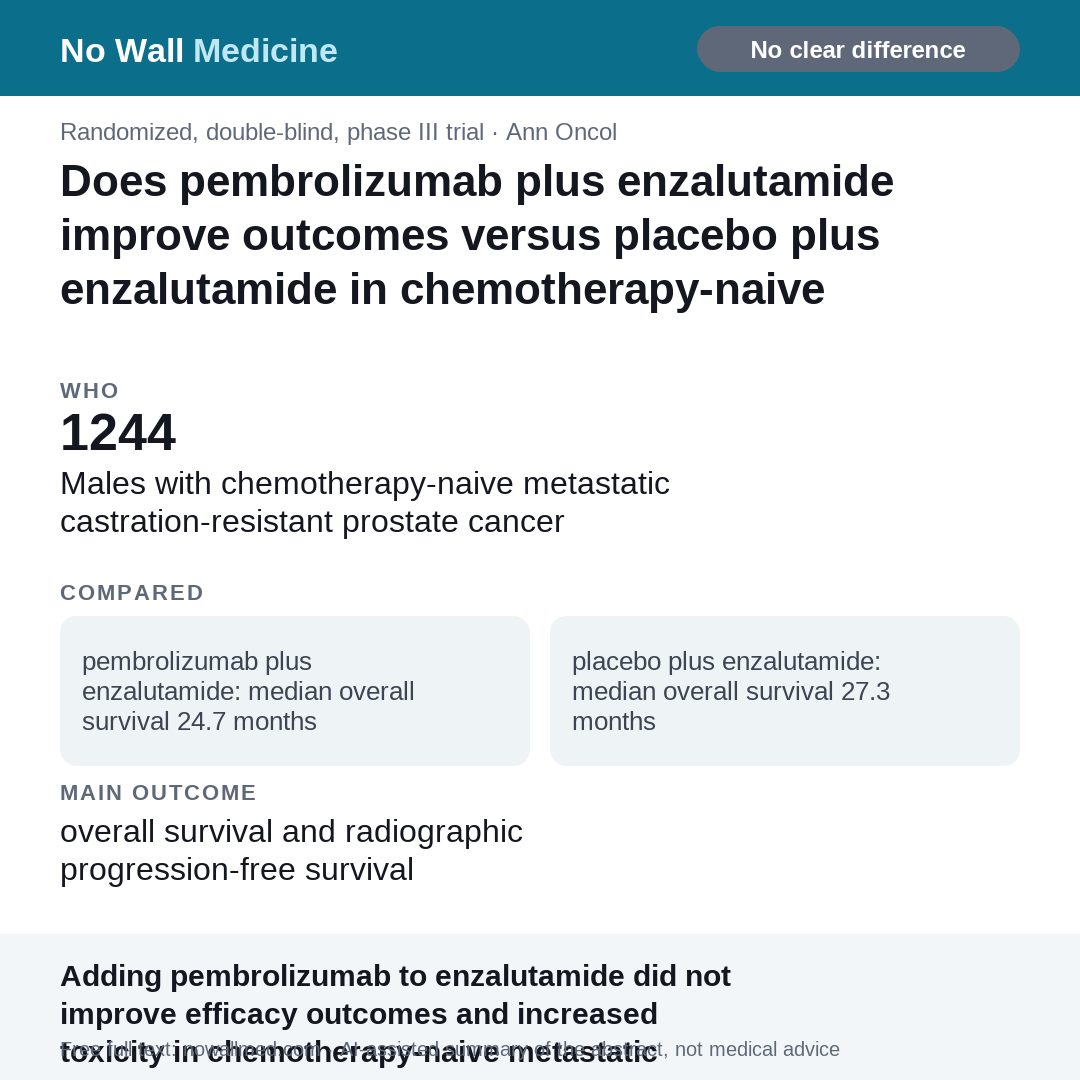
Pembrolizumab plus enzalutamide versus placebo plus enzalutamide for chemotherapy-naive metastatic castration-resistant prostate cancer: the randomized, double-blind, phase III KEYNOTE-641 study
Randomized, double-blind, phase III trialNo clear difference
Does pembrolizumab plus enzalutamide improve outcomes versus placebo plus enzalutamide in chemotherapy-naive mCRPC?
Who
1244
Males with chemotherapy-naive metastatic castration-resistant prostate cancer
Compared
pembrolizumab plus enzalutamide: median overall survival 24.7 months
placebo plus enzalutamide: median overall survival 27.3 months
Main outcome
overall survival and radiographic progression-free survival
Result: hazard ratio 1.04 (95% CI 0.88 to 1.22)
Bottom line: Adding pembrolizumab to enzalutamide did not improve efficacy outcomes and increased toxicity in chemotherapy-naive metastatic castration-resistant prostate cancer.
Ann Oncol · 2025-05-16Download image
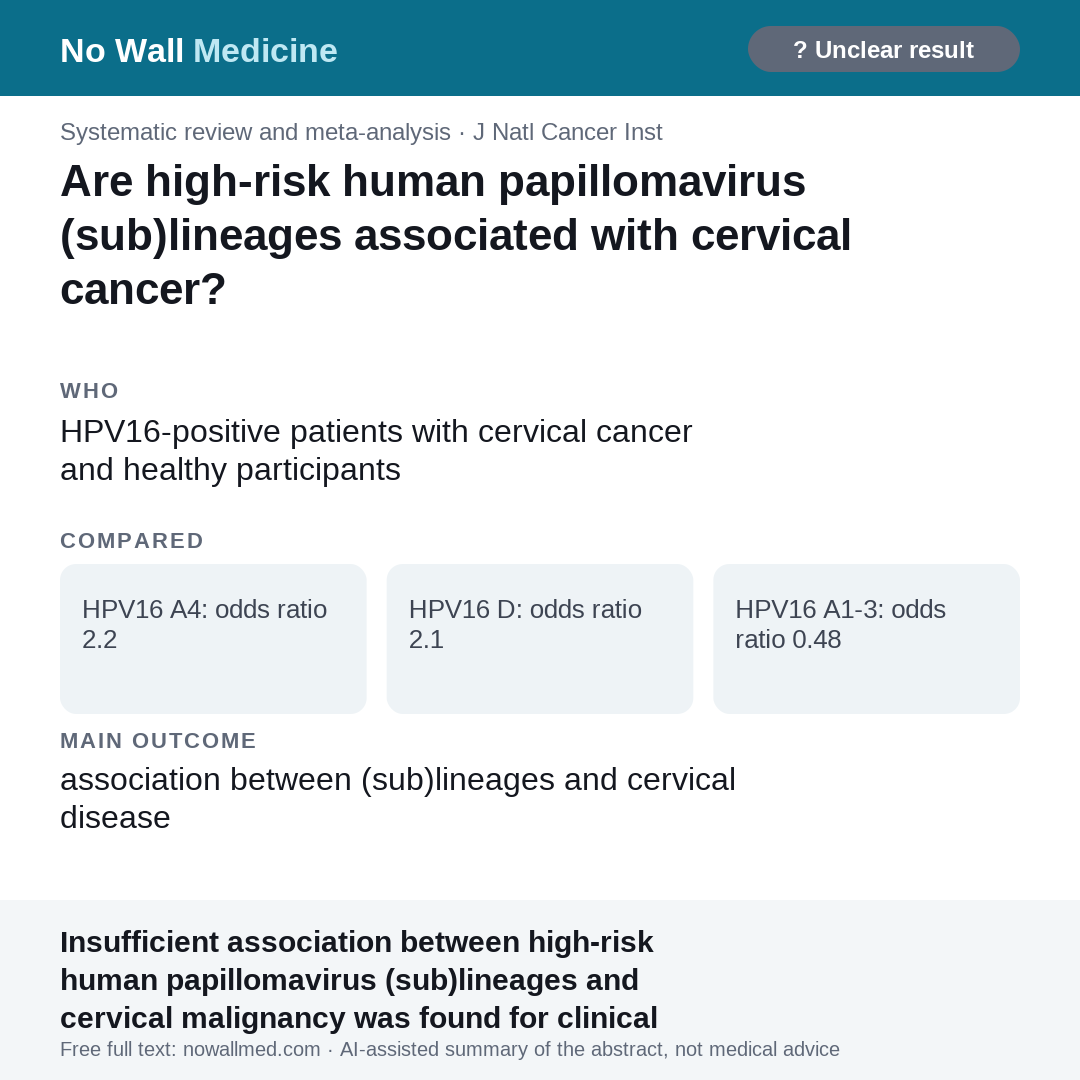
Lineages and sublineages of high-risk human papillomavirus types associated with cervical cancer and precancer: a systematic review and meta-analysis
Systematic review and meta-analysisUnclear result
Are high-risk human papillomavirus (sub)lineages associated with cervical cancer?
Who
HPV16-positive patients with cervical cancer and healthy participants
Compared
HPV16 A4: odds ratio 2.2
HPV16 D: odds ratio 2.1
HPV16 A1-3: odds ratio 0.48
Main outcome
association between (sub)lineages and cervical disease
Result: odds ratio 2.2 (95% CI 1.49 to 3.15) for HPV16 A4; 2.1 (95% CI 1.25 to 3.40) for HPV16 D; 0.48 (95% CI 0.33 to 0.68) for HPV16 A1-3
Bottom line: Insufficient association between high-risk human papillomavirus (sub)lineages and cervical malignancy was found for clinical use.
Limitation: Reports are heterogeneous in study design and often characterized by a small sample size.
J Natl Cancer Inst · 2025-05-16Download image
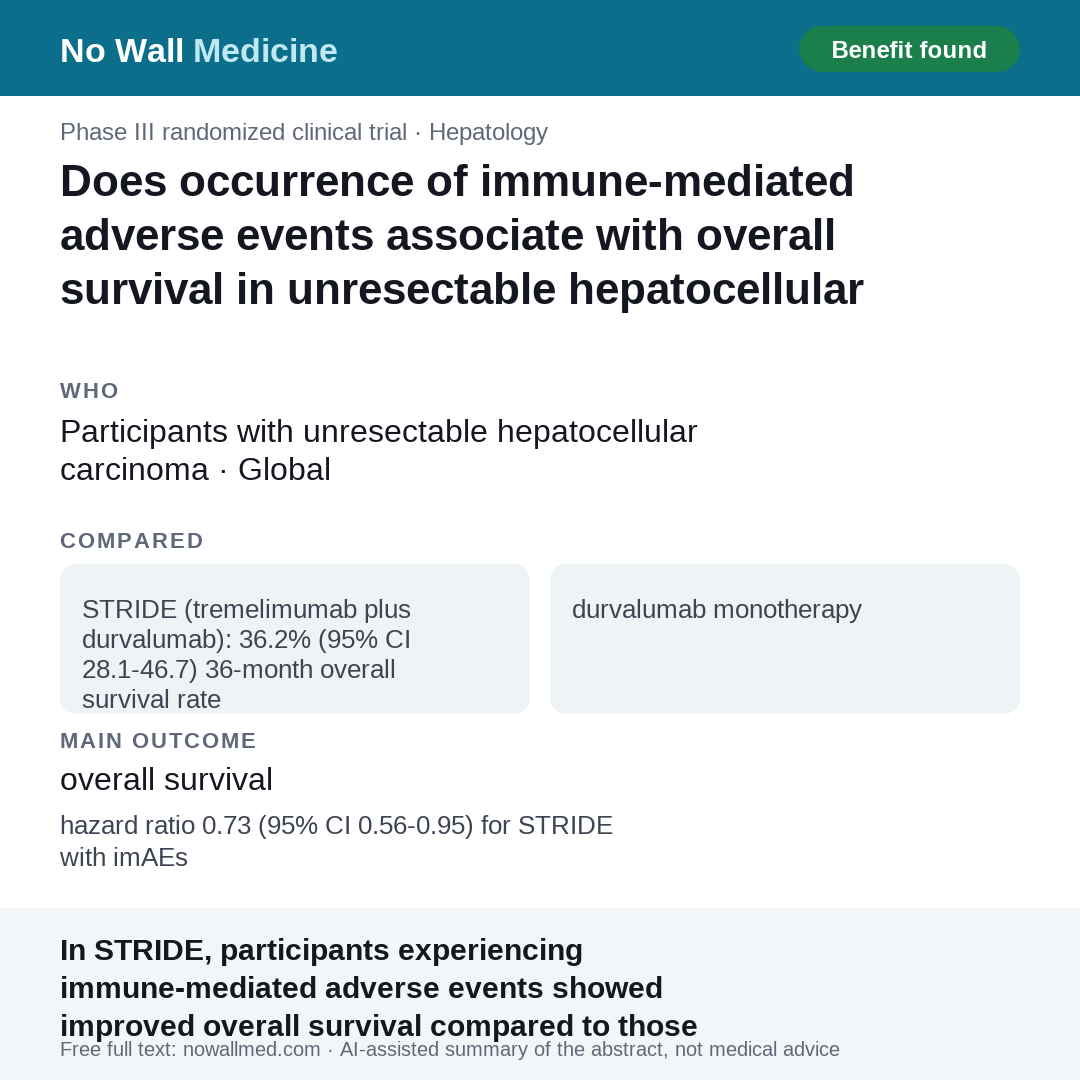
Immune-mediated adverse events and overall survival with tremelimumab plus durvalumab and durvalumab monotherapy in unresectable HCC: HIMALAYA phase III randomized clinical trial
Phase III randomized clinical trialBenefit found
Does occurrence of immune-mediated adverse events associate with overall survival in unresectable hepatocellular carcinoma?
Who
Participants with unresectable hepatocellular carcinoma · Global
Compared
STRIDE (tremelimumab plus durvalumab): 36.2% (95% CI 28.1-46.7) 36-month overall survival rate
durvalumab monotherapy
Main outcome
overall survival
Result: hazard ratio 0.73 (95% CI 0.56-0.95) for STRIDE with imAEs
Bottom line: In STRIDE, participants experiencing immune-mediated adverse events showed improved overall survival compared to those who did not.
Hepatology · 2025-05-16Download image
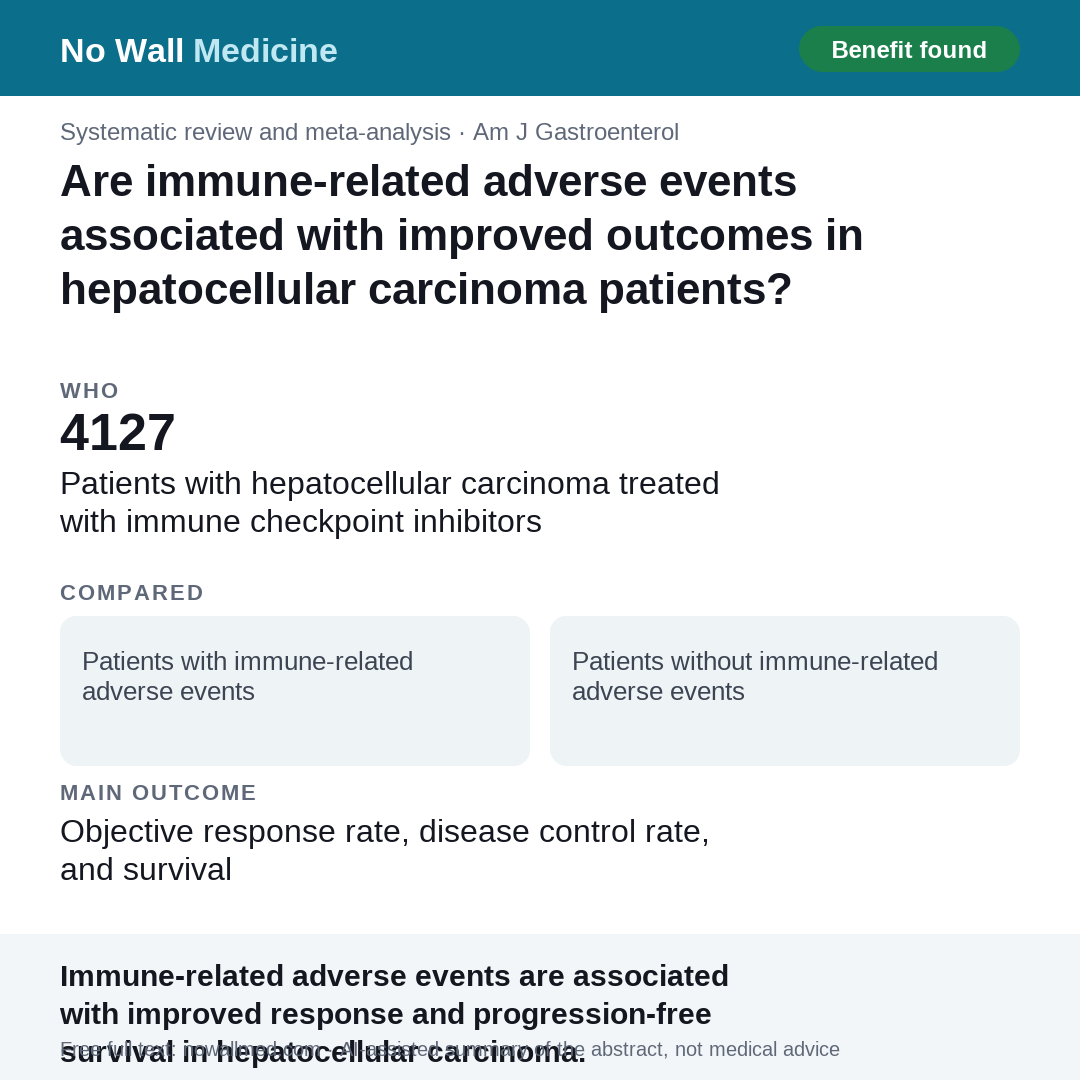
Immune-Related Adverse Events Are Associated With Improved Outcomes After Immune Checkpoint Inhibitor Treatment in Hepatocellular Carcinoma: A Systematic Review and Meta-Analysis
Systematic review and meta-analysisBenefit found
Are immune-related adverse events associated with improved outcomes in hepatocellular carcinoma patients?
Who
4127
Patients with hepatocellular carcinoma treated with immune checkpoint inhibitors
Compared
Patients with immune-related adverse events
Patients without immune-related adverse events
Main outcome
Objective response rate, disease control rate, and survival
Result: pooled hazard ratio 0.66 (95% CI 0.52-0.84)
Bottom line: Immune-related adverse events are associated with improved response and progression-free survival in hepatocellular carcinoma.
Am J Gastroenterol · 2025-05-16Download image
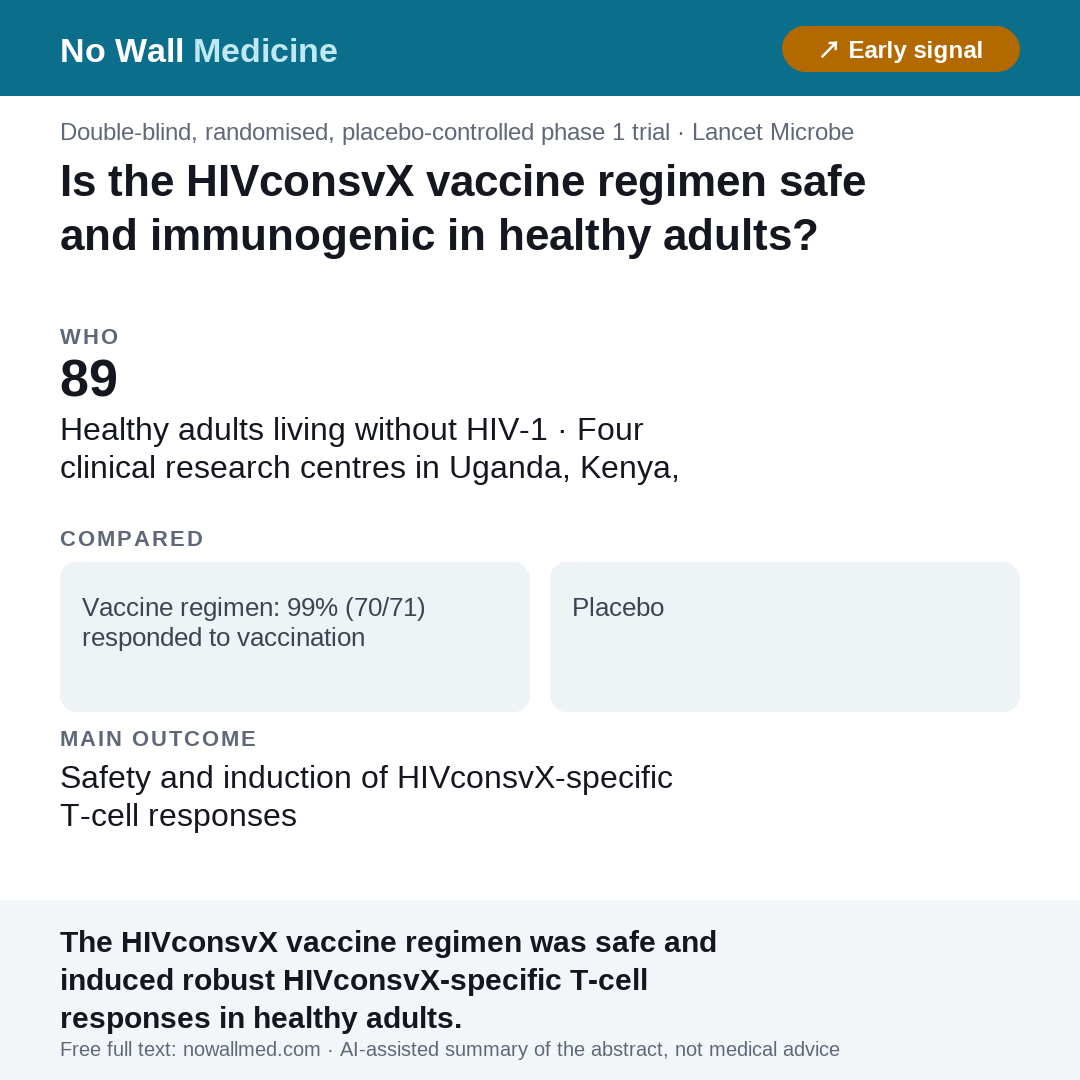
Safety and broad immunogenicity of HIVconsvX conserved mosaic candidate T-cell vaccines vectored by ChAdOx1 and MVA in HIV-CORE 006: a double-blind, randomised, placebo-controlled phase 1 trial in healthy adults living without HIV-1 in eastern and southern Africa
Double-blind, randomised, placebo-controlled phase 1 trialBenefit found
Is the HIVconsvX vaccine regimen safe and immunogenic in healthy adults?
Who
89
Healthy adults living without HIV-1 · Four clinical research centres in Uganda, Kenya, and Zambia
Compared
Vaccine regimen: 99% (70/71) responded to vaccination
Placebo
Main outcome
Safety and induction of HIVconsvX-specific T-cell responses
Bottom line: The HIVconsvX vaccine regimen was safe and induced robust HIVconsvX-specific T-cell responses in healthy adults.
Funded by: European and Developing Countries Clinical Trials Partnership
Lancet Microbe · 2025-05-16Download image
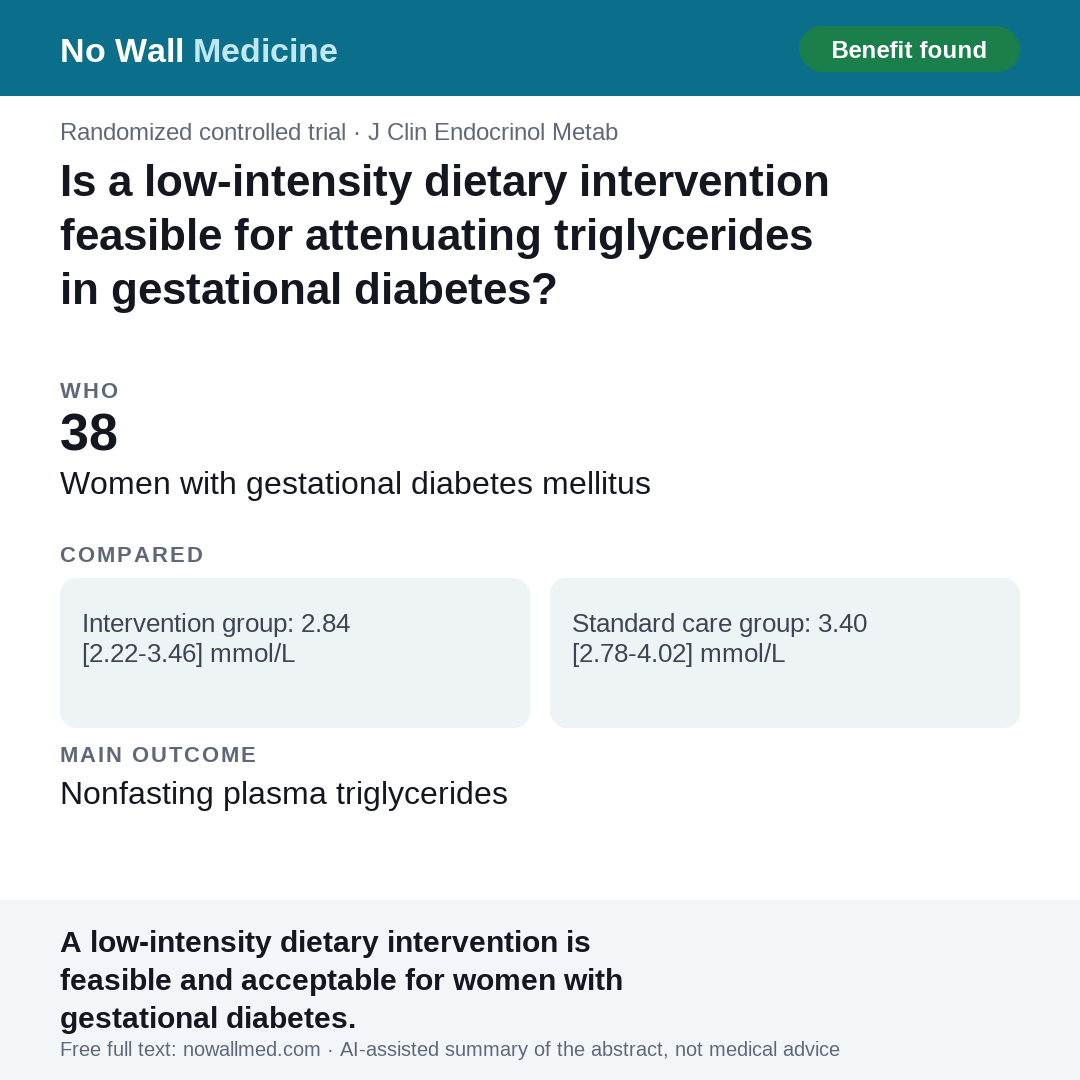
A Low-Intensity Nutrition Intervention Targeting Triglycerides in Gestational Diabetes: A Feasibility RCT
Randomized controlled trialBenefit found
Is a low-intensity dietary intervention feasible for attenuating triglycerides in gestational diabetes?
Who
38
Women with gestational diabetes mellitus
Compared
Intervention group: 2.84 [2.22-3.46] mmol/L
Standard care group: 3.40 [2.78-4.02] mmol/L
Main outcome
Nonfasting plasma triglycerides
Bottom line: A low-intensity dietary intervention is feasible and acceptable for women with gestational diabetes.
J Clin Endocrinol Metab · 2025-05-16Download image
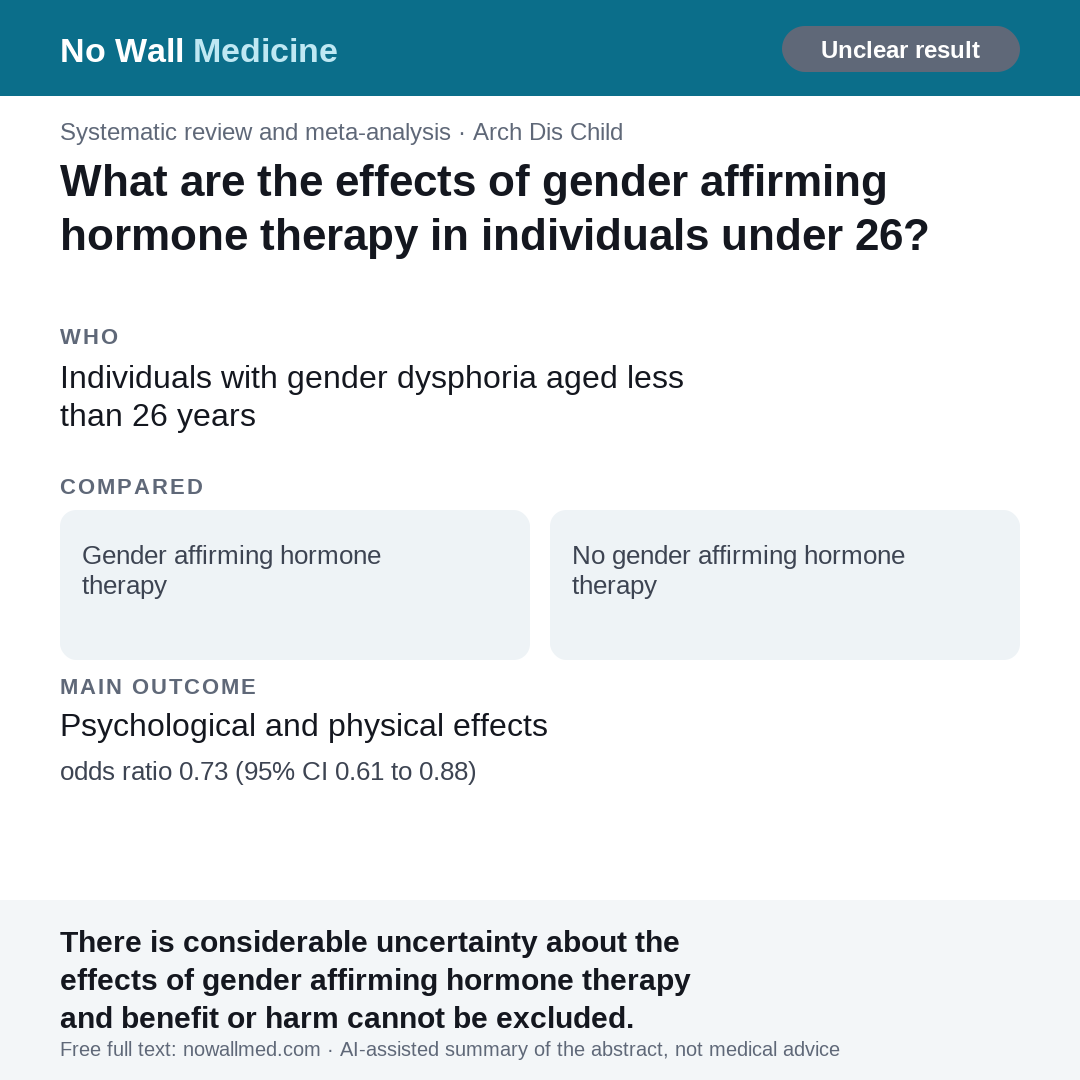
Gender affirming hormone therapy for individuals with gender dysphoria aged <26 years: a systematic review and meta-analysis
Systematic review and meta-analysisUnclear result
What are the effects of gender affirming hormone therapy in individuals under 26?
Who
Individuals with gender dysphoria aged less than 26 years
Compared
Gender affirming hormone therapy
No gender affirming hormone therapy
Main outcome
Psychological and physical effects
Result: odds ratio 0.73 (95% CI 0.61 to 0.88)
Bottom line: There is considerable uncertainty about the effects of gender affirming hormone therapy and benefit or harm cannot be excluded.
Limitation: Evidence provided was mostly very low certainty and methodologically rigorous prospective studies are needed.
Arch Dis Child · 2025-05-16Download image