Visual abstracts
New randomized trials and meta-analyses from leading journals at a glance: who was studied, what was compared, and what was found. Every paper is free to read in full.
All specialtiesCardiology 4256Oncology 3619Gastroenterology & Hepatology 1698Infectious Disease 3235Neurology 1693Psychiatry & Mental Health 1999Pulmonology 1849Critical Care 1206Endocrinology & Diabetes 2207Pediatrics 2576Surgery 2250Orthopedics & Sports Medicine 804Neurosurgery 479Cardiothoracic & Vascular Surgery 552Plastic & Reconstructive Surgery 556Nephrology 956Rheumatology 705Hematology 958Dermatology 538Ophthalmology 467Obstetrics & Gynecology 1467Public & Global Health 861Radiology & Imaging 571Anesthesiology 866Urology 677ENT (Otolaryngology) 453Emergency Medicine 450Allergy & Immunology 264Geriatrics 877Family Medicine & Primary Care 502Medical Genetics & Genomics 592Pathology & Laboratory Medicine 143Physical Medicine & Rehabilitation 652Palliative Care 382Nutrition 1320Digital Health & AI 1972General Medicine 294
Perioperative meticulous nursing in patients undergoing general anesthesia: a randomized controlled trial
Randomized controlled trialBenefit found
Does perioperative meticulous nursing improve anesthesia recovery in patients with digestive system diseases?
Who
90
Patients with digestive system diseases undergoing general anesthesia · one hospital
Compared
control group: routine perioperative nursing
observation group: perioperative meticulous nursing
Main outcome
quality and safety of anesthesia recovery
Bottom line: Perioperative meticulous nursing improves recovery quality, stabilizes body temperature, and reduces stress responses in digestive system disease patients.
Perioper Med · 2026-04-15Download image

Cognitive and Brain Reserve as Modifiers of Early Alzheimer Disease-Related Cognitive Vulnerability
Cross-sectional studyBenefit found
Do cognitive and brain reserve modify associations between Alzheimer disease pathology and cognitive function?
Who
621
Cognitively unimpaired, physically inactive, community-dwelling adults · 3 US universities
Compared
Brain-predicted age difference moderation: episodic memory β = -0.09 [-0.16 to -0.02]
Socioeconomic status moderation: episodic memory β = 0.08 [0.01-0.16]
Main outcome
Cognitive function
Bottom line: Brain-predicted age difference moderated the association between Alzheimer disease pathology and multiple cognitive domains.
Limitation: Longitudinal studies are needed to confirm these conclusions.
Neurology · 2026-04-14Download image

Inhibition of high CXCR4 with motixafortide and absence of single-cell MRD predict outcome after AML consolidation
Randomized, double-blind, placebo-controlled phase 2 trialNo clear difference
Does motixafortide plus high-dose cytarabine improve relapse-free survival in acute myeloid leukemia?
Who
128
Patients in first remission of acute myeloid leukemia
Compared
10.3 monthsmotixafortide plus high-dose cytarabine (95% confidence interval 8.0-12.0)
11.5 monthsplacebo plus high-dose cytarabine (95% confidence interval 8.6-24.1)
Main outcome
Median relapse-free survival
Bottom line: Motixafortide plus high-dose cytarabine did not substantially improve median relapse-free survival compared to placebo.
Blood · 2026-04-14Download image

Nonpharmacologic interventions for managing distress, anxiety, and depression for patients with cancer and their family caregivers: A systematic review and meta-analysis
Systematic review and meta-analysis of 68 randomized controlled trialsMixed results
Do nonpharmacologic interventions reduce distress, anxiety, and depression in cancer patients and caregivers?
Who
11987
Adult patients with solid tumors and their family caregivers
Compared
Nonpharmacologic interventions
Control
Main outcome
Distress, anxiety, and depression
Bottom line: Nonpharmacologic interventions reduce patient distress, anxiety, and depression, and caregiver anxiety and depression, but not caregiver distress.
Limitation: Lack of long-term follow-up limits understanding of impact on prolonged or delayed psychological symptoms.
CA Cancer J Clin · 2026-04-14Download image

Efficacy of Biological and Steroid Therapies in Adolescent and Adult Patients With Eosinophilic Esophagitis: A Systematic Review and Network Meta-Analysis With Meta-Regression
Network meta-analysisBenefit found
Efficacy of therapies for eosinophilic esophagitis
Who
Adolescent and adult patients
Compared
Biological therapies
Steroid therapies
Main outcome
Dysphagia improvement and histologic remission
Bottom line: Most therapies improved histologic remission
Clin Gastroenterol Hepatol · 2026-04-14Download image

Integrating Social and Clinical Determinants of Pre-Eclampsia: A Hierarchical Systematic Review and Conceptual Framework for Prevention
Systematic reviewUnclear result
What causes pre-eclampsia
Who
pregnant women
Compared
social factors
clinical factors
Main outcome
pre-eclampsia incidence
Bottom line: Pre-eclampsia has many social and clinical causes
BJOG · 2026-04-14Download image

The Association of Preoperative Cognitive Dysfunction to Common Intraoperative Electroencephalographic Parameters and Cerebral Hypoxia During Cardiac Surgery
Secondary analysis of a randomized trialMixed results
Does preoperative cognitive dysfunction associate with intraoperative electroencephalographic parameters and cerebral hypoxia?
Who
110
Patients 60 years or older undergoing cardiac surgery · Single academic center
Compared
Impaired cognition: 1.4 Hz lower spectral edge frequency
Normal cognition
Main outcome
Intraoperative burst suppression, spectral edge frequency, and cerebral desaturation
Result: 1.4 Hz lower spectral edge frequency (95% confidence interval 0.07-2.6)
Bottom line: Preoperative cognitive dysfunction was associated with lower spectral edge frequency but did not affect burst suppression or cerebral desaturation.
Limitation: This is a secondary analysis of an ongoing trial.
Anesth Analg · 2026-04-14Download image

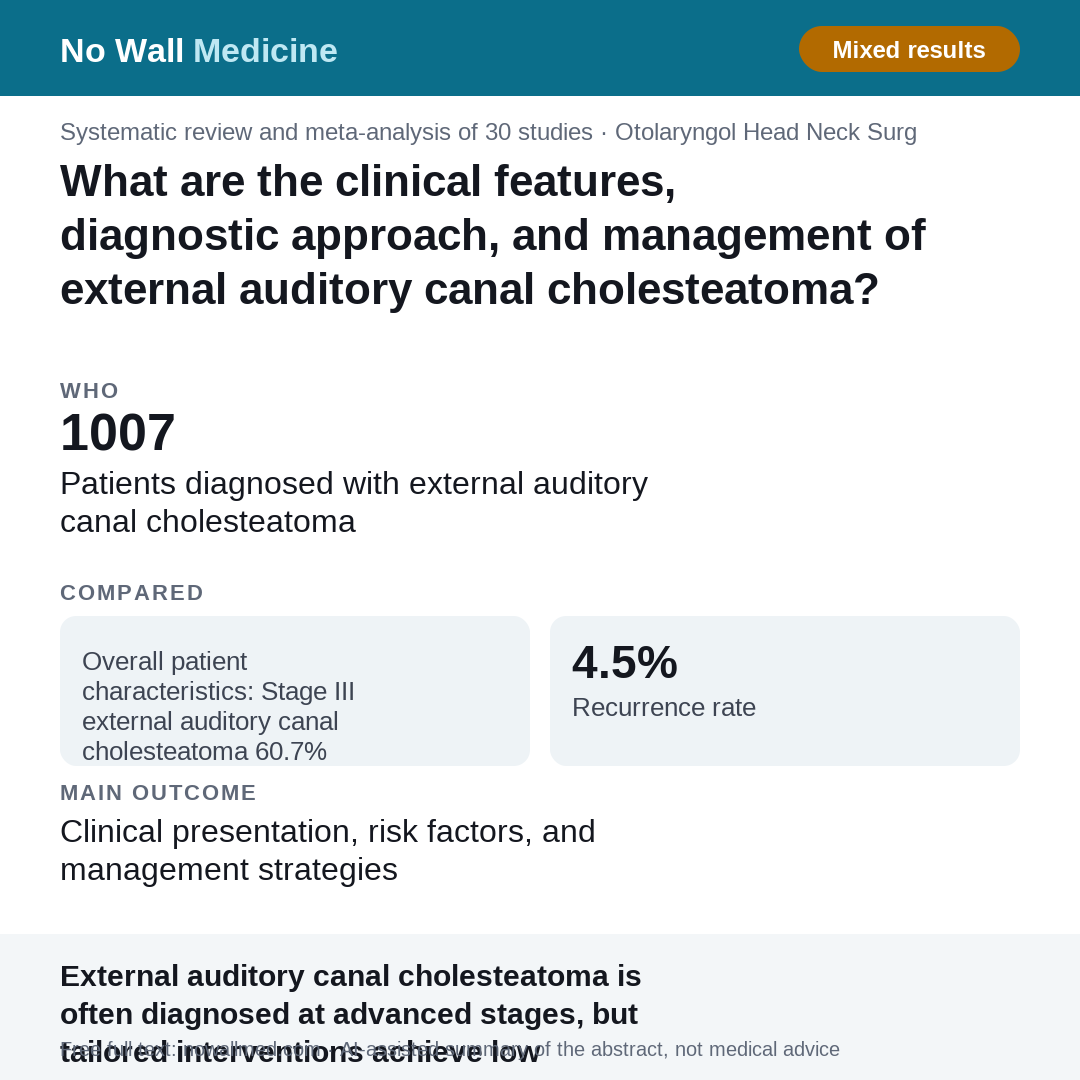
Canal Cholesteatoma Presentation and Management: A Systematic Review and Meta-Analysis
Systematic review and meta-analysis of 30 studiesMixed results
What are the clinical features, diagnostic approach, and management of external auditory canal cholesteatoma?
Who
1007
Patients diagnosed with external auditory canal cholesteatoma
Compared
Overall patient characteristics: Stage III external auditory canal cholesteatoma 60.7%
4.5%Recurrence rate
Main outcome
Clinical presentation, risk factors, and management strategies
Bottom line: External auditory canal cholesteatoma is often diagnosed at advanced stages, but tailored interventions achieve low recurrence rates.
Otolaryngol Head Neck Surg · 2026-04-14Download image
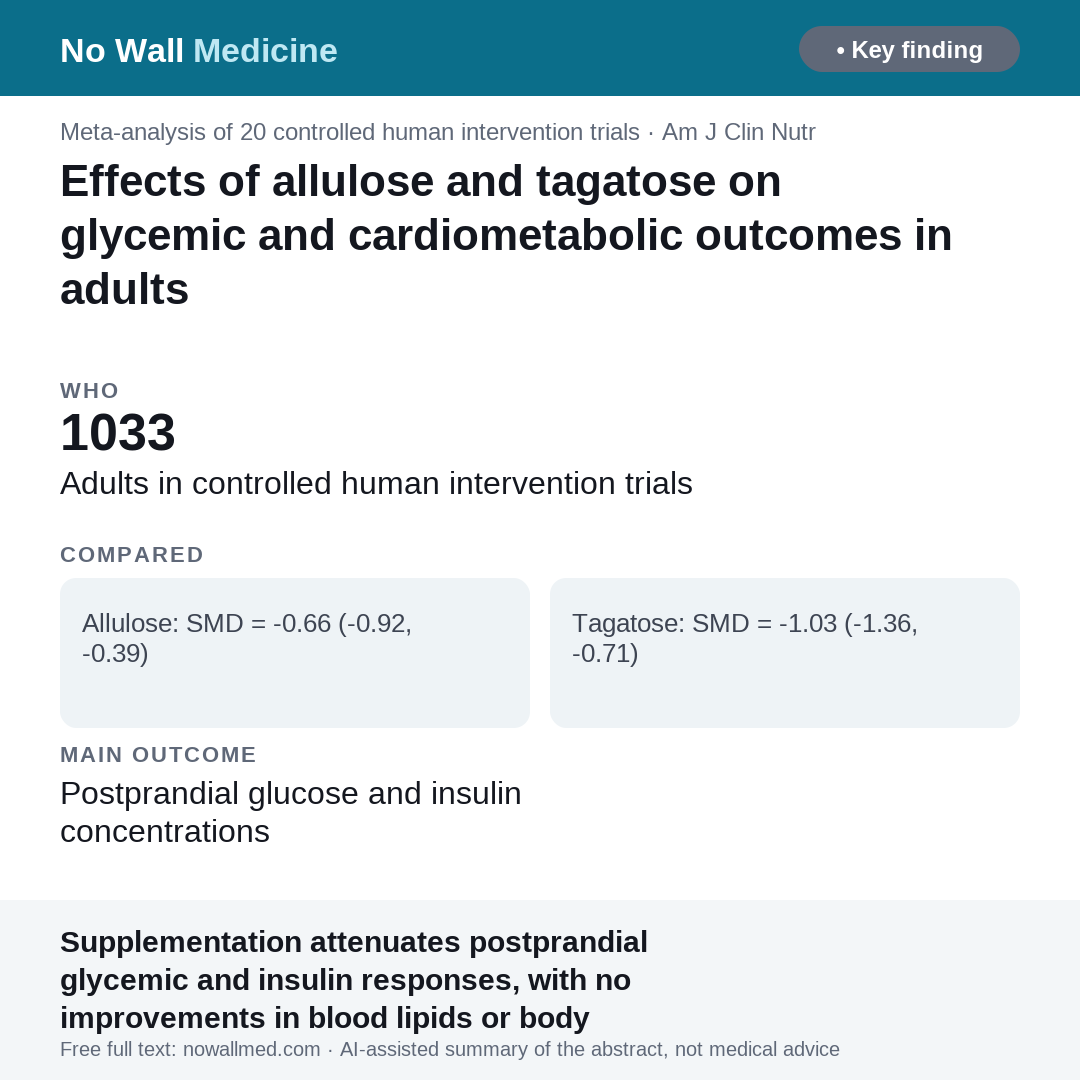
Glycemic and cardiometabolic effects of rare sugars allulose and tagatose: a systematic review and meta-analysis of controlled human intervention trials
Systematic review and meta-analysisMixed results
What are the glycemic and cardiometabolic effects of allulose and tagatose supplementation?
Who
1033
Adults
Compared
Allulose: postprandial glucose SMD = -0.66 (95% CI -0.92, -0.39)
Tagatose: postprandial glucose SMD = -1.03 (-1.36, -0.71)
Main outcome
glycemic, cardiometabolic, and anthropometric outcomes
Bottom line: Allulose and tagatose attenuate postprandial glucose and insulin responses but do not improve blood lipids or body composition.
Limitation: Certainty of evidence ranged from very low to moderate.
Am J Clin Nutr · 2026-04-14Download image
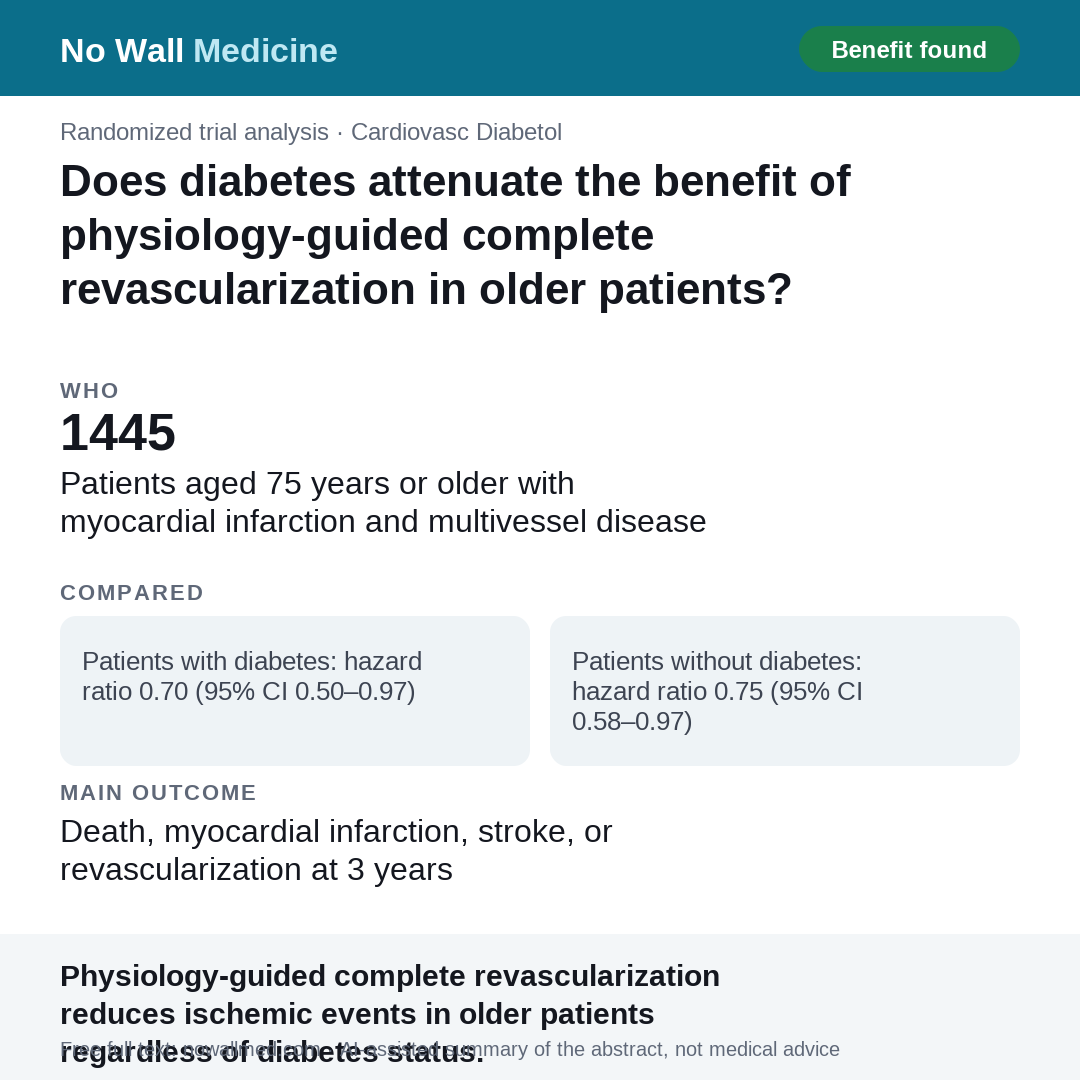
Diabetes does not attenuate the benefit of physiology-guided complete revascularization in older patients with myocardial infarction
Randomized trial analysisBenefit found
Does diabetes attenuate the benefit of physiology-guided complete revascularization in older patients?
Who
1445
Patients aged 75 years or older with myocardial infarction and multivessel disease
Compared
Patients with diabetes: hazard ratio 0.70 (95% CI 0.50–0.97)
Patients without diabetes: hazard ratio 0.75 (95% CI 0.58–0.97)
Main outcome
Death, myocardial infarction, stroke, or revascularization at 3 years
Result: hazard ratio 0.70 (95% CI 0.50–0.97) in diabetes
Bottom line: Physiology-guided complete revascularization reduces ischemic events in older patients regardless of diabetes status.
Cardiovasc Diabetol · 2026-04-14Download image
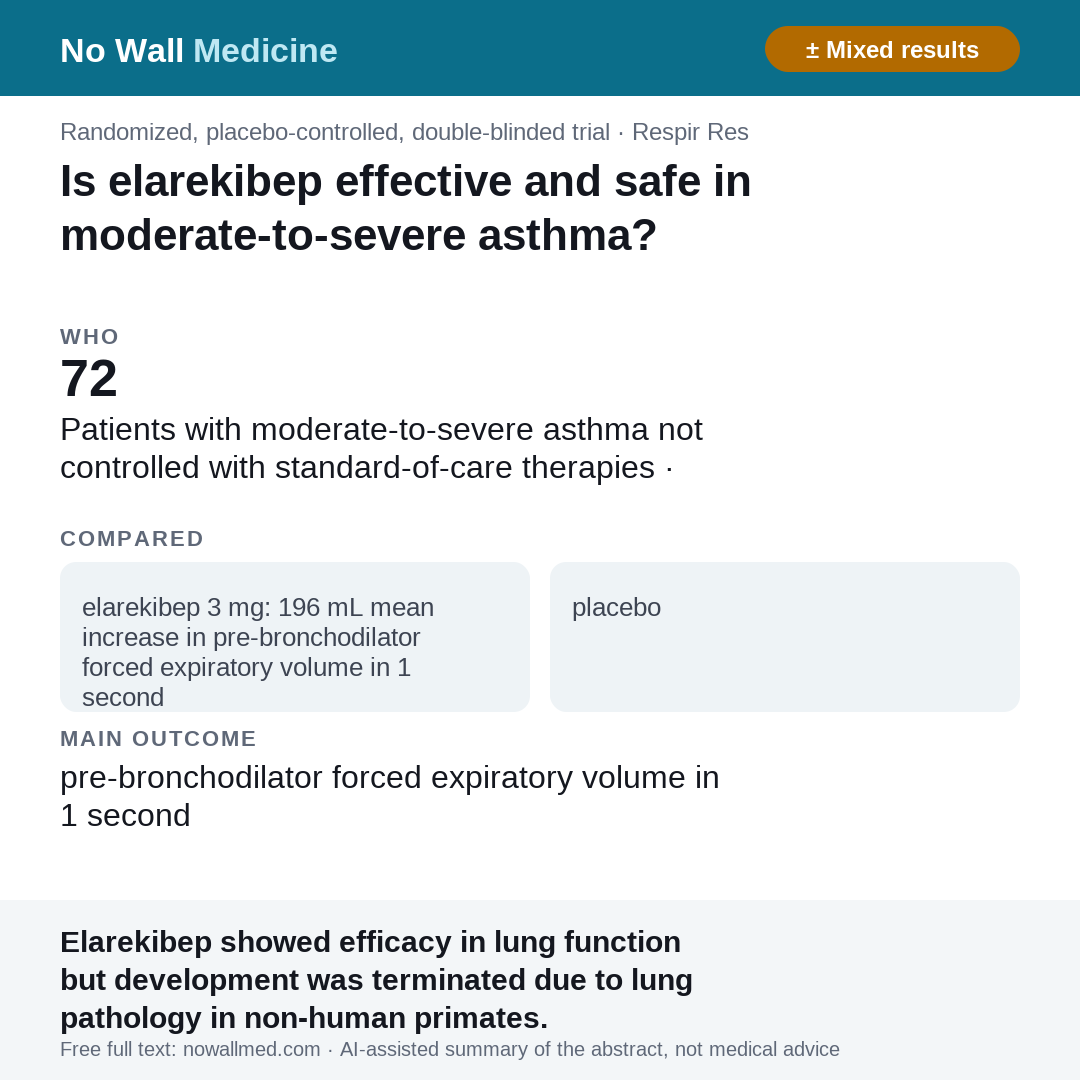
Elarekibep, an inhaled anti-IL-4 receptor alpha Anticalin, in moderate-to-severe asthma: a randomized, placebo-controlled phase 2a study (APATURA)
Randomized, placebo-controlled, double-blinded trialMixed results
Is elarekibep effective and safe in moderate-to-severe asthma?
Who
72
Patients with moderate-to-severe asthma not controlled with standard-of-care therapies · multicentre
Compared
elarekibep 3 mg: 196 mL mean increase in pre-bronchodilator forced expiratory volume in 1 second
placebo
Main outcome
pre-bronchodilator forced expiratory volume in 1 second
Result: 95% confidence interval: 14.3, 378
Bottom line: Elarekibep showed efficacy in lung function but development was terminated due to lung pathology in non-human primates.
Respir Res · 2026-04-14Download image
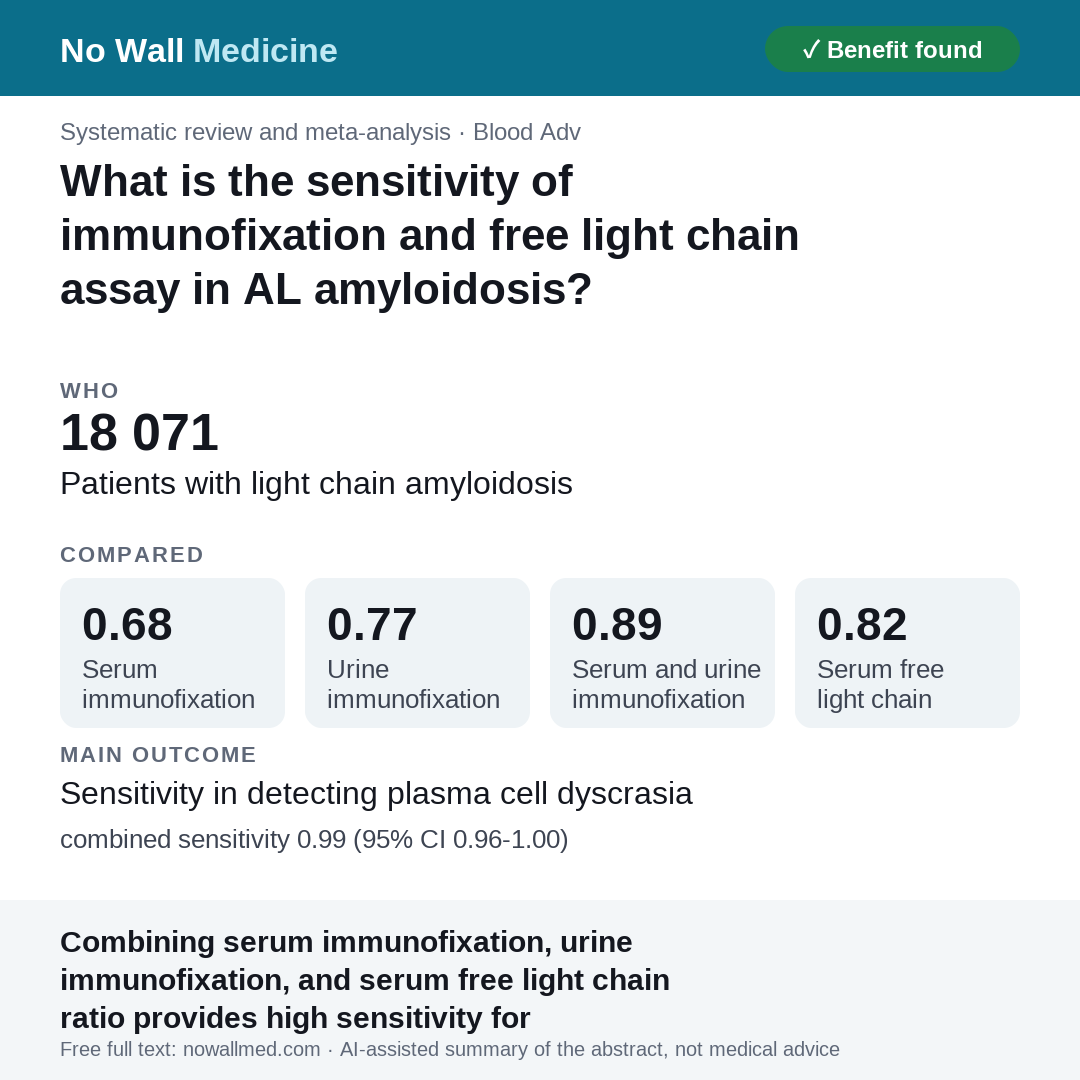
Diagnostic utility of immunofixation and free light chain assay in AL amyloidosis: a systematic review and meta-analysis
Systematic review and meta-analysisBenefit found
What is the sensitivity of immunofixation and free light chain assay in AL amyloidosis?
Who
18 071
Patients with light chain amyloidosis
Compared
0.68Serum immunofixation (95% CI 0.62-0.73)
0.77Urine immunofixation (95% CI 0.72-0.81)
0.89Serum and urine immunofixation (95% CI 0.84-0.93)
0.82Serum free light chain ratio (95% CI 0.78-0.86)
Main outcome
Sensitivity in detecting plasma cell dyscrasia
Result: combined sensitivity 0.99 (95% CI 0.96-1.00)
Bottom line: Combining serum immunofixation, urine immunofixation, and serum free light chain ratio provides high sensitivity for detecting AL amyloidosis.
Blood Adv · 2026-04-14Download image
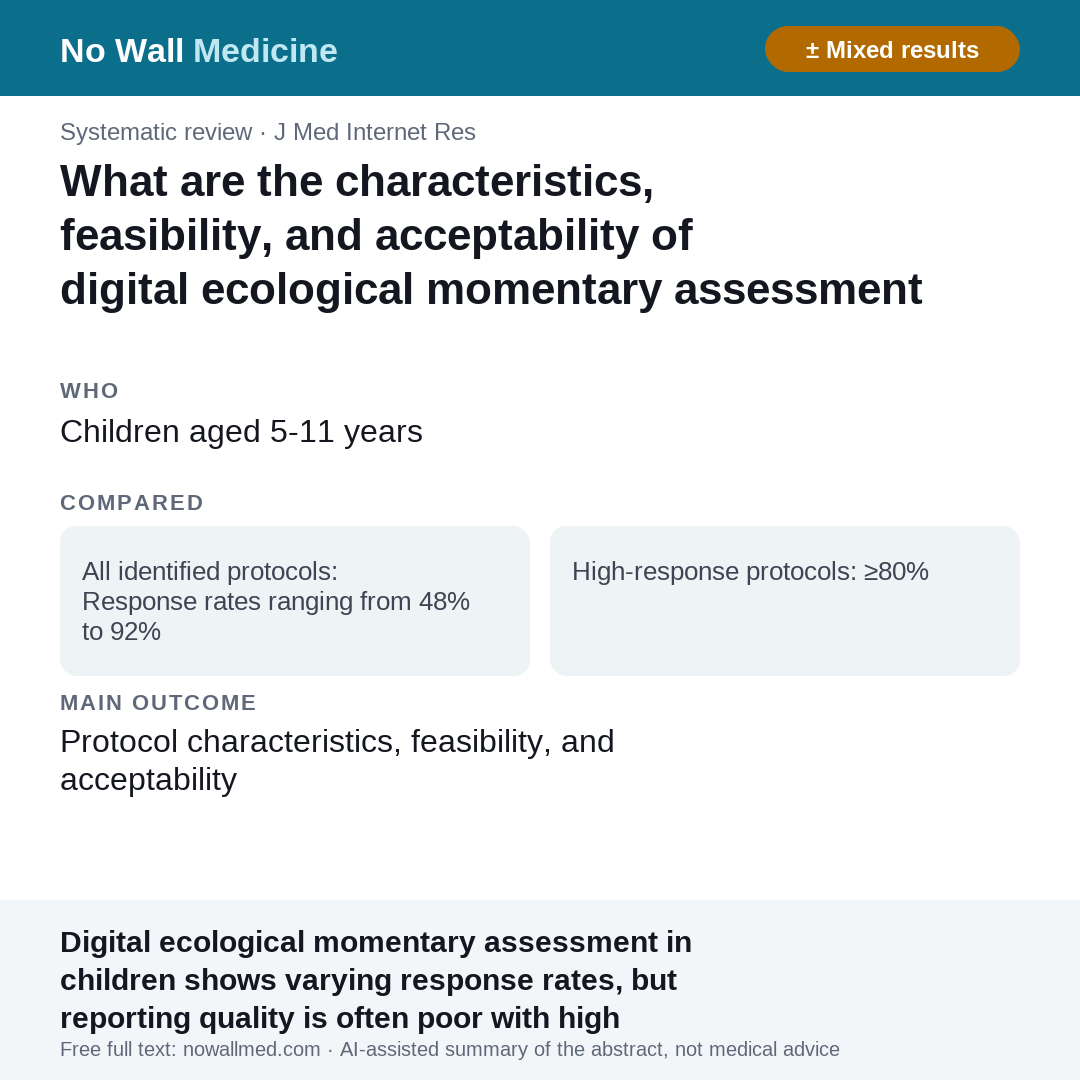
A Health-Related Digital Ecological Momentary Assessment in Children (Aged 5- 11 Years): Systematic Review
Systematic reviewMixed results
What are the characteristics, feasibility, and acceptability of digital ecological momentary assessment protocols in children?
Who
Children aged 5-11 years
Compared
All identified protocols: Response rates ranging from 48% to 92%
High-response protocols: ≥80%
Main outcome
Protocol characteristics, feasibility, and acceptability
Bottom line: Digital ecological momentary assessment in children shows varying response rates, but reporting quality is often poor with high risk of bias.
Limitation: Key data required for pooling were missing or selectively reported, leading to high risk of bias.
J Med Internet Res · 2026-04-14Download image
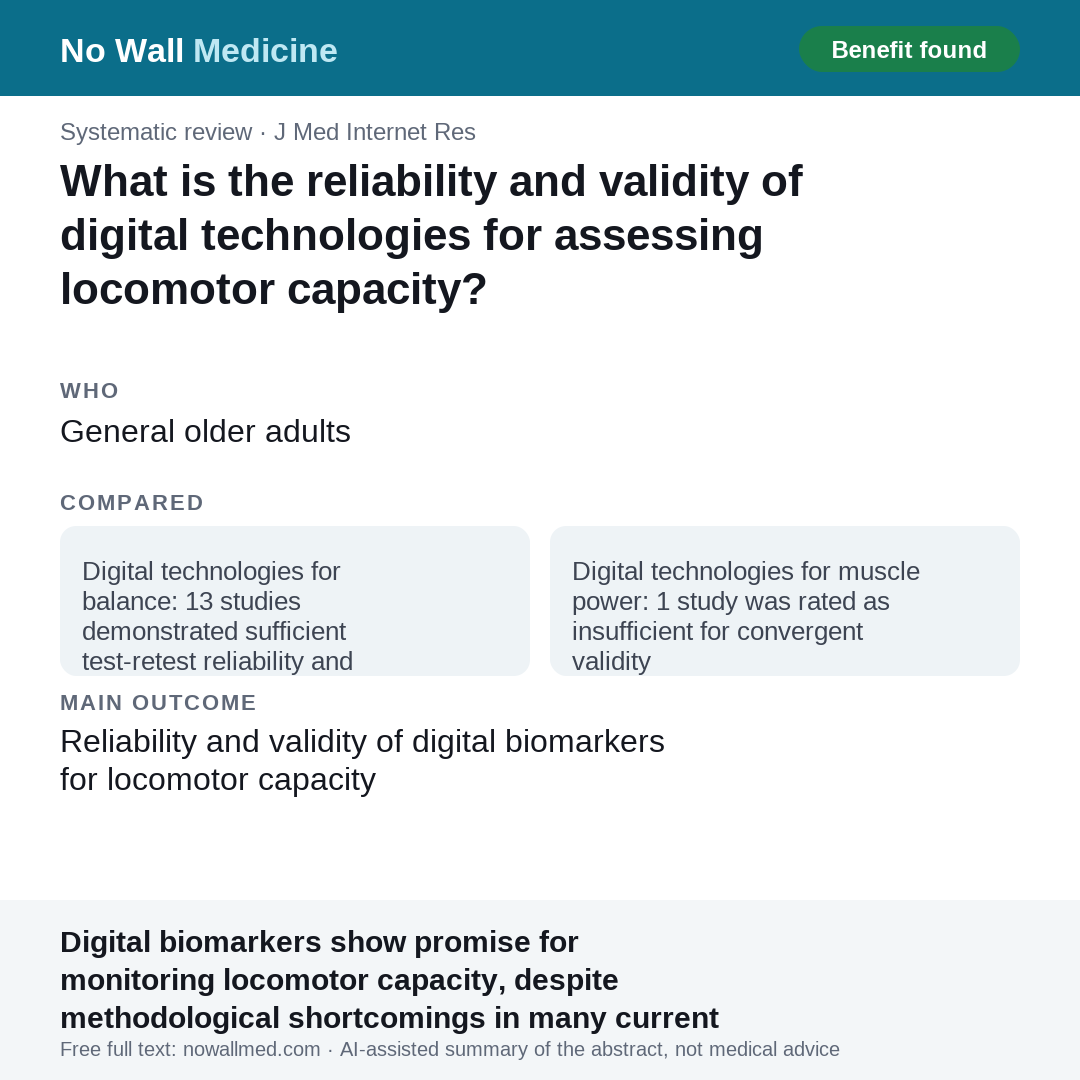
Digital Technologies and Biomarkers for Locomotor Capacity Assessment in Older Adults: Systematic Review
Systematic reviewBenefit found
What is the reliability and validity of digital technologies for assessing locomotor capacity?
Who
General older adults
Compared
Digital technologies for balance: 13 studies demonstrated sufficient test-retest reliability and validity
Digital technologies for muscle power: 1 study was rated as insufficient for convergent validity
Main outcome
Reliability and validity of digital biomarkers for locomotor capacity
Bottom line: Digital biomarkers show promise for monitoring locomotor capacity, despite methodological shortcomings in many current studies.
Limitation: Methodological quality was rated as doubtful or inadequate in 11 studies.
J Med Internet Res · 2026-04-14Download image
Biomarkers & Survival in Head and Neck Squamous Cell Carcinoma: A Systematic Review & Meta-Analysis
Systematic review and meta-analysisHarm found
Do EGFR, cyclin D1, and Bcl-2 overexpression associate with survival in head and neck squamous cell carcinoma?
Who
Patients with head and neck squamous cell carcinoma
Compared
EGFR overexpression: HR 1.52 (overall mortality), HR 1.33 (disease-related mortality), HR 1.99 (disease progression)
Cyclin D1 overexpression: HR 1.93 (overall mortality), HR 1.57 (disease-related mortality), HR 1.93 (disease-specific mortality)
Bcl-2 overexpression: HR 1.92 (overall mortality)
Main outcome
Overall, disease-free, and disease-specific survival
Bottom line: Overexpression of EGFR, cyclin D1, and Bcl-2 are biomarkers associated with worse prognosis in head and neck squamous cell carcinoma.
OTO Open · 2026-04-14Download image

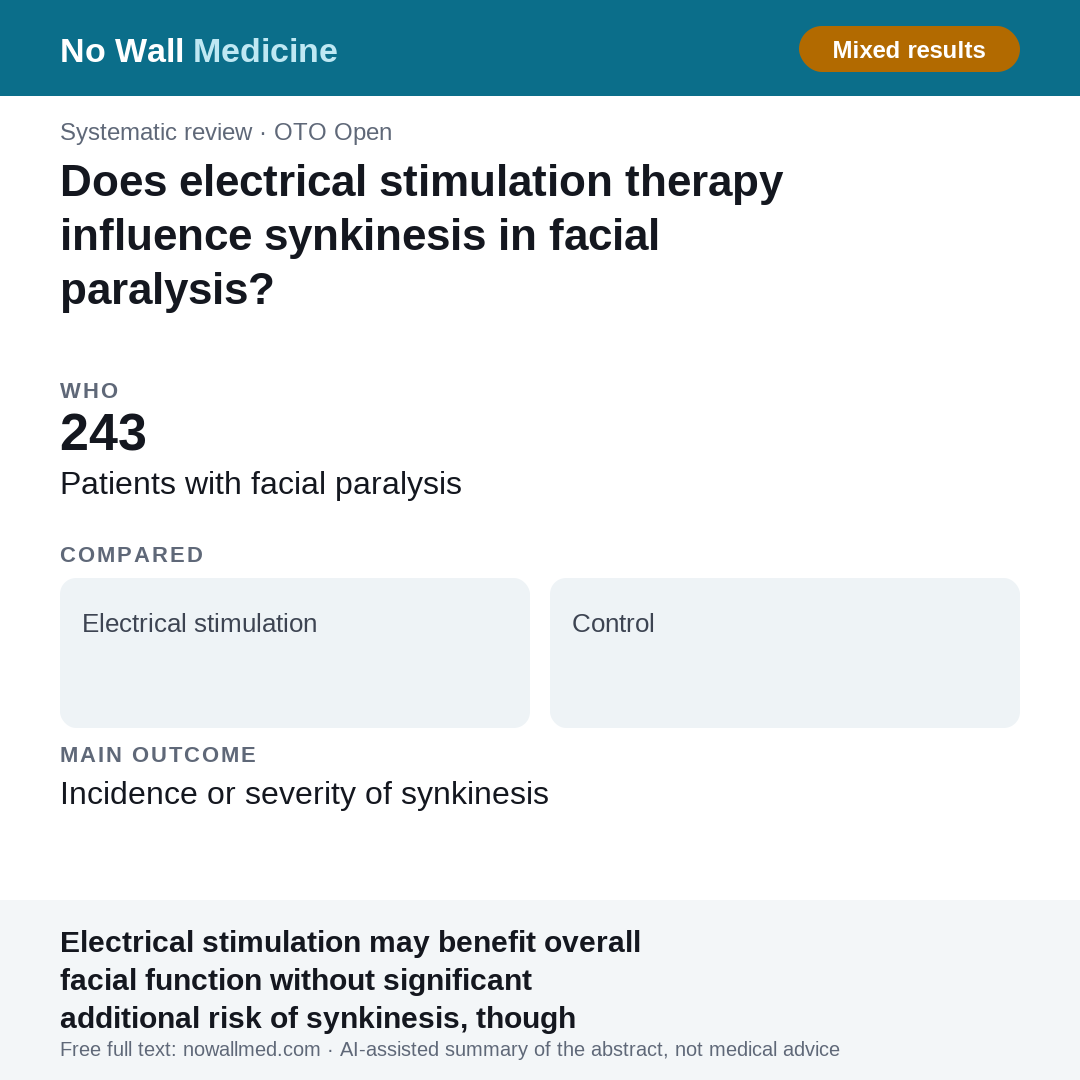
Does Electrical Stimulation Therapy Influence Synkinesis in Facial Paralysis? A Systematic Review
Systematic reviewMixed results
Does electrical stimulation therapy influence synkinesis in facial paralysis?
Who
243
Patients with facial paralysis
Compared
Electrical stimulation
Control
Main outcome
Incidence or severity of synkinesis
Bottom line: Electrical stimulation may benefit overall facial function without significant additional risk of synkinesis, though evidence remains inconsistent.
OTO Open · 2026-04-14Download image
Endovascular Therapy for Post-Thrombotic Syndrome - A Randomized Trial
Randomized trialBenefit found
Does endovascular therapy reduce post-thrombotic syndrome severity compared to standard care?
Who
225
Patients with moderate or severe post-thrombotic syndrome and iliac-vein obstruction
Compared
Endovascular therapy plus standard care: 8.1±5.1
Standard care alone: 10.0±4.9
Main outcome
Venous Clinical Severity Score at 6 months
Result: adjusted difference, -2.0; P = 0.001
Bottom line: Endovascular therapy reduces post-thrombotic syndrome severity and improves quality of life but increases bleeding risk.
Funded by: National Heart, Lung, and Blood Institute and others
NEJM · 2026-04-13Download image

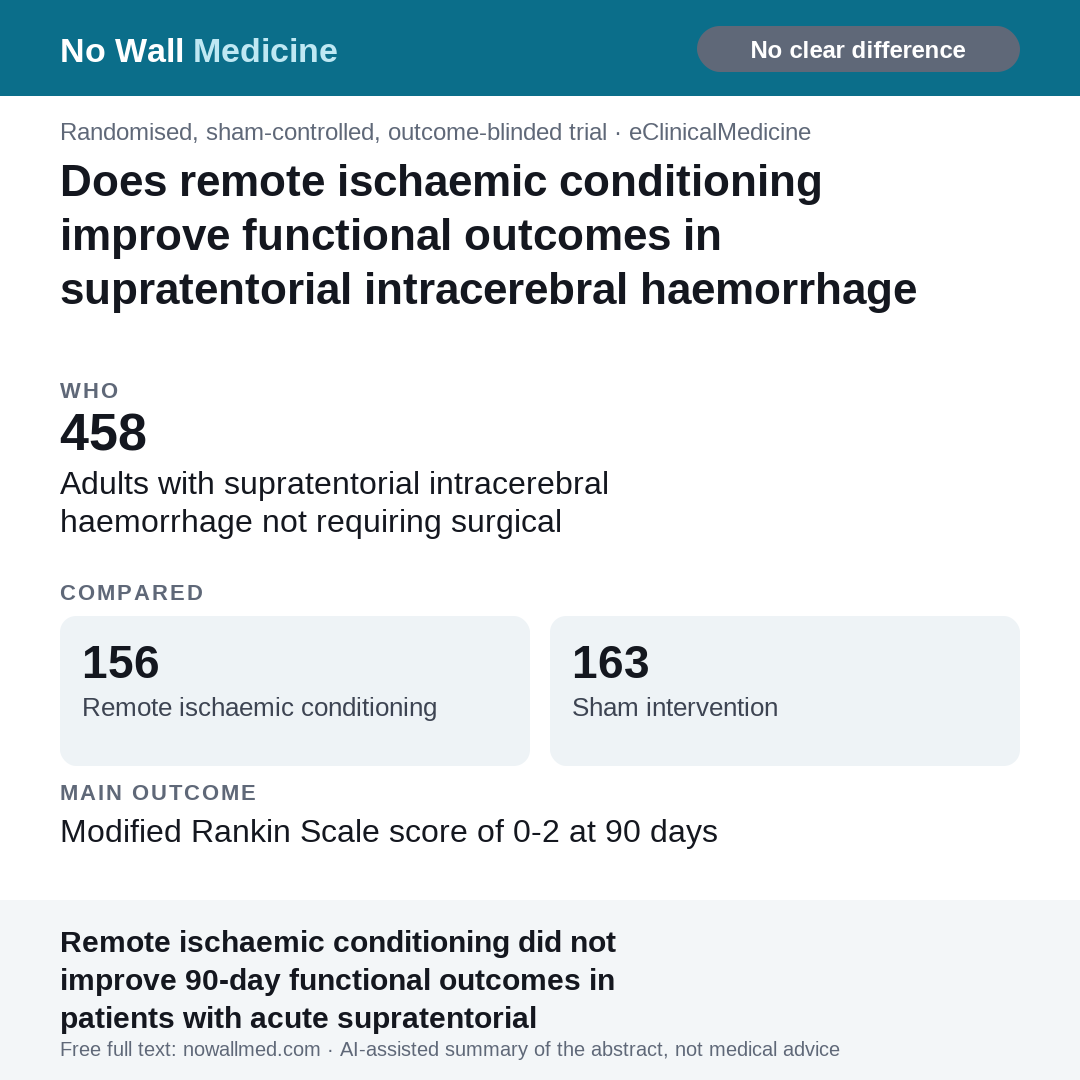
Remote ischaemic conditioning in patients with supratentorial intracerebral haemorrhage (RICH-2): a multicentre, randomised, sham-controlled phase 3 trial in China
Randomised, sham-controlled, outcome-blinded trialNo clear difference
Does remote ischaemic conditioning improve functional outcomes in supratentorial intracerebral haemorrhage patients?
Who
458
Adults with supratentorial intracerebral haemorrhage not requiring surgical intervention · 20 centres in China
Compared
156Remote ischaemic conditioning (68.1%)
163Sham intervention (71.2%)
Main outcome
Modified Rankin Scale score of 0-2 at 90 days
Result: adjusted risk ratio 0.97 (95% confidence interval 0.87-1.08)
Bottom line: Remote ischaemic conditioning did not improve 90-day functional outcomes in patients with acute supratentorial intracerebral haemorrhage.
eClinicalMedicine · 2026-04-13Download image
The association of pregnancy complications/risk factors with the development of cancer in women: an umbrella review
Umbrella review of 13 reviewsMixed results
Are pregnancy complications and risk factors associated with cancer risk in women?
Who
170
Women
Compared
Molar pregnancy: OR 4.72 (1.81-12.32) for gestational trophoblastic neoplasia
Miscarriage: OR 1.29 (95% CI 1.15-1.44) for thyroid cancer
Pre-eclampsia: RR 0.89 (0.83-0.95) for breast cancer
Gestational diabetes mellitus: RR 1.48 (1.04-2.09) for blood cancer
Main outcome
Association between pregnancy complications and cancer risk
Bottom line: Certain pregnancy complications are associated with specific cancer risks, though evidence is heterogeneous and limited by potential bias.
Limitation: Heterogeneous evidence limited by potential bias, confounding, and inconsistent review quality.
BMC Med · 2026-04-13Download image

Experiences and service-uptake factors of receiving and providing care for meningitis and its sequelae: a qualitative systematic review
Qualitative systematic reviewMixed results
What are the experiences and service-uptake factors for meningitis care and its sequelae?
Who
Patients, caregivers, and healthcare providers · Low- and middle-income countries and high-income countries
Compared
Low- and middle-income countries: financial barriers, cultural reliance on traditional healing, and systemic operational limitations
High-income countries: diagnostic uncertainty, communication failures, and absence of psychological support
Main outcome
Experiences and barriers to meningitis diagnosis, treatment, and care
Bottom line: Meningitis care faces context-specific barriers including resource access in low-income countries and clinical process failures in high-income countries.
Limitation: Limited data on facilitators of timely care uptake were found.
BMC Med · 2026-04-13Download image